
Kerr Acoustic K400 Loudspeakers
KERR ACOUSTIC K400 LOUDSPEAKERS REVIEW
Kerr Acoustic have been making a name for itself for a few years now, with speakers based around a transmission line design and ribbon tweeters. Jes Kerr is responsible for the tuning and kindly dropped off these K400s in person for review – they share a similar design to my main speakers, but use high-quality parts and a slightly longer transmission line internally. Let’s see how they perform in my system.
BUILD AND FEATURES OF THE KERR K400
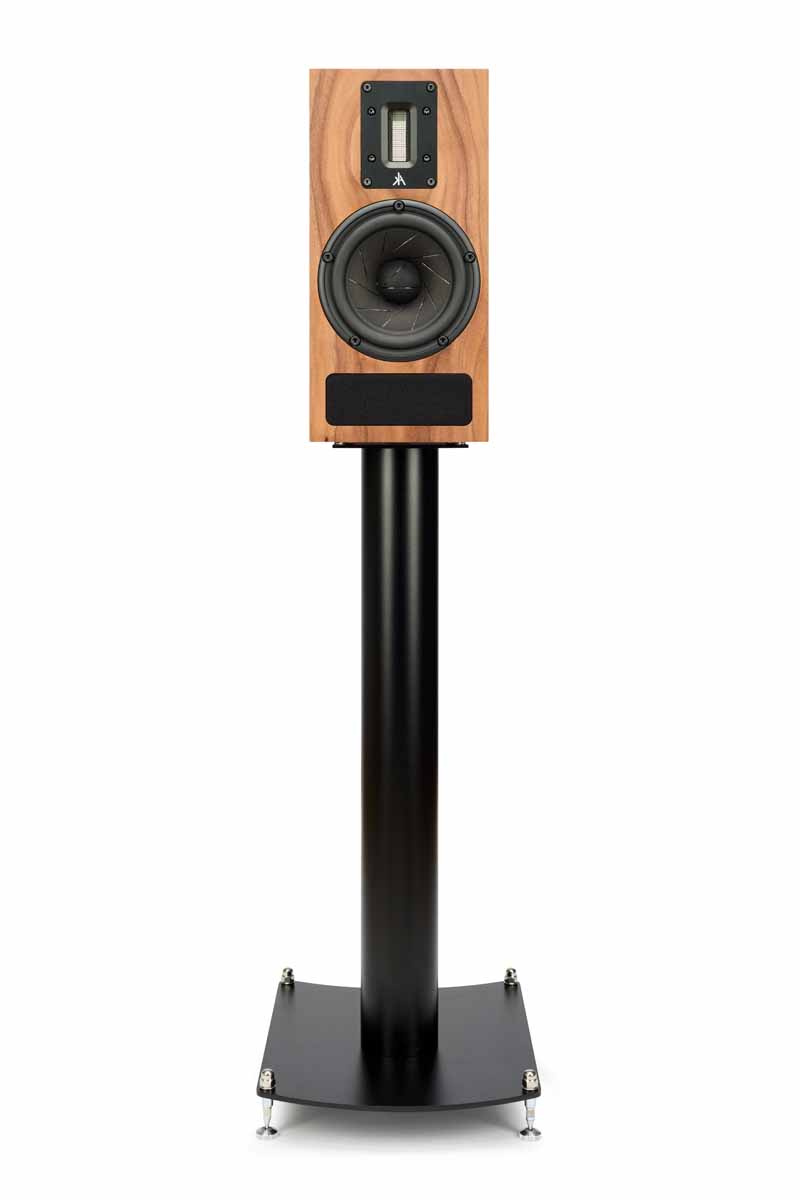
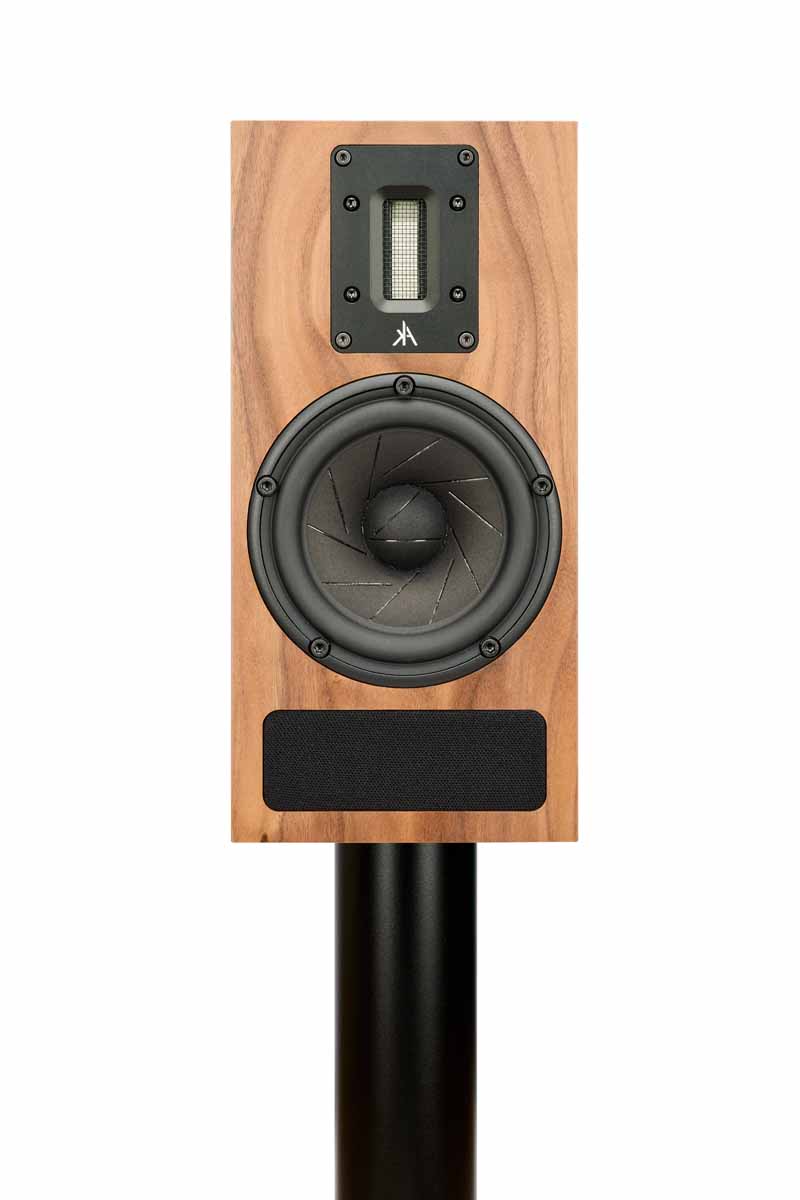
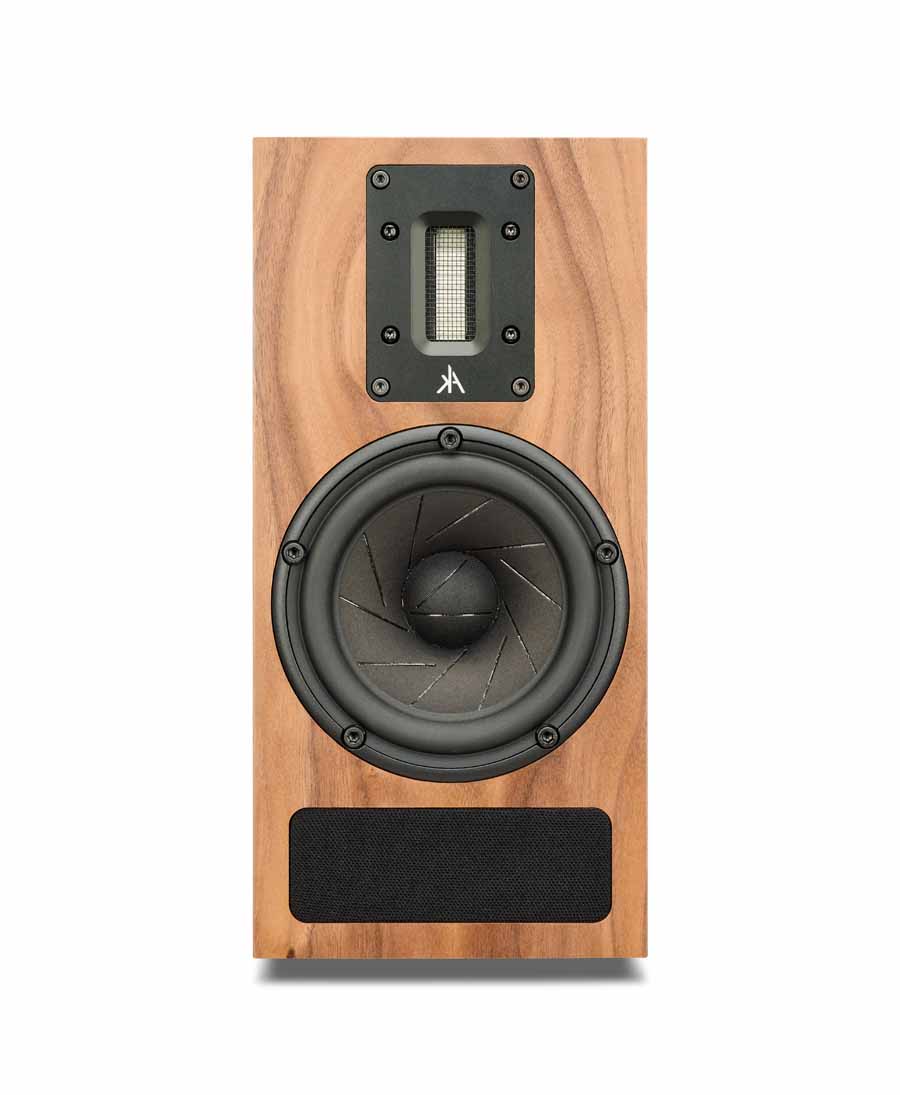
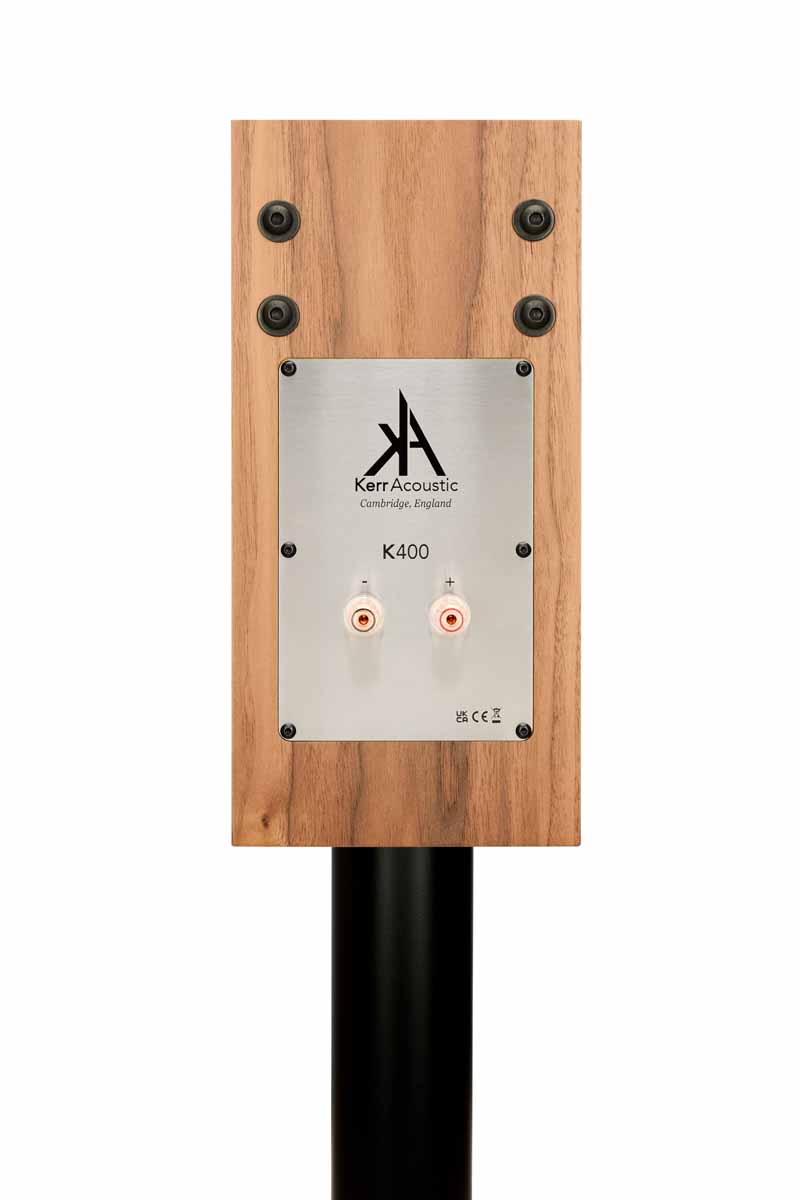
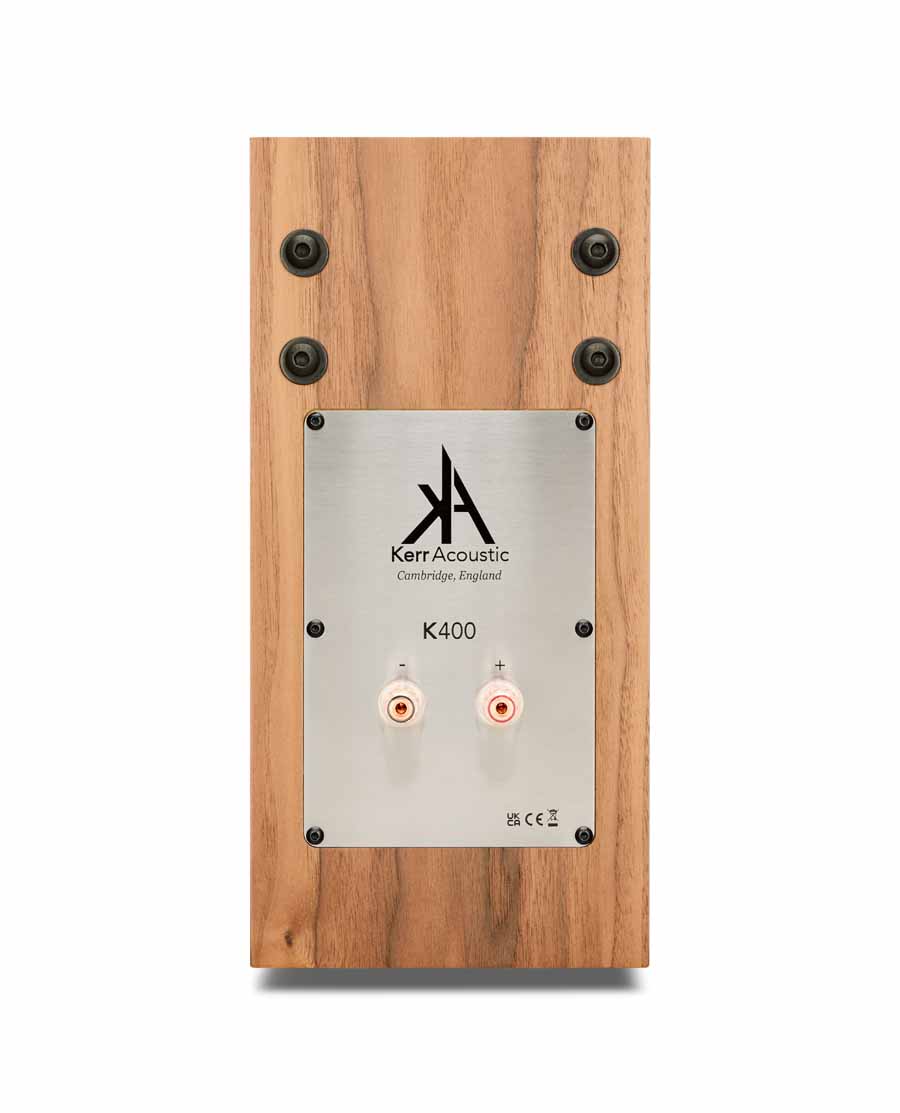
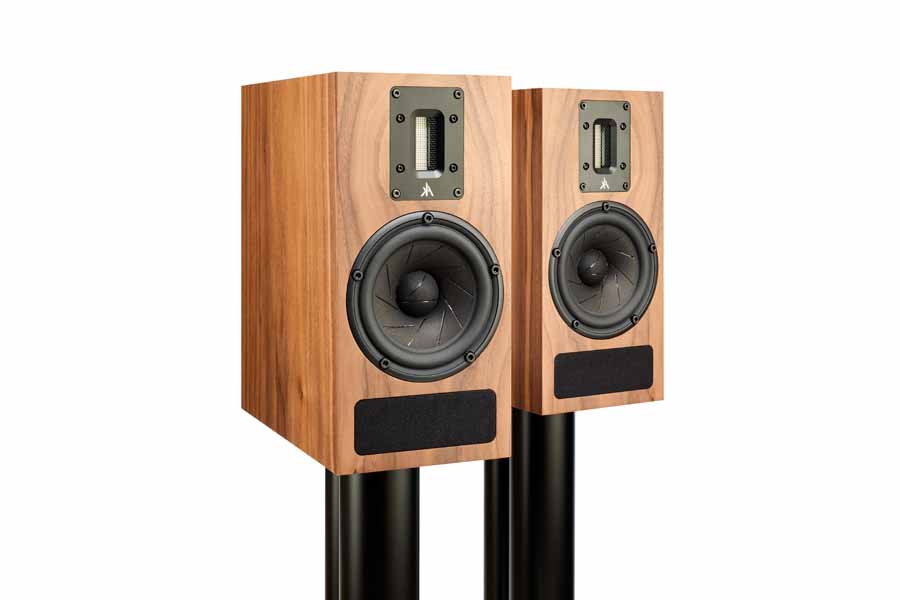
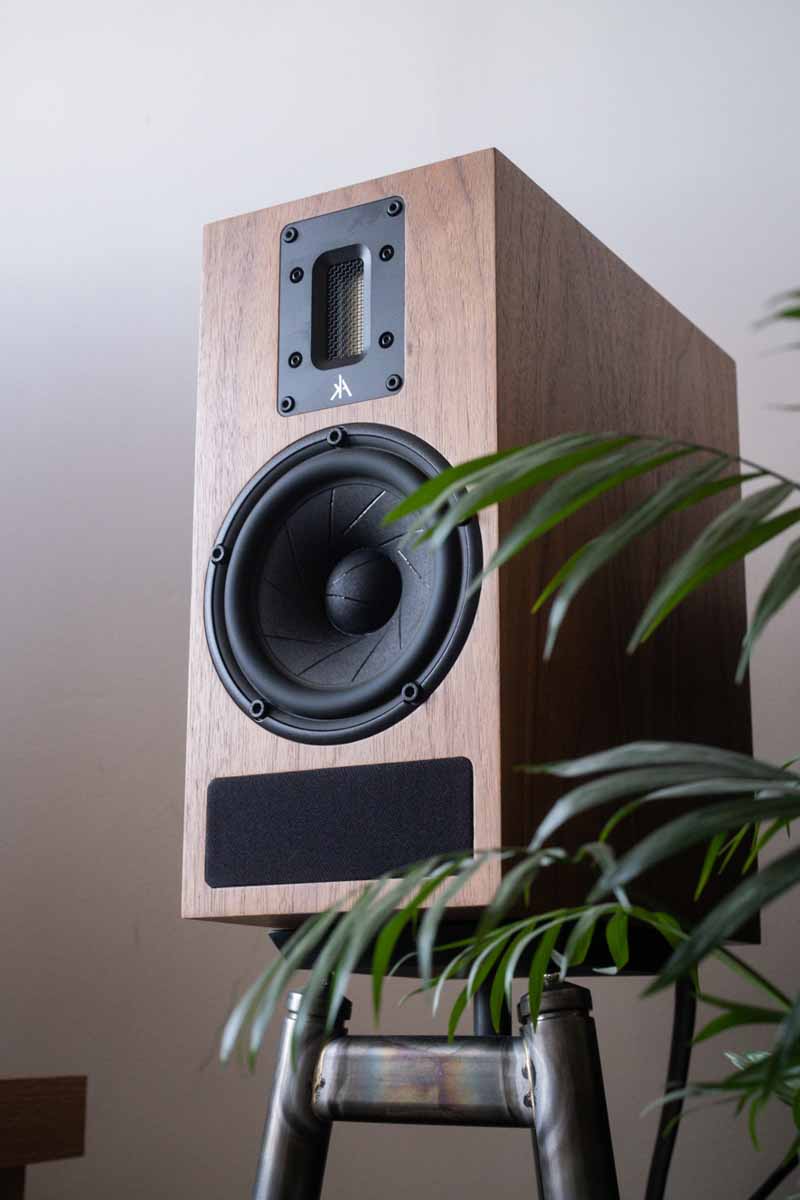
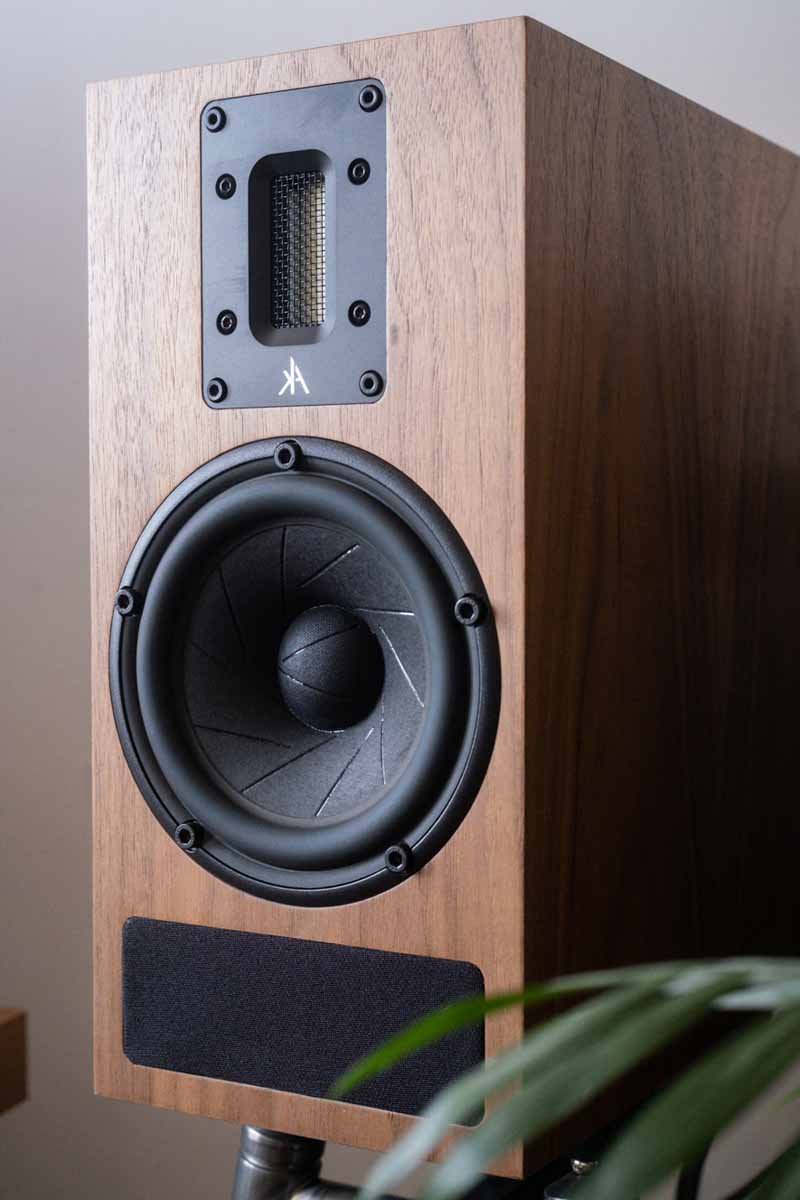
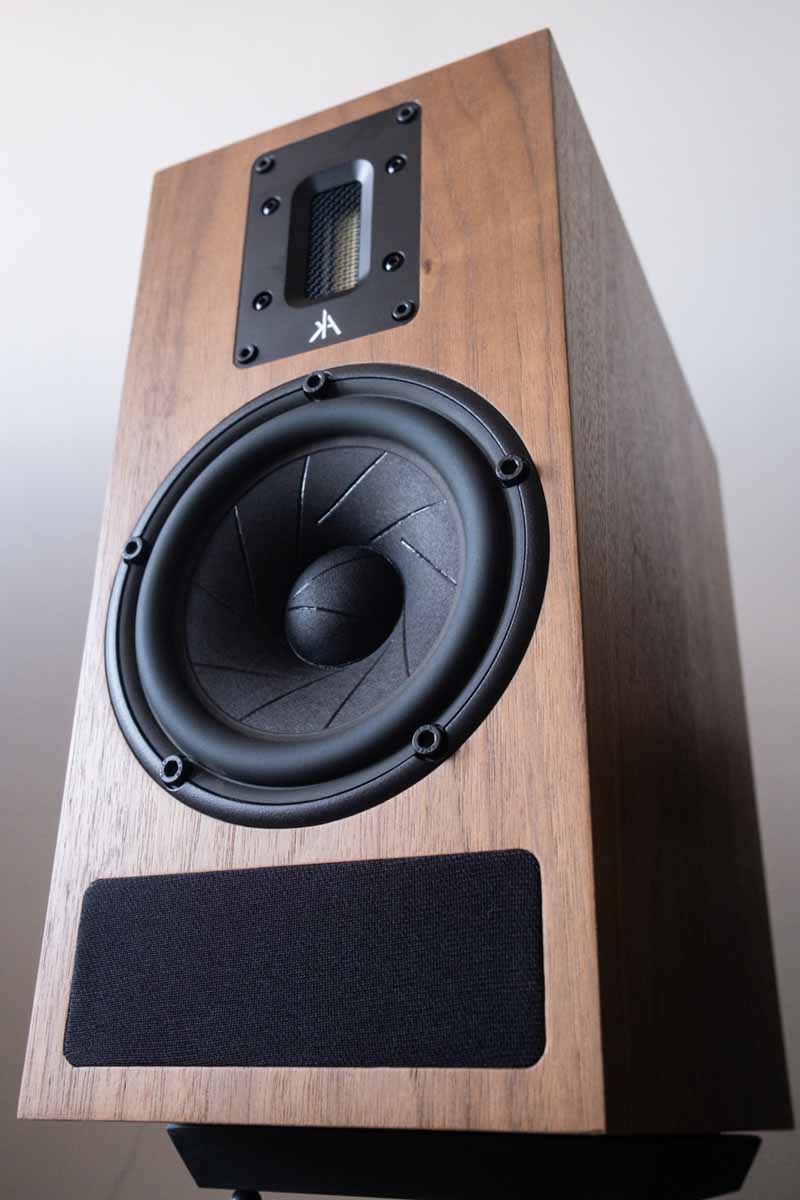
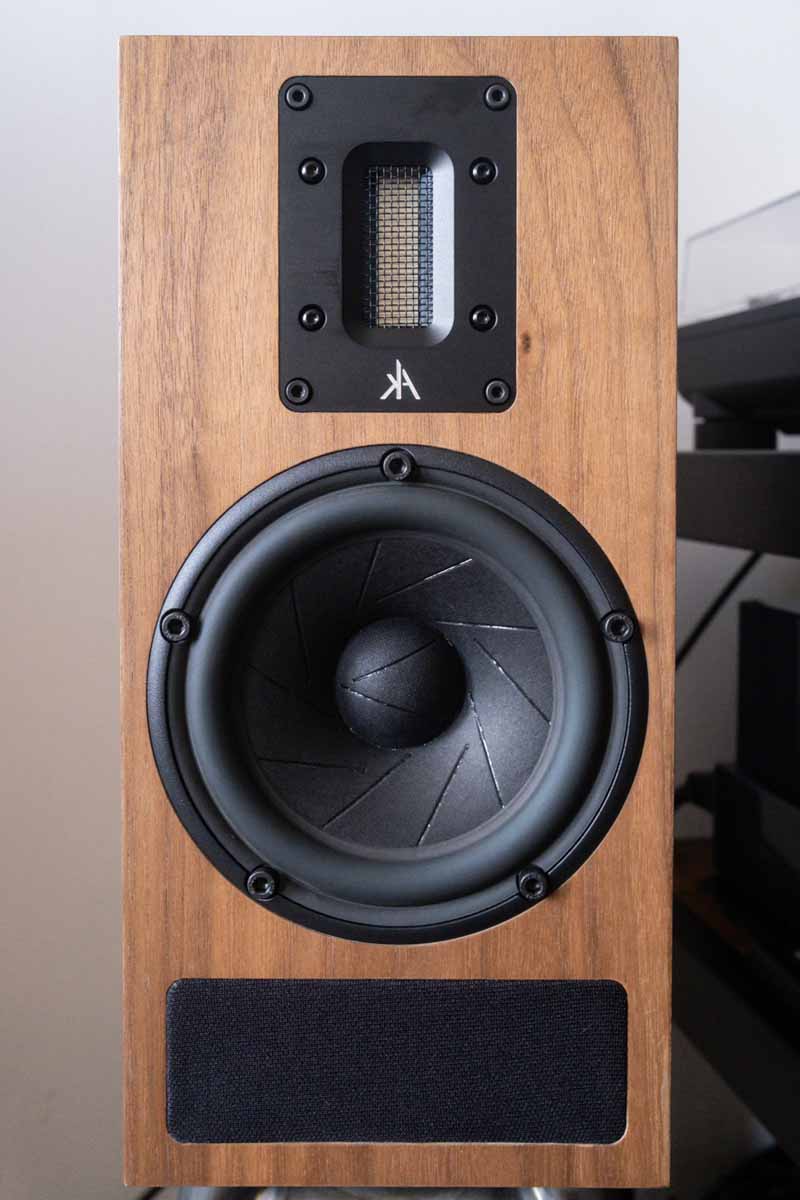
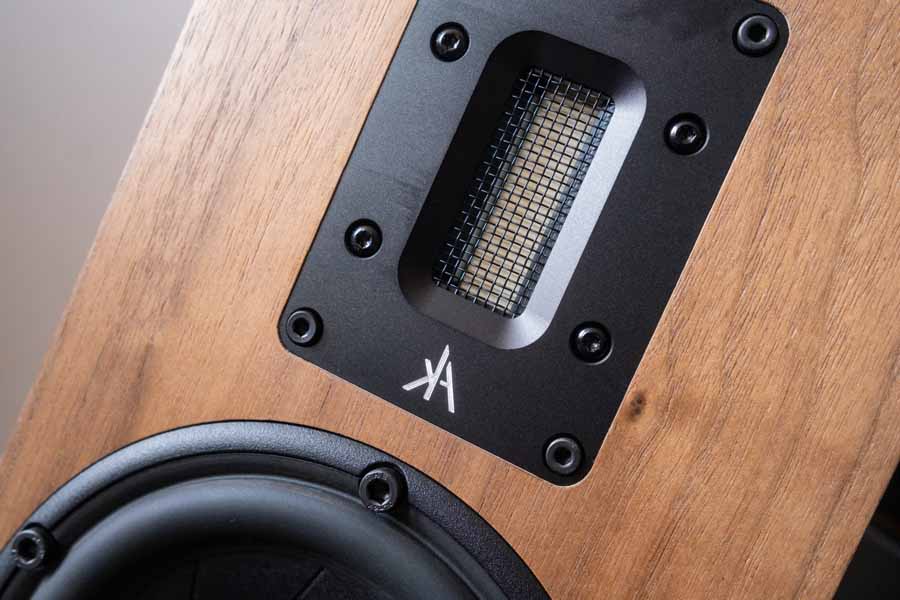
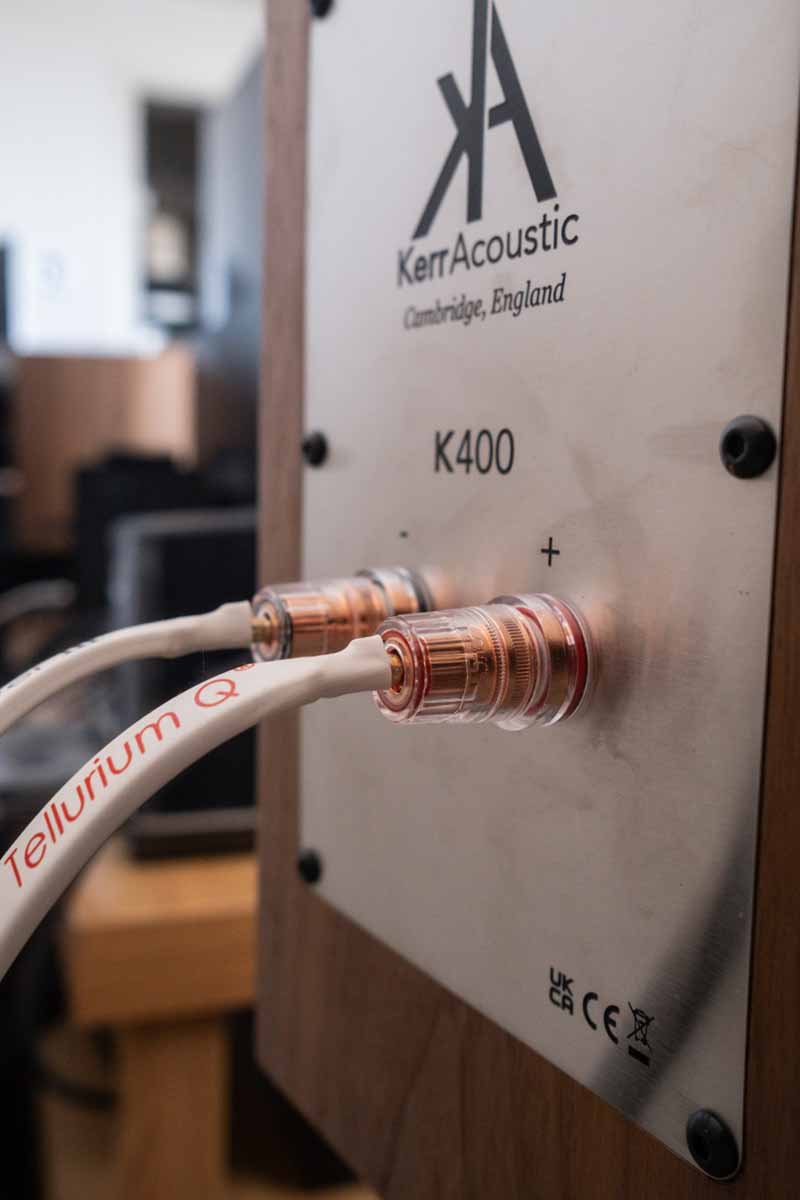
The K400 features cabinets that are made quite close to where I live, these use a Baltic Birch plywood cabinet that is more rigid than the usual MDF you usually find in speakers of this calibre. They use solid copper binding posts on the back, a relatively simple crossover with high-quality components, a 150mm Scan-Speak revelator series mid-bass driver and 45mm true-ribbon tweeter. The mid-bass driver uses the same motor as the larger models from Scan-Speak, so it has a lot of excursion and control, whilst the 6Ohm overall nominal impedance and 88dB sensitivity of these speakers mean you will want an amp with good current delivery to get the most out of them.

These use a transmission line design with a front-facing port, which makes in-room placement a little easier, and they also feature bosses on the back if you wanted to wall mount them for surround sound duties. They are quite slim, but deep, and work best when placed on dedicated stands – they fit very well on my SolidSteel SS-6 stands.
SETUP AND USE
I have been using these in my reference system, using the Matrix Audio TS-1 as the main source, Keces S4 preamp, Keces S300+ power amp, Technics SL-1300g (AT-VM745xML cartridge), Hegel V10 phono stage, and Puritan PSM-156 mains conditioner. I am running Tellurium Q Silver III speaker cables, and some of their other cables throughout the setup. I have been using these in my system for a couple of weeks, and have turned off the REL T/7x sub I usually use to hear the speakers on their own. They have been used for both music and TV.
SOUND QUALITY
Starting off with some old Evanescence, in the form of the song Whisper, the K400 offer up a good sense of depth to the bass, the intro to this song features prominent kick drums that have good punch and body. They have a little more lower bass presence than my usual speakers, giving them that extra sense of low-down oomph, without lacking mid-bass punch. When the vocals kick in, you get a realistic portrayal of Amy’s signature voice, and the vocal layering in this track is easy to pick apart. There is power behind the guitars, all the individual instrument tracks are well placed within the soundstage, and the treble is clear and crisp without sounding forward or forced. The ribbon is well integrated with the mid-bass here, with a seamless hand-off and excellent air and extension. This track builds towards the end, yet never sounds congested, with the K400s remaining controlled throughout.










Another track with female vocals, this time All I Wanted by Paramore, and Hayley’s vocals have excellent presence and tone here. What stands out on this track, though, are the drums – those of you who know Paramore will know what I’m on about. Each hit is perfectly placed in the soundstage, the cymbals crash with energy and extension, and the snap of the snares is superb. Everything here comes together in a seamless way, and they don’t come across as a small speaker. My room is quite small, and these fit it very well; they have a tiny bit of emphasis low down that makes them punch harder than their looks suggest, yet the control and clarity prevent them from sounding dark.
Changing the tone a bit, Með suð í Eyrum by Sigur Rós came on, and the K400s truly show what they can do when the music calls for it. The sheer clarity and detail in the treble here is quite astonishing, yet it is never forward or aggressive. The vocals once again show their transparency, no matter the pitch, with lower mids having body, and upper mids cutting through without sibilance. The articulate bass track here, ebbing and flowing with ease, gives the sound great fundamentals, and the drums track across the stage with great accuracy. The soundstaging is excellent, with depth, width, and height to it, when set up properly these give an immersive sound that draws you into the recording. This is a track that highlights what these speakers can do.
The next track has been played at a few shows. It’s Playing God by Polyphia, and this always gives speakers a good workout. The width of the soundstage is excellent, separating out the guitars wide, whilst retaining a focused centre image. The deep bass here is great through the K400, these things dig deep due to their design and carefully chosen components, with control and articulation as well as presence down low. A lot is going on in this track, yet the K400 never struggle to let you hear what’s in the mix, and this is simply a fun track to listen to through various systems. I’m a big fan of a well-integrated sub in systems (as they don’t just add bass), and that’s no different here; however, in a lot of rooms and systems, the bass offered up by the K400 has more than enough depth and presence. On paper, they go down to around 39Hz, which in-room will be a little lower, impressive from such a small speaker.
Pandora by Cocteau Twins was up next, and the K400 show what they can do in terms of painting an open and airy picture when playing music such as this. They draw you into a lush, clear, and open sound with great articulation and body. The drums track across the stage, clicks come from way behind the speakers, the guitars have an almost ethereal presentation, with the main vocals maintaining a strong centre image, and the symphonies swirling around them. There is a delicate yet deep bass line in this track that is well controlled on the K400, making itself known when required yet never getting in the way of the details. And the treble is, again, spot on in terms of offering up clarity and air, whilst extending smoothly without any harsh peaks. This was a song where it was easy to get lost in the mix, appreciating all the layers, whilst being immersed in the sound as a whole.
Lastly, I listened to Levitate by Sleep Token, and this is quite a tame track for me. It does highlight male vocal performance, though, and suffice to say the K400 passes with flying colours. The insight and detail in the midrange here is superb, whilst the bass gives the track a sense of weight and body. This is quite a melancholy track, and the K400 allow this to shine through; they give the track the sense of emotion it deserves, and they never falter to follow the pitch shifts. When the drums kick in, it gives the sound a darker tone, yet this is faithful to the recording, and they never encroach on the midrange, allowing vocals to cut through with perfect tonality. The harmonies are placed to the back of the soundstage, and, as the 40 seconds or so of the track come crashing in, the K400 delivers impact aplenty.
QUIBBLES
As you get up to this level of speaker, the quality of the source material becomes increasingly important. These are highly transparent-sounding speakers. That’s not to mean they are thin; it just means they will show up a poor recording quality. This is less of a quibble, and something that becomes more apparent the further up the audio ladder you go.
CONCLUSION
The Kerr Acoustics K400 offer up a transparent and engaging sound that is quite faithful to the recording, with a bass response that puts many other smaller speakers to shame. I was already a fan of transmission line designs, and these reaffirm my belief that for people with smaller, tricky rooms, they offer up more flexibility in placement than most ported designs. The K400 are an insightful speaker, giving you plenty of detail, control, and clarity, without missing out on the fundamentals – punchy and deep bass response, and great overall coherency.
The overall sound is well balanced, with perhaps a tiny bit of lower bass emphasis to give the sound a little added body, without throwing off the overall tonality. The midrange is open and detailed, whilst the treble is present and extended without a hint of harshness. In my opinion, they are well tuned for music enjoyment, whilst also offering up a level of transparency that is more than fitting of their price.
AT A GLANCE

Build Quality And Features:
Solid cabinets, and high-quality components where they matter
Sound Quality:
Punchy yet transparent, with good heft in the bass region
They sound bigger than they look
Value For Money:
You can see where your money goes when you look at both the build quality, and the components used – for that reason they represent good value
We Loved:
The look and feel of the speakers, and the big sound they put out
We Didn’t Love So Much:
At this level of speaker, the source material becomes important, and they will show up poor recording quality
Elevator Pitch Review: The Kerr K400 suit smaller to medium-sized rooms perfectly, and throw out a sound that is far bigger than their cabinet size would suggest. They manage to sound both musical and well balanced, with a high level of transparency and excellent control. The bass digs deep enough to satisfy most (and a lot deeper than you’d expect from their size), whilst the midrange is tonally accurate and the treble is well extended without coming across bright. They’re not cheap, but you do get a well-built speaker that will bring you years of enjoyment.
Price: £4,695

Oscar Stewart
SUPPLIED SPECIFICATIONS
LF Driver: 150mm Wood-fibre cone with extended linear suspension system and patented symmetrical drive motor design
HF Driver: 45mm True Ribbon tweeter with 0.02g diaphragm mass
Response: 39Hz – 45kHz
Sensitivity: 88dB (2.83V/1m)
Impedance: 6 Ohms (nominal)
Crossover: 1.95kHz – 2nd order (12dB/ Octave)
Dimensions: H:341 | W:164 | D:310 mm
Construction: 18 / 24mm Baltic Birch plywood transmission-line
Weight: 7.5 kg (per loudspeaker)
Connections: One pair of 4mm copper five-way binding posts
Mounting: 4 x M8 threaded rear inserts