
QUAD ESL2912X Loudspeakers
QUAD ESL2912X: FLOORSTANDING LOUDSPEAKERS REVIEW
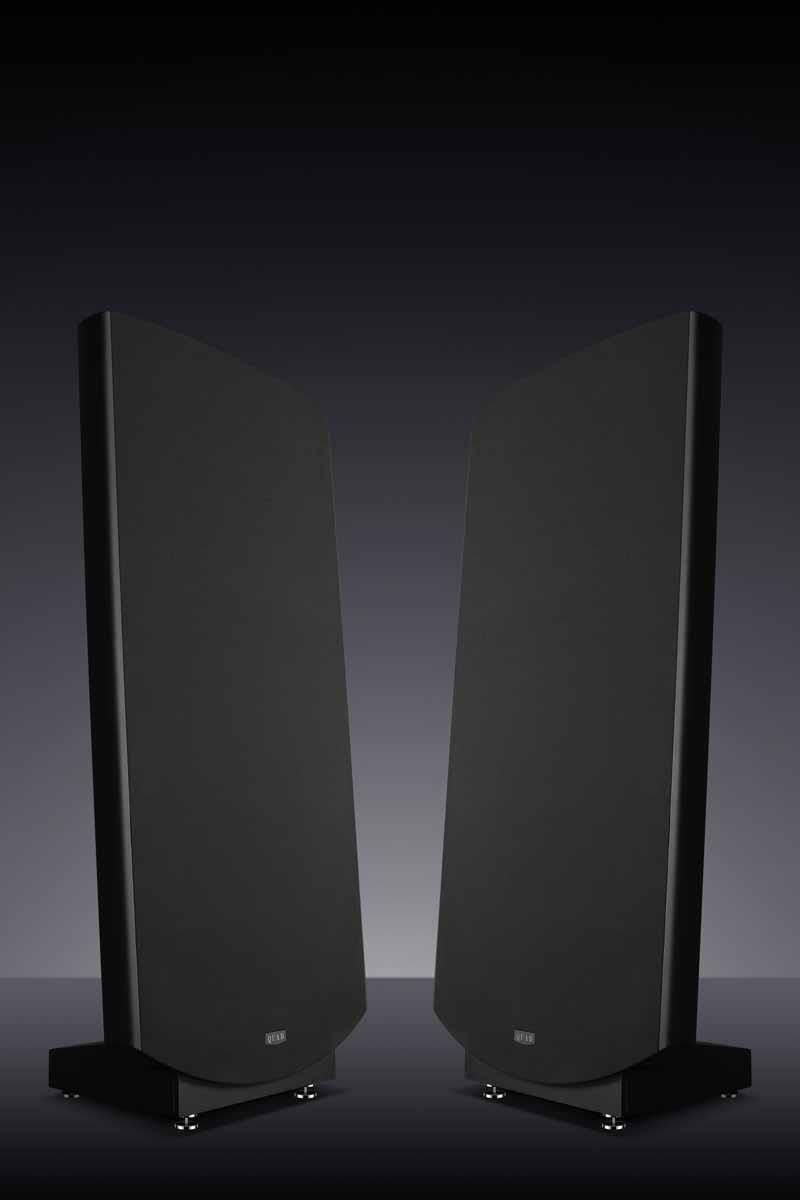
Quad’s latest update to a lineup that stretches back some 68 years is definitely pitched as being a refinement and iteration on the previous ESL2912, rather than a profound reinvention of the electrostatic. It’s also an increasingly rare beast – a full-range electrostatic panel, with no reinforcement from traditional drivers, which is the way some other electrostatic manufacturers seem to be going.
Jon Lumb checks out the company’s latest offering in the shape of the £13,000 QUAD ESL2912X loudspeakers.










The original Quad electrostatic, the iconic Quad 57, really broke the mould of loudspeaker design. Whilst Peter Walker wasn’t the original inventor of the electrostatic concept, Quad were the first company to ever bring a full-range electrostatic loudspeaker to market, all the way back in 1957. To this day, there are appreciable numbers of folks who will state that nothing made since has demonstrated a better midrange than the original 57 (including Quad’s later electrostatics). However, there’s also no denying that the original panel had some weaknesses in both high-frequency extension and low-end weight. The 57 was also the product of an era when mono systems were by far and away the norm. When stereo became the norm, Peter Walker was very aware of its shortcomings in projecting a stereo image. It’s quite a testament, though, that people were willing to build their own “stacked Quads” setups to try and overcome these elements.

I should probably take a quick moment here to give a basic explanation of how an electrostatic speaker works compared to a regular cone driver. In the traditional cone driver, the signal from the amplifier is passed through a coil of wire, which generates an electromagnetic field (the same principle on which a transformer operates). A magnet attached to the back of the driver sits within this coil, and the changing electromagnetic field moves the coil, and in turn the cone, back and forth to generate sound. One of the challenges with this sort of design is that a suitably-sized magnet is relatively heavy, and that means it requires more force to start/stop the driver, and that inertia is not a desirable trait. In an electrostatic, everything gets turned on its head. The moving component is a phenomenally thin Mylar sheet that’s then coated in a similarly thin conductive material. This sheet is then charged with a current in excess of 5.2kV DC (the high voltage is, in part, to allow the use of an incredibly thin wire to supply the charge to the sheet, keeping the mass being moved as low as possible), and is why the ESL requires a dedicated power supply to each speaker. Either side of this sheet are the two stators, which are essentially perforated metal sheets. The signal is then passed through these stators, which generate the electromagnetic field that drives the Mylar sheet back and forth. Because the Mylar sheet is so incredibly light, it requires very little force to start and stop, enabling a much faster response time that increases accuracy and clarity compared to the traditional cone driver.
Quad, of course, has continued to work on the lineup. After the 57 came the 63 in 1981 (the original prototype was first built in 1963, hence the name). The primary focus was on improving the aforementioned stereo imaging, which Walker felt was best achieved by making the 63 behave as closely as possible to a point source. This was achieved by introducing a ring structure into the stators and using a delay line to provide the required timing shift to create the point-source effect. Following the 63, Quad split the lineup into 2 distinct models. The 988 continued the form factor of the 63, and the 989 added additional panels to improve both bass extension and the ability to fill larger spaces. The 988/989 were also the first Quad electrostatics to be developed after Peter Walker’s retirement.









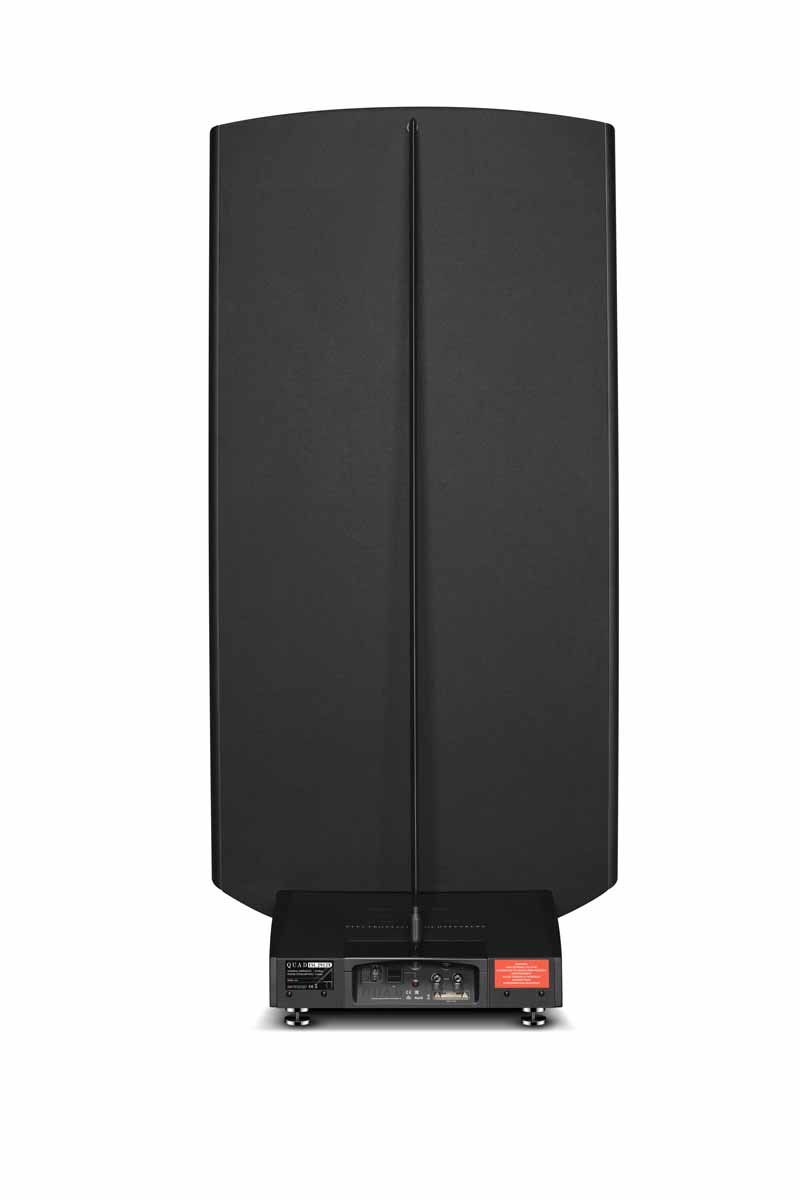
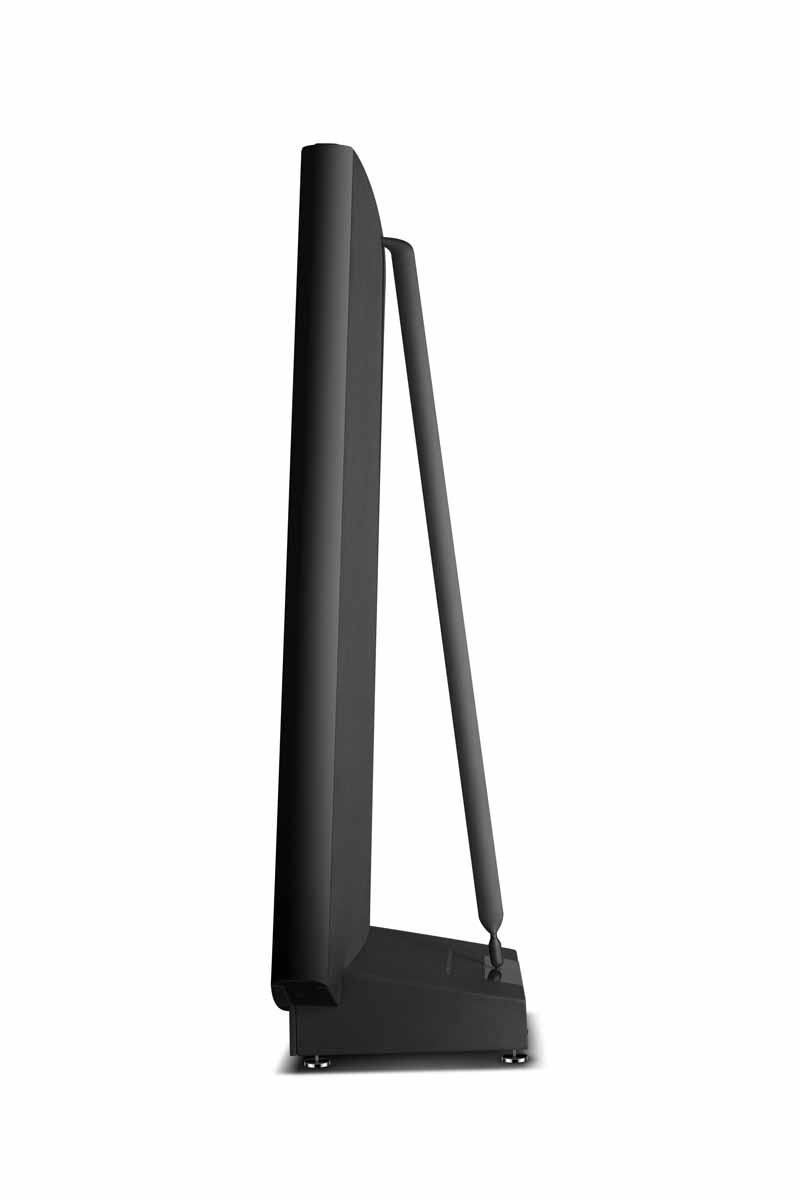
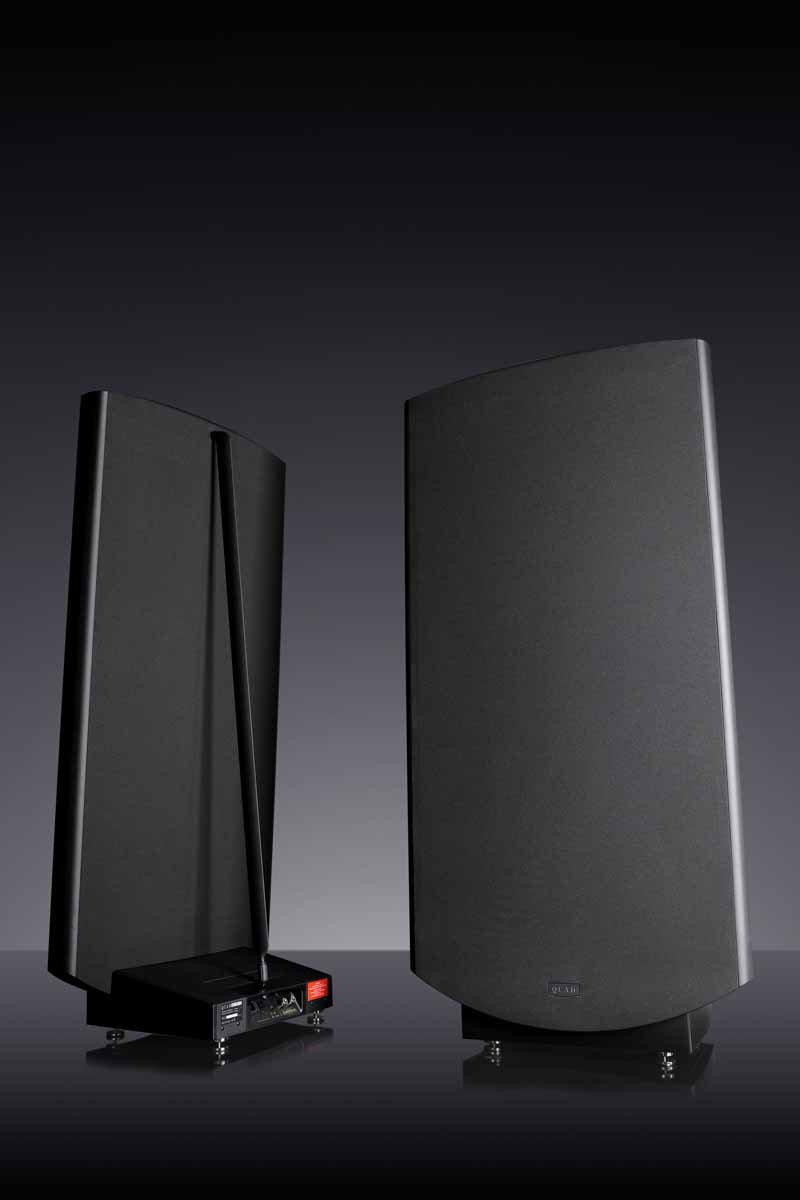
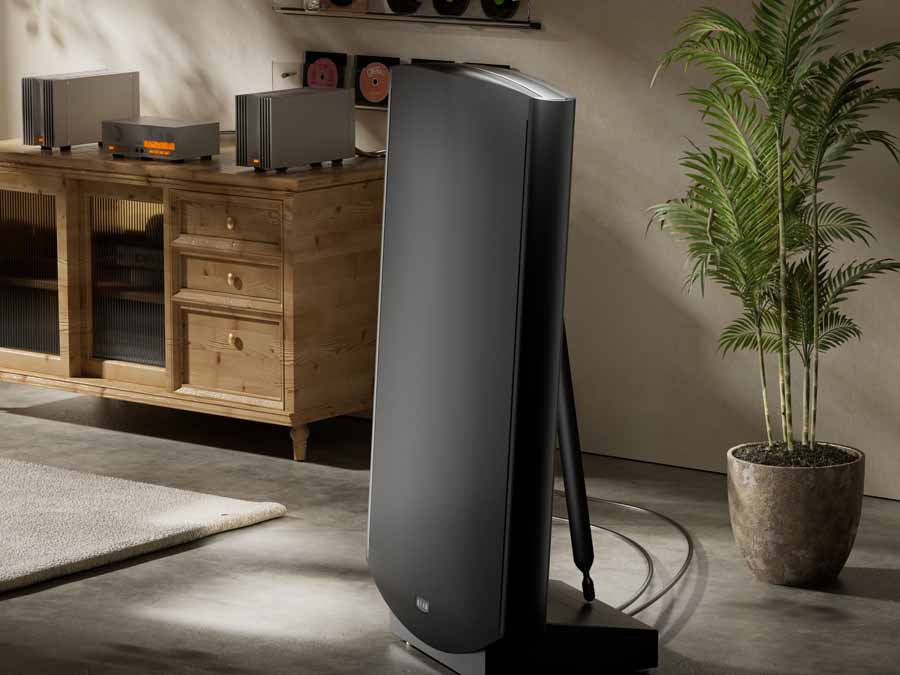
The 988/989 were a relatively modest refinement on the 63, but with the launch of the 2805/2905 models, some far more substantive changes were made. The weakness of the design of the 63/988/989 was in its structural rigidity. As well as significantly expanding the base, Quad put a lot of work into increasing the panel’s rigidity relative to the base, including the introduction of the rear bracing rod. As a slight digression, my first exposure to the ESL 2805 (driven by the Quad 99CDP-2 and 909 power amp), as a relatively green 18-year-old, was one of those pivotal moments in my HiFi journey. I’d heard systems of equivalent cost before, but that combination blew all my pre-conceived notions of what good sound could do right out of the water. It also kicked into touch the conventional wisdom I’d been brought up on of a “source first” approach to building a system. After the 2805/2905 models came the 2812/2912 in 2012, which are the precursor to the X versions that Quad have just released. By this stage, the aforementioned weaknesses had really been worked out of the lineup. Bass extension went way lower, and the top-end clarity was all there.
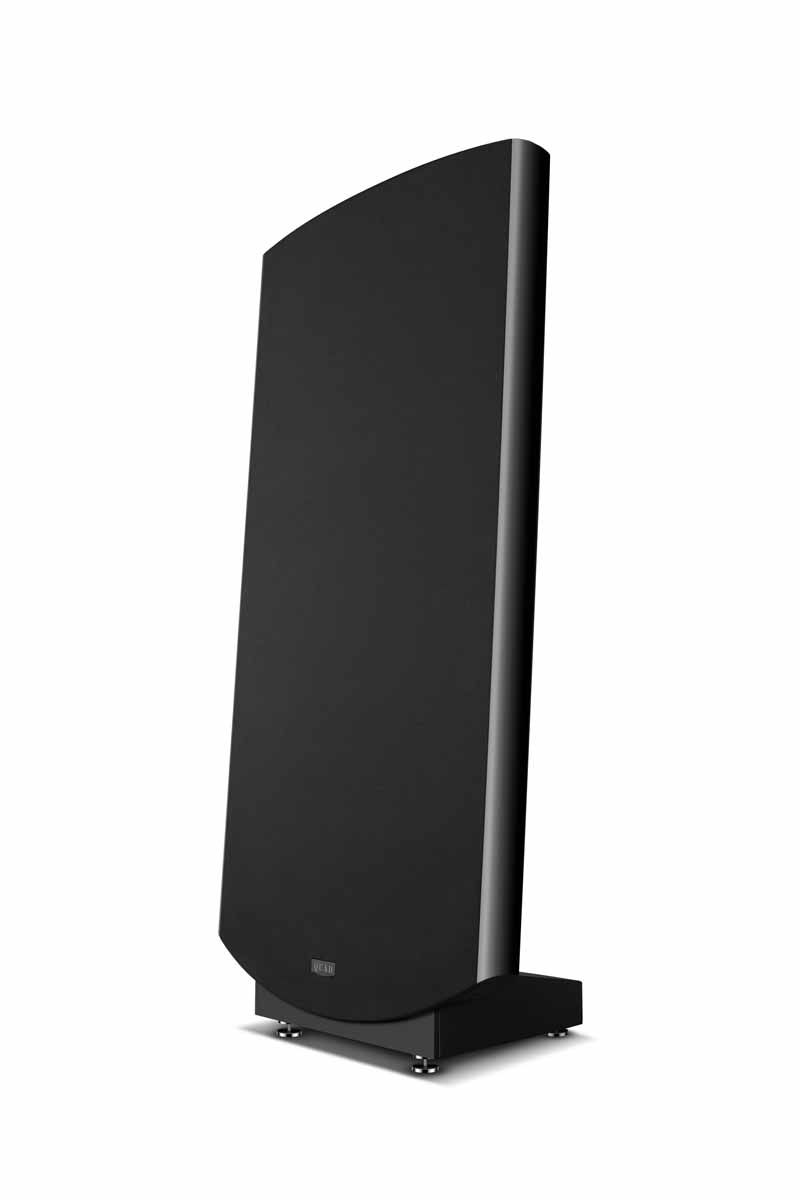
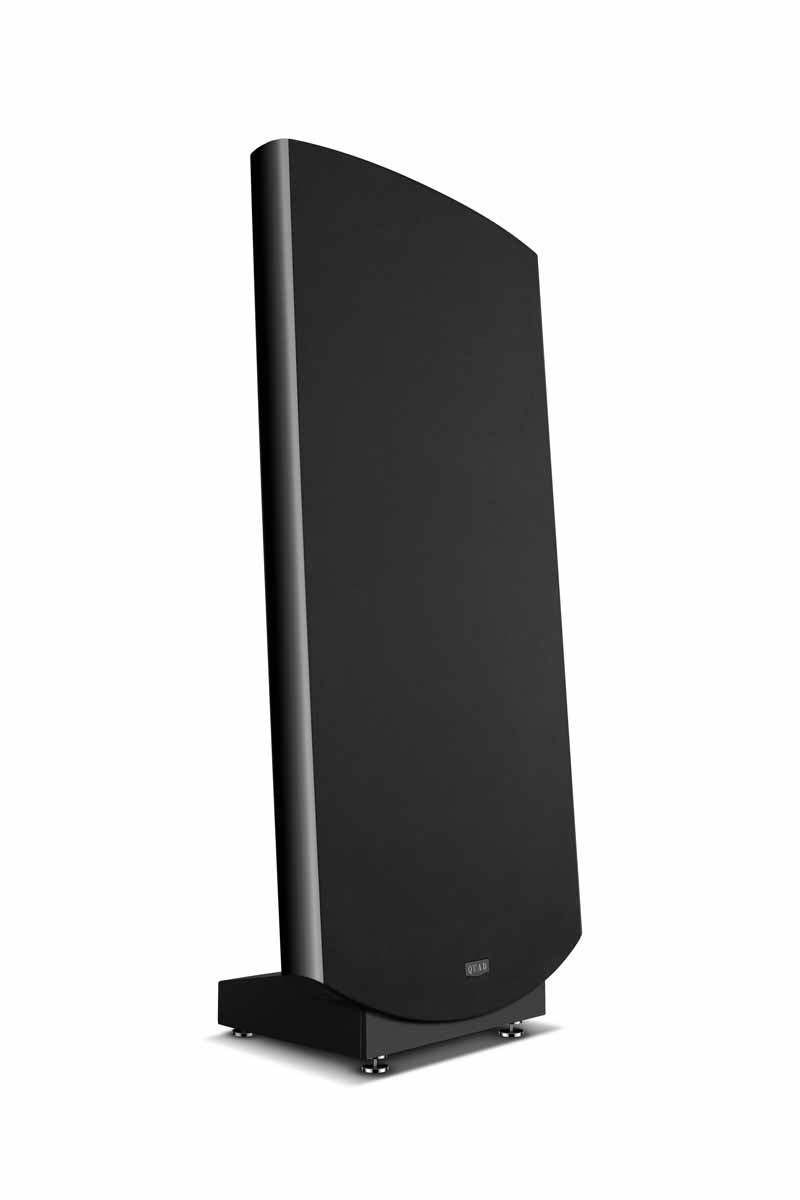
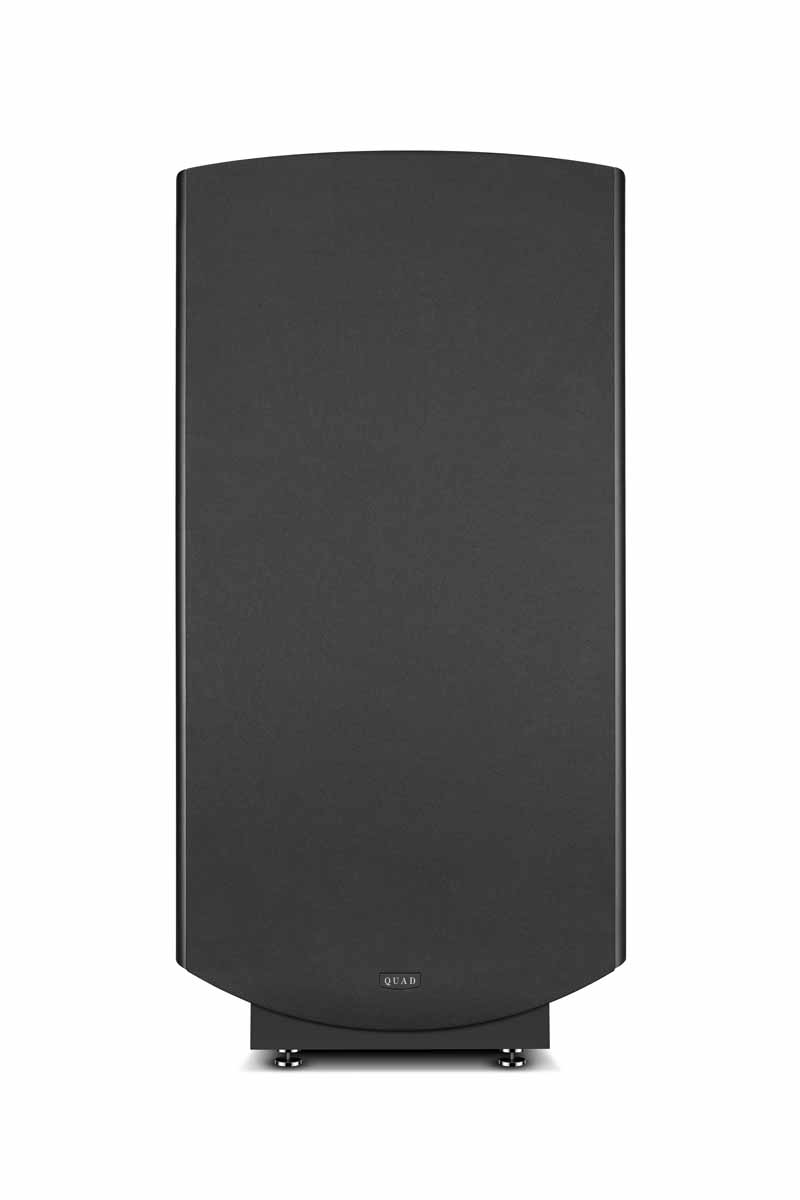
BUILD AND FEATURES OF THE QUAD ESL2912X
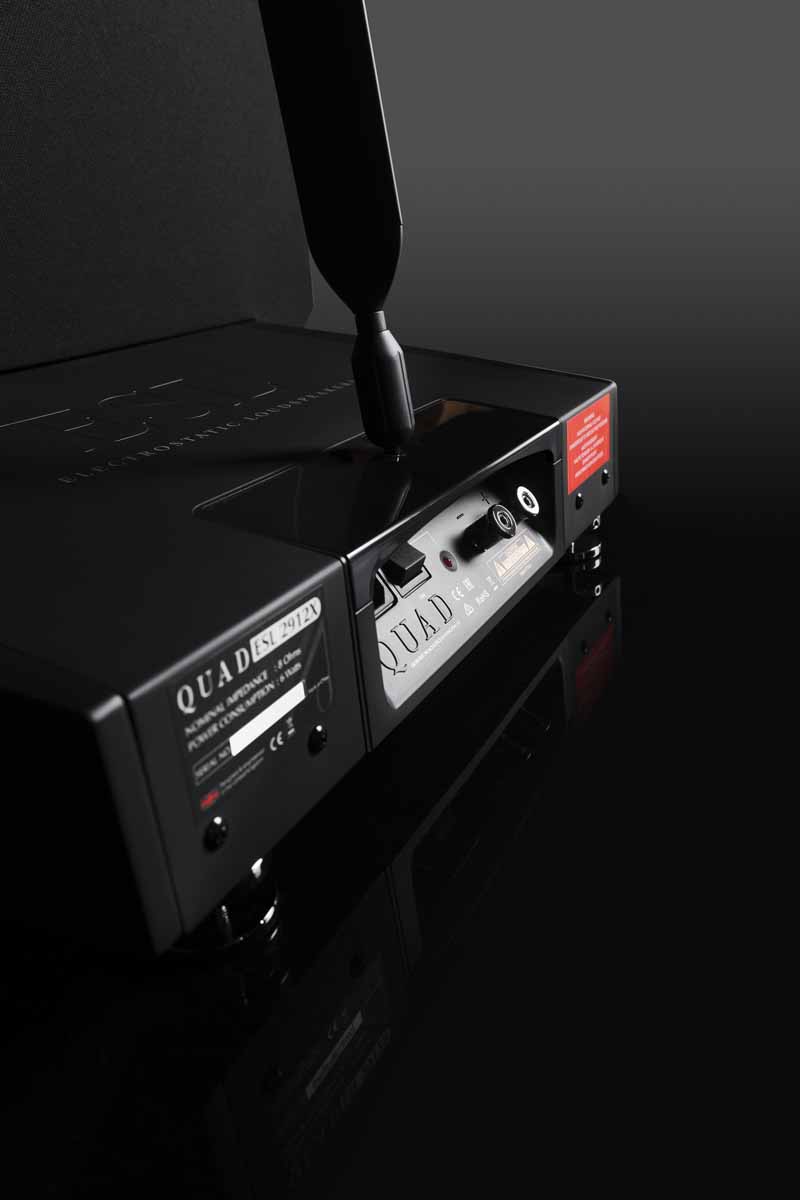
Quad have made many changes for what is, at heart, an iteration of the prior design. A number of these changes focus on shifts in the manufacturing process, for example, improving the processes used to manufacture the complete Mylar sheet. But in other areas, the changes are more clear-cut. Previous models used one monolithic PCB to handle all the electrical work, which has now been split into 3 components. Given that at least one job of the PCB is to take a 240V AC power supply and convert it to the aforementioned 5.2kV DC supply for the panel, this separation of concerns feels like a great way to reduce electrical interference within the circuitry. One PCB is now dedicated to the handling of the actual signal, and the final one is dedicated to the various bits of protective circuitry that a powered electrostatic requires. Analogous to the way you can make a cone driver hit the limits of its travel, the same issue applies to the Mylar sheet in an electrostatic. The difference here is that the Mylar sheet carries a very high-voltage charge, and the thing it contacts is the conductive stators, which is really not what you want happening.
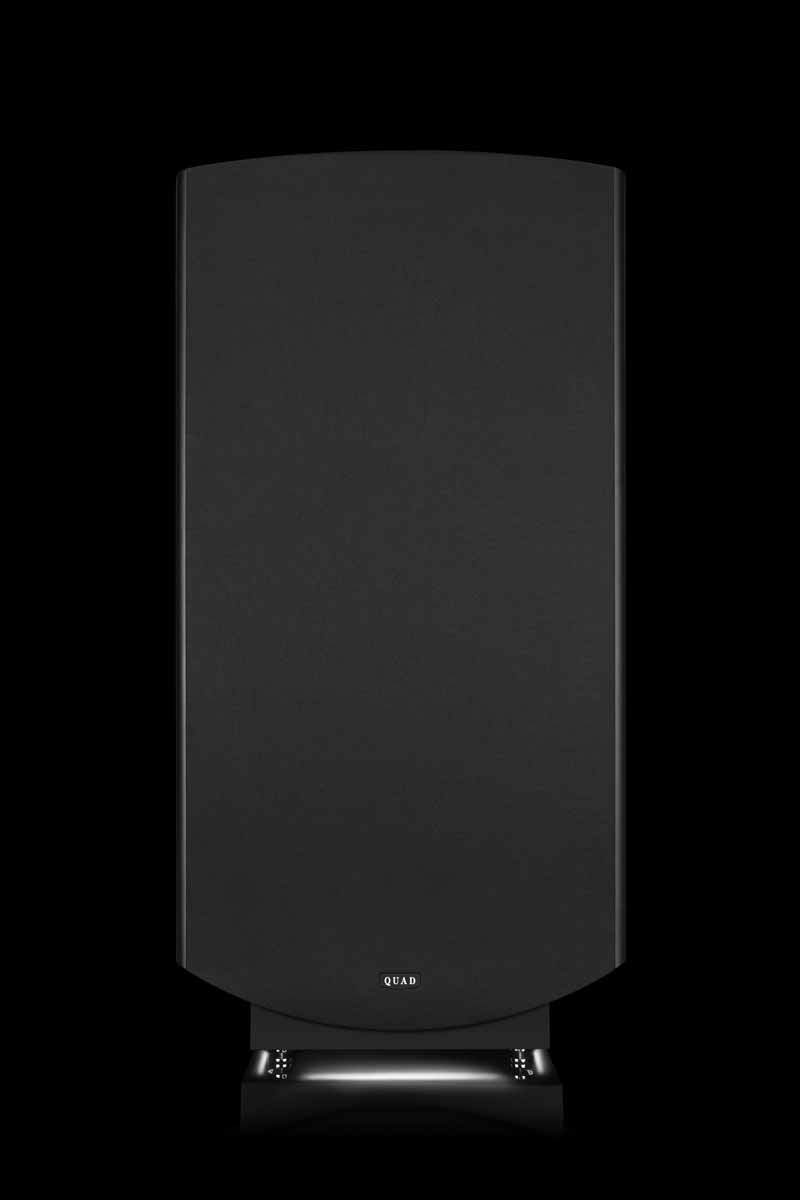
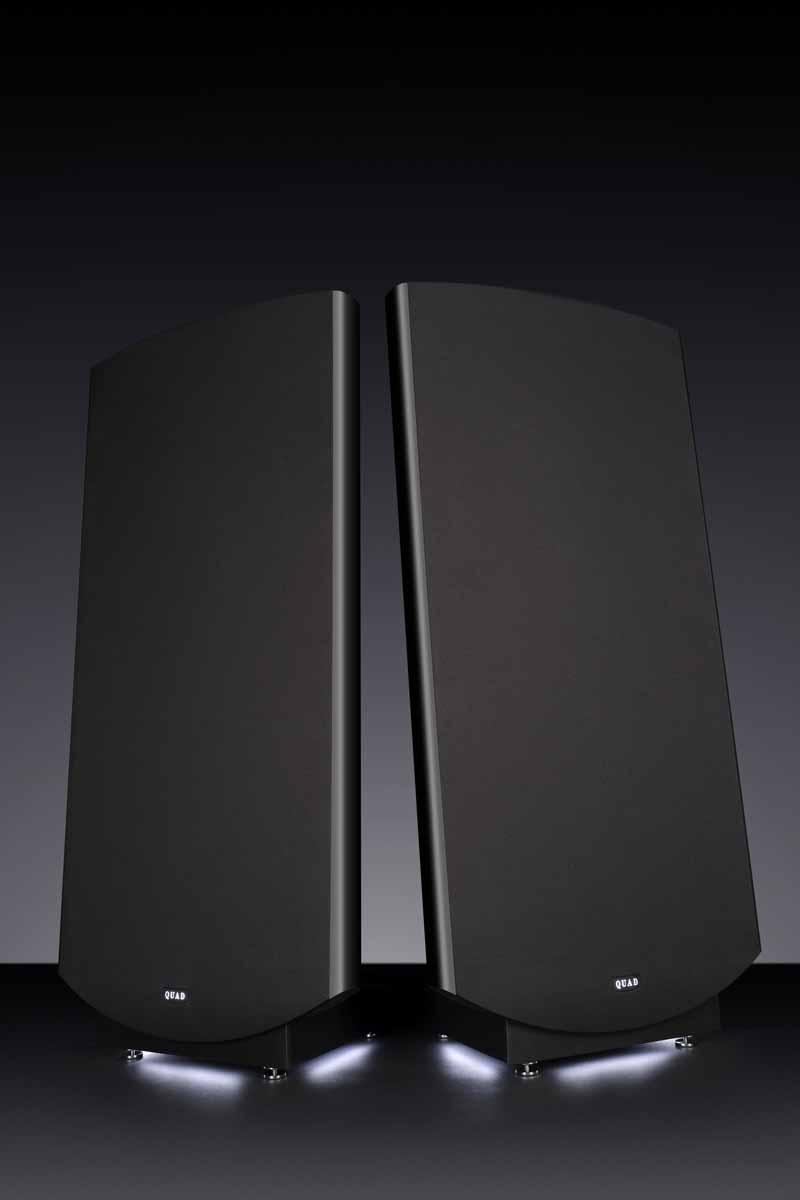
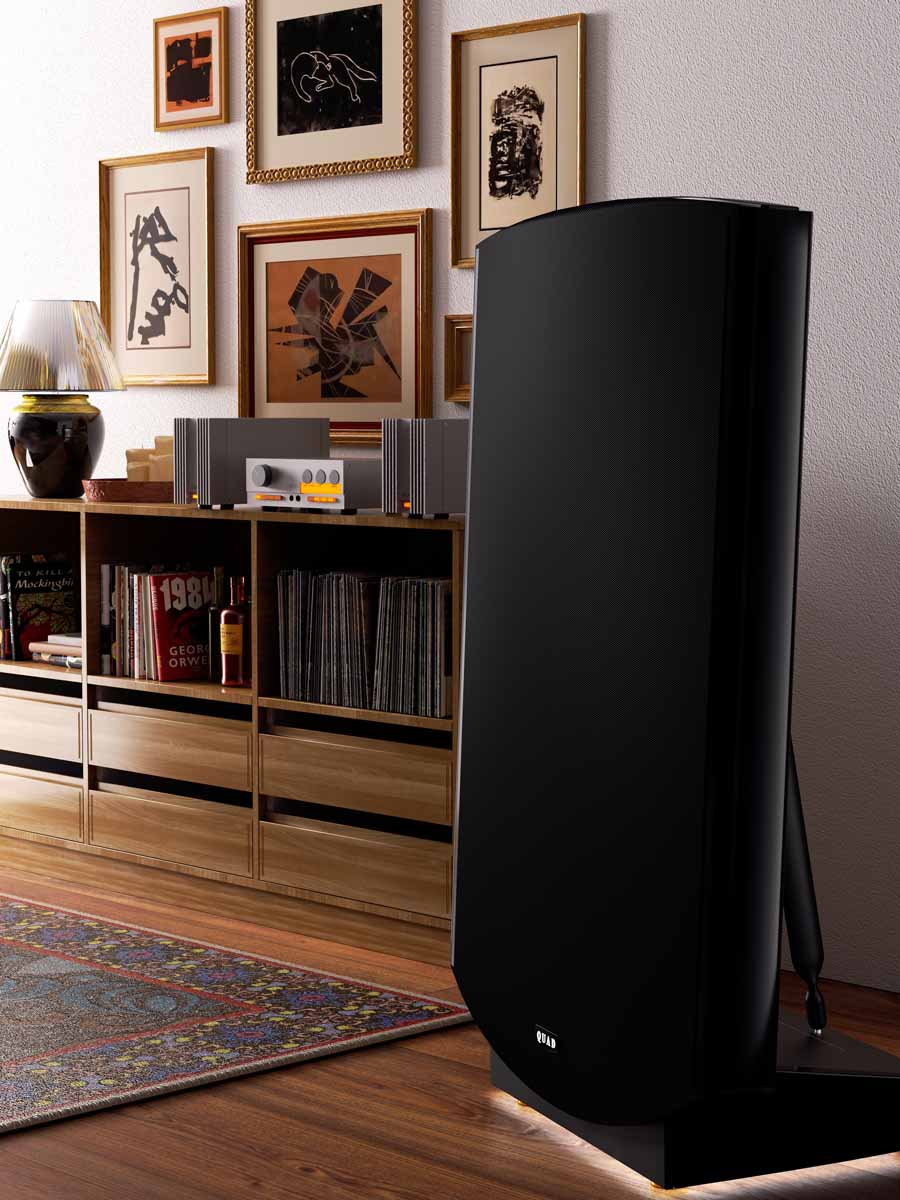
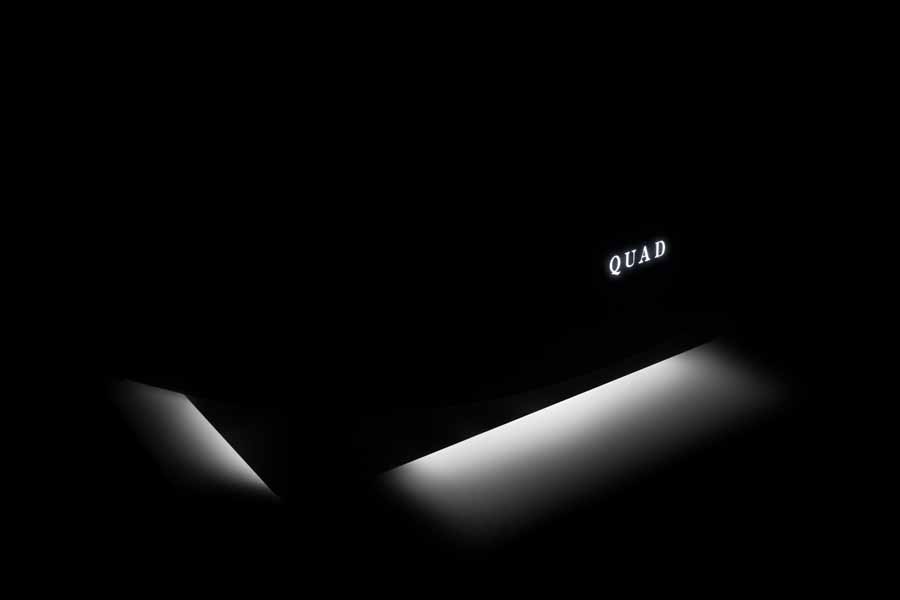
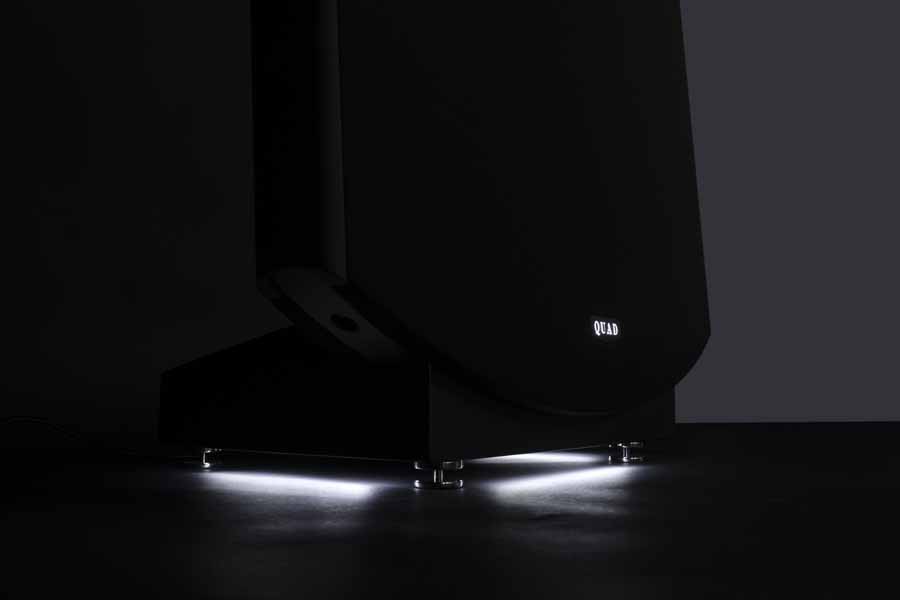
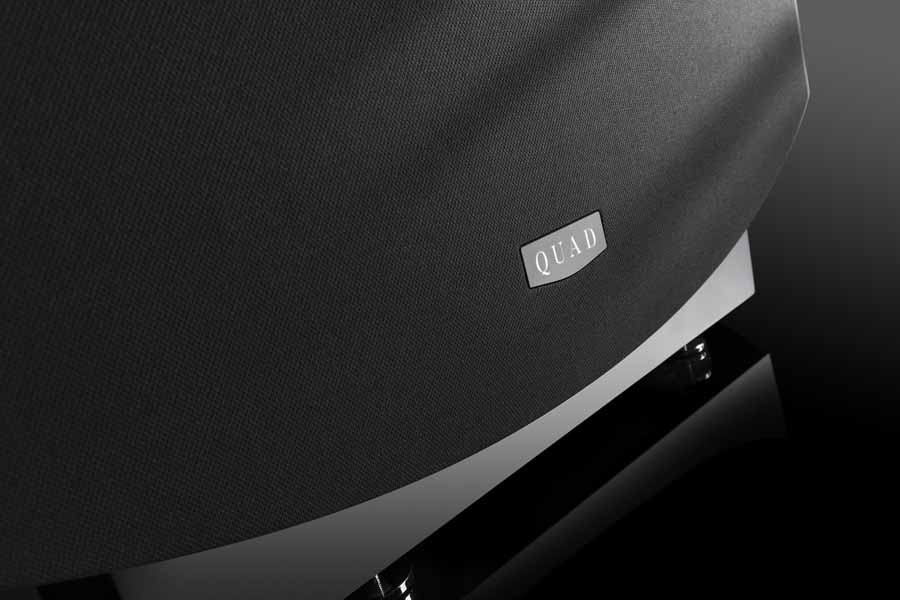
The speakers also have the option of lighting that shines out from under the speaker, something I find quite pleasing. They do give you full control over it, though, so you can adjust the brightness or even turn it off completely. The one bit that always stays on is the Quad logo illumination on the front – this also doubles as a safety feature, as it is configured to flash if the protective circuitry detects that the speakers are on the verge of being overdriven. This is quite important as overdriving an electrostatic can do far more damage than reaching the excursion limits of a regular driver.
SET UP
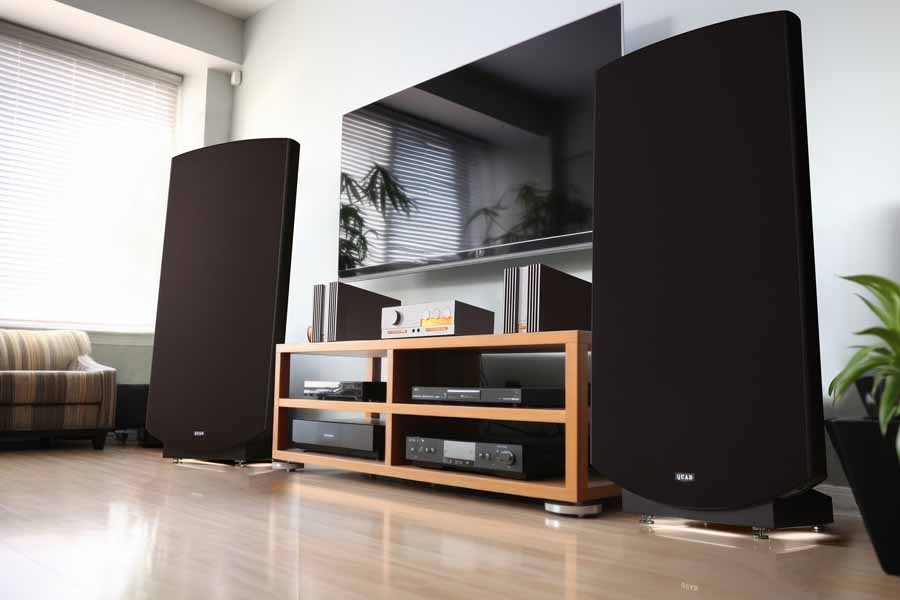
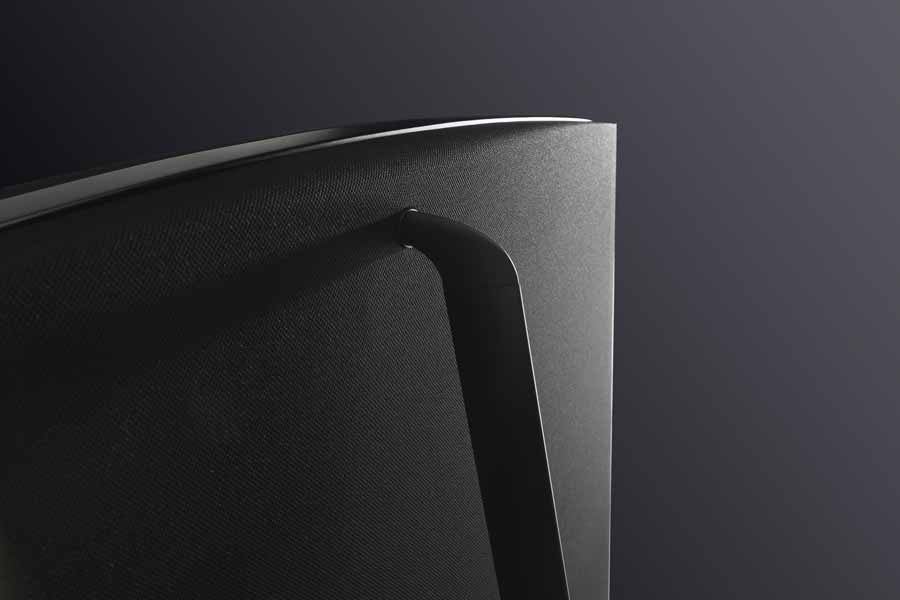
The 2912X is a hefty lump that’s quite difficult to move around. The assembled weight of each speaker is 42kg, but that includes a stabiliser weight that isn’t attached for shipping, so you’re “only” shifting about 32 kg at a time until they are roughly in situ. There are certainly heavier speakers, but the size and lack of places to grab hold of do make these a singular challenge to get into position (that tensioning rod on the back that looks like a lovely handle on the back is expressly forbidden in the manual from being used as such), so all the lifting has to come right from the base. Attaching the stabiliser weight is a bit of a pain. It needs to be held by the rear feet/spikes, and the fitting process requires you to lay the speaker on its front. In this position, you have to hold the stabiliser in place whilst you tighten the spikes, and it’s essentially suspended by nothing more than friction. Before you can let go, you need to have both feet in and get them pretty damned tight, which caught me out the first time I attempted this (thankfully, no toes were crushed in the course of this review)!
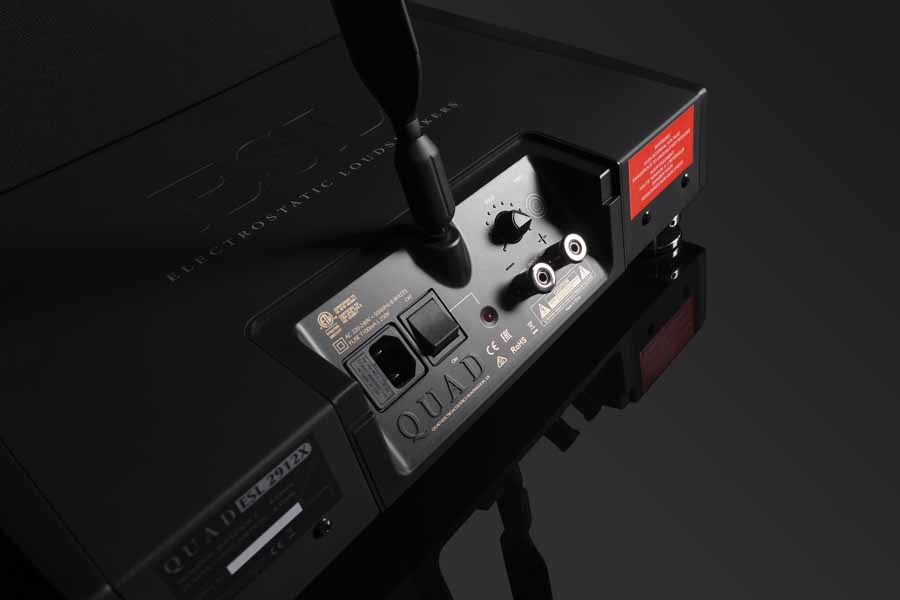
Being electrostatic, they do require a dedicated mains power supply for each speaker to charge the Mylar sheet, and Quad provide pretty lengthy IEM power cables for this. These have a right-angled plug on the speaker end because there’s a removable plate that normally covers all the connectors on the back, and a regular cable would need to run through the same space.
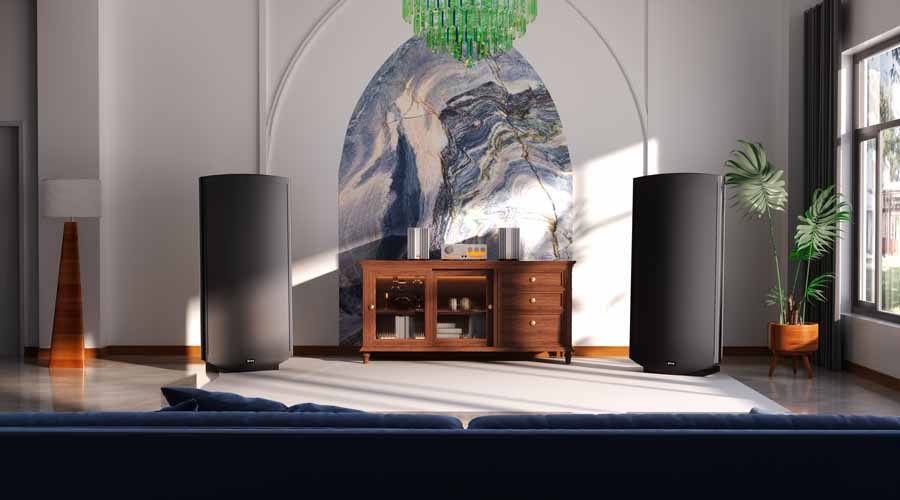
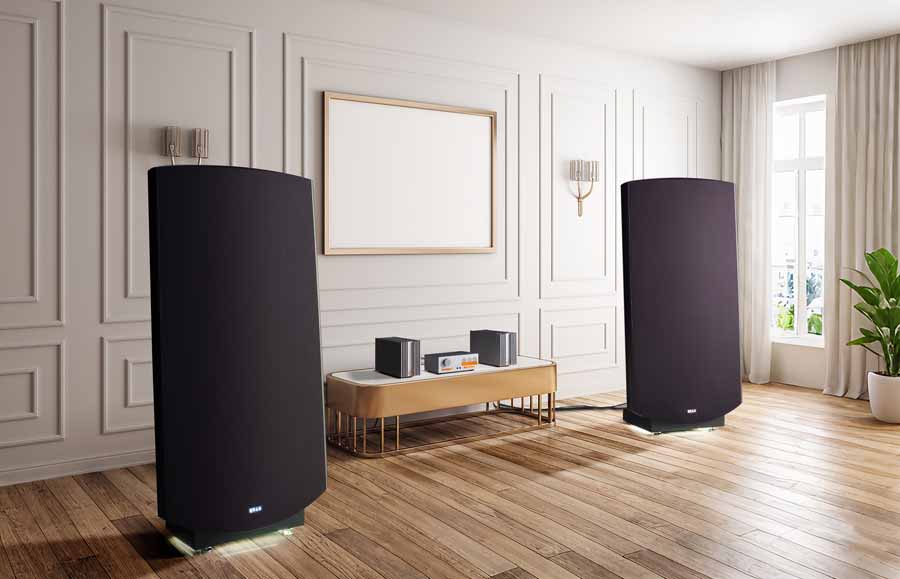
The Quads present an interesting set of trade-offs in terms of how you want them to sound. One thing is absolutely emphatic – they really need space behind them. The dipole nature of their operation means you get just as much energy projected from the rear of the speaker as from the front (with pretty much all the clarity), which is quite bizarre to experience when you put your head behind them. Quad state a minimum of 60cm, but further away is definitely better for me, 1.5- 2 m ideally. This dipole operation also means there’s very little sound emitted that’s not in the same plane that the Mylar moves in. In practical terms, this means you can have them far closer to a side wall than almost any cabinet loudspeaker that I’ve heard. This is also helpful because Quad suggests you want them positioned with a gap of 2.5m to 5m between them. These are wide loudspeakers, so even at the narrowest option, you’re still looking at nearly 4m between the outer edges. In the interests of transparency, at no point in this review have I had them even that minimum width apart, because I simply do not have the space. I’ve still achieved highly enjoyable results with them, so it’s not like this is going to lead to any false conclusions, but there’s potentially scope for some users to make them sound even better than I have.
Toe-in is also a significant element of the setup process. What I found was that you can set them up with zero toe-in, and they will provide excellent sound to quite a wide spread of listening positions. However, if it’s only one person listening, with a modicum of toe-in, you can create an almost holographic stereo image fixed to an individual listening position. The compromise is that sitting outside that individual listening position leads to quite a substantial drop-off in sound quality, particularly in bass weight and stereo image.

SOUND QUALITY
And now we get down to brass tacks – how do these speakers sound? The most striking characteristic to me is the sheer sense of scale that the Quads can convey. It’s true that we’re really past the notion of specific speakers being better for this genre of music or that, and this is slightly the reverse, but I’ve not heard anything that can convey the scale of a full orchestra in the way that these can. There’s a level of detail and clarity that extends all the way down to the very lowest notes that’s also quite singular.
One of the first albums I gave a proper listen to is a relatively obscure one, Kalevi Aho’s Symphony No. 12, “Luosto”. This was a commissioned piece by the city of Soldankylä, at the base of the mountain after which the symphony is named. Aho, being Aho, spent time up the mountain and wrote the piece specifically for performance there. A full orchestra already occupies a pretty sizeable space, but the way Aho positioned the orchestra across the mountainous terrain takes this into altogether new territory. The opening of the first movement is almost entirely timpani, and it really shows off all the party pieces of the Quads. I do find myself wondering if the fact that the moving surface of the Quads is in many ways so very similar to a drum skin, both in structure and in sheer size when we’re talking about timpani, that it gains an advantage in reproducing those sorts of instruments. Regardless of the technical explanation, the sheer weight and heft you get from the really intense kettle drum playing at the start is proper hairs-up-on-the-back-of-your-neck territory. I’ve heard Gryphon Kodo’s achieve similar results (which they really should, given they are named after another massive drum), but those are also £400,000 loudspeakers, so they really should be able to play absolutely everything without issue. To be hearing comparable performance from the (comparatively) inexpensive Quads is incredibly impressive.
Tori Amos’s breakthrough album Little Earthquakes continues this theme. You’ve got the continuous presence of her grand piano throughout (is there a physically wider instrument than a grand piano? I cannot think of one aside from a full church organ, and they behave very differently). It absolutely fills the soundstage, and you get every bit of nuance of that rich sound she gets out of it. It’s also quite clear from across her entire discography that she has quite particular preferences on how a drum kit should sound, with a real emphasis to my ear on the punch and depth of the bass drum sound (and I love this; so many recordings really don’t replicate what an actual bass drum sounds like). Right from the opening bars of Crucify, this is given full force, and it’s just a joy.
Happiness from The Blue Nile’s album Peace at Last is something I’ve found to be a real test of a system. As with all Blue Nile albums, the recording and mastering are really solid, so there’s no way to hide behind that if a system is making a mess of it. In particular, there’s a point about two-thirds of the way through the track, when the full choir kicks in. There are so many distinct voices on the recording, and it’s a test of how well a speaker can resolve each one individually. Done well, you can actually hone in on the sound of each individual singer rather than just the choir as a whole. I’ve heard systems make a pretty decent fist of this, but the clarity and precision that the Quads bring is really something special.
QUIBBLES
The installation of the stabiliser is definitely a challenge; there’s no getting around it. Installation requires the speakers to be laid down on their fronts (which is fine), but you have to dedicate one hand to holding them in position whilst screwing up both the feet, and you have to get the feet pretty tight on for there to be enough friction that the weight doesn’t then drop off when you then set them upright.
This is a pretty subjective comment, but for me, they feel a tiny smidge on the bright side (and the Electrocompaniet is not an overtly bright amplifier). It’s definitely within the territory where, if you find the same issue, it can be entirely addressed by selecting an amplifier with the right tonal qualities, so you get your preferred balance between the two. It’s definitely not a dealbreaker, and there are definitely loudspeakers out there with treble so bright it would be untameable for my ears.
CONCLUSION
It’s pretty much impossible to fault the Quads. The sound they produce is really in a class of its own, regardless of budget. The sense of speed, dynamics, and clarity are really quite extraordinary, and the fact that you effectively have the same driver type being used all across the frequency spectrum means that there’s a degree of integration and overall coherence that’s really something special.
Any downsides to consider aren’t really faults; they’re constraints that may need to be managed. In short, if you have the space to give them the conditions they need, you really should be listening to a pair, regardless of how much higher your budget might stretch. I’d pick them over speakers I’ve heard at triple or quadruple the price.
It seems odd to give a Reviewer’s Preference Award to a loudspeaker that I suspect 95% of people will discount based on aesthetic considerations or the room positioning requirements. I’m reminded of the year Top Gear gave their car of the year to the Caterham 7, as it had achieved a lap time better than the Bugatti Veyron whilst costing a twentieth of the amount. Lots of people won’t want to live with a car with no roof, but you cannot ignore how incredibly well it outperformed its price point. And that’s the thing with the Quads. They are just truly extraordinary.
AT A GLANCE

Build Quality and Features:
These are really well-built units
Quad has clearly learned and evolved its electrostatics over the years, and they are very robust, and the finish is faultless on this review pair
Sound Quality:
The absolute party piece, which for a loudspeaker is their raison d’etre after all!
It’s truly extraordinary the sound they can produce at this price point
If you can live with their practical constraints, things triple the price will struggle to match what they can do
Value For Money:
As covered in the Sound Quality section, if you can manage their constraints in your listening space, they’re arguably one of the best value products in the entire HiFi world, given how much you have to spend elsewhere to match what they can do
We Loved:
THE SOUND, THE SOUND, THE SOUND
Ahem, please excuse me. Seriously, everyone with an interest in audio reproduction needs to at least hear something like this once in their lifetime. Just extraordinary
We Didn’t Love So Much:
The looks aren’t going to work for everyone, and their room positioning requirements are going to be an unfortunate block for some folks to be able to use them in their listening environments
Elevator Pitch Review: One of the finest transducers in existence? Quite possibly. They are not without their challenges, but none of those are about the sound they produce.
Price:
£13,000 €17,000 $18,000
Jon Lumb
SUPPLIED SPECIFICATION:
Format: Floor-standing dipole with 3° fixed tilt
Type: Multiple electrostatic drive membranes
Point Source Time Delay: Progressive concentric rings
Chassis Structure: Heavy-duty composite aluminium/steel
Panel Elements: 6
Maximum Output: 2 N / m2 at 2m on axis
Sensitivity: 1.5 mbar per volt referred to 1m
(86dB/2.83V rms equivalent)
Nominal Impedance: 8 Ohms
Impedance Variation: 4 – 20 Ohms
Maximum Input: Continuous input voltage (rms): 10V
Programme Peak for undistorted output: 40V
Permitted peak input: 55V
Frequency Response: 32Hz – 21kHz (-6dB)
28Hz – 23kHz (usable)
Distortion (100dB @ 1m): Above 1000Hz <0.15%
Above 100Hz <0.5%
Above 50Hz <1.0%
AC Input: 220 – 240V, 100-120V
Power Fuse: 100mA anti-surge, 200 – 240V
200mA anti-surge, 100 – 120V
Power Consumption: 8W
Dimensions (H x W x D): 1470 x 690 x 380 (mm)
Net Weight: 44kg