
TAS Shanghai 2026 Report Part One
TOP AUDIO SHOW TAS SHANGHAI 2026 REPORT PART ONE FROM HiFi PiG’S GYULA
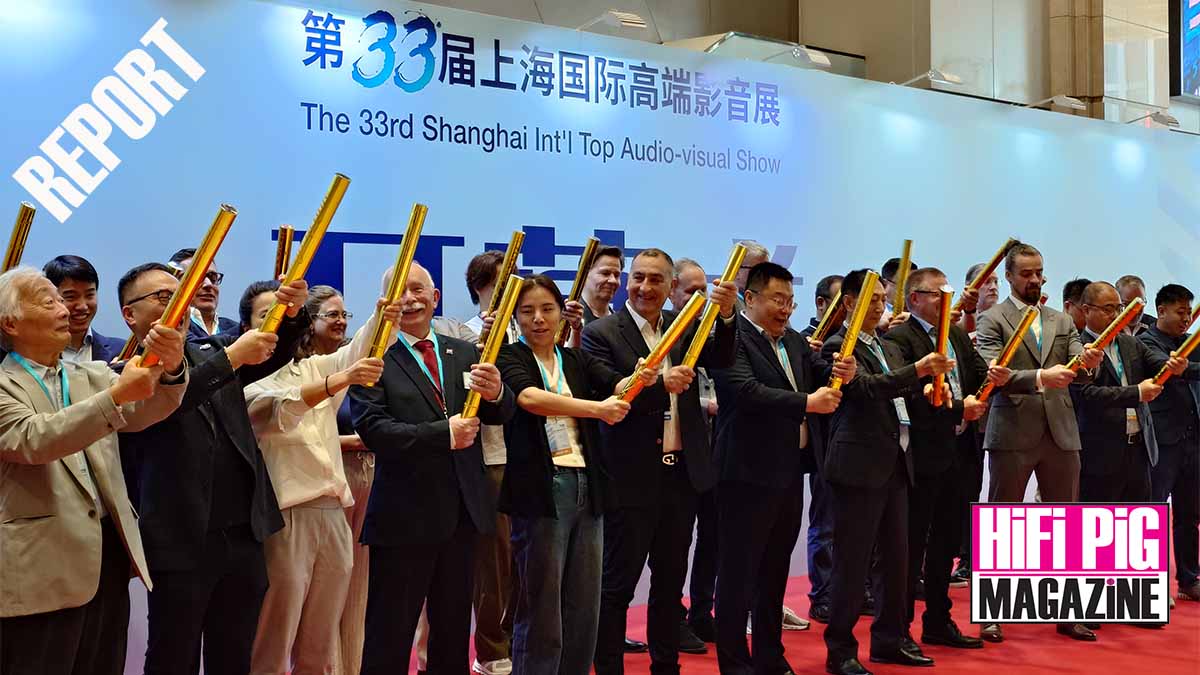
HiFi PiG’s Gyula headed to Shanghai for the spectacular TAS Shanghai 2026 HiFi Show last weekend, join him on his tour of the show to discover what he found there.
Please note, all content and photos are the copyright of HiFi PiG Magazine/Big Pig Media LLP and must not be copied or reproduced in any way without the prior, written consent of the editor.




TAS SHANGHAI 2026 REPORT PART ONE
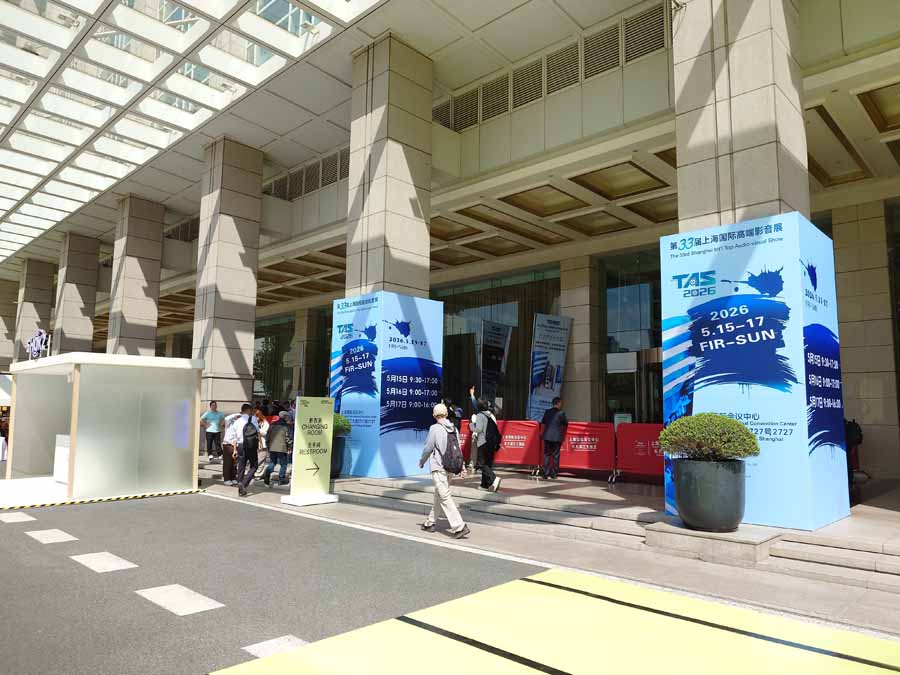
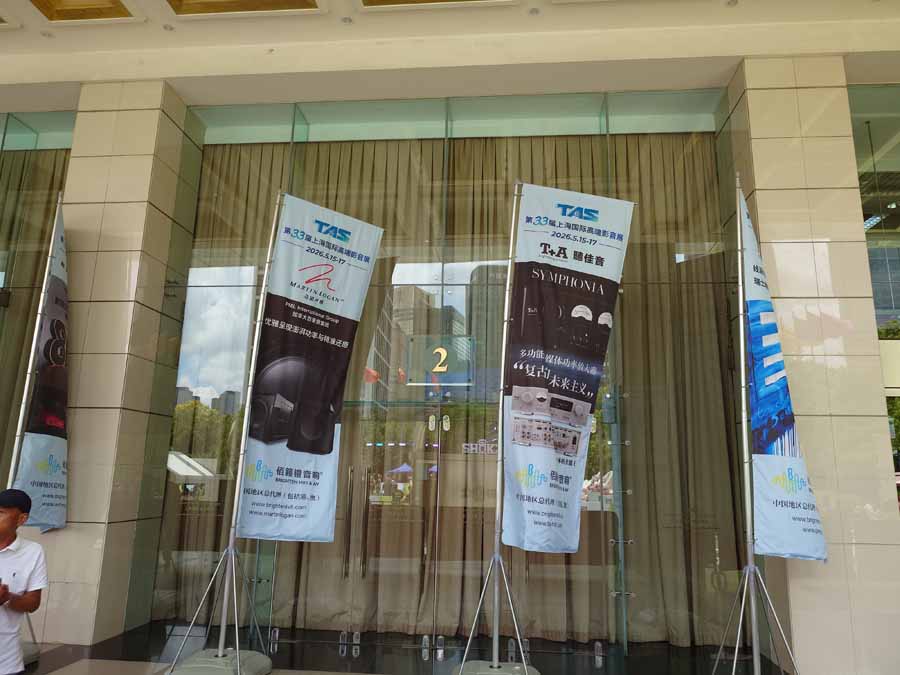
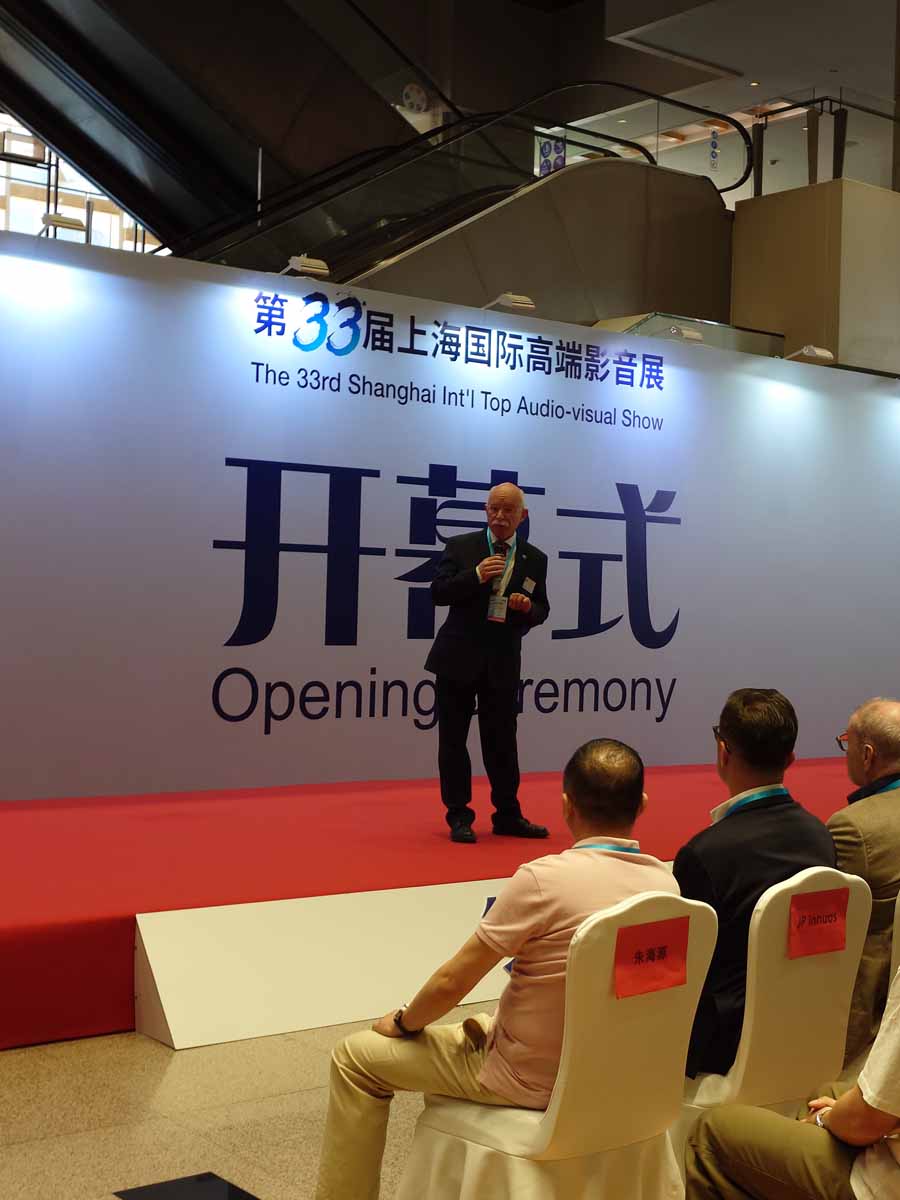
I went to TAS last year, so I returned this time with a pretty good idea of what to expect, and yet the 33rd Shanghai International Top Audio-Visual Show still felt fresh, upscale, and just a touch excessive in exactly the right way. Held at the Shanghai International Convention Centre right on the Bund, it enjoys a backdrop that is hard to beat, especially in the river-facing rooms where the windows were sometimes drawing more attention than the systems. At TAS, the view is not merely part of the setting; in some rooms, it is practically part of the demo.

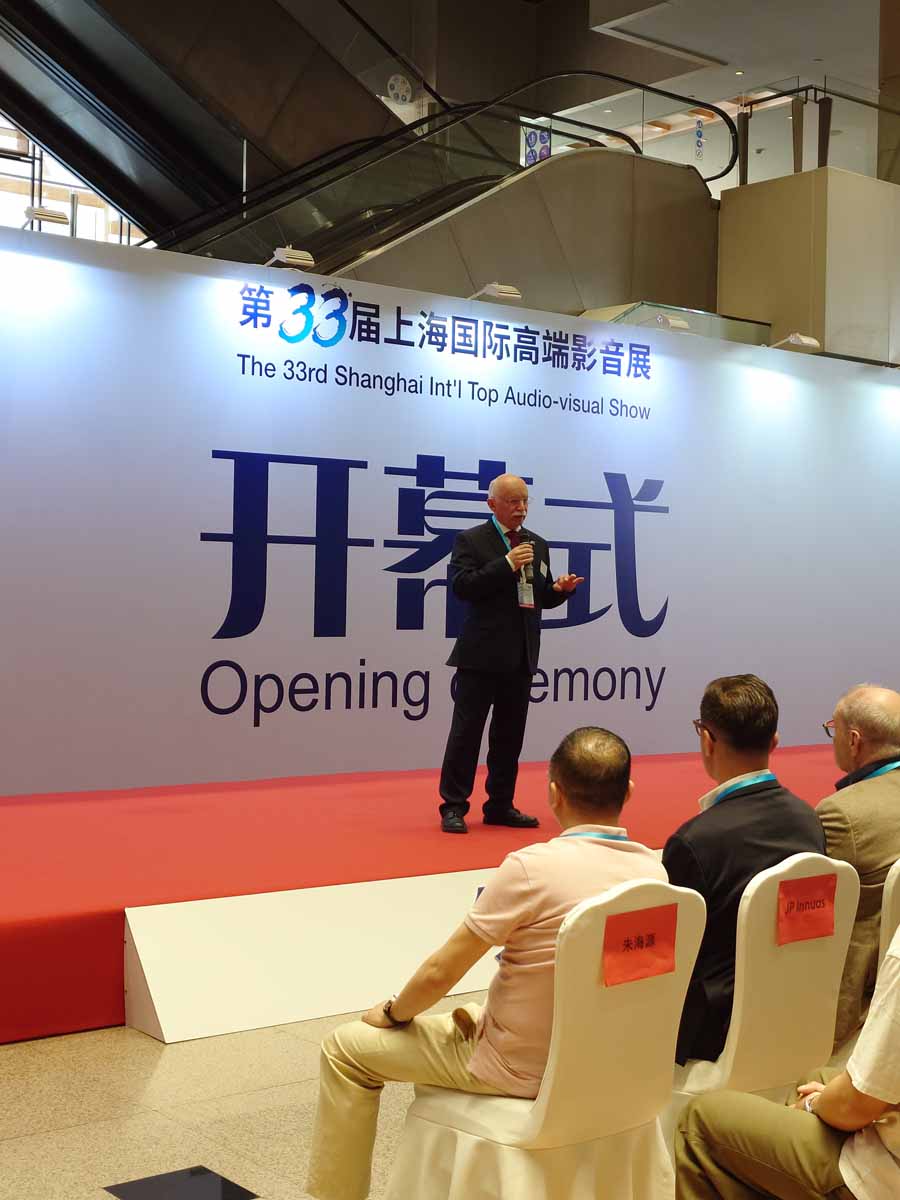
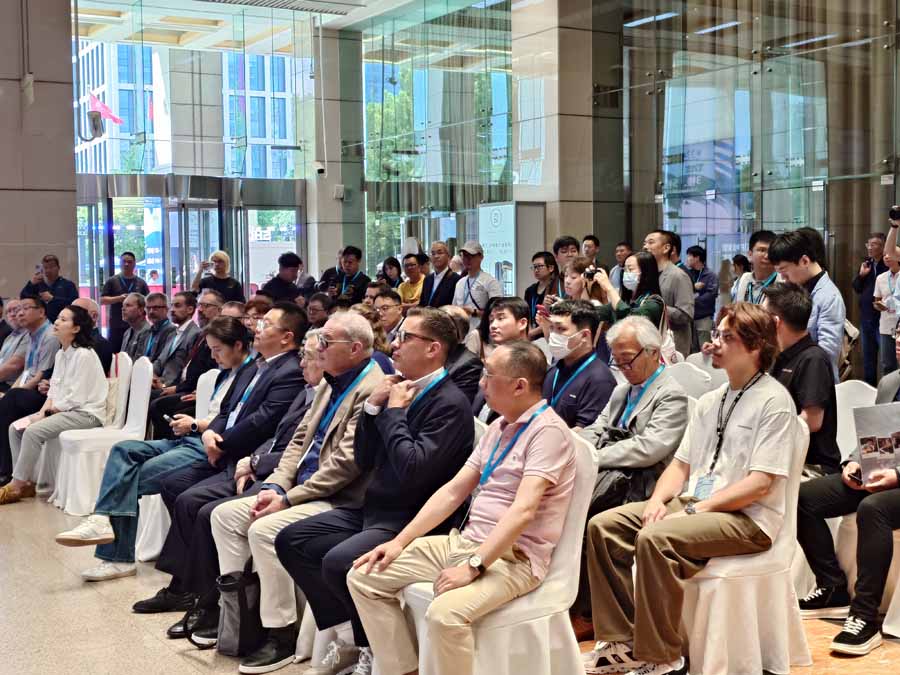
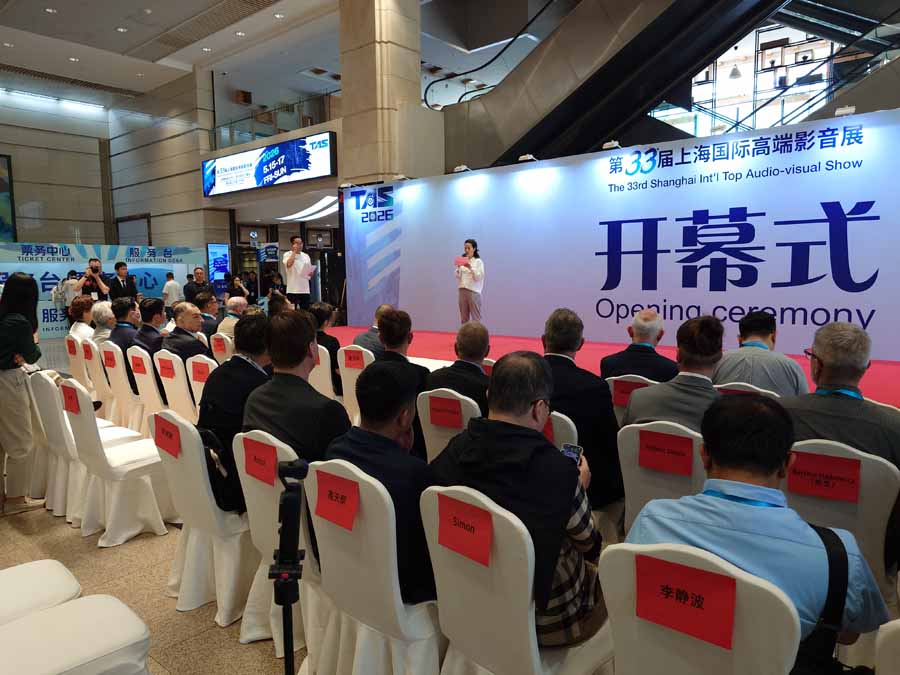
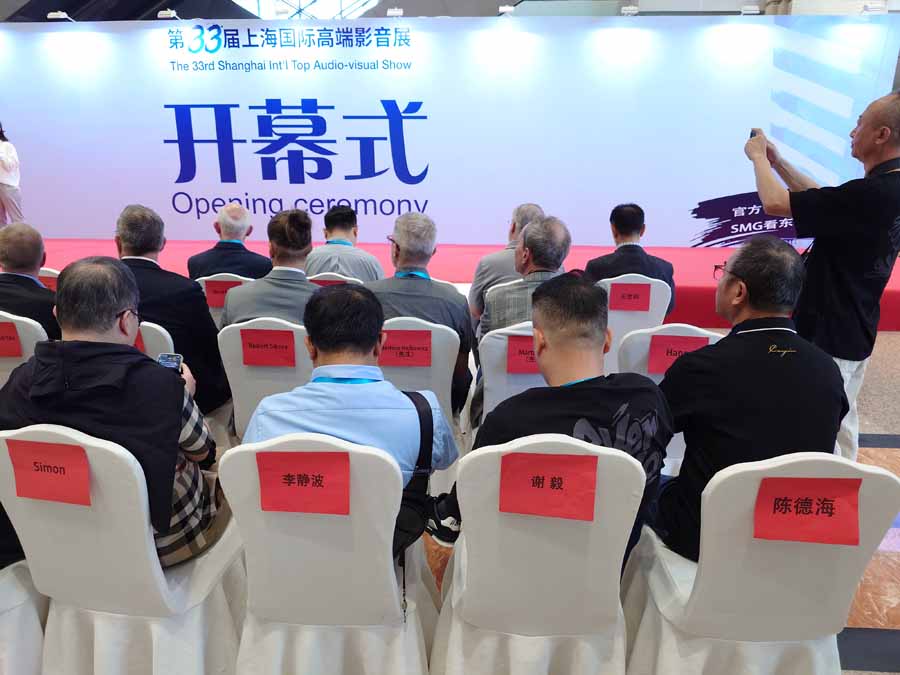
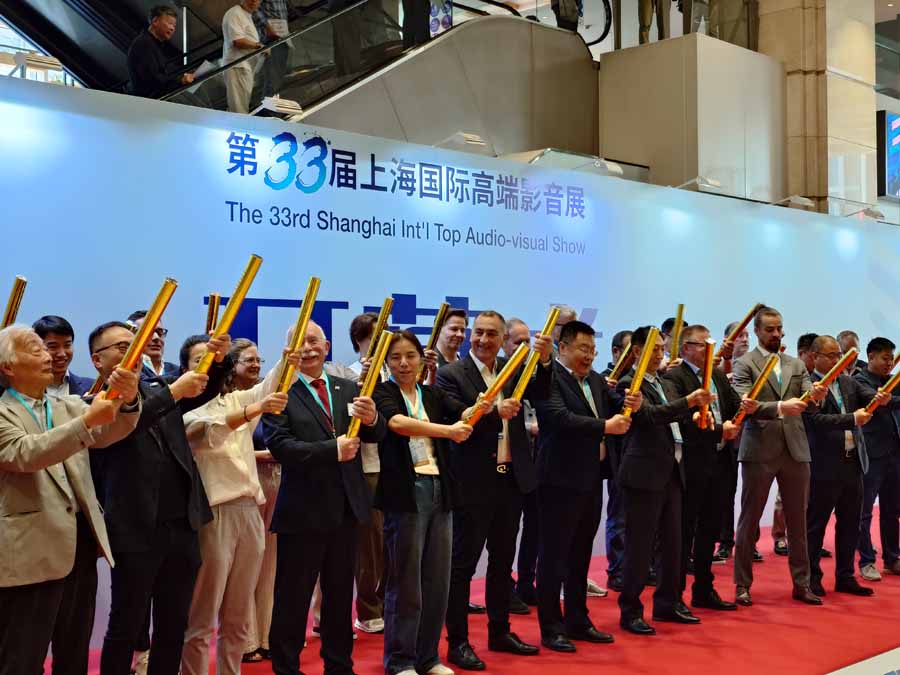
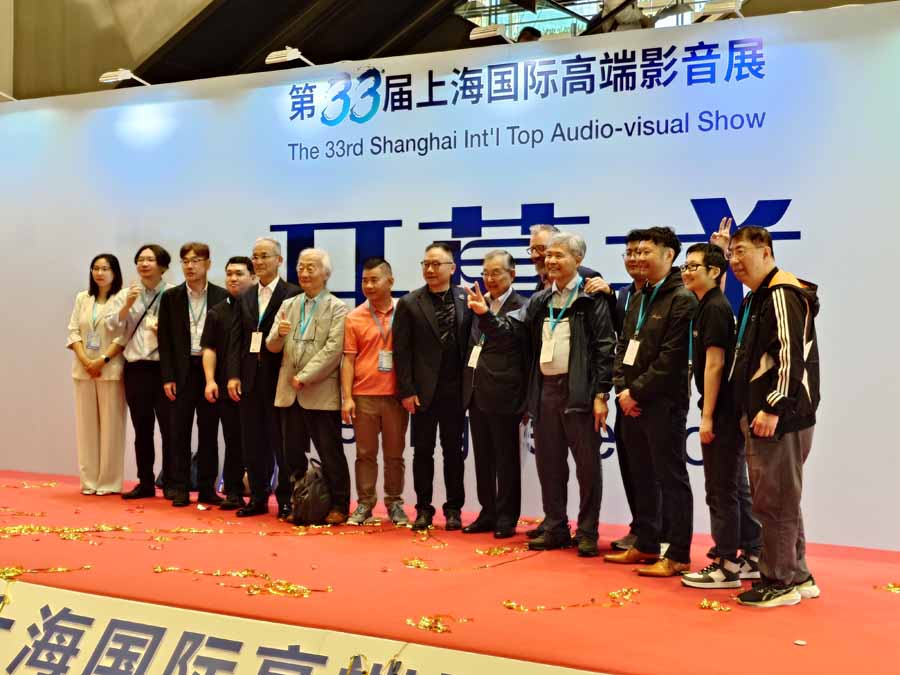
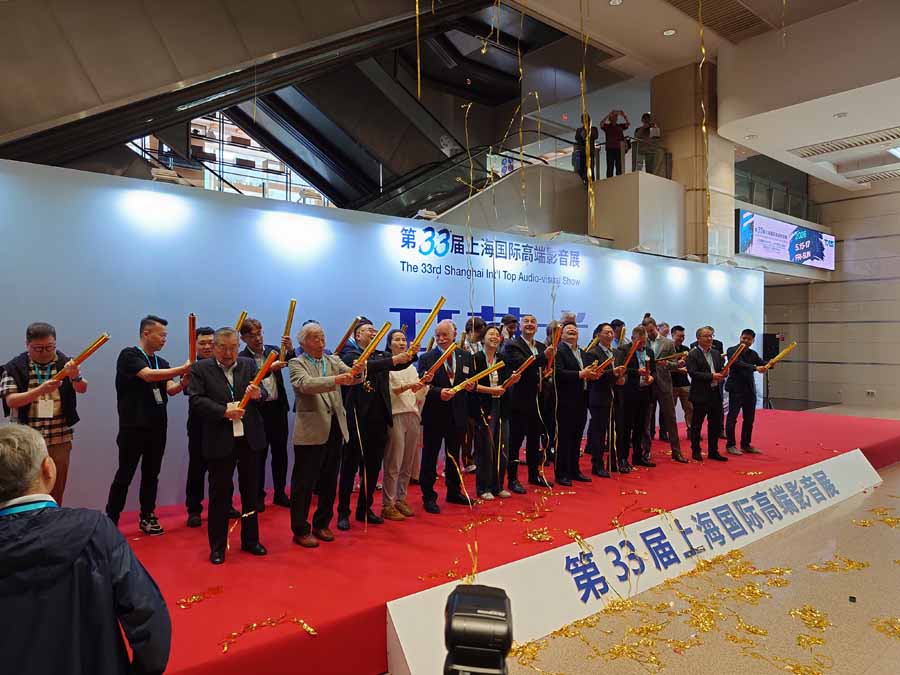










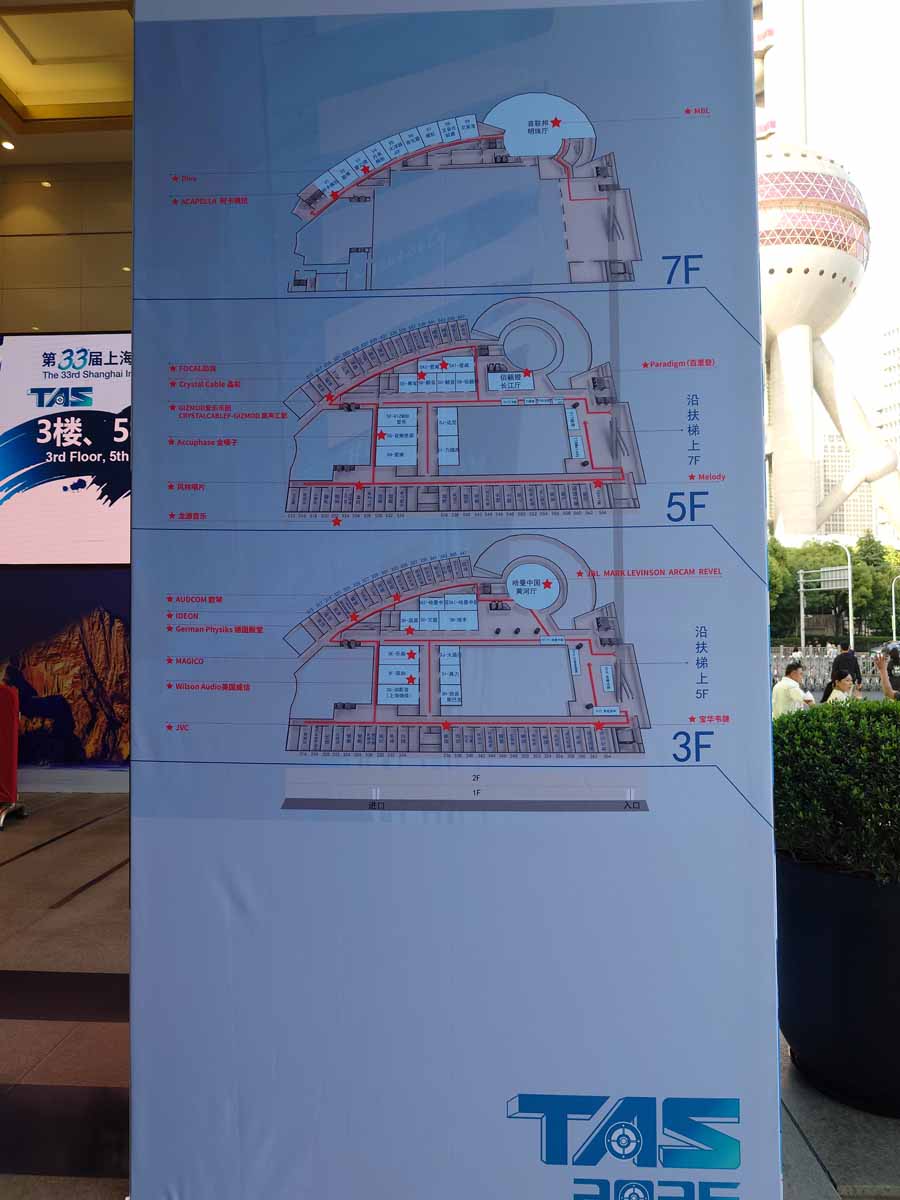
TAS 2026 was spread across three floors and around 130 rooms and booths, offering an impressively broad range of systems, from simple wireless set-ups to full-fat, no-expense-spared megabucks speakers and container loads of gear where every last note seemed to have its own dedicated component. That variety was one of the show’s great strengths: one room might offer a modest, neatly judged system, while the next would be a sprawling statement setup with all the engineering theatre and sonic firepower you could wish for.
On the first day the crowd was pleasantly manageable, with only the most famous rooms properly packed, which made for a rather civilised start to proceedings. The musical diet was heavily weighted towards Chinese opera and classical, along with the usual audiophile standards such as Birds, Ratchet and Liberty, although a handful of international exhibitors sensibly came prepared with their own playlists. The only recurring frustration was the internet, which was patchy inside the venue, making online streaming less than ideal.
Coffee was another weak point, but Technics came to the rescue with a very welcome barista service and an excellent cup from a rather fine Wendougee machine. Good sound and good coffee are, after all, two of life’s more persuasive arguments!










United Audio Grand Hall
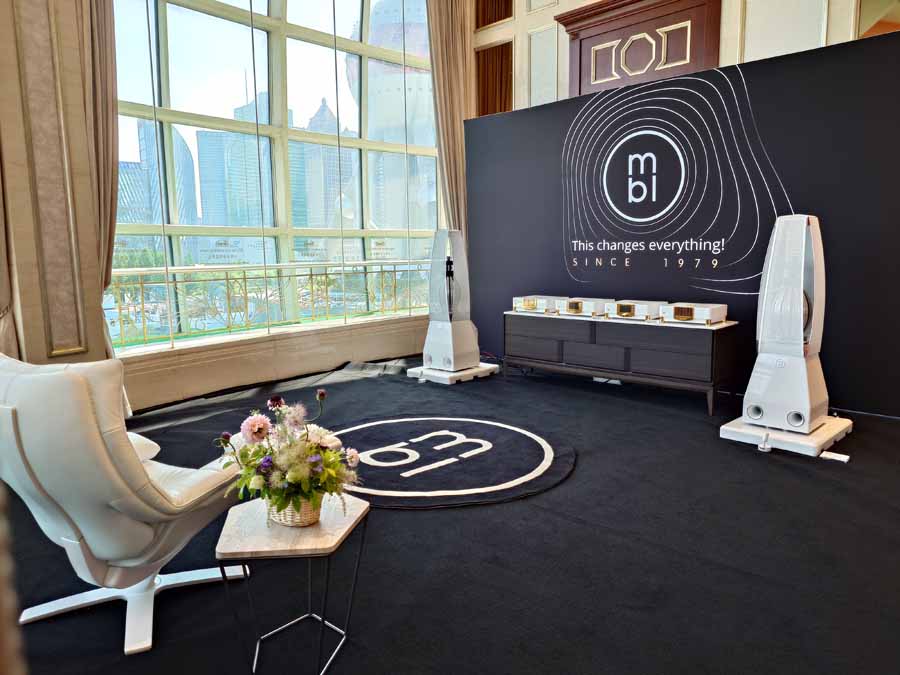
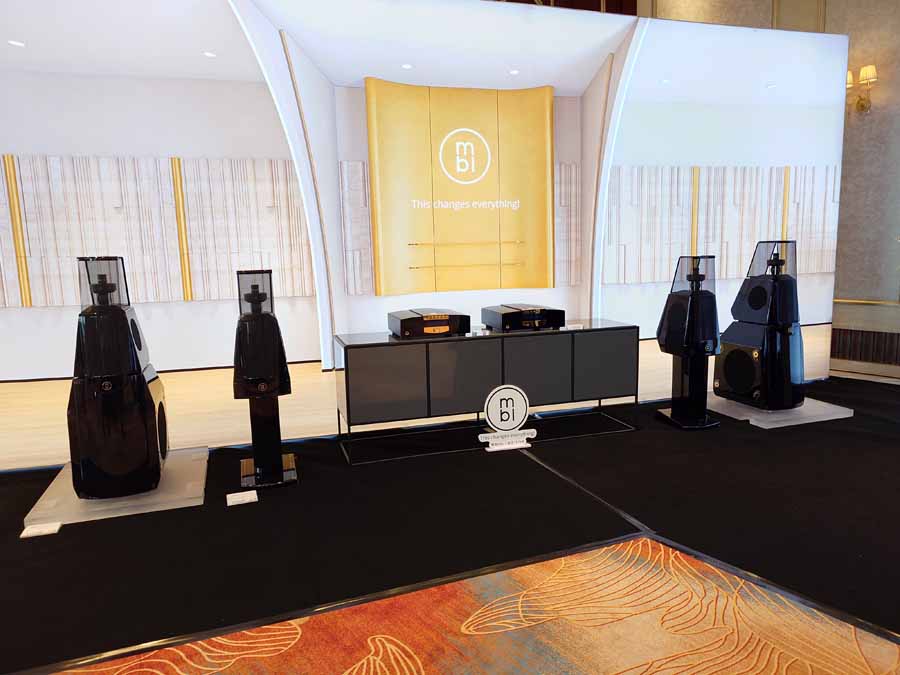
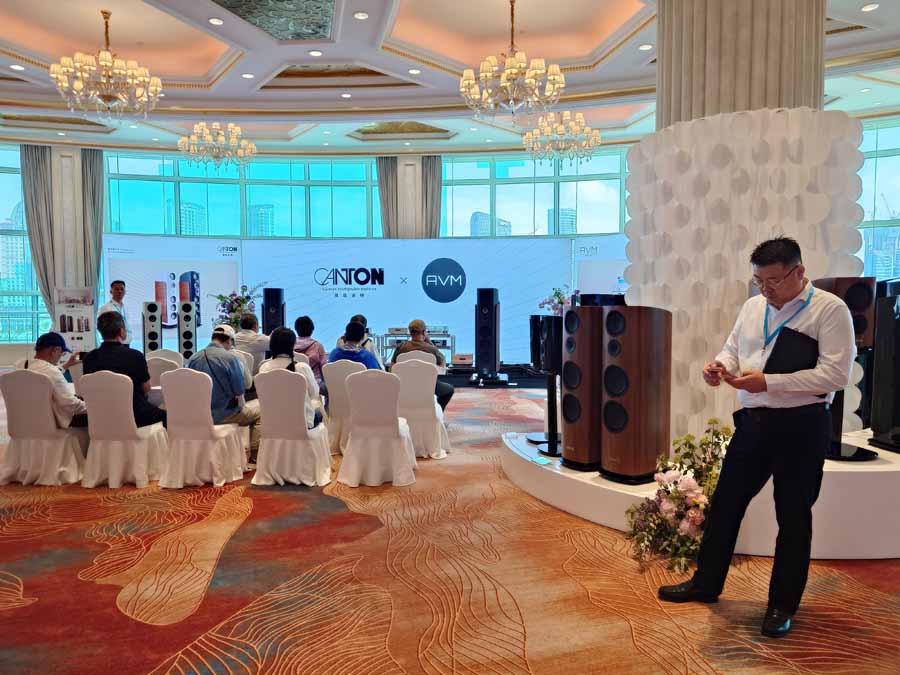
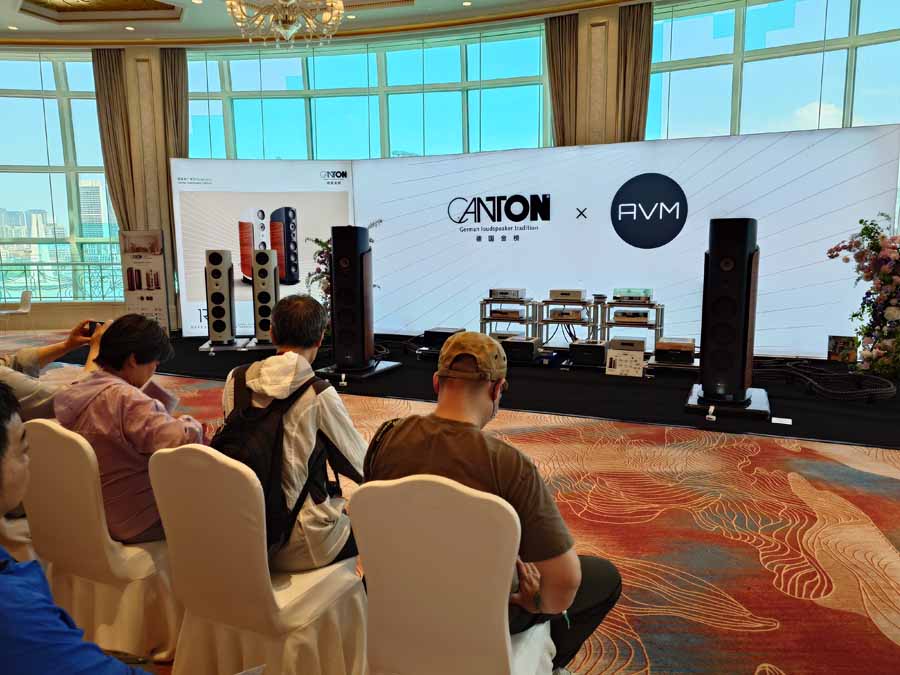
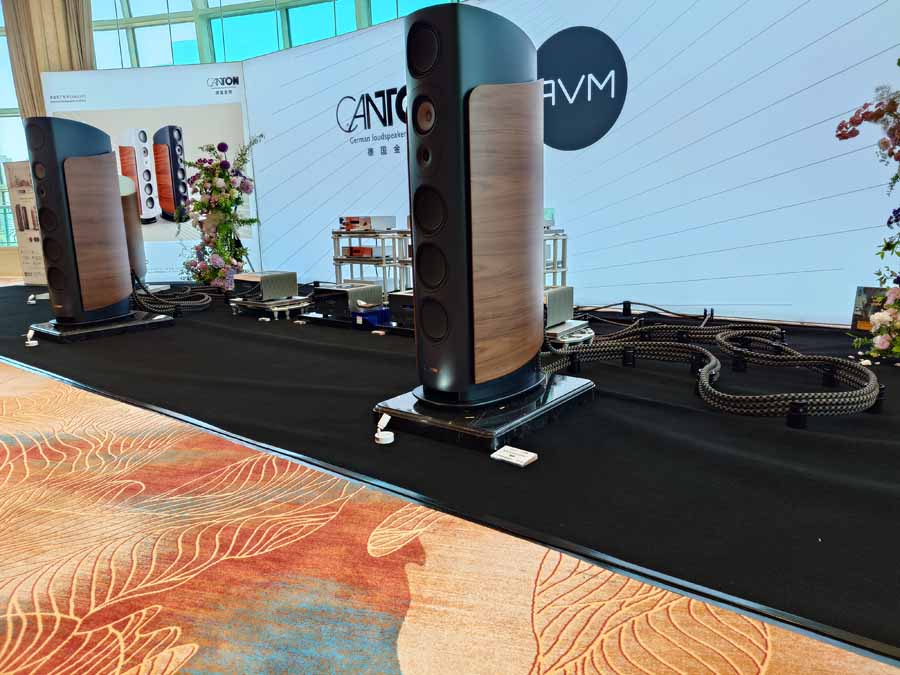
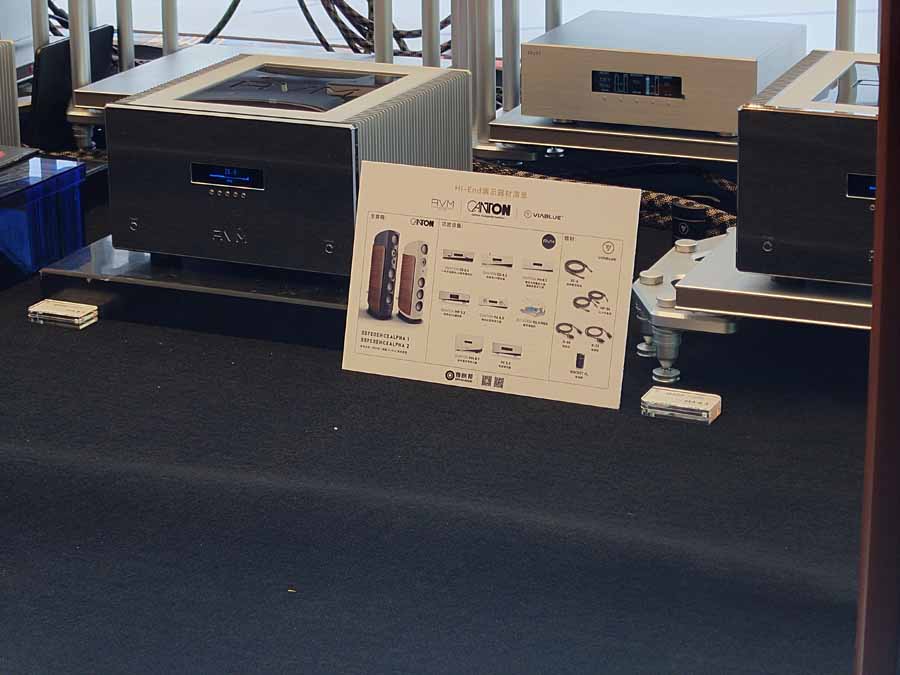
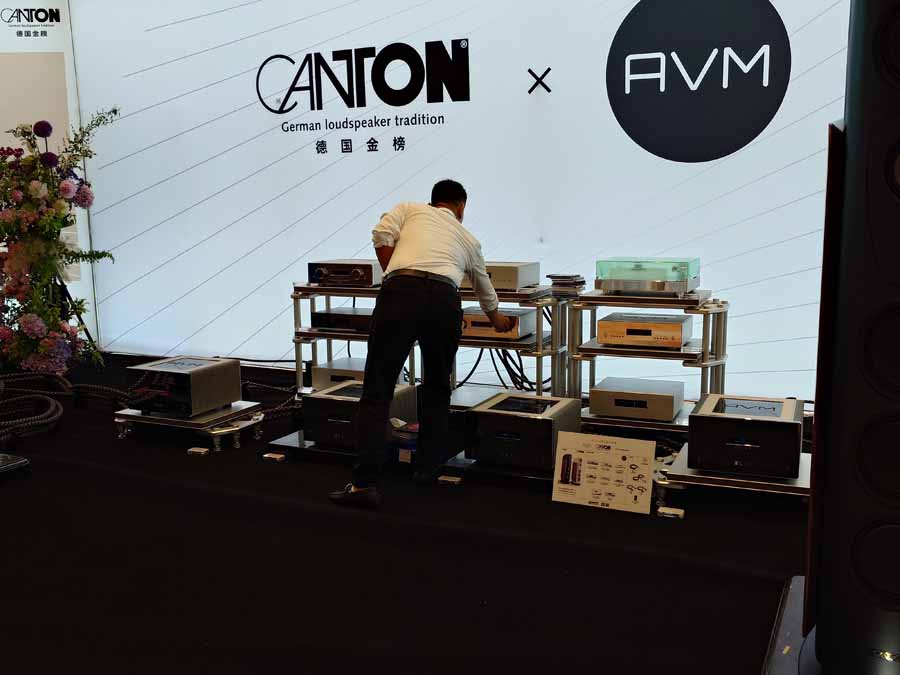
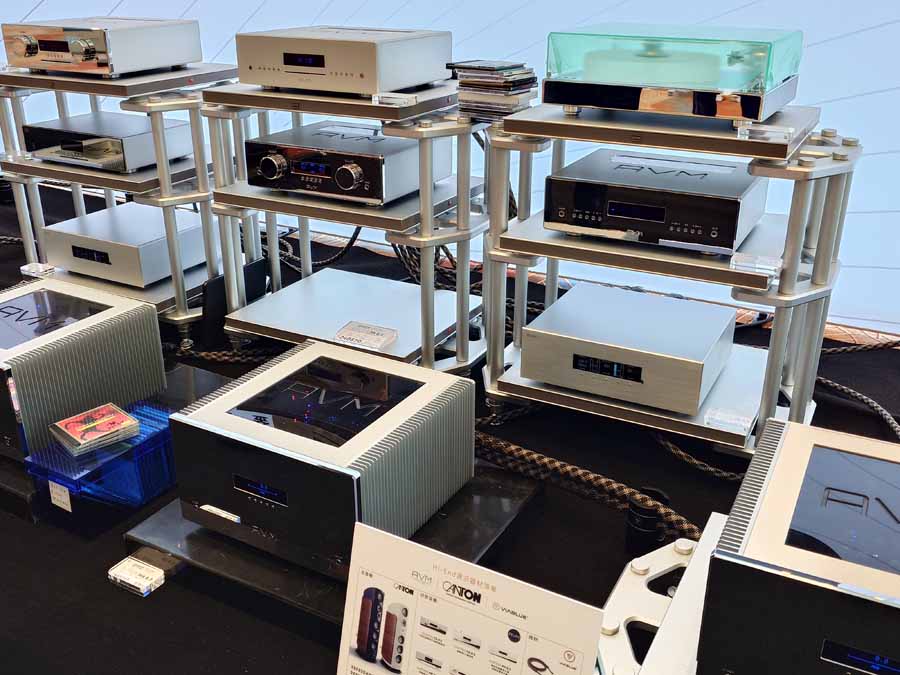
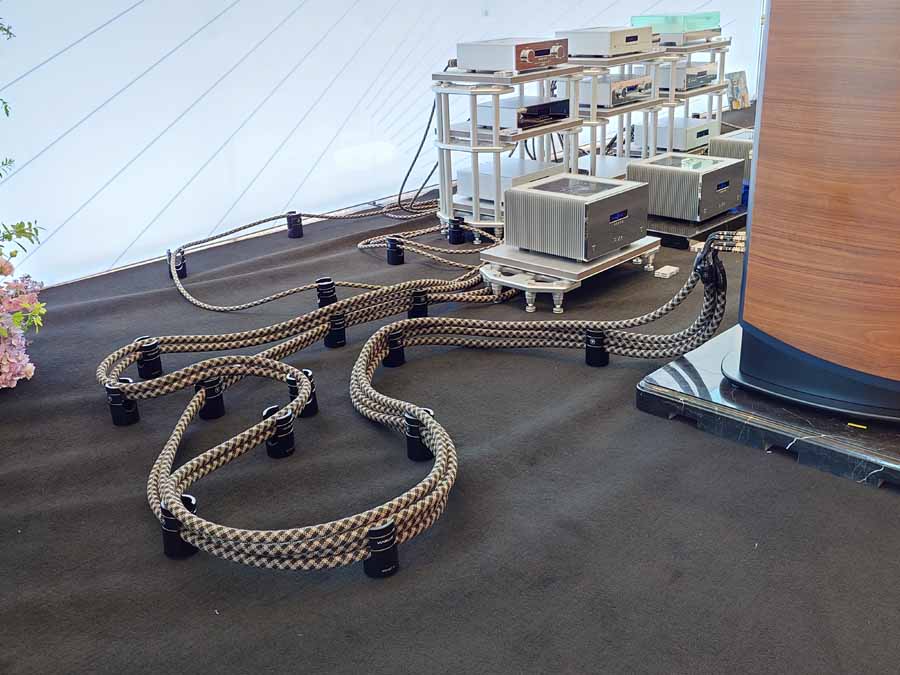
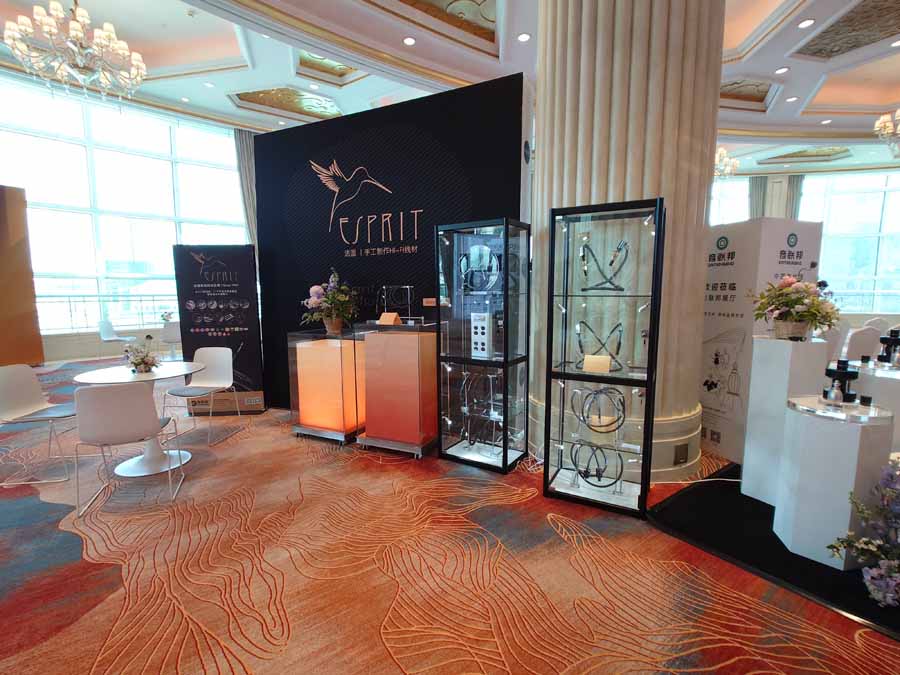
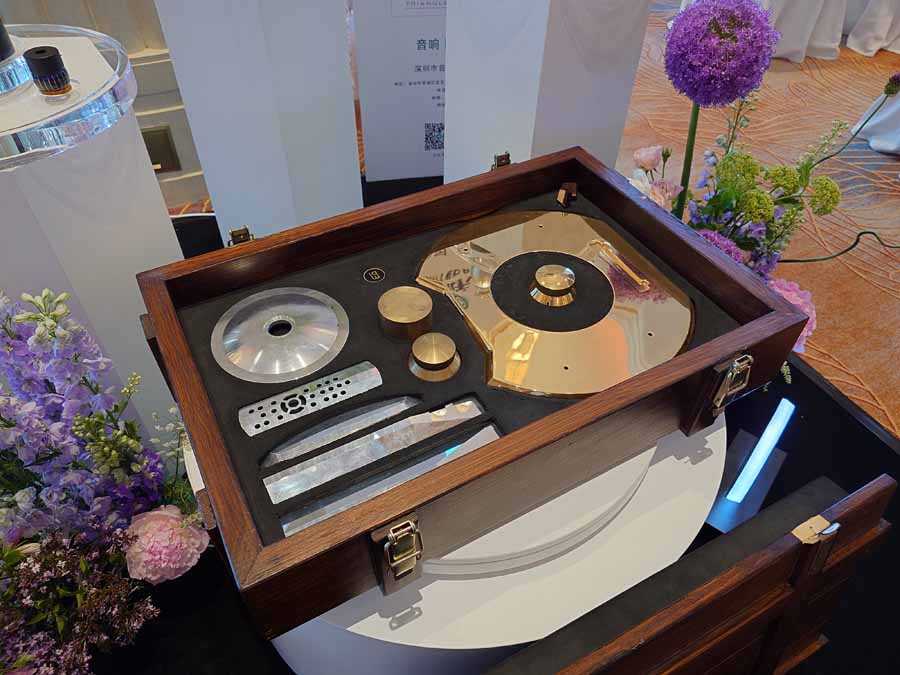
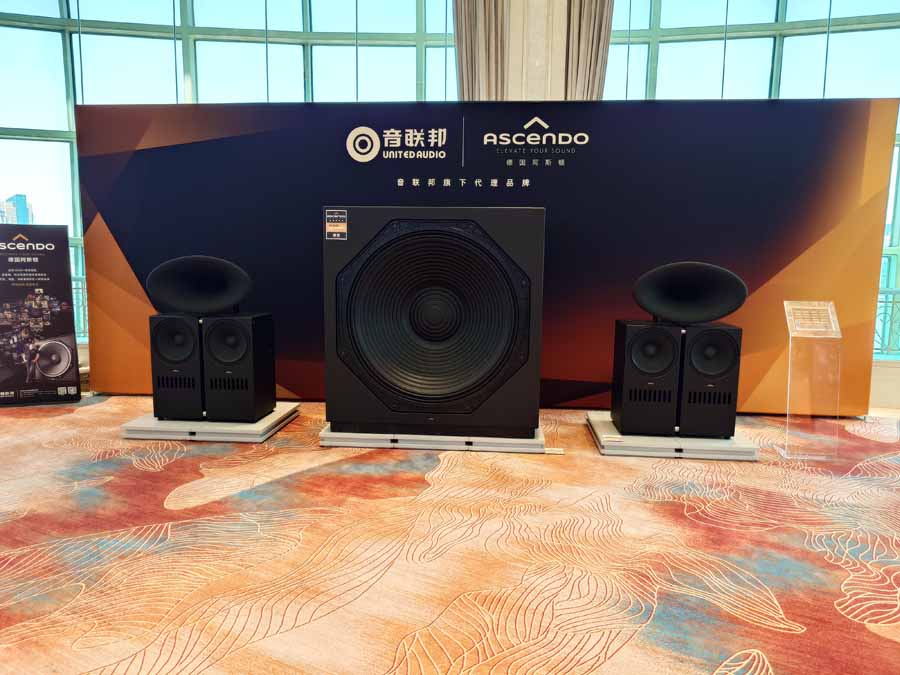
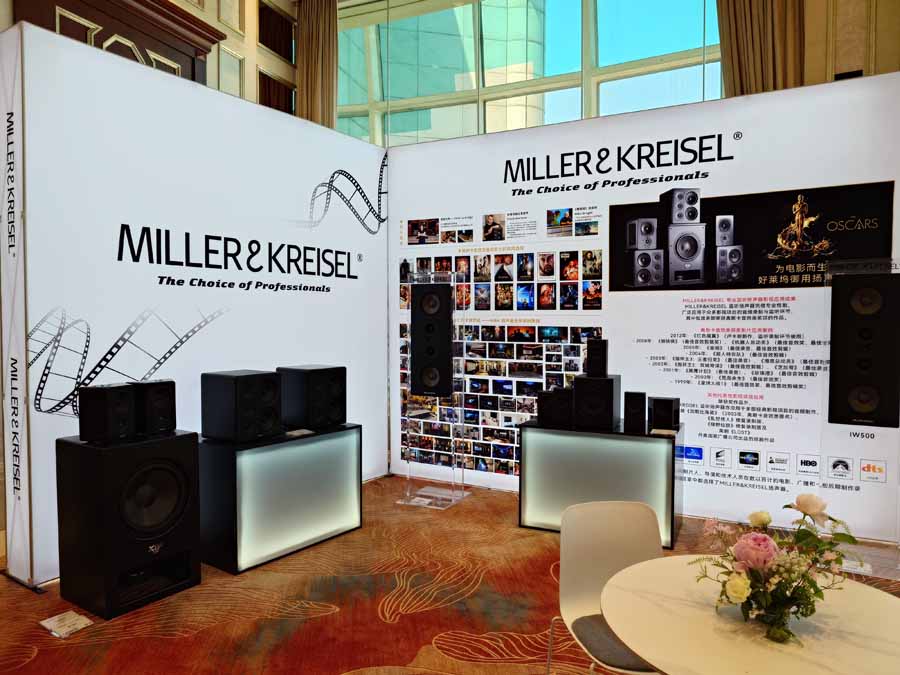
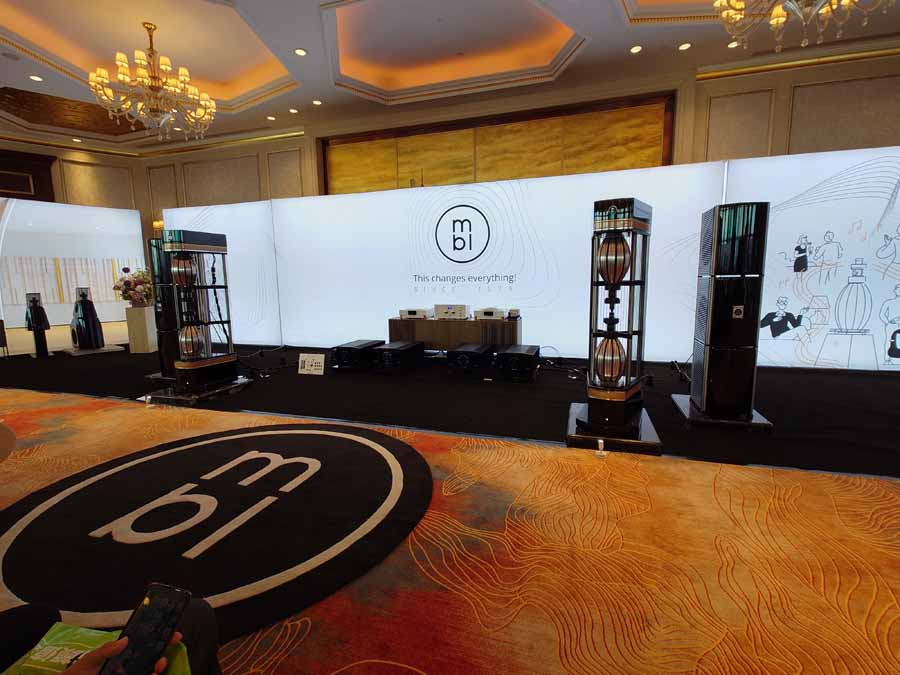
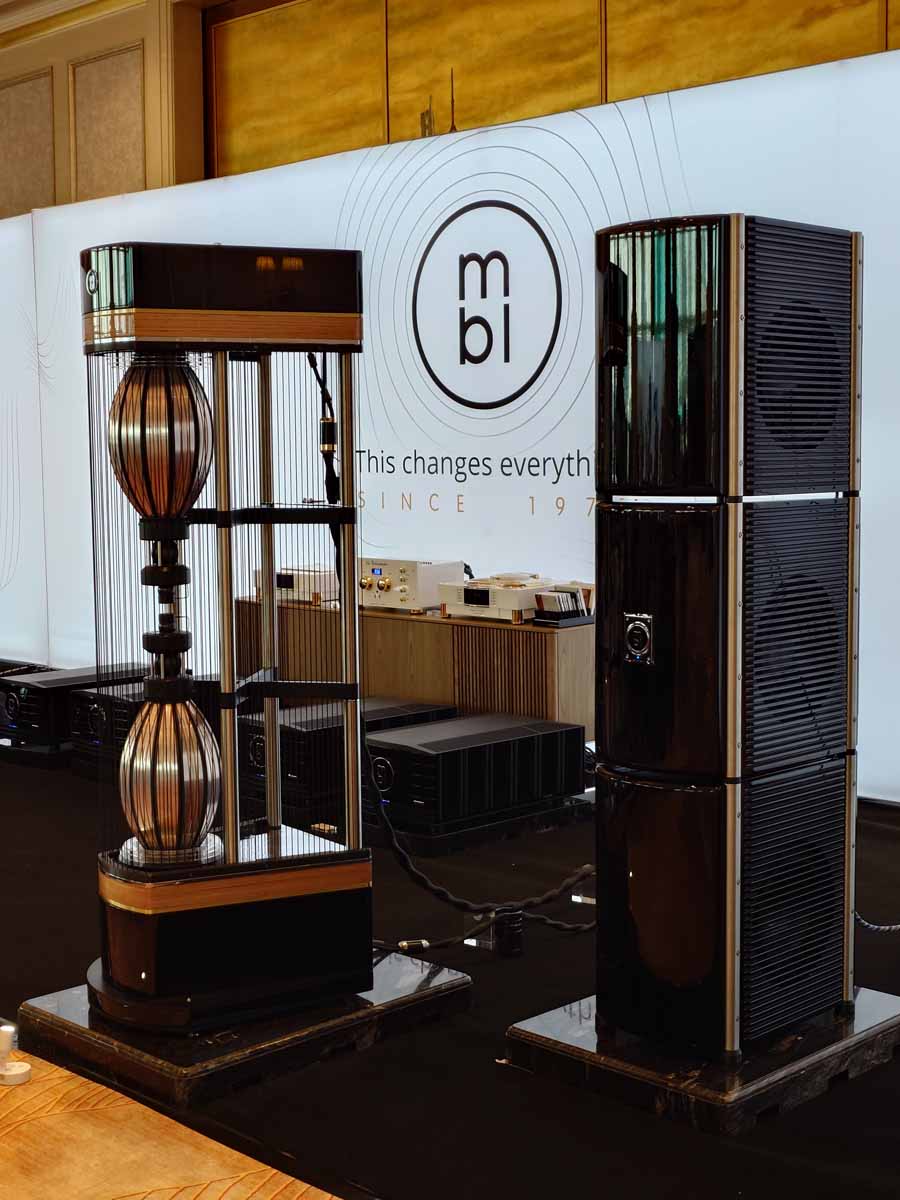
I started on the 7th floor, where United Audio, one of China’s leading distributors, had taken over an entire ballroom and turned it into a miniature HiFi theme park, complete with four full systems and a smattering of more quirky bits and pieces besides. And what four systems they were! Right by the entrance sat a single white leather chair, cordoned off like some kind of sonic throne, fronting a white-and-gold MBL installation reserved for VVIP listening, clearly aimed at those who prefer their HiFi served with a side of privilege and a splash of bling.
I arrived just as the doors opened, so the team was still in the final stages of set-up when the first system sprang into life: a full pride of Germany from Canton and AVM, with the Canton Reference Alpha 1 loudspeakers and an AVM Ovation stack so glossy and chromed-up it looked like Germany had exported its entire supply of polished metal for the occasion. Viablue cables completed the picture, looping around the floor in such generous curves that they looked less like wiring and more like a particularly ambitious floral arrangement.
Across the room, though, the real heavyweights belonged to MBL, where the 101 X-Treme MkII Signature, a name that sounds less like a product and more like a dare, sat in its full glory, driven by four 9011 monoblocks and controlled by a 6010D preamp, with the 1621A CD transport and 1611F DAC as source, with flagship Esprit cables from France completing the no-compromise picture.
Top Sound (TotalDac, Aretai, J.Sikora, Canor, Litosphere)
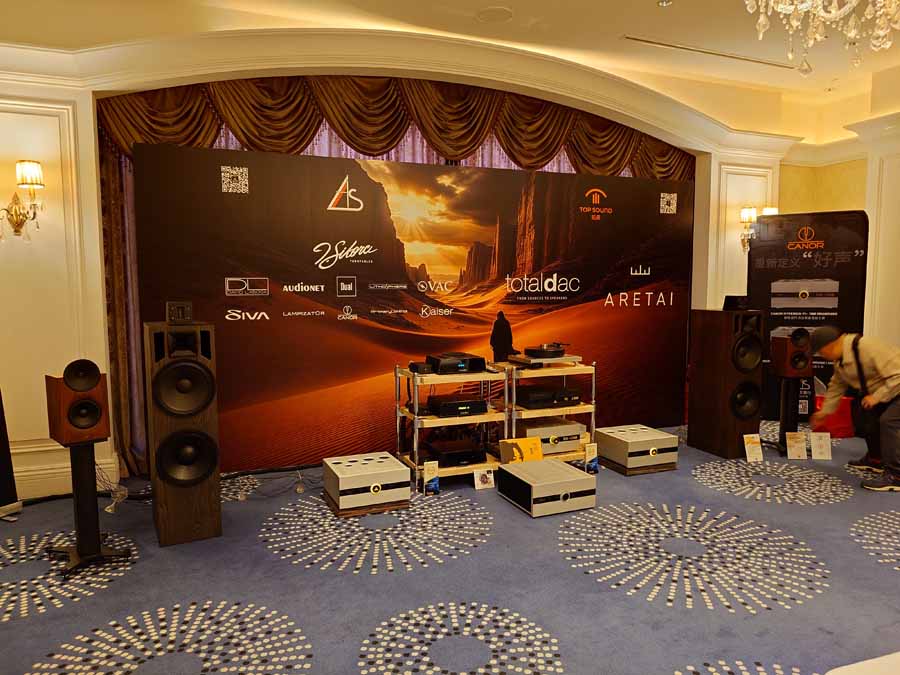
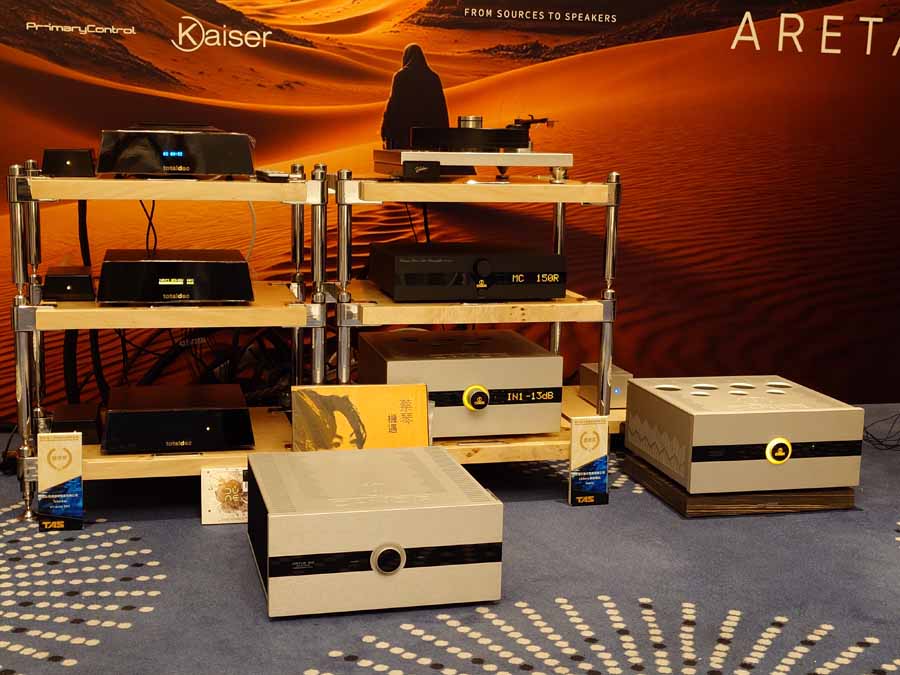
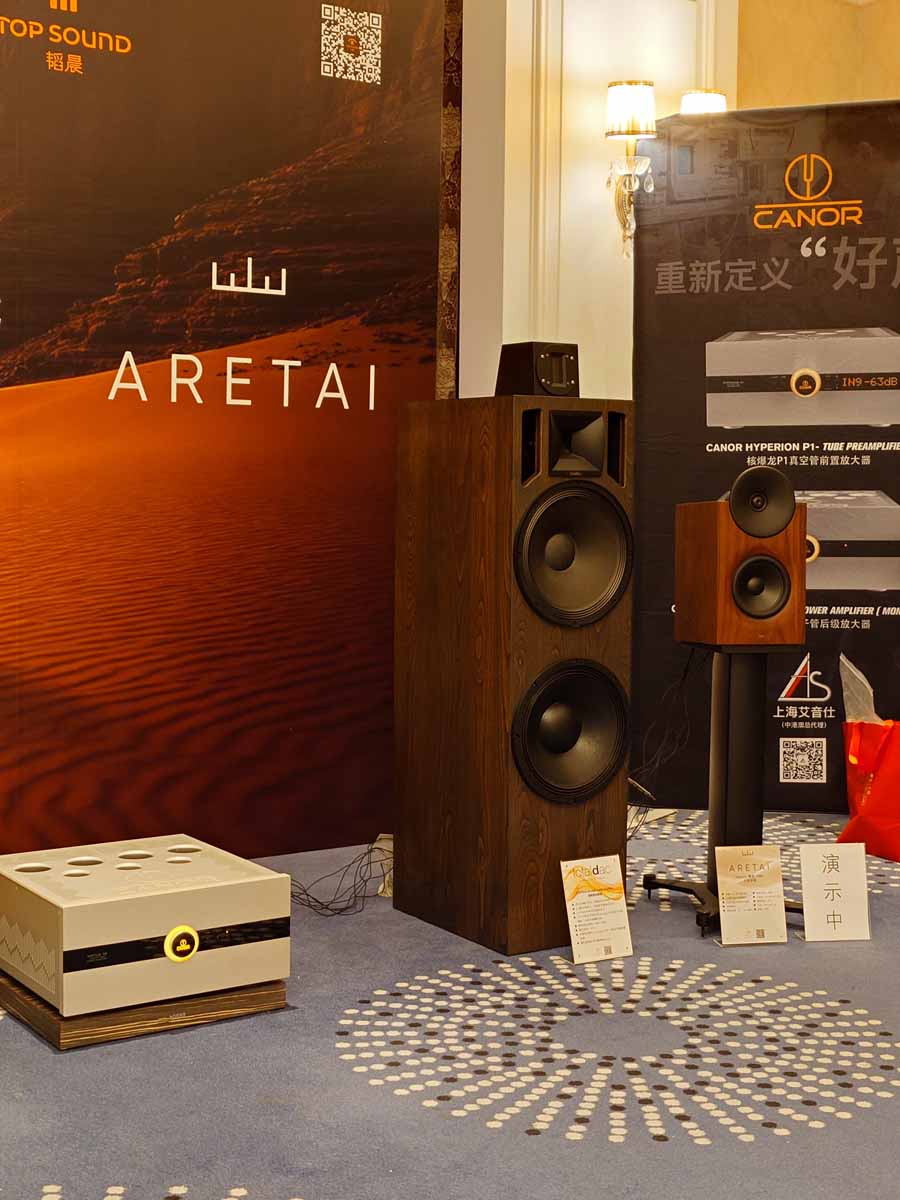
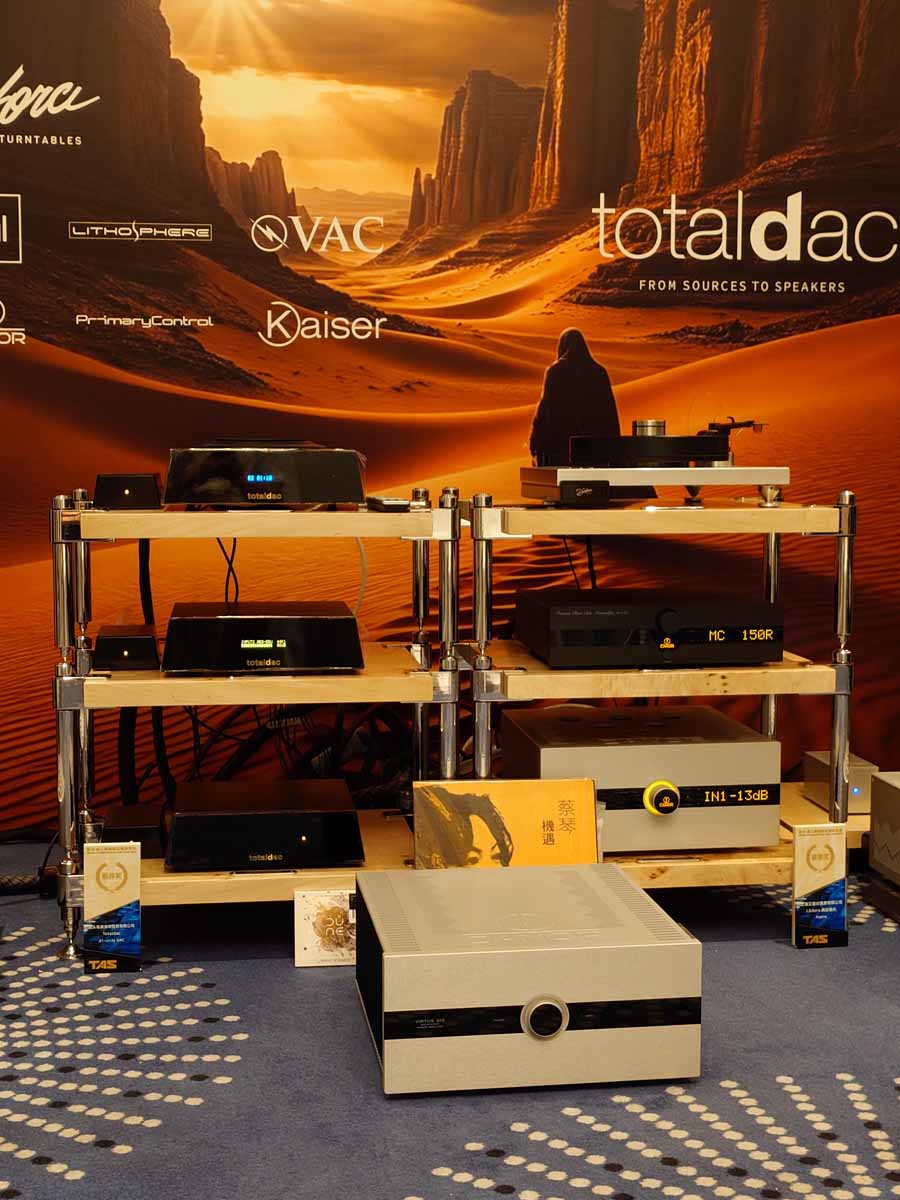
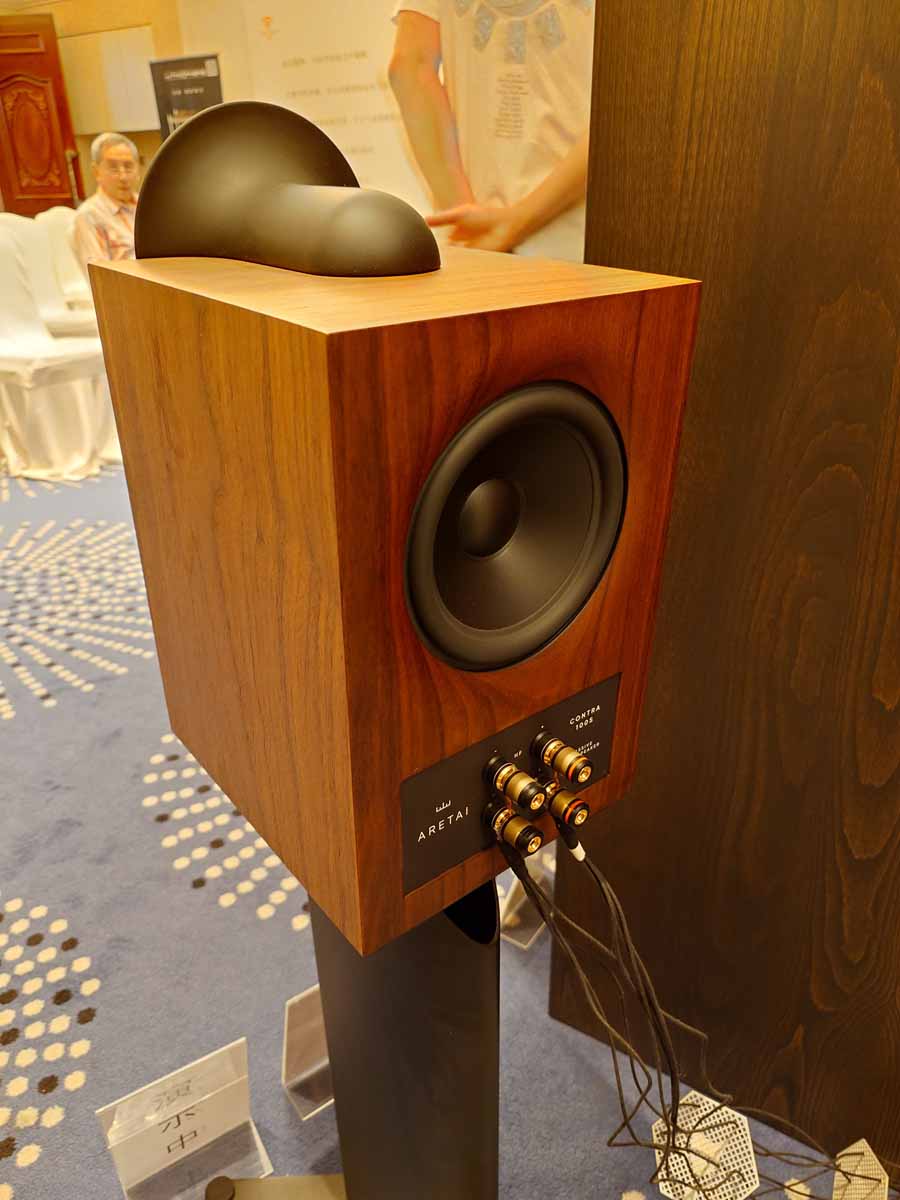
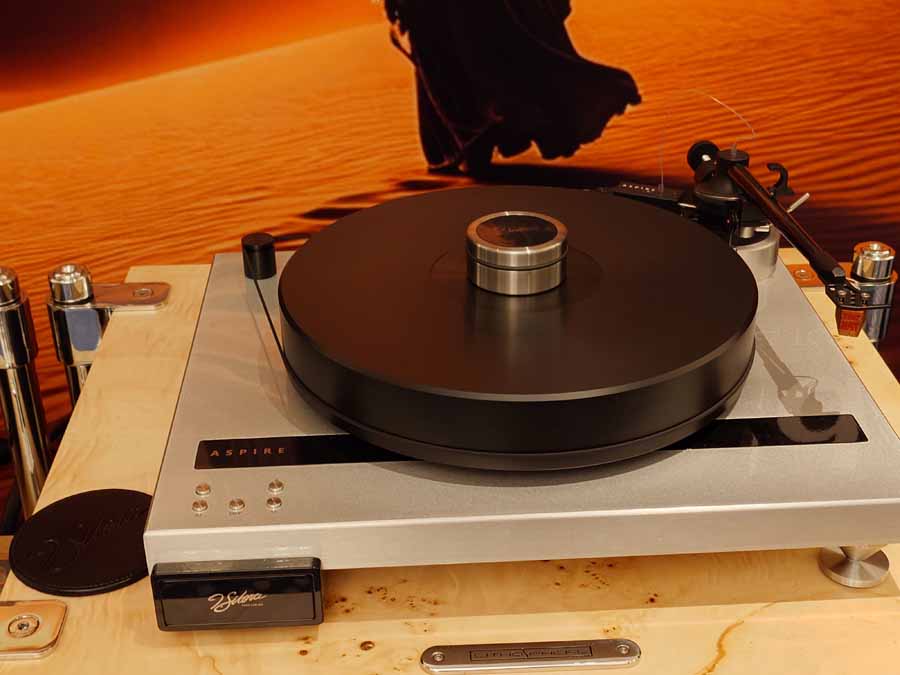
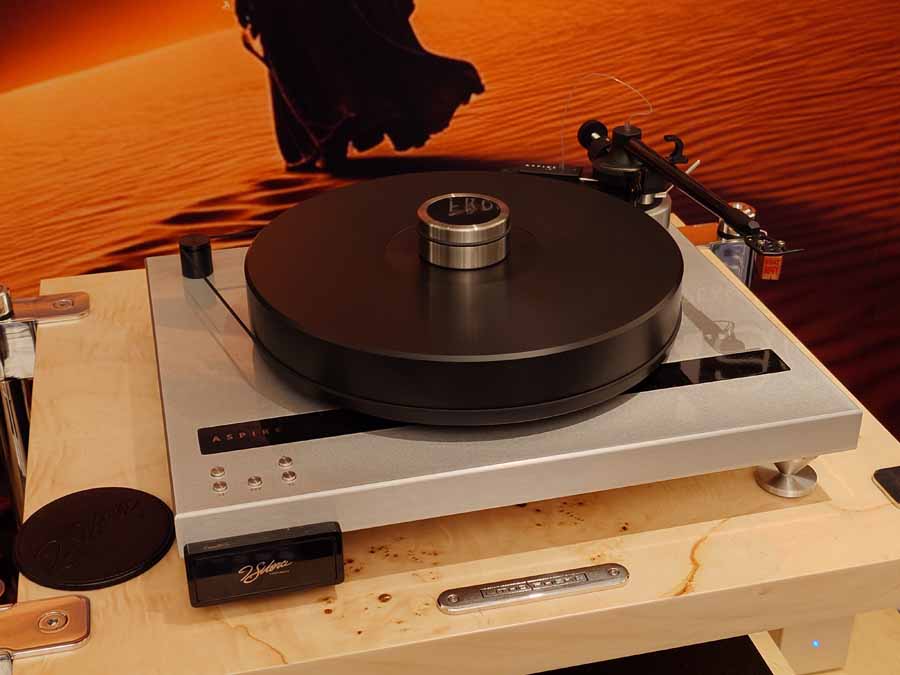
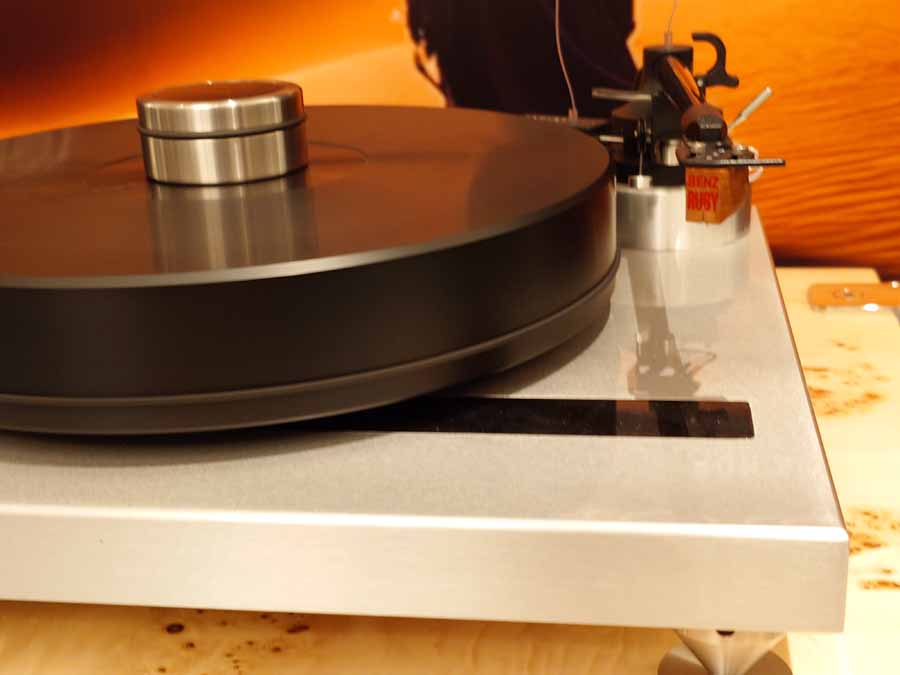
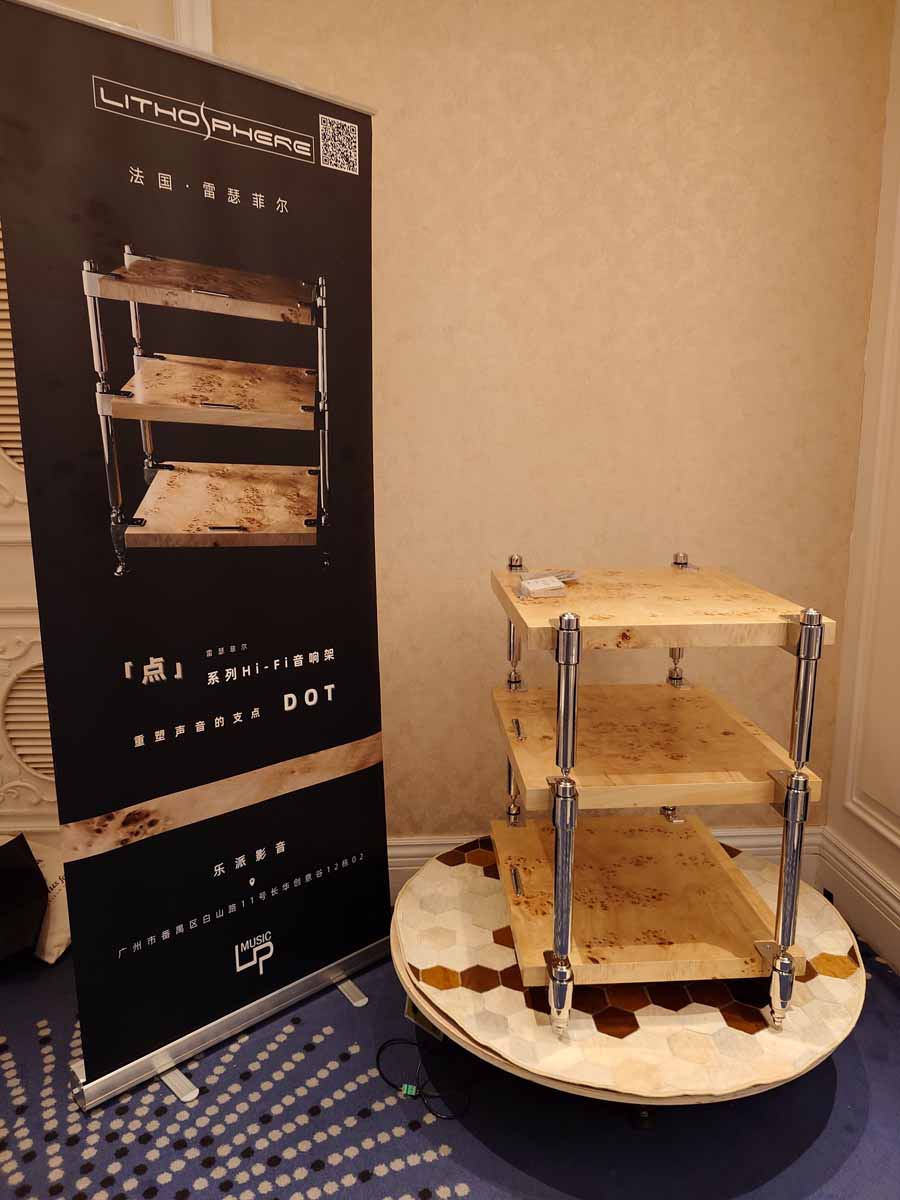
Next door was a thoroughly European affair, with French Totaldac, Latvian Aretai loudspeakers, Slovakian Canor amplification and a Polish analogue HiFi source all sharing the same room as if the EU had briefly decided to sponsor a system. The Virtus M1 monoblocks and Hyperion P1 preamp were partnered with a J. A. Sikora Aspire turntable and a Totaldac digital front end, while the little Aretai Contra 100S speakers produced a sound that was impressively accurate and well controlled, yet far bigger and more mature than their compact size had any right to be. In addition, the stunning Lithosphere Labs racks served as the system’s structural backbone.
Blumenhofer, Einstein, Engström, FalkenOhr, Synastec
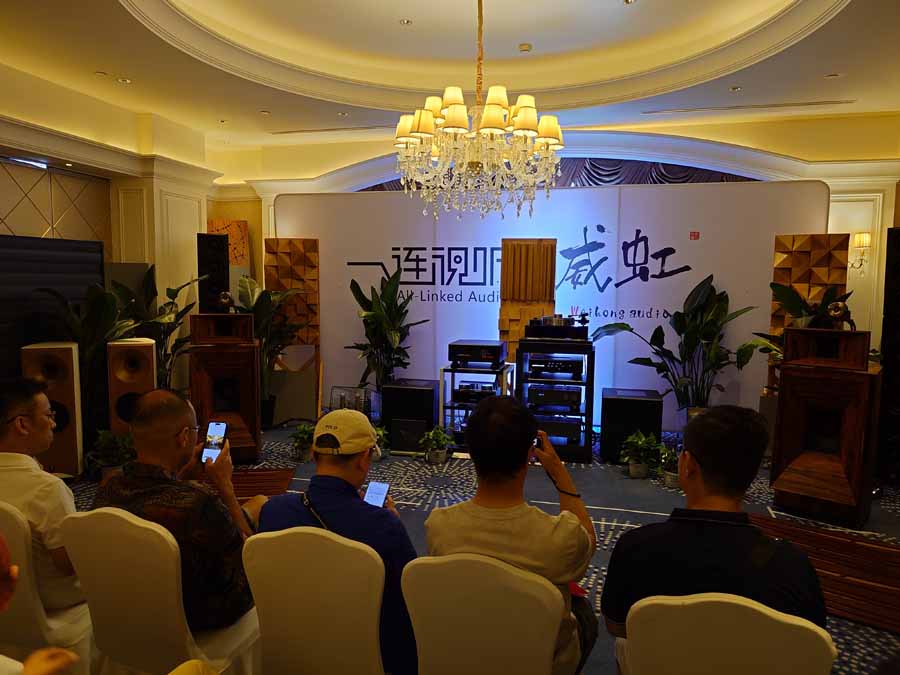
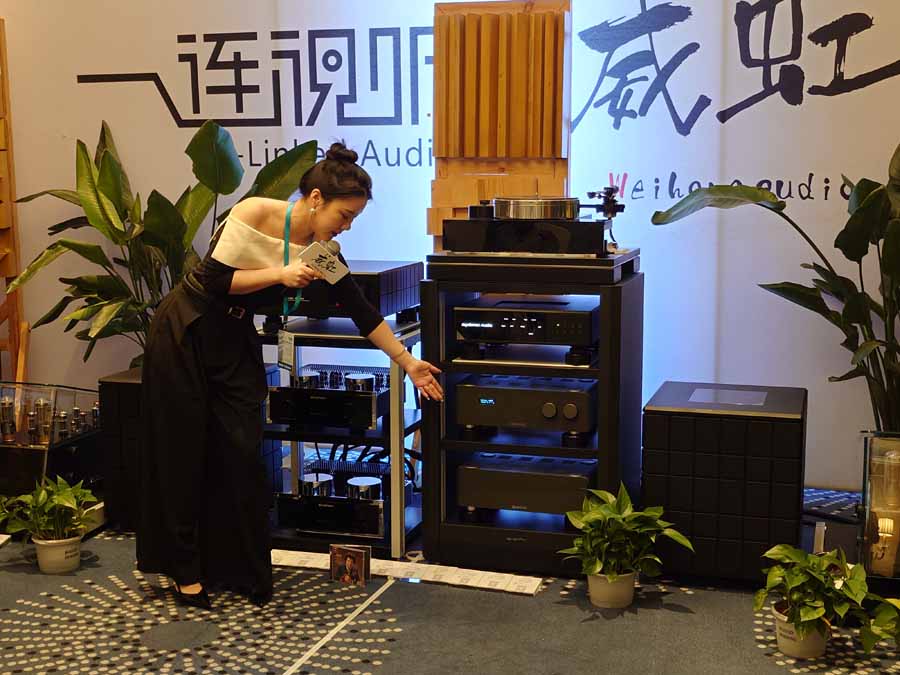
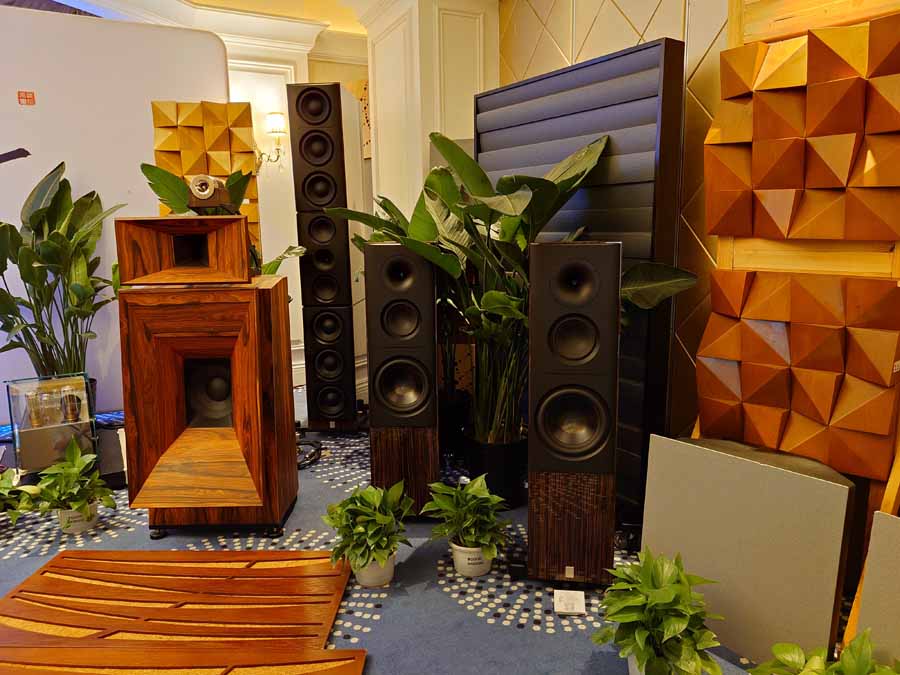
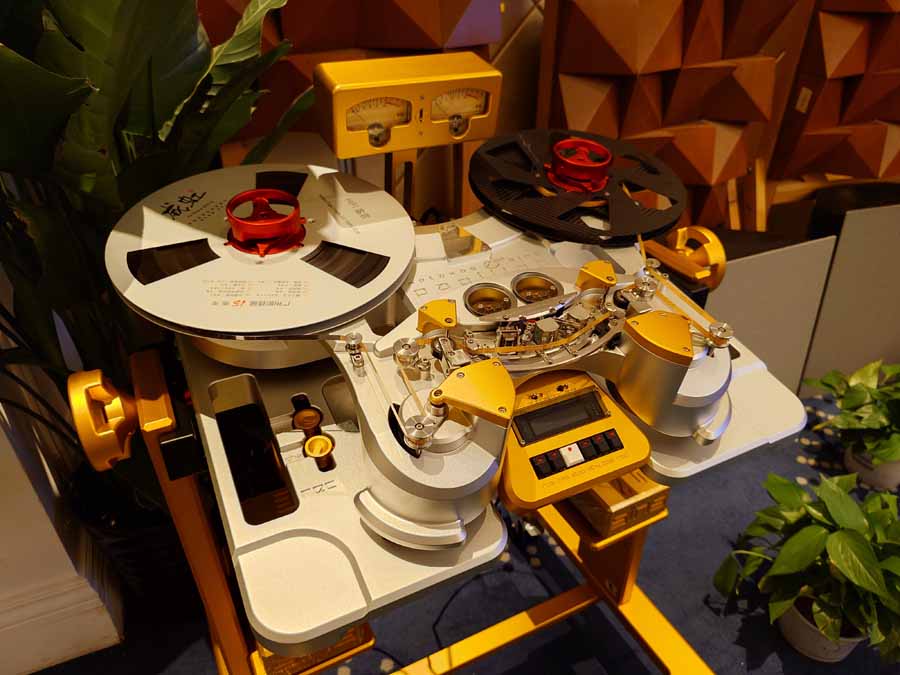
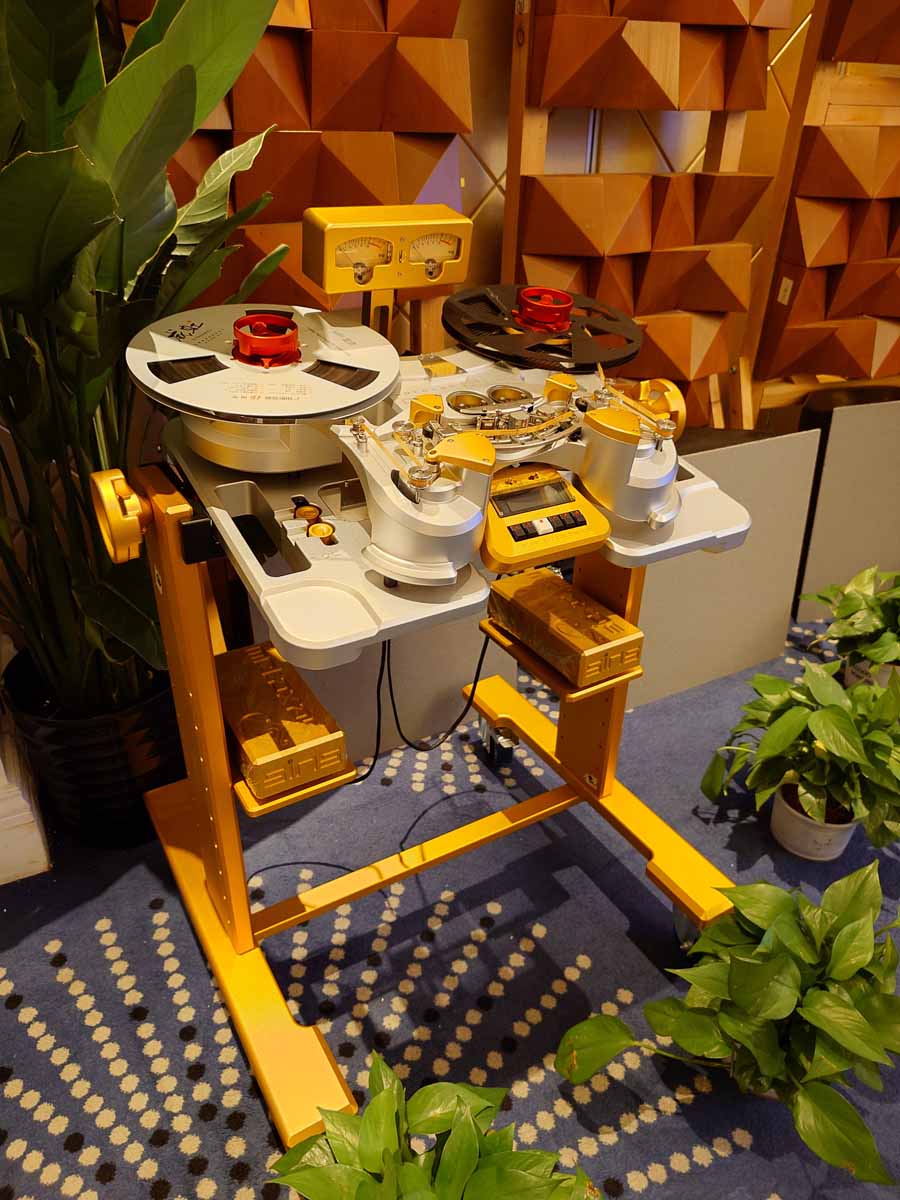
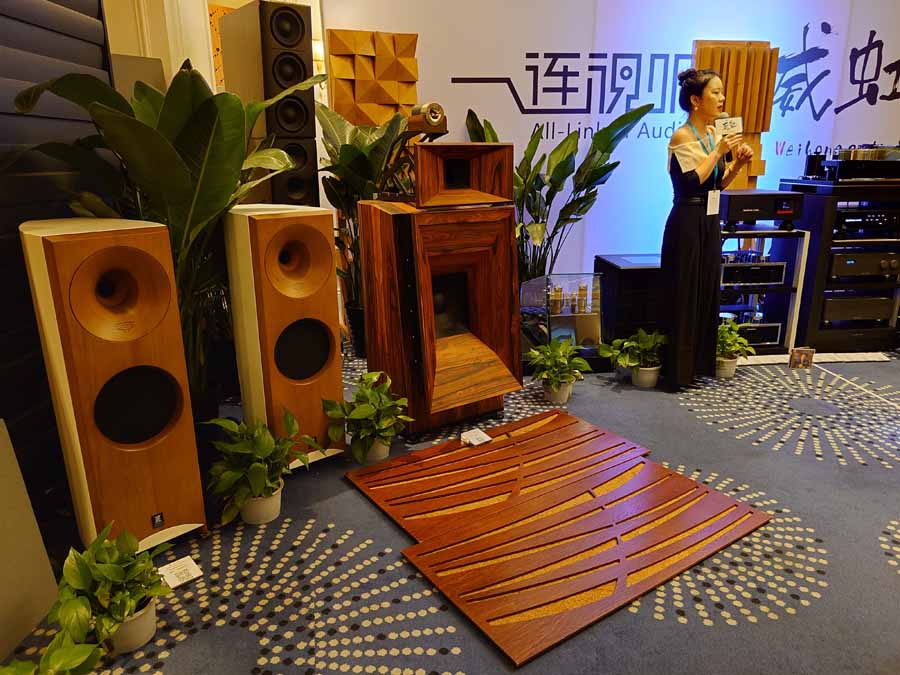
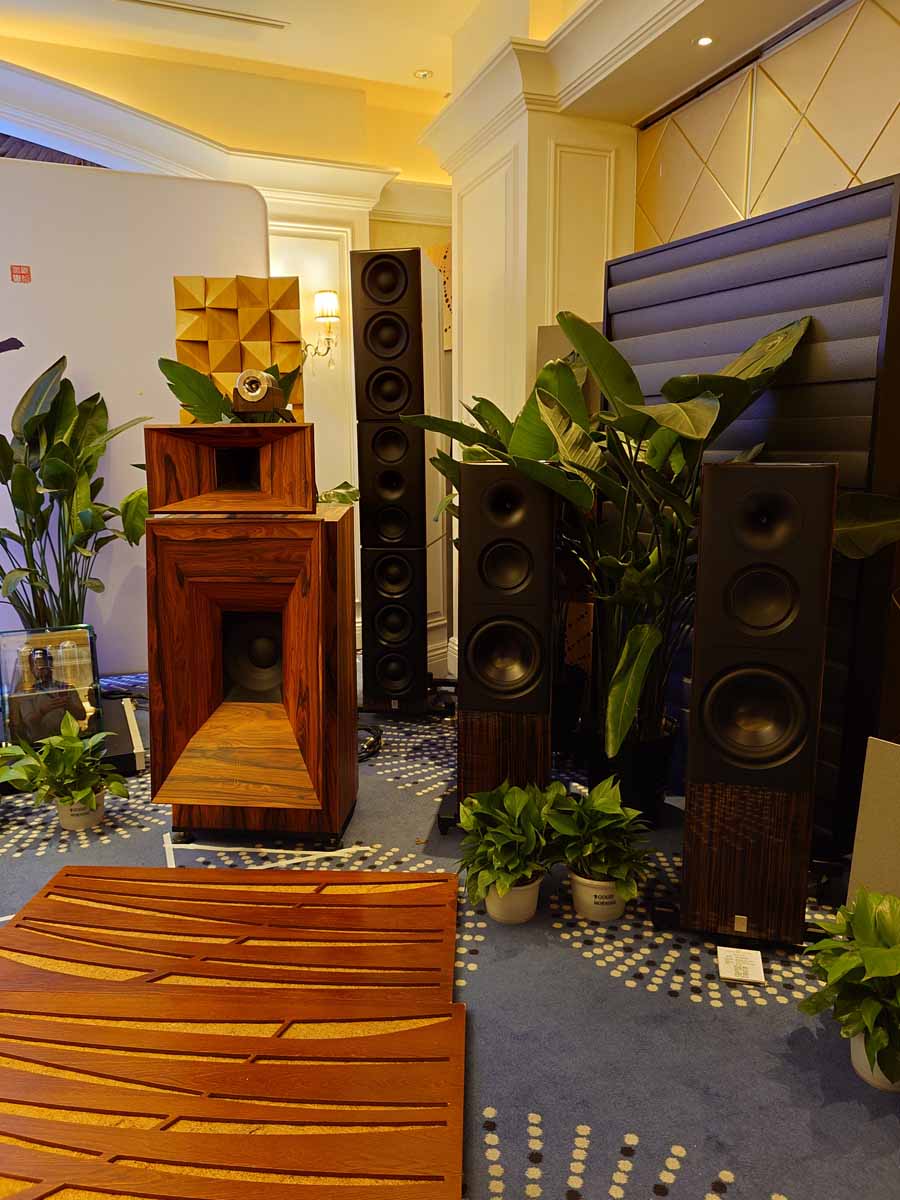
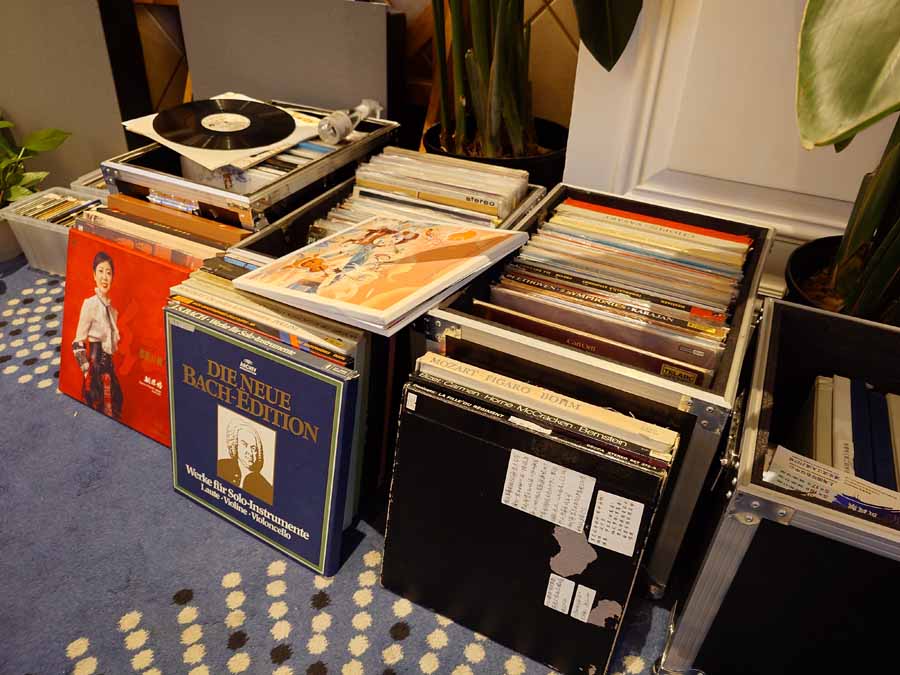
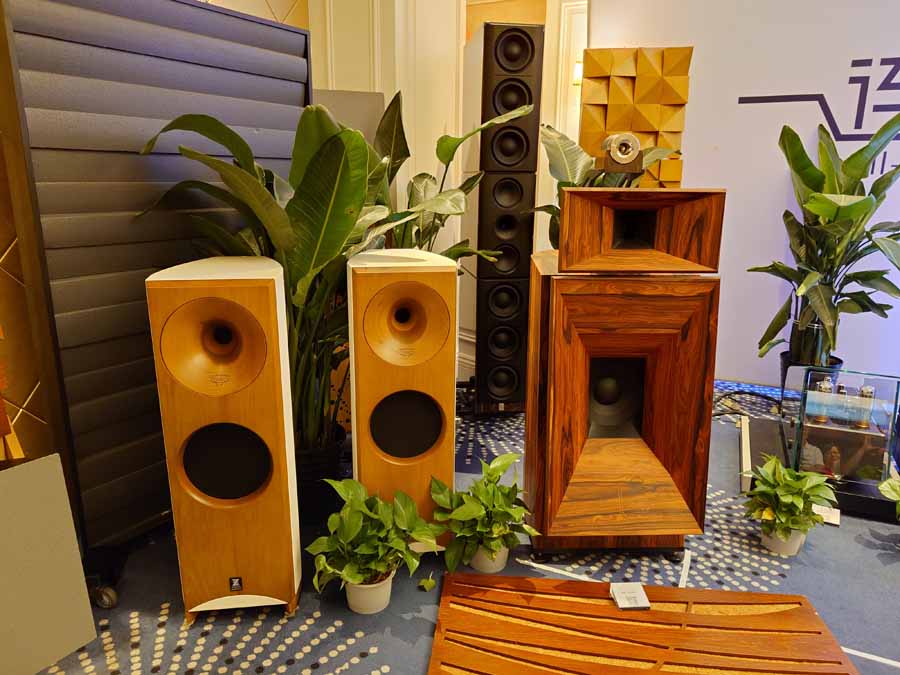
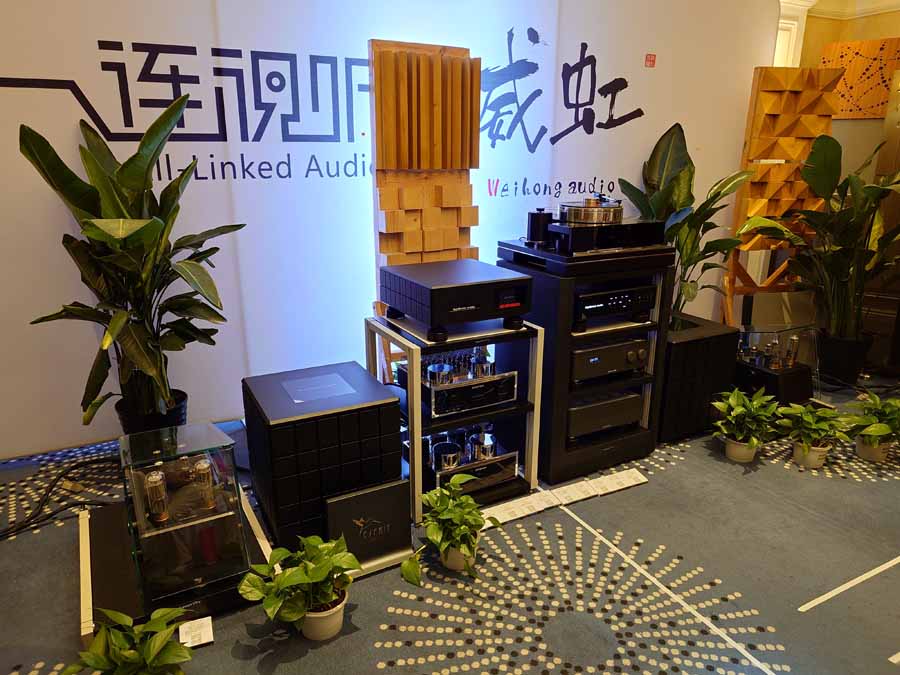
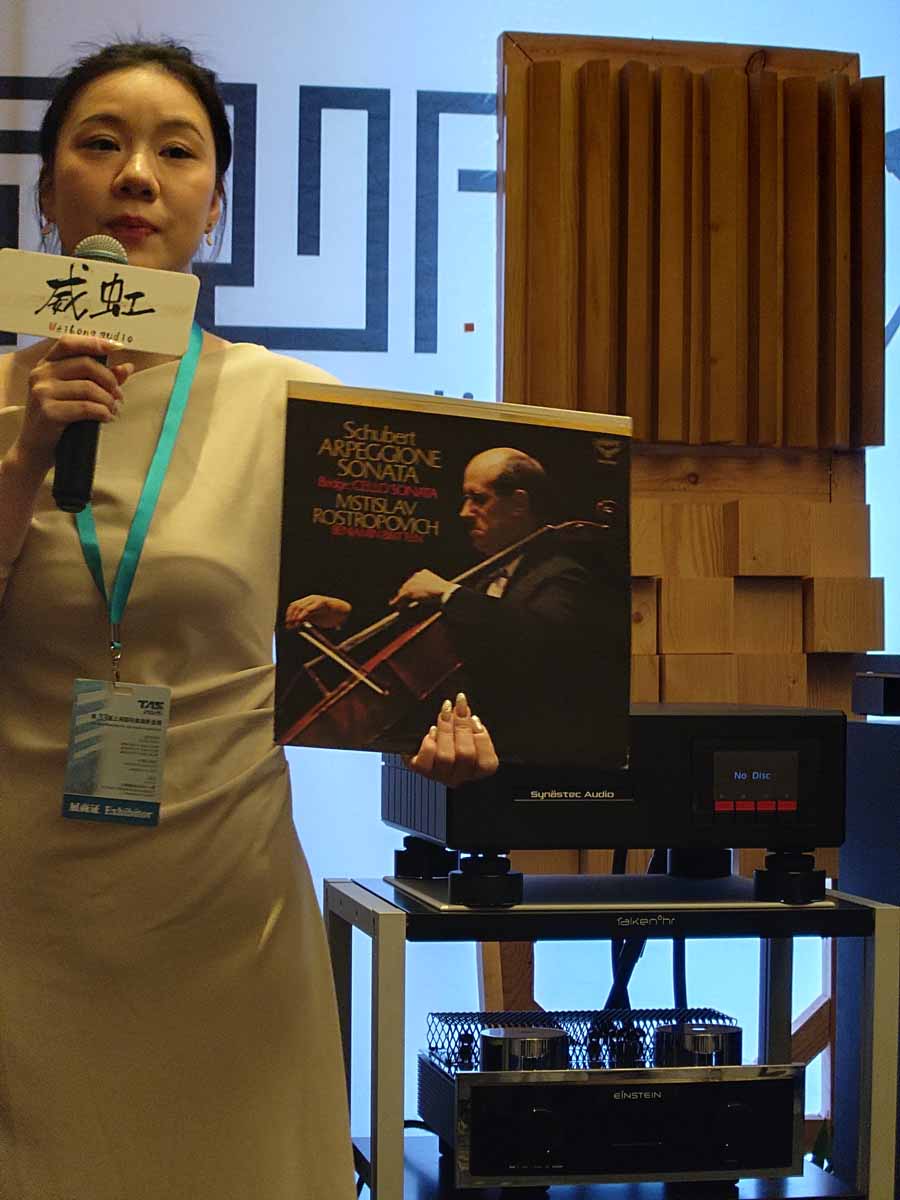
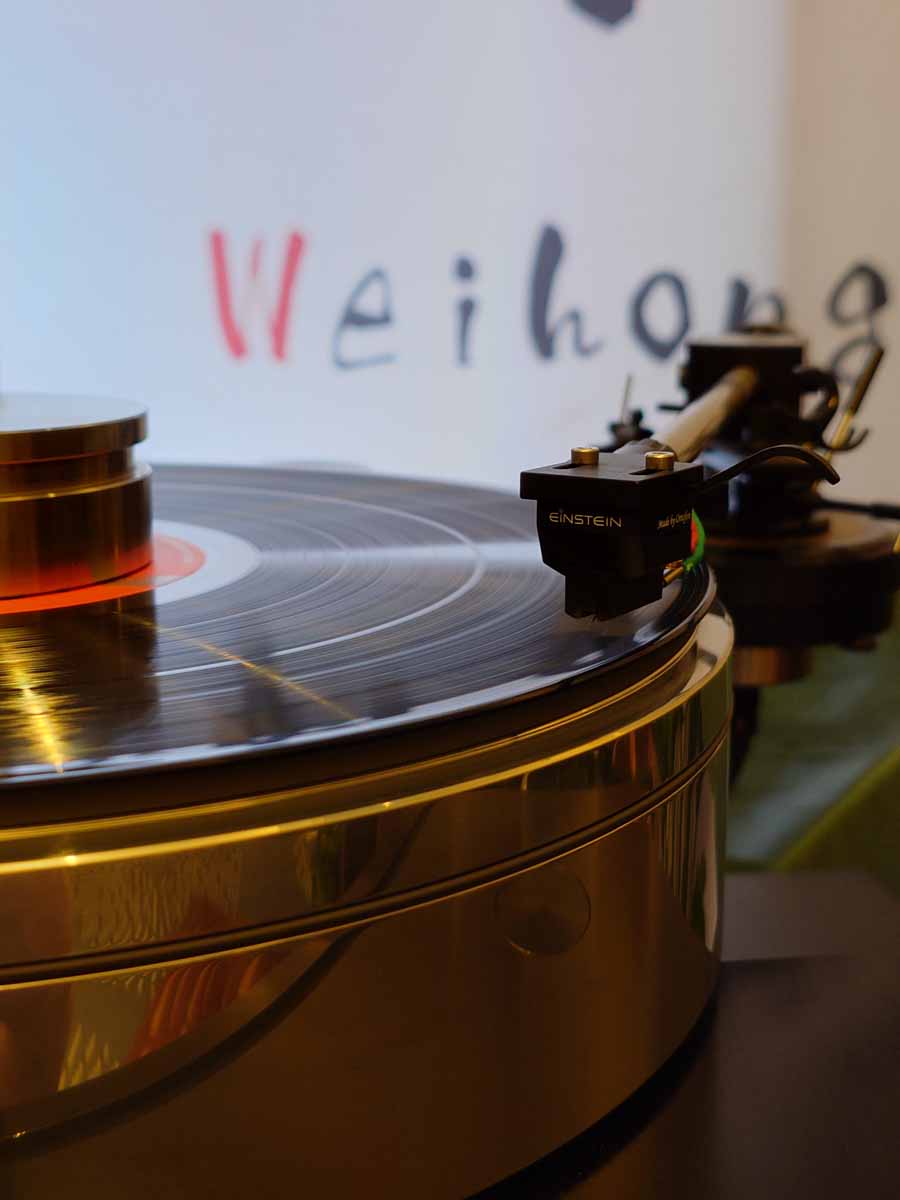
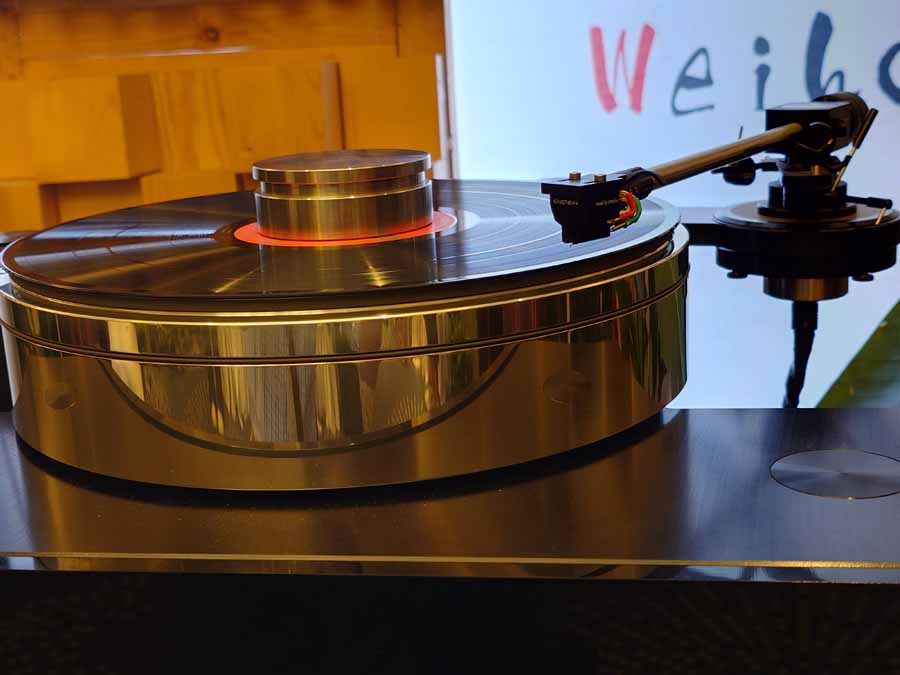
Moving on to the next room, it was the floor’s most lusciously decorated one and felt almost like a “black tie” affair. This system, which costs around 800K USD and is based on Blumenhofer Acoustics’ stunning Gran Gioia loudspeakers, surprises horn sceptics with its ability to blend dynamic authority with a surprising amount of refinement. Each track was introduced before being played, creating a subtly ceremonial, concert-hall atmosphere that suited its lofty aspirations rather well. The electronics were a captivating international blend of German Einstein, Synästec and Swedish Engström, with FalkenOhr stands offering the structural elegance. A Metaxas & Sins Papillon reel-to-reel, the kind of machine you see on your way out and then spend the next ten minutes contemplating, was stowed away in the corner, almost like an afterthought.
Devialet
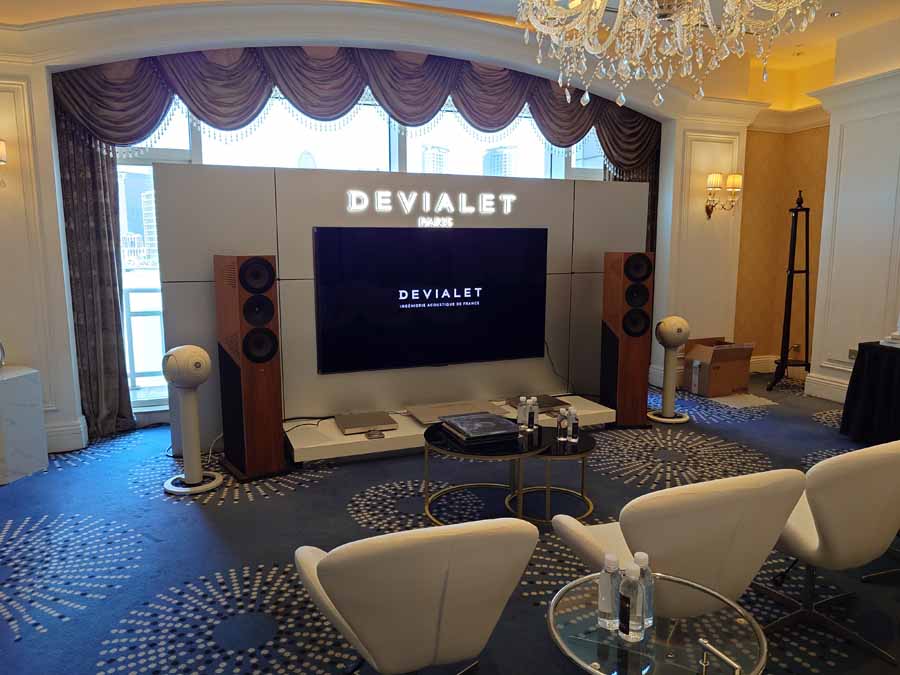
The Devialet room took a very different approach, leaning into sophisticated elegance and understated luxury rather than the usual full-frontal gearhead theatre. The two Astra units driving the Amphion Krypton 3X speakers created a room that sounded as proper high-end should: refined, spacious and effortlessly composed, yet also beautifully judged and easy to live with. With its restrained visual footprint, the system allowed the room itself to breathe, while details like Devialet’s superb remote control only reinforced the sense that this was a setup designed not just to impress, but to be genuinely enjoyable to live with.
Ocean Way Audio
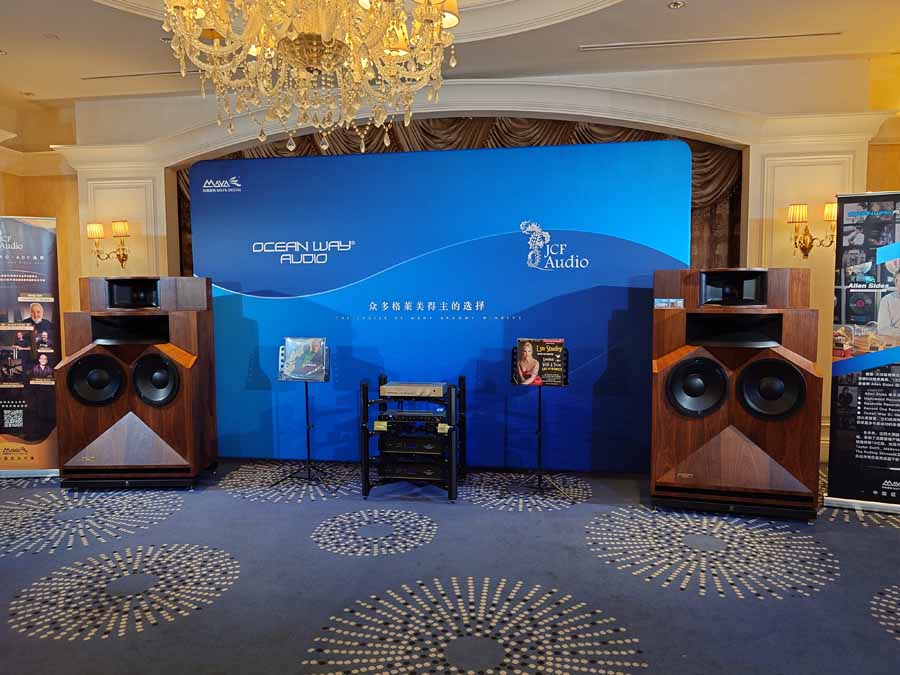
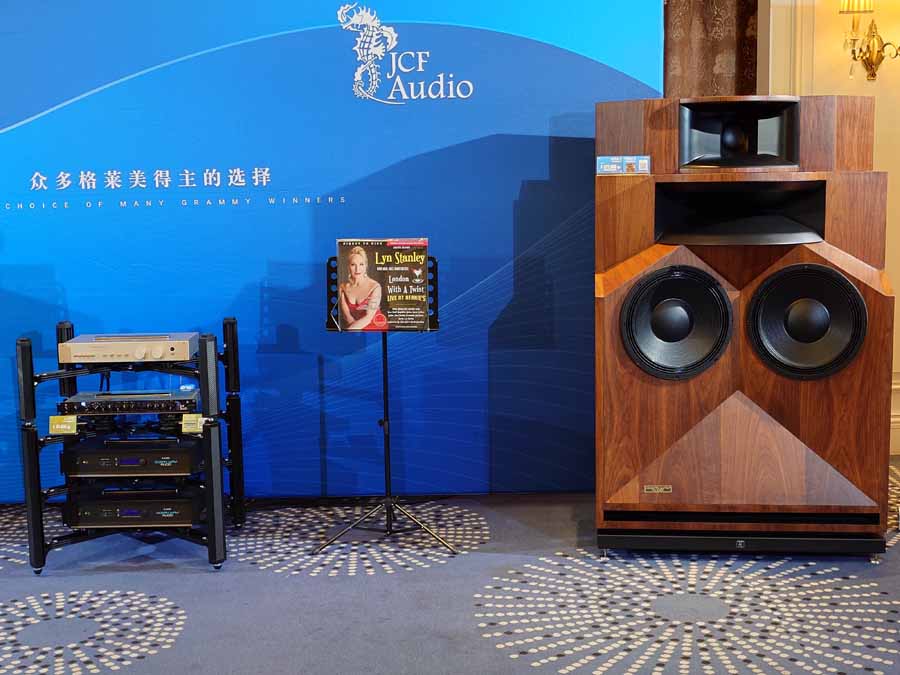
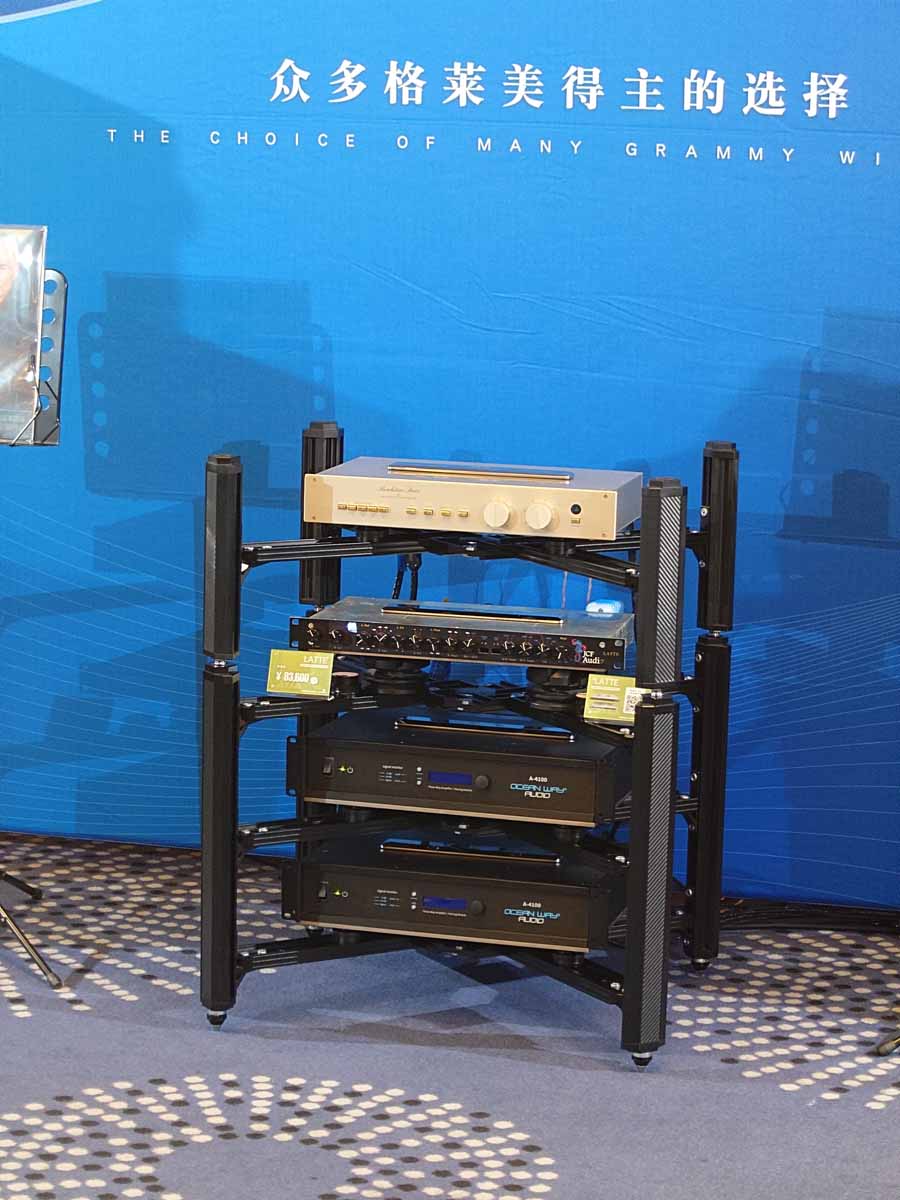
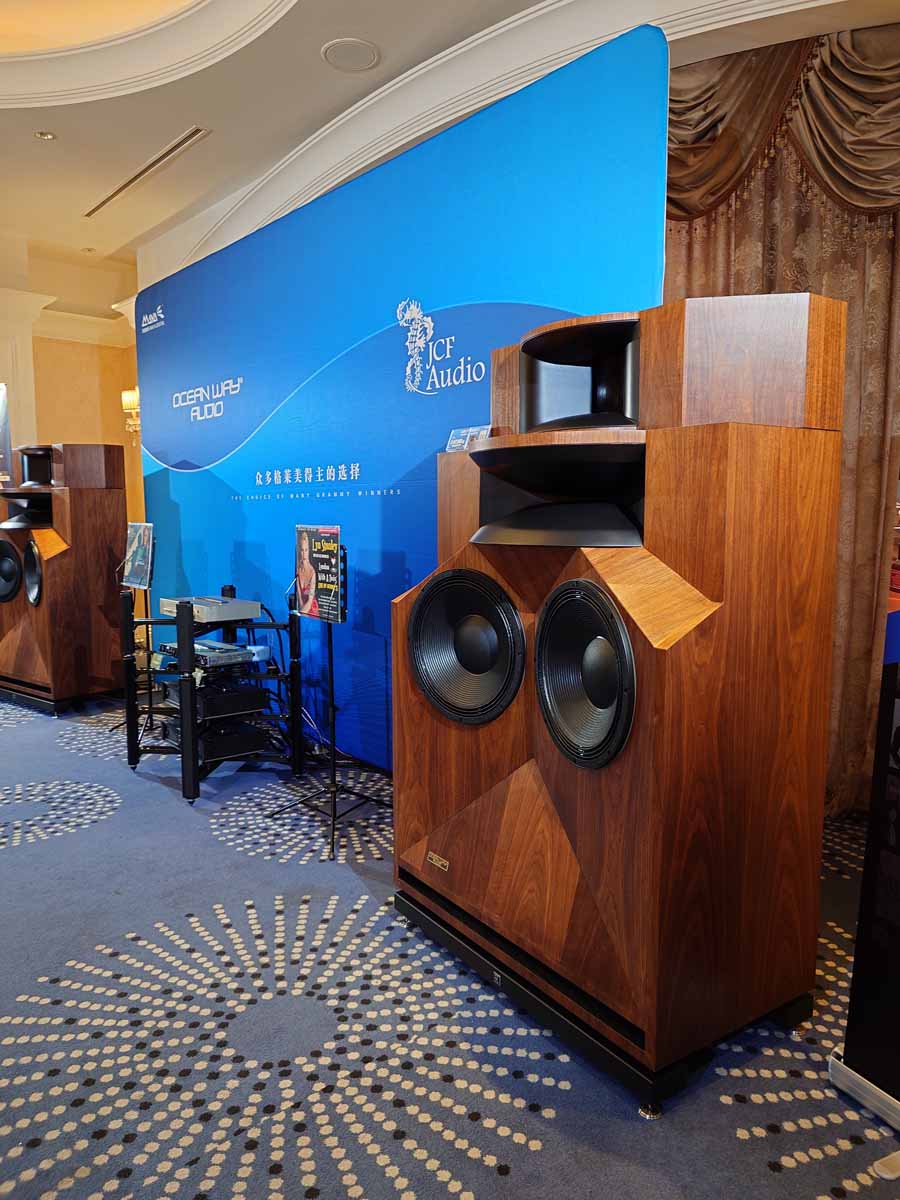
The next room was a world away from the high-end luxury of the Einstein room and the sophisticated refinement of the Devialet space, opting instead for brute force and studio-grade hardware. Leading the charge were Ocean Way Audio’s HRMX loudspeakers — true monsters of the form, built with a monitoring mentality rather than domestic prettiness in mind. The brand’s heritage runs deep, tracing back to Ocean Way Recording and Allen Sides, with studio history that includes legendary names such as Ray Charles, Aretha Franklin, Joni Mitchell, Eric Clapton and Green Day, as well as landmark recordings associated with Michael Jackson, Whitney Houston and The Rolling Stones. That background gives the room an authority that is hard to fake: these are speakers and electronics designed to tell the truth, deliver scale and control, and expose every last detail rather than massage it. With the brand’s own studio electronics completing the chain, the whole system felt purposeful and utterly no-nonsense, and that made it one of the more genuinely fascinating rooms at the show.
Kinki Studio and US Tika
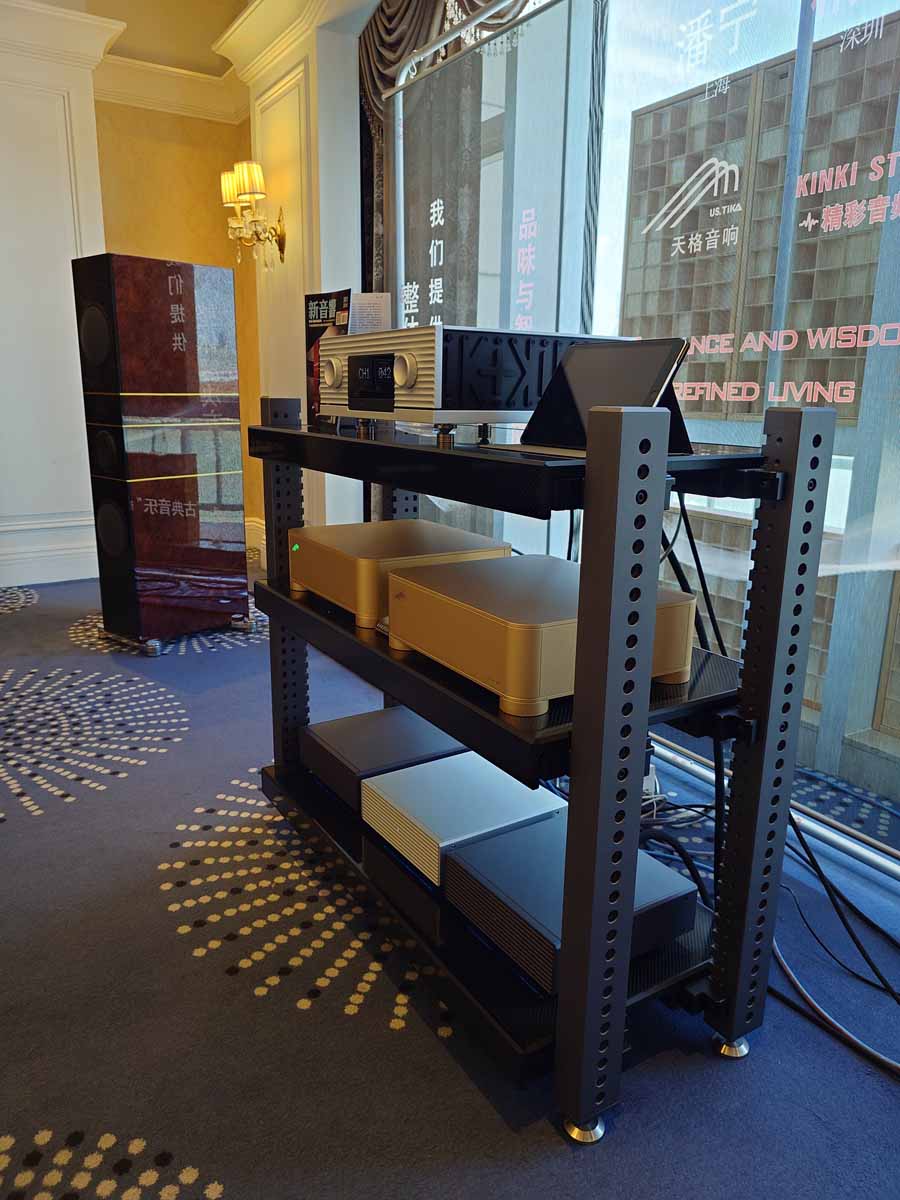
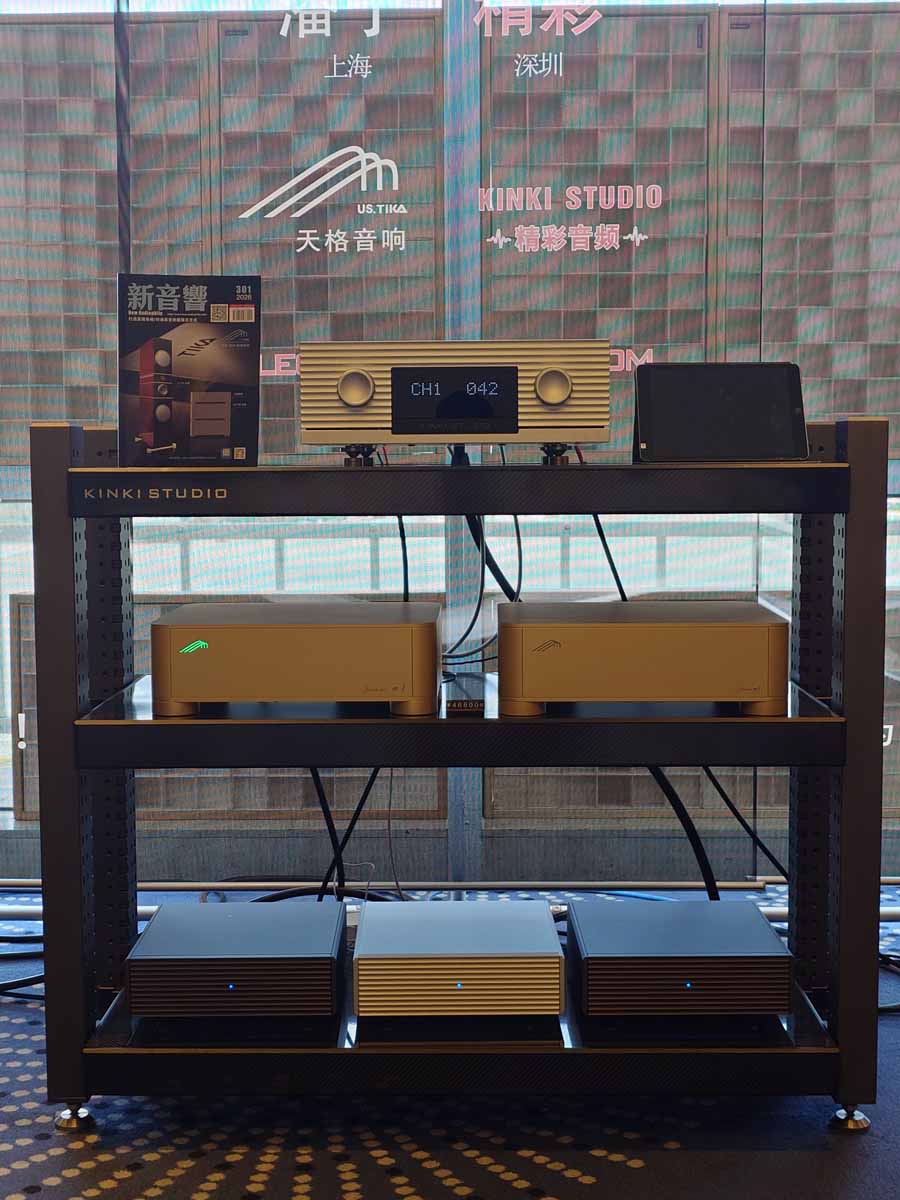
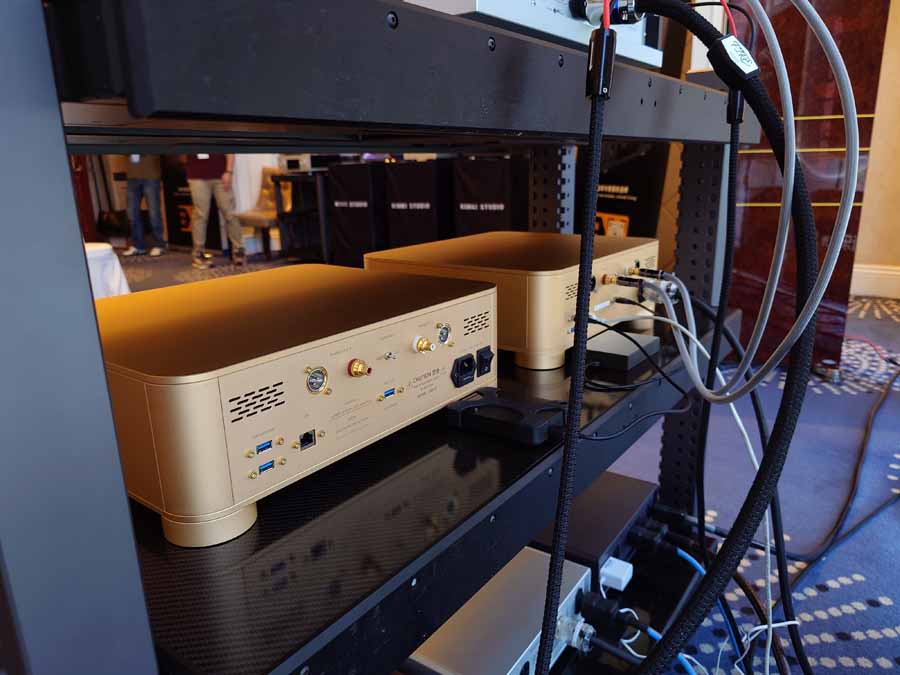
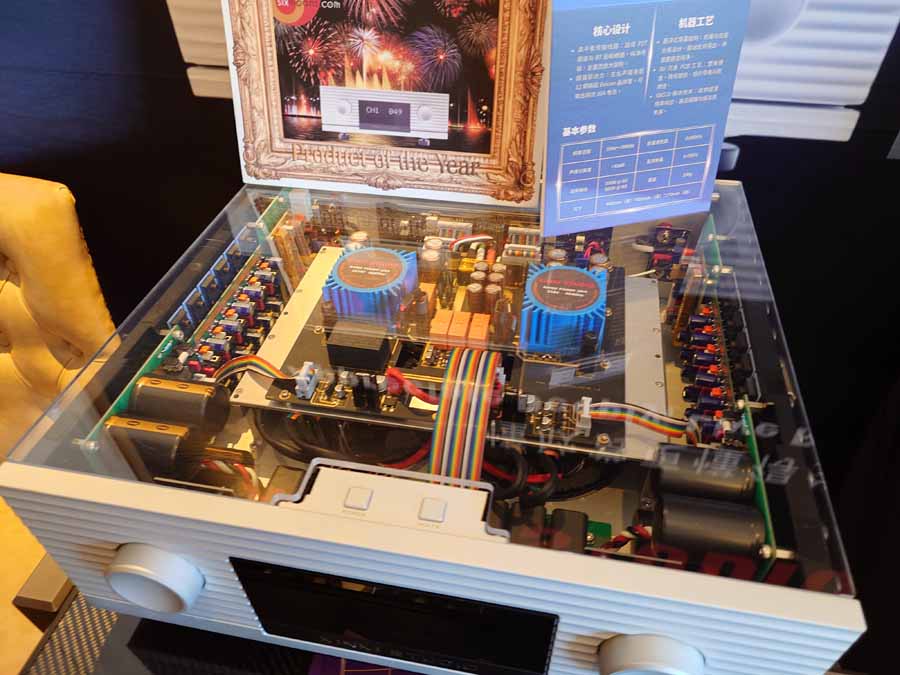
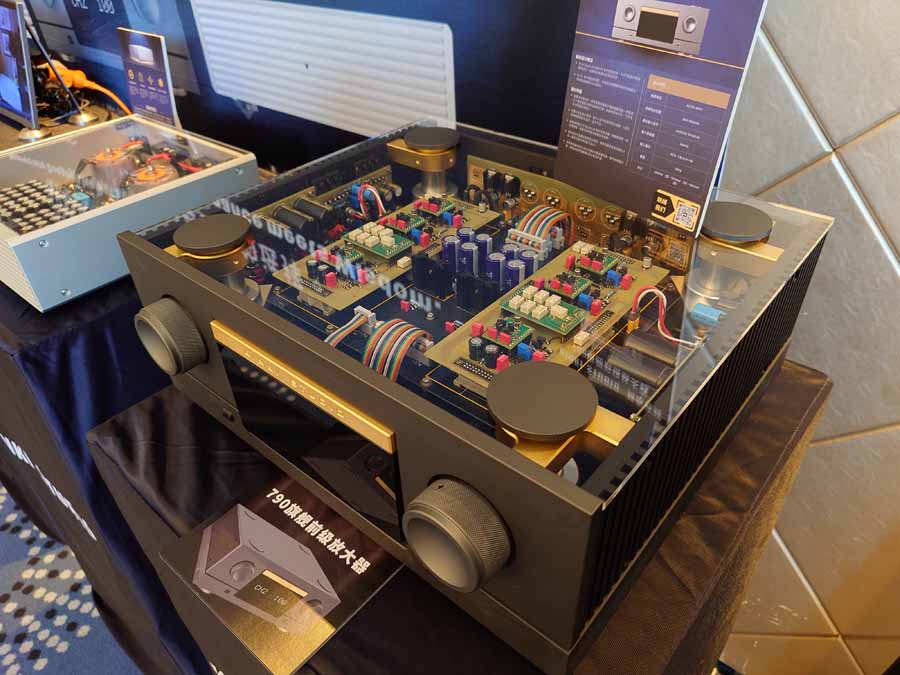
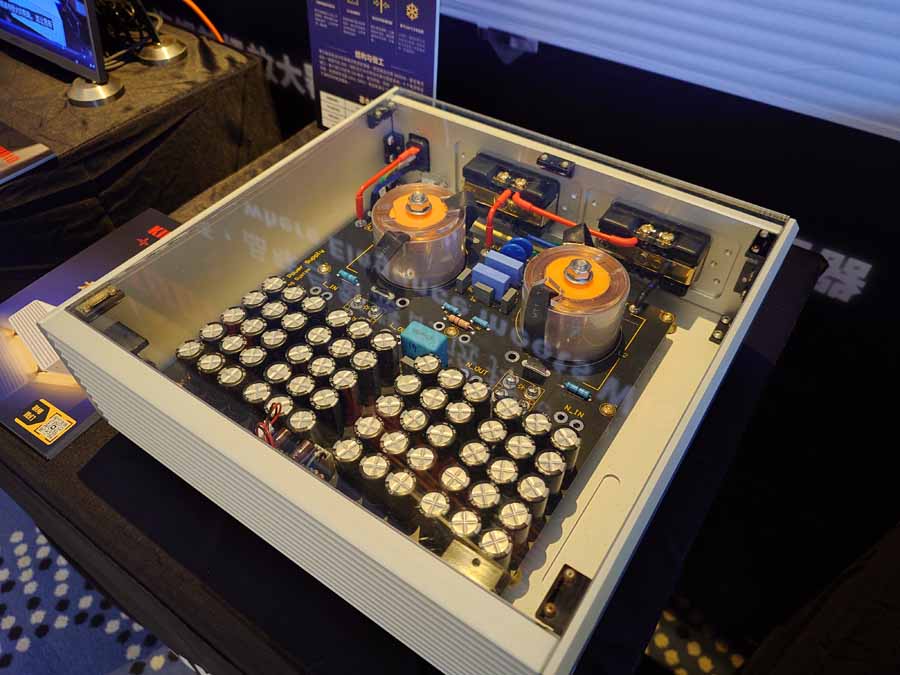
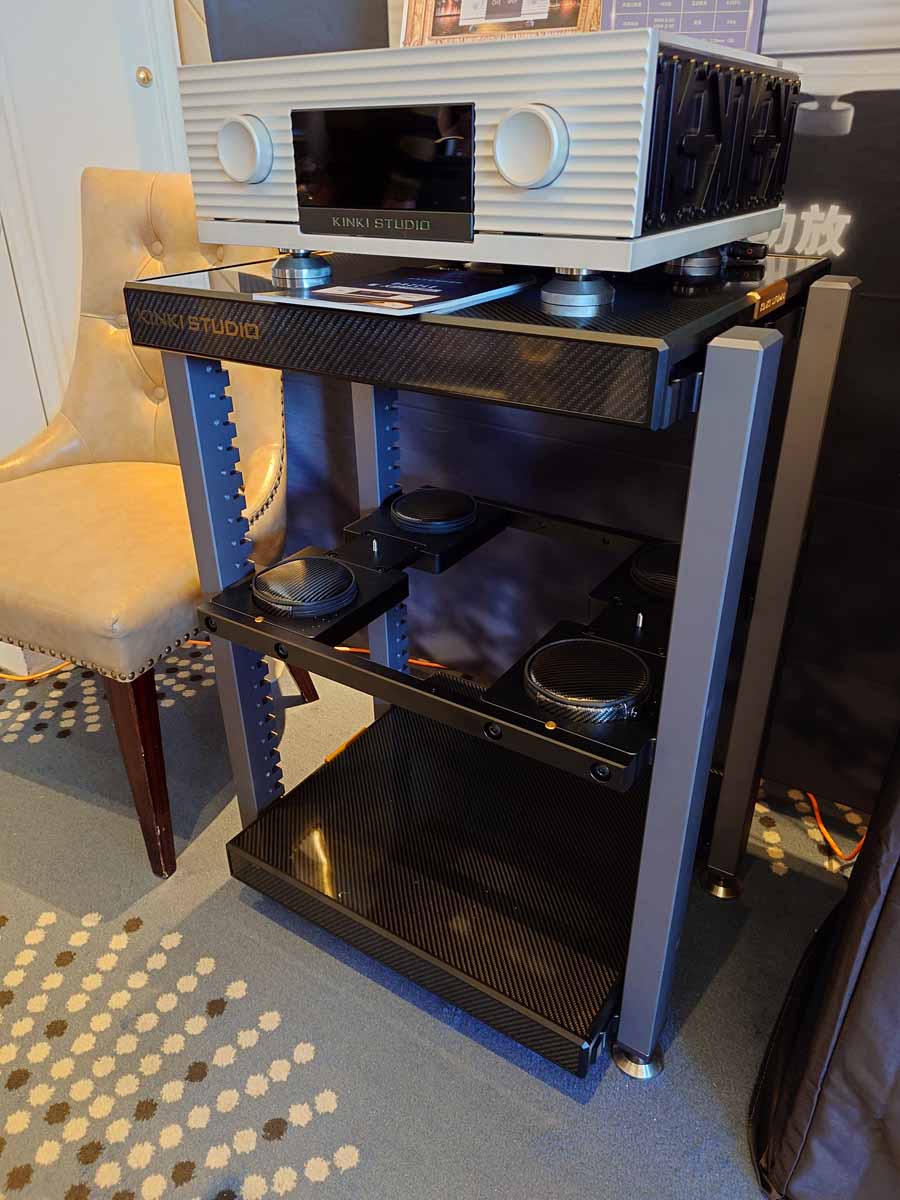
The following room was occupied by the aptly named Kinki Studio, who arrived with a rather handsome and massively built new rack solution as the centrepiece, showcasing their 790 flagship pre-amplifier and the already popular Dazzle integrated amplifier alongside the Taishan power distributor — a product that has quietly become a sought-after upgrade across Asia and, one suspects, will not take long to make its presence felt in European markets either.
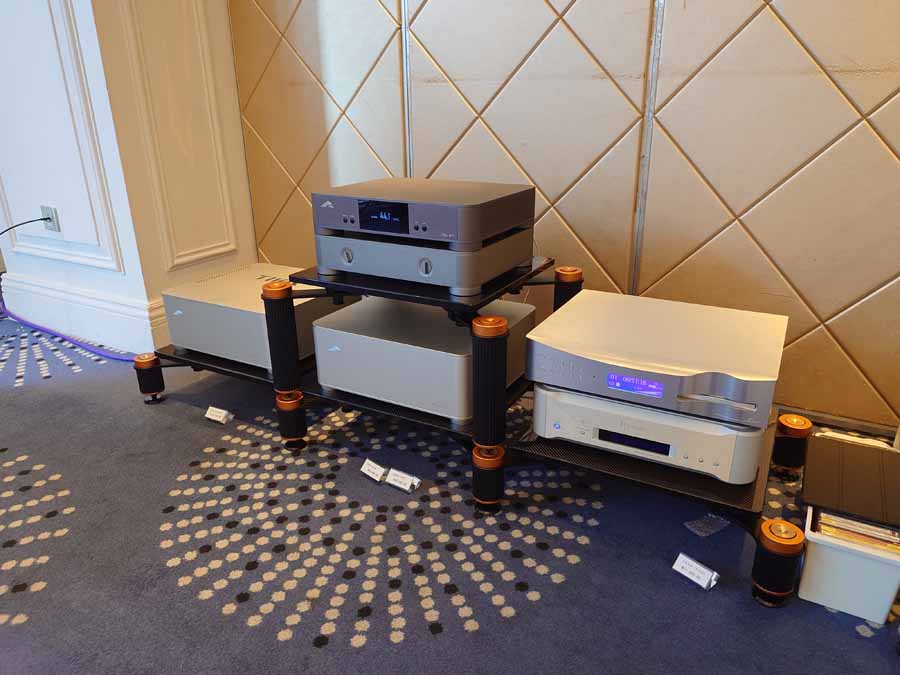
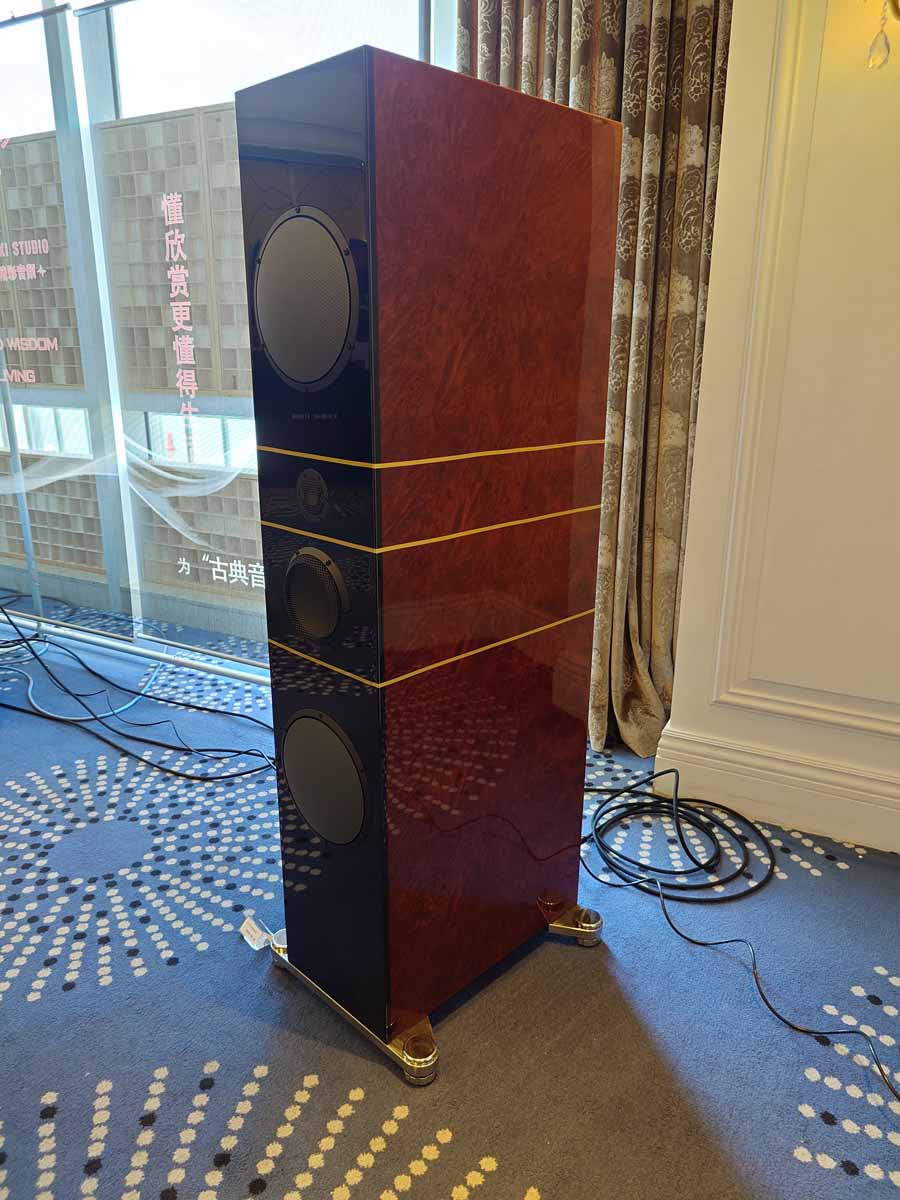
The speakers and digital front end came courtesy of US TiKA, an American brand with a clear classical music pedigree and an equally clear disregard for half measures. The V-11D is a three-way loudspeaker built around Accuton ceramic drivers paired with TiKA’s AP-100 network player; the combination sounded impressively accomplished: detailed, spacious and very well controlled, with the kind of composure that suggests the system genuinely thrives on complex orchestral material. TiKA clearly makes no apologies for its purist classical music focus. As a relatively new brand, I’m excited to hear more from them.
Cessaro, JSikora, Lampizator
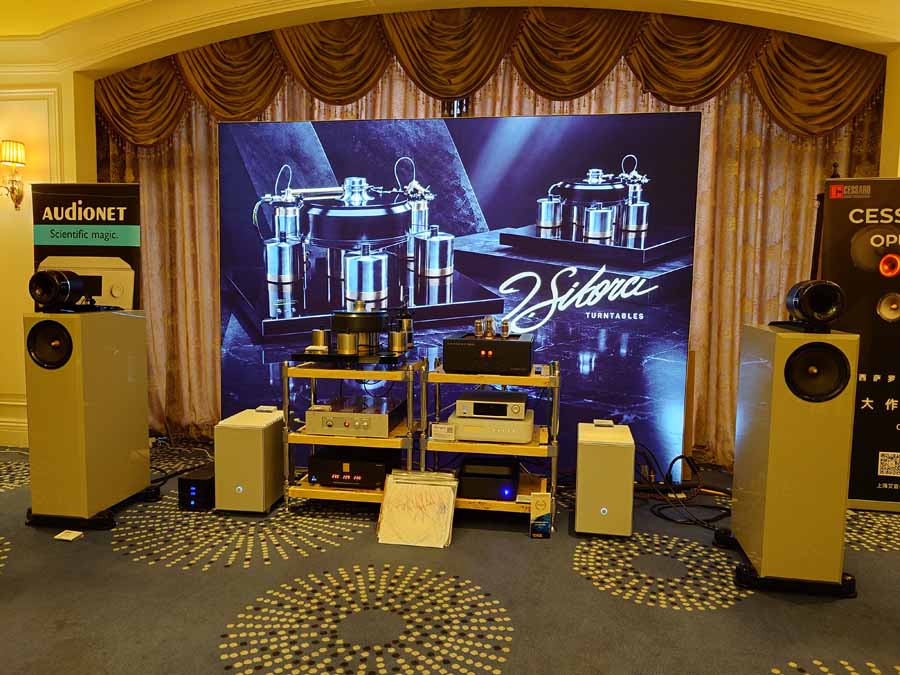
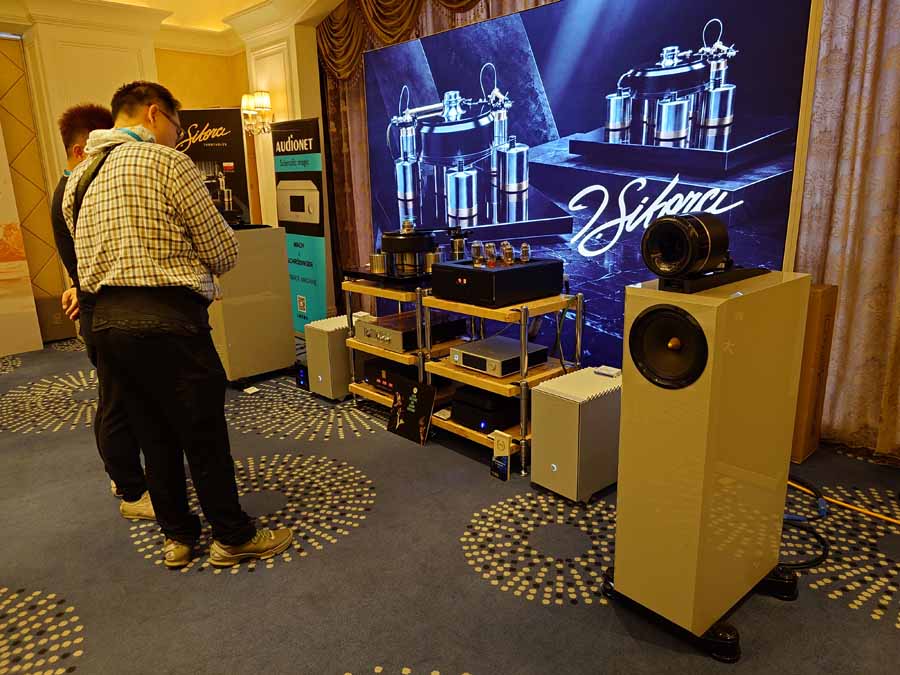
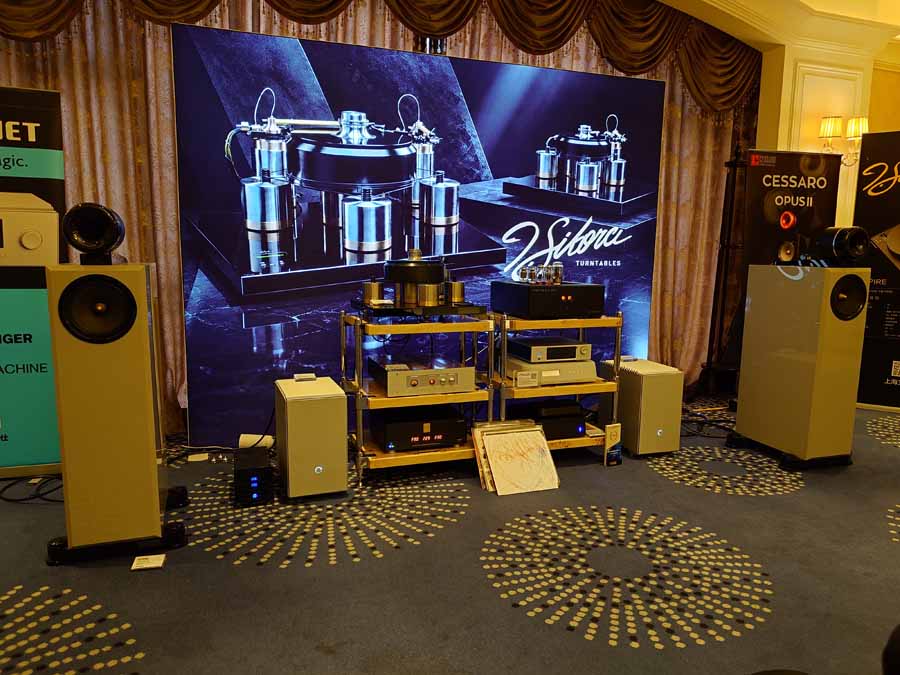
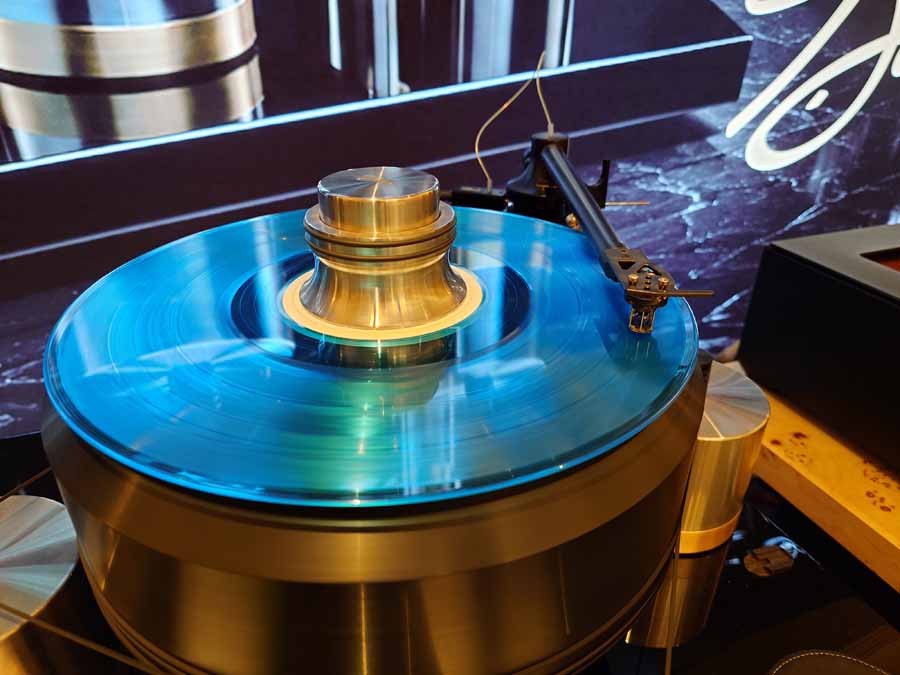
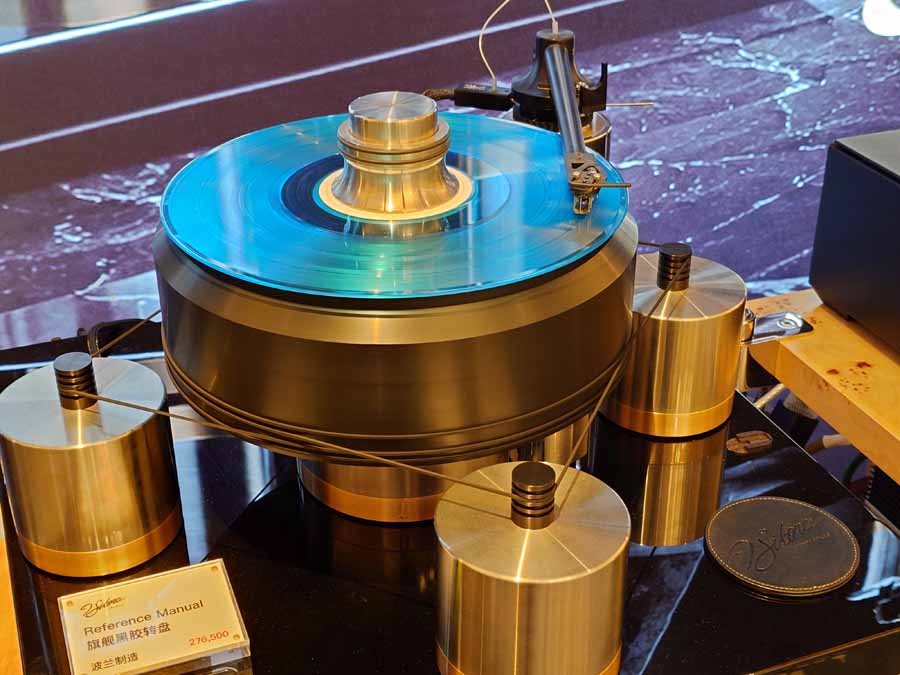
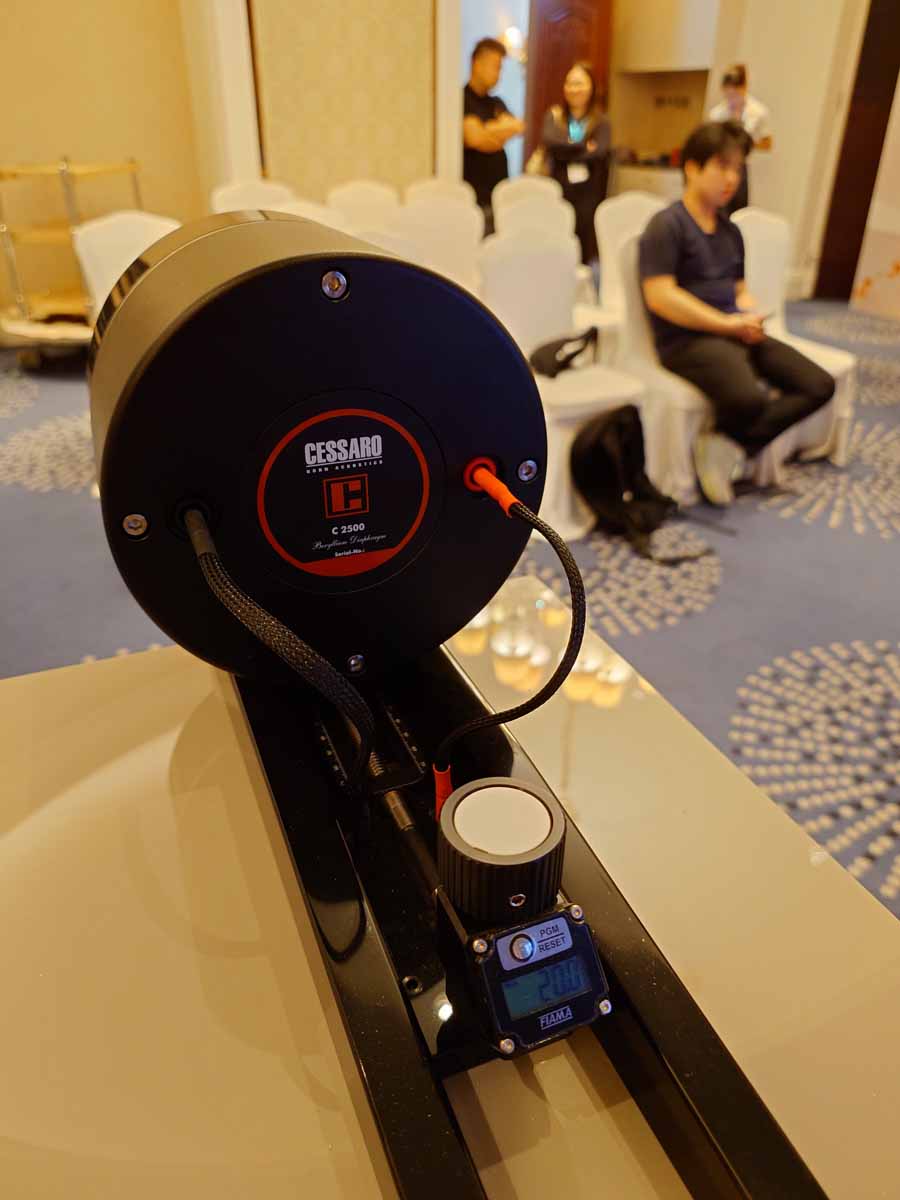
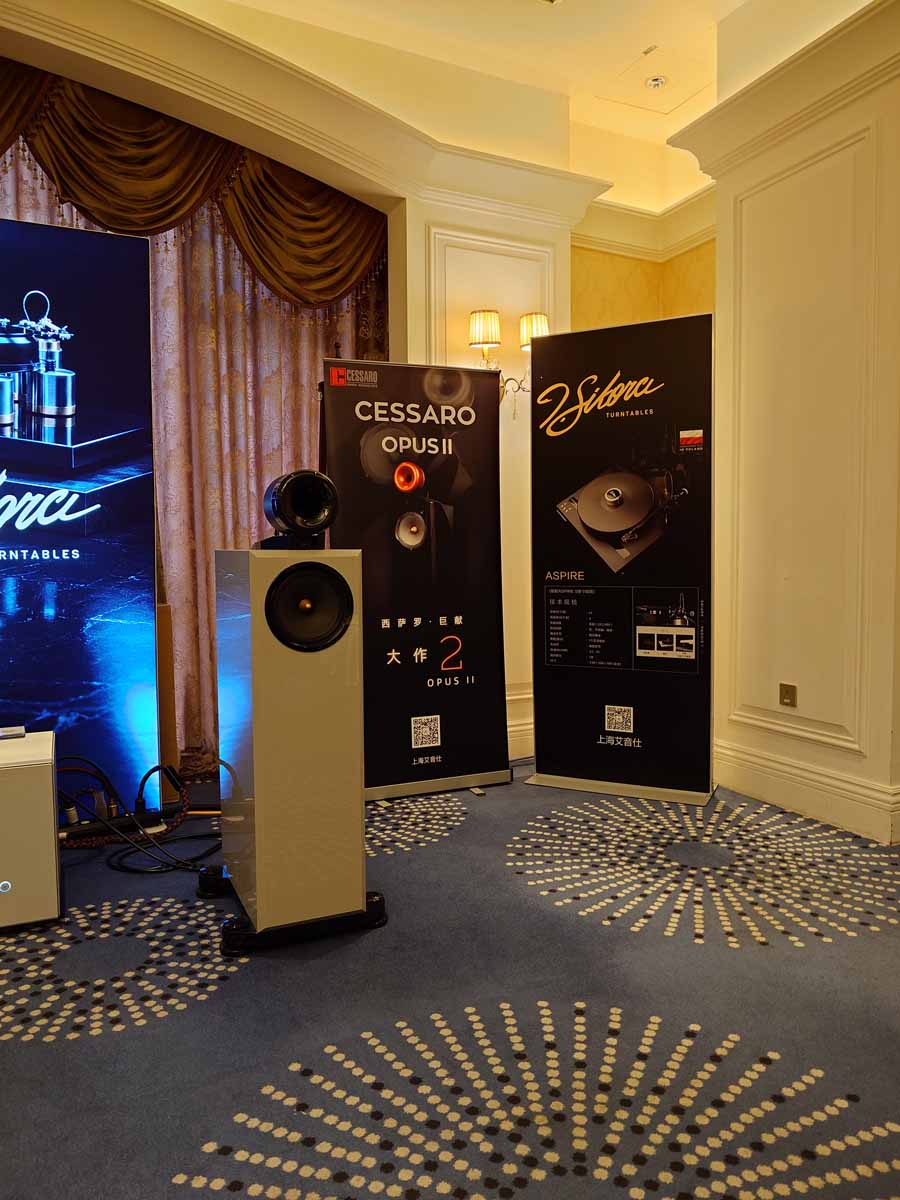
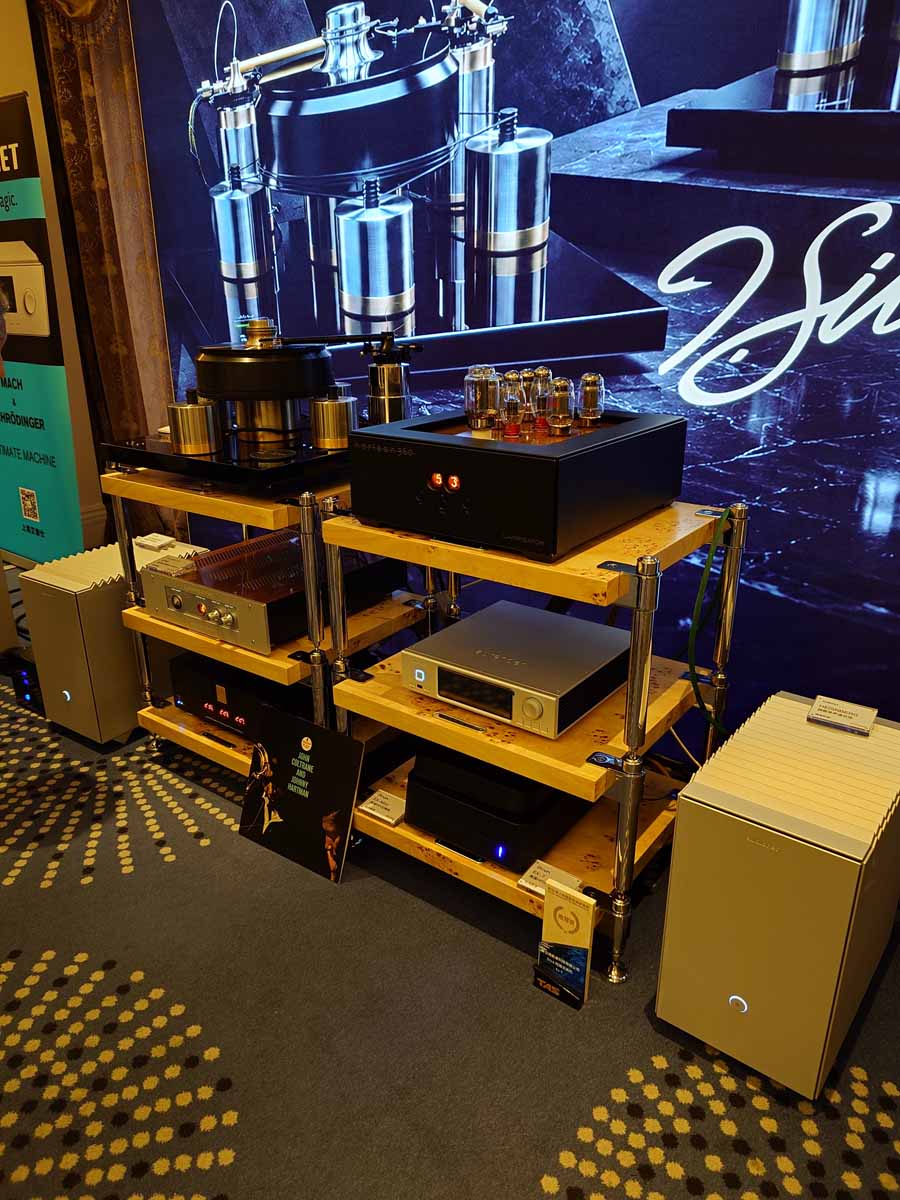
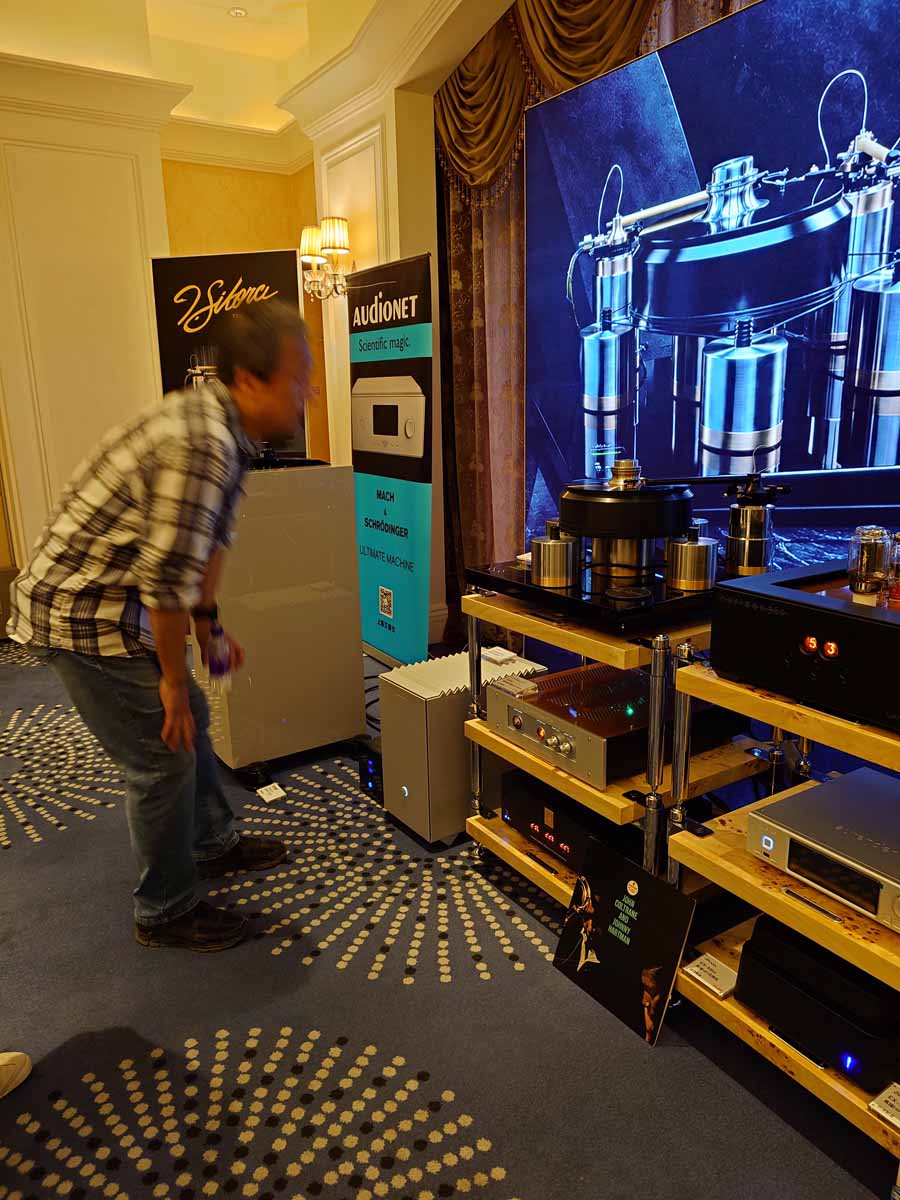
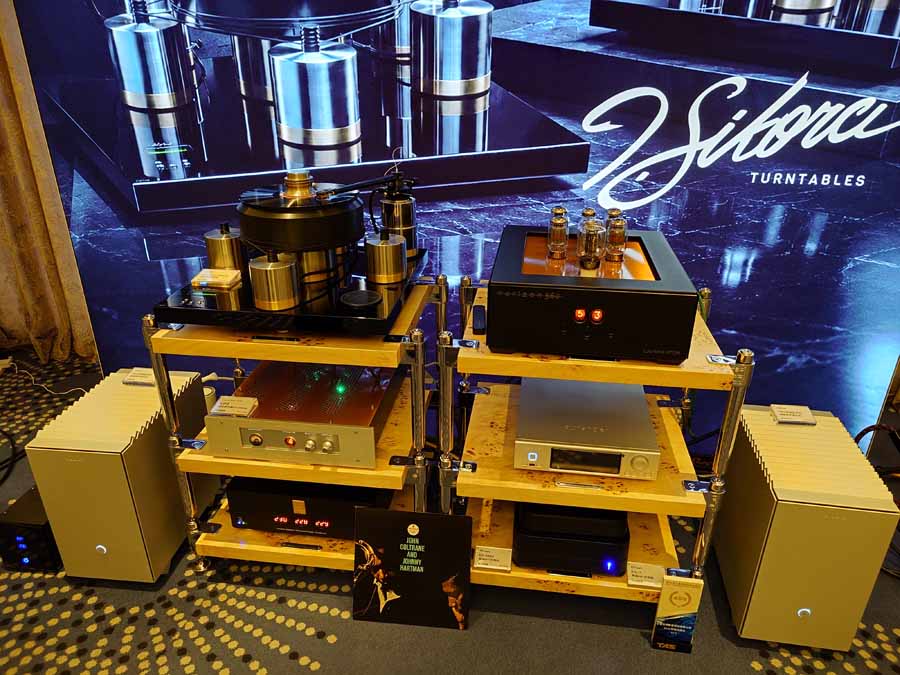
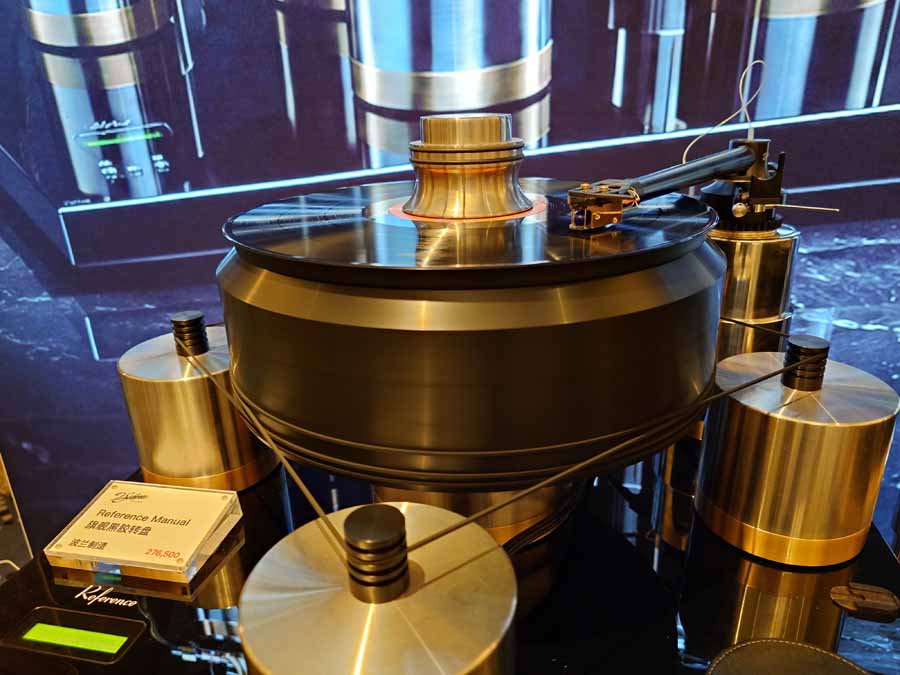
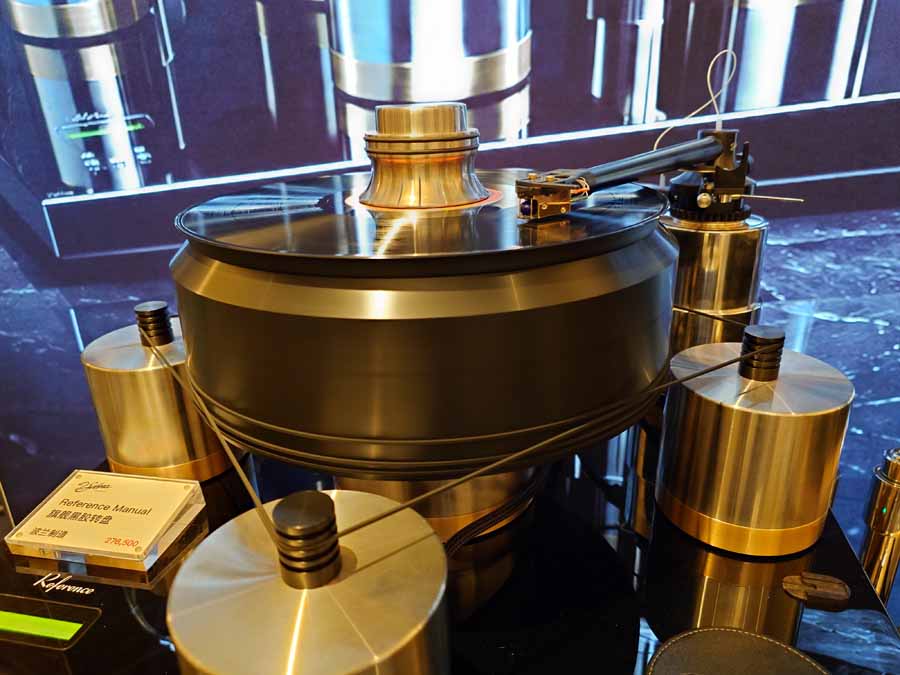
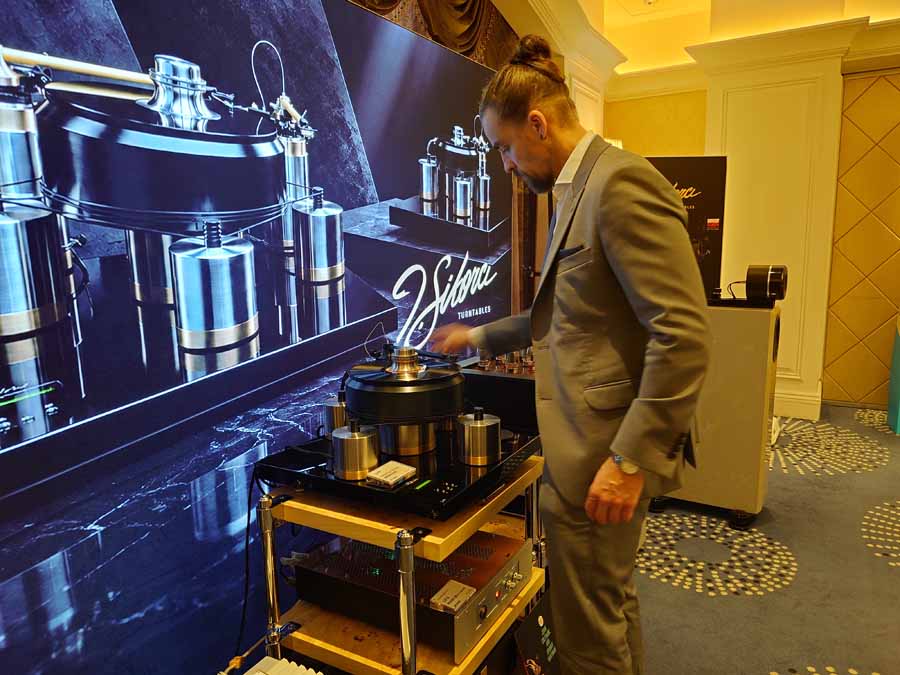
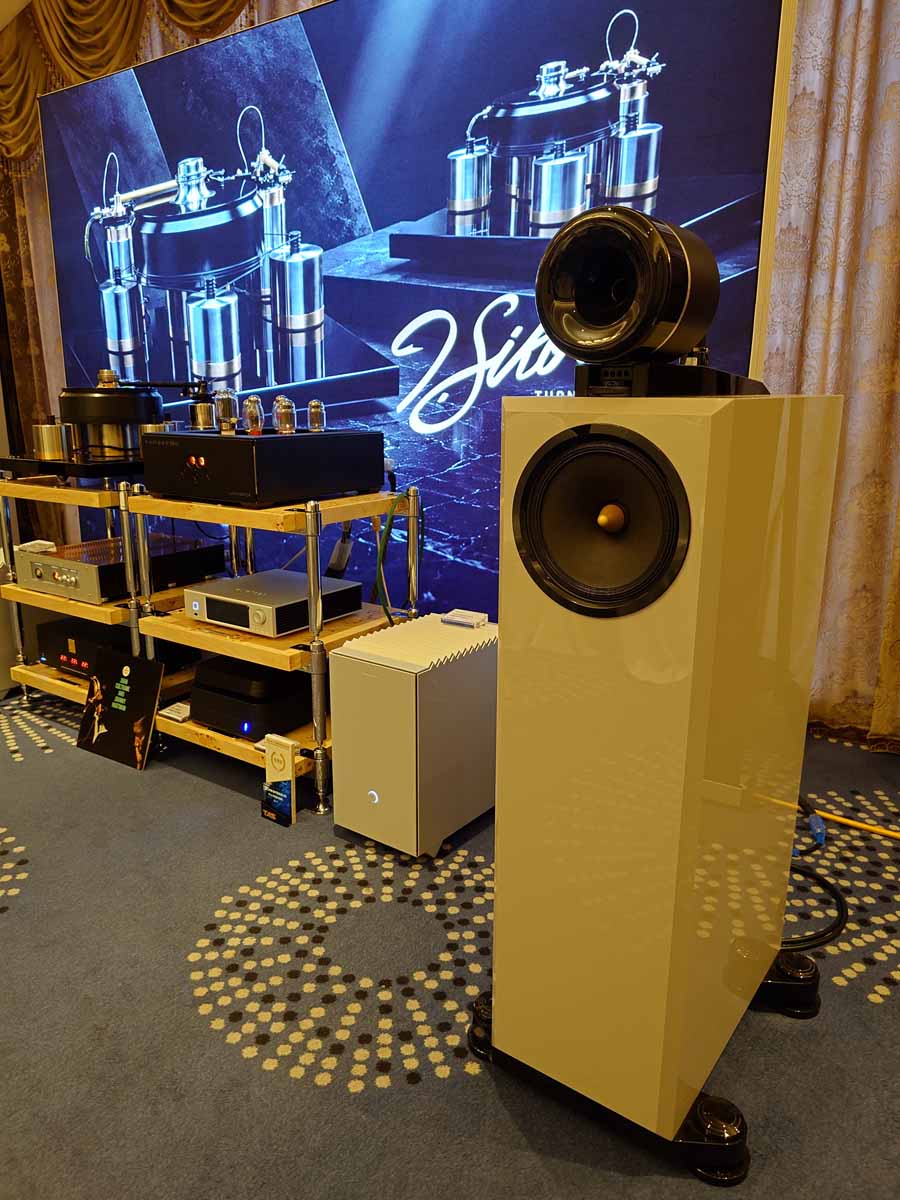
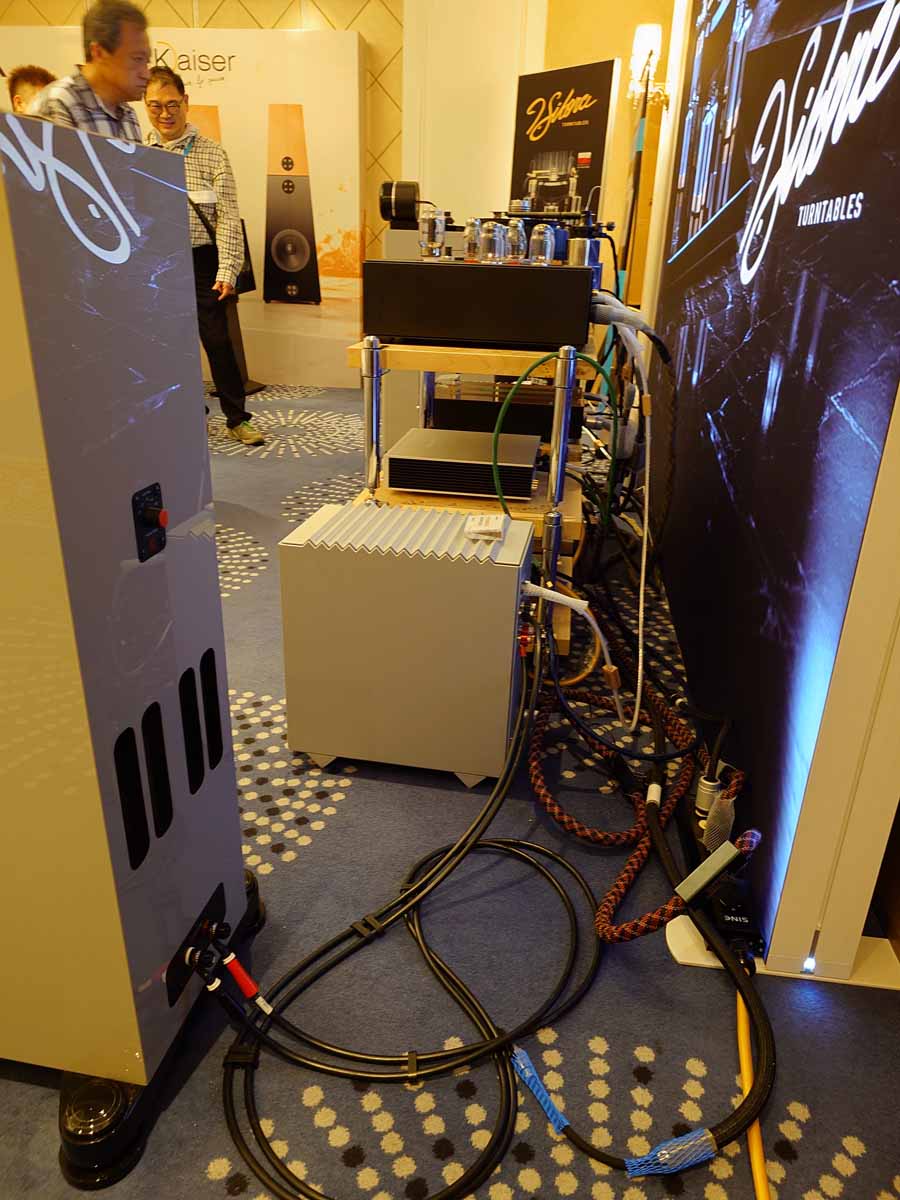
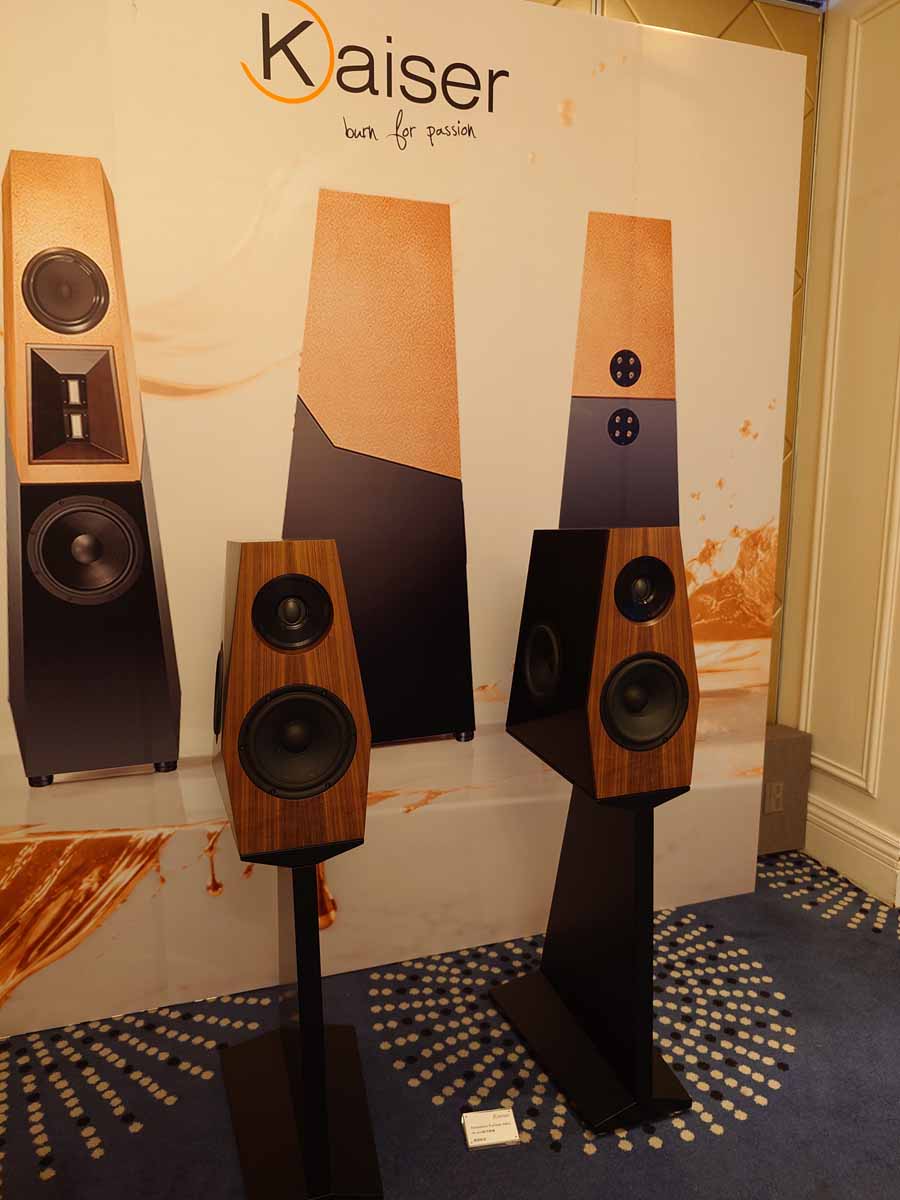
The next room brought together an intriguing mix of German precision and Polish analogue artistry, with Audionet’s high-tech amplification partnered by Lampizator’s preamp and phono stage, and a J. Sikora Reference turntable handling source duties. The Cessaro Opus II loudspeakers, another horn-loaded design with serious pedigree, took care of business, delivering the sort of scale and confidence you would expect from a system of this calibre.
One younger visitor liked it so much he came back with his own record, so we ended up listening to Hikaru Utada’s One Last Kiss on vinyl – it’s always a good sign when a room becomes the kind of place people want to share music in rather than simply file past.
Audio Access
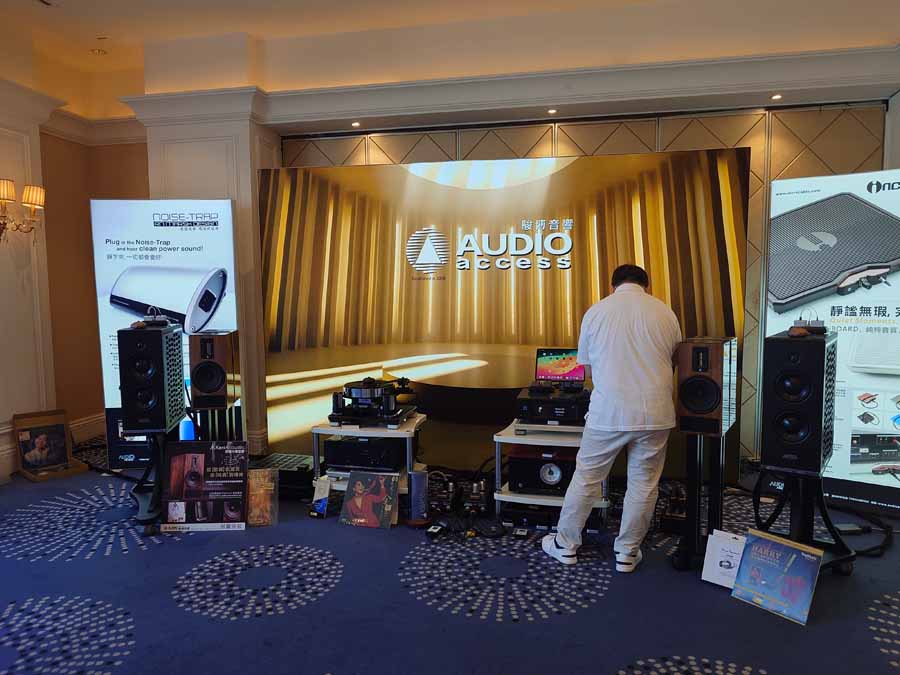
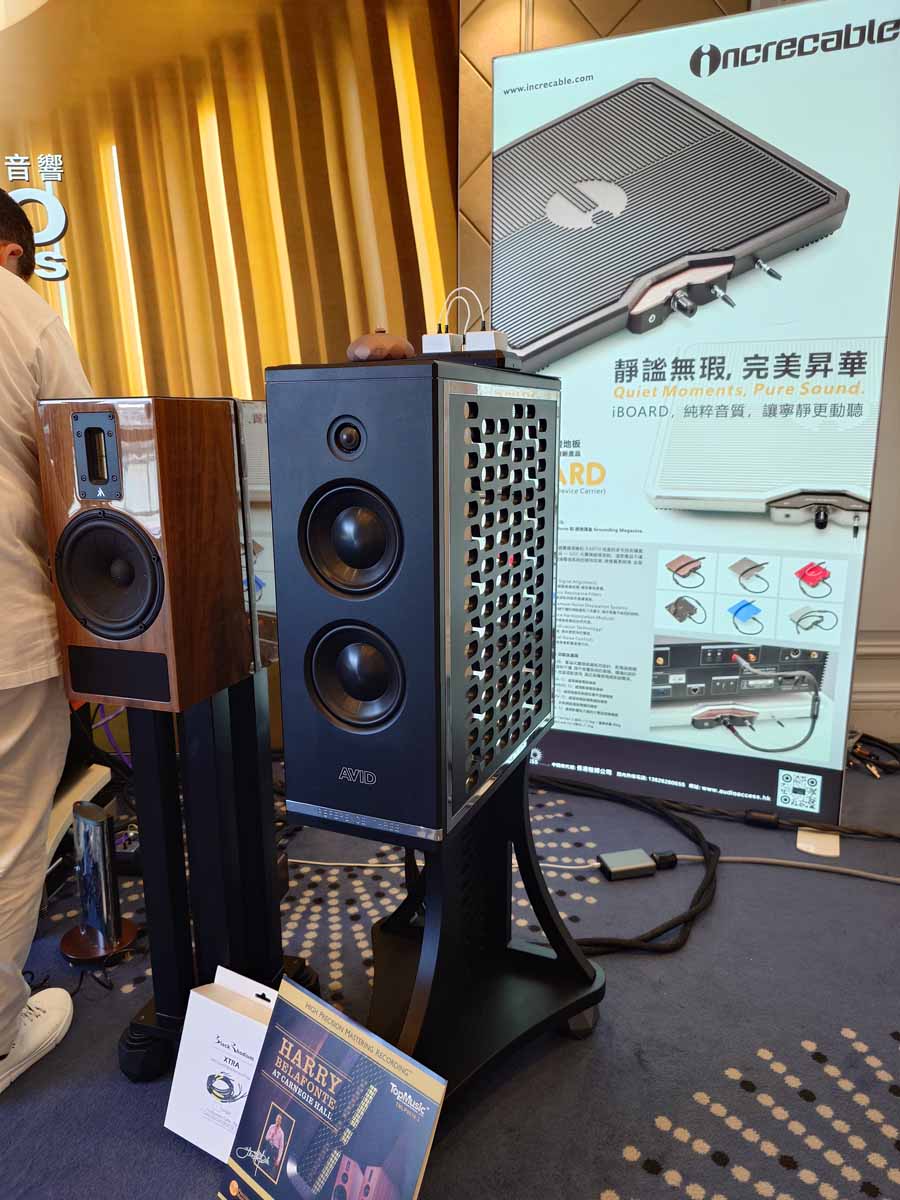
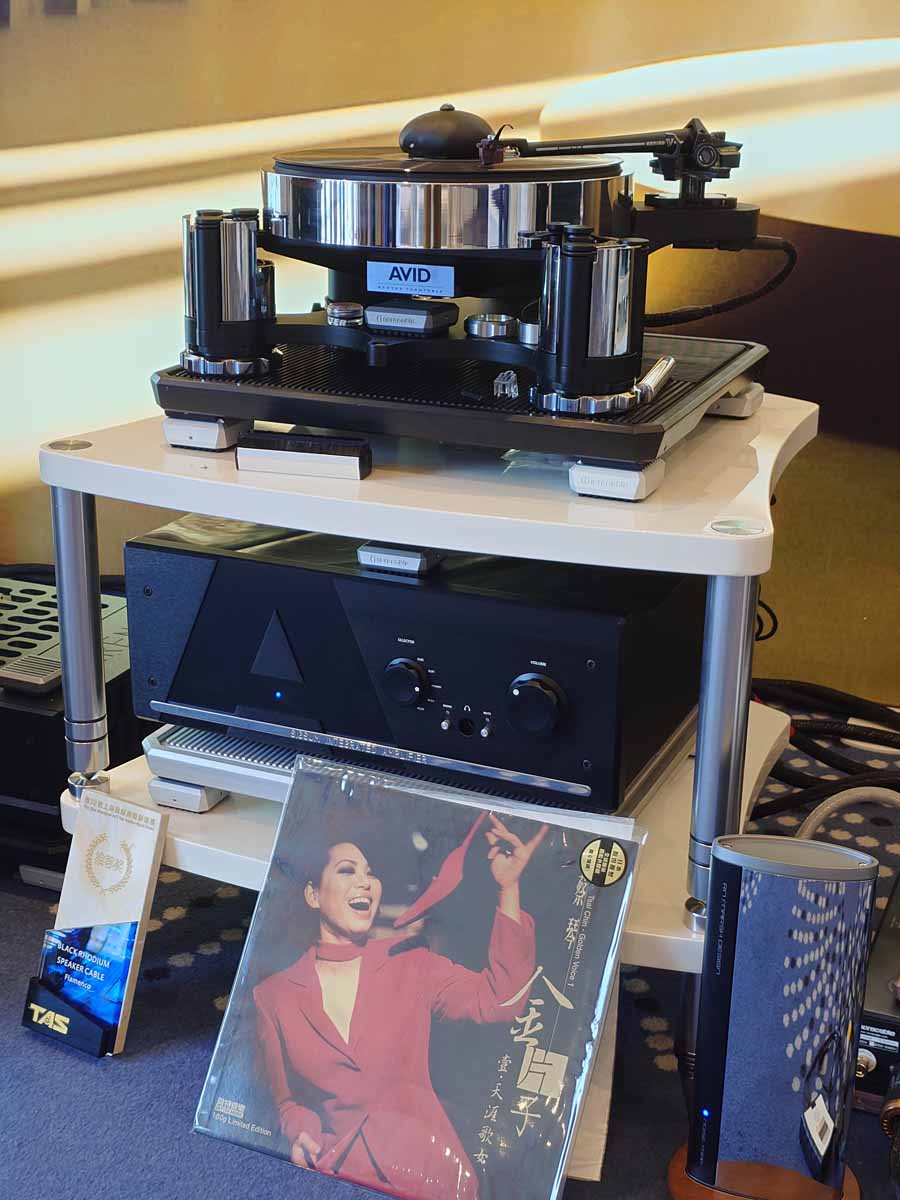
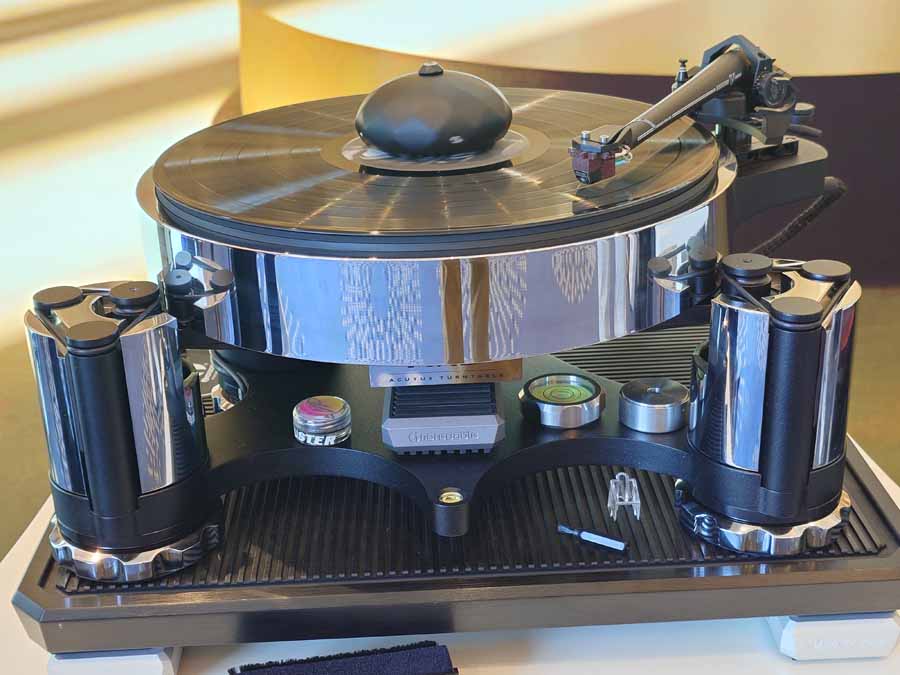
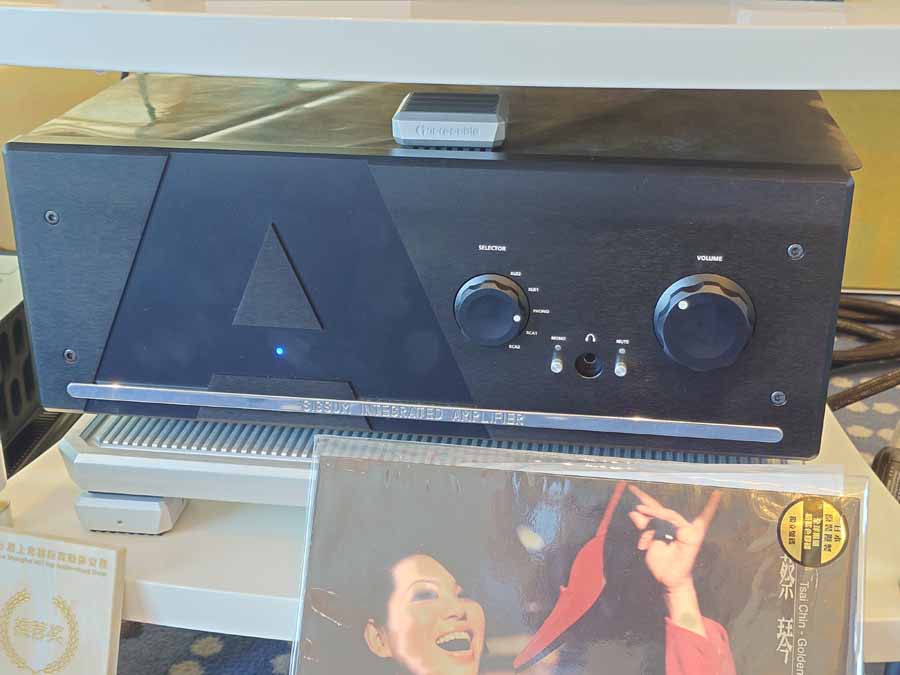
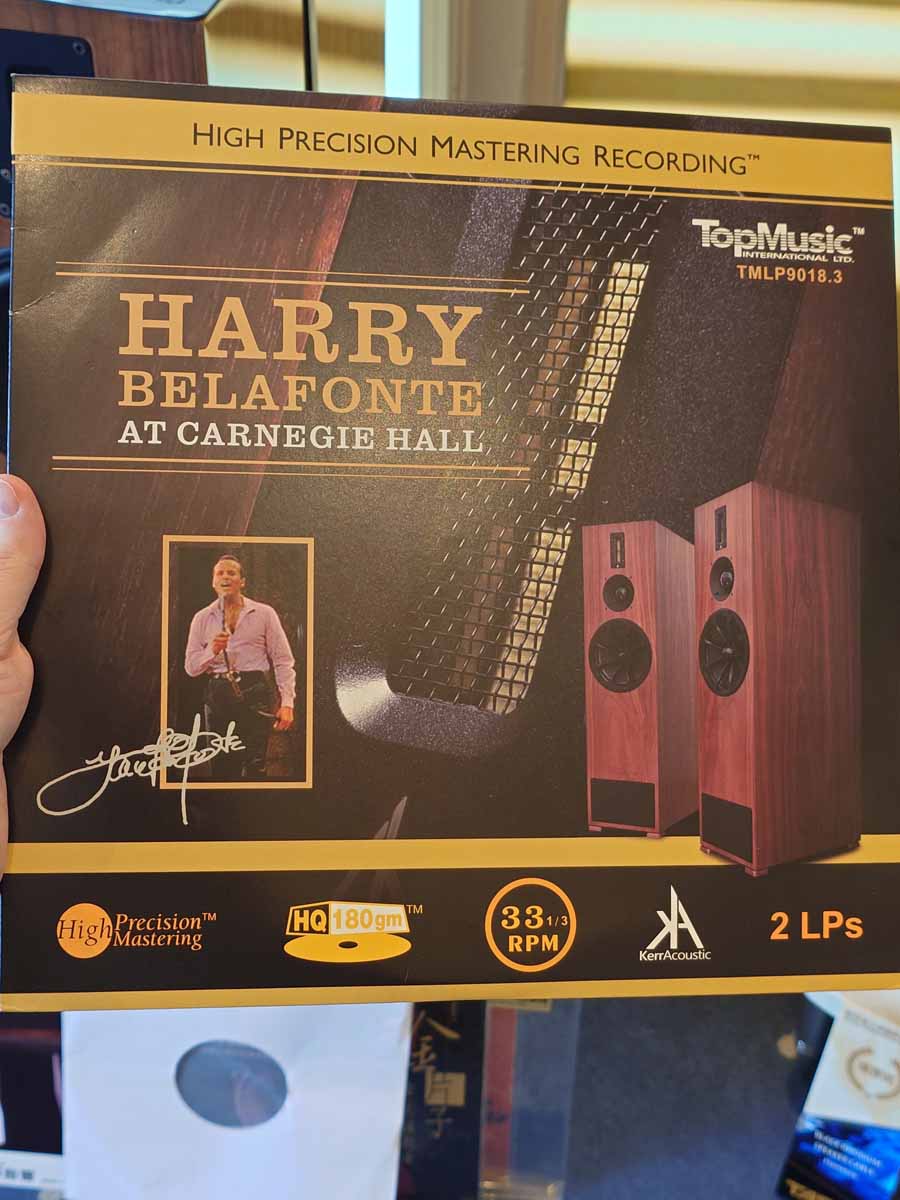
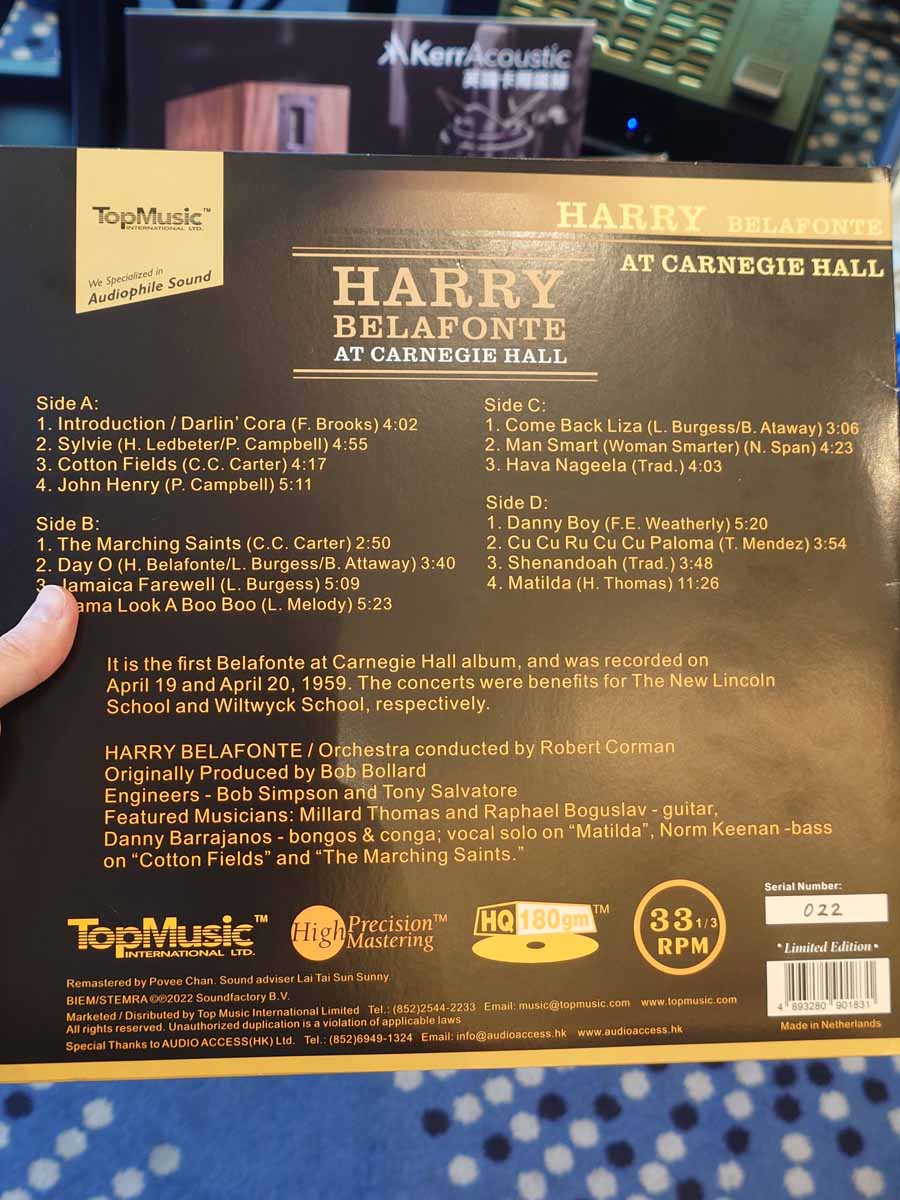
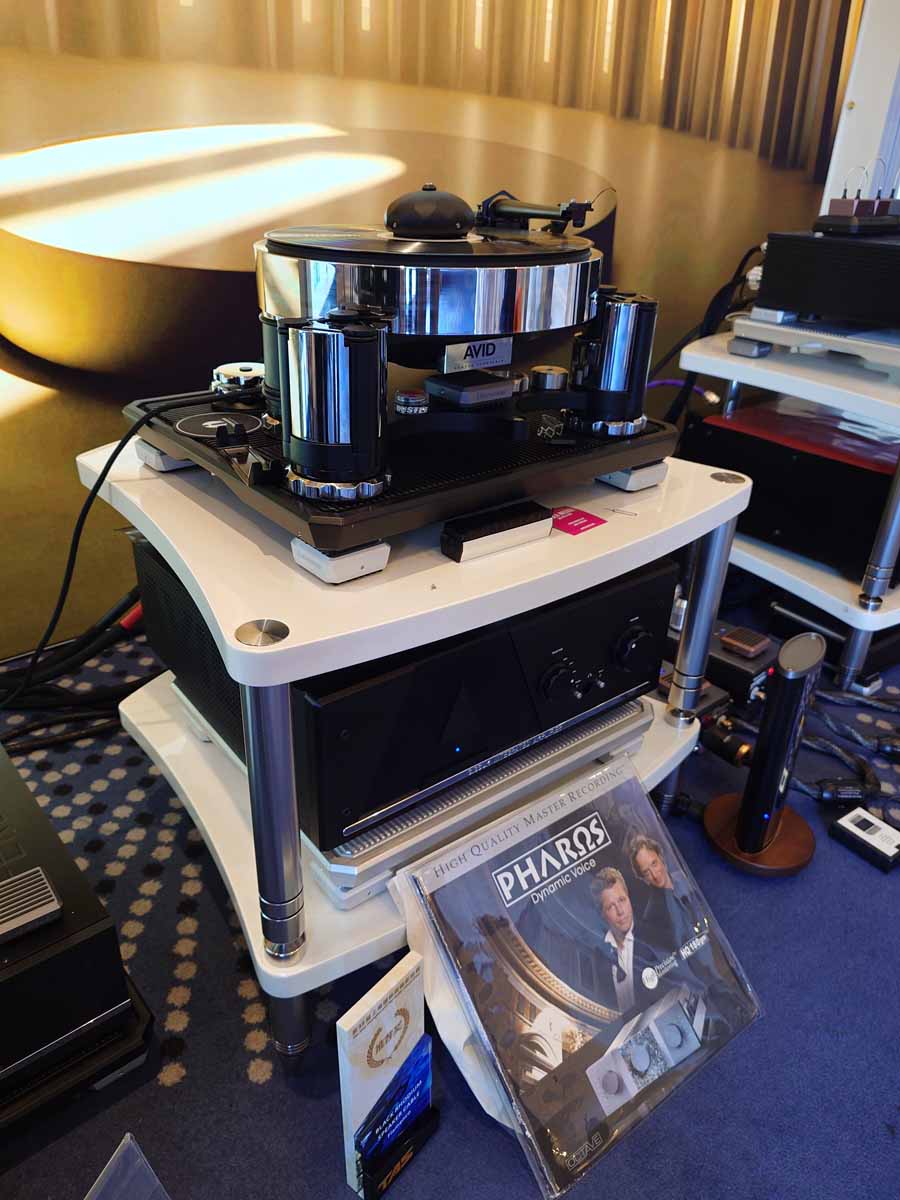
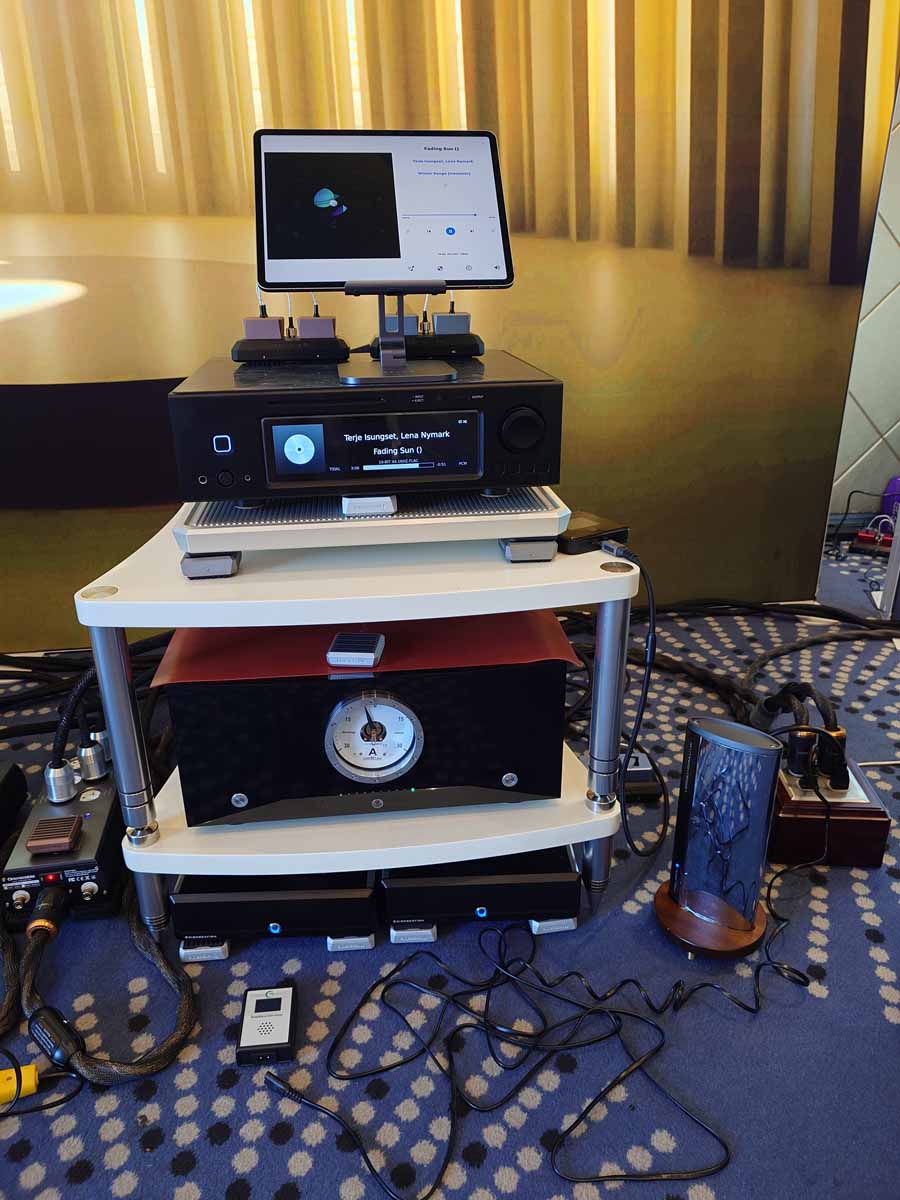
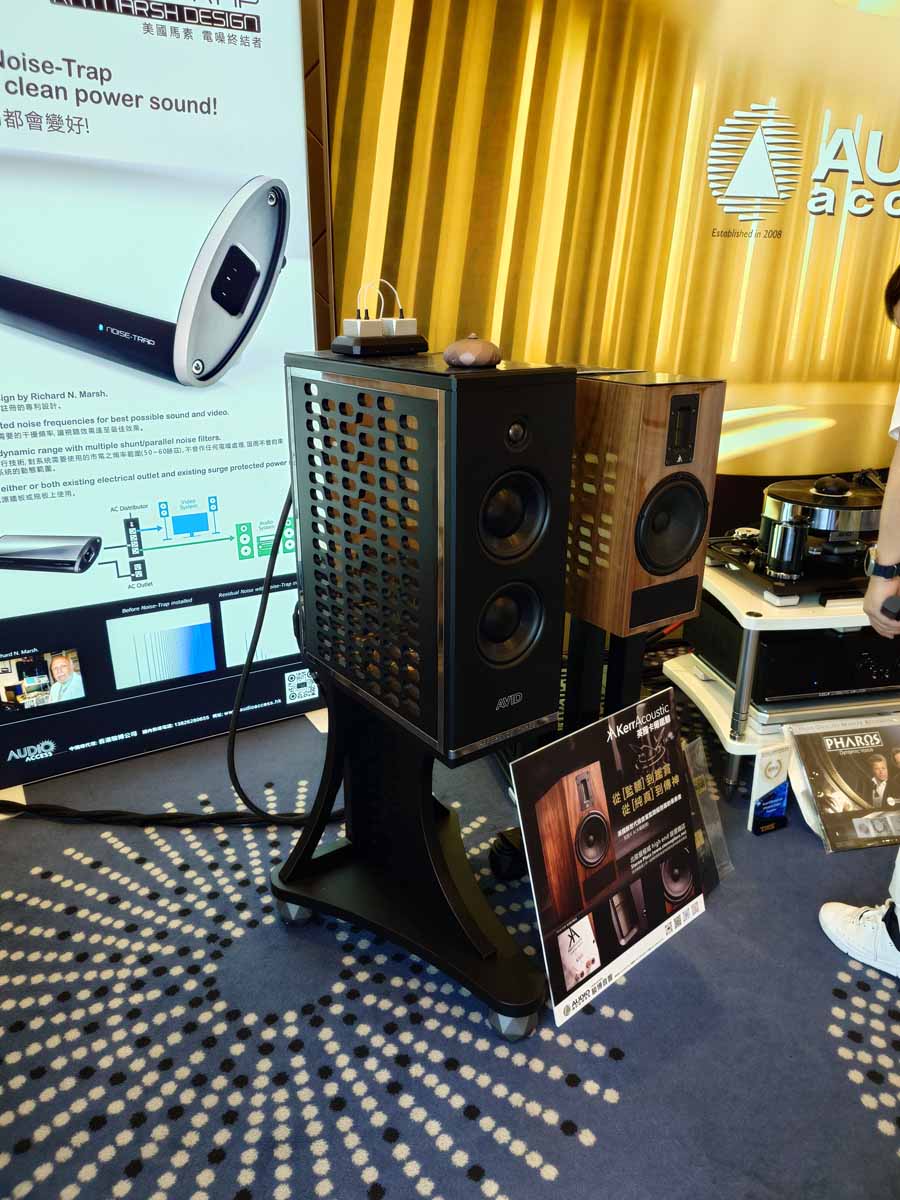
Not every distributor at TAS opts for the multi-brand extravaganza approach, and the Hong Kong-based Audio Access, the greater China AVID representative, deserves credit for taking the road less travelled: a single-brand, three-component setup built around AVID’s Reference 3 standmount speaker, the Sigsum integrated amplifier (with the pulsus phonostage) and the iconic Acutus turntable — a thoroughbred system if ever there was one, and all the better for its focus. What made the room genuinely fascinating, though, was the demo itself: rather than simply pressing play and hoping for the best, the distributor arrived armed with measurement devices and proceeded to demonstrate just how much the notoriously noisy electric grid was interfering with the sound — and, more importantly, what increcable power conditioning and signal refinement tools could do about it. The A-B demonstration was eye-opening in the most literal sense, with the measurements backing up what the ears were already suspecting. The musical choice was equally inspired: a limited-edition, high-end TopMusic remaster of Harry Belafonte at Carnegie Hall, where Audio Access was a contributor. Sometimes less really is more, and this room made the case rather convincingly.
Acapella, Symphonic Line
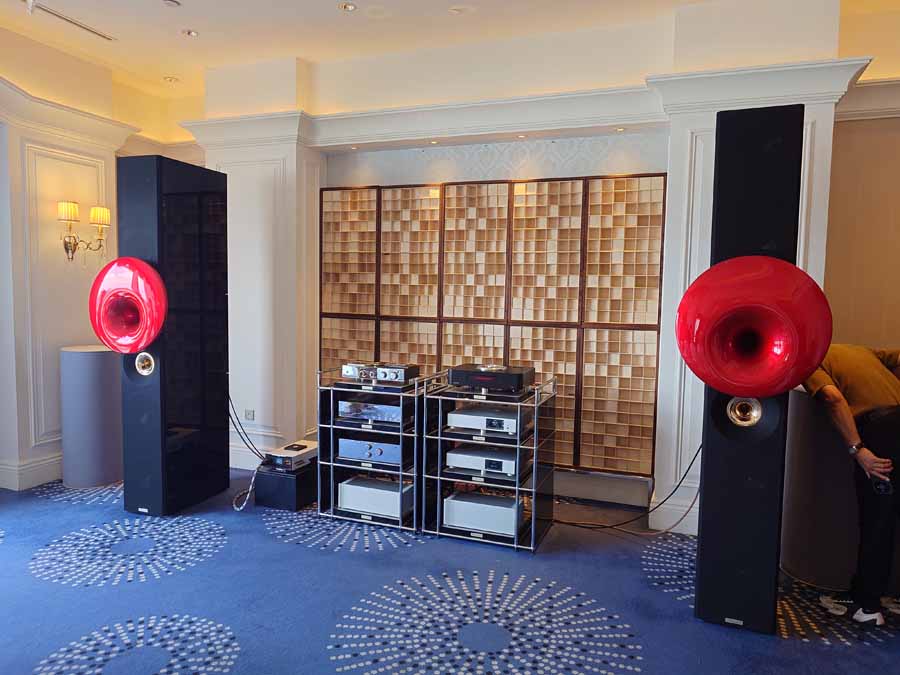
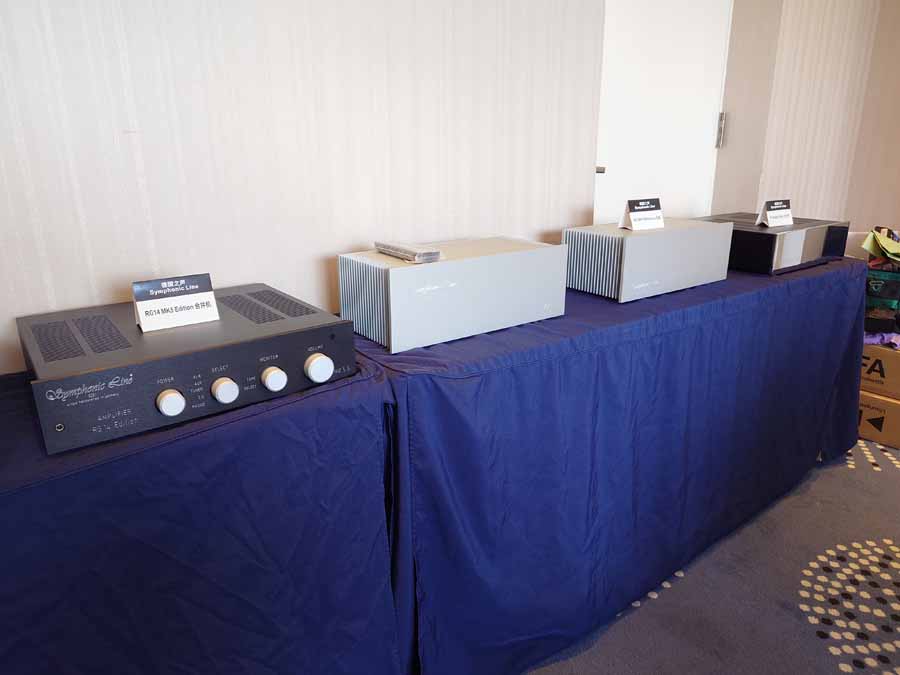
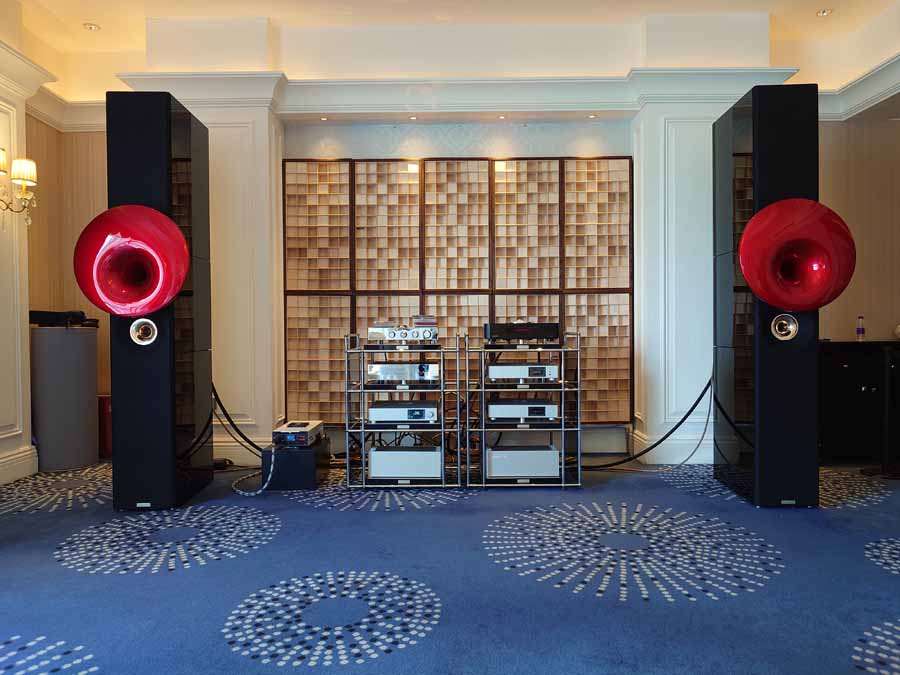
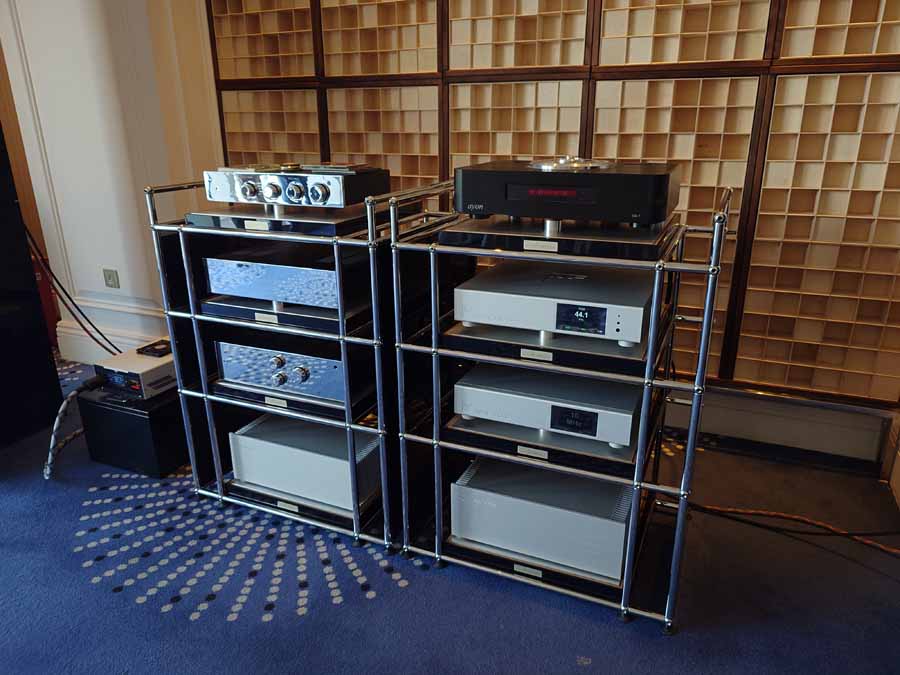
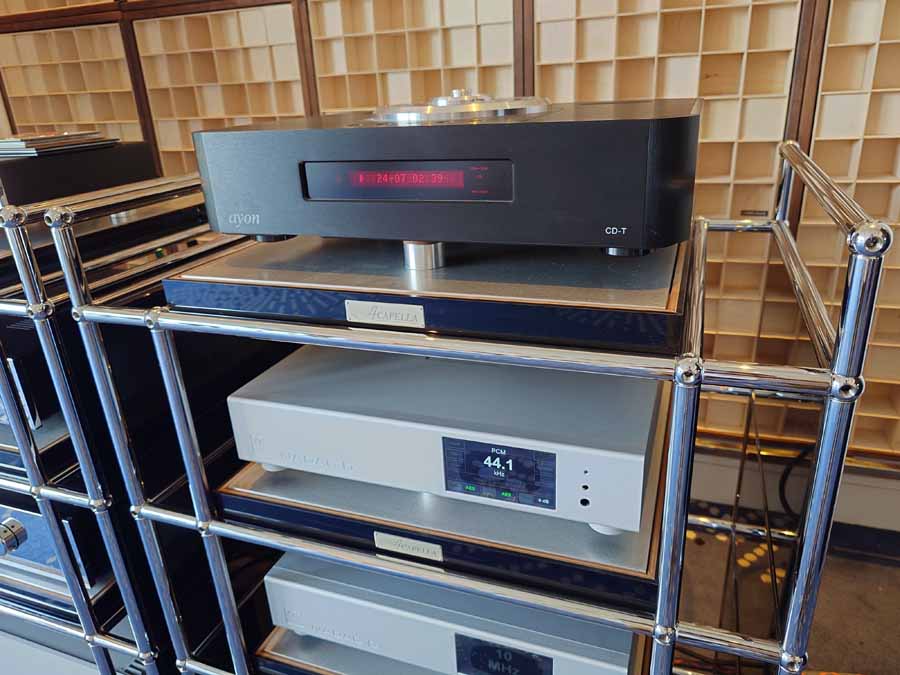
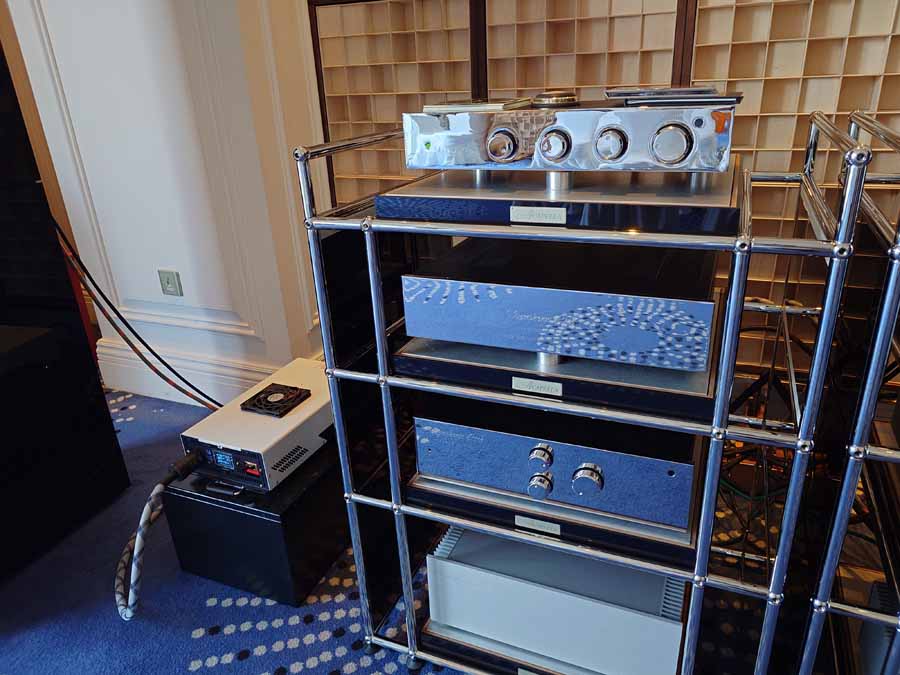
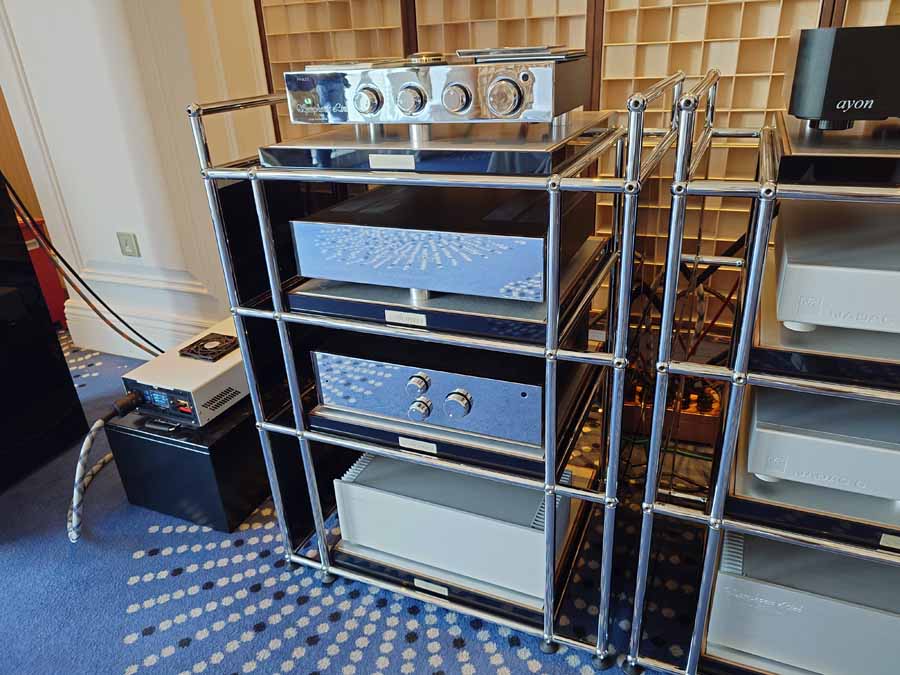

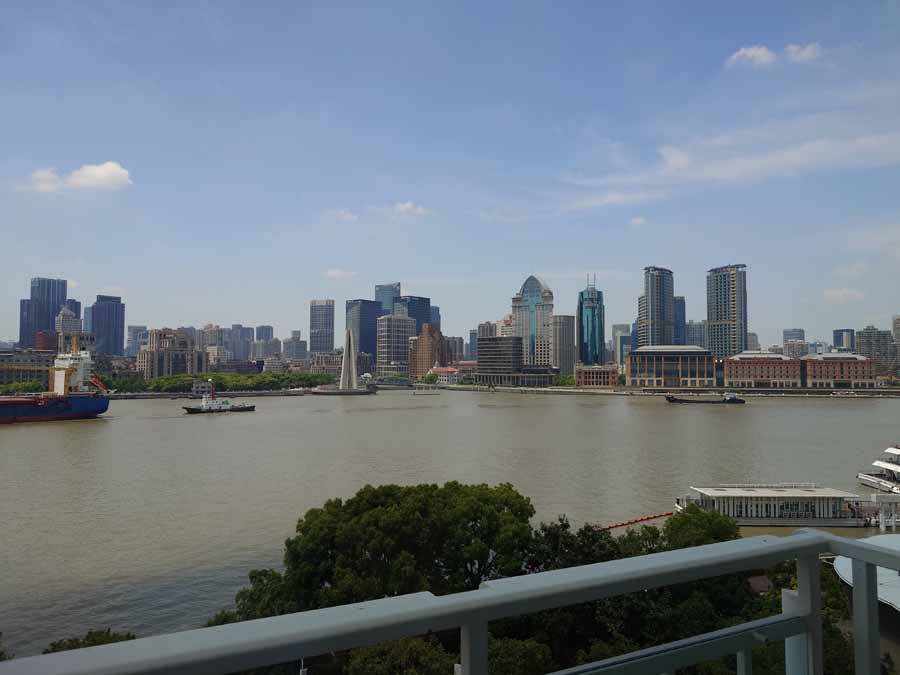
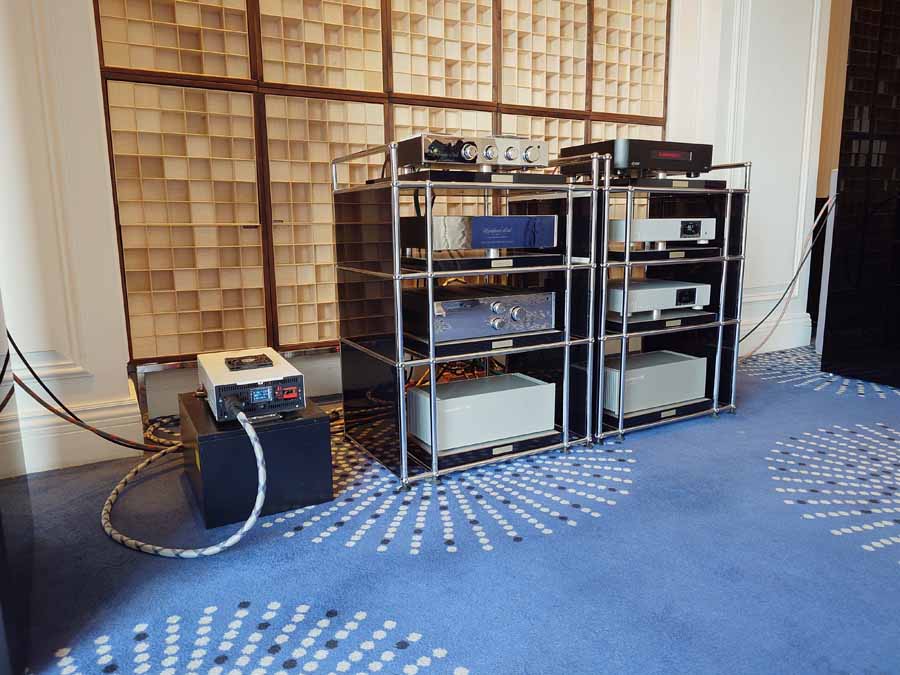
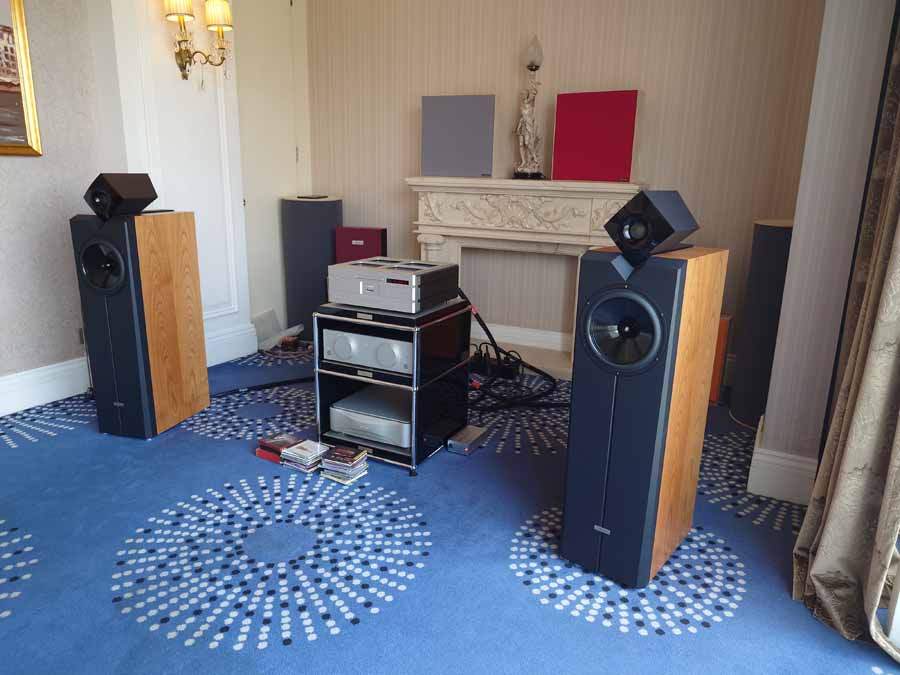
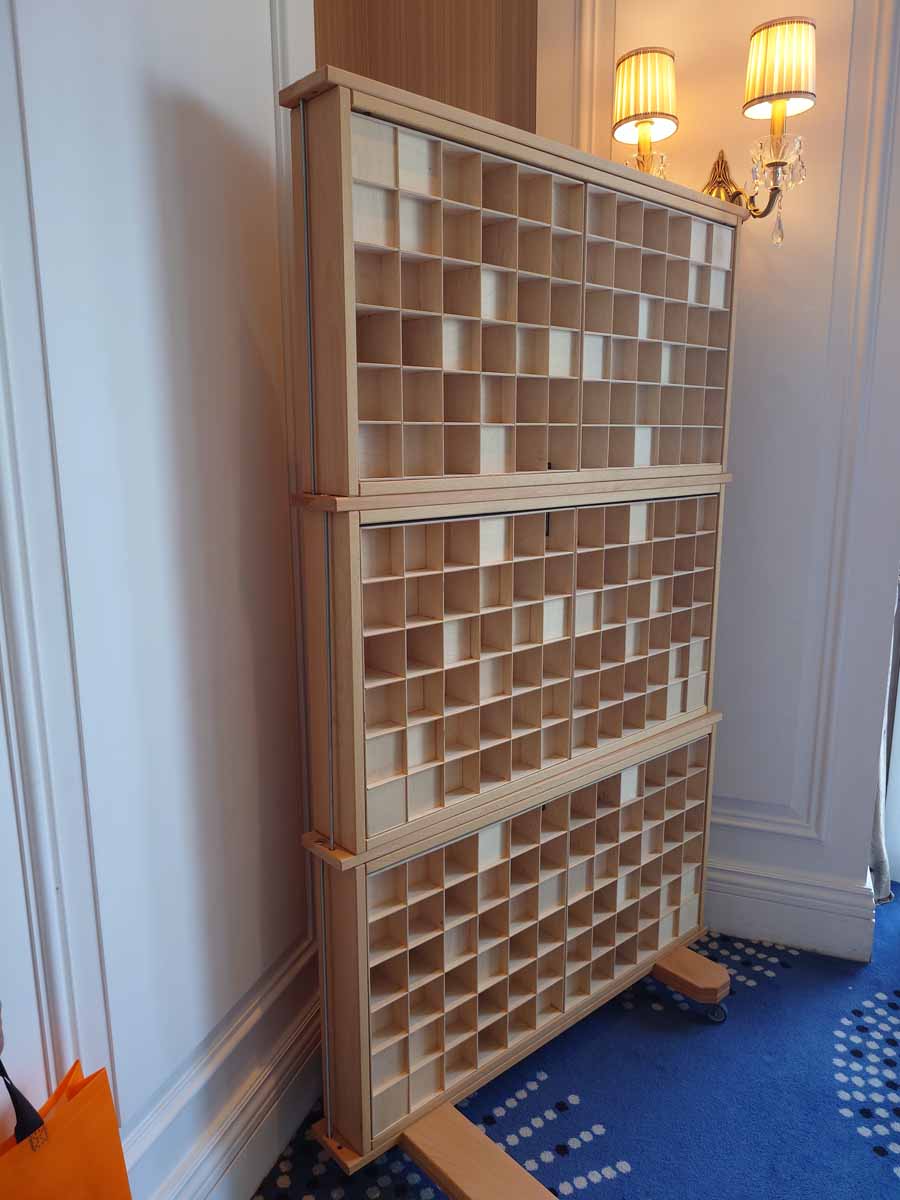
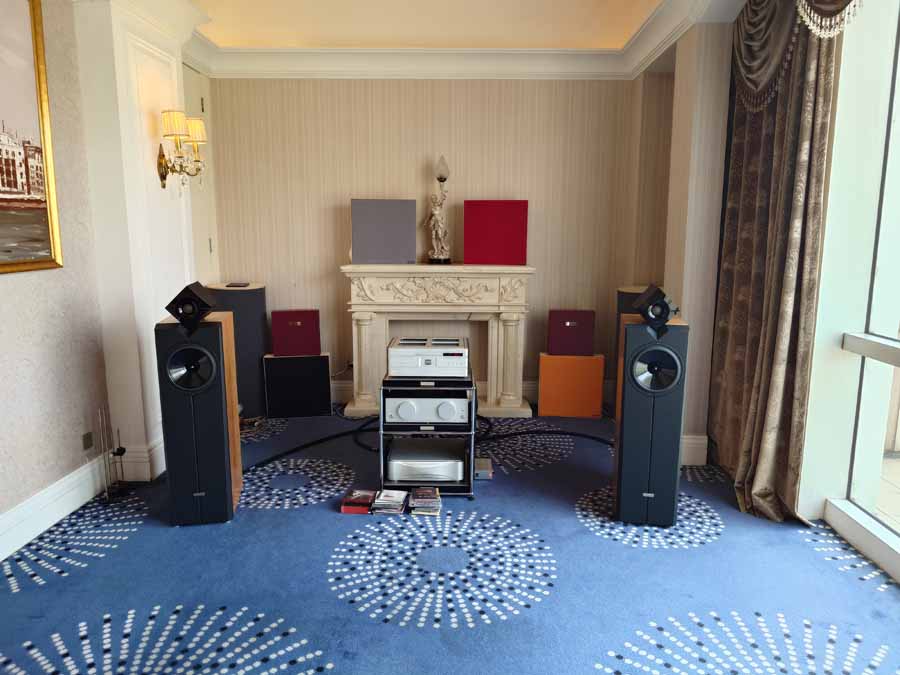
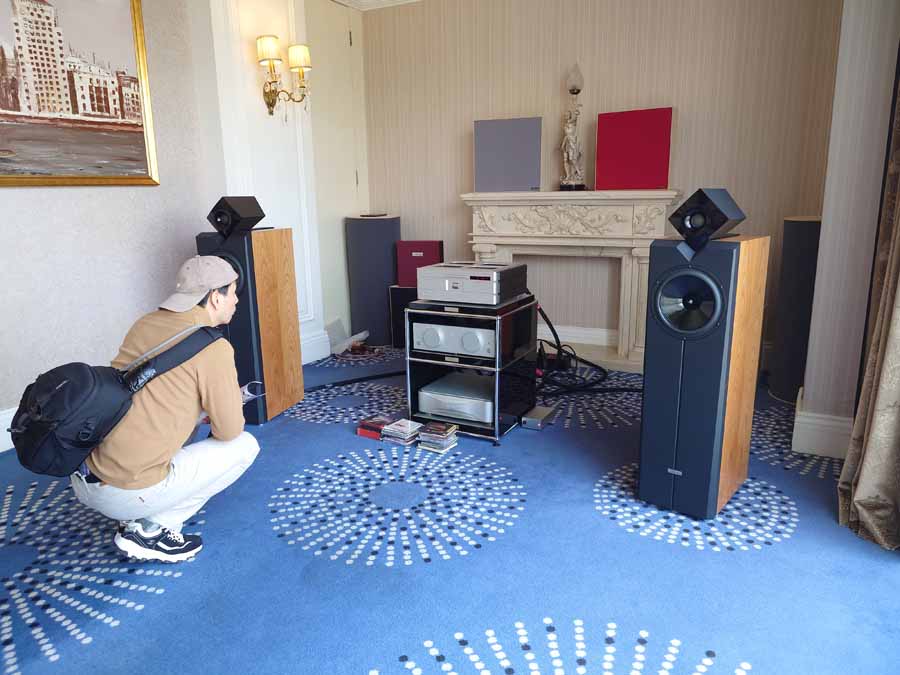
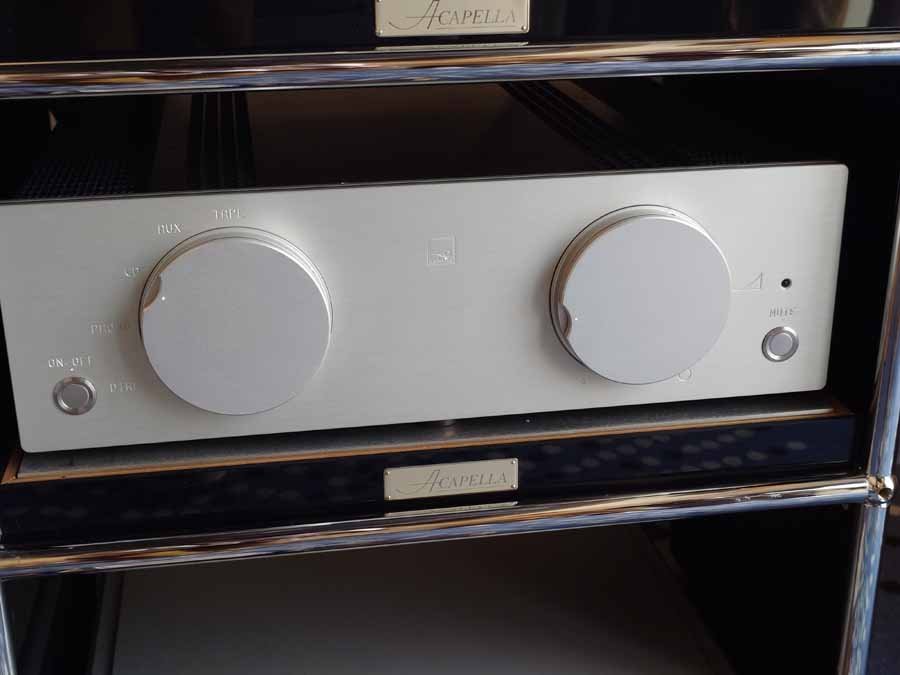
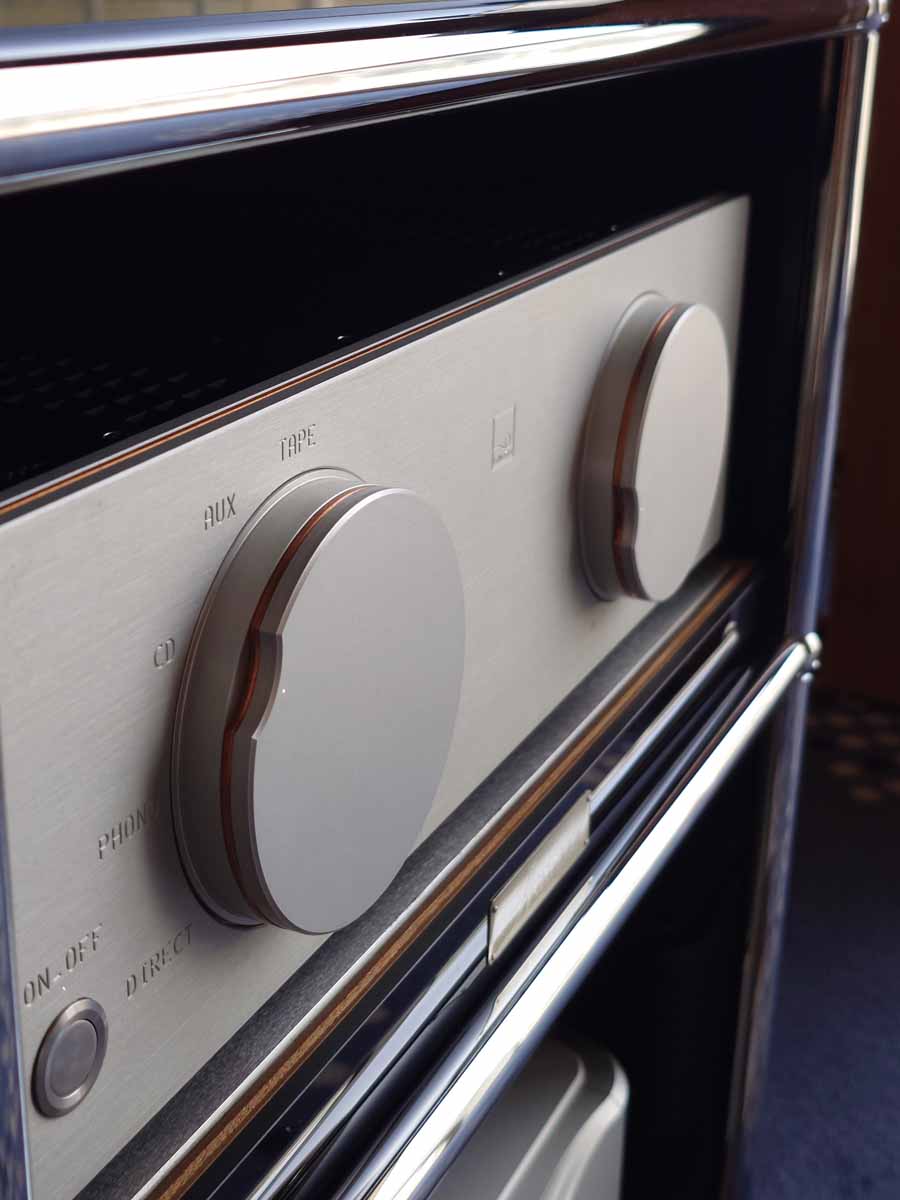
The last room on the 7th floor offered one of the show’s better entrance moments – and, fittingly, it came in two stages. First, the view: a river-facing window that captivated visitors and prompted them to start taking photos before a single note had registered. Then, the quiet realisation that they just walked by the speakers. Standing perpendicular to the door like a pair of architectural columns that had simply always belonged there, the Acapella Audio Arts Campanile 2 loudspeakers had pulled off something genuinely impressive: they had almost become part of the room itself. Almost, because once the eye landed on the signature red ceramic horn sitting confidently in the middle of each towering cabinet, any pretence of subtlety was firmly abandoned. This is a speaker that doubles convincingly as modern sculpture, the sort of thing that would look perfectly at home in a contemporary art gallery, were it not also busy doing very serious sonic work. The electronics were appropriately composed: Symphonic Line Signature amplification, a Nadac C clock and DAC, and an Ayon CD-T transport completing a balanced, self-assured system that played music with quiet authority — entirely unbothered by the fact that half the room was still photographing the Bund.
And tucked away through a smaller adjoining room, easy to miss if you weren’t paying attention, was a rather charming secondary setup: the Acapella Harlekin 2 loudspeakers partnered with a Soulnote CD player and the Acapella La Musika integrated amplifier, a more intimate and approachable system that felt like a quiet footnote to the grandeur next door, but a very enjoyable one at that.
5th floor
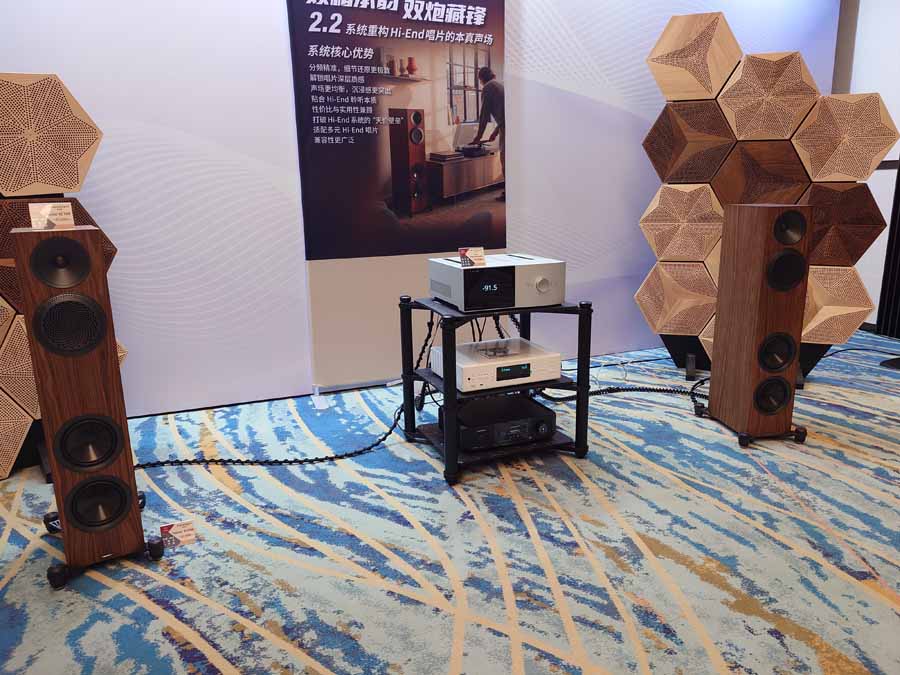
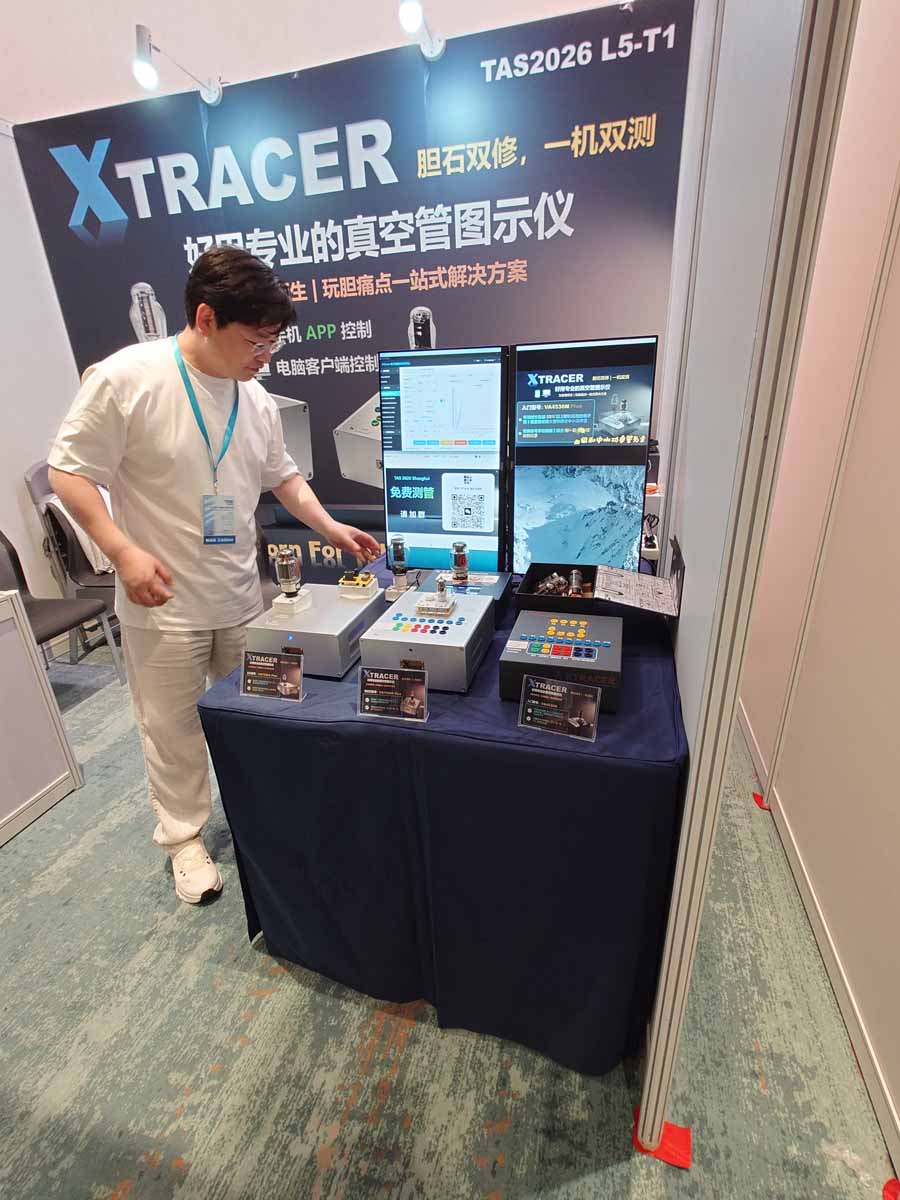
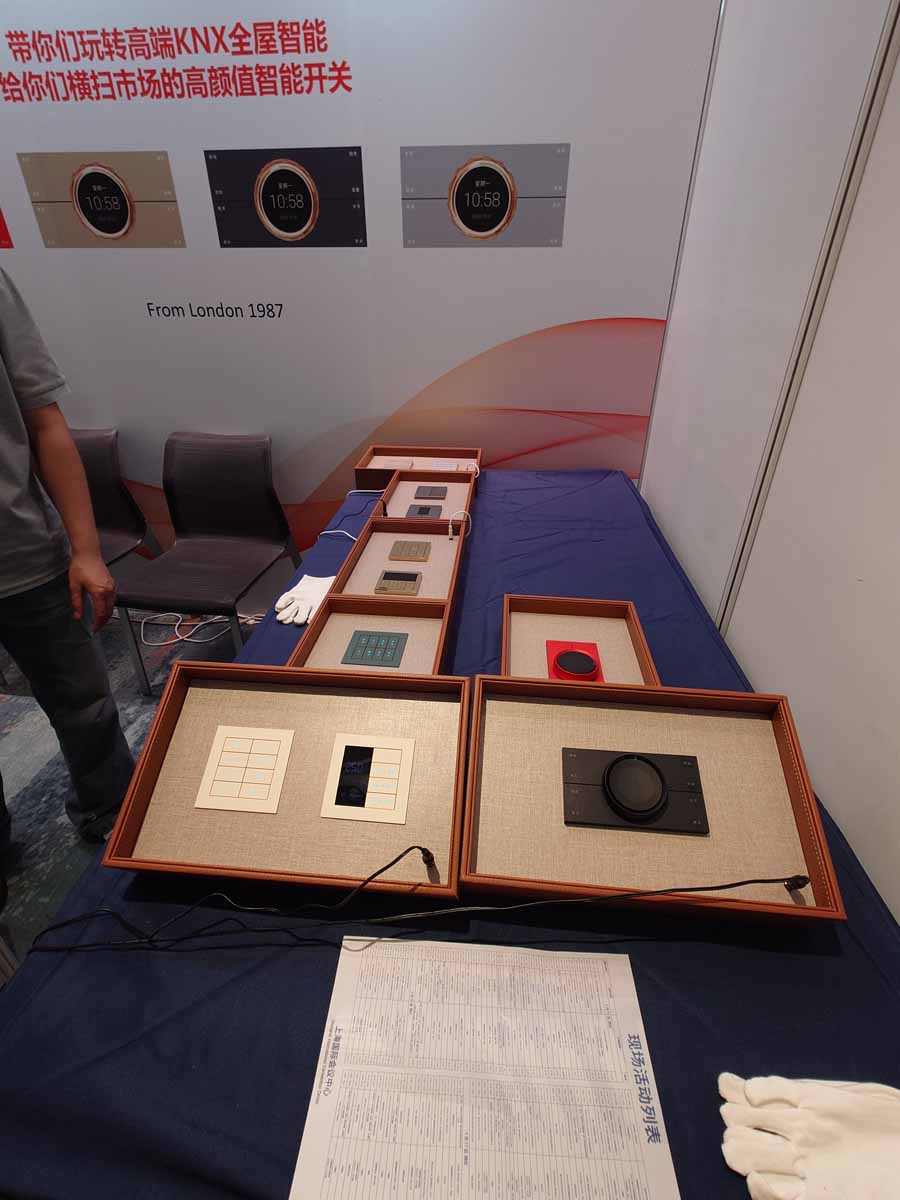
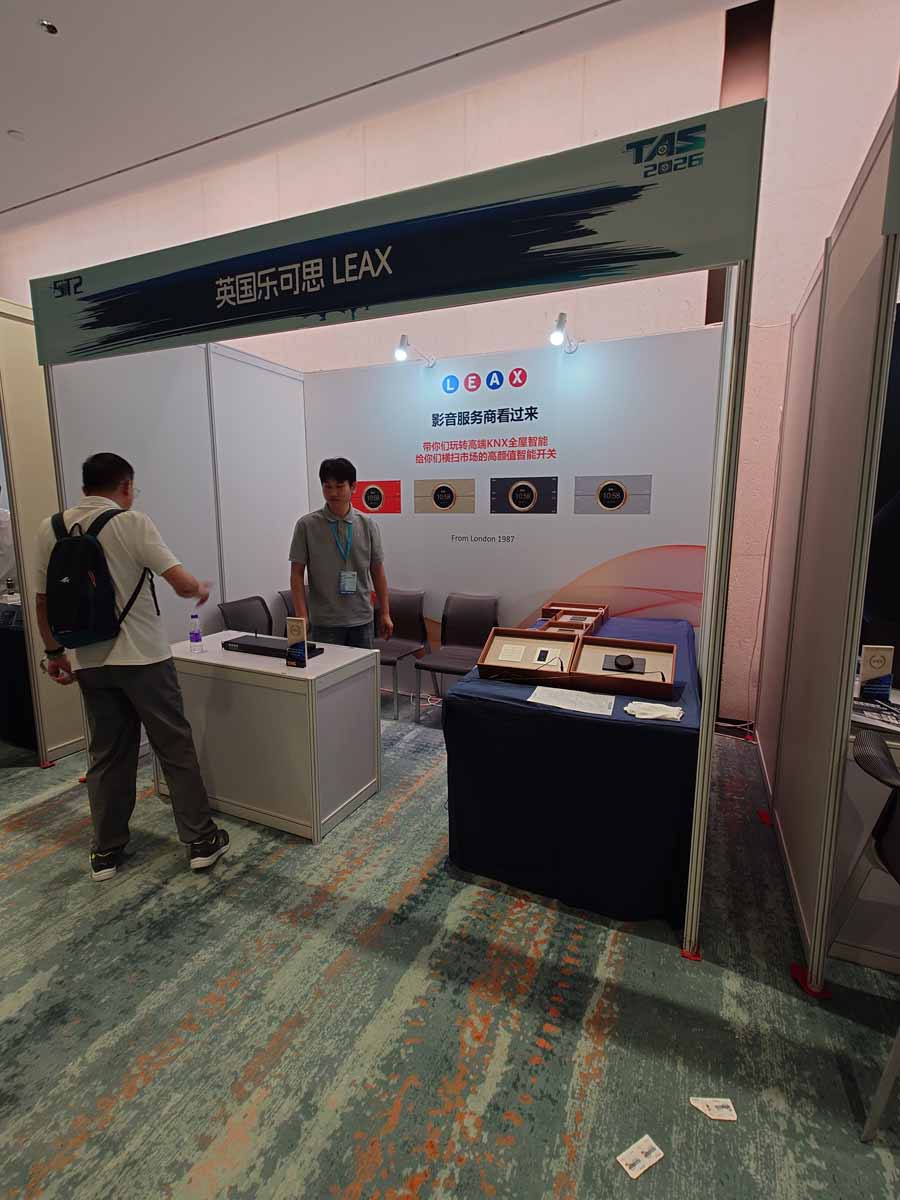
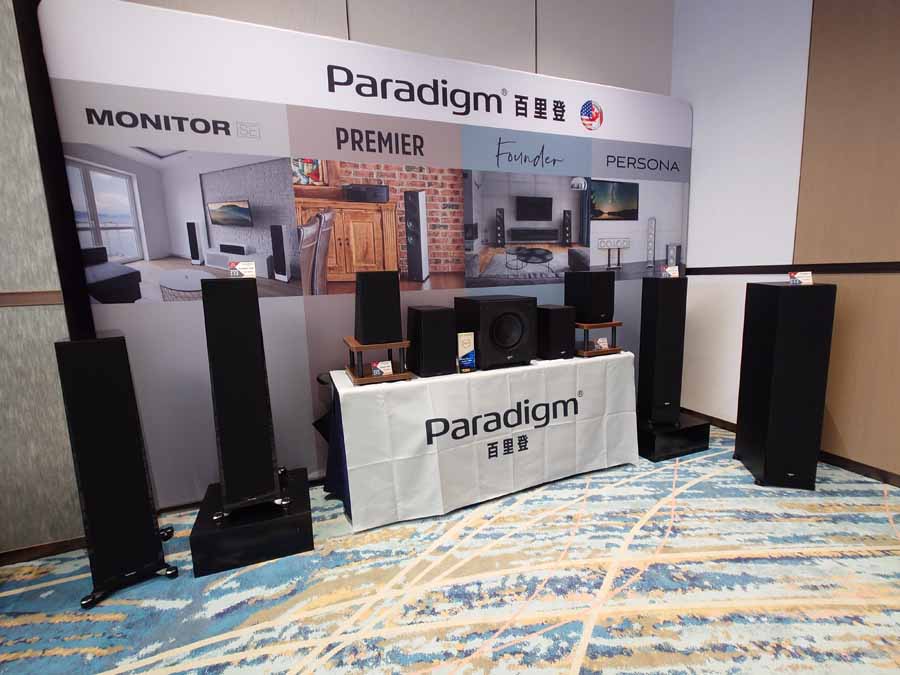
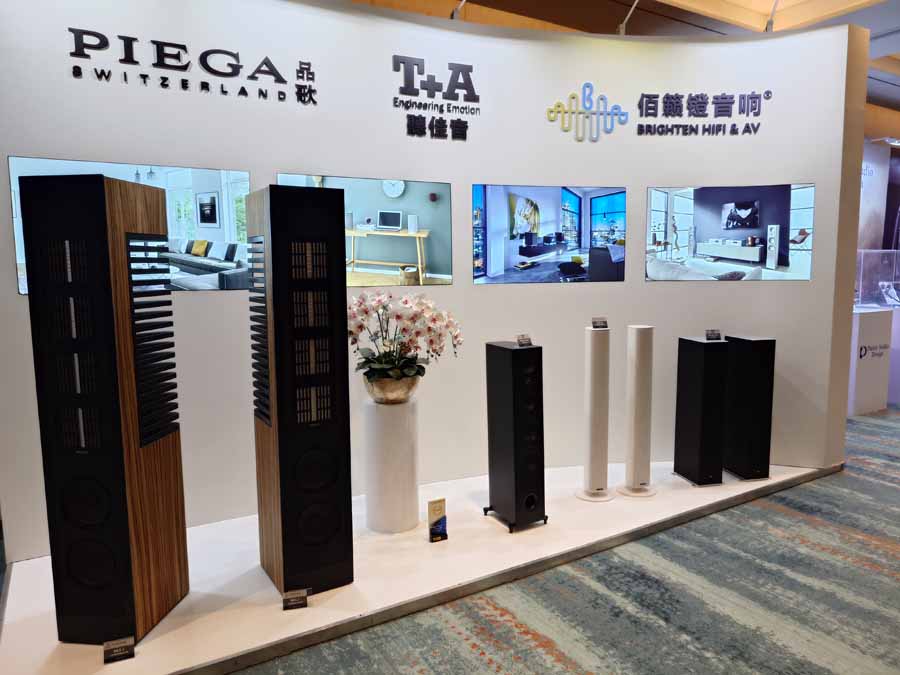
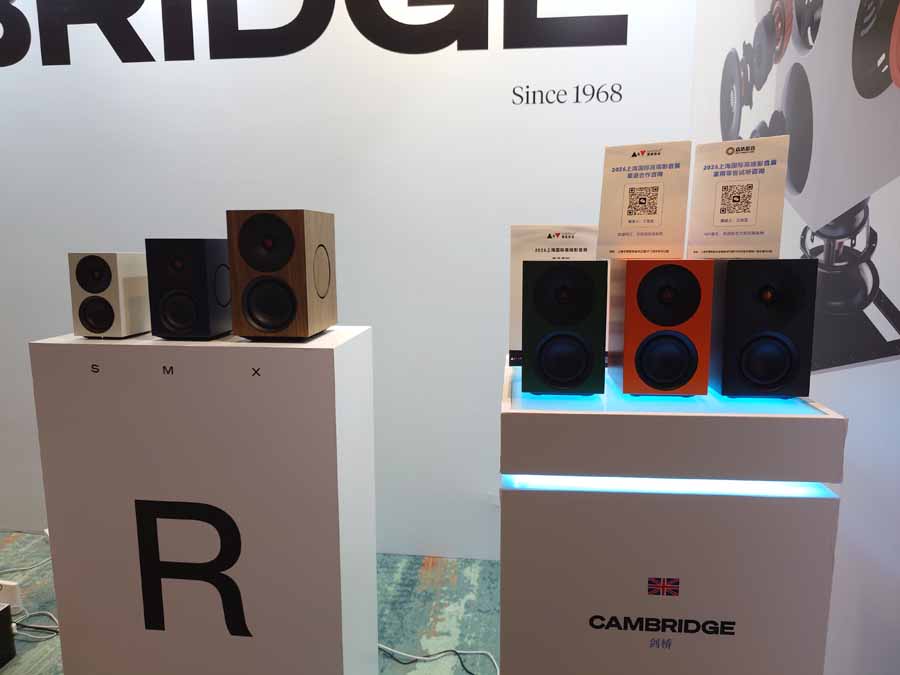
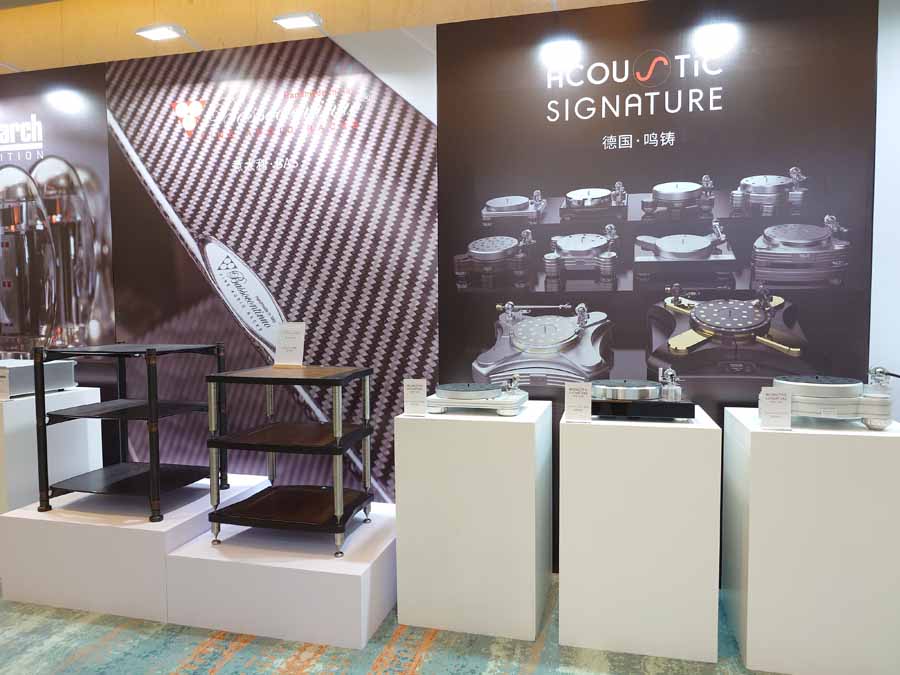
If the 7th floor were TAS at its most unapologetically extravagant, the 5th offered a rather more “democratic” spread of hardware – grand halls filled with serious gear sitting alongside smaller rooms and corridor booths displaying everything from full brand lineups to headphone specialists, case manufacturers and, for the truly dedicated, tube measurement producers. This is the kind of floor where you could spend twenty minutes admiring a six-figure amplifier, only to turn a corner and find a perfectly sensible Pro-Ject turntable at a price that didn’t require a sit-down moment. Piega speakers, Fezz electronics, Pylon Audio, Cambridge Audio’s new speaker lineup, Audio Research and Acoustic Signature all showcased multiple products across the corridors, and a rather handsome commemorative arch marking ELAC’s 100th anniversary was a reminder that some brands have been at this long enough to earn a proper celebration.
Brighten Hifi – T+A, Ideon
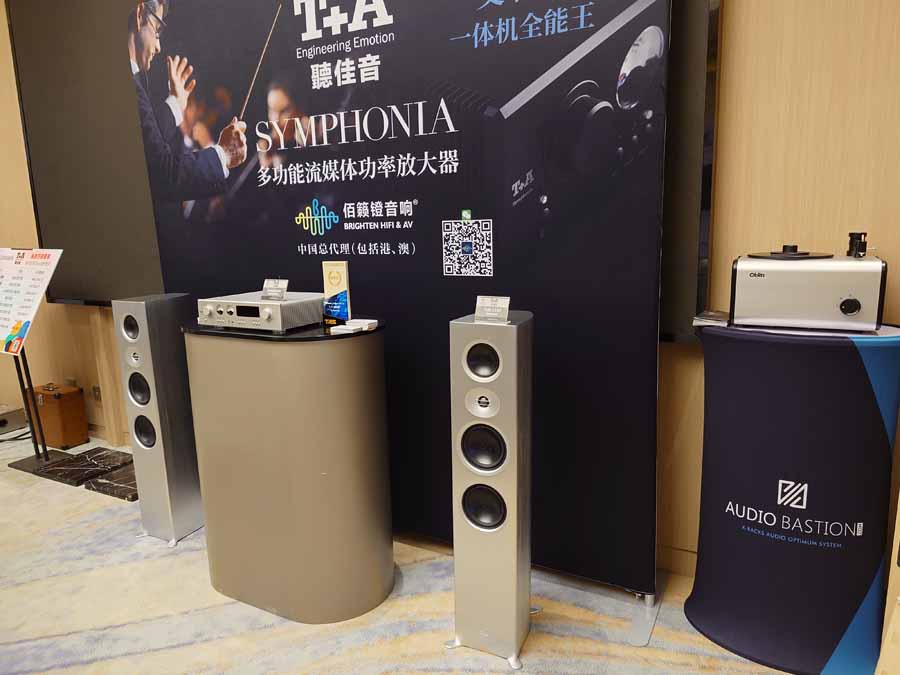
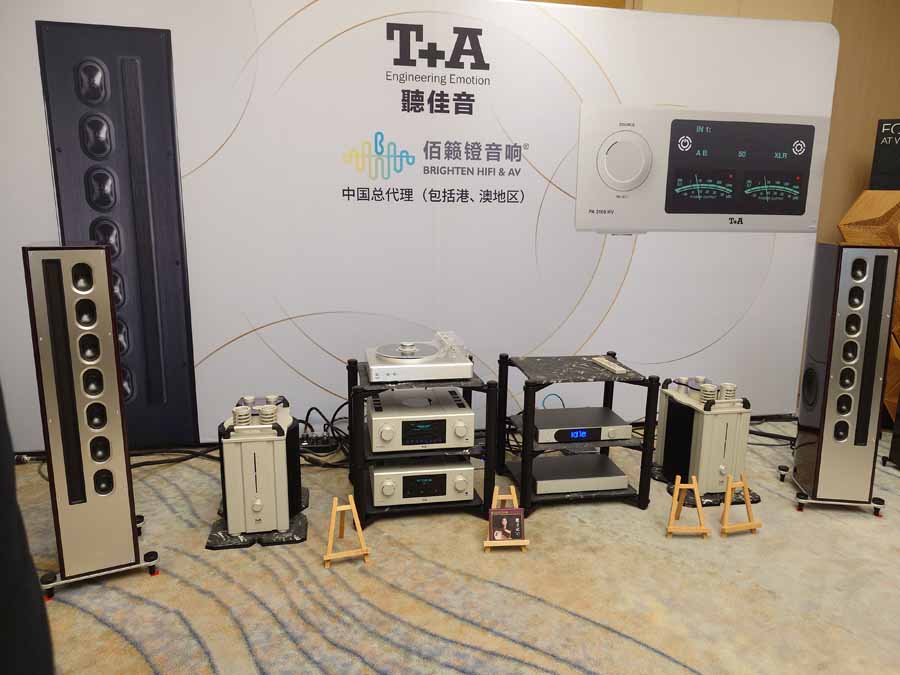
T+A brought a substantial slice of their flagship lineup, anchored by the imposing Criterion S2200 floorstanders alongside the Solitaire S530 and supported by the MP3100 HV, G2000 R, P3100 HV and M40 HV, essentially a full German engineering showcase in a single room. But the component that also deserved attention was the Greek-made Ideon Audio Eos stack: the Eos DAC, widely praised for its extraordinary naturalness and dynamic expressiveness, supported by the Eos Time USB signal reconditioner — a device that regenerates, re-clocks and re-drives the USB signal before it reaches the DAC.
Purist Audio – Vitus, Estelon, Innuos, Avantgarde Audio Research, Purist Audio Design and Wilson Benesch
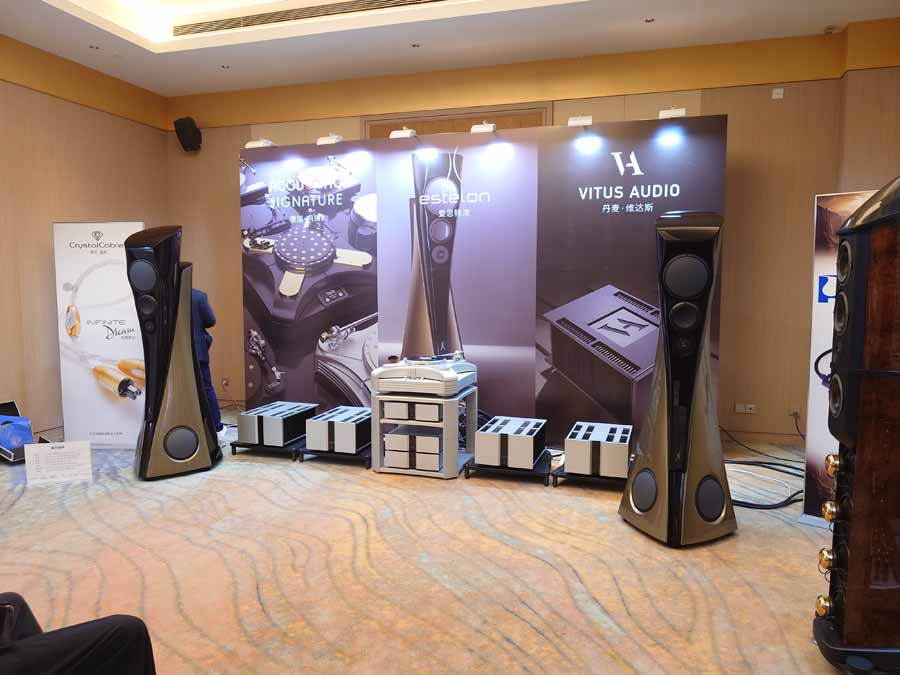
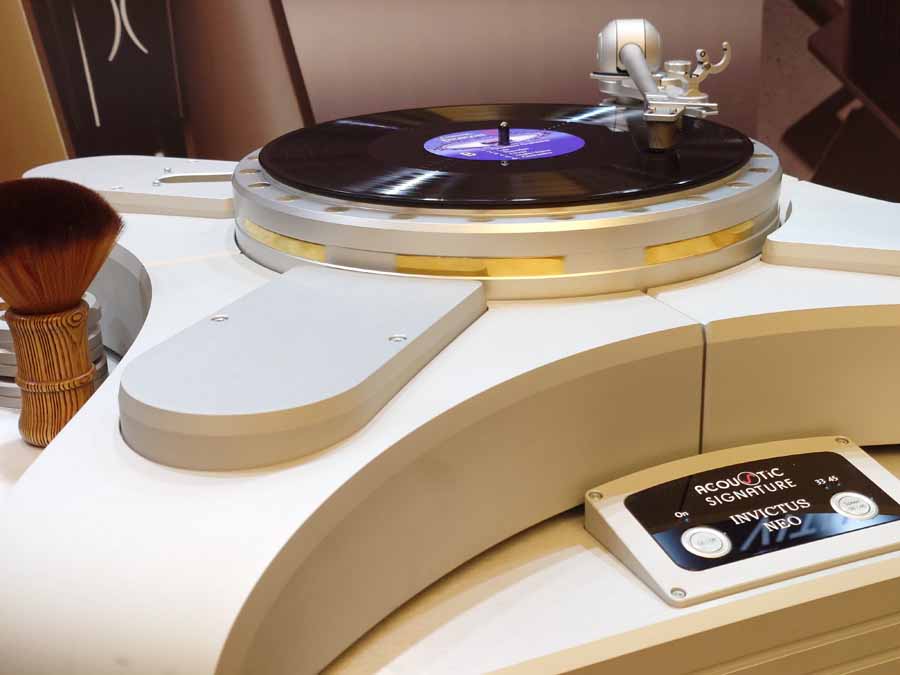
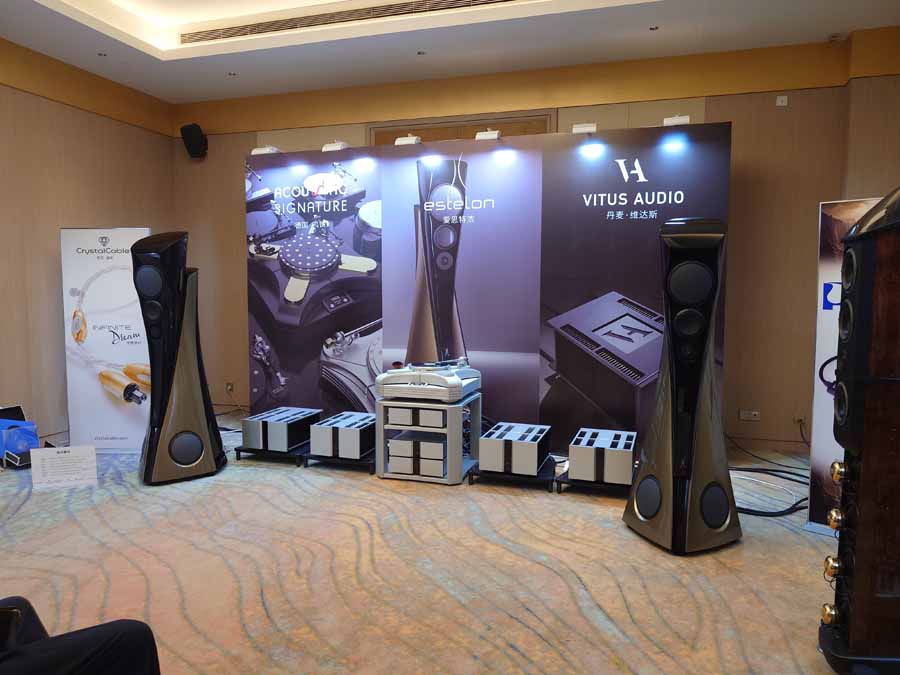
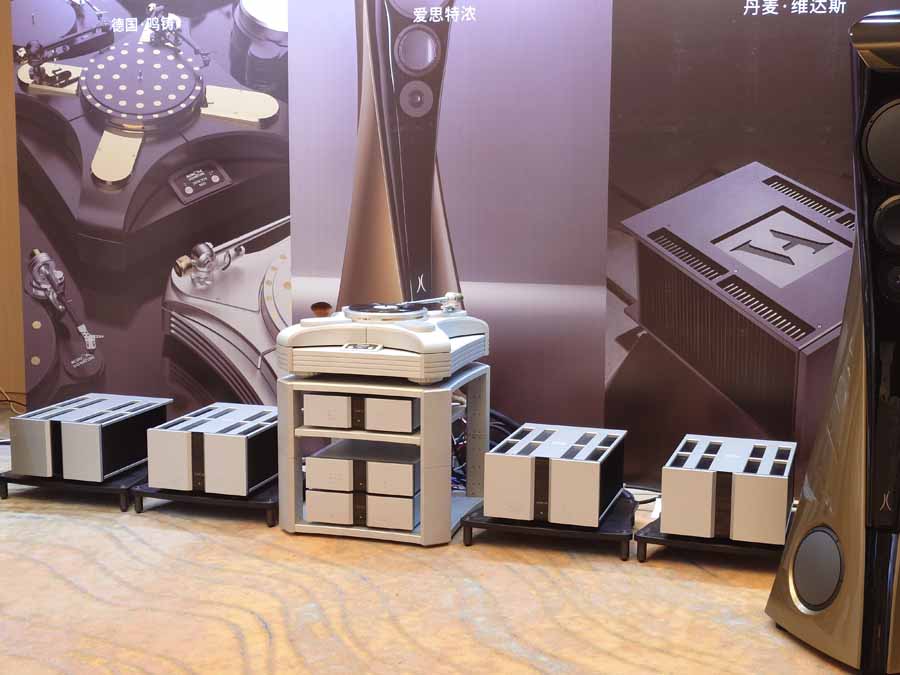
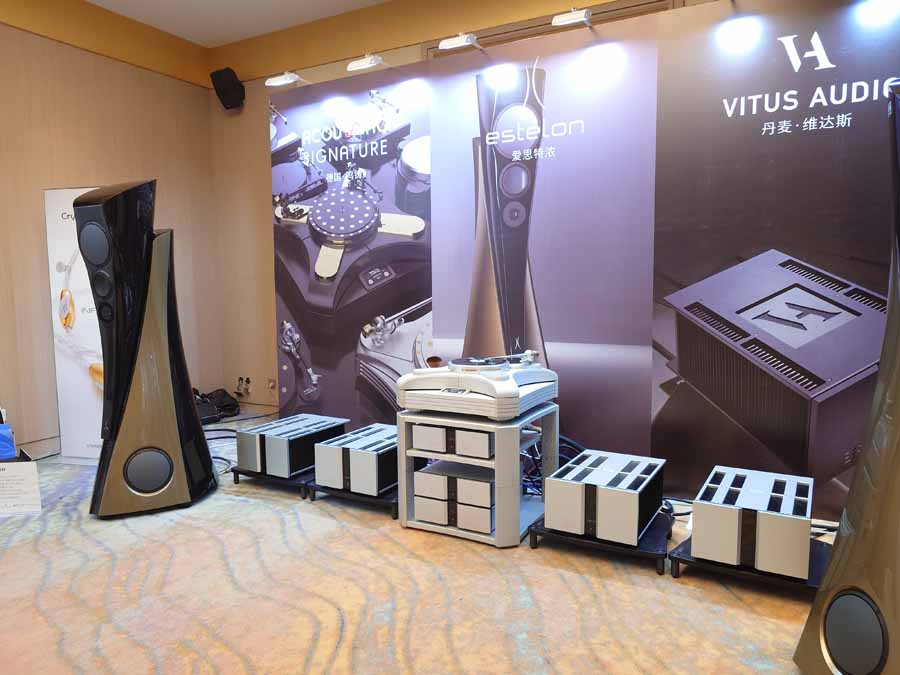
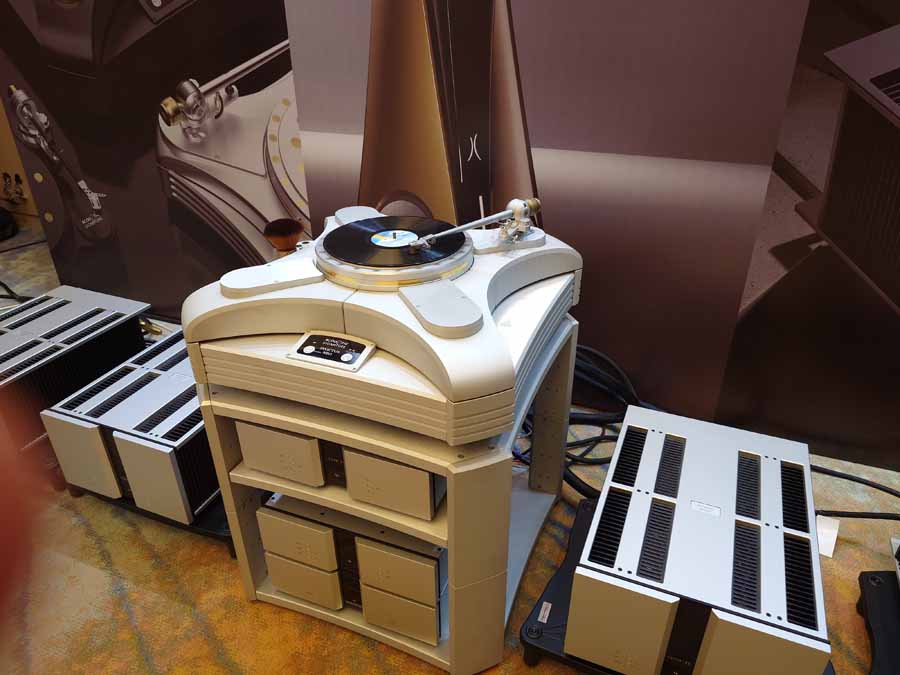
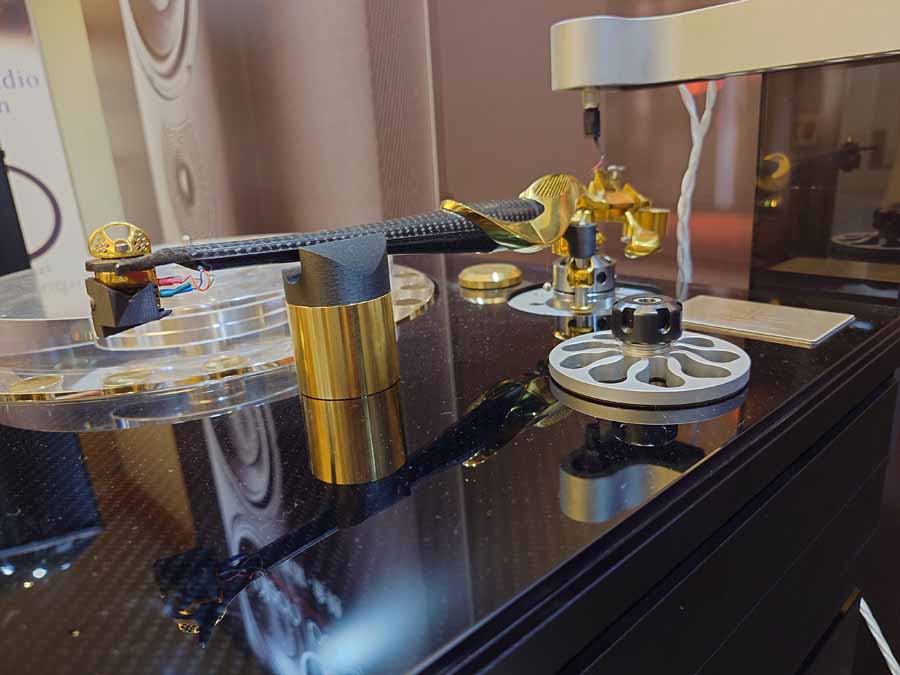
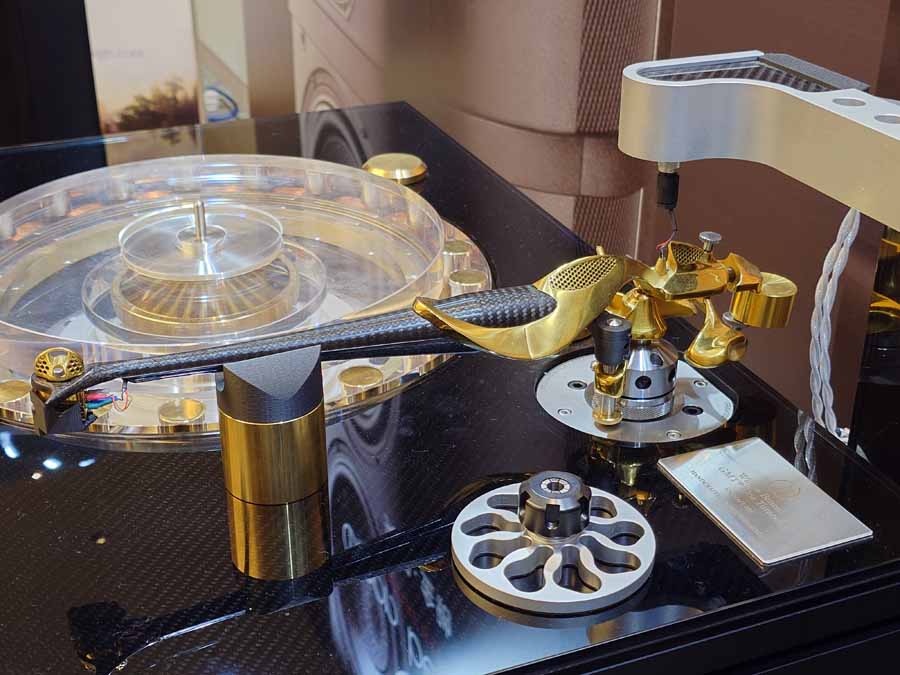
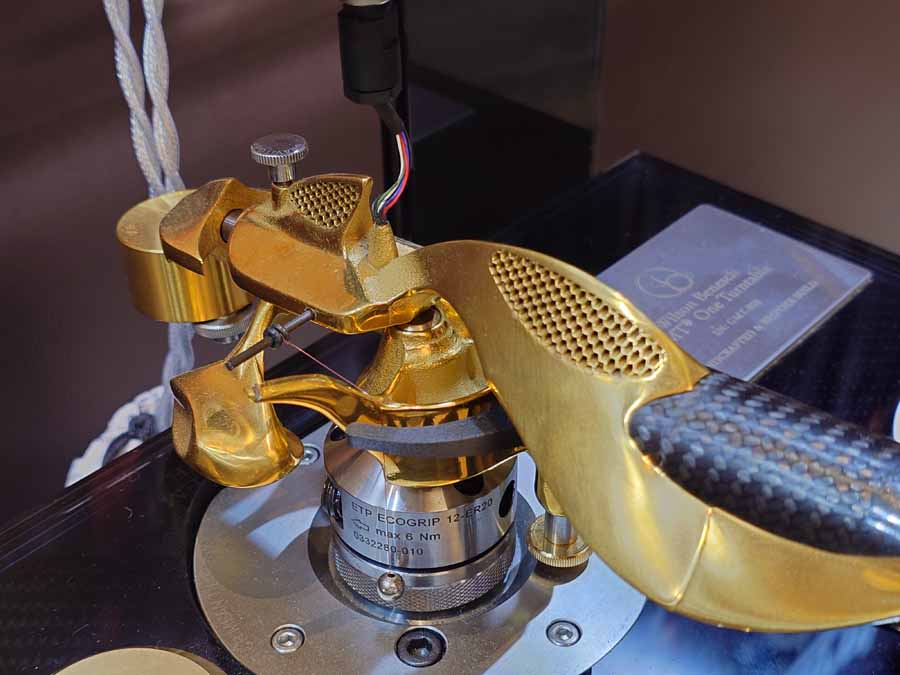
The next room was a proper showstopper, built around the sculpturally striking Estelon Extreme MKII loudspeakers, a brand whose distinctive curved cabinetry manages to look simultaneously like contemporary art and serious acoustic engineering. They were partnered with a thoroughly high-end supporting cast: Acoustic Signature’s Invictus NEO turntable, Vitus Audio’s MP-P201 MKIII phono stage, SL-103 preamplifier and MP-M201 MKII monoblocks, Purist Audio Design 35th Anniversary cables, all resting on a Bassocontinuo BAS Revolution-X rack. It was a system with real visual presence and a sonic authority to match, the kind of room that made you pause in the doorway to consider if you want to listen, because you might not being able to forget it…
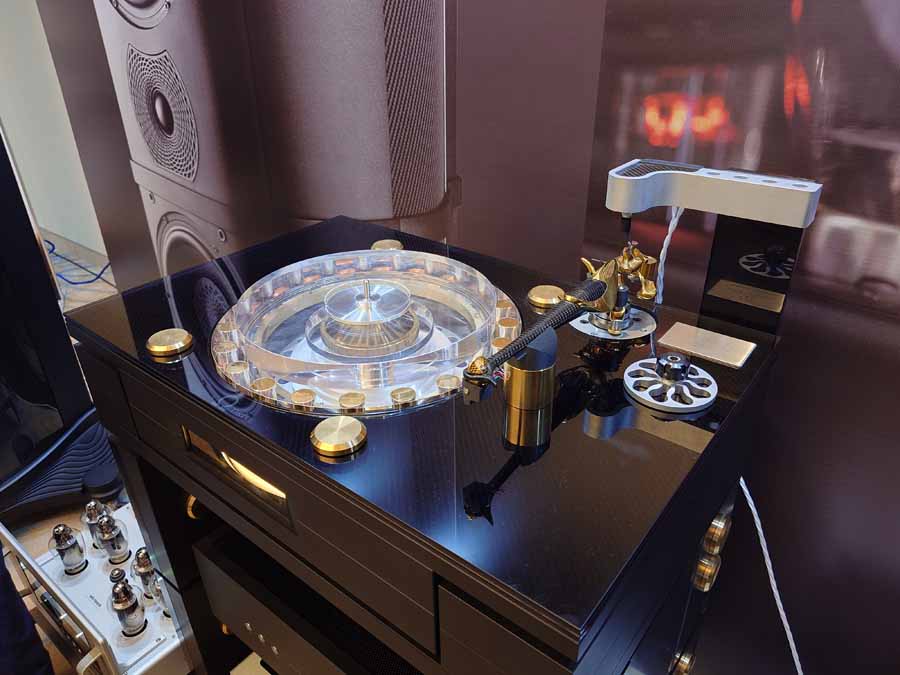
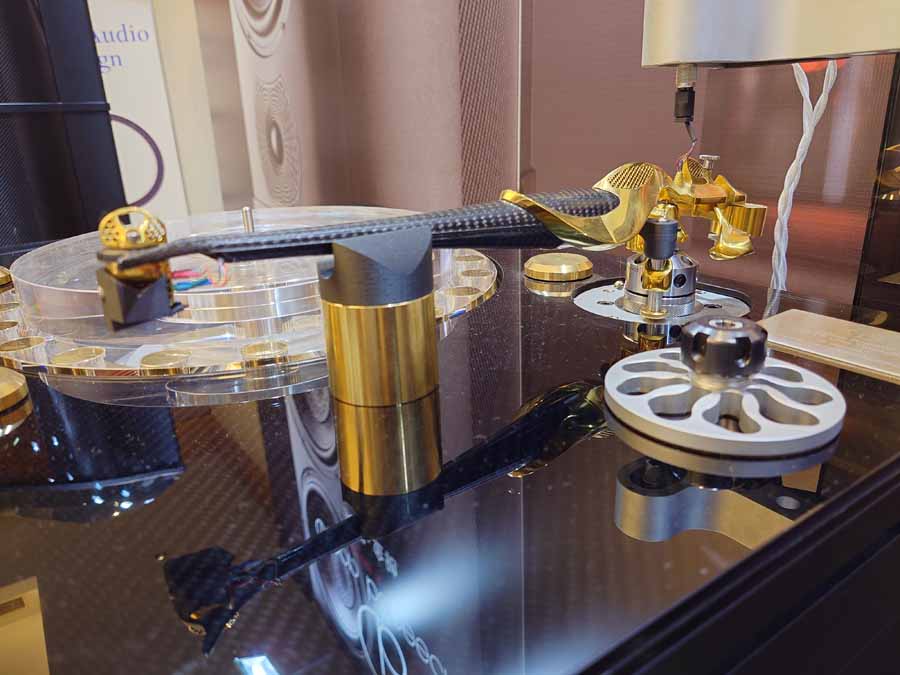
The Wilson Benesch GMT, the secondary setup, though, was the one that really got people’s attention. The remarkable Wilson Benesch Eminence loudspeakers, with their distinctive gold-plated isobaric drive system, were paired with a turntable that had an unusual tonearm, a single-piece moulded carbon fibre arm with an extremely artistic design, that could only be described as an alien-like design. It was a real letdown that I didn’t hear any music from the Wilson Benesch system during this visit; they were a special guest at TAS last year and made quite an impression, so the Eminence being quiet this time felt like an unfinished sentence.
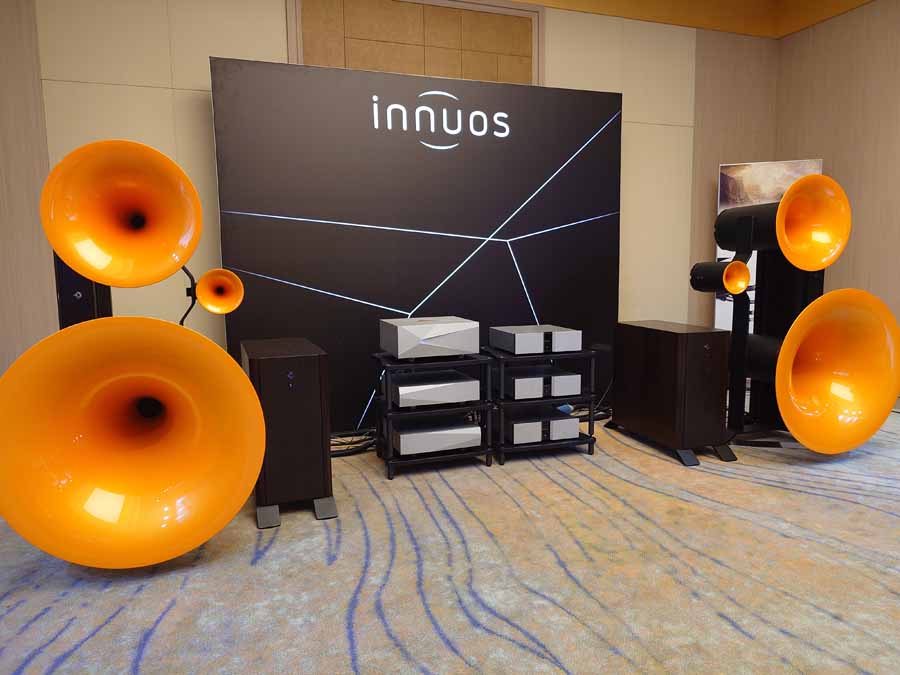
The next room for Purist Audio took the “serious system, serious intent” approach and then doubled down on it, with Avantgarde Trio G3 + TwinSub loudspeakers, Innuos’ Nazaré server, Flow clock and net switch, Vitus Audio’s MP-D201 MKII DAC and MP-L201 MKII preamp, Avantgarde iTRON amplification, and Purist Audio Design 35th Anniversary cables plus Crystal Cable cabling, all sitting neatly on a Bassocontinuo BAS Classic rack. It was a beautifully disciplined setup, the sort that makes you suspect every box has been assigned a very specific purpose and would be offended by the suggestion of any decorative role. The whole thing had that reassuring high-end logic of a room where nothing seems accidental, even if the number of components involved could easily qualify as a minor administrative exercise.
Elac, Musical Fidelity
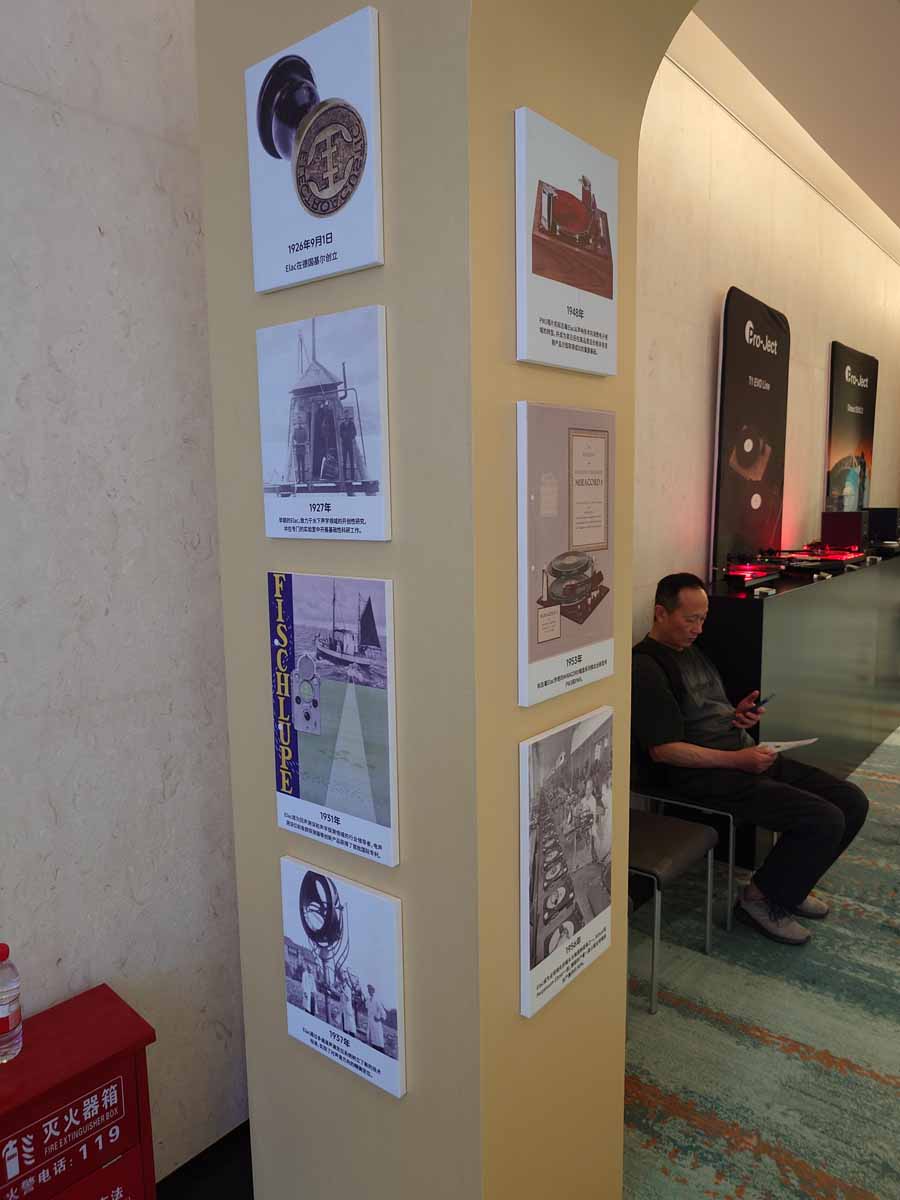
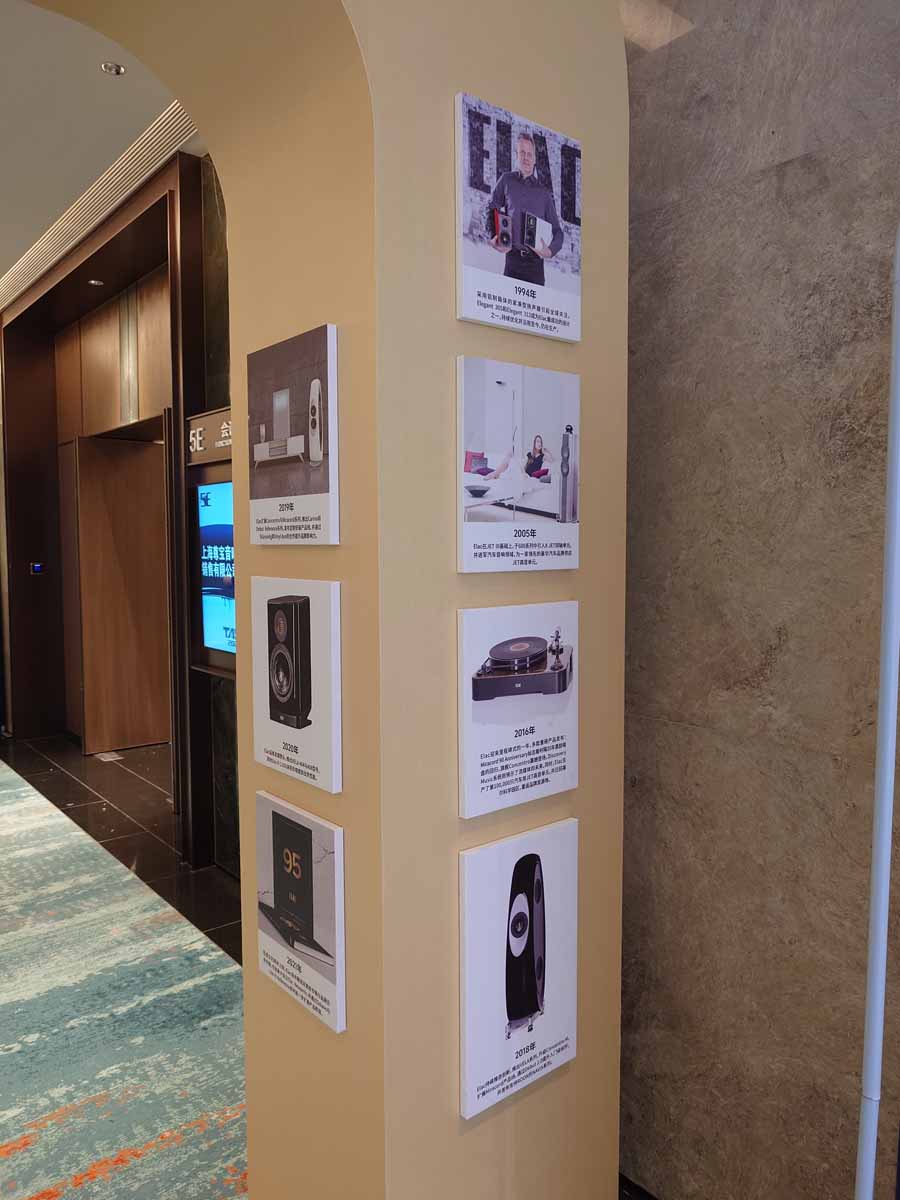
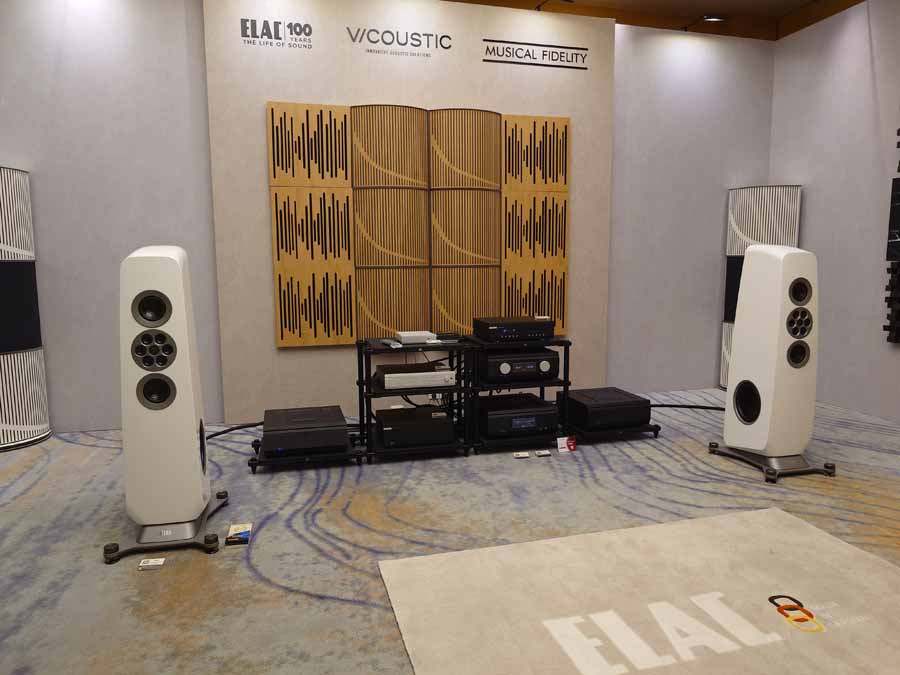
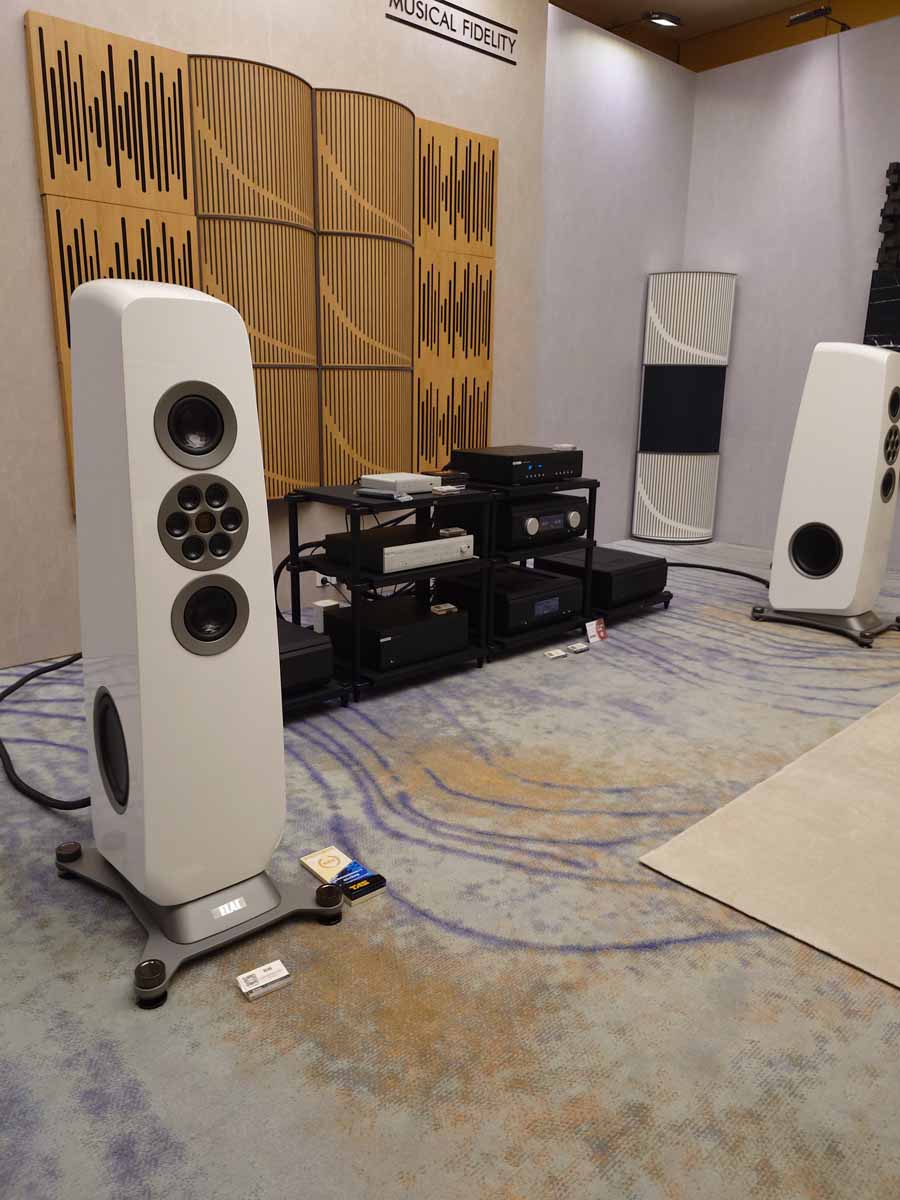
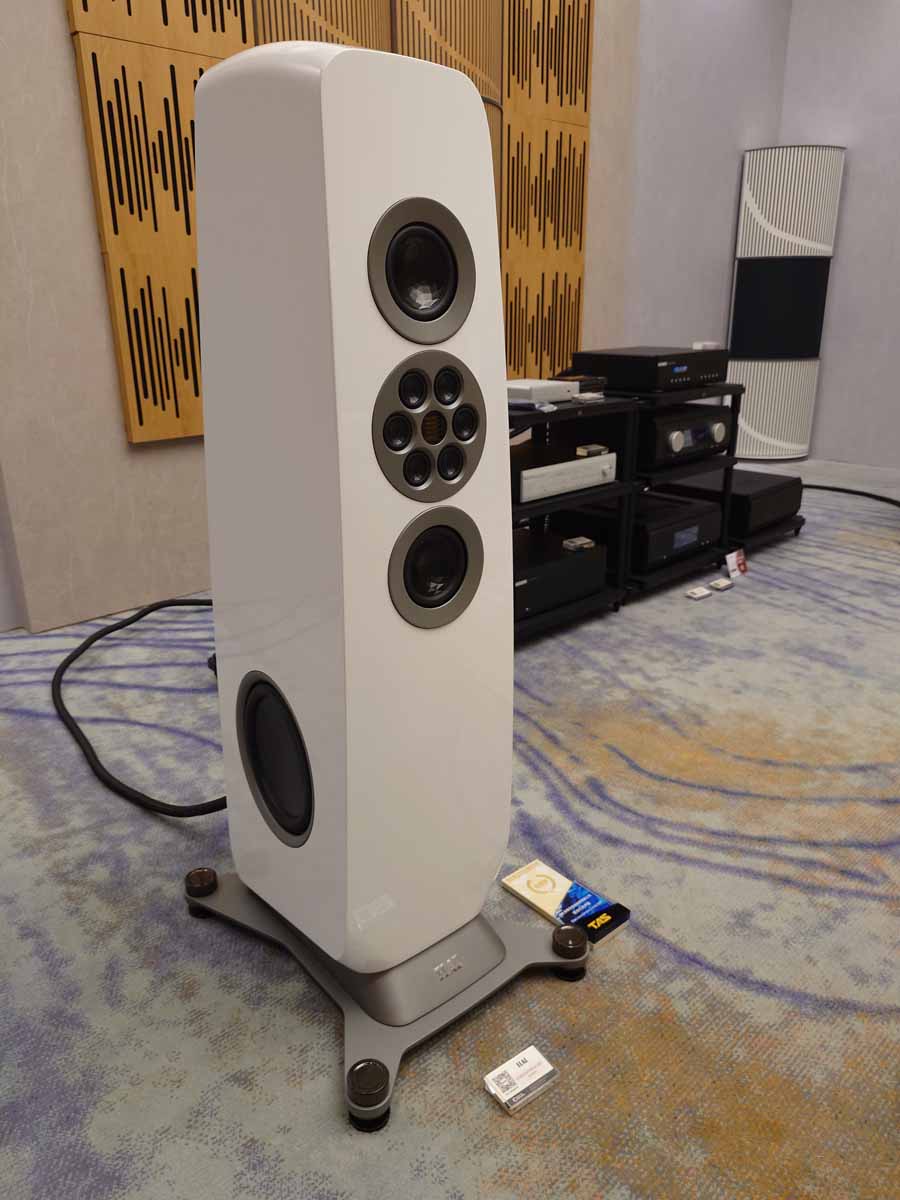
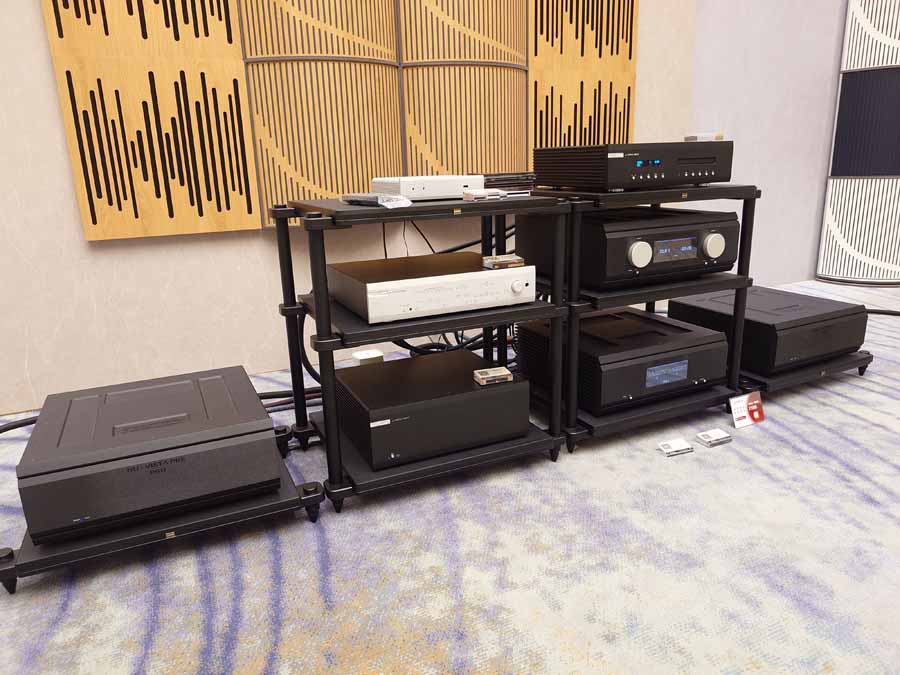
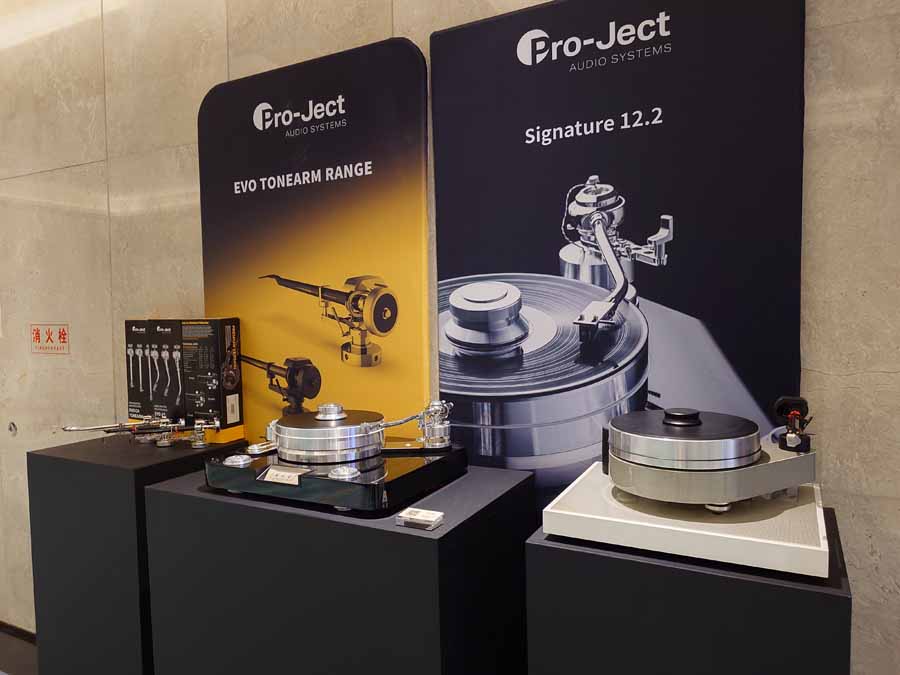
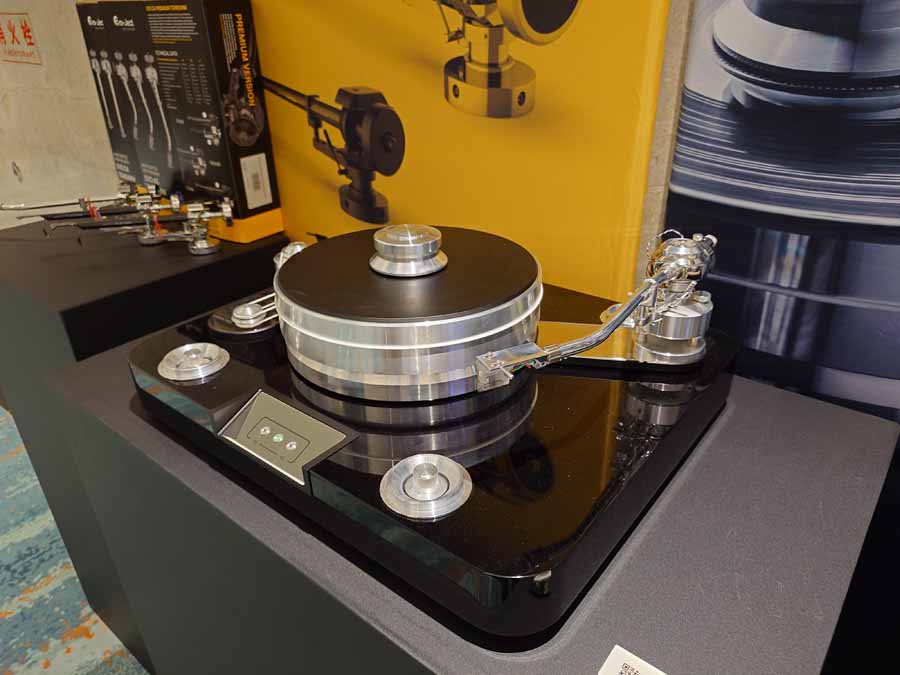
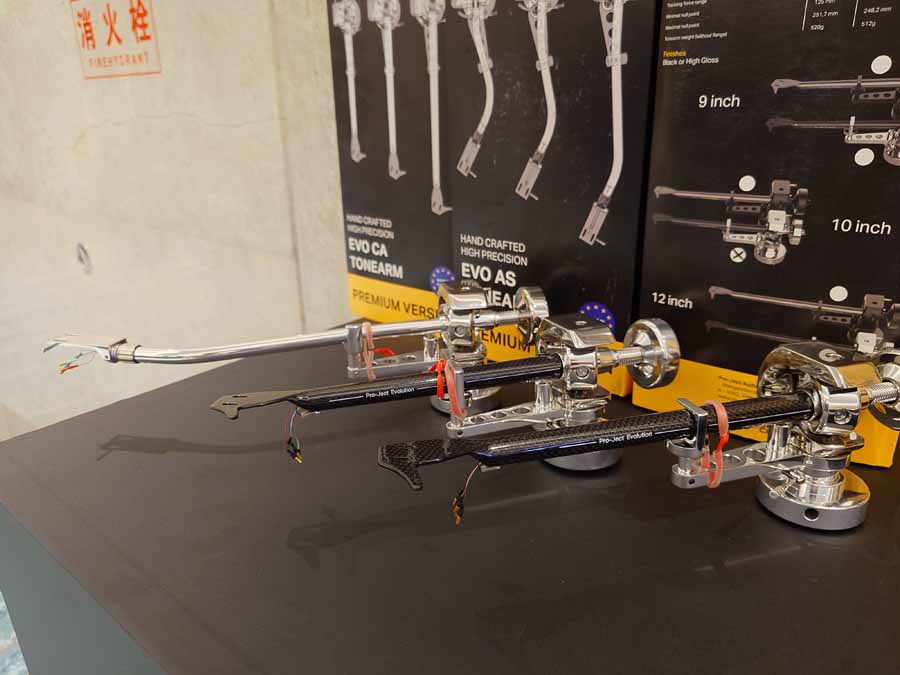
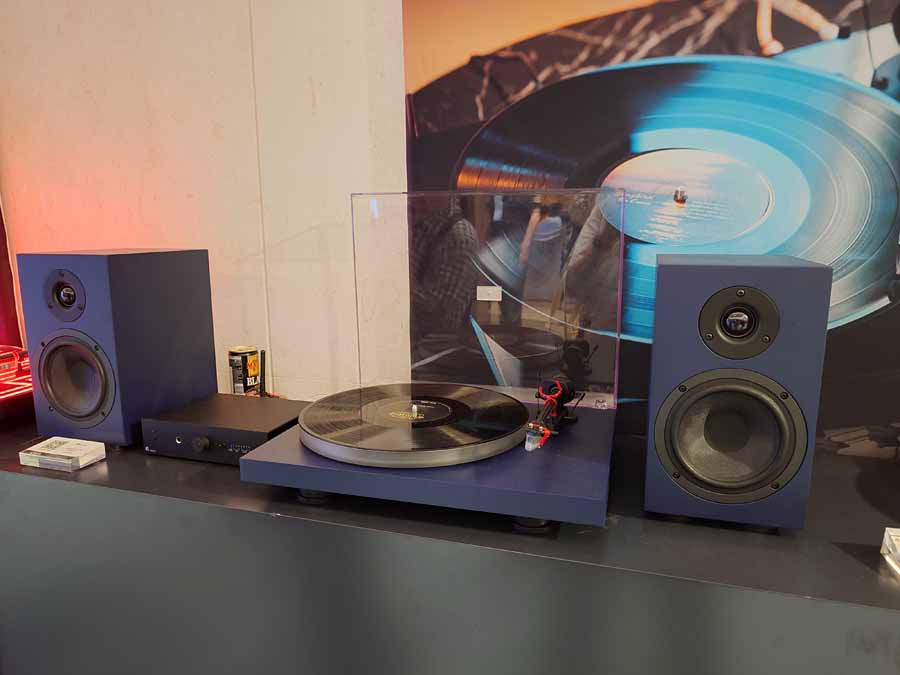
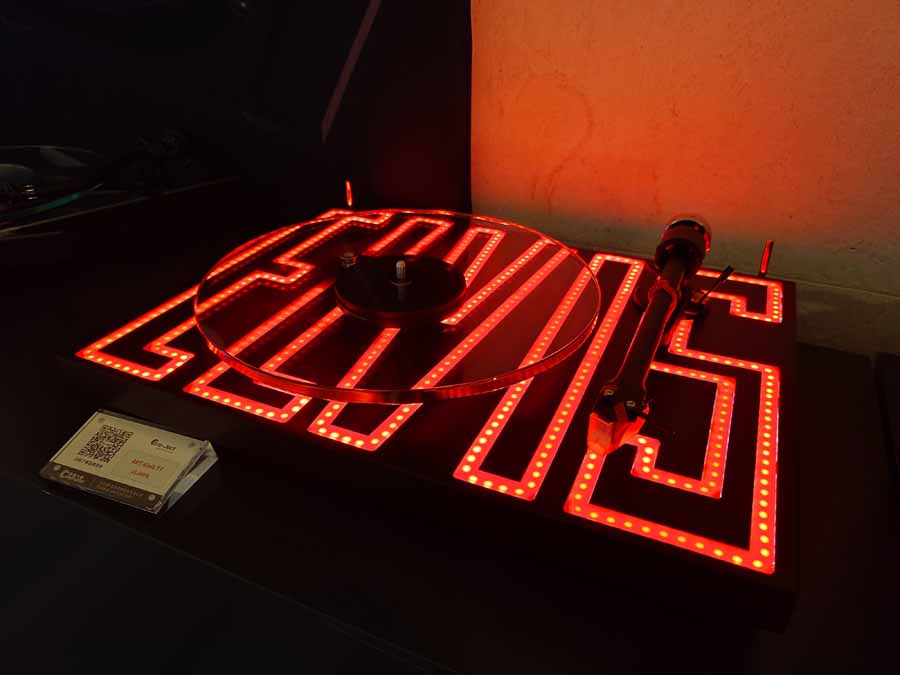
ELAC’s 100th anniversary room was spot on, beginning with a brief tribute to the brand’s lengthy history along the hallway before leading into an arrangement that was pleasantly sensible and made the most of it. By partnering with Musical Fidelity electronics, the anniversary loudspeakers were free to perform their magic without any superfluous flourishes. It was the kind of room that deftly wins you over: simple, balanced, and musically convincing, and its sound held its own against the floor’s more ornate and costly offerings. Outside the hallway, there was a legion of Pro-Ject turntables.
Fezz, Pylon
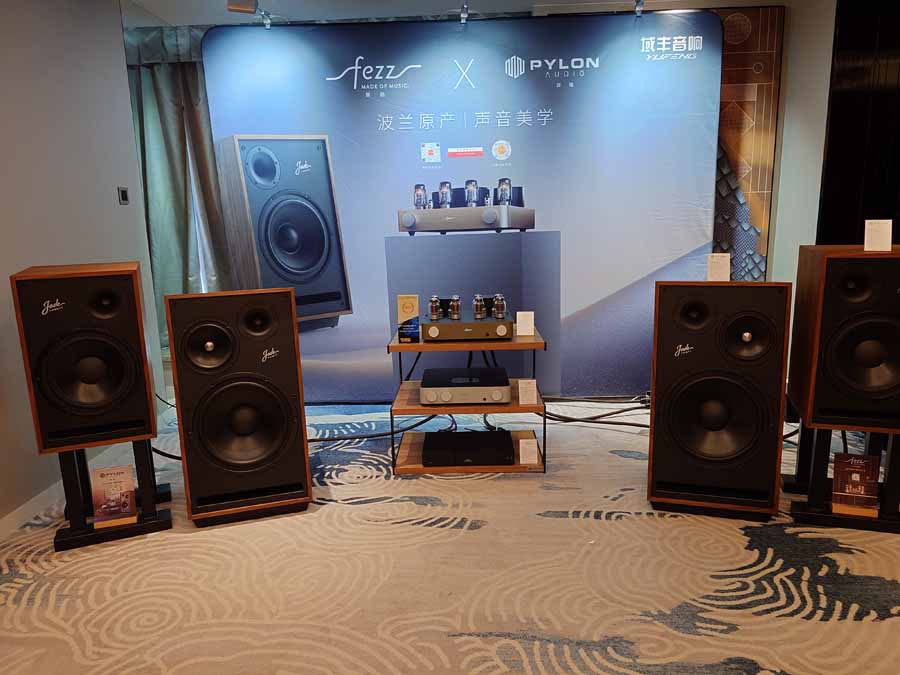
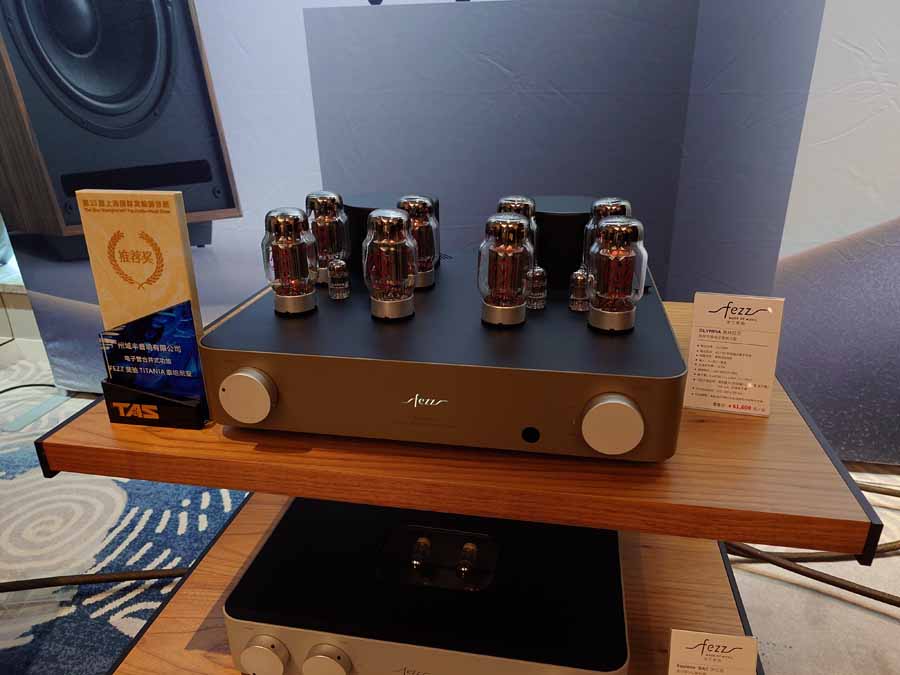
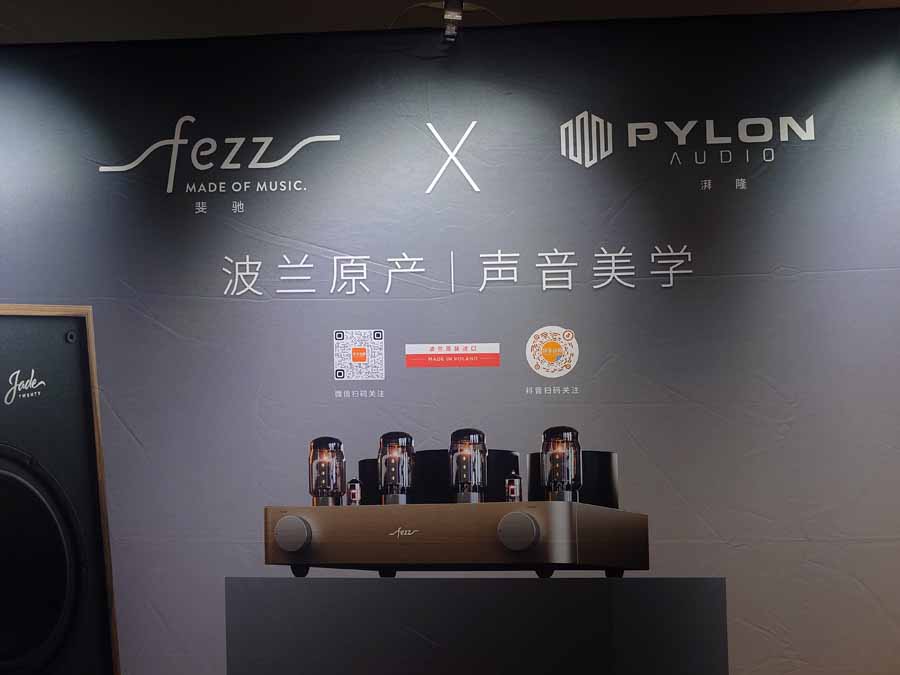
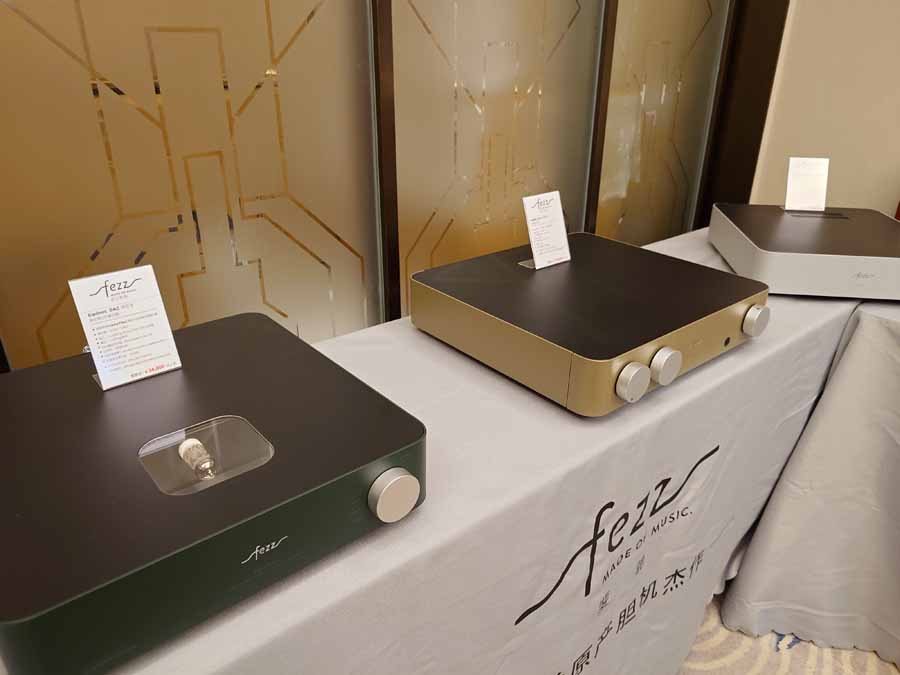
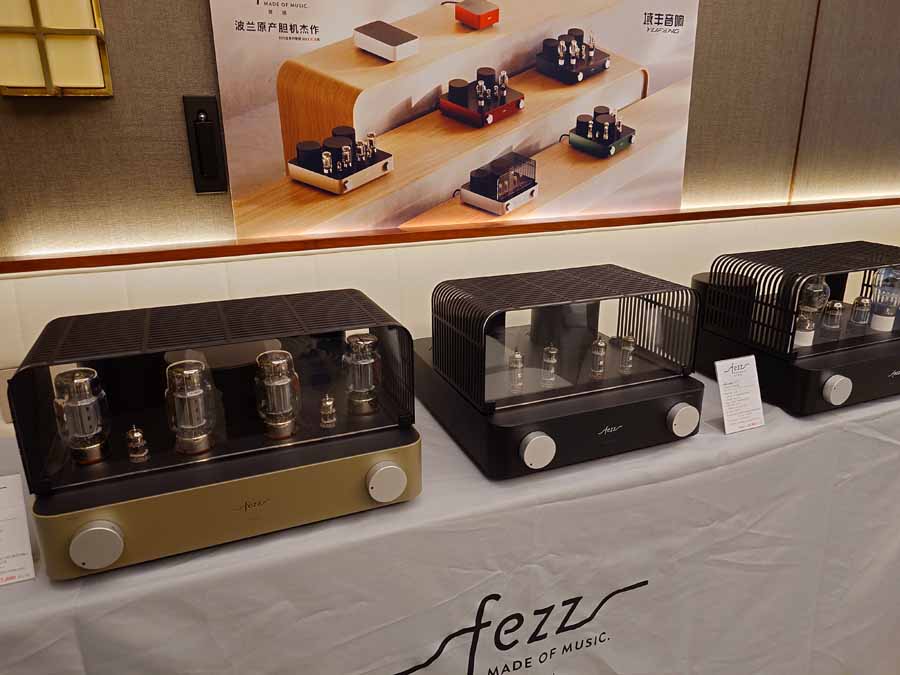
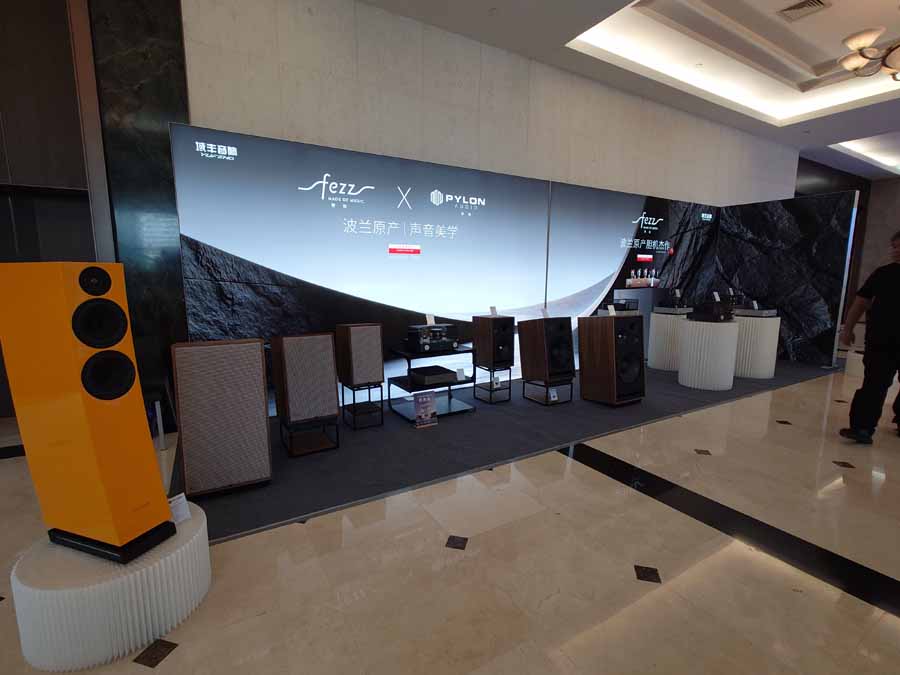
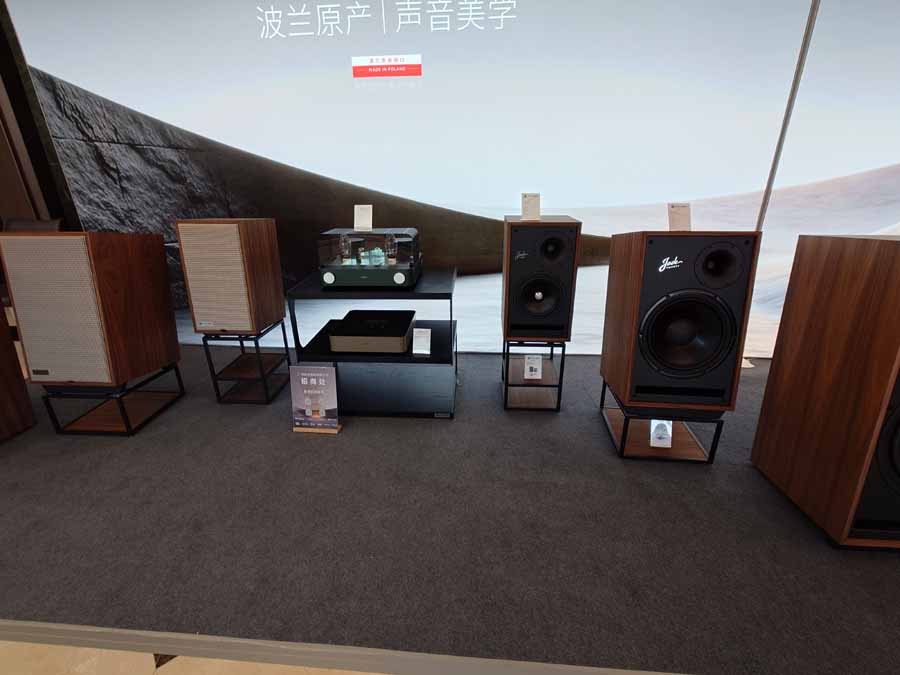
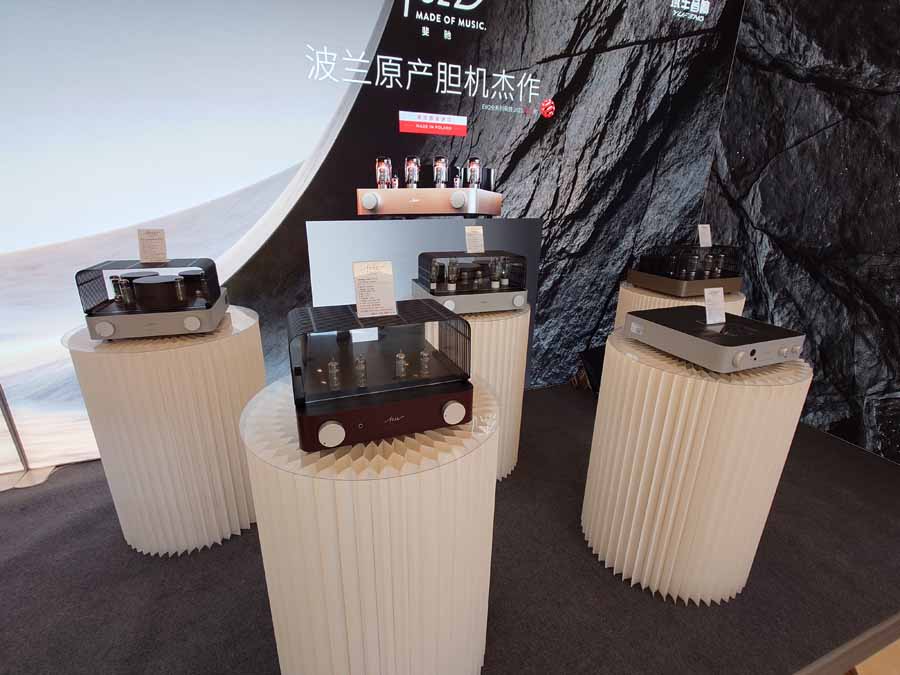
Touring the show, it was hard to miss how strongly the Polish brands were represented, and one of the strong convincing arguments came from the Pylon and Fezz partnership, which was given not one but two displays, one in the corridors, displaying a range of the two brands portfolio. In the playing room, the Jade 20 and Jade 30 speakers were joined by the Fezz Olympia integrated amplifier and Equinox DAC, with the bigger drivers being asked to do what big drivers do best: fill the room with ease, scale and relaxed musical confidence. It was a compact, self-assured setup that quietly underlined the fact that European HiFi can still bring something genuinely boutique — and rather charmingly specific — to the Chinese market.
Focal, Rotel, Michi, Klipsch
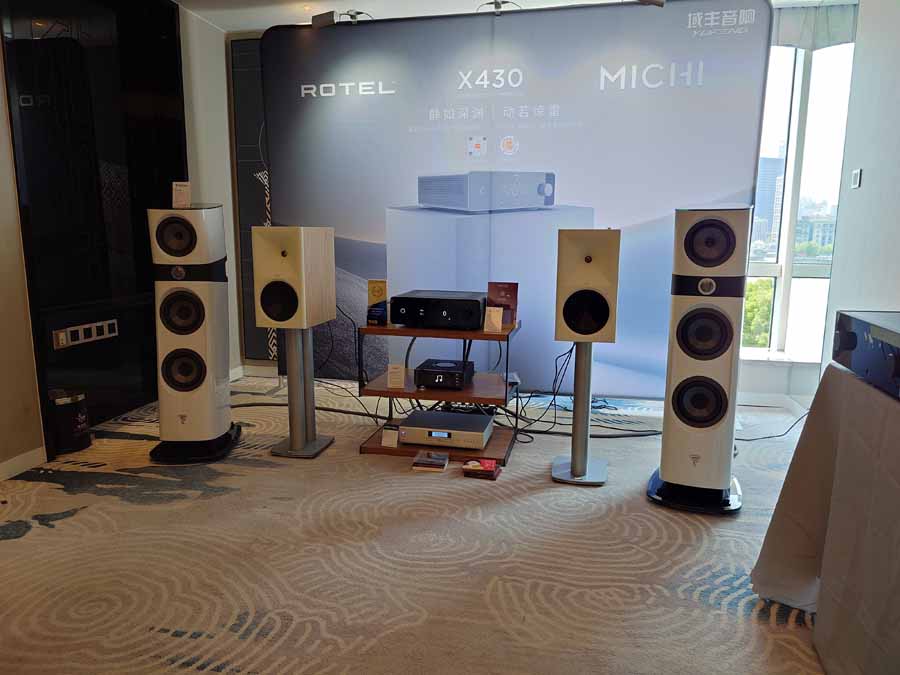
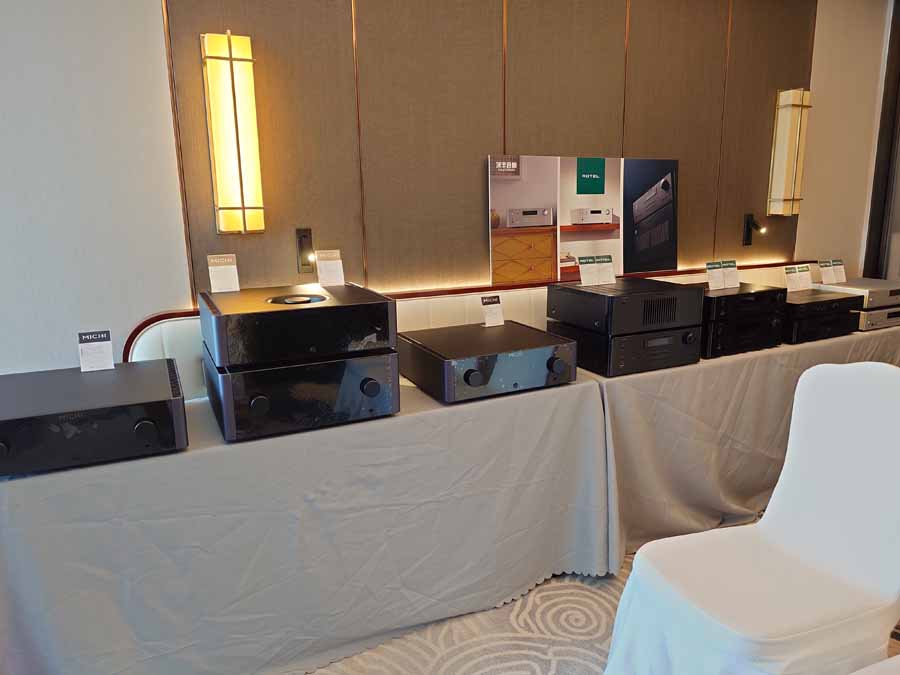
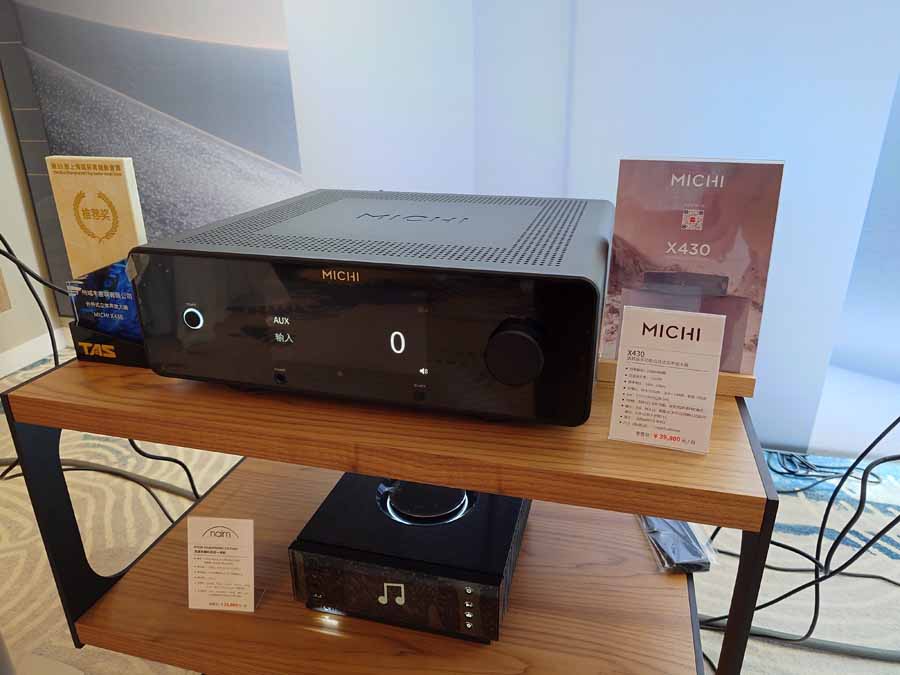
In a rather spartan room that kept the spotlight firmly on the gear, Michi unveiled the new Prestige X430, a super-integrated amplifier that neatly sums up the brand’s appeal: serious power, sensible connectivity and a properly high-end execution without any unnecessary fuss. With 220 watts per channel into 8 ohms, 340 watts into 4 ohms, an ESS Sabre DAC, a phono stage and HDMI ARC on board, it is clearly aimed at listeners who want one box to do an awful lot of heavy lifting – and do it with a degree of authority that should keep up with demanding standards. Paired here with Focal Sopra No. 2 The room may have been minimalist, but the message was clear: Michi is still very much in the business of delivering proper high-end muscle in a neatly packaged form, even with the loudspeakers. The build quality and feature set of the X430 are truly impressive, especially at this pricepoint.
Shanling, Onix, YBA
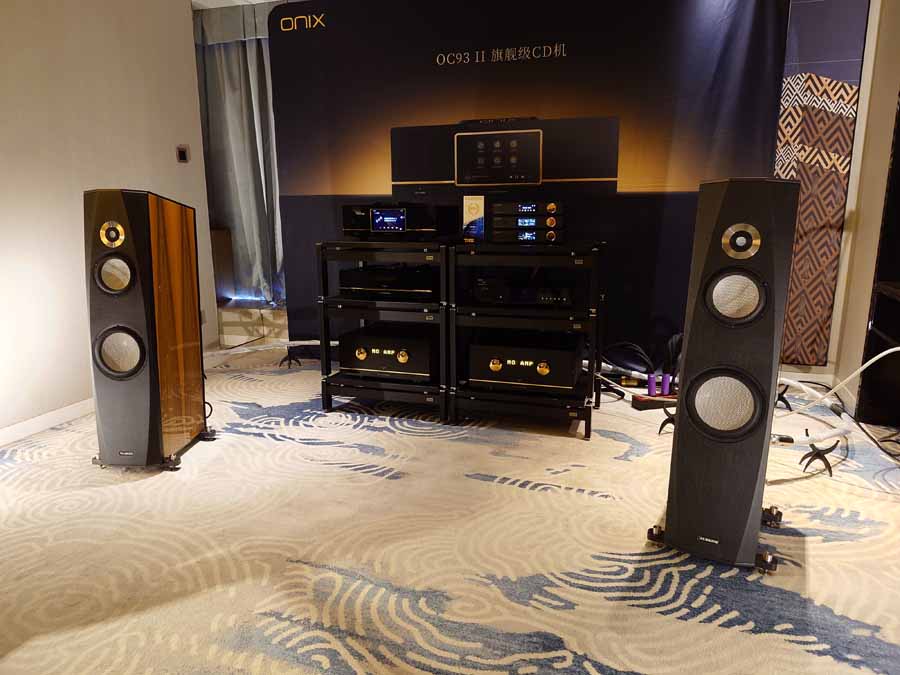
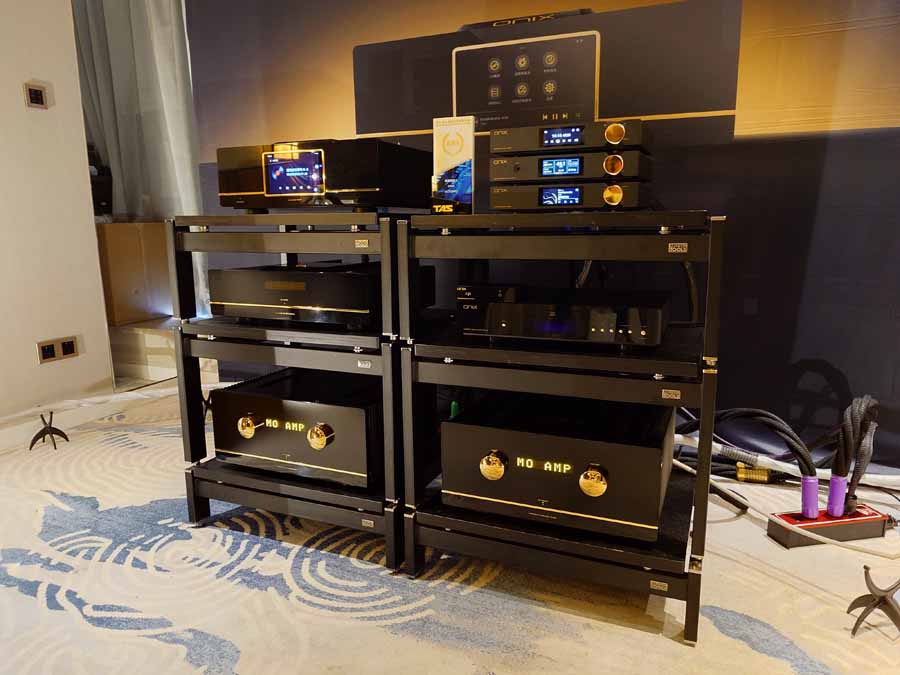
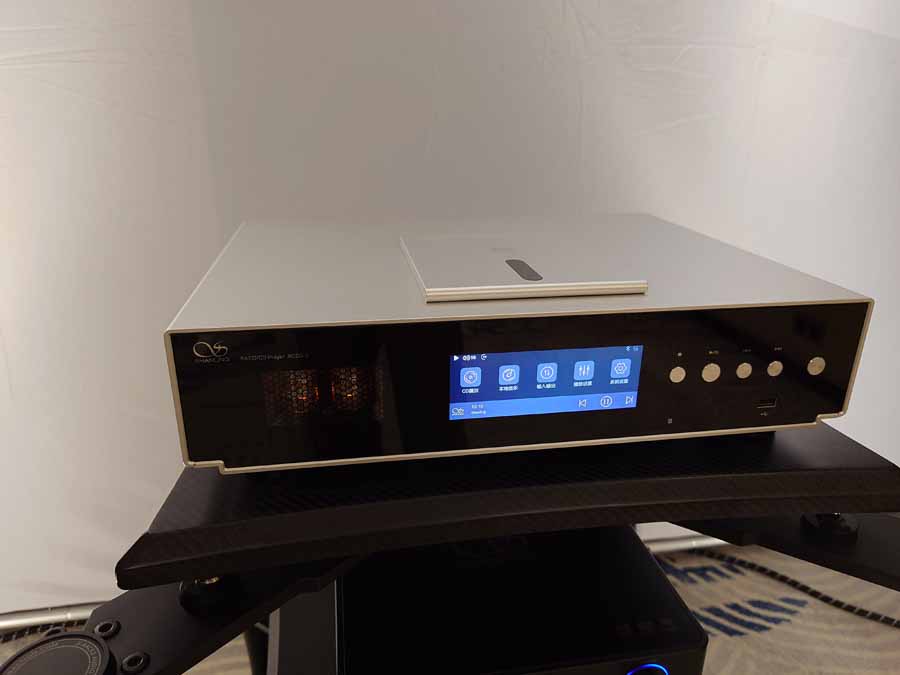
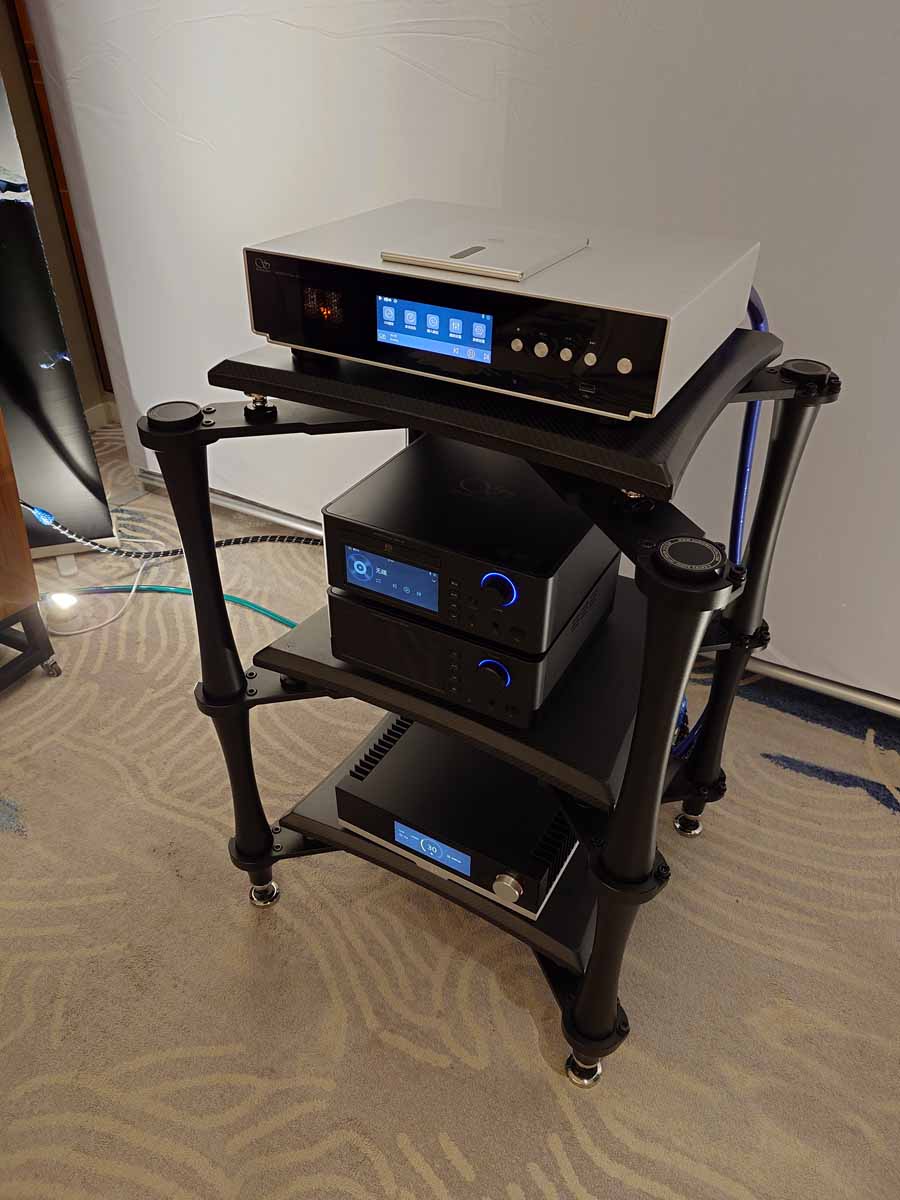
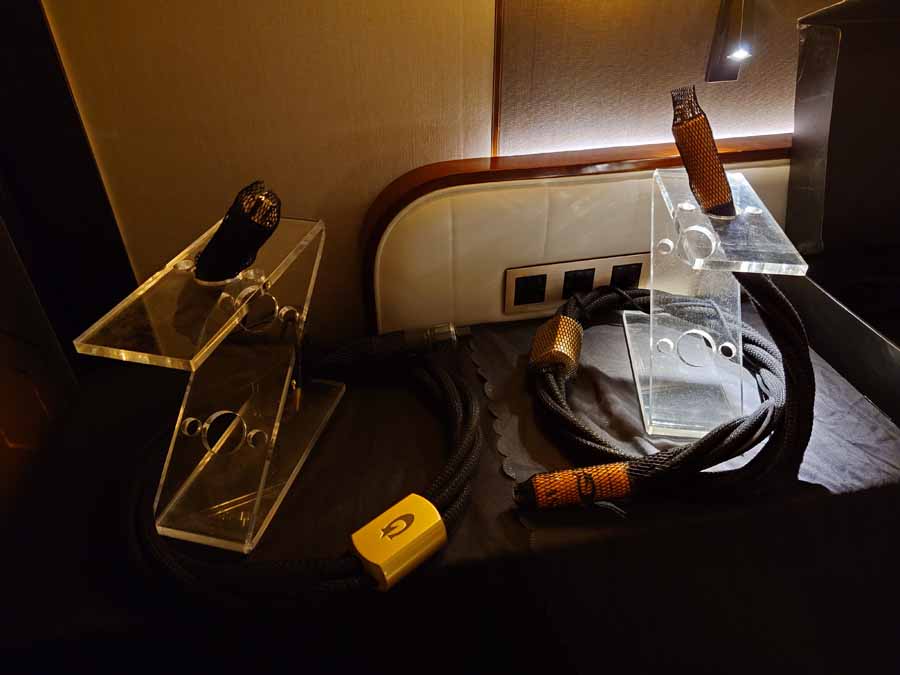
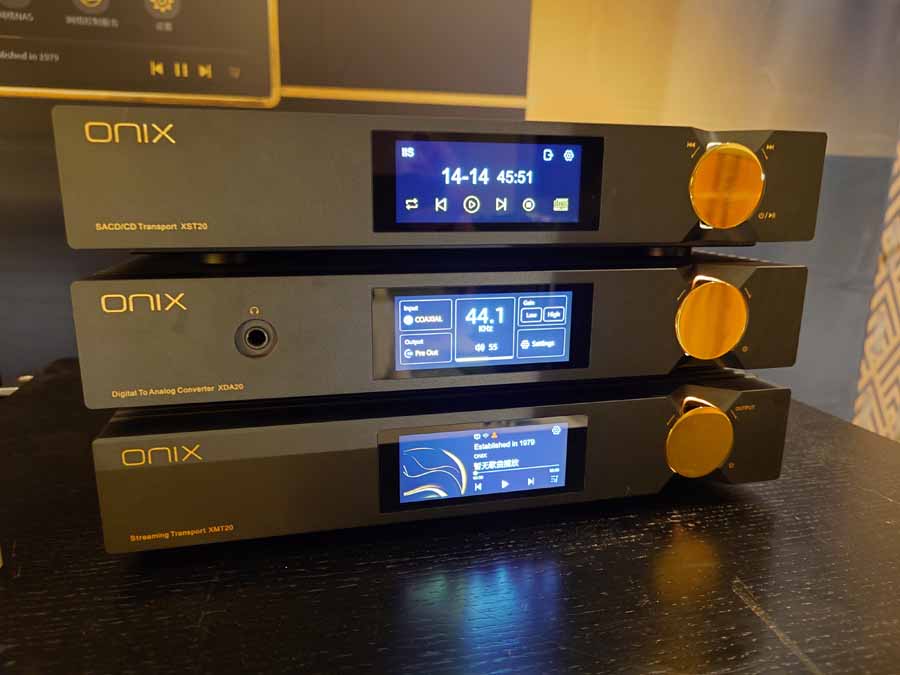
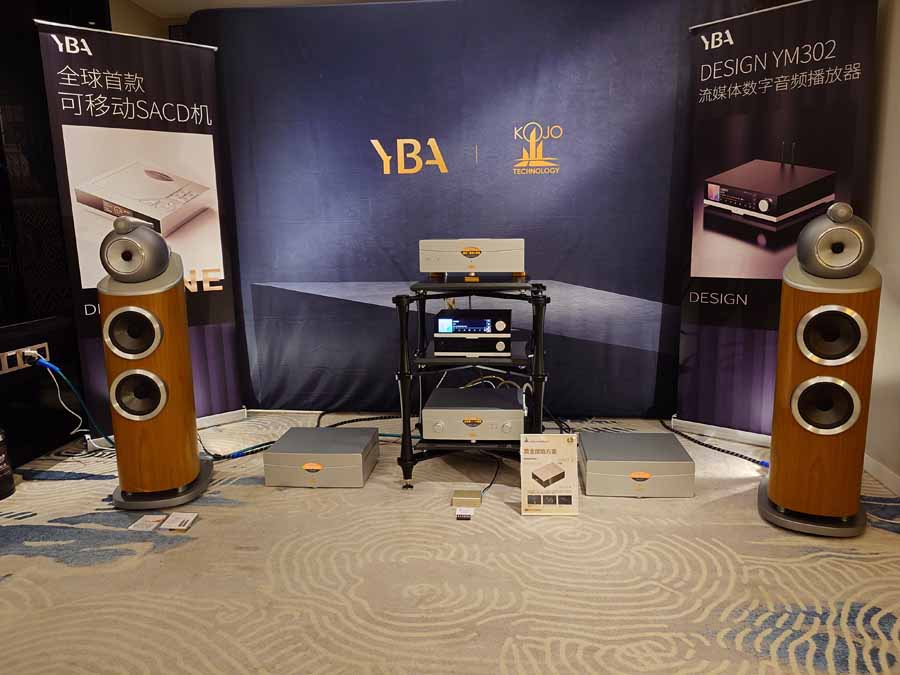
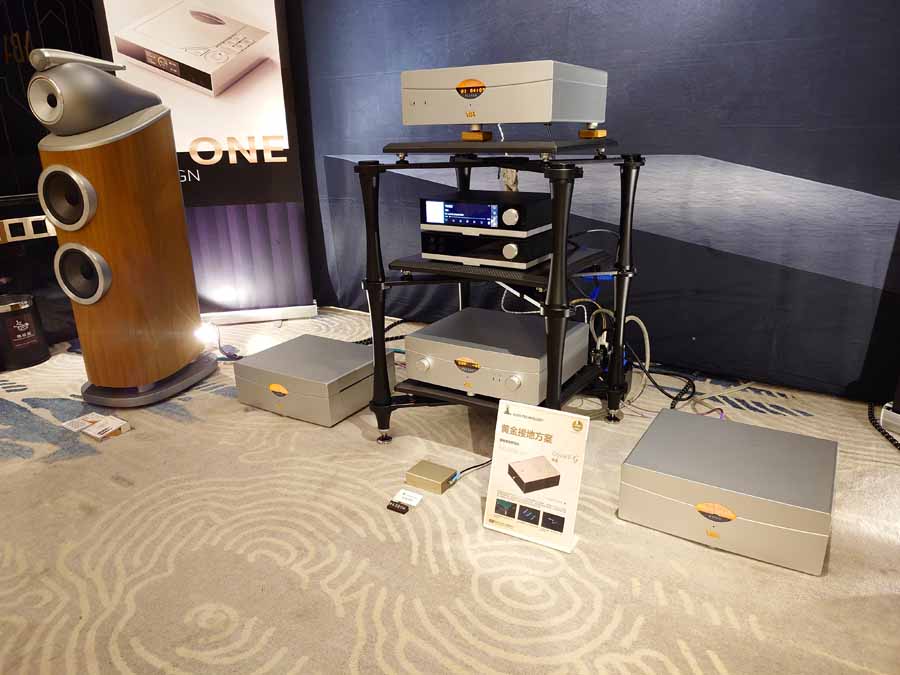
The Shanling concern filled up three rooms, which were neatly arranged according to the three brands’ different philosophies. The highlight of the Shanling room was their SCD3.3, a top-loading CD/SACD player with an R2R ladder DAC and a tube-buffered output stage with the ability to operate as a DAC with USB and coax inputs.
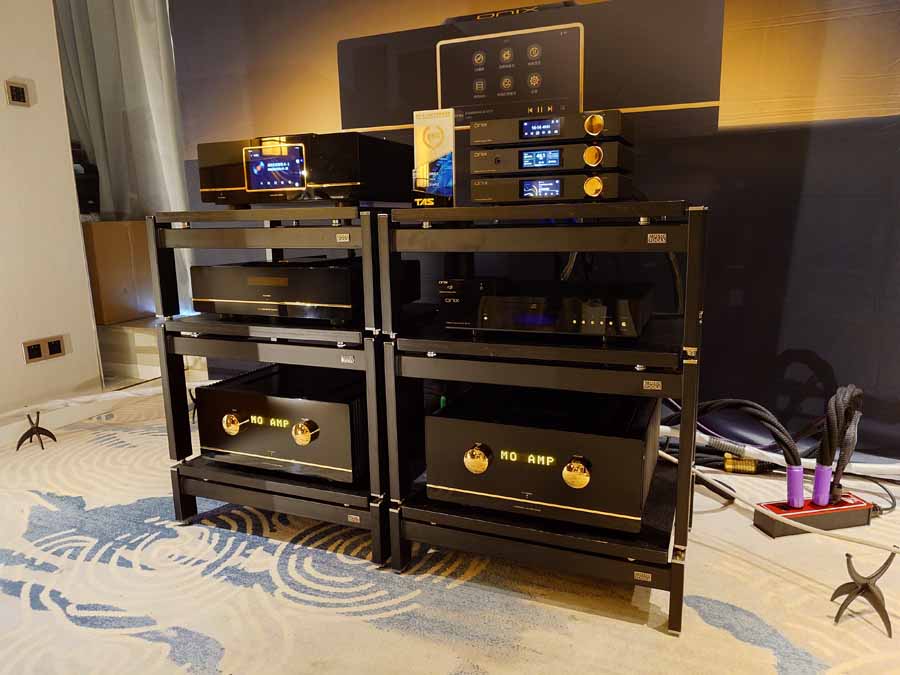
The ONIX room had a pleasingly no-nonsense appeal. The OIA92 was taken a step further by being bridged into mono for this setup, because if one channel has that much confidence, why not double down? It is a proper all-in-one heavyweight, packing 200W per channel into 8 ohms, a full digital section, a DAC, a phono stage, Bluetooth and the sort of build quality that makes the 29kg chassis feel entirely justified. In other words, it is very much a machine for people who like their convenience delivered with a dose of old-school over-engineering seriousness.
The matching OC93 source unit is just as serious, but in a rather more old-school HiFi way: it combines a Philips CDM4 mechanism with an AK4497EQ DAC and hi-res playback up to 32-bit/768 kHz and DSD256. In other words, it’s the sort of box that can happily juggle CD replay, computer audio and a full streaming life without looking remotely flustered. The speakers were Albedo Agadia, a handsome Italian floorstander with Accuton ceramic drivers and a transmission-line design, so the whole system felt like a nicely judged mix of analogue solidity, digital flexibility and just enough visual seriousness to remind you they were not here to mess about.
The YBA room had a lovely old-school exclusivity to it, pairing a set of B&W 802 loudspeakers with the elegant Signature mono power amplifiers, preamp and CD player – a trio that still feels very much in the spirit of YBA’s most refined thinking. There was a reassuring sense of continuity here too, with founder Yves-Bernard André still hovering over the brand as technical consultant and overseeing quality control, which probably explains why the whole presentation carried that unmistakable blend of French restraint and quiet confidence. It looked and sounded the part, with just enough gravitas to remind you that some brands don’t chase trends so much as politely outlast them.
The supporting details were also neatly judged: YBA’s use of Kojo grounding and noise-reduction technology showed a welcome attention to the less glamorous but very real business of keeping the noise floor under control. I have to mention Audio Bastion, as they were very popular amongst the exhibitors, attractive, efficient and refreshingly sensible from a logistics point of view, which no doubt made the moving in (and out) much easier.
Changye Audio – Penaudio, Audium, Atoll, EAM LAB, Legacy, Rockna, Muarah
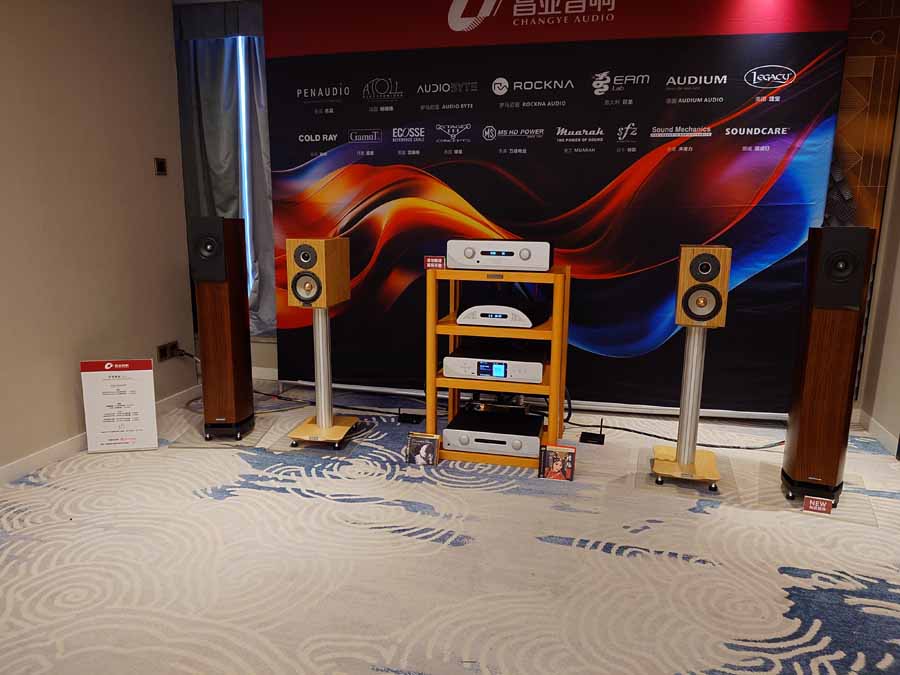
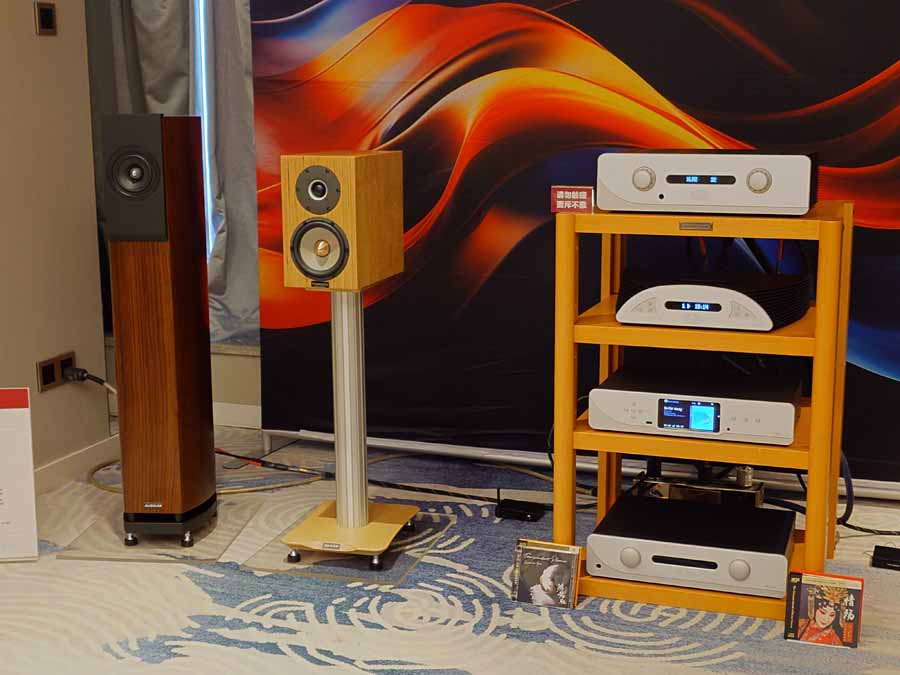
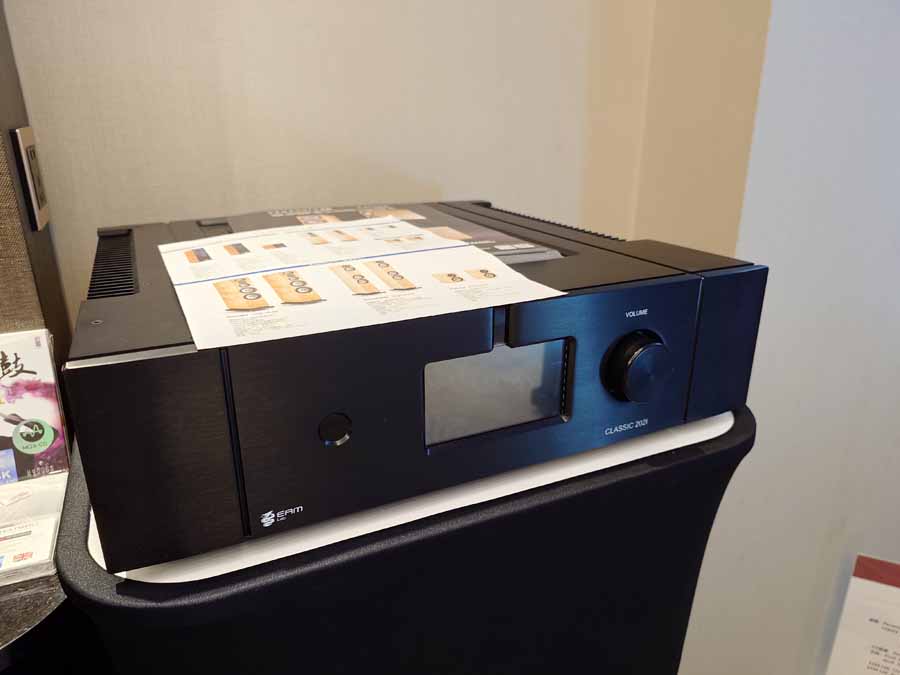
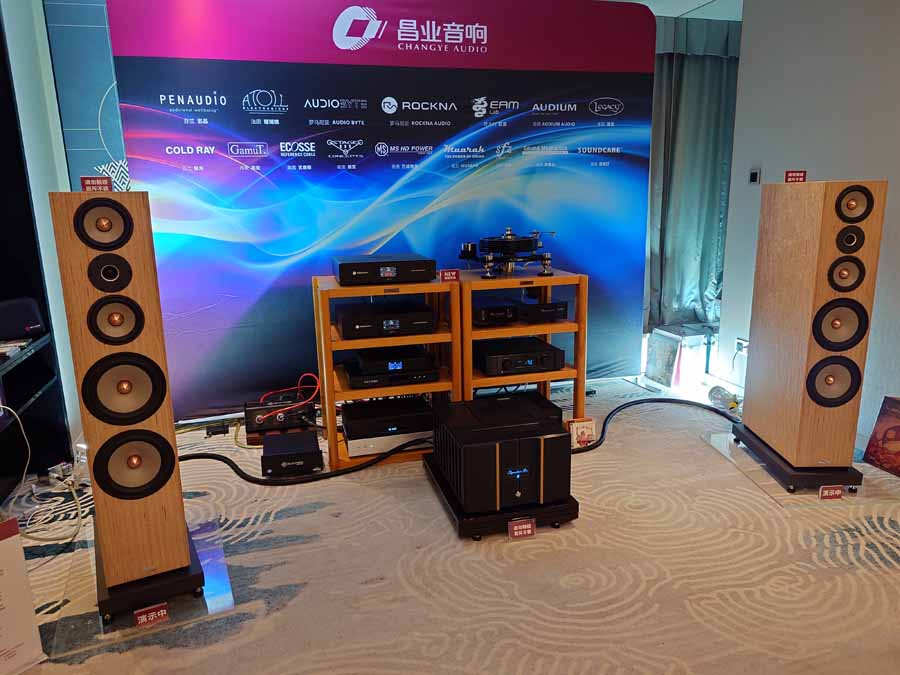
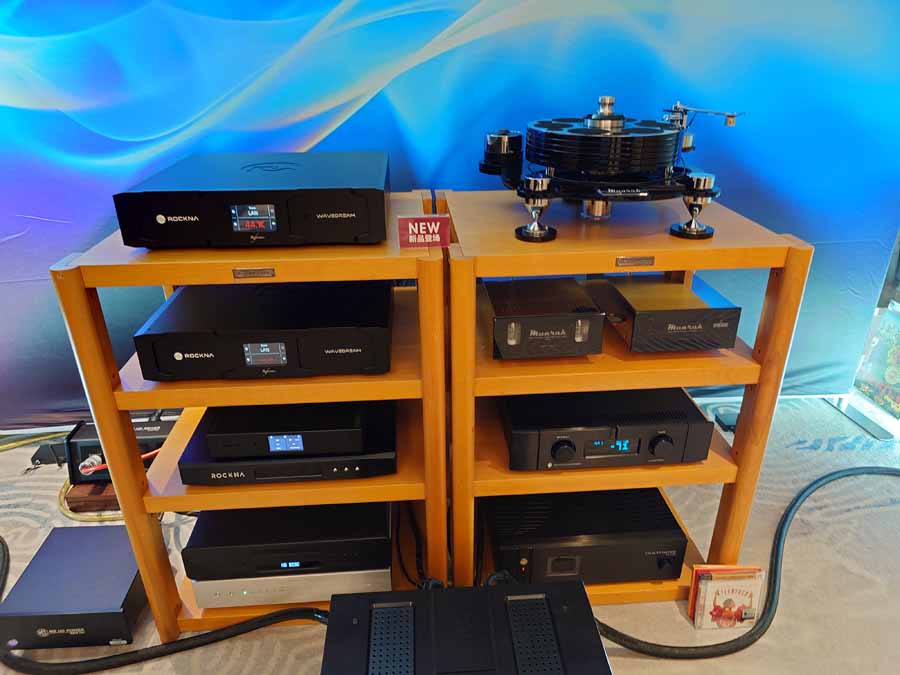
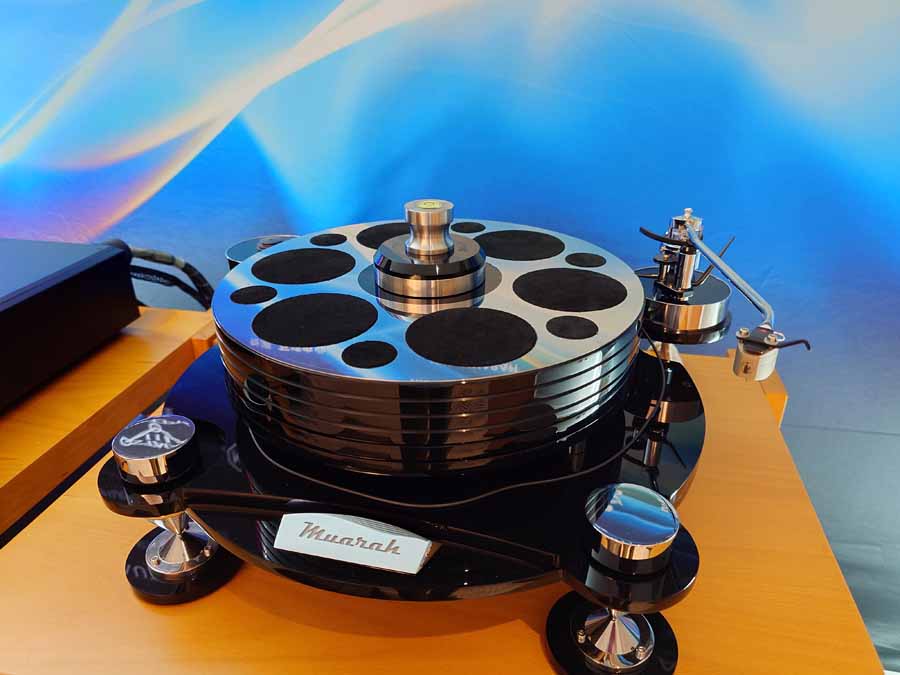
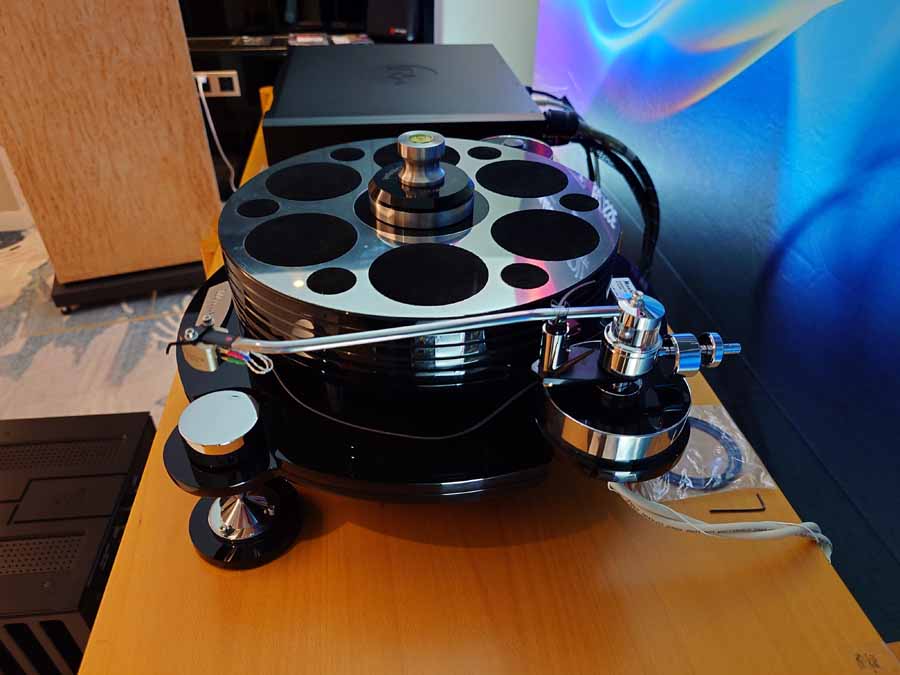
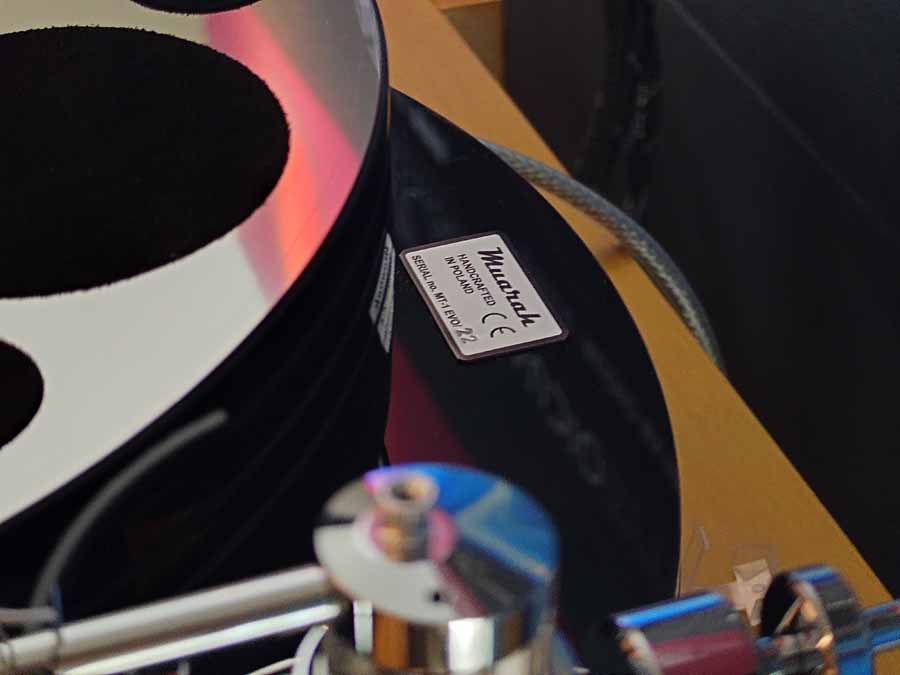
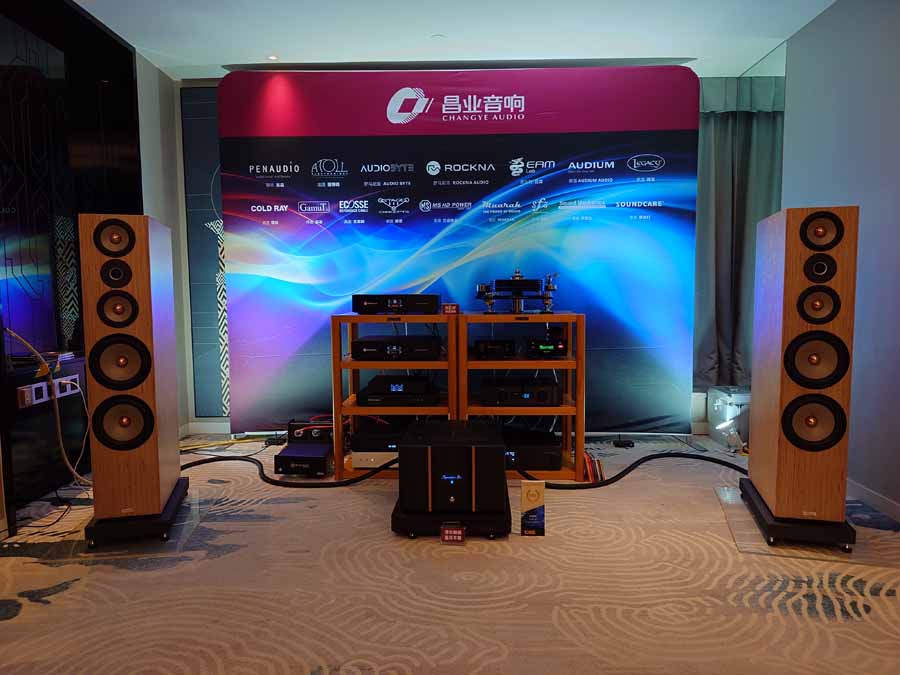
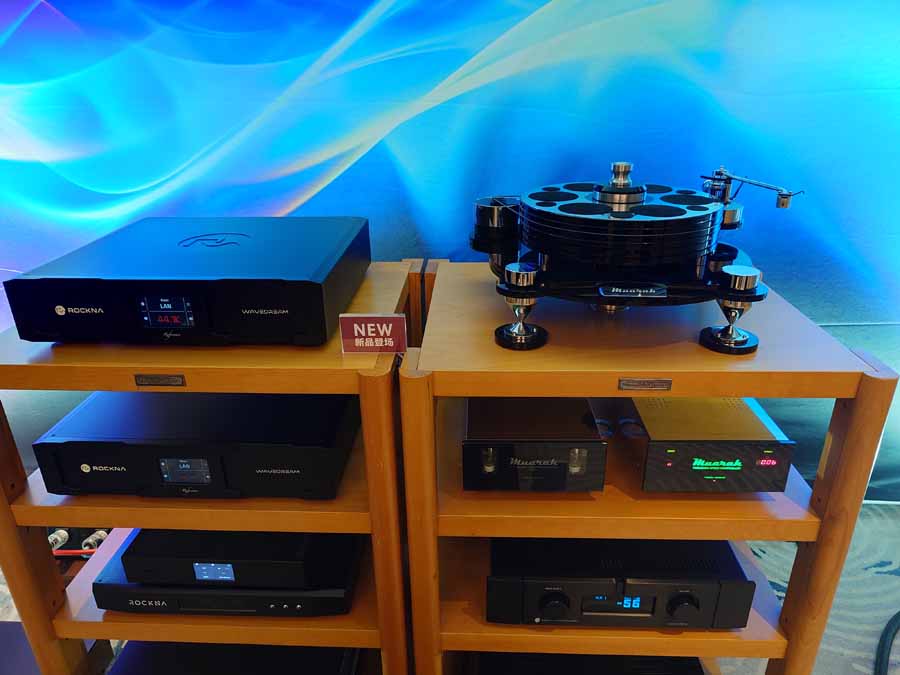
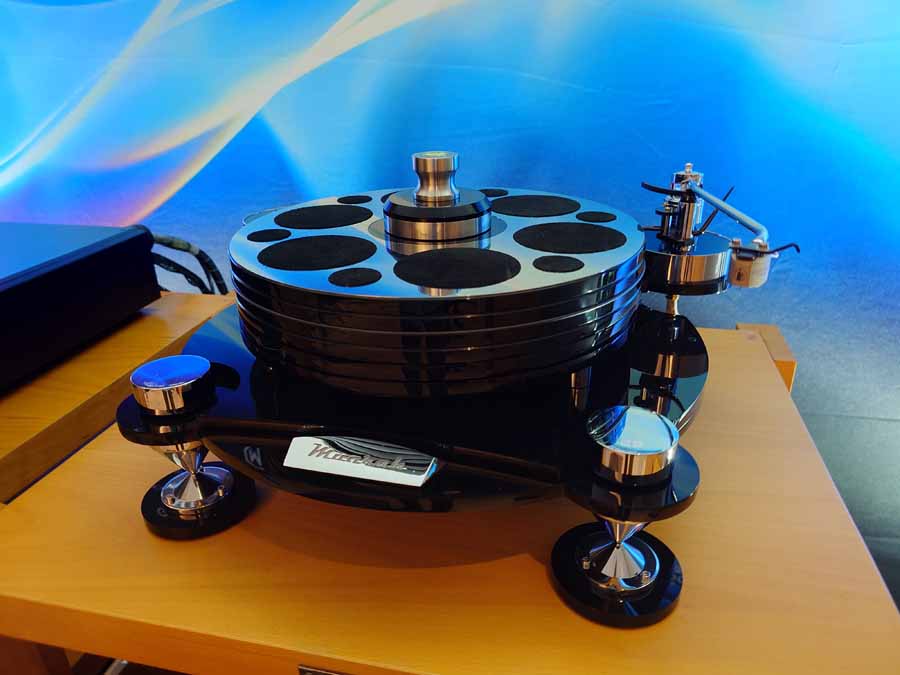
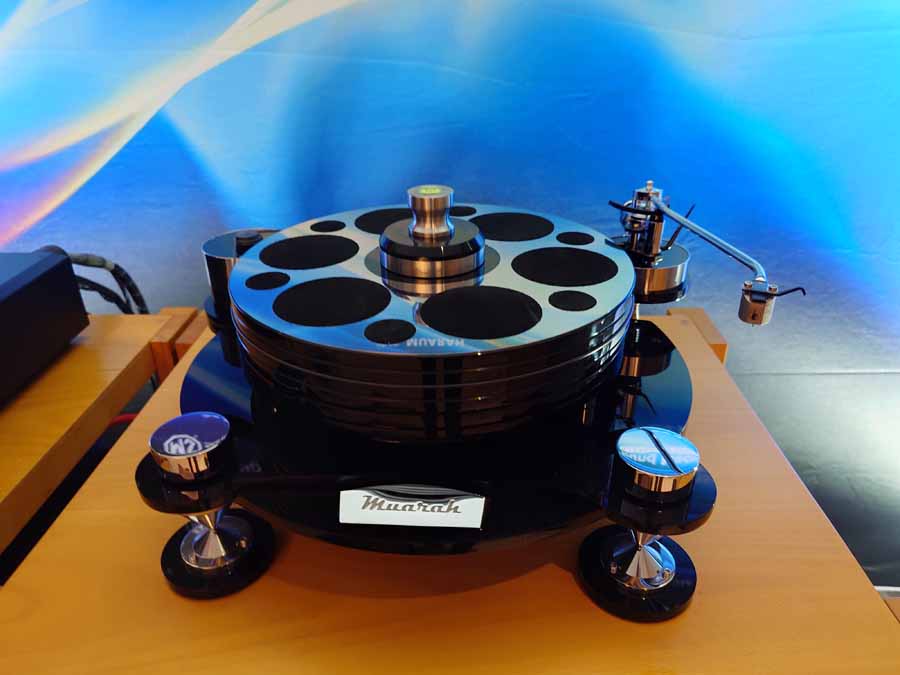
The first room of Changye Audio was built around AUDIUM and ATOLL; they laid out a properly tidy demonstration of full-range thinking without the usual faff. With the Comp 8X speakers, the ATOLL ST300 Signature streamer, the IN400 EVO amplifiers, and the CD200 EVO in the mix. The second room shifted the mood nicely, with Penaudio’s Sonata Signature speakers taking centre stage alongside EAM Lab’s Signature One power amp and Classic Pre, plus the Rockna Wavedream digital front end and Muarah analogue source with the MT1 Evo turntable. Have to be said that the turntable got one of the most beautiful tonearms I’ve seen; kudos to the designer! The Penaudios delivered the goods with an open, beautifully balanced sound with that Italian studio flair that made EAM Lab so popular that it keeps showing up at shows.
Technics
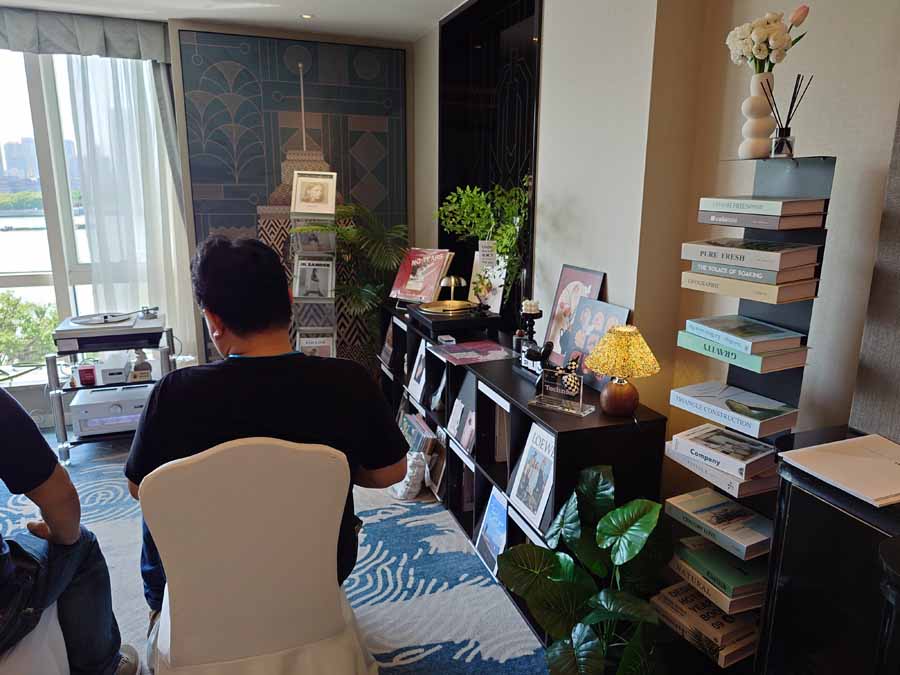
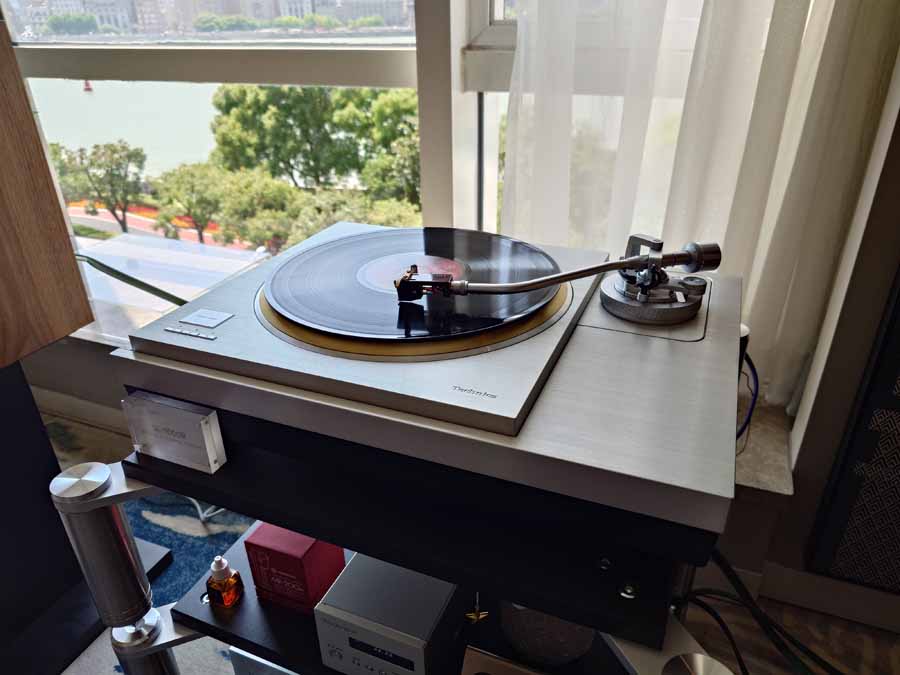
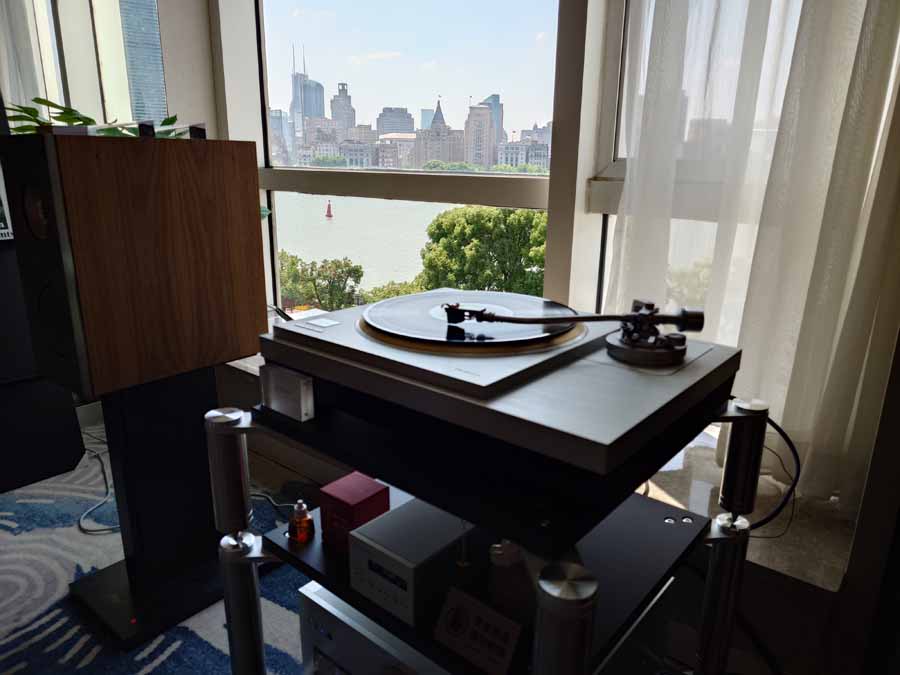
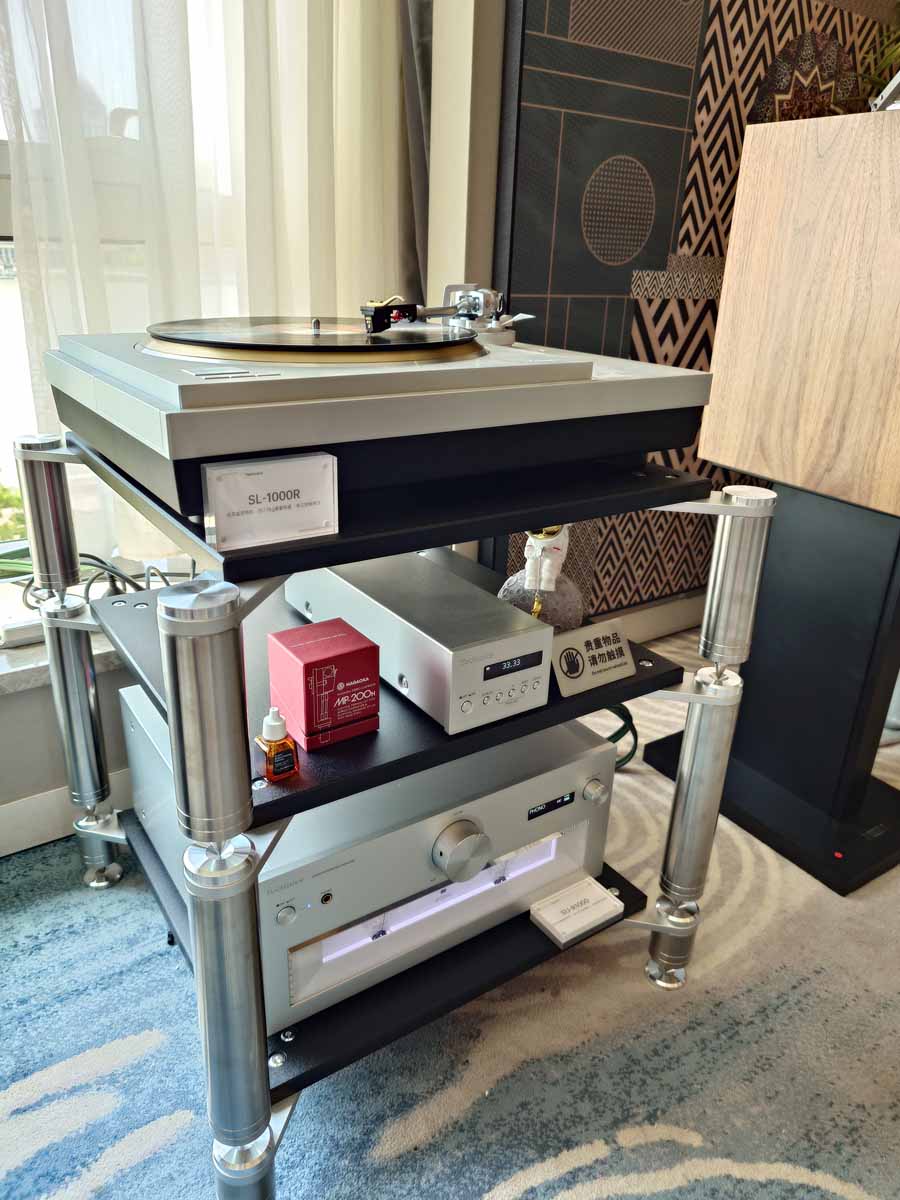
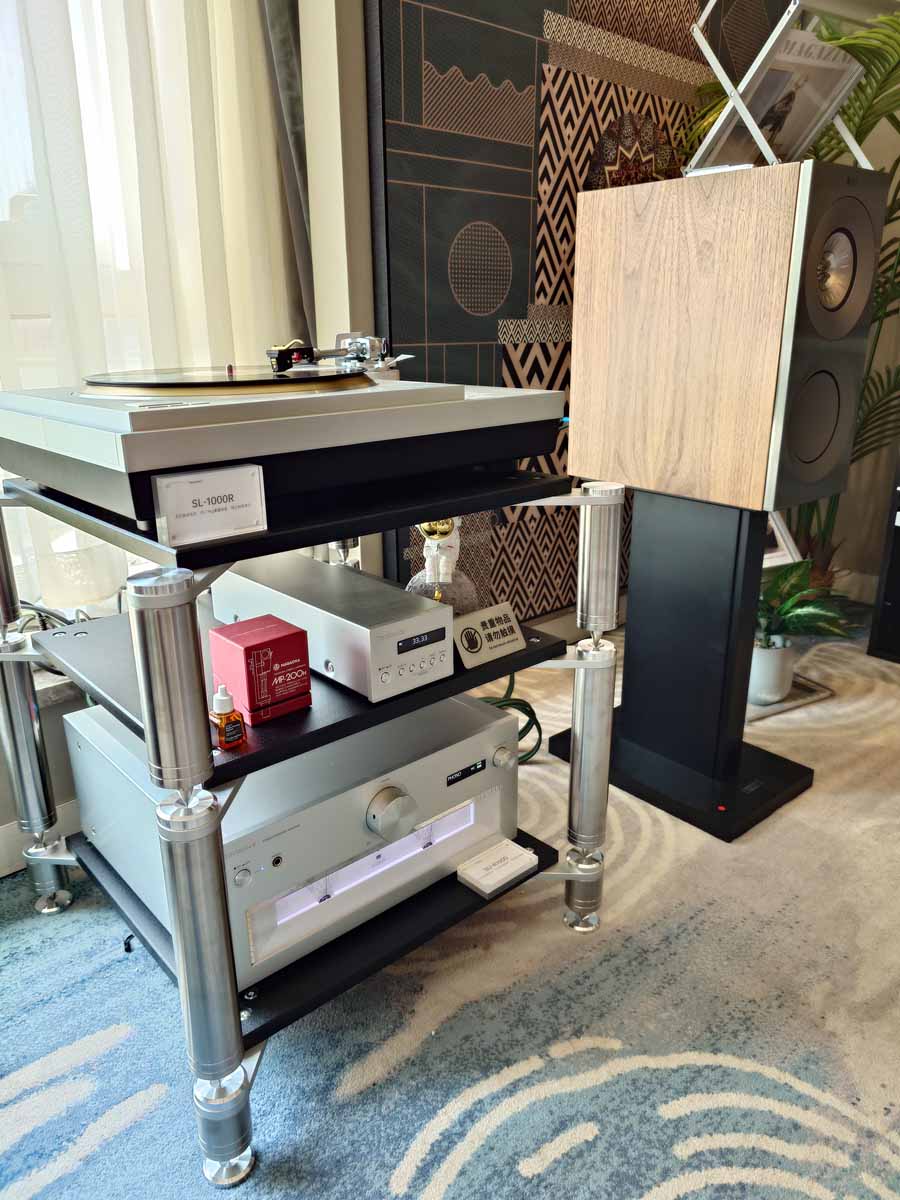
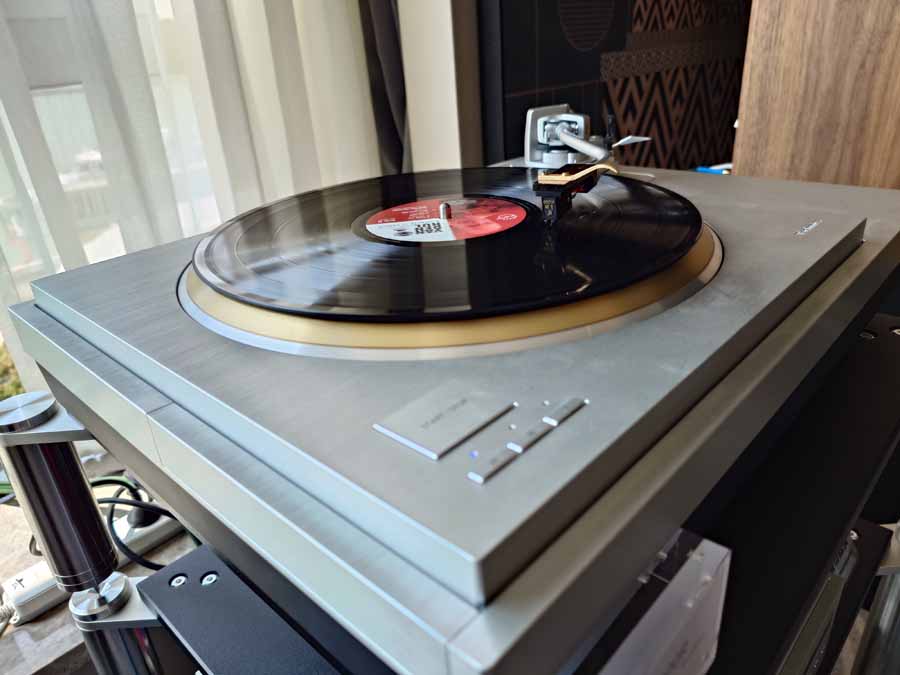
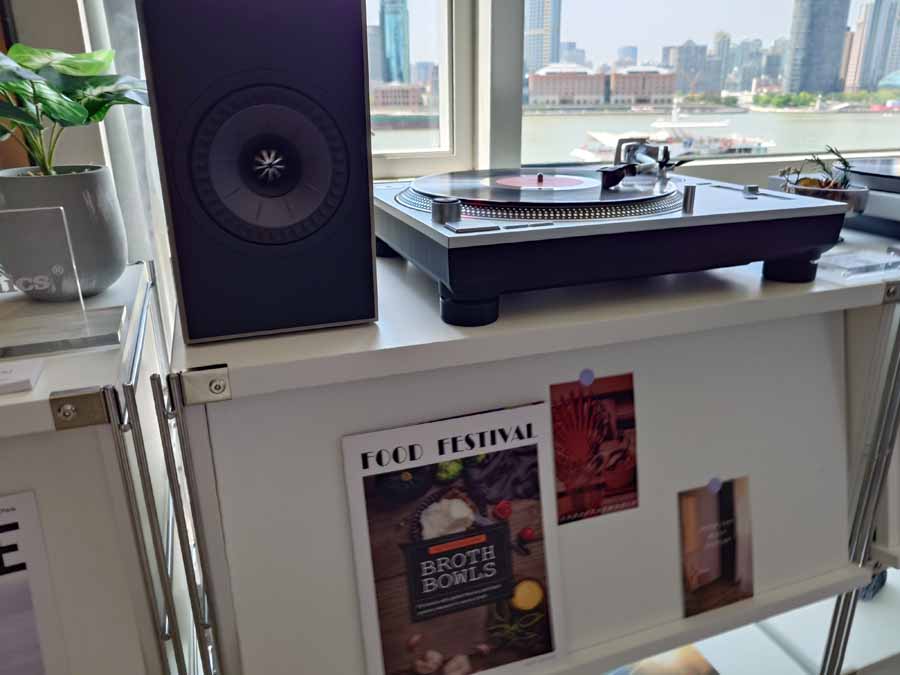
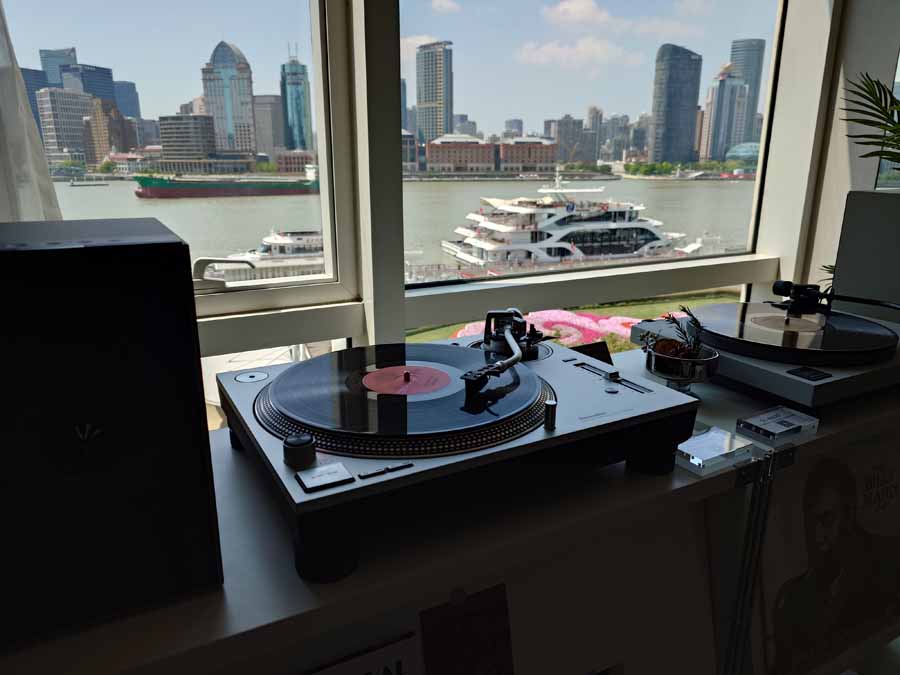
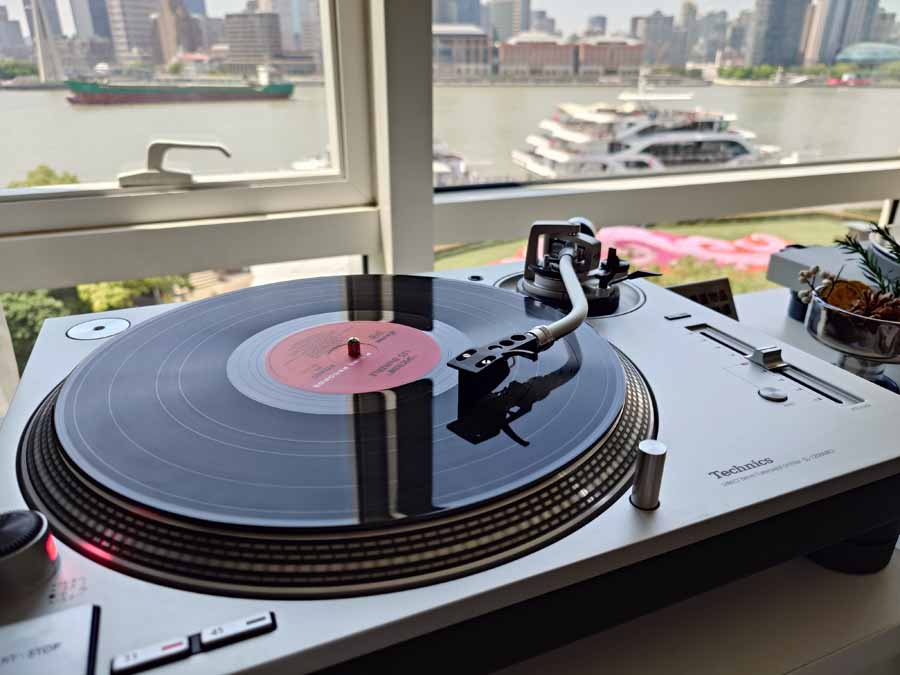
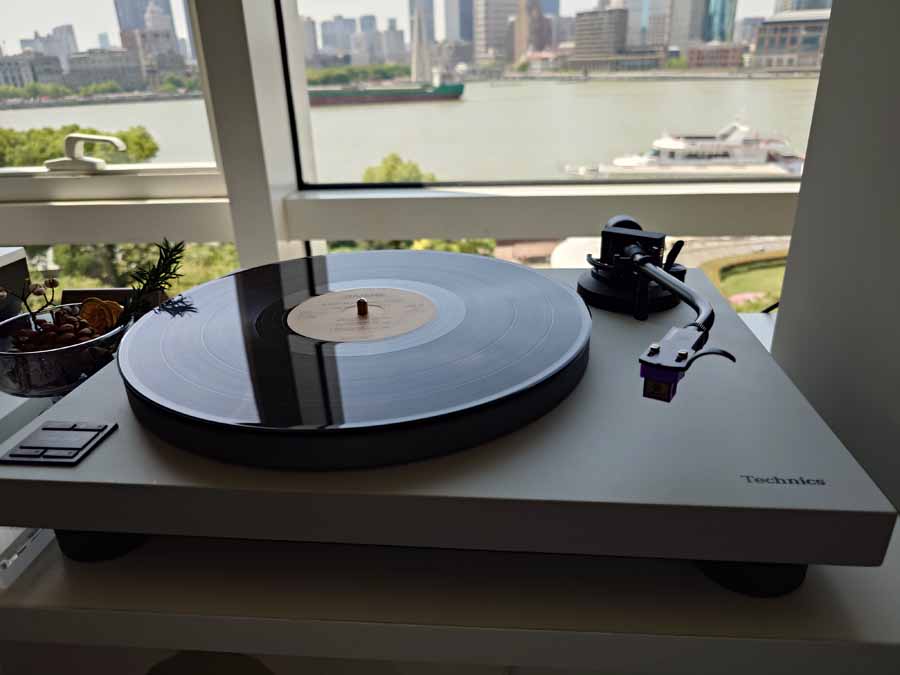
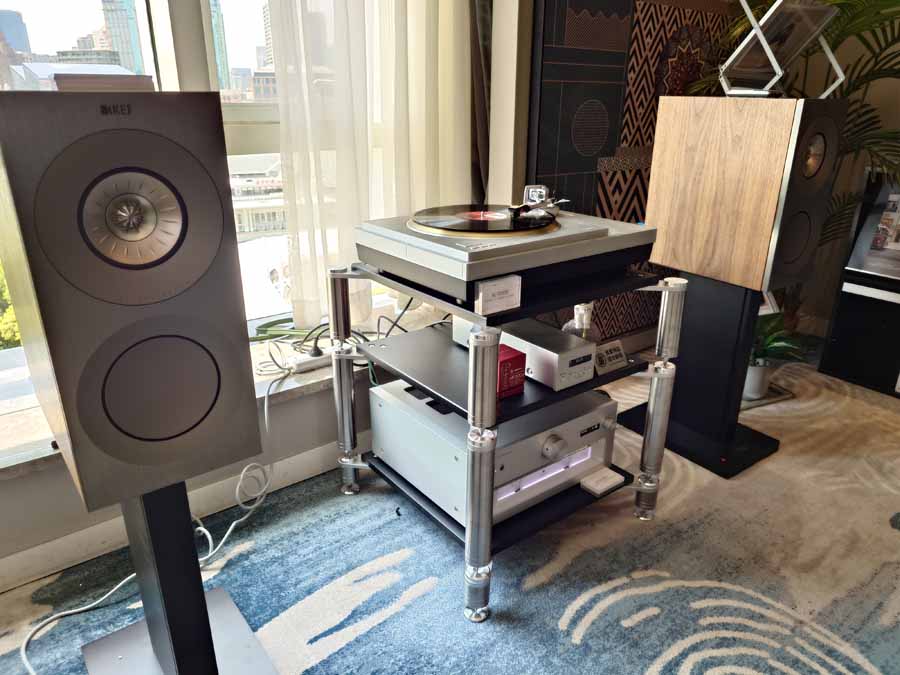
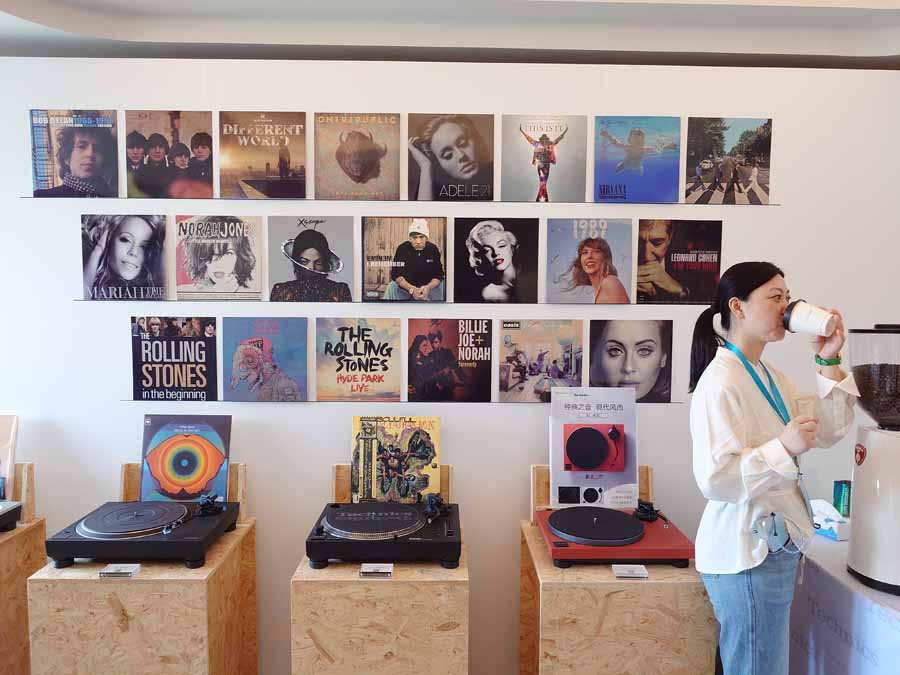
Travelling to audio shows around Asia, I’ve noticed how rarely Technics turns up, so I was genuinely delighted to see them with two rooms at the show. As one of the undisputed heavyweights of the turntable world, and with electronics we sadly don’t get in Taiwan, it was a rare chance to spend some proper time with the brand’s full line-up. Both rooms were dressed as bright, cosy, genuinely liveable living rooms rather than the usual over-serious audio caves, with just enough cheeky hipster décor – fake books included, naturally – to keep things from becoming too earnest.
The first room served up the ultimate Technics spread, led by the SL-1000R with Ortofon MC10 cartridge, alongside the SU-R1000 integrated amplifier and, somewhat unexpectedly, a pair of KEF Reference 1 Meta speakers. That was a lovely bit of kit matching, even if I’ll admit I would have been curious about the Technics speakers…
The second room greeted visitors with a gorgeous vinyl poster wall and one of the GOATs, the SL-1200MK7, while also showcasing Technics’ new entry-level turntables. The window view was the sort of thing that makes people hang around; the puffs were very inviting, and the barista tucked into the back corner was quietly saving lives with a well-matched setup and an excellent cup of coffee.
All in all, what more does one really need? Good coffee, a curated playlist, a cosy room, and a very decent excuse to linger a bit longer than intended.
Brighten HiFi – Java, Piega, T+A
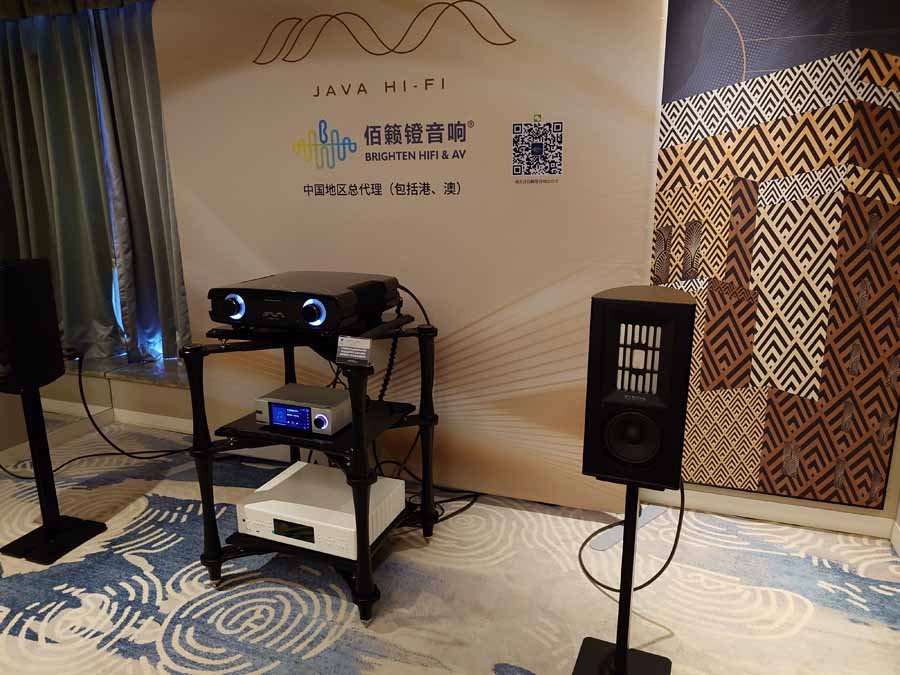
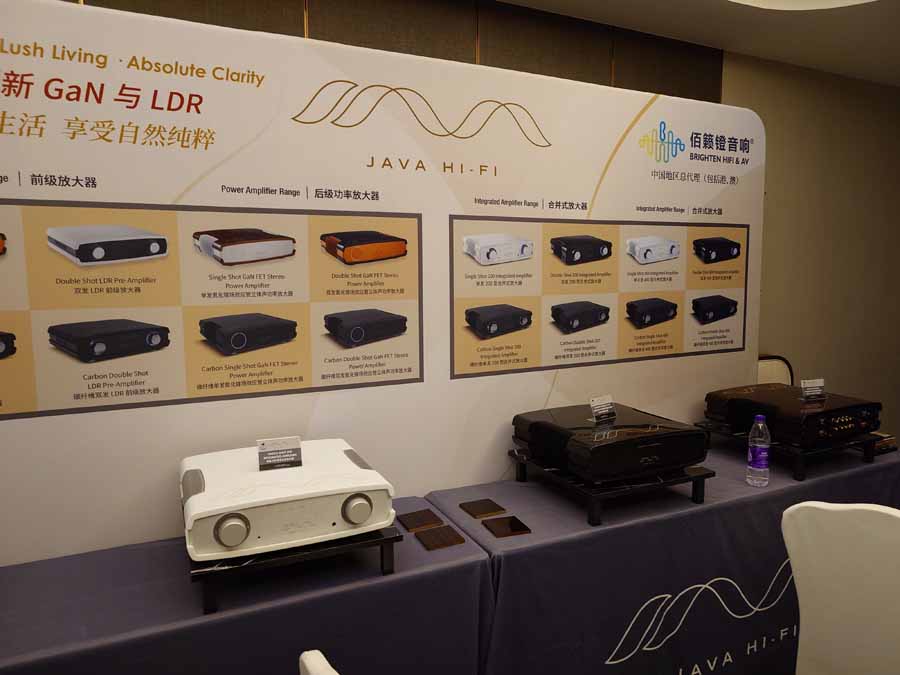
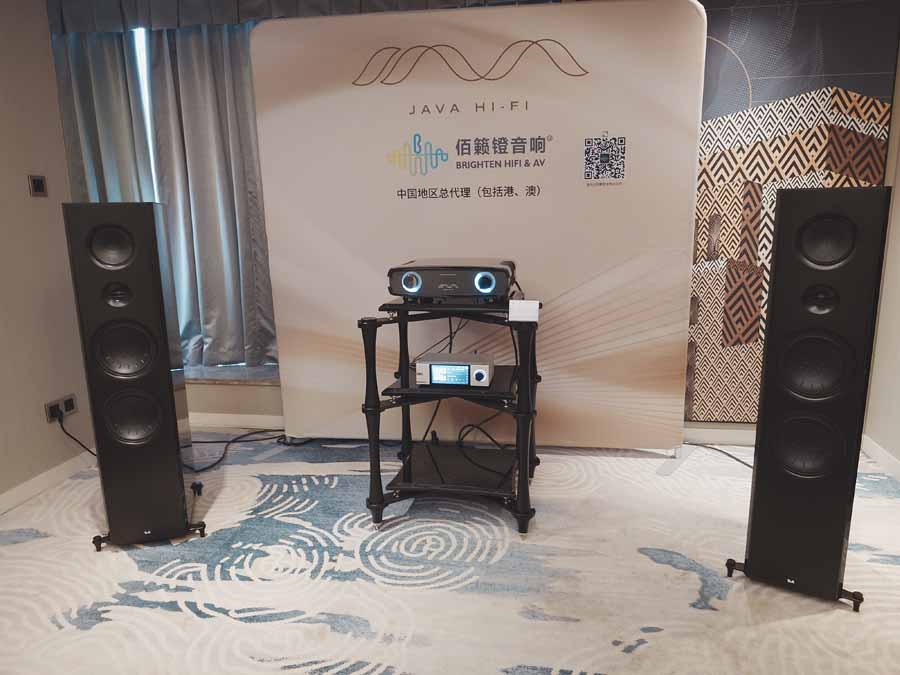
Sipping my freshly brewed coffee as I walked into the JAVA HiFi room felt rather fitting, because Martin Bell, one of the brand’s founders, had named the company after his own love of coffee. I had been following JAVA since their Kickstarter days, so this was very much a “must hear” room for me. From the outset, the brand stood out for doing things a little differently: a GaN FET output stage when that was still a bit of a novelty in HiFi, and an LDR-based volume control that uses LED light shining on a light-dependent resistor to alter resistance electronically rather than routing the signal through a conventional pot. It is clever, quietly radical engineering, and exactly the sort of thinking that makes a brand worth following even before you’ve heard a single note.
I first heard the Carbon Doubleshot on day one with Piega’s Coax 411 bookshelf speakers, and I liked that pairing a great deal, it had pace, clarity and a surprisingly generous low end for such a compact setup. I returned on the final day too, when the same electronics were partnered with T+A’s Criterion S 2200 floorstanders, which gave the presentation a different balance, with a little more scale and more emphasis in the bass. Personally, I was leaning towards the Piega pairing, but the final takeaway was the same: JAVA’s amplifiers have a real sense of poise.
Amphion, Soulnote
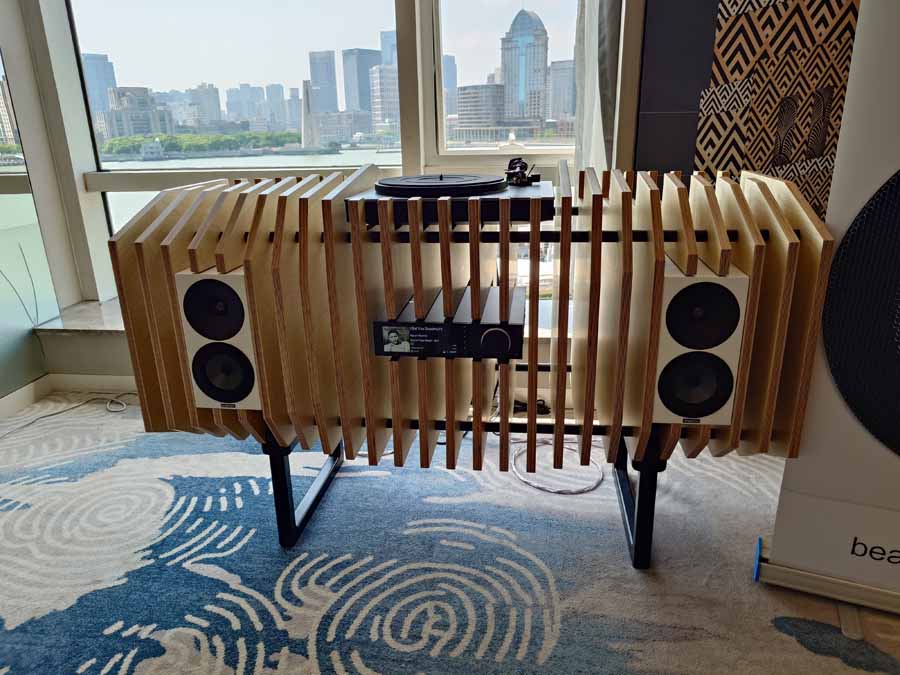
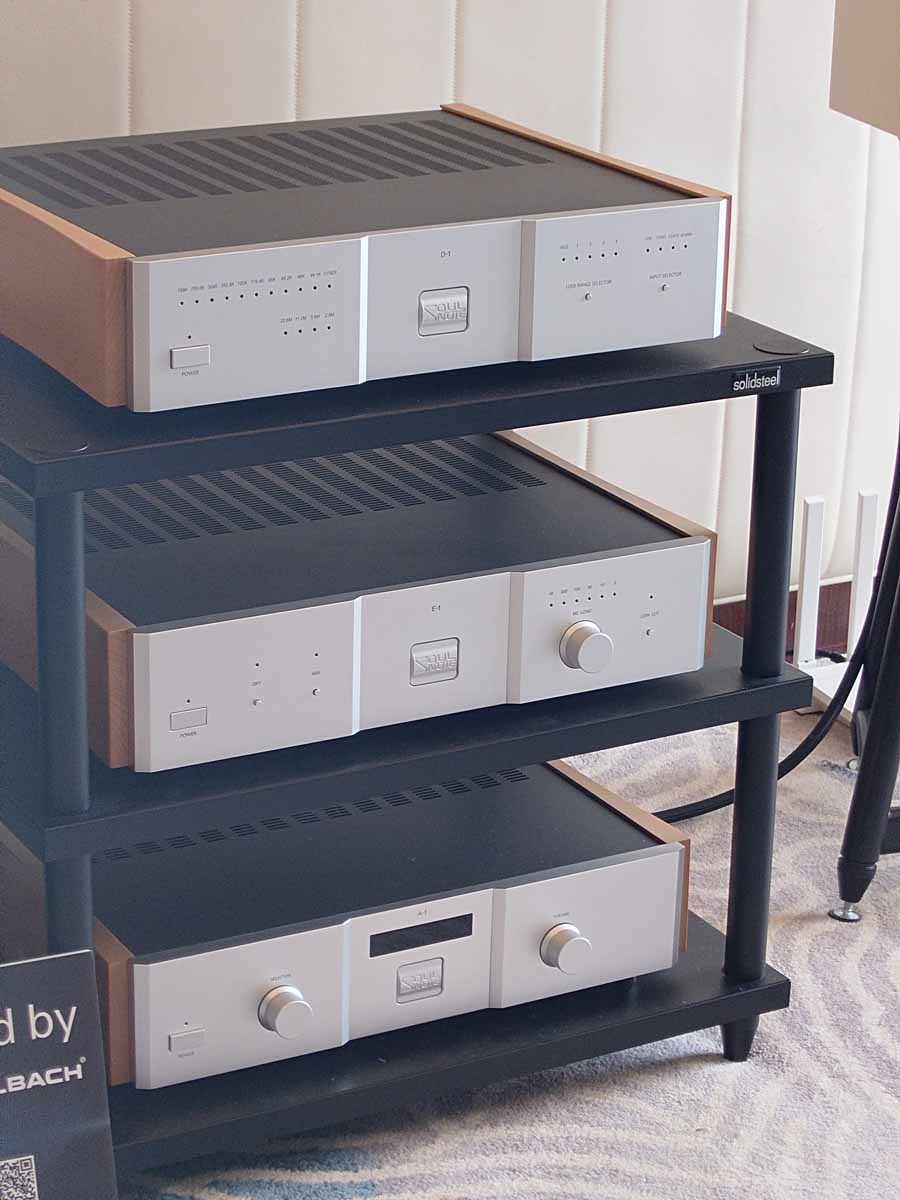
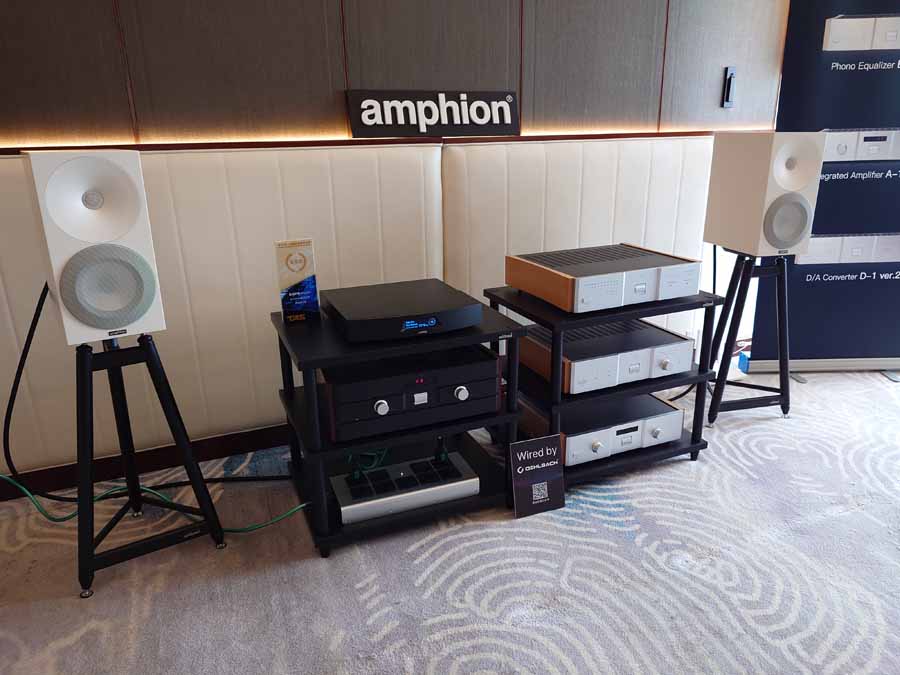
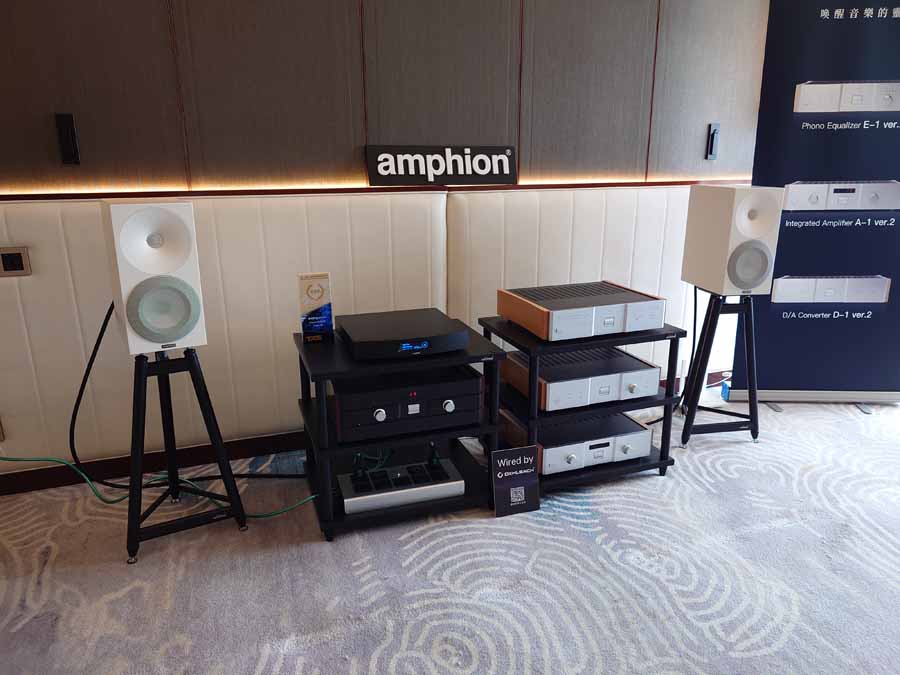
Soul Note is one of those Japanese boutique manufacturers that quietly does things properly, sticking to a rather conservative HiFi philosophy while paying excellent attention to detail and build quality. The recently released Ver.2 of Series 1 had been on my radar, so I was looking forward to hearing it. Their approach, strictly separated components, apart from the pre/power-style integrateds, has long appealed to audiophiles who prefer substance over flash, but there is also something genuinely clever about the way the range hangs together as a practical, everyday system rather than a box-fresh exercise in purity for purity’s sake.
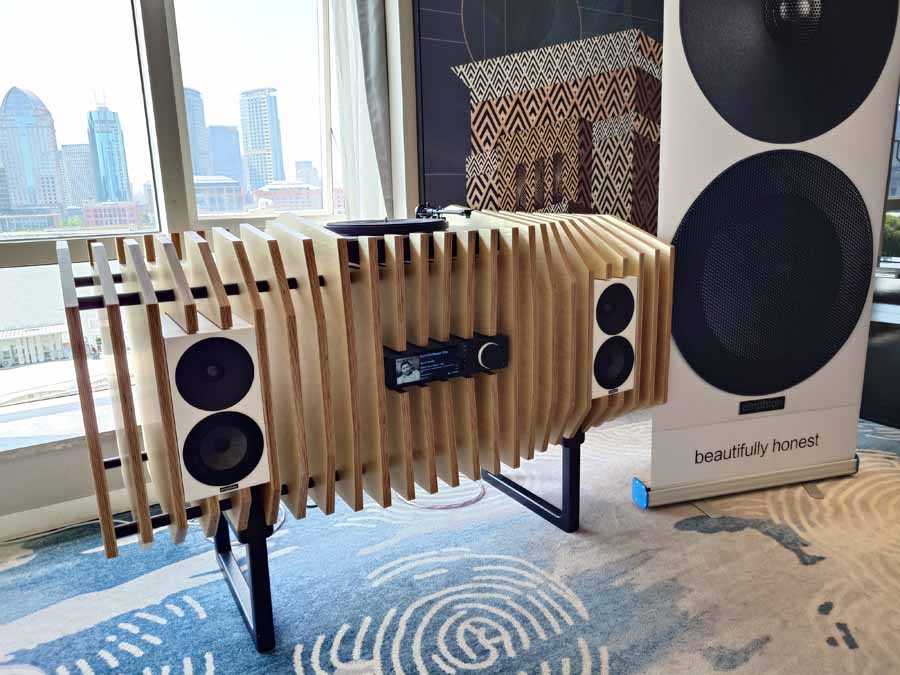
Paired with the Amphion Helium 510, the sound was really involving. What also caught my attention was the installation in front of the window: a beautifully made custom cabinet housing an Amphion Argon speaker, a Cambridge Audio Evo 150 SE and an Alva TT. I have to admit, it was inspiring enough that I even shared the photo with a carpenter to see whether something similar might work in my own living room. The adjoining room had a new active Cambridge L/R S speaker system playing some lovely tunes as well, rounding out a very appealing little corner of the show.
Stay tuned for Gyula’s TAS Shanghai 2026 Report Part Two, following very soon!
Please note, all content and photos are the copyright of HiFi PiG Magazine/Big Pig Media LLP and must not be copied or reproduced in any way without the prior, written consent of the editor.

Gyula Weeber