

ZMF Aegis Headphone Amplifier
ZMF AEGIS HEADPHONE AMPLIFIER REVIEW
Oscar Stewart takes a listen to the £2680 ZMF Aeigis Headphone amplifier.
The ZMF Aegis is built around an amp designed by Keenan McKnight – commonly known as L0rdGwyn in online communities. ZMF worked with Keenan to make this amplifier available to those unable to build their own amp, and that’s the amp I am taking a look at in this review.
ZMF have added their usual flare to the amp, and it is the perfect partner for many of ZMF’s own headphones, both dynamic and planar magnetic. So, lets dig a little deeper into what this headphone amplifier has to offer.
BUILD AND FEATURES OF THE ZMF AEGIS
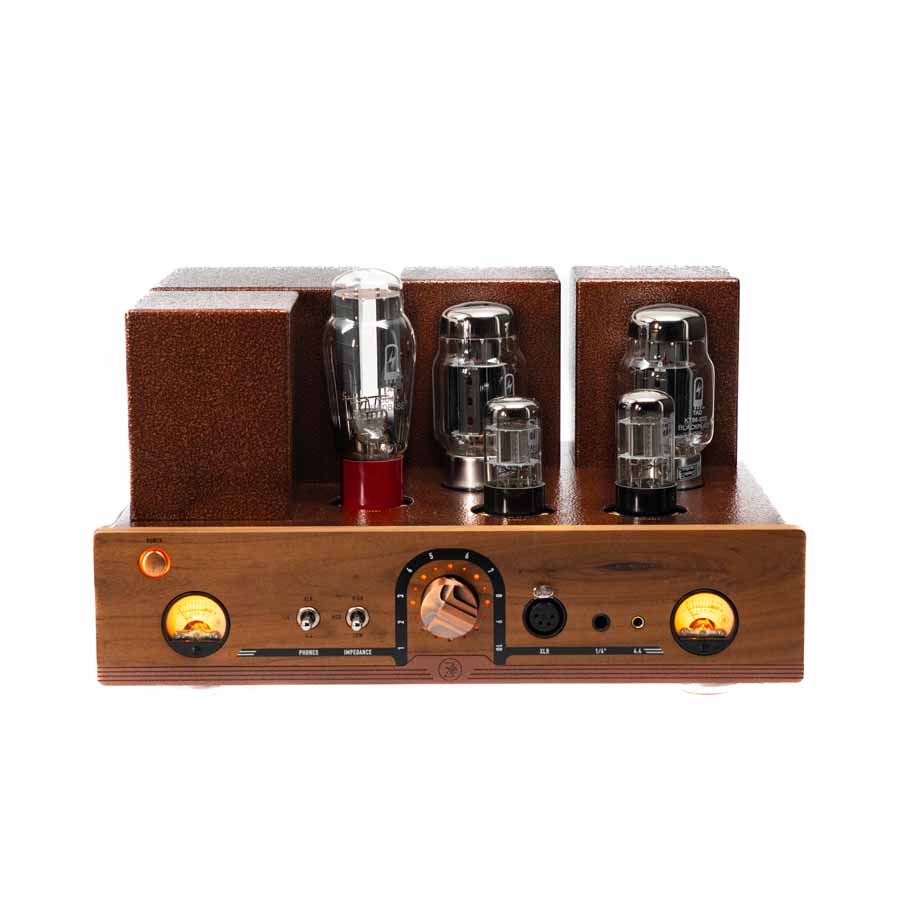
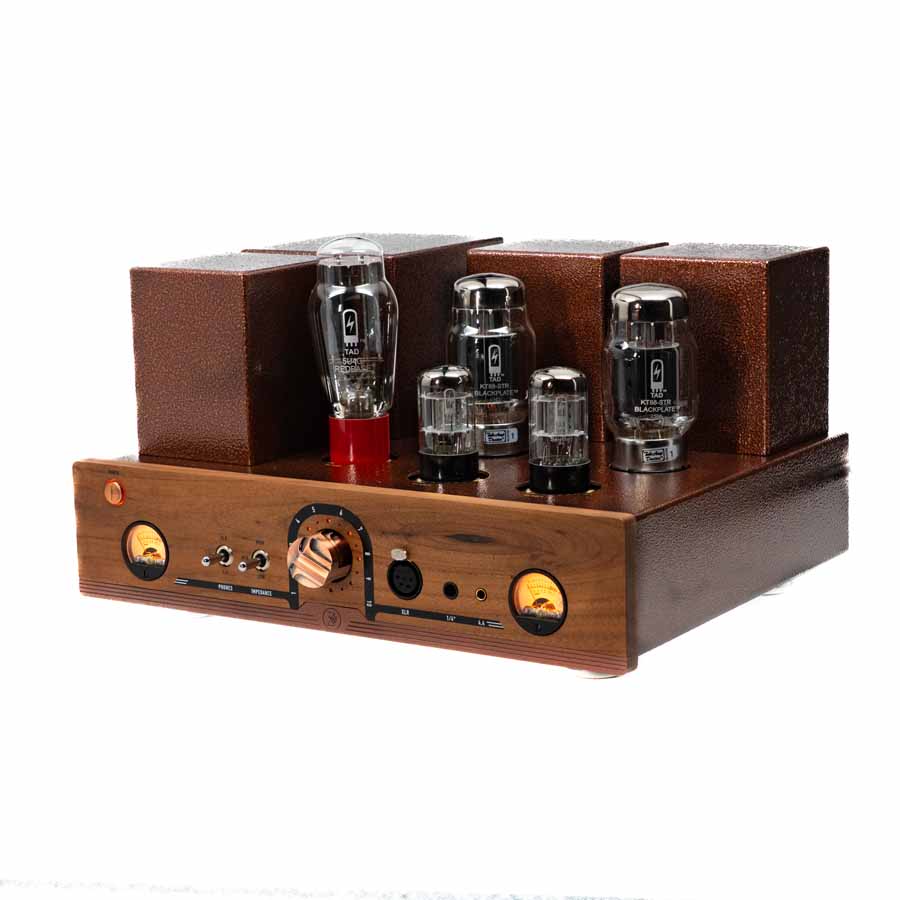
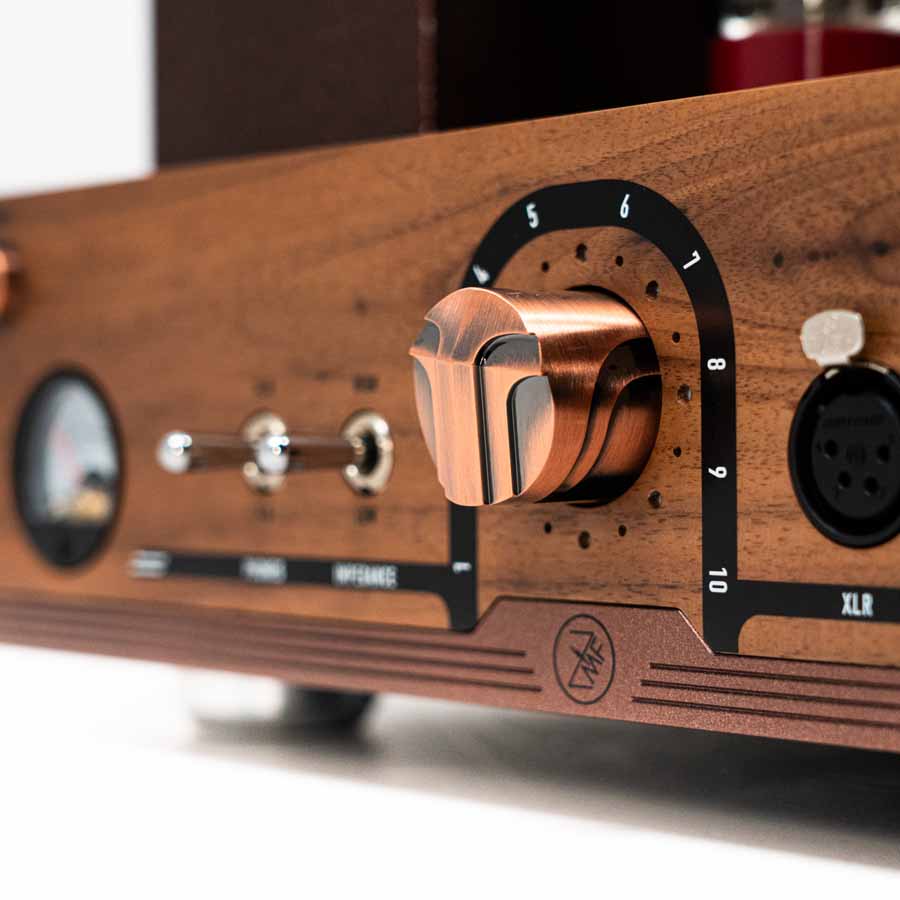
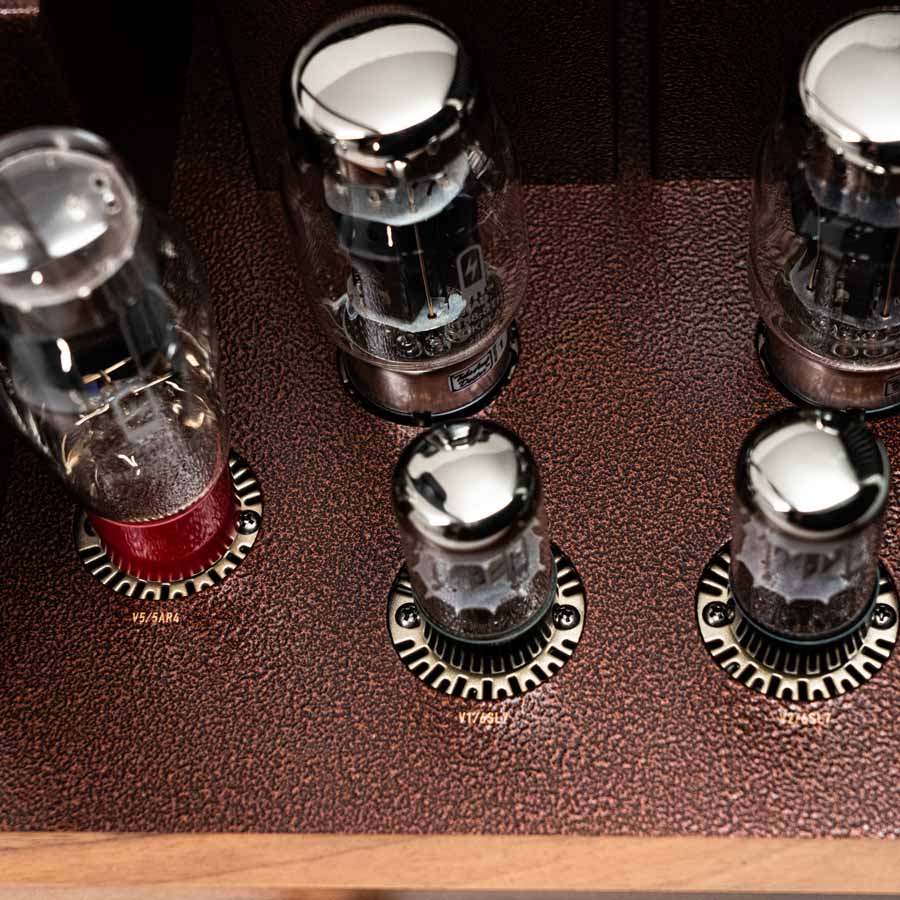
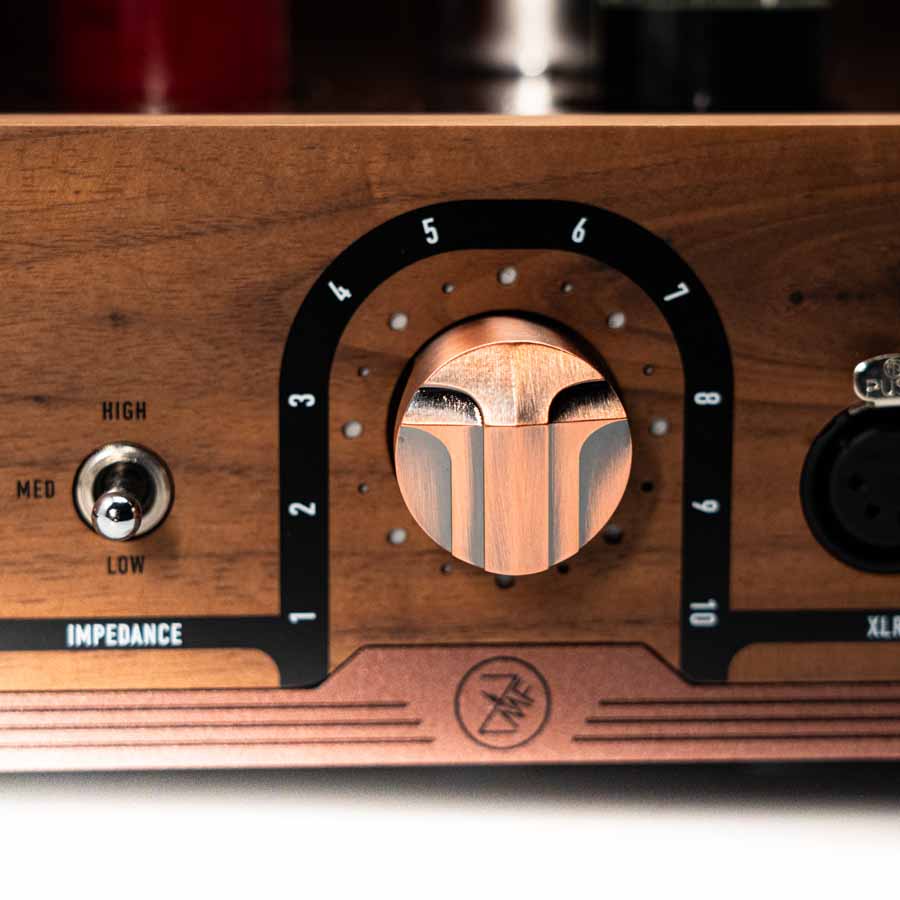
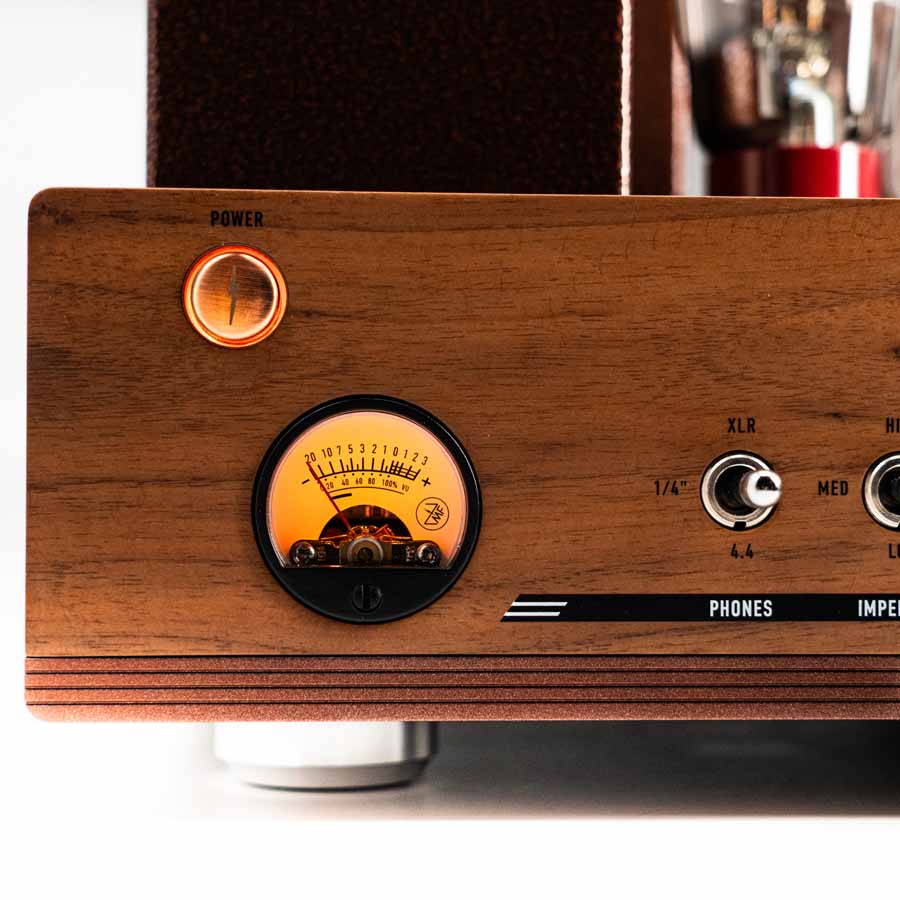
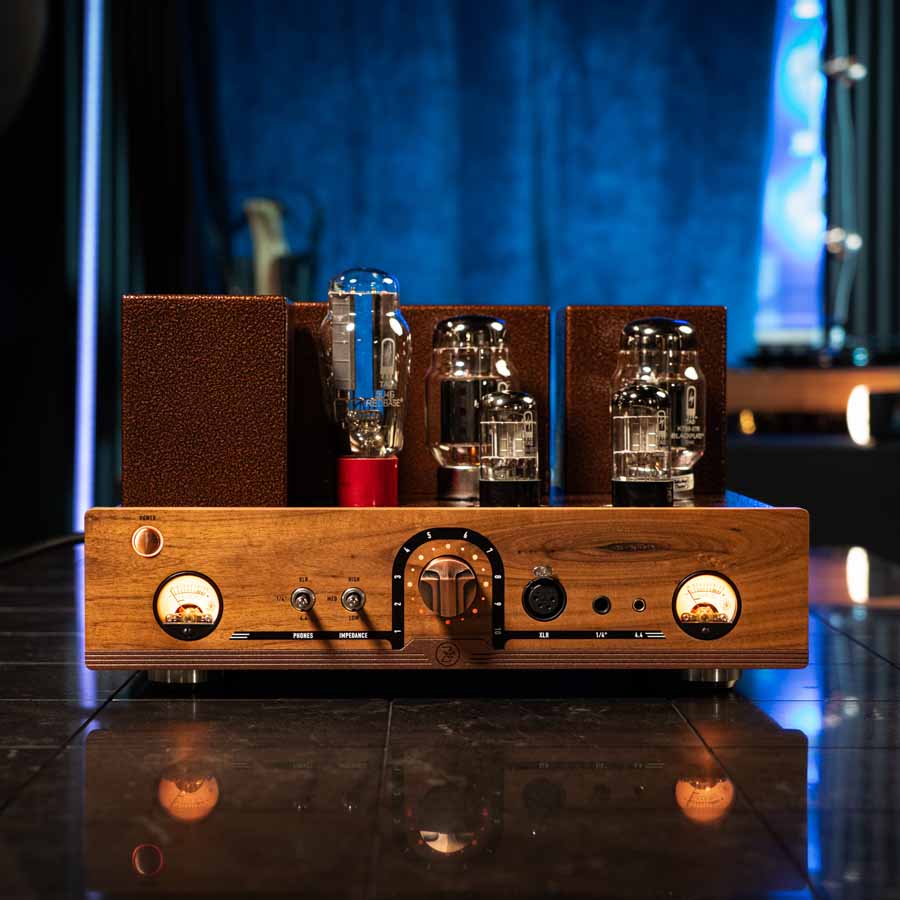
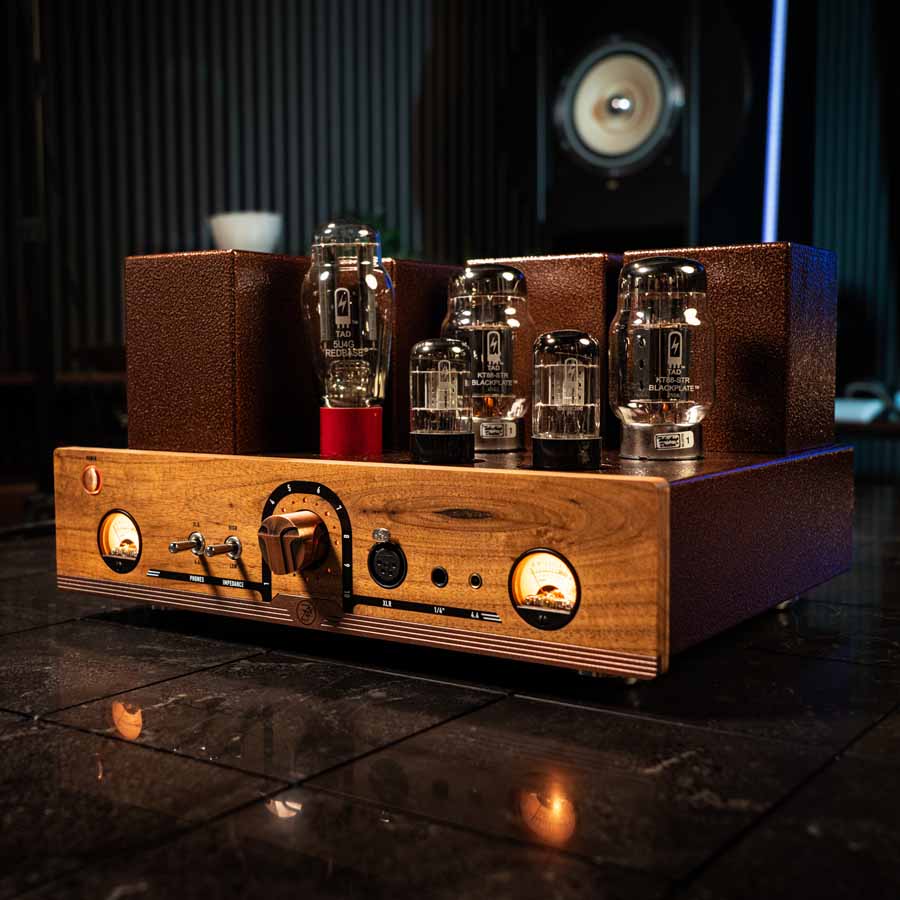
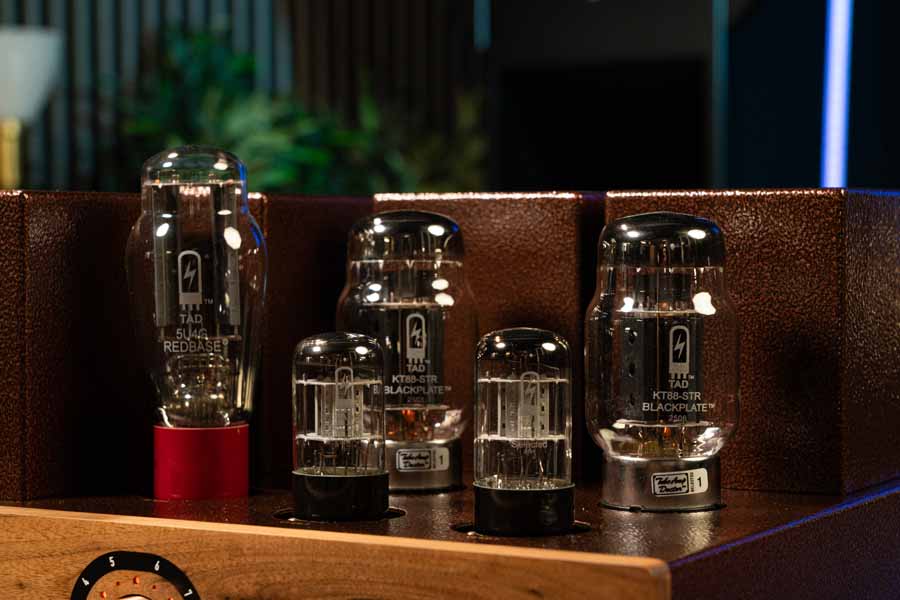
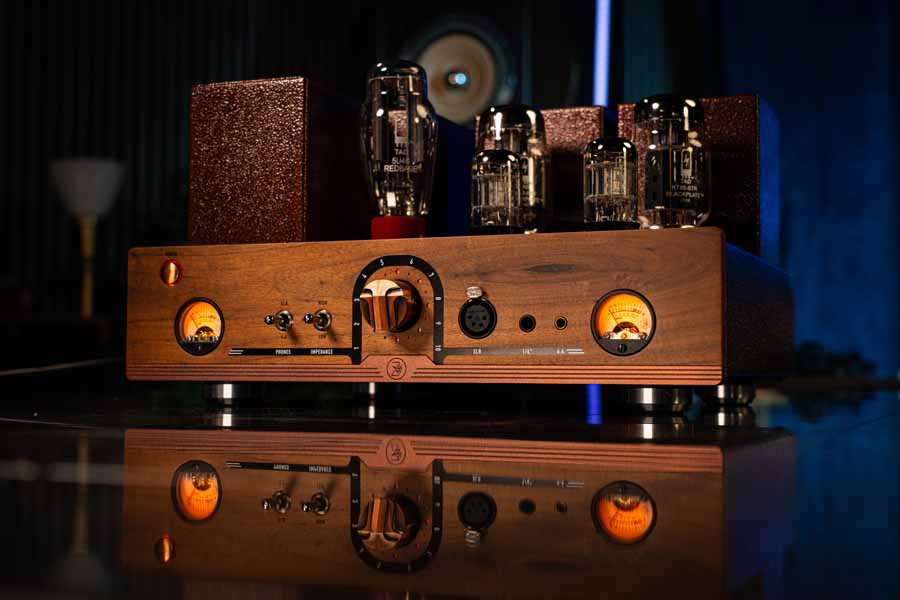
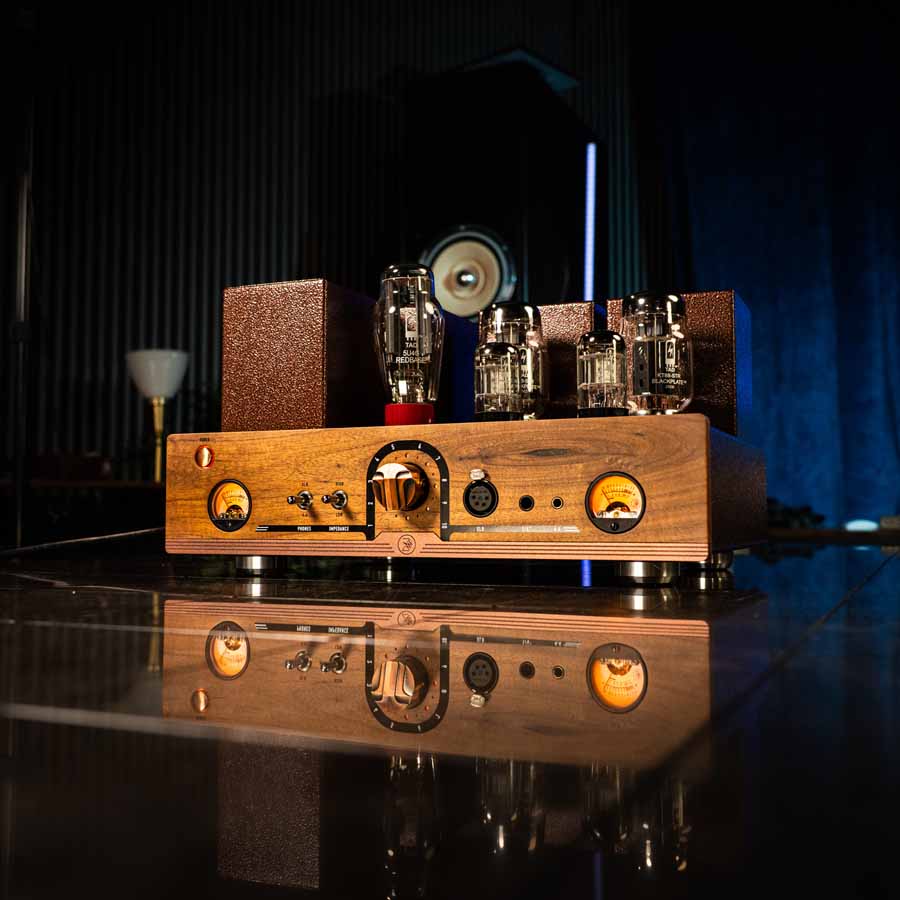
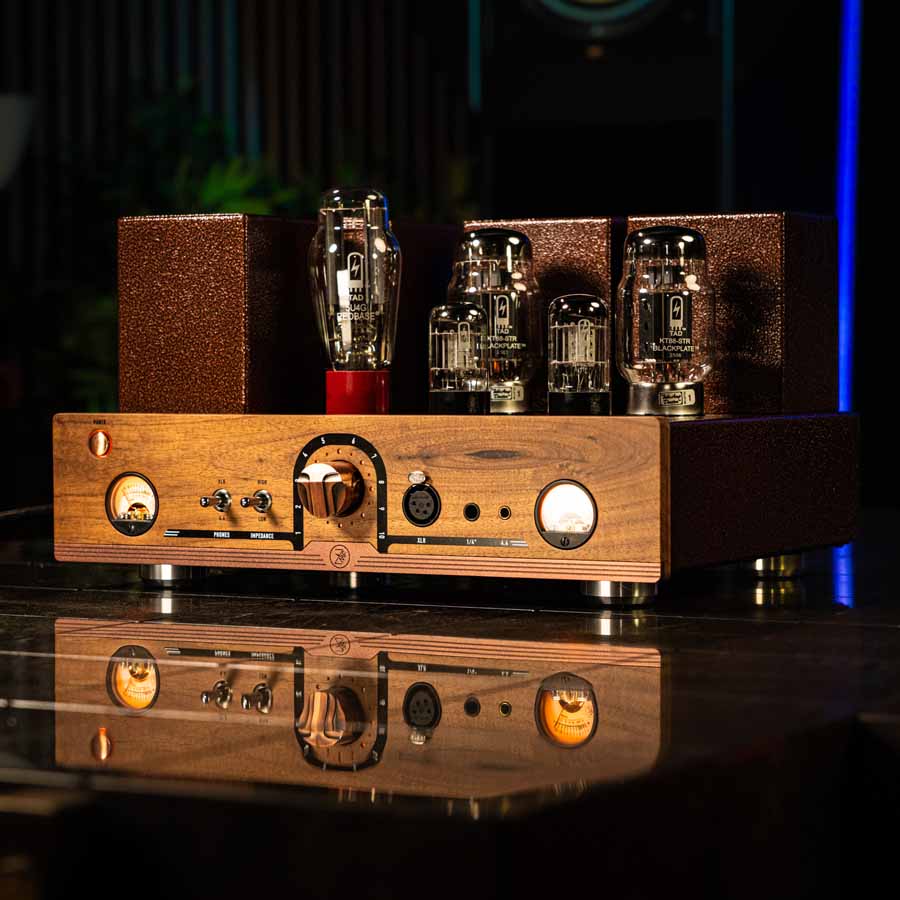
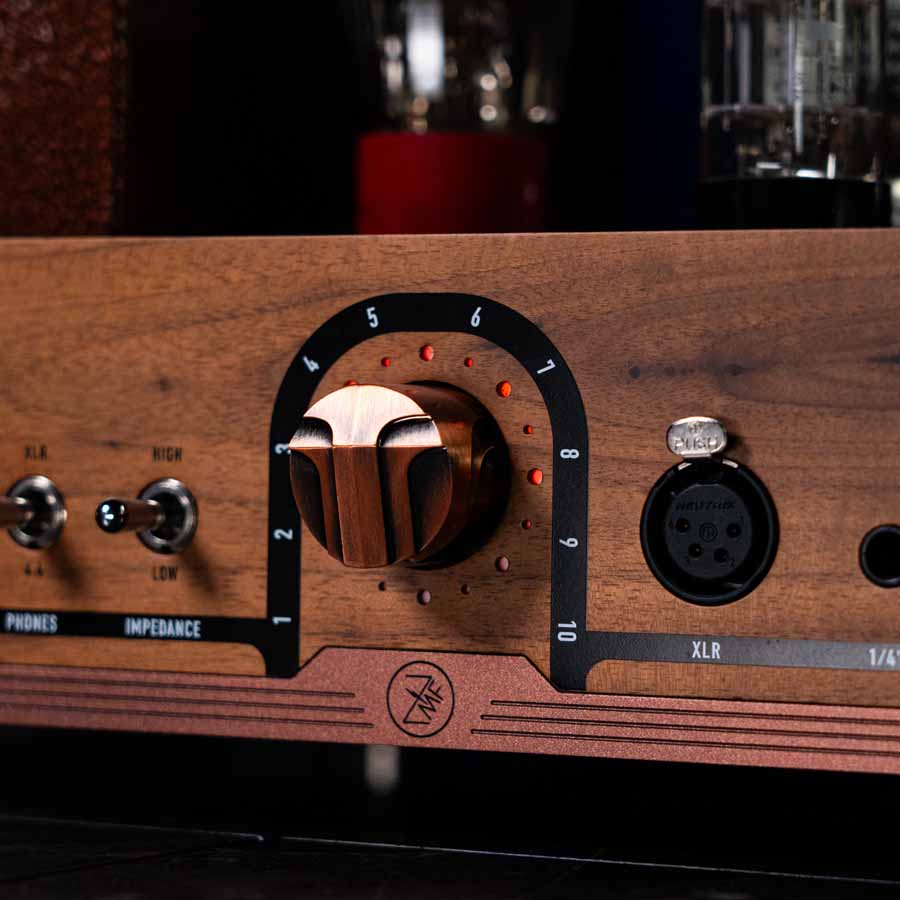
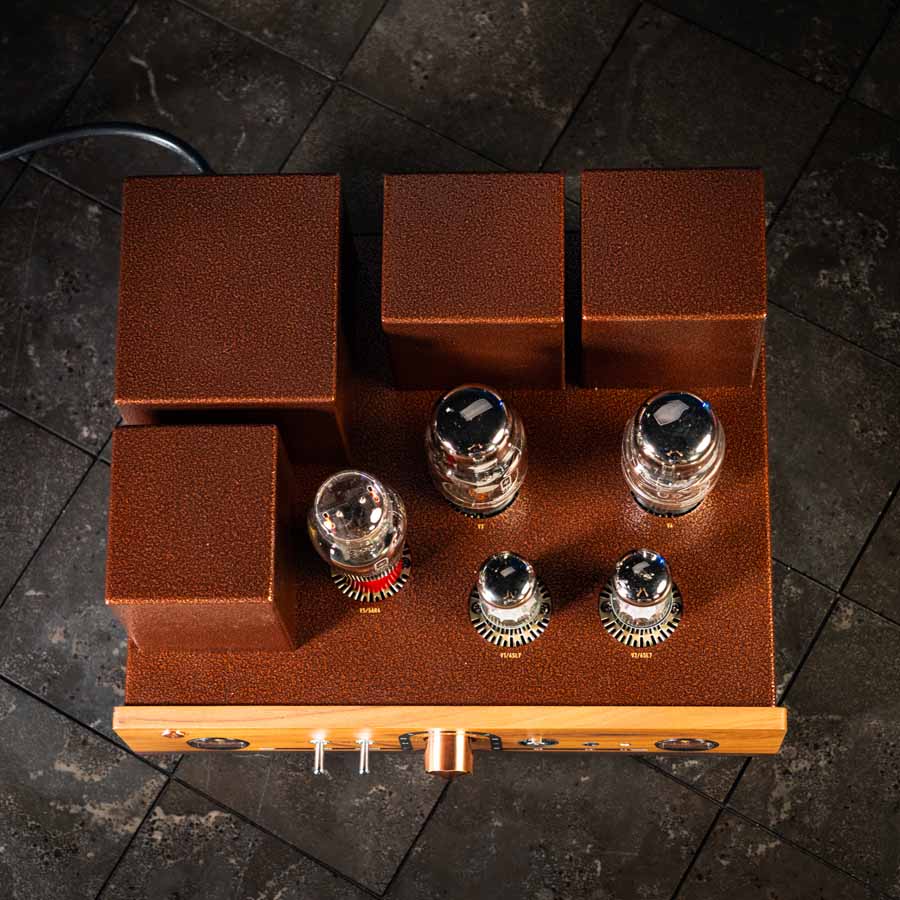
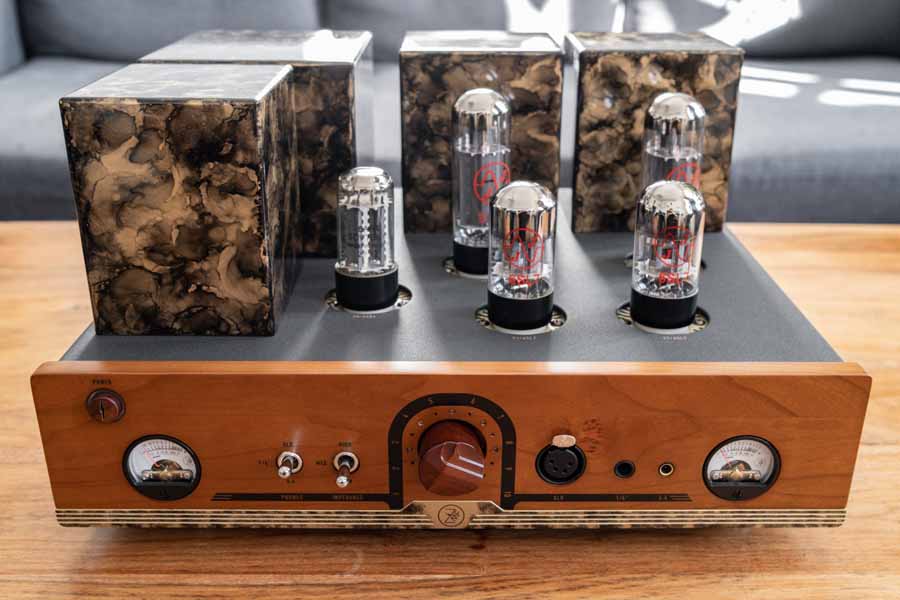
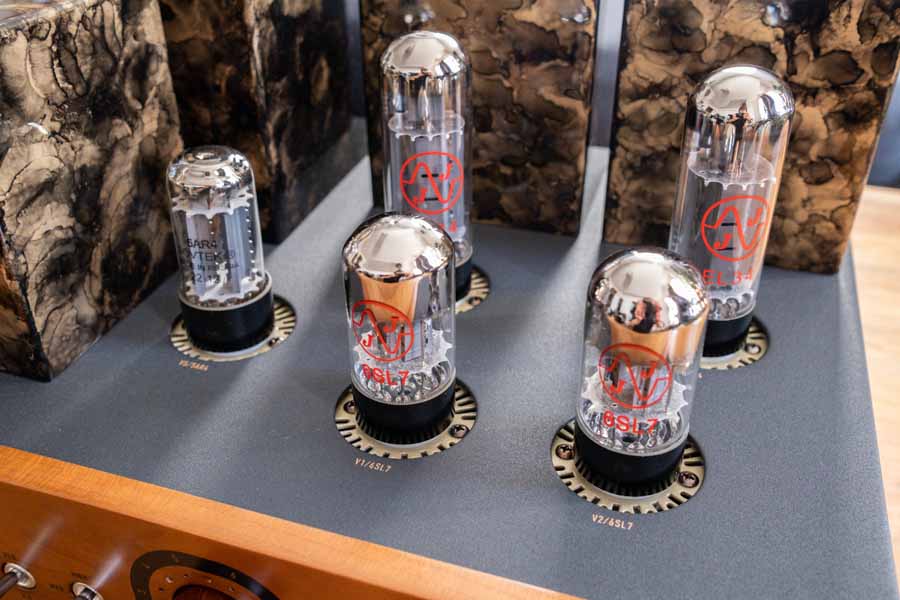
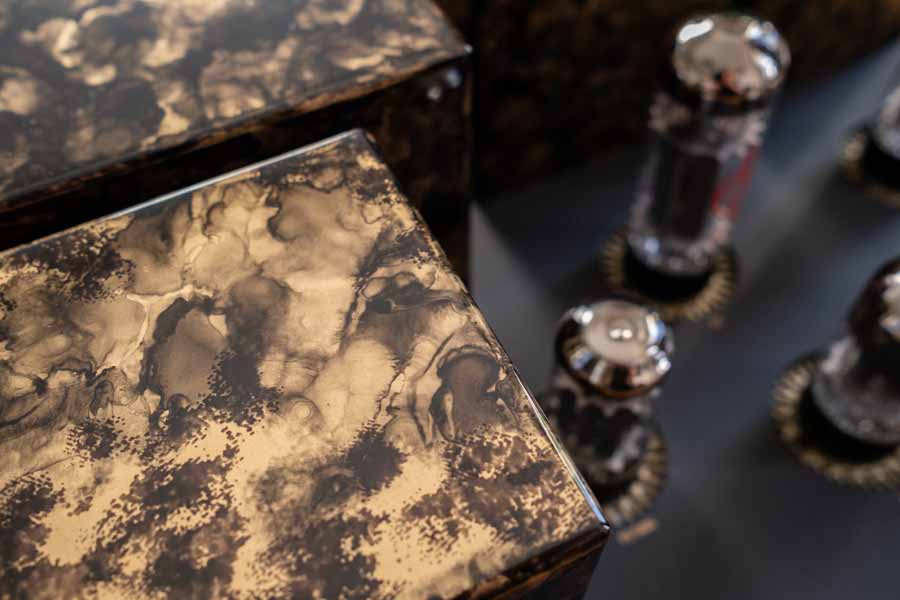
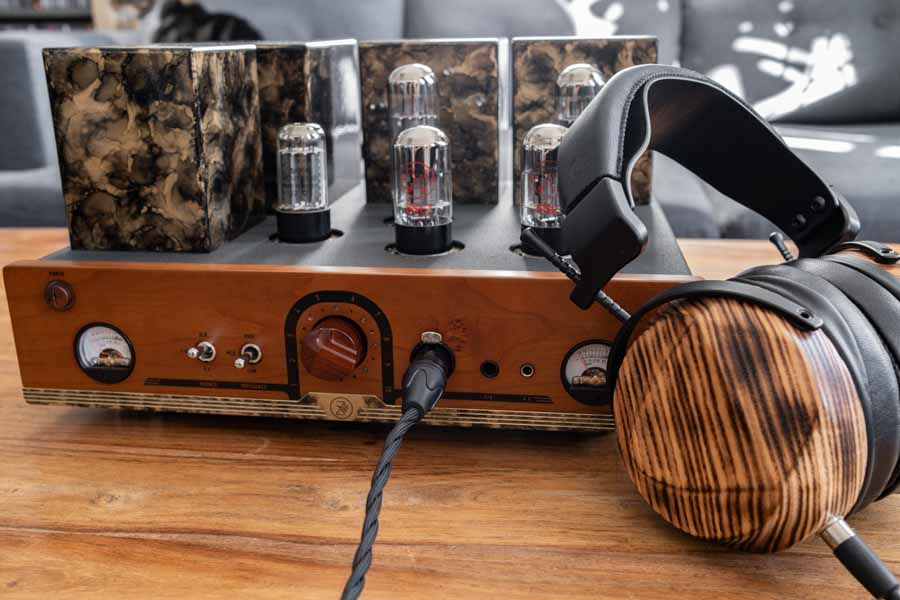
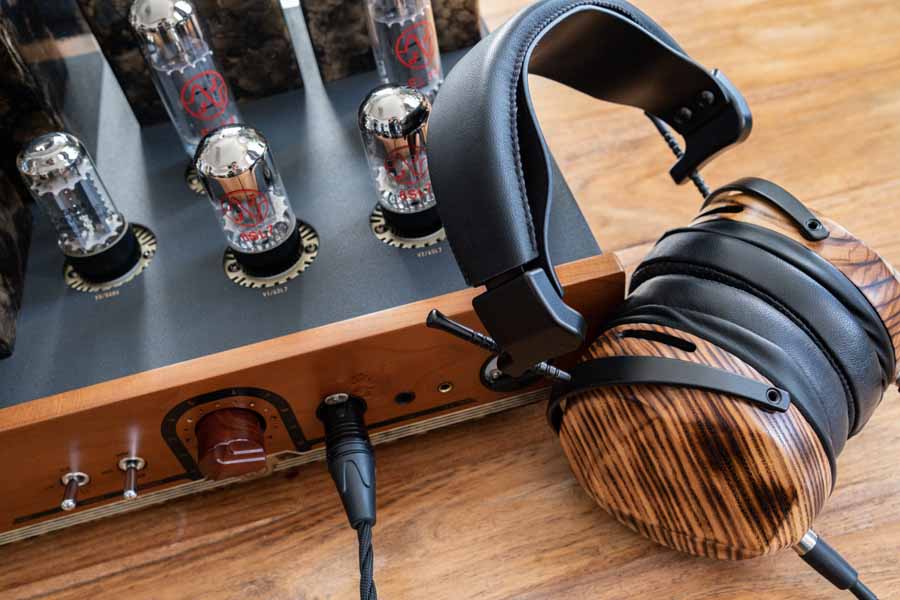
As briefly mentioned, ZMF have added their own bit of visual flare to this amp, and it shows in the build and look of the amp. Firstly, it’s deceptively heavy and is a solid bit of kit that needs a nice, solid shelf or rack to sit on. Next, it is very well built, whilst also being a looker at the same time. The metal chassis is solid, the transformer covers are beautifully painted, the front wood panel and volume knob are classy, as are the toggle switches, power button, and VU meters. Out of the box, you get some JJ valves and a Sovtek 5AR4 rectifier; however, if you are buying this amp, you likely know that it is hugely flexible in terms of valve rolling.










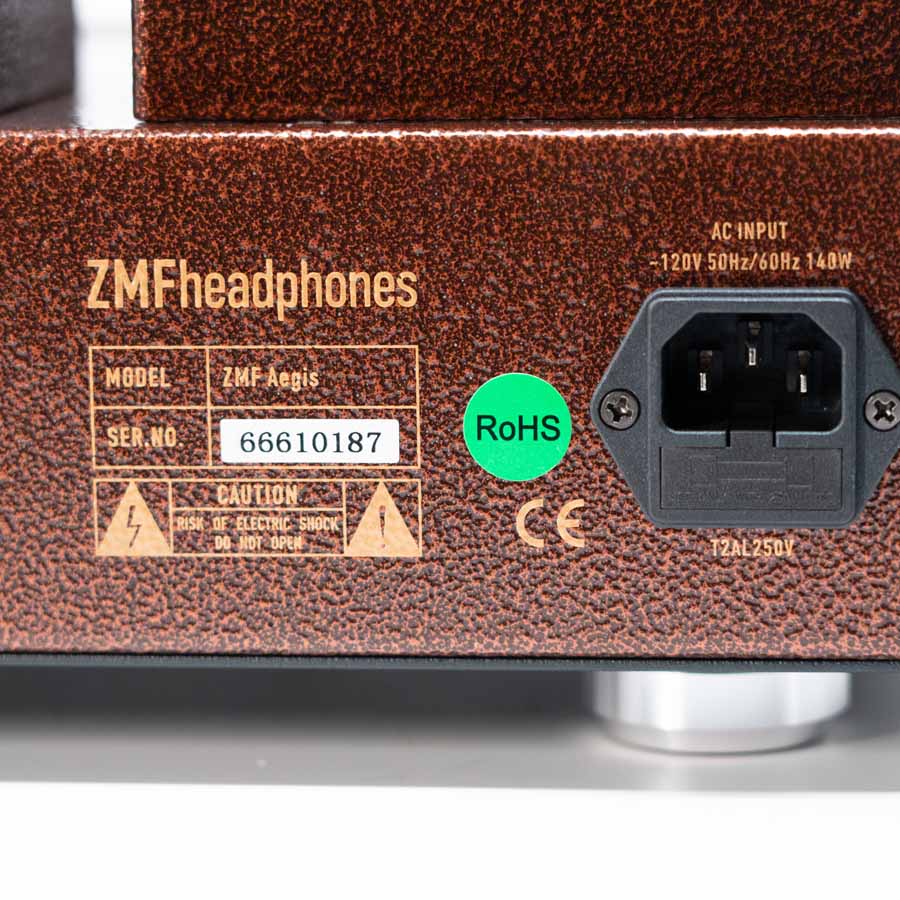
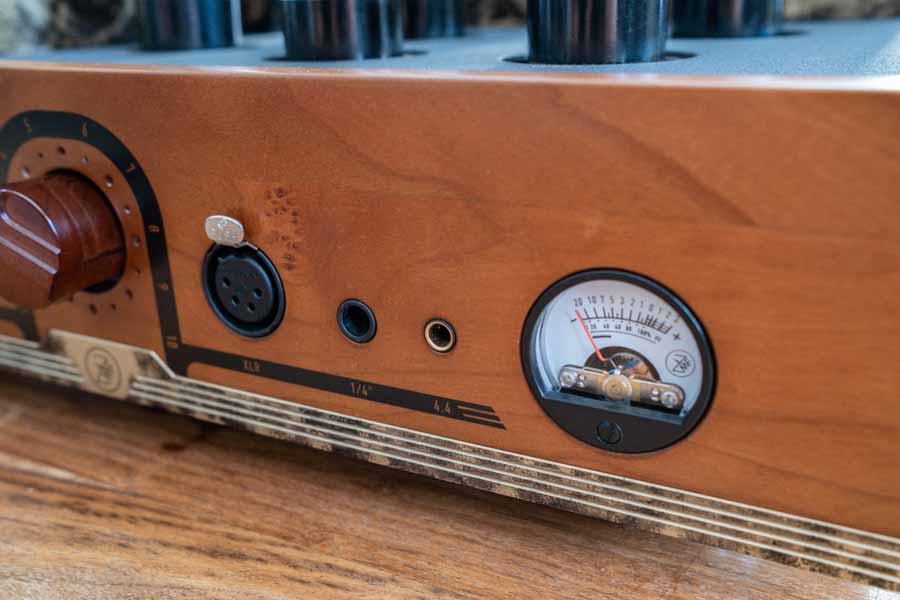
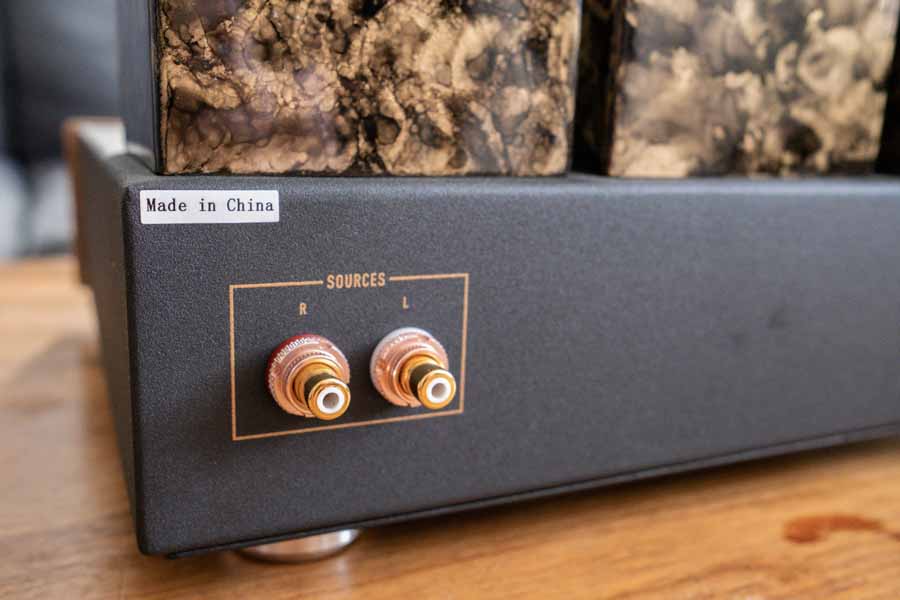
Inputs and outputs are fairly simple, with a single pair of RCA inputs on the back (alongside the IEC power input), and a 6.3mm single ended output on the front alongside 4-pin XLR and 4.4mm outputs.
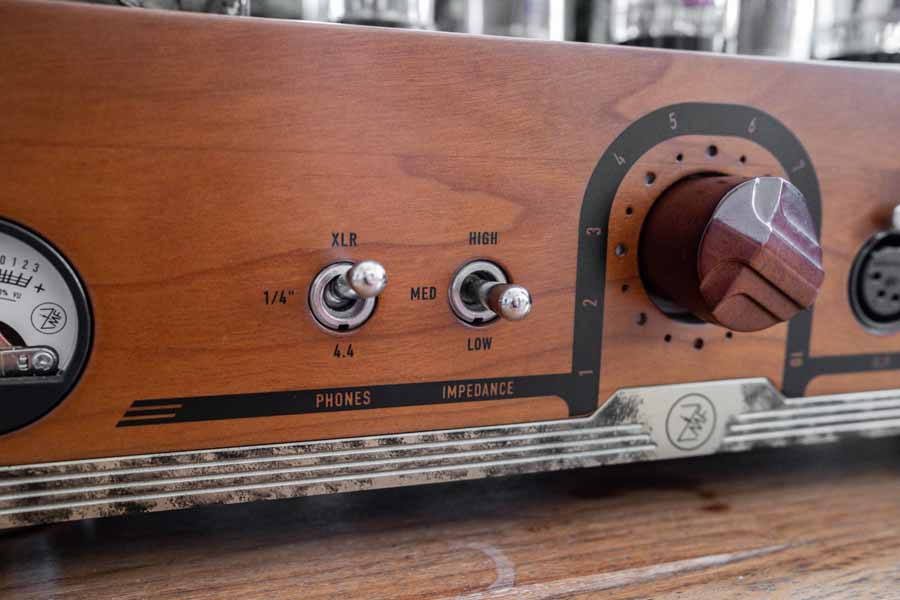
This is a cathode follower topology amp; it is currently the only headphone amp on the market using this type of topology – it has 3 distinctive output impedance settings (Low, Mid, High – 6.3mm = 5 Ohms / 11 Ohms / 31 Ohms and XLR = 11 Ohms / 28 Ohms / 85 Ohms). These different output impedances allow you to pair this headphone amp with most headphones on the market, and one of the great things about the Aegis is that it is a 2w amp; whilst it changes a little depending on the impedance settings, it’s fairly steady in its output power, allowing it to drive a lot of harder-to-drive headphones with ease.
The 4.4mm output on this is also a little different; in a similar way to the Cayin HA-6A MKII, it has a lower output than the others (by means of a voltage divider in the Aegis), allowing it to be used with easy-to-drive headphones and even IEM’s without any noise issues. So, if you have hard-to-drive headphones, you’ll want to use the 6.3mm or XLR output, and the 4.4mm output for easy-to-drive headphones.









So, we have established this amp is relatively powerful, and flexible, it also has huge valve rolling capabilities with a ton of compatible models that can be slotted right in. You get some nice-looking VU meters on the front with subtle orange lighting, and the build quality is stunning. It would be so easy to get one of these and go down the valve rolling rabbit hole, and many do, however this review is based on how the amp comes out of the box, with the standard valves.
SETUP AND USE
I had to slot this into my main HiFi rack as it’s too big and heavy for my desk, this means it was used with my Matrix Audio TS-1 streaming DAC > RCA output > Aegis. I then used the XLR output into my headphones of choice for this review, the HiFiMAN Susvara, ZMF Caldera Closed, Beyerdynamic T1 2nd Gen, and Meze 99 Classics V2 (for these, I used the 4.4mm output) – power was routed through a Puritan PSM156 mains purifier.
SOUND QUALITY
Starting off with the HiFiMAN Susvara, it doesn’t take long to understand that this amp has no issues driving this legendary headphone with ease; even on low impedance setting I didn’t find myself needing to have the volume control up too high. All The Truth I Can Tell by Dashboard Confessional came on, and whilst it’s a more acoustic-based track, it was still a brilliant track through these. The layering of the vocals is simply superb, whilst the guitar has excellent texture, and exquisite detail through the Susvara. These are still one of the most natural-sounding headphones I have heard, and the Aegis deliver all that natural goodness, with a small dose of sweetness; this comes across as a hint more body and presence, without ever sounding overly full or bloated. Vocals are simply stunning through this combo, and I could easily get lost in music like this for hours on end.
To test something with a little more oomph, The Call of The Void by Imminence (Feat. Joel Holmqvist) came on – and this combo can deliver power and punch just as easily as it can acoustic guitar and vocals. The bass has hefty impact, kick drums don’t lag, and the low bass line is articulate and full. Both the clean and screamed vocals cut through with ease, and the violin is hauntingly real with excellent placement within the mix. Towards the end, there is a wall-of-sound type section, yet the Aegis never falls behind, delivering this track with grit and energy, poise, and punch. It’s an engaging listen, and the amp just takes the edge off the sound and adds a little valve magic that doesn’t get in the way of the speed or timing of the music.
Next up, I moved to the ZMF Caldera Closed with the Aegis, a pairing I did briefly mention in my review of the Caldera Closed. There is some natural synergy going on here, the Aegis managing to eke out a little more energy and excitement from the Caldera Closed, without taking away what makes them a brilliant headphone. Seven Years by Saosin came on, such a punchy and raw post-hardcore song that requires a system with some energy to come alive, and this combo does just that. The intricate guitar lines easily separated, kicks have impact and body, the raw emotion in the vocals is incredibly clear, and the cymbals crash around you without ever sounding fatiguing. The snap of the snares during the intro is pin-sharp, every single part of the mix is easily distinguished, and this amp does bring the Caldera Closed alive, allowing them to flex their muscles and deliver an engaging yet well-balanced sound that is highly addictive.
Upping the impedance to its High setting and plugging in the 600 Ohm Beyerdynamic T1 2nd Gen headphones, you get the sense that the Aegis is a well-balanced amplifier that injects a dose of energy and a slight hint of body to the sound, whilst also offering up a spacious soundstage and excellent imaging. Compared to the Cayin HA-6A MKII, I find the out-of-the-box Aegis to be a little more “euphoric” and spacious, whilst the Cayin is a bit more up-front and dynamic. Both are fantastic amps, and the choice will of course come down to taste. Now, back to the T1 2nd Gen and the Aegis works very well with these high impedance headphones – giving them a healthy dose of punch, whilst never sounding harsh or bright (something these headphones can verge on with the wrong amp). End Of You by Poppy, Amy Lee, and Courtney LaPlante came on, and this metalcore anthem by some of the best women in the industry is a blast through these; the kick drums have solid hits and body, whilst the crushing guitars swirl around, and the female vocals are all extremely well separated and controlled. This amp is agile and spacious, and allows you to hear everything in the mix, yet it is presented in a cohesive and coherent way at all times.
Paradise by Creeper came on through the T1 2nd Gen too, and it’s a groovier, goth-rock song that was fun to listen to. The bass line reels you in, and the vocals hook you, with funky guitar lines and crisp treble throughout. The Aegis once again doesn’t take anything away from the headphones or recording, yet it adds a subtle bit of flavour that is highly enjoyable; it’s a bit of flavour that gets your foot tapping, head bopping, and simply works in terms of enjoyment. It seems that this amp works well with a huge variety of headphones, and you can fine-tune the sound to your taste too by swapping out the stock valves.
Lastly, we come to the Meze 99 Classics V2. I like what Meze did with these and the tuning, and it was a good chance to use these to test the 4.4mm output of the Aegis and its voltage divider for sensitive headphones. It works; that’s for sure. There is no noise, and the lower output impedance means this low-impedance headphone retains its punchy bass response. Devil in the Detail by Myrkur came on when using these headphones, and the midrange is incredibly smooth, yet detailed; the full bass fills out the sound without becoming overwhelming, and the subtle details in this recording are easily placed within the soundstage. It’s impressive how this amp can handle such a huge range of headphones, without breaking a sweat, and delivering consistent results across the board. It is always engaging, spacious, and agile, and an absolute pleasure to kick back and listen to.
QUIBBLES
No real quibbles here, it’s just rather heavy so place it somewhere secure.
CONCLUSION
The ZMF Aegis is a cracking headphone amp; it works well with a huge range of headphones and delivers an engaging and spacious sound. This is an amp that will appeal to those with a great collection of headphones and are looking to add a nice valve amp to their setup. Its ability to work with sensitive dynamics, all the way up to hard-to-drive planars, is brilliant, and it does all of that with a consistent sound and plenty of room to tweak the sound via valve rolling in the future.
I briefly mentioned in the review that the Cayin HA-6A MKII I reviewed is a good comparison, and it is. Both the Aegis and Cayin are fantastic amps, and it really does come down to preference. Both offer substantial valve rolling opportunities, whilst the Cayin has a little more output power; it also sounds a little more up-front and dynamic, whilst the Aegis is more “tubey” and euphoric, with a spacious soundstage. It would be hard for me to pick a favourite, as they are both worthy of a demo.
Suffice to say, the Aegis has been a hugely enjoyable amp to review, and I will be sad to see it go back to ZMF, it’s just such fun to listen to.
AT A GLANCE

Build Quality And Features:
Superb craftsmanship, with great features
Selectable output impedance, and a voltage divider for sensitive headphones
Sound Quality:
Big, bold, and engaging
Spacious, and euphoric
Value For Money:
For what you get, this amp seems like good value for money
We Loved:
The sound, the looks, and the build quality
We Didn’t Love So Much:
The weight
Elevator Pitch Review: If you have a great collection of headphones and fancy a valve amp, the Aegis is a great place to start. It offers up plenty of flexibility for future valve rolling, whilst offering an engaging and spacious sound signature. The Aegis is a brilliant headphone amplifier if you enjoy kicking back and simply enjoying the music, and that, to me, is what it is all about.
Price: $3499 / £2680

Oscar Stewart
SUPPLIED SPECIFICATIONS
- Input impedance: 20kOhms
- Output Impedance Range: 1/4″ Out: Low: 5ohms, Med: 11ohms, High: 31ohms. XLR Out: Low: 11ohms Med: 28ohms High: 85ohms
- Power: Average of 2 Watts, 1/4″ and XLR 1W to 2.5W, calculated based on headphones from 8 to 300 ohms.
- Frequency response: -3dB from 11Hz – 33kHz
THD+N at 1mW: < 0.05% - Tube Types: – Rectifier – 5V / 2A or 3A types; GZ34/5AR4, 5V4/GZ32, 5R4, 274B. 5Y3, 5U4G
-Inputs – pair 6SL7
-Output – pair power pentodes; 6V6, 6L6, EL34, EL37, KT66, KT77, KT88, 6550. - Dimensions: 11.25″ L x 14.25″ W x 8″H. 46 pounds.