

Rega Mercury and Solis Preamplifier and Power Amplifier
REGA MERCURY AND SOLIS PREAMP AND POWER AMP REVIEW
40kg. 168W into 8Ω. 10 different inputs. By the numbers, it’s clear that Rega’s flagship amplification option is not here to mess about. But the world is not short of A/B based pre-power combos, so do the numbers translate into a pair of products you should be adding to your shortlist? Jon Lumb takes a look at this pre-power amp pairing costing £13,000 (£6,500 each)
Up until now, the flagship amplifier in the Rega lineup has been the Osiris Integrated, released over 15 years ago. These days, an Osiris will set you back around £7,875. Whilst the new Mercury-Solis is not the first pre-power combo Rega has made, it’s been a long time since they did one, and it’s currently the only one in the lineup. At nearly double the price of the Osiris, the Mercury-Solis pairing definitely arrives on the market intended as a considerable upgrade on the Osiris that came before. Whilst releasing a product nearly double the price of your previous flagship may seem an odd move (particularly outside the ultra-high-end section of the market), when one considers that Rega’s flagship turntable is £10,500 (£13,125 with the Aphelion 2 MC cartridge), this feels far more like bringing the amplifier lineup into the same territory that the record players get up to.










BUILD AND FEATURES OF THE REGA MERCURY-SOLIS
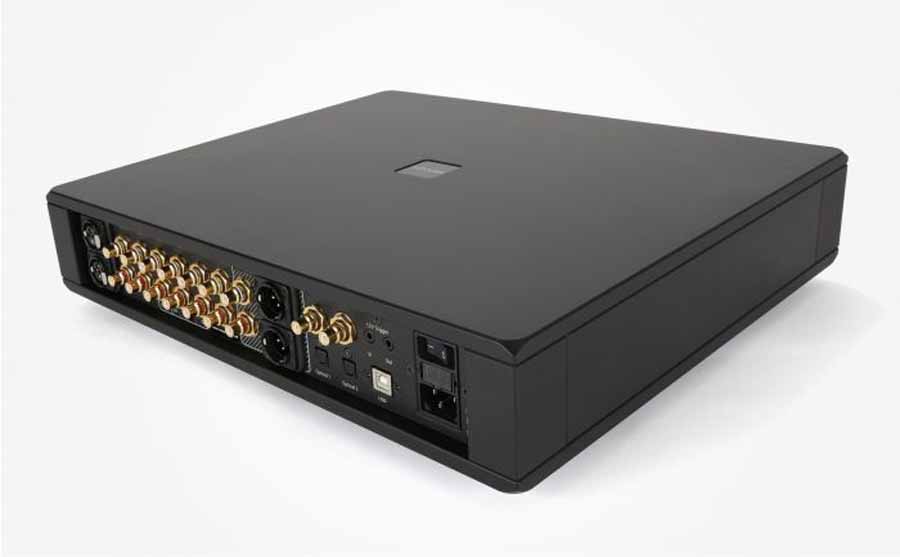
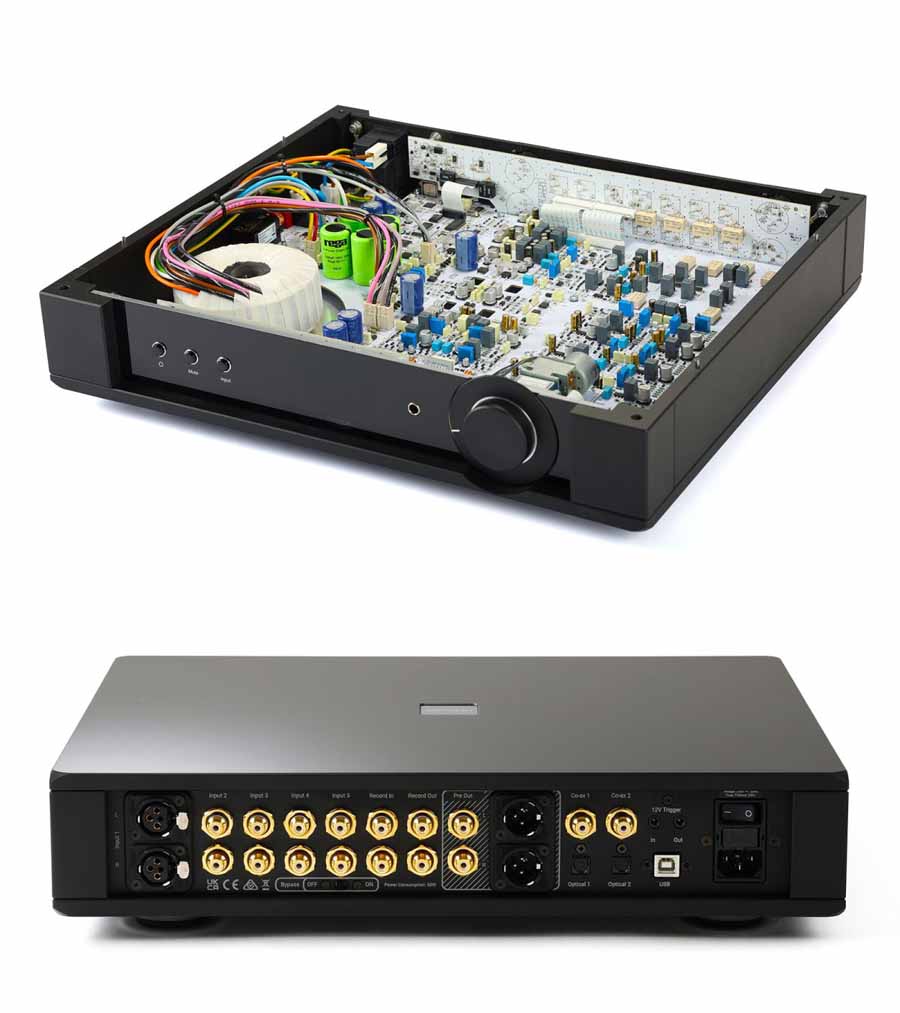
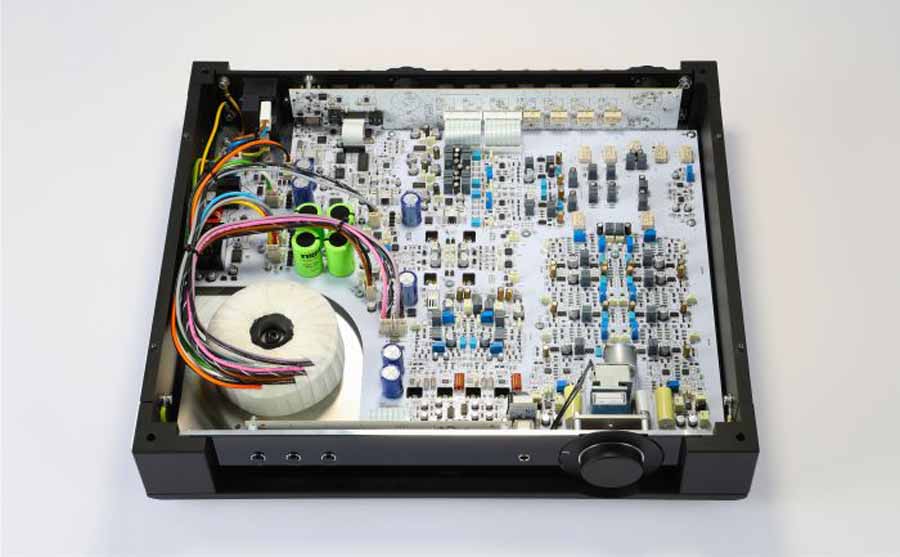
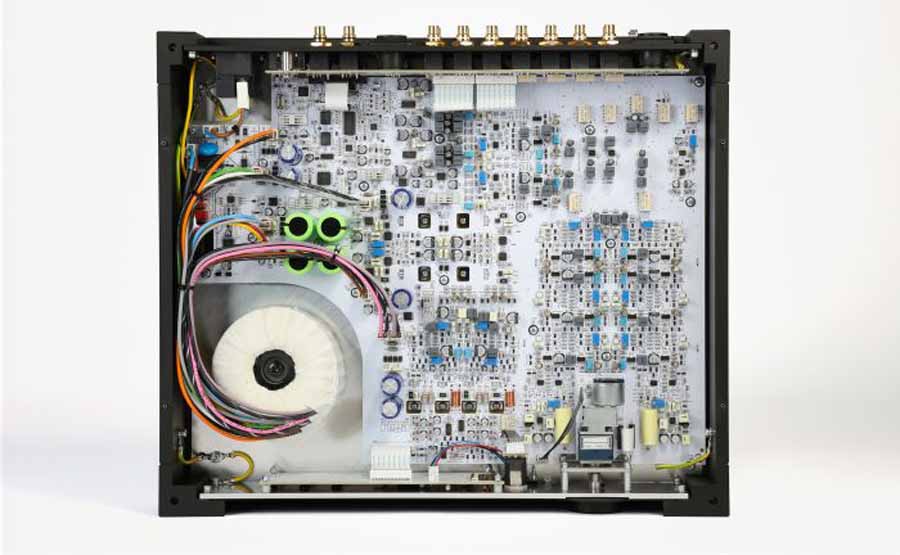
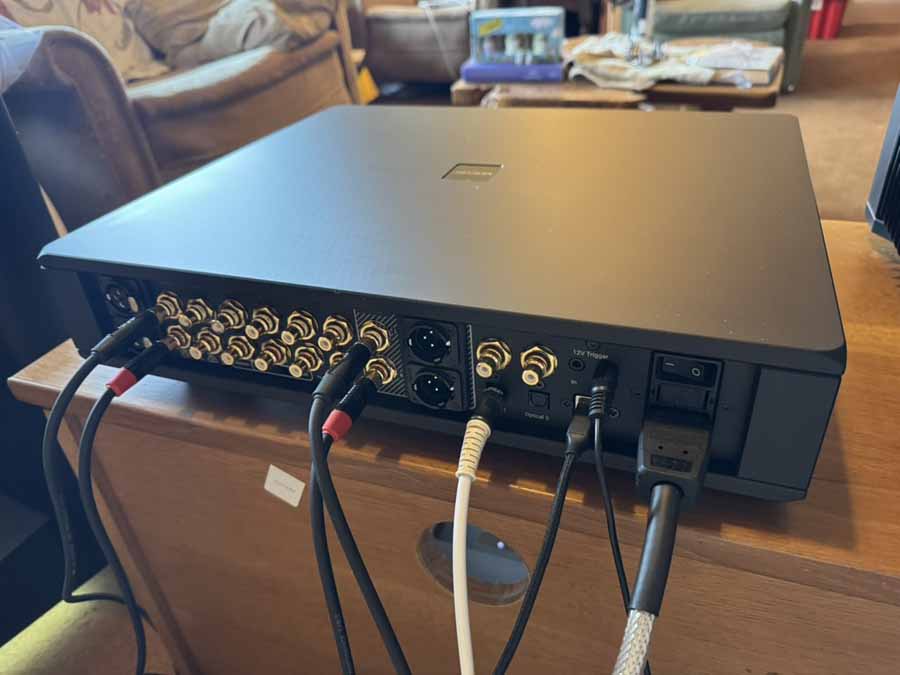
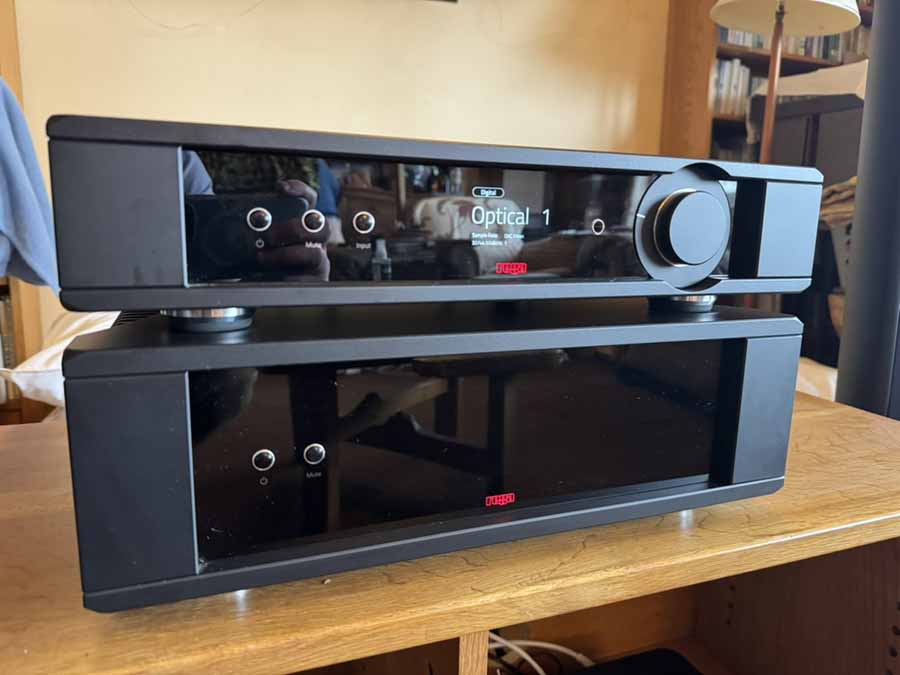
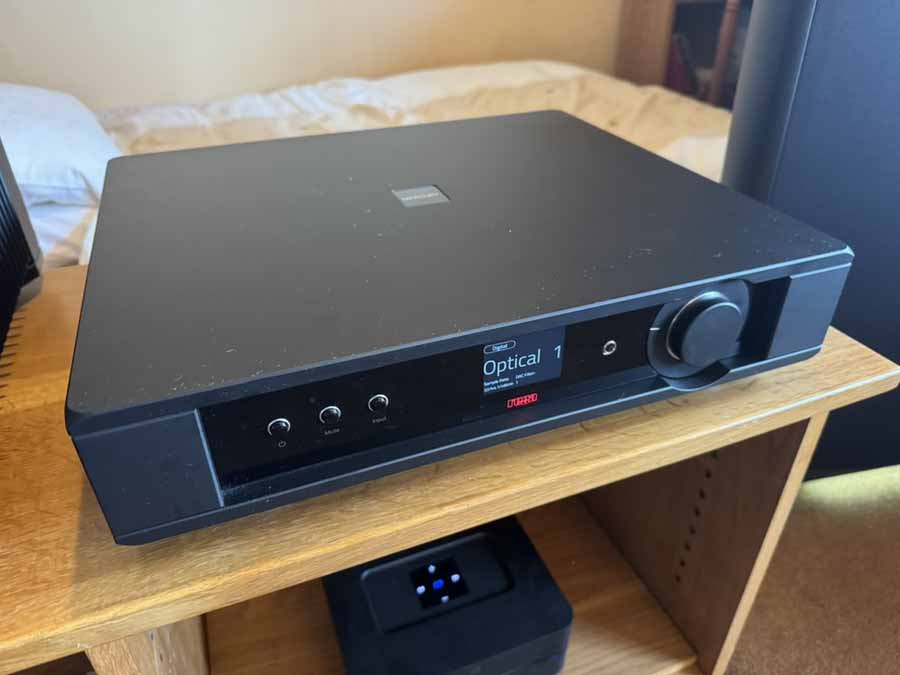
The Mercury is an extremely well-equipped pre. It features a full complement of analogue and digital inputs, including four RCA inputs, a set of balanced inputs, record in/out, and balanced and unbalanced pre-outs. On the digital side, it features two coax, two optical, and a single USB-B input. The Mercury is currently the only Rega product with a full complement of DAC input options. Both ISIS CD players do offer USB input, but that’s the full extent of it, no optical and no coax. The display on the front is nice and clear. It’s not a fancy LCD screen, but that’s only of benefit on a device with streaming options where you might want to display album artwork. For what the Mercury needs to cover, this is a perfect option, and it’s also easy to read from a fair distance away, so you don’t have to get out of your chair to see what’s going on. You also get the inclusion of a dedicated headphone output on the front panel.
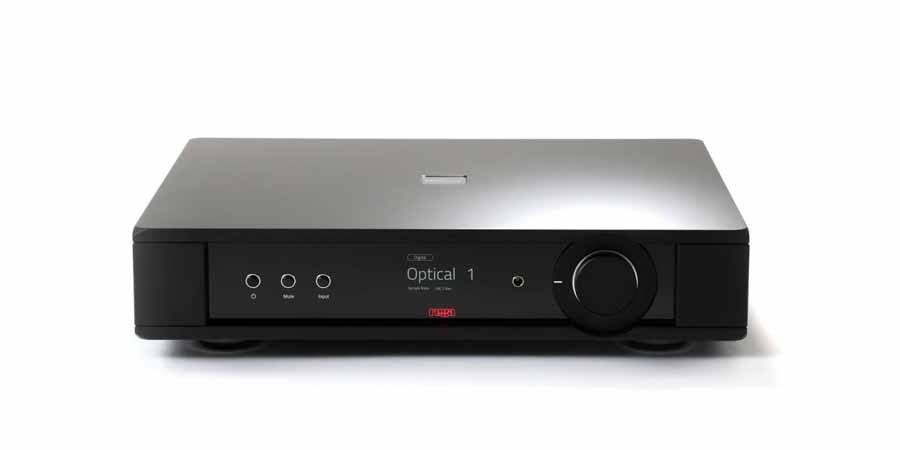
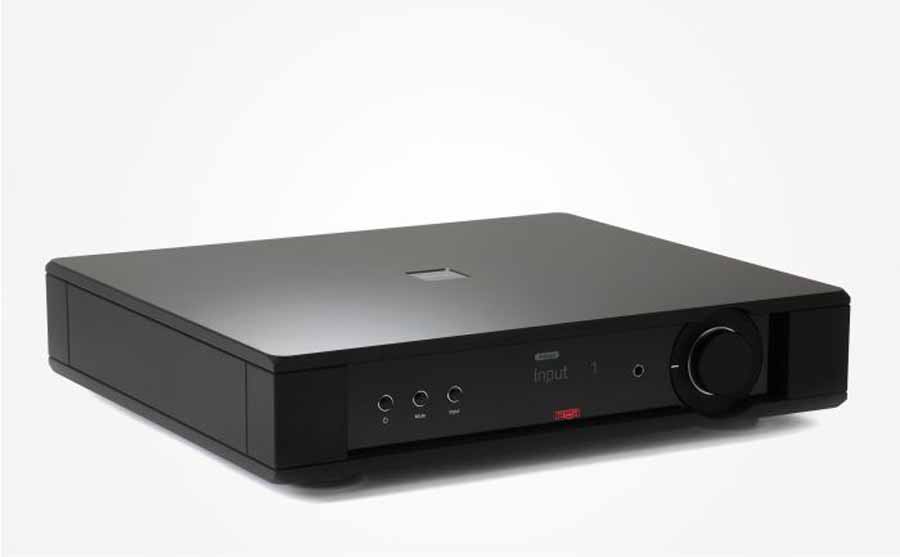
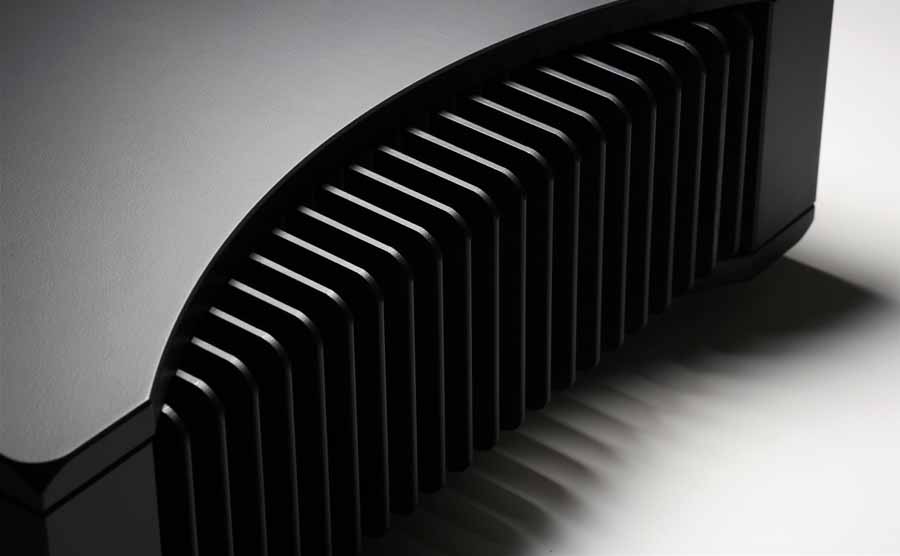
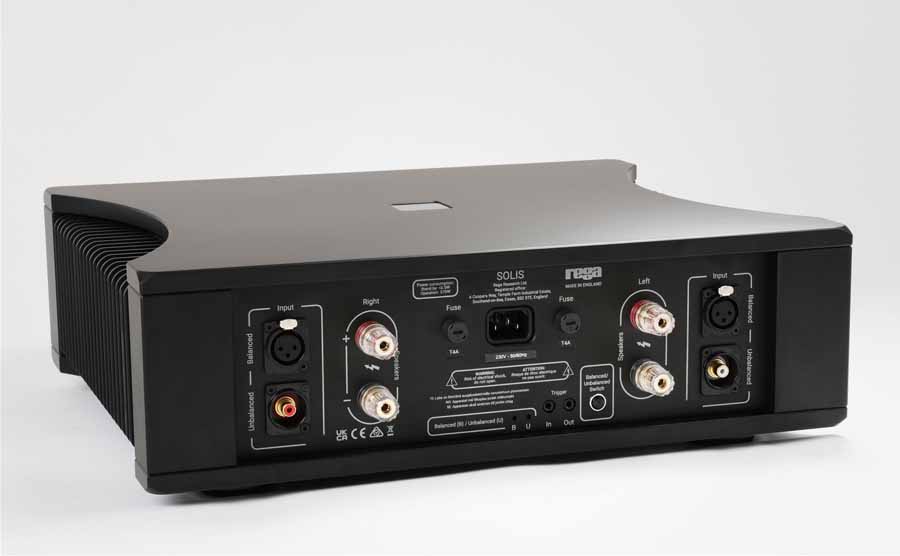
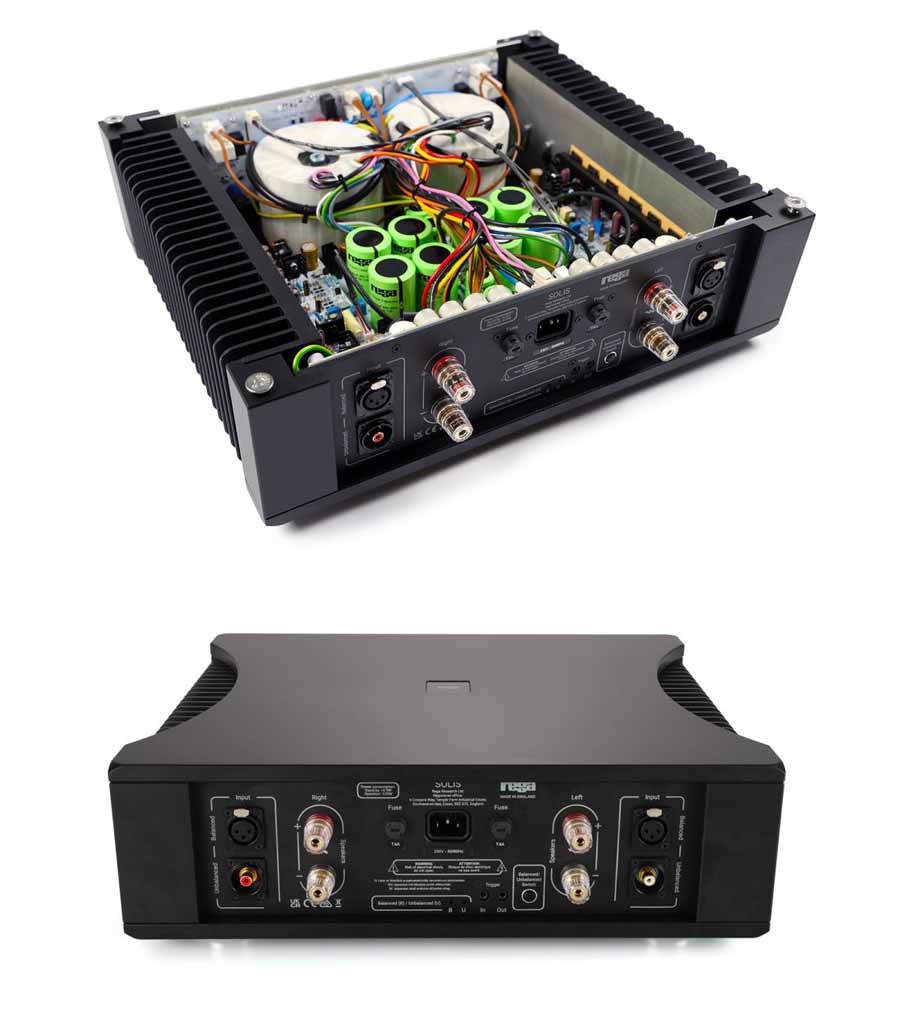
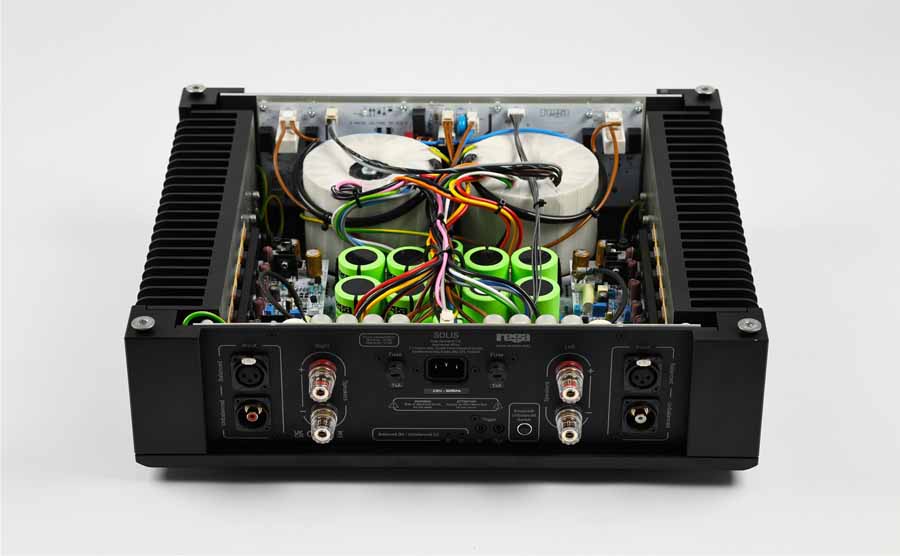
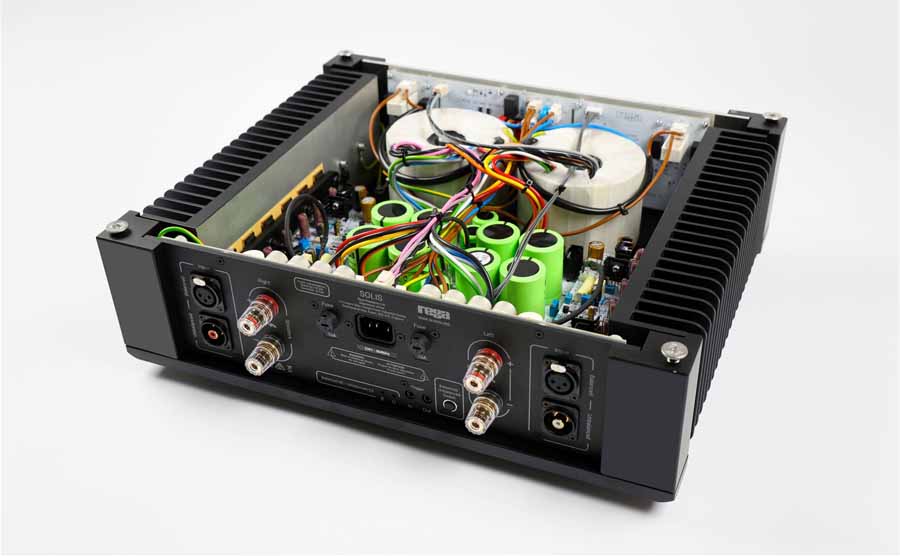
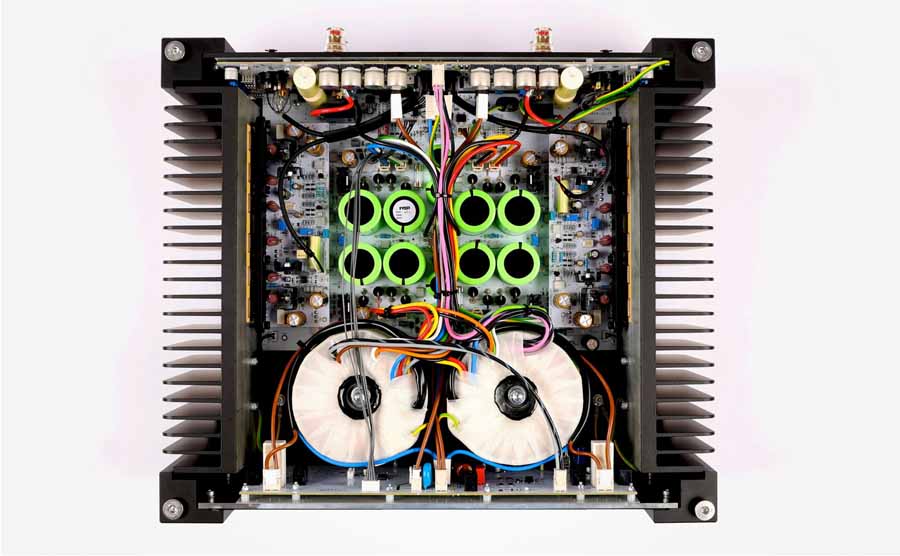
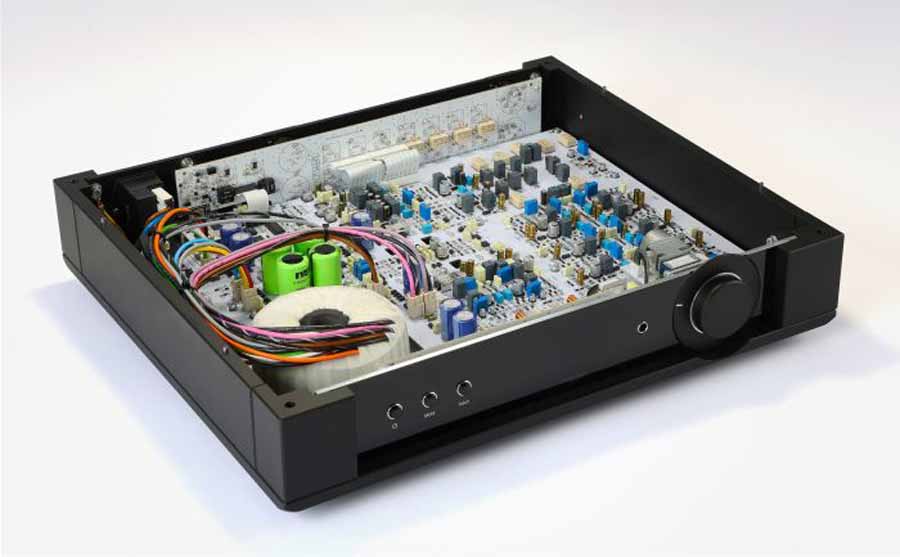
Next, we have the Solis. This is a Class A/B power amp that Rega states delivers 168W into 8Ω, and 305W into 4Ω. Inside, it features two substantial transformers, which means it’s also got plenty of current available to handle the changing load of very challenging loudspeakers (and we really put that to the test while they were in residence). This is a fairly weighty and solidly built pair of units. The Mercury comes in at 14kg, and the Solis at 24.8kg, which means some considerations may be needed when lifting the Solis on one’s own. A fair chunk of the Solis’s weight appears to come from the significant cooling surfaces, which are well warranted, as it can run pretty warm.
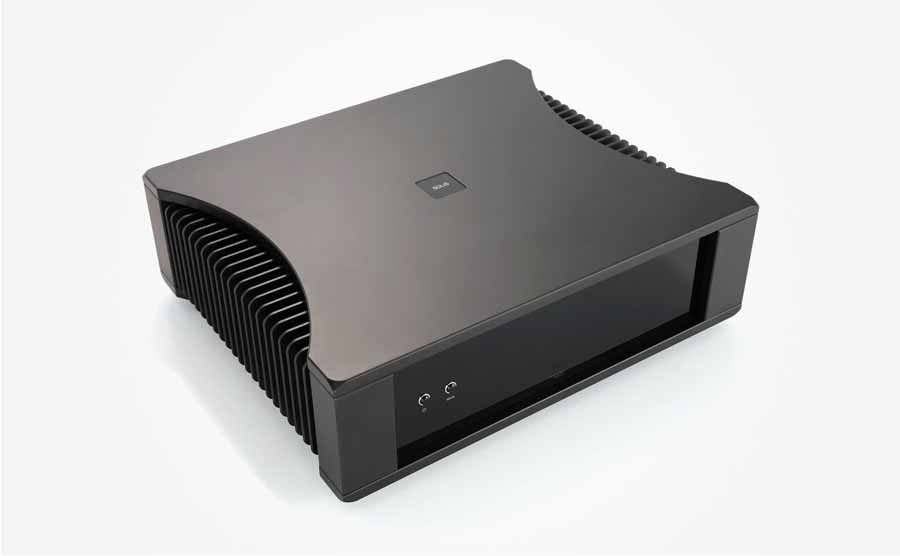
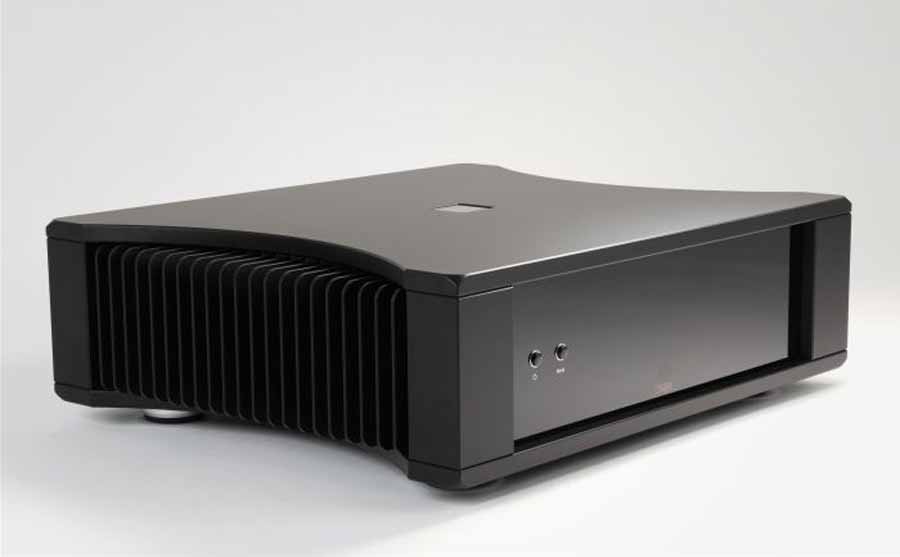
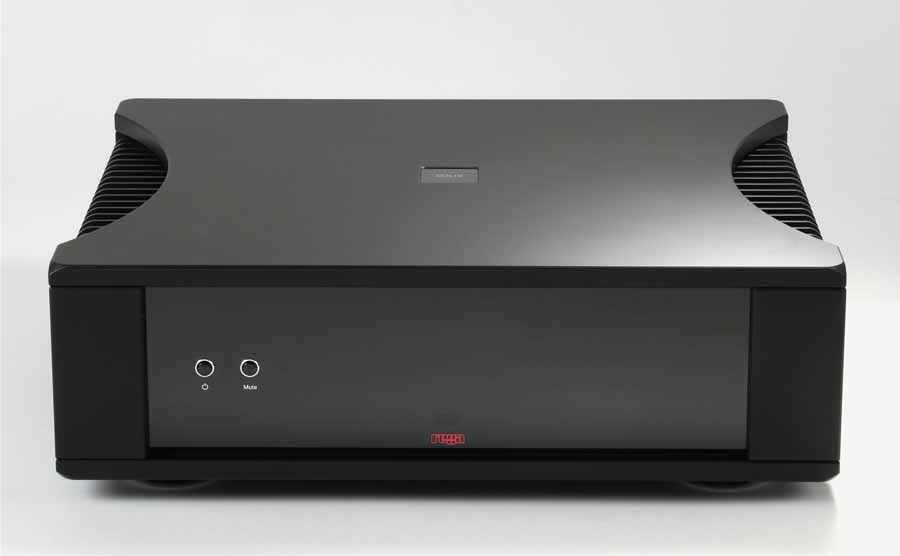
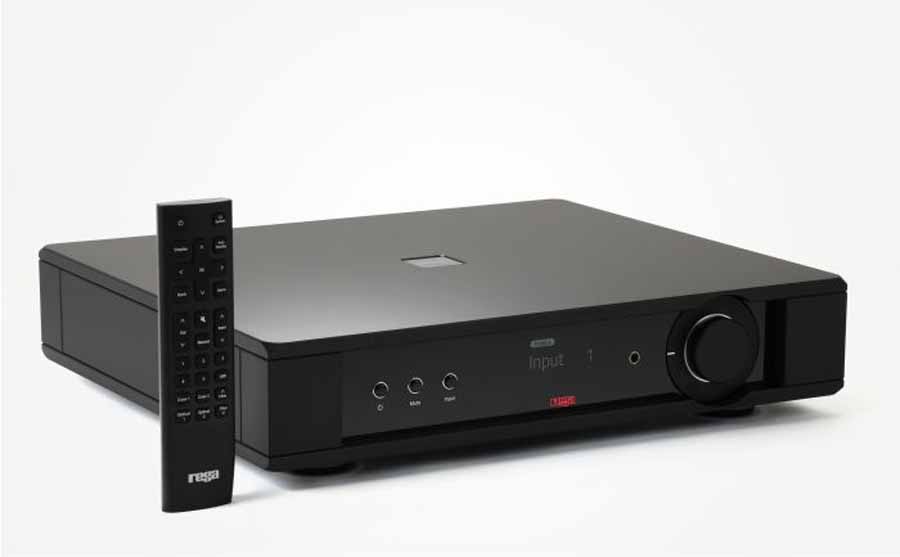
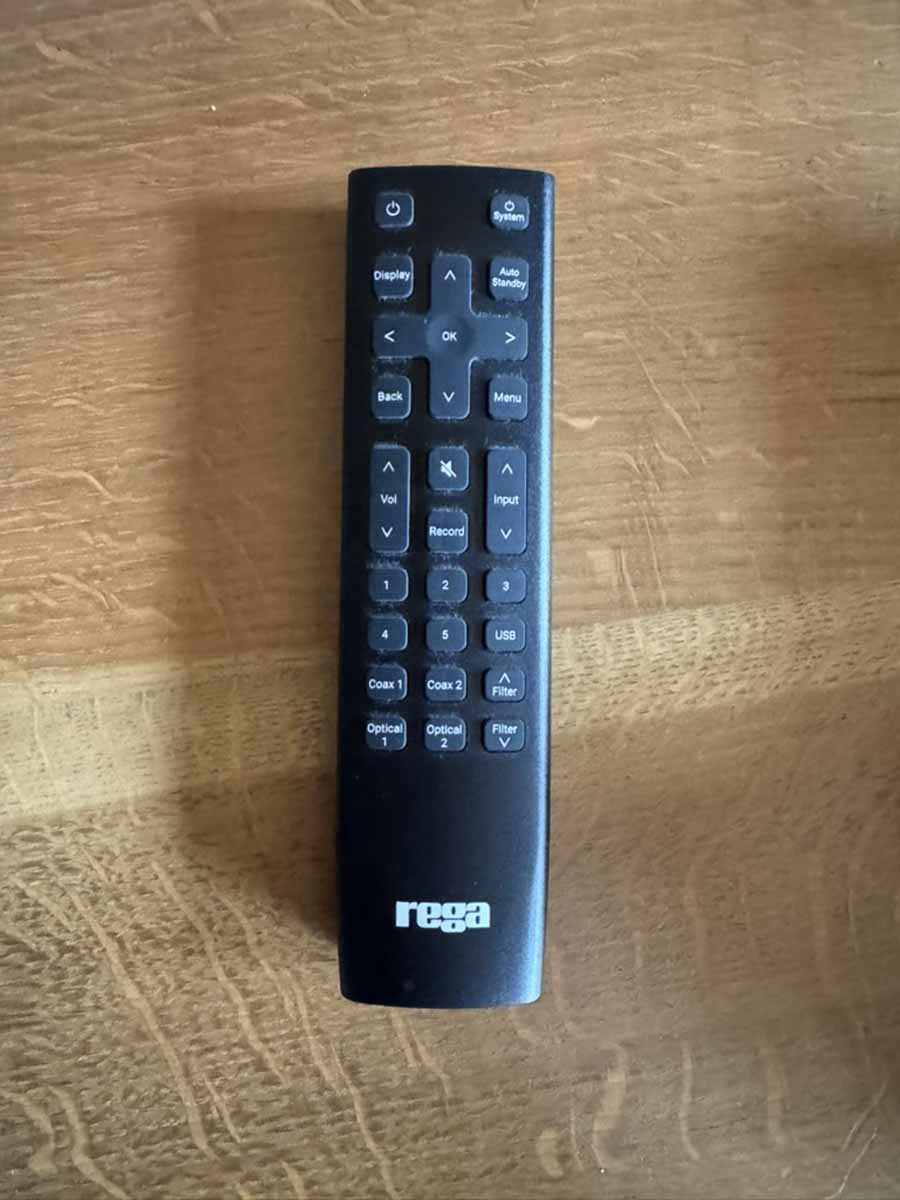
The remote that ships with the Mercury is lovely. It’s a pretty hefty lump of metal, which gives it a reassuring sense of quality. It’s otherwise a pretty traditional HiFi remote control, but that sense of build quality really helps with “completing the picture” on the whole product experience.







Something quite unusual is that both units come bundled with cables. This is pretty rare, aside from the inclusion of very basic cables in entry-level products. And these are definitely not entry-level components here. Each unit comes with both a set of Rega’s Couple 3 RCA interconnects (rrp £125) and also their reference mains power lead (rrp £230). That’s over £700 worth of cable that gets bundled in as standard with the two units. There’s also a cable included to connect the 12v trigger between the two units.
SET UP
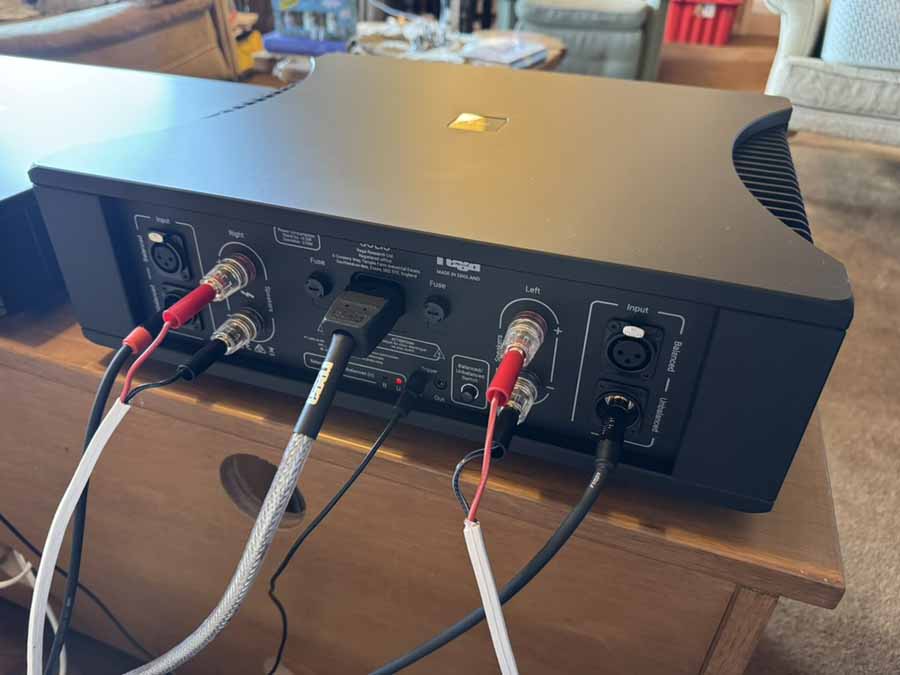
Both the Mercury and the Solis support balanced connections, but Rega quite emphatically recommends against them and recommends sticking with single-ended RCA connectors. They devote quite a bit of text on the website to explaining the rationale behind this. Essentially, while balanced connectors are used routinely in places like studios, this is because almost every single run of cable used in that environment is considerably longer than anything you might need in domestic HiFi, where the balanced cable has an advantage. However, for balanced connections to work properly, you need the entire system to be running balanced. When considering the short connections between a pre and a power amp, the advantages of a balanced connection disappear, and you have the added signal degradation of the extra circuitry the balanced connections require. Rega still includes the balanced connection sockets because they do see some use in studio environments, but the RCA options completely bypass that additional circuitry.
Despite them being shown in the marketing with the Mercury sat directly on top of the Solis, Rega really don’t recommend this due to the heat from the Solis. I’ve been using them side by side for review purposes, but any rack that allows for reasonable breathing room around the Solis should be absolutely fine.
They do also benefit from being at least somewhat warmed up as well. New EU regulations mean they need to contain an auto-standby function for when they’ve not been used for a while, but this can also be disabled in settings so that they’re purely controlled via the remote control, and you can leave them warm if you so choose.
SOUND QUALITY
Once the pair had warmed up, my initial impressions were very positive. It’s immediately apparent that this is a very capable pairing that is entirely comfortable driving some pretty tricky loads. There’s a nice solidity to the sound, nothing thin or sterile, but without being too bright or “in your face” either.
The first full album I played was Pat Metheny’s One Quiet Night. In the liner notes, Metheny describes this as a “homemade” album, recorded almost entirely in a single day. It’s just Pat Metheny on guitar here, no backing band, and it was essentially an experimental session where he tried out some pieces on a baritone guitar. From a system perspective, it’s a real focus on the instrument’s tonal qualities, and the Rega sets the music beautifully. You get just the right sense of warmth and richness to the mids and lower frequencies, but it’s well balanced against the high frequencies and all the sounds of the fretboard that come through.
In order to give it a bit more of a workout, I opted for a fairly new discovery for me: producer Rasmus Hedegaard Sørensen, aka Hedegaard. And yes, I did come across this Danish producer while at the High Performance show in Denmark! There’s a 2-track single he’s done called Inferno/Ratchet, and it features a mighty, mighty bass line. And when I say mighty, think Genghis Khan and the Mongol Horde. The tracks go low, and they have really serious punch and energy. Even when driving the Quad ESL2912X, a loudspeaker almost infamous for its impedance dropping to phenomenally low levels, the Solis power amp keeps everything incredibly tight, whilst still giving incredible depth and punch. There’s absolutely nothing running away from them; everything is clear, clean, and utterly under control.
There’s also no lack of presence or clarity in the upper registers, whether you want it or not! Take the opening track Cowboys from Portishead’s self-titled second album. It’s a bright recording right across the board, but the start is particularly notable, with Beth Gibbons’ vocals, the guitar effects, and the alarm tone all combining. It’s piercing, regardless of what you play it through, and the Rega does not shy away from giving you everything that’s on the record. One other thing that really jumped out as I went through the album was the bass playing on Mourning Air – it’s not one of the great bass lines of the age or anything, but it comes across with a great feeling of dexterity, even though it’s not at the forefront of the mix. A definite feeling of nothing in the recording being left behind or muddied over.
I’m not a dedicated headphones user or reviewer, but I did give the headphone output a cursory listening session via a pair of Sivga P2 Pro, and I can at least safely report no obvious issues or concerns with the output. And I think for anyone who is a casual enough headphone user buying equipment in this price bracket, that’s absolutely fine. If you’ve got this kind of money and are a keen headphones person, you’re almost certainly going to have some dedicated hardware to drive your headphones.
QUIBBLES
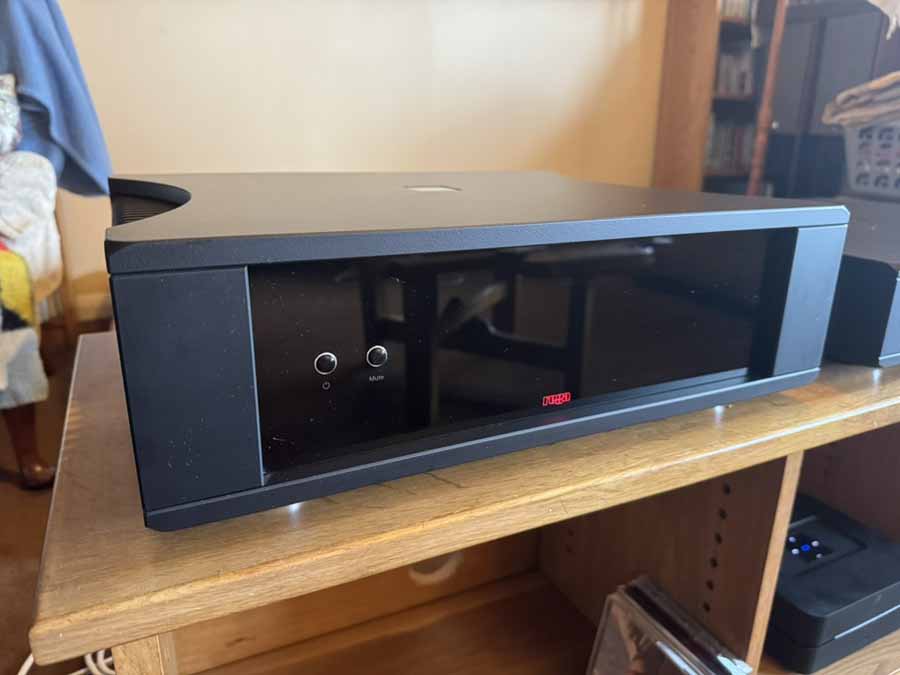
For an A/B amp, the Solis does run pretty warm. Rega is very clear that, despite the marketing shots sometimes showing the Mercury sat atop the Solis, this is really not recommended. At this time of year, this is not an issue, but I suspect in mid-August, there may be days when you don’t want to turn it on. To clarify, it’s not on the level of heat generation of a decently rated fully Class A amplifier, but it’s probably at the upper end of what one might expect for A/B.
I’m also not entirely convinced the DAC within the Mercury quite lines up with the quality of everything else that’s going on in this pairing. It didn’t seem to bring any noticeable improvement in sound compared to the DAC in the BlueSound Vault I have here, for example. That said, if the Mercury were solely a pre-amp, I wouldn’t be marking it down for value without the DAC functionality, so in some ways it can be viewed as a bit of a bonus, and it’s not like a dedicated DAC couldn’t be used alongside it if required.
CONCLUSION
It’s always interesting to see what happens when a company pushes itself into new territory, be it new product lines or new price points. With the Mercury/Solis combo, Rega has upped its game, entering new territory and producing an excellent amplifier setup. The Mercury offers a great deal of functionality, and the Solis offers heft and grip in spades, and tonally, the balance they strike is just spot on (imho). The sound is full and rich, without being muddy or lacking in detail, and without being too aggressive as to cause fatigue.
How the product gets received by the market will remain to be seen, but any challenges will, I suspect, be down to challenges of people’s perceptions of where Rega sit in the market, and wouldn’t be a reflection of the quality of the models Rega has produced here.
The Mercury/Solis is an extremely solid pre-power pairing. I the one weakness to me is the DAC input stage, which doesn’t quite match up to the price point / quality of the amplification parts of the design. I am giving the pairing HiFi PiG’s Five Hearts award.
AT A GLANCE

Build Quality and Features:
Very well built all around
The pre is well-equipped with plenty of options, and the power seems capable of driving any loudspeaker you put in front of it
Sound Quality:
The sound quality is great – you definitely get a bit of Rega character to it, which IMHO is a commendable thing. It’s just the right balance of engagement without being overbearing
Value For Money:
It’s not without competition at this price point, but it does offer a fantastic sound and a pretty all-encompassing feature set
We Loved:
The impeccable build quality and real sense of the power amp being able to drive pretty much anything
We Didn’t Love So Much:
I think if there is a weak link, it’s perhaps the DAC. But I suspect that for a lot of folks looking at a pre-power at this kind of price, there’s likely already a dedicated DAC in their system
It does run warm, which is great in winter, but could potentially be an issue at the height of summer
Elevator Pitch Review: The Mercury-Solis combo is a real step up from Rega, bringing its amplification range up into the same territory as its turntable lineup. This is an absolute beast of a combination, with plenty of features and options, and is plenty capable of driving even very demanding speakers to significant volumes without issue.
Price: £6,500 €9,450 $10,495 each

Jon Lumb
SUPPLIED SPECIFICATION
Mercury
INPUT – S/PDIF Co-ax and Optical: 16-24 bit @ 32/44.1/48/88.2/96/176.4/192kHz
INPUT – USB: 16-32 bit @ 44.1/48/88.2/96/176.4/192kHz PCM or DSD64 (DoP), Asynchronous, Power Consumption 0W (<0.5mA)
PRE-AMP – THD+N: Typically 0.001% @ 1kHz 2V Unbalanced or 4V Balanced 0dB gain
PRE-AMP – Frequency Response: 8Hz (-0.5dB point) to 28kHz (-0.5dB point) at 0dB gain Balanced Input/ Output
DAC – THD+N: Typically 0.0045% @ 1kHz 0dBFS 2V Pre Out
HEADPHONE AMP – Max Level 33Ω: 9V / 2.5W @ 0.1% THD+N (230V/120V)
HEADPHONE AMP – Max Level 240Ω: 10.85V / 0.5W @ 0.1% THD+N (230V/120V)
HEADPHONE AMP – THD+N: Typically 0.0035% @ 1kHz 2V into 240Ω or 33Ω
Power Consumption: 50W
Power Consumption (Standby): 0.4W (activated automatically if no signal present after 20 minutes)
Dimensions W x H x D: 435 x 97 x 380mm (17 x 3.8 x 15in)
Weight: 14kg (31lbs)
Solis
Power Amplifier Output (at rated 230/120V supply voltage) @ 1kHz 0.1% THD:
168W RMS per channel into 8Ω
305W RMS per channel into 4Ω
THD+Noise at 100W into 8Ω measurement bandwidth 22Hz to 22.4 kHz: Typically 0.015% at 1kHz
Unbalanced Input Sensitivity: 820mV at 35kΩ
Balanced Input Sensitivity: 1.64V at 26kΩ
Power Amplifier Gain: 33.3dB
Frequency Response at 100W into 8Ω (Unbalanced input): 15Hz (-0.5dB point) to 30kHz (-0.5dB point)
Power Supply (as marked): AC supply 230V / 220V / 120V / 100V nominal ±10%
Power Consumption: Power Consumption 500W at 1/8 rated power (42.5 W into 4Ω)
Power Consumption in Standby: 0.4W (activated automatically if no signal present after 1 hour)
Unbalanced Input Sensitivity / Impedance: 820 mV at 35kΩ
Balanced Input Sensitivity / Impedance: 1.64V at 26kΩ
Dimensions (WxHxD): 435 x 140 x 385mm (17 x 5.5 x 15in)
Weight: 24.8 kg (54.7lbs)