
High End Vienna 2026 Report Part One Floor – 2
HIGH END VIENNA 2026 REPORT PART ONE FROM HiFi PiG
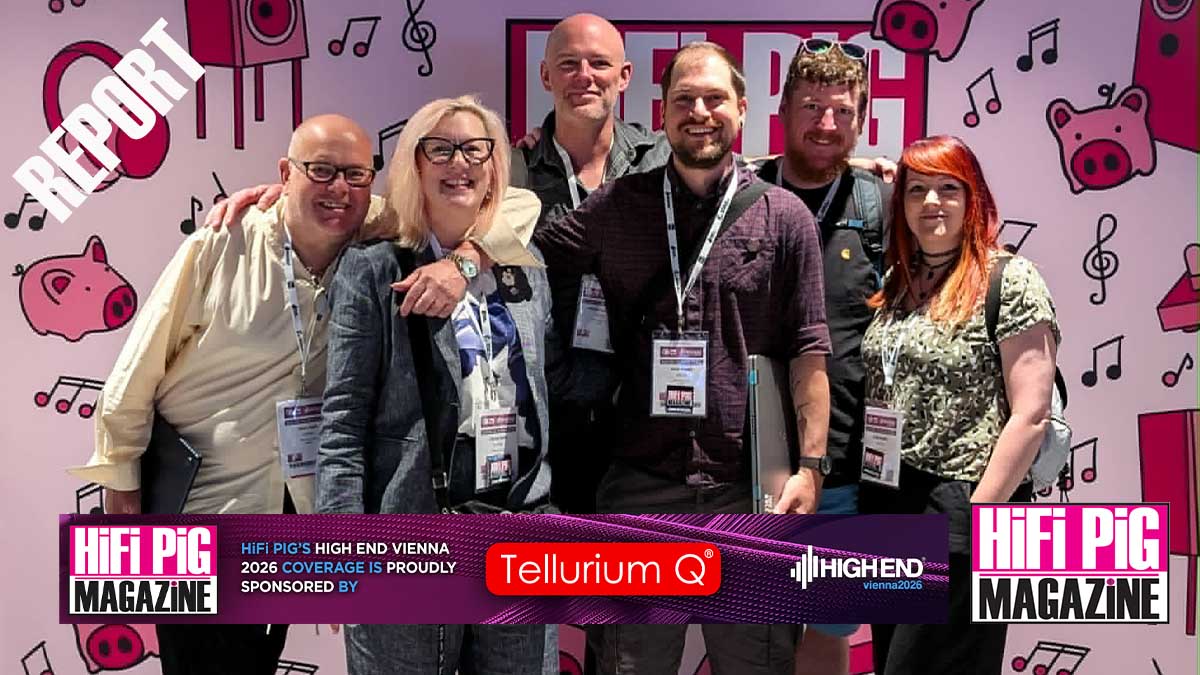
We kick off our High End Vienna 2026 Reports with Part One, where Lin and Stu check out the bottom floor of the show, – 2.
Join Lin and Stu for the first report in our full coverage of High End Vienna 2026, where they explore the bottom floor of the show….we will be bringing you several reports from Team HiFi Pig with Oscar, Kelly, Jon and Michael reporting from all the floors, halls, and the off-site shows too. Plus we will also bring you details later about who won the five Golden PiG Awards which we gave out at the show.
Please note, all content and photos are the copyright of HiFi PiG Magazine/Big Pig Media LLP and must not be copied or reproduced in any way without the prior, written consent of the editor.

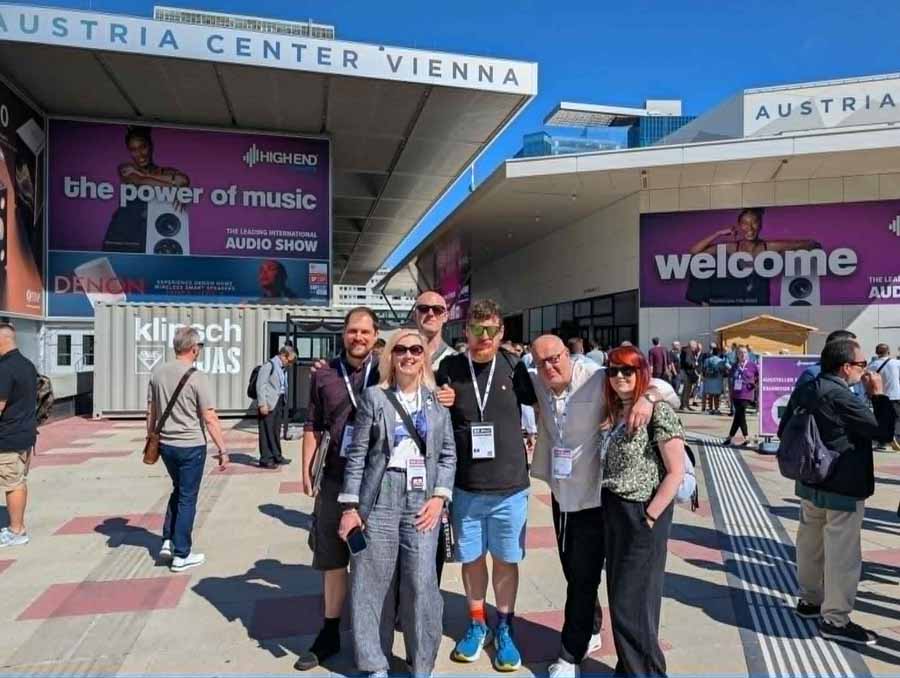
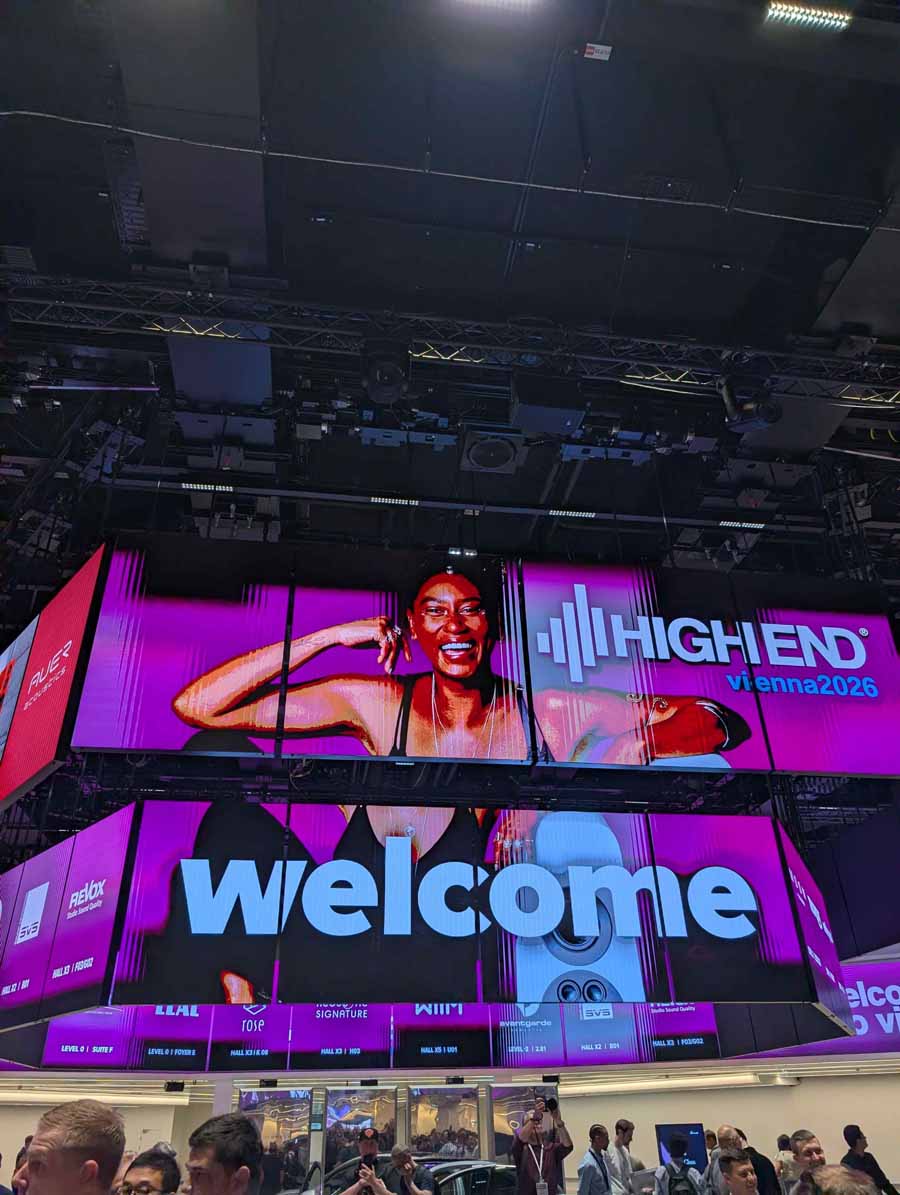
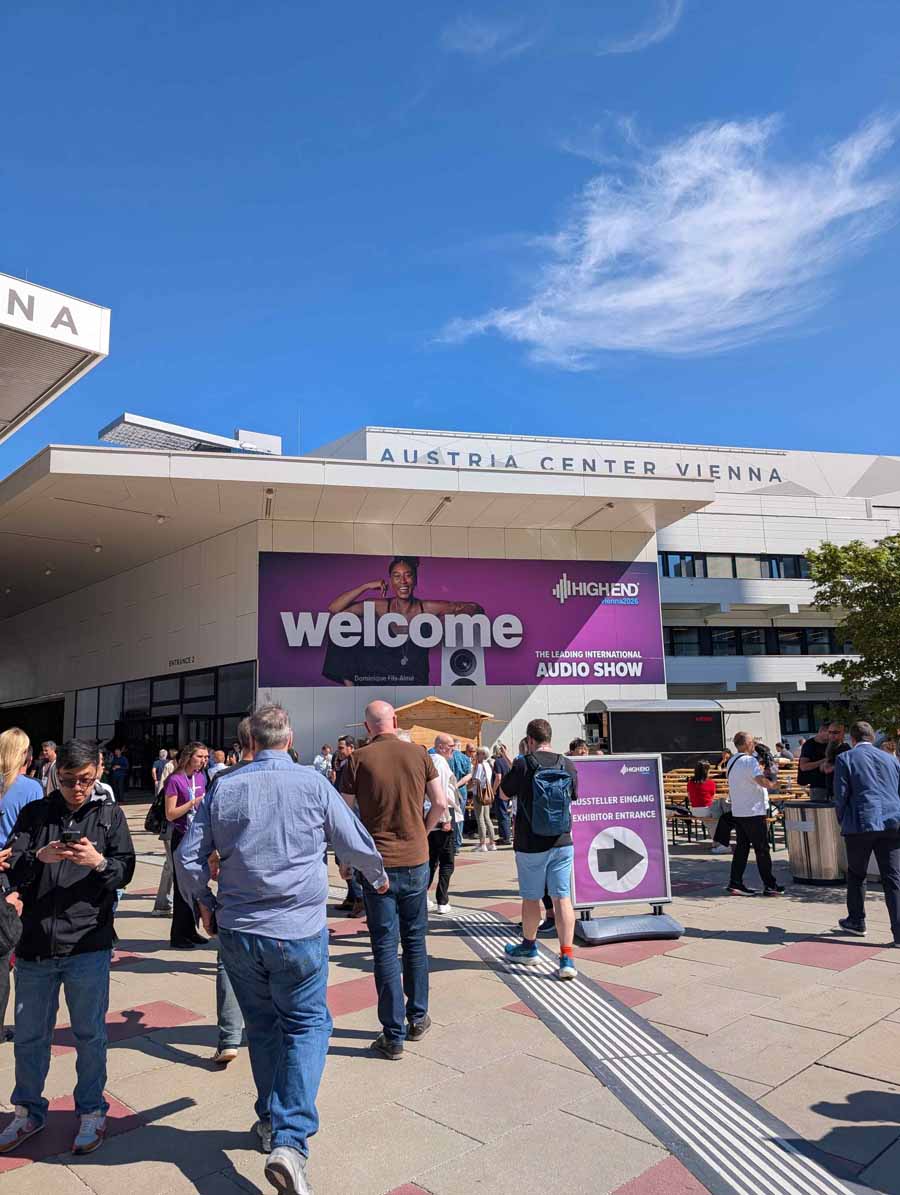
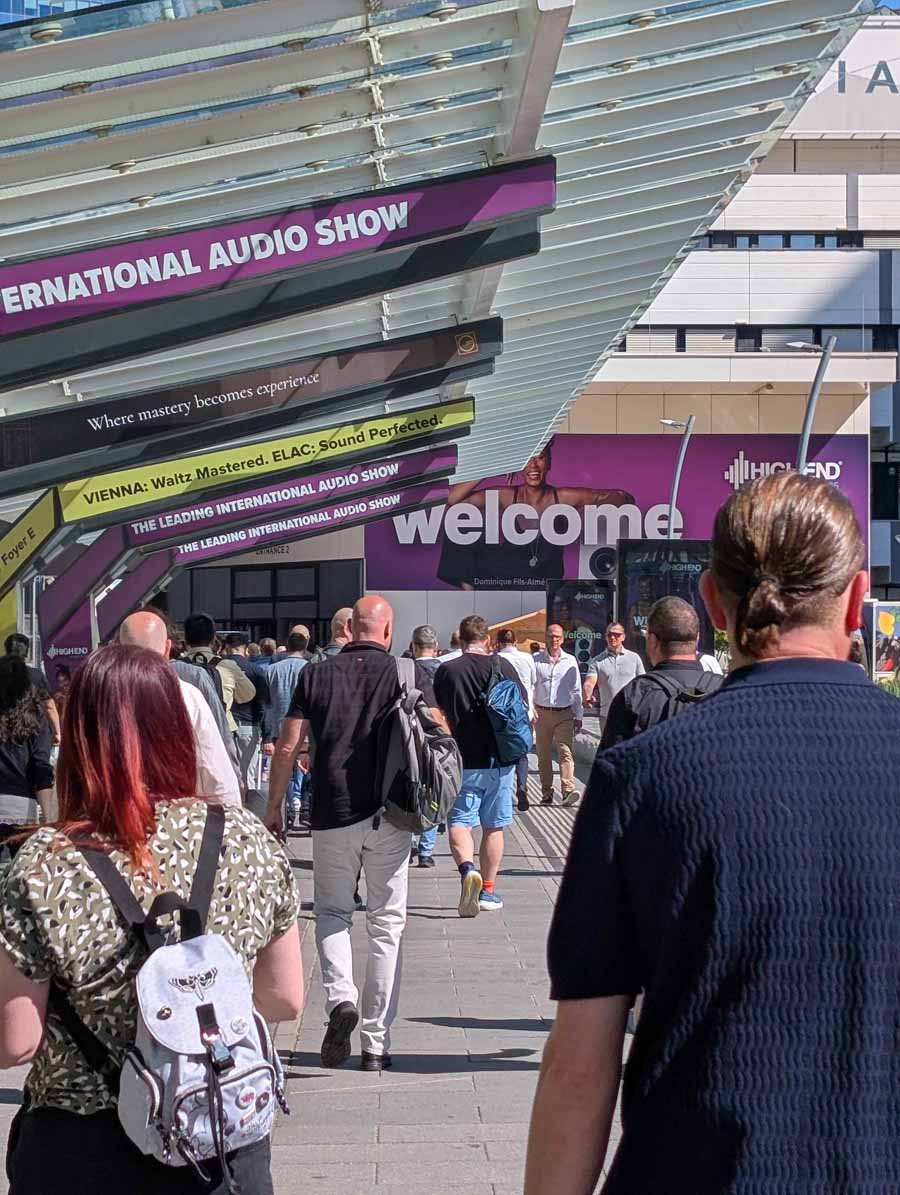
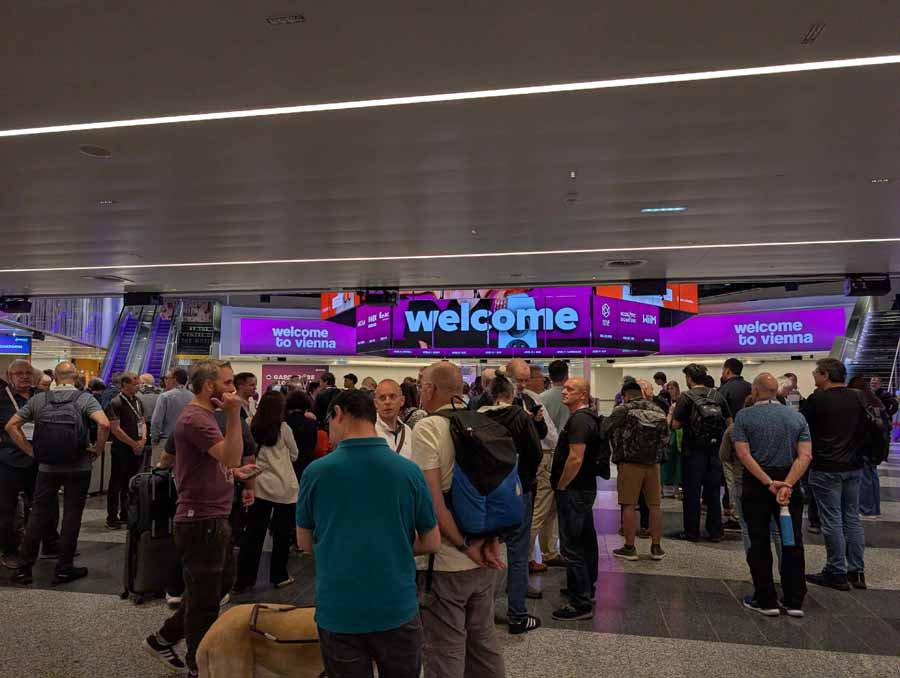
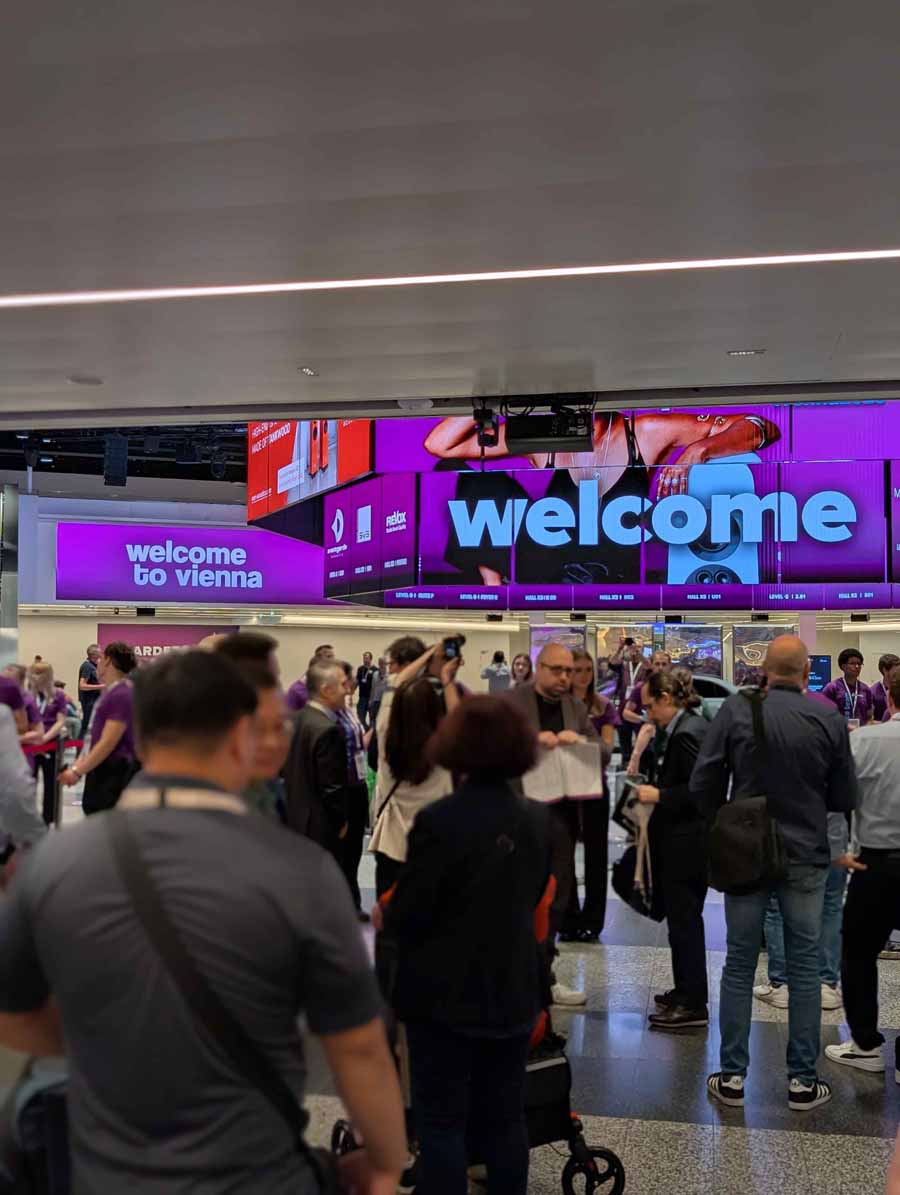
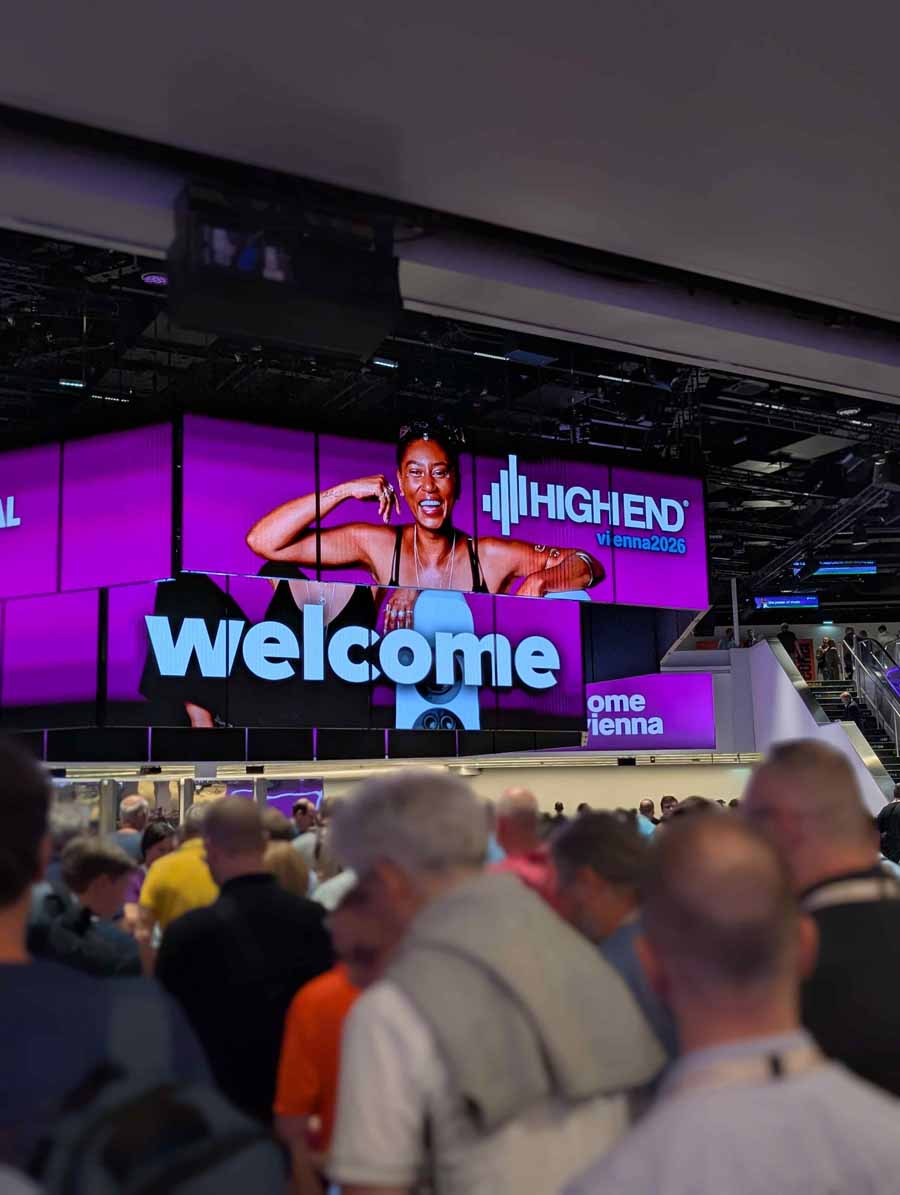
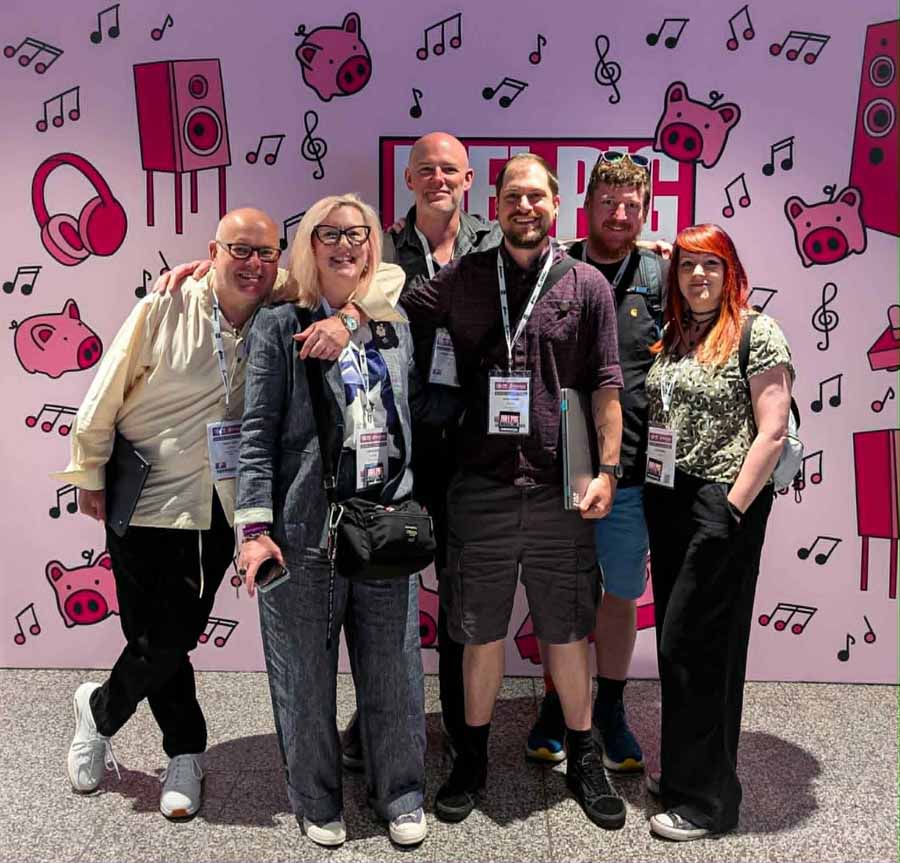
HIGH END VIENNA 2026 – A NEW HOME FOR THE WORLD’S MOST SIGNIFICANT HiFi SHOW
Any new event, or any significant change to an existing event, is pretty much always met with a greater or lesser degree of resistance. And audiophiles aren’t exactly well-known for embracing change with open arms and a laissez-faire shrug. Before Vienna, the mere mention of moving the biggest HiFi show in Europe from its spiritual home of more than twenty years would have you thinking that civilisation itself was under threat.

Before we arrived in Vienna for this year’s High End Vienna 2026, there had already been plenty of moaning online. Some of it was fair enough, some of it was madly over dramatic. Munich and the MOC had become really familiar to us all. We all knew the corridors, the coffee spots, the beer garden, the shortcuts, and the routine.
But arriving in Vienna, I have to say, I immediately liked the new venue.
The first thing that struck me was the sense of space the new venue offers to visitors. Wide corridors, high ceilings, natural light in places, and an overall feeling that you could actually breathe. At Munich, particularly on busy days, there were moments when you felt less like an attendee at a HiFi show and more like a tinned sardine. Vienna feels calmer and more relaxed. You never really feel crushed or jostled. Even when the venue was very busy, there was always space to sit and take a moment away from the hustle and bustle.










Oddly, though, that spaciousness creates one of the things I think some people may genuinely miss from the MOC. In Munich, the narrow corridors almost forced human interaction, and you’d constantly bump into people you knew. You’d stop for a quick chat that somehow became twenty minutes. There was a bit of a chaotic social energy to it all that I suspect many of us quietly enjoyed more than we admitted. It’s definitely something I noticed and kind of missed.
Vienna is different. Because the venue is more open, you get where you’re going more quickly, and you spend less time trapped in corridor traffic. But the trade-off is that those accidental encounters happen less naturally. You have to arrange to meet people rather than collide with someone every fifteen minutes. I’m not convinced that’s entirely a bad thing, by the way.
The rooms themselves are, generally speaking, very good. In the main building especially, the spaces feel generous and capable of handling larger systems without everything feeling squeezed in. Some of the rooms are absolutely cavernous, which creates opportunities for exhibitors to present systems in a way that feels far more relaxed and realistic.
Over in the halls, there’s a little more crowding and bustle, but even then it never felt anything like Munich at its busiest.
One thing that absolutely deserves mentioning is the facilities provided for the press, which were genuinely superb. Having covered shows all over the world, you quickly learn that media facilities can range from perfectly functional to a folding chair near a plug socket. Vienna got this very right. The press areas felt professional, comfortable, and actually useful. It made working from the show far easier than it often is. We actually used the press office, which is unusual for us.
If I had one small suggestion moving forward, it would be a separate access line for the press on the public days. It’s hardly a major criticism, but when you’re carrying cameras, bags, and laptops and trying to get into the show before rooms fill up, it would make a big difference. A small thing, but worth noting.
And then there’s the city itself. We were lucky enough to book the Monday after the show off so we could actually spend a bit of time exploring Vienna properly rather than simply existing in the strange Airbnb and exhibition hall bubble that trade shows often become. And honestly, the city is absolutely beautiful. There’s a real elegance to Vienna. Grand buildings, wide streets, cafés everywhere, proper culture, proper history, and a feeling that people still value art, music, architecture, and simply taking their time a little. You walk around the city, and there’s this sense that things matter here. Art matters. Architecture matters. Music matters. Sitting in a café chatting for two hours over negronis matters. I think the weather being gorgeous helped a great deal here, and we absolutely fell in love with the city. And it feels like a city that suits this show.
I know some people will continue comparing everything to Munich for years to come, and that’s understandable. But I genuinely think Vienna gives the event an entirely different atmosphere. Perhaps slightly more refined. And after spending a few extra days there, I found myself thinking that moving the show may actually prove to have been one of the best decisions the High End Society could have made.
Of course, this was the very first year in Vienna, and there were inevitably going to be teething problems. Signposting could definitely be improved in some areas. There were moments where I found myself wandering around feeling a bit confused. The show guide helped, but clearer navigation would make a real difference moving forward.
But genuinely, a massive thank you has to go to all the staff and organisers at High End Society for pulling off such an enormous undertaking. Moving an event of this scale to a completely new city and venue was always going to be a huge challenge, and I think they deserve enormous credit for how smoothly the whole thing went.
Equally, a huge well done to all the exhibitors, many of whom had clearly put an incredible amount of effort into making their rooms and displays work in a completely unfamiliar environment. I spoke to a great many exhibitors over the course of the show, and the feedback was overwhelmingly positive. Of course there were a handful of detractors, and there always will be, but the vast majority of people I spoke with seemed genuinely enthusiastic about the future of the show in Vienna.
I came away genuinely impressed.
And of course huge thanks to our High End Vienna 2026 coverage sponsor, Tellurium Q.
Anyway, enough of my waffling on and on with the main course of all this – the reports.
We had six people covering the show, plus a videographer, and we believe that we covered all the rooms and exhibits. HiFi PiG aren’t at a show like this to tout for advertisers or exhibitors for other shows; our job at Vienna was to ensure that you, dear reader who couldn’t attend the event in person, got a real feel for the event and the products that were being exhibited. We’ve split the reports into different floors and areas, but as well as the High End show, we’ve also covered a couple of other “sideshows” that were happening at the same time. There will be a lot of information and loads of photos, but we hope that we manage to present it in (large) bite-sized chunks for you to enjoy.
HIGH END VIENNA 2026 REPORT PART ONE – STU AND LIN CHECK OUT FLOOR – 2
After a couple of days of meetings and video, Saturday arrived, and the public arrived in droves. We headed down to the lower level, which was wonderfully cool.
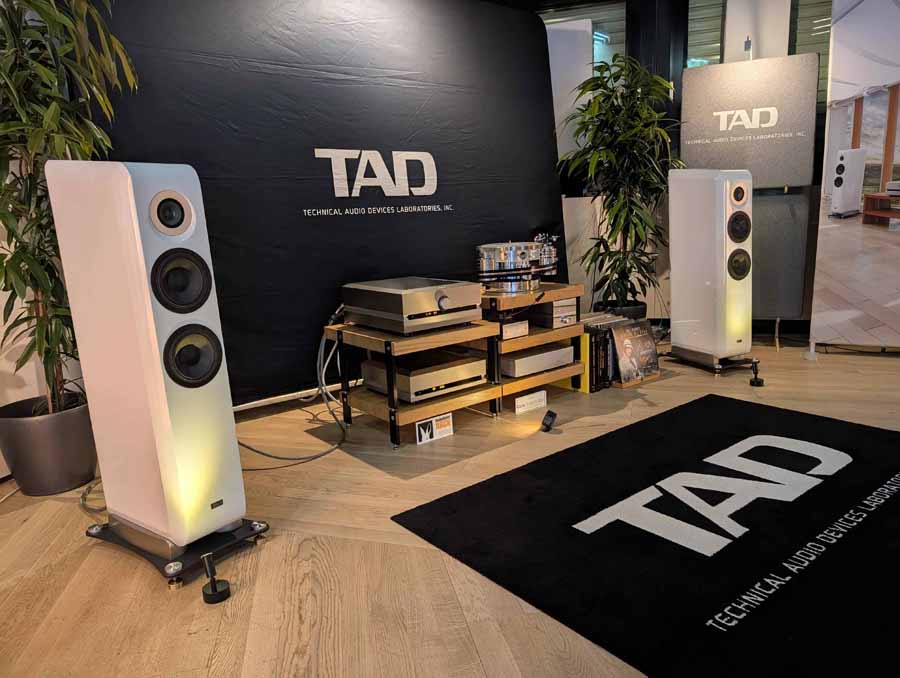
TAD
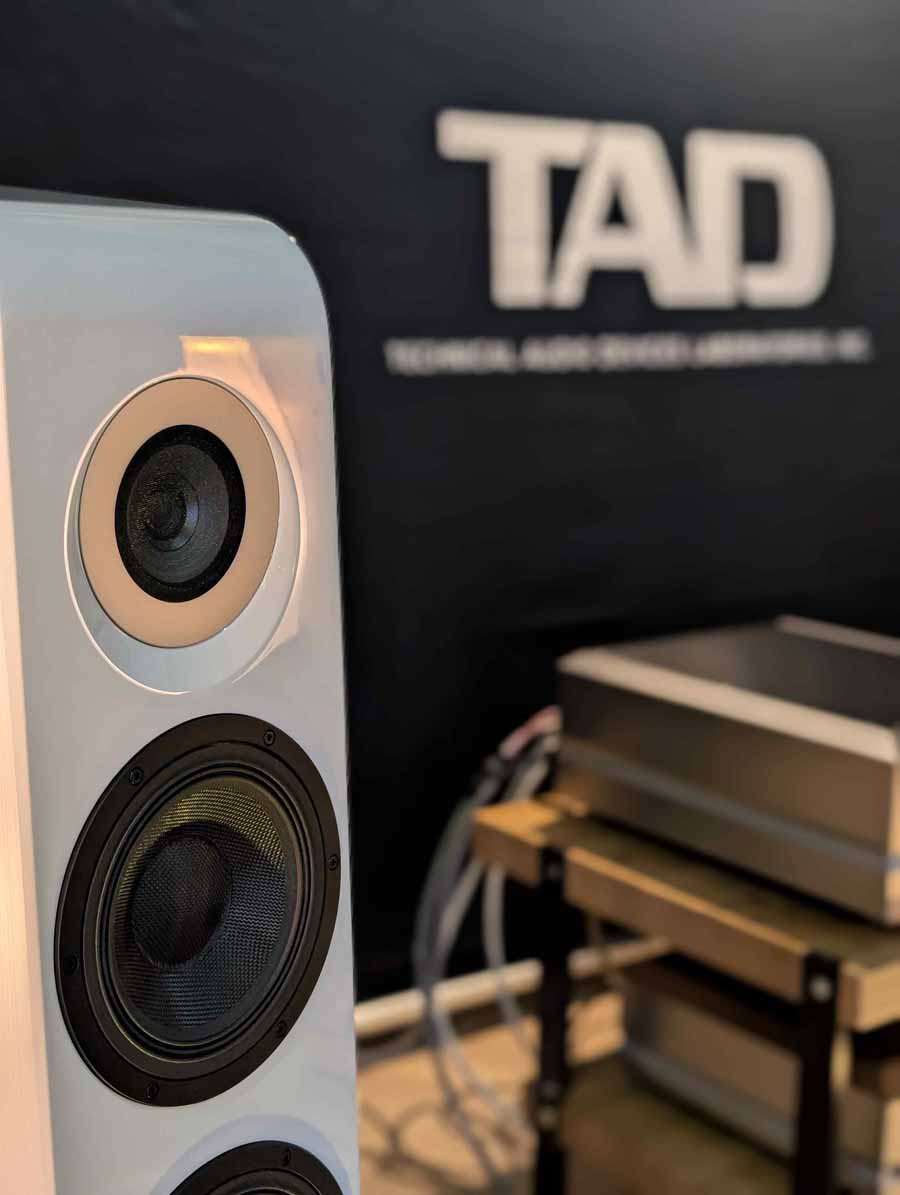
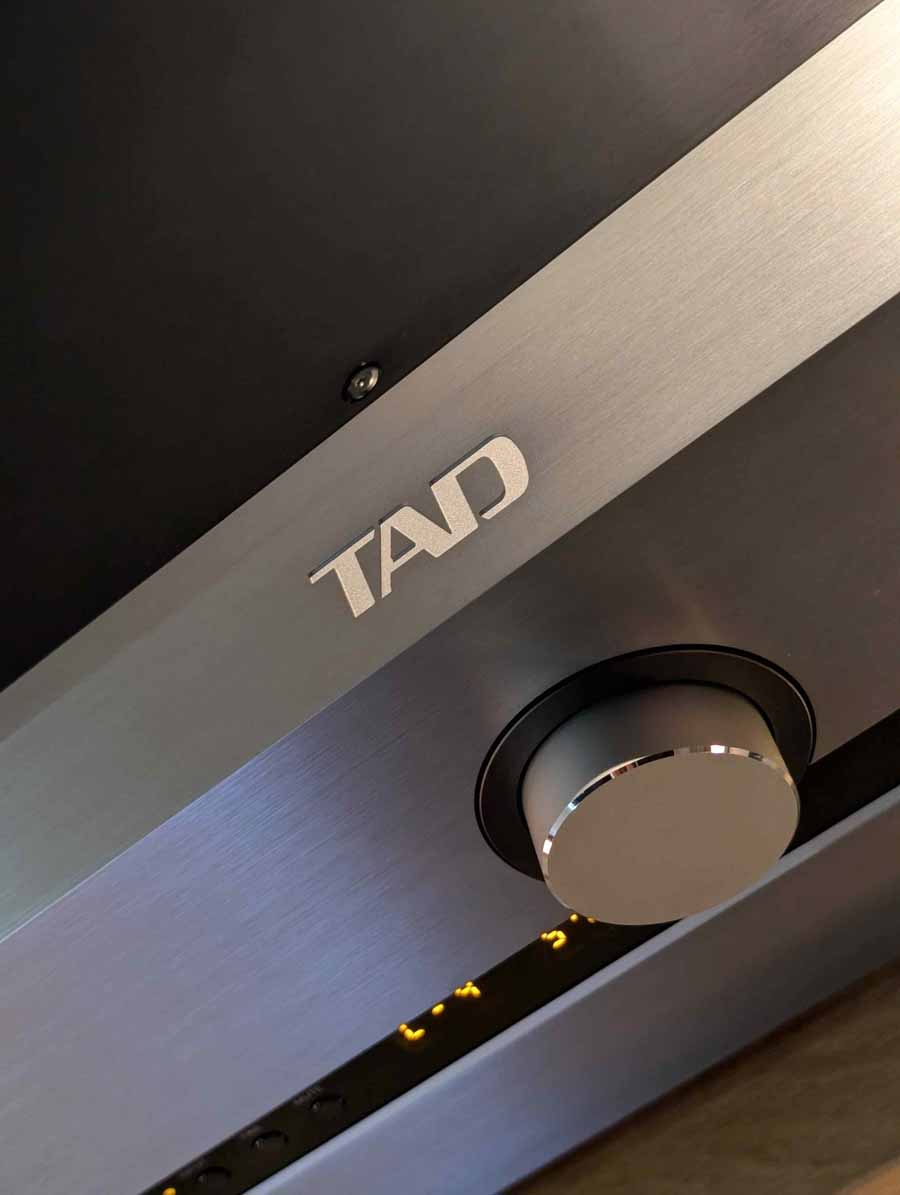
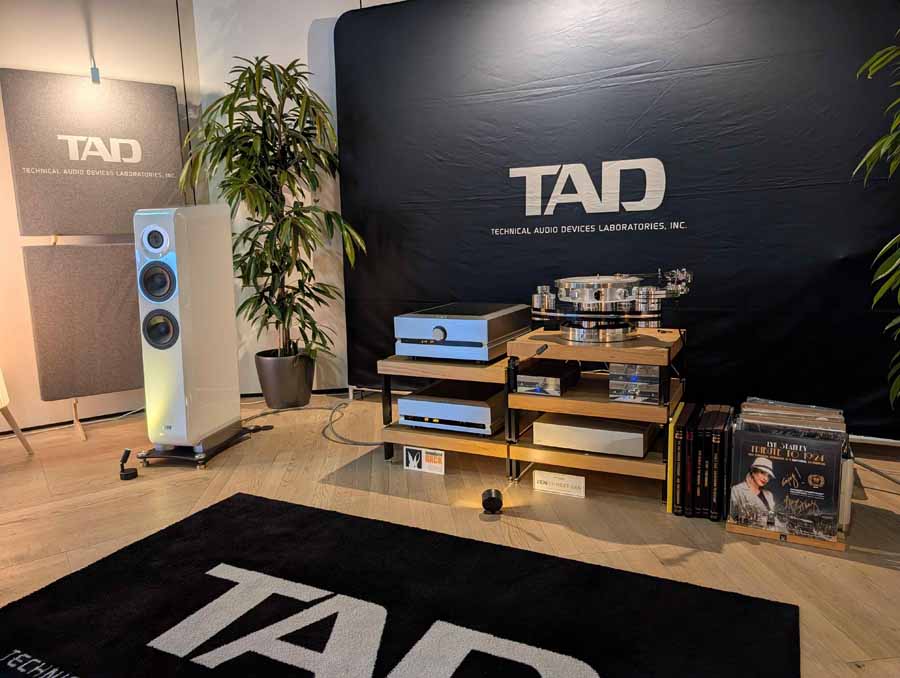
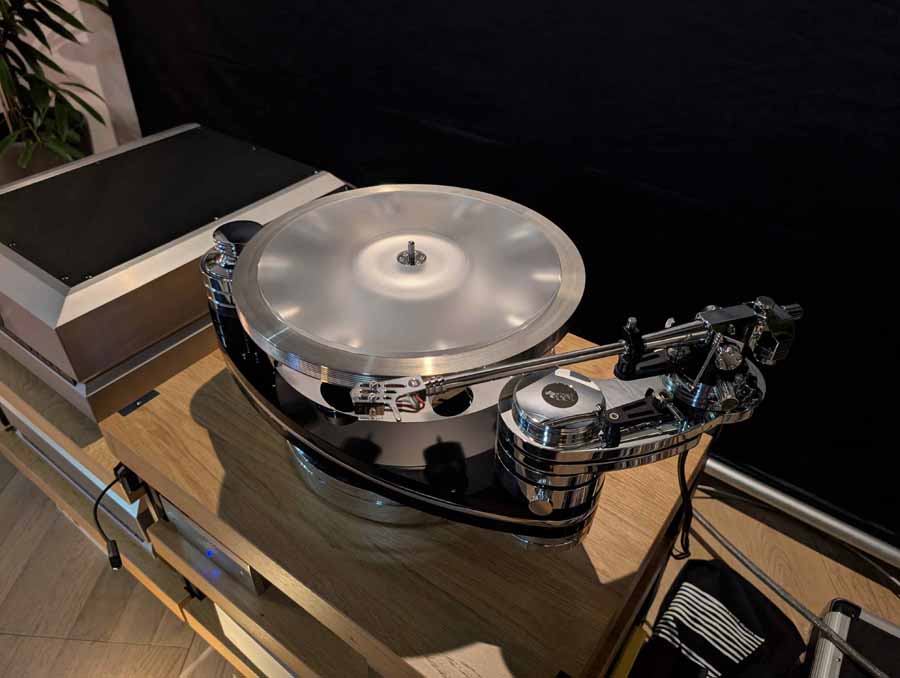
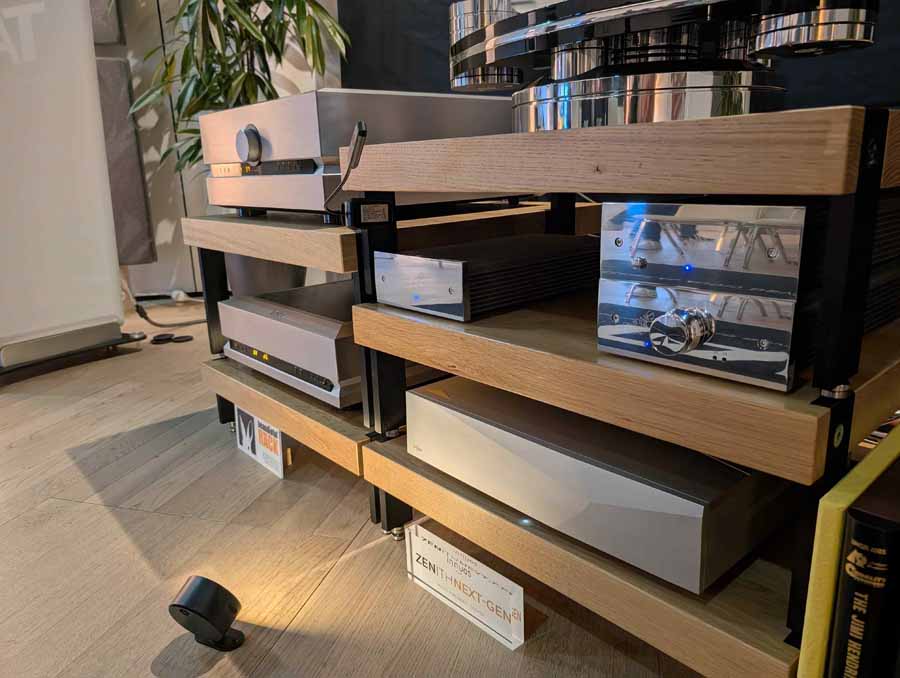
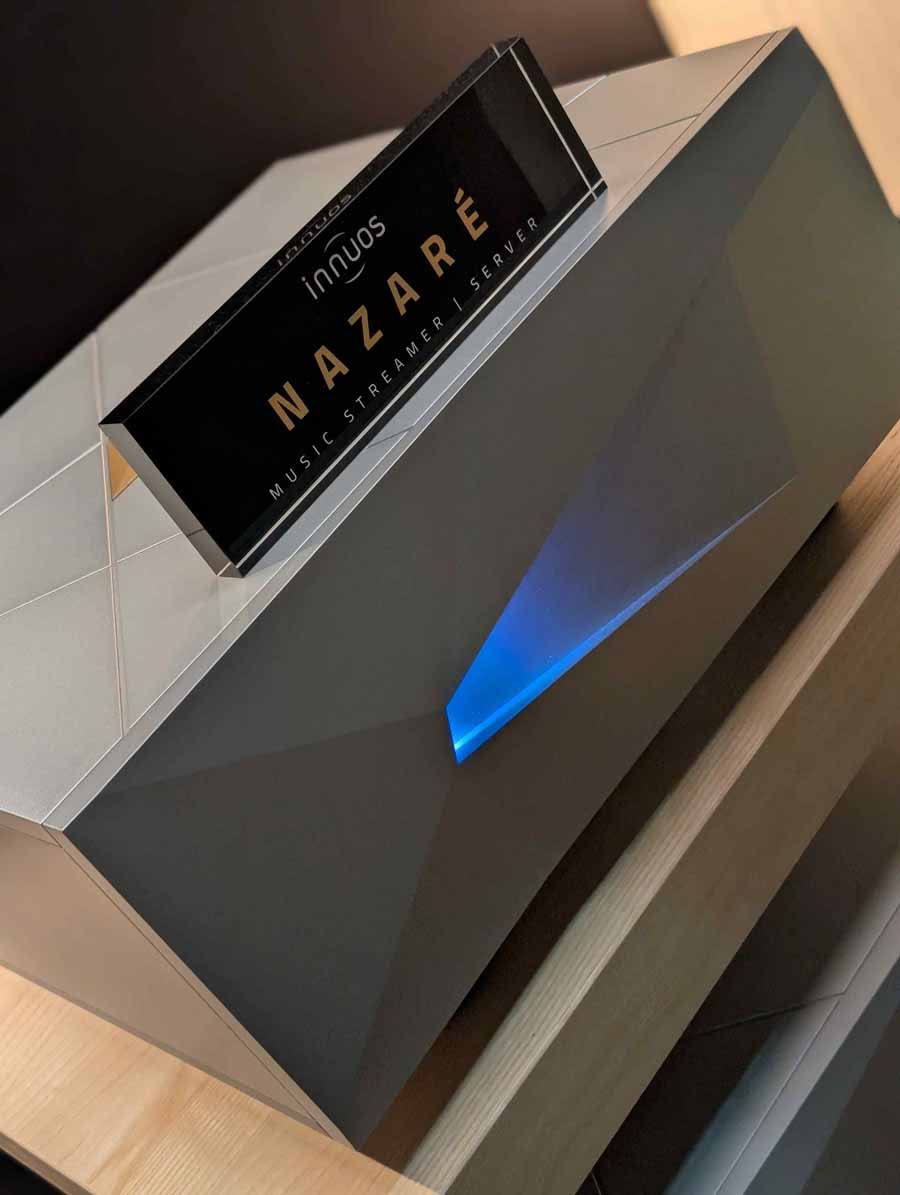
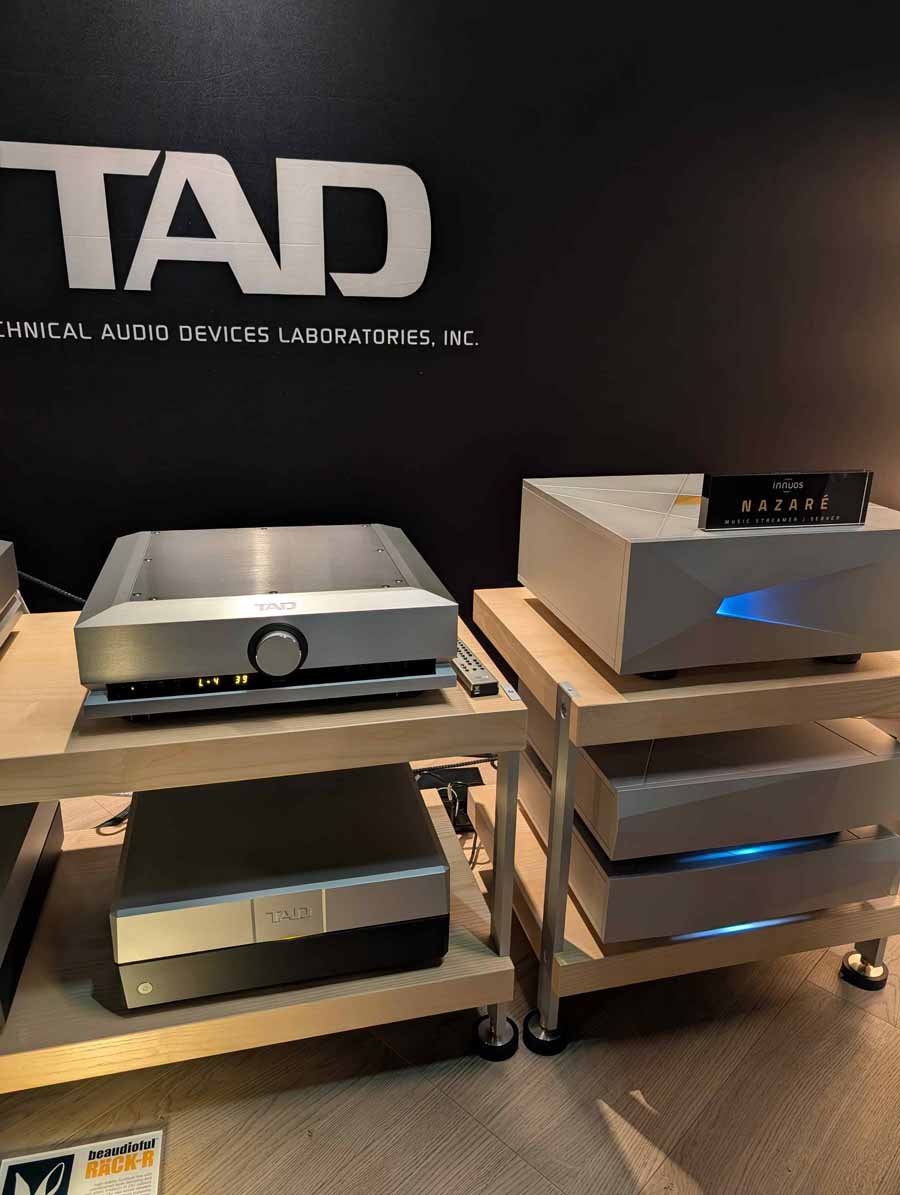
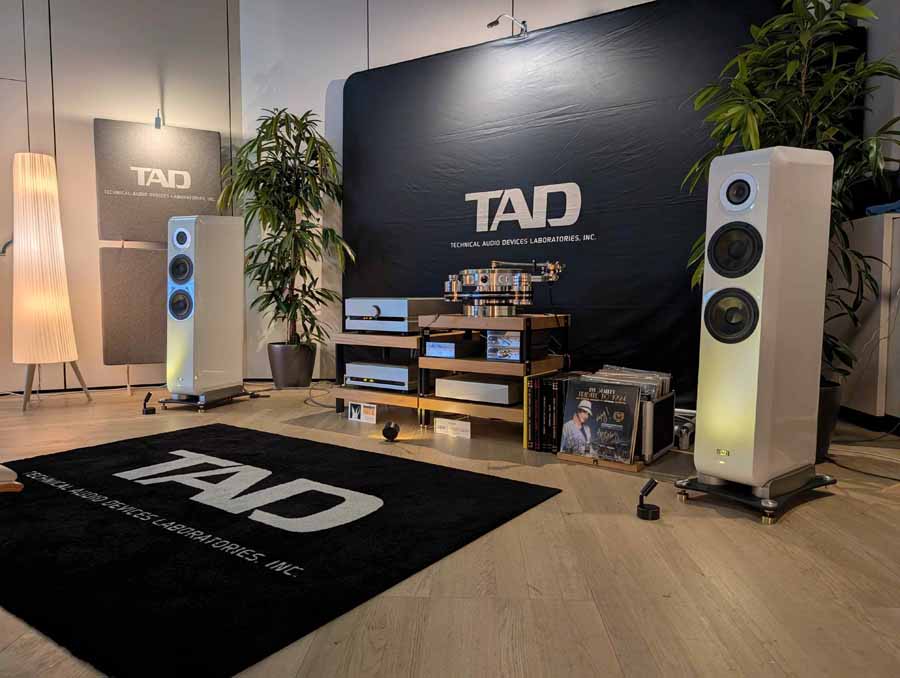
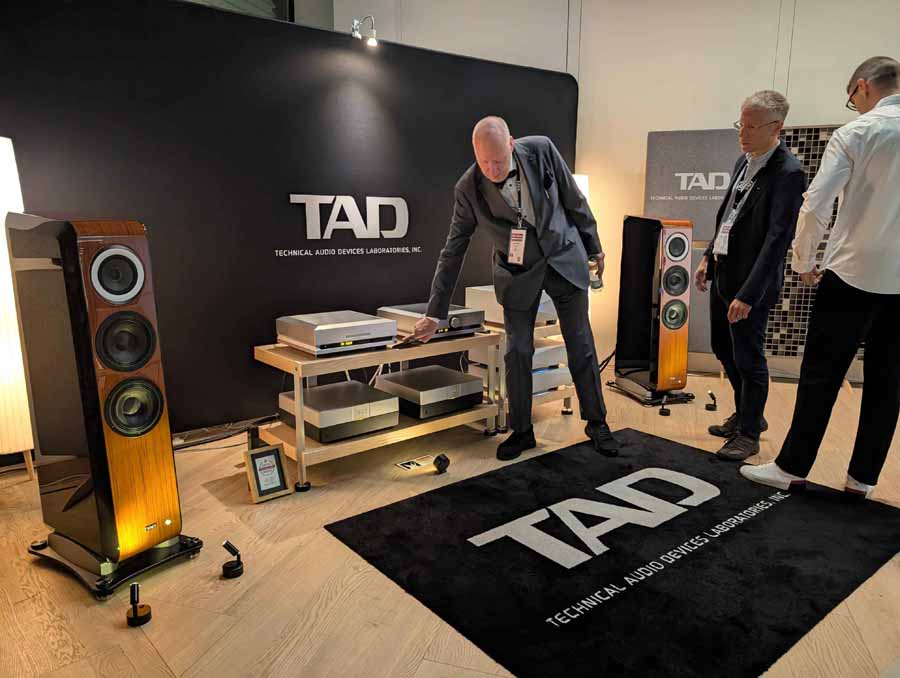
TAD had a couple of systems set up in a nicely put-together room. System 1 was fronted by a pair of GE1 speakers, a D1000TX silver disk spinner/DAC, a C1000 Pre, and an M2500TX power amp. Innuos provided the streamer with their rather lovely Nazare streamer.
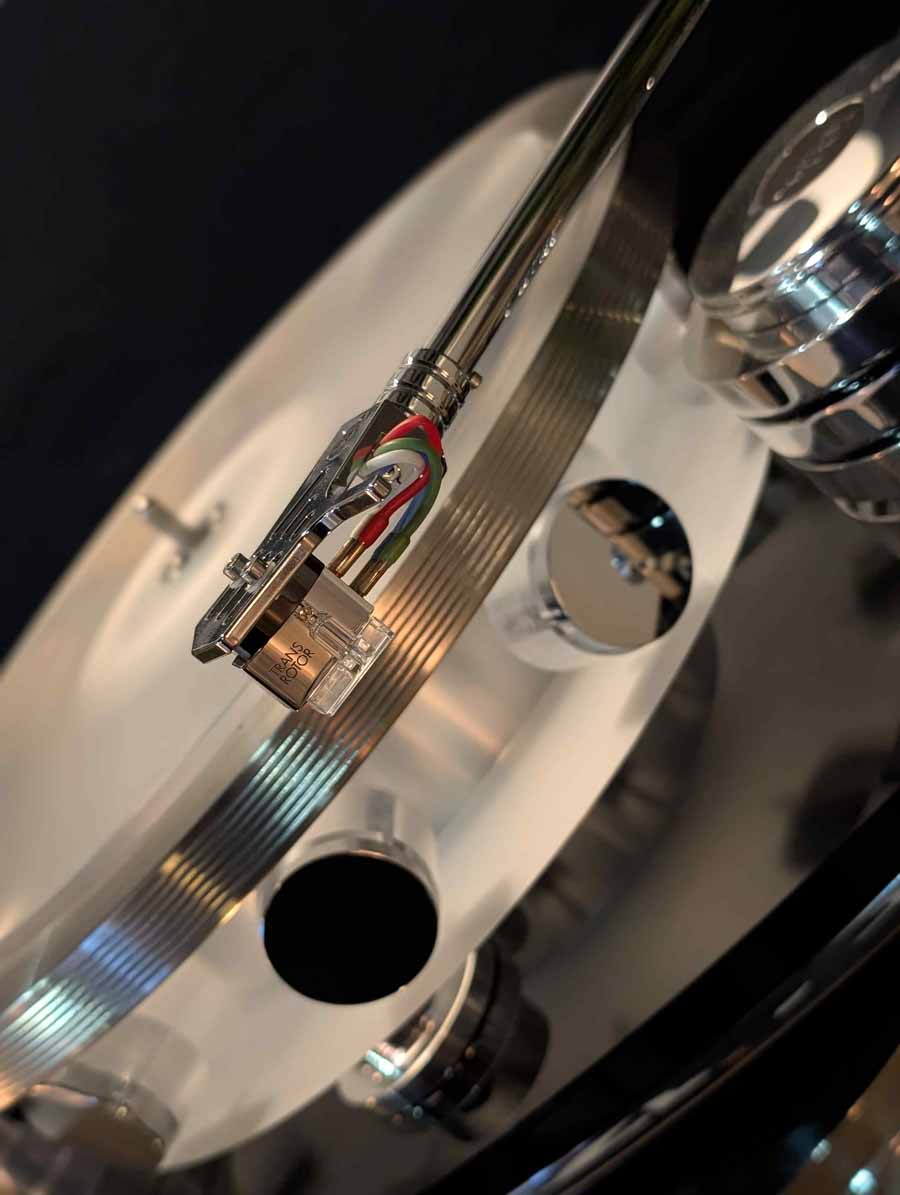
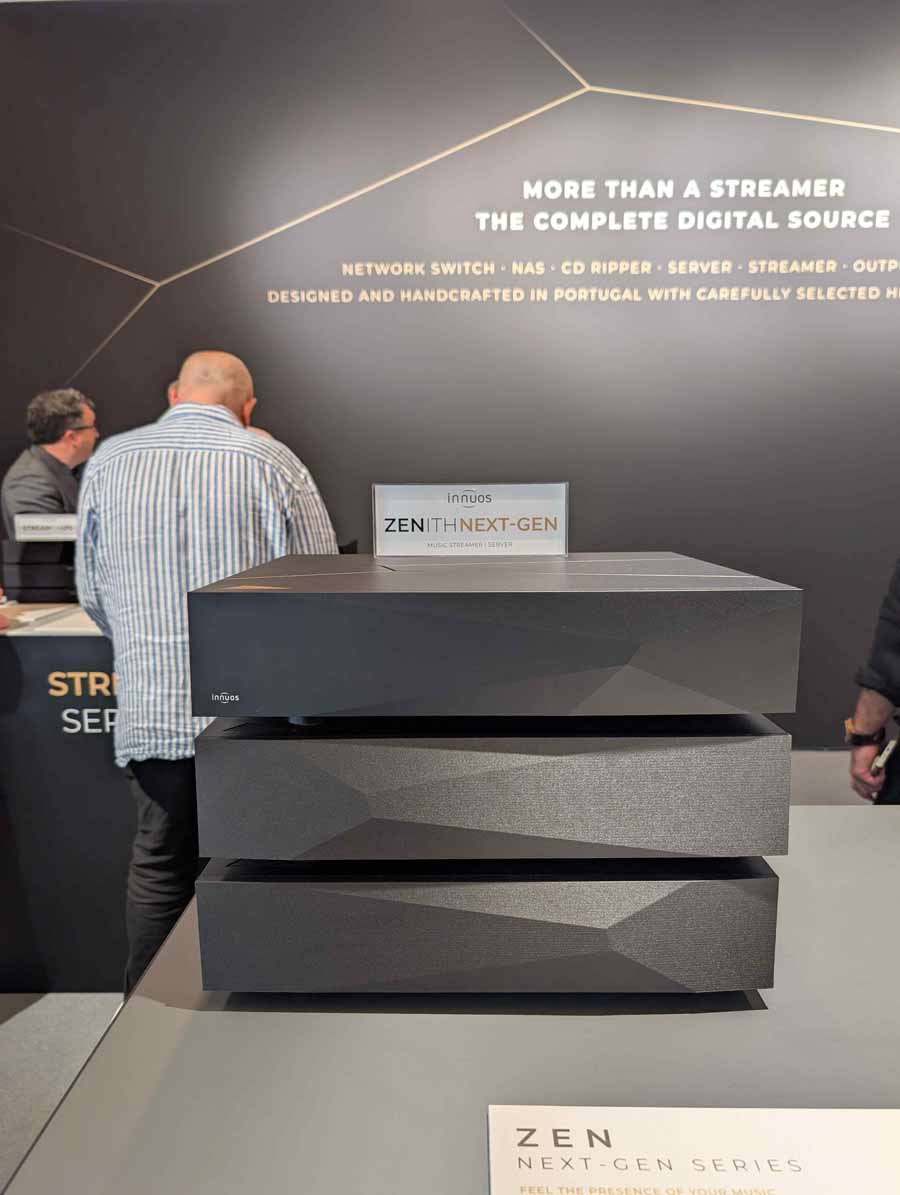
System 2, which we got to hear, had the E1AX floorstanders playing. The DAC is the DA1000TX, and the integrated is the A1000. Innuos once again provided the streamer, but this time the Zenith Next Gen. There was a Transrotor turntable, but we didn’t get to hear that.
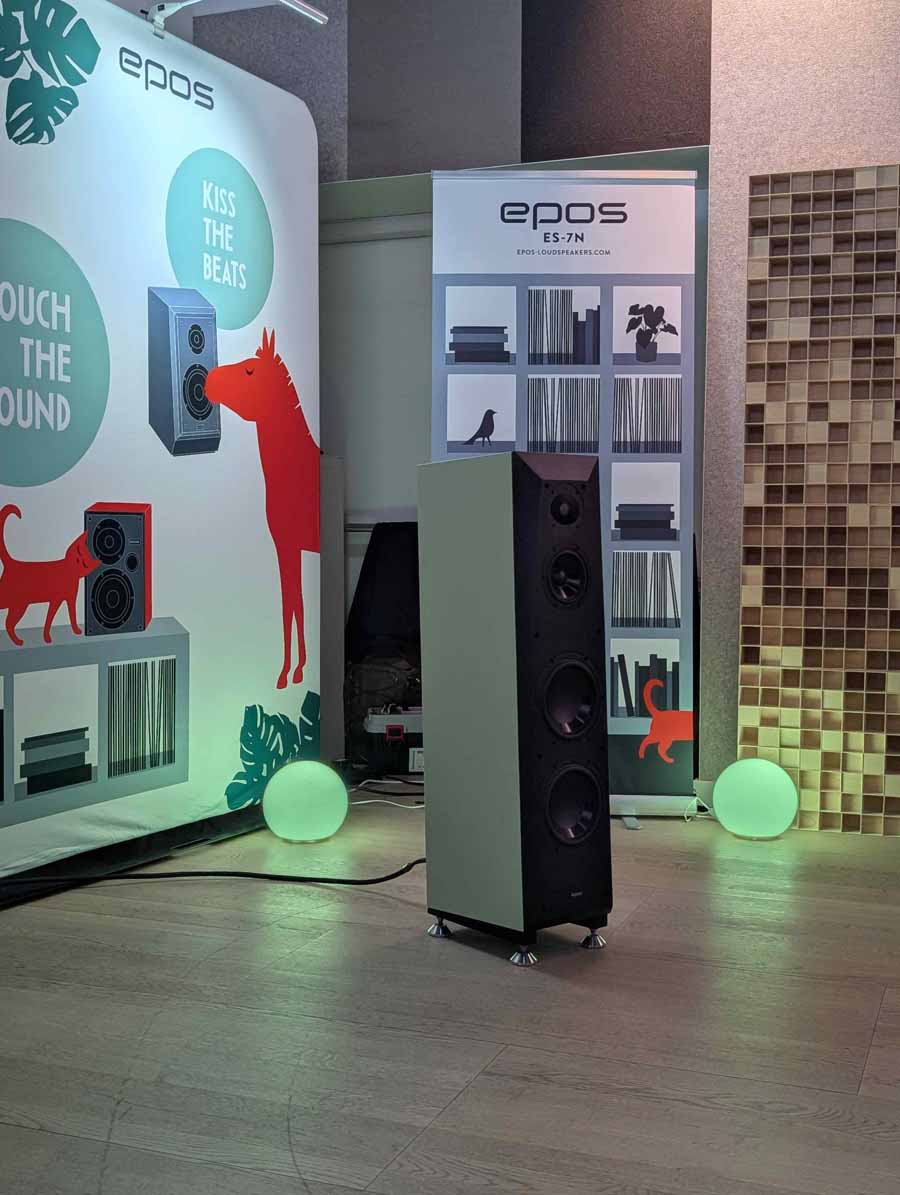
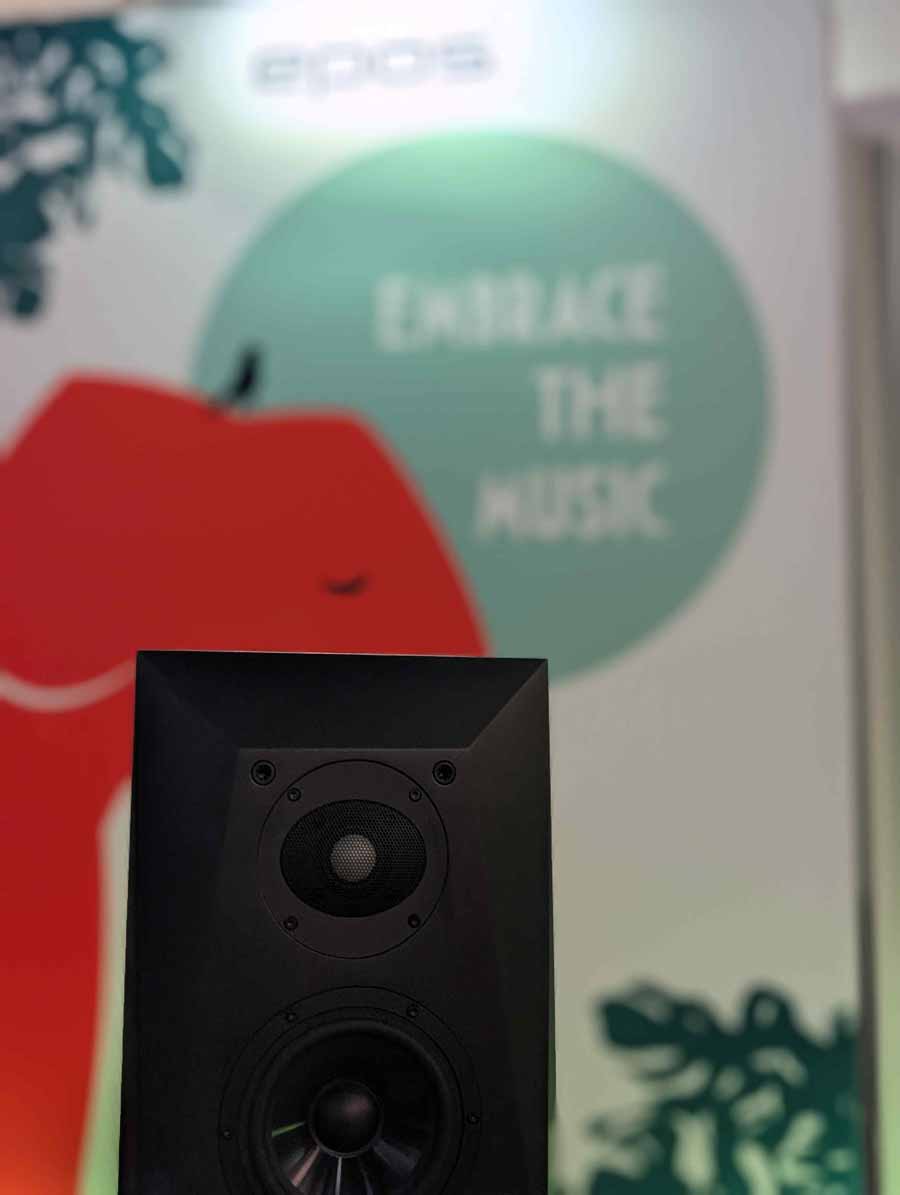
EPOS, FINK AND CANOR
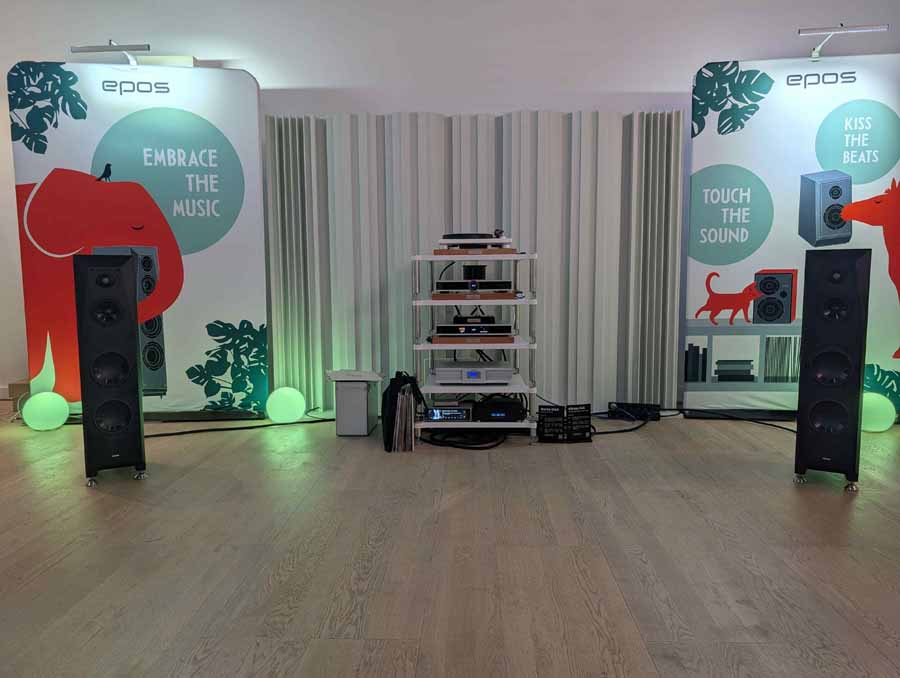
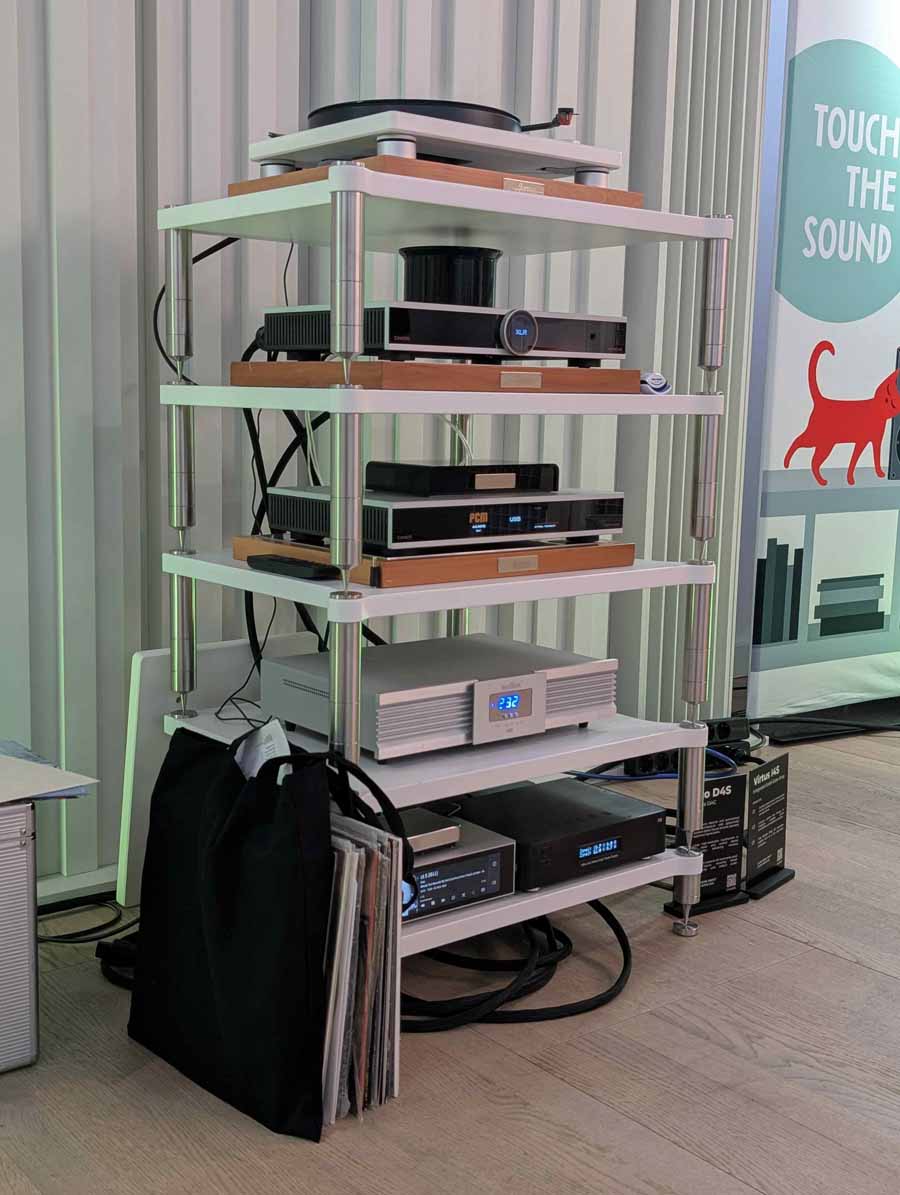
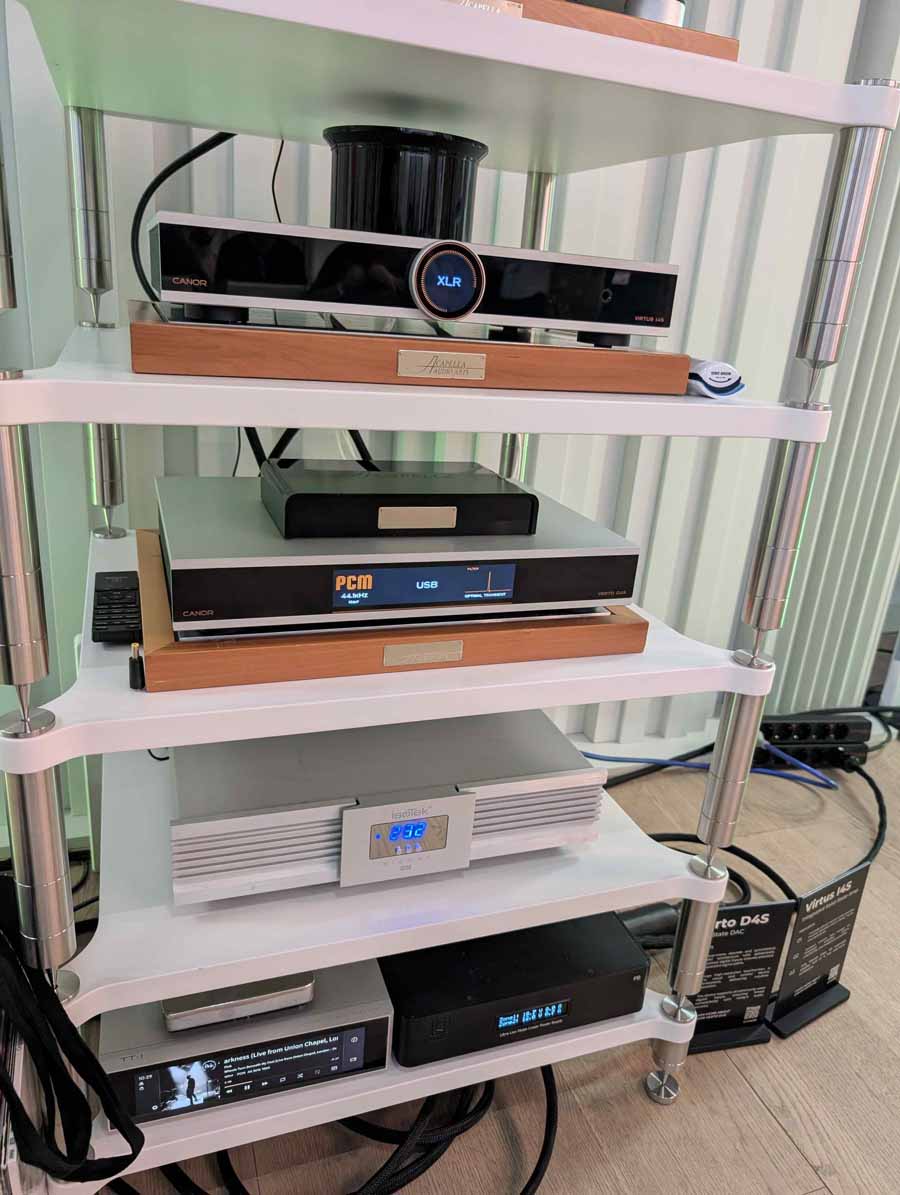
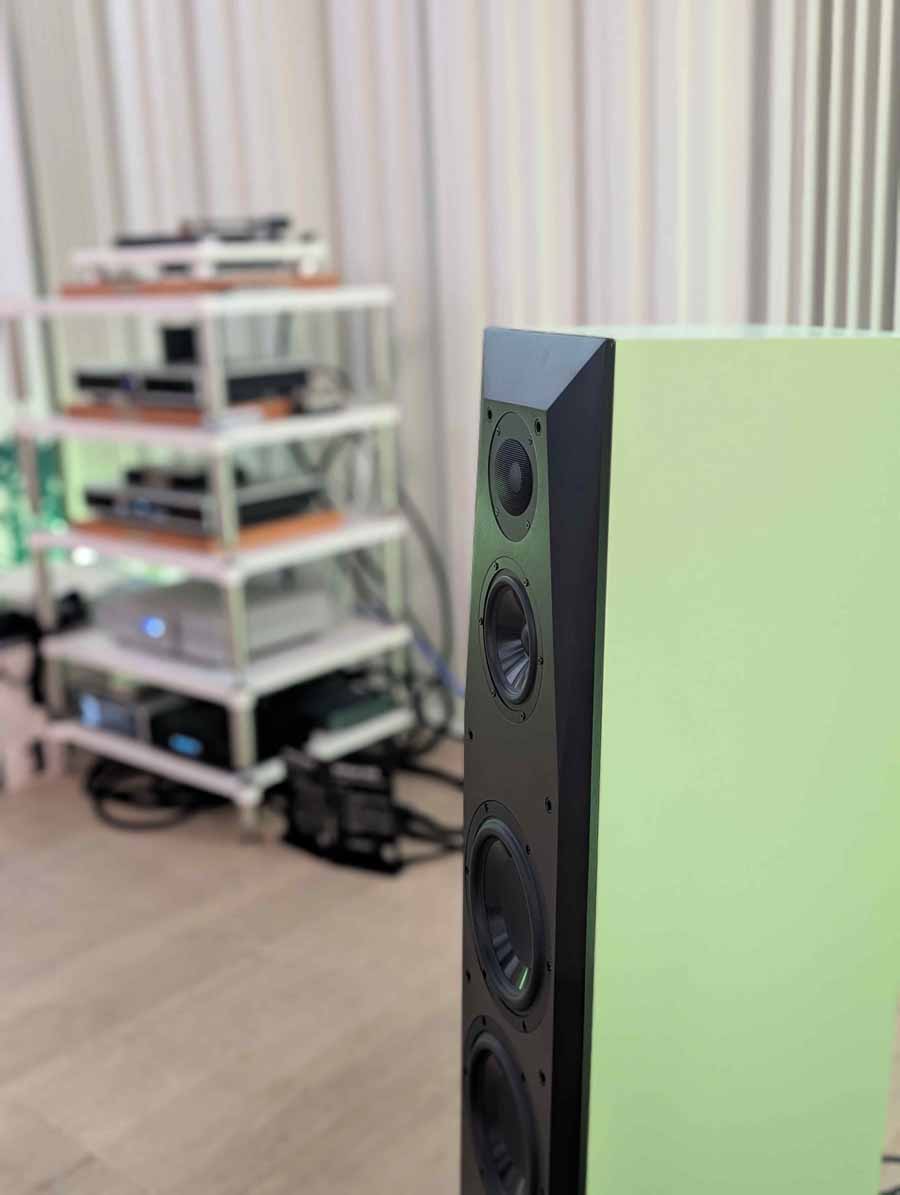
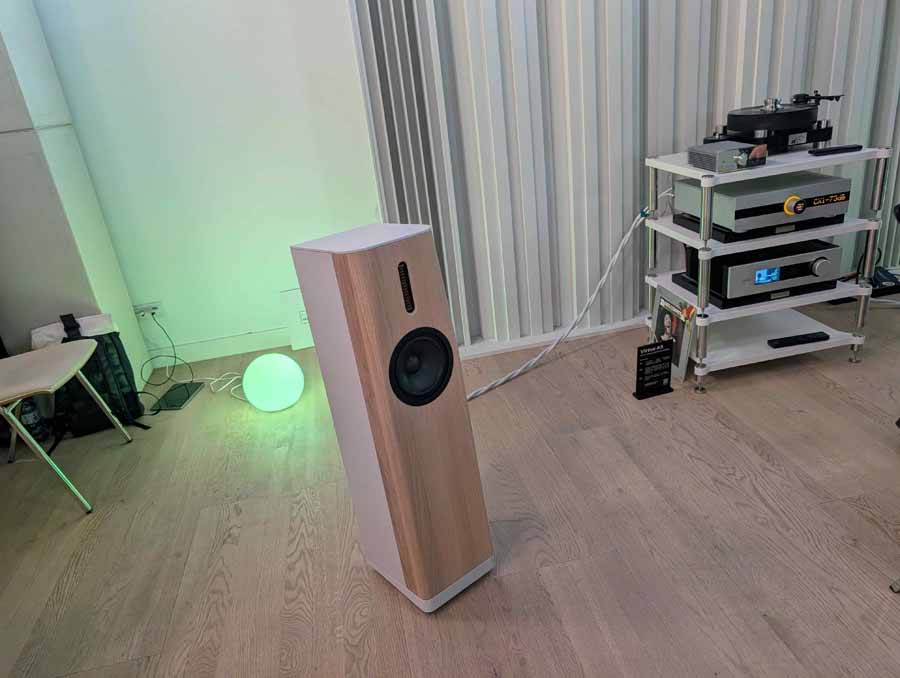
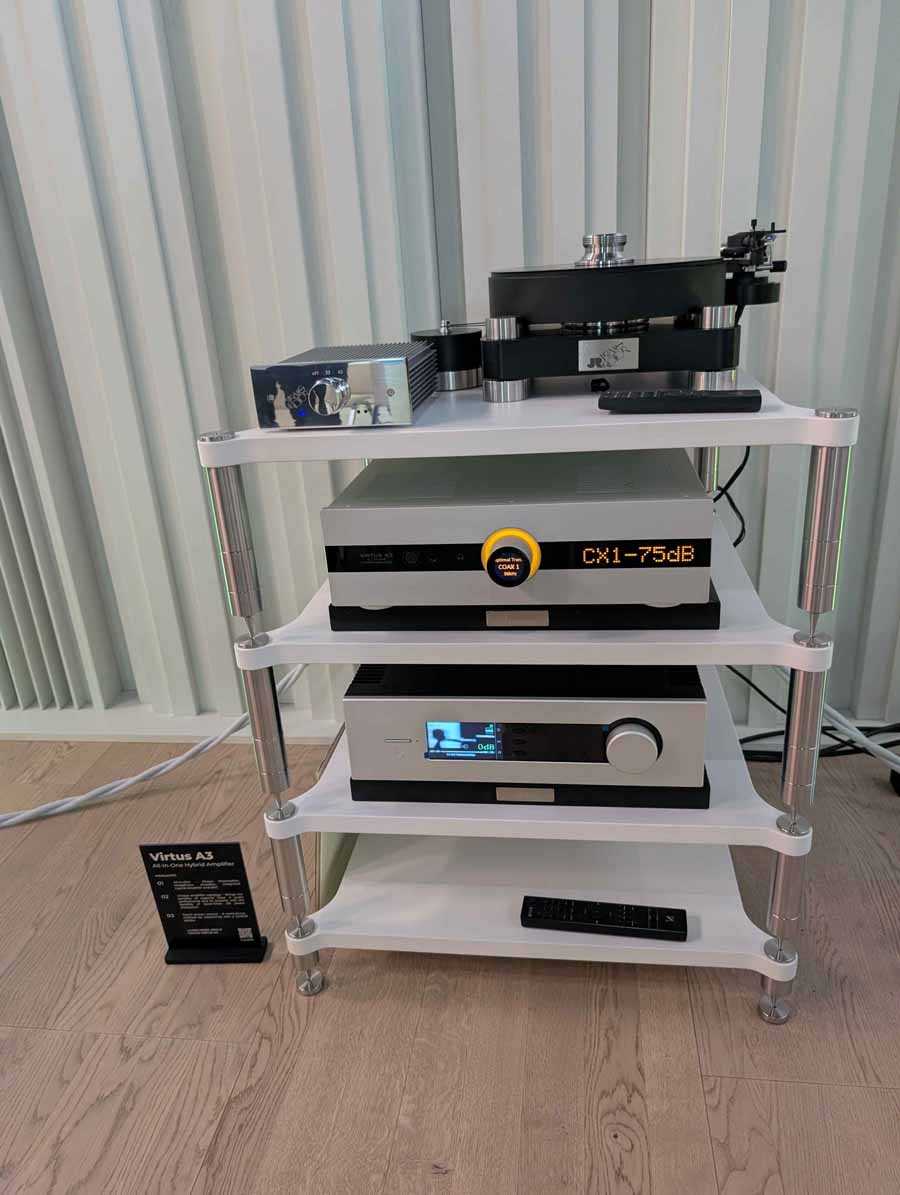
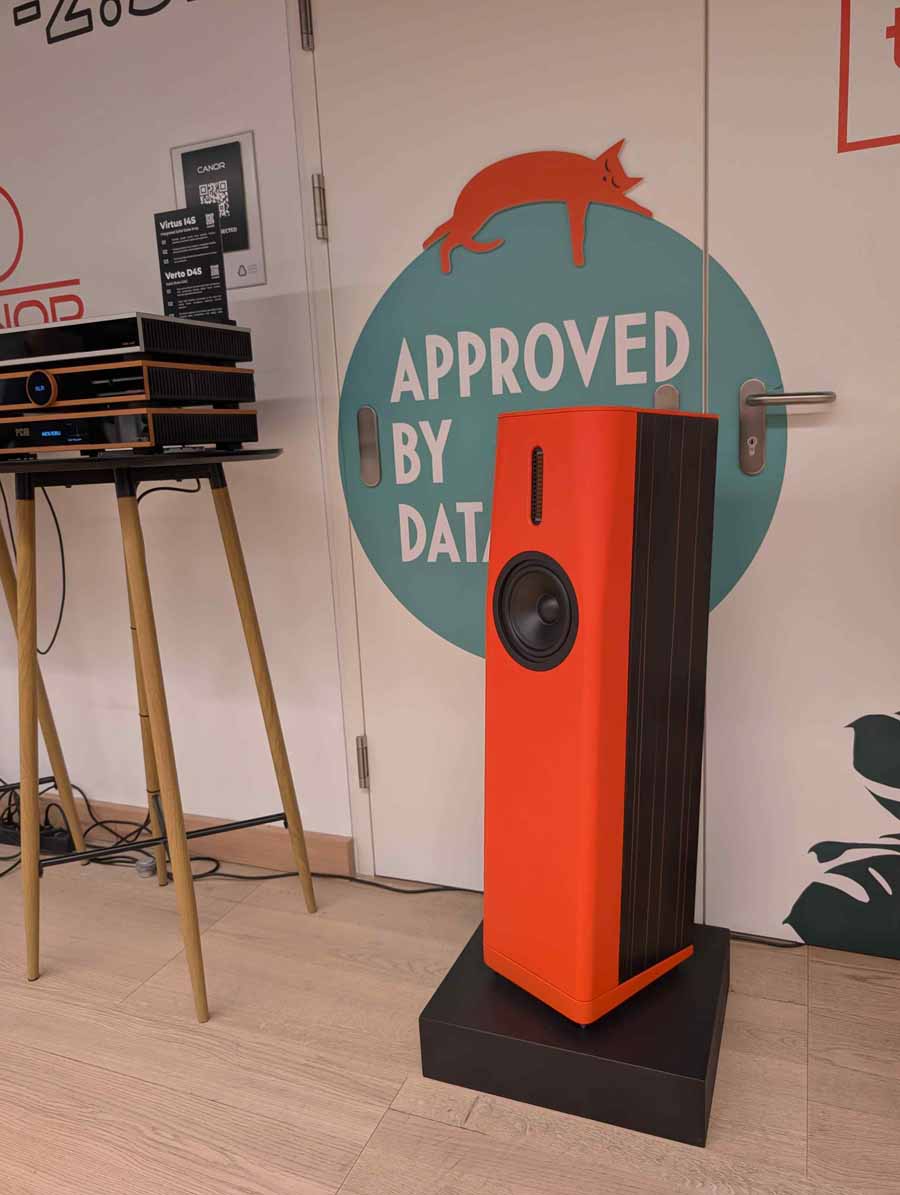
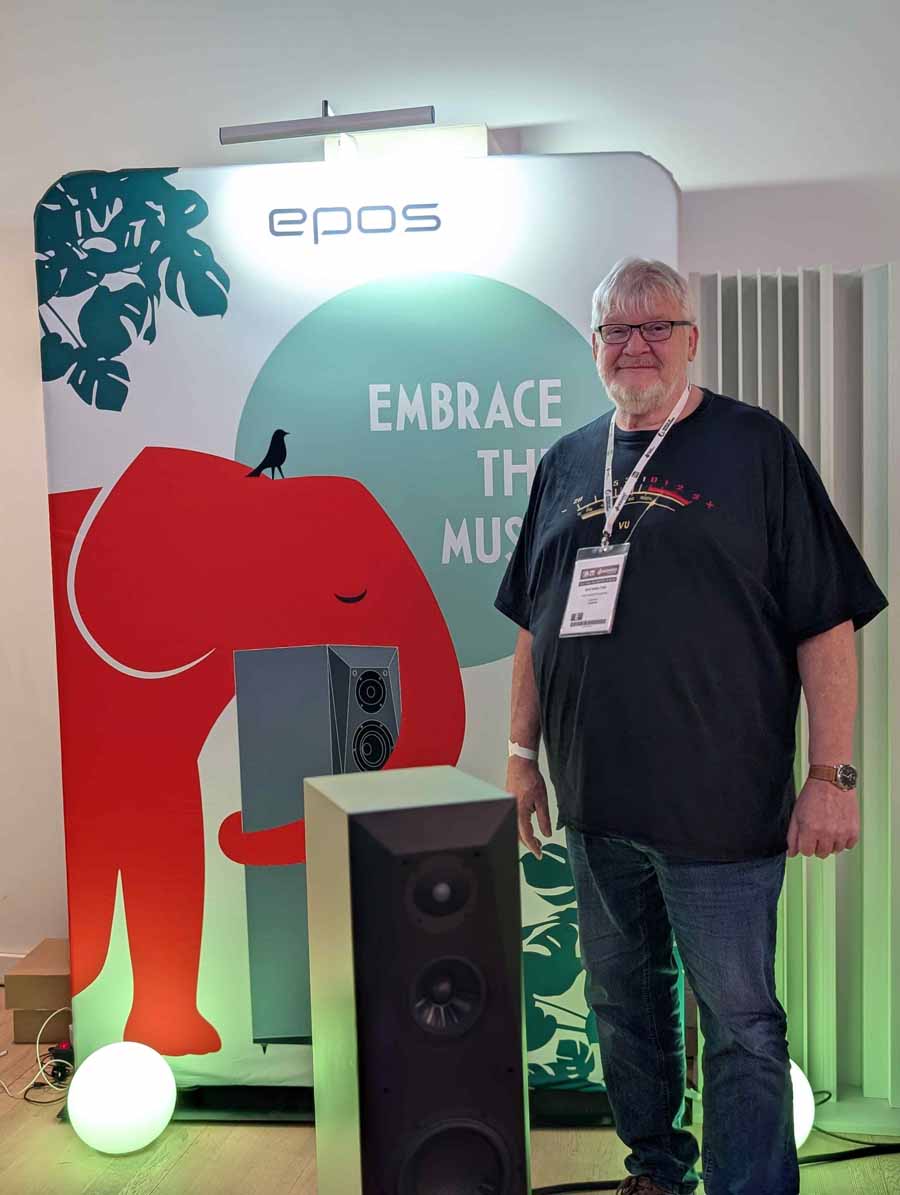
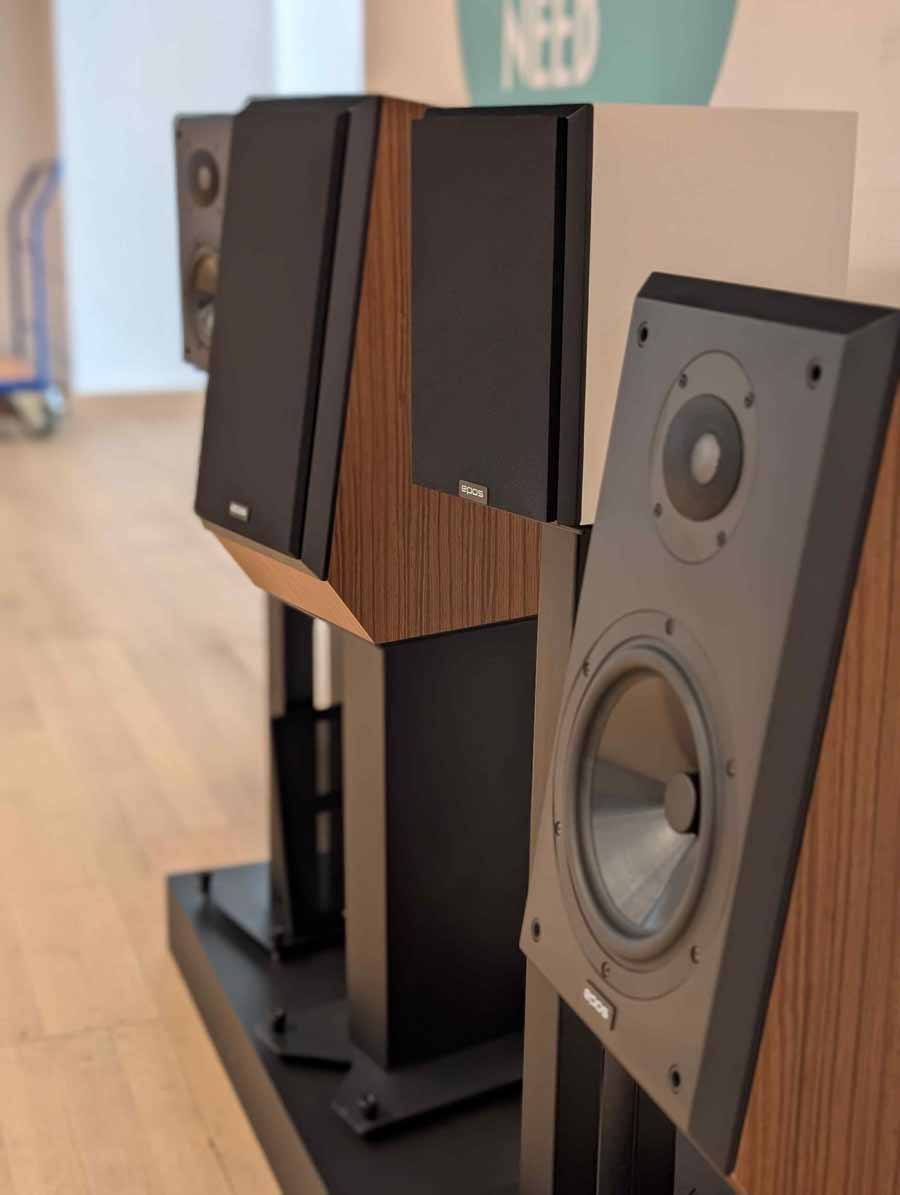
The EPOS ES28 fronted the system playing when we were in this room. The amp was the CANOR i4s integrated, and the DAC was the D4S. The CANOR gear is all brand new and making their debut at Vienna – expect a review in the near future.
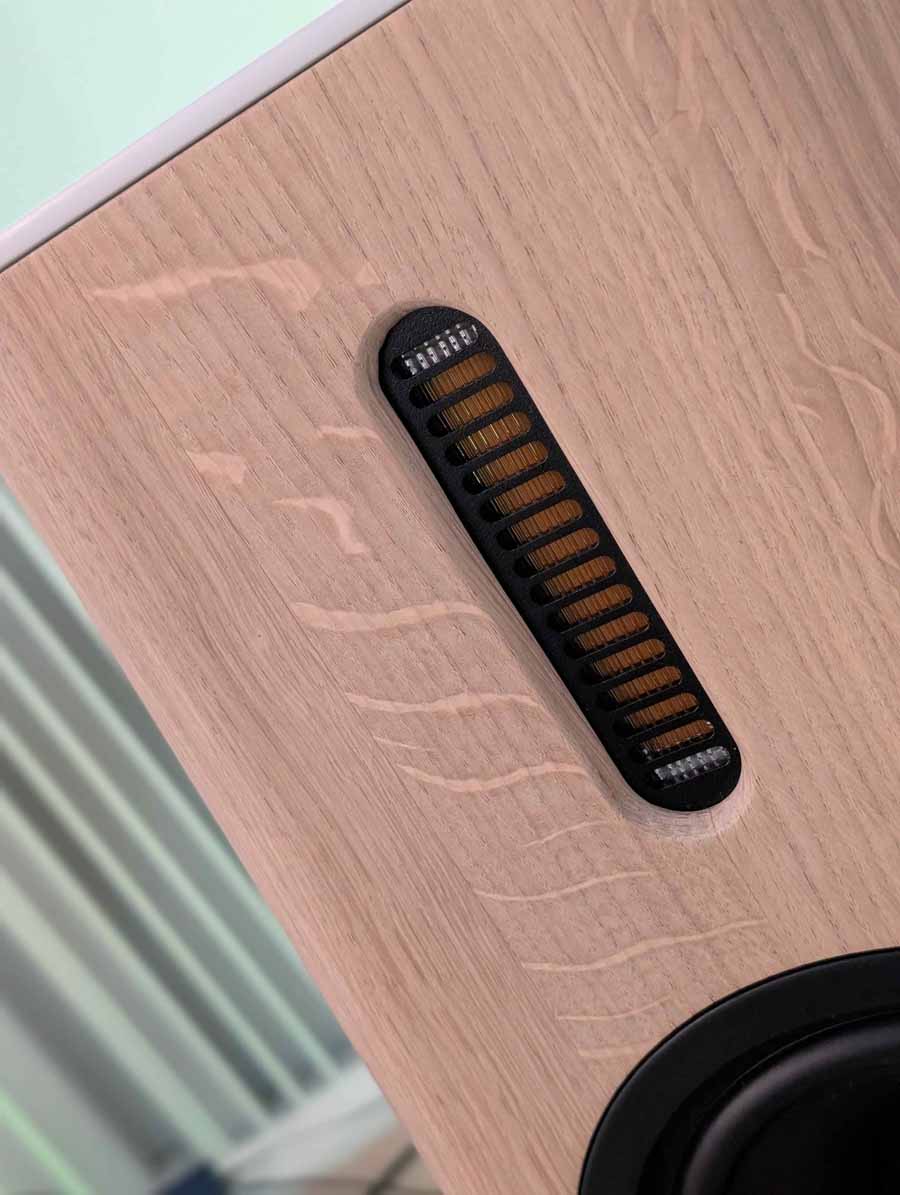
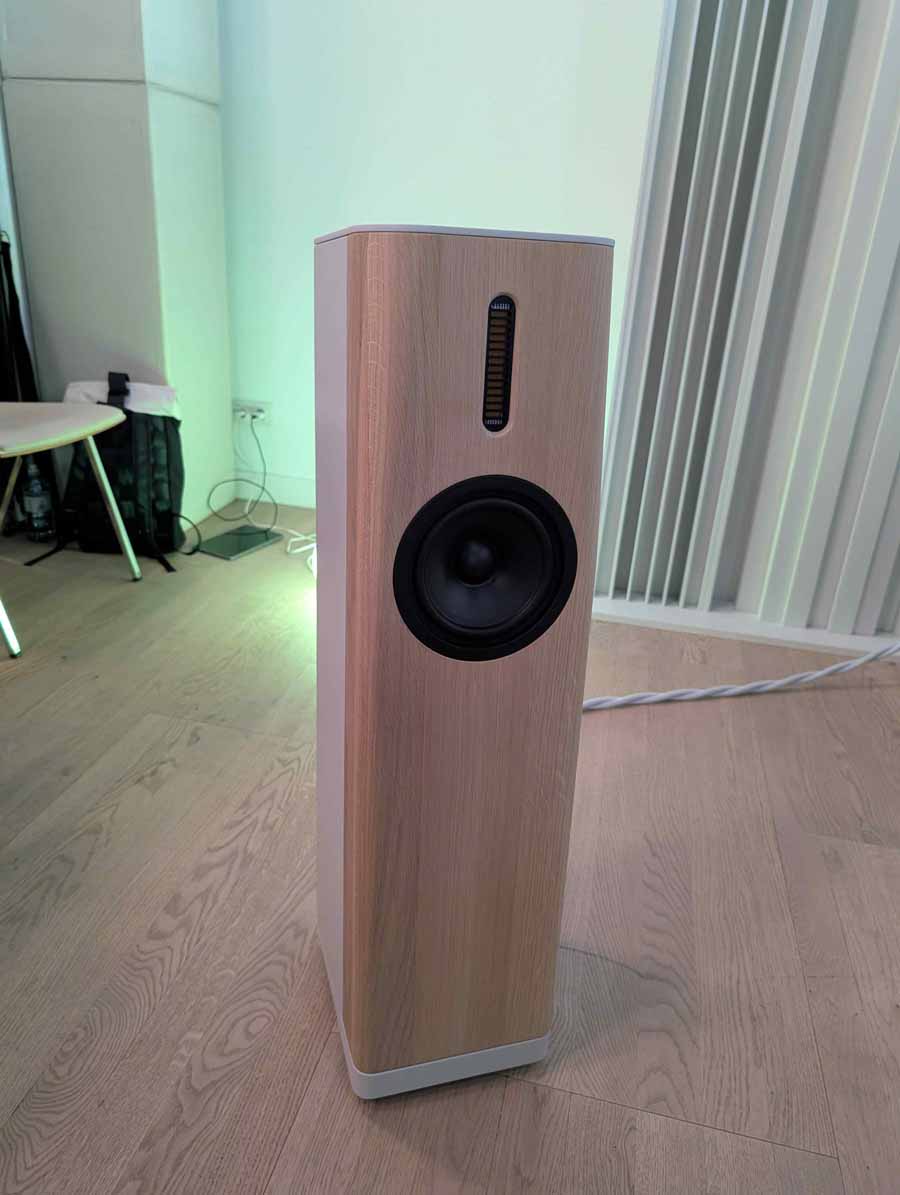
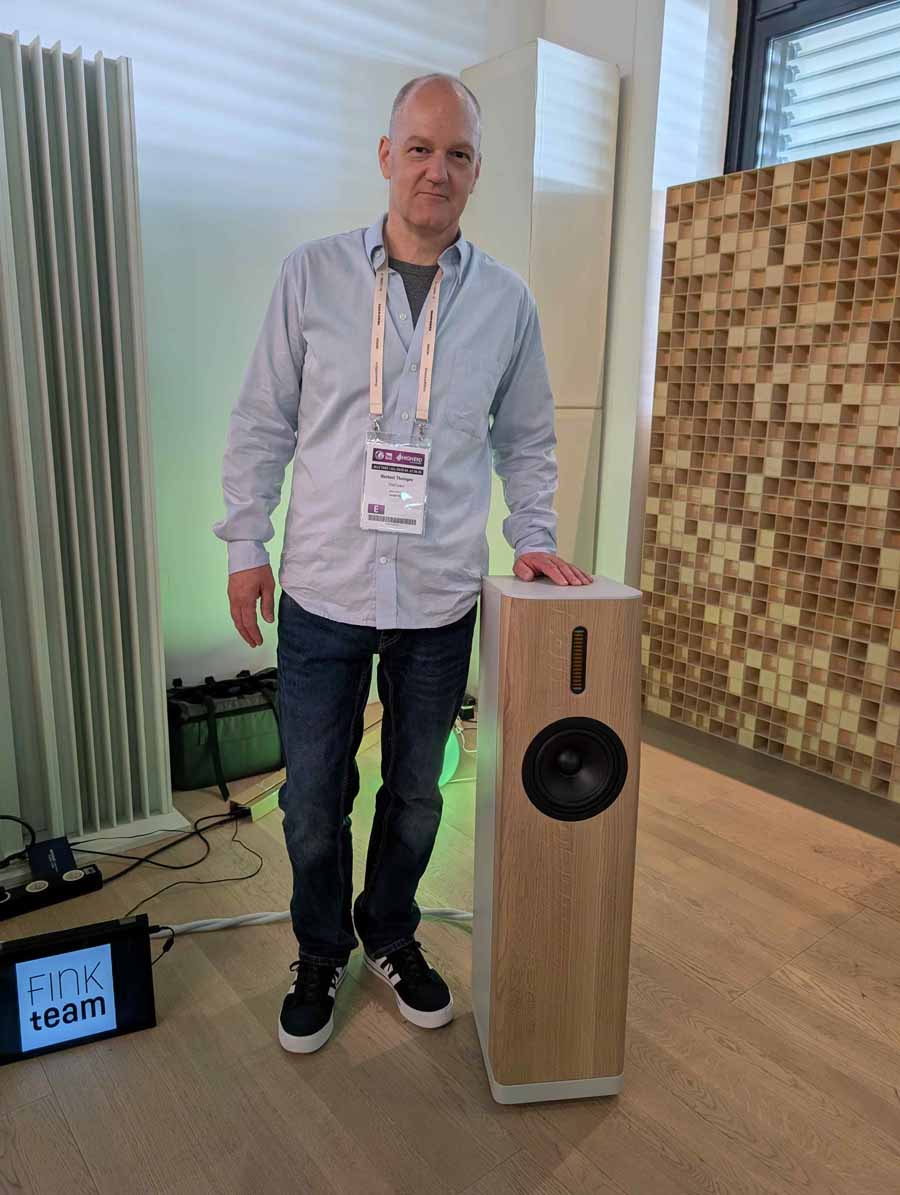
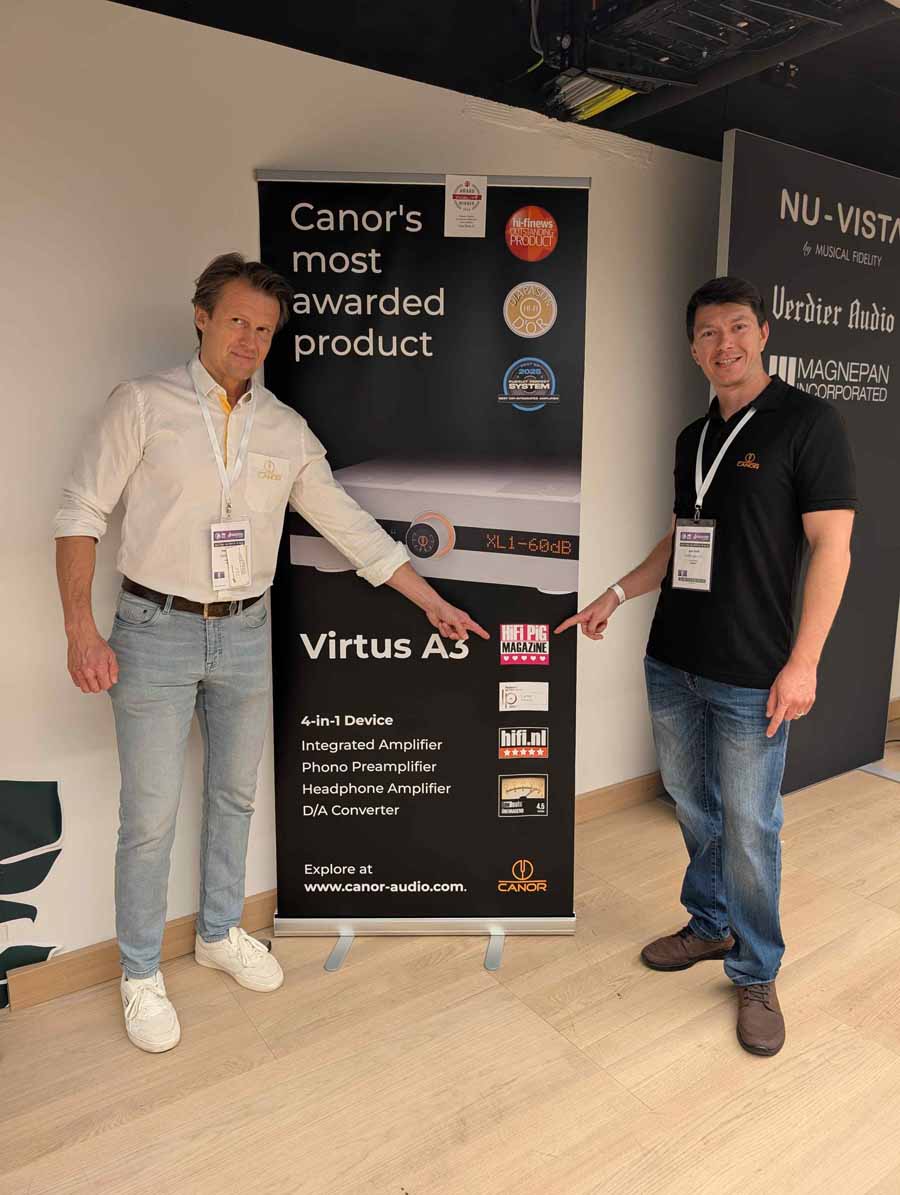
The second system had the new FinkTeam SPOT, which is the cat of Data from the Star Trek universe. The Canor A3 amp was used for this QUAD Platina streamer.
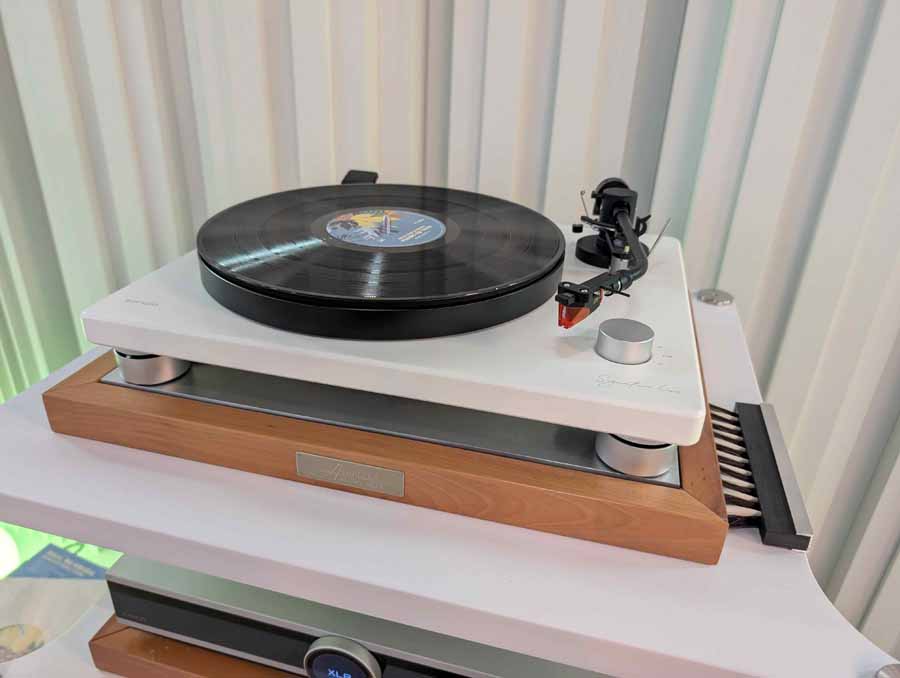
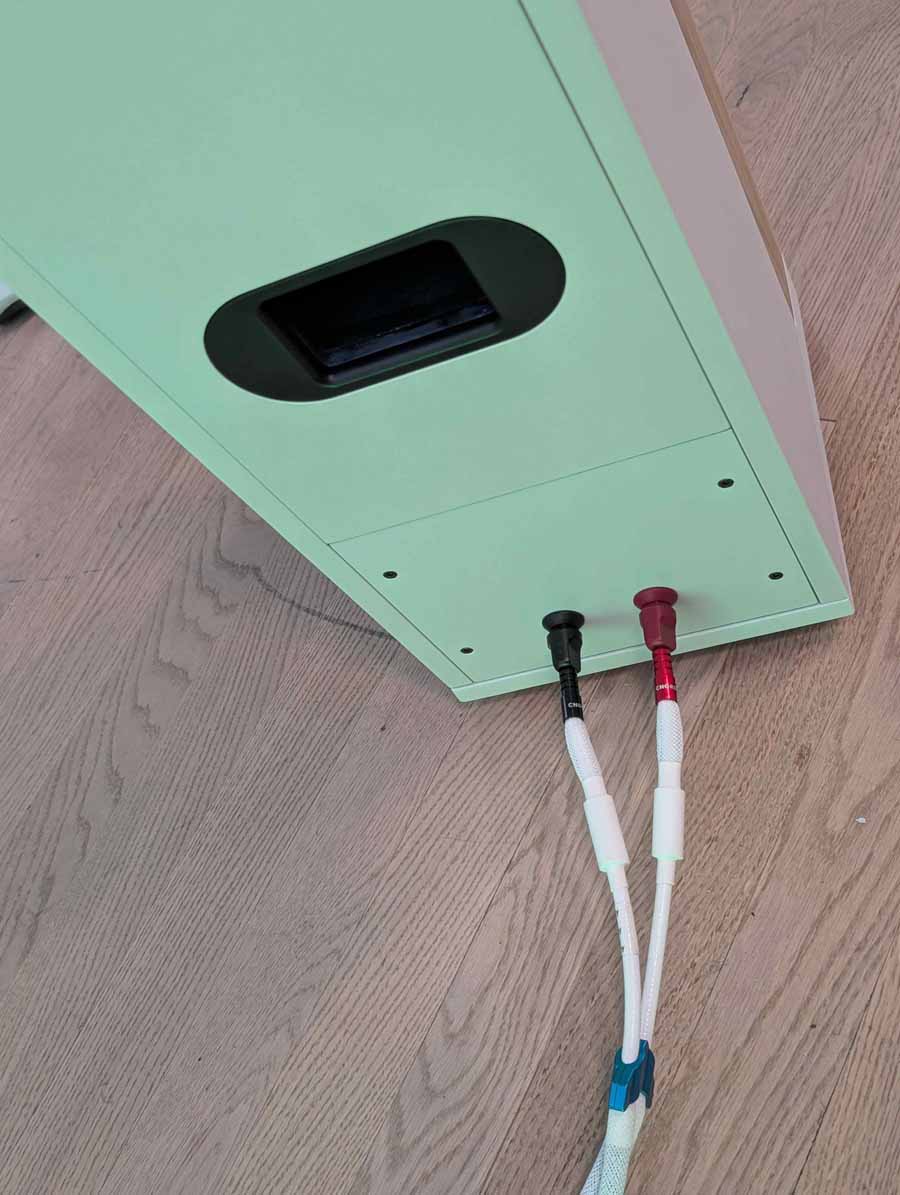
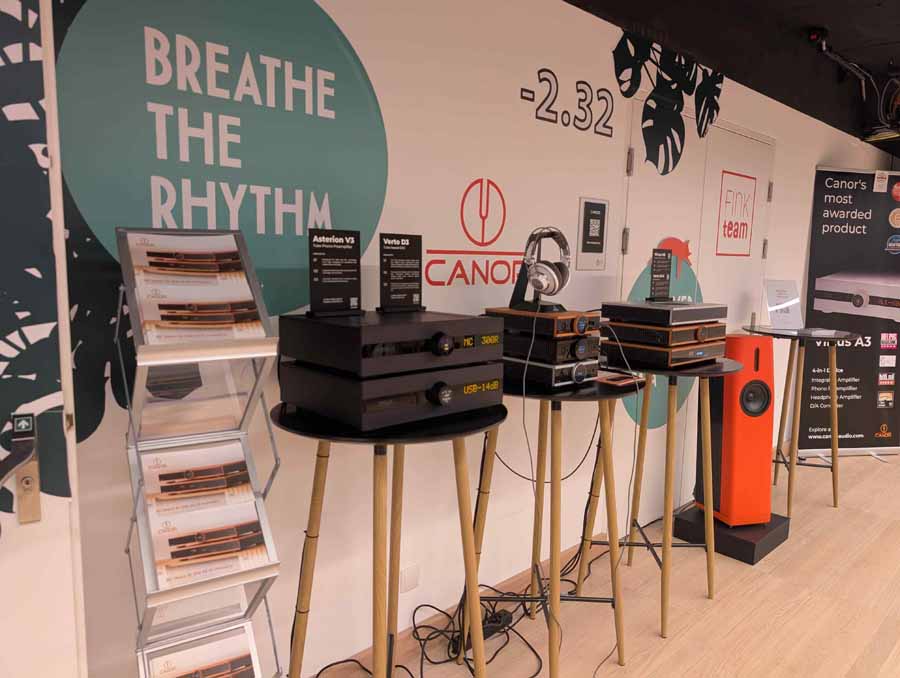
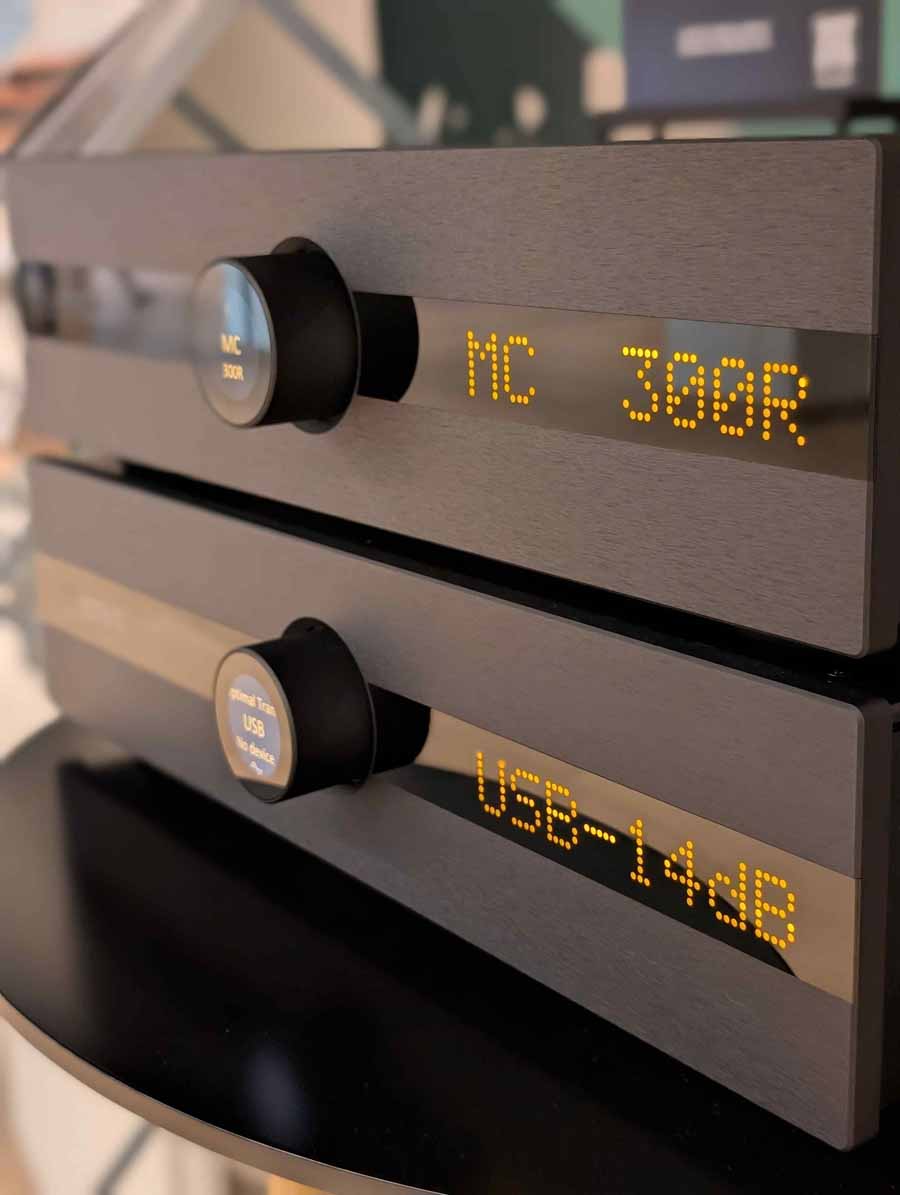
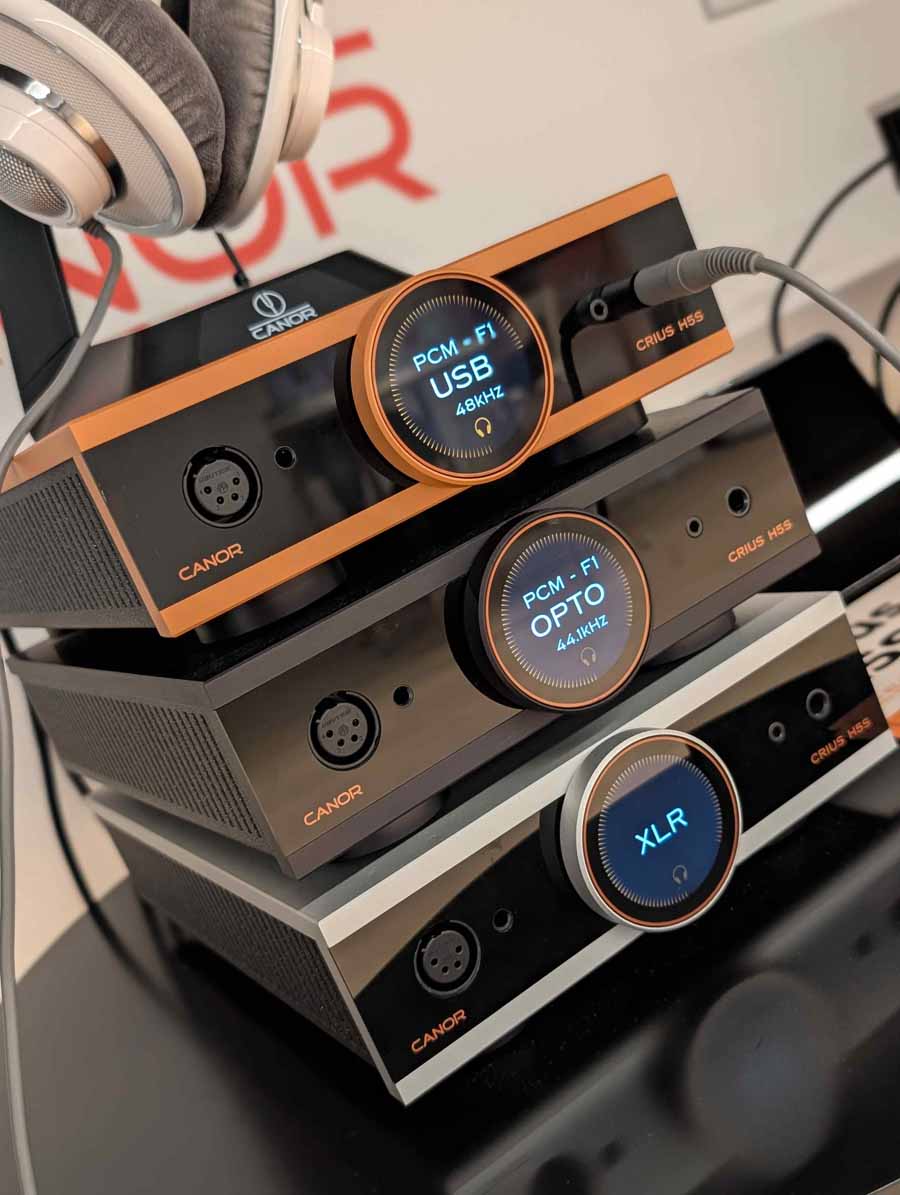
Outside this room was a static display of the new CANOR gear. The Asterion V3 phono preamplifier and the VERTO D3 DAC with volume control.
The smaller kit is the Essential line. CRIUS H5S is the headphone amp with DAC and preamplifier which will get its official launch in October.
Finally, we had the prototype of the GAIA C40 CD transport. That should be out in early 2027 with a price of around 2K.
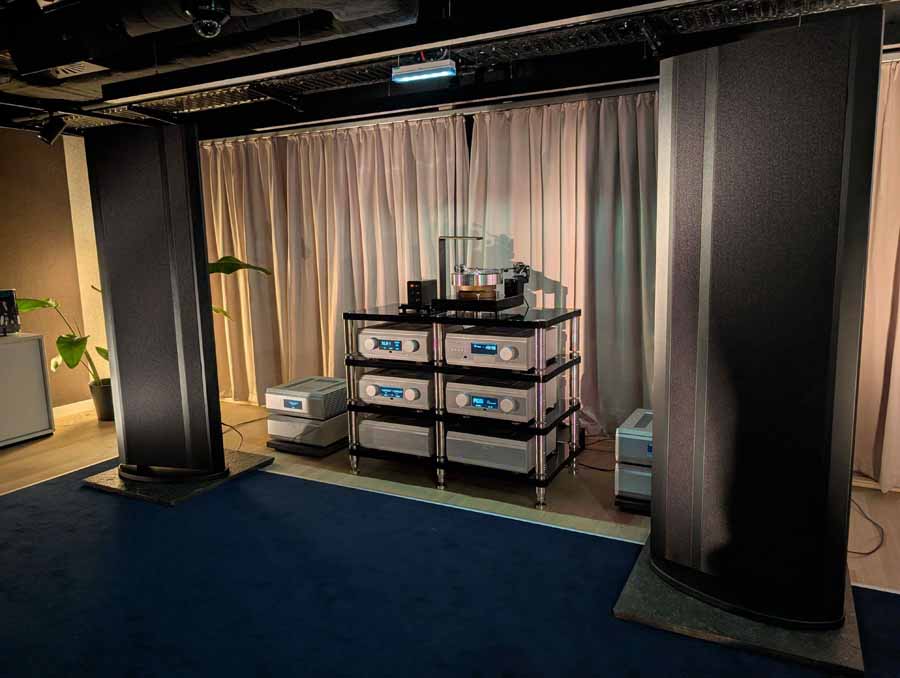
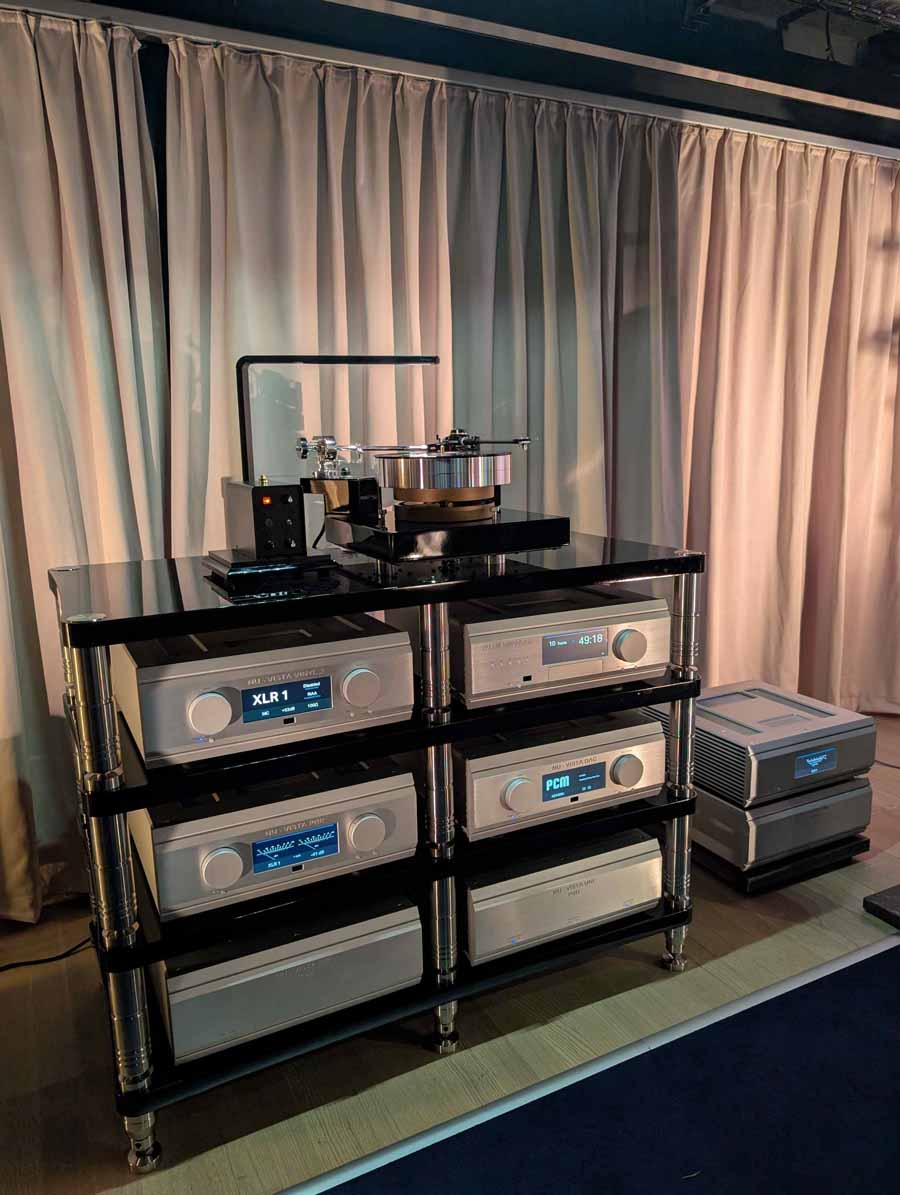
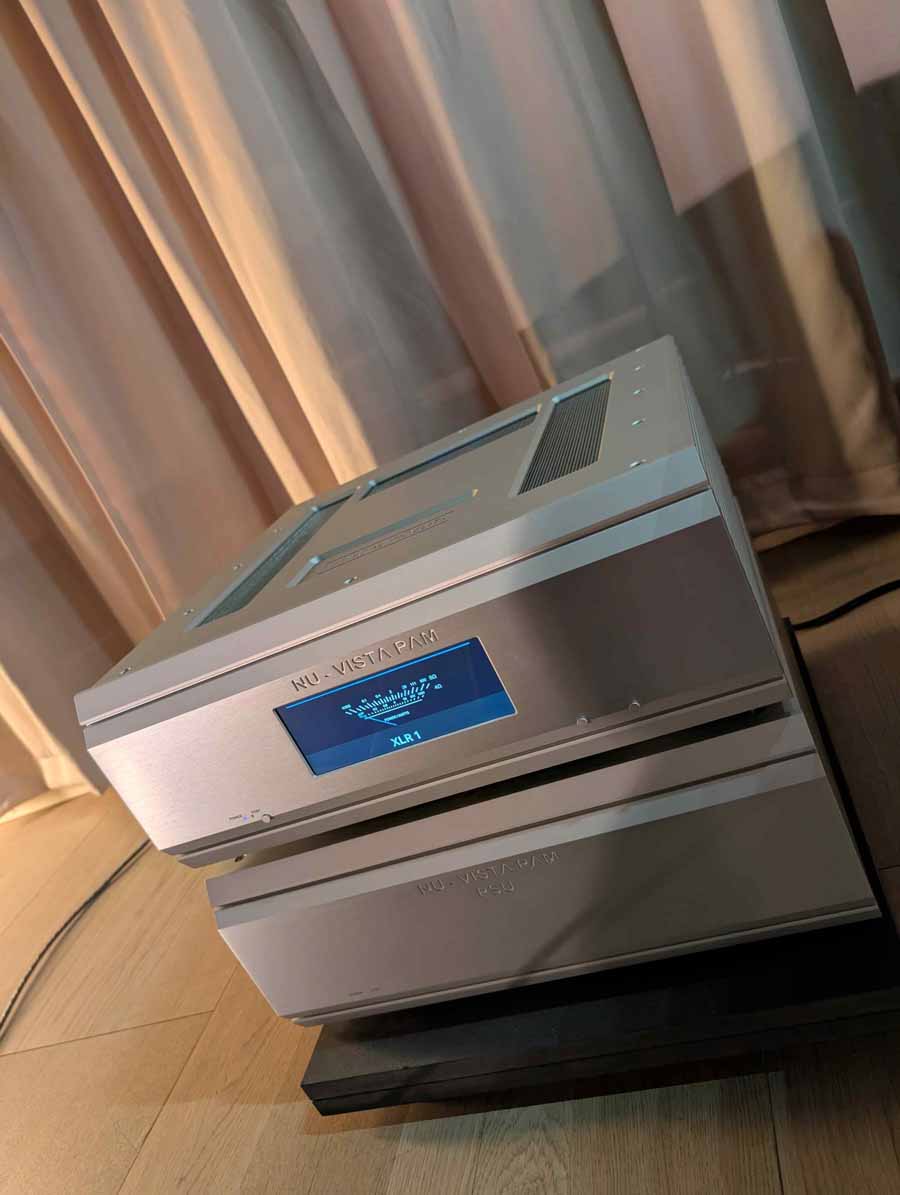
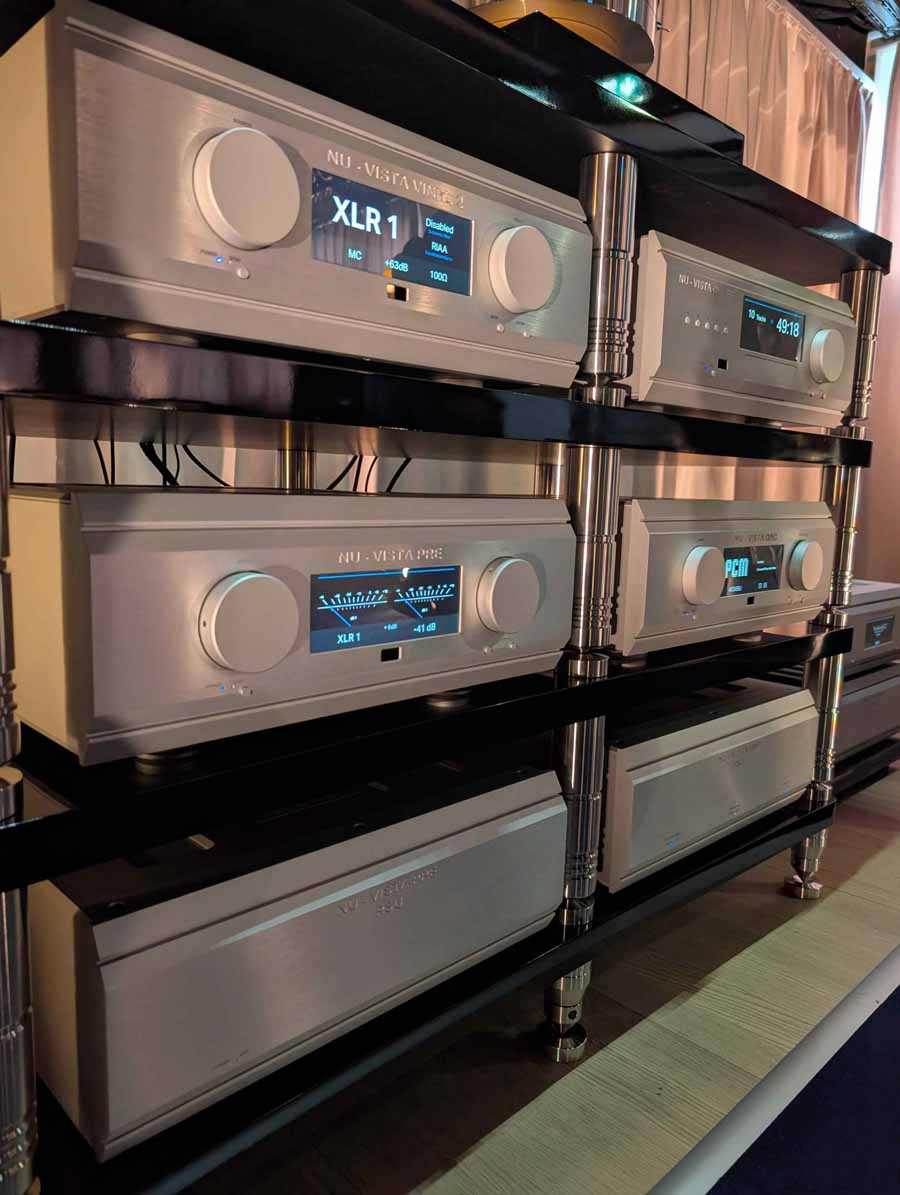
MUSICAL FIDELITY
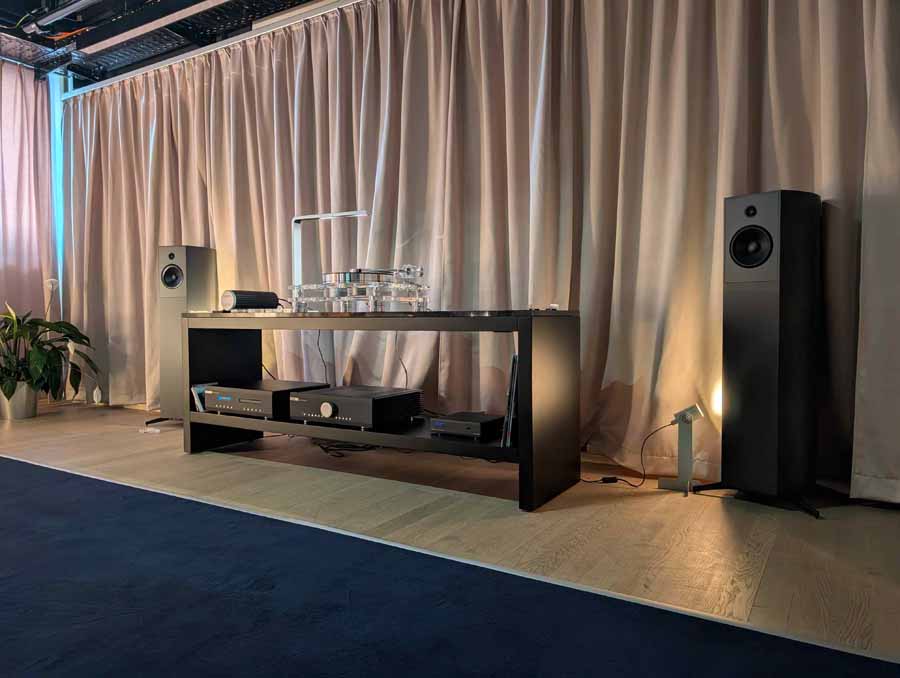
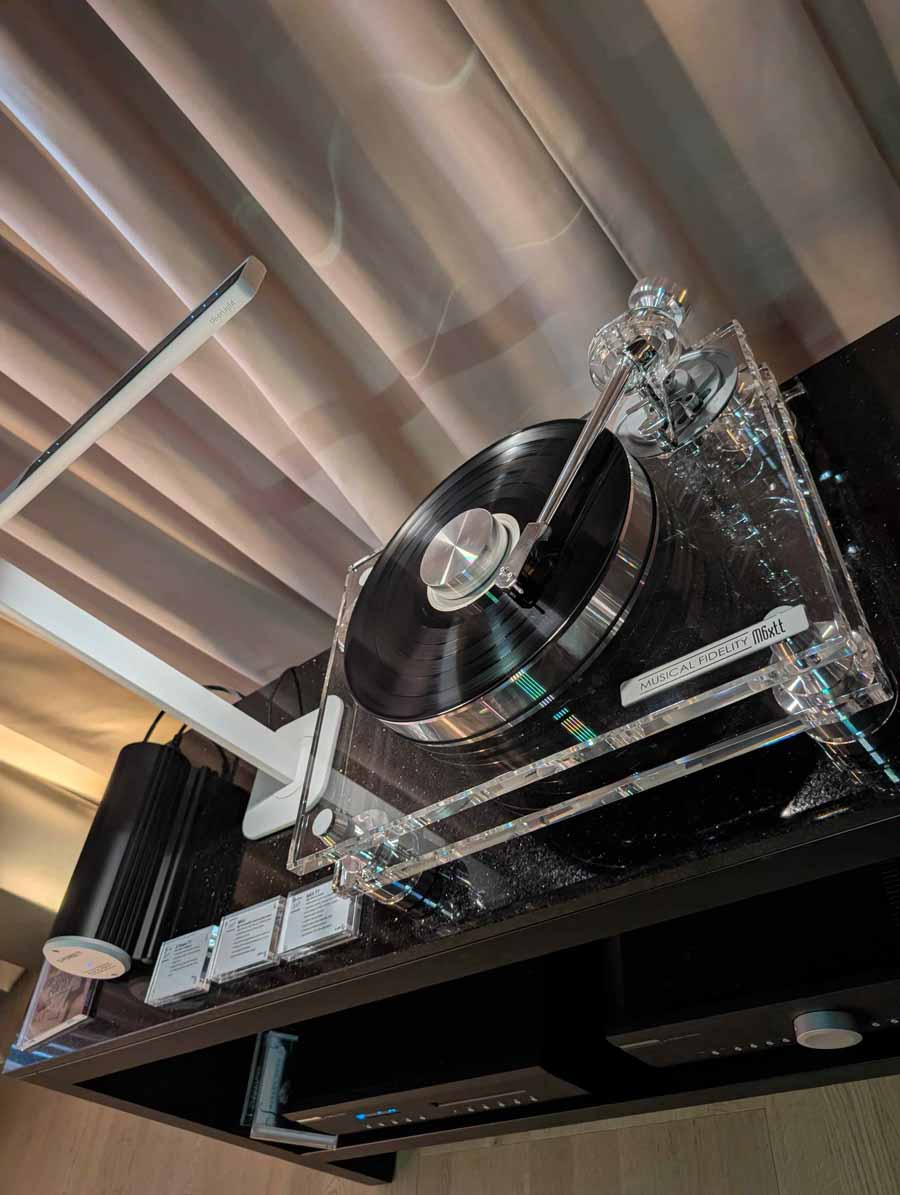
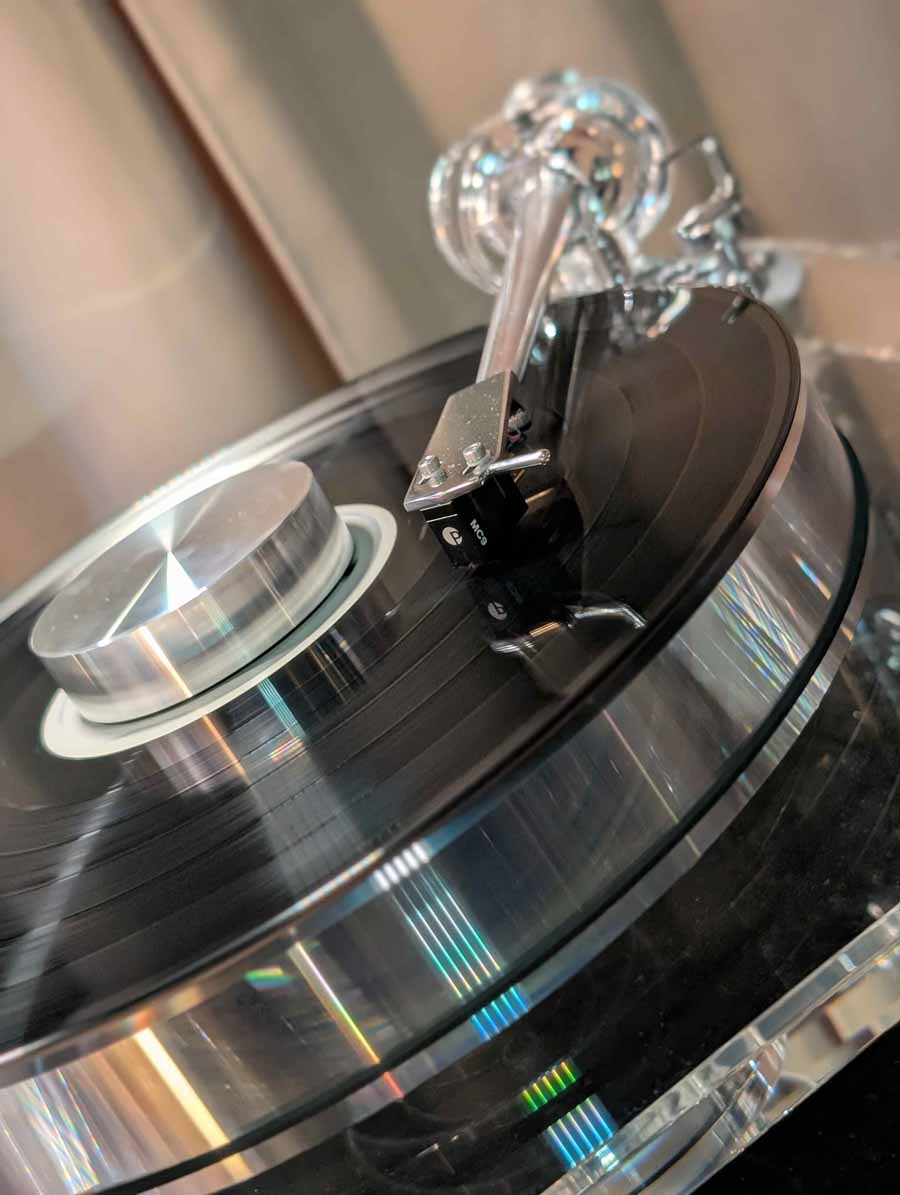
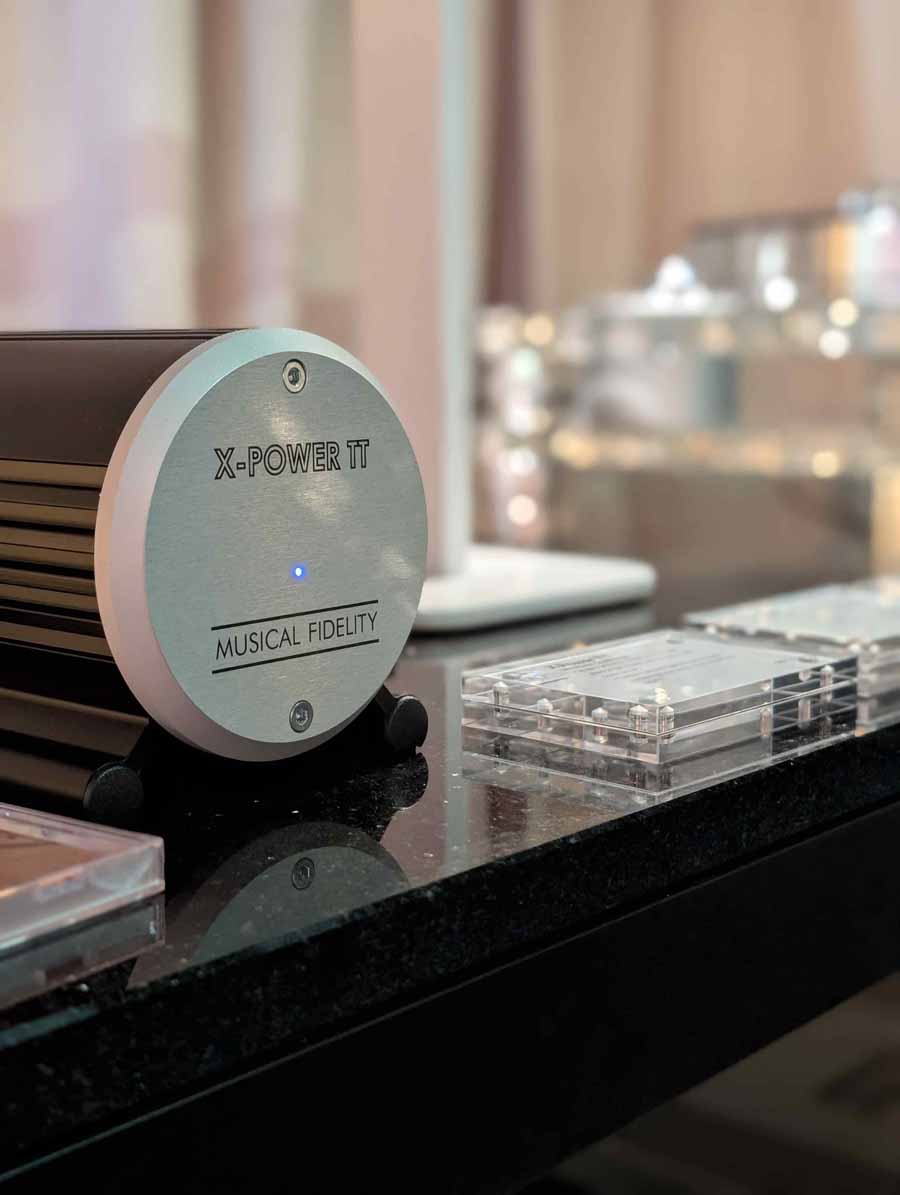
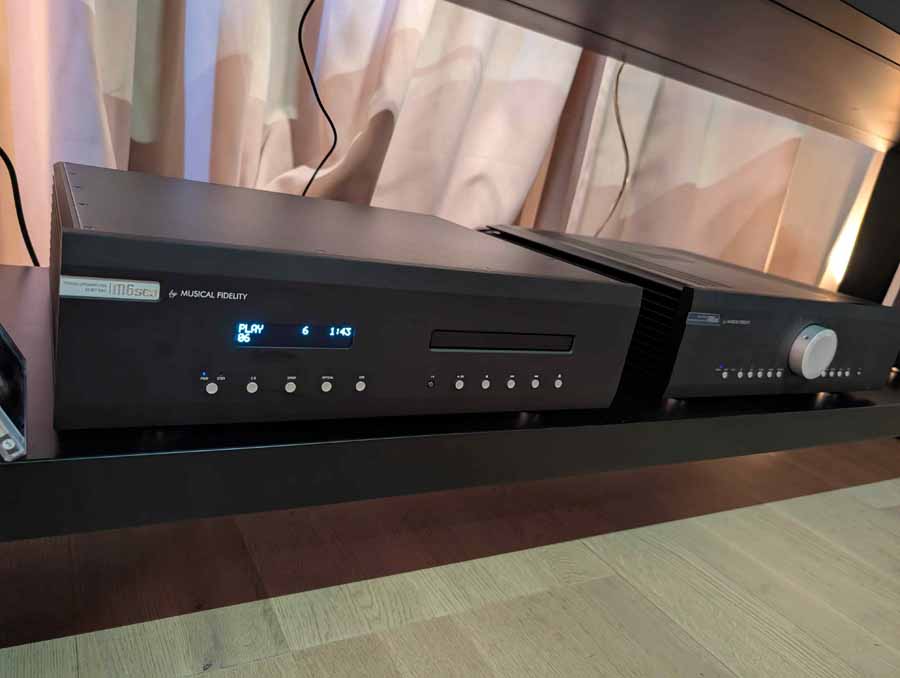
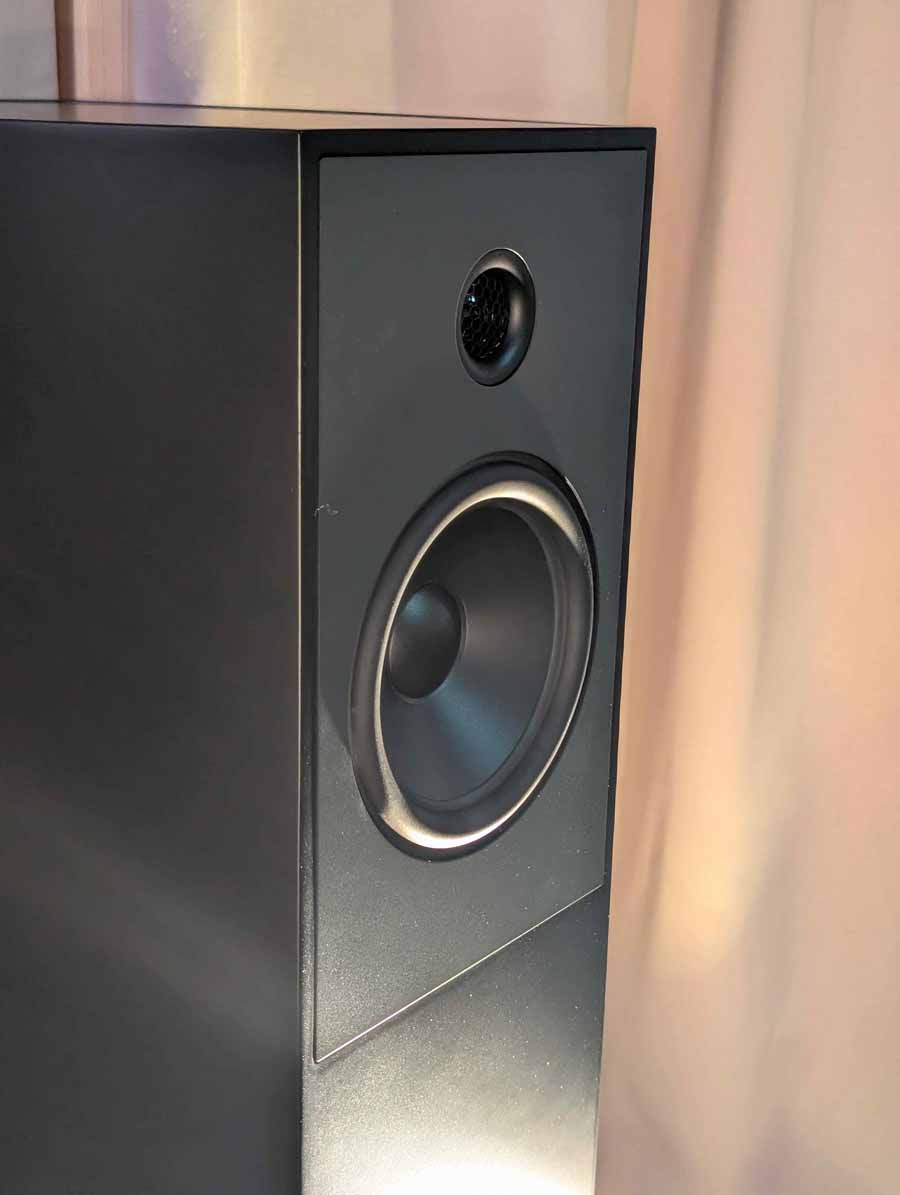
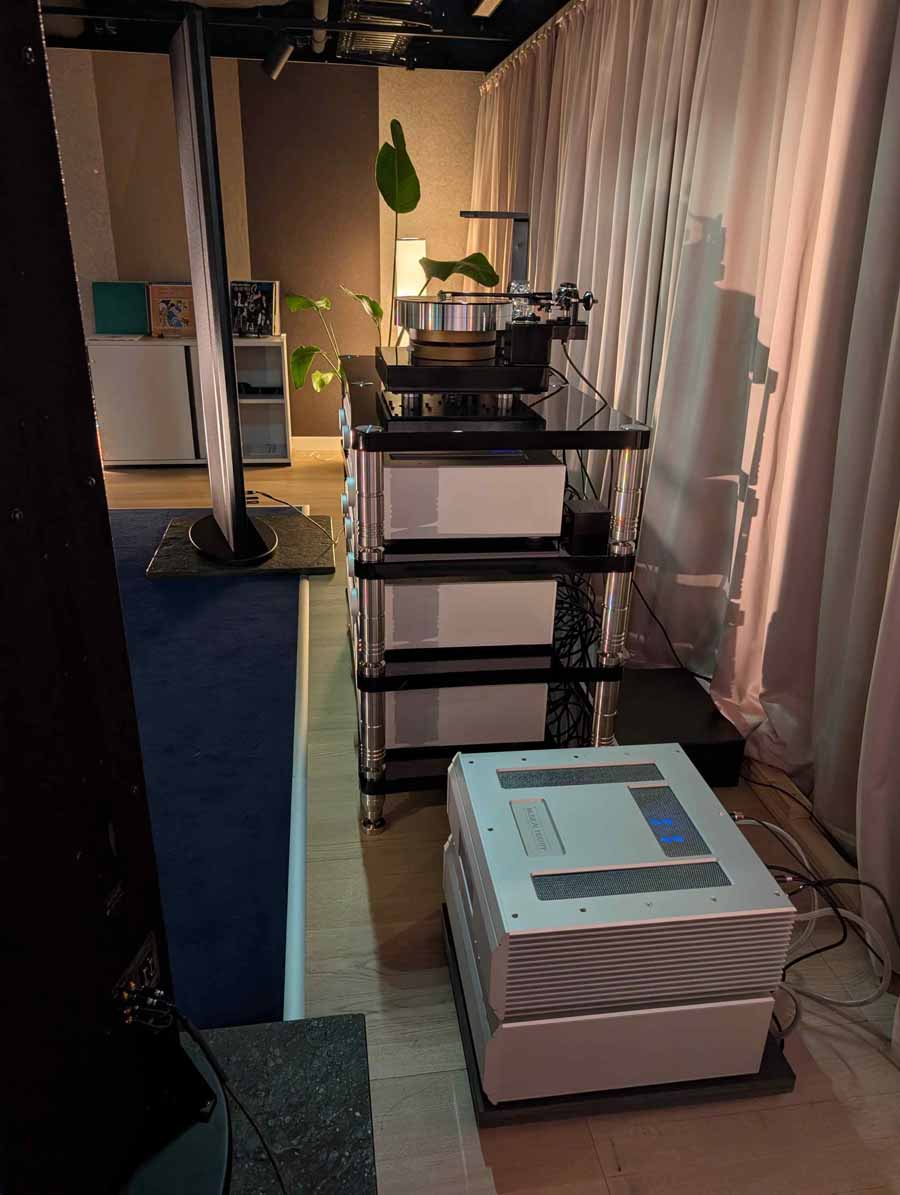
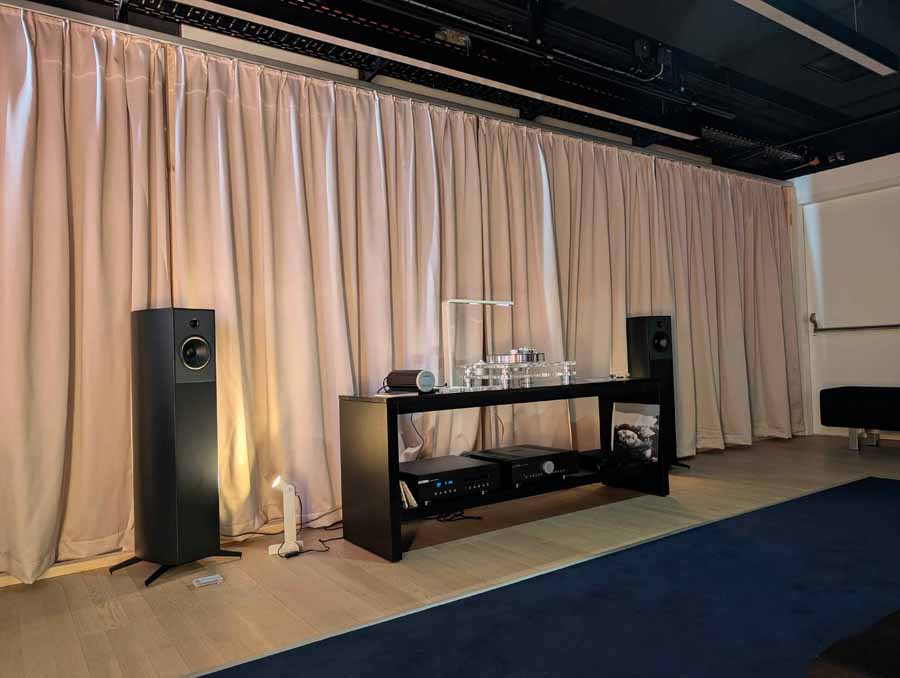
This was a cool and really well-put-together space with a system at either end of the room. The system we got to hear was the GURU 52 loudspeakers with the M6xTT vinyl spinner along with M6xi and MX STREAM electronics,
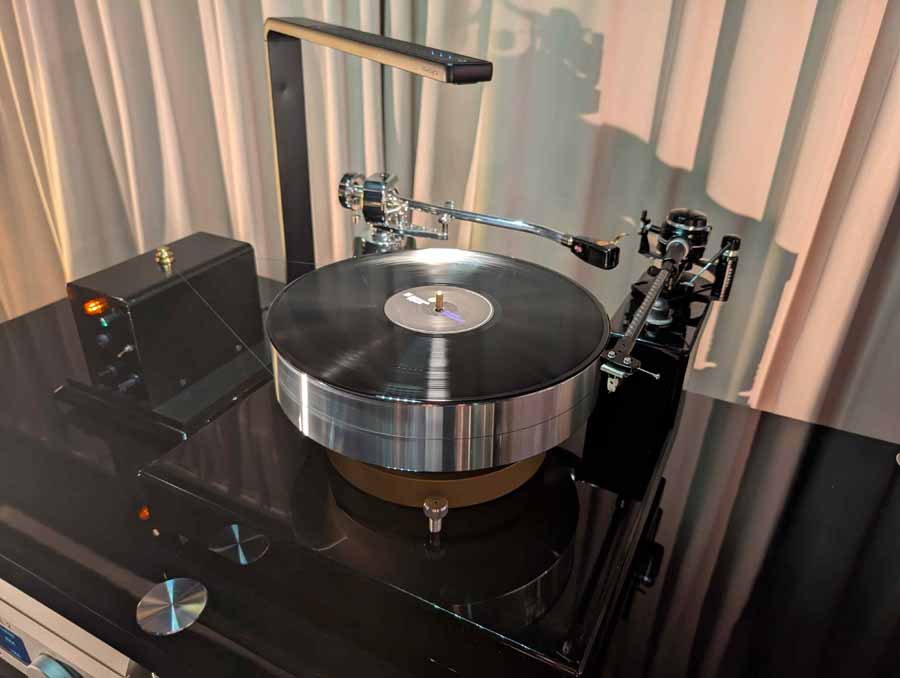
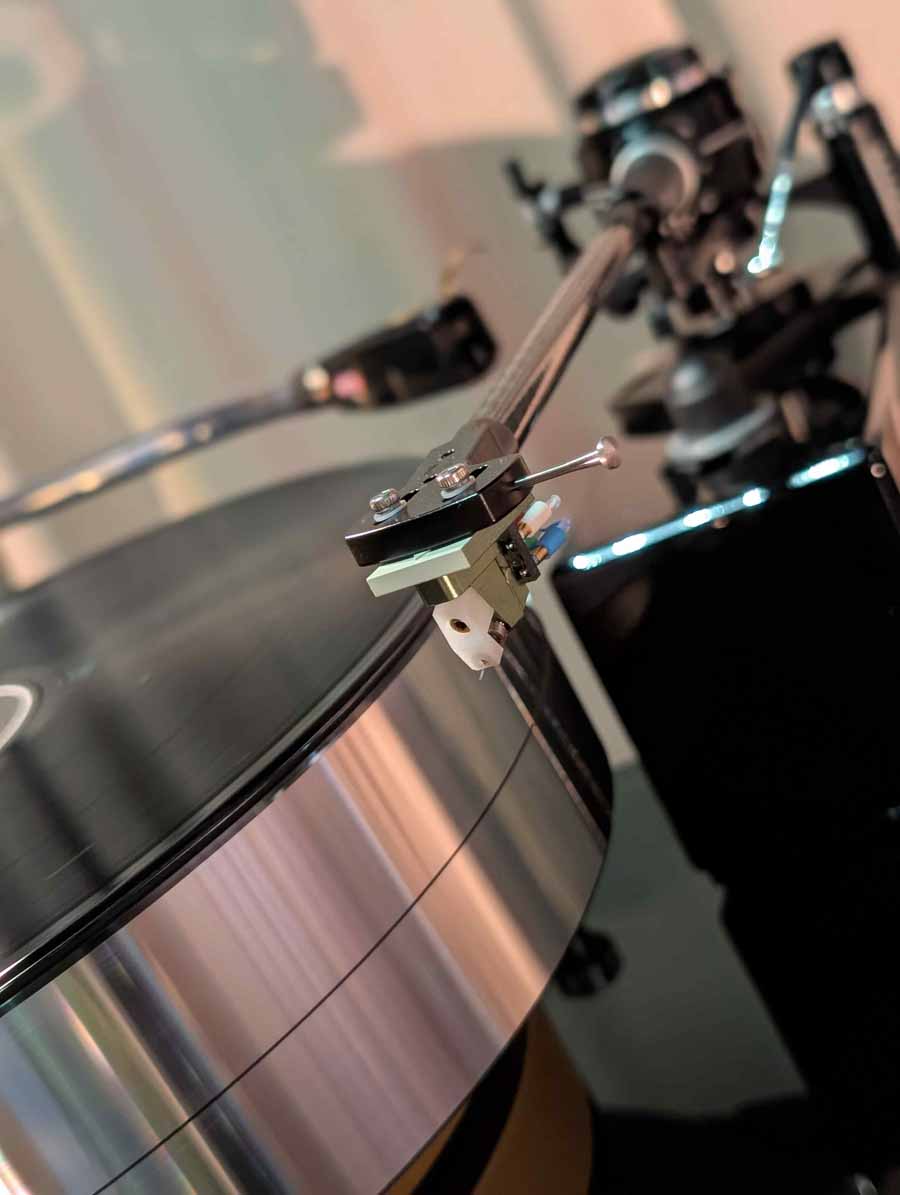
The second system featured Magnepan MG 20.7 speakers with a Verdier Audio La Platine Verdier turntable (very cool) with a Graham E Platinum 12-inch tonearm.
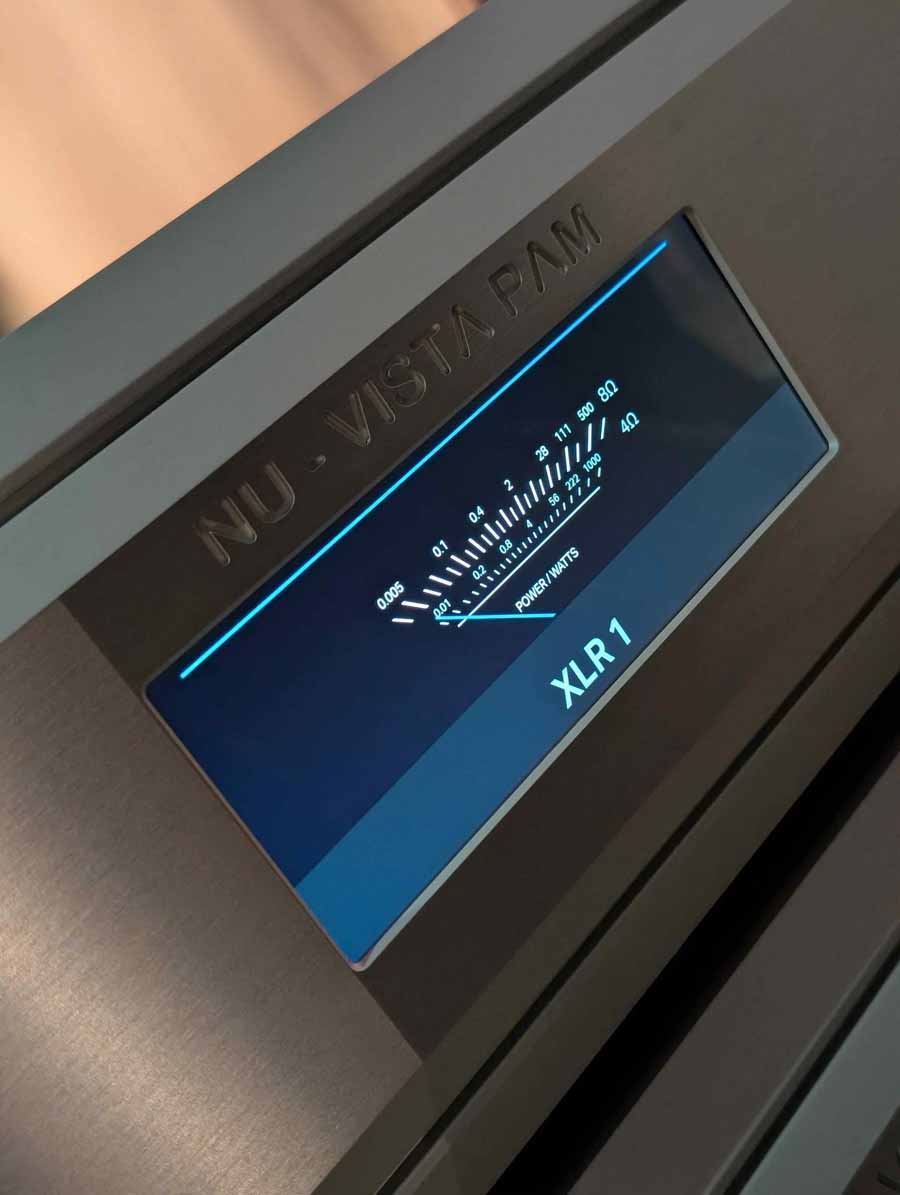
Electronics were all from the Musical Fidelity NU-Vista range.
STATIC STAND SPACE
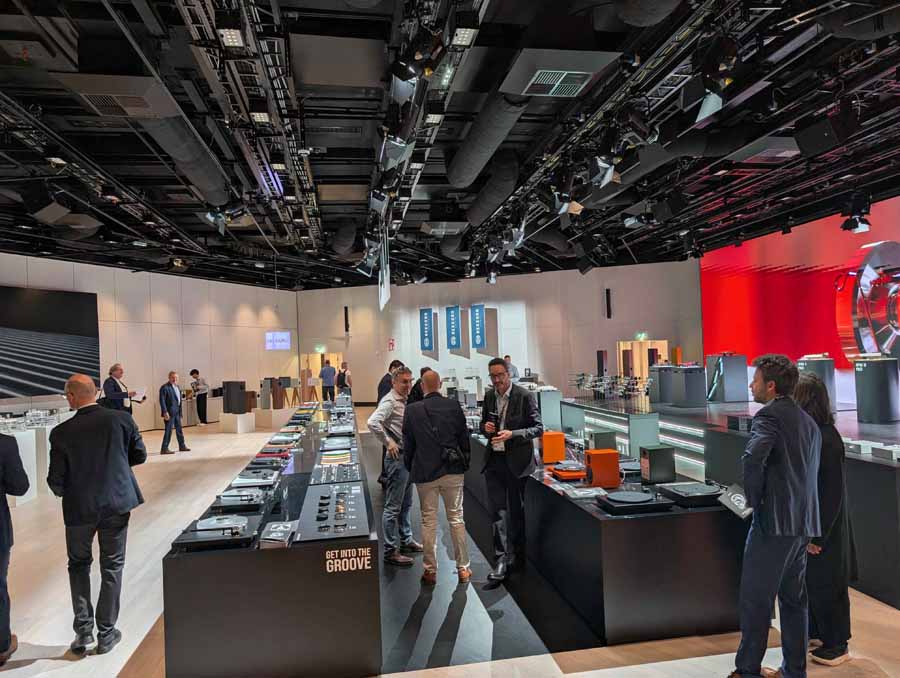
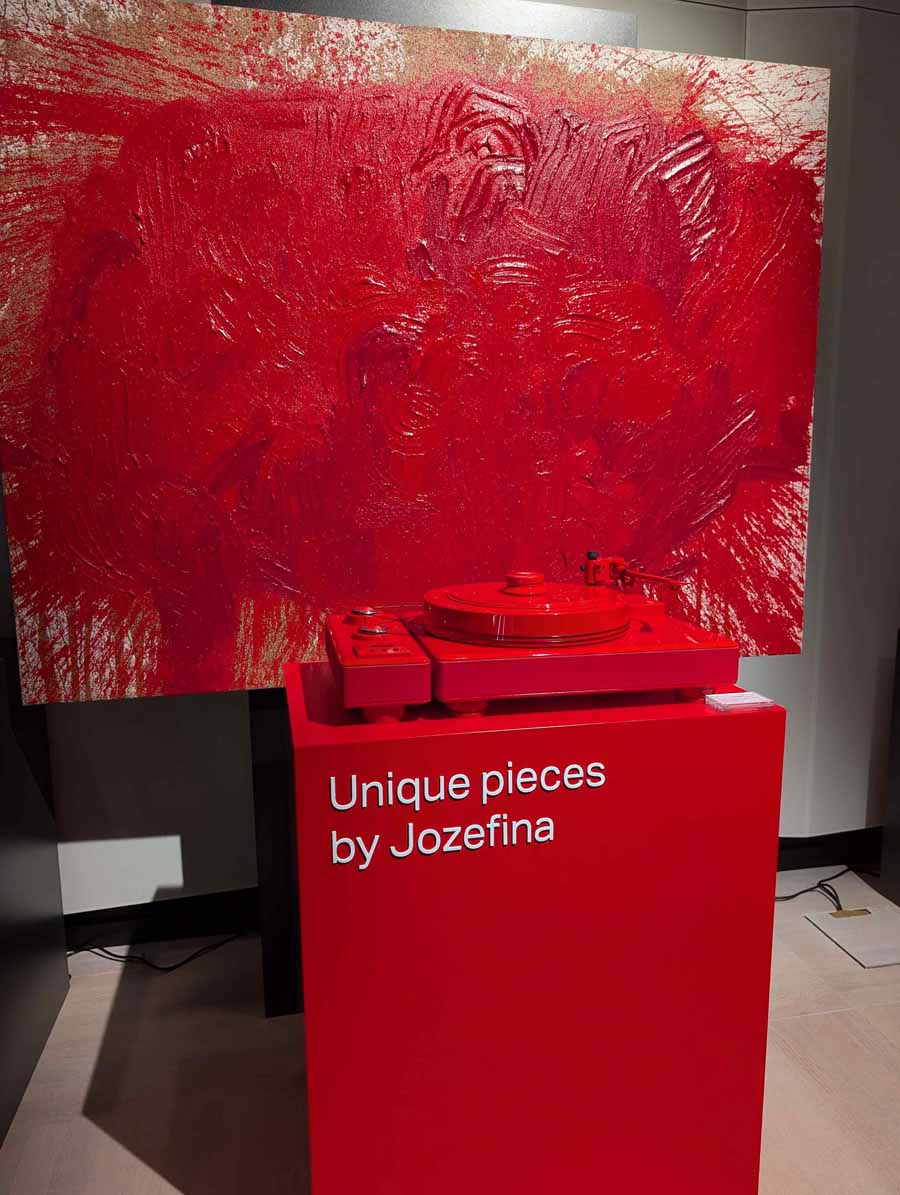
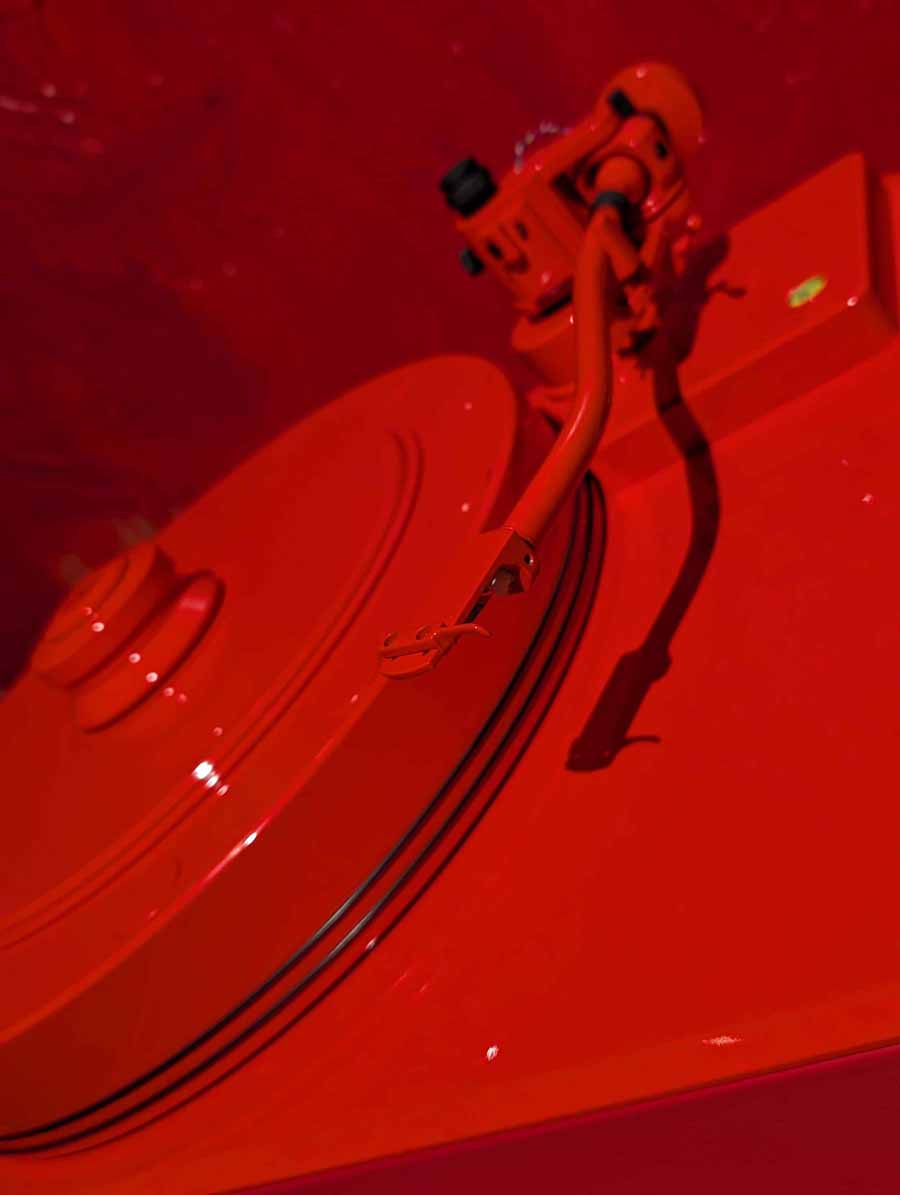
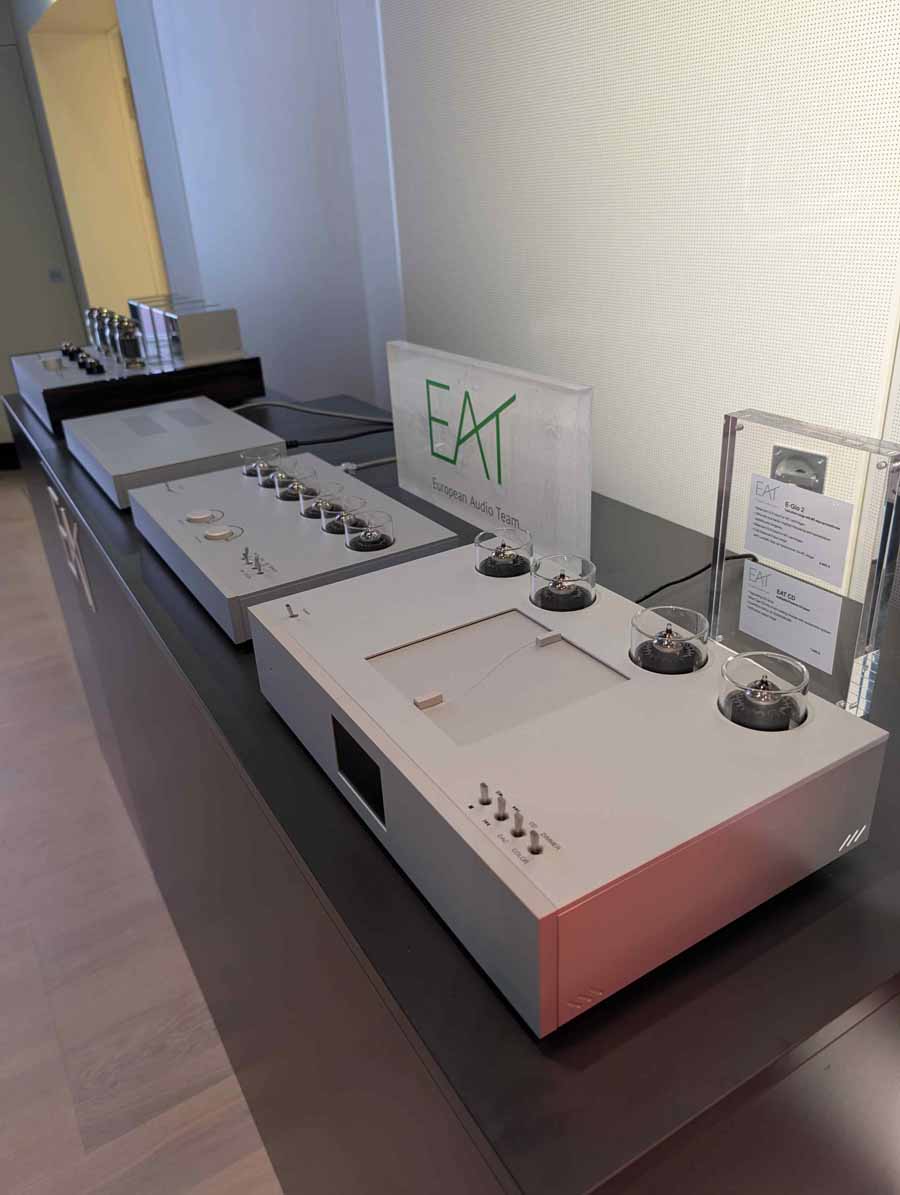
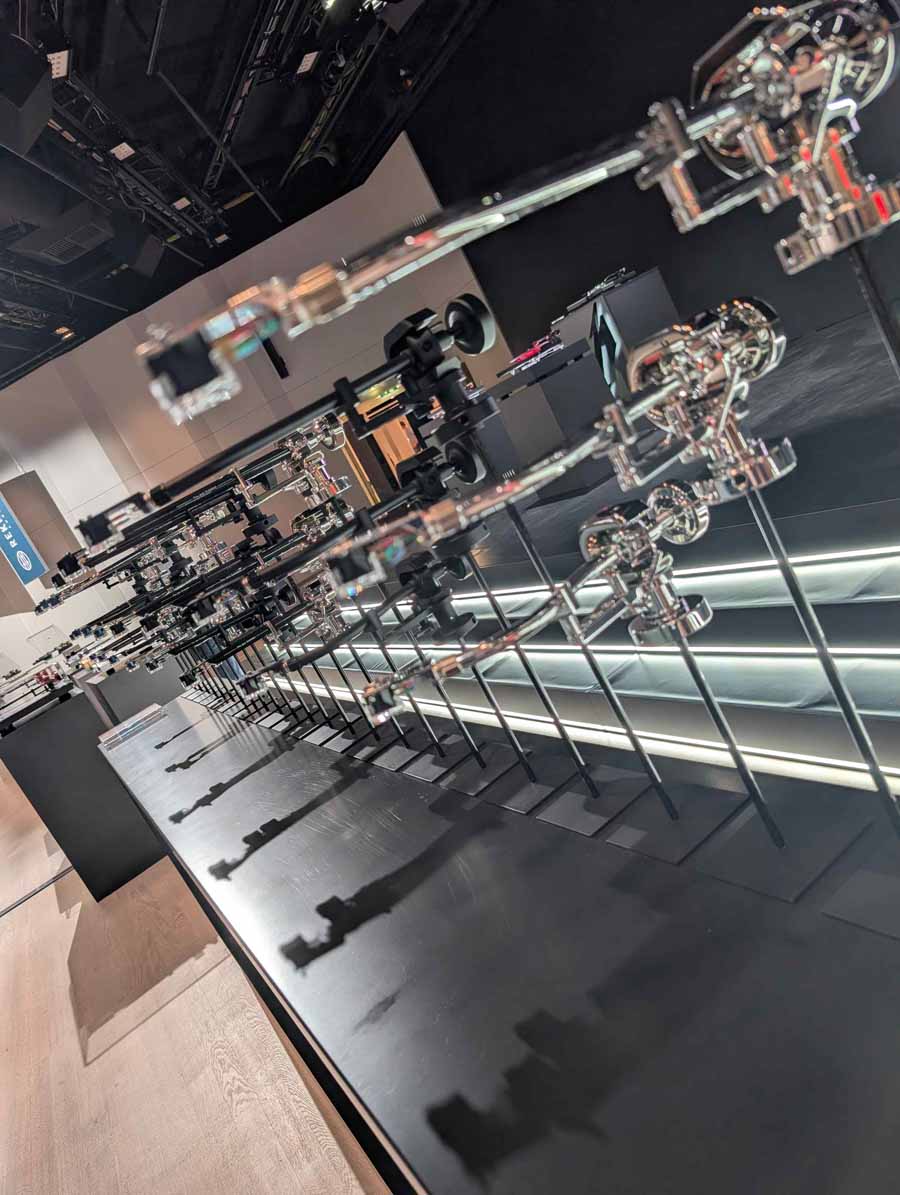
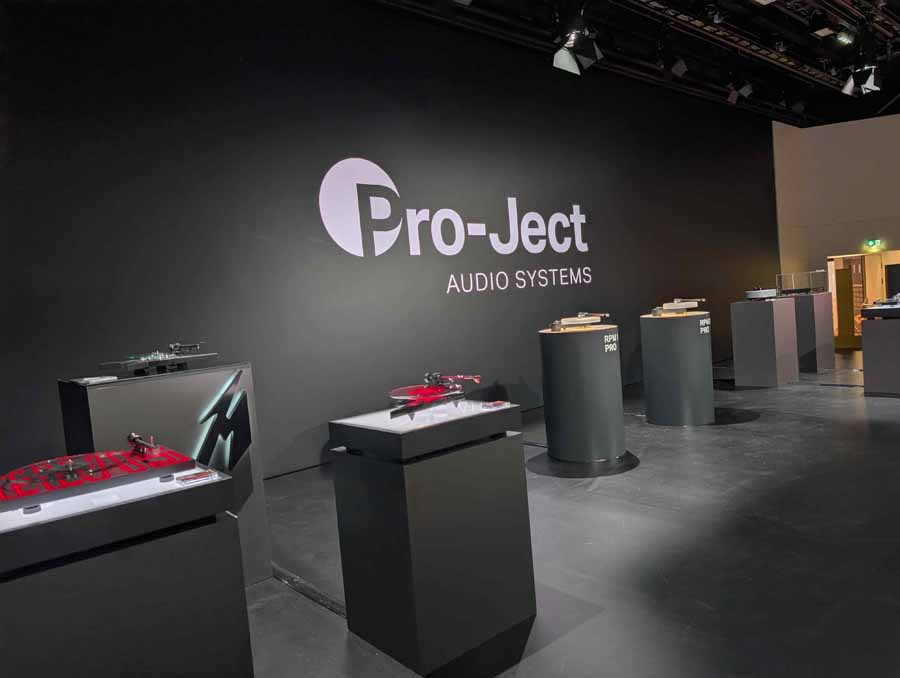
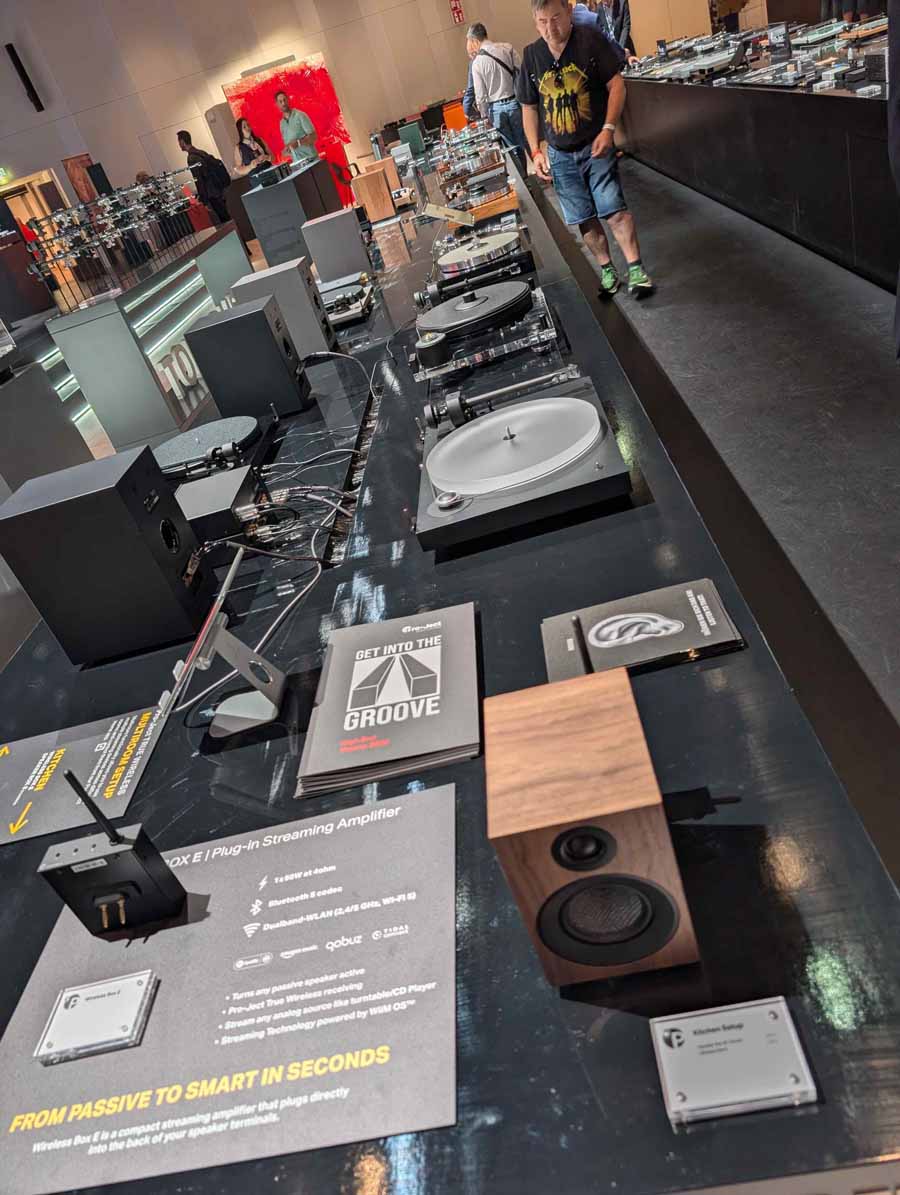
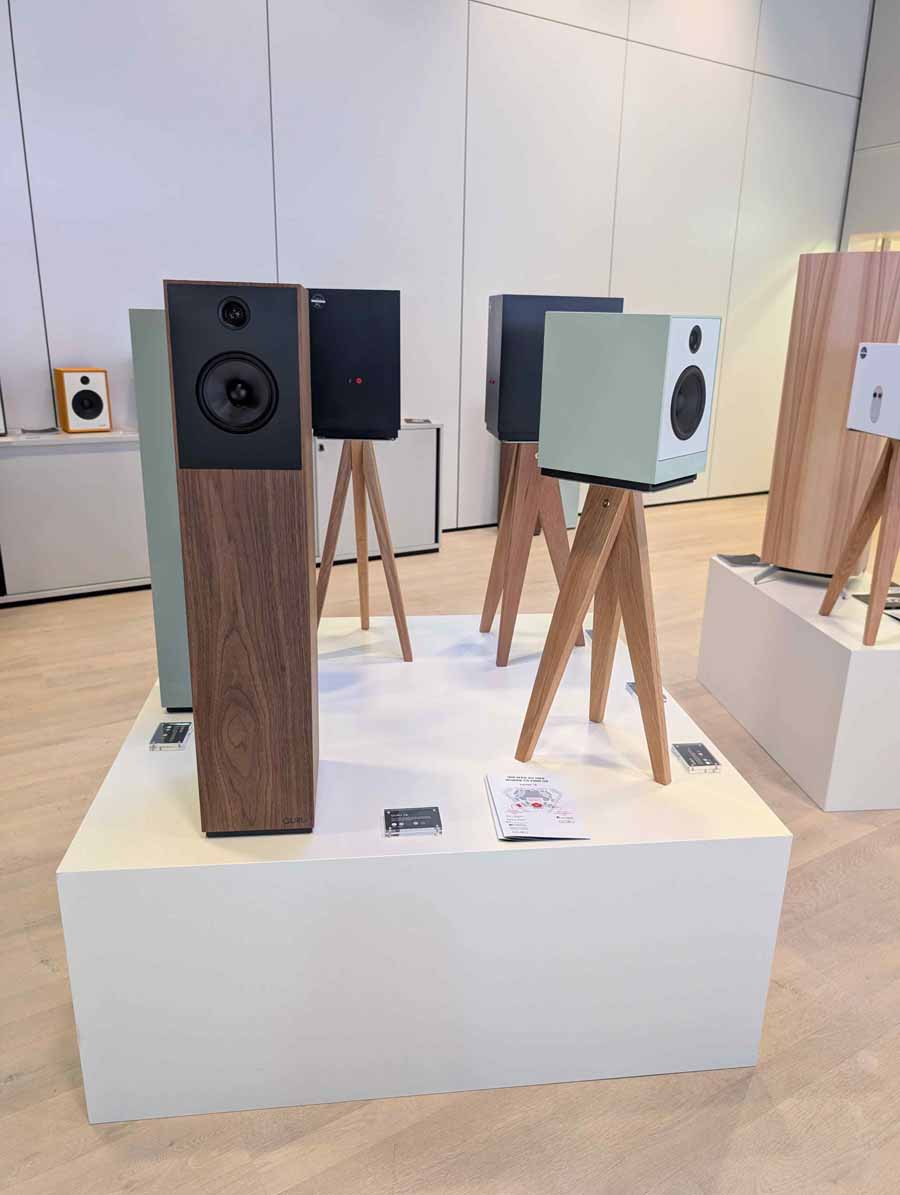
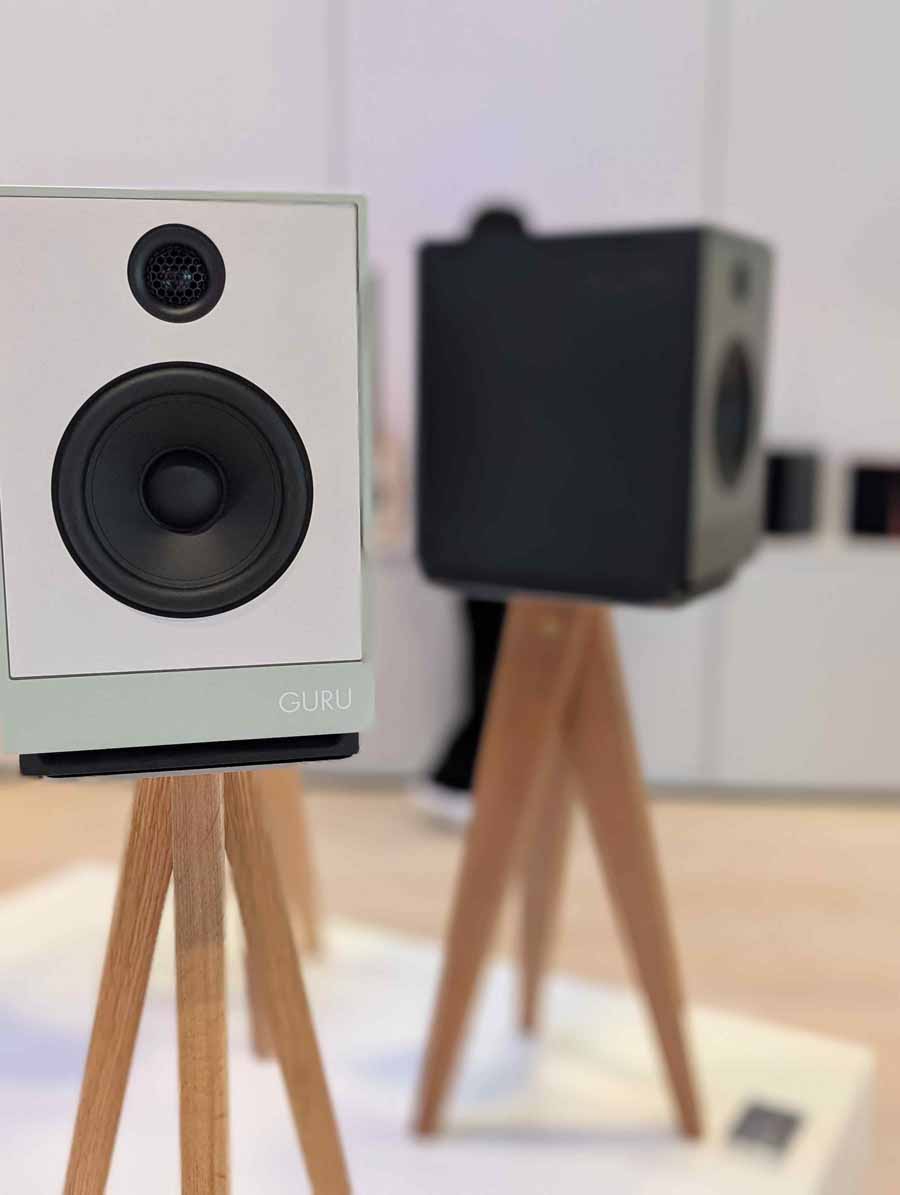
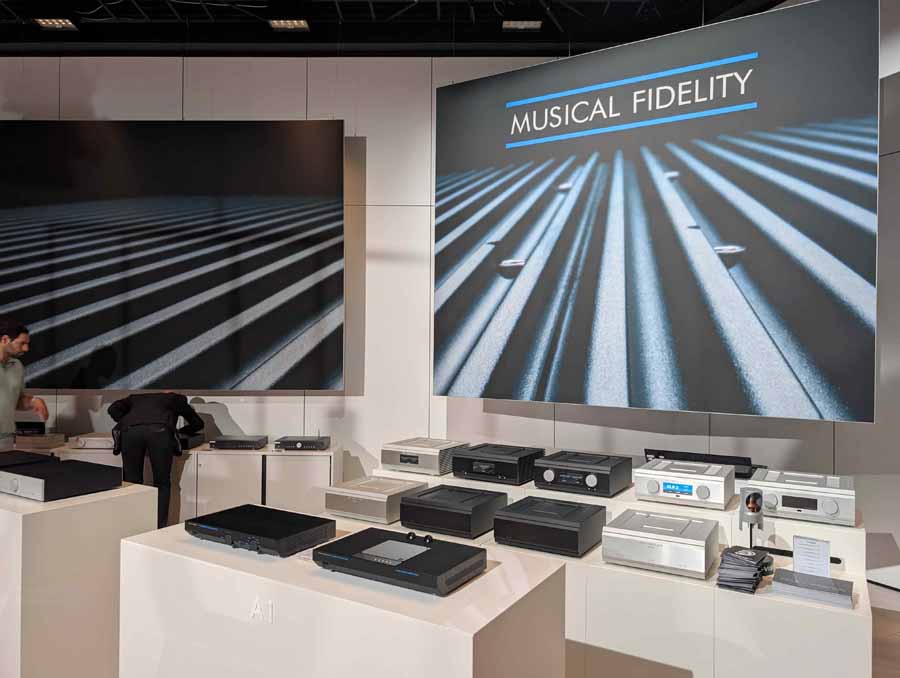
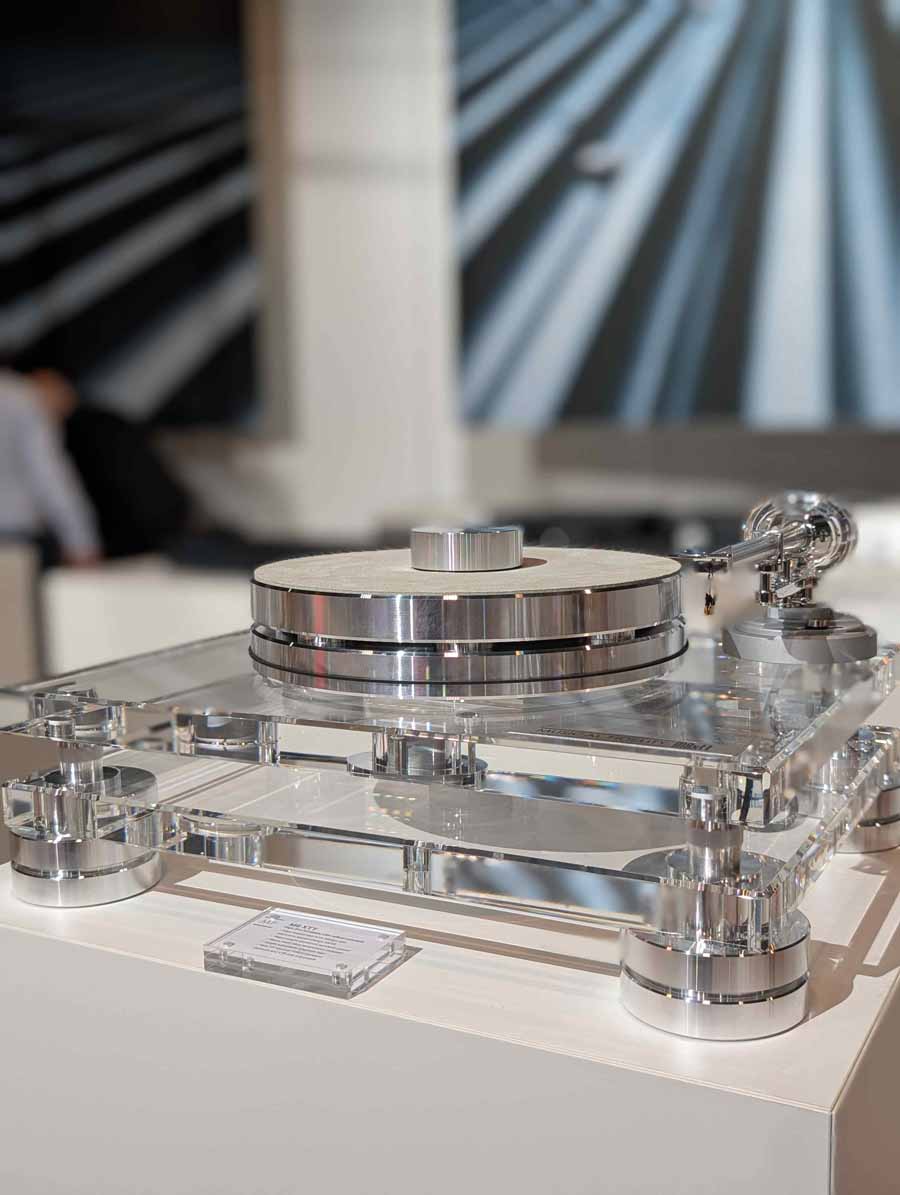
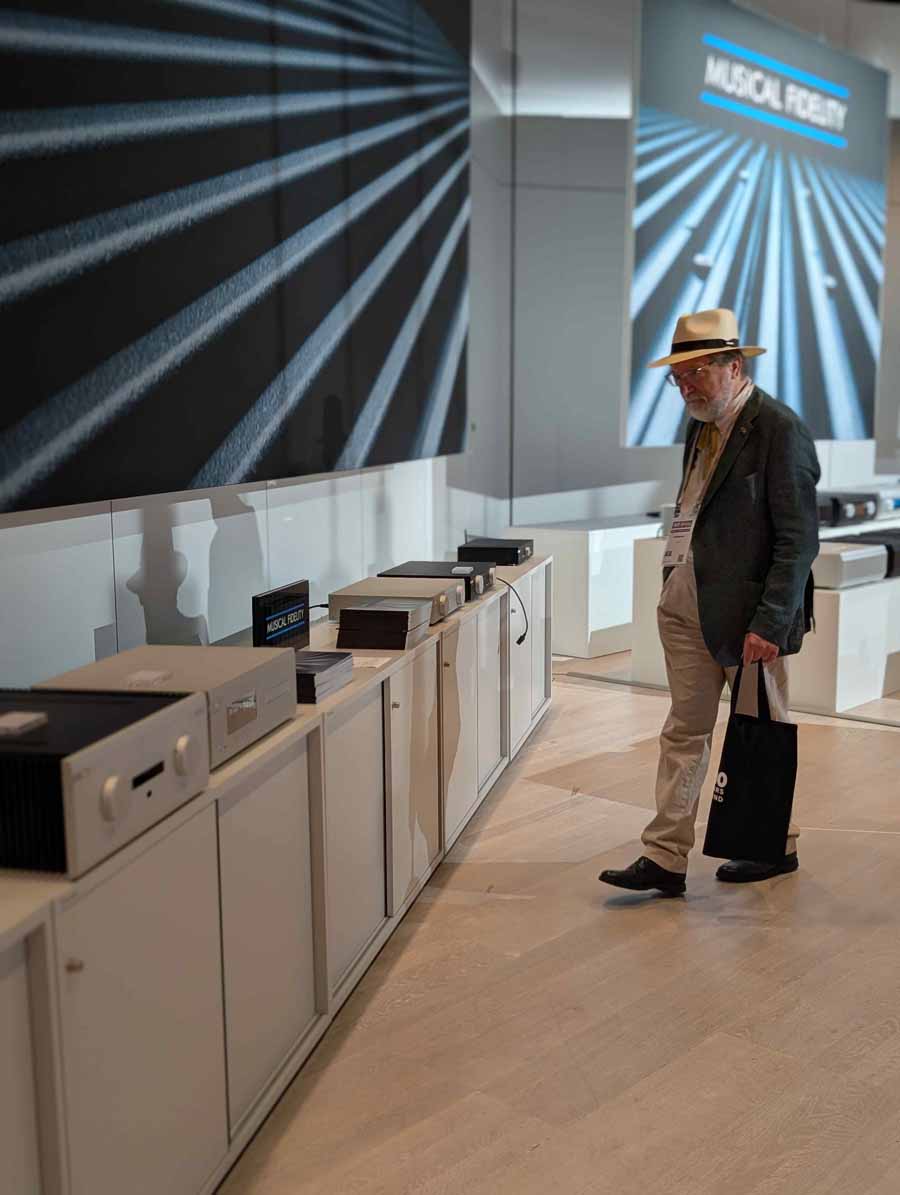
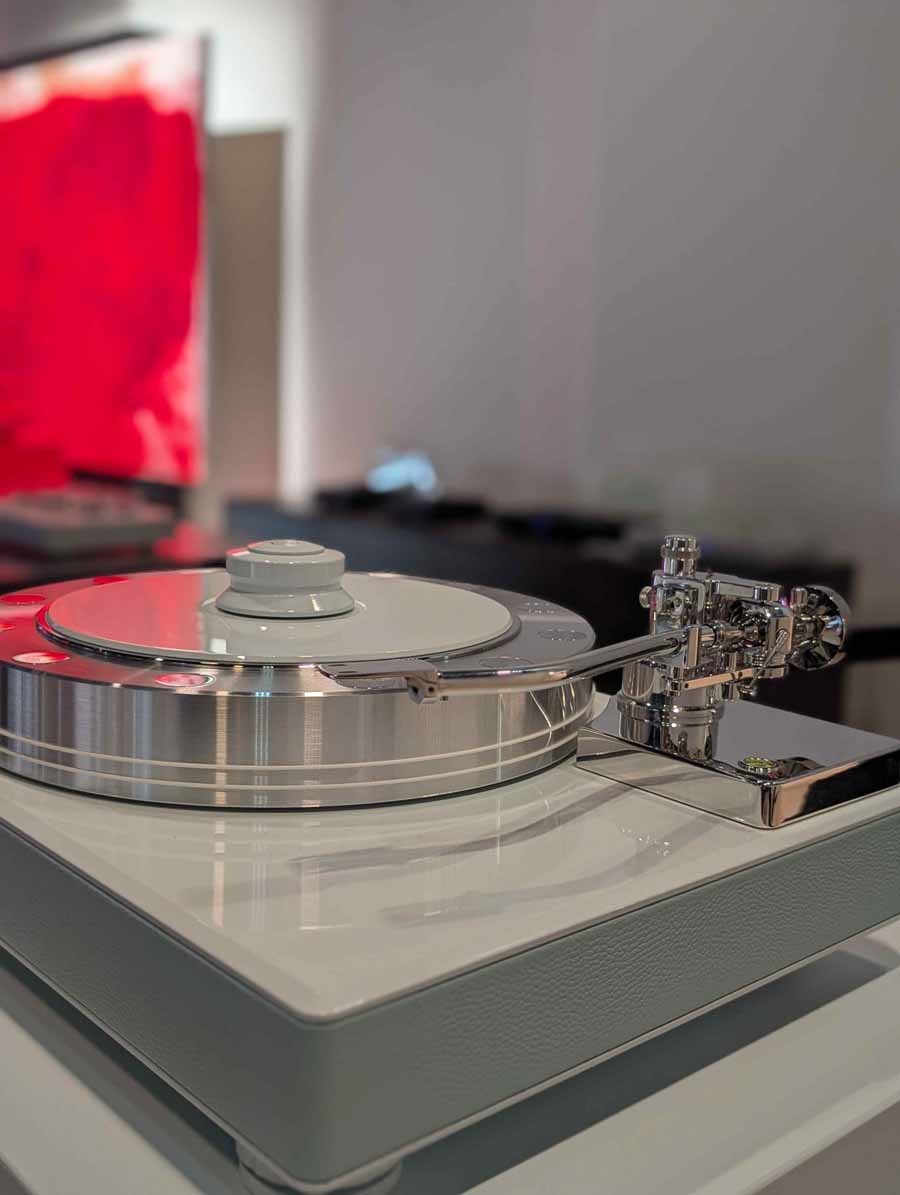
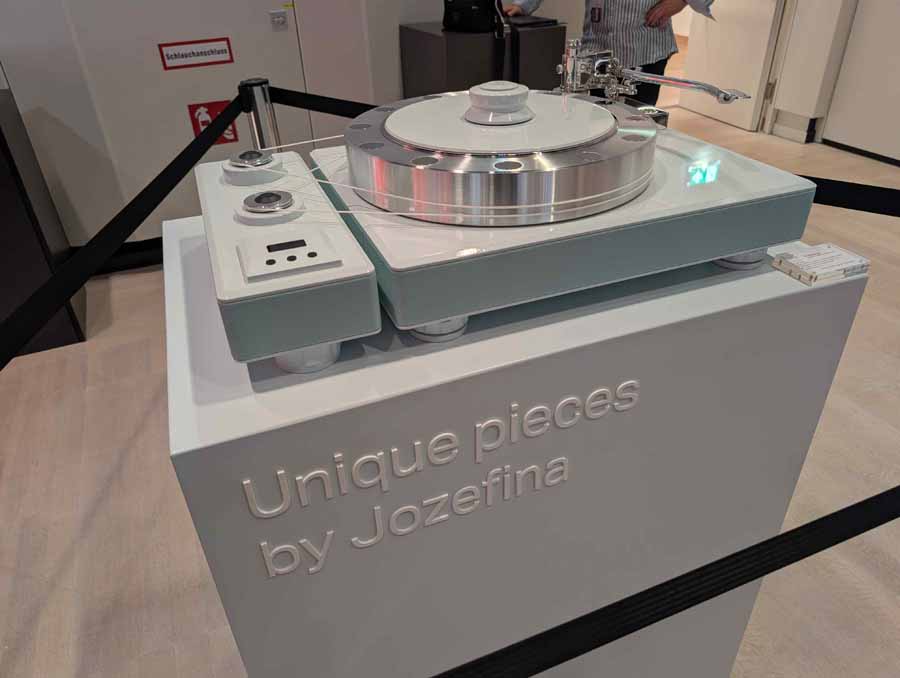
The next room was a vast space filled with all manner of Musical Fidelity gear, plus ProJect and E.A.T. turntables and phono gear, Graham Engineering tonearms, GURU speakers and Rekkord vinyl spinners.
DYNAUDIO
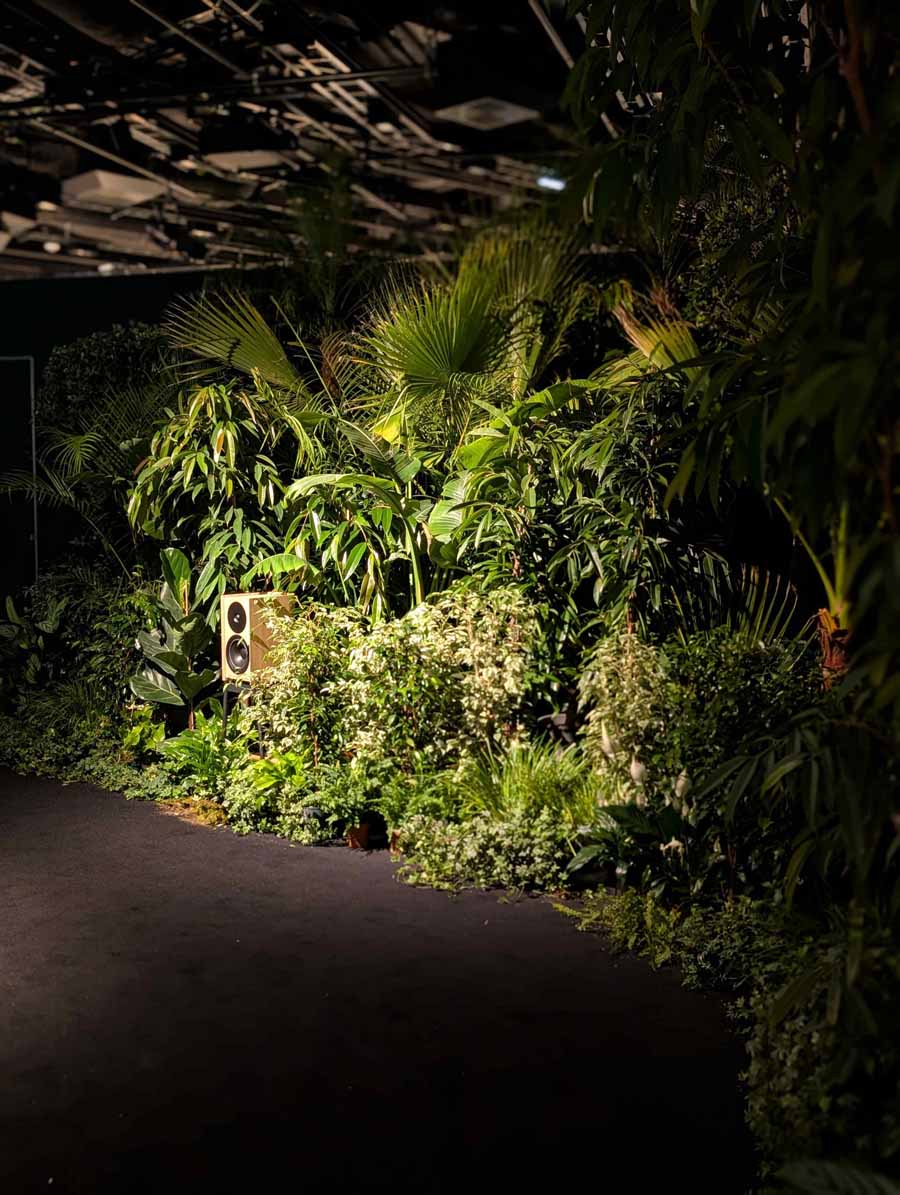
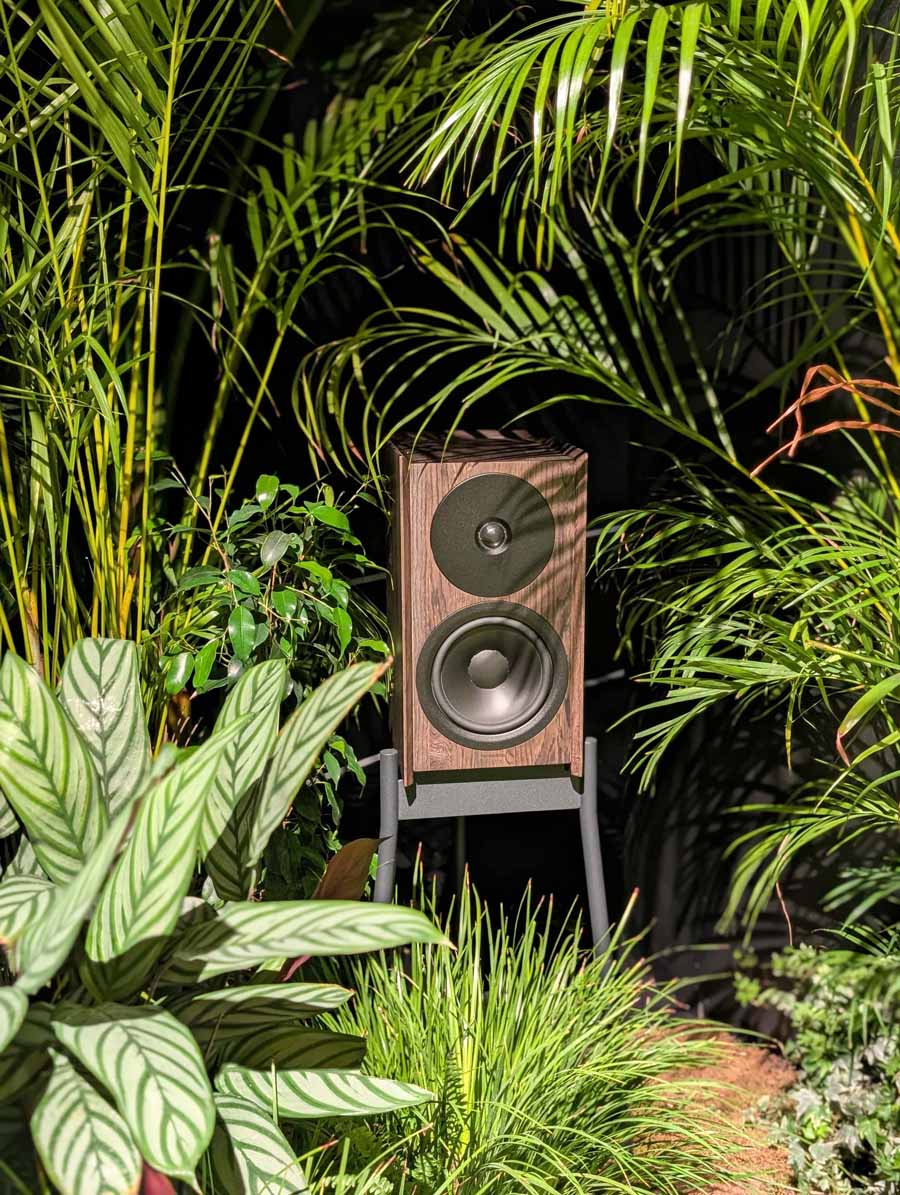
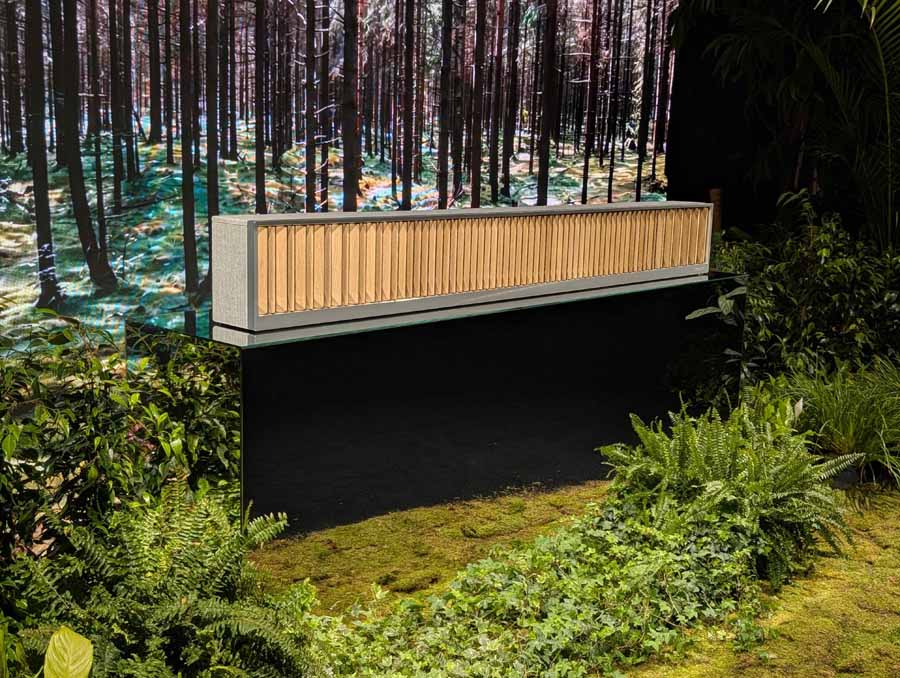
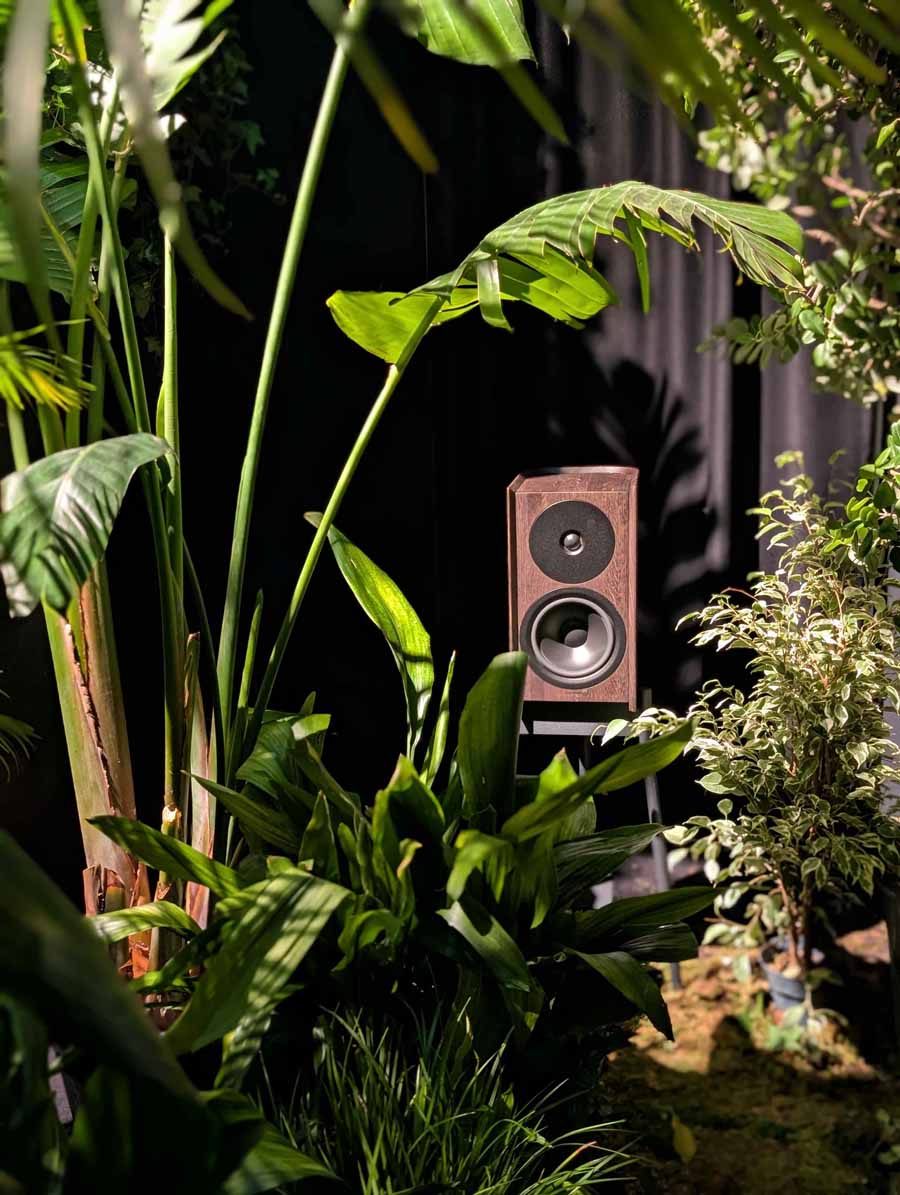
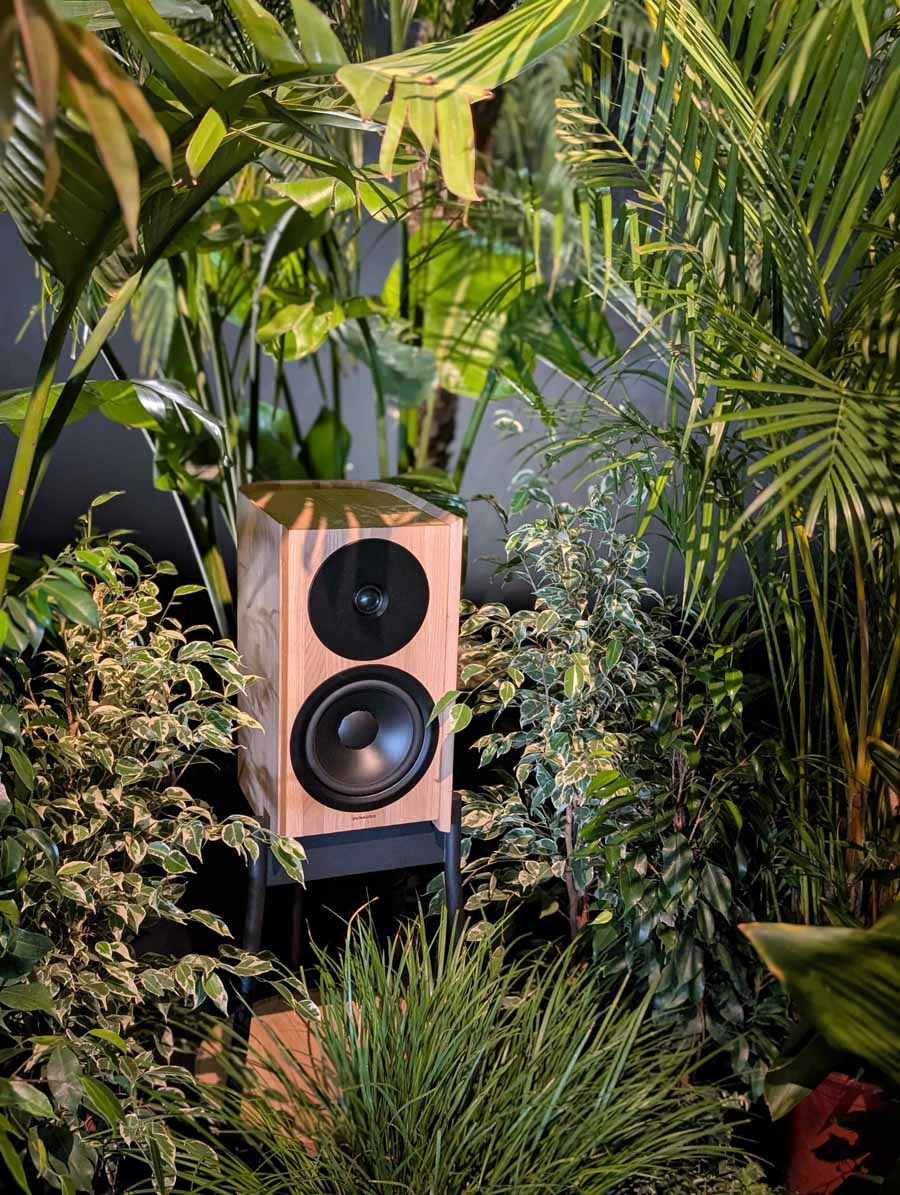
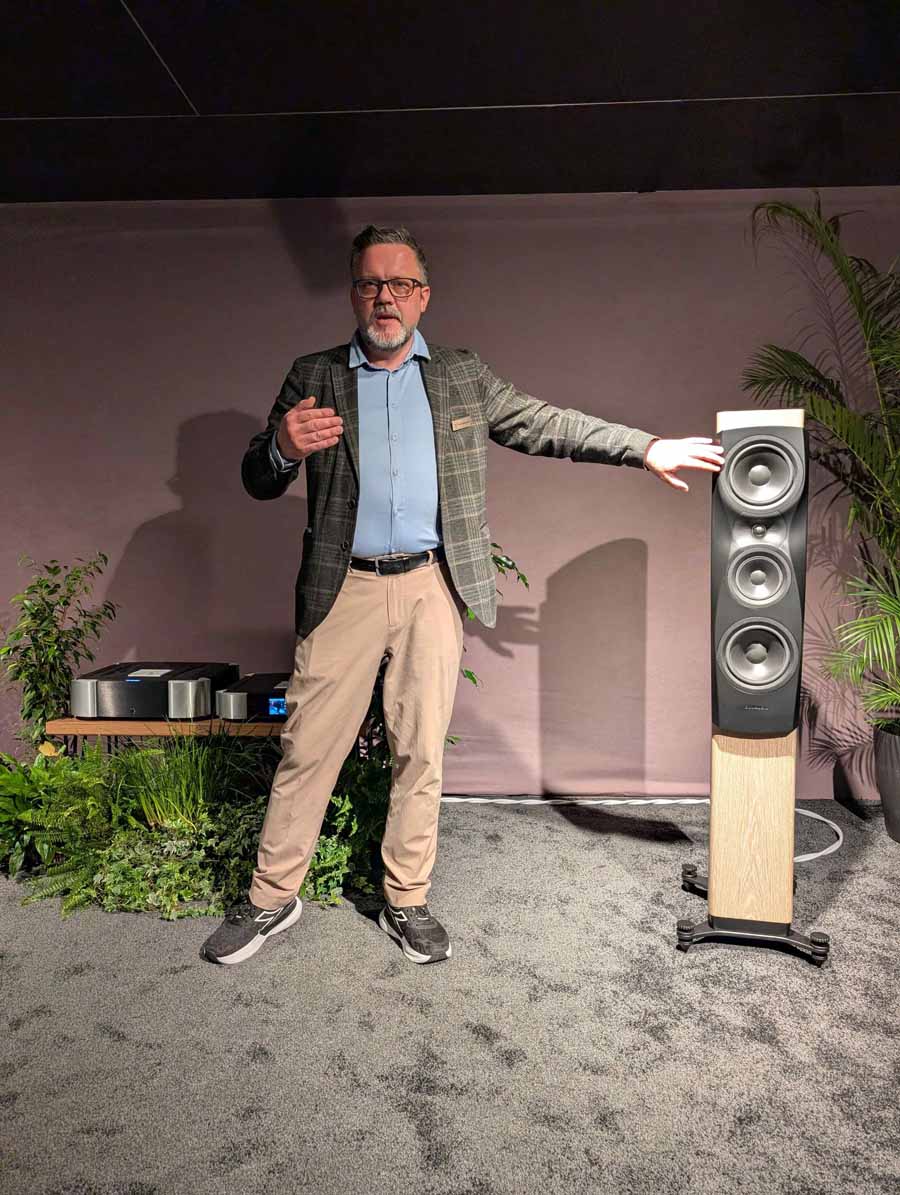
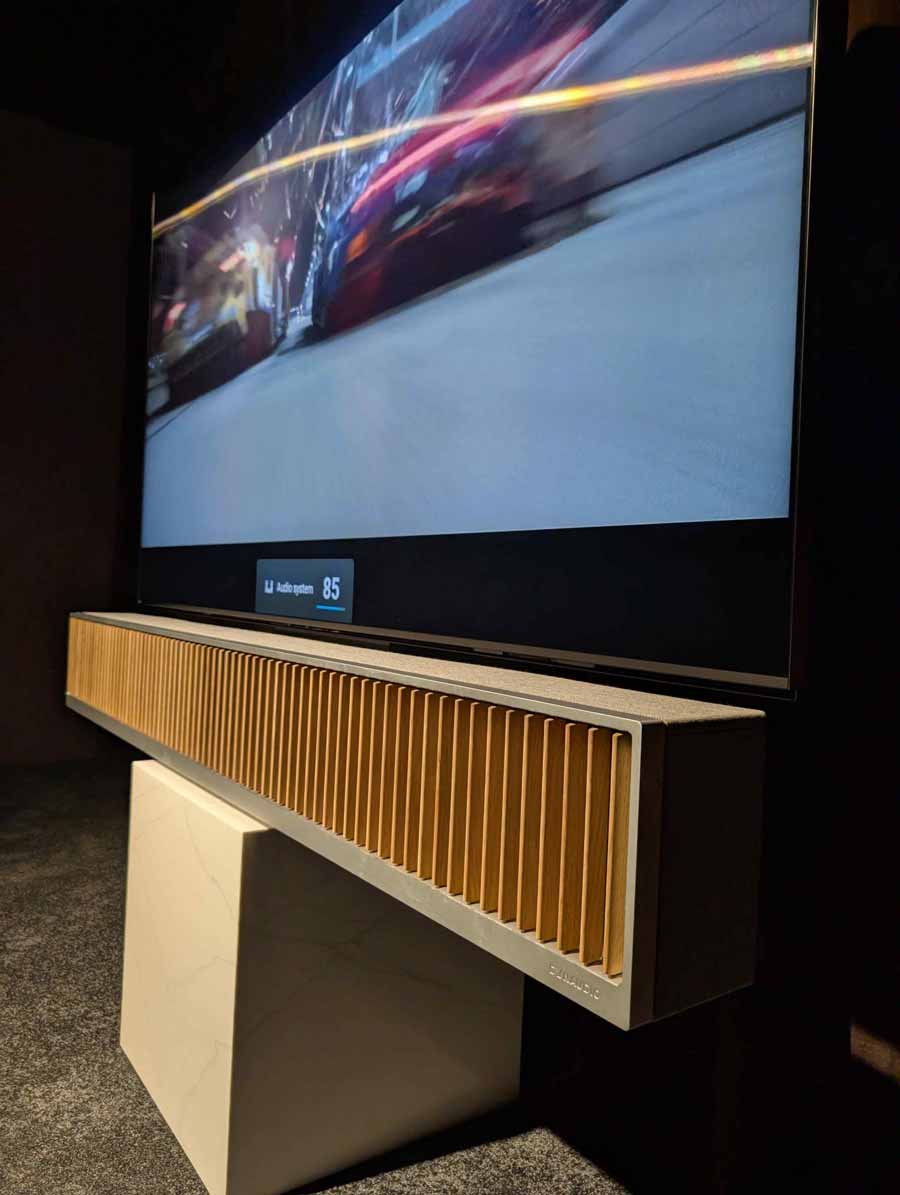
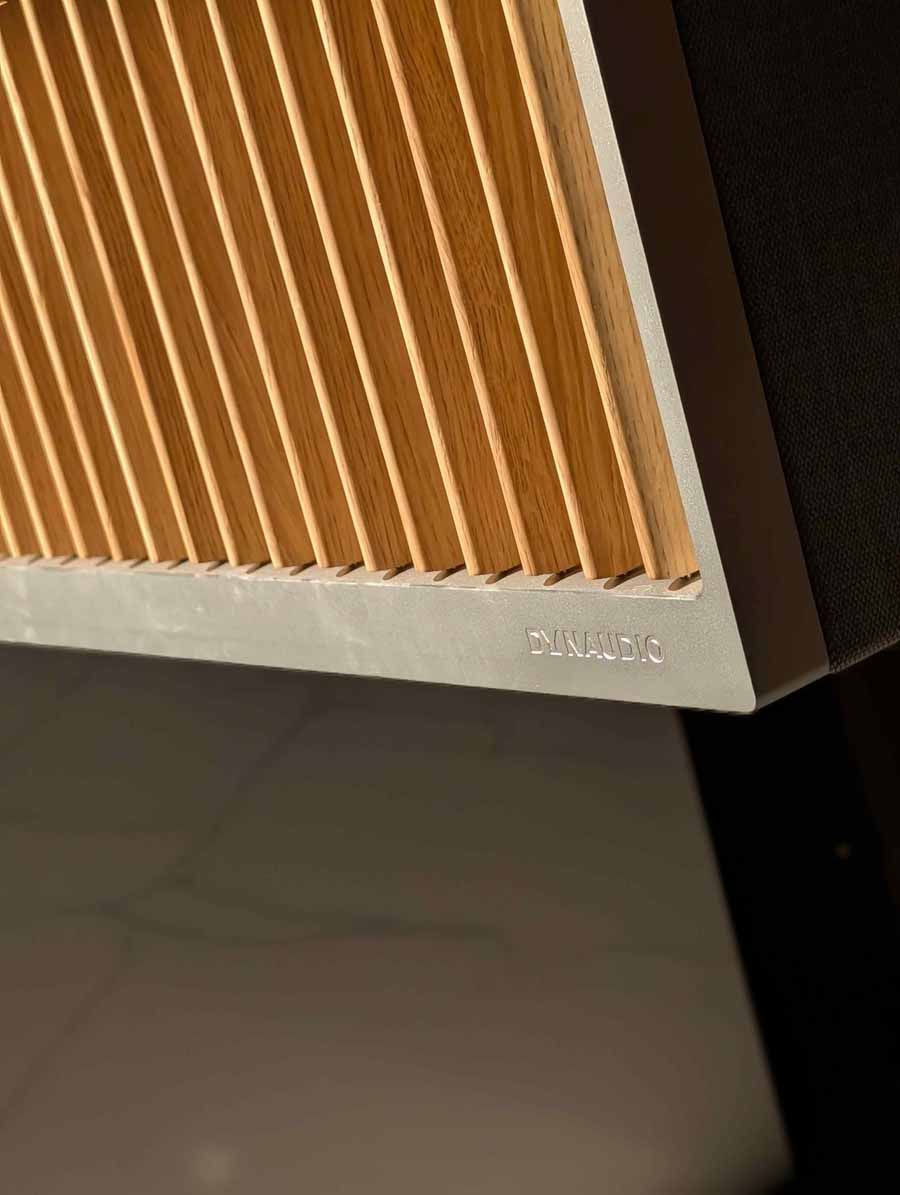
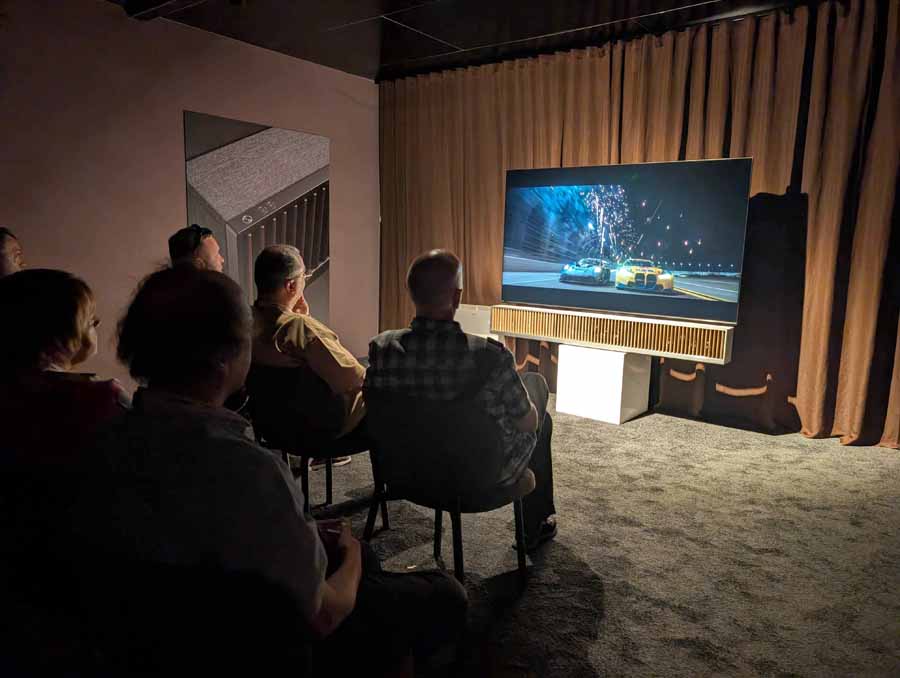
DYNAUDIO were showing off their new soundbar, the Symphony OPUS One. The space was absolutely stunning, and like walking into a rainforest with bird noises and all the rest to go with it. A few folk had told us about the Symphony OPUS One and the show it puts on – go get a look at it if you get the chance.
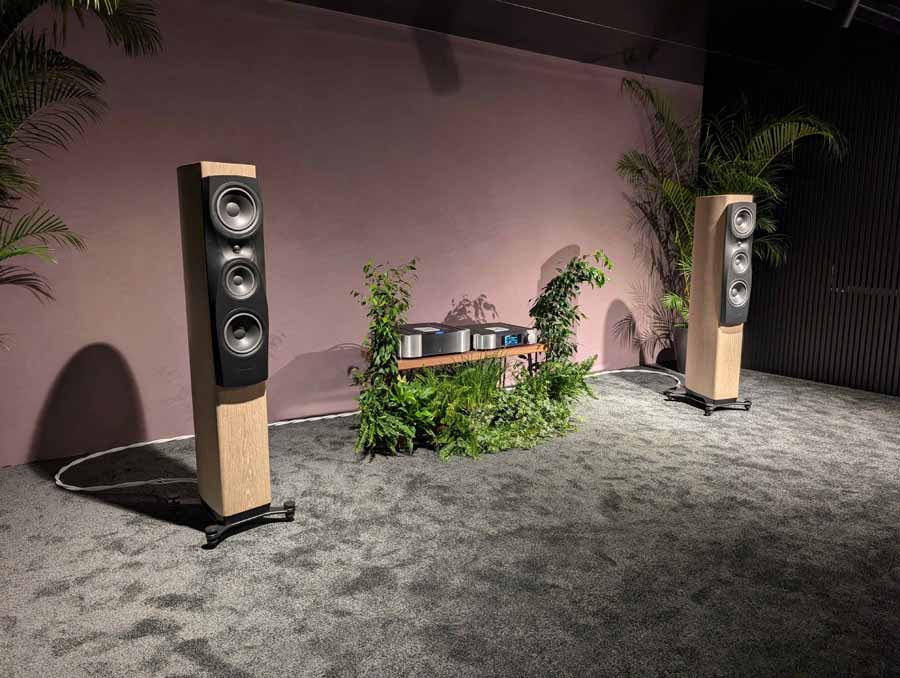
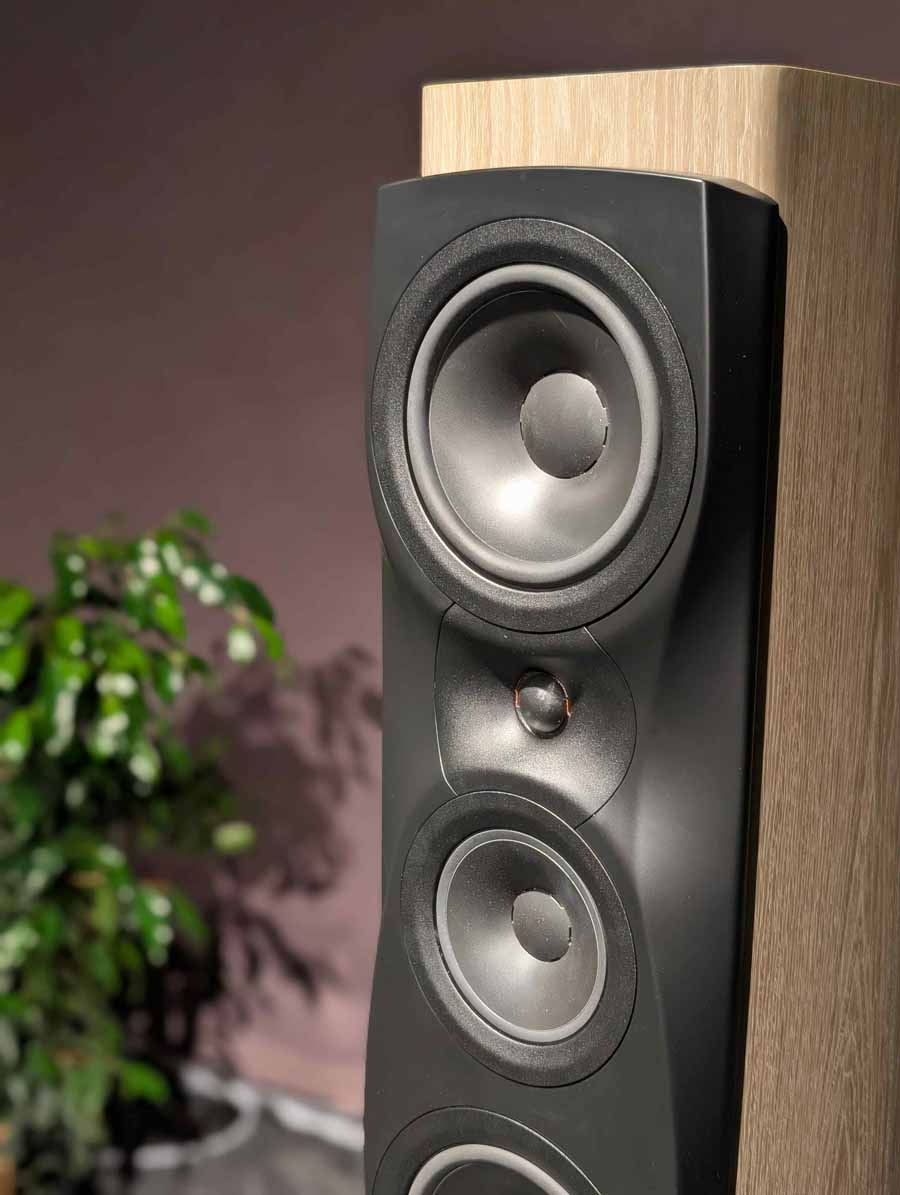
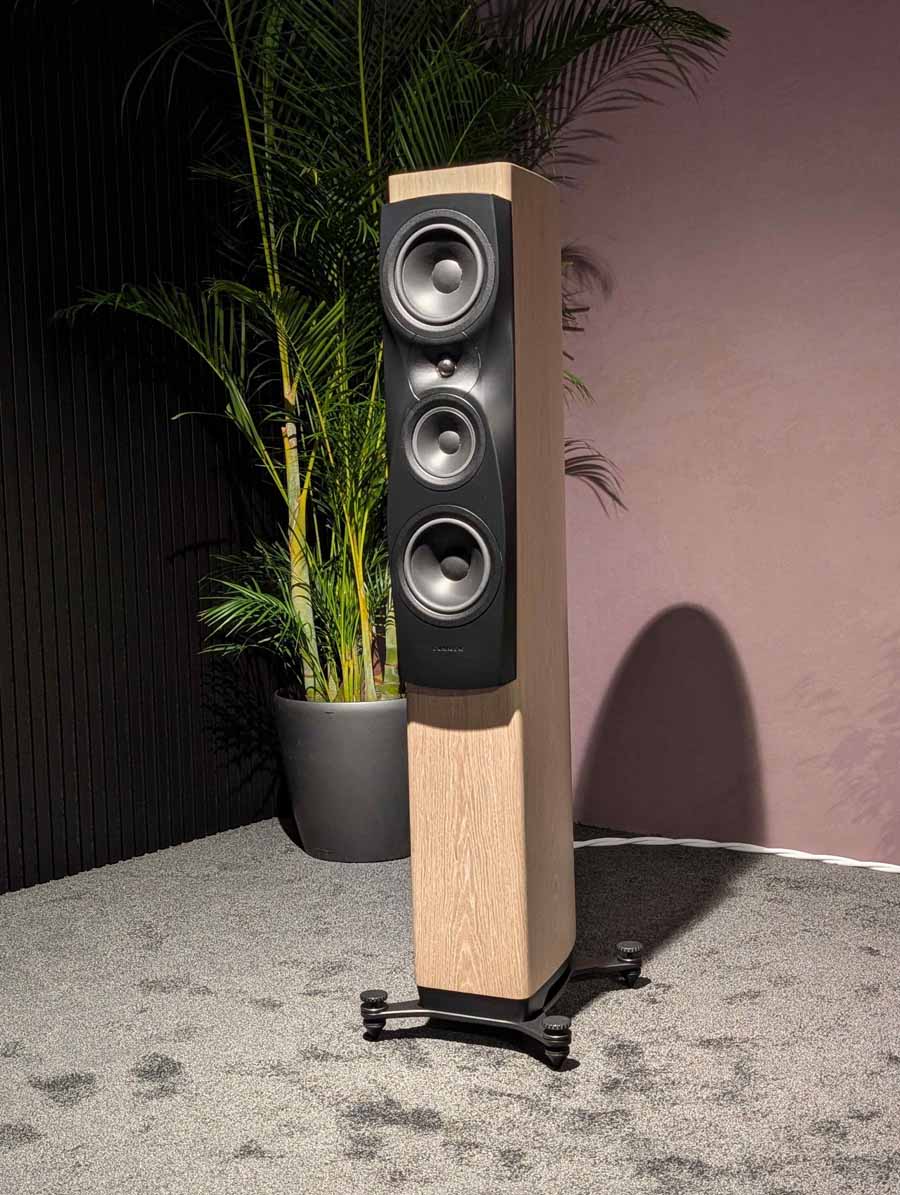
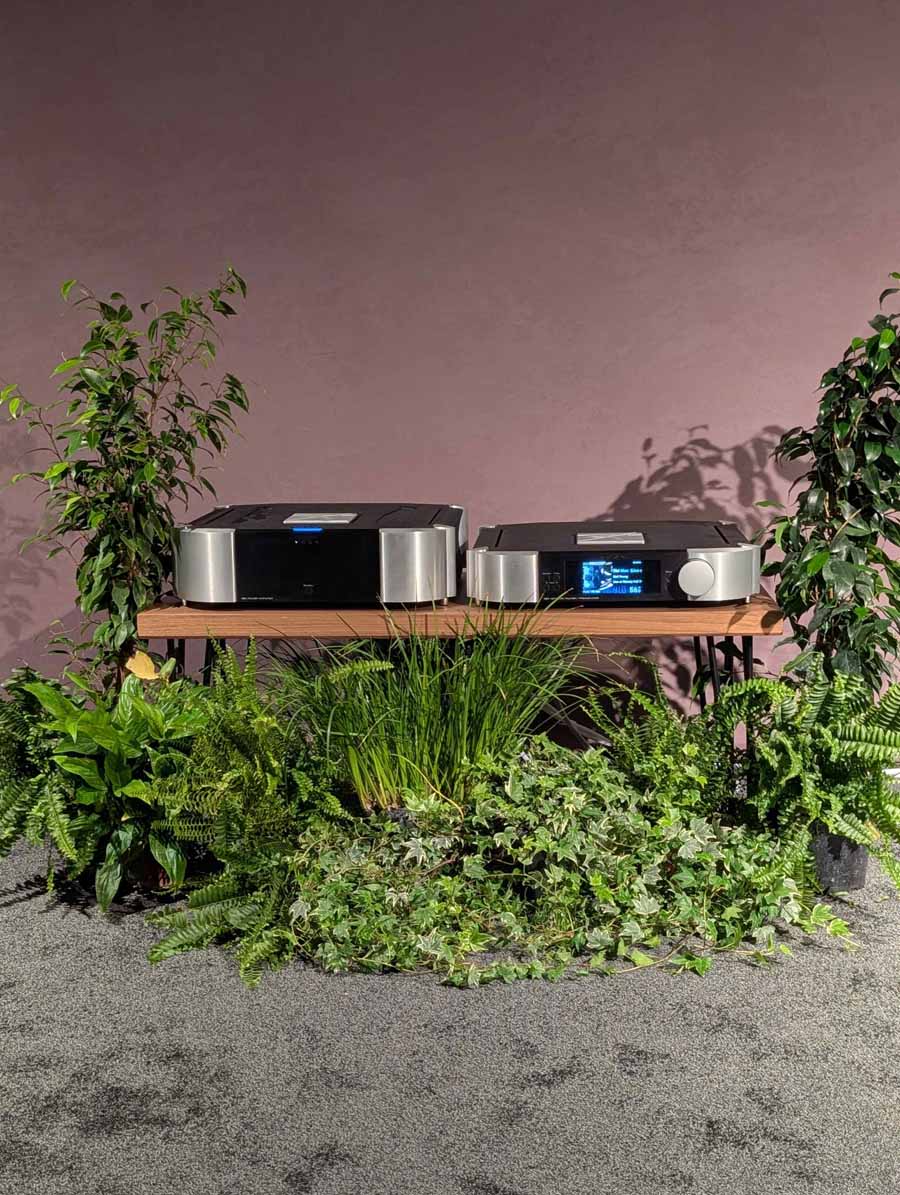
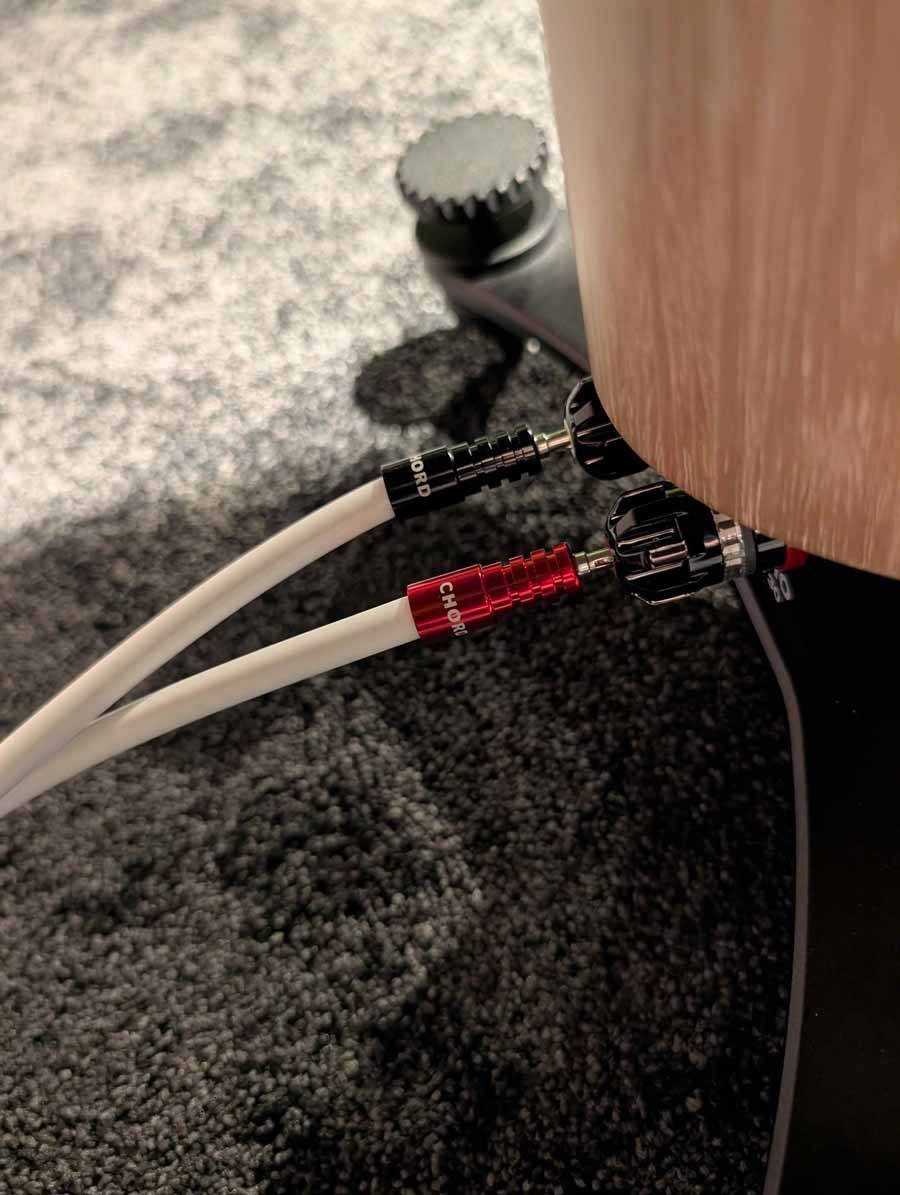
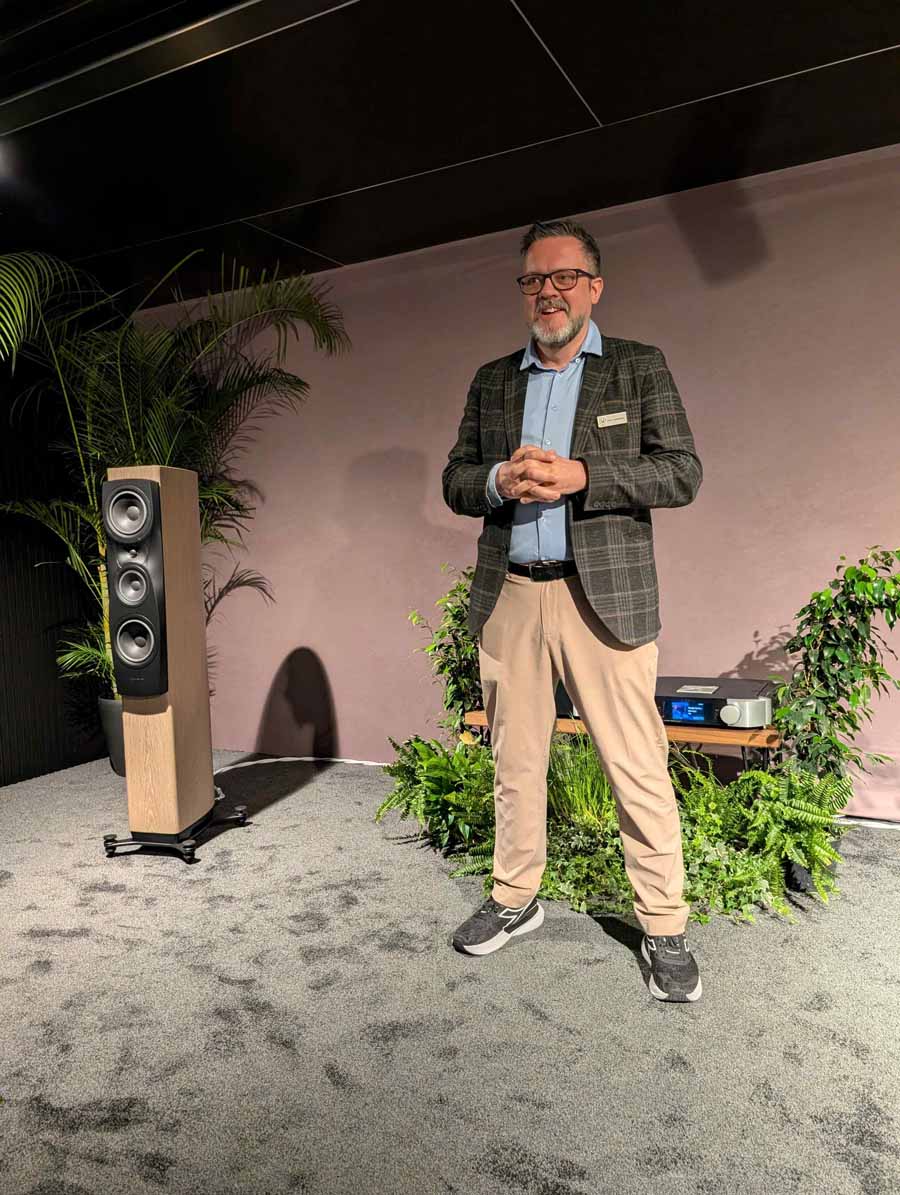
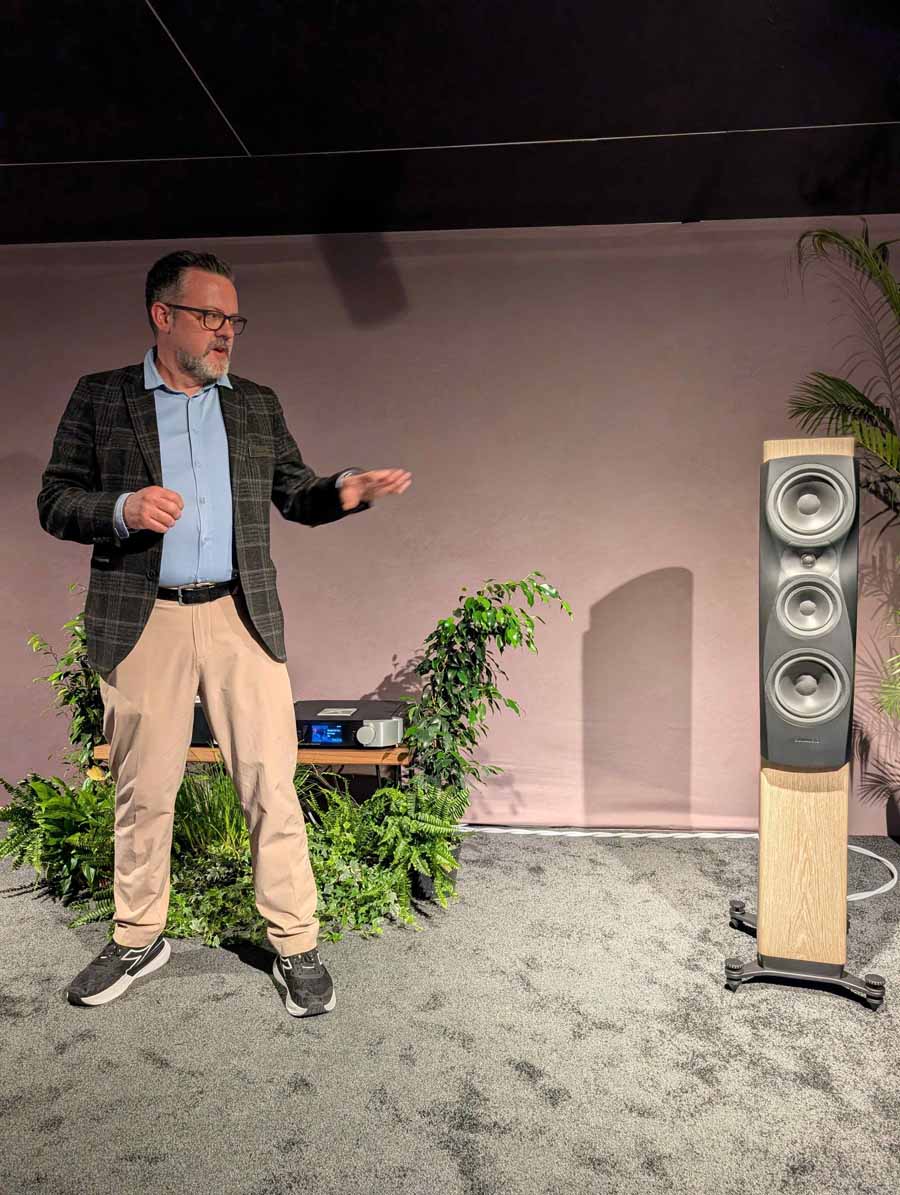
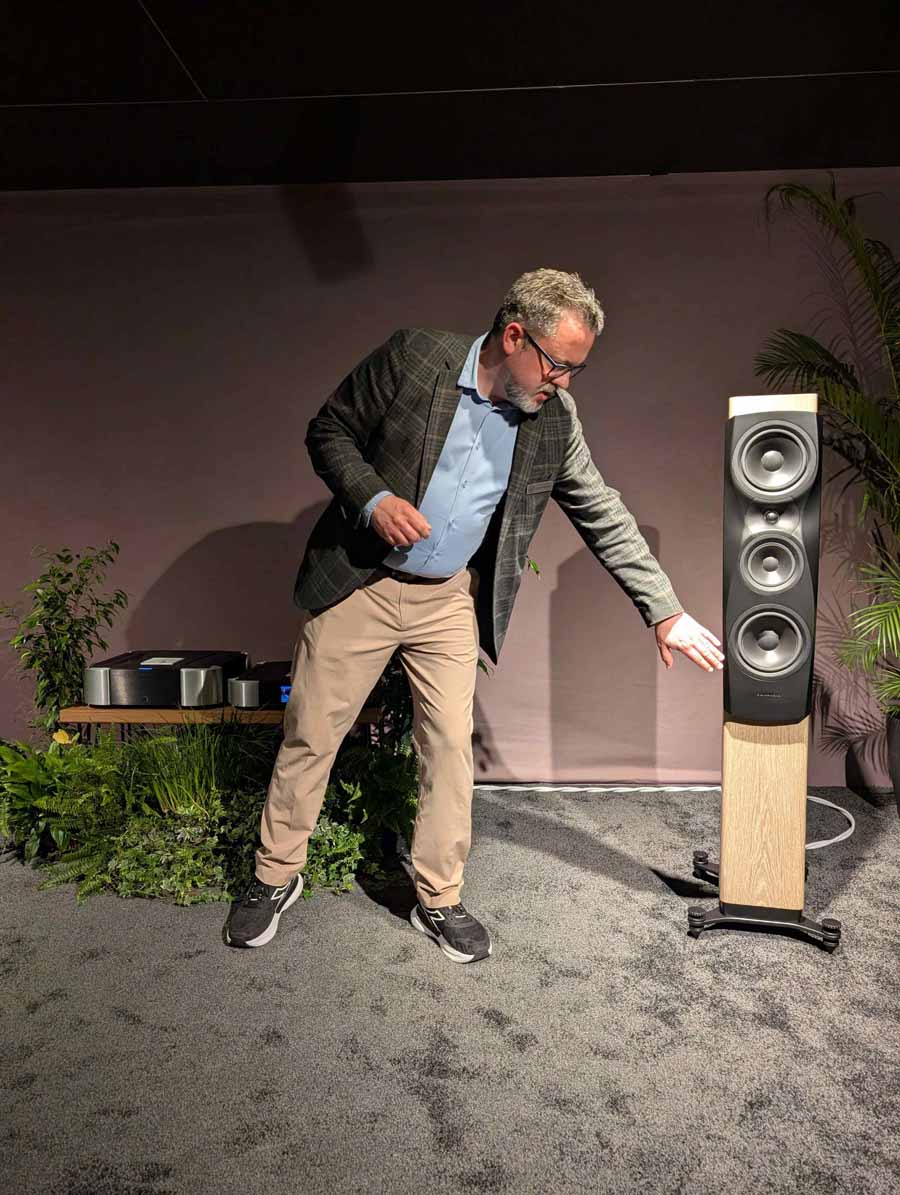
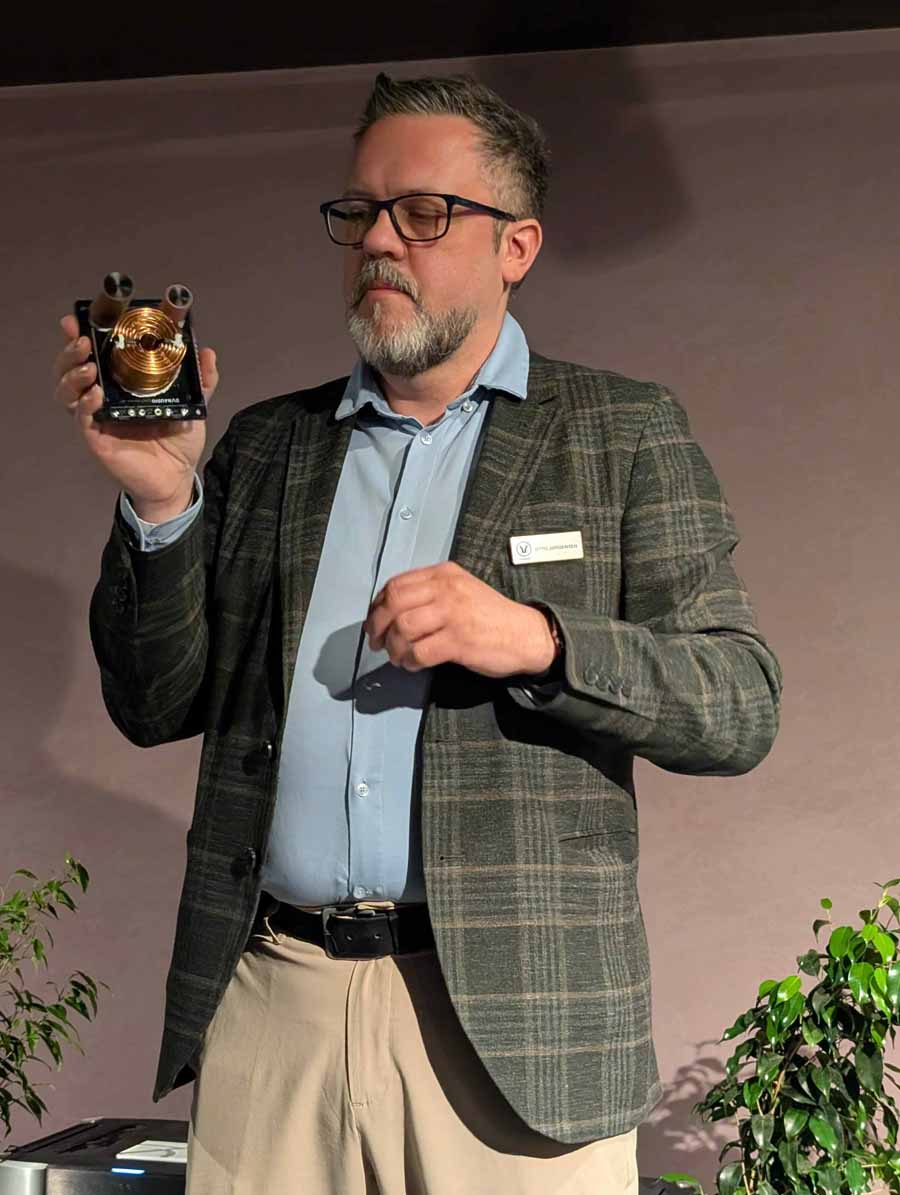
Bill from Dynaudio was in the next room playing Neil Young’s Old Man (and he knows I love this tune) on a system fronted by the new Confidence i loudspeakers and Moon Electronics. Otto introduced the speakers and outlined the differences in the new model. The updates are quite subtle in some ways – the front baffle is now black rather than grey and with an embossed logo. The speakers are available in three finishes, and techy updates are the tweeter and crossovers. The tweeter also gets a new waveguide on the 3-way models. The 2-ways also get a new waveguide, but different to the 3-way. The crossover itself is much simpler than previous models.
The final room had the new soundbar playing, and folk seemed to be loving it!
Definitely a contender for my Golden PiG award that we give to rooms and exhibitors that we feel have gone beyond the normal show demonstration. Very, very cool.
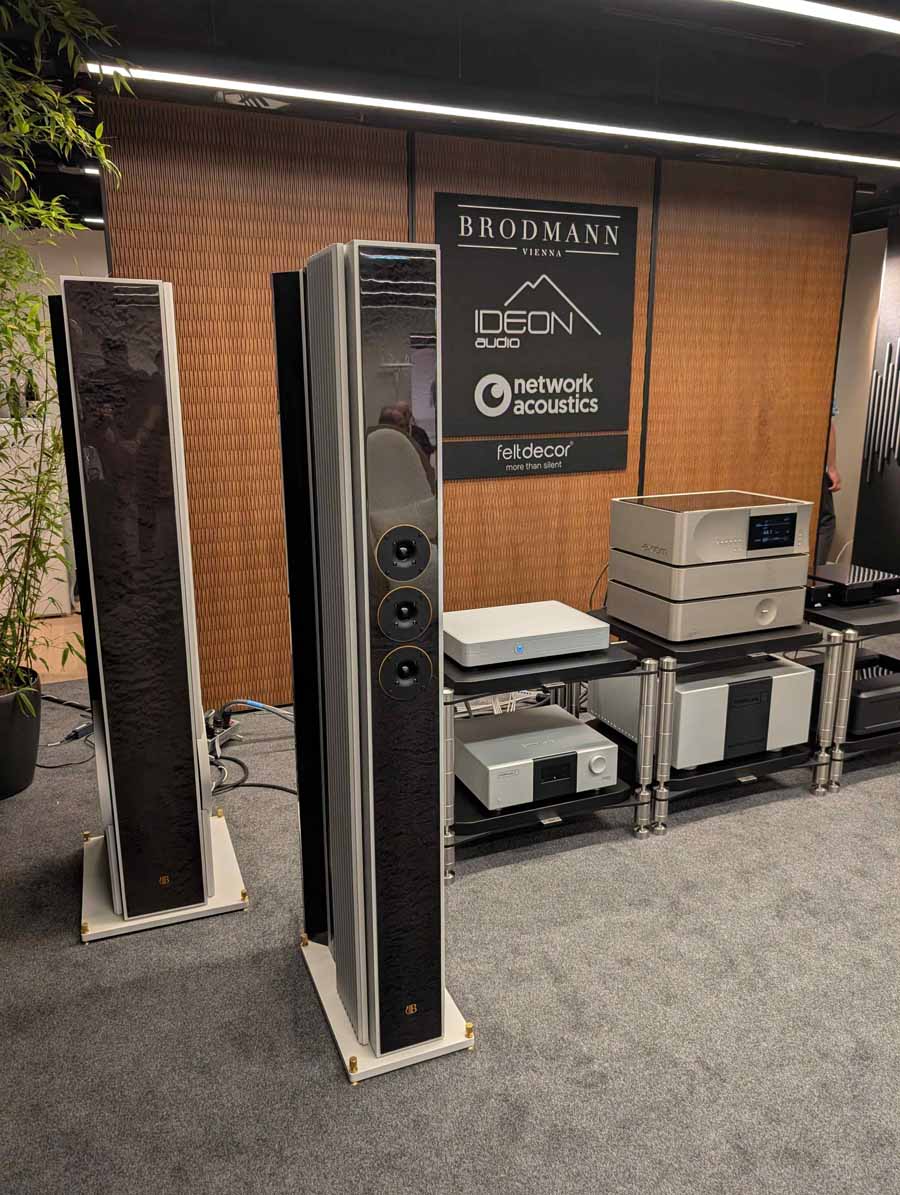
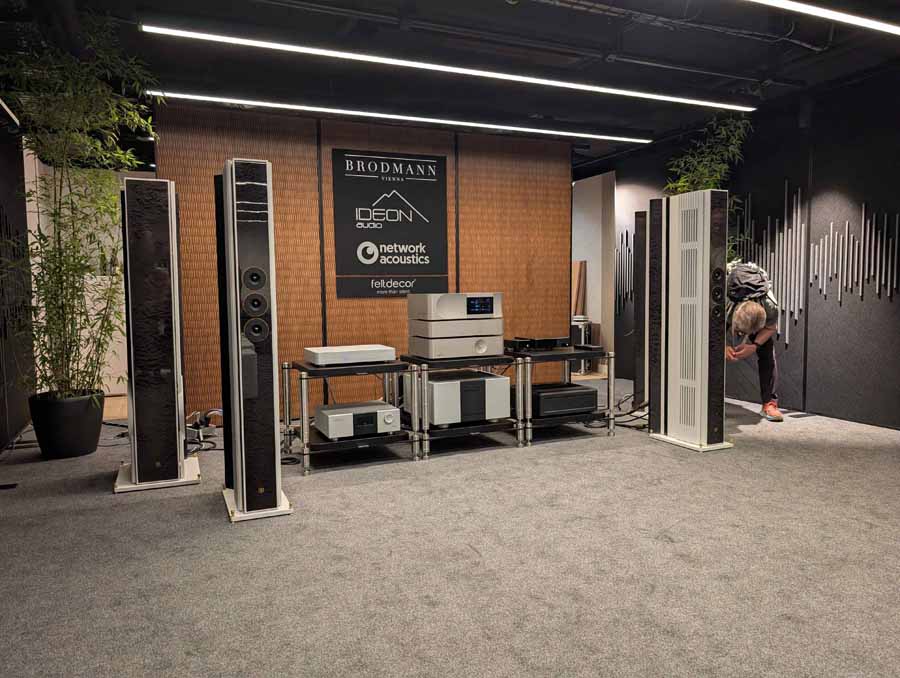
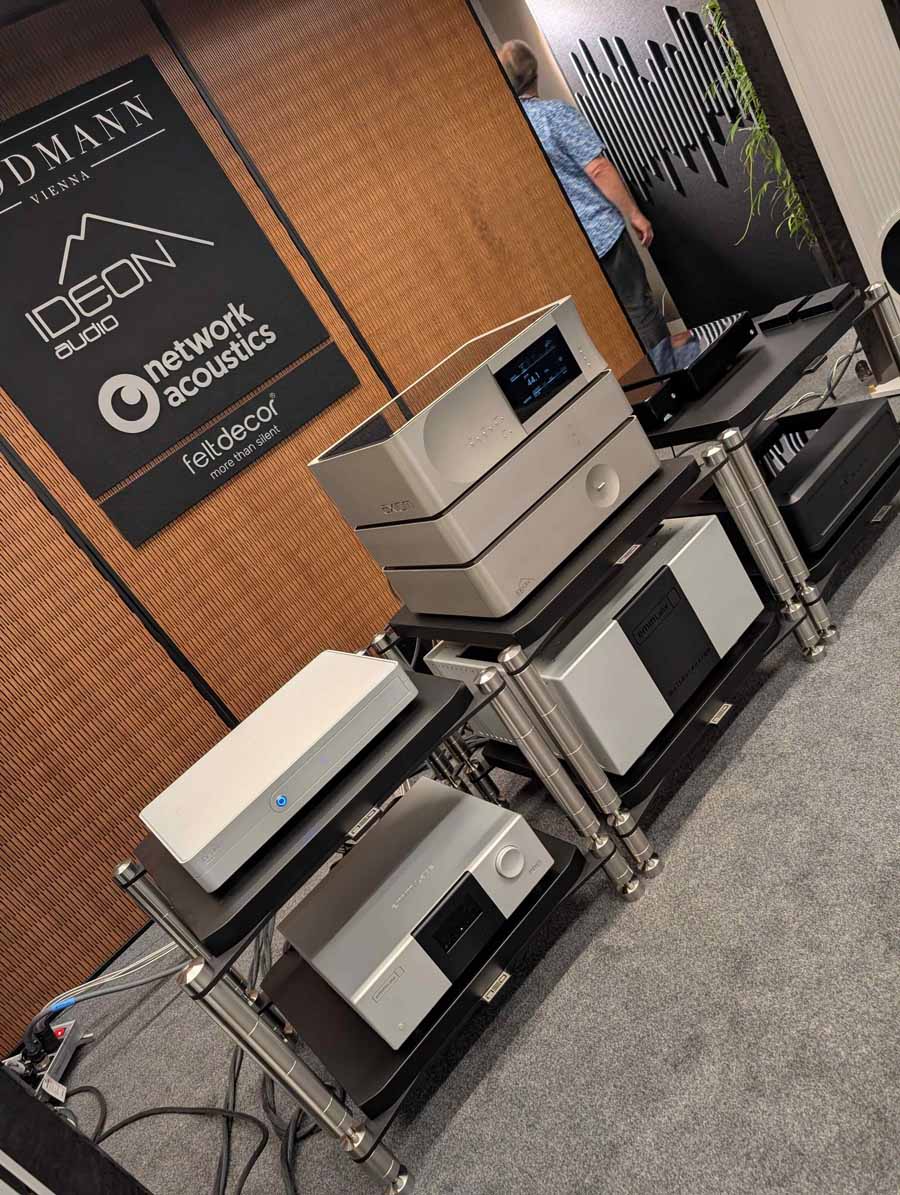
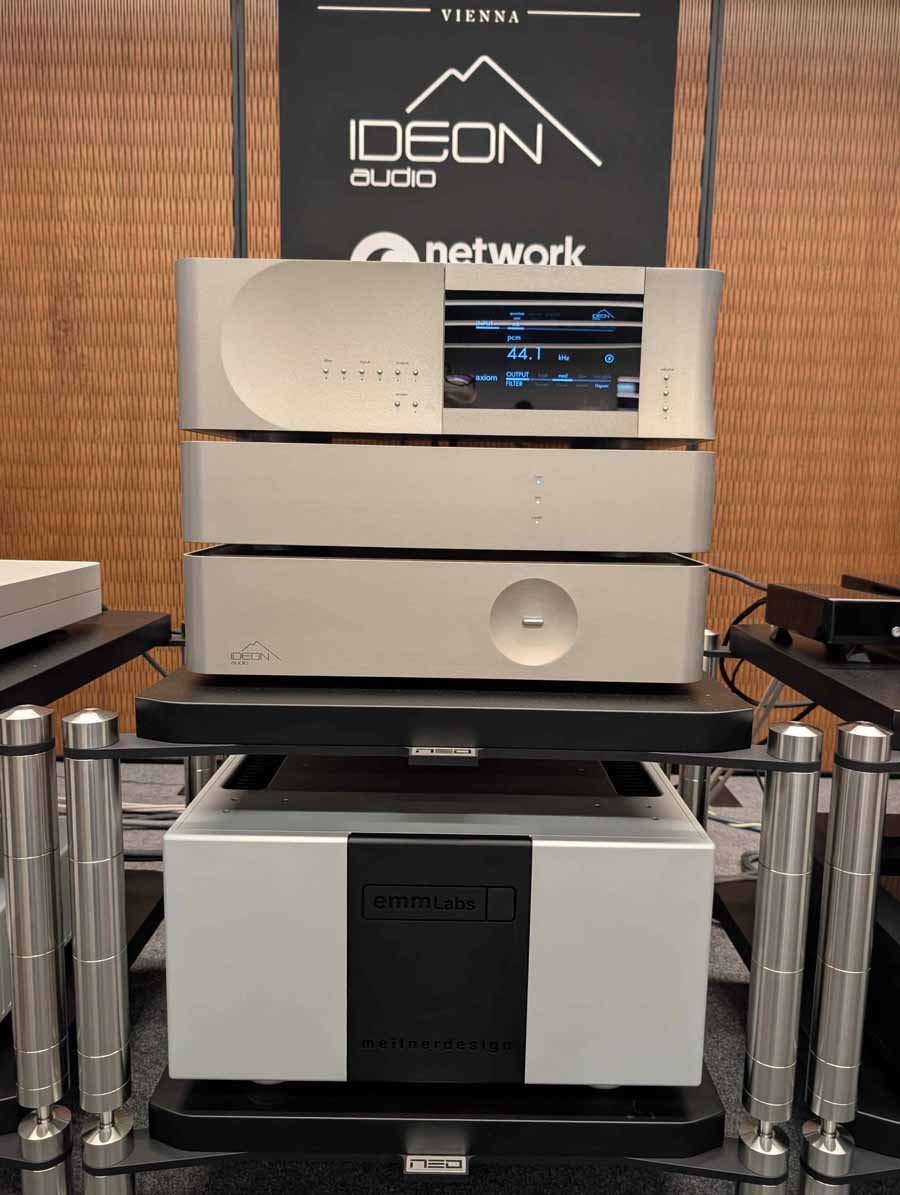
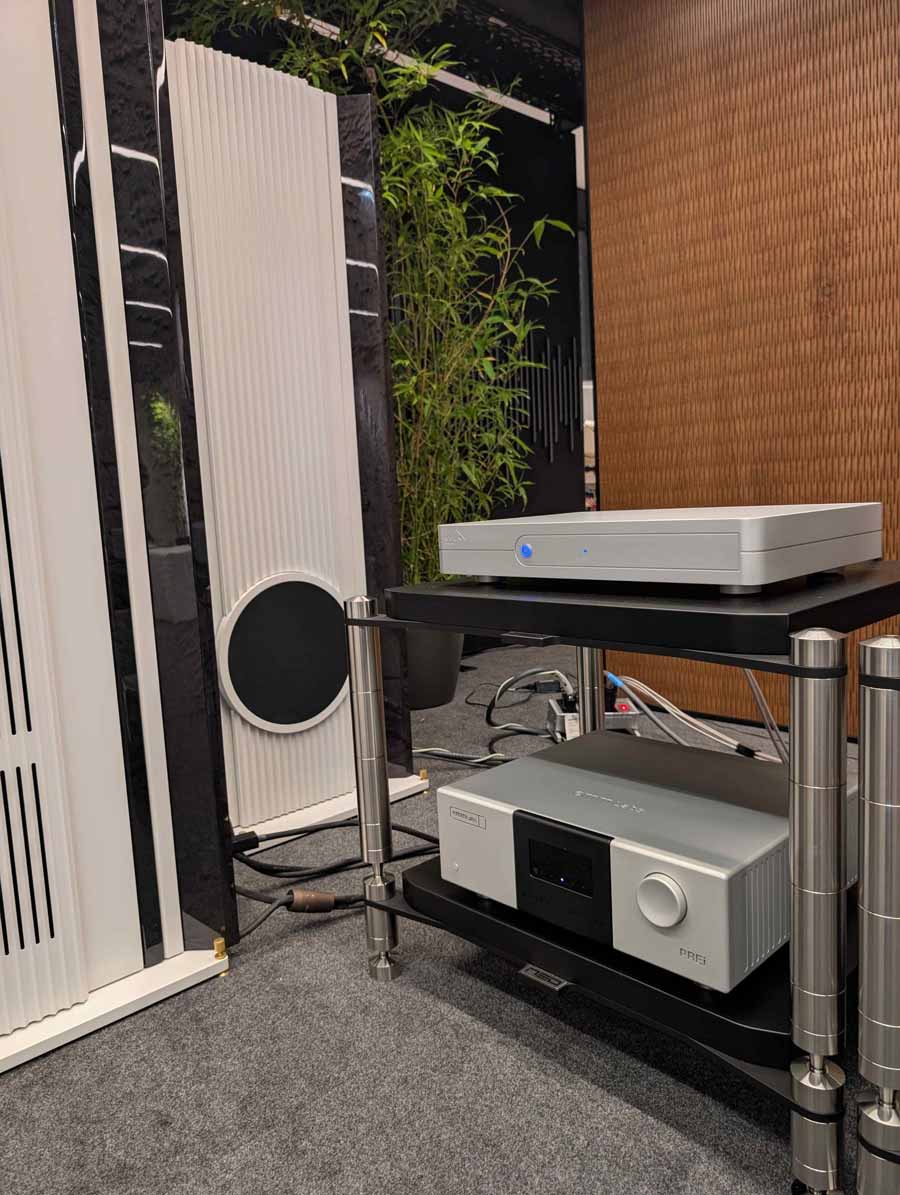
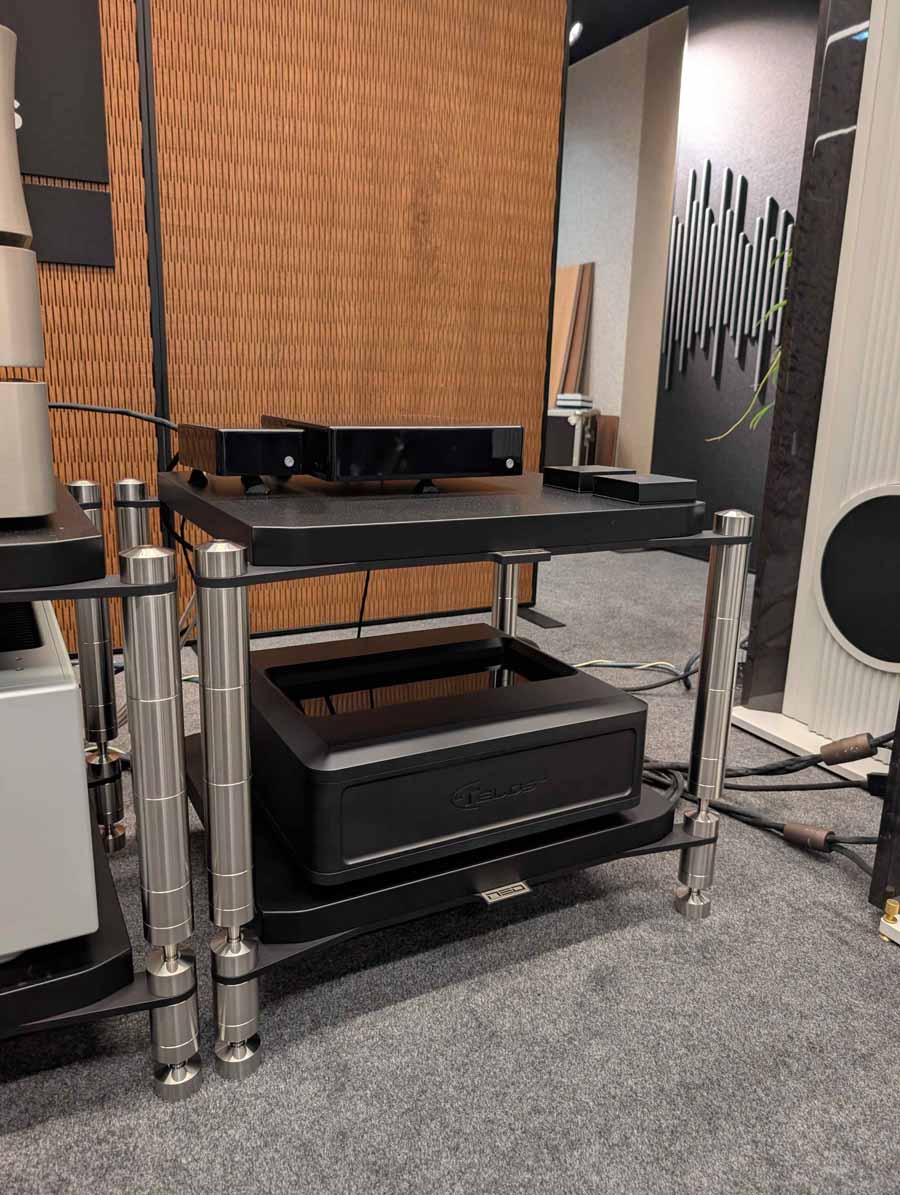
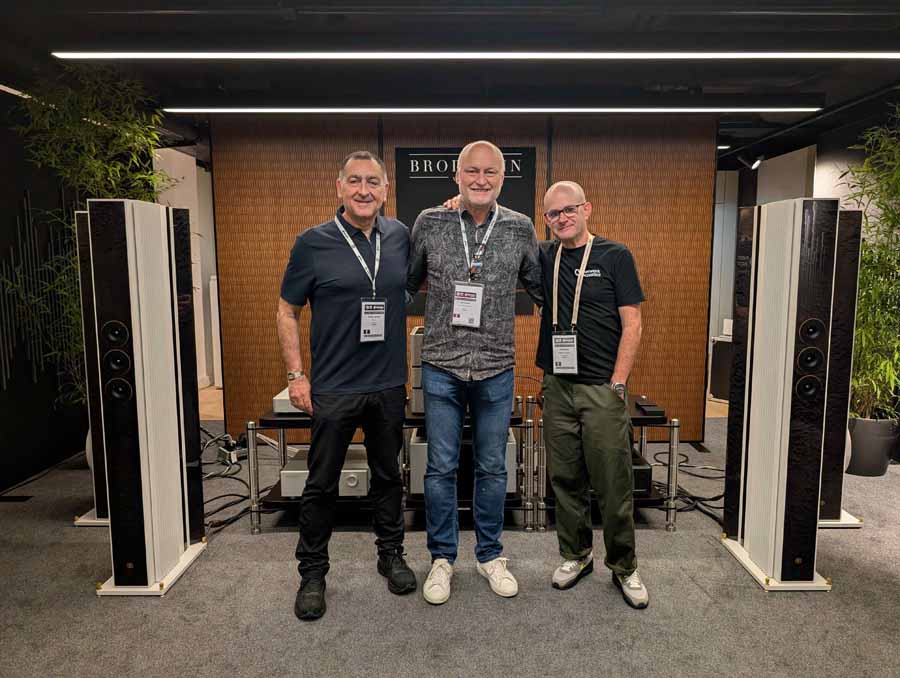
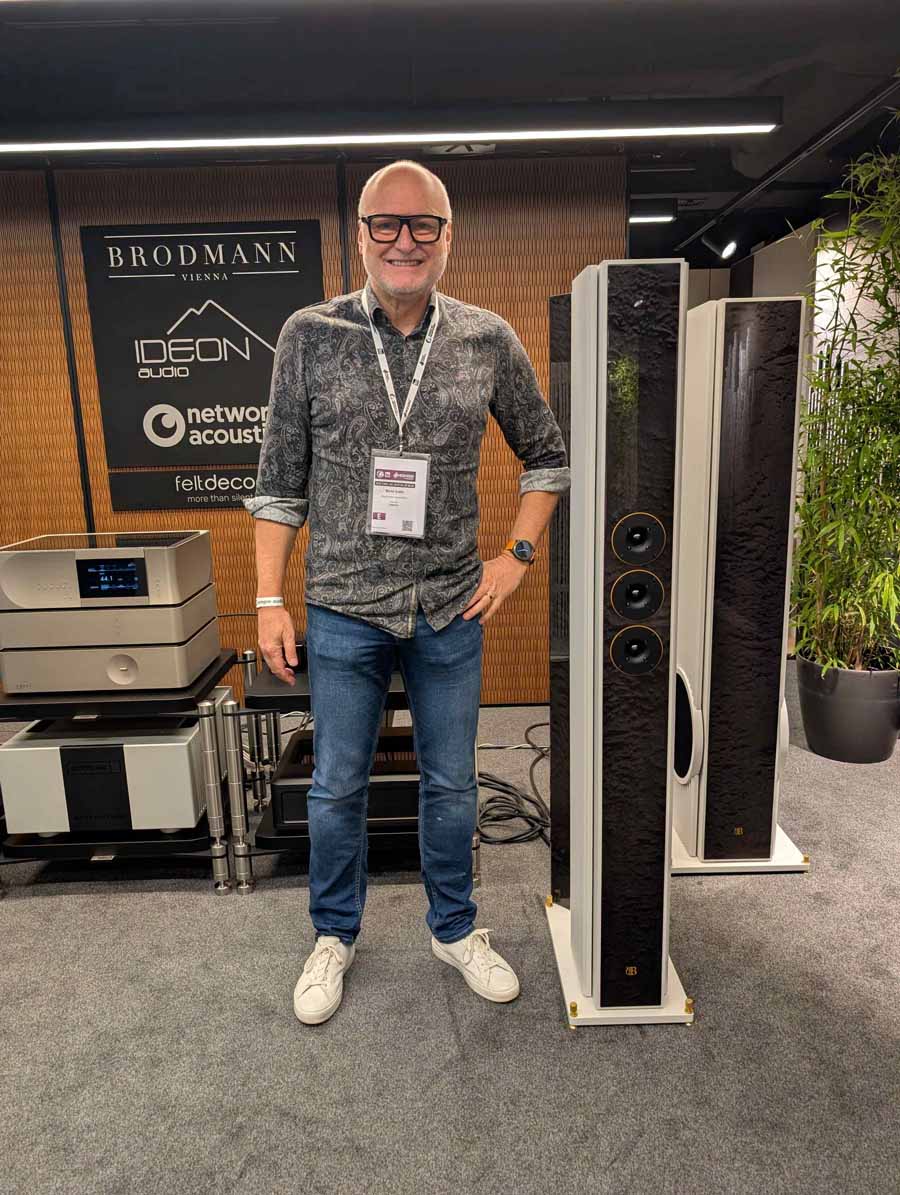
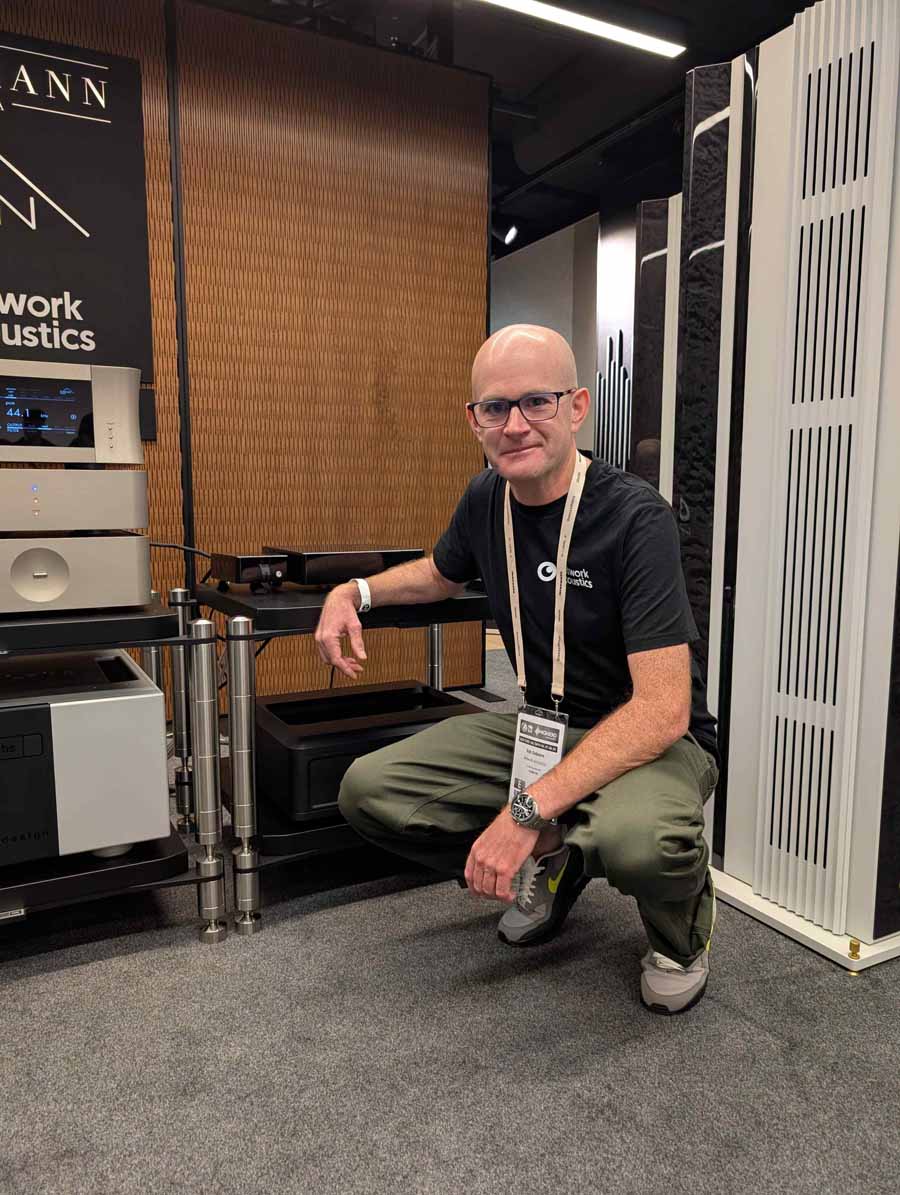
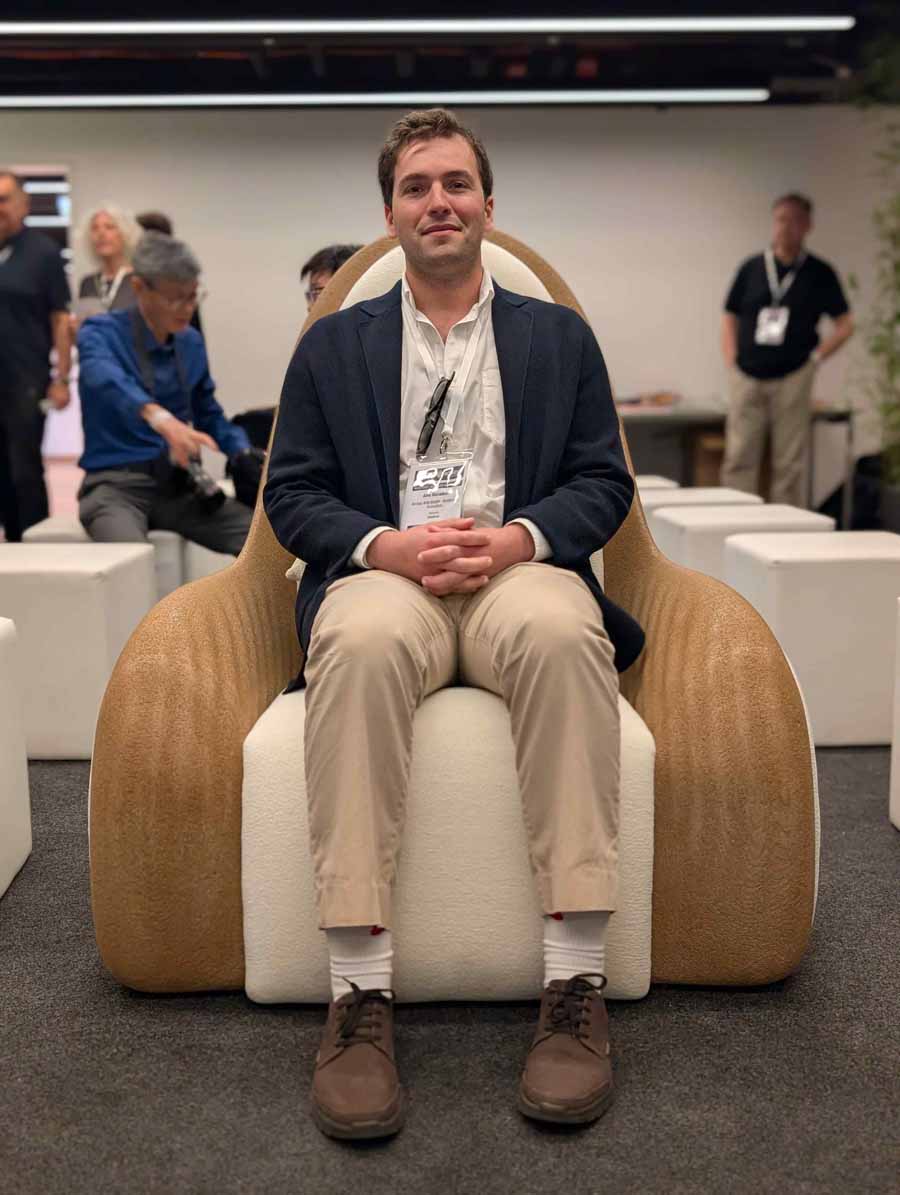
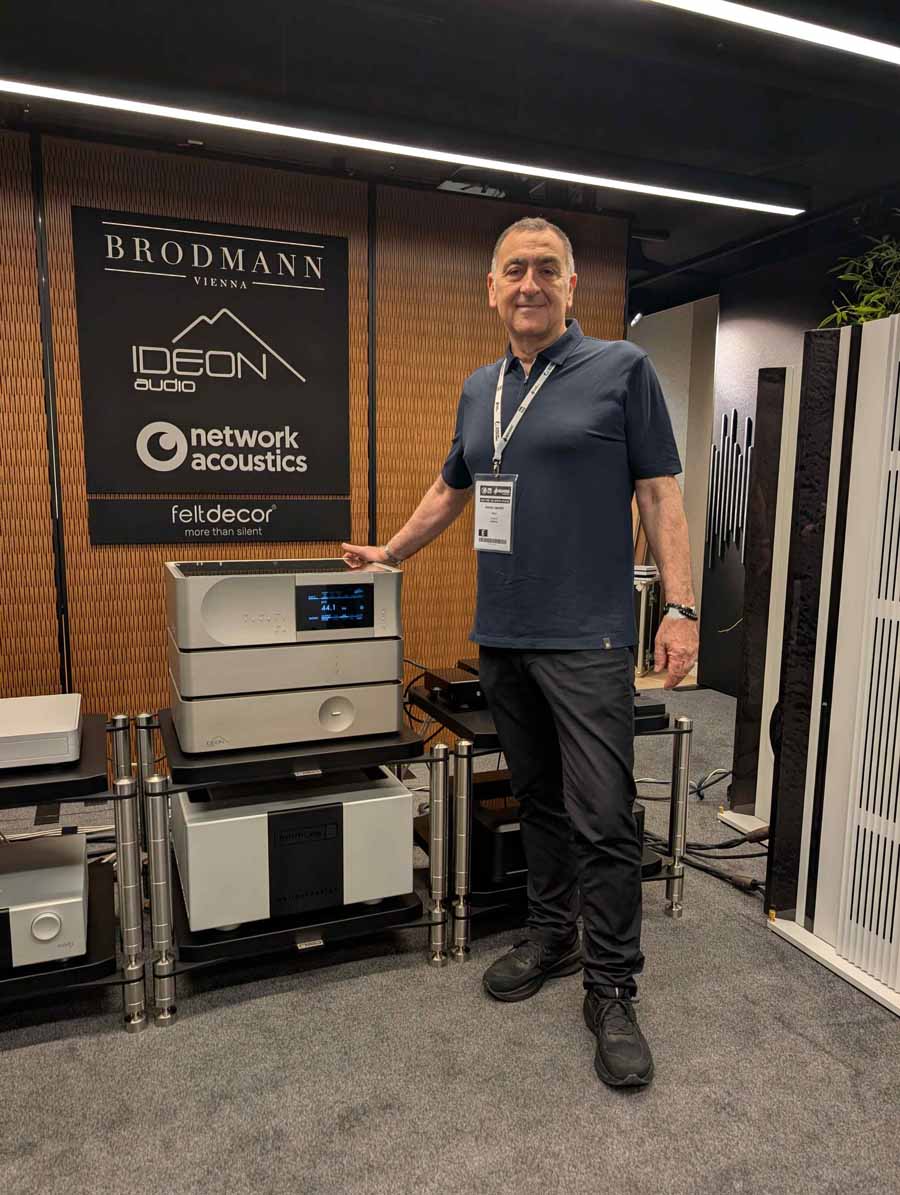
BRODMANN, IDEON AND NETWORK ACOUSTICS

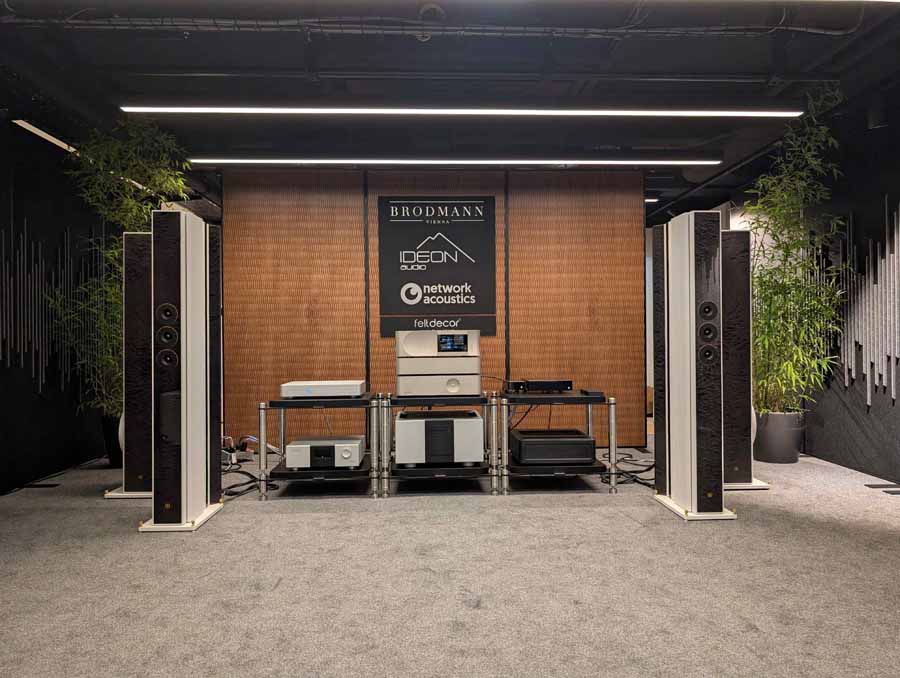
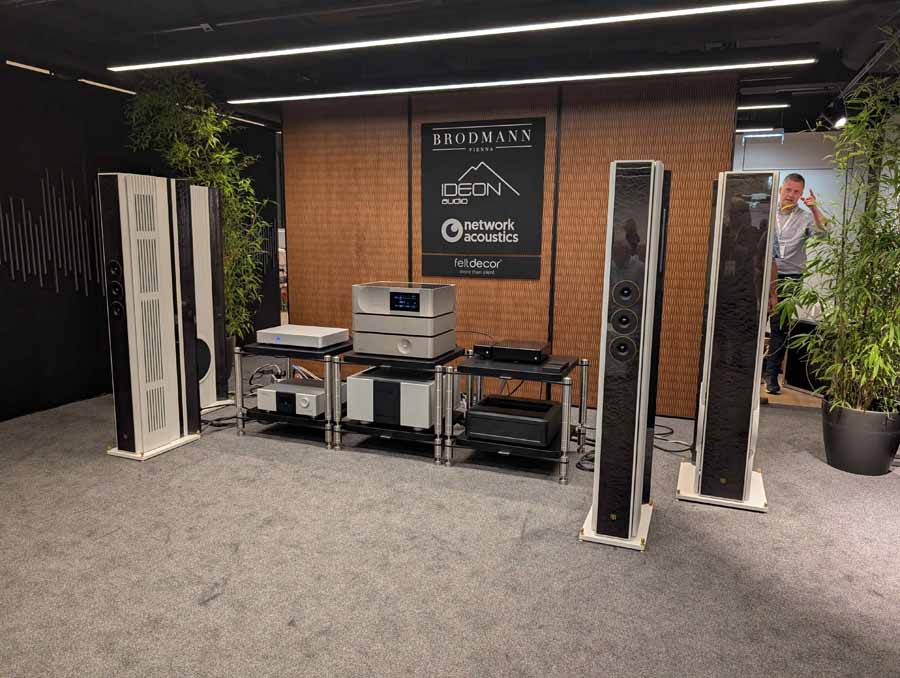
A fab room, with a very cool listening chair too, right in the sweetspor (Lin said it was very comfortable).
Network are rebranding and taking the structure of the company in a different direction, I was told. The new products are MUON 2 reference network range (Switch, Ethernet filter, and streaming cable). All are ground-up designs.
The DAC is the IDEON Audio Axiom flagship, which made its European debut at the show. You can read more about it here.
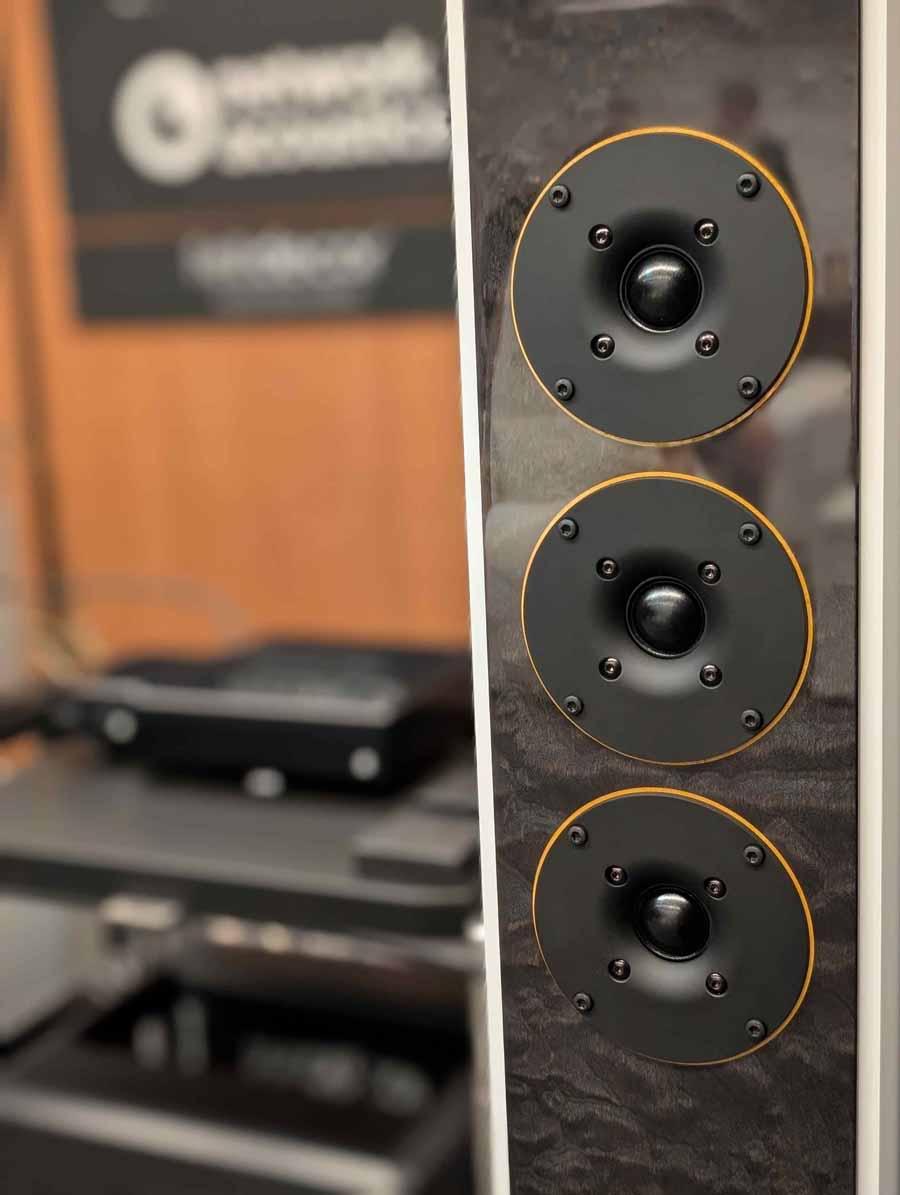
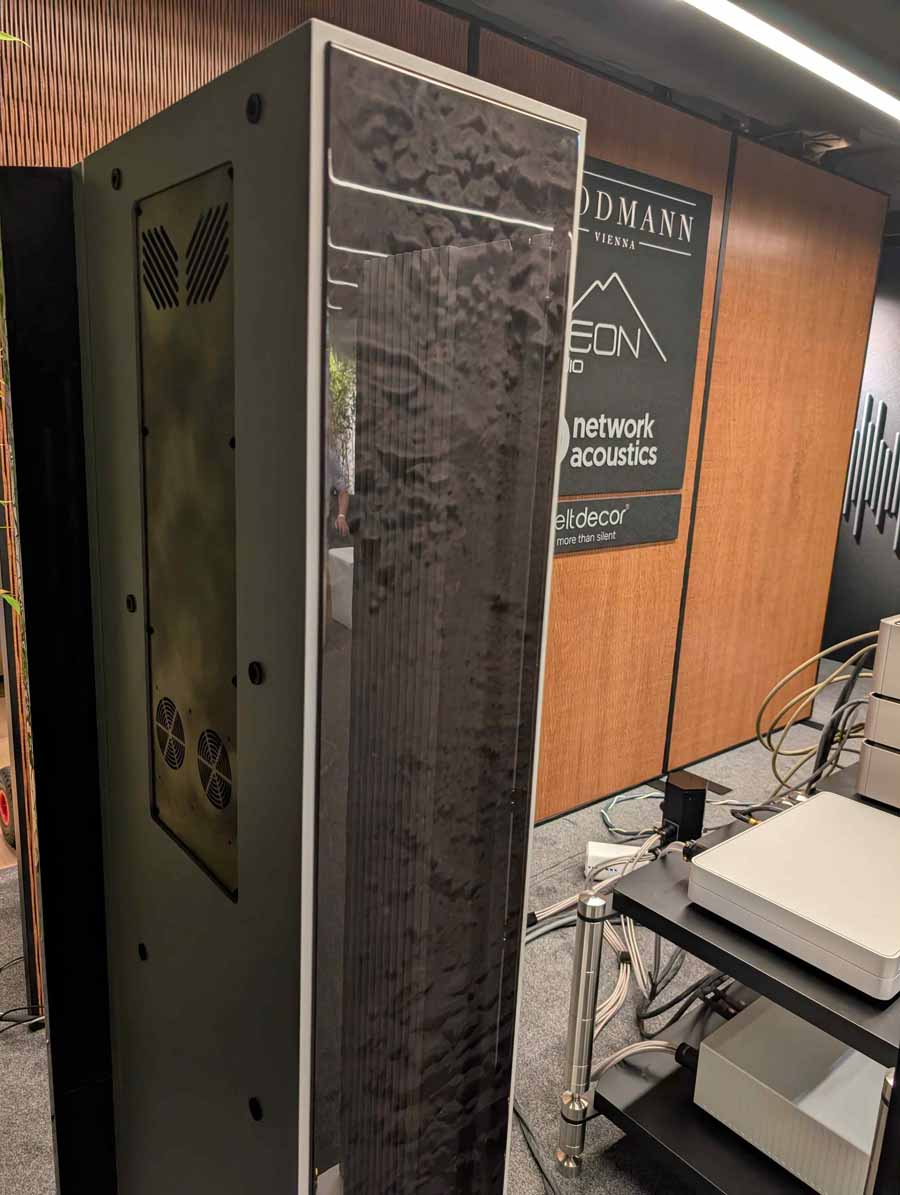
The speakers are the Brodmann JB175 system. They have active bass towers that have 1000W of power and DSP. The other tower is the 3-tweeter system with 6 side-facing woofers. The speakers are double amped (not bi-amped) so that there is a smooth impedance presented for both amplifiers.
MARTIN LOGAN, J SIKORA, EMMLABS
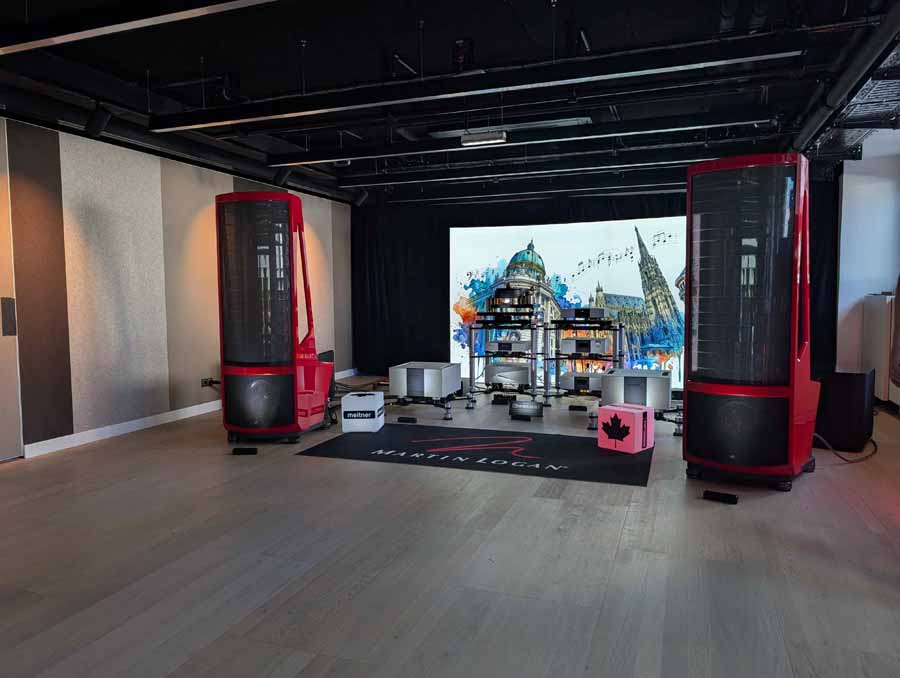
The prize for the first outing of Keith Don’t Go goes to this room, though I’m sure it won’t be the last time we hear this audio show classic – I do actually think this was the only time I heard it at the show!
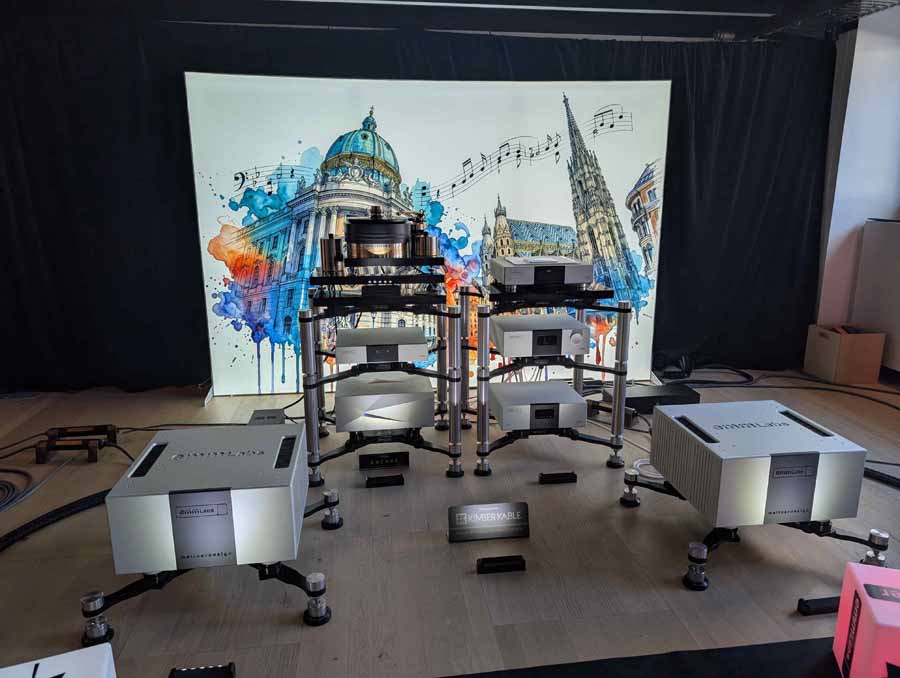
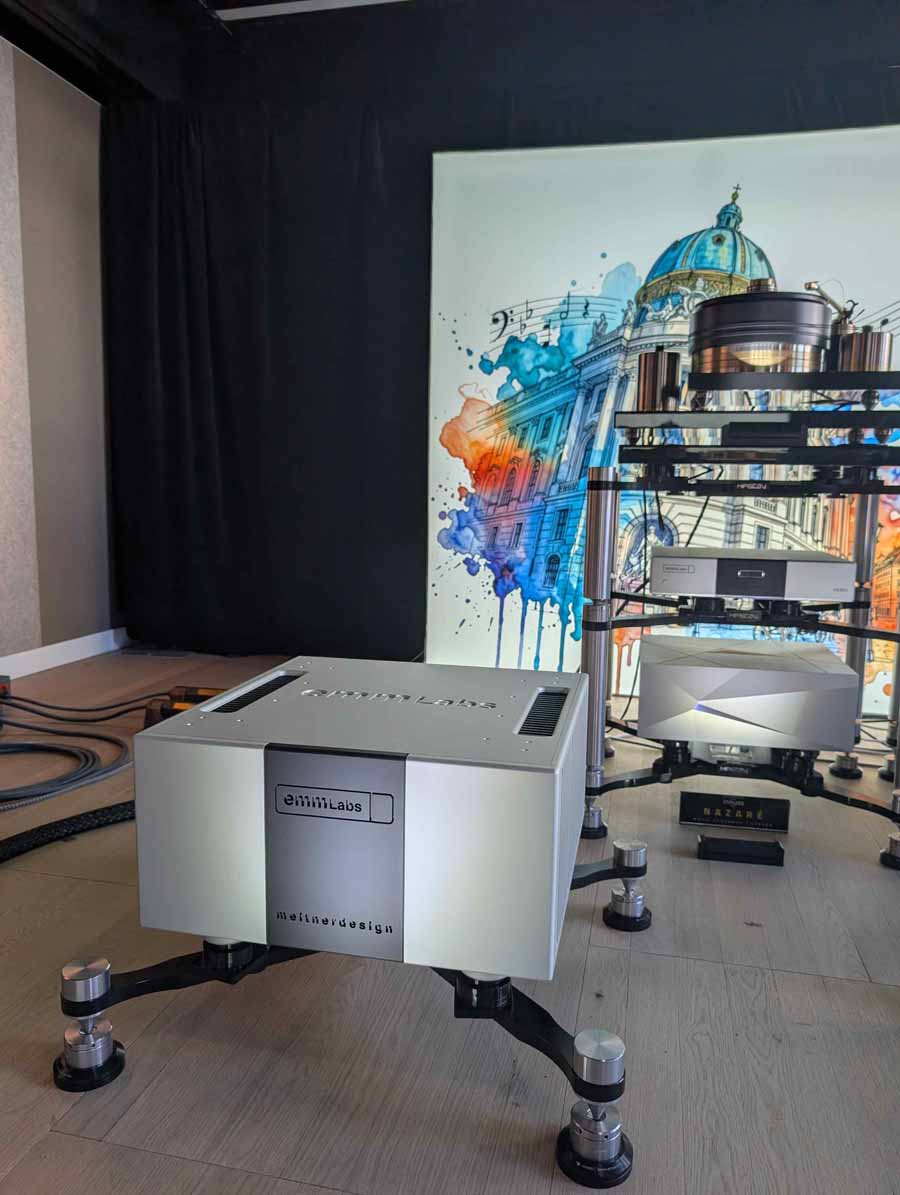
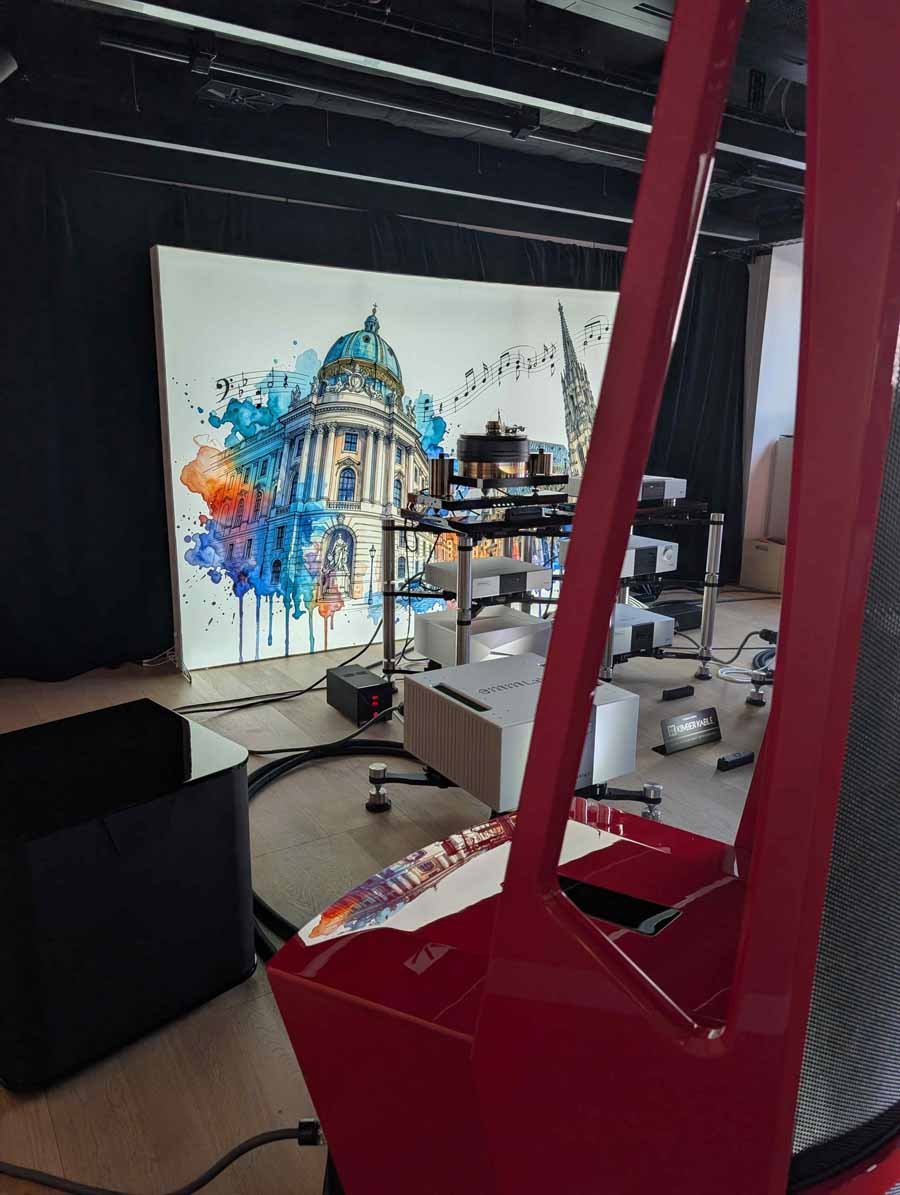
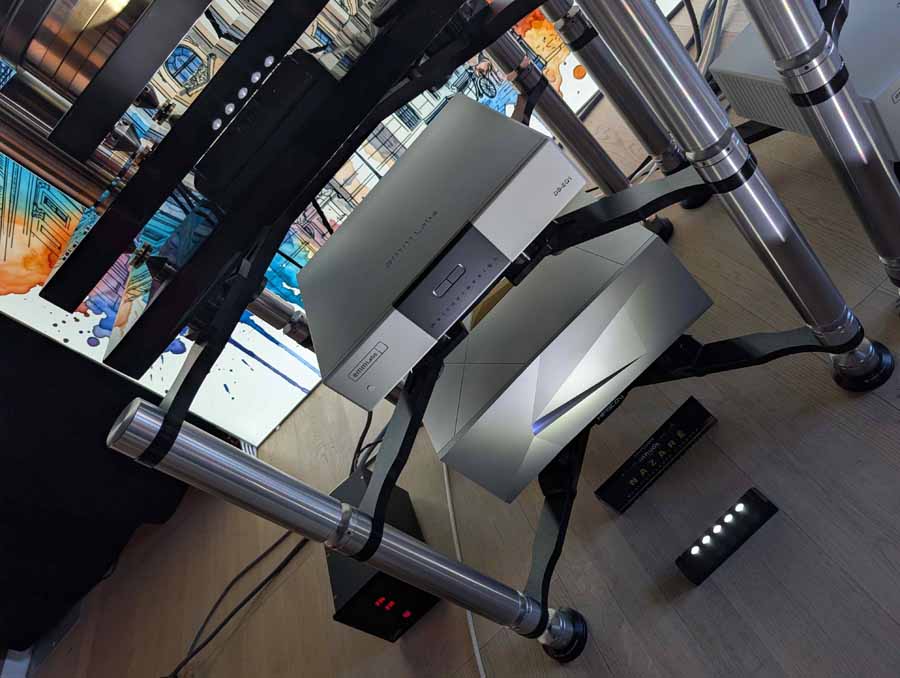
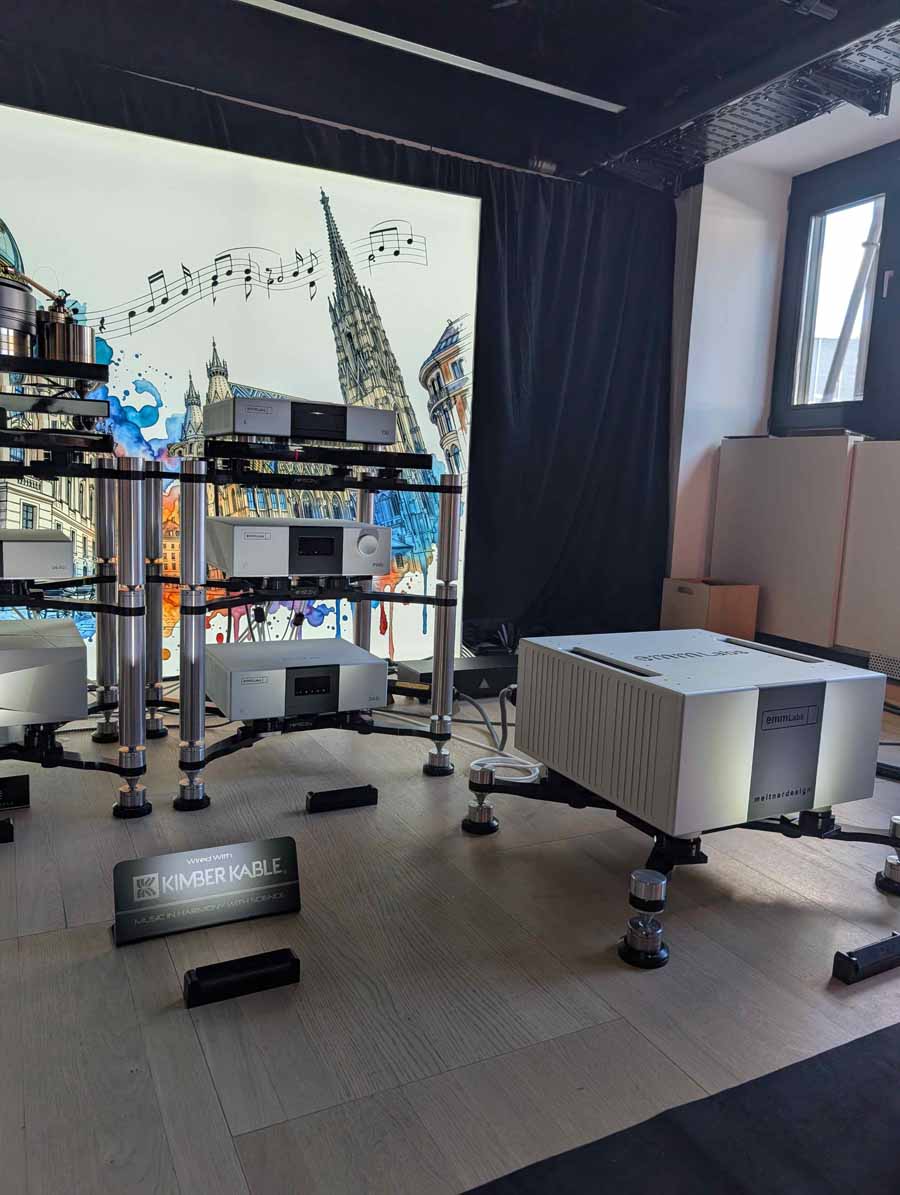
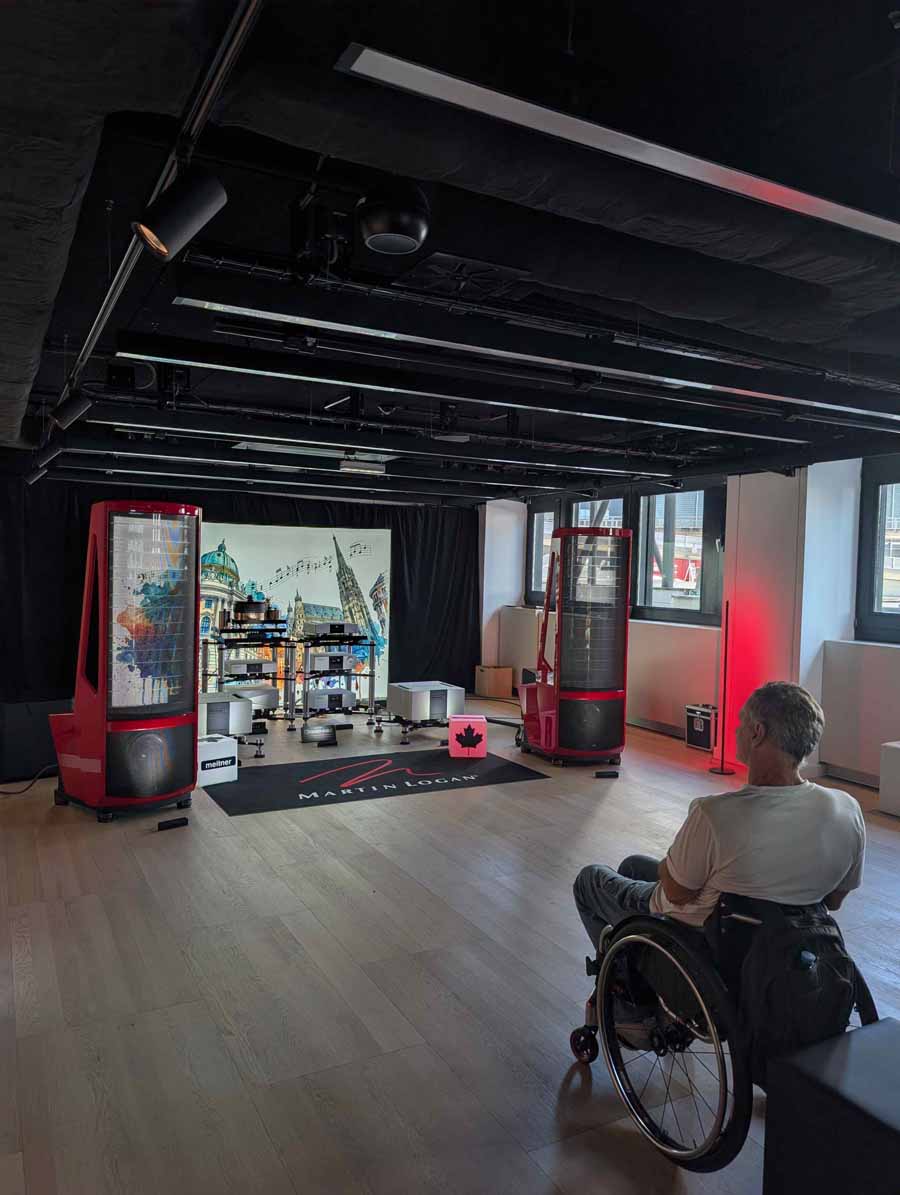
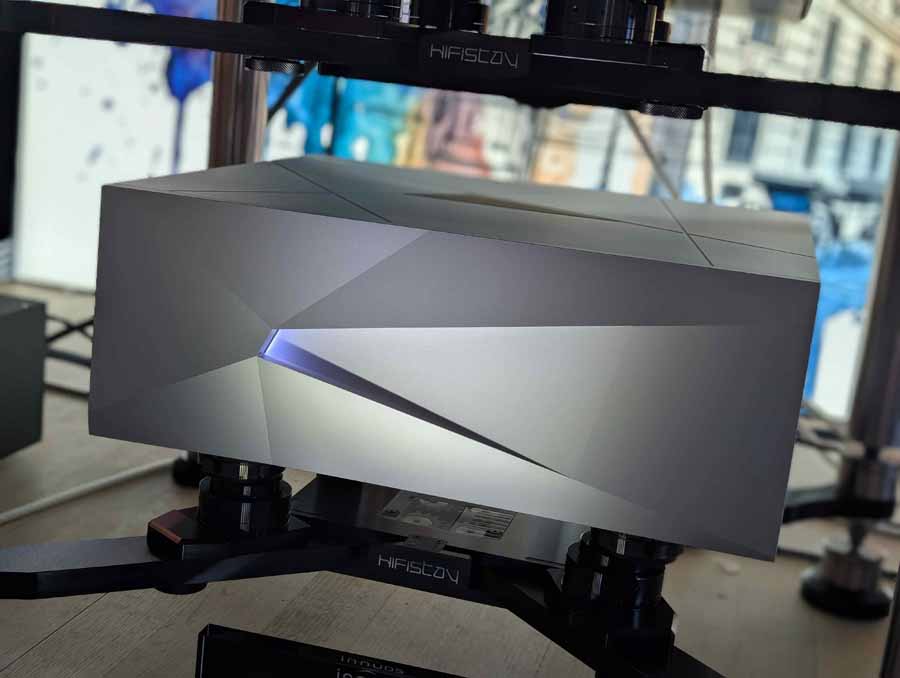
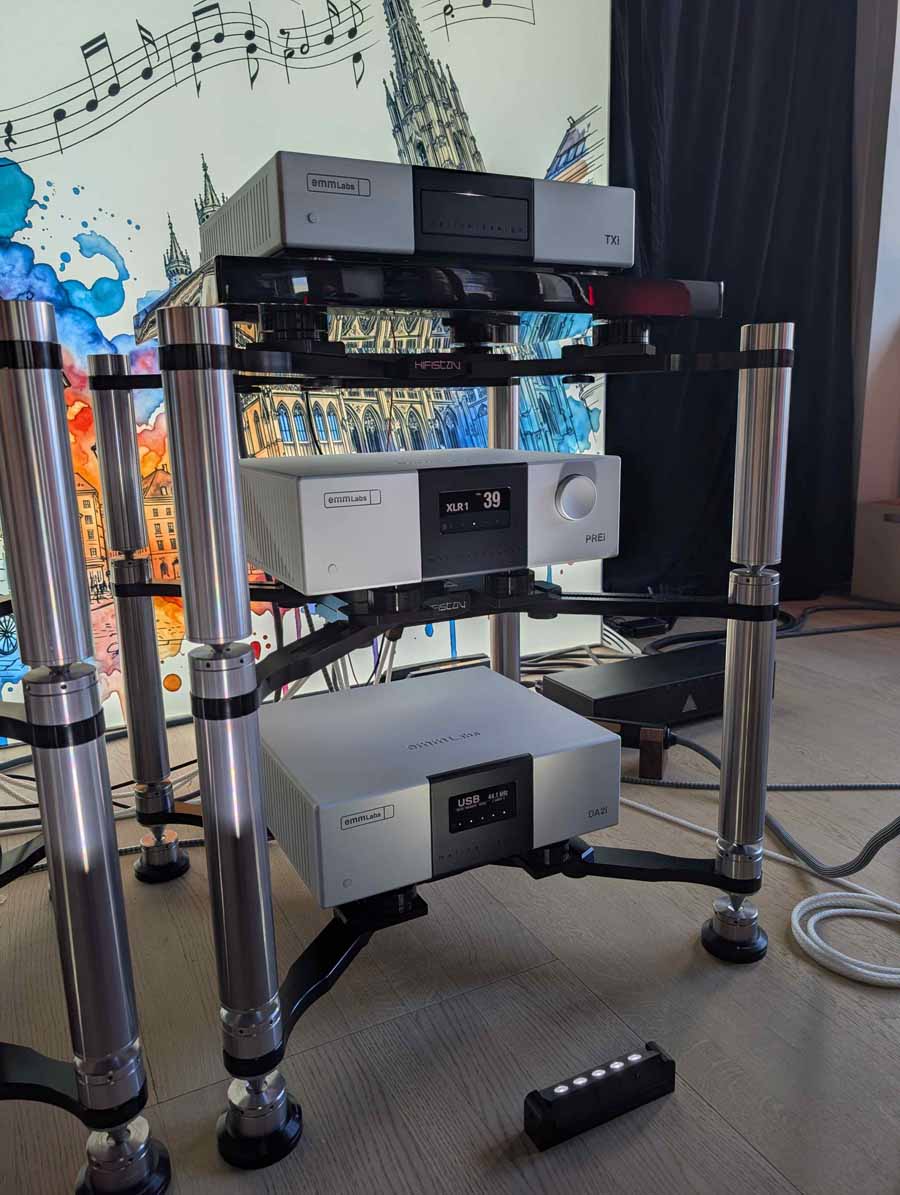
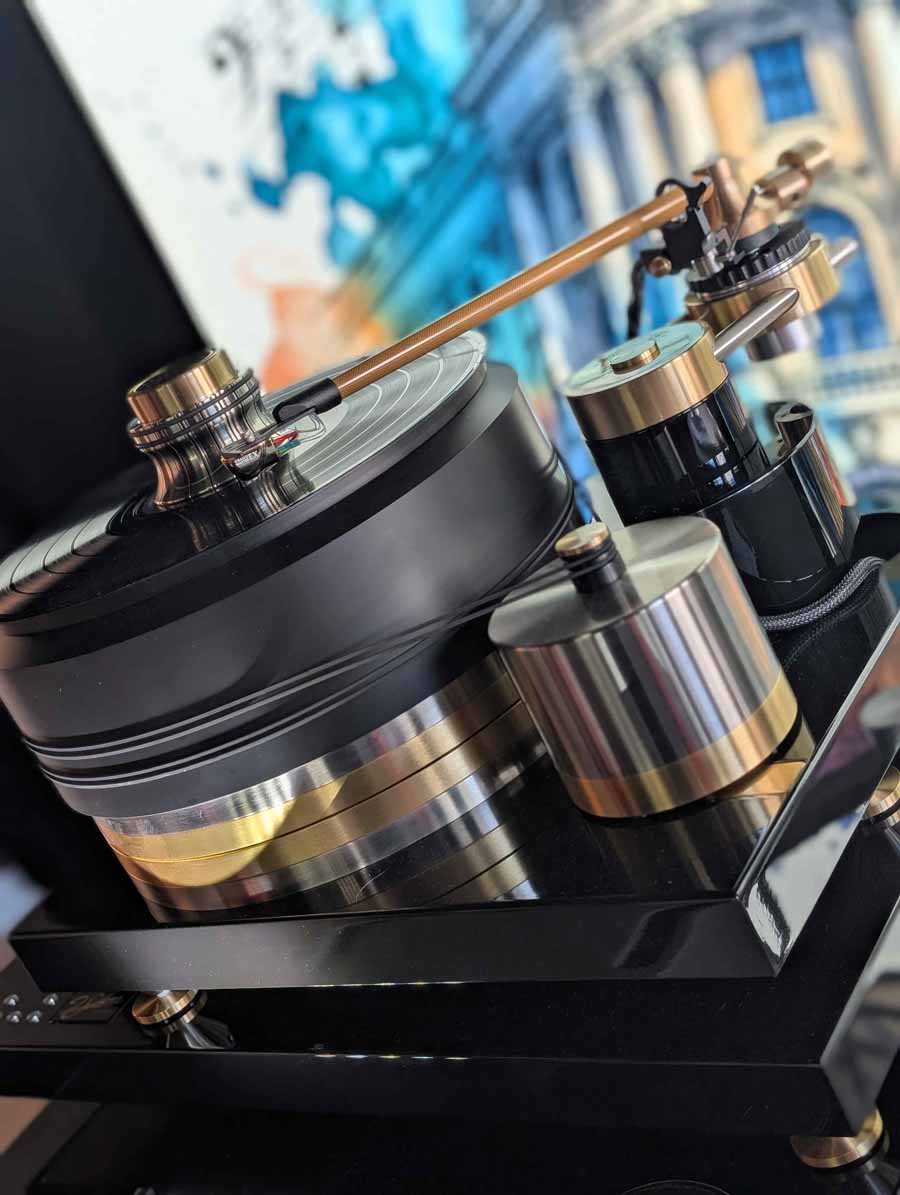
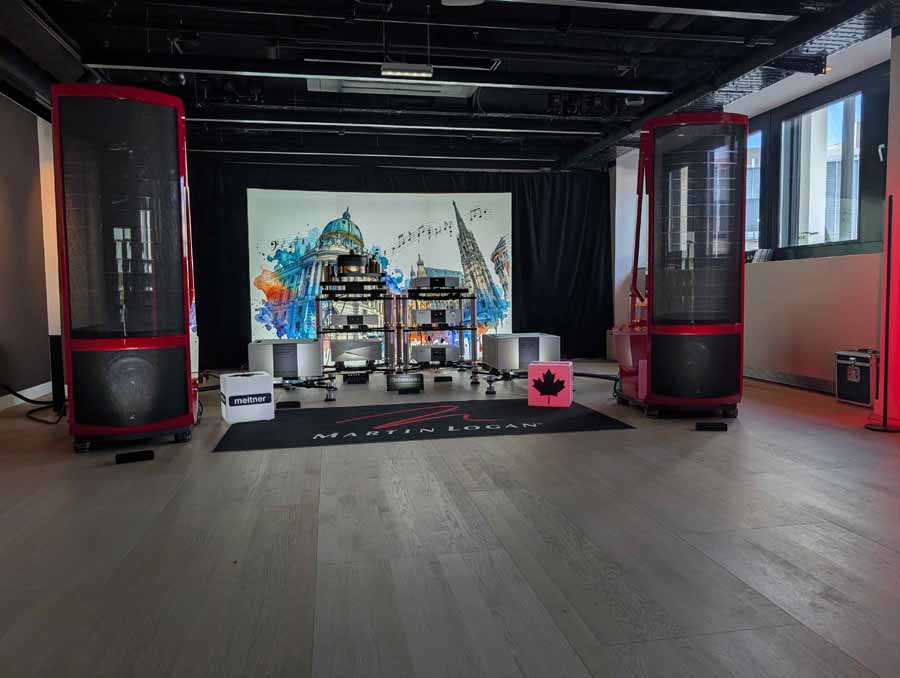
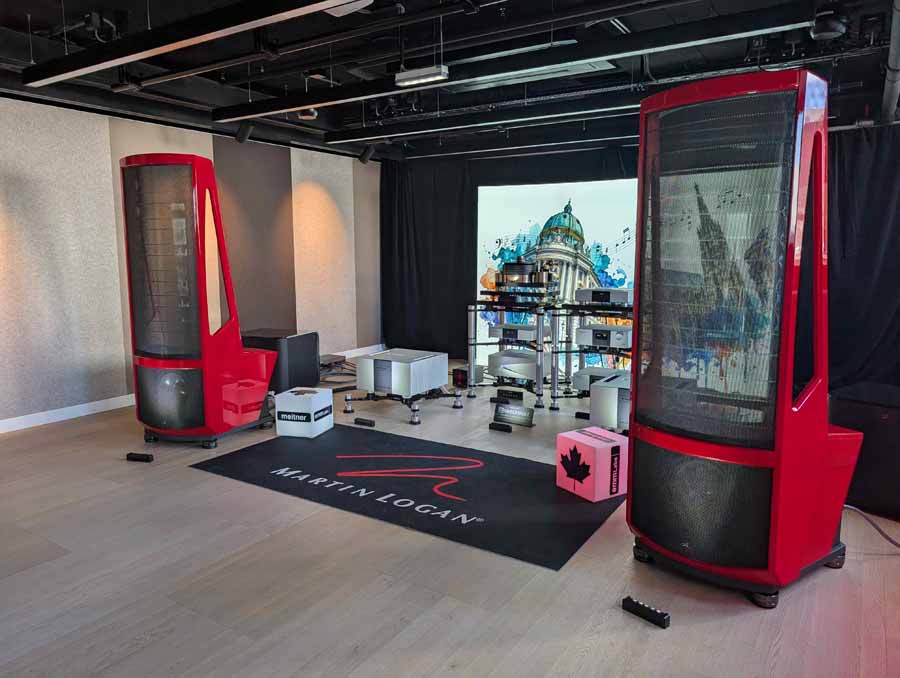
Fronting the system was a pair of Martin Logan Neoliths in a rather lovely red finish with 2 ML Depth 250 subs. The EMM Labs TXi transport went into a DA2i DAC into the new PRE I preamp into a pair of MTRX2 amplifiers.
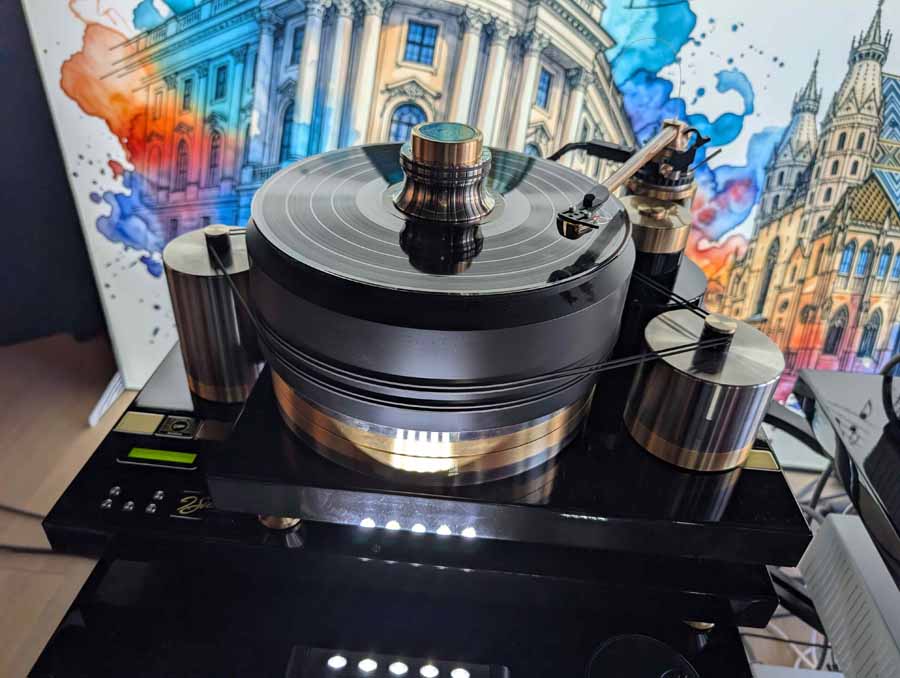
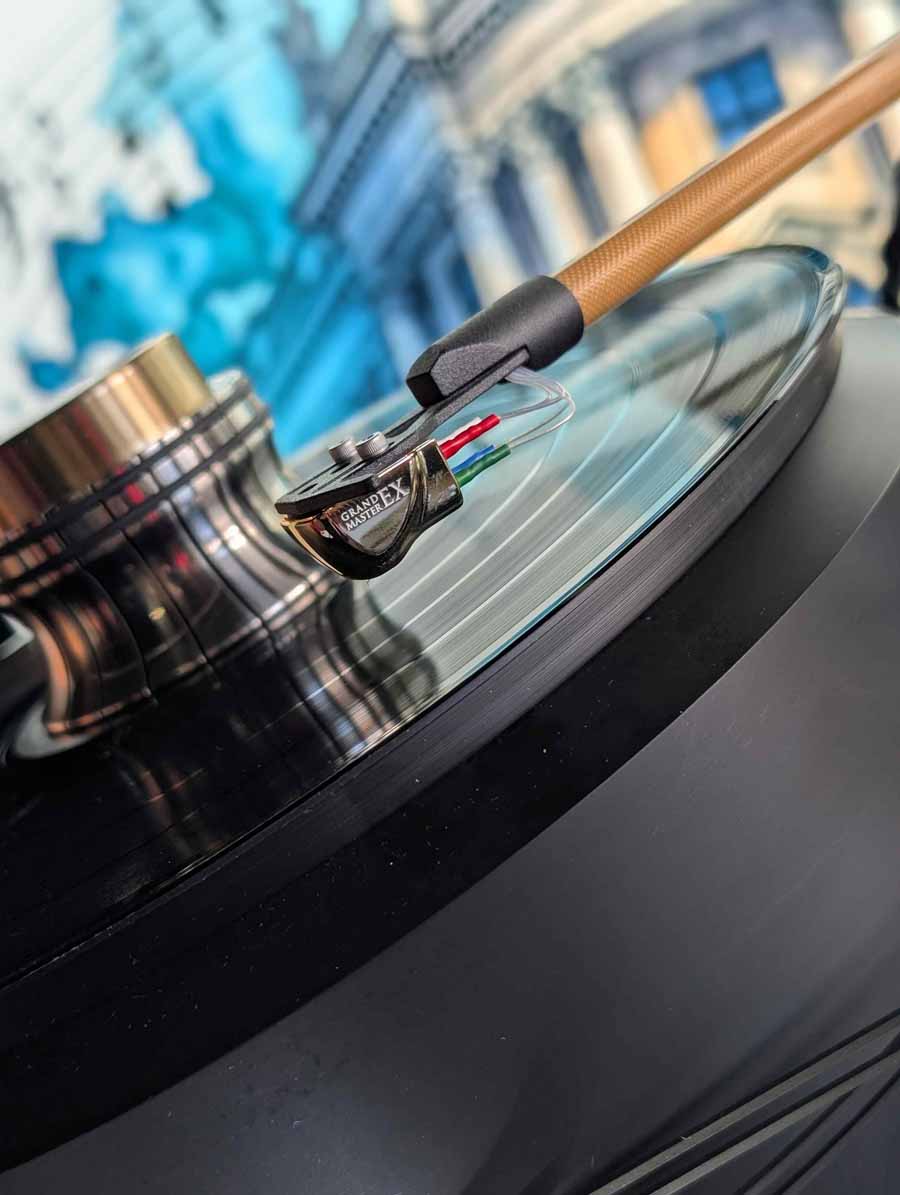
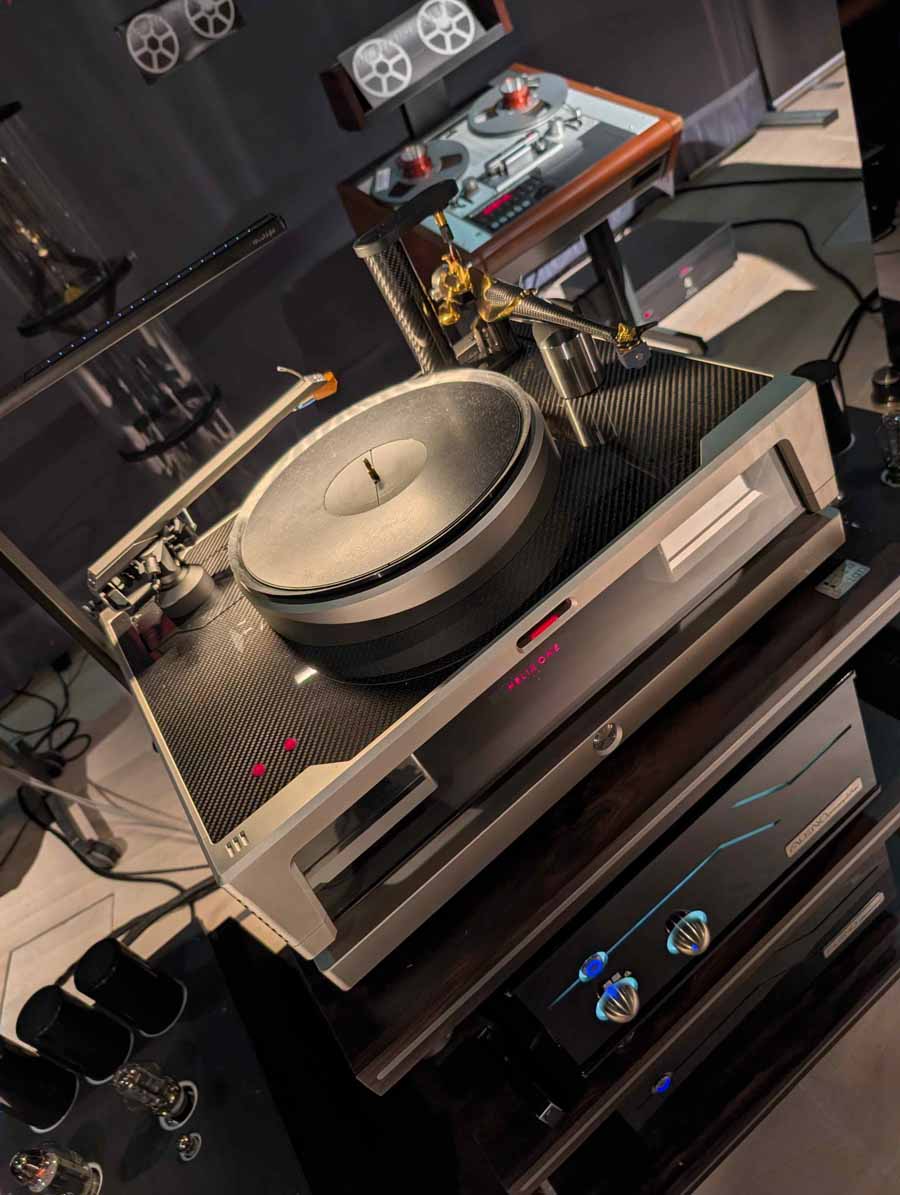
The turntable was the J Sikora Reference into a DSEQ1 for the DS Audio optical cartridge that seems to be ubiquitous at the moment.
The INNUOS Nazare server dealt with the zeros and ones!
Kimber cables connected the system, and the new ISO Acoustics Titan Neo footers were also being used on HifiStay racks.
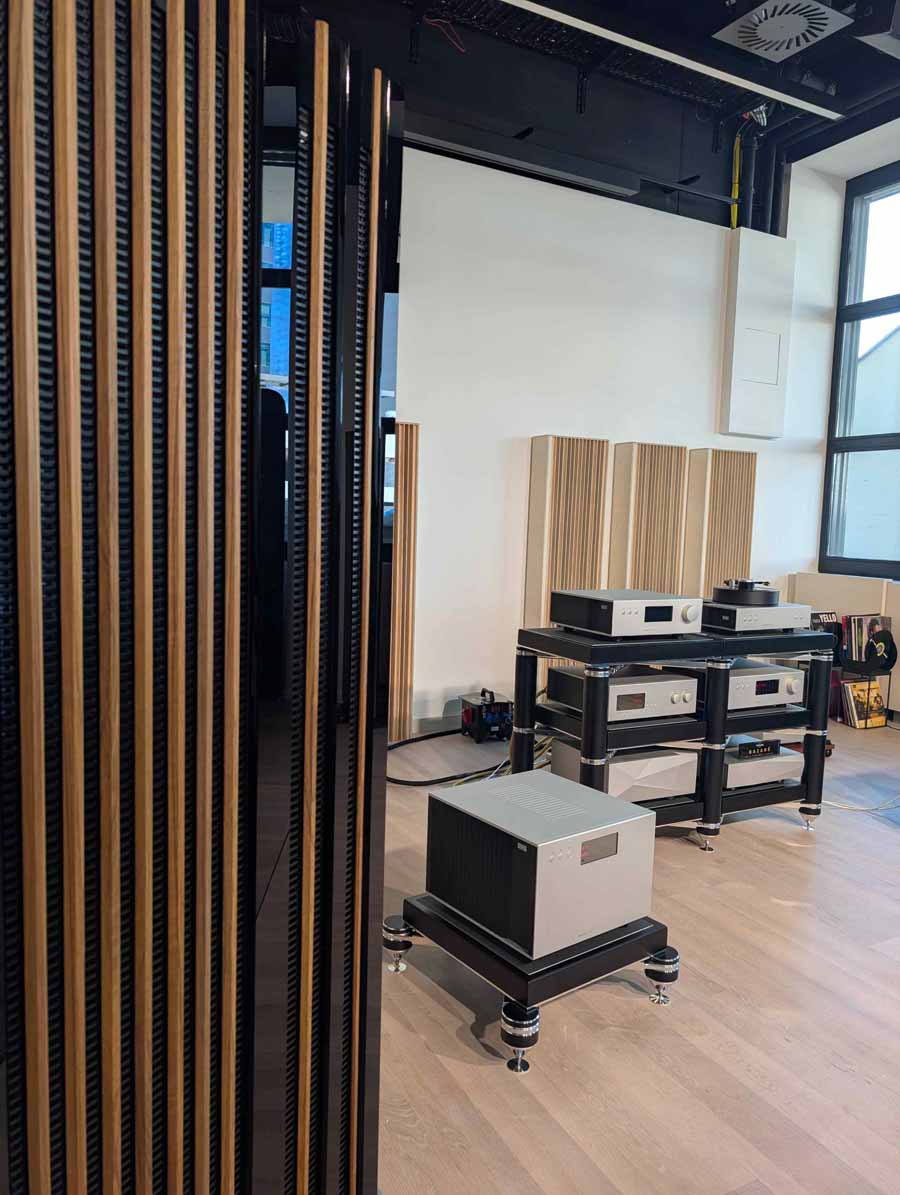
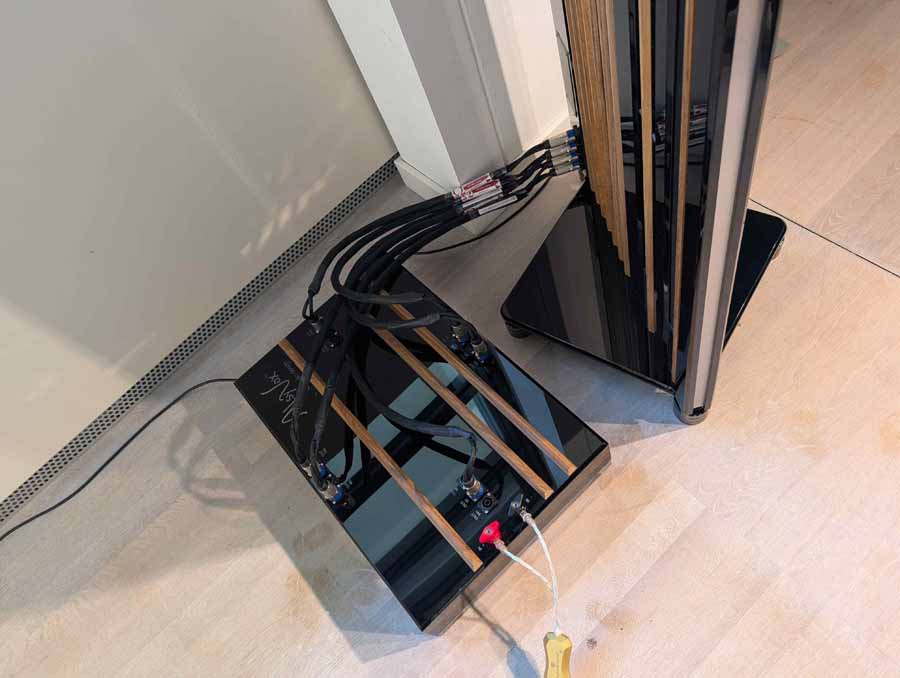
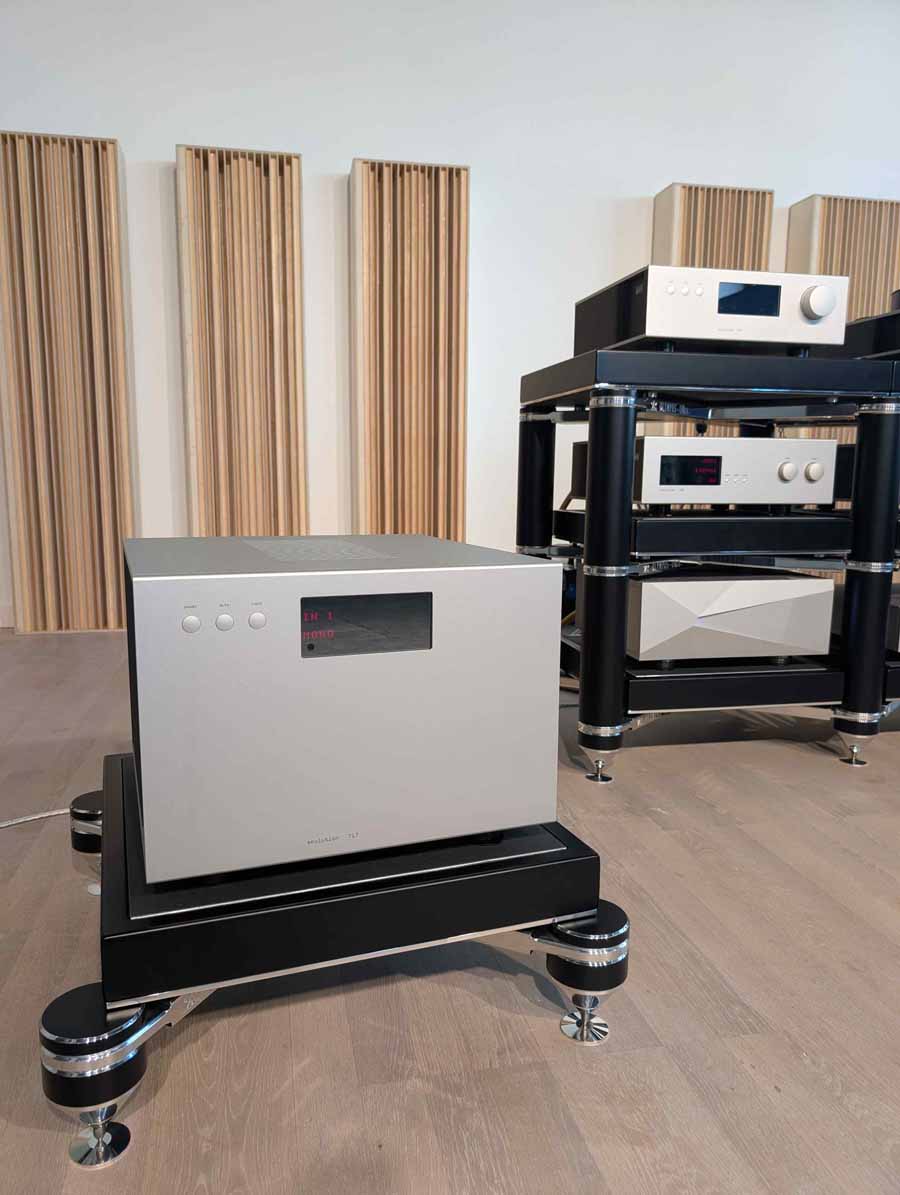
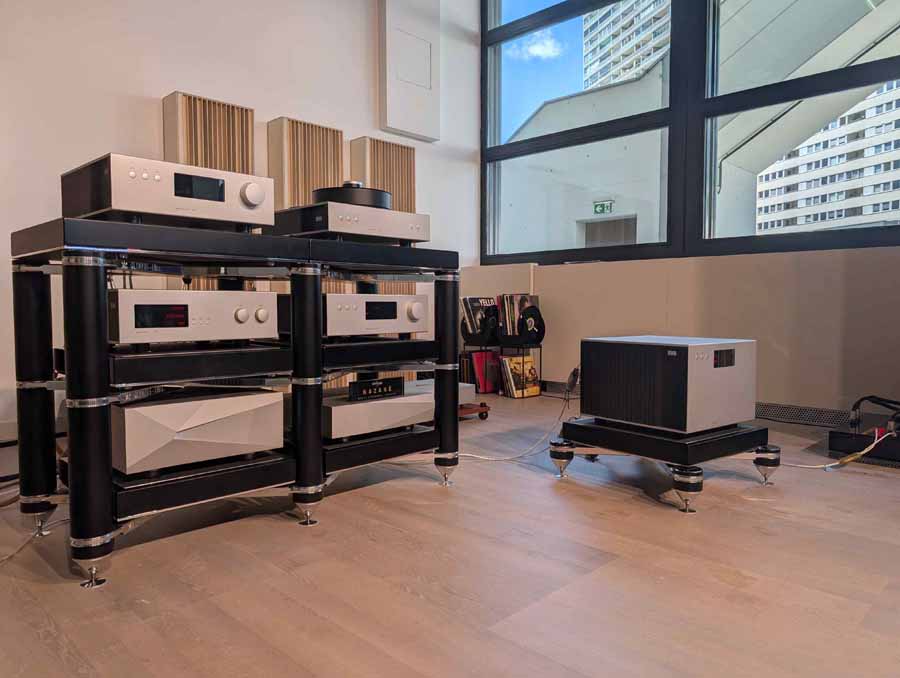
SOULUTION
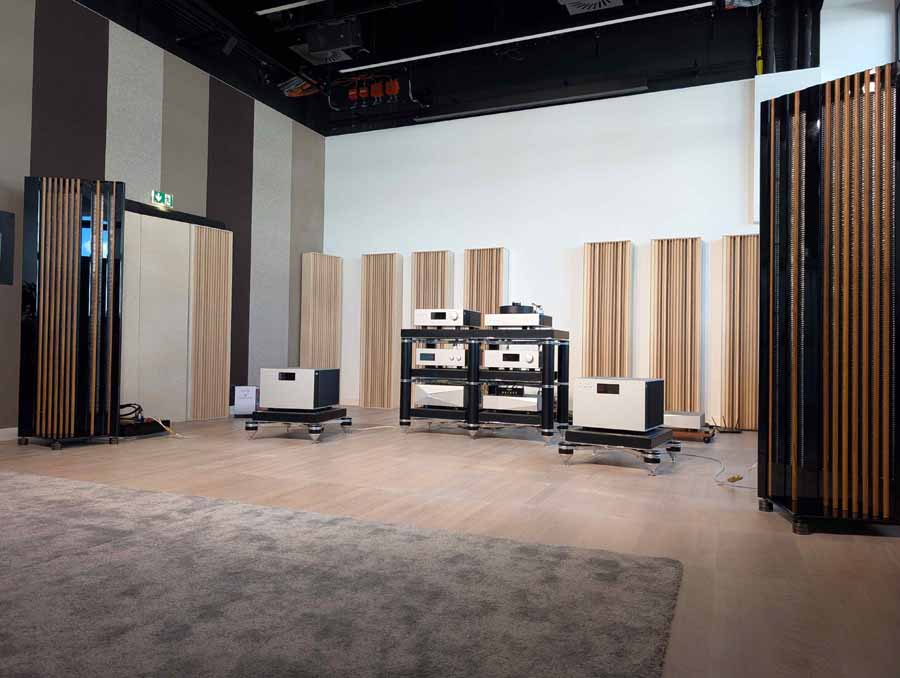
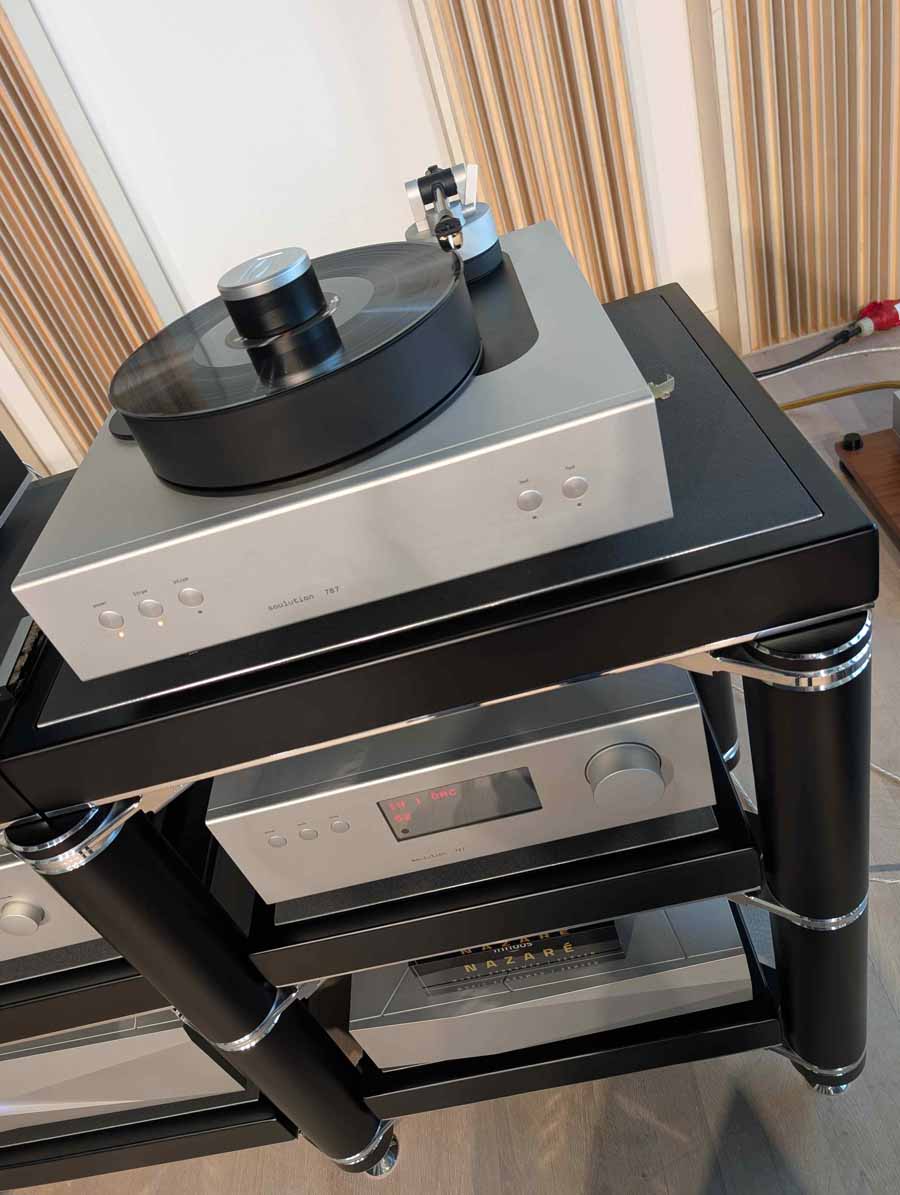
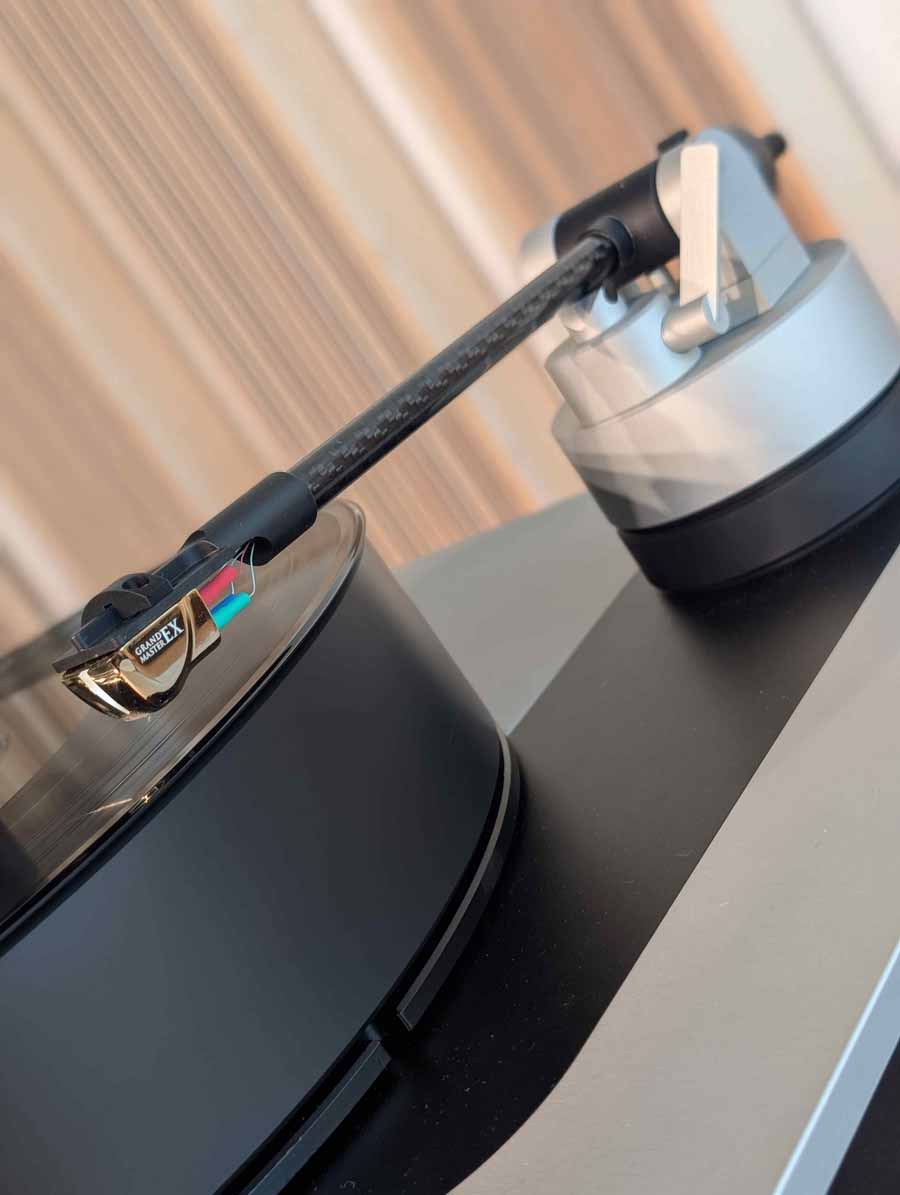
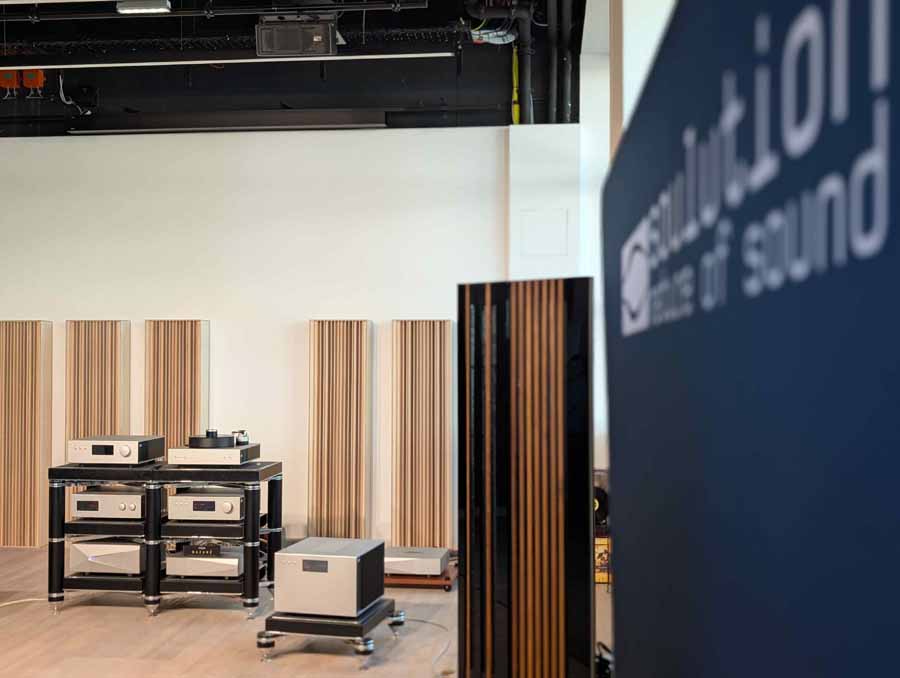
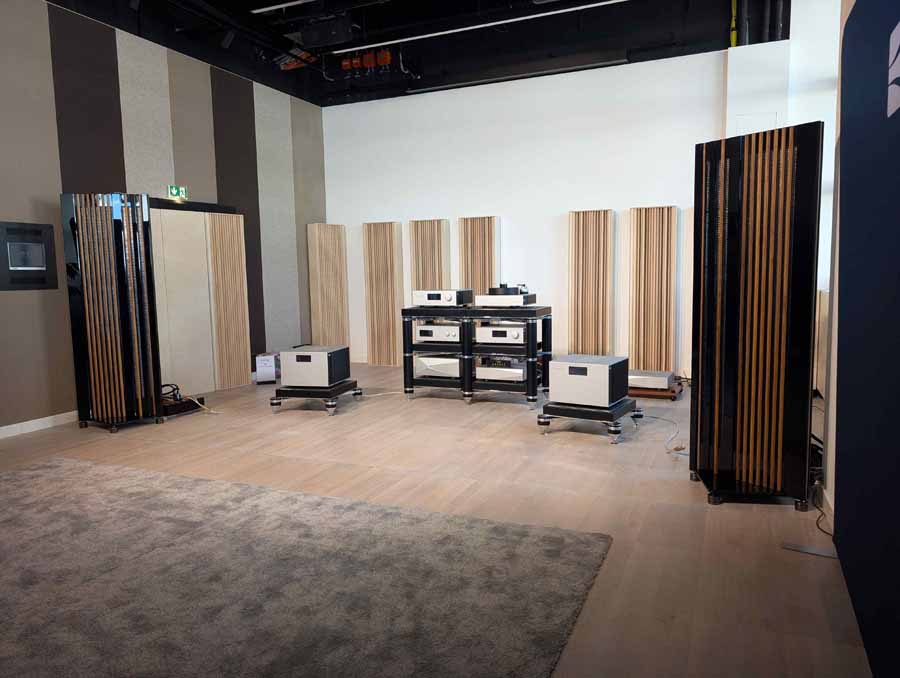
Swiss brand SOULUTION had a great display of static gear outside the main room, but was a real treat when you went into the very nice and airy main room.
Fronting the system was the new SOULUTION turntable, the 787, into the Phostage 757, into the Preamp 727 and then into the 717 power amplifiers.
The DAC was the 760, and another Innuos Nazare was being used as the streamer.
The speakers Alsyvox Carravaggio.
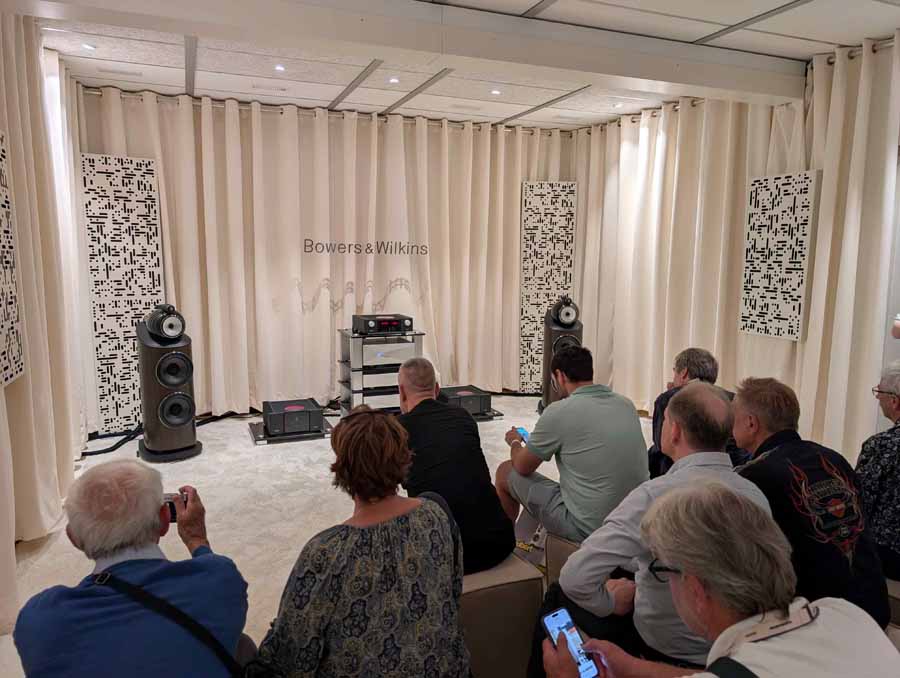
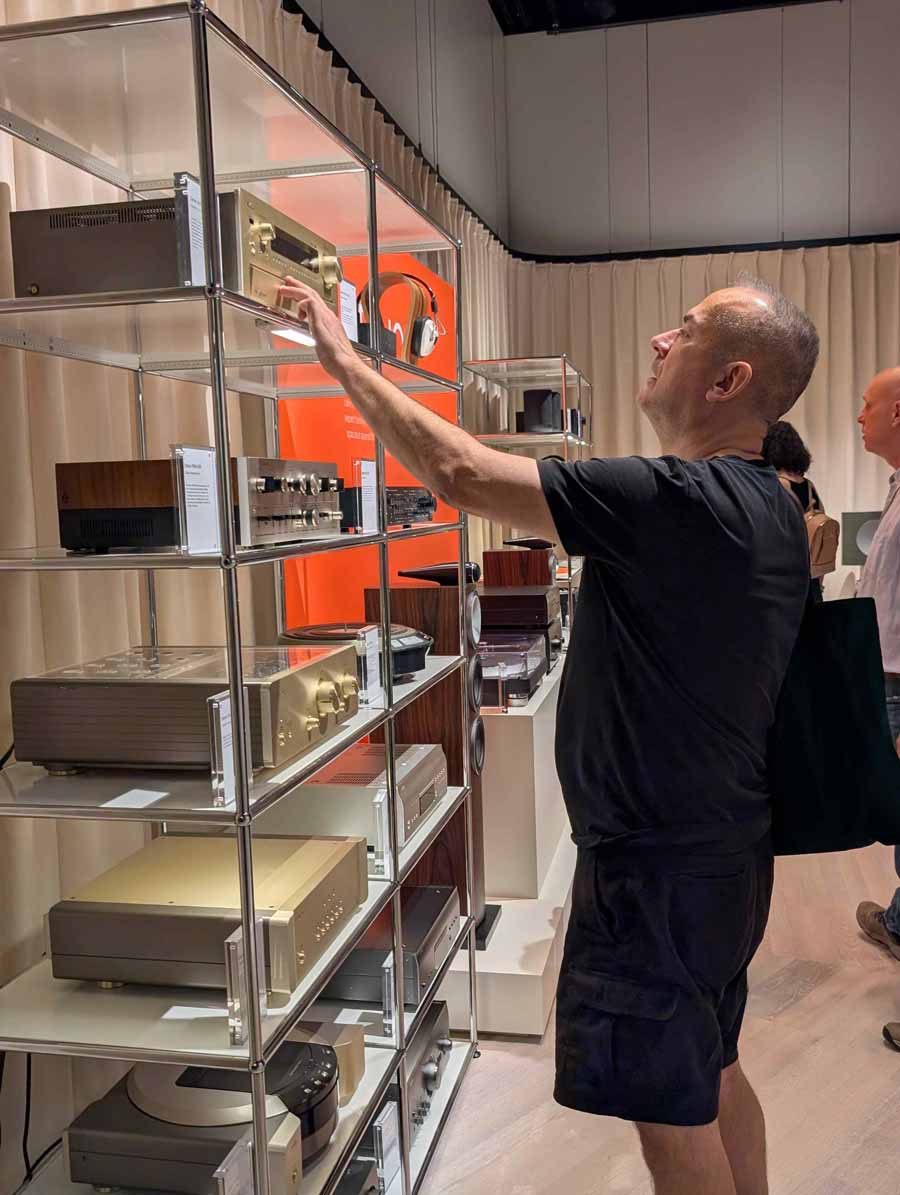
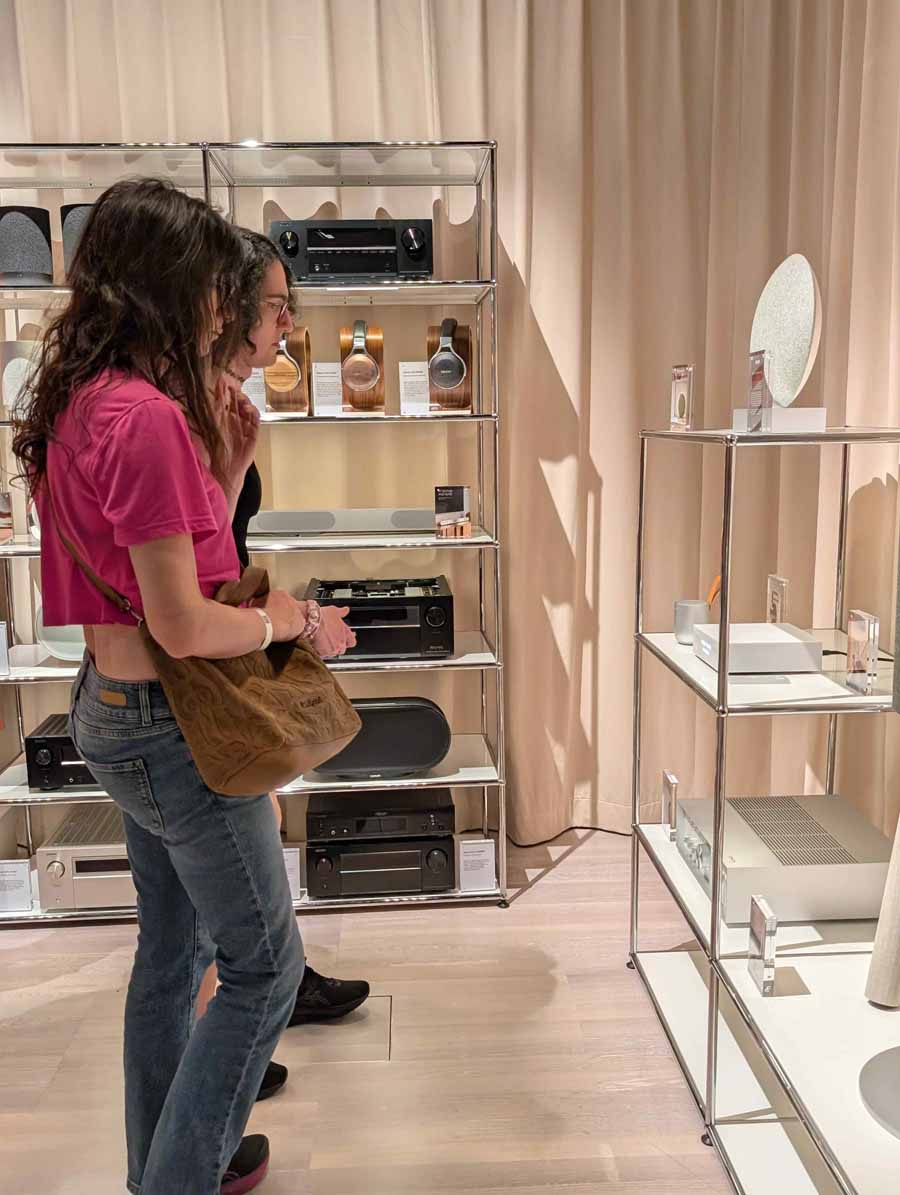
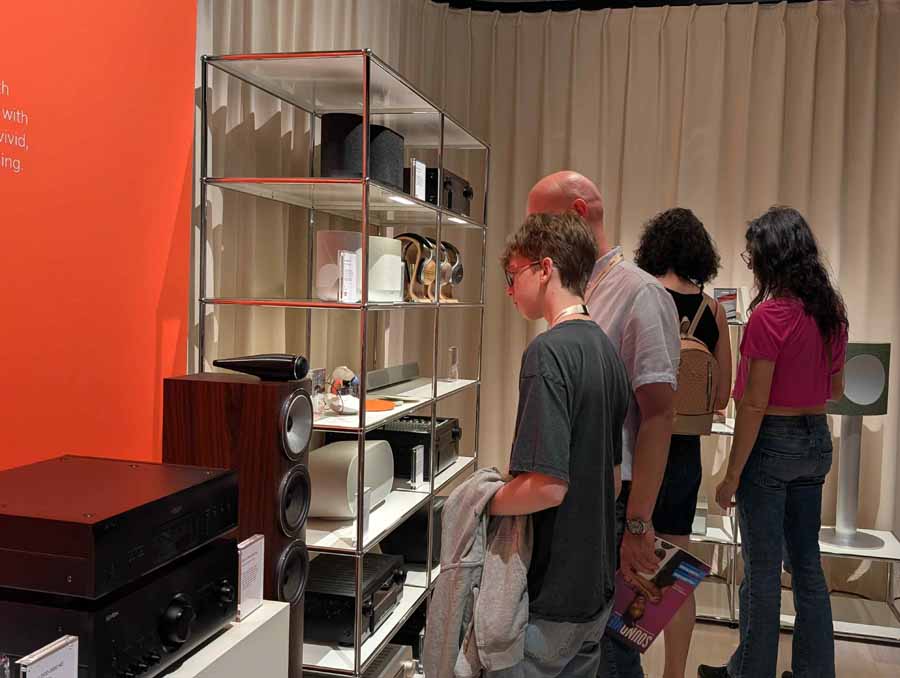
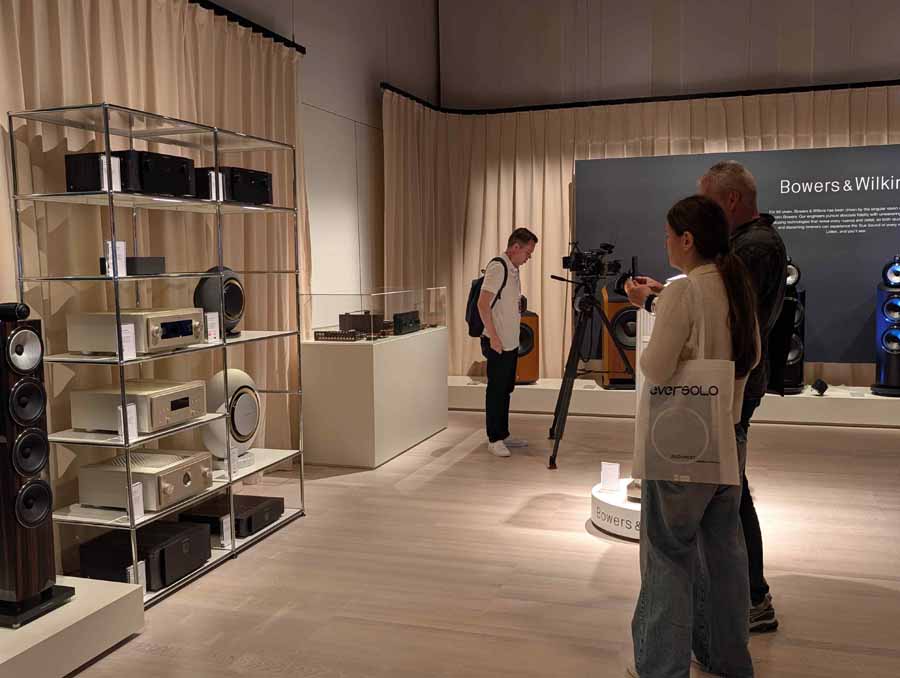
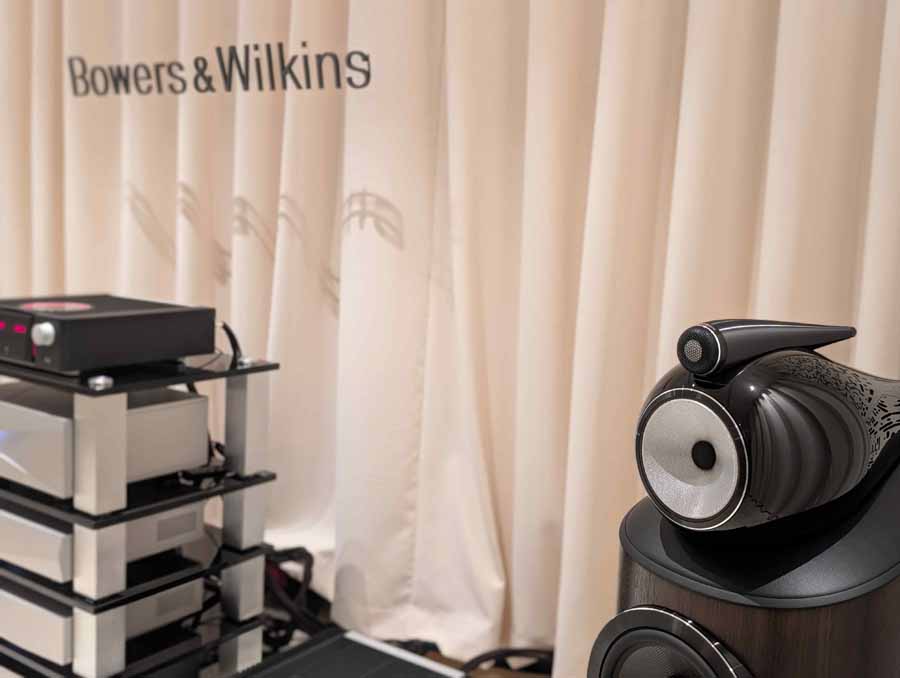
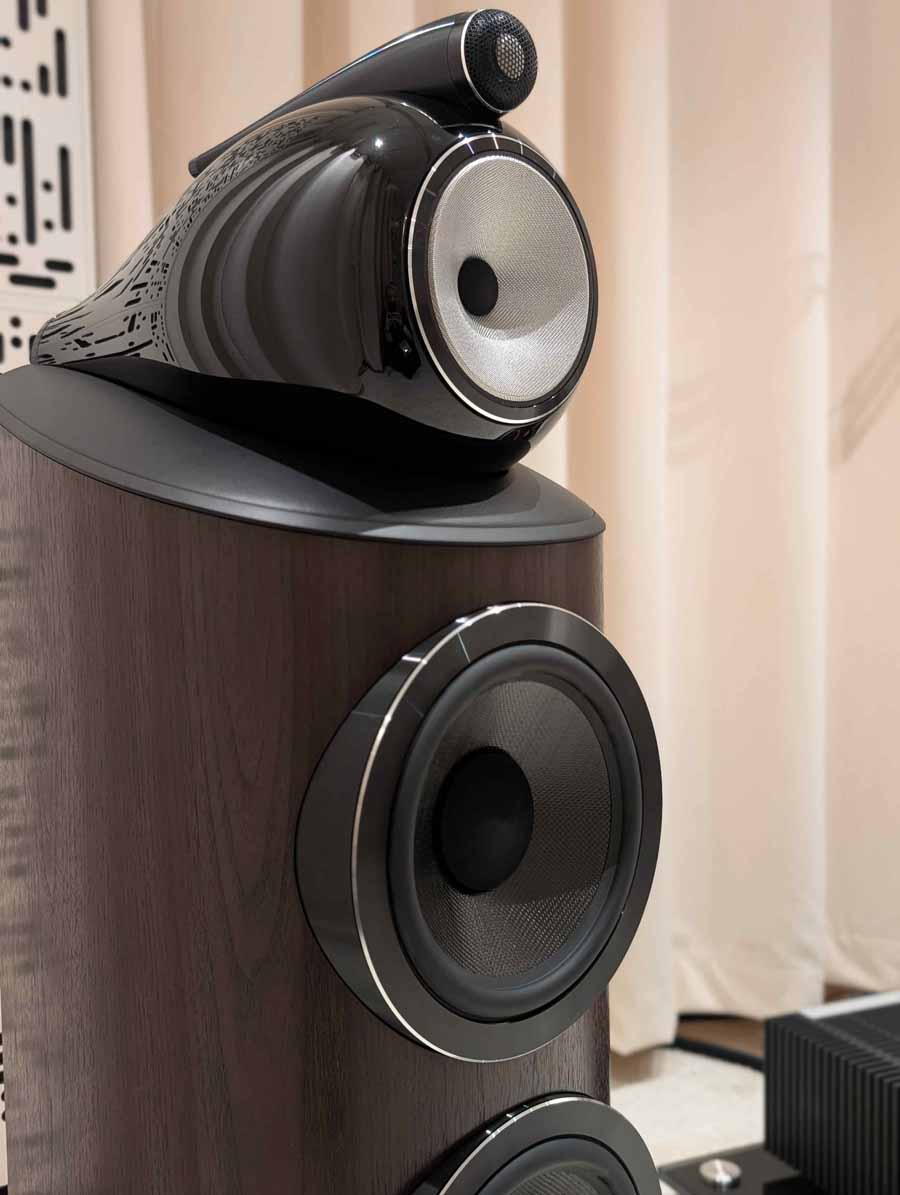
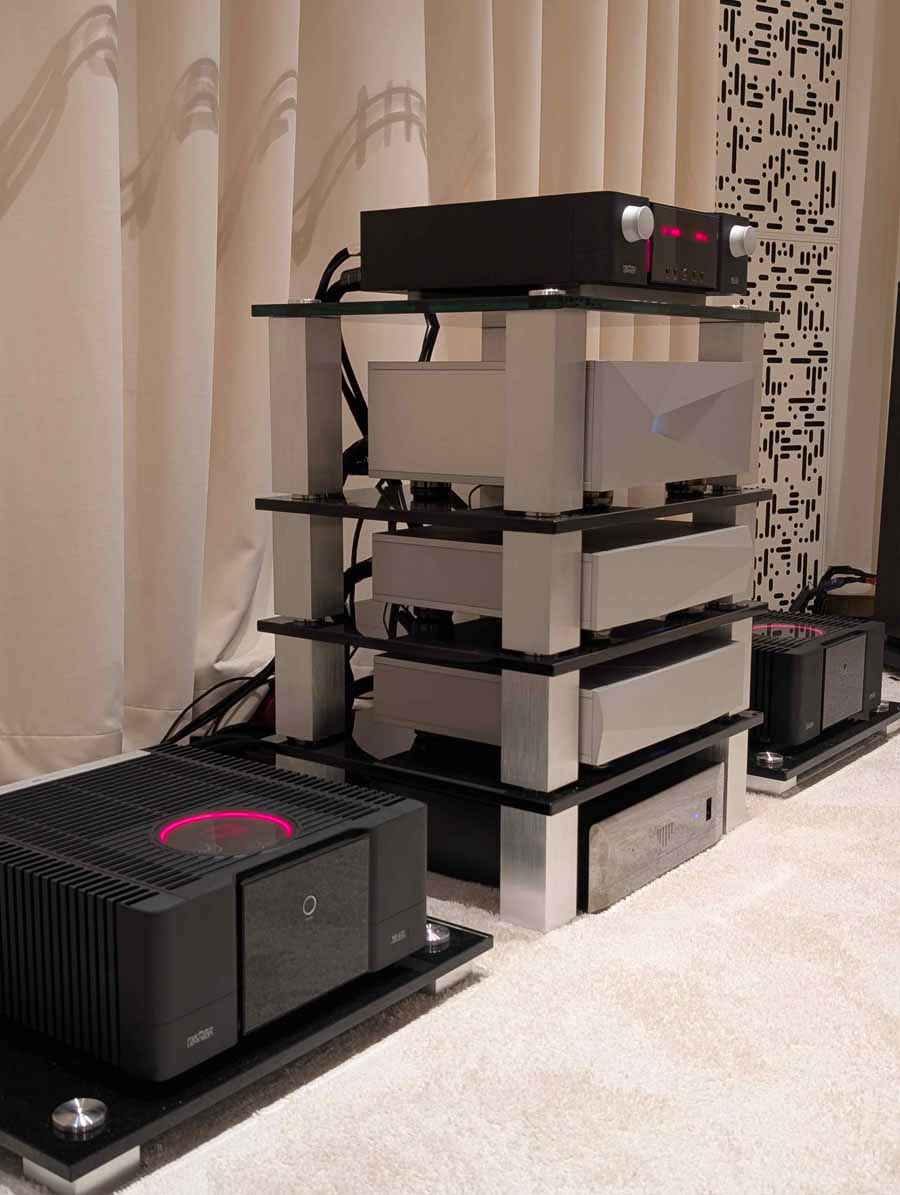
DENON, MARANTZ, BOWERS AND WILKINS
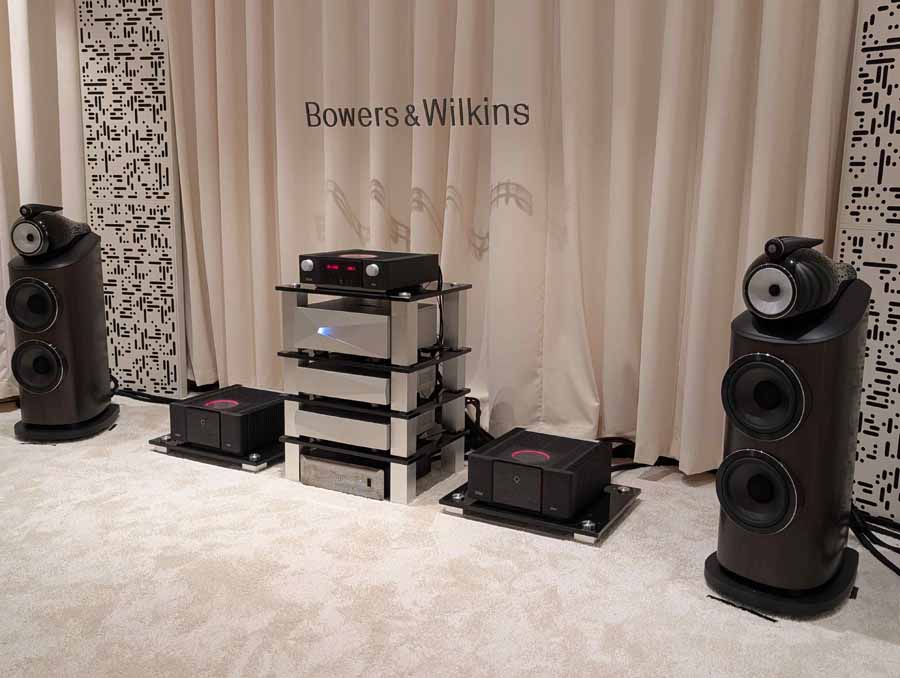
INNUOS

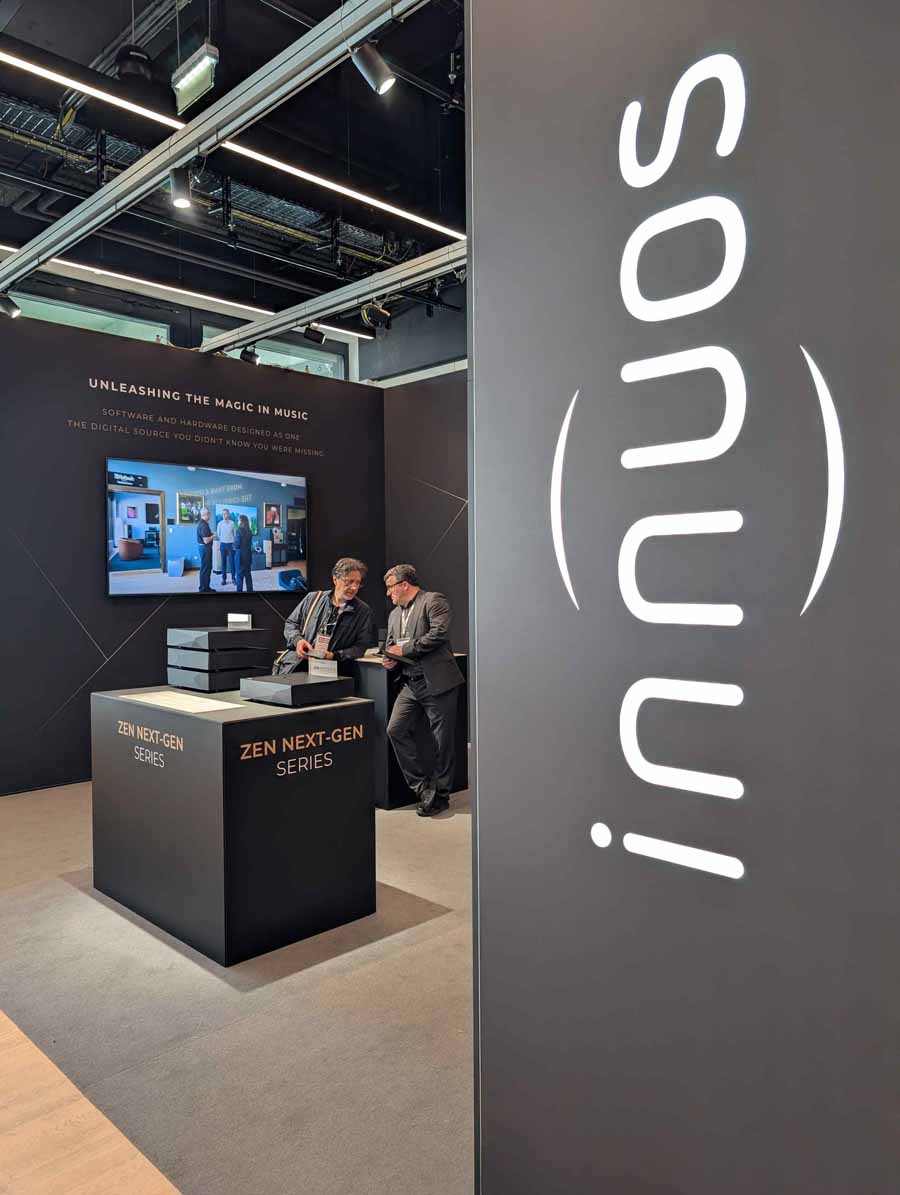
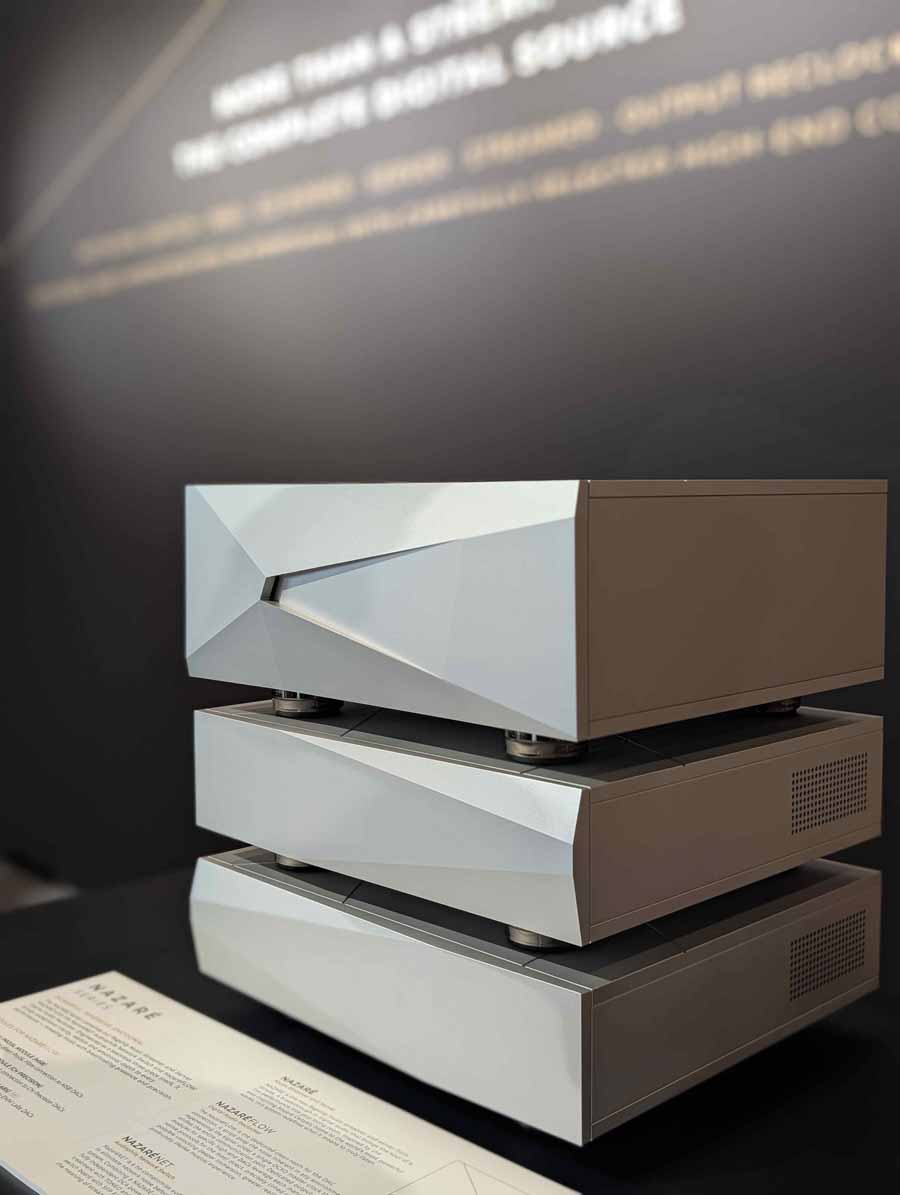
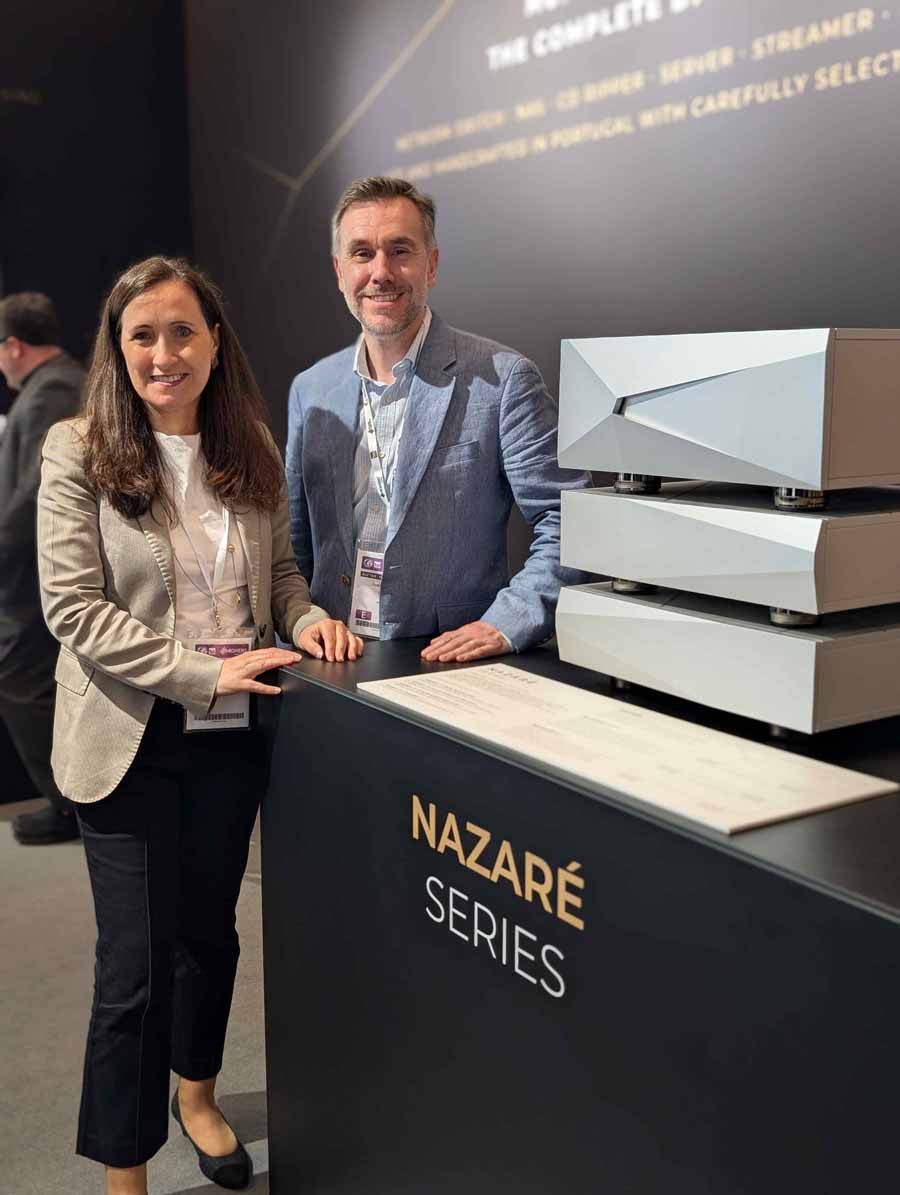
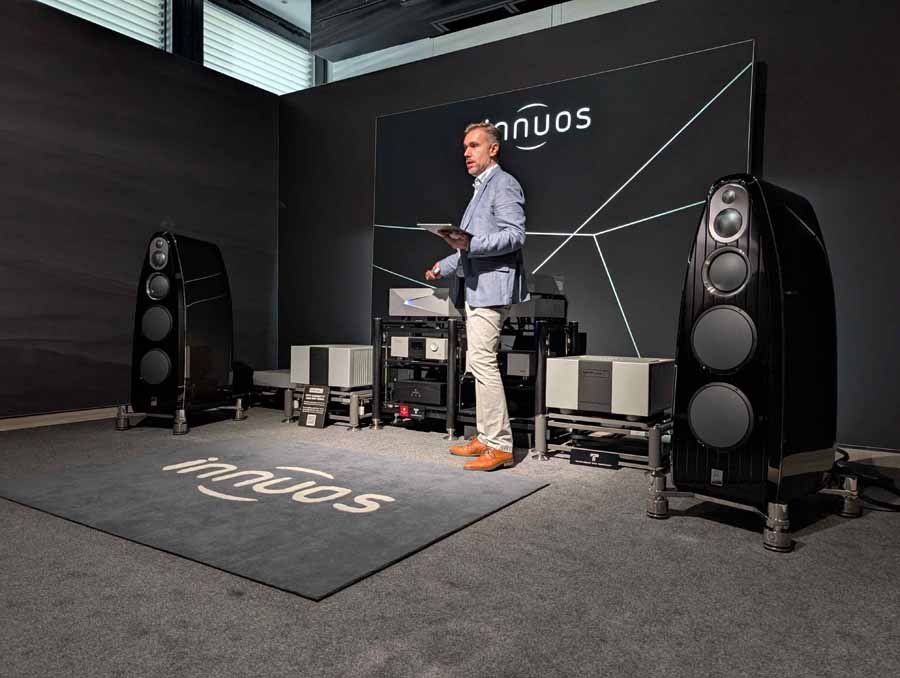
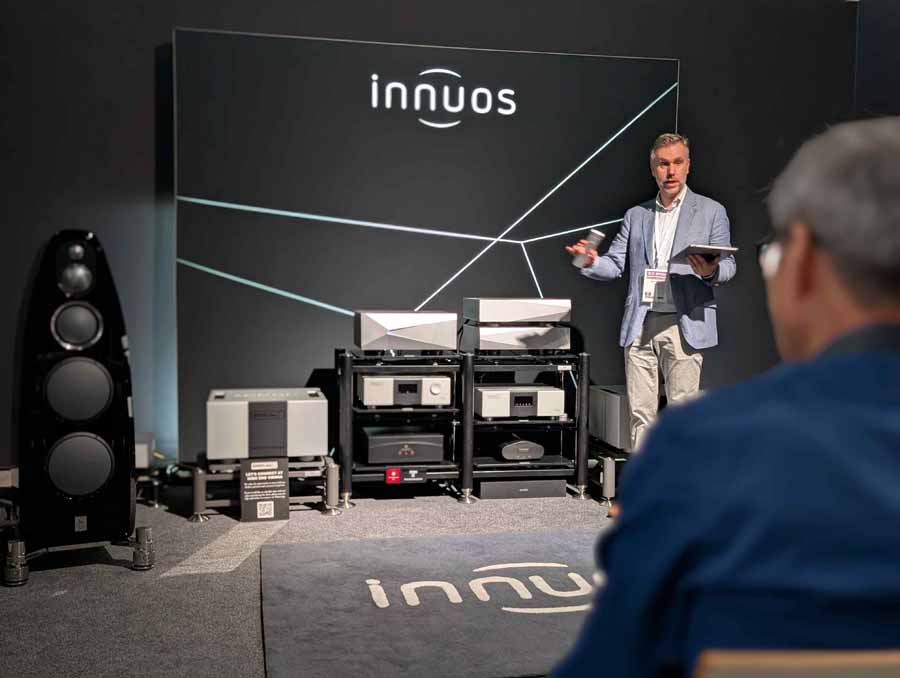
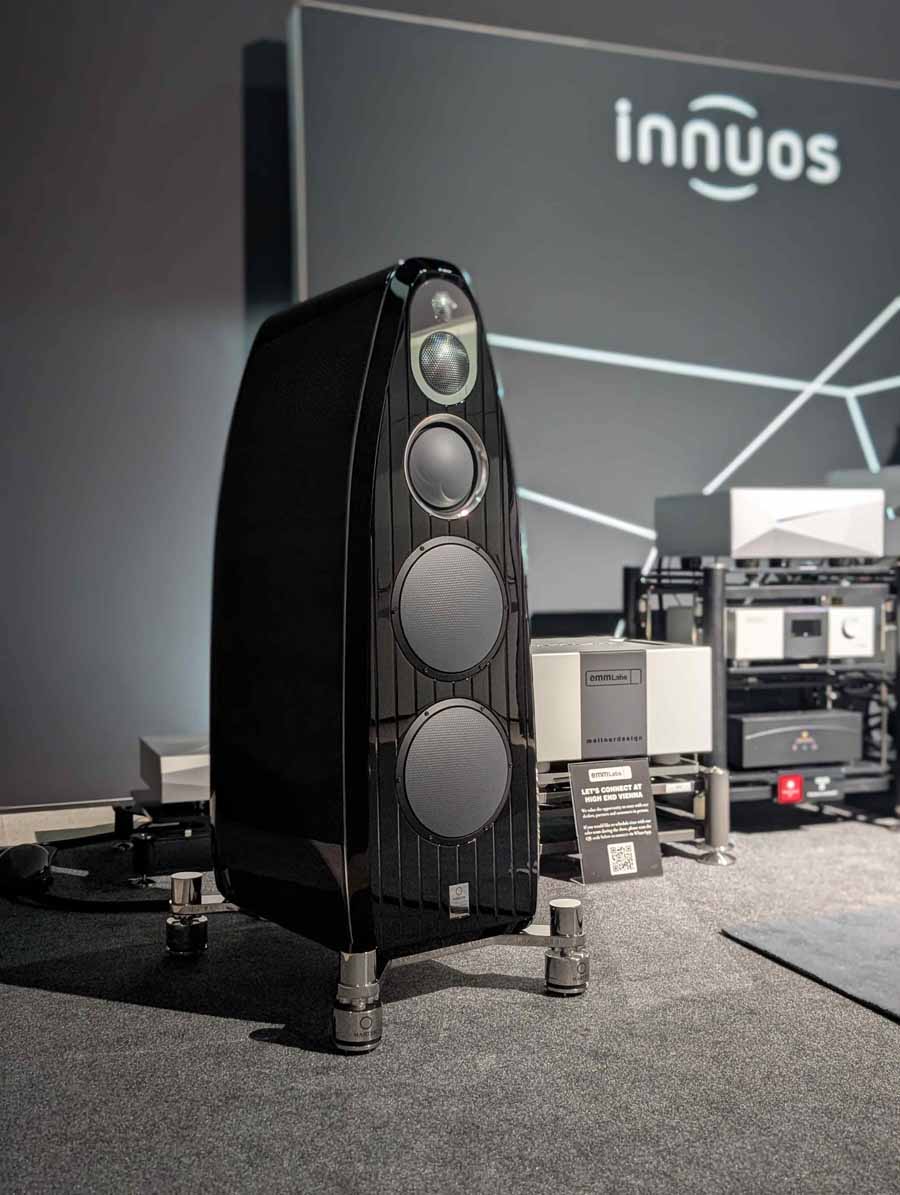
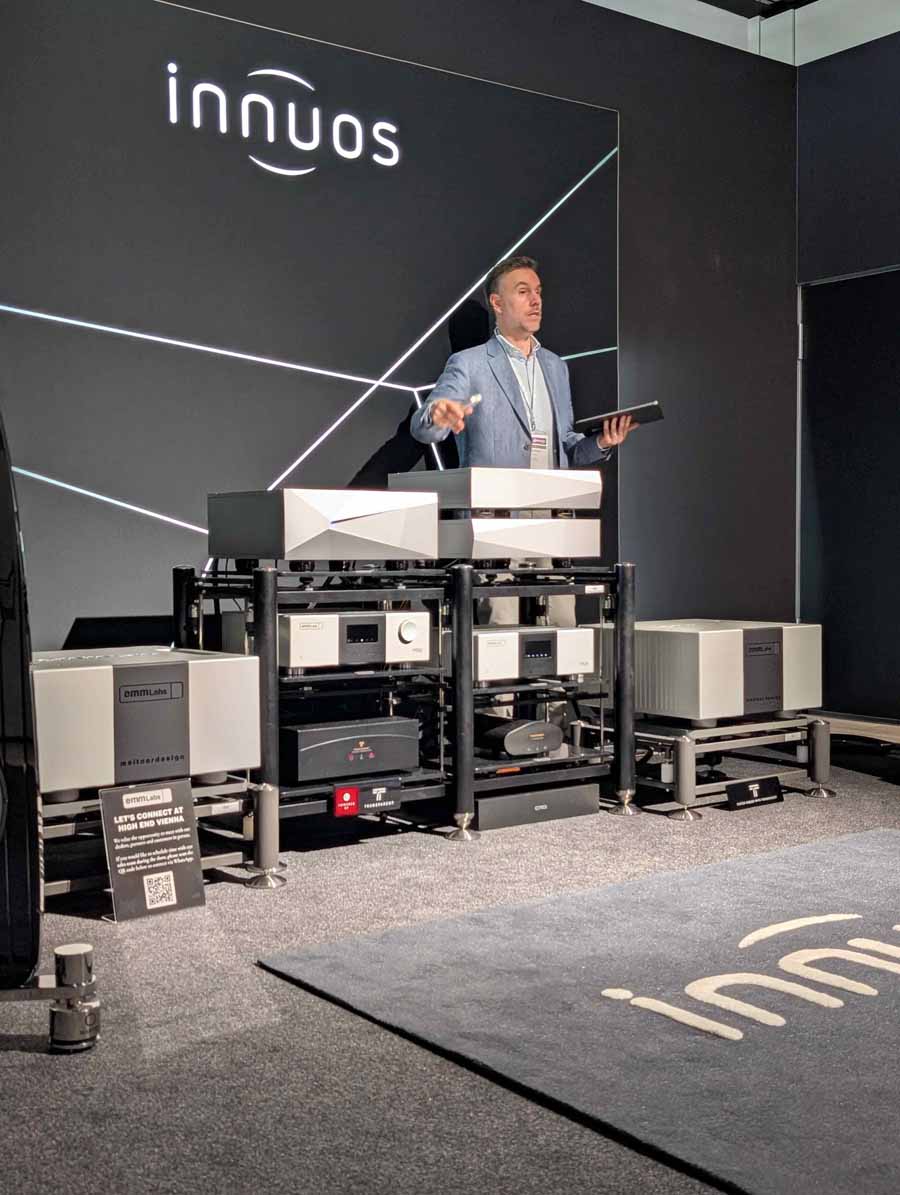
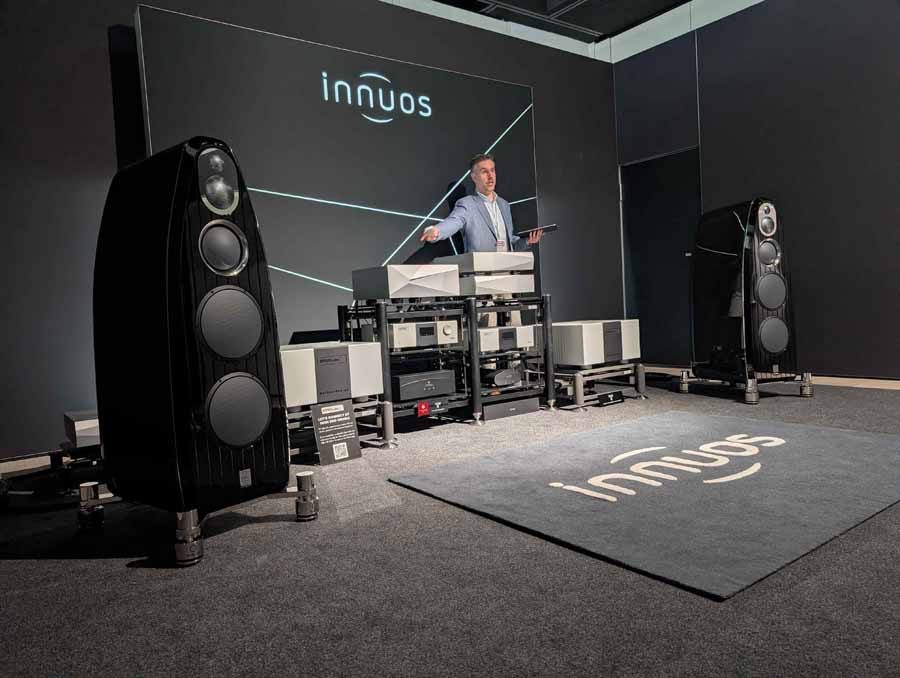
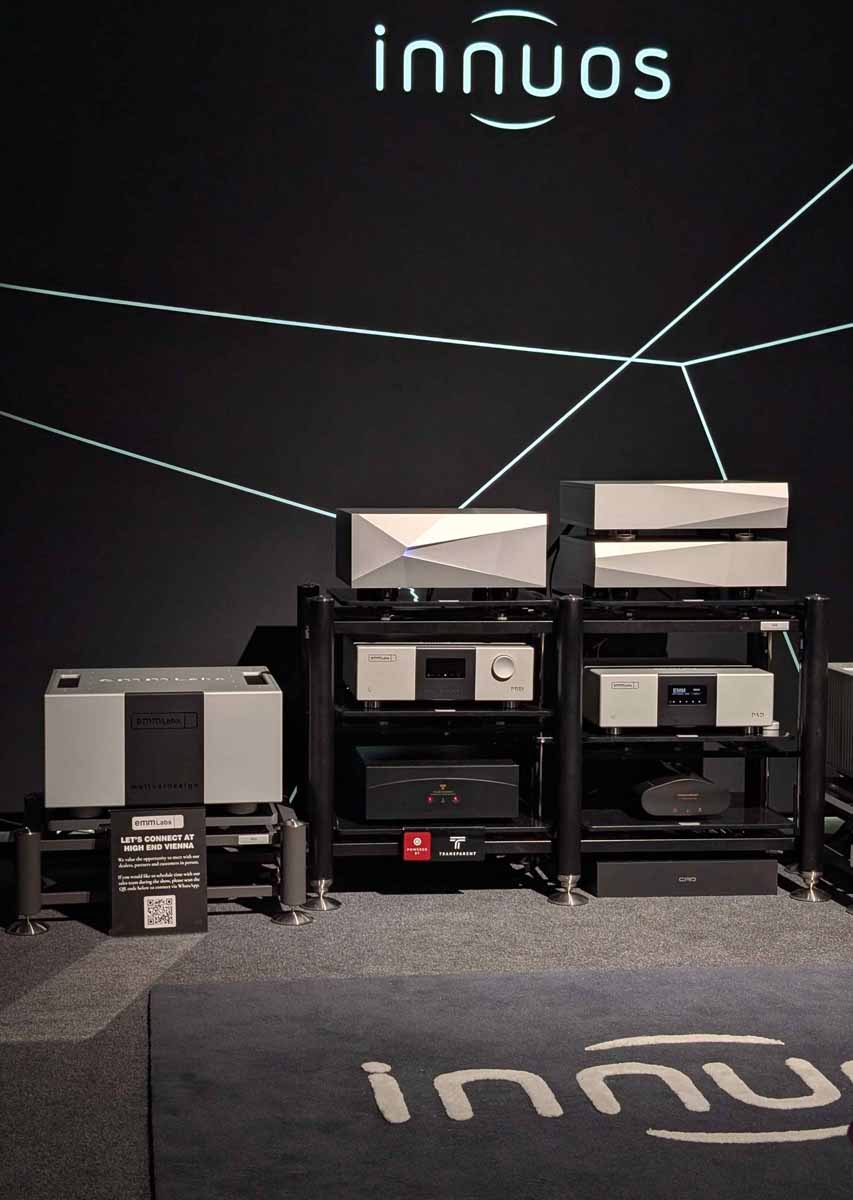
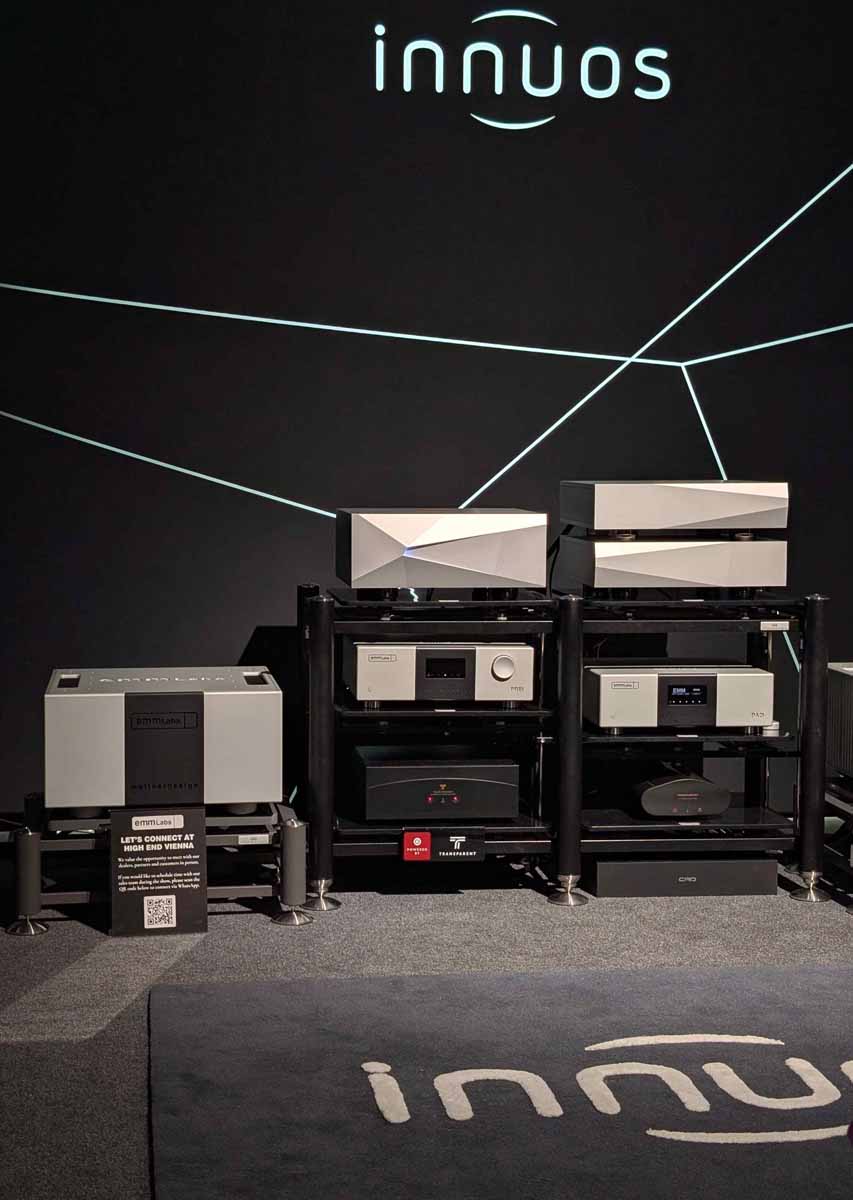
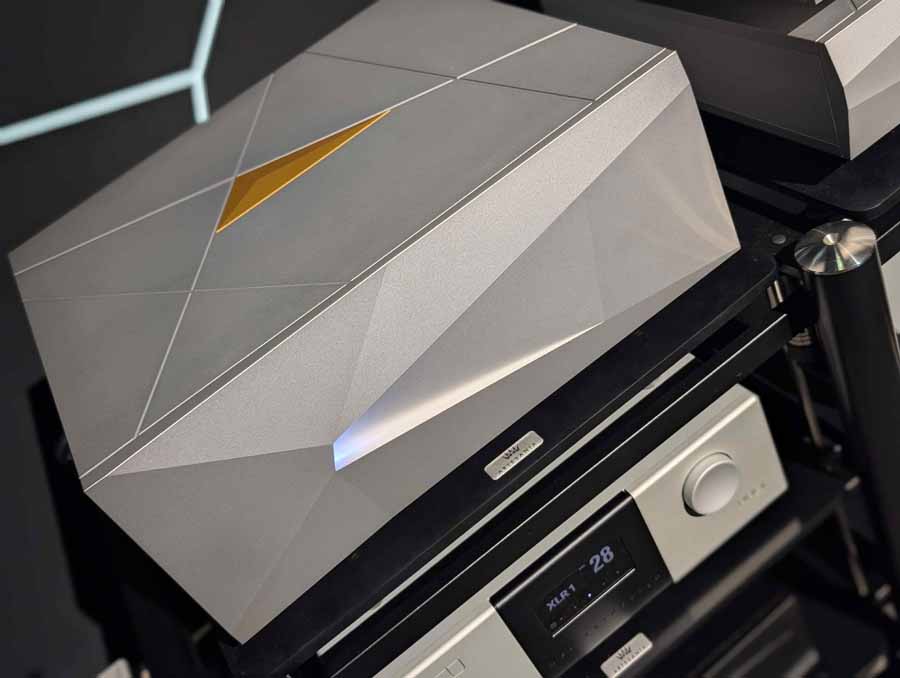
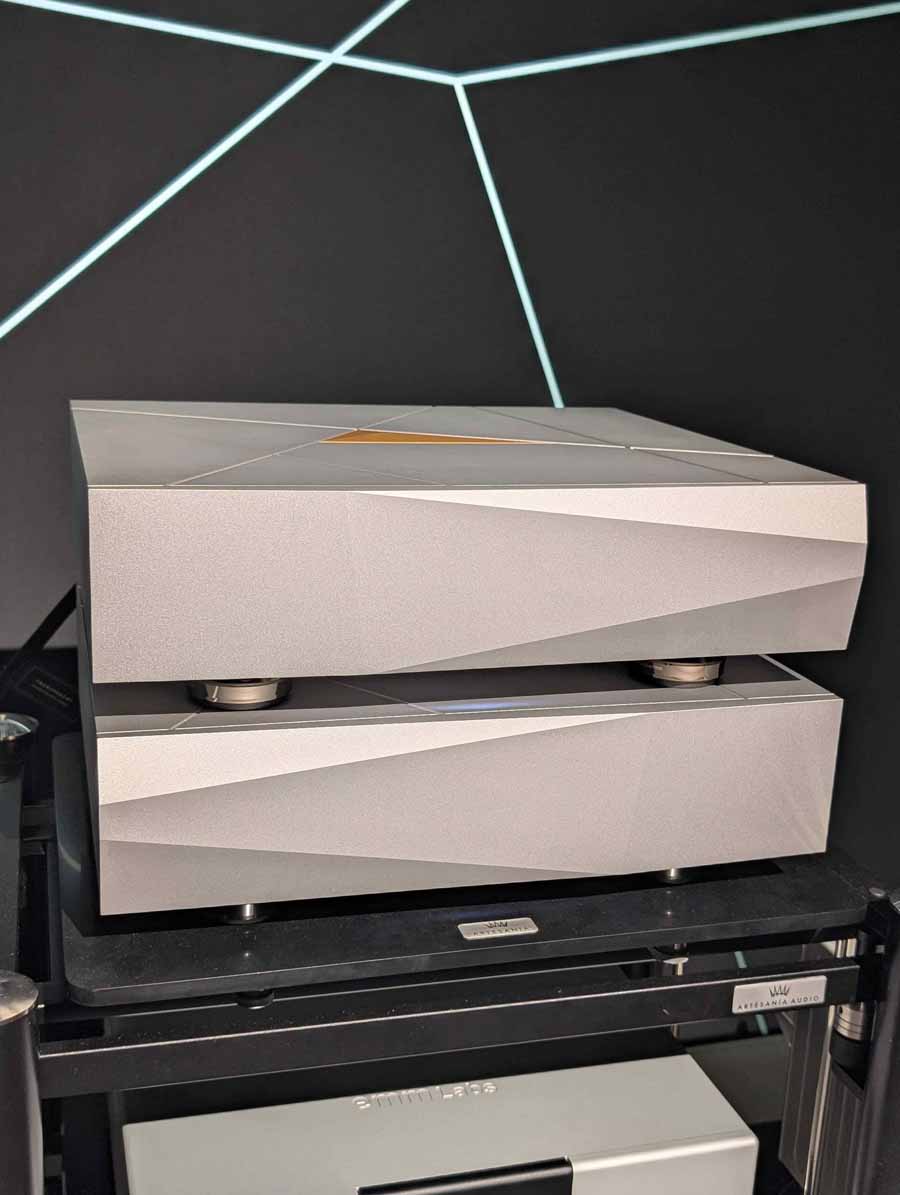
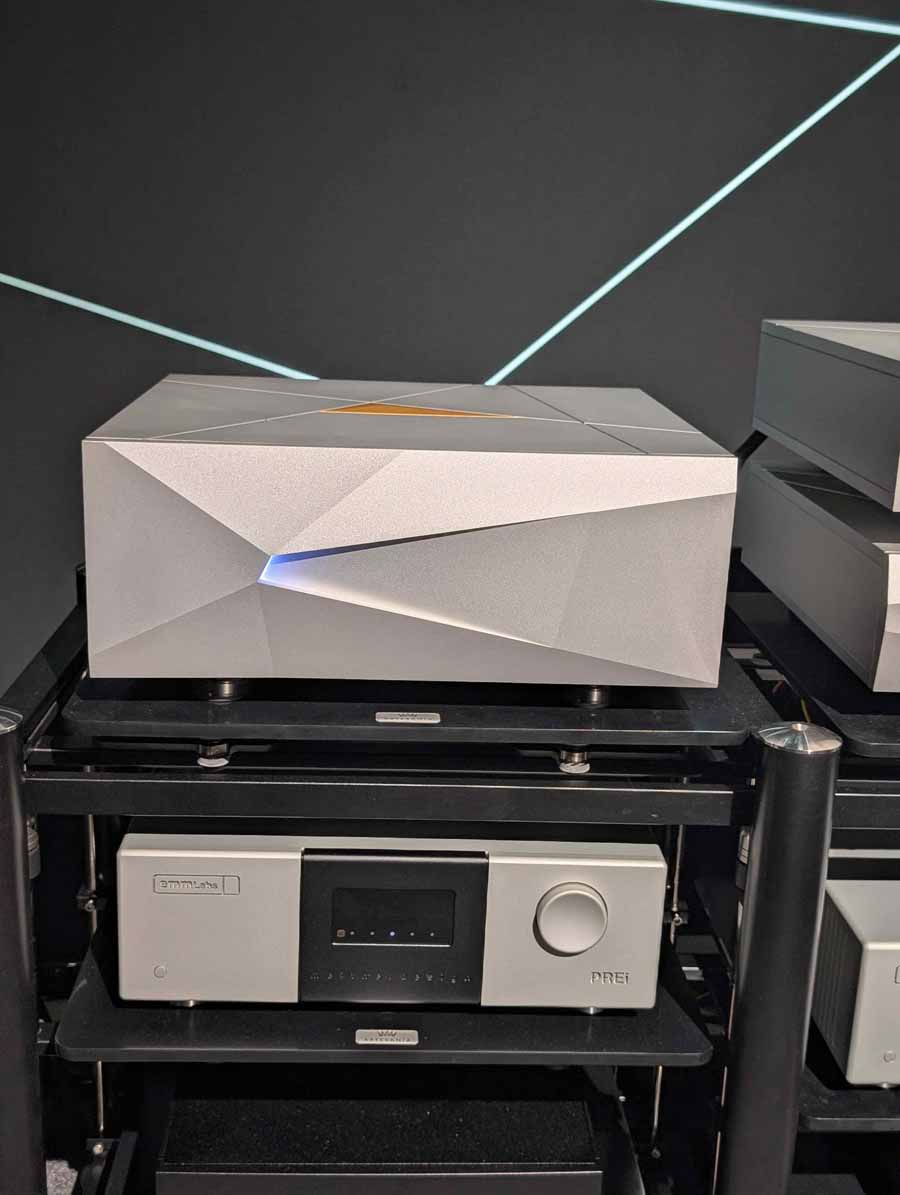
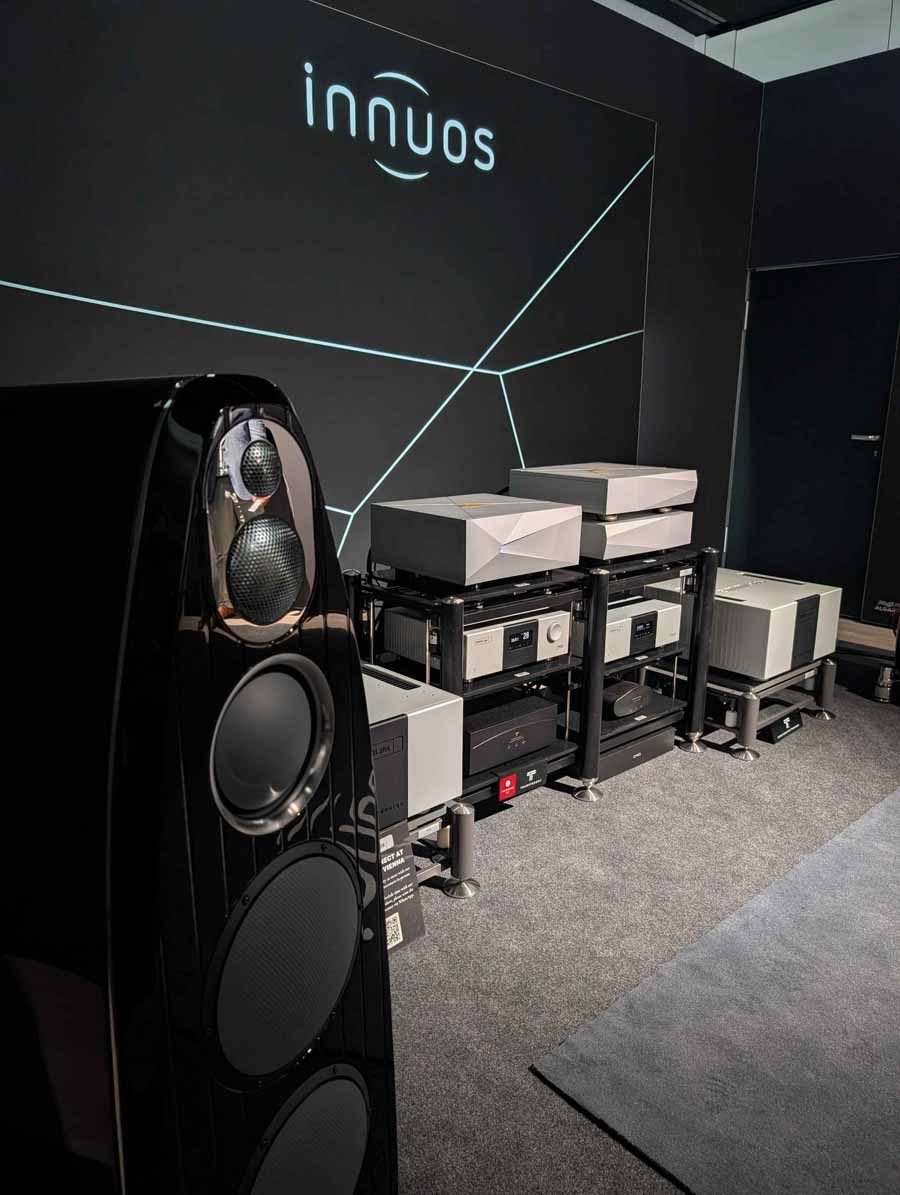
Needless to say, the NAZARE server fronted this room with the three-piece system with 2 NAZARE NET units to connect to the router and to isolate the network. The FLOW modules are new and connect the fibre to the EMM Labs electronics. FLOW is three stages: a master clock, the correct protocol the EMM Labs DAC needs, and then a signal regeneration from the NAZARE. The idea is that this is a very clean electronic supply.
We got the dem from Nuno, with and without the FLOW module, and the effect with the unit in the system is not subtle when playing the same track. Cleaner (obviously) but totally without any kind of digital feel. The track used as the demonstration has the words “effortless and true” in there, and that’s kind of what you get with the FLOW in the system.
Marten speakers fronted the system.
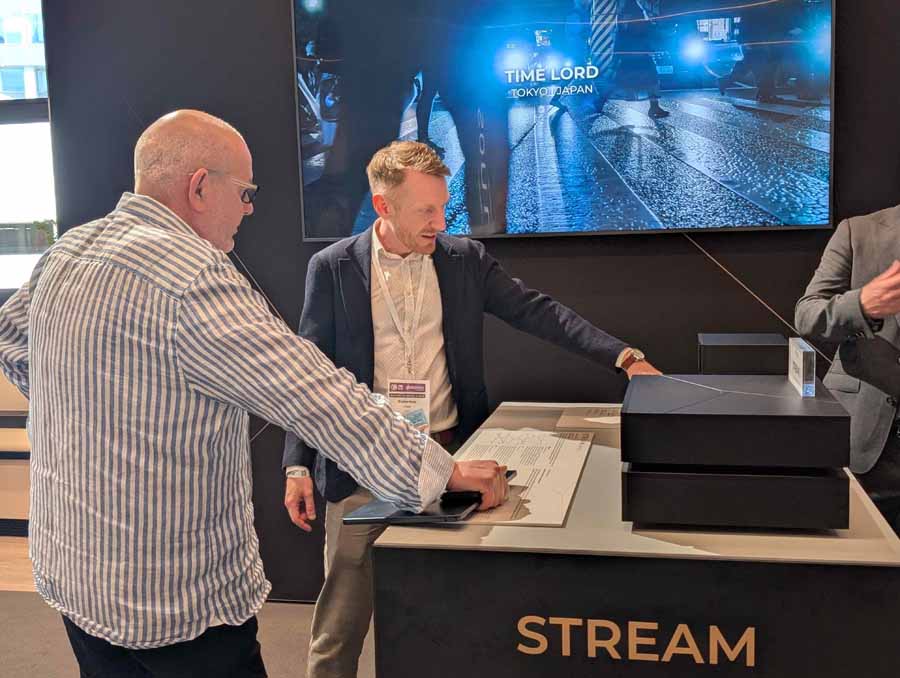
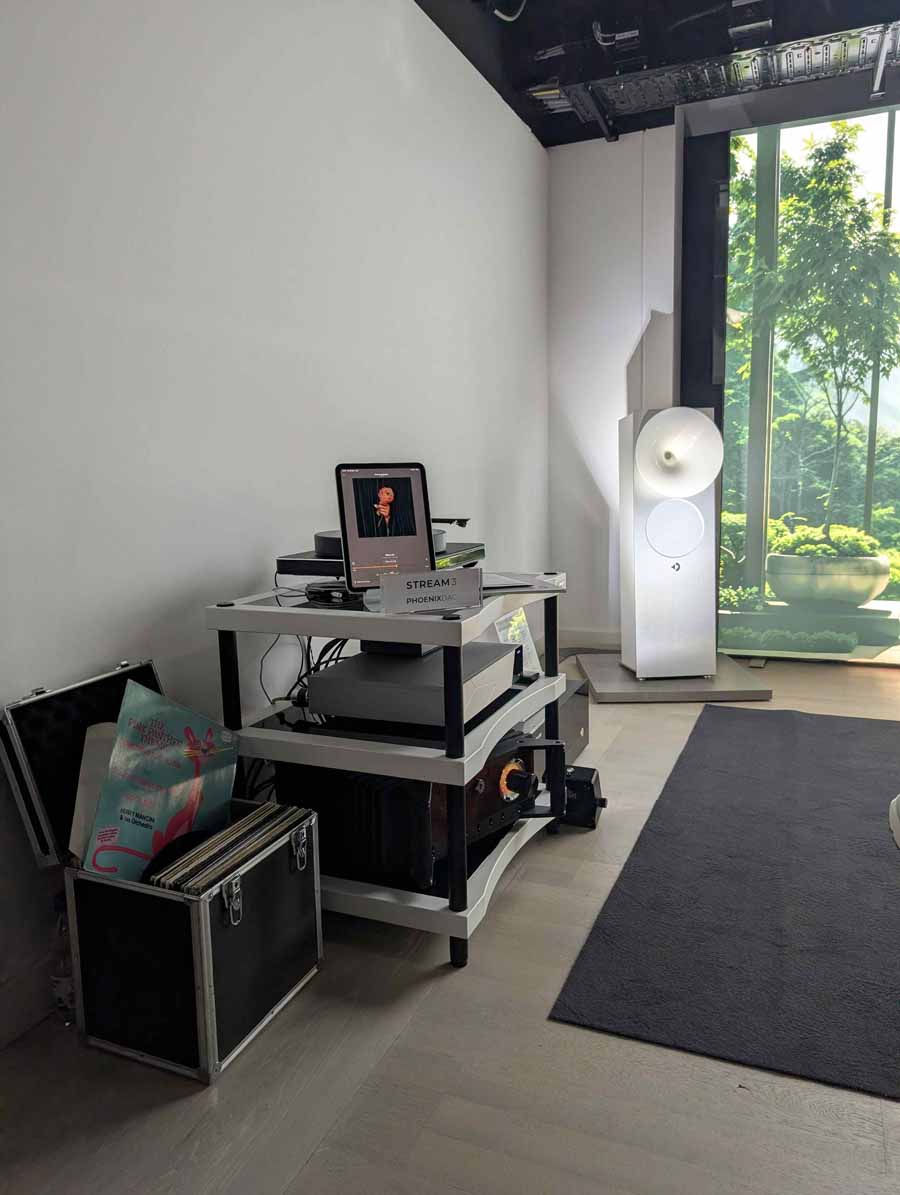
INNUOS also introduced a new half-unit switch and will be introducing a total of three at different levels. The range starts at around 1.5K. There will also be a switch to match the STREAM 3 that I reviewed recently.
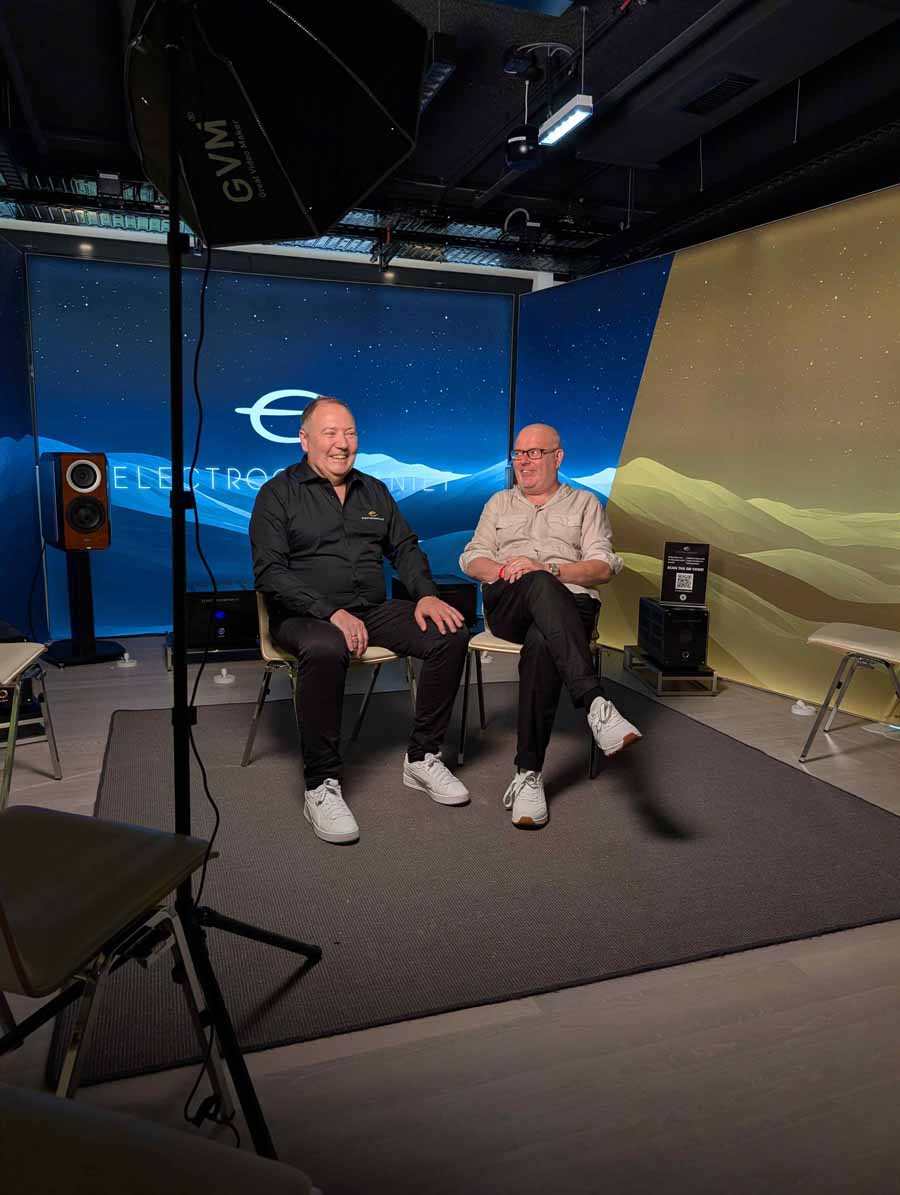
ELECTROCOMPANIET

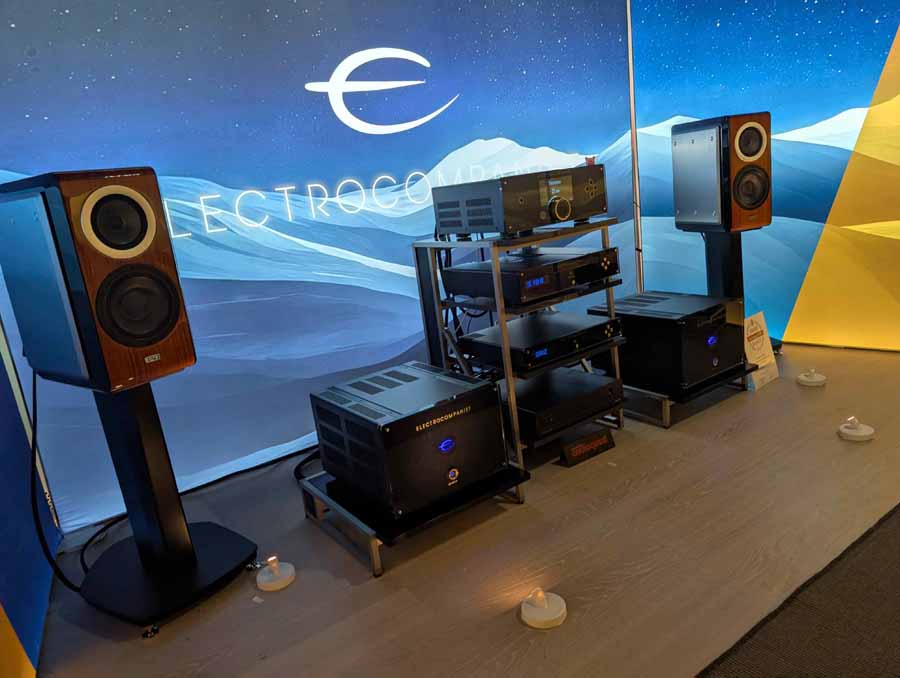
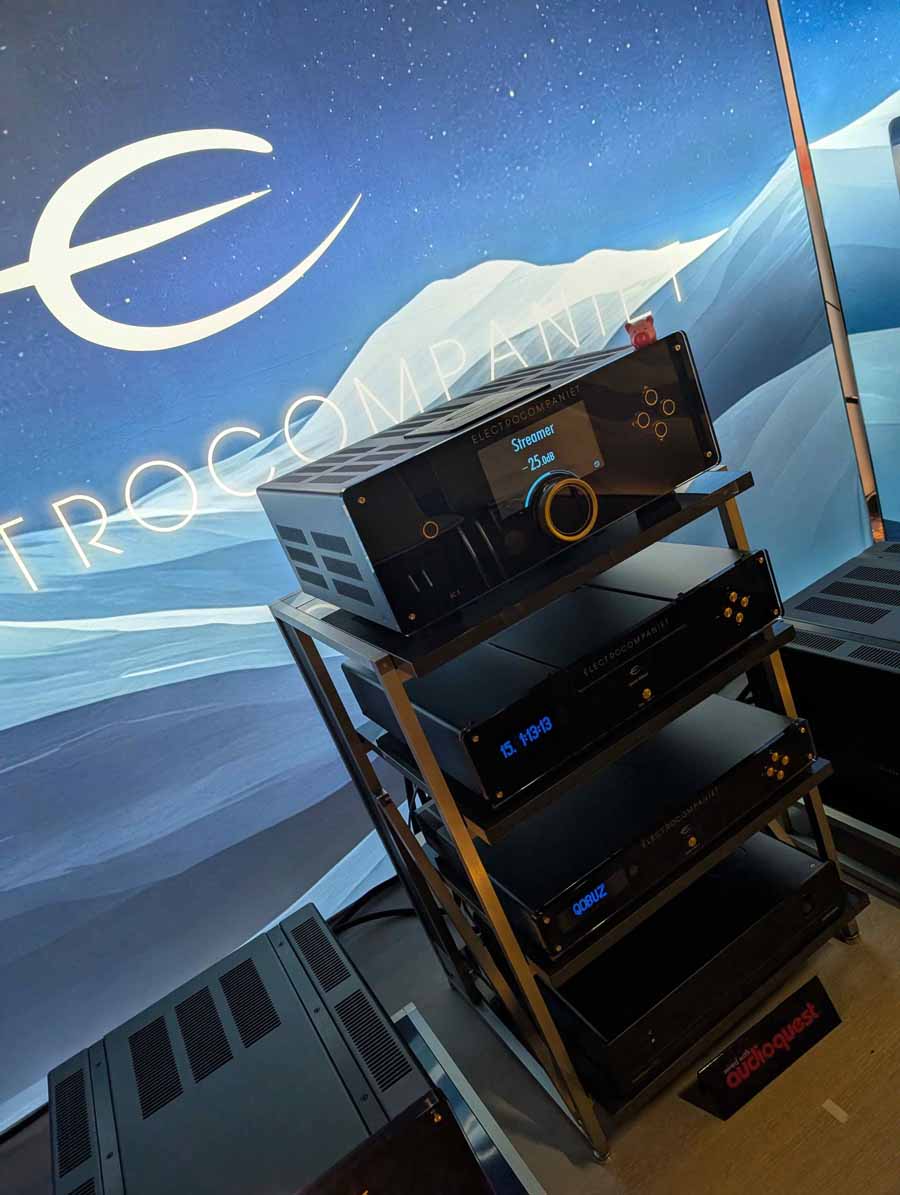
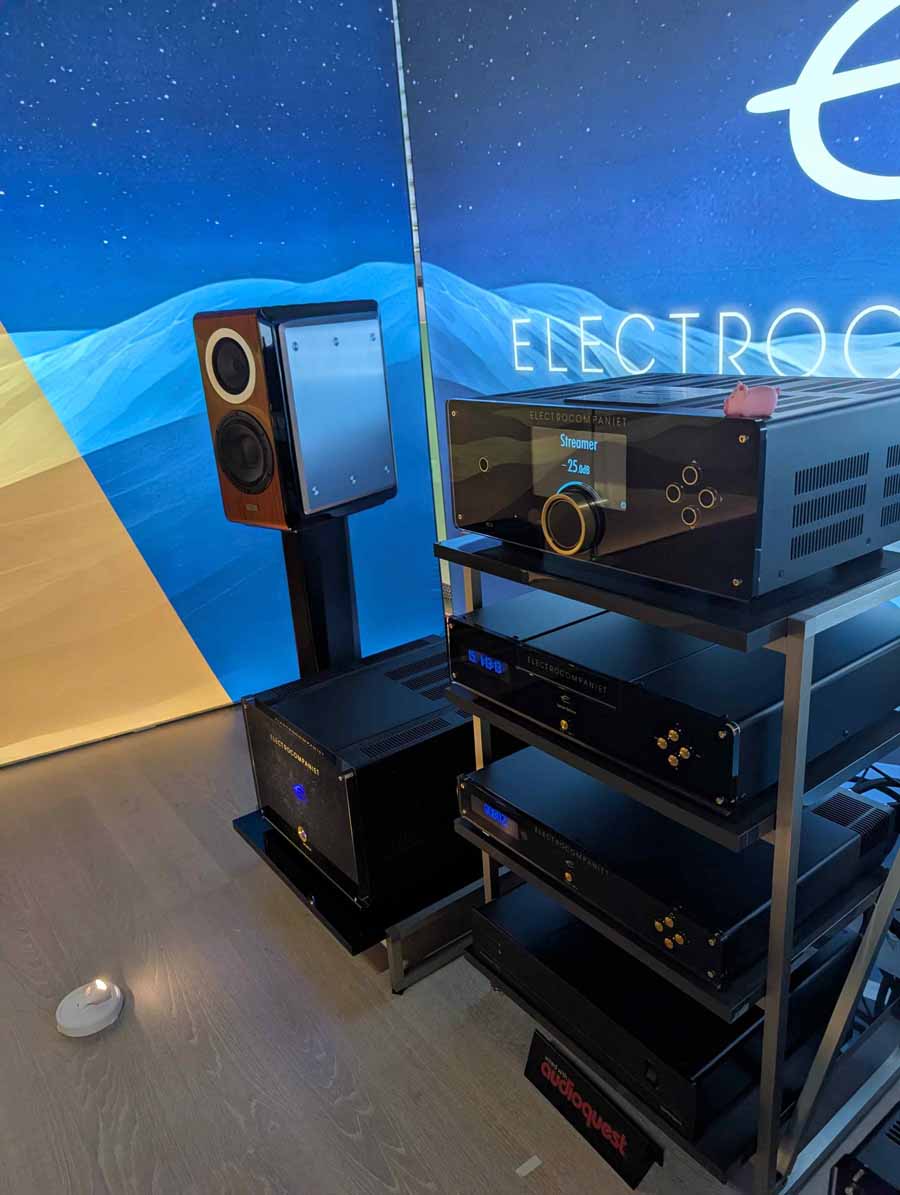
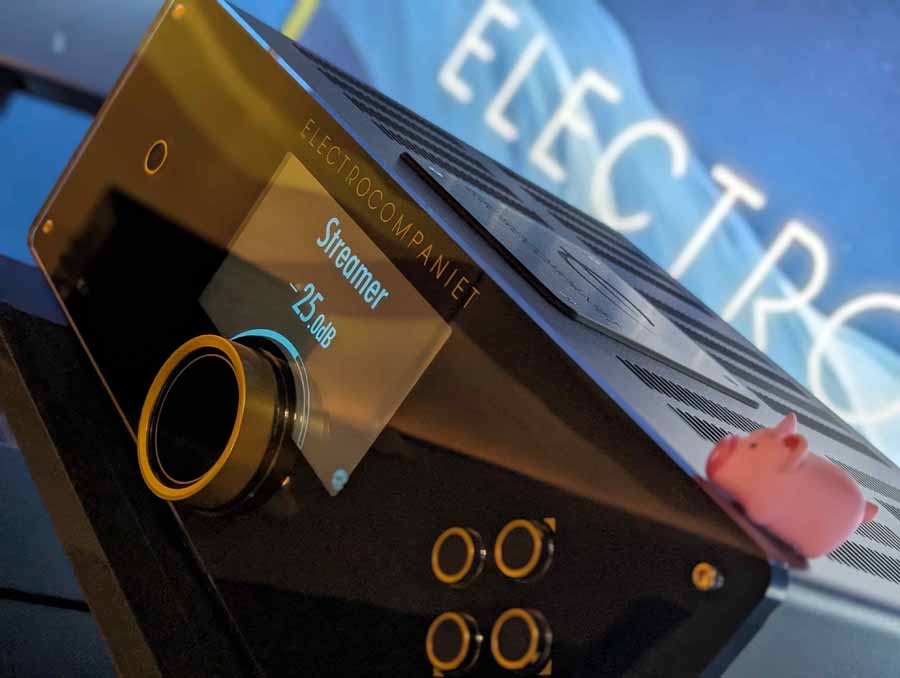
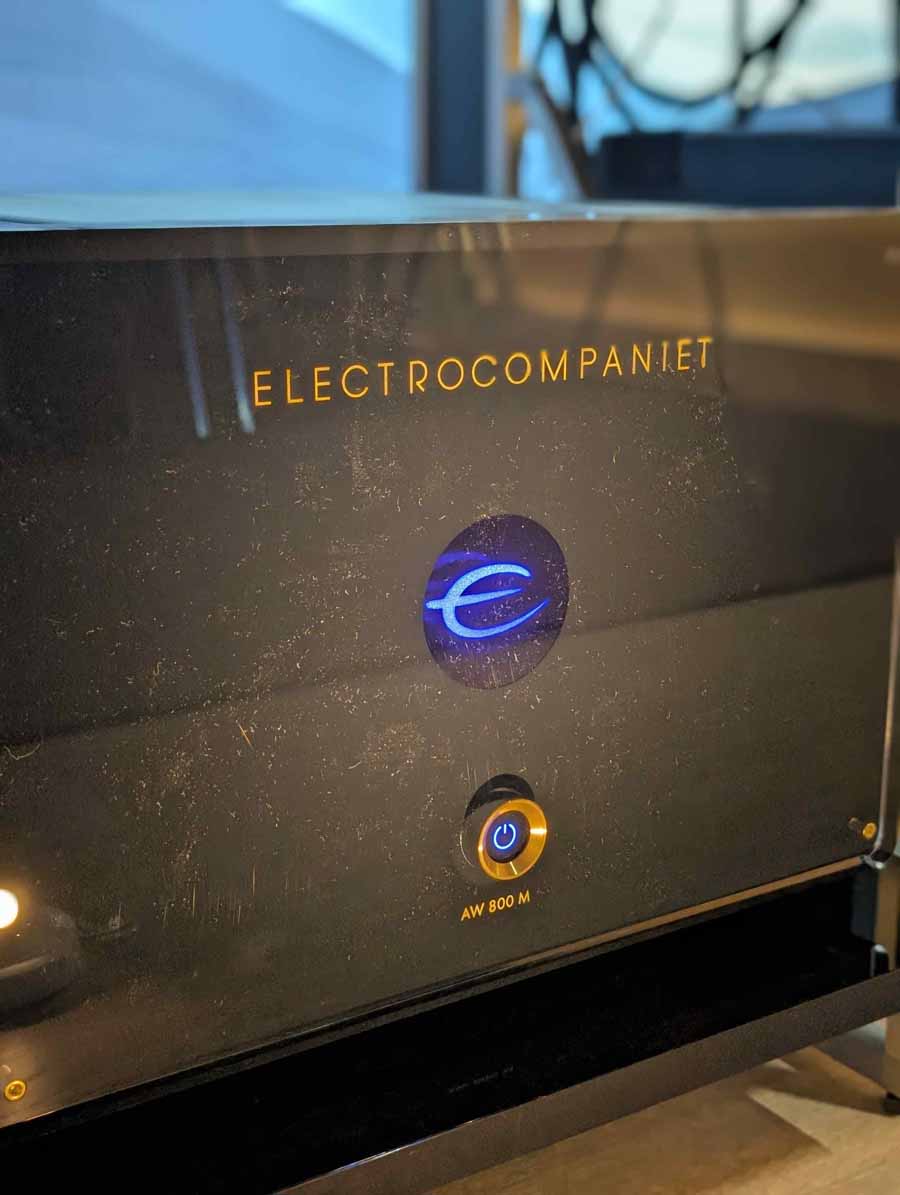
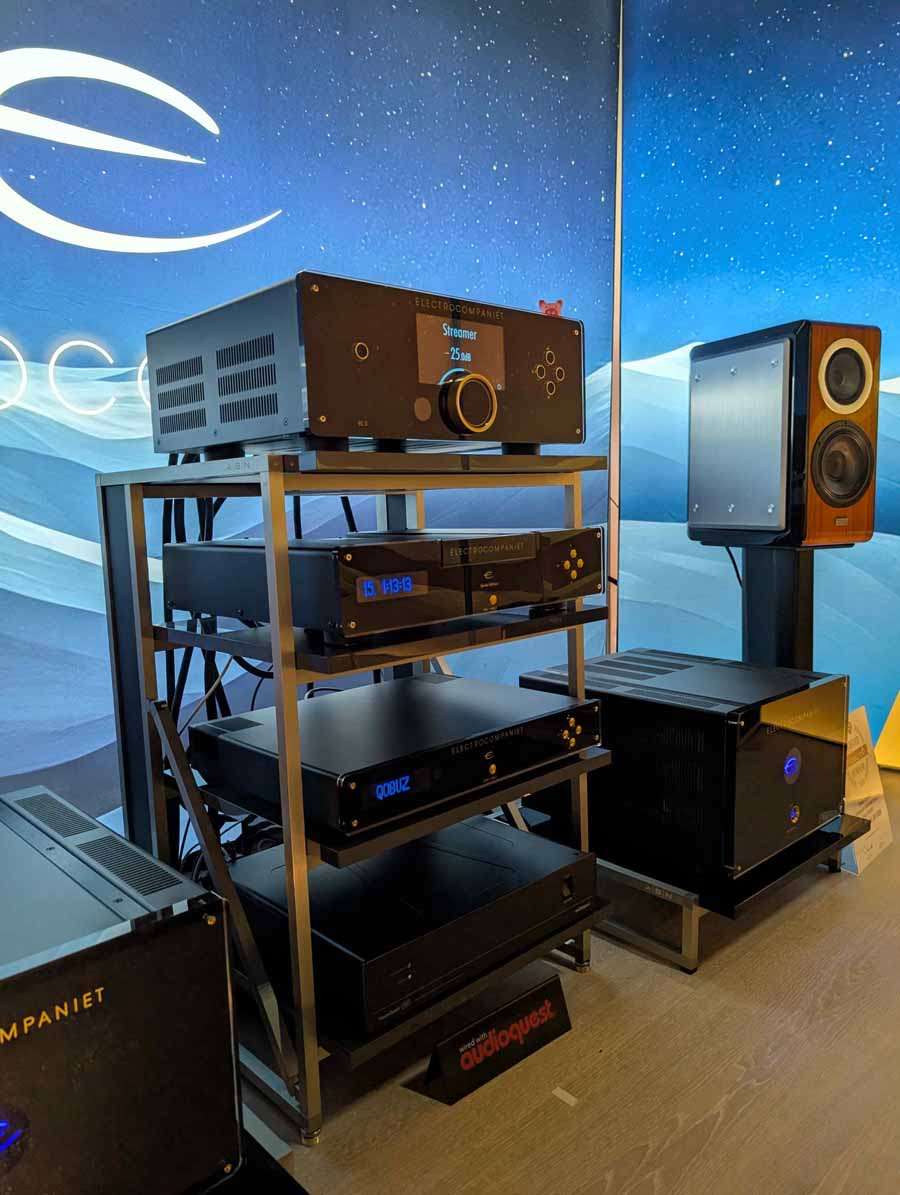
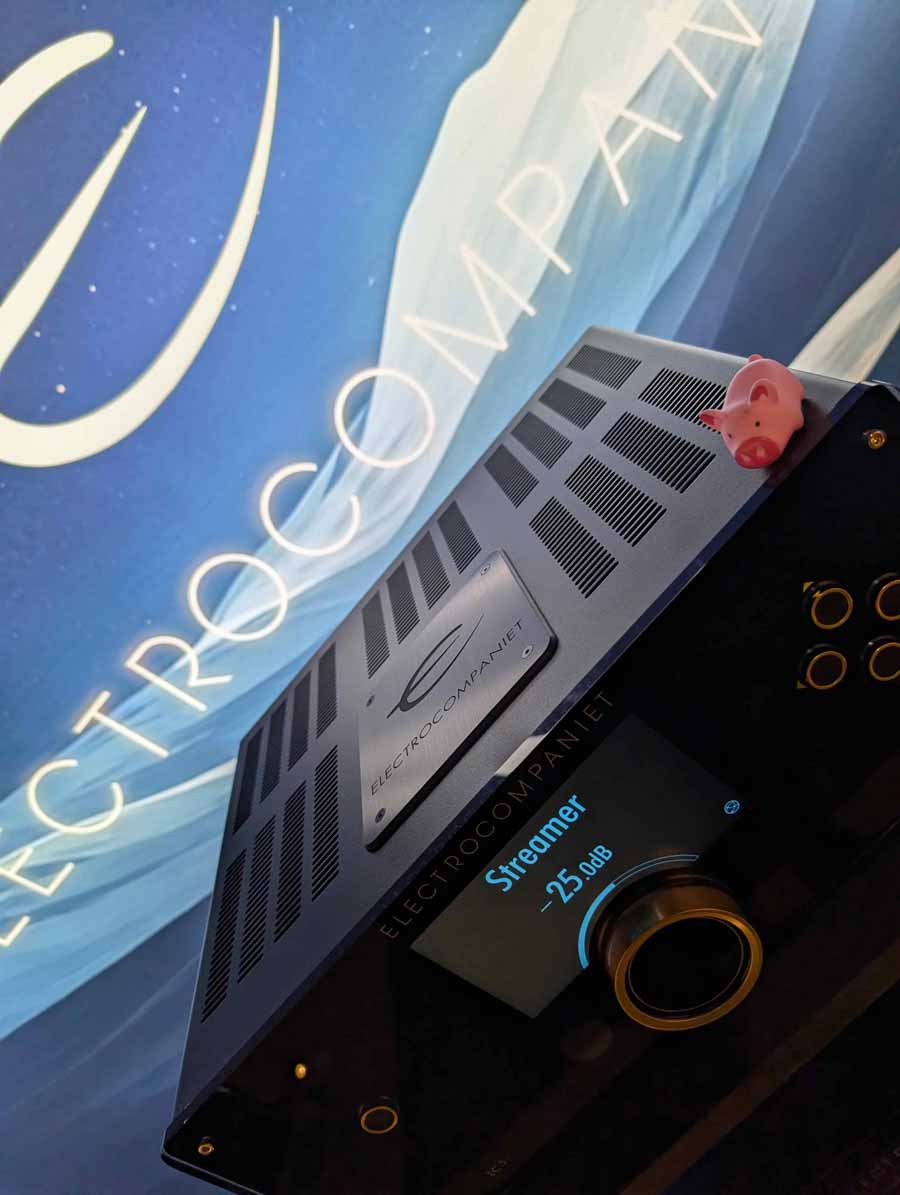
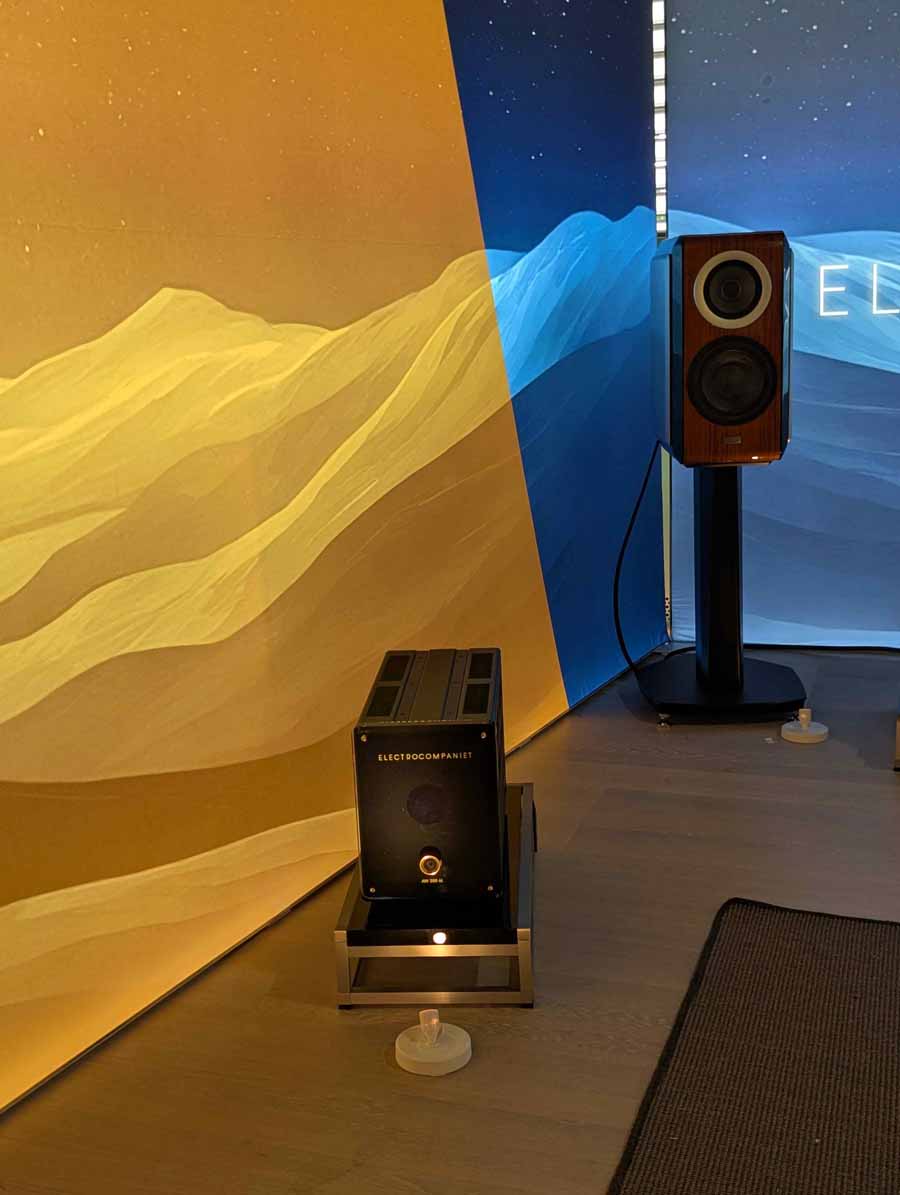
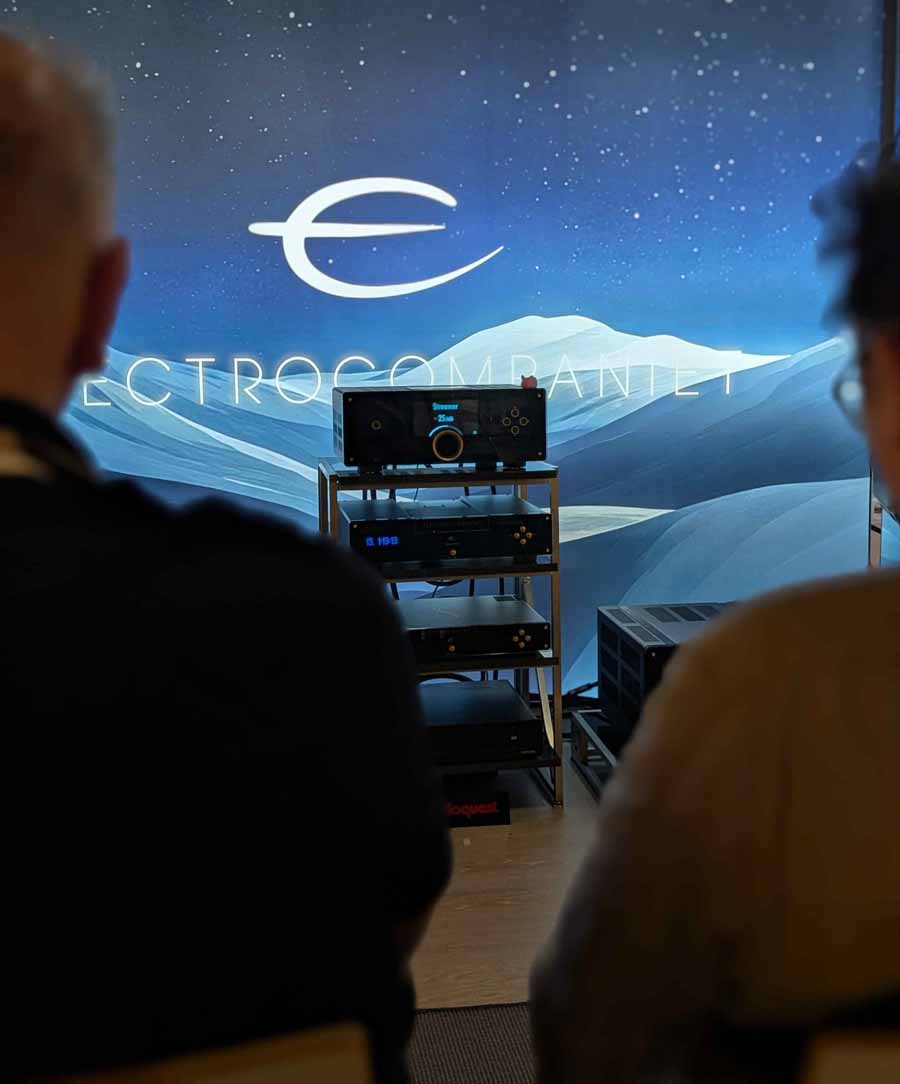
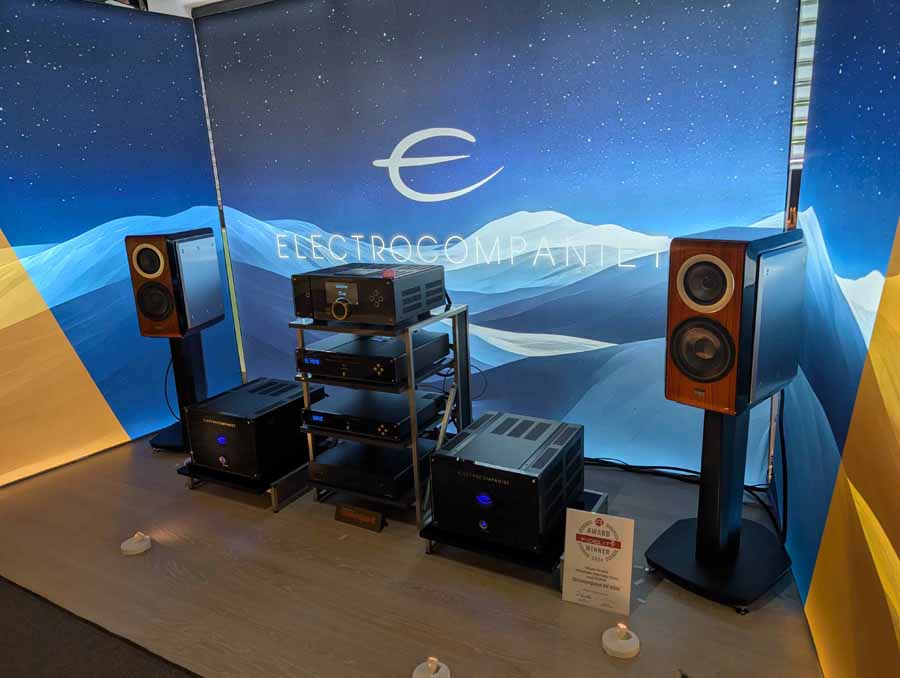
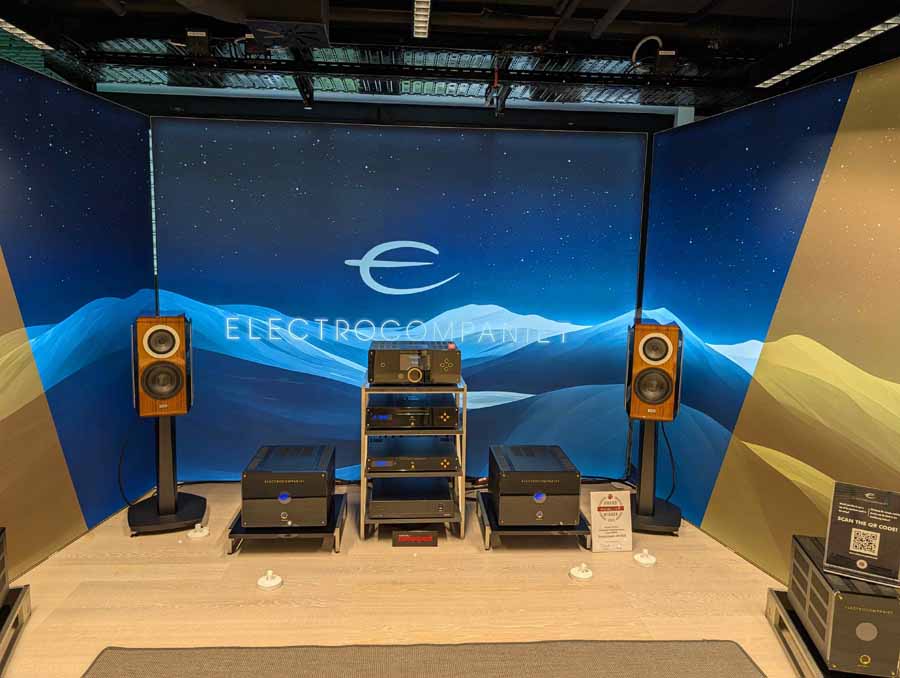
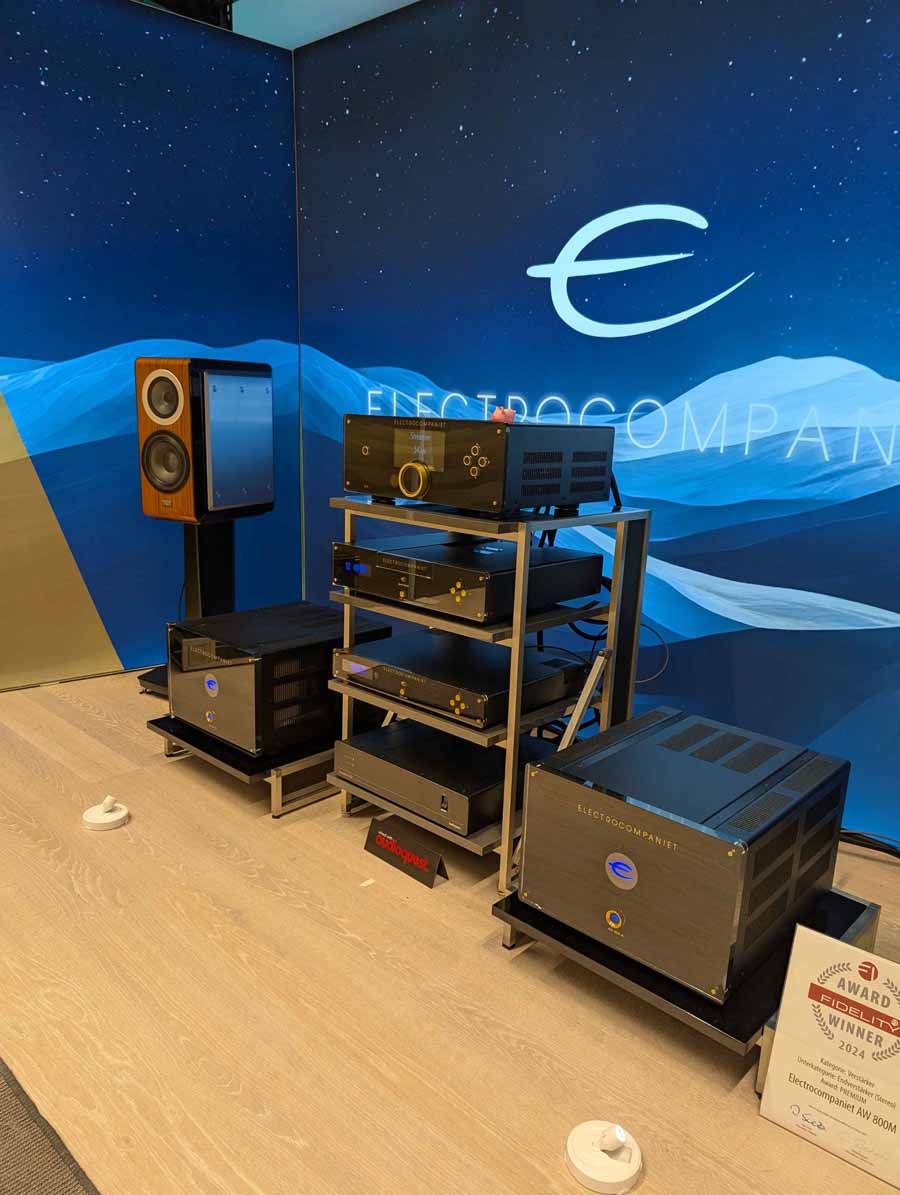
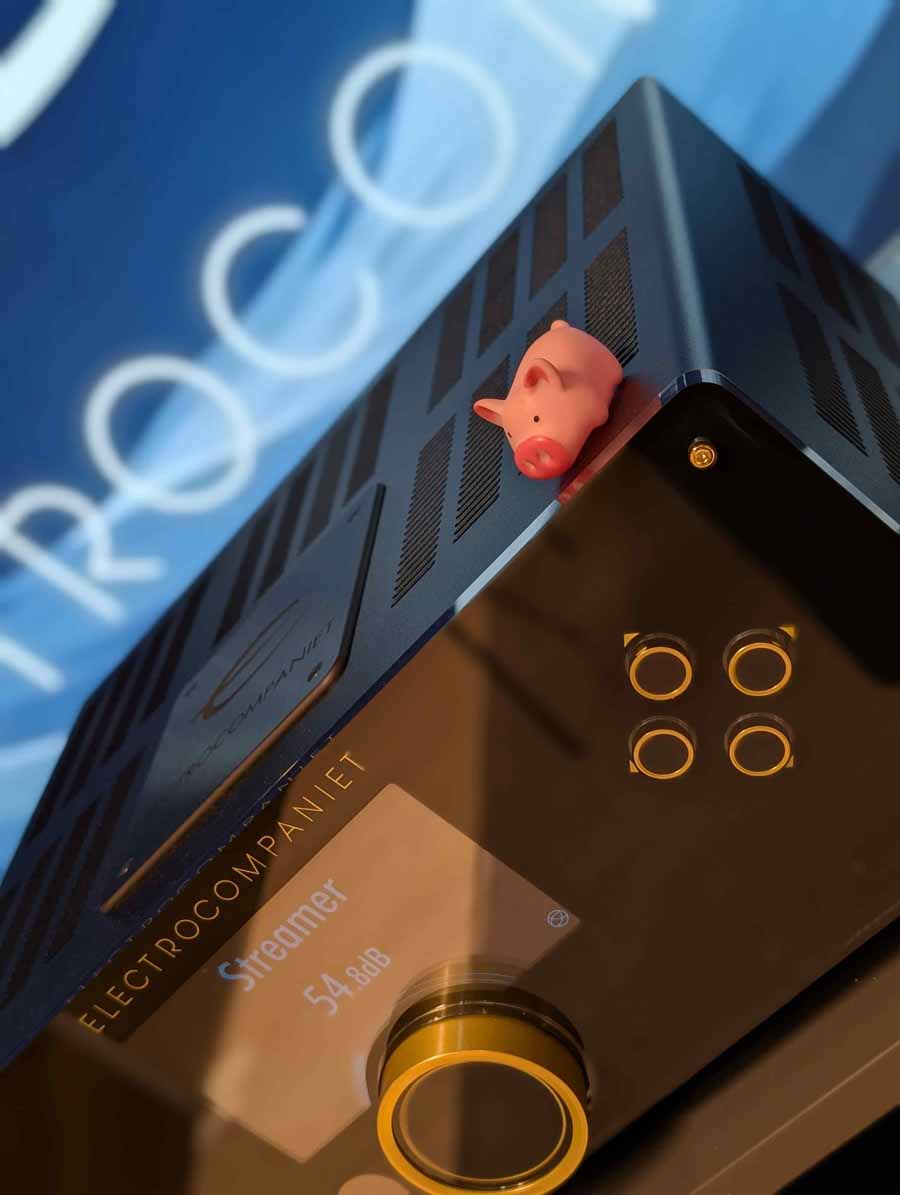
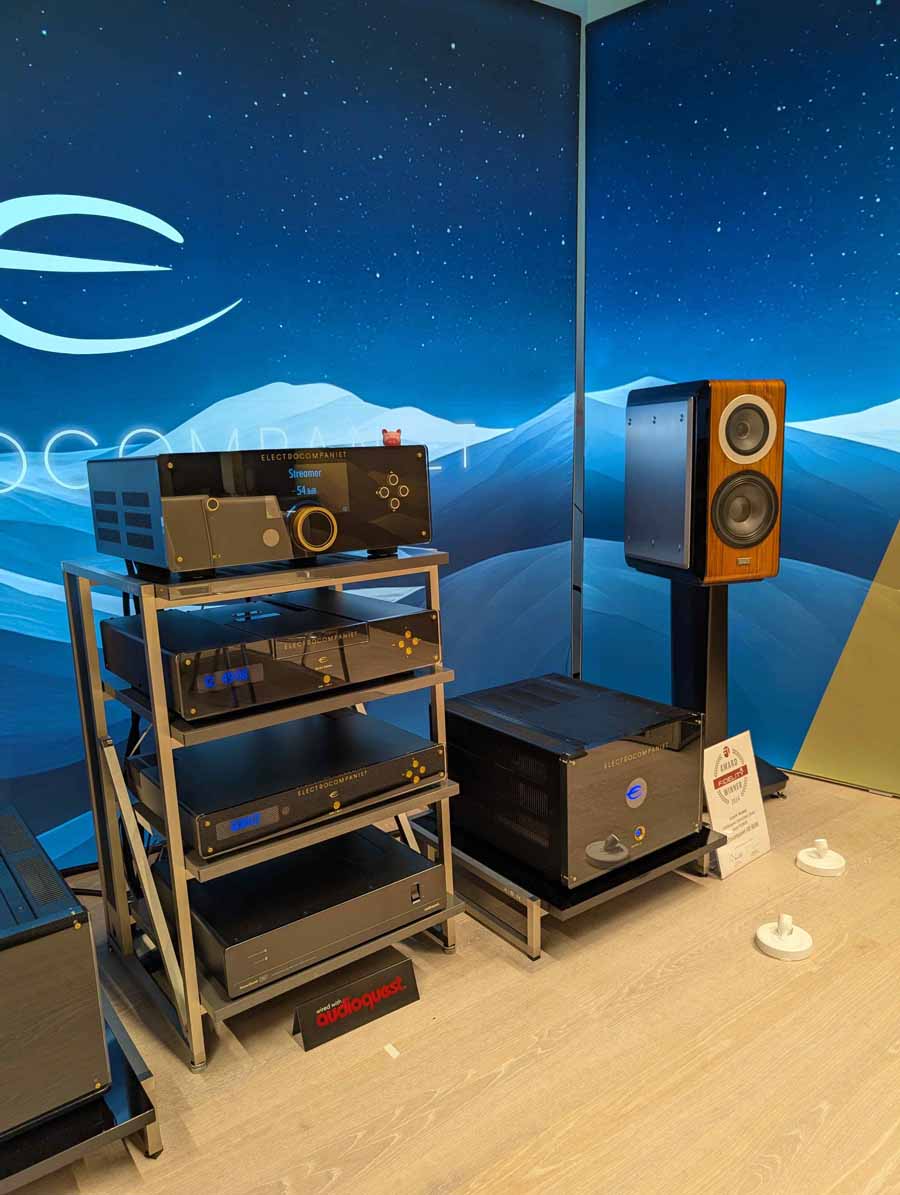
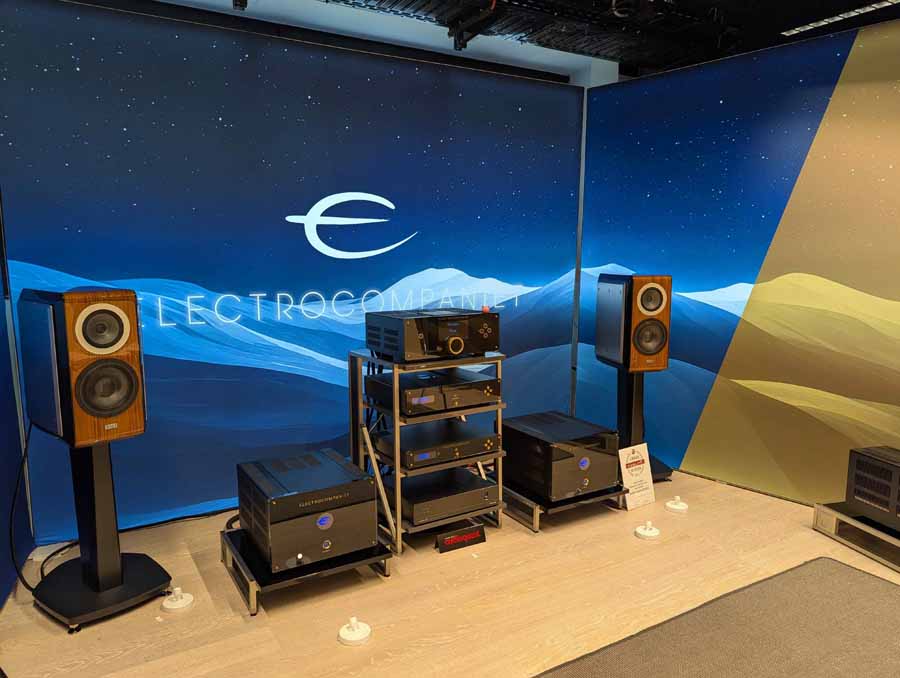
Norwegian company Electrocompaniet were playing the awesome AW800 monoblocks (they are our reference power amplifiers) through a pair of TAD standmount loudspeakers. At the top of the rack was the much-anticipated EC5 line-level preamplifier, which you can expect a review of very soon. The preamp is now in full production, and it should be hitting the streets shortly.
I had a chat with Lasse about sources when on one of the press days, and he was telling me that their CD player is still selling in very large numbers, which is good to hear, as I’ve always thought standard redbook CD was a very much maligned format.
Keep an eye out for the video chat I had with Lasse from Electrocompaniet.
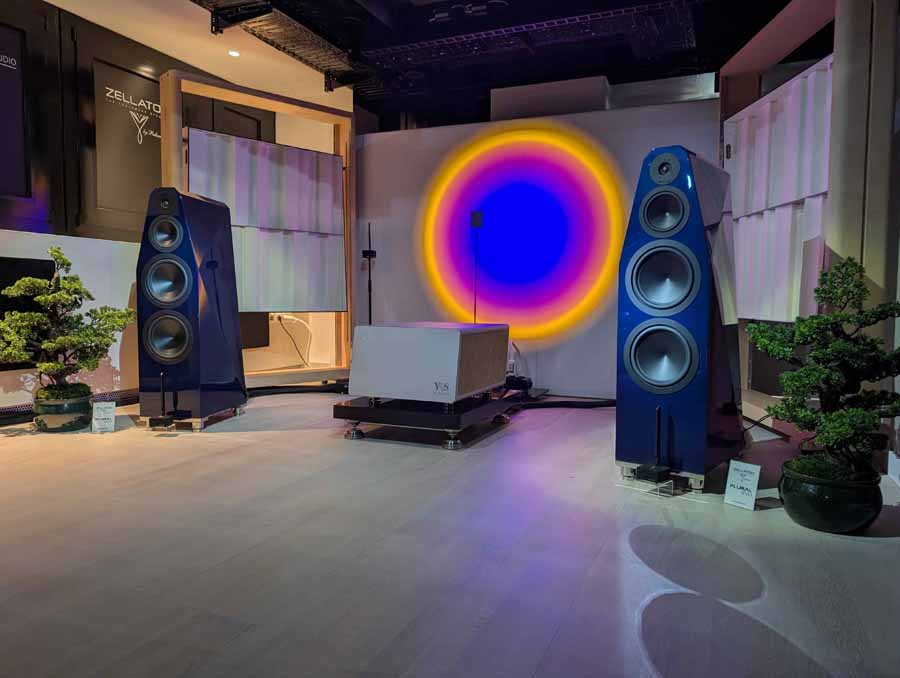
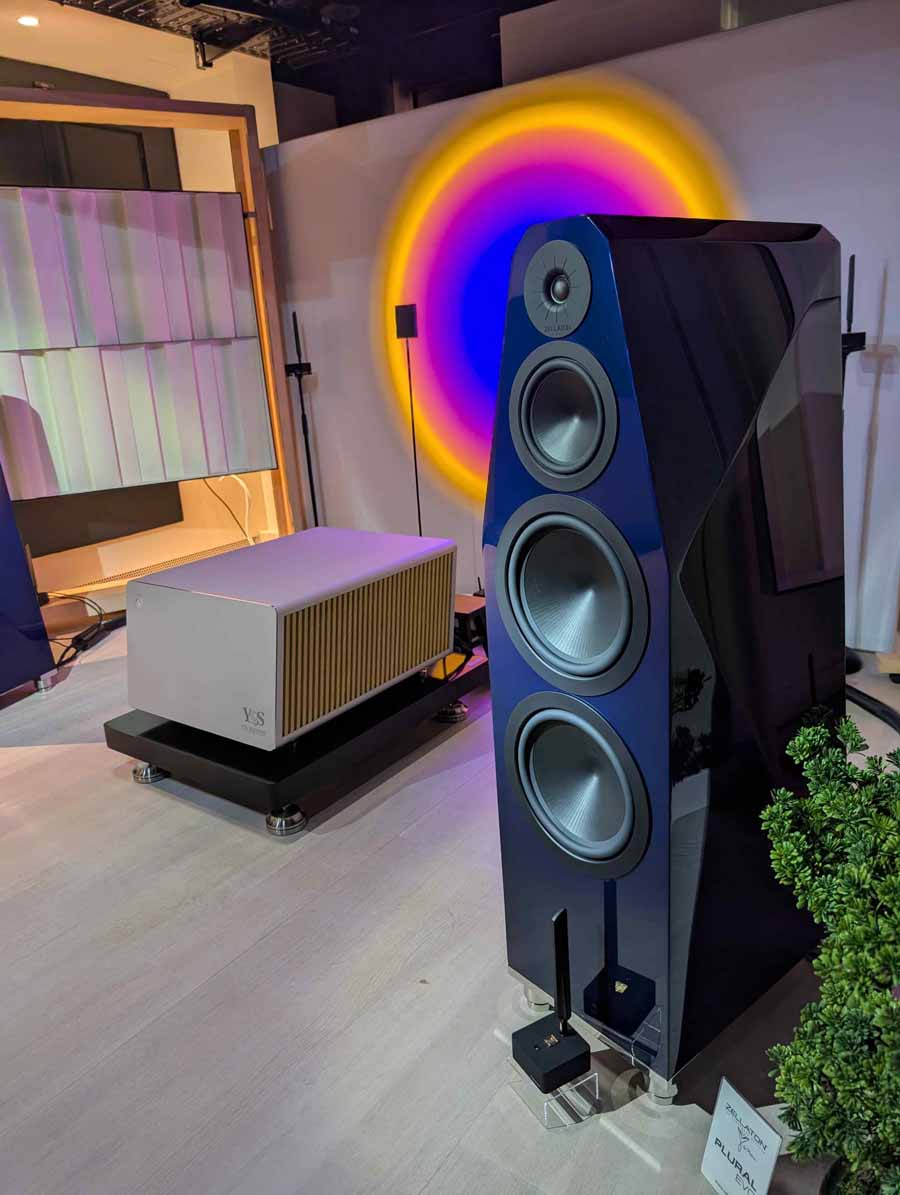
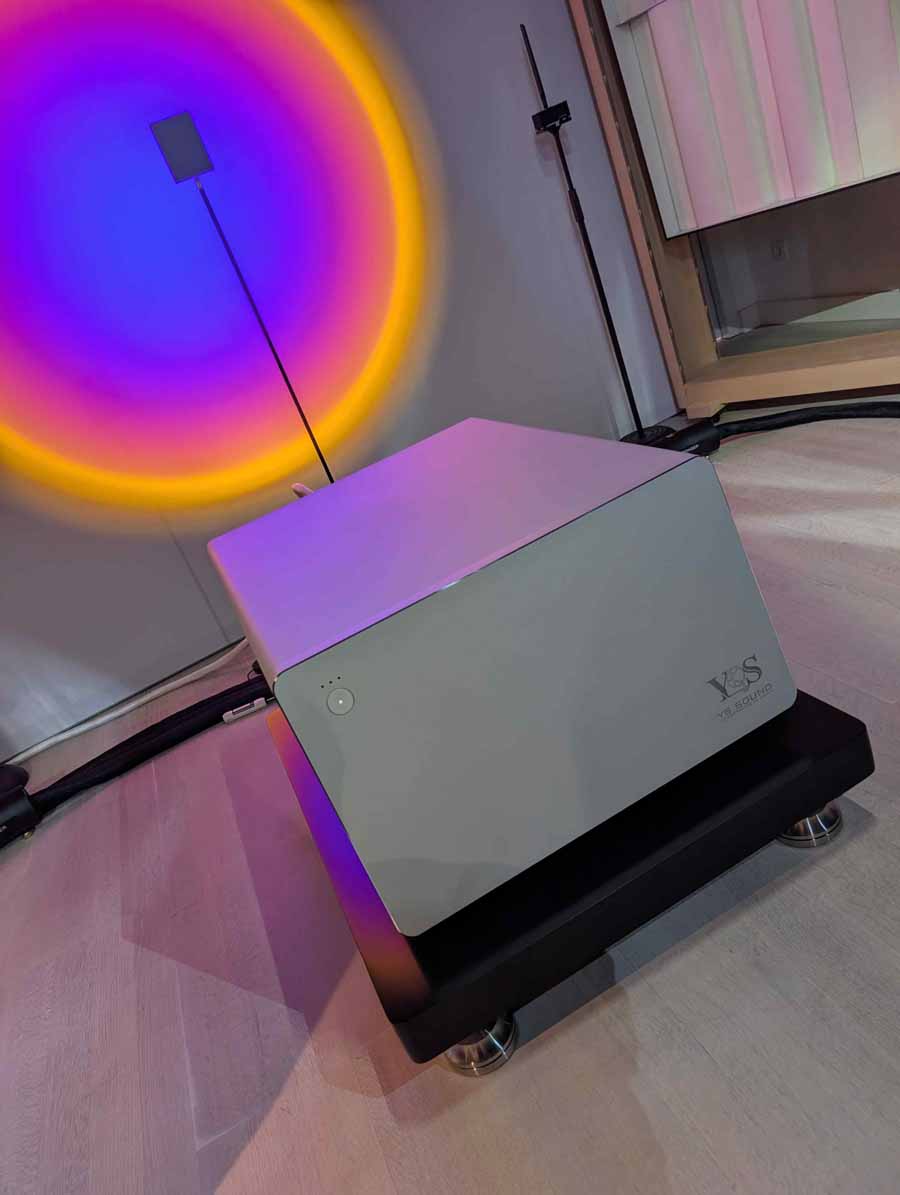
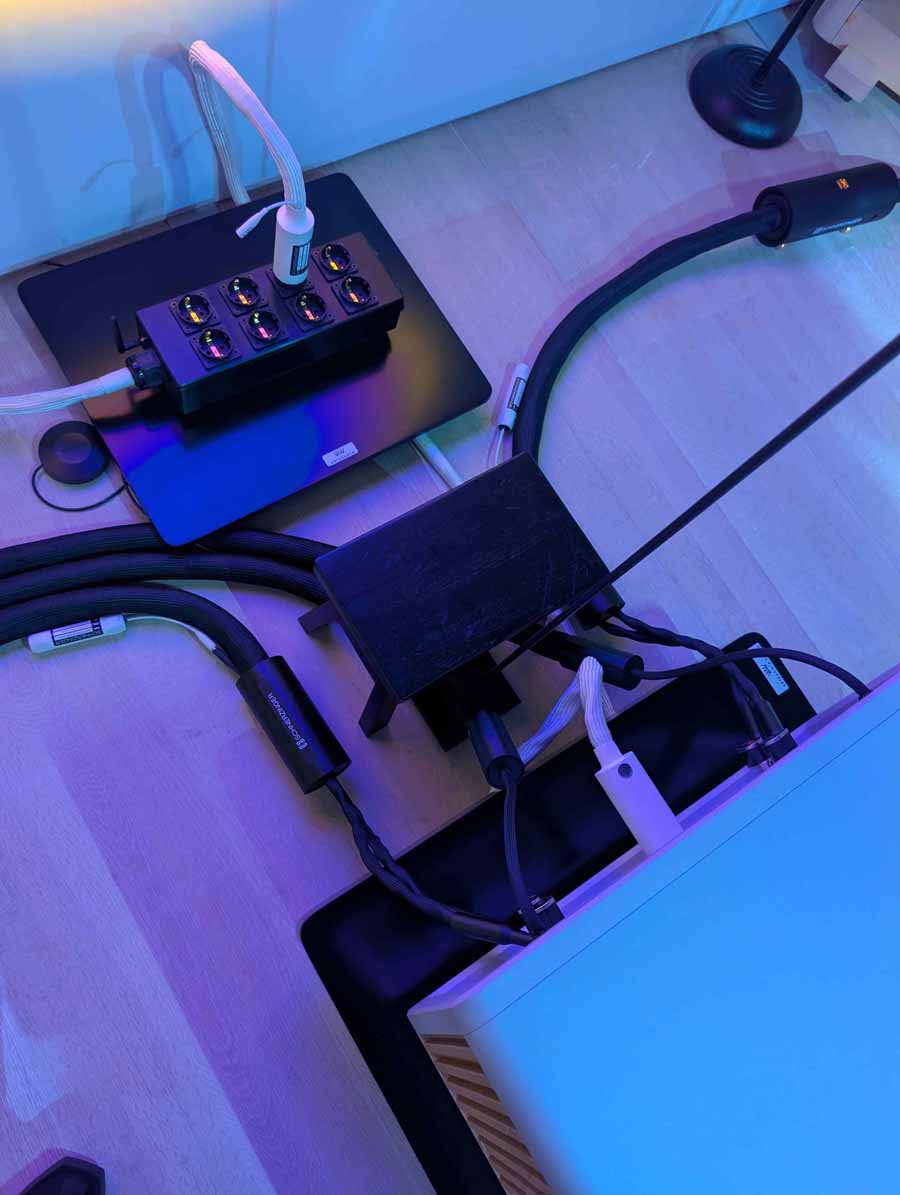
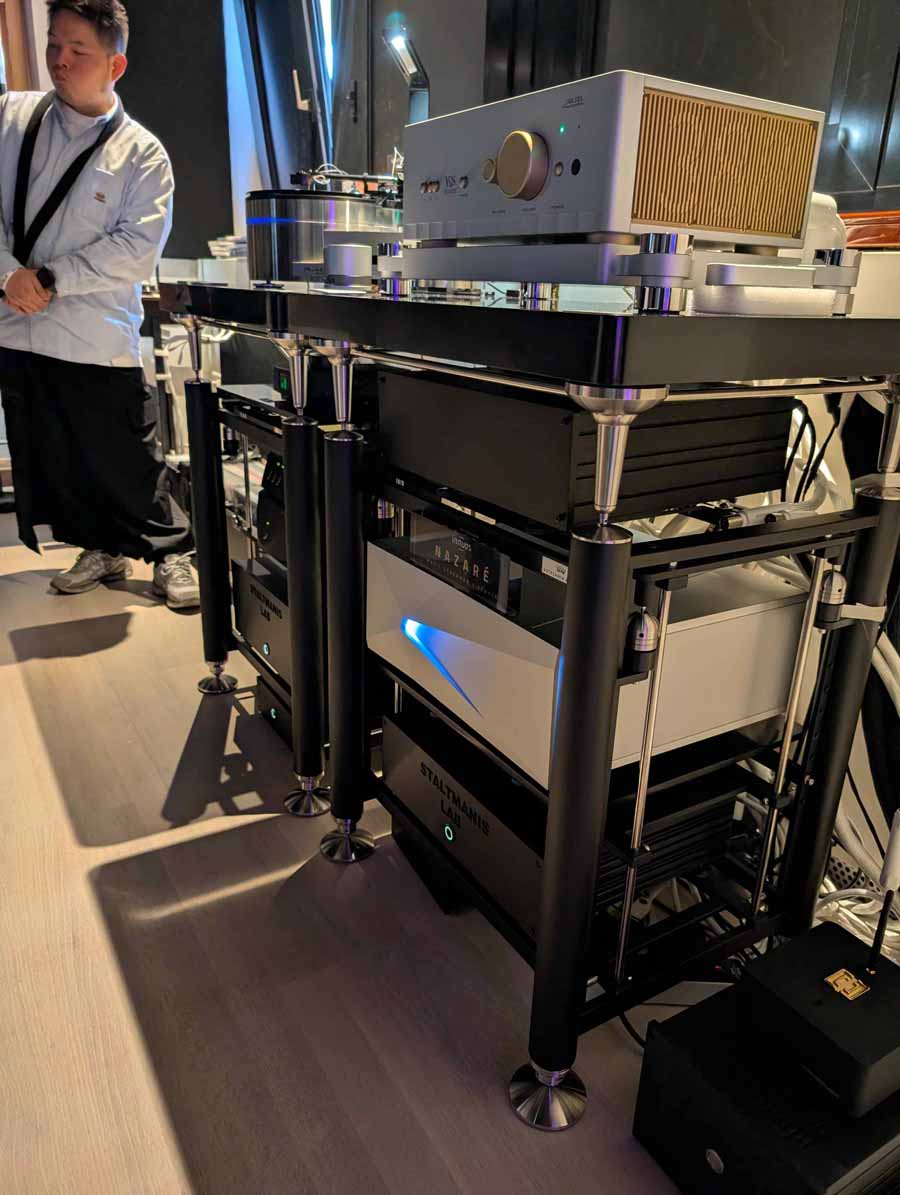
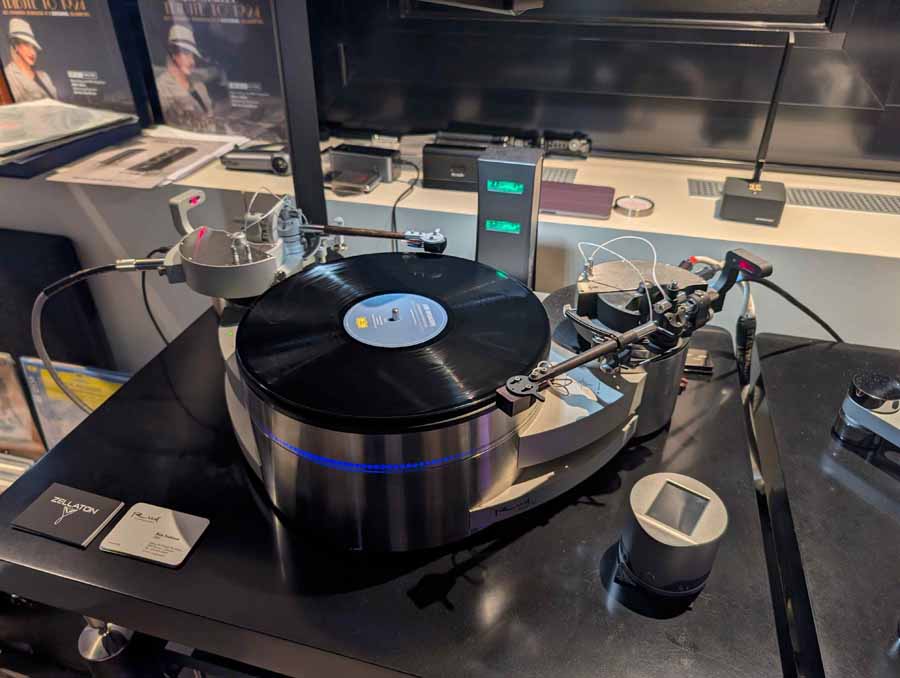
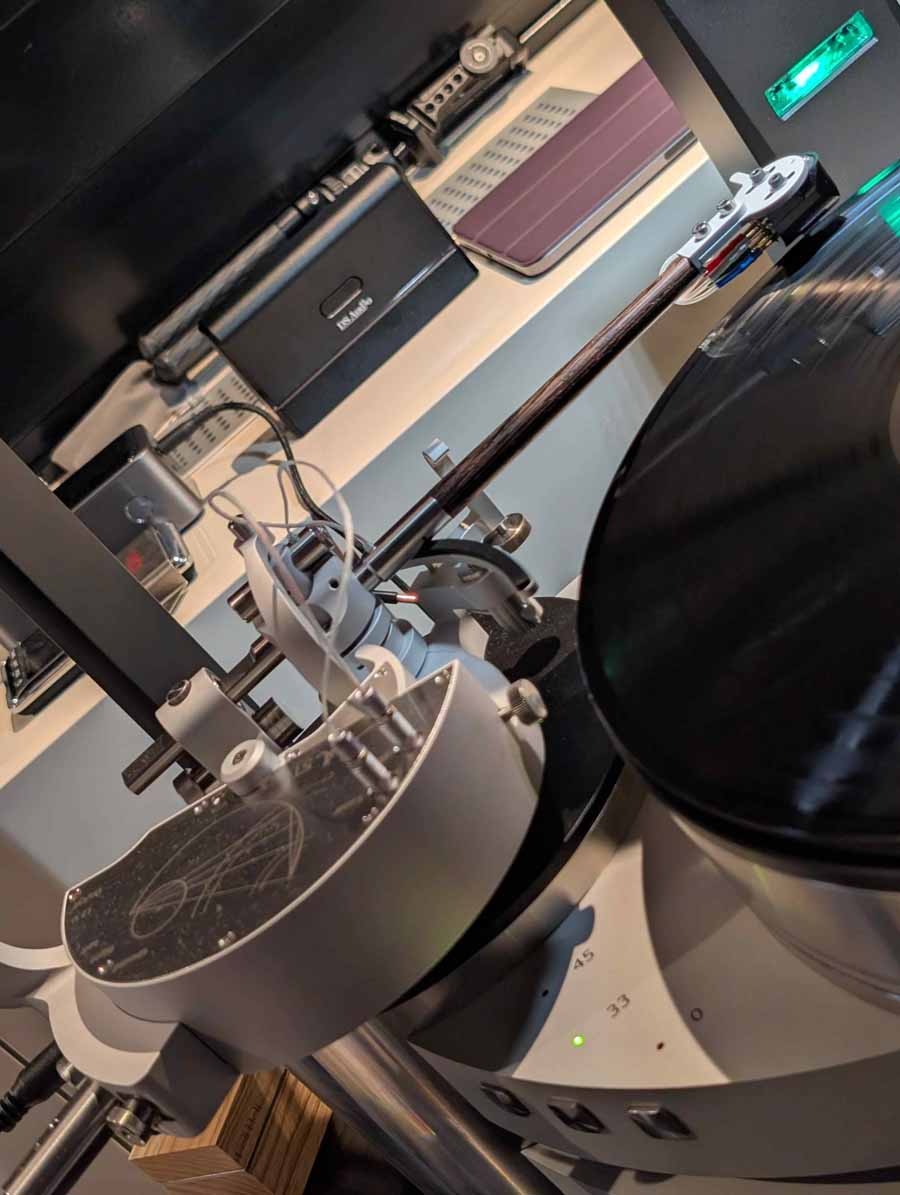
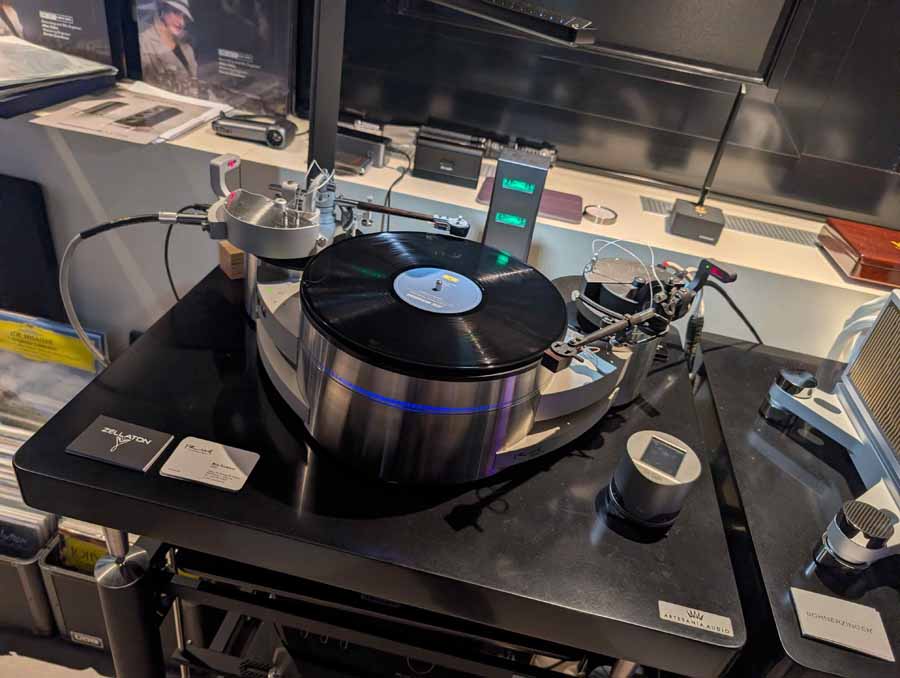
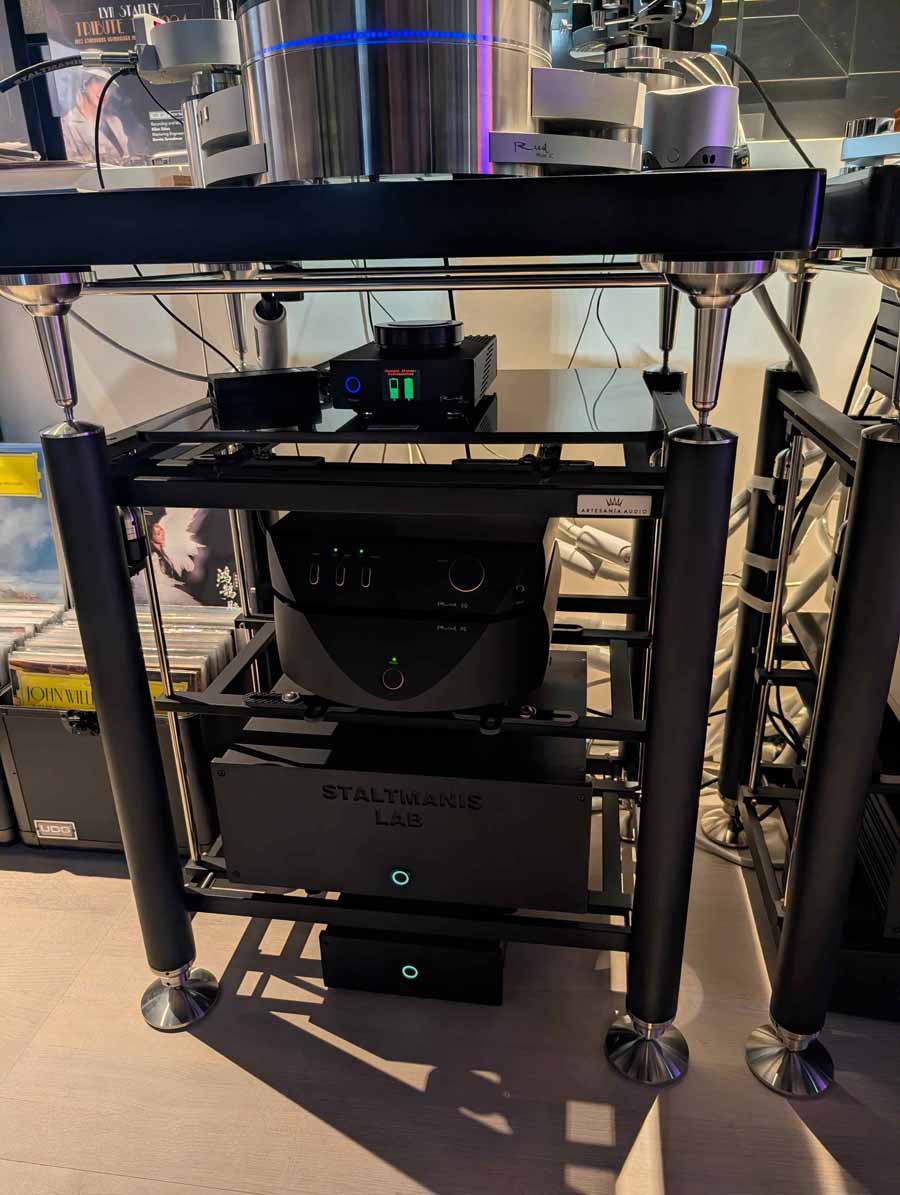
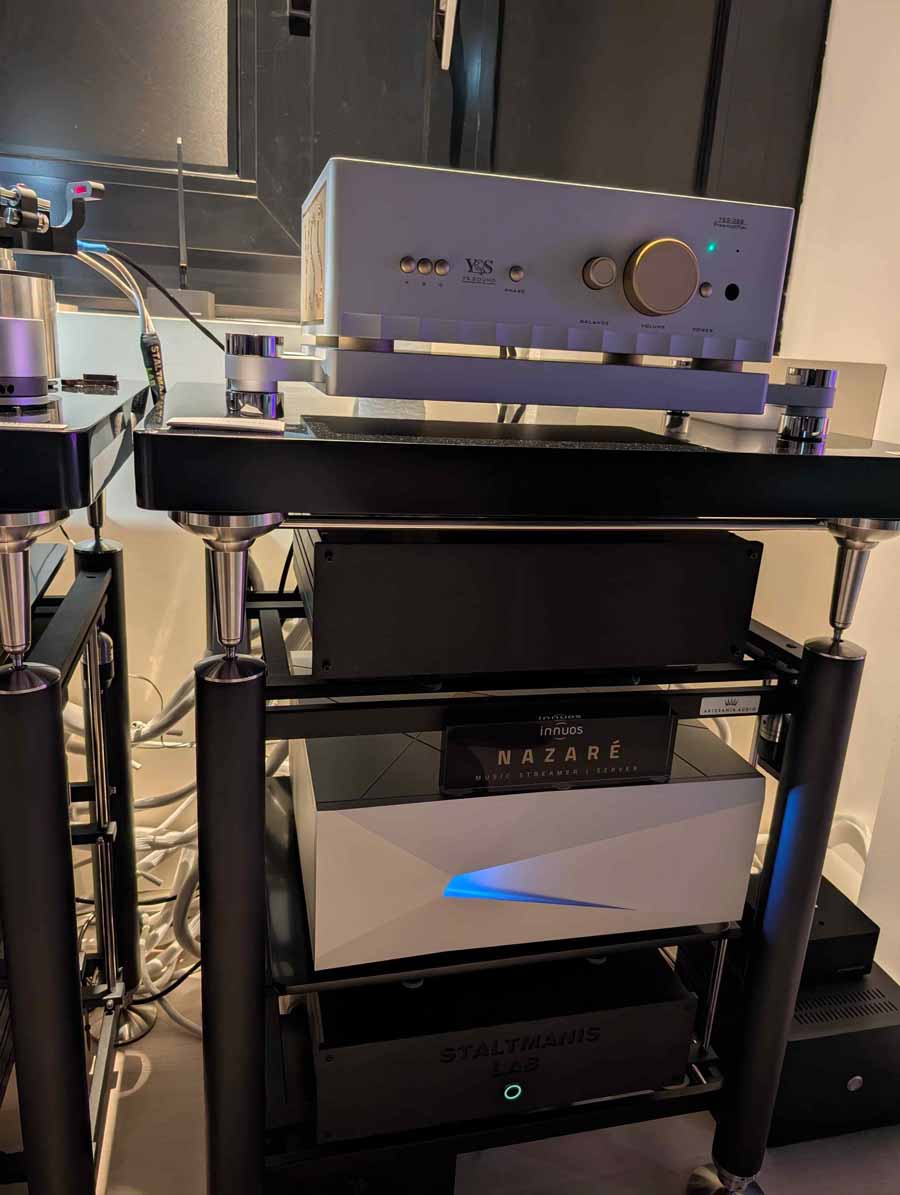
ZELLATON, DUELAND, REED, YS SOUND
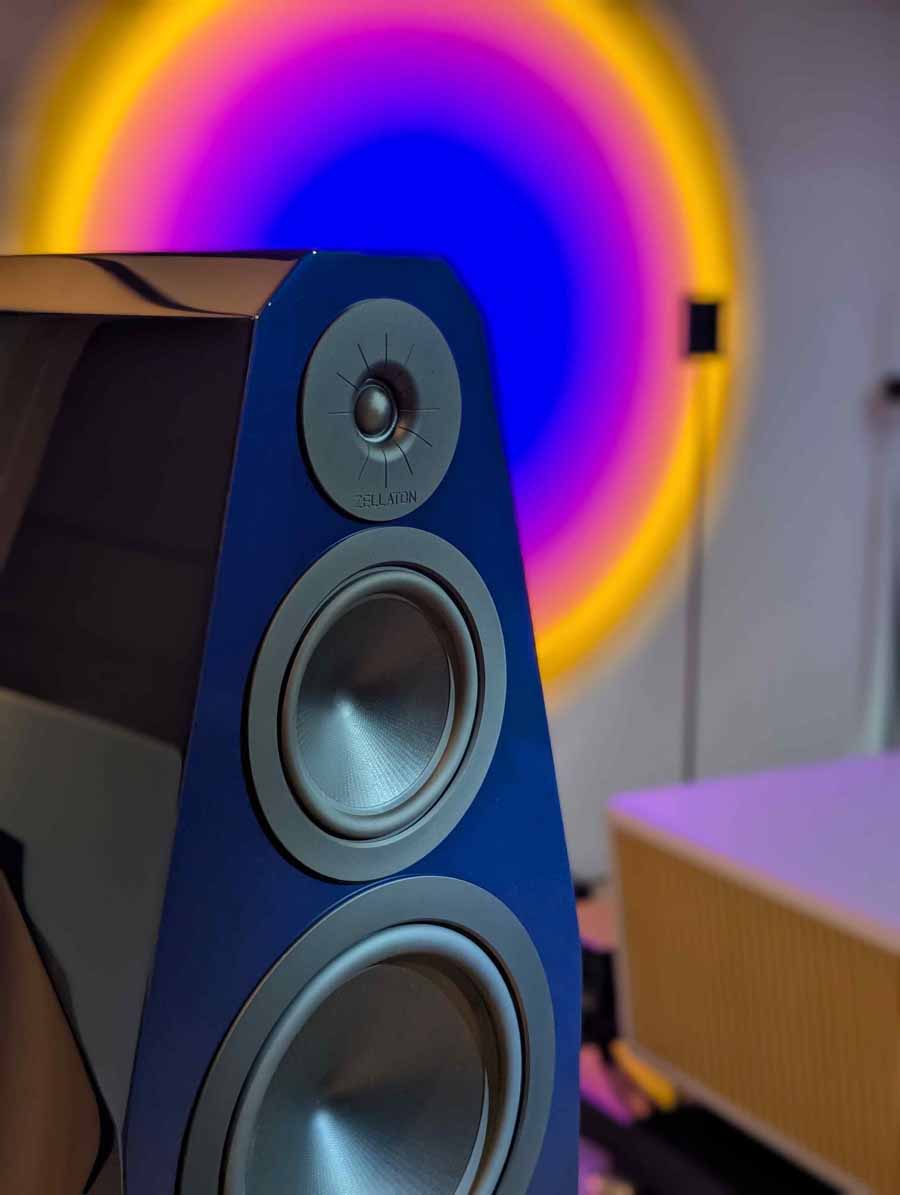
This was a busy room made up of lots of static displays in one part and then the main system that was being powered by a Japanese YS Sound stereo amp through a pair of Zellaton Plural Audio speakers.
Oh, and another Innuos Nazare was in this room too.
MBL
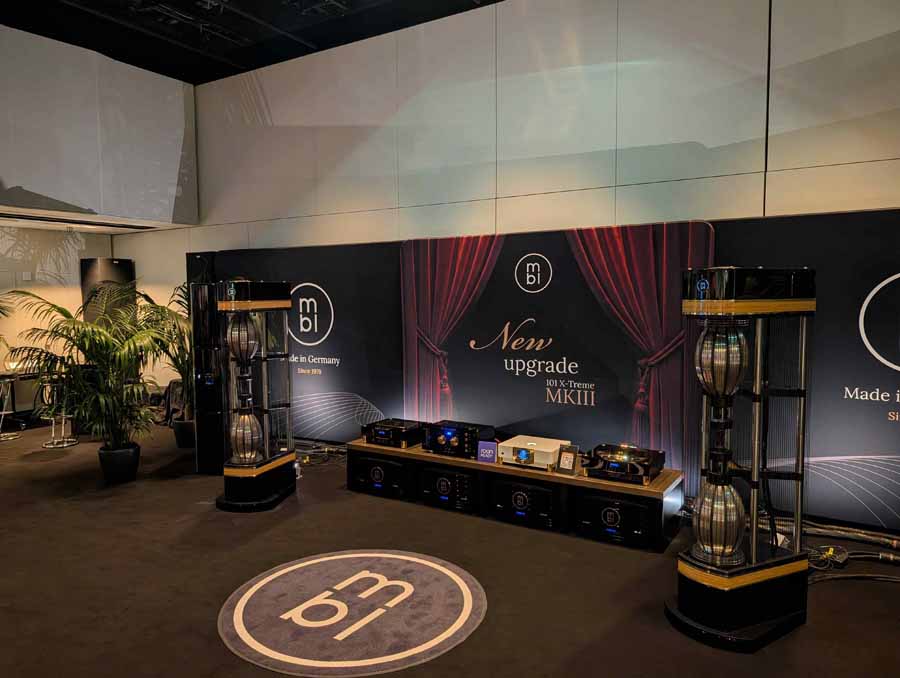
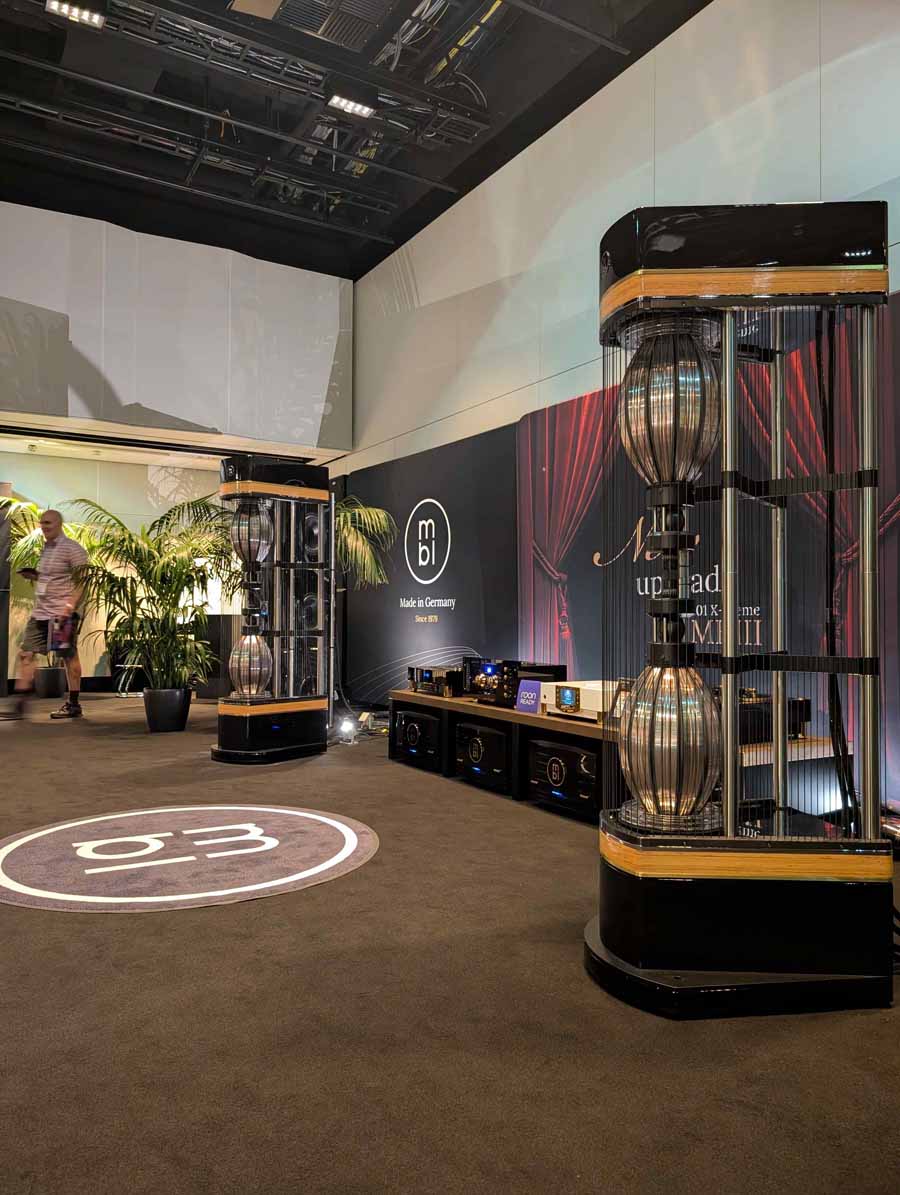
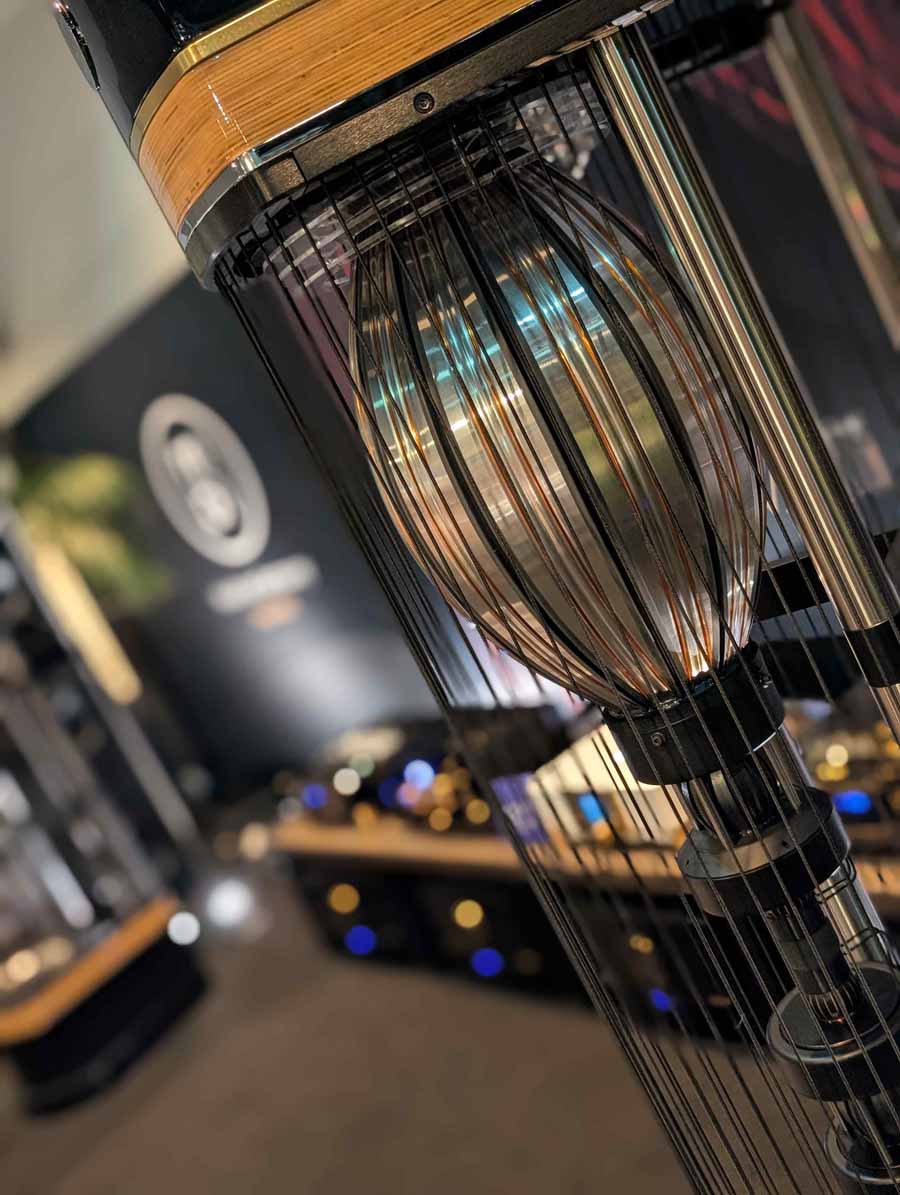
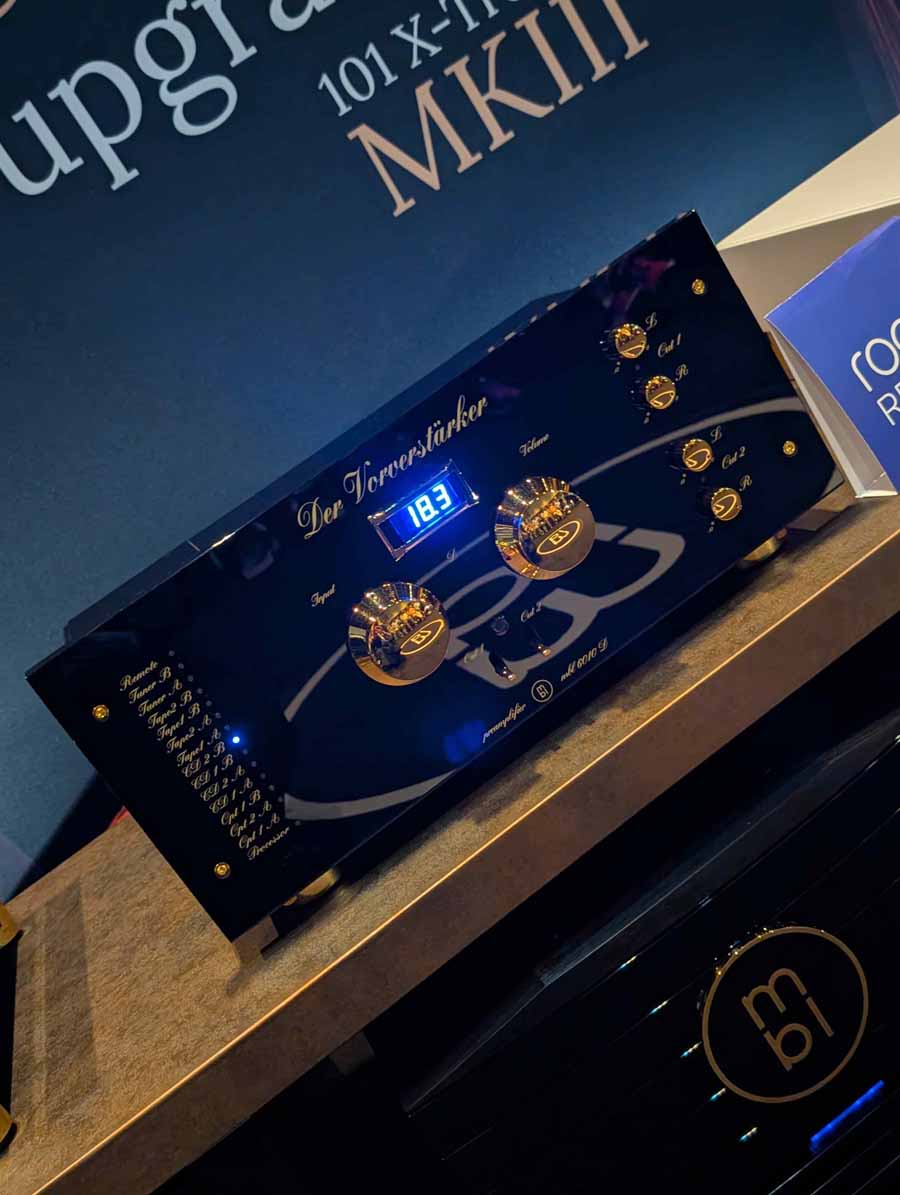
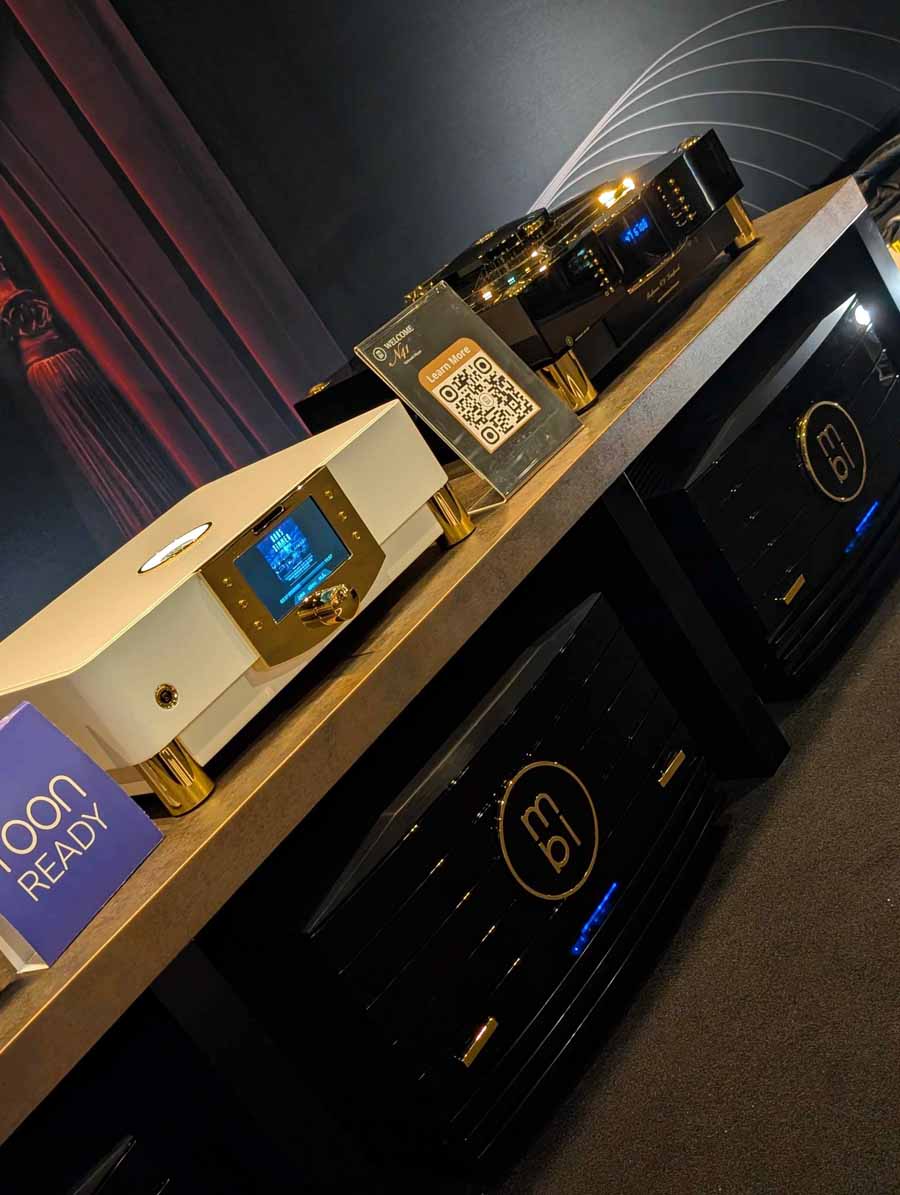
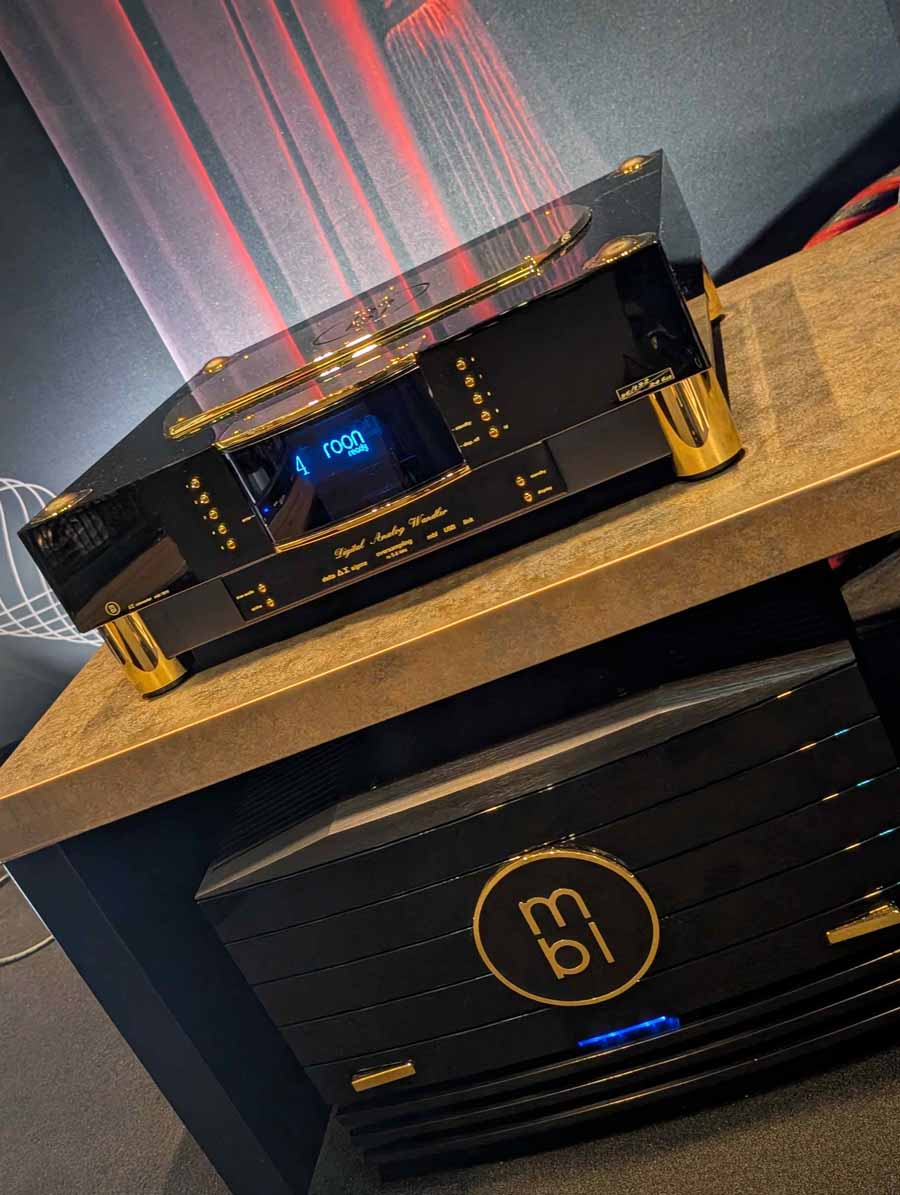
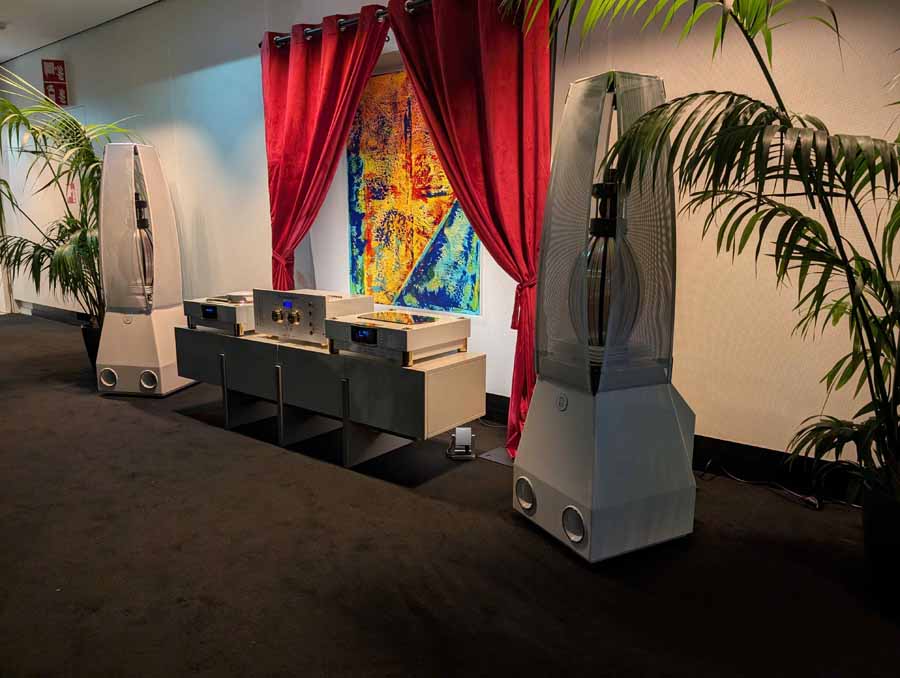
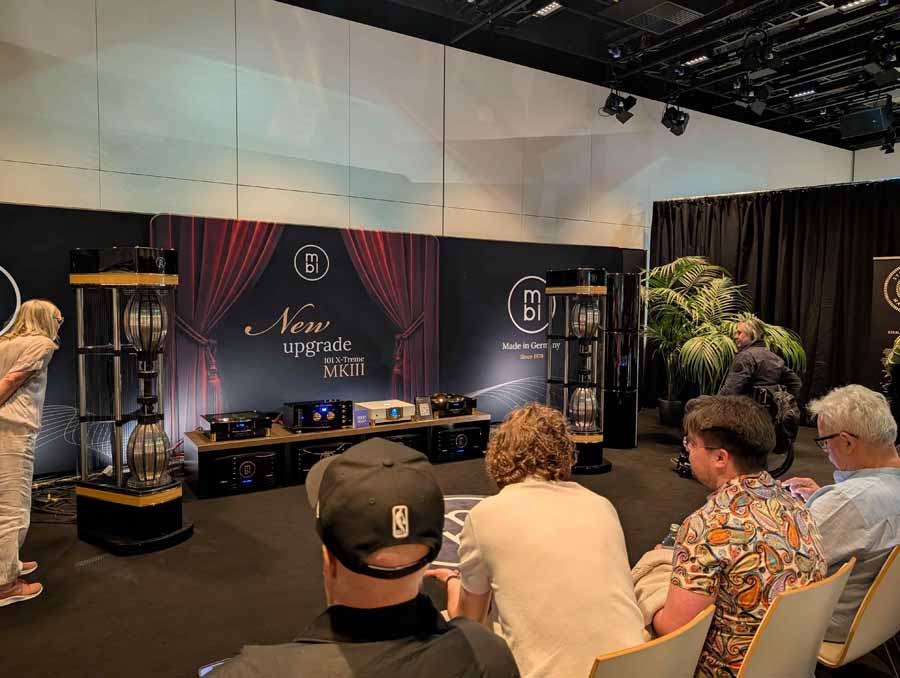
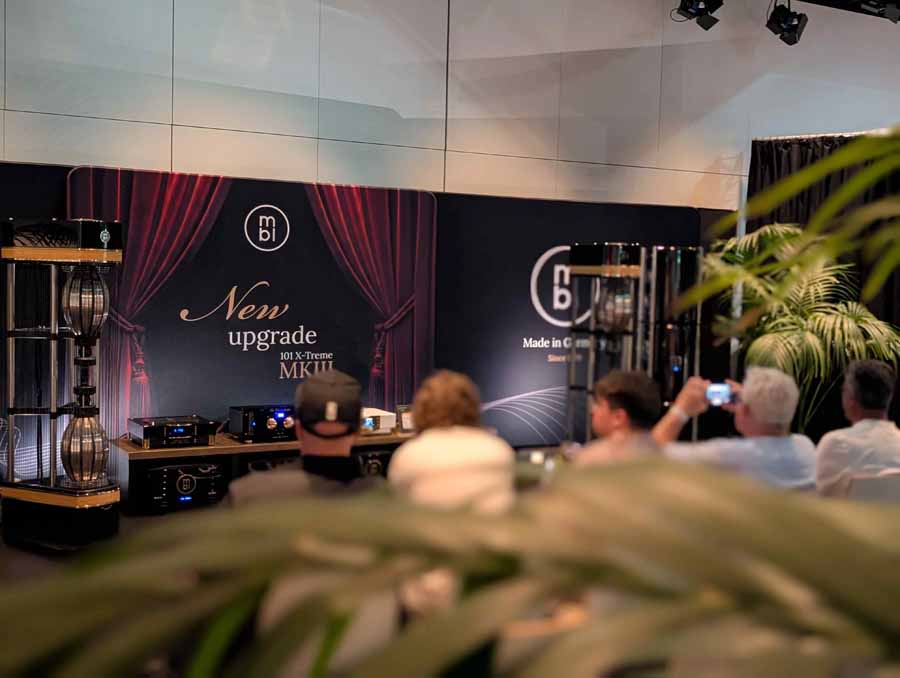
MBL rooms are always rammed, and Vienna was no different, though I did manage to grab a seat for a few minutes and enjoy some classical music that had dynamics in spades. There was scale too, but then the radialstrahler speakers in this room were huge.
In the past MBL rooms have always been a bit dark and difficult to get in, but it was nice to have them in a room that was big and open… and light enough to see what was going on, but also dramatic enough to match the scale and dynamics of the Star Wars theme tune.
MBL used High End Vienna 2026 to demonstrate several new and updated products across its electronics and loudspeaker ranges. The main demonstration system featured the updated MBL 101 X-Treme MKIII Radialstrahler loudspeakers, driven by pairs of 9011 and 9008 A mono power amplifiers. Sources included the new MBL N41 Network Player, making its show debut, alongside the 1621 A CD Transport, 6010 D Preamplifier and 1611 F D/A Converter. MBL also showcased updated MKII versions of its N51 Integrated Amplifier and N21 Stereo Power Amplifier, together with the latest MKIII version of the 101 X-Treme Subwoofer. Elsewhere, the company presented updated MBL 120 and MBL 126 loudspeakers, featuring new finishes, revised crossover networks and new WBT speaker terminals. In a separate “Lifestyle Corner” system, visitors heard the 101 E MKII Radialstrahler loudspeakers partnered with the 1621 A CD Transport, 6010 D Preamplifier and 1611 F D/A Converter
ZEN SATI, VITUS AUDIO, LIROGON
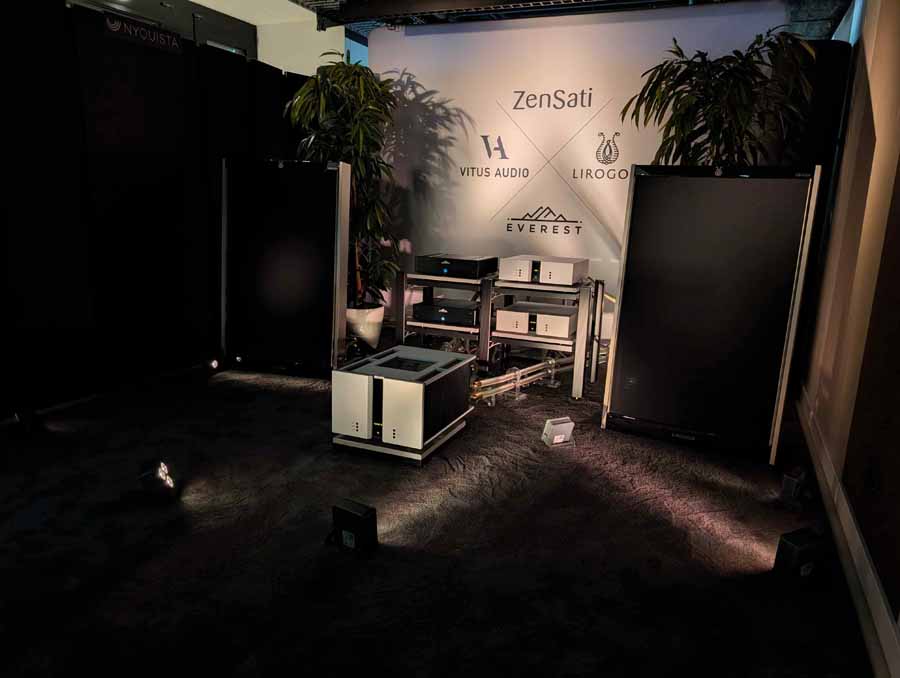
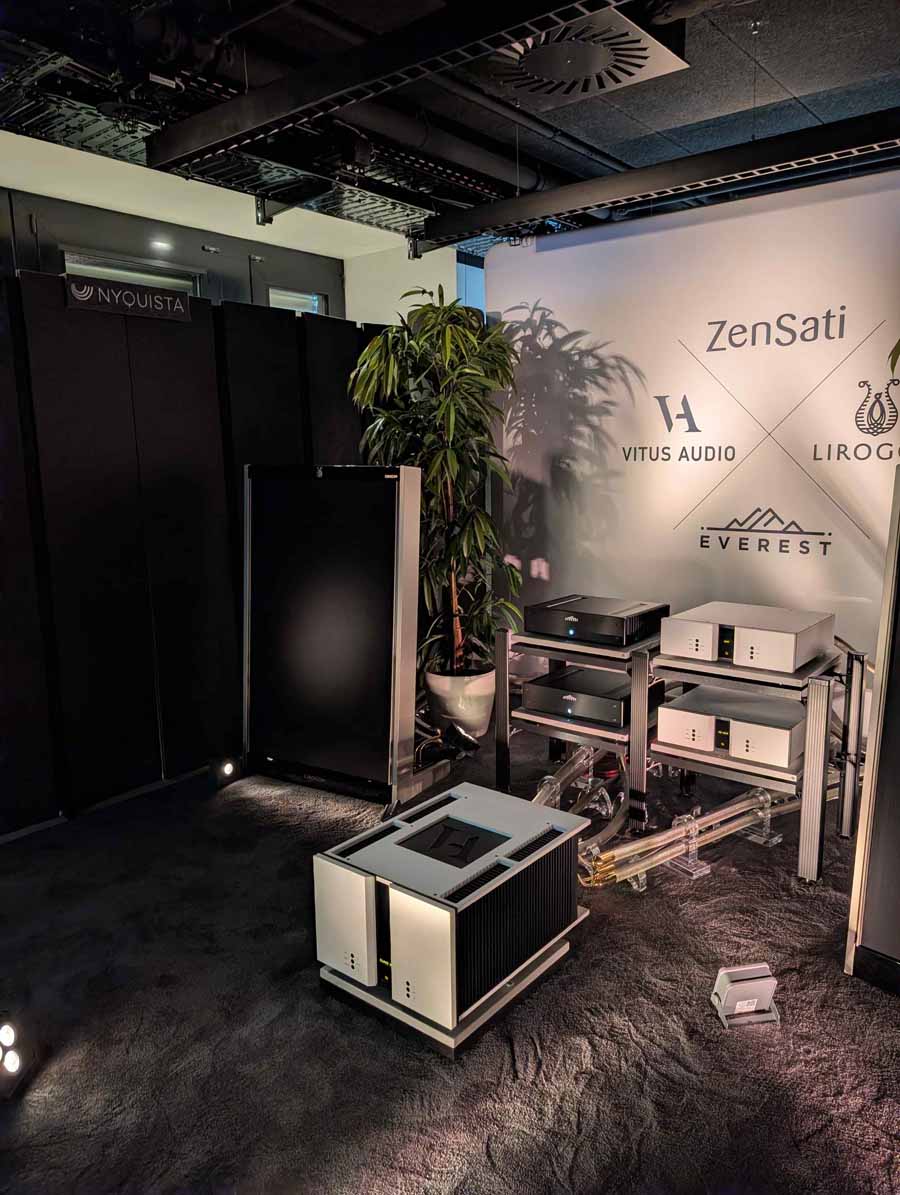
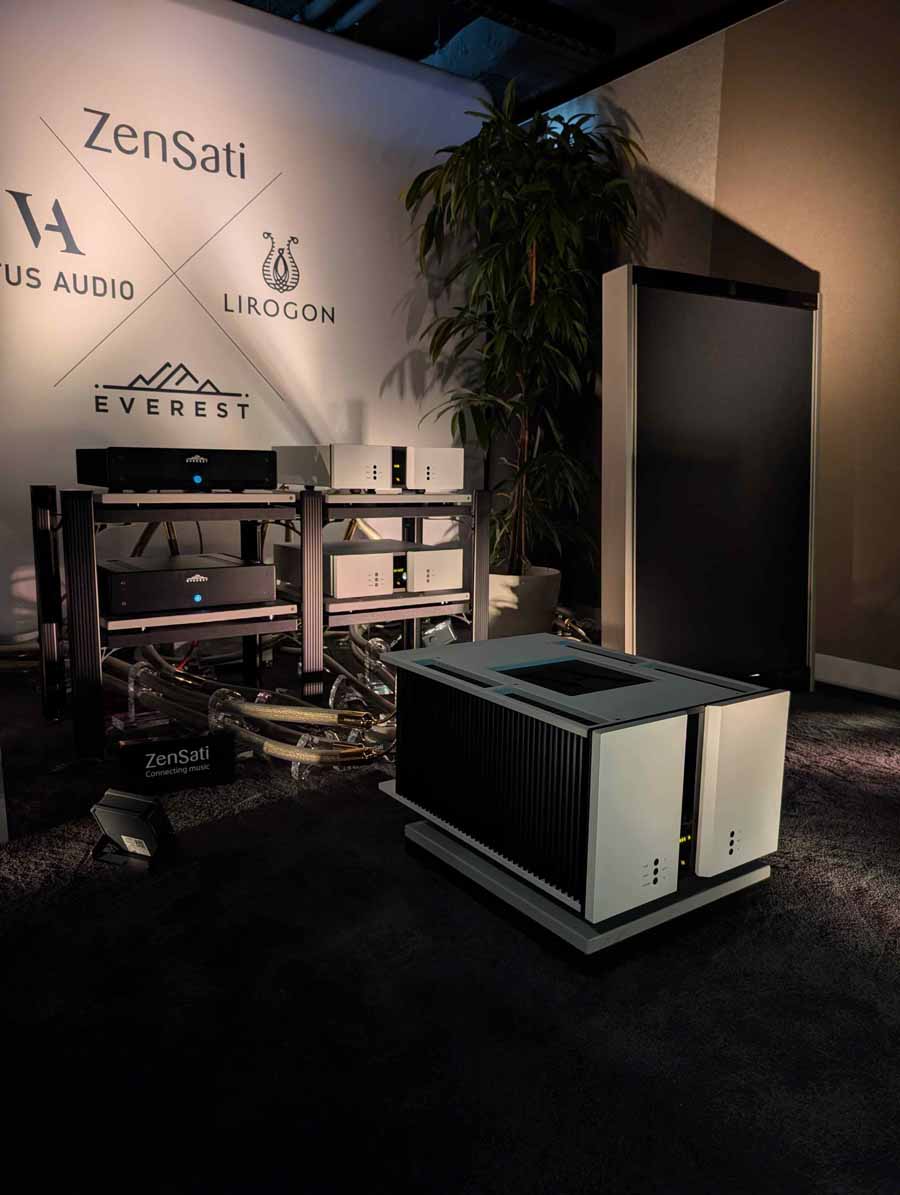
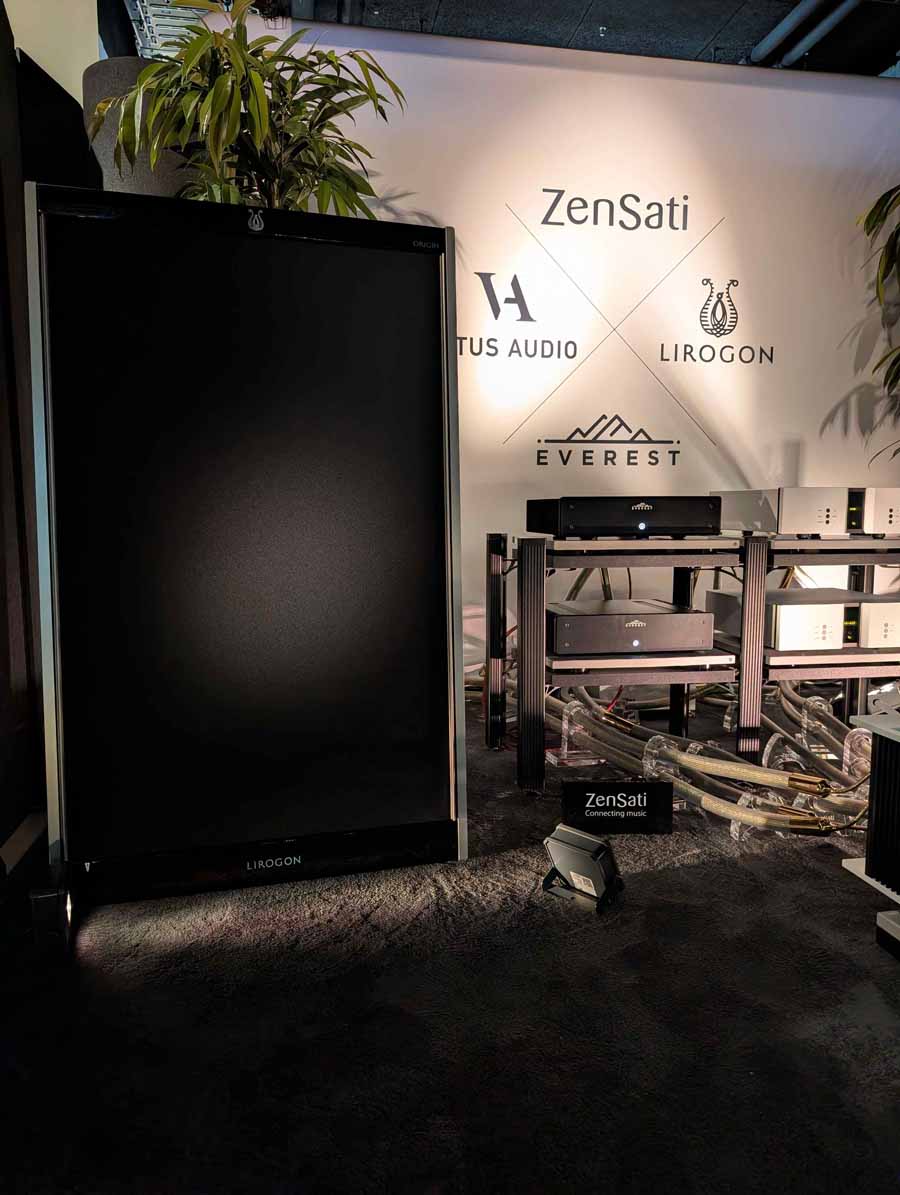
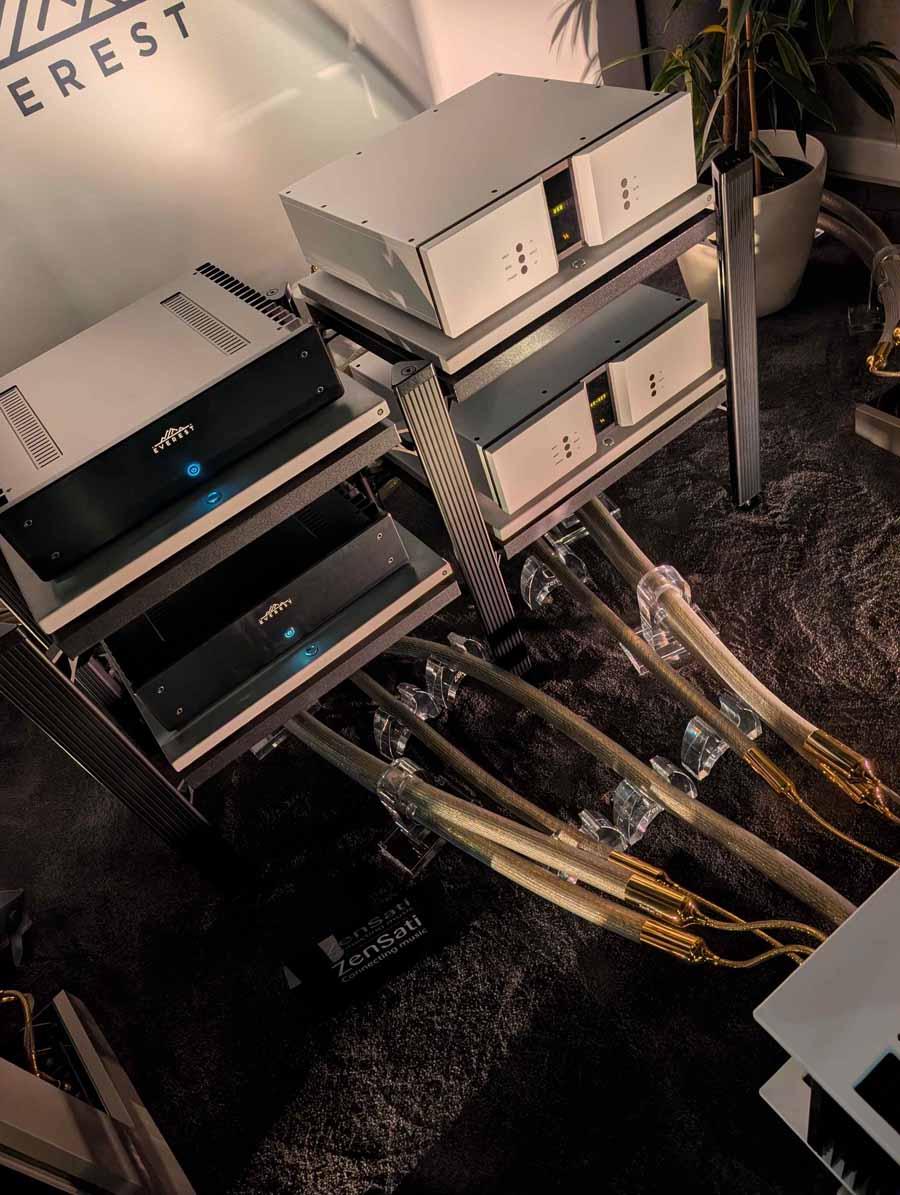
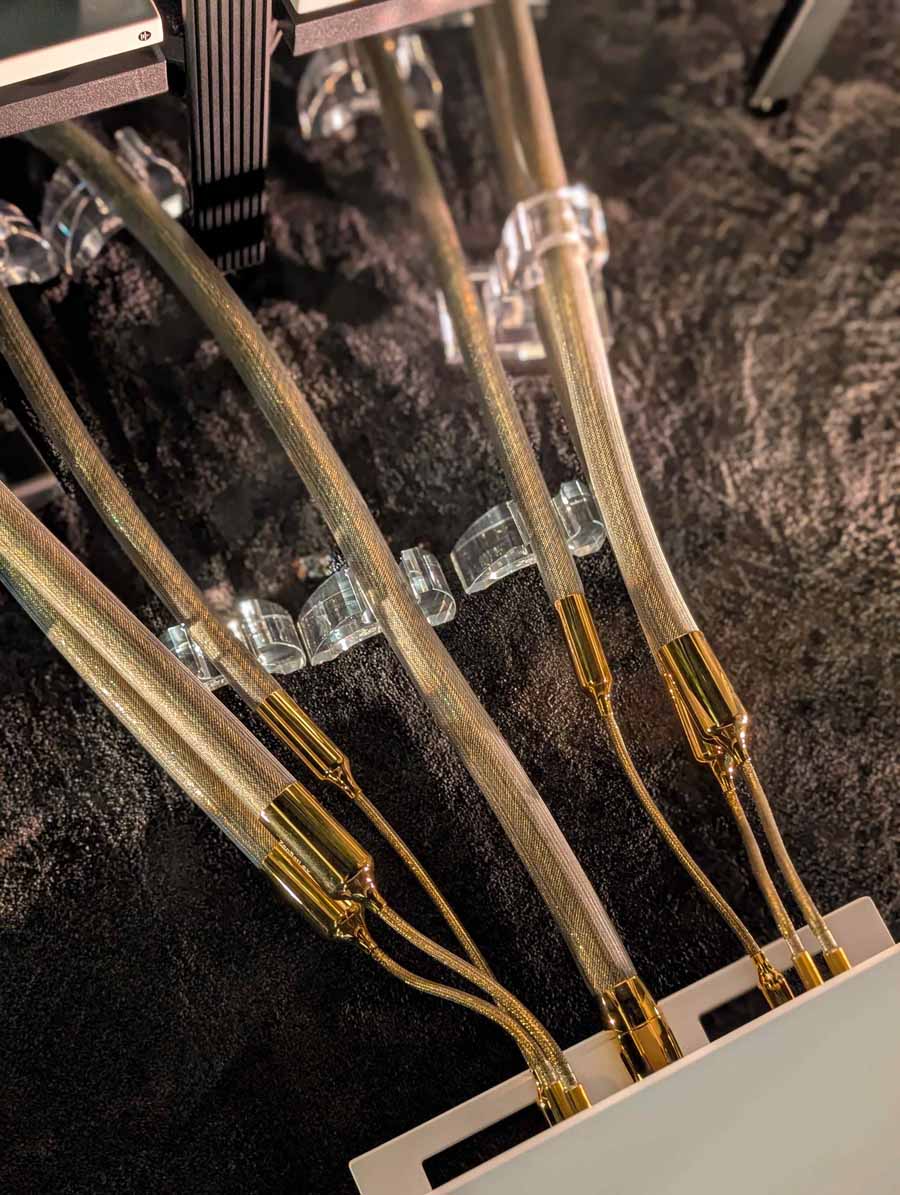
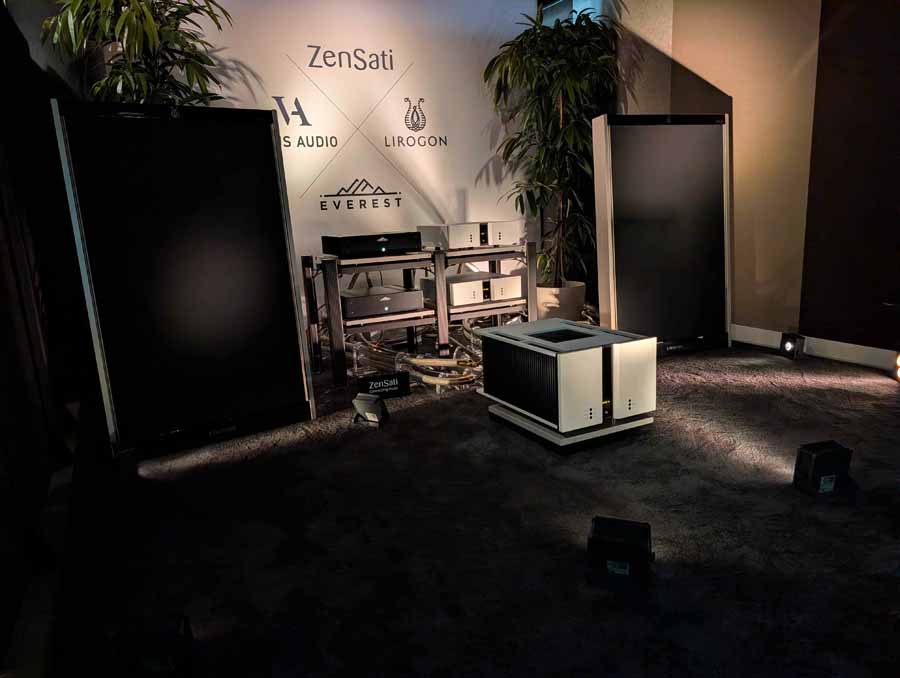
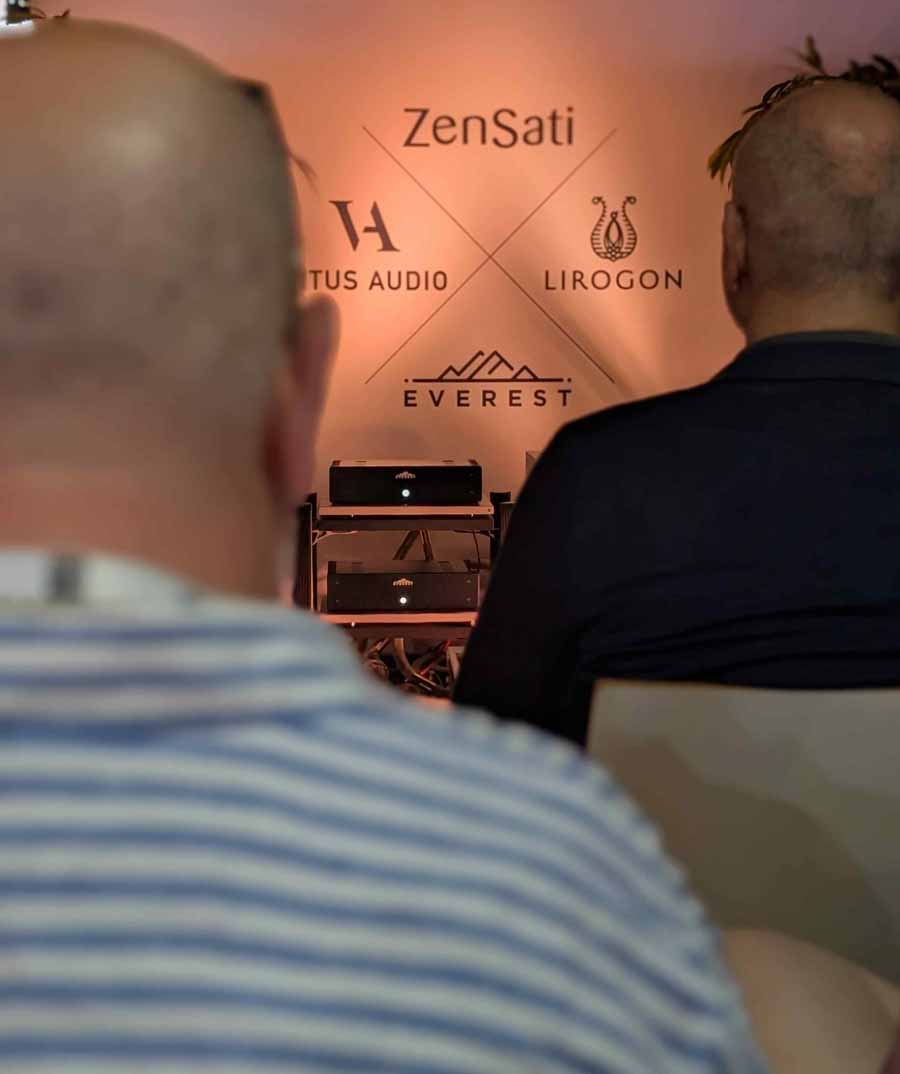
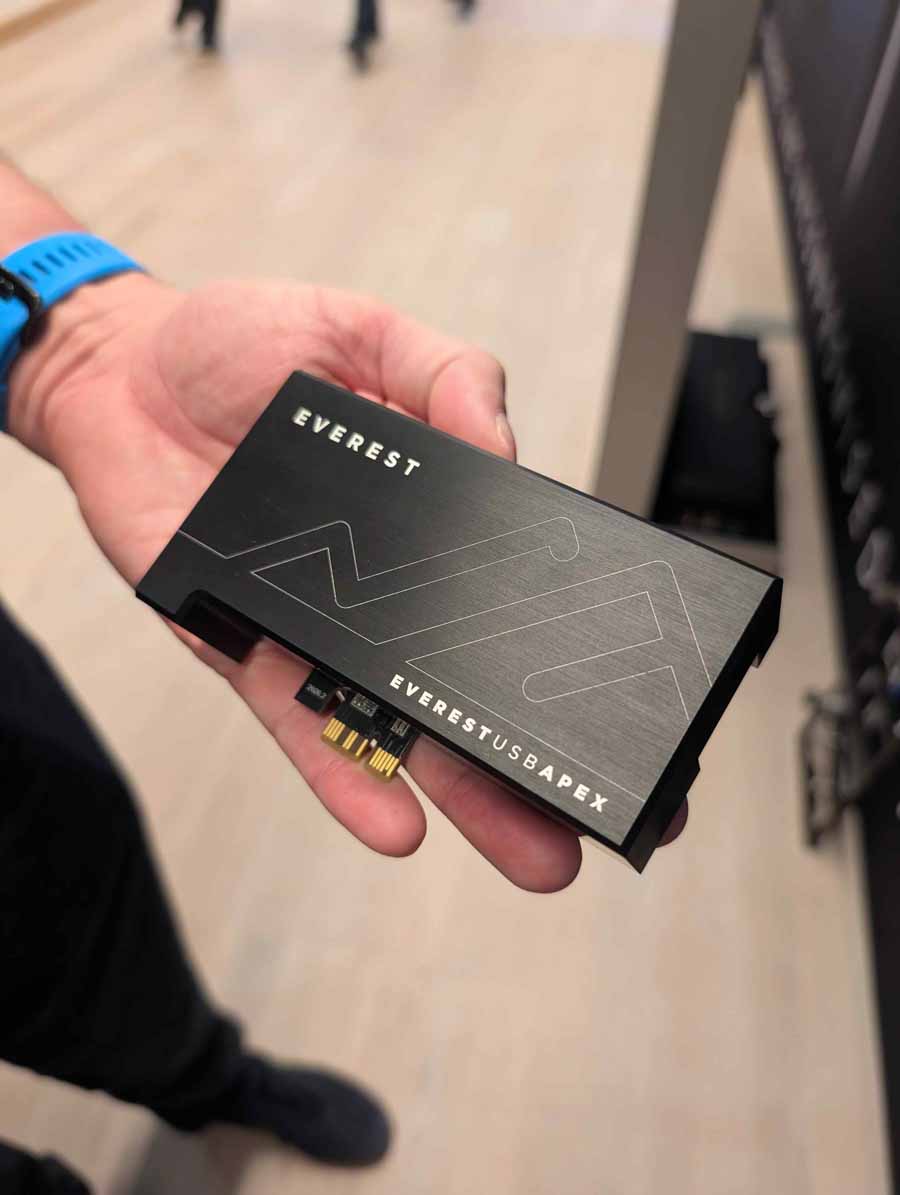
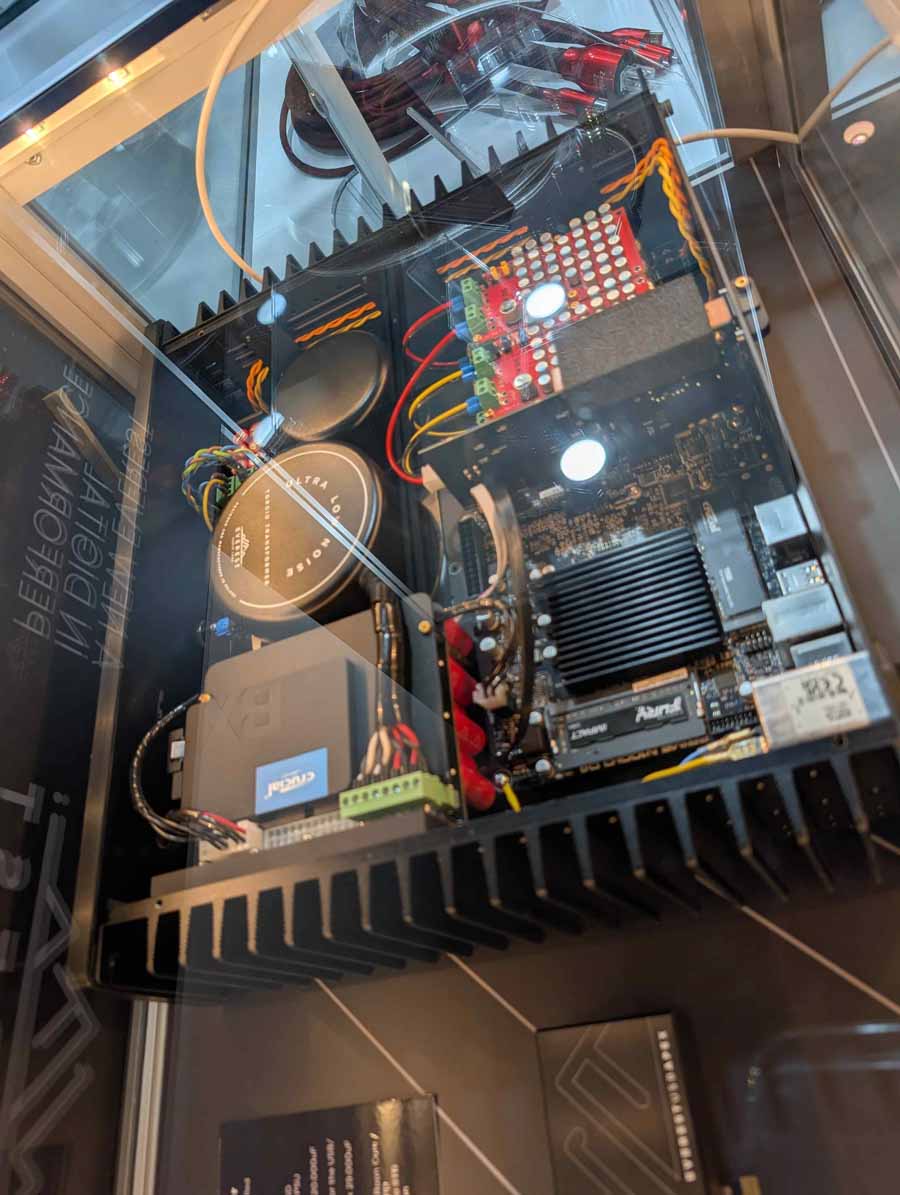
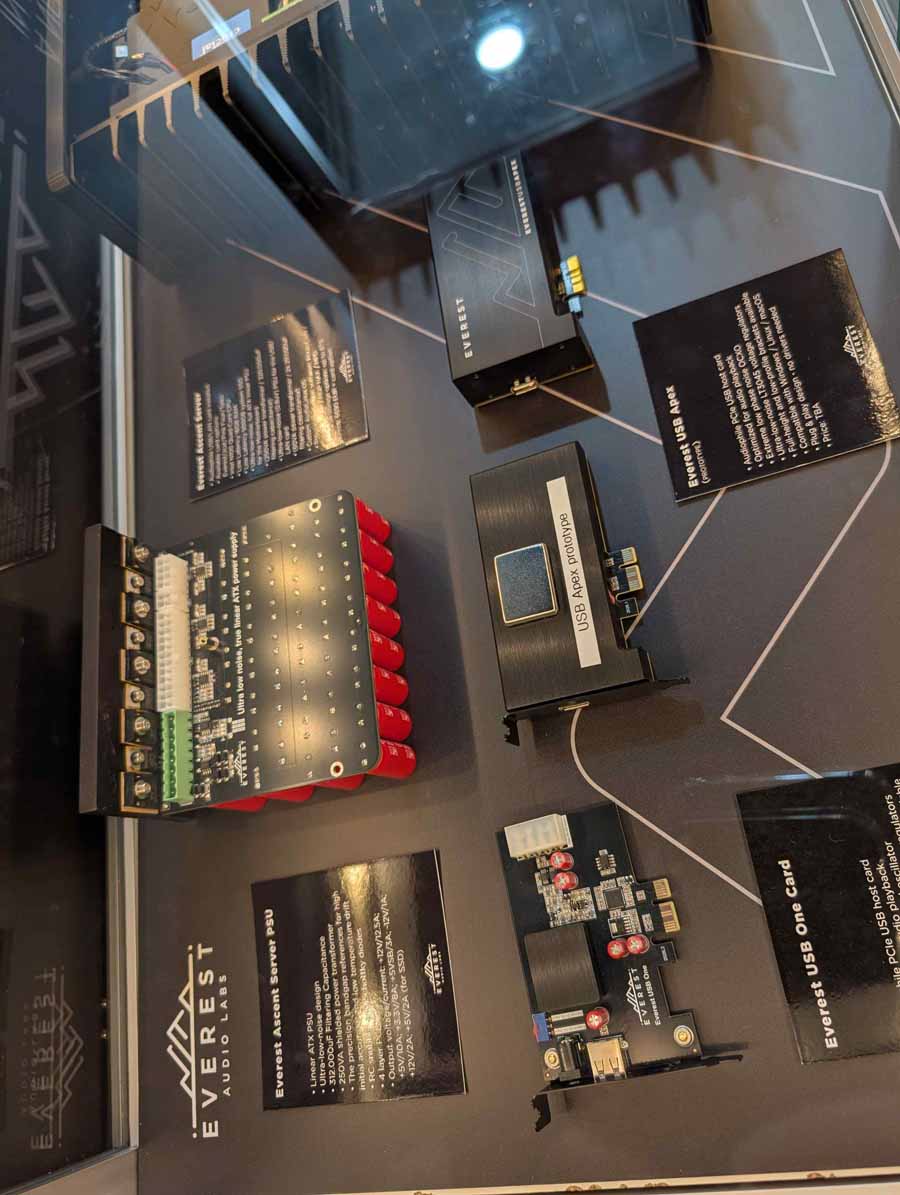
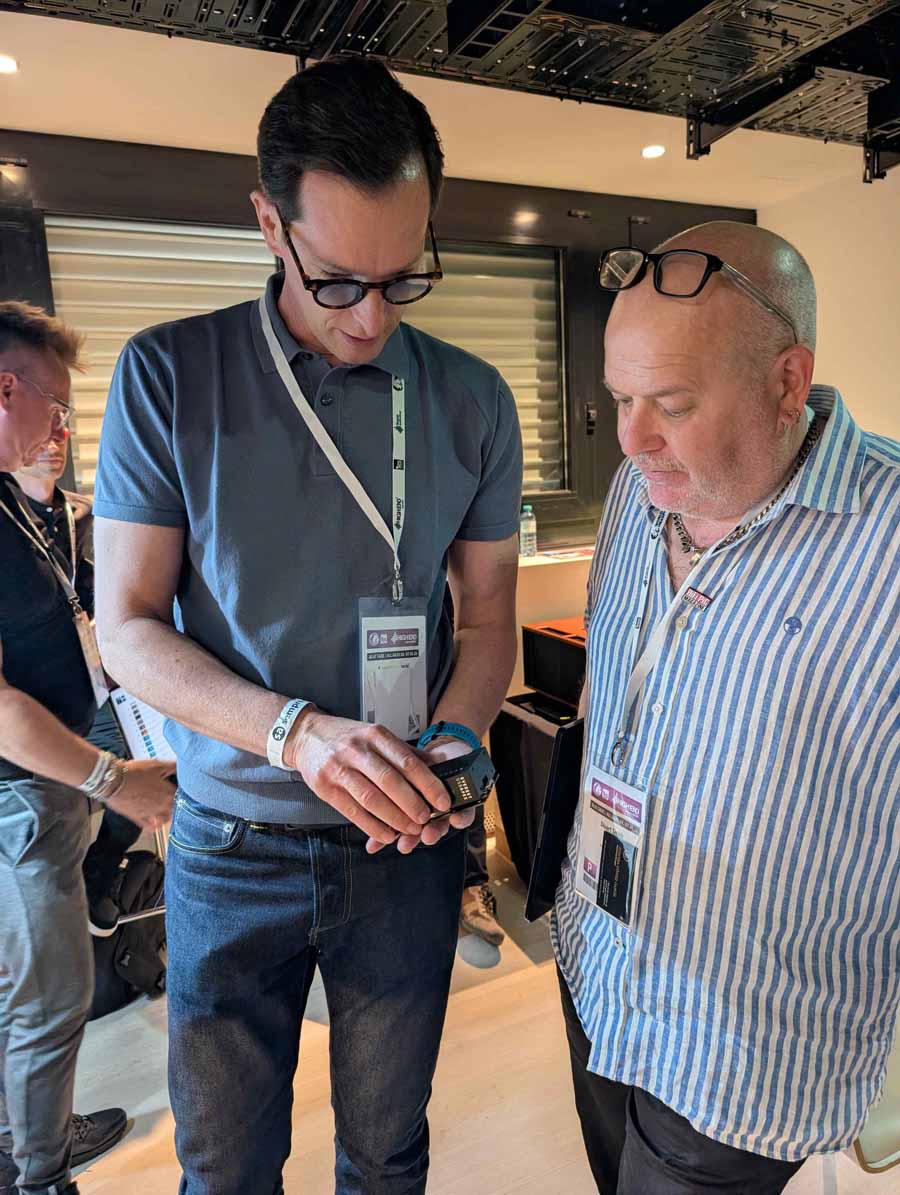
The system was Vitus Audio electronics: SD025 DAC, SL103b Pre and SS103 power amp through a pair of Lirogon Origin speakers. The server was Everest Audio Labs Ascent – I didn’t know, but Adam, who runs the Warsaw show, is the guy behind this brand, and I look forward to trying his products in the HiFi PiG reference system soon.
The loudspeakers are very interesting and use Lirogon’s proprietary Lirostat transducer system, built around a matrix of hand-tuned ultralight electrostatic membranes. Rather than relying on a conventional electrical crossover, frequency shaping is handled mechanically through the tuning of the transducers themselves and transformer-based signal distribution.
Also featured is the firm’s ZUKA mechanical sound correction system, allowing tonal balance adjustments without altering the signal electronically. Construction is based around an aluminium frame, with the electrostatic transducers and membranes manufactured in-house.
Frequency response is quoted as 35 Hz to 23 kHz. Dimensions are 131 x 80 x 45cm, weight is 75kg, and price is €120,000 per pair.
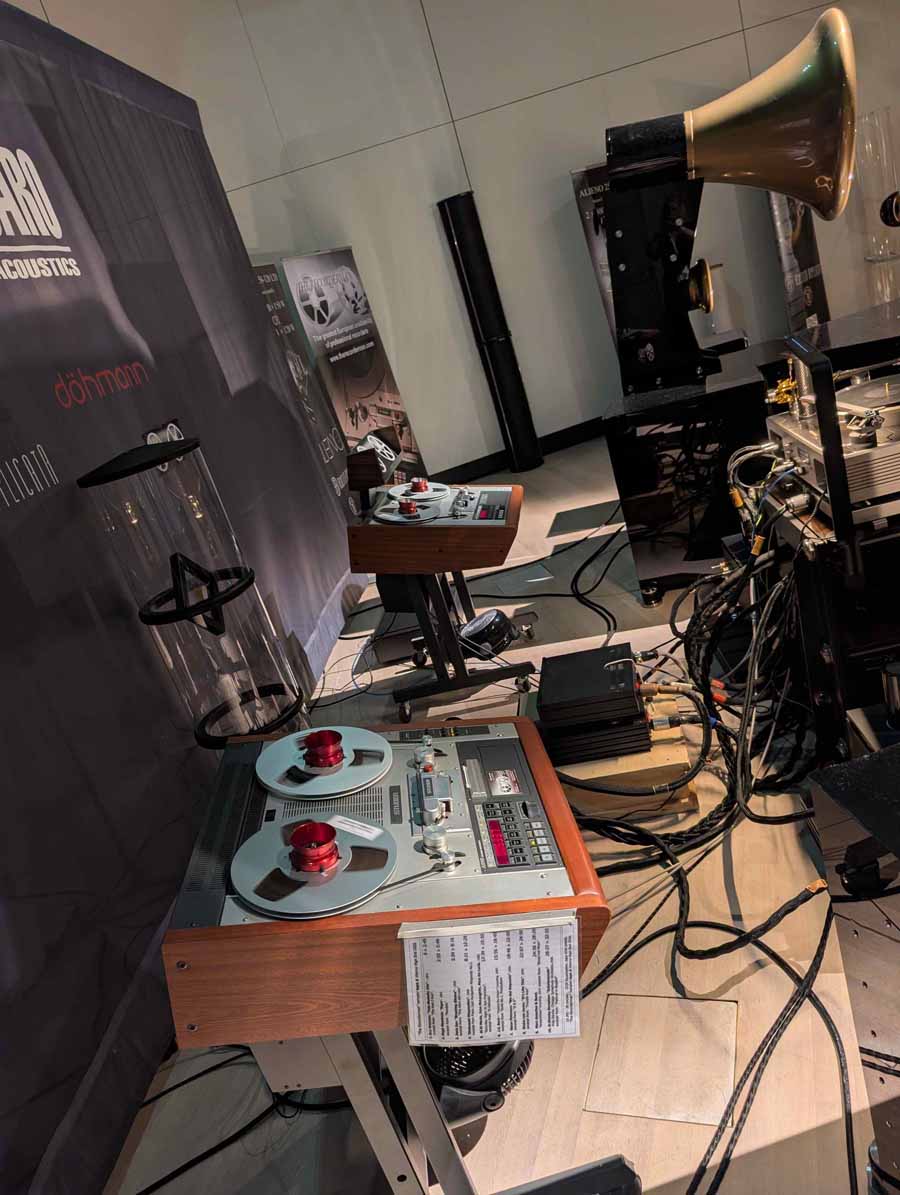
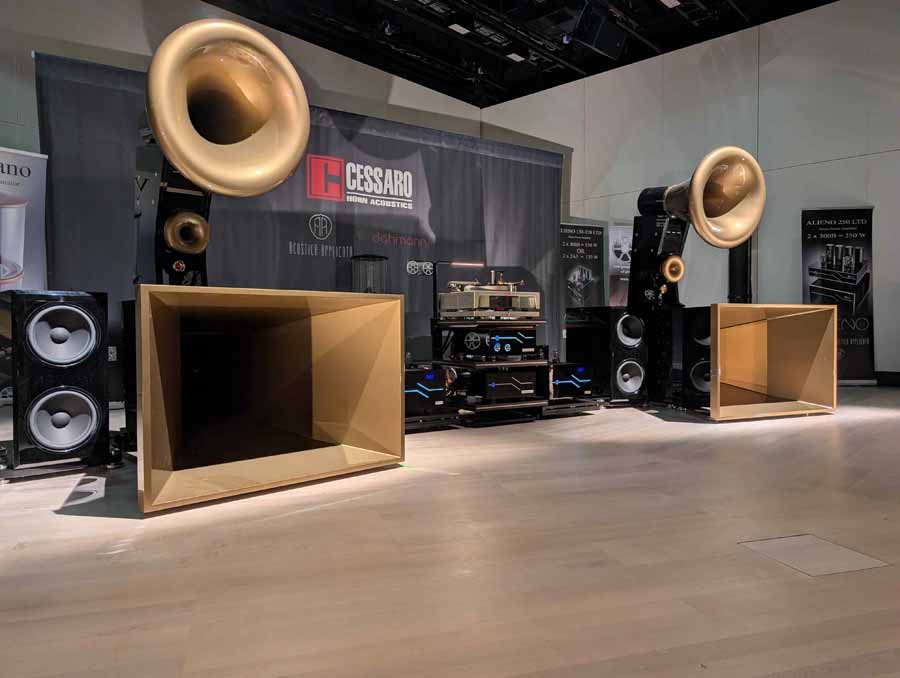
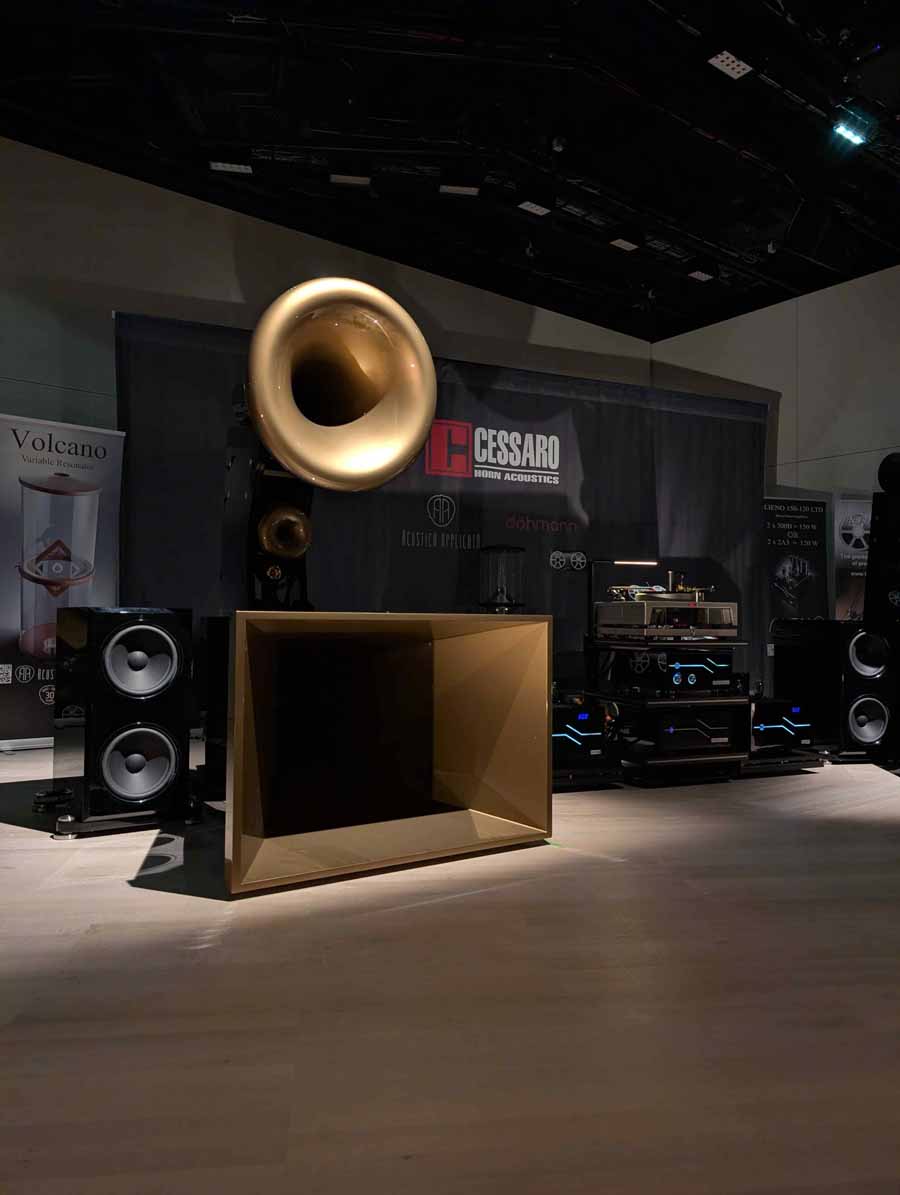
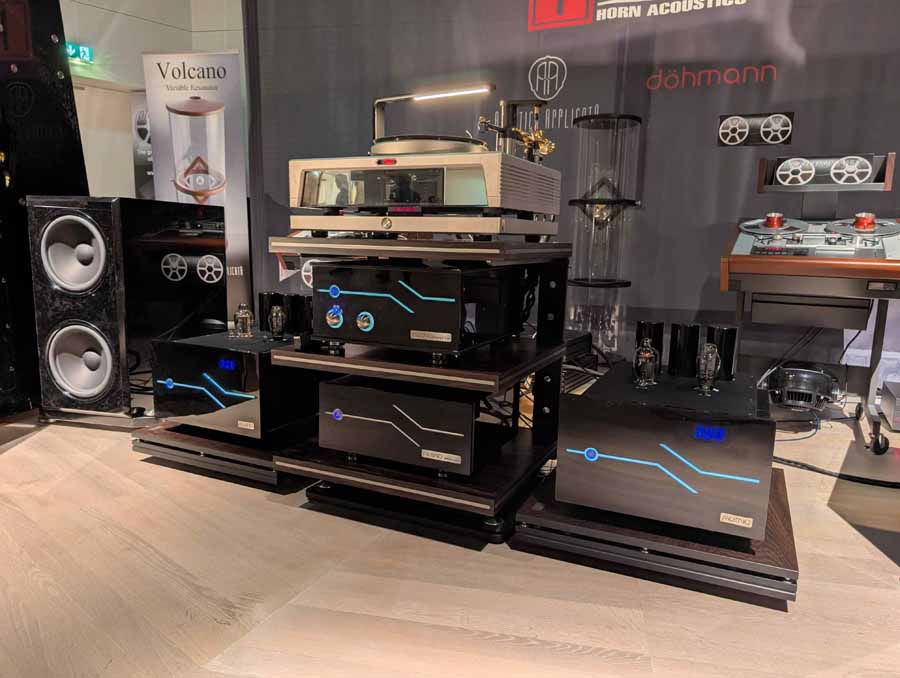
CESSARO, DOHMAN, ACCUSTICA APPLICATION, THE RECORDERMAN
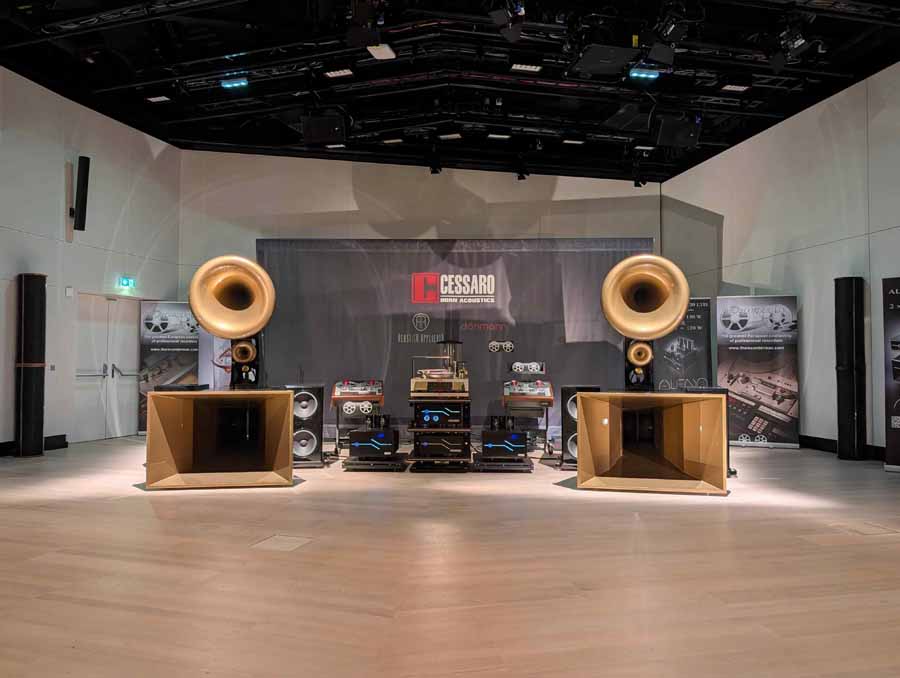
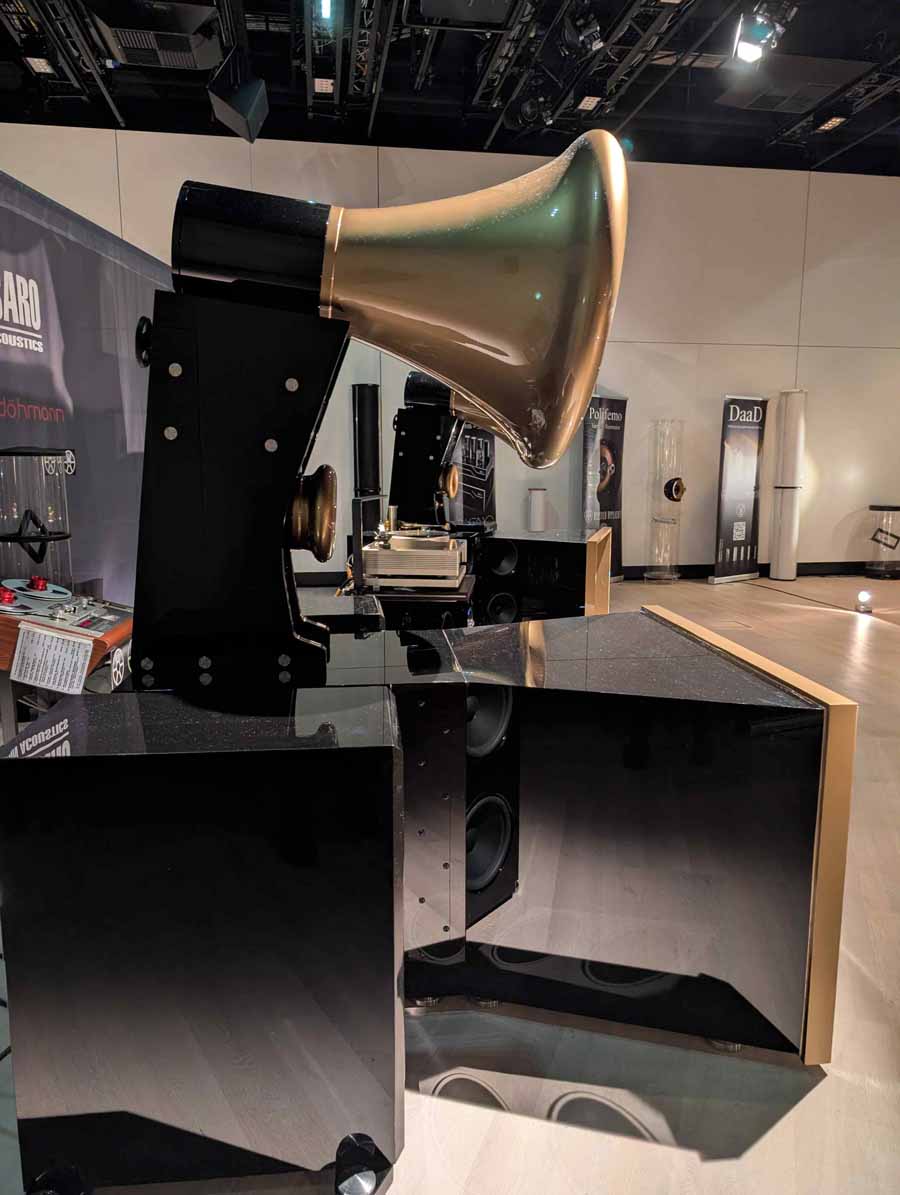
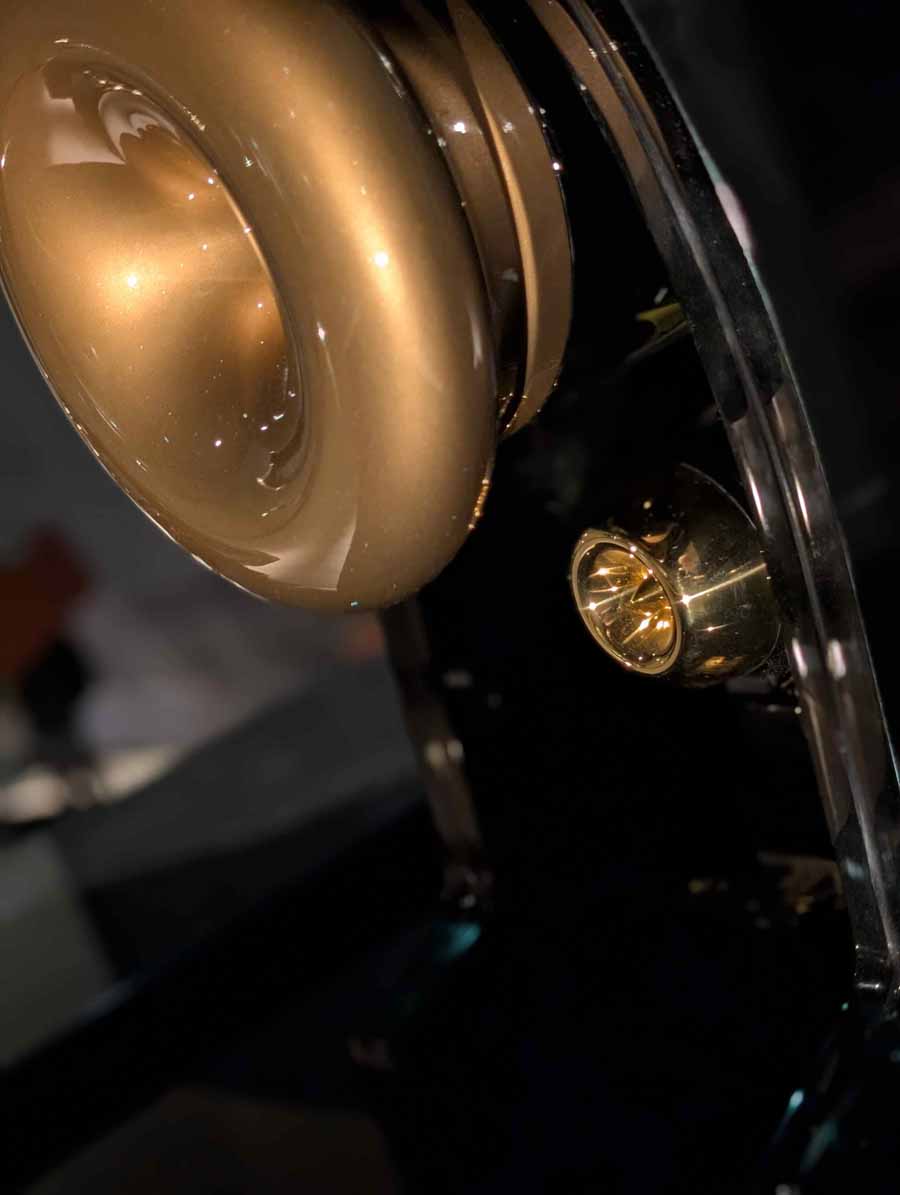
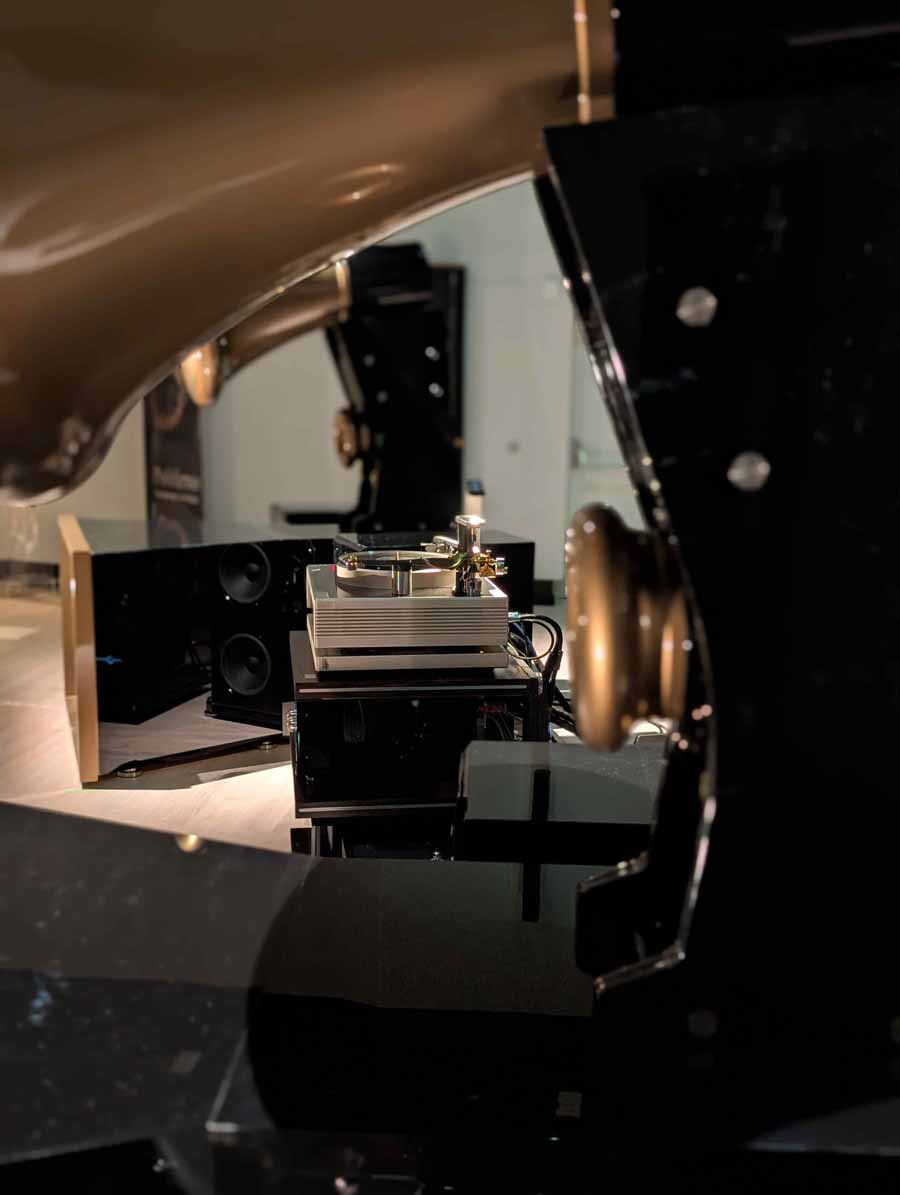
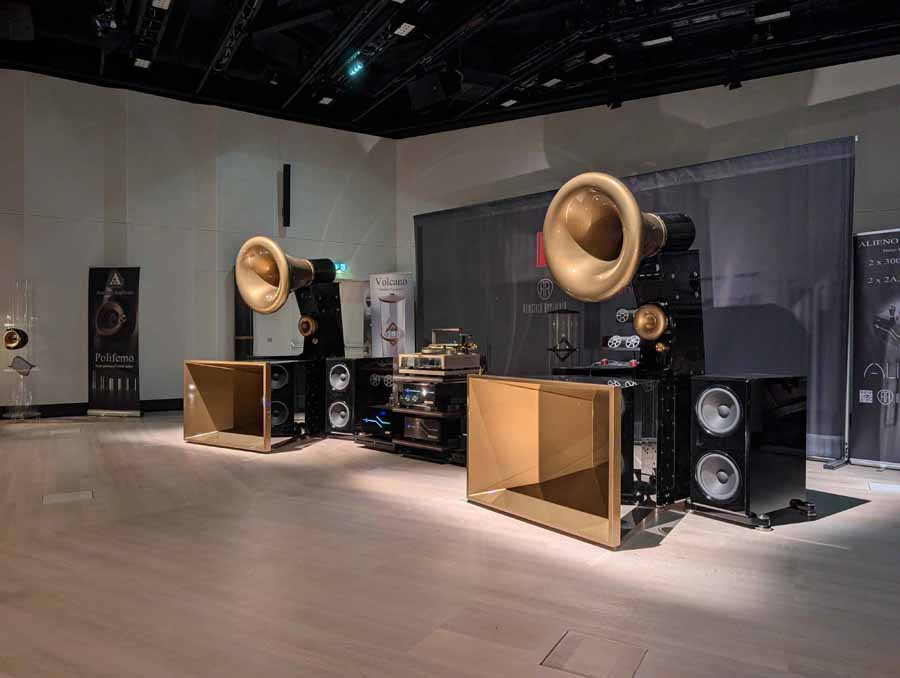
Well, bloody Nora! Just look at it! A huge Cessaro horn system, in a huge room.
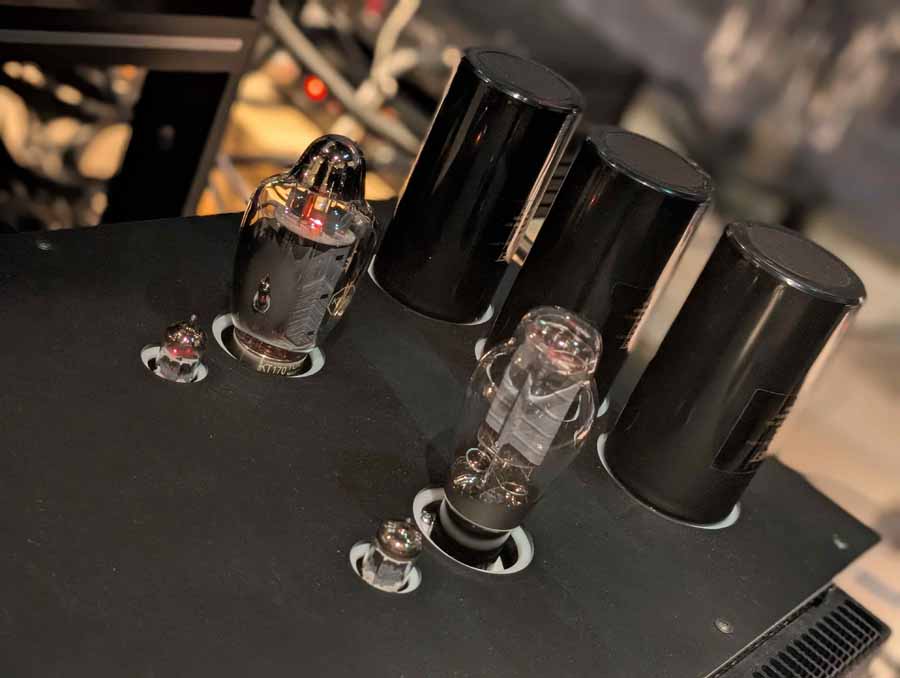
The amps are the Acustica Aleno tube amps and matching pre.
AVANTGARDE ACOUSTIC
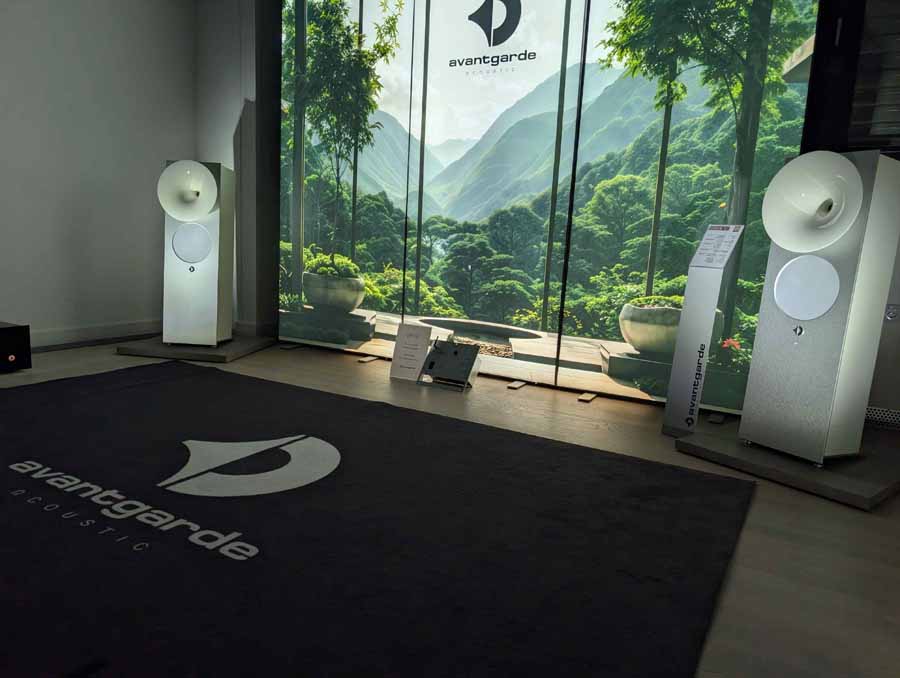
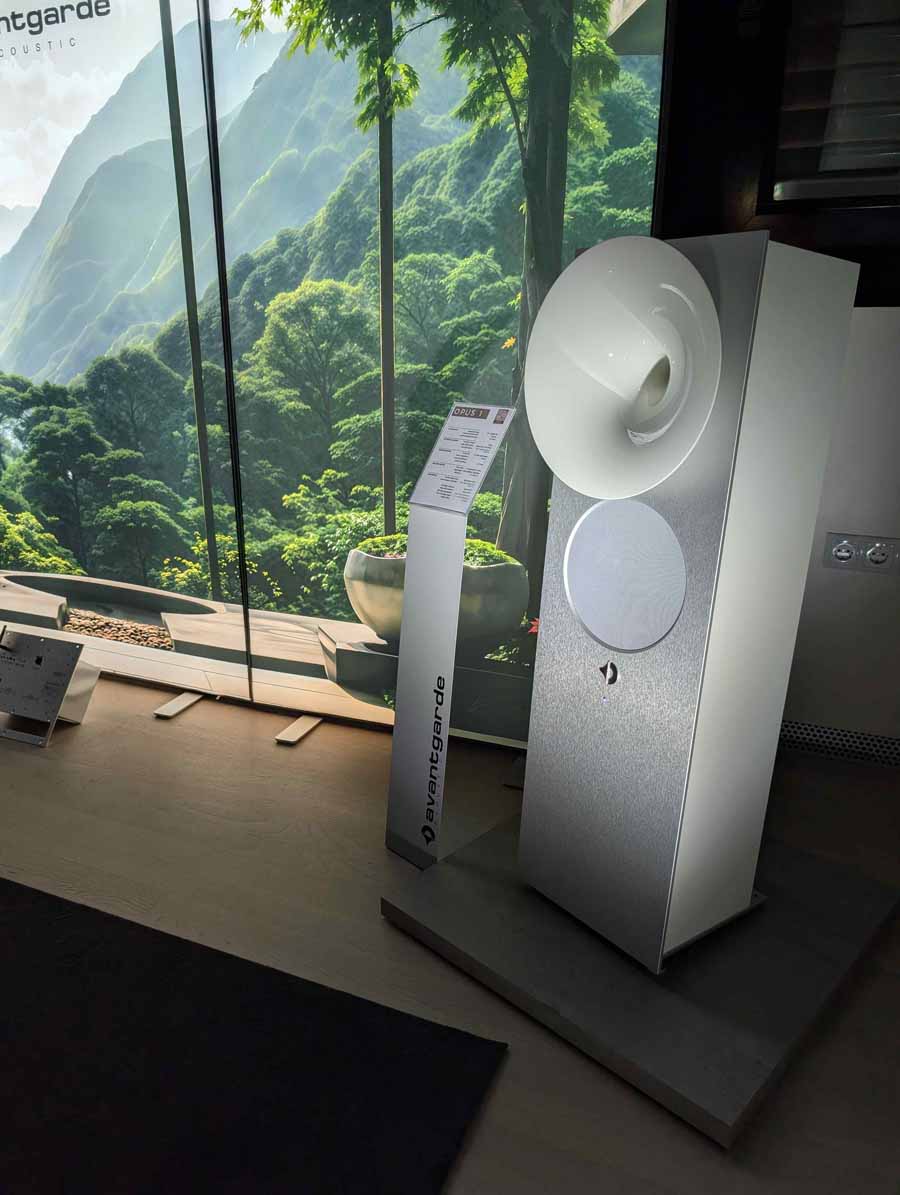
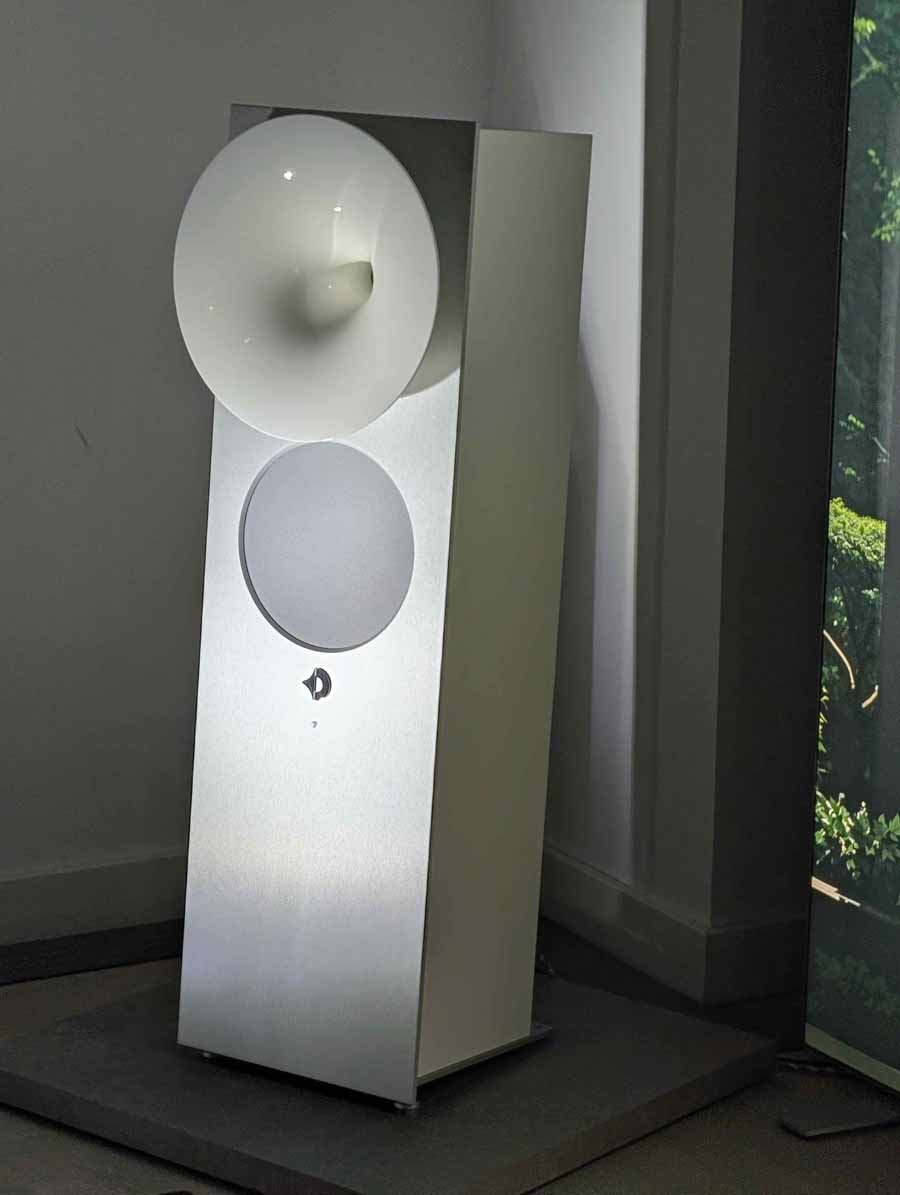
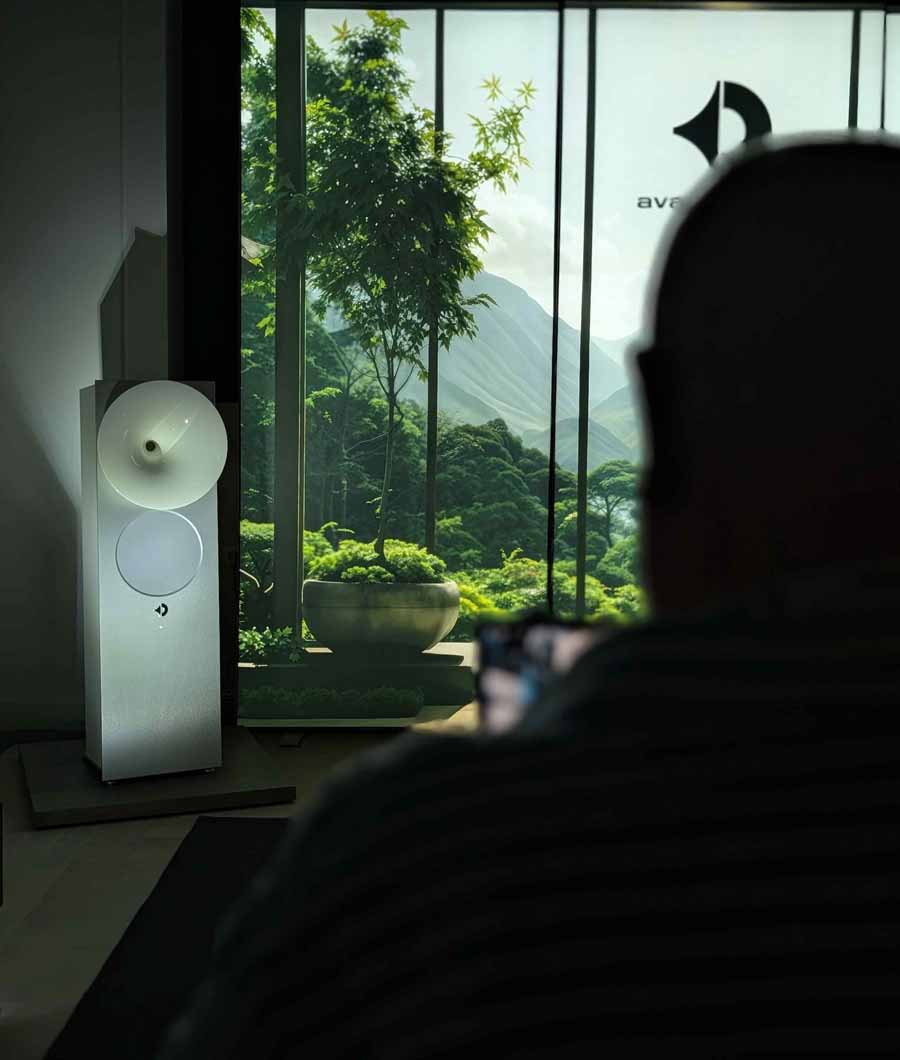
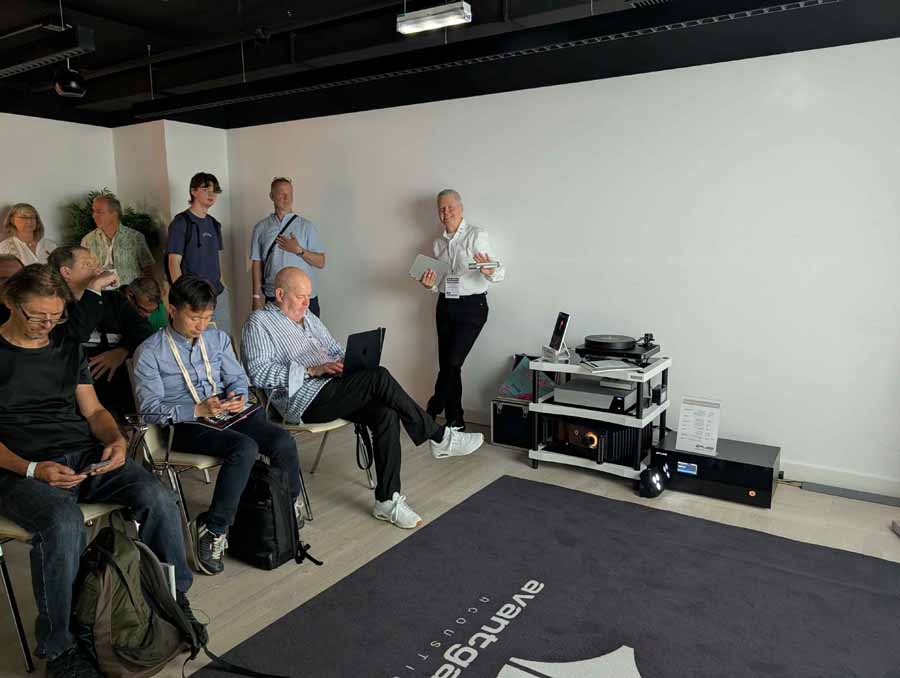
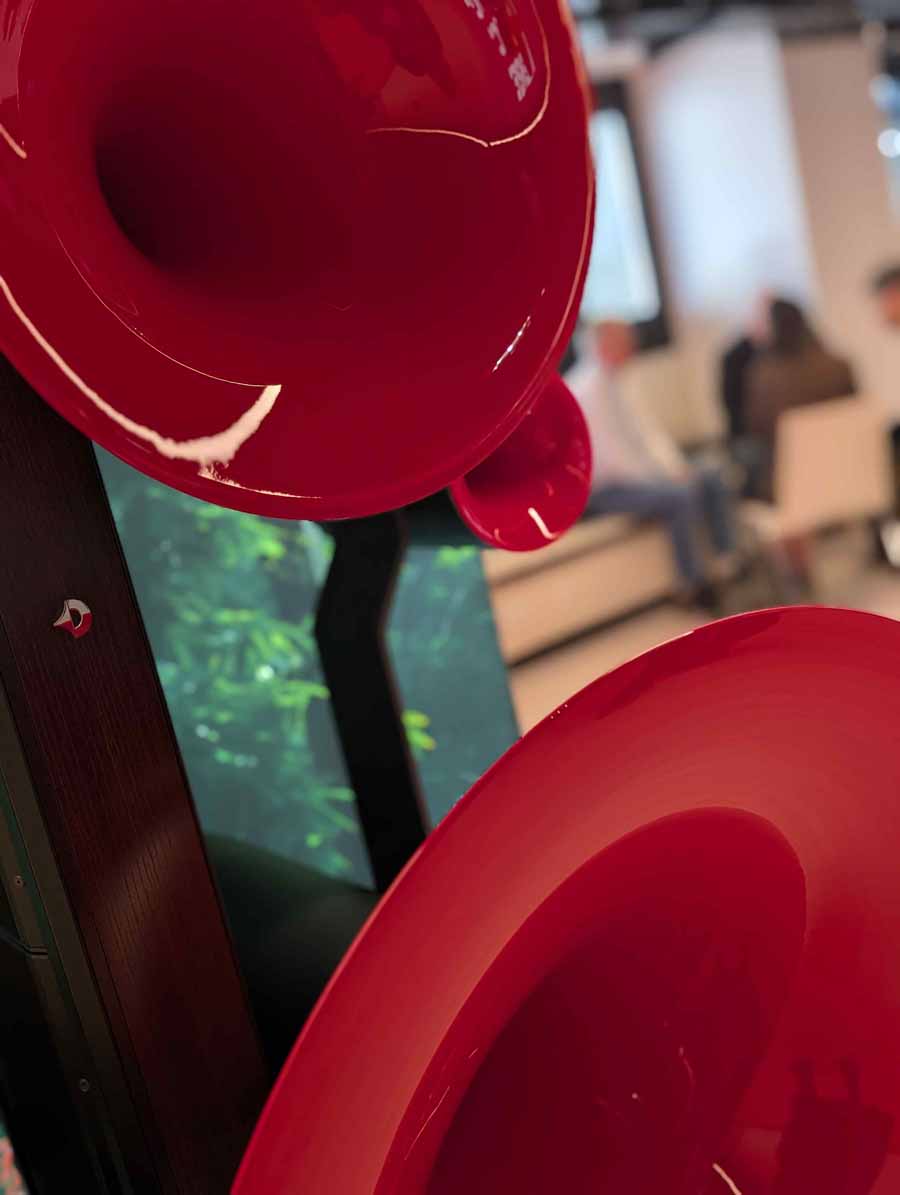
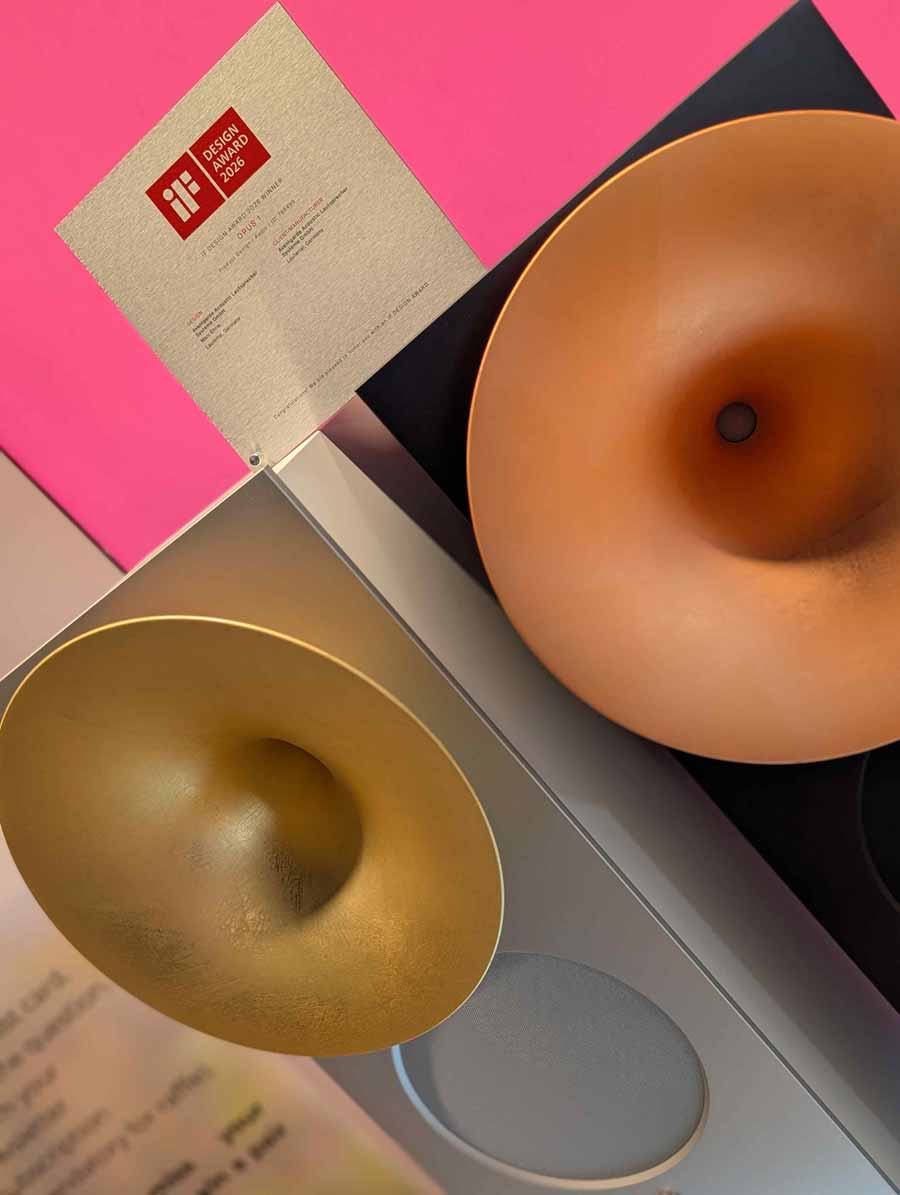
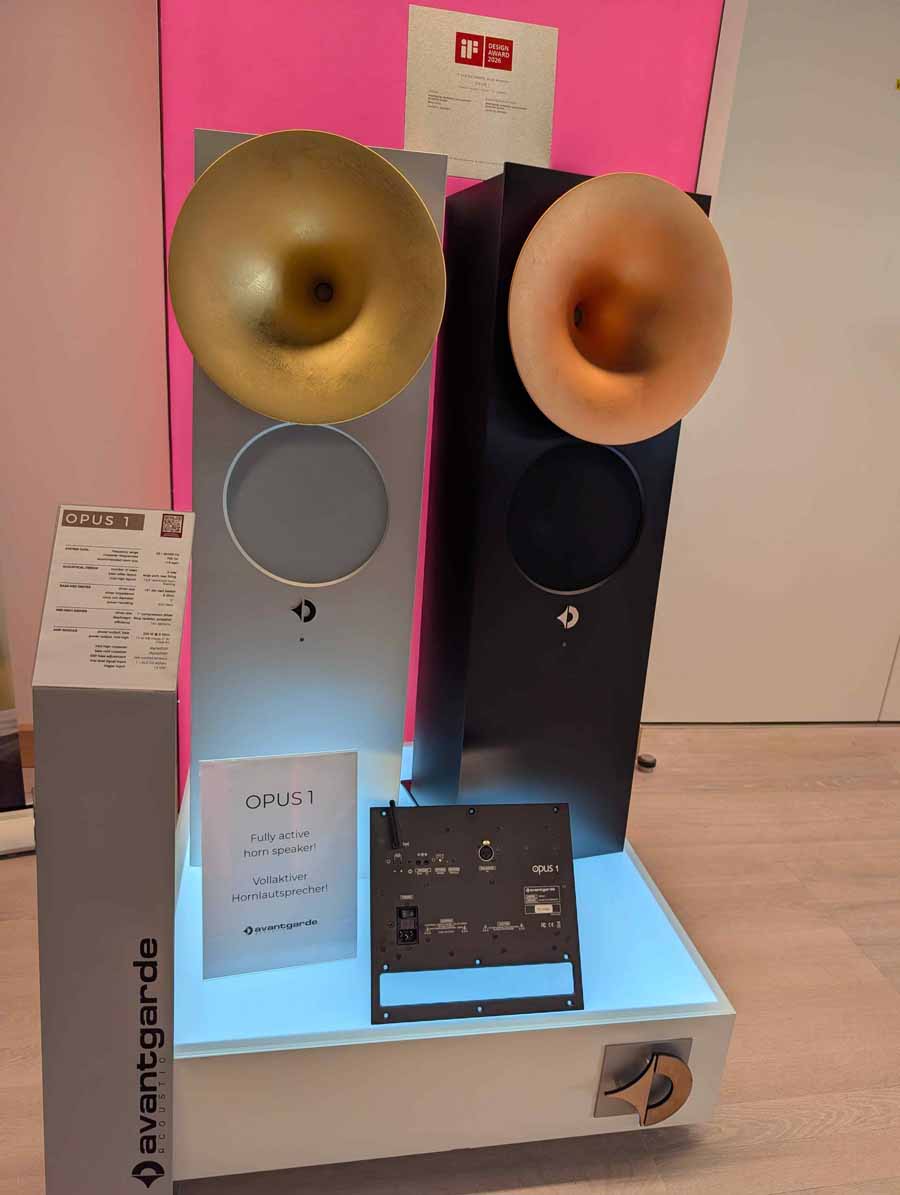
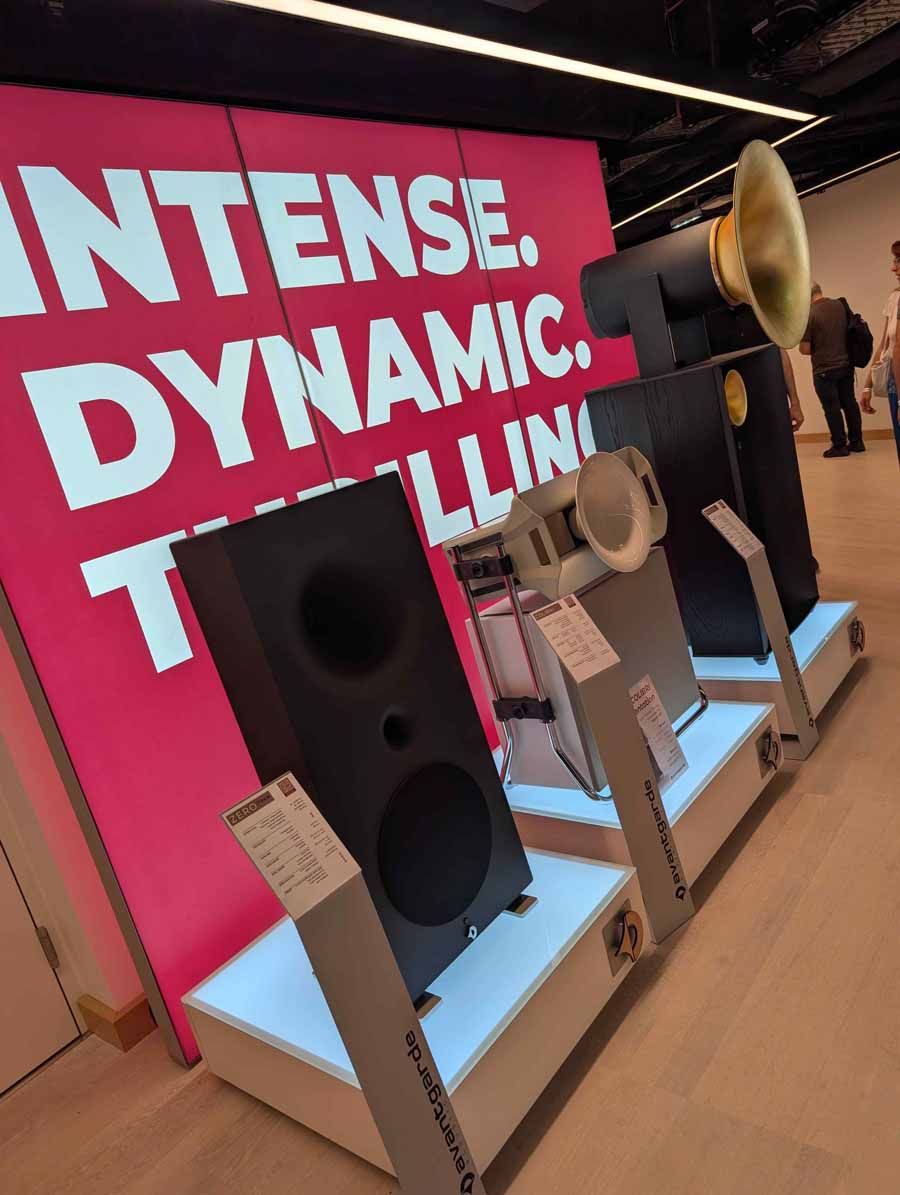
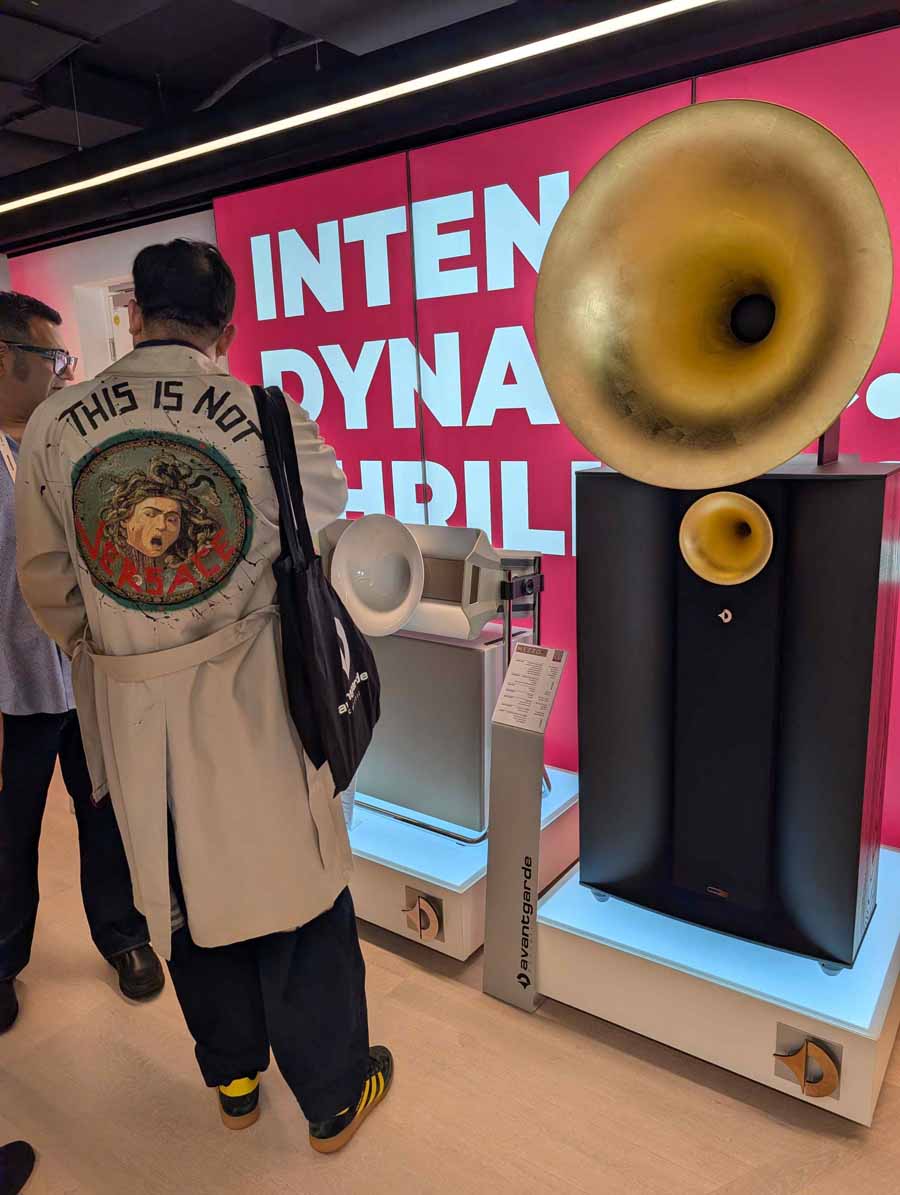
Avantgarde, the German horn speaker manufacturer, were introducing their new OPUS 1 loudspeaker that will retail at 12K in Europe. This is a much more compact model than the DUOs that we own and even smaller than the UNOs. However, the sound was all there and particularly the bass was huge for such a compact design.
The Opus 1 is a two-way loudspeaker system designed for rooms larger than 15 square metres, with a quoted frequency response of 35Hz to 20kHz.
The design combines a 13.8-inch spherical horn for the mid and high frequencies with a 1-inch compression driver using a polyester ring radiator diaphragm. The mid-high section is rated at 103dB efficiency. Bass and mid duties are handled by a 10-inch driver with a die-cast basket, 3-inch voice coil, and rear-firing bass reflex port, with power handling rated at up to 350 Watts.
Amplification is built into the system via a dual amp module, delivering 250 Watts into 8 Ohms for the bass section and 10 Watts for the mid-high section, with the first Watt operating in Class A before switching to AB operation.
Crossovers are handled digitally via DSP at 700Hz, with rear panel controls allowing users to make bass adjustments. Connectivity includes a line-level XLR input and a 12V trigger input for automated power management.
We got to listen to a Boy George album I’ve never heard or even seen before. He gets a lot of bad press, but the tune we listened to was funky as a mosquito’s tweeter. I will be buying this record.
Needless to say, the server was by that Portuguese company we’ve mentioned quite a few times in this part of the report.
WADAX, GOLDMUND, CLARYSIS
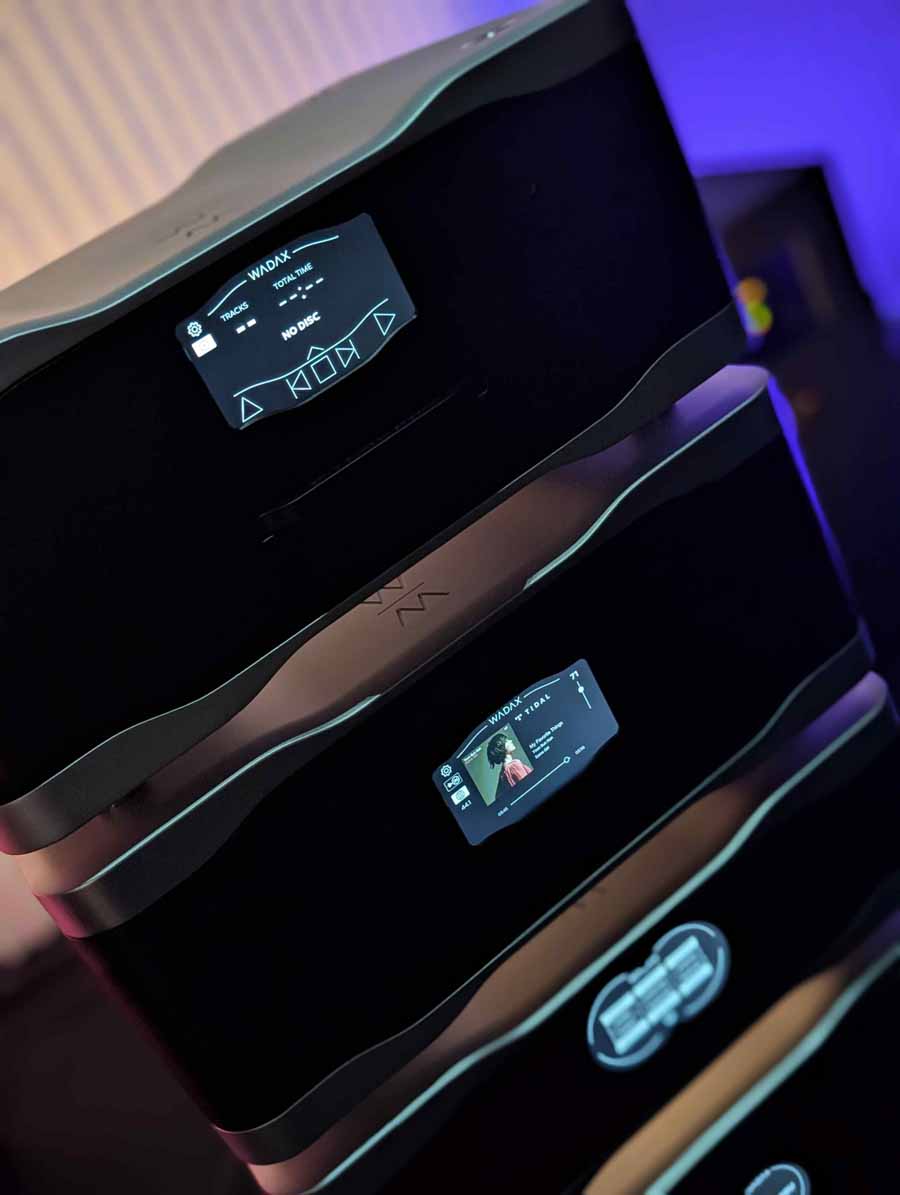
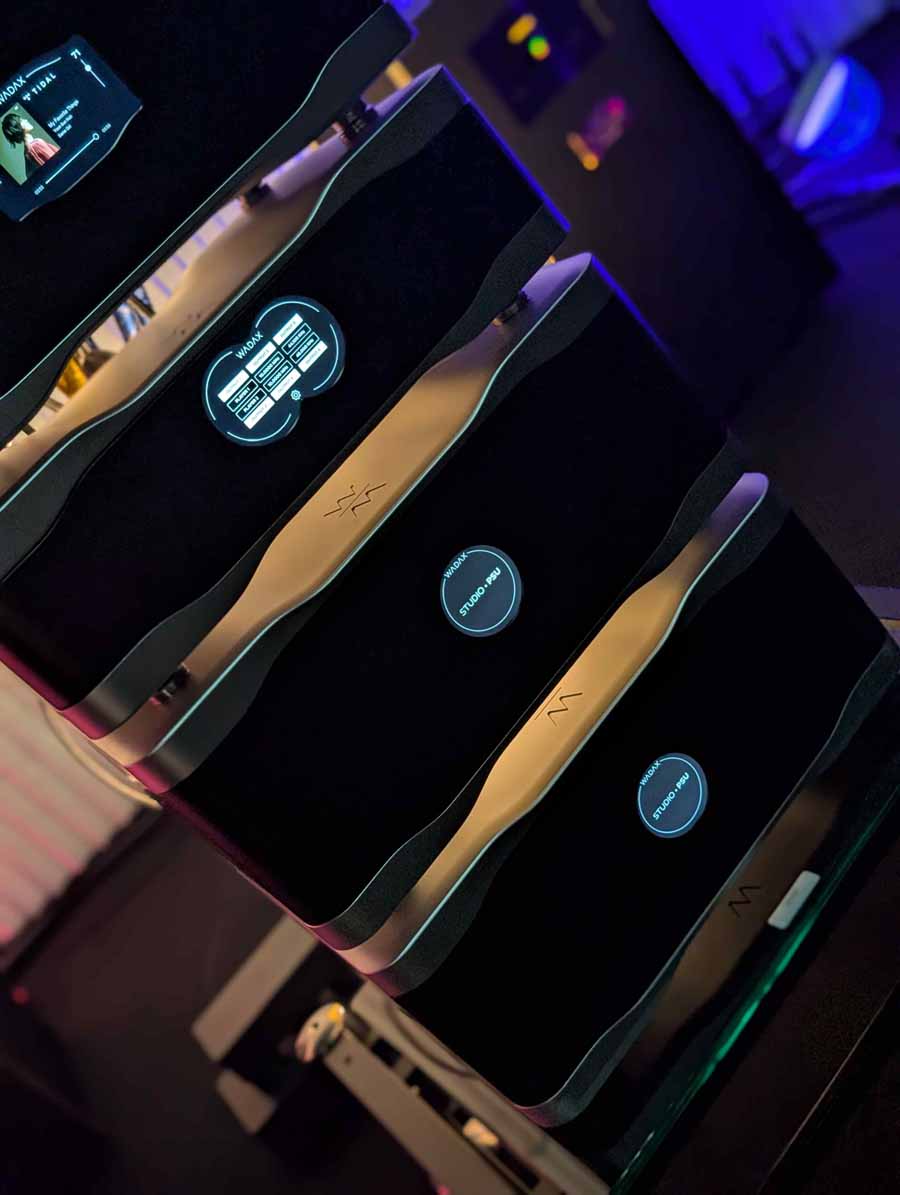
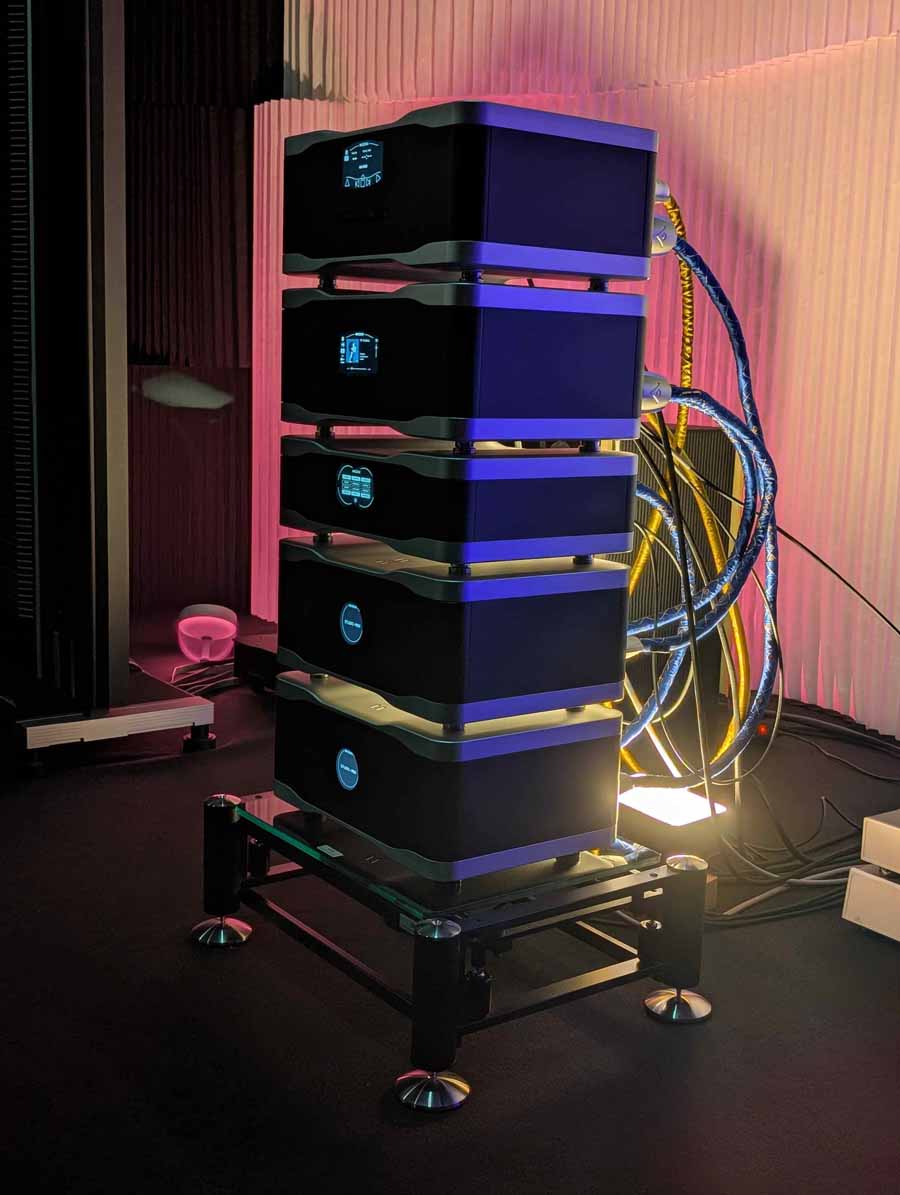
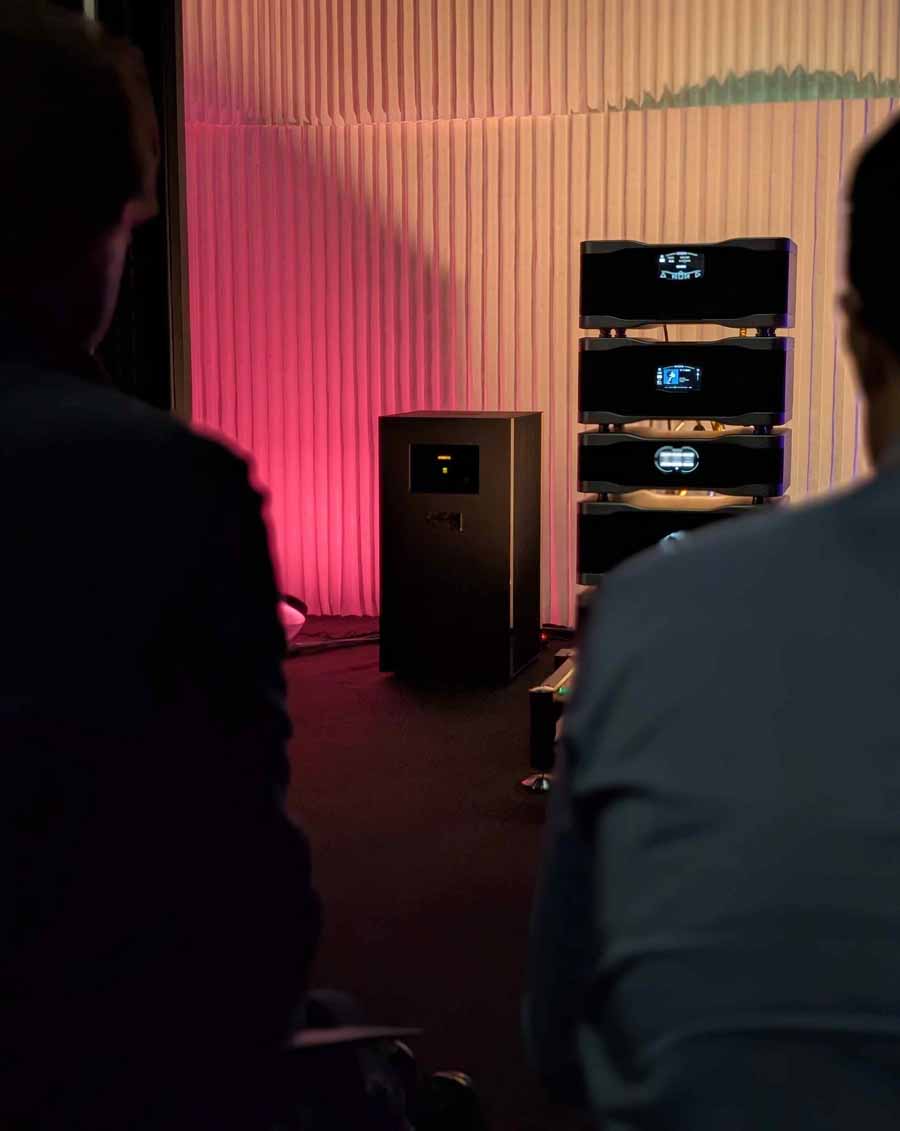
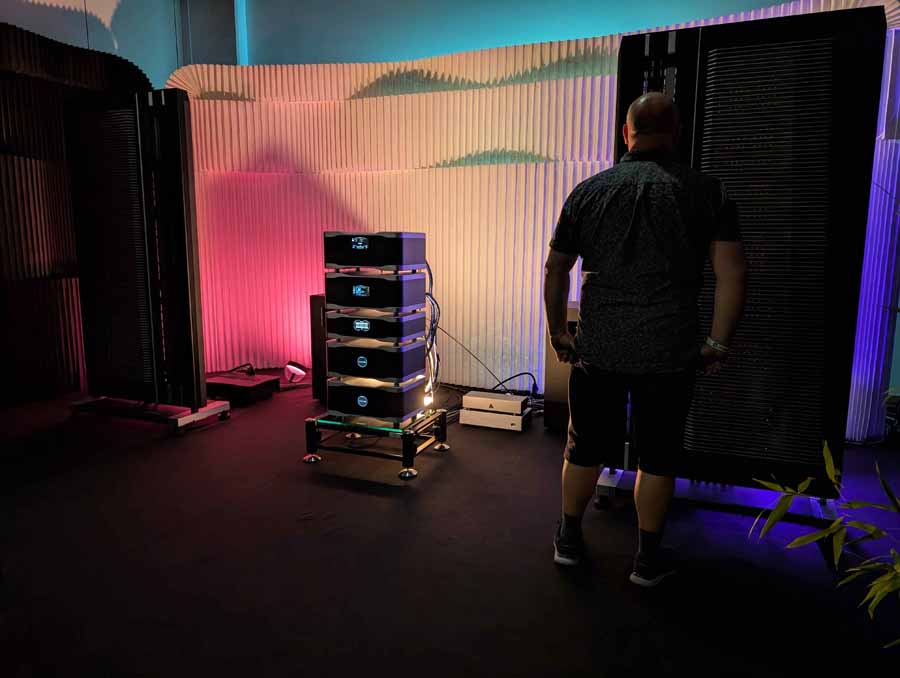
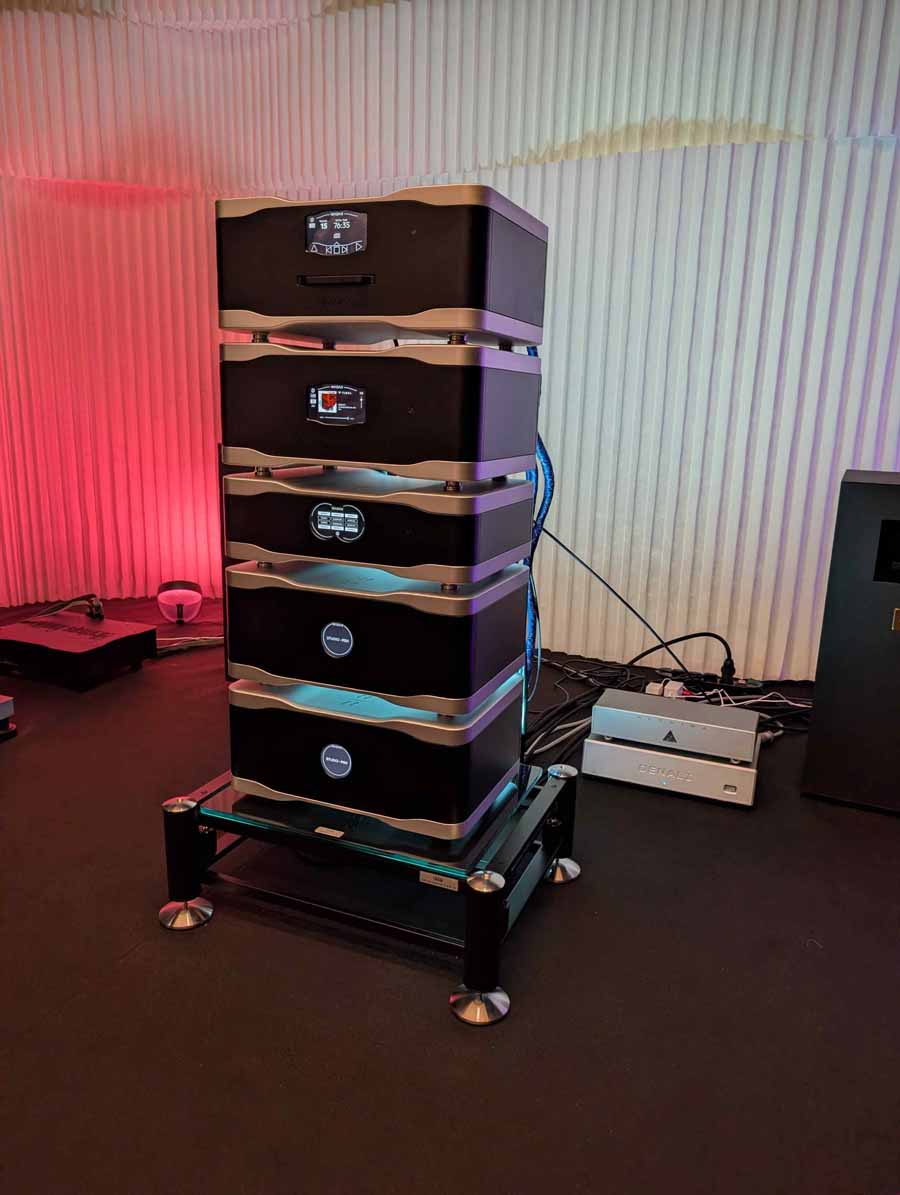
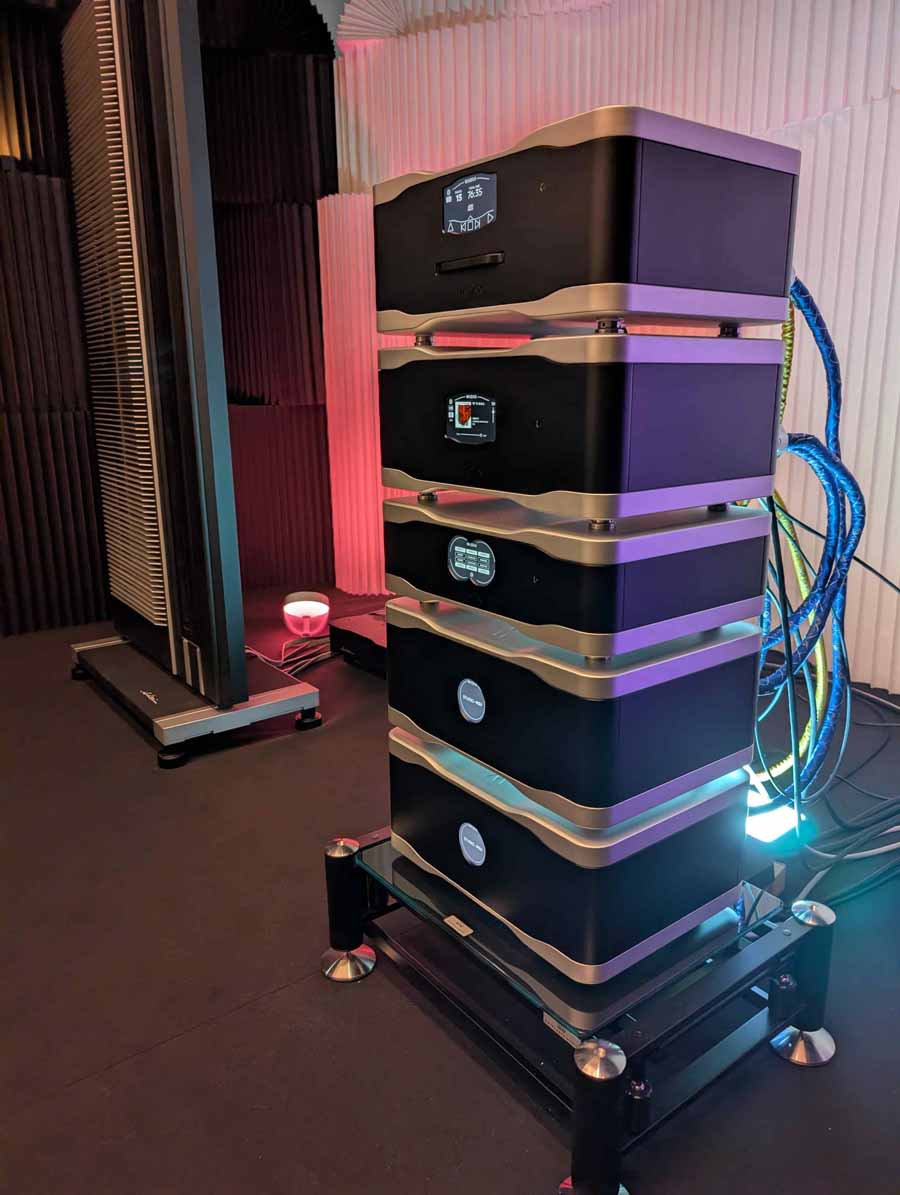
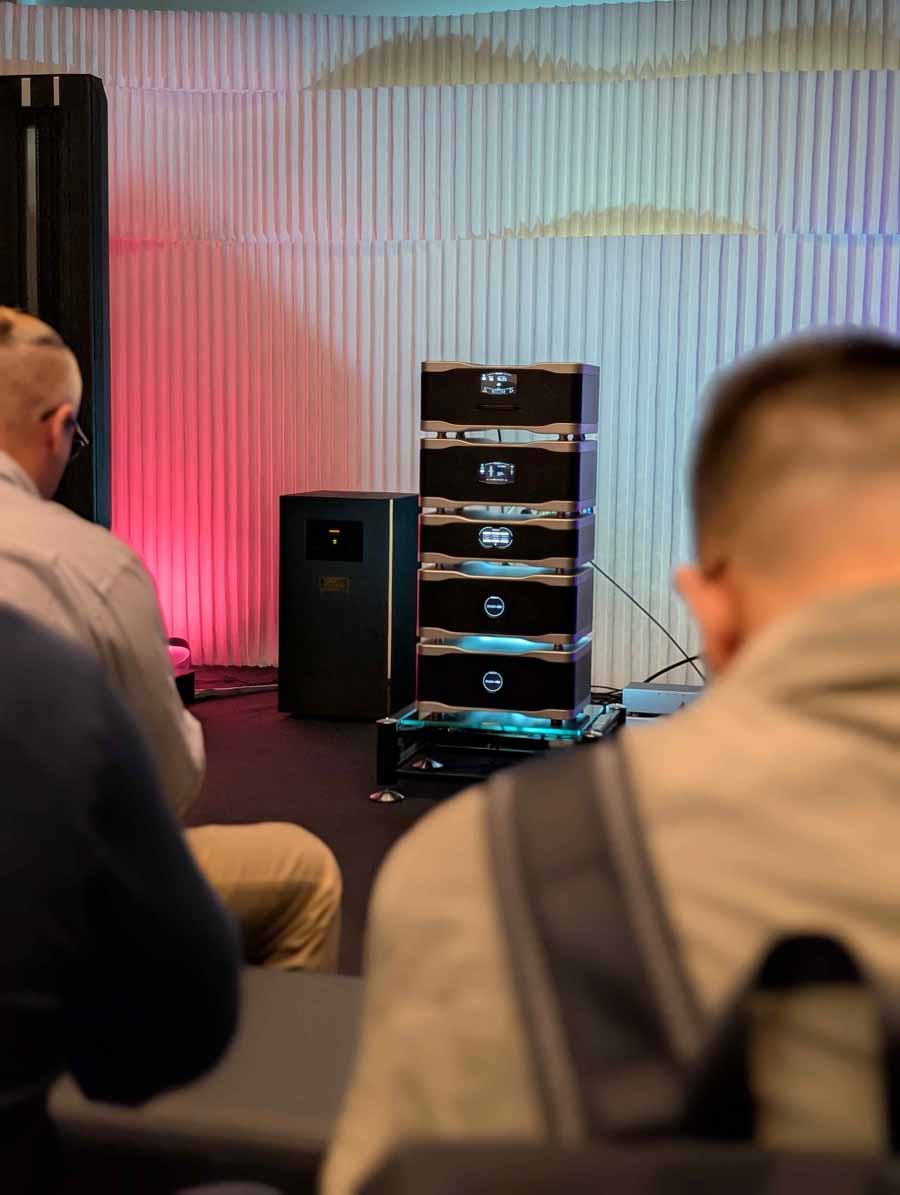
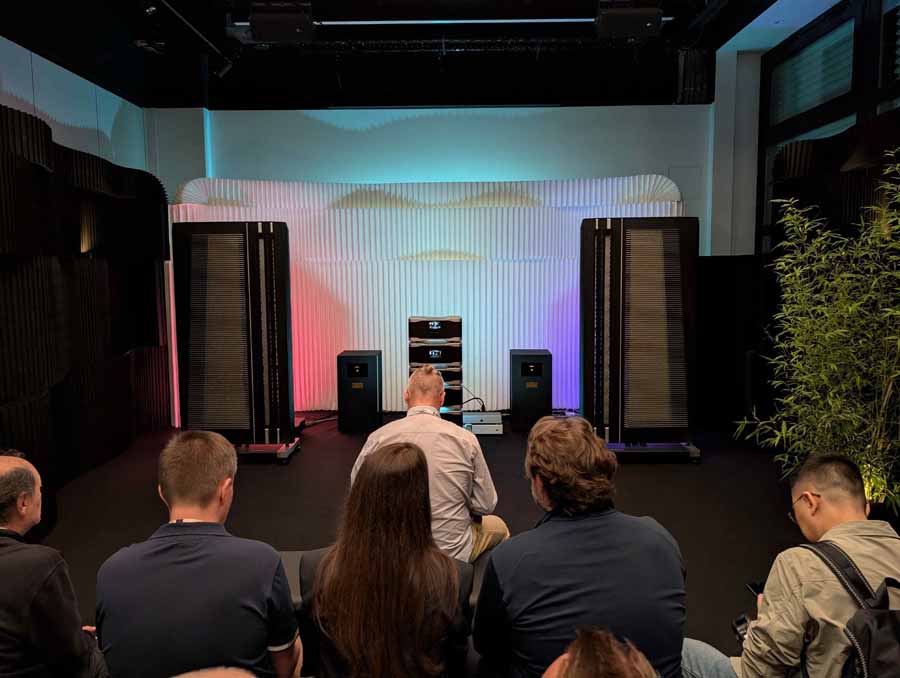
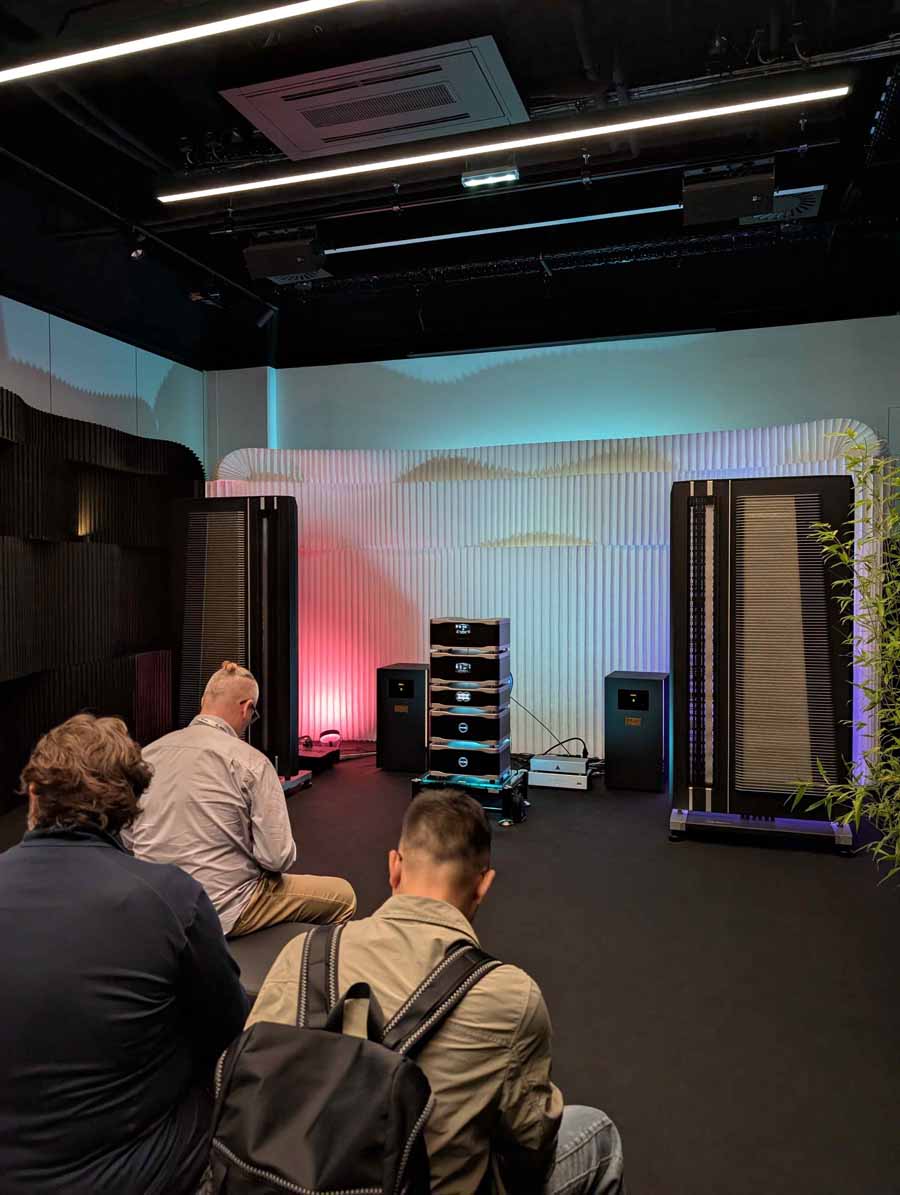
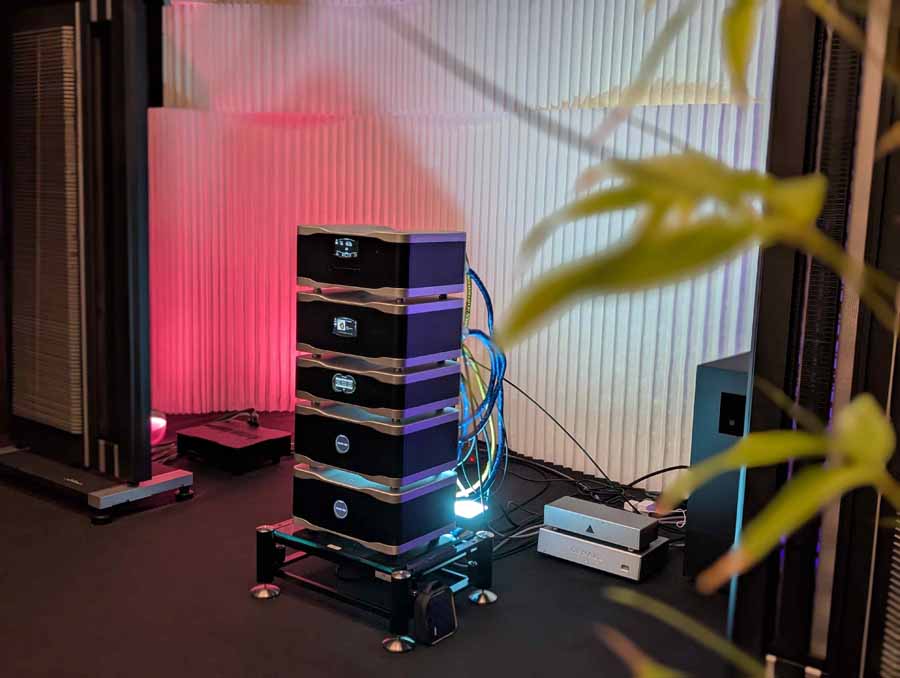
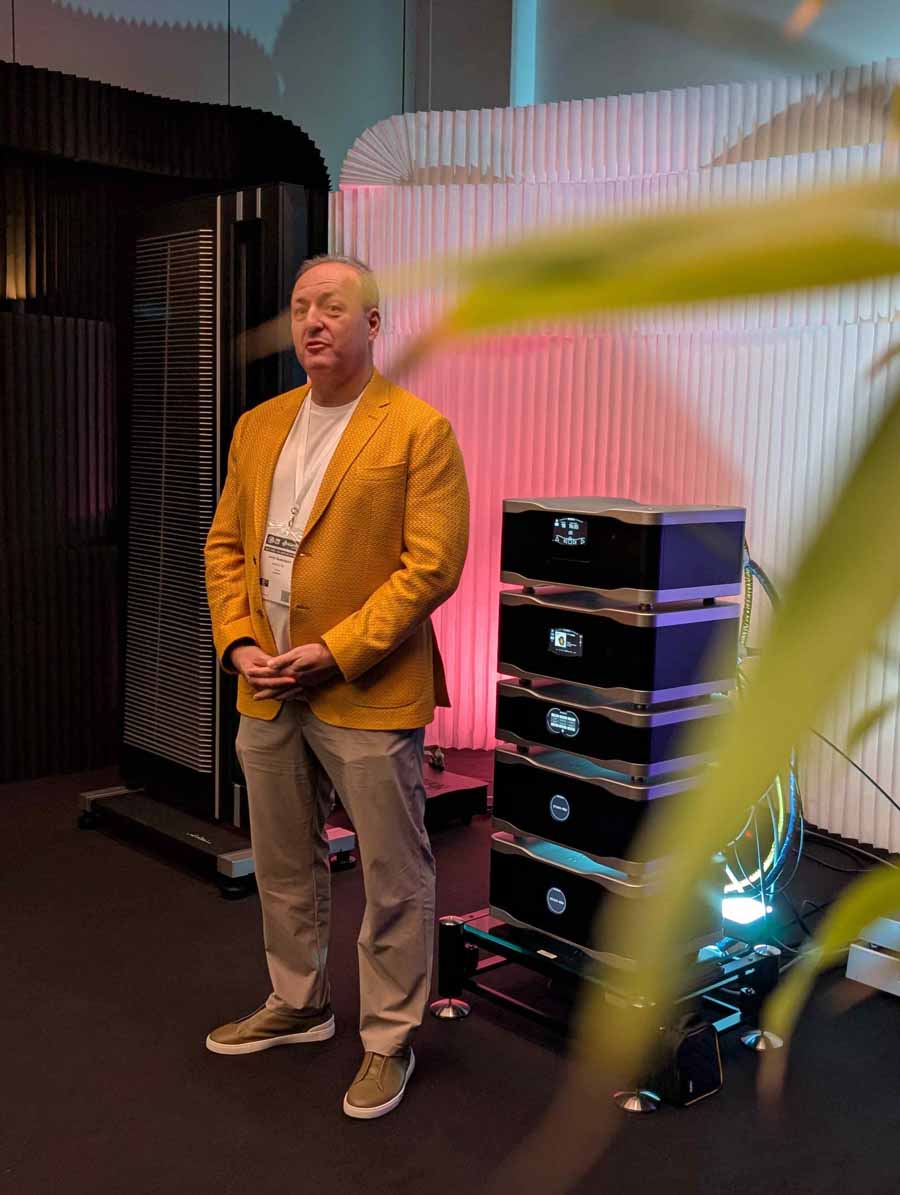
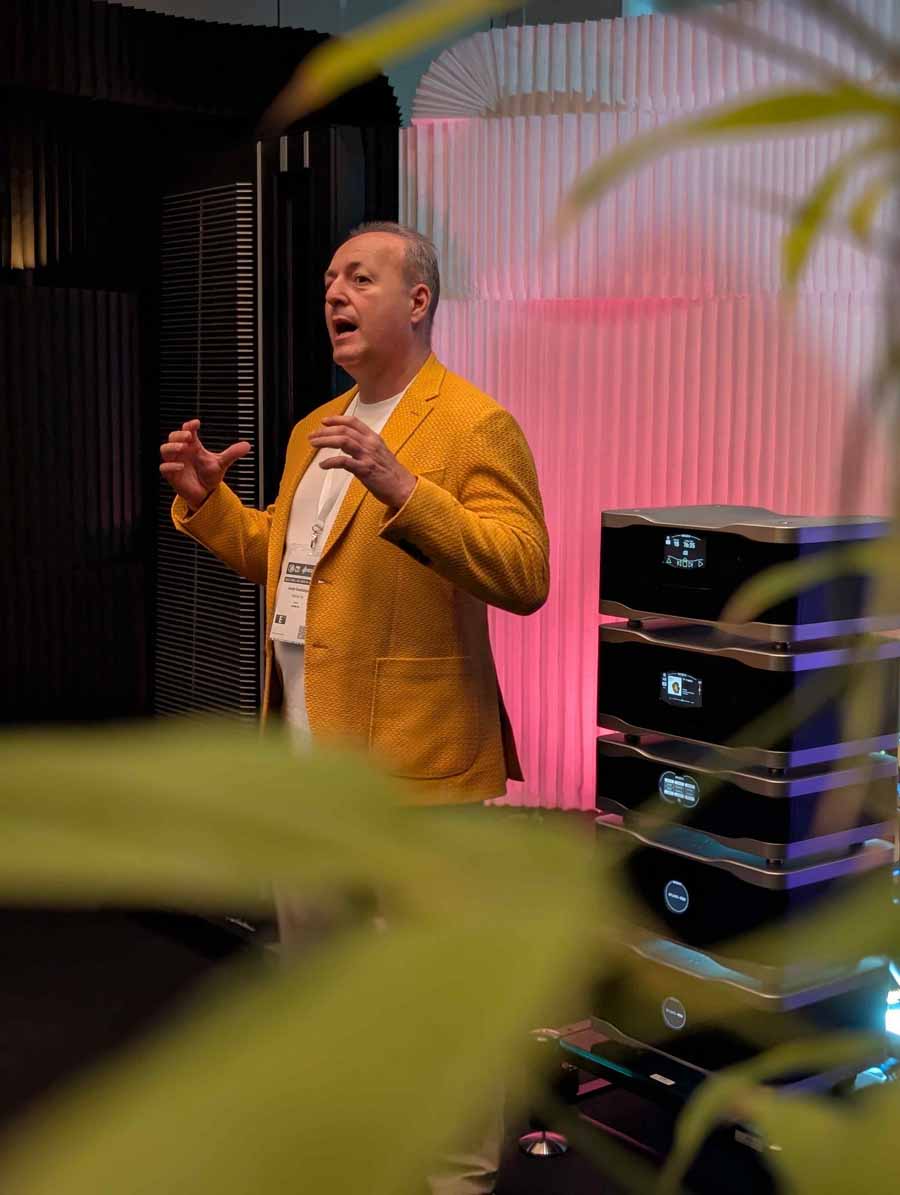
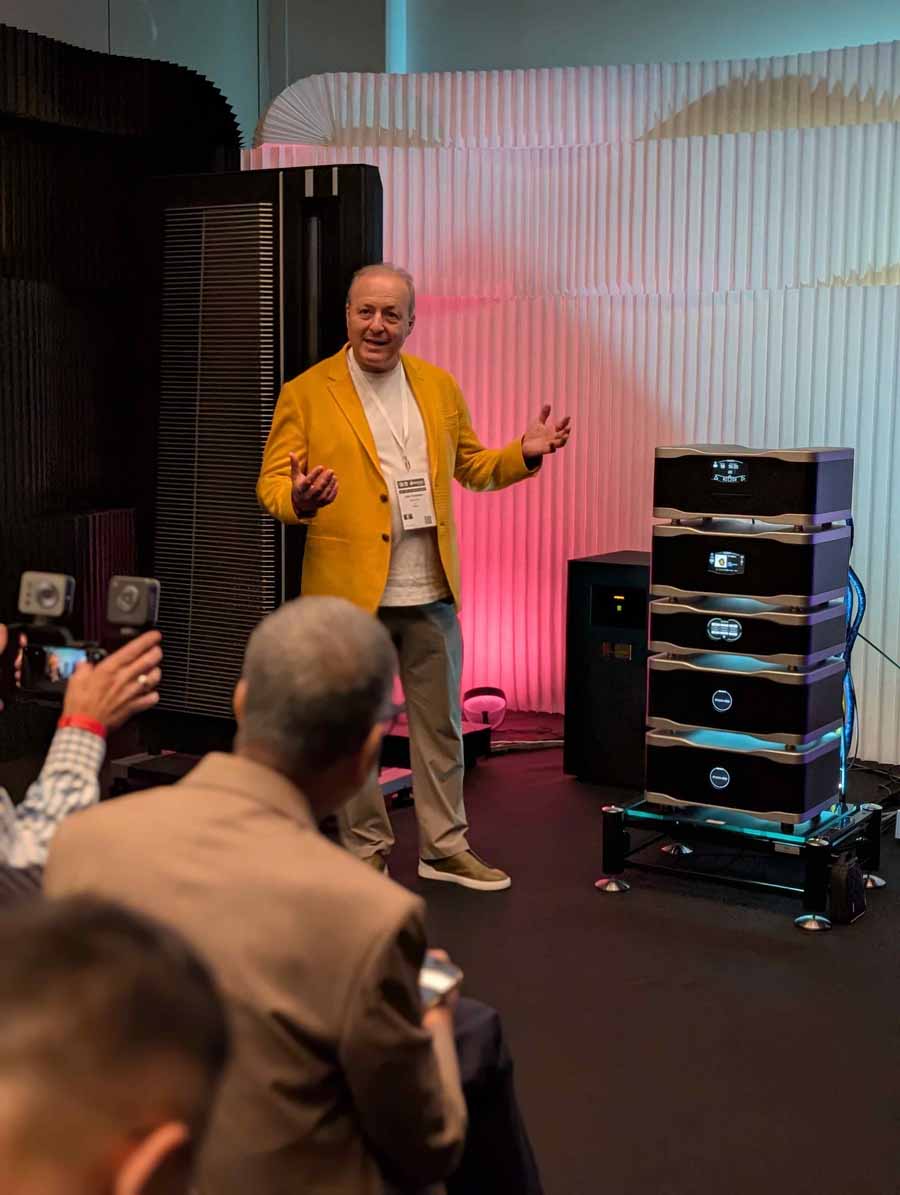
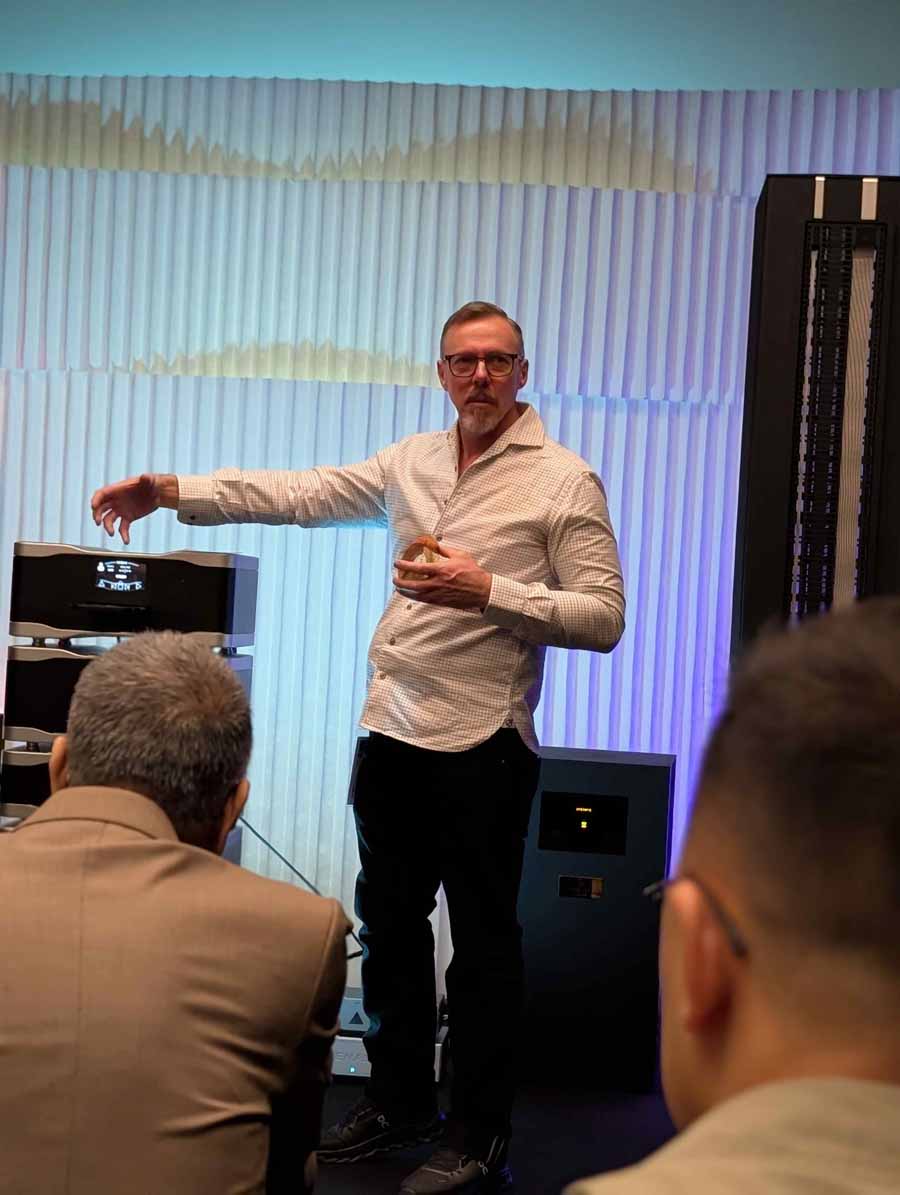
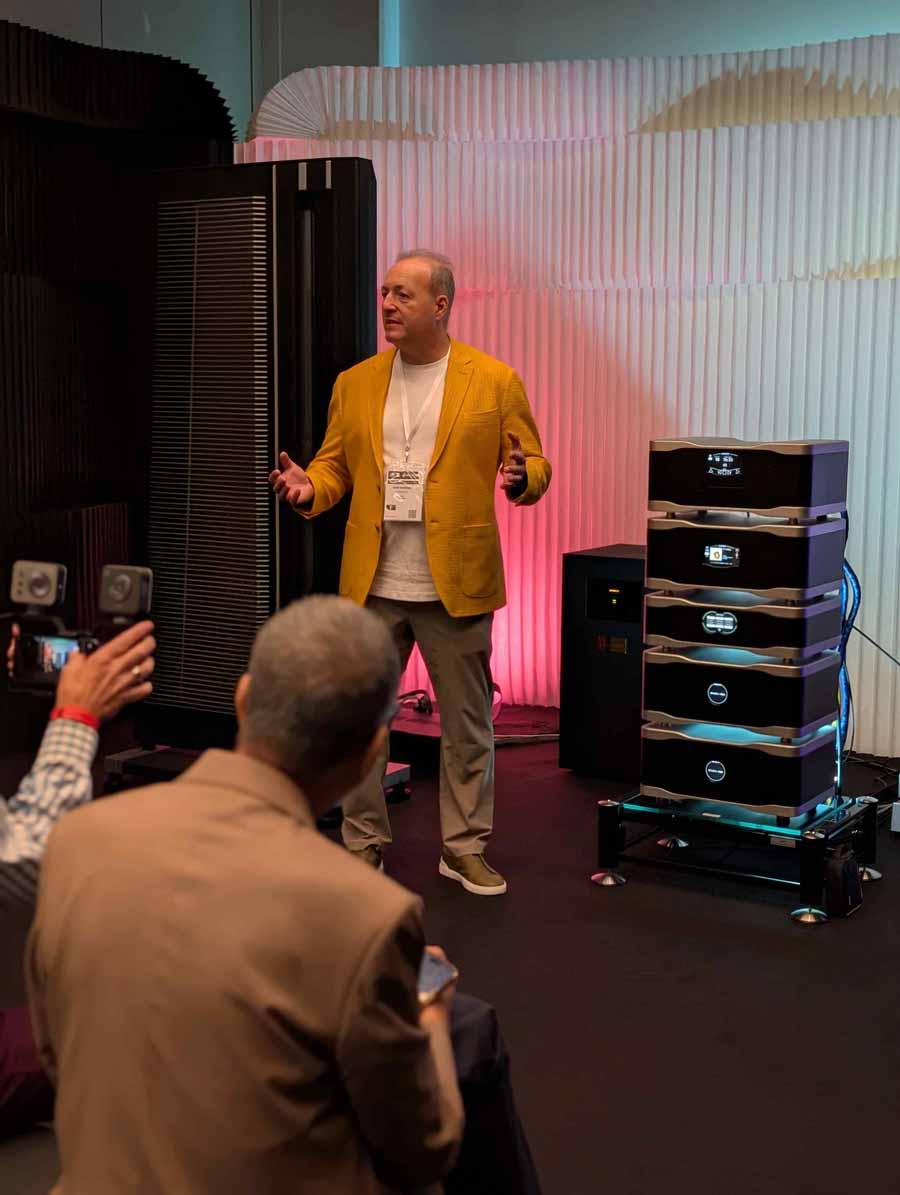
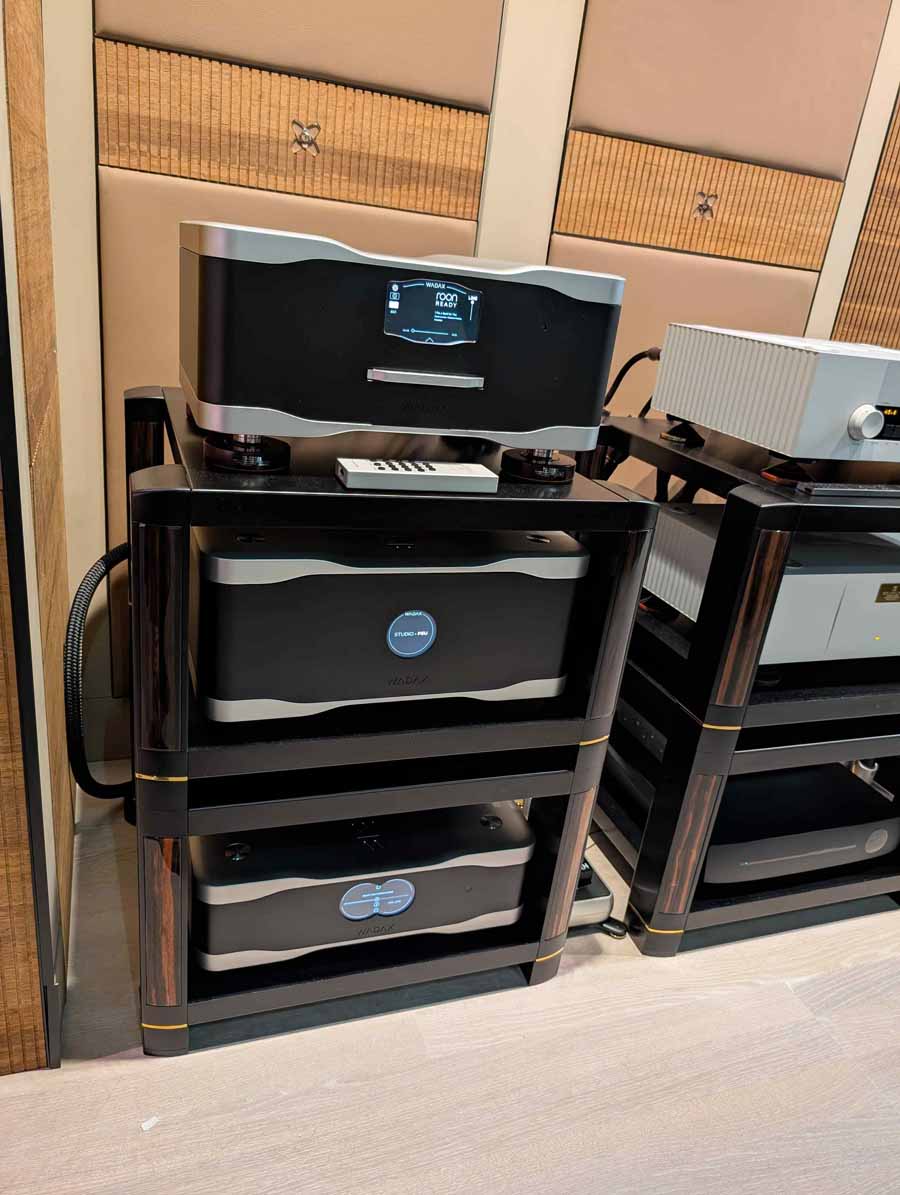
We’d already attended a first-class demonstration of the new WADAX Studio kit, but it was nice to simply sit and listen to a few tunes through this system.
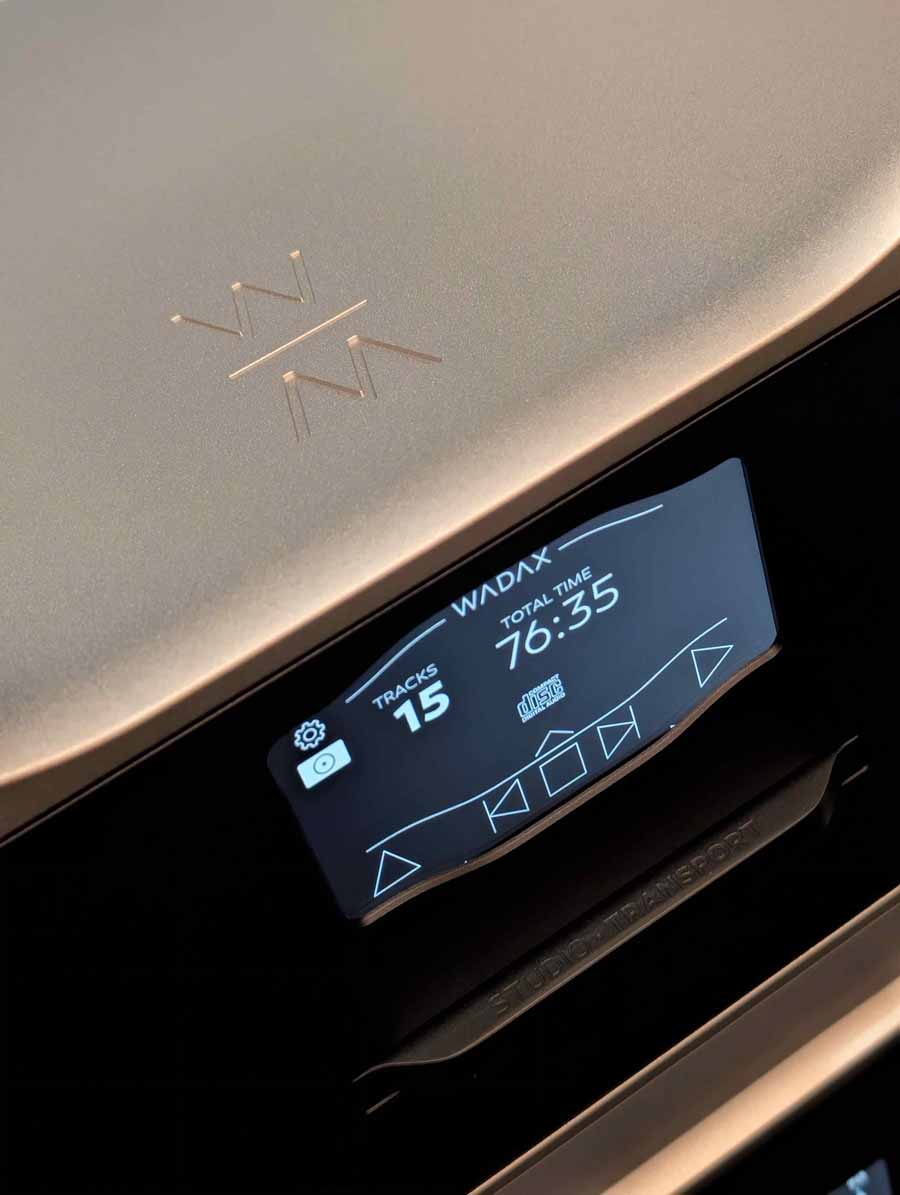
WADAX used High End Vienna 2026 to debut its new Studio DAC Collection, a modular digital playback system built around two core products: the Studio DAC and Studio Transport.
The Studio DAC, priced at $42,950, combines DAC and streaming functionality and uses the company’s mono modules with RAXA technology. It also introduces a dedicated headphone stage with both standard jack and balanced 4-pin XLR outputs. Connectivity includes AES, BNC, RCA, Toslink, and Akasa Optical, with support for Roon Ready, UPnP, Tidal, and Qobuz.
Joining it is the Studio Transport at $39,500, a dedicated CD/SACD transport featuring the company’s THORstudio optical pickup mechanism and DWC technology. Integration between components is handled through the Akasa Optical interface.
WADAX says the Studio DAC Collection is designed as a scalable ecosystem with ten performance levels and compatibility with existing Studio products including the Studio Clock, Studio PSU, and Akasa DC cables.
Look, this is at the extreme end of high-end audio, but there’s clearly a synergy going on here with the kit that just sounds effortlessly gorgeous.
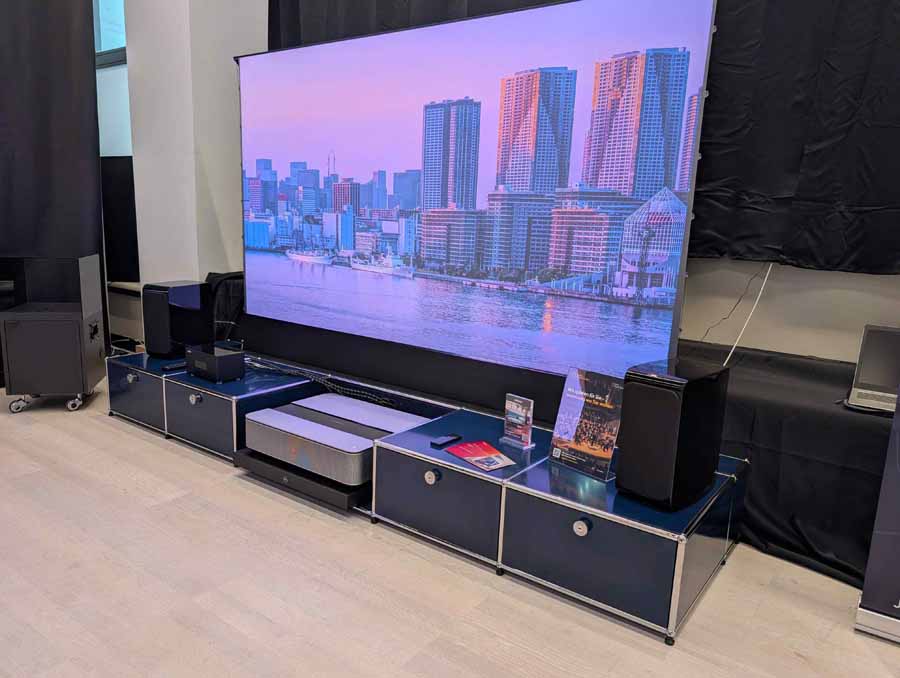
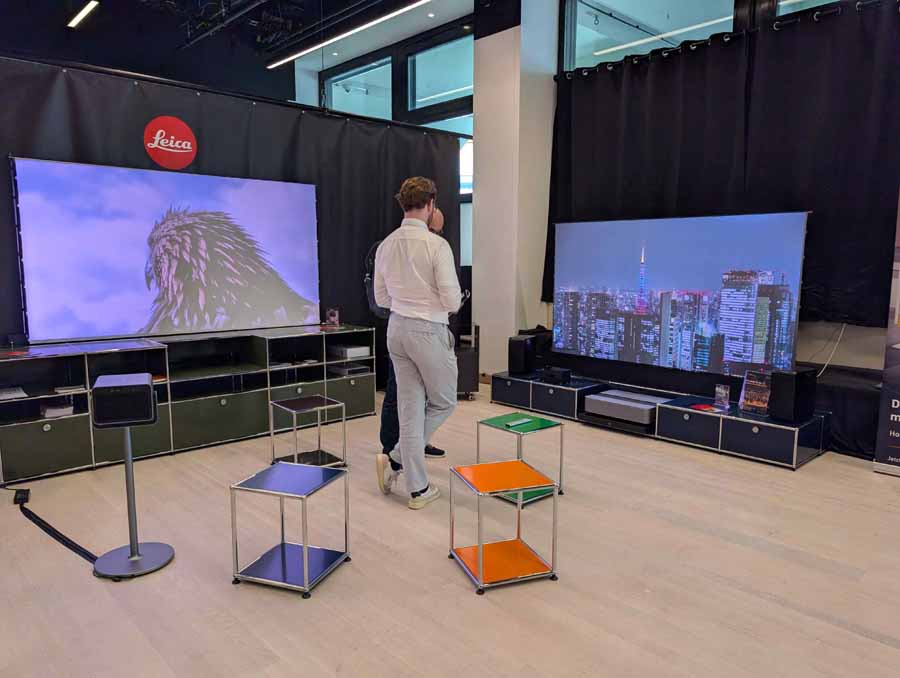
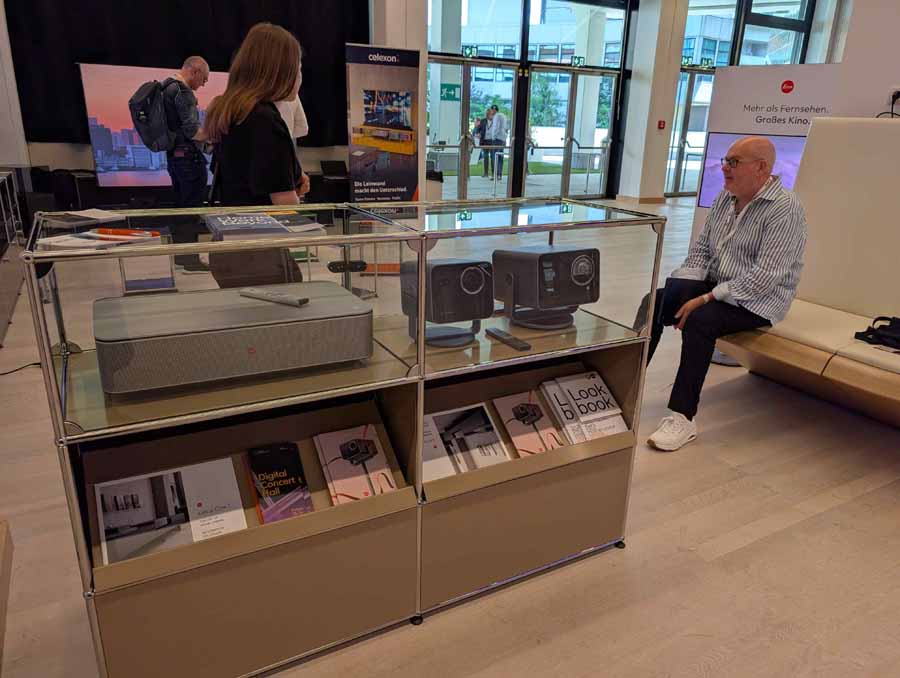
LEICA AND USM
A cool pairing of Leica projectors with USM furniture.
KHARMA
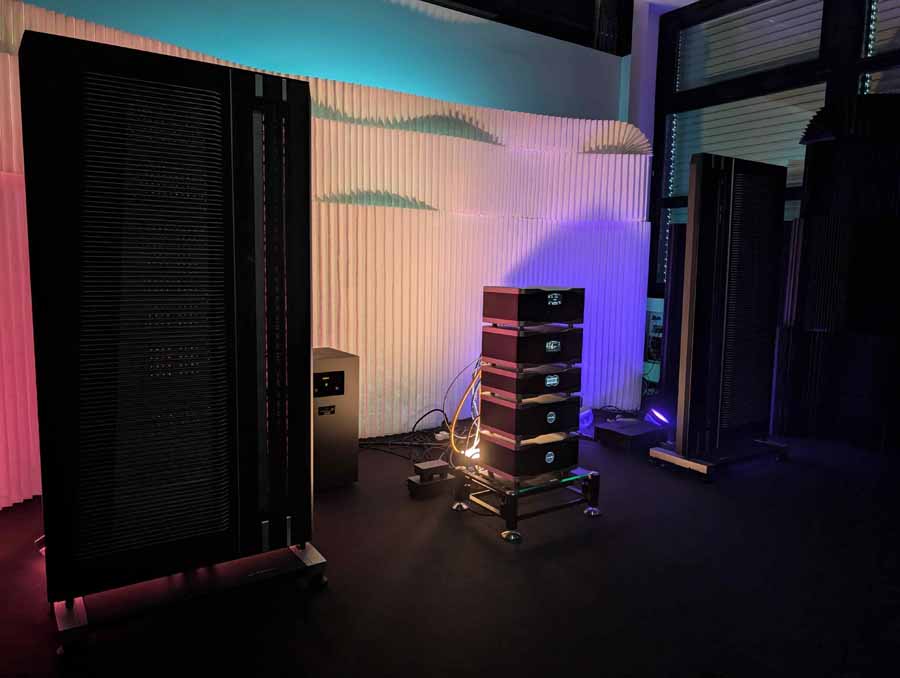
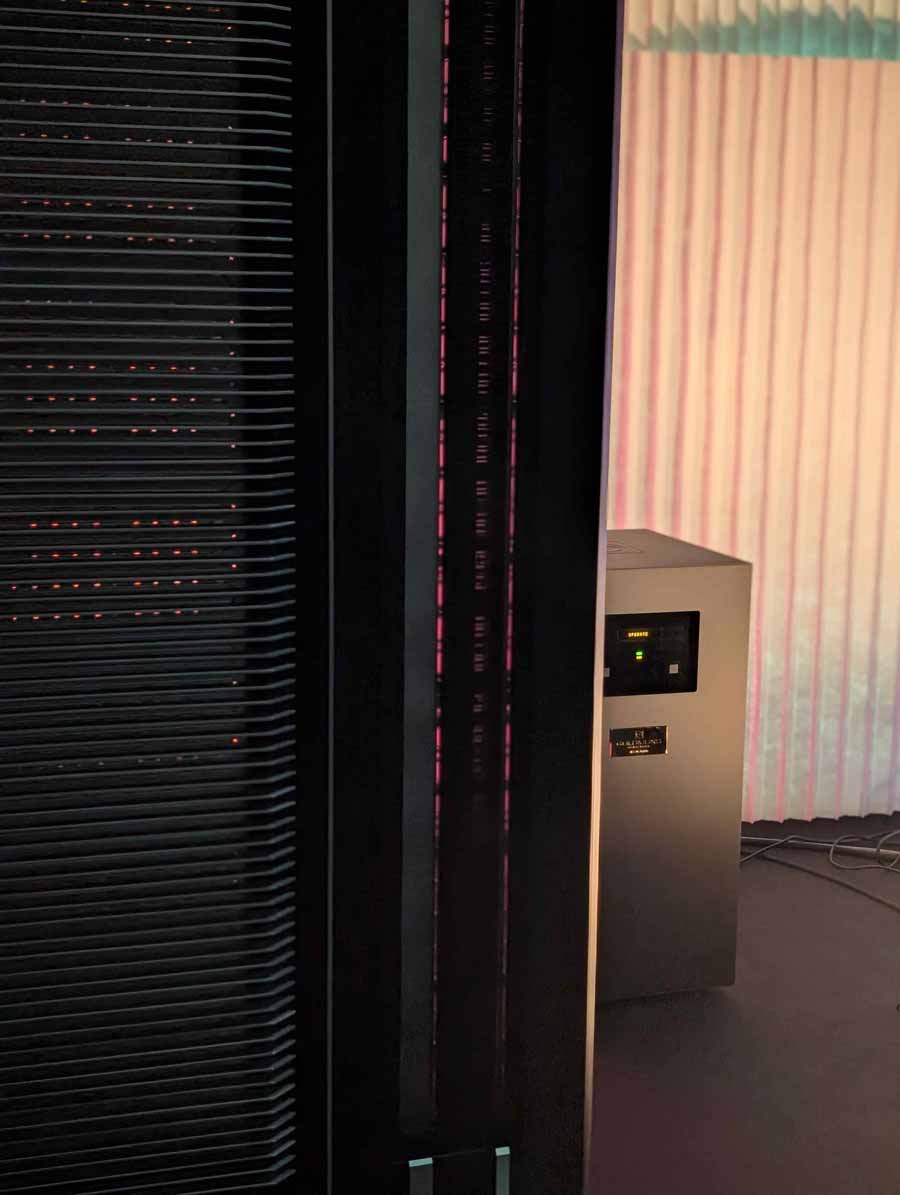
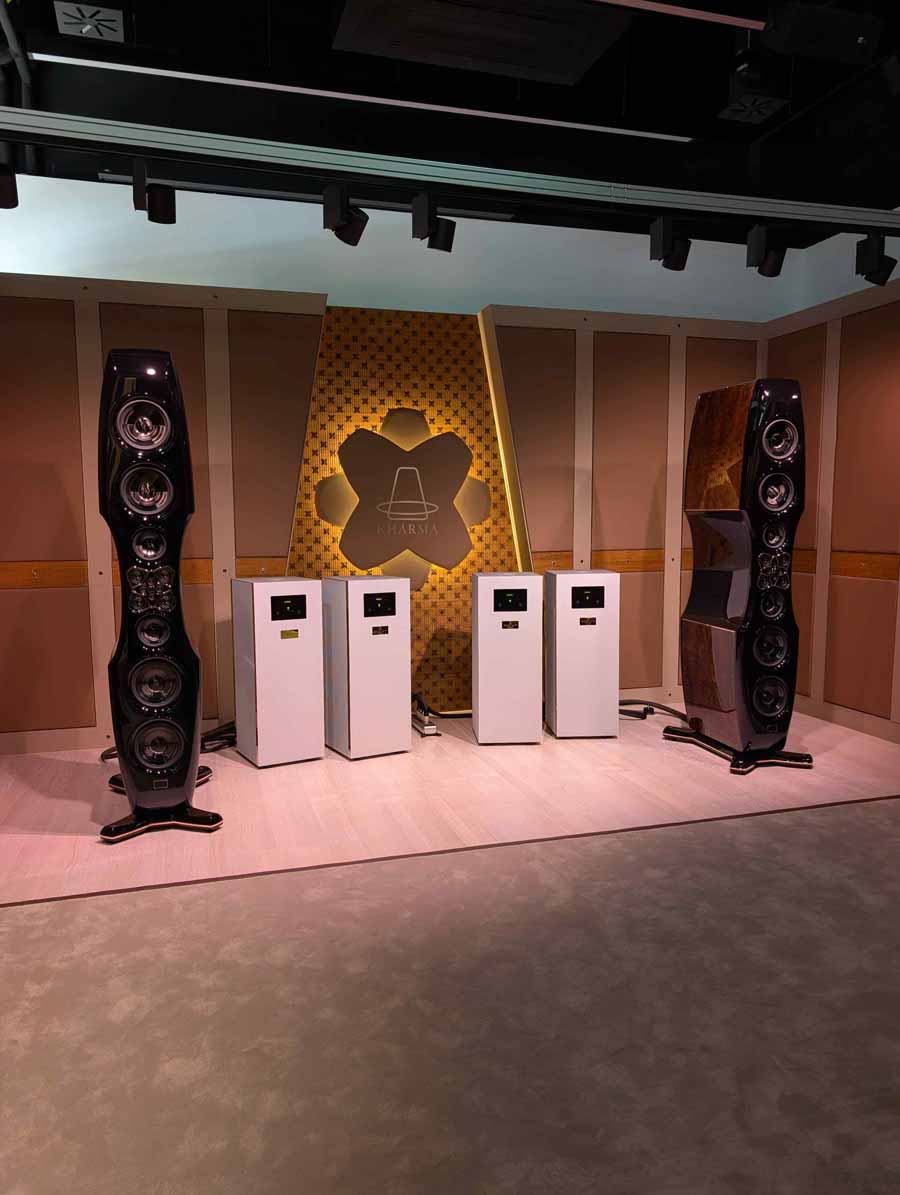
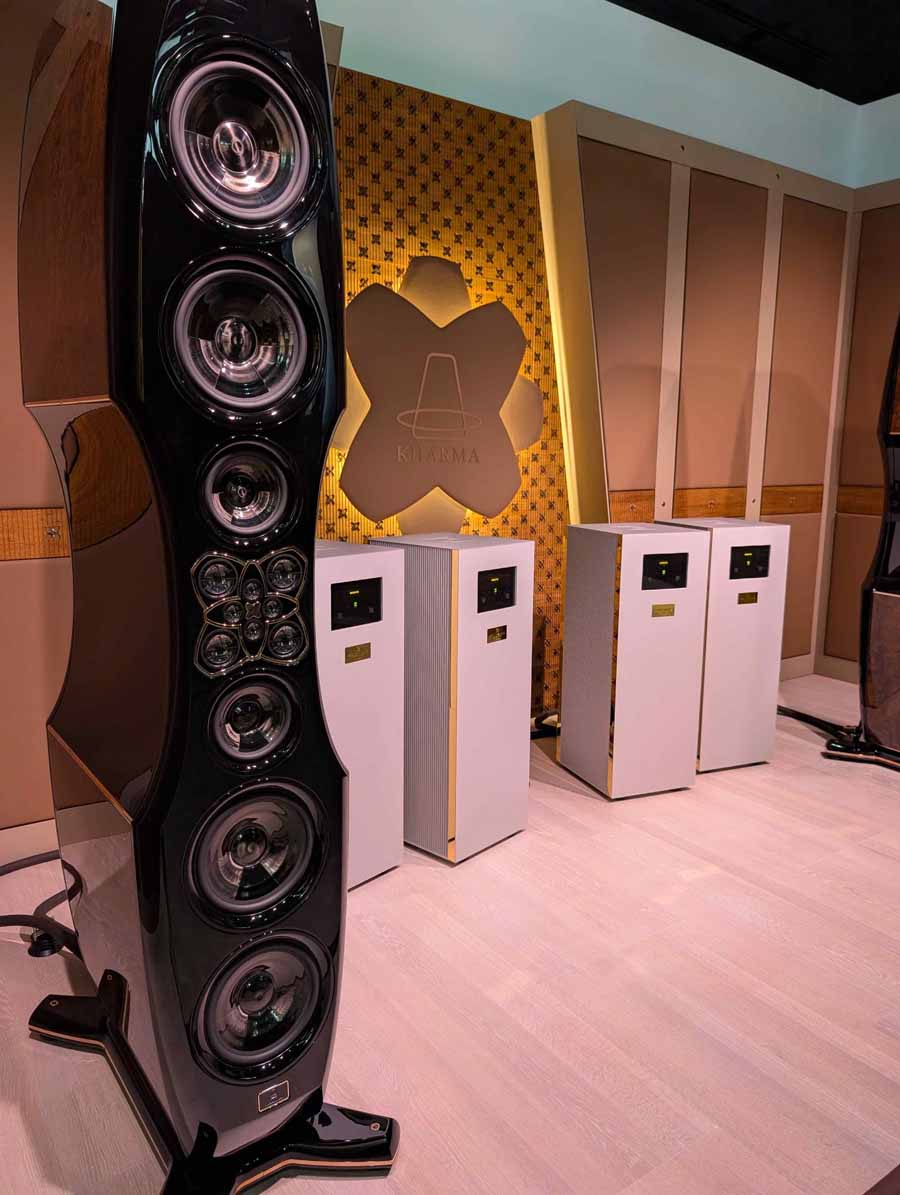
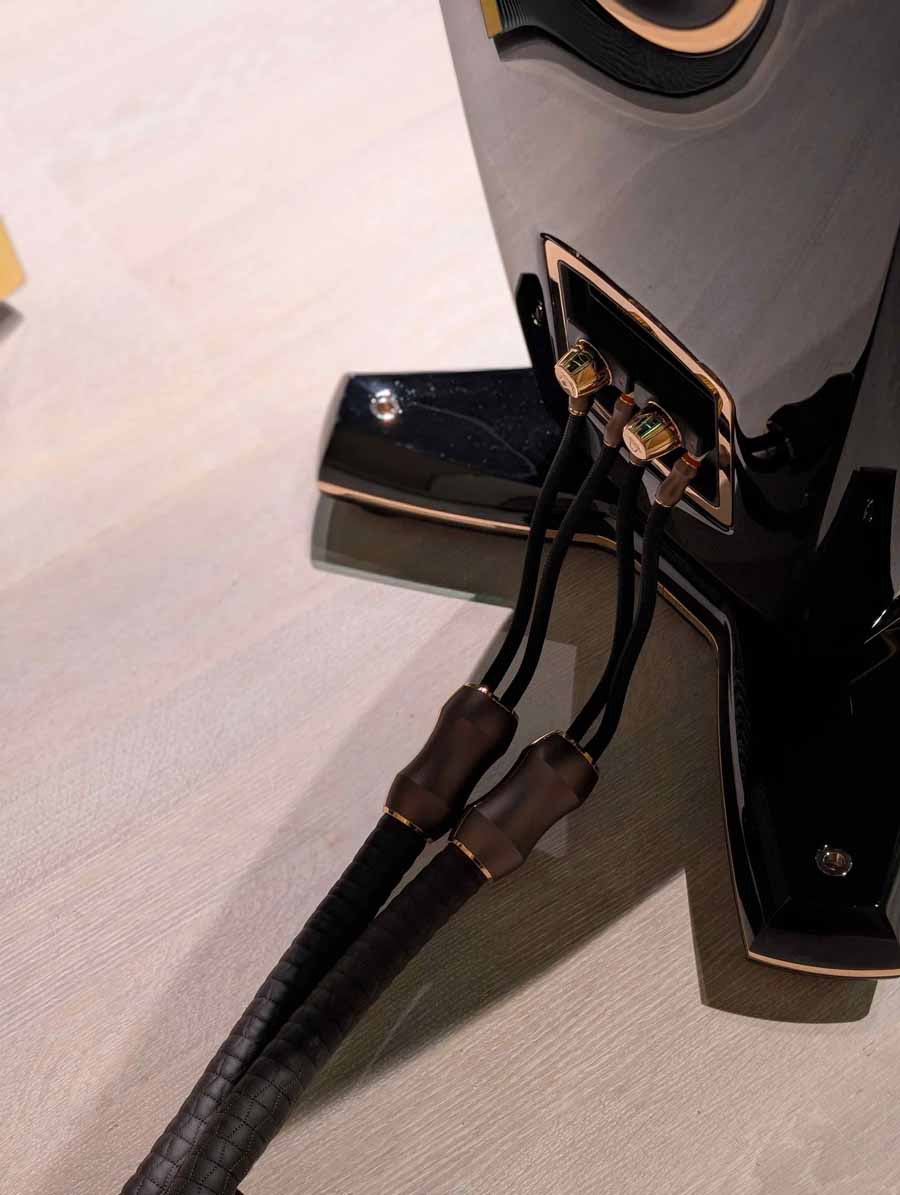
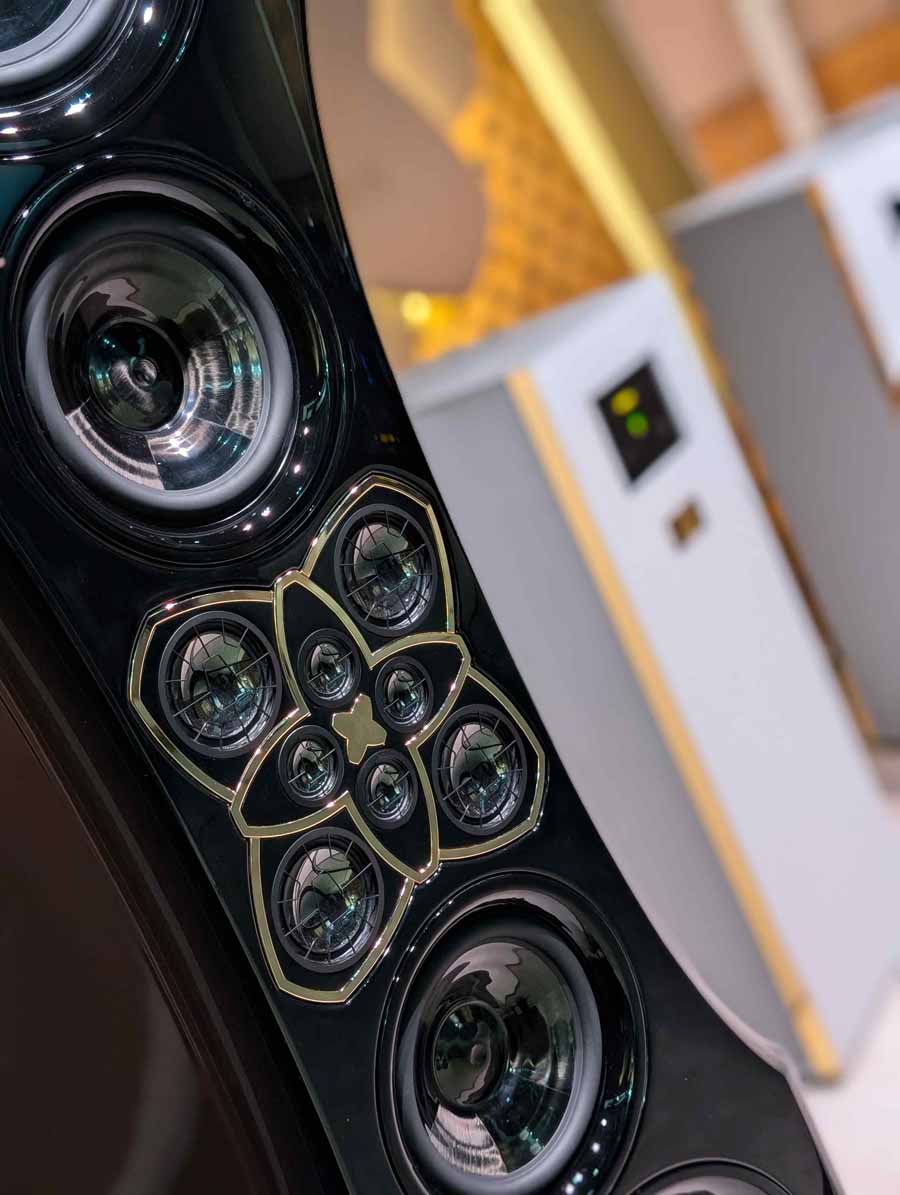
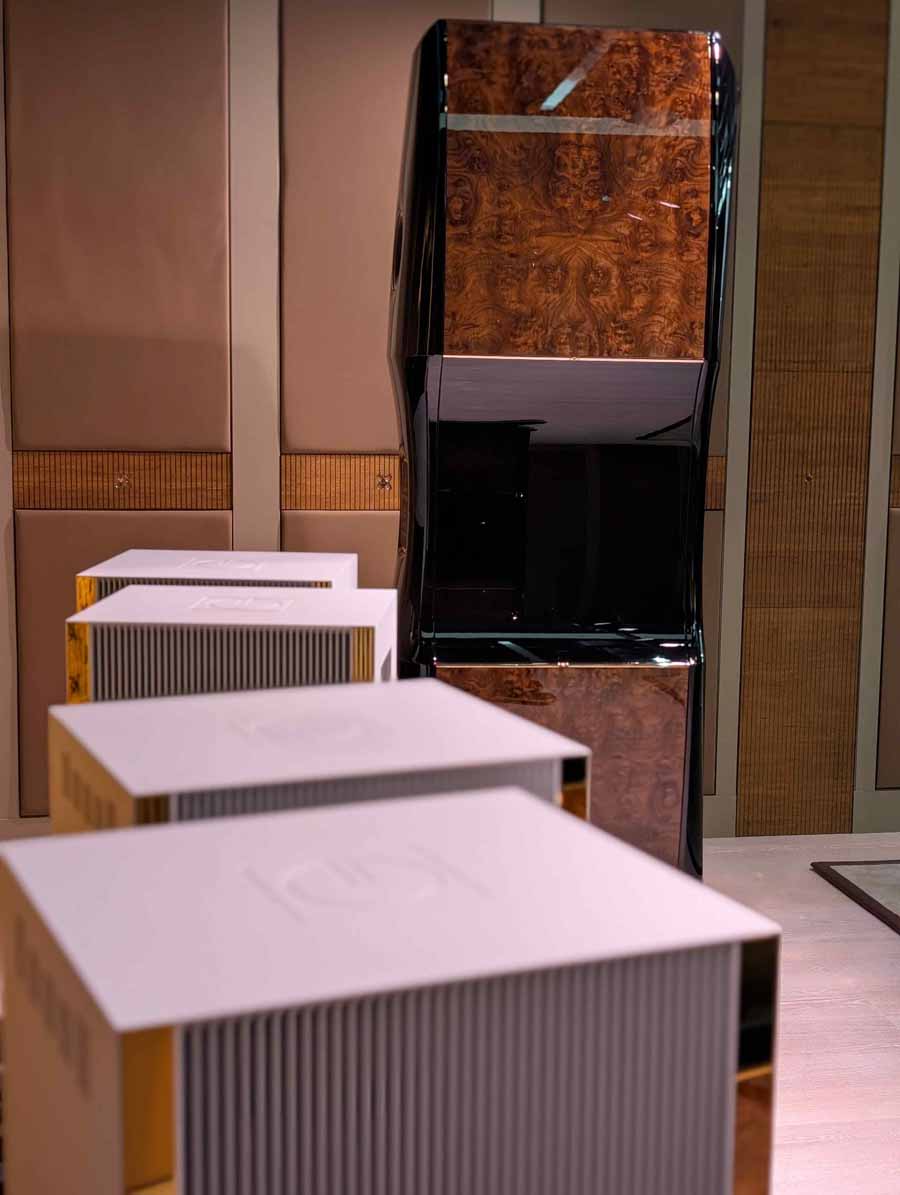
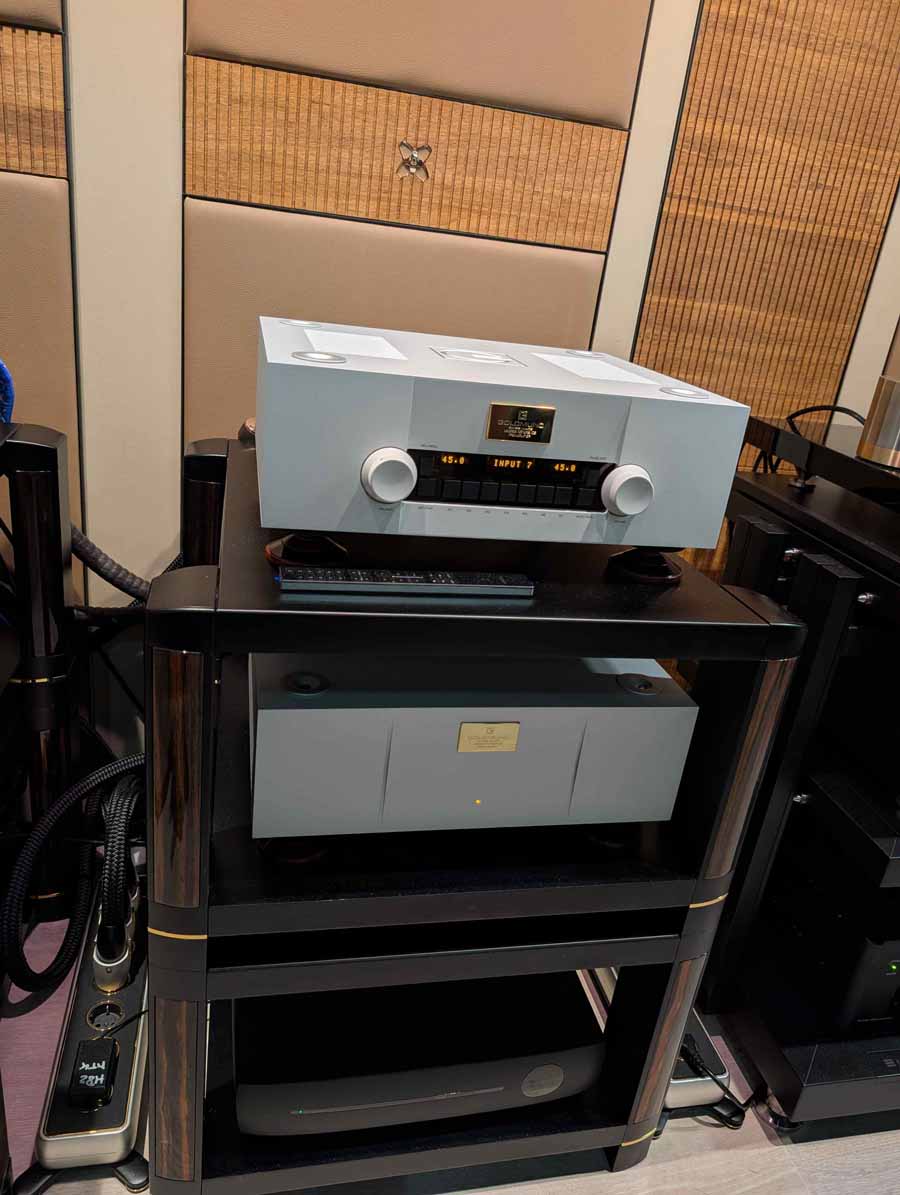
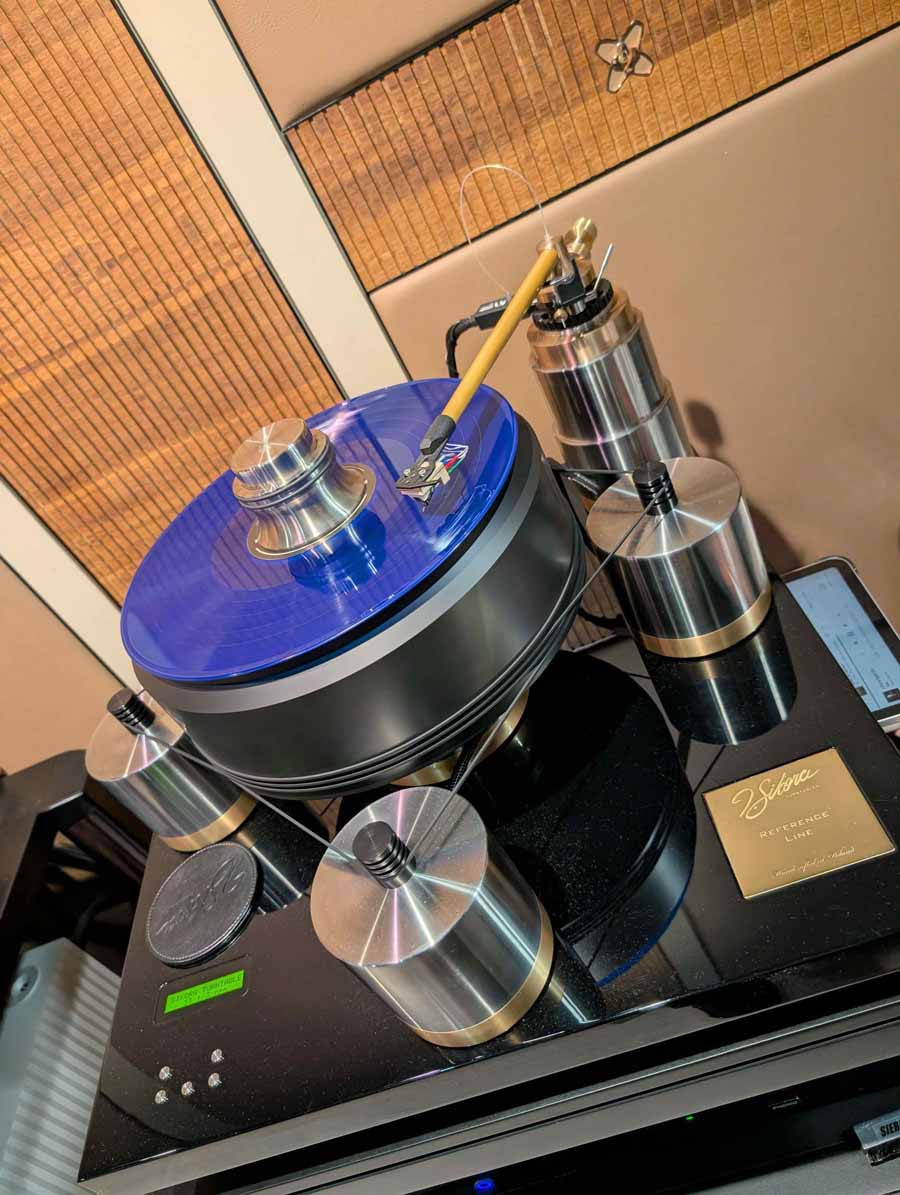
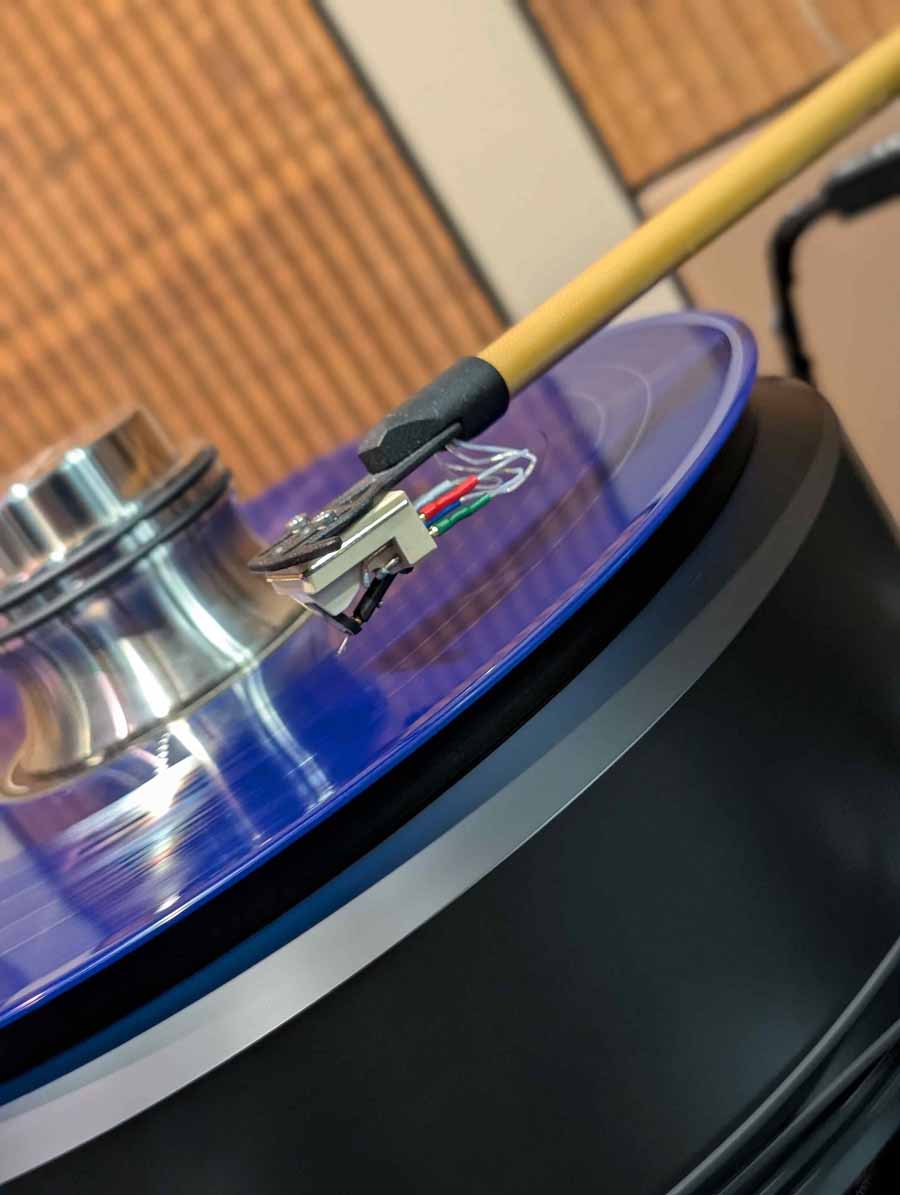
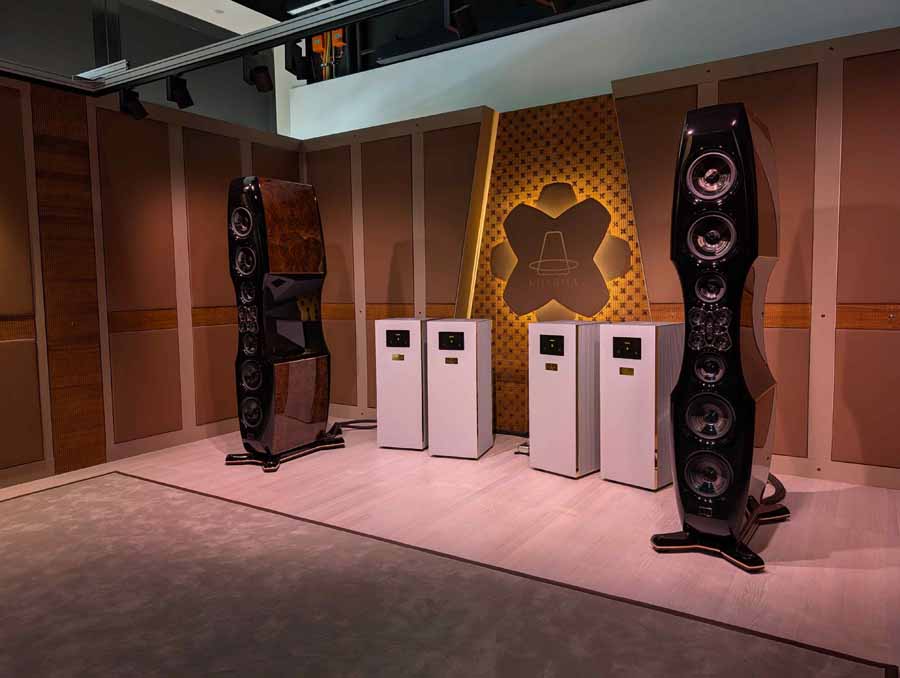
Golmund Telos 8800 amps were powering the new speakers from KHARMA with a J Sikora Reference Line turntable fronting the system on the vinyl side and a WADAX studio player dealing with streaming duties.
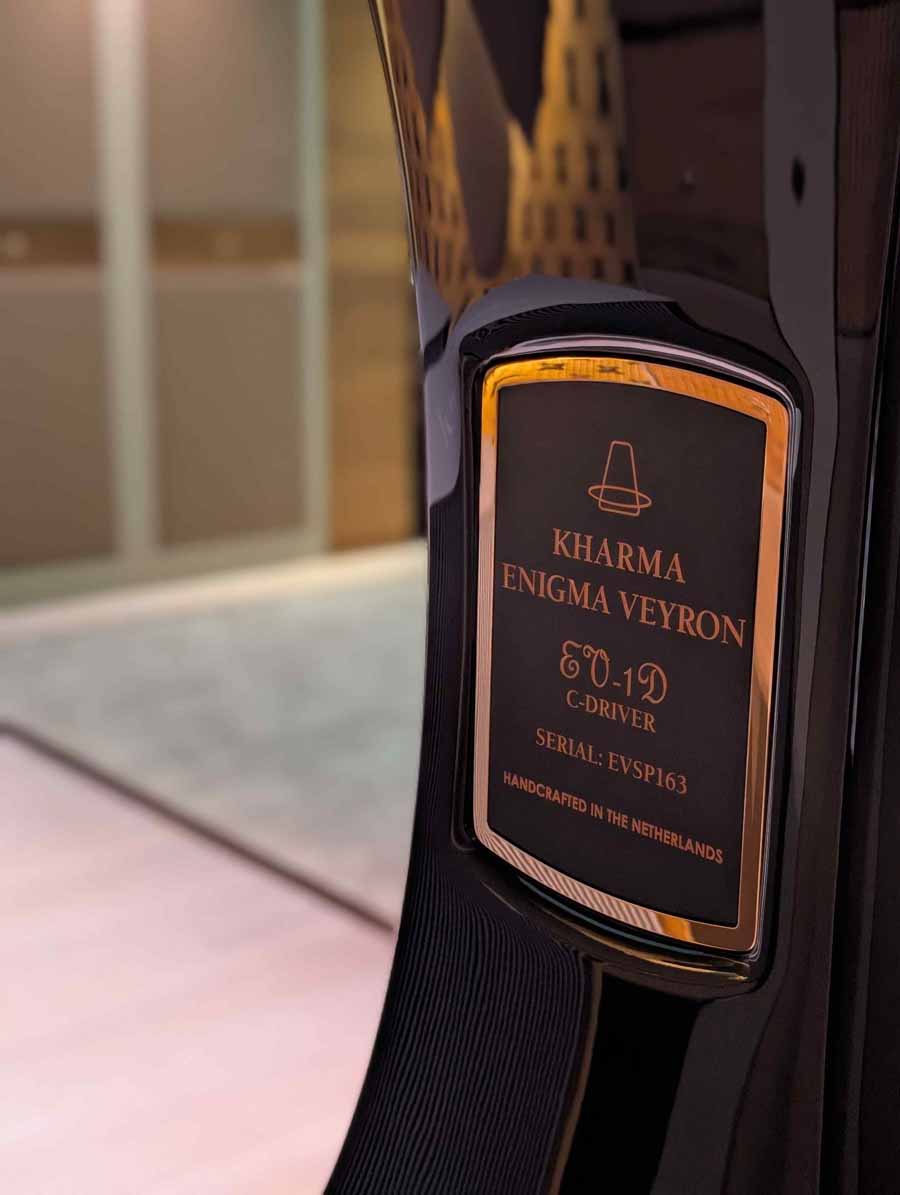
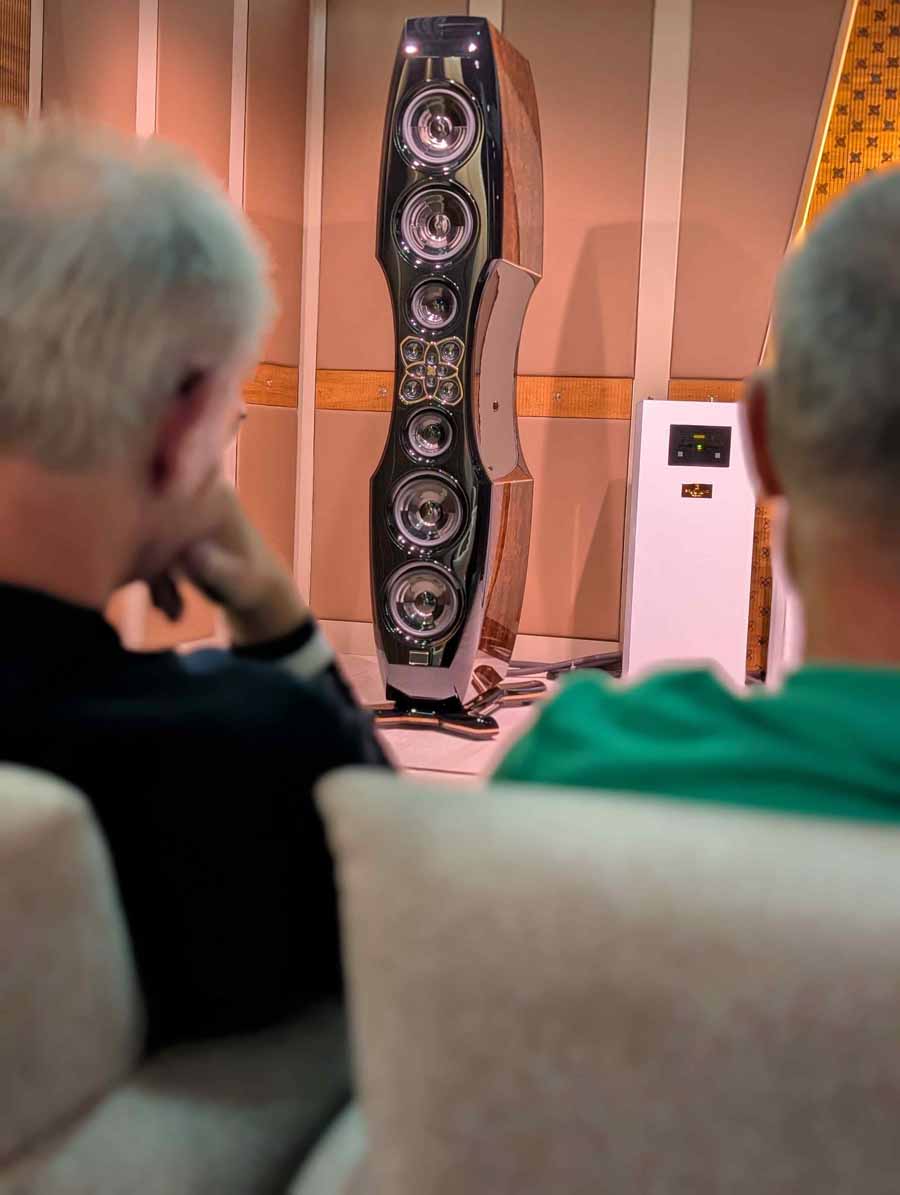
The speakers are the new KHARMA Enigma Veyron with wholly new drivers.
Eye-wateringly expensive, but if you can, why not?
I say this whenever we encounter KHARMA at shows around the world, but it has to be said that they certainly know how to put a room together. In fact, they essentially booked a room within a room,
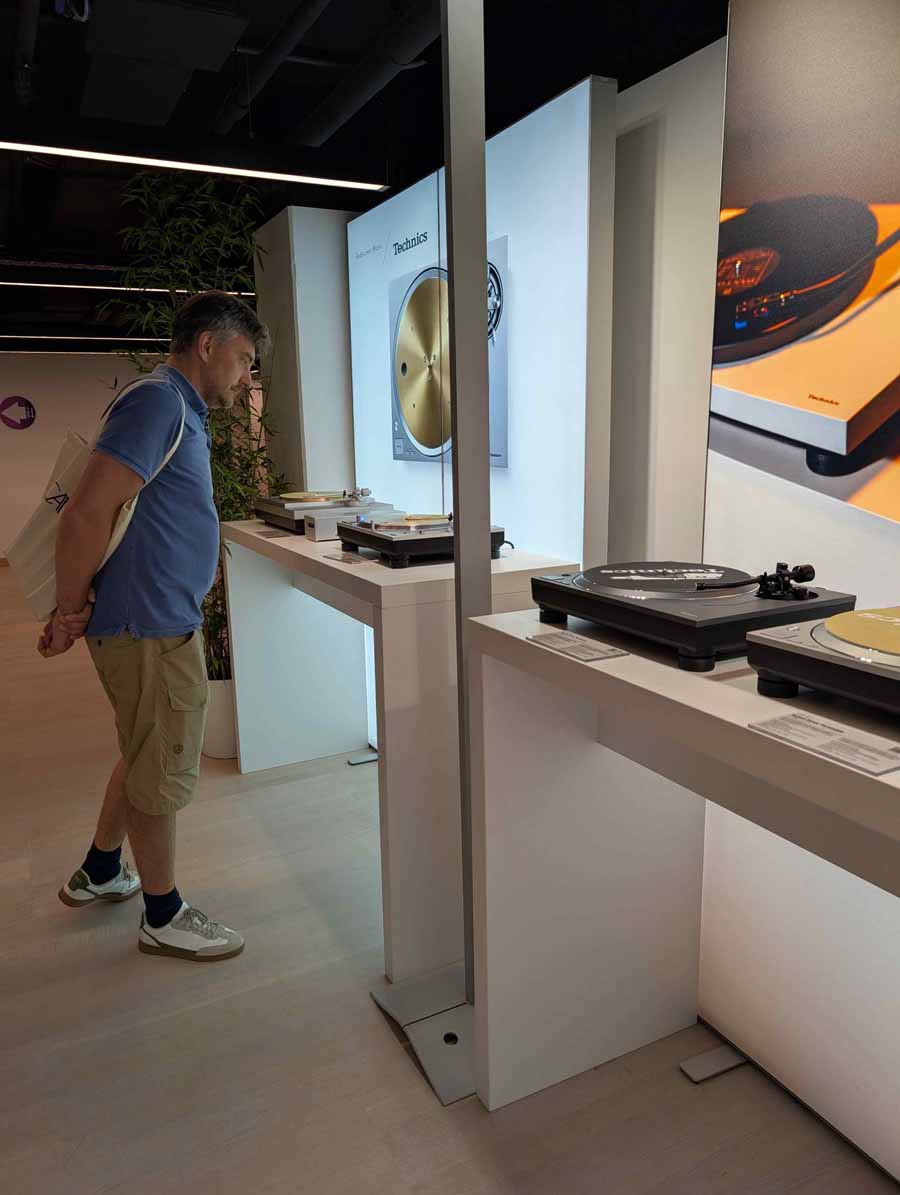
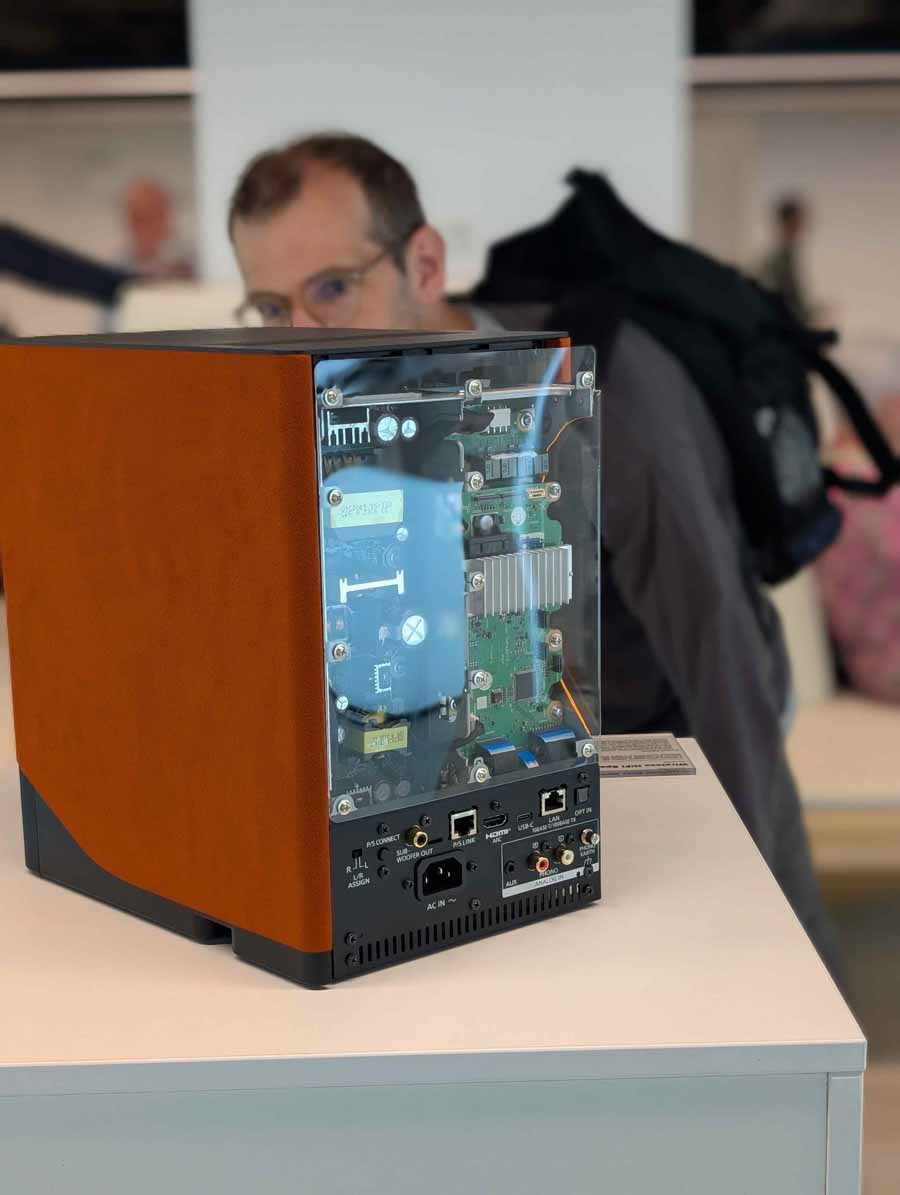
TECHNICS
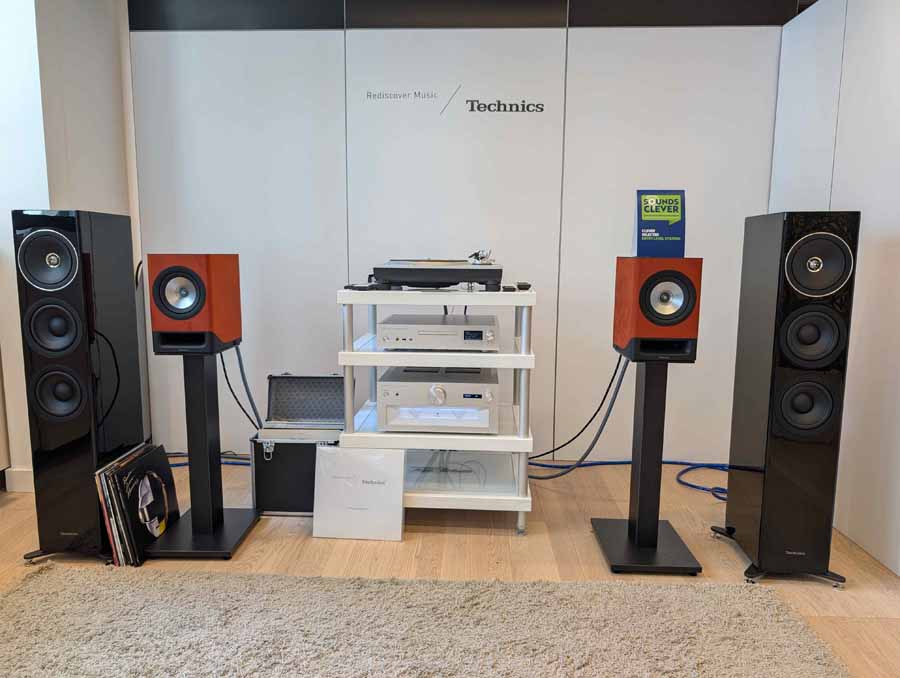
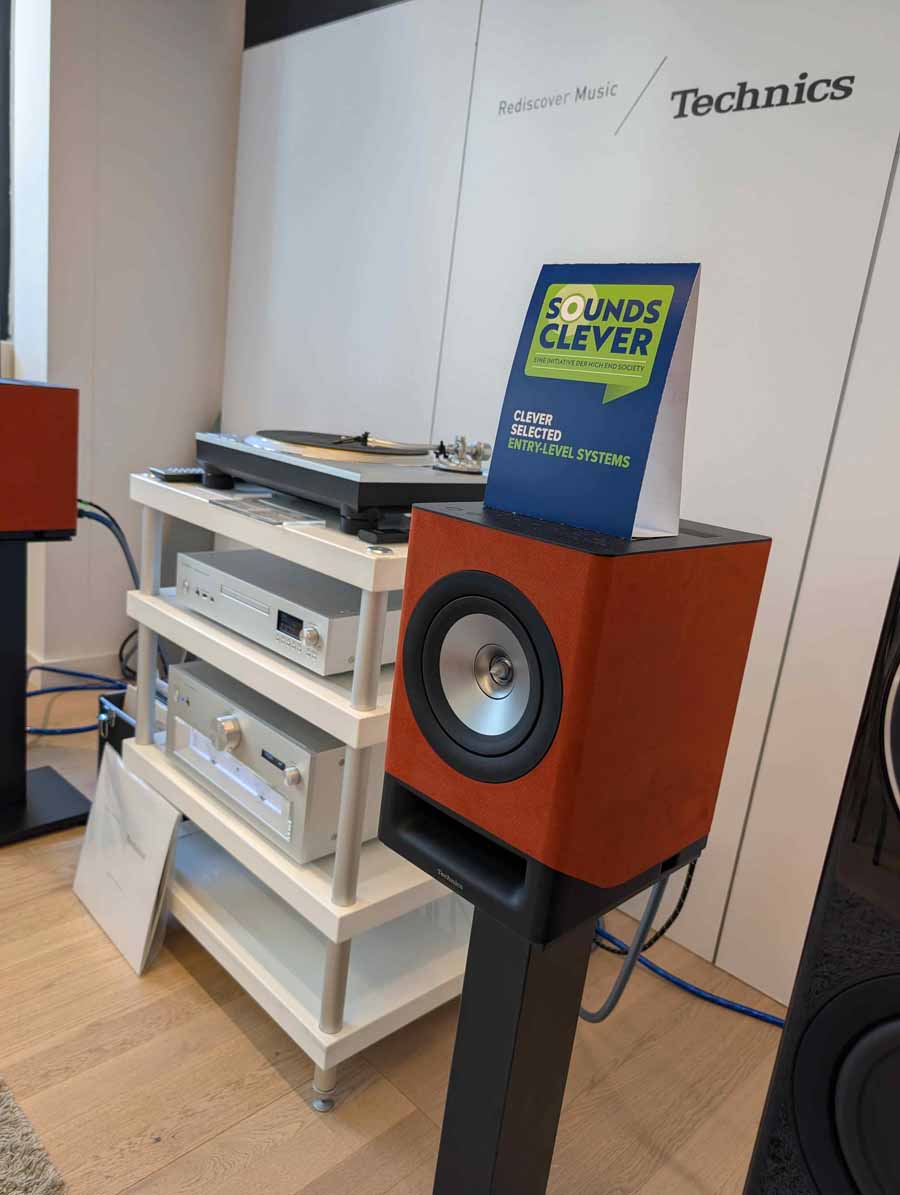
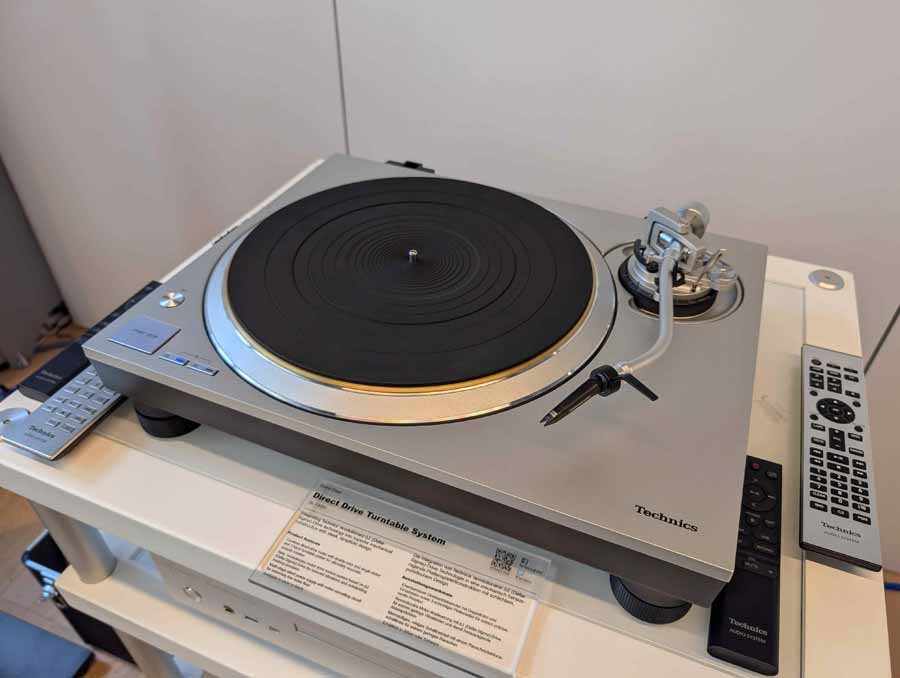
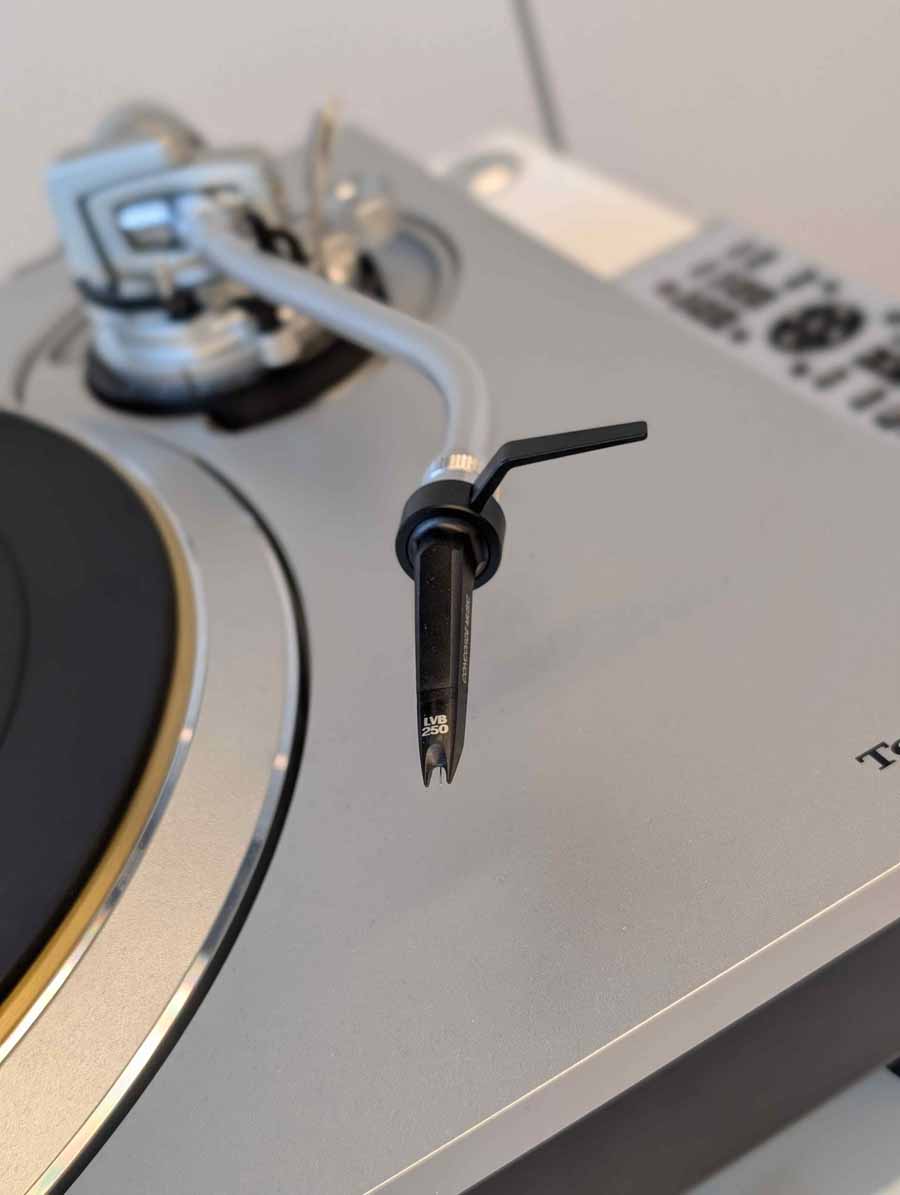
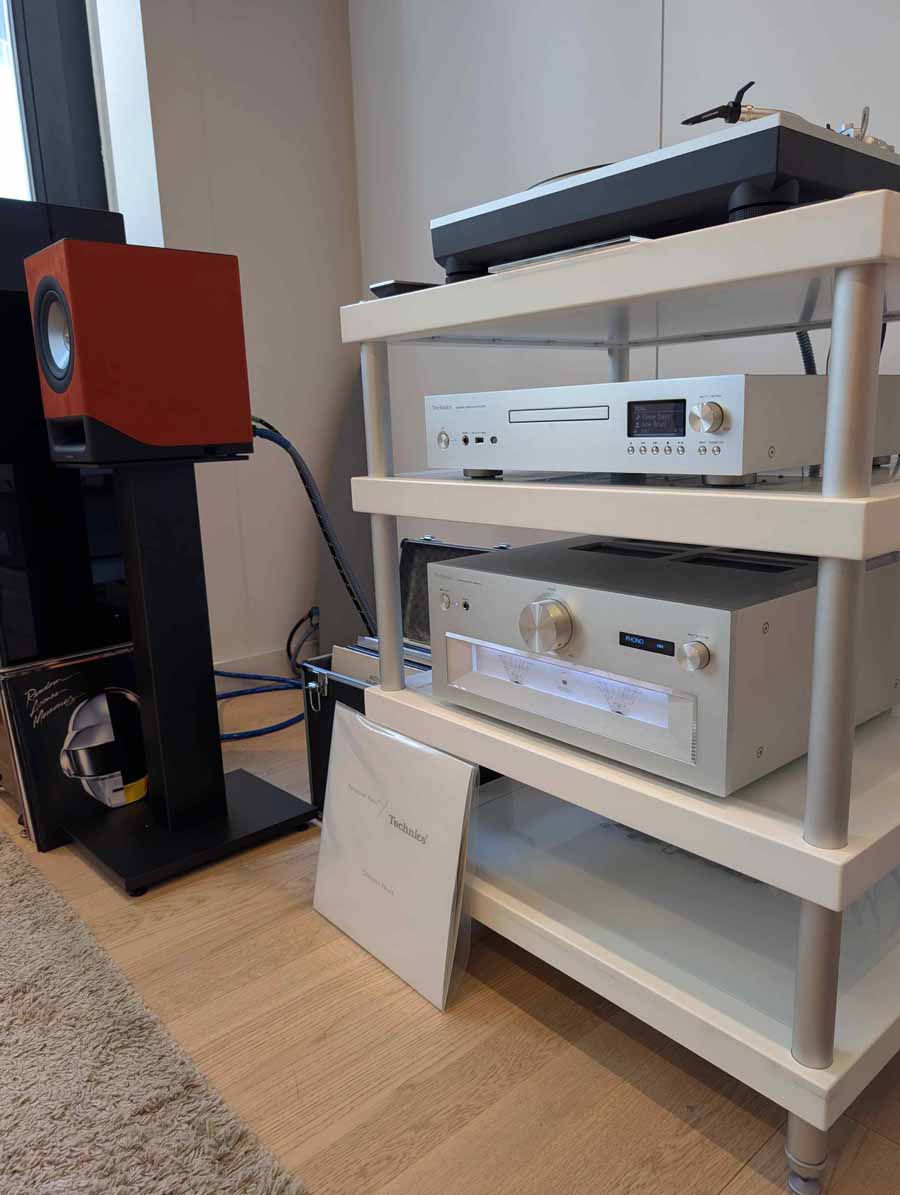
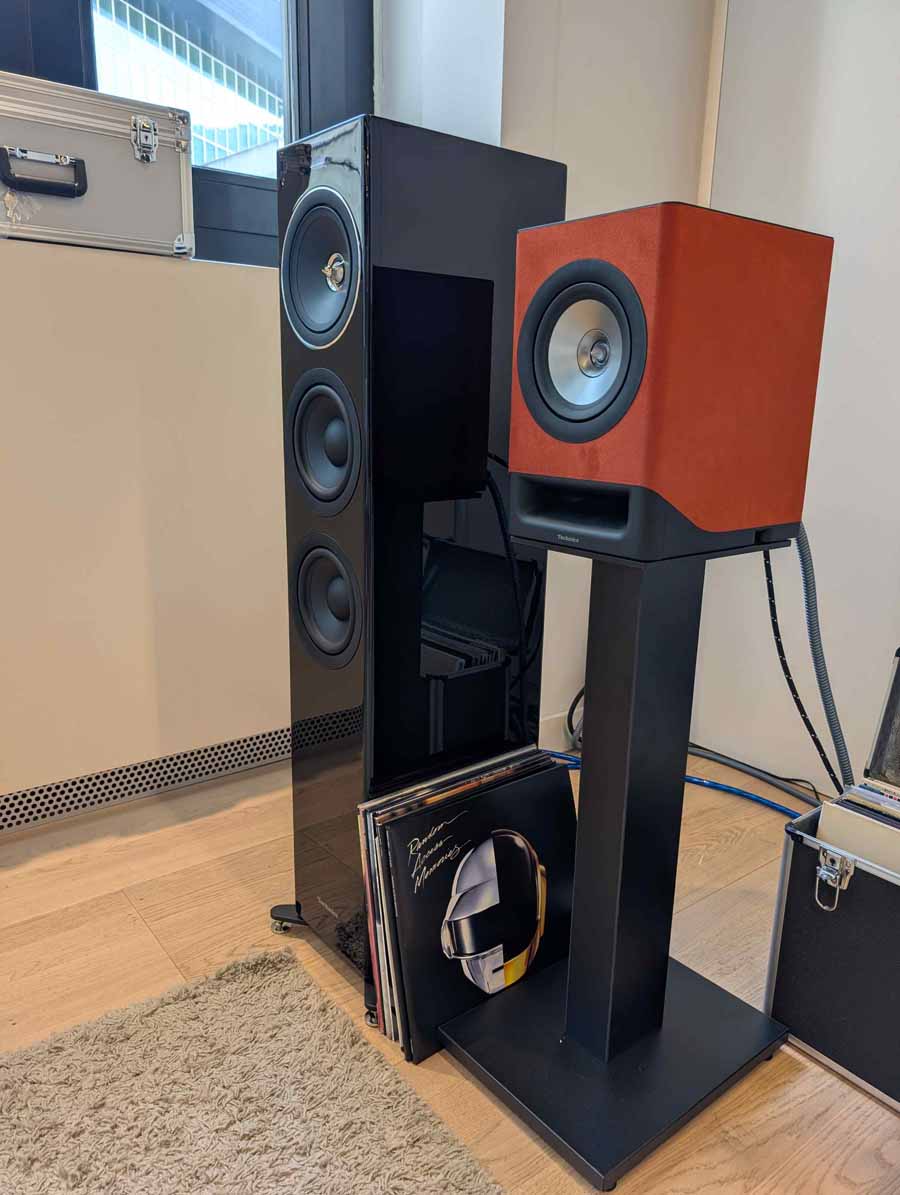
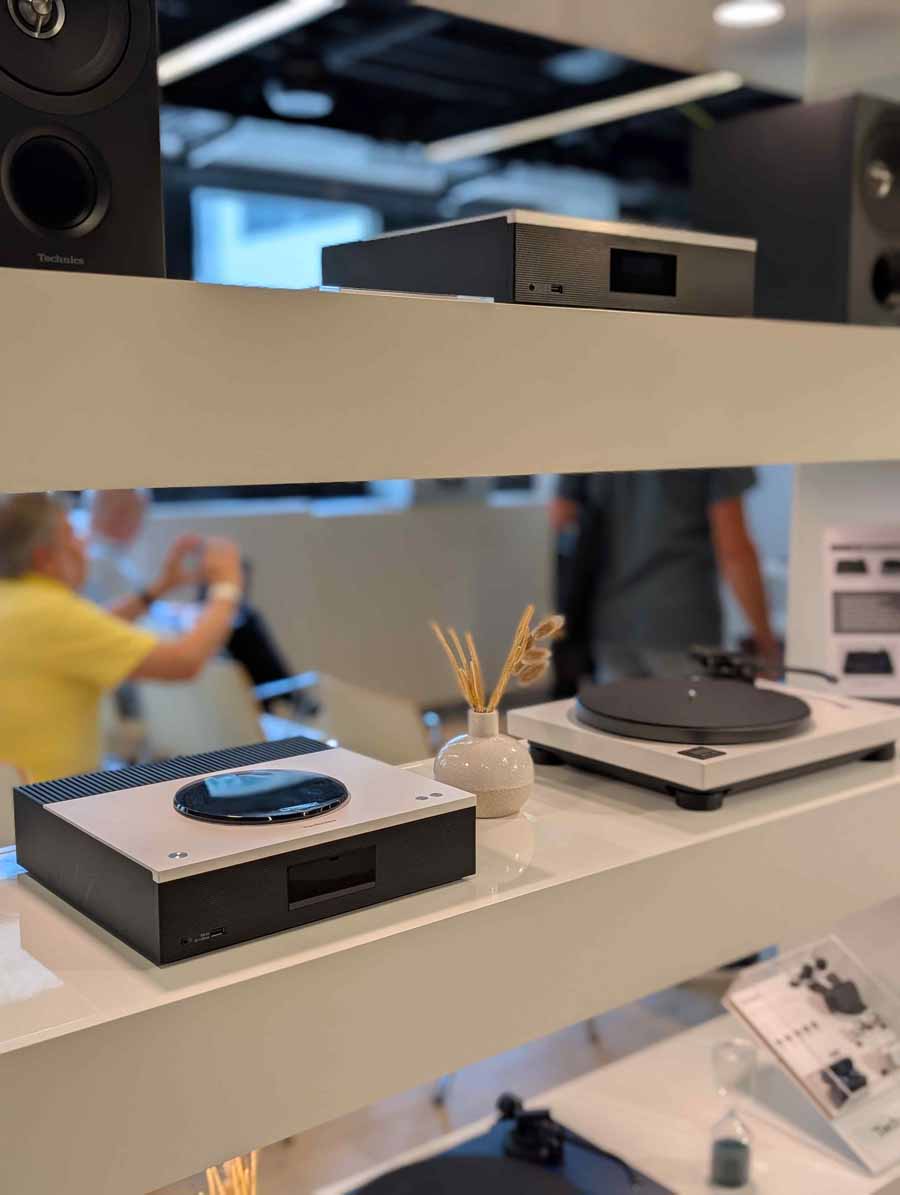
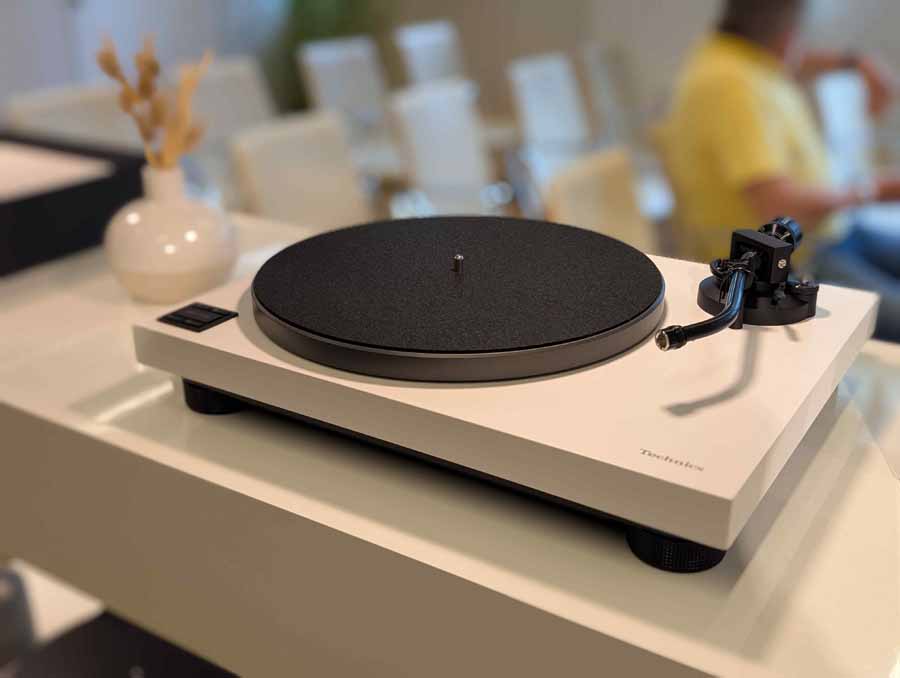
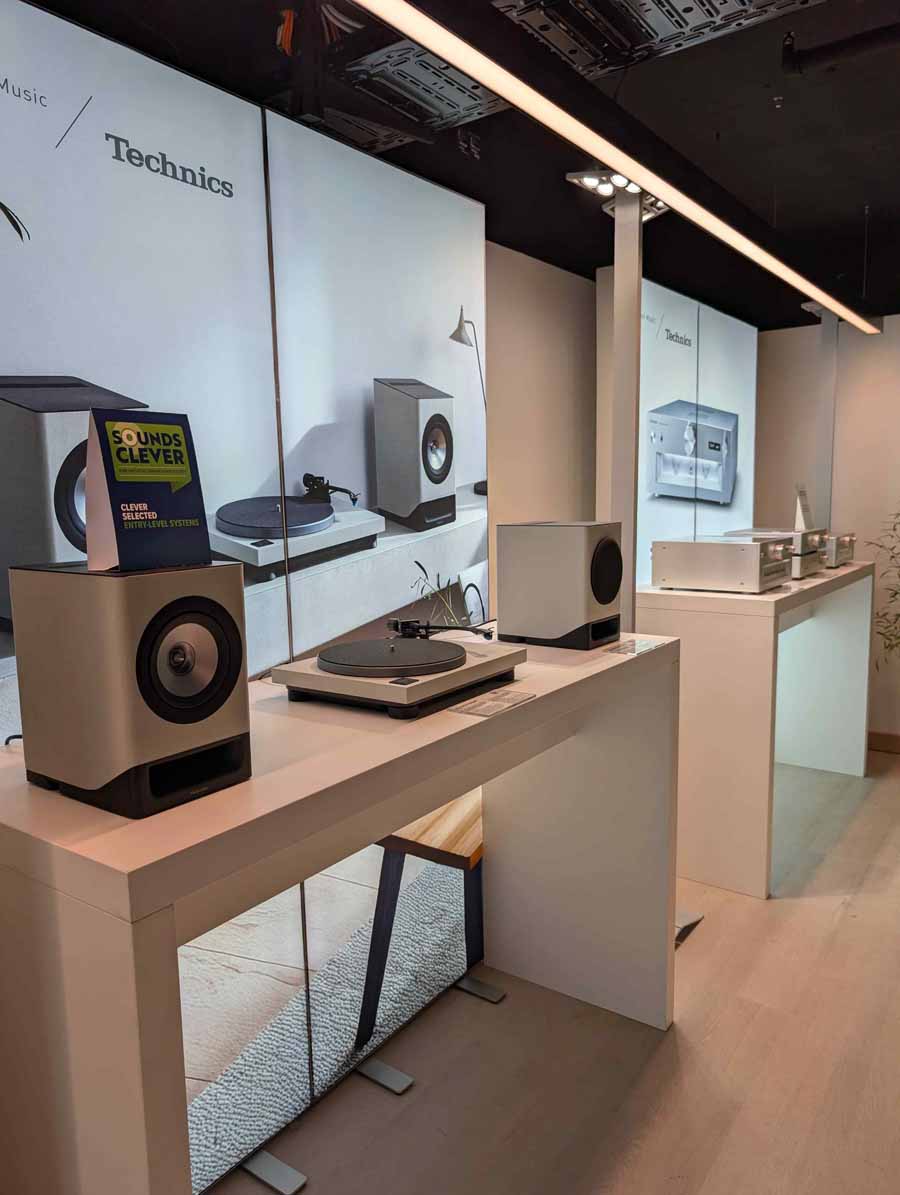
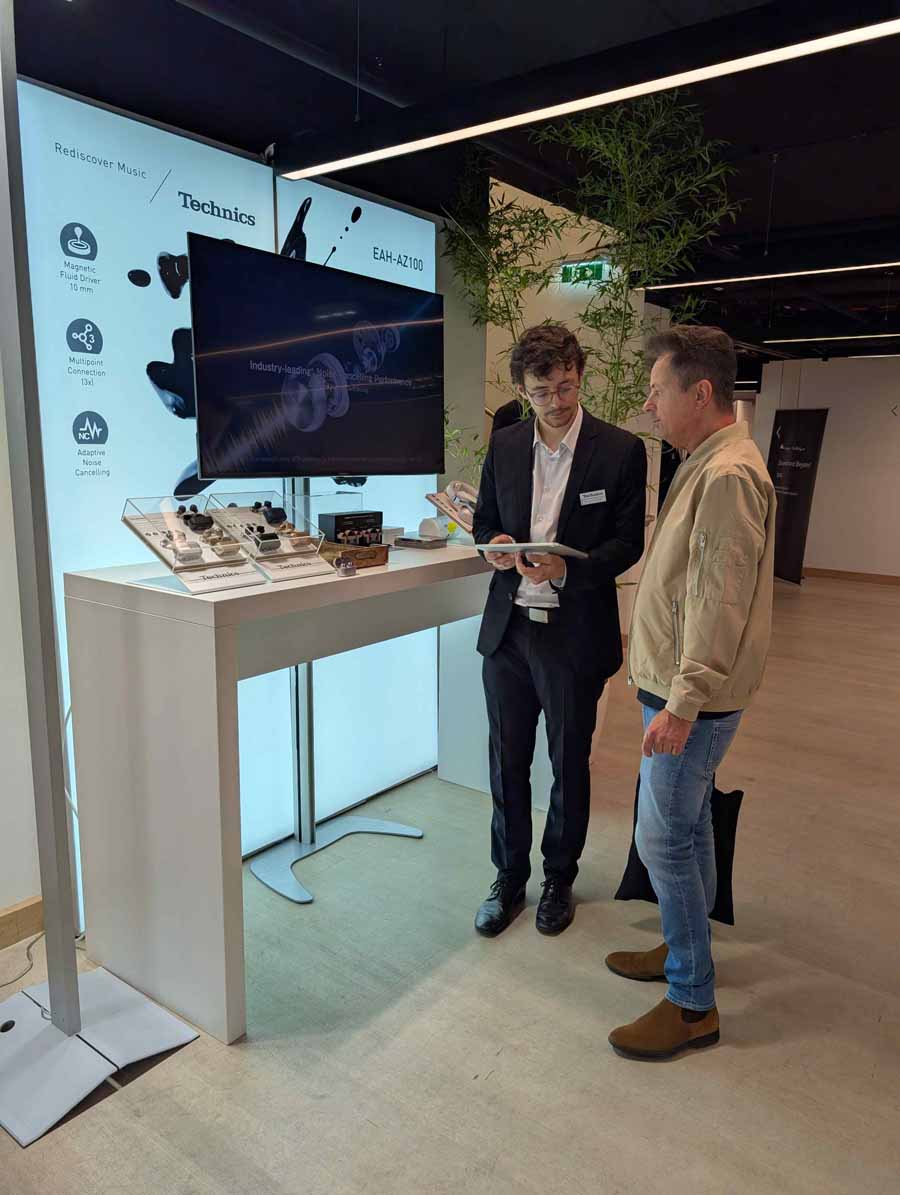
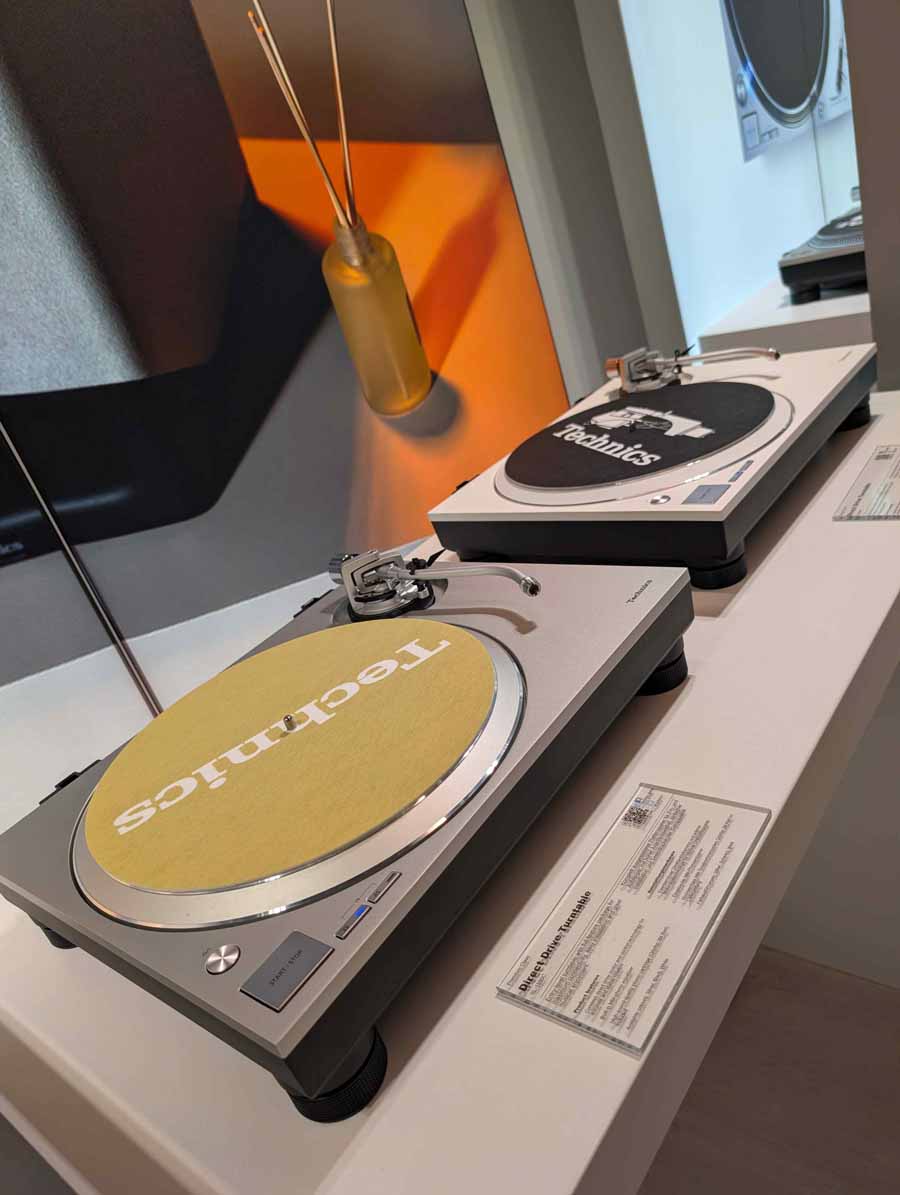
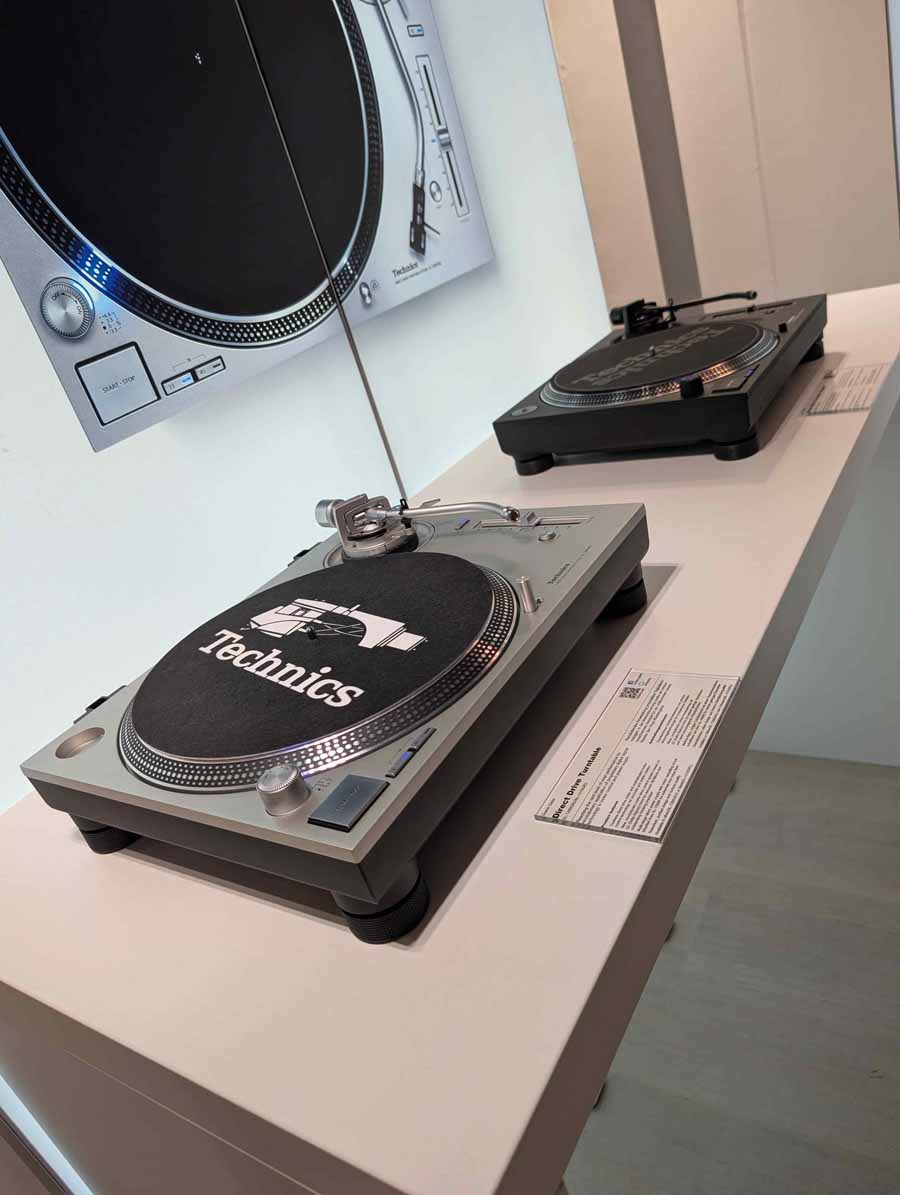
Technics is another brand that knows how to put a room together, and they were playing the SC-CX700 speakers that I recently went into the room.
Coming from a series of rooms that featured hundreds of grand’s worth of kit, it was kind of refreshing to come into a room that had real-world kit in it.
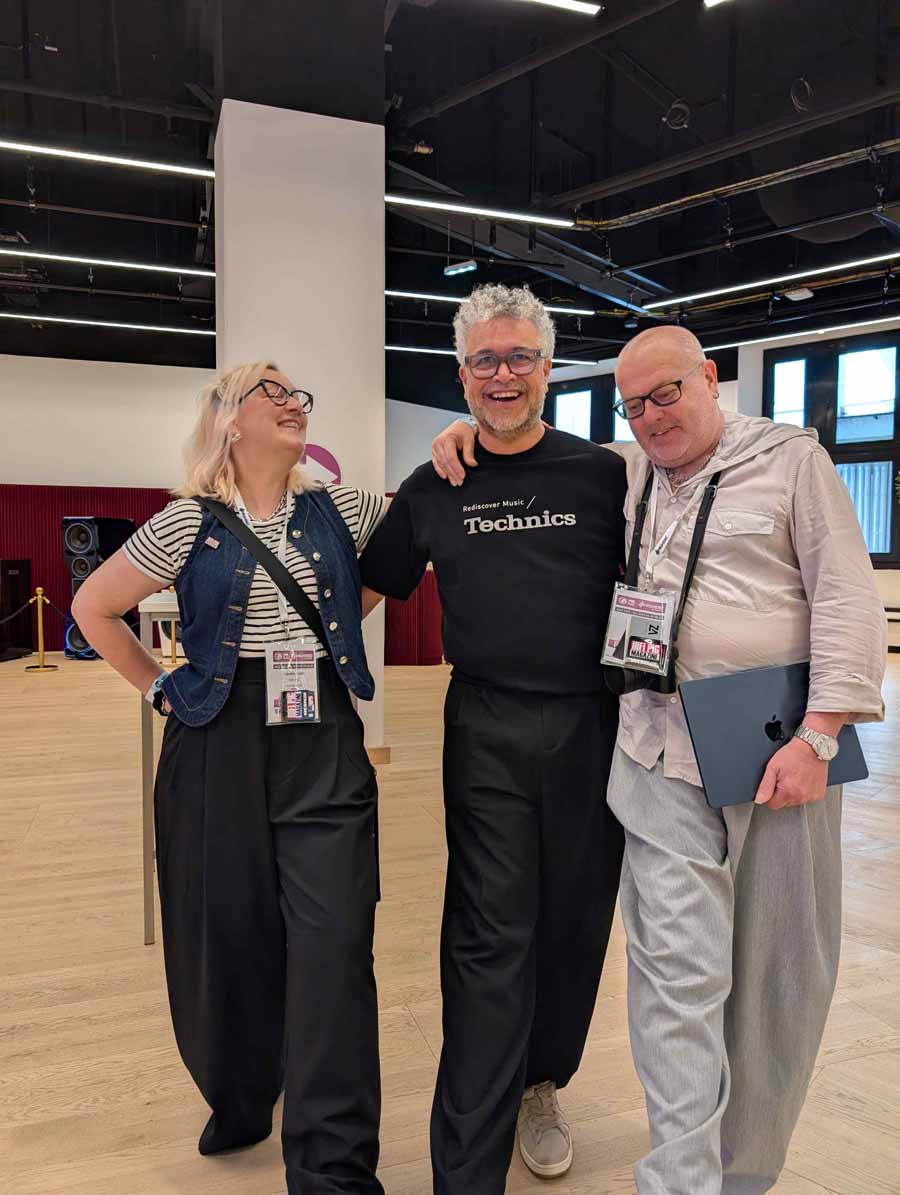
Also great to see Kevin, from whom we take trouser tips!
SILBATONE
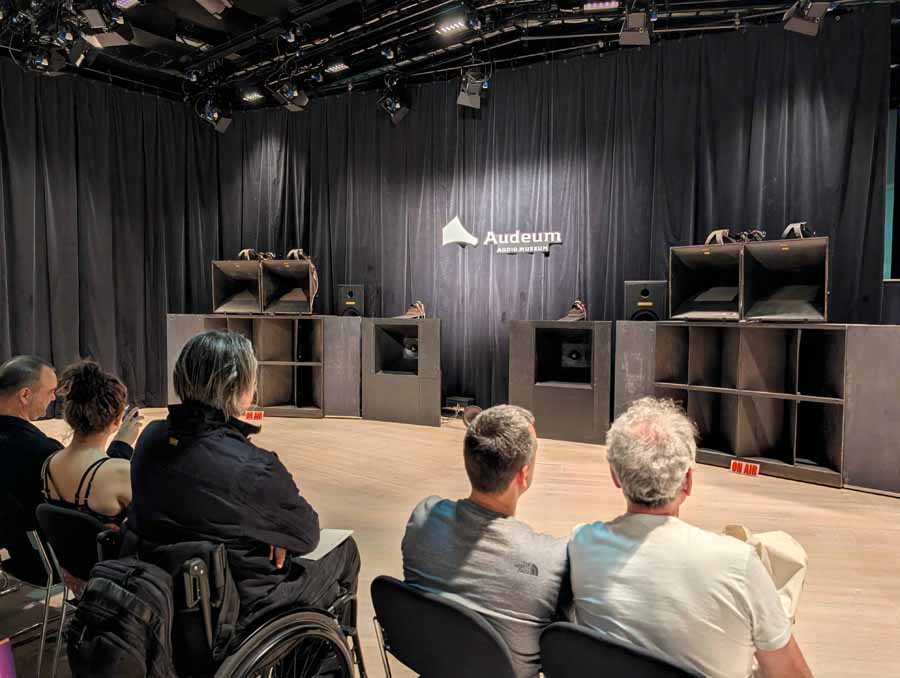
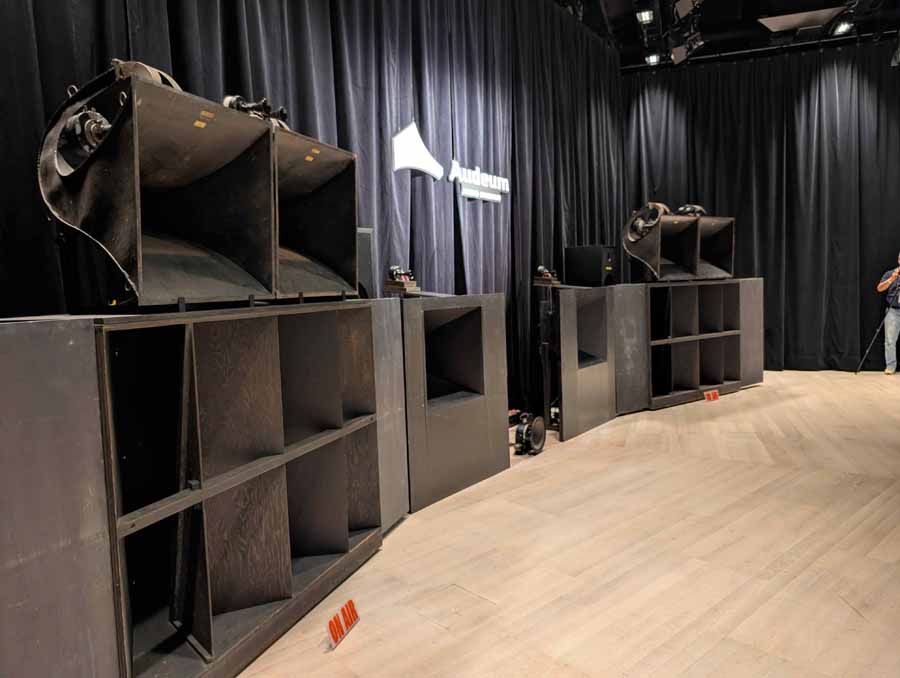
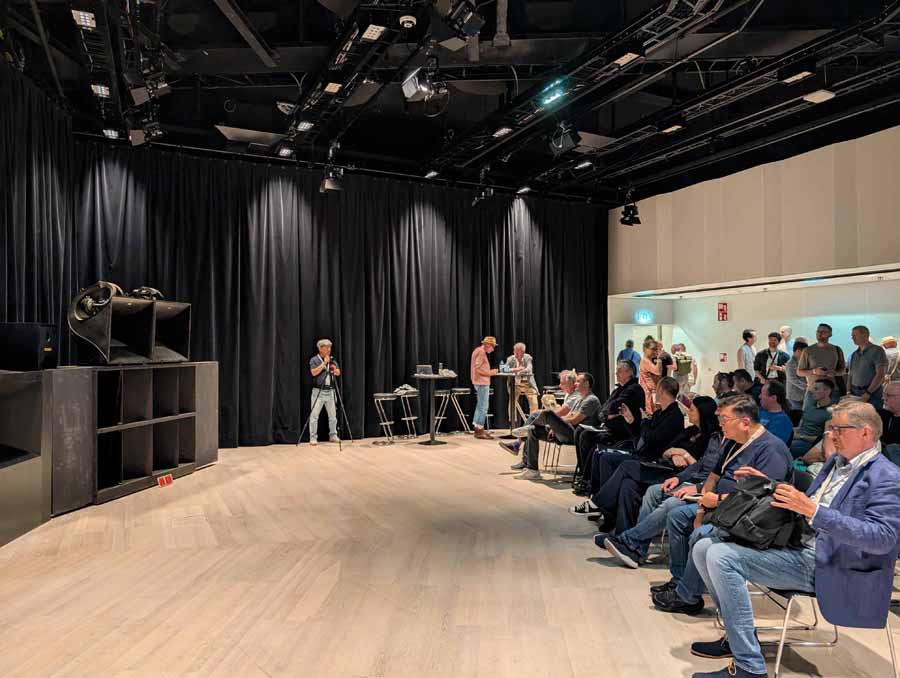
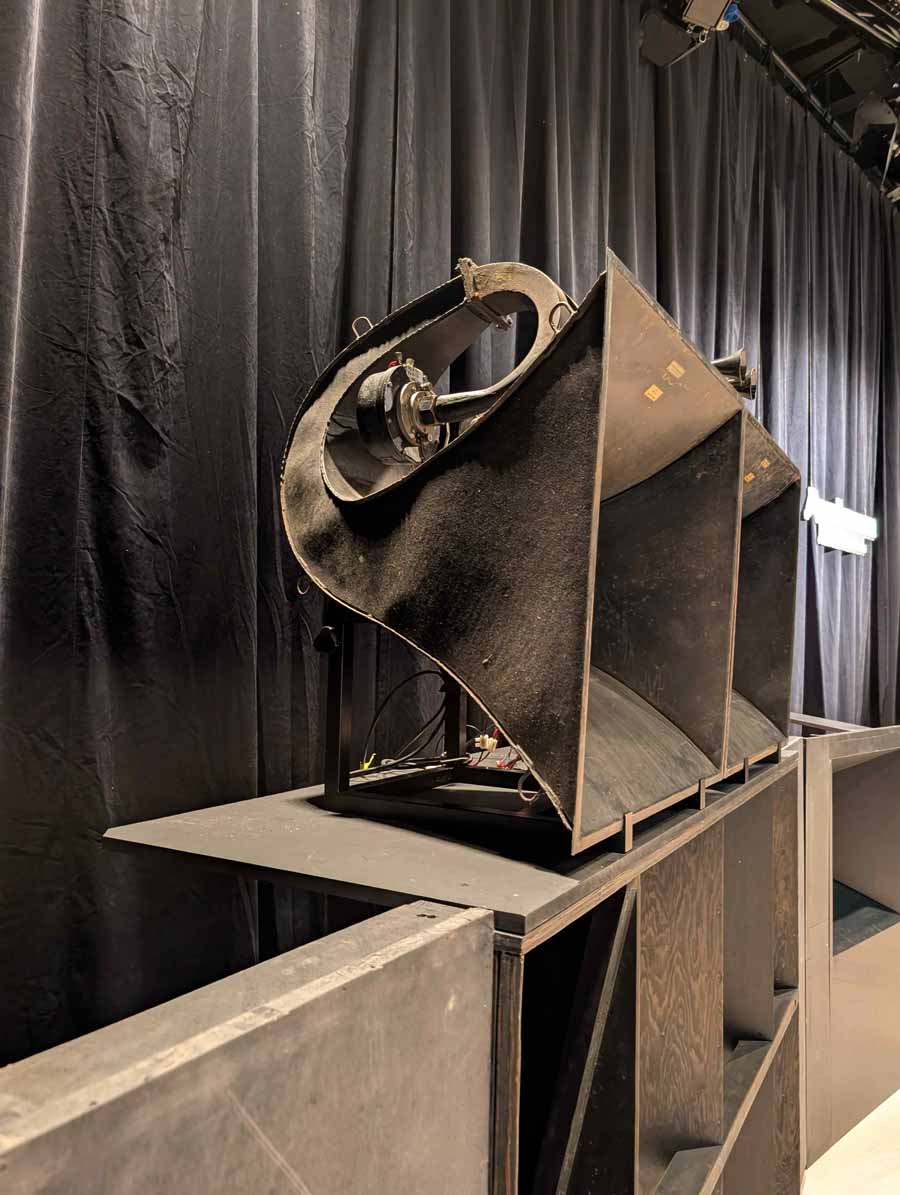
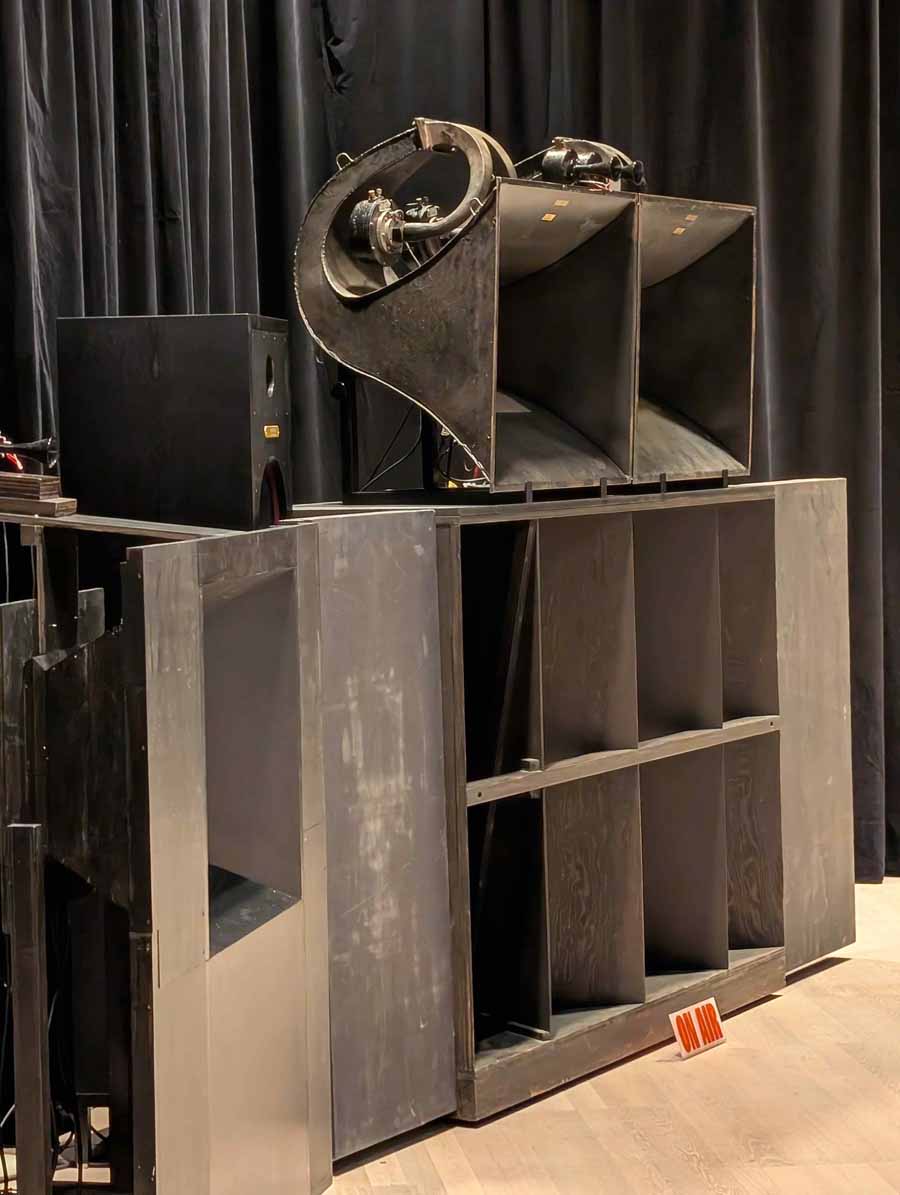
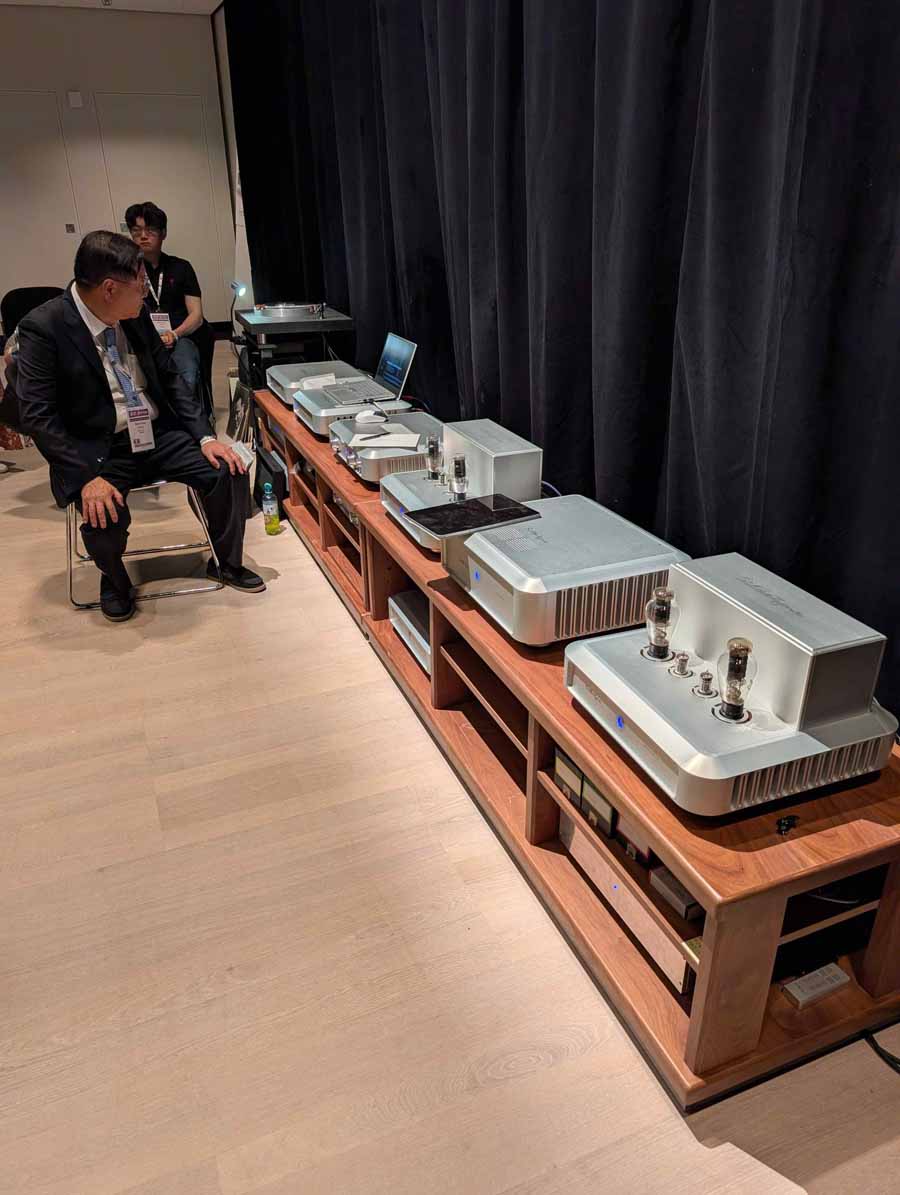
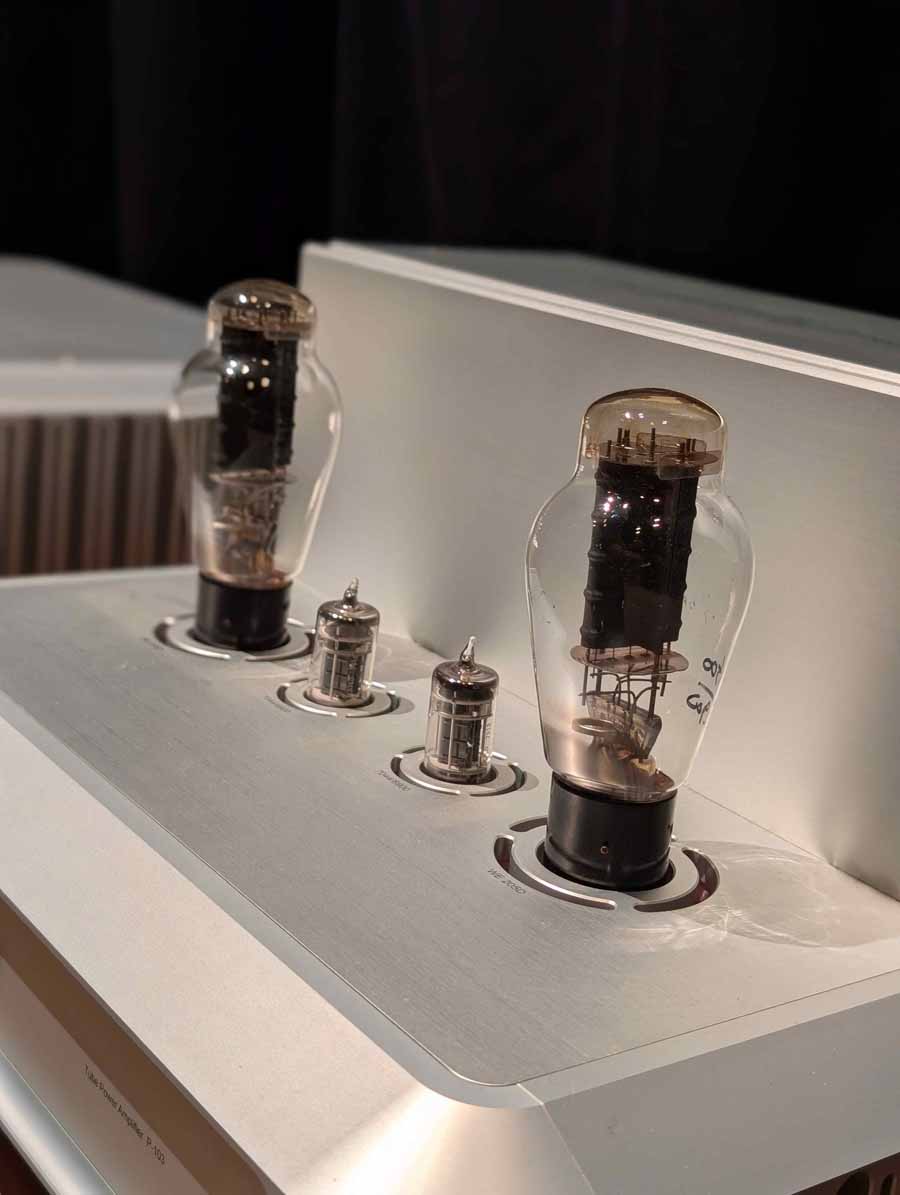
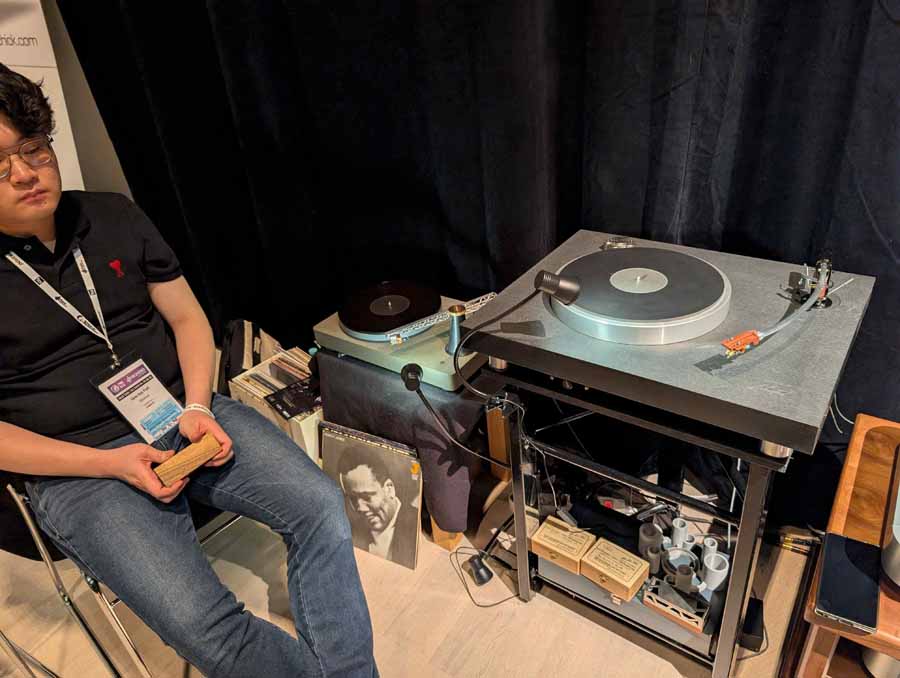
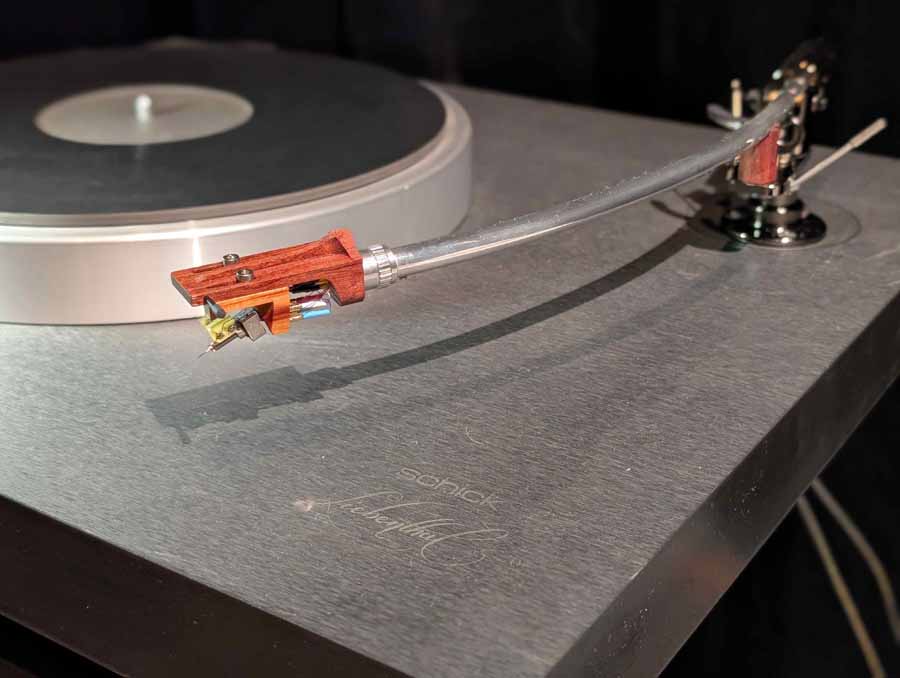
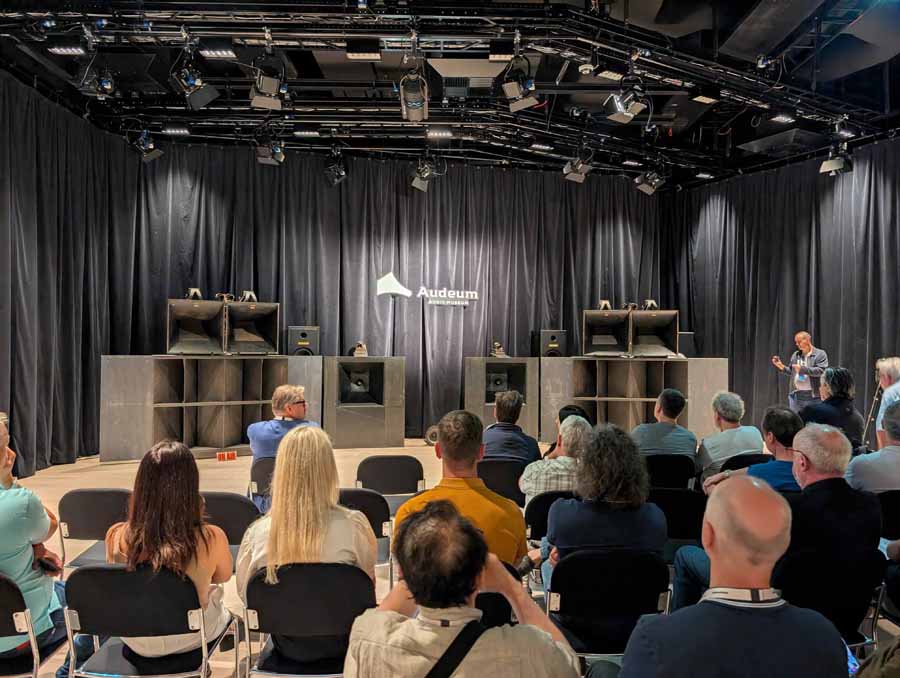
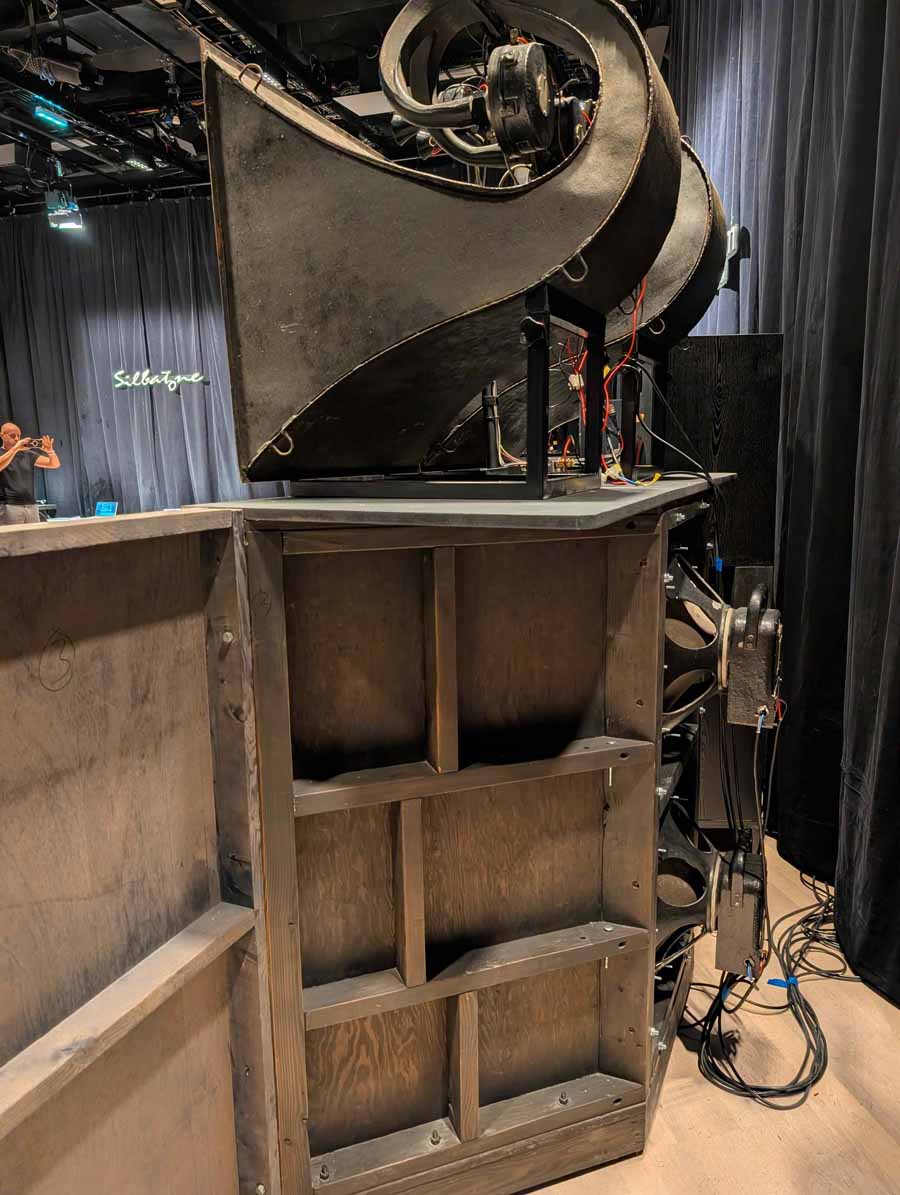
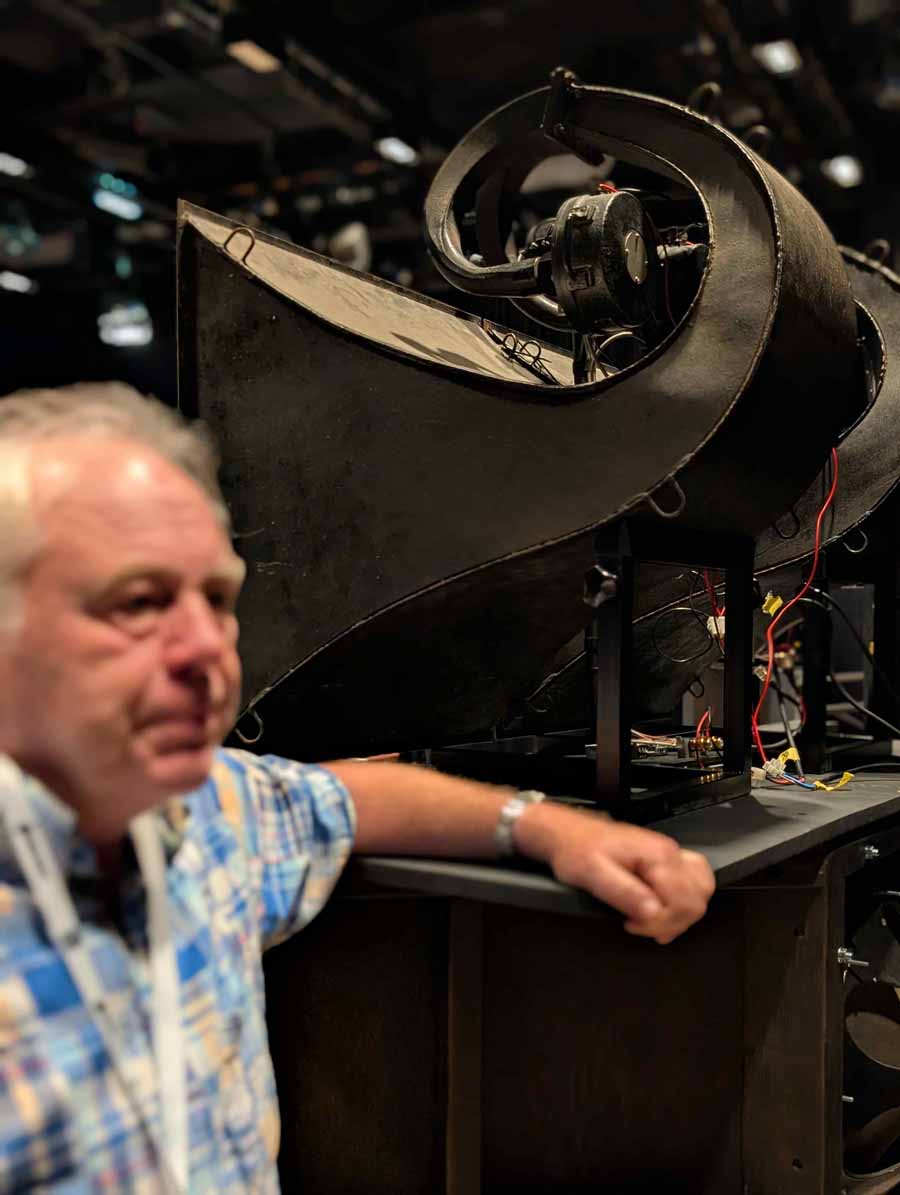
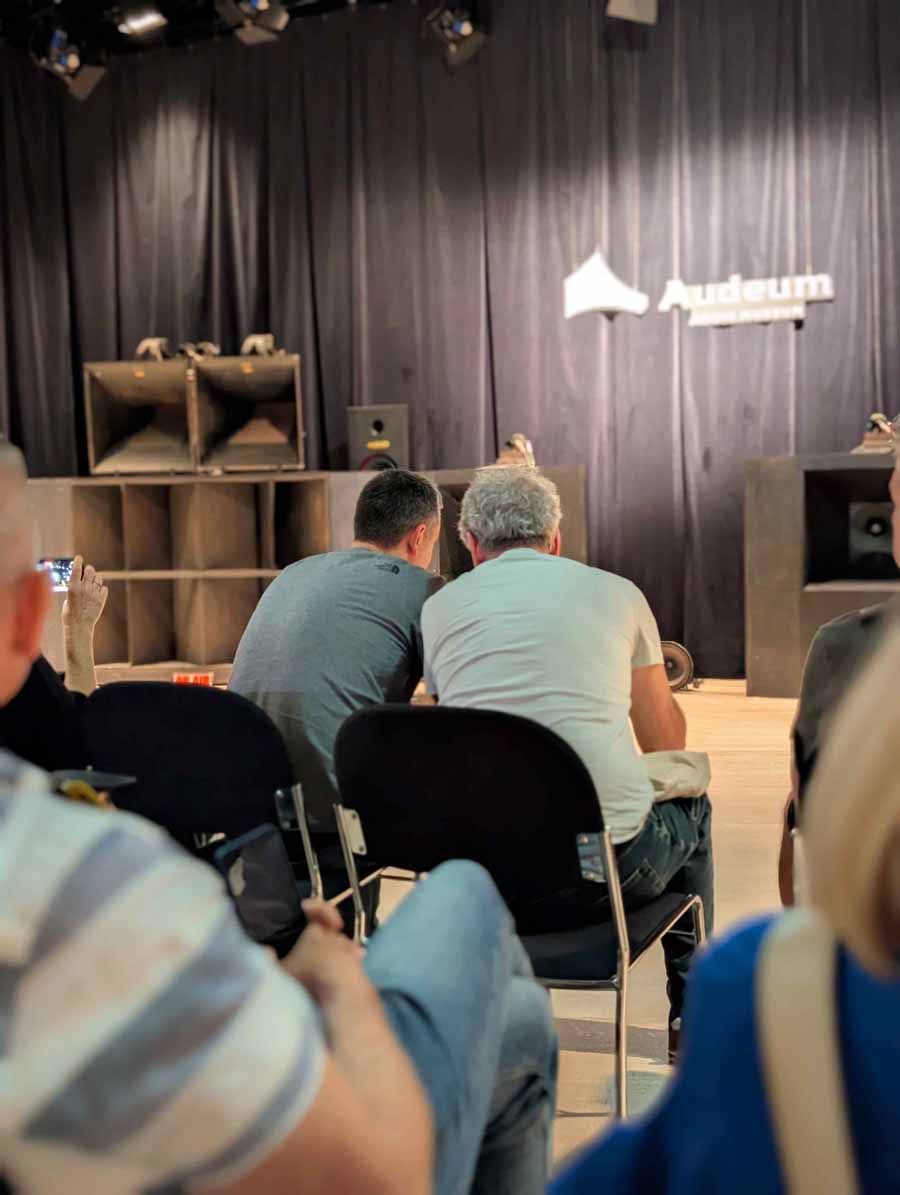
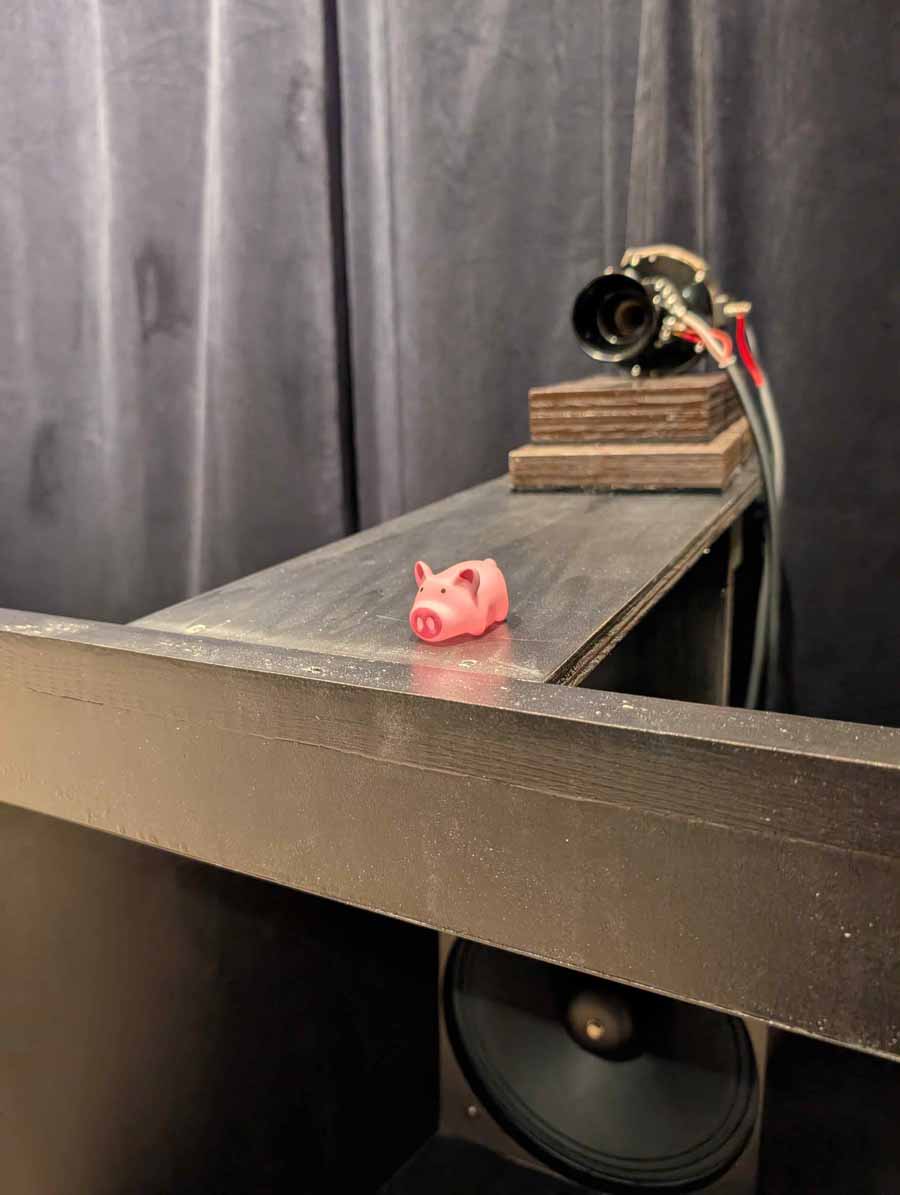
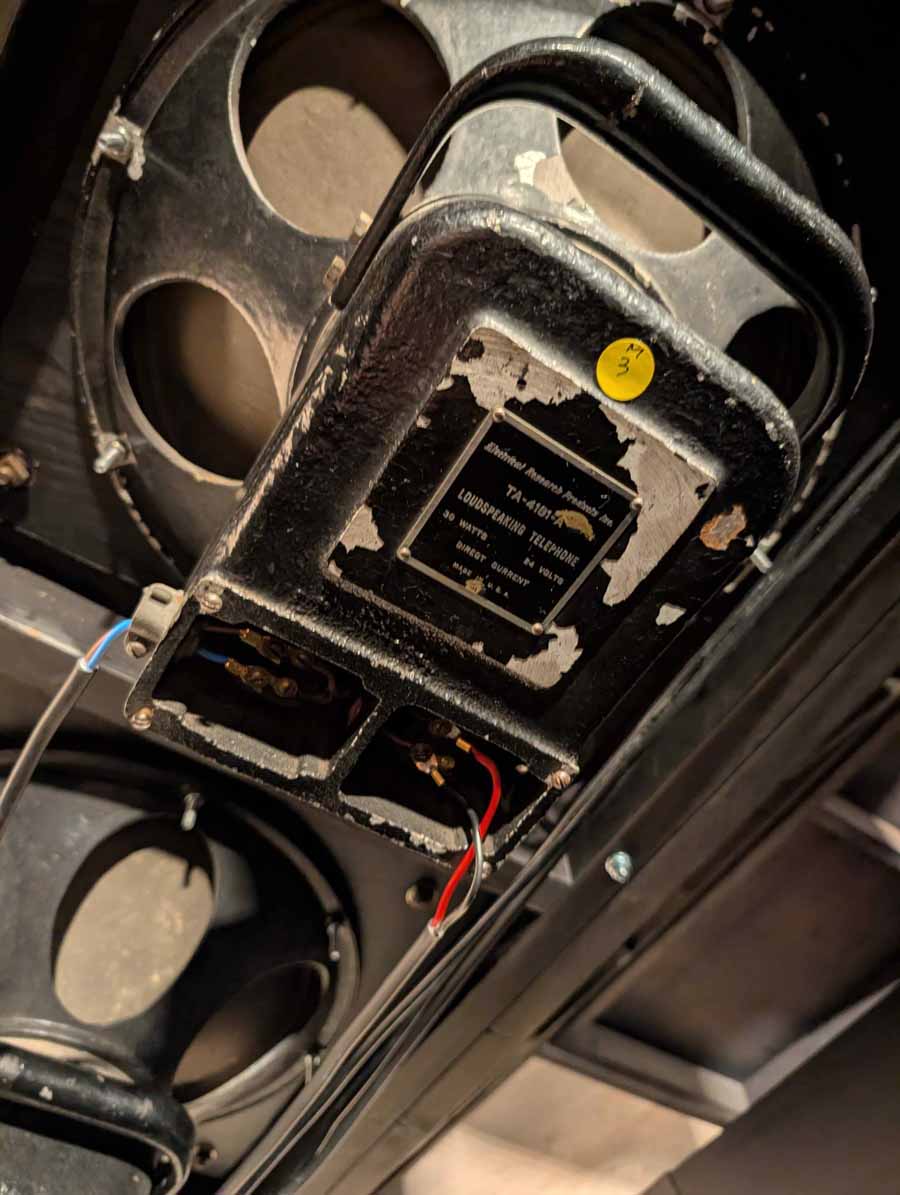
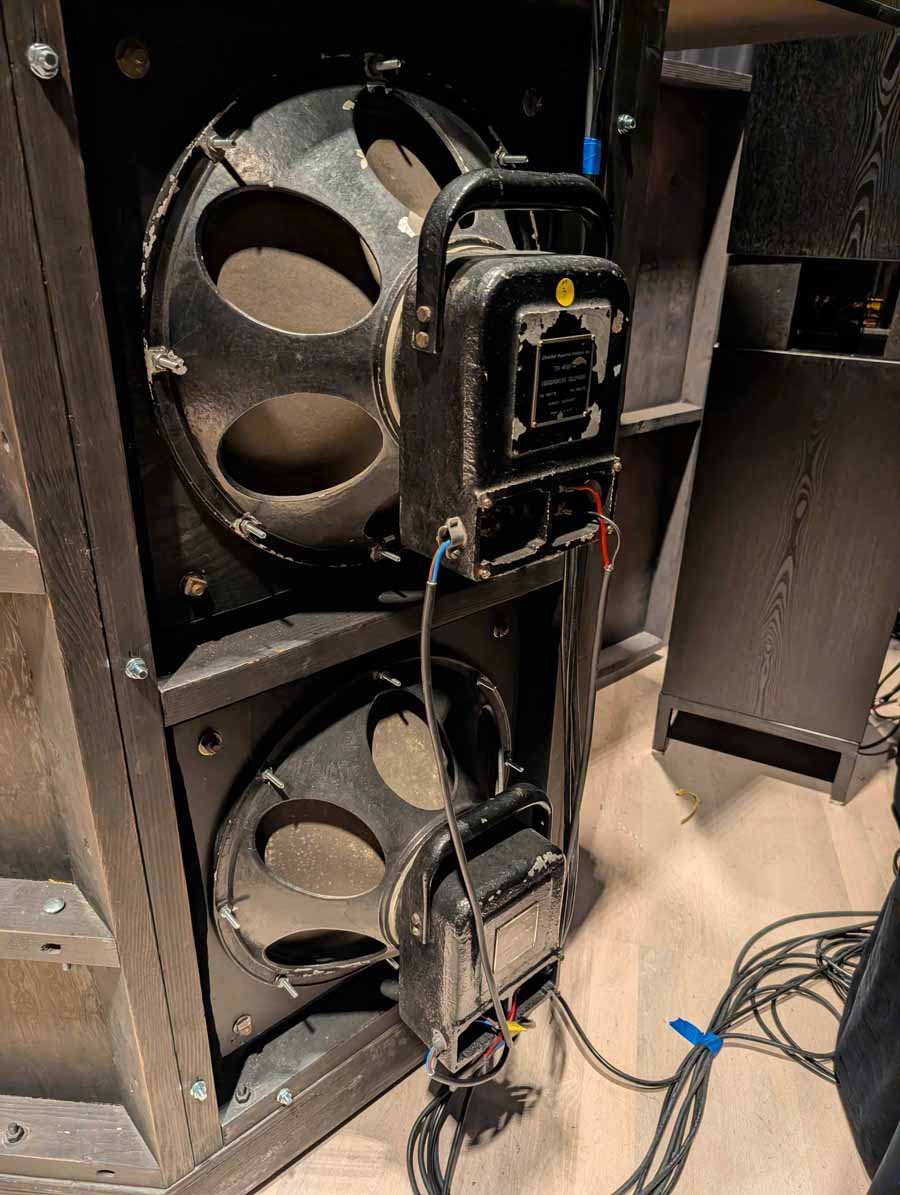
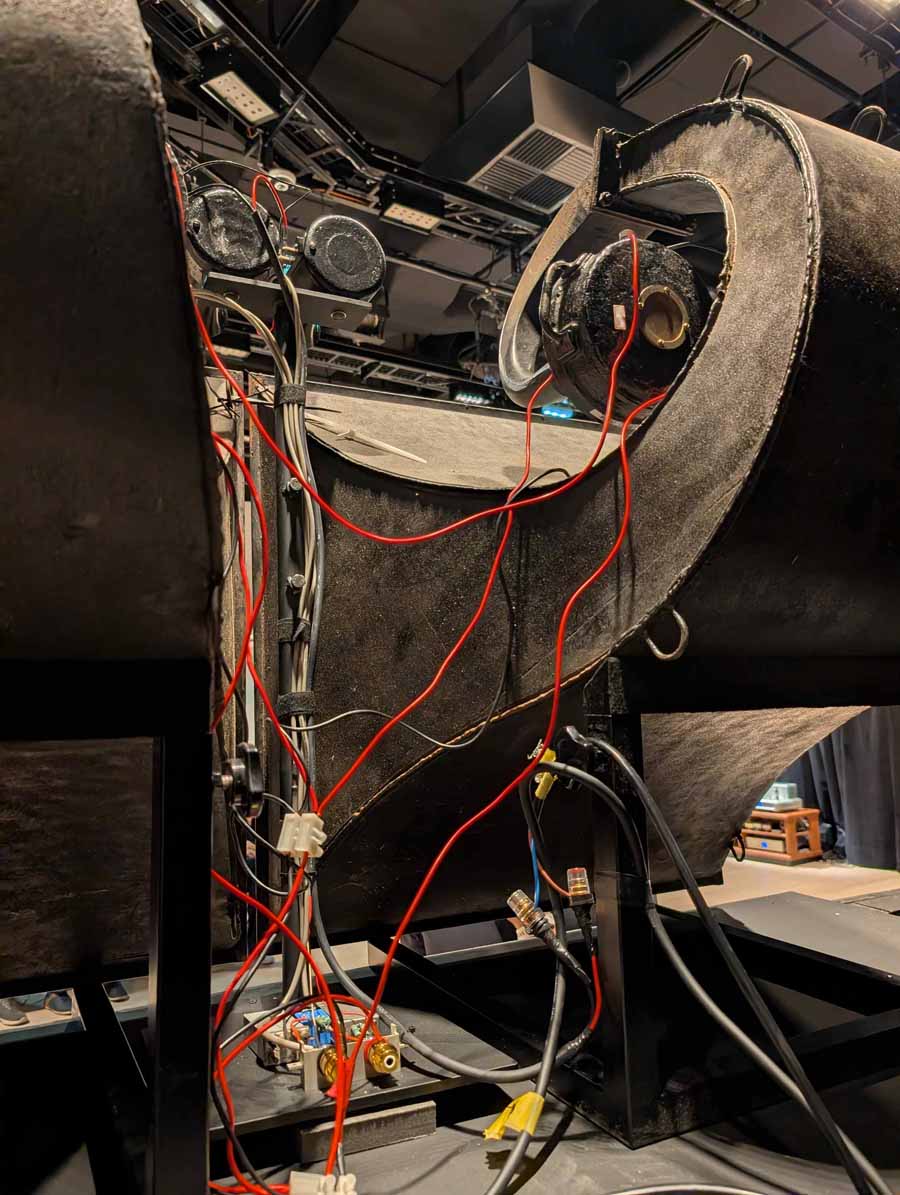
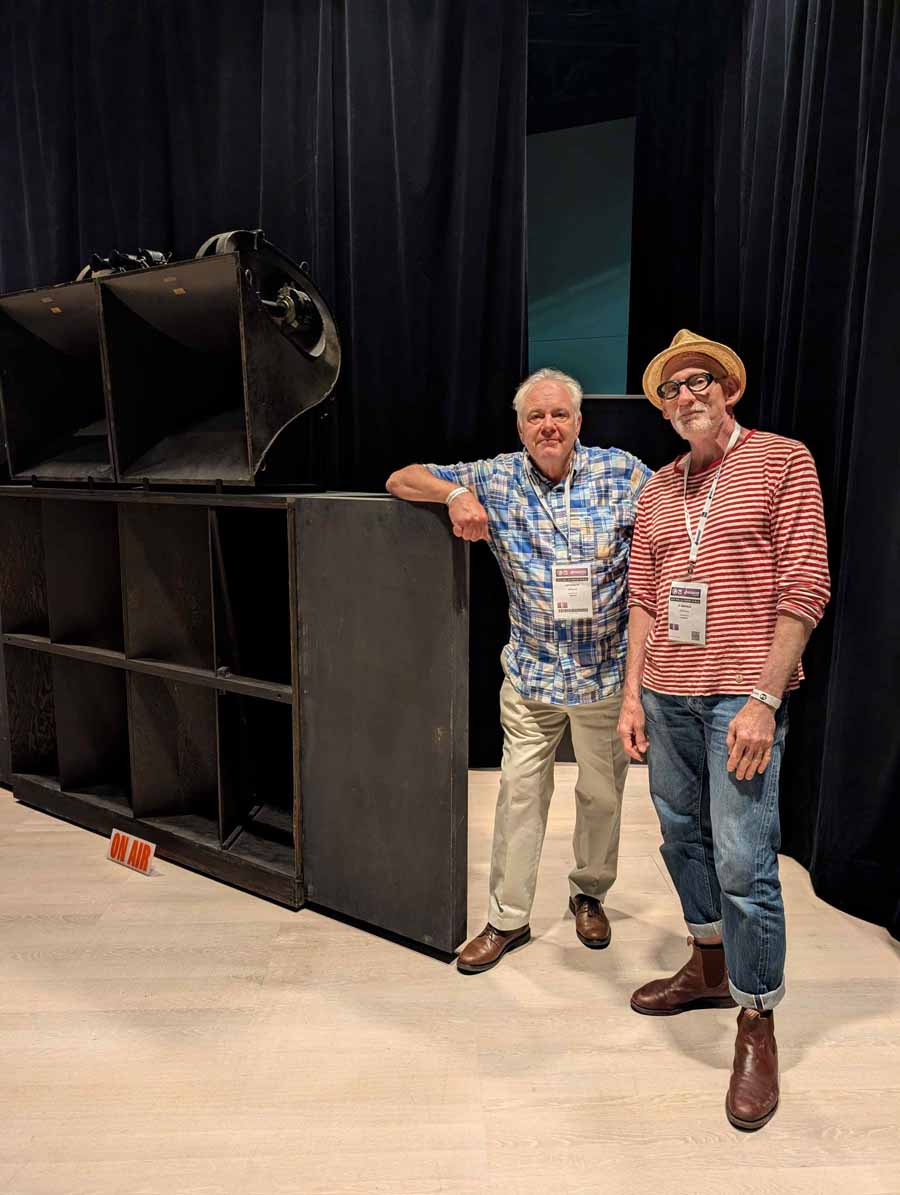
This is another “Just look at it” moment. Western Electric and Silbatone, and I was delighted to chat with Jean Christophe and Joe. These guys are so passionate about what they do that it’s infectious, and I really could have spent hours nattering with them.
The system is a transition between the 1920s systems and the 1930s Mirrophonics systems. The 22B horn system doubled. Obviously, these systems were made for cinemas, and Jean-Christophe explained the whole way that cinema systems weren’t measured in dBs but rather in the number of seats in the cinema.
The Silbatone electronics are tube-based, and there was a massive 8 W powering this. Not 300Bs but 300As, and that’s 40Ks worth of tubes!
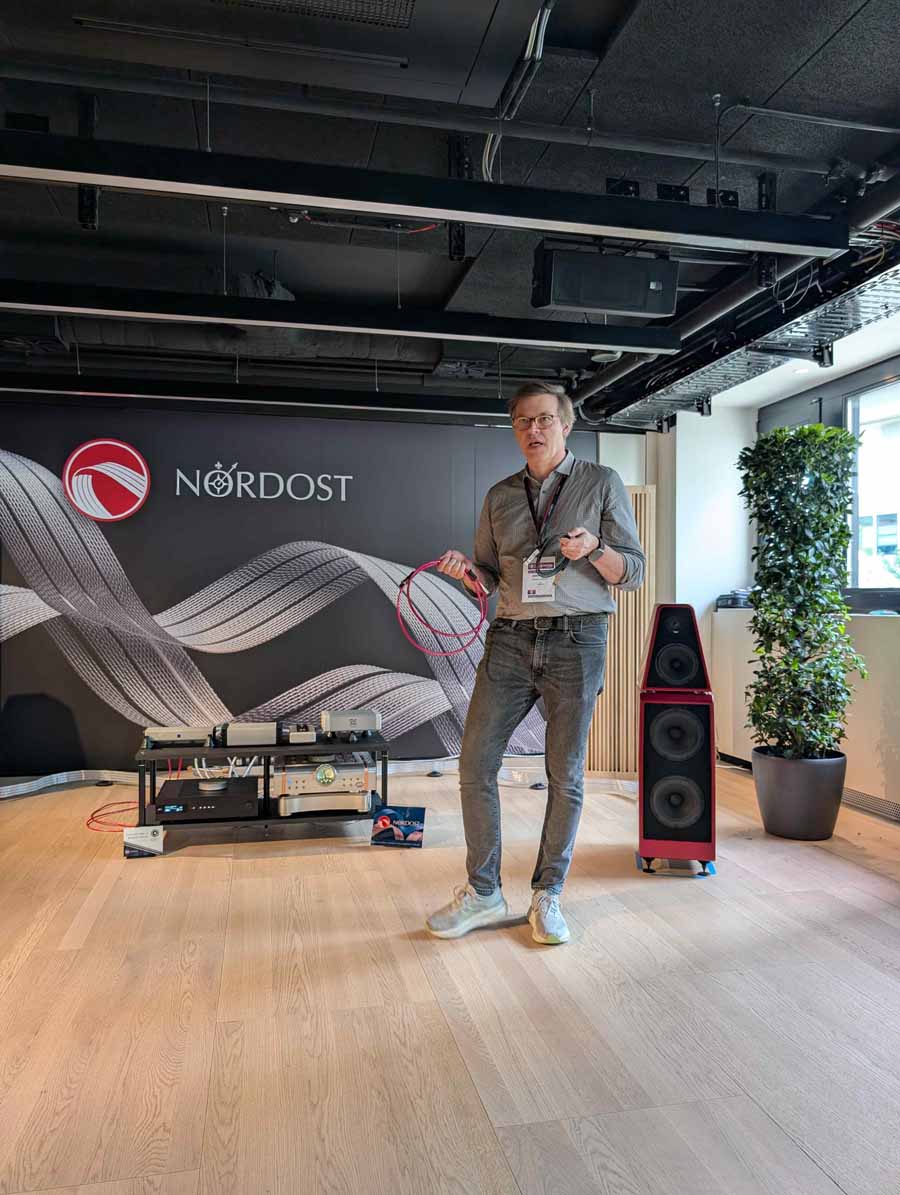
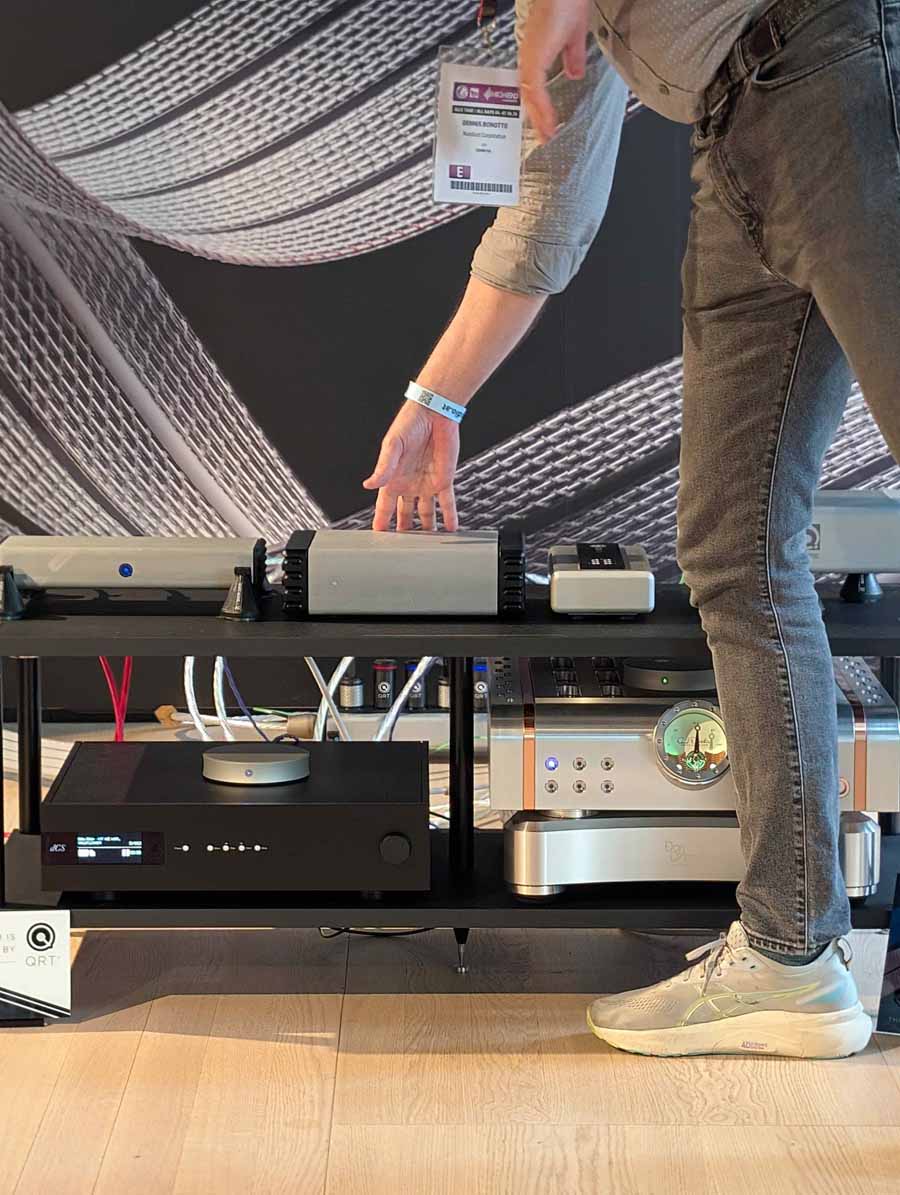
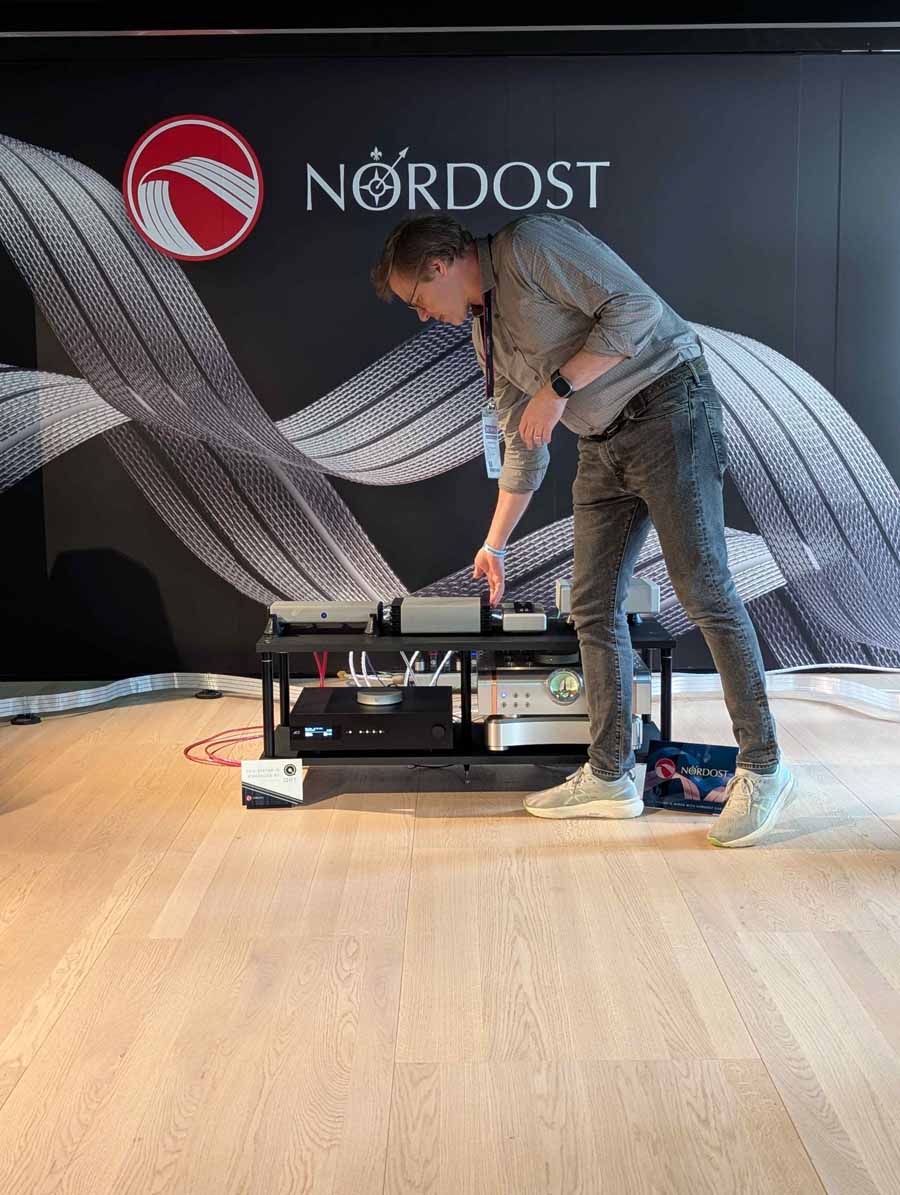
NORDOST
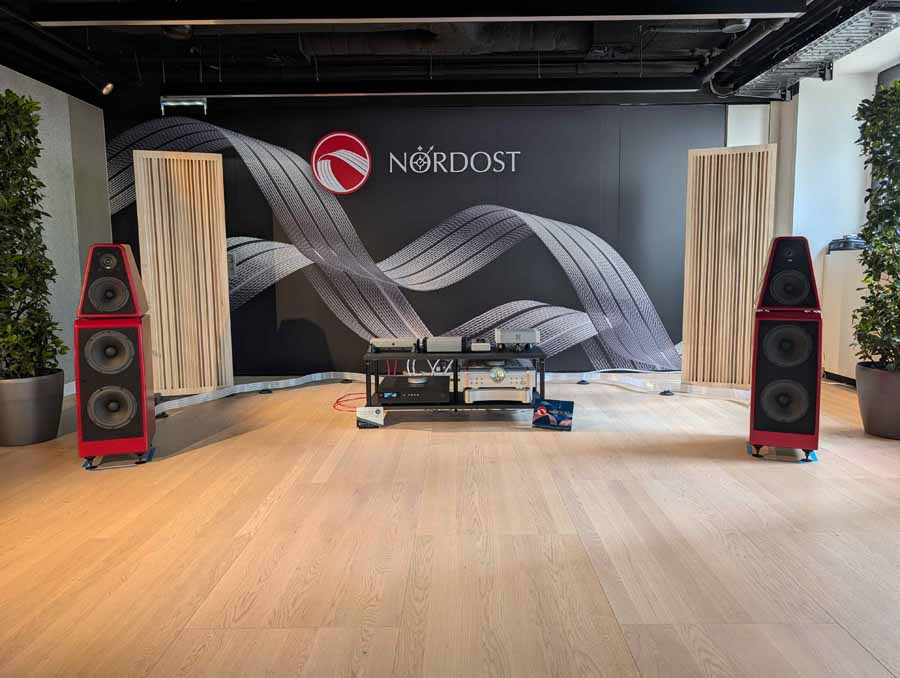
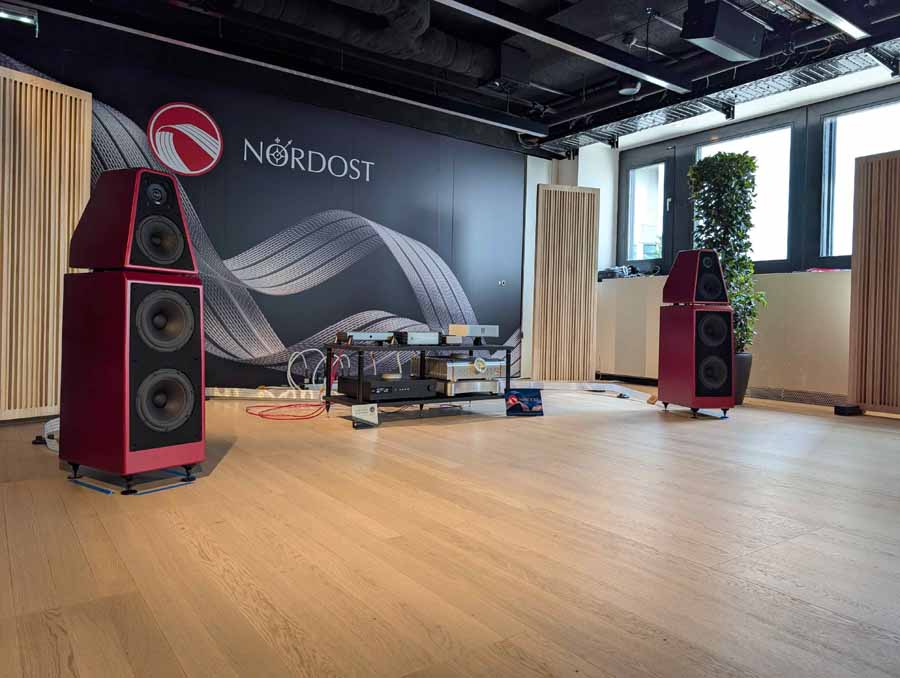
Sunday morning at Vienna High End was a nice and chilled start for the Lin and Stu Show with a lovely chilled-out room…and they even played the new Kurt Vile Chance To Bleed tune especially for us…it’s the perfect record.
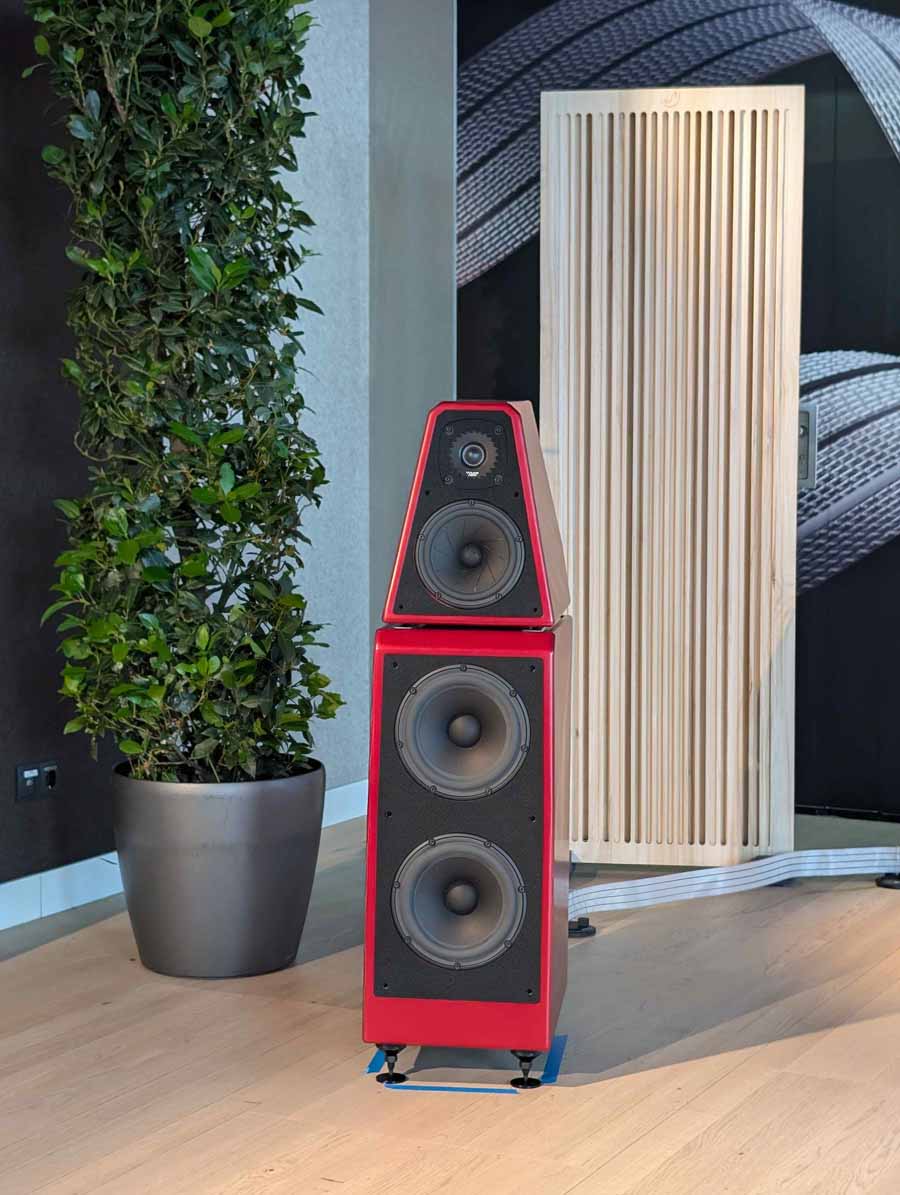
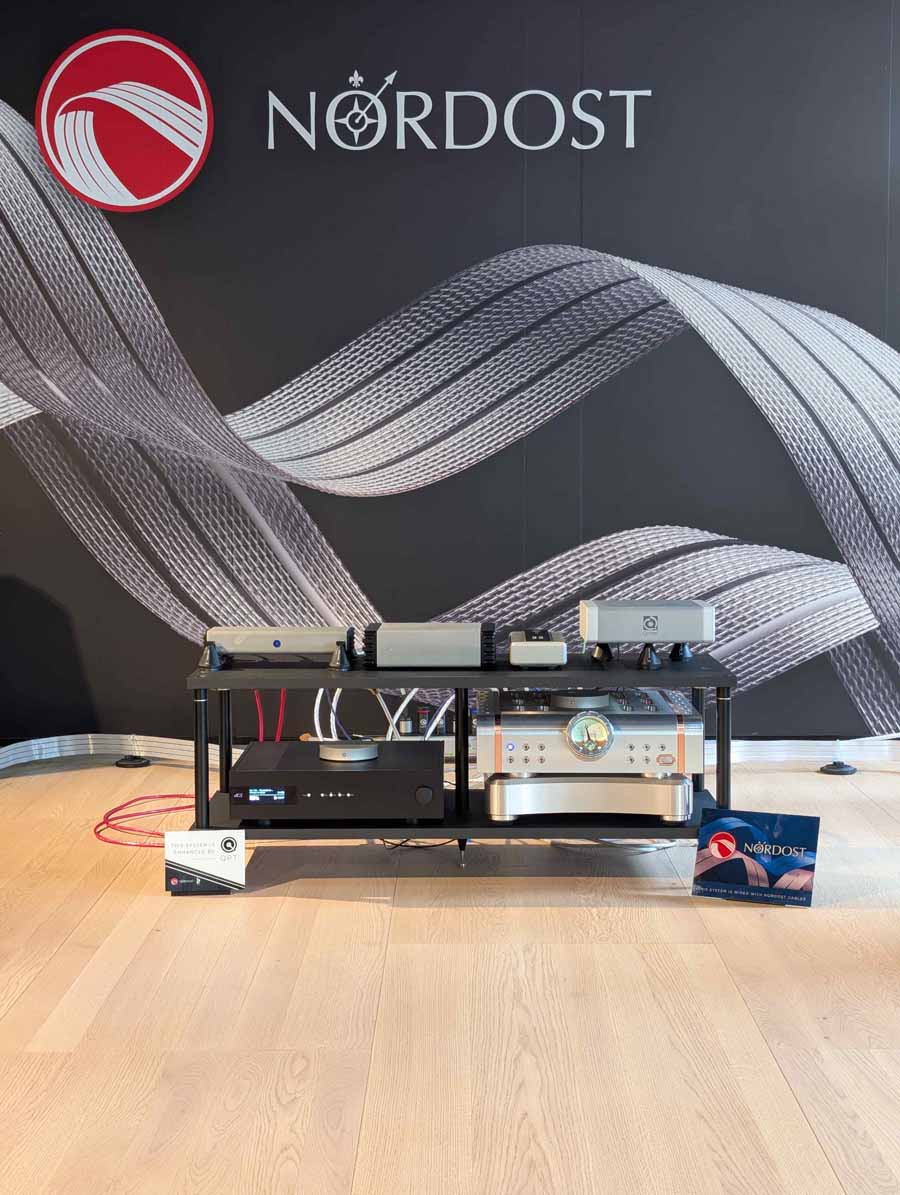
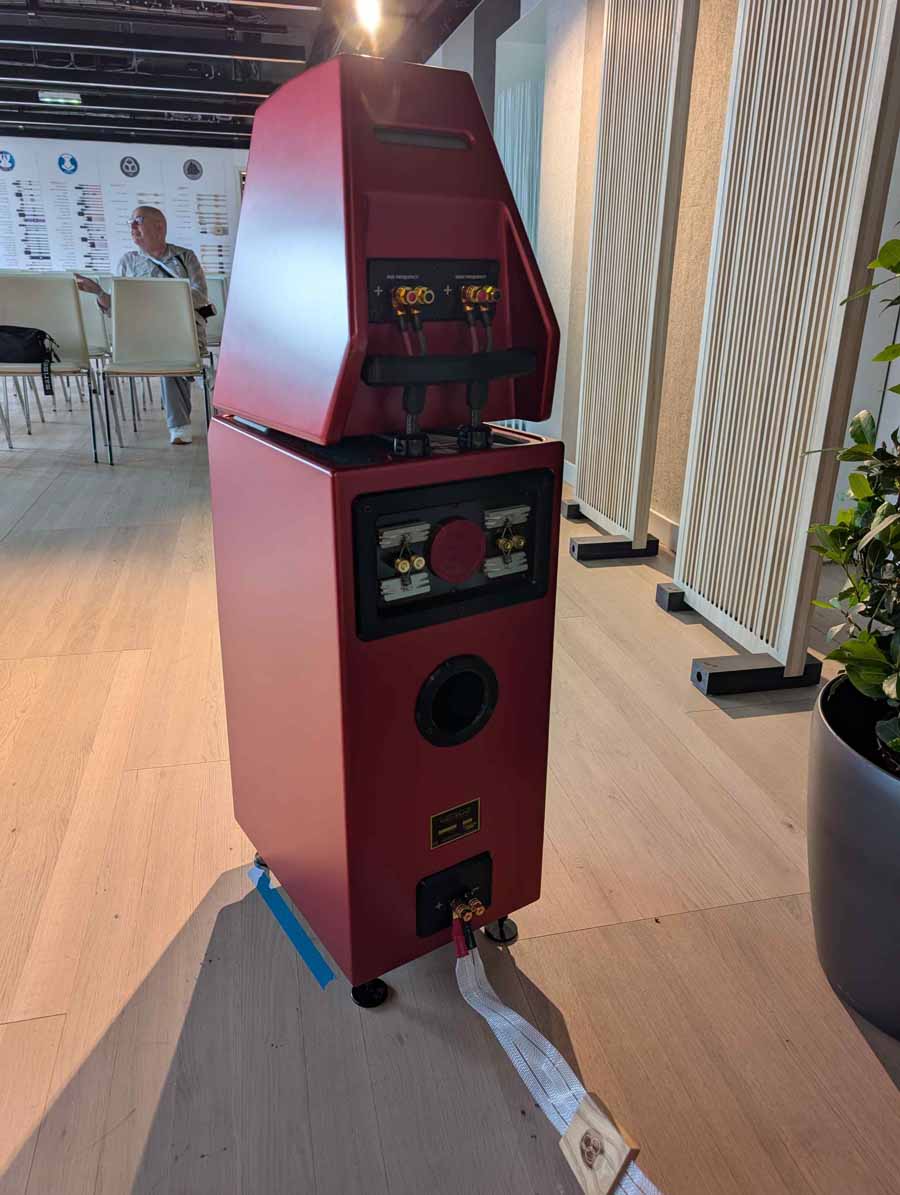
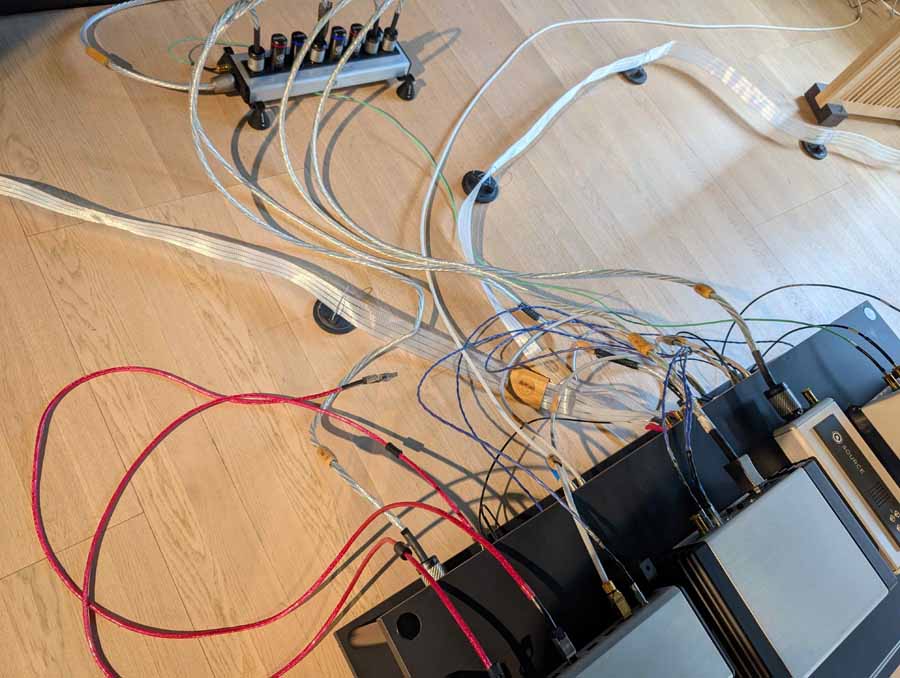
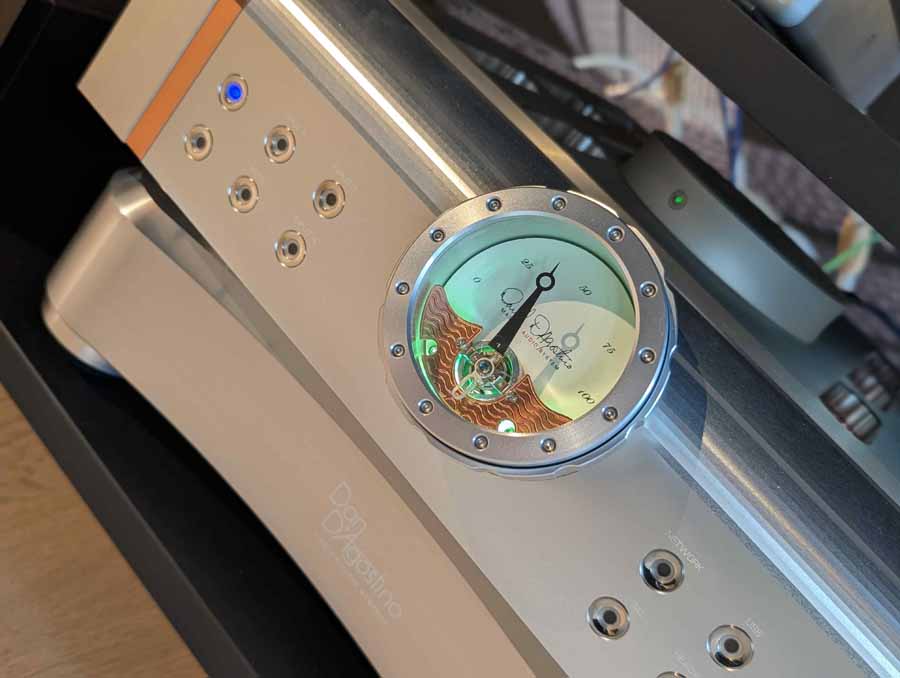
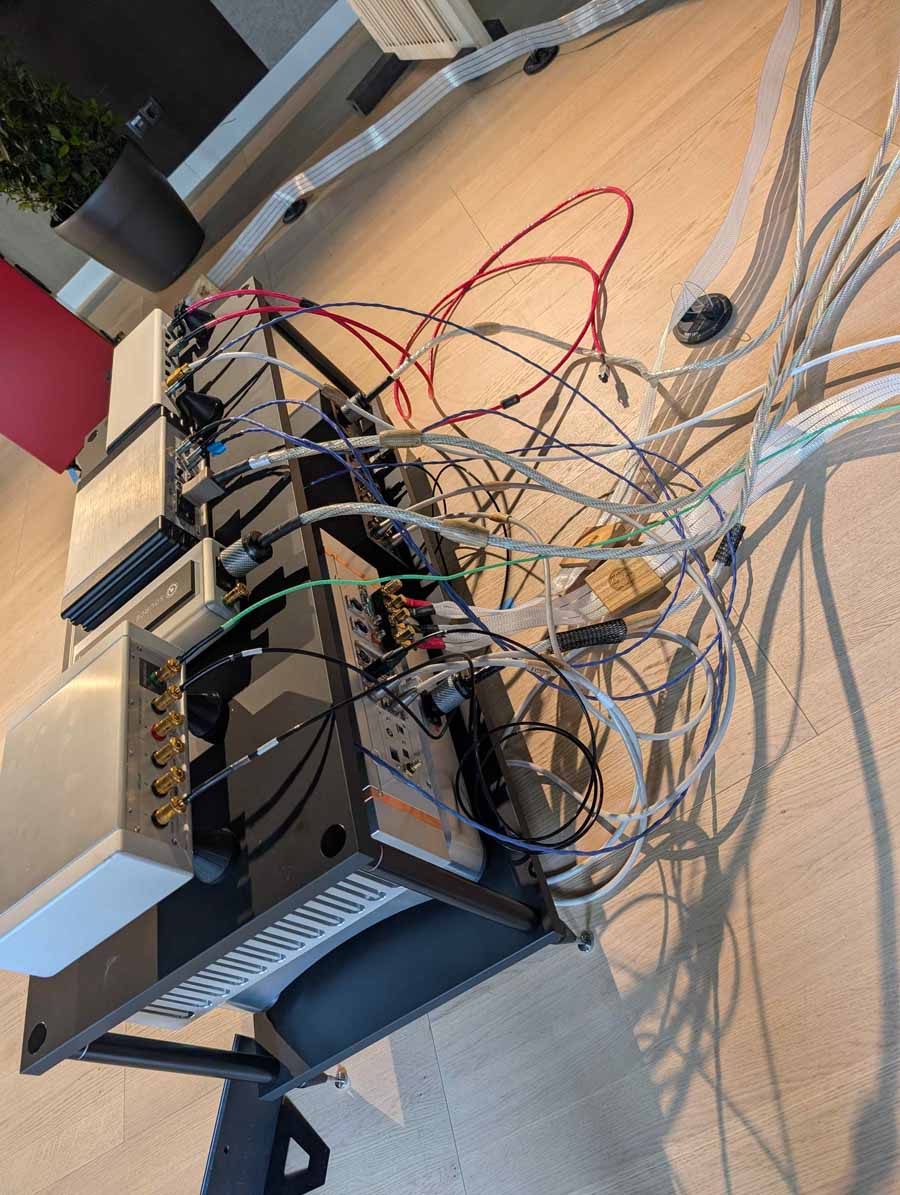
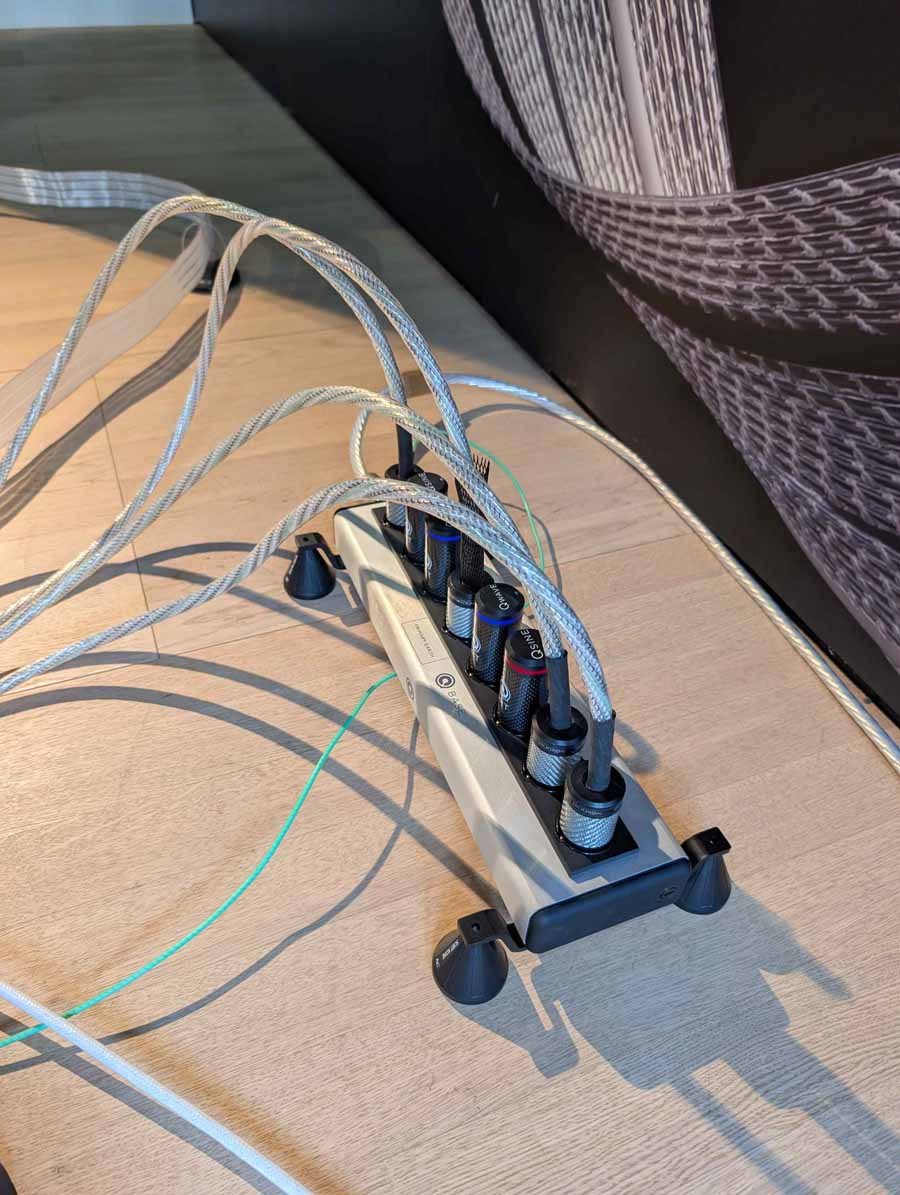
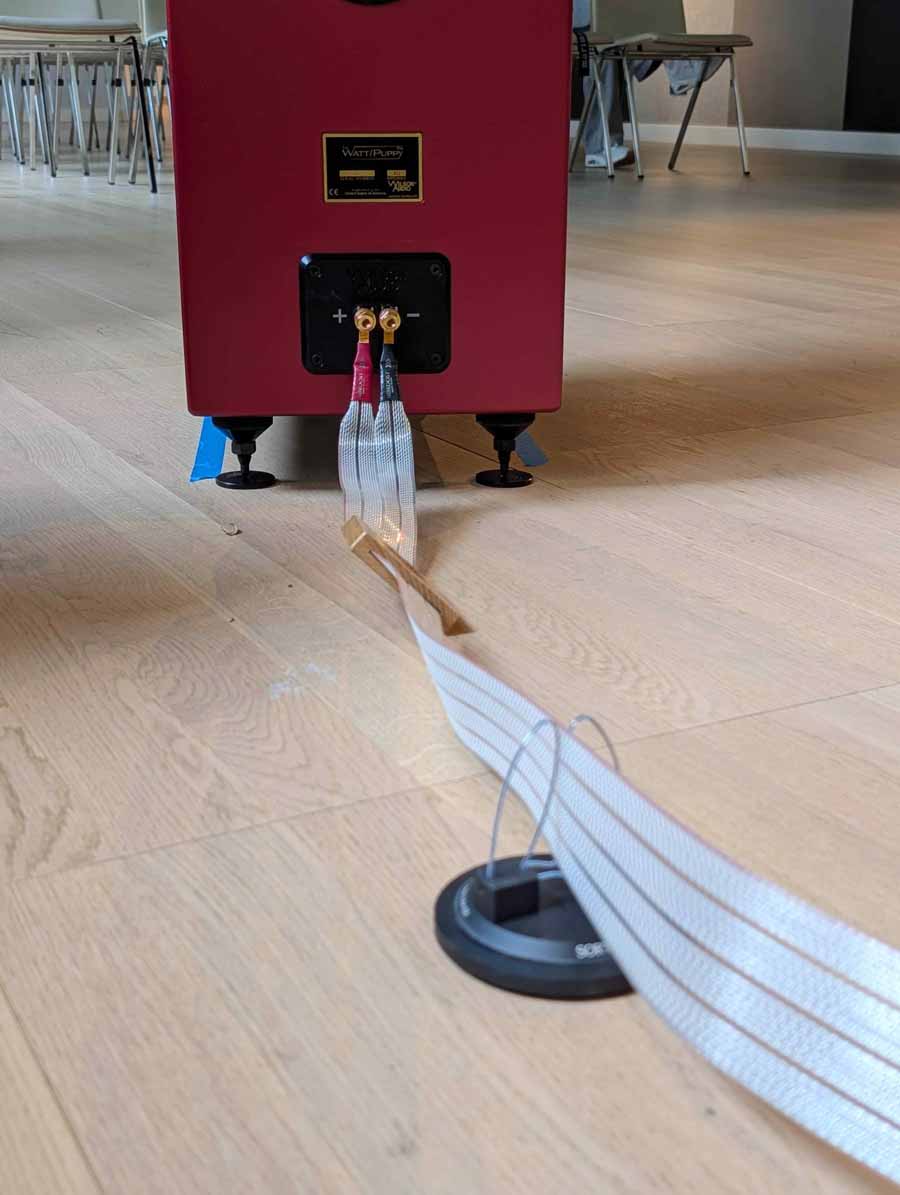
The main feast in this room was obviously Nordost cables, but the system surrounding it wasn’t too shabby, either. D’Agostino and Wilson are a classic combo, and it was a perfect way to start our last day at the show.
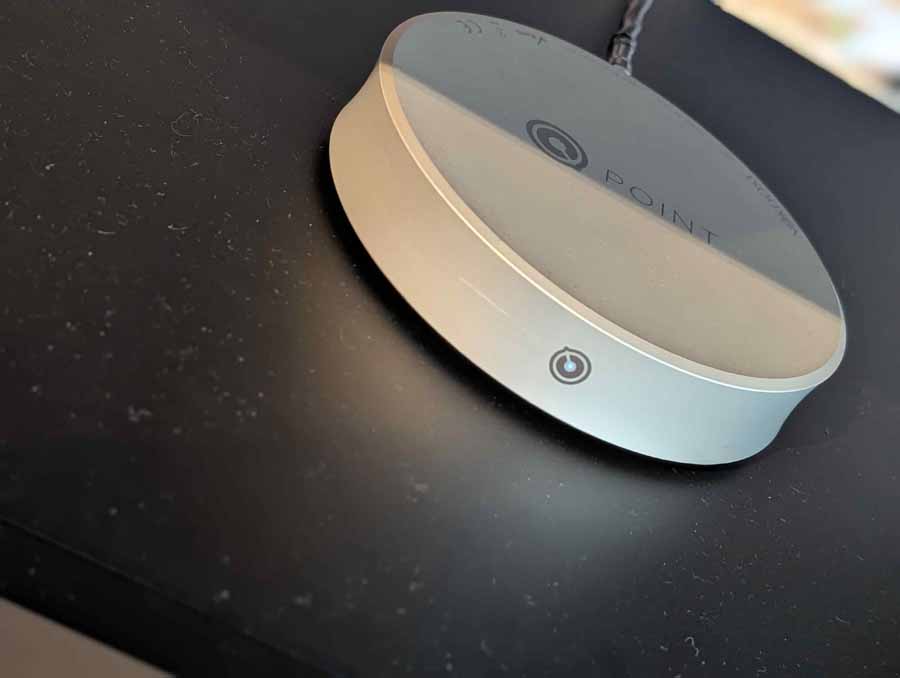
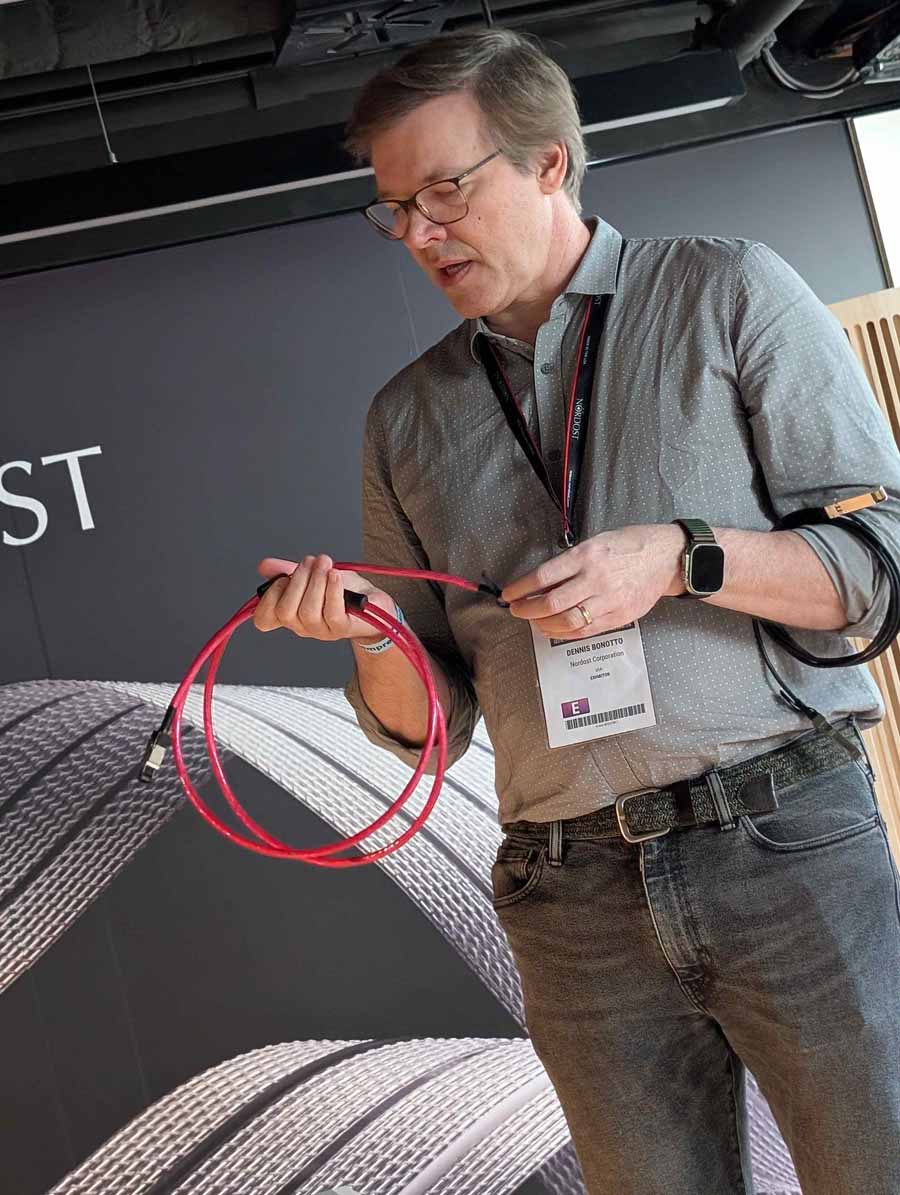
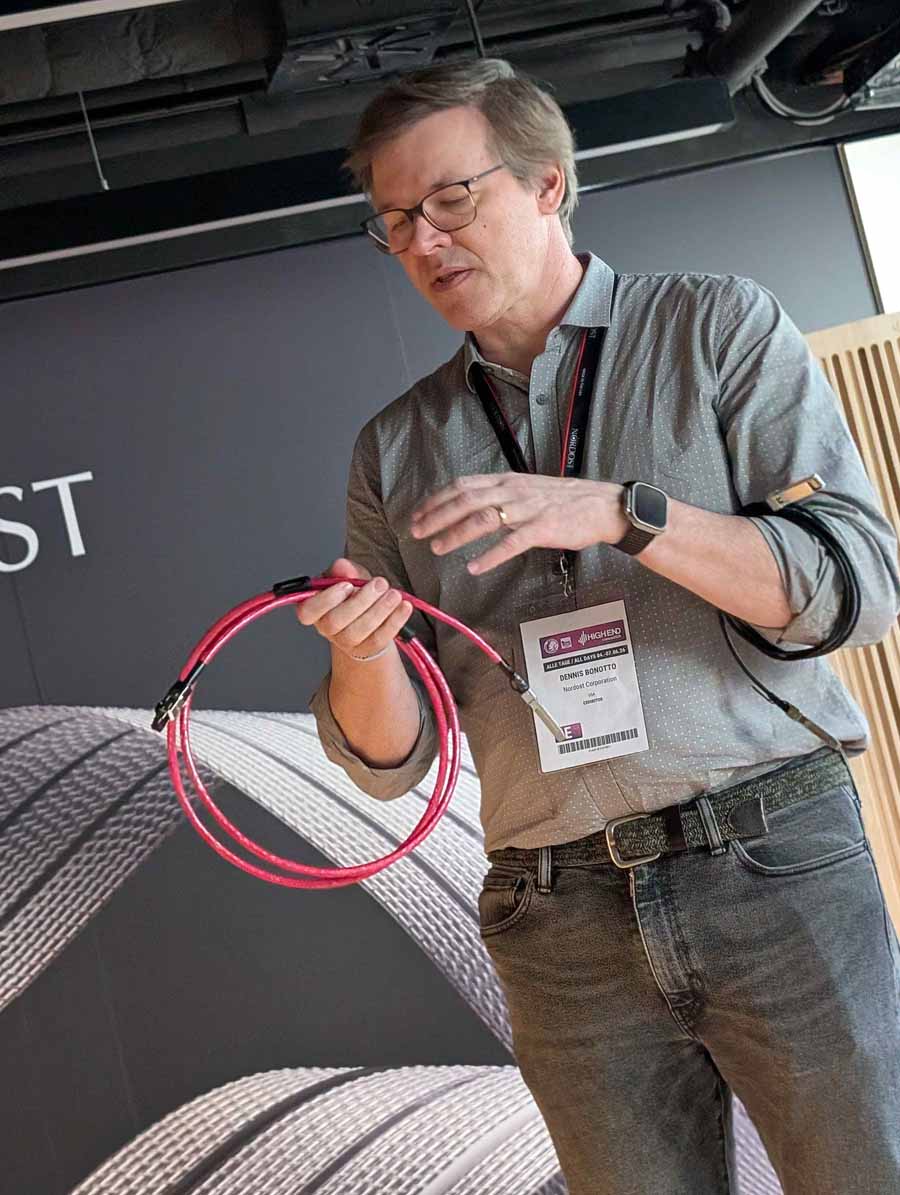
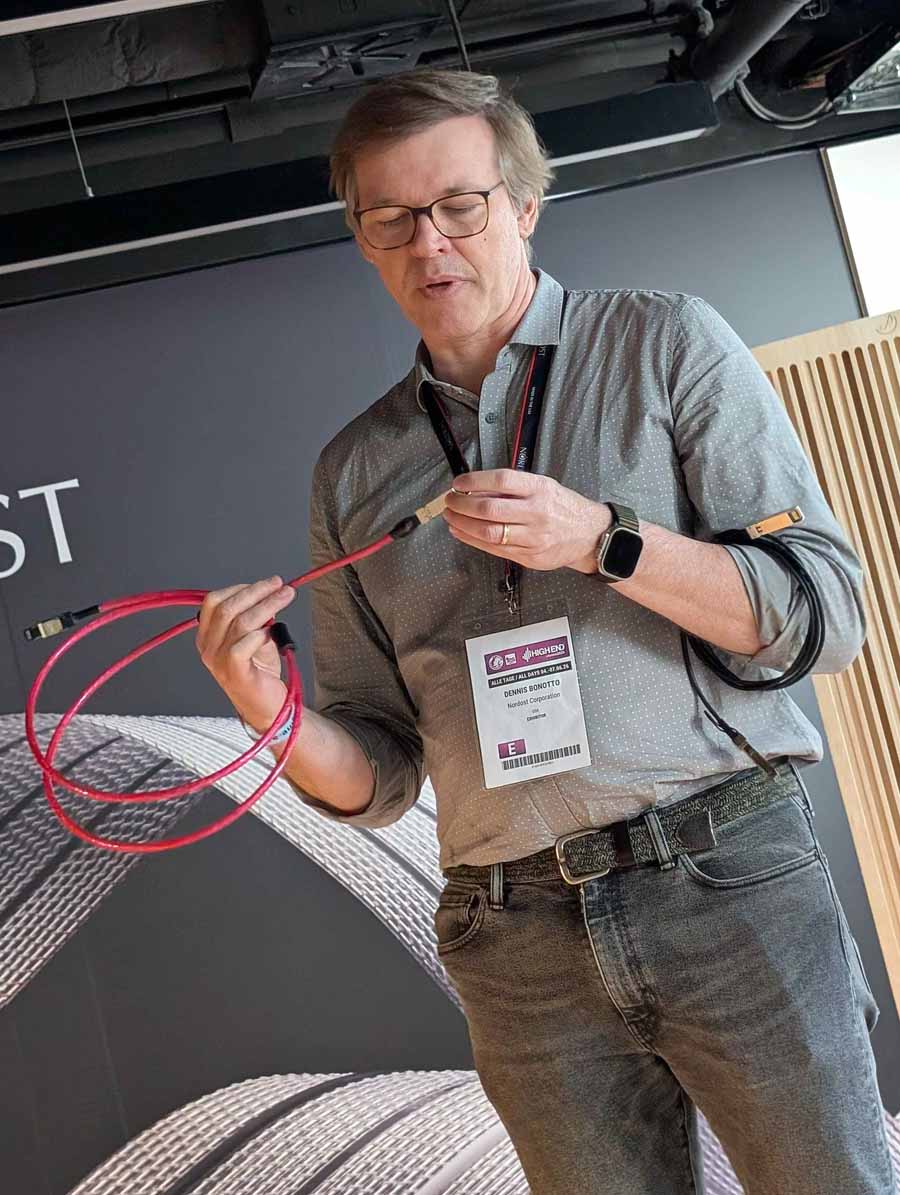
Nordost were introducing a couple of new products. The first was the Direct Attached Cable that has SFP connections – many new digital products are using this connector, by all accounts. It has SFP one side and a standard Ethernet cable on the other. The cable used is Nordost Heimdall with their own transmitter. We got a dem of standard Heimdall and the new Direct Attached. Not a subtle difference.
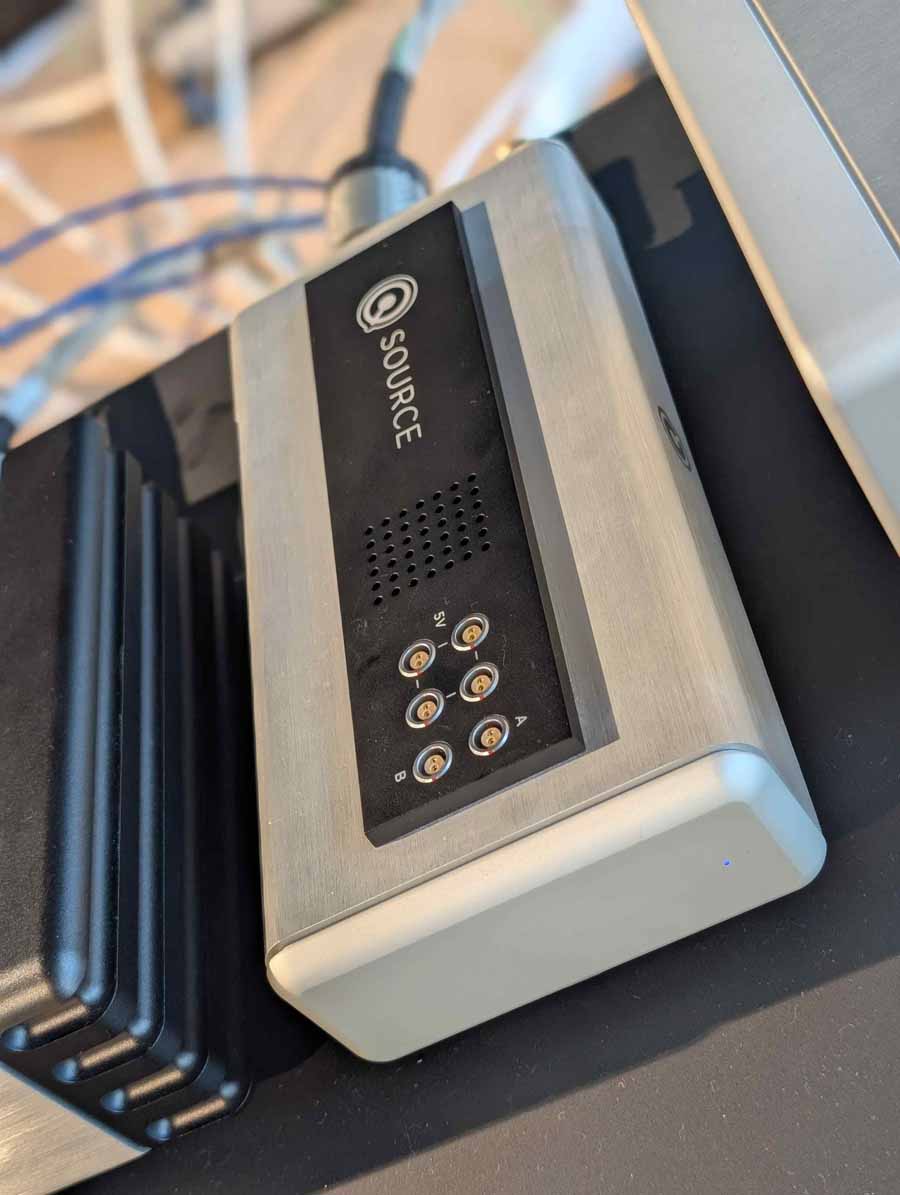
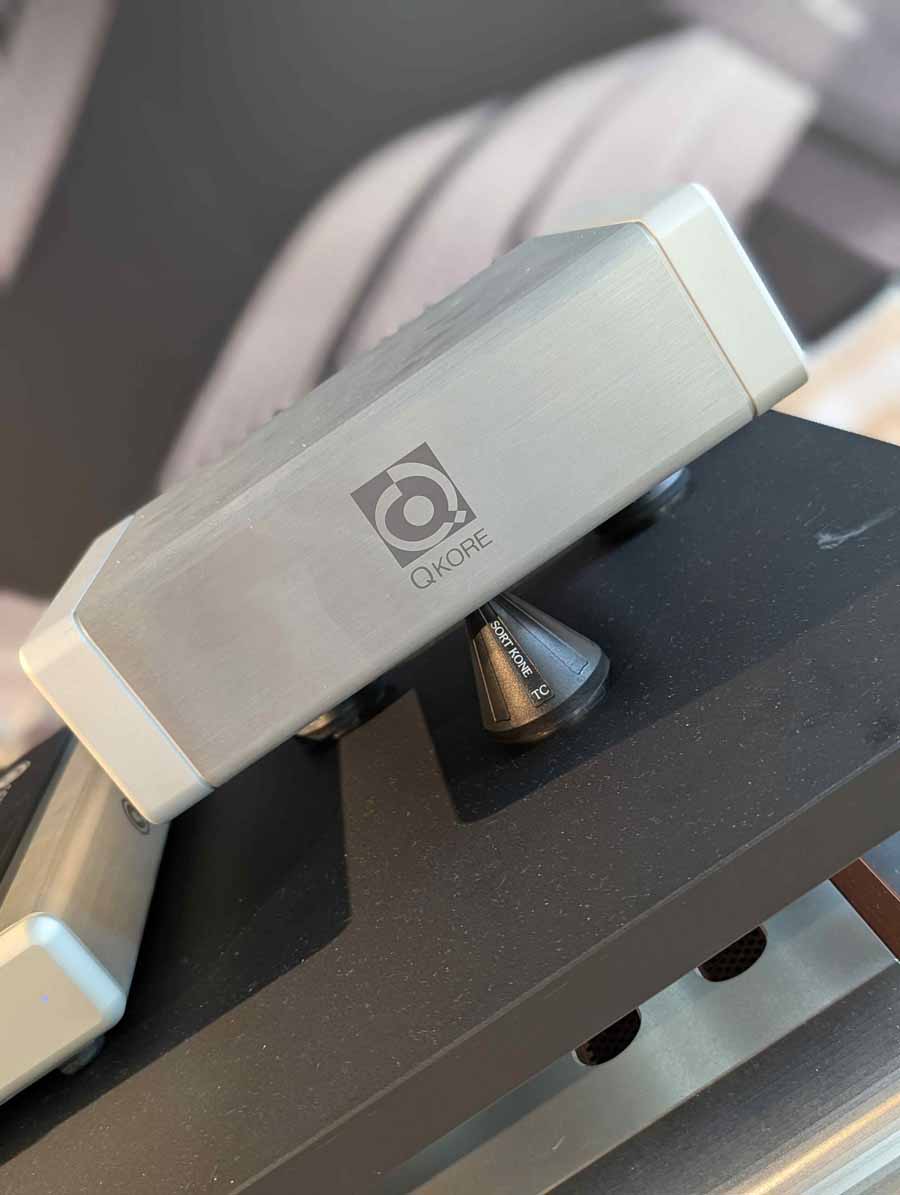
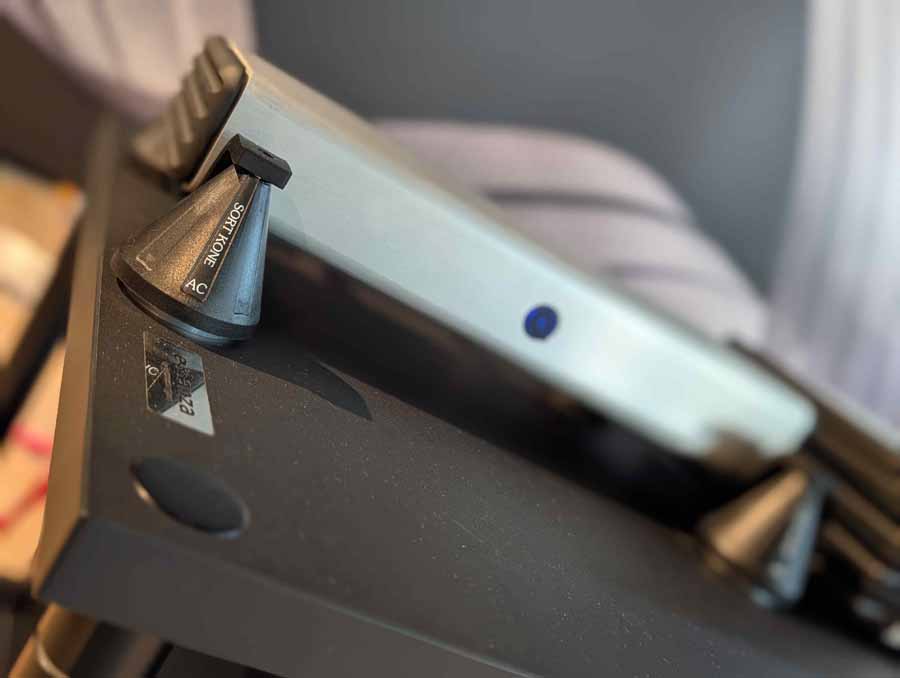
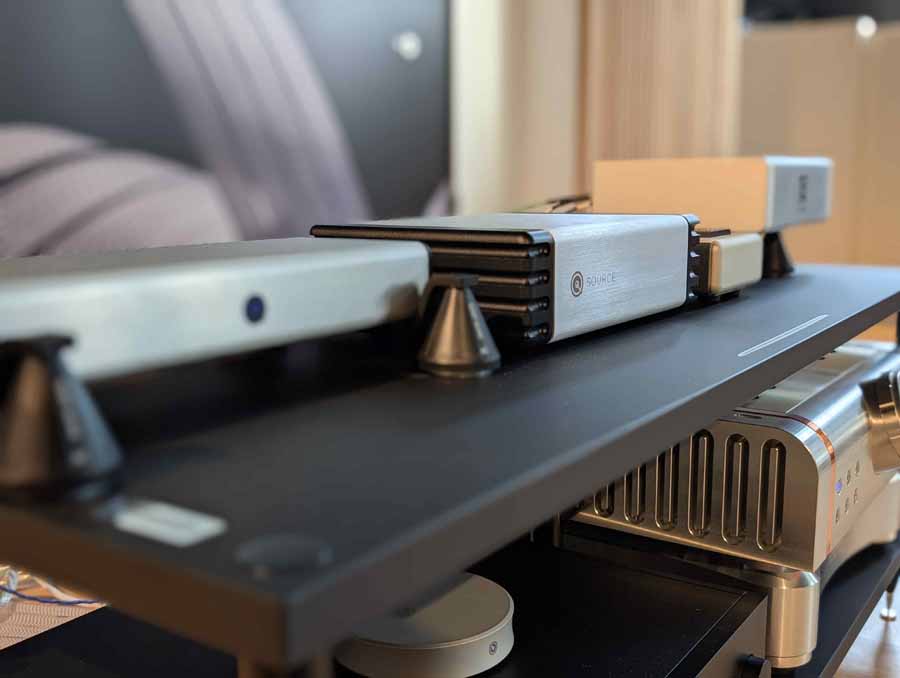
The next product is a new linear power supply. It’s a duo transformer design but with a few external design differences – it’s also 2.5 times more powerful.
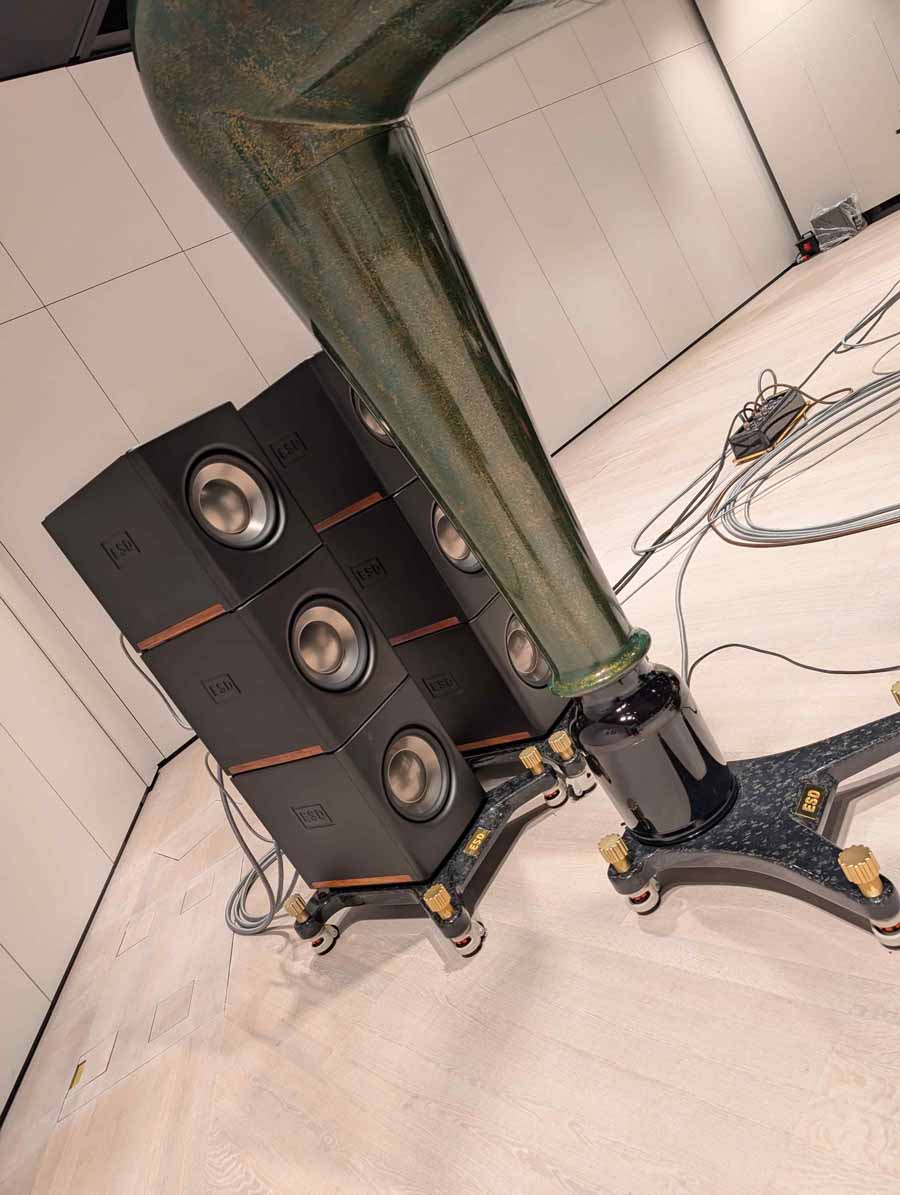
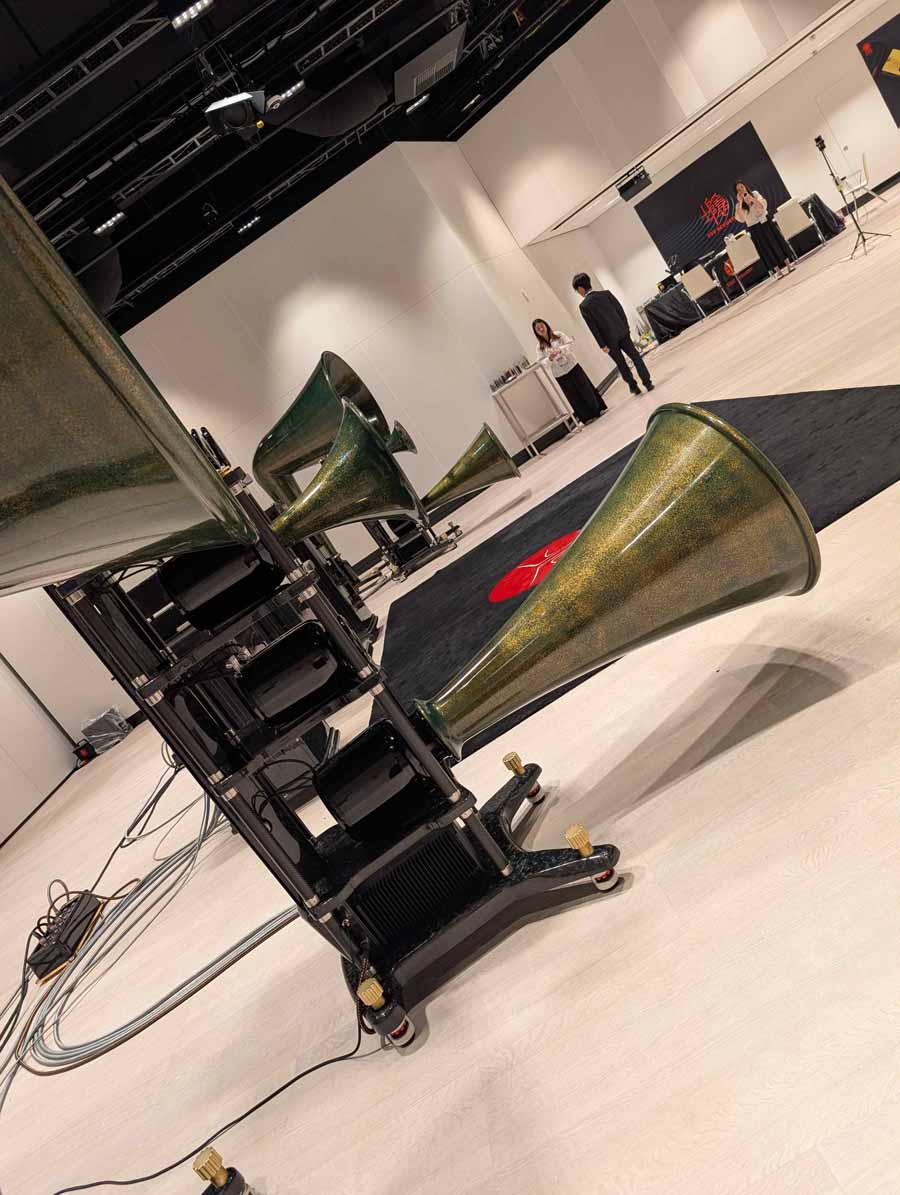
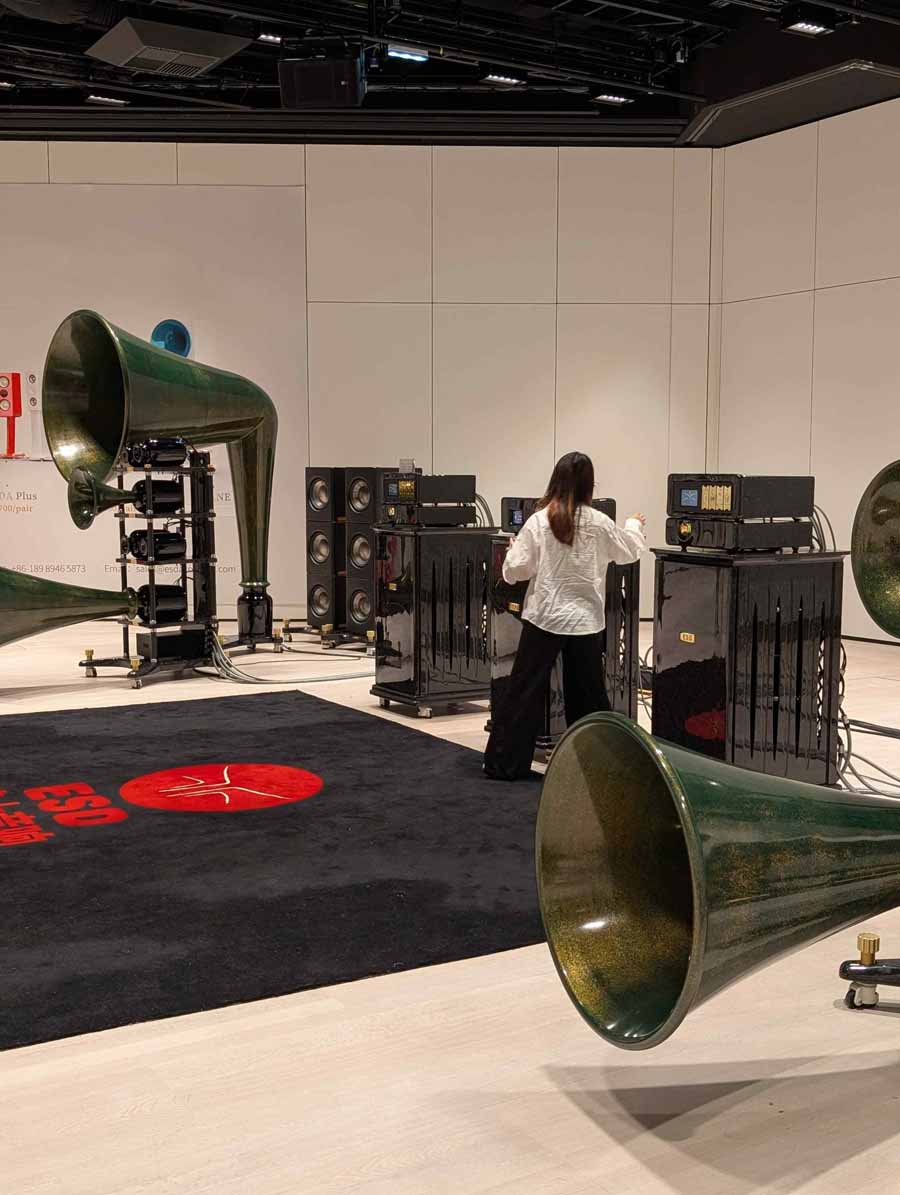
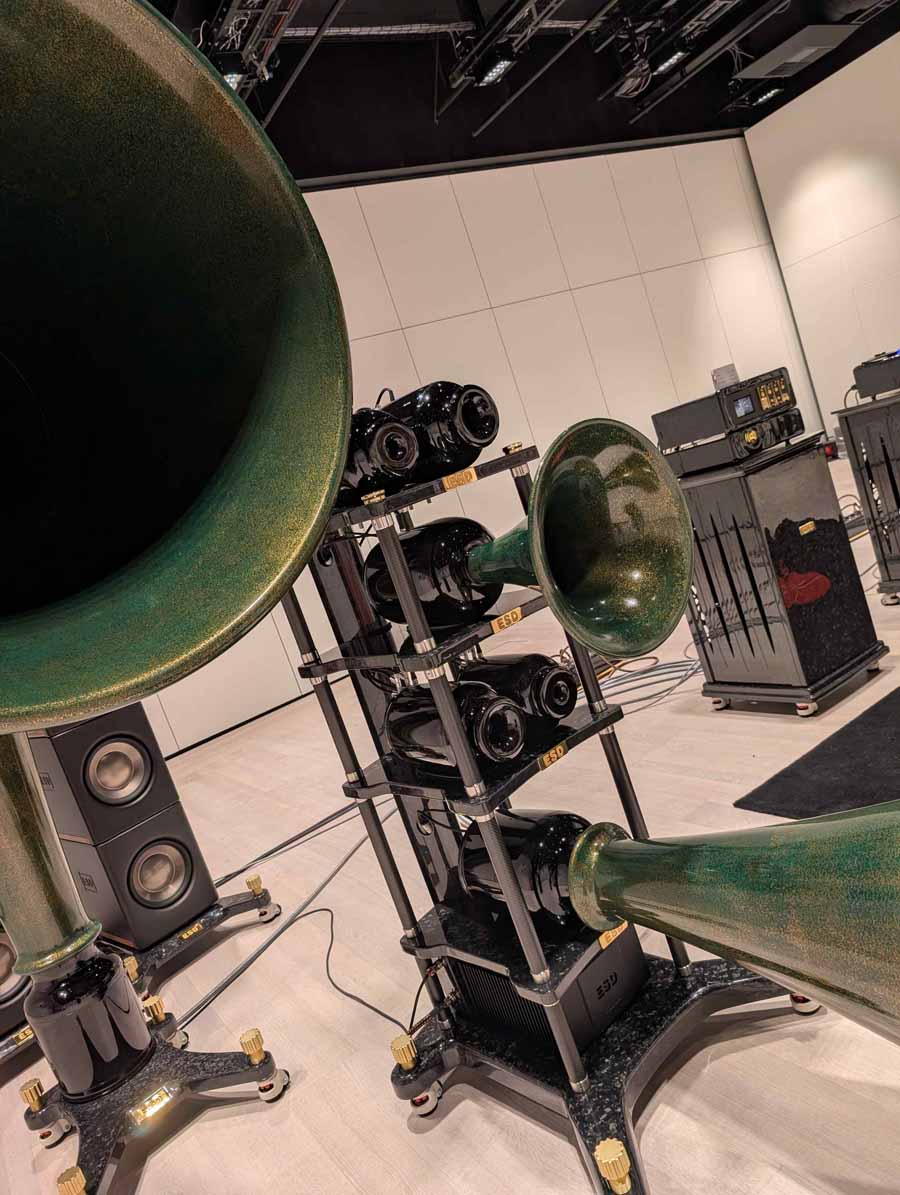
ESD
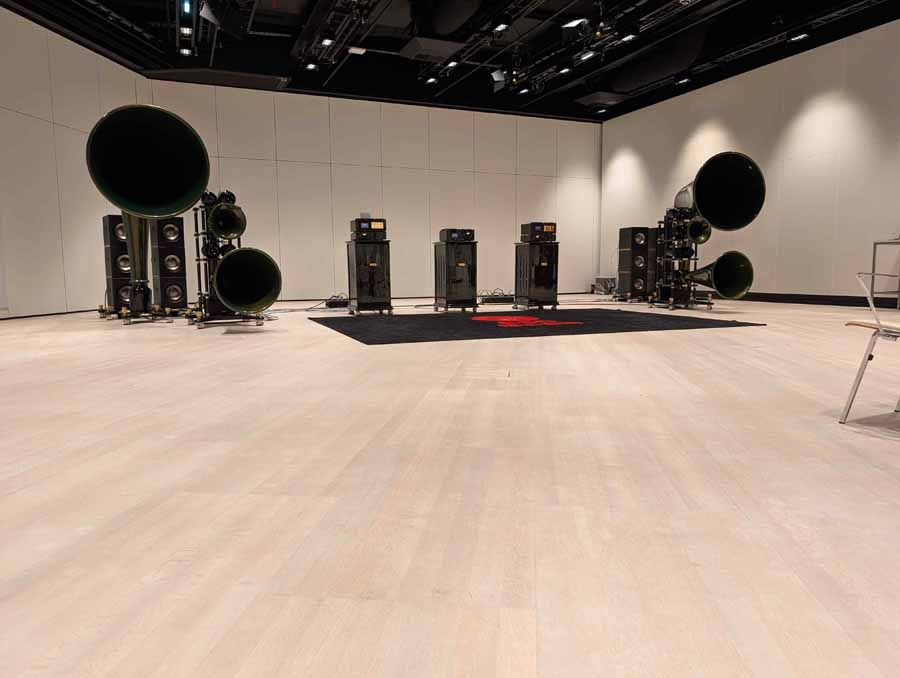
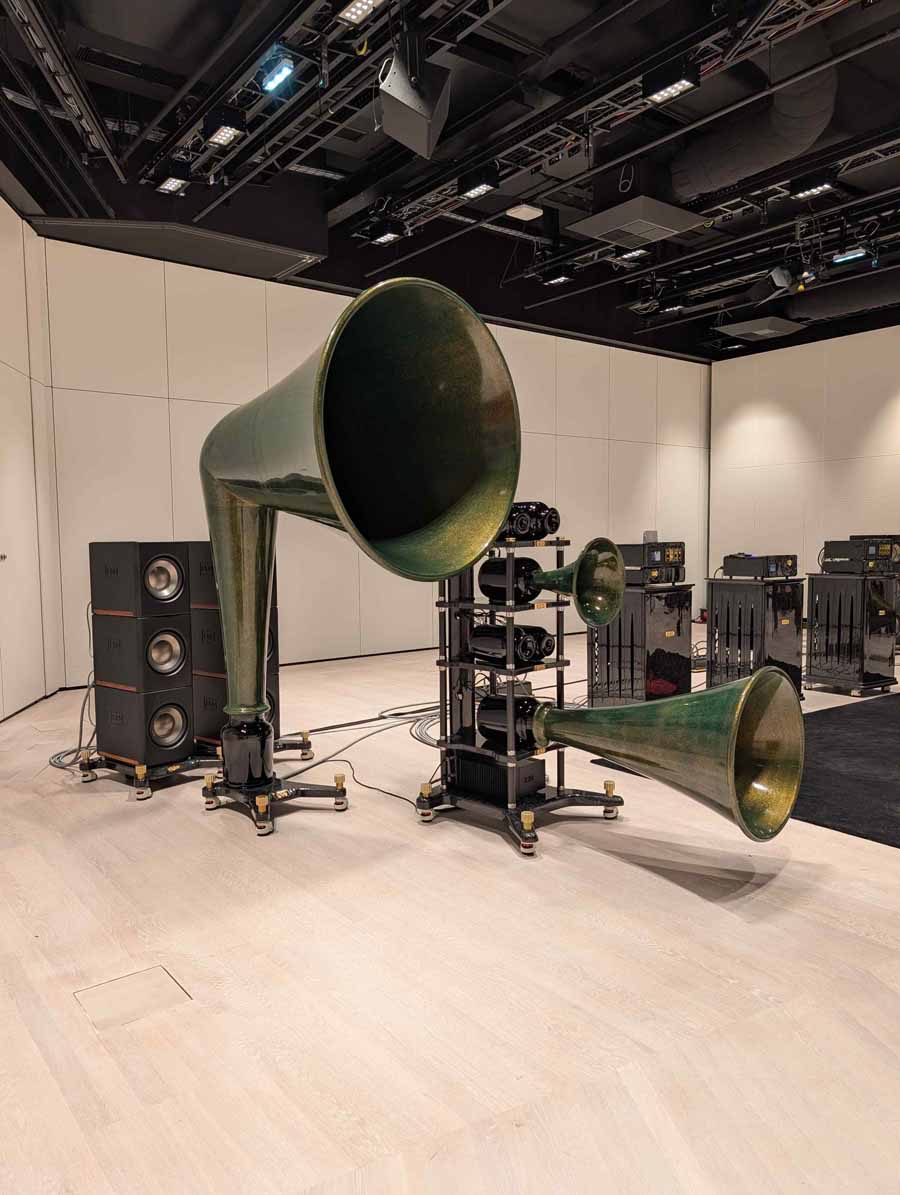
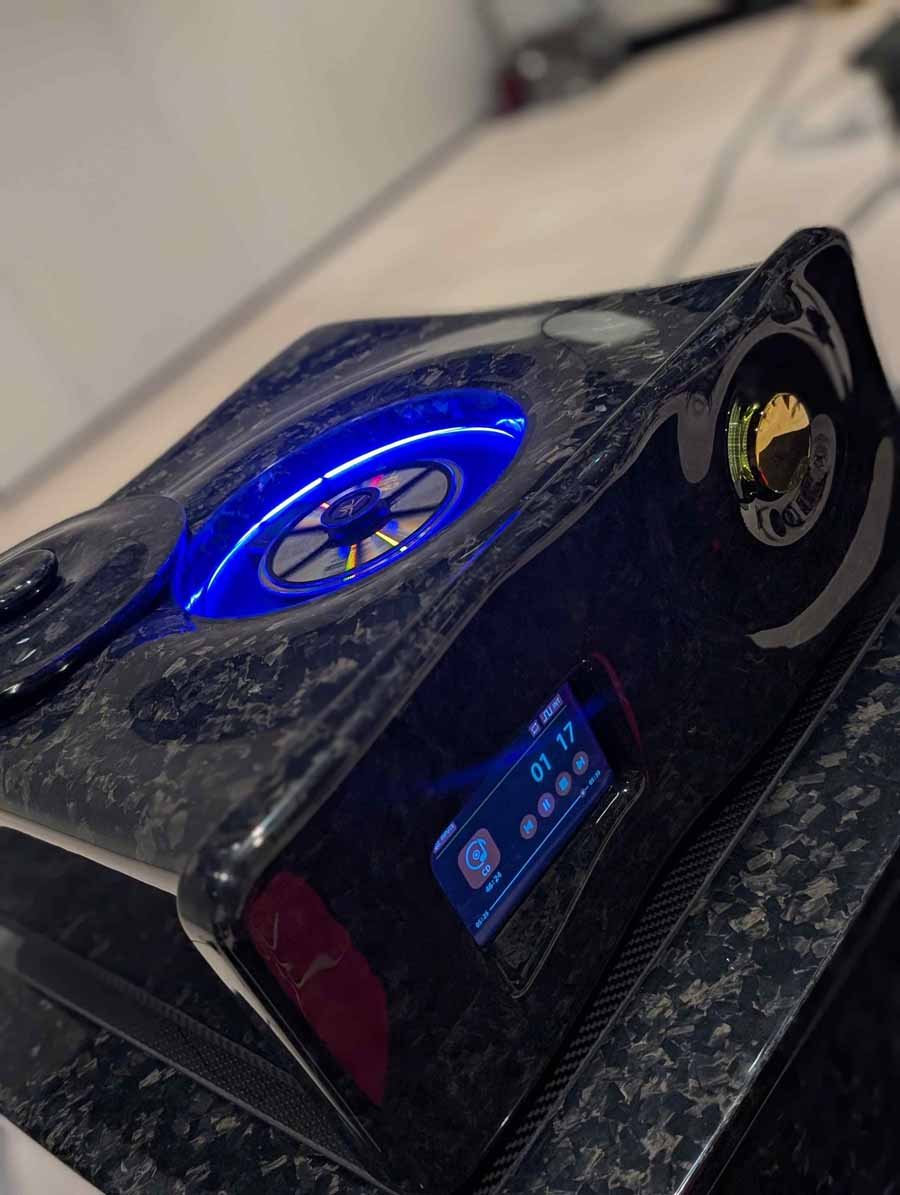
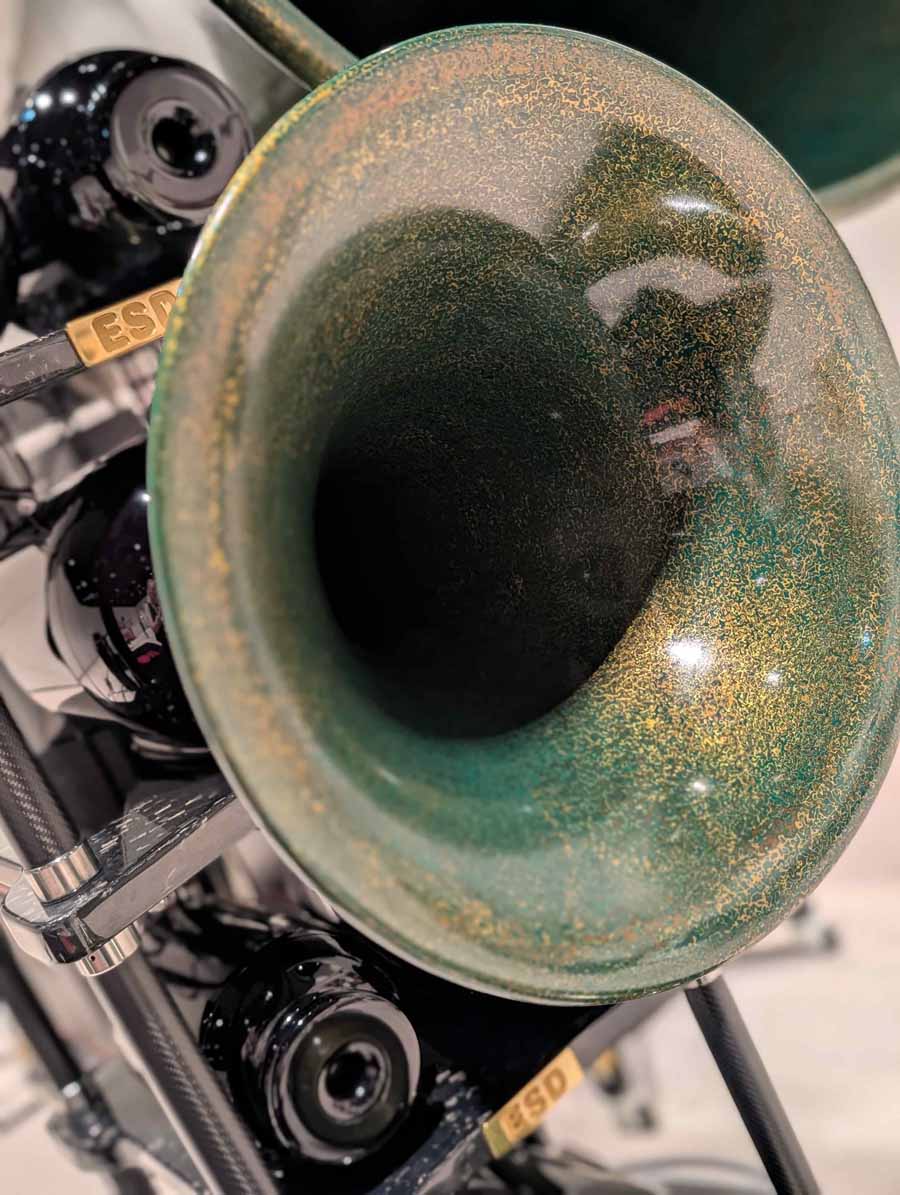
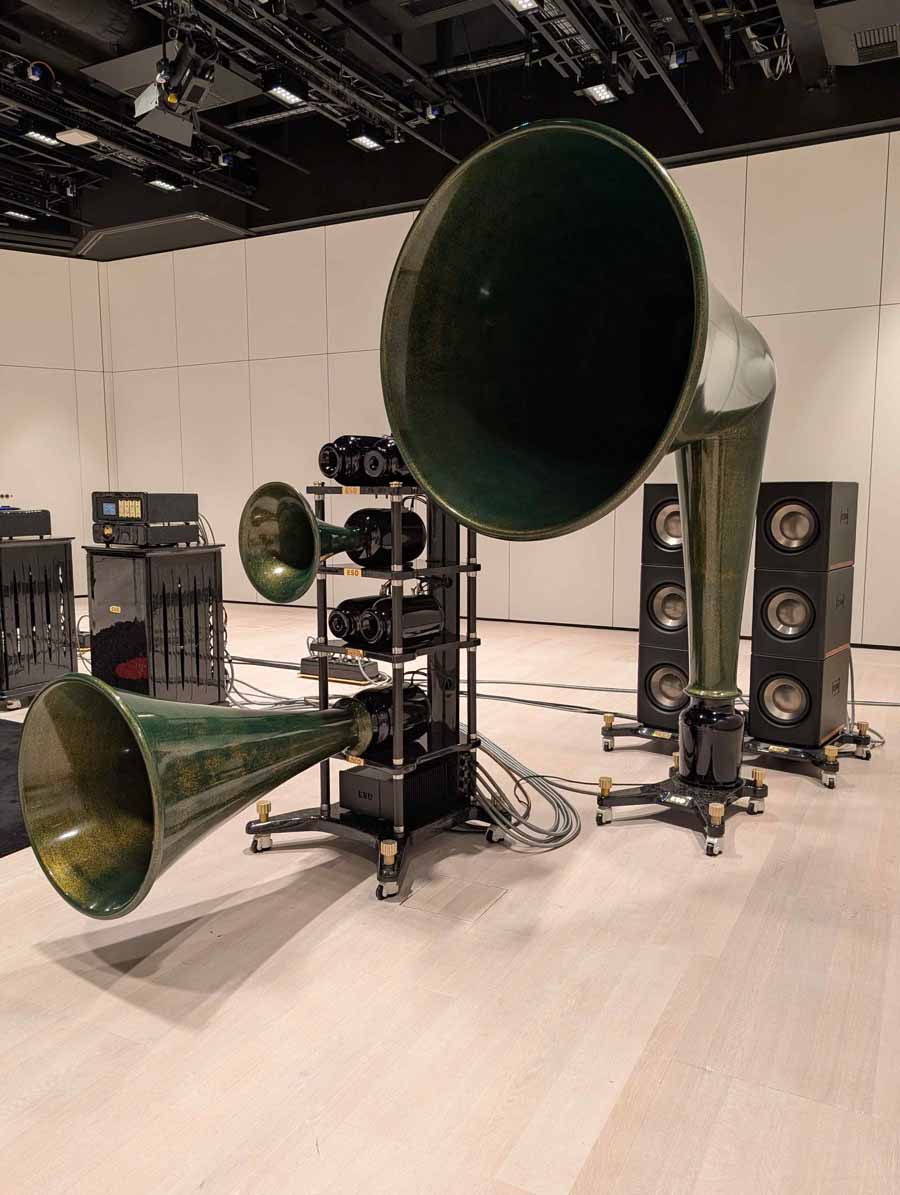
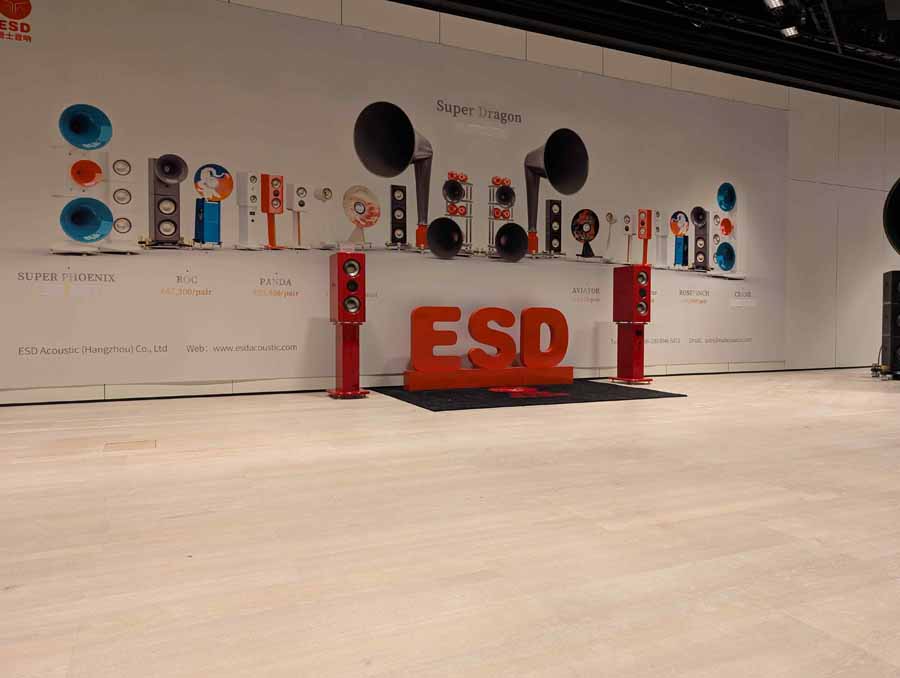
The ESD Super Dragon system is freaking huge and you’d need a concert hall in which to house it, but playing some choral music, I really kind of got the idea behind this for the first time.
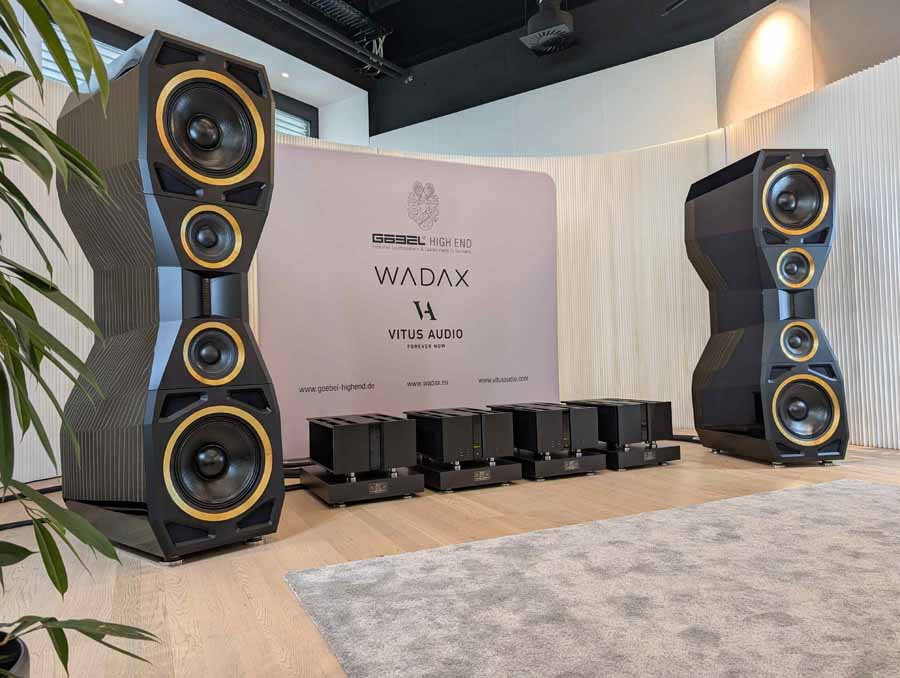
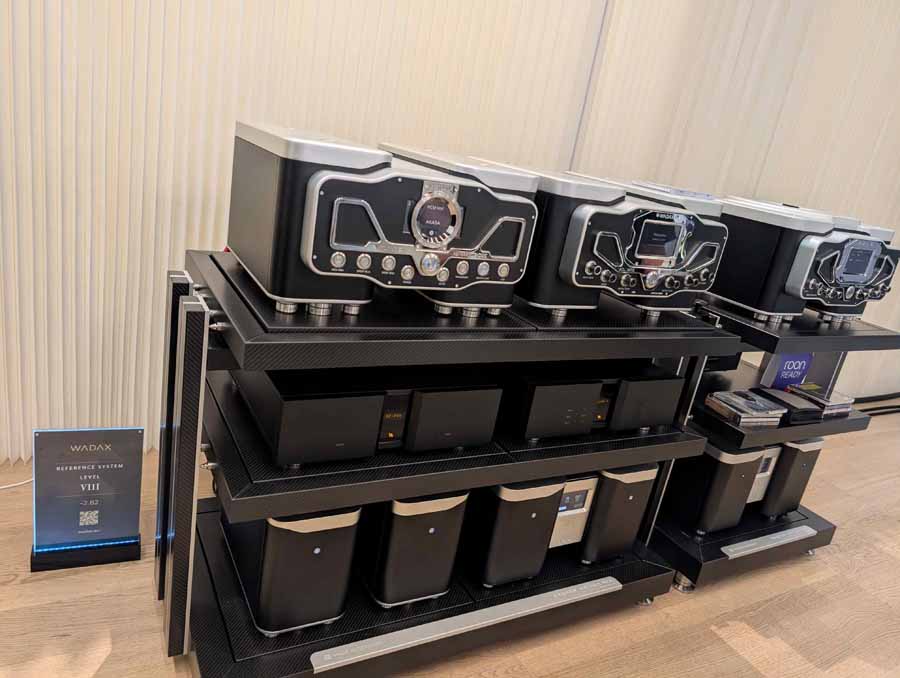
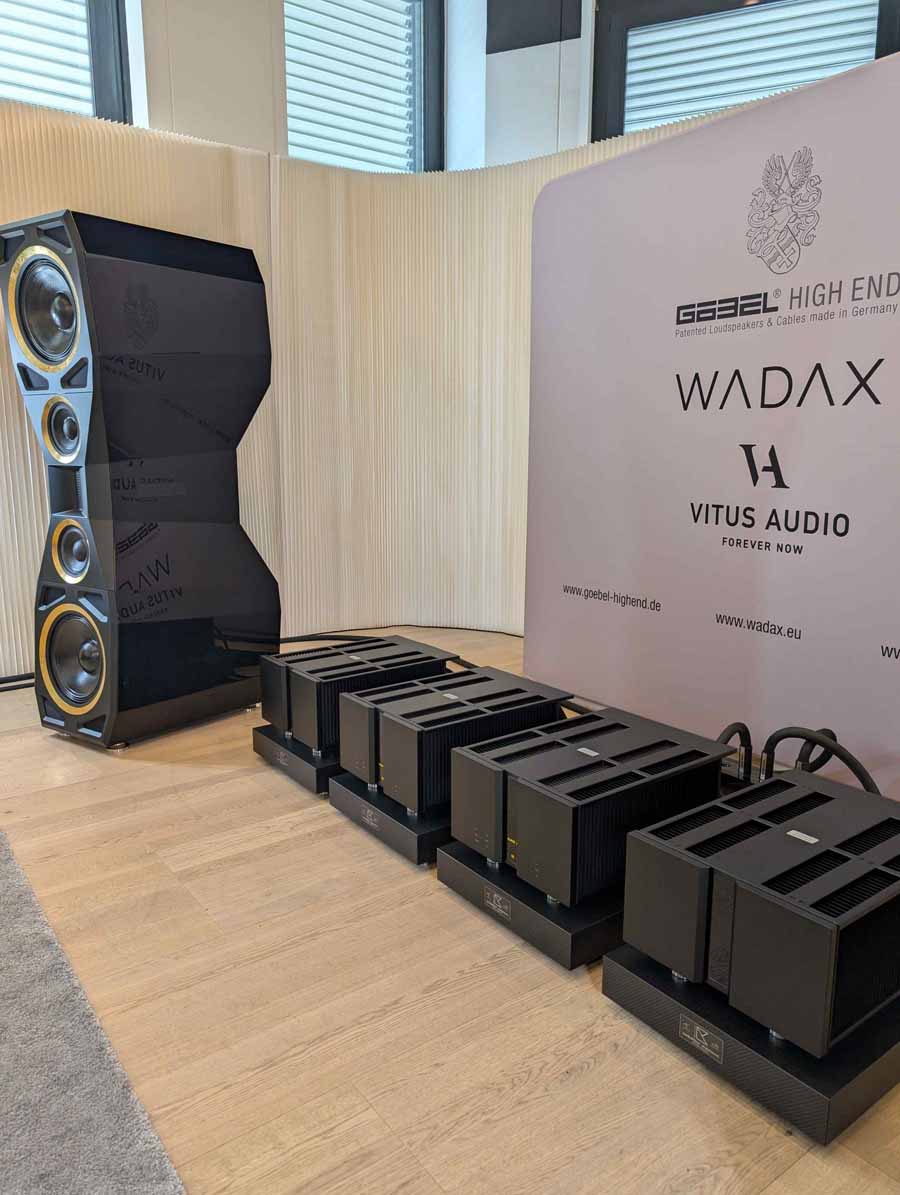
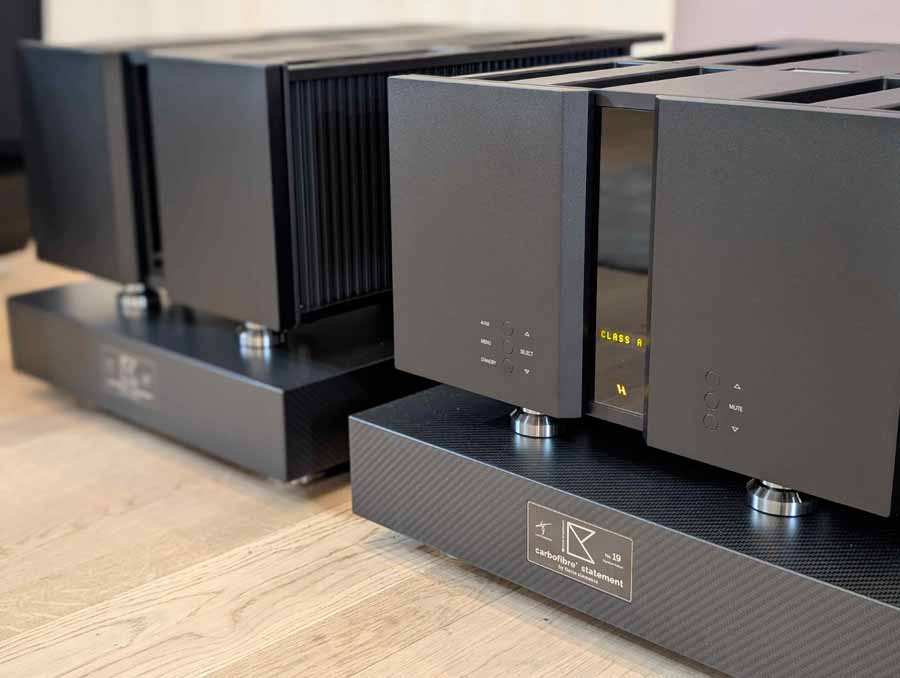
GOBEL HIGH END, VITUS, WADAX
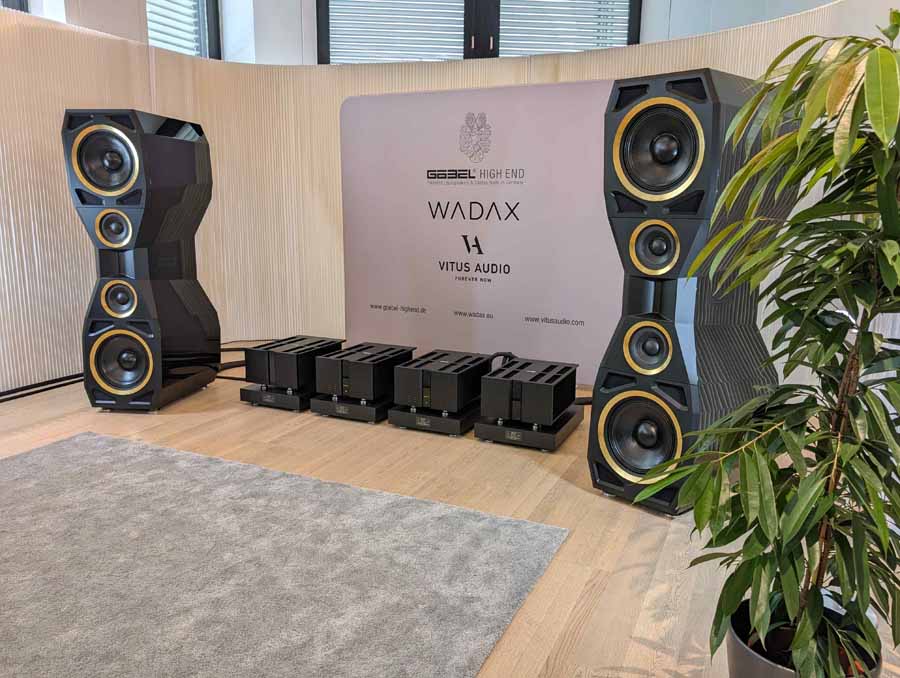
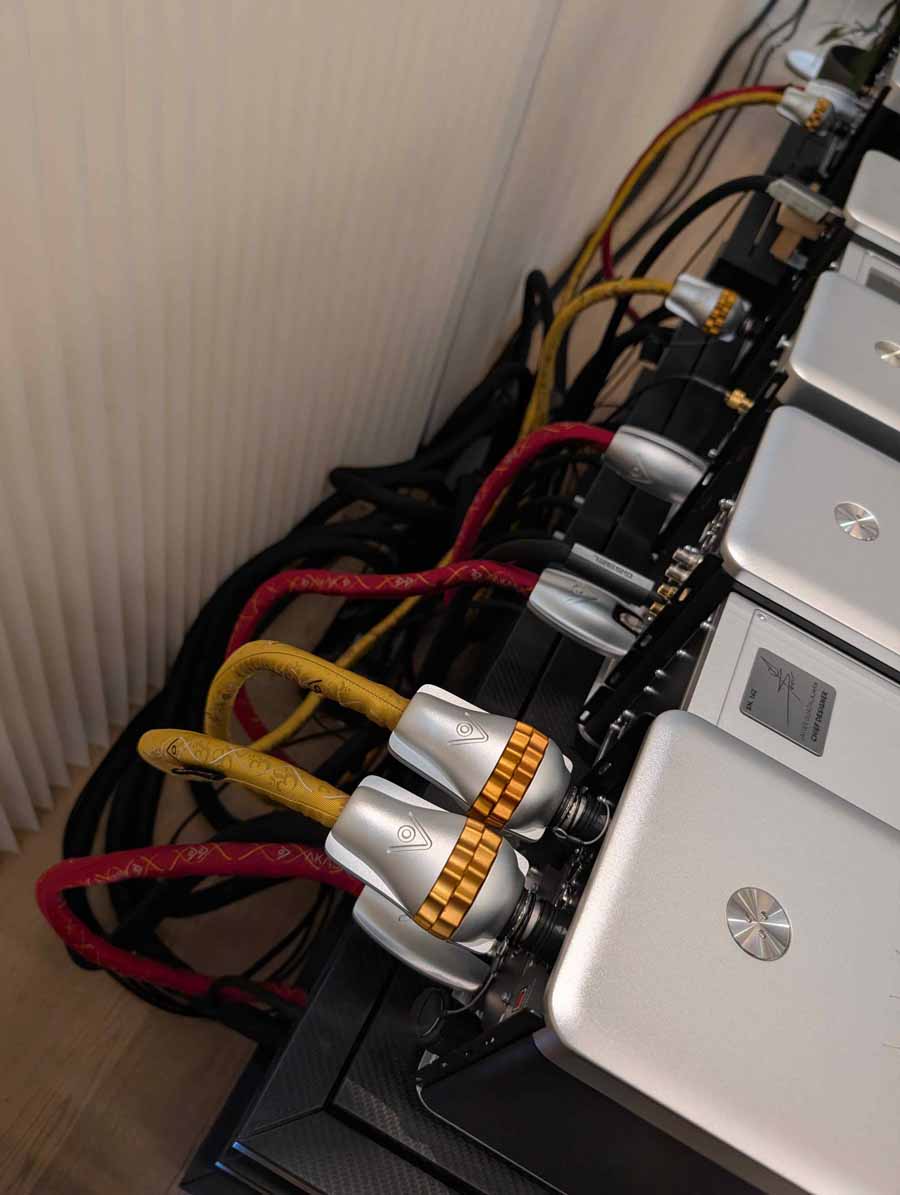
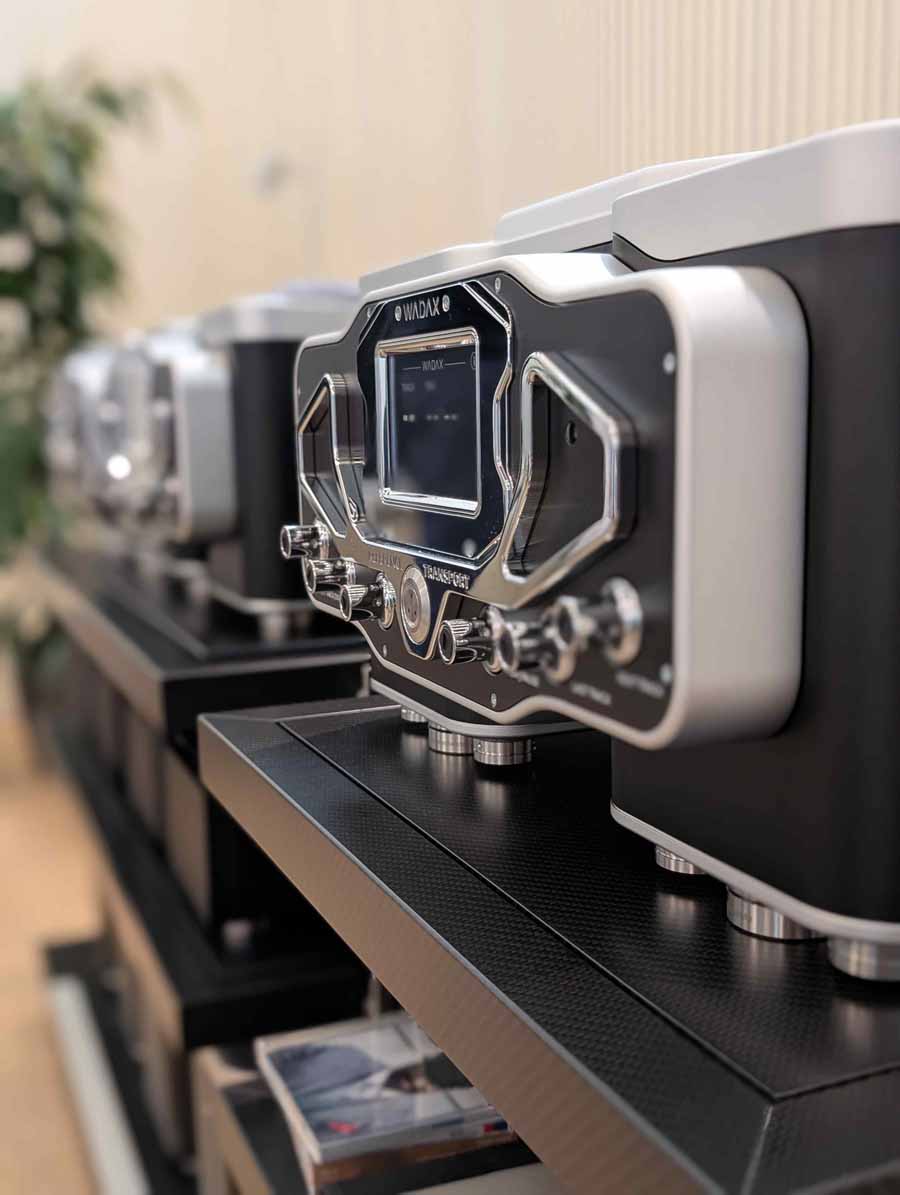
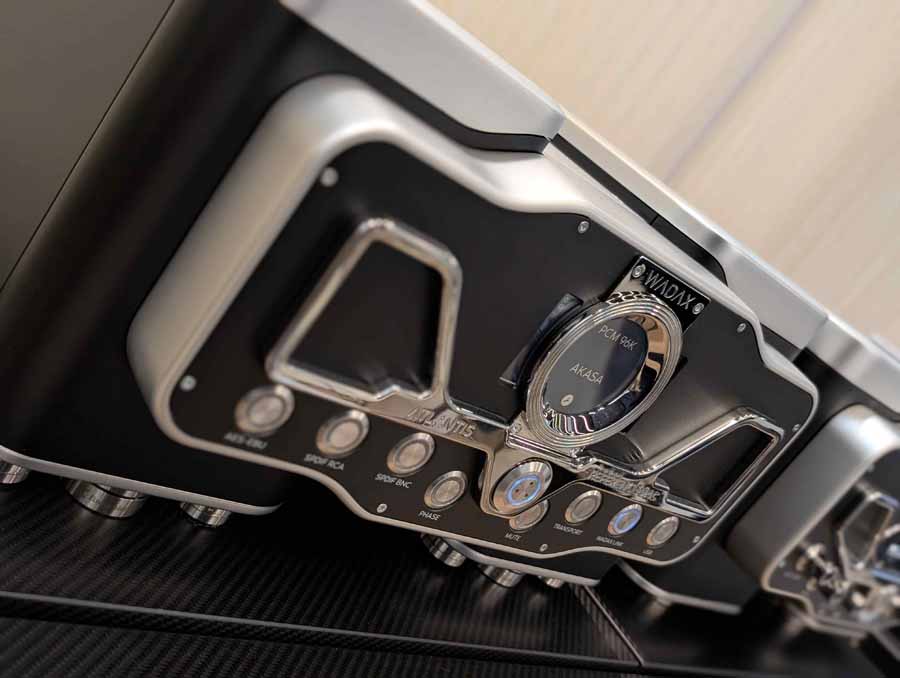
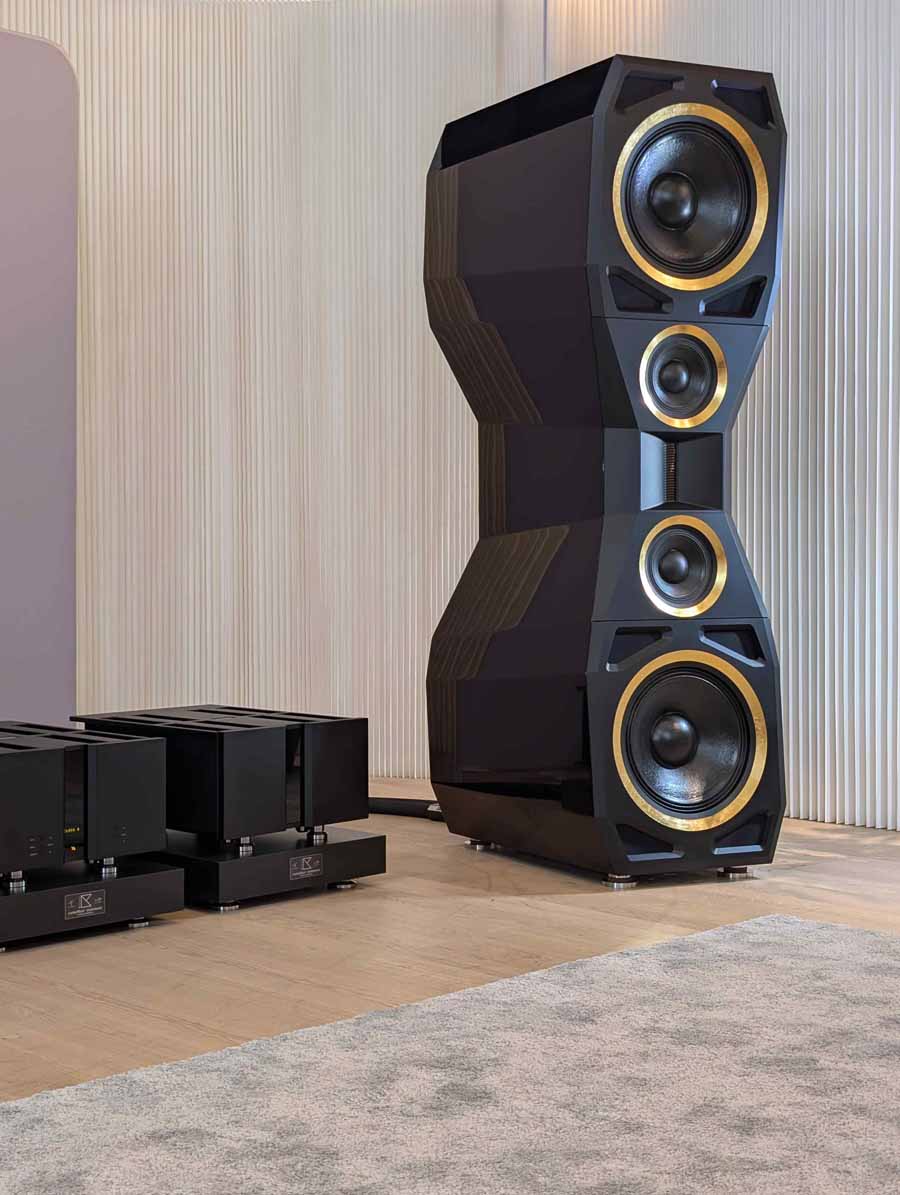
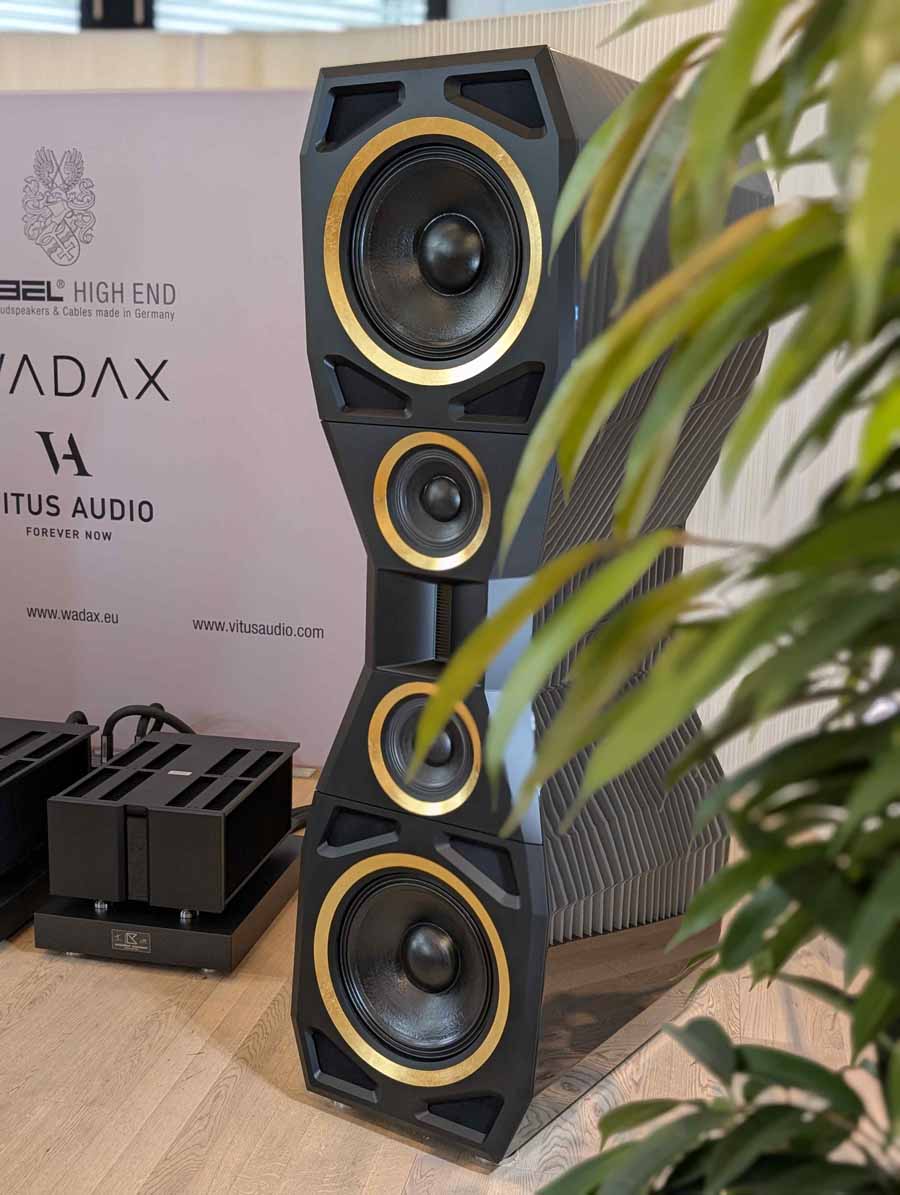
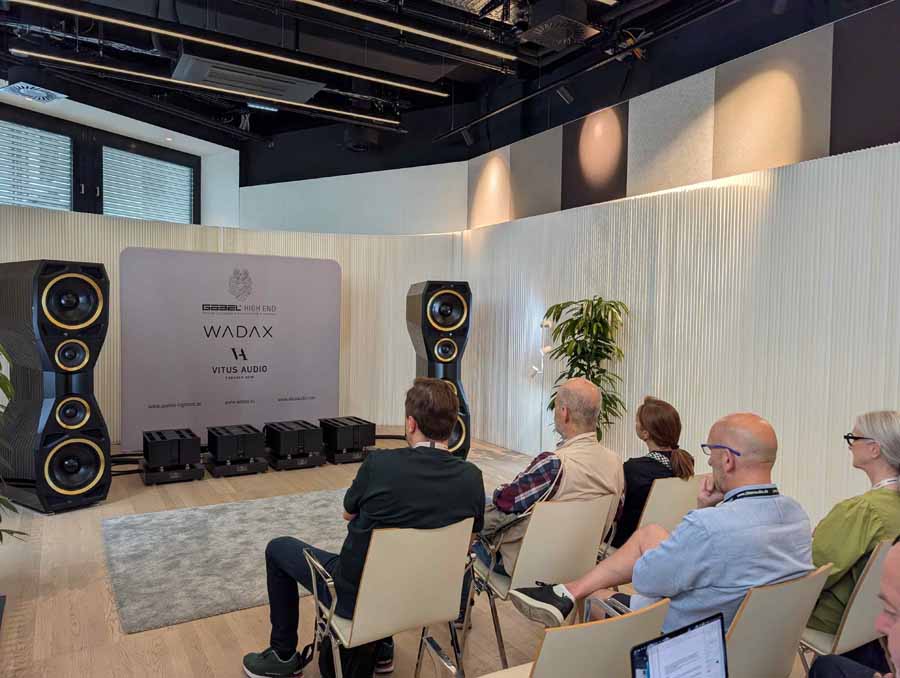
A few huge names in high-end audio in this room. The front end by WADAX was the Reference Level VIII. GOBEL Divin Monarque speakers were making their debut. VITUS amps MP- M201 and the VITUS Pre MP- L201 completed a wonderfully effortless system.
Stay tuned for the next part of our High End Vienna 2026 Report, coming soon!
Please note, all content and photos are the copyright of HiFi PiG Magazine/Big Pig Media LLP and must not be copied or reproduced in any way without the prior, written consent of the editor.

Linette and Stuart Smith