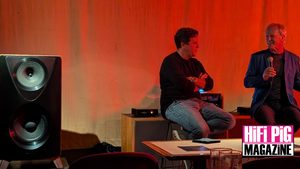

Diptyque DP115S Loudspeakers
DIPTYQUE DP115S LOUDSPEAKERS REVIEW
Stuart Smith takes a listen to the latest DP115 loudspeaker from French manufacturer Diptyque.
D&P Audio, operating under the brand Diptyque Audio, is a French manufacturer based in Montauban (North of Toulouse) that specialises in high-end planar loudspeakers. The company operates as an artisanal producer, managing every step of the process in-house, including CNC milling, membrane creation, and circuit assembly. Diptyque Audio adheres to a “Zero Waste” approach and has received the Zero Waste Company Label in 2024. Their commitment to sustainability includes using 98.5% of materials sourced from France or Europe – such as Mediland® MDF wood fibres from maritime pine – and designing speakers that are repairable and can be refurbished in their workshops.
The company was founded through the collaboration of Gilles Douziech and Eric Poix, which began in 2001 with a prototype created for a contemporary art exhibition. With a background in electronics and experience in the biomedical and technological education fields, Douziech trained under Marcel Rochet (designer of Mulidine speakers) to study harmonic resonances and filter design. Poix designs and manufactures all the mechanical components for the speakers. His work focuses on creating rigid structures and controlling membrane tension. The founders are supported by a team that assists with the company’s international development and manufacturing processes.










Diptyque utilises Isodynamic technology (also known as Magnetostatics) rather than traditional electrodynamic drivers. This technology uses extremely thin mylar membranes with aluminium windings that move between magnetic fields.
Regular readers will know that I’m not technically-minded, and so the following has been taken from the Diptyque website to give you a better idea of the specific technologies used in all the speakers in the company’s range.
Dipole Operation: Sound is diffused from both the front and back of the speaker in a plane wave, which eliminates “box colouration” because there is no rear enclosure.








Push Pull Bipolar Magnet (PPBM): A patented architecture where custom large-section bipolar magnets are placed at the front and rear of the diaphragm. This keeps the voice coil in a constant magnetic field for better control.
Crossed Push Pull (C-PPBM): An exclusive technology used in the “Reference” models where each bass cartridge features two independent windings (one vertical, one horizontal) to power a 22 µm Mylar membrane, ensuring uniform vibration.
Mechanical Structure: The speakers use a “sandwich” mechanical structure. This consists of an MDF frame, an ultra-rigid HPL (High-Pressure Laminate) composite chassis for the membranes, and 2mm steel sheets held together by mechanical screws to prevent resonance.
Ribbon Tweeters: The company produces proprietary tweeters using neodymium magnets and mylar film with aluminium windings, designed to connect with the isodynamic cells via a 12 dB per octave filter.
Reliability: The speakers do not use high-voltage circuits and are designed to be unaffected by dust or humidity.
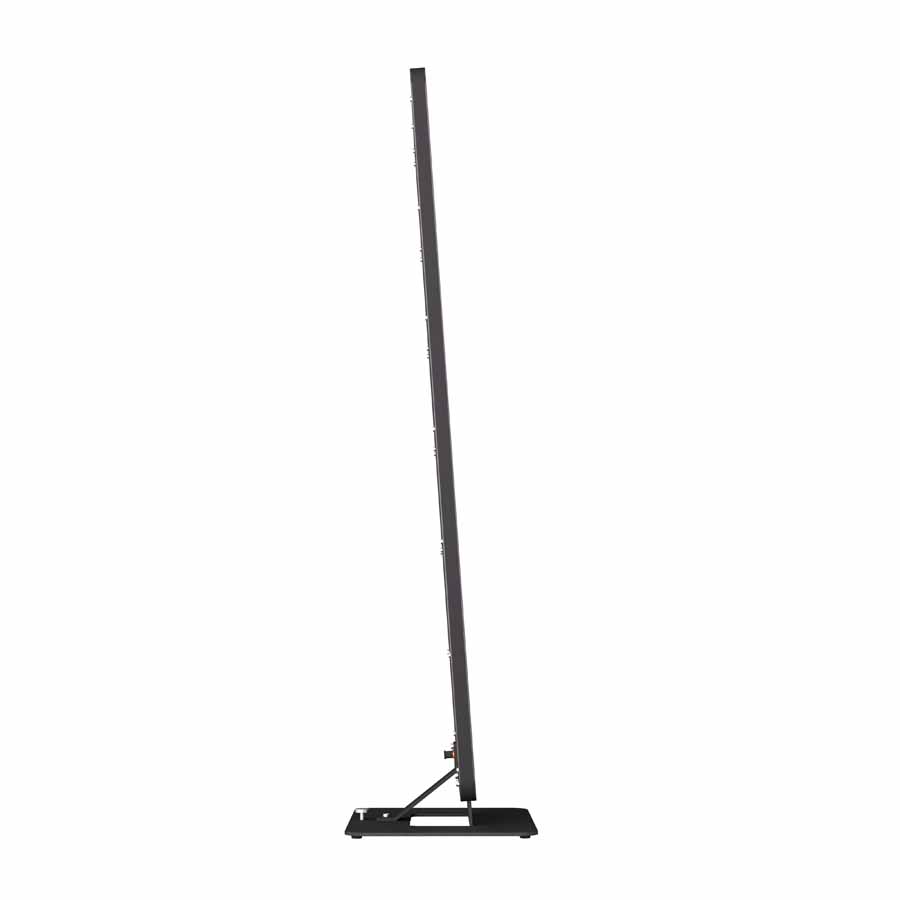
The speakers arrived in a wooden box, and putting them together is a matter of bolting on the metal base and associated metal brace. I did all this in a matter of minutes. Repacking the speakers was surprisingly easy.





BUILD AND FEATURES OF THE DIPTYQUE DP115 LOUDSPEAKERS
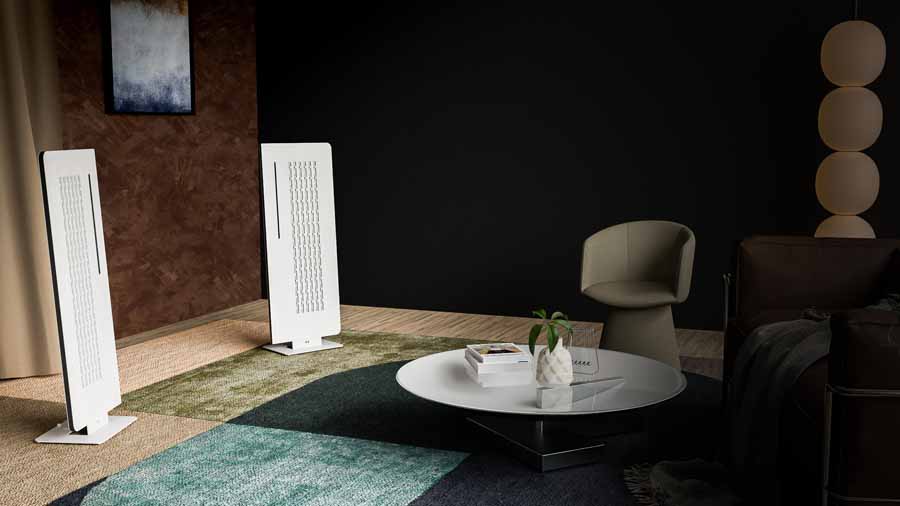
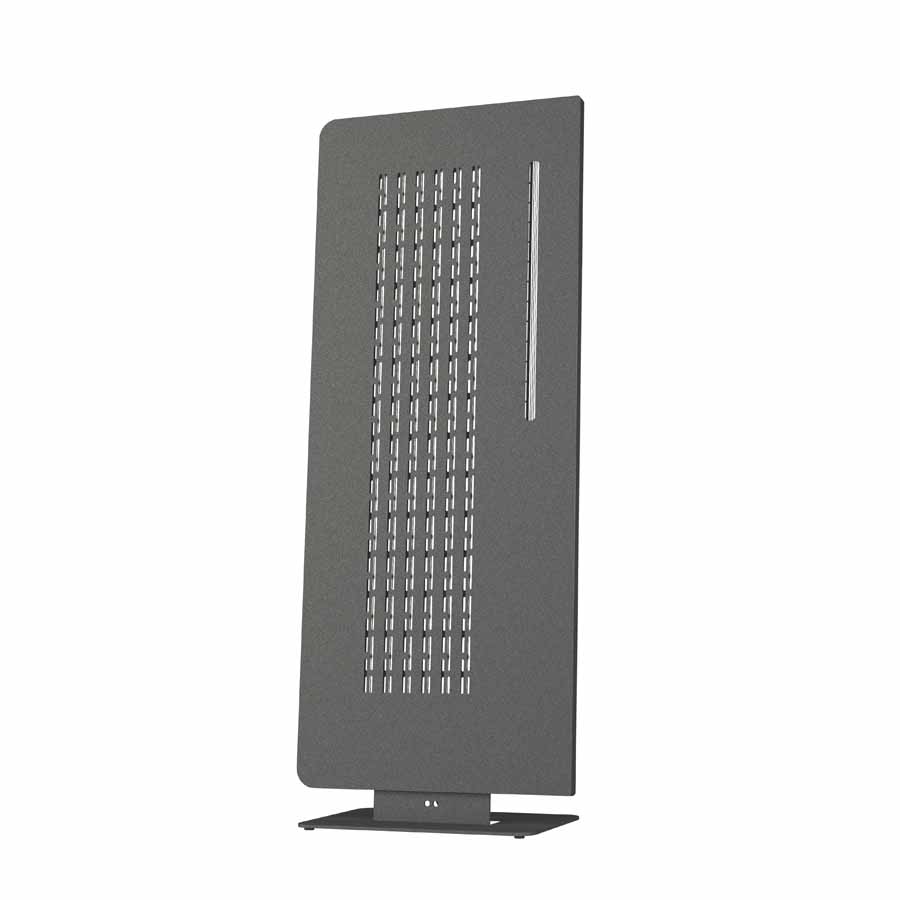
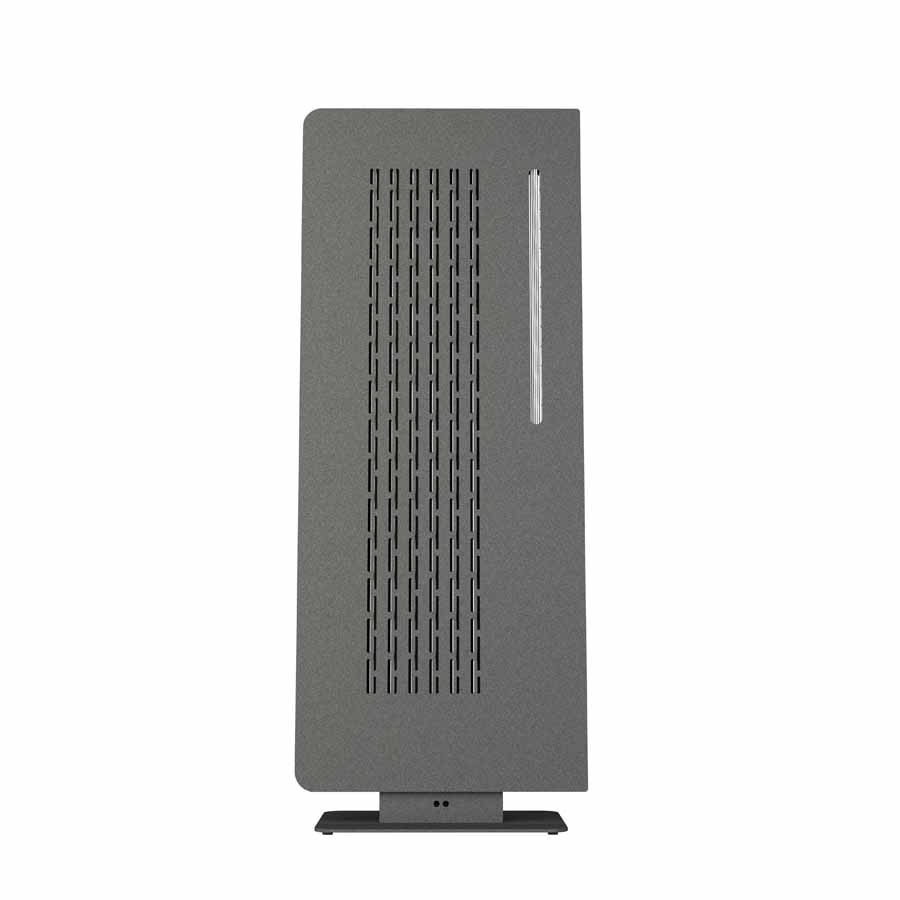
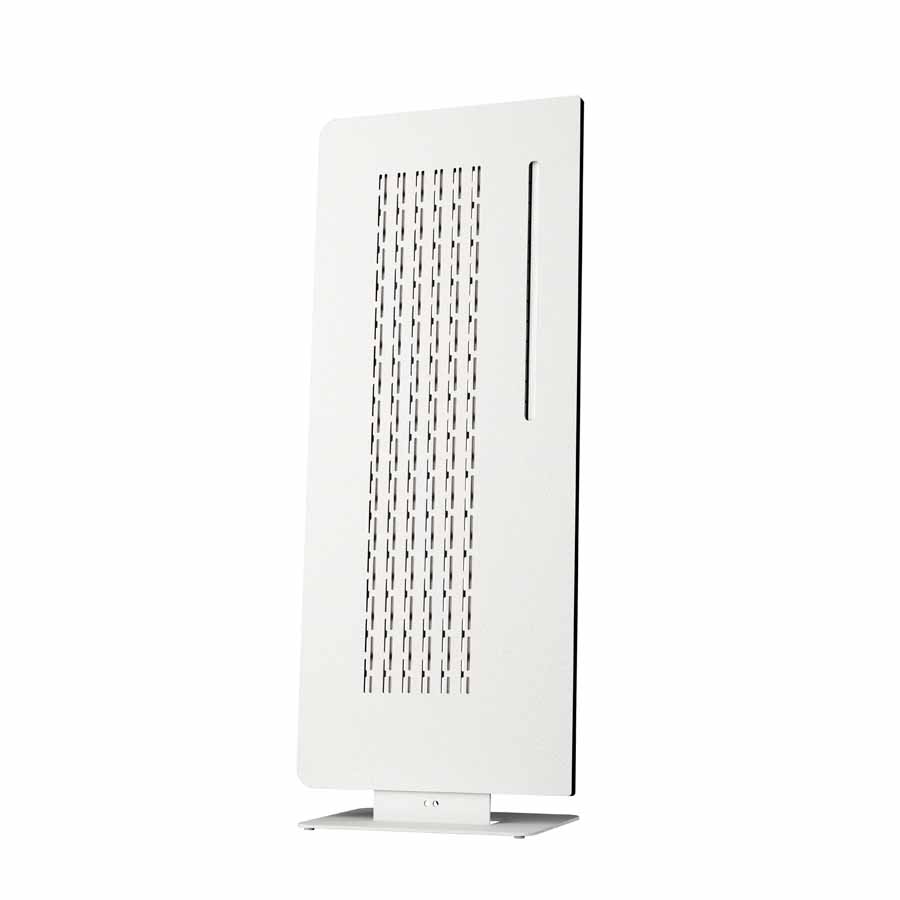
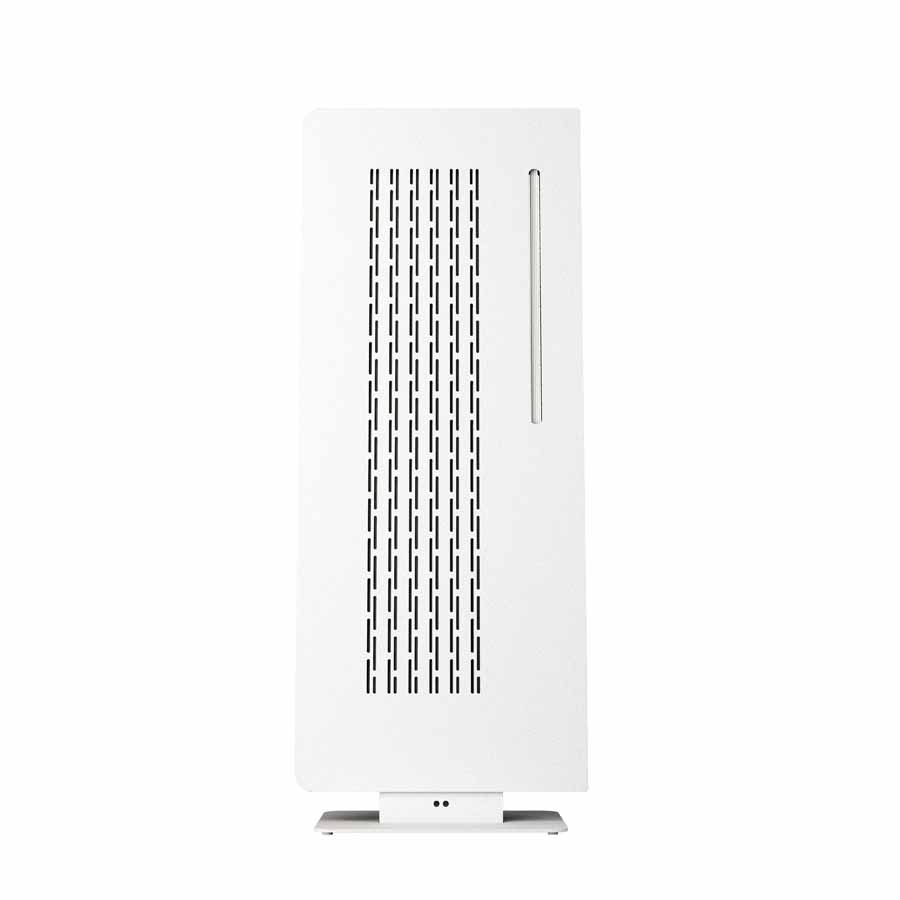
The Diptyque DP115 is a two-way loudspeaker with dimensions of 1205 by 475 by 300 mm and a weight of 32 kg. Its acoustic design features a 1980 cm² bass and midrange cell that operates using the patented Push Pull Bipolar Magnet (PPBM) architecture mentioned above.
High frequencies are handled by a 45 cm isodynamic ribbon tweeter made of Mylar film and aluminium windings, which uses neodymium magnets and is connected via a 12 dB per octave filter.
The speaker is built with a “sandwich” mechanical structure designed to ensure rigidity and eliminate resonance. This structure is composed of an MDF frame, an ultra-rigid HPL composite chassis for the membranes, and 2 mm steel sheets that are tightened together by mechanical screws. The MDF used is specifically Mediland® wood fibre made from maritime pine sourced from Southwest France.
In terms of performance, the DP115 has a bandwidth of 40 to 22,000 Hz, an impedance of 6 Ohms, and a sensitivity of 86 dB. Diptyque recommend an amp of 60W minimum, so the Electrocompaniet AW800M amps we use as our reference should be perfect.
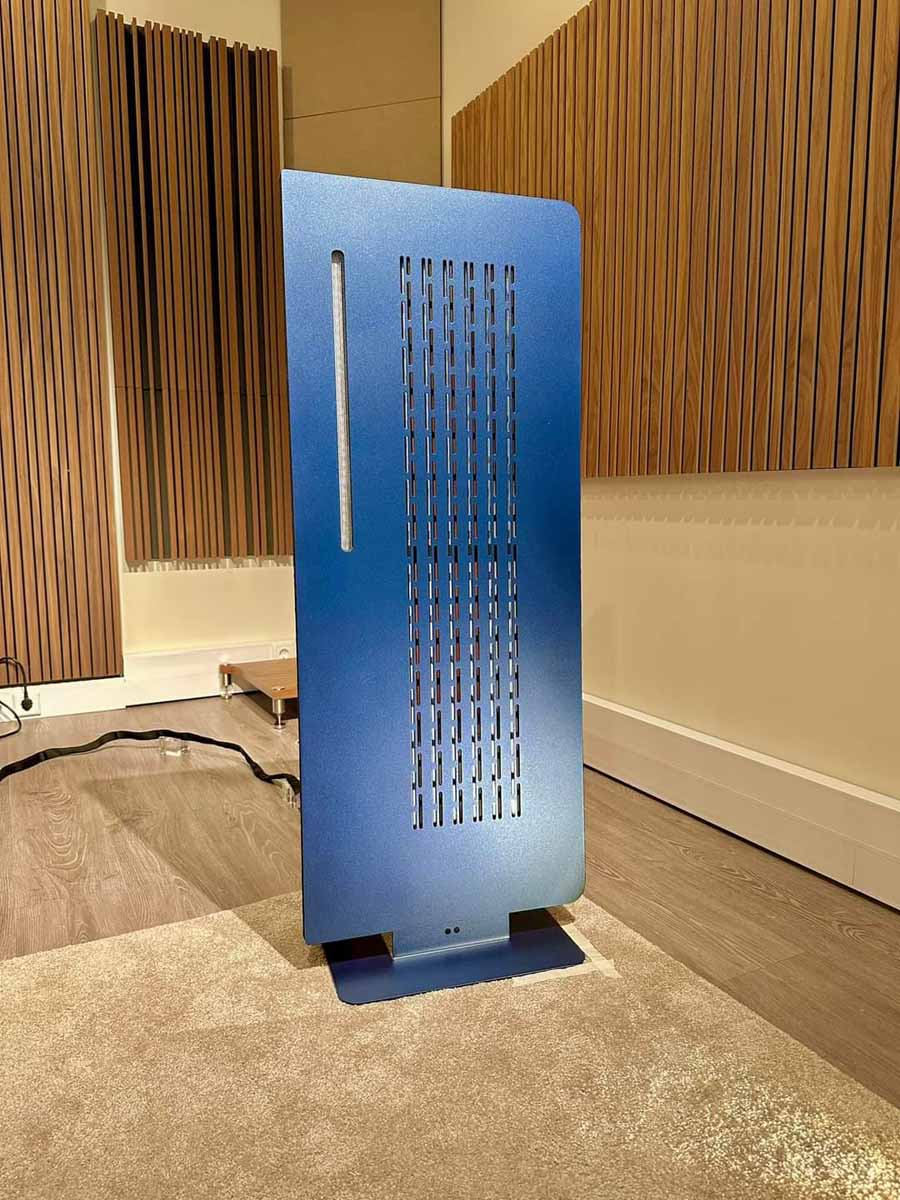
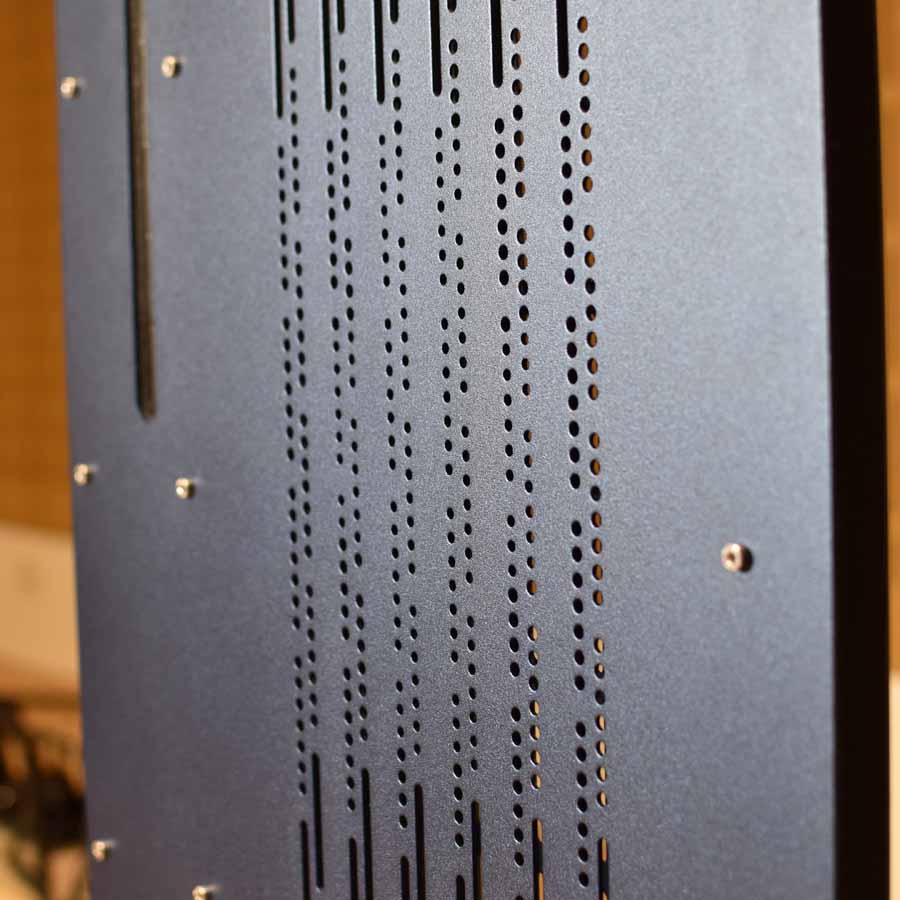
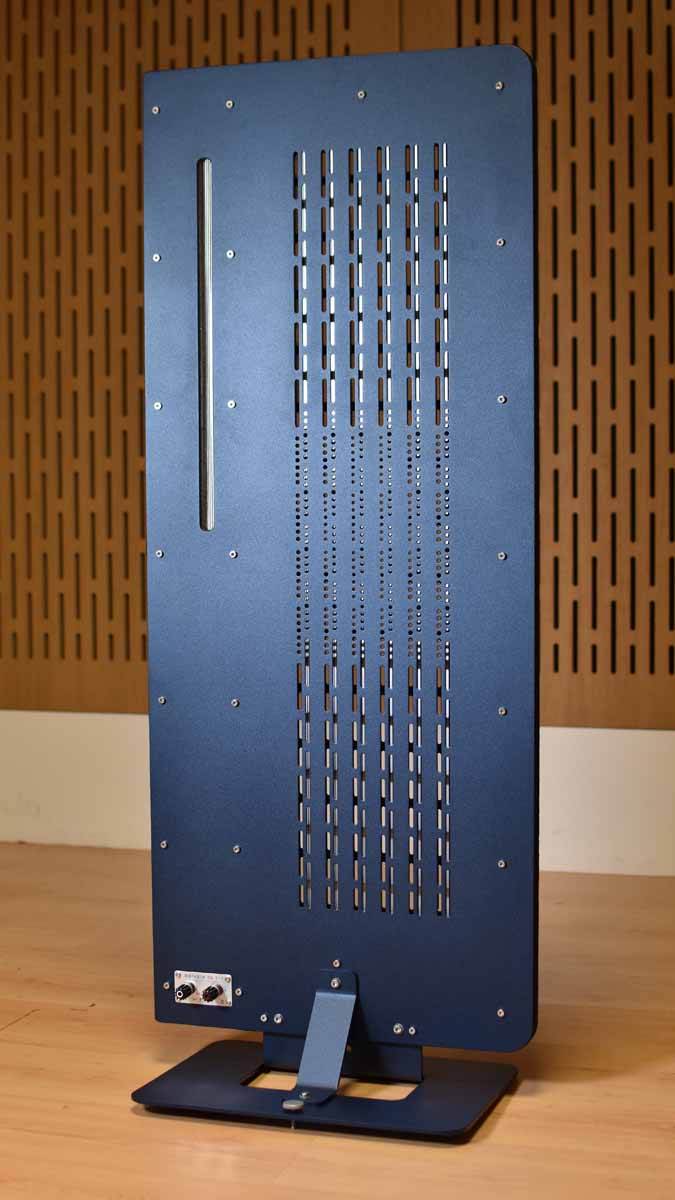
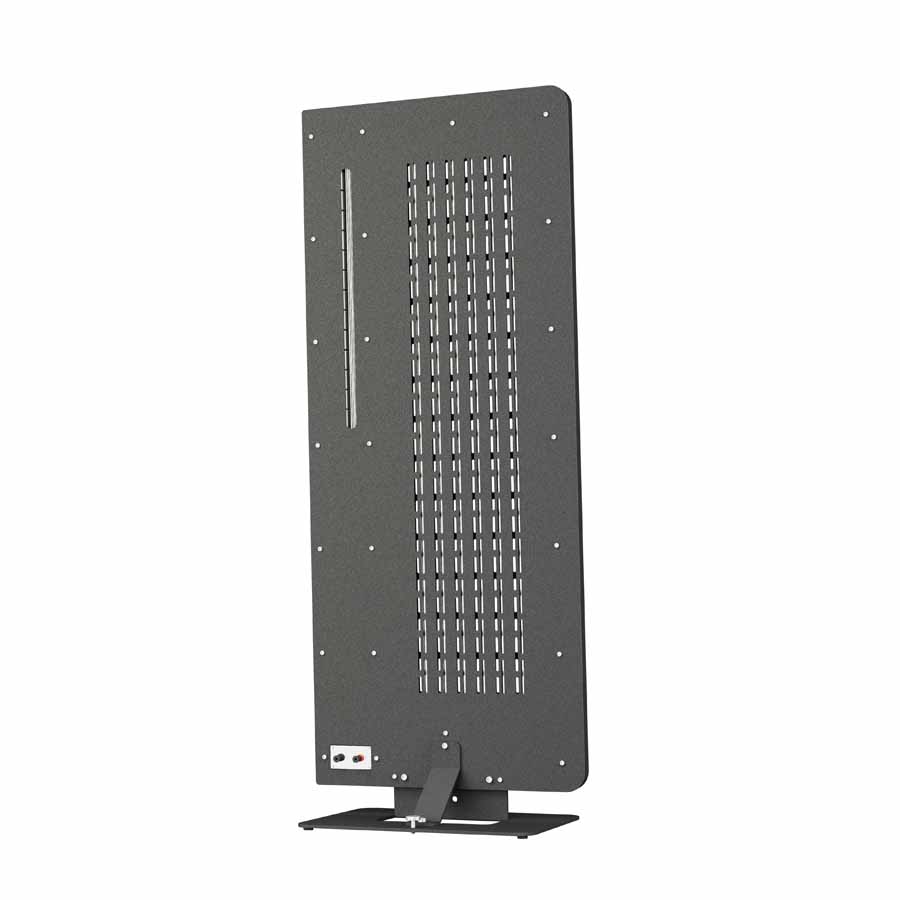
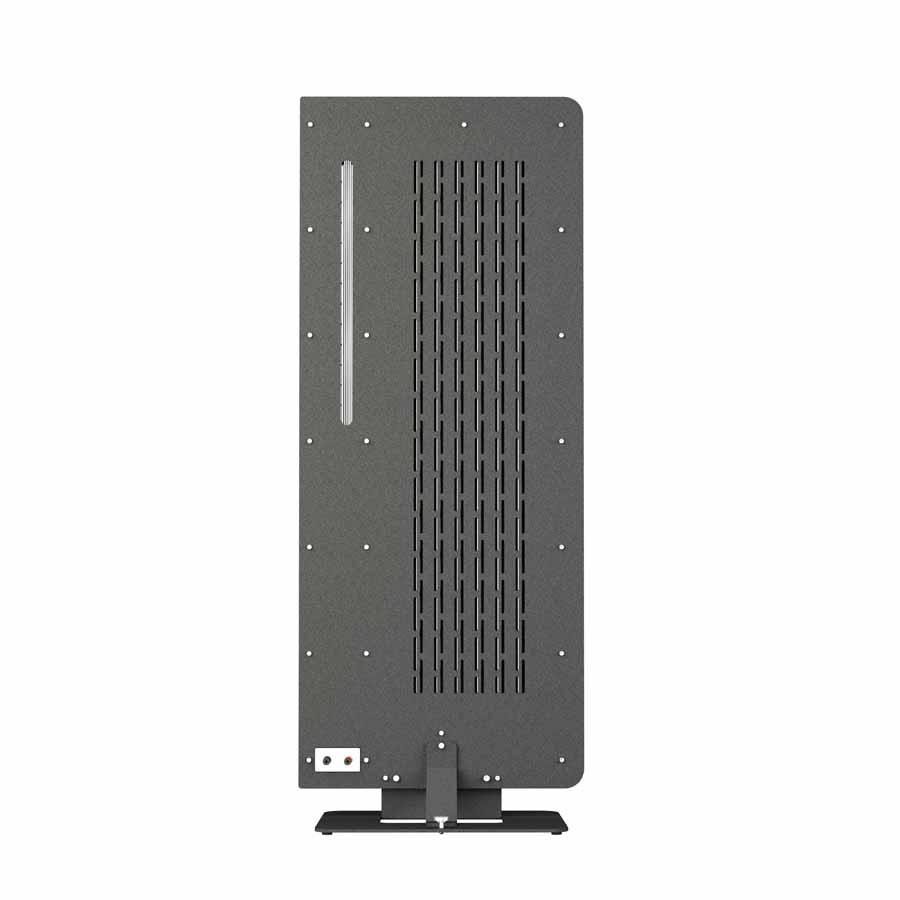
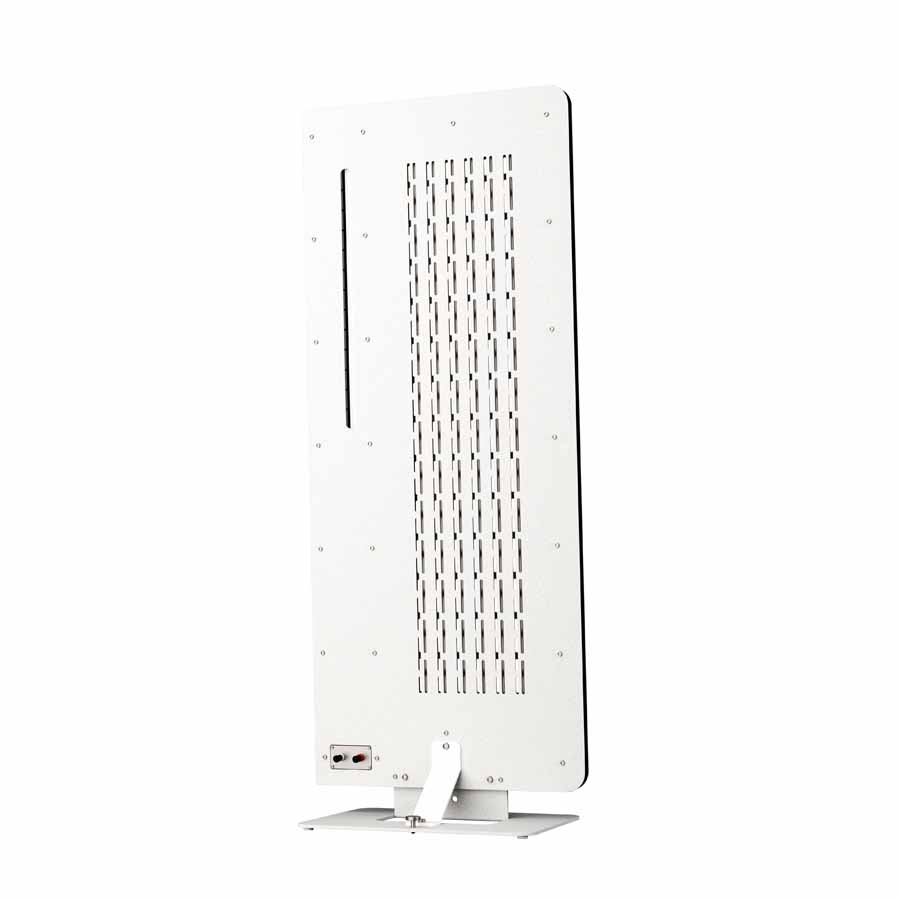
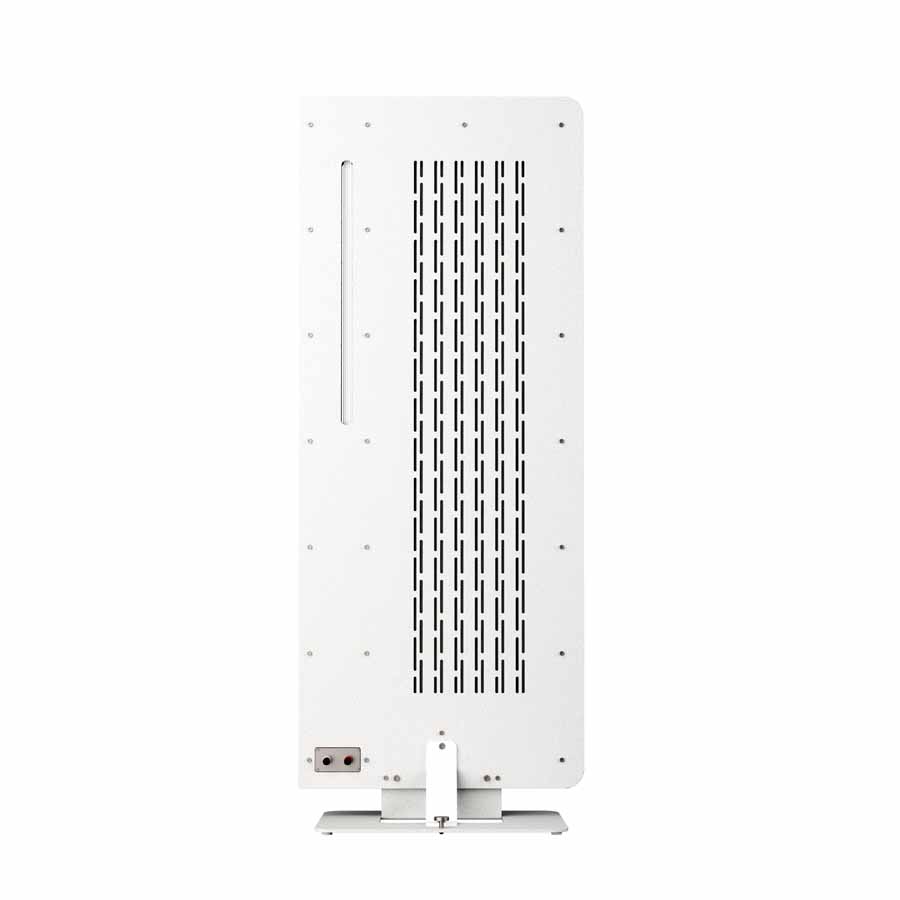
In 2025, Diptyque Audio initiated a technical collaboration with the ONERA Acoustic Aerospace Lab in Toulouse to analyse the performance of their loudspeakers. This partnership utilised a team of acoustic engineers who used a large anechoic chamber and high-precision laser vibrometers to measure the behaviour of the Mylar membranes and the propagation of plane waves. The primary outcome of this research was the development of a low-frequency acoustic control system called the Acoustic Bass Regulator. This system consists of a series of calibrated perforations on the rear face of the speaker panels that function as progressive dampers for the diaphragm at its resonance frequency. Technically, this innovation results in a more linear frequency response in the low frequencies and a significant reduction in distortion when the speakers are used at high volume. The result is the DP115S, which builds on the research collaboration and existing technology from Diptyque.
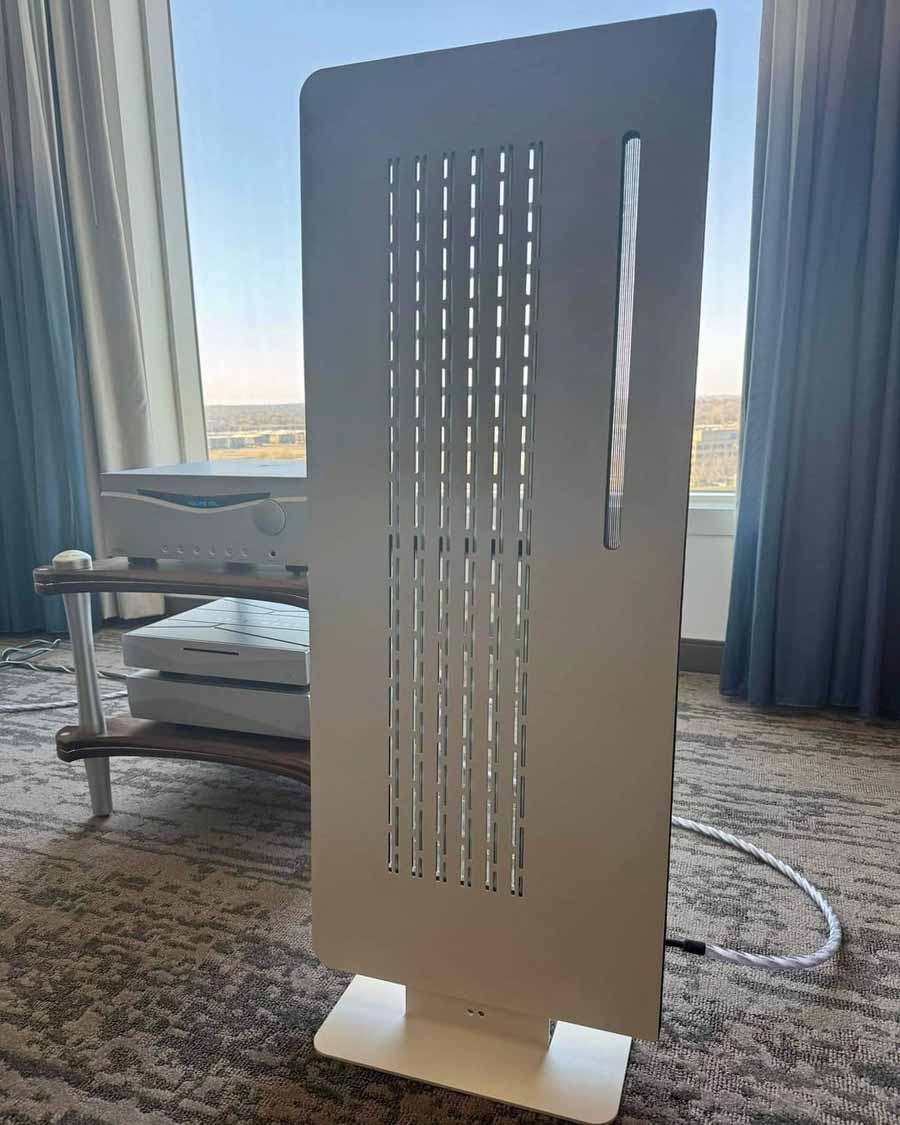
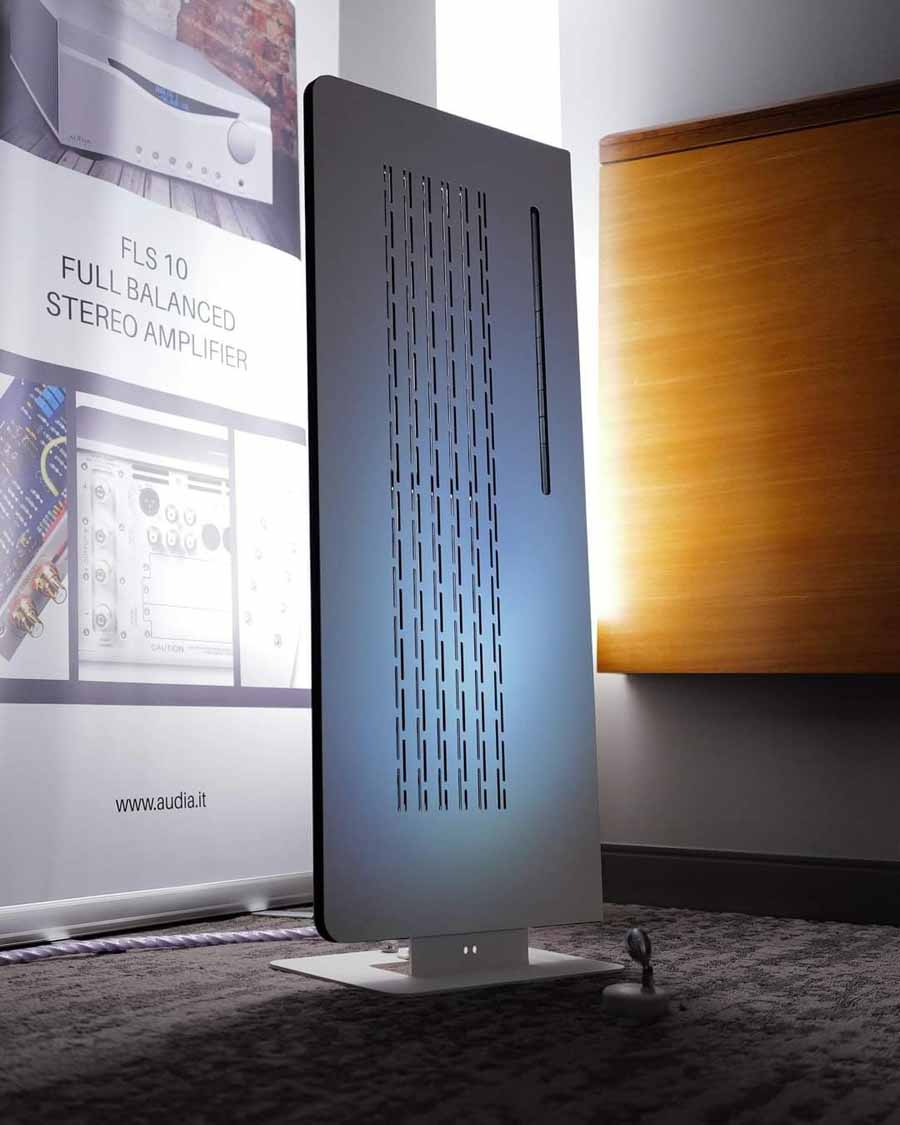
The speakers are available in standard sandblasted black (2100) or white (9010), as well as a specialised Laoureux black felt finish – a material typically used in piano manufacturing. Additionally, the company offers customisation in 160 different RAL colours, though the demo pair arrived in the sandblasted black finish.
These are a good looking speaker in my opinion, and given the different colours avaialble, they should fit into any home decor.
The DP115 are second up in the range currently avaialble from Dityque, with there being a smaller DP85 (the DP77 that I reviewed and bought are no longer avaialble) and three larger models.
SET UP
As I’ve mentioned, there is a bit of assembly to do with the speakers, but it’s nothing scary and potential buyers should not be put off by this. I played around with placement and found them best with the tweeters on the outside and with a little toe-in (more on the toe-in thing later). There is a single pair of good-quality binding posts that I connected our Tellurium Q cables to via spades, though they will accept bananas and bare wires should that be your preference.
SOUND QUALITY
As is invariably the case, I gave the DP115s a bit of time to run in before sitting down and listening seriously. My first thoughts whilst standing up and walking around were that they sounded a bit thin and toppy. However, when I sat down in the hot seat, that all disappeared, and my first impression was that the soundstage was vast with these speakers. The thin sound disappeared, too, and I was left with a full and detailed sound. Whilst sat in the other part of the room and playing QOBUZ/ROON, a Bowie tune came on, and both Lin and I commented that we heard a sax part that we’d never really noticed before – that’s included more by way of a bit of extra information rather than a part of the review.
I’ll also add that when I posted a short video of me putting the speakers together on social media, someone asked if I would be using a sub with these; however, given that the specified response is 40 to 22000Hz and whilst I see no need to use a sub, others may prefer the bottom end filling out a bit and choose to use a sub. 40Hz doesn’t seem particularly low for what is quite a big speaker, but I didn’t really miss anything and felt the overall presentation was nicely balanced…YMMV.
My current musical obsession is Future Islands, especially the tune “King Of Sweden” and the album from which it is taken, “People Who Aren’t There Anymore” – if you don’t know them, give them a listen. I play this album a lot, and rarely just once in a session – there’s something hypnotic about the synth-pop sensibilities juxtaposed with the unique vocal delivery of Samuel T. Herring. Anyway, the DP115s really bring the record to life in a way that is detailed and accurate-sounding, without getting all analytical and over the top at the top end frequencies. On “King Of Sweden”, the vocal delivery is (in parts) quite subdued, and the DP115s get this over brilliantly. When the vocals become more forceful, they adapt immediately, and you do get to feel and hear Herring’s unique styling and phrasing. That speed of delivery is one of these speakers’ standout qualities to my mind, and that’s across the frequency range, from top to bottom. Small synth details aren’t lost in the mix, and the rhythm section feels solid and correctly proportioned. The Tower is the second track on this album, and I’m really impressed again with the Diptyques’ ability to sound balanced and really nicely proportioned. There’s no feeling that any particular part of the record is fighting to be heard, and it’s very easy to be carried along with the tunes.
What is quite spectacular when you are sitting in front of these speakers and in the hot seat is the soundstaging that spreads out in front of you. It’s not holographically three-dimensional in the sense that you are sitting in a bubble of sound; it’s more a sense that you are standing in the stalls about a quarter of the way back and watching the band on stage. It’s a very natural way to have the music presented, and it is devoid of over-the-top psychoacoustic fireworks that can initially sound impressive but soon become a bit much with some loudspeakers I’ve heard. I did find that sitting away from the centre hot-seat had the soundstaging become a little less impressive, but get yourself in the hot-seat and you’ll be a very happy bunny, indeed. I’m not suggesting that the soundstaging collapses away from the centre, but it does become less focused – as most speakers do. However, this observation had me experimenting with the amount of toe-in to give the DP115s, and I found that the width of where you could experience the best sound could be widened with less toe-in. What I guess I’m getting at here is that it is worth your time experimenting with the positioning of the Diptyques to get the sound that is most pleasing to your ears and your domestic situation. I finally went for just a few degrees of toe-in.
I wanted to put something a little more raucous through the DP115s and went for Nirvana’s “Nevermind”. On the opening “Smells Like…” tune, I got the whole tightness of sound I’d experienced previously, but it was the detail in the drums that really impressed me most. The drumming is hard-hitting and pretty frantic, but I could hear each snare hit, each kick, and every cymbal splash. The drum track didn’t sound like a homogeneous cacophony, but nor did it sound artificial and overly separated. I think what I’m saying is that there is a naturalness to the drum track when played through these speakers. On “Come As You Are”, I again focused on the drum track and was impressed with the way the speakers positioned the individual hits in the mix. Cymbals are hard panned left and right, and the DP115s presented this correctly.
Roger Waters’ “It’s a Miracle” from Amused To Death is a subtle track that feels almost whispered at times, and the music and sounds are not overly pushed. There is the danger that this subtlety can be lost with some speakers, but the DP115s really allow you to look into the music, and I didn’t ever feel the need to turn up the volume to sense that I was getting the full effect of the record. This may sound like a minor point, but what I’m trying to convey is that even with tracks that are not “in your face”, the Diptyques manage to have a dynamic presence. When the drums do come in, there is a feeling of speed and dynamics again. The London Welsh Chorale parts are presented somewhat as a sonic texture, and the piano is easy to pick out and follow without it feeling pushed too far or too far back in the mix. I’ve used the word before in my notes and no doubt in this review, but there is a naturalness to the way these speakers present music; no histrionics, no fireworks, and no sense that they are trying too hard to beguile the listener. When the guitar cuts through the choral piece towards the end of the track, it really does cry, but again without feeling forced into the room. I’ve read that paragraph back several times now, and I’m not sure it makes sense, but what I’m trying to say (in a very roundabout way) is that the DP115s still manage to sound dynamic and natural at lower volumes.
I’m giving these speakers a very high five hearts as I feel they offer very good value for money, in a package that offers excellent clarity, naturalness, and dynamics. The only quibble that I think some folk may want to add a sub.

QUIBBLES
You do need to spend a good bit of time to get these speakers positioned perfectly. I had them with the tweeter on the inside and on the outside, and found I preferred them with the tweeter on the outside and with just a small degree of toe-in. I don’t know if this is how Diptyque intended them to be used, but it’s what I preferred in our listening room, so…
A low of 40Hz might be a problem for some.
CONCLUSION
The DP115 from the French brand Diptyque is a natural-sounding and uncoloured loudspeaker that sounds effortless in its presentation. Soundstaging is excellent but, again, unforced and natural sounding.
They don’t go super low, but I didn’t miss that so much, though your mileage may vary, and you might want to partner them with a sub, though I don’t know if that would affect their speed and naturalness.
Even at low volumes, they allow the listener to hear all the details in a recording – this is not as common a trait as you might think and is excellent news for those who prefer (or need) to listen at quieter volumes.
Dynamics and speed are strong points of these speakers.
I really enjoyed listening to tunes on these speakers and found myself moving away from my usual fare of more electronic-based music and towards more of what many readers will call “proper” music. Read into that what you will.
AT A GLANCE

Build Quality and Features:
Good looking
Well built
Zero Waste company accreditation
Easy to put together
Sound Quality:
Big but natural soundstaging
Dynamic
Subtlety and finesse when fed appropriate music
Detailed, uncoloured, and natural sounding
Very good at low volumes
Value For Money:
I feel that these offer excellent value for money as they stand. Some will want to add a sub, and that will obviously add to their cost. I don’t think I’d add a sub!
We Loved:
Low volume performance
Dynamics
Naturalness of soundstage
We Didn’t Love So Much:
Getting the positioning just so does take time
Elevator Pitch Review: French brand Diptyque’s DP115 loudspeaker is a two-way design that has dimensions of 1205 by 475 by 300 mm and a weight of 32 kg. It is a flat panel speaker that uses a 1980 cm² bass and midrange cell that operates using the patented Push Pull Bipolar Magnet (PPBM) and a 45 cm isodynamic ribbon tweeter made of Mylar film. Once positioned correctly, they have a natural and effortless quality to both their sound and their sounstaging. One of the standout features is how good they sound at low volumes, but crank them up, and they can go pretty loud without losing detail or becoming distorted.
Price: €9200

Stuart Smith
SUPPLIED SPECIFICATIONS
- Design: 2-way loudspeaker
- Crossover Frequency: 1600Hz
- Sensitivity: 86dB/1W/1m
- Impedance: 6 Ohms
- Frequency Response: 40Hz to 22kHz
- Recommended Power: 150W (minimum 60W)
- Dimensions: 1205 x 475 x 300mm
- Weight: 32kg per speaker