TECA Taipei International Audio Show 2025 Report Part One


























































HiFi PiG’S GYULA IS ON HOME GROUND FOR THE ANNUAL TECA HiFi SHOW IN TAIPEI
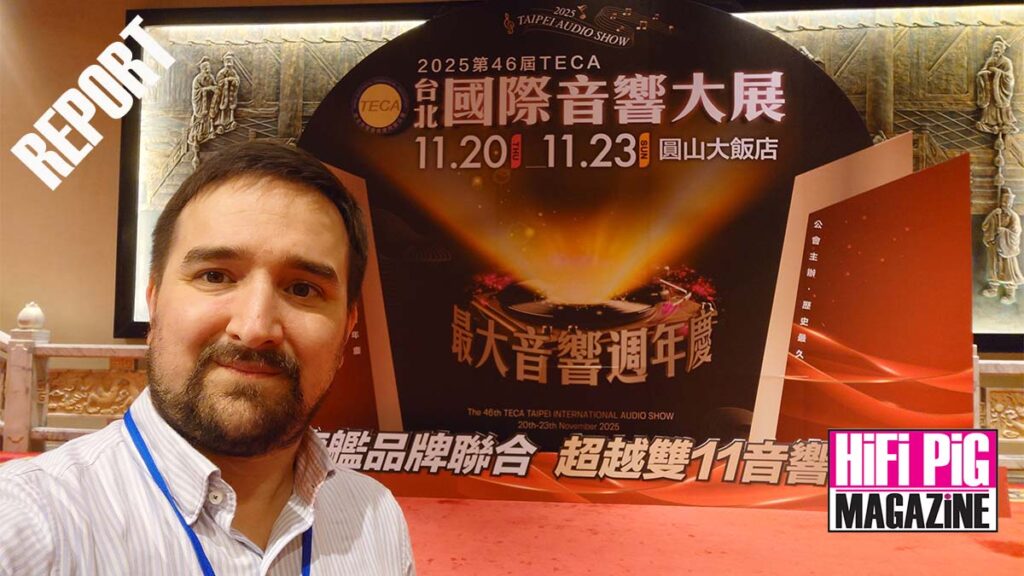
It felt a little like coming home to go back to the famous Grand Hotel Taipei for the 46th TECA Taipei International Audio Show.
The TECA Taipei International Audio Show 2025 was my ninth TECA show, and the fact that it always happens is a big part of its charm. Spread across more than 150 rooms from 20–23 November 2025, this year’s edition once again underlined just how vibrant Taipei’s high-end audio scene has become, with everything from ambitious statement systems to carefully curated, real‑world setups on offer.
Please note, all content and photos are the copyright of HiFi PiG Magazine/Big Pig Media LLP and must not be copied or reproduced in any way without the prior, written consent of the editor.
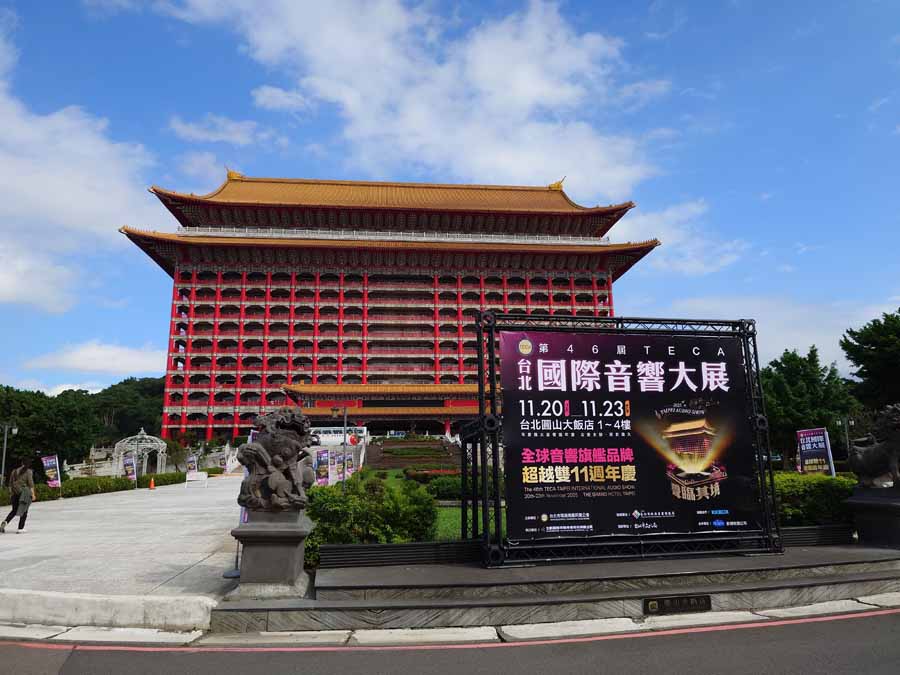
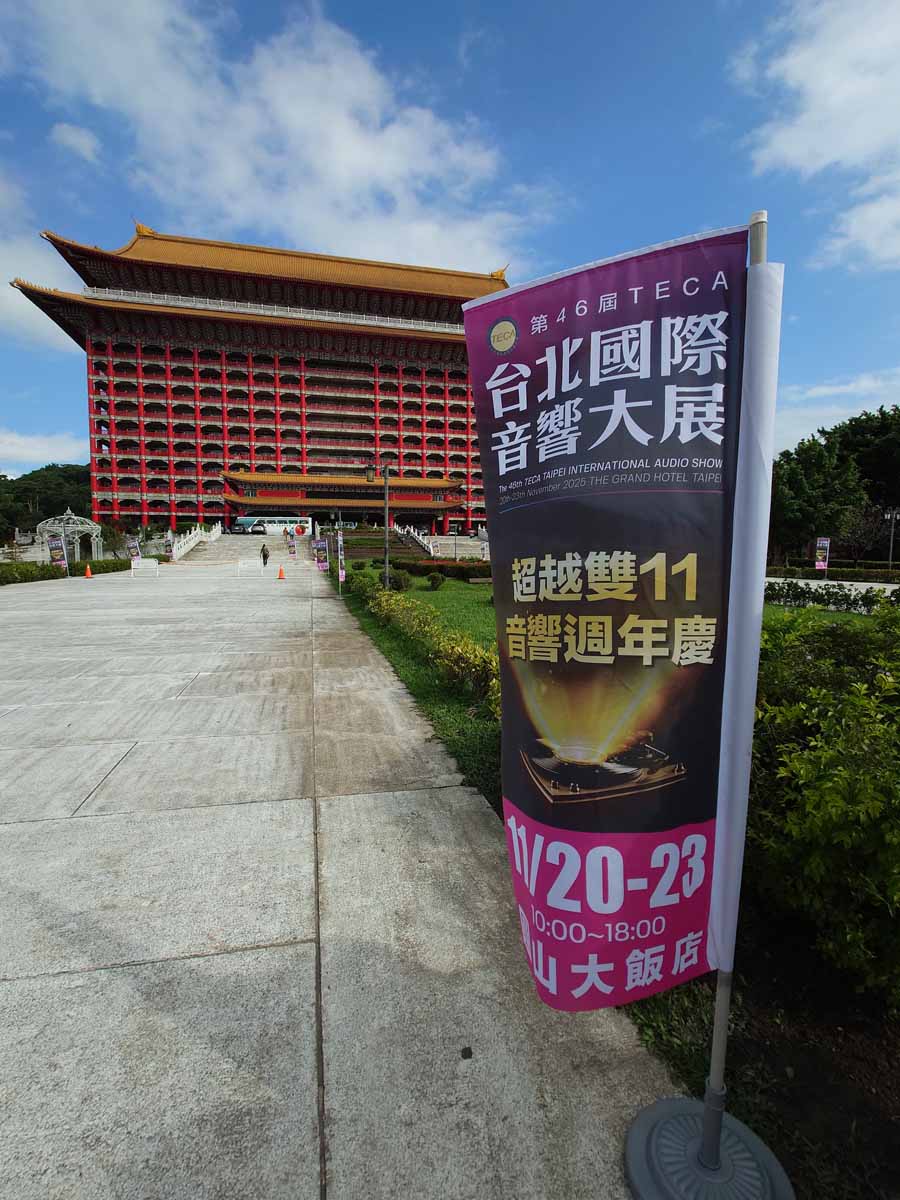

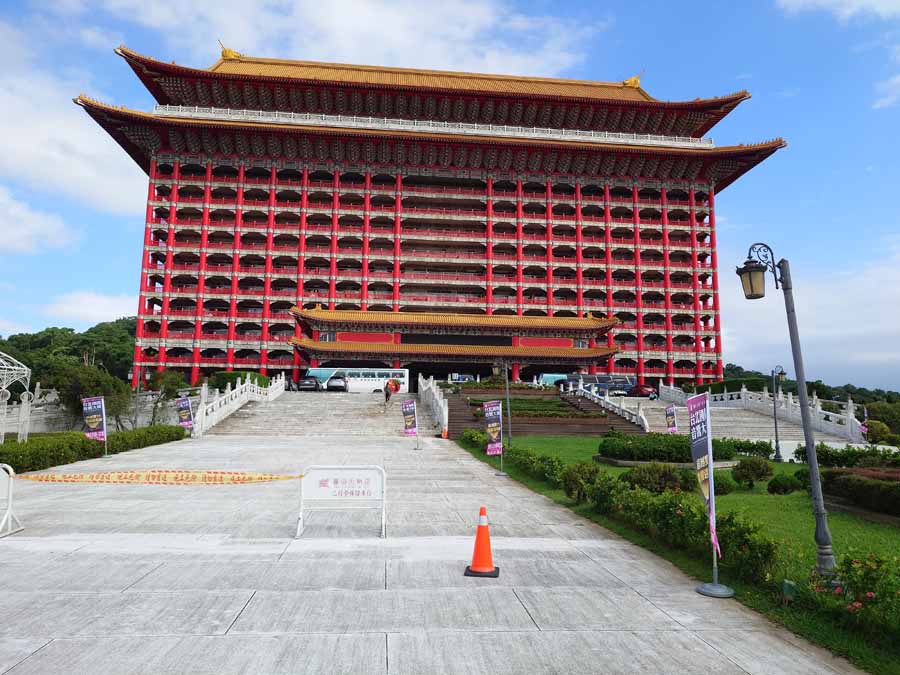

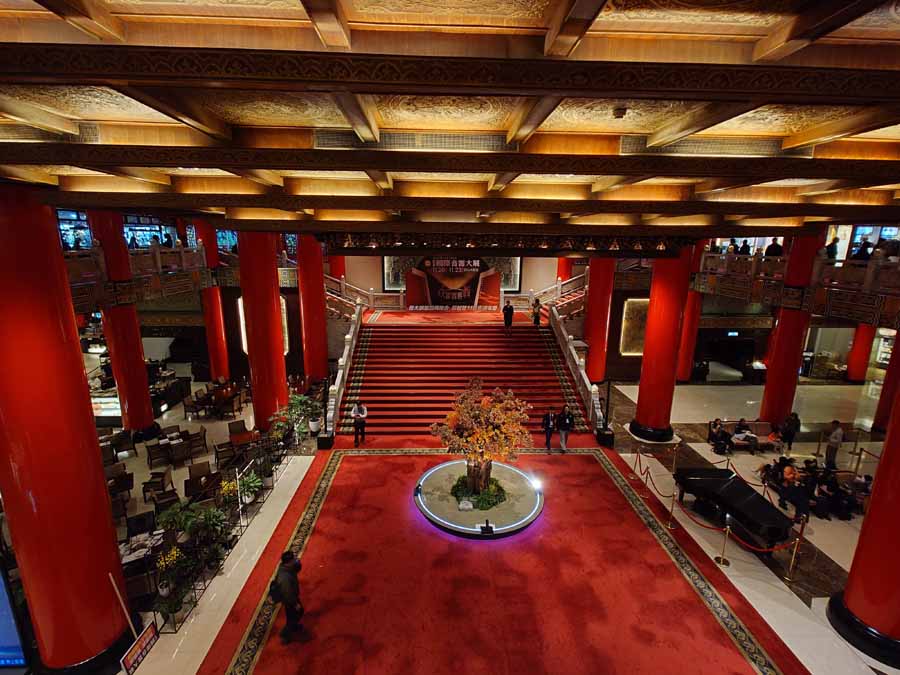
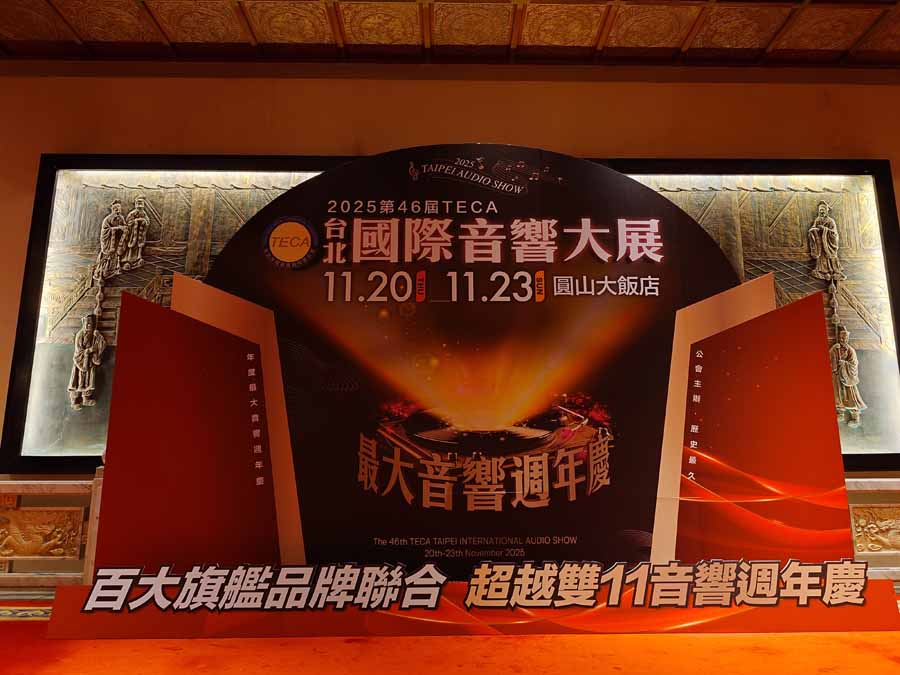
TECA TAIPEI INTERNATIONAL AUDIO SHOW 2025 REPORT PART ONE
Unlike some previous years, the weather cooperated beautifully, allowing several rooms to offer not only engaging sound but also genuinely spectacular views over the city. There were also a number of notable firsts, the highly anticipated debut of the Quad Platina series, the world premiere of TAD’s new integrated amplifier, and the Asian debut of Danish brand Storgaard & Vestskov, which, judging by the weekend’s photos and social media tags, were among the most popular rooms. The 2025 TECA show felt like a relaxed late‑autumn celebration of music, gear, and the people who bring them together.
V105 TOP AUDIO: BURMESTER, ESTELEON, DALI, AURENDER, PLAYBACK, MONTAUDIO, EAHYBRID, SOTM
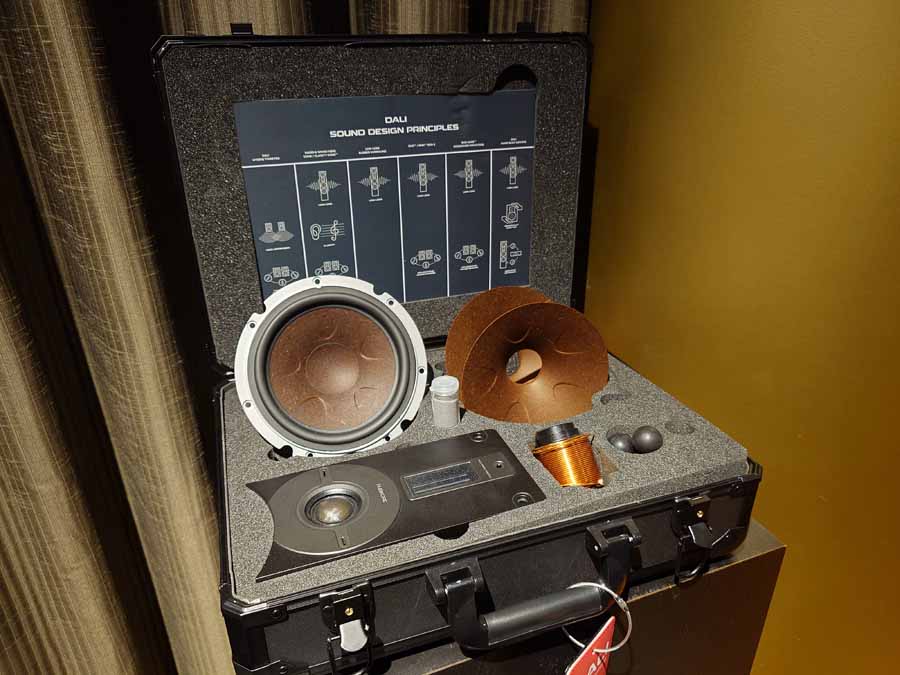
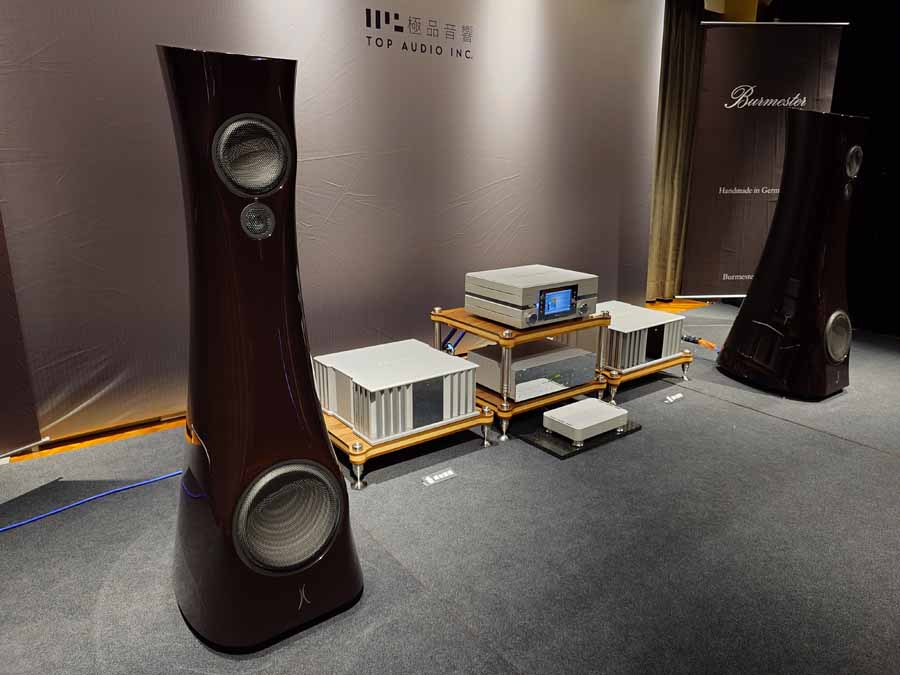
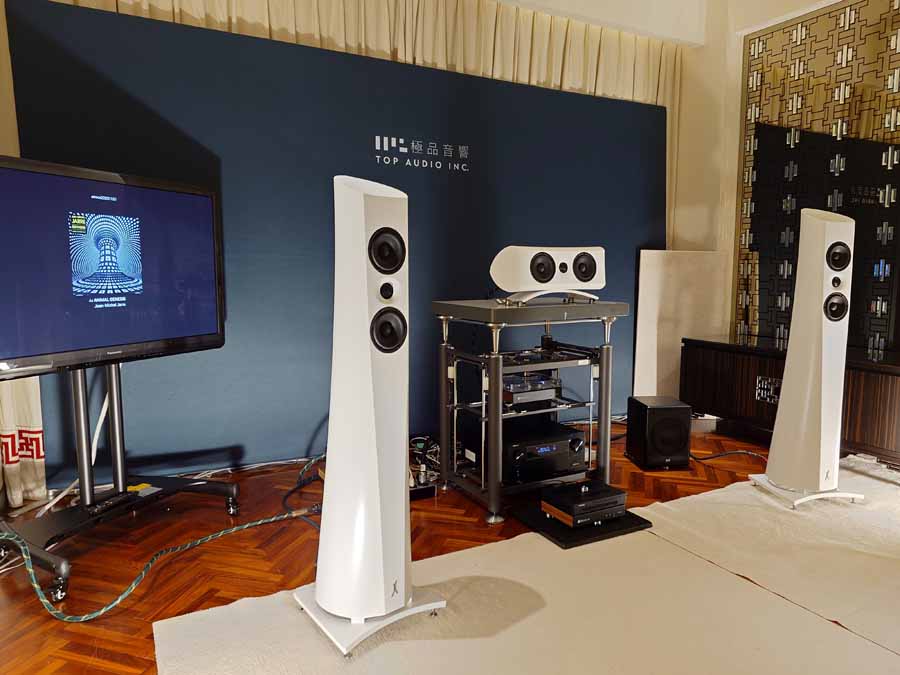
The V105 room was one of those spaces that really summed up the ambition of this year’s TECA show, with Top Audio rolling out not one but two seriously high‑end reference systems built around Estelon and DALI flagships, both powered by Burmester and tuned for fuss‑free, top‑tier streaming. At the same time, they kept things grounded with a special deal on the cute, colourful DALI Kupid, paired with a Wiim Amp, a far more wallet- and flat-share-friendly combo that still looked like a lot of fun.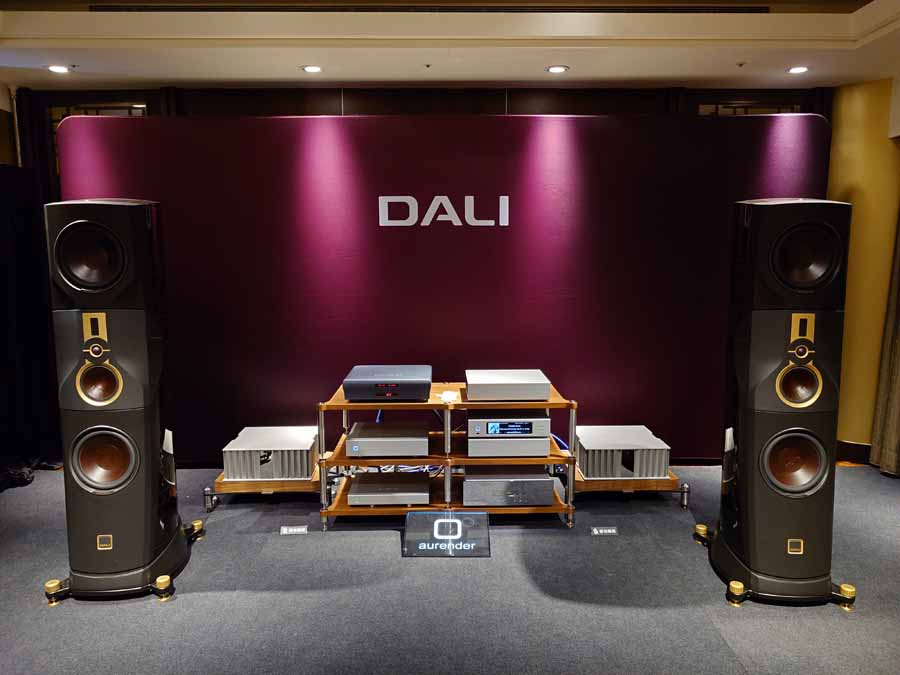
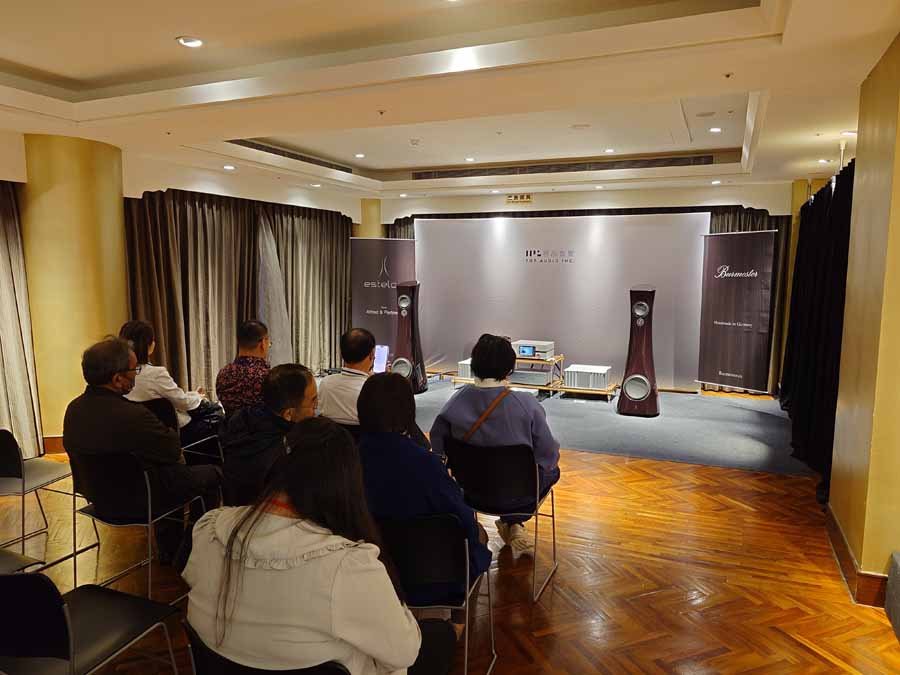
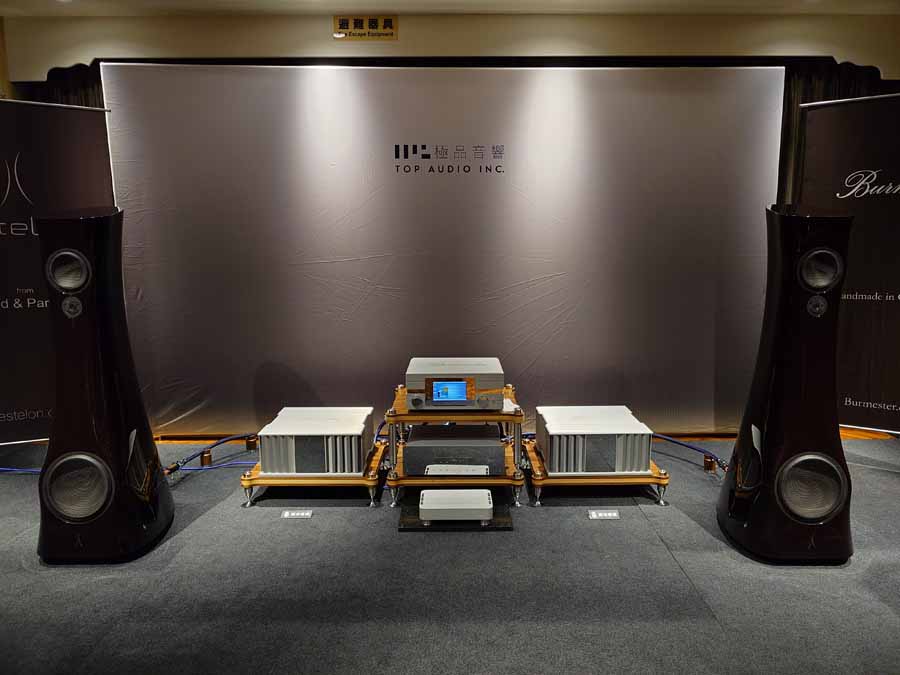
Estelon & Burmester system
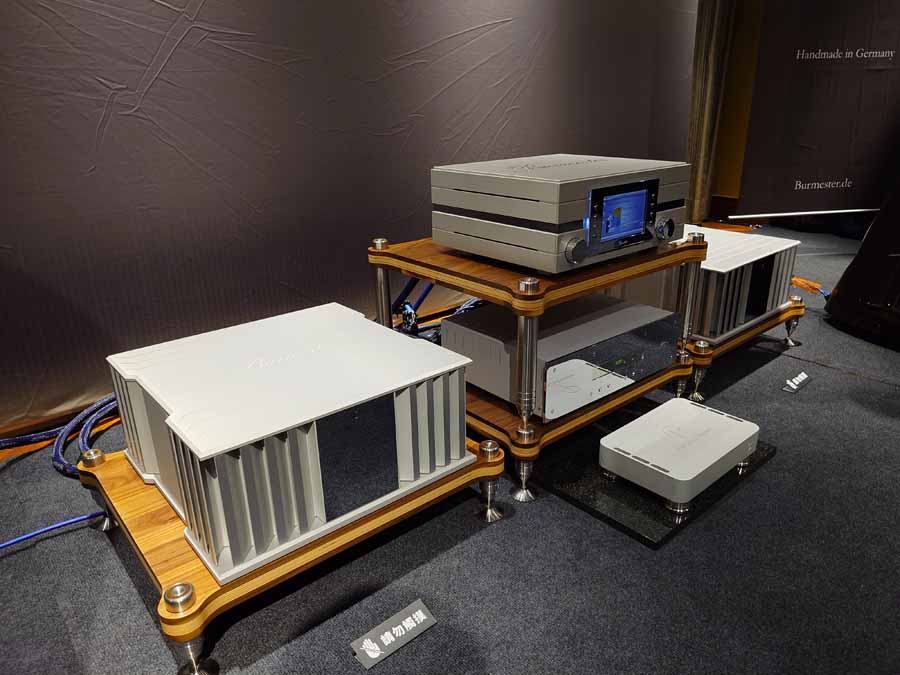
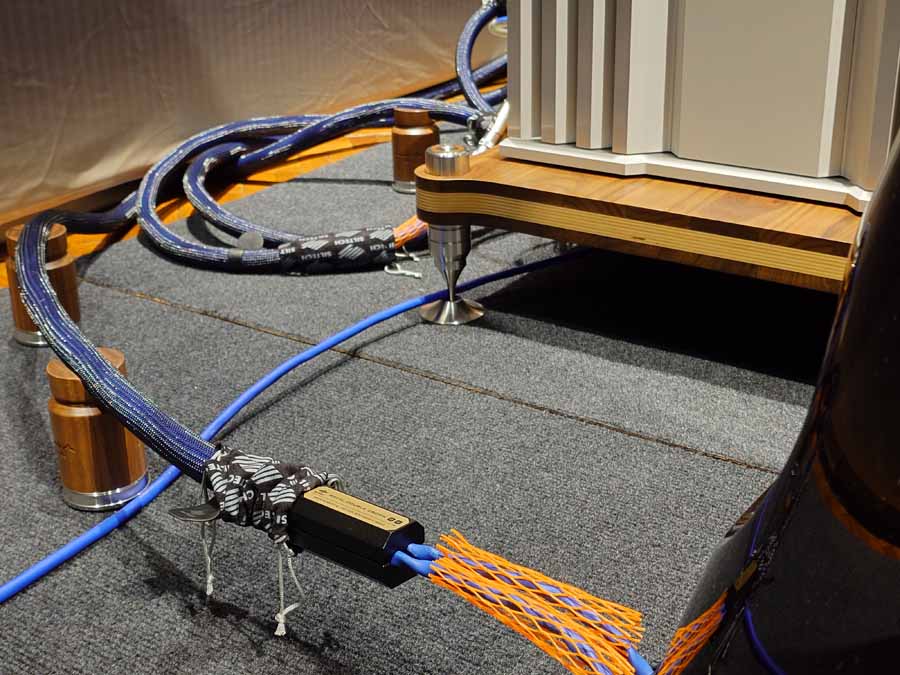
The first system was headed by Estelon’s X Diamond Signature Edition in that wonderfully understated “almost black” dark‑violet finish, which suited the Grand Hotel’s moody lighting down to the ground. Limited to just twenty pairs worldwide, this Signature Edition takes the already serious X Diamond platform to its most rarefied level, with upgraded crossover parts and Accuton’s diamond tweeter doing treble duties. In Taipei, it was paired with Burmester’s 111 Music Centre as the main digital device, two of the newest 218 power amplifiers, and the 948 power conditioner, all placed on a Montaudio Manuka reference rack, with a PureTek Alpha optically isolated network switch and Siltech Royal Double Crown cables ensuring the sound quality matched the pristine aesthetics.
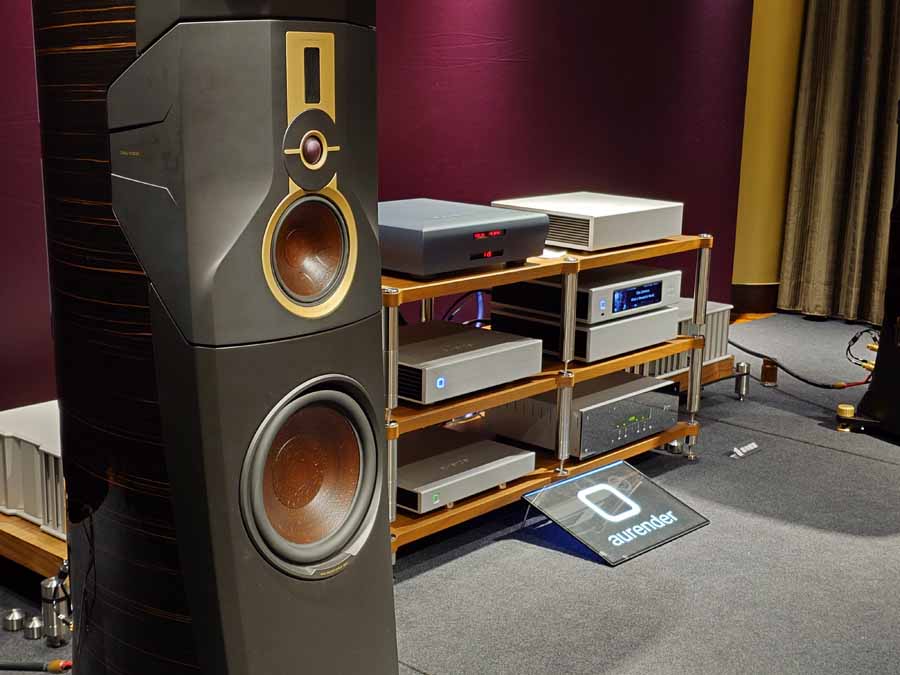
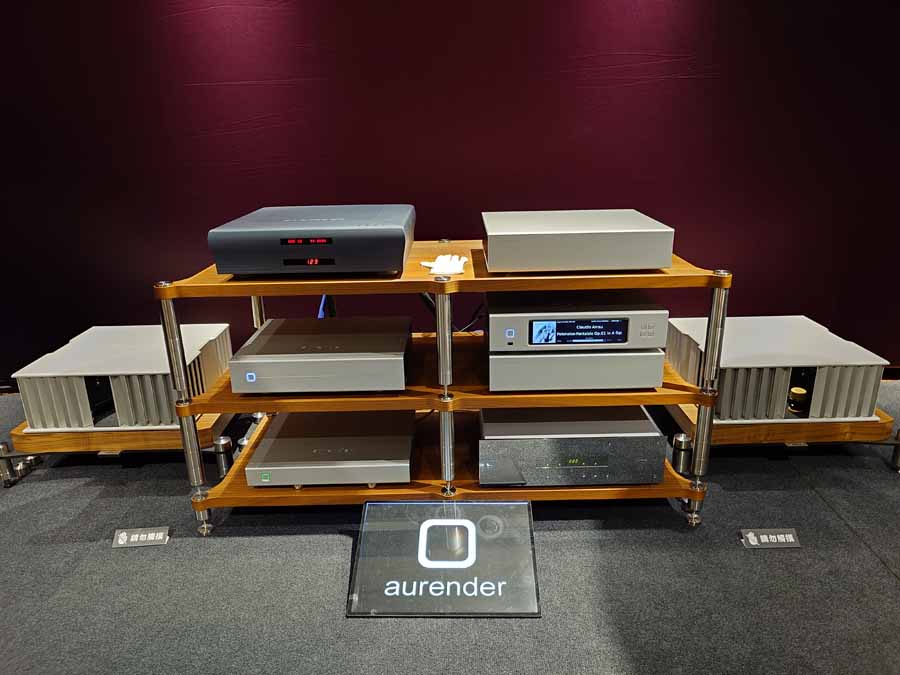
DALI KORE & Aurender system
The second setup revolved around DALI’s flagship KORE, a speaker that has been hoovering up praise at major shows around the world and here was given plenty of grip and headroom by two Burmester 218 power amps. Front‑end duties fell to Aurender’s new three‑box N50 transport feeding Playback Designs’ fresh MPD‑8AI – effectively a full preamp thanks to its extra analogue inputs – while an Aurender NH10 switch, full SFP optical networking, and an MC10 rubidium master clock pulled together a very serious streaming front end that felt entirely in keeping with the scale of the KOREs themselves.
V106 TAISHENG AUDIO: ACCUPHASE, FYNE, TAOC
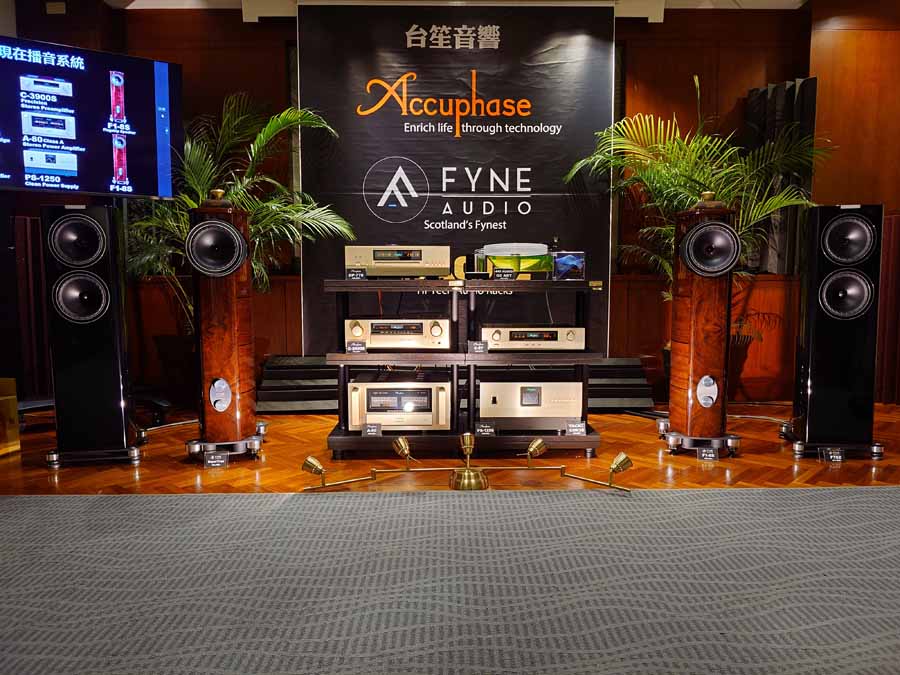
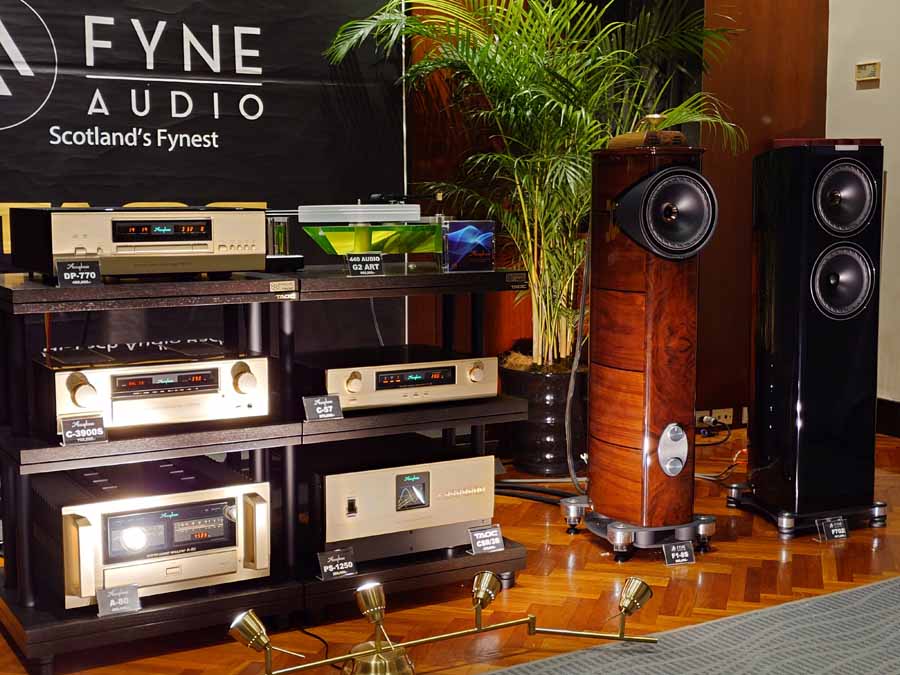
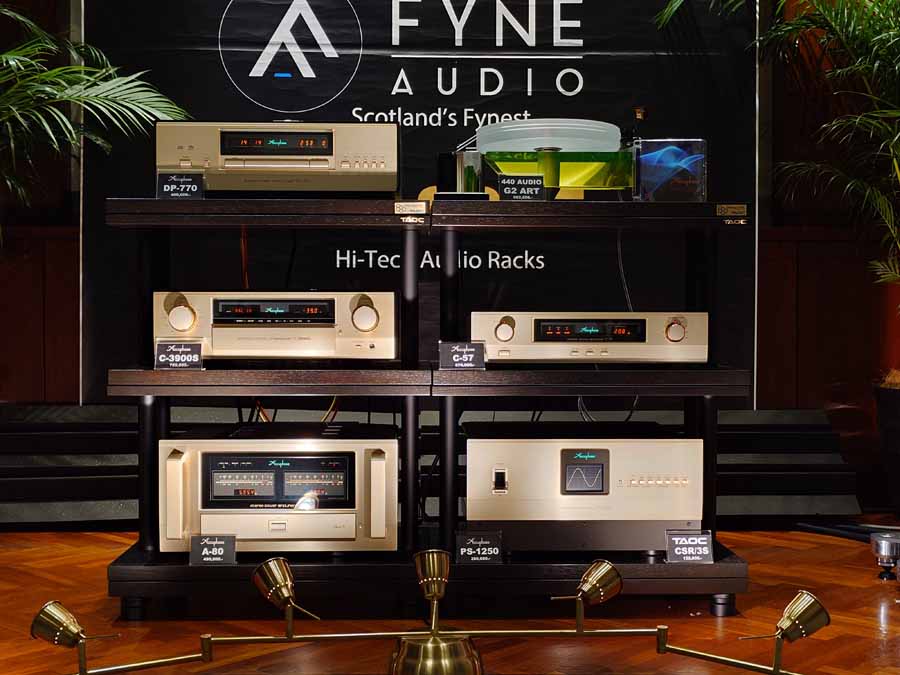
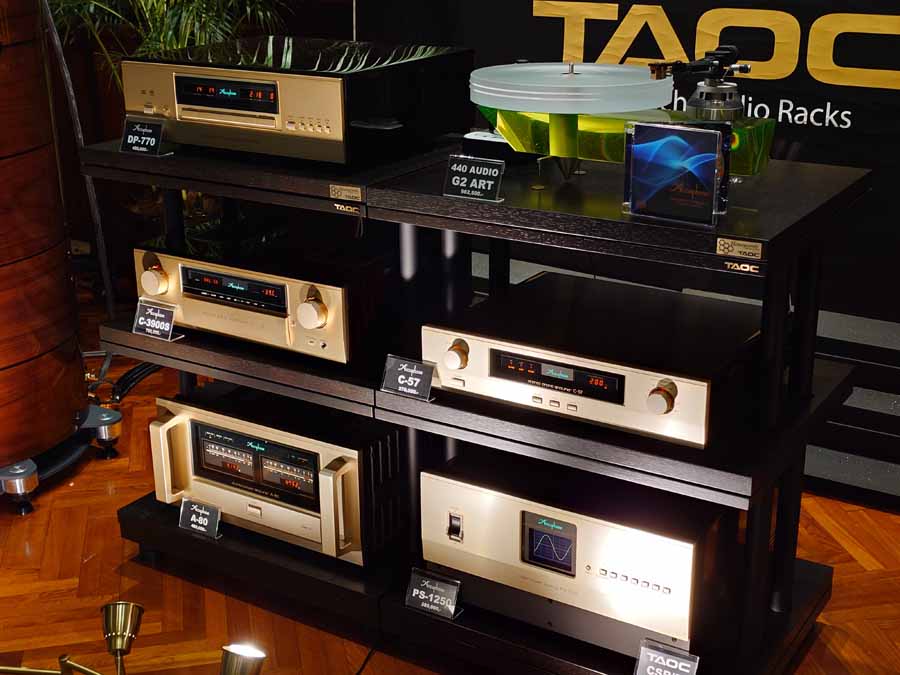
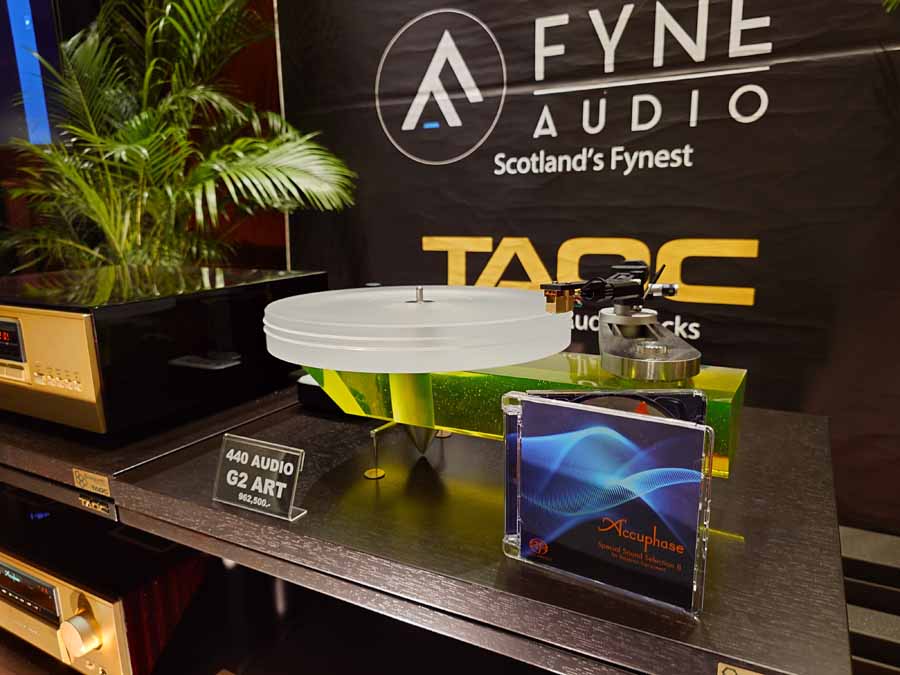
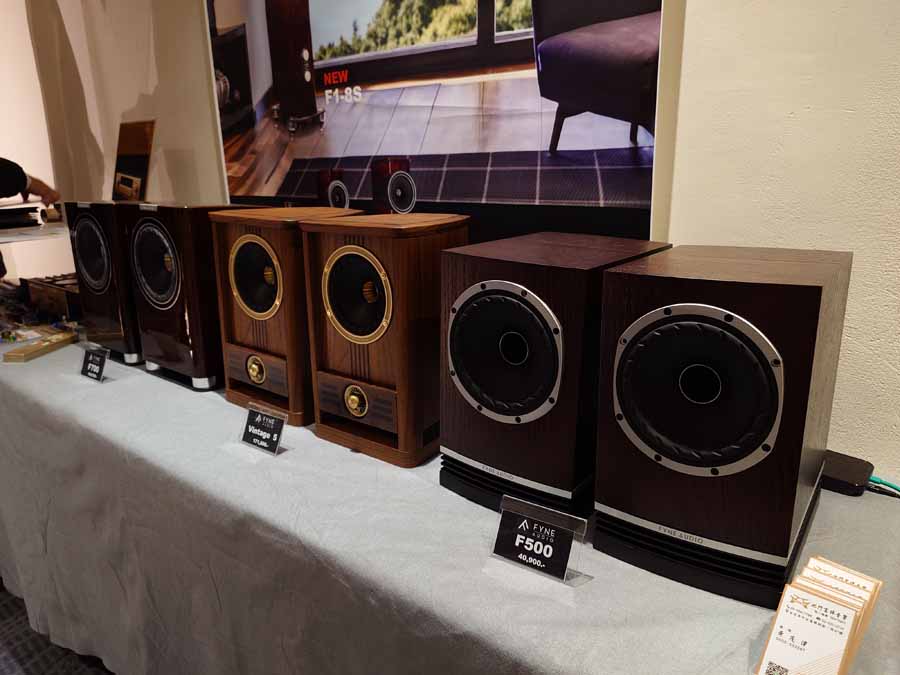
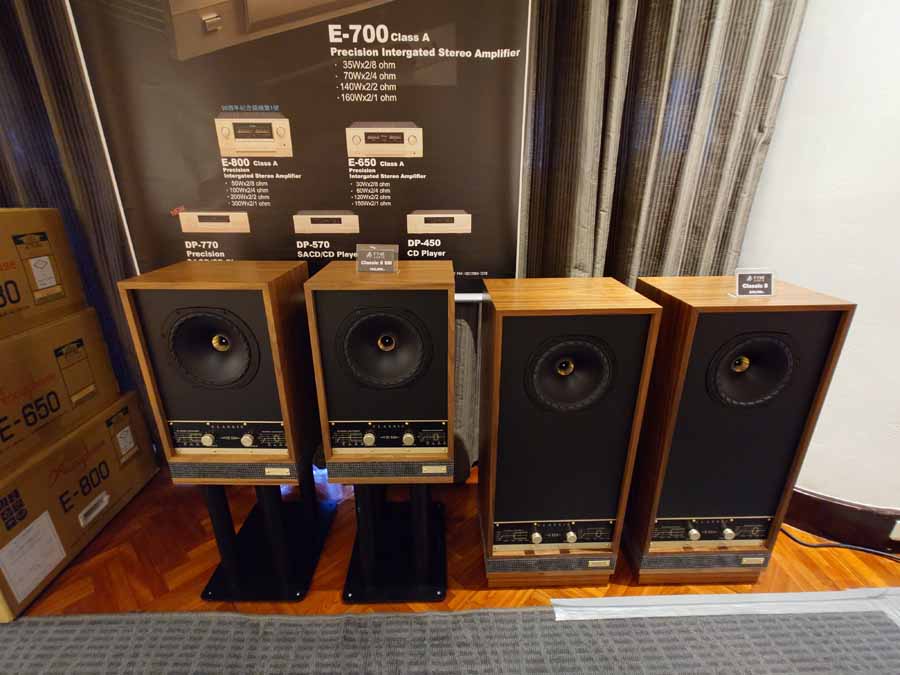
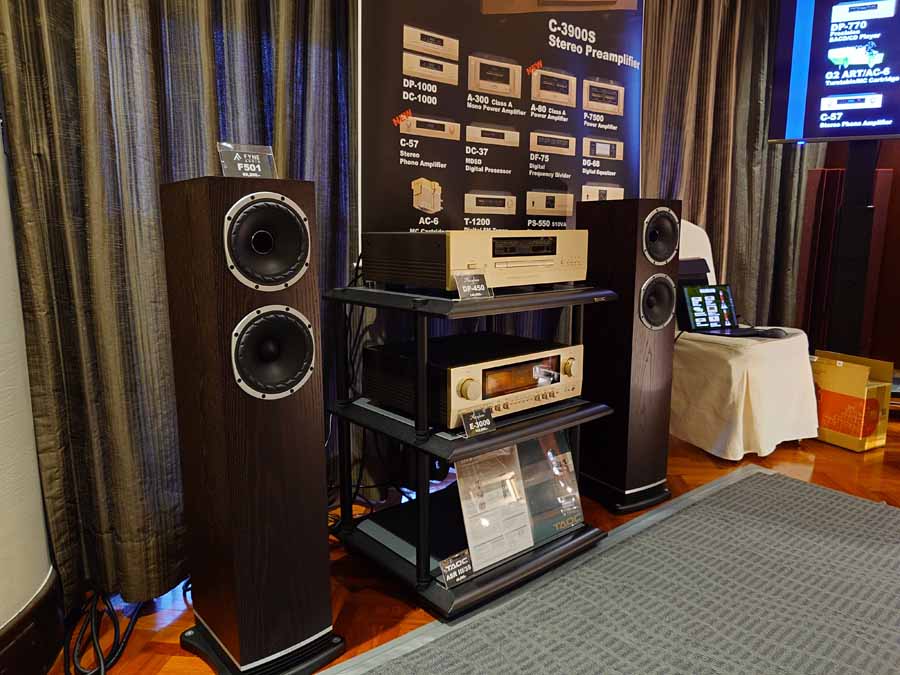
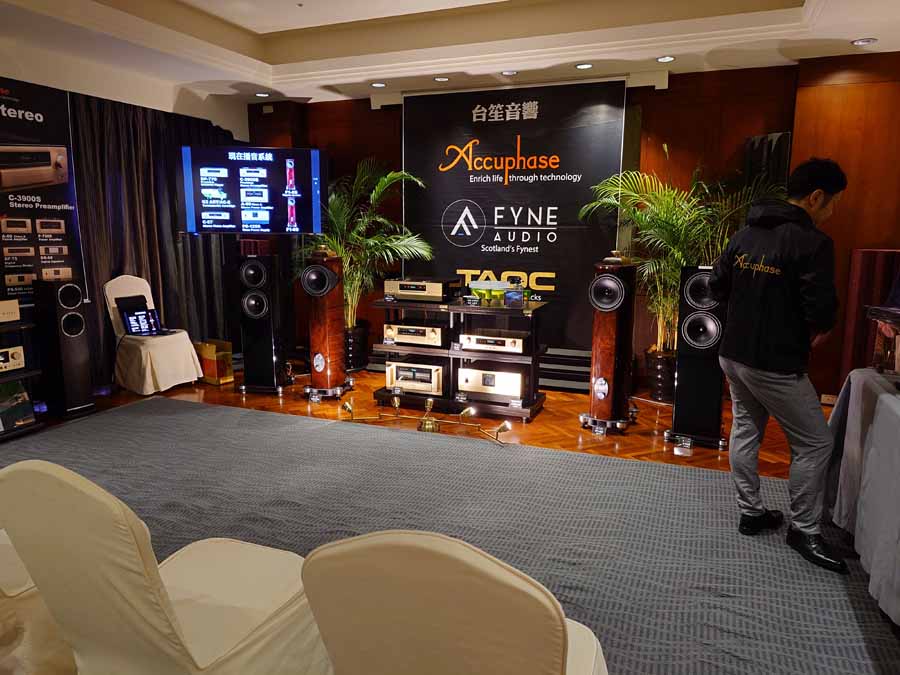
Taisheng Audio kept things simple but very classy in V106. They built a single, no-nonsense system around Fyne’s F1-8S loudspeakers and a full Accuphase front end. The PS-1250 power supply powered an A-80 Class A power amplifier. The C-3900S preamp and C-57 phono stage controlled it. The DP-770 SACD player played discs, and the G2 Art turntable with the AC-6 MC cartridge played vinyl. All of this was firmly supported on TAOC CSR/3R racks. The result looked like a “grown-up” system: clean, organised, and clearly made for people who care more about long-term musical enjoyment than bragging about how many boxes they have.
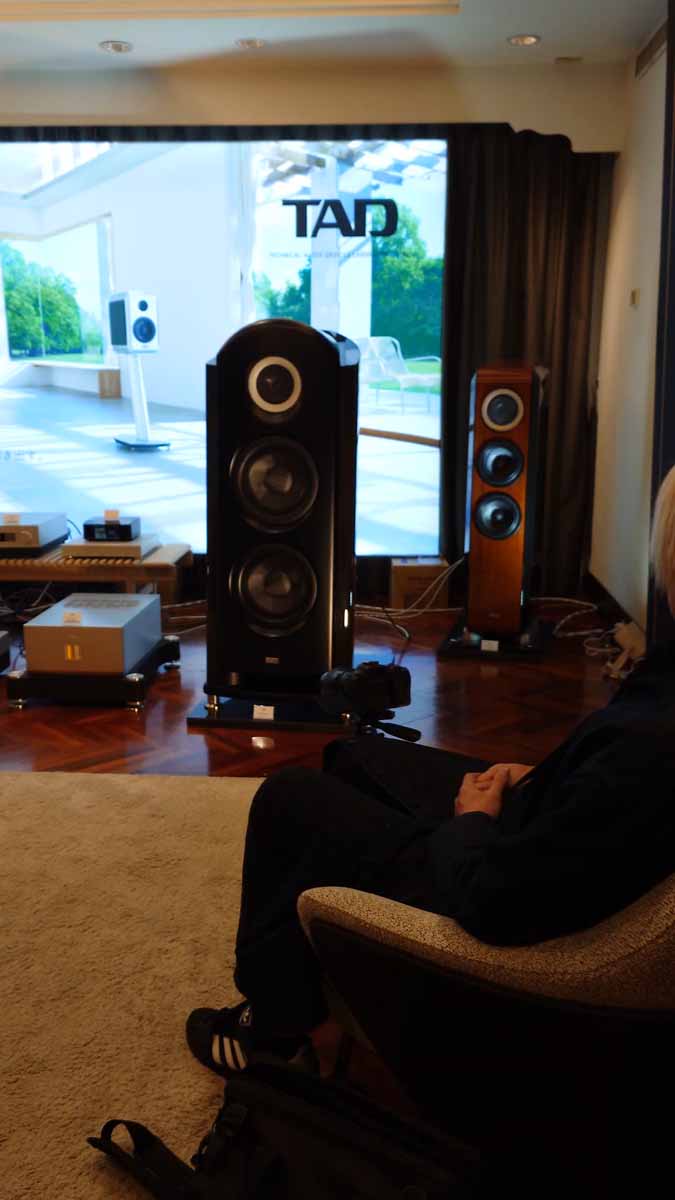
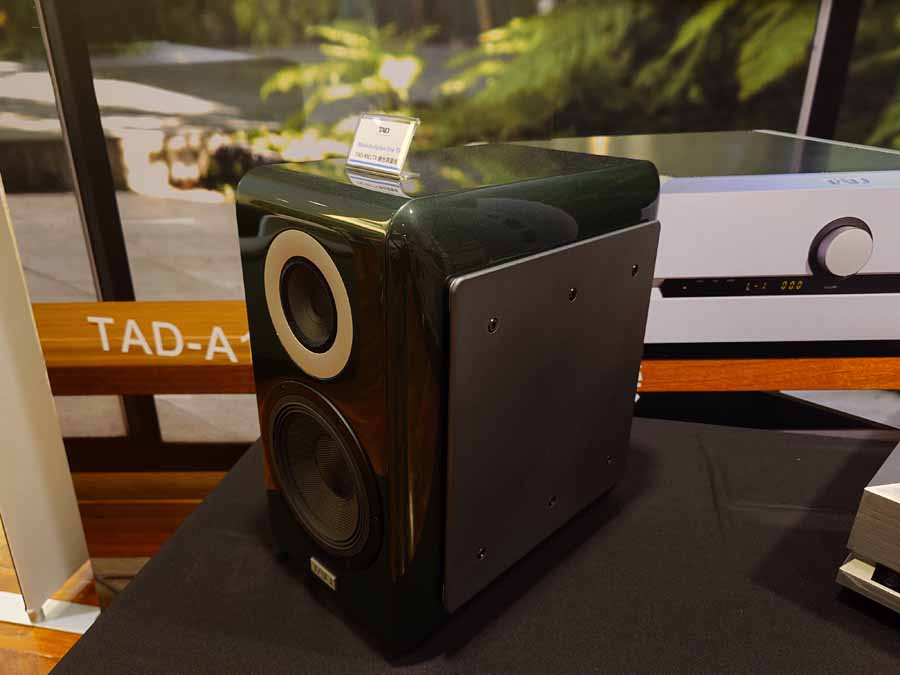
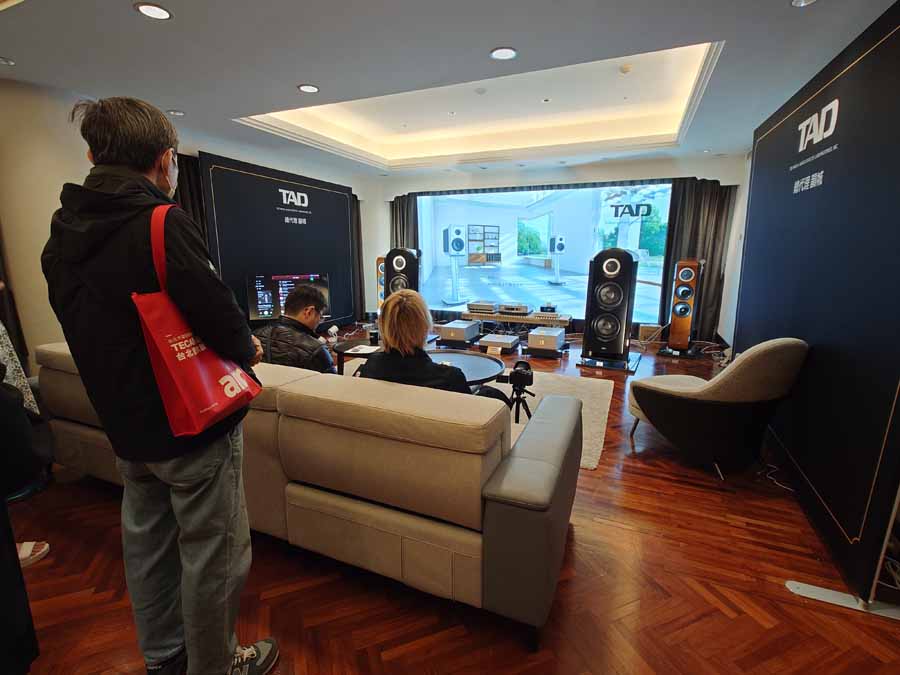
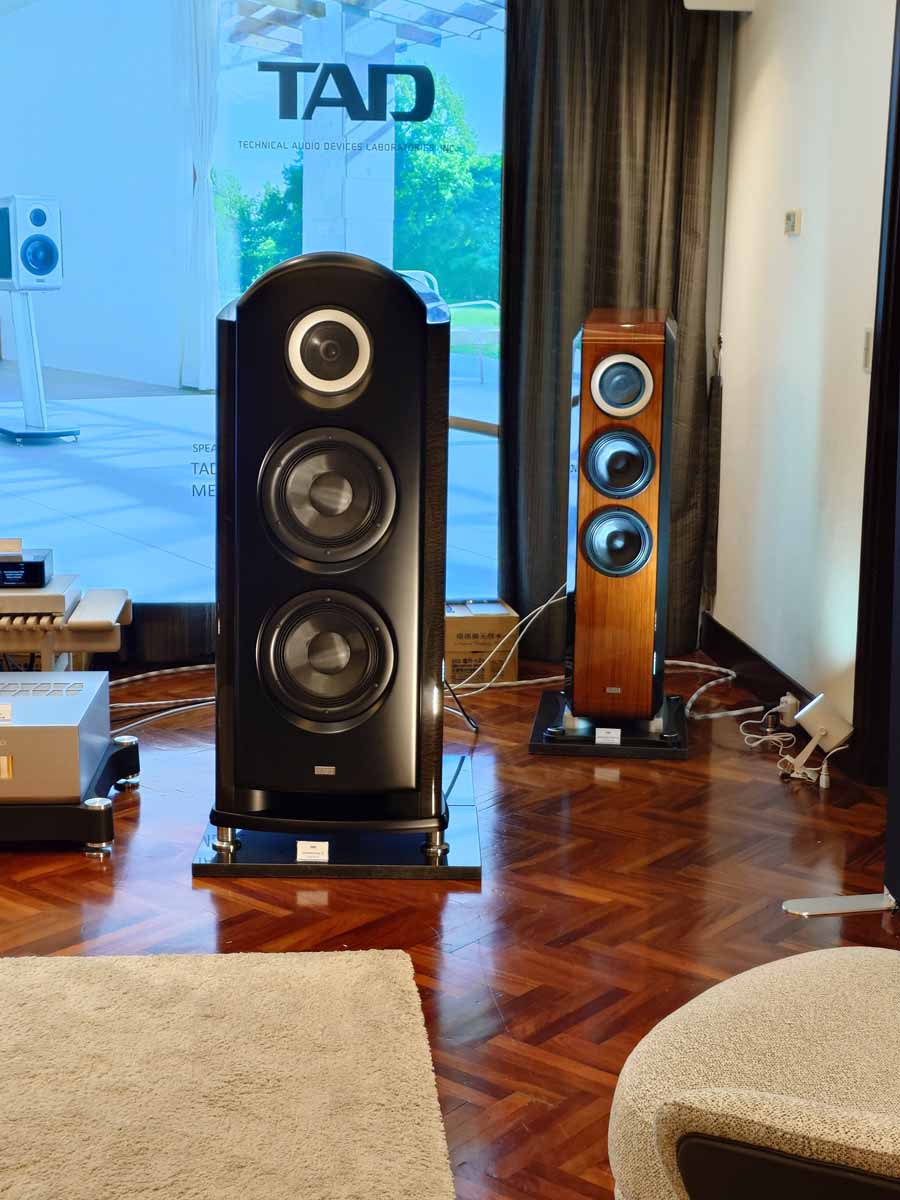
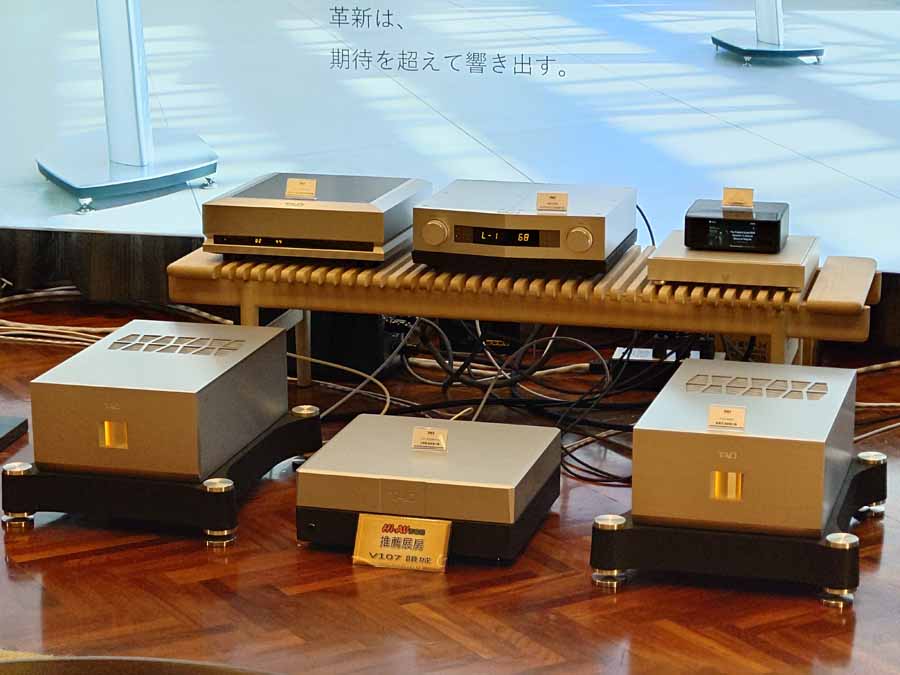
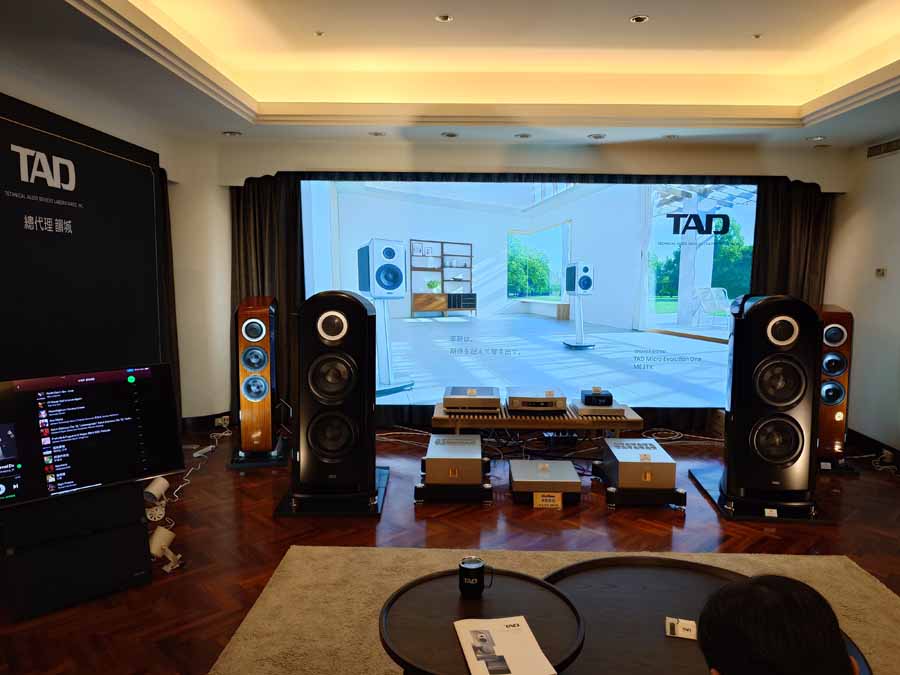
V107 WINCHAMP AUDIO: TAD
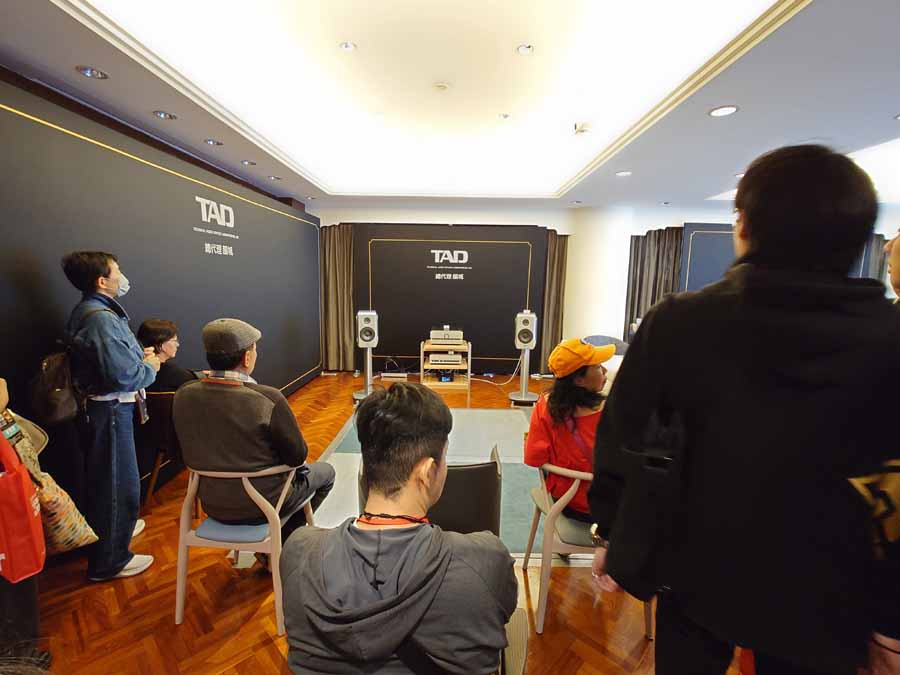
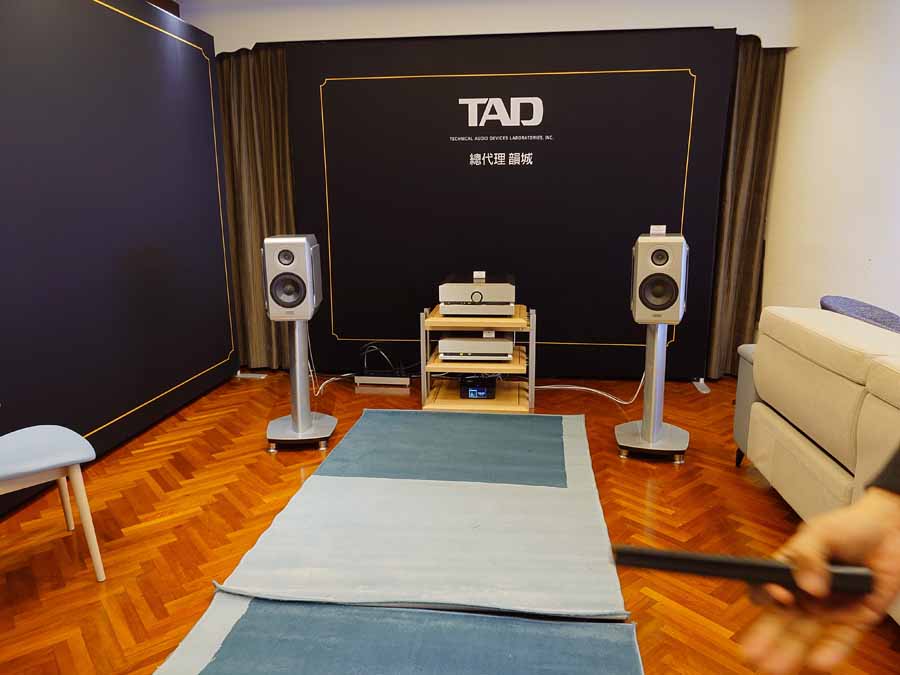
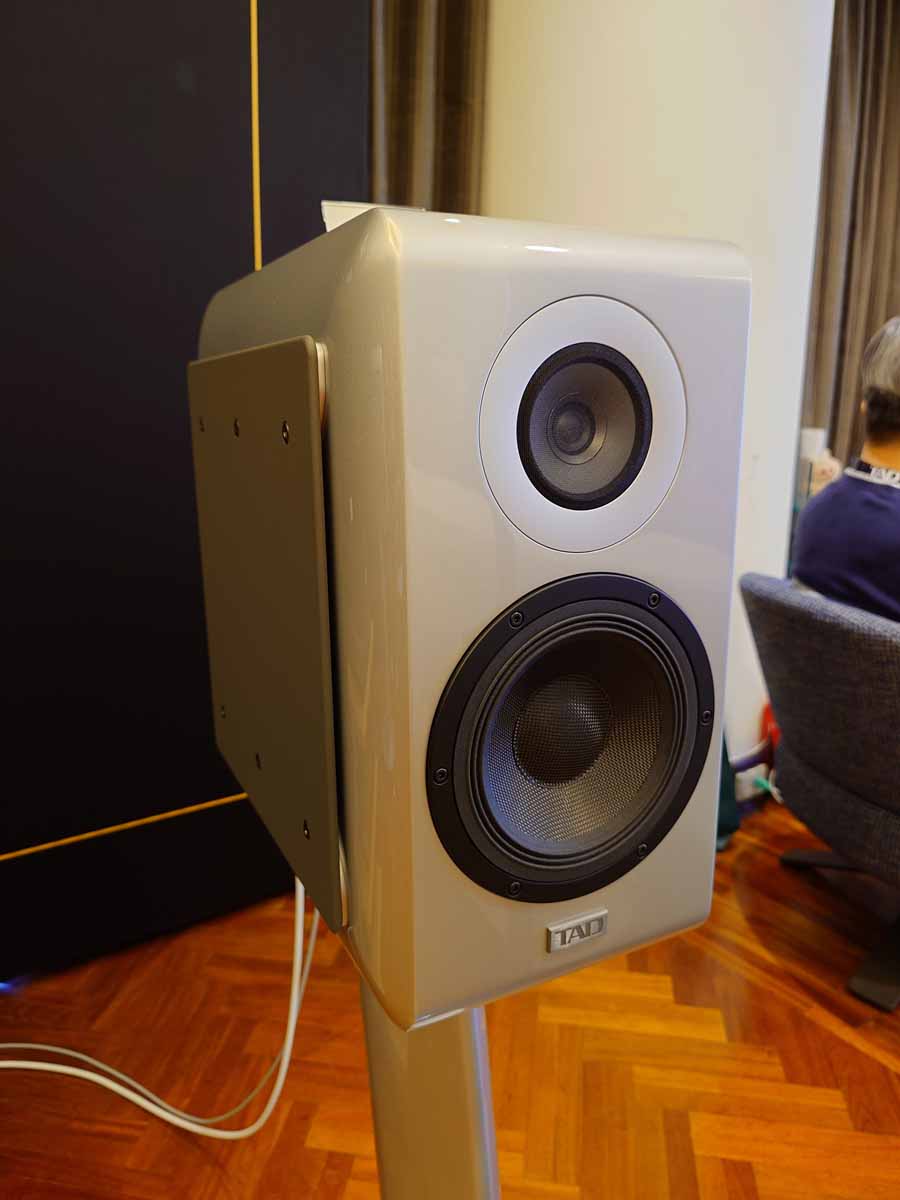
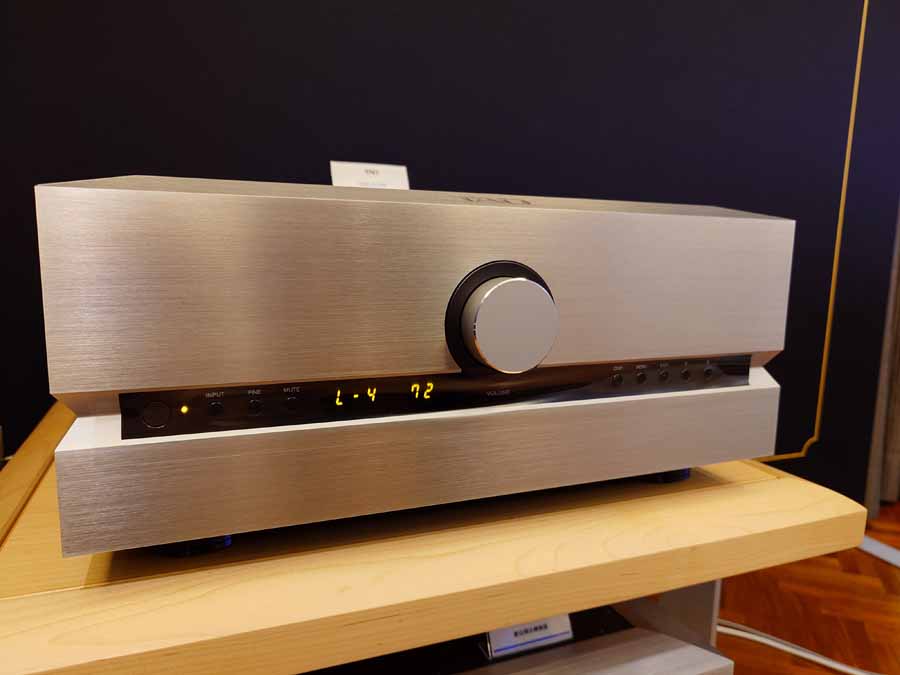
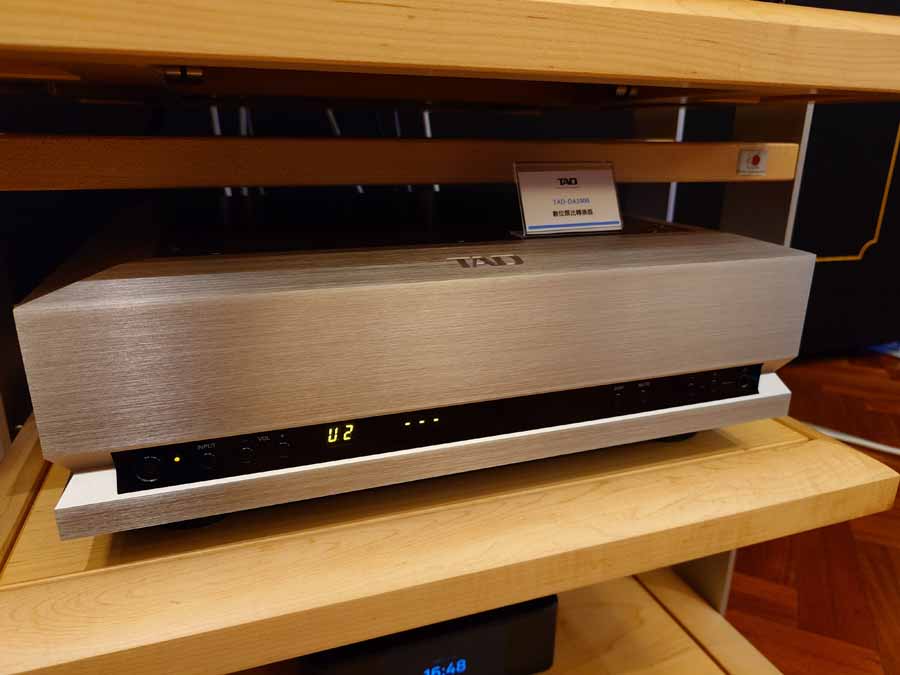
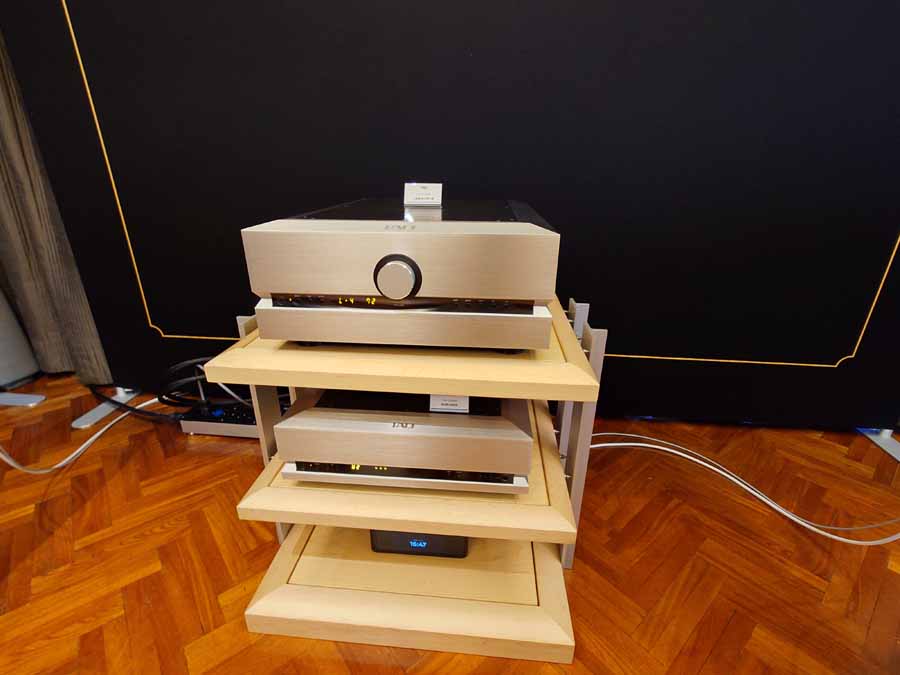
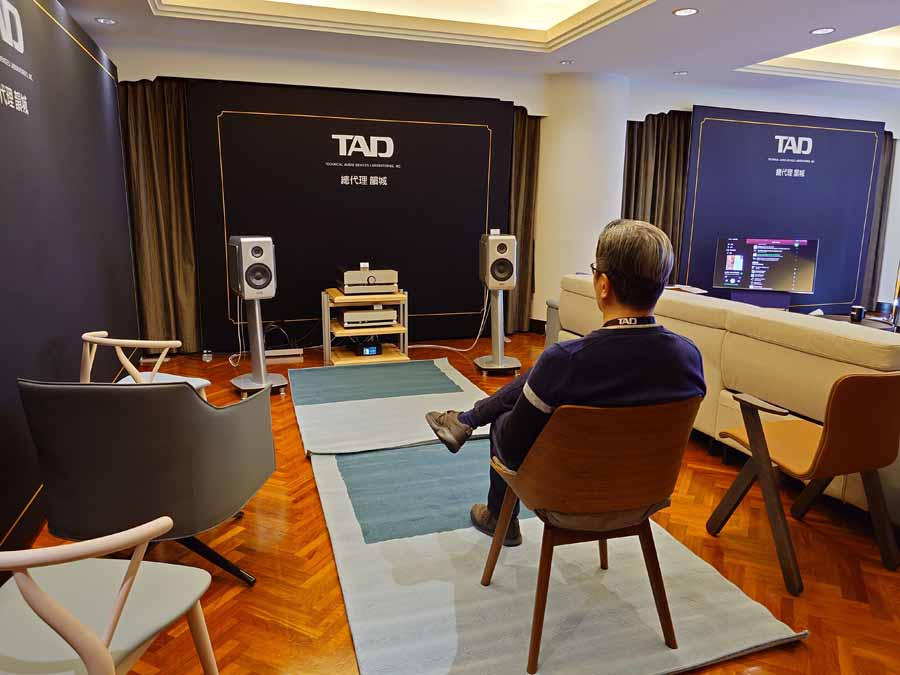
TAD really spoilt visitors in V107. The much-anticipated TAD-A1000 integrated amplifier made its world debut here, personally introduced by TAD CEO Mr Shinji Tarutani in a setup that appeared civilised and apartment-friendly: the gorgeous ME1TX standmounts, the DA-1000 DAC, and a humble Bluesound icon streaming Spotify Lossless.
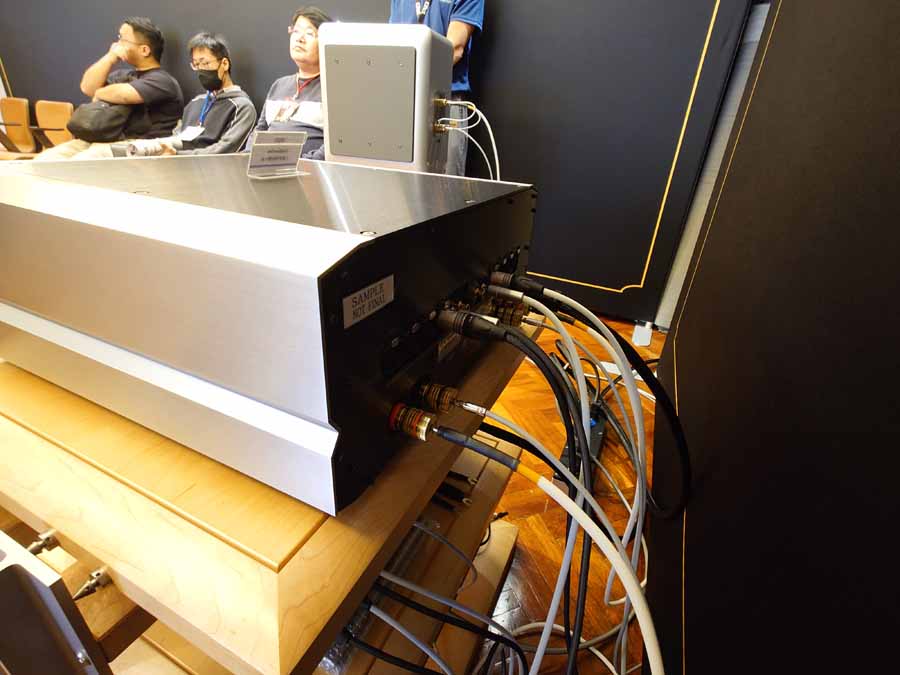
Don’t let the compact footprint fool you, though. At 29 kg, this isn’t your typical integrated amplifier, it’s a fully balanced, separates-grade design with serious power delivery (250 W into Ω) and obsessive attention to layout and vibration control, with the chassis divided into four isolated compartments. Calling it “just integrated” is a bit like calling a Steinway grand “just a keyboard”. Check it out in detail in our news segment!
In practice, there was nothing modest about the sound, it was big, bold and ridiculously composed, with punchy, tightly controlled bass, razor-sharp timing, loads of low-level detail, and a beautifully painted soundstage that made the speakers disappear. By the end of the session, this “sensible little system” had swiftly jumped to the top of my imaginary Christmas wishlist.
If that system was the “real‑world dream rig”, the main setup in the room was the nirvana level, with the Reference One TX loudspeakers driven by the M600 power amplifier, C700 preamp, and DA1000TX DAC, fronted by a Bluesound Icon and a Fidata HFAS1 server. This was TAD in full reference mode: huge scale, iron‑fisted control, yet a delicacy that made you lean in, and during Tchaikovsky’s 1812 Overture the orchestra stayed rock‑solid and clearly mapped even as the arrangement went gloriously berserk, the cannons landing with such authority that the whole room let out a collective sigh.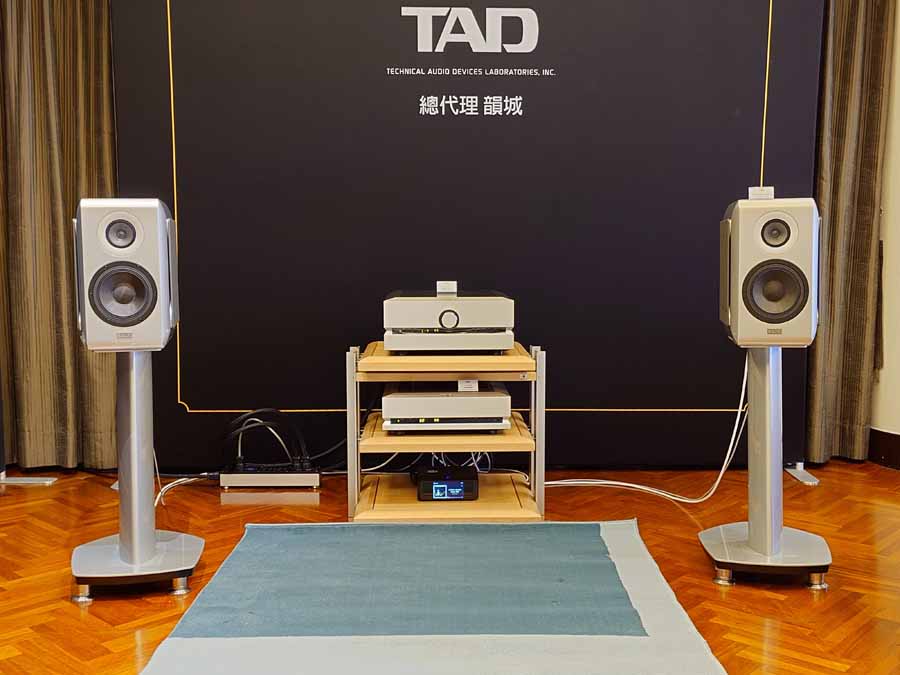
V108 – ARRIBA, ZORIN, D+M, DC CABLES
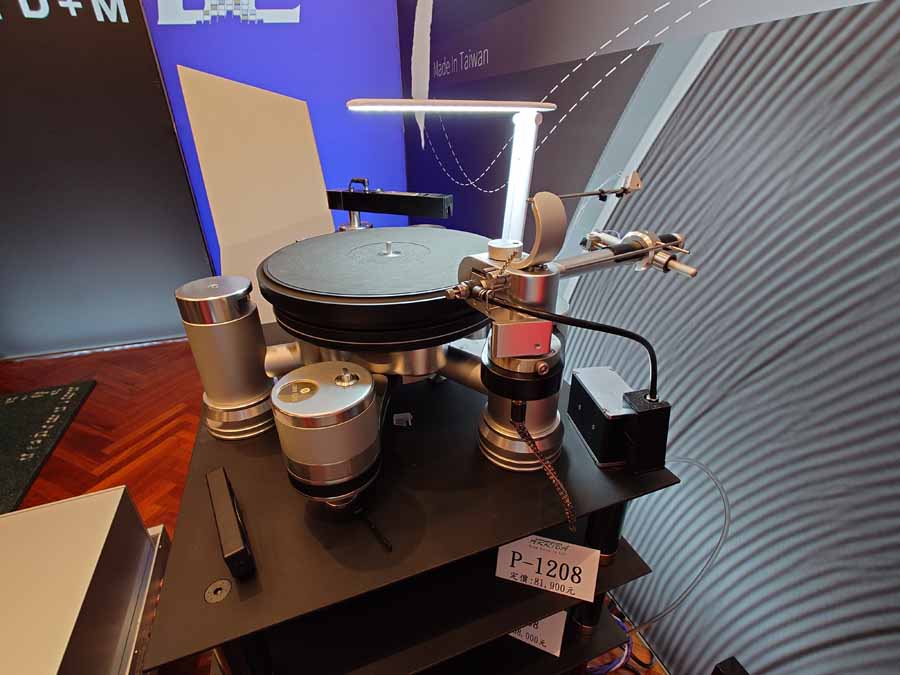
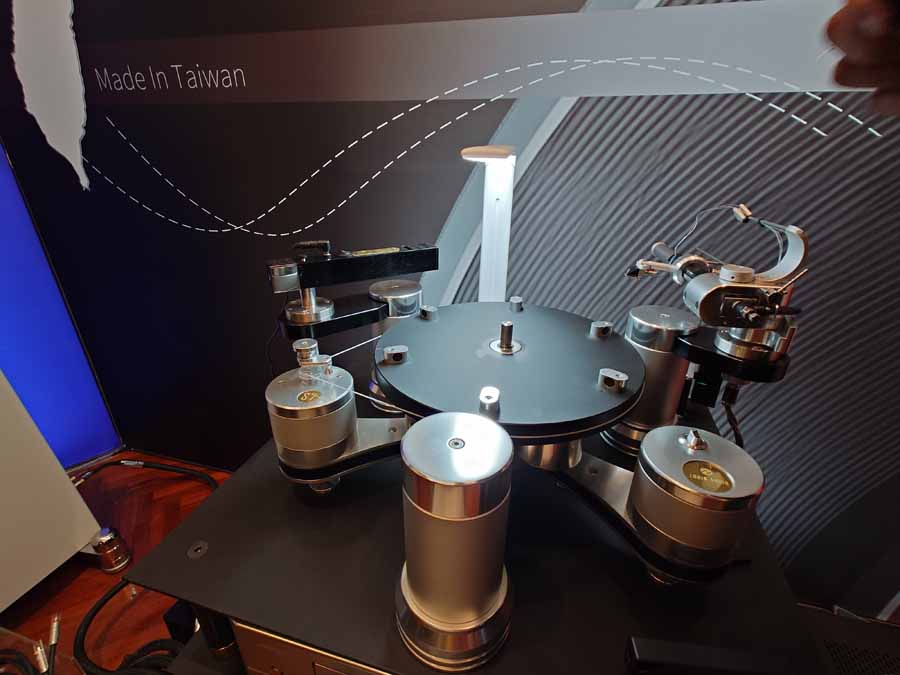
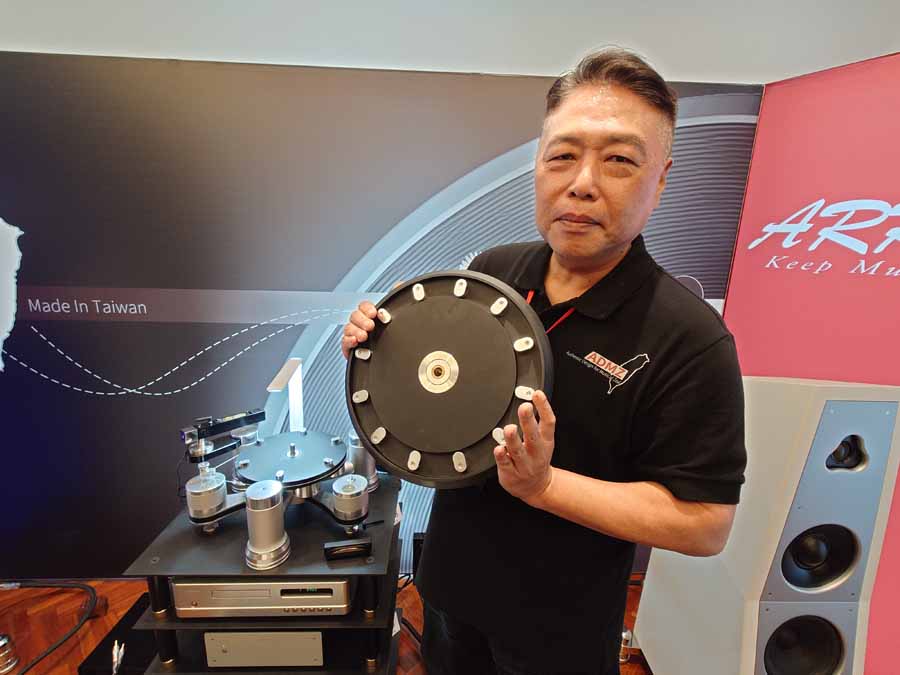
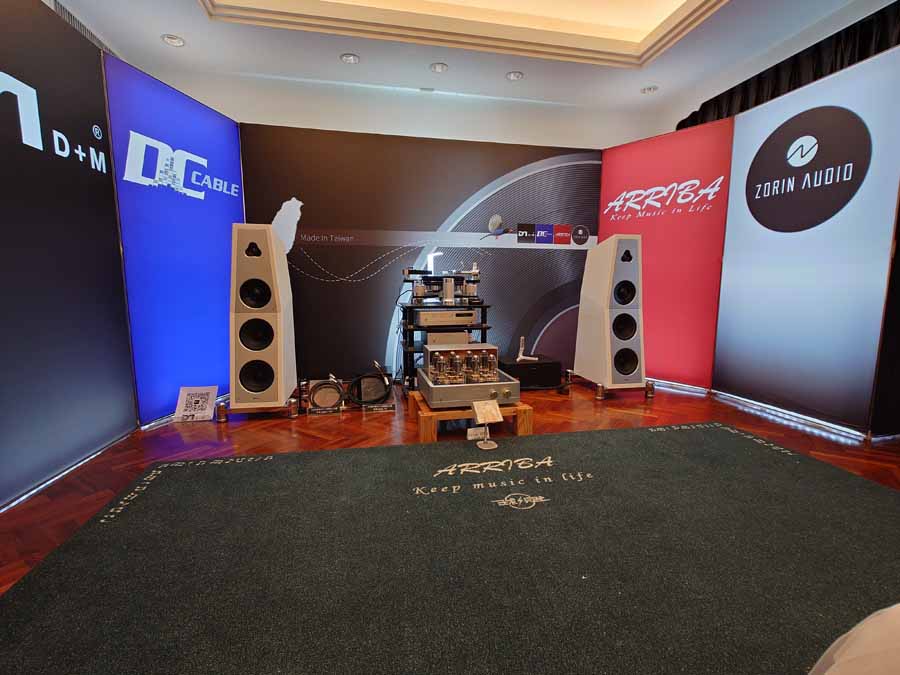
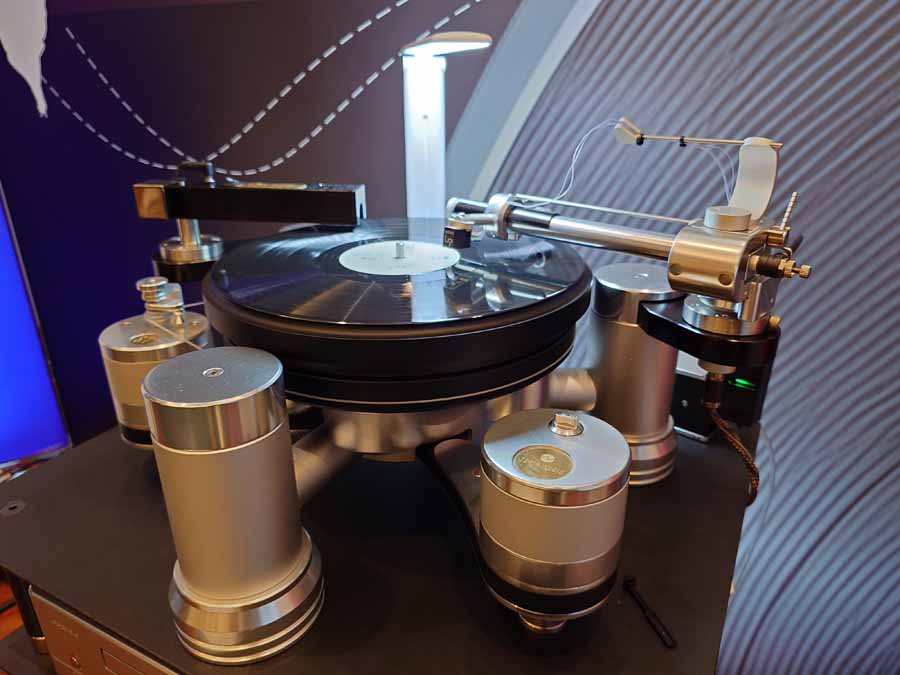
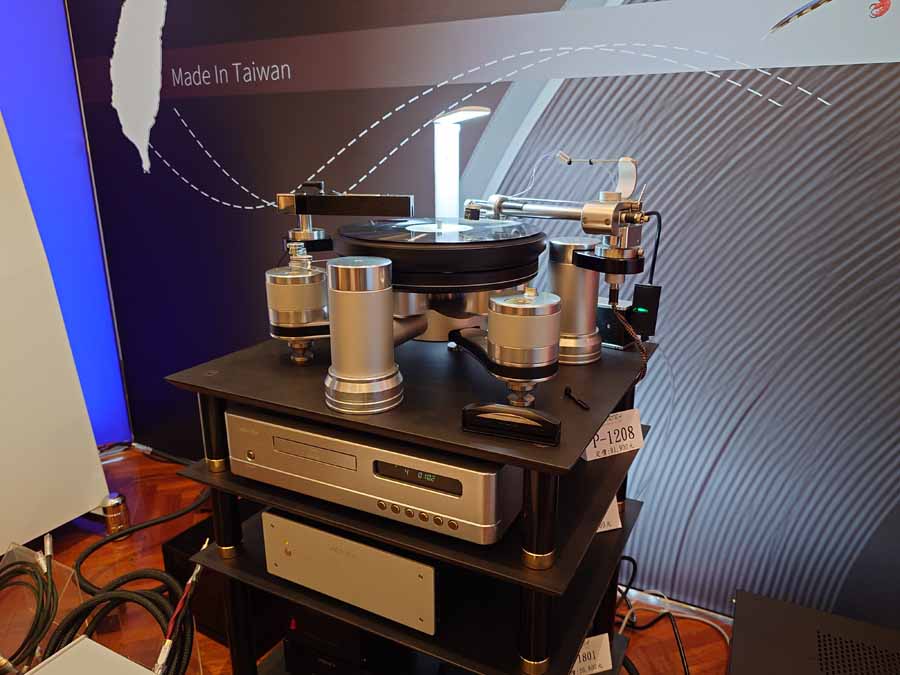
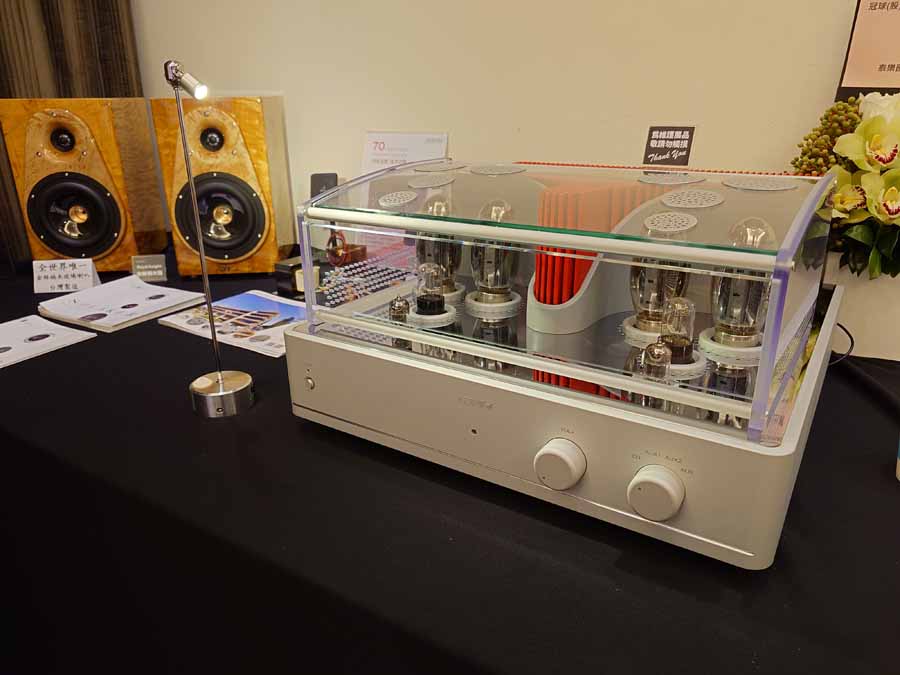
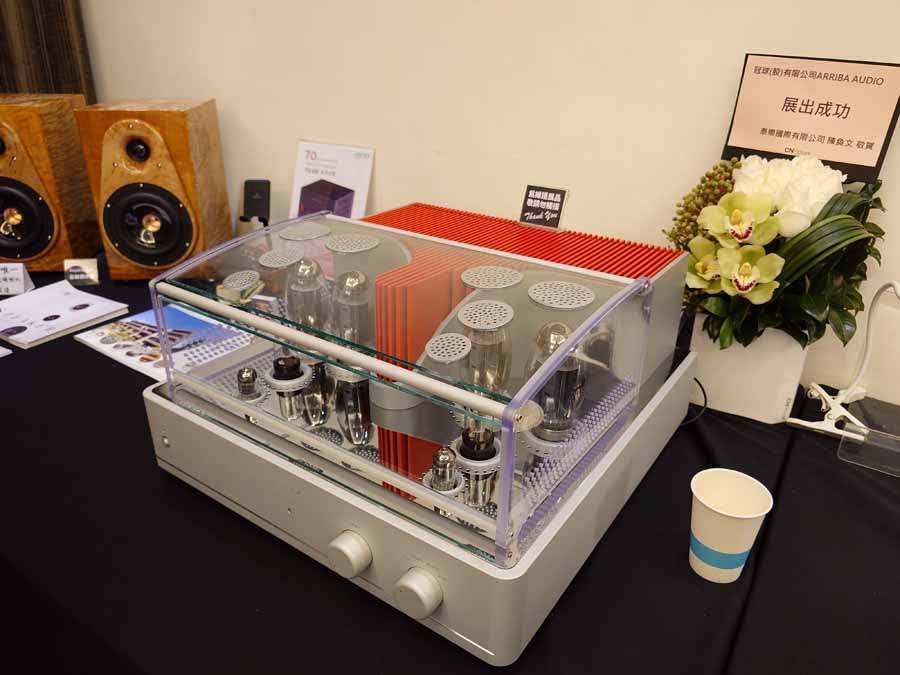
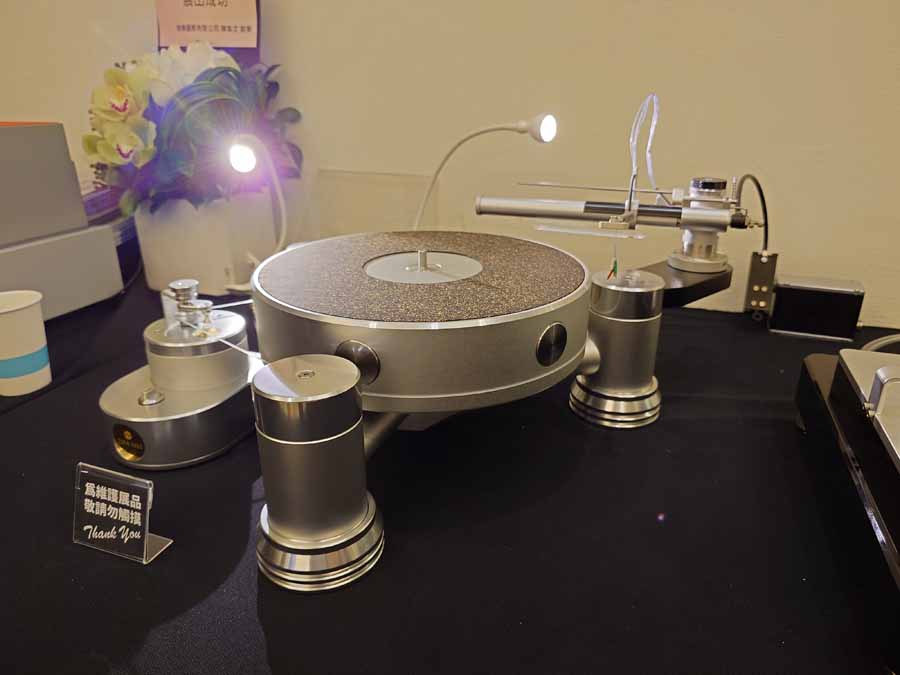
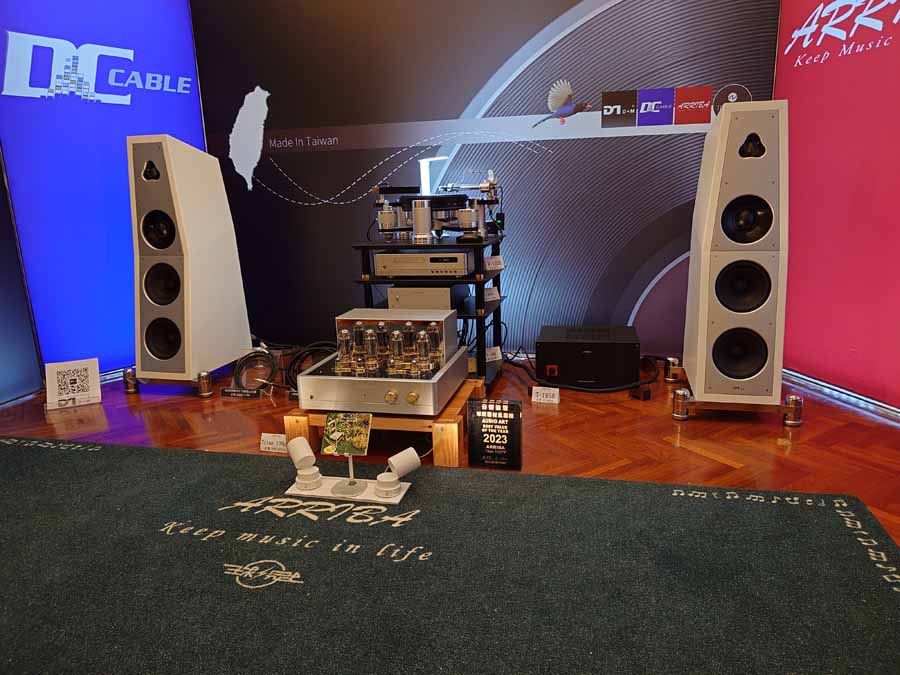
This was the room that had a big red circle in the notebook before the show even opened. Four established Taiwanese manufacturers teamed up to build a complete, homegrown system that felt like a proper pride‑of‑Taiwan statement. It was the kind of lineup where every component has a story, and you could easily justify an entire feature in this room alone.
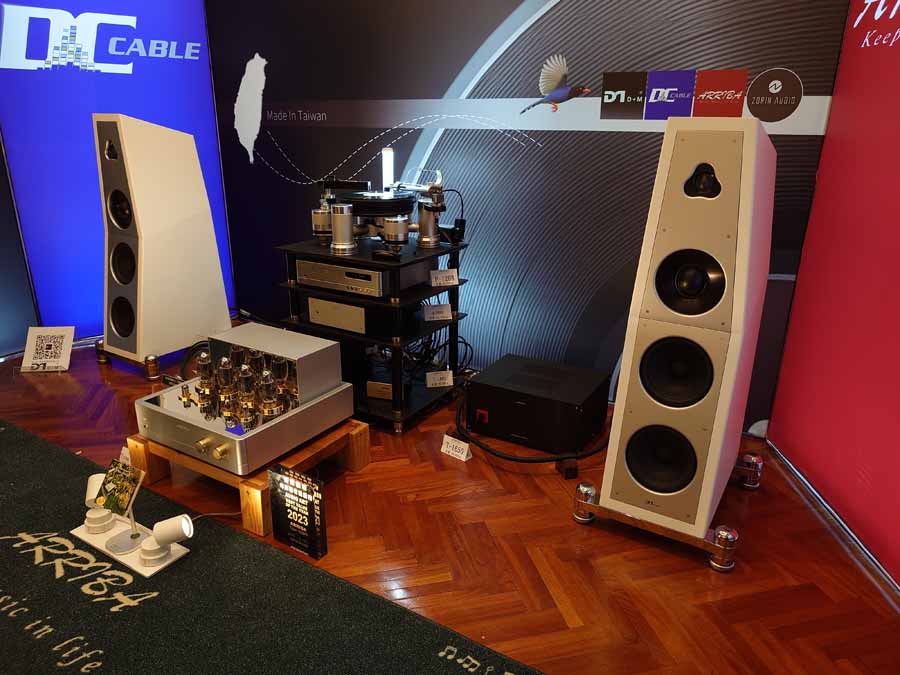
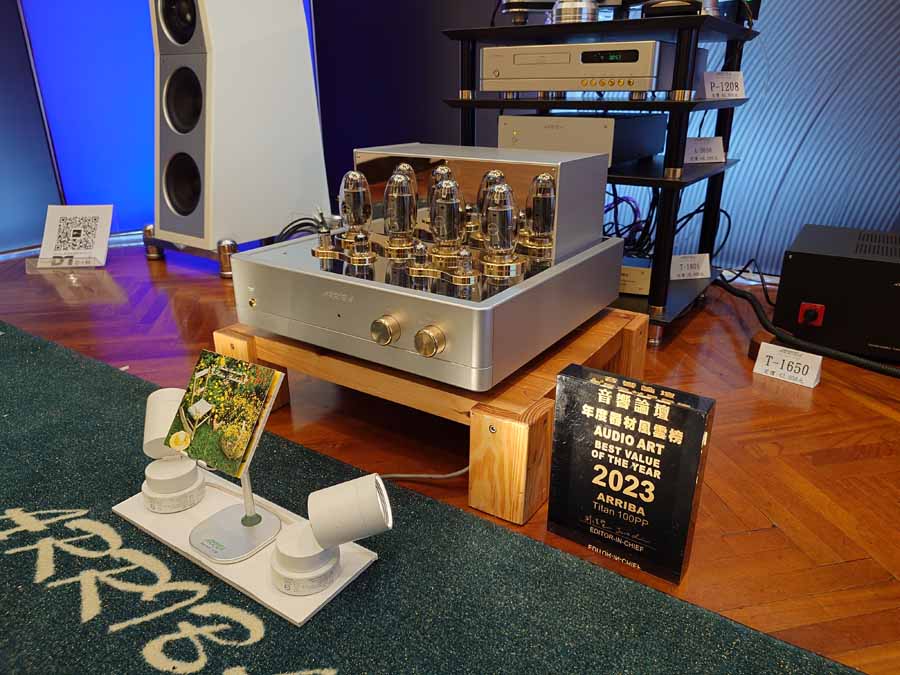
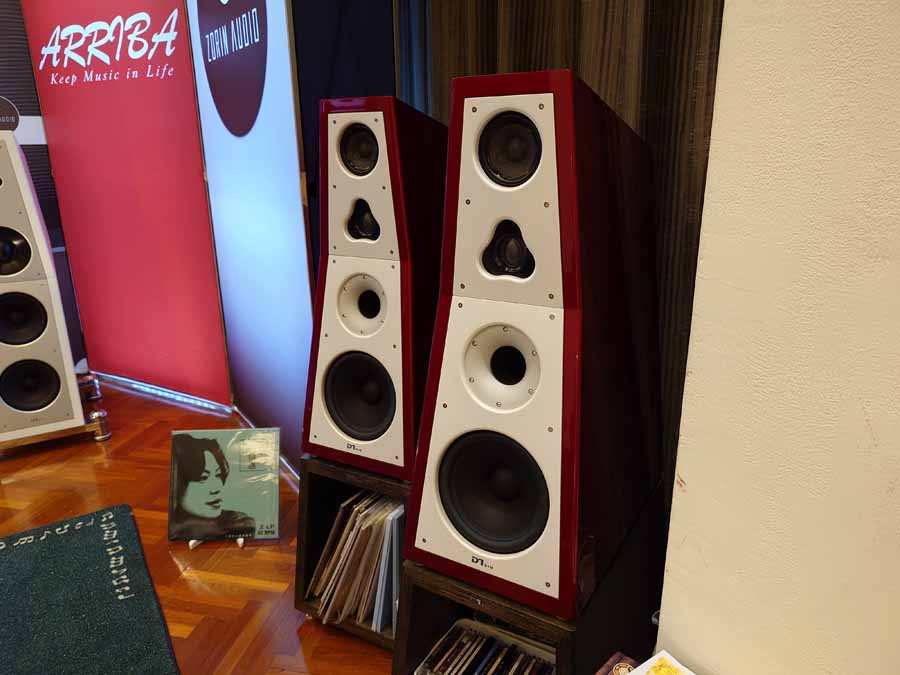
The main system was built around DM D+M’s Prince Moses floorstanders, a 3‑way, 4‑driver design using Scan‑Speak Ellipticor mid and treble units with twin Revelator woofers, plus serious internal damping and OCC single‑core wiring co‑developed with DC Cable. With 89 dB sensitivity, a 4‑ohm load and extension down into the high‑20 Hz region, these “small” towers are anything but shy, and they clearly like to be driven. Arriba’s Titan 100PP integrated amplifier handled that part with ease: a 54 kg push‑pull flagship running four KT150s in AB ultra‑linear for 100 W per channel, packing 25 kg of transformers on board, fully balanced input, ALPS volume control and a 10 Hz–40 kHz bandwidth that makes “built like a tank” sound almost modest.
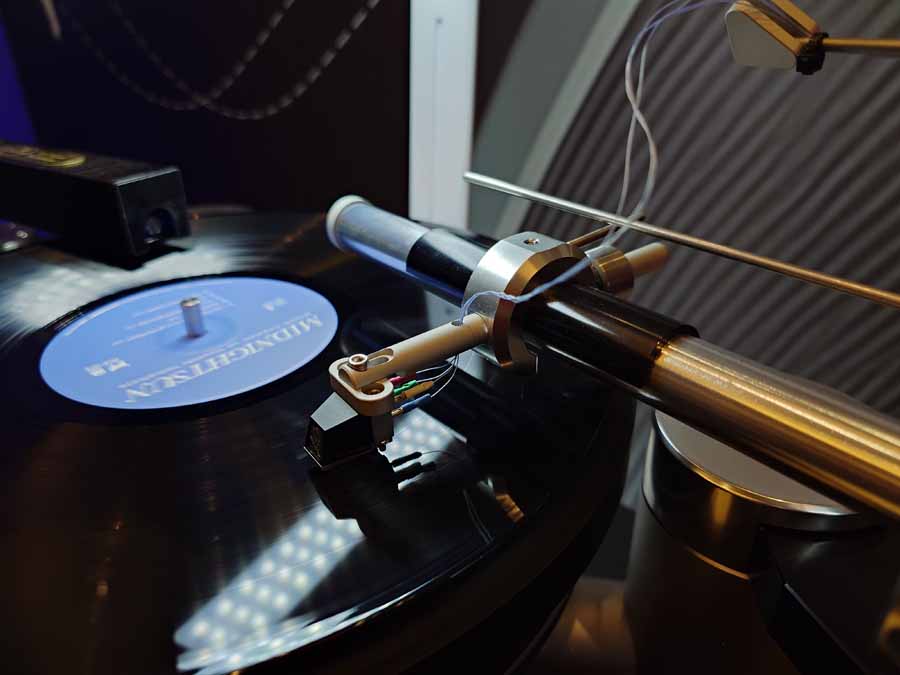
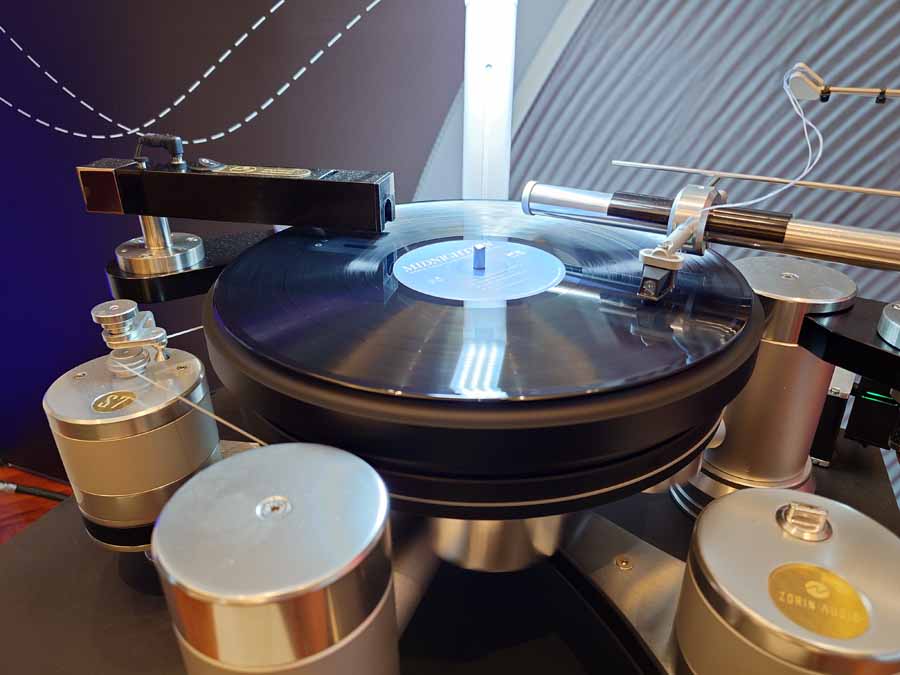
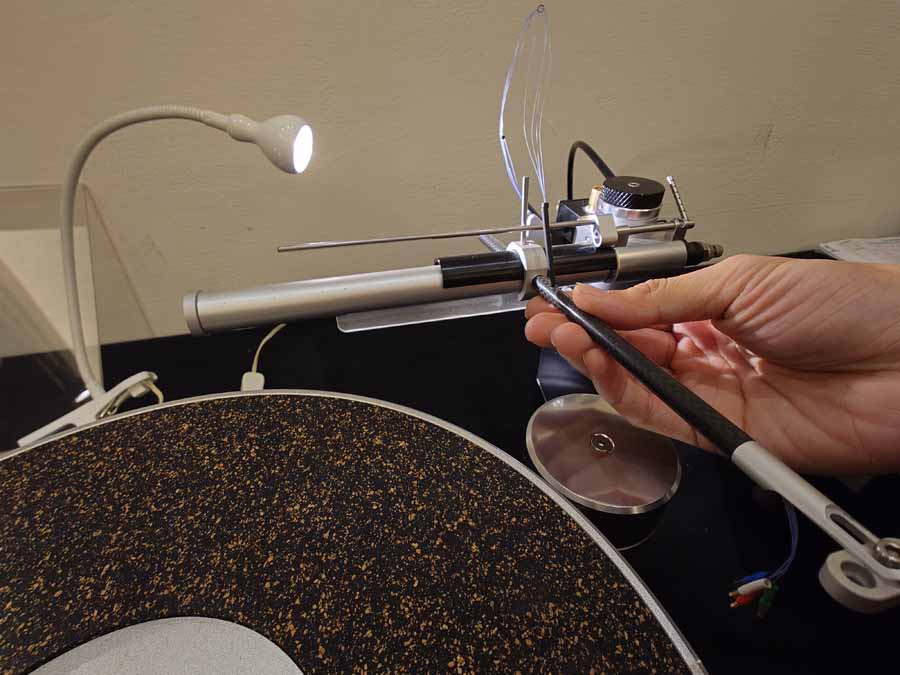
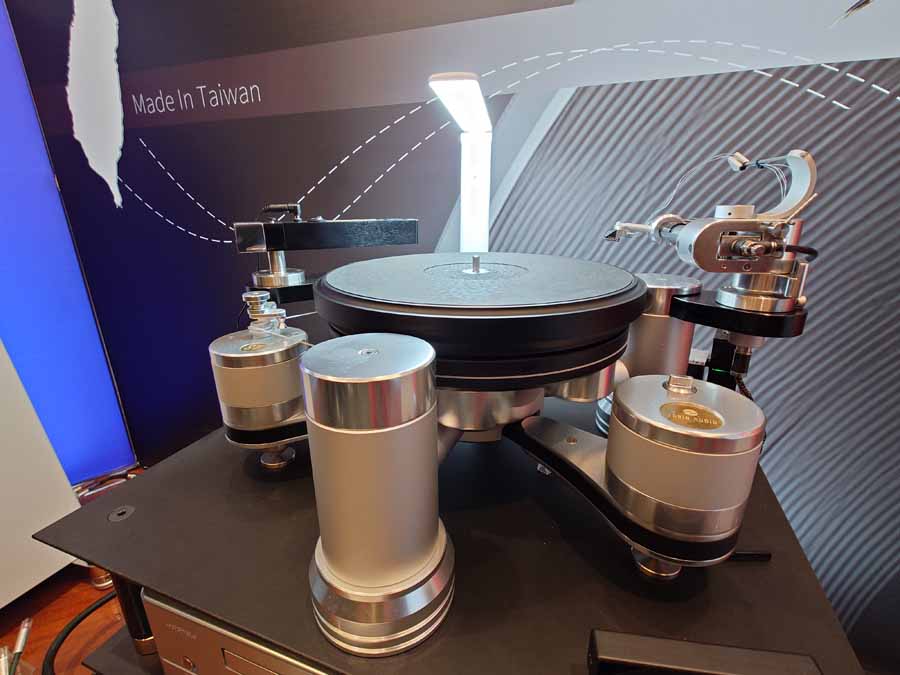
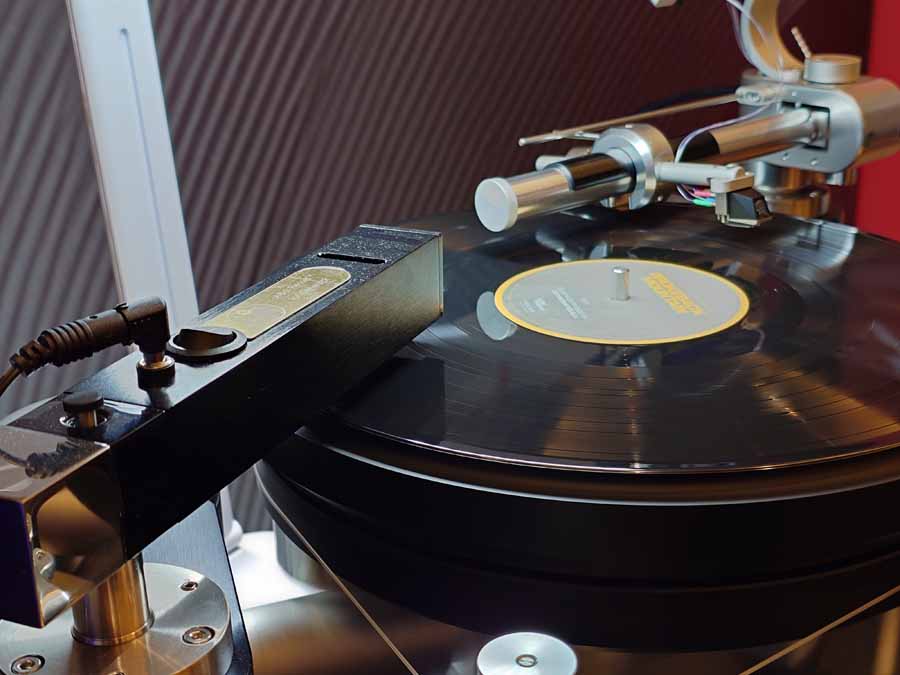
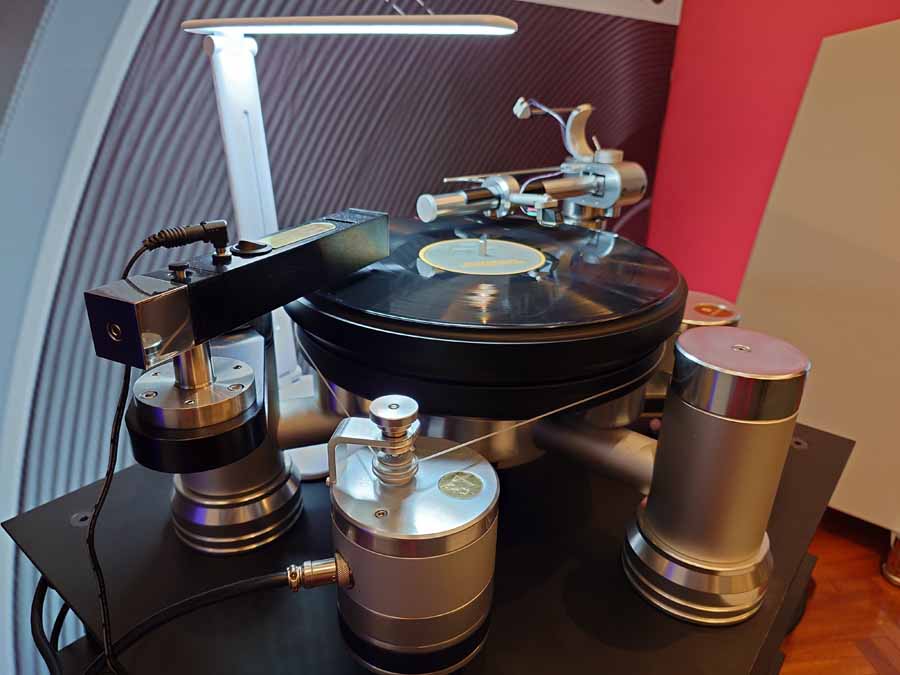
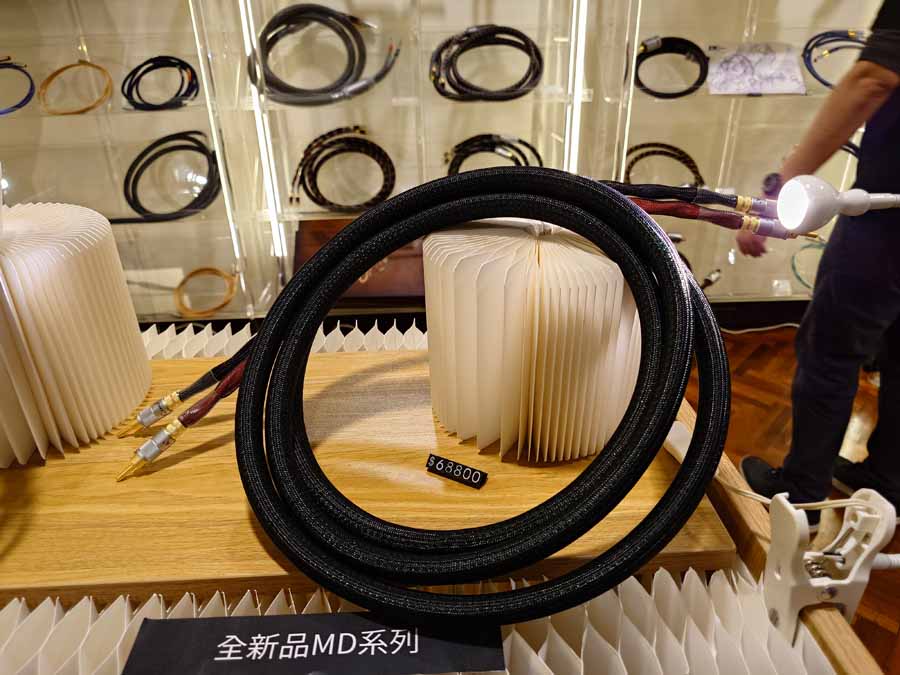
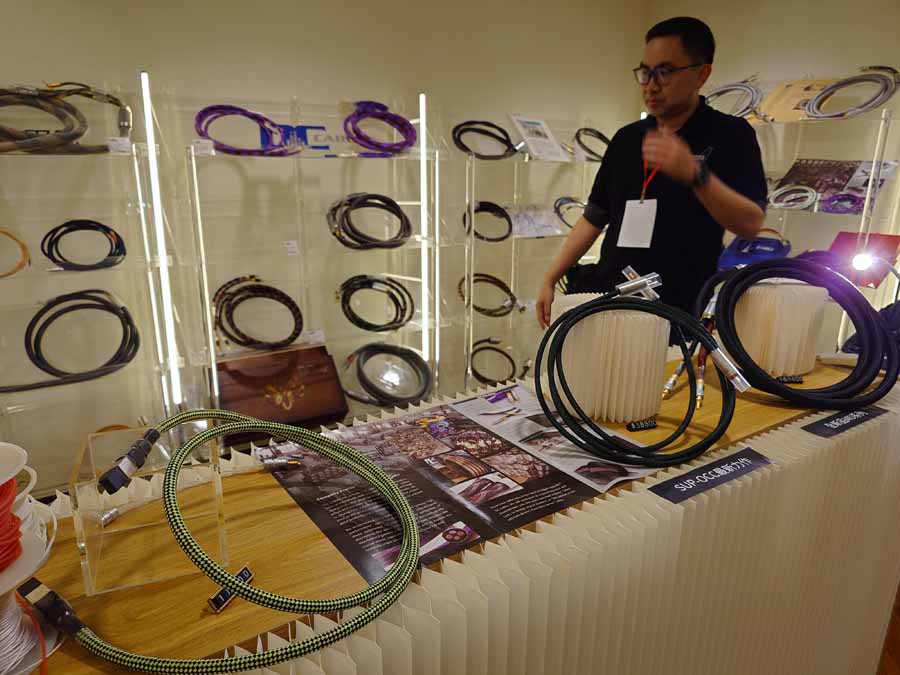
Zorin’s TP‑S7 flagship turntable added a lovely slice of analogue nerdery: a 14 kg, two‑layer aluminium platter with magnetic suspension, separate motor and platter bases, belt drive with a neat mechanical speed selector, and the delightfully over‑engineered M.R. Ionic air‑bearing linear‑tracking tonearm with a Benz LP cartridge and ion generator to kill static at both arm and record surface. The arm’s medical‑grade, low‑noise air system, adjustable pressure, on‑the‑fly VTA and stainless‑steel construction tick pretty much every audiophile box, while the AS‑2 record ioniser is exactly the sort of “because we can” solution only a vinyl obsessive dreams up, neatly mounted on one of the 3 available arm positions and quietly scrubbing away static. All of it was tied together with DC Cable’s new MD series using SUP‑OCC single‑crystal copper, so even the bits you couldn’t see were very much part of the story.
On static display, DM D+M’s Royal Knight standmounts drew plenty of glances with a glass‑dome 1” tweeter and 6.5” mid/bass (50 Hz–40 kHz), built from chunky Nordic birch ply with a 40 mm front baffle and wired internally with DC Cable OCC. Arriba showed off its transformer‑winding chops with samples and the new Juno 32SE flagship single‑ended integrated, running parallel KT150s for 30 W per channel, sporting a fresh, curvier industrial design and a bespoke glass tube cover shaped by an automotive glass factory – those bright red heatsinks didn’t hurt, either. Zorin rounded things out with TP‑S5 and TP‑S2 turntables and additional tonearm options, turning the static side of the room into a mini design gallery. This all‑Taiwanese alliance felt fresh and ambitious, and it’s exactly the kind of collaboration that could (and should) push these brands further onto the international map.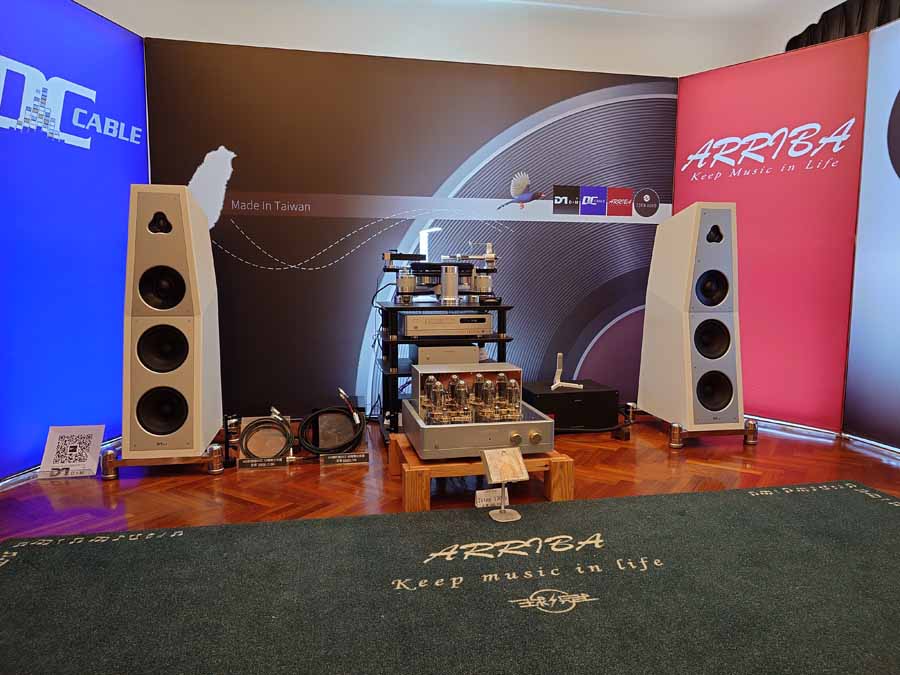
V109 SMILE SOUND – JBL / AESTHETIX / AUDIOQUEST
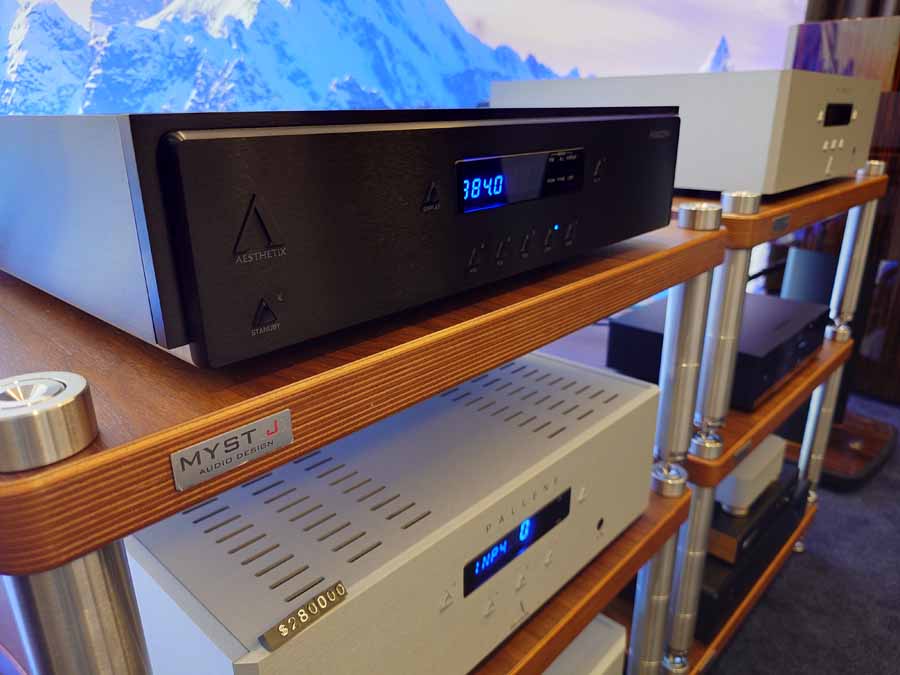
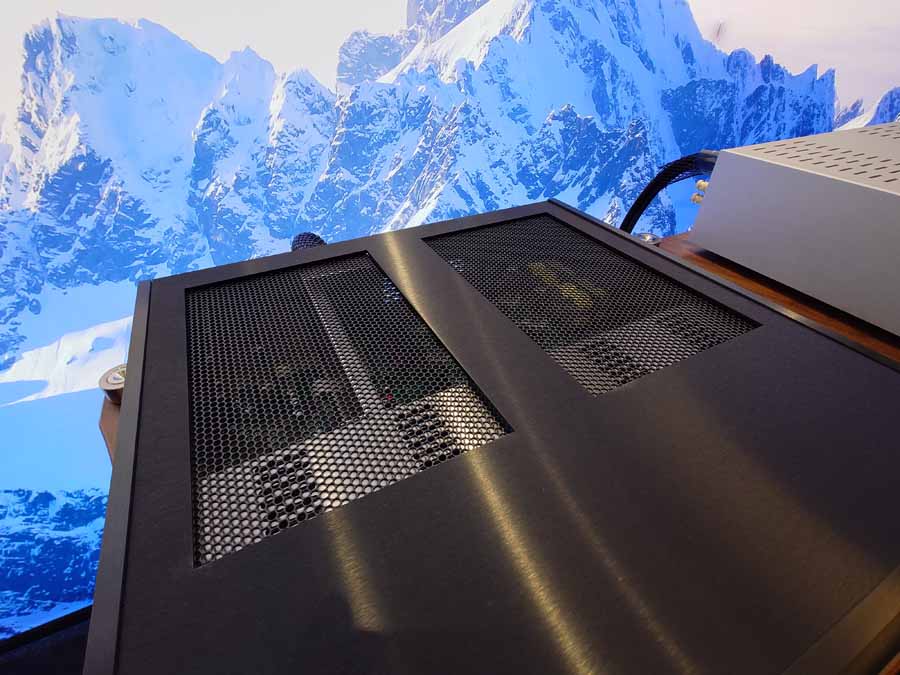
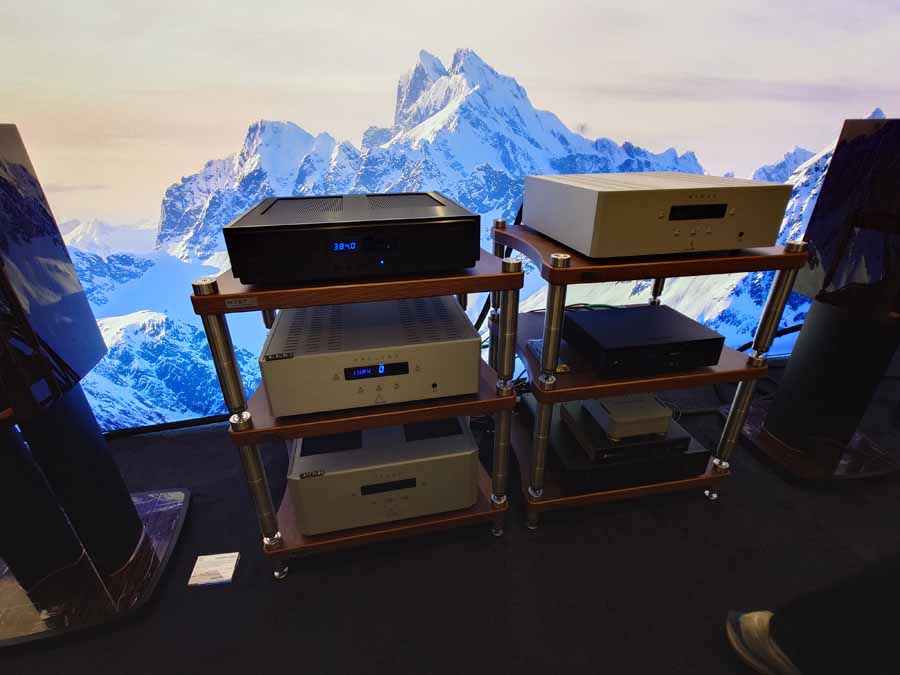
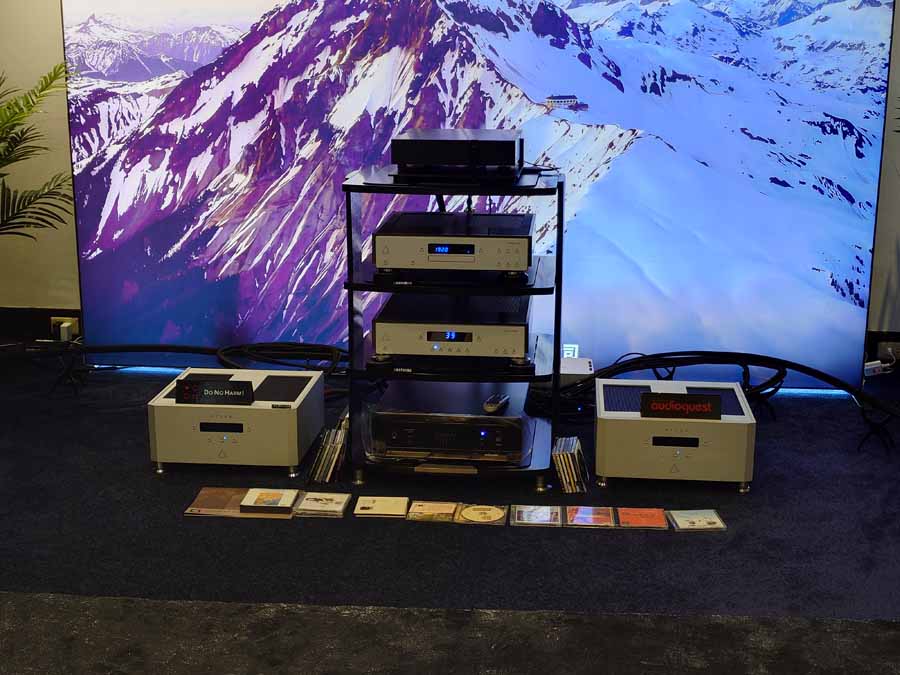
This room was like a reunion for me. I was in Shanghai when JBL first released the new Summit series, but this was the first time I really heard why they were making such a big deal about Makalu, Pumori, and Ama. They used the big Makalu, which was the flagship of the new trio, along with Aesthetix Atlas monoblocks, a Calypso preamp, and a Romulus CD player. AudioQuest cabling and a Niagara conditioner kept everything neat and powered in style. The smallest Summit, the stand-mount Ama, was given its own, slightly more “real-world” chain with the Pallene pre, a stereo Atlas power amp, and the Pandora DAC.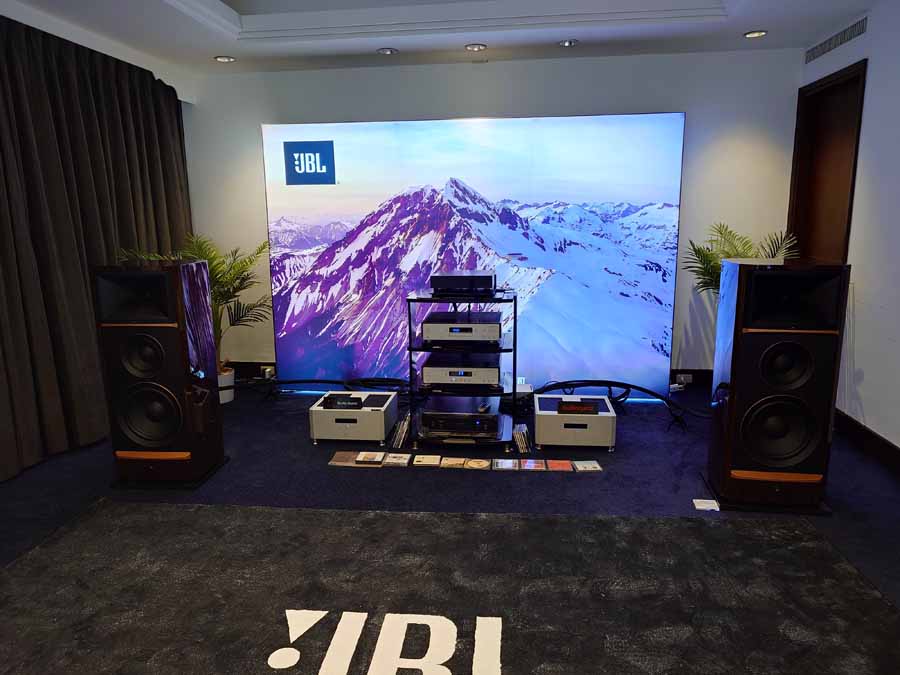
V110 TAIFU AUDIO – T+A, ROCKPORT, CONSTELLATION, INNUOS, TOTALDAC, DYNAUDIO, SILTECH
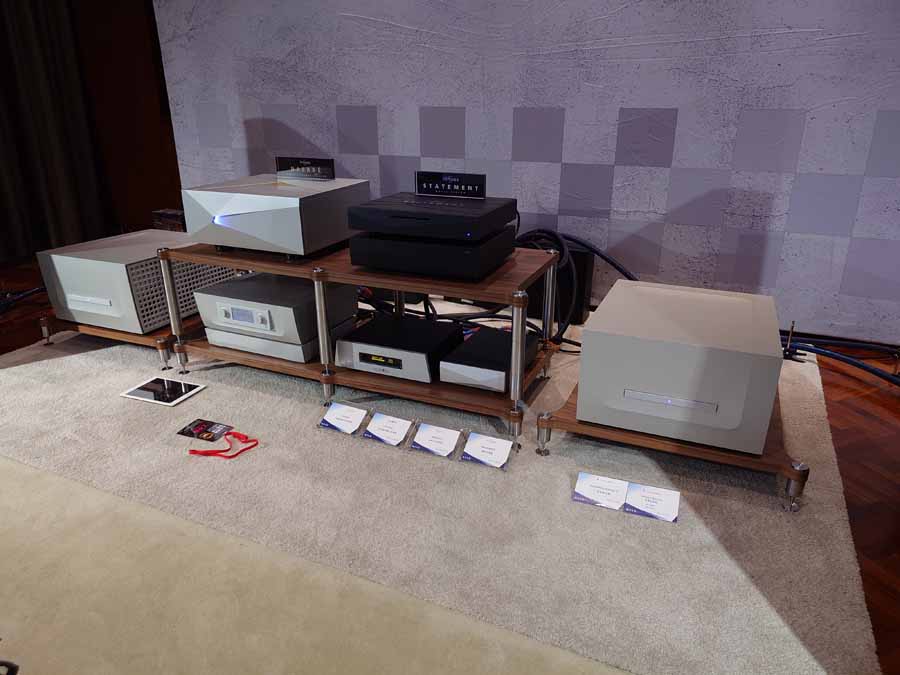
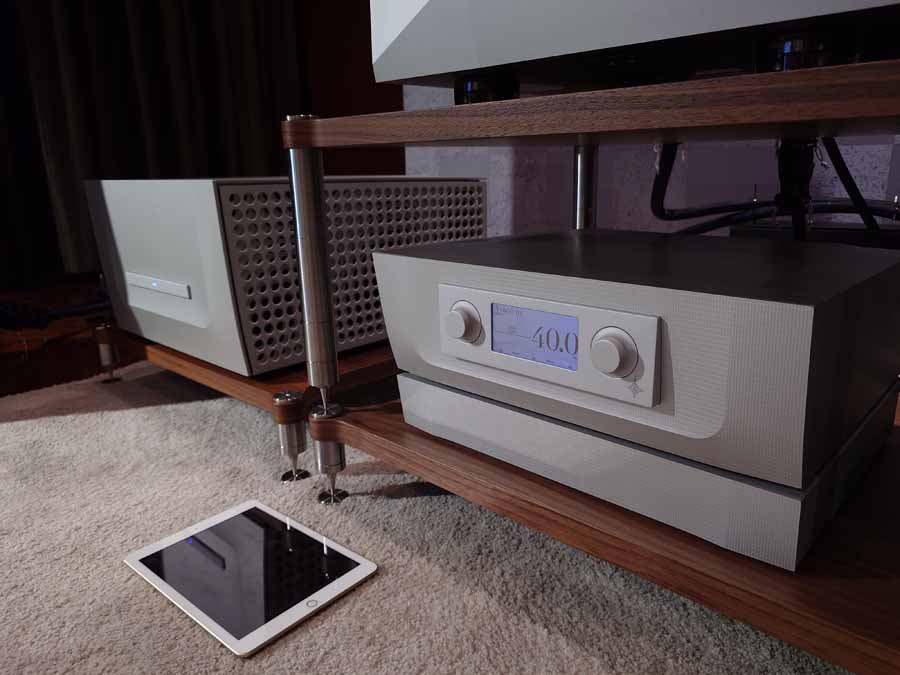
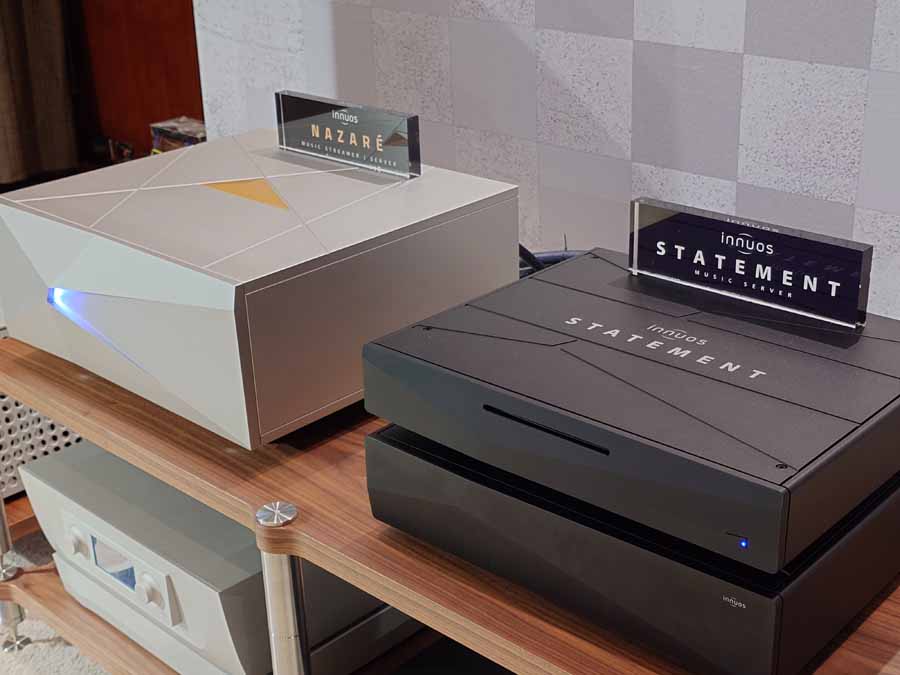
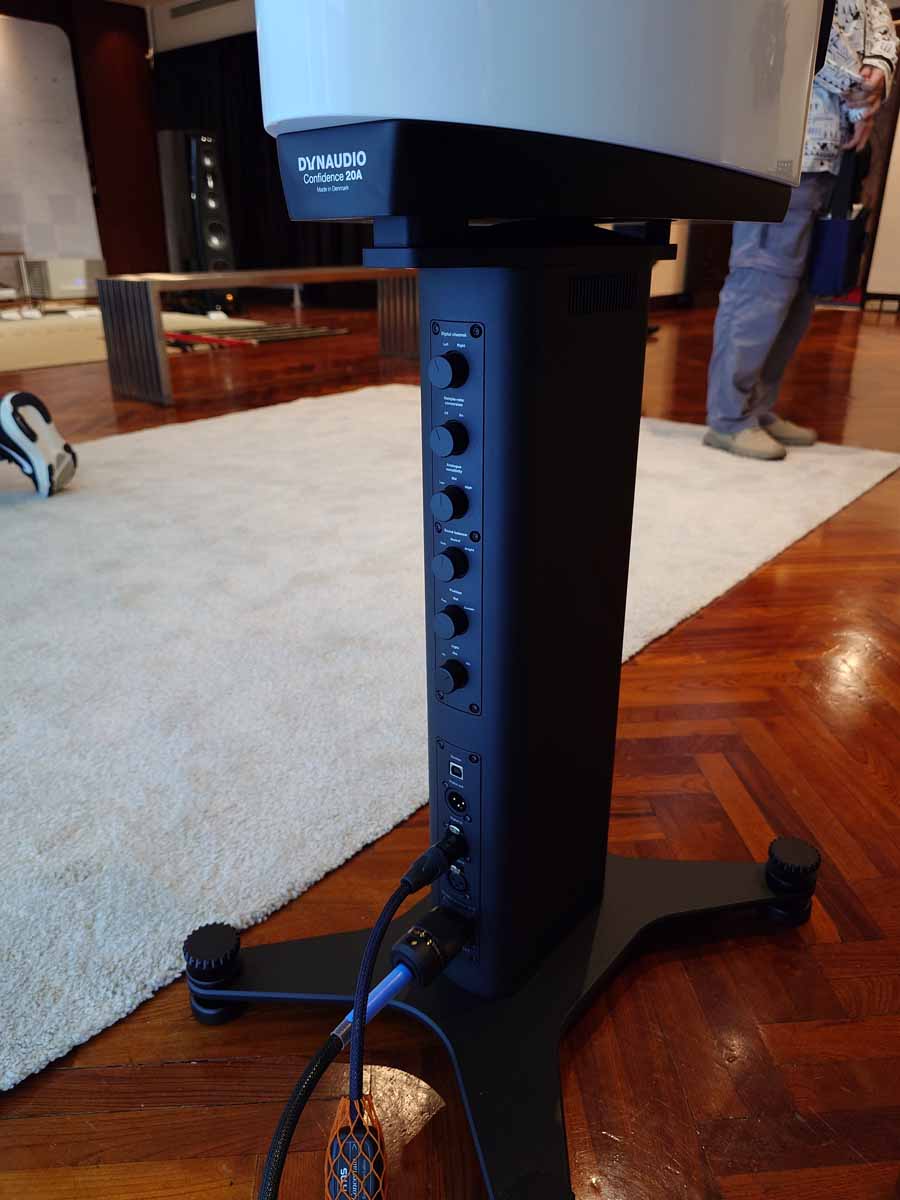
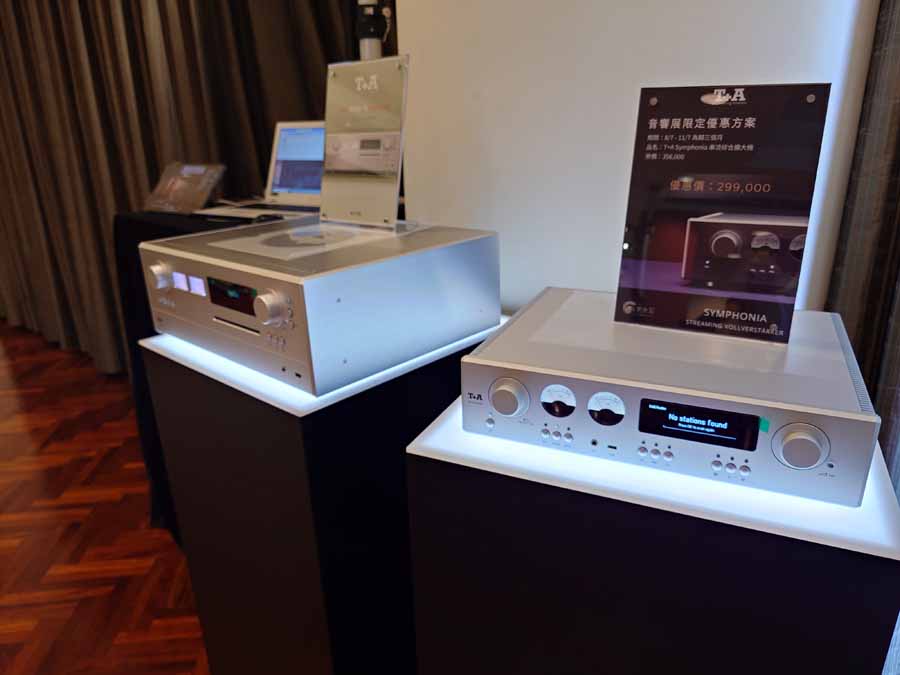
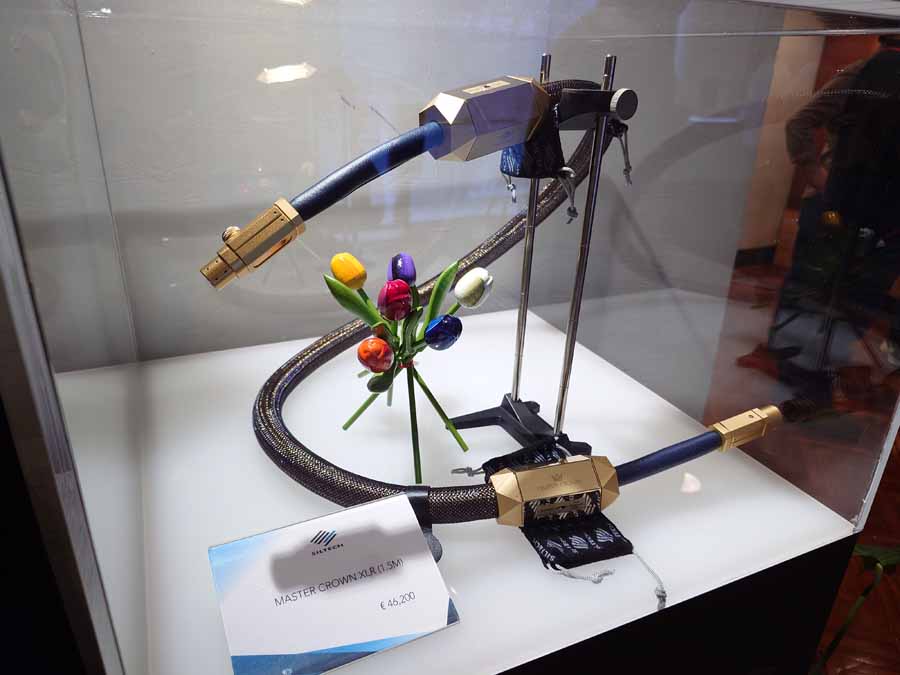
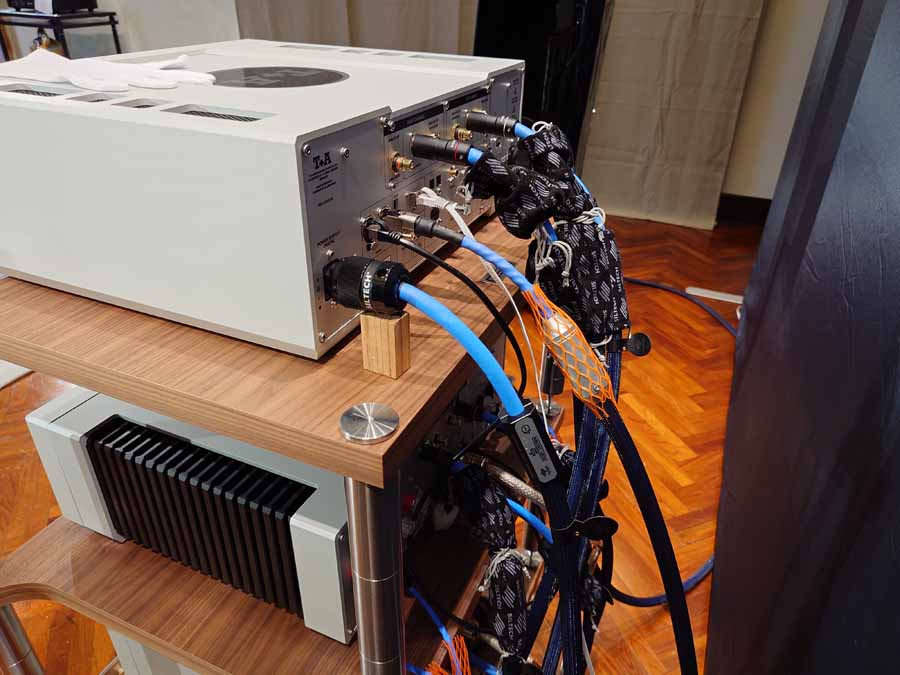
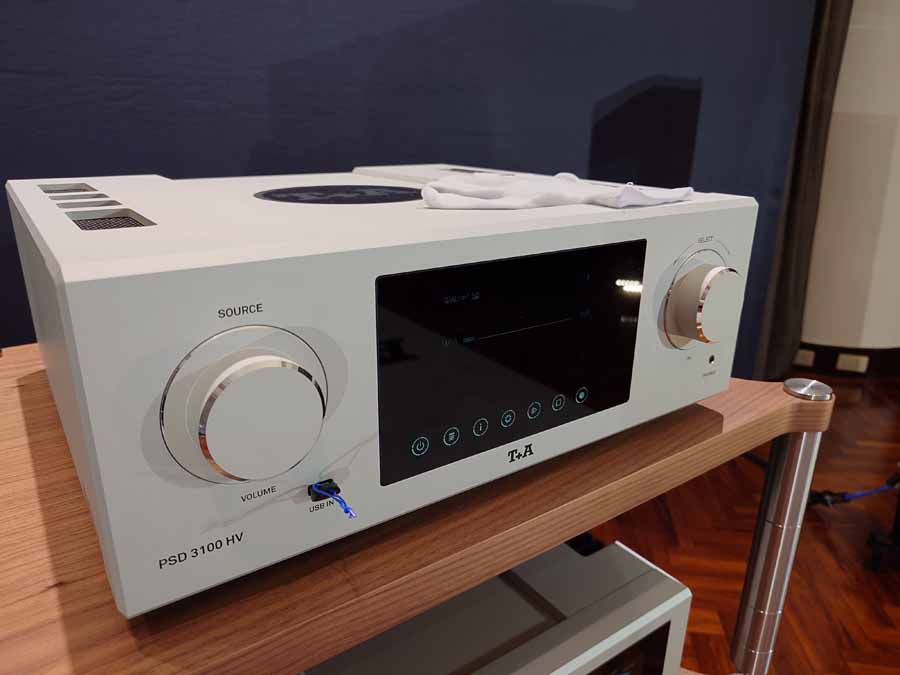
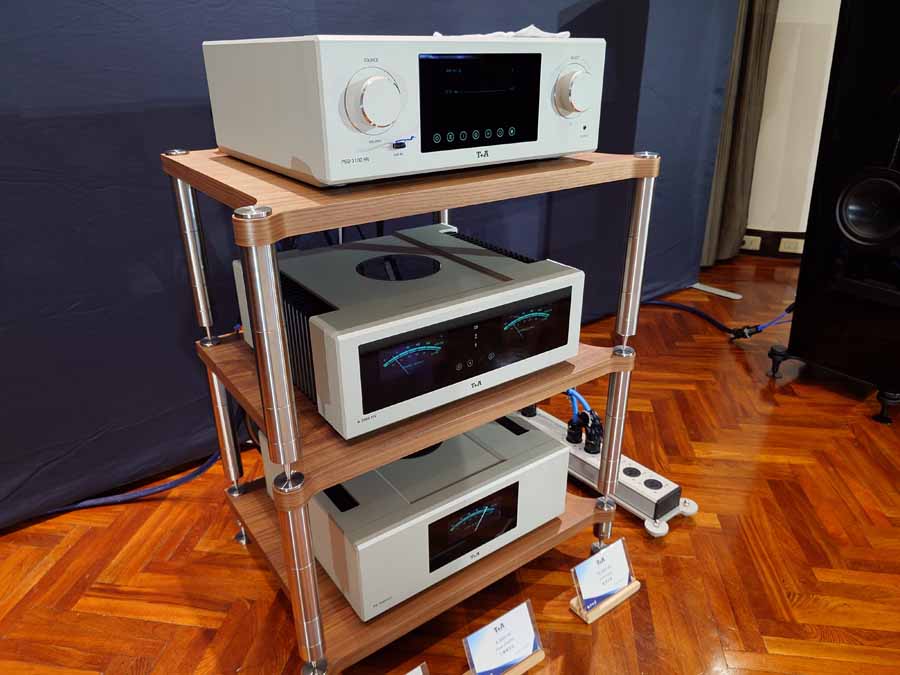
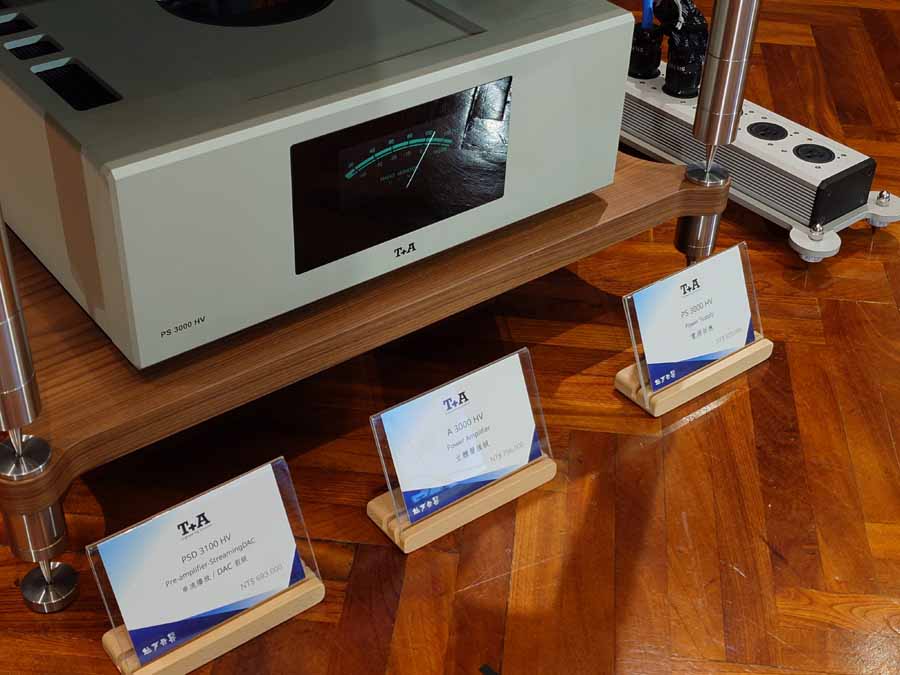
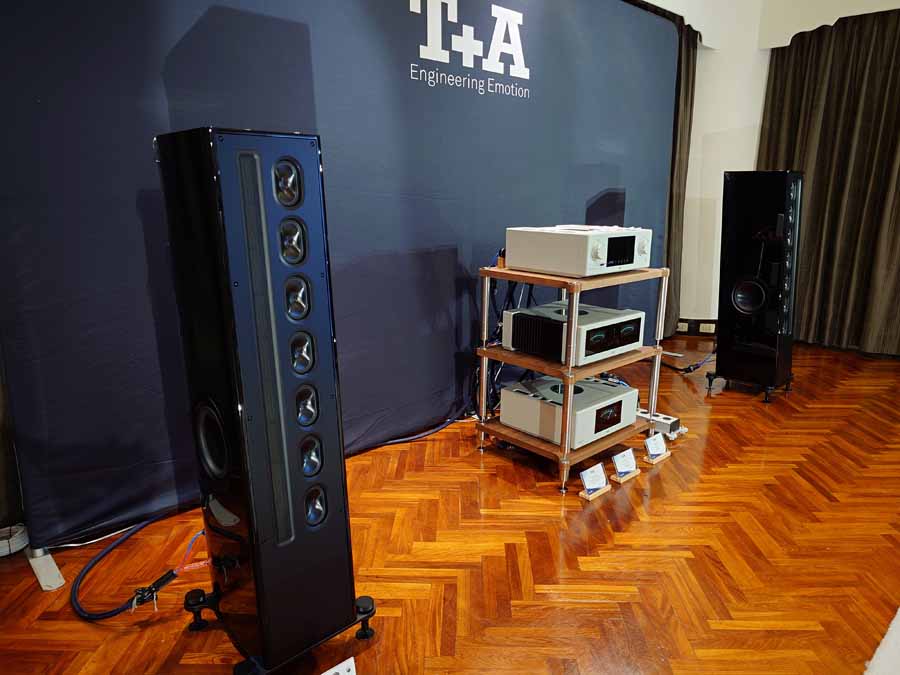
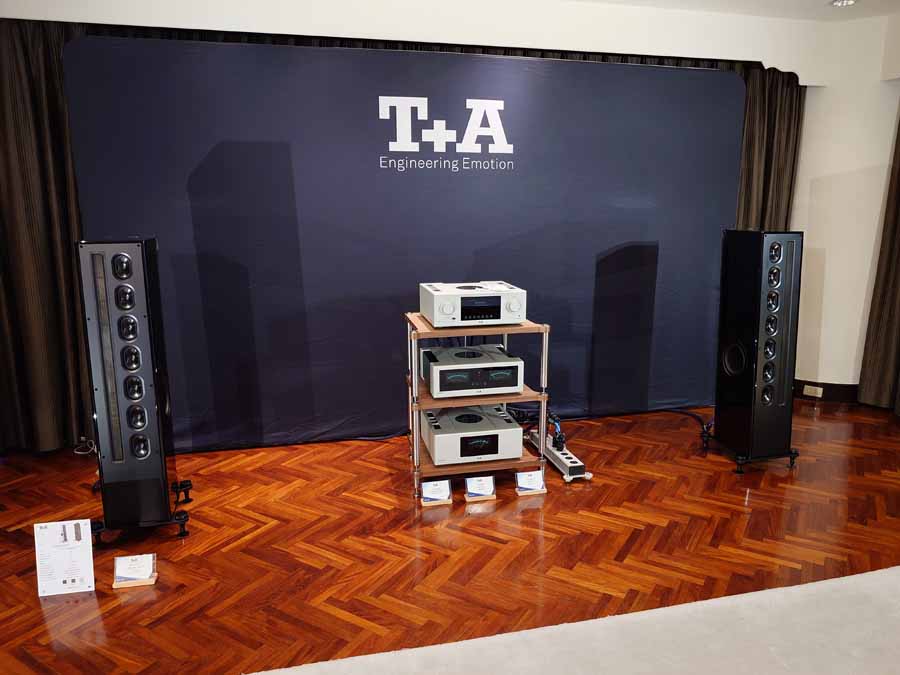
Taifu Audio was like a very civilised boxing ring, with two heavyweight systems facing each other and taking turns every half hour. The full T+A stack was on one side. It had a PS 3000 HV power supply, an A 3000 HV power amp and a PSD 3100 HV pre/streamer that drove the tall Solitaire S 530 floorstanders. Things got even more powerful on the other side with Rockport’s Lyra loudspeakers powered by Constellation Virgo II preamplifier and Centaur Mono II amplifiers, a Totaldac d1 DAC, and the full Innuos flagship digital front end: Nazare server, Statement transport, and PhoenixNET switch. The sound was well laid out and enjoyable, but you certainly need the room (or better, a hall) to take advantage of it.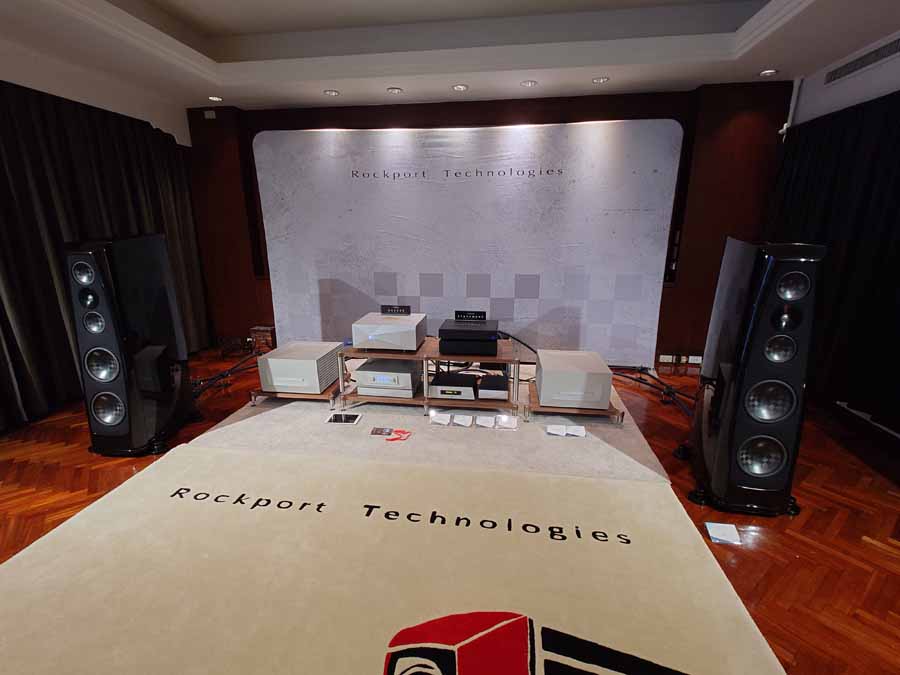
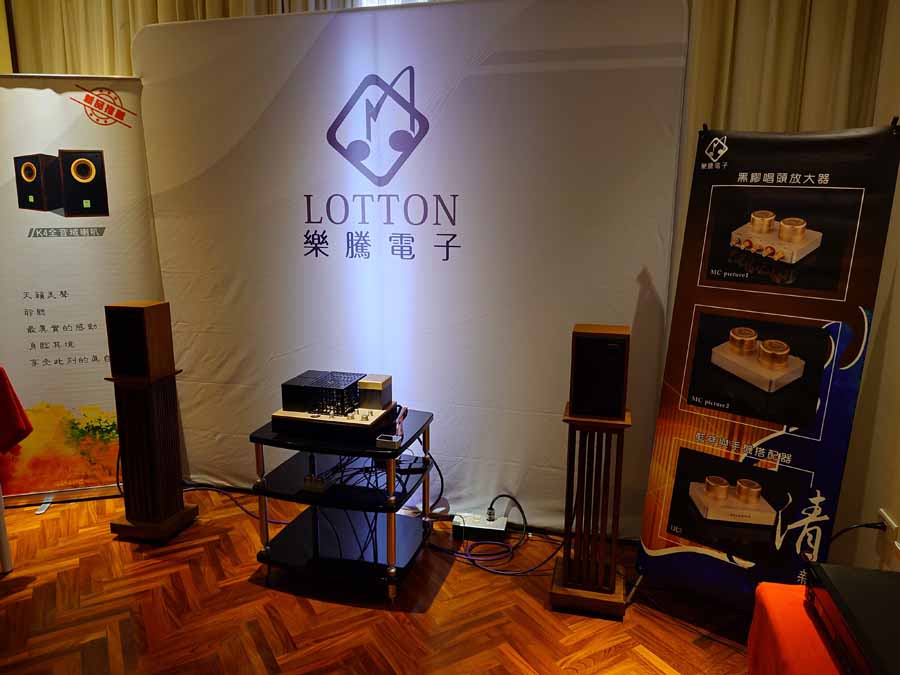
201 LOTTON
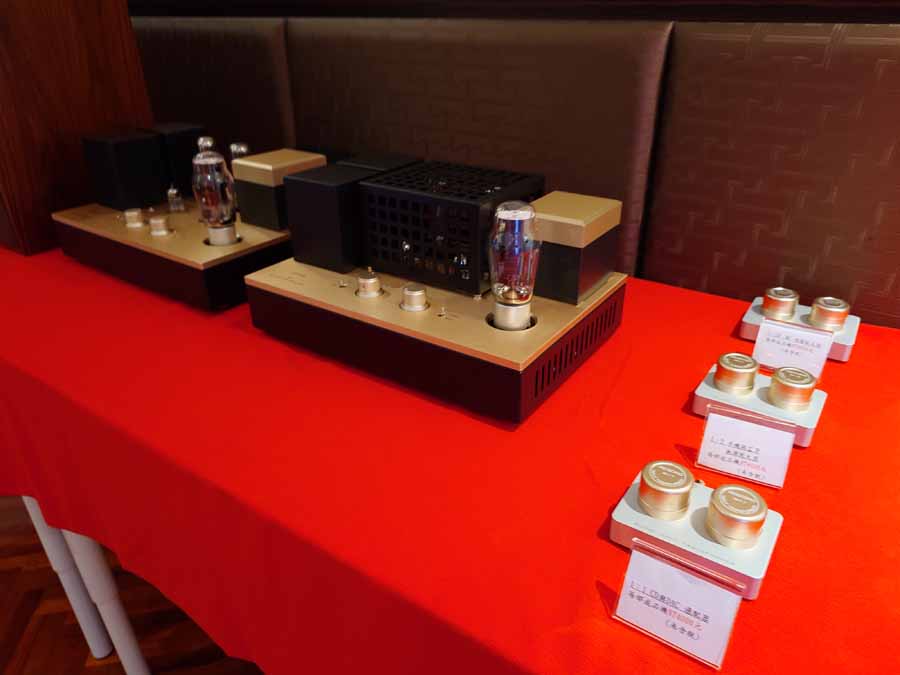
Lotton’s room was a small oasis of glowing glass and old-fashioned charm. The integrated X-5 tube amplifier was the star of the show. It’s an EL34 design that plays into what people love about valves: smooth, full mids; gentle, grain-free treble; and bass that focuses on texture and flow instead of brute force. The combination makes it perfect for jazz, vocals, and late-night listening. The system sounded much more open and refined than its size and price would suggest when paired with the K4 mini monitor, with a full-range driver, gold-and-silver-plated OFC internal wiring, and serious binding posts. A small Reisong passive transformer box sat quietly doing its job, but the real story here is how much honest, emotionally involving sound Lotton was able to get out of a small tube amp and a small box.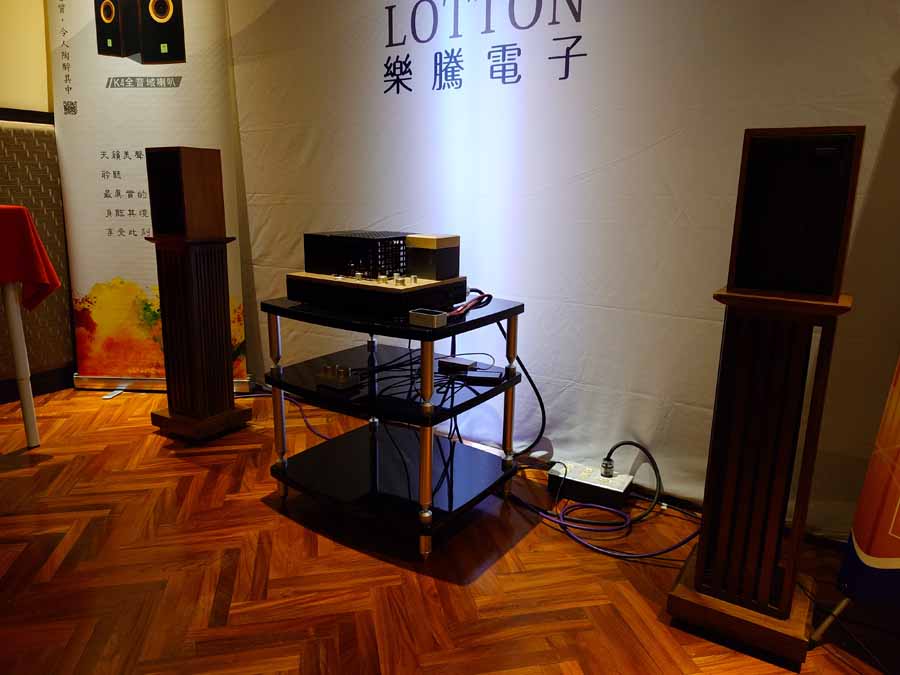
202 AUDIOPOINT / LOGIC AUDIO
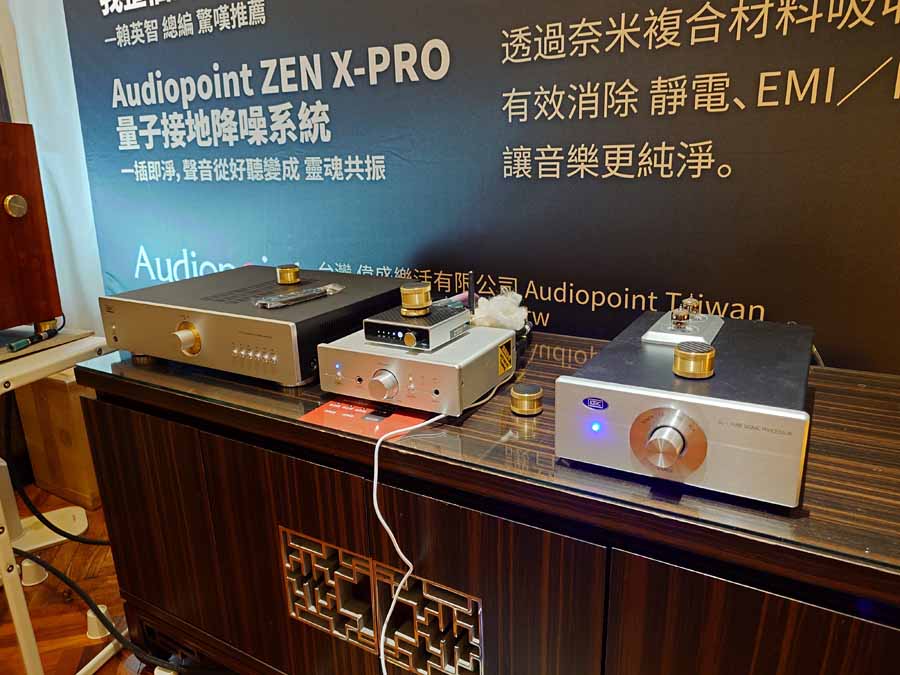
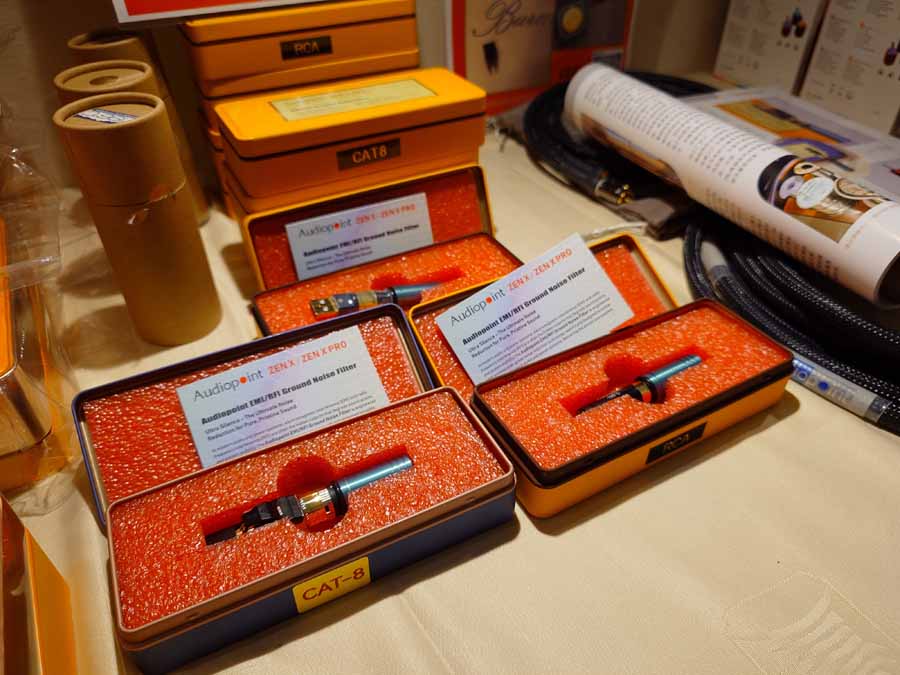
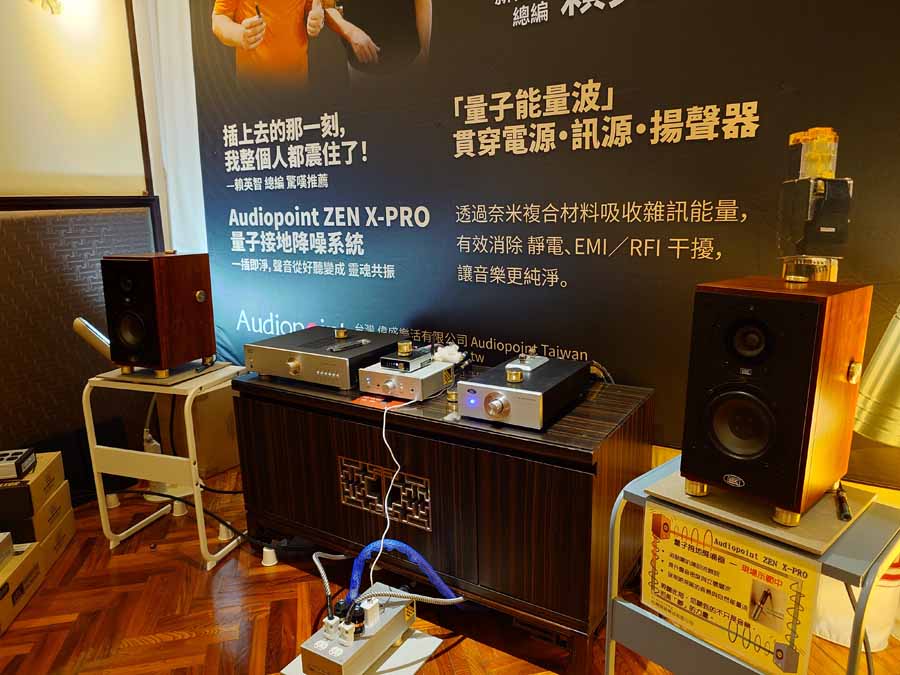
Logic Audio and Audiopoint shared a cosy room for people who like to tweak things. Logic showed off a full chain with a speaker, two amplifiers – providing a sneak peek of their new shoebox-sized amplifier – and power distributors, while Audiopoint took care of the fine-tuning with its Zen X-Pro ground-noise reducers for all types of connections and a selection of their own “special recipe” fuses. They all worked together to create a fun little playground for people who like to push their systems to the limit.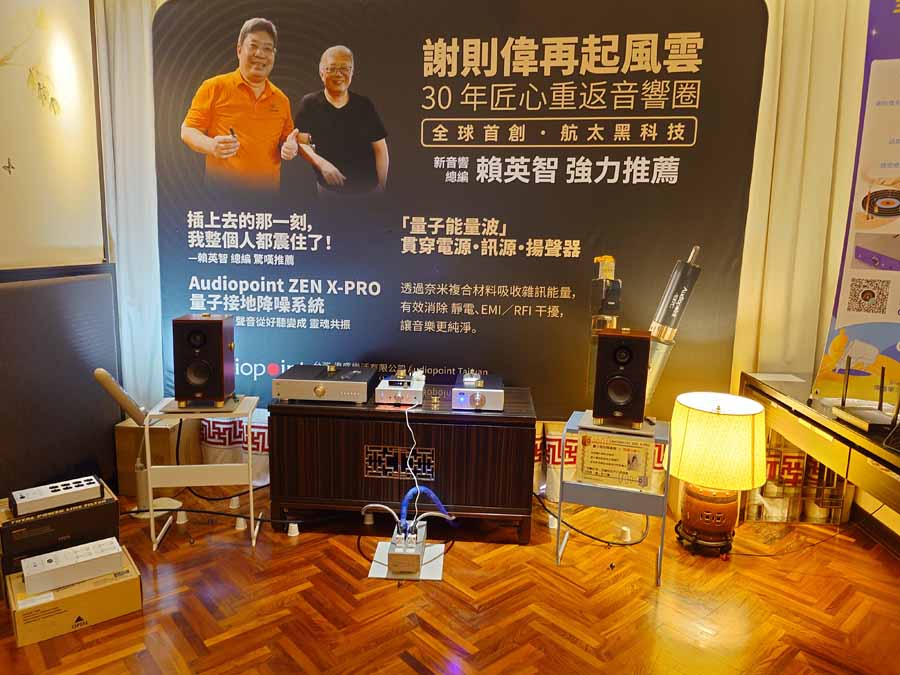
203 惠樺音響 ORIOLE SOUND AUDIO, HLJ, JMR, PIEGA, ELAC
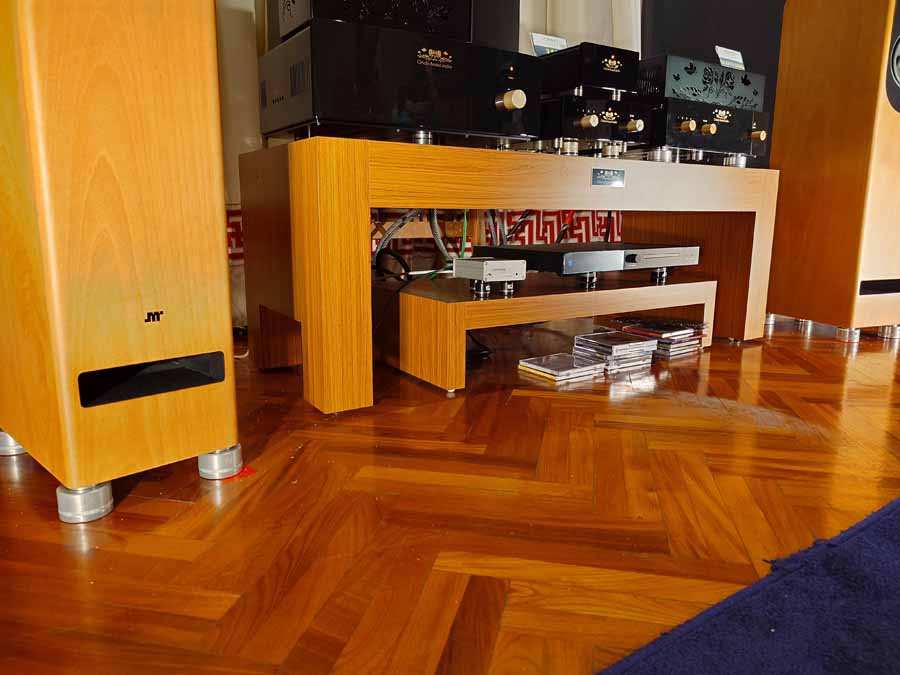
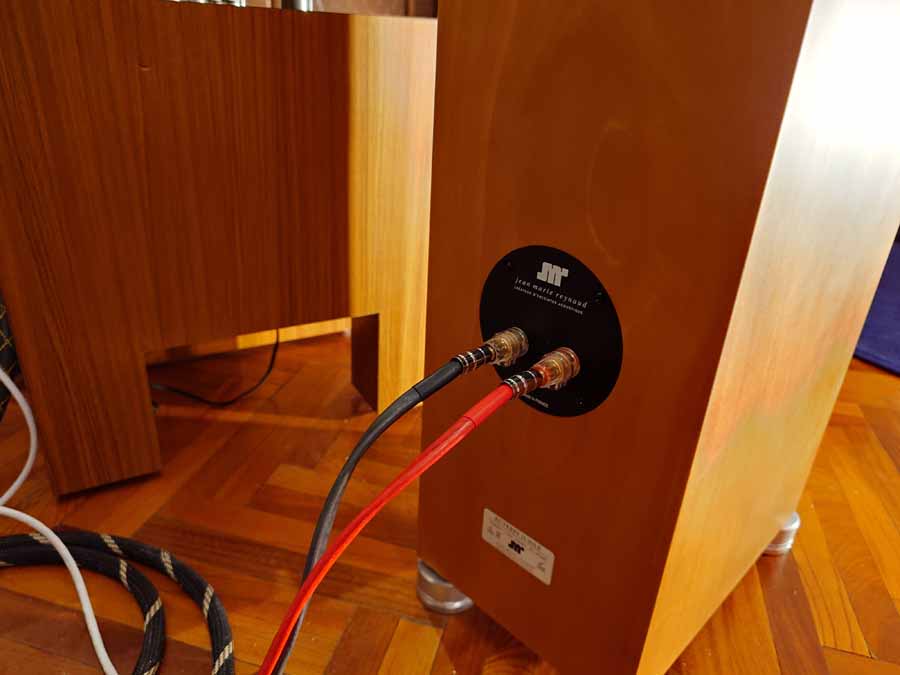
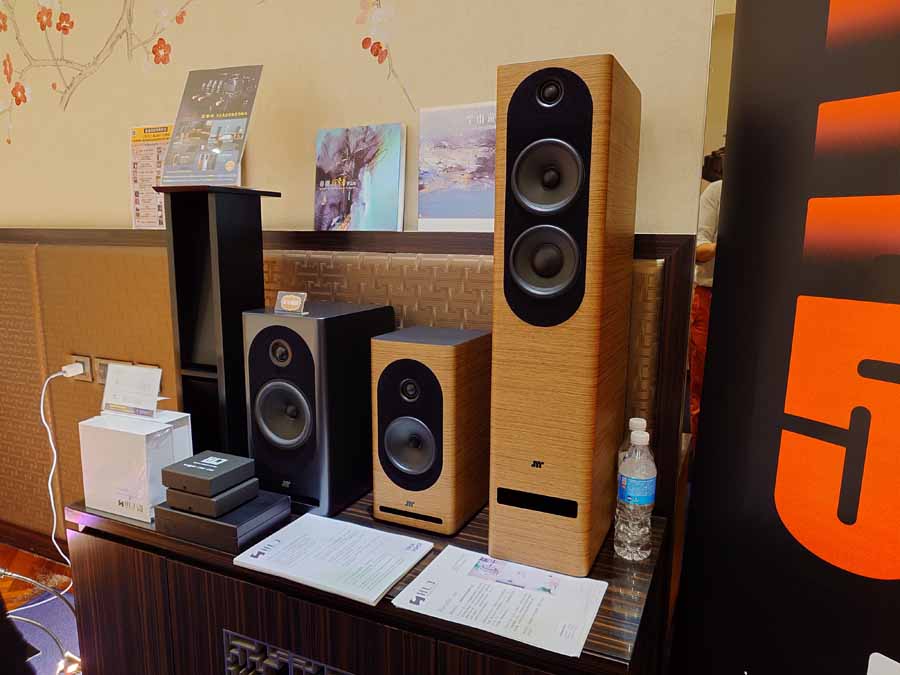
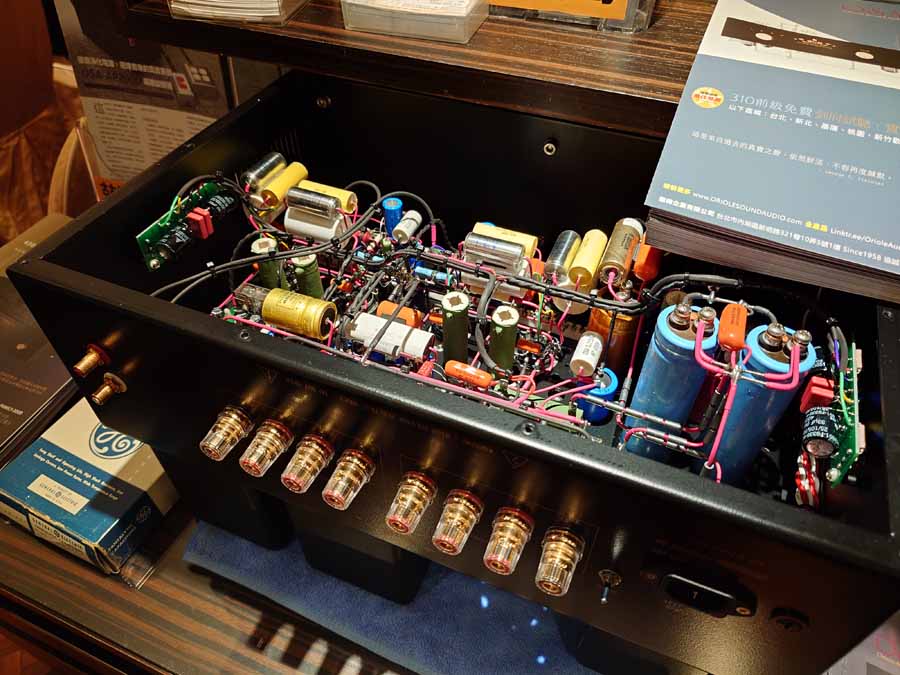
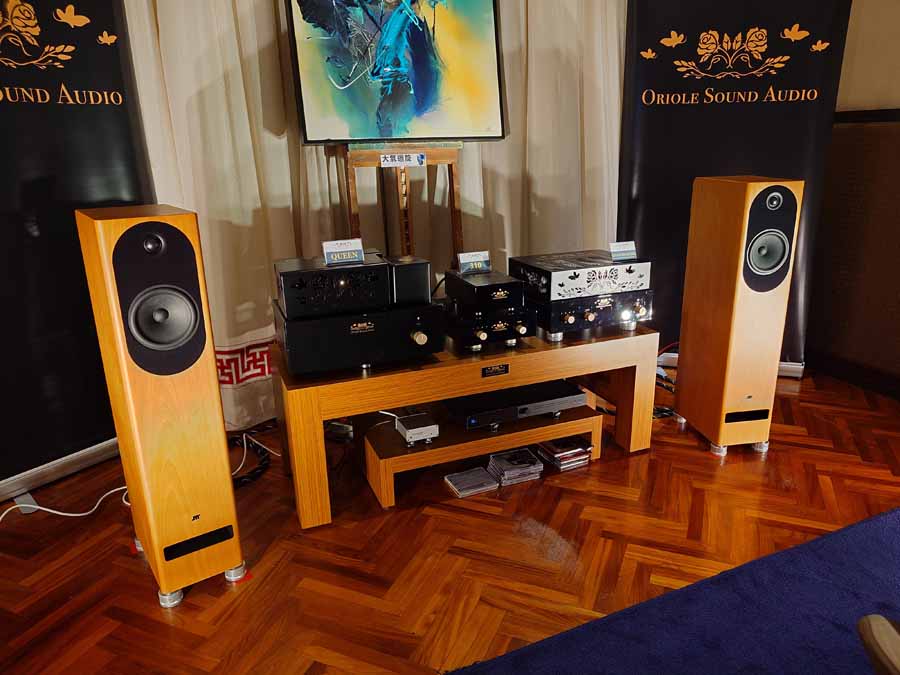
Entering room 203 felt like stepping into a seasoned audiophile recluse’s den. Speakers were refined connoisseurs’ favourites – JMR’s Euterpe Jubilé slim transmission‑line towers, playing with the poise and nuance of a well‑aged Bordeaux Premier Cru. Supporting them, Taiwanese Oriole Sound Audio brought full “they don’t build them like they used to” energy: NOS valves and parts, meticulous point‑to‑point wiring, hand‑wound transformers, exotic materials and just enough mad‑scientist charm, all channelled into very reserved black boxes. Two of their newer creations were in rotation: the Seasonsong integrated, based on 7591 tubes (around 30 W), and the OSA‑8P Queen KT88 push‑pull power amp (about 50 W), fronted by the very linear S310 JFET preamp. A Lyngdorf CD player and Limetree network streamer handled digital duties, while everything sat on Taiwanese HLJ Wavelle Mini Maglev‑2 feet – a neat, earthquake‑savvy touch that also kept the presentation clean, calm and locked‑in.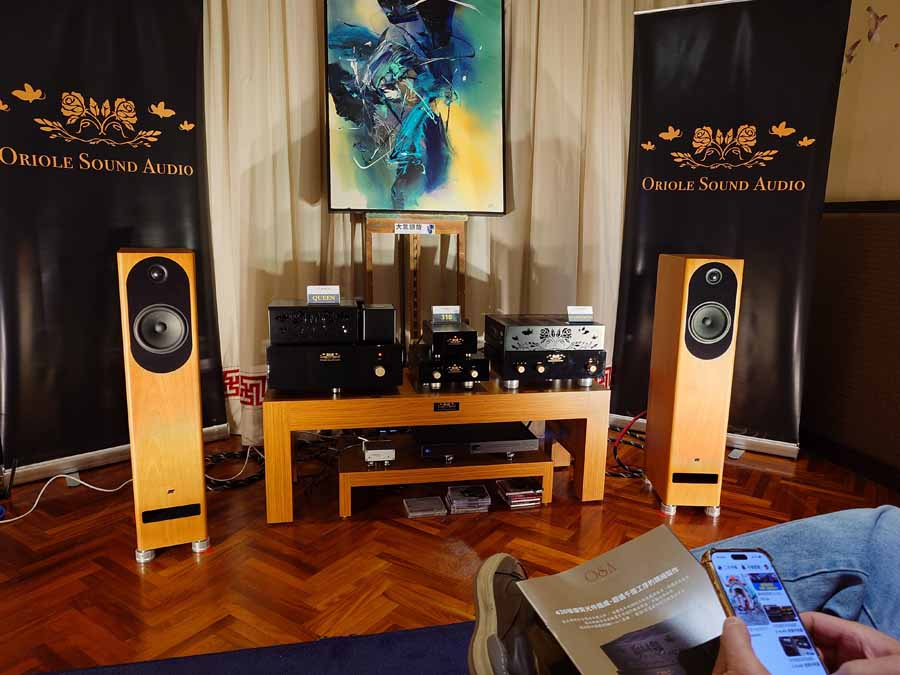
205 富禮韻 ISOACOUSTICS, AMPHION, SOULNOTE, KALI AUDIO, JL AUDIO, WATTSON AUDIO
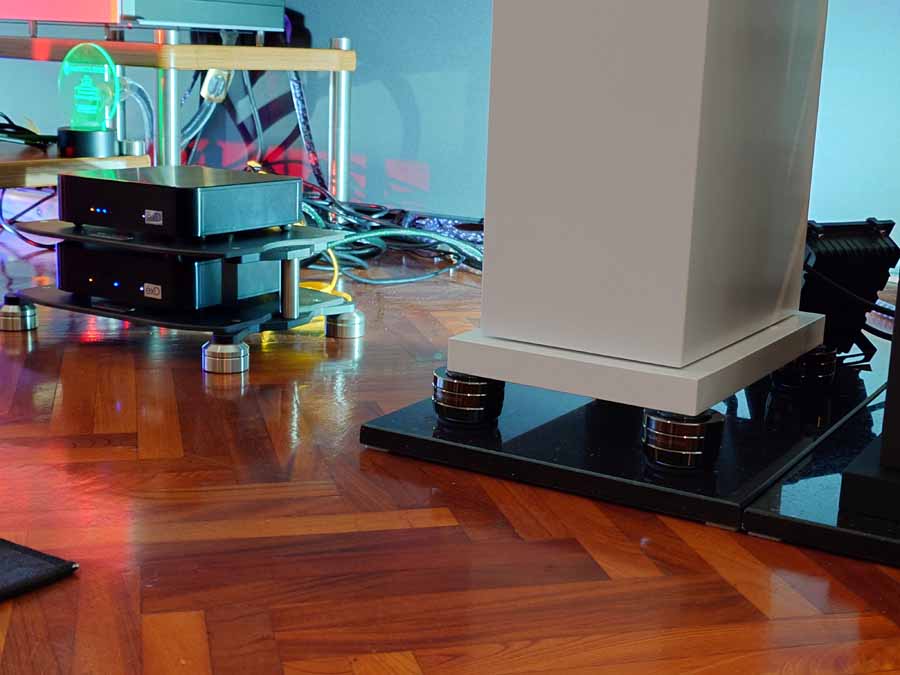
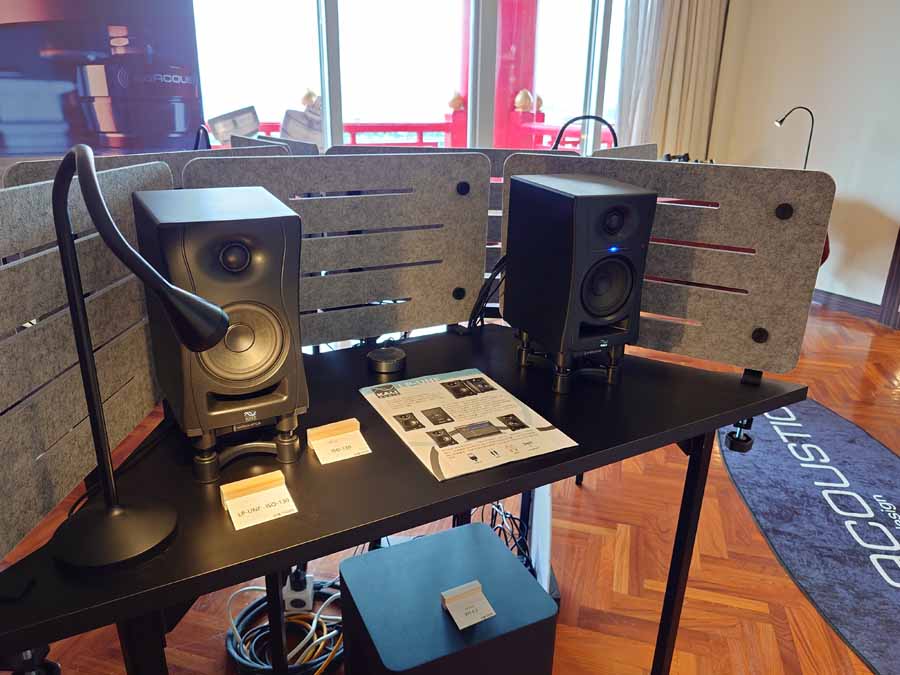
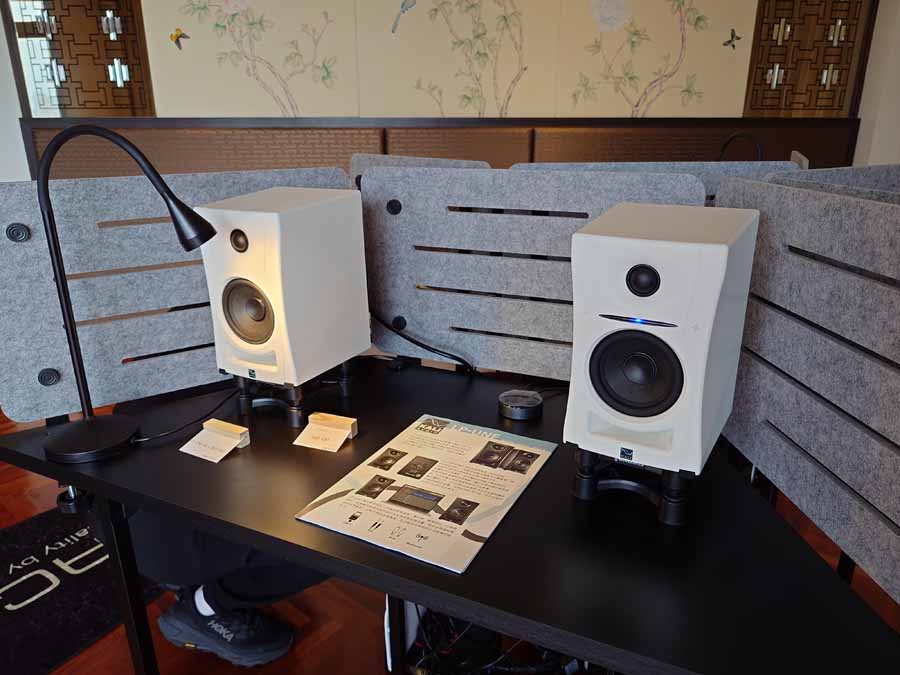
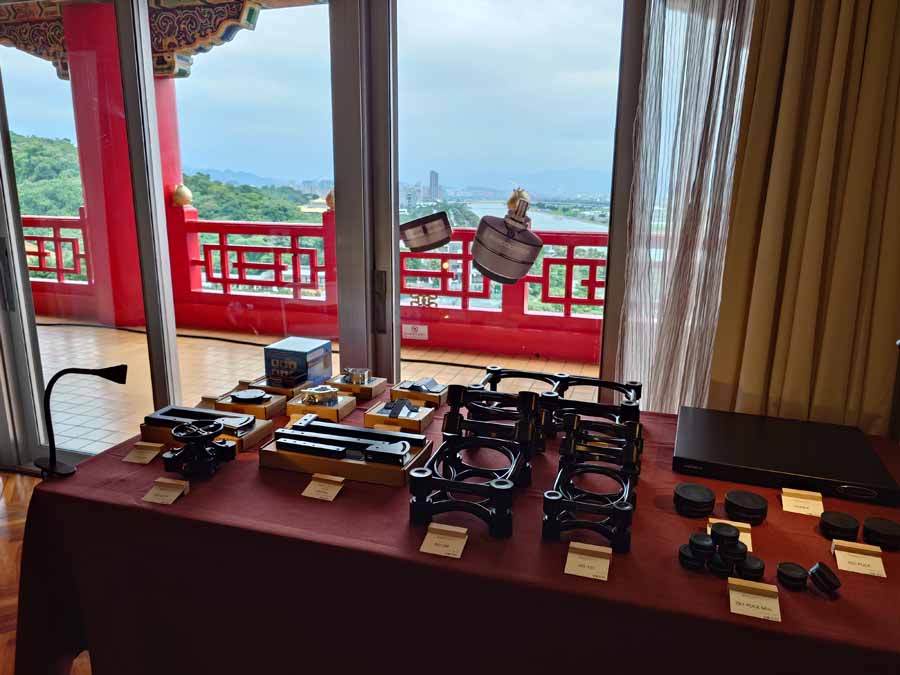
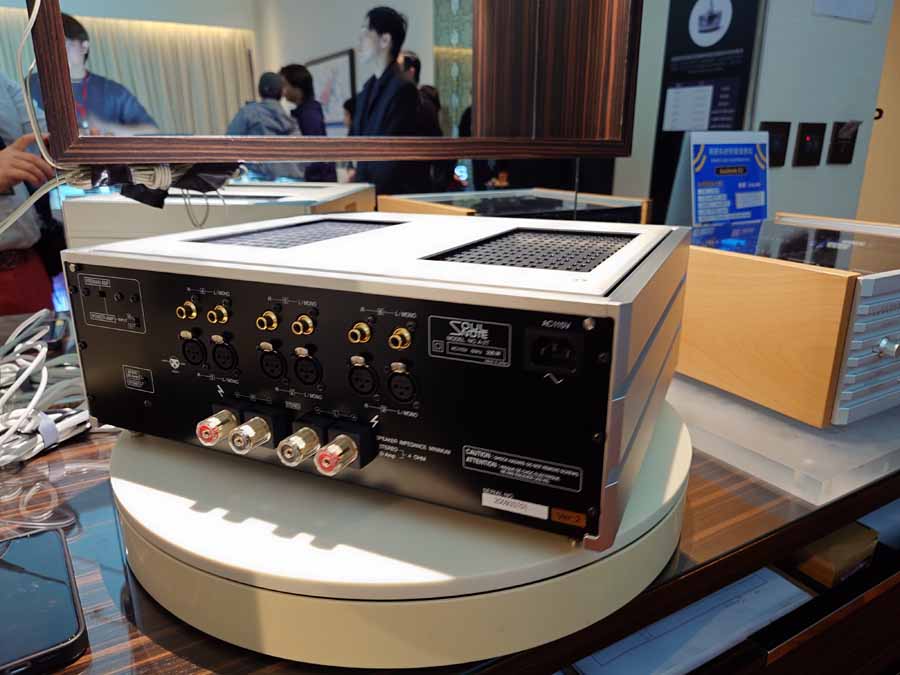
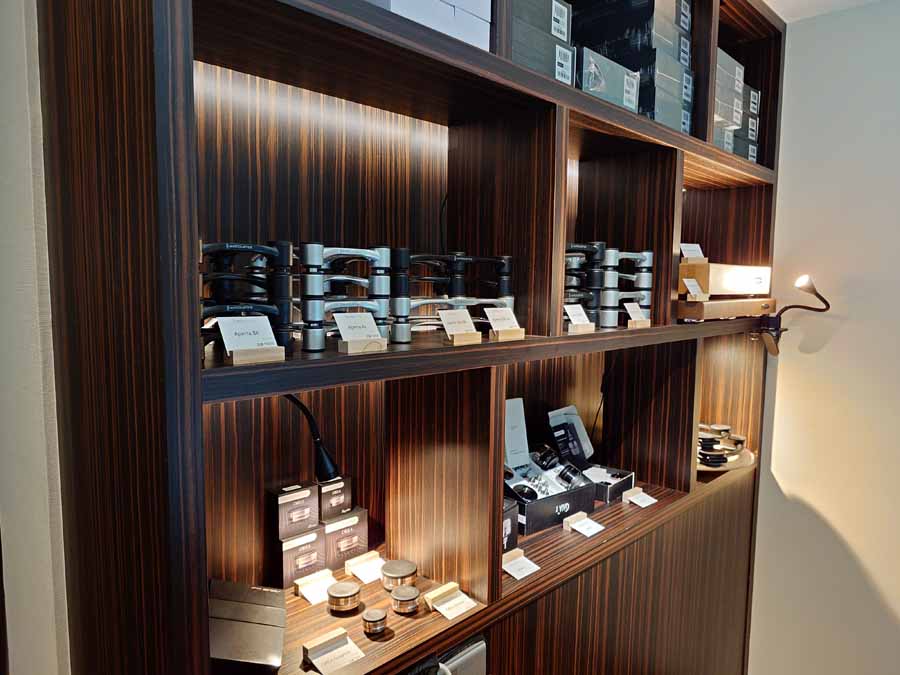
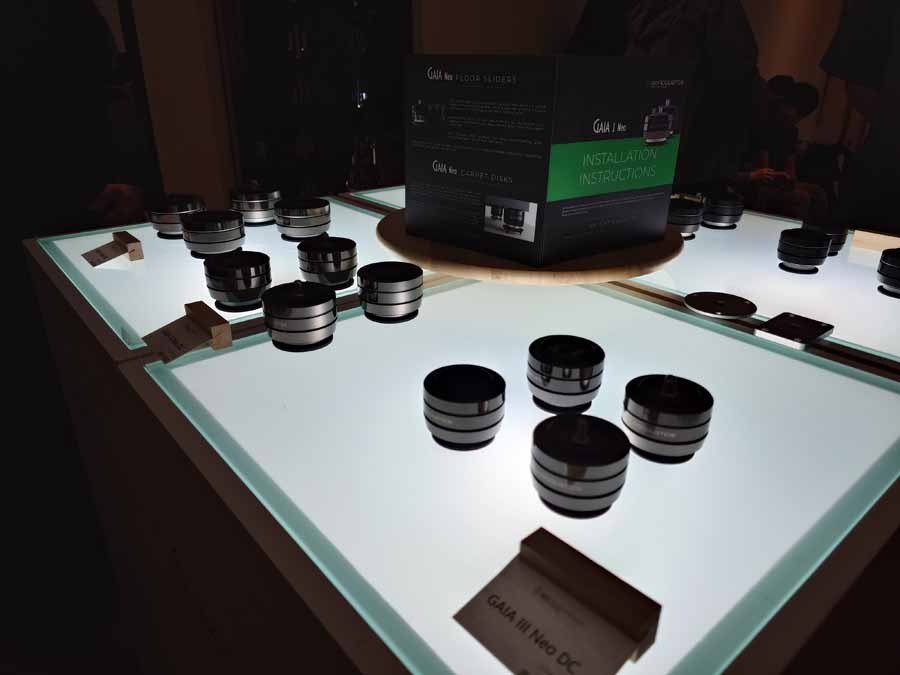
They put IsoAcoustics’ latest Gaia Neo feet firmly in the spotlight. The very popular isolators got some important updates, including an easier way to adjust their height and level it with a rotating collar, simpler installation without confusing lock nuts, and better separation for a clearer, more focused sound. The demo concentrated on flipping between no isolation and Gaia Neo under the Amphion speakers to show the change in grip and clarity – though a direct A/B with the original Gaia would have been fun. Electronics were sensibly matched: a Soulnote A‑3 integrated on amplification duty, a Wattson Madison streamer powered by a Ferrum Hypsos and fed through an ExD network switch, with a JL sub quietly filling in the lowest octave.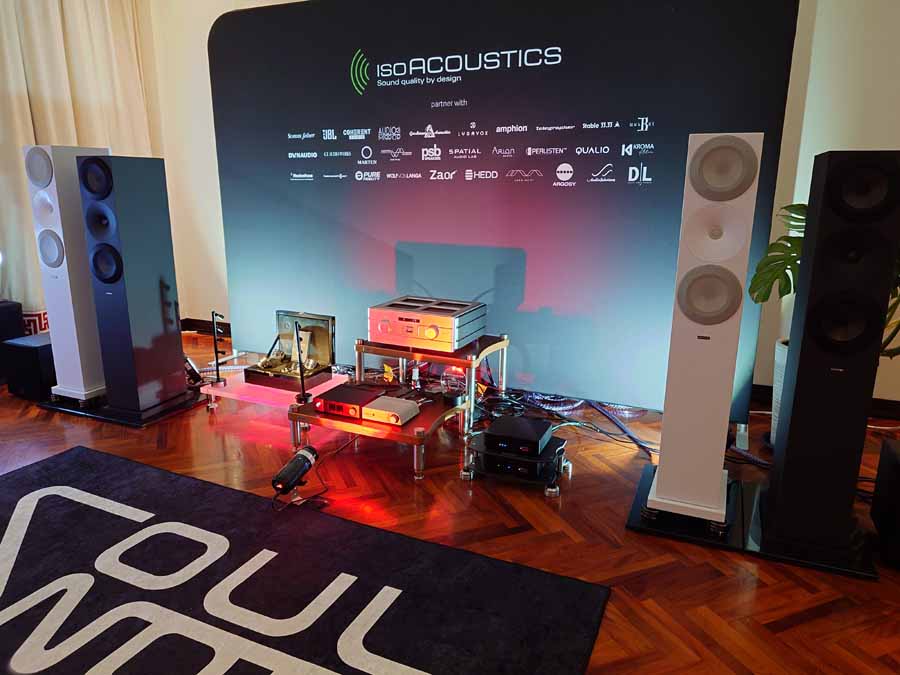
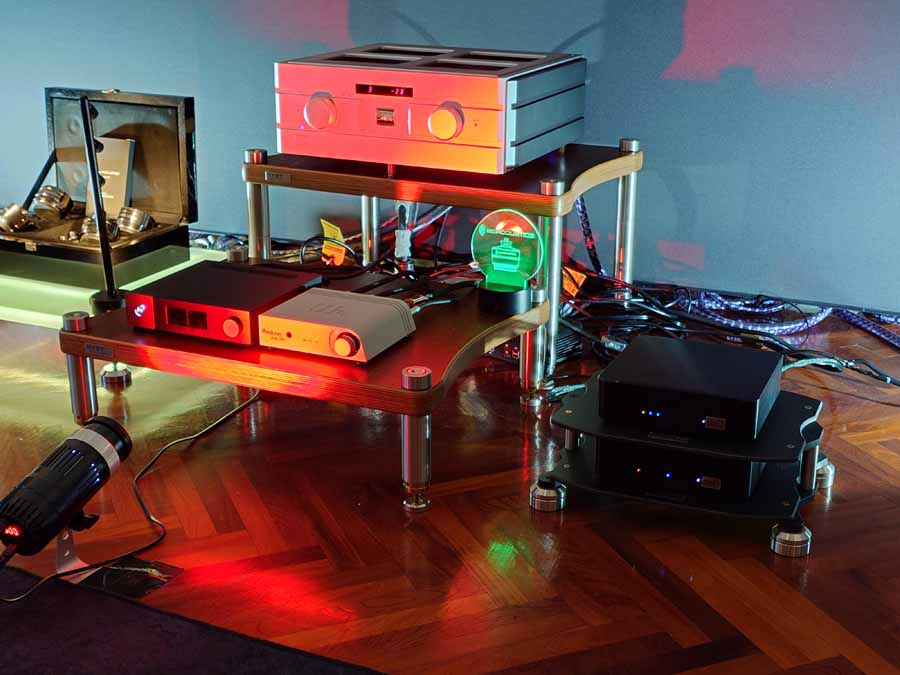
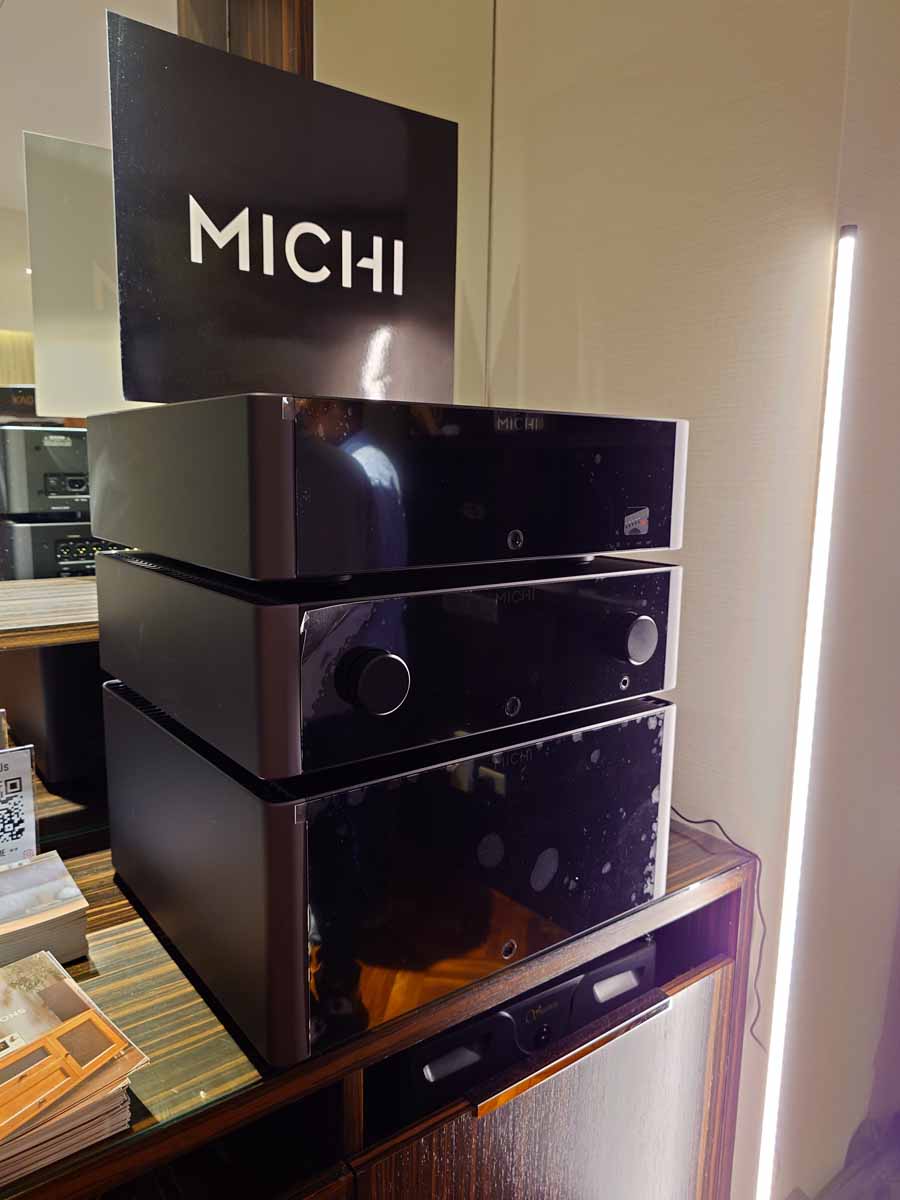
206 哈博音響 TRIANGLE ART, SV-AUDIO, MICHI, ROTEL, BASIS, YSS, WADAX, GUTWIRE
Room 206 had 2 rooms and 3 different setups.
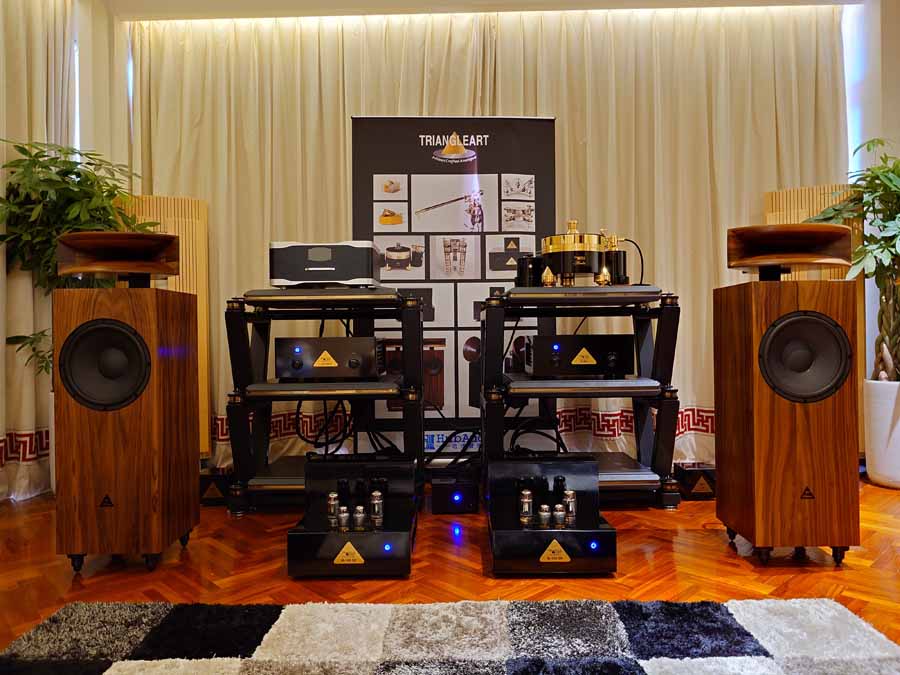
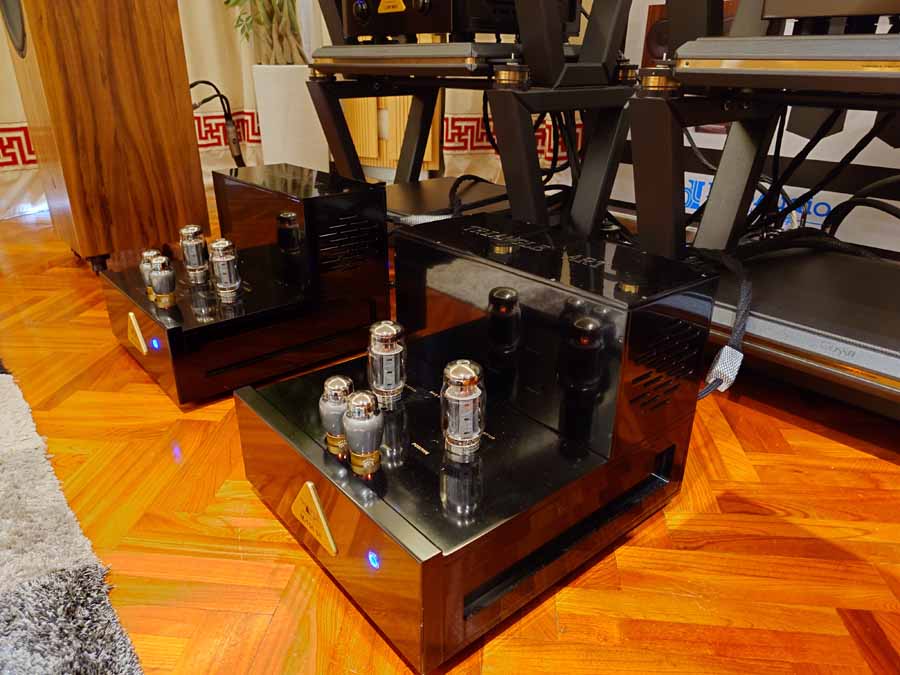
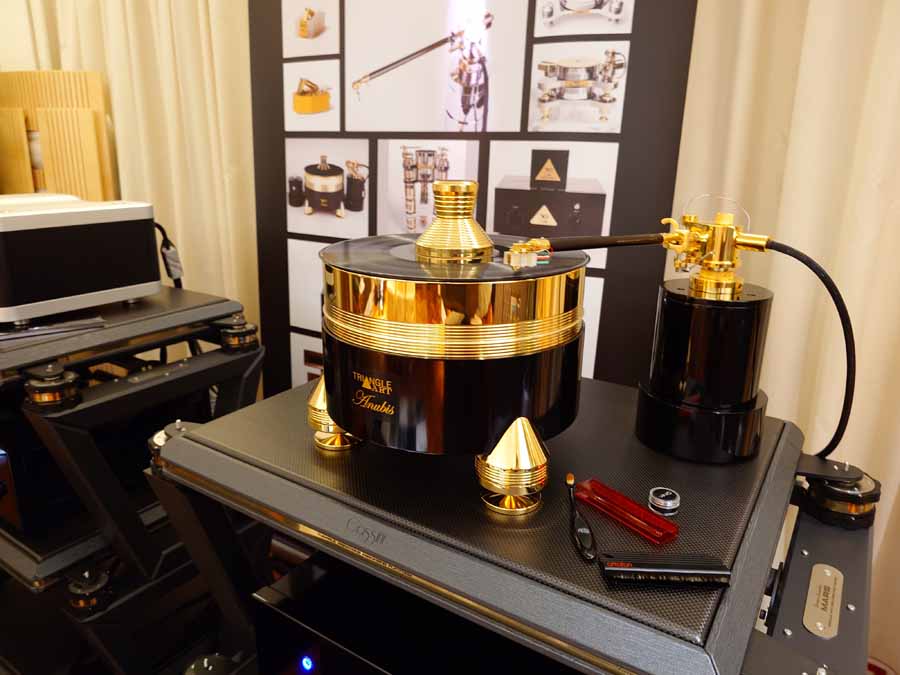
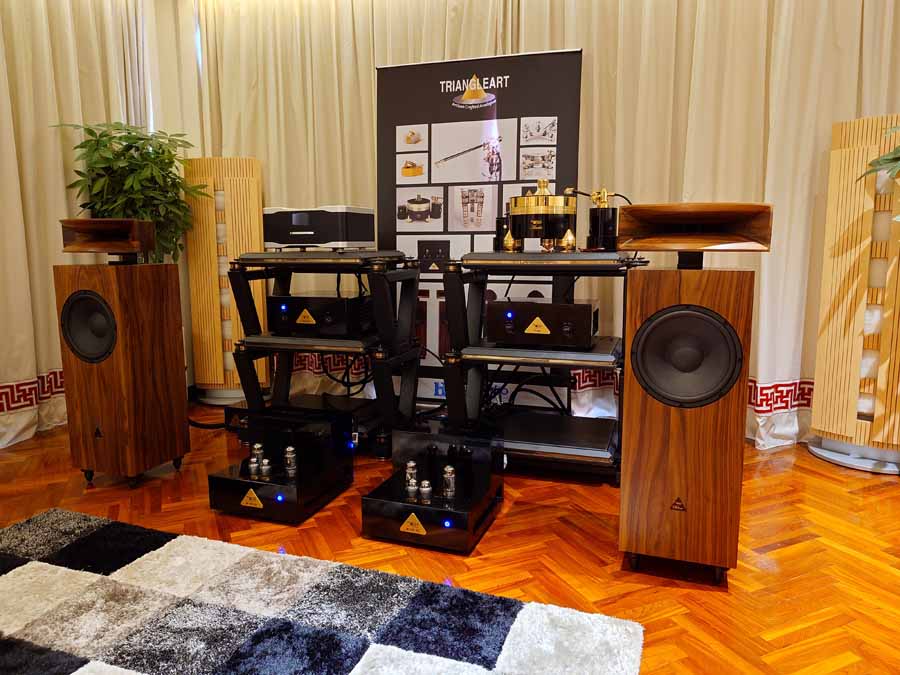
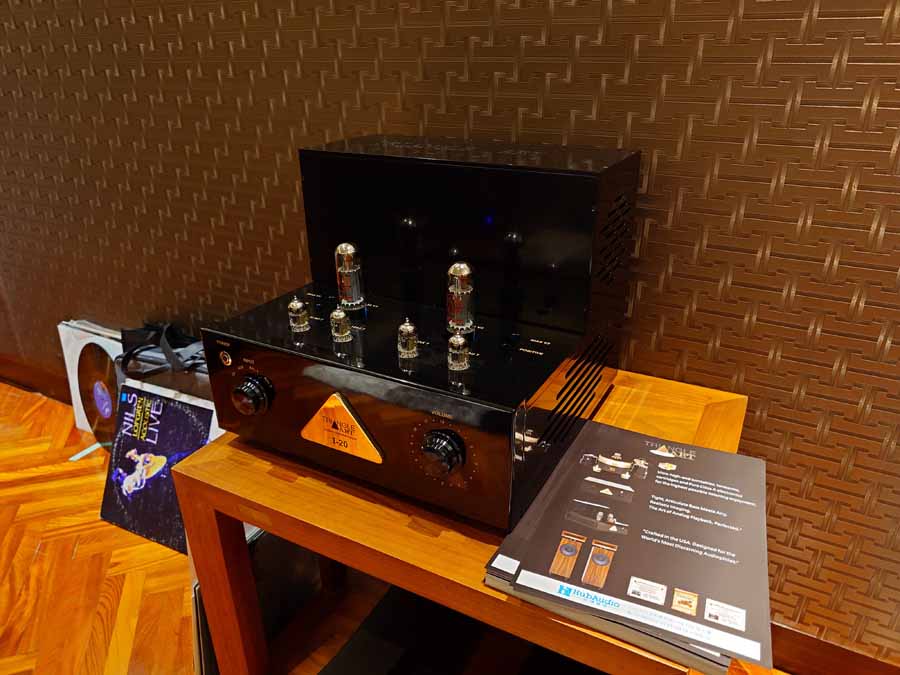
My first proper encounter with TriangleART occurred in the more secluded inside room, and they definitely took the “go big or go home” approach. The Anubis turntable caught my attention when I first stepped in the room, paired with a 12-inch Osiris Mk II tonearm and TriangleART’s Apollo MC cartridge, complete with a solid boron cantilever and micro-ridged solid diamond stylus—very much a statement analogue front end. From there, the signal ran through a full suite of valve electronics: the P‑200 phono stage into the L‑200 tube preamp and then the M‑100 power amplifier, using pairs of direct‑heated KT120 output tubes and 6SN7 drivers per channel in Class A push‑pull triode mode. The whole lot then hit the big Selena horn loudspeakers via a full loom Gutwire cable. Visually it was all polished metal and shiny gold; sonically it was exactly what the looks promised – big, saturated and dynamically unrestrained, the kind of system that makes vinyl feel gloriously larger than life.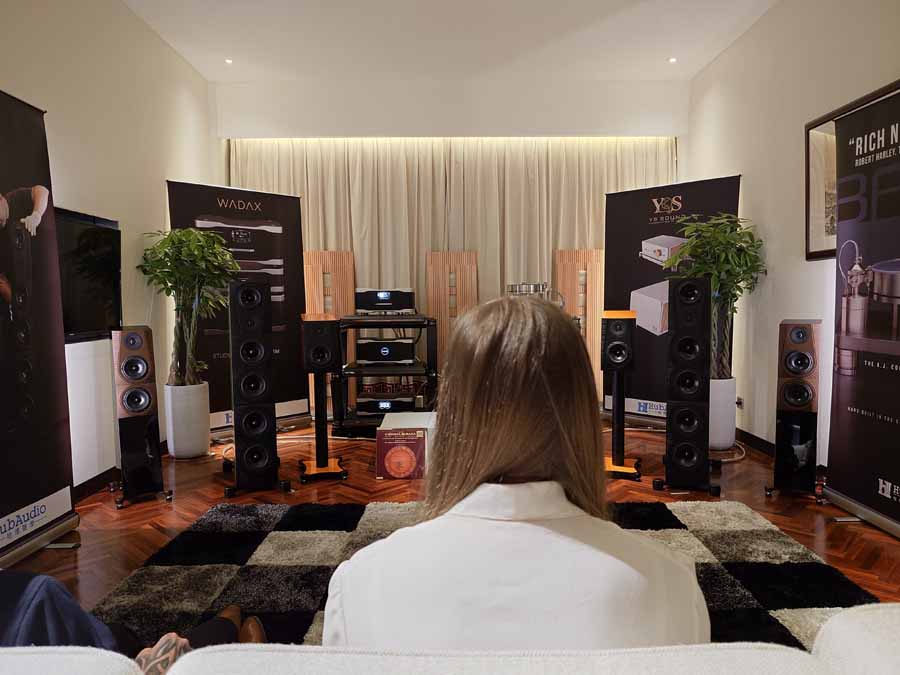
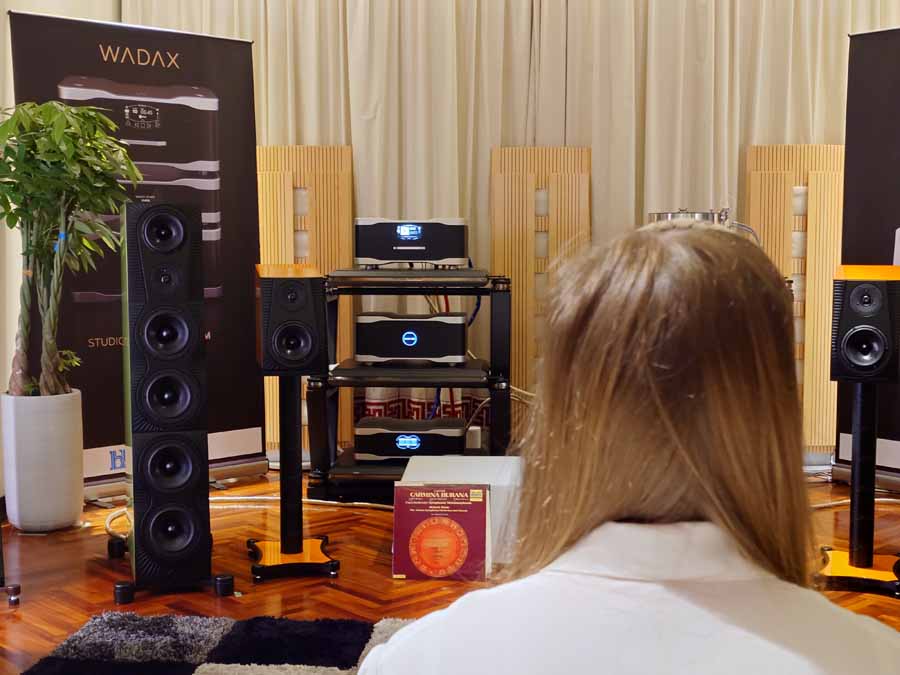
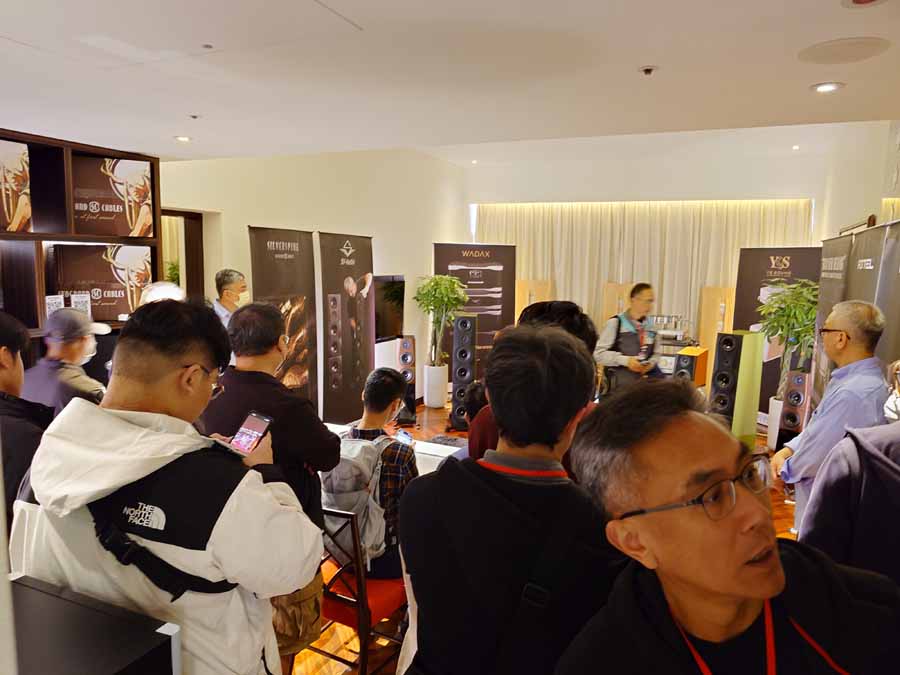
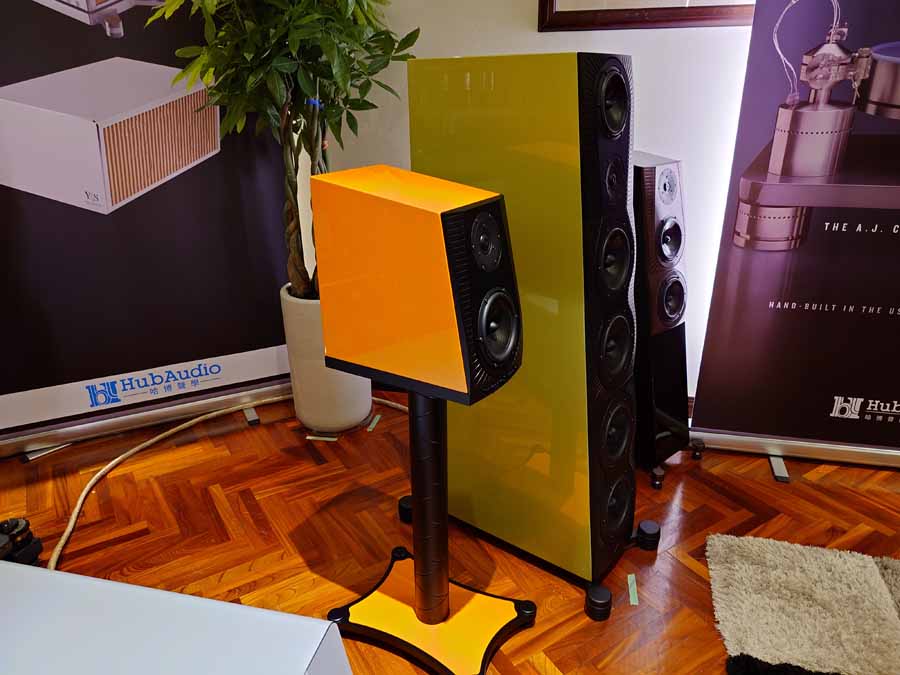
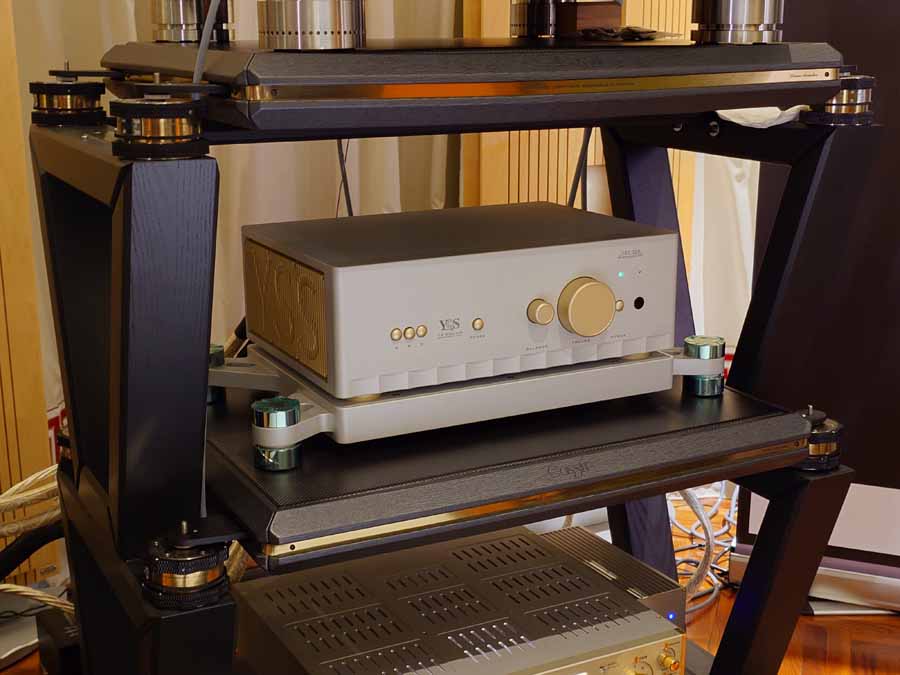
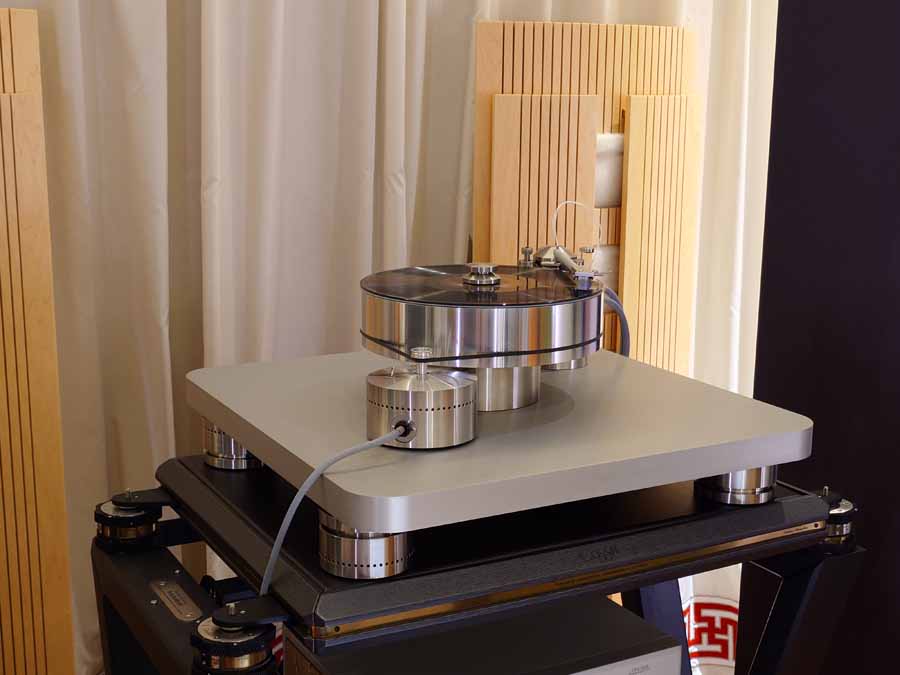
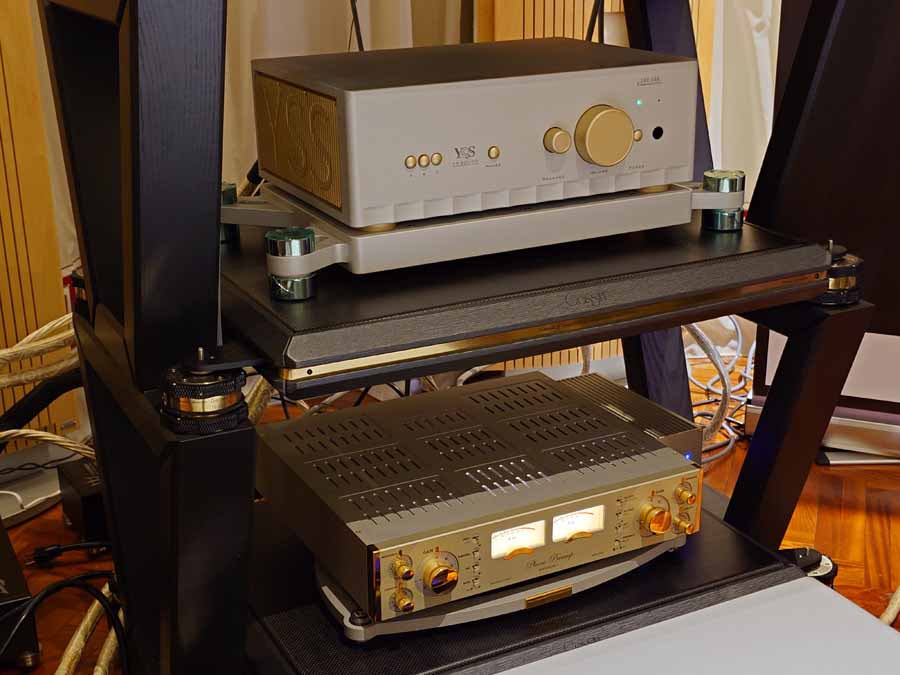
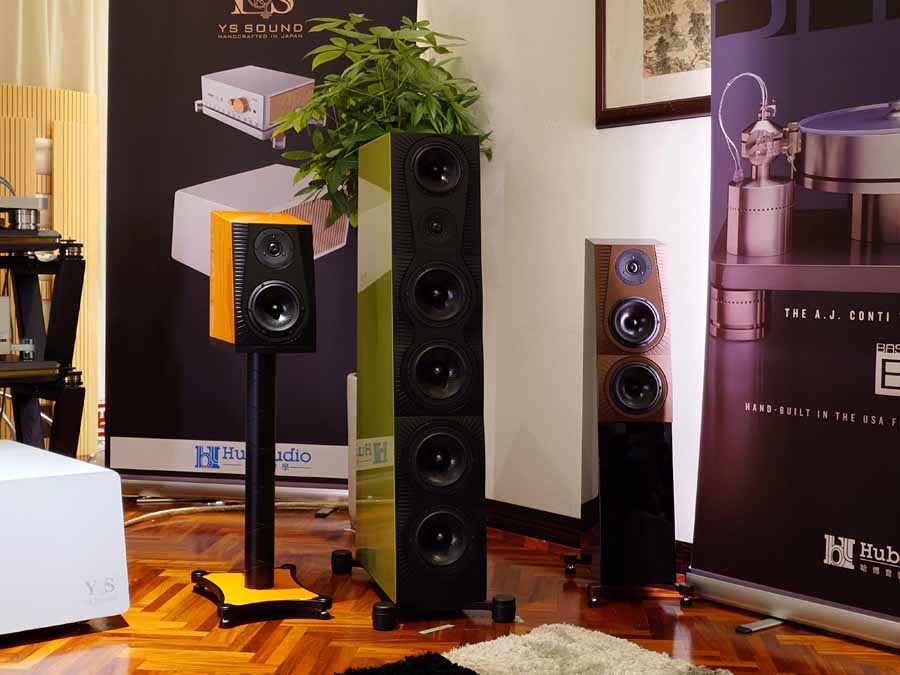
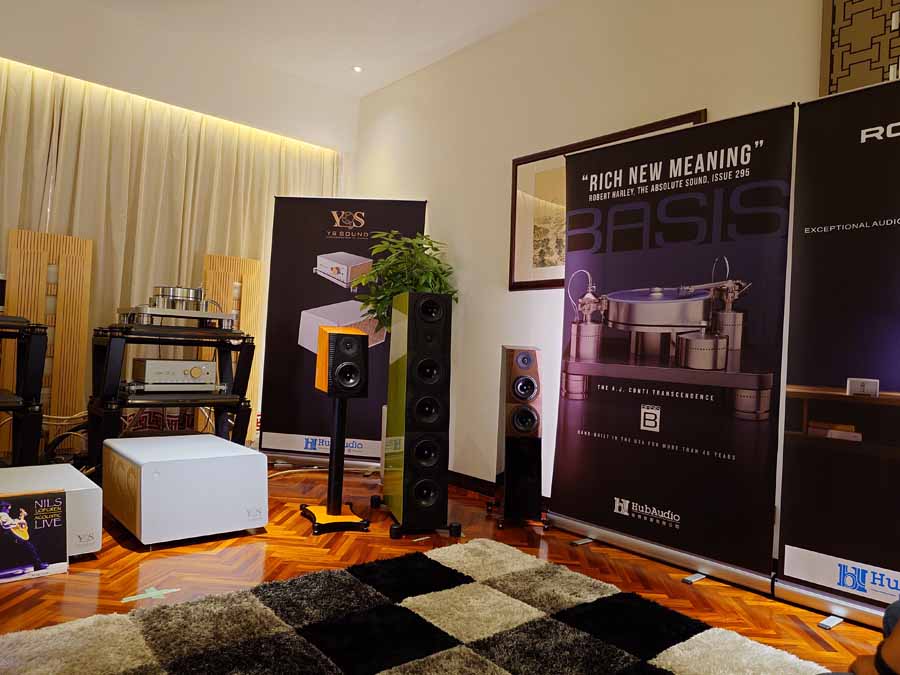
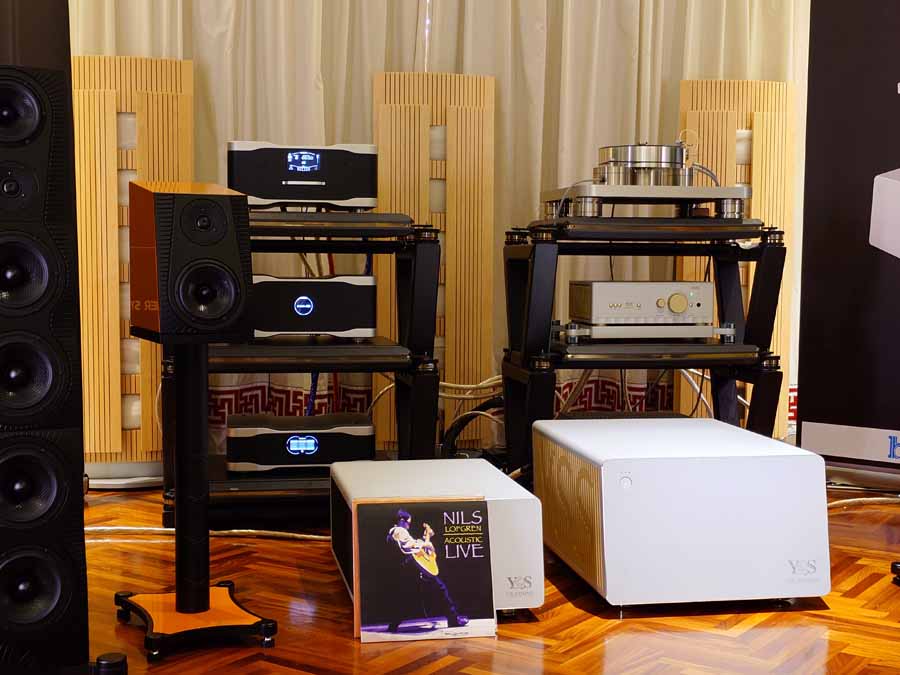
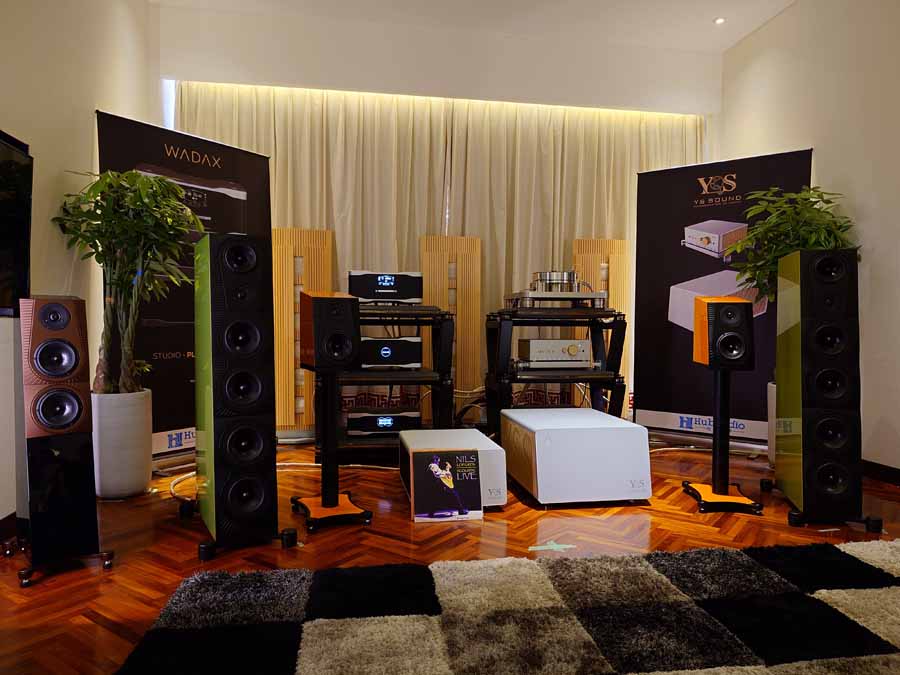
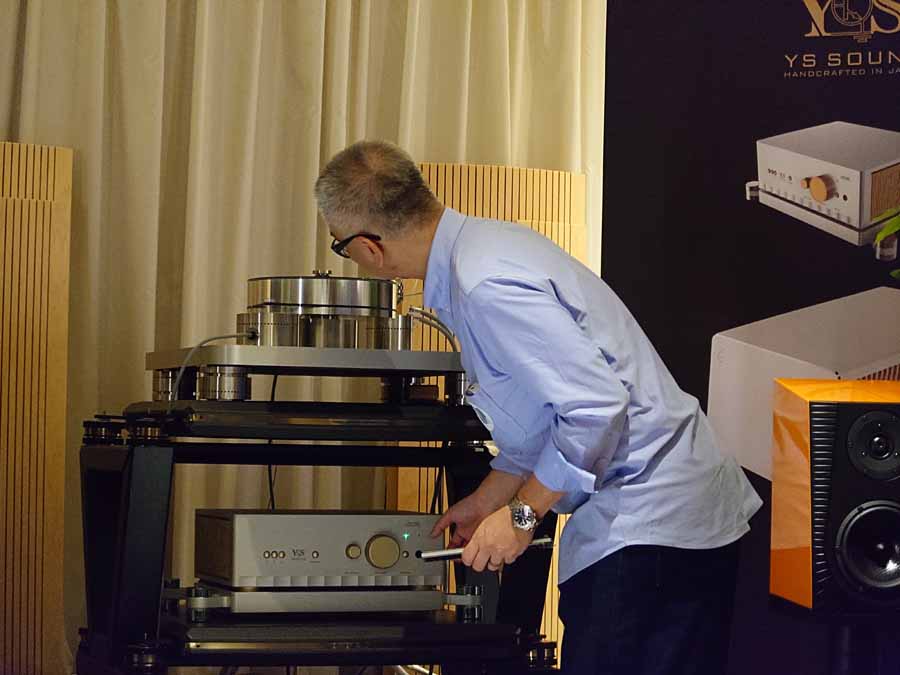
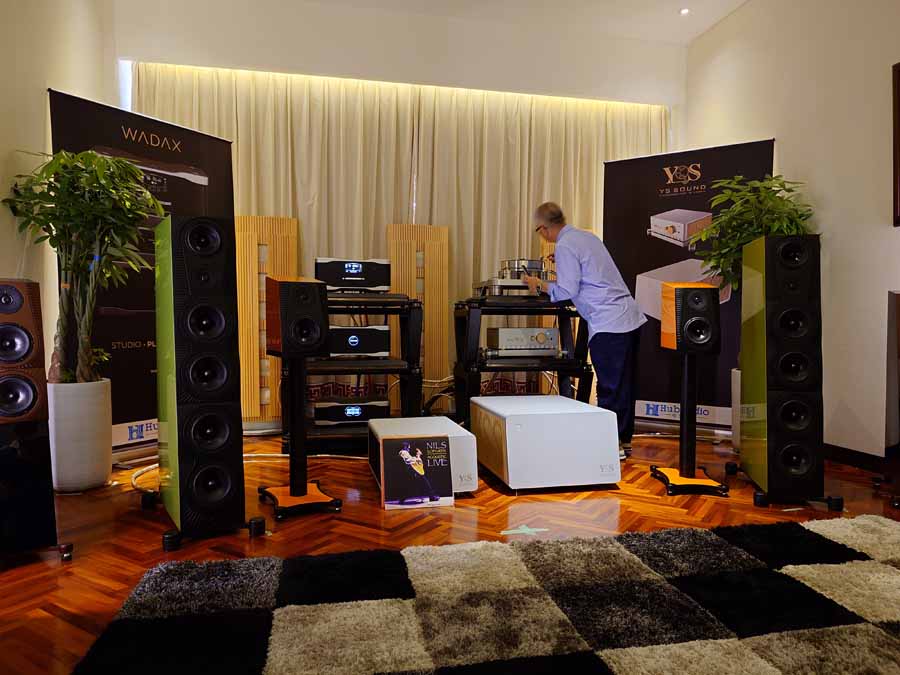
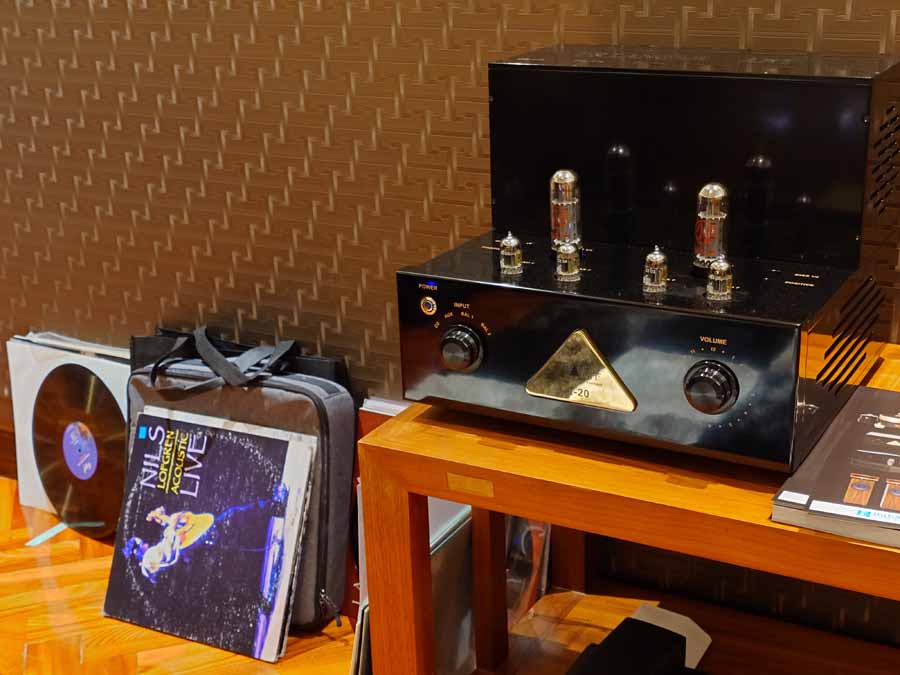
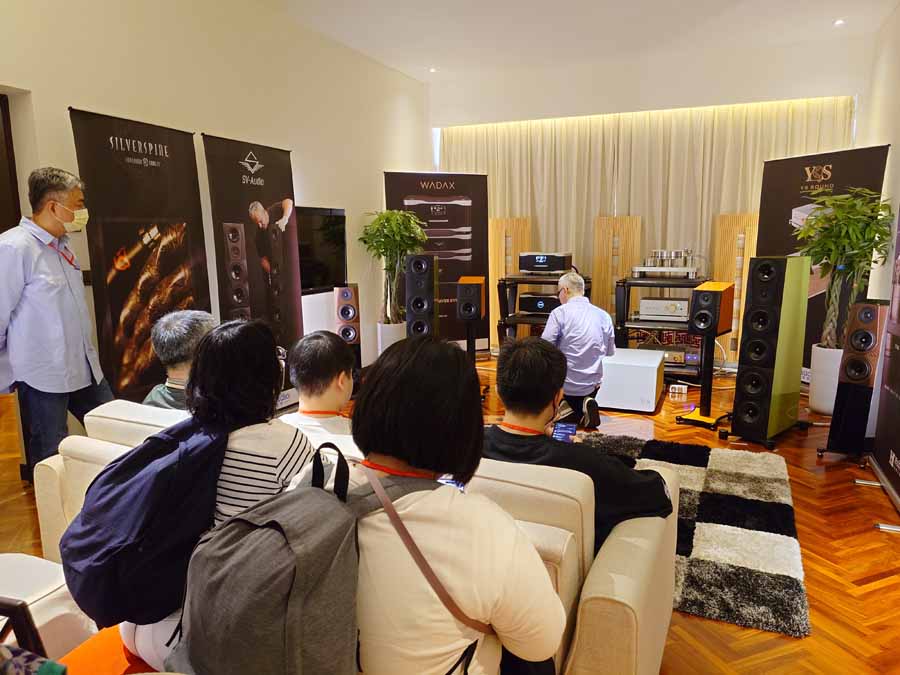
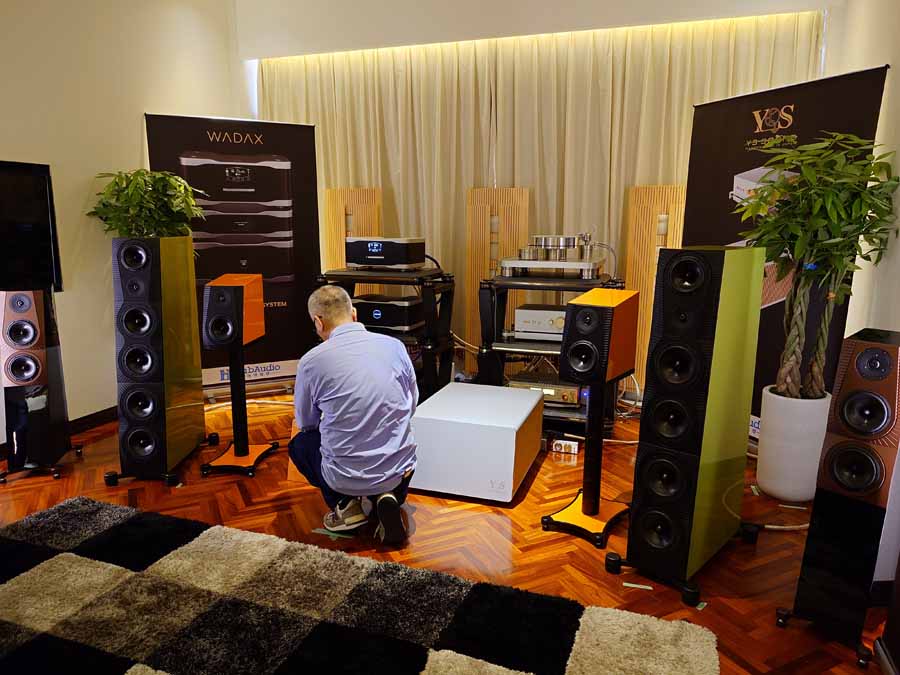
The main room was one of the show’s hotspots thanks to the debut of Storgaard & Vestskov’s loudspeakers. A small delegation, including Casper and Henrik, had flown in to celebrate the brand’s first outing in Asia, and they certainly brought some colour with them: Fenja in vibrant Wasabi Green, Frida in Papaya Yellow, and Gro in Bentley Copper. They sounded as good as they looked and quickly became a talking point in the corridors. YS Sound’s electronics not only took up the majority of the room but also created a sense of mystery. This Japanese brand produces high-end amplifiers in limited quantities, with no website or specifications available. The analogue source was the minimalistic yet sculptural BASIS A.J. Conti Transcendence with SuperArm tonearm, a fascinating turntable built around a massive, vacuum‑hold‑down platter, Synchro‑Wave power supply and ultra‑thin precision belt for exceptional speed stability and noise floor. The digital side featured a full Wadax Studio front end, with the player, clock, and PSU all arranged like sci-fi lab equipment.
At first, the musical selection was somewhat limited, with “Keith Don’t Go” appearing on repeat every time I walked in. However, a subsequent visit from the SV team in the room introduced more adventurous tracks, allowing the system to expand its capabilities.
207 連訊通信 AOPT
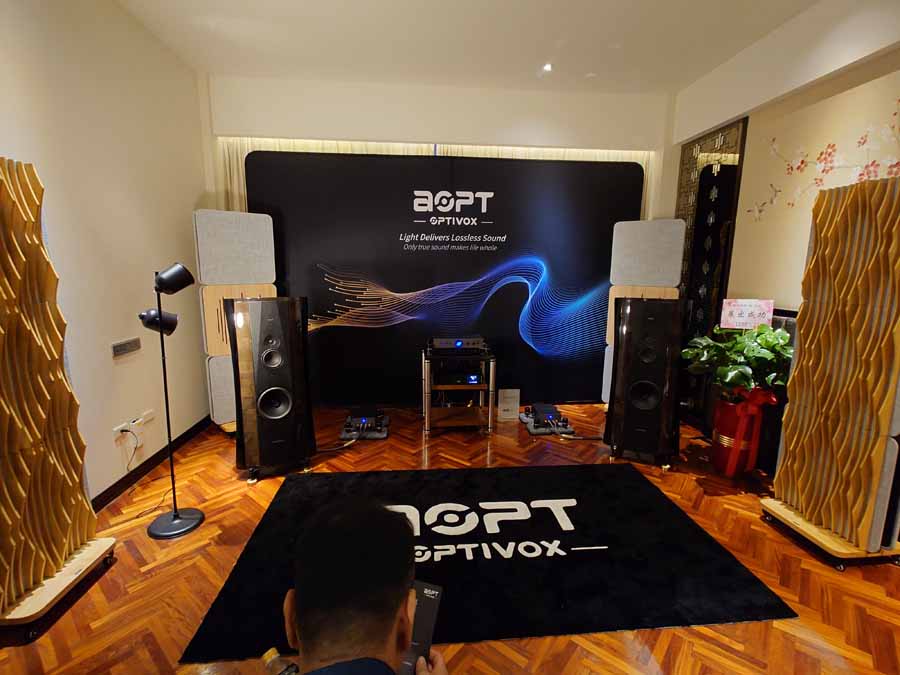
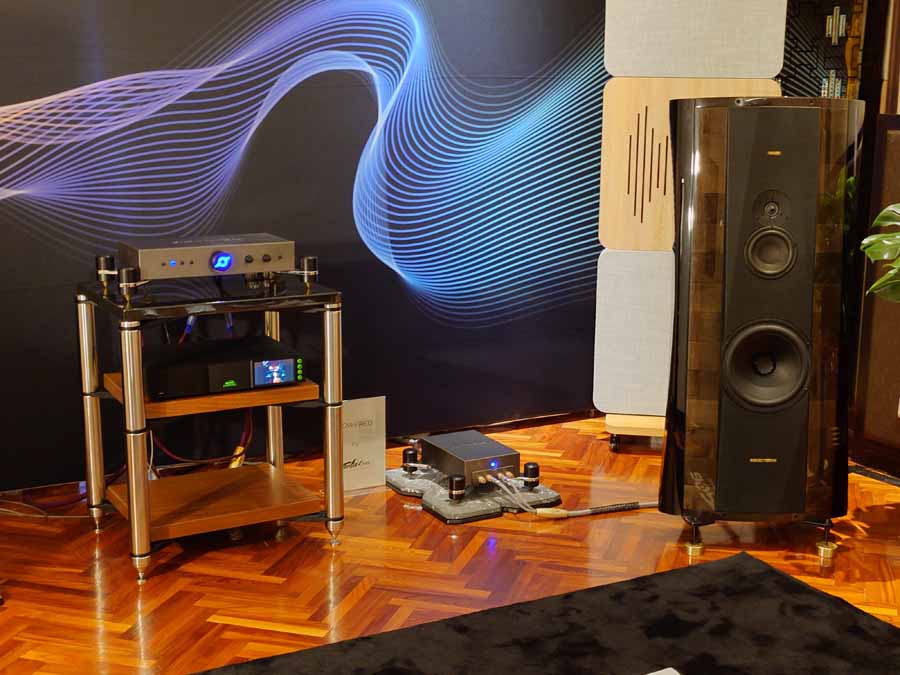
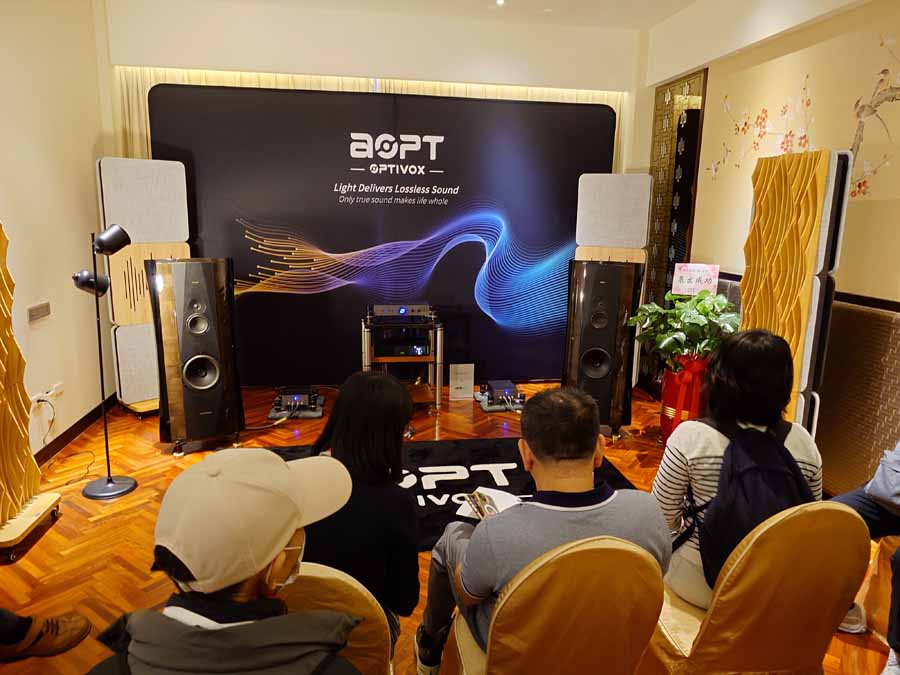
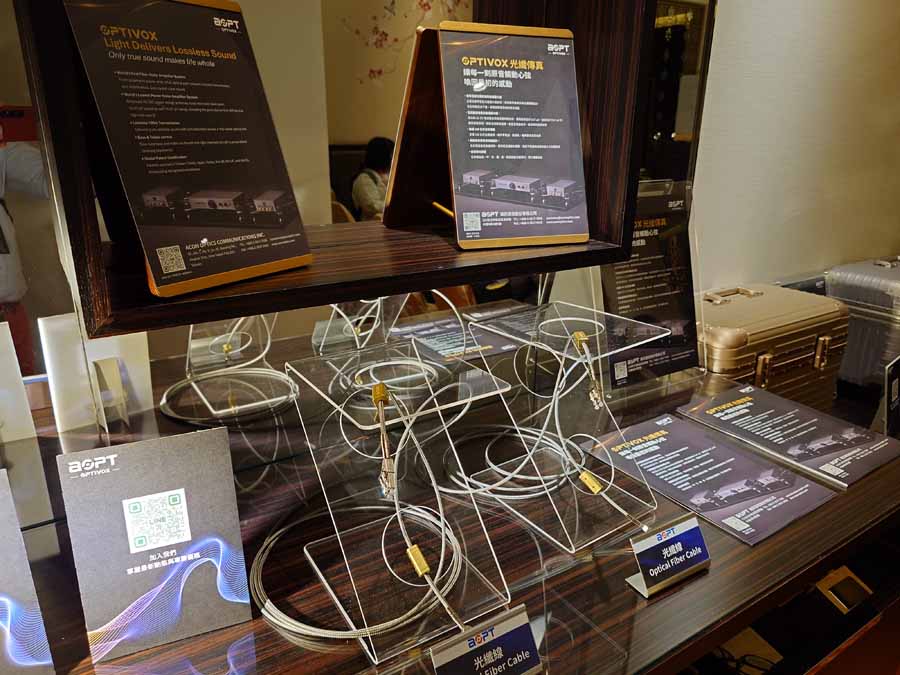
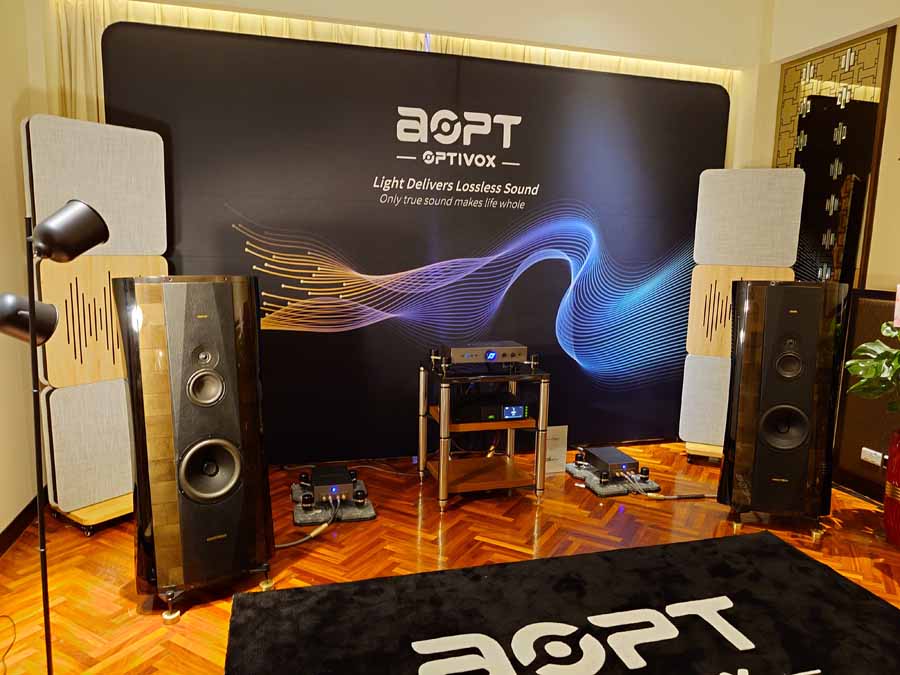
After Singapore I ran into Optivox again, this time in another seriously high‑quality setup. They introduced the world’s first fibre‑optic amplifier system as a prototype last year, and here it was again: from preamp to power amp, the signal travels purely over optical links. For runs of up to 100 meters, they claim lossless transmission, zero interference, and vanishingly low noise, with quoted figures falling in the submicrovolt range for both stages. On top of that, each channel gets its own bass and treble control, which is handy if you like to fine-tune balance without touching the source. The system was paired with a Naim streamer, Sonus Faber Cremona Ellipsa SE loudspeakers, and full SharkWire cabling, creating a very modern contrast between classic Italian curves at the front and bleeding-edge optical engineering in the centre.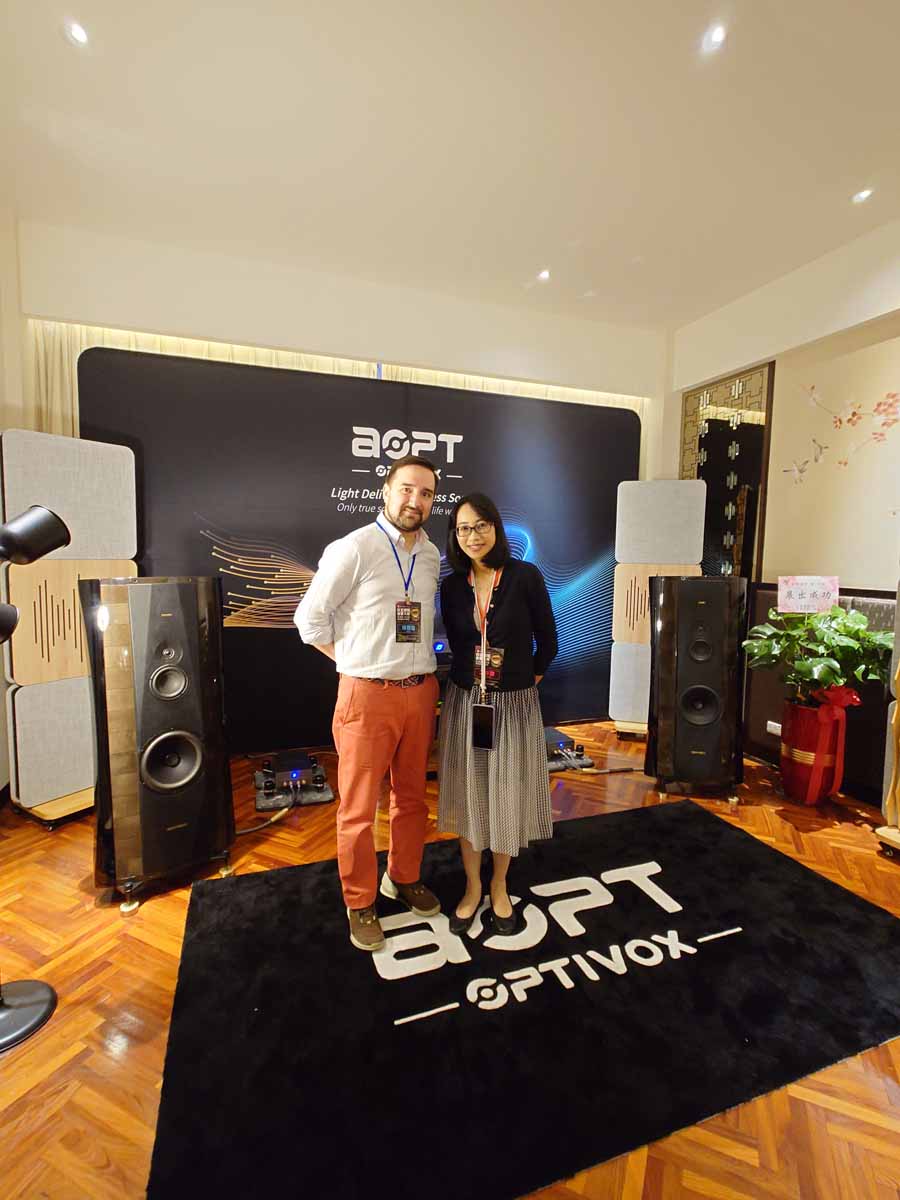
208 極品 BURMESTER, DALI, SOTM, MONTAUDIO
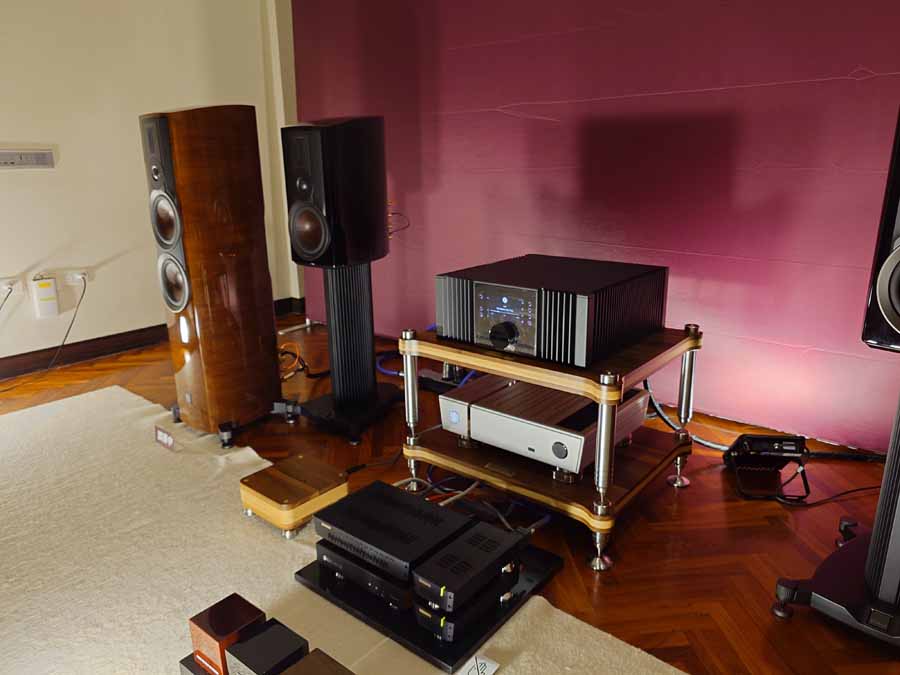
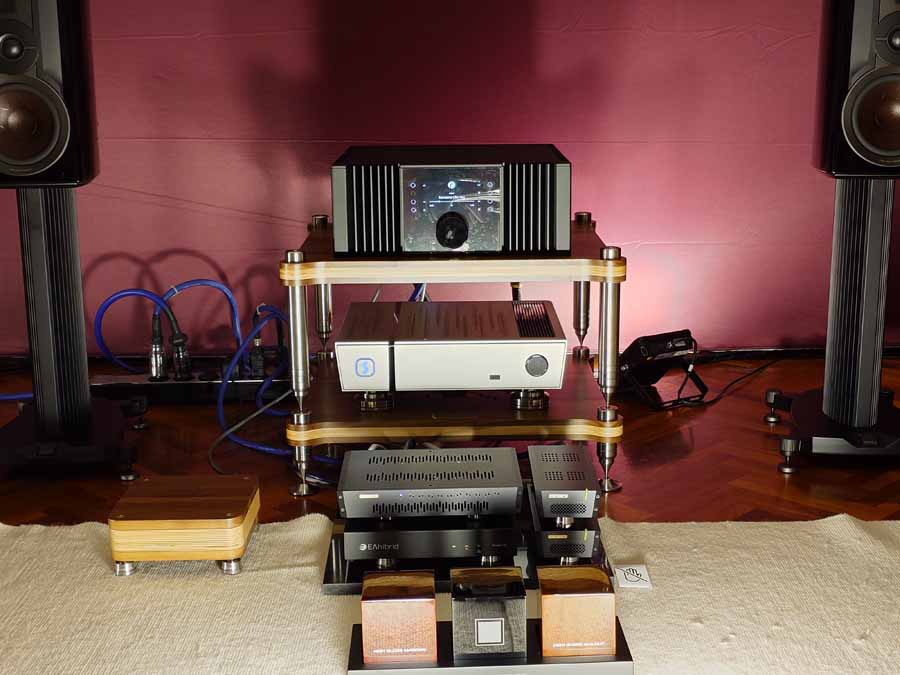
This room was all about giving DALI’s new EPIKORE range a proper workout. The main system connected the big EPIKORE 7 floorstanders to Burmester’s 232 integrated amp, which was powered by a Roon Core and an SOtM sMS-2000 flagship music server. The smaller EPIKORE 3 standmounts were there as the “real-world” option on the same chain. The Montaudio cabling connected everything, creating a clean, modern system that combined Scandinavian speakers, German electronics, and Korean streaming into a very sleek, international setup.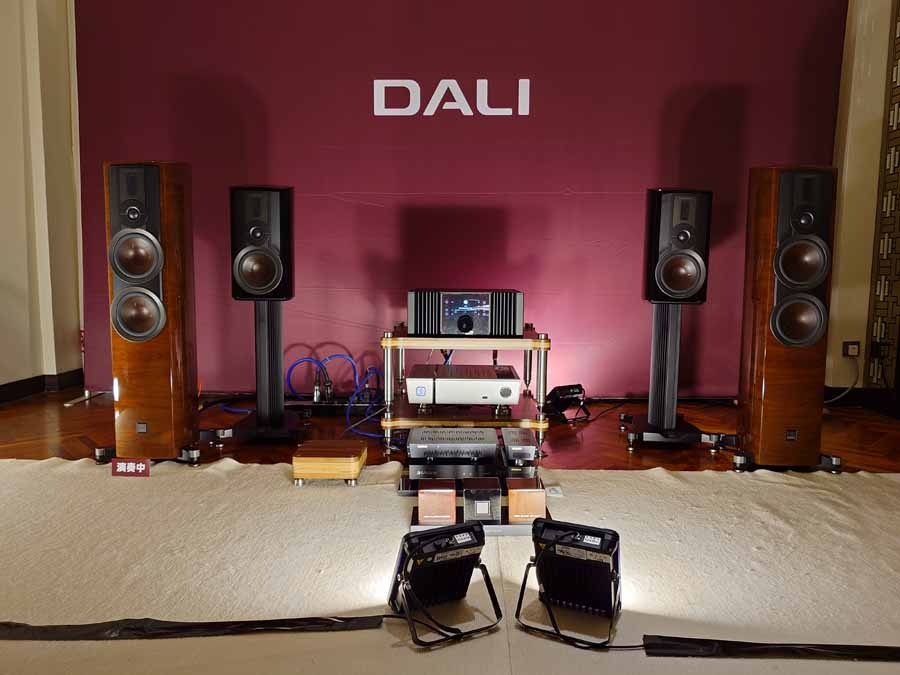
209 傑富 MAGICO, DCS, TAIKO, ISOTEK, CRITICAL MASS, VYDA
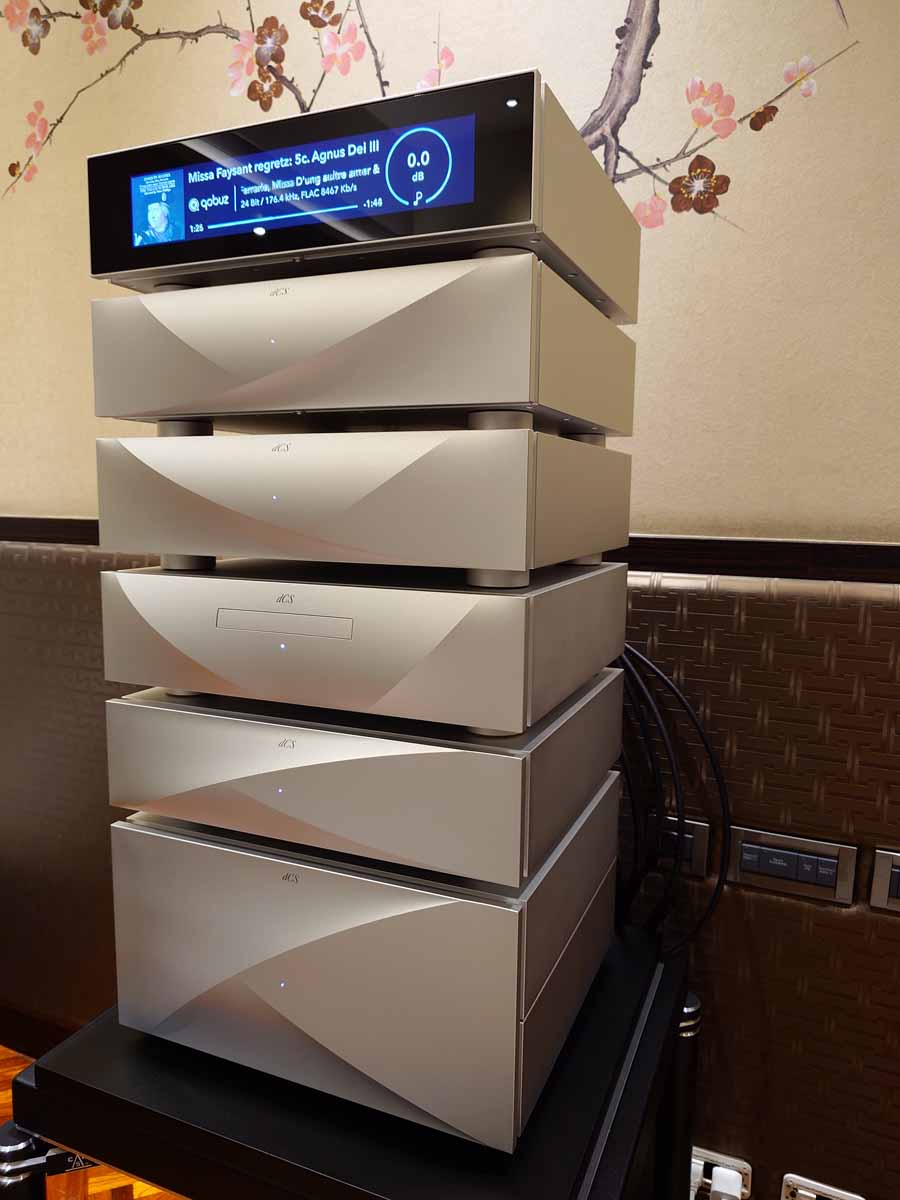
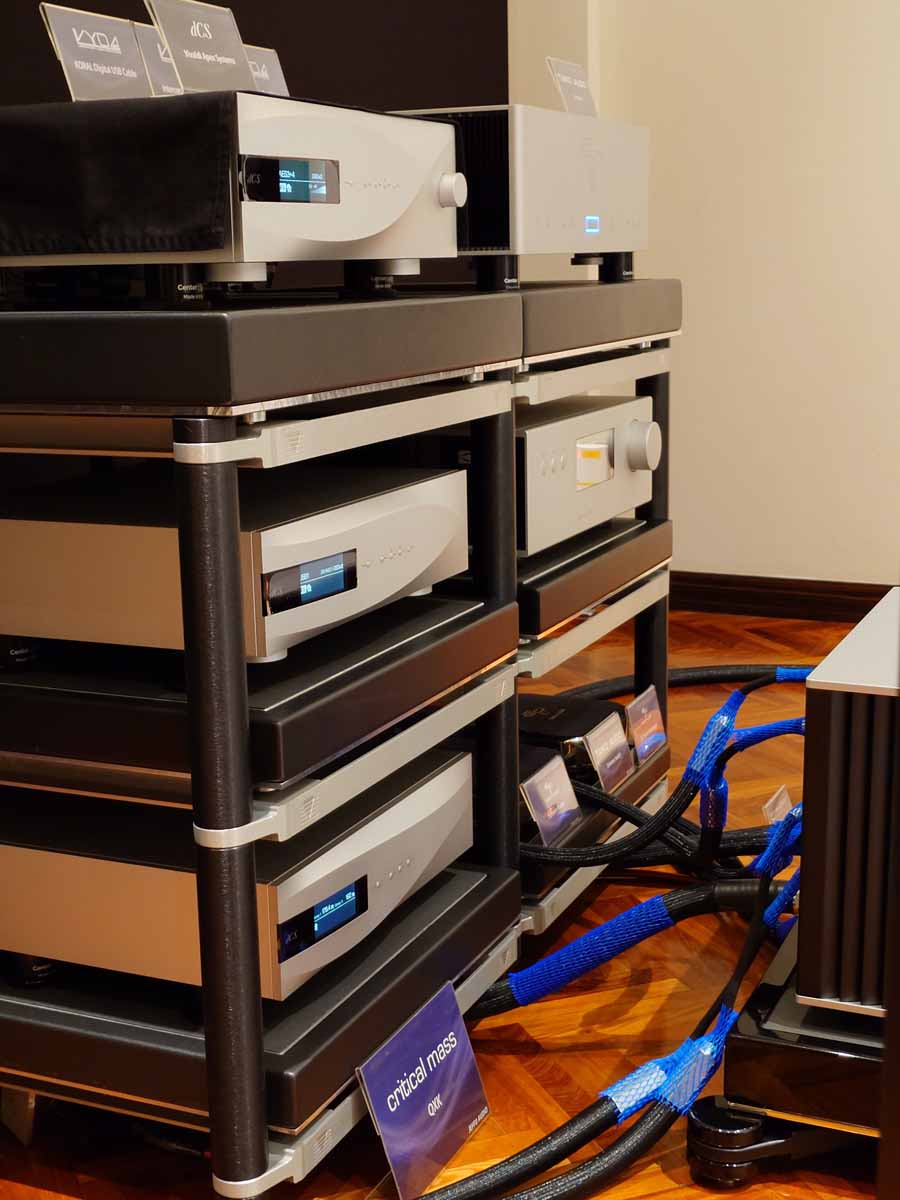
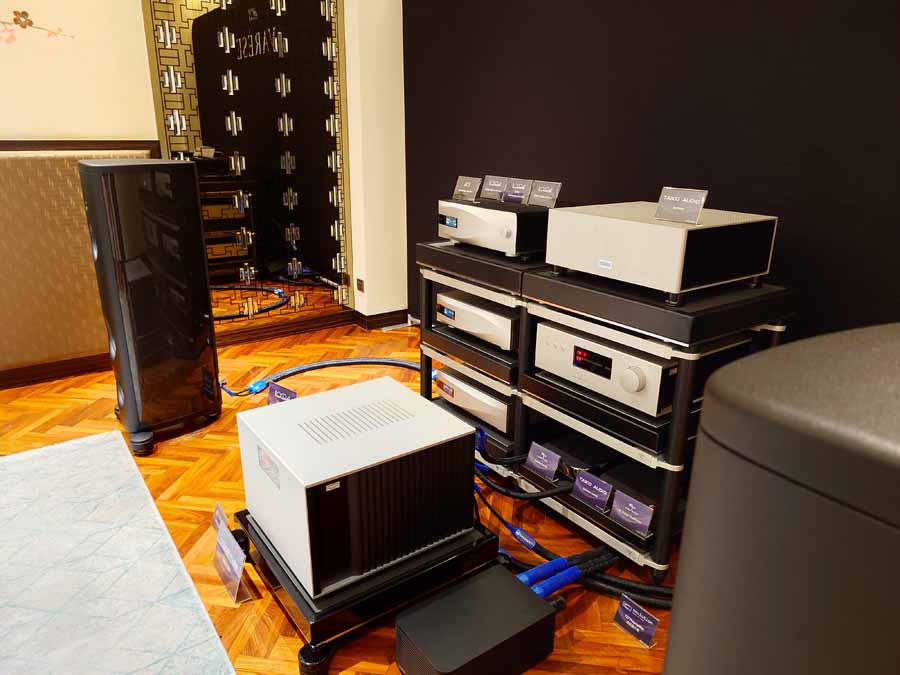
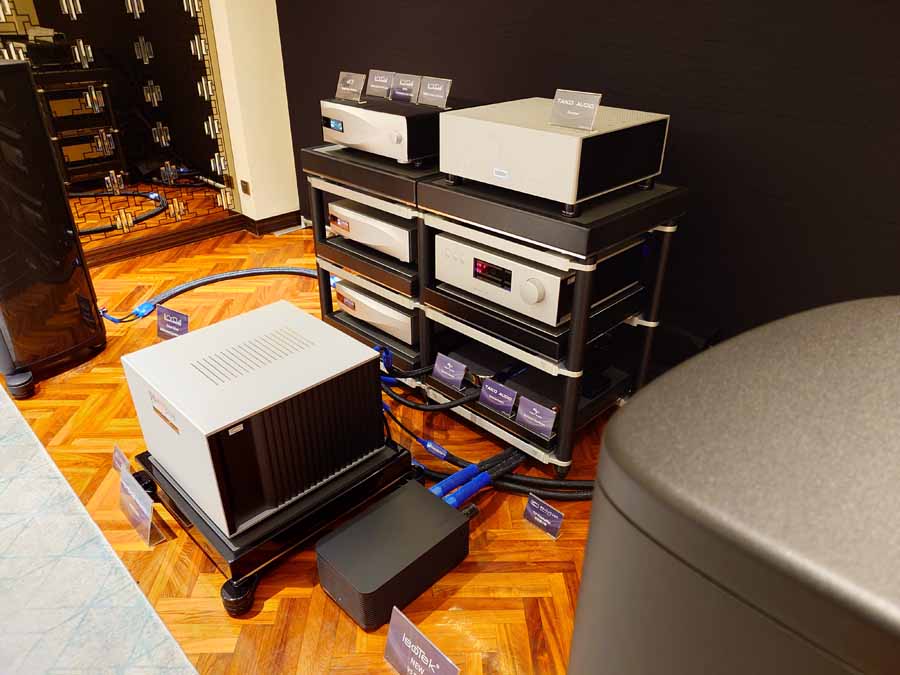
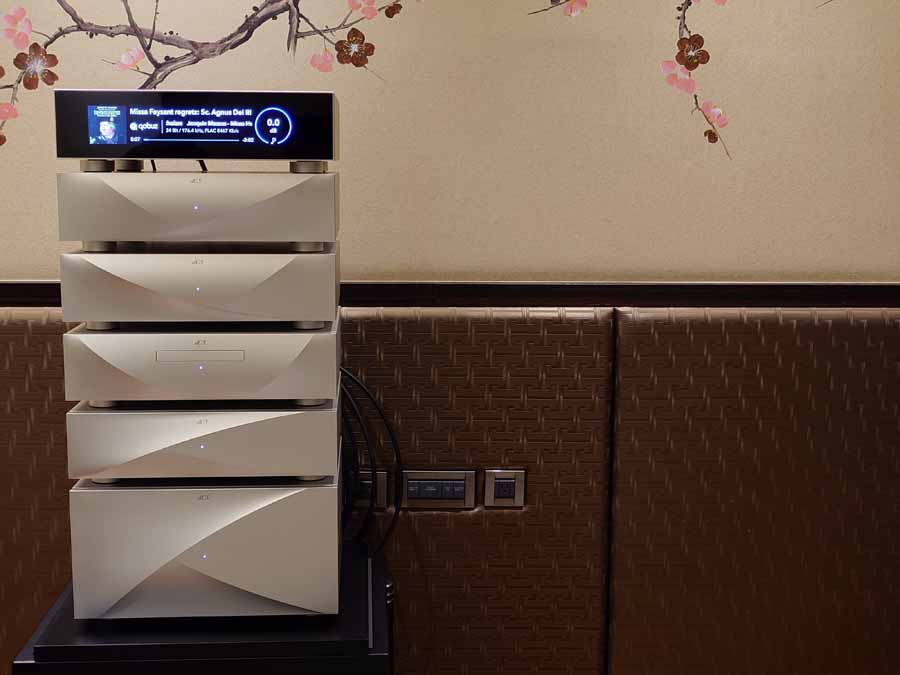
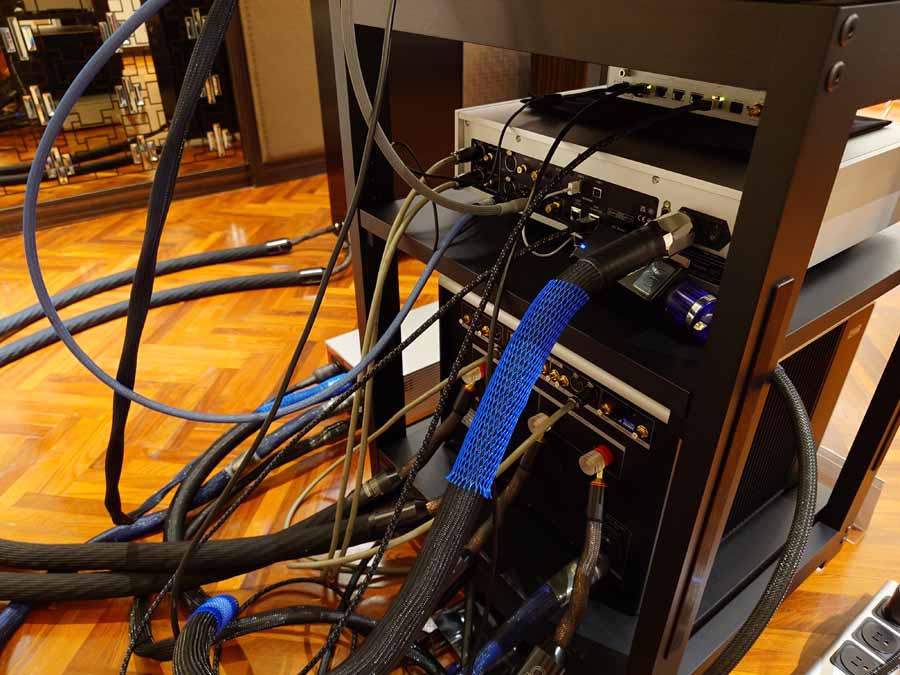
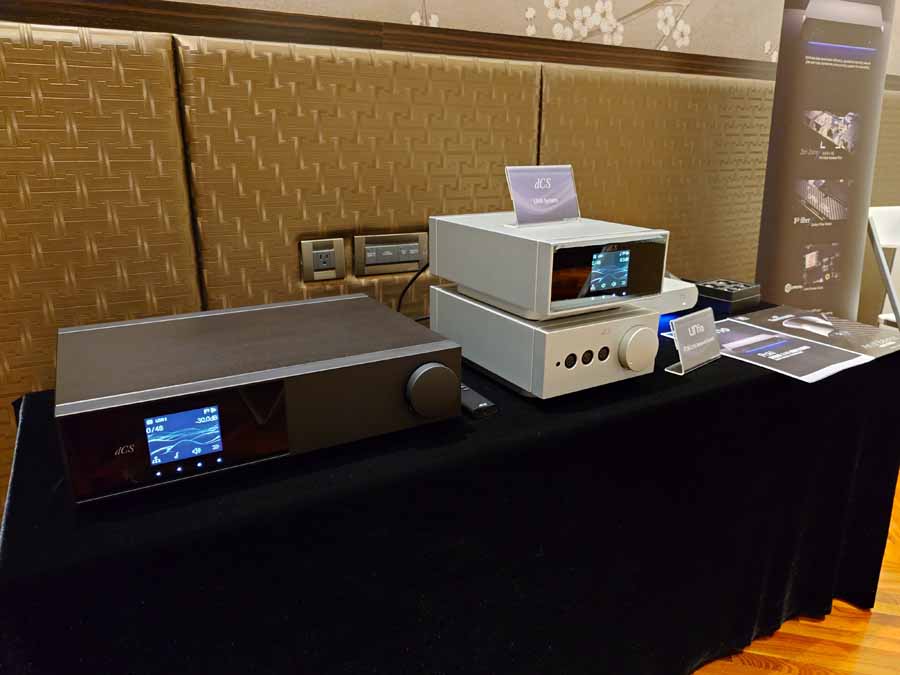
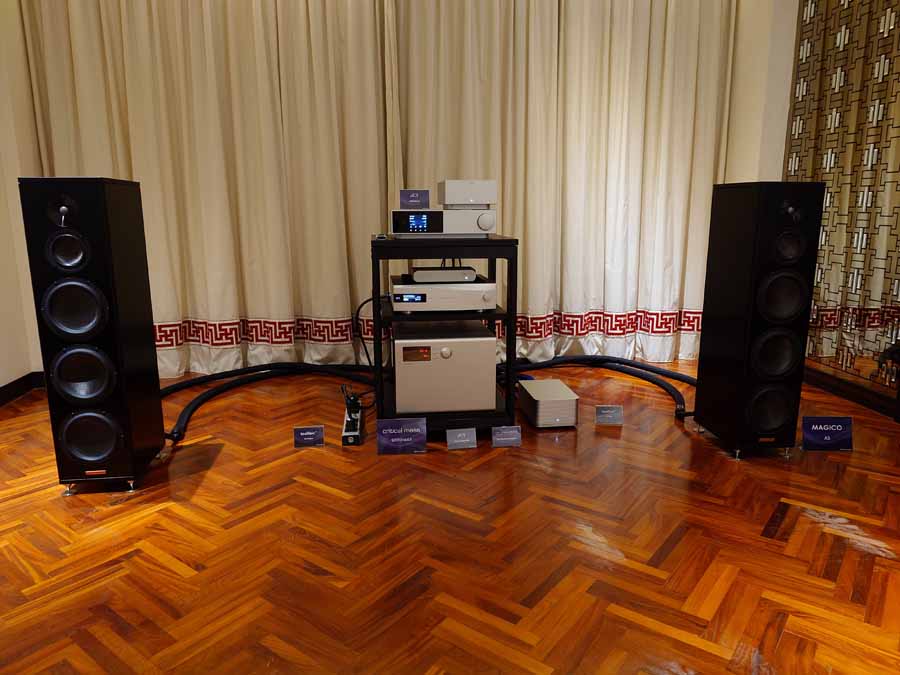
Room 209 was an exercise in ultra‑high‑end system building, with every piece a flagship in its own speciality. At the heart sat a full dCS Vivaldi front end, the Vivaldi APEX DAC, Vivaldi Upsampler/UPnP Renderer, and Vivaldi Master Clock, fronted by a Taiko Audio Extreme server plus its matching Extreme Router, Extreme Switch, and Extreme DC Distributor, essentially a no-compromise computer audio lab dressed in machined metal. All of that fed a Soulution 717 power amplifier and a 727 preamplifier driving Magico M2 loudspeakers; the whole stack was parked on Critical Mass Systems MAXXUM Ultra racks, with IsoTek V5 Titan/Polaris power conditioning and Vyda Reference cabling tying it together. It was one of those rare systems where the digital front end alone looked capable of running an observatory, and it sounded accordingly: immense grip, microscopic resolution, and an almost eerily clean window into the recording.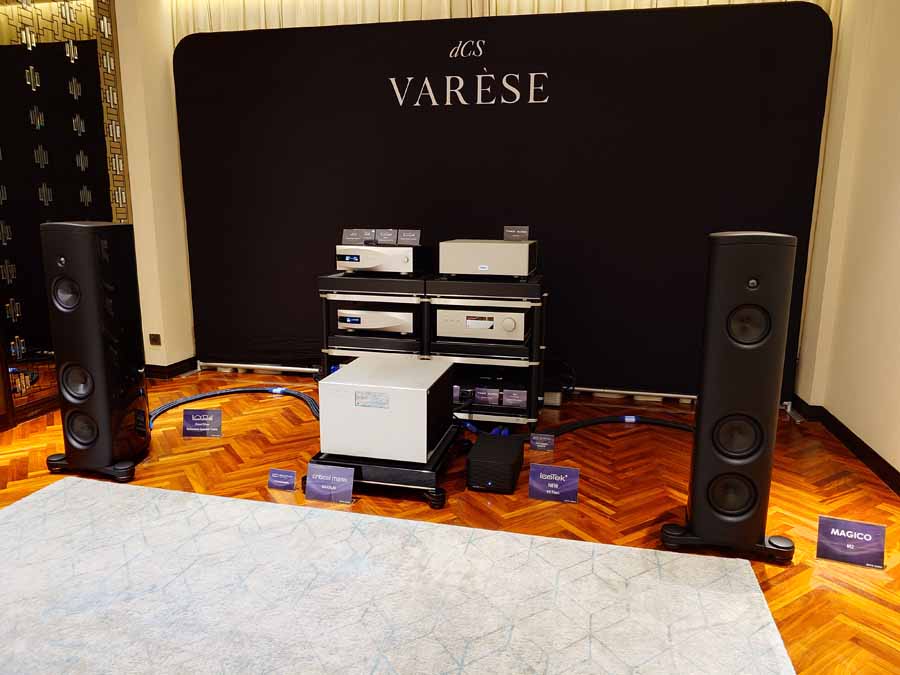
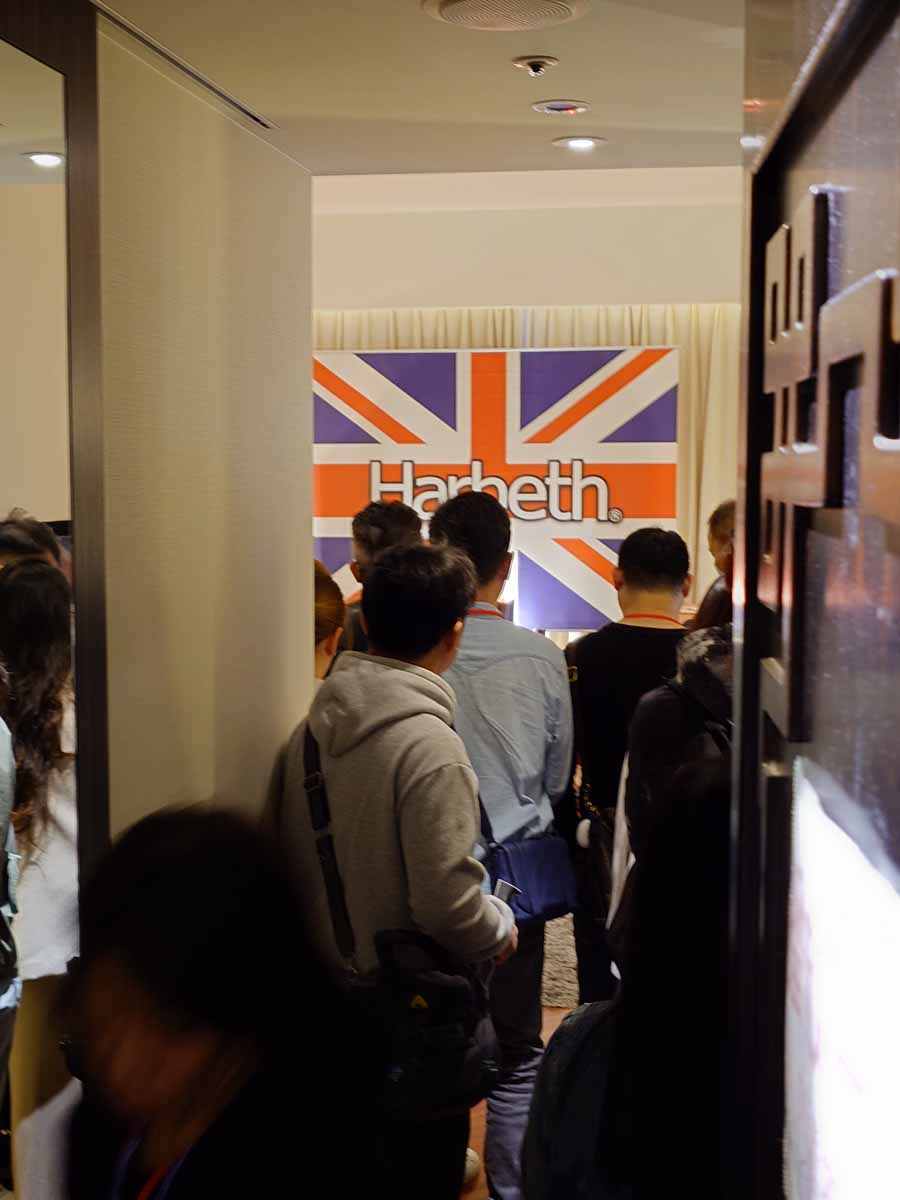
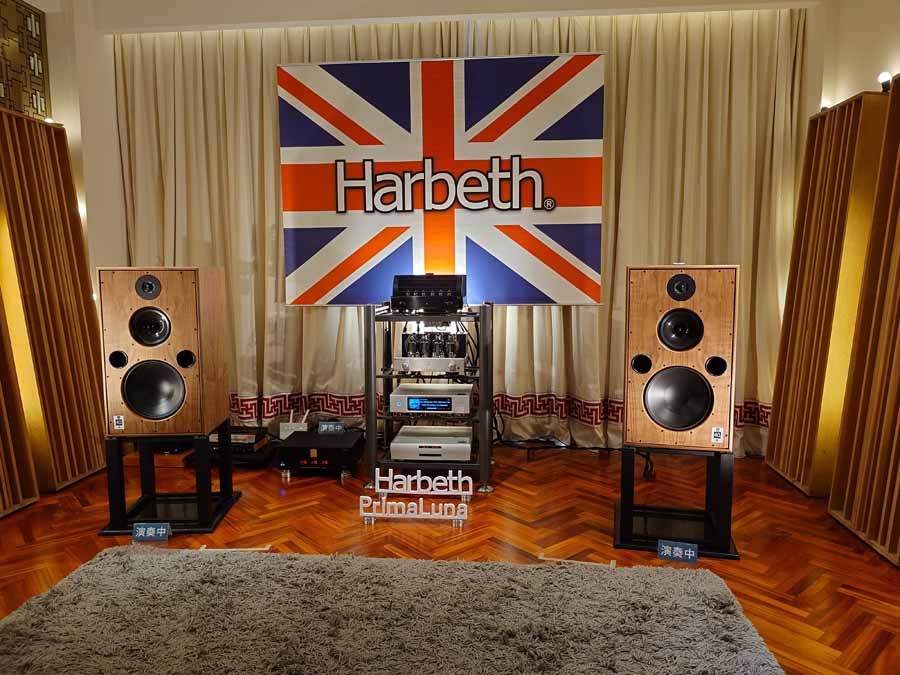
210 品樂 HARBETH, PRIMALUNA, PLAYBACK, AURENDER, KECES
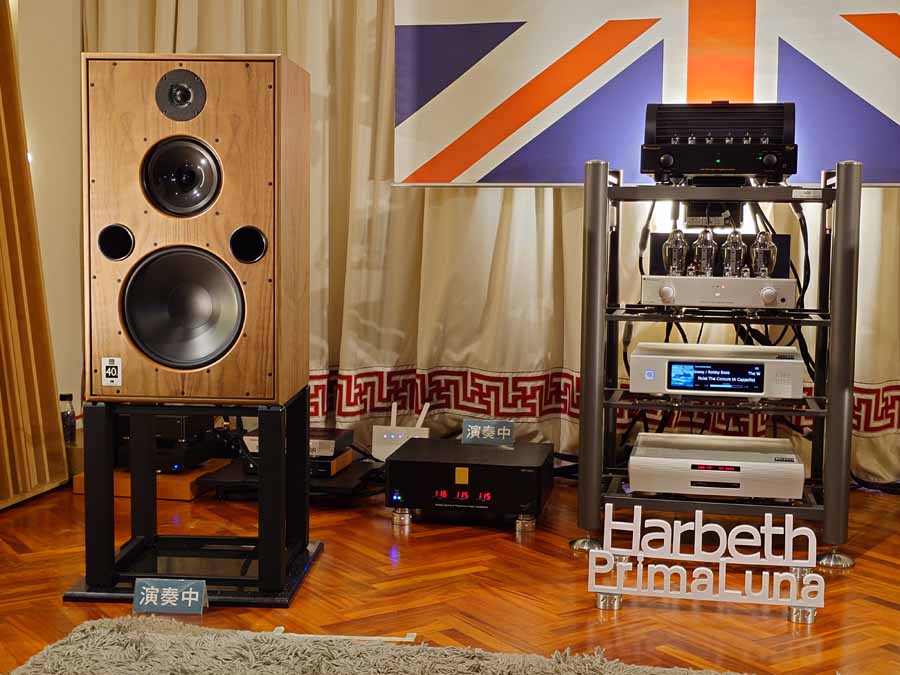
This was one of those rare rooms where “reporting” quietly turned into just sitting and enjoying music. Harbeth’s new Monitor 40.5 XD2s were doing the heavy lifting, those big three-ways on sturdy stands throwing out an easy, full-range sound that never shouted yet filled the room with ease. The amplification came from PrimaLuna valve integrateds (the EVO 300 and EVO 400 took turns), which added a little glow and liquidity without losing detail. The source was an Aurender N20 network transport paired with a Playback Designs MPD DAC. Everything was neatly arranged on an Artesania HiFi rack. It was a well-thought-out, no-nonsense chain that let the Harbeths breathe and made it hard to leave the sweet spot.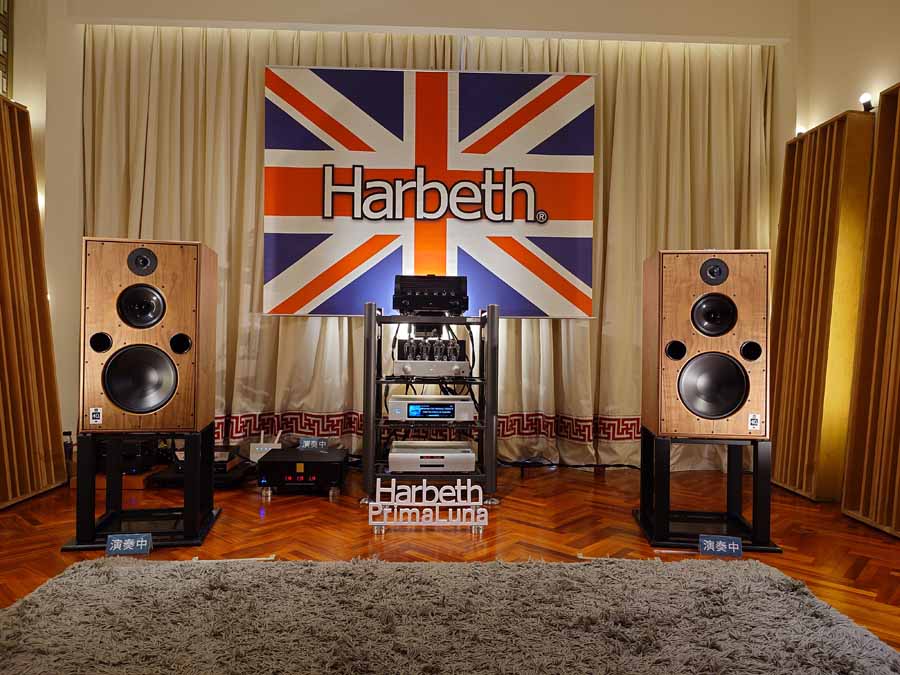
212 極品 ESTELON, EAHIBRID
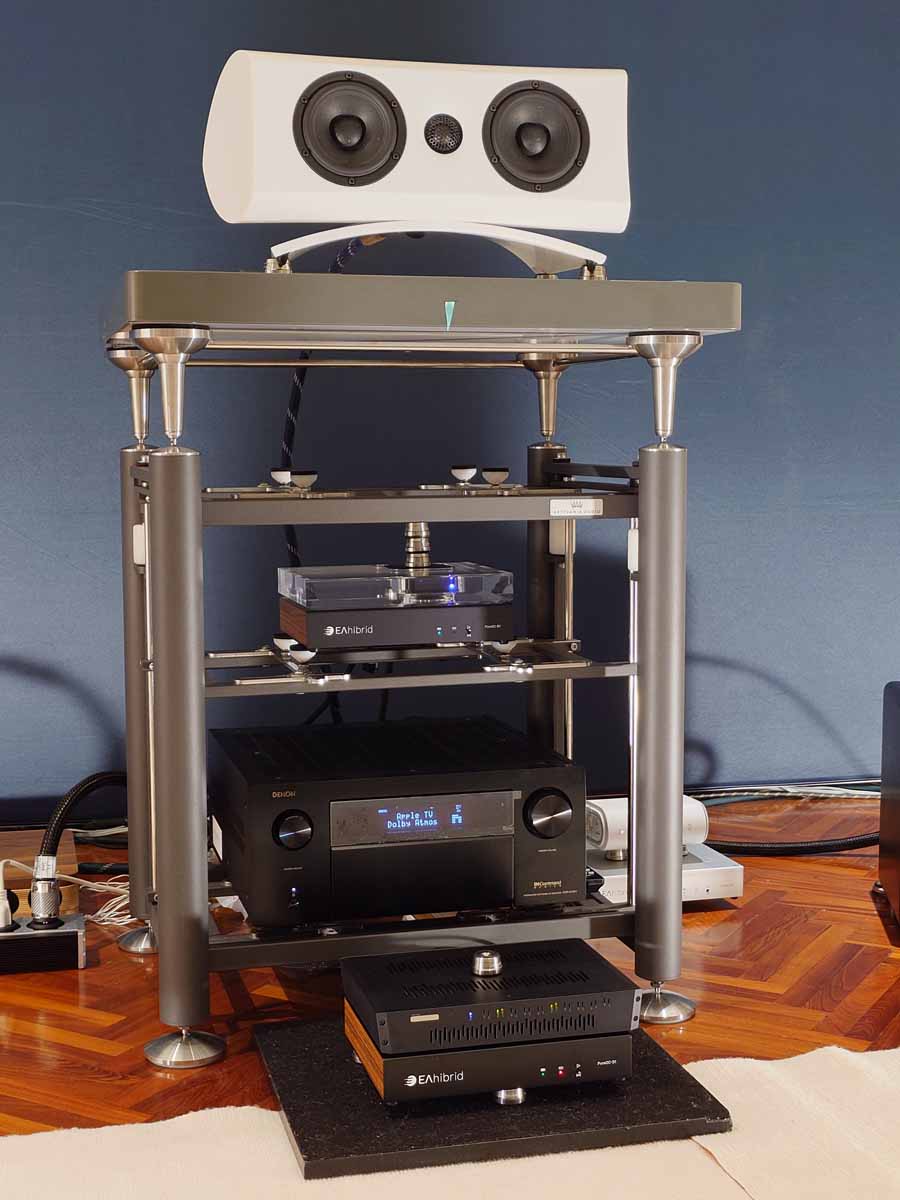
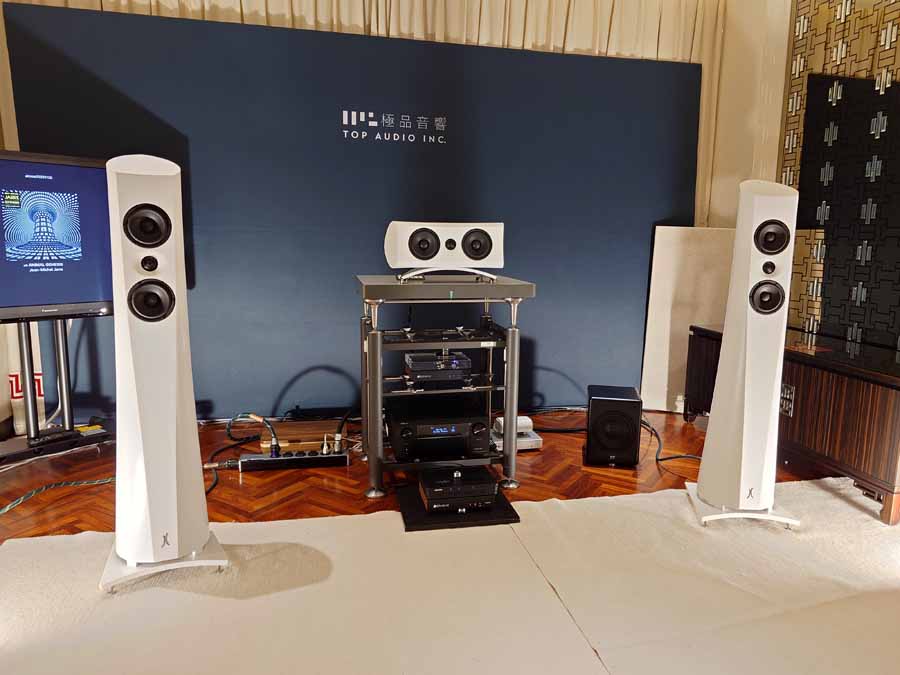
Room 212 showed how smooth an Atmos rig focused on music can be. An All-Estelon trio did the heavy lifting at the front of the stage. They used AURA floorstanders, an AURELLE centre, and an AURUS sub, all powered by a Denon home theatre amplifier. EAhibrid’s PureDC-ATV5000, a heavily modified Apple TV 4K on an acrylic base and powered by a dedicated PureDC-B1 battery/linear supply, was the system’s streaming heart. It served as the hub for movies and Dolby Atmos Music. DALI covered the surround and height channels, giving a full 7.1.4 layout that wrapped music around the room. It was pretty cool!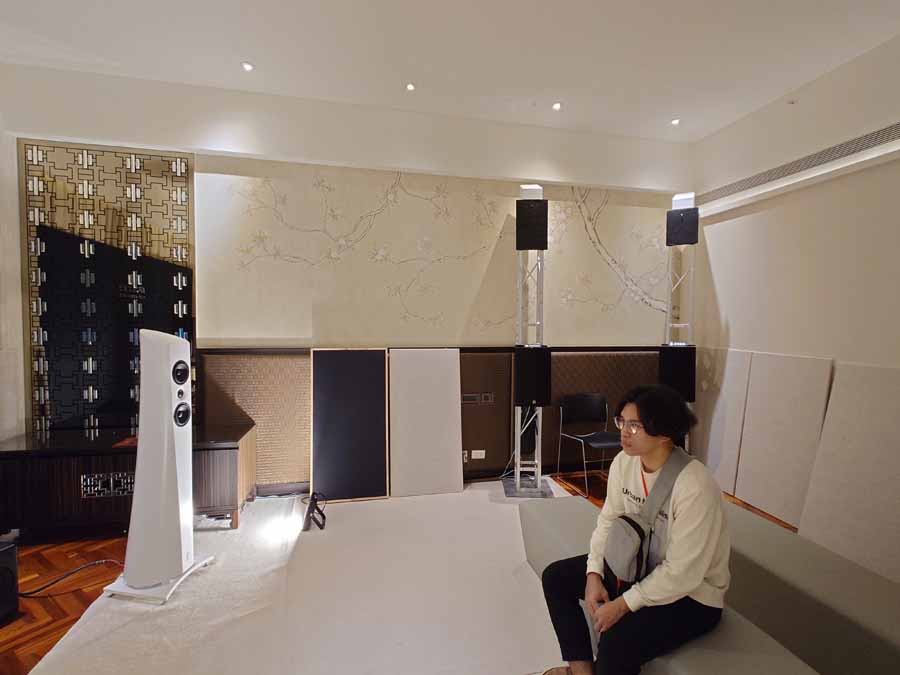
214 強聲 CARY AUDIO
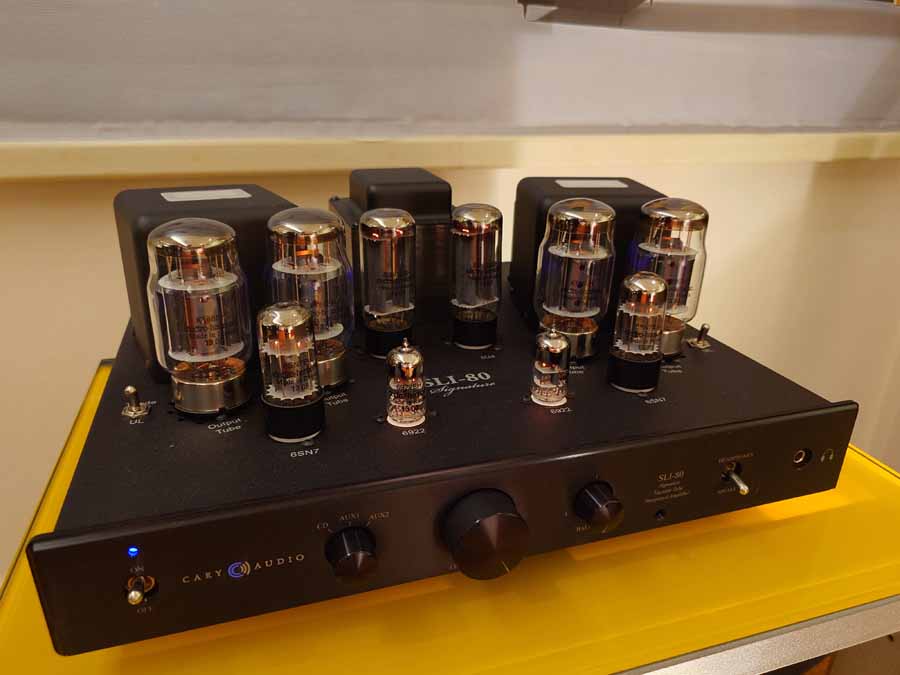
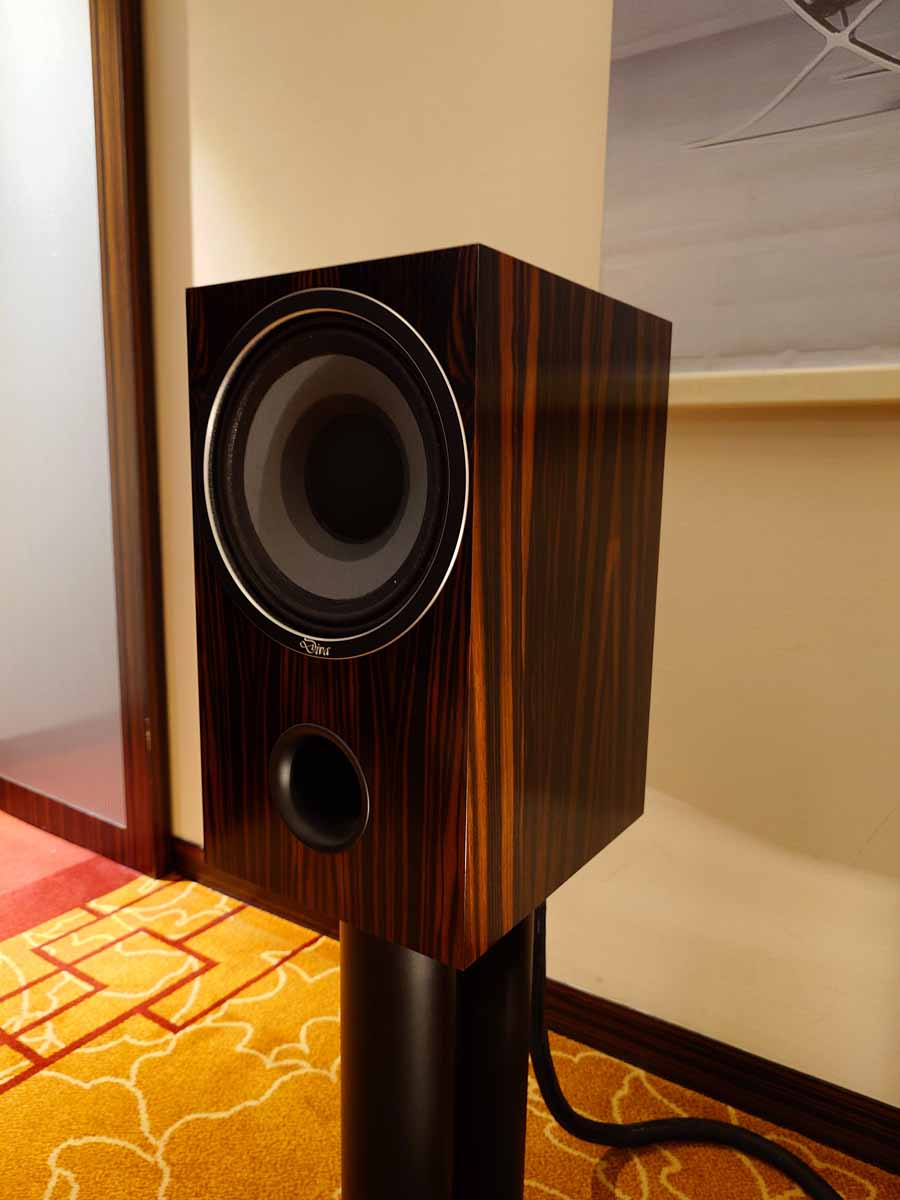
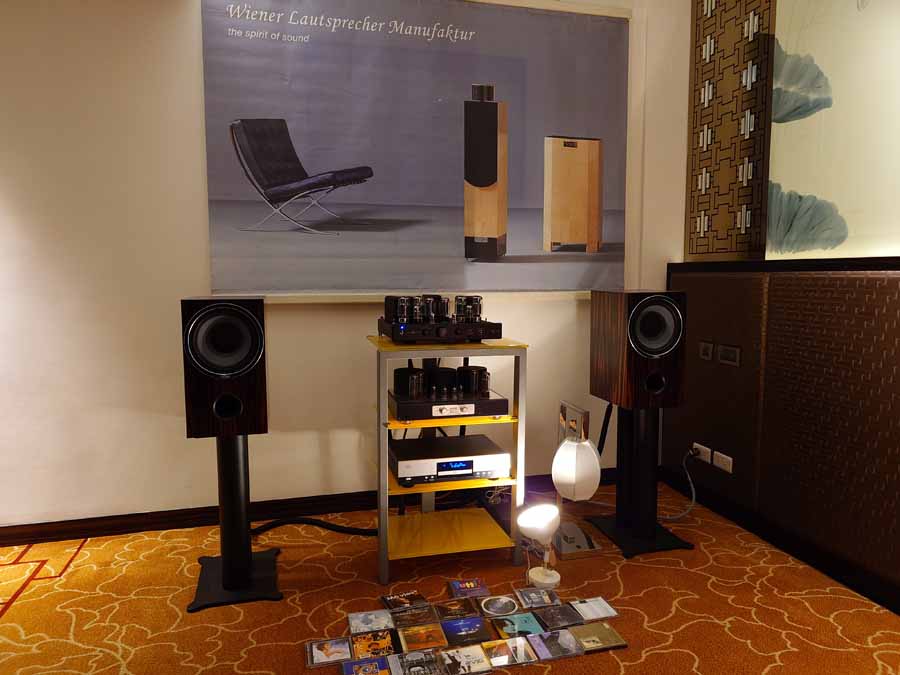
The Diva MkII speakers from Wiener Lautsprecher Manufaktur were doing their high-efficiency, big-tone thing in a small, windowless room. A Cary Audio SLI-80 integrated tube amplifier with a matching Cary CD player up front powered them. A little time travel, with the CDs spread out in front of the rack. It sounded great, though.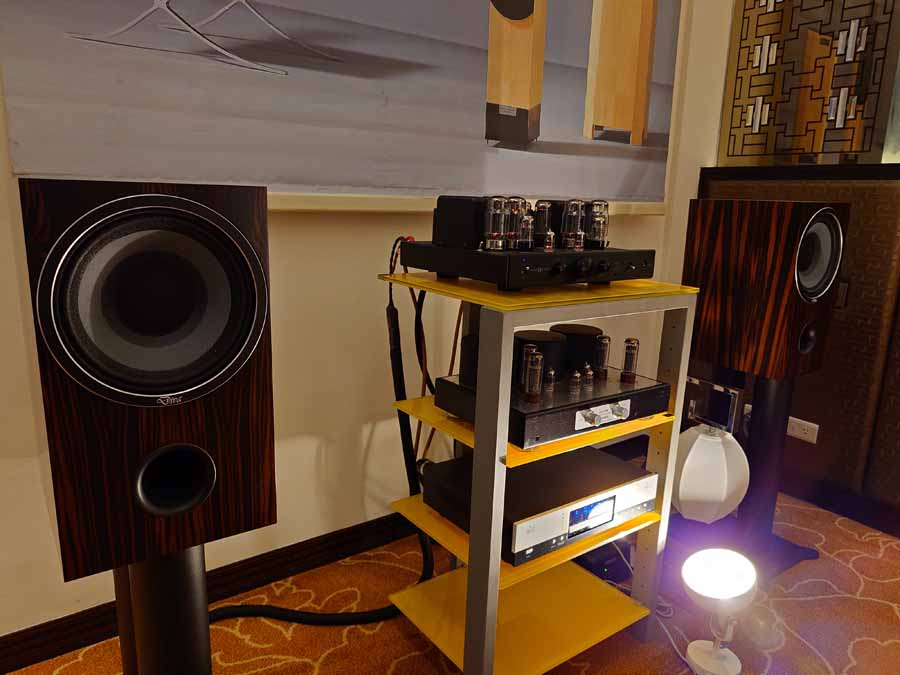
215 傑富 MAGICO, DCS, TAIKO, ISOTEK, CRITICAL MASS, VYDA, UNIO
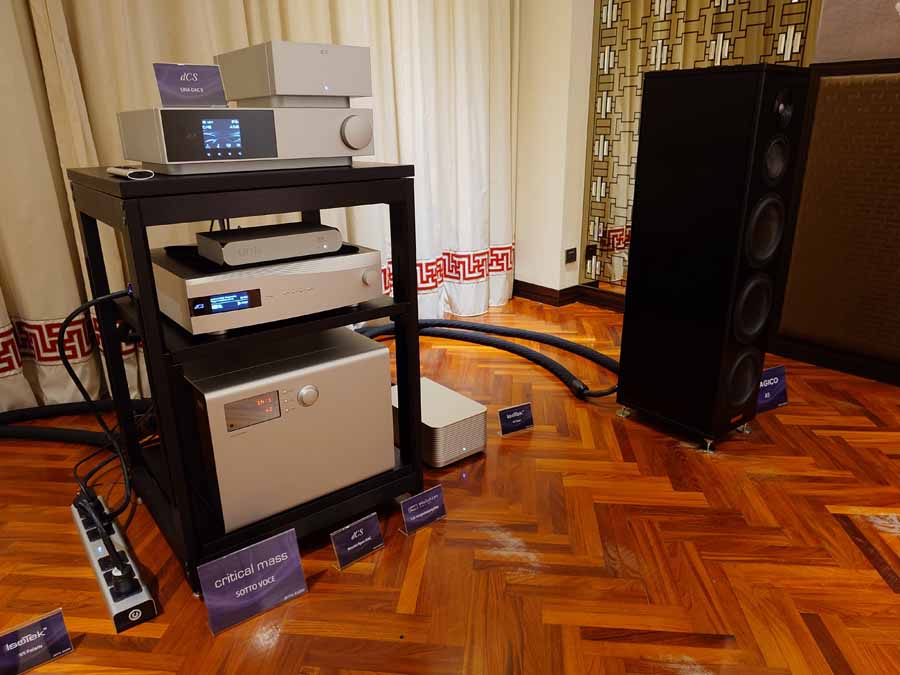
Room 215 was very much on the front row at the grown-ups’ table. dCS handled the digital side with a Rossini APEX upsampling DAC/UPnP renderer locked to a Lina Master Clock, feeding Soulution’s 530 integrated amplifier, all sitting on a Critical Mass Systems Sotto Voce rack. Downstream, Magico’s A5 loudspeakers did their usual disappearing act, while power and network duties were treated seriously too: Isotek V5 Titan and V5 Polaris conditioners (with matching EVO3 power cords) and a UNio Poki 2.5G “HiFi grade” network switch kept the current and bits in line. It looked clean, purposeful and very high‑end in that quiet, confident way where nothing shouts, but everything clearly means business.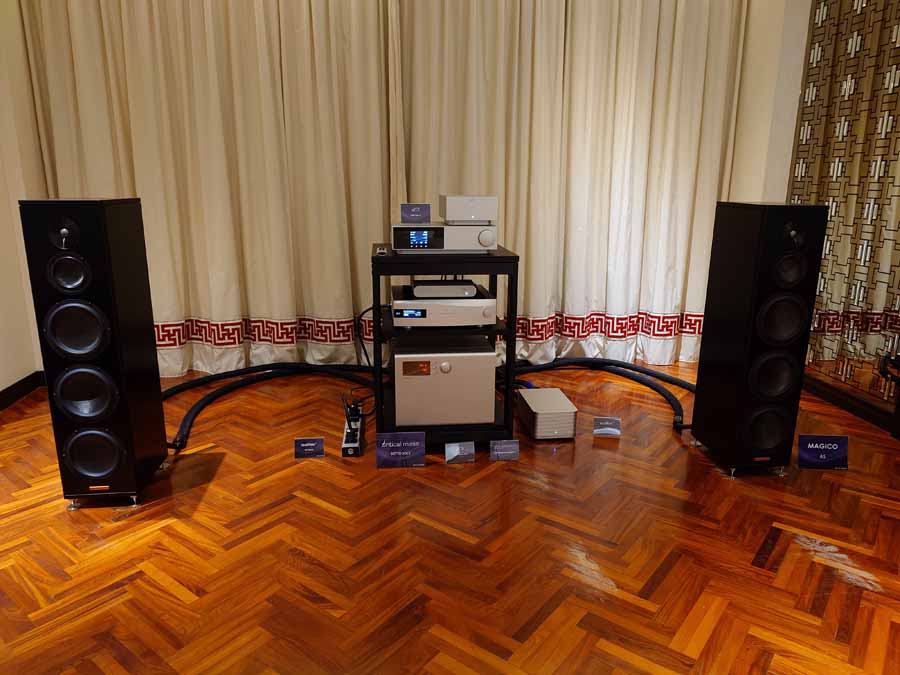
216 統元 KHARMA, BOULDER
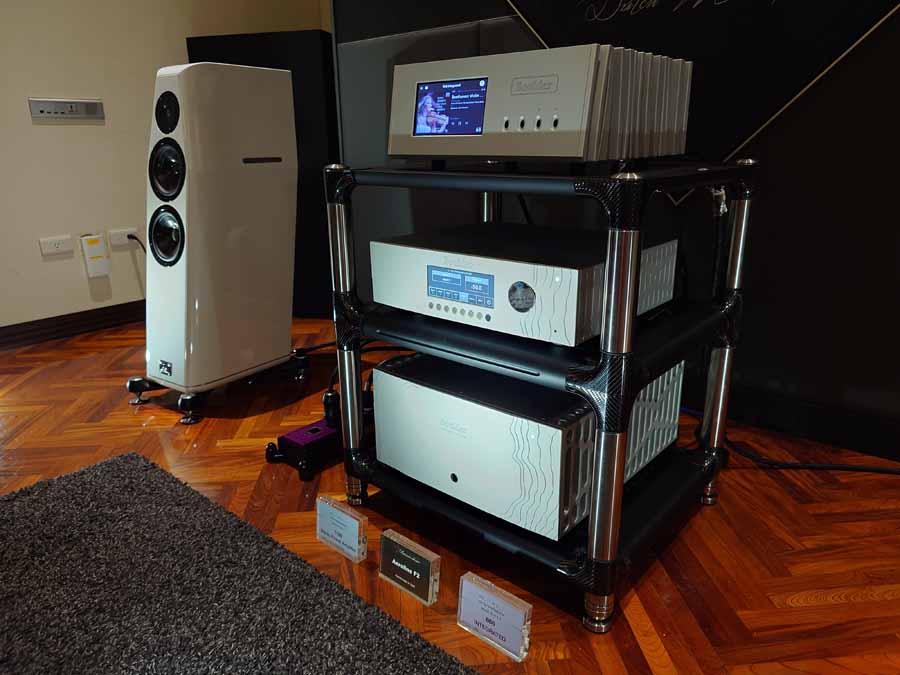
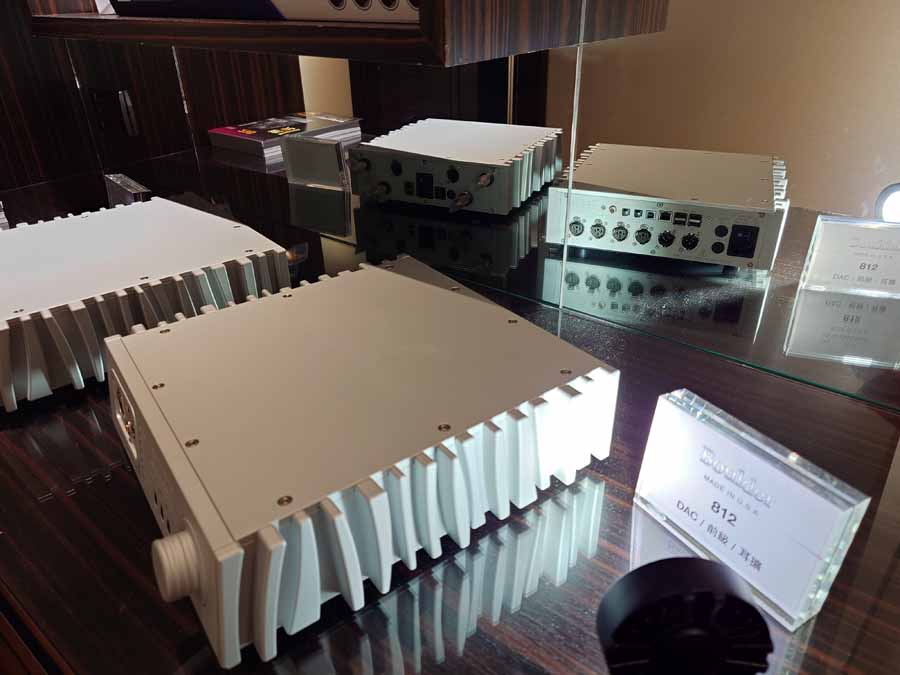
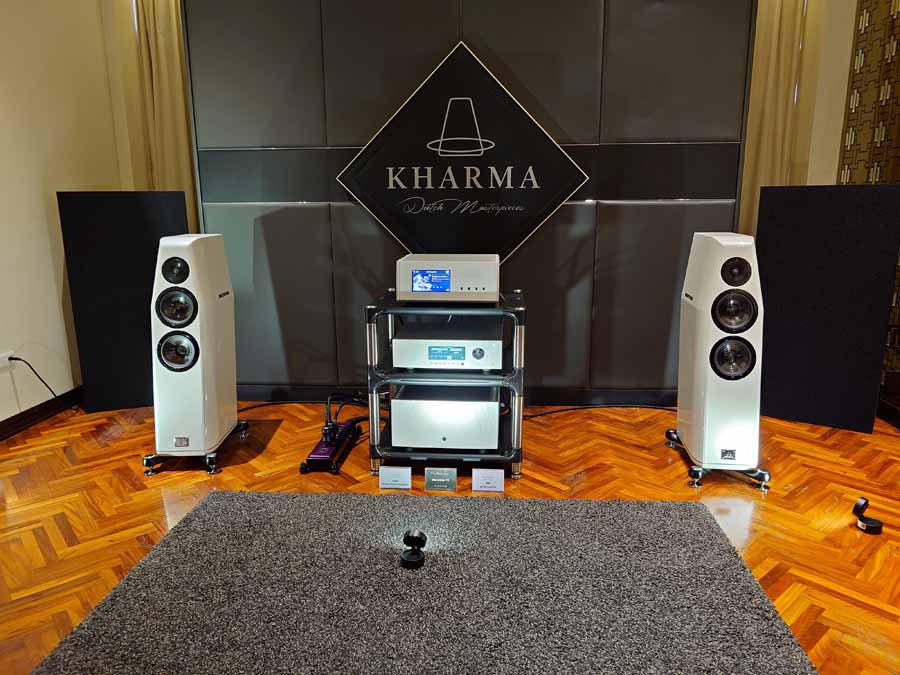
Room 216 was pure “modern luxury” HiFi: compact in footprint but seriously up‑market in execution. Kharma’s Elegance dB7 loudspeakers provided the visual (and sonic) focal point, their sculpted cabinets and twin 7‑inch composite mid‑bass drivers delivering that refined, high‑resolution Kharma sound. Amplification was covered by the Boulder’s 1110 preamp with a matching 110‑series power amp for classic pre/power muscle, plus the 866 integrated taking care of the streaming duty only. Everything sat on a Bassocontinuo Aeroline F2 rack, presenting a very polished, grown‑up system that felt as composed as it sounded.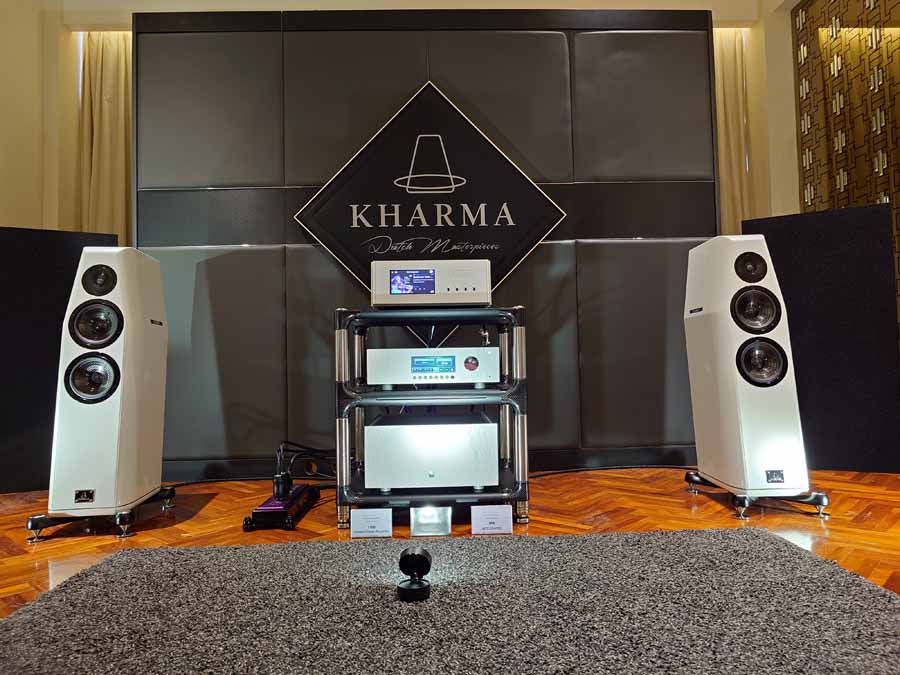
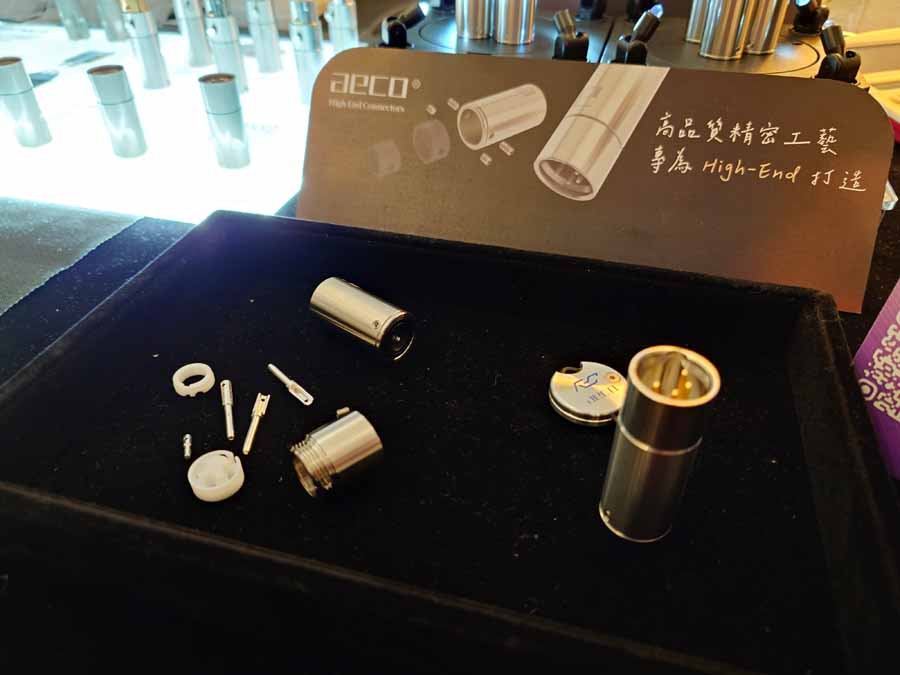
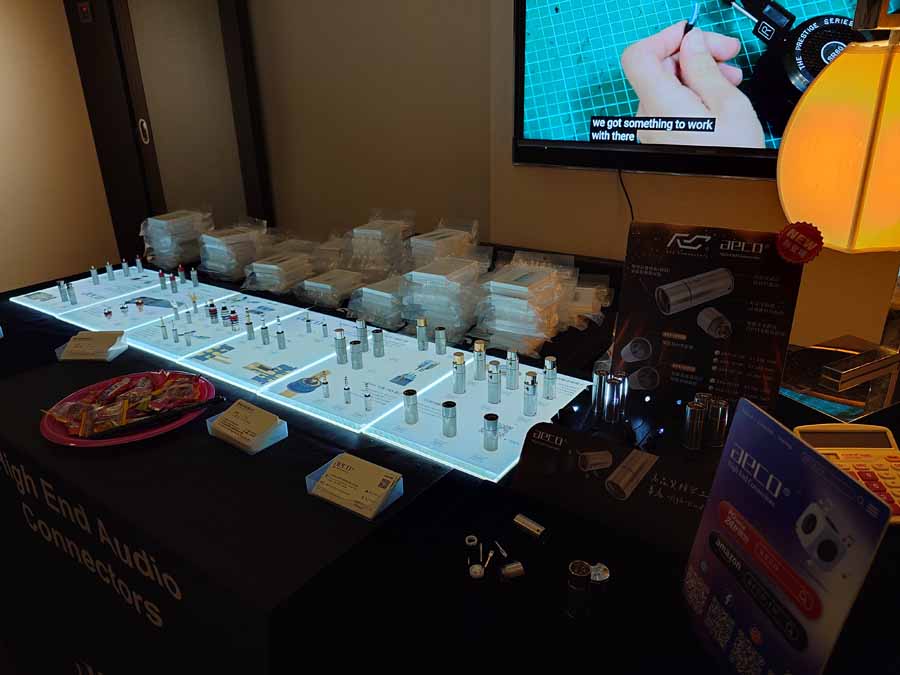
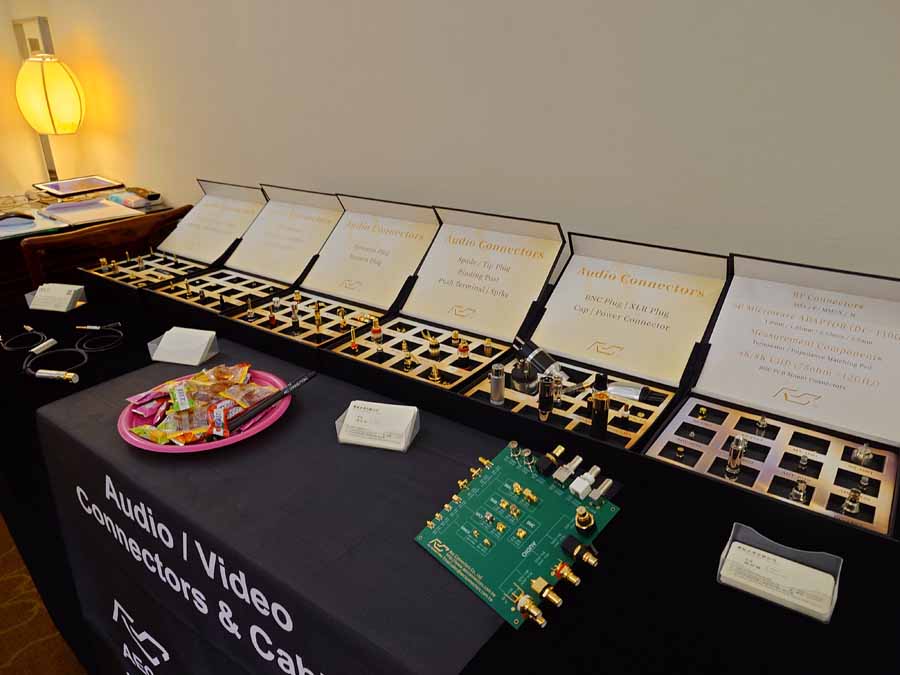
218 雅鈦企業 AECO
Room 218 was connector‑geek heaven, hosted by Taiwanese specialist AECO. Laid out under glowing light panels were rows of high-end RCA, XLR, BNC, speaker, and RF connectors, PTFE insulators, and beautifully machined metal shells. The focus this year is on their new flagship 3‑ and 4‑pin XLR connectors, with stainless‑steel shells, modular construction that can be fully disassembled, and very tight mechanical tolerances for precise, stable contact.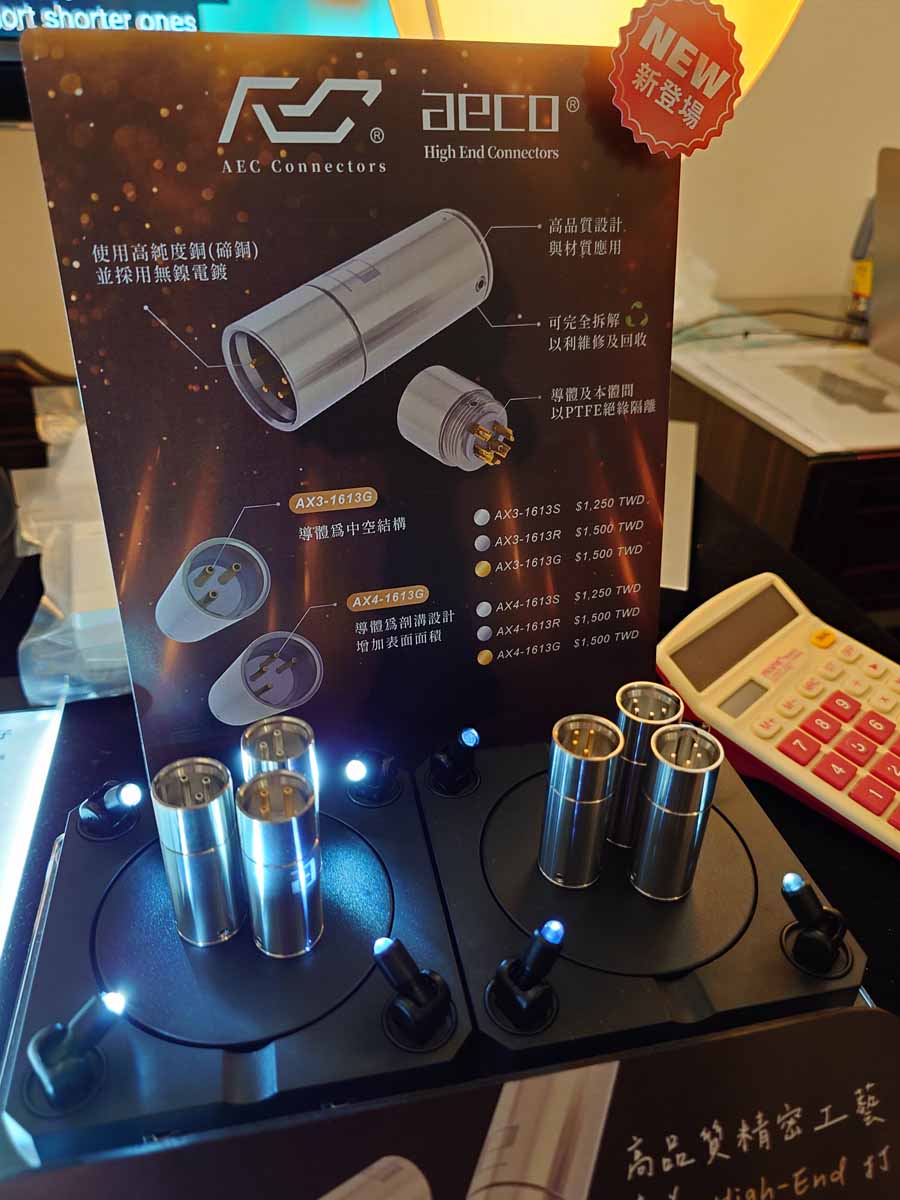
219 美德聲 STEIN MUSIC, ORIGIN LIVE, ZEROUNO, KR AUDIO
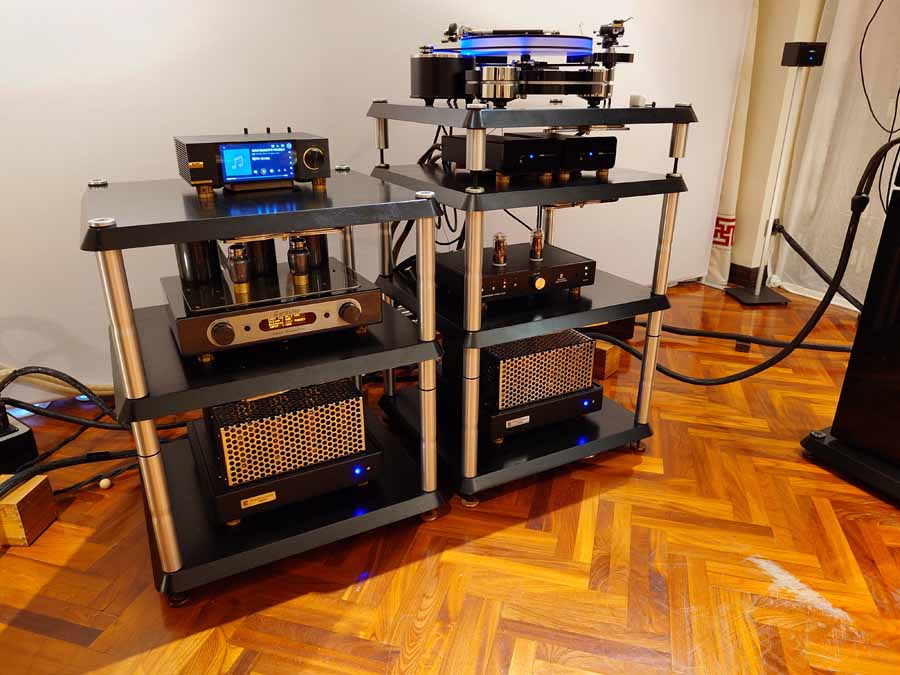
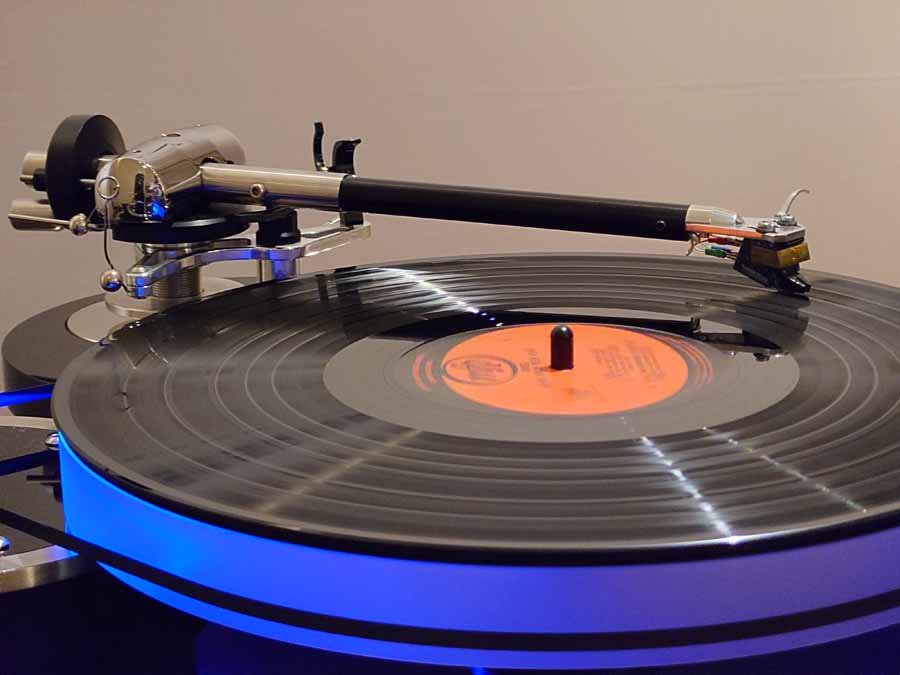
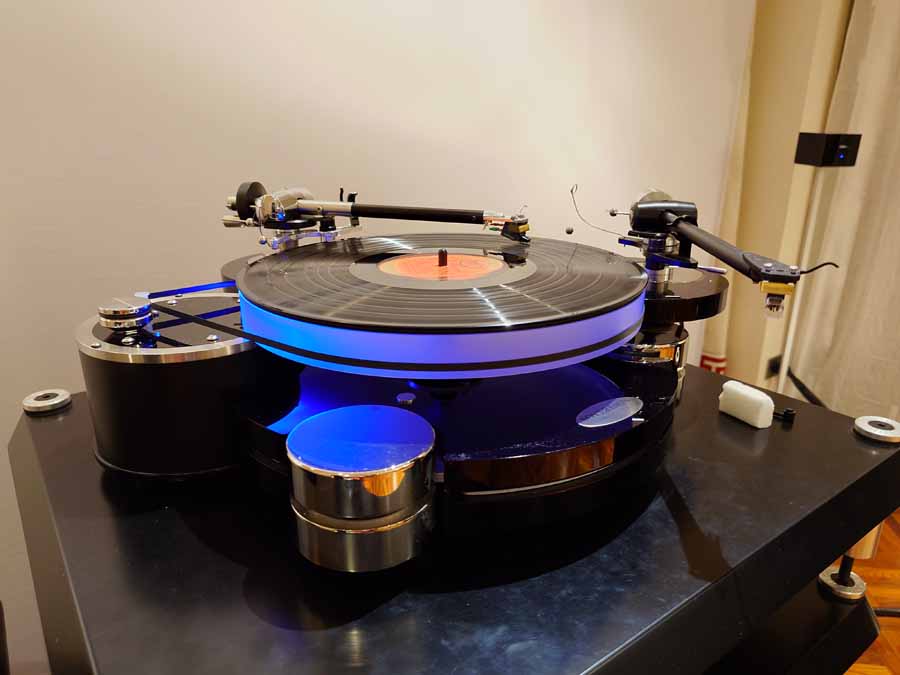
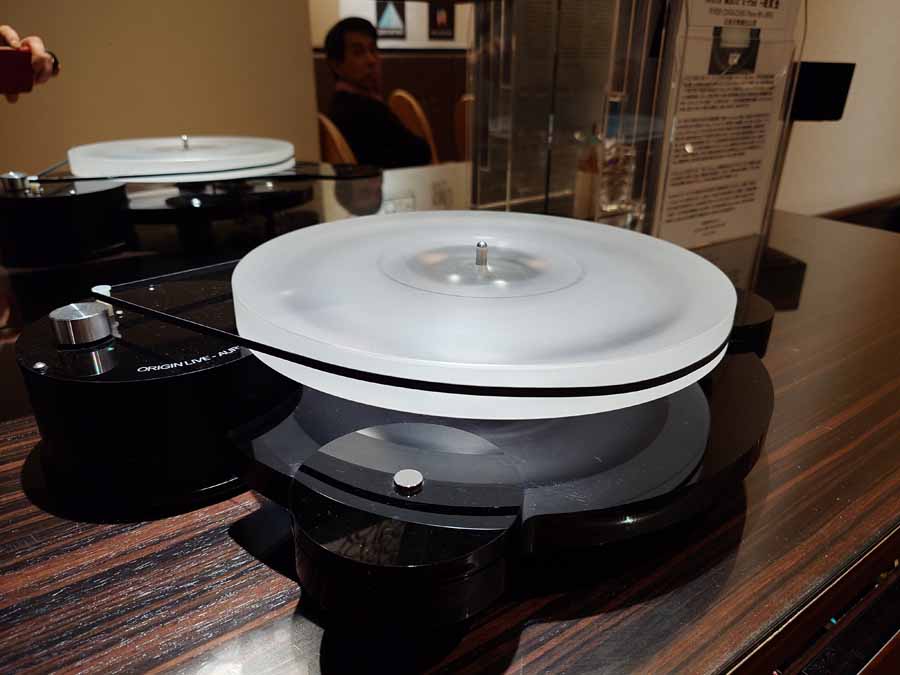
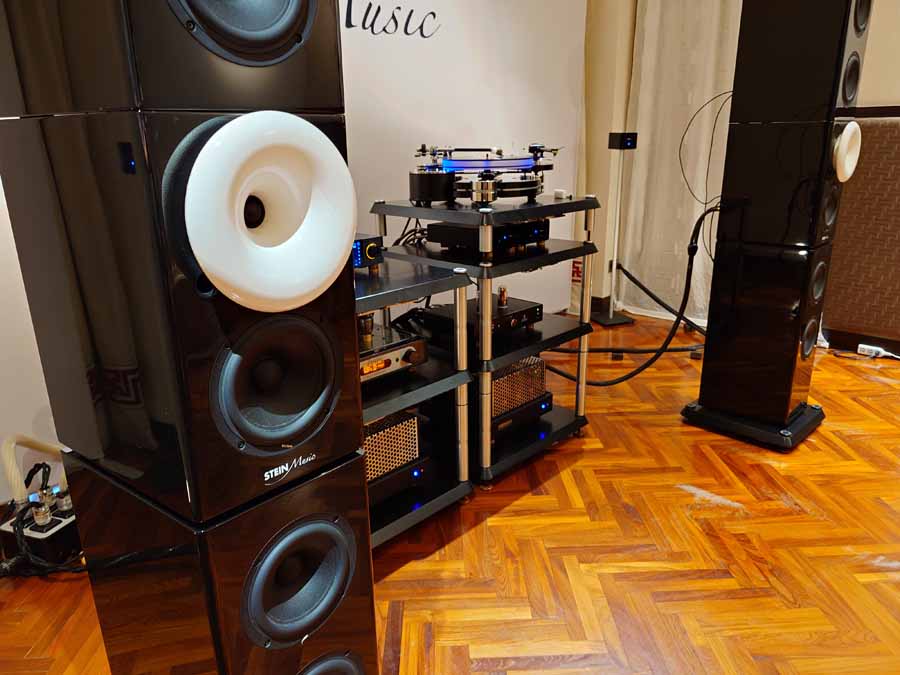
Room 219 was a real ‘turn it up and grin’ place, with Stein Music’s huge High Line Bobby L Signature horn speakers and a full stack of glowing valves. The Origin Live Sovereign Mk4 turntable with the Enterprise Mk4 tonearm was in the front. It was connected to KR Audio P120 and VA910 tube amplifiers, all of which were on solid racks. Stein’s tweaks and Final Touch Ganymede cables connected everything.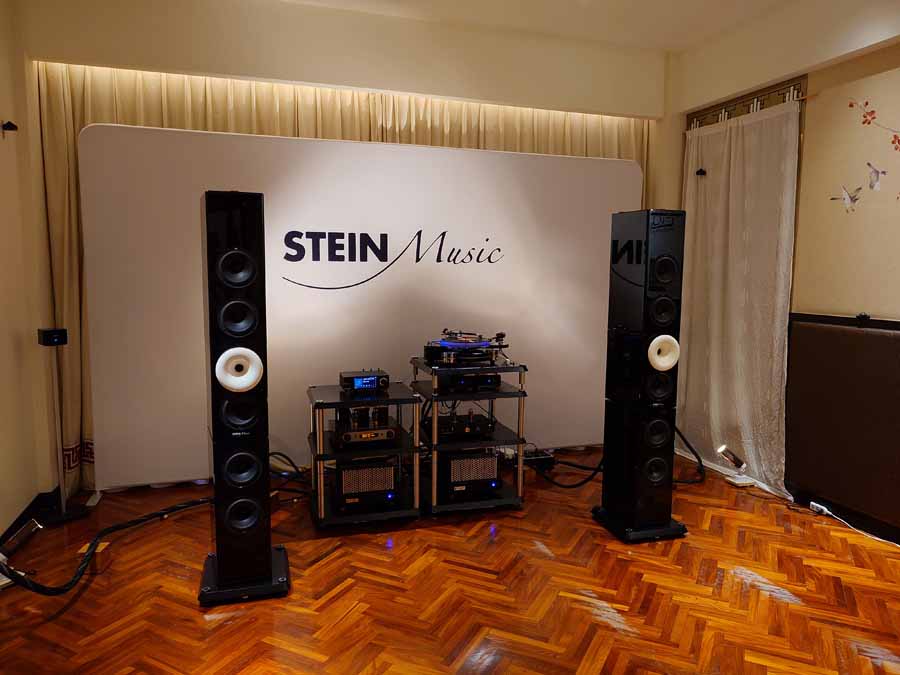
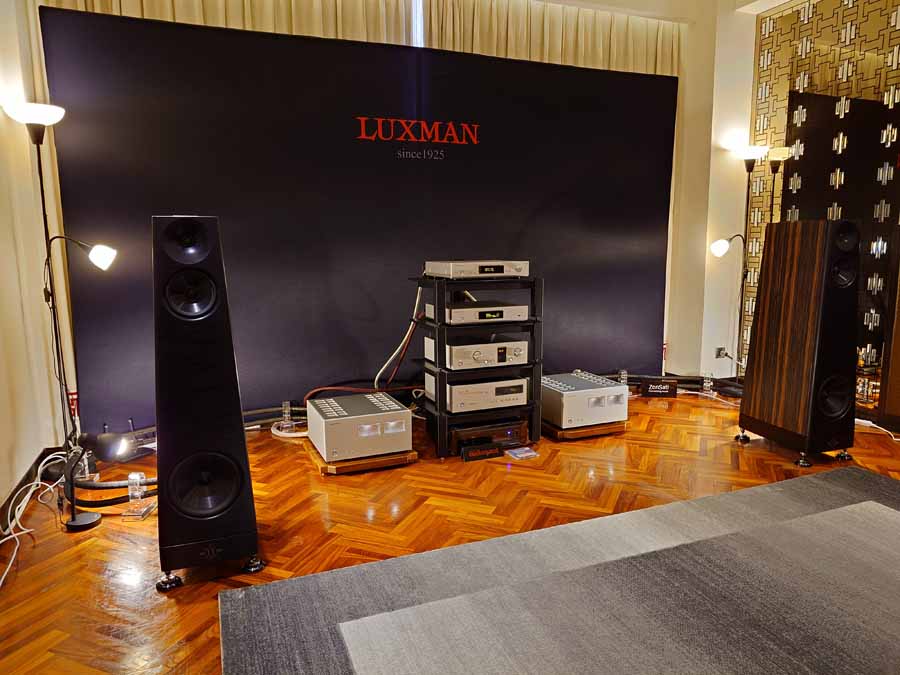
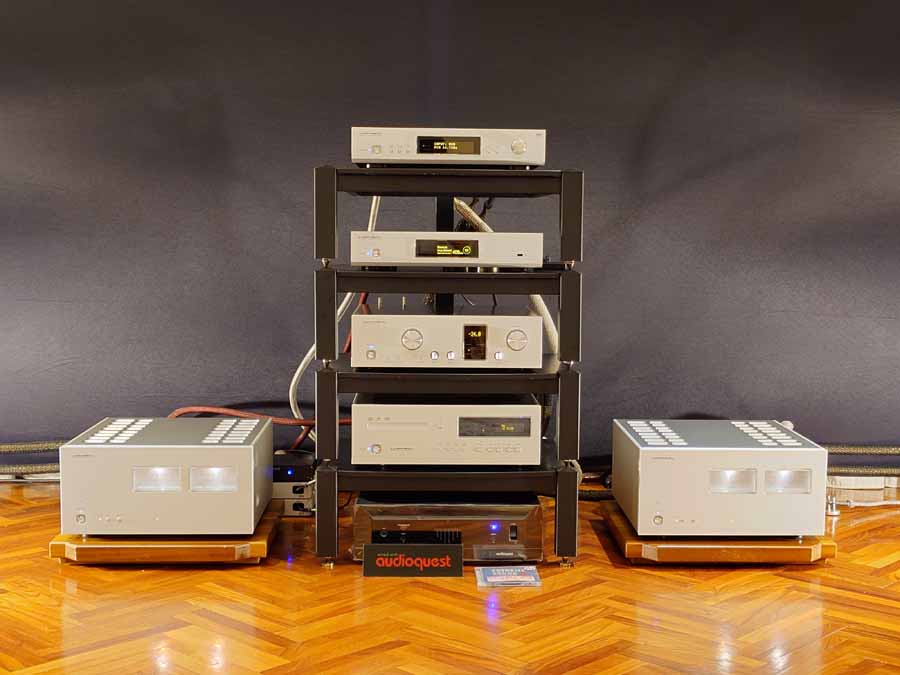
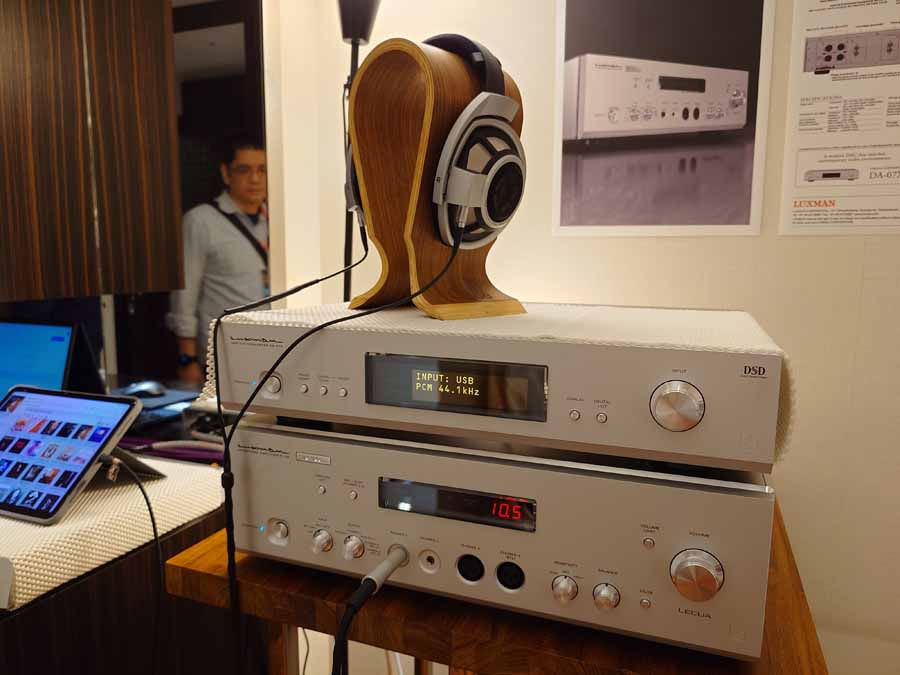
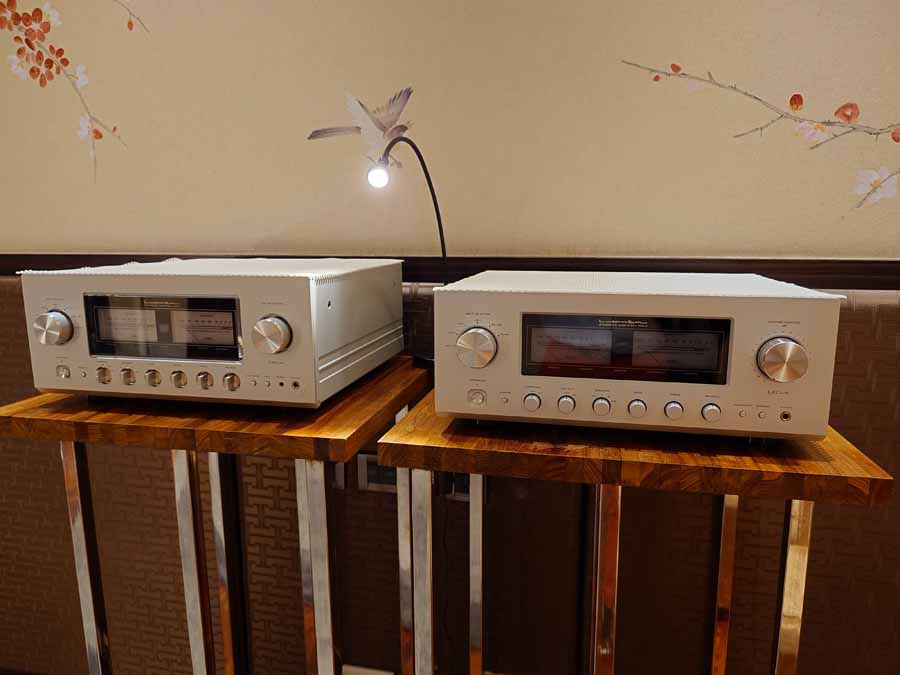
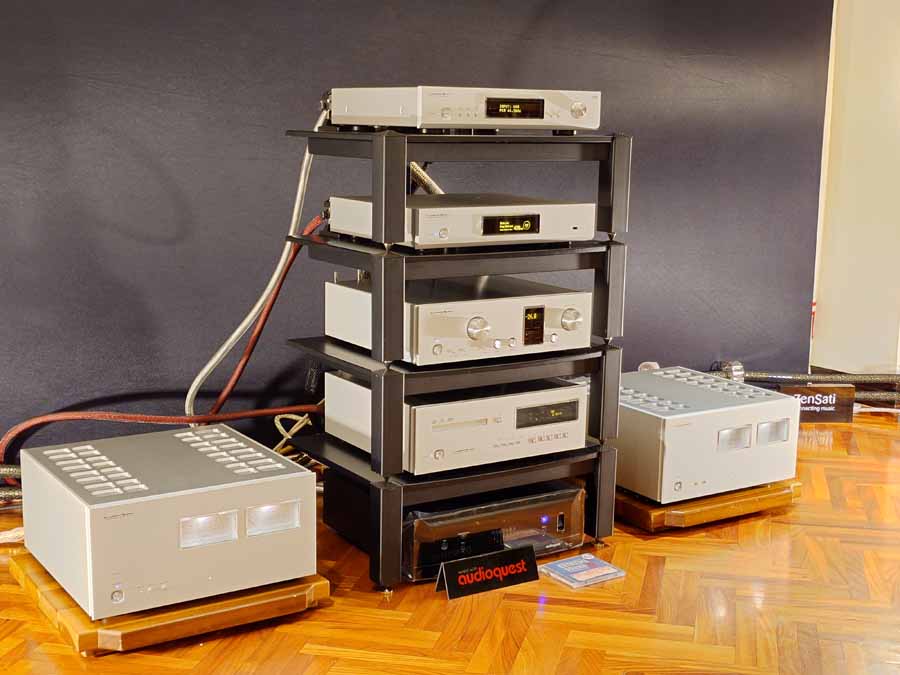
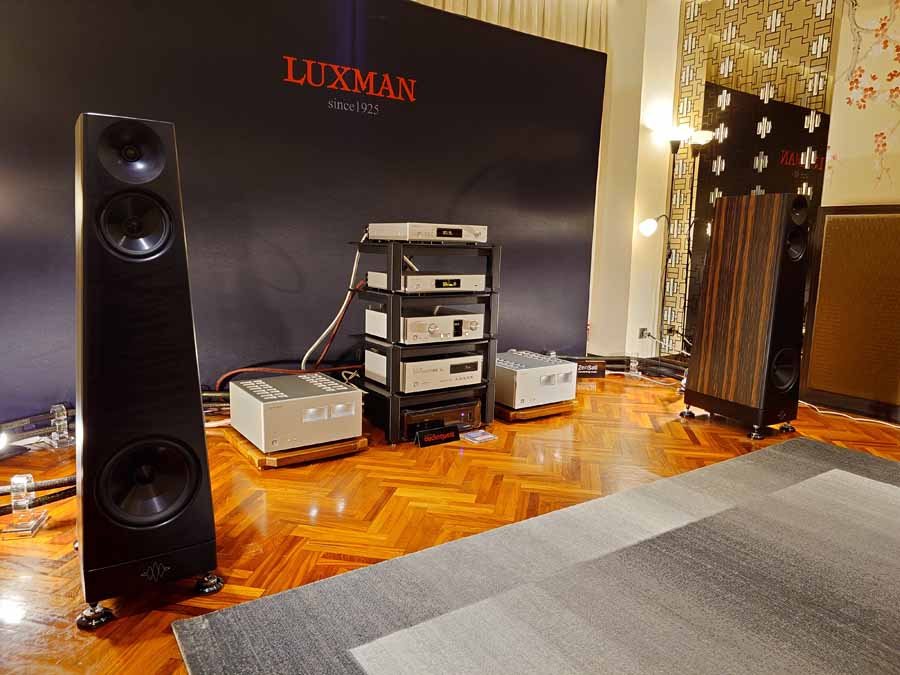
220 迎家 LUXMAN, YG ACOUSTICS
Japanese elegance paired with American muscle, all arranged in a very tidy stack. A full Luxman flagship front line, a C-10X preamp into twin M-10X power amps, with a D-10X disc player, a DA-07X DAC, and an NT-07 network player on source duty—was feeding YG’s Peak Summit, with an AudioQuest Niagara 7000 keeping the power nice and clean. It was a classic, no‑nonsense audiophile room.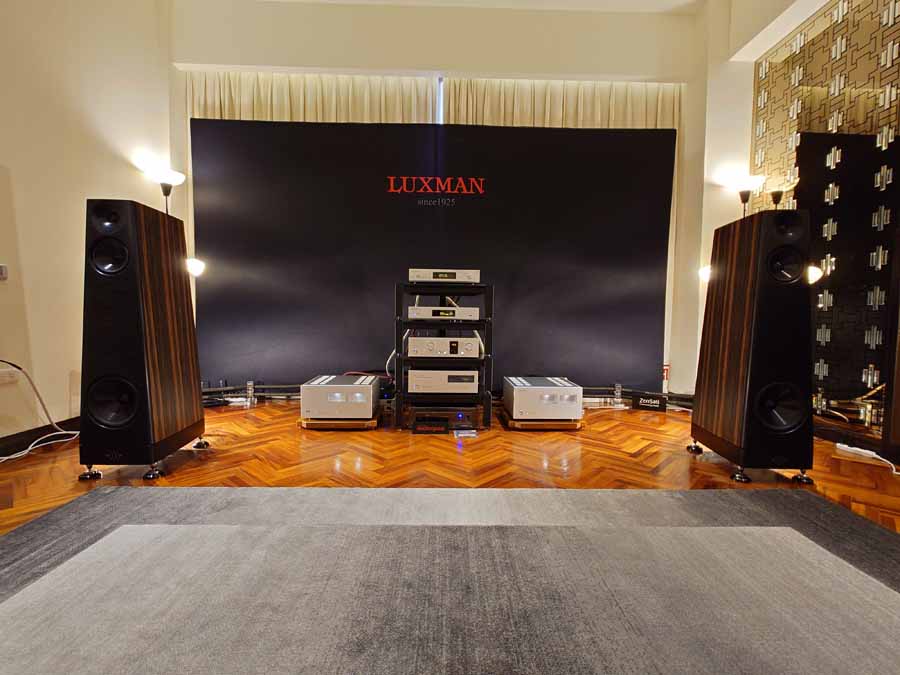
222 GAIT
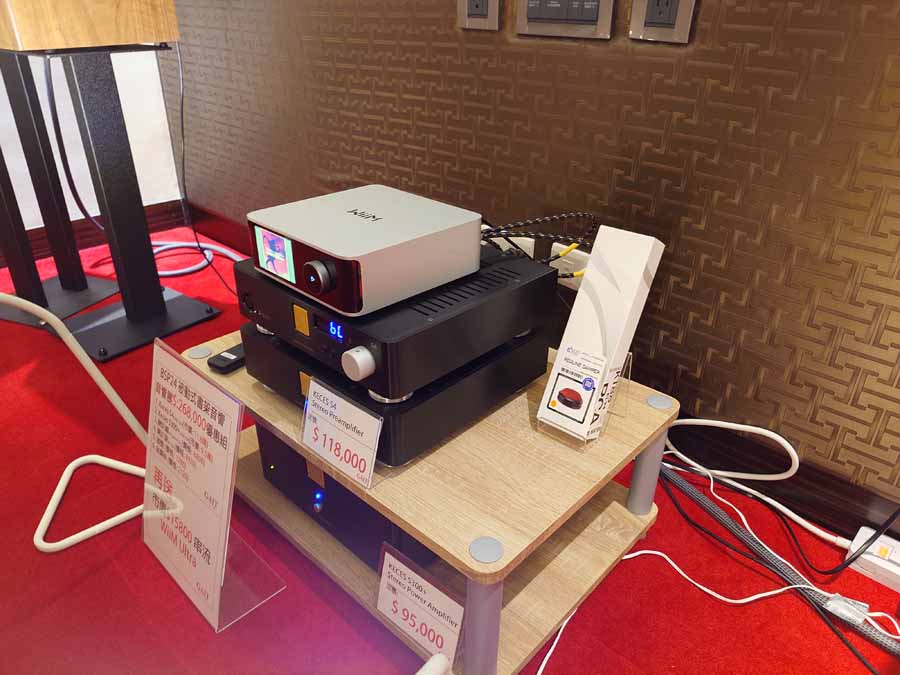
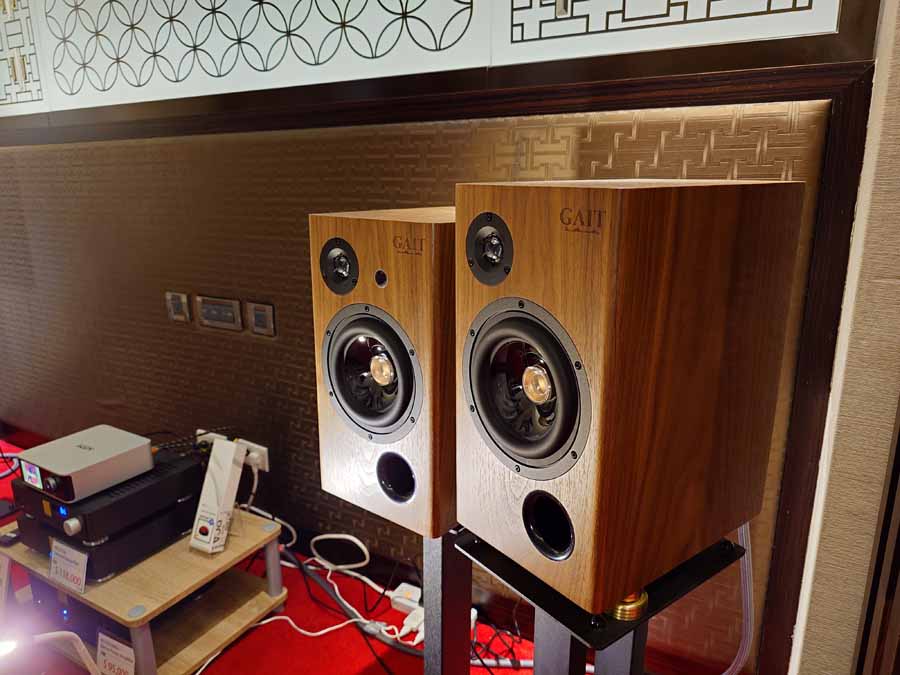
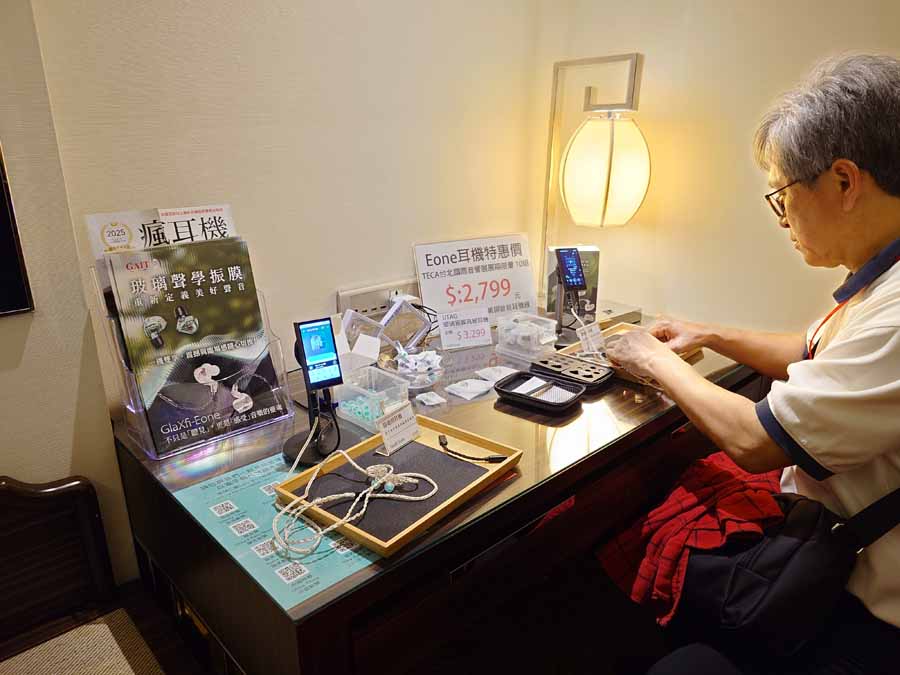
It was a fun little science lab disguised as a listening room. GAIT were showing their Alalā standmounts, handsome walnut boxes hiding something rather unusual: ultra‑thin 30 μm glass diaphragms used as the main driver material, backed up by a wall of charts explaining why glass behaves so nicely for audio. The speakers were powered by a small stack made up of a Wiim Ultra streamer and KECES pre/power. The side table was full of GAIT’s glass-diaphragm in-ear monitors, which had an eartip station so everyone could try them out in a hygienic way.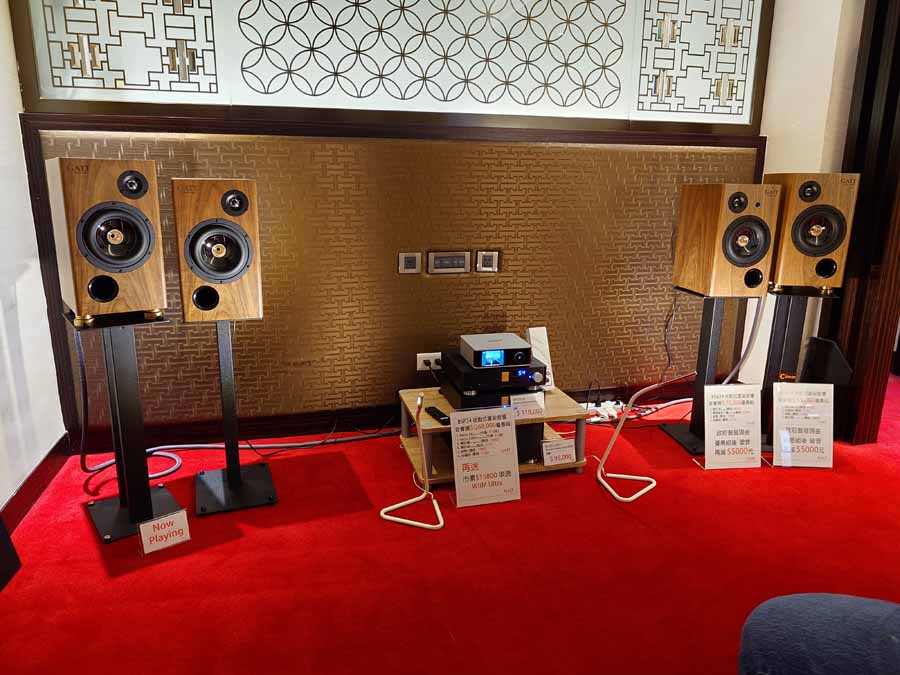
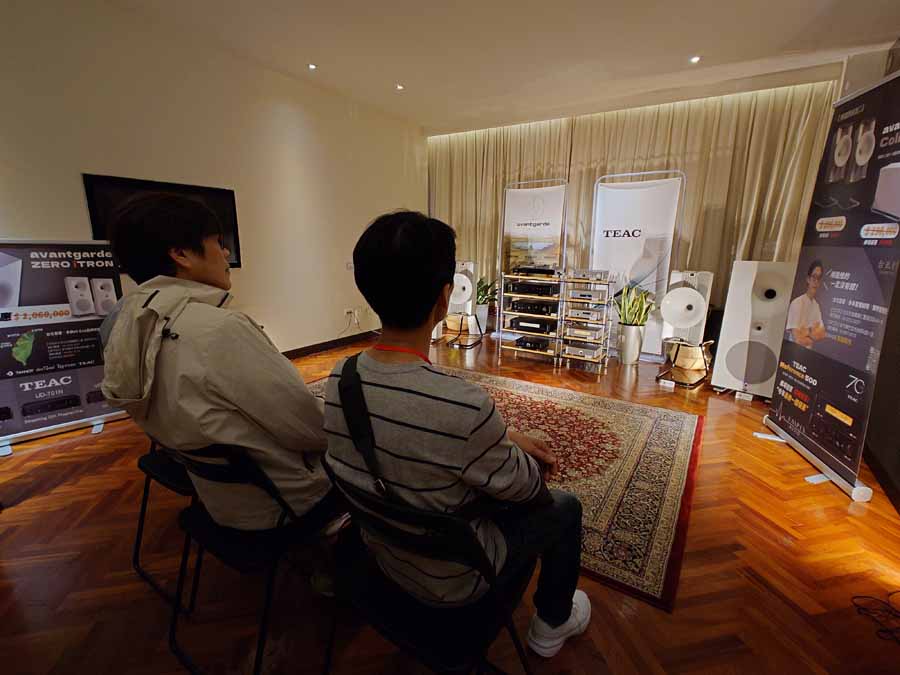
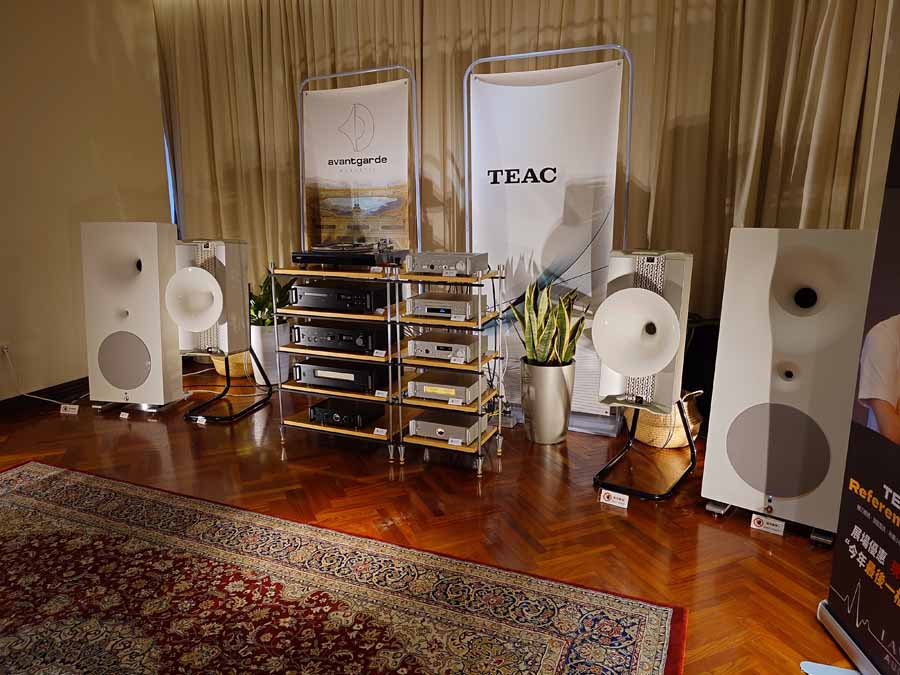
227 勝旗 AVANTGARDE ACOUSTIC, TEAC
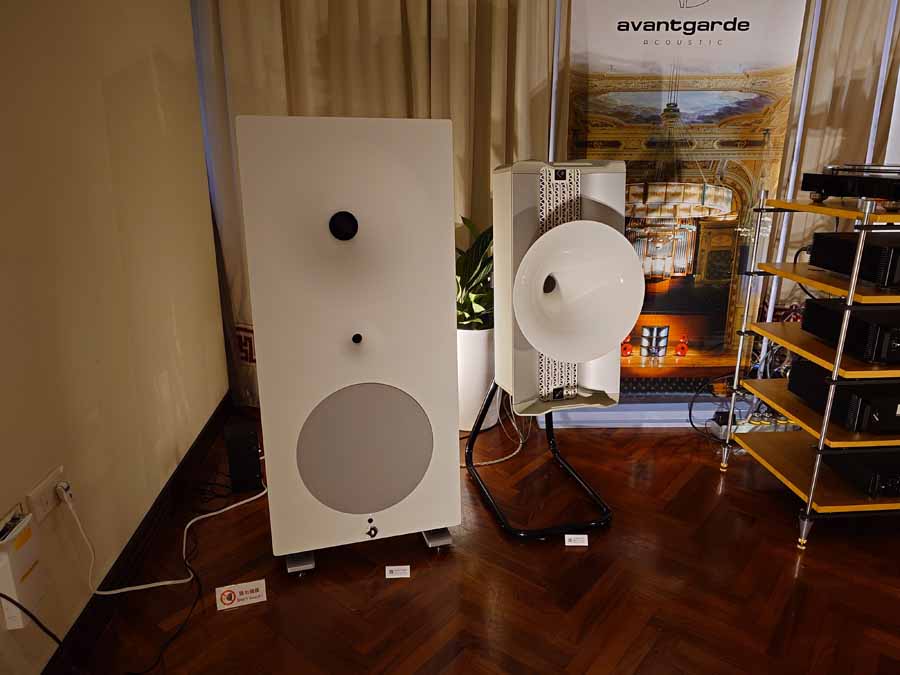
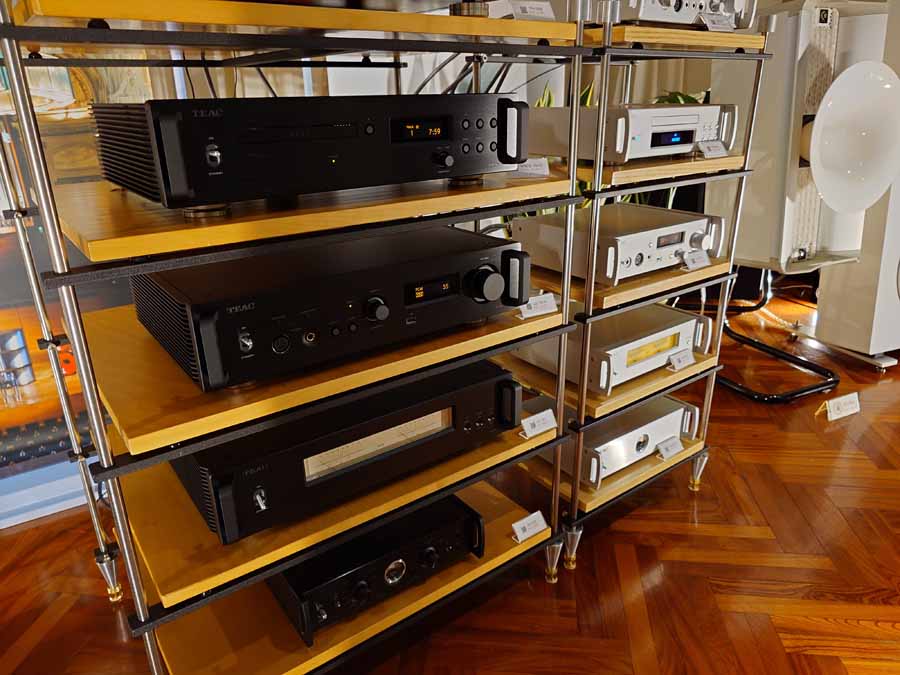
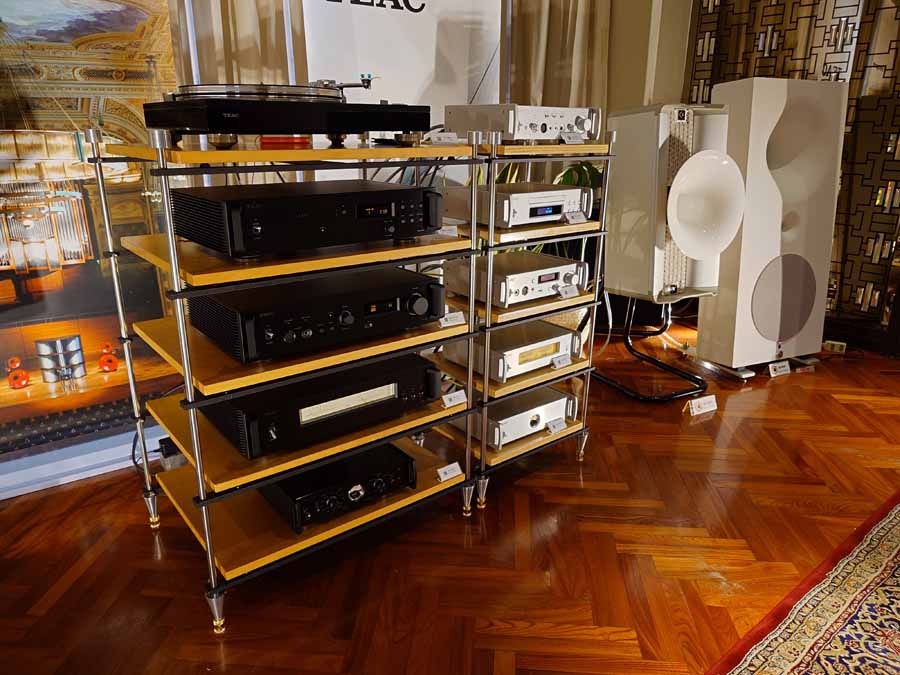
This was the other room I couldn’t wait to get back into. Avantgarde usually teams up with Esoteric, but this time they kept it in the family with sister brand TEAC, and it suited the systems perfectly. Avantgarde’s new ZERO iTRON loudspeakers were the obvious eye‑catchers: that architectural white “slab” is actually a fully active horn, with built‑in iTRON current‑drive amplification and DSP, so apart from a source you’re basically done – no amp‑matching anxiety, just plug in and play. The second system ran the larger Colibri series, giving a taste of Avantgarde’s more full‑fat horn experience in the same room.
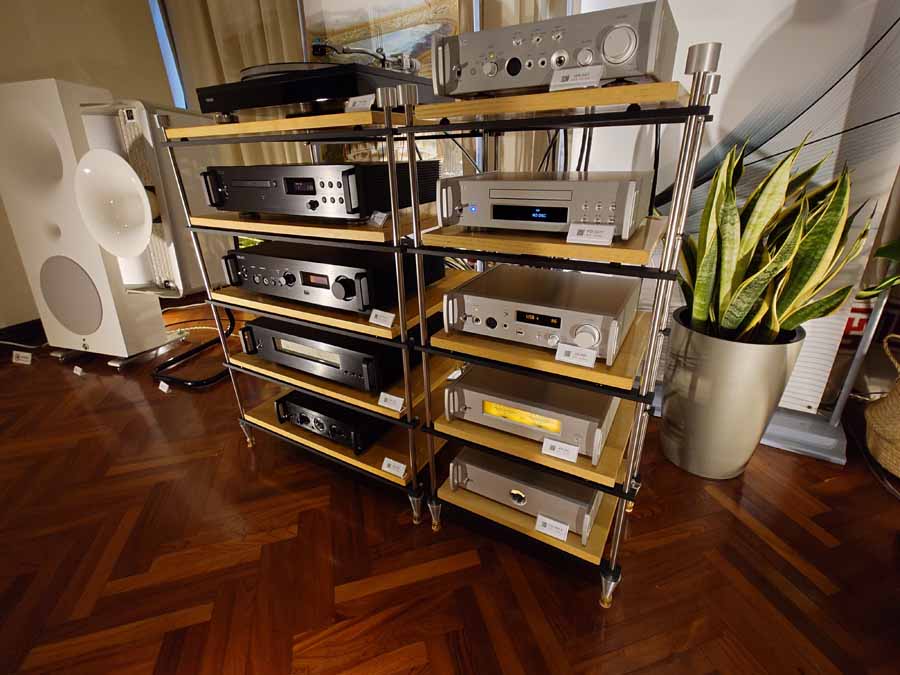
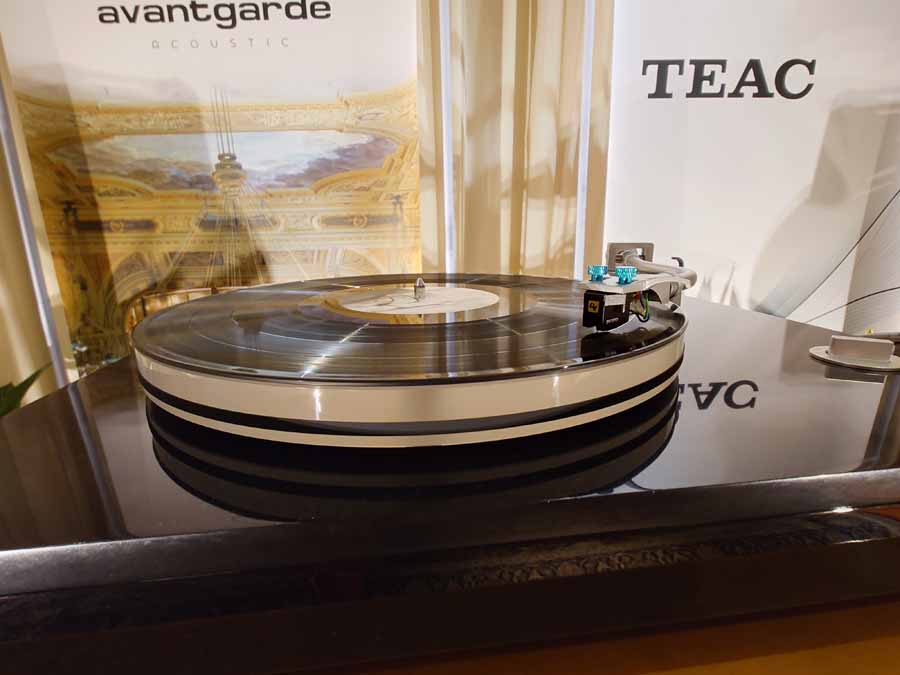
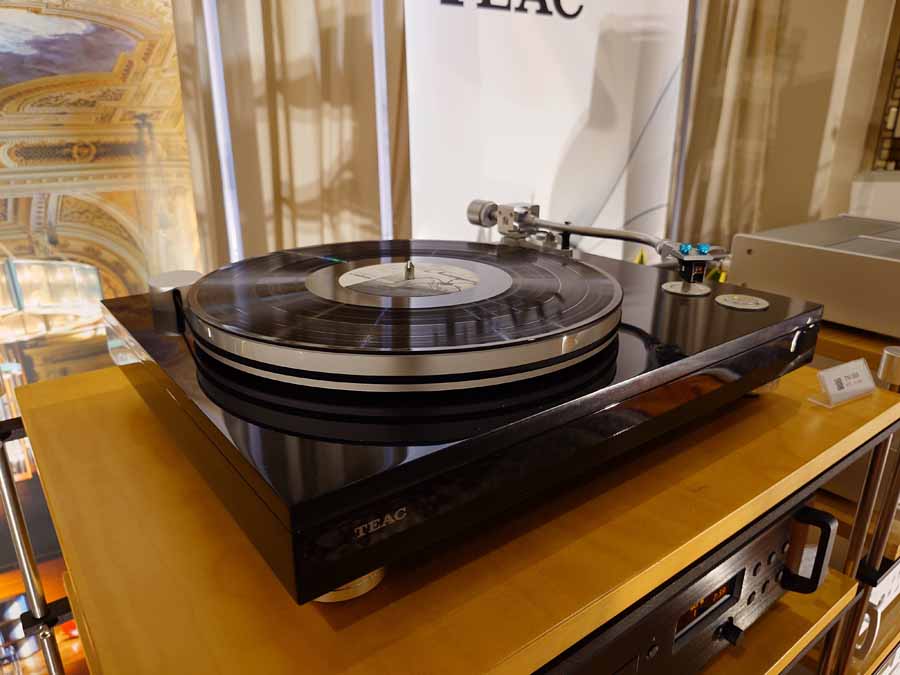
Between the horns sat a double TEAC tower that, for once, I could actually hear rather than just read about. On one side was the 700‑series: VRDS‑701T CD transport, UD‑701N DAC/network player, and AP‑701 dual mono power amp, plus an analogue front end built from the PE‑505 fully balanced phono stage and TN‑5BB belt drive turntable sporting a Dynavector DV‑20X2 cartridge, a deck that neatly blends serious build with everyday friendliness, right down to the arm lifting at the run‑out groove so you don’t have to dive for it. Opposite sat a full 500‑series stack, TEAC’s modular playground of ten separates you can mix and match into whatever system you fancy: the AP‑507 power amp and UD‑507 DAC/pre for a classic two‑box setup, with options to add the NT‑505T CD transport, CG‑10M‑X master clock or NT‑505X network player – or to throw the rulebook out entirely and build a dedicated headphone rig around the HA‑507. The only thing I was missing was the NT-507T, the recently announced network transport with fiber-optic connection – that is very much a piece of gear that I’m looking forward to playing around with!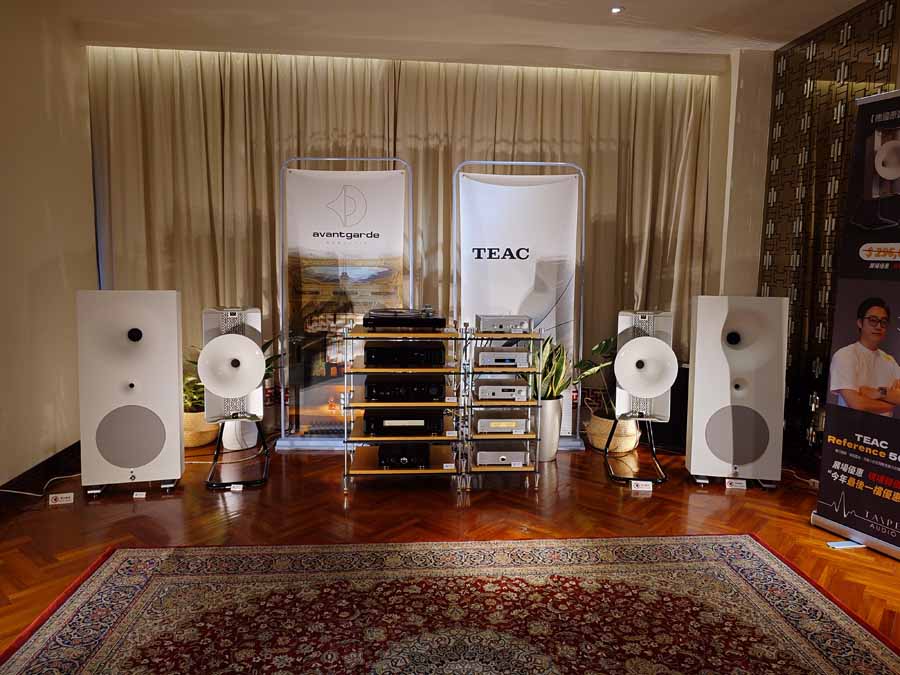
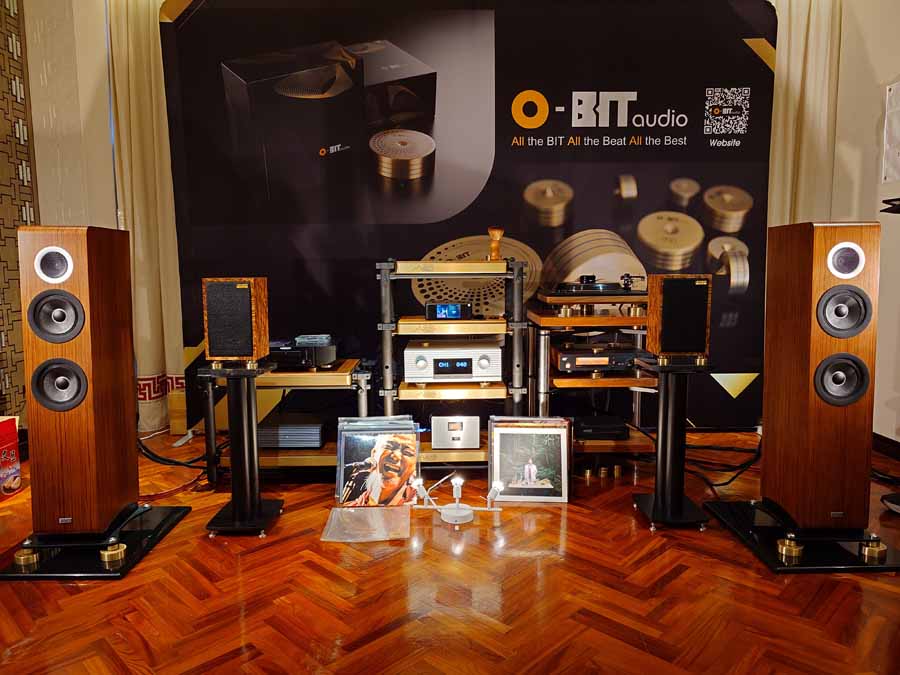
231 OBIT AUDIO, TAD, MOFI
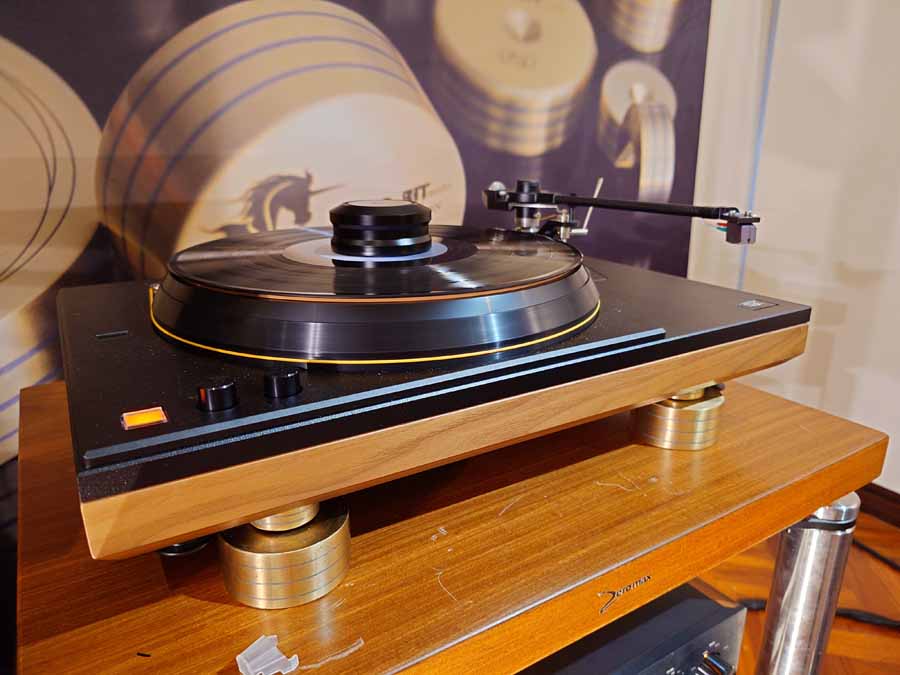
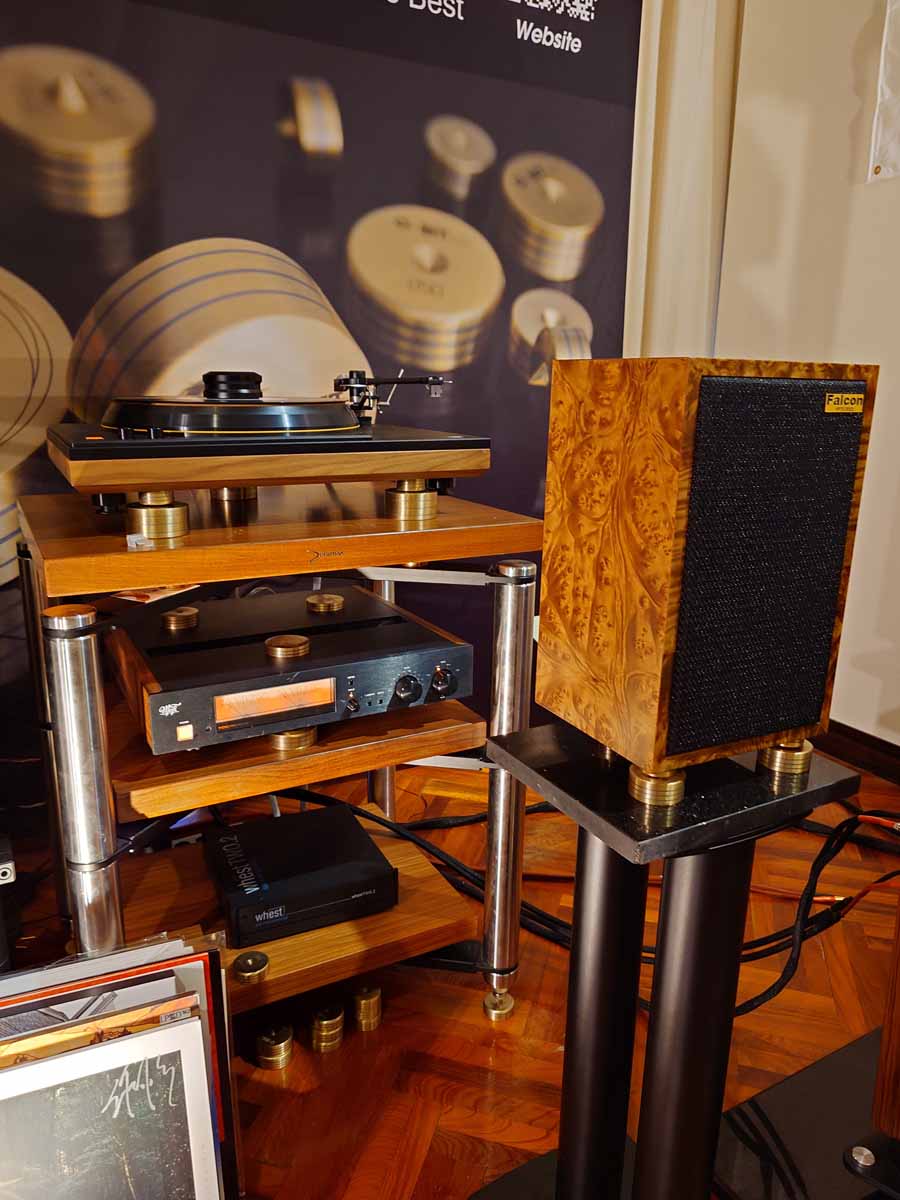
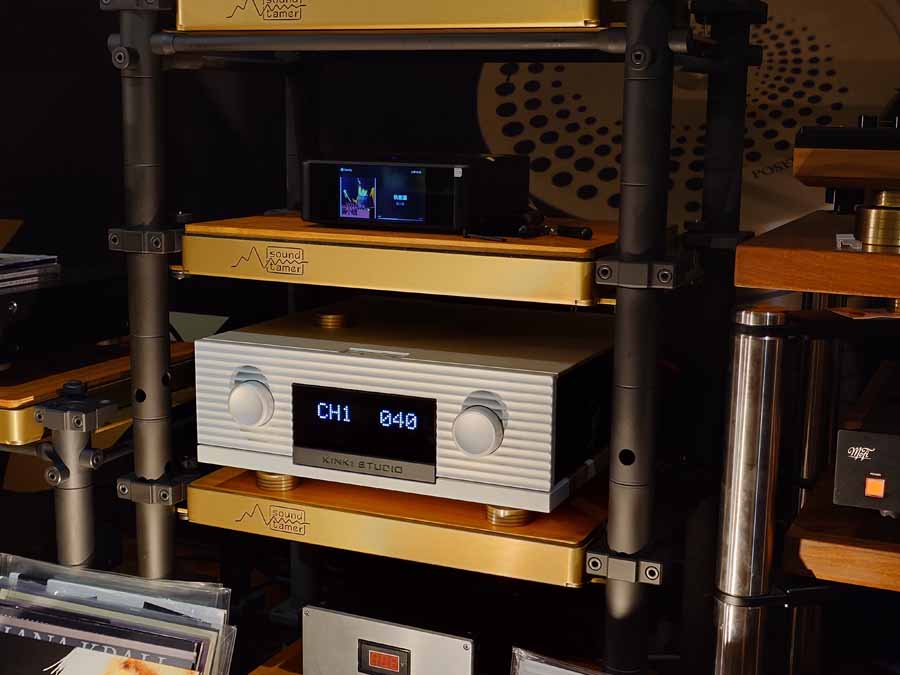
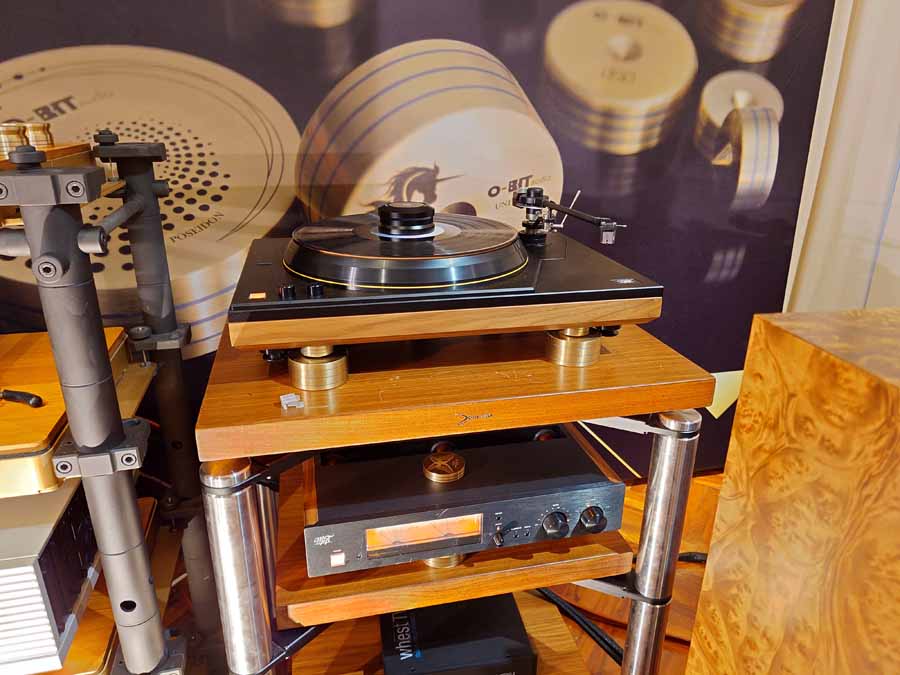
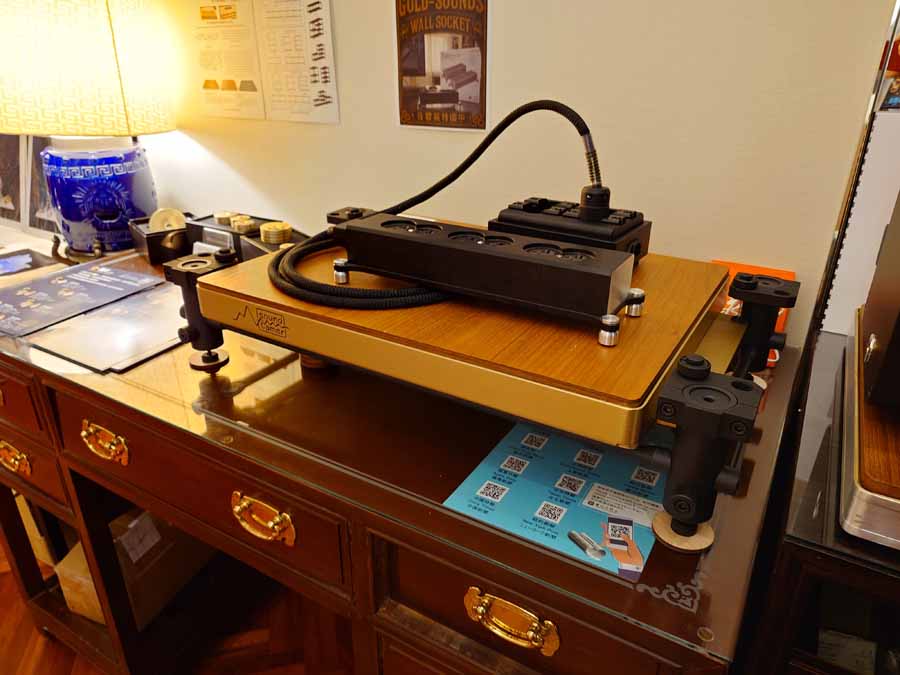
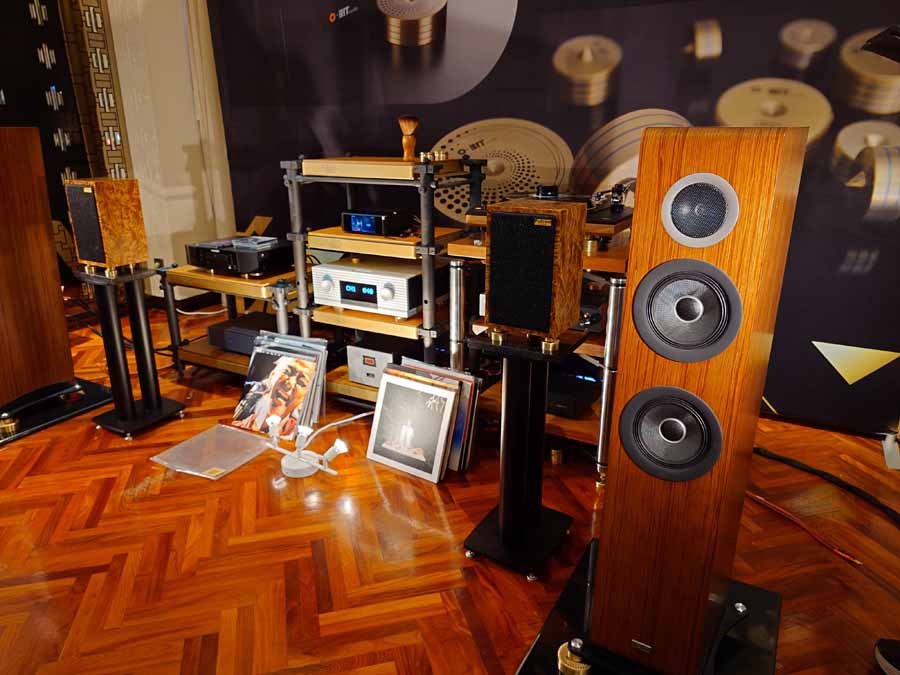
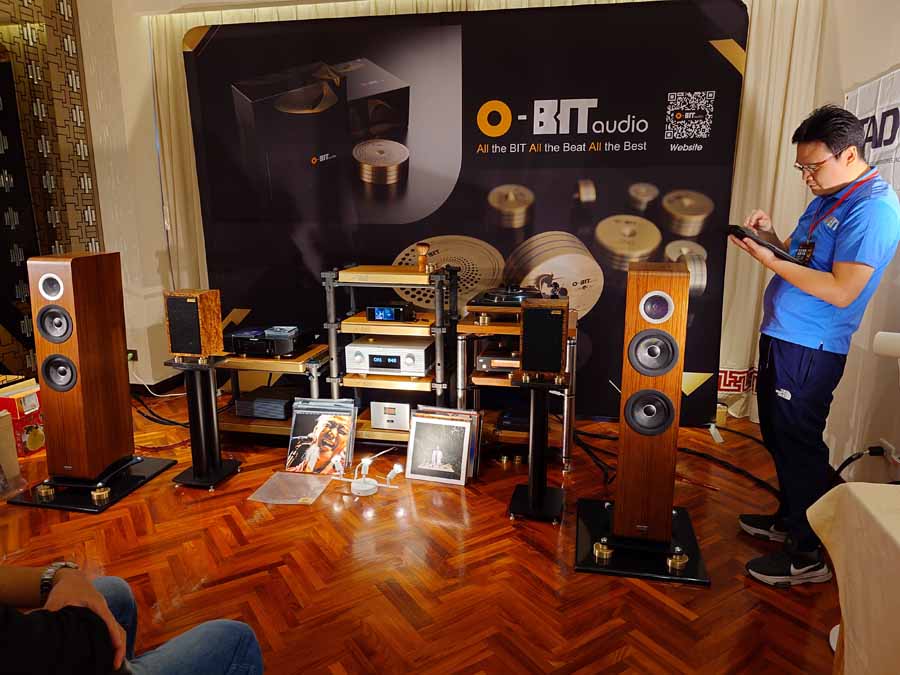
O-BIT’s room was a proper tweaker’s playground dressed up as a very serious system. In the middle of the room were TAD‑E2‑WN speakers connected to a Kinki Studio Dazzle integrated amp, with music coming from a MoFi MasterDeck+ turntable and its matching MasterPhono, while streaming was done by a Bluesound Node Icon, all powered by a Kinki Taihang conditioner on a sturdy Soundtamer suspended modular rack. Of course, every box and both TADs were sitting on O‑BIT’s resonance‑absorbing feet, turning the whole setup into a live demo of what their B‑ and I‑series supports can do under real‑world, high‑resolving gear.
234 KORG
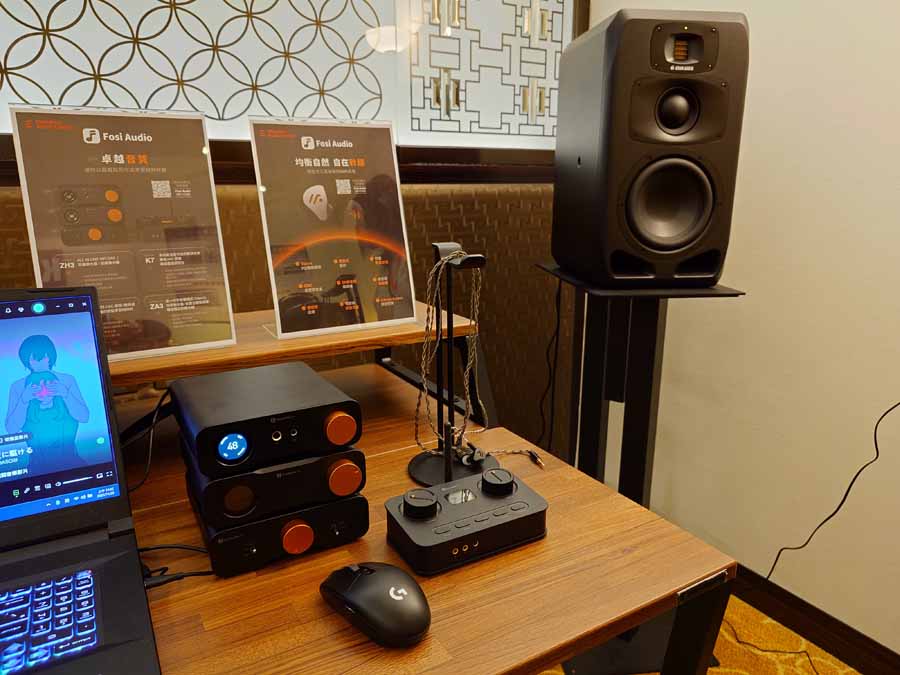
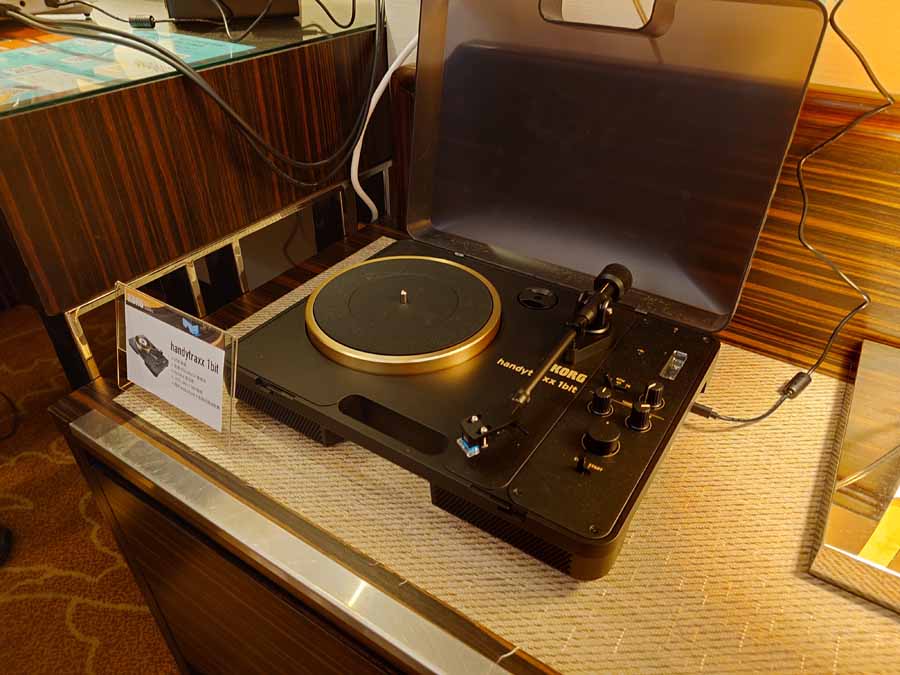
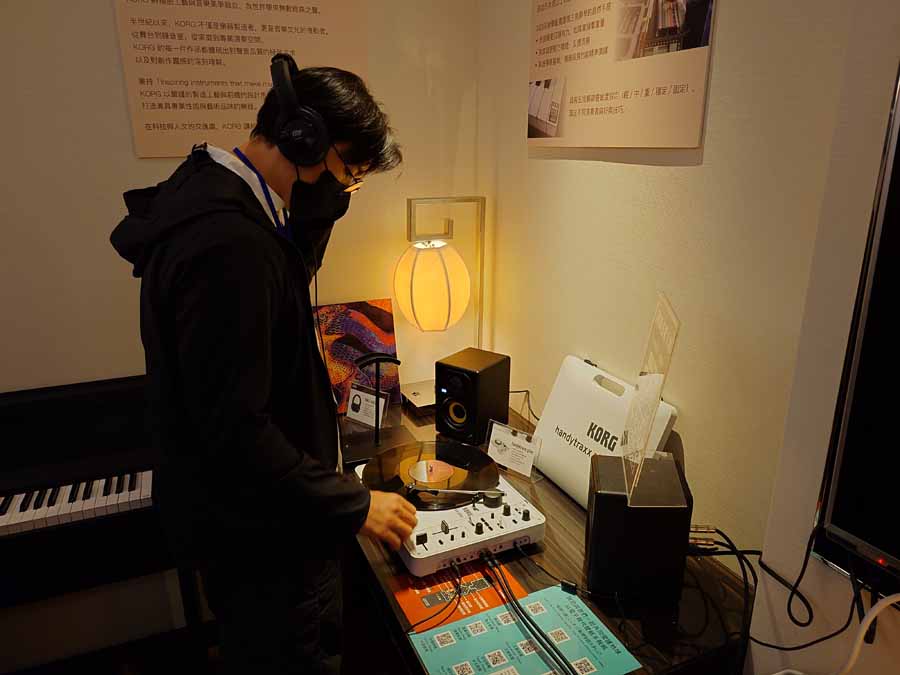
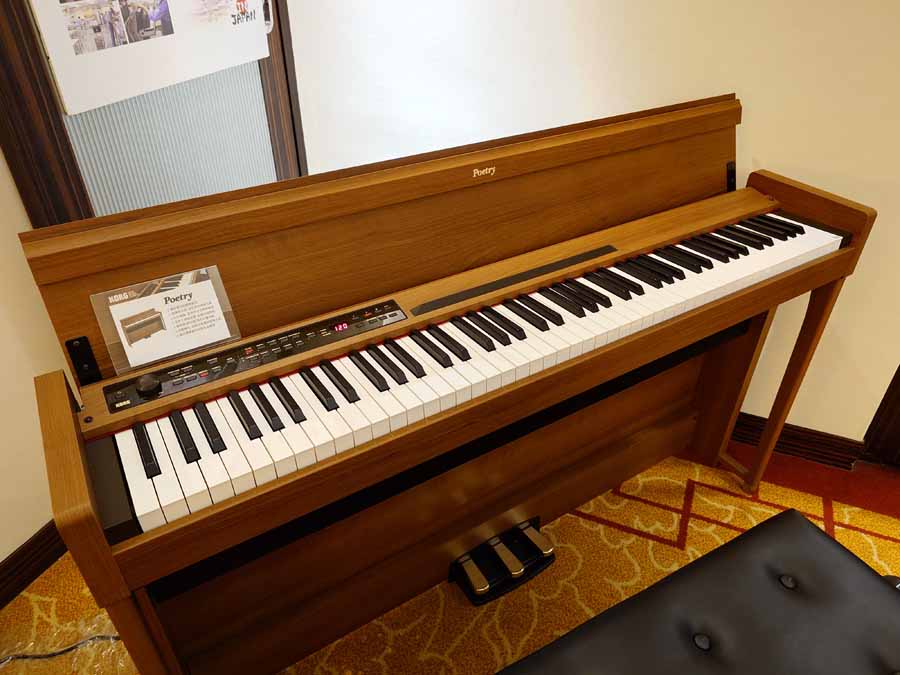
This room wasn’t for “sit back and listen”; it was for “roll up your sleeves and make some noise.” KORG took over the space with musicians and creators in mind. There was a Handytraxx 1bit and play portable turntable-recorder spinning vinyl on one side, a digital piano from the Poetry lined up for a quick play, and a corner full of Fosi Audio desktop amps feeding studio monitors and headphones for laptop-based production. It felt more like a small project studio, which is surprisingly rare at shows. It was delightful to see some younger enthusiasts jumping in to try some mixing.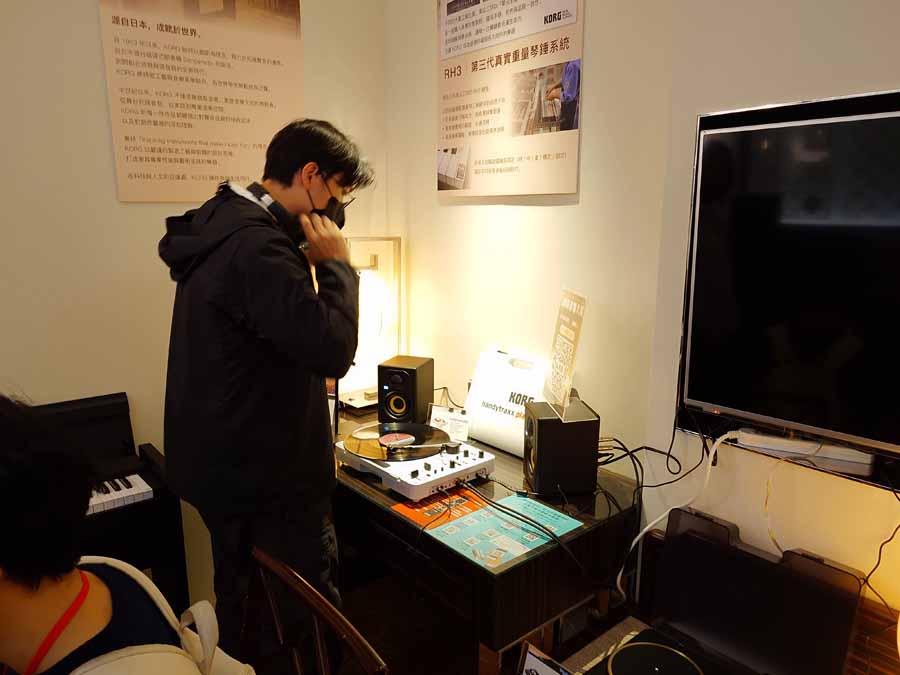
235 概念音響 BLUESOUND, Q ACOUSTICS, QED
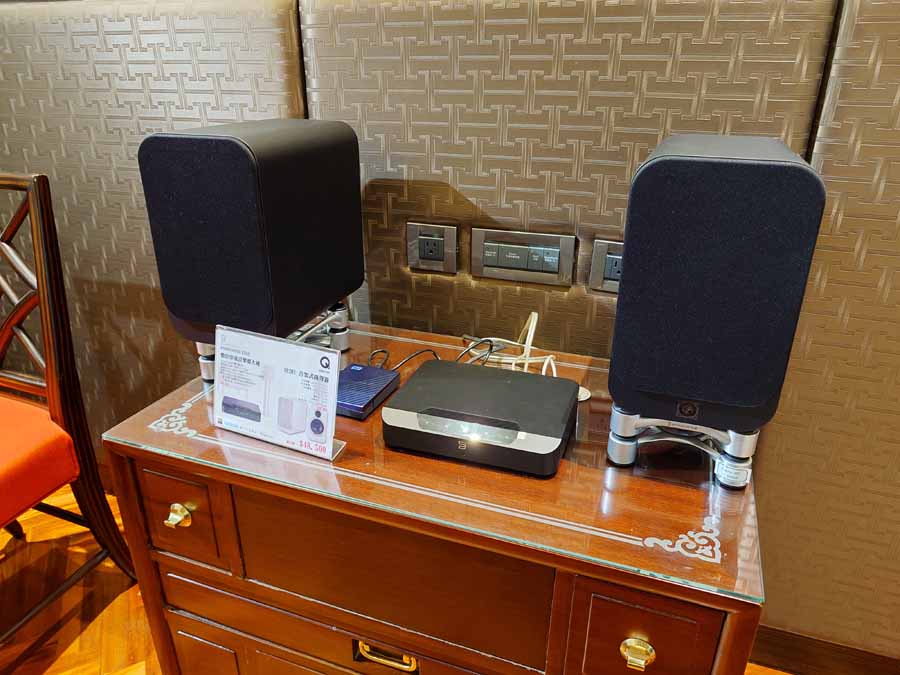
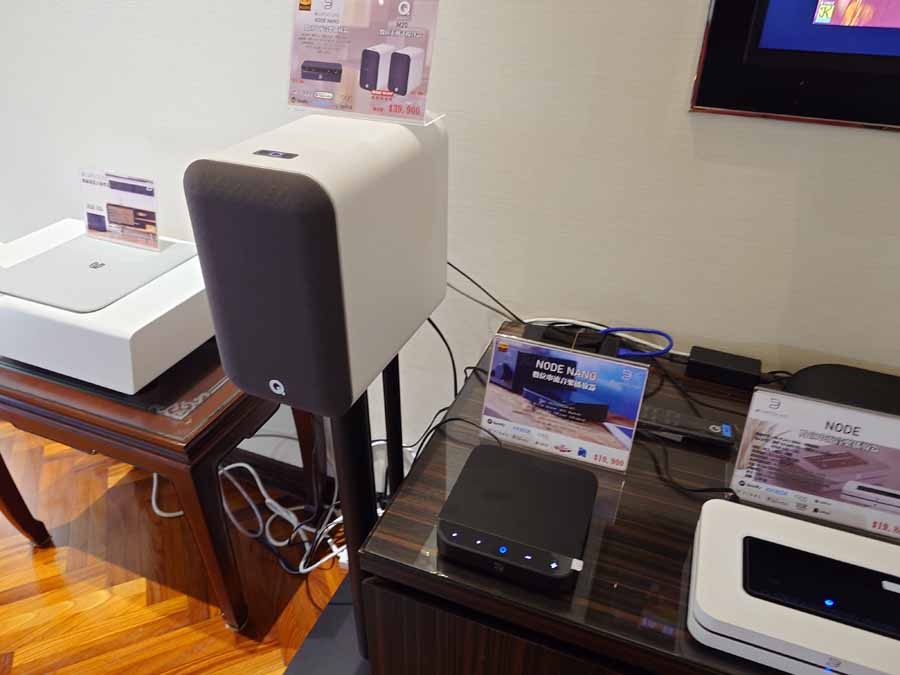
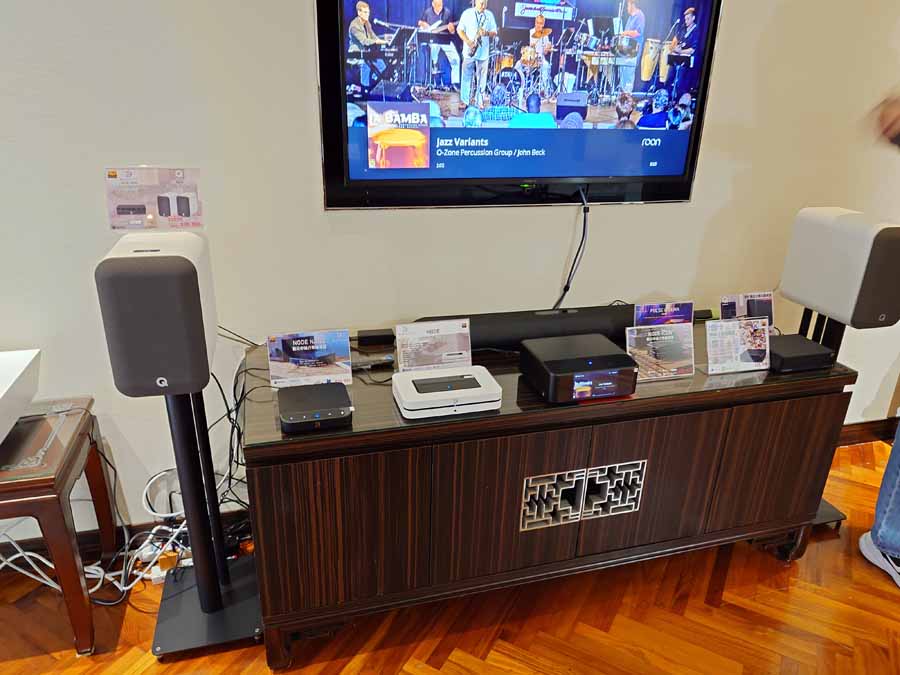
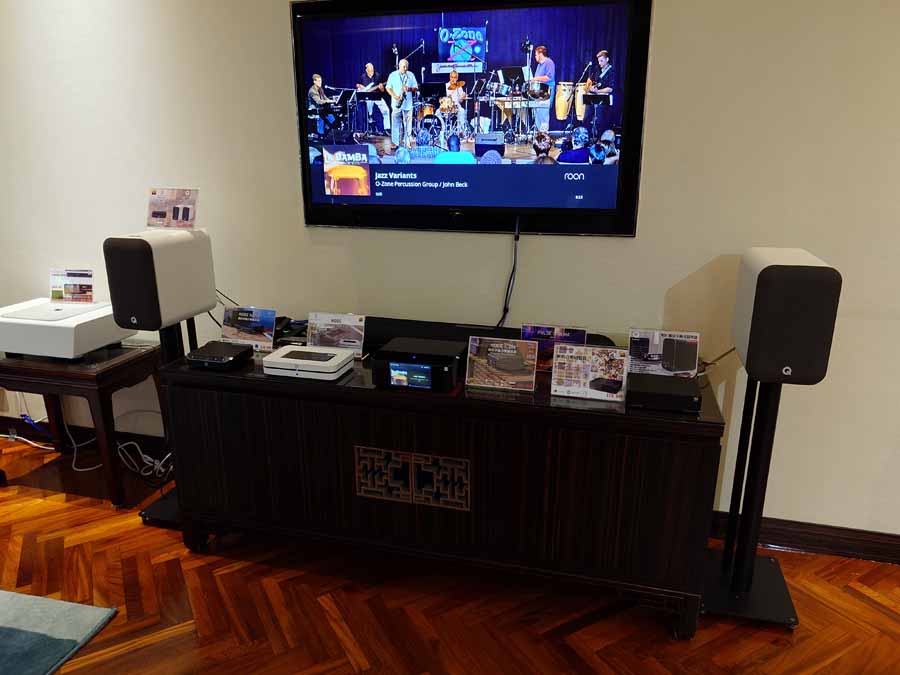
As a long‑time Q Acoustics fan, this was another must‑stop room for a quick reality check on what “sensible money” can actually do. They had one of the most appealing small systems of the show: the M20 active speakers bundled up with the new Bluesound Node Nano, a little combo that looked ready to slide straight into a living room or desktop without a domestic argument. Across the room, a full 5000-series home cinema layout took care of the bigger-screen dreams, while a table full of QED cables on the promo quietly tempted anyone planning to give their own system a bit of affordable TLC.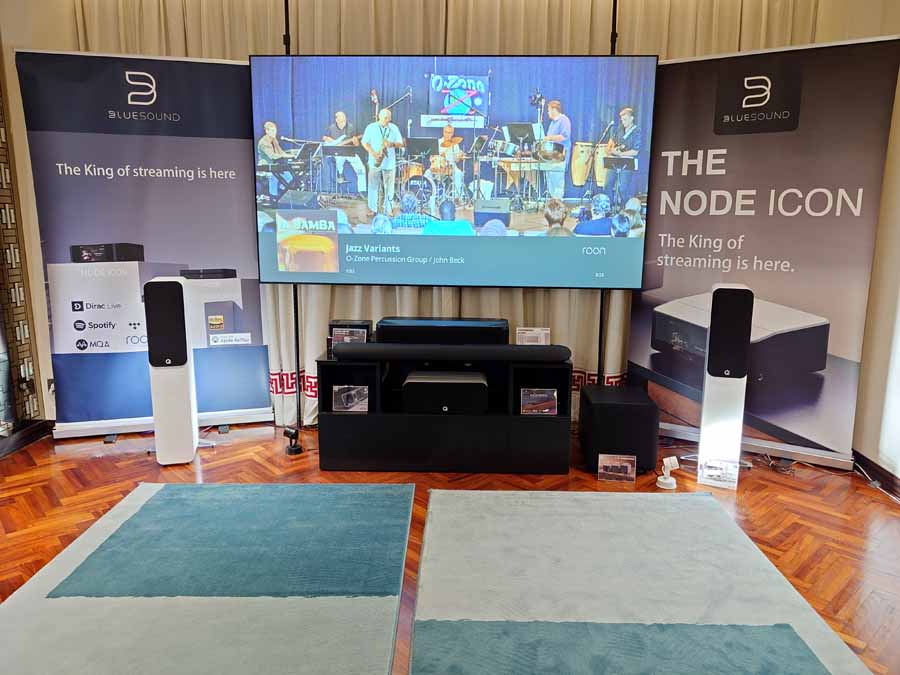
236 佑昇 GOLDMUND, KAISER, JADIS, HEGEL, VIENNA ACOUSTICS
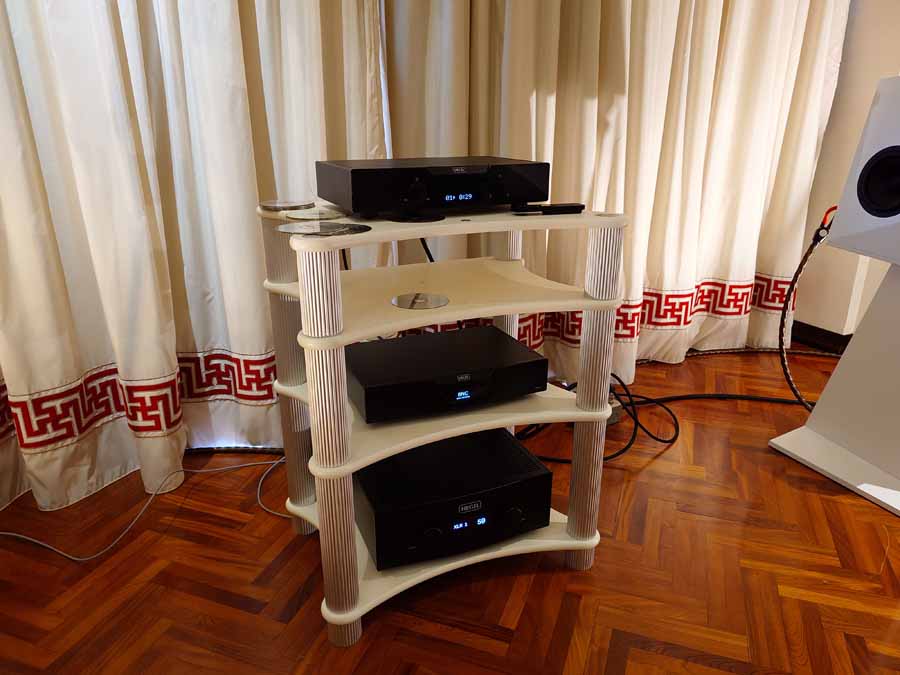
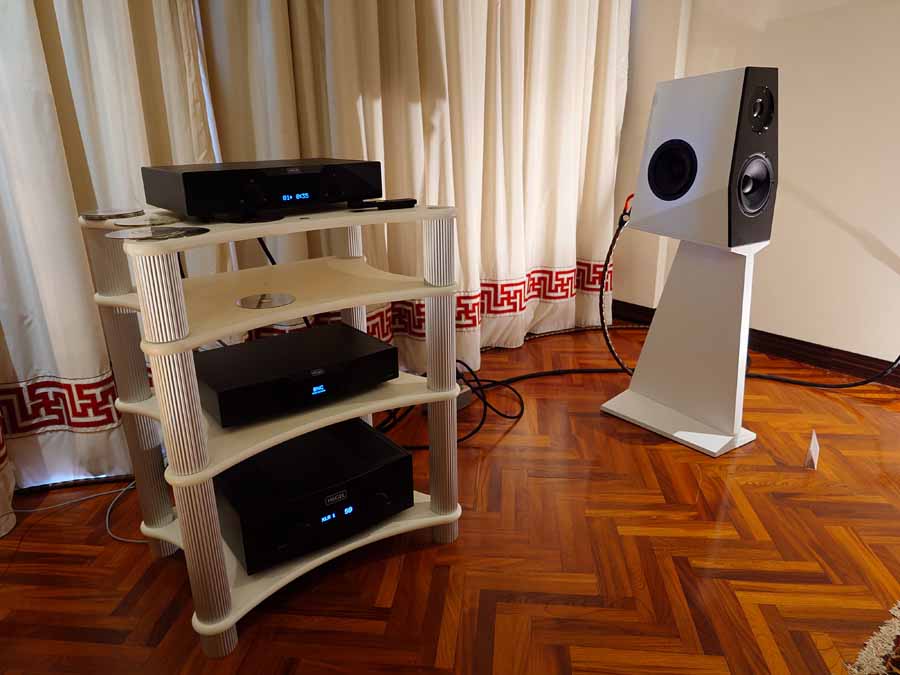
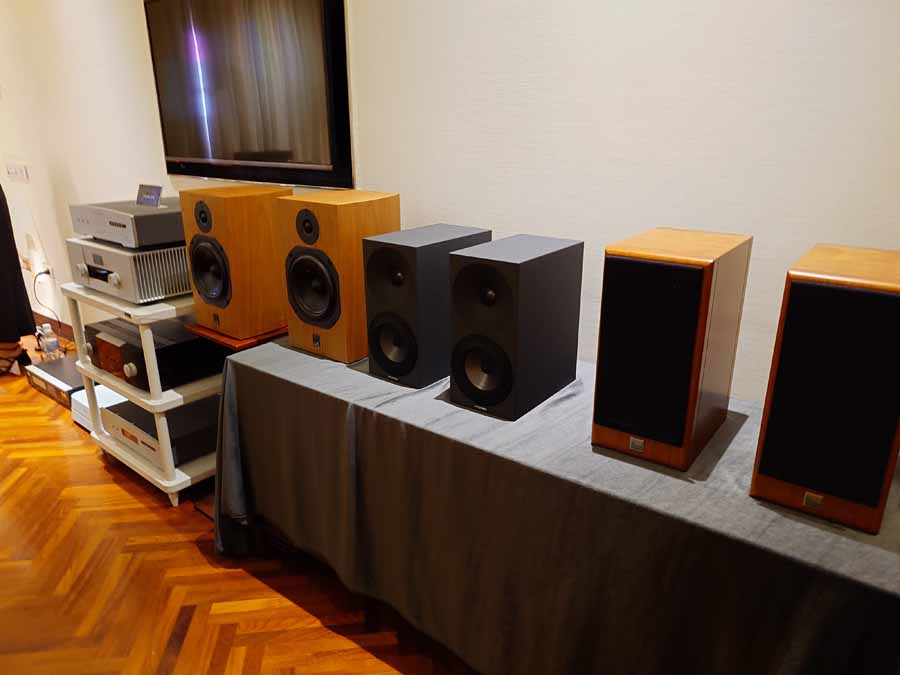
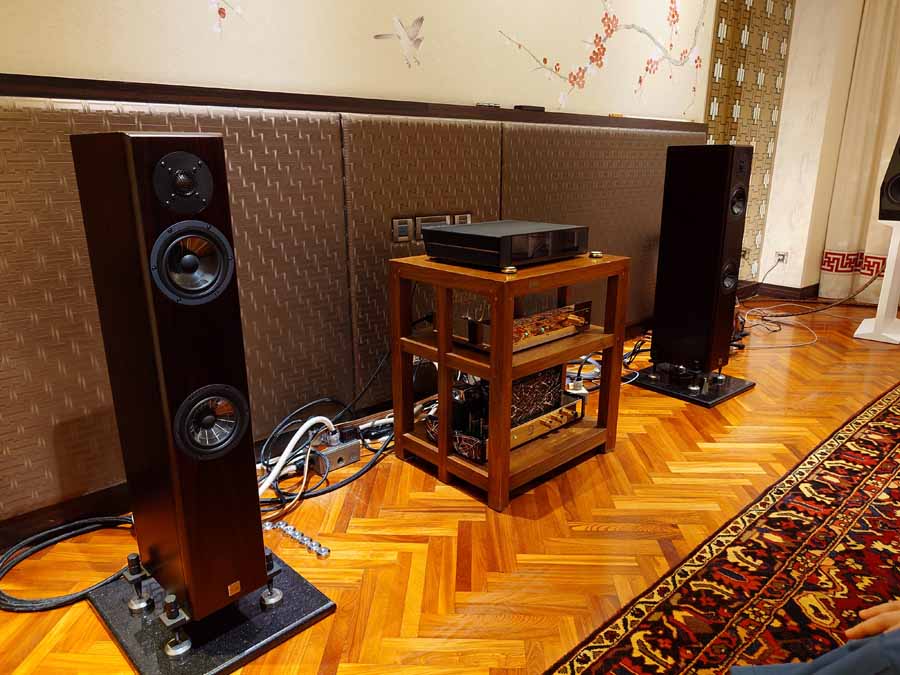
Visitors to this room were greeted by two well-proportioned systems. The main attraction was a clean white setup with Kaiser Acoustics’ Furioso Mini standmounts on matching sculpted stands. The sound was powered by a full stack of Hegel electronics, which are known for their tight, low-noise, high-grip sound. Things got more romantic along the side wall, where a line of Jadis tube electronics fed Vienna Acoustics Mozart Grand floorstanders with an Arcam ST25 streamer as the source. This was a very civilised ‘European evening in’ option compared to the ultra-neutral Kaiser/Hegel combo.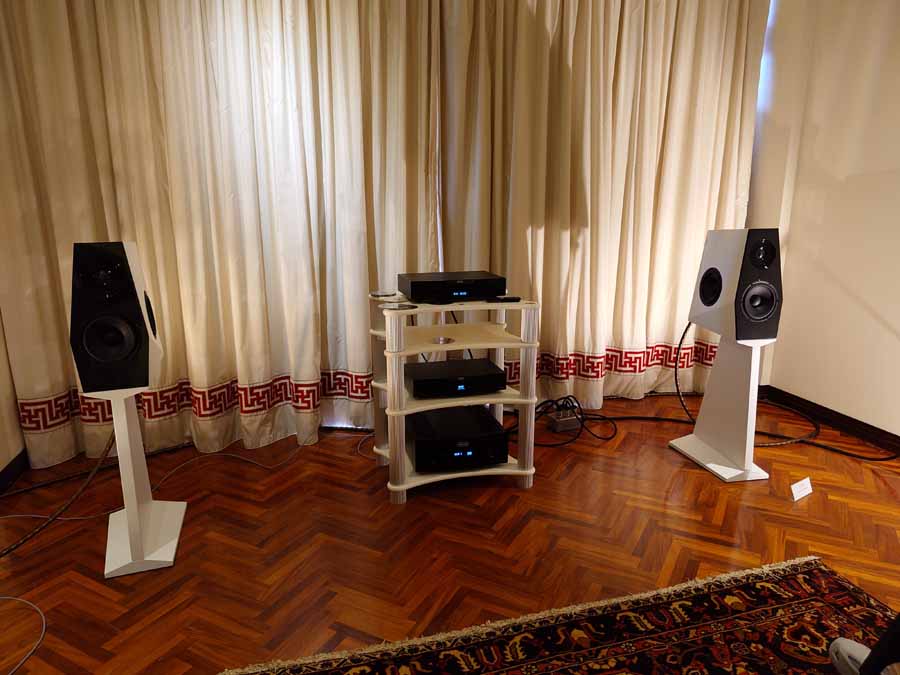
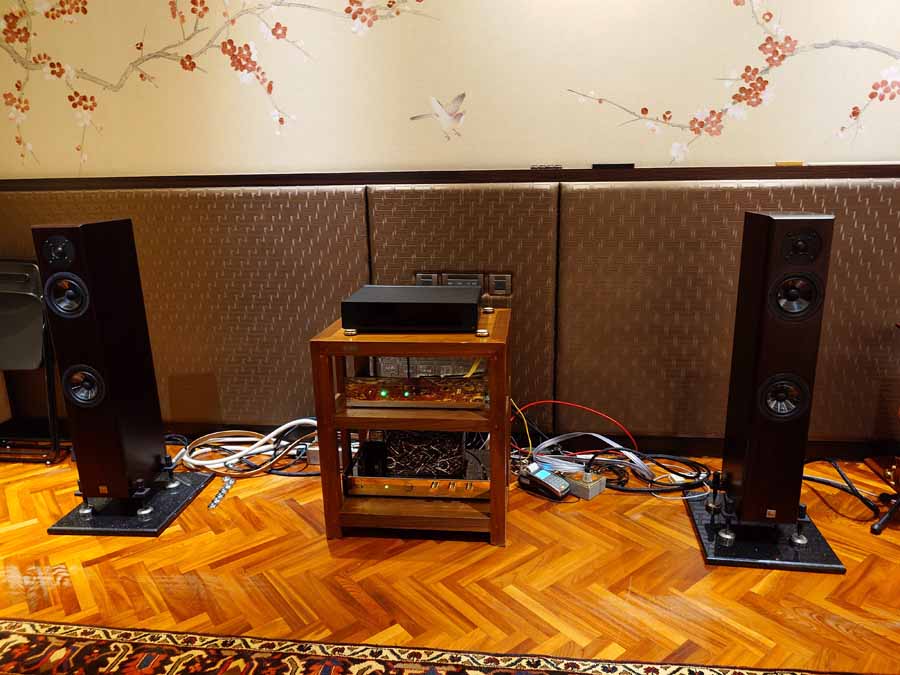
239 USHER
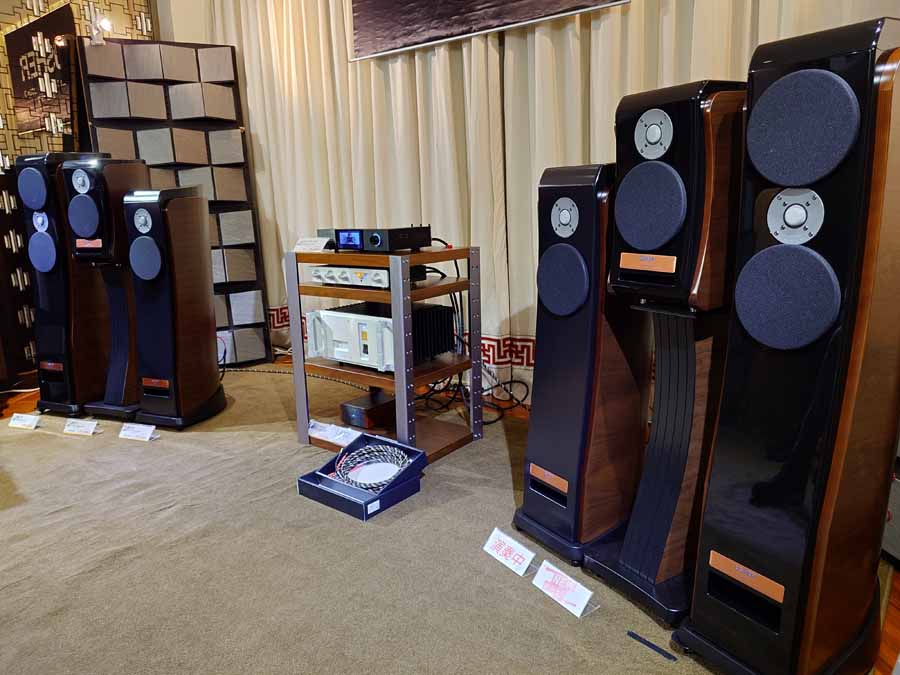
Usher created a splash at the show with the debut of their brand-new Nerra ND-3 loudspeaker, a release so highly anticipated that the room was three-deep with eager listeners nearly all weekend. Timing the launch to coincide with the expo, Usher capitalised on their huge Taiwanese following, and it showed: it took me two tries just to snag a seat for a proper listen. The ND-3 keeps things sleek and modern with its slim profile and premium birch enclosure, but the real story is what’s under the hood, a 2-way system using Usher’s signature 1.25” DMD diamond tweeter and a 7” woofer, both optimised for dynamic sound and detail. Clocking in with a frequency response from 32 Hz up to 40 kHz and 86 dB sensitivity, this floorstander is all about precise soundstage and that signature Usher richness, but with even more micro-detail and openness than before. The ND-3 is positioned between the Nereo NT-5 and the standmount Nelis ND-1, rounding up a new flagship line for Usher.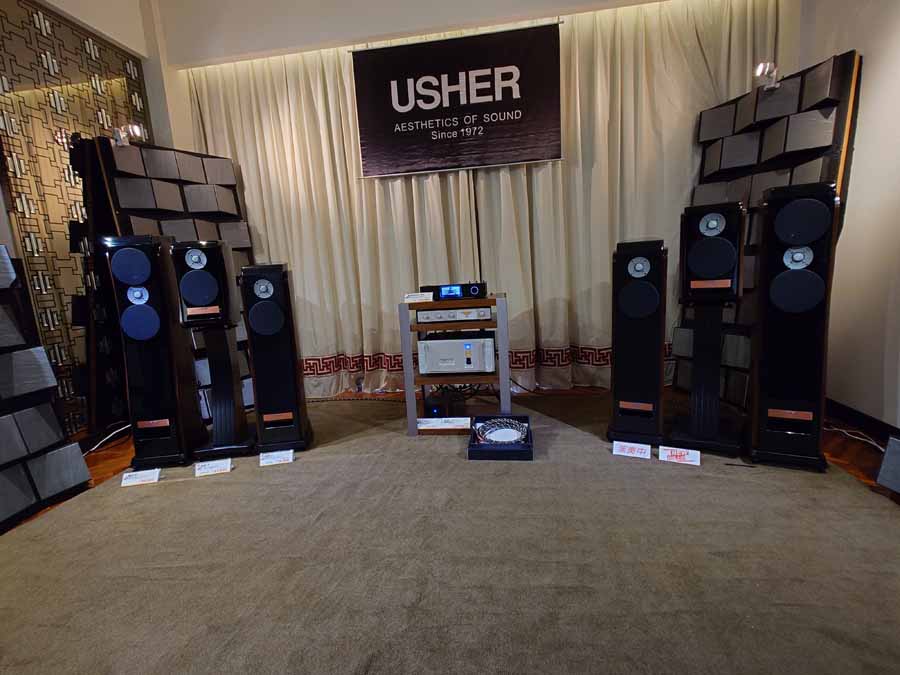
243 瑩聲 PMC, SPENDOR, CYRUS, AVM, INAKUSTIK, VOLUMIO AND CYRUS
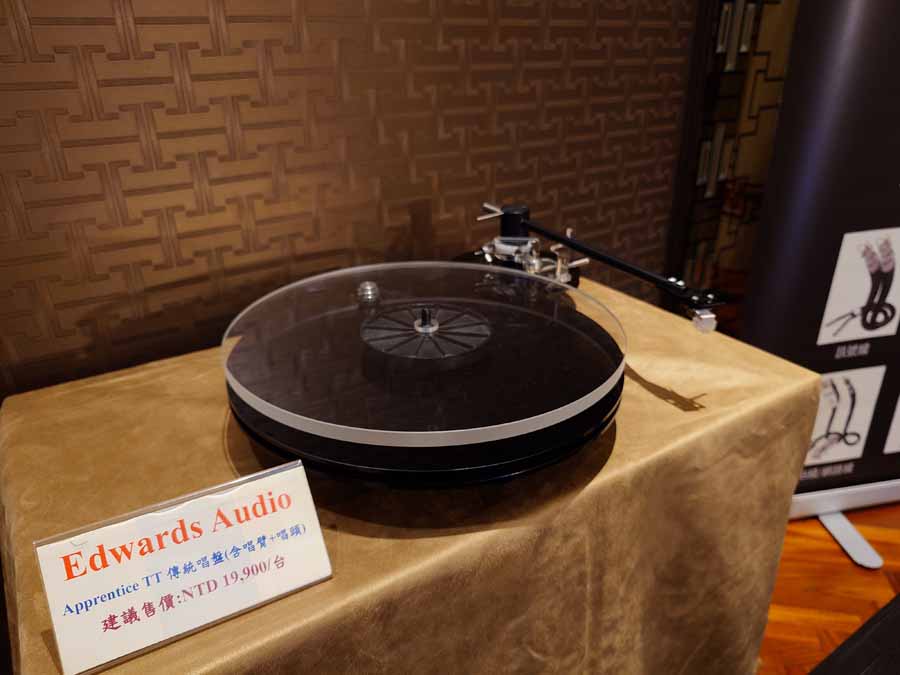
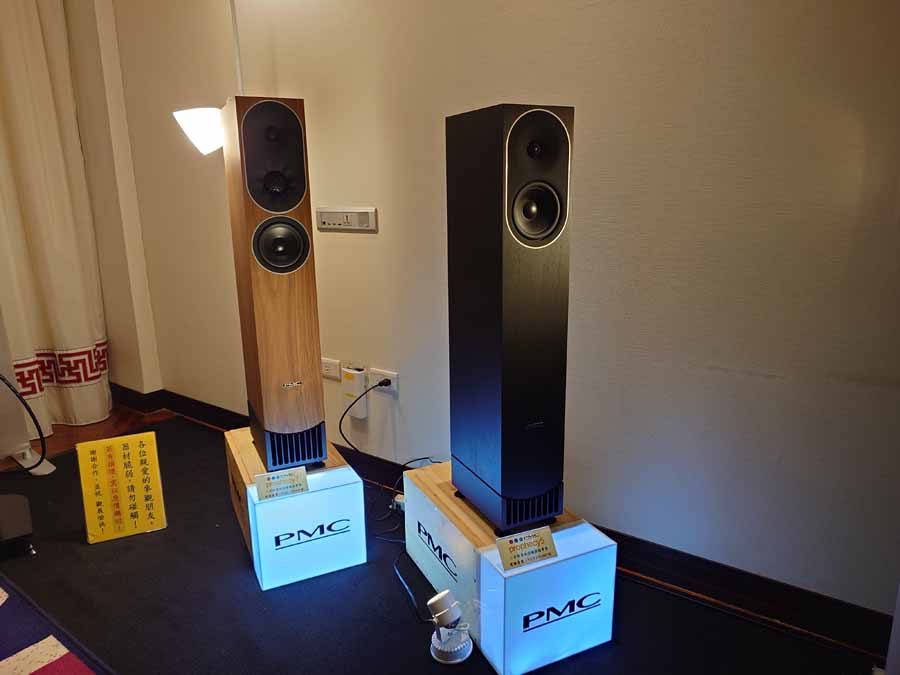
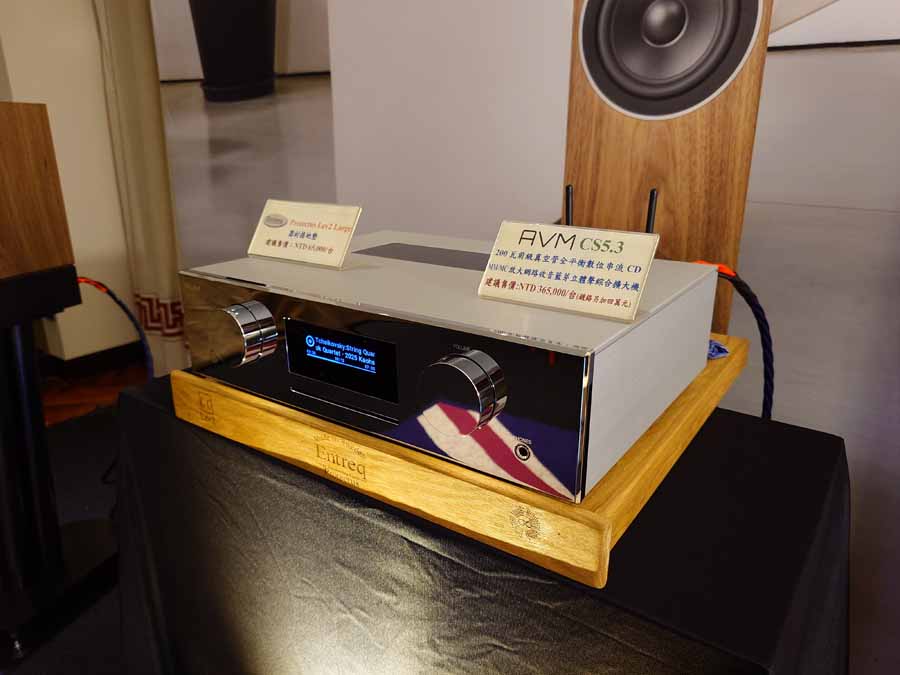
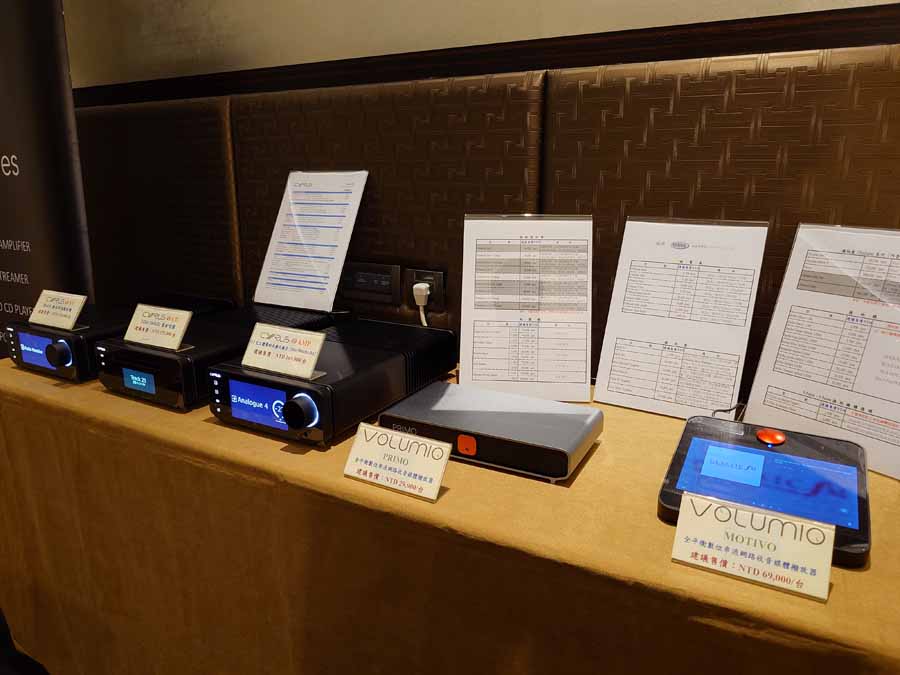
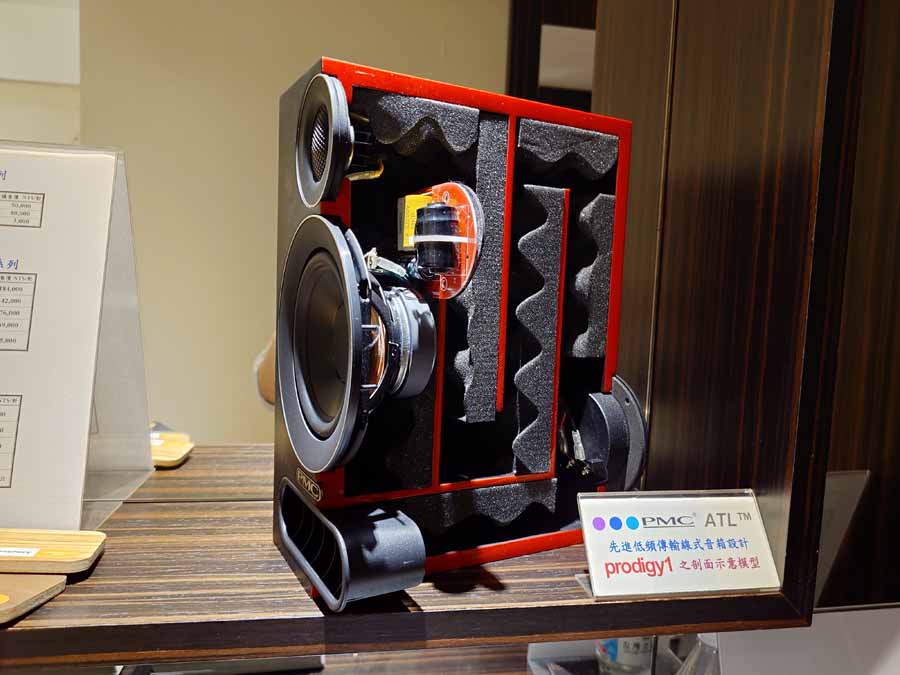
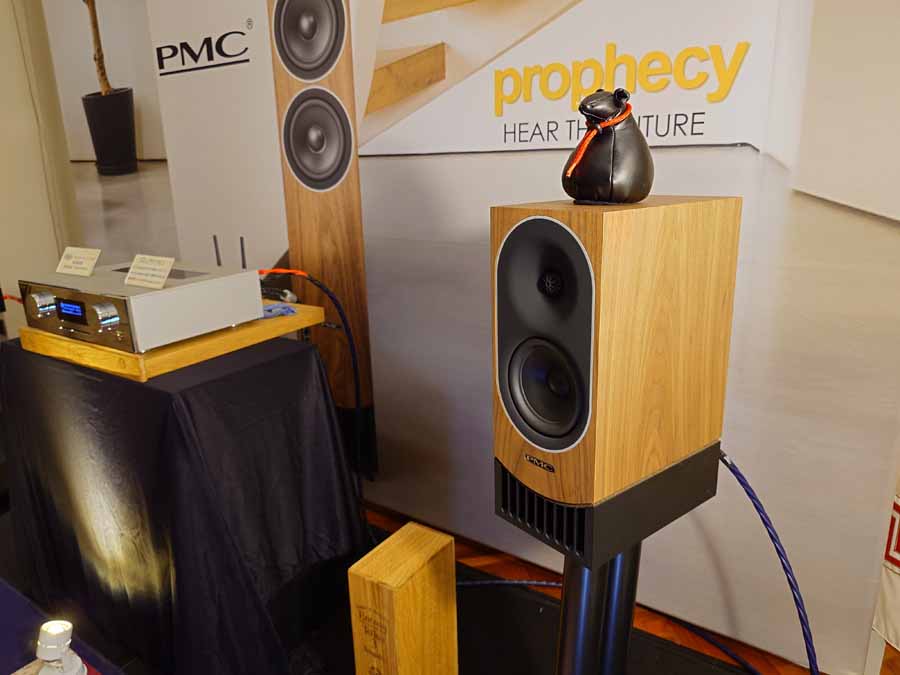
This was the room where three‑letter acronyms came to party: PMC’s new Prophecy 1 standmounts, part of the brand’s fresh Prophecy series, were teamed up with AVM’s CS 5.3 all‑in‑one, all wired and powered through in‑akustik cabling and power distribution with a sprinkling of Entreq boxes around. The little PMC/AVM combo had a neat “studio shrunk for the living room” vibe – compact, clean and more authoritative than its footprint suggests. Off to the side, an Edwards Audio Apprentice turntable and Cyrus 40‑series electronics sat on static display.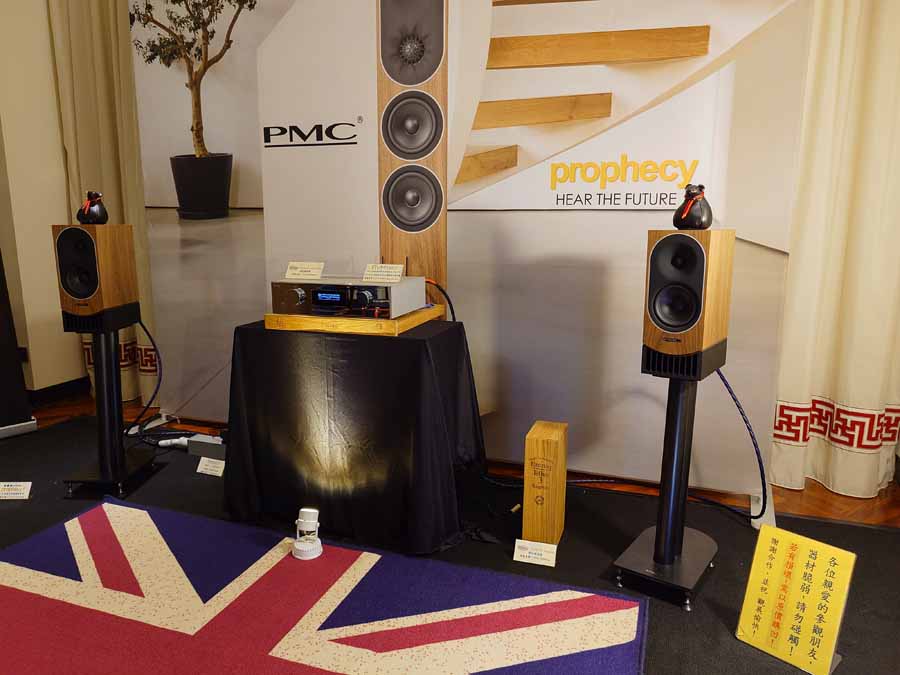
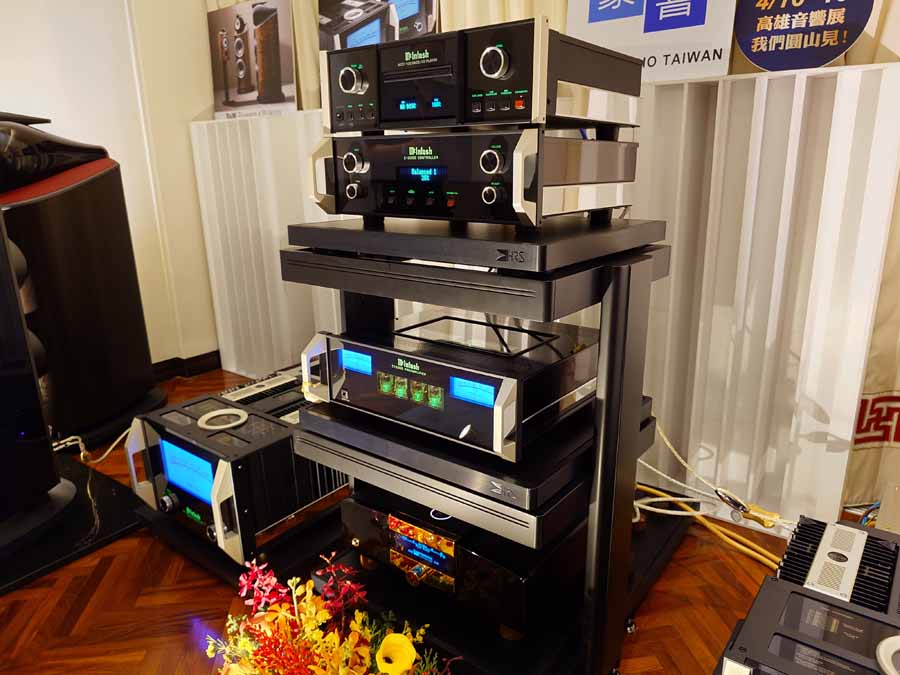
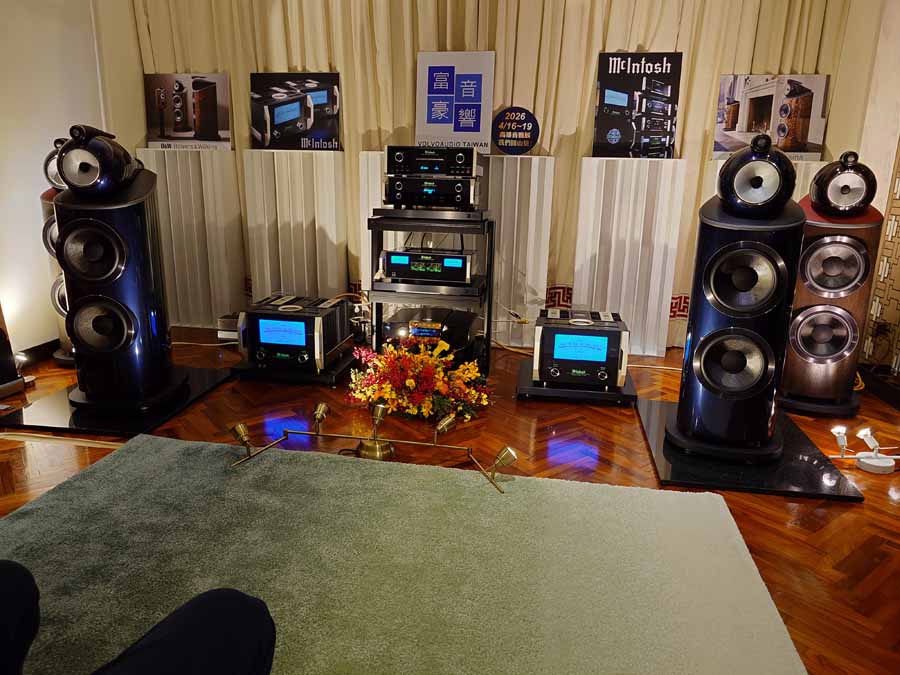
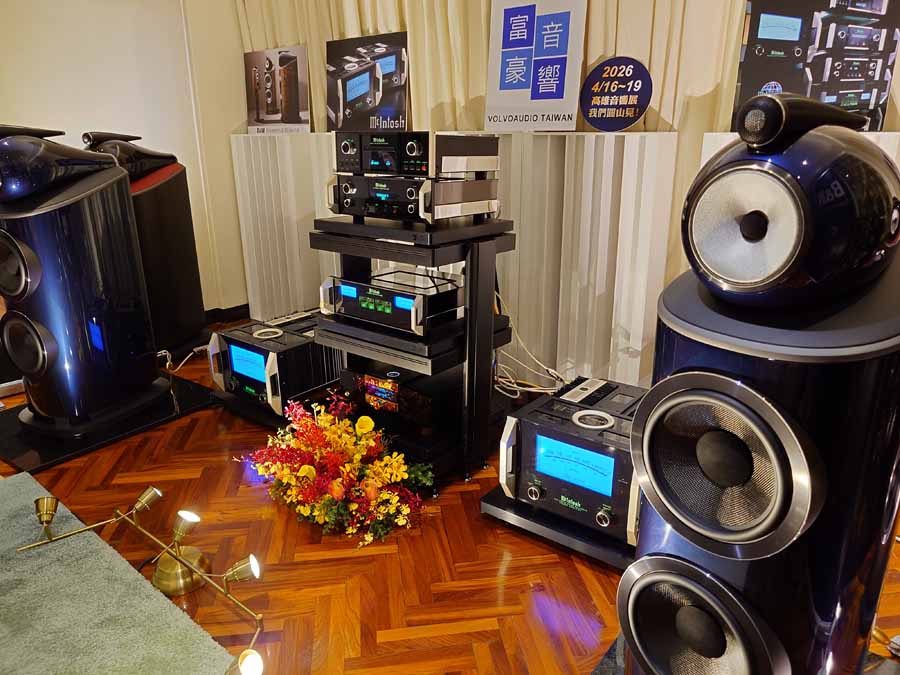
245 富豪音 B&W, MCINTOSH
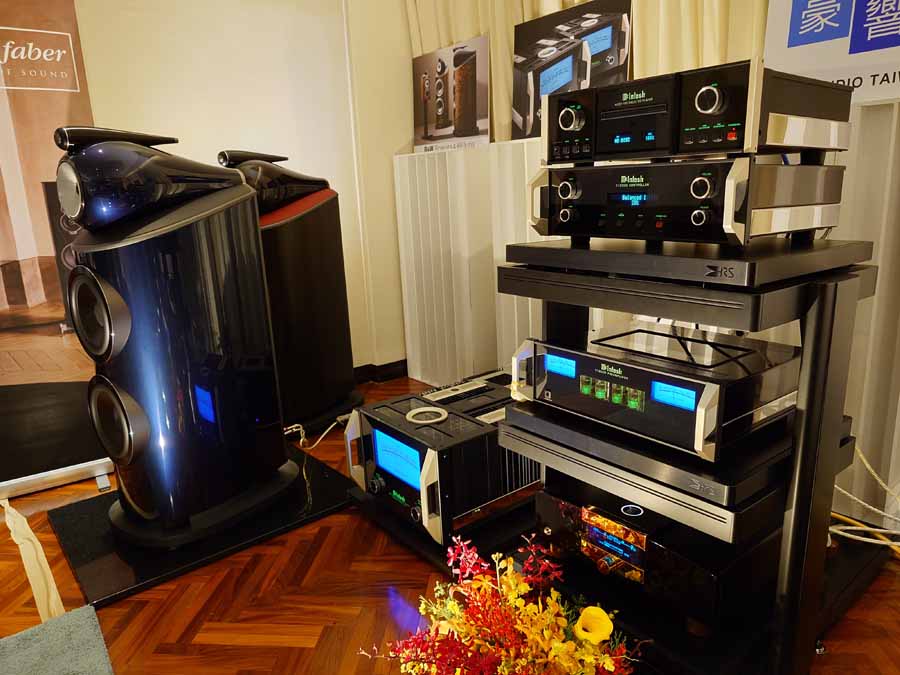
Room 245 was a classic case of “big blue metres meet big British boxes”. The Bowers & Wilkins 801 D4 Signature towers were set up on either side of a full McIntosh stack, with the C12000 preamp and MC1.25KW mono power amps glowing and making it very clear that this was serious, lottery-winning gear, not just background music. It looked and sounded like a modern high-end poster system, and it was as loud and confident as you’d expect.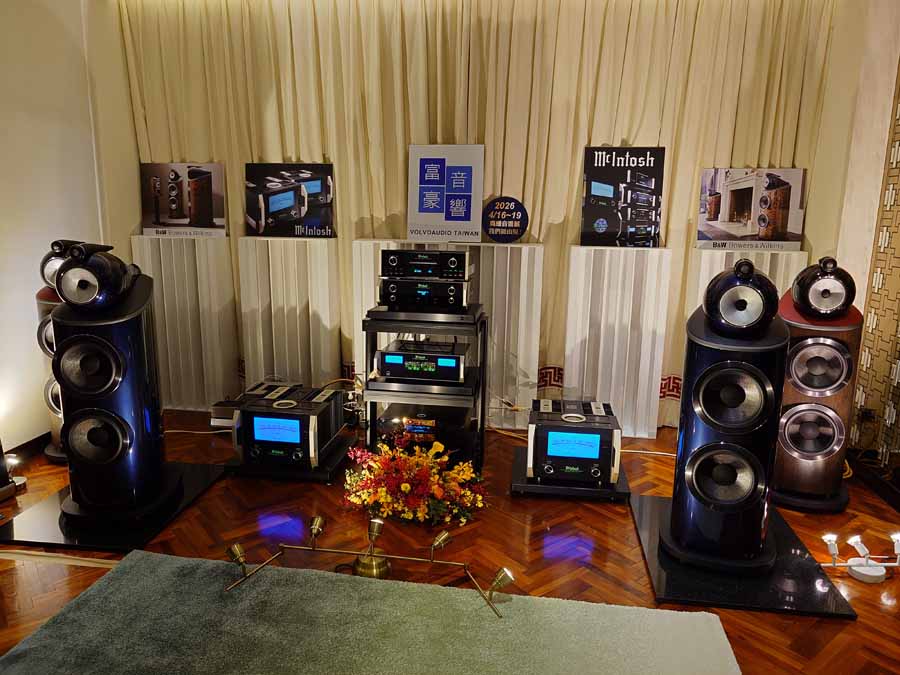
246 GD AUDIO CAMBRIDGE AUDIO
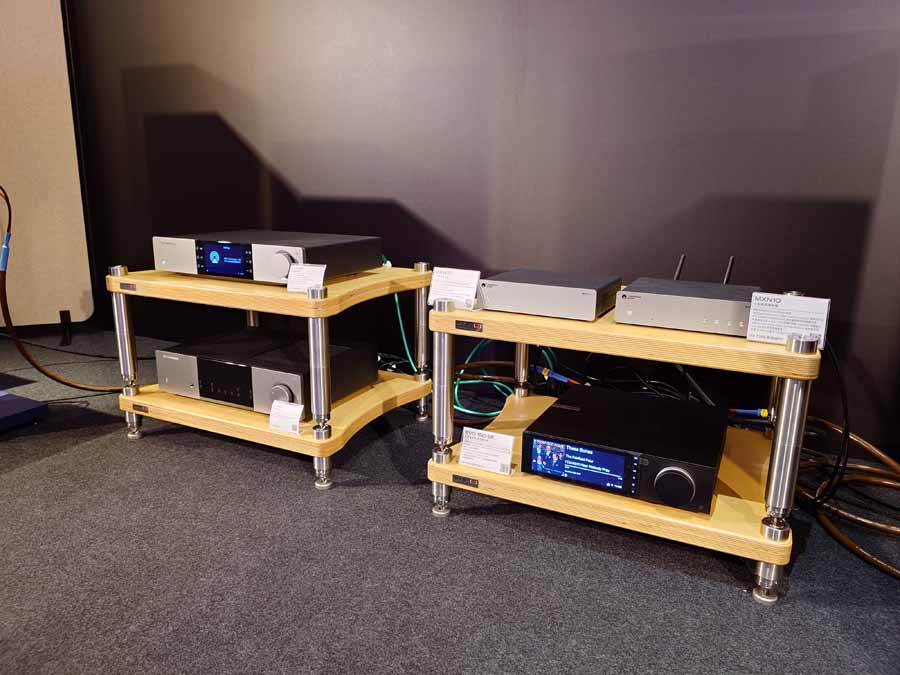
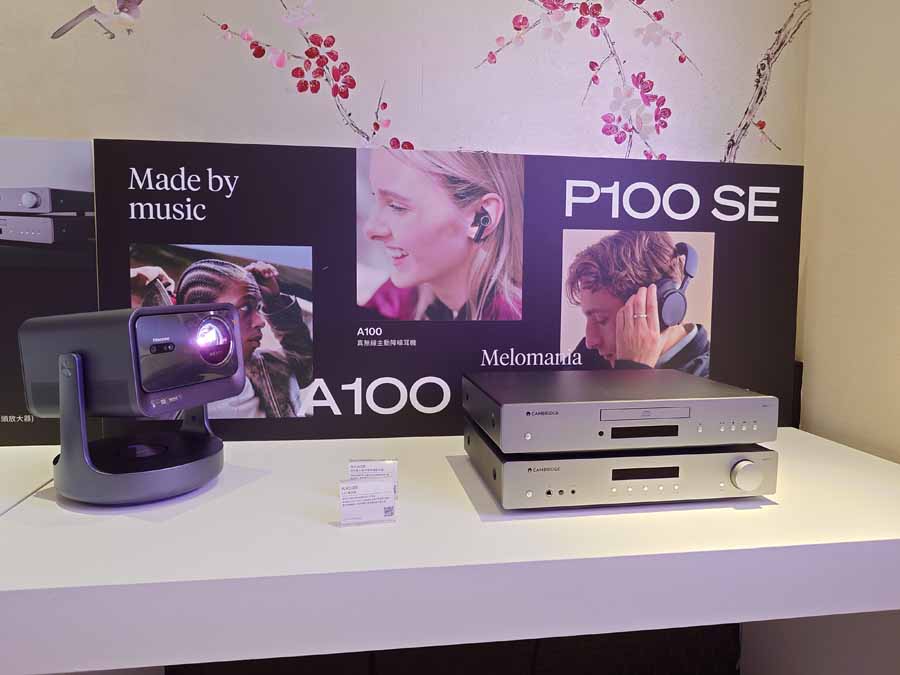
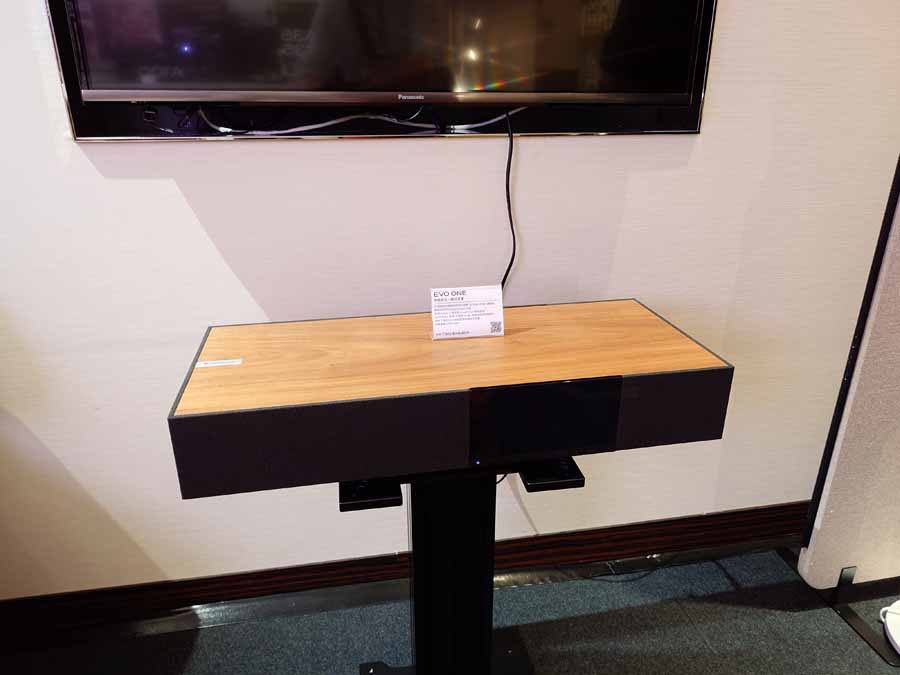
This was the first time I saw a full room dressed in Cambridge’s new branding, and they clearly wanted it to stick in my mind. The EXN100 streamer and EXA100 amplifier were paired with KEF’s Q11 Meta floorstanders, and the EVO 150 SE all-in-one took turns driving a pair of bright blue KEF R3 Metas. Cambridge also had their AXE entry-level separates and Melomania headphones on display all the time around the sides. Nice vibes.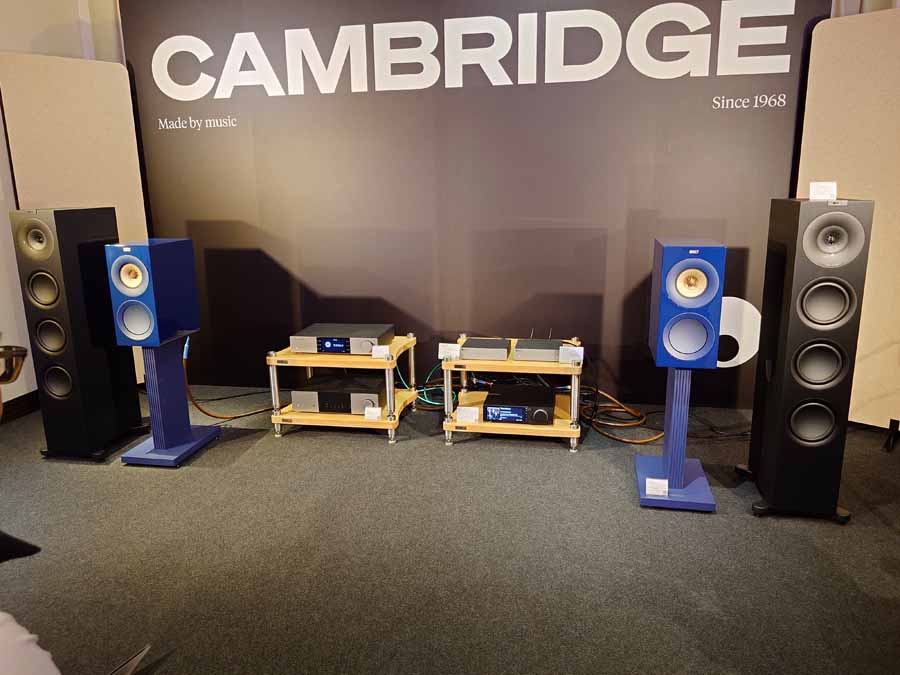
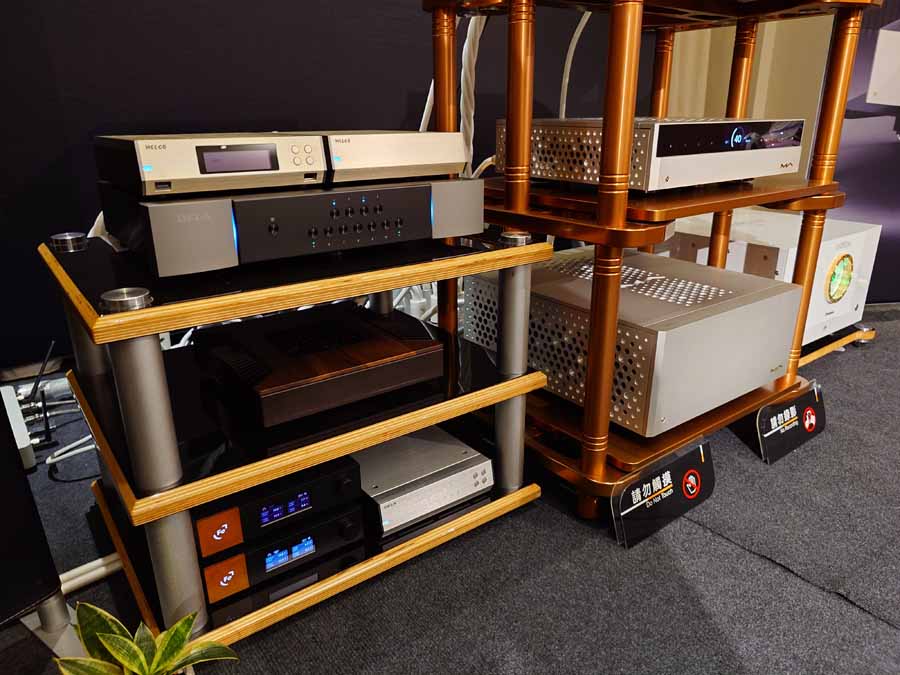
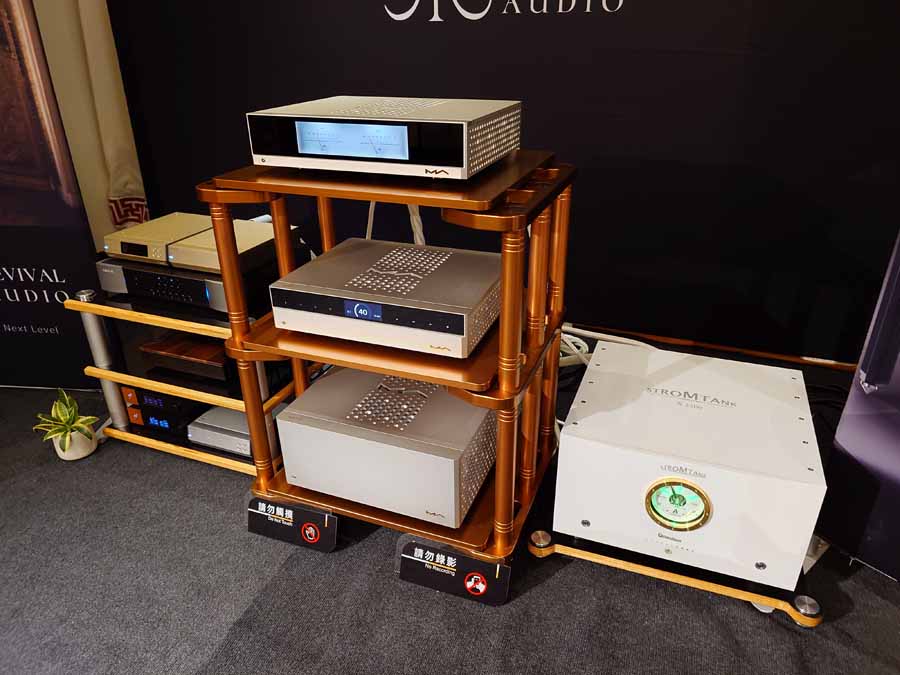
247 藝聲 MATRIX AUDIO, REVIVAL AUDIO, DELA
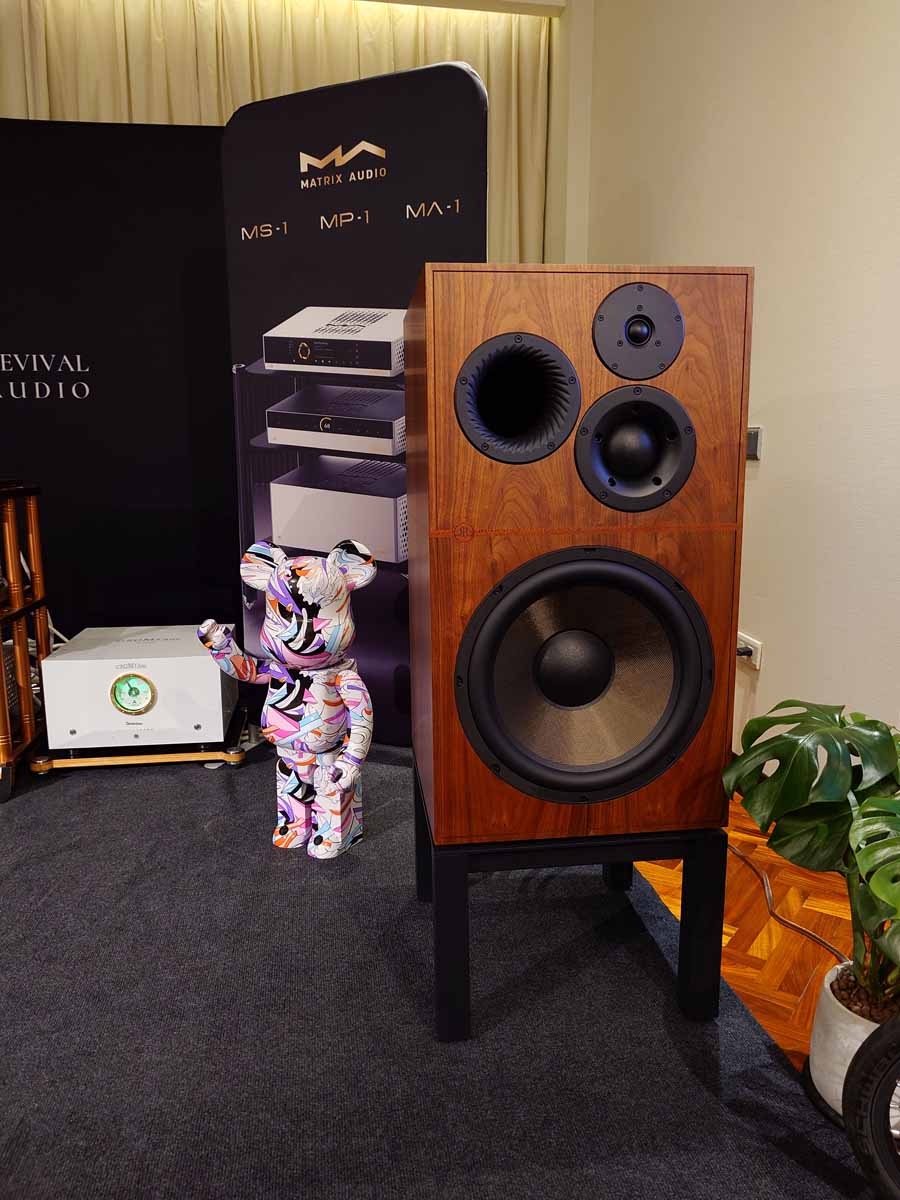
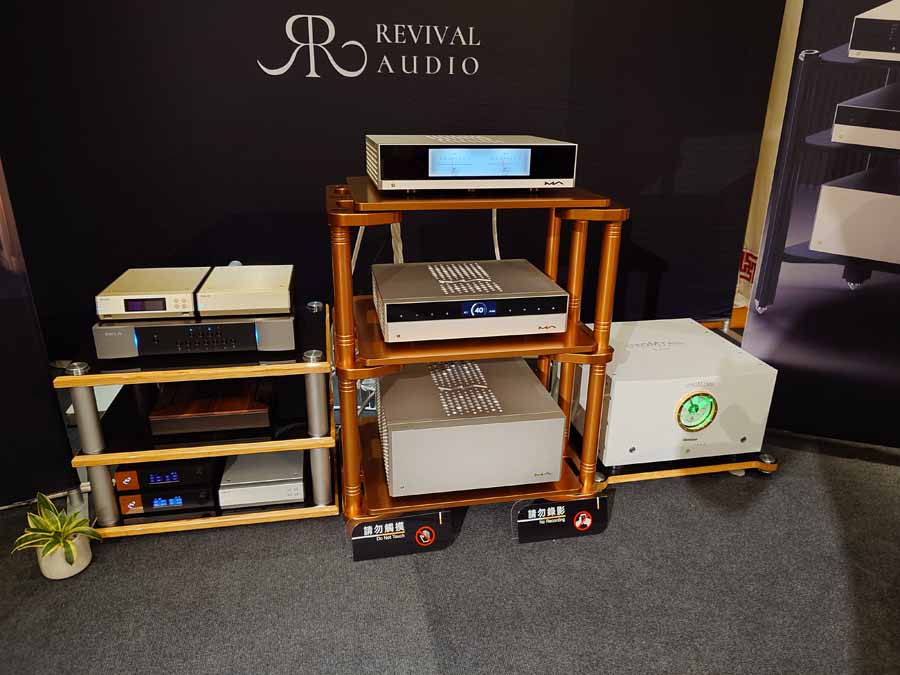
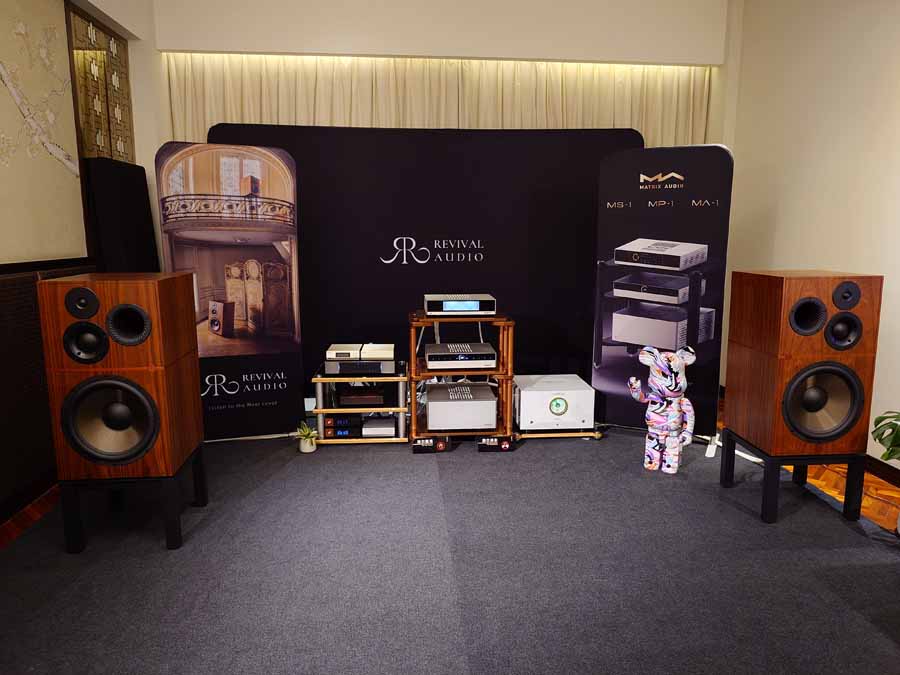
This room felt like walking into a very civilised modern salon, with a giant, technicolour Be@rbrick guarding the sweet spot. The visual spotlight was on the Revival Audio’s big Atalante floorstanders in classic walnut, the kind of wide‑baffle three‑way that looks like it should be parked in a Paris apartment full of jazz records.
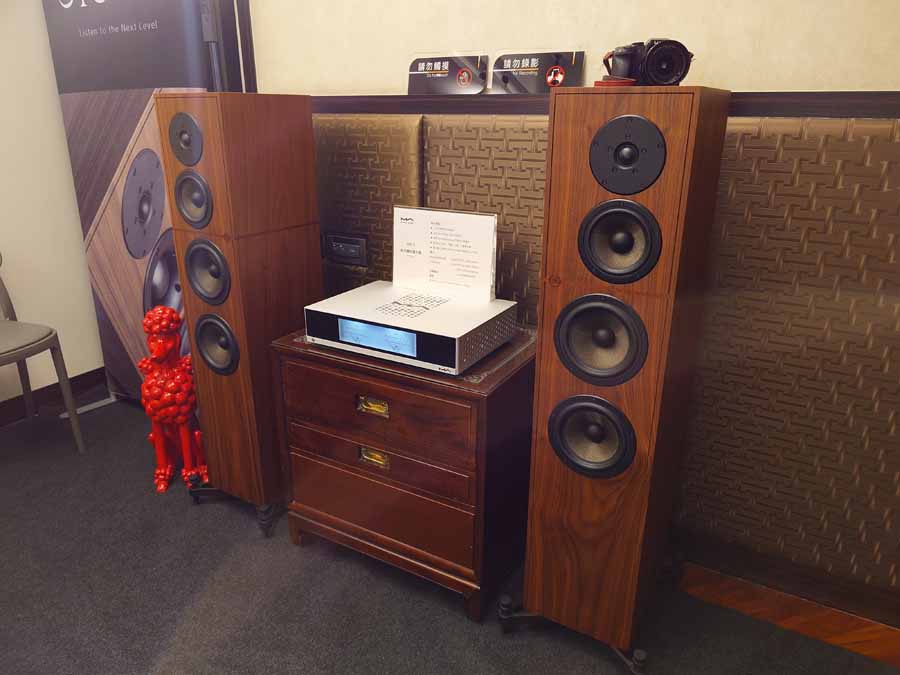
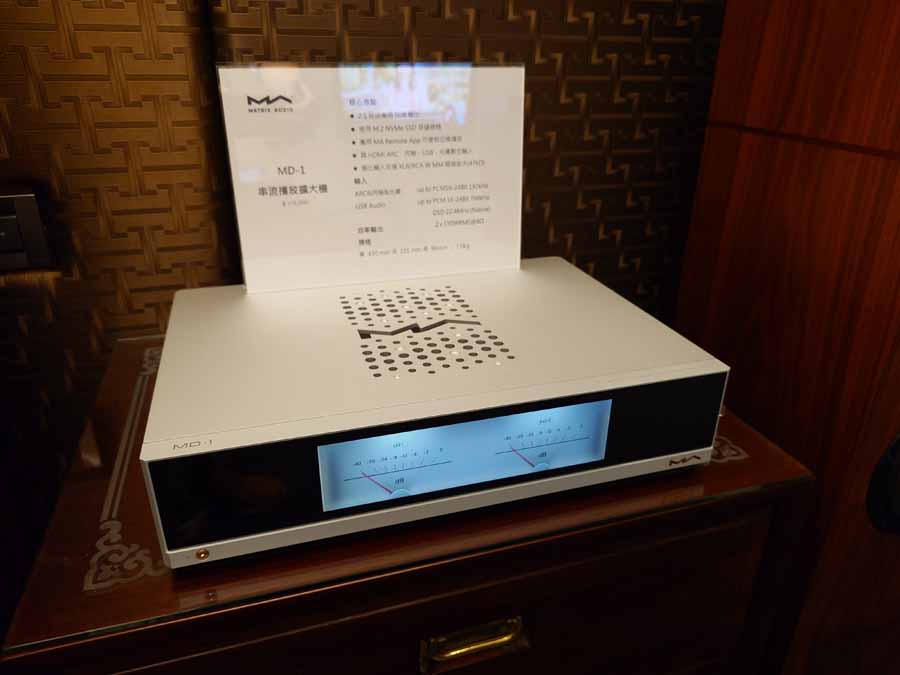
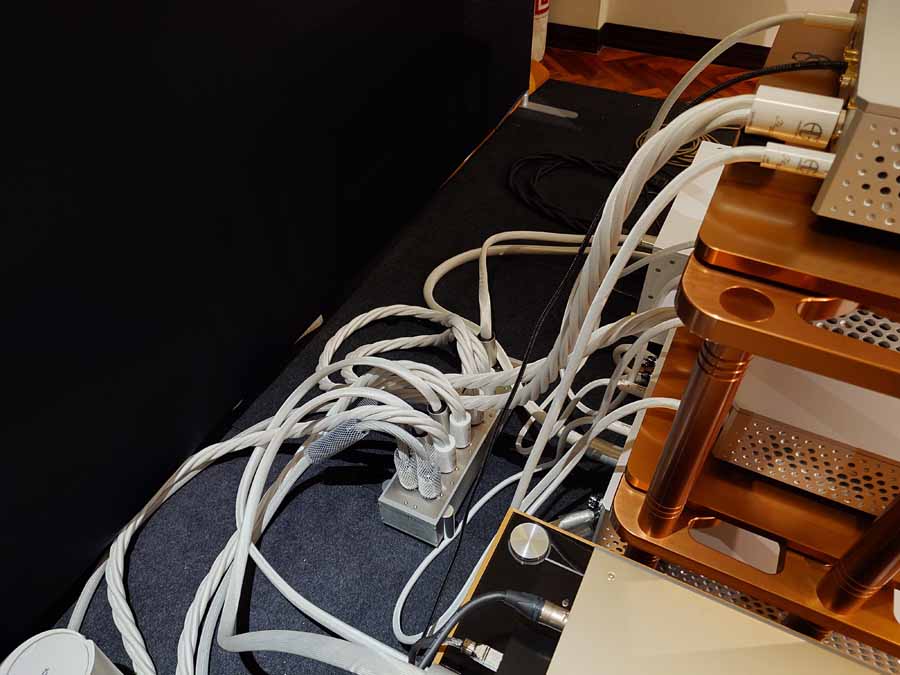
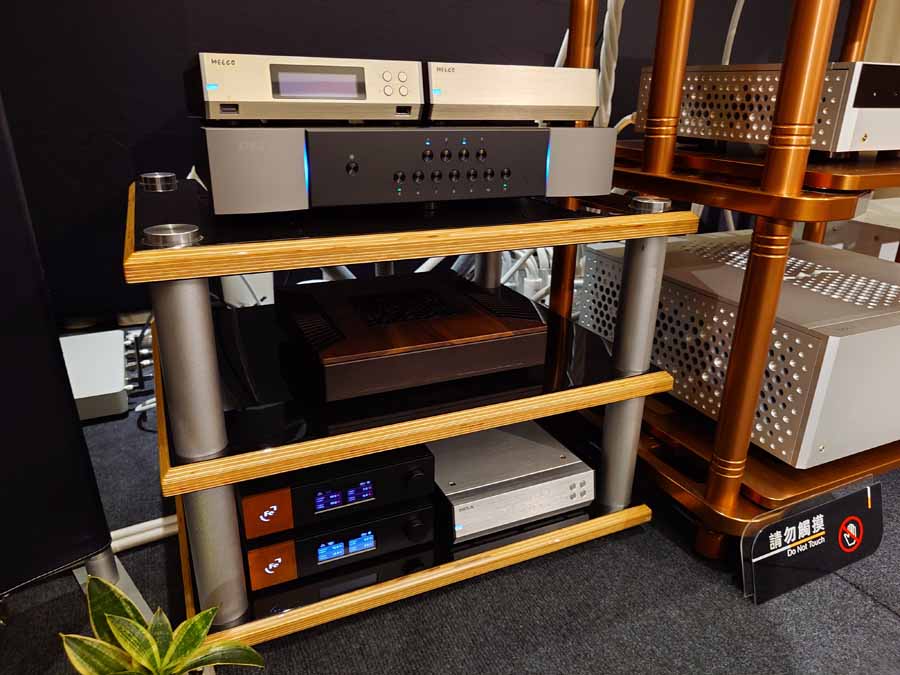
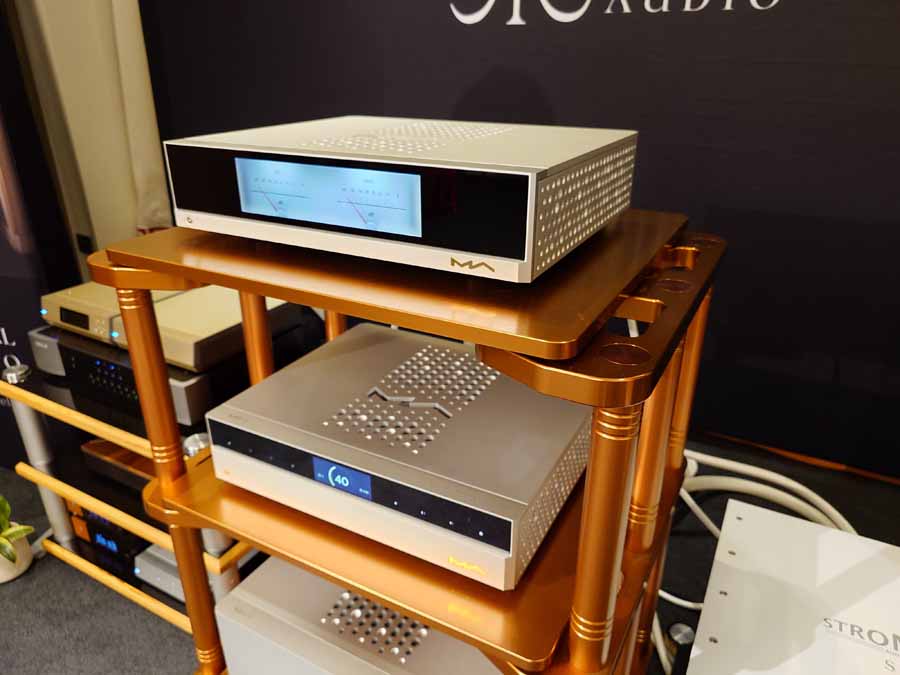
Electronics duty was handled by Matrix Audio’s new MS‑1 network player into the MP‑1 preamp and MA‑1 power amp, giving a full in‑house digital‑to‑speaker chain that stayed resolutely in the black finish while the speakers did the furniture‑porn bit. Upstream, a Dela (formerly known as Melco) N5 music server and matching S‑series network gear fed the streamer, while a Stromtank S2500 Mk2 battery power conditioner squatted on the floor like a very expensive white subwoofer, quietly keeping the AC out of the picture. It was an intriguing mix of old‑school proportions and thoroughly modern digital infrastructure, and the room had exactly that “big, relaxed, grown‑up” sound the visuals promised.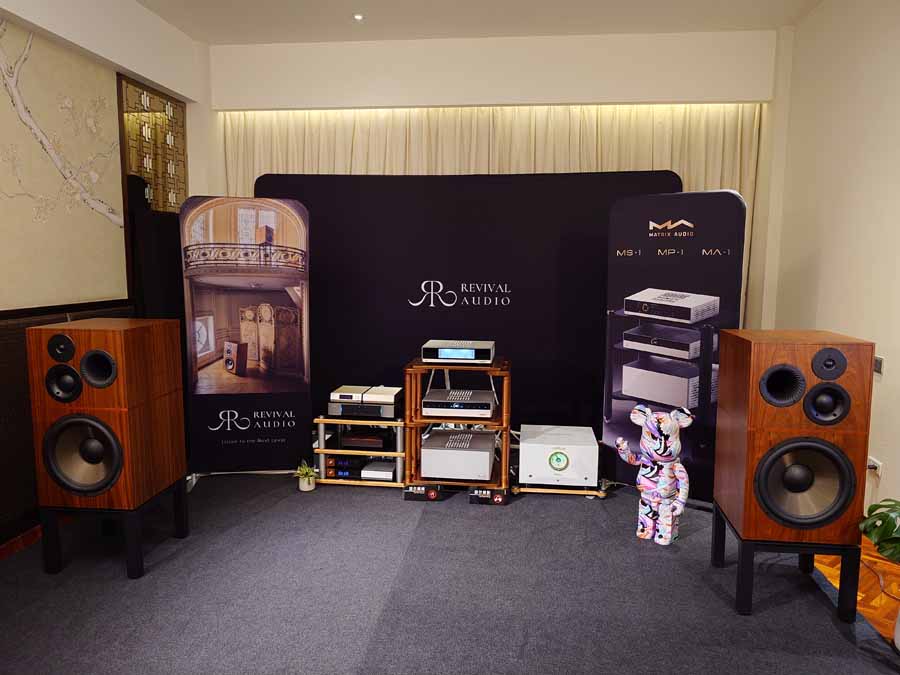
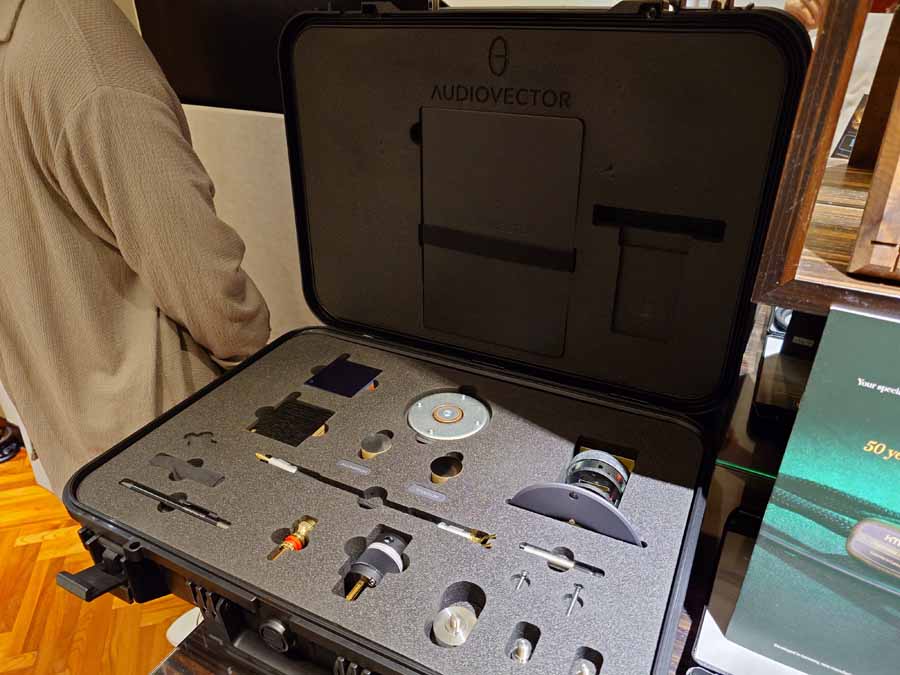
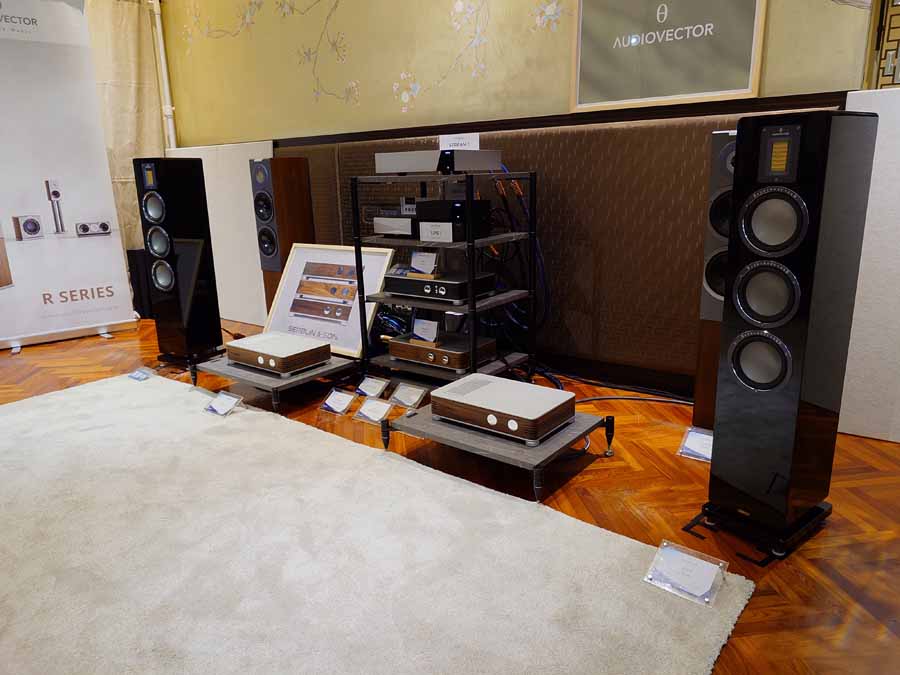
248 鈦孚 AUDIOVECTOR, SERBLIN & SON, INNUOS
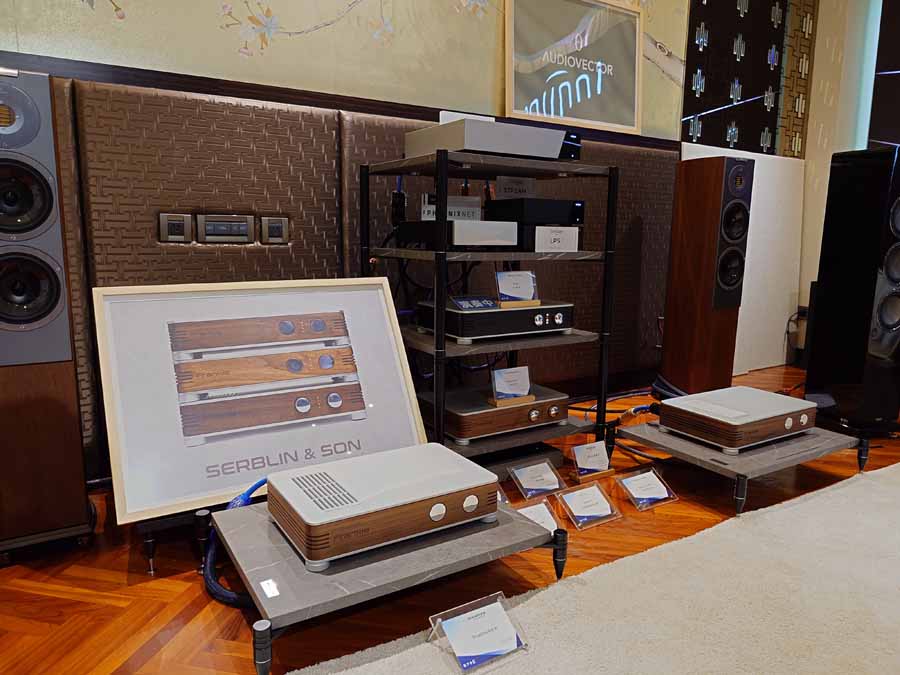
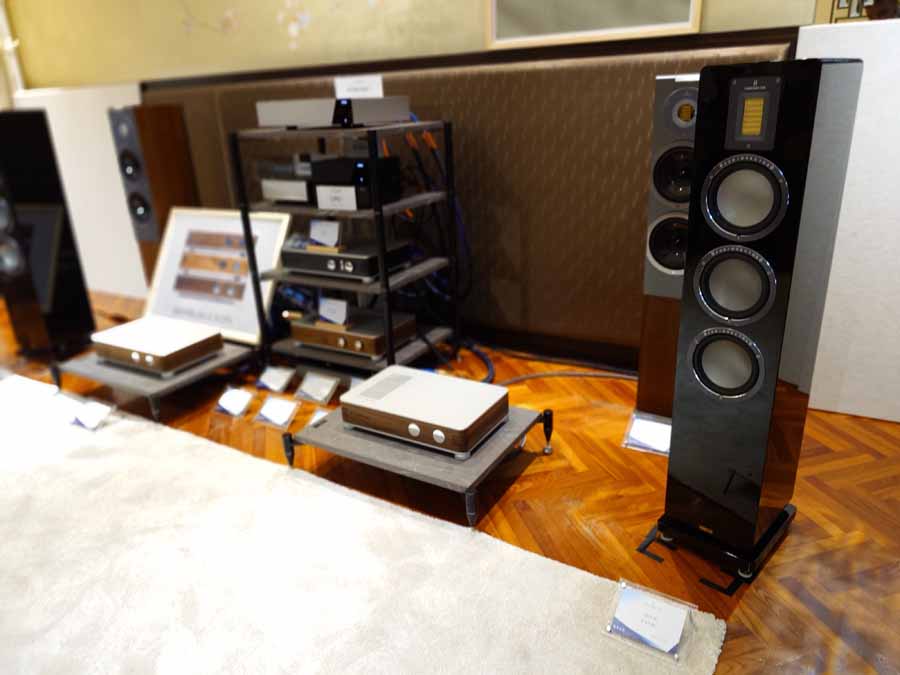
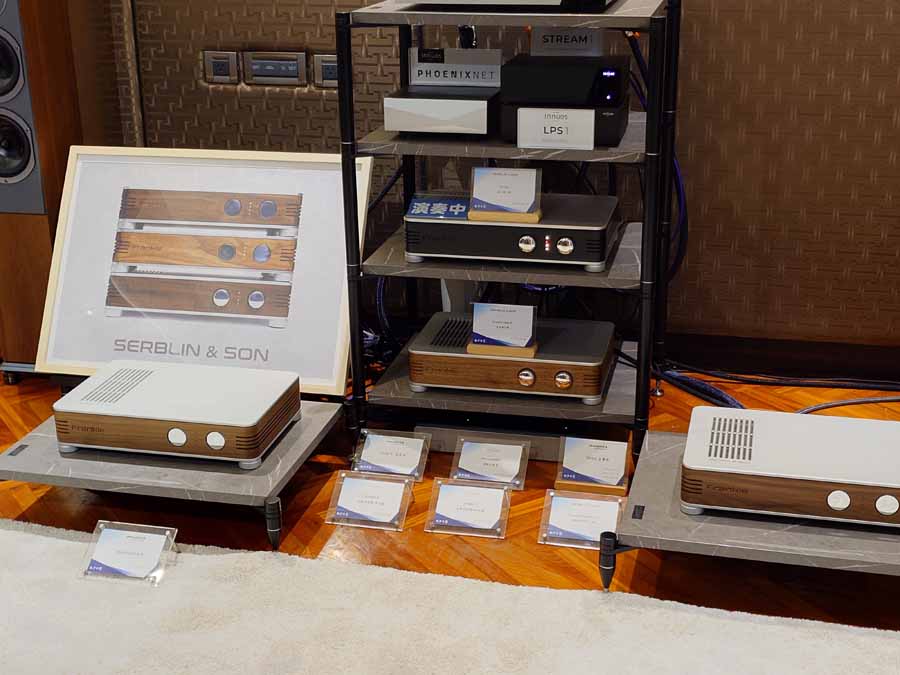
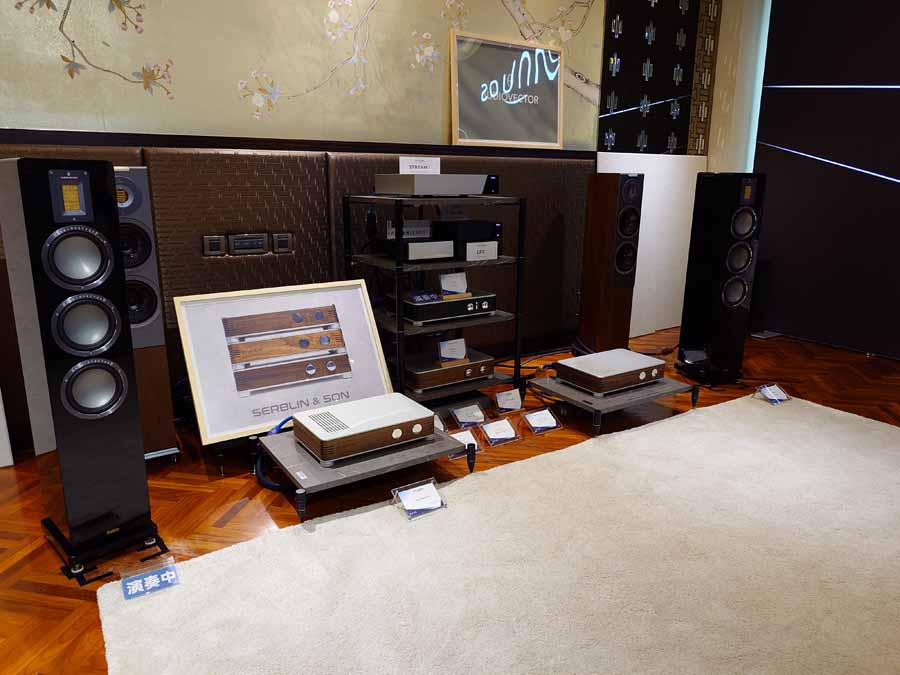
The speaker here was the Audiovector’s QR-5 SEs, tall Scandinavian floorstanders with AMT ribbon tweeters and “Pure Piston” mid/bass drivers. They made the room sound big, open, and well-textured without ever getting harsh. They were powered by Serblin & Son’s Frankie electronics in a pre/power mono setup. This kit combines Italian wood and metal styles with features like a 127-step relay-switched analogue volume control for very small changes in volume. An Innuos streaming setup took care of the front end, so the whole chain from the server to the speakers felt modern, smooth, and very focused on getting as much low-level detail and emotion out of files as the room would allow.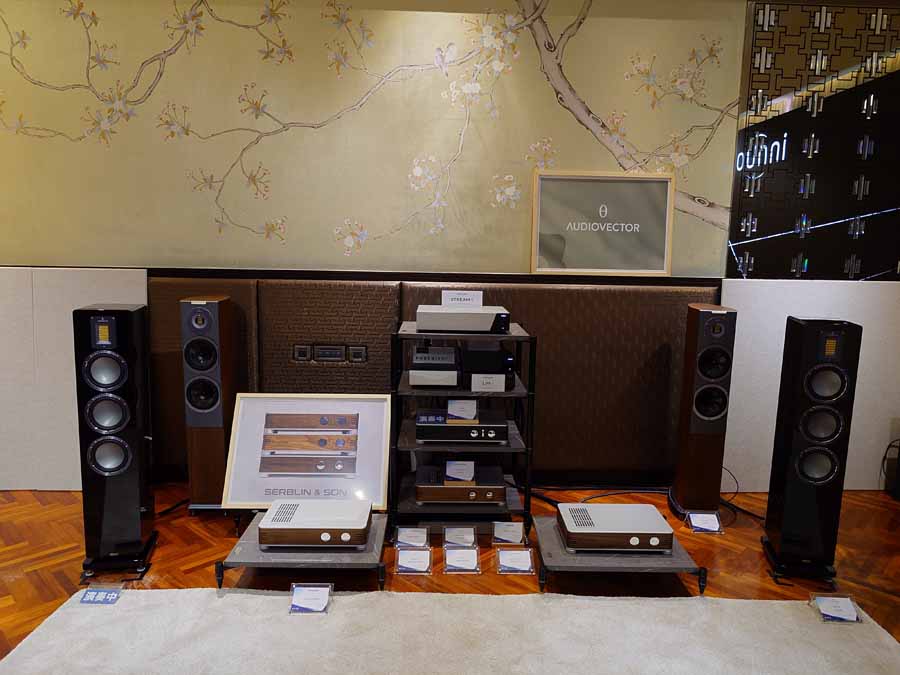
249 普立視 KAISER, ORPHEUS, DIVA, AQUA ACOUSTIC
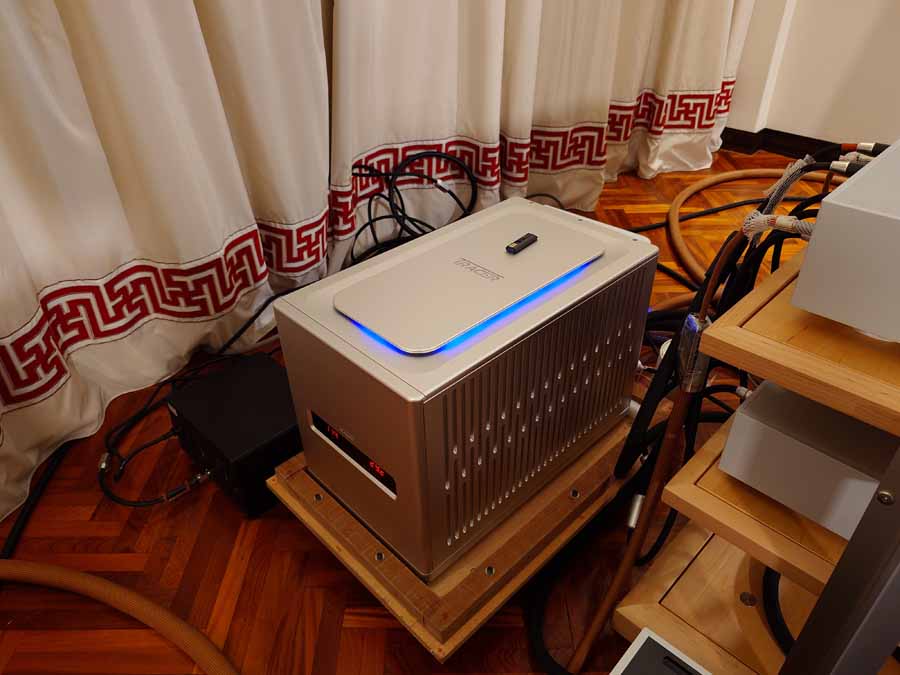
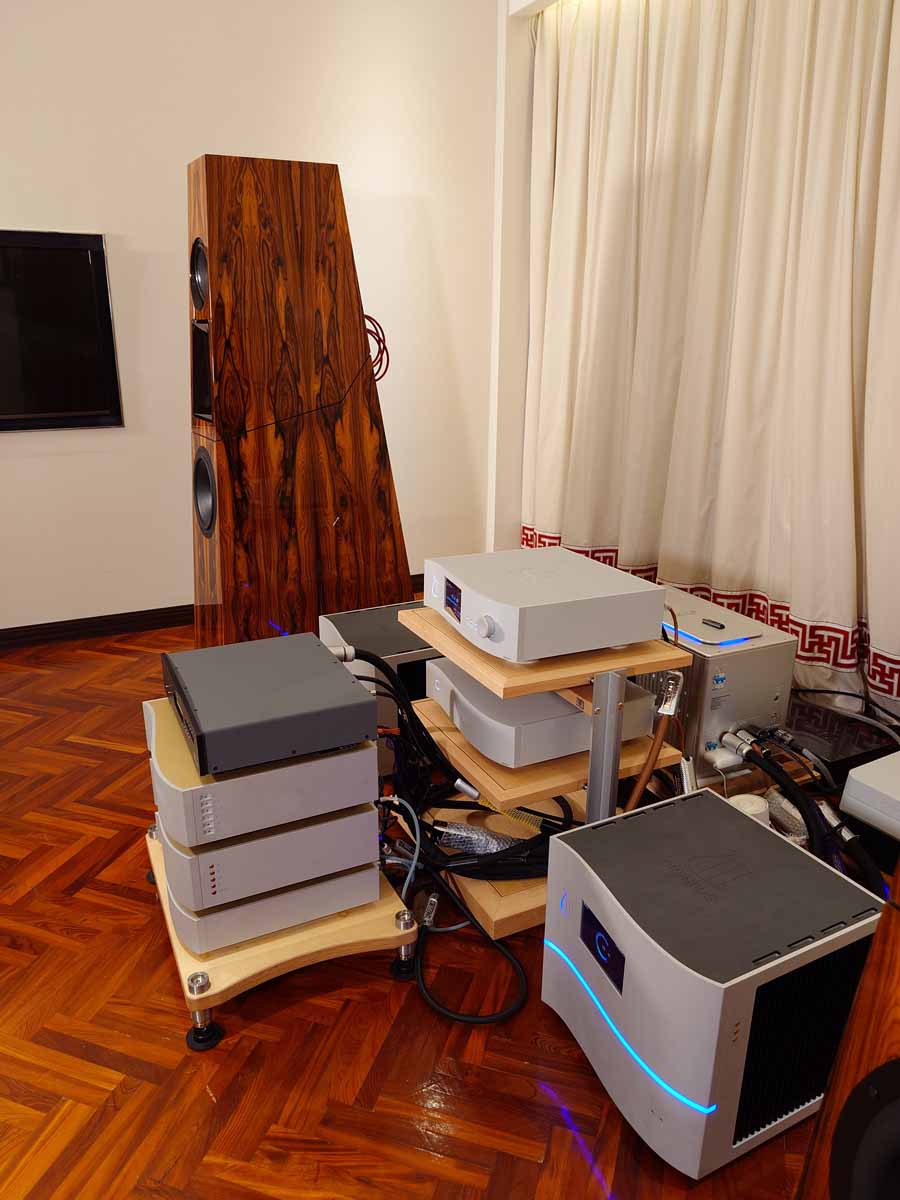
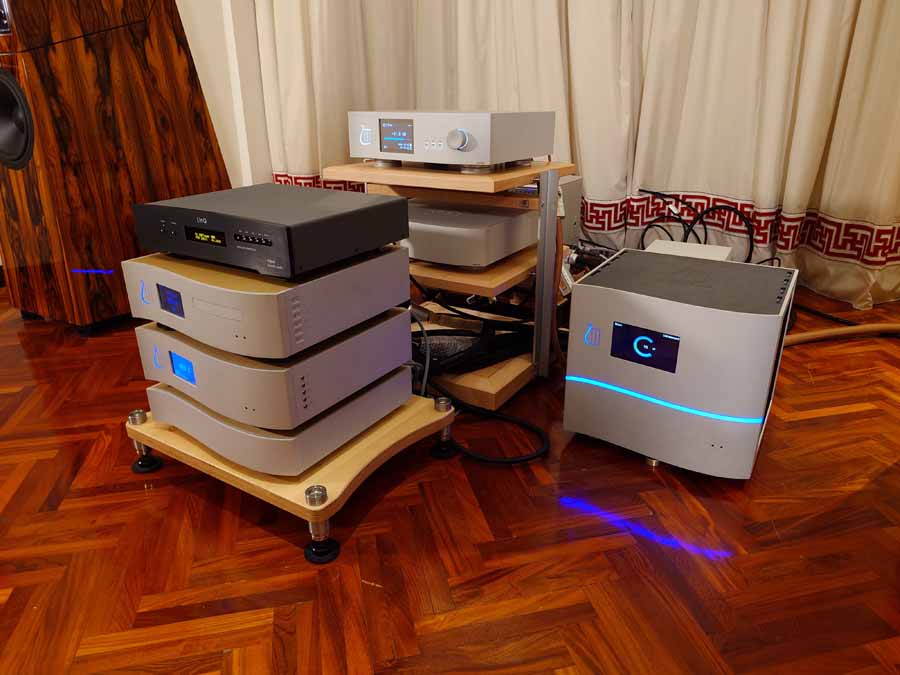
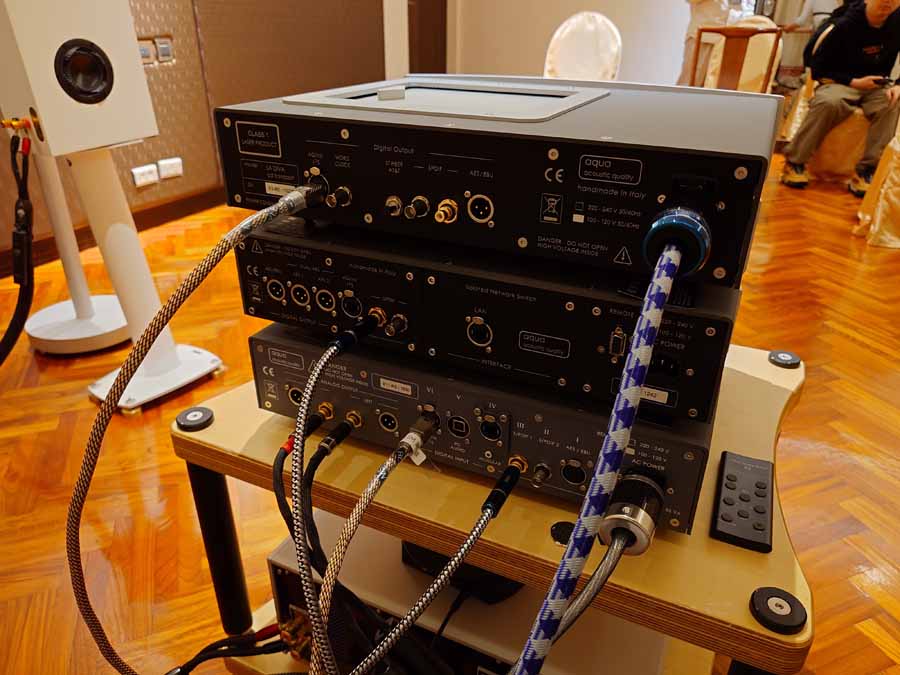
The Kaiser Kawero! Grande system was one of the most imposing yet refined setups at the show: nearly 6‑foot‑tall, twin‑cabinet loudspeakers weighing around 235 kg each, using a multi‑way array with a big rear‑firing woofer and RAAL ribbon tweeter to cover the full range with ease. Driven by the H-TWO 33BD Opus II fully balanced preamp, the Orpheus Heritage Ultimate power amplifier, and the Aqua Acoustic LinQ streamer, the system delivered a huge, deep soundstage with a very natural, unforced treble and a “big but nimble” presentation that made loud, dynamic tracks feel effortless rather than aggressive.
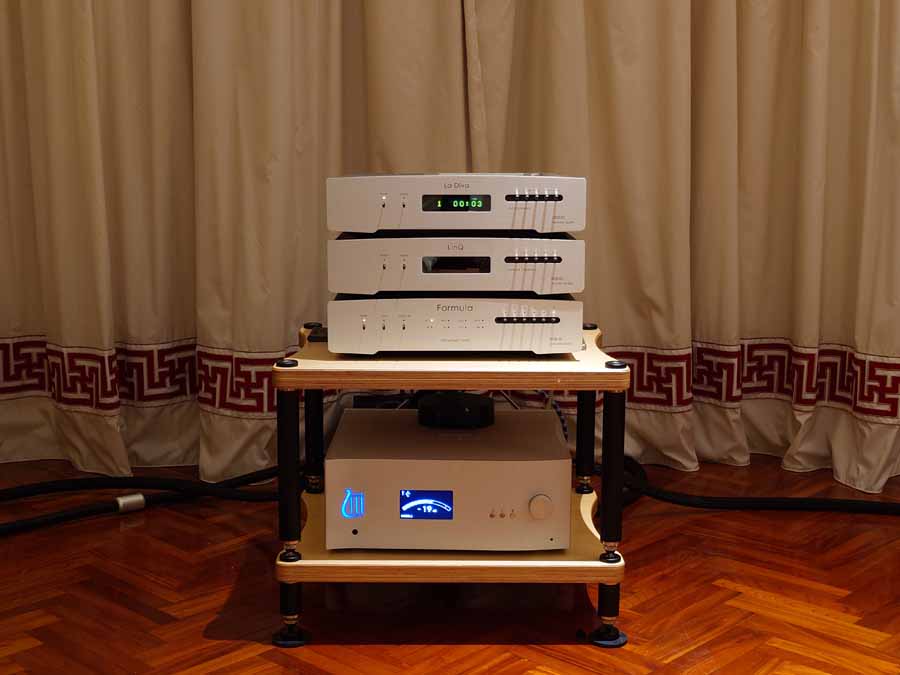
In the adjoining room things scaled down physically but stayed firmly in high‑end territory, with Kaiser’s tiny Colibri mini monitors doing the honours – little Panzerholz boxes that sound far bigger than they look. They were driven by an Orpheus Absolute integrated amplifier fronted by Aqua’s Formula DAC, LinQ network bridge and La Diva CD transport, a compact stack that kept the presentation clean, fluid and surprisingly full‑bodied for such modest‑sized speakers.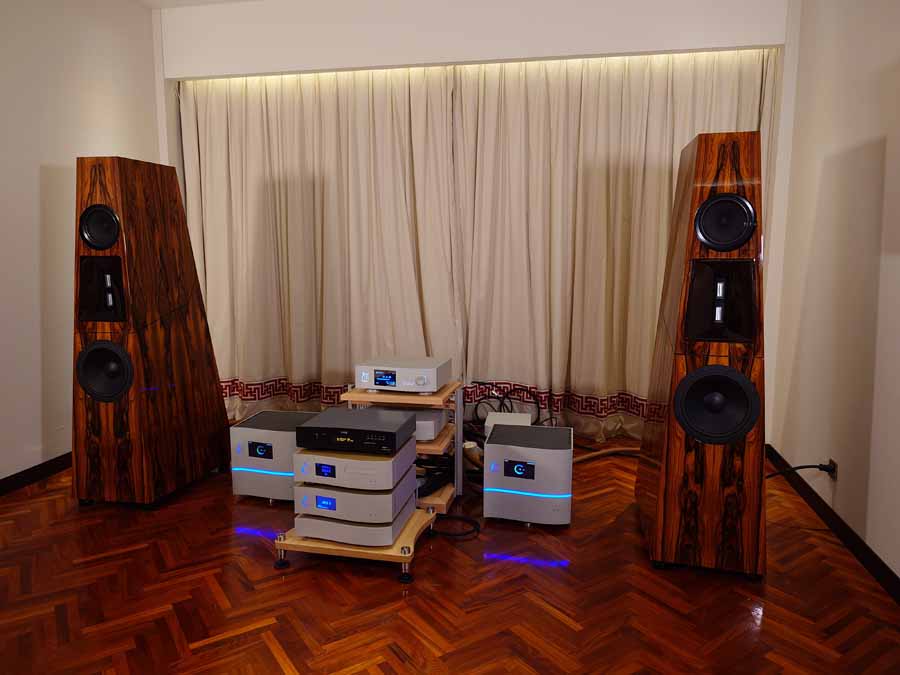
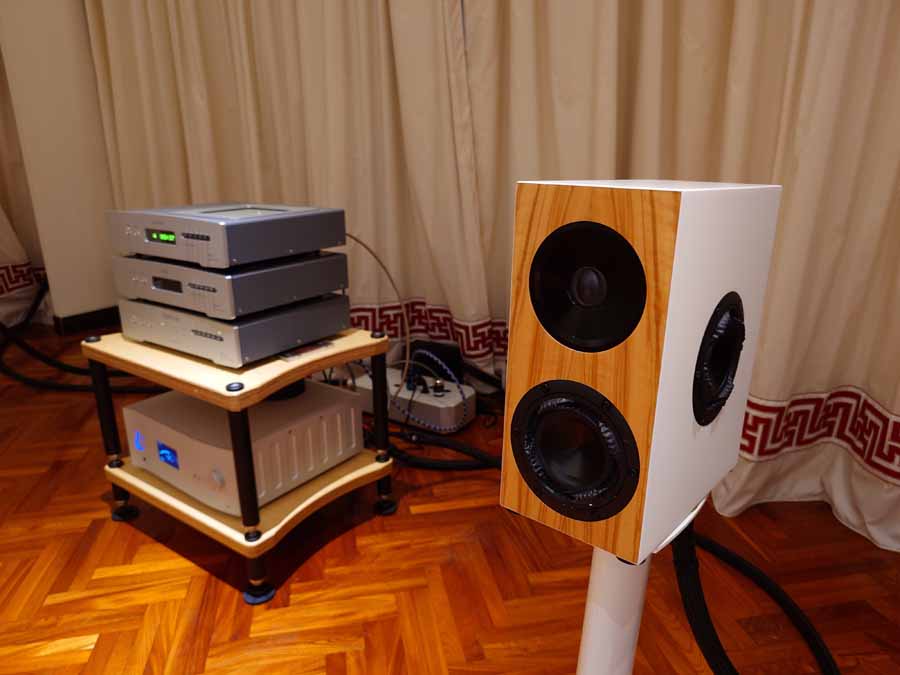
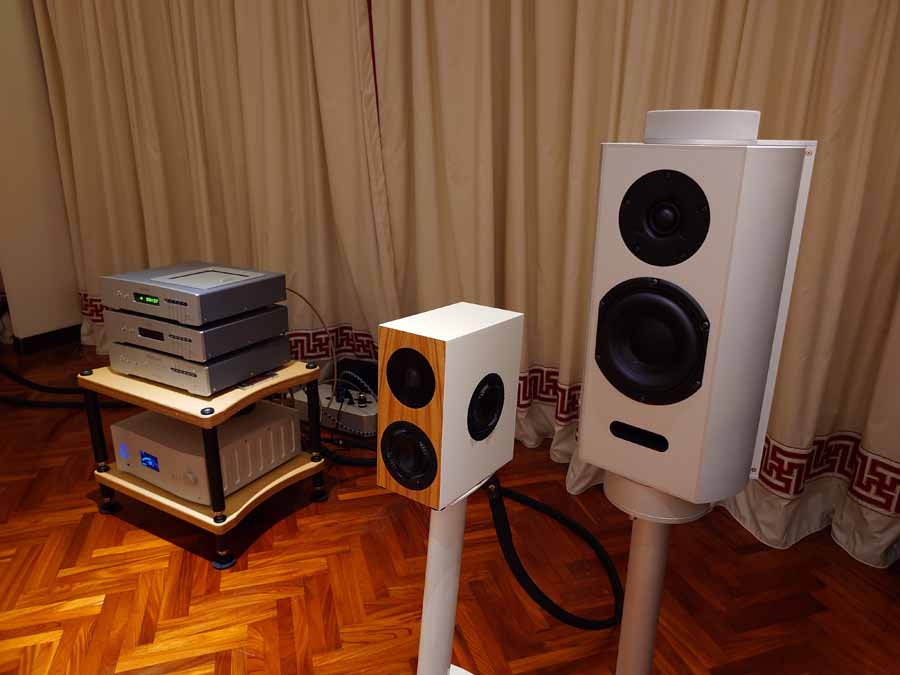
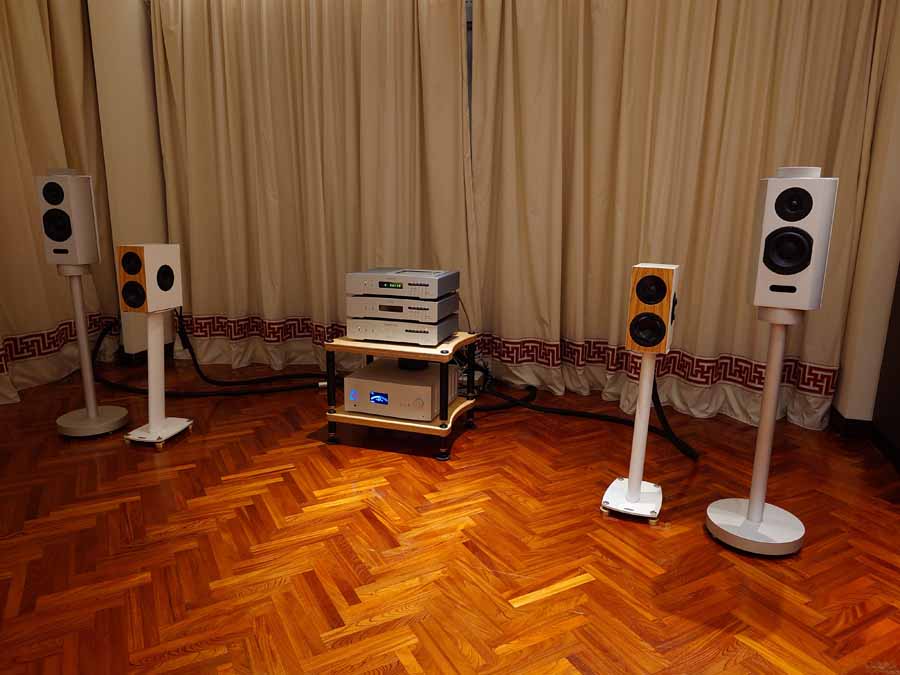
250 富士多媒體 KEF, PASS LAB, GOLD NOTE, ARGON AUDIO
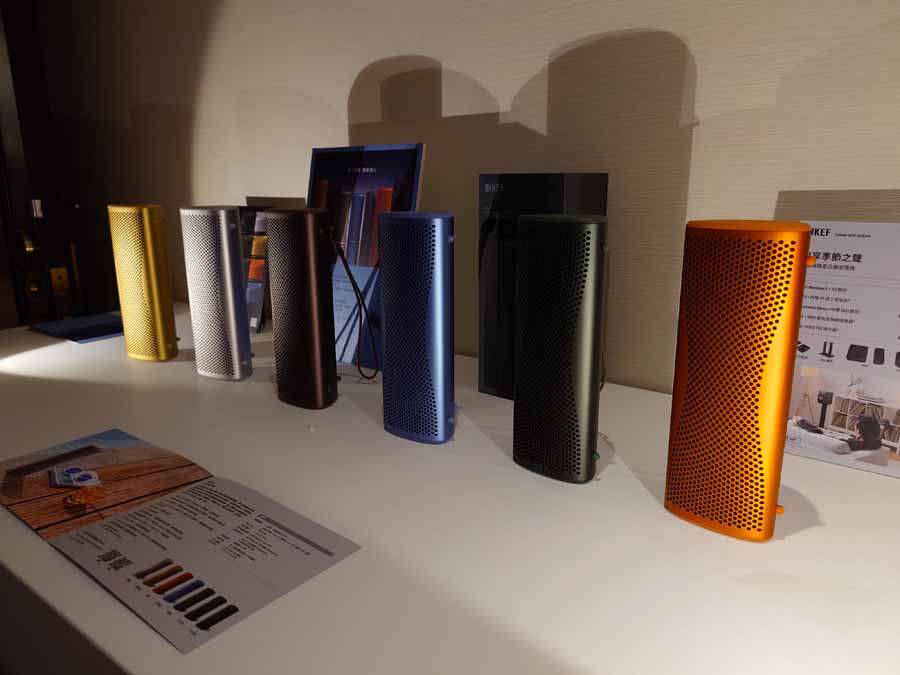
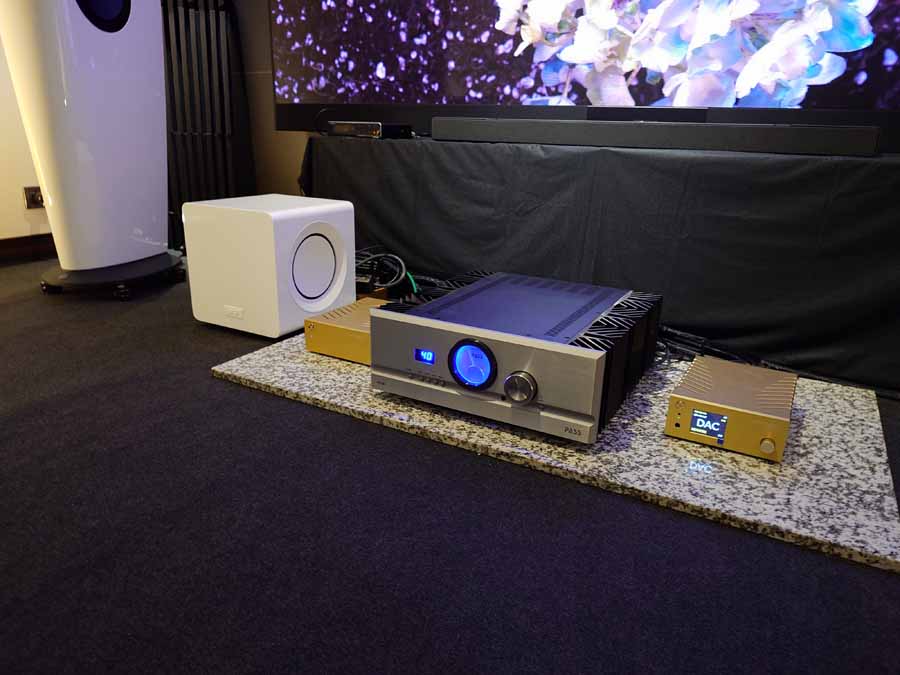
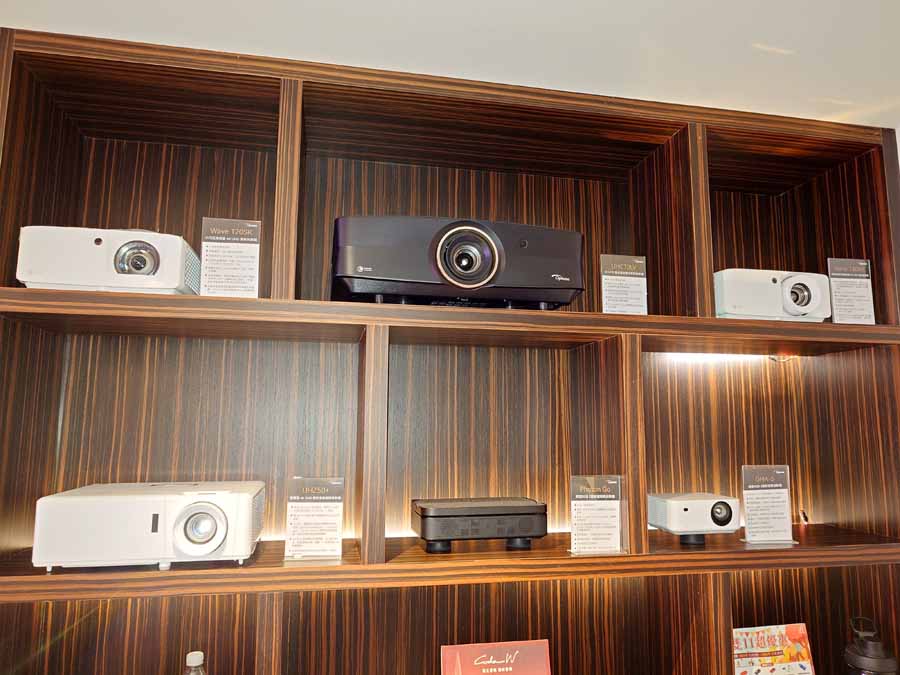
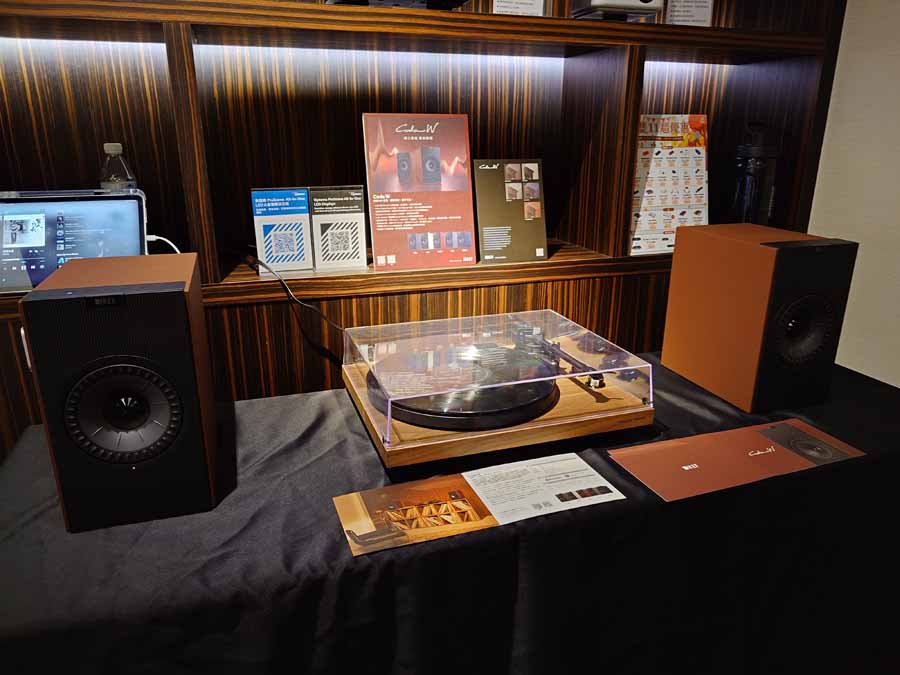
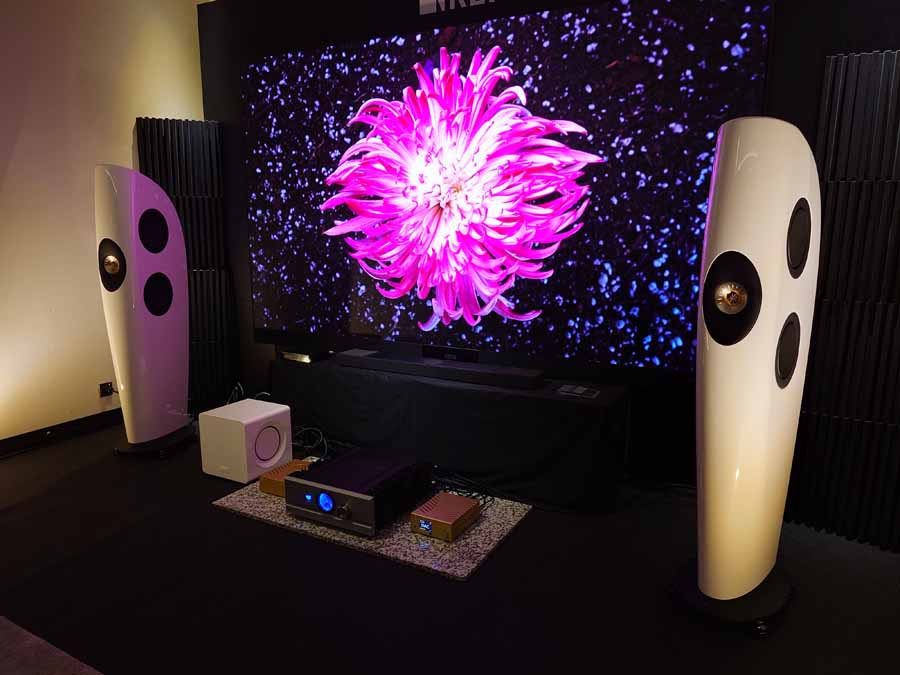
KEF’s Blade One Meta paired with Pass Labs’ INT‑60 made for a bit of a “greatest hits” system, with the Gold Note DS‑10 EVO on streaming duty and an Optoma projector proving how a modest room can still be a fully convincing 2.1 home cinema. The big Blades still threw a wide, precise soundstage for music, yet never felt over the top for film use. Around the room, Argon Audio gear and other KEF speakers showed more down‑to‑earth options for when the Blade fantasy has to meet real‑world budgets and spaces.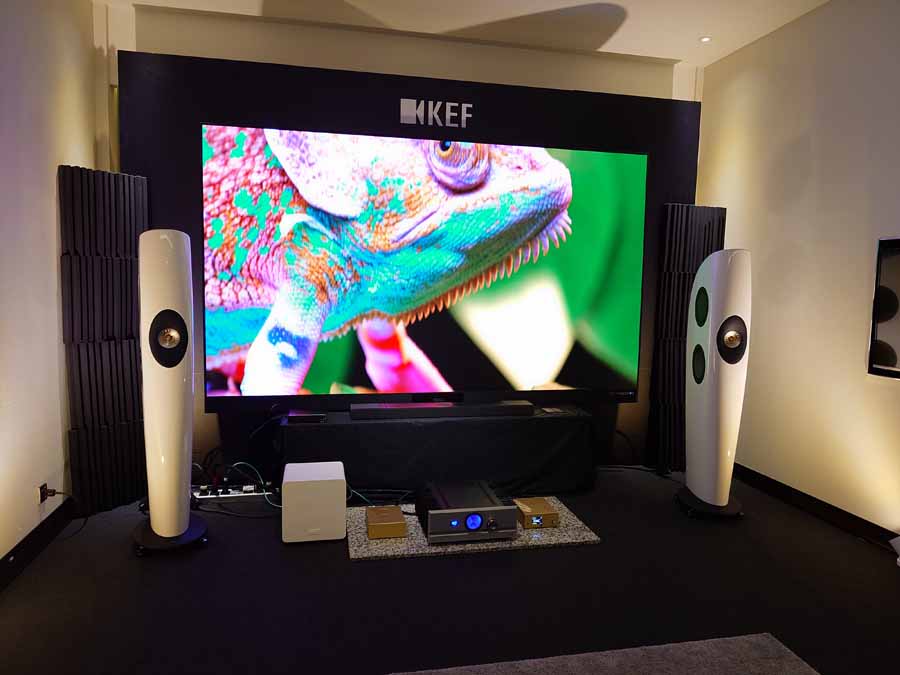
251 MPS, MPSOURCE
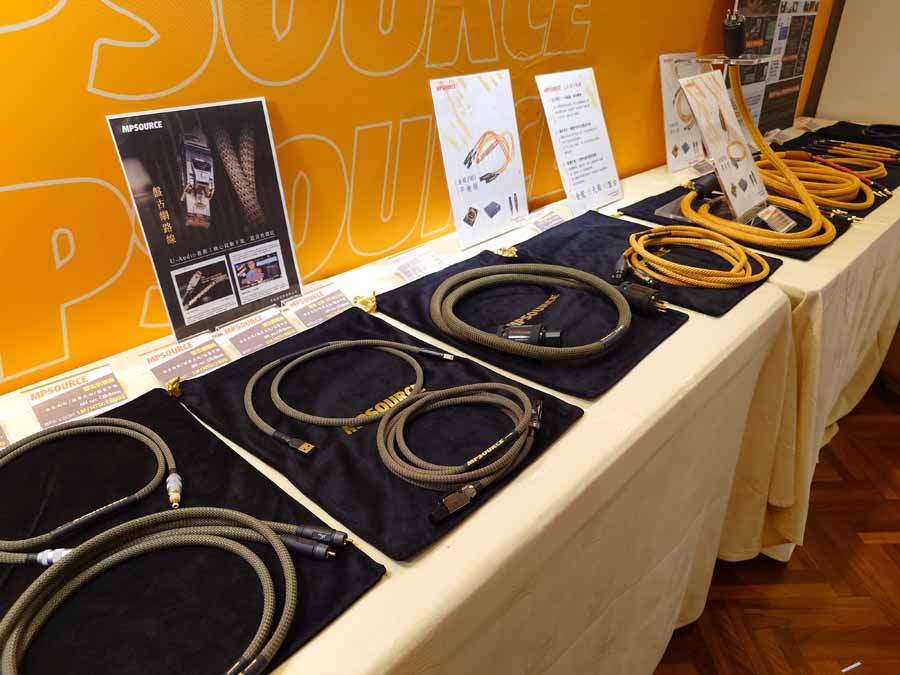
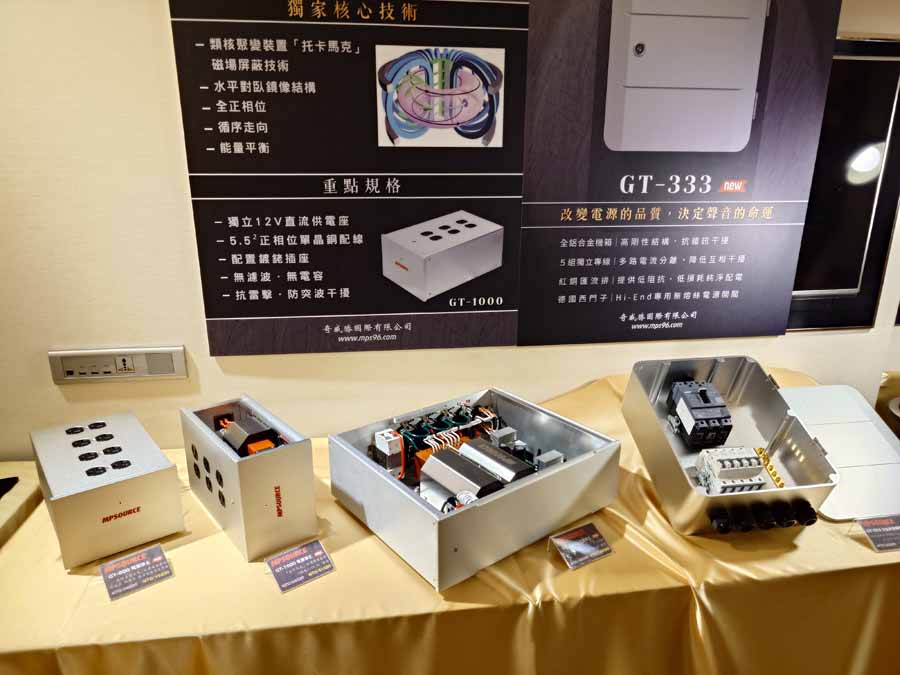
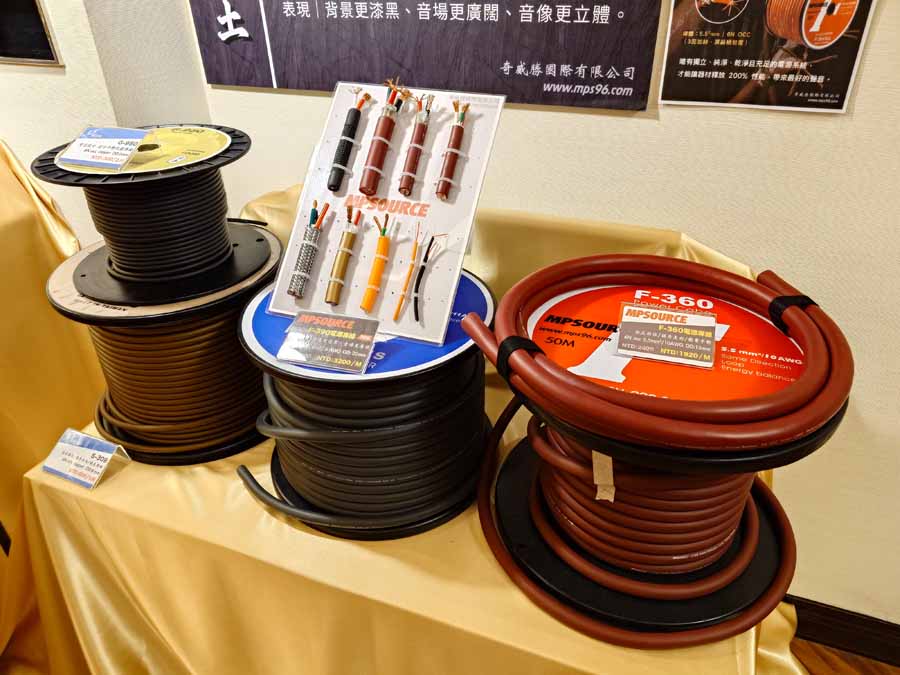
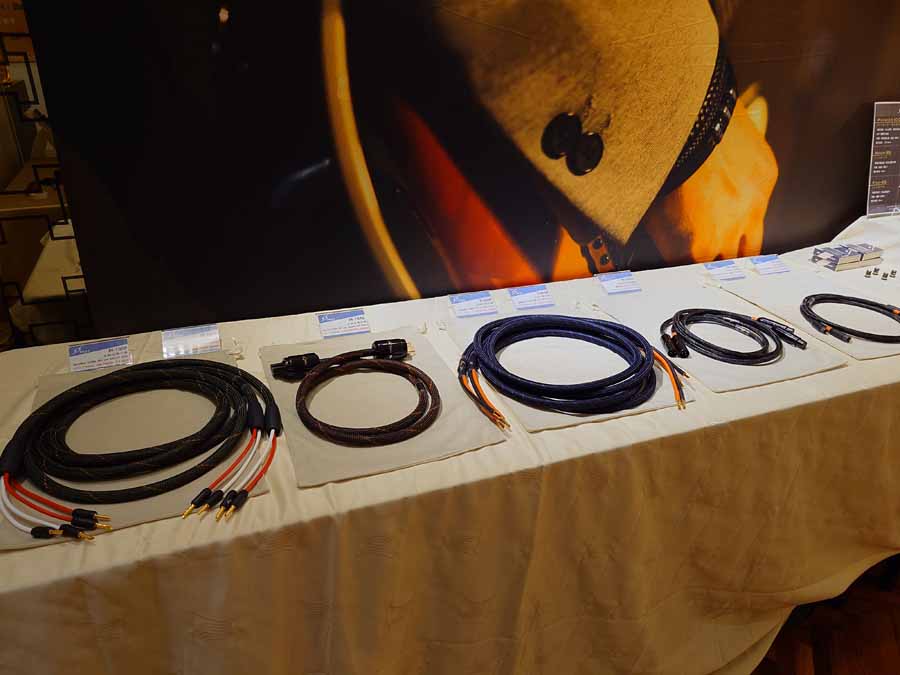
MPS used the show to quietly roll out a whole new power ecosystem, from serious cables to full‑blown distribution and a rather hardcore fuse box. The new F‑360 power cable is a very chunky 6 AWG design using 6N OCC copper in a 14 mm conductor bundle inside a 20 mm jacket, built with same‑direction looping to keep current flow as linear as possible. Alongside it sat the new MPSOURCE power blocks in three variants – GT‑800, GT‑1000 and GT‑3000 – whose tokamak‑inspired magnetic layout, mirror‑image wiring, all‑live‑phase routing and rhodium‑plated outlets aim to scrub noise and spikes without series filters, while full‑aluminium chassis, multiple isolated lines and red‑copper bus bars keep impedance and crosstalk down. To finish things off, the GT-333 fusebox is a high-quality mains entry point with five separate runs and a Siemens no-fuse master breaker.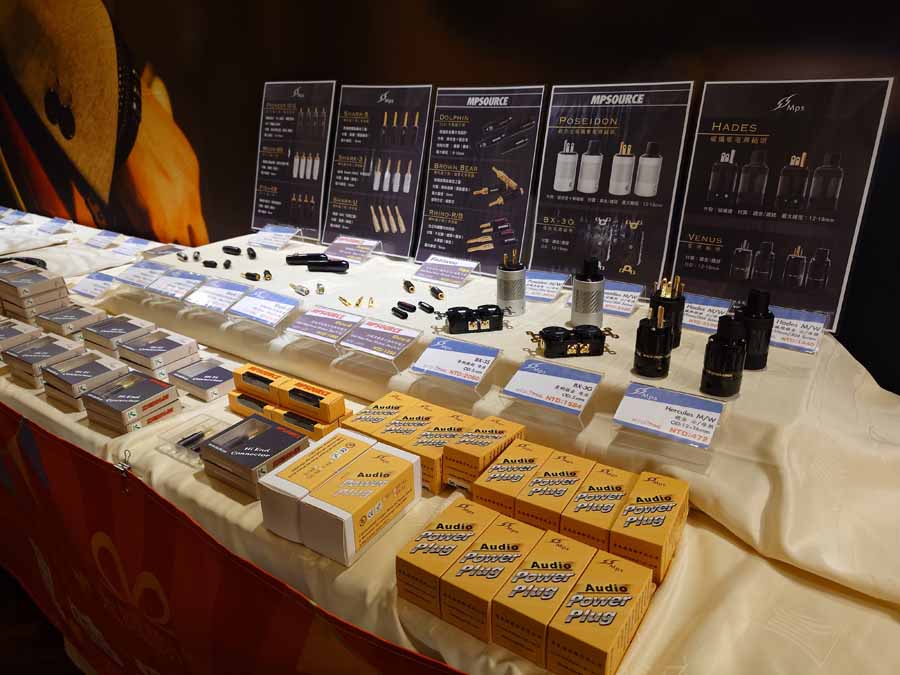
252 FIIO
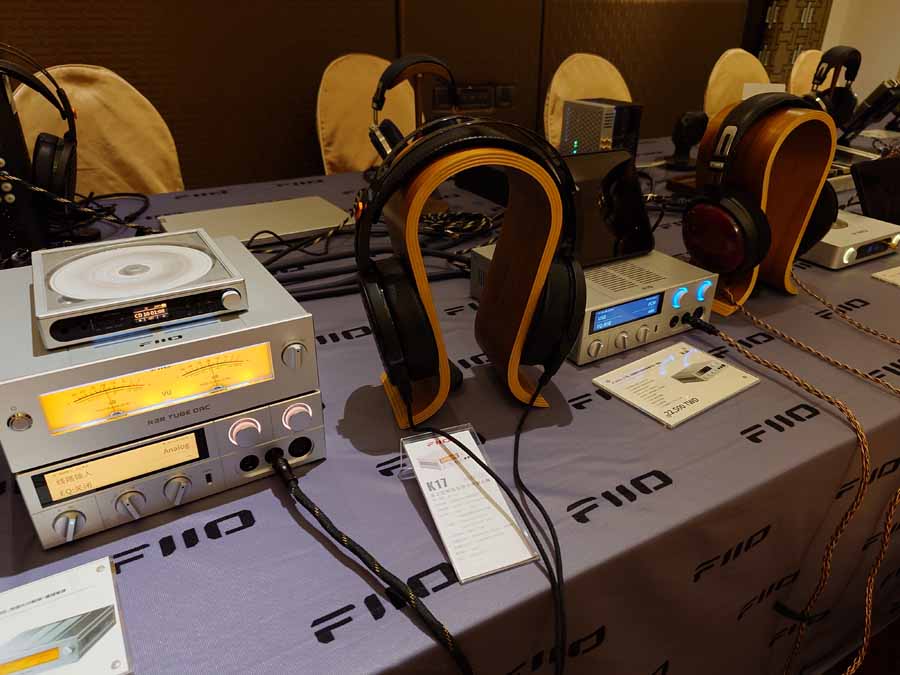
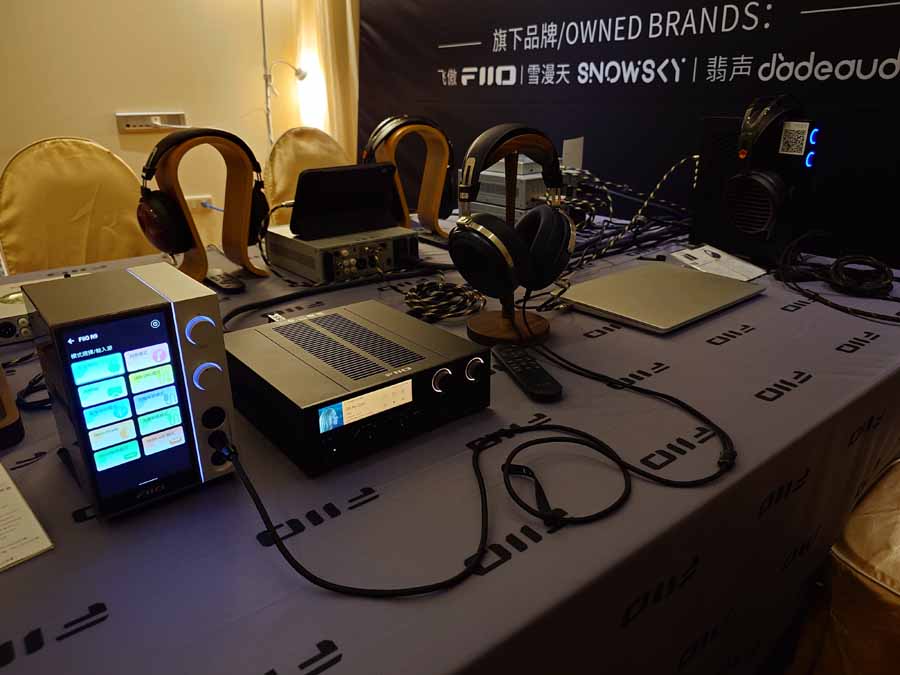
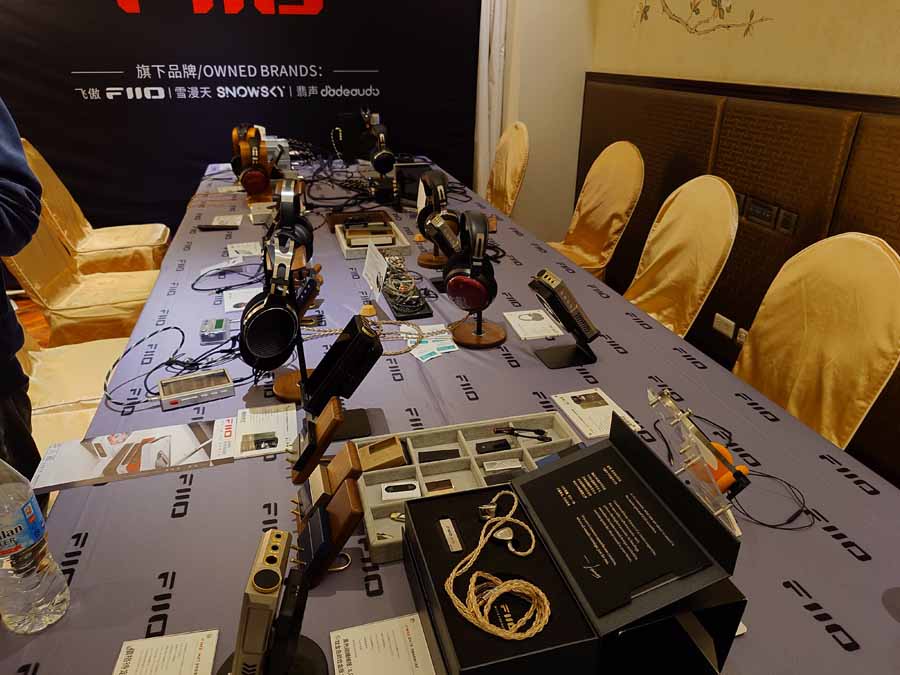
Fiio’s room was pure candyland for HeadFi fans, with tables full of amps, DACs, and headphones just begging for a quick plug-in. The highlight was the new S15, FiiO’s first full-size all-in-one digital front end: an Android-based streamer/DAC/pre with a big colour screen, HDMI/ARC, balanced XLR outputs, and enough I/O to slot into anything from a desktop rig to a full living room system.
The other piece worth singling out was the BR15 R2R, a hi‑res Bluetooth 6.0 receiver that hides a true 24‑bit R2R DAC inside and supports LDAC, aptX Lossless and friends, with both RCA and XLR outputs plus a 10‑band PEQ for fine‑tuning. Together, they showed exactly where FiiO is going: away from “just dongles” and firmly into grown-up, do-it-all digital hubs for serious desktop and headphone listening.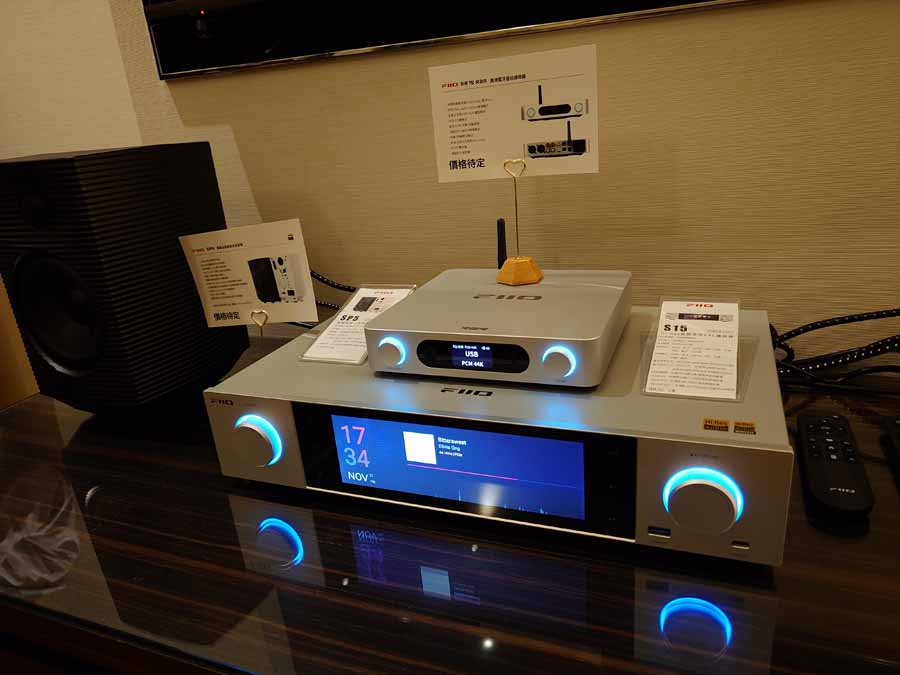
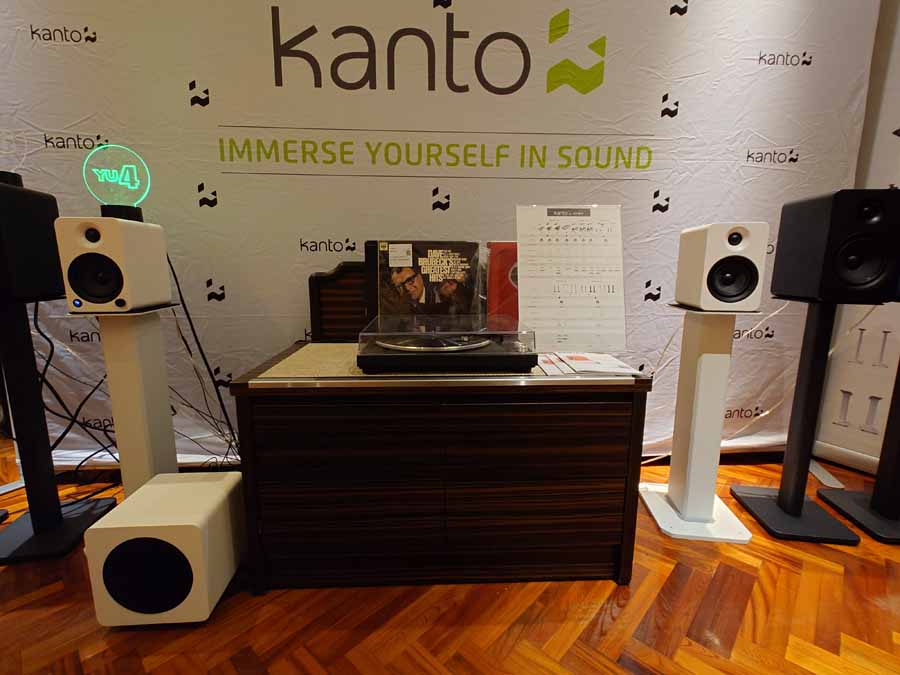
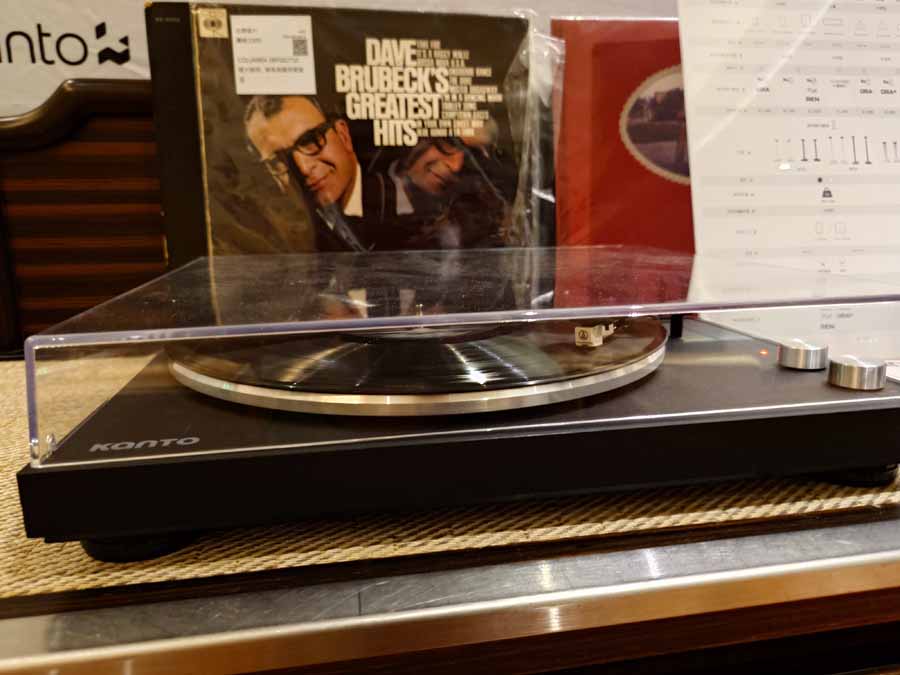
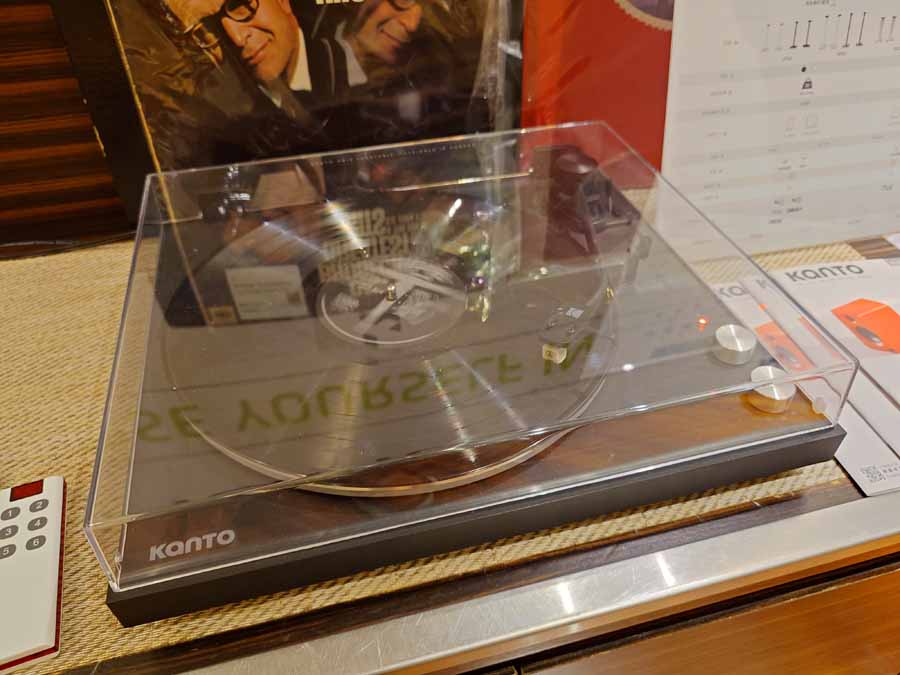
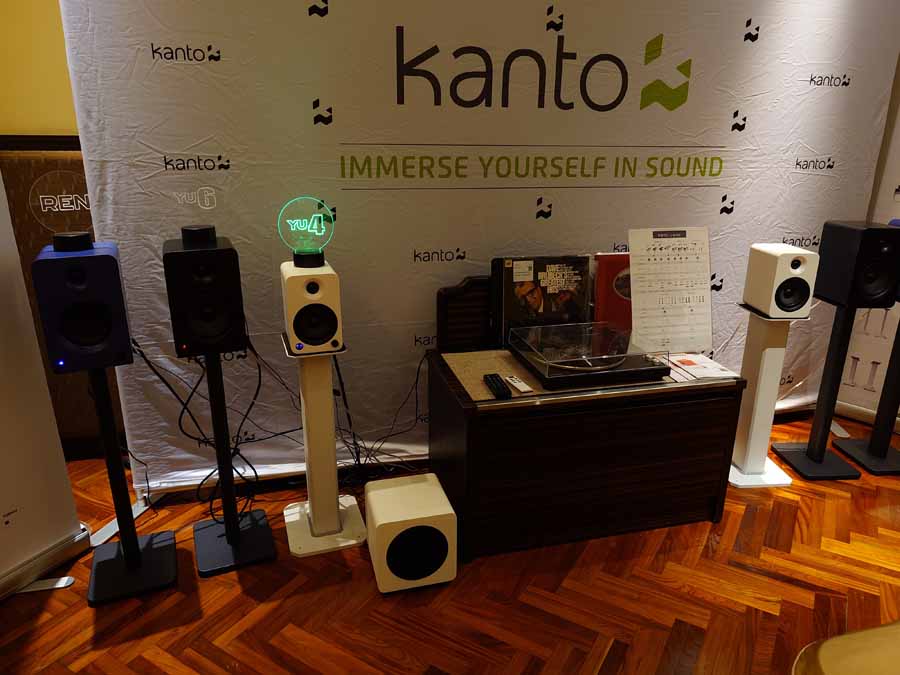
254 KANTO
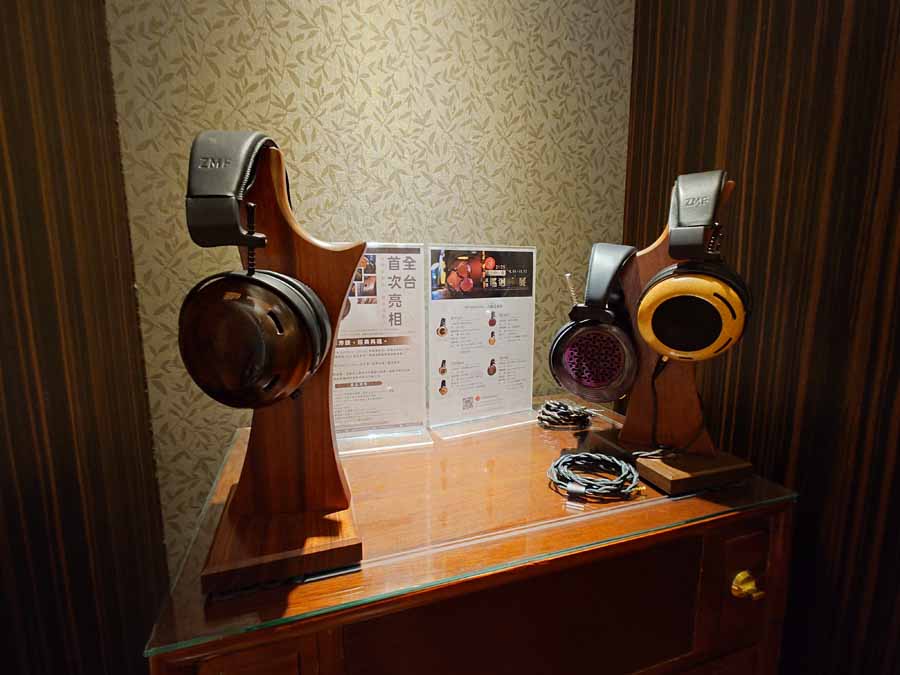
Kanto’s room felt like they were trying to appeal to Gen Z with ice cream pastels or loud, bright colours. Kanto’s new style was clear throughout the room. Their OBI3 turntable was new to me. They said it’s part of a trio of decks they will announce soon. Aside from focusing on the near-field experience, they also brought some of ZMF’s excellent headphones.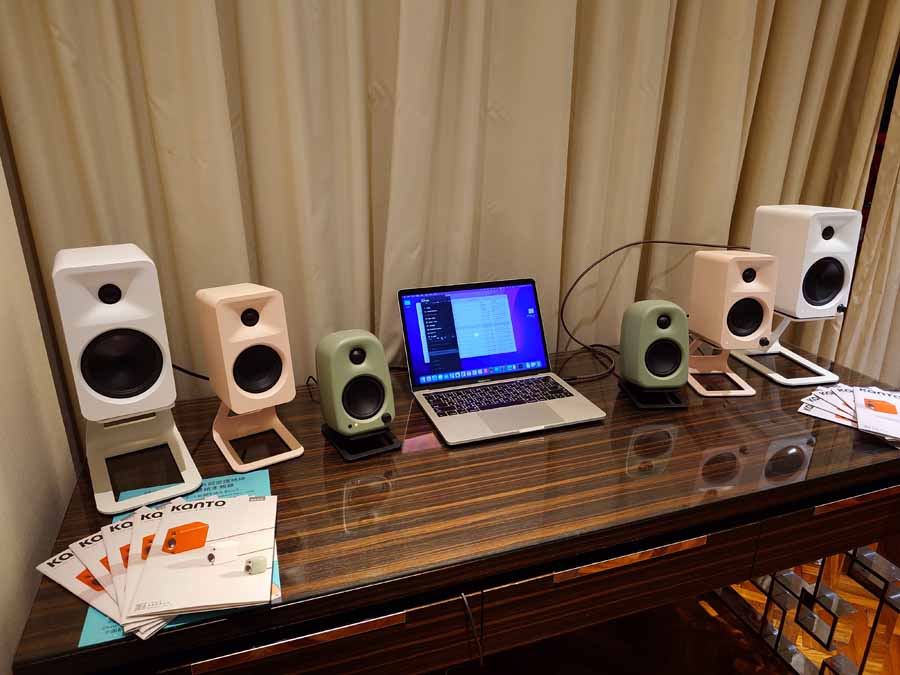
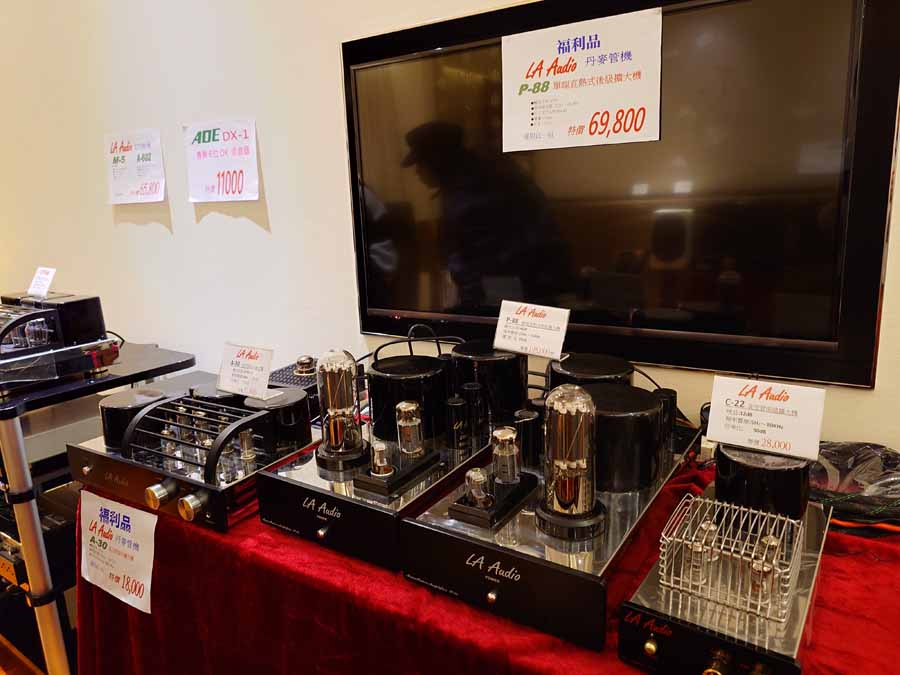
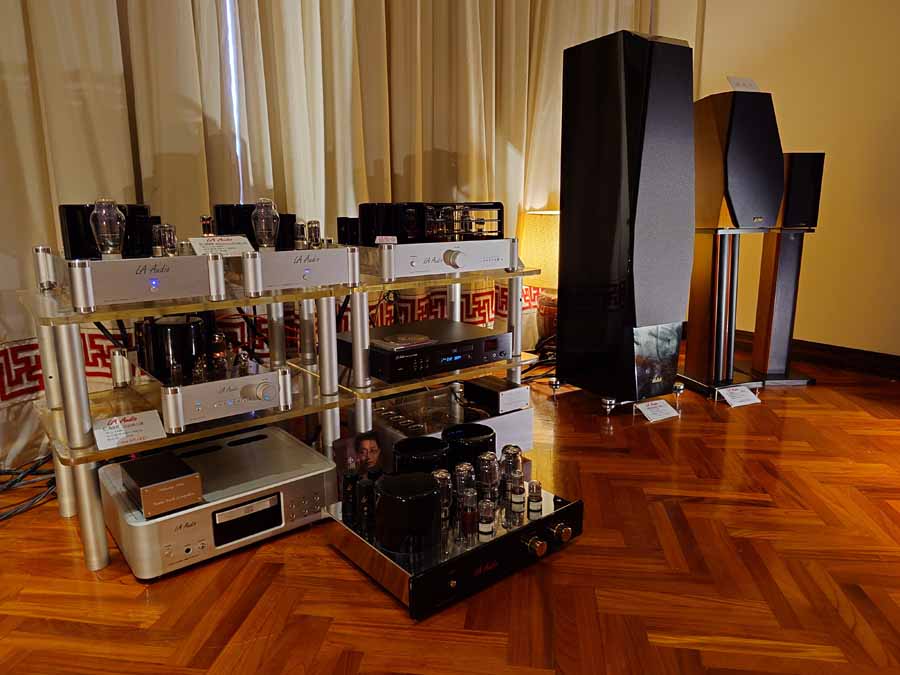
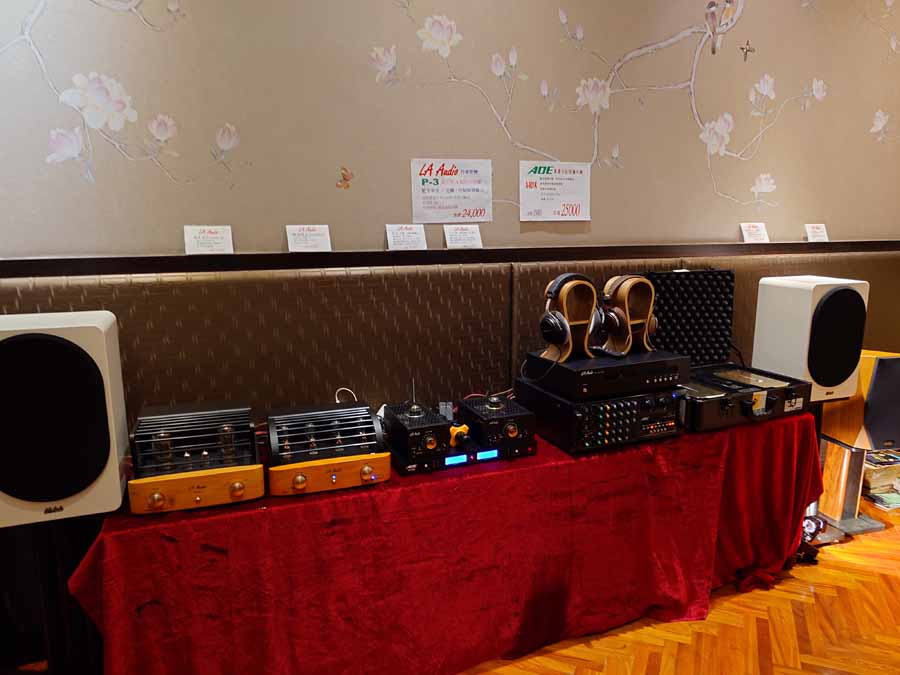
256 飛揚音響 LA AUDIO
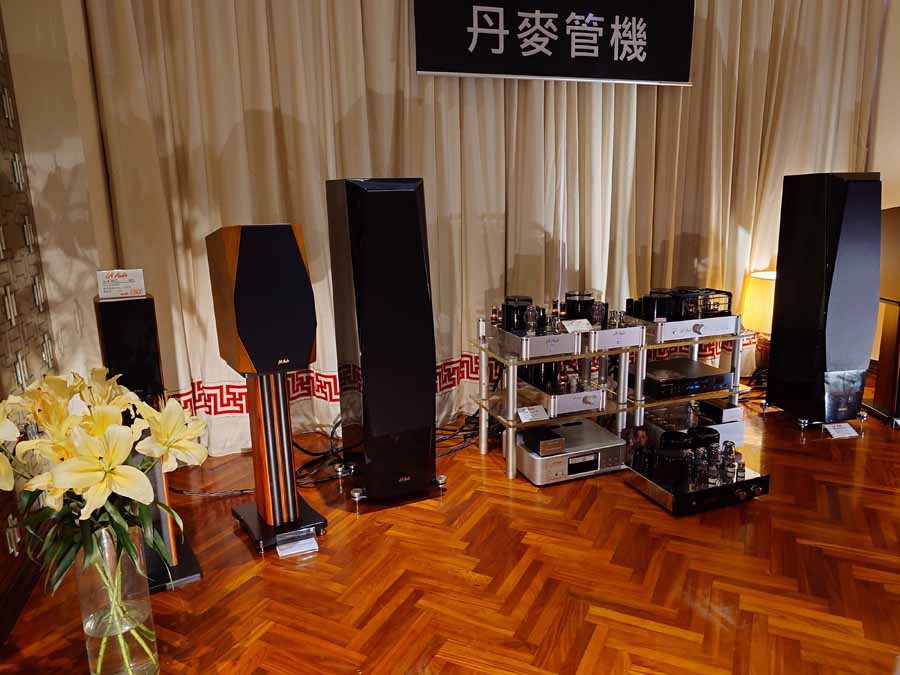
LA Audio is like a part of the furniture at this show in the best way possible. There are racks of glowing bottles, polished metalwork, and their loudspeakers that make the room feel like a little temple of valves. The systems looked and sounded just like a classic tube experience, with a big, full tone and a lot of scale when the volume was turned up. The only thing I didn’t like was the demo music, which was a little too much like polite audiophile music. If they had picked braver tracks, these amps could have shown how much fun they can be. I was especially drawn to the massive P88 Power amps.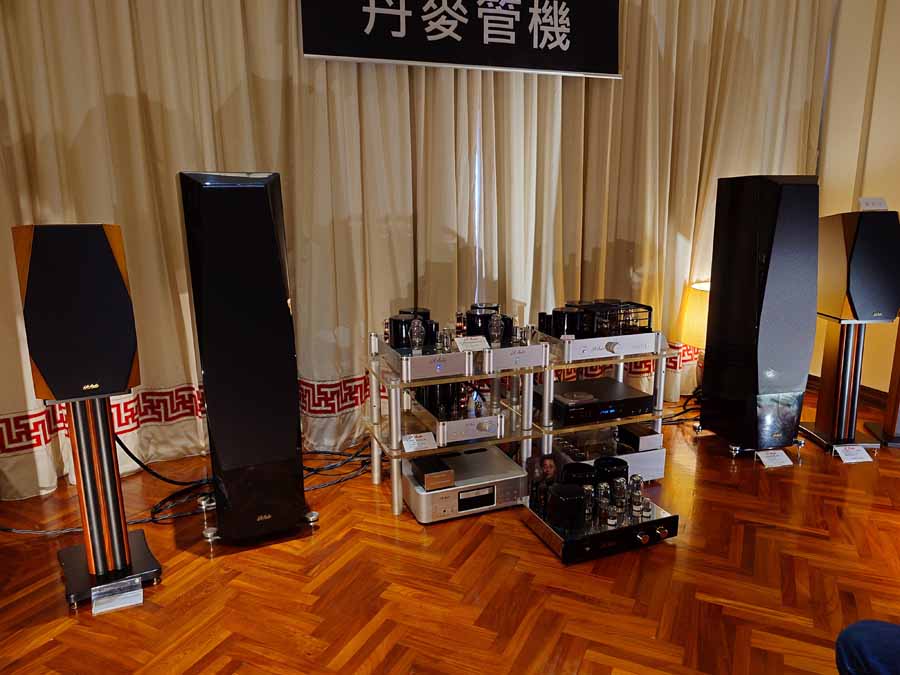
Please note, all content and photos are the copyright of HiFi PiG Magazine/Big Pig Media LLP and must not be copied or reproduced in any way without the prior, written consent of the editor.
Join Gyula for Part Two of his TECA Taipei International Audio Show 2025 Report soon.

Gyula Weeber