
TAS Shanghai 2026 Report Part Two
TOP AUDIO SHOW TAS SHANGHAI 2026 REPORT PART TWO FROM HiFi PiG’S GYULA

HiFi PiG’s Asia correspondent Gyula brings you the second half of his TAS Shanghai 2026 Report.
After an excellent TAS Shanghai 2026 Report Part One, Gyula now brings you the conclusion of his Shanghai HiFi adventure!
TAS SHANGHAI 2026 REPORT PART TWO
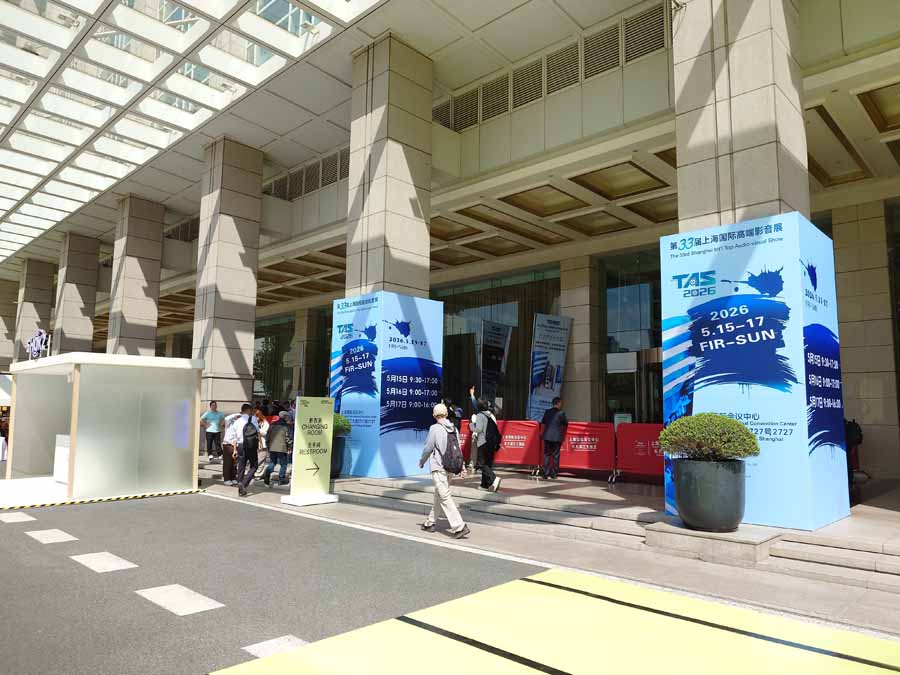
Welcome to the second part of the report. After a thoroughly busy first day, the second day were even more packed, and with a Sunday flight to catch just after noon, I did my best to visit as many rooms as possible and, ideally, get more than just a passing impression from each one. Without further ado, let’s dive into the most captivating ones.


Please note, all content and photos are the copyright of HiFi PiG Magazine/Big Pig Media LLP and must not be copied or reproduced in any way without the prior, written consent of the editor.
Melody HiFi
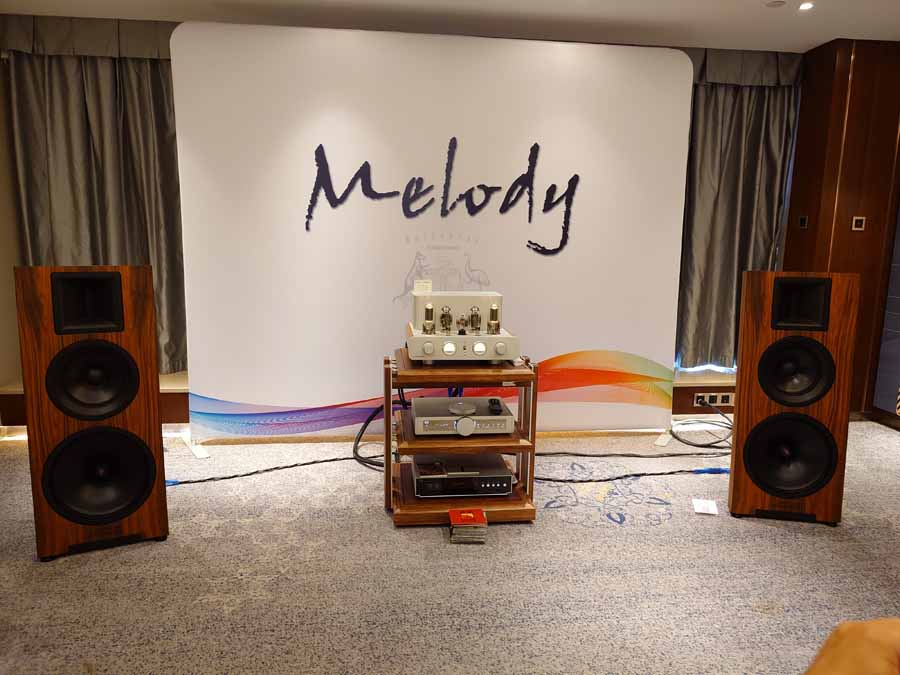
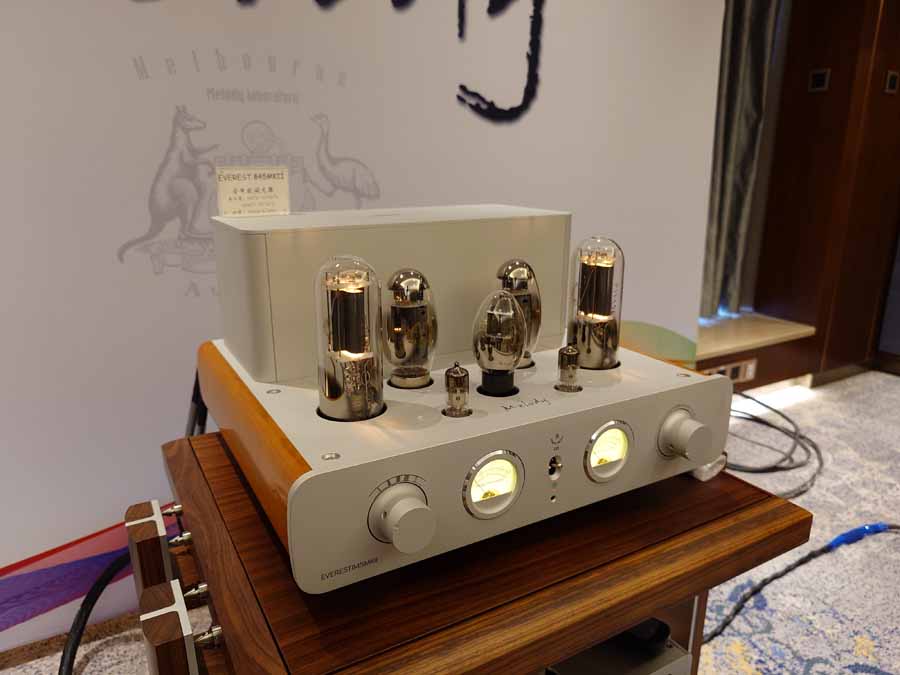
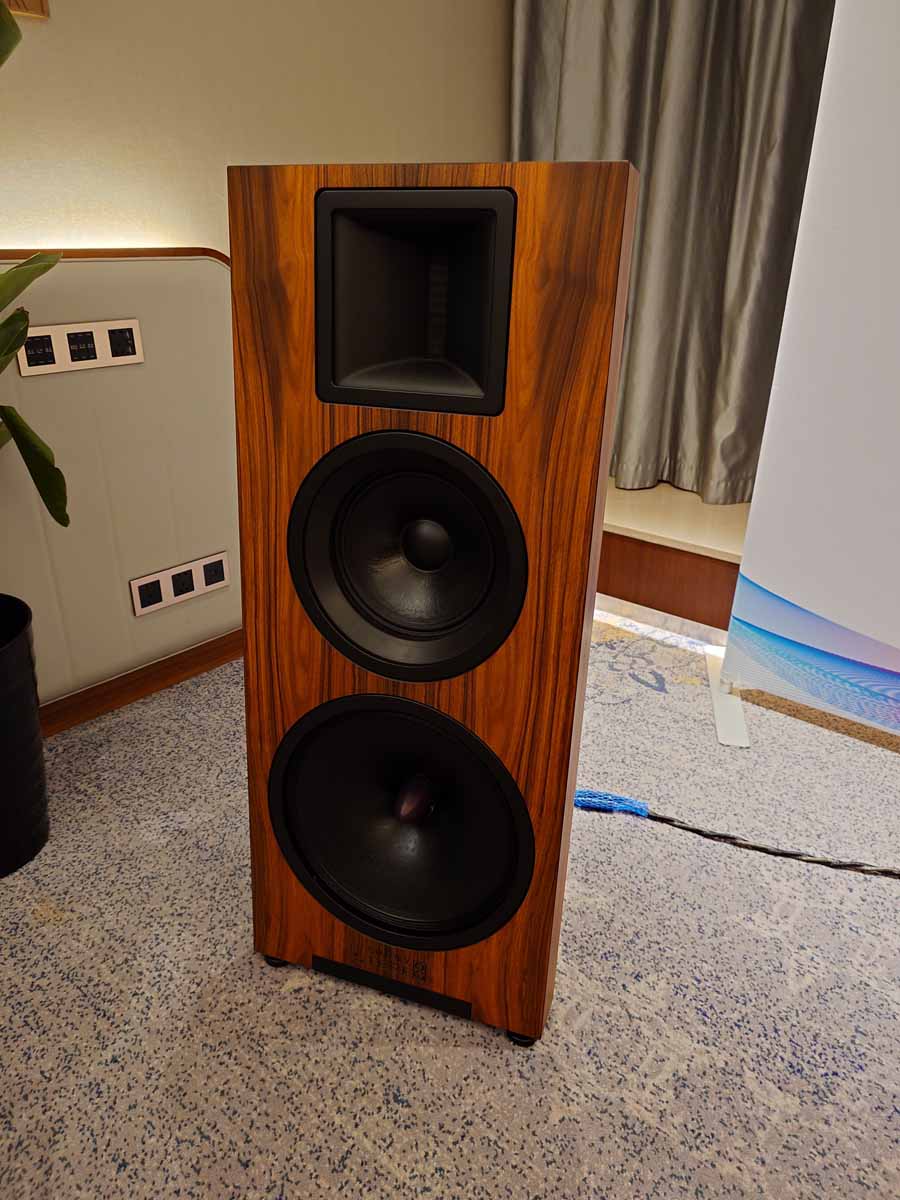
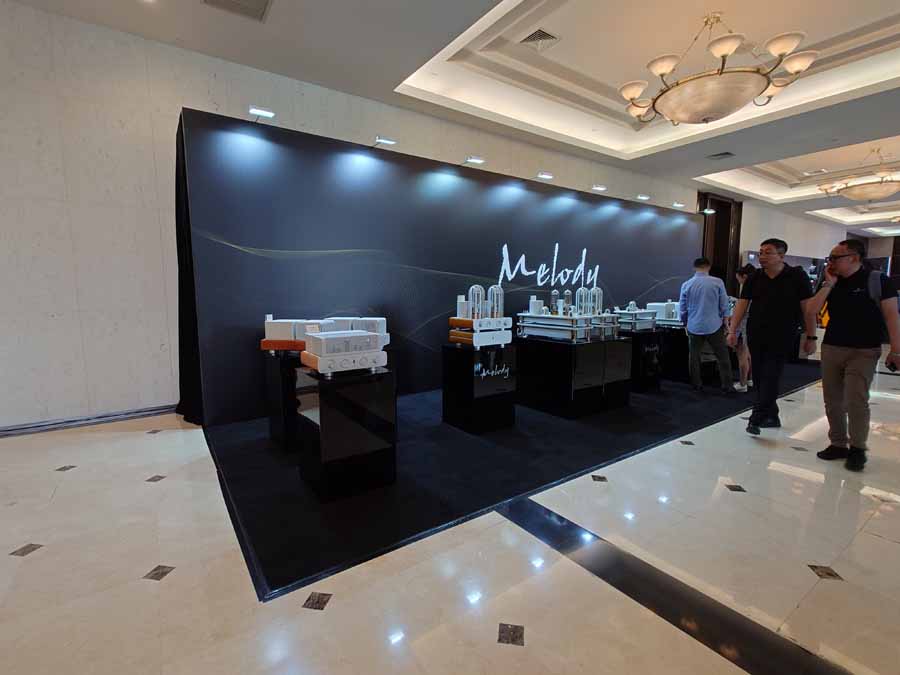
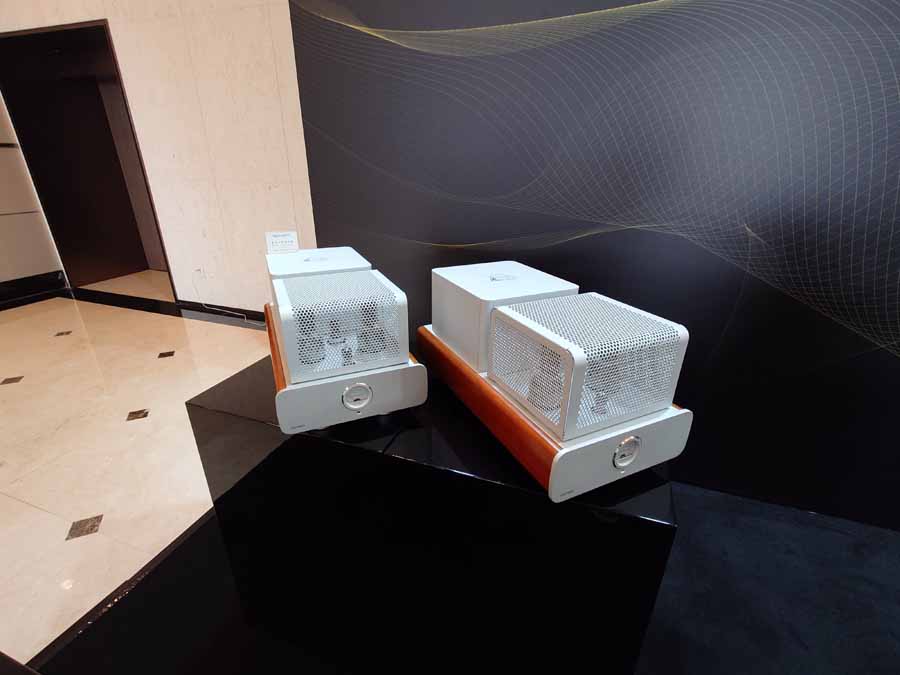
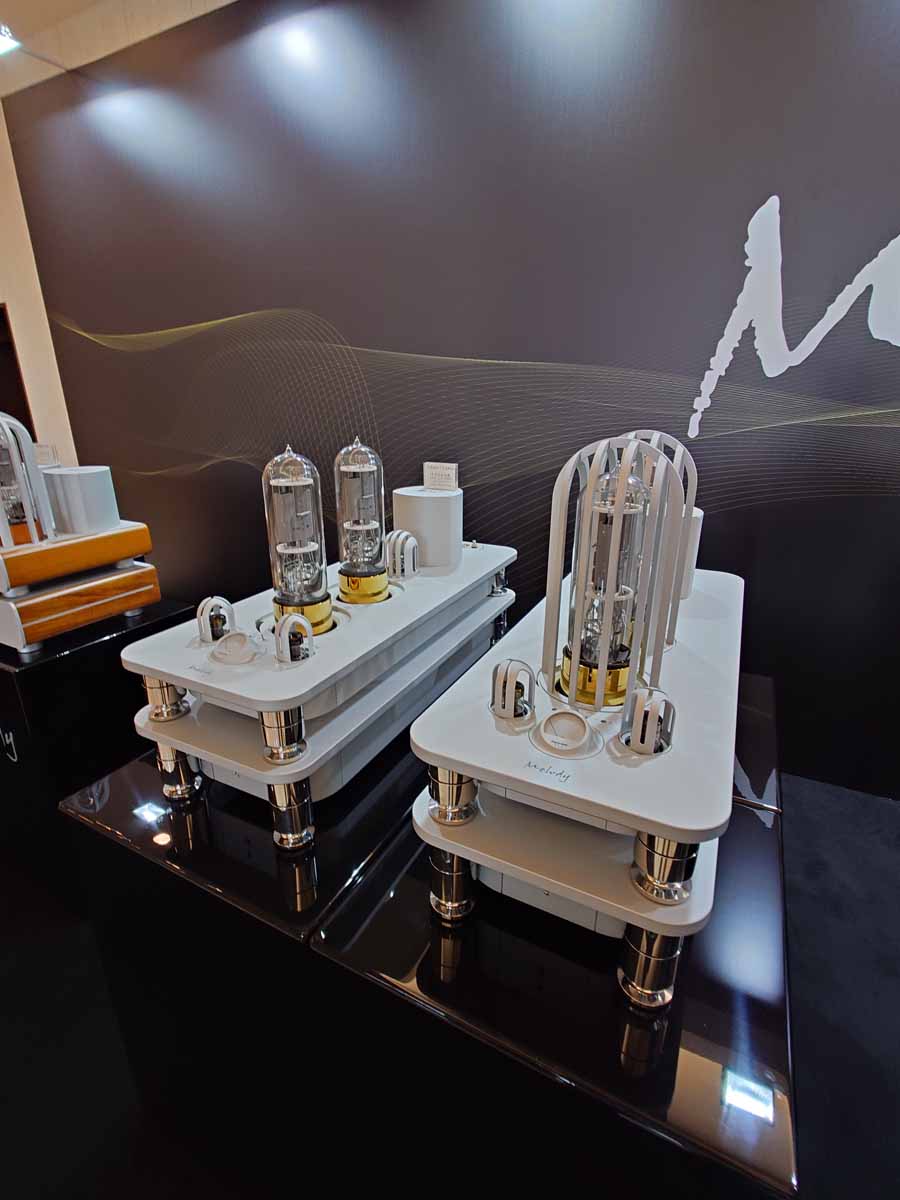
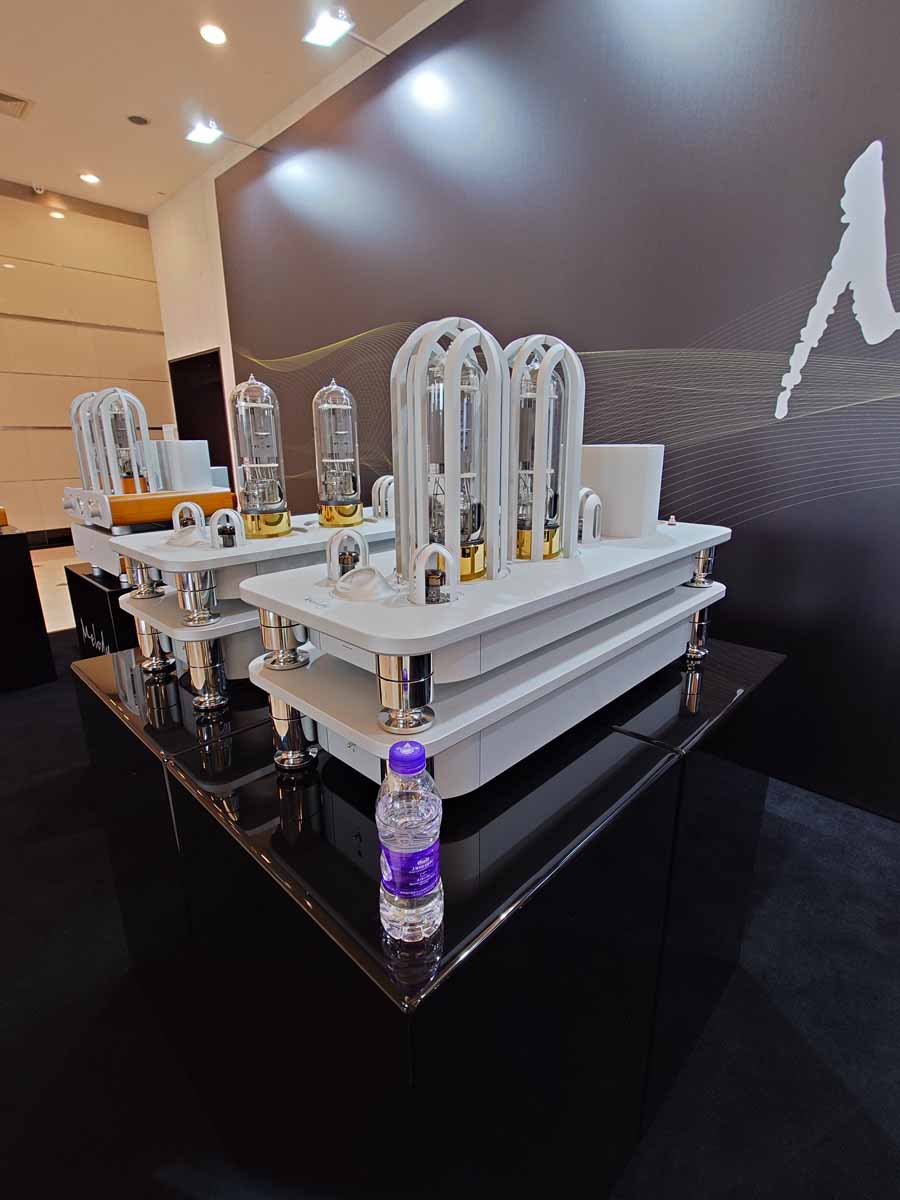
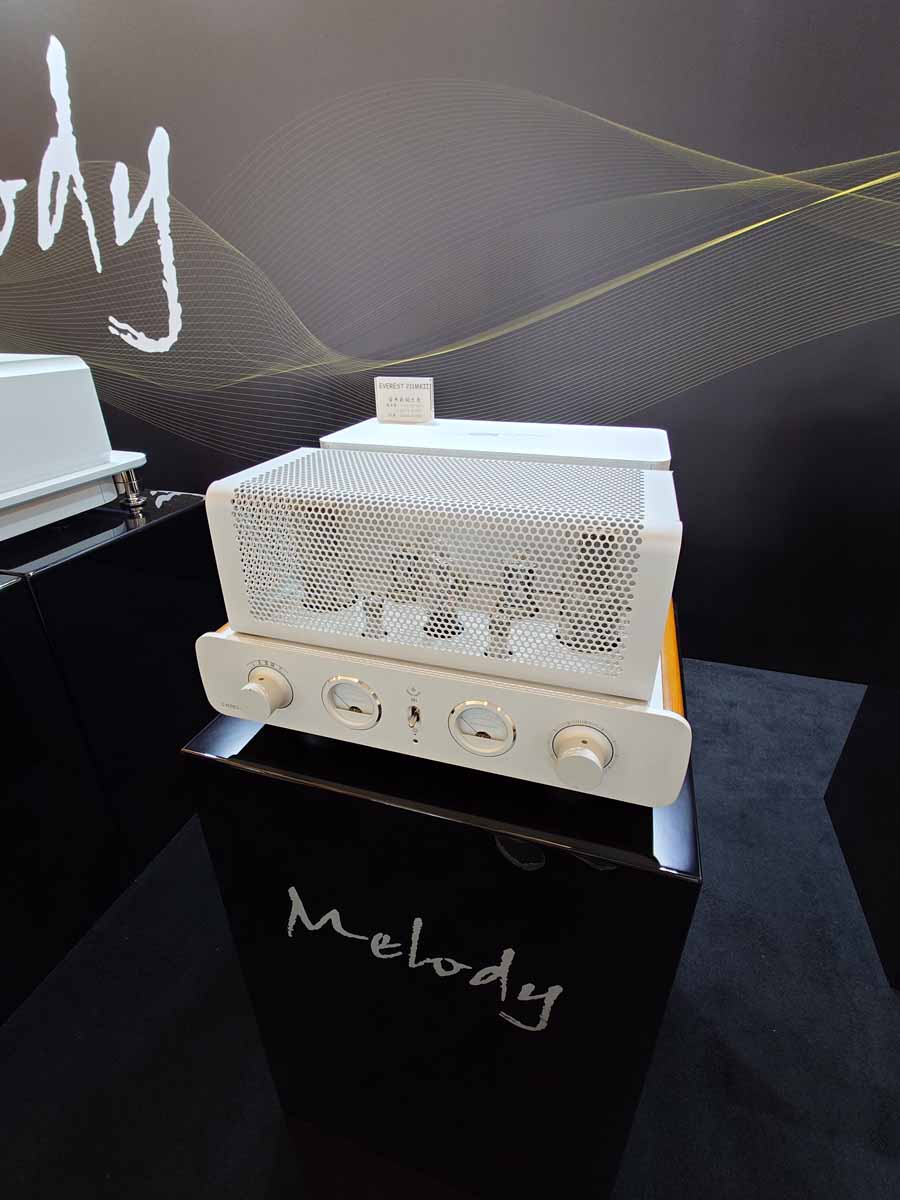
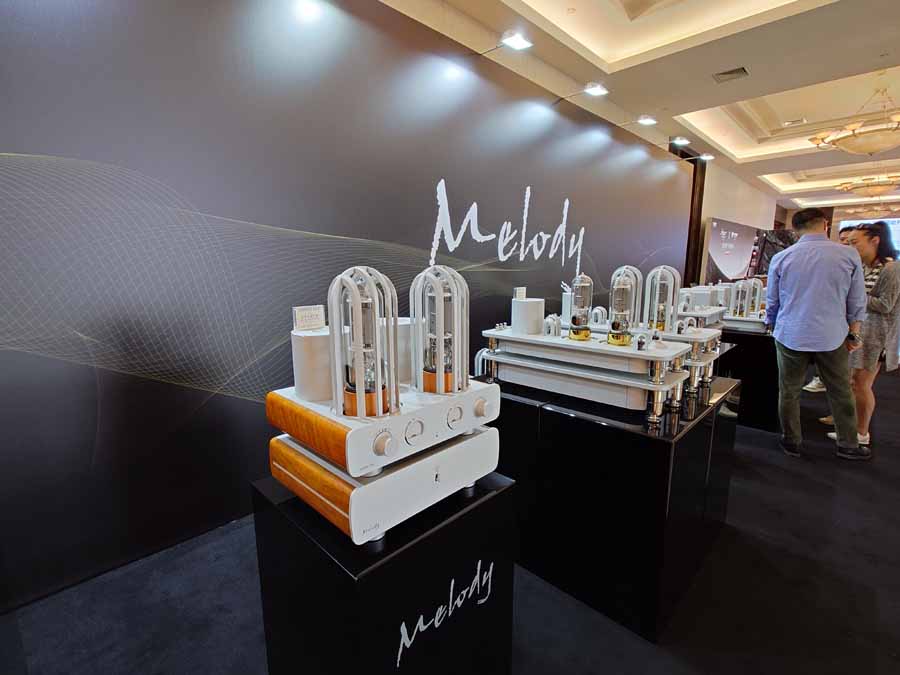
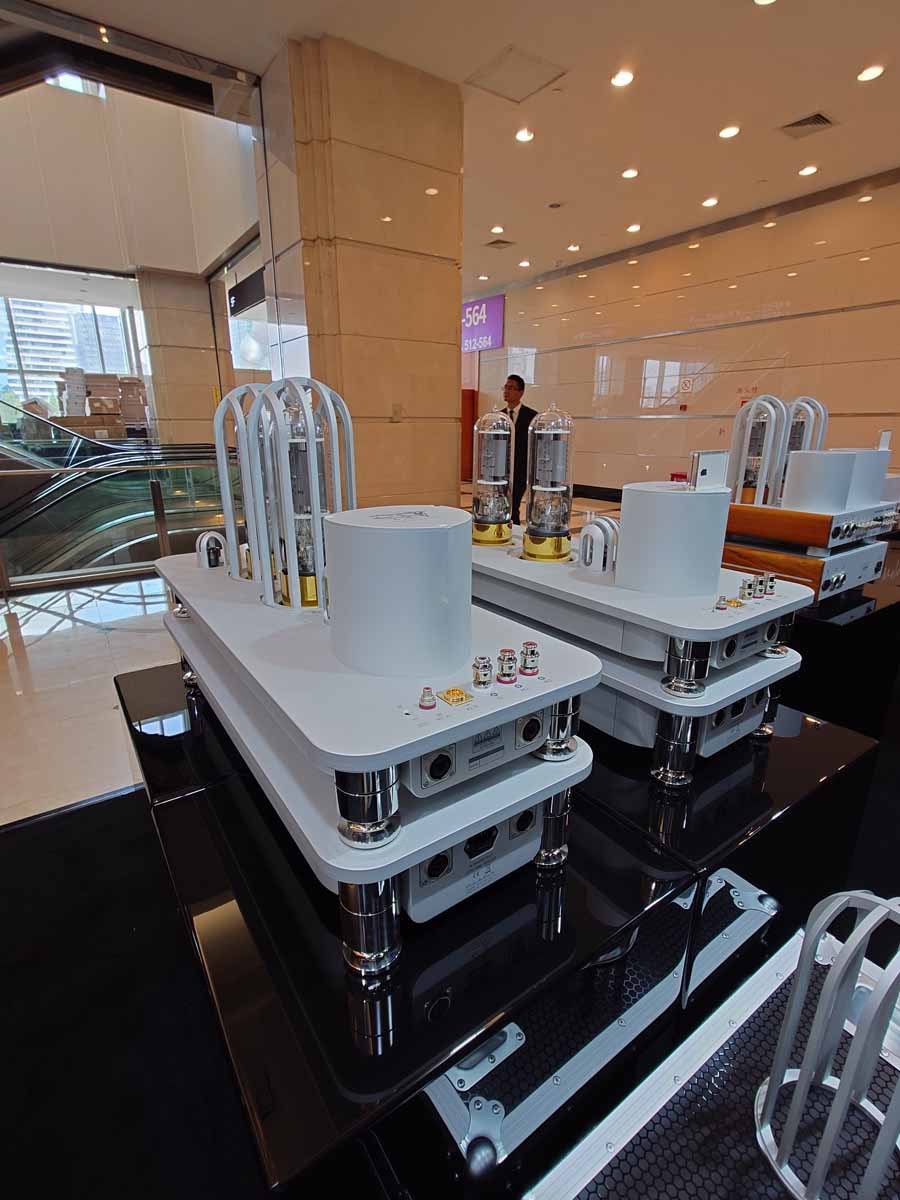
The third floor opened with a truly monumental display from Melody Audio, and the headline act was the towering 212 tube-based 60 W per channel Class A monoblock, a true monster of an amplifier, with an external power supply, 88 cm in depth, 43 cm in width, and a weight of 75 kg per chassis. In Chinese culture, 88 is considered especially auspicious, which feels entirely on-brand for a design this boldly big and grand. The back story is just as obsessive as the hardware itself: Melody’s founder spent years chasing the sound of the discontinued Western Electric 212, eventually developing the company’s own 212 tube as a proprietary attempt to recreate that elusive character after the originals became impossible to source. That kind of devotion to exotic valves was clearly on display here, and it gave the room a deliciously over-the-top sense of purpose.
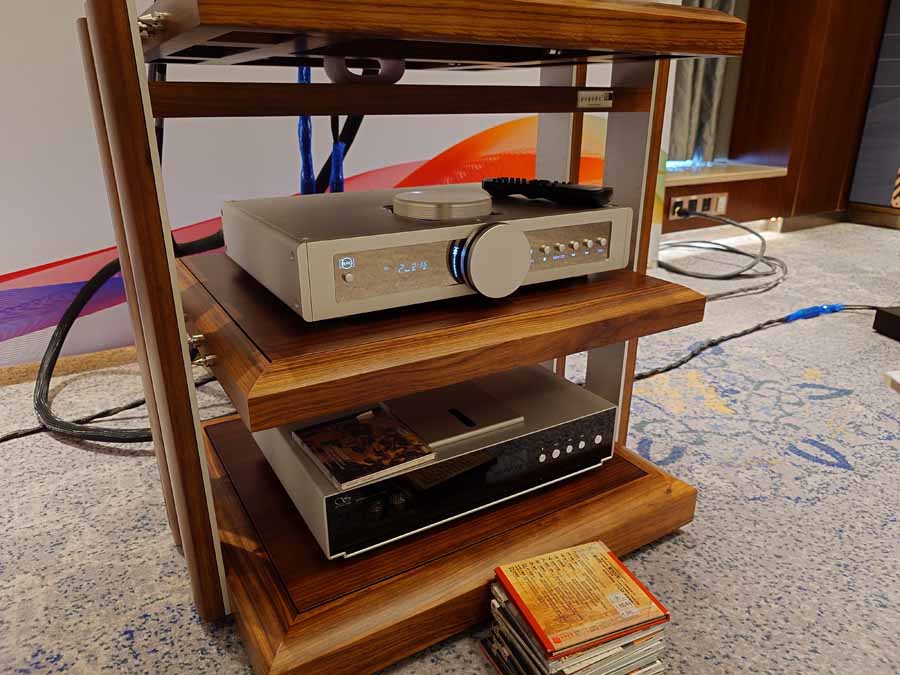
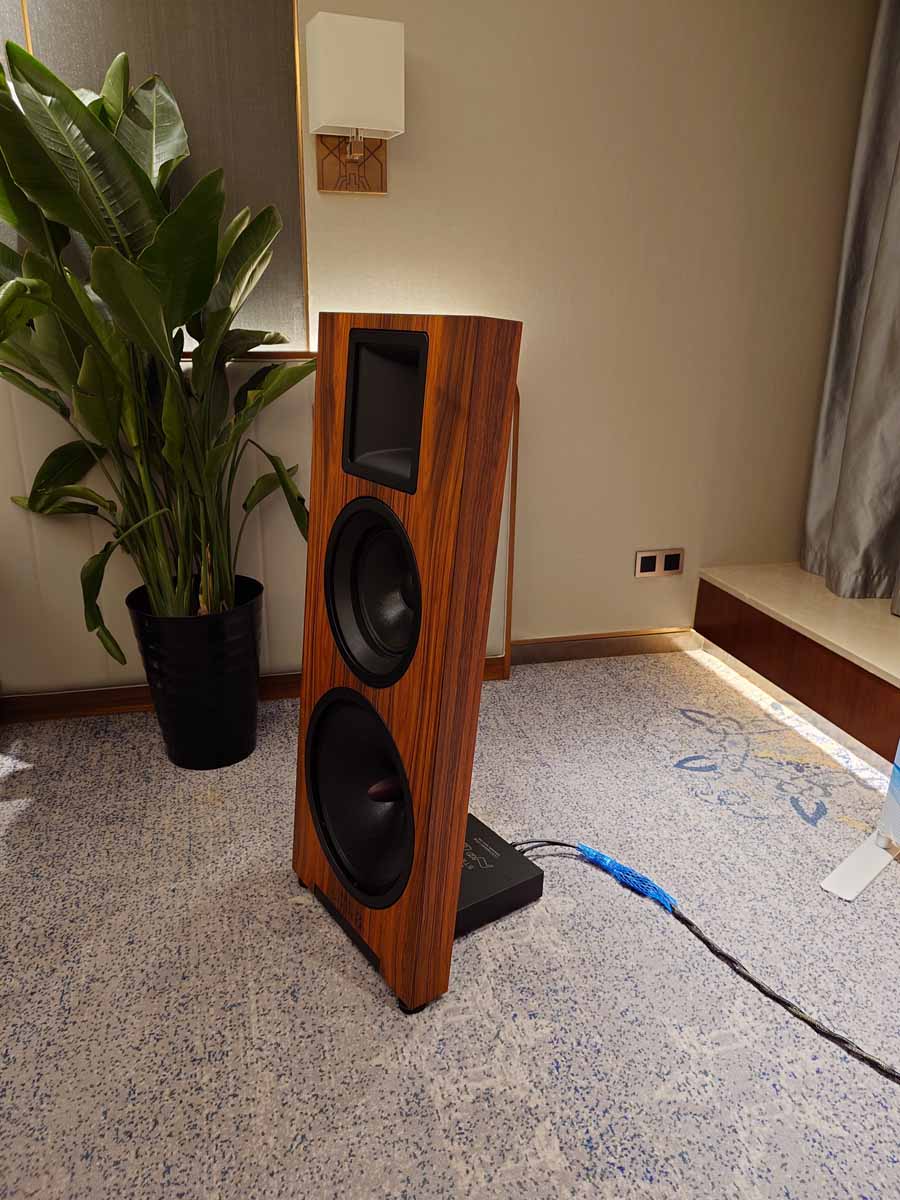
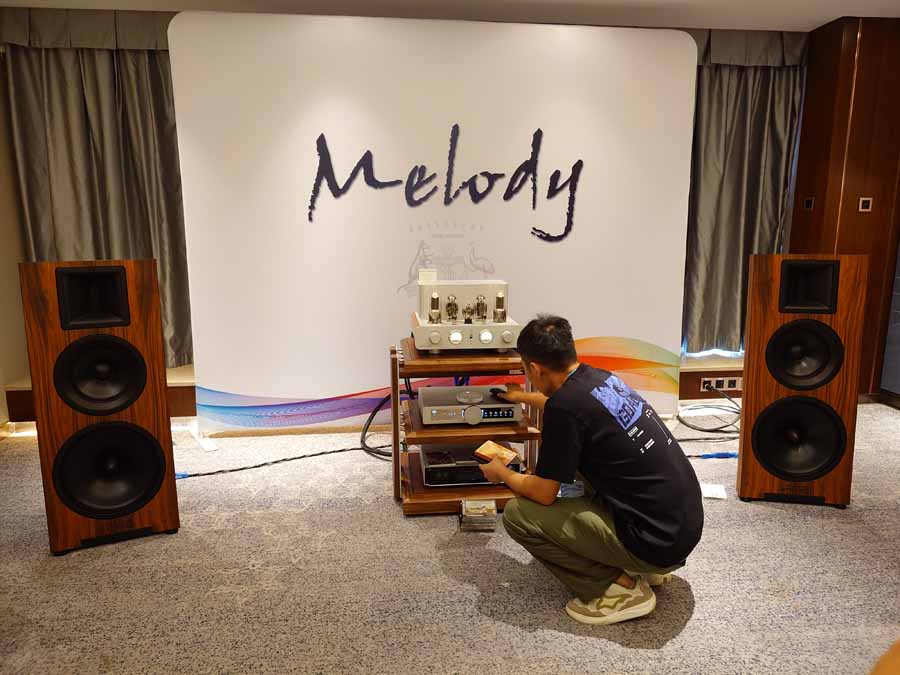
I had heard Melody’s tube gear last year and was impressed, so I was keen to hear it again. In the demo system, the 845 MKII integrated amplifier, a 25 W Class-A design, was partnered with a B.M.C. CD player and Spatial Europe No. 6 loudspeakers, which was a pairing that made a lot of sense because the No. 6 is a serious dipole floorstander with 94 dB efficiency, a 15-inch bass driver, a 10-inch midrange, an AMT tweeter and a crossover deliberately voiced to play nicely with tube amplification. The music in the room had a lush, almost golden warmth, but it also kept a firm grip on the line, so the concerto performance felt expansive and rich without ever turning sticky or soft. It was exactly the sort of room that shows why glowing glass still captures the imagination.

HK-68 Siltech, Gizmod, Crystal Cable, SPO, Nagaoka, Audiobastion
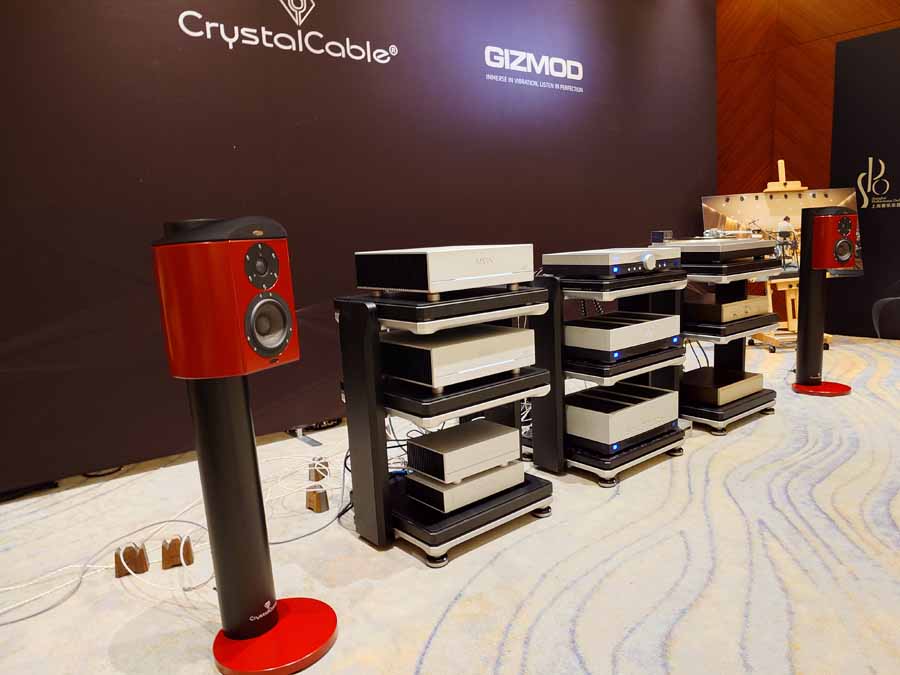
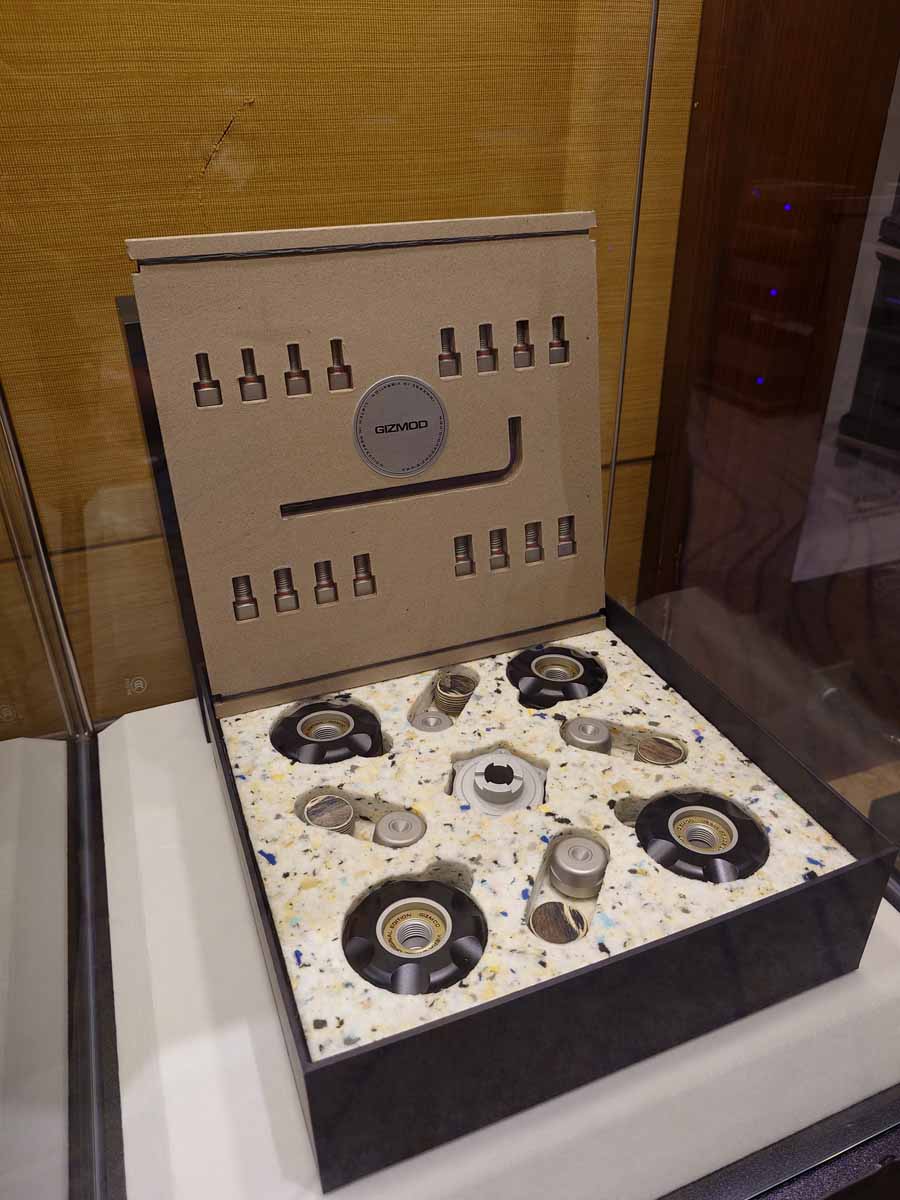
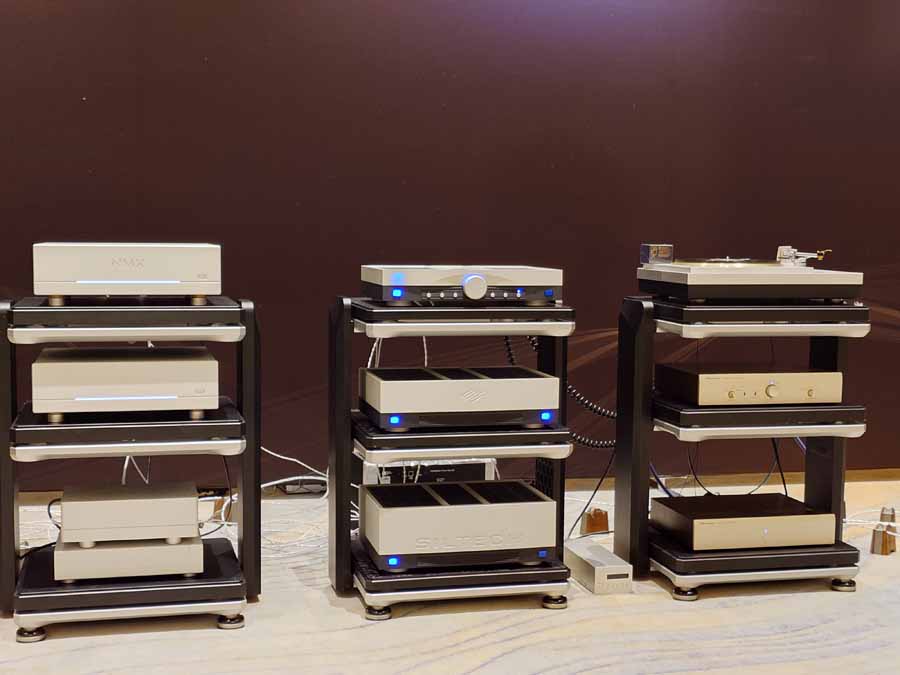
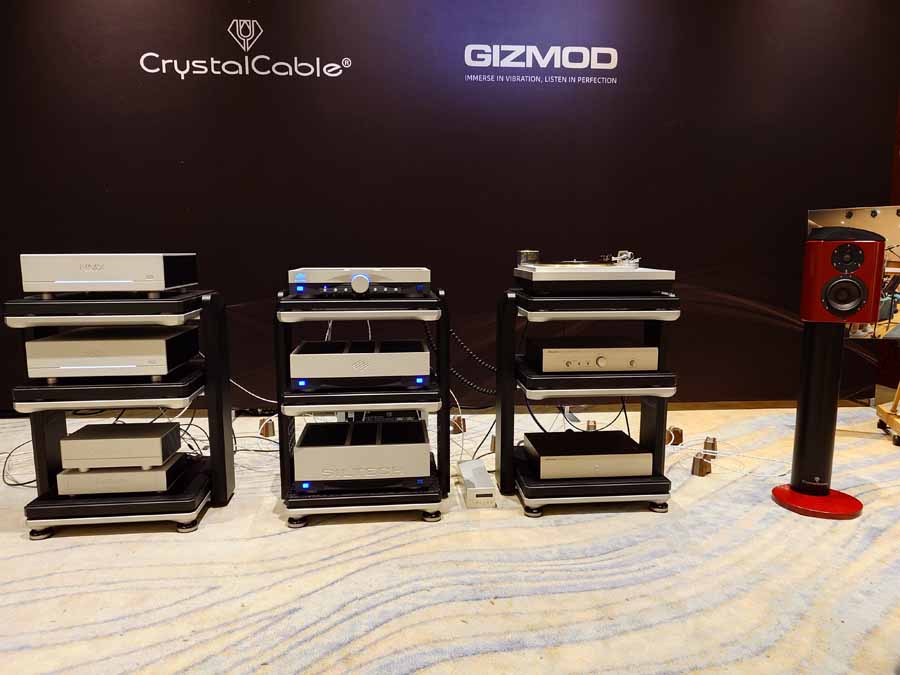
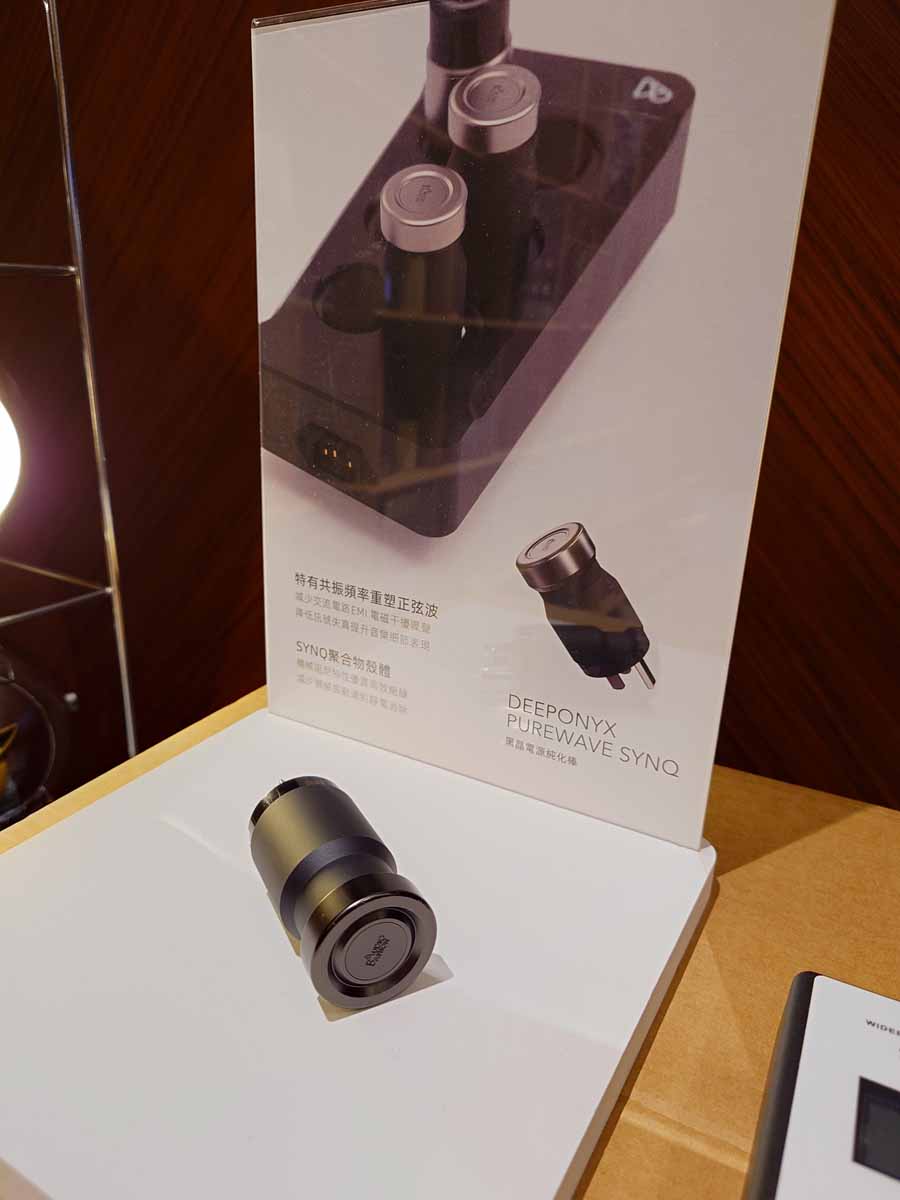
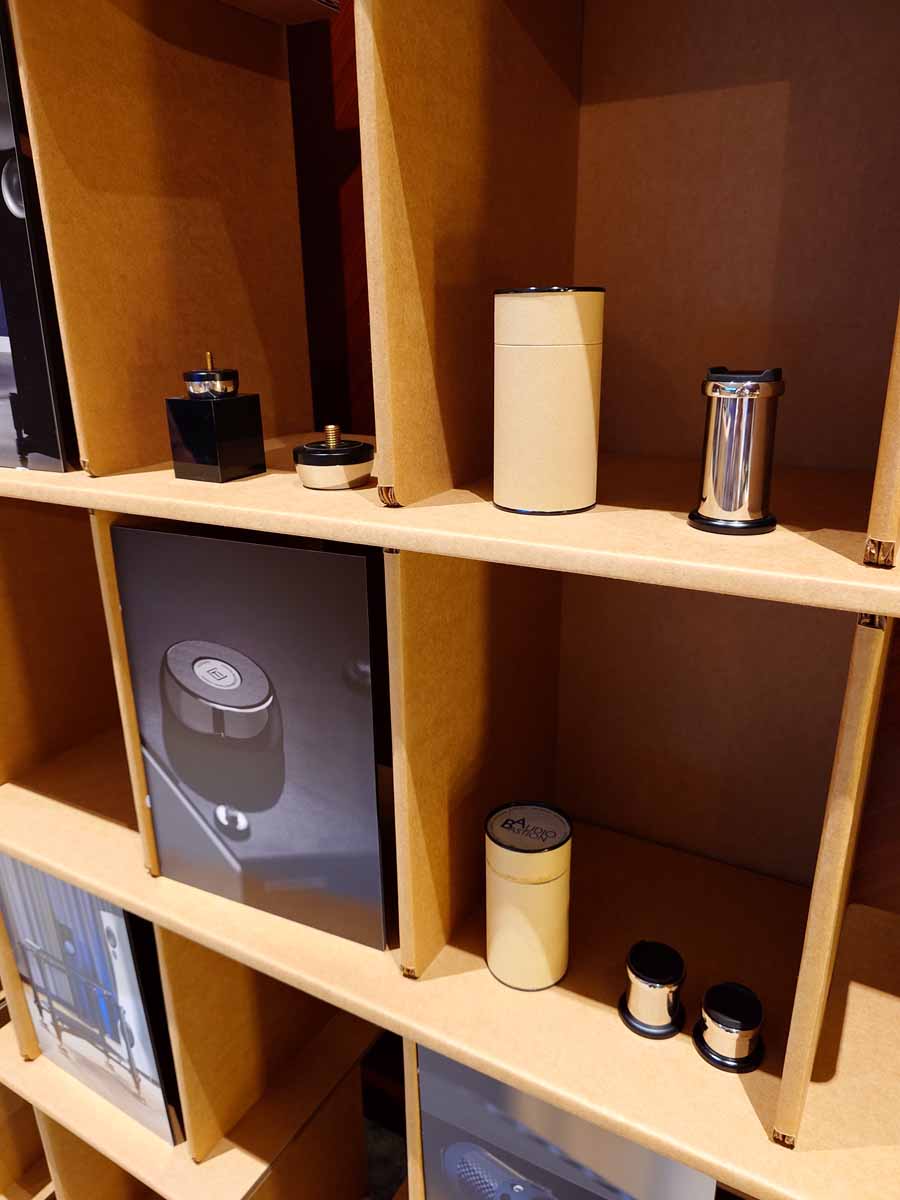
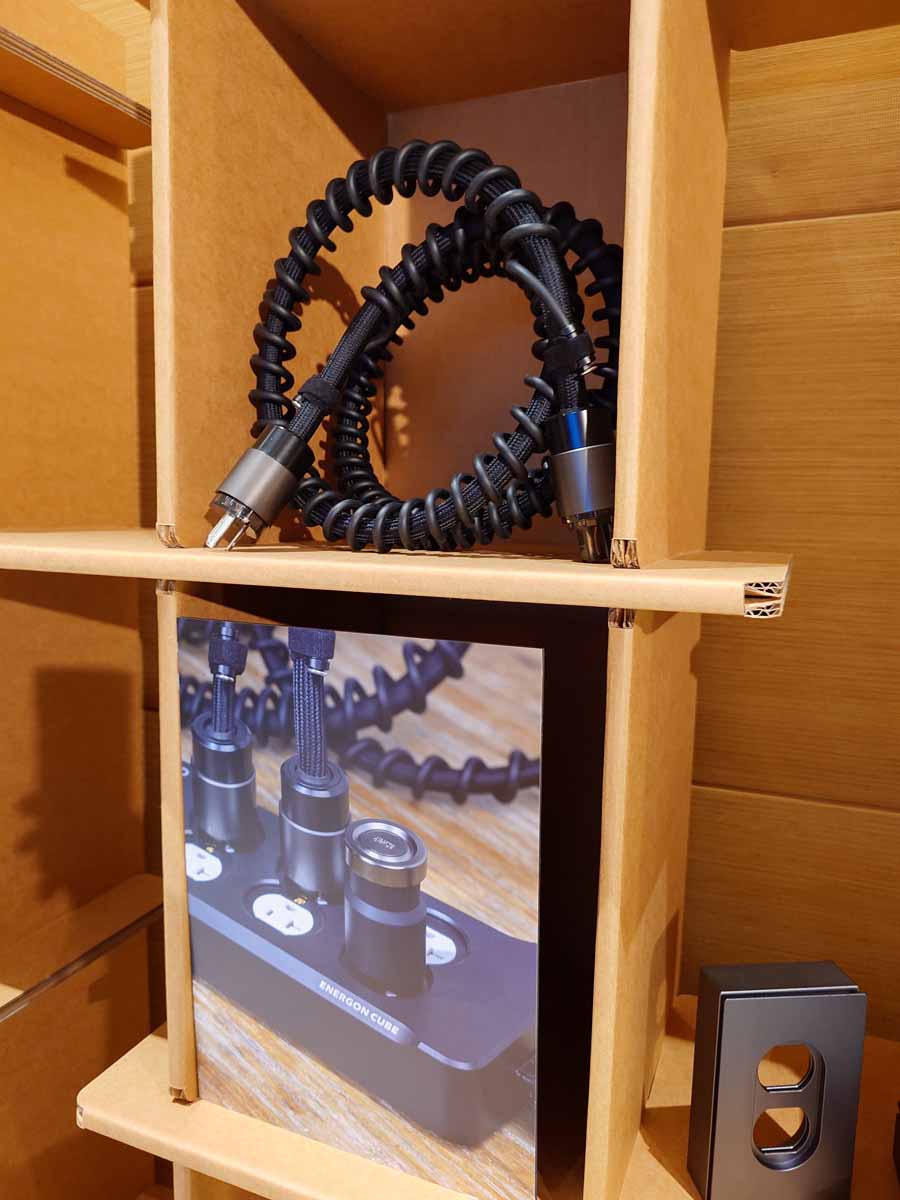
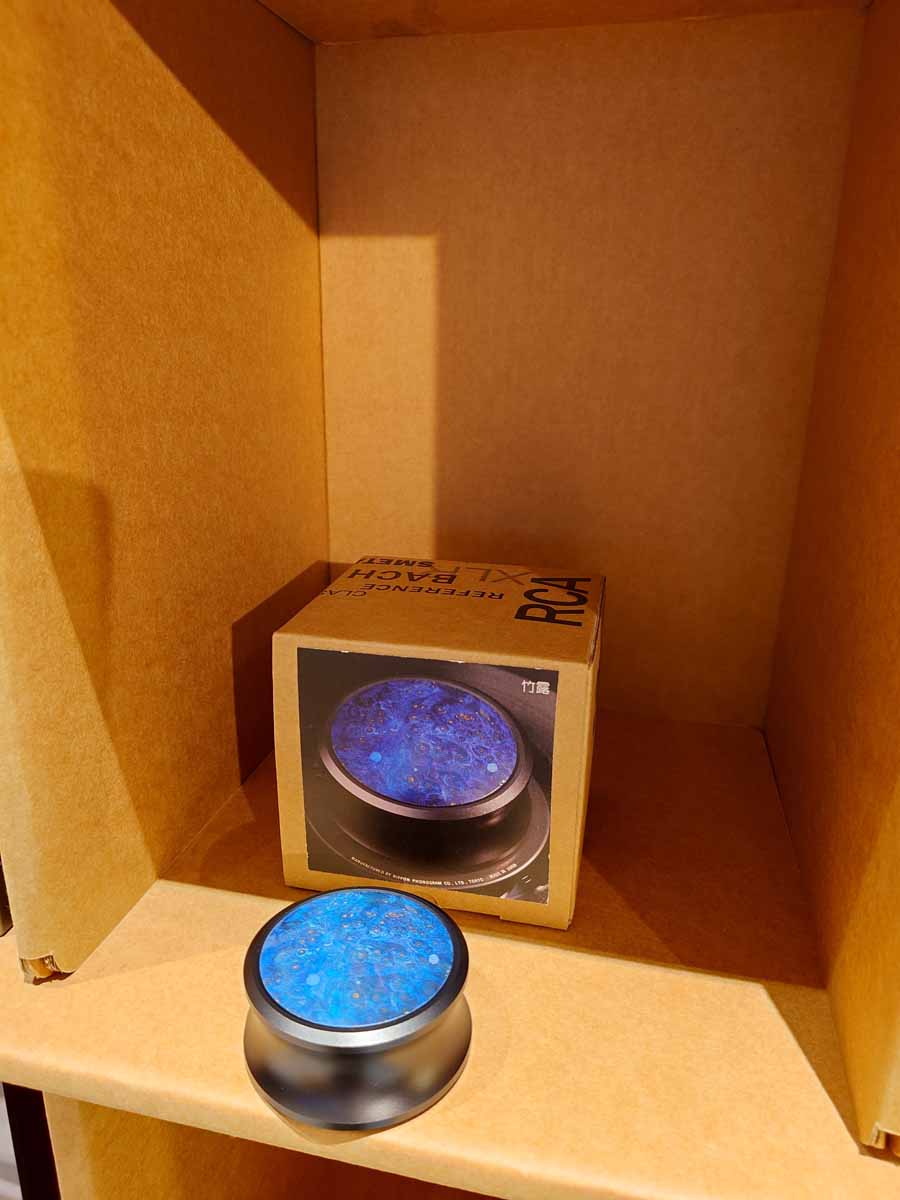

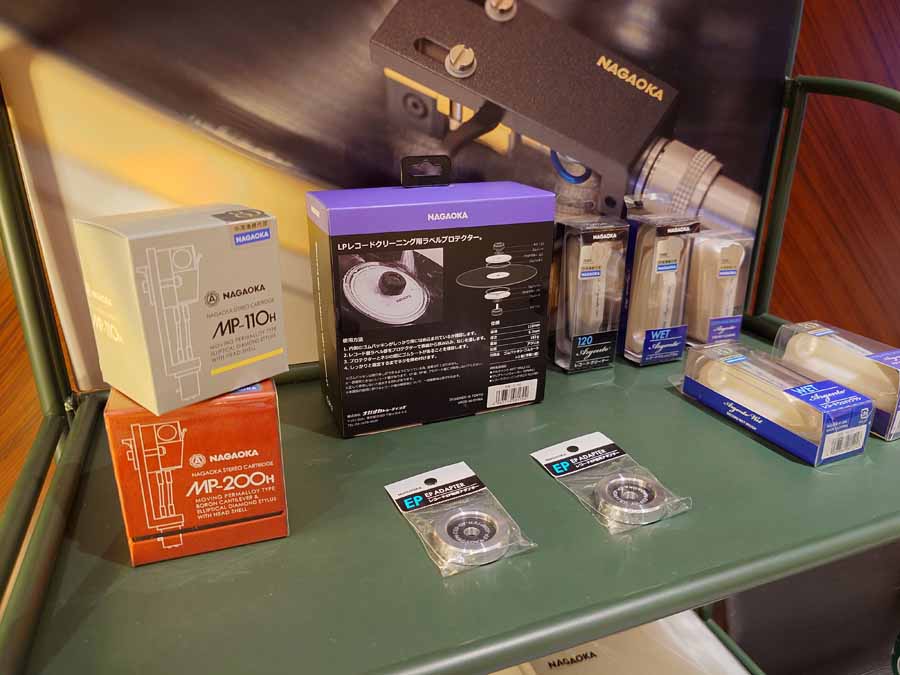
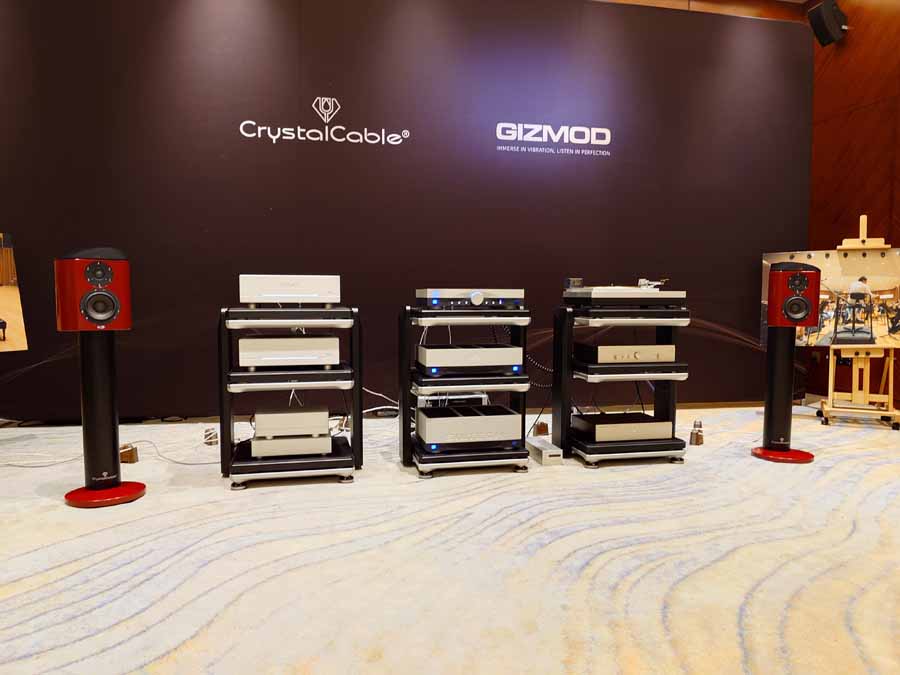
The next room was one of those Mr. Magorium’s Wonder Emporium-style rabbit holes where you could lose track of time and keep pointing at things while muttering, “Oh, that’s interesting.” The system looked comparatively modest beside some of the other similarly sized rooms, but that was a bit of a trick of the eye, because the Minissimo Forte speakers are anything but ordinary: Crystal Cable machines the cabinets from a single block of aluminium and hides a hybrid MAD crossover in the stand, so these tiny beauties are really HiFi sculpture with a serious engineering streak. Siltech’s SAGA amplification deserves a special mention too, because it looks a great deal less outrageous than the amount of engineering inside it. SAGA stands for ‘Structural Amplifier Gain Architecture’ and splits gain into three separate boxes: C1 pre, V1 voltage amp, and P1 power amp, so each stage can be optimised and powered in its own way. The C1 and V1 run off smart-controlled battery supplies, while the P1’s Apollo Light Drive uses a powerful light source and photocell to generate ultra-clean DC, keeping the power amp galvanically isolated from the mains. This is the kind of design that makes you wonder whether you would need an electrical engineering degree to aim at it correctly.
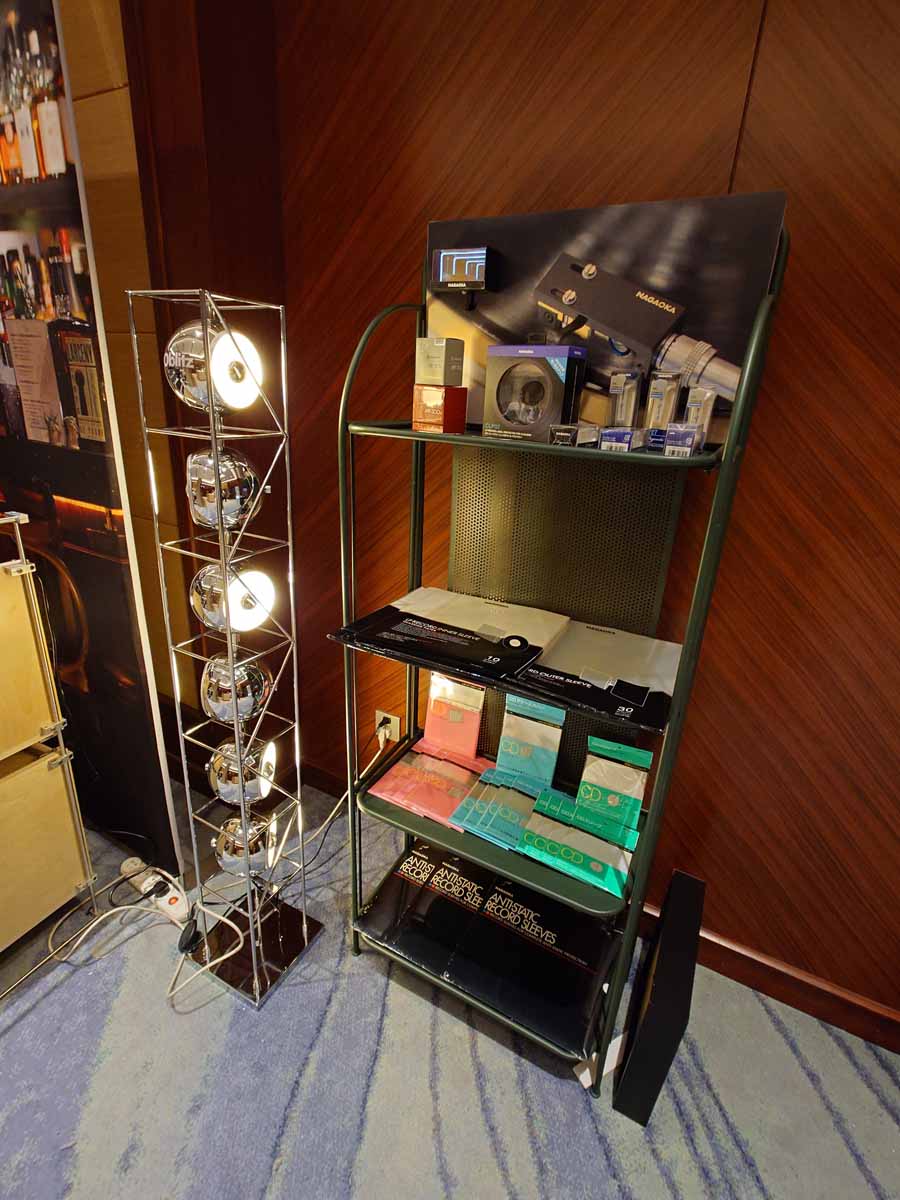
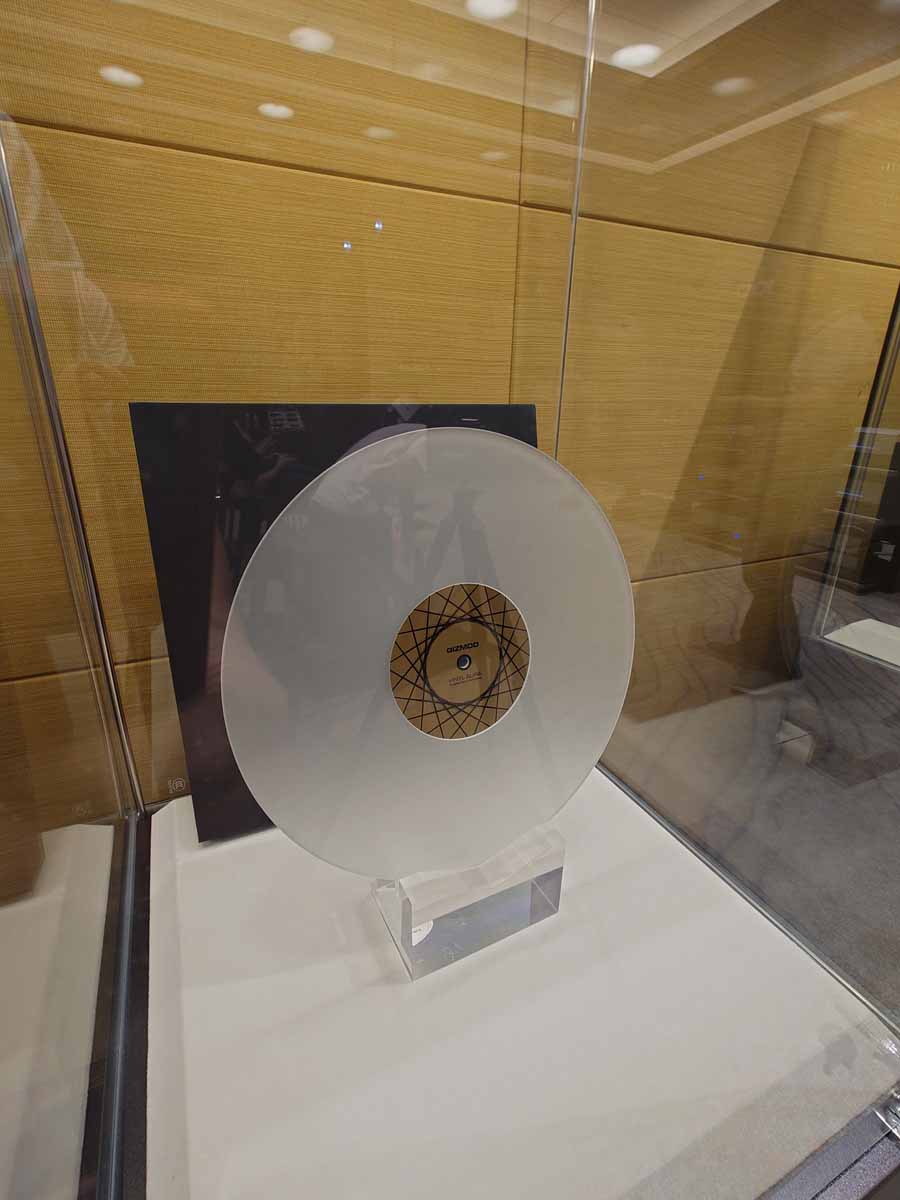
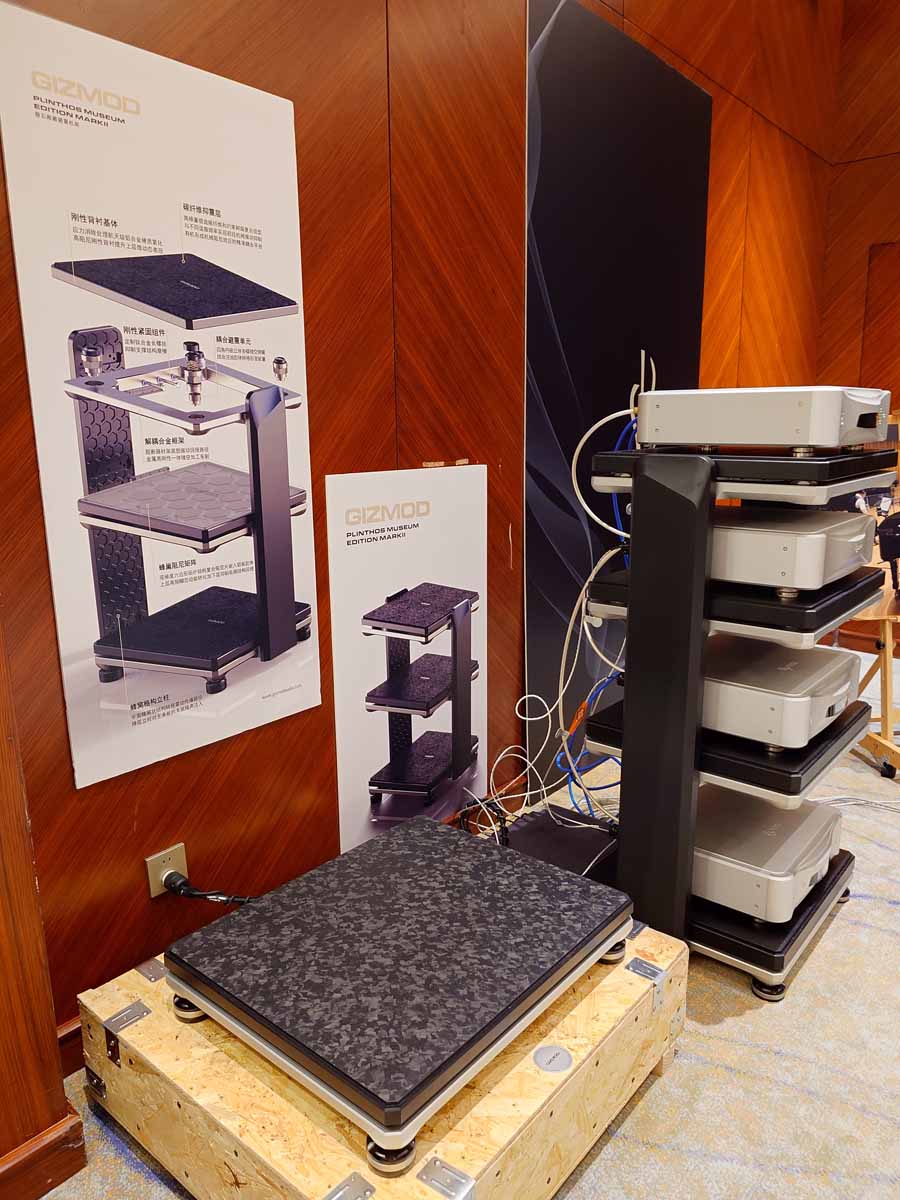
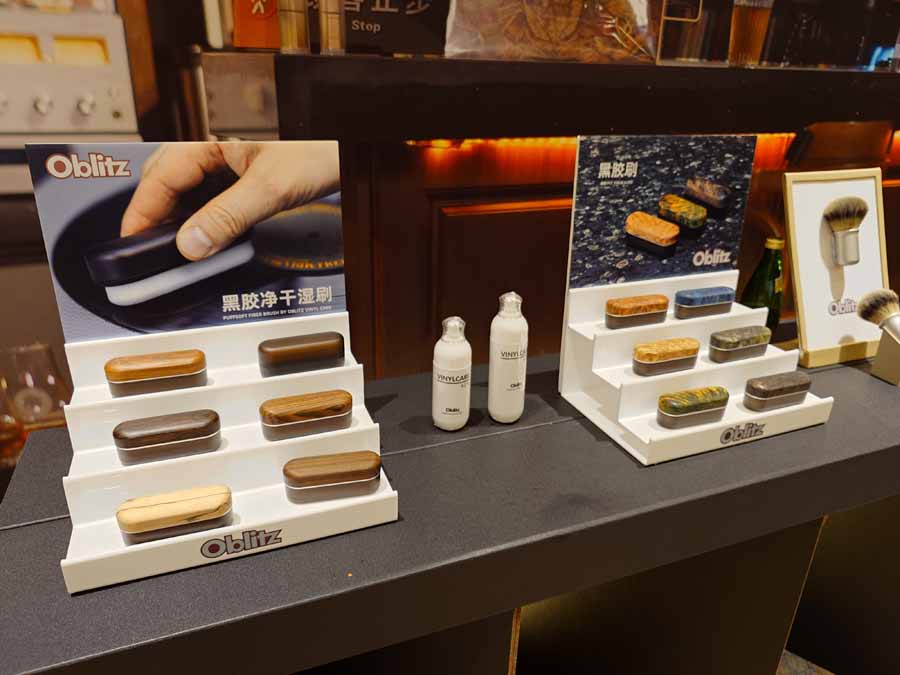
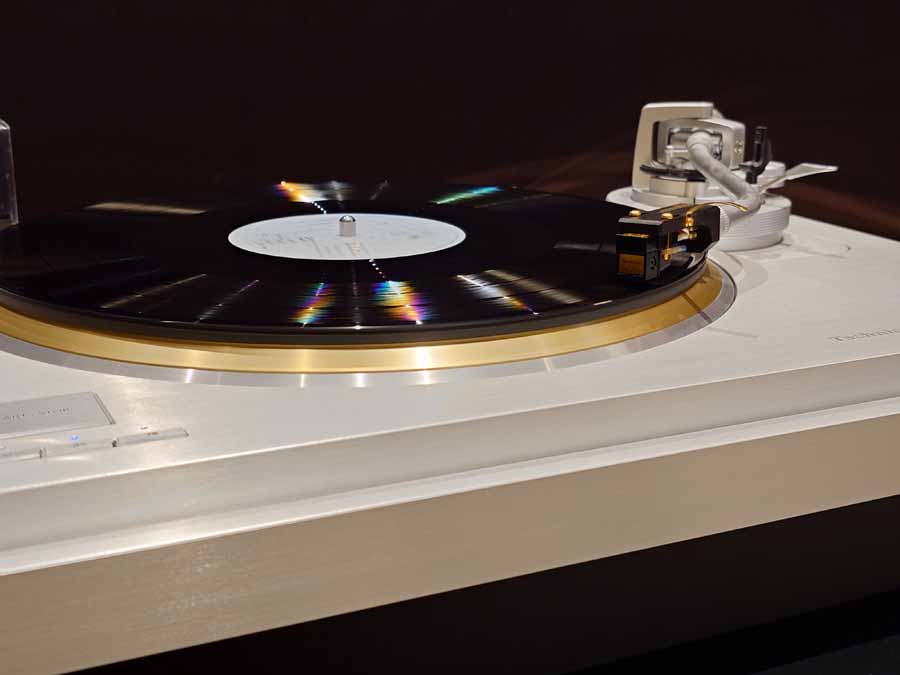
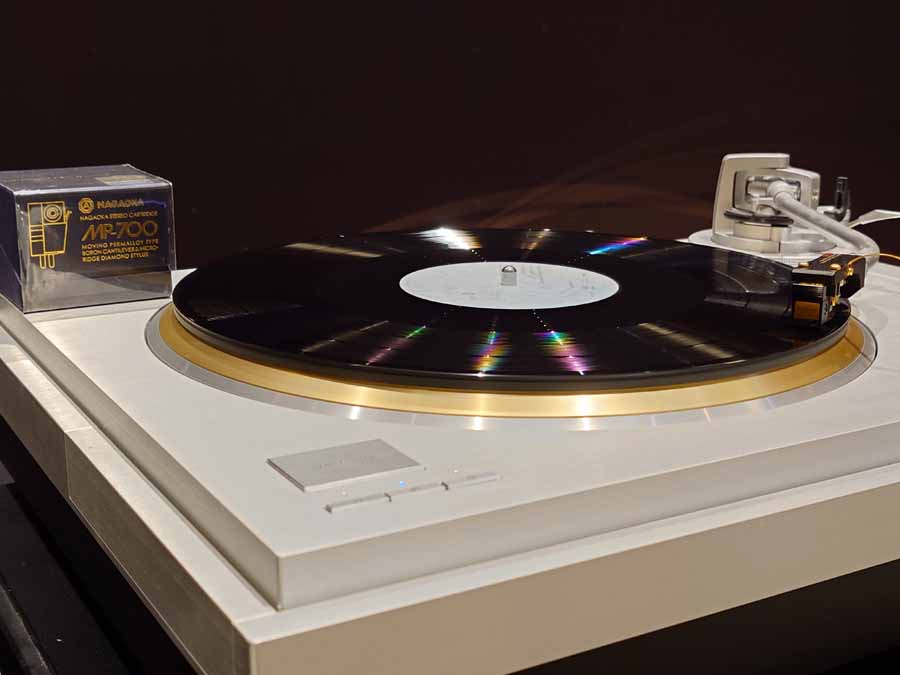
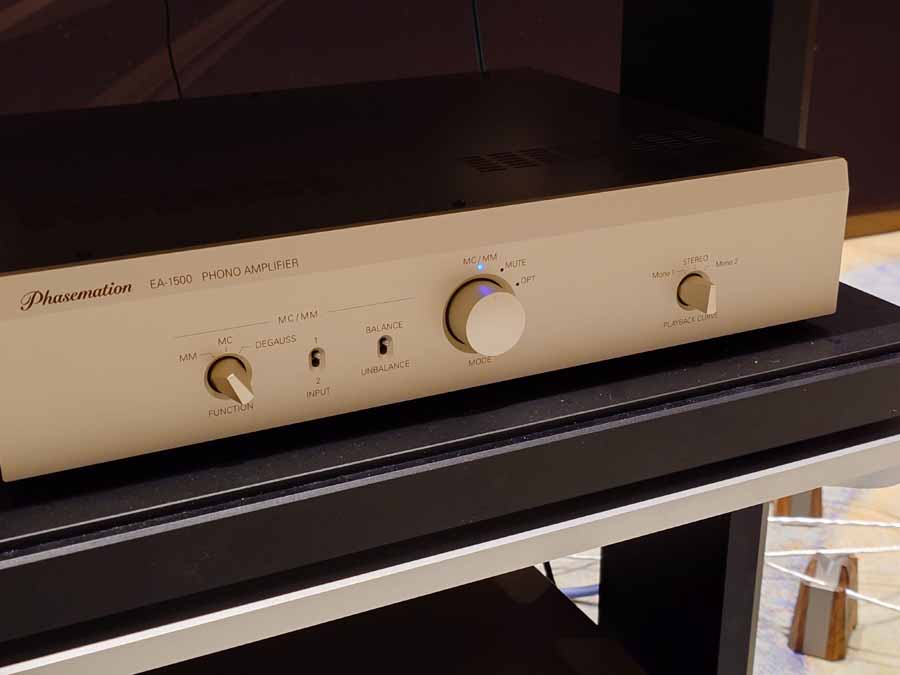
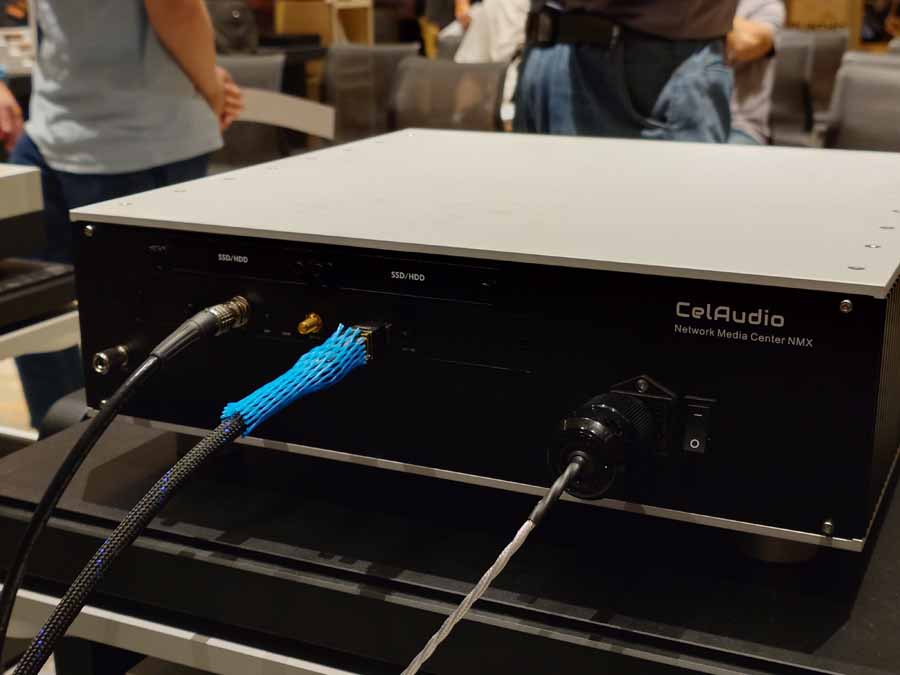
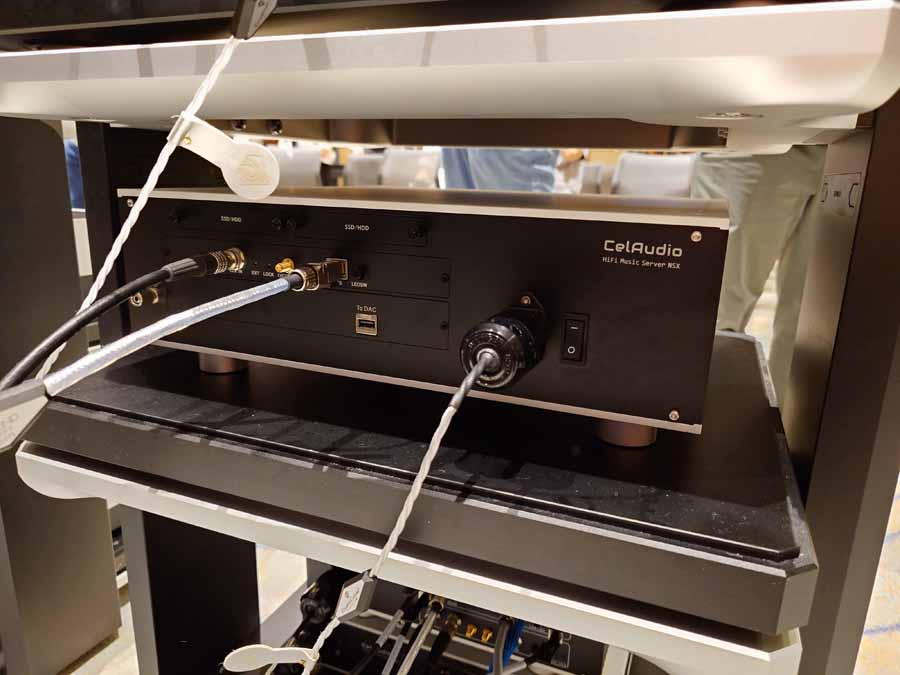
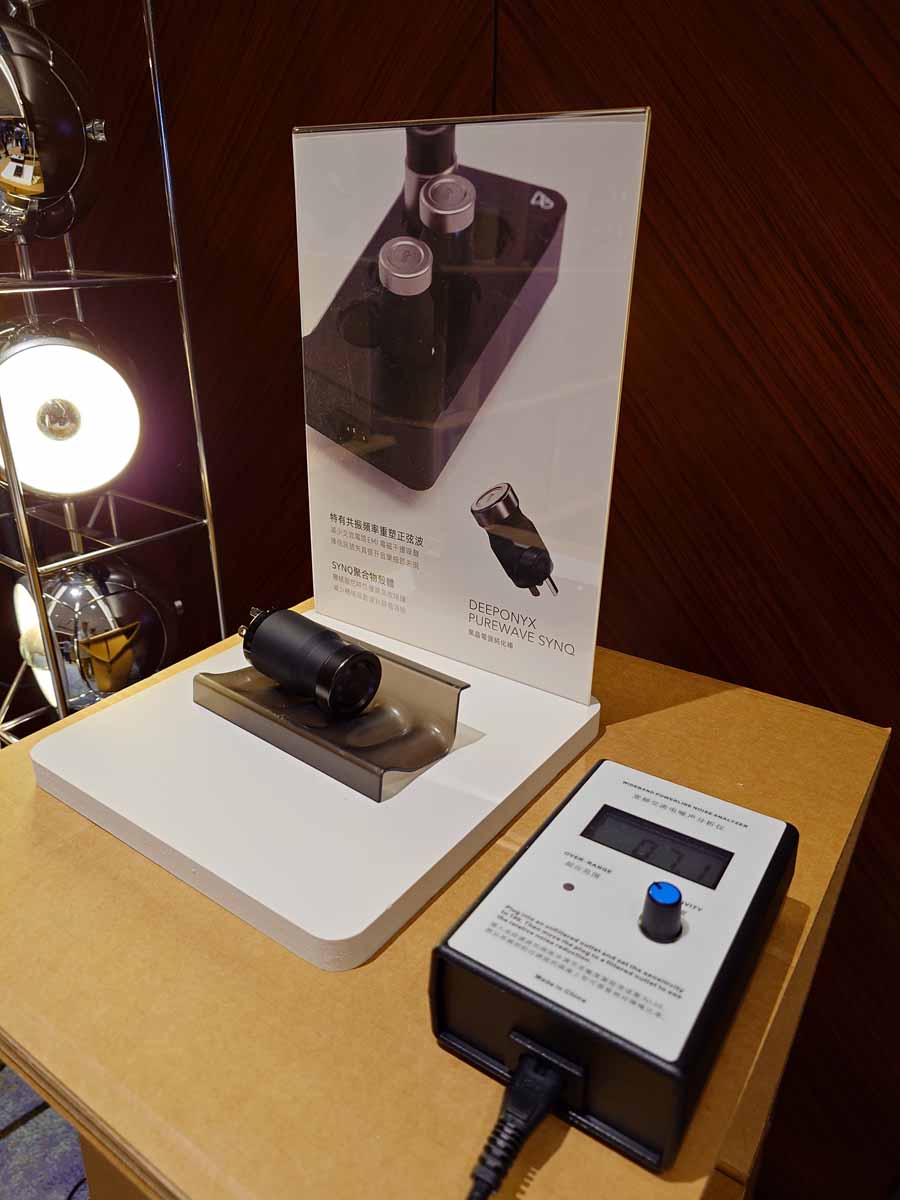
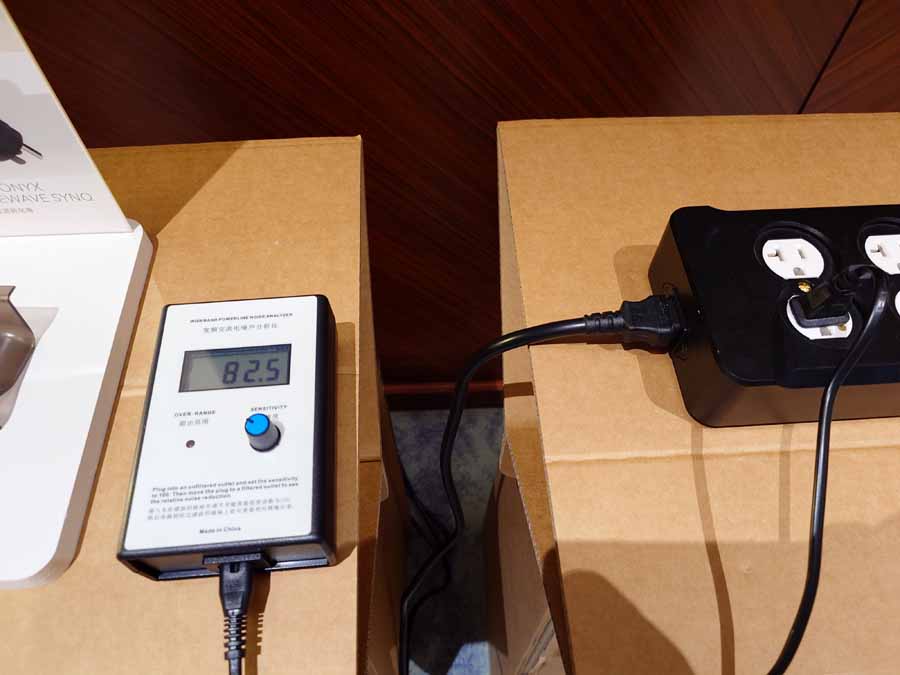
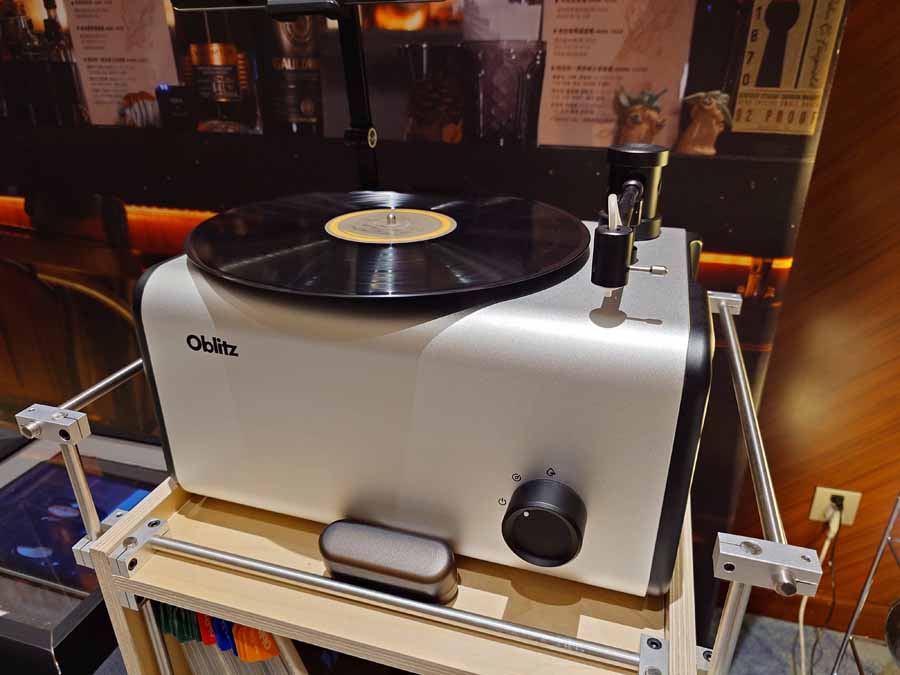
Then came CEL Audio, one of the room’s real debuts, with a properly modular digital setup built around the NMX media centre, NSX network server, and matching switch and access point. We had a good chat with the founder while playing a few tunes, and the tech is certainly interesting enough to suggest there is more to come. On the analogue side, a Technics SL-1000RE S with Gizmod Aura Crystal platter, Nagaoka MP-700 cartridge and Yamamoto HS1A headshell sat on the impressive Plinthos Museum Edition racks like a perfectly curated piece of industrial design, and I’ll admit the headshell felt especially familiar, as I use the MP-500 with the same Yamamoto myself. The Aura Crystal platter even came with a party trick: they demonstrated its absorption efficiency by dropping it onto a hard tile floor, and when it hit, it made such a loud crack that everyone in the room immediately turned around, thinking some poor china vase had just been knocked over – yet the platter itself came away completely unscathed. Phasemation’s EA-1500 phono stage handled the Nagaoka’s signal, while Audio Bastion’s Helixwave cable supports, Deeponyx’s PureWave SYNQ and Oblitz accessories rounded out the setup, making the whole room feel like a relaxed demonstration of just how deep the maze can go when everyone involved is clearly having fun.
Dali, Audio Analogue, Lyngdorf, Argon Acoustic
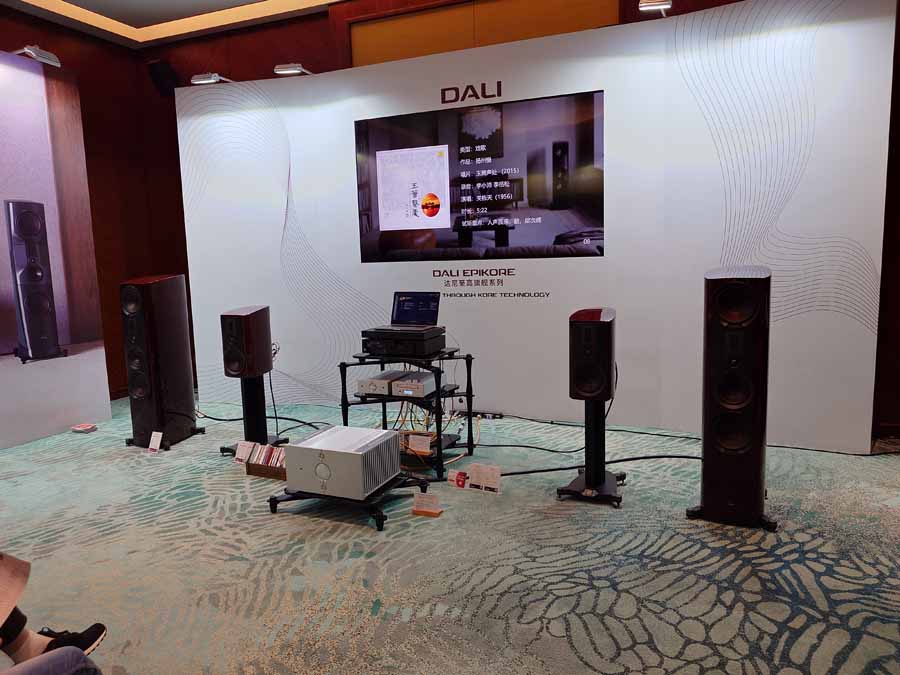
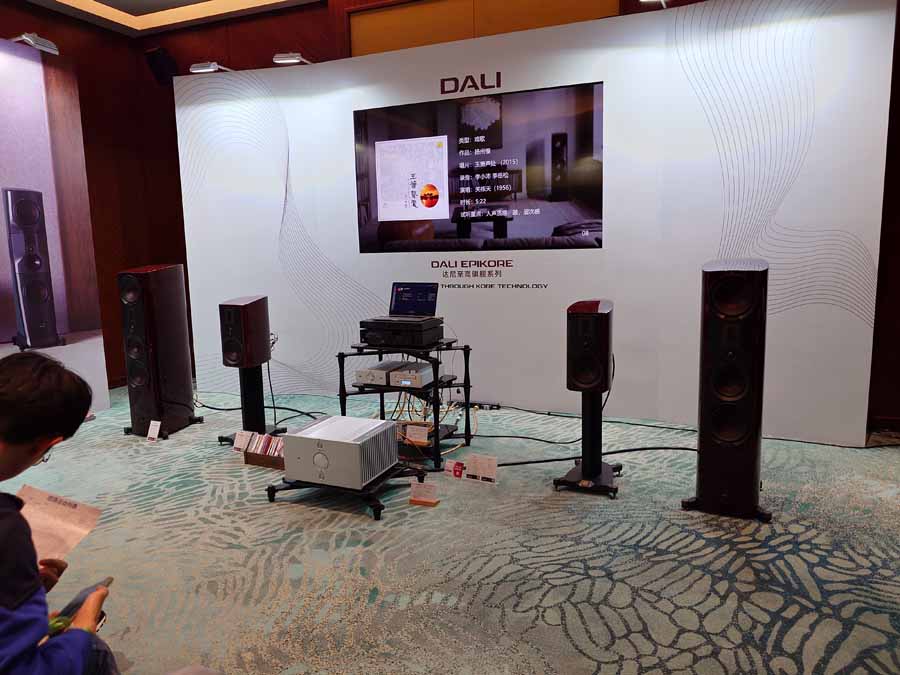
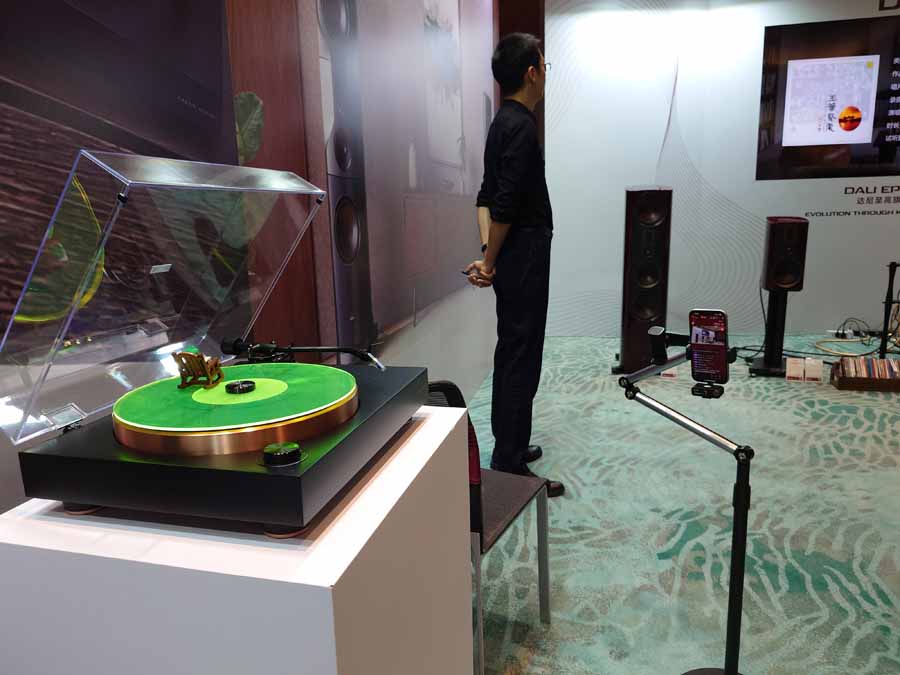
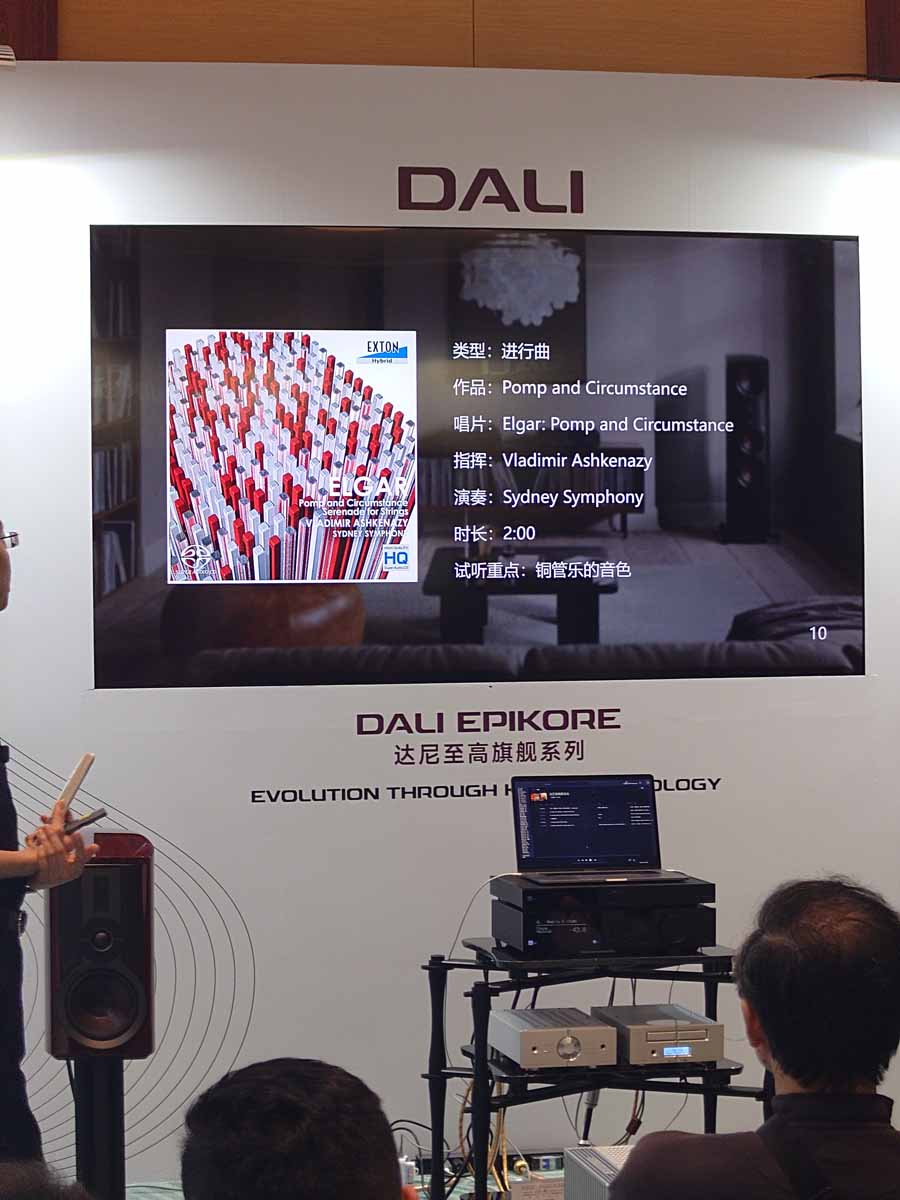
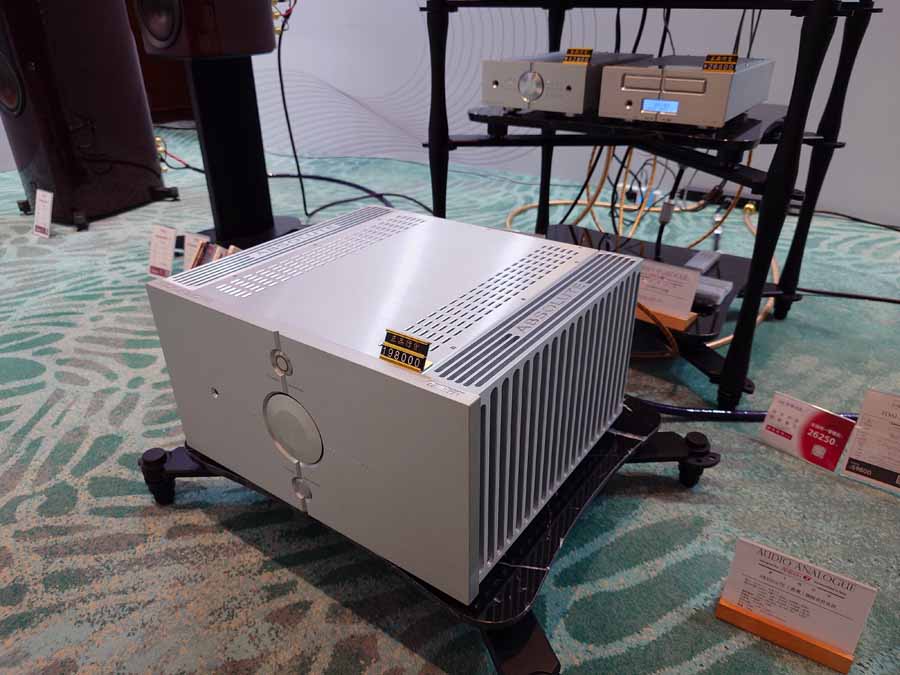
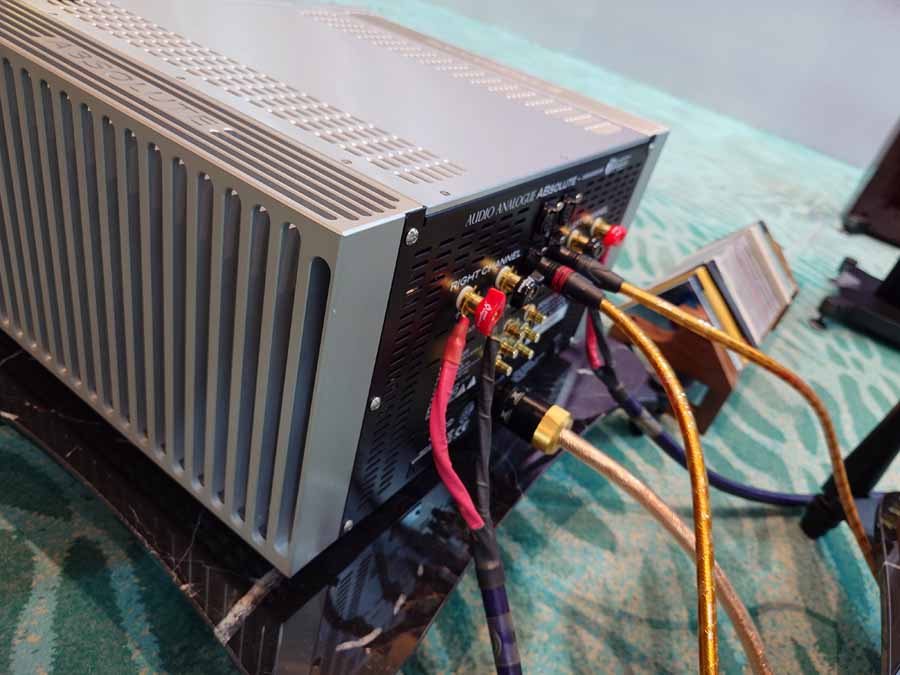
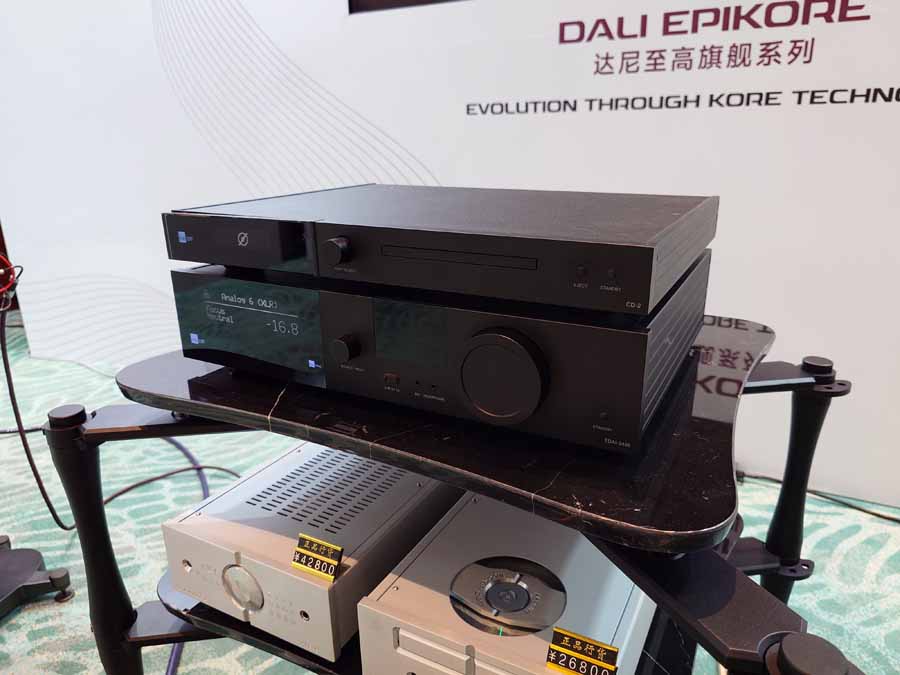
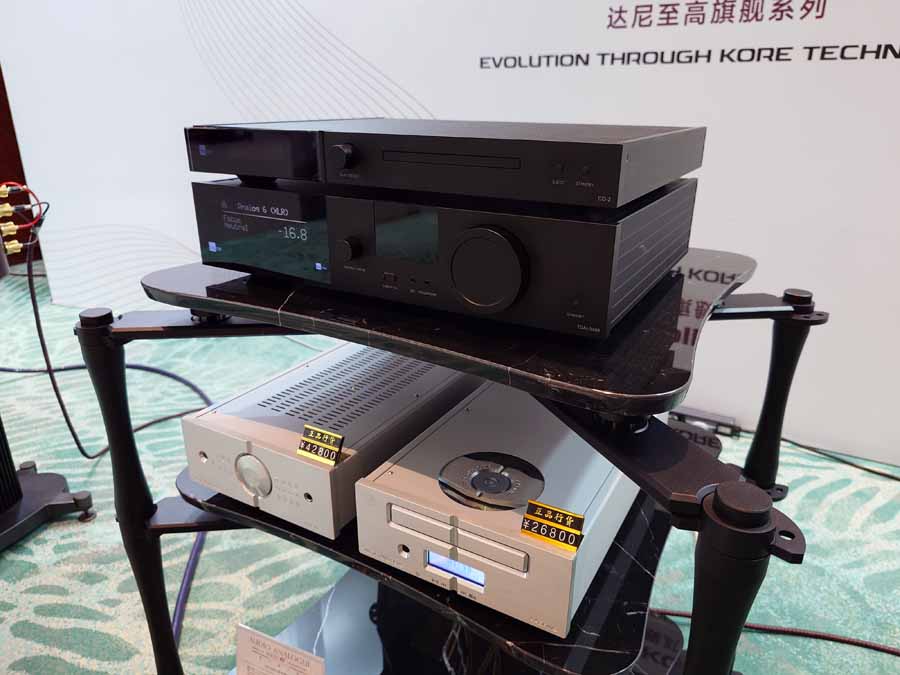
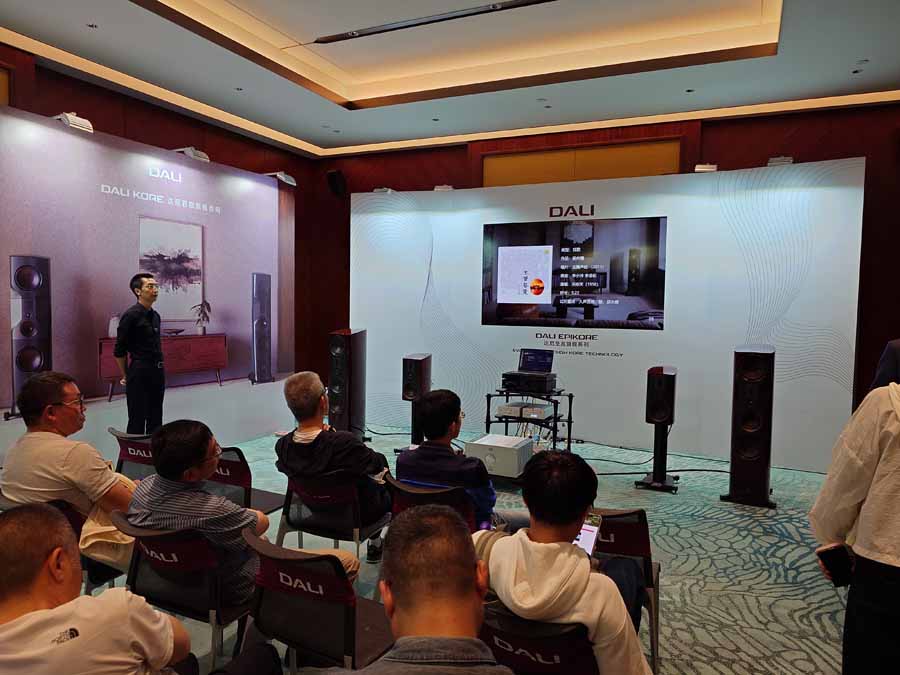
DALI, as you’d expect from a speaker brand with serious pedigree, made a very convincing case for itself here. I’ve long had a soft spot for the Epikore range, and both the Epikore 3 and Epikore 9 sounded excellent in this room, each one showing the sort of poise and authority that makes you quickly understand why the line has been so well regarded. What gave the setup an extra bit of intrigue, though, was the first chance I’d had to hear them with Italian amplifier heavyweight Audio Analogue’s Absolute, a rather magnificent beast of a thing, delivering 50 W of Class A power at 8 ohms and 100 W into 4, all wrapped in the kind of muscular build quality the brand does so well. The AAdac and AAdrives made up the source side, and the whole system had a satisfyingly grown-up, no-nonsense air about it. I also had a good chat with Jesper Schartau, CEO of DALI’s Asian operation, and without spilling too much tea, I’d keep an eye on Argon Audio’s turntable range – they have slowly but surely built an impressive collection.
HMG Audio, Accuphase, Fyne Audio, TAOC, SAEC
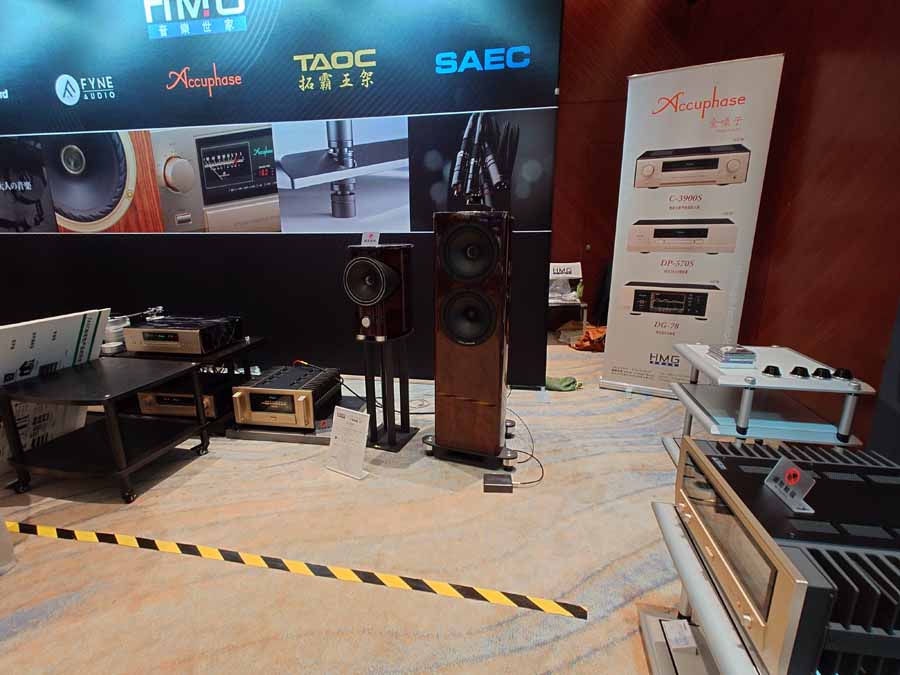
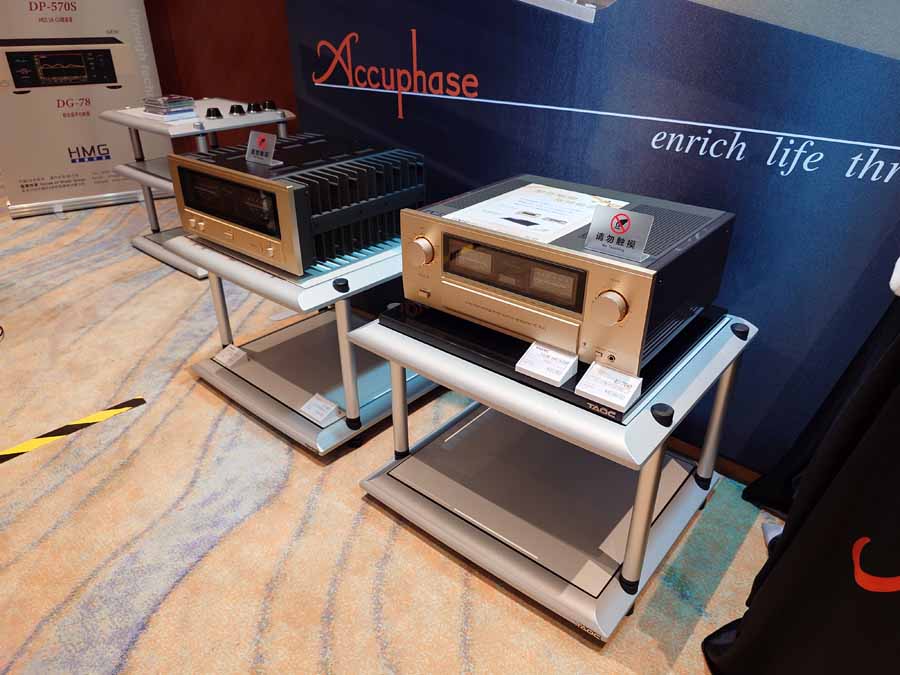
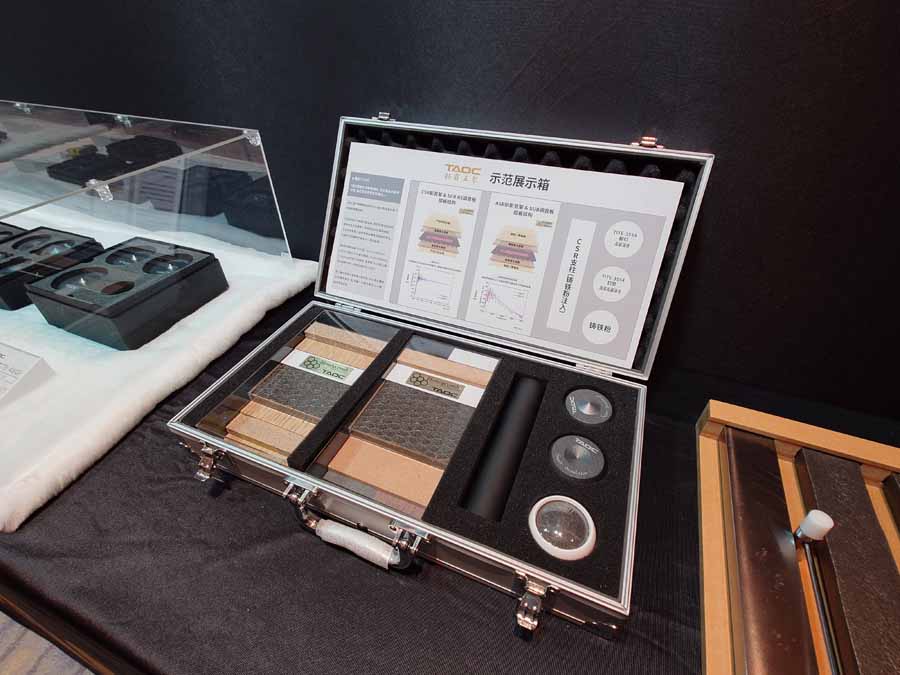
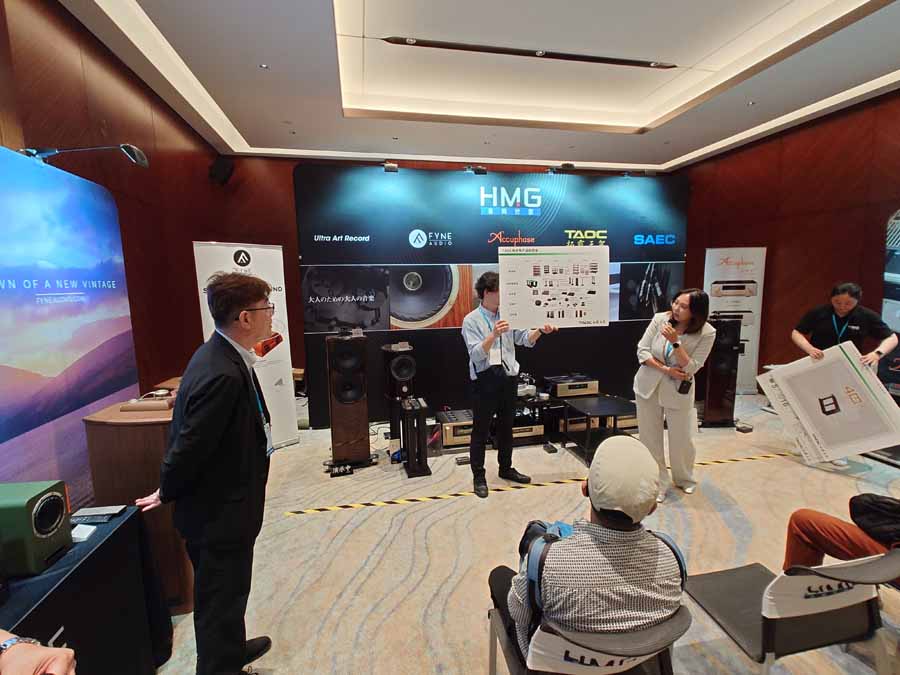
I finally understood Accuphase’s legendary status the day I brought my ageing vintage Sansui amp to a local service tech, only to find myself utterly starstruck by the immaculate build quality of a 40-year-old Accuphase preamp sitting on his bench. The HMG Audio room established that same quiet mastery. They were flanked by fellow Japanese specialists TAOC and SAEC, brands that deliver the kind of meticulous, heavy-duty engineering that wins your respect without needing to shout about it. Seeing the TAOC demo suitcase laid bare to explain their internal design was a genuine treat; as a guy who currently entrusts his turntable to a TAOC shelf, I can personally vouch that their vibration-killing witchcraft is the real deal.
Providing the sheer sonic heavy lifting for this setup were the Fyne Audio F704 SP loudspeakers, sharing floor space with the brand’s new Cubitt 5 line. Meanwhile, Accuphase coolly showed off their latest offerings, including the C-57 phono stage, E-3000 integrated amplifier, and T-1300 tuner, all radiating that signature champagne-gold confidence. I’d love to show you a beautifully composed photo of all the equipment, but every time I tried to breach the perimeter, the room was either packed shoulder-to-shoulder with listeners or in the middle of an active presentation. Clearly, I wasn’t the only one drawn in by that classic champagne glow.
AV Style, Harbeth, Soul Note, Isotek, Oehlbach, JL Audio, Cambridge, Lumin, Solidsteel
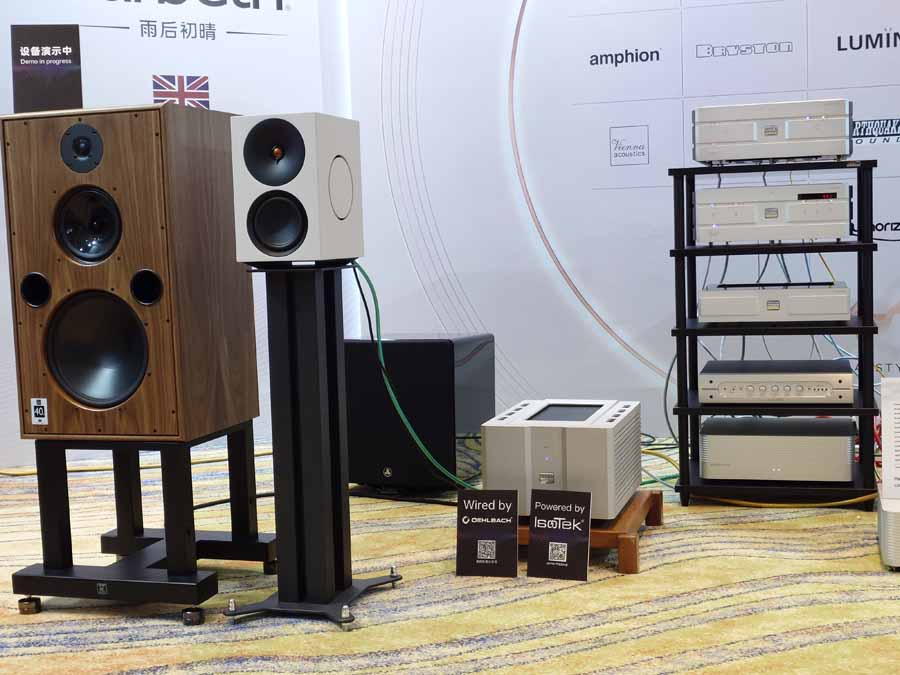
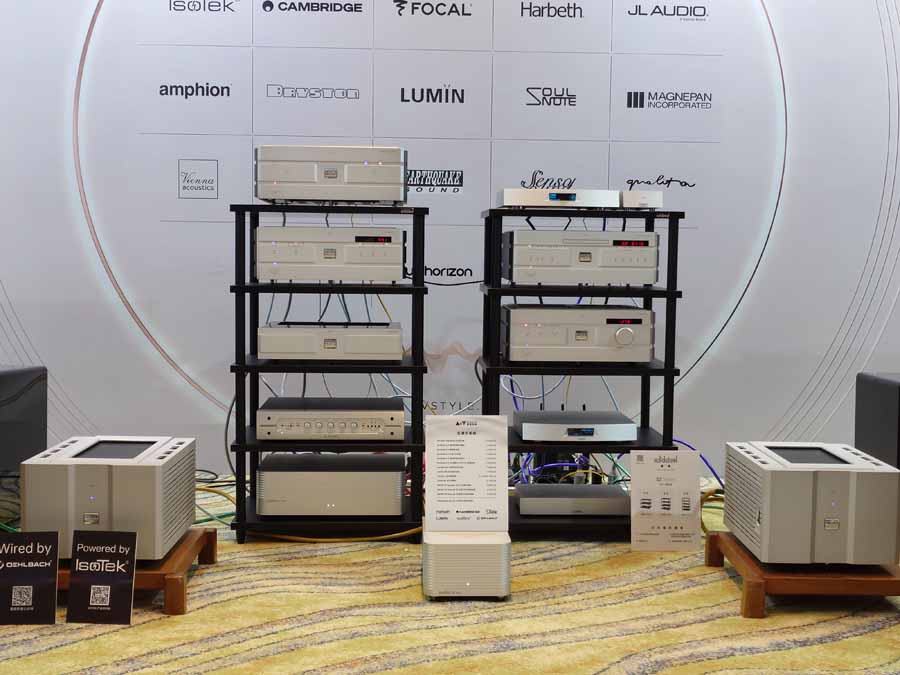
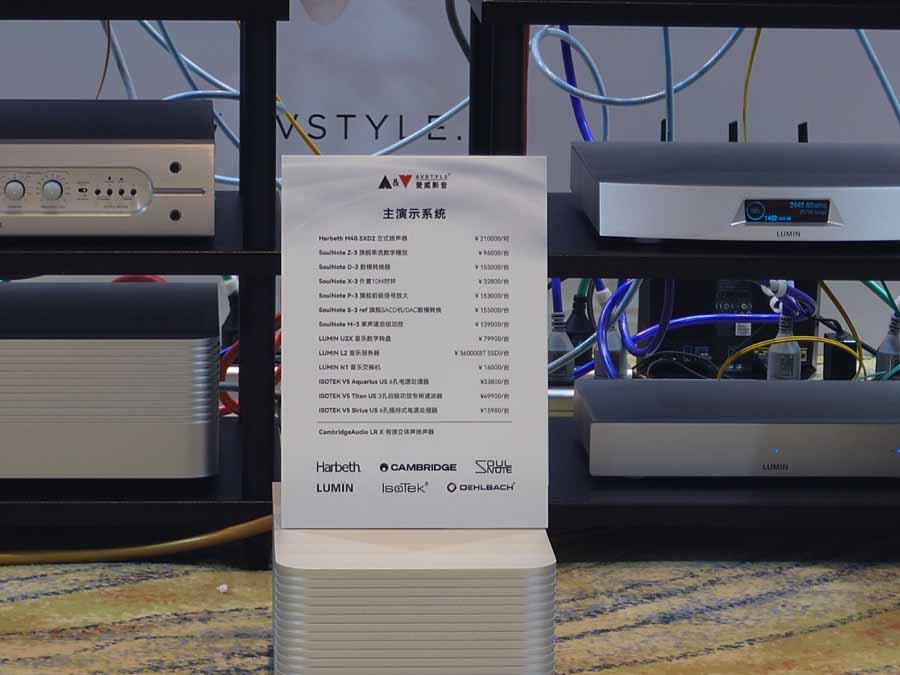
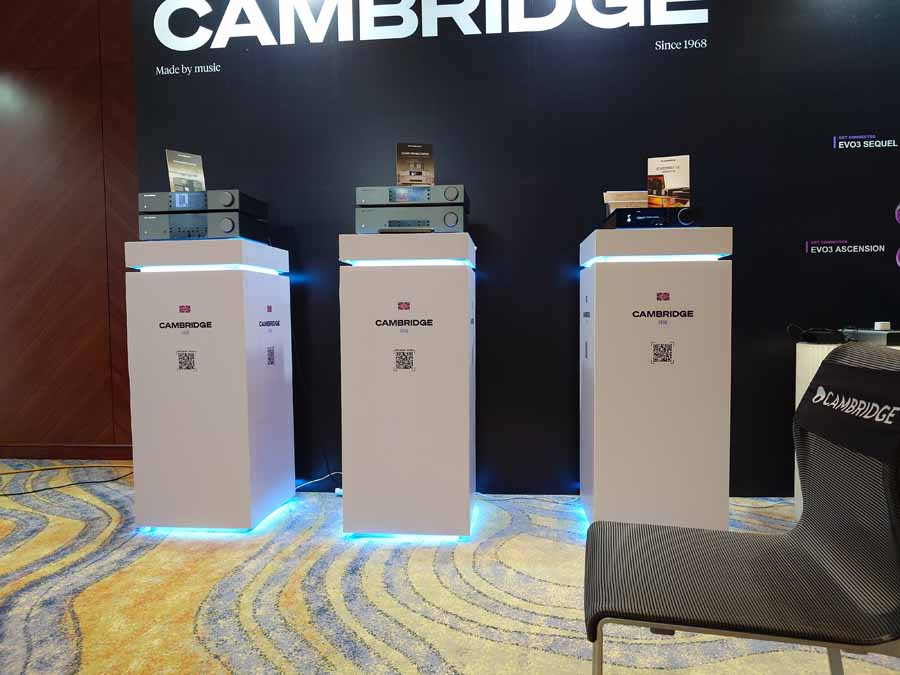
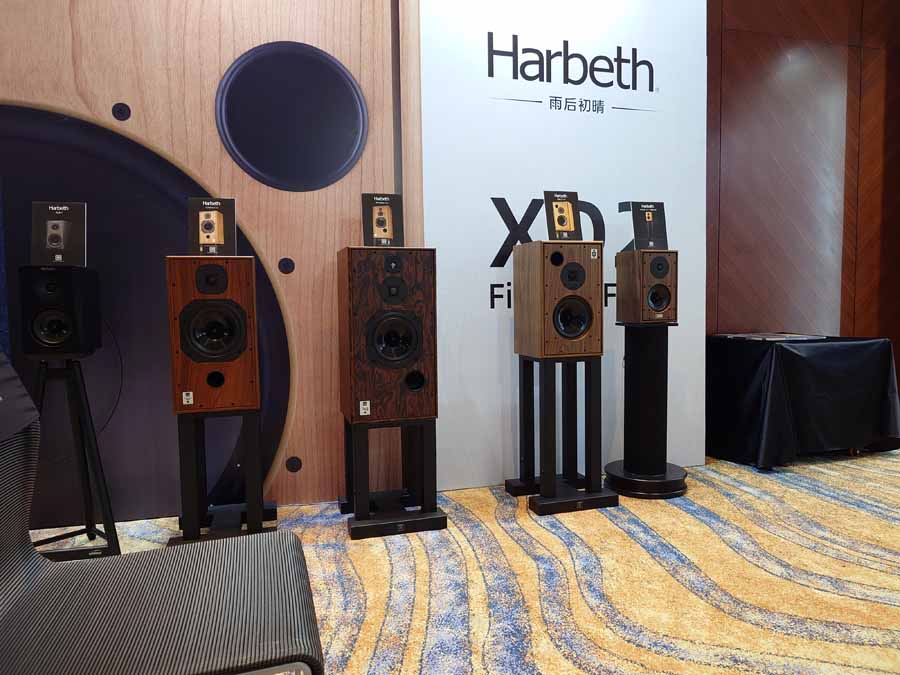
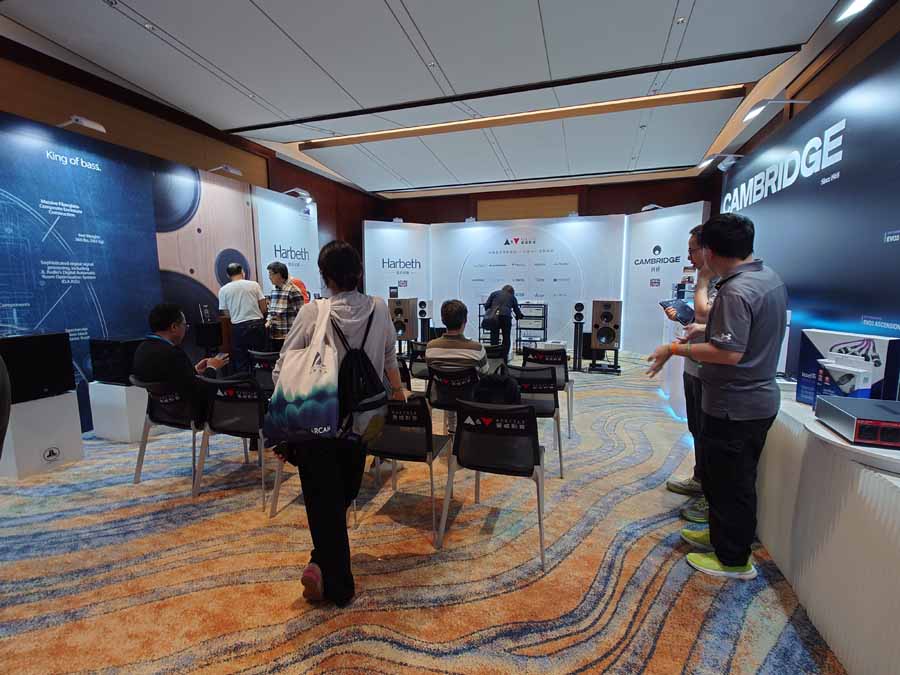
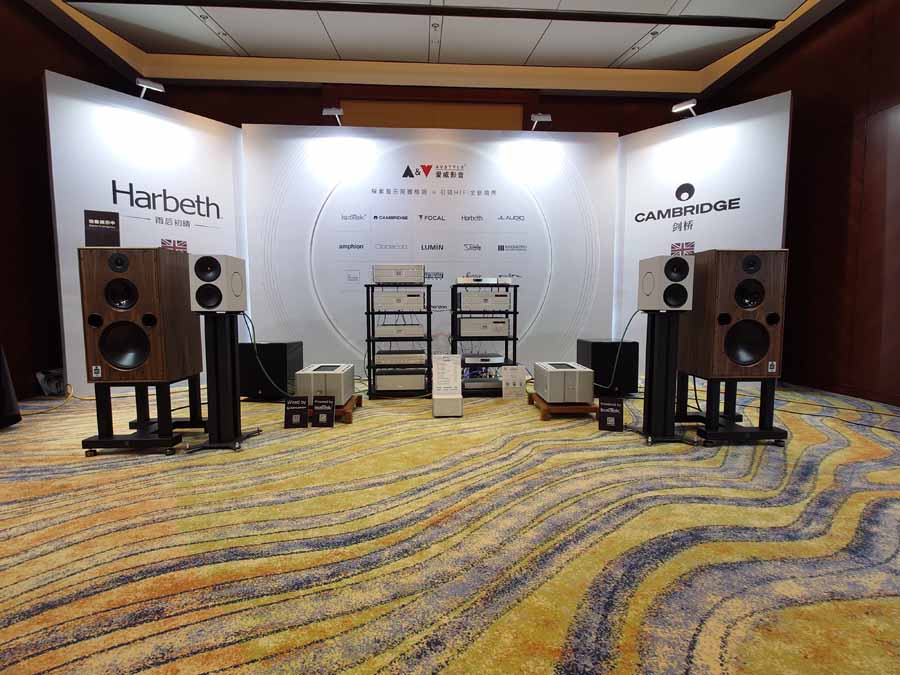
At the AVSTYLE room, I was immediately greeted by an impressive tower of brushed aluminium. If you’ve ever wondered exactly how many dedicated chassis it takes to build a truly uncompromising digital streaming rig, this setup had the answer. At the business end sat a pair of Harbeth M40.5XD2 loudspeakers, which proudly maintain that classic, unmistakably squared-off “we-are-a-wooden-box” British monitor aesthetic, a design language that traditionalists worship, while your interior designer quietly weeps in the corner. Powering them was an armada of flagship electronics. SoulNote took signal separation to its logical extreme, featuring their P-3 preamp, M-3 monoblocks, an S-3 ref SACD/DAC, plus a separate Z-3 network transport and D-3 DAC. And because timing is everything in a system of this pedigree, they naturally integrated an X-3 external 10MHz clock to ensure every detail of a high-res file arrives with supreme precision.
Sharing the room was a fascinating, albeit slightly ironic, counter-argument to that mountain of SoulNote separates. A sleek digital front-end from LUMIN, utilising a U2X transport, an L2 music server, and an N1 audiophile switch to ensure the ethernet packets arrived dressed for the occasion, was paired directly with a set of Cambridge Audio LR X active speakers. It presented an amusing audiophile paradox: drastically simplifying the amplification into a modern plug-and-play speaker, only to immediately overcomplicate the digital source with a dedicated three-box streaming suite. Naturally, whether you preferred the amplification labyrinth or this quite contradictory active route, you don’t just plug a rig of this calibre directly into a standard wall socket. IsoTek handled the power conditioning duties for the entire room with a robust, multi-tiered approach using their V5 Aquarius, Titan, and Sirius units.
LACO HiFi, ATC, PASS LAB, Defini, Kimber Cable, Playback design, Oracle
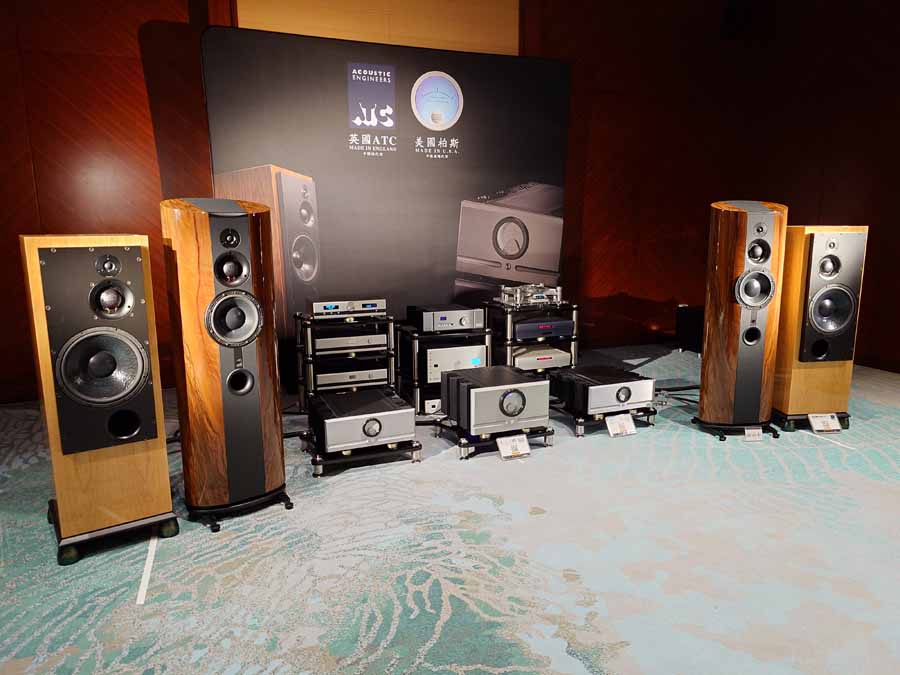
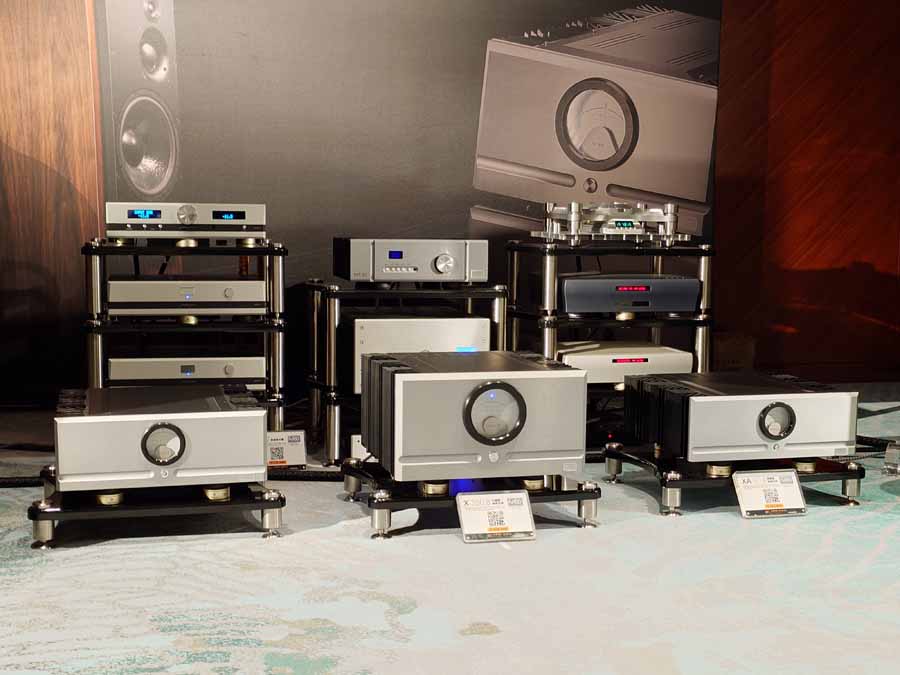
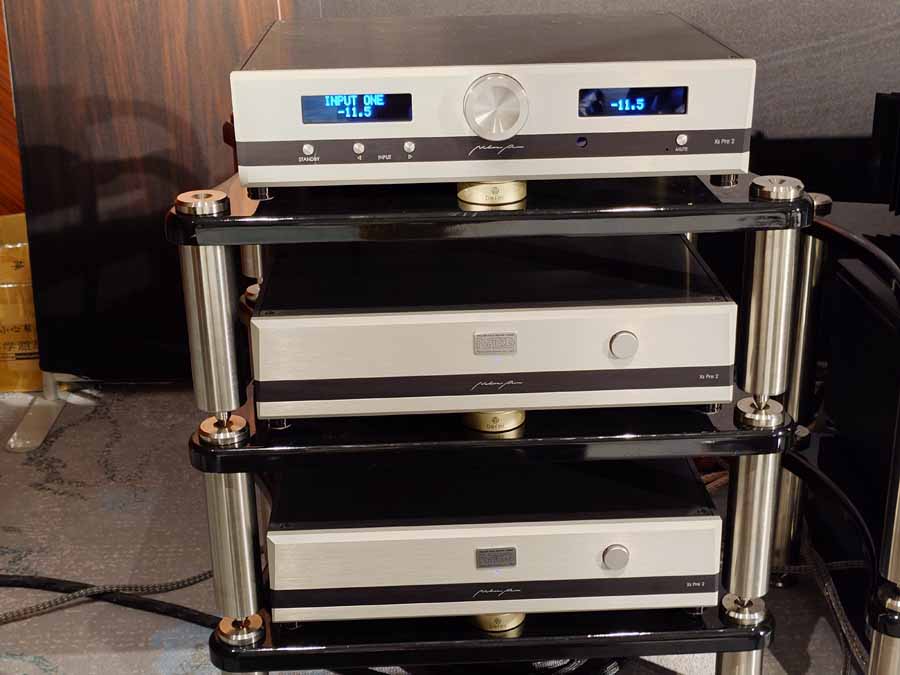
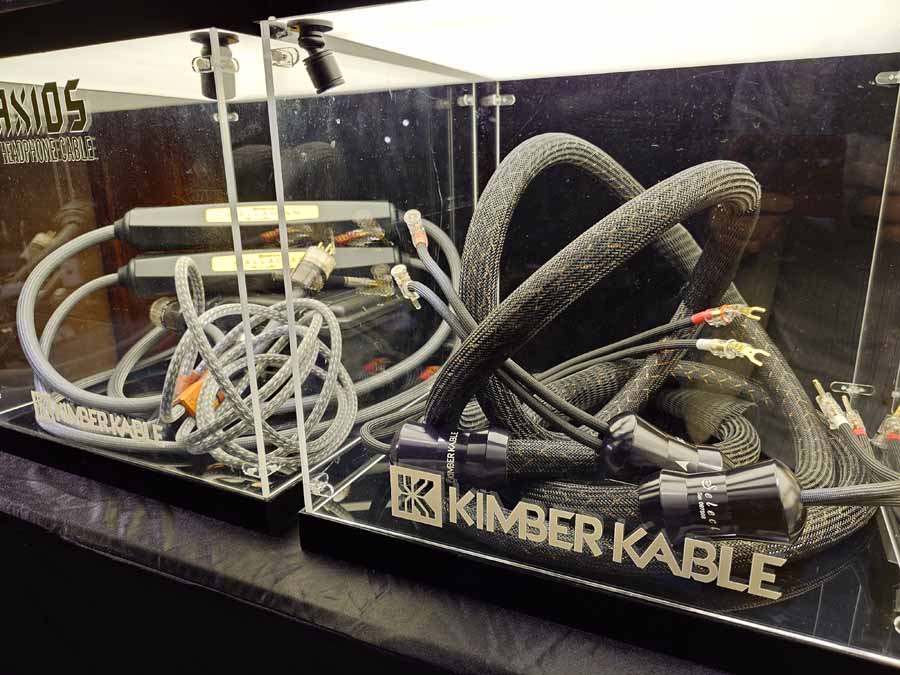
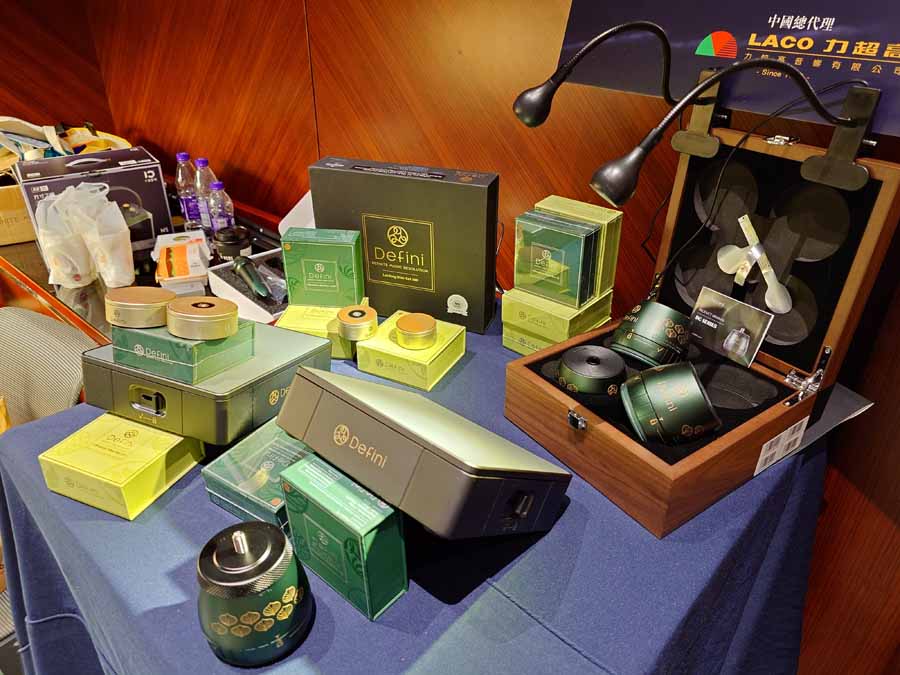
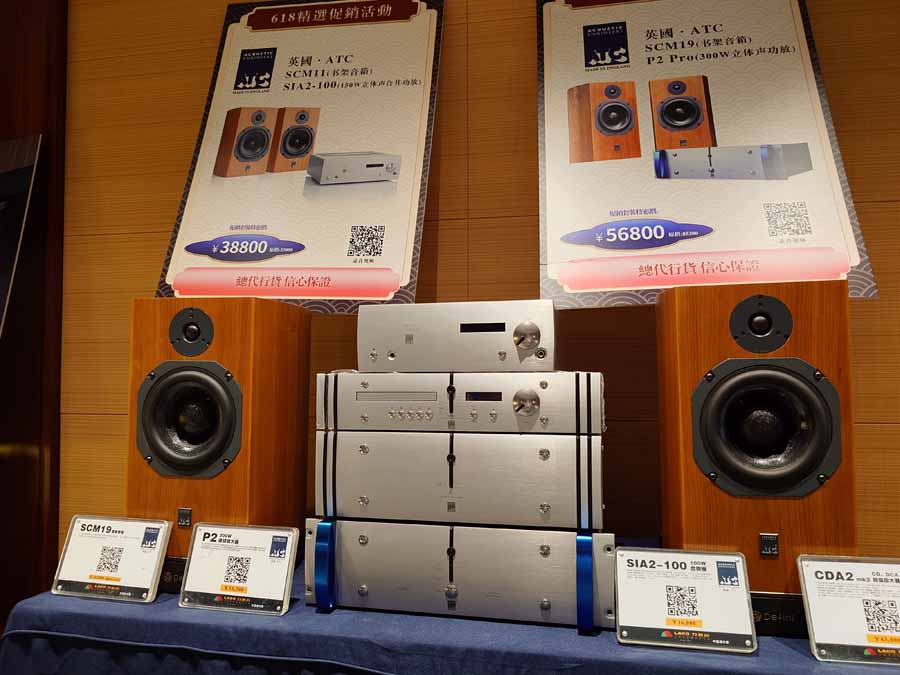
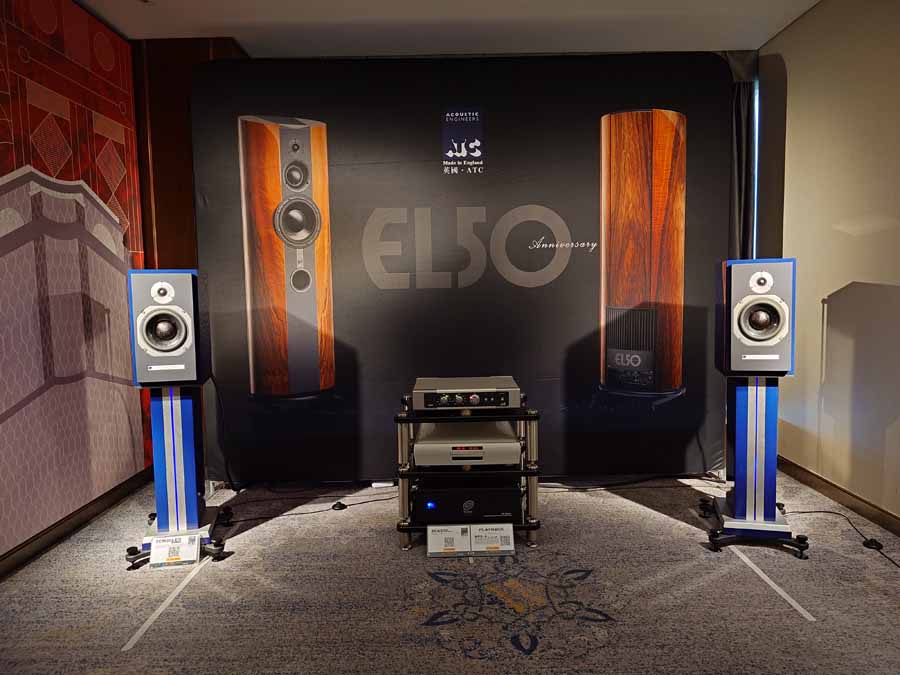
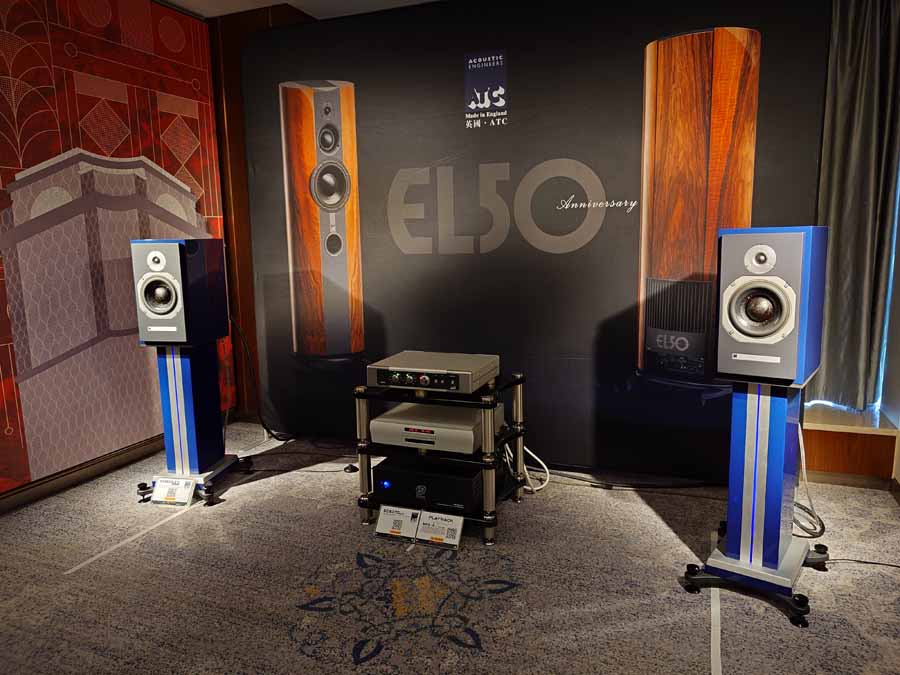
Stepping into the LACO HiFi room, I found myself staring at an eccentric clash of audio philosophies that had no right sounding as coherent as it did. The undisputed star of the show was the newly minted ATC EL50 Anniversary active loudspeaker. Launched just this past February and strictly limited to 50 pairs worldwide, it finally ditches ATC’s traditional, utilitarian studio box aesthetic for a sleek, elliptical cabinet dressed in hand-selected walnut and leather. Yet, beneath that high-fashion exterior beats the ruthless, truth-telling heart of ATC’s legendary professional monitoring pedigree. So, who do you bring in to manage these hyper-accurate British truth-tellers? Nelson Pass, naturally. The LACO team brilliantly deployed the three-chassis Pass Labs XS Pre2 preamplifier, leaning on the legendary amp designer’s signature warmth and sheer tonal mass to perfectly counterbalance the ATC’s surgical exactness. Adding a dose of pure visual extravagance to the front end was the Oracle Audio CD2000 transport, sitting majestically on the rack like a flawlessly machined chrome UFO preparing for liftoff, which handed off the digital signal to a classy Playback Designs suite. Despite this wildly different mix of studio pragmatism, heavyweight American amplification, and statuesque Canadian artisanship, all perched obsessively on Defini isolation feet, the entire system worked together with surprising, unified musicality.
Yosemay, Audiomis, Audionet, Fezz
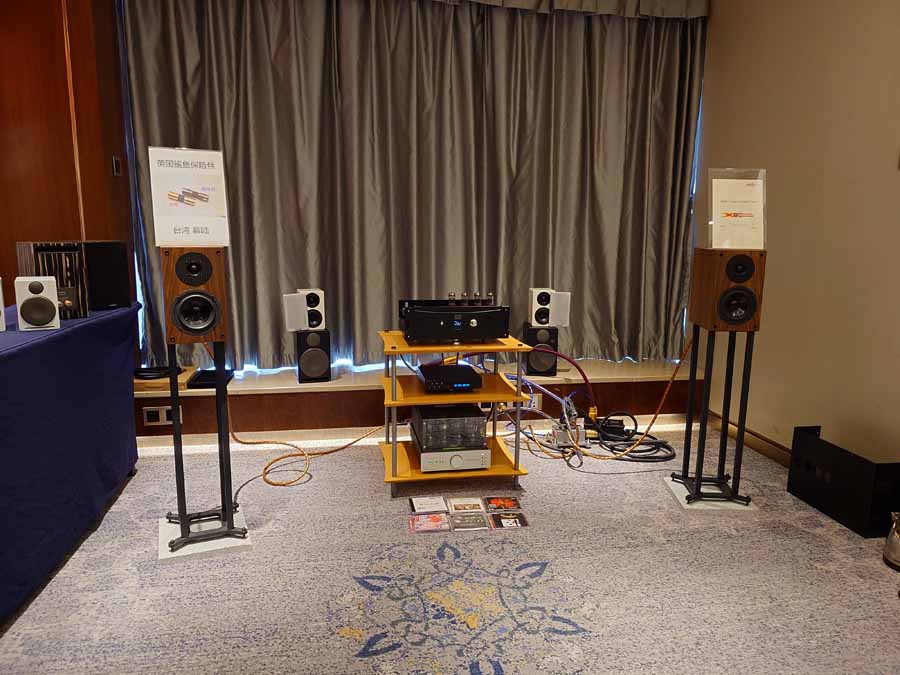
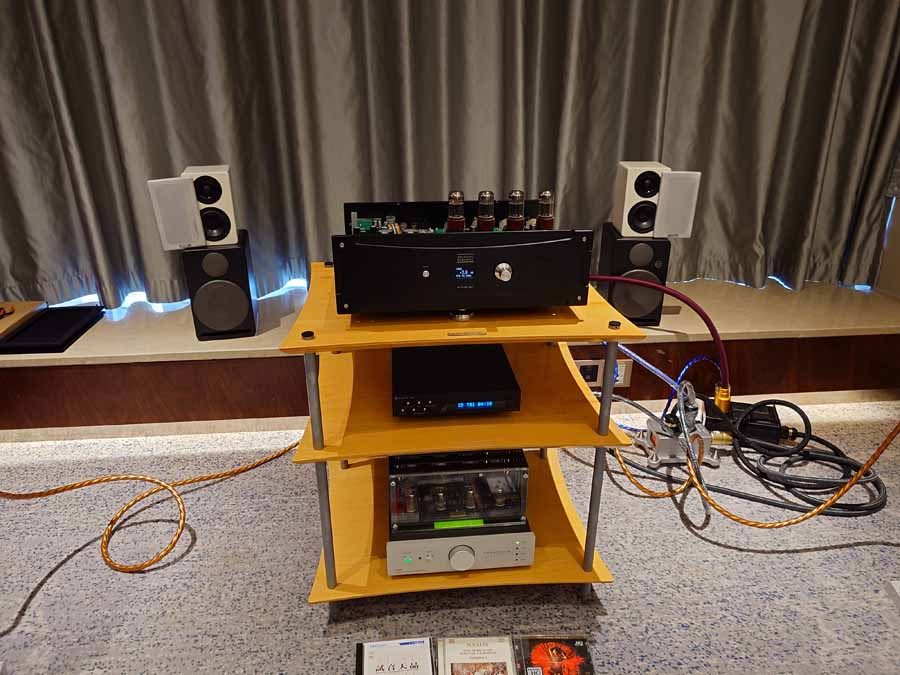
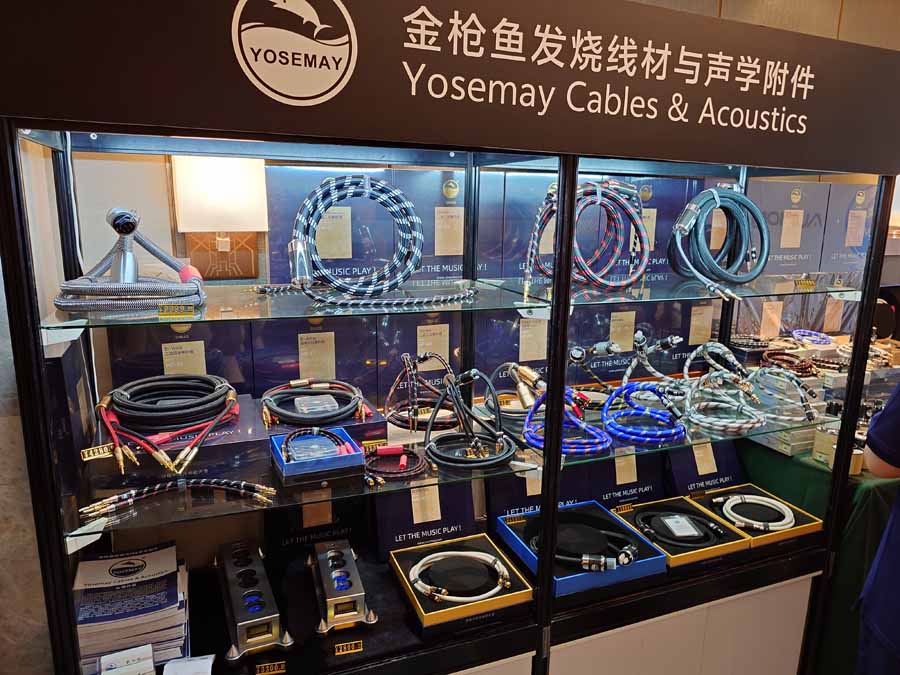
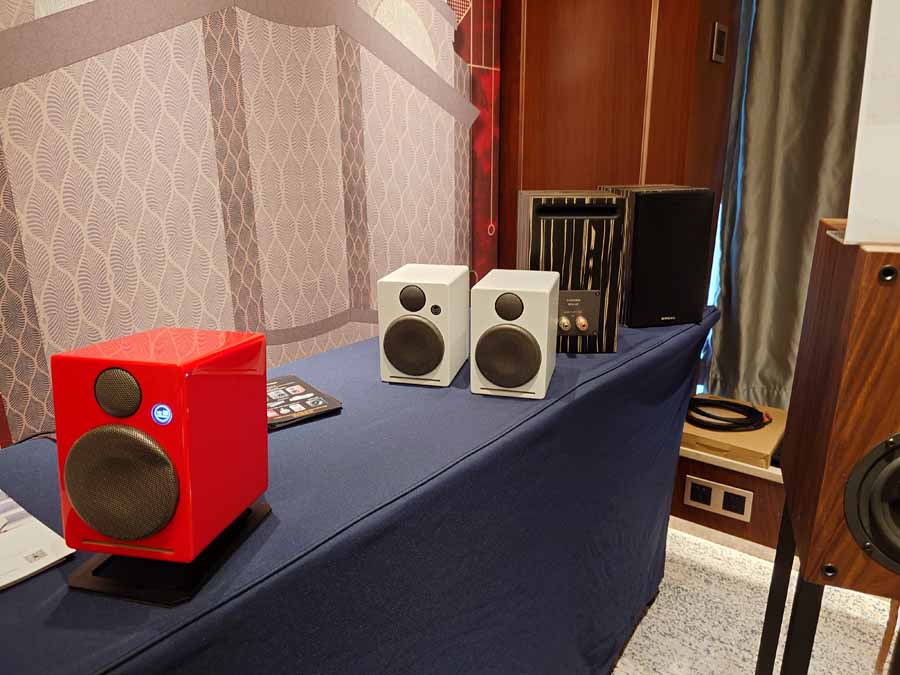
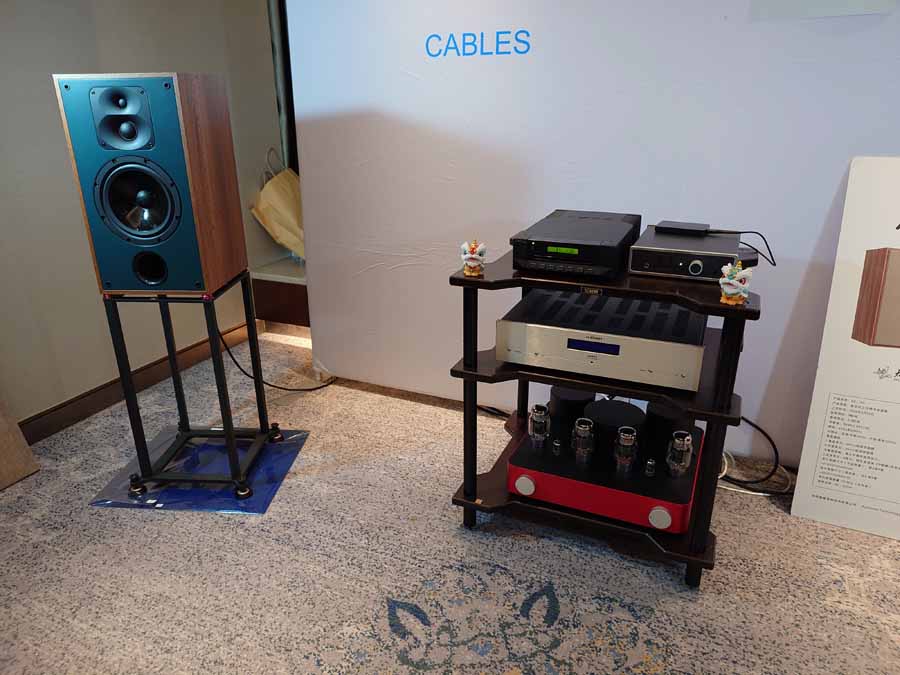
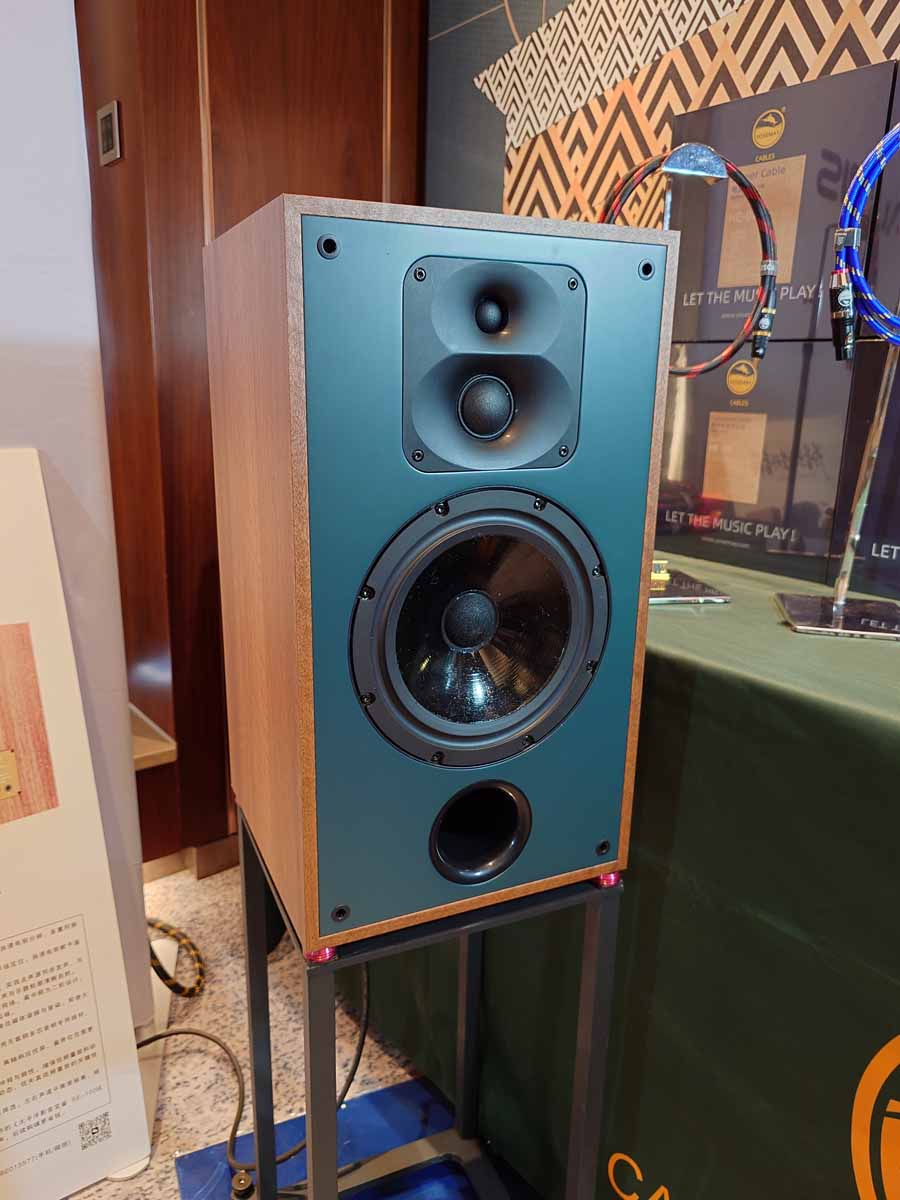
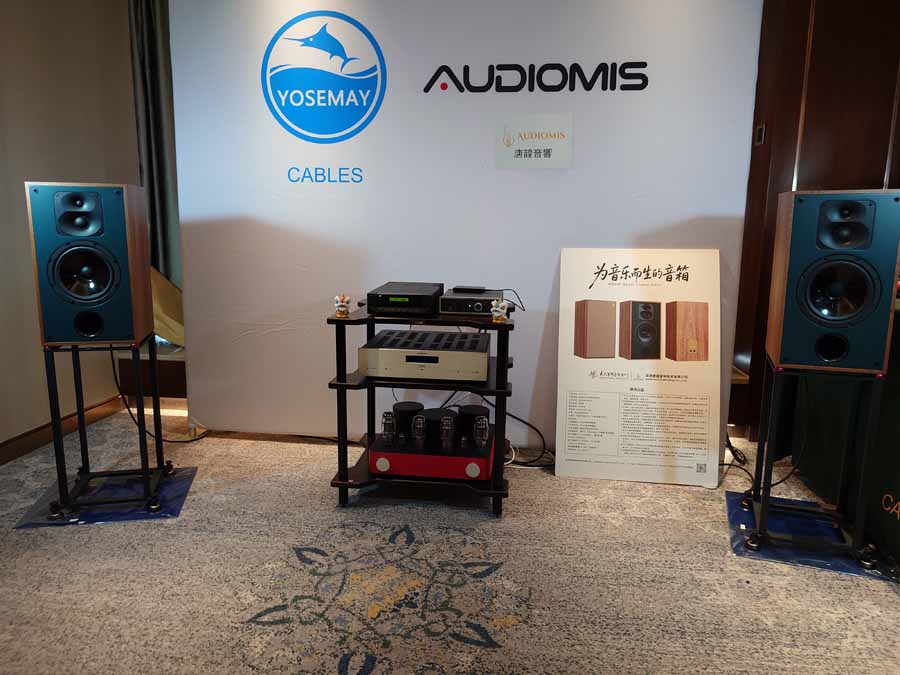
Wandering into the joint Yosemay Cables and Audiomis room, I was introduced to a speaker that is likely quite unknown to European shores, the freshly launched Audiomis SE-100. It has a classic wood veneer and a very British-looking “racing green” baffle and actively chases that legendary, nostalgic “BBC monitor” aesthetic. But take a closer look and you’ll see this isn’t just another retro-styled wooden box. This is actually a pretty clever three-way design that packs a 35mm soft dome midrange and a 20mm tweeter into one integrated waveguide module to simulate a phase-coherent point source. Put that on top of an 8-inch bass driver, and add a few old-school oil-filled capacitors to the crossover to keep the vintage purists happy, and you have a thoroughly modern monitor dressed in a classic tweed jacket.
Naturally, this new arrival was lashed together with Yosemay’s own cabling and driven by an equipment rack that offered a delightfully schizophrenic approach to system building. A classic half-width Cyrus CD player and the Lindemann Woodnote Solo streaming DAC shared the top shelf, looking down on a stoic, remarkably serious Audionet SAM G2 solid-state integrated amplifier. Yet, hiding down on the bottom tier was a glowing, cherry-red Fezz Titania tube amp acting as the perfect, flashy alternative for whenever the exhibitor felt like bypassing German exactness to inject a little extra thermionic romance into the room. It’s precisely the kind of eccentric, “why not both?” curation that makes exploring these regional shows so dependably entertaining.
KECES Audio, Audiovector, J.Sikora, DS Audio
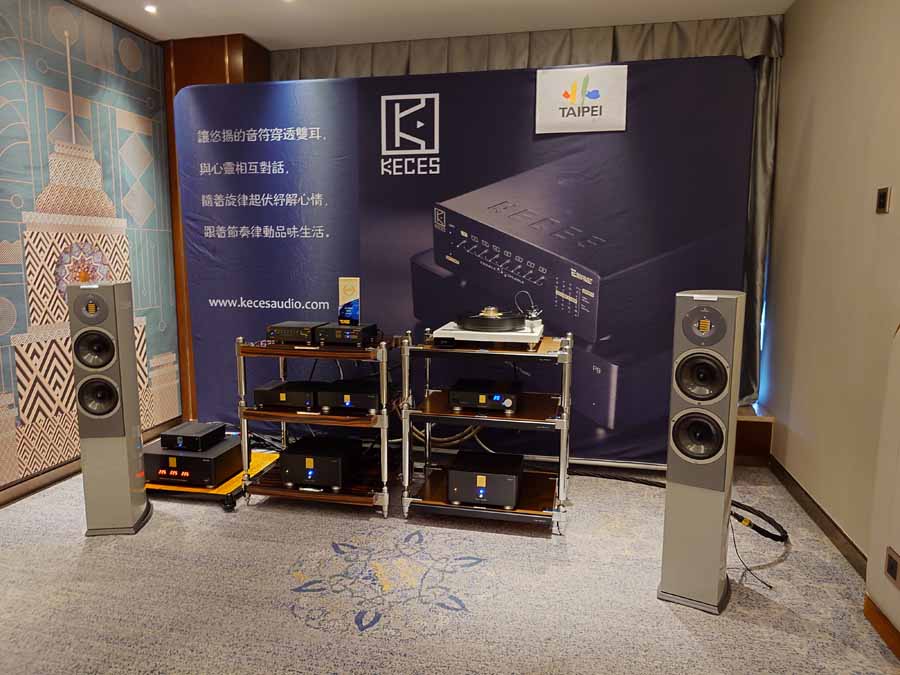
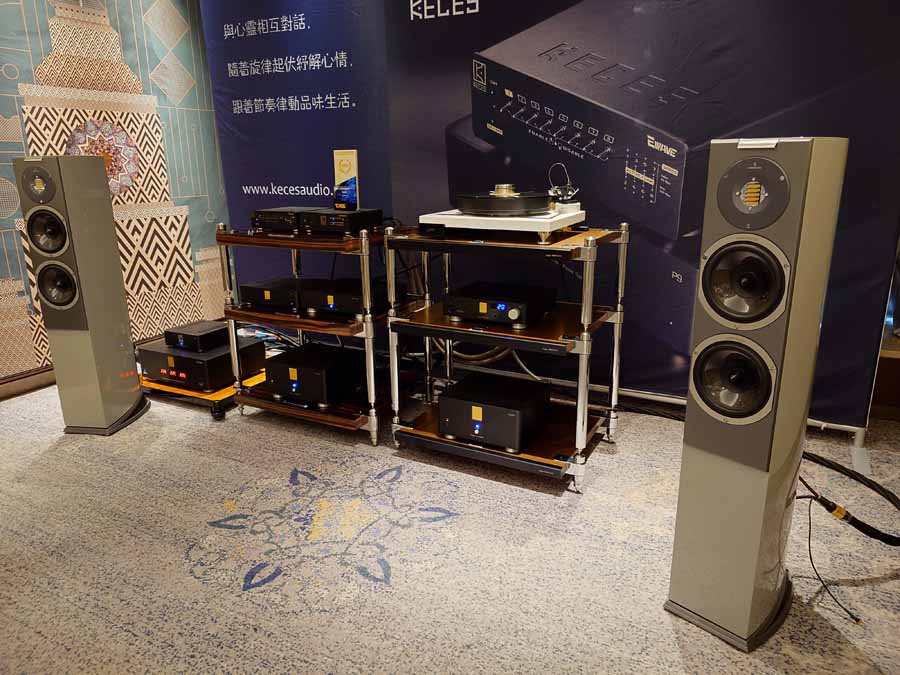
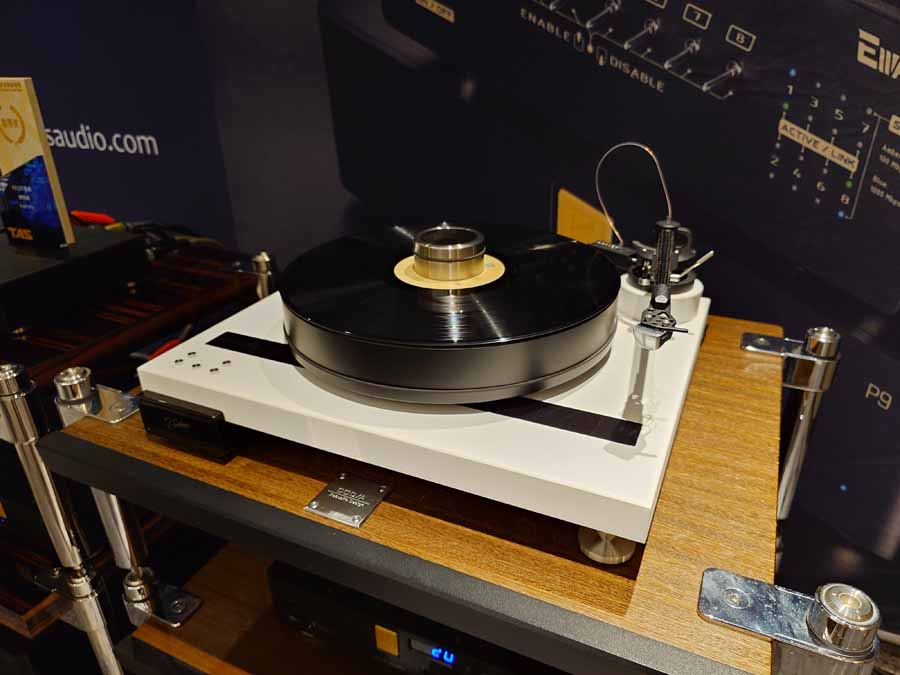
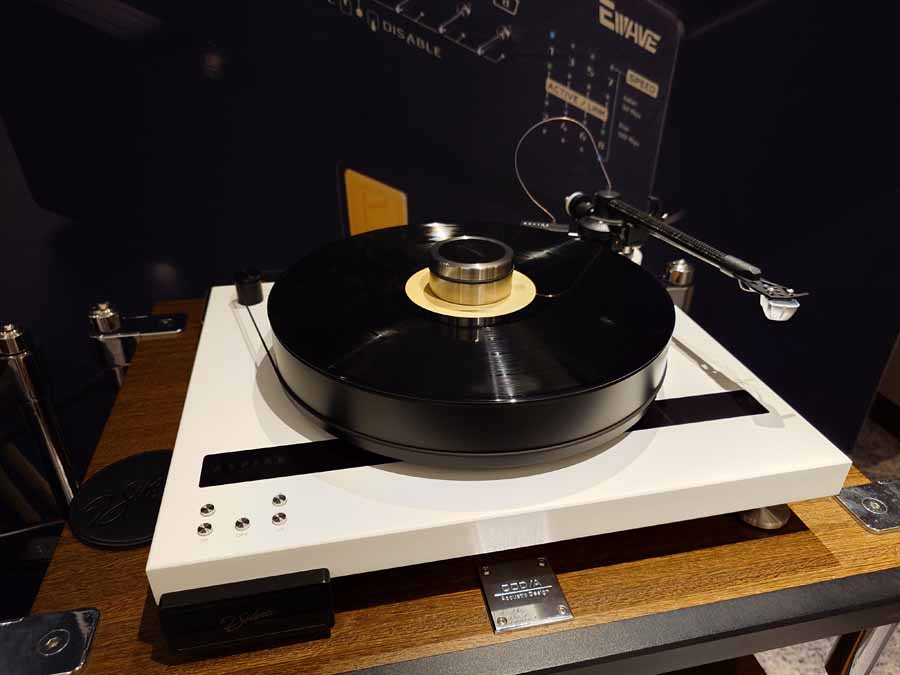
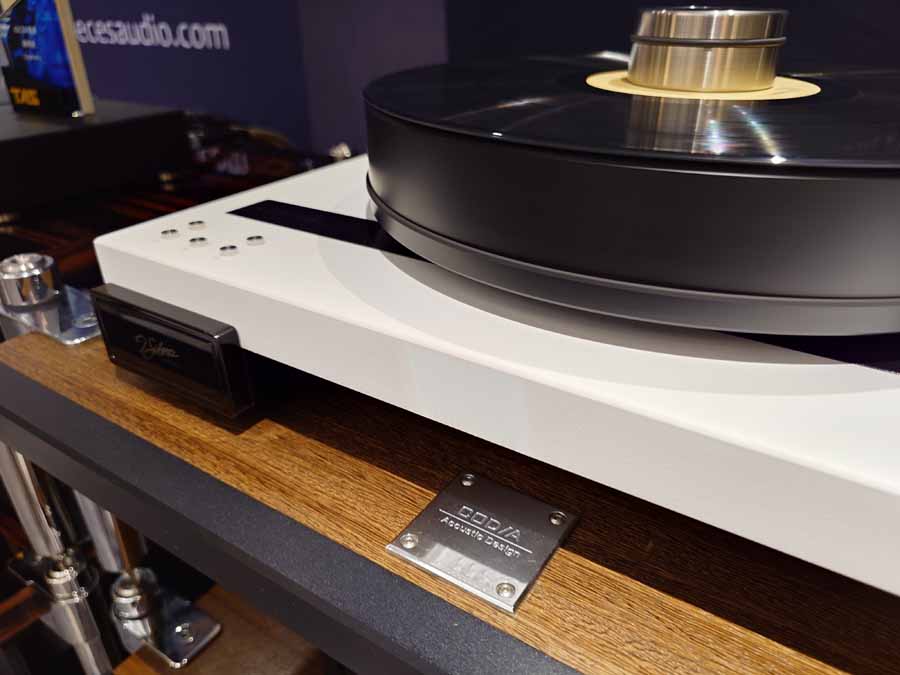
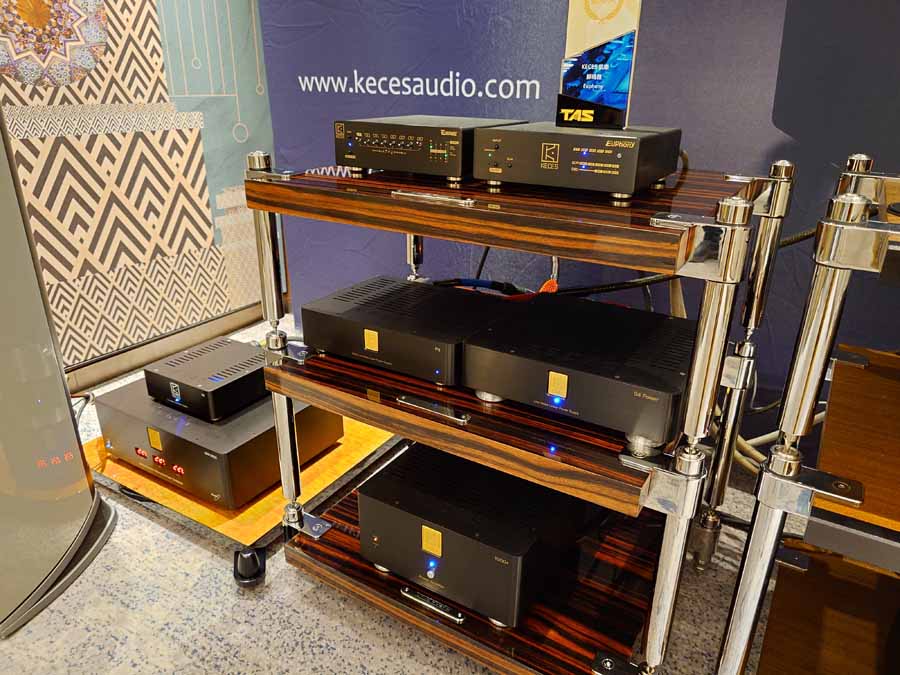
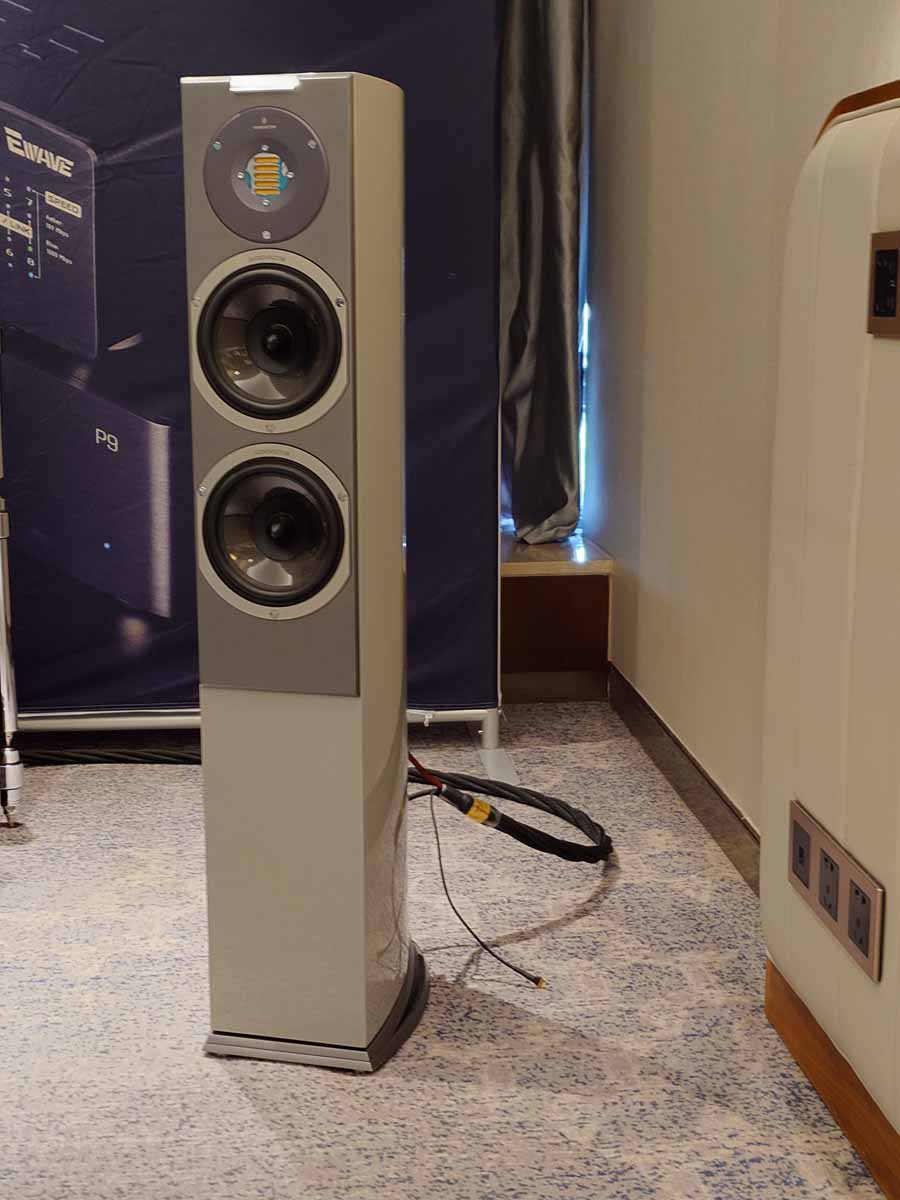
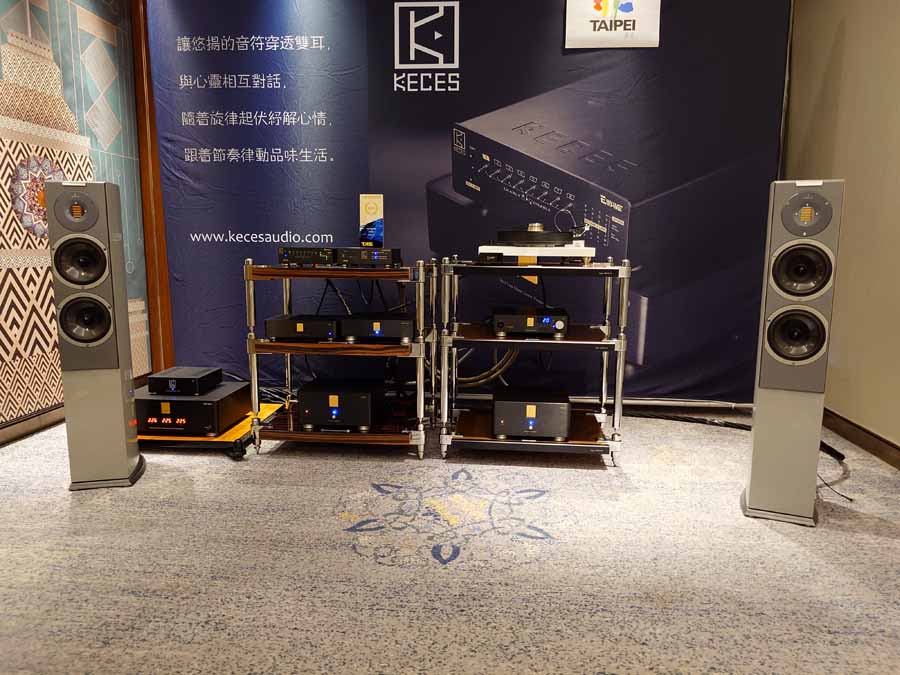
I found myself in front of a set-up that really managed to stop my frantic pacing in the hall and make me sit down. The heart of this system was supplied by Taiwan’s KECES Audio, which brought out the heavy artillery: their S300+ power amplifiers run in a muscular mono configuration, naturally paired with the S4 flagship preamplifier. They even brought in their Ewave audiophile switch to make sure the network packets were under strict military discipline before they ever got to the Euphony streamer. But the real visual anchor of the room was a pair of Audiovector R3 loudspeakers, dressed in a fashionably unique “milky grey” finish that somehow managed to look both industrially stealthy and incredibly chic. Meanwhile, the analogue front end dispensed with tradition altogether, with a stylish J. Sikora Aspire turntable armed with a DS Audio optical cartridge, because why depend on a primitive magnet-and-coil system when you can read the vinyl groove with light? The exhibitor’s impressively curated playlist and the effortlessly balanced, airy presentation made this one of those rare showrooms where you actually find yourself slowing down and listening to a couple more tracks before the adventure of discovering new setups continues.
Toyokasei, Mastercut, Jolida
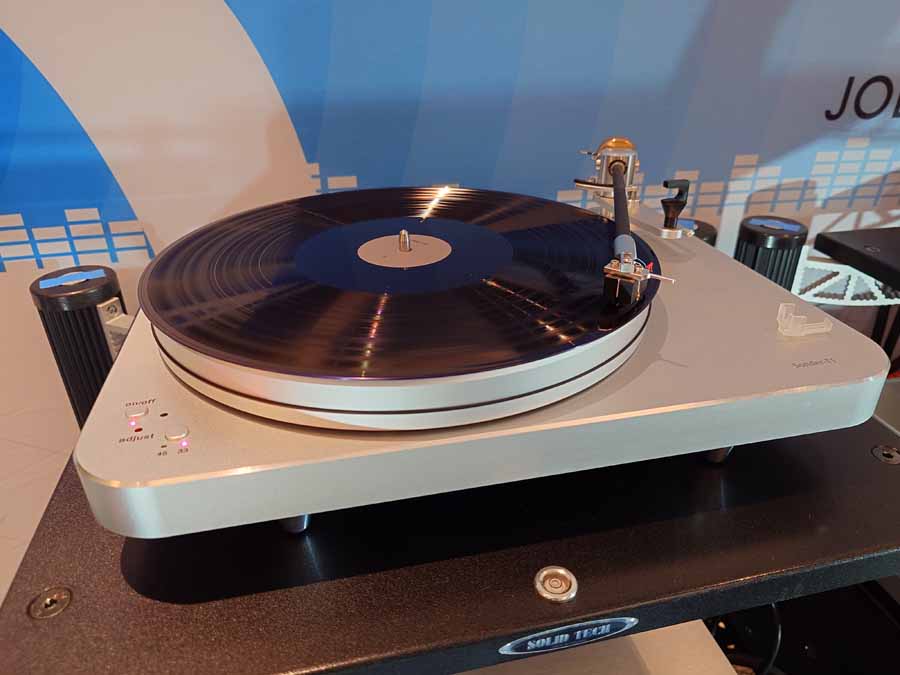
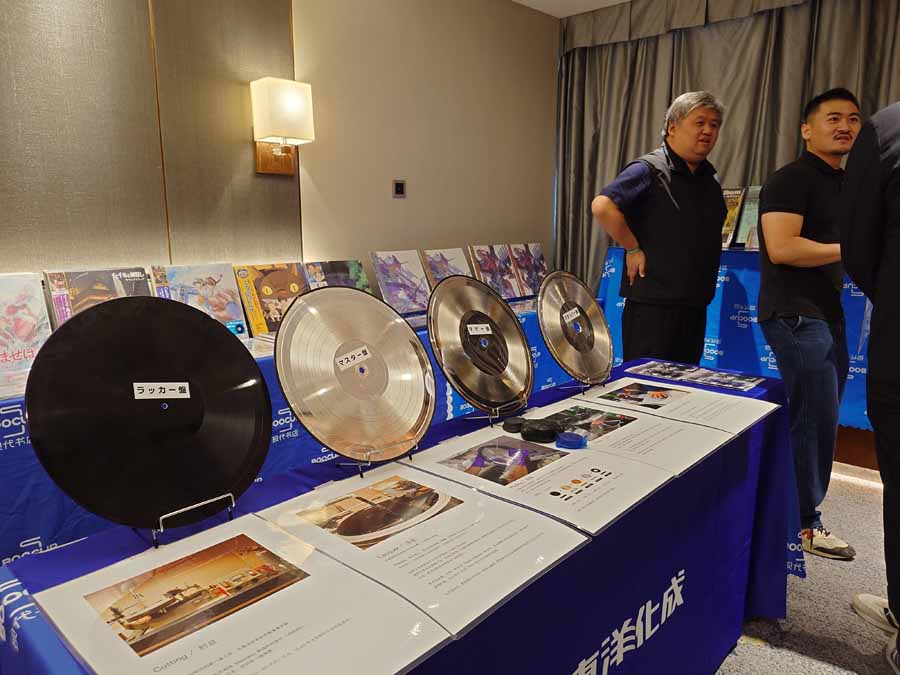
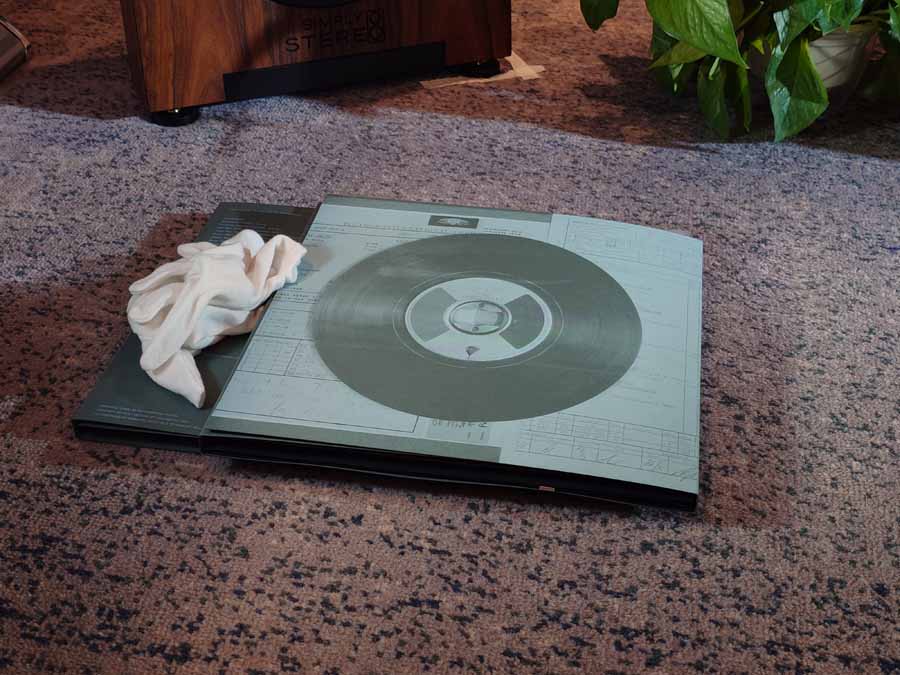

Taking a much-needed detour from the mountains of CNC-machined audio jewellery, I found genuine solace at the exhibit for Toyo Kasei (often referred to as Toyokasi), a Japanese record factory that’s been pressing grooves since 1959. They had set up a brilliant miniature museum detailing the five labour-intensive stages of vinyl creation: the lacquer disc, master disc, mother disc, stamper disc, and finally, the retail vinyl record. It was an incredible treat to geek out over the physical, mechanical reality of record making – a refreshing palate cleanser from the invisible, ethernet-cable-obsessed digital streaming wizardry happening in our living rooms.
While the booth was doing a roaring trade in anime scores, I acted on a stellar recommendation from Mr Koetsu Takeuchi and walked away with a freshly re-released copy of Tatsuro Yamashita’s classic, For You. They were also showcasing some rare pressings from “Mastercut Records”, a purist’s dream in which a lacquer disc is cut directly from a copy of the unedited master tape. Naturally, a record of this pedigree demands to be played immediately and to command a stellar price. Thanks to a serendipitous crossover with the owner of Jolida, we got to drop the needle on one of these very limited edition records. We used the Jolida Sonder T-1 turntable, sensibly armed with the immortal, utilitarian workhorse that is the Denon DL-103 cartridge. On a weekend overflowing with six-figure acoustic excesses, listening to one of the most fascinating records of the show on arguably one of the most down-to-earth, reasonably priced systems in the building felt like the ultimate, deeply satisfying audiophile irony.
Jolida, Spatial Europe
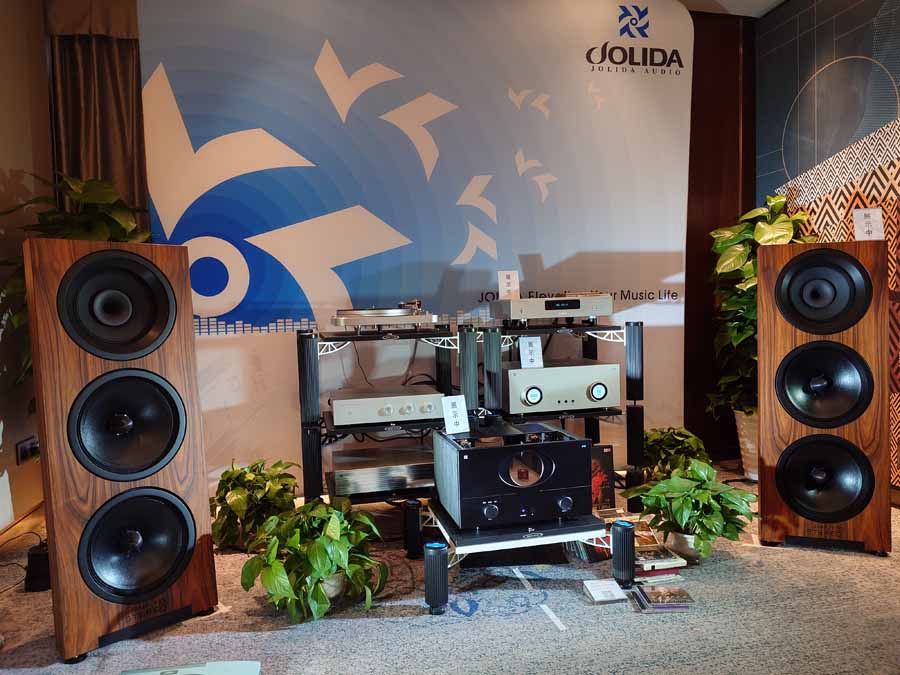
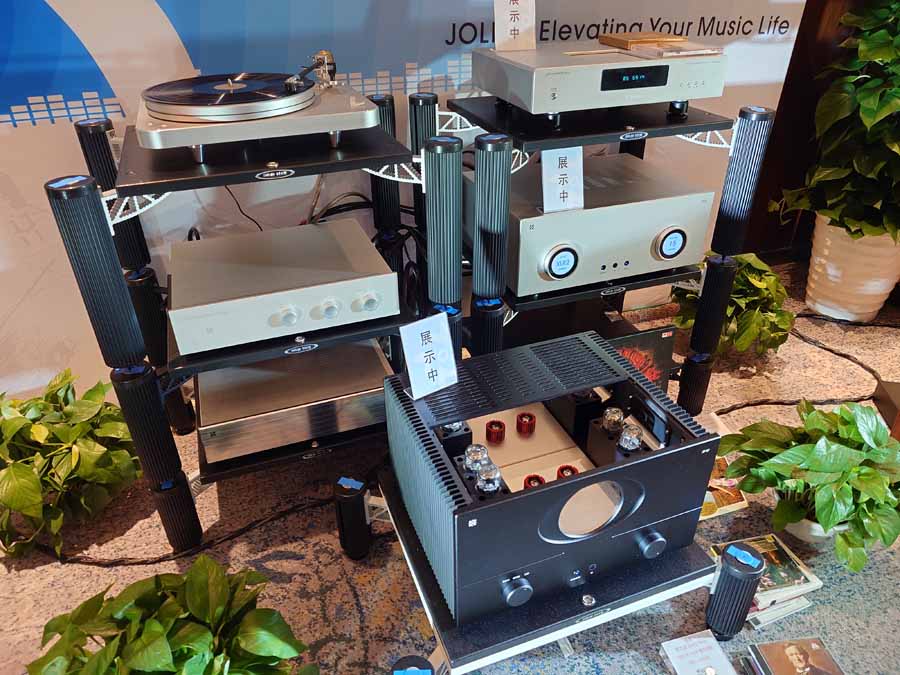
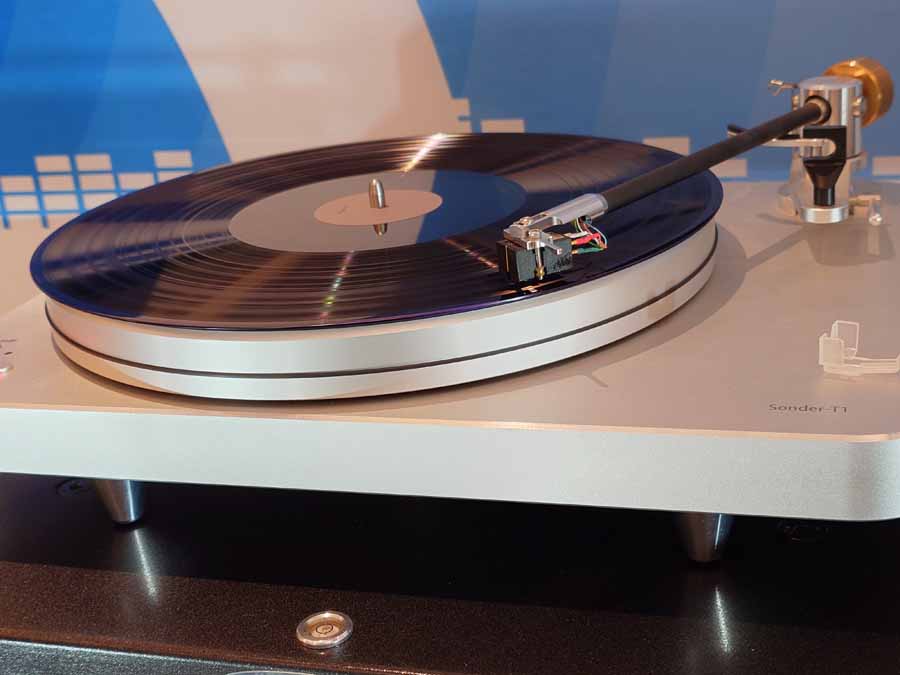
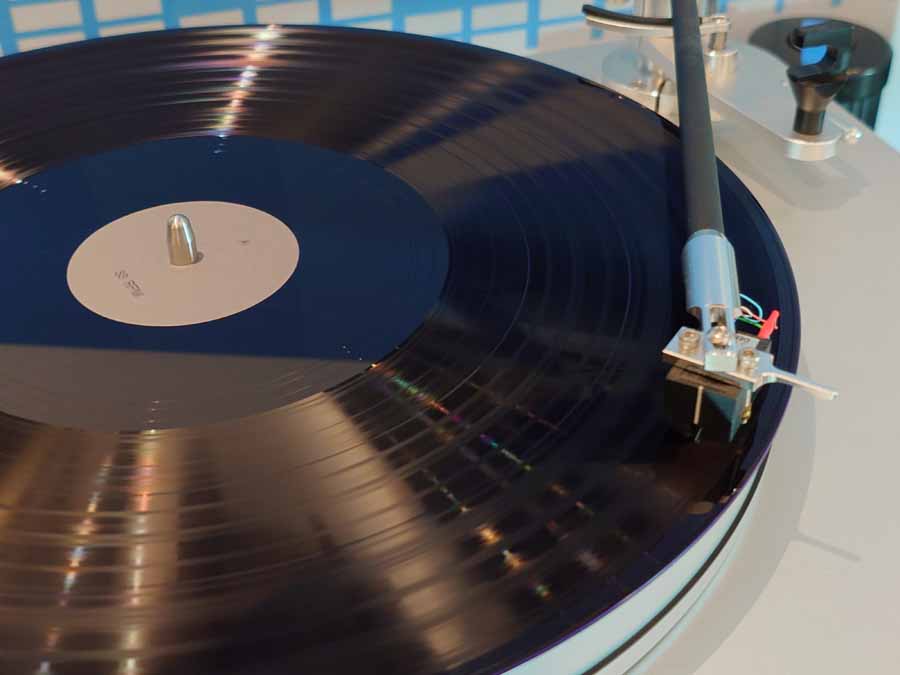
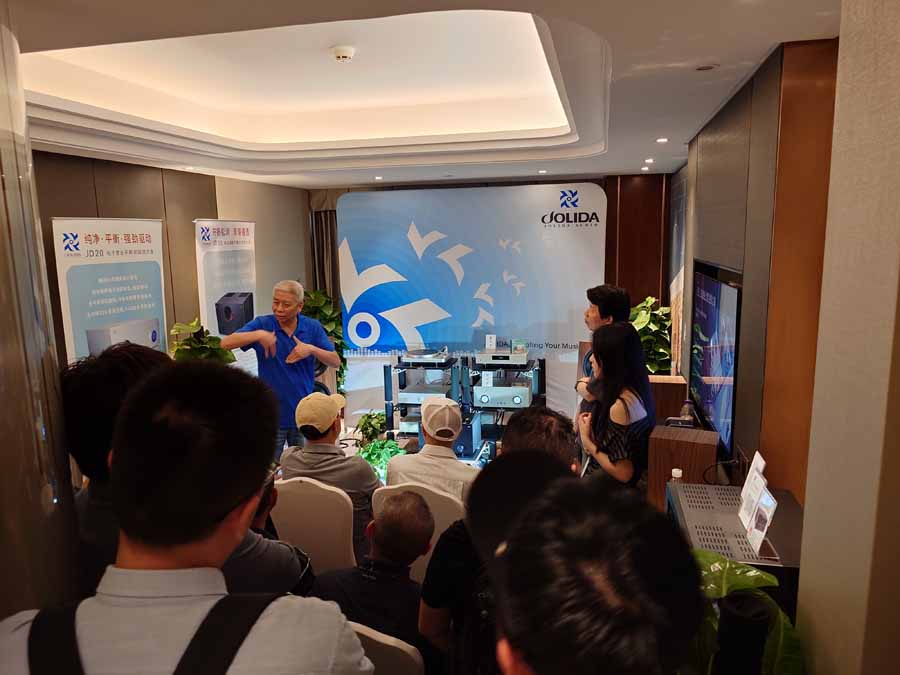
Getting a seat in the Jolida room required genuine tactical persistence. I had to circle back three separate times, navigating past attendees literally spilling out into the hallway while the designer held court to a captive audience. For the uninitiated, Jolida has long been the champion of accessible tube gear, proving you don’t need to sell a kidney to enjoy a bit of glowing thermionic magic. They brought a highly sensible stack featuring the JD90 power amp, JD20 preamp, JD10 phono stage, and JD100MK2 Pro CD player, alongside the Sonder T1 turntable armed with that trusty Denon DL-103.
This grounded front-end drove a pair of Spatial Europe Simply Stereo loudspeakers. Spatial specialises in open-baffle designs – essentially ditching the traditional wooden cabinet entirely and mounting drivers on an acoustically naked plank. The pairing was comfortably engaging, proving that when you combine airy, box-free sound with high-quality gear that mere mortals can actually afford, people simply refuse to leave the room.
Lamson, DaudioIII
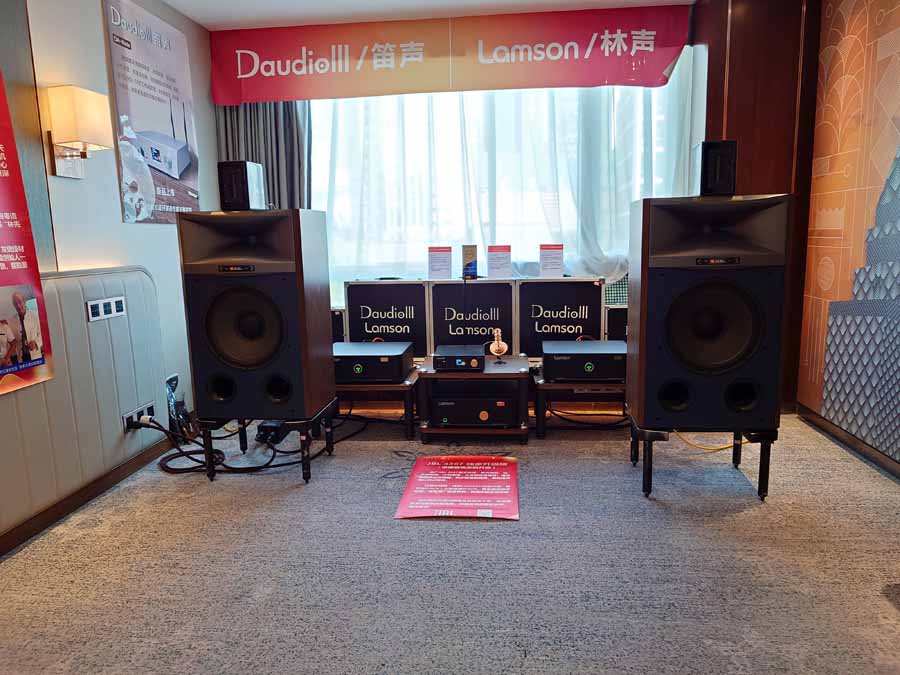
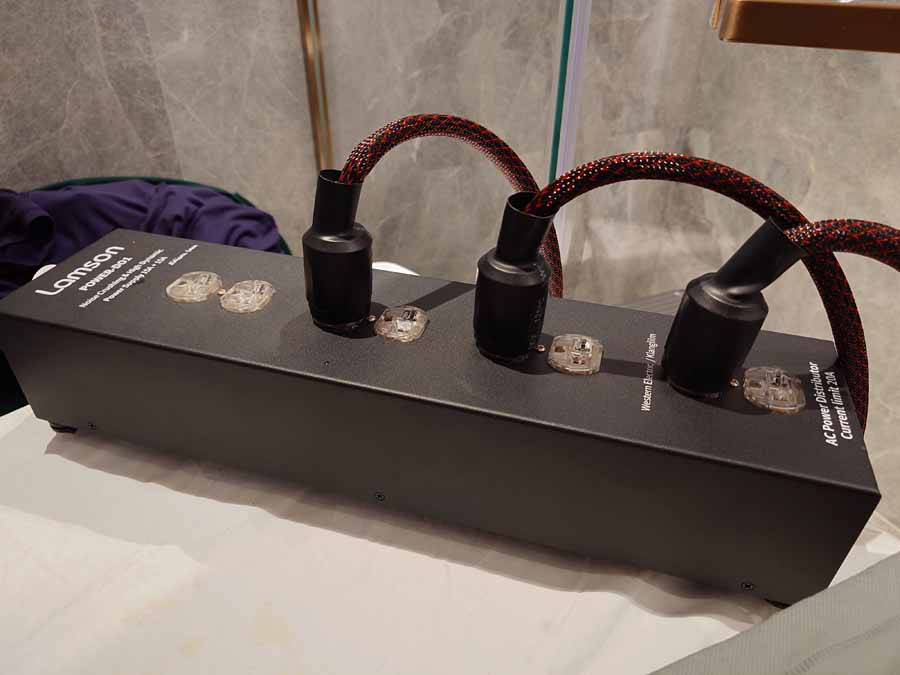
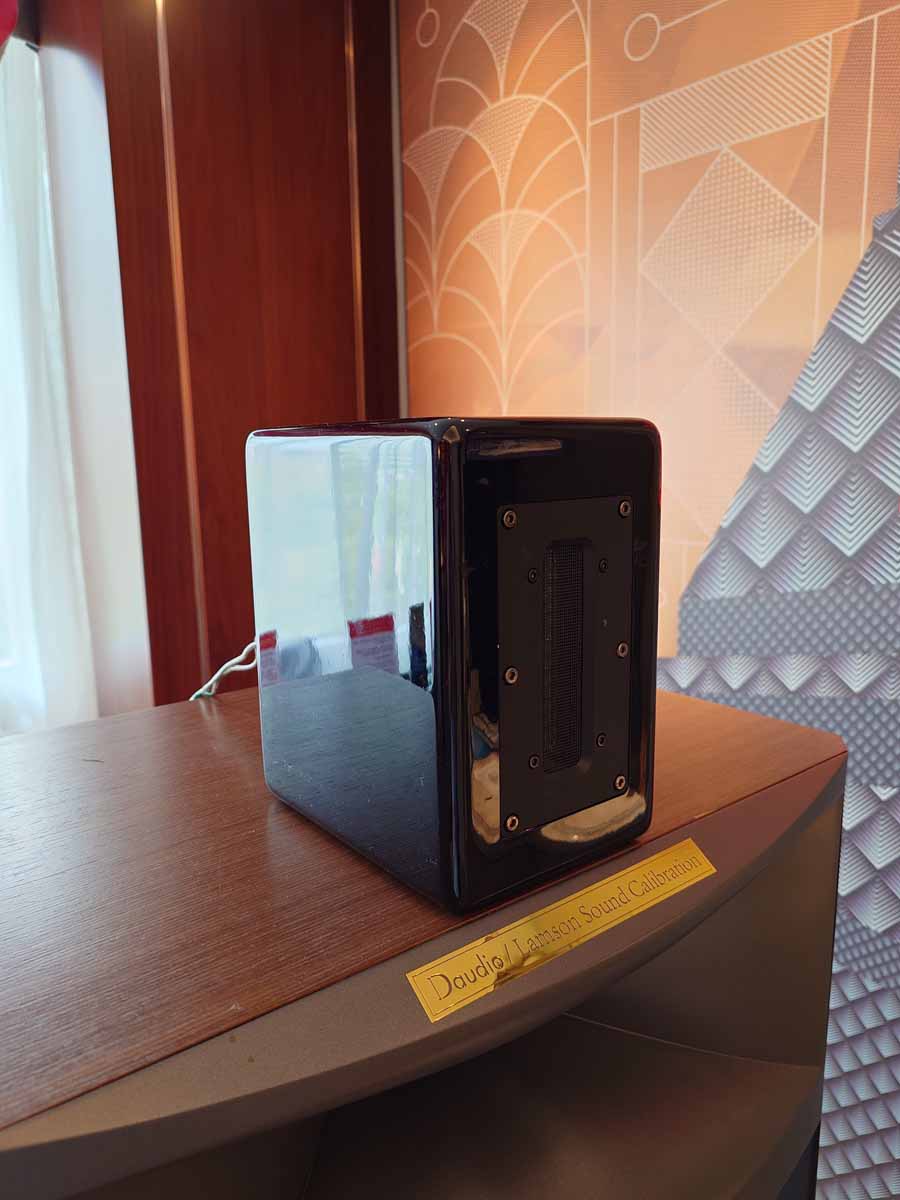
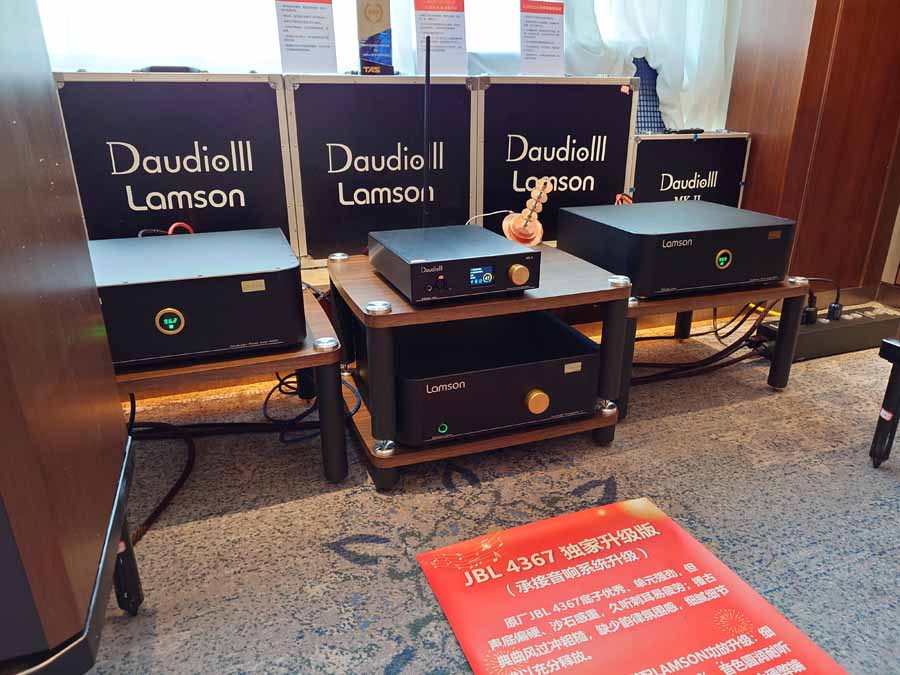
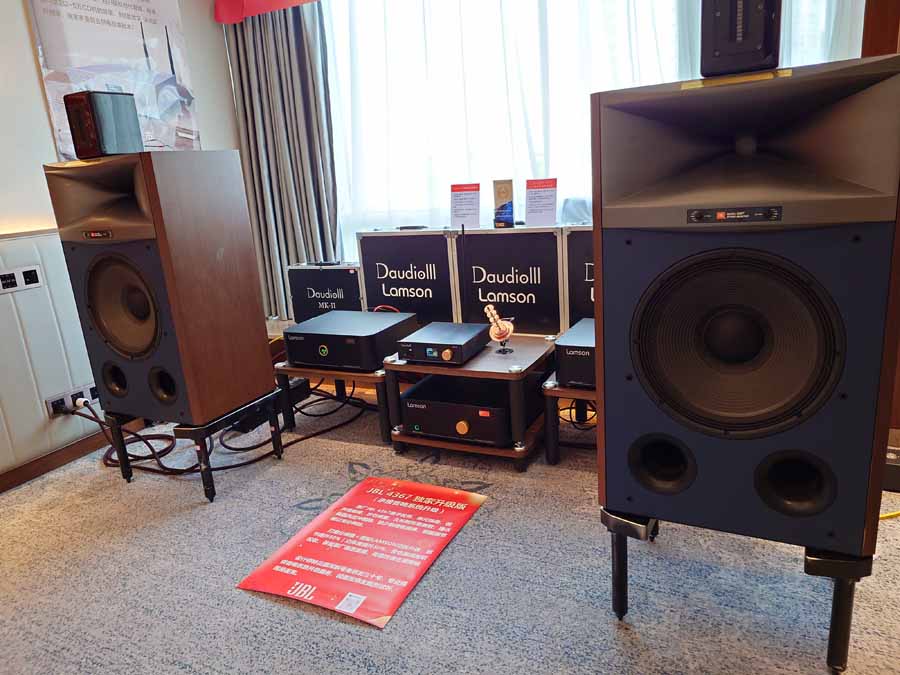
Dominating the joint Daudiolll and Lamson space was a colossal pair of JBL 4367 monitors, sporting their iconic blue baffles and massive horns. Of course, this being a HiFi show, these imposing speakers were naturally topped with custom supertweeters – presumably just in case that giant waveguide wasn’t delivering quite enough high-frequency energy. Powering these bruisers was a brooding trio of heavyweight electronics: the Lamson Conductor Preamplifier II flanked by a pair of Conductor Power Amp 400II monoblocks, all fed by a DaudioIII streaming DAC. Towering red banners boldly claimed Lamson’s solid-state gear delivers both “Swiss precision” and “300B tube warmth”. Whether it actually pulled off that sonic holy grail is debatable, but on sheer physical presence alone, the rig certainly left an impression.
Fiio
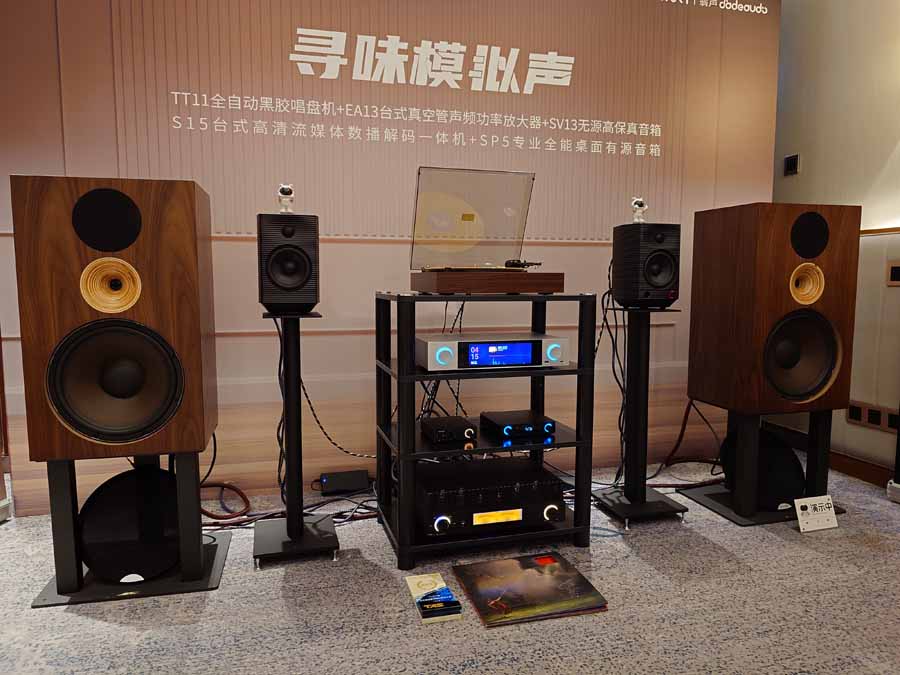
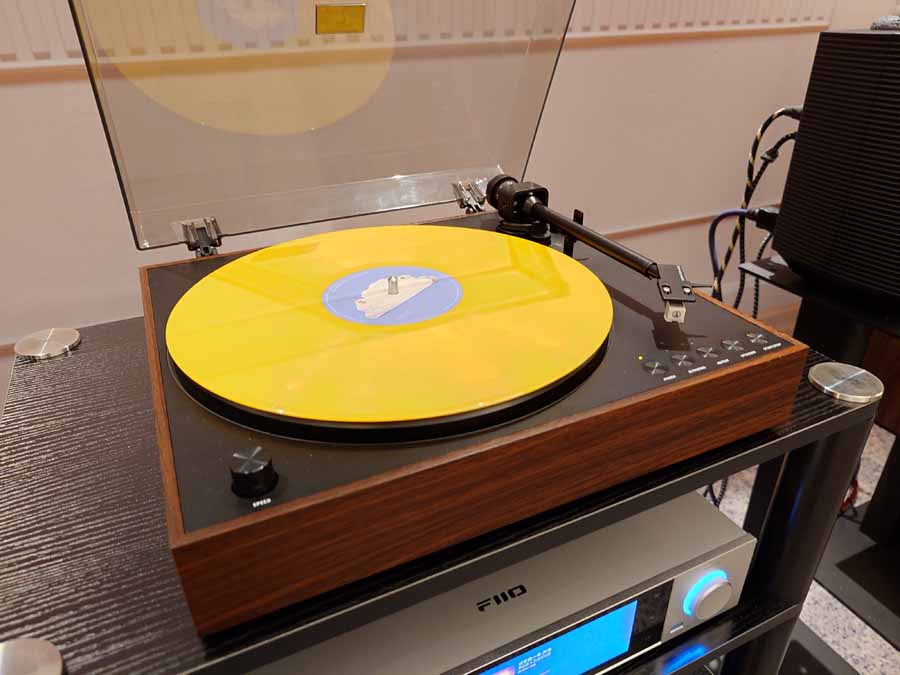
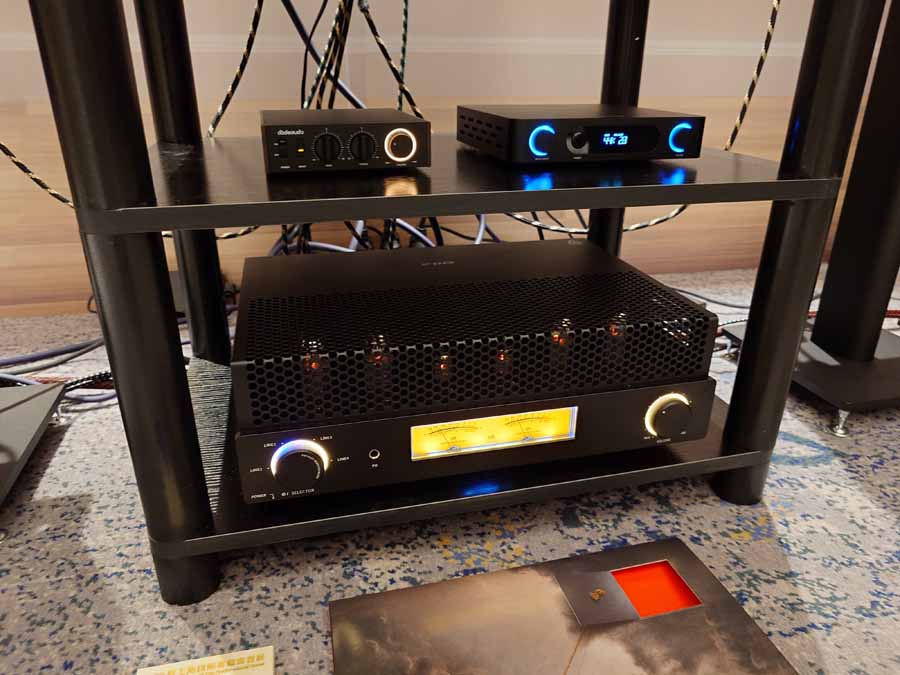
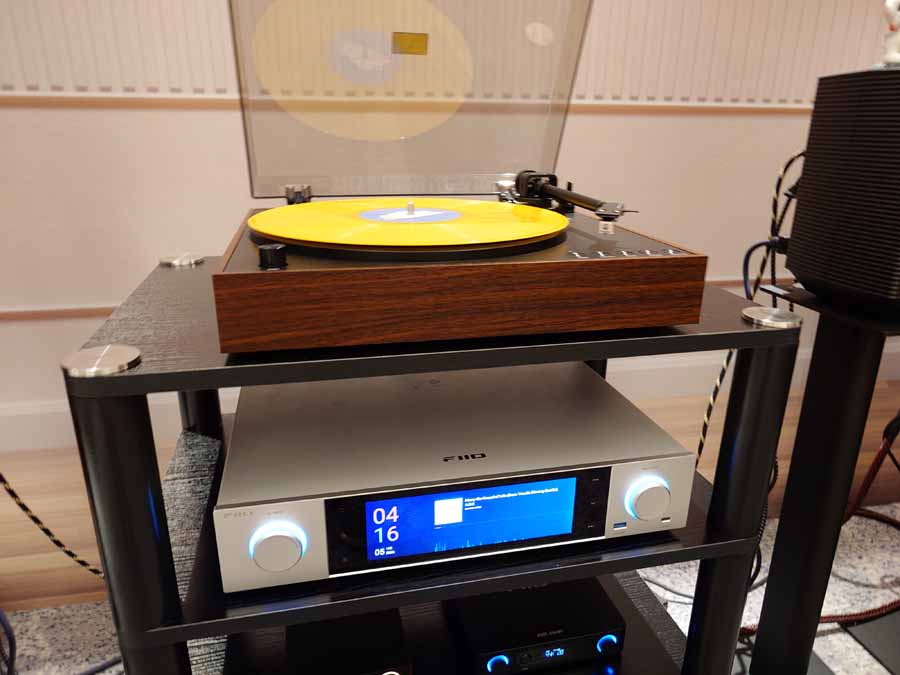
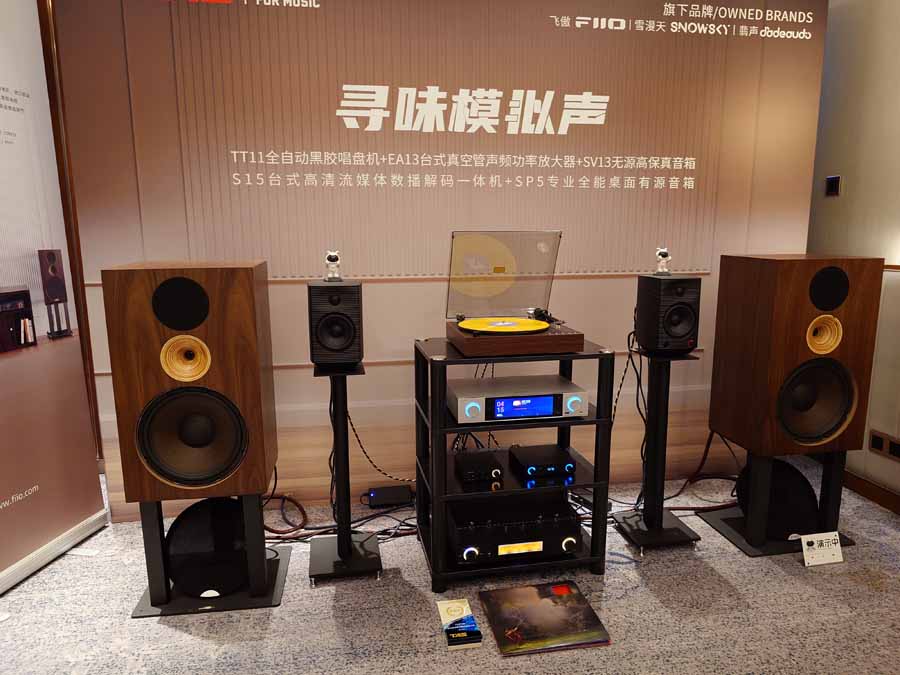
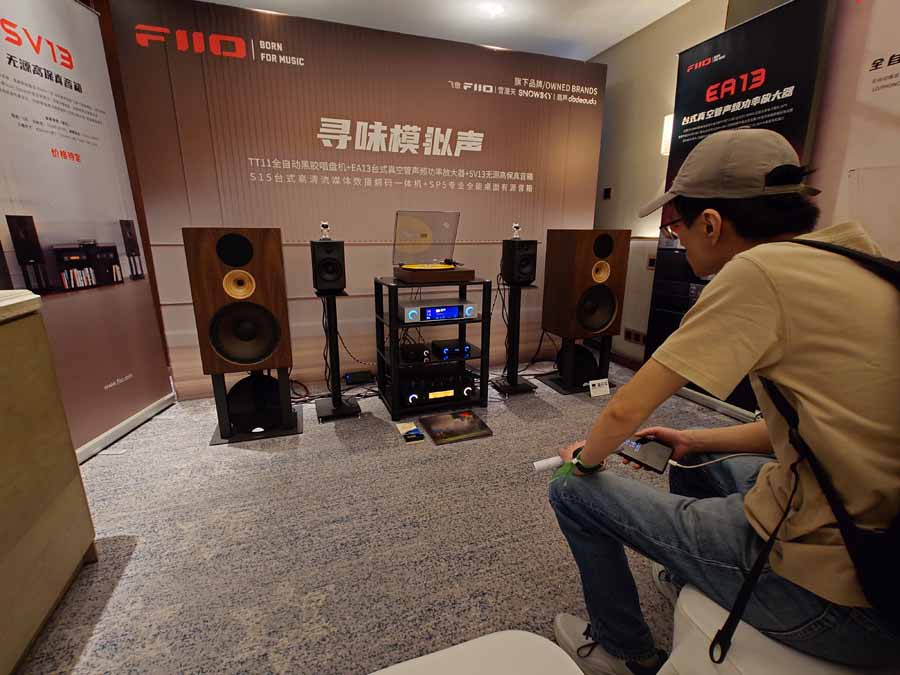
The FiiO room felt a bit like entering an alternate timeline where the undisputed kings of pocket-sized digital audio suddenly decided to embrace the glowing, spinning past.
The star of the show here was their brand-new TT11 fully automatic turntable. Now, in deeply traditional audiophile circles, “fully automatic” is usually treated as a dirty word, but FiiO clearly listens to the new generation of audiophiles. They’ve even equipped it with selectable ambient lighting, because if you’re going to upset the purists by letting the tonearm move itself, you might as well do it while bathed in a custom LED glow. Jokes aside, the TT11 completely stole the spotlight, looking and sounding genuinely impressive when hooked up to FiiO’s EA13 desktop tube amplifier and a pair of their SV13 passive speakers for a complete, space-conscious analogue rig.
Not wanting to entirely abandon their digital roots, they balanced the room out with a thoroughly modern alternative: the sleek S15 streaming DAC paired directly with their SP5 active desktop monitors. It offered a compact counter-argument to the heavy metal down the hall, proving you can still build a highly entertaining system without needing a reinforced floor and a dedicated power substation.
LAiV, Qualio, Exact Express, Soundaware
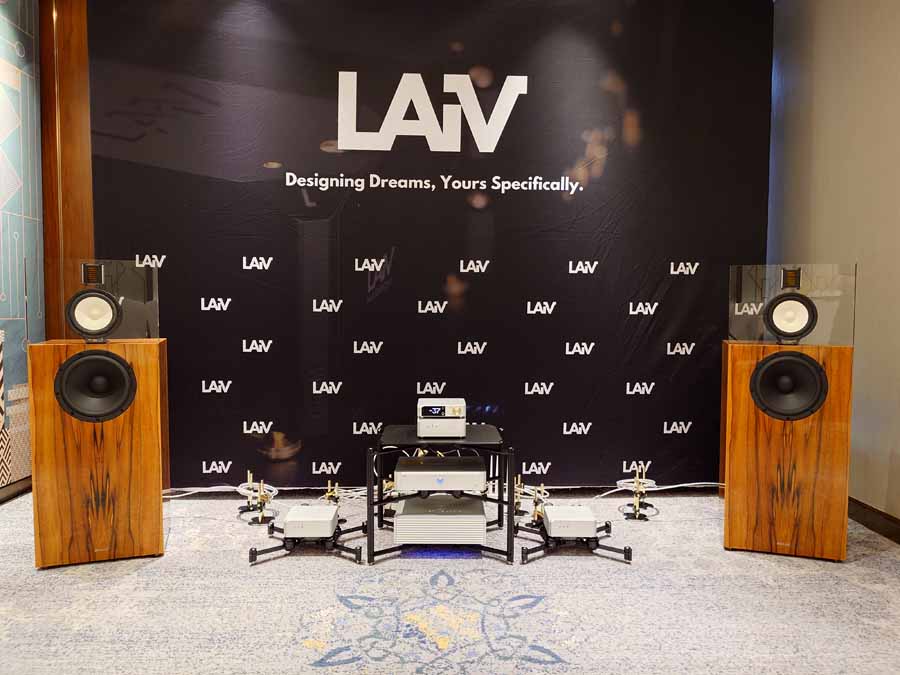
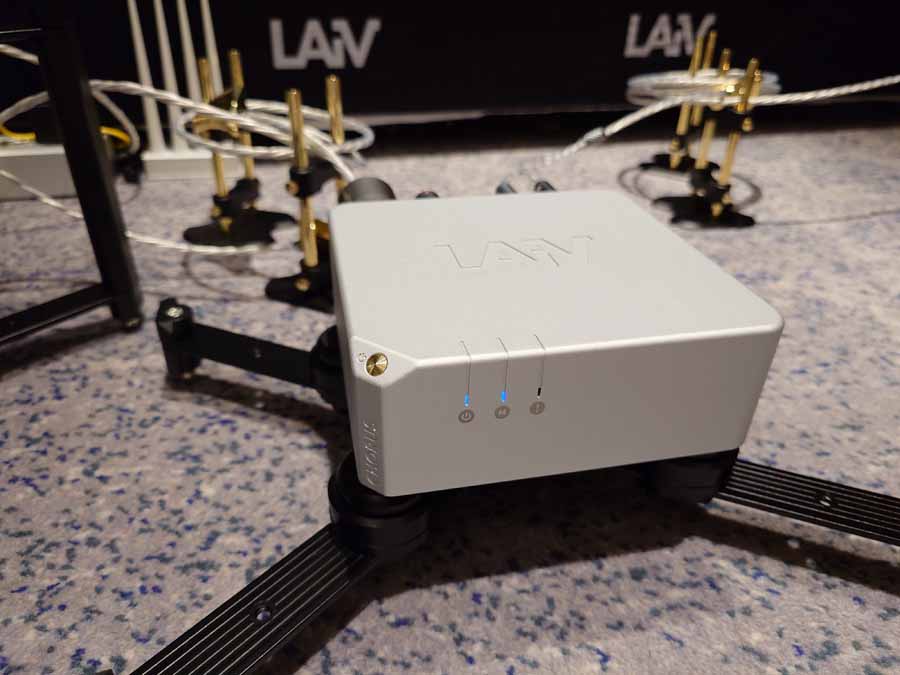
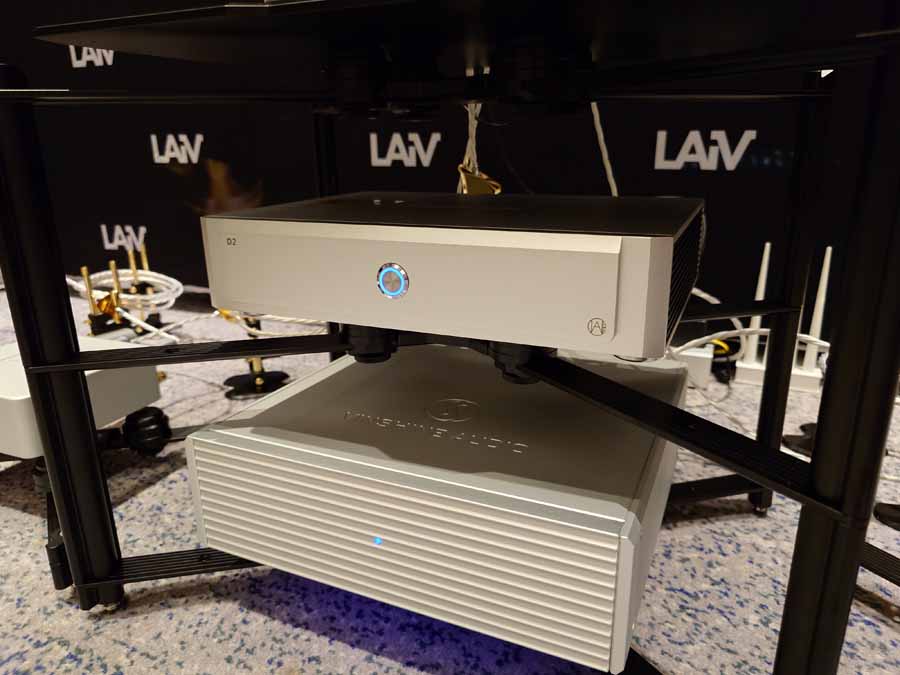
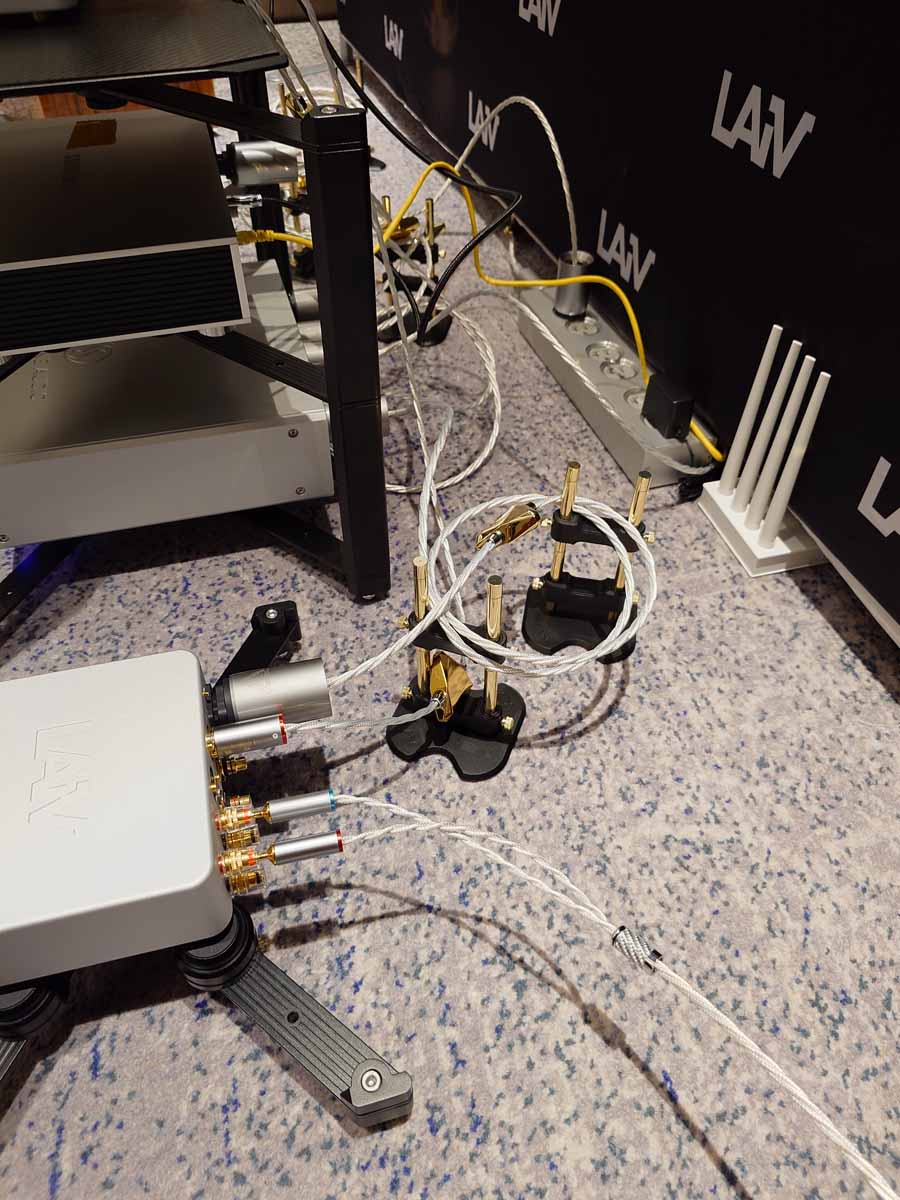
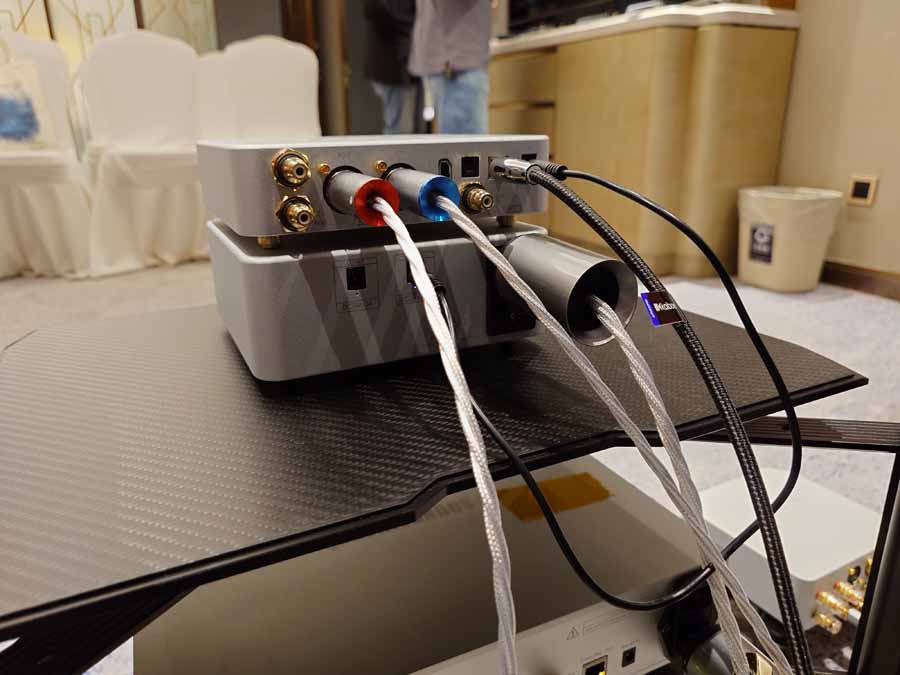
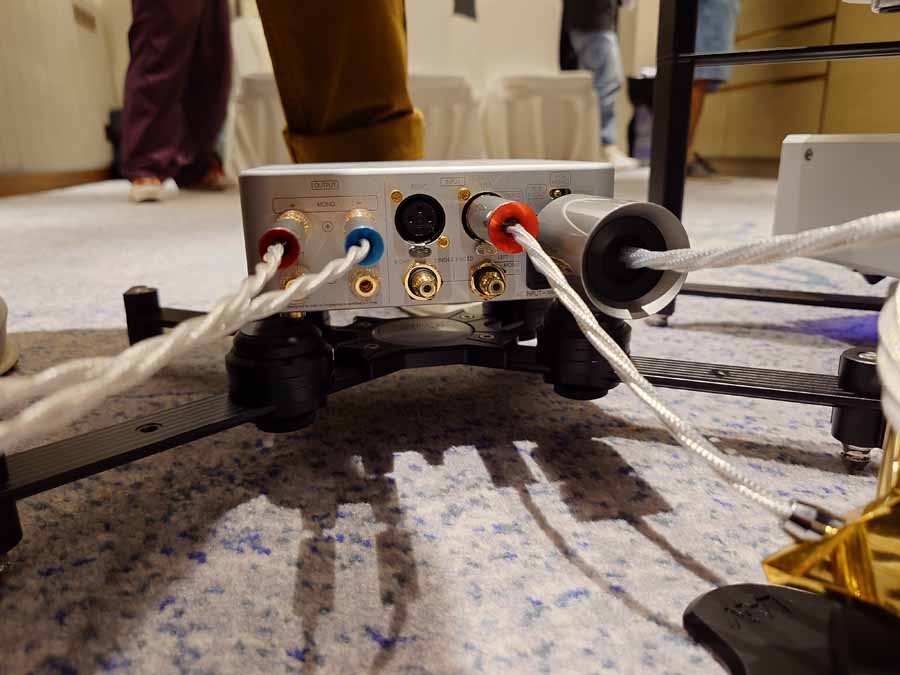
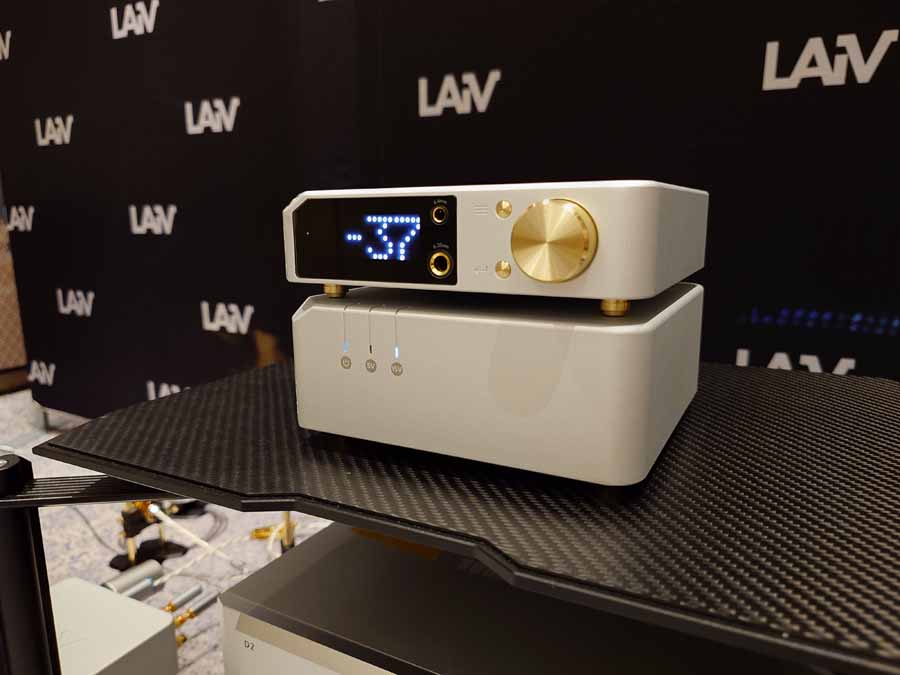
The LAiV room is one I always genuinely look forward to visiting. In the few short years since their inception, they’ve managed to consistently deliver undeniably great sound, and this show was no exception. This time, they were debuting their brand-new Crescendo series, featuring the Chorus power amplifiers – sensibly run in mono – paired with the Crescendo Verse R2R DAC preamplifier and matching LPS. The entire stack boasts a delightfully compact form factor, a design ethos that was further emphasised by the stunningly skinny Exact Express cables and an Audio Bastion rack sporting wafer-thin carbon shelves. The result was a system with an incredibly light visual footprint and an elegant and refreshing approach to high-end audio design.
Providing the acoustic output were LAiV’s go-to demo speakers, the Qualio IQs, which perfectly matched the room’s airy aesthetic with their striking, clear acrylic upper baffles. The digital control was handled seamlessly by a highly specialised SoundAware D2 network streamer and server, while a Vinshine x Kinki Taihang power enhancer quietly sanitised the mains in the background. It is genuinely a joy to watch LAiV continue to develop their portfolio, maintaining a smart, sharp focus on bringing something truly original to the audiophile landscape.
LZE, Atlantis Lab
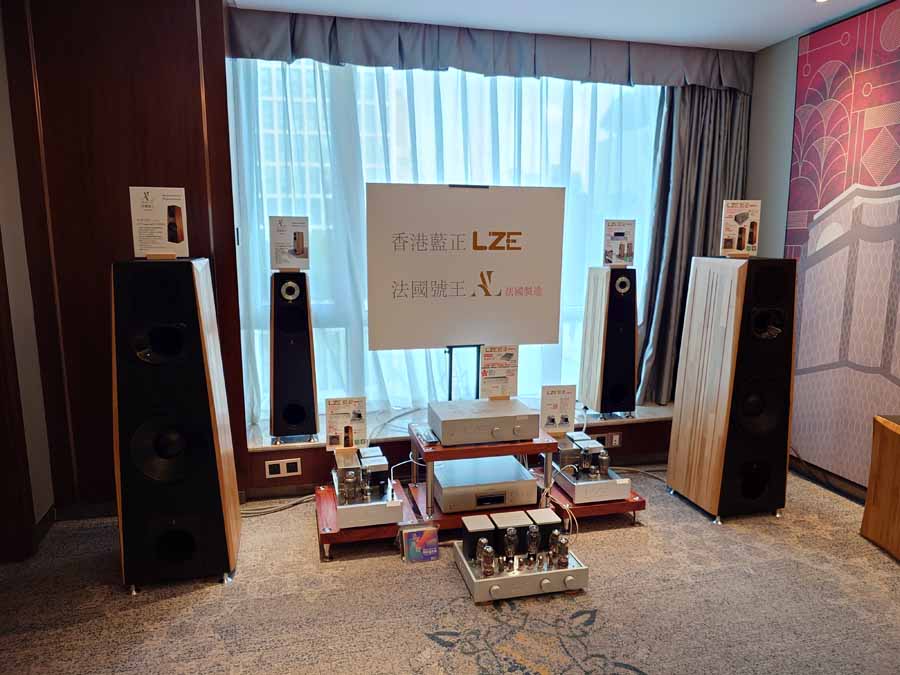
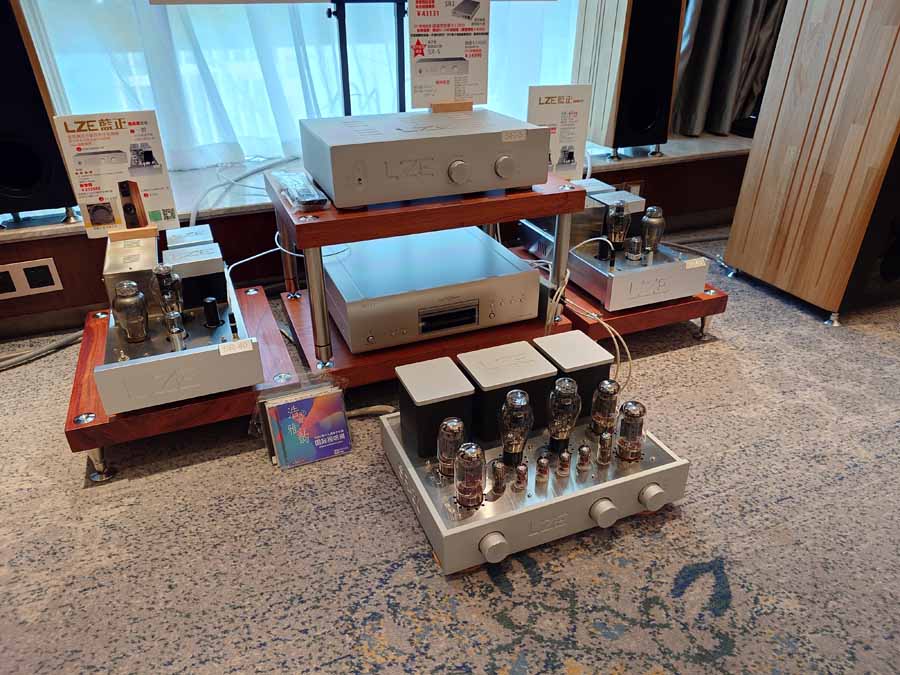
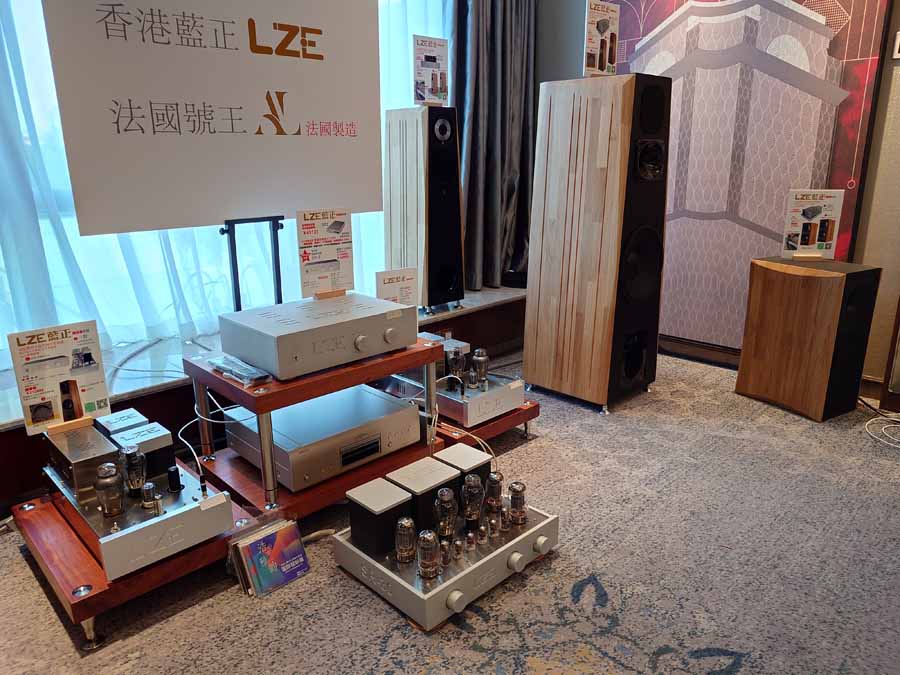
Entering the room, I was welcomed by a stunning array of LZE electronics, including their SR-5 preamplifier, SR-30 integrated, and SR-40 mono power amps, all centred between the commanding presence of the Atlantis Lab AT 31 PRO loudspeakers. Visually, the setup radiated muscular capability and impeccable build quality.
Sonically, we ran into a mild case of the classic HiFi show dilemma: the ubiquitous “Audiophile Demo CD”. You know the genre. While it wasn’t exactly the kind of playlist to push these high-sensitivity speakers to their dynamic limits, the inherent quality of the LZE and Atlantis Lab pairing still easily shone through.
Soundaware
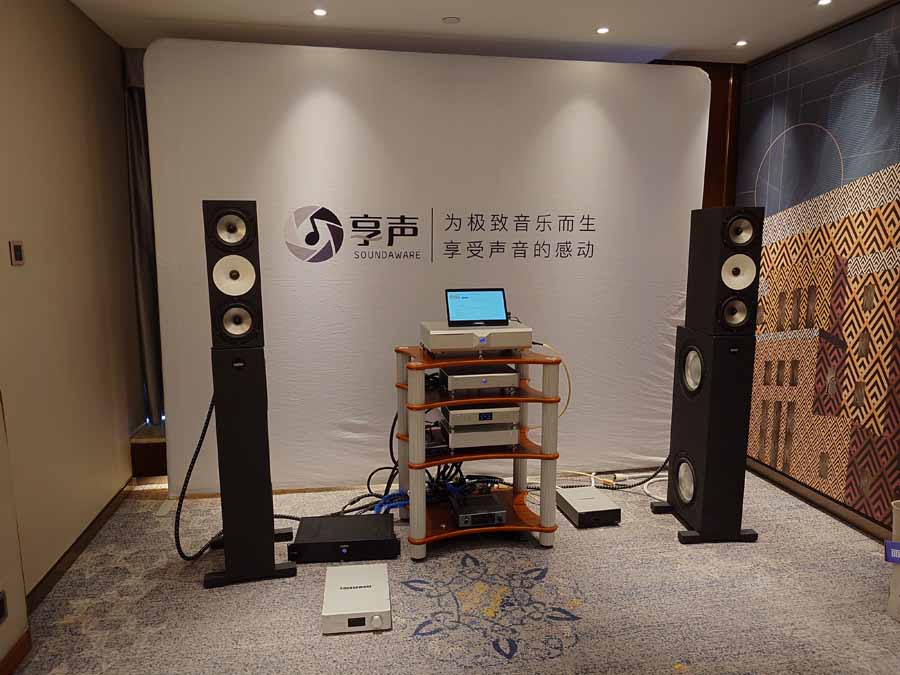
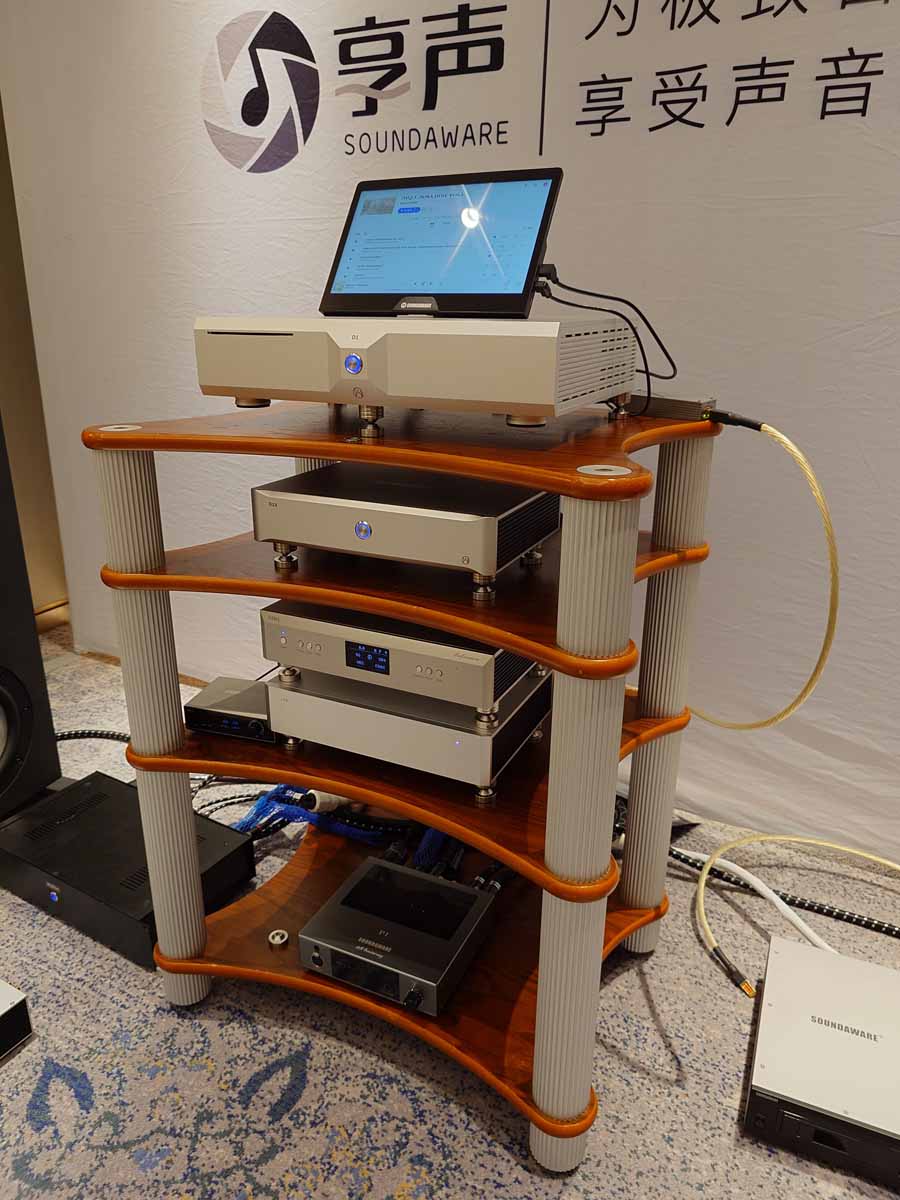
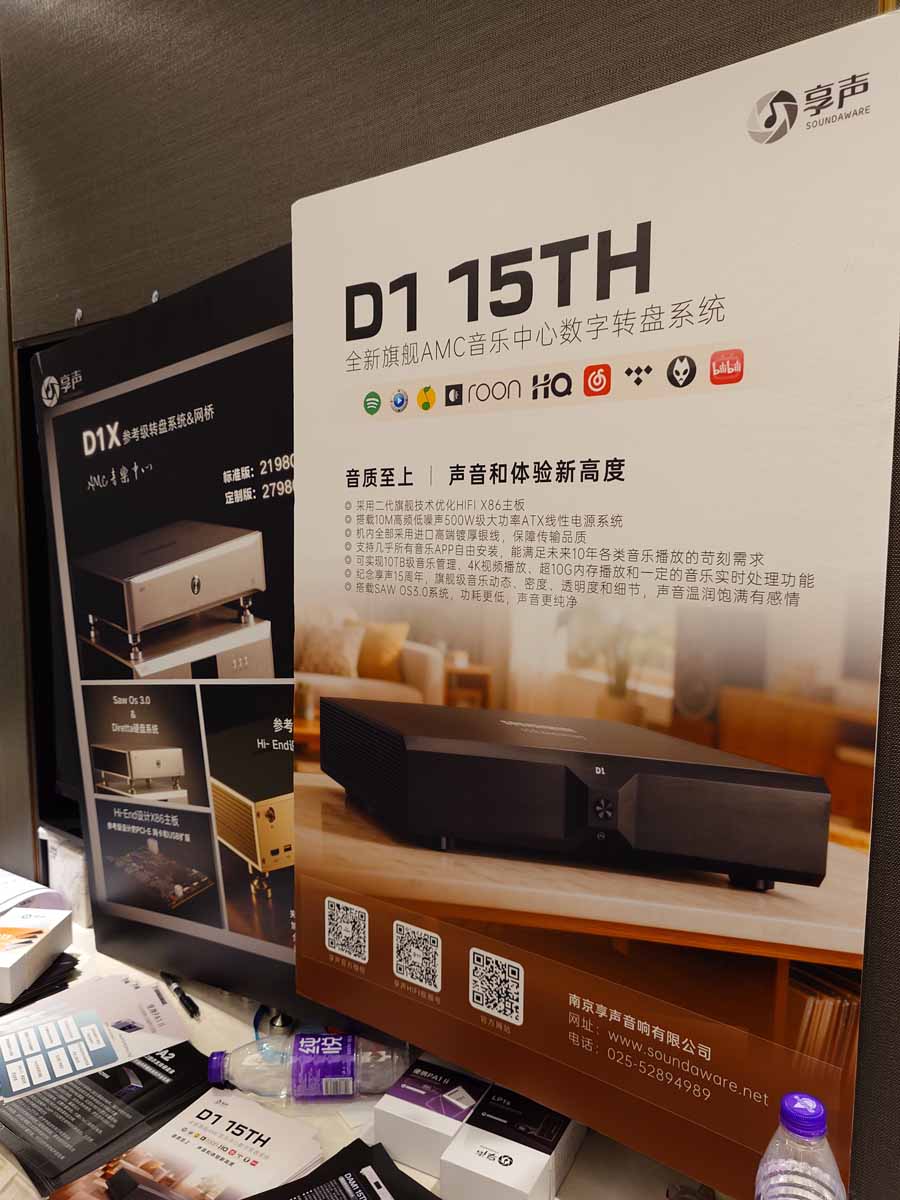
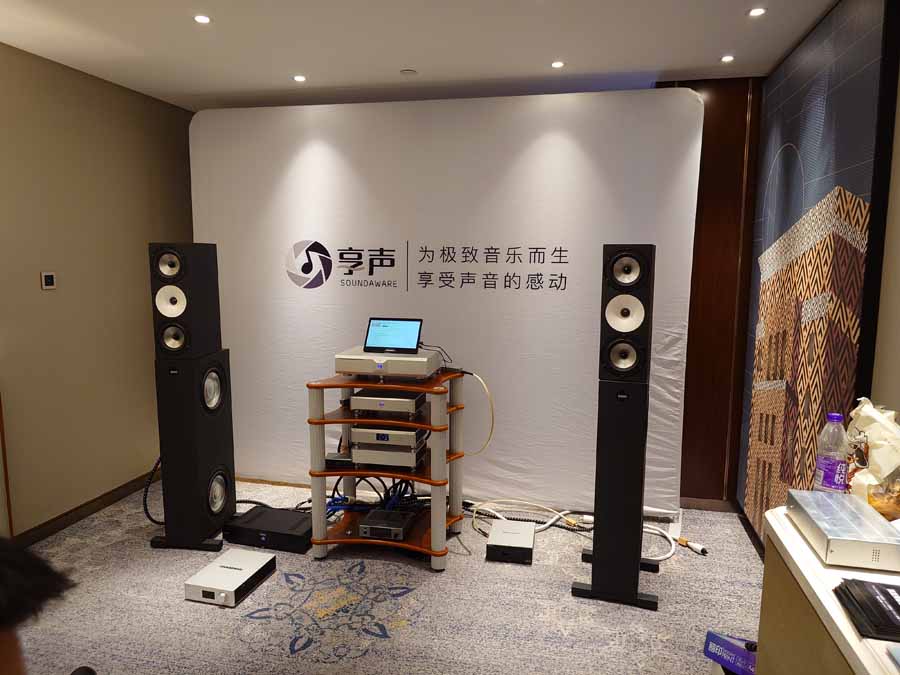
Soundaware put their highly technical, audio-grade computer-based philosophy on full display. They paired their specialized digital front-ends with a pair of ever-reliable Amphion speakers
MyMei
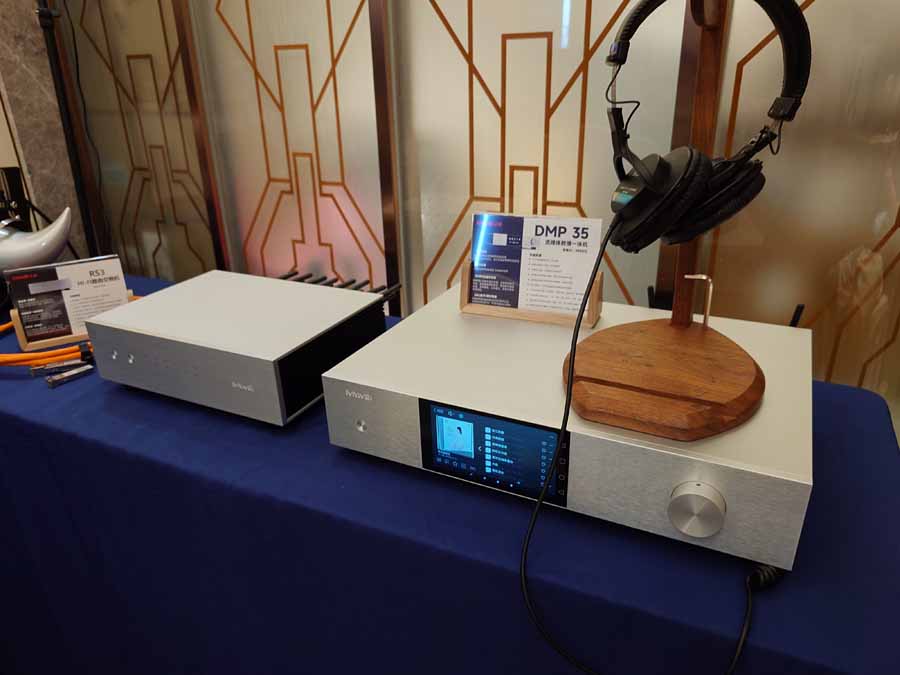
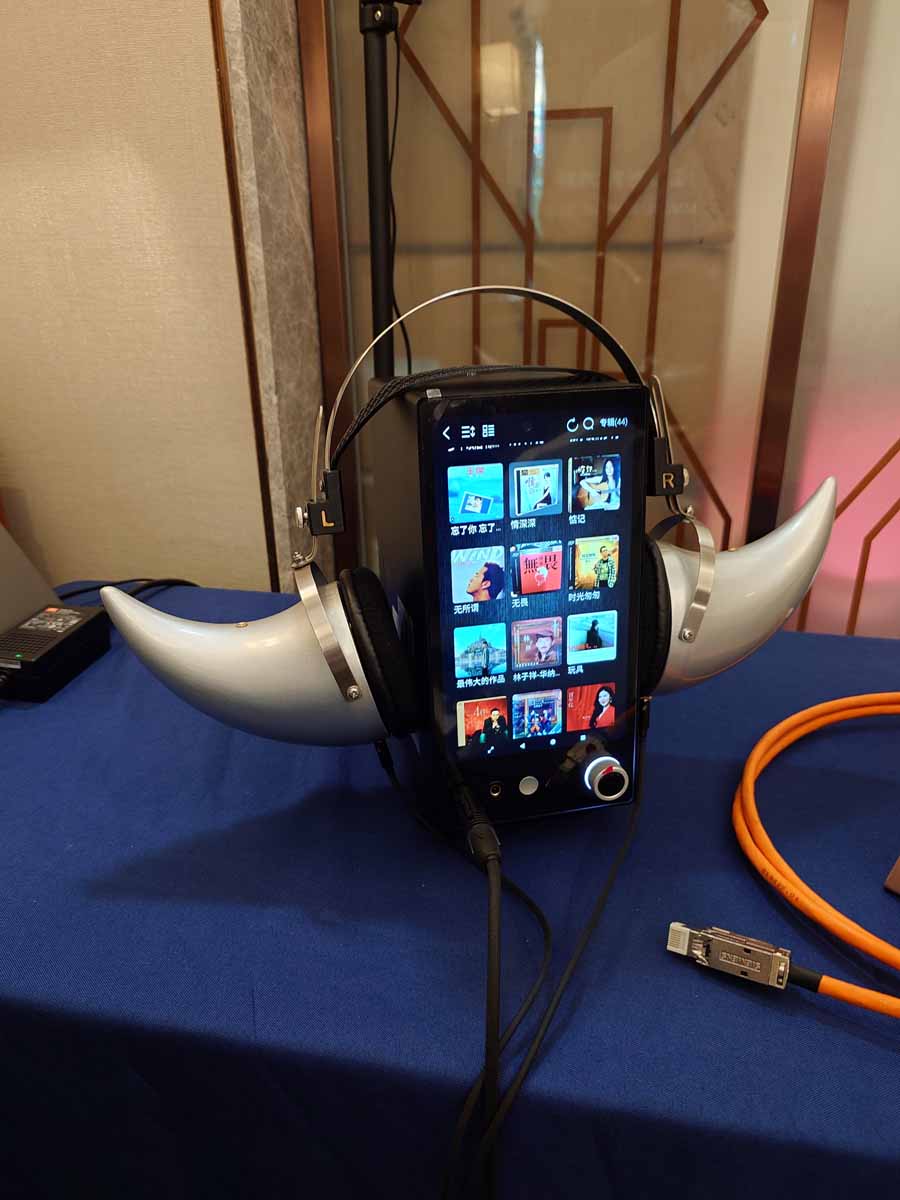
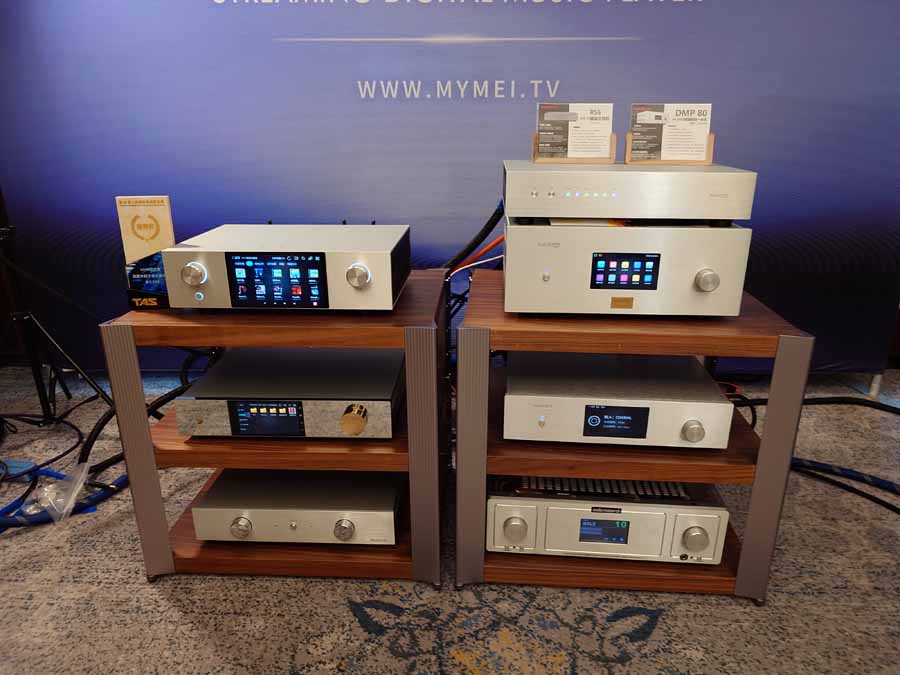
Moving along to Mymei (Shenzhen MYMEI Audio-Visual Technology), the brand offered a straightforward and highly capable look at their digital audio ecosystem. Originally making their name in high-definition video players back in 2014, the Chinese company has since pivoted impressively into the high-end streaming market. Their rack was rounded up by the sleek DMP 80 Hi-End Streamer and DAC all-in-one, boasting an ES9038Pro chip and a crisp 5.5-inch touchscreen and supported by their dedicated RS6 HiFi network router switch. It was a clean, modern display proving that Mymei is taking the audiophile networking and digital source game very seriously.
JBL, Mark Levinson
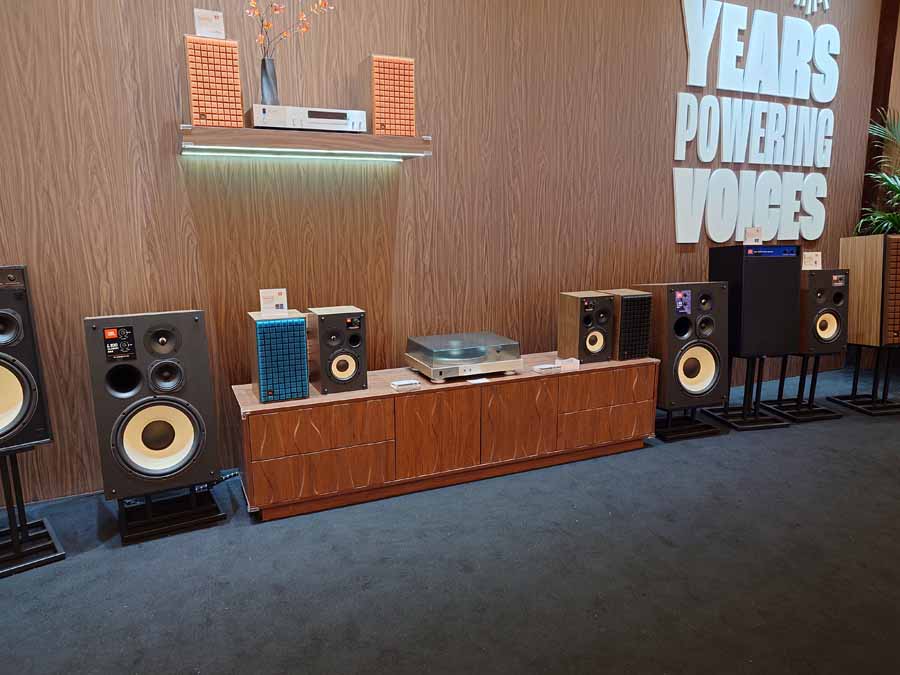
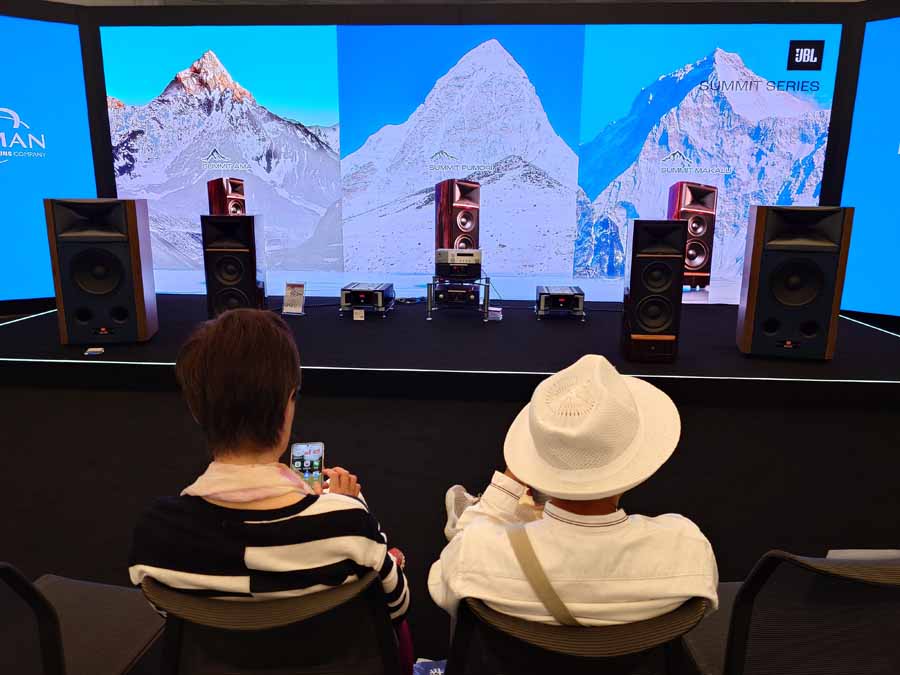
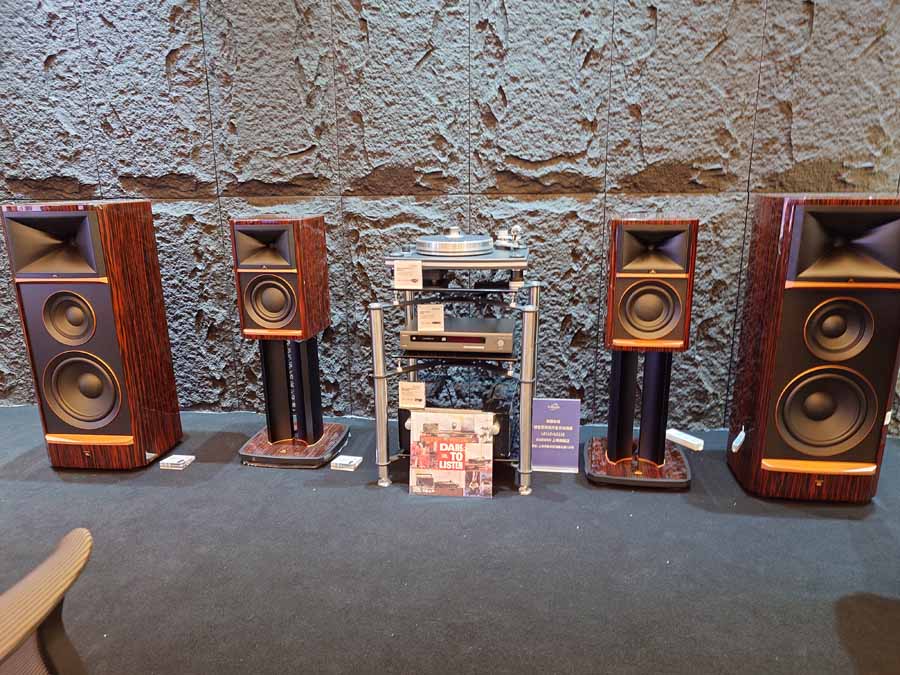
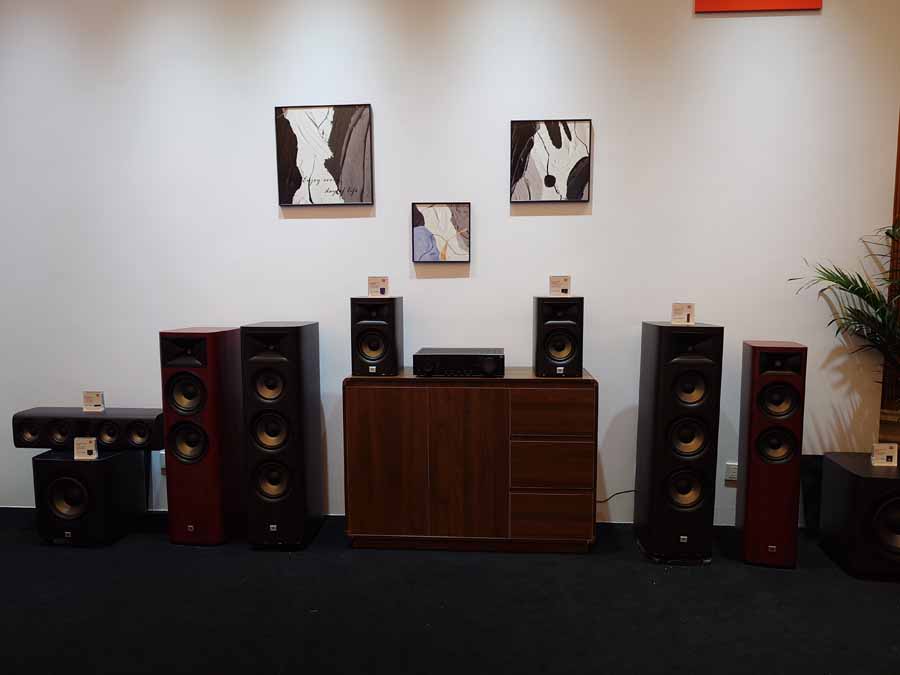
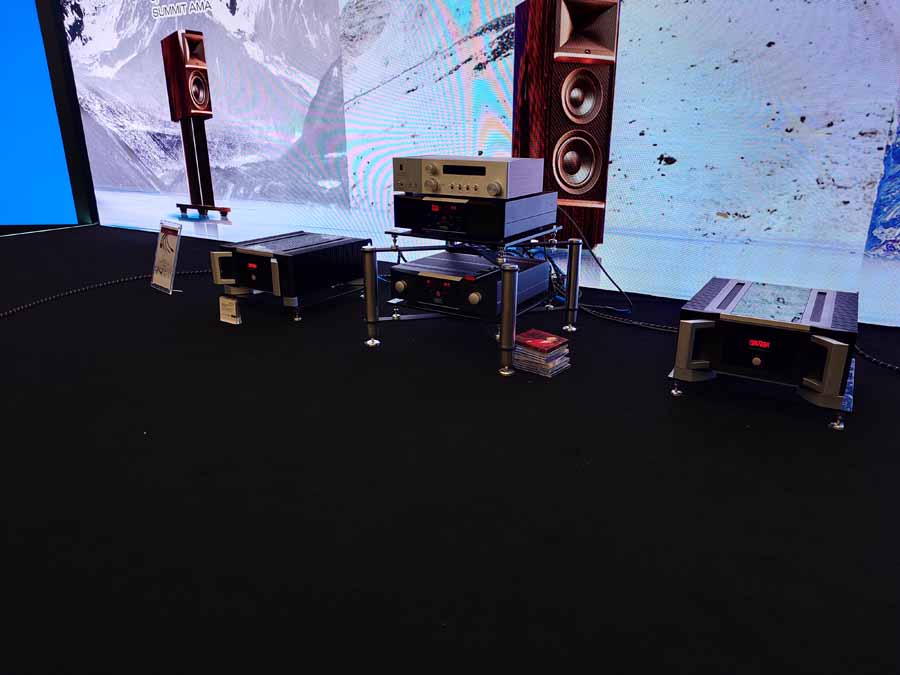
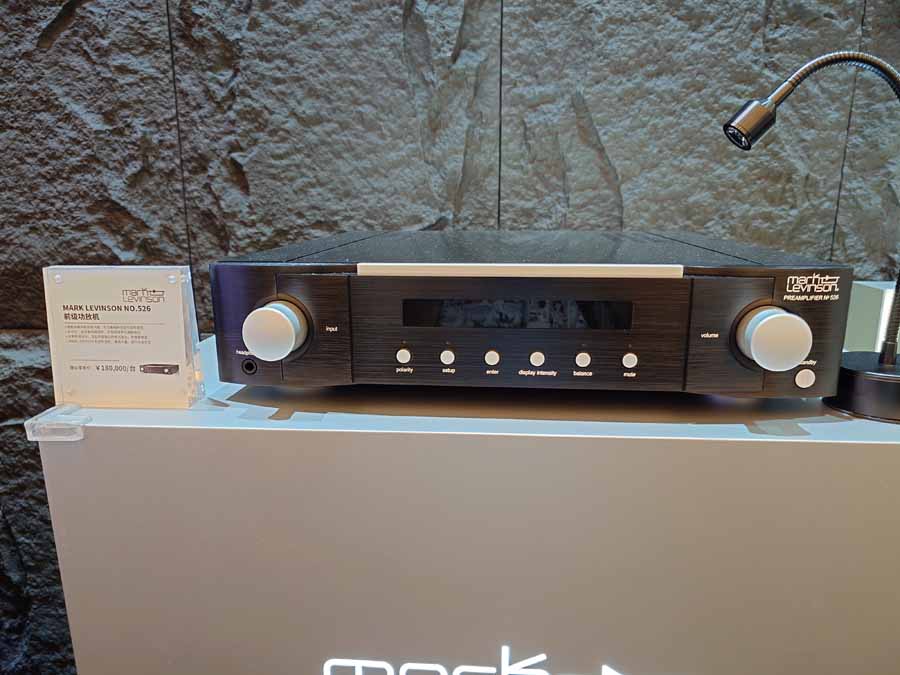
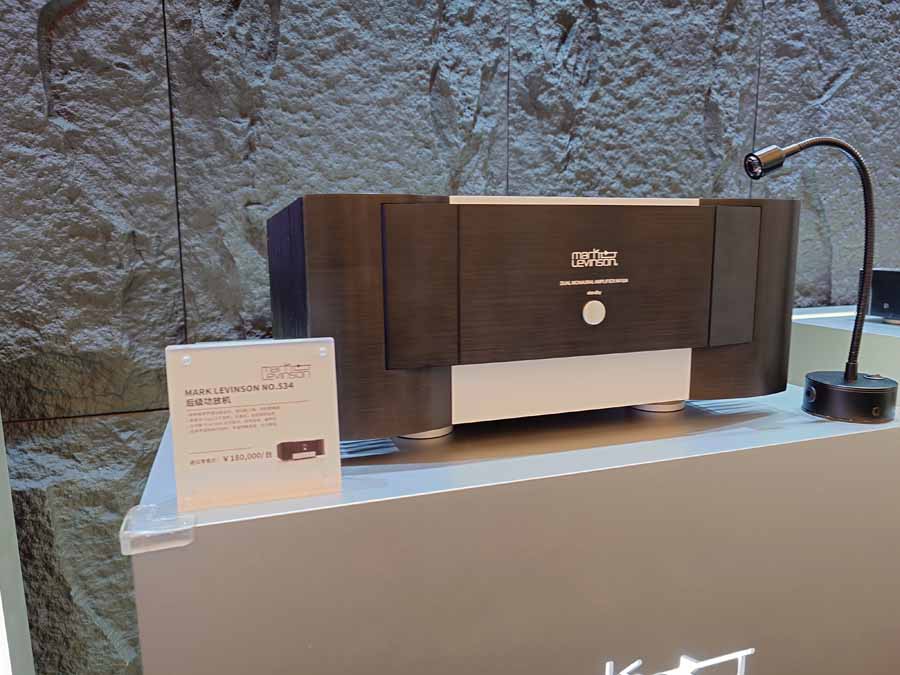
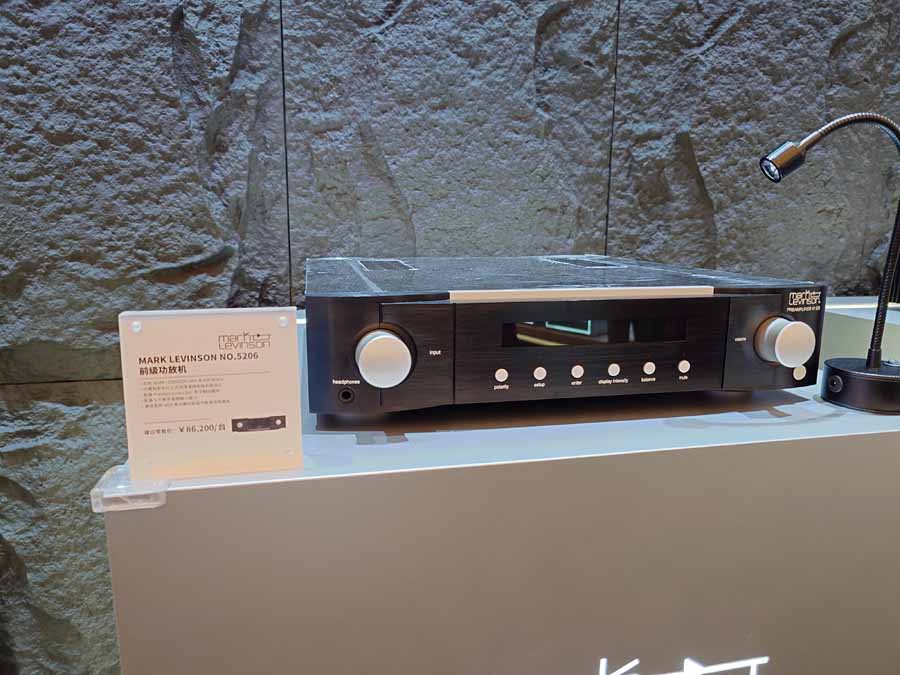
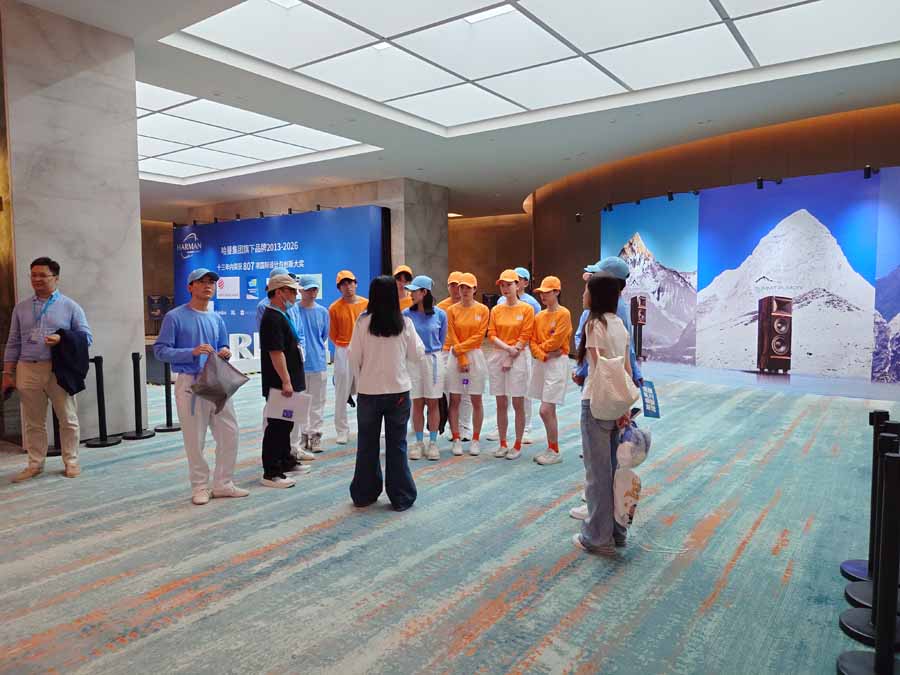
The JBL room was, unfortunately, an exercise in missed opportunities. The entire space felt less like an audiophile listening session and more like a slick corporate exercise, right down to the smartly dressed hostesses stationed strategically around the gear. Despite circling back multiple times, the room remained perpetually locked in silence, not a single note of music was playing. Instead of a proper audio demonstration, the only performance came from the incessant clicking of visitors’ cameras and the endless, echoing monologues of social media videographers.
Focal, Naim
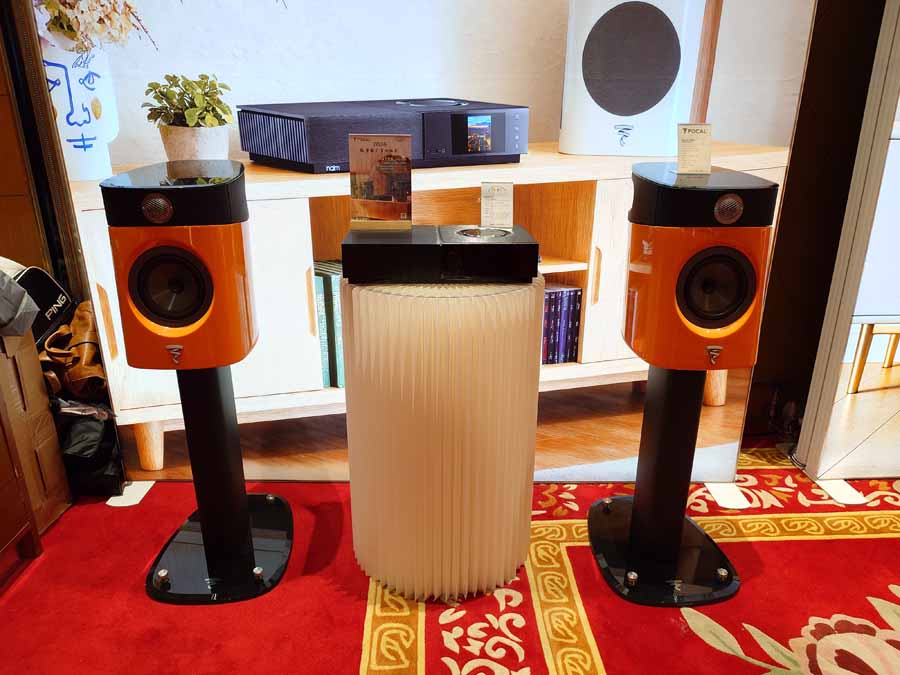
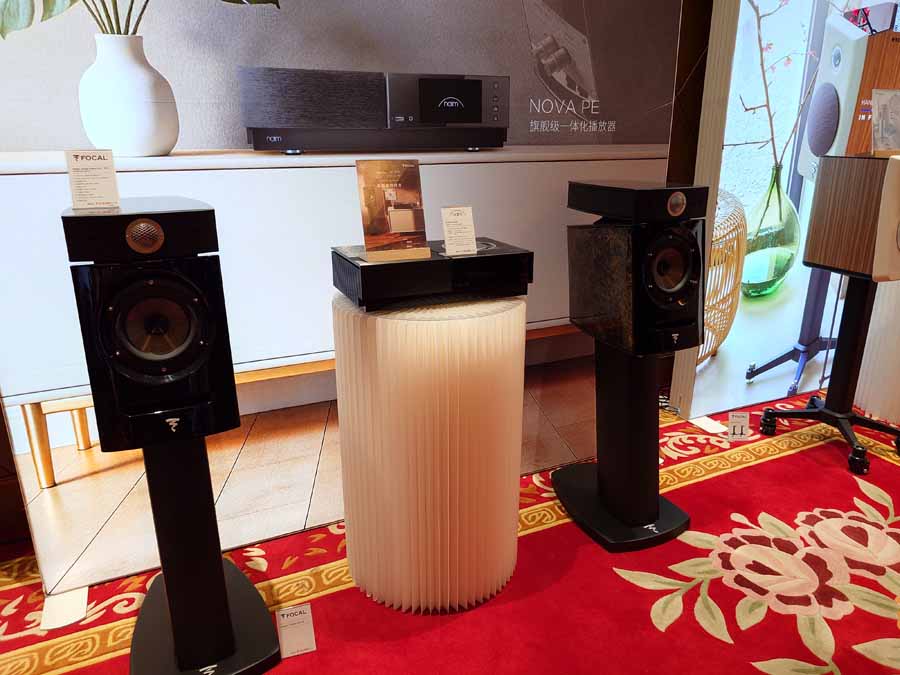
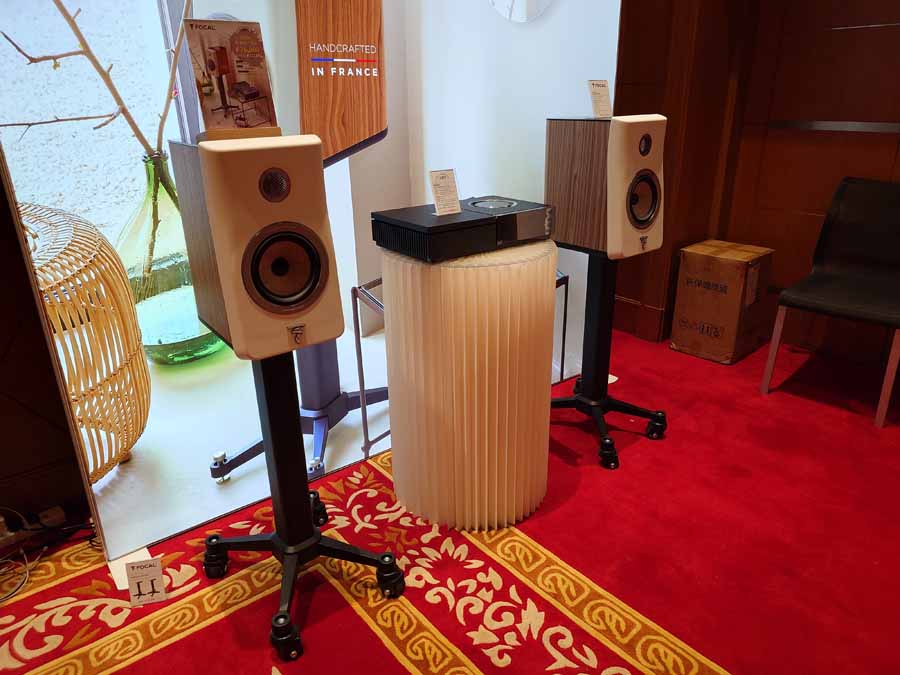
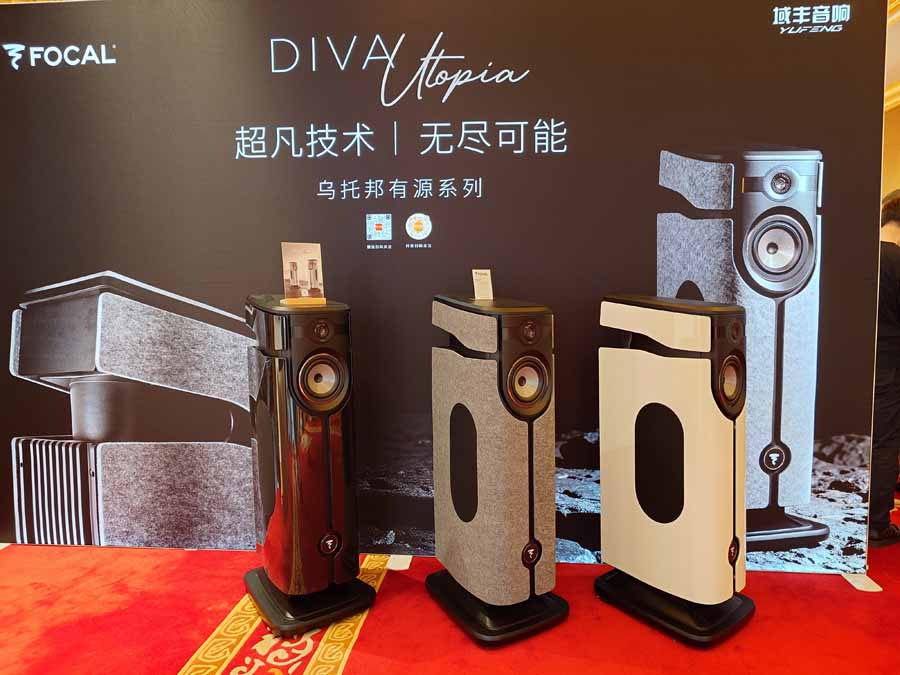
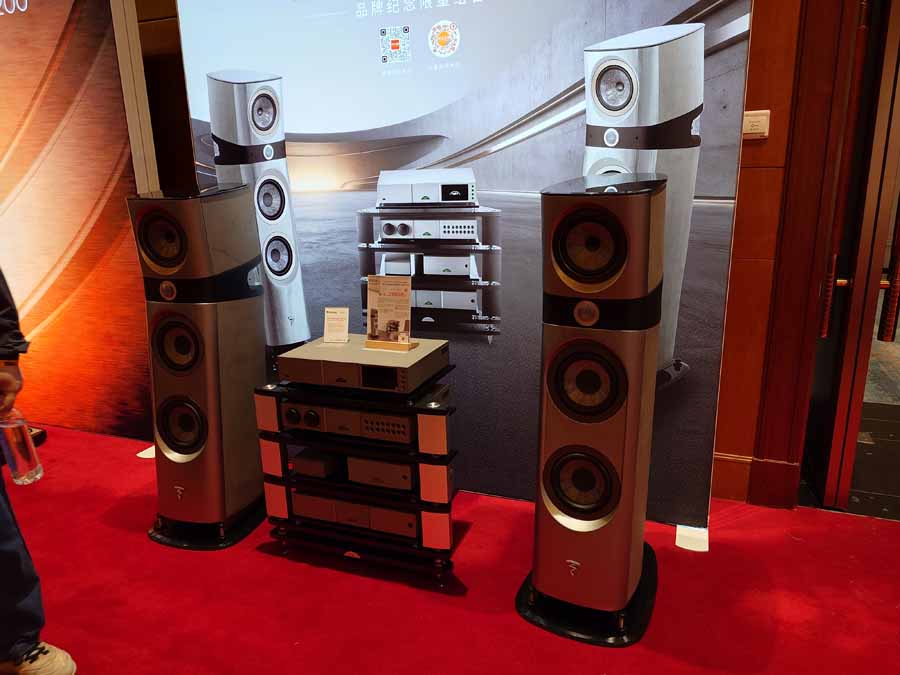
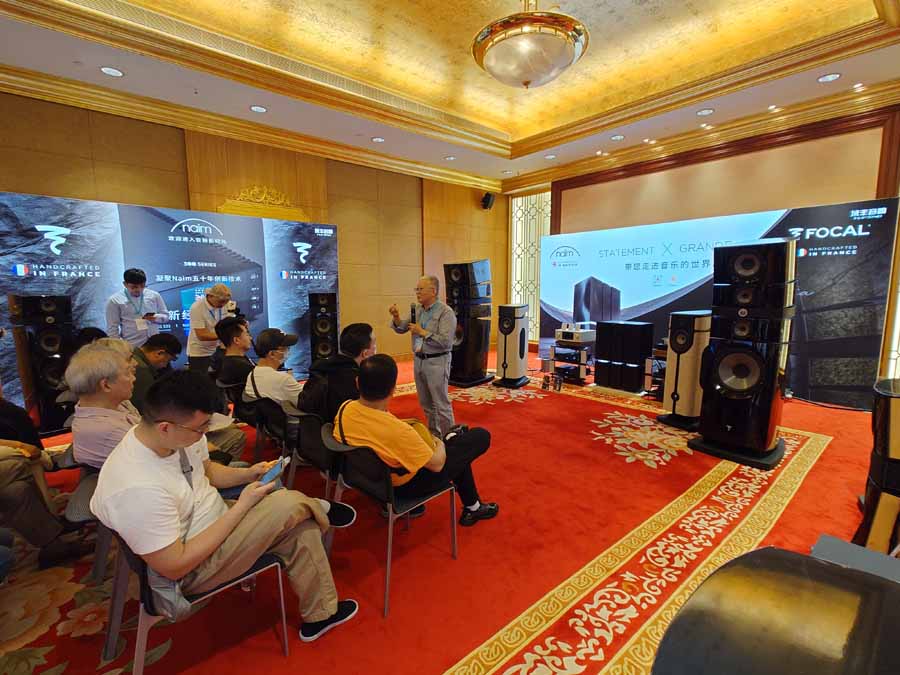
It was a playground of high-end gear, with several different setups spread around the room, each carefully chosen to demonstrate that ever-reliable synergy between French acoustic flair and heavy-duty British amplification.
Eggleston Works, VTL, EmmLabs, Thixar, Basis, Signal
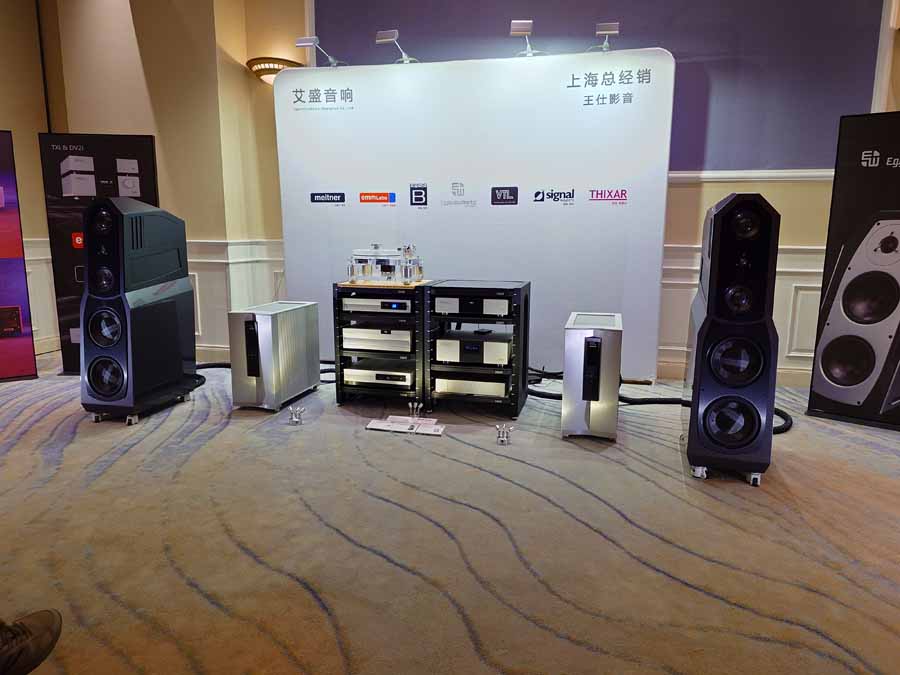
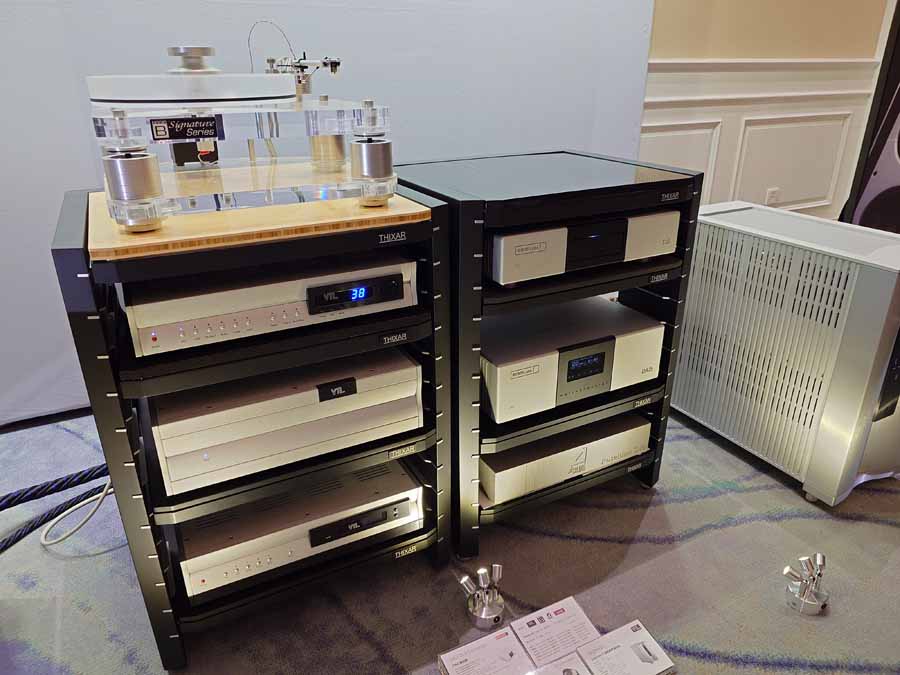
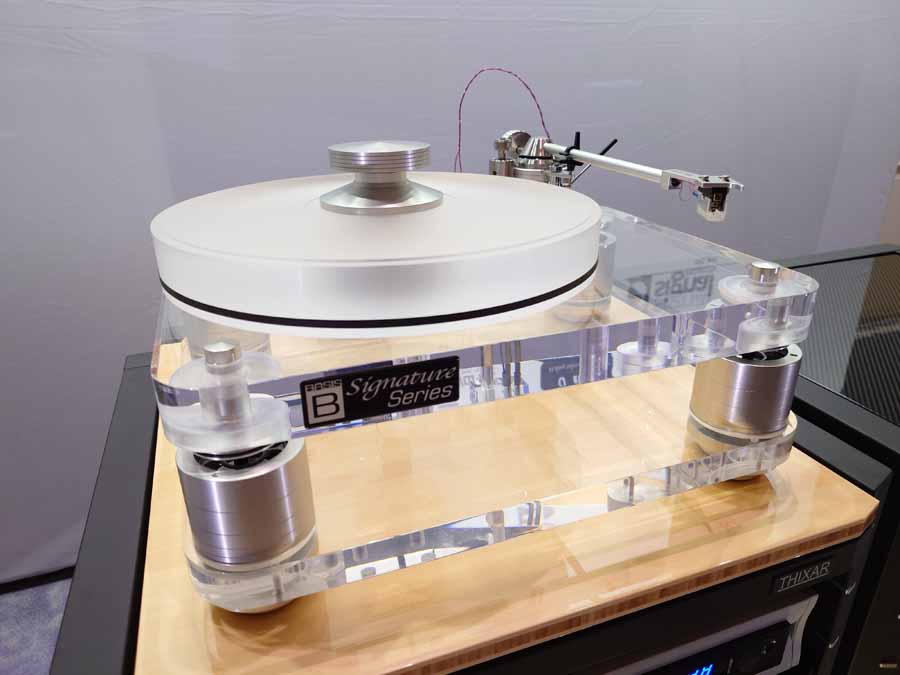
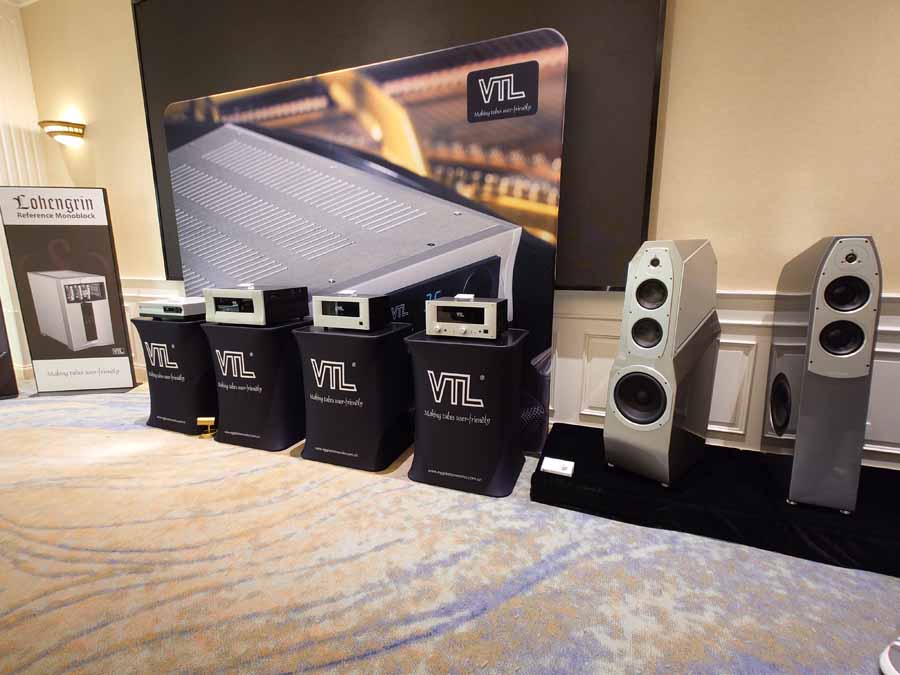
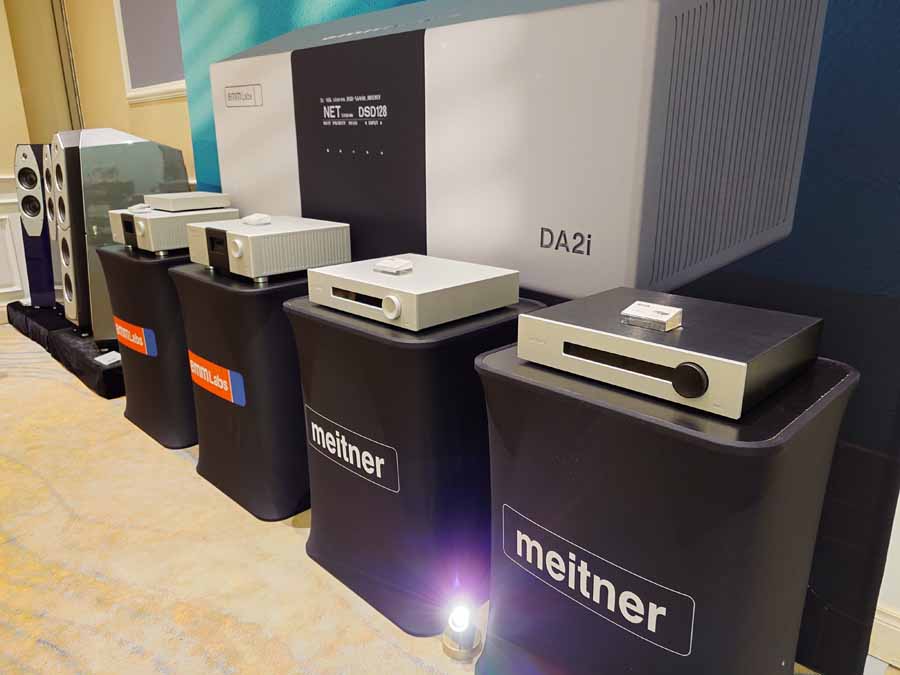
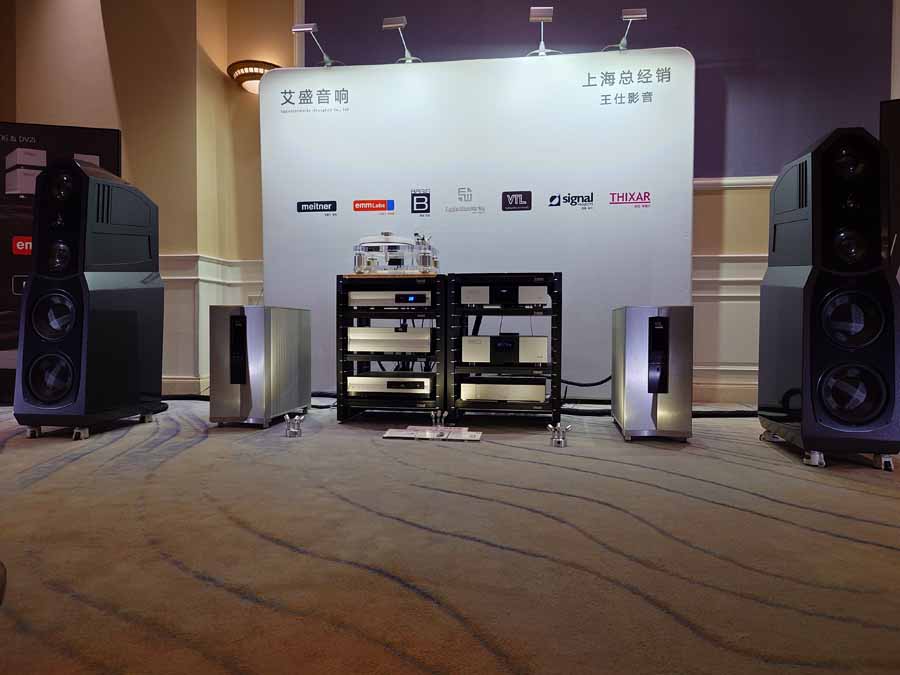
One of my favourite-sounding systems of the show was subtly located in the room where EgglestonWorks and VTL were installed. This was a stellar example of heavyweight high-end audio achieving genuine, organic synergy.
Delivering the music was a striking pair of EgglestonWorks Viginti loudspeakers, driven beautifully by a powerful stack of VTL tube amplification, specifically the Siegfried II power amplifiers paired with a TL-7.5 II preamplifier and TP-6.5 II phono stage. Source duties were masterfully divided: a meticulously machined Basis Audio 2200 turntable, equipped with a Vector 4 tonearm and Dynavector XX-2A cartridge, handled the vinyl grooves, while Ed Meitner’s EMM Labs TXi and DA2i separates took care of the digital side.
Sitting cleanly on Thixar isolation racks and wired together with Signal Projects cabling and a Poseidon S40 power distributor, the entire setup completely bypassed the usual show-floor fatigue. Instead, it delivered a highly engaging, thoroughly musical presentation that made it incredibly easy to just sit back, forget about the gear, and listen.
German Physiks, Audio Arts
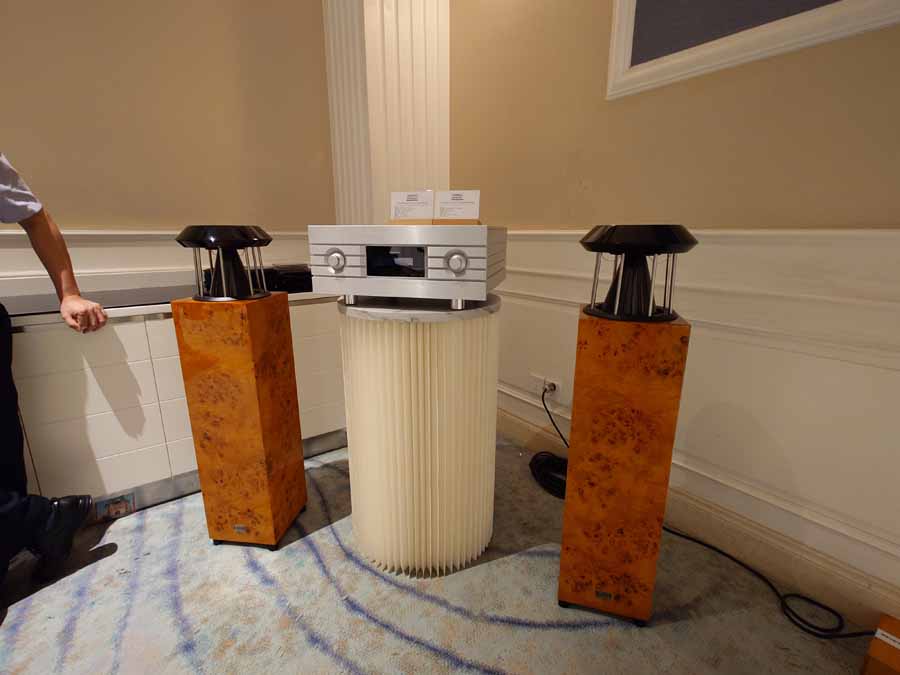
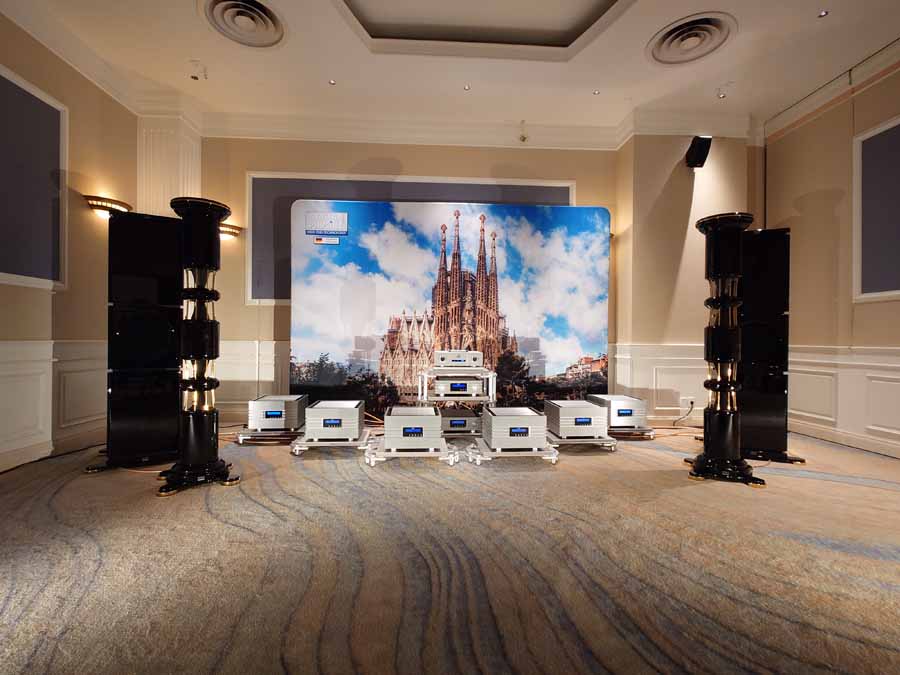
Stepping into the German Physiks room, you are immediately confronted by an exercise in utter, unrestrained audio excess. Anchoring the space were the monolithic Gaudi Mk III loudspeakers, which demanded a borderline-absurd six Emperor Extreme mono power amplifiers to drive them. Add in the matching Emperor Extreme DSP Crossover and Preamplifier, alongside an Acoustic Arts CD player handling the source duties, and you have a rig that is outrageously overbuilt and eye-wateringly expensive.
It is exactly the kind of setup that begs for a cynical audiophile eye-roll, right up until the moment they actually hit play.
As the explosive opening chords of Liszt’s Piano Concerto No. 1 in E Flat: I. Allegro Maestoso Non Troppo filled the room, those imposing towers of electronics simply vanished, replaced by a gorgeous, breathing orchestra. For all its intimidating mass, complex DSP, and staggering price tag, when this German Physiks system comes alive, it completely sweeps you away and forcefully justifies every single ounce of its heavy-metal footprint.
Thankfully, after that breathtaking sonic treat, German Physiks provided a much-needed bridge back down to earth. Positioned quietly next to the door on the way out was a far more “simple” setup: a pair of their Grand Unlimited omnidirectional speakers and a single Emperor integrated amplifier. Compared to the six-amp behemoth dominating the centre of the room, this elegant, self-contained system offered a much more reasonable, and slightly less intimidating, transition back into the real world.
Primare, Amphion, Harbeth
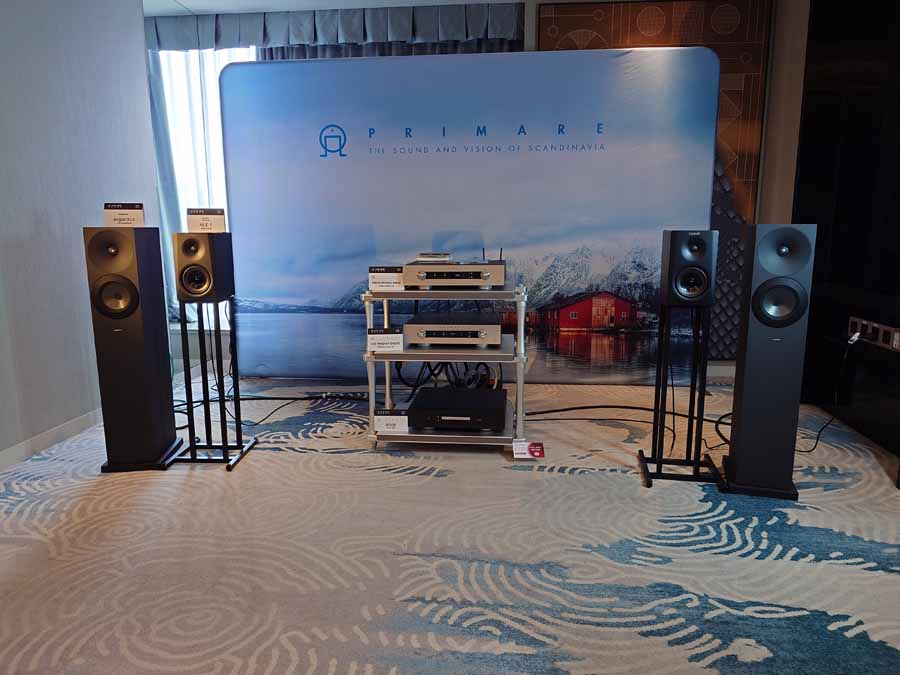
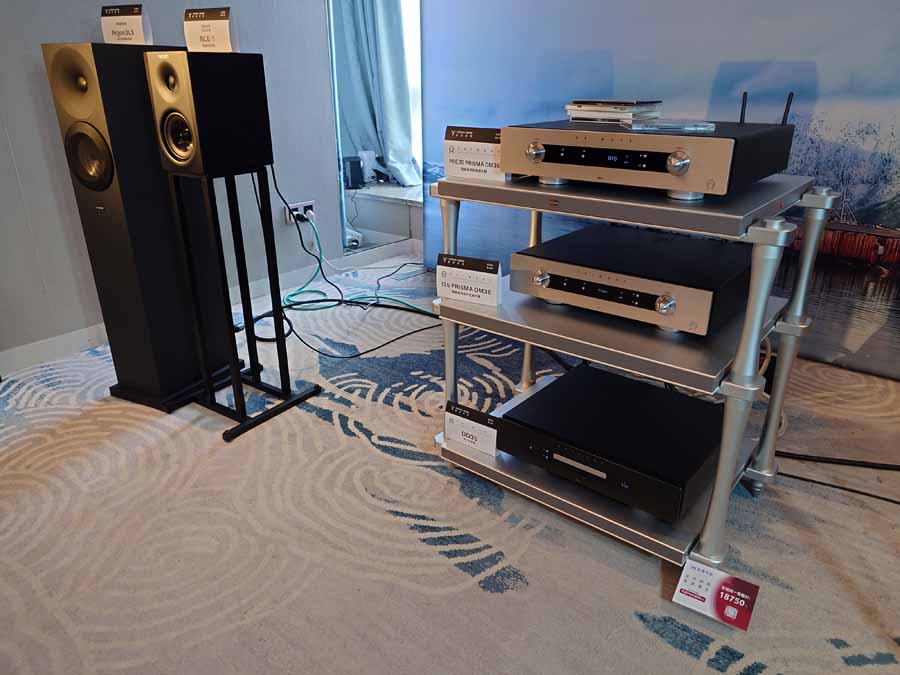
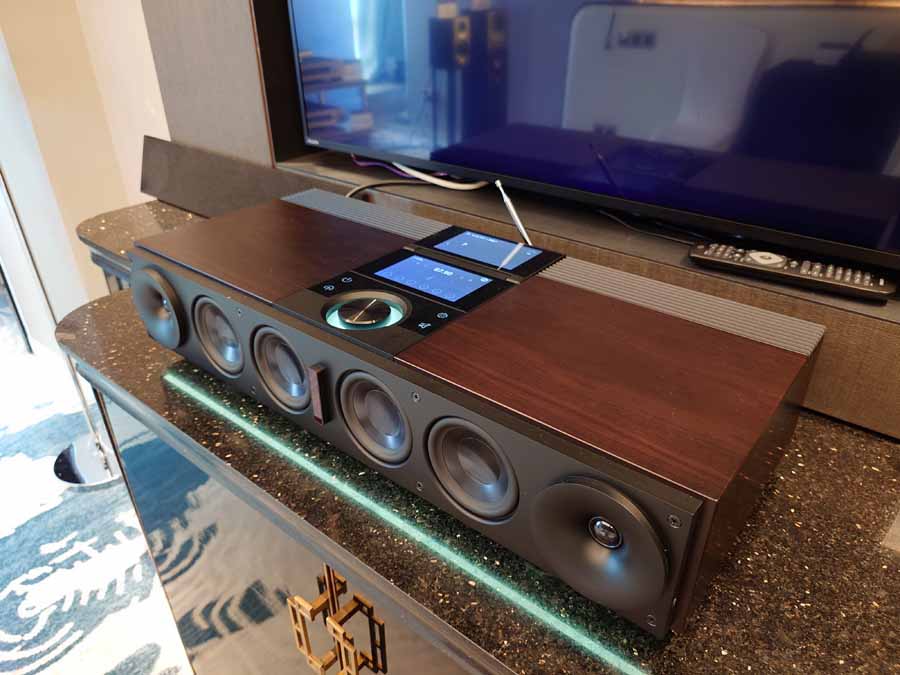
It was immediately apparent that you were met with Scandinavian purity in this room, thanks to the Primare electronics and Amphion loudspeakers. The sleek, distinctively Nordic electronics stack featured Primare’s DD35 CD transport alongside their latest DAC/streaming-equipped I35 Prisma DM36 integrated and PRE35 Prisma DM36 preamplifiers. This pristine front-end was paired with a set of elegant Amphion Argon 3LS floorstanders, with the highly capable NLE-1 speakers also sharing the floor space. The sonic result was exactly what you would hope for from such an elegant system, delivering a comfortable, natural, and inviting sound. It was simply a genuinely great room, one where you could easily sink into the listening chair and let the music gently wash over you for hours.
Acoustic Arts, Dynaudio, Audioquest
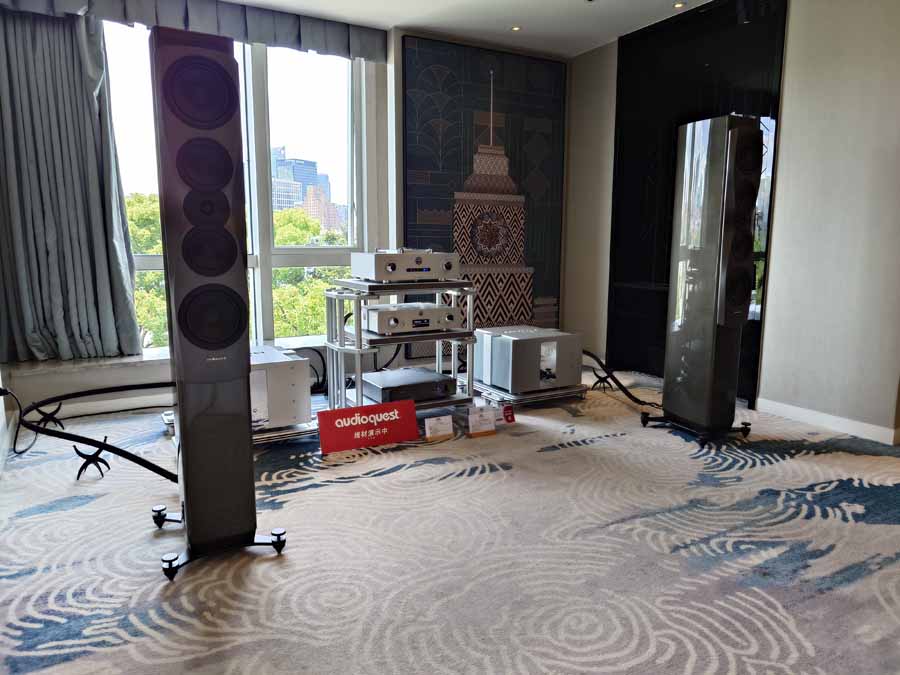
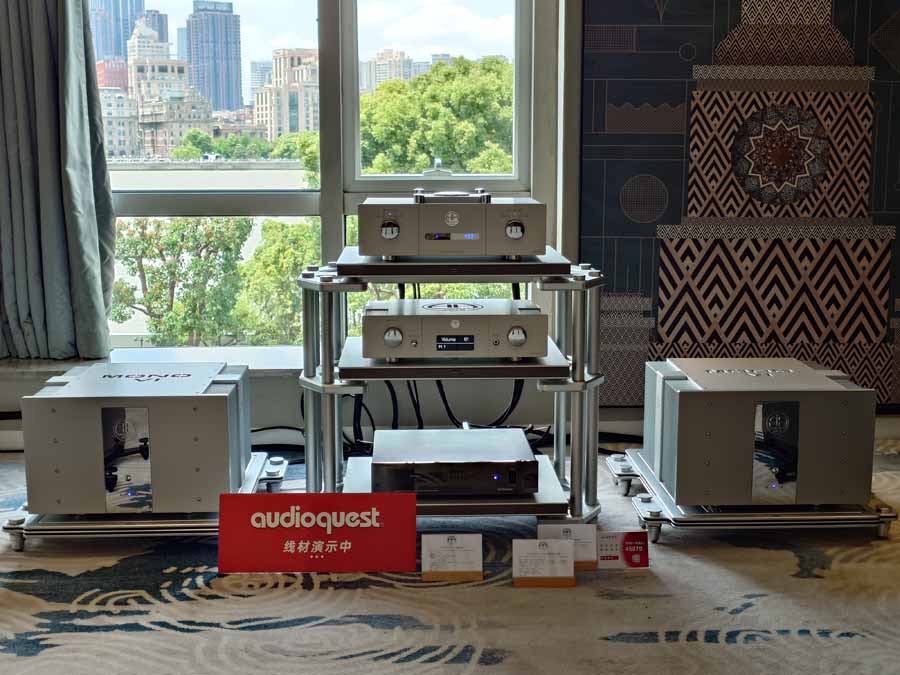
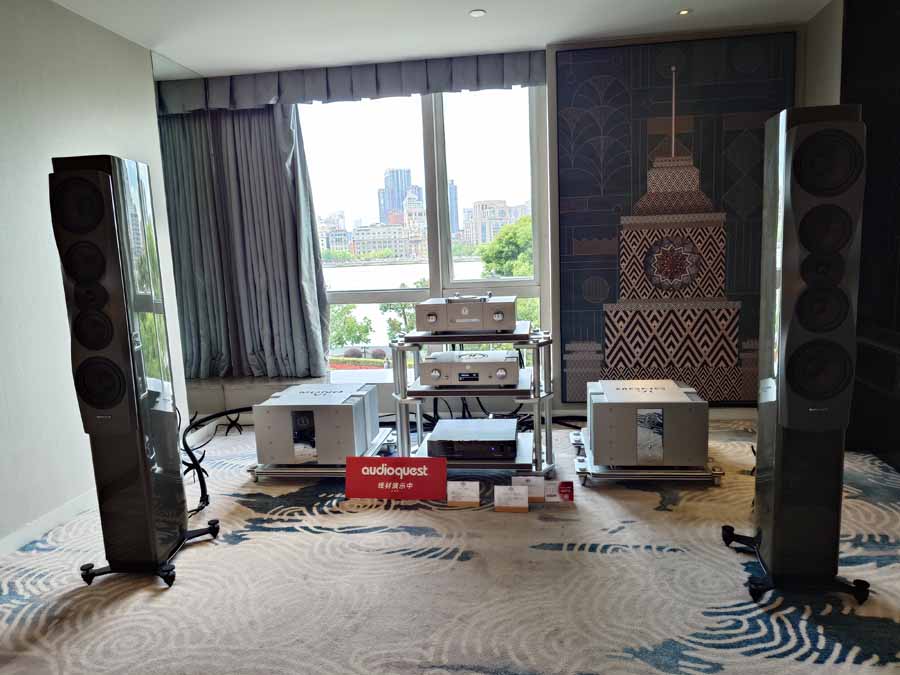
The sheer scale of the sound in the Accustic Arts and Dynaudio room was impossible to ignore. The towering Confidence 60 loudspeakers require serious current to perform properly, and the exhibitors provided exactly that with the massive AA MONO VI power amplifiers. Sourced by the AA Player IV CD player and routed through the AA Tube Preamp V, the German electronics drove the Danish flagships with total authority. The resulting presentation was expansive, effortless, and dynamic.
Ideon Audio, Brodmann, Perreaux
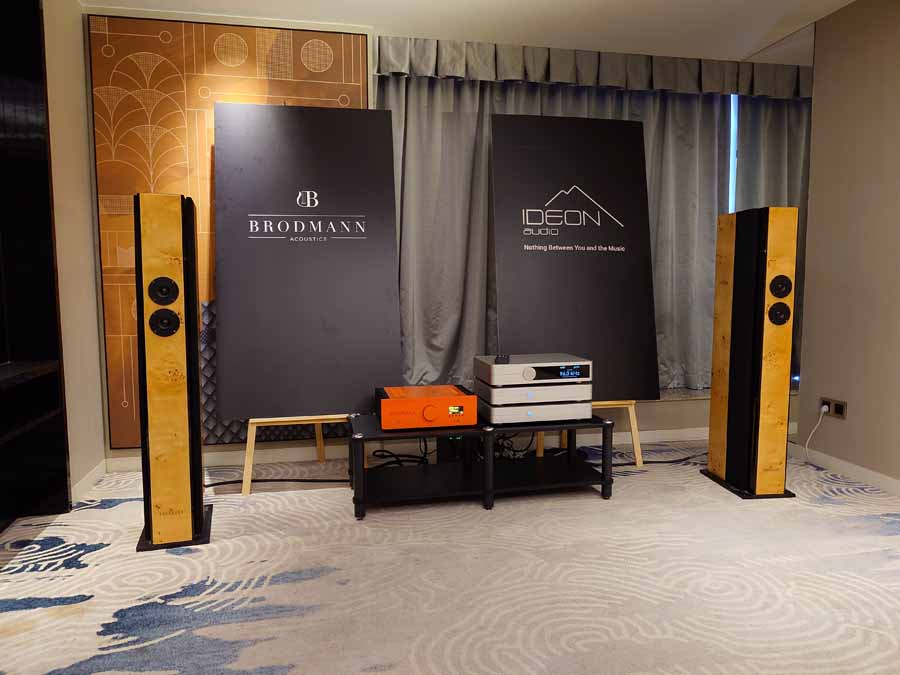
Occasionally, a system sounds so good it actually derails your workflow. That is what happened in the room headlined by Greek digital powerhouse Ideon Audio.
They brought their formidable flagship Absolute stack – including the DAC Meta, Stream Meta, and Clock – to anchor a truly stellar international ensemble. Downstream, that uncompromising digital precision was handed off to the highly capable Perreaux 300iX integrated amplifier, which beautifully drove a pair of elegant Brodmann Vienna Classic 7 loudspeakers. The resulting sound was so cohesive, natural, and deeply engaging that it completely pulled me out of “reviewer mode”. In fact, I was so captivated by the presentation that I completely forgot to do my job, realising only as I was writing these words that I had managed to snap exactly one photograph of the entire setup.
Avangarde Hong Kong, Sonner Audio, Halcro, Vertere, AMG, DS Audio, AGLifter
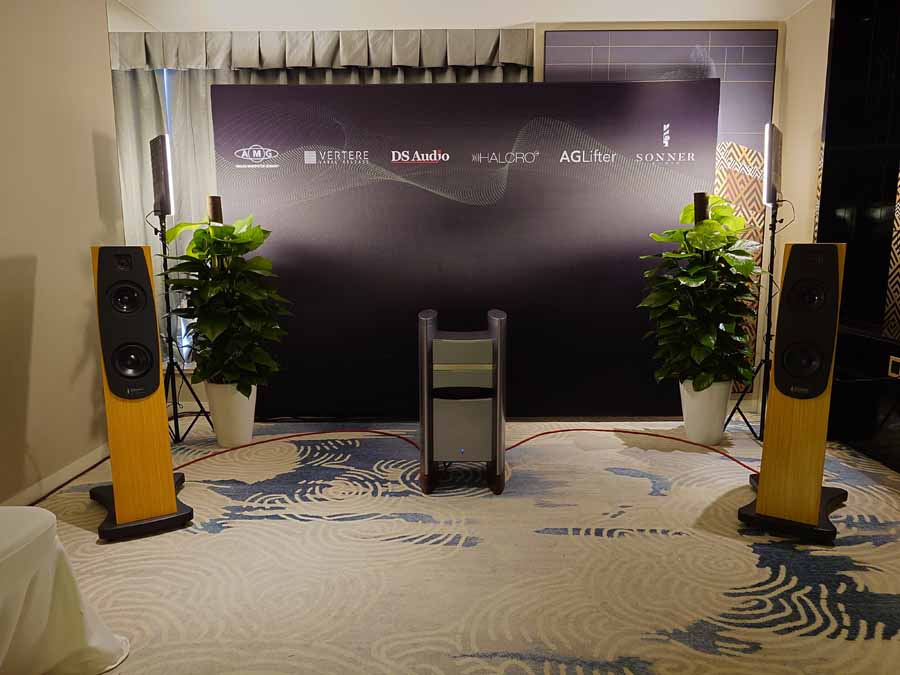
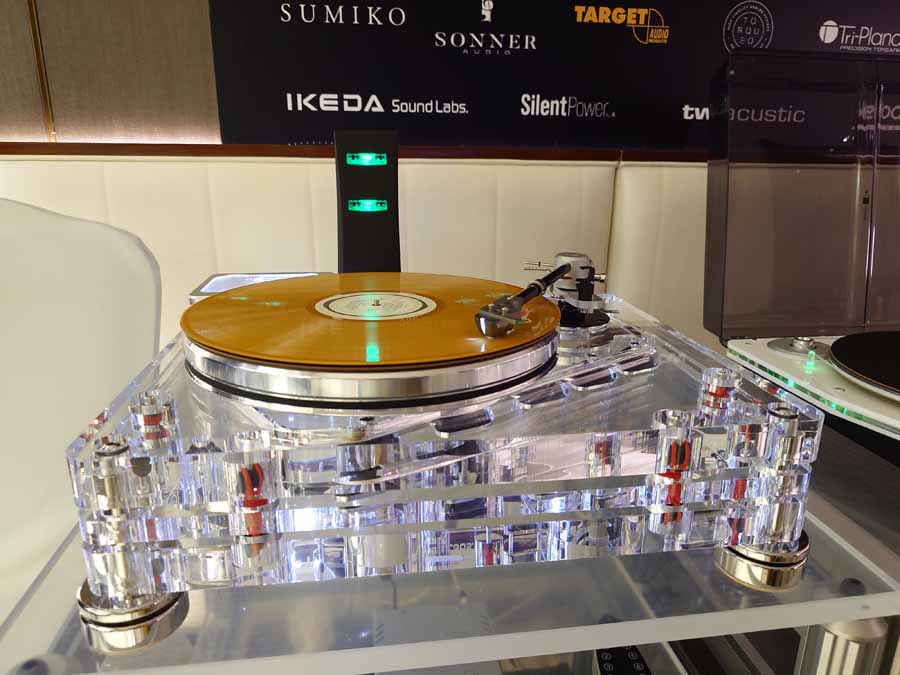
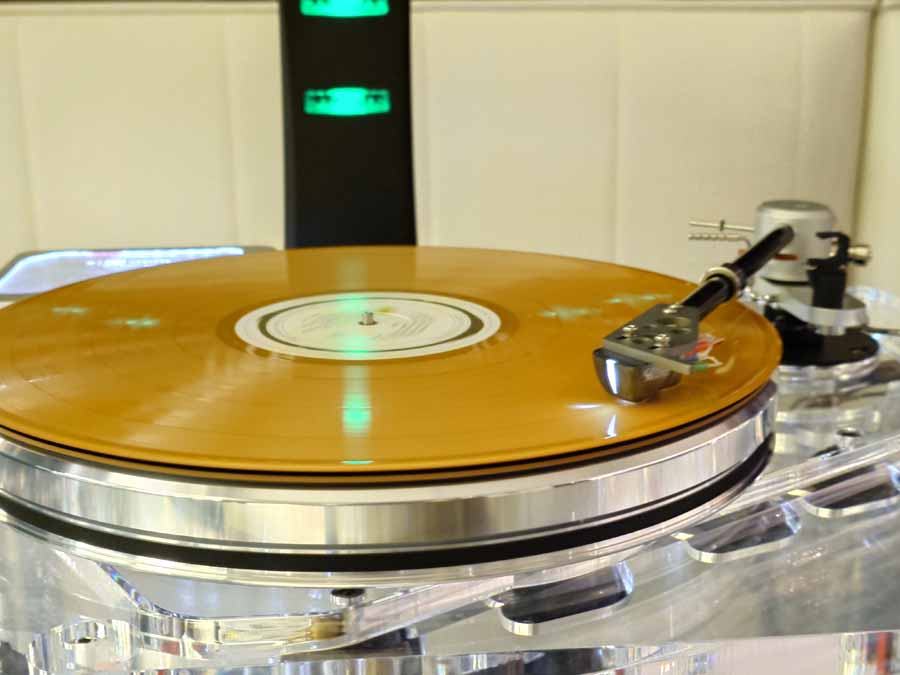
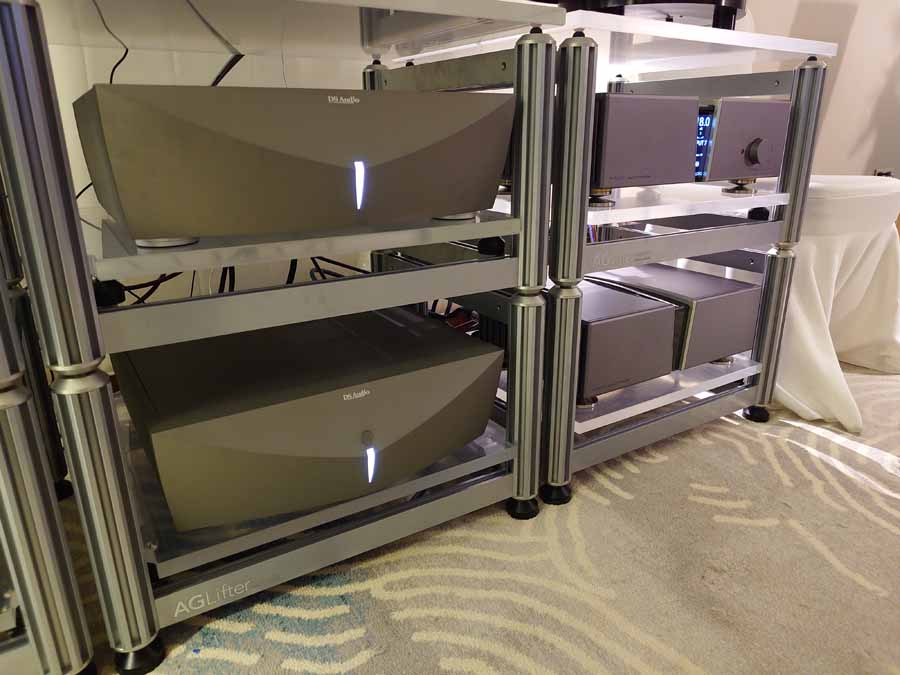
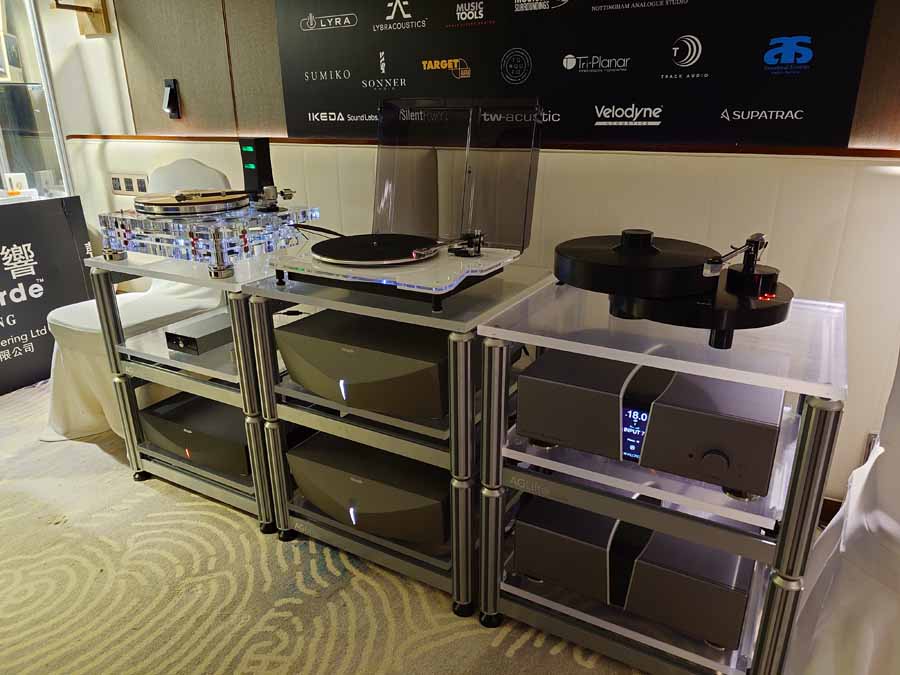
The room hosted by Avantgarde Hong Kong delivered one of the most interesting setups of the show and easily the best visual illusion. When you first walked in, it felt like half the system was missing: there were just two speakers and what appeared to be a lone, elegant metal stool sitting in the middle of the floor. But stepping closer, the room’s layout opened up, and the visual trick revealed itself. That “stool” was actually the stunning, uniquely designed Halcro Eclipse power amplifier.
The rest of the heavy-hitting electronics were politely tucked away on the left side of the room, meticulously arranged on a set of AGLifter isolation stands. Serving as the central hub was the impressive Halcro Equinox dual-chassis preamplifier, which was hooked up to a smorgasbord of analogue front-ends. Vinyl lovers had their pick of three distinctly different flavours: a Vertere DG-1 Dynamic Groove mounted with a DS Audio DS-W3 optical cartridge, a step-up Vertere SG-1 Super Groove armed with the flagship DS Audio Grand Master, and finally, an AMG Giro MK II sporting a Sumiko cartridge.
Given the legendary pedigree of the Halcro amplification and that meticulous analogue lineup, the resulting sound was no surprise. It was an incredibly controlled, deeply involving, and highly emotional performance that perfectly matched the room’s striking aesthetic.
Way Cables, Primaluna, Accuphase, Solidsteel
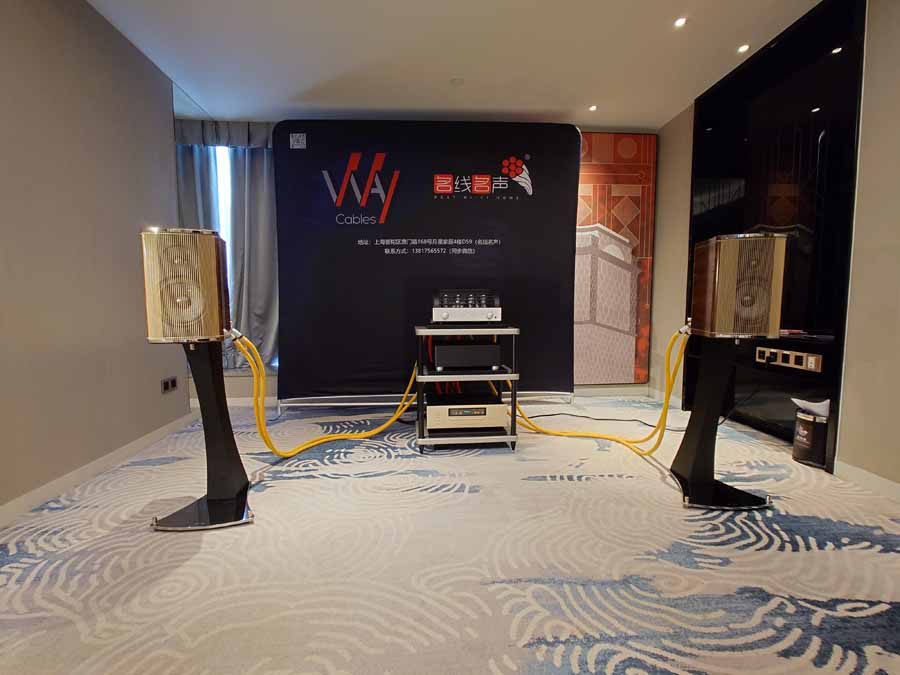
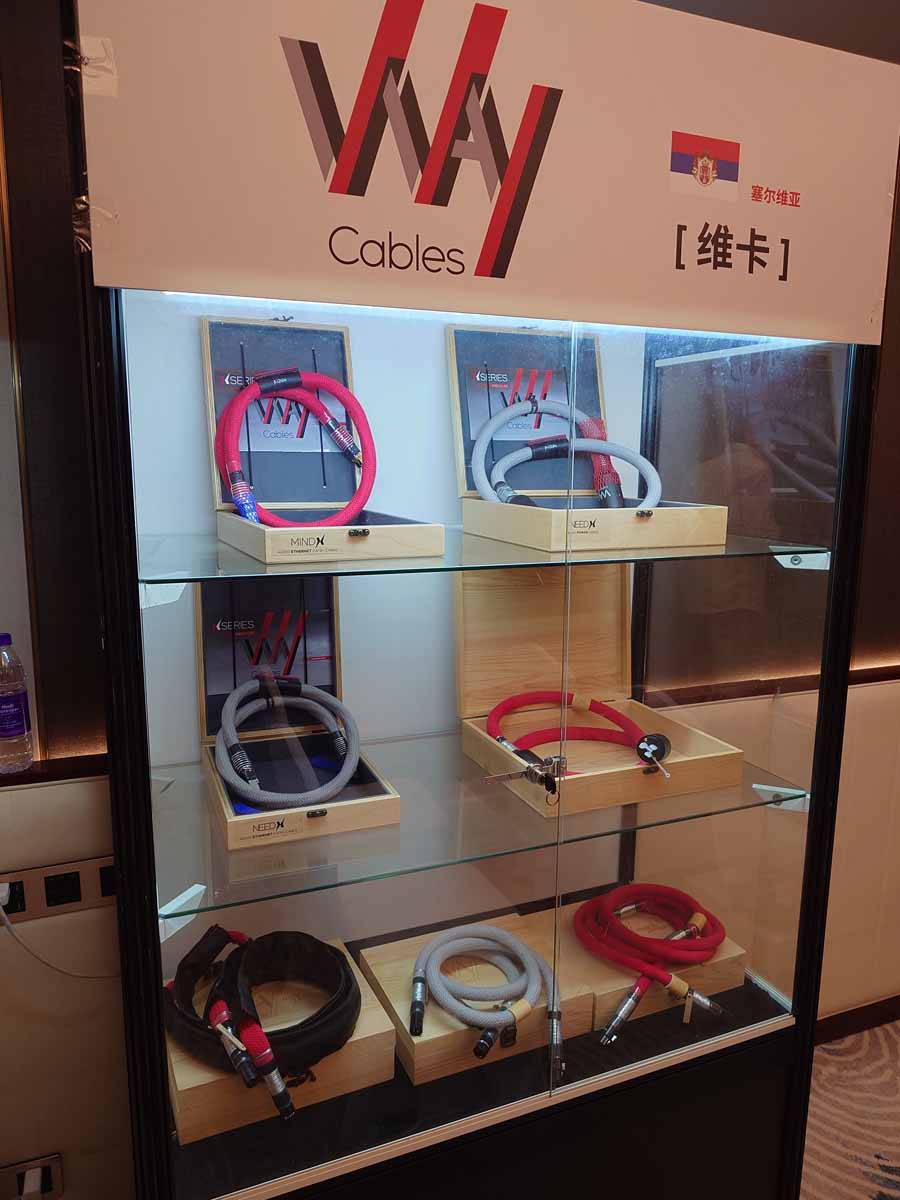
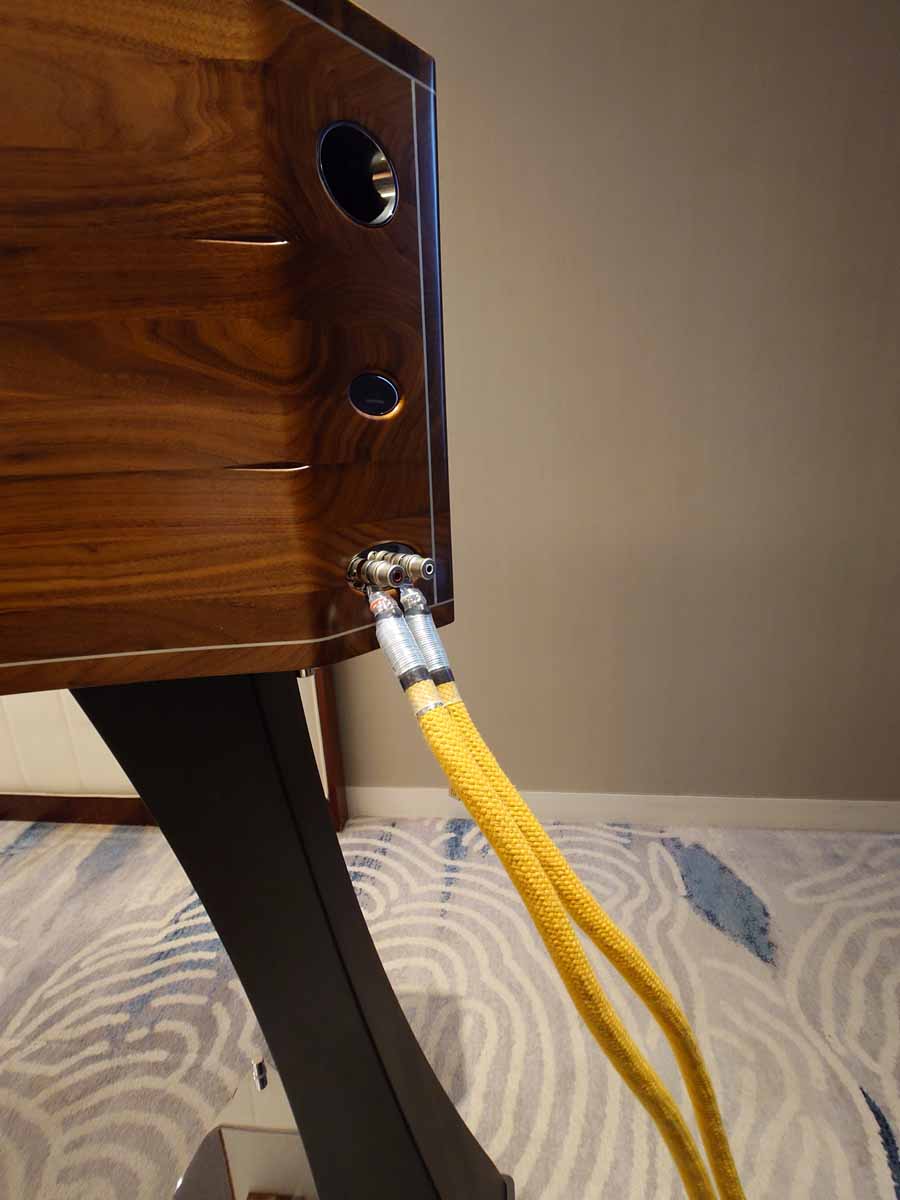
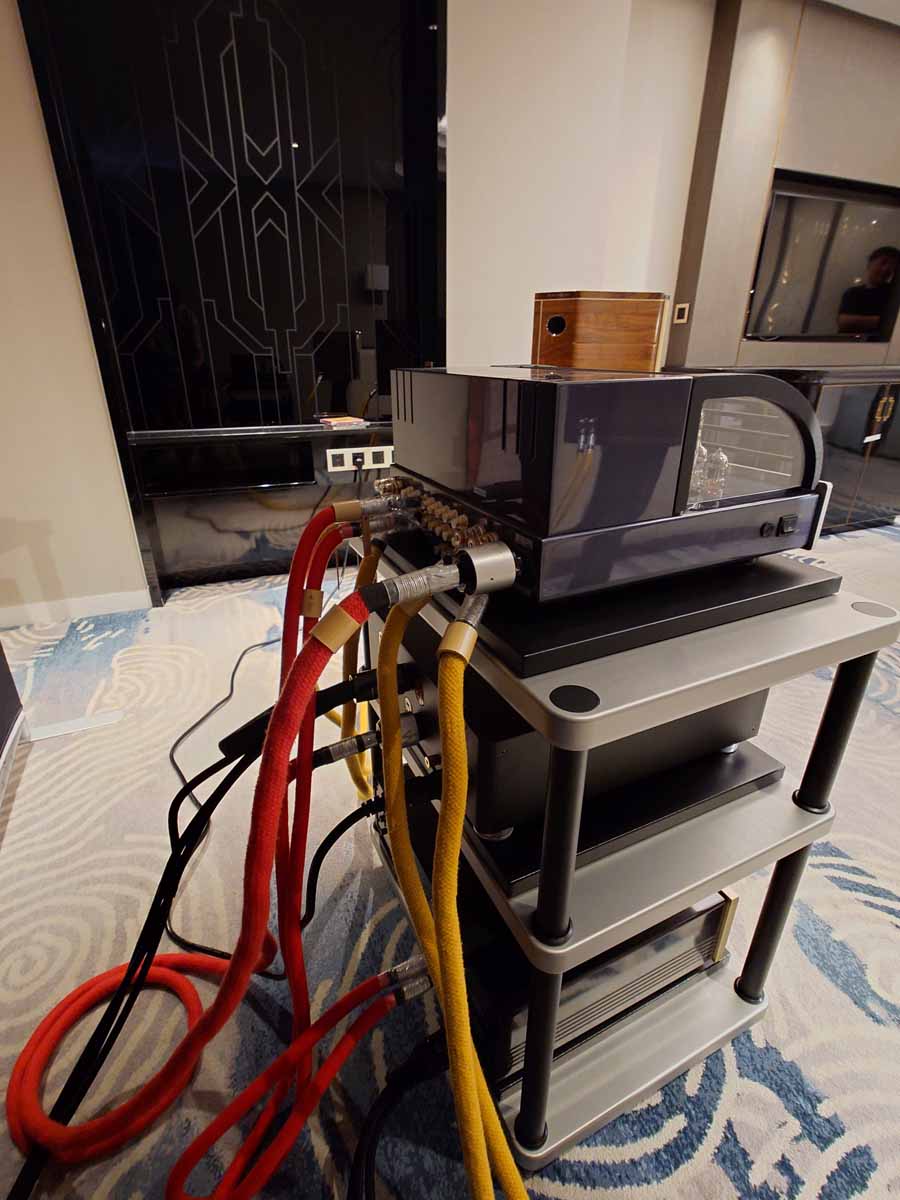
The Way Cable room was easily the most delightfully minimalist high-end setup of the show. The whole system was beautifully contained on a classic Solidsteel rack, featuring just an Accuphase DP-570 CD player, the PrimaLuna EVO 400 integrated amplifier, and a single power conditioner quietly doing its thing behind the scenes.
Tied together with Way Cable’s own wiring, this streamlined stack drove a visually striking pair of Franco Serblin Accordo Goldberg stand-mounts to true perfection. The sonic payoff was what you’d hope for when pairing good tubes with Serblin’s masterful Italian cabinetry, lush, deeply emotive, and naturally musical.
PMC, Lector, inakustik, Solidsteel
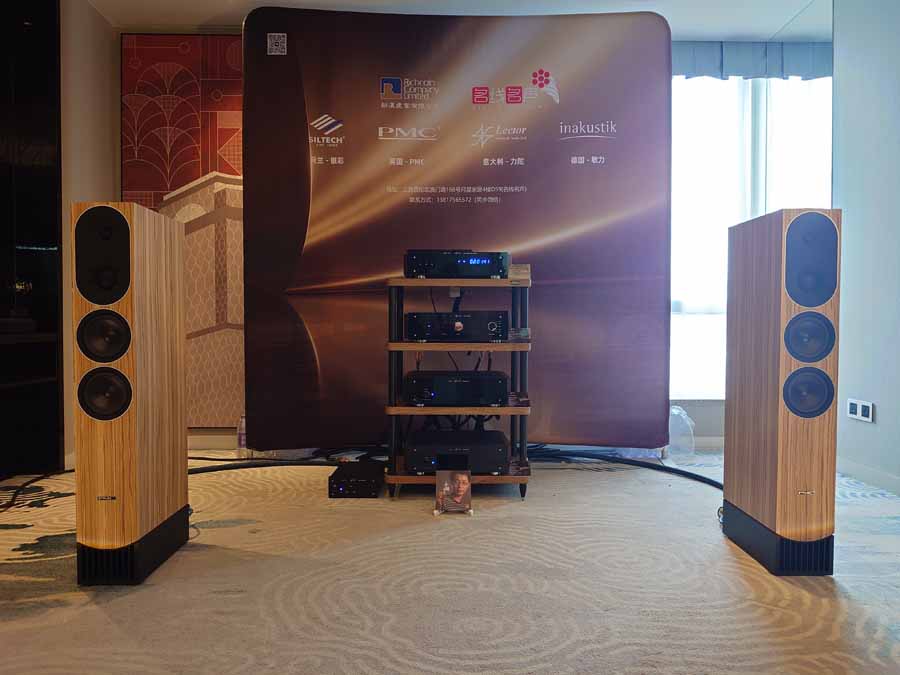
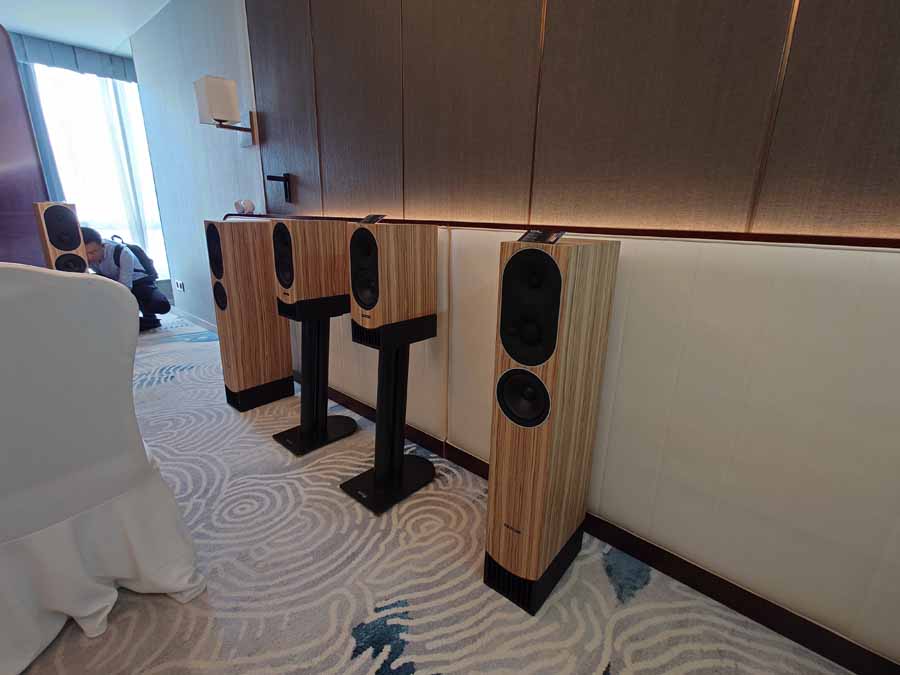
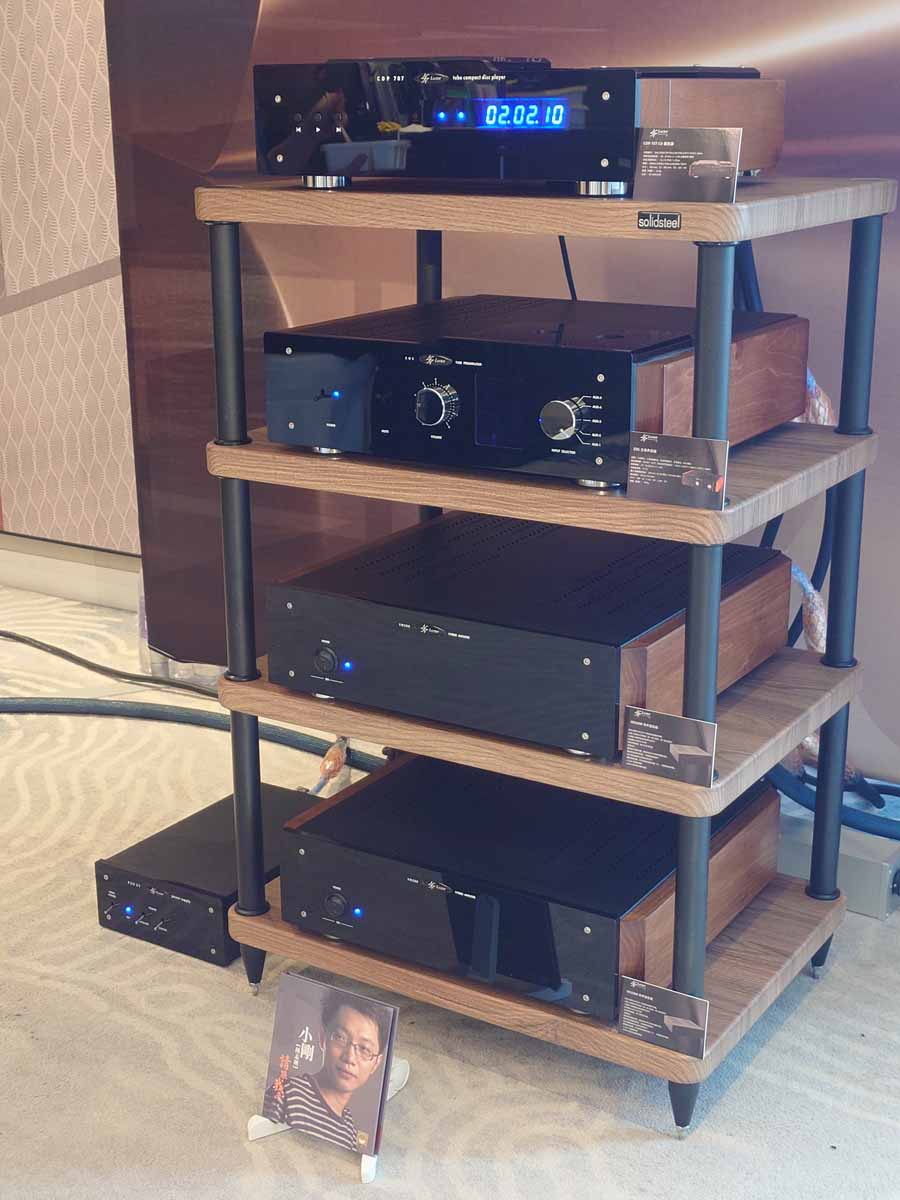
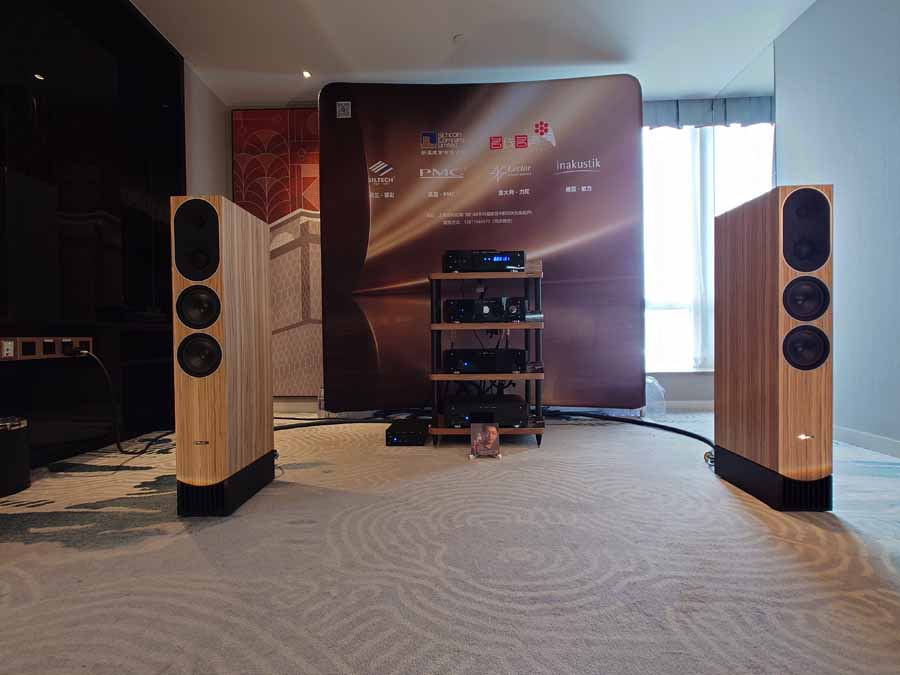
The next room offered a fun European crossover, pairing British PMC Prophecy 9 loudspeakers with a full stack of Italian Lector electronics. The setup featured a CDP707 CD player, a Zoe tube preamplifier, and a pair of VM200M mono power amplifiers, all tied together with in-akustik cabling.
The result of mixing PMC’s studio-grade precision with Lector’s tube warmth was surprisingly addictive. The speakers delivered deep, controlled bass, while the Italian electronics naturally rounded off any analytical edges. It was a highly enjoyable, fatigue-free listen that proved unconventional pairings can really pay off.
Yamaha
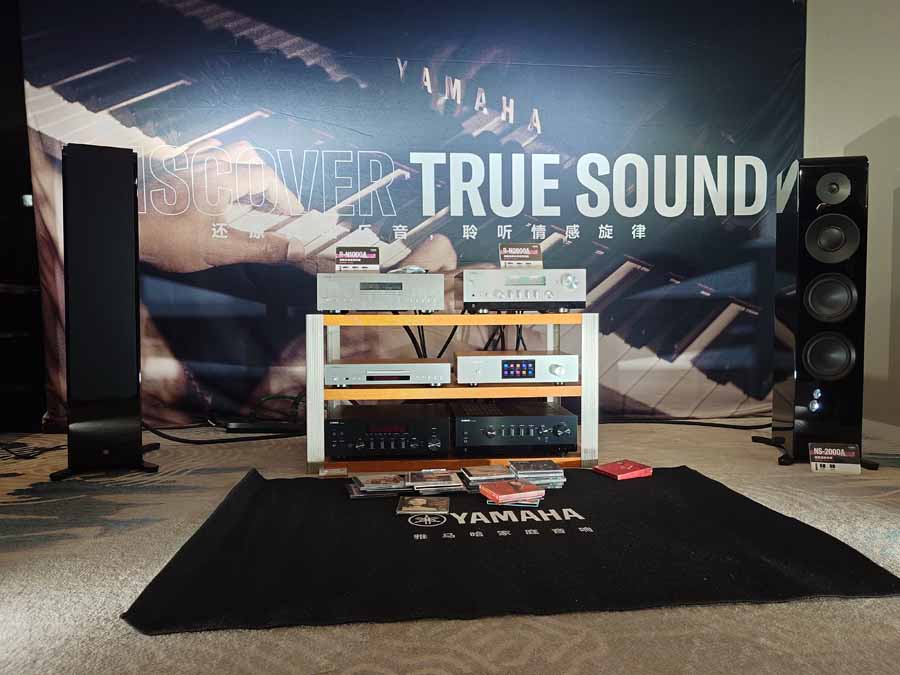
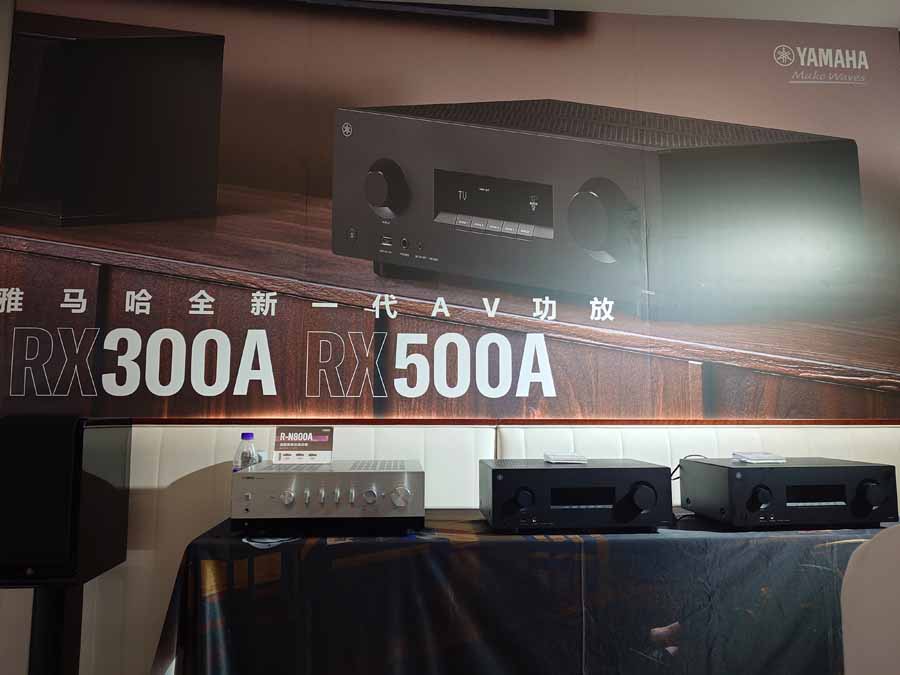
Over in the Yamaha room, the focus was on a great, no-nonsense system featuring their R-N2000A network receiver paired with the NS-2000A floorstanding speakers. It’s a practical, straightforward setup where you need absolutely nothing else to start playing and enjoying music right out of the gate. Off to the side, they also had a few of their home theatre units, specifically the RX300A and RX500A, on static display.
Audio Analogue, Matrix Audio, B&W
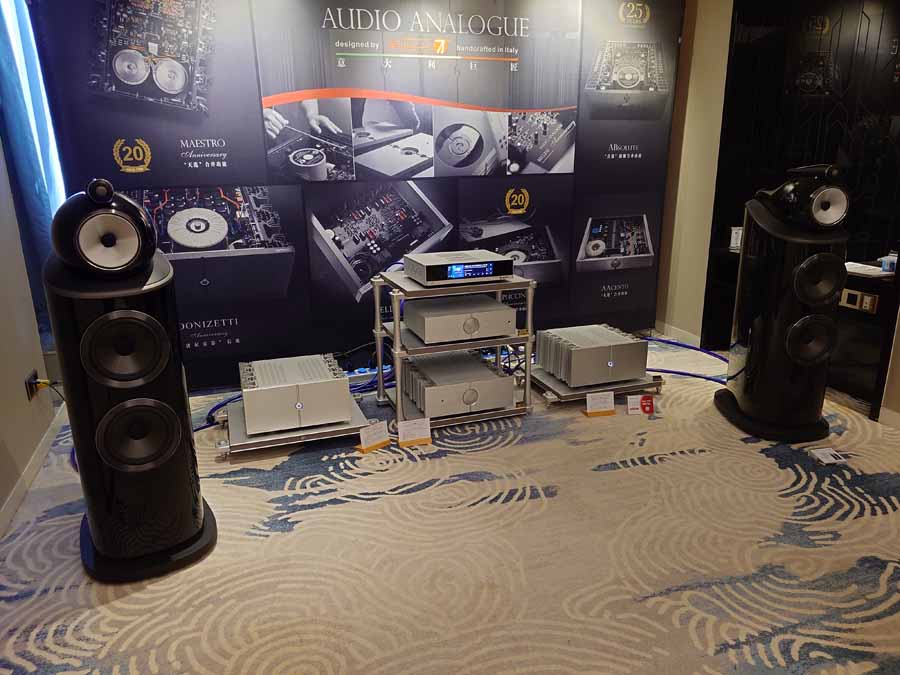
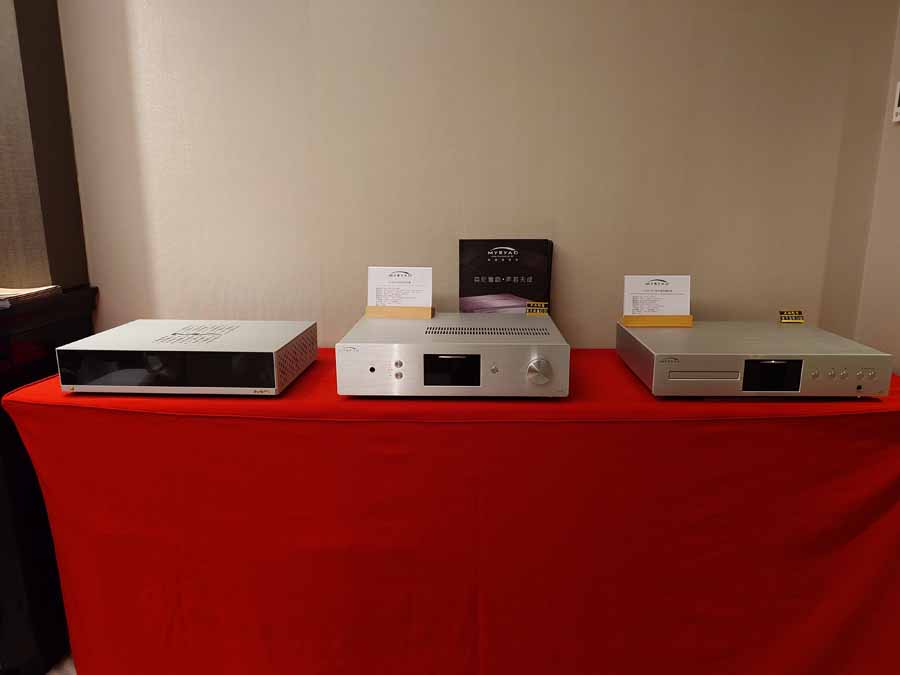
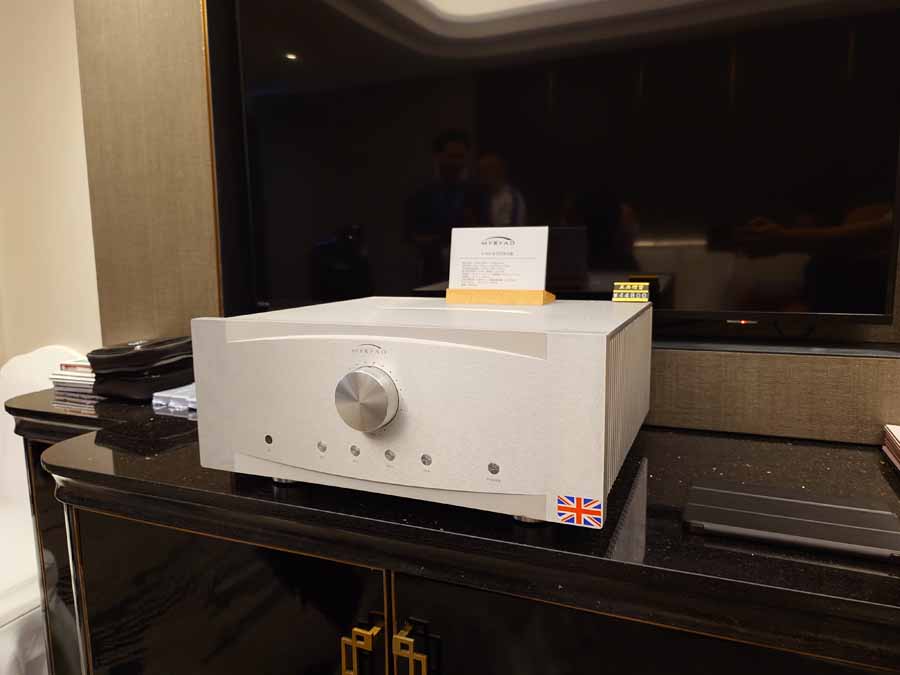
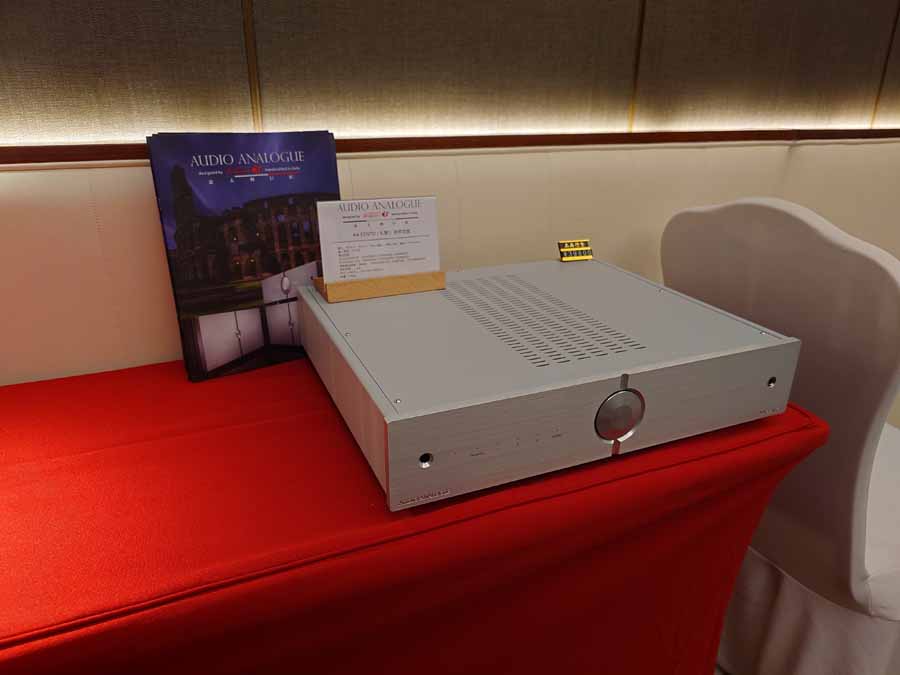
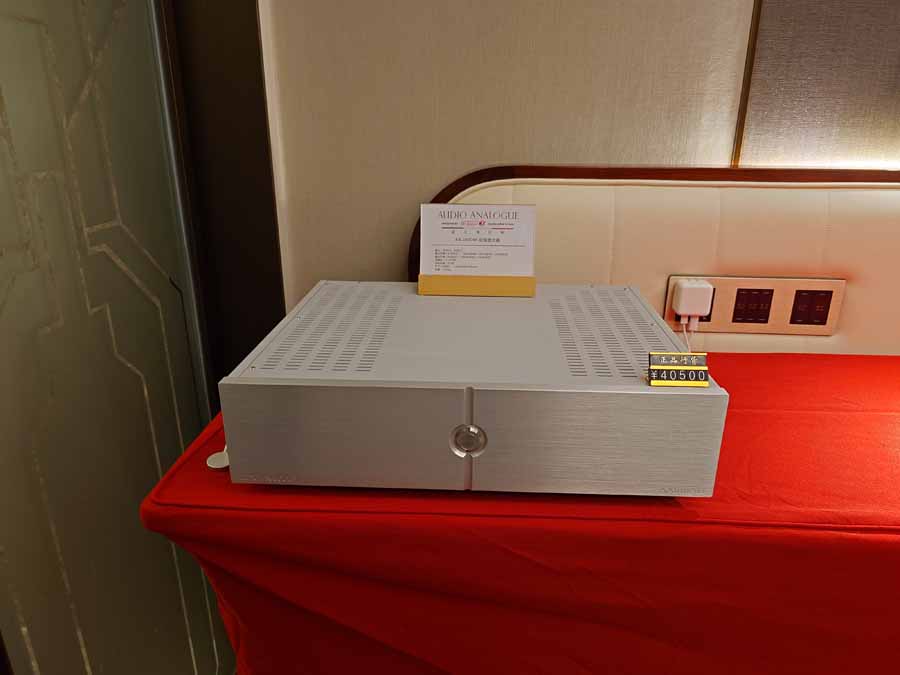
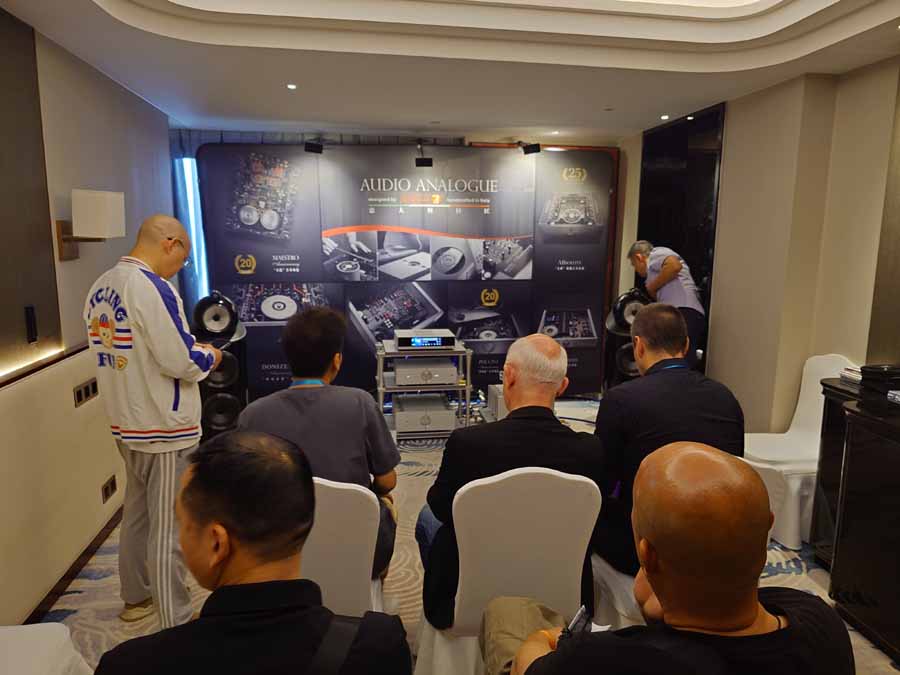
The next room showcased a solid mix of Italian electronics and British speaker design. The setup was anchored by a pair of Bowers & Wilkins 802 D4 floorstanders, powered by Audio Analogue’s classic pairing of the Donizetti power amplifier and Bellini preamplifier. A Matrix Audio MS1 streamer smoothly handled the digital front-end, rounding out a clean, highly capable system that got straight to the music without any unnecessary fuss.
Roksan Trading Co, Simaudio, Magico, TransRotor, Nordost, Dan D’Agostino, Reed
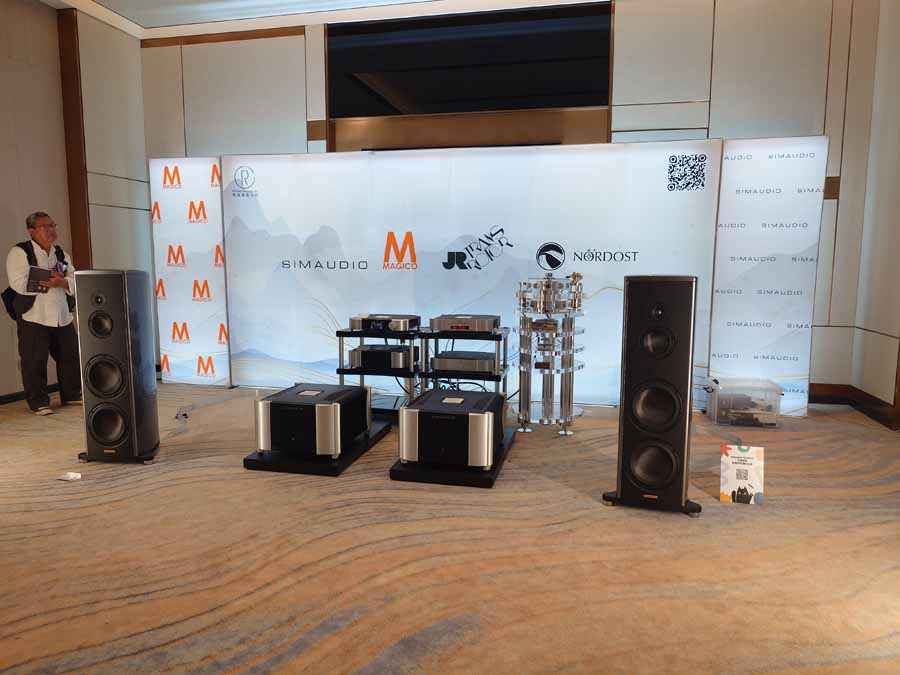
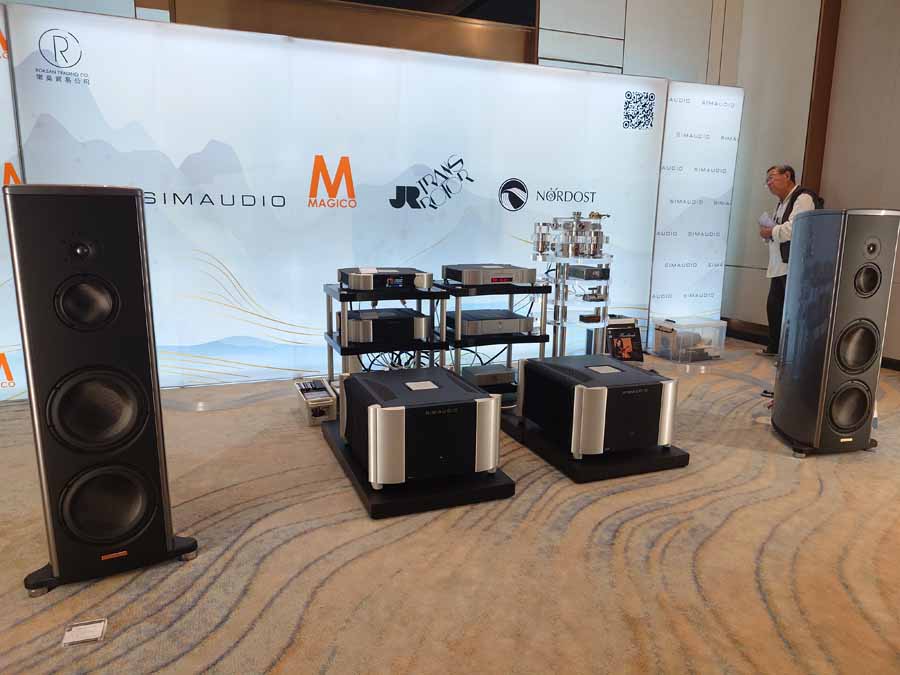
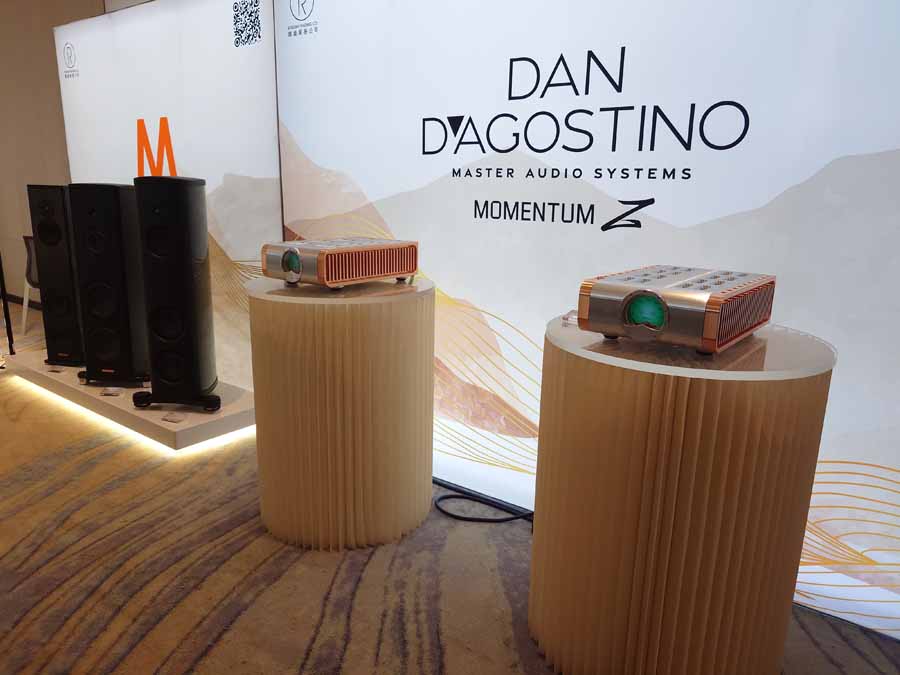
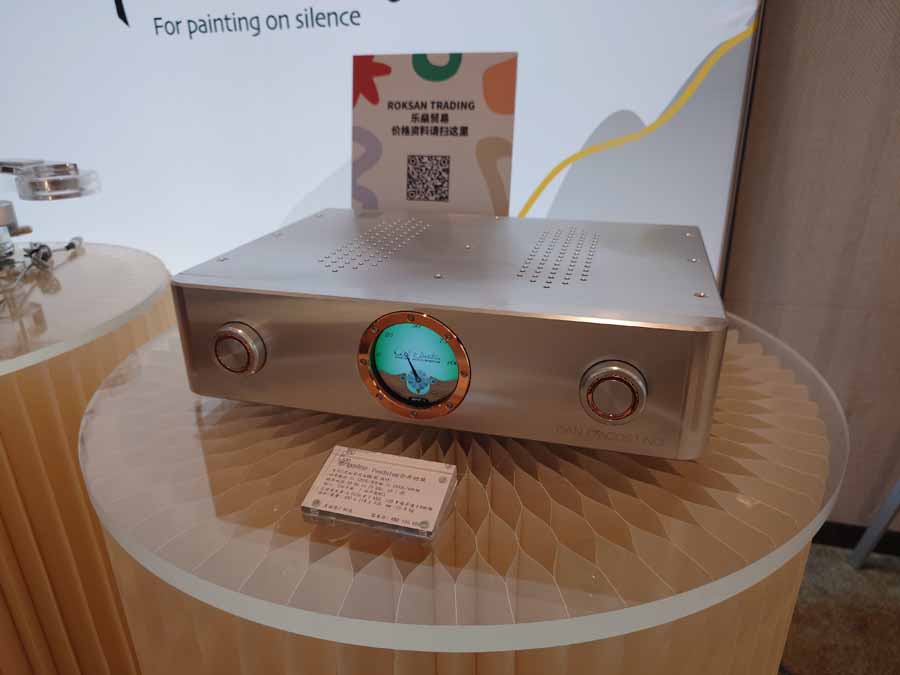
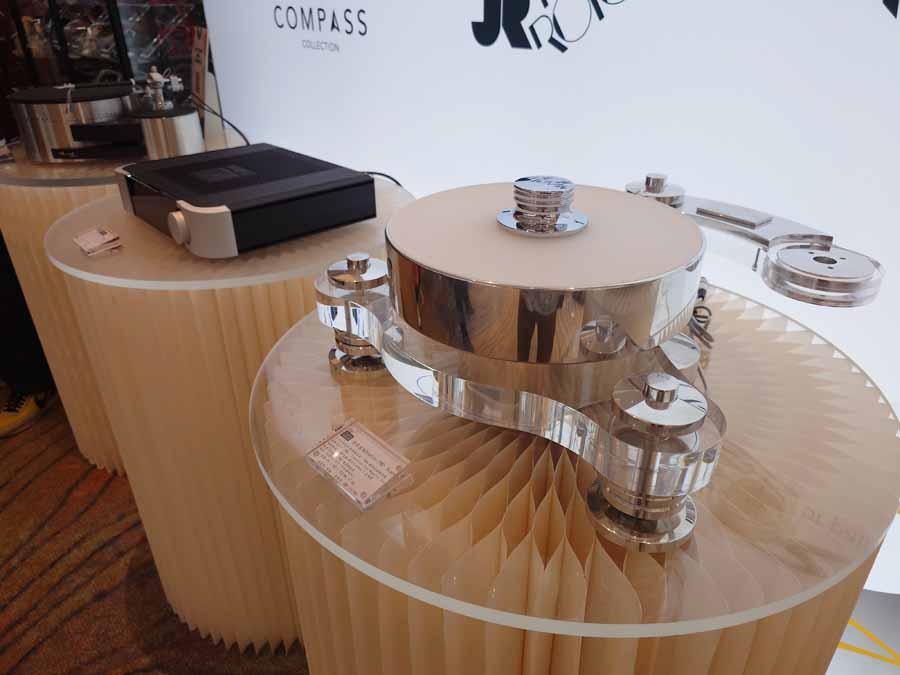
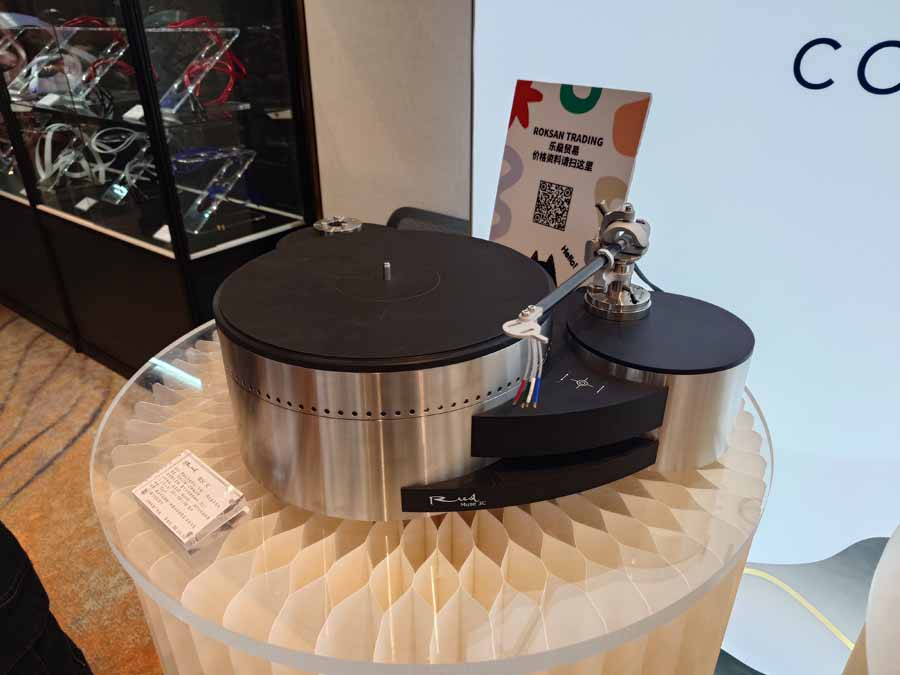
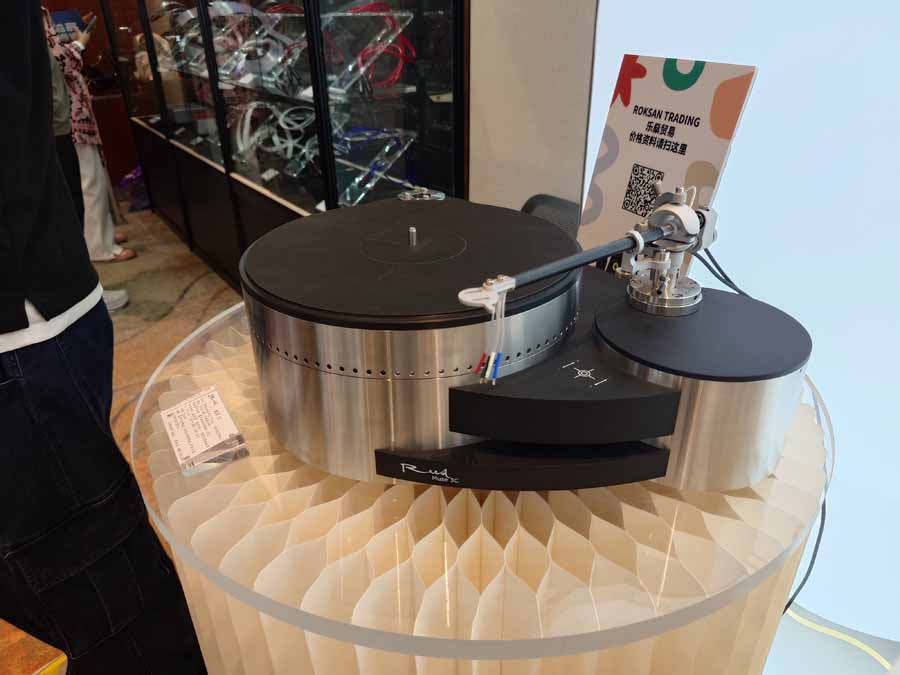
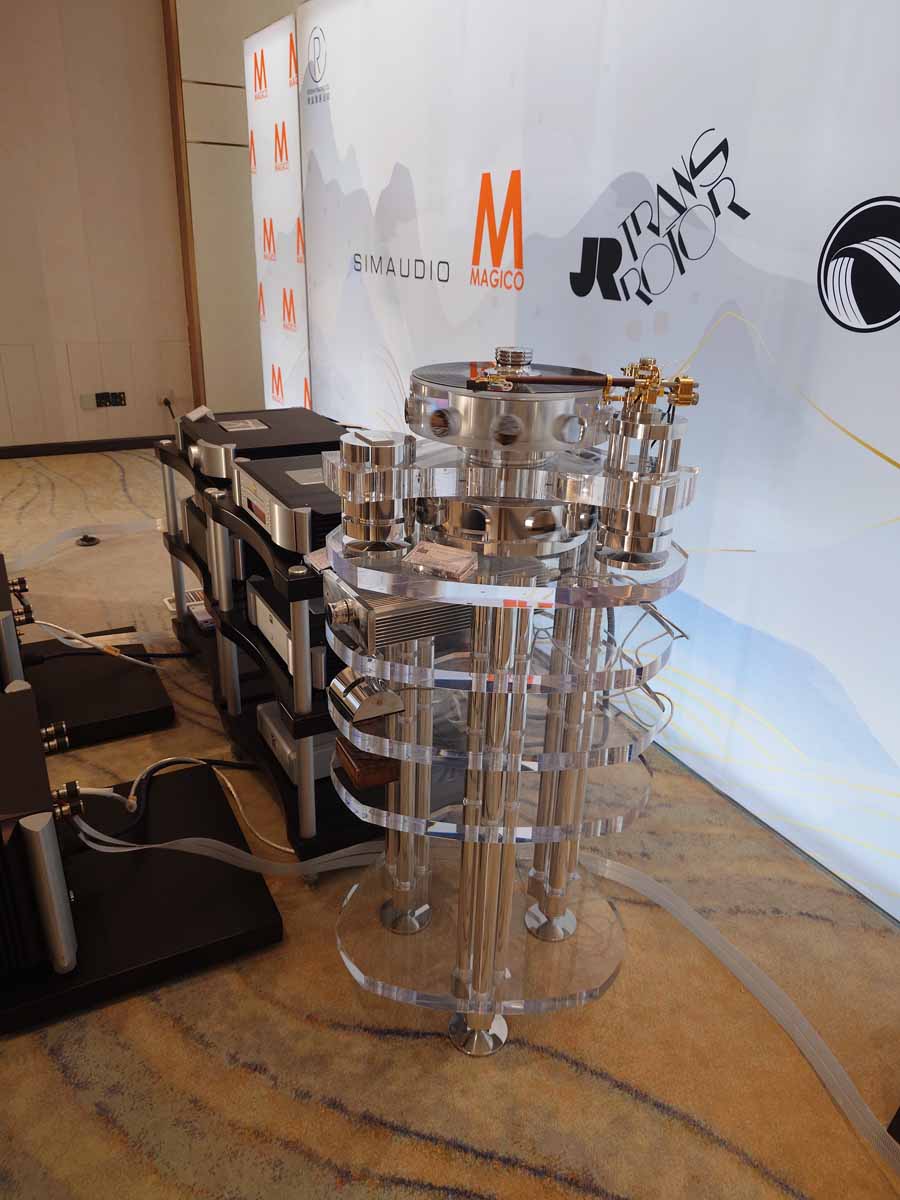
Popping into this room, I felt a bit like I was in a high-end CNC machining convention. Providing the muscle was a pair of beastly Simaudio Moon 888 power amplifiers, quietly throwing watts at a set of Magico S5 loudspeakers. The digital front end was handled by a Moon 791 preamplifier and Moon CD player, but the undisputed visual showstopper was the Transrotor Artus turntable, a massive, gleaming analogue rig that, according to AI image processing, is a high-end quantum computer. Naturally, the entire system was wired up with Nordost cabling.
If the active rig wasn’t enough of a flex, the rest of the room essentially functioned as an audiophile jewellery store. Drool-worthy static displays featuring gear from Dan D’Agostino, Reed, more Magico, and Nordost were scattered around, ensuring there was something highly engineered and exceedingly expensive to look at regardless of which way you turned.
DCHAV, Tannoy, Esoteric, Gold Note, Teac, XLO
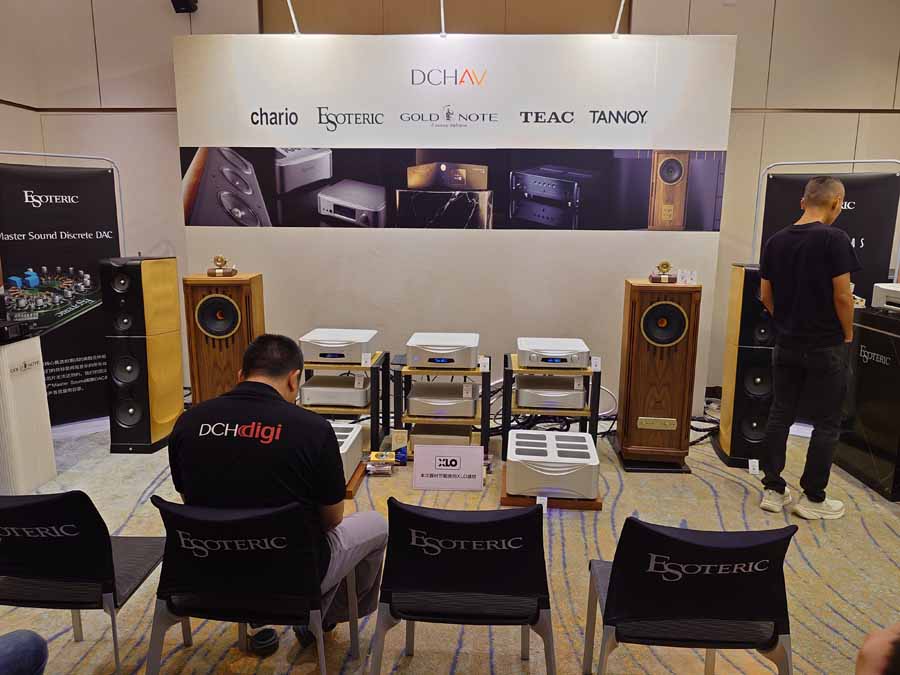
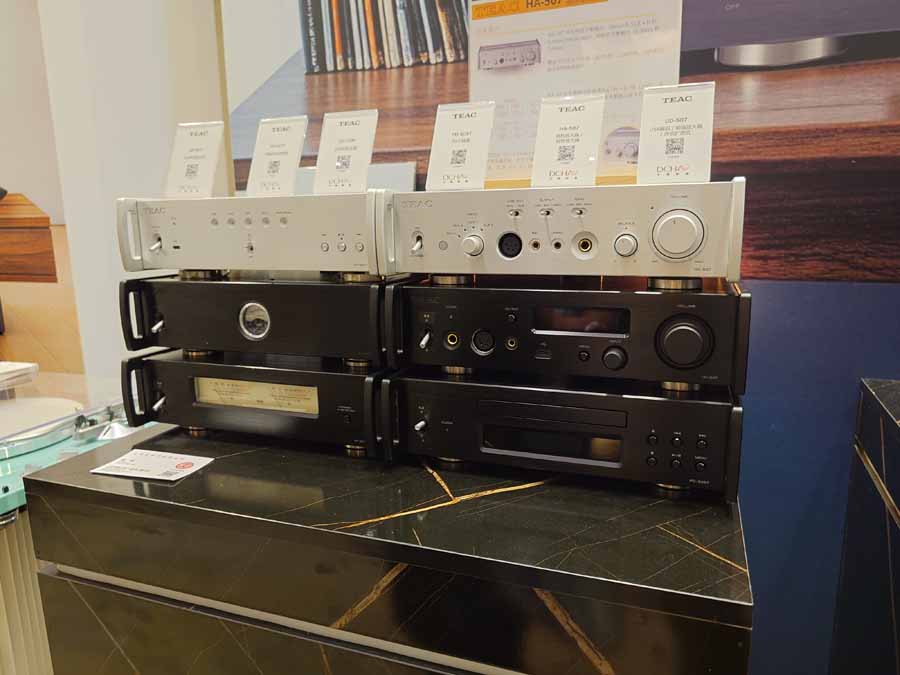
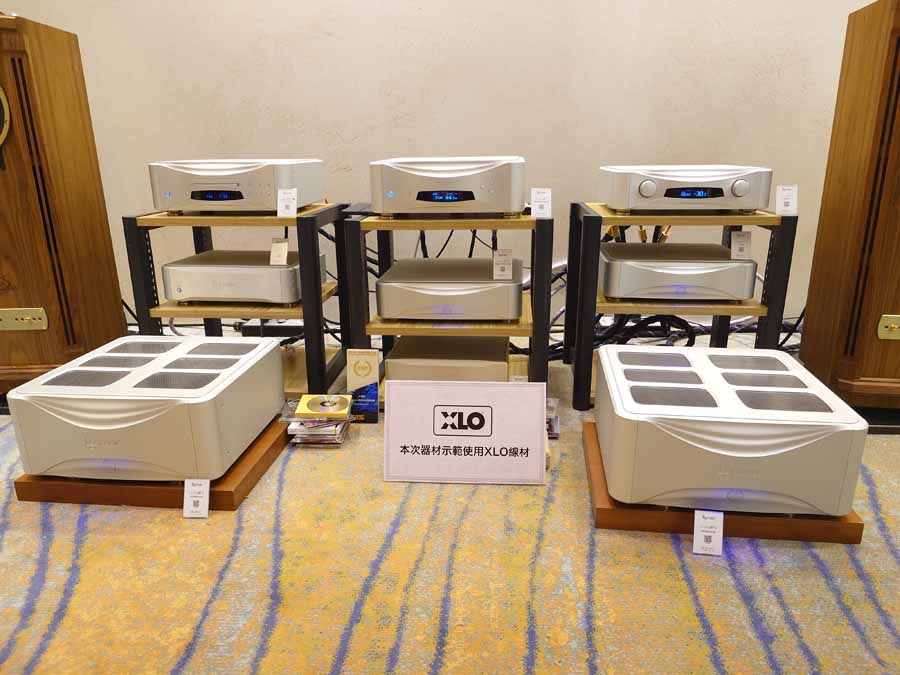
Walking into the Esoteric and Tannoy room brought on a familiar wave of déjà vu, featuring a layout strikingly similar to their setup last year. Anchoring the space was a towering, heavily machined stack of flagship Esoteric Grandioso electronics. It was a true showcase of uncompromising Japanese engineering, featuring the M1X monoblocks, C1X preamplifier, N1 network streamer and DAC, K1X SE Super Audio CD player, and the G1X master clock. This mighty front-end was tasked with driving a pair of the classic, vintage-styled Tannoy Kensington GR loudspeakers.
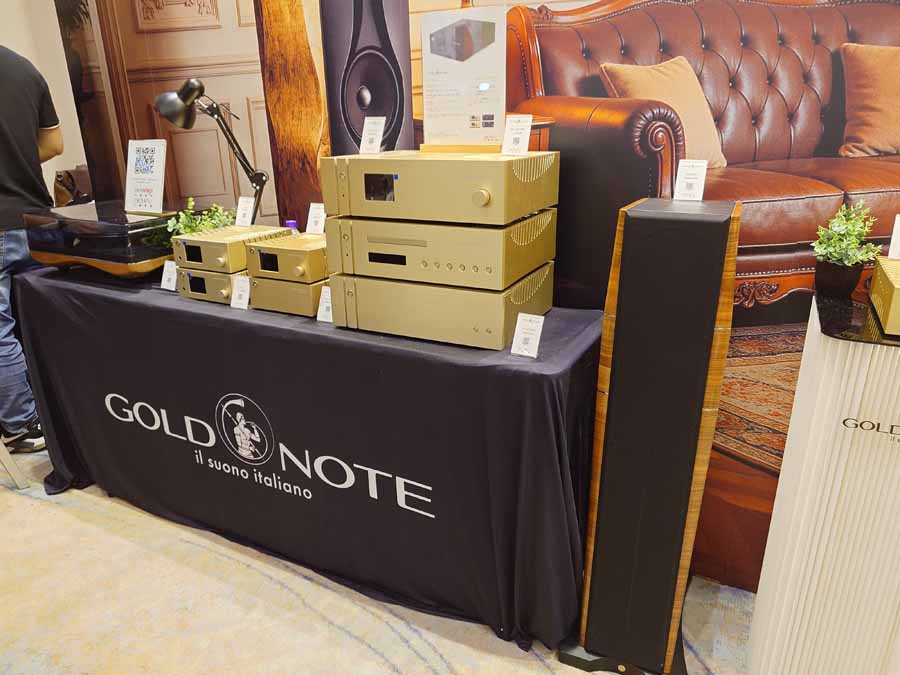
While the gear remained as visually impressive as ever, the voicing this year took a slightly different approach, leaning heavily into Esoteric’s signature precision and offering a highly resolving, analytical take on those big British cabinets. Beyond the main listening rig, the perimeter of the room provided plenty of additional eye candy, with elegant Gold Note electronics and the famously compact, high-performing TEAC desktop series on display.
Richcom, Wilson Audio, Constellation, dCS, Michell, Transparent Cable
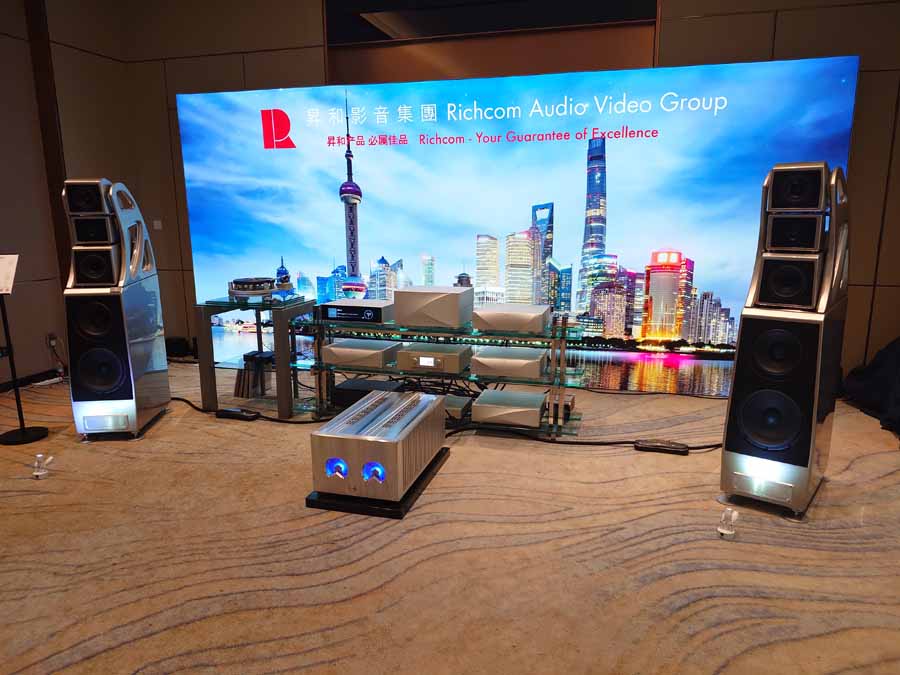
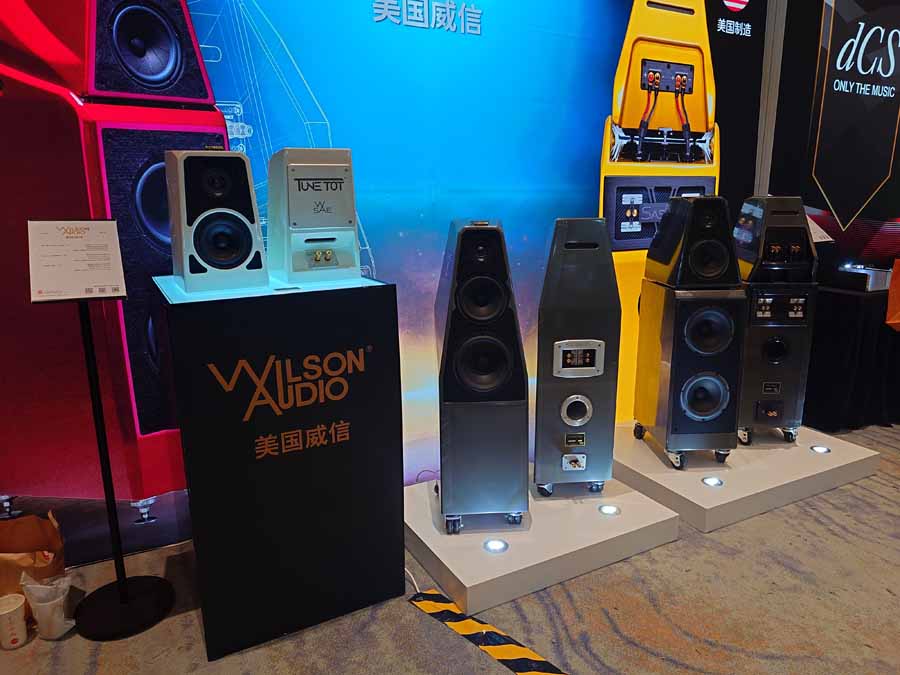
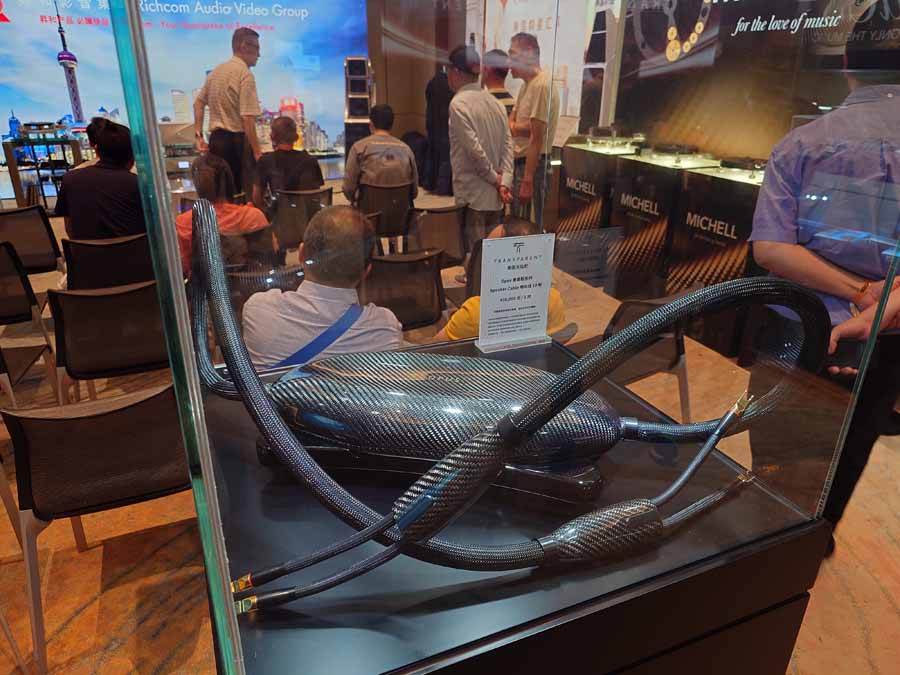
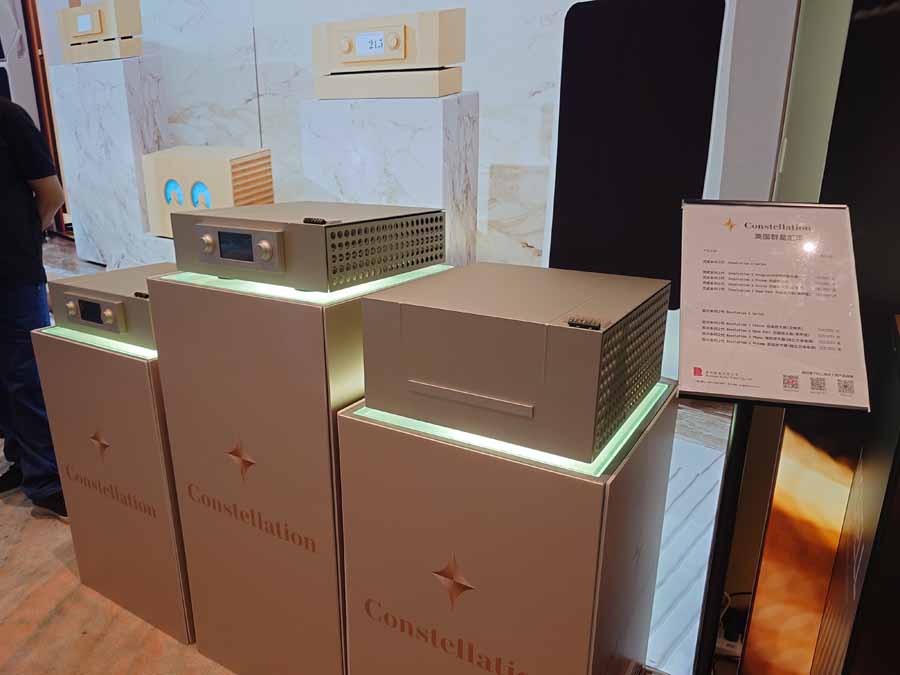
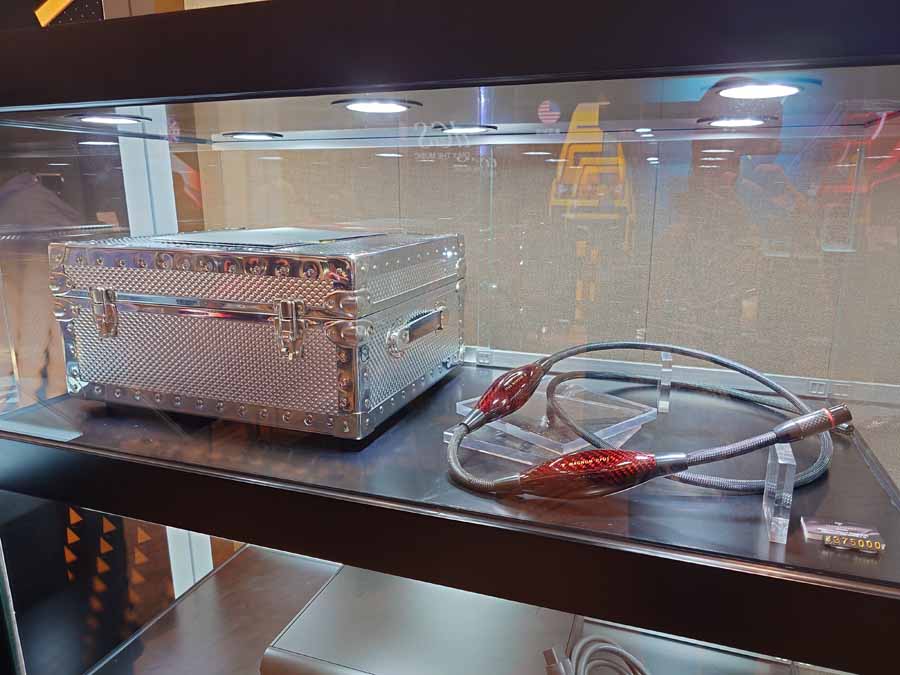
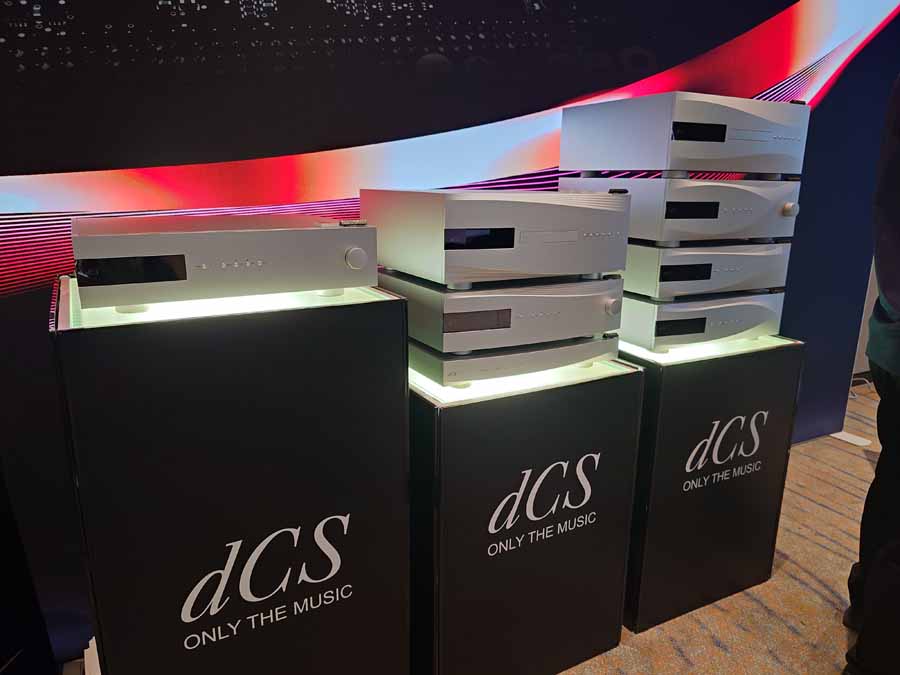
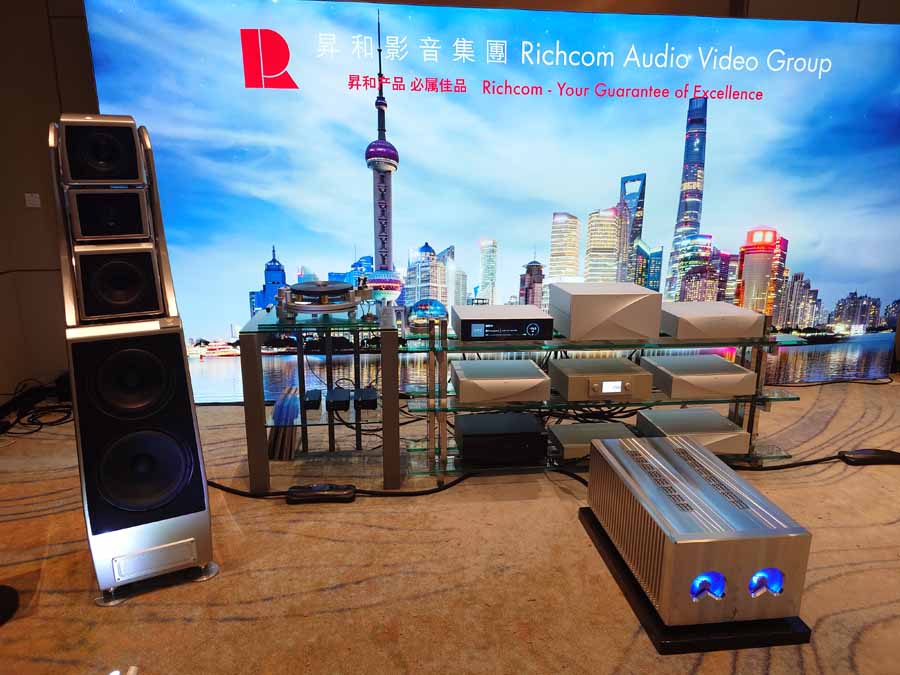
The moment you set foot in the room, your eyes are immediately drawn to the hypnotic blue glow of the VU meters on the Constellation Statement stereo power amplifier. That beautifully machined powerhouse served as the beating heart of the system, smoothly driving a striking pair of Wilson Audio Alexx V loudspeakers.
Ensuring this formidable muscle had a signal worthy of amplifying, the digital front end was handled by the venerable dCS Varèse. Providing the pinnacle in state-of-the-art network audio, the Varese delivered the kind of breathtaking resolution and seamless musicality that makes a mega-system like this truly sing.
McIntosh, Sonus Faber
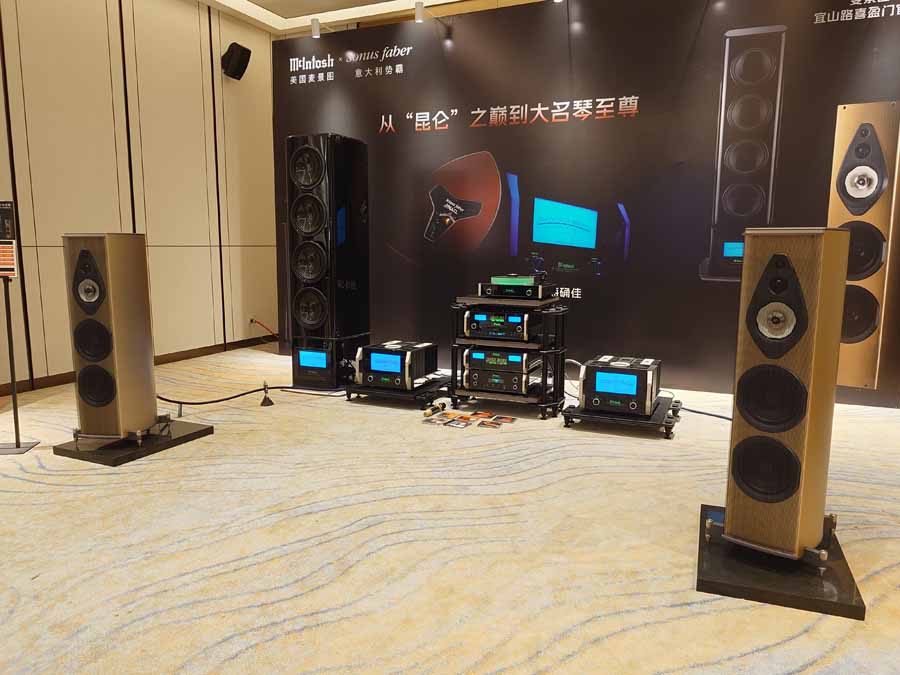
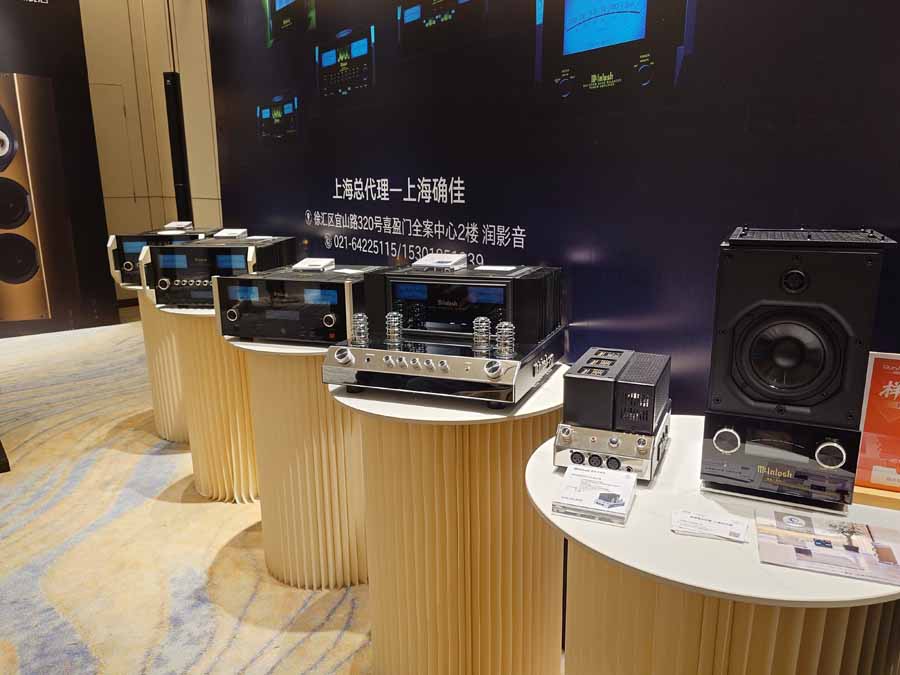
If there were an award for “Most Visually Chaotic Setup”, this room would have taken the trophy home without a fight. The elegant and refined Sonus Faber Amati Supreme loudspeakers, adorned in a stunning glossy gold finish, stood proudly on one side of the aesthetic wrestling ring. On the other side? Massive, unrepentant American muscle displayed in a McIntosh neon extravaganza.
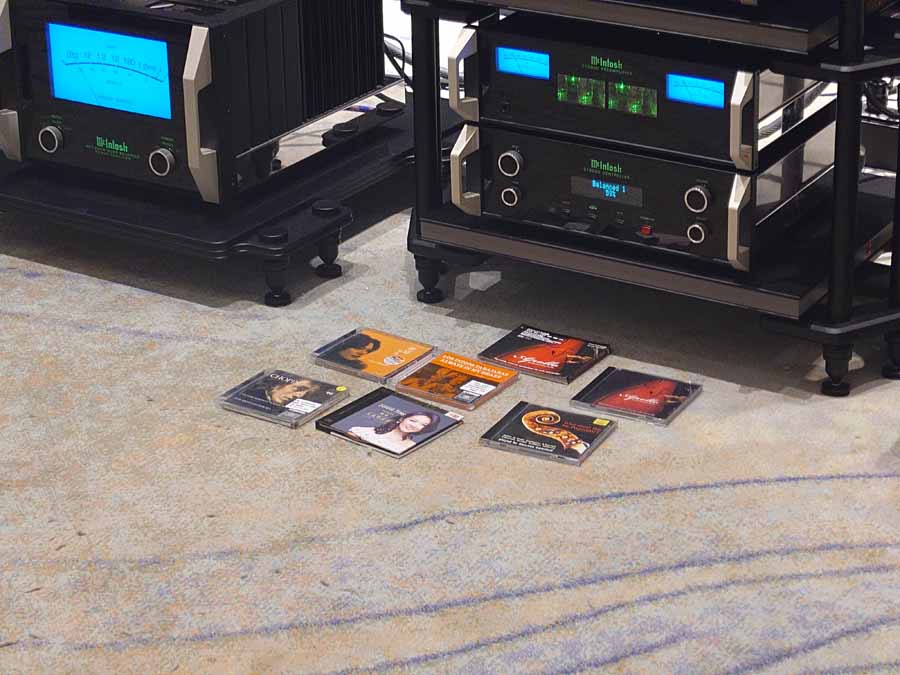
Featuring the MCD12000 CD player, the two-chassis C12000 preamplifier, the glowing green platter of the MT-5 turntable, and a pair of massive MC1.25KW monoblocks. The visual clash was spectacular, the artisanal, lute-shaped woodwork of the Sonus Fabers standing in stark contrast to McIntosh’s signature black glass, chrome chassis, and those famously bright blue meters and glowing green logos.
But the primary punchline of the room was the McIntosh PS2K subwoofer. Calling it a “sub” feels like a gross understatement; this towering bass cannon was literally bigger than the main speakers themselves. It loomed in the background like a heavily caffeinated nightclub bouncer, making absolutely sure the delicate Amatis didn’t step out of line. It was a wonderfully absurd, highly entertaining clash of design philosophies that was impossible to ignore.
Cayin, Eggleston
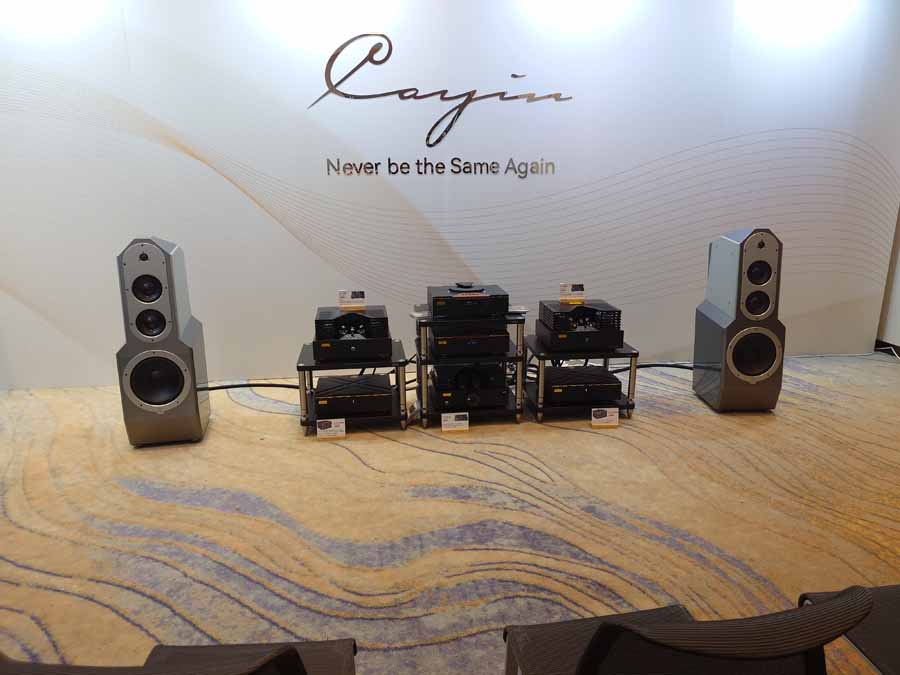
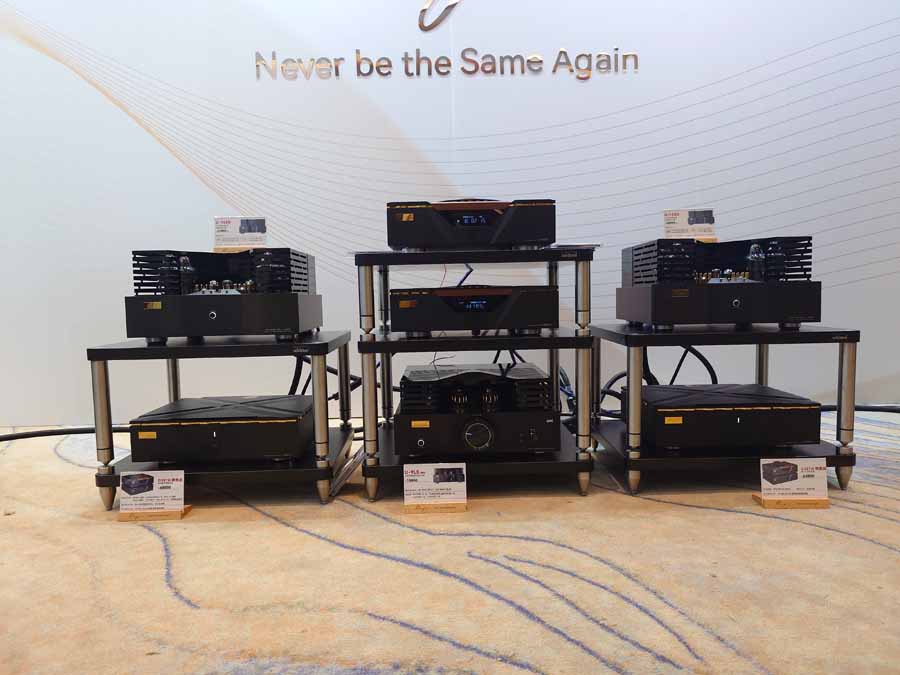
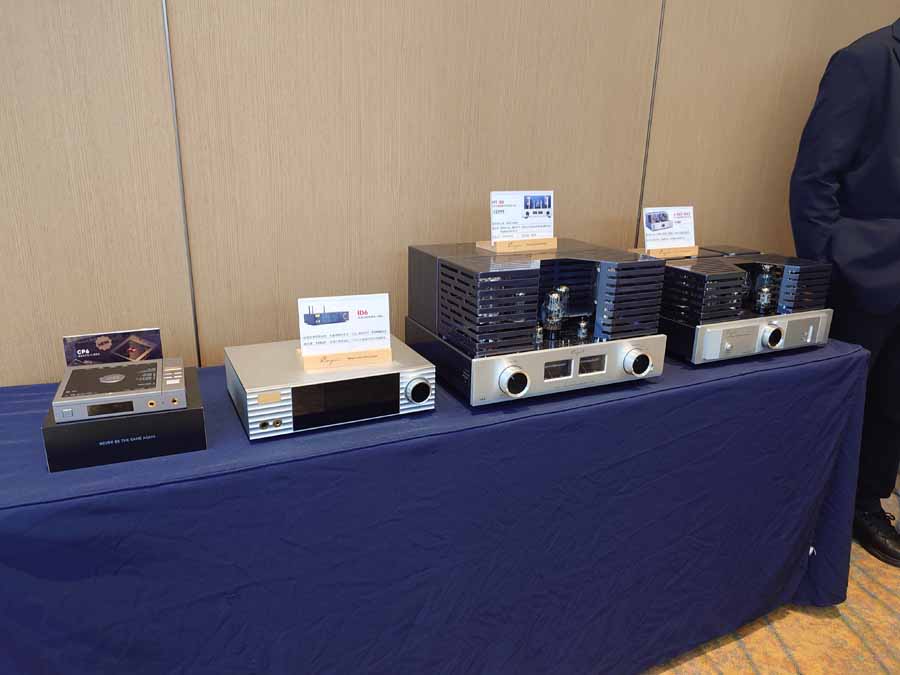
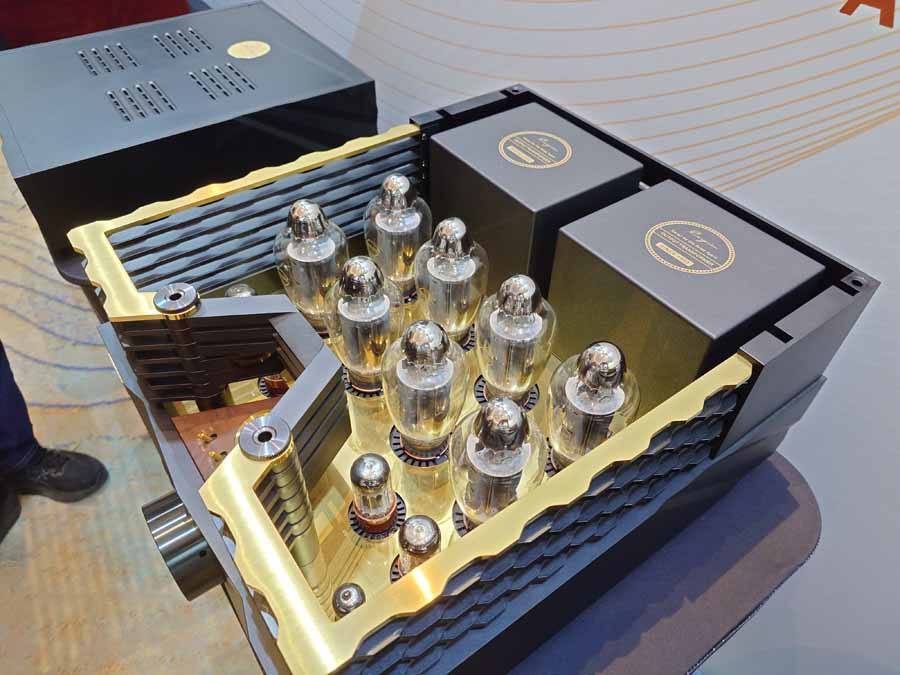
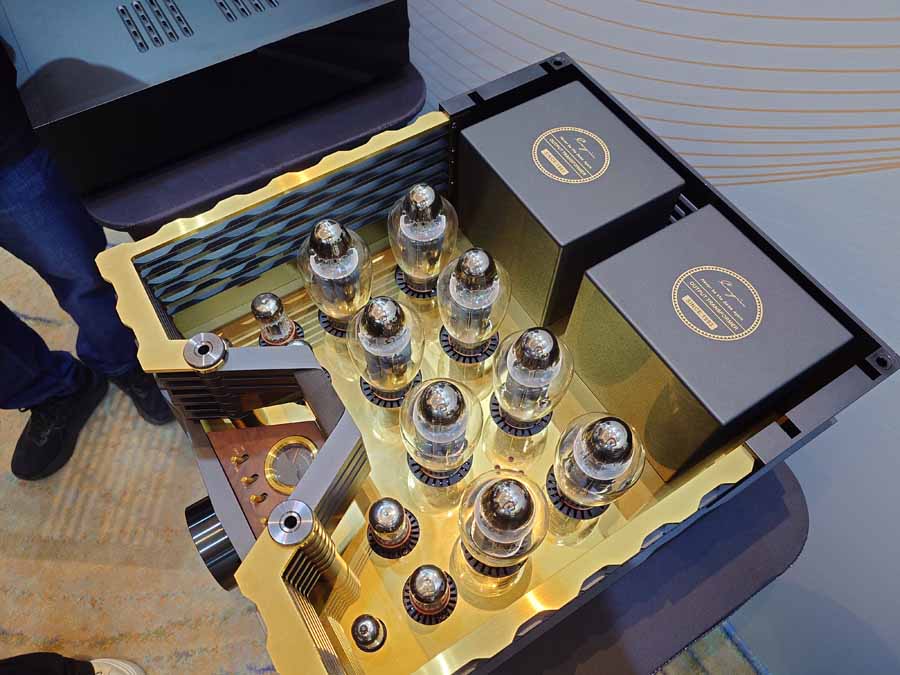
Cayin’s journey from a behind-the-scenes OEM manufacturer, pushed into the spotlight with the help of a savvy German distributor, to a fully realised audio heavyweight is a great success story, and their room proved why they made the leap. They brought out their finest, pairing the formidable Egglestonworks Andra III Signature loudspeakers with a massive stack of their flagship electronics. The playing system was an impressive showcase of K170 tubes, featuring the U-120D power amplifier, the U-9KS preamplifier, and the D30th DAC, all anchored by the two-chassis C30th CD player and its dedicated power supply.
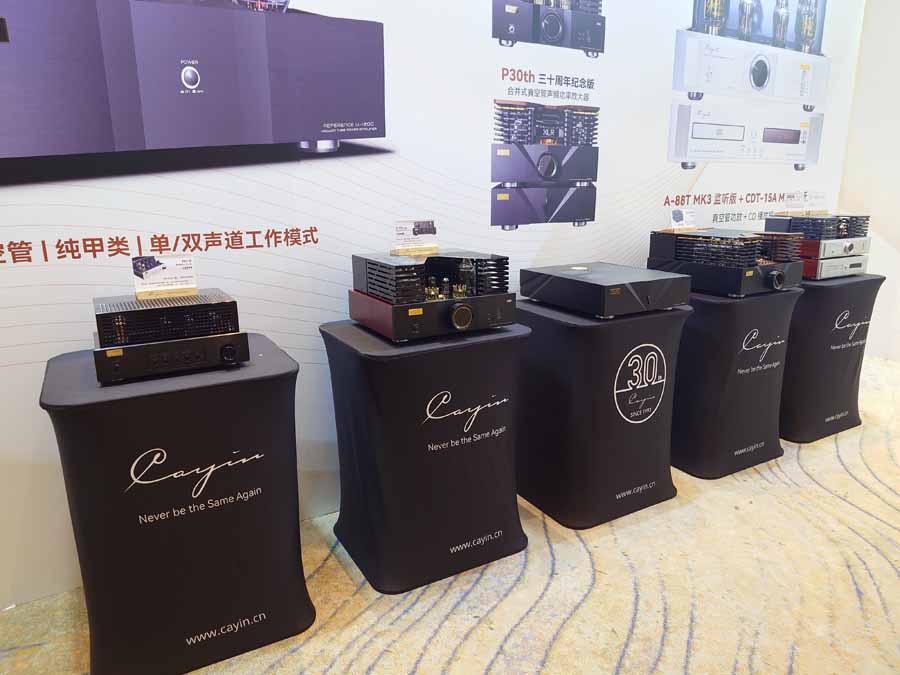
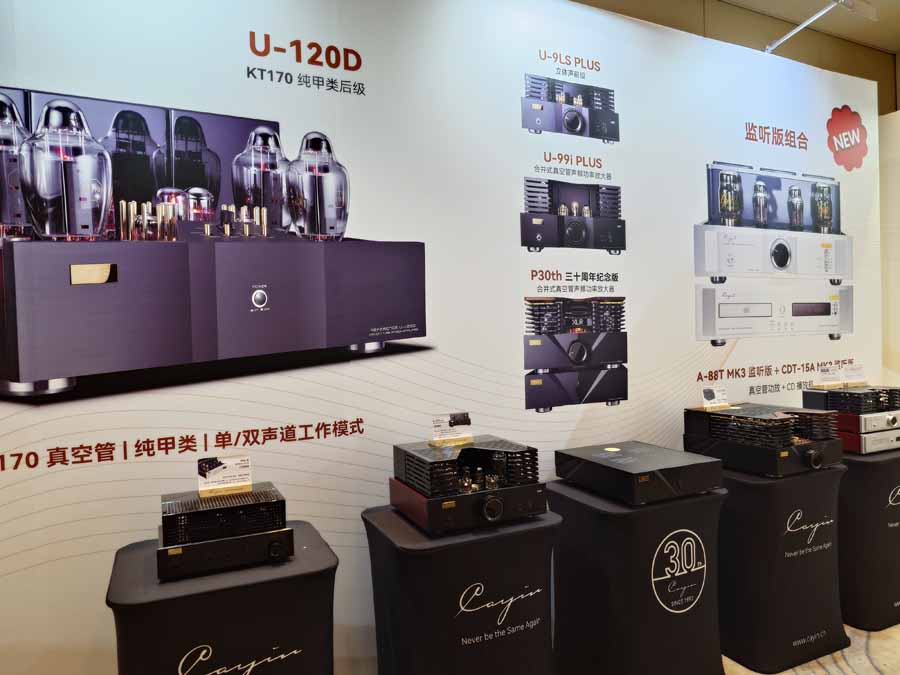
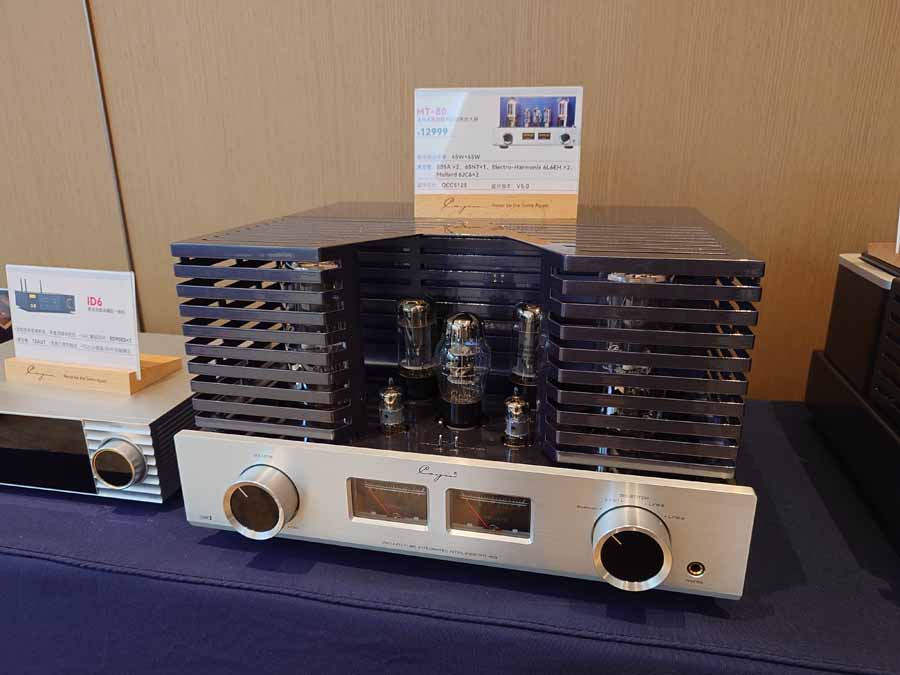
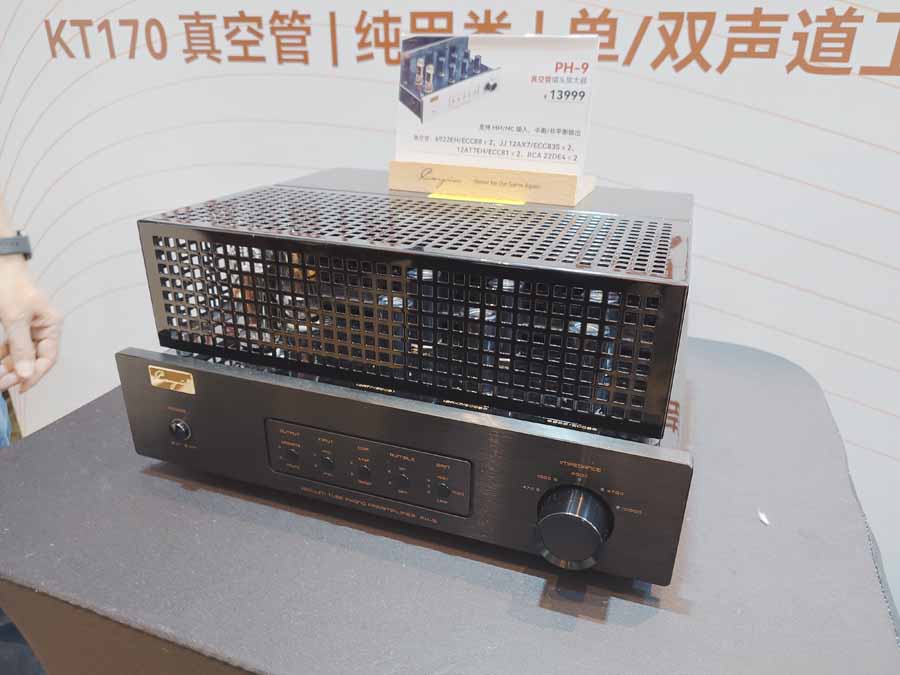
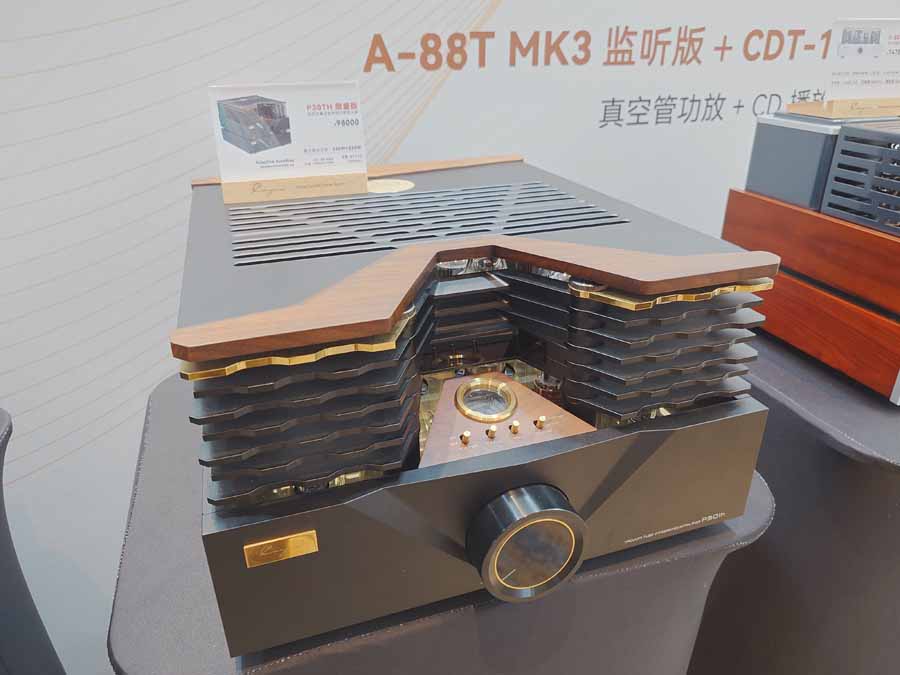
While the main system easily commanded the room, Cayin’s static display was a serious distraction. They laid out some fascinating pieces from their deep catalogue, including the MT-80 integrated amplifier with its glowing 805A tubes and slick VU meters, alongside the highly adjustable PH-9 tube phono stage. However, the undisputed star sitting quietly on the sidelines was the P30TH integrated amplifier. Boasting impeccable build quality, this magnificent beast packs a staggering eight KT170 tubes to deliver 230 watts per channel. Staring at that imposing wall of glass, you couldn’t help but wish they had wired it up to the Egglestonworks and let it rip!
Swan
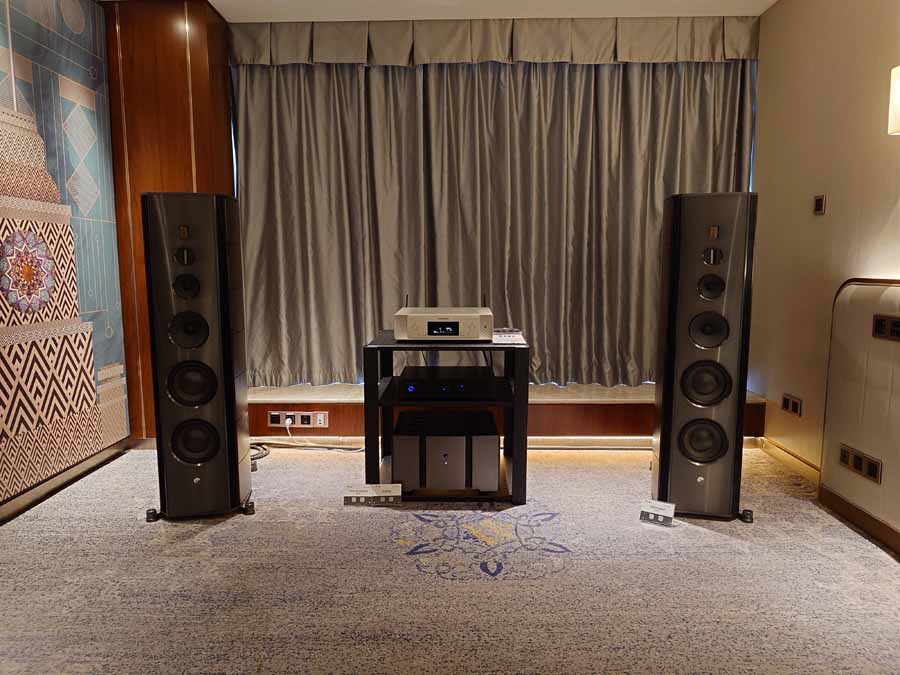
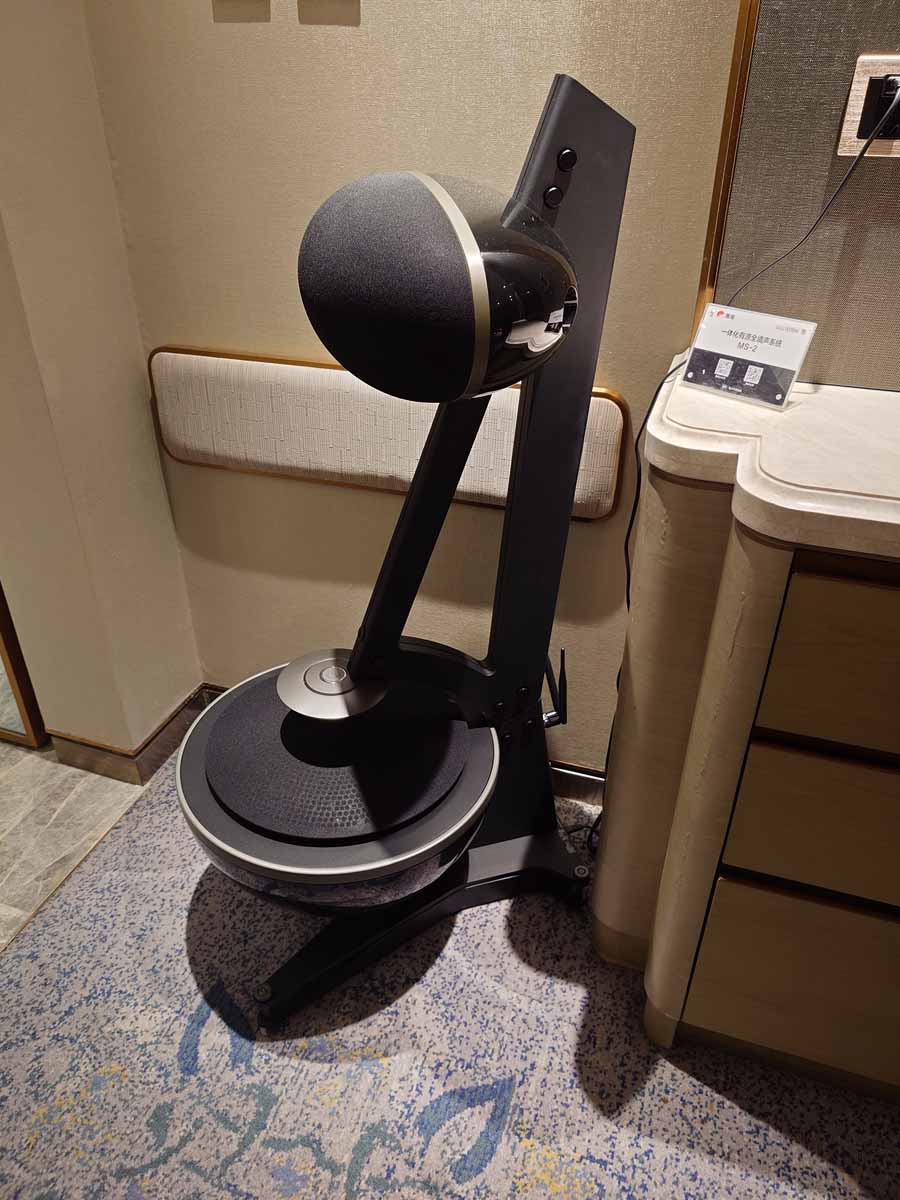
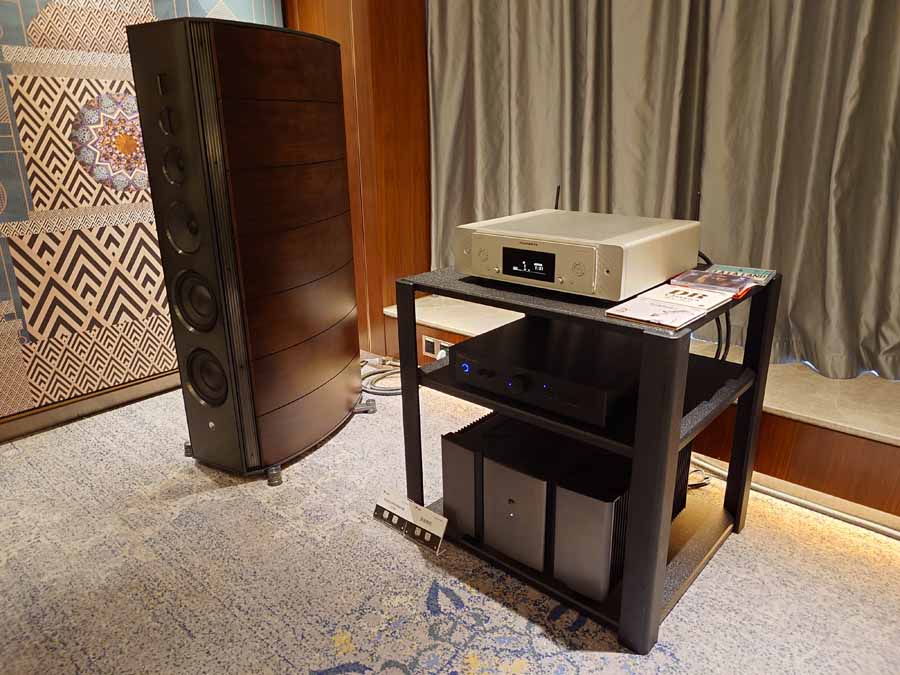
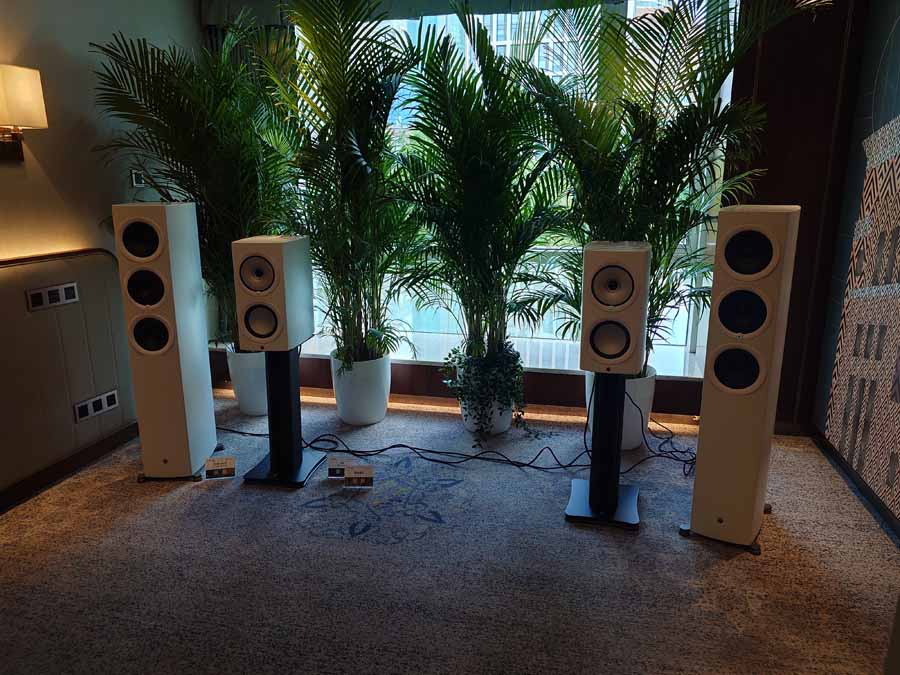
For the final stop on our tour, we swung by the Swan (HiVi) rooms. As one of China’s undisputed heavyweights in speaker manufacturing, they are actually a publicly traded company on the Shenzhen Stock Exchange, making their sheer scale and manufacturing volume undeniable. They split their showcase across two distinct rooms. The first focused on their passive offerings, highlighting the beautifully designed M8F loudspeakers. Featuring a flagship-level build quality, these were reliably driven by a Q200 power amplifier and some kind of HiVi preamp, with a Marantz network player smoothly handling the digital duties.
Next door, they shifted gears entirely to show off their active speaker lineup, featuring the sleek Trident F and the Diva Star models. I genuinely wanted to dig into the details and learn more about these intriguing local products, but unfortunately, there wasn’t a single representative around who could speak English or was interested in giving me the pitch! To add a little more mystery to the whole experience, a quick search on their website later revealed zero trace of these new models.
If you missed Gyula’s TAS Shanghai 2026 Report Part One then read it here, stay tuned for his next report from Hong Kong in August.

Please note, all content and photos are the copyright of HiFi PiG Magazine/Big Pig Media LLP and must not be copied or reproduced in any way without the prior, written consent of the editor.

Gyula Weeber