Stack Audio SmoothLAN Regenerator Review










STACK AUDIO SMOOTHLAN REGENERATOR REVIEW
Stack Audio SmoothLAN Regenerator is a “network signal regenerator” that costs £750. John Scott plumbs it into his system for this review for HiFi PiG.
Over the last ten years or so, we have seen streaming move into the mainstream from being a niche method of music reproduction. An increasing number of people now either incorporate streaming into their HiFi system alongside a CD player and/or turntable, or rely on streaming as a sole method of playing music. As with all our HiFi equipment, It makes sense that we would want to squeeze every bit of quality from our streaming set-up, starting with providing our streamer with the best quality signal.
Recognising this, Stack Audio has produced the SmoothLAN Regenerator. According to Stack Audio: “Digital chips in home networks inherently introduce unwanted phase modulation (jitter) onto the data they process. In audio systems, we typically hear this as an edgy or brittle quality to the sound. The most critical connection is the one feeding the streamer, as this is where digital noise can leak into the analogue domain and degrade sound quality.









The SmoothLAN Regenerator is designed with dedicated single input and output ports, eliminating unnecessary network traffic and ensuring only the cleanest possible signal reaches the DAC. With double passive filtering and triple active reclocking, it delivers an “ultra-pure, noise-free connection for uncompromised music streaming.”
As a reviewer, I am interested in the aims of a product and the end results it produces, but I must confess to being less interested in the technology involved in delivering what is hopefully an audible improvement. There is a detailed technical overview of the SmoothLAN on the Stack Audio website, which I won’t regurgitate here, but in summary: Stack Audio states that the SmoothLAN “…filters, re-clocks and regenerates [the network digital signal], before passing it straight through to the music streamer. It features compartmentalised isolation, optimised grounding and an ultra-low noise power supply, all designed to produce a clean, noise-free signal”.
This brings me to my own reasons for wanting to try the SmothLAN out. I first incorporated streaming into my HiFi setup back in 2010, firstly streaming my ripped CDs from a NAS and then later adding internet streaming services, firstly Tidal and then Qobuz. Due to domestic practicality, my router, NAS, Roon server and three HiFi setups are in different rooms on two floors of my house, and it has not been possible to connect everything directly with Ethernet cables. I rely, therefore, on powerline adaptors to carry signals between rooms. While this has, on the whole, worked acceptably, there have been times, infrequent but unpredictable, when there has been audible RF interference reaching the speakers, resulting in a low-level “chirruping” when no music was playing. Would the SmoothLAN solve this? I was keen to find out. 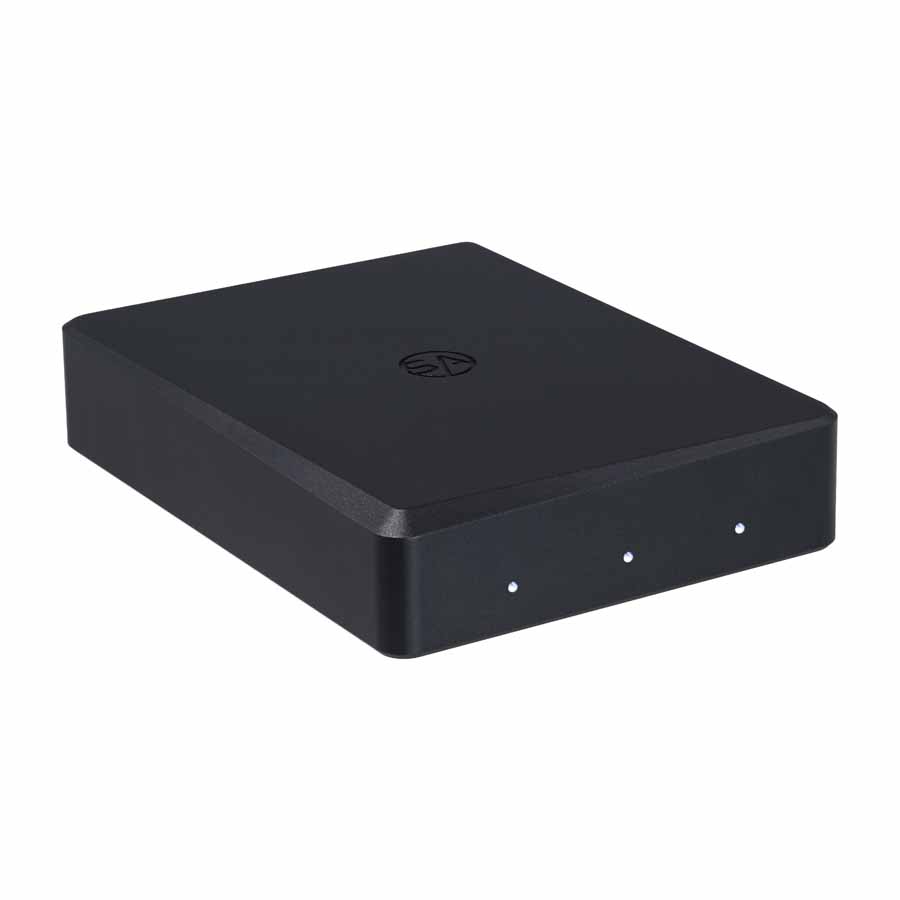
UNBOXING AND FIRST IMPRESSIONS OF THE STACK AUDIO SMOOTHLAN REGENERATOR
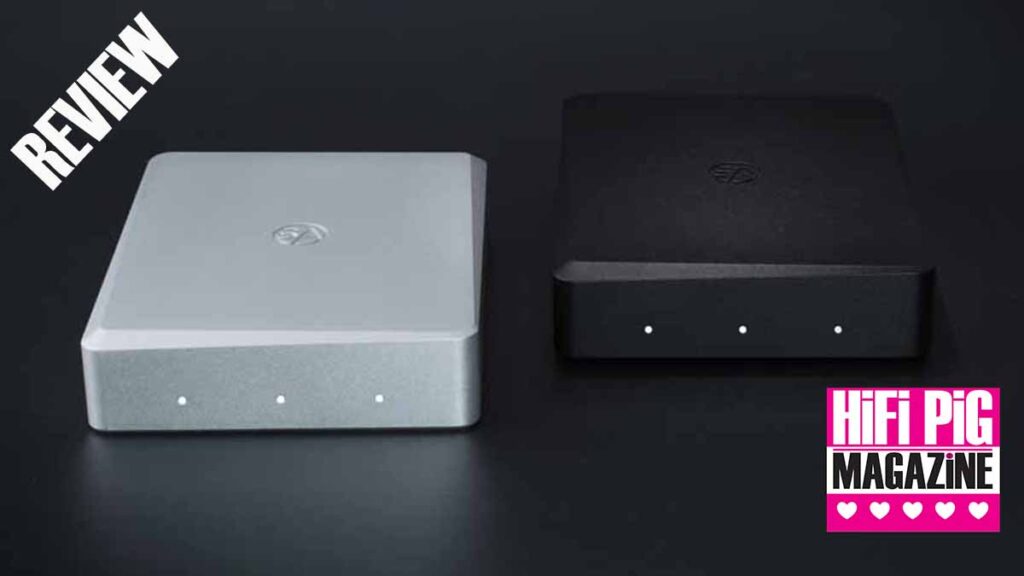
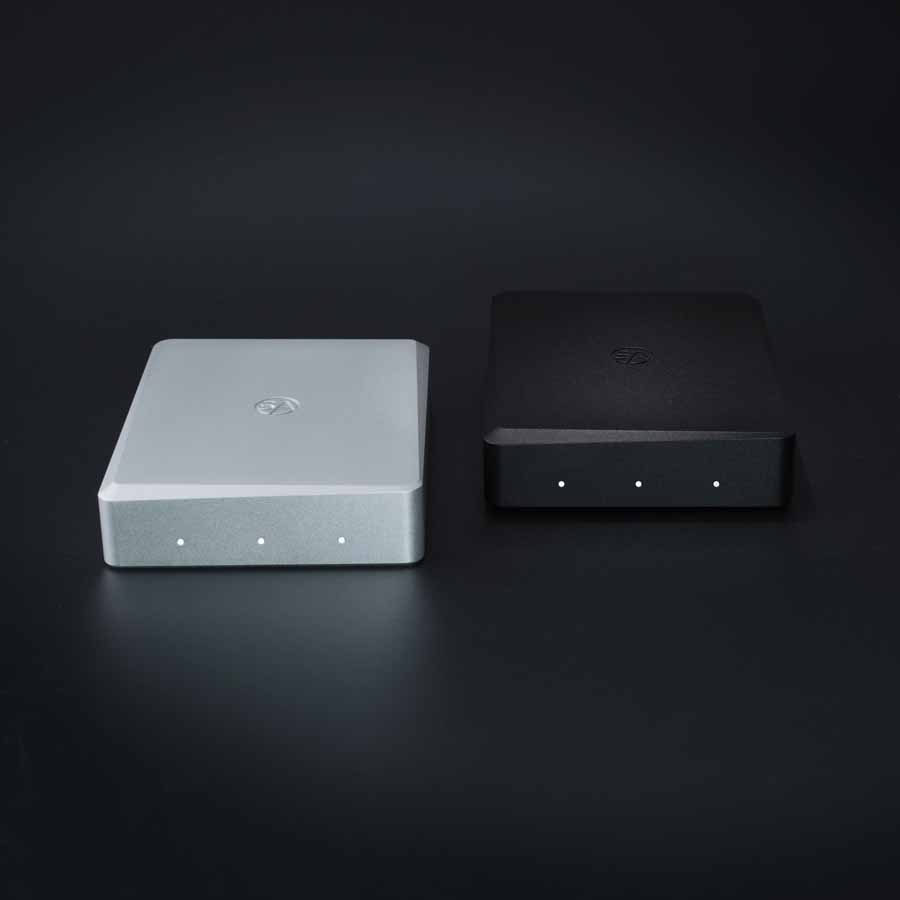
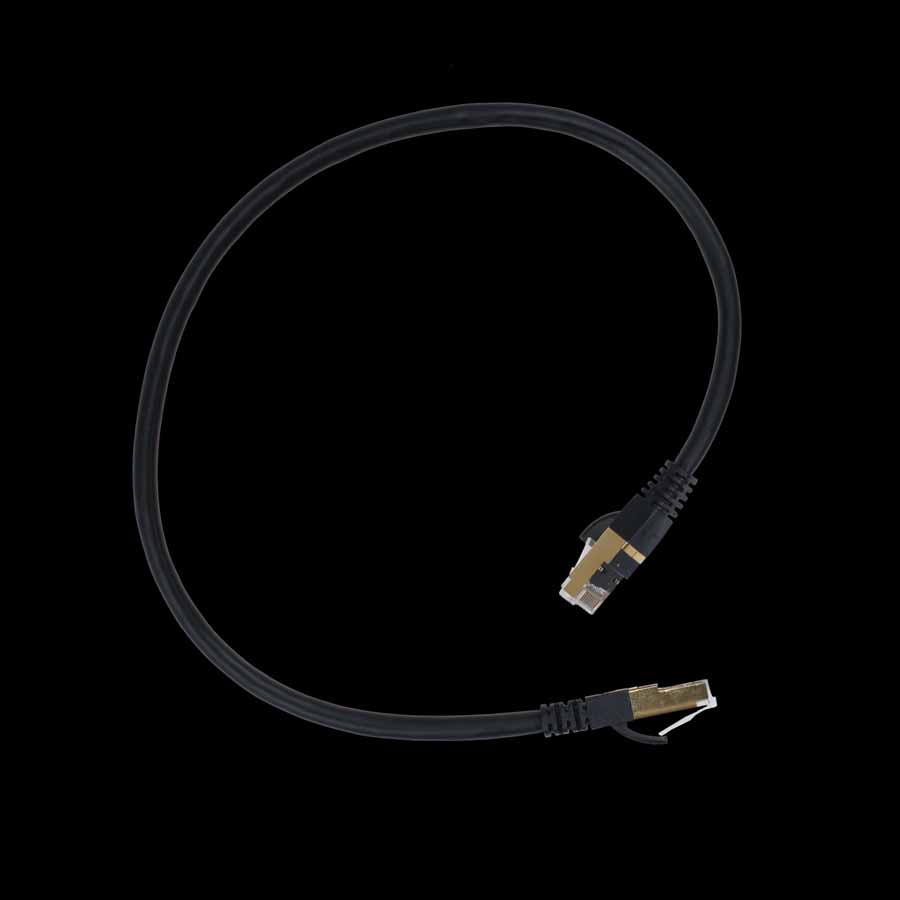
Stack Audio’s packaging has always impressed me, and the SmoothLAN Regenerator continues that tradition. It arrives in a compact, foam-lined box along with a 5V DC power adapter, a USB C power cable, a 0.5m oxygen-free copper CAT 7 ethernet cable with gold-plated connectors and a user manual. The cables came in a black fabric drawstring bag, which was a nice touch. The SmoothLAN is available in either black or silver; I was supplied with the silver version.






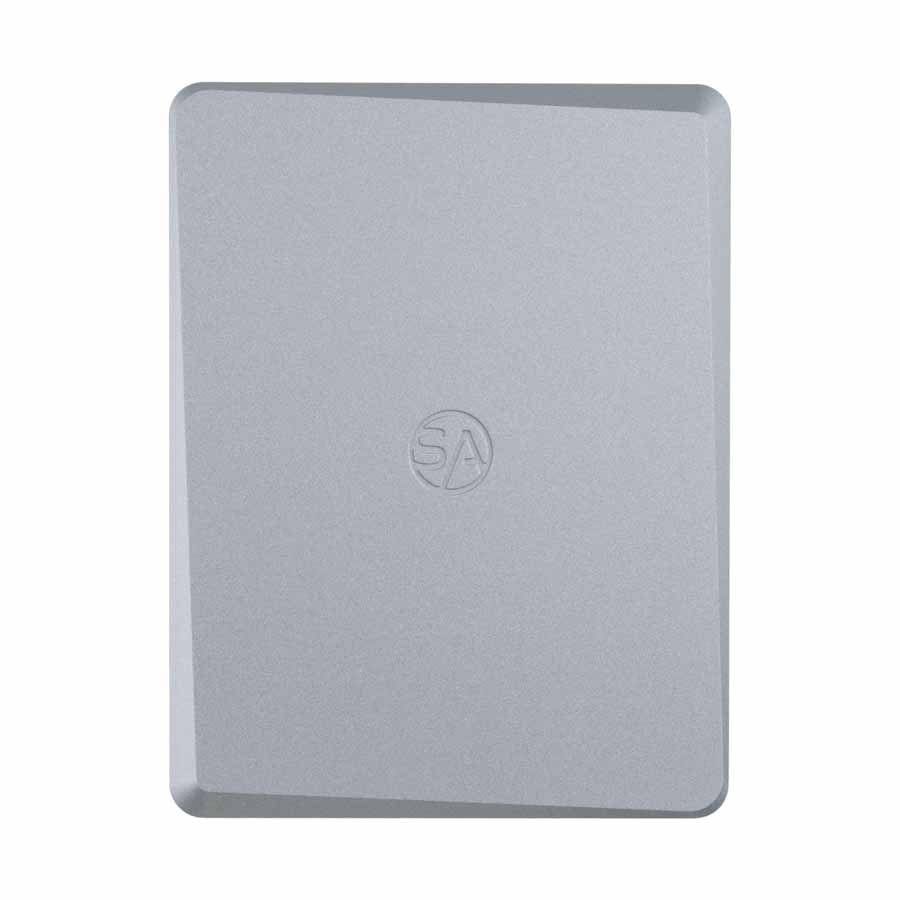
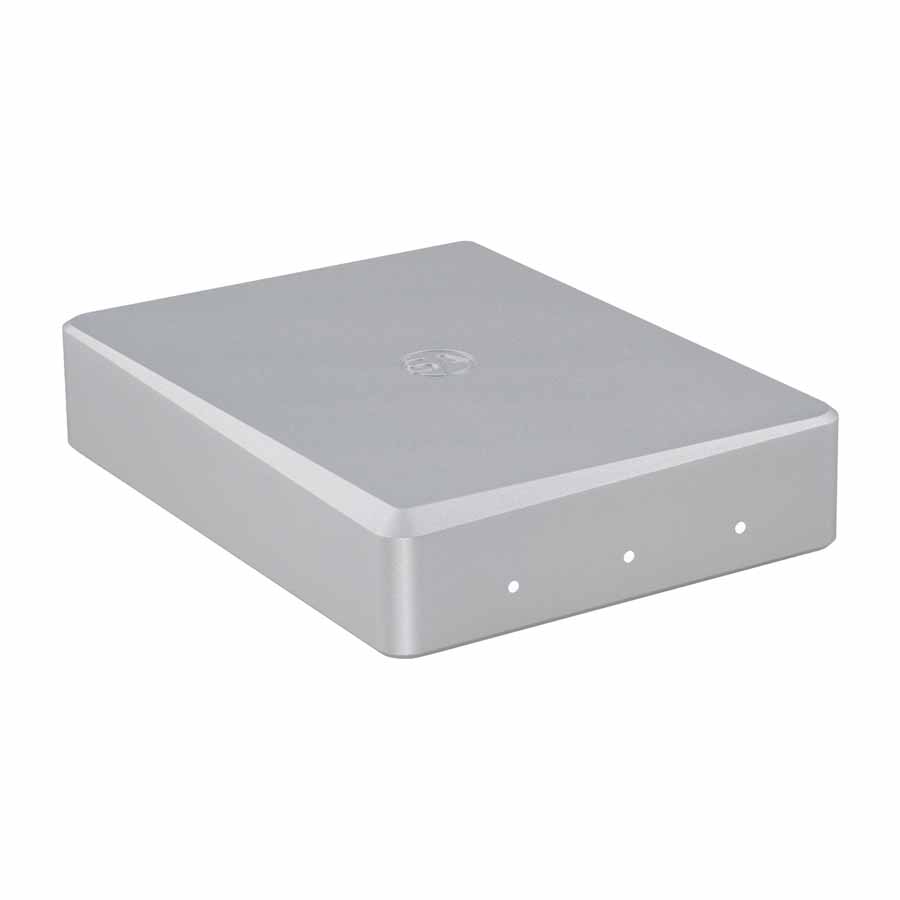
In common with all of Stack Audio’s products, the standard of engineering is first-rate. The case housing the electronics is machined from a solid aluminium billet. The brushed exterior features a chamfered front-top edge, which adds a touch of understated elegance to an already classy-looking product. The SmoothLAN will almost certainly compliment your existing kit rather than detracting from it. Stack Audio recommend that the SmoothLAN is sited as close to your streamer as possible and its compact size helps with this.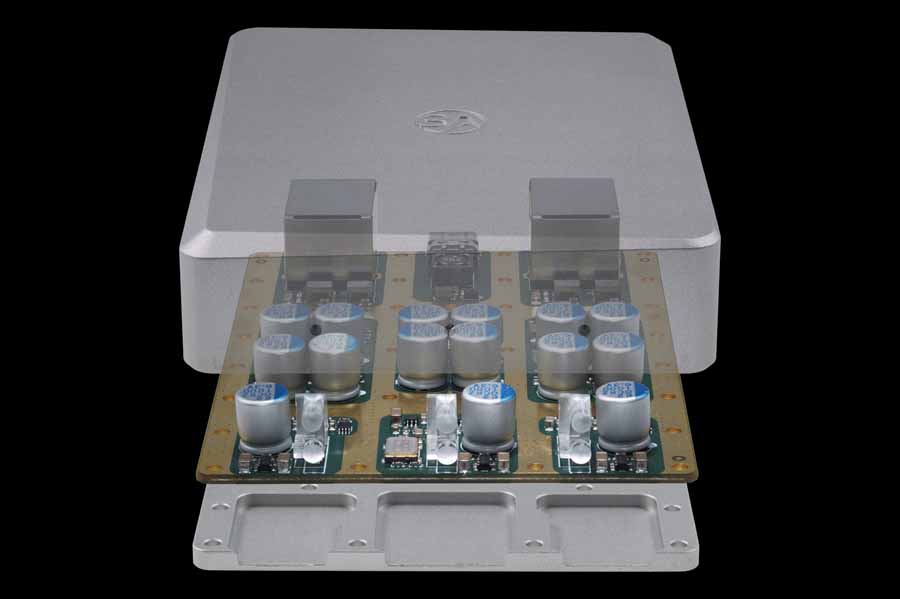
SETUP
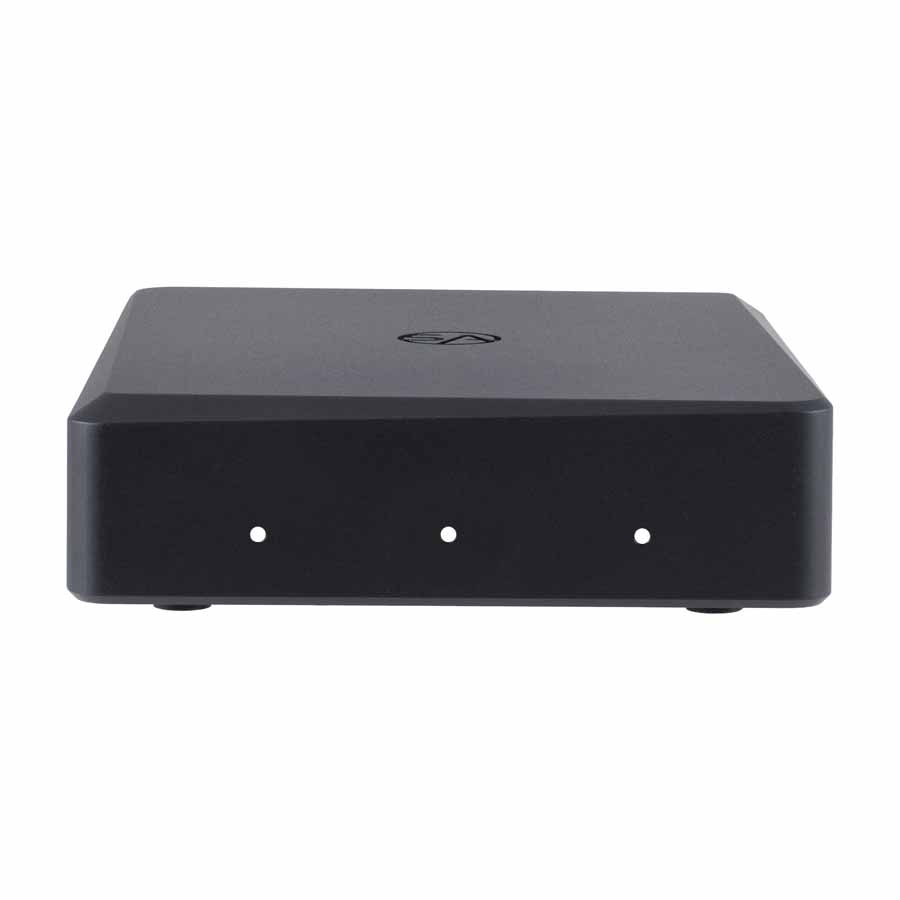
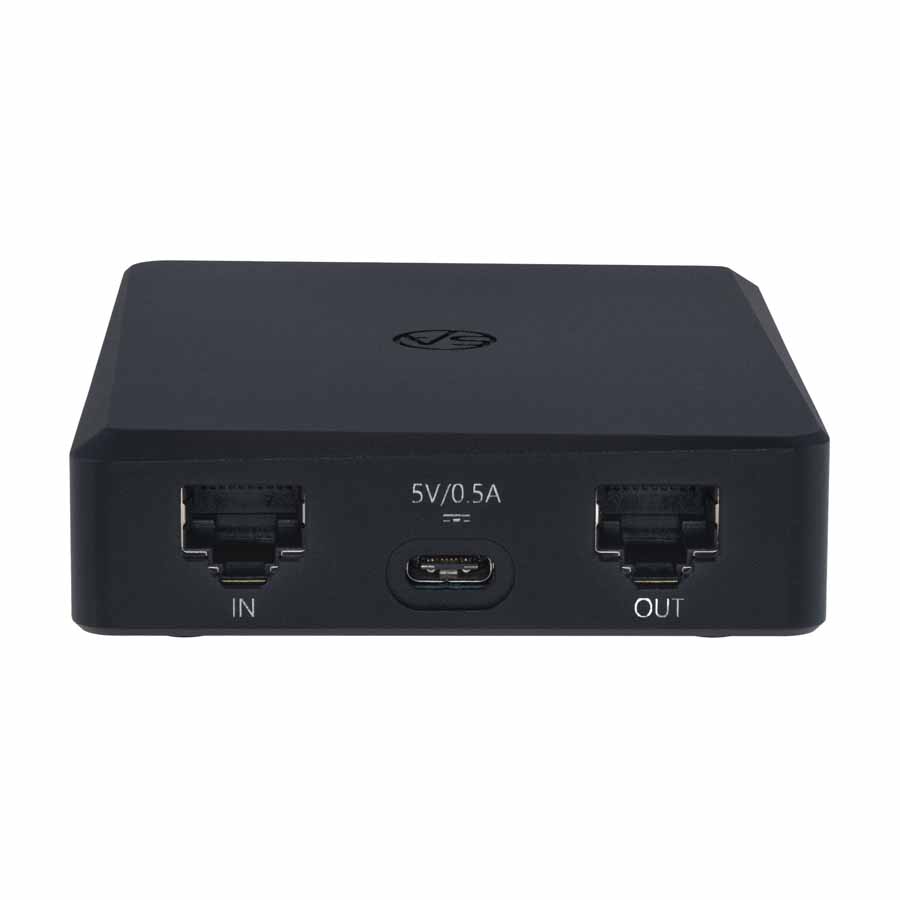
Installation is about as straightforward as it gets. The SmoothLAN has one input and one output port, which Stack Audio say helps to maximise performance and reduce interference. I connected the SmoothLAN with the rest of my system switched off, although the instruction manual only recommends powering down the streamer. The Ethernet cable from my powerline adapter was plugged into the SmoothLAN’s input port, and the supplied Ethernet cable was plugged into the SmoothLAN’s output port and my streamer’s input port. The SmoothLAN was then plugged into the power supply and powered up along with the rest of the system. The front face of the SmoothLAN has three LEDs which glow white when active: The left LED indicates an active input signal; the centre LED indicates that the SmoothLAN is powered and the right LED indicates that the streamer is connected. There is no facility to switch off the LEDs or to reduce brightness, but they are fairly dim in any case, and I found them to be unobtrusive in use. 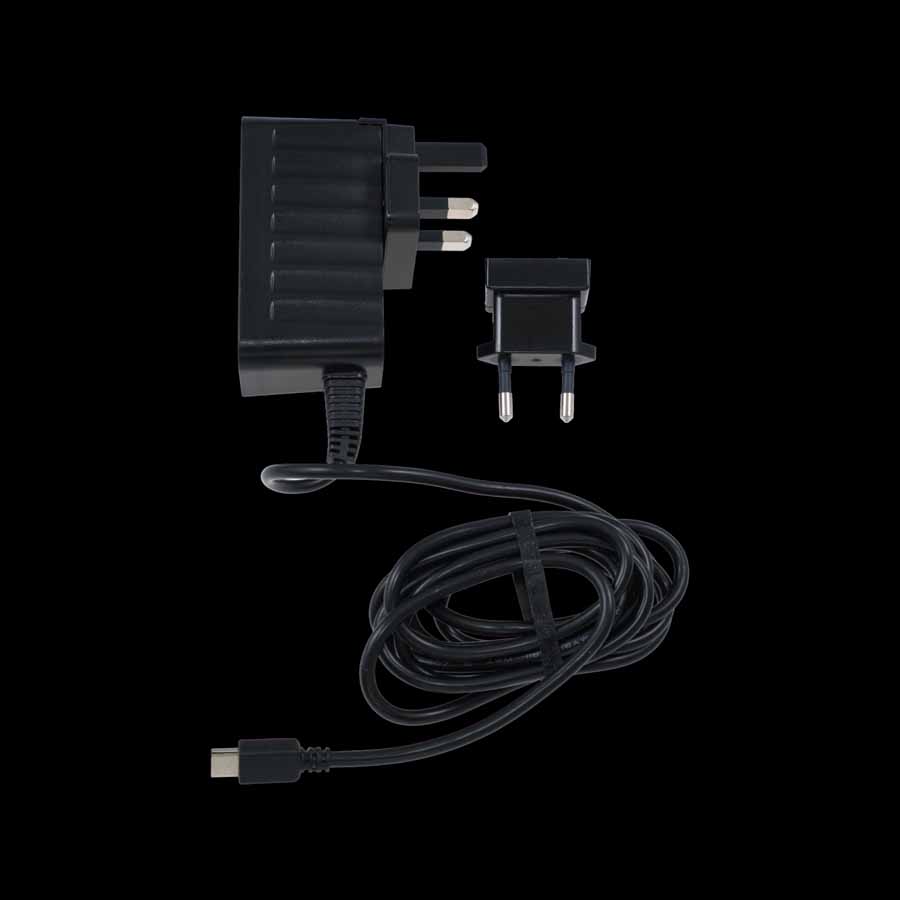
SOUND QUALITY
Digital audio can be a divisive topic. There is an argument along the lines of: “Digital signals are just ones and zeros and no amount of fiddling about with them can affect sound quality. They either arrive at your DAC and get converted to analogue or they don’t”. The problem with this argument is that it doesn’t take into account the fact that the “ones and zeros” make their journey to their conversion as part of an analogue electrical signal, which has the potential to pick up interference at various parts of its journey and then leak that interference into other parts of the system and degrade sound quality.
I was, of course, keen to discover whether the SmoothLAN would cure my intermittent “chirruping” problem and was delighted to find that over several months with the SmoothLAN in my system, the issue never arose. Not only that but the overall level of background noise was reduced when there was no music playing but the volume was cranked up. A definite win there.
The concept of “bedding in” for both loudspeakers and electronics is well-established, but I often wonder whether it’s a case of the actual components bedding in or the listener becoming accustomed to a change. I suspect it’s a bit of both. In any case, when I started auditioning the SmoothLAN I was aware of an increased emphasis in the upper midrange, resulting in aspects of some female vocals, for example, becoming slightly more dominant in a way that I wasn’t particularly happy with. Whether it was the SmoothLAN burning in or me simply getting used to it, this ceased to bother and distract me after a week or so and I was able concentrate on whether the SmoothLAN was making a positive difference.
It’s a matter of a few moments to switch the SmoothLAN in and out, making it easy to compare the sound of my system with and without it. Time and again, I was struck by how the reduction in background noise with the SmoothLAN in the system improved both detail and soundstage. Bonnie Raitt’s version of the John Hiatt song Thing Called Love from her Nick of Time Album features a lot of high-pitched percussion. With the SmoothLAN in place, it was easier to separate the individual nuances of finger cymbals, hi-hat and tambourine.
On Running Up That Hill (A Deal With God) from Kate Bush’s Hounds of Love Album (how is it possible that this album is 40 years old?) There was more timber in the timbre of the decidedly non-wooden drums, and Kate’s vocal was more solidly situated in the centre of the soundstage. With simpler recordings, the SmoothLAN’s benefits were even easier to hear. Alice Sara Ott’s solo piano version of Mussorgsky’s Pictures at an Exhibition is a live recording at the Mariinsky Theatre in St Petersburg. The recording does a good job of recording the theatre’s ambience, but with the SmoothLAN in place, it was easier to differentiate the individual piano notes, whether clustered as part of a chord or singly in a melody line.
Willy DeVille Unplugged in Berlin is another live album with a great ambience. Here the SmoothLAN enhanced the live feel and reduced a slightly aggressive edge to DeVille’s vocal.
After months of listening, I’m convinced that Stack Audio’s SmoothLAN is effective in reducing network interference, leading to an enhanced listening experience across a wide variety of recordings. 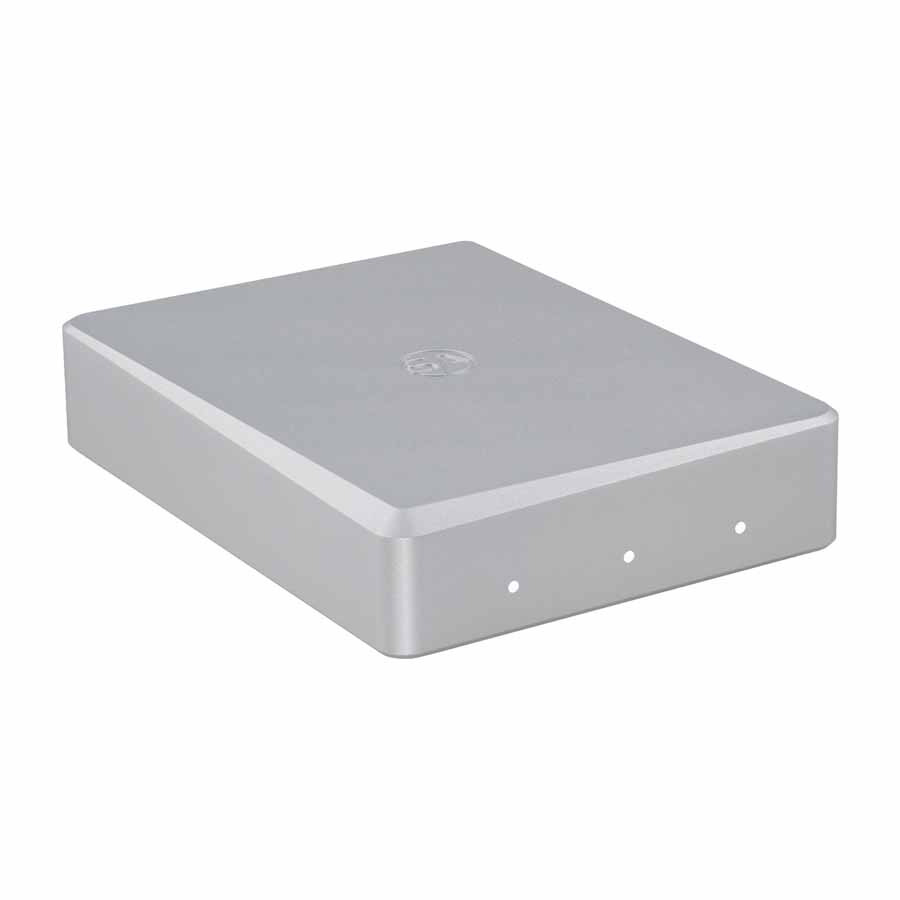
QUIBBLES
The SmoothLAN is a plug and play component and as such I had no quibbles with it. It is not cheap by any means, but its price reflects its quality of engineering and design.
CONCLUSION
In a perfect world, streamers would be immune to network noise. But in reality, the pre-streamer signal has no shortage of opportunity to pick up interference on its way from its source. Stack Audio’s SmoothLAN is effective in filtering out this interference, providing the streamer and the post-streamer components with an improved-quality signal resulting in a better listening experience.
I found that the SmoothLAN raised the game of my streaming setup.
If you are sceptical, Stack Audio’s 30-day money-back guarantee provides a no-risk opportunity to discover what the SmoothLAN can do for yours.
AT A GLANCE

Build quality:
Robust aluminium chassis, elegant finish, discreet footprint
Sound quality:
Reduction in audible interference, improved detail, enhanced soundstage
Value for money:
At £750, the SmoothLAN is a considered investment, but for those who are serious about streaming, it is one worth considering
We loved:
Packaging, build quality, audible improvements
We didn’t love so much:
Price may be an obstacle for some
Elevator Pitch Review: For anyone looking to optimise their streaming set up, the SmoothLAN Regenerator delivers a definite contribution to high-end performance in a plug-and-play package.
Price: £750 (inc. VAT)
John Scott