Oslo HiFi Show 2026 Report










JON LUMB CONTINUES HIS SCANDI ADVENTURE AT THE OSLO HiFi SHOW 2026

HiFi PiG’s Jon has been enjoying a Scandi-Fi adventure, following on from the High Performance Audio Show 2026 in Denmark, he headed to Norway, for the Oslo HiFi Show 2026, which this year had relocated to a bigger and better location.
Join Jon as he takes you around what was a fantastic HiFi Show, and find out where his second Golden PiG found a new home.
Please note, all content and photos are the copyright of HiFi PiG Magazine/Big Pig Media LLP and must not be copied or reproduced in any way without the prior, written consent of the editor.
OSLO HIFI SHOW 2026 REPORT
Oscar and Kelly have been covering the Oslo HiFi Show for a number of years now, but with HiFi PiG’s own Audio Show Deluxe being held on the same weekend, they headed off to deepest, darkest Northamptonshire, and instead, I was packed off to sunny Norway. The venue had changed this year to the Thon Hotel Oslofjord, in Sandvika, about a 15-minute train ride from Oslo city centre. It’s quite a funky-looking venue, and a lot more modern feeling than most hotels I’ve visited for shows. One of the “fun” parts of moving to a new venue is that nobody really knows what to expect, how any of the rooms will sound, and what other curious quirks may be lying in wait.








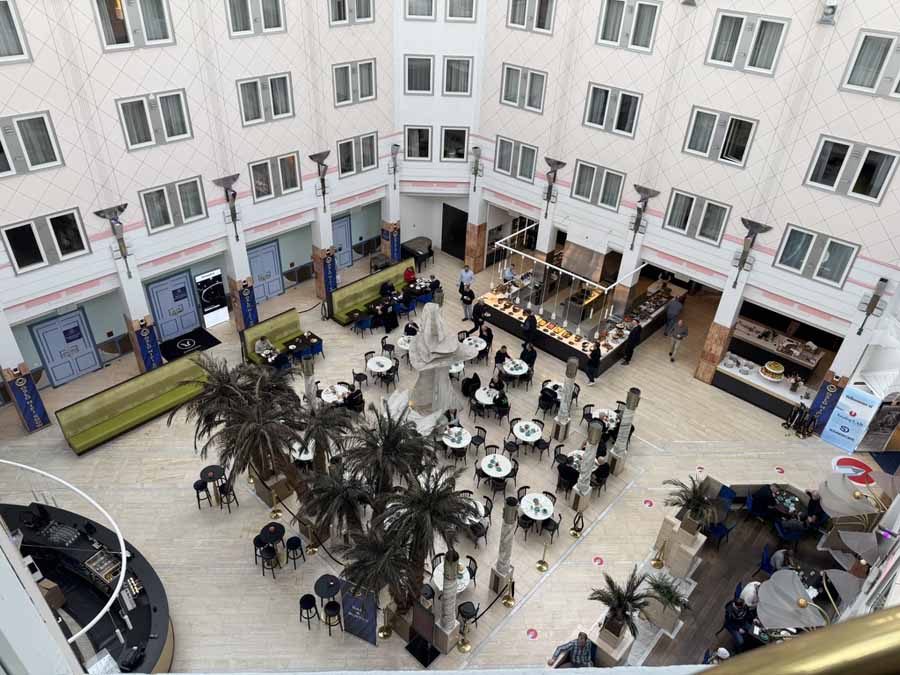
Over the course of the two-day show, a total of 1898 visitors came through the doors, which is nearly a 20% increase on last year’s numbers, and really quite encouraging to see. With 49 different rooms open (some with multiple systems in place), there was a wide variety of equipment for folks to see and hear, from £300 Wiim speakers, right up to rooms with £500,000 worth of HiFi playing away. Without further ado, let’s get on with the proper show coverage.
303: MALA AUDIO
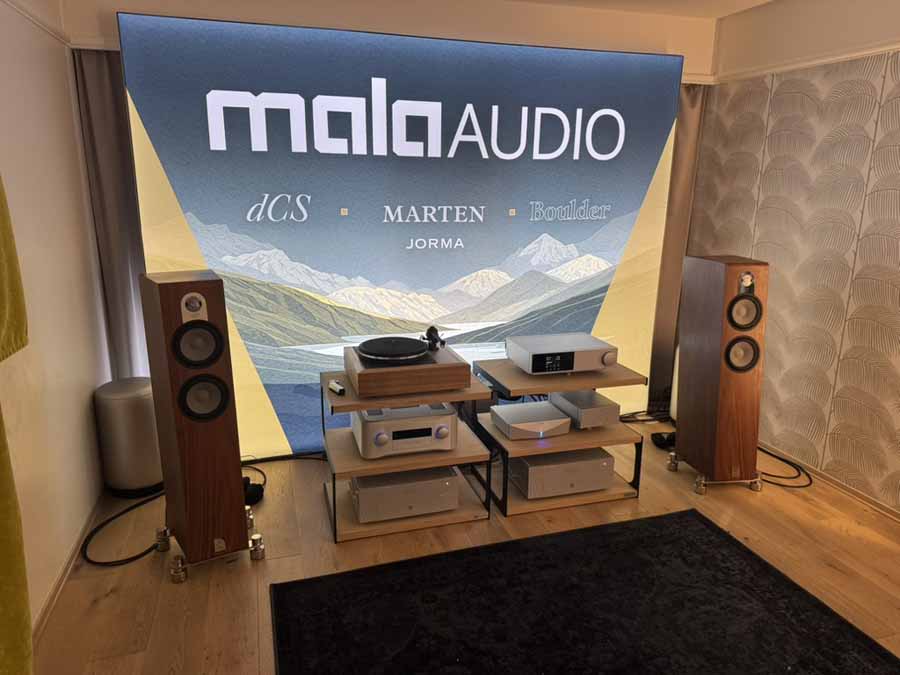
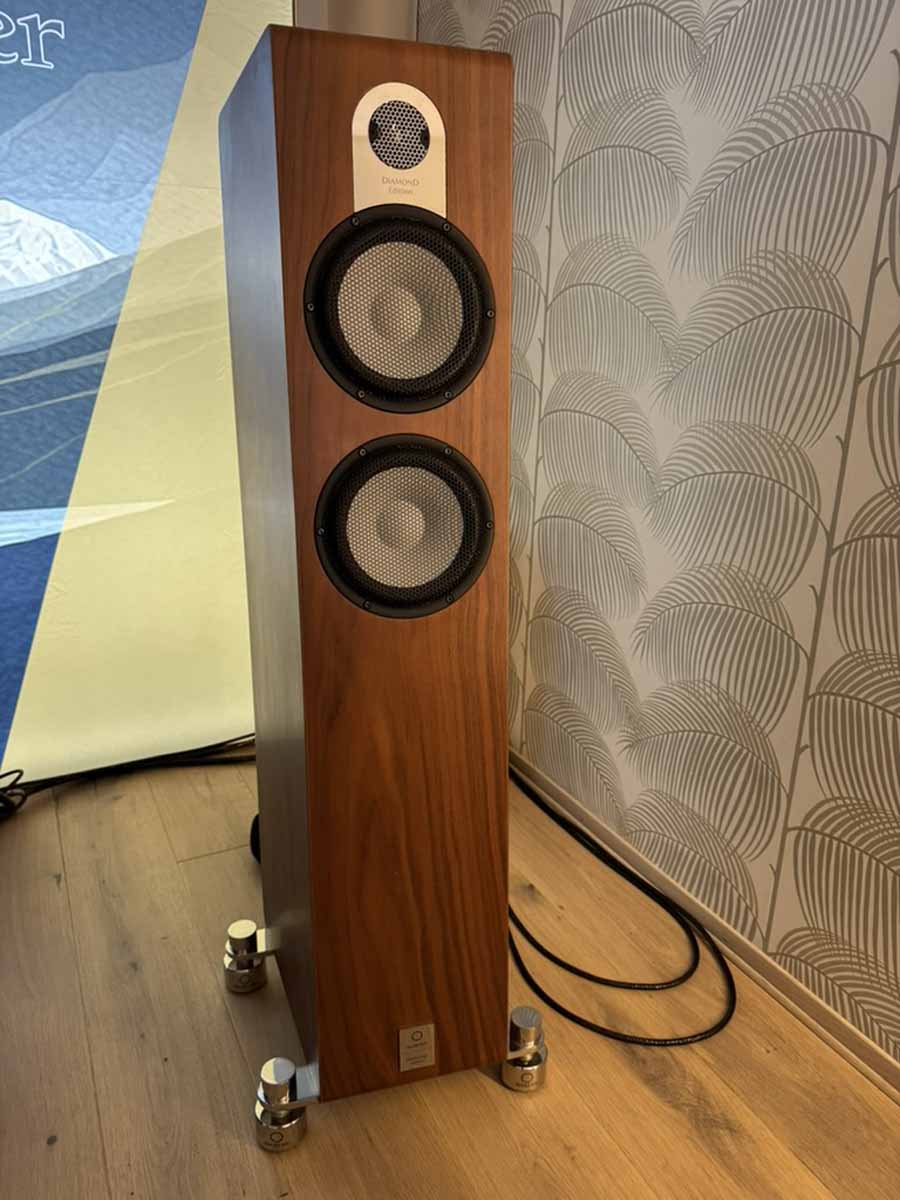
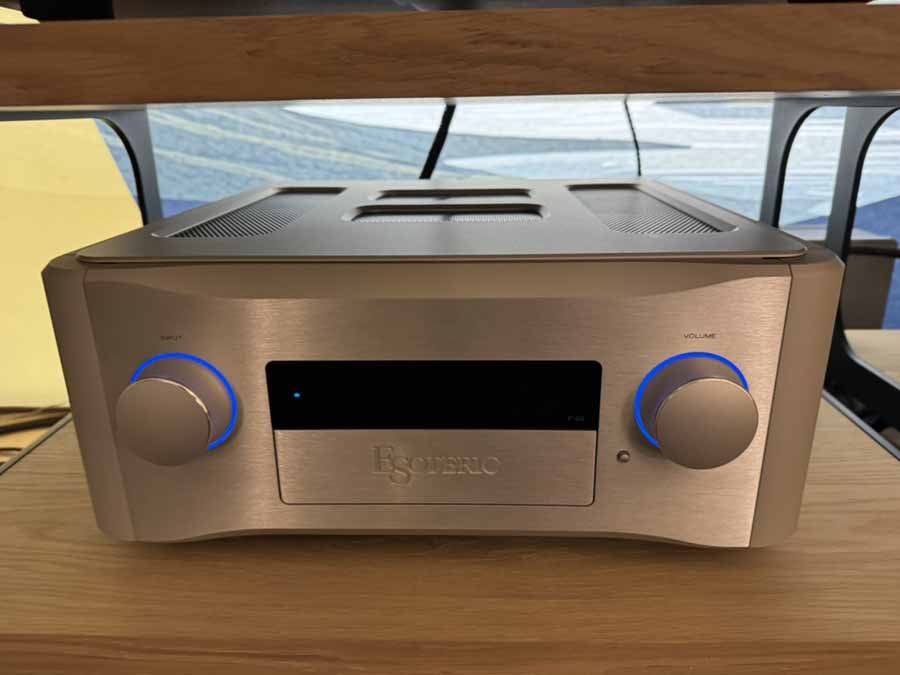
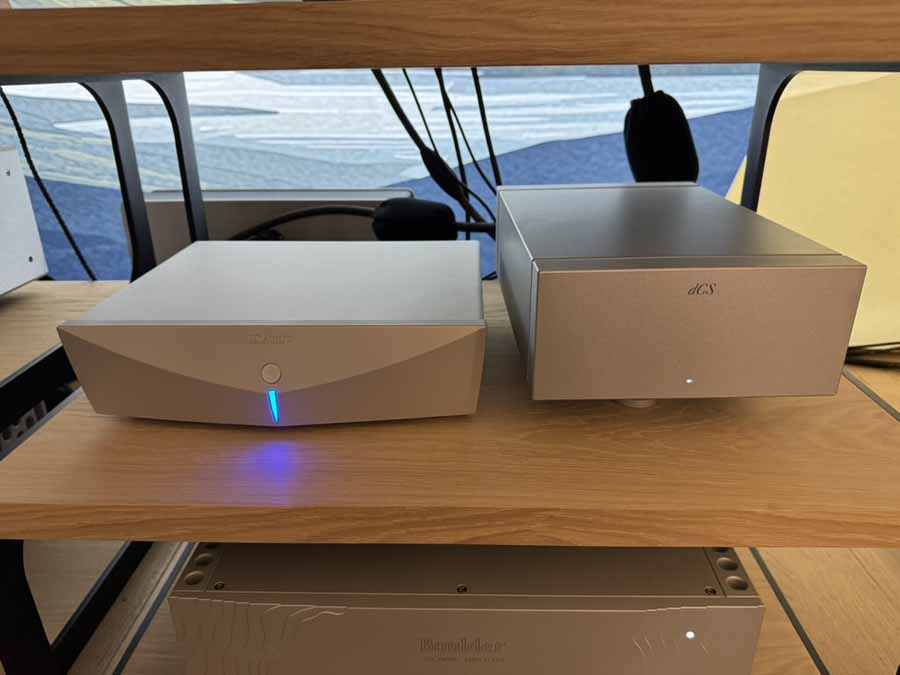
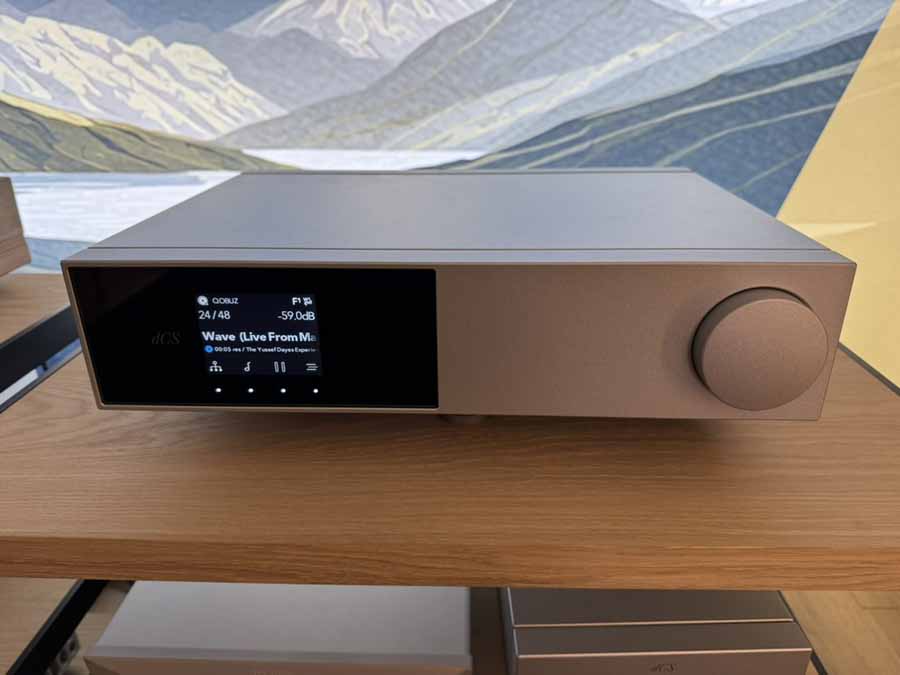
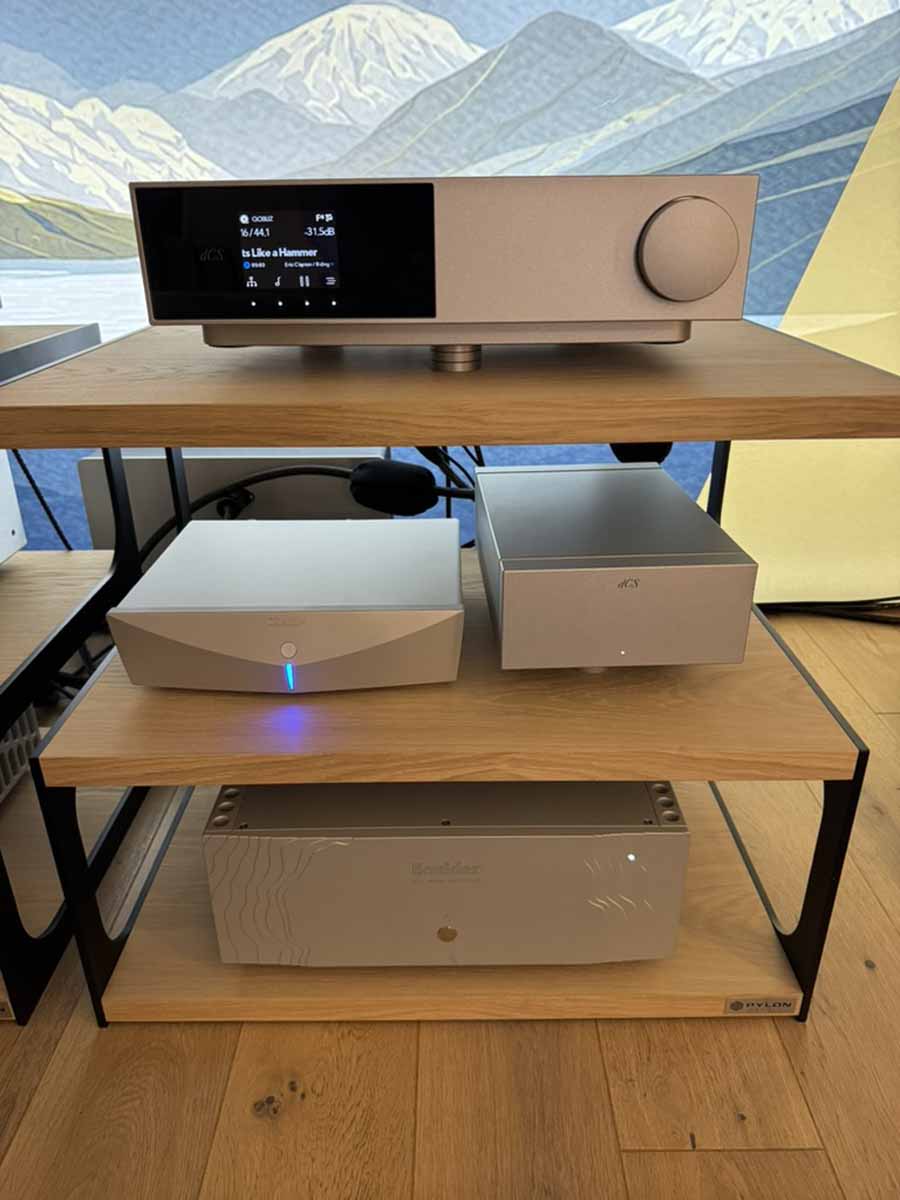
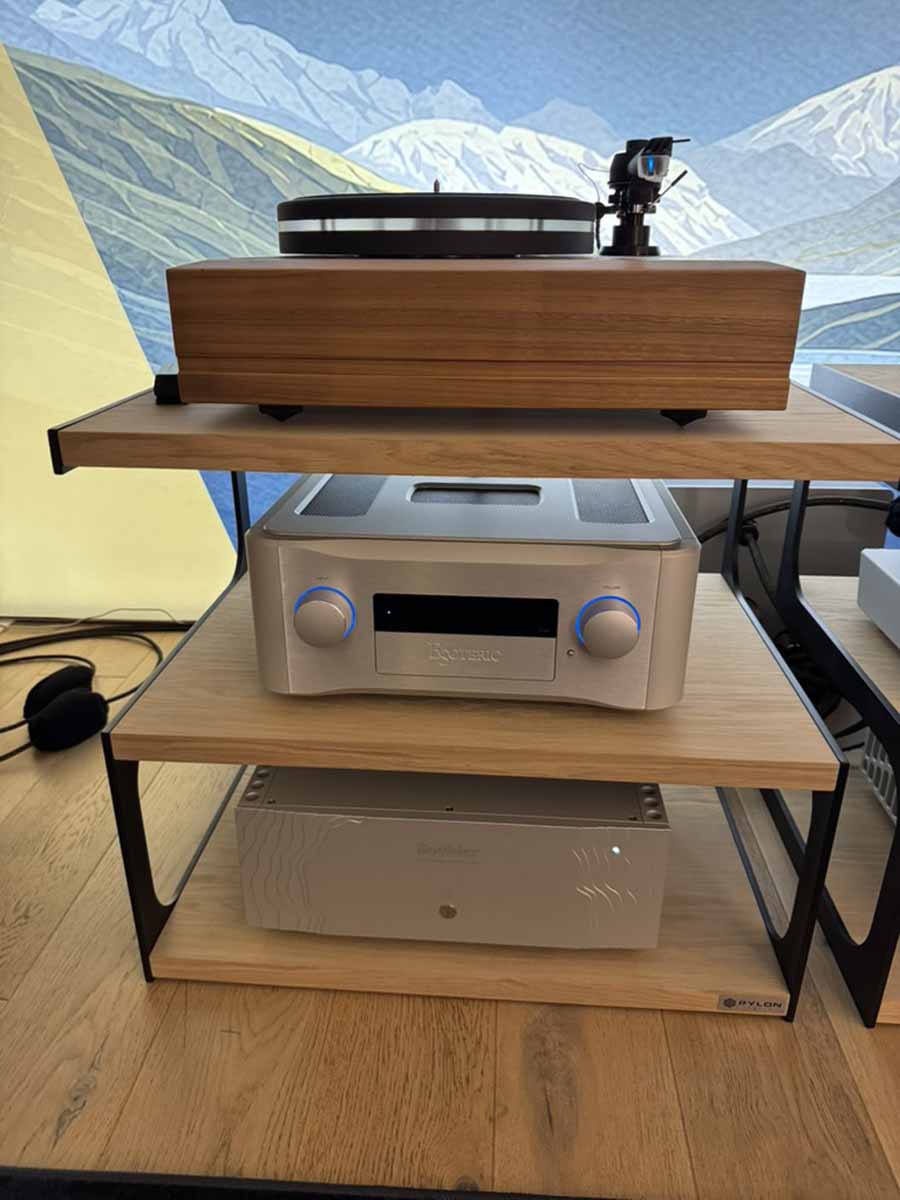
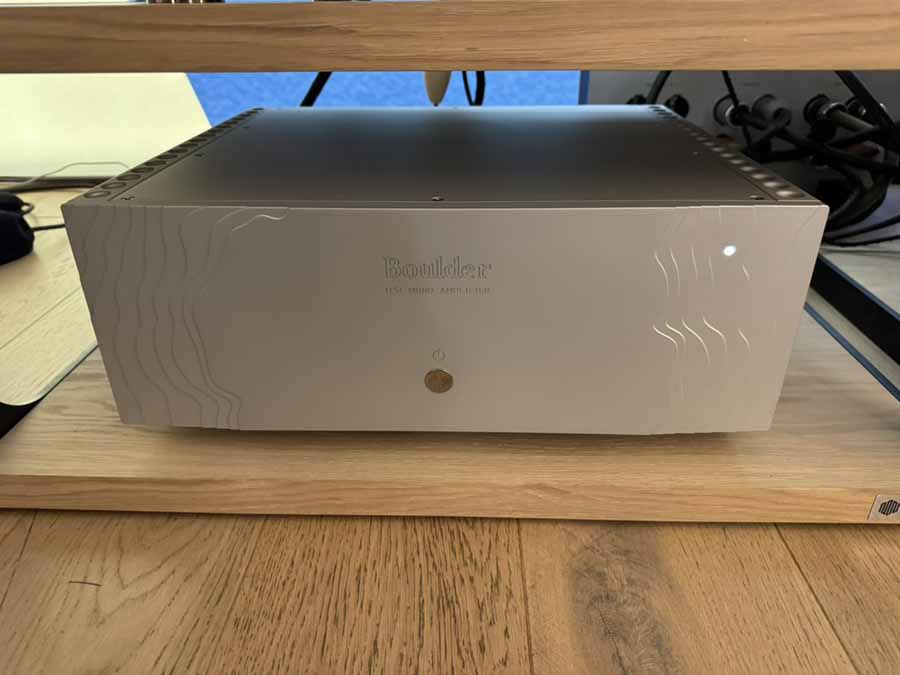
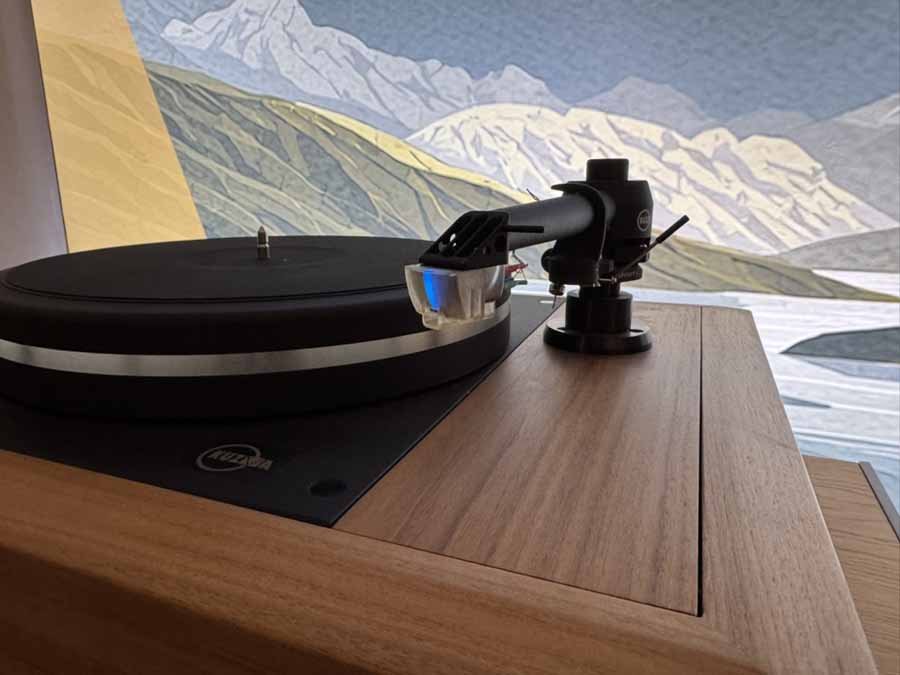
This first Mala Audio room featured the DCS Lina X + Master Clock, Kuzma Stabi R + 4.9 tonearm and Esoteric Integrated with phono, Boulder 1151 monoblocks and Marten Parker Trio Diamond Edition speakers.
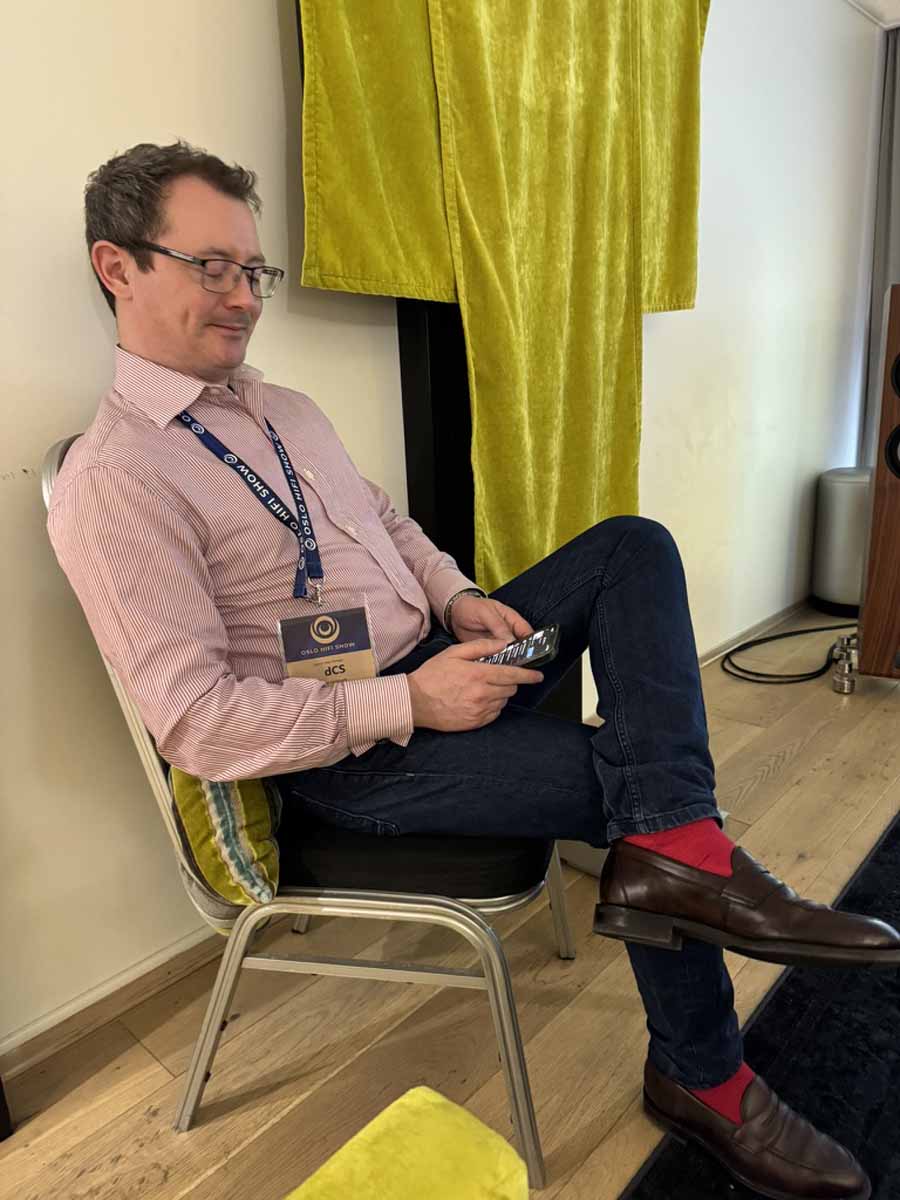
This whole ensemble had an extremely crisp and clear sound. I got a fascinating demonstration of the DCS Master Clock, which makes quite a difference to the overall sense of clarity. Alastair from DCS was demoing the kit, and the demo is a super simple one where the Clock is simply switched off, and you get a very noticeable decay in the sense of space and detail over the 15-20 seconds as the timing shifts away from where it should be. You then get the flip side of everything coming back into focus when the clock is switched back on.
There are bags of details that this system rings out of a recording, which is probably playing to stereotype a little with both DCS and Marten, but it’s definitely a reputation based on what they do well.







305: MALA AUDIO
Spendor has long since shrugged off its reputation for a pipe-and-slippers presentation, and its A7.2 is no exception. The whole system here comes across with a very even tone. The Musical Fidelity 800.2 integrated amplifier has a huge amount of power on tap, which makes it very comfortable in this pairing. There’s a clear separation of instruments when playing something like Solid Air. I was also quite struck by the top end; there’s a lightness of touch to the presentation, which works really well. For sources, we had the Matrix Audio MS1 streaming transport using a DCS Lina DAC, alongside a Musical Fidelity M6XTT turntable.
The room setup was a little unconventional, in that the Spendors were positioned quite far into the room, maybe 40cm from the side walls. That did help give a pretty wide soundstage for a relatively compact room.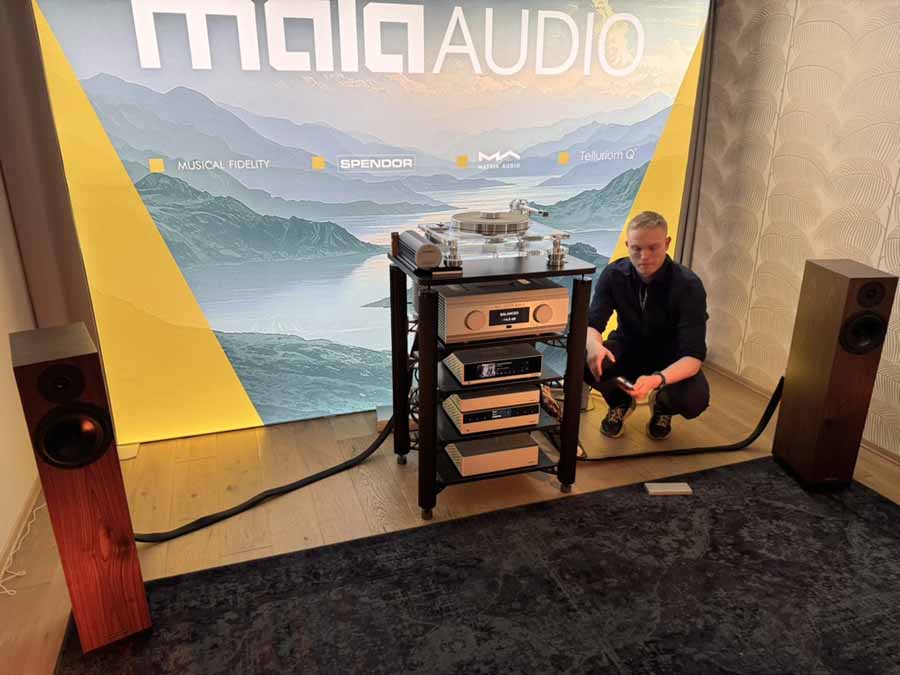
307: MALA AUDIO
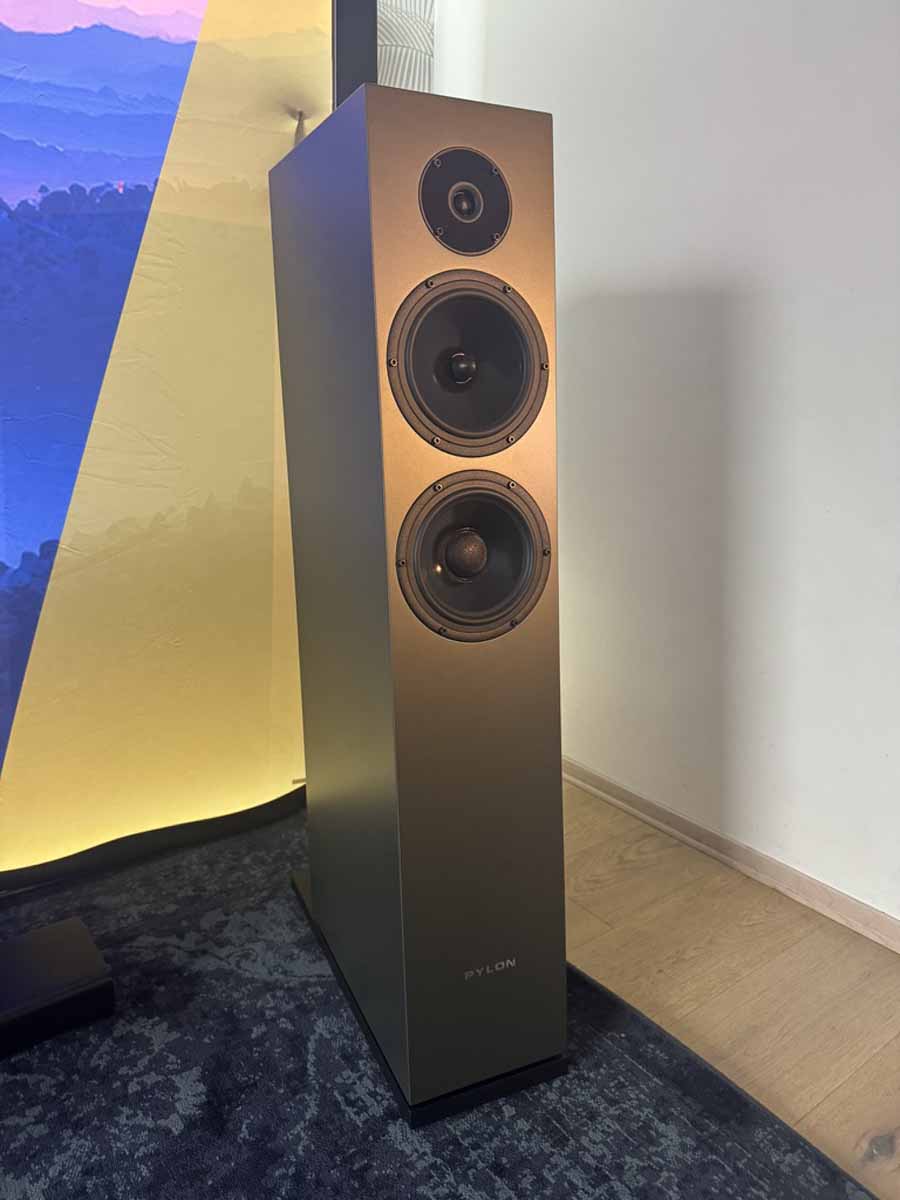
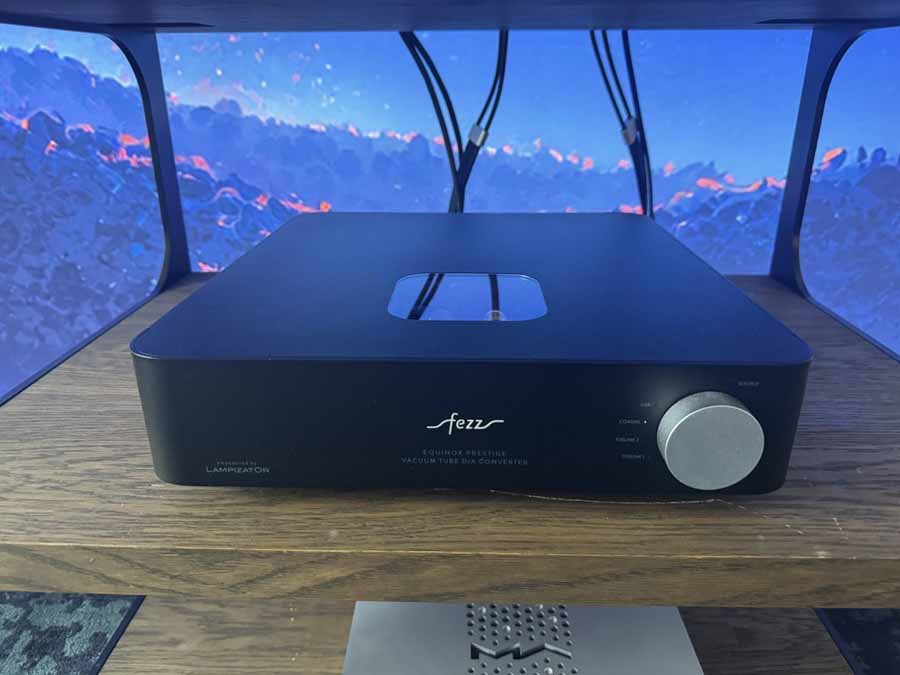
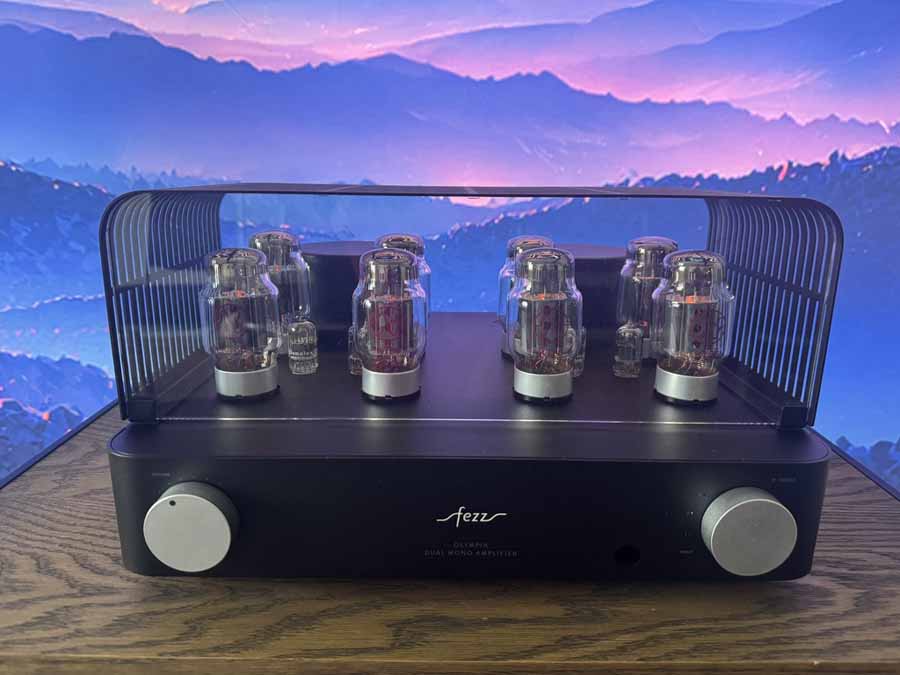
The third Mala room had a Matrix Audio MS1 streaming transport, Fezz Equinox Prestige DAC, Fezz Olympia dual mono integrated amp and Pylon Audio Diamond 28 mk2, 3-way floorstanders.
I was pretty bloody tired by the time I got to this room, pretty much my last one of the weekend. I sat down, let the music wash over me, and really just basked in how lovely the music sounded. There’s a lightness and delicacy to the whole ensemble here that’s really quite beguiling. I think sometimes, when a system works really well, it can actually become quite difficult to describe why. We reach for terms like “musical”, which, per se, doesn’t convey a great deal of useful information to the reader. I’ve come to the conclusion that it essentially means “this sounds exactly how I want my HiFi to sound,” and that was certainly the case here.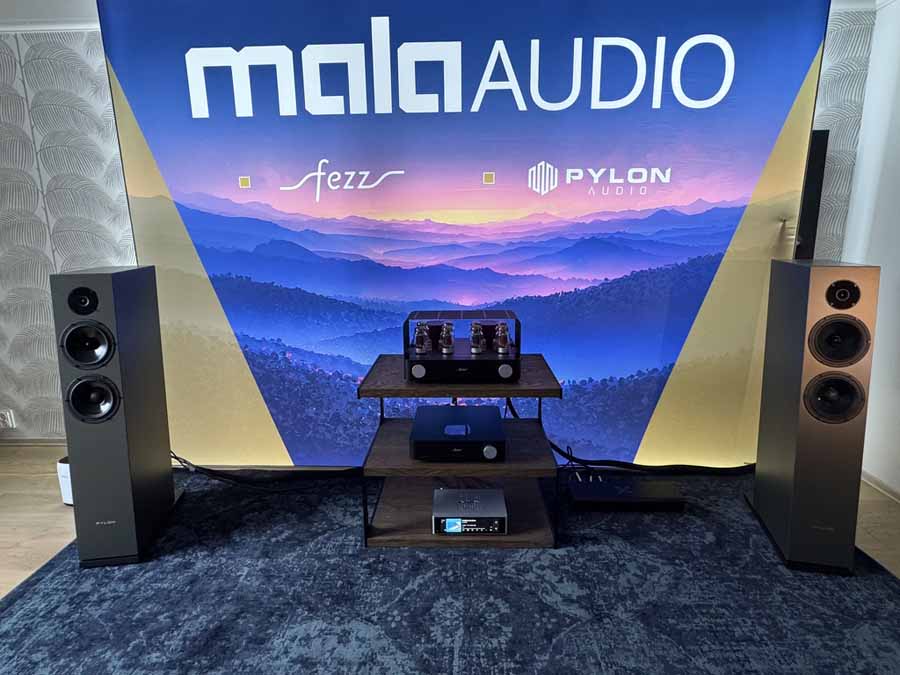
310: NORDIC SOUND DESIGN
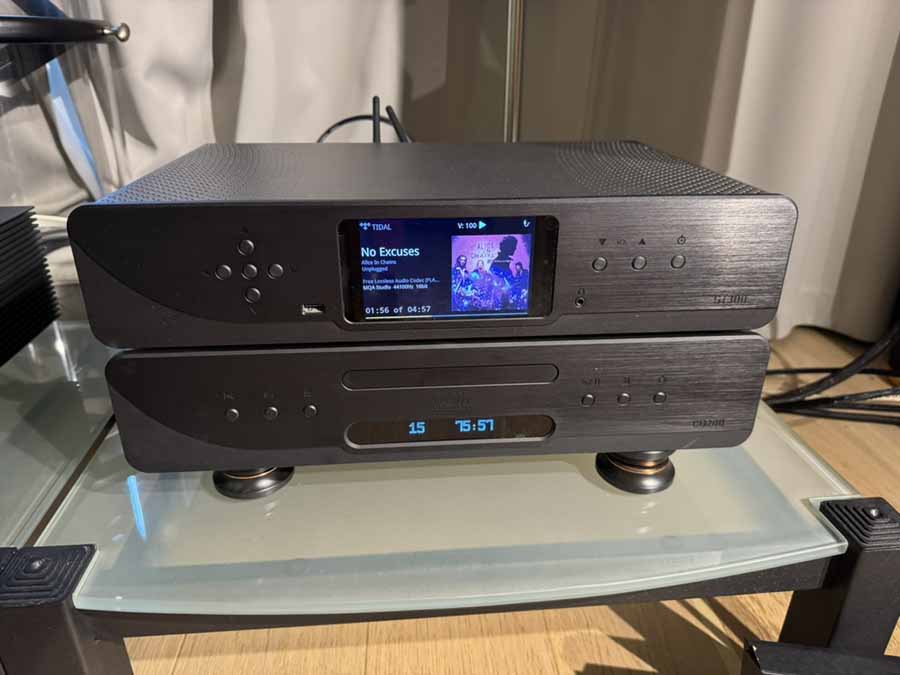
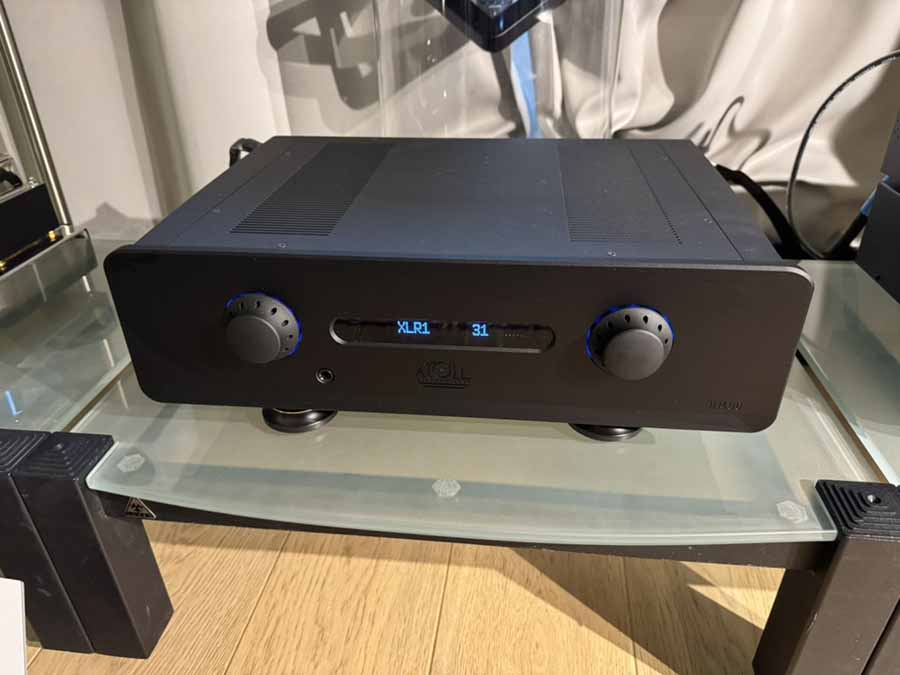
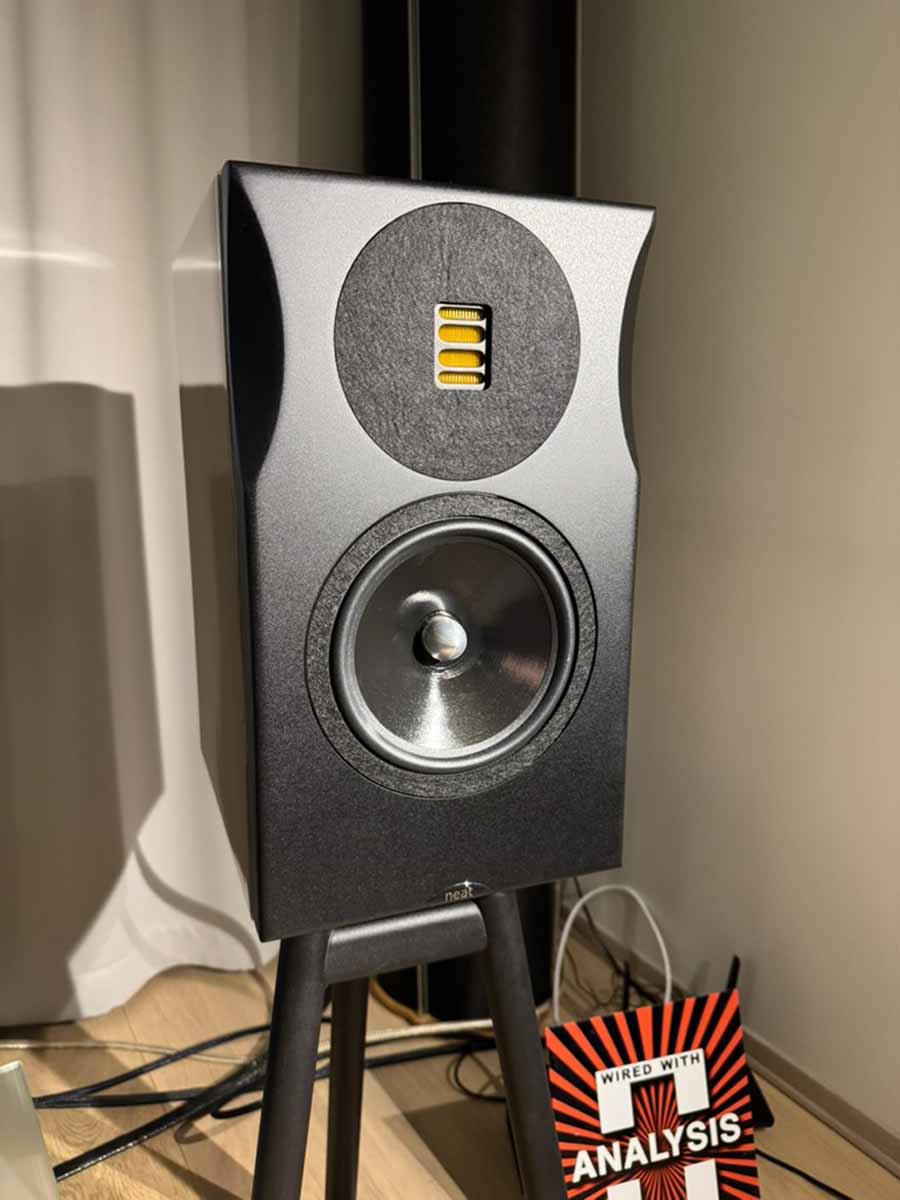
This was a first show outing for the Neat Momentum JS in Norway. Quite a rich sound, but without overblowing the relatively compact hotel room. It’s really Neat doing what they do best. The rest of the system was all Atoll, featuring the CD 200 EVO, ST 300 streamer DAC, and the IN 400 integrated amplifier.
This system had a great, even tone overall, and a sound I could quite happily listen to for extended periods without getting fatigued.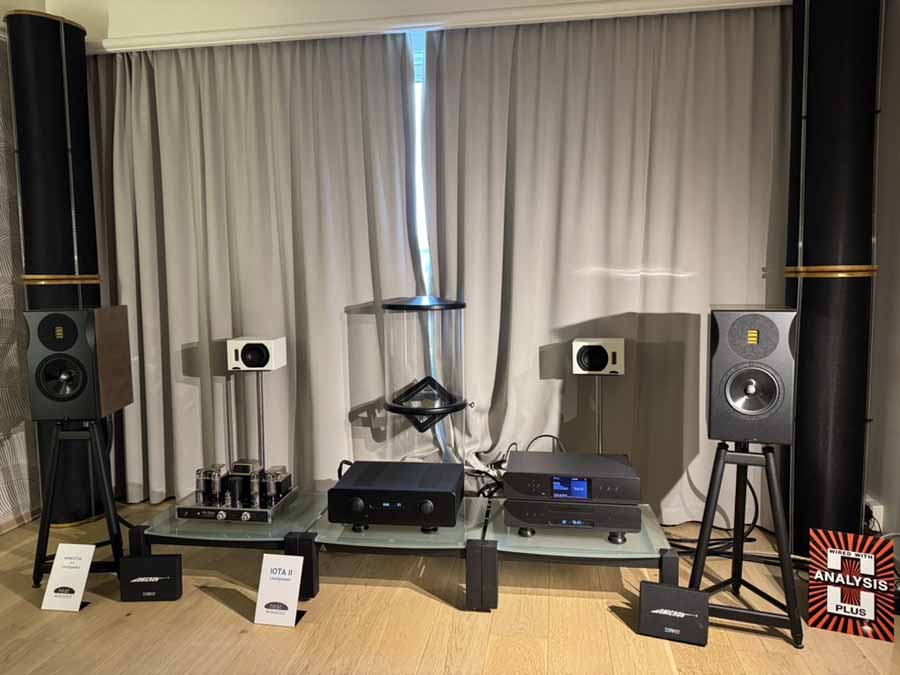
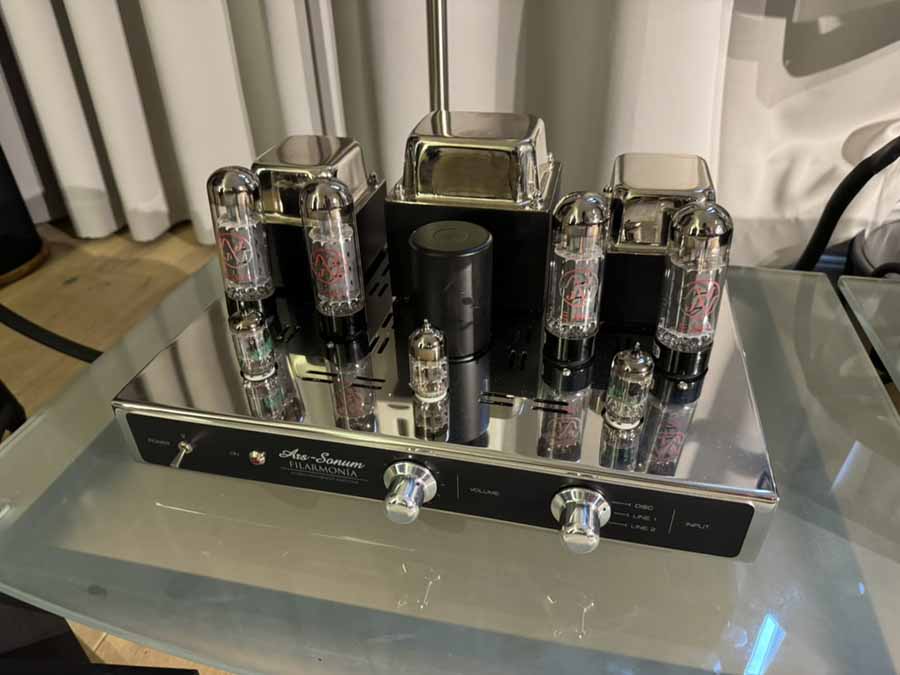
312: MULTIROM
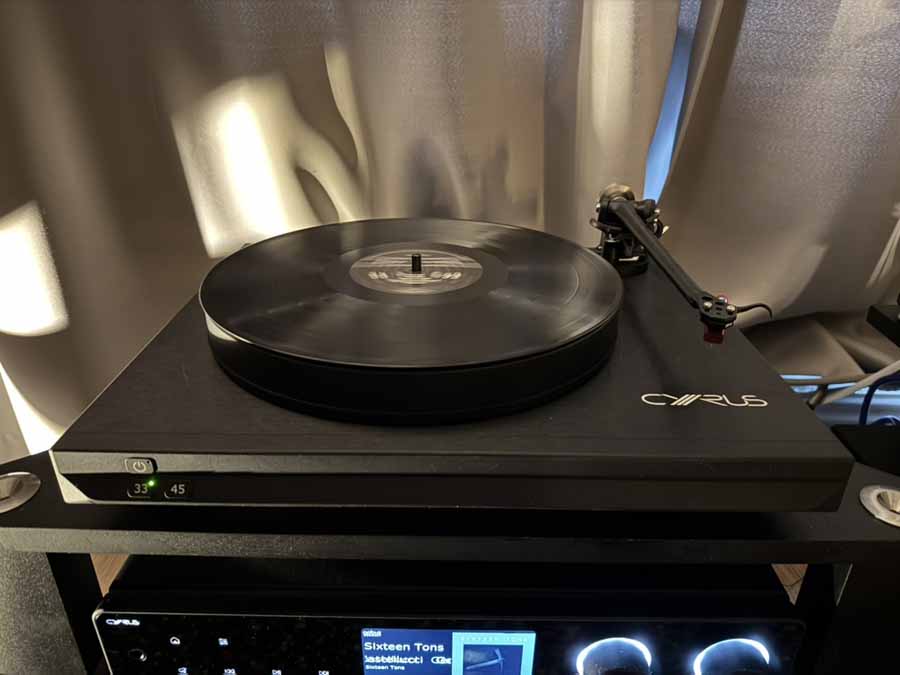
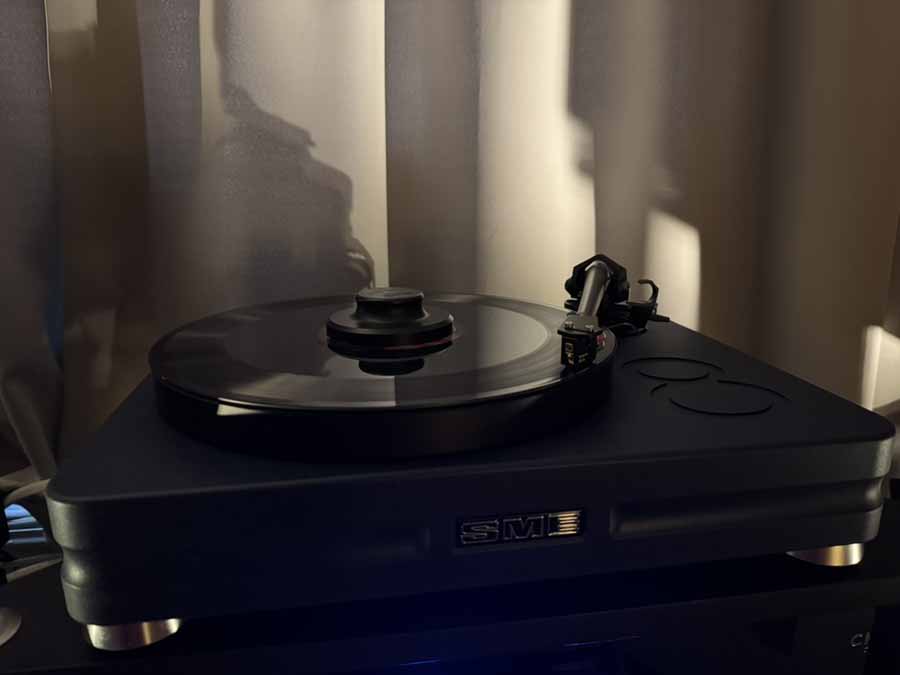
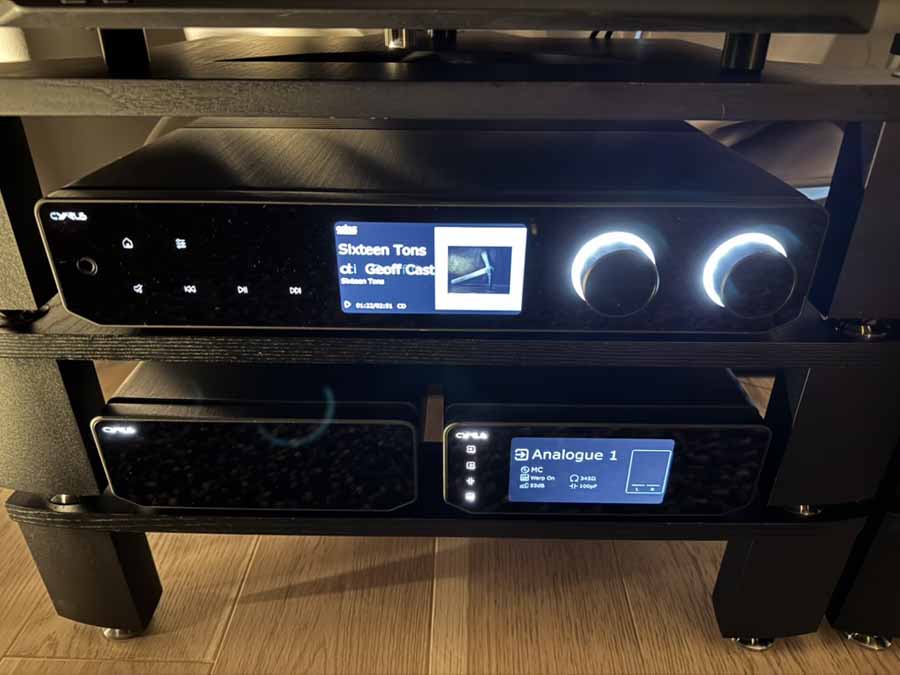
This almost feels like cheating, as it’s an identical setup to the Cyrus 80 series/Kerr K200 setup being demonstrated at the Bristol show a few weeks ago (albeit with the addition of an SME 8 turntable alongside Cyrus’s own TTP. It was an interesting experience to hear the system in a much smaller environment. Despite having had no trouble at all filling one of the larger rooms at Bristol, the entire setup worked very well in a far more compact hotel room. No issues with overblowing from the sizeable transmission lines, even listening to Sixteen Tons by Geoff Castellucci, which runs to some seriously low territory.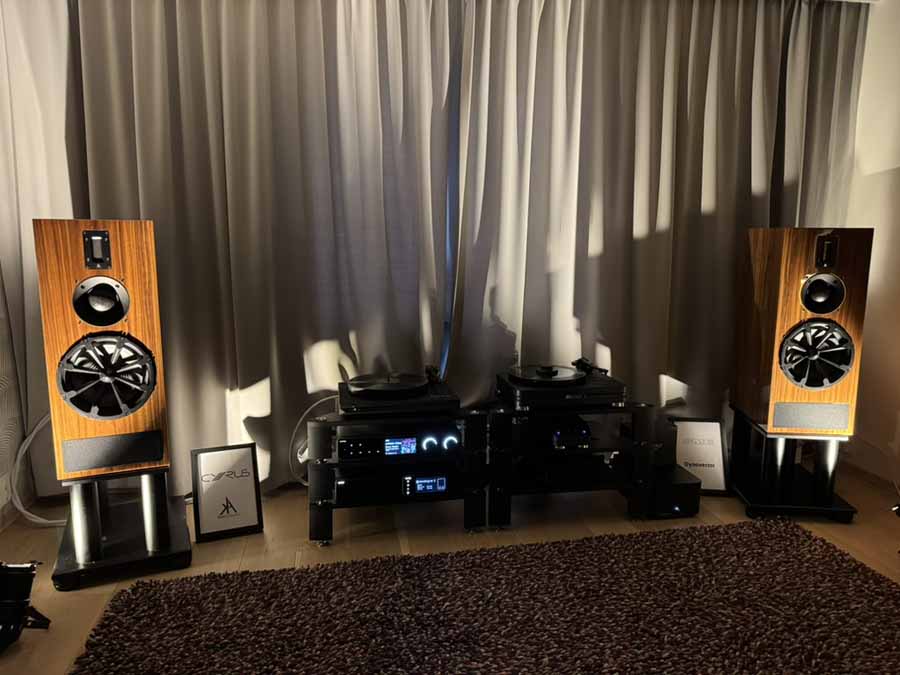
314: MULTIROM
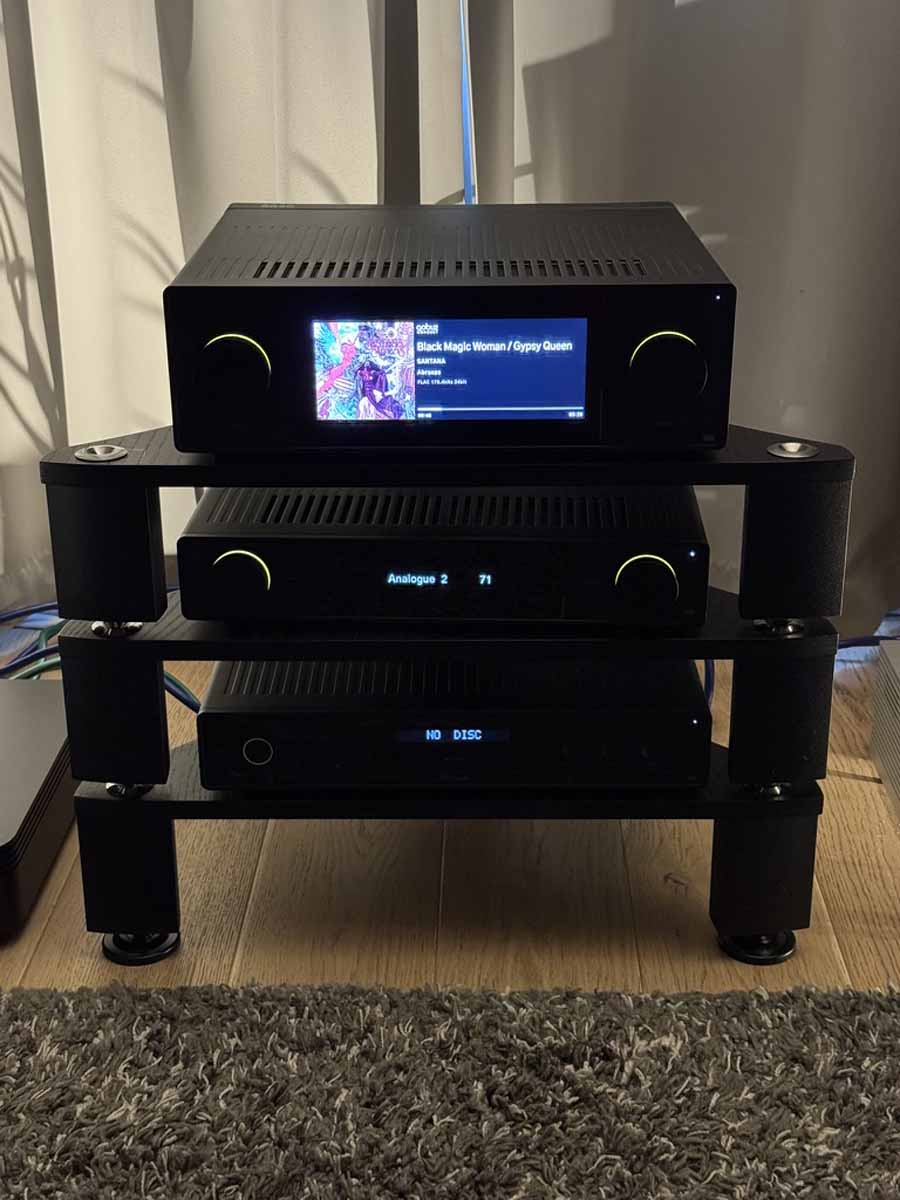
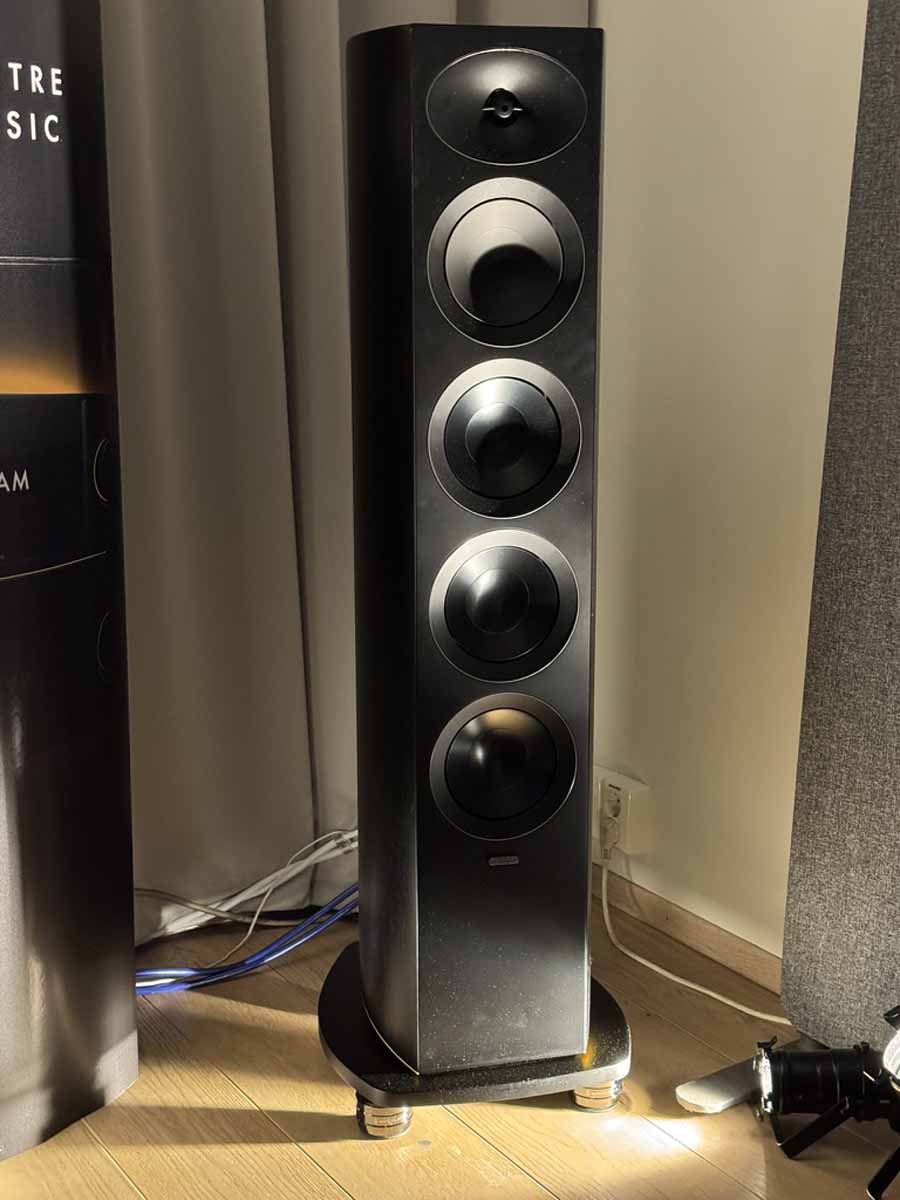
The primary demonstration here was the new Arcam R45 floorstander, which features ceramic drivers throughout. This was matched by the SA45 streaming amplifier, which was using Dirac Live for room correction.
There’s a really dextrous upper-mid/treble sound going on with this setup. The first track I heard here was This is What You Are by Mario Biondi and the High Five Quintet. It opens with some quite rapid but gently played high hat and cymbals (something that can be remarkably challenging to play), and you get a real feeling of nuance about the playing, which was delightful.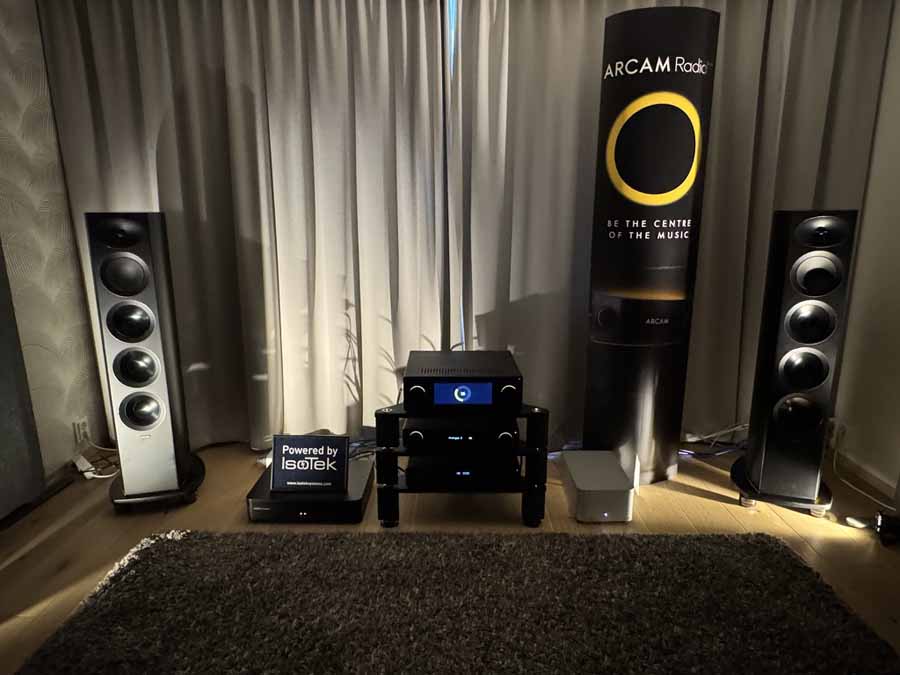
316: HI END STUDIO
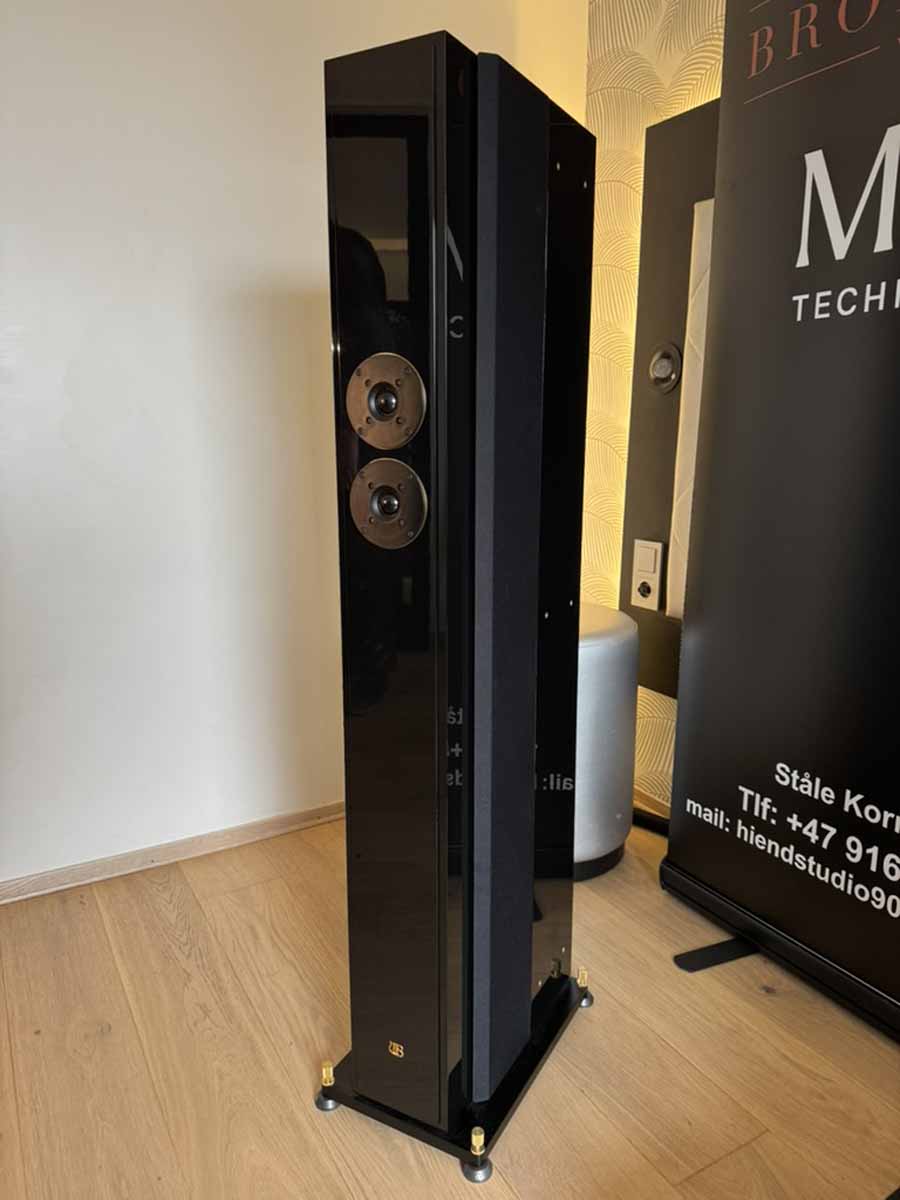
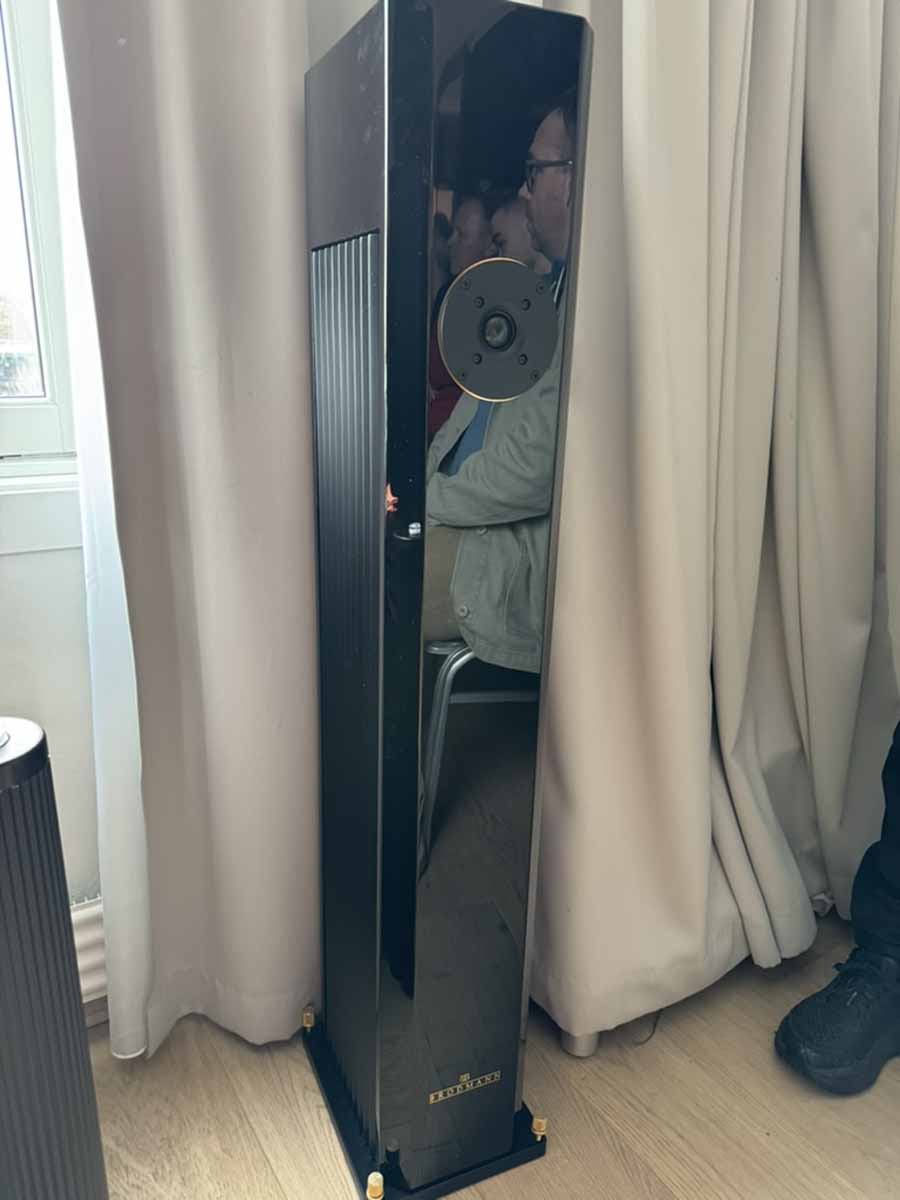
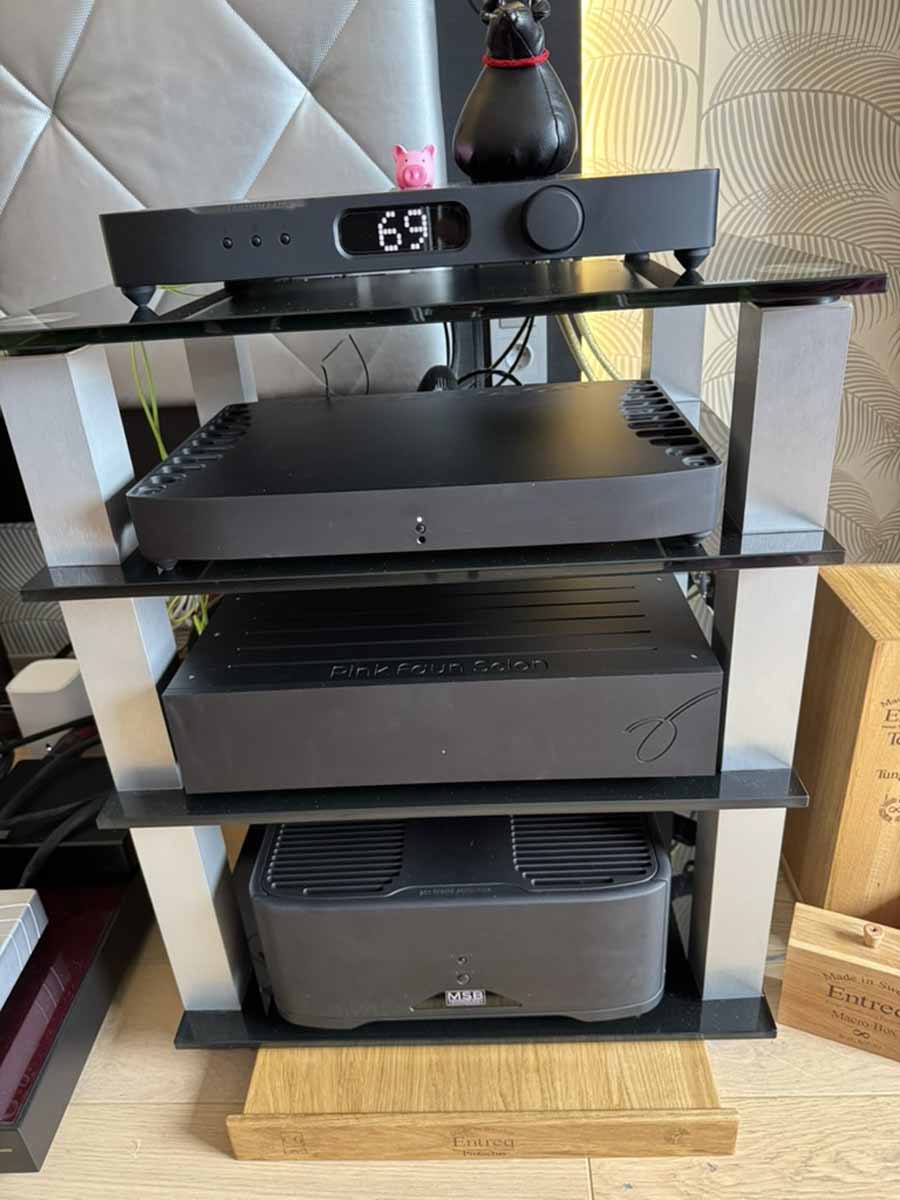
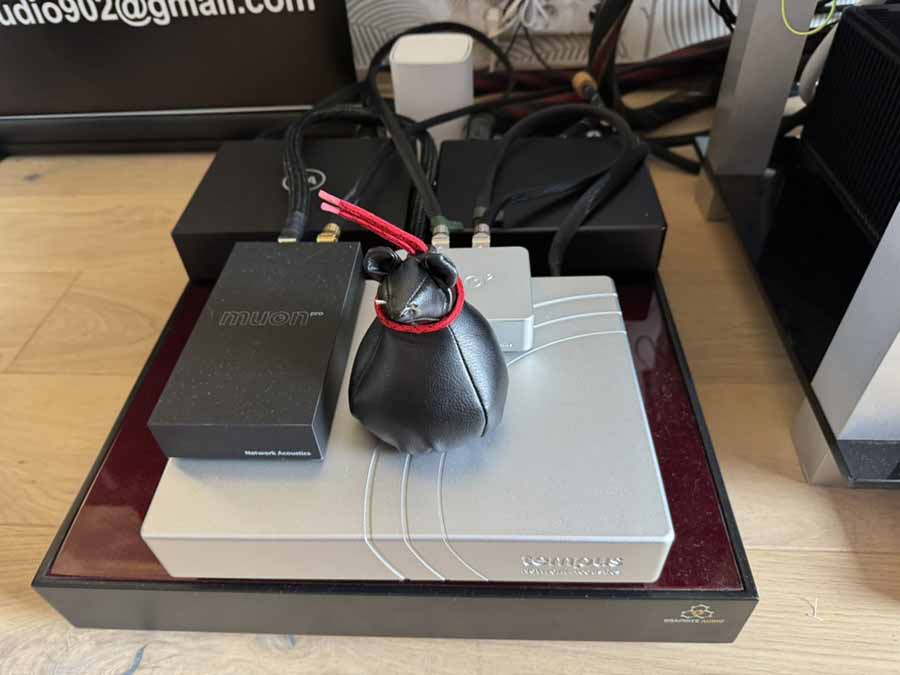
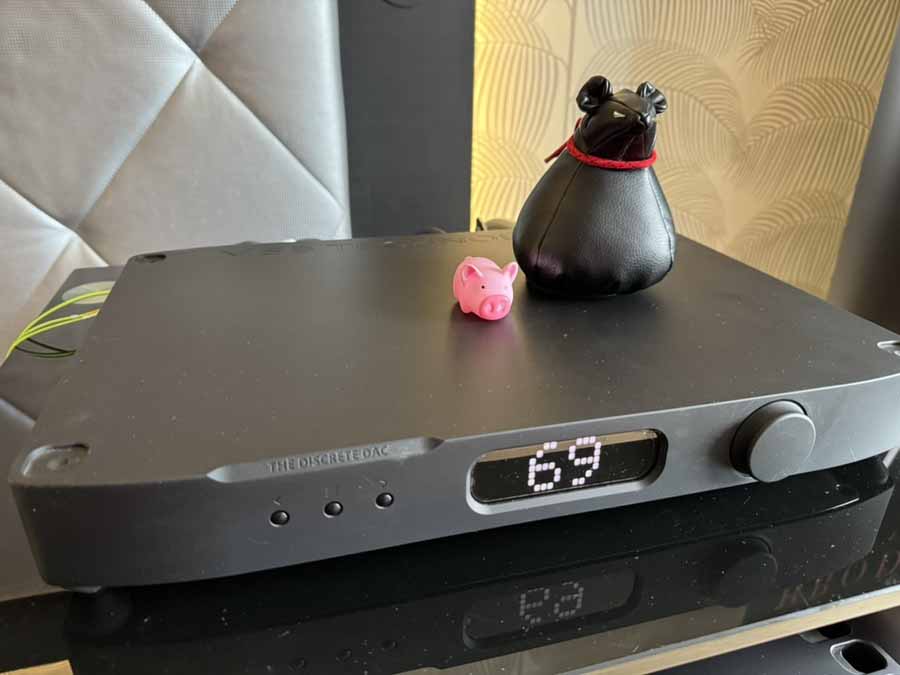
A number of the components in this system had come straight up from the show we covered in Odder last week, including the Pink Faun Scion and the MSB S200 power amp. Instead of the Cascade, the MSB Discrete DAC was used. The speakers being played were the Brodmann VC 7s. Unsurprisingly, there was plenty of detail coming through from the MSB electronics. The Brodmanns act as an interesting counterbalance to the Magico S3 of the previous week, taking a substantially different approach. There appear to be a pair of soft-dome tweeters on the front, and the sides of each cabinet have what appear to be 2 lower-range drivers. What is a true departure is that every single driver in the speaker is presented with the entire frequency spectrum; the crossover, such as it is, is acting solely as a signal splitter. This gave a surprising degree of presence and overall coherence for such narrow-profile speakers.
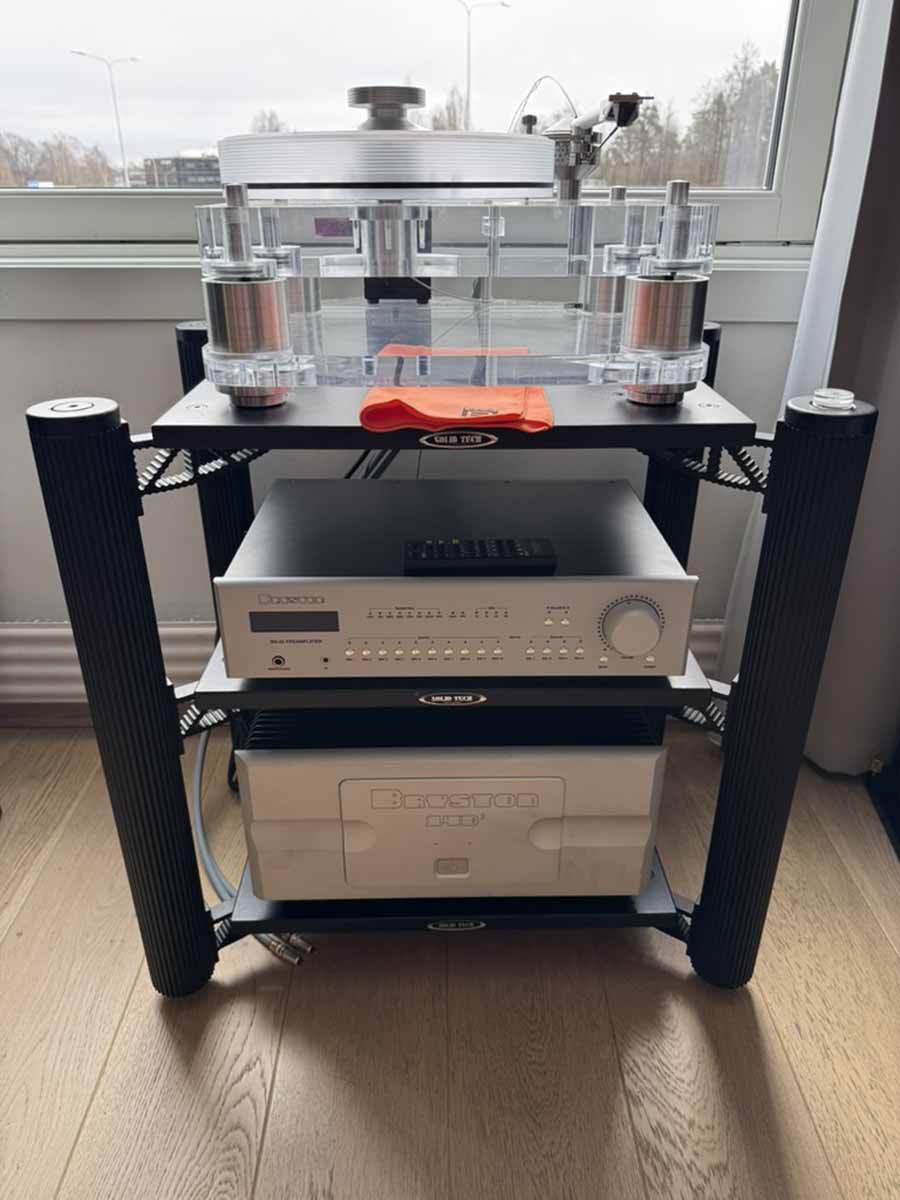
A second system was also set up, which included a Basis Audio turntable, Bryston BR-20 pre and 14B Cubed power amp, finishing with the Brodmann F2s.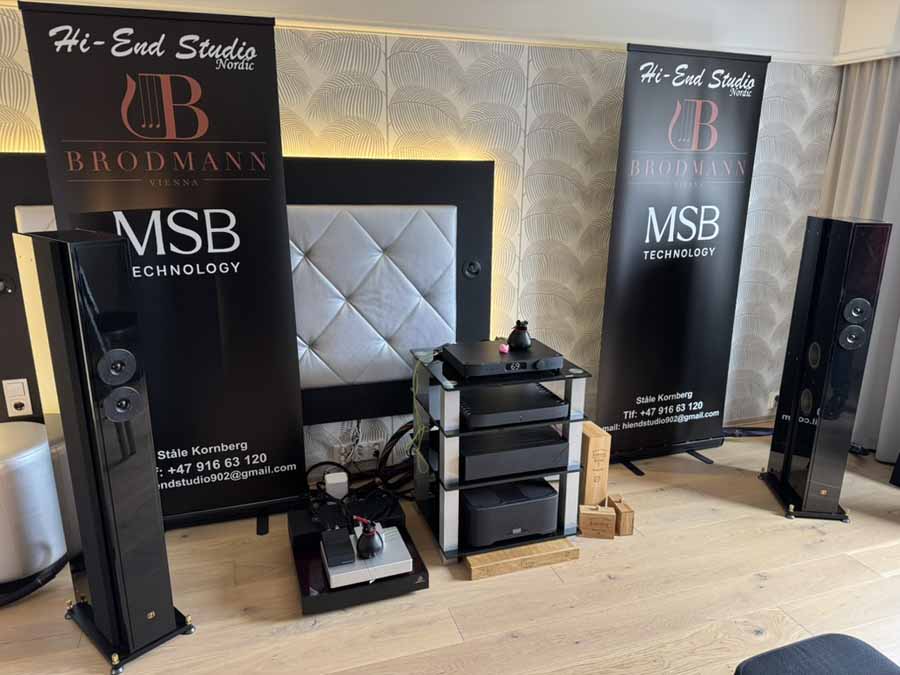
320: REGAL AUDIO
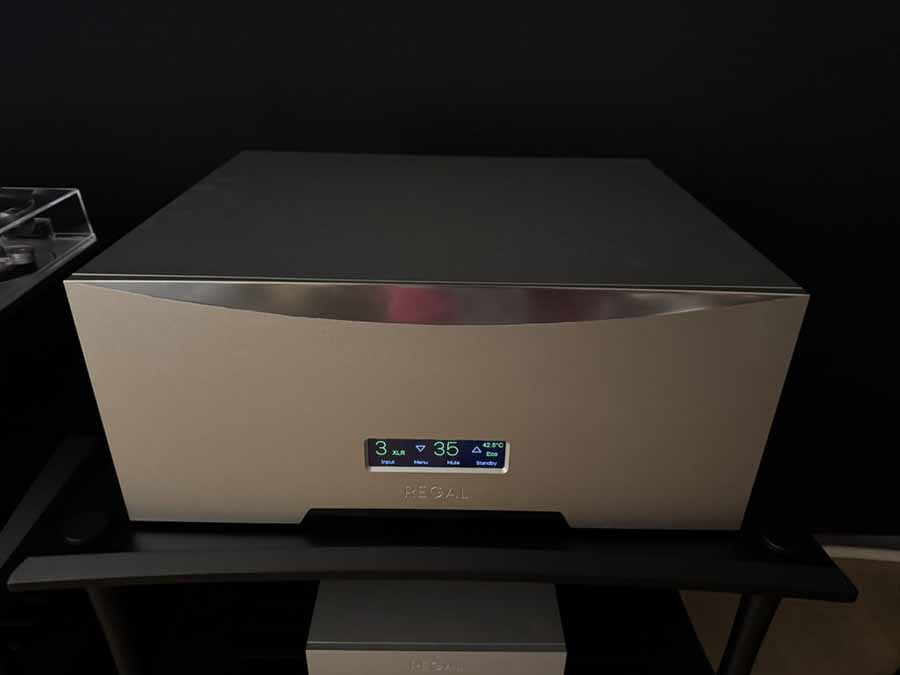
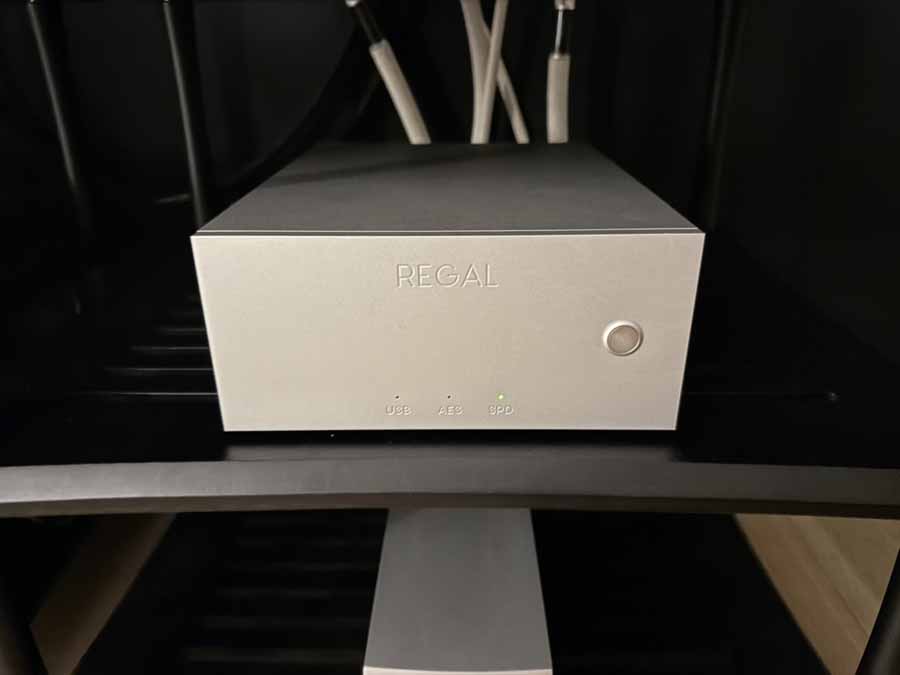
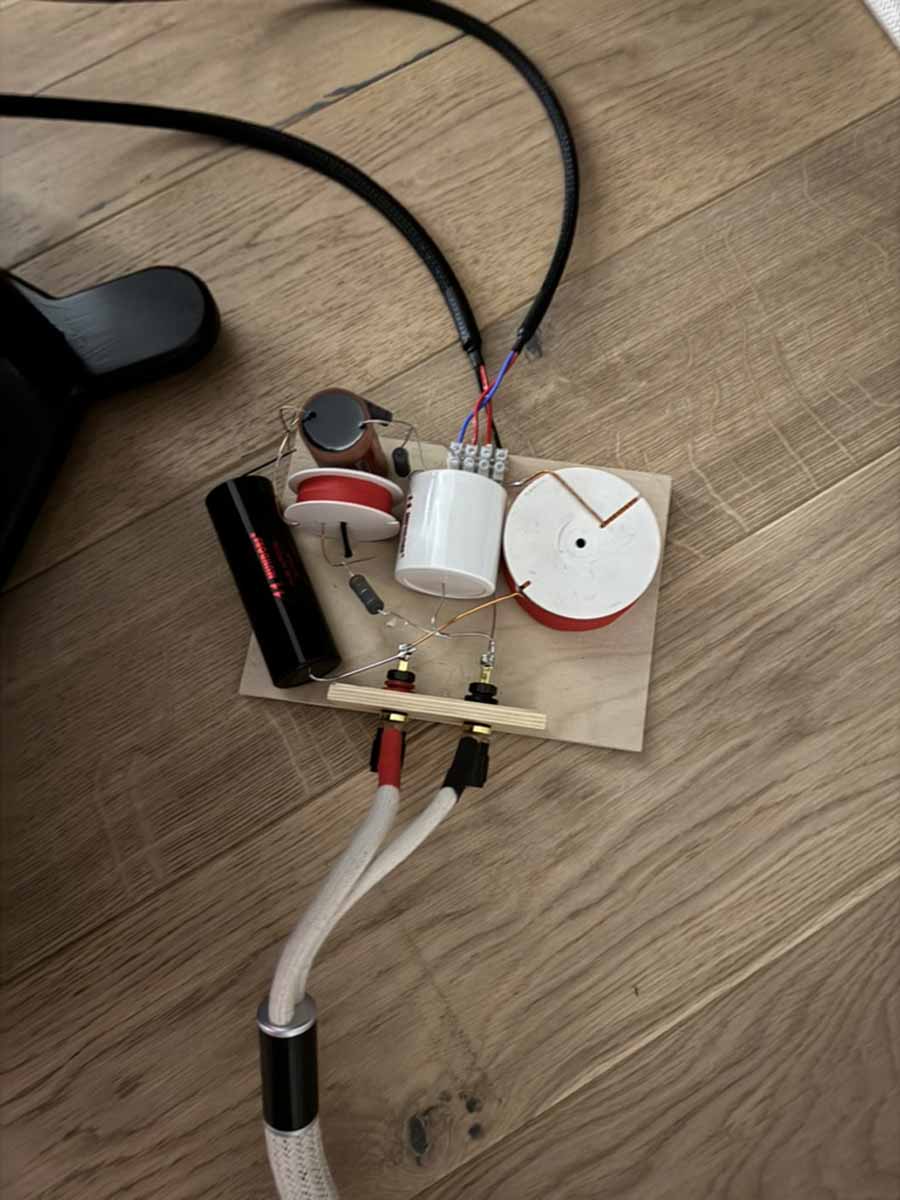
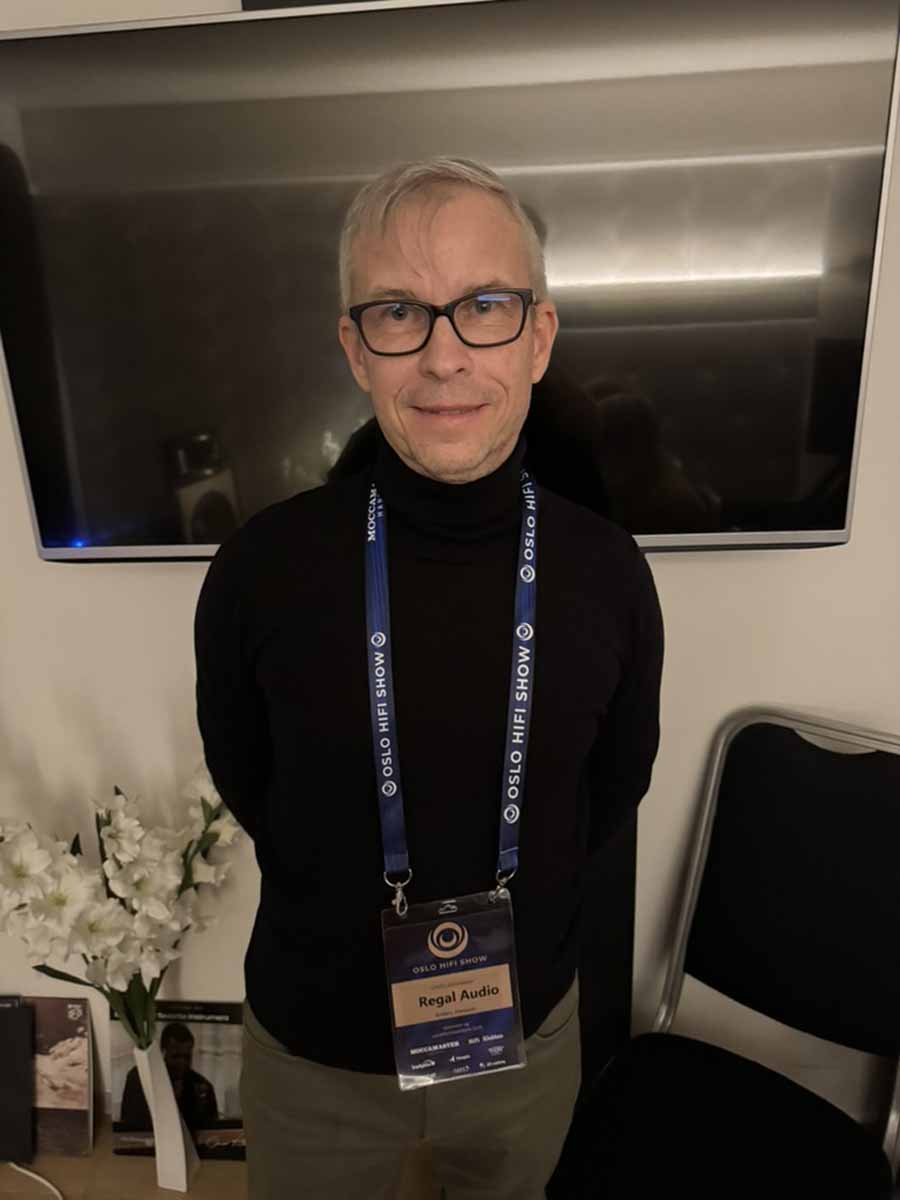
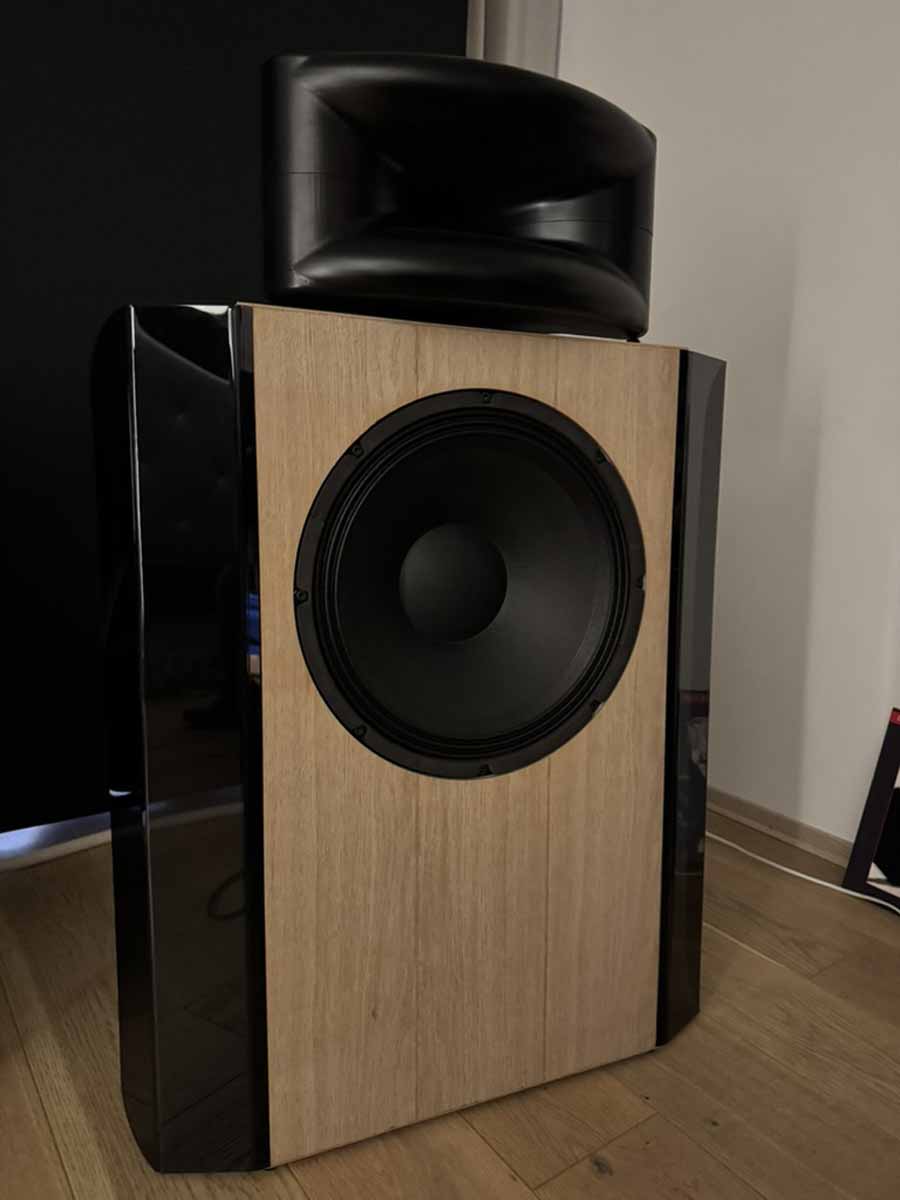
Regal Audio is the brainchild of one man: Anders Hannson. He’s responsible for the DAC 101, INT 250 amplifier, and the open-baffle/horn loudspeakers here. Supporting equipment was a Lumin streamer and a Technics turntable with a DS3 cartridge. The speakers are a 2-way design featuring a 15″ bass driver that crosses over to a horn-loaded driver at 700Hz. The baffles themselves are an interesting lamination that mixes timber layers with carbon fibre for additional stiffness. What’s also quite unusual is that the horns aren’t physically attached to the open baffle, which helps with isolation and also allows a degree of tweaking of the horn’s position relative to the bass drivers.
When I walked in, Anders was playing Nickelback, which I think might be a first for the entire HiFi show world, but also constituted a refreshing change from some of the safer selections you hear. He kept up the eclectic range of tracks, including a Charly Antolini track called Drum Organ, which does exactly what it says on the tin – it’s a two-piece jam session between a drum kit and a Hammond organ. Great fun!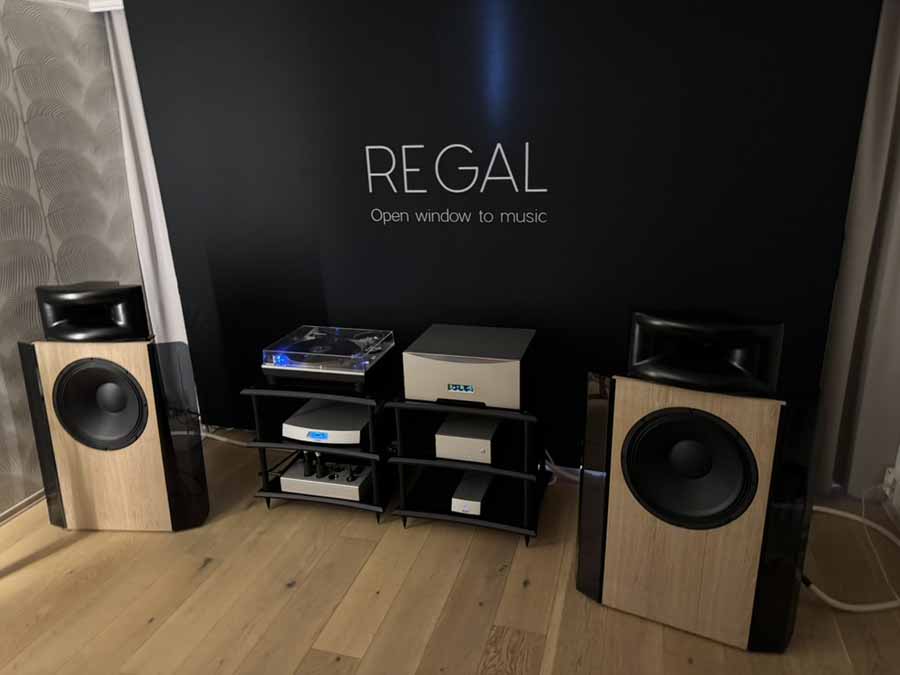
324: HIFISENTRALEN
I know we talk about the challenges companies face when demonstrating kits at shows, but sometimes a degree of wisdom can really shine through. When I was nosing round the rooms on the Friday evening whilst folks were setting up, I chatted briefly to the guys from Hifisentralen about their proposed system. Their plan was to run the Triangle Duetto standmount with the LAiV preamp and monoblocks, and have the new BR04 on static display. When I turned up on the Saturday, the far more accessible BR04 was being used. It turns out that the interaction between the Duetto and that particular room was rather unsympathetic, and so they’d made what was a perfectly logical decision to switch to the BR04, which worked really well in the space. I’ve run into situations where companies feel obligated to offer their more expensive products, even when they create room issues. Full credit to Hifisentralen for putting the music first.
I’m a pretty “speakers first” kind of chap, so the budgetary balance in this system was a long way from how I’d normally approach things, but I have to say it worked extremely well. Those baby Triangles sounded far better than I would ever expect a ~£500 loudspeaker to sound. It was also my second time in two weeks hearing the LAiV electronics, and I’ve been really impressed both times, definitely a brand that warrants further investigation.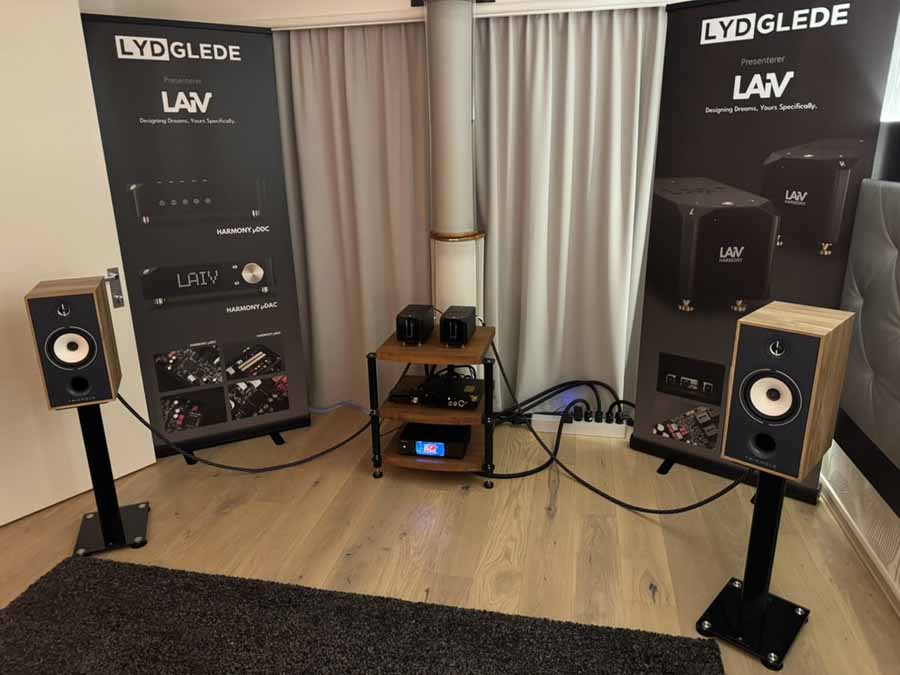
326 NORSK AUDIO TEKNIKK
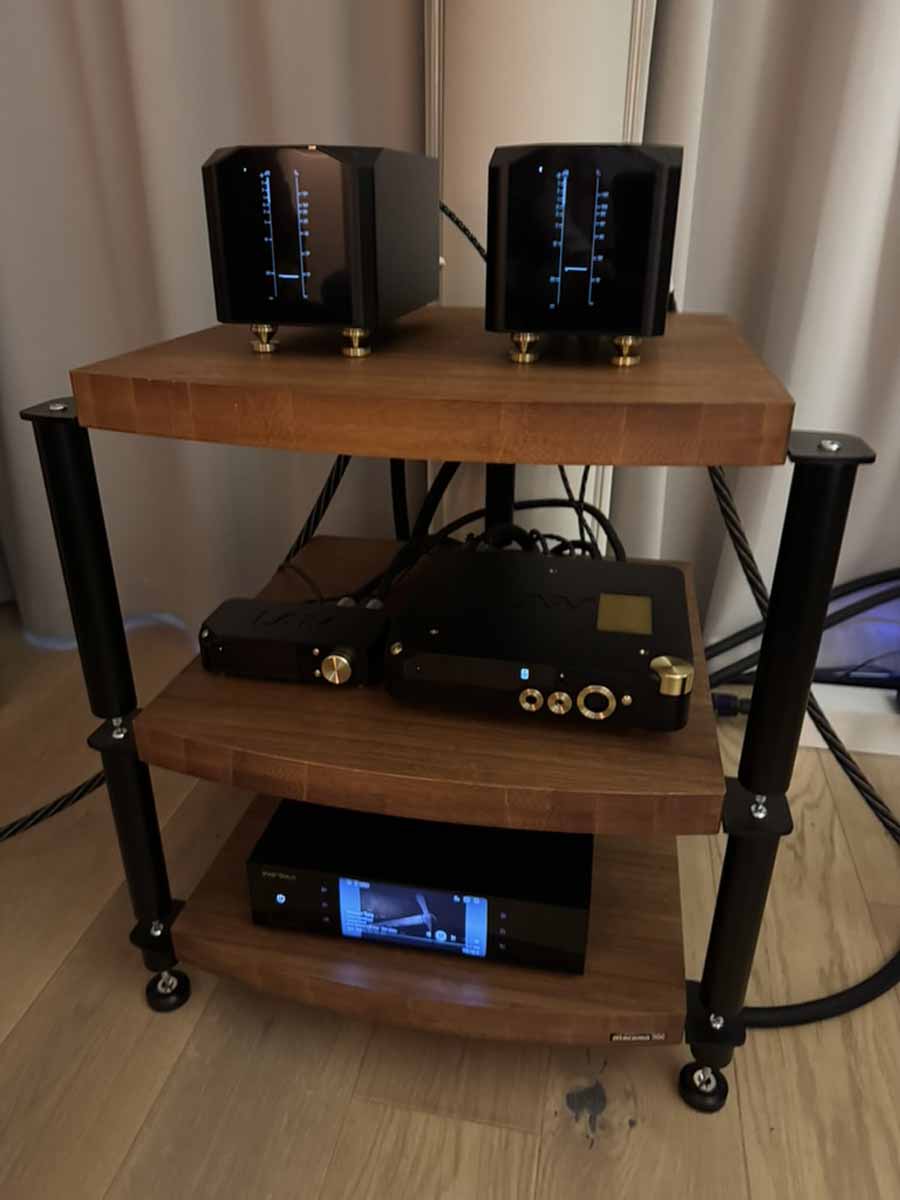
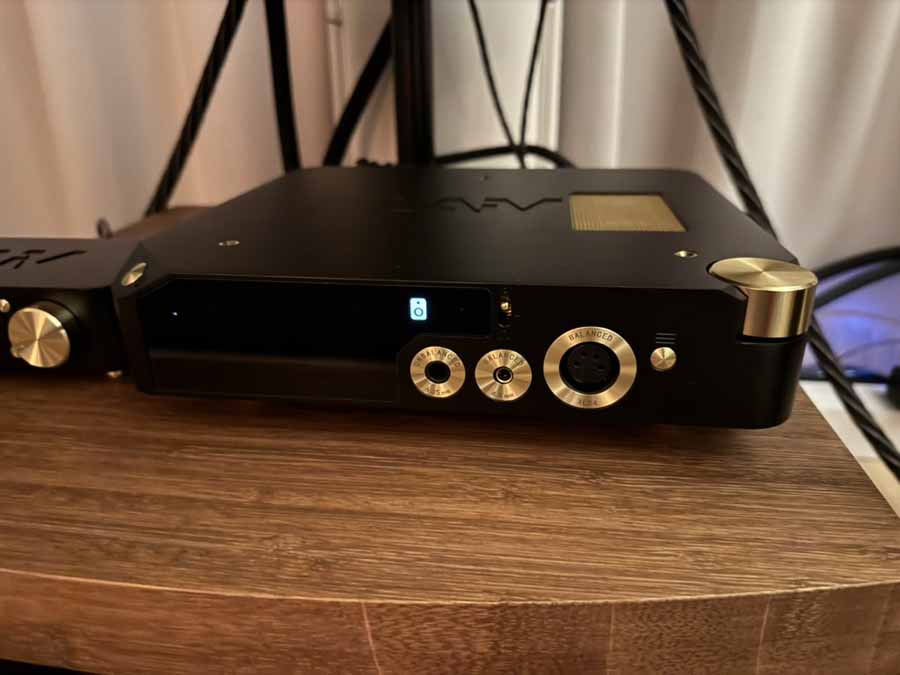
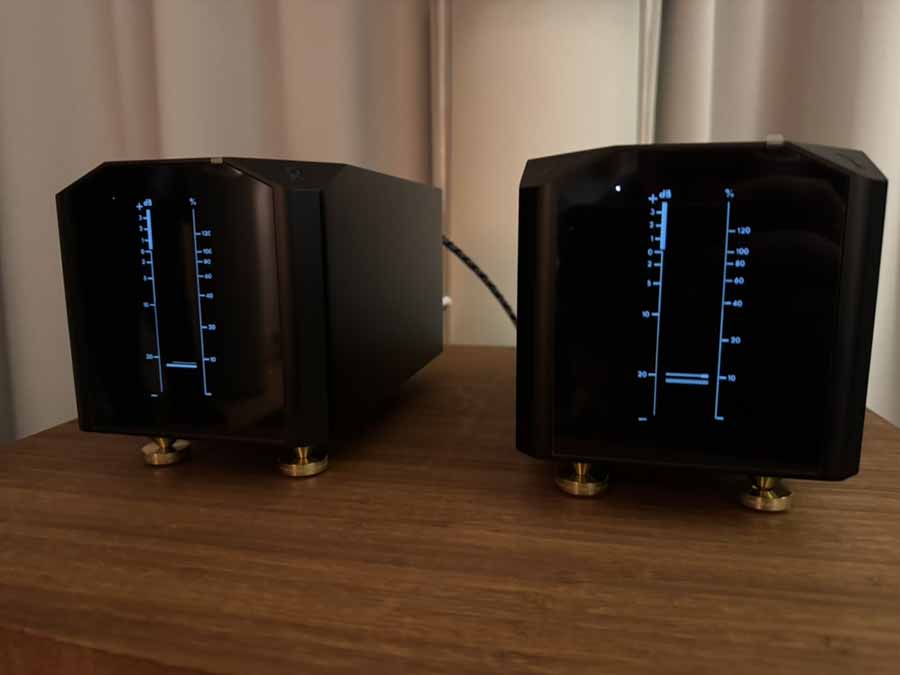
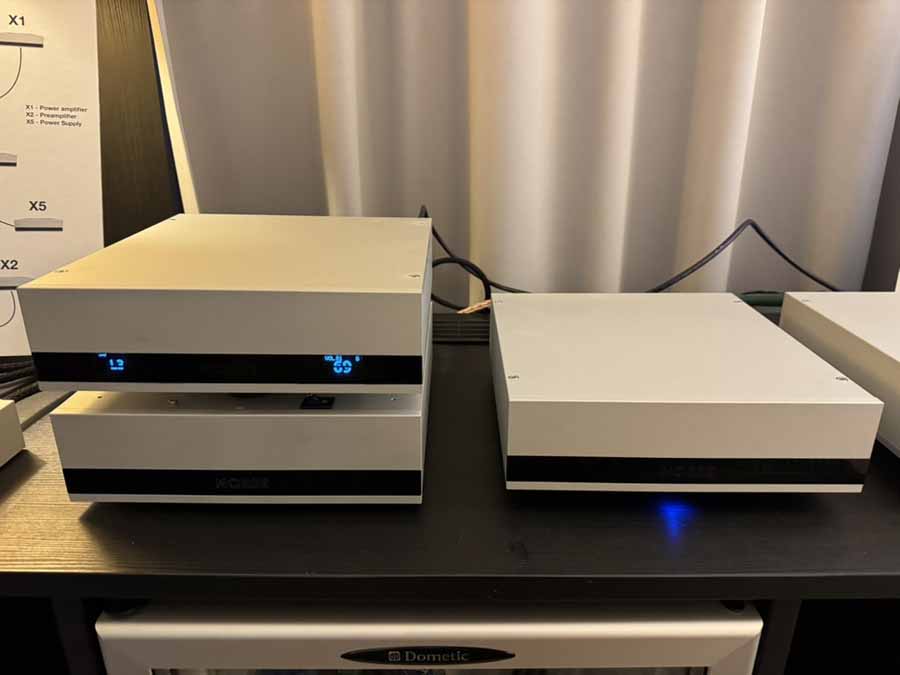
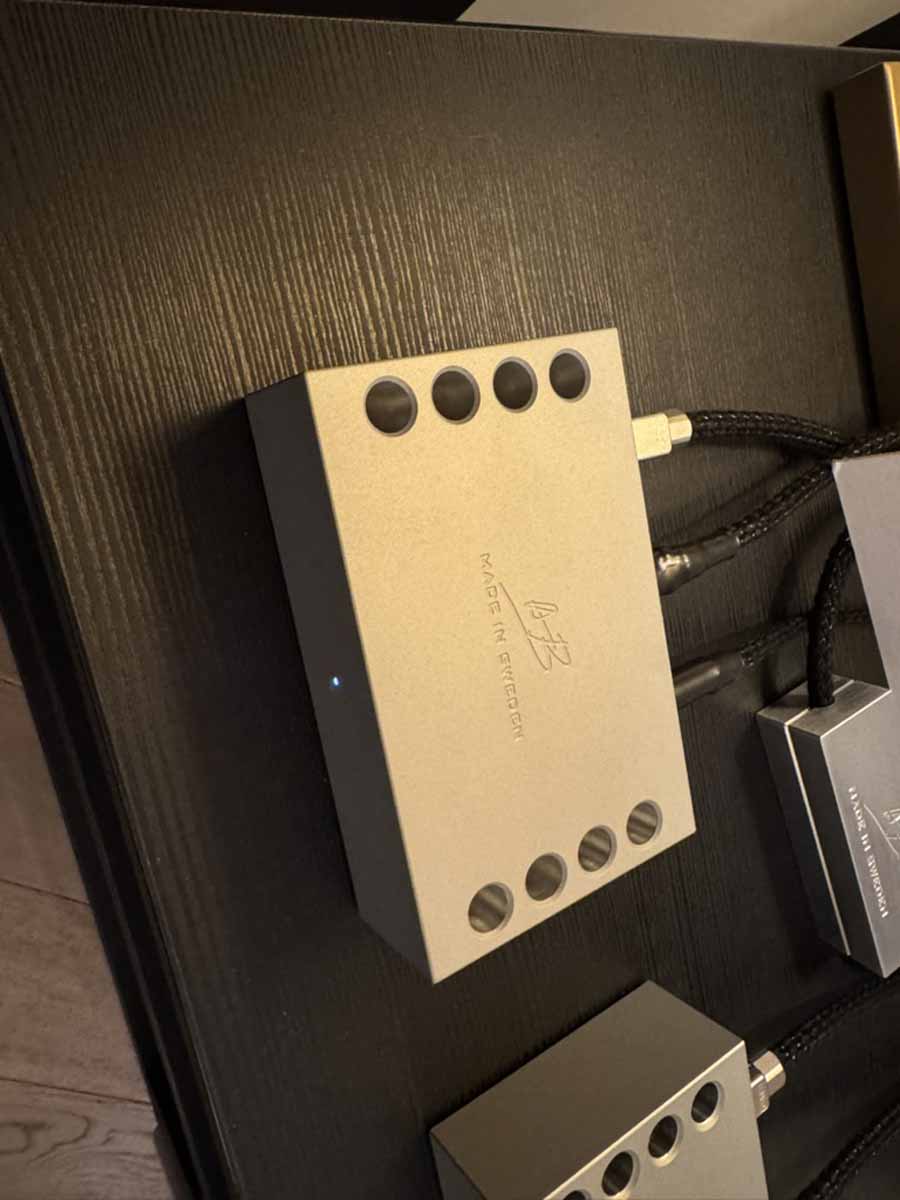
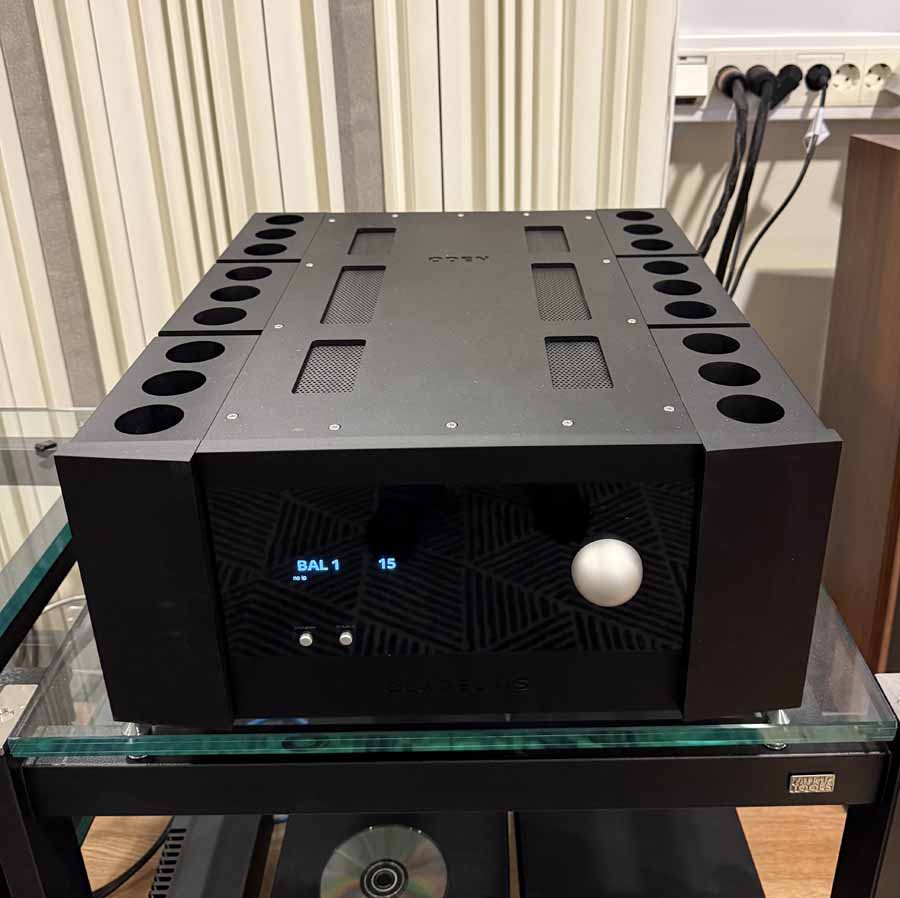
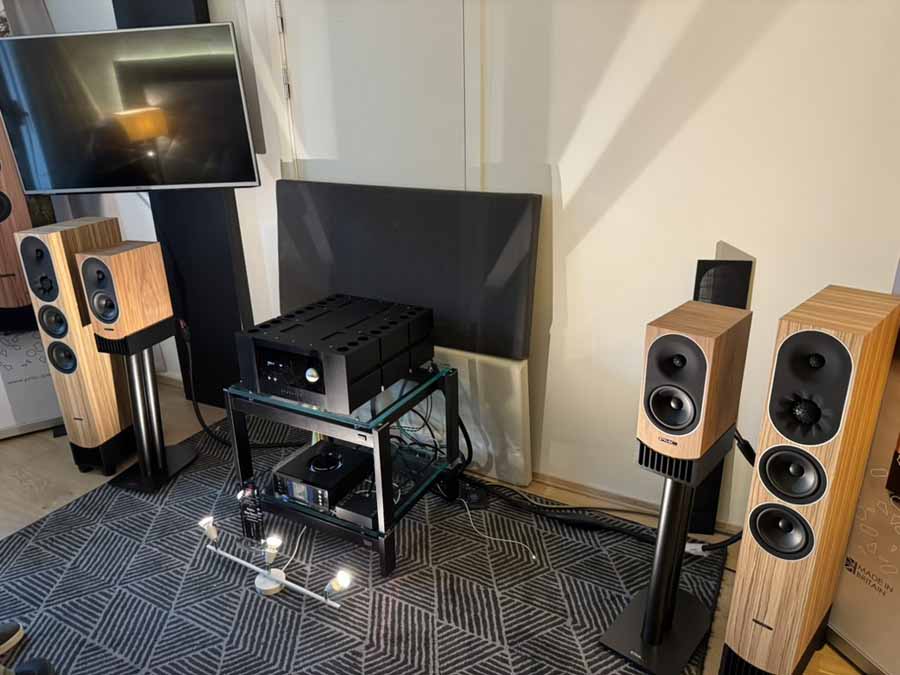
This is a bizarre room to write about, for the simple reason that some of the products on display here are such early prototypes that they haven’t actually been given model names yet. All of this series comes in a uniform, half-width, half-depth chassis set. The DAC is as yet unnamed. The X2 pre-amp is still a very early prototype, and there are the X1 power amps (in bridged mode) and the X5 power supply. Speakers were the PMC Prophecy 7 floorstanders.
There was a very oddball music choice playing when I came in, but it actually served as a great demonstrator of both the speed/punch and also the delicacy that this combination of components can achieve. There was a remarkable amount of prototype gear here; assuming it will only improve as the product gets finalised, this is really quite an exciting lineup. There’s also a lot of versatility here; even just looking at the X1 power amp, you have choices between stereo and mono, high and low bias, and also the option to switch between 25W and 50W power output.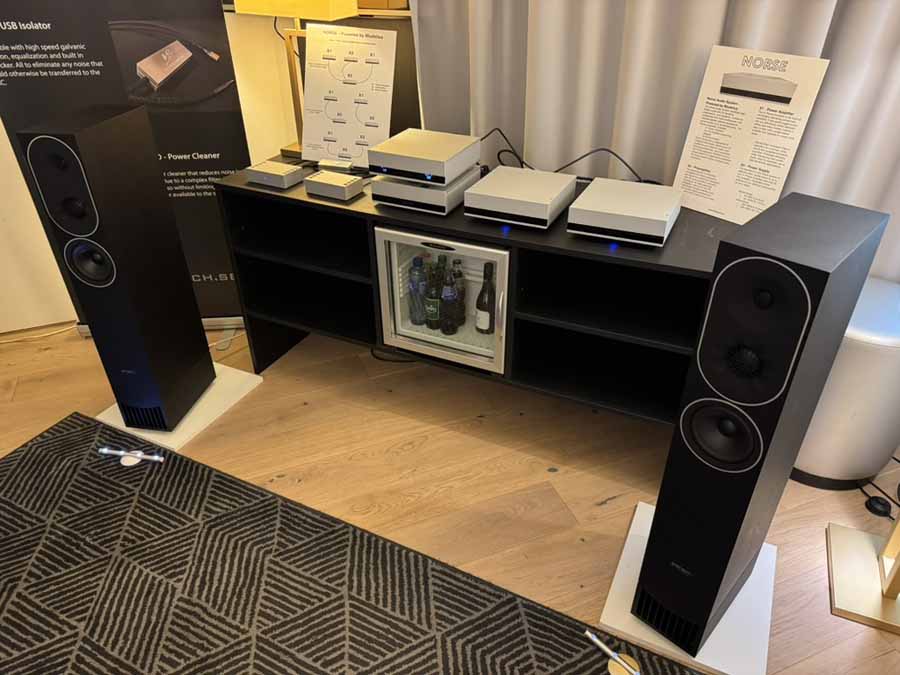
327: NORSK AUDIO TEKNIKK
I think this is a first for me, getting to listen to a product that I’ve had in for review in a show environment. Doubly so, because Toby Ridley, the principal acoustics and R&D engineer I’d had a Zoom call with for the PMC Prophecy 1 review, was also in attendance at the show to talk about the all things PMC. To match the room acoustics, they were primarily using the Prophecy1, which, at the end of the Oden’s 150W Class A output, were absolutely singing. In fact, I’d say they sounded better here than I ever got them sounding during the review. I’m still very happy with the review, but it’s always enlightening to see what someone who is a deep expert on a product can get the most out of it via placement, partnering equipment, and so on.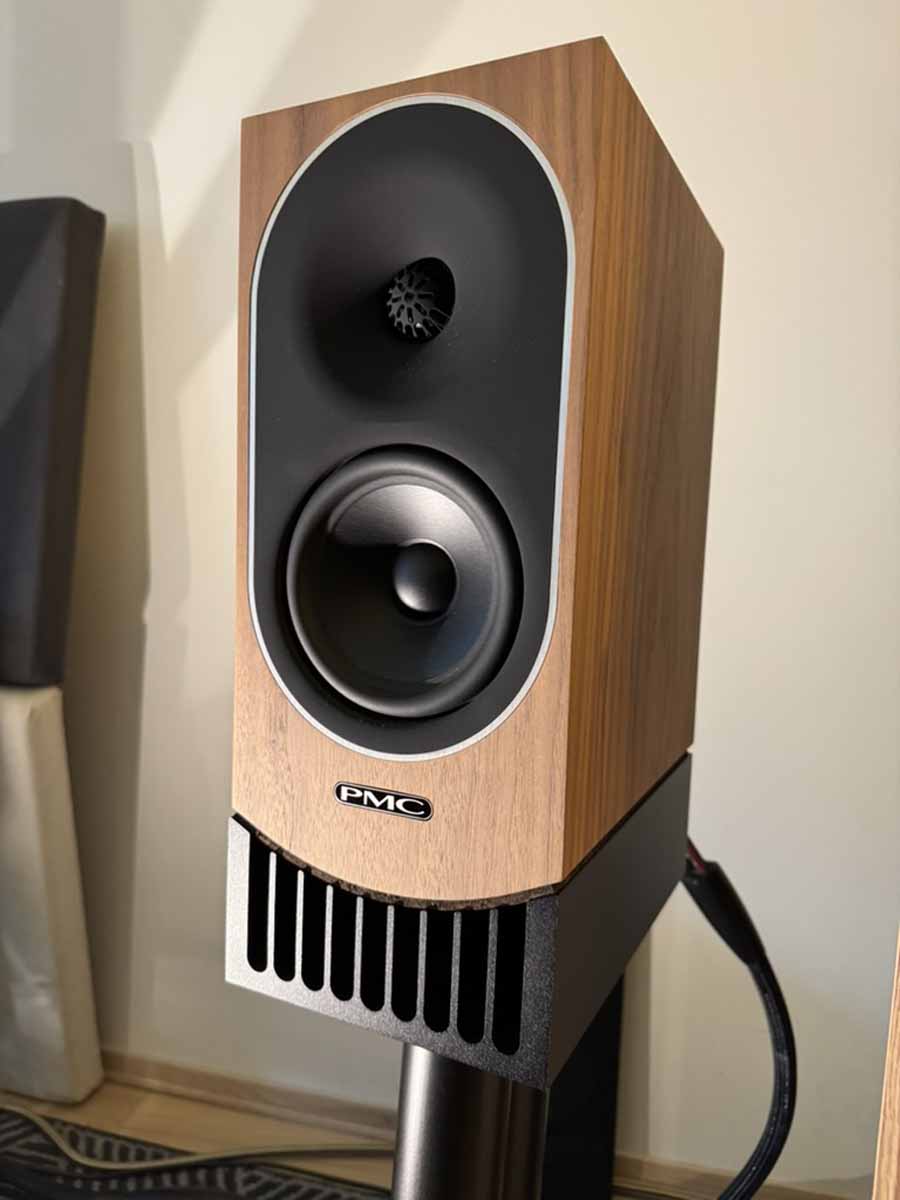
345: NEBY HIFI CONCEPT
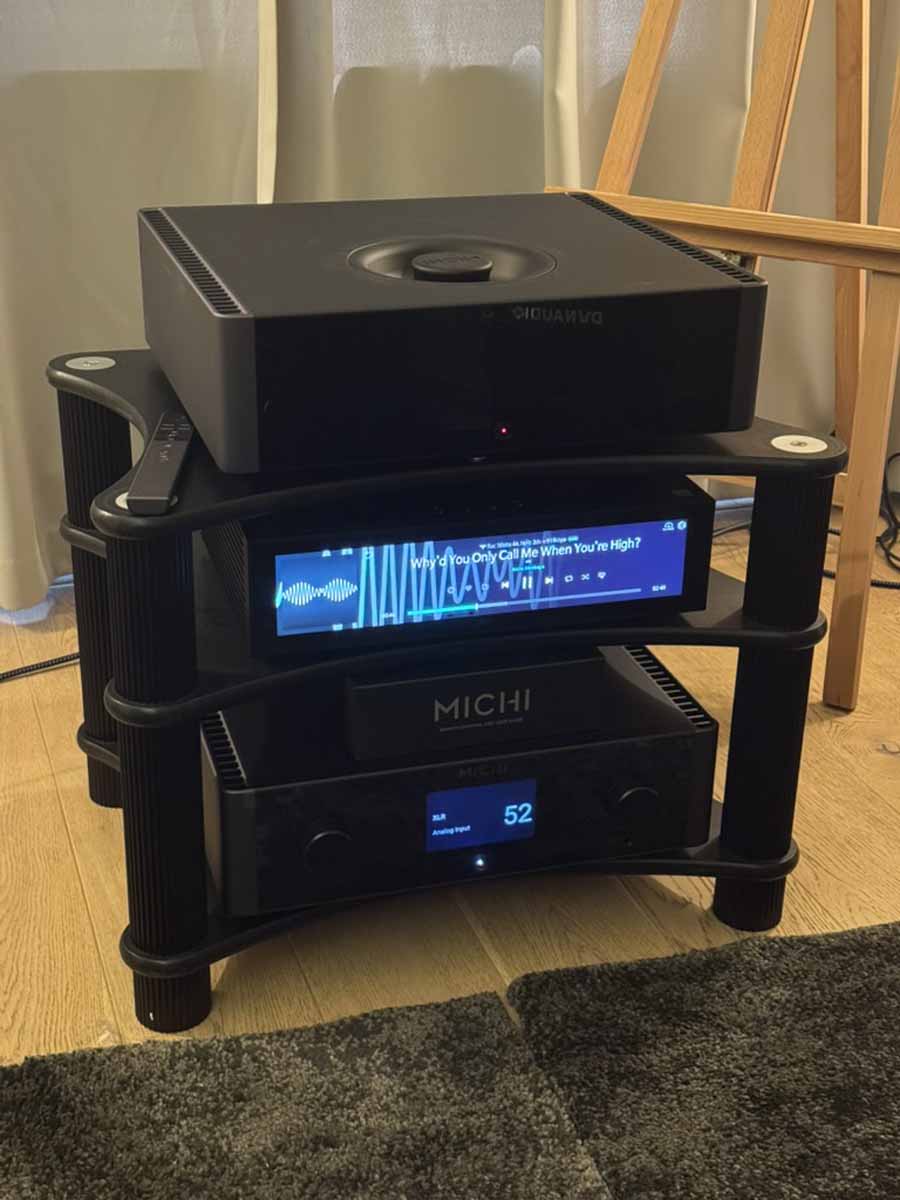
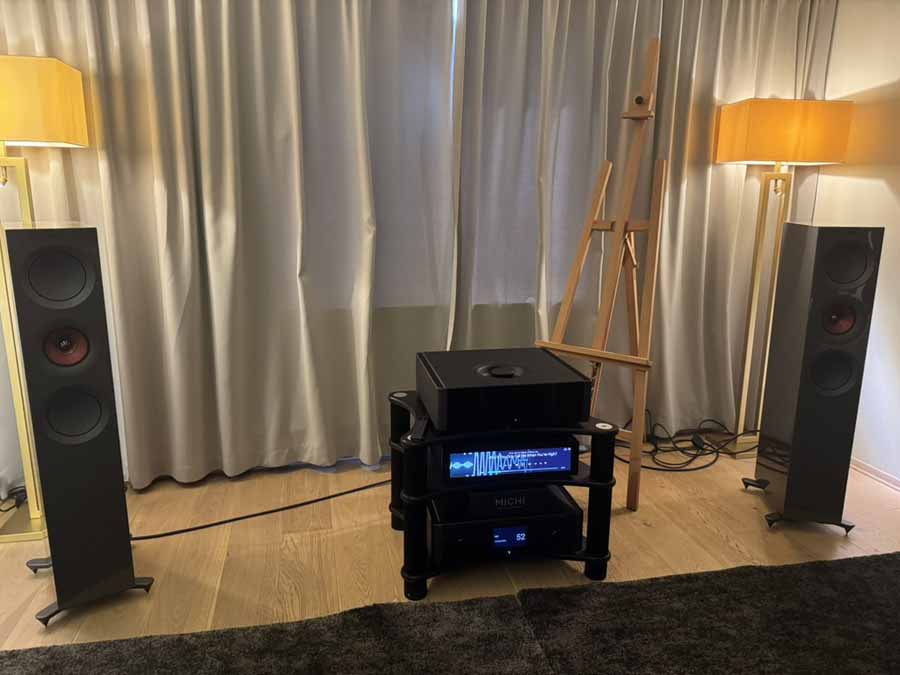
Streaming here was done with the Hifi Rose RS151. Amplification was the Michi X3-2 Integrated, which was driving the KEF R7 Meta floorstanders.
Coming in here was quite the nostalgia trip for me – Ben Harper’s Like a King from Welcome to the Cruel World was something I used to use frequently as a test track in my early HiFi days. It’s beautifully recorded with a very natural sound. The balance between the full sound of the drums, Ben’s vocal, and his signature Wiessenborn can be quite revealing of imbalances within the system. They followed this up with Hail to the King by Avenged Sevenfold. Not something I am familiar with, but the heft and grunt the system is capable of was fully evident here.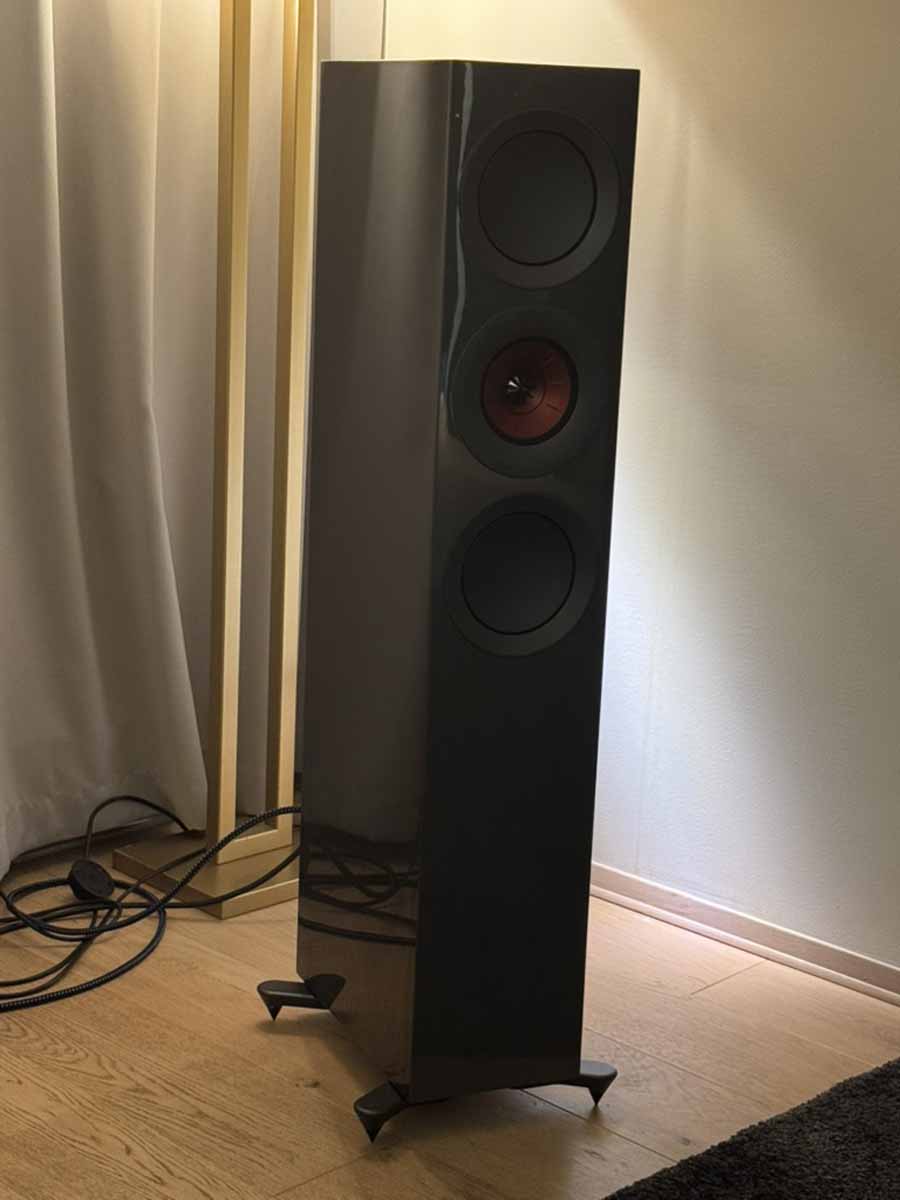
347: NEBY HIFI CONCEPT
There’s something rather charming about the approach taken with this room, which I think beautifully complements the price point these products sit at. Two Wiim Sound speakers (£299 per pair) sat on a simple table, and a Sub Pro (£429) tucked away in a corner. This felt very redolent of a British lounge or living room, where products might be set on a sideboard or dresser rather than on dedicated stands or racks. They were happily demonstrating with the sub both on and off, and understandably, given the pint-pot size of the speakers, it makes a significant contribution to the overall sound.
A second system was set up around the WiiM Amp Ultra to drive the passive KEF LS50, but it wasn’t playing whilst I was in there.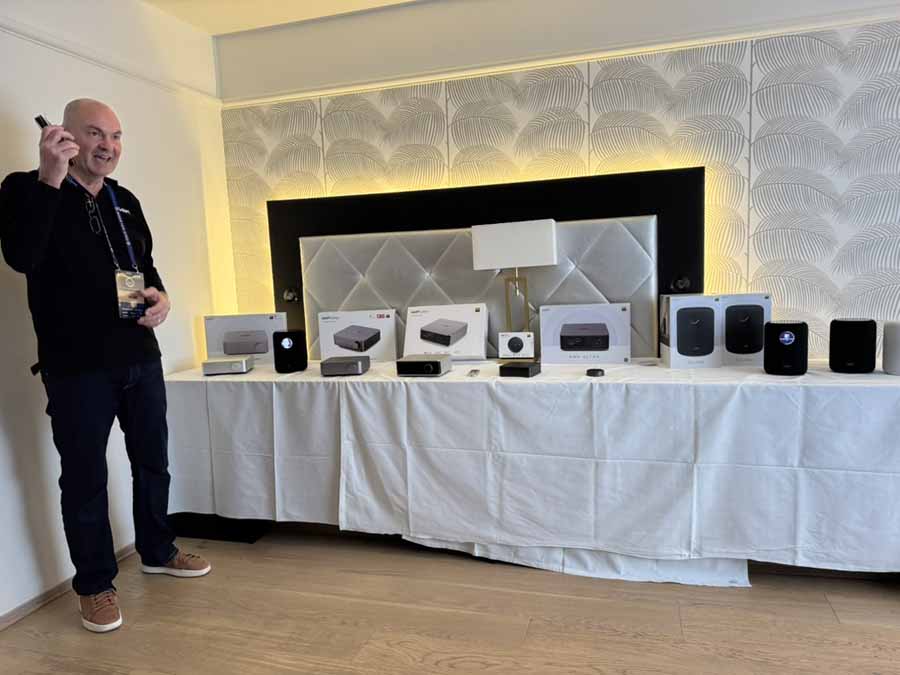
351: NEBY HIFI CONCEPT / HIFI HUB
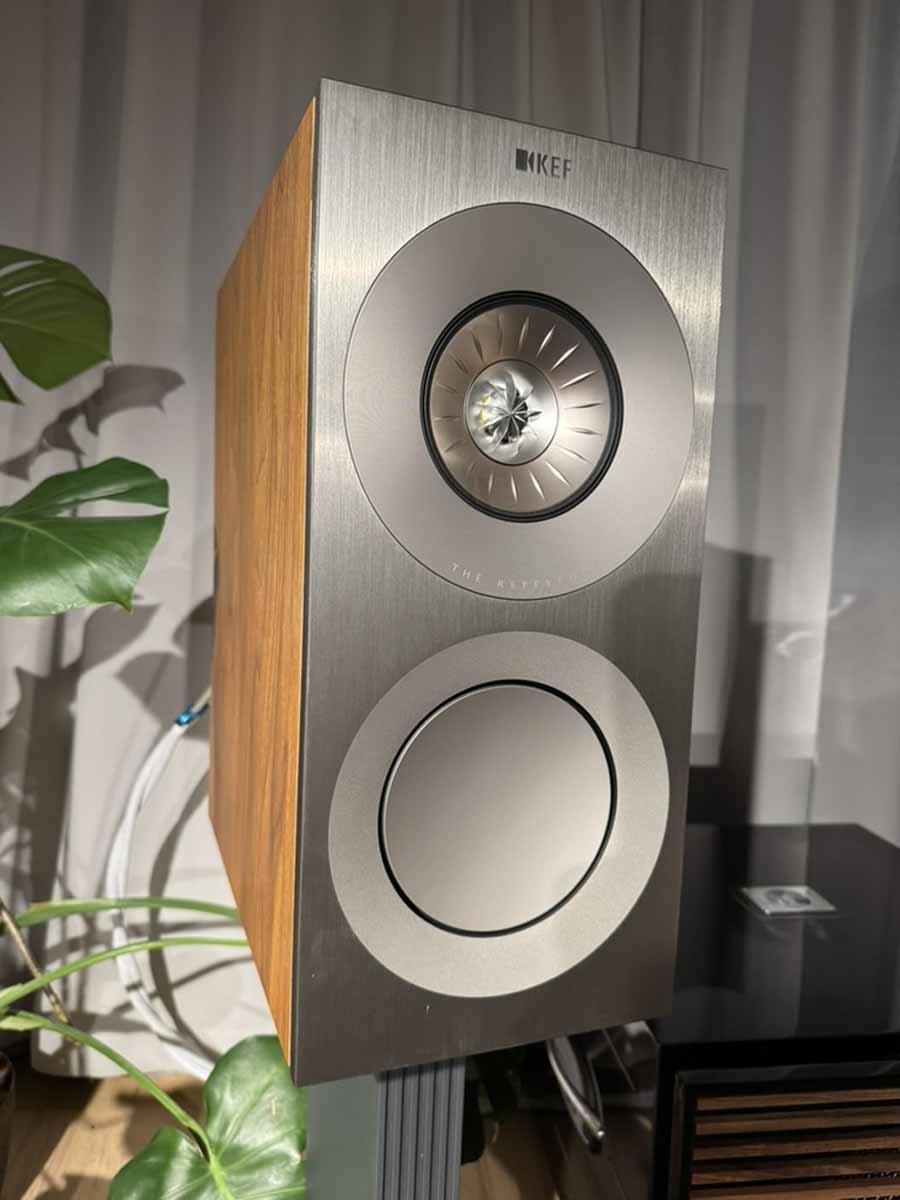
Some completely unfamiliar music was being played in here, a cover of Human Nature, but performed purely with acoustic guitar and female vocals. This setup really highlighted just how good the KEF Ref 1s can sound – I’ve only heard them in passing previously, and I have to say in situations that clearly undersold them based on the sound they were producing in this room; there’s a real lightness and delicacy to both the acoustic guitar and the various female voices on that track. Neby Hifi had also added in a pair of REL S-series Carbon Black Label subs.
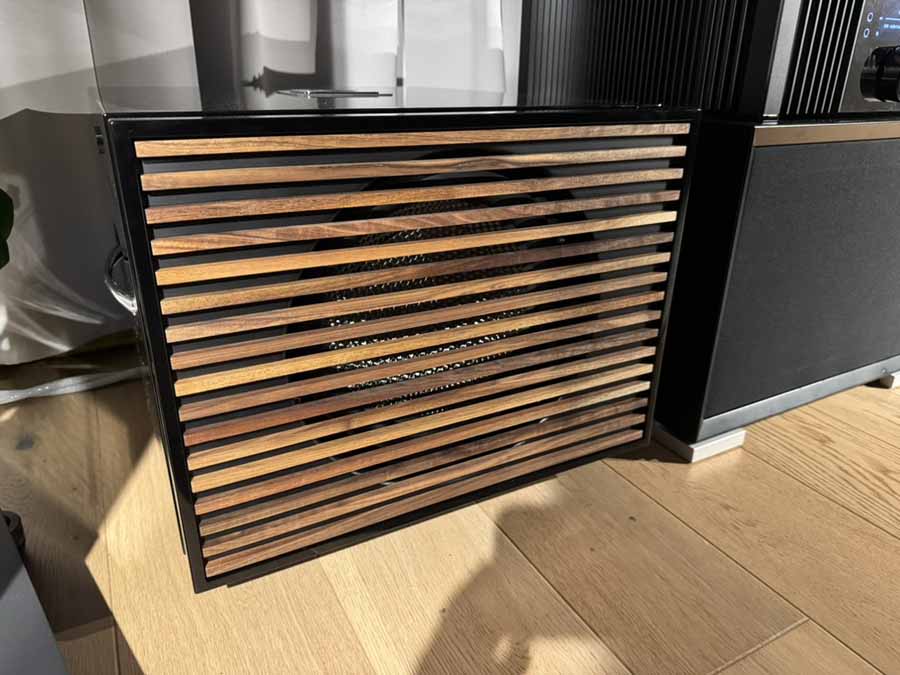
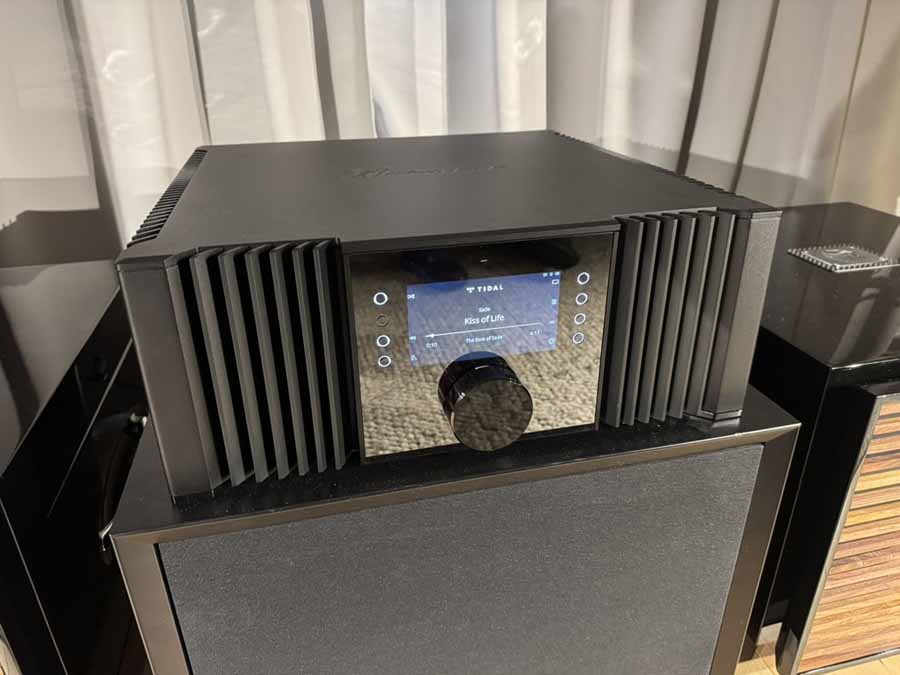
On a personal note, while Burmester is normally clearly identified by the combined brushed and chromed metal look to their electronics, the 232 integrated here was finished in a matt black that I really like, and gives a slightly more understated look, if that’s a requirement folks have.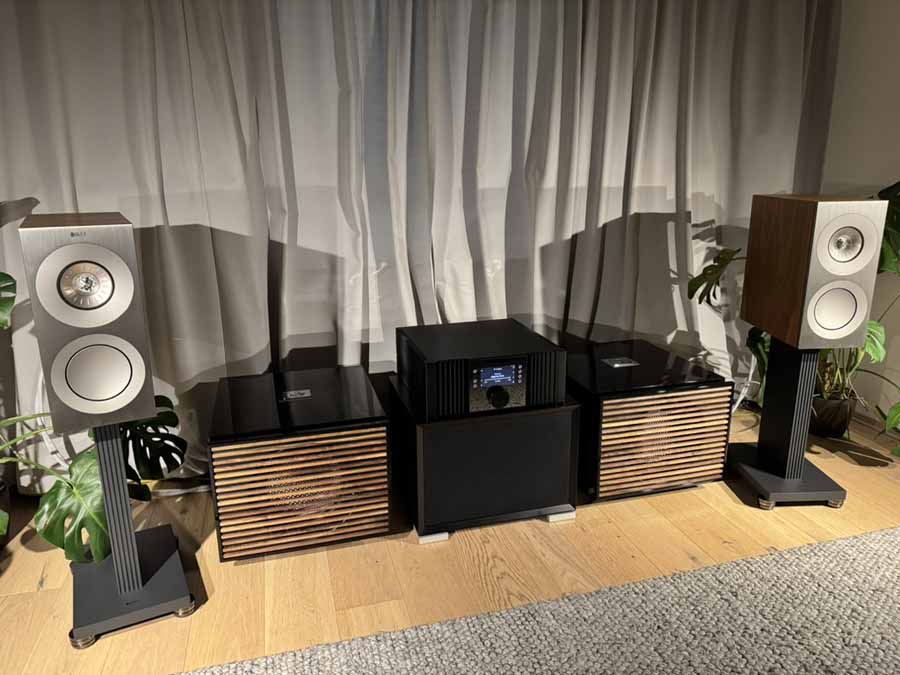
355: HIFI KLUBBEN
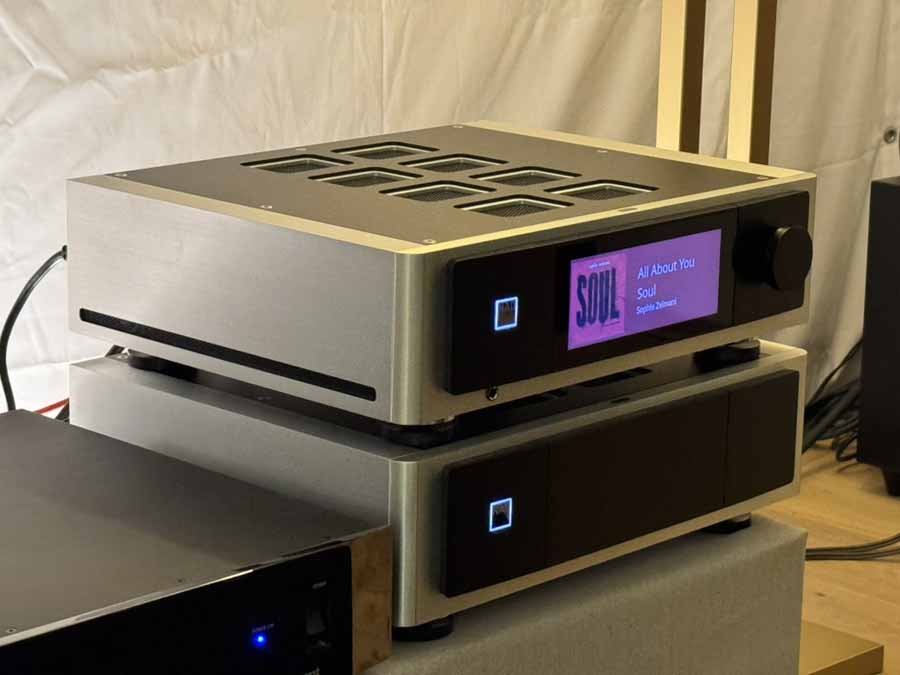
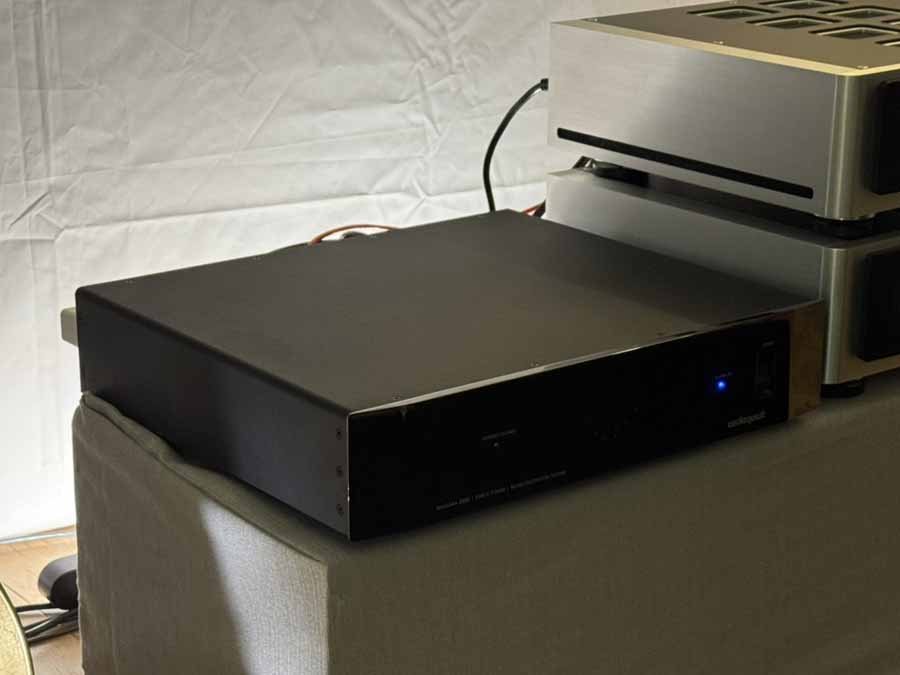
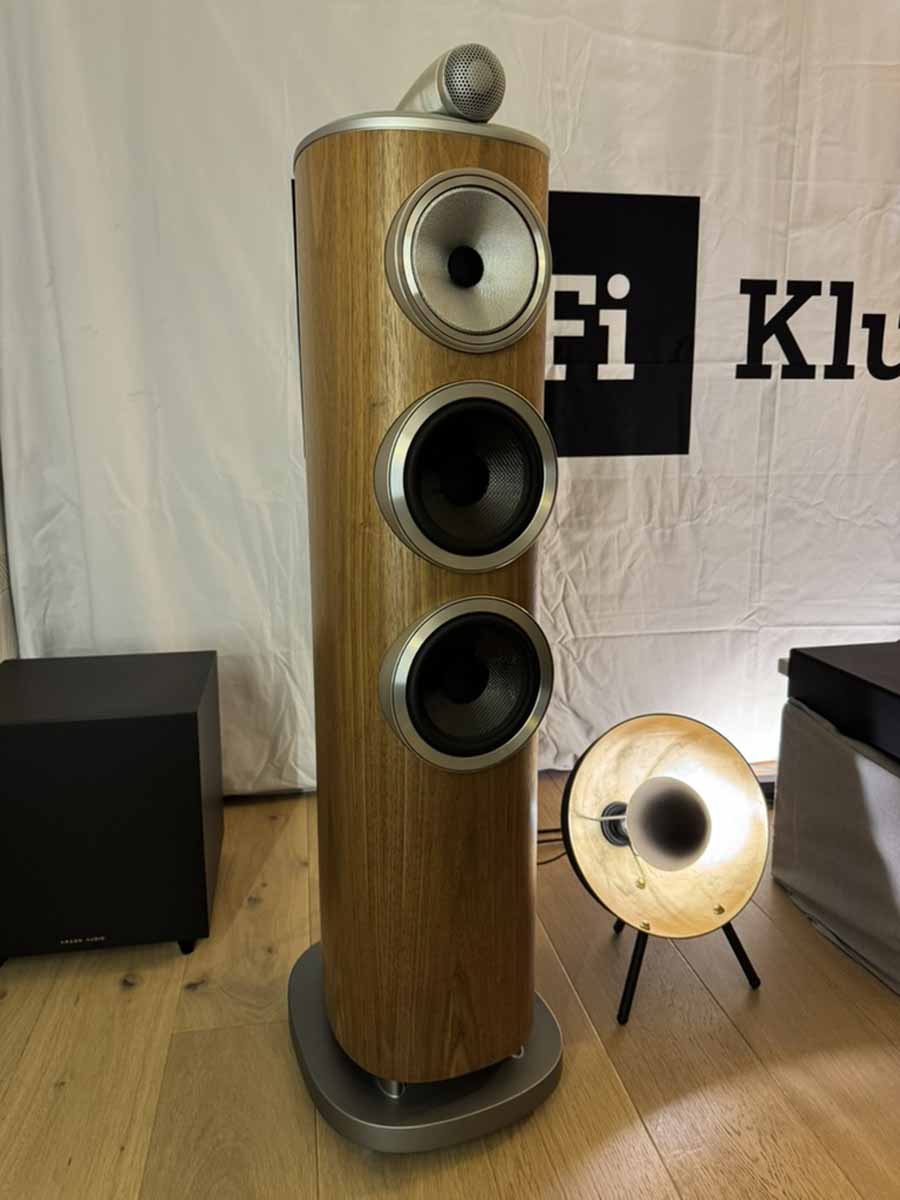
The system in here comprised the NAD M33 v2 streaming amplifier, bridged with the NAD M33 V2, and the Bowers and Wilkins 804 D4, with power conditioning from Audioquest. In this mode, the NAD combination generates 700W into 8 Ohms from the second-generation Eigentakt amplification units, which is a huge amount of power.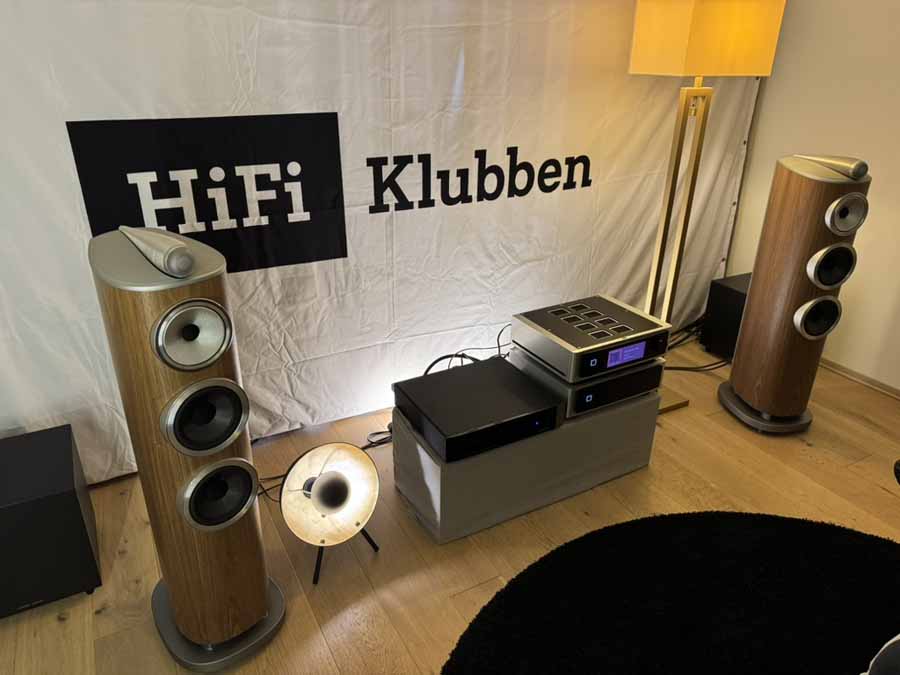
203: NJÅL HANSSON
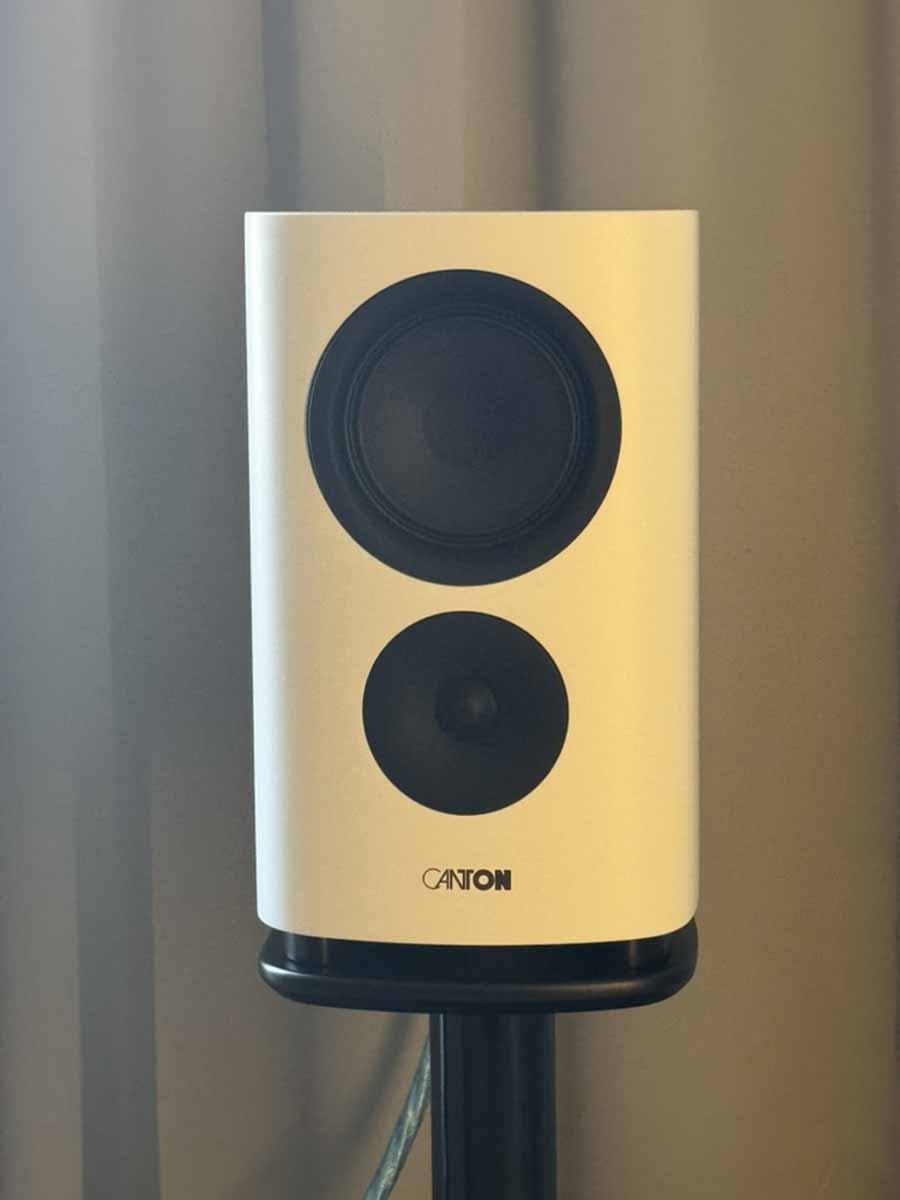
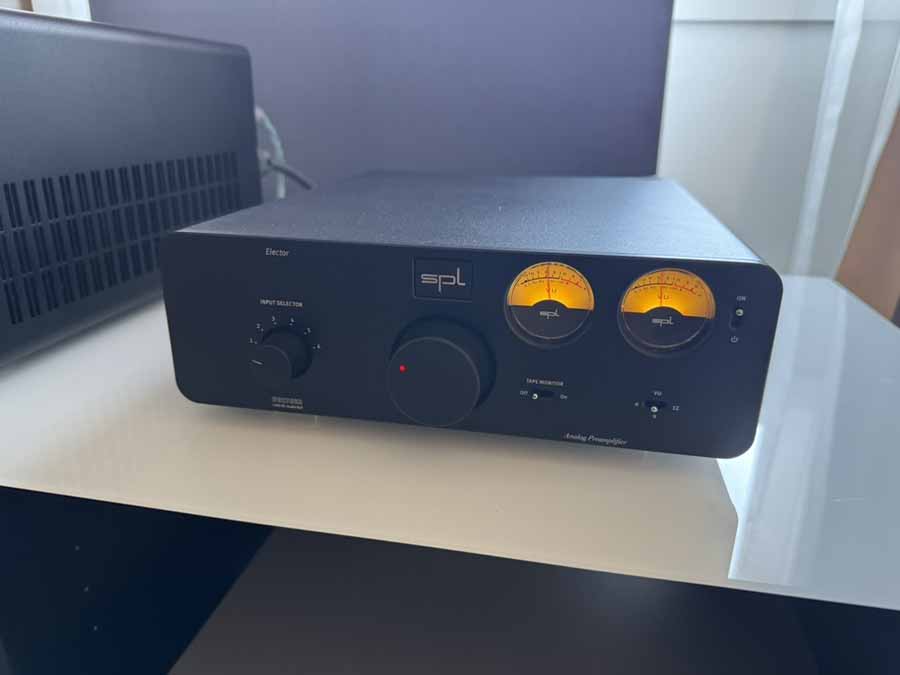
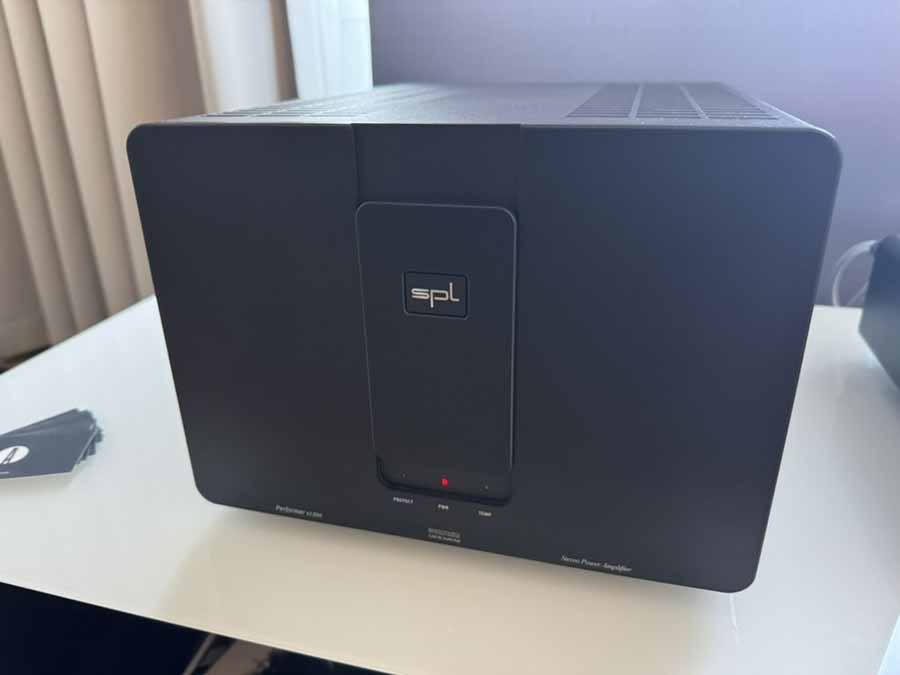
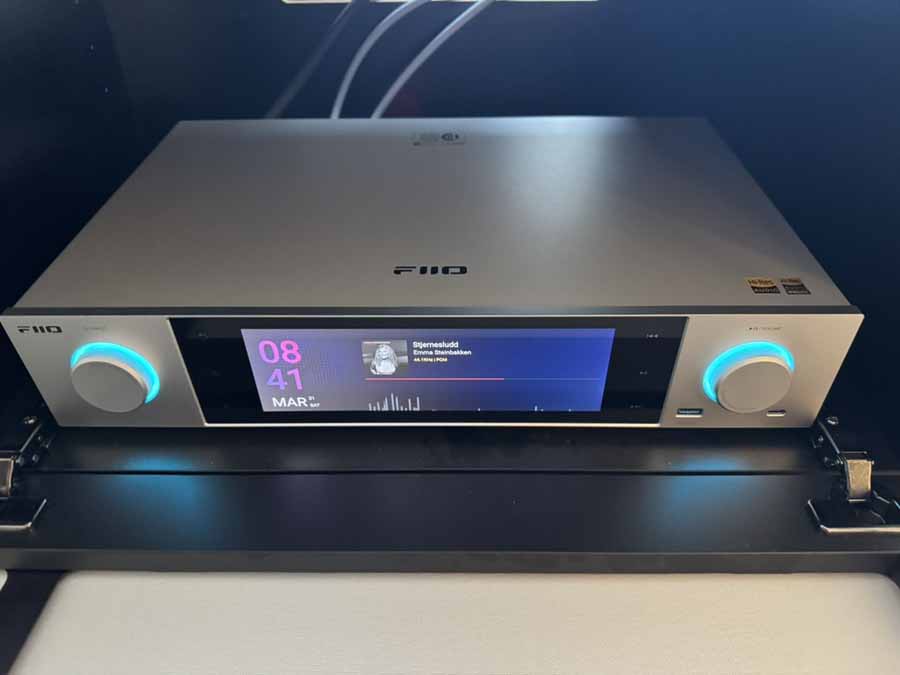
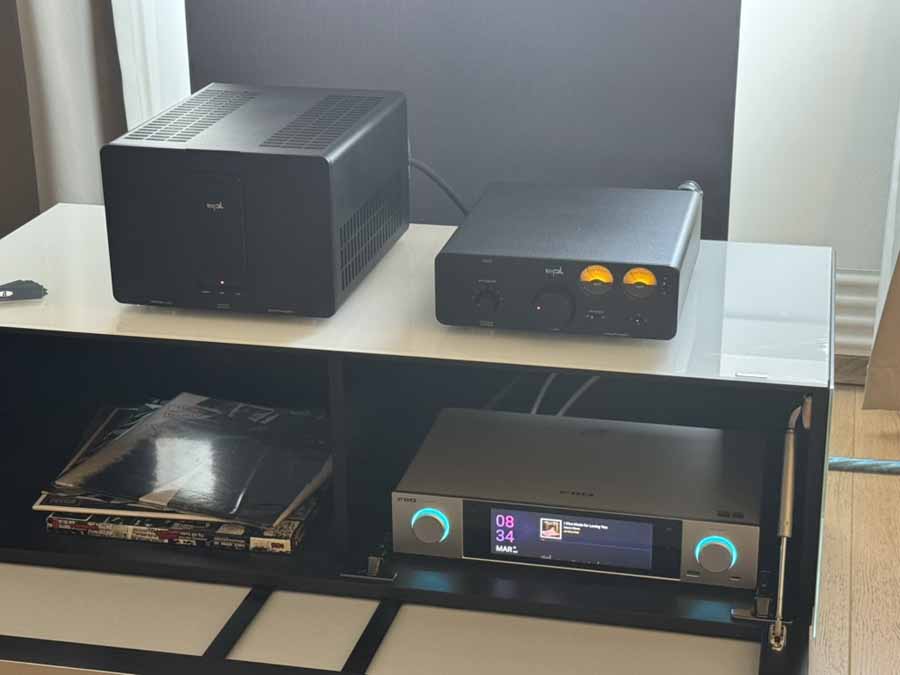
The Canton Reference 9 standmount (which we reviewed here) has a somewhat unconventional arrangement, featuring the main driver being positioned above the tweeter. Canton is a new brand for me, and these certainly make for a lovely introduction (a review of some other Canton loudspeakers is in the works – watch this space). The matt white finish on them looks stunning and contrasts really well with the matt black of the drive units. Electronics here were the Elector pre and Voltaire power amps from SPL, and a Fiio S15 streamer.
There’s a nice fullness to the sound produced here, but nothing forced or stretched; the speakers felt very comfortable with everything thrown at them. I didn’t really have any sense in advance of what sort of price point these speakers sit at, but discovering, as I add finishing touches to this report, that they’re 3,600€ per pair, I am really quite surprised. I’d have expected them to be at least double that.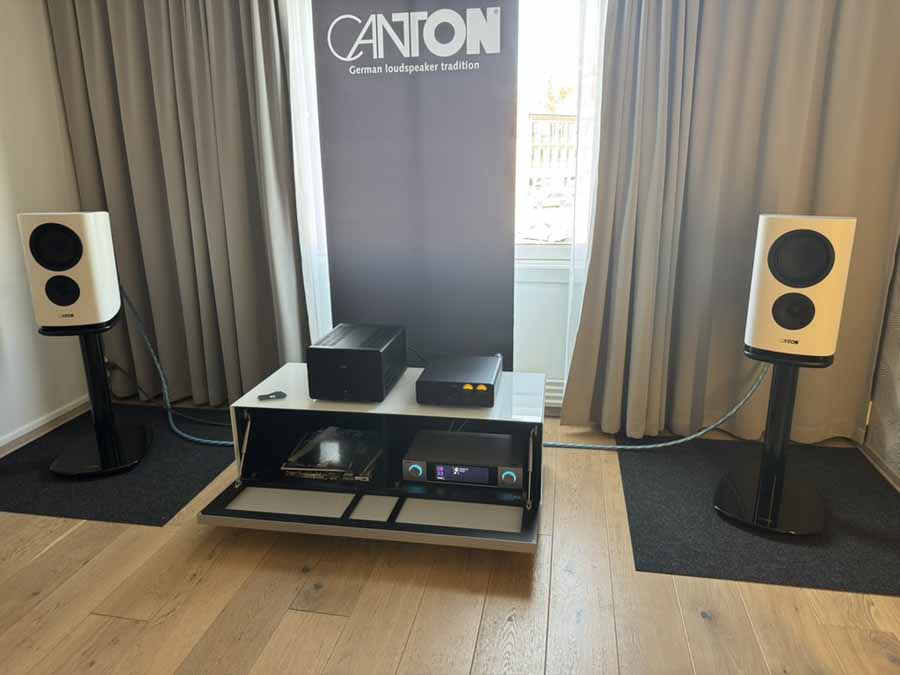
205: STEREOFIL / AUDIONOTE
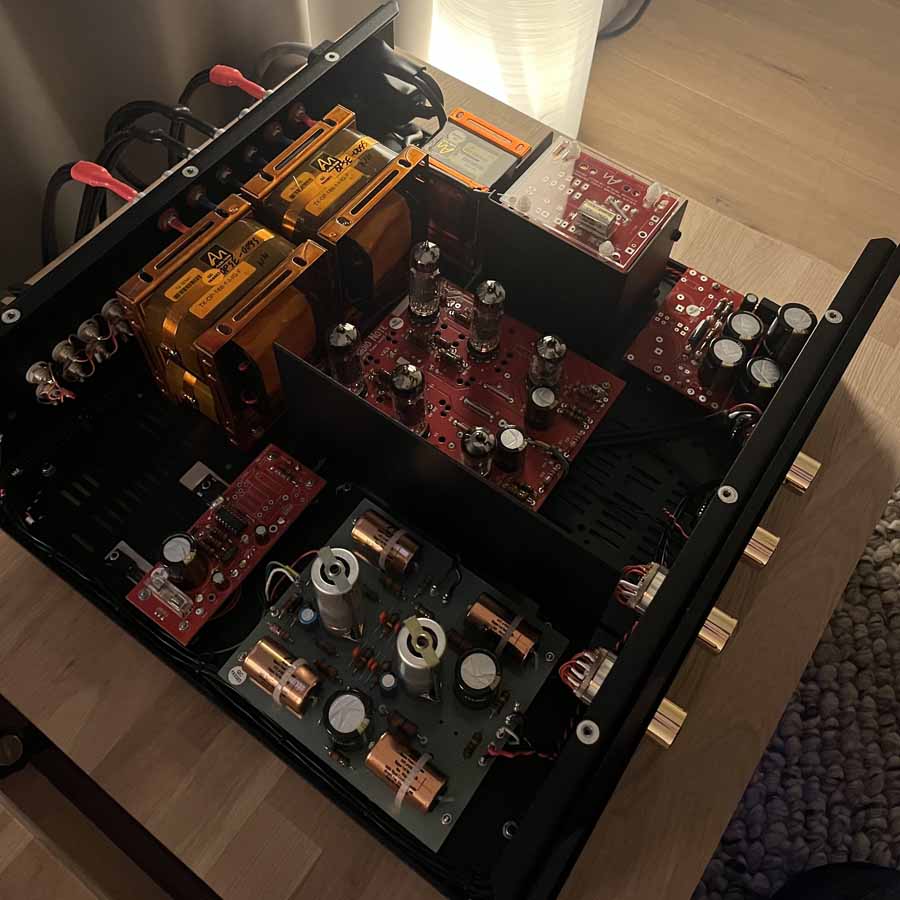
Martin was taking the classic Audio Note approach when I arrived, and the room was blasting Ghost (although that’s positively mainstream for the Audio Note boys). The highlight was the use of the new 35 Year Anniversary version of the OTO Phono integrated. The CD-Zero and DAC-Zero were being used as the source, although the CD 4.1X and TT2 Deluxe with Arm 3 and IQ3 MM cartridge were also present. Martin explained the primary reason for not using the CD 4.1X was that it’s a top-loading CD player, and the rack space made changing CDs quite tight. The ANJ/SPe Hemp were tucked into the corner, as is their preference.
As any visitor to a UK show will know, Audio Note rooms always stand out, not just for the music choices made, but simply because they always sound absolutely fantastic. It’s really quite a testament that no matter what environment they get thrown into, frequently with zero room treatment, they always produce such an enjoyable sound.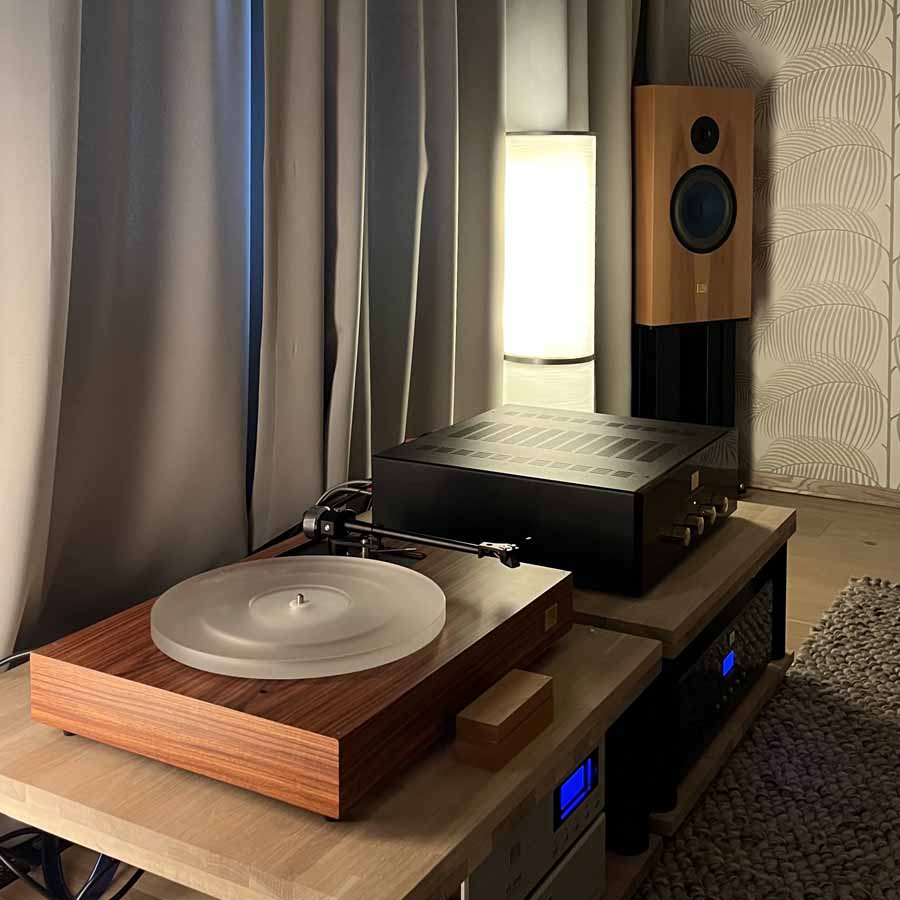
207: STEREOFIL
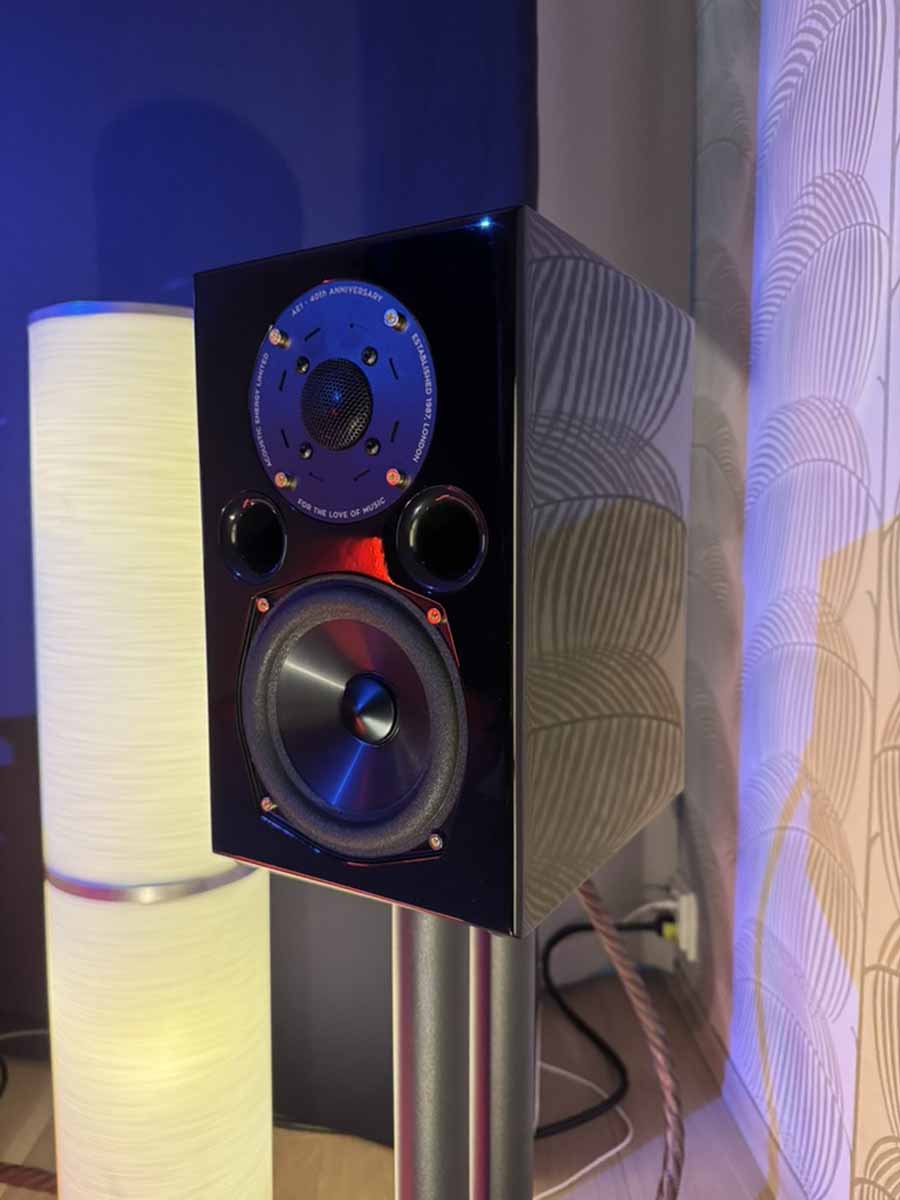
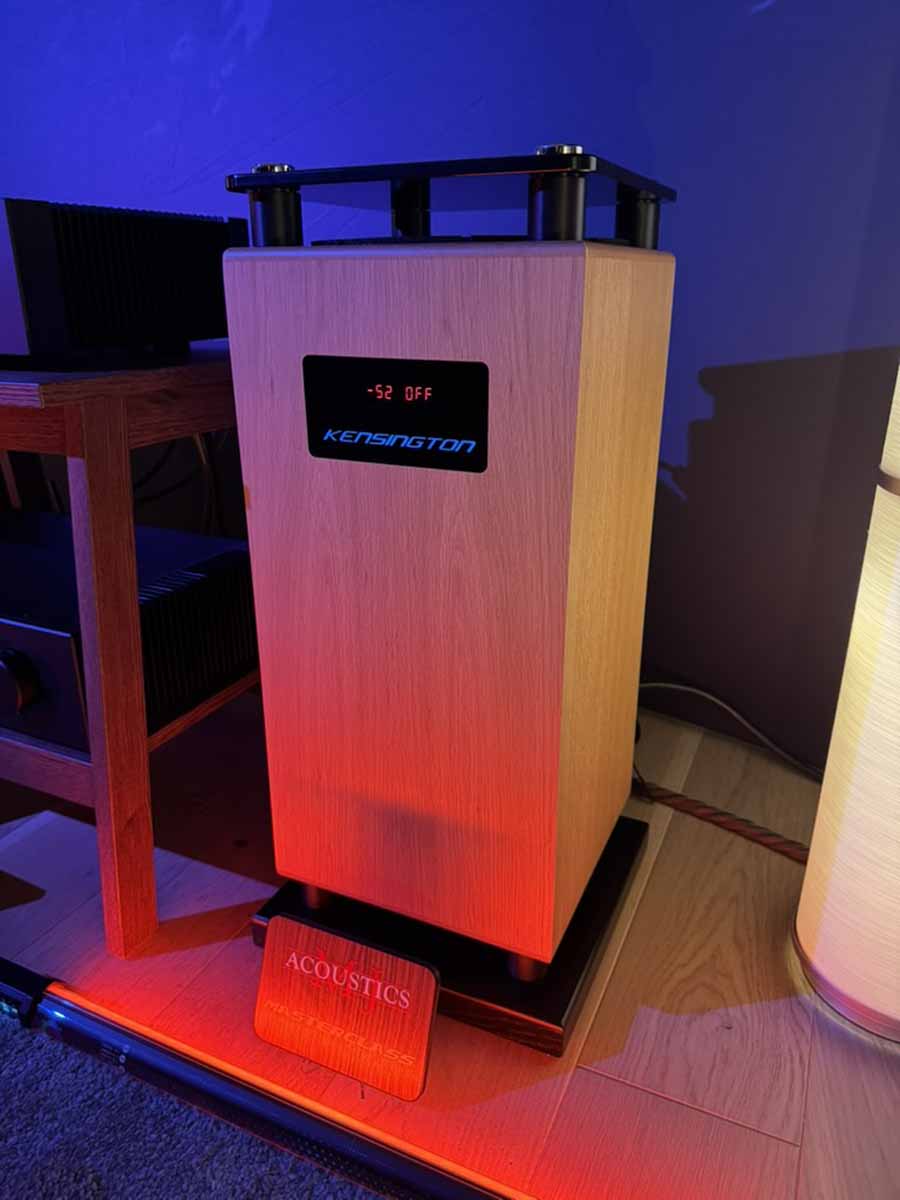
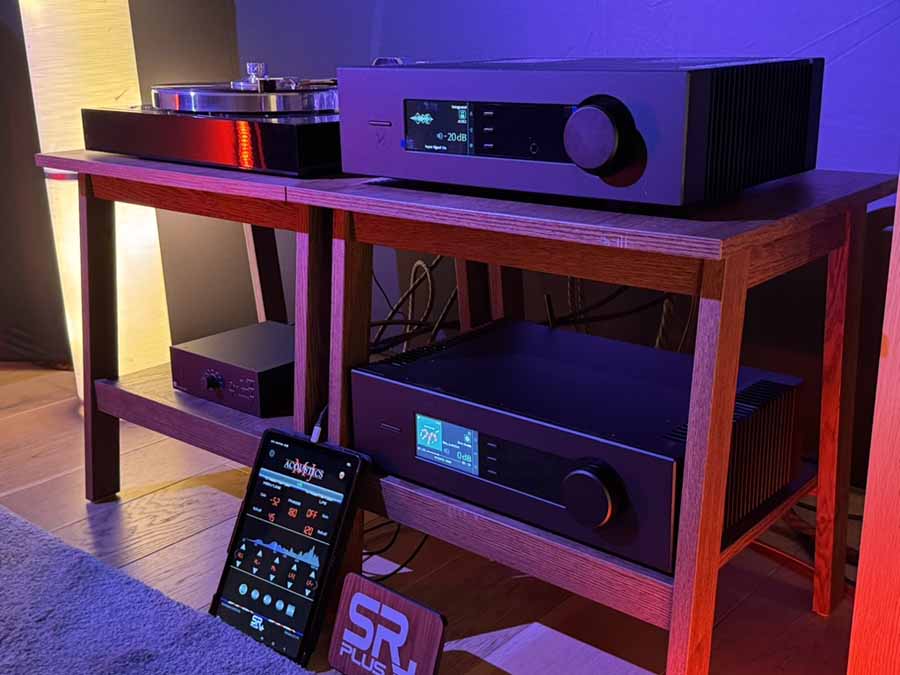
In much the same way that Audio Note in the previous SteReoFil room took a fairly unconventional approach to speaker positioning, the Acoustic Energy standmount here had, comfortably, the most aggressive toe-in of any show setup. These were being augmented by the use of the MJ Kensington subwoofer, which had been really well integrated into the system – the sound was coherent and consistent across the entire spectrum. They had quite a nice iPad display showing all the parameters that were active in the sub’s configuration relative to the rest of the system.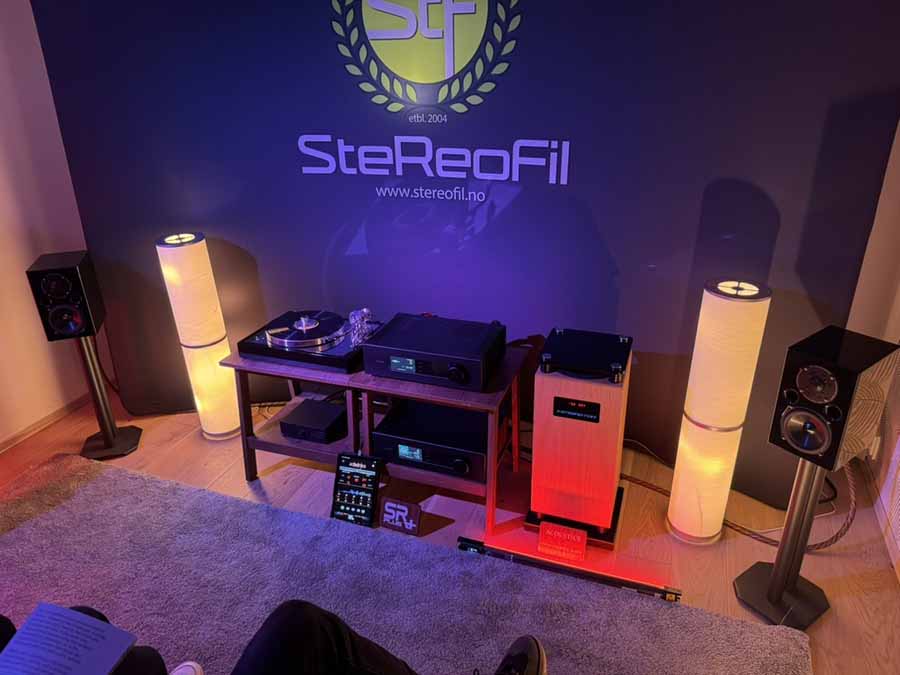
209: STEREOFIL / AUDIONORD
While this room was branded as SteReoFil, it was Madelein from Audio Nord, the distributor for Devialet based in Sweden, who was running the room. They had the two versions of the Phantom Ultimate set up, and the baby ones were playing when I came in. It’s truly extraordinary what these tiny boxes can do, and I don’t mind admitting I had assumed it was the larger ones playing, given the presence and bass extension they could produce. Of course, if you’re in the audiophile camp that likes having lots of boxes in the system and the scope to fine-tune to the nth degree, the Phantoms are not going to be for you. For those who want something aesthetically pleasing, that sounds fantastic, and is almost completely devoid of faff, the Phantom is really quite an extraordinary option.
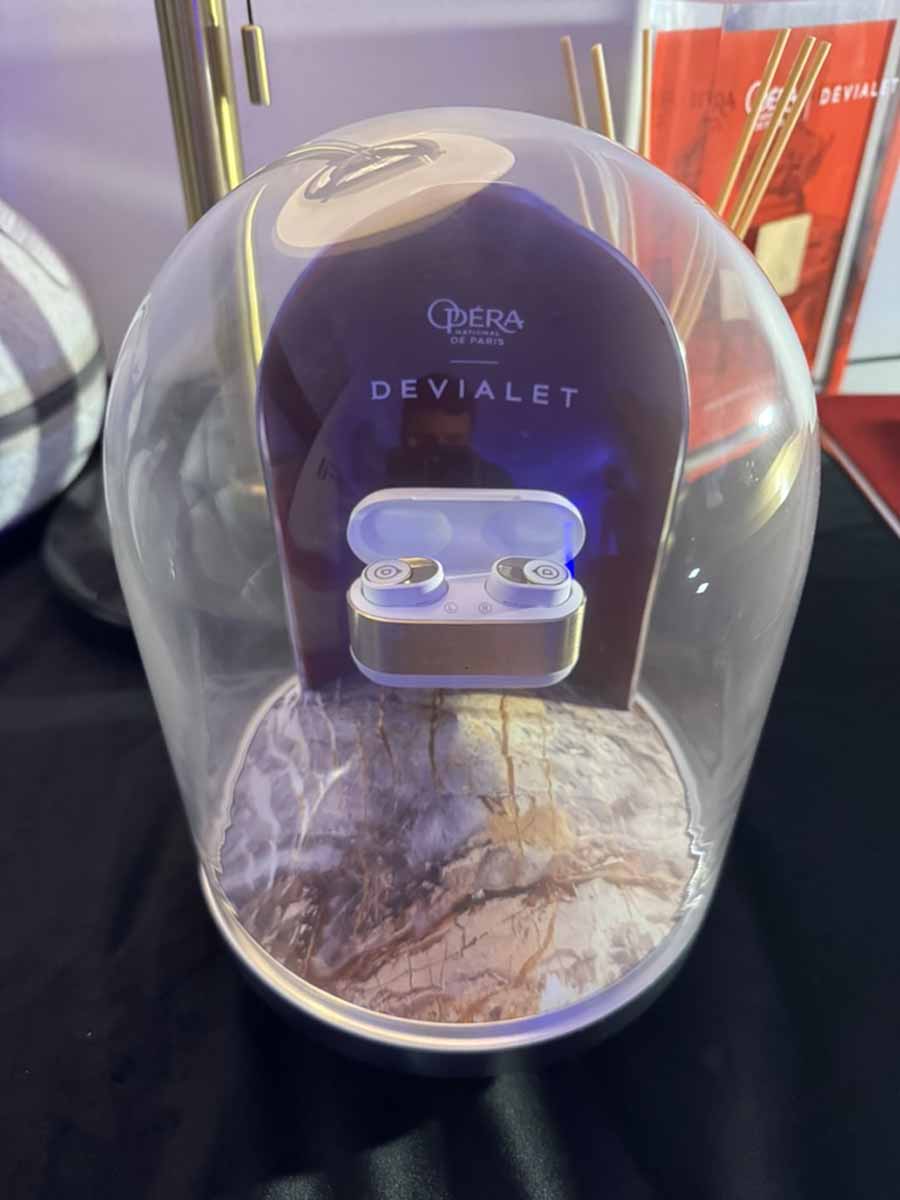
They also had a set of the Devialet Gemini II Opéra de Paris earbuds on display, with the base of the display being made to look like a loaf of bread. I’m loving the sense of whimsy here, along with the utilising of an iconic piece of the French identity.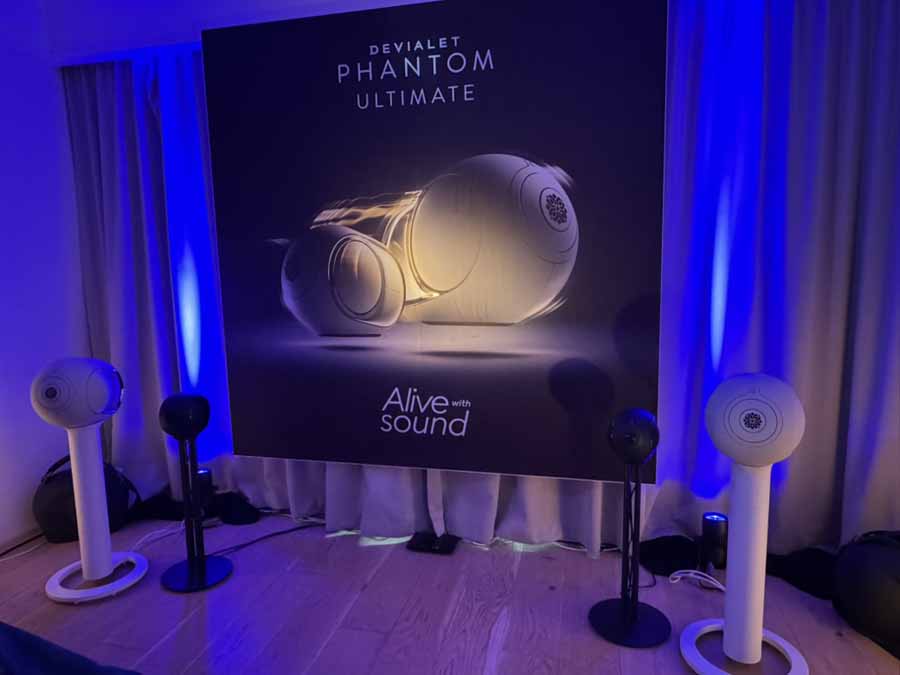
212: DECAPO
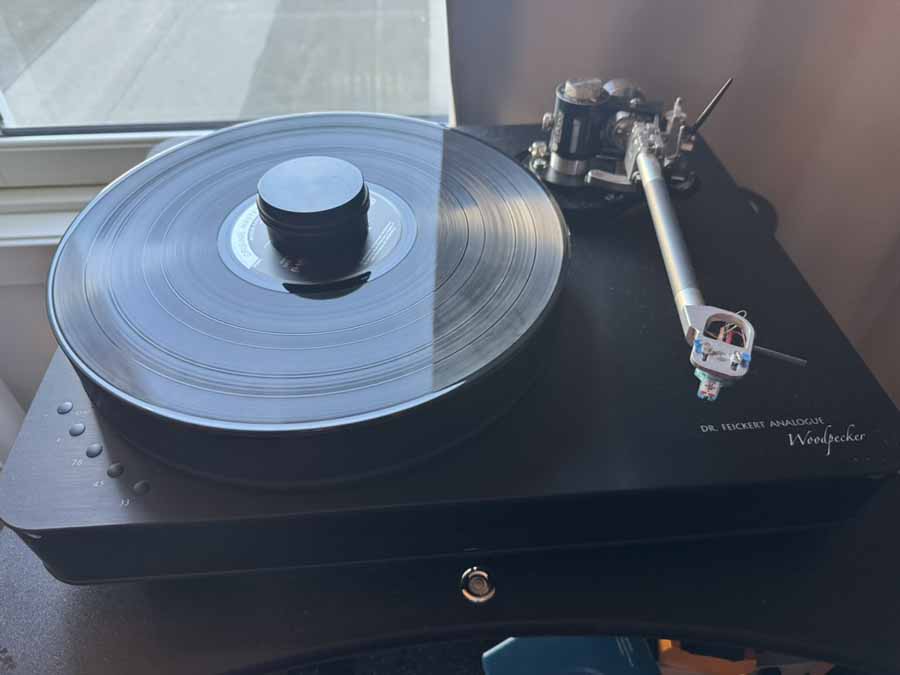
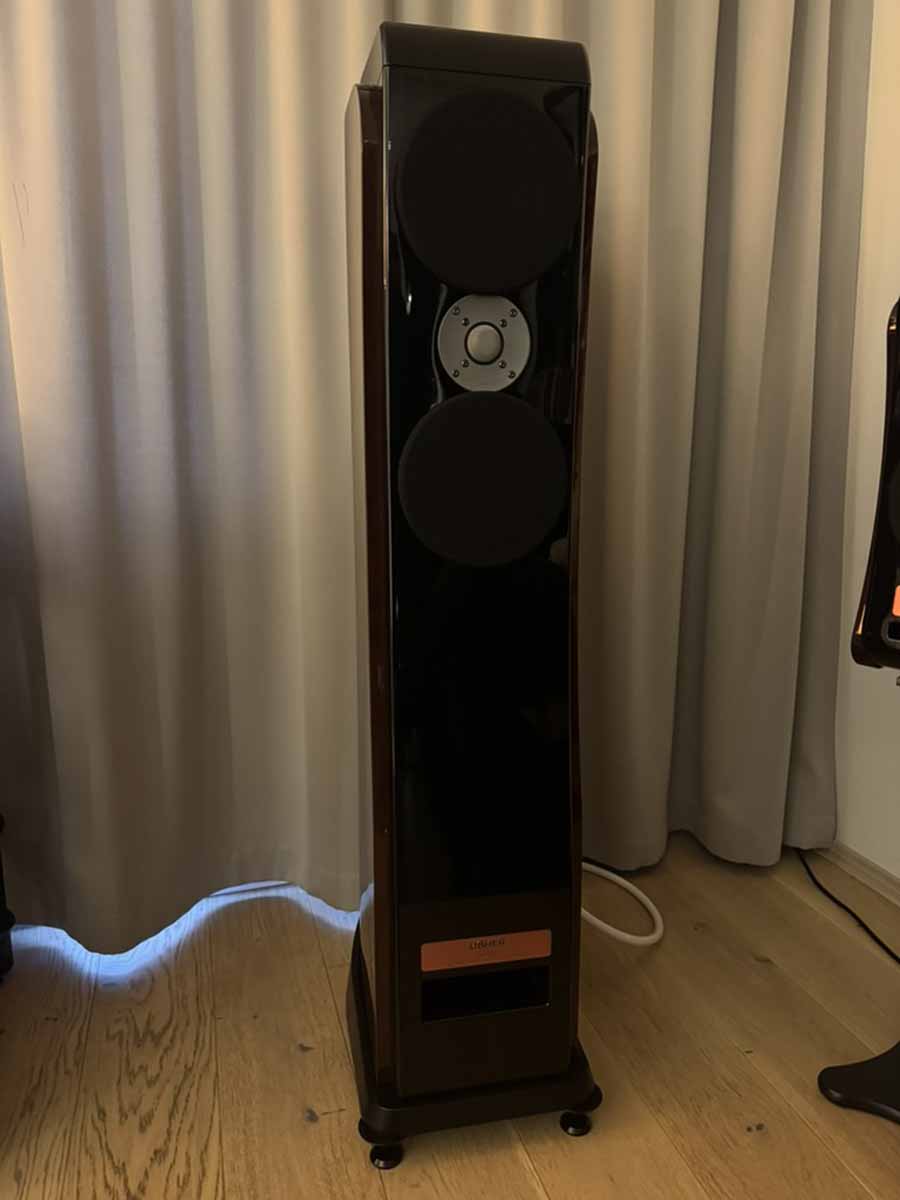
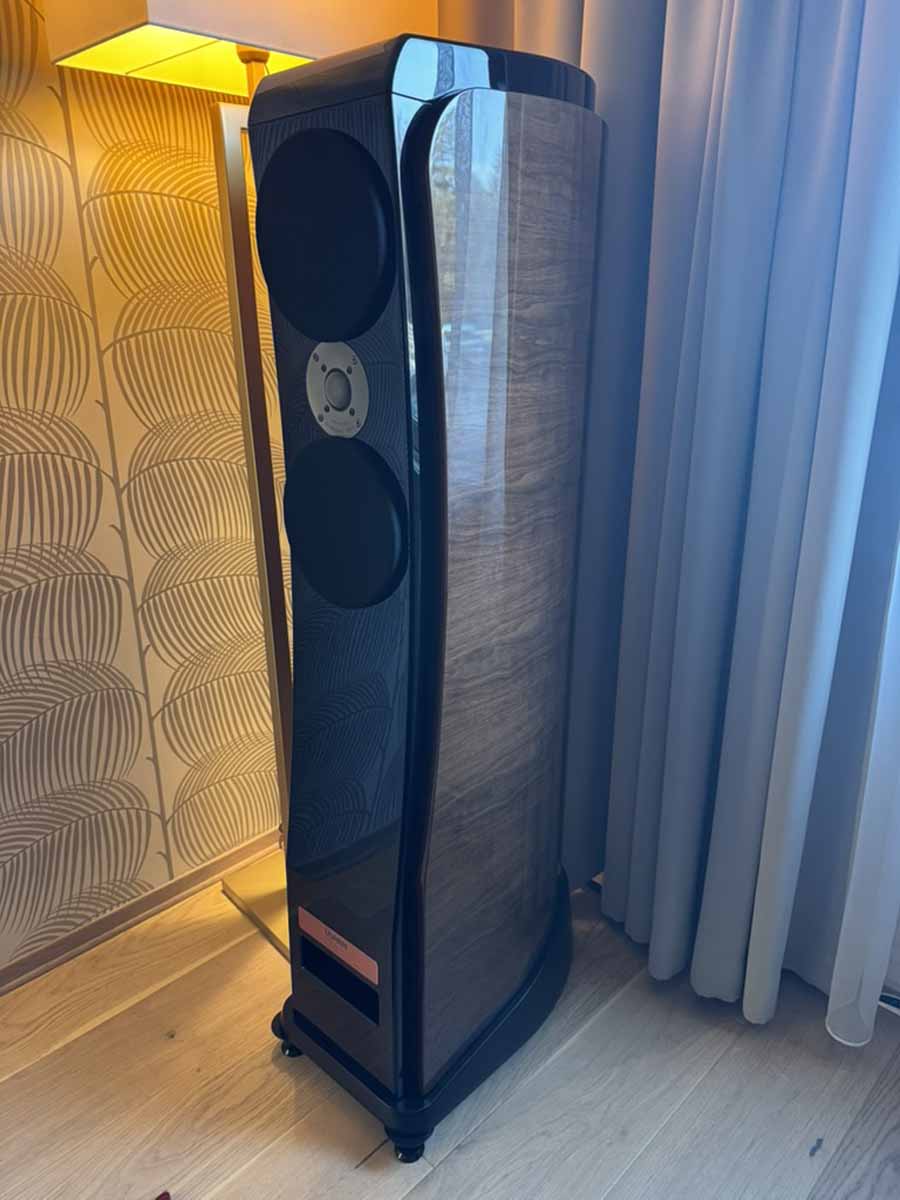
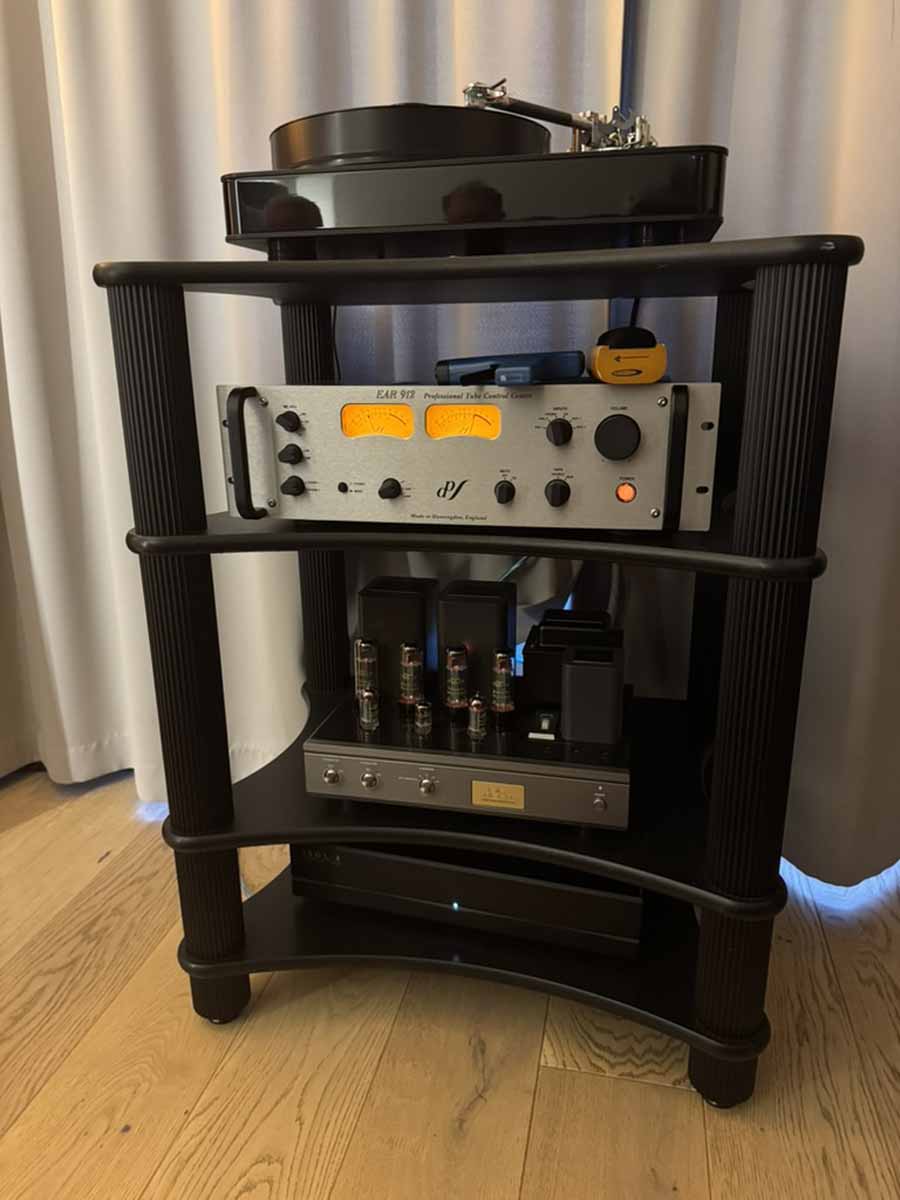
It’s quite nice to get to sit in front of such a completely analogue system. Vinyl only as a source (Dr. Feickert Woodpecker, Tri-Planar arm, Zyx 4D cartridge), and all the amplification coming via valve-based (and not hybrid) equipment. A number of brand-new products were being demonstrated here for the first time: the Air Tight ATM 1S power amp and the Usher ND 5 floorstanders, along with a not-new Ear 912 “Professional Tube Control Centre”, aka the pre-amp. The overall sound was just extraordinarily easy on the ear. I was a little apprehensive about the diamond tweeter on the Ushers, as I invariably find diamond tweeters can often sound very bright, but in tandem with the Air Tight, it produced a great level of detail without any sense of shrillness.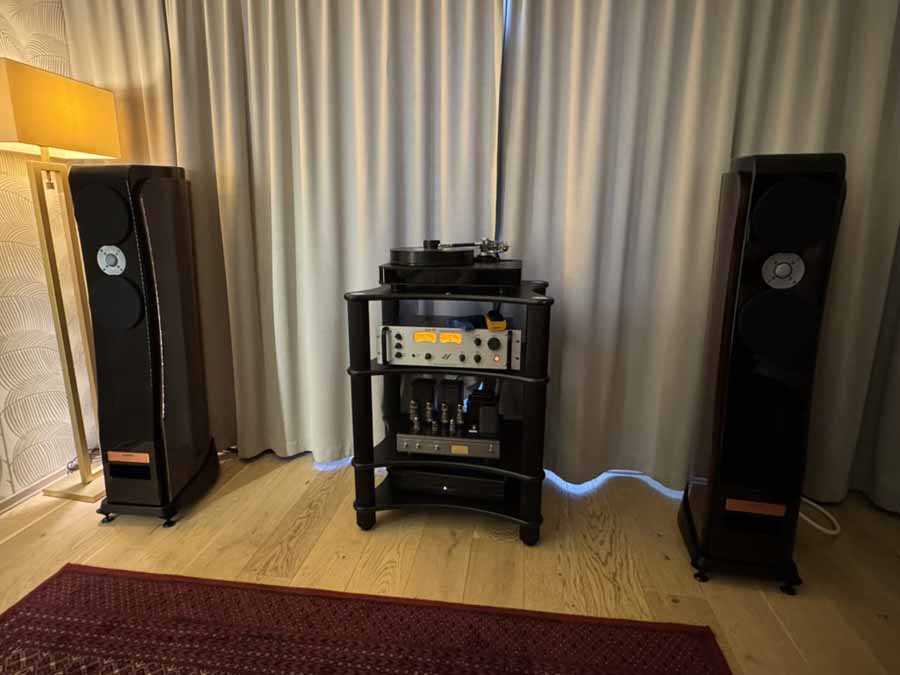
216: SIGBERG AUDIO
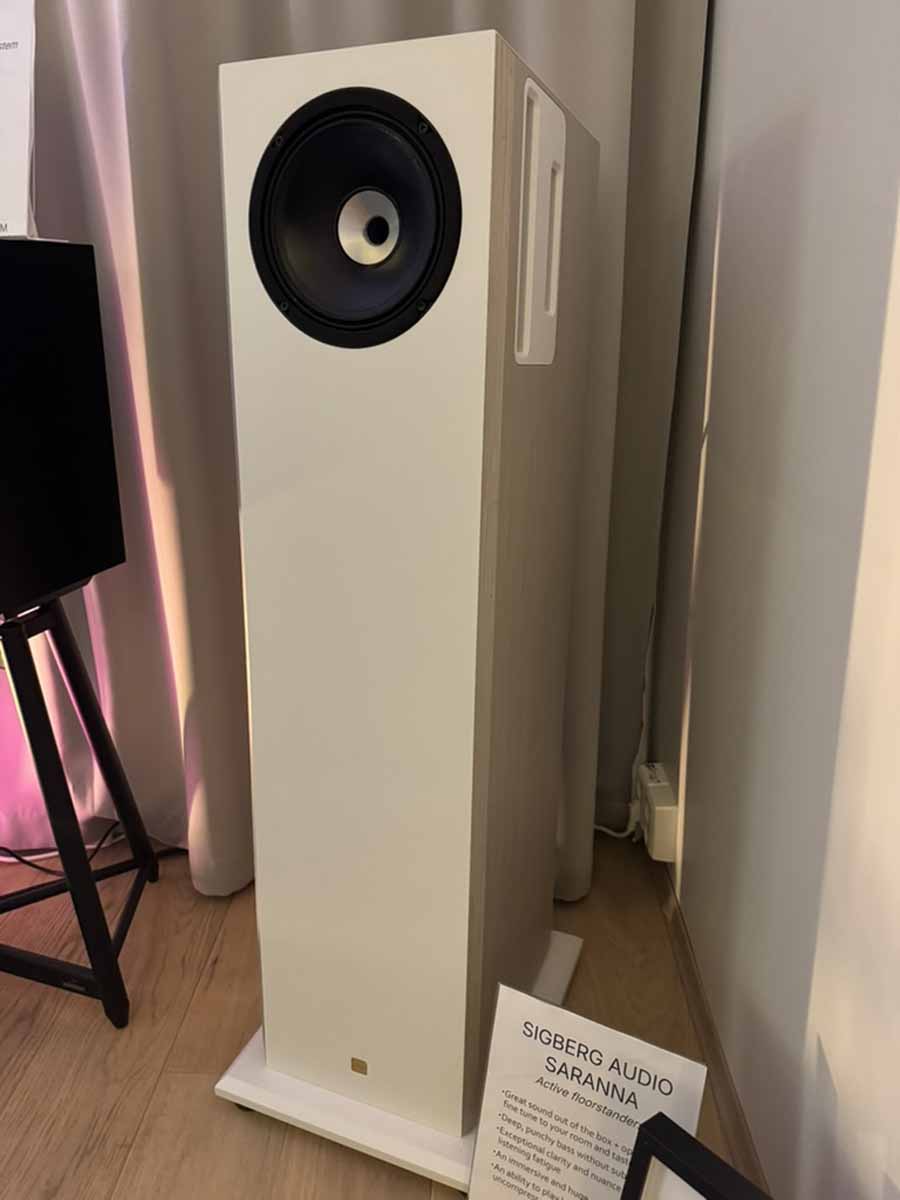
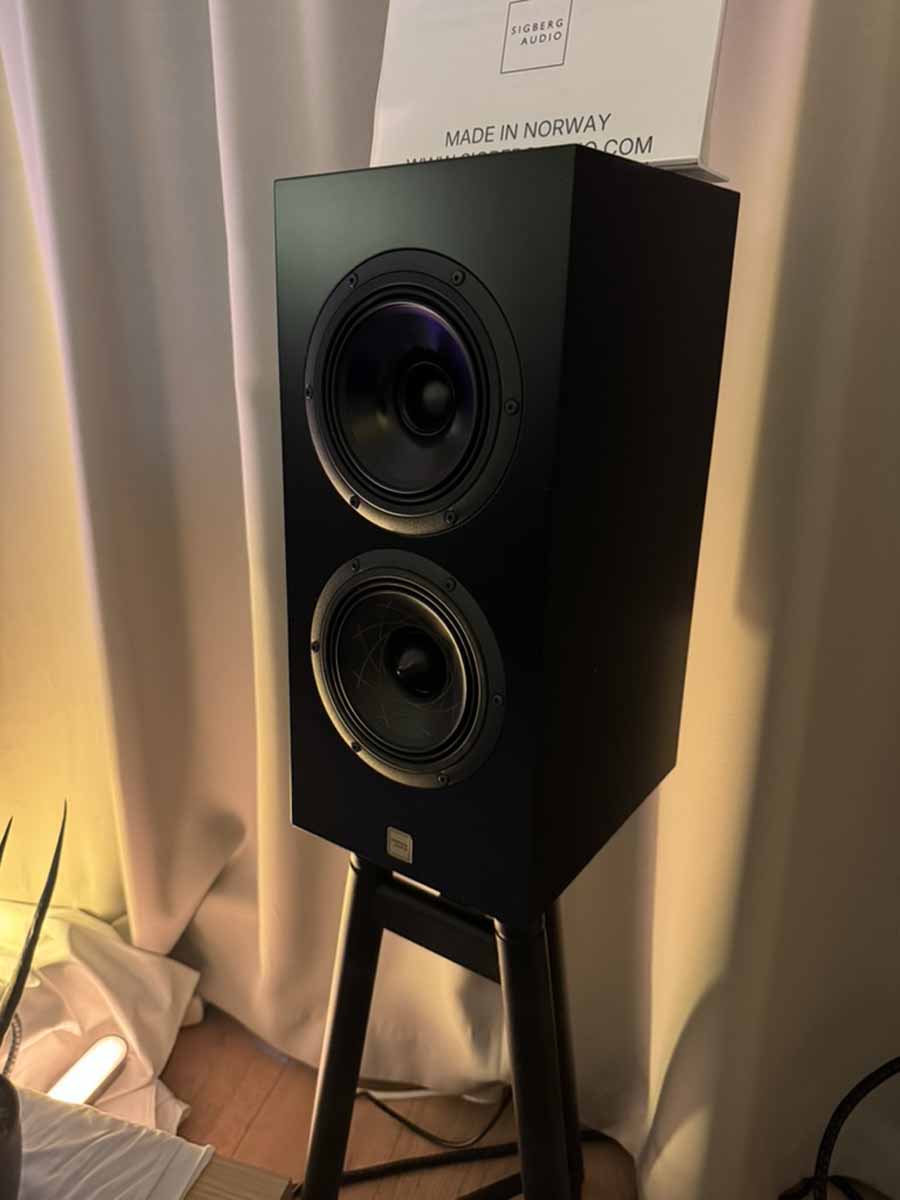
Sigberg is a completely new outfit for me, and they had two brand new products at the show. Playing were the larger Saranna floorstanders, which are active speakers, and feature a dual-concentric driver on the front, with further bass reinforcement coming from two additional 8″ drivers mounted on the rear. An Eversolo DMP-A6 was used as a streamer, and a Benchmark DAC3L was covering both conversion and pre-amp duties.
Based on whatever was playing when I came in, it definitely felt like these speakers were too much for the room’s size. However, one of the staff handed me the iPad and gave free rein to choose whatever I liked (always dangerous), and Kraftwerk’s Man Machine from Minimum Maximum quickly revealed that things were actually really quite tight; these loudspeakers just punch extremely low. These speakers also come with a degree of room tuning as well, so customising the sound to your room and preferences is always an option.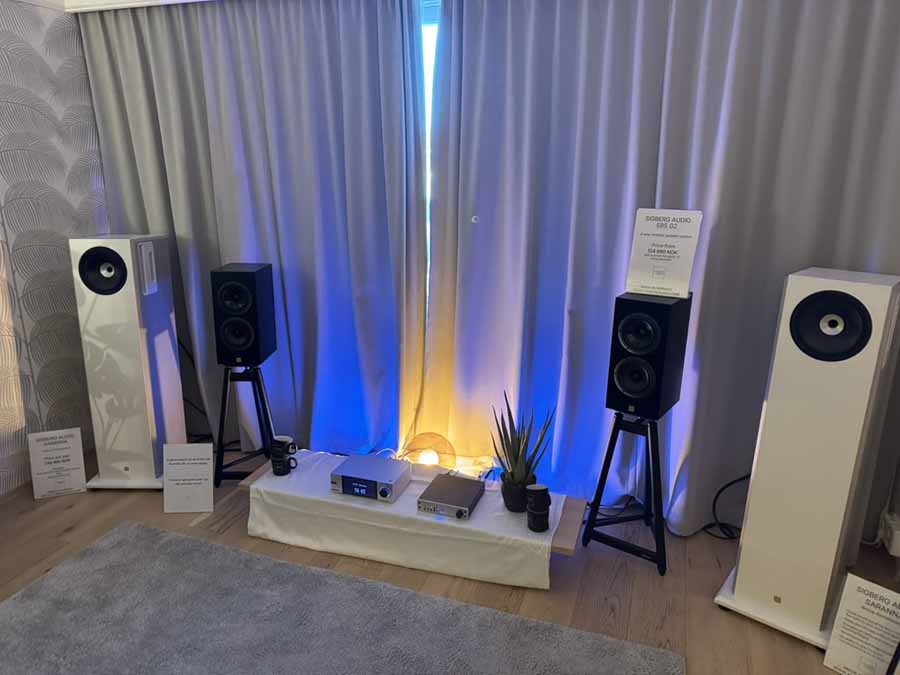
218: AVSHOP
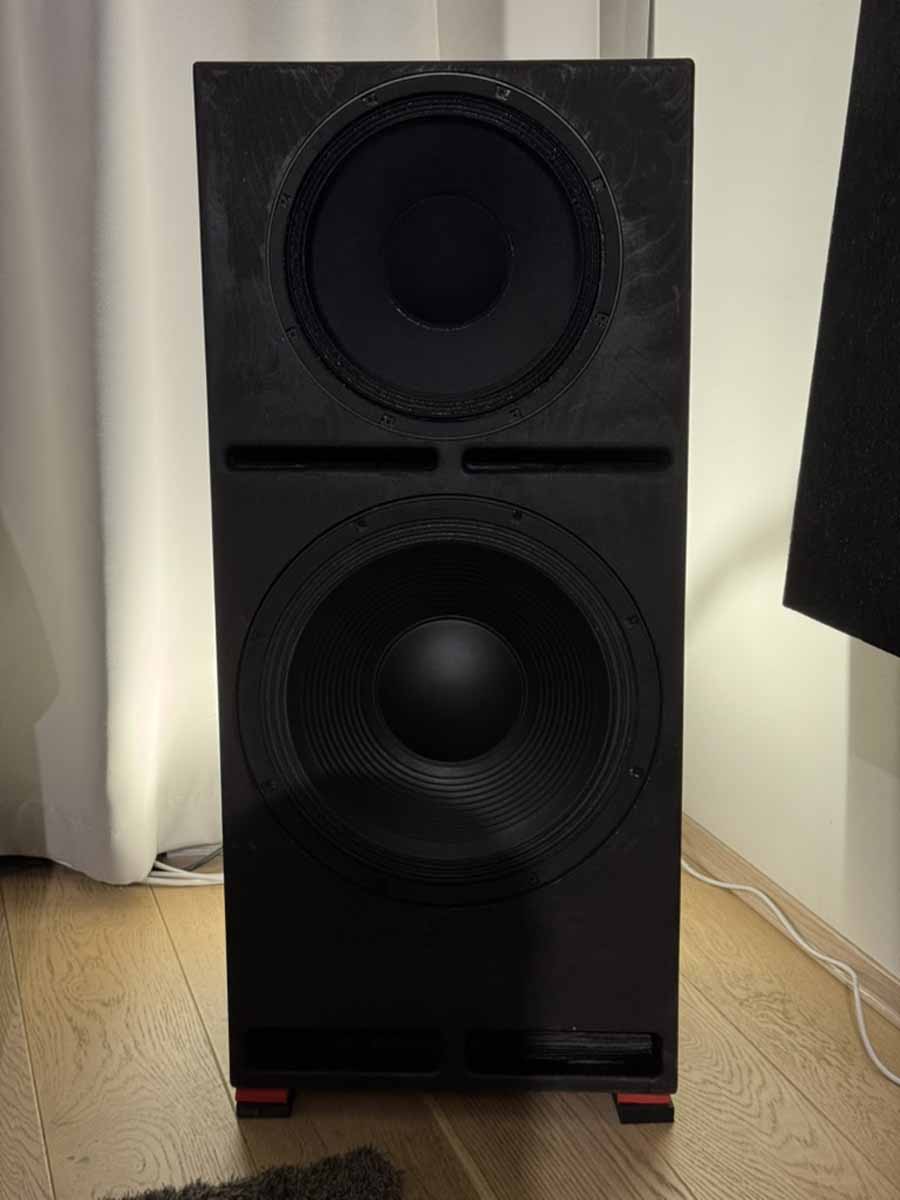
The speakers on display featured a 15″ bass driver and a 10″ dual-concentric unit that covered the midrange and treble. This was a massive setup for a small hotel room, and it moved a huge amount of air when given low-end music to play with. These were very much working prototypes that they’d had to rush to finish in time for the show, and they were very keen to point out that the finish was very much just a result of this and would be considerably different in the end product.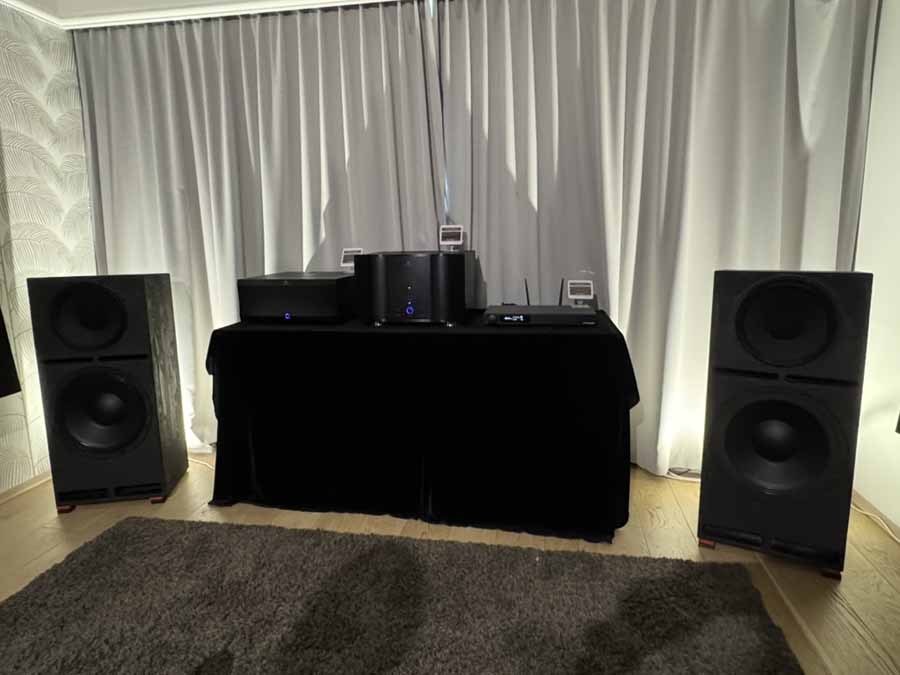
223: MOET AUDIO
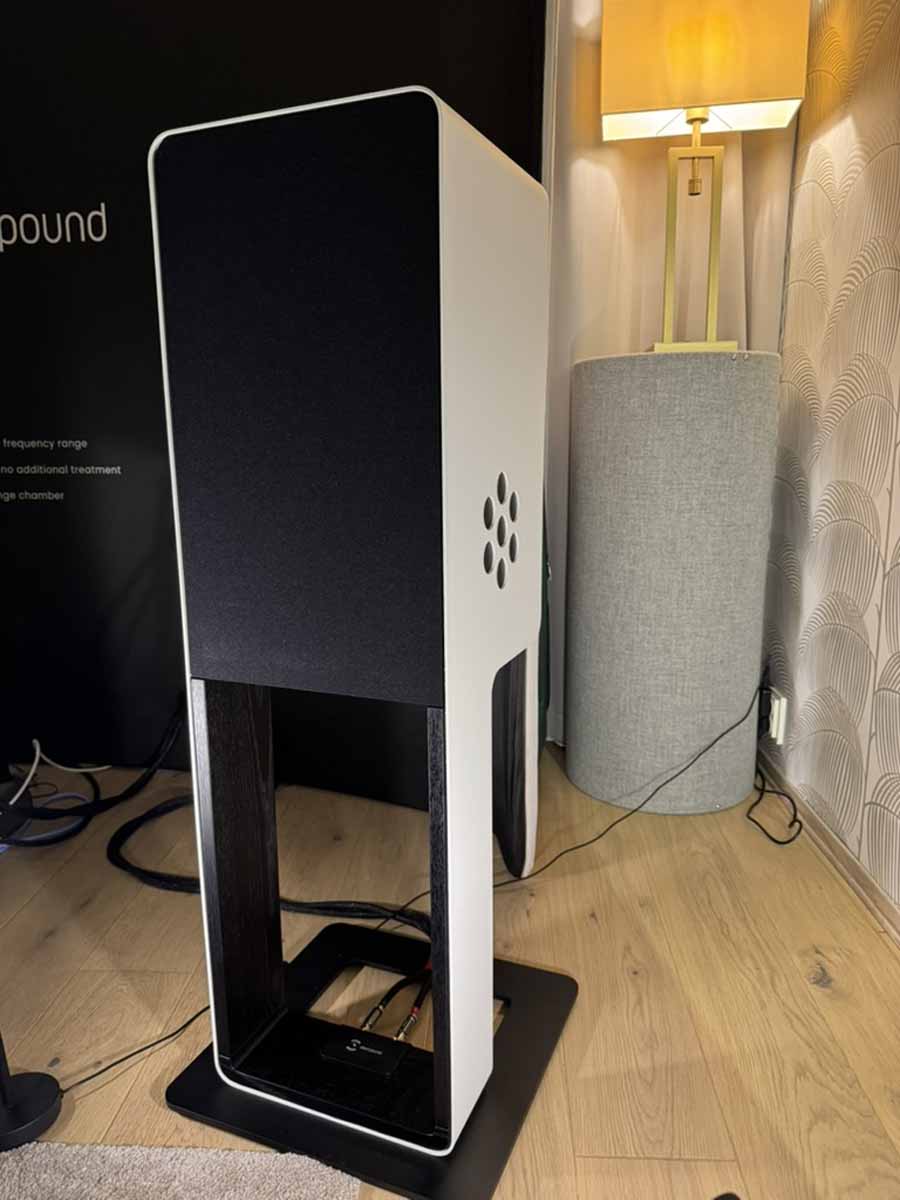
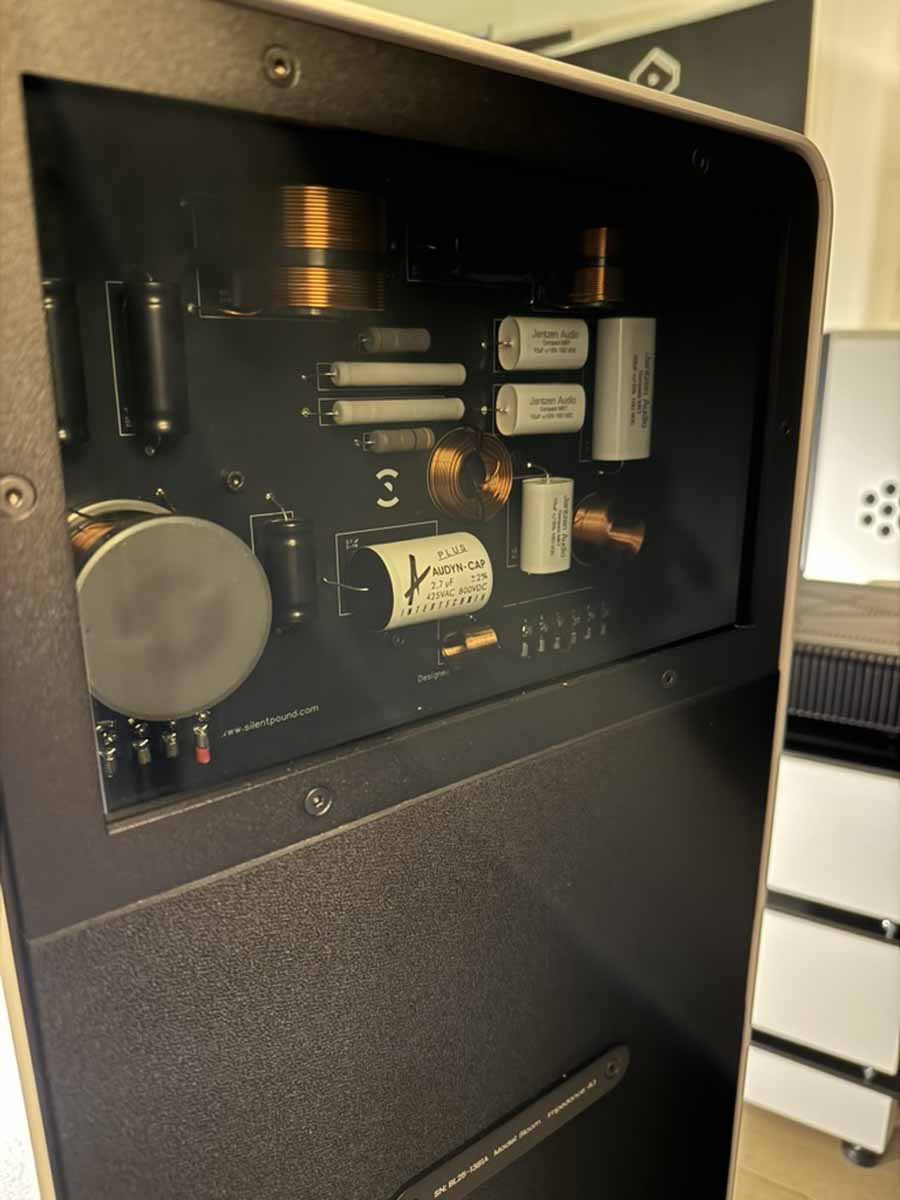
Despite Stu having reviewed all the available Silent Pound loudspeakers, this was my first time hearing any of their handiwork, and I’m pleased to report they do extremely good work indeed! This was the Bloom loudspeaker’s first outing at a Norwegian show, and it’s quite a different beast from the Challenger that first launched the company. Per se, this is a standmount loudspeaker, but all the stand elements are fully integrated into the body. So it’s a complete unit as is, and you don’t need to find a set of stands for them. This also gives the slightly odd visual of the cables running into the stand at roughly floor level, rather than into the rear of the main body.
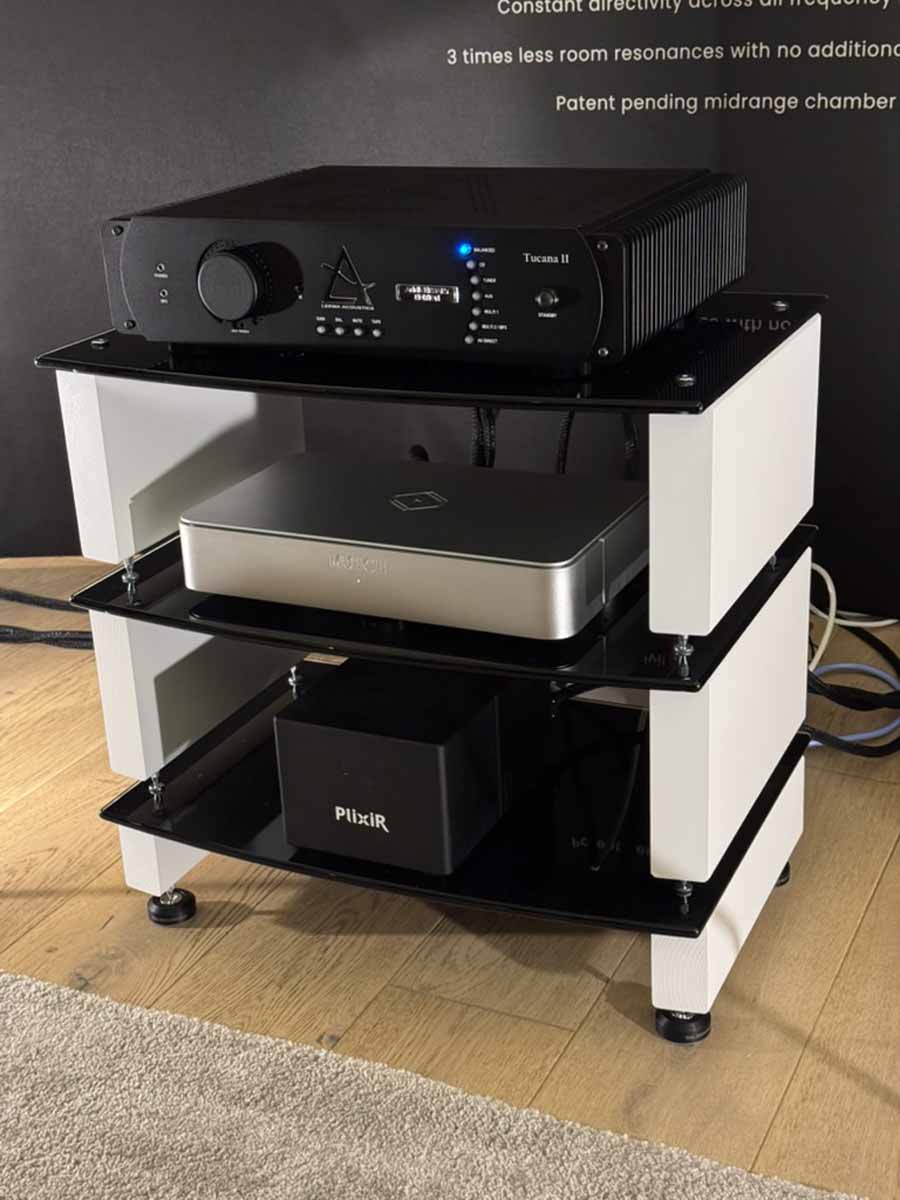
These were being driven by the Leema Tucana II Anniversary Edition, and streaming used the Silent Angel Munich MU.
These are very much my kind of loudspeakers; they have a great mix of punch and tonal richness, great detail, and a really coherent representation. Audrius, the chief engineer, played us a brief sample of some full-on EDM at serious volume, and the way they stayed clean all the way down to some very low notes was pretty extraordinary.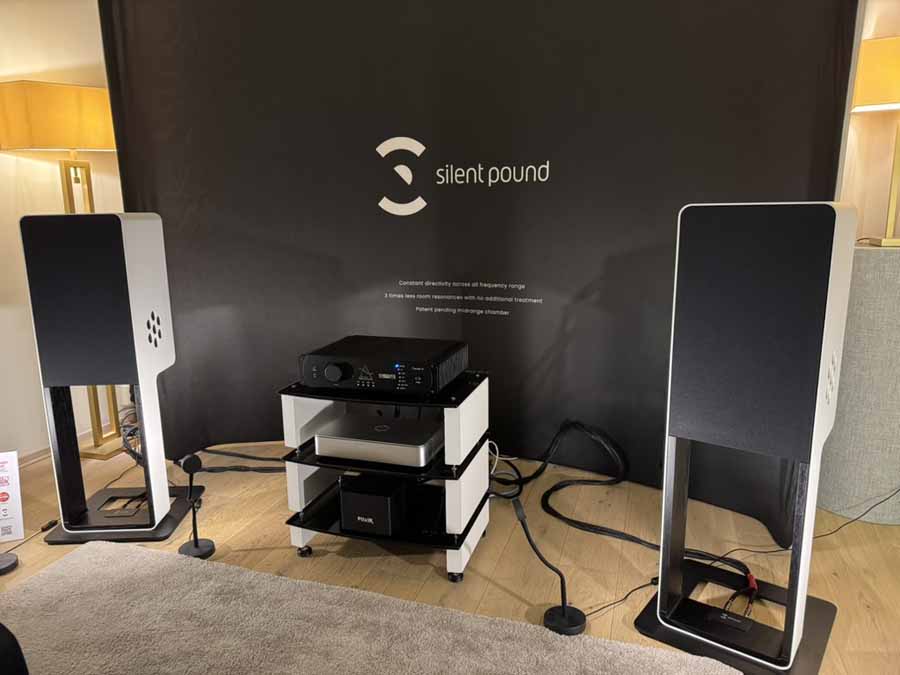
224: SENTRUM AUDIO
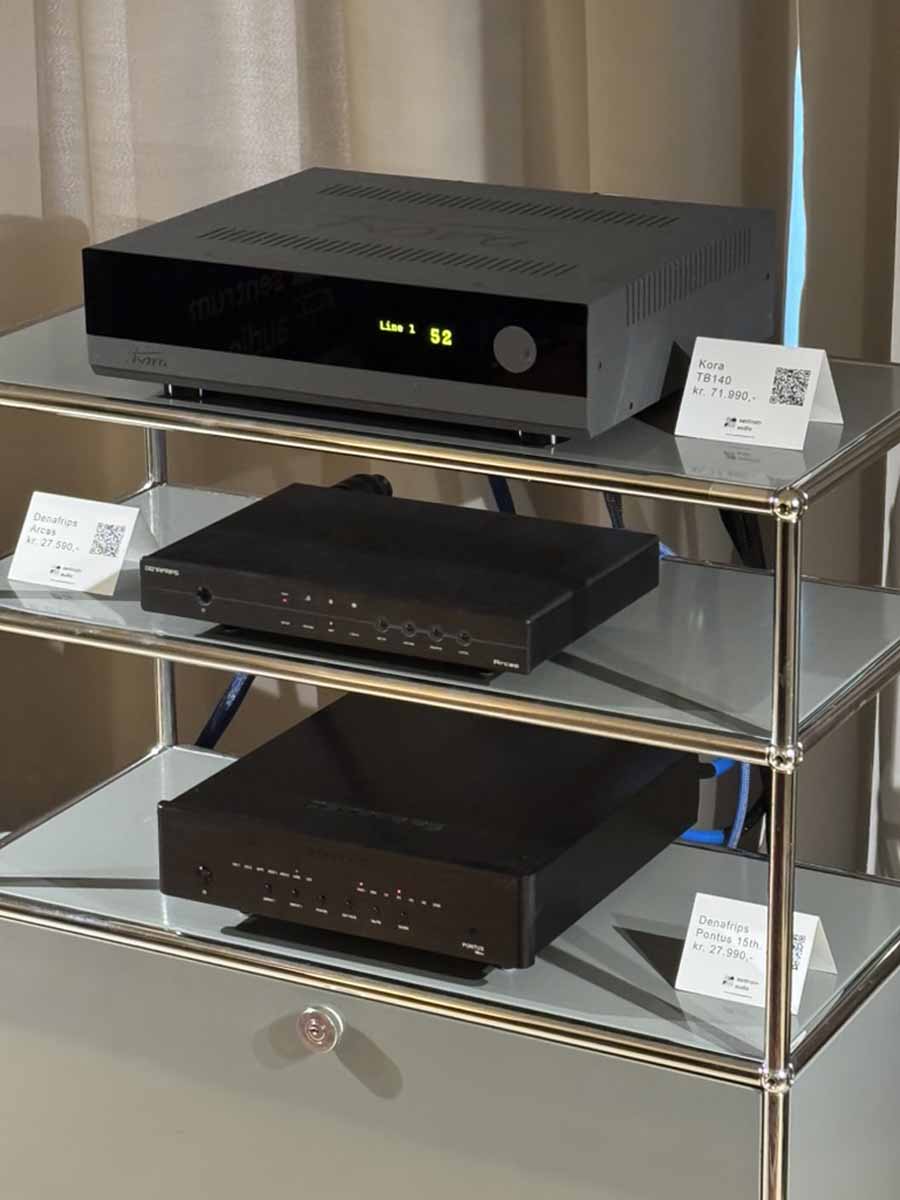
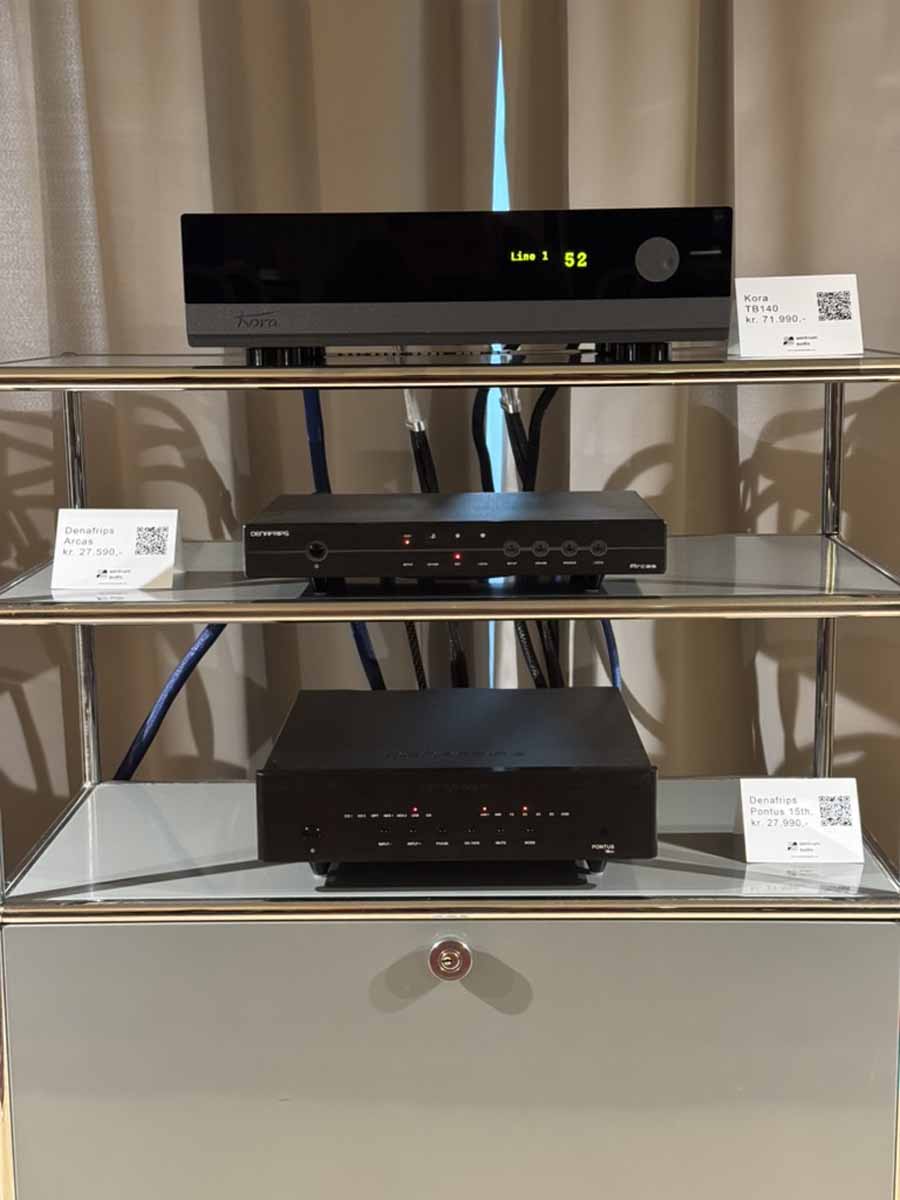
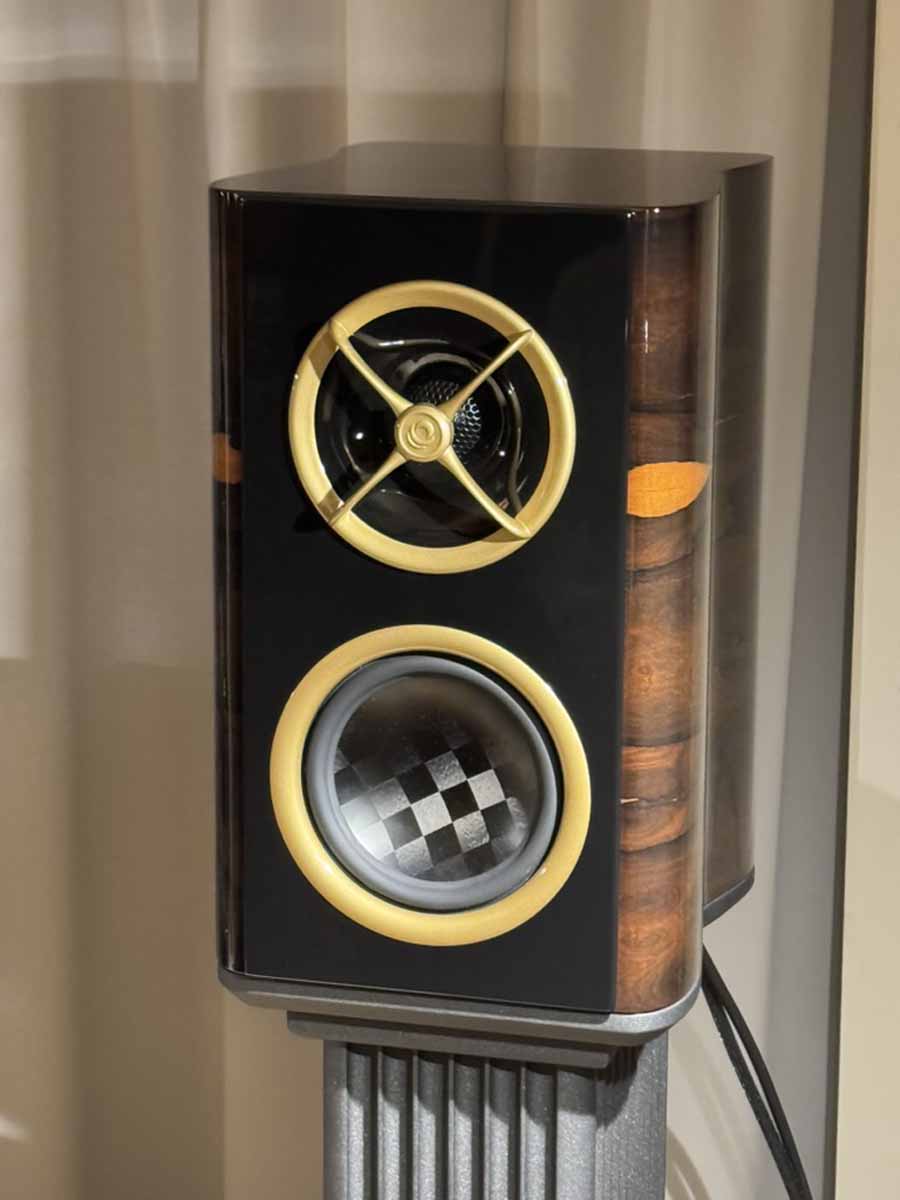
Well, I managed until 14:30 on Saturday before I ran into what is fast becoming the new “Audiophile Show Demonstrator Cliché Track”: Big Bad John, courtesy of Sentrum Audio. There was a lot of unfamiliar kit in this room, but at least some familiar tracks were getting played, as they followed up with Tin Pan Alley. Noughts and ones were being handled by the Denafrips Arcas and Pontus 15th, and amplification was the Kora TB140 integrated. The Audio Nostrum Saturn Pandora is a very striking-looking speaker (and with a name like that, one feels it has to present with some bold character). The sound they produce is also pretty striking; there’s something very visceral and tangible about the way they make the music sound in the room. They also image very well indeed; you really lose track of where the speakers themselves are if you shut your eyes, which is always a good sign.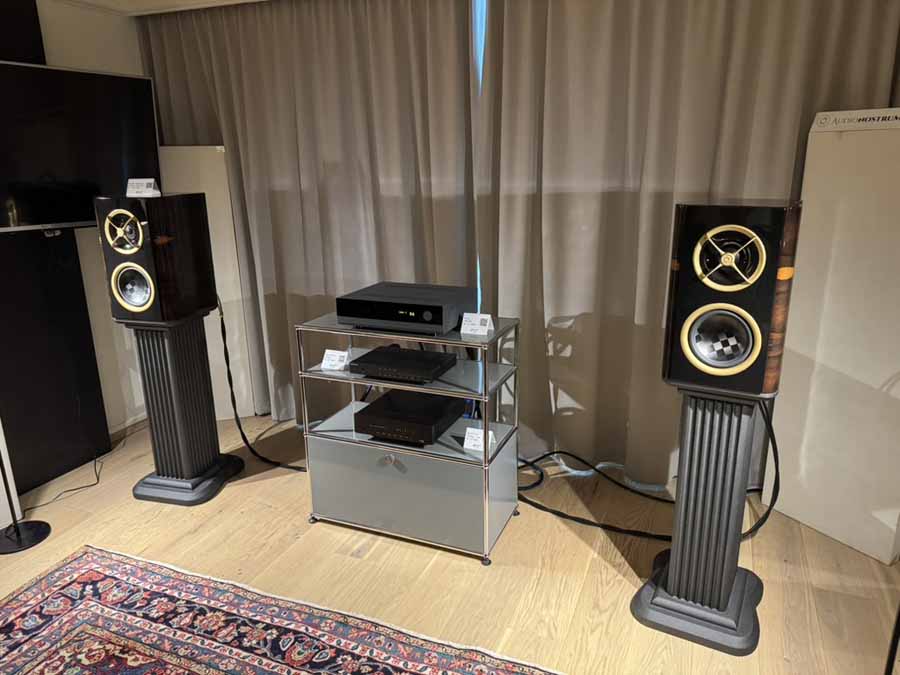
235: AUDIO AKTØREN
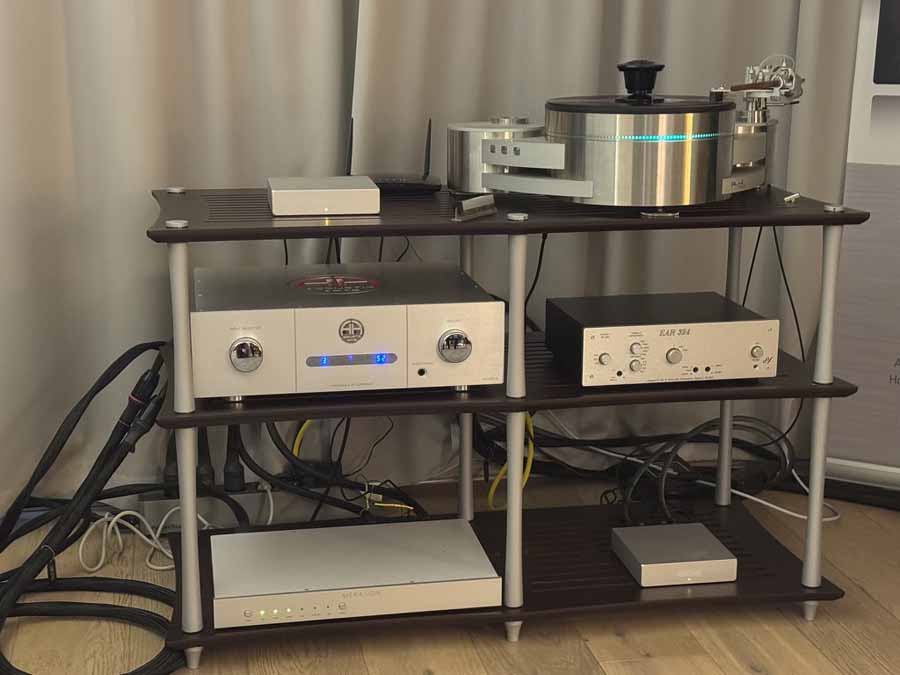
The heart of this system was the very striking Reed Muse 3C record deck and arm, running a Shelter cartridge. This is definitely not a deck for those who like things aesthetically conservative, or even just compact. Alongside, they were using the baby Nagra streamer and phono stage from their Compact line, and a Merason DAC. A similarly striking Acoustic Arts Power III Integrated was then driving a pair of Qlm P3 second-generation 2-way floorstanding loudspeakers.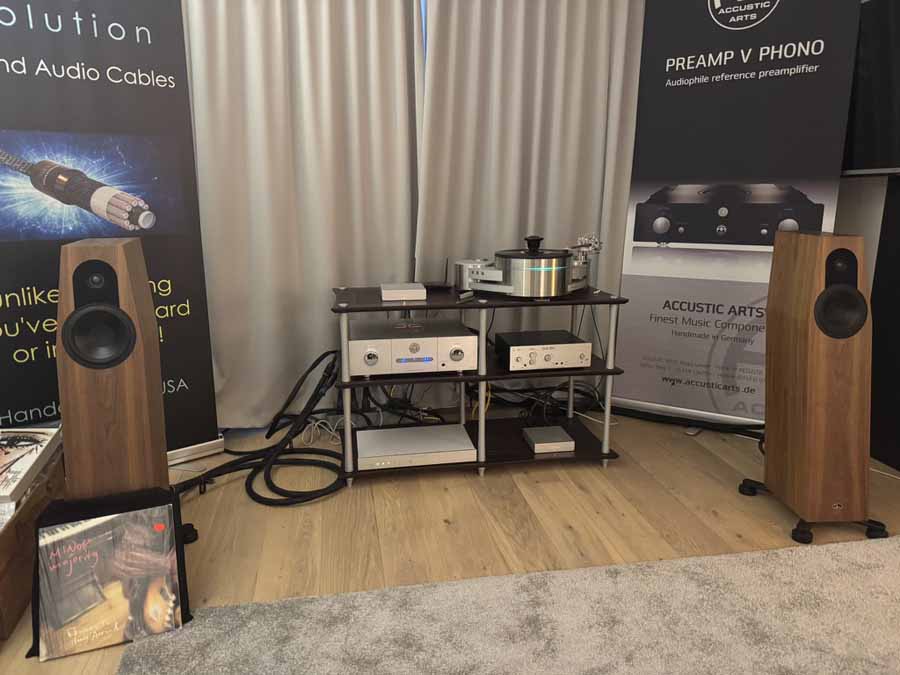
236: Audio Aktøren
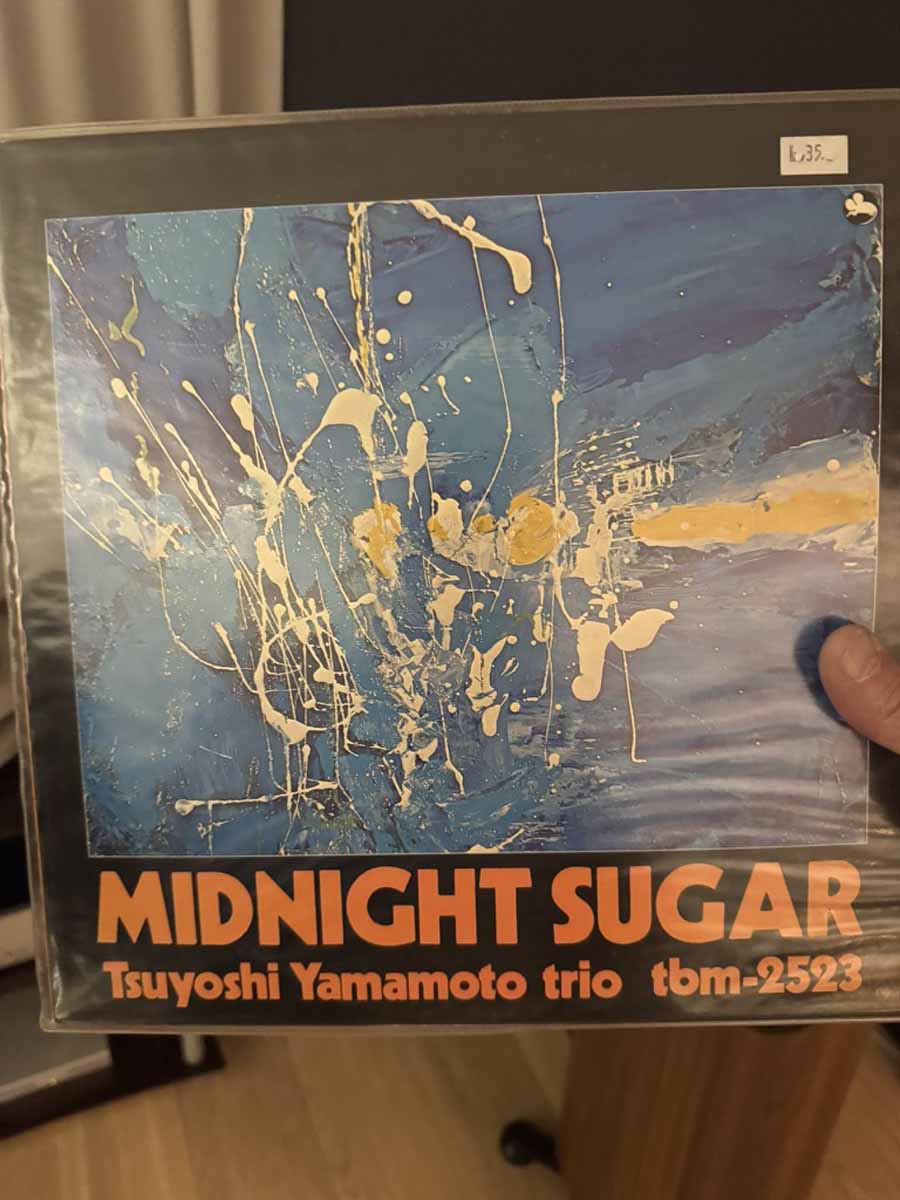
The second Audio Aktøren room was also running QLM speakers, this time the 1V7 standmount. These were powered by a classic Manley Stingray with EL84 tubes. The signal came from a Garrard 301 on a rather lovely wooden plinth, feeding into an Icon Audio phono stage. No digital option at all. I was particularly impressed by just how silent this setup was, no hint of crackle or other background noise from the record. Dynamics were definitely the key characteristic of the setup, and Terje Nielson from Audio Aktøren’s choice of Midnight Sugar to demonstrate this fact really emphasised the point. The piano playing is so expressive on that front, and you get the full force.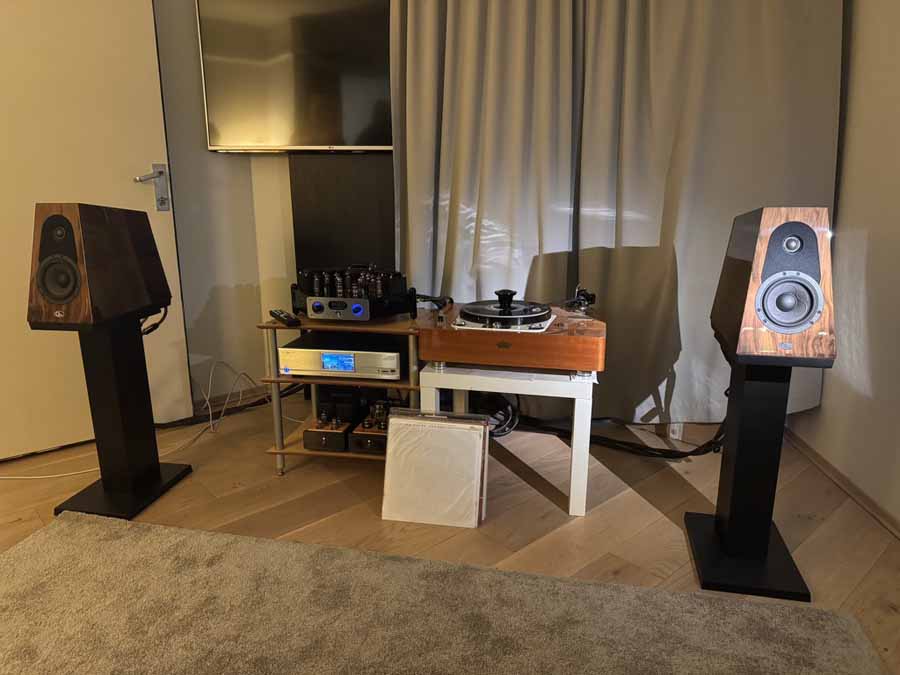
238: DUET AUDIO
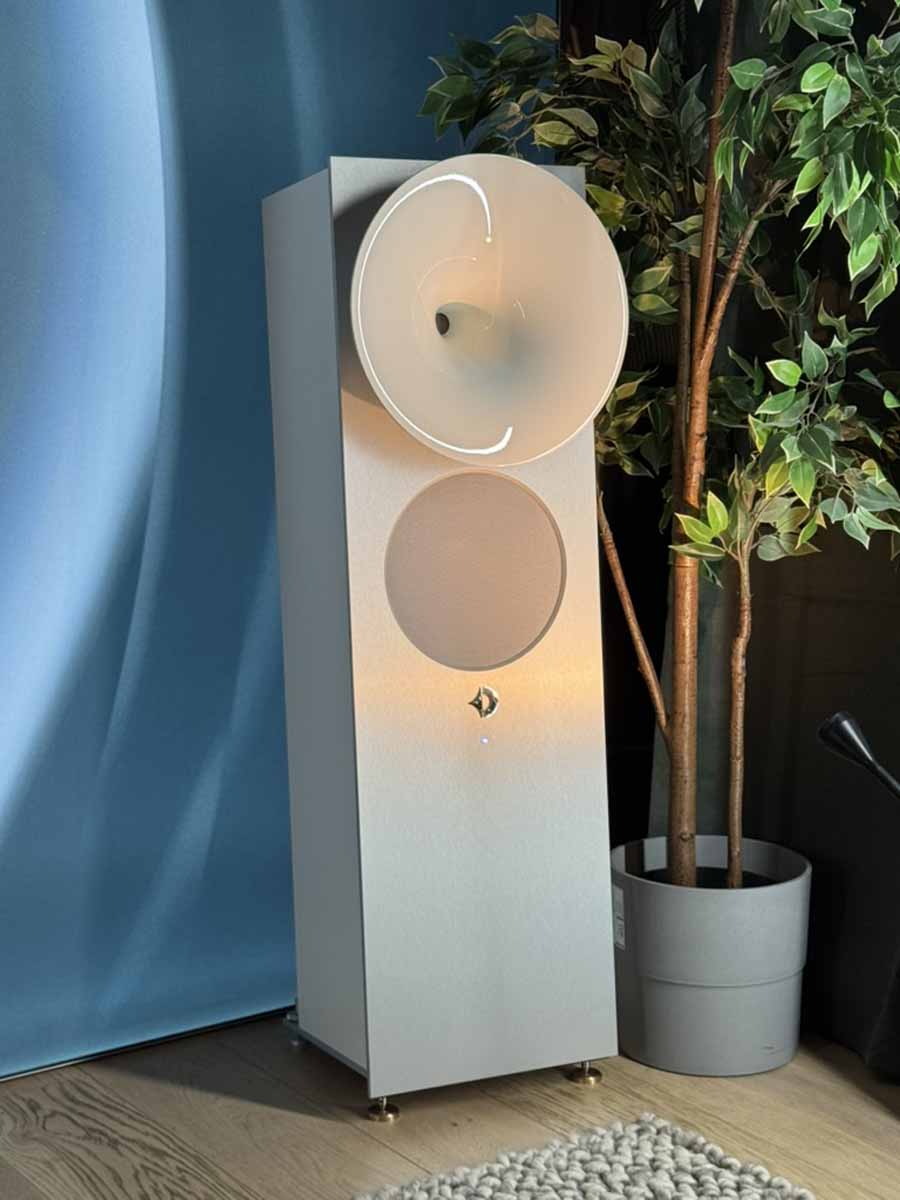
It’s quite nice when I make a prediction that turns out to be correct. When I heard the Avantgarde Opus 1 last weekend in Denmark, my main takeaway was that in a room that was less actively hostile to good sound, they could really sound quite special. Here in Oslo, in one of the simplest systems being demoed, they proved exactly that. This was a far richer and more tuneful sound than was possible last week. I think the size of the room here also suits them far better than the much larger atrium space they had last weekend.
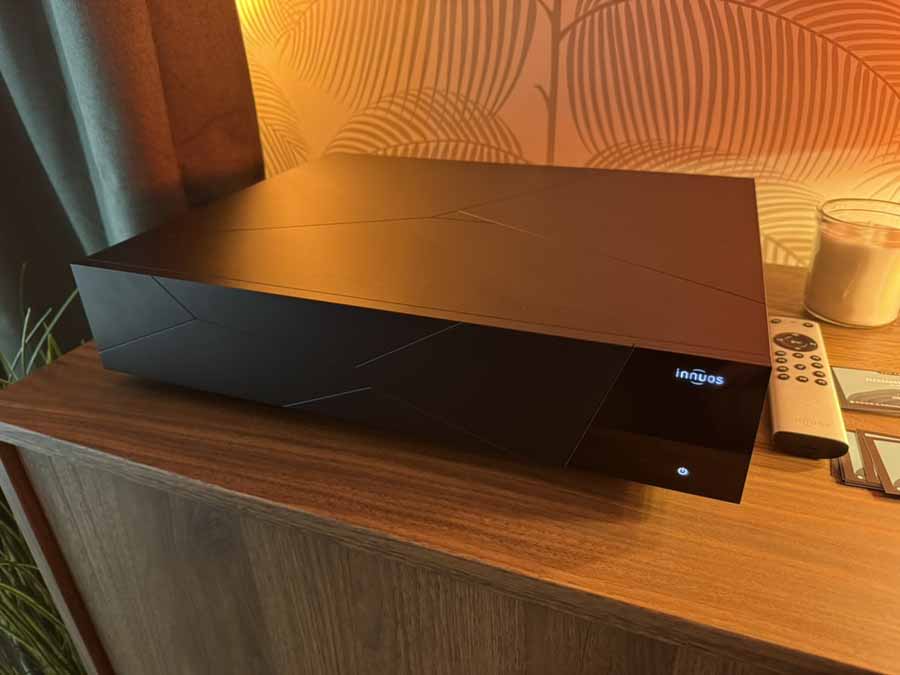
The Innuos Stream 3 came with the optional Phoenix DAC board, which, in addition to providing the conversion, allows the Stream 3 to act as a pre-amp. This translates to a very minimal box count for the whole system.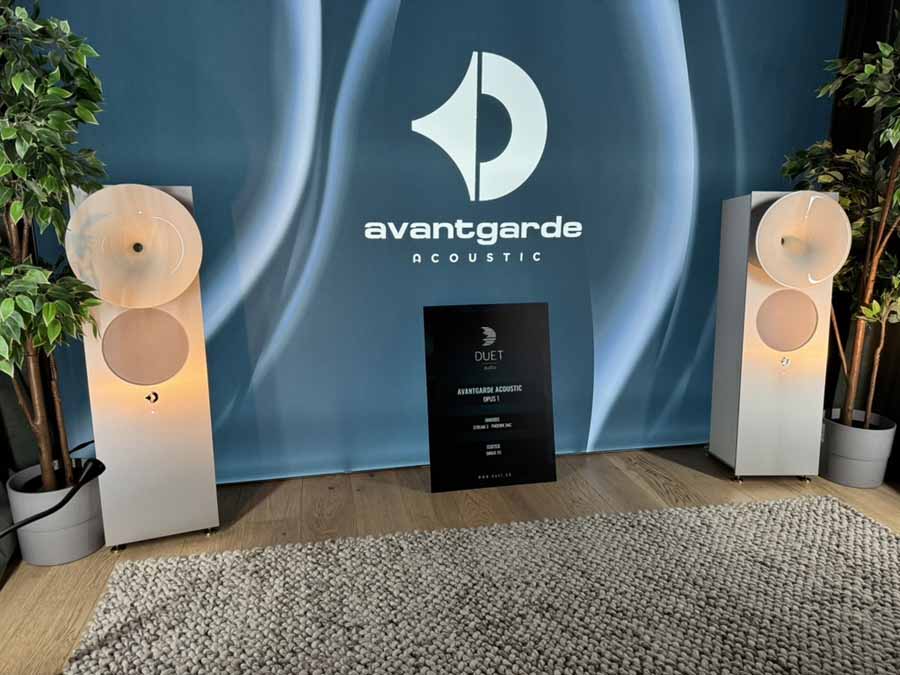
245: SOUNDGARDEN
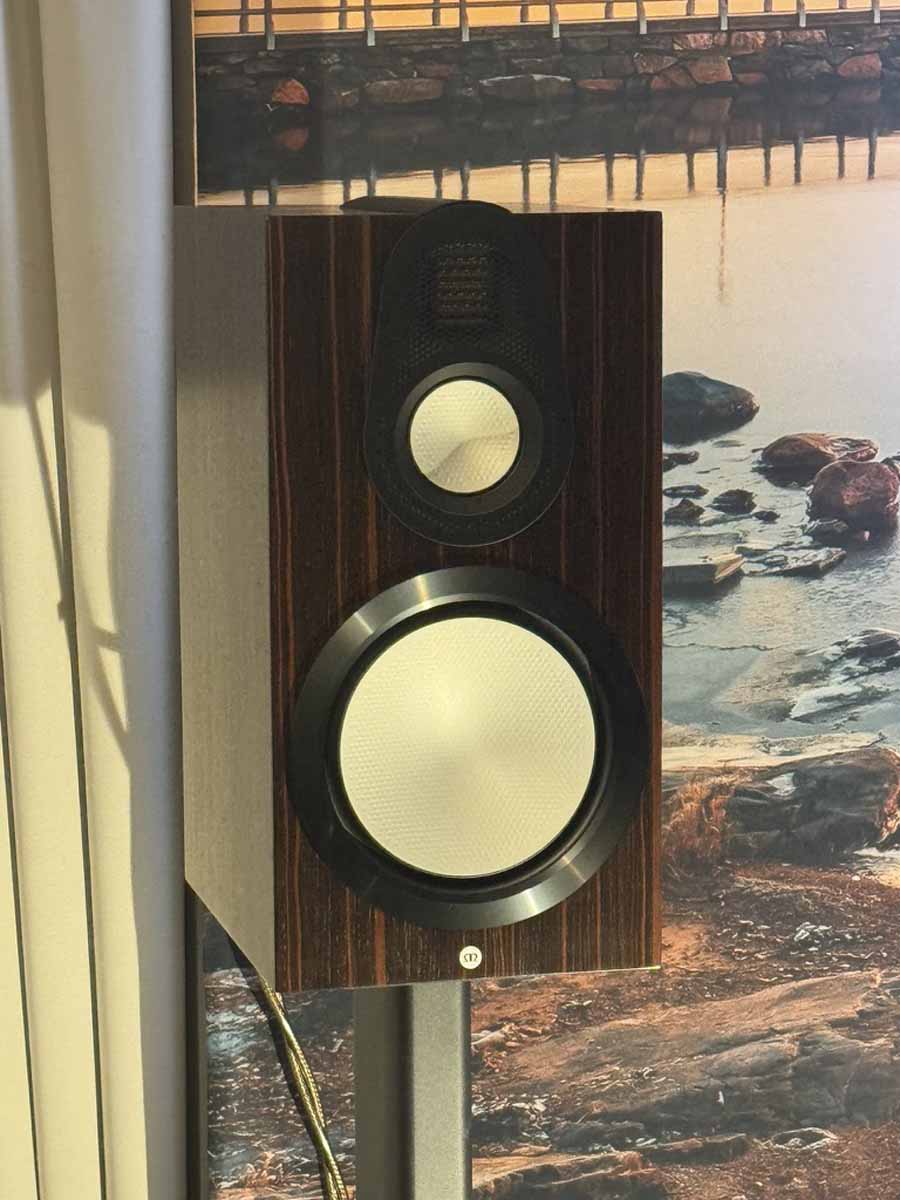
This room featured a mix of Roksan and Monitor Audio equipment, plus a Rega P8 with an ND7 cart. We had the full array of the new Caspian set, with the streamer/DAC/pre and then a pair of monoblocks. Finally, the Monitor Audio Gold 100 standmounts, alongside the Anthra 12″ subs. The standmounts are the sixth generation of the Gold, and are a 3-way construction.
This new edition of the loudspeaker is a considerable improvement over previous generations of Monitor Audio equipment I’ve heard. In earlier models, the ribbon was, in my opinion, handled poorly, and, in turn, they had some of the sharpest, ear-splitting treble I’ve ever encountered. Now, it’s a very different beast. All the detail and delicacy of a good ribbon sound, but without all that prior harshness.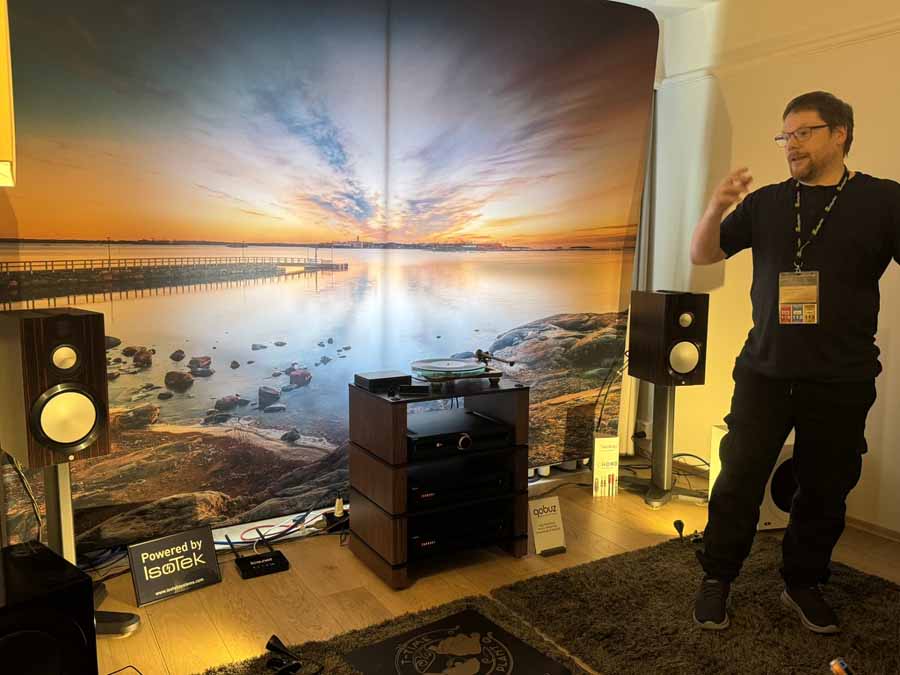
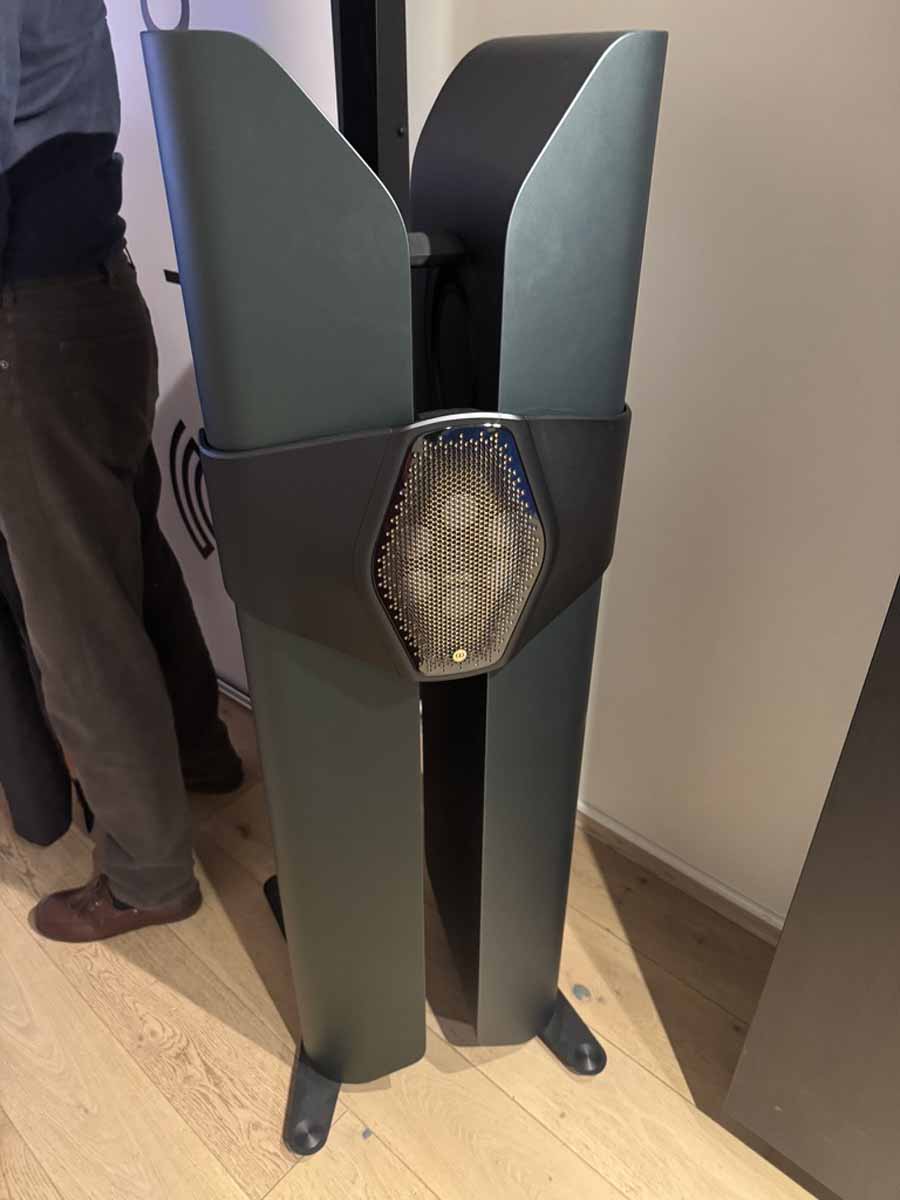
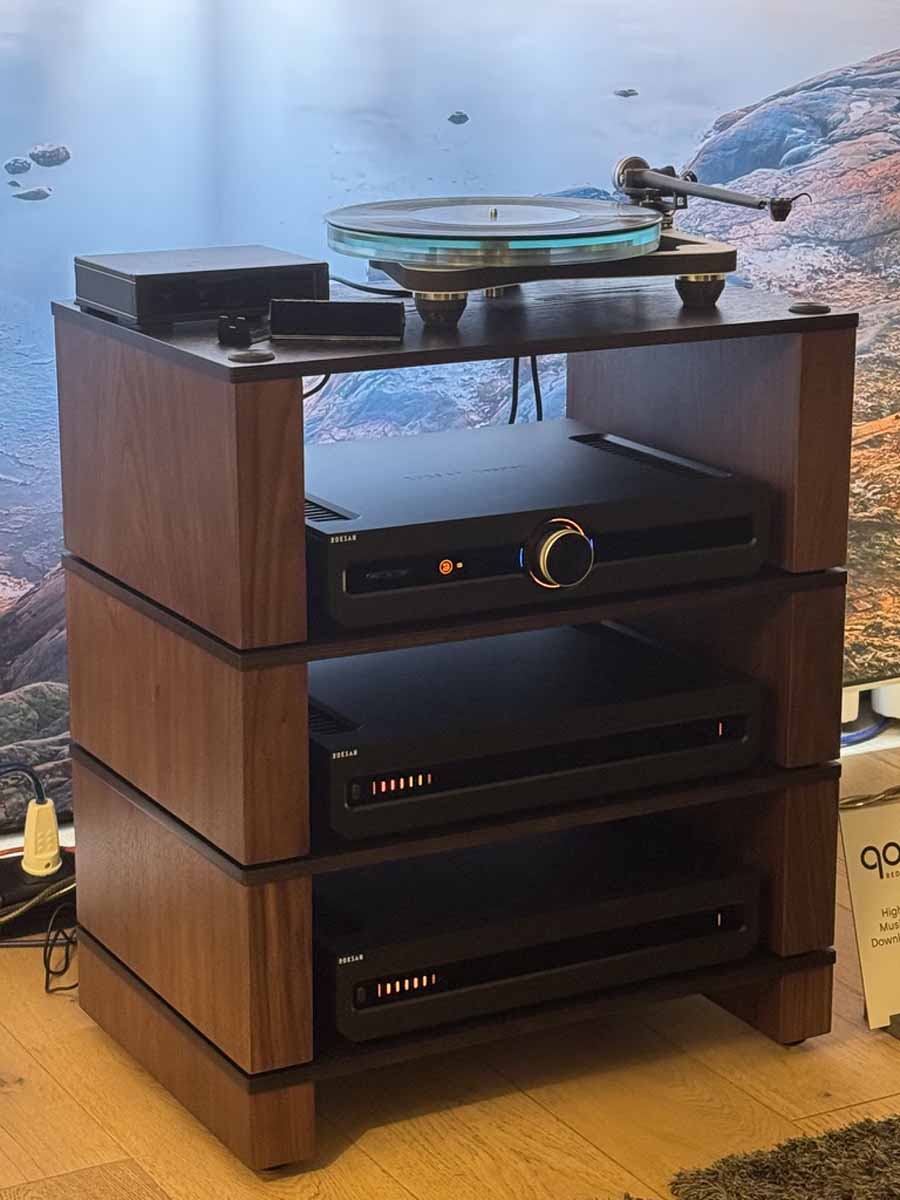
247: SOUNDGARDEN
The second Soundgarden room was showing a pair of System Audio Silverback 60.2 DS floorstanders, which are the company’s new flagship. Each side features a tweeter, and then five 6″ drivers covering midrange and bass. The sound here was really quite clean. They definitely feel treble-forward, but not in a way that I found problematic, even if it’s not something I’d seek out. The System Audio system does give you options for things like DSP (as well as multi-room configuration), so it looks like there’s quite a lot of scope to customise to personal preference.
The speakers are active and connect wirelessly to a hub that handles all the logistics of connecting to various streaming services. The interface here uses WiSA, which means you get up to 24-bit and 96 kHz, which is entirely appropriate for this level of product (and probably for things quite a lot higher up the chain).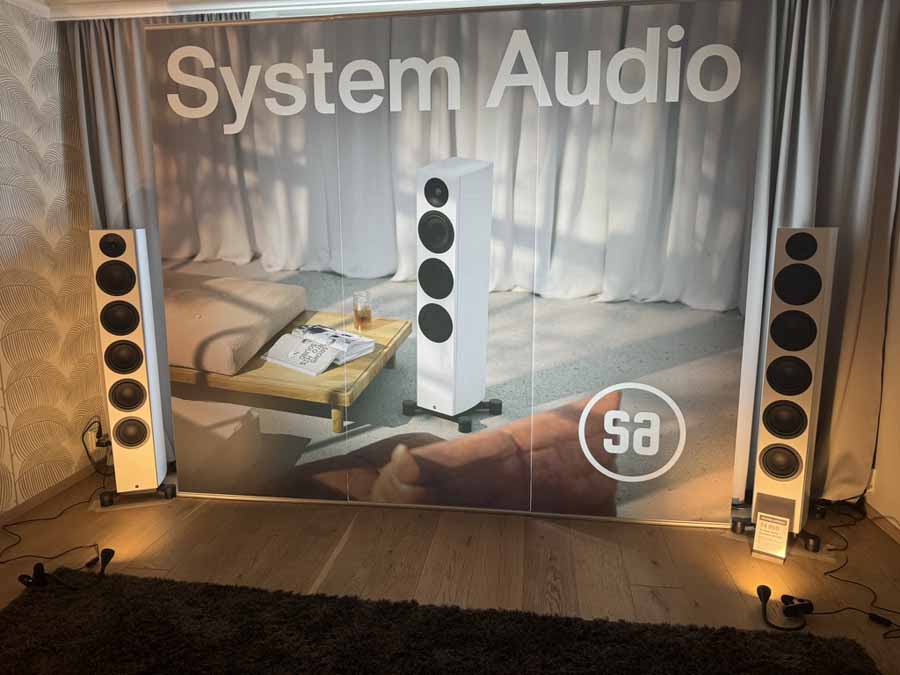
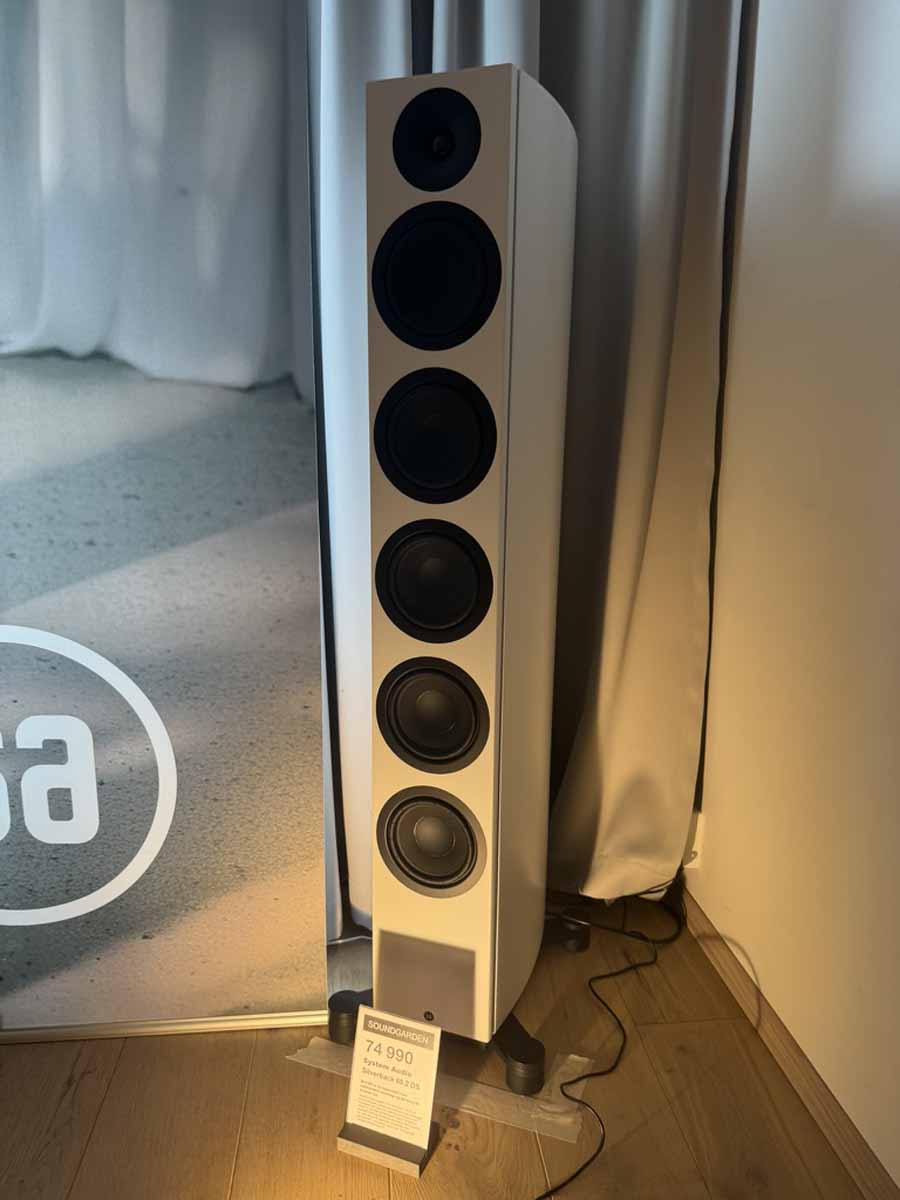
255: CONSOLIDATED AUDIO BERLIN
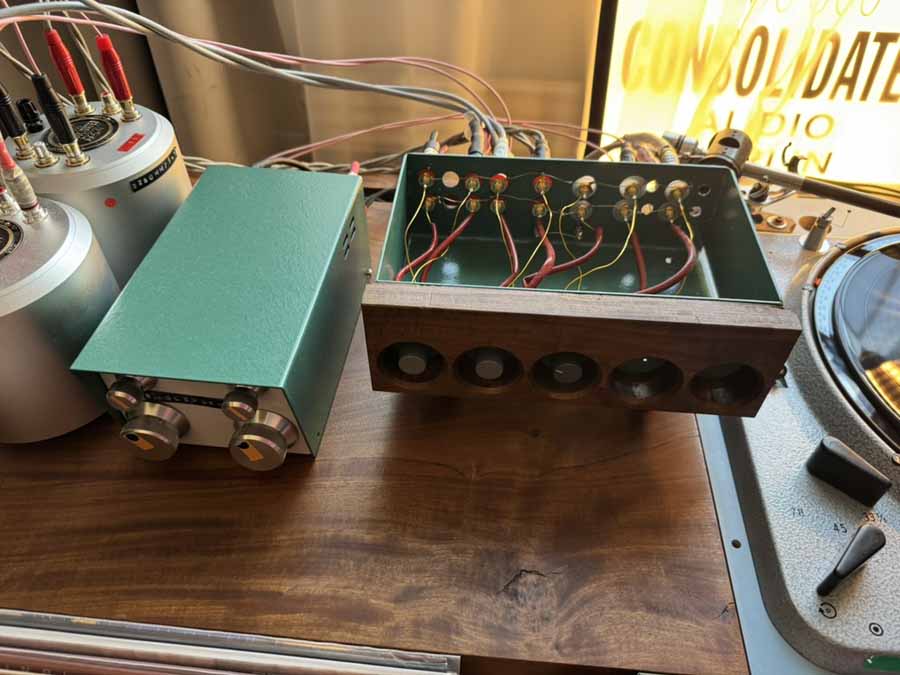
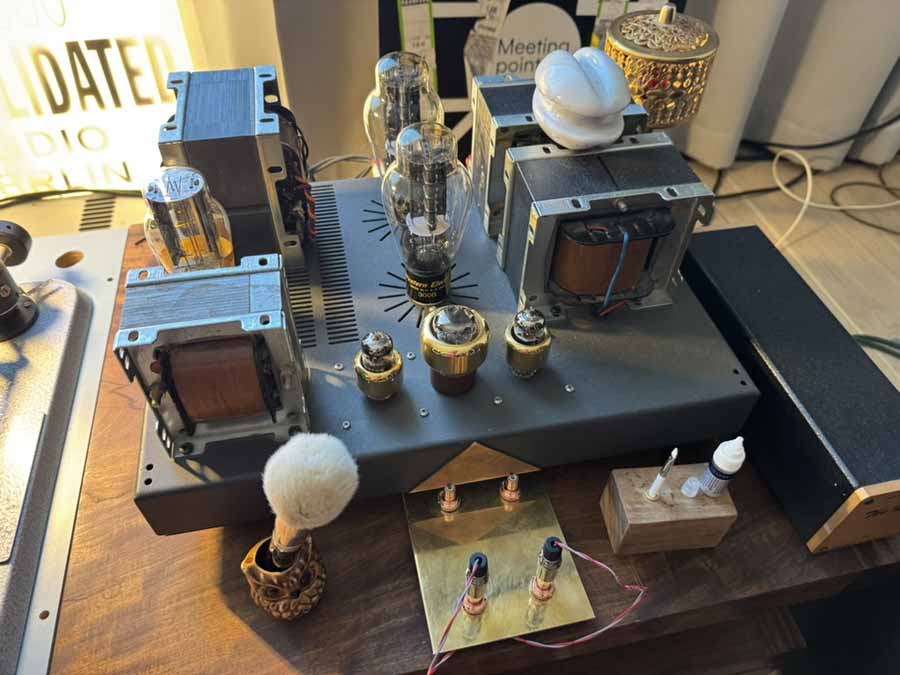
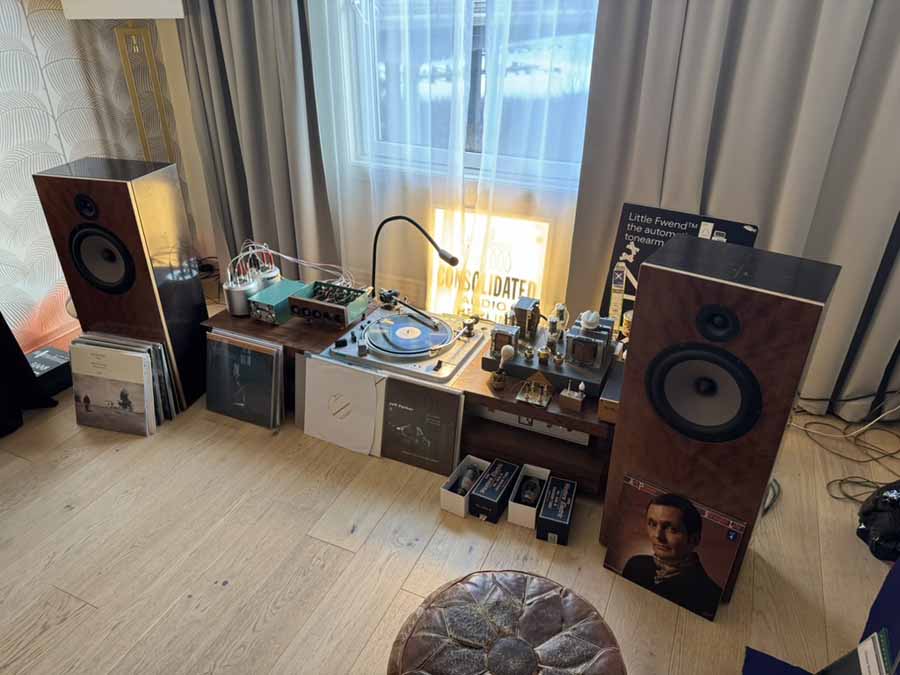
Lasse Gretland is a character who is well known to us at HiFi PiG Towers, and he’s an absolute character in general. He’s completely responsible for the Little Fwend tonearm lifter, but also the Norwegian importer of step-up transformers from Consolidated Audio in Berlin. The room here was very atypical for a HiFi show, utilising assorted vintage equipment, including a kit-based valve power amp, and various fun knick-knacks, such as a model owl that served as a holder for his vinyl brush. The speakers were from DeVore Fidelity and were natural bedfellows for the homemade valve power amp.
He had two step-up transformers on demonstration at the show, one copper (~£3720) and one silver (~£4712), both without any of the optional upgrades and customisations that Consolidated Audio offer. He’d been up until 1 am in the morning fiddling with things to get the sound how he wanted, but it had been clearly well worth the effort. All the tracks I heard had such an effortless quality to them, a proper case of the system getting out of the way and letting you just enjoy the music.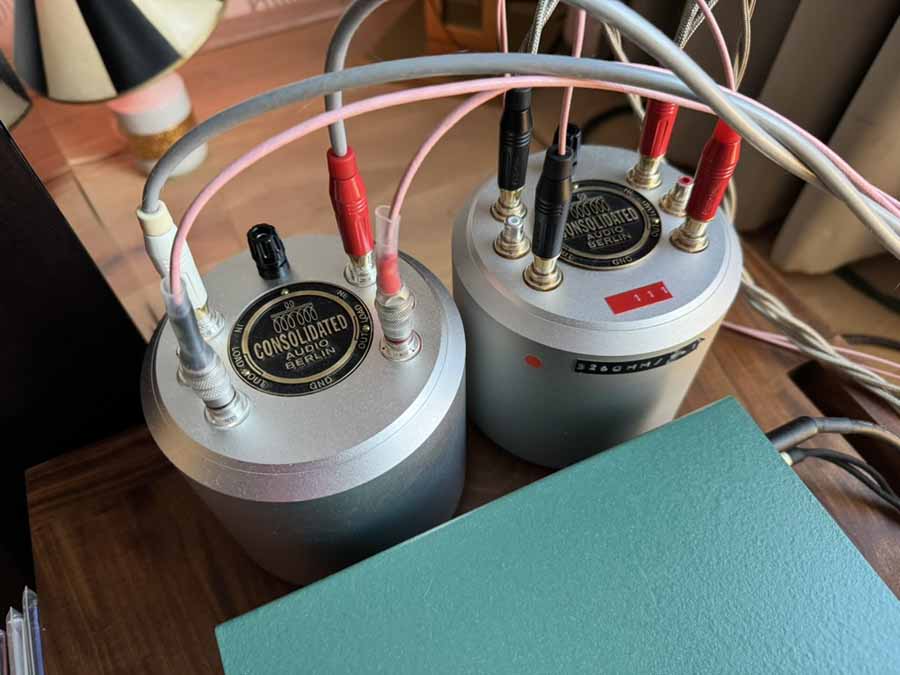
LOUNGE: HIFI KLUBBEN
I thought, when I encountered the Avantgarde room in Odder last week, that a hotel room couldn’t get any more hostile. On first inspection, the Radiant Acoustics room looked absolutely fine; it was carpeted, had little glass, and its irregular shape was ideal for breaking up standing waves. What no one had quite realised was that the roof rattled. And I mean really, really rattled, even at comparatively low volumes. A full case of the ceiling going, “Let me sing you the song of my people.” Short of sticking to string quartets and solo acoustic guitar all weekend, this was something that would be audible to everyone coming into the room.
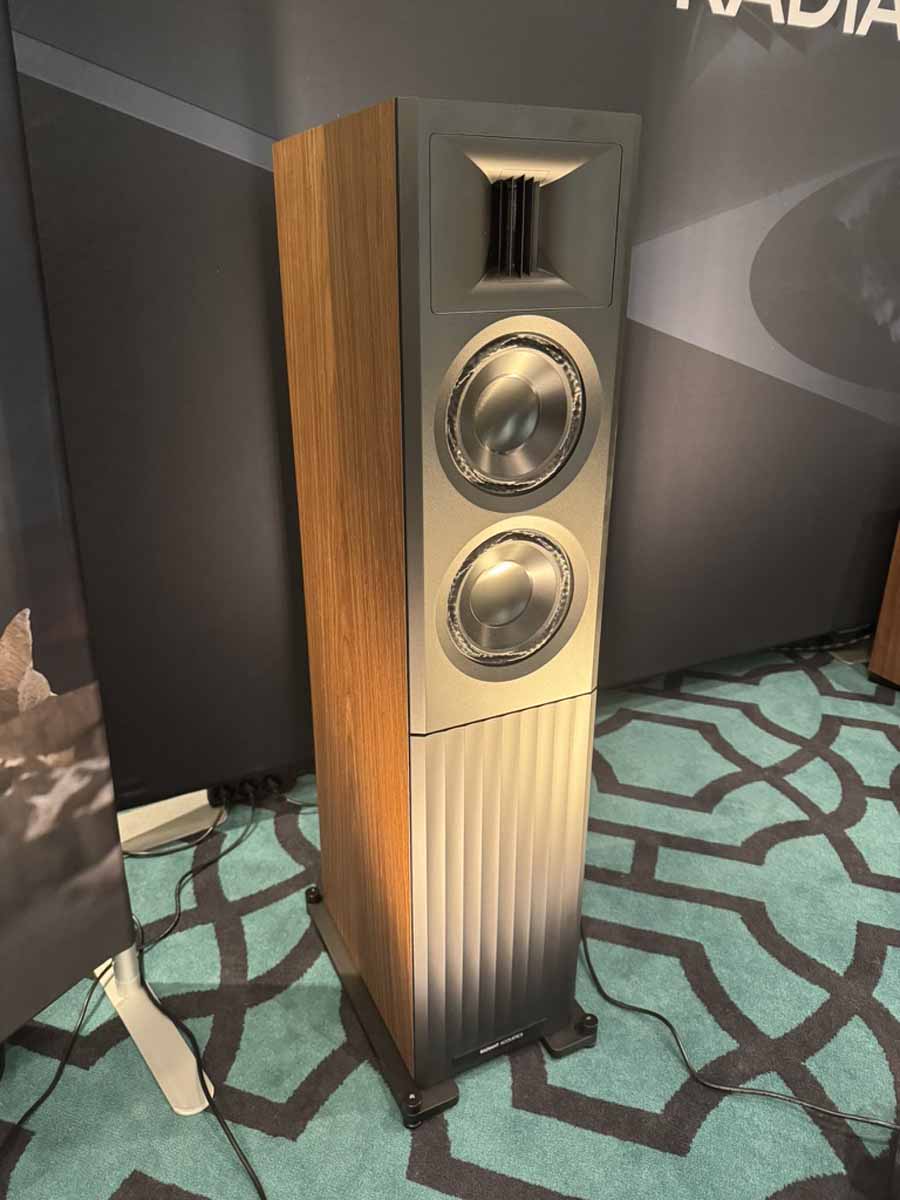
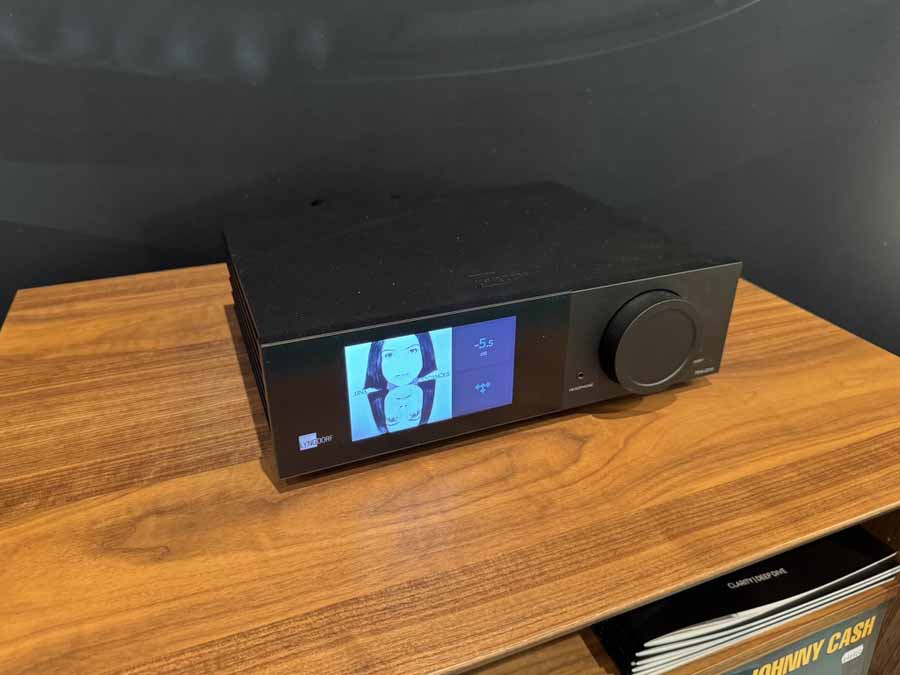
We’re here to evaluate the kit rather than the room, so I’ll focus on what I think the setup was actually doing. Another simple setup, featuring the one-box Lyngdorf 2210, and the brand new Radiant Acoustics Clarity 66 floorstanders. These are the brainchild of Lars Rispo, and utilise the Purifi that he was largely responsible for creating (along with the rest of the technical team at Purifi, of course). Unsurprisingly, given how much it’s the defining characteristic that Purifi pursues, these are very accurate, low-distortion speakers. They are also phenomenally punchy. The custom AMT tweeter uses an interesting front waveguide to aid dispersion as well and strikes exactly the right balance of detail without being overtly analytical or shrill-sounding.
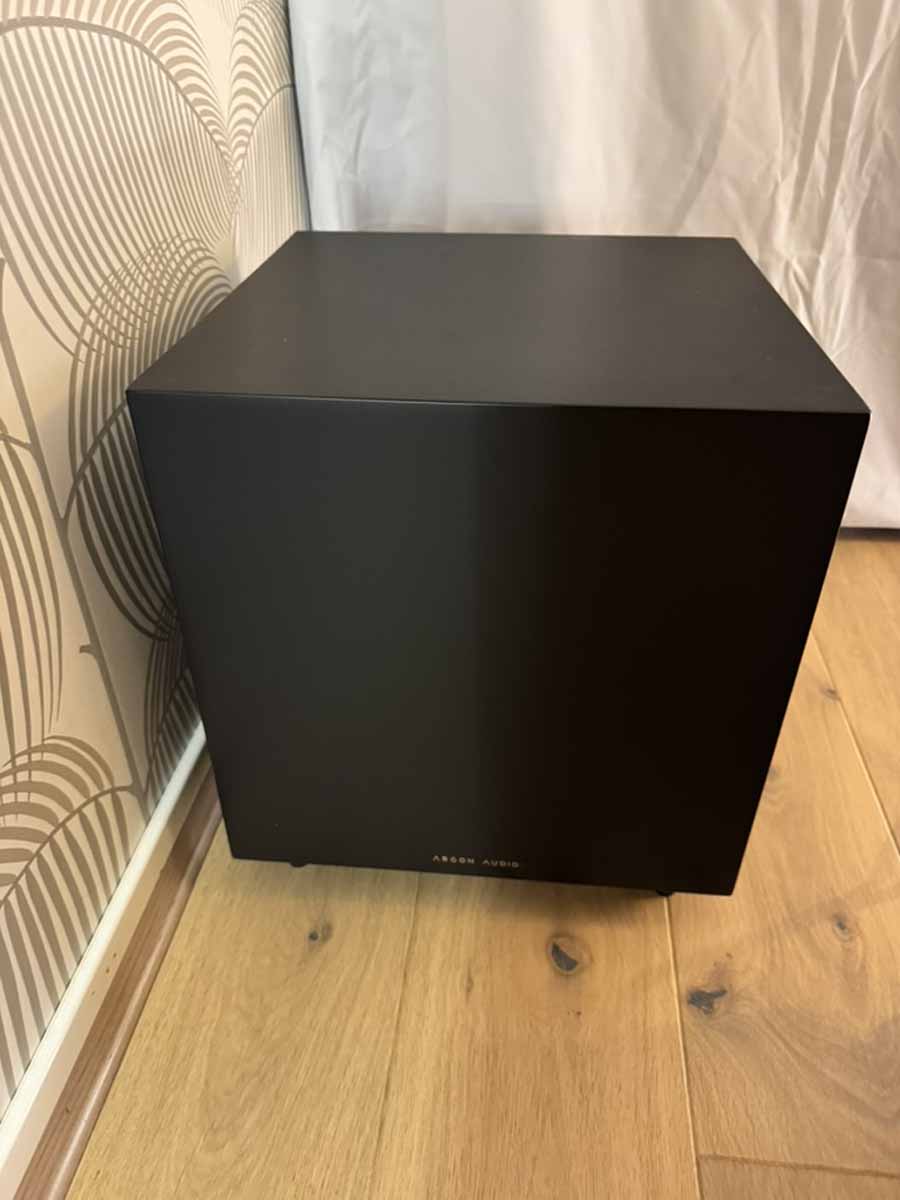
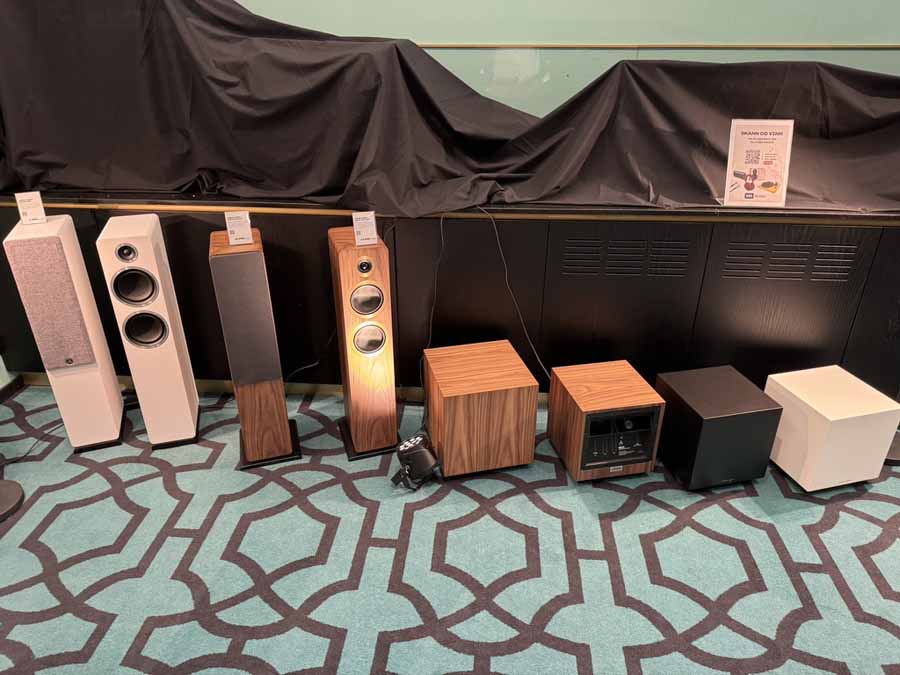
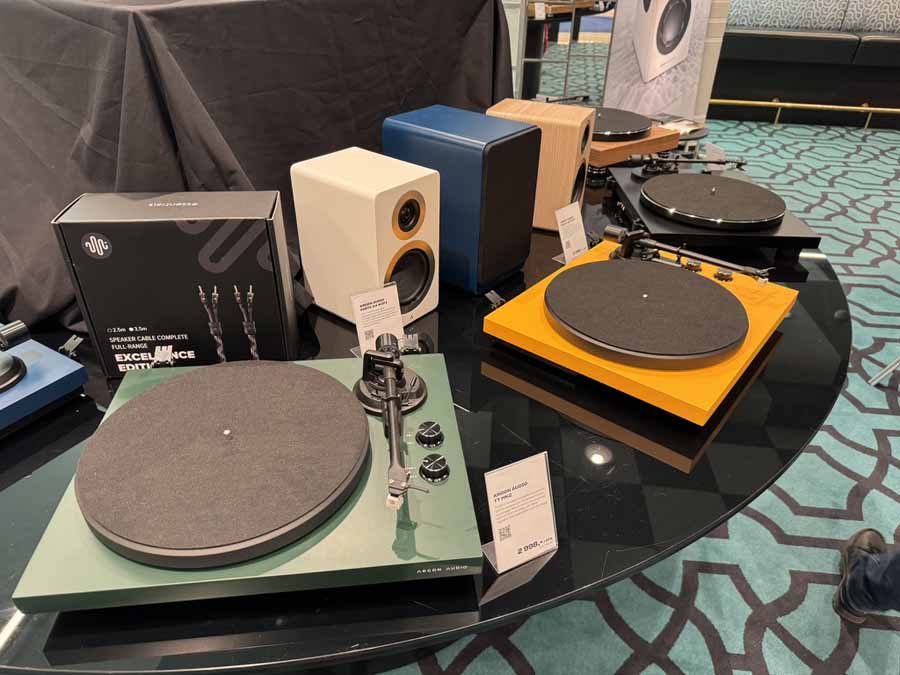
On static display were several models of Argon speakers and turntables.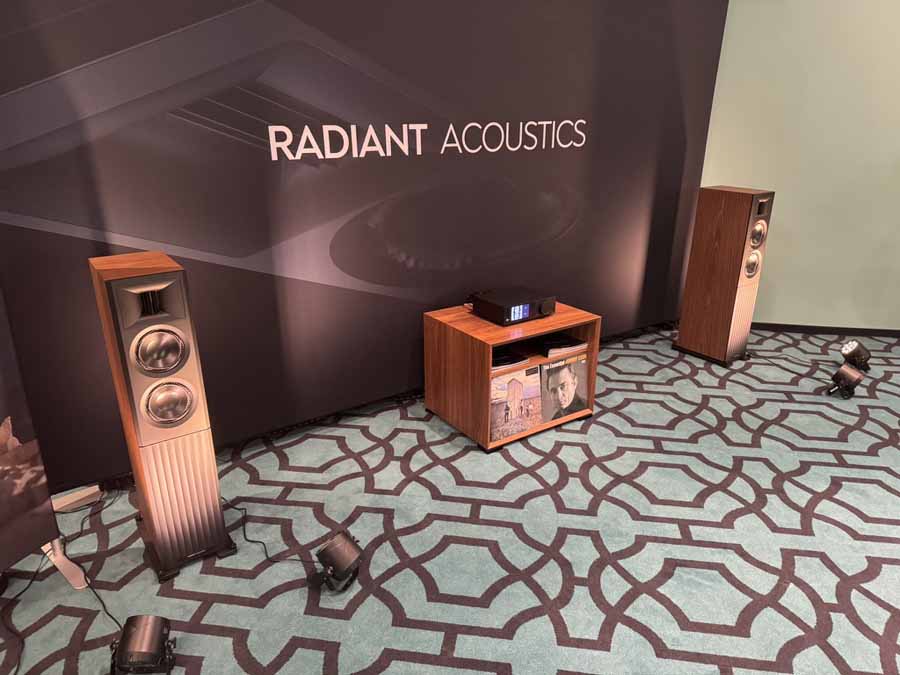
SALTHOLMEN 1: MONO
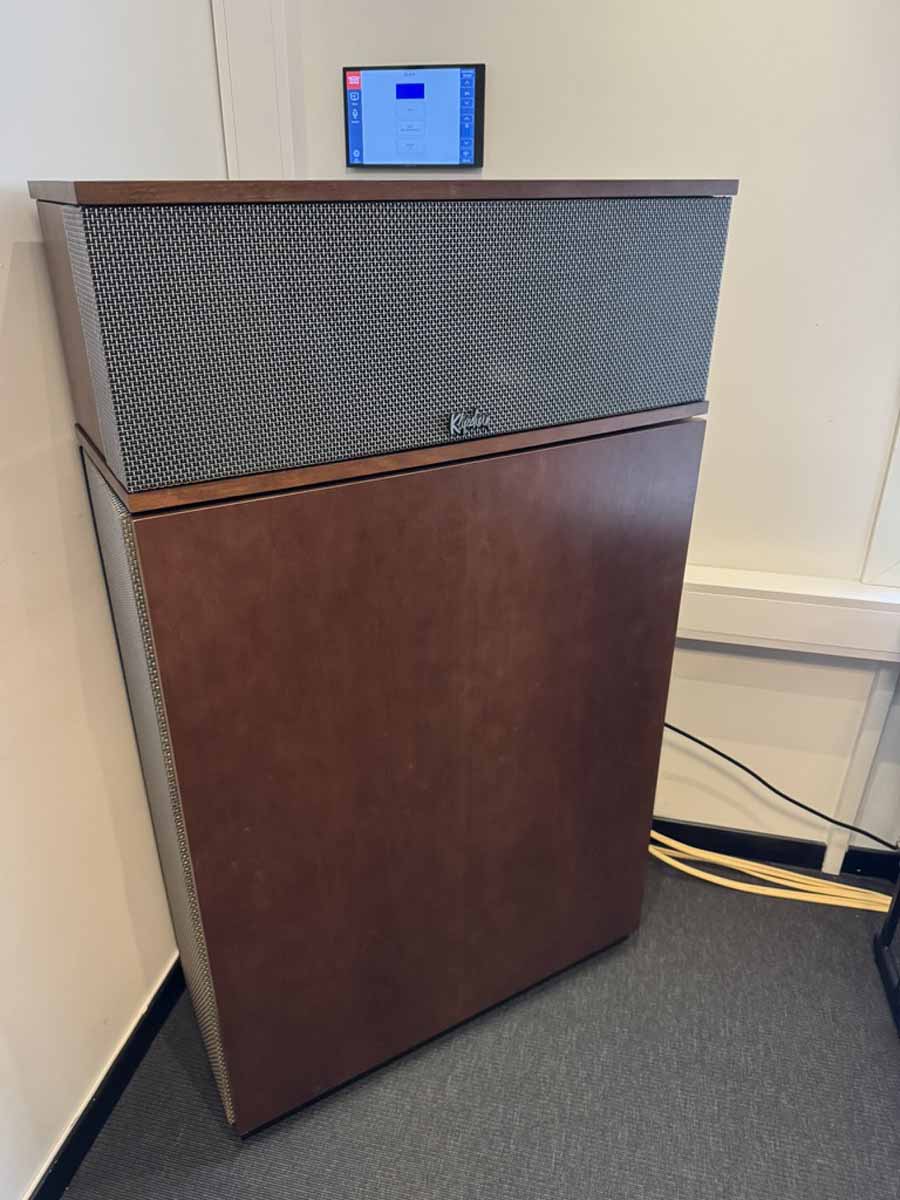
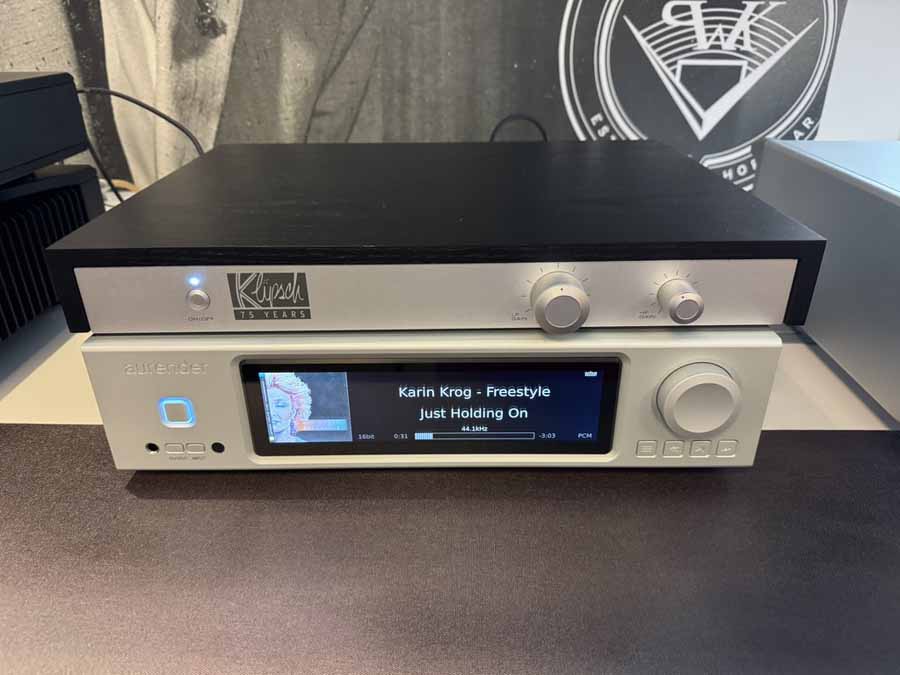
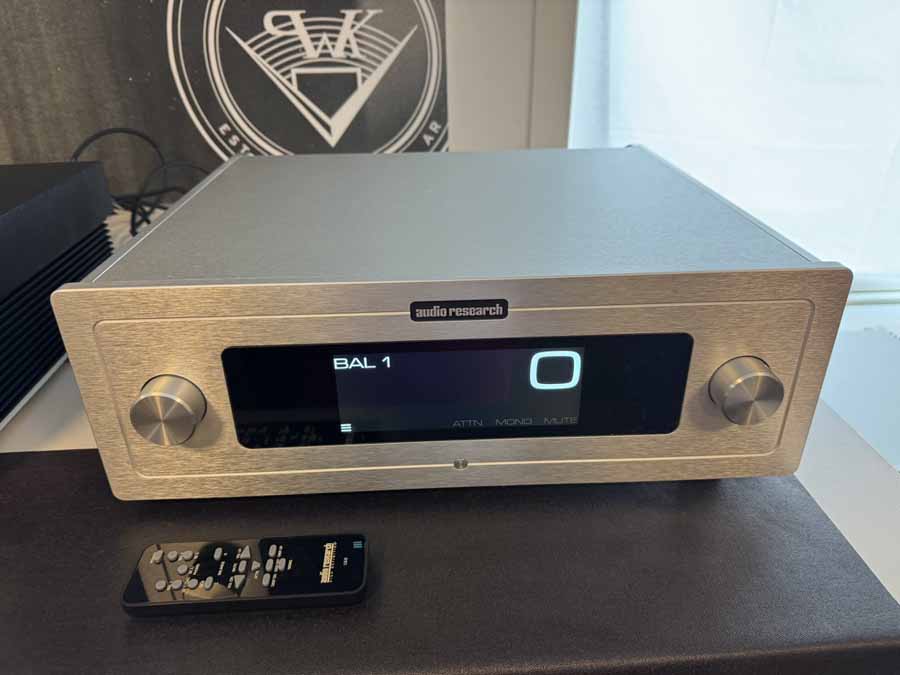
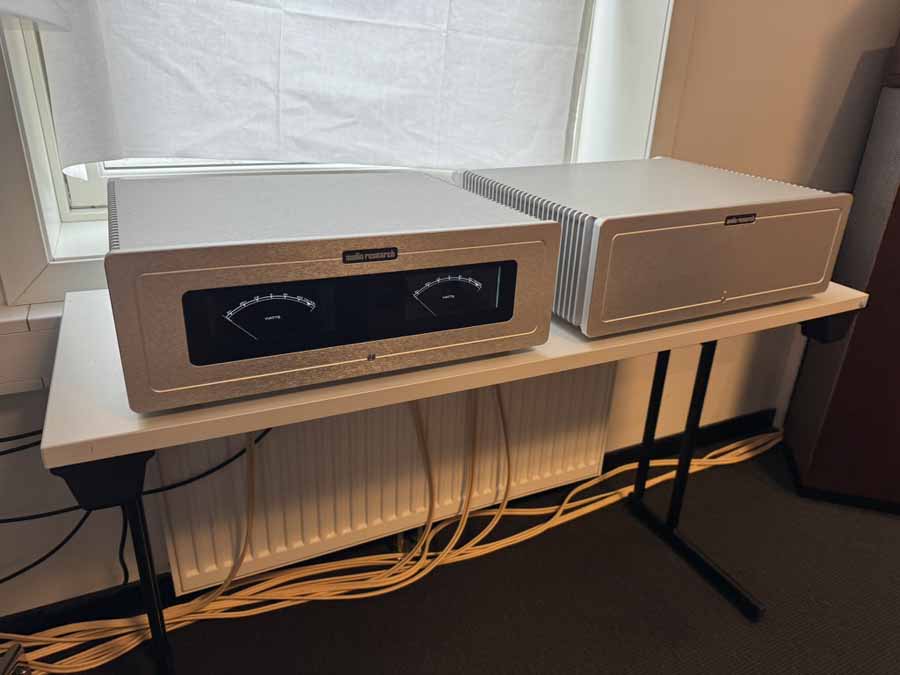
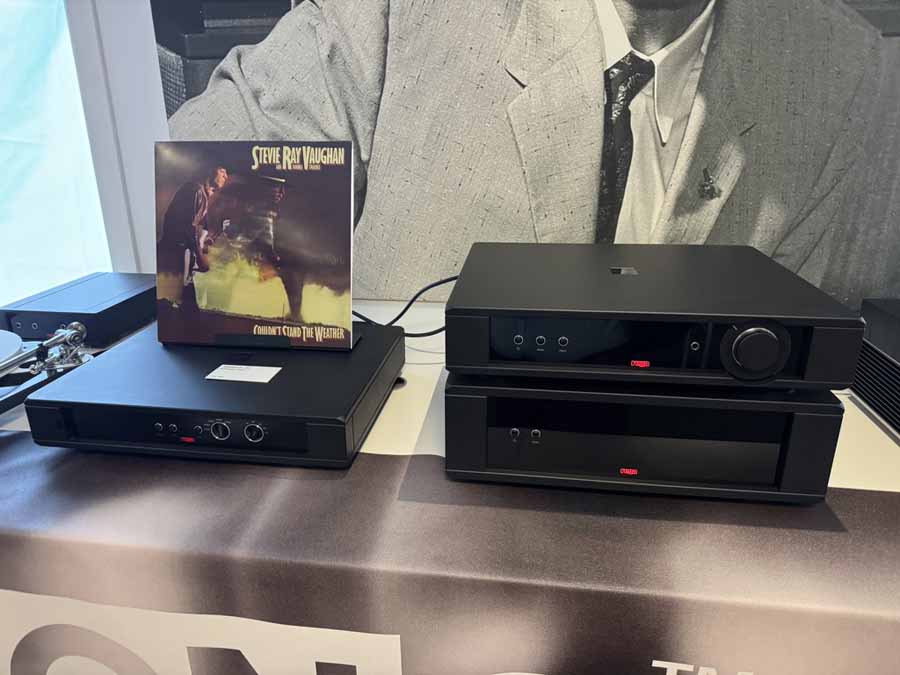
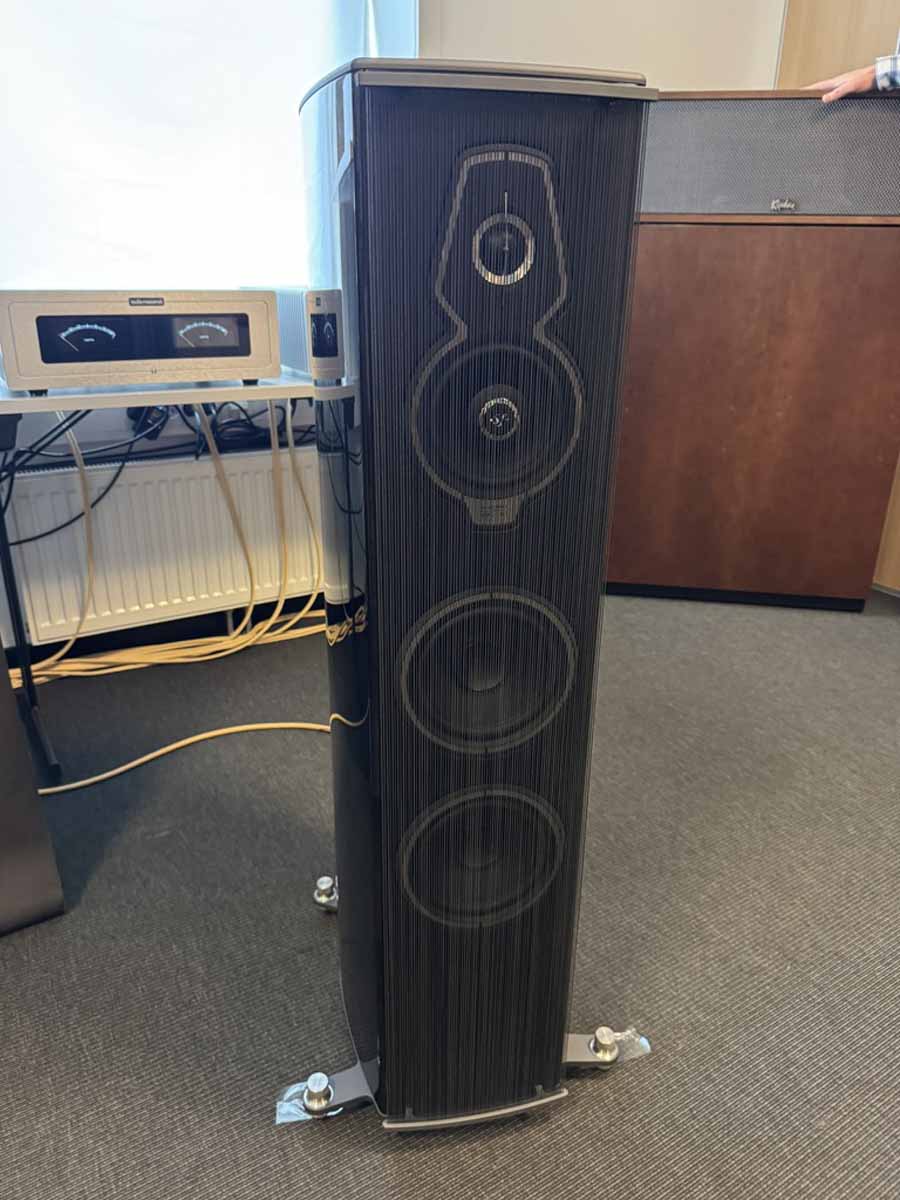
This room was set up with two full systems. The first revolved around the new Klipsch K7 loudspeakers, which are designed to sit right in the corner of the room. The source here was the Aurender S20, and the pre-amp on this system was Audio Research’s LS2. The loudspeakers come with a dedicated 3-way crossover unit (though you can run them without it), and the folks from Mono had elected for the S100 (solid-state) for the tweeters, the D80 valve amp for the mids, and the S100 solid-state for the bass horns. The second system was using (for the first time in Norway) the new Rega Solus/Mercury pre-power combo (HiFi PiG full review incoming – there’s a pair currently sat in my living room). These were driving the new Sonus Faber Serafino, the smallest floorstander in their Homage line. Vinyl was being played on the Rega Naia and using the matching Reference line Aura phono stage.
The first time I went in, the ARC/Klipsch setup was playing. I have a friend who uses some more affordable Klipsch loudspeakers for his home theatre setup, and I’ve always found them a bit too much for me. He only tends to listen in short, 20-minute-ish bursts, so he wants maximum excitement – not conducive to my preference for 8+ hours a day! That said, the number of folks on Reddit I’d seen raving about the larger Klipsch models meant I knew there was a fair chance the new Jubilee would be a completely different experience. I’m very pleased to report that they are a completely different beast; the horns have a really great, effortless sound. There’s plenty of detail as well, but even after a solid 15-minute listen to a variety of tracks, zero signs of any sense of fatigue creeping in.
The Rega/Sonus Faber was, of course, a very different (but still excellent) sounding setup. The Serafino is a 3.5-way floorstander with a sumptuous fit and finish you would always expect from Sonus Faber. The tweeters and midrange drivers are in a sealed-box section, whilst the bass drivers are mounted in a ported chamber. This whole setup produced a really tight sound, with a great sense of snap to things like snare drum sounds, which is particularly engaging.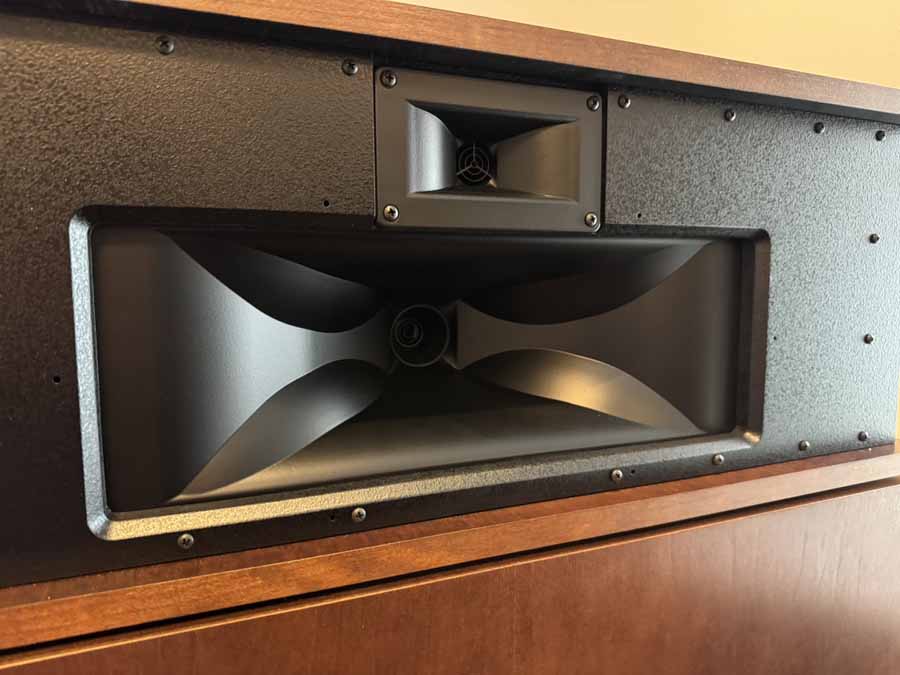
SALTHOLMEN 2: NEBY HIFI CONCEPT
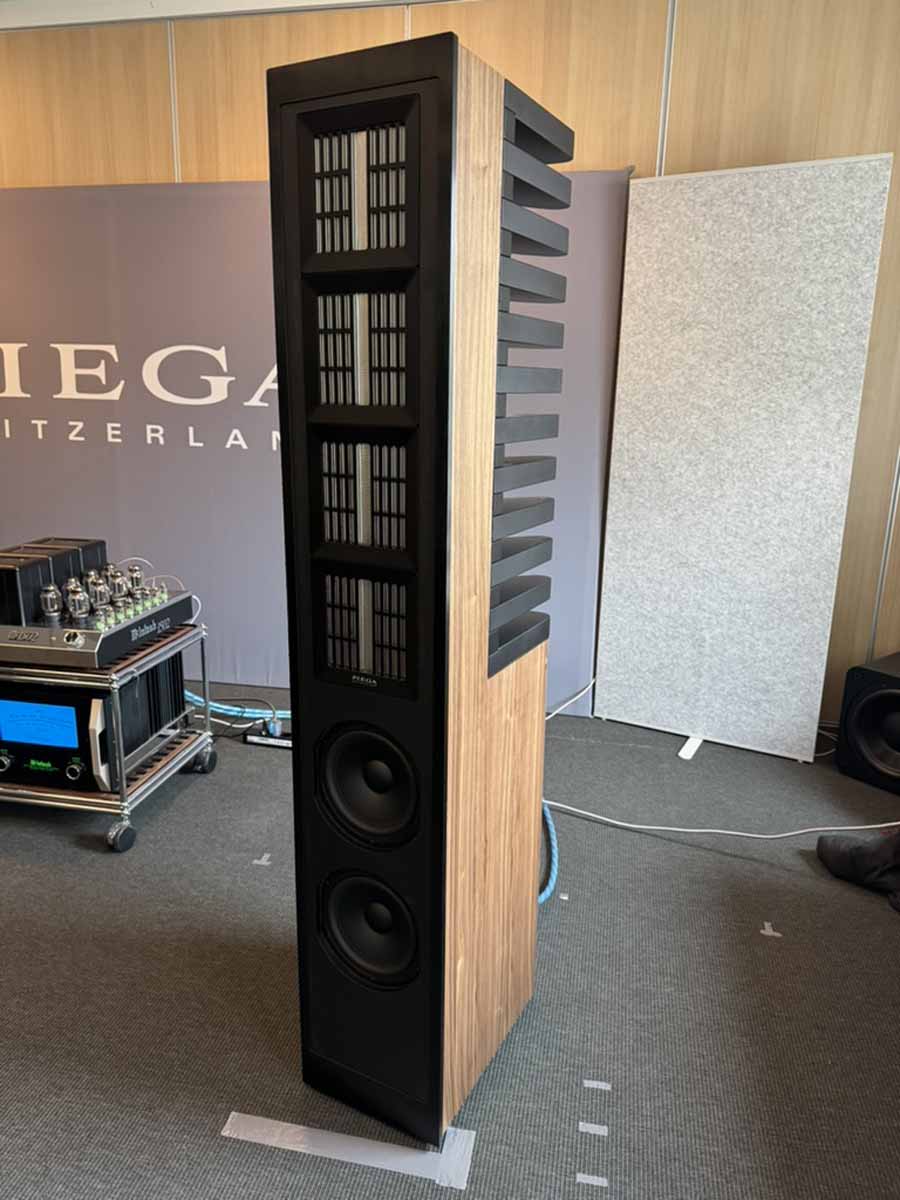
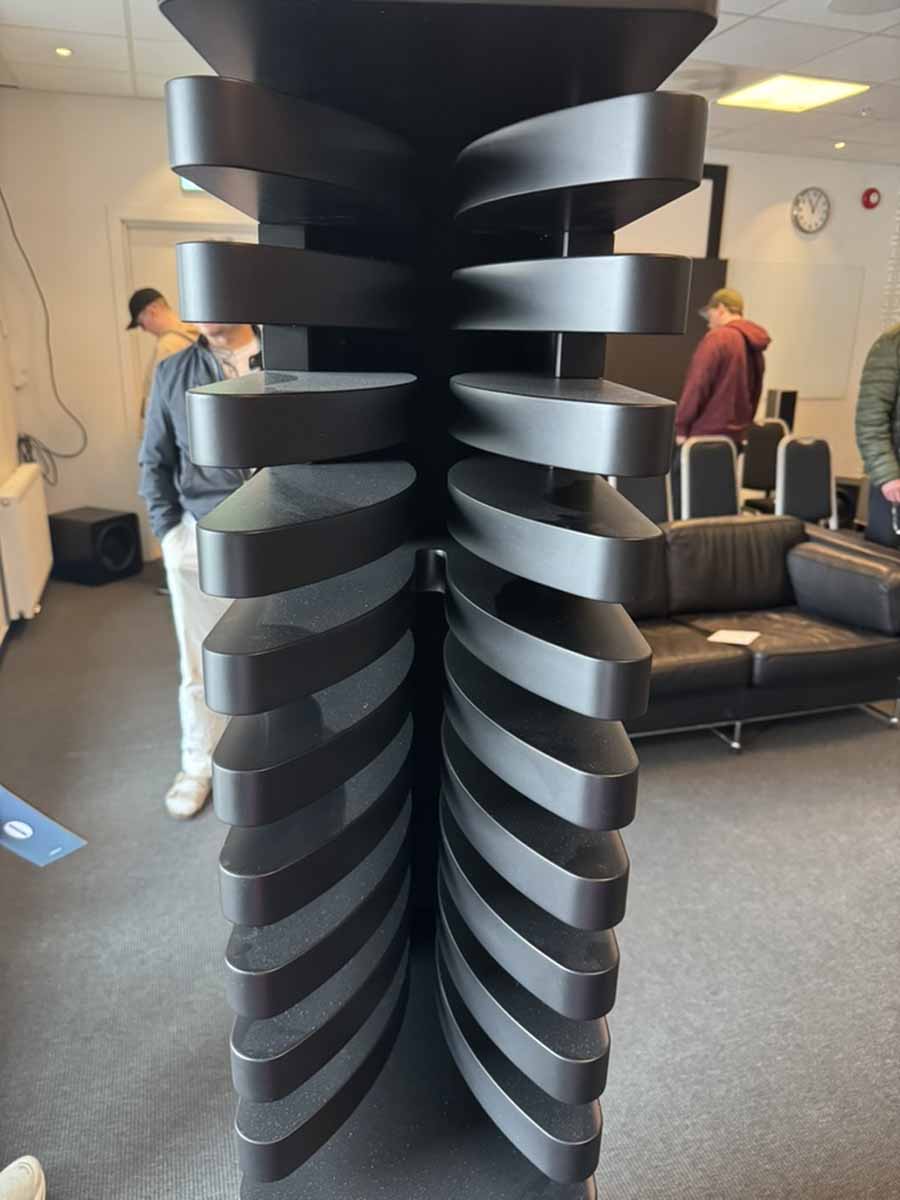
I was really excited for this room. I had my first experience with Piega loudspeakers last year when I reviewed the Piega Coax 411 standmount, and it’s so far the only thing I’ve given a Reviewer’s Choice award to. How would these vastly bigger brothers compare? Yes, they use ribbons for both mid and treble, but it’s closer to a line-array arrangement, rather than the coaxial layout of the 411, and the cabinet is completely different, with no tensioned aluminium construction.
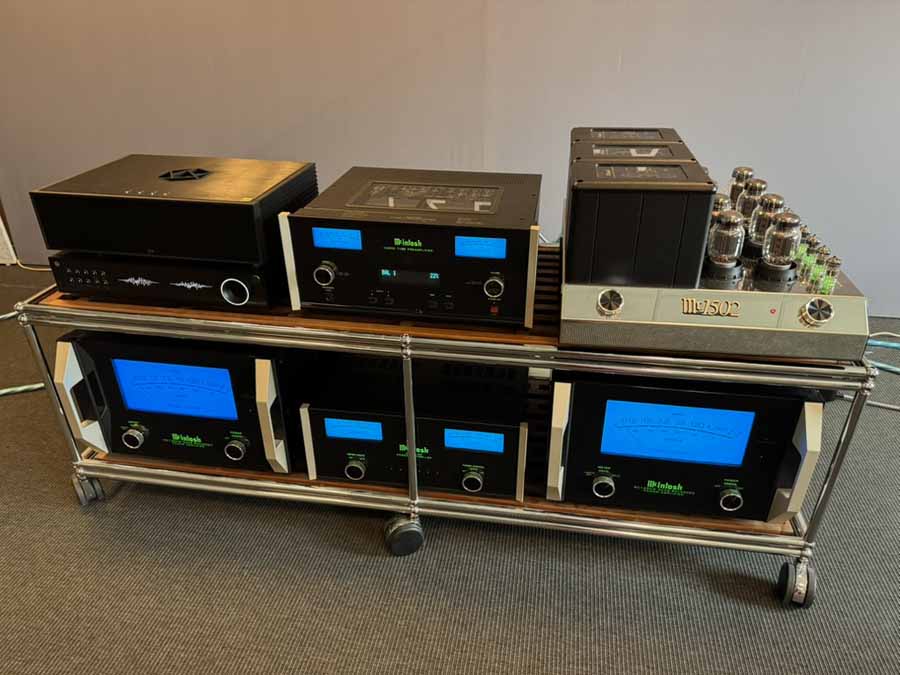
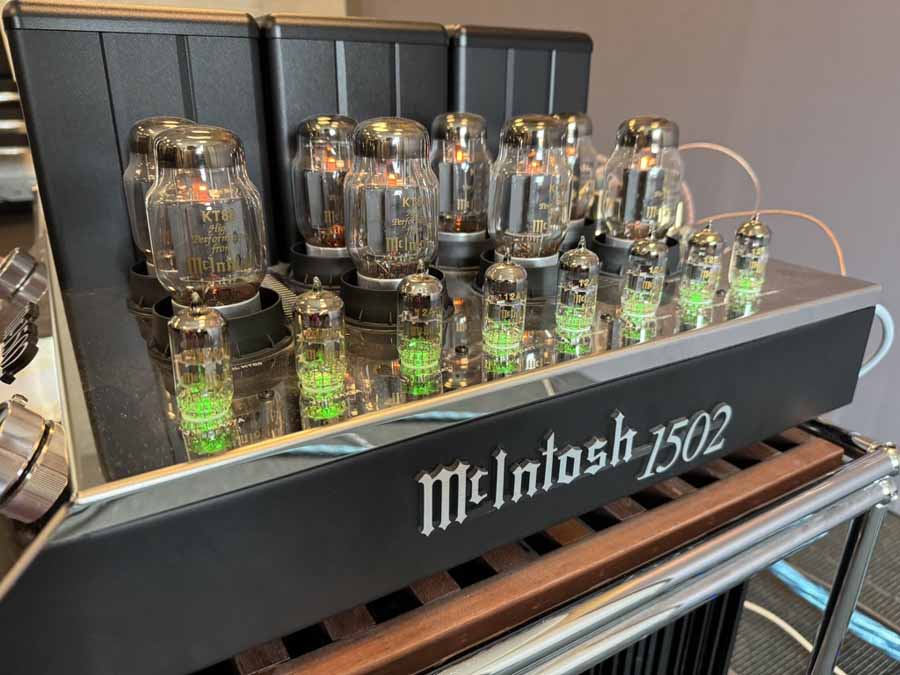
Taking the opportunity to play around with the system’s configuration, they were using the crossover option in the McIntosh pre-amp. The MC1502 was being used to drive the ribbons, and a pair of MC1.25KW monoblocks was being used to drive the bass. There was also a quartet of the SVS SB-3000 subs, used very lightly to help with the very lowest frequencies, positioned with one tucked away in each corner of the room. Streaming was provided
Marten, who runs the Audevo dealership in Bergen, was conducting the demonstrations. Within 30 seconds of the opening Nils Frahm track, it was very clear that everything I loved about the baby standmount was here, and a lot more besides. That sense of speed and immediacy is just fantastic, and despite the very differing driver technology, it integrates extremely well between the ribbons and the conventional drivers. Full credit to Marten; he was also happy to take my request to hear one of my all-time favourite tracks: the unplugged version of “No Excuses” by Alice in Chains. Whilst it’s a pretty good recording, it’s definitely not the last word in audio purity, so it will always feel like a slightly risky choice for a demonstration. I have to say, I thought it sounded absolutely fantastic, really emphasising all that crispness and clarity I wanted from those banks of ribbons.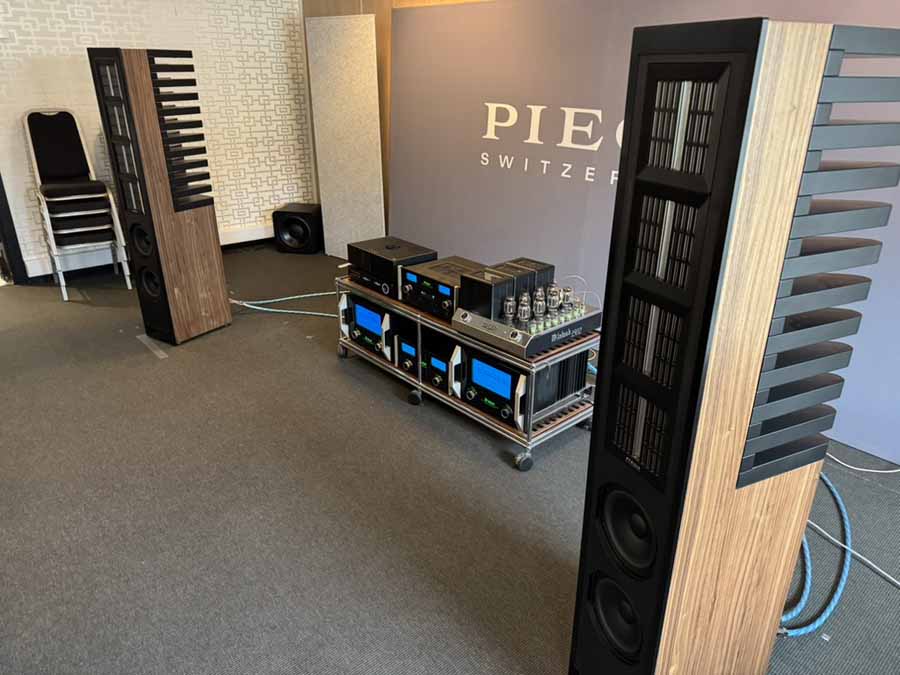
SAL A: AUDIOCENTERET
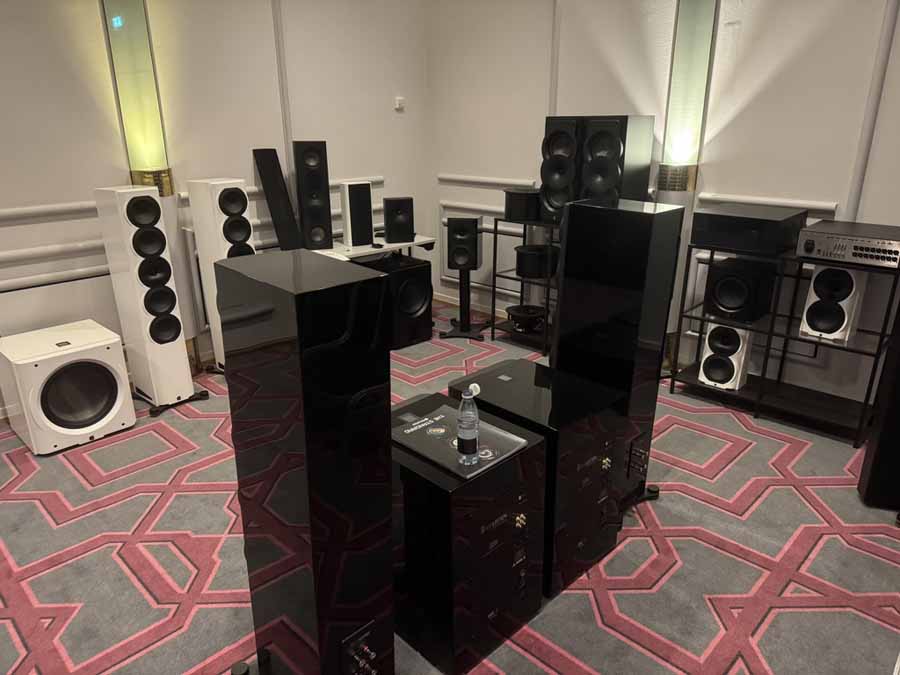
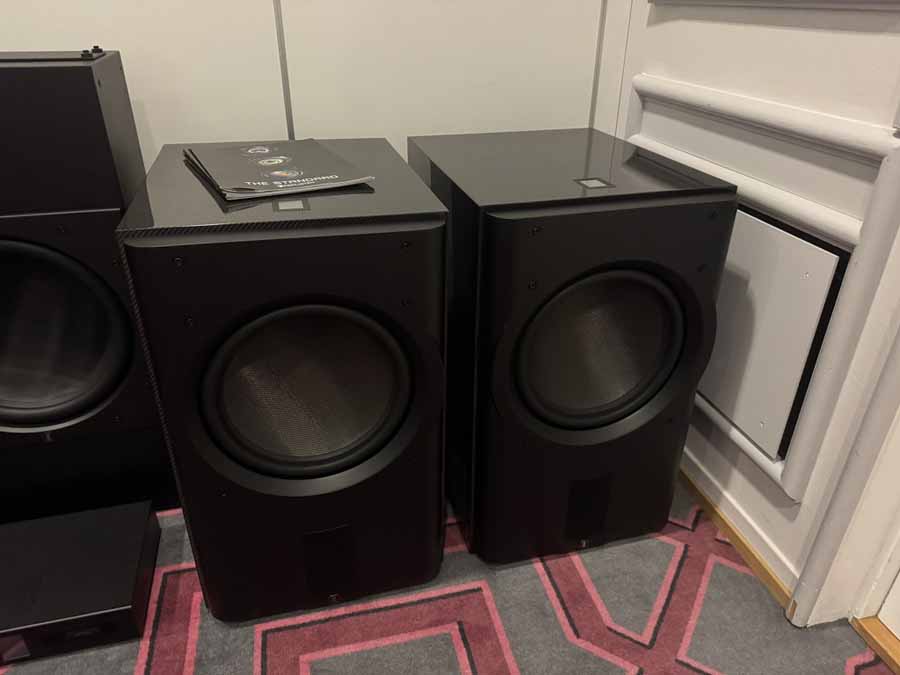
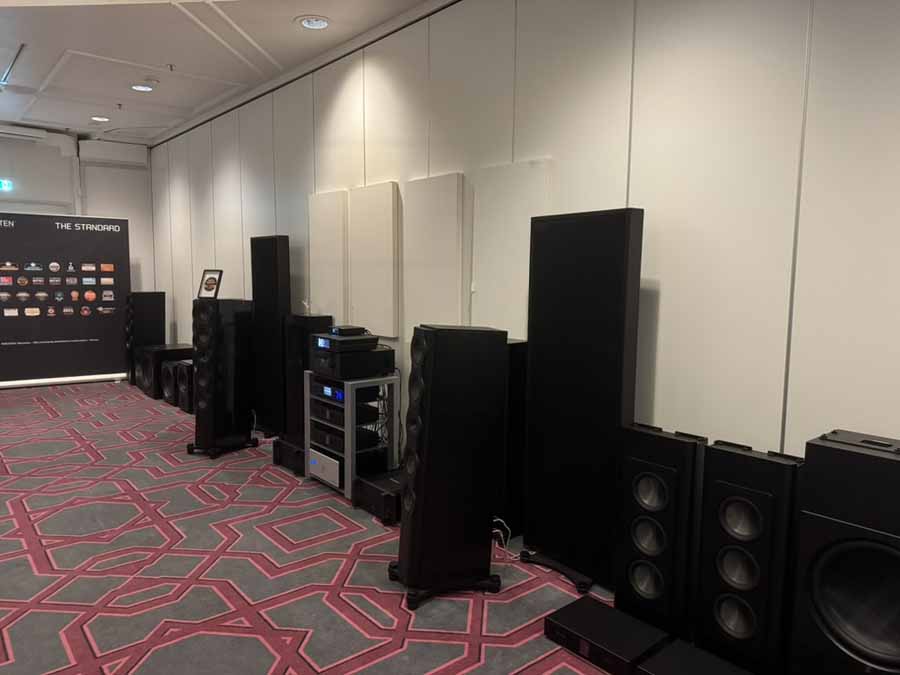
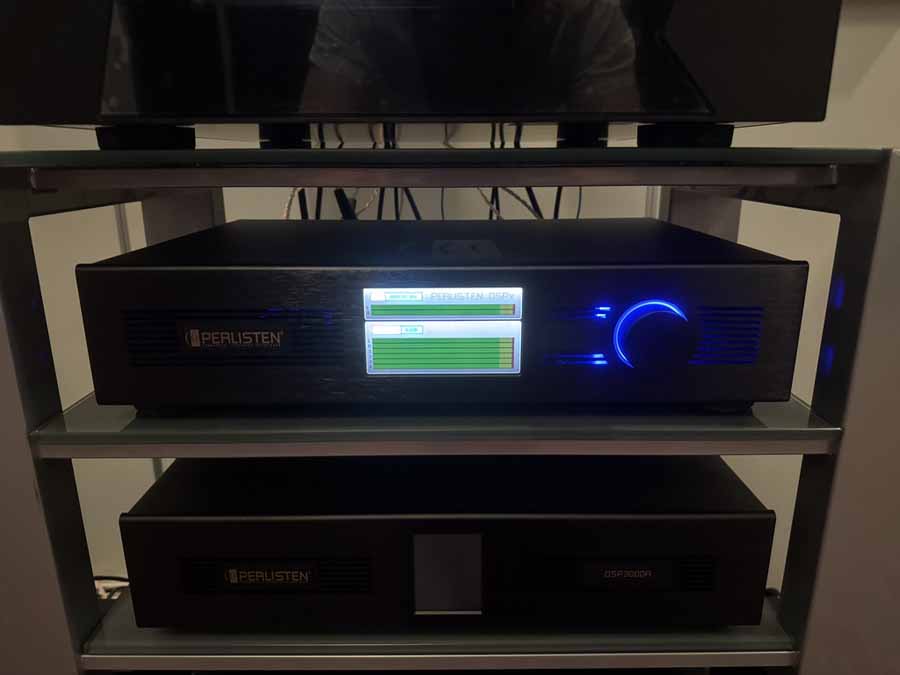
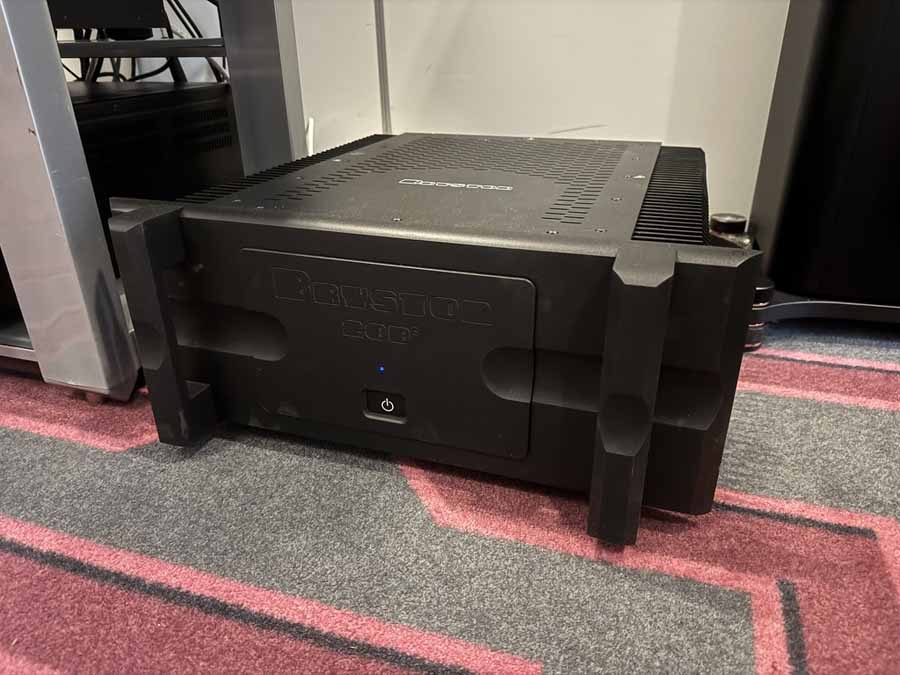
AudioCenteret seemed to have brought every single different Perlisten loudspeaker for static demo, including some truly gargantuan subs. This isn’t actually true because Perlisten produces a Biblical array of loudspeakers, so there is something perfectly tailored to every situation, but it there were more units there than most companies have in their entire speaker lineups. There’s some really quite interesting variation across the lineups, for example with some of the subs having a roughly cube form factor, but others that were really quite low profile boxes (or at least as low profile as you can make something with a 15″ driver). Similarly, there’s a mix of what I might call “lightly” horned tweeters, where the degree of wave guide is built into the cabinet, alongside models with a considerably larger, protruding horn structure.
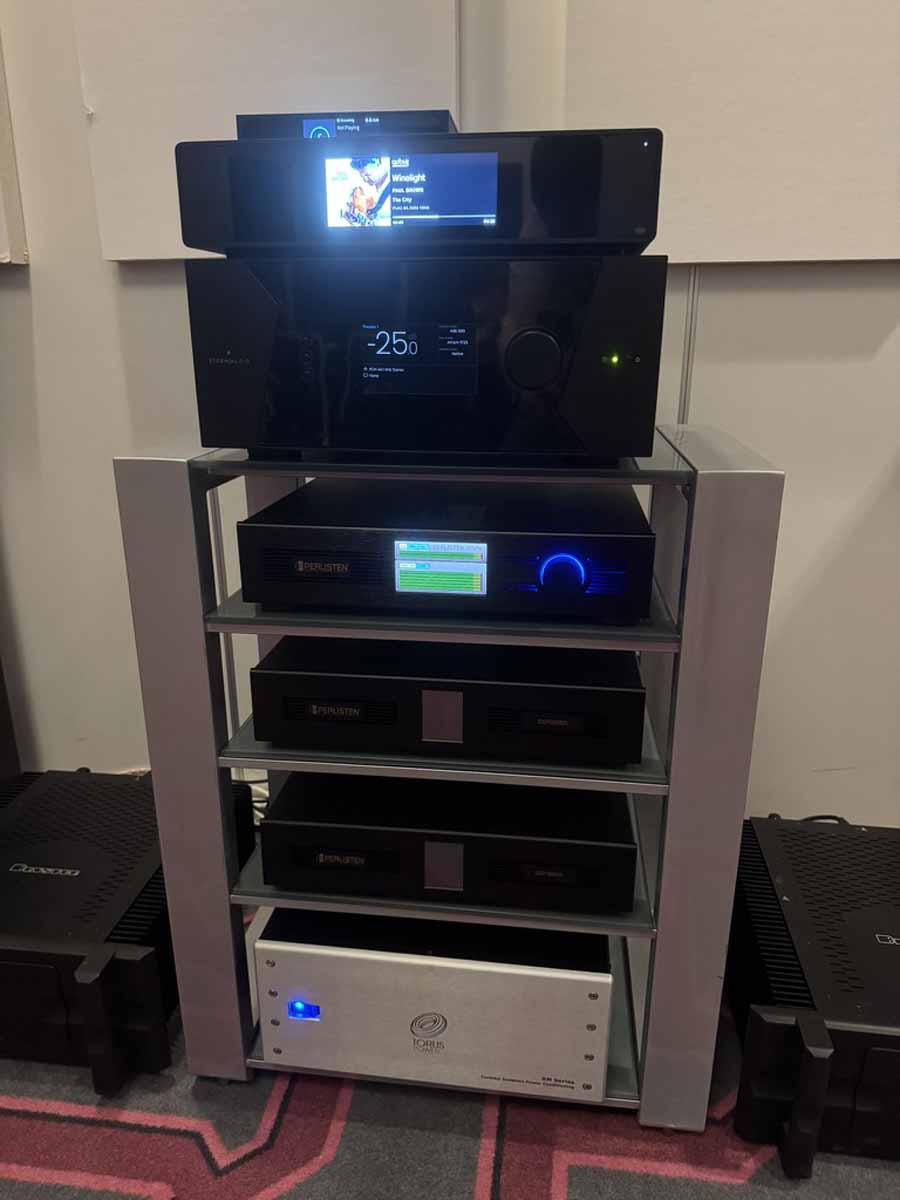
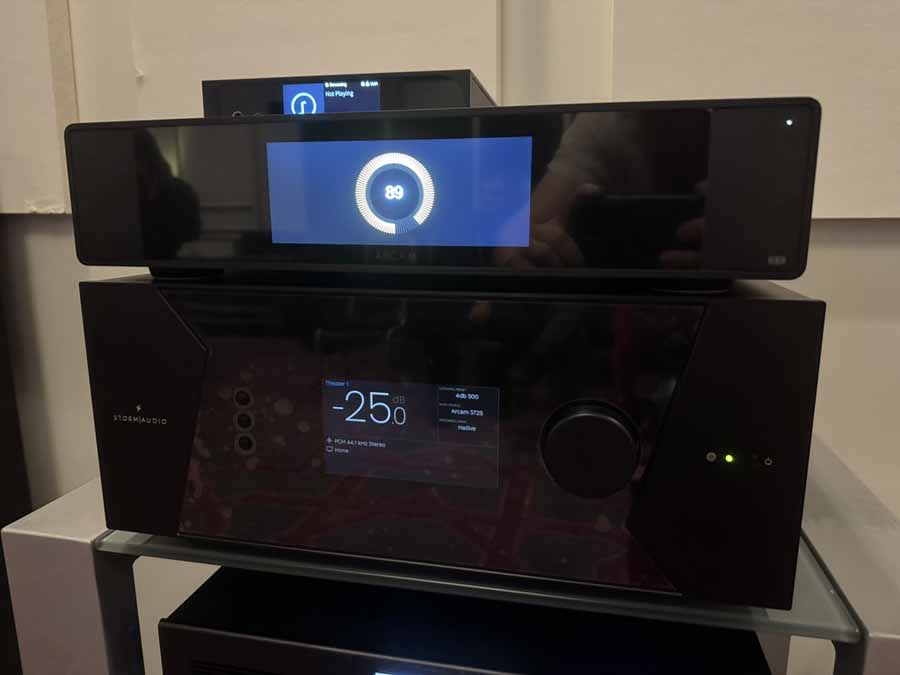
The actual loudspeakers in use were the Perlisten S7t Black Edition, alongside a pair of the D8 “low profile” subs. The D8 features a full 8×8″ drivers per side, configured in a push-pull force-cancelling configuration. Partnering all this was the Arcam SD25 streamer, which fed the Storm Audio preamp and the Bryston 28B3 (cubed) monoblocks.
Chatting with Walt Zerbe, Perlisten’s Director of Global Sales, he was particularly focused on the fact that there are almost no shared components between any two Perlisten speakers, as they optimise everything for each speaker’s specific requirements. Even two floor standers of different sizes in the same range won’t share identical tweeters. The proof of the loudspeaker is in the listening (or something like that), and the setup here was sounding very tidy indeed. I think, given their significant prioritisation of AV setups, I was sort of expecting something perhaps a bit brash, or with lots of punch and lacking in refinement. Guess what? Humble pie time for me. The bass with that setup runs very low, and with a great deal of heft, but it was the real delicacy of the treble that really proved me wrong.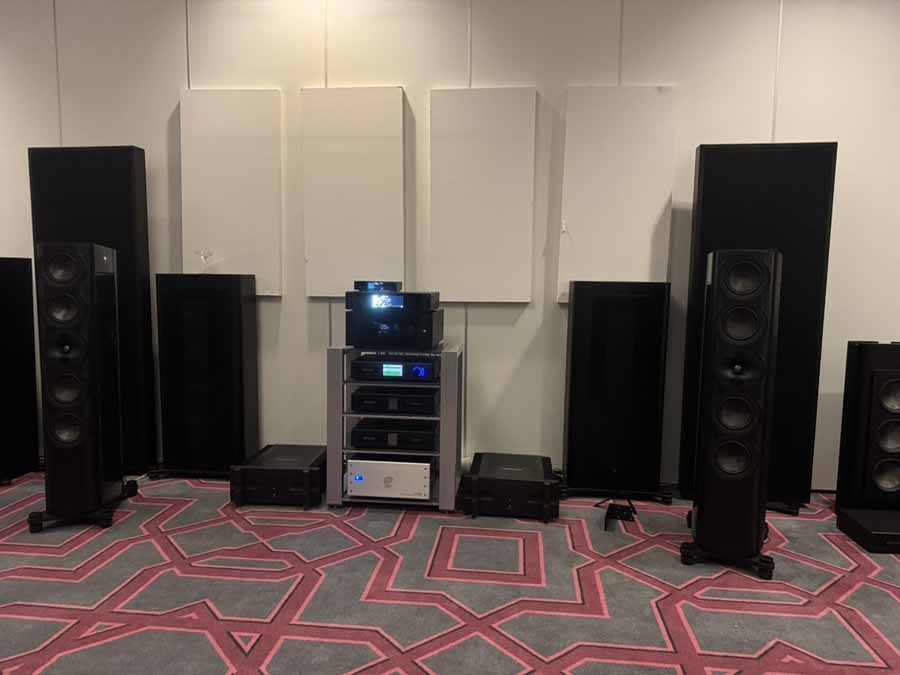
SAL B: DYNAUDIO / SIMAUDIO (MOON)
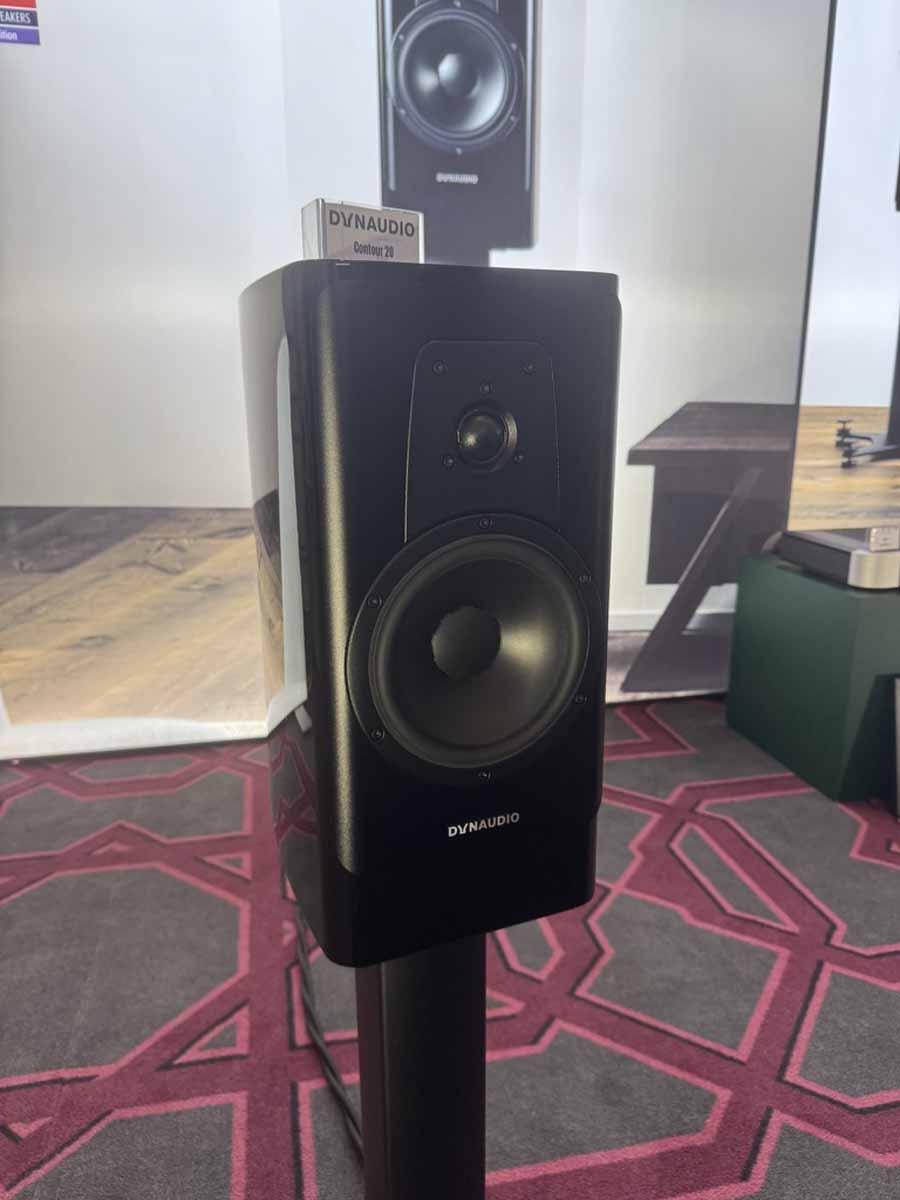
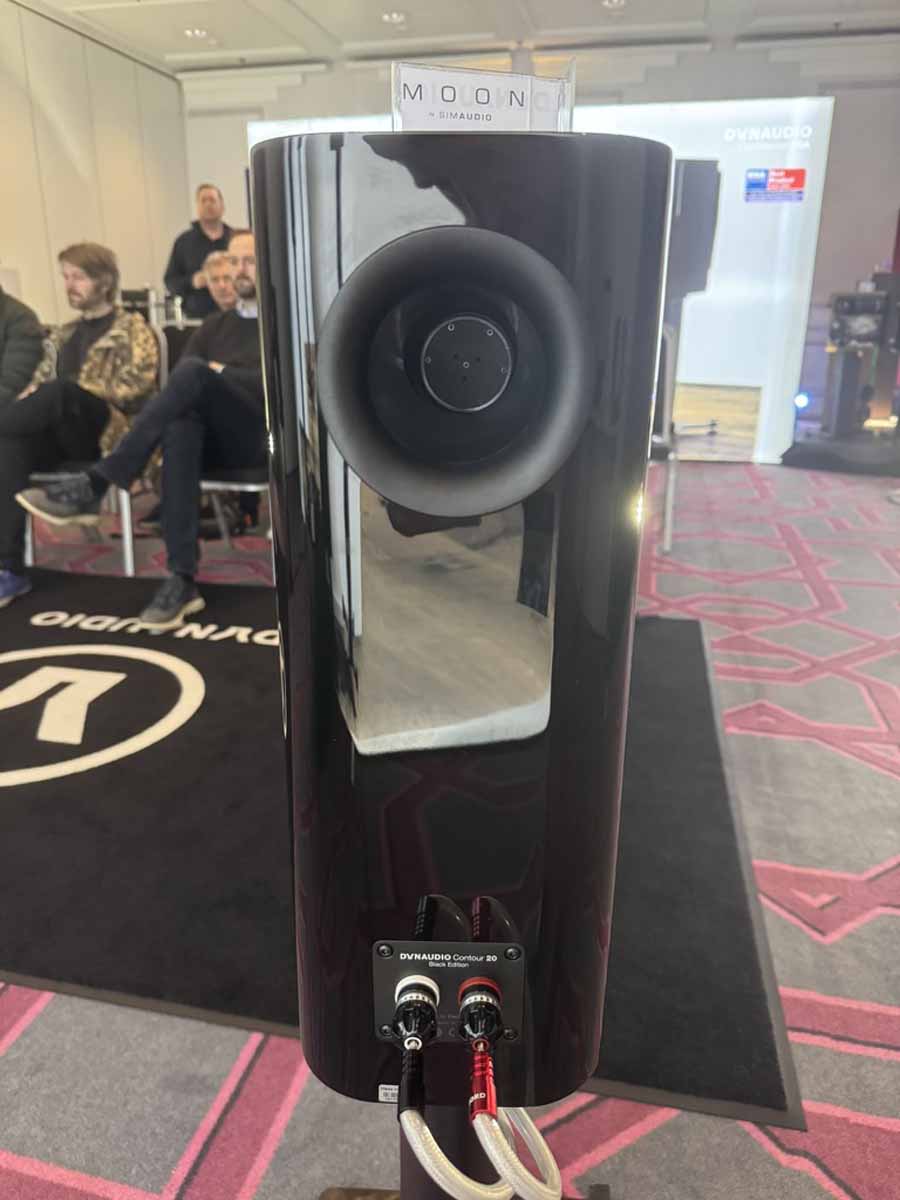
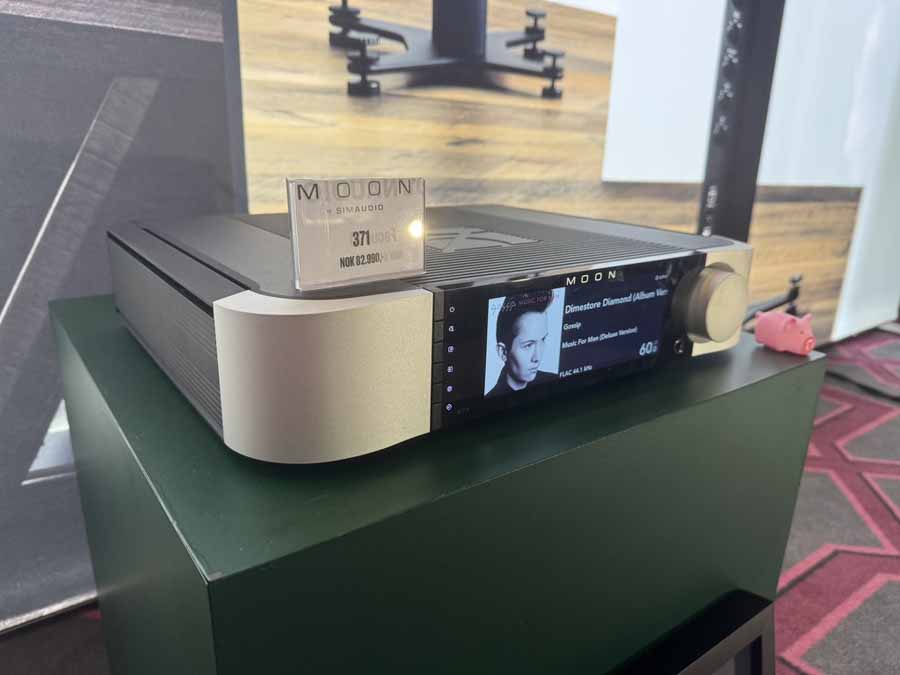
One of the largest rooms in the show (~100sqm, with a fairly high ceiling), demonstrating one of the more compact systems. The new Moon 371 all-in-one, effectively the big brother to the popular Moon ACE, was driving the standmount Dynaudio Contour 20 Black Edition. This was definitely a system that really took an unconventional approach, but that absolutely confounded the expectations one would naturally have. These 2-way standmounts absolutely filled the space, apparently without any kind of struggle. Certainly, nothing sounded forced at all. The laws of physics do kick in with regard to the last word in low-end extension, but significantly, this still all sounds completely natural; there’s no farting from the bass port attempting to artificially reproduce extra low-end oomph, or any of the other issues you can encounter when you try to get a relatively small surface area of driver to really pressurise the room.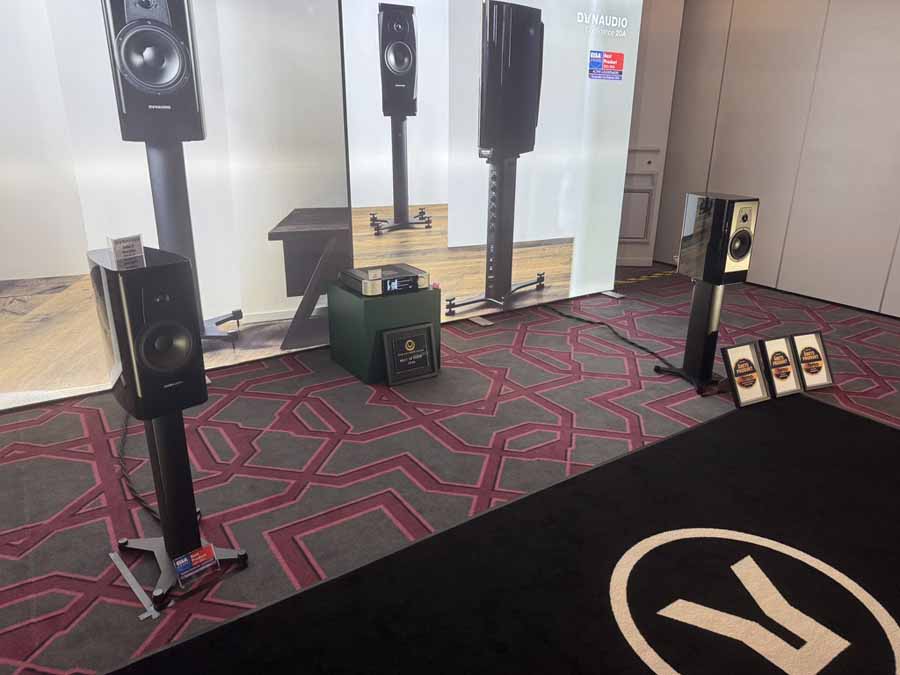
SAL C: HEGEL
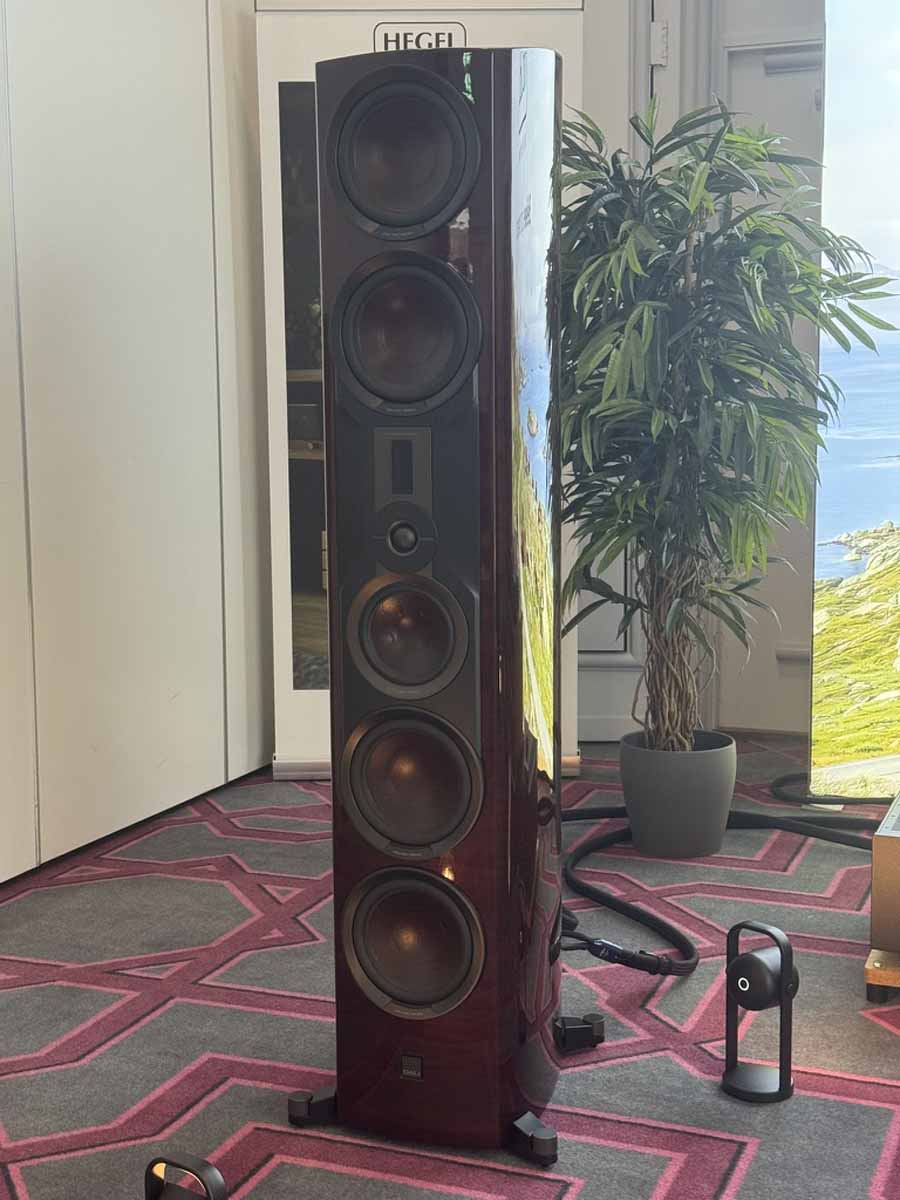
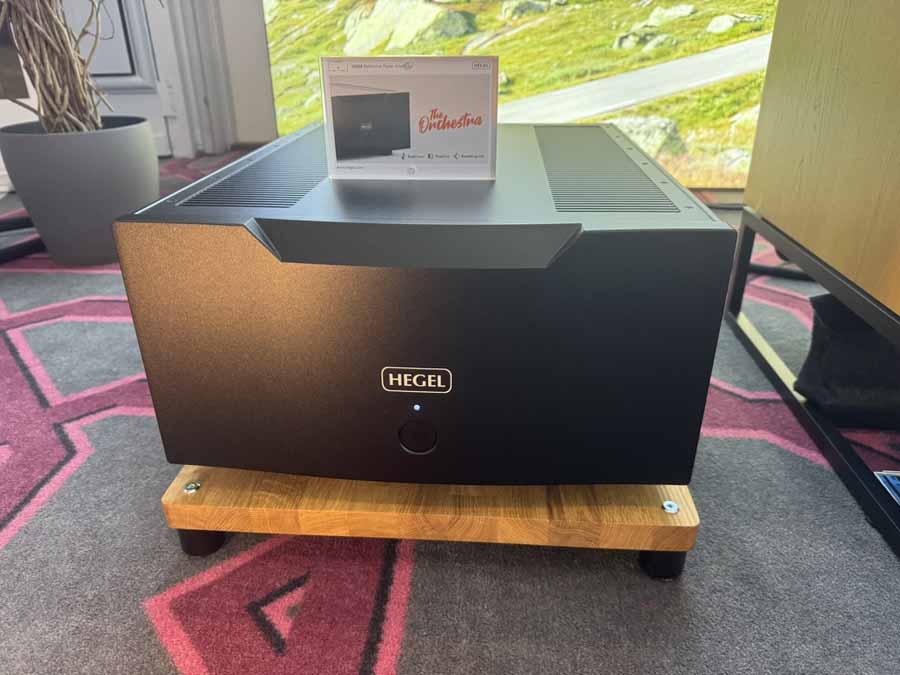
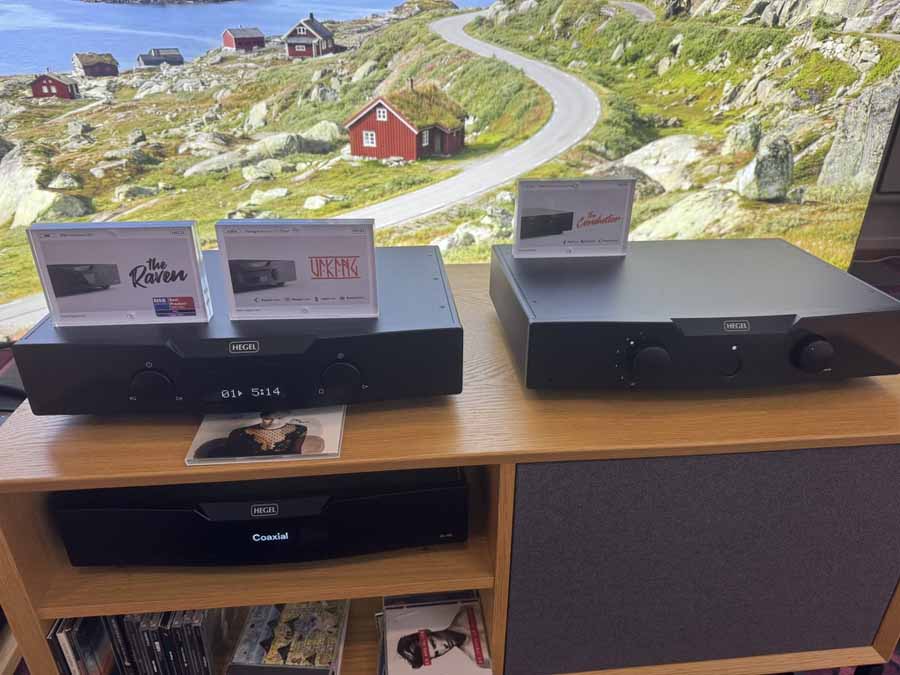
Hegel had brought all of their top-of-the-line products to Oslo, which makes sense as it’s really their home show. The source was the Viking CD player acting as a transport into the D50 DAC. The P30A is their finest dedicated pre-amp, and this was feeding a pair of their H30A monoblocks. The loudspeakers were from fellow Nordic outfit Dali: the Epikore 11s, one below Dali’s all-out flagship, the Kore. Talking to Anders from Hegel about the setup, he observed that whilst the Kore is, of course, and absolutely phenomenal loudspeaker, it really requires an enormous space to operate in, and its exacting nature means it can take considerably longer to dial into the room properly. Another bit of exhibition wisdom right there.
This was a great-sounding room, unsurprisingly. I’m really quite fond of Dali’s approach to the top end and the blending of a ribbon with a soft-dome tweeter. They integrate them seamlessly, and in a way that means you really get the best of both worlds from each driver technology. The H30s are absolutely monster amps that can deliver 1100W A/B into 8 Ohms – I’m pretty sure that’s sufficient to drive a breeze block. The level of grip they have on the low end really illustrates their capability. The setup went extremely low and quite happily filled one of the larger demo rooms, but the bass was absolutely tight.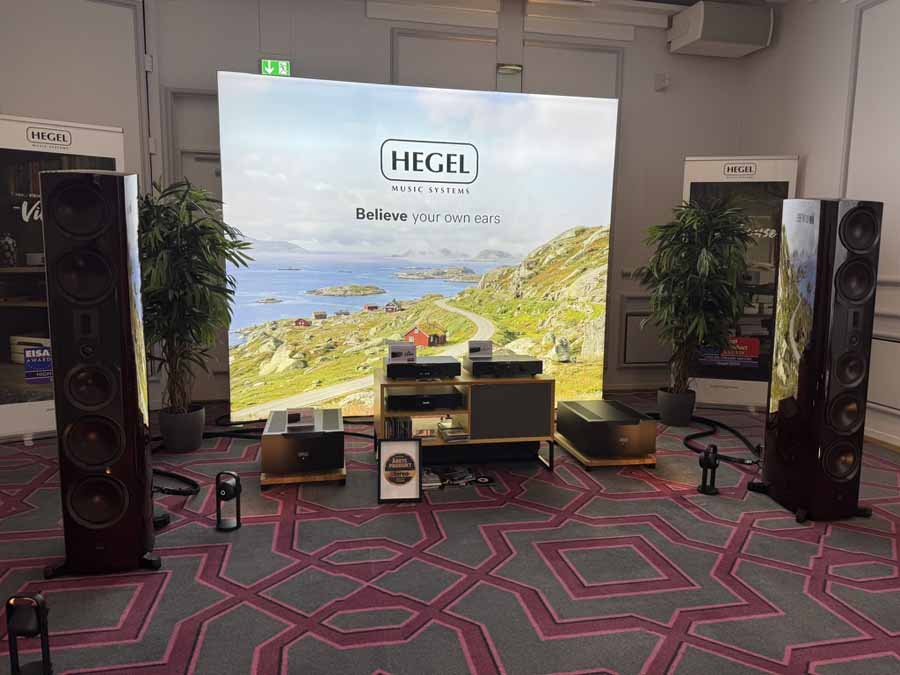
CHAMBRE: SOUNDSCAPE / ANALOGLAB
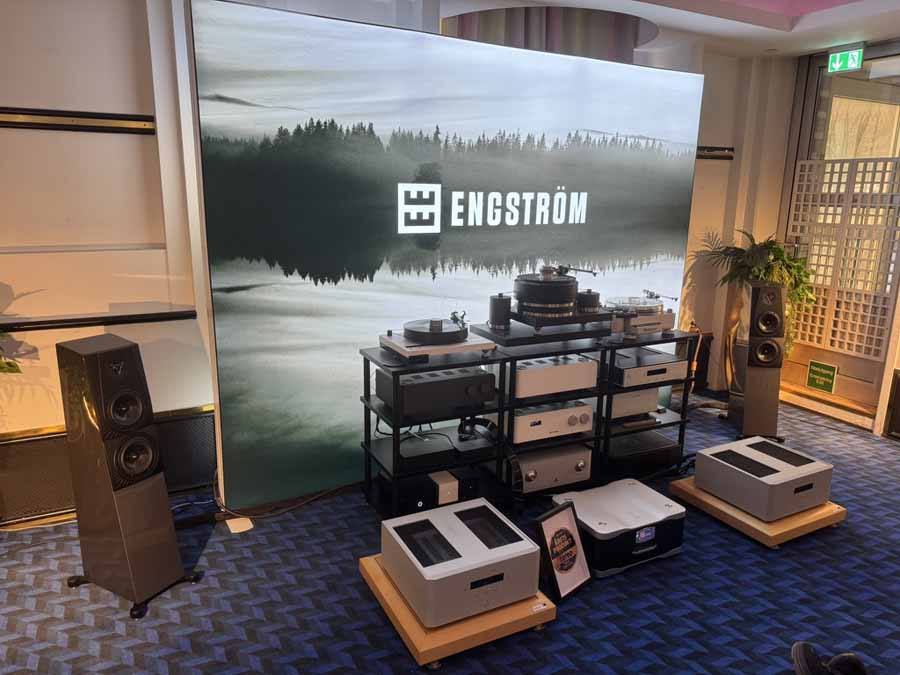
Soundscape and AnalogLab made good use of being tucked into their own little corner of the hotel, with one system set up inside their room and a second running outside.
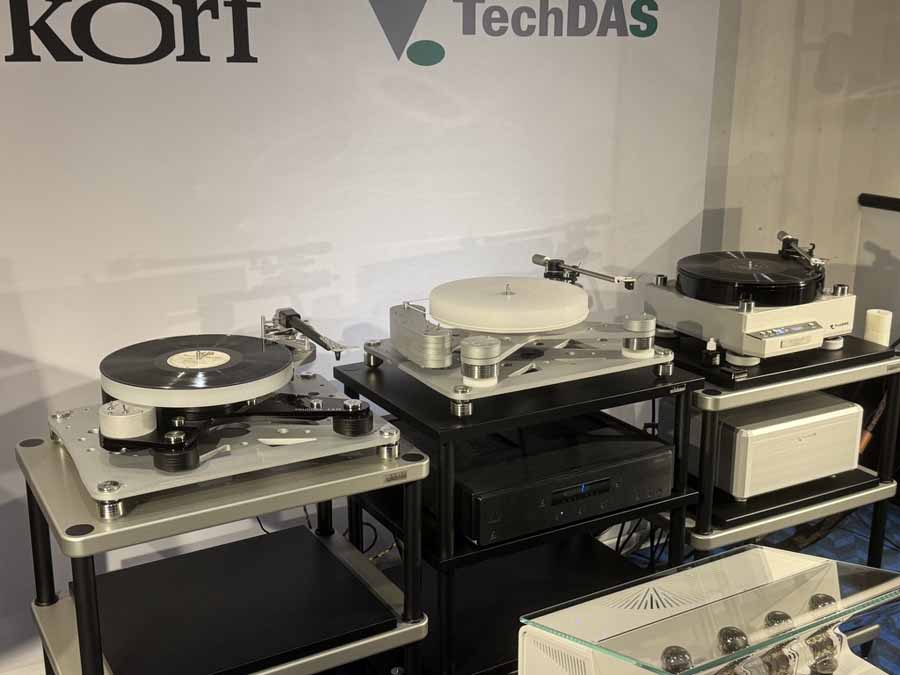
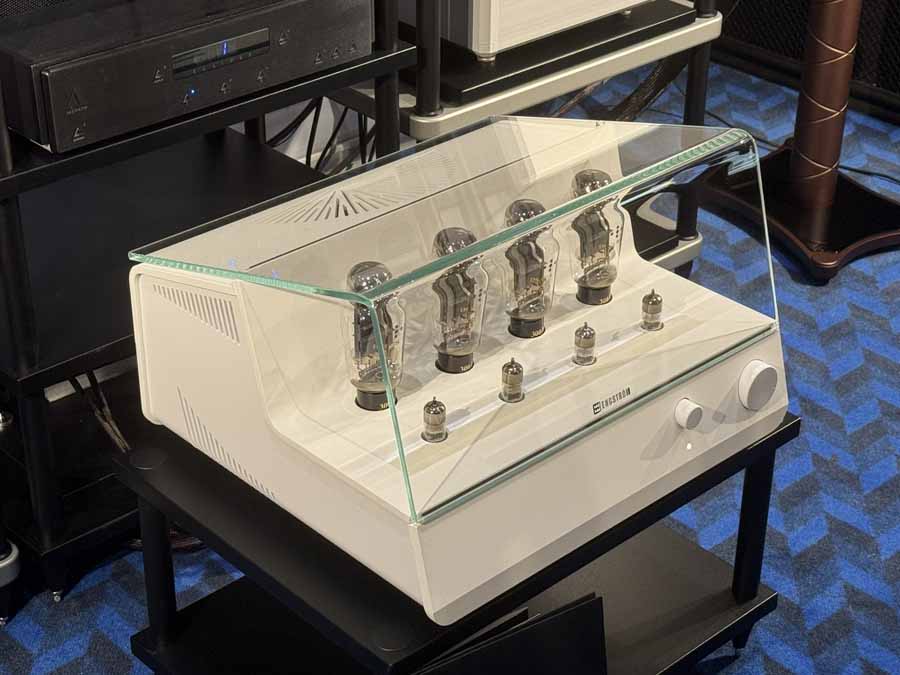
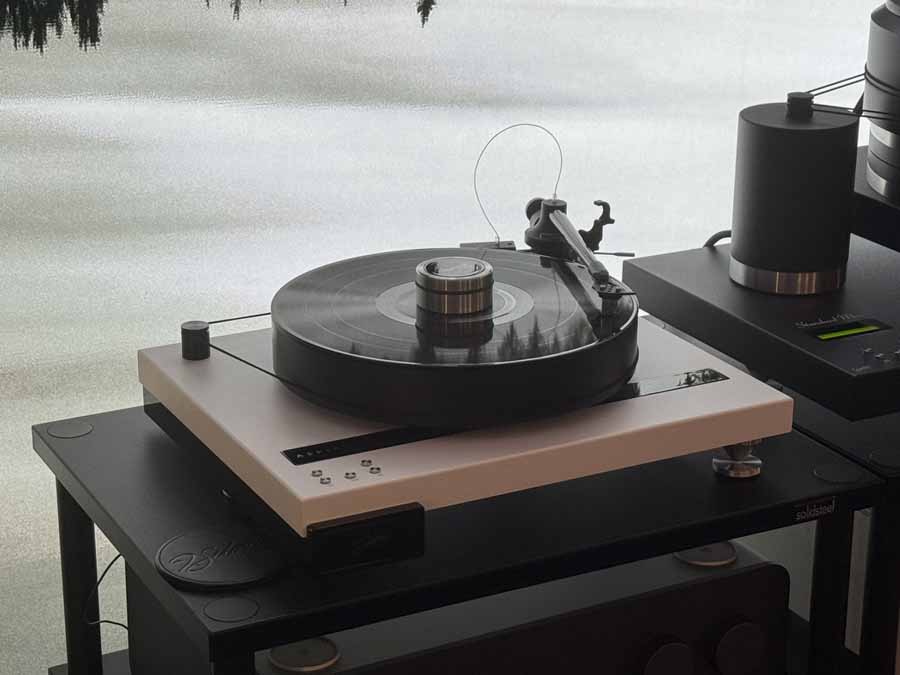
The outside system was utilising a TechDas Air Force V, Korf T9 arm, and a TechDas cartridge. This was running into an Aesthetix Rhea phono stage. We then had the absolutely stunning-looking Engtröm Arne integrated, which runs 4x300B valves. The speakers were a very distinct-looking and compact standmount from Storgaard & Vestskov, the Freda (and if the bronze look isn’t your thing, they offer a host of varied finishes). These are hugely impressive standmounts, running down to a nominal 30Hz, but with a particularly gentle roll-off, which are quite frankly mad numbers.
I spent some time listening to “What Happens to the Heart” from Leonard Cohen’s posthumous album. Vocals really are king on any Leonard Cohen album, and the system really gave a great showing, bags of detail and depth all over. That was followed by an original pressing of Six Blade Knife by Dire Straits, a cracking track. The dynamics here were highly enjoyable, with a strong presence of the bass and a solid snap on the snare drum.
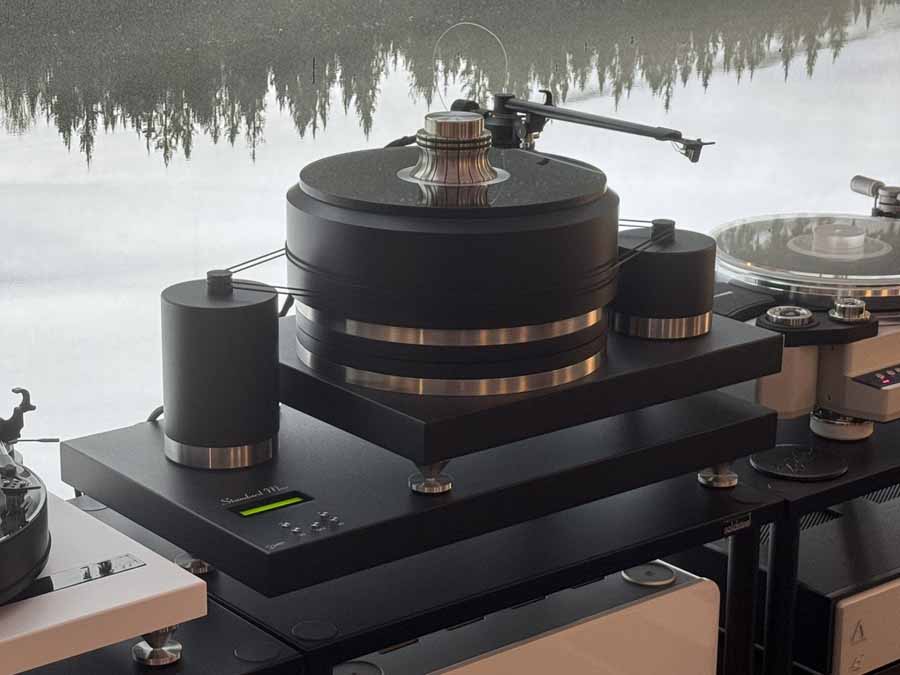
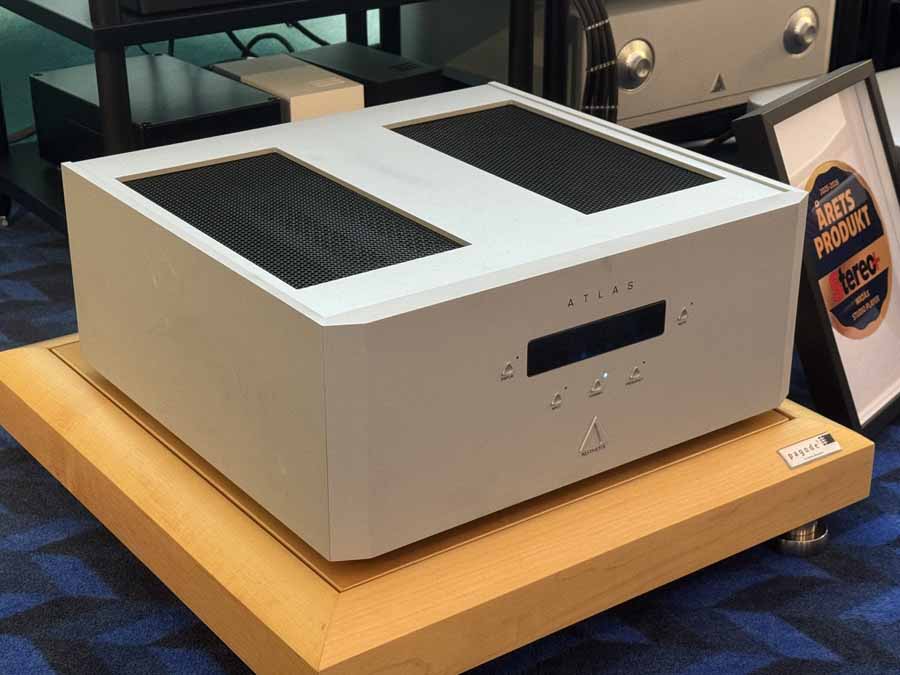
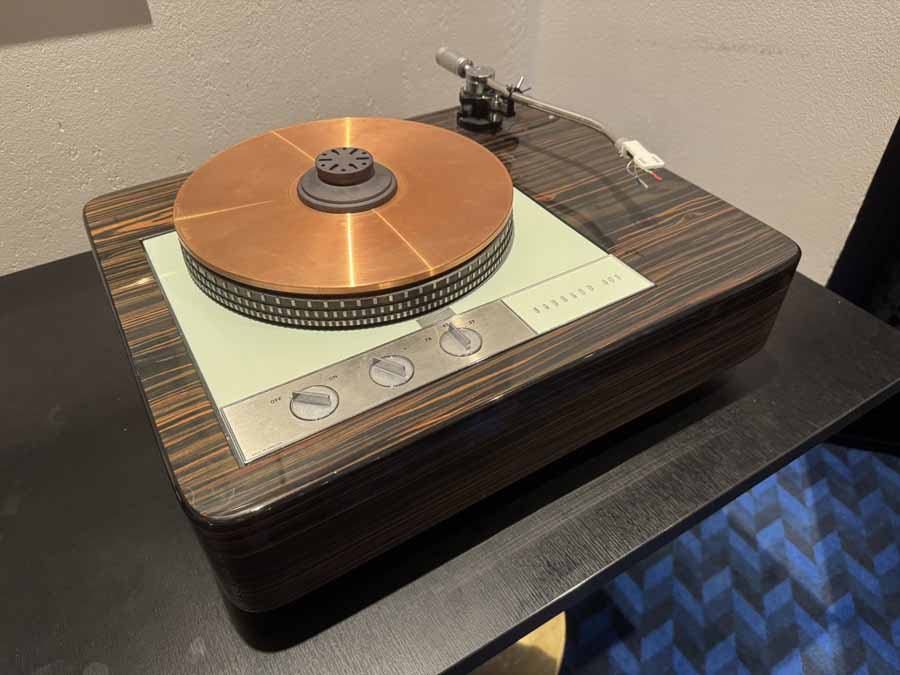
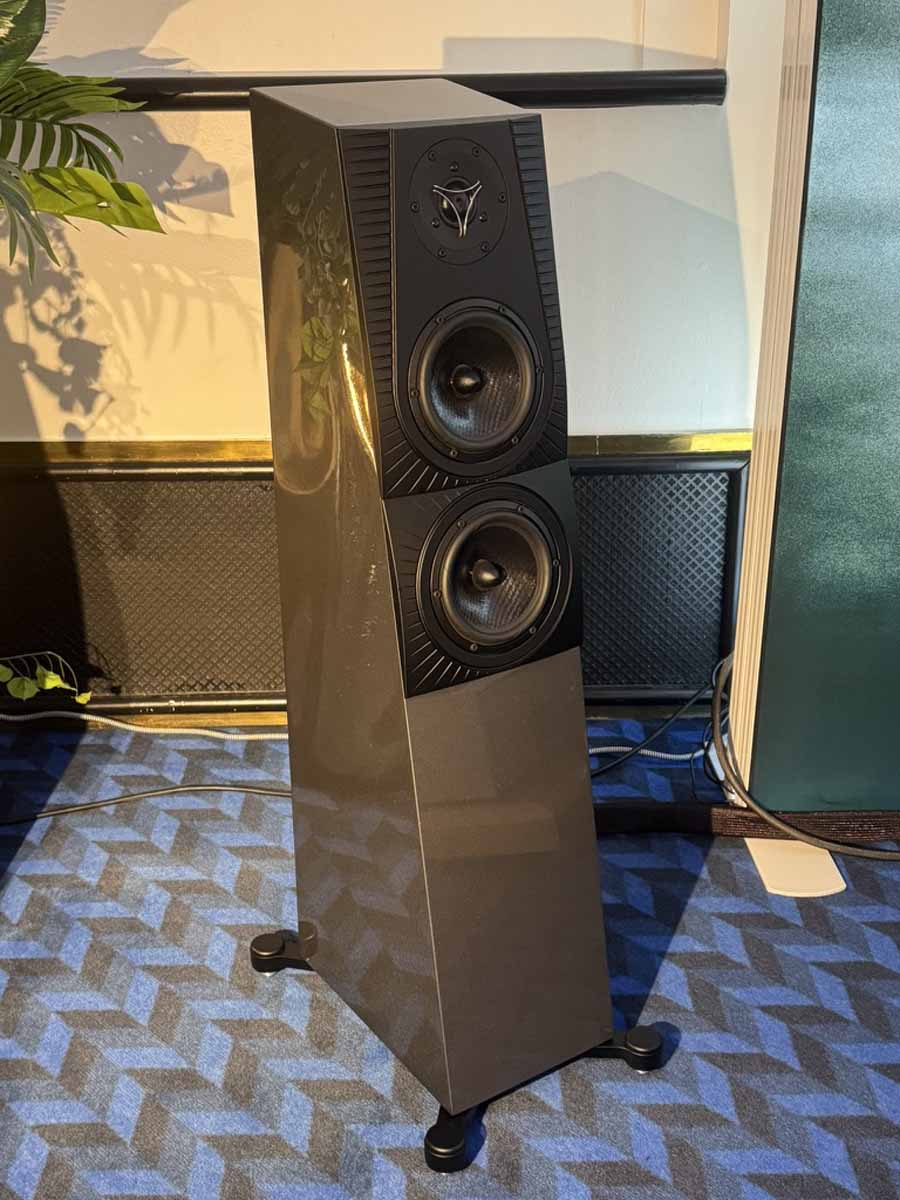
Inside was on a different scale. Front and centre was an absolute tank of a turntable, the Sikora Standard Max. Alongside, there was another chunky unit, the Wadax Studio Player from Spain. The record player was running through the new Engstrøm M-2 phono stage, and both were then running into the Engstrøm Monica pre-amp. This pre is a 2-box affair with a dedicated chassis for the power supply. A pair of Aesthetix Atlas monoblocks were then driving the Storgaard & Vestskov Gro floorstander.
Tin Pan Alley was spinning on the record player at the start and was comfortably the best rendition I heard of that track all weekend. There are sections on that track that start to pitch into shrill territory on some systems, but here there were no such issues. In particular, the way transient sounds just seemed to hang in the air was really quite magical.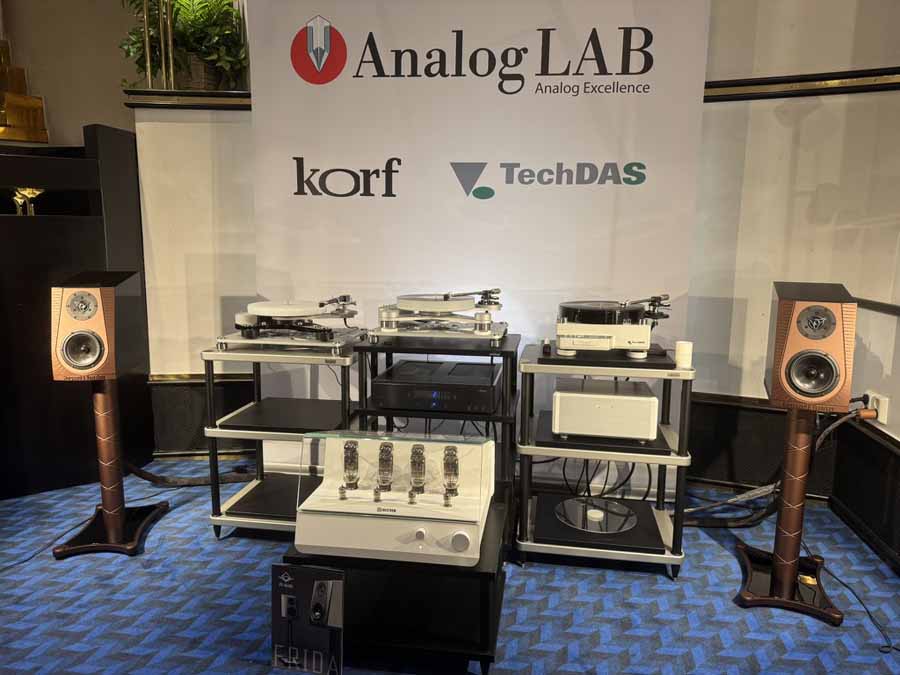
THORBJØRNSKJÆR: MALA AUDIO / ELECTROCOMPANIET
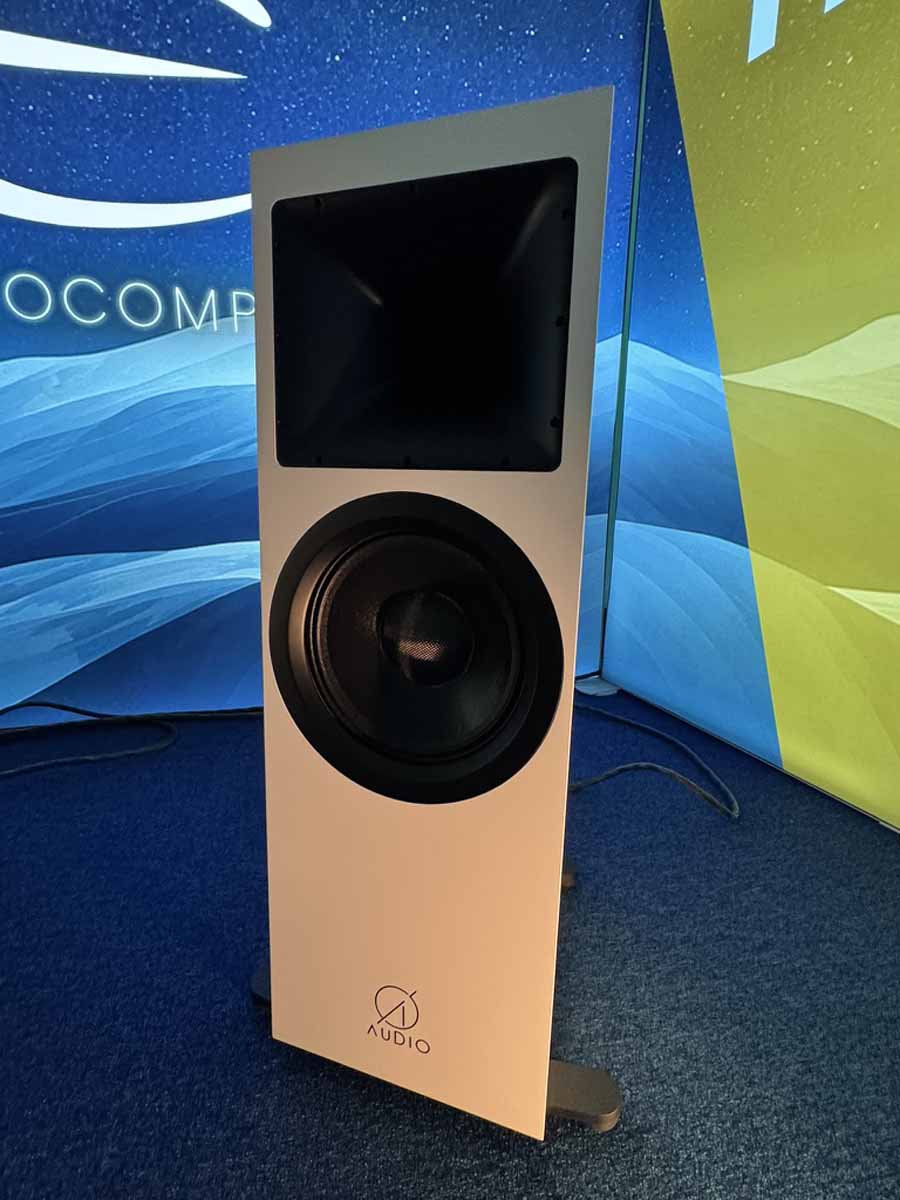
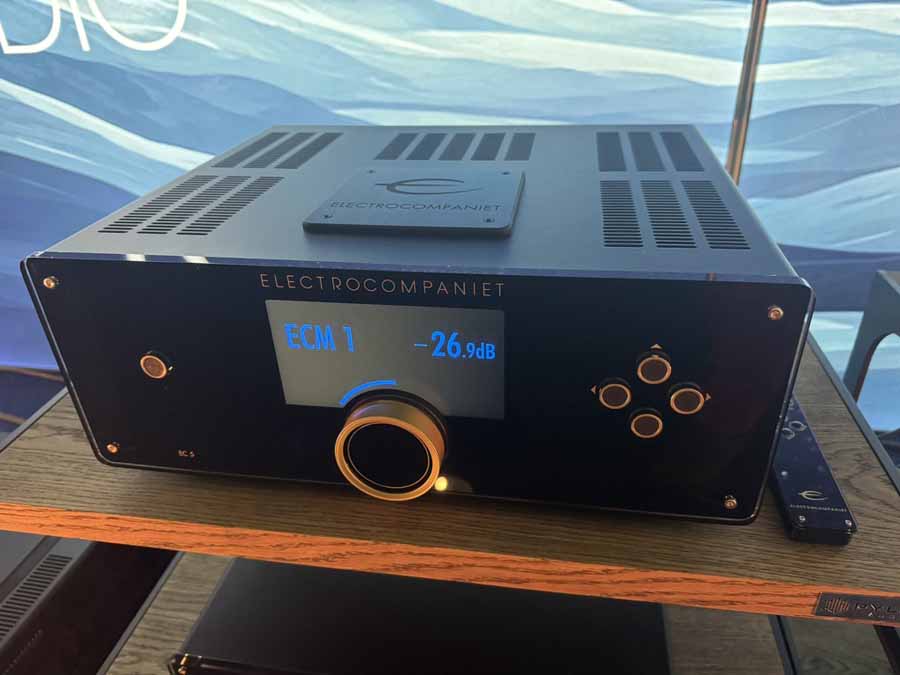
In conjunction with their distributor, Mala Audio, Electrocompaniet was demonstrating the new EC 5 Preamplifier. There has been a disparity in how the flagship power amps compare to Electrocompaniet’s pre-amps. The EC 5 very much rectifies this imbalance. Weighing in at 32Kg, this is a seriously no-holds-barred effort. We can now also reveal pricing for this much anticipated release: 21.999€ / £18,499 / $25,499.
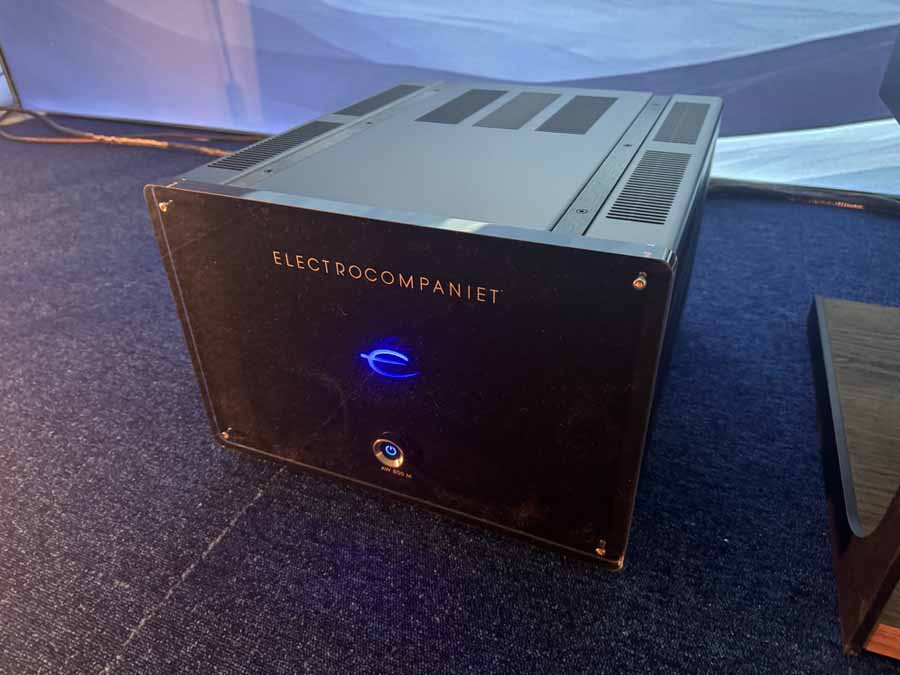
The rest of the system consisted of their ECM1 mk2 streamer and the AW 800 monoblocks which regular readers will know, are the monoblocks of choice in Stu and Lin’s reference system. Speakers were the ICON horn loudspeakers from Ø Audio (roughly pronounced “Uhr”). They also had the even bigger Verdande option on static display, having discovered they were simply too big for the room.
Whilst the ICONs are a fairly easy lead to drive (92dB sensitivity and a nominal 8 Ohm impedance), Ø Audio are quite encouraging of the use of fairly high-powered amps to drive them, and of course, the AW 800s more than fit that bill. The dynamics in this room were spot on, which translated to a really engaging listen. They may not pass my personal test of being able to listen to them for 8 hours straight, and the room’s volume, while not excessive, was a little louder than I’d require for a full 8-hour listen.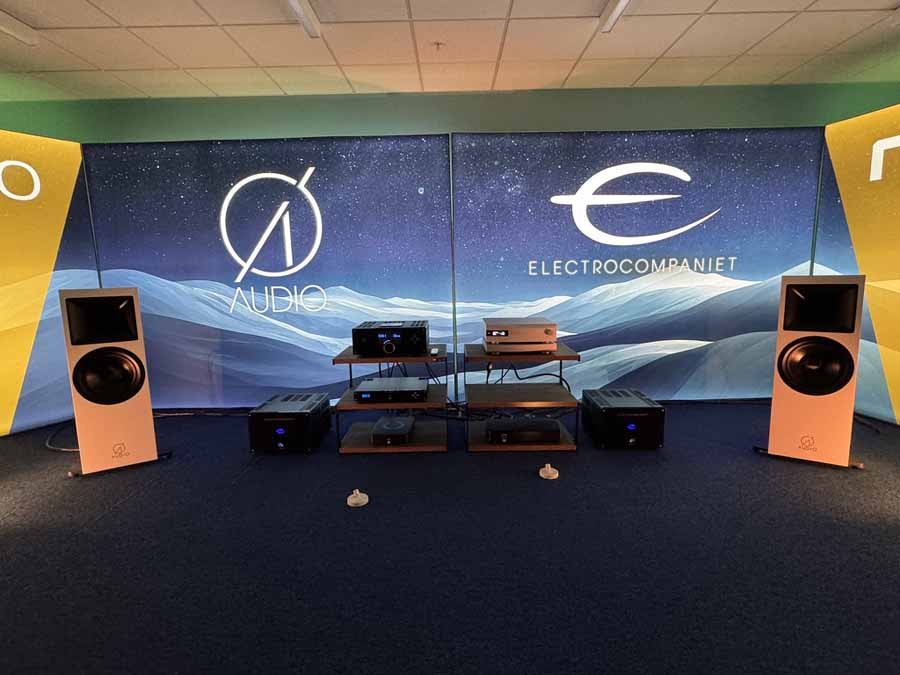
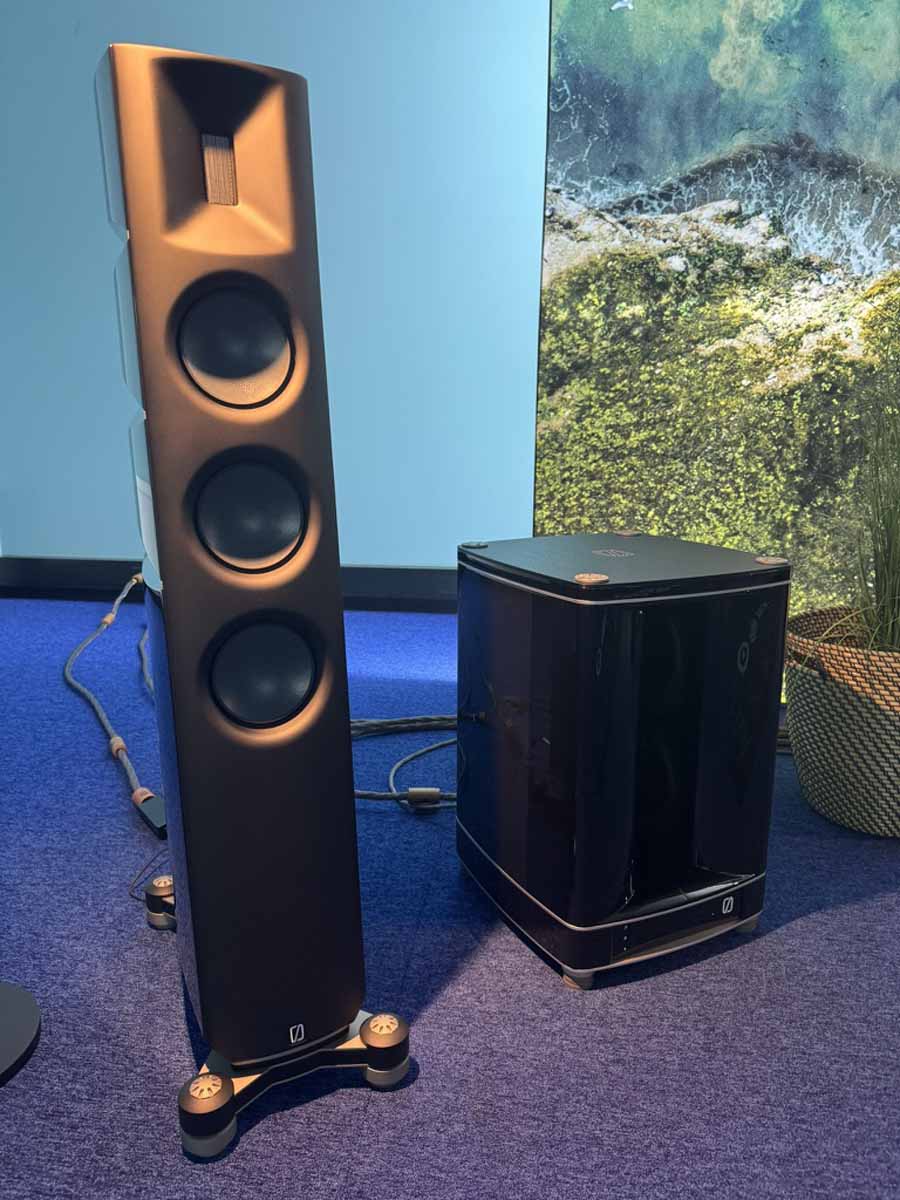
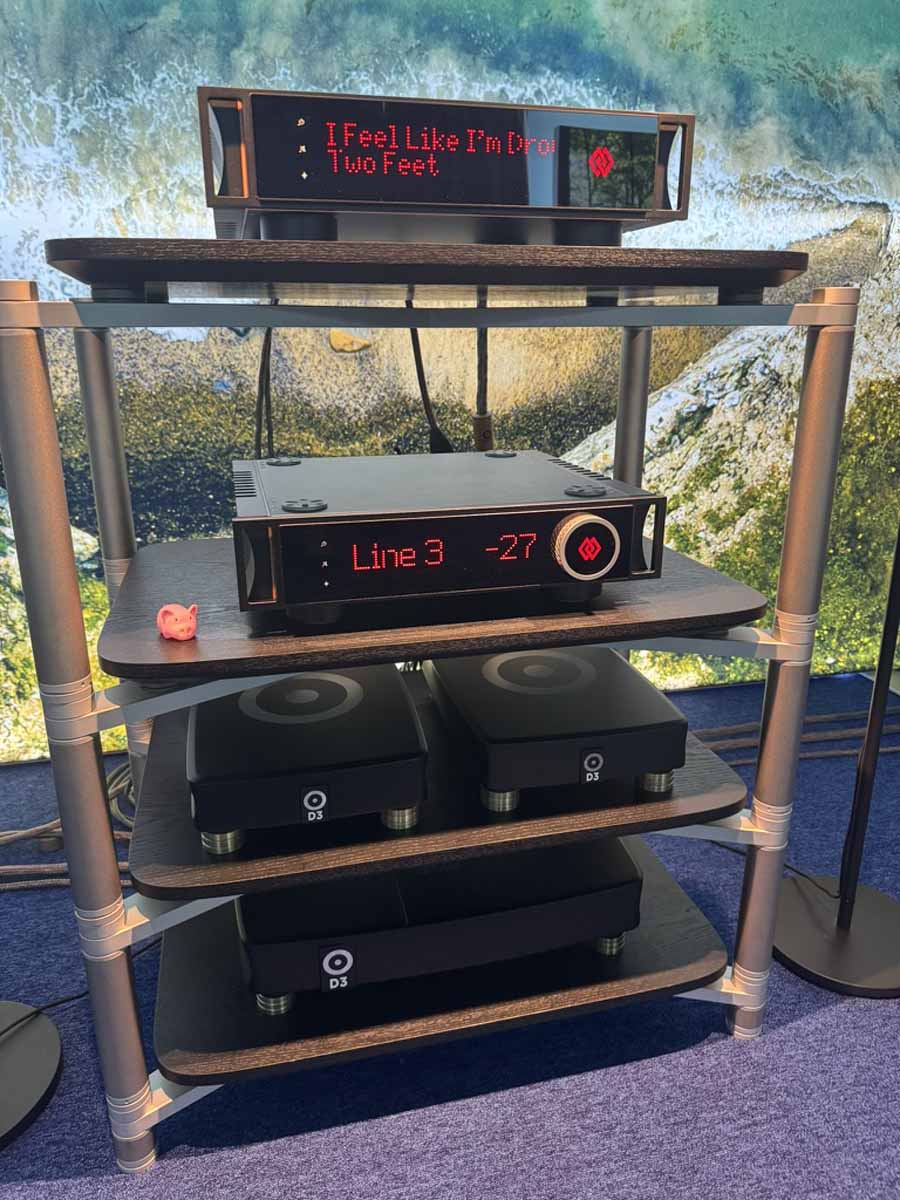
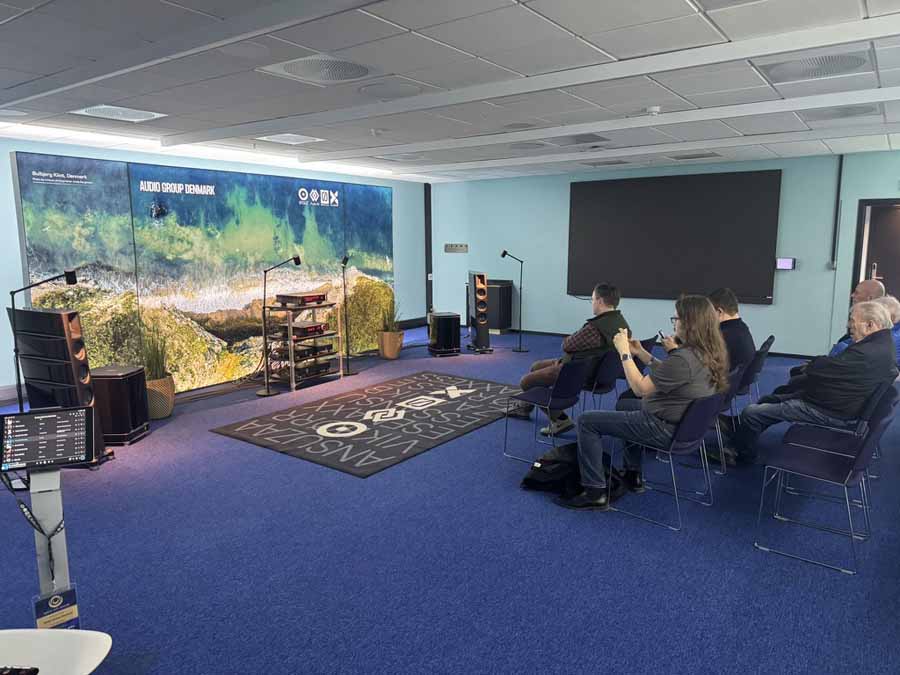
JOMFRULAND: MALA AUDIO / AUDIO GROUP DENMARK
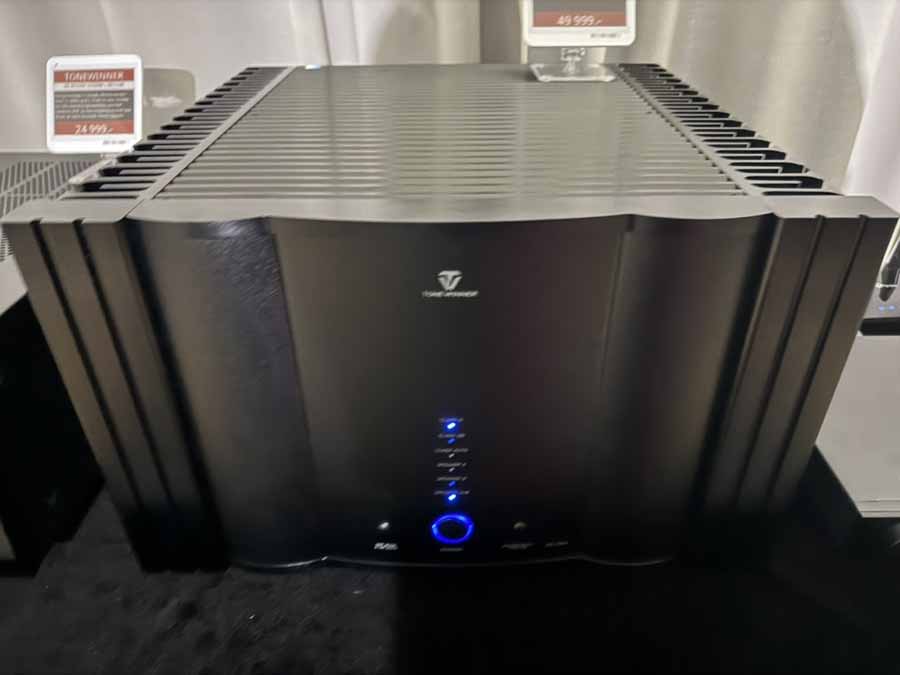
I have tried very hard to keep my disappointment that Audio Group Denmark didn’t bring the recently unveiled Aavik M-880 monoblocks and Børresen M8 loudspeakers from impinging on my thoughts here. All joking aside, shifting about 1,000 Kg and 3,000,000€ of equipment to a show is a hell of a task. For the Oslo show, they opted for the T3 floorstander, augmented by a pair of the BM3 bass modules. The T3s were being driven by an I-588, with the SD-588 streamer/DAC being used as a source. These were complemented by the D3 power block and D3 Network switch.

There’s a lot you can write about this setup – the attention to detail that permeates through all of the product lines is very apparent, and in a 20-minute discussion with Frits and Morten, I’m pretty sure we only scratched the surface of every step they’ve taken. The end result is an extremely tight sound, with a real sense of speed, but without the traditional compromises to lower-end extension. This setup also produced one of the best soundstages of any system at the show. It’s also worth noting that this was achieved with no acoustic treatment in the room.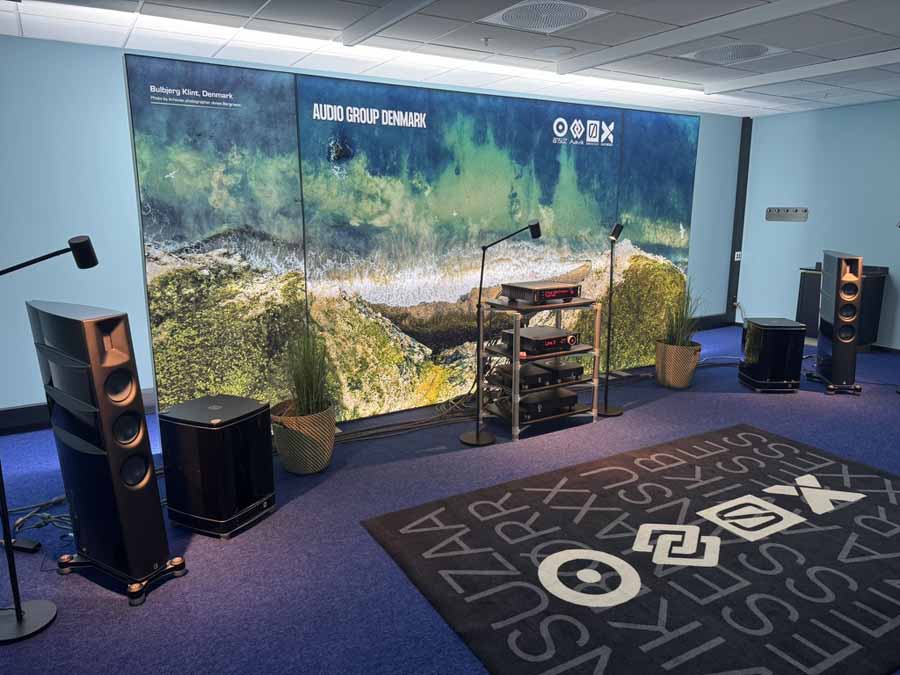
BASTØY: NEBY HIFI CONCEPT
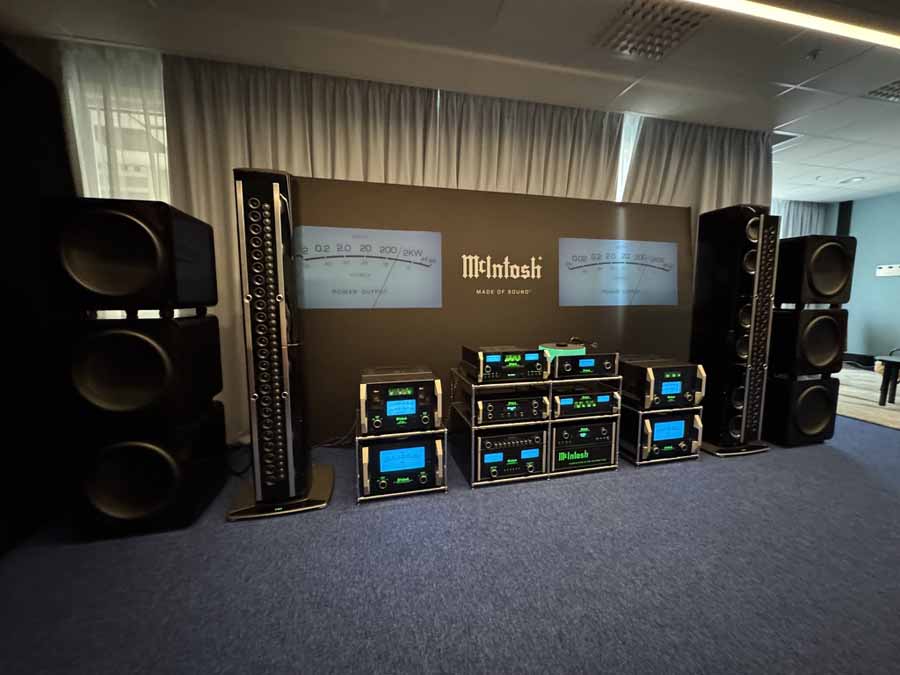
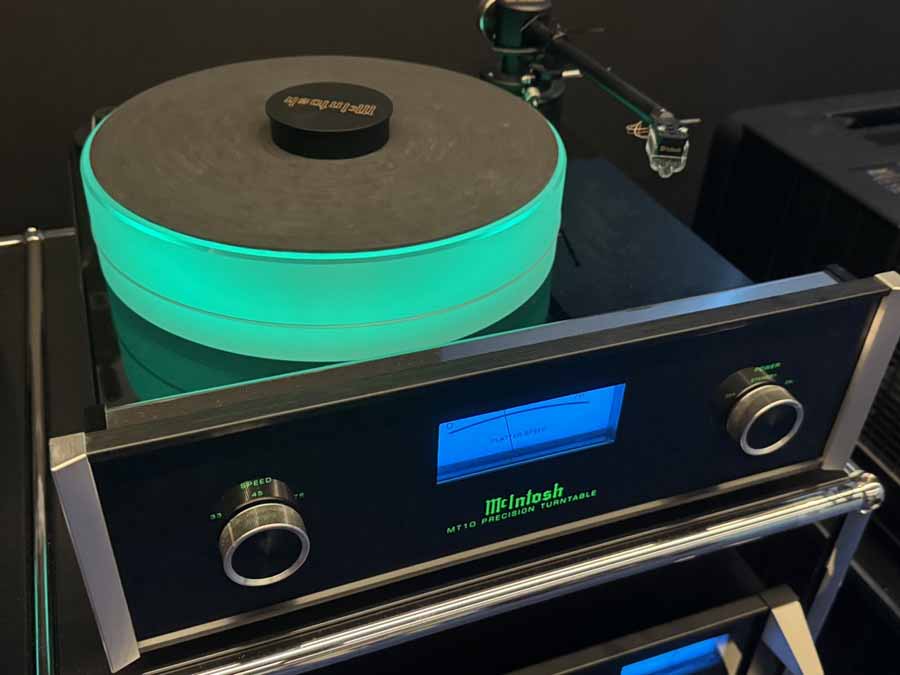
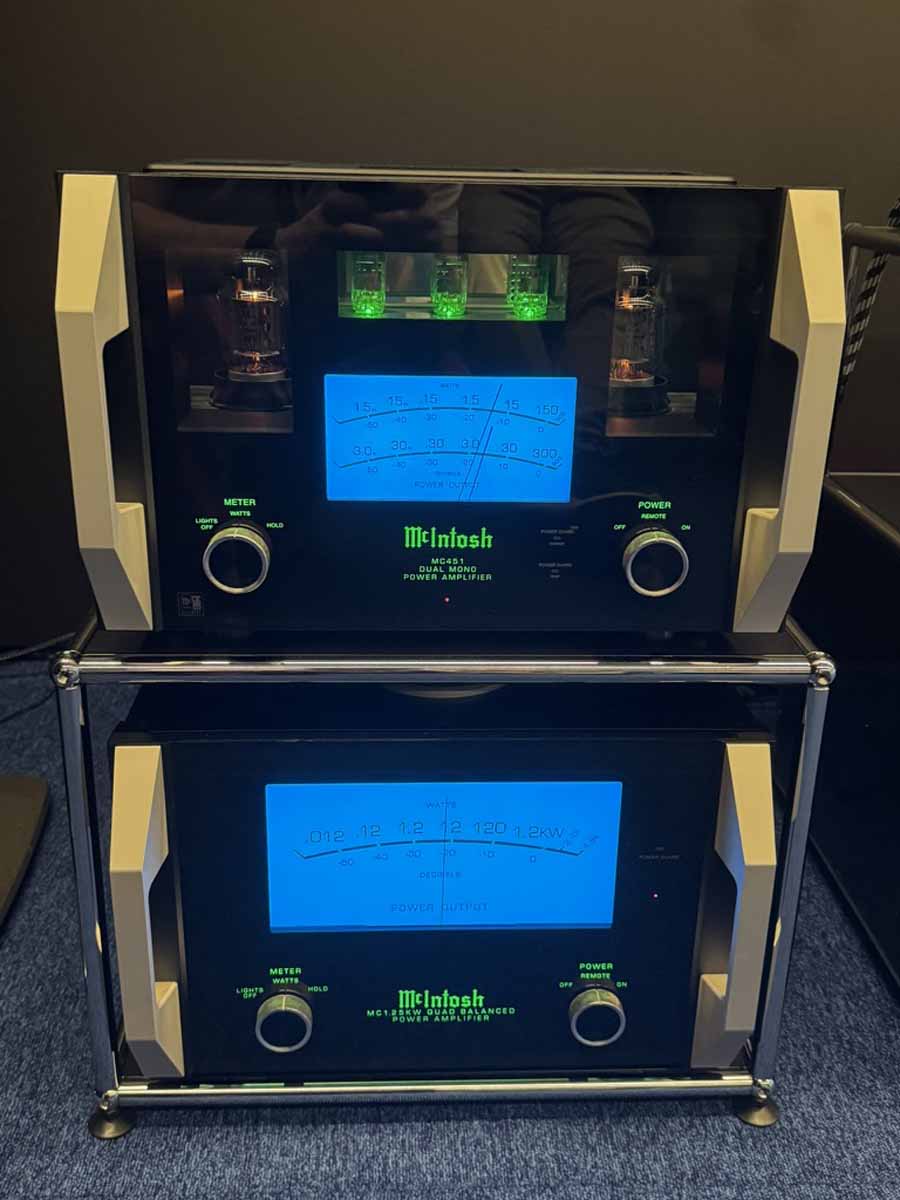
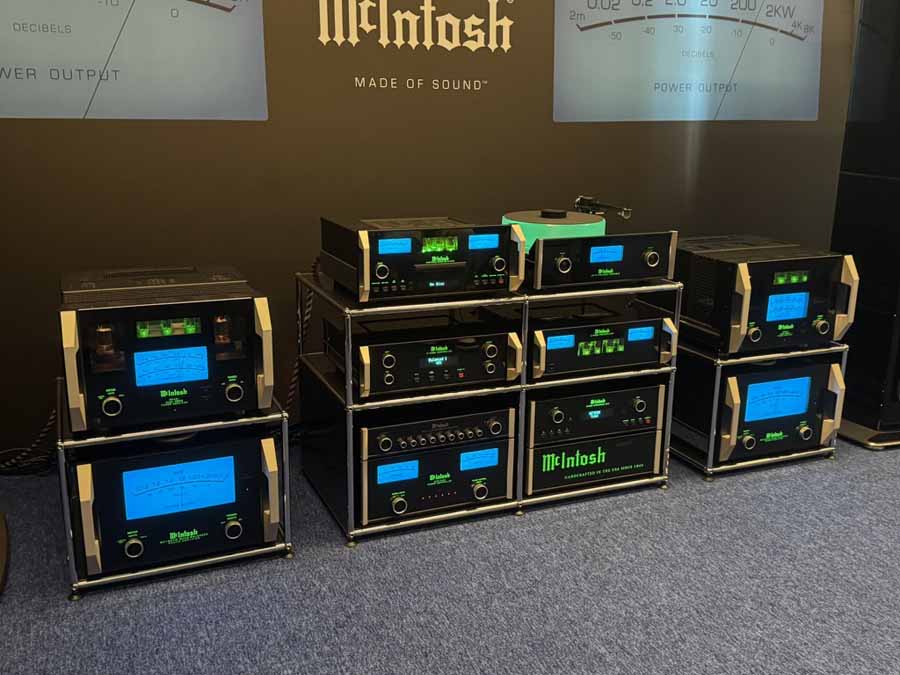
ALL THE MCINTOSH! With the exception of the 6 SVS subs (which were only being supplied with anything under 30Hz), this setup was McIntosh through and through. Sources here were the MT10 turntable, MCD12000 SACD player, but primarily the DS200 streaming DAC (which can also cover pre-amp duties if required). Here, the preamp was the 2-chassis C12000. Interestingly, the Controller box is how you change between sources, but all the sources are then connected to the second chassis. Power amplification used both the MC451 to drive the treble and mids, and the MC1.25KW monsters to power the bass.
The XRT loudspeakers utilise a phenomenon that’s common to live PA systems, but is pretty much unheard of in consumer HiFi – the line array. The reason concerts these days use long, thin columns of loudspeakers (rather than the wall-of-sound approach that the Grateful Dead pioneered) is that long columns of drivers with very narrow spacing creates a dispersion pattern that’s far wider than a single driver can produce. This actually gives McIntosh an advantage at a HiFi show, because it becomes much easier to get the setup to sound great for everyone in the room. Most HiFi is far more focused on producing the perfect sound for a single person’s ears, which can make it almost impossible to give everyone at the show the best of the system.
Queen Mary seems to be one of the new test tracks de jour, and it was being used here to really show off what the SVS subs can bring to this arrangement. It’s pretty rare to feel a concrete floor vibrate, but it sure did here! The consistency of the sound of the line-array was really apparent as I moved around the room – it really does give a remarkably even presentation wherever you sit.
THE GOLDEN PIG AWARD
And so the moment you’ve secretly all been waiting for – the much-coveted Golden PiG Award. There were a lot of great-sounding and looking rooms at this show, and everyone I ran into was a delight, always willing to chat about the products and answer my inane questions. Before we get to the outright winner, I’d like to highlight a few rooms that really stood out for me (in no particular order):
The McIntosh and Piega room from Neby HiFi Concepts. Marten, who runs Audevo in the town of Bergen, was the main man behind the presentations and, right from the get-go, played a wide variety of music and was very happy to take requests. The sound in this room was right up there for me, with the massive array of planar drivers just a joy to listen to in every regard. Talking to Marten after the show had closed on the Sunday evening about stocking such a significantly priced pair of speakers in a relatively small location, and he acknowledged it was somewhat bonkers, but he just loved them so much it wasn’t really about the financial logic; he just wanted to show them to folks. That kind of enthusiasm is absolutely what we need.
Fezz Audio and Pylon from Mala Audio. I only got to this room very late in the day on Sunday. I was pretty knackered by this point, and had every intention of taking a few photographs, having a brief listen, typing up some quick notes, and moving on. There was only the man from Mala Distribution in the room at this point. I sat down while Brothers in Arms played, and just sat there, and sat there, soaking it all up. This was really one of the lower-priced systems being demonstrated at the show, but it was one of the most enjoyable. Whether it was luck or judgement, I don’t know, but the chap running the room did exactly the right thing in just letting the system do the talking, and then dealing with my various questions once I’d picked myself up out of my reverie. Spot on custodianship.
Stereo+ is one of the larger HiFi magazines in the Nordics, and presented a few awards at the dinner on the Saturday evening. Dynaudio’s room featuring the Moon 371 all-in-one and the Dynaudio Contour 20 Black Editions took the award for best sound of the show. It was a very worthy winner; how the hell those standmounts filled such a large room with such grace and ease leaves me scratching my head, but there was no mistaking how good it was.
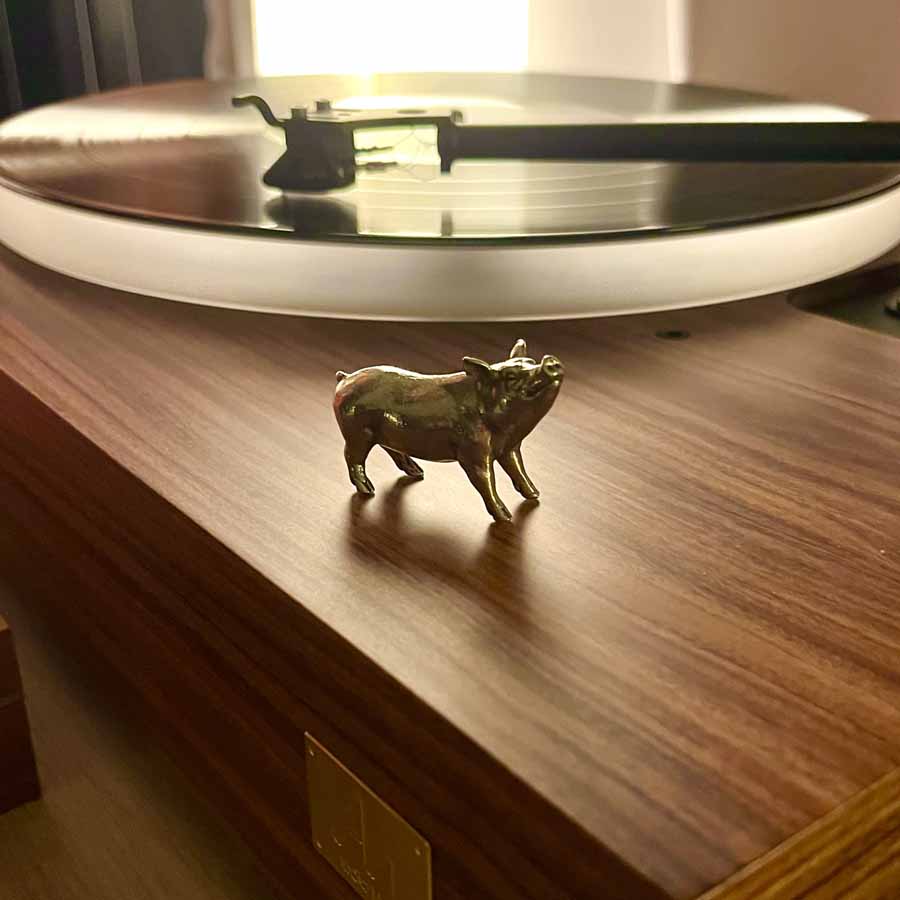
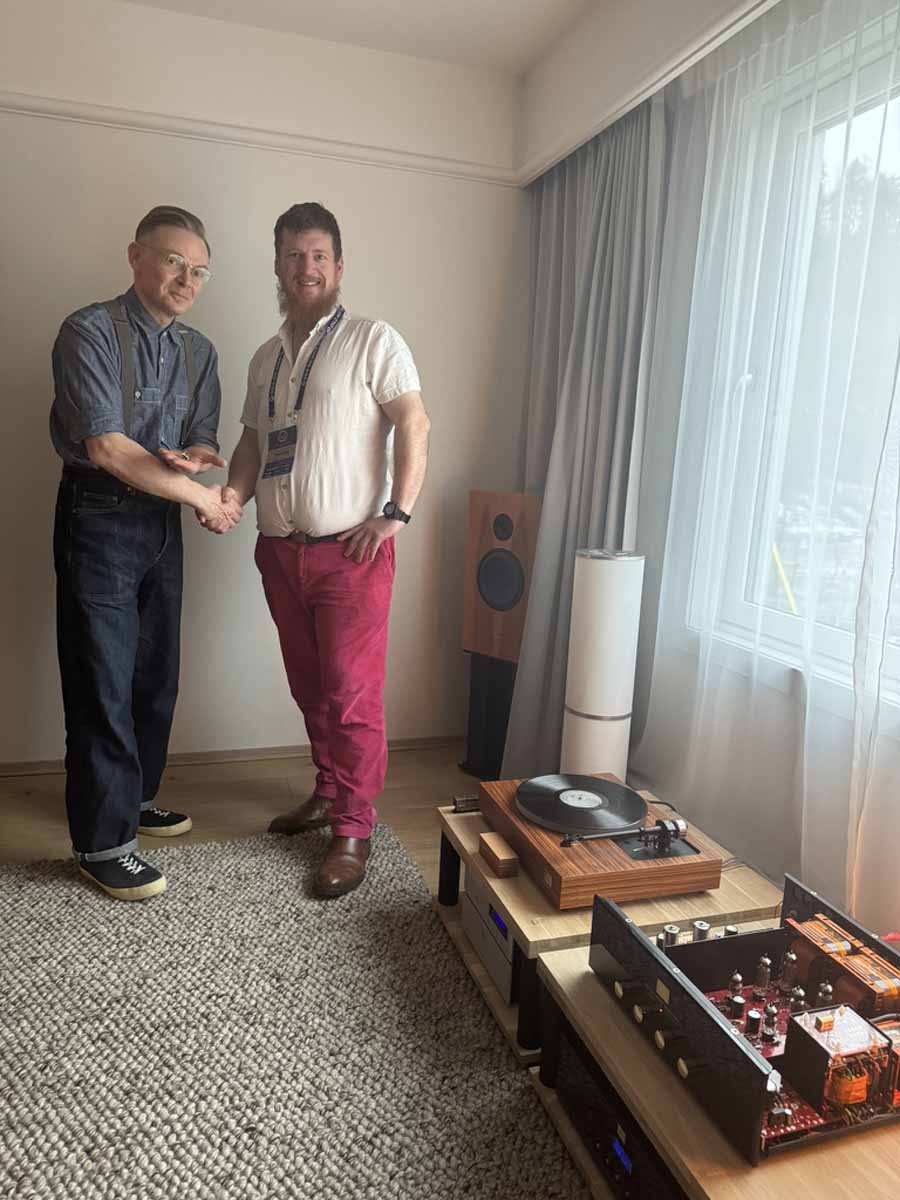
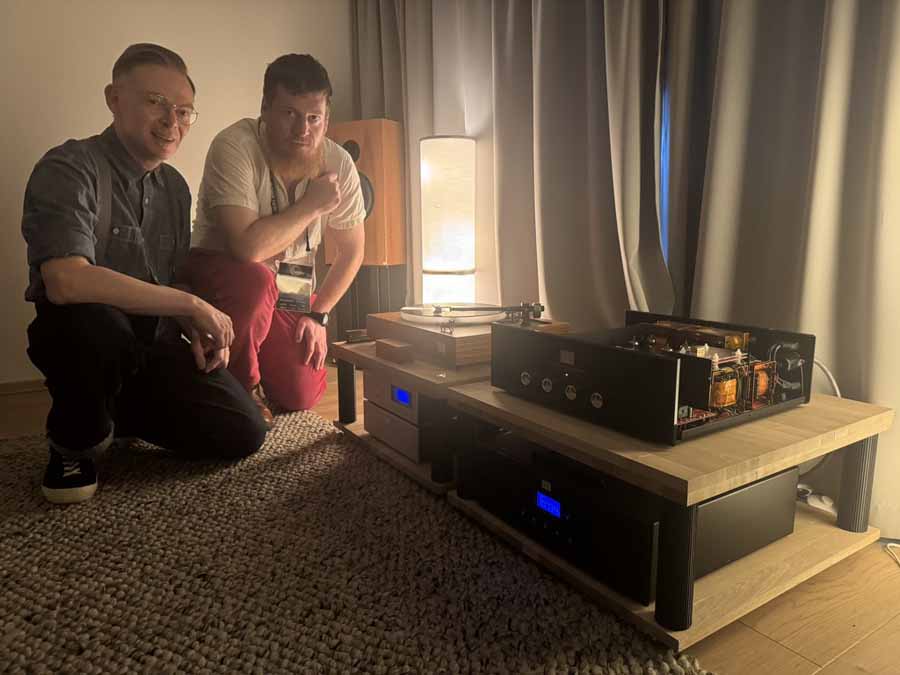
And now to the winner. It’s a common trope among HiFi enthusiasts that at many shows, staff are wary of taking unfamiliar requests from the public, in case they turn out to be some sort of room-clearer. One brand stands out for basically playing that sort of thing nonstop through their shows. Martin, who was running this room, told me about one visitor who had frequented the last 3-4 Oslo shows and always brought something interesting to play. He was, as per usual, given free rein to stick anything from his vinyl bag on the turntable, which went great until he pulled out The Eagles’ Hell Freezes Over album. Martin was true to his word and let the record play, but it amuses me no end that an album like that was the only one to meet any sense of “ooh, I’m not sure about that”. These rooms are always delightfully simple at shows as well, some subtle lighting perhaps, but then the electronics are frequently placed on a basic table, and I’ve never once seen an acoustic panel, or any other room treatment for them at a show. It really highlights how incredibly friendly this gear is to everyday room acoustics. If you’ve not guessed it yet, this was the Audio Note room, being run in conjunction with their Nordic distributor SteReoFil. A very worthy winner indeed.
Please note, all content and photos are the copyright of HiFi PiG Magazine/Big Pig Media LLP and must not be copied or reproduced in any way without the prior, written consent of the editor.
Read part one of Jon’s Scandi-Fi adventure in Denmark here

Jon Lumb