Michell Audio Apollo Phonostage and MUSE Power Supply










MICHELL AUDIO APOLLO PHONOSTAGE AND MUSE POWER SUPPLY REVIEW
Michell Audio Apollo Phonostage and MUSE Power Supply were launched earlier this year at the Bristol Show and cost £3500 for the pair. Janine Elliot takes a listen for HiFi PiG.
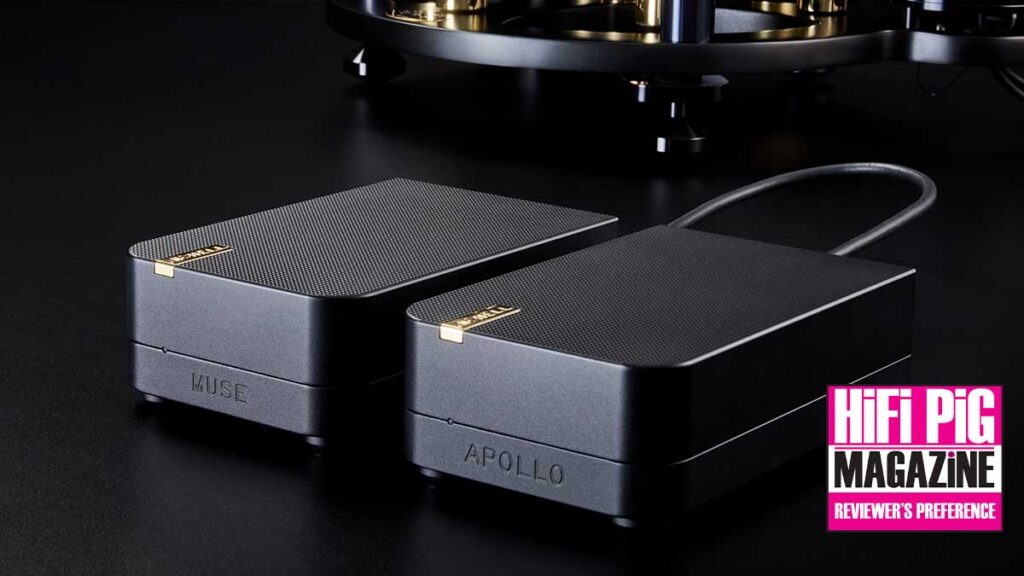
Michell Audio is one of those companies I have followed from before Michell; let me explain. I own a Hydraulic Reference, the turntable that was made famous in the film “A Clockwork Orange” directed by Stanley Kubrick in 1971, from the company Transcriptors. Designed in the 1960s by David Gammon, it was made by J.A. Michell Engineering for them until they bought the licence in 1973, formed Michell Audio, and that DNA became the basis for all subsequent turntables. Interestingly, Transcriptors are back again, making new and repairing old HR-based iconic spinners, owned by son Michael. So, to be sent Michell’s new Apollo phono-stage was a chance for me to not only mate the old with the new but also a chance to see how their vinyl excellence extended with the Apollo. It arrived in a specially designed cardboard box for me in a shape that even with my A-Level Maths I couldn’t describe. Like pass the parcel, I opened it up to see another box with another box inside that one, containing the excellent presentation box and the Apollo phono-stage itself.
Better not play any wrap music, then.









Michell’s history reads like other manufacturers who never started out doing what they are ultimately famous for; think of SME (engineering), dCS (military and aerospace), Philips (light bulbs), or even car manufacturers that started out making sewing machines or bicycles. John Michell began it all in 1966 by making scale models for films, such as the “Discovery” spaceship in “2001: A Space Odyssey” (later the Space Station V from the movie gave inspiration for the GyroDec turntable). In 1969, Transcriptors asked John to make parts for their own turntable, and that year they moved into Michell’s Borehamwood factory, until they travelled off to Ireland in 1973. They left behind the Hydraulic Reference, whose origins actually go back to 1964, and so that began the amazing history of Michell Audio, first producing their own – and now rare – Michell Reference Electronic Turntable in 1977, and then even rarer Prisma. John also invented the record clamp in 1977. All good turntables have used this technology since that day. Michell has never looked back, and their GyroDec, Orbe and so many other great turntables advanced on the original DNA, plus clever power supplies, all at very accessible prices. A Pre/Power amp, MC cartridges, tone arms and phono-stages followed. Sadly, John died in 2003, another icon of British audio, like Peter J Walker, who died the same year and Harold J. Leak back in 1989. Michell, being a true family-run business, is now owned by John’s daughter Julie and her husband Steve Rowland and is now run by the third generation of the family, Julie and Steve’s son-in-law Jonathan Nye! John’s two grandchildren, Gemma Nye and John Rowland, also work within the business.
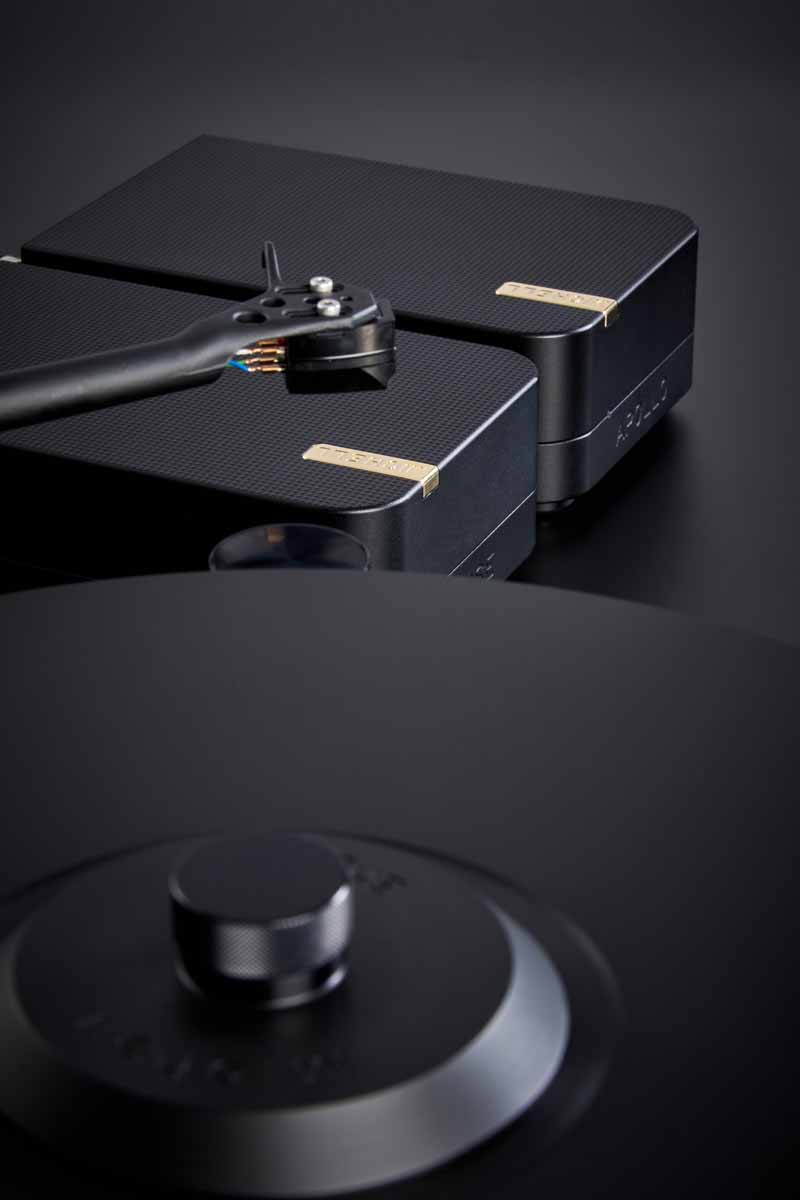
This is not their first phono-stage; that was the Iso in 1989, designed by Tom Evans (and with a power-supply upgrade named “Hera”), and then the Delphini coming in stereo form and then monos from Graham Fowler at Trichord, just before John died, and who continued it under the Trichord Research banner afterwards. Graham then worked on a new phono-stage, the Neo and the CM-PSU, and the Apollo and MUSE power unit was developed from that, coming in at £3500 for the duo. It looks the same, apart from the rectangular brass banner on the top bearing the name “Michell”. With the names “Apollo” and “Michell” I now show my age by vaguely remembering another “Mitchell” being the lunar pilot of Apollo 14 and the 6th person to walk on the moon. Pink Floyd’s famous album to follow shortly.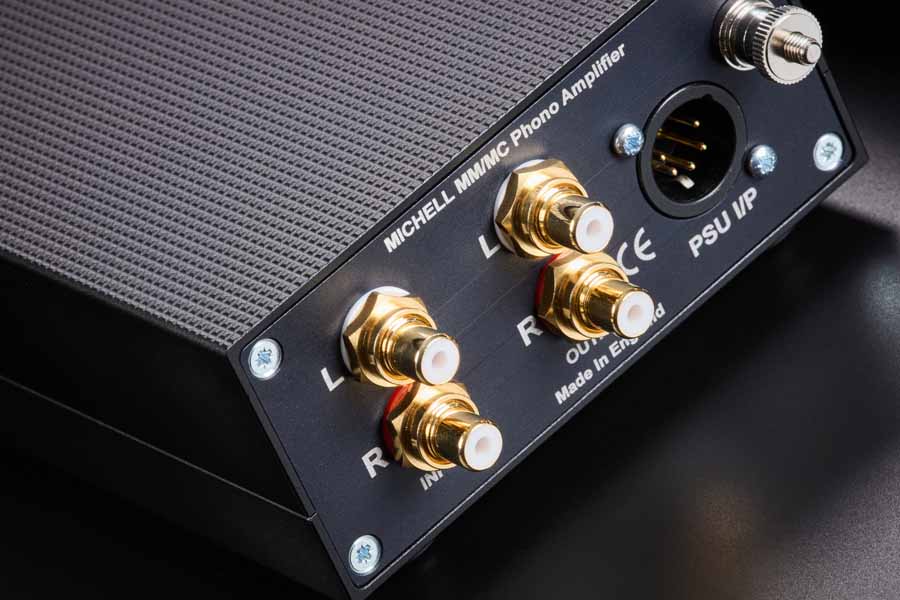
BUILD QUALITY AND FEATURES OF THE MICHELL APOLLO/MUSE
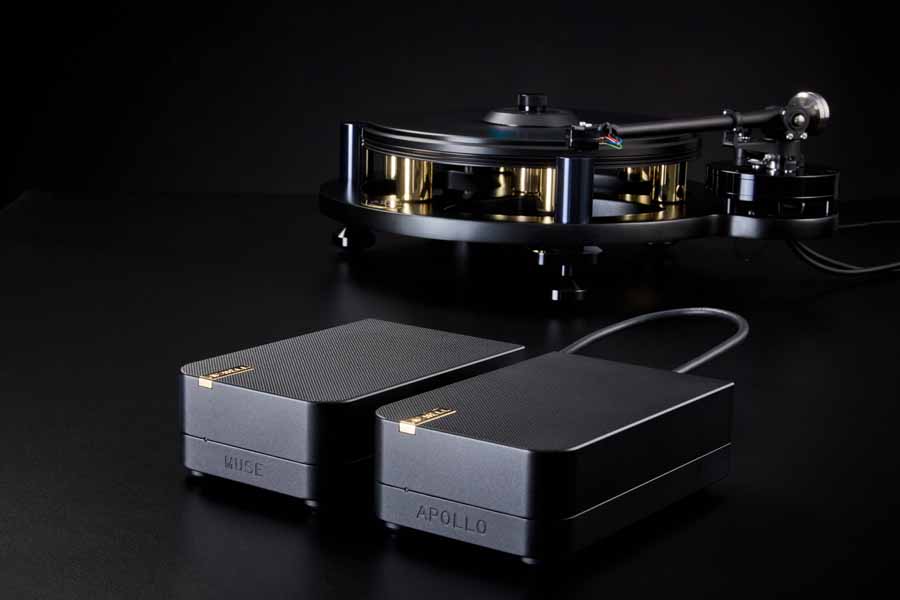
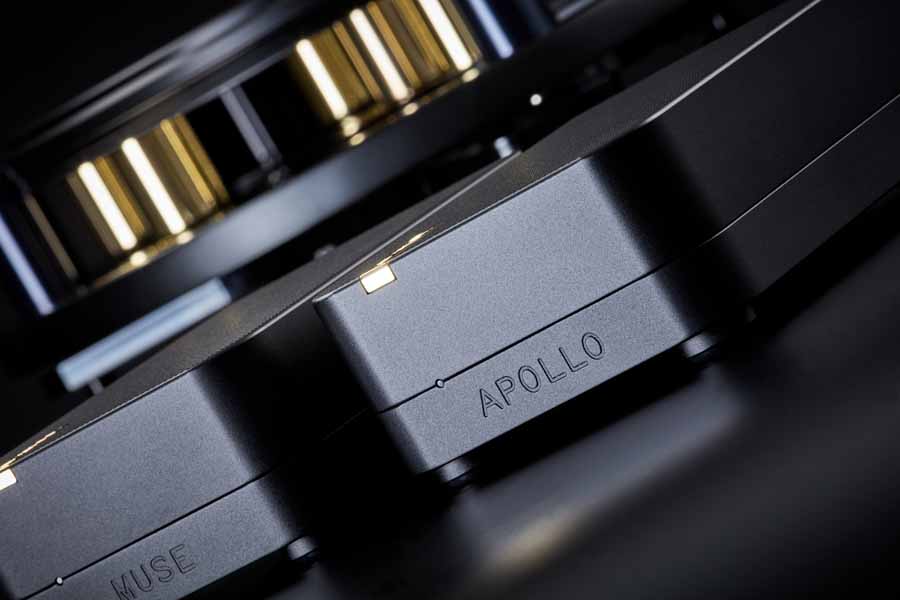
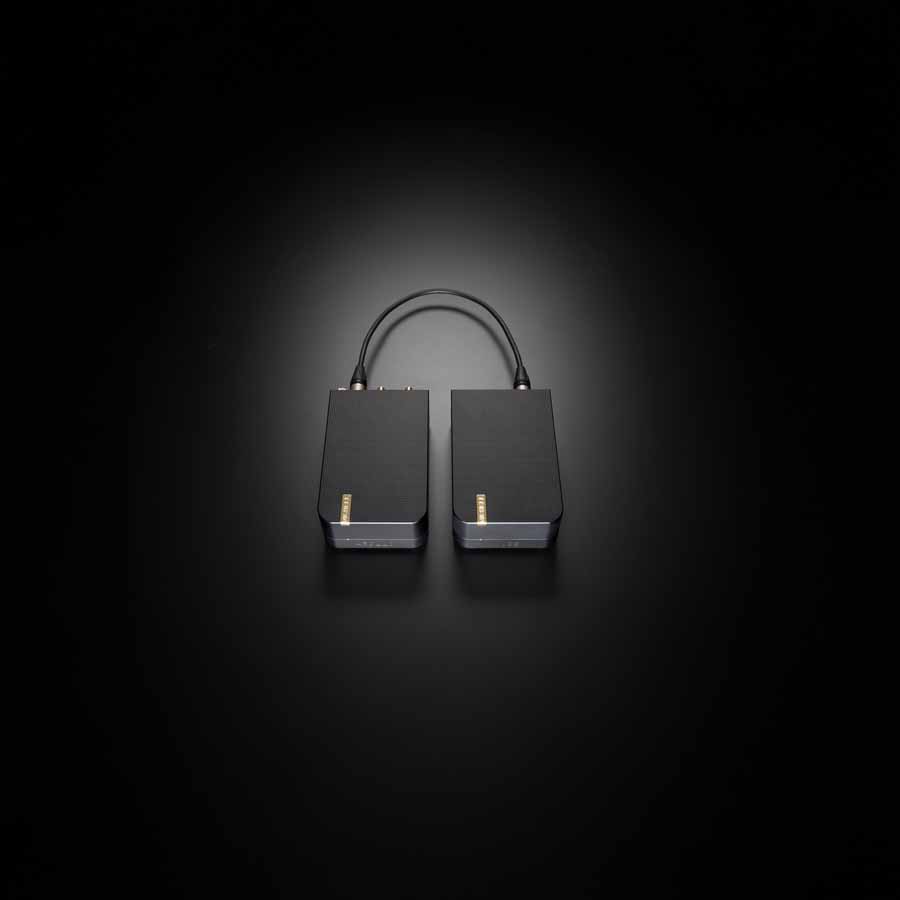
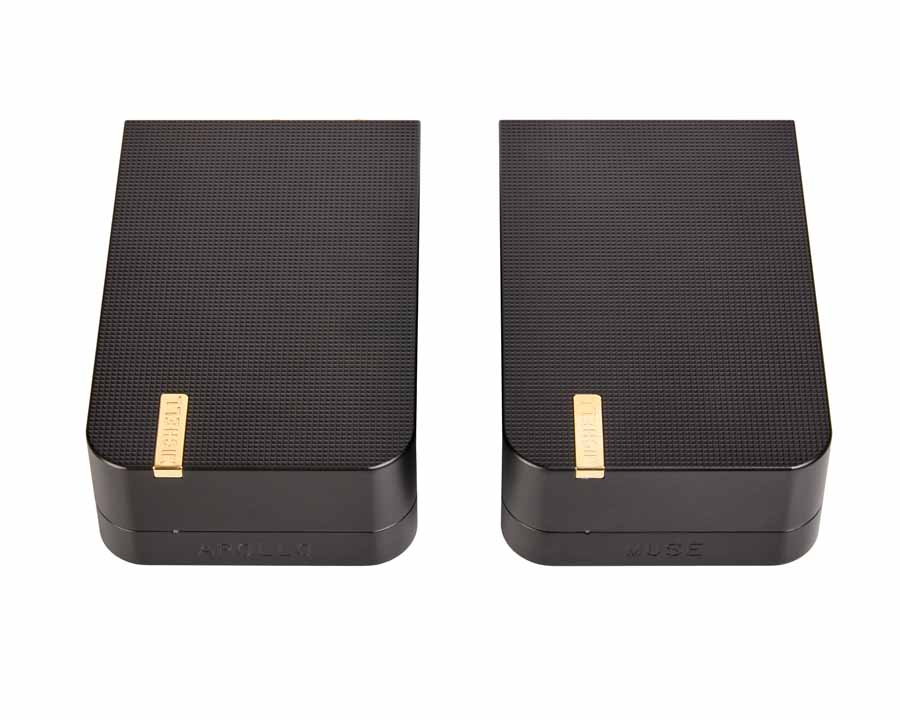
The British-built and designed Apollo MM/MC phonostage and MUSE power supply are almost (they beefed up the feet for isolation) identical in looks to the Trichord and come with a short silver-plated and well-insulated “custom-designed, high quality” Chord-collaborated DC cable with ChorAlloy plated XLR connectors to join the two together (an umbilical Chord?) This has been made through joint collaboration between the two companies to get the best RF shielding and connectors. The link between Michell and Graham’s Trichord Research goes back many years and continues to this day. Trichord’s Neo could never make it financially viable into production as it was so complex, but with Michell’s influence, they have been able to produce a phono-stage that has the same technical benefits, but at a price that can impact the audio market. Trichord, itself, might no longer exist, but Graham’s talents can continue. The Apollo has adjustments for load impedance and output level via dip-switches accessed from underneath the unit, hidden under a brass thumb screw. A handy tool comes complete with the kit, so that you can easily switch the settings with it if your fingers are too big! For MM, the load impedance is 47k-ohm, as expected, but for varying load levels of MCs, this can be set to 33, 100, 430 or 1000-ohms. All are set at 100pF capacitance, which tends to be the average requirement, but I would have liked to see a selection of settings, since – especially in MM cartridges – the EQ can be varied if, for example, you need more top-end on a dull cartridge. Gain can be set between 40dB (MMs) to 73dB (lowest output MCs) in 5 different flavours. I initially chose 100-ohm/60dB for my Ortofon MC and 47k-ohm/40dB for the MM cartridge on my Hydraulic Reference.
The Apollo unit, like the MUSE power supply, is a patterned clamshell design of two solid machined aluminium halves with slightly overlapping edges, which ensures a total Faraday-Cage environment to suppress EM and RF interference (note that the DIP switches are also protected with a metal cover). It also looks miles better than the Trichord Delphini that came before. Its own inbuilt regulating DC power supply circuitry knocks the MUSE’s 24V DC down to an even more stable 16.5V and reduces any remaining noise “into microvolt levels” as the second power supply in the Apollo isolates the audio from the MUSE’s power supply. Indeed, Graham and the Michell team went away from the usual “never-connected” principle of PS design, and could hear that the sound quality improved by having the dual principle, plus the design meant it could be used in other projects in the future, hence “MUSE”. This is a high-quality toroidal transformer plus clever circuitry designed to reduce ripple and noise, delivering two highly filtered and regulated DC outputs. Regulated power adaptors are something Michell has been very good at since they designed their own turntable power supplies, but the input from Graham has undoubtedly played a big part in this phono-stage. Having the power supply separate from all the other important electronics also adds to the clean sound, and by having dual filtration working in harmony with the Apollo’s own inbuilt power supply adds further to that.






The RIAA circuitry is a finely-tuned passive design, and Class-A preamplifiers ensure that the signal is handled with all due care and attention. Capacitors are hand-matched to ensure they are all within tight tolerances, so the balance and sound between L and R is carefully matched. Finally, each stage is monitored and controlled using feedback circuits, to ensure consistent performance. Whilst certainly not as dramatic as my own Manley in looks, the workmanship and technical design is first-class. Its unimposing looks – just a fairly dim white LED on the front of both units – hide a giant performer.
SETUP AND USE
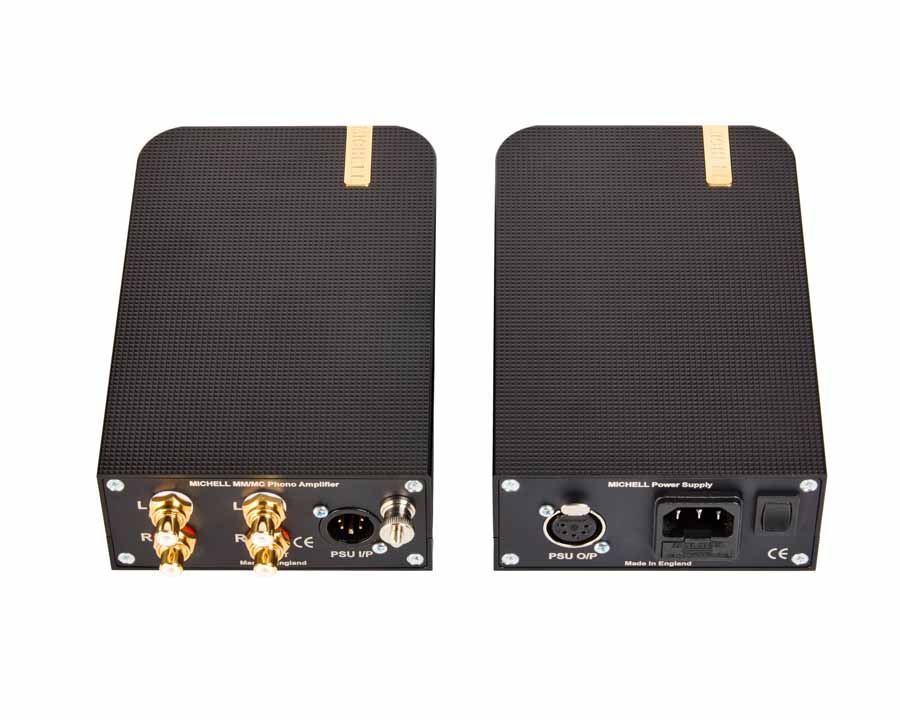
Set up is very easy. At the rear of the Apollo are the in/out RCA’s and earth connection, plus the male 5-pin XLR twin ±24V DC supply socket from the MUSE. The MUSE has the important power switch plus the female XLR socket, oh, and an IEC socket to supply juice. Once you have set up the music to sound at its best (and it is always vital to spend much time doing that, whatever your phono-stage), then you can simply listen to your music. As you will read, it took me a few LPs. For the review, I chose my tangential Pre-Audio turntable with MC cartridge for most of the review, though tested the moving magnet settings using my Jico-tipped Shure V15iv on the very first Michell Audio turntable.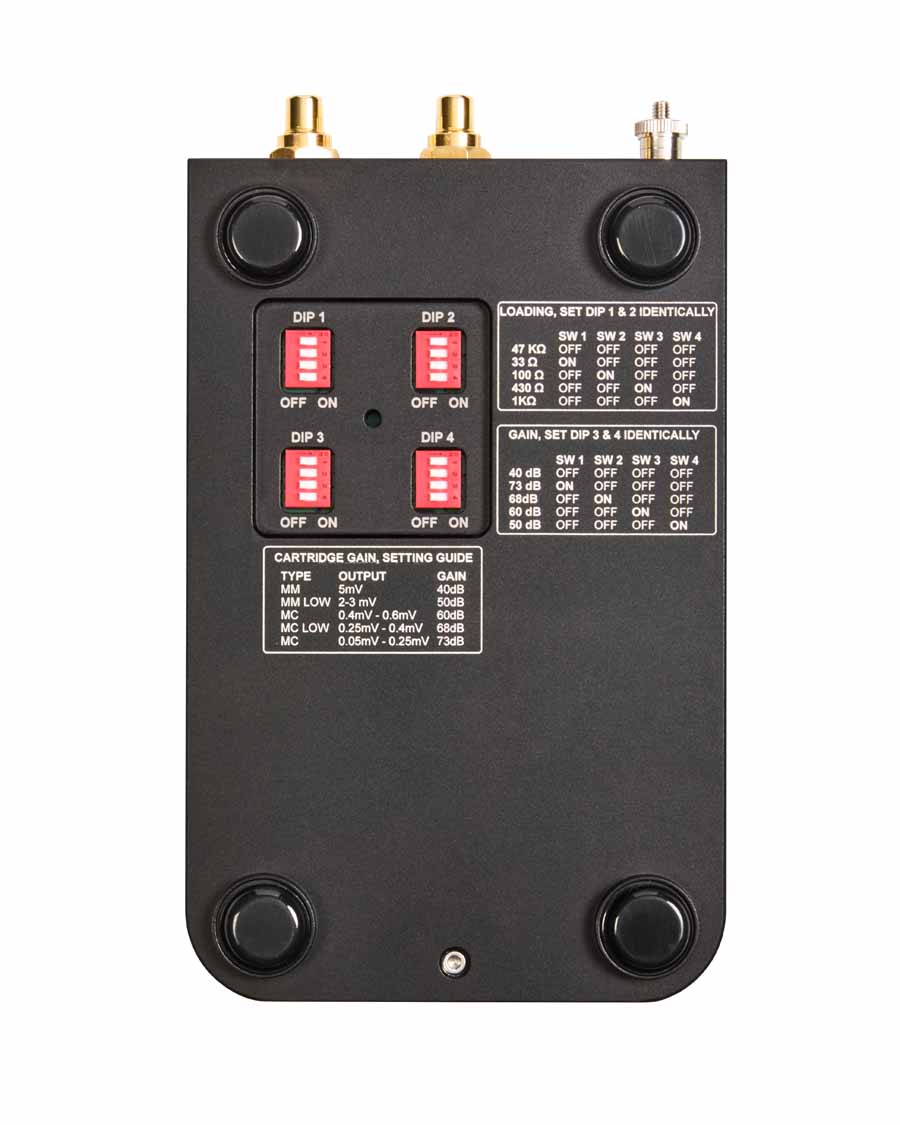
SOUND QUALITY
Once carefully set up and initially adjusted, I was ready for lift-off with the Apollo. Unlike the space rocket, I was quite amazed at just how quiet this unit is. I left my Hydraulic Reference until the end, and first listened to vinyl from my Ortofon Kontrapunkt b MC cartridge.
First on the platter was my favourite Eagles album; not the one you might expect it to be, but rather the 2nd disc of the “Long Road Out of Eden” double-album. Whilst the first two sides are very mainstream Eagles, the last two take them on a slightly different journey. Brilliantly recorded with great extended bass and tight cymbals and guitar, I found the Apollo didn’t quite rock it as far as I had hoped. Don’t worry, this is all just part of setting things up as carefully as possible; the cymbals and drum beats were very controlled and carefully detailed in “Somebody”, but it just sounded a little too neutral. As soon as I reduced the load impedance to 33-ohms I had a better width and detail, but this was totally the opposite of what I would expect (though interestingly, I actually set my Manley at 50-ohms). Usually, higher impedance gives more top-end and soundstage, and lower impedance generates more bass (it’s all to do with back EMF’s). As a general rule, one makes the load greater than 10x the cartridge’s own output impedance (my MC is 5-ohms). Moving magnets are usually 47k-ohm, though I know some at 33k-ohm. Rules were always made to be broken, and I wondered if other things, like the cable or even the angle of the stylus, were affecting my results.
Time to put on a record with great top-end from violins and harpsichord; Vivaldi “La Follia” Trio RV63 (Chasing the Dragon). Back to 100 ohms, there was great bass and control; the short-bowed cello notes and harpsichord runs from this “theme and variations” work were impeccably performed by the Apollo, showing power and authority, and I felt as close to the musicians as I could get. Indeed, I could really sense the positions of the musicians in a semicircle that they performed in, with the harpsichord behind. Back to the same album in the 33-ohm load setting, and the sound was clearer and with greater definition, though it slightly lost musicality to me. Similarly, in Steely Dan’s “Do It Again”, it did it again; those bells near the beginning seemed better in the lower-load setting. Changing cables just became confusing, and then I had a brain wave (no comment); why not change the output level from 60dB to 68dB on the next DIP switch setting? Suddenly, at 100 ohms, everything started to sound correct, even when I kept the sound pressure to my ears constant. The moral of the story is, therefore, don’t just play around with the impedance, but also adjust the output level until you get that perfect sound. Luckily, the Apollo is small and lightweight, so making constant adjustments until you get things right is not quite as complicated as it would be if the adjustments were under a heavy 17” full-width unit! Interestingly, the Apollo was now able to get more out of this rather “bland” Steely Dan recording than I have heard many phono-stages achieve.
Back to an old favourite of mine, “Mrs Tibbetts” (Jethro Tull). The cymbals and synth top were now very precise, and that very deep rumble at the start and end of the track gave every ounce of energy it could. The flute was very tight, and the accuracy of positioning of all instruments was to the millimetre, including back/front. At 68dB, that top-end now opened up brilliantly. Similarly, “Money” from Pink Floyd’s ‘Dark Side of the Moon’ (I did mention I’d have to play this) suddenly was worth playing. This phono-stage was highly accurate and refined; it didn’t shout anything at you unless you didn’t set it up correctly! The detail in “Us and Them” was very accurate, particularly with the drums positioned in the back and the saxophone solo coming forward. Only the very deep bass synth in the chorus was not quite as controlled as in my more expensive RIAA amp, but I’m glad Michell didn’t add a bass filter to remove the lowest vinyl vibrations, as some manufacturers do. What was clear to hear from the Apollo was the excellent noise floor and a solid sound from the solid electronics.
This is a clever unit!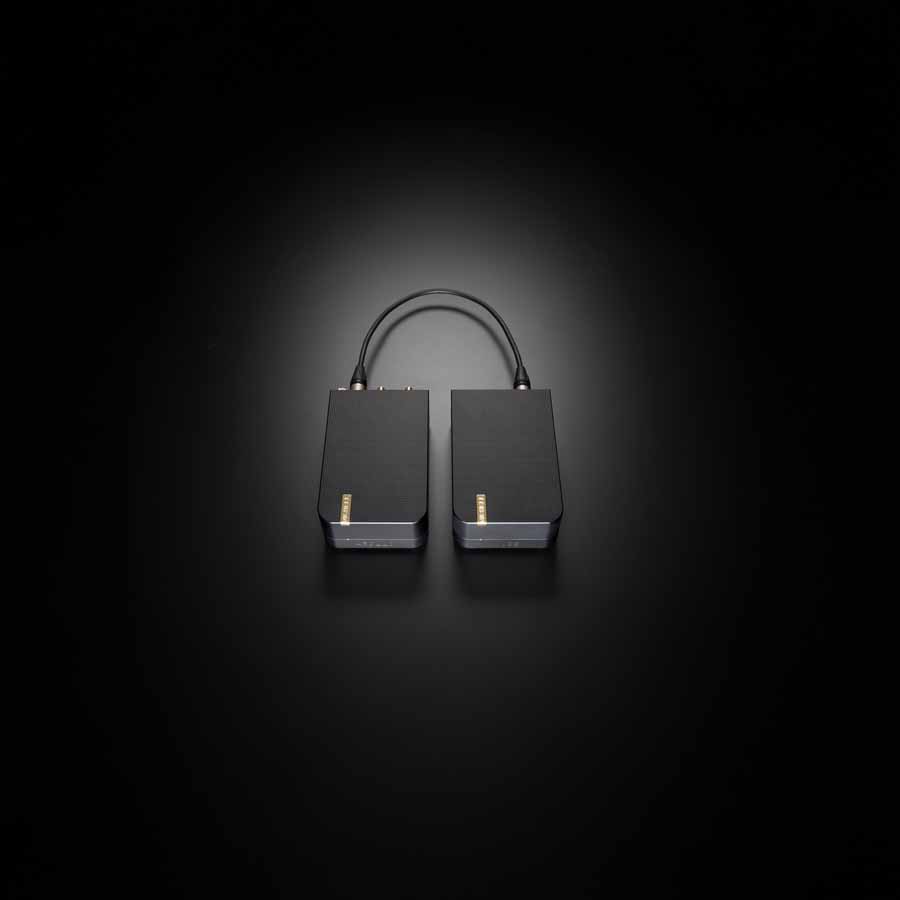
Before I packed it all the way, I had to join the eldest with the newest; my 1st generation Michell Hydraulic Reference with its “splayed” legs was set up with the equally gorgeous looking SME3s arm and excellent moving-magnet Shure V15iv cartridge. This was going to be a moment to savour before I also tried my Technics/Ortofon unit. As I wasn’t quite 110% happy with Pink Floyd’s “Money” on MC, I tried that on the MM input, and actually found it even better. Putting on Antonio Forcione’s ‘Touchwood’ album from NAIM, allowed me to get engrossed in the music in a way that I rarely enjoy; pure conviction, agility and the fun of his playing plus the cello, double bass and percussion (and even some vocals) that all add to the beauty; the turntable might be ancient but the performance was ageless and from deepest lows to the highest highs, everything was performed with passion and confidence. Placement of the instruments was also as good as I would expect, and as he got excited in his own performance, I could hear Antonio moving about the soundstage. The very quiet and open “Water Colour” gave me an opportunity to take in again that exceptionally low noise floor. All the detail was there to hear in the presto “Scrambled Eggs” with deep bass-tom beats holding it all together, plus the addition of other percussion, guitar, bass, and very fast vocals in their defined positions. Nothing is scrambled up – not even from those very fast words – and I could really hear why that ancient cartridge was seen by so many in the 1970s as the best thing since sliced bread, or possibly scrambled eggs…
QUIBBLES
This is an excellent duo of phono-stage and power supply for the price, and it’s very hard to quibble about anything. If I were splitting hairs, perhaps a hole in the grounding connector so that I don’t need to split wires to affix it around the connector if I don’t have spades at the end.
Oh, and I don’t like DIP switches!
CONCLUSION
This RIAA EQ amplifier was very different to other phono-stages I have played with over recent years. It had an honesty that I haven’t heard in a long while; every cartridge I connected was allowed to give of itself without anything added – or worse – taken away. Everything was clear and very neutral. Some might think that that means the phono-stage is lacking character. It is just very honest, and to me that makes it very special indeed.
AT A GLANCE

Build Quality:
Very solidly constructed with great attention to detail in the design
Sound Quality:
Silent in operation with DIP adjustments to tailor it all to your ears
Value For Money:
For £3500 you get a very honest and fluid performance from your music that far exceeds its modest looks
We Loved:
Honest musically coherent performance from all cartridges and types
Exceptionally quiet noise floor
Extended bass
Very revealing and involved performance
We Didn’t Love So Much:
I don’t like DIP switches
Price:
£3500 for Apollo and MUSE.
Janine Elliot
SUPPLIED BY MICHELL AUDIO & PMC
Elevator Pitch Review: I have fond memories of Michell Audio, before I had even heard of them; loving the look of the Transcriptors Hydraulic Reference turntable that J. A. Michell Engineering Ltd created for David Gammon. When David moved to Ireland, the Hydraulic Reference was theirs to build-on in their own name, and its DNA formed the beginnings of one of the best-known turntable manufacturers in the UK. Having moved additionally into electronics in the 80’s, the new Apollo MC/MM phono-stage plus matching MUSE power supply is in fact Michell’s third (or fourth as the Delphini came in 2 forms) RIAA amplifier, so I set upon checking it out for HifiPiG and found its performance as linear as the tangential arm on my turntable.
SUPPLIED SPECIFICATIONSInput loading (MM/MC) 47k/33, 100, 430 1000 -ohm (all at 100pF) Output level MM: 40dB, MM/MC: 50dB, MC: 60, 68, 73dB Total Harmonic distortion <0.01% S/N >104dB RIAA EQ accuracy 20Hz-20kHz +/- 0.1dB Power consumption 5W Dimensions (WHD) / Weight 115x60x280mm / 3KG (both)