High Performance Audio Show Denmark 2026 Report










HiFi PIG’S JON LUMB HEADS TO DENMARK FOR THIS HIGH END HiFi SHOW FROM HIGH PERFORMANCE AUDIO
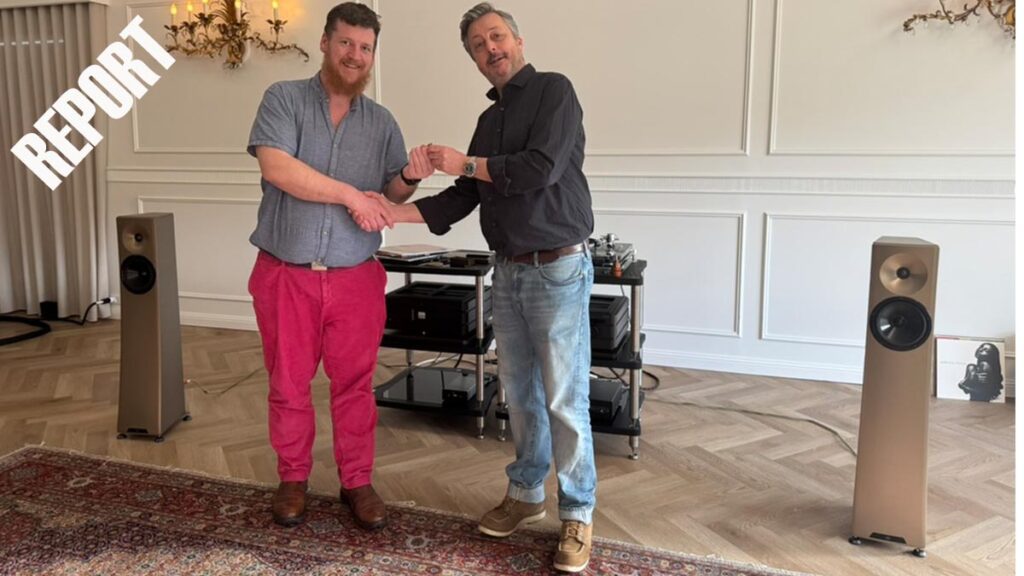
Join HiFi PiG’s Jon Lumb as he heads out on a Scandi-Fi adventure, taking in this show hosted by Danish distributor and dealer, High Performance Audio, before he heads to Norway for the Oslo Hifi Show next weekend.
Welcome to the HiFi PiG coverage from the High Performance Audio Show Denmark 2026. This is, essentially, a show put on by one dealer/distributor, High Performance, based in Copenhagen. Whilst they have run shows in and around Copenhagen in previous years, this year they decided to take the show on the road and cross over to what is effectively Denmark’s mainland. The venue itself was the Park Hotel in a small town called Odder, just south of Denmark’s second-largest city, Aarhus.
HIGH PERFORMANCE AUDIO SHOW DENMARK 2026
Interestingly, many of the rooms came with acoustic treatment already installed by the hotel, but it had been entirely focused on making the rooms sound great as conference venues, with a priority on making spoken word sound as clear as possible. Also several of the rooms featured suspended wooden floors rather than concrete, which created the usual problem of having a massive resonating panel in the room.







This did create a few issues, but of course, HiFi Shows and their locations don’t always make for the most perfect listening experiences, but this was a very well put together show that coped very well with acoustical challenges and delivered an engaging and well received visitor experience.
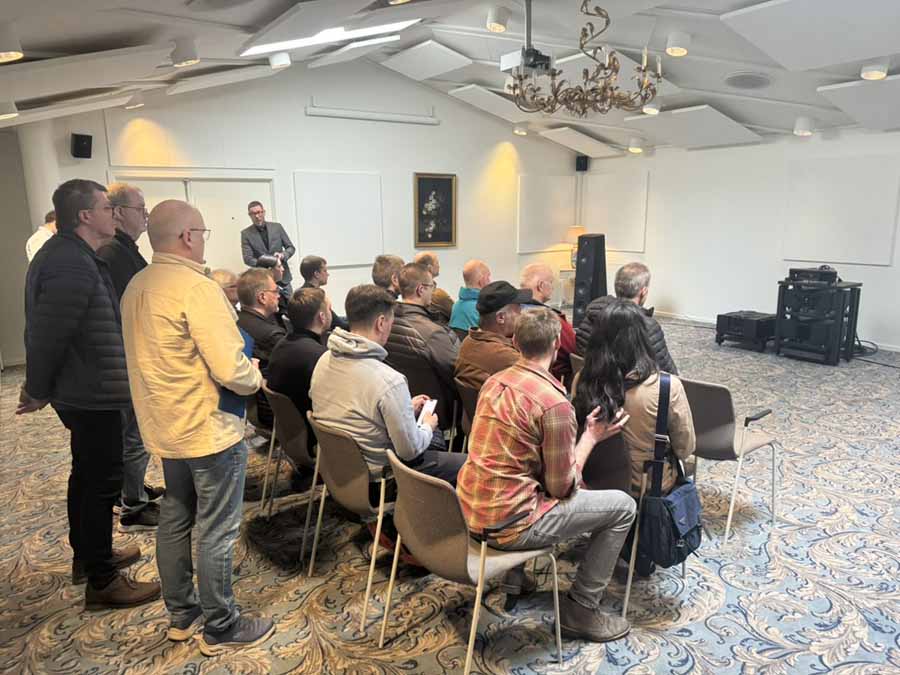
Halls 1, 2, and 3 were all set up with two systems in each ~100sqm room, and the teams operated on a half-hour cycle of playing one system, then the other, which actually worked really well. One of the key elements was that it helped avoid overcrowding in the rooms, which, as any show regular can attest, can sometimes be an issue when systems are exhibited in a standard hotel bedroom, and 10-12 people fill the room to capacity.
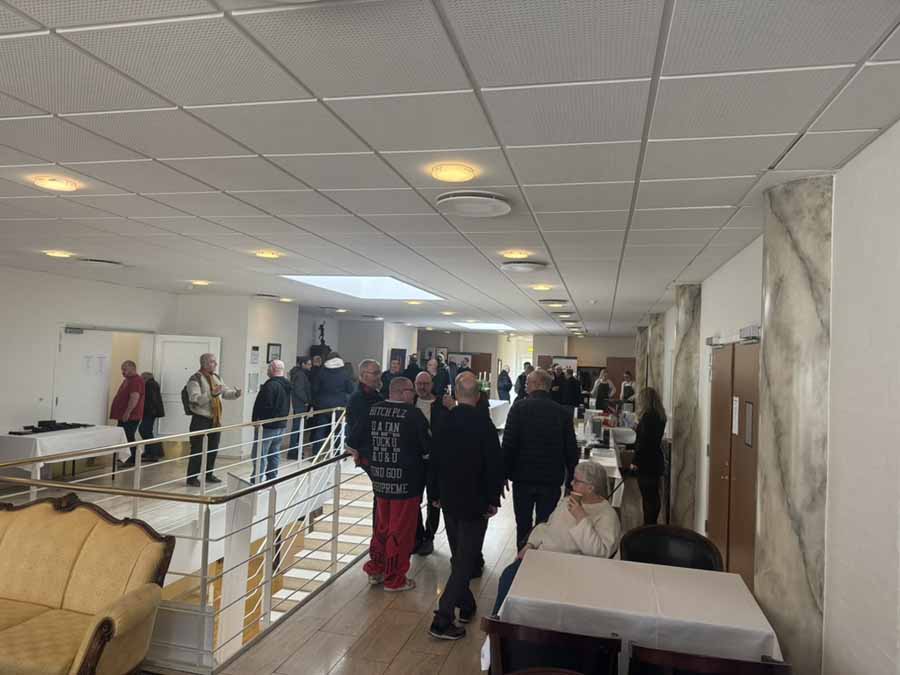
Attendance was extremely positive, with over 600 people coming through the doors over the weekend. It’s got to feel incredibly nerve-racking to move a show so far that it’s effectively a new show, because it’s an incredible commitment of time, effort, and money, and it’s very hard to know in advance how many folk are going to think it’s worth attending.
HALL 1A – LAIV/ROSSO FIORENTINO
This side of the room was run primarily by Morten, the owner of High Performance himself, and one of the main men in charge of organising the show.






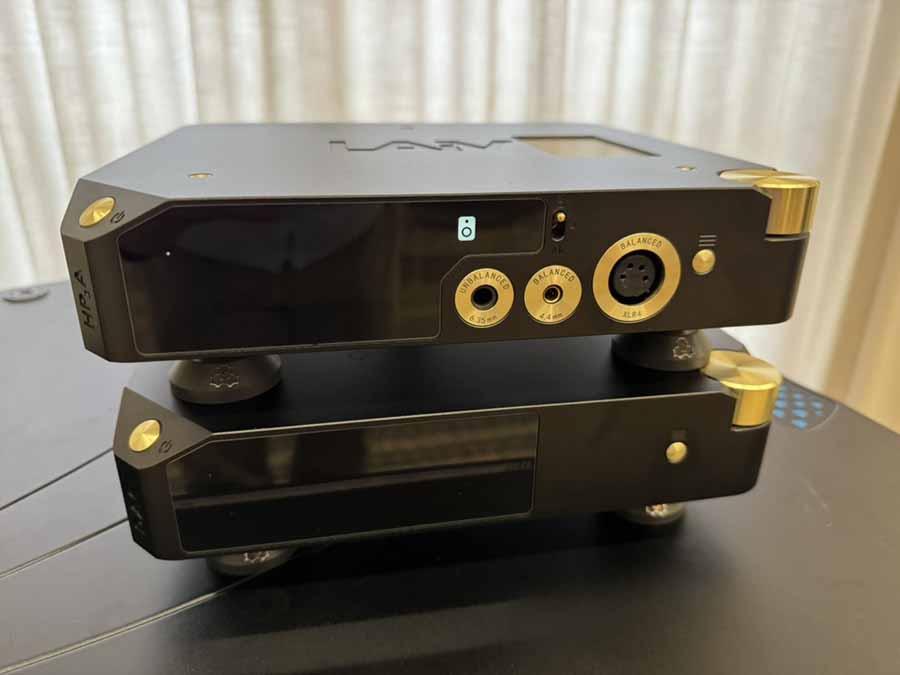
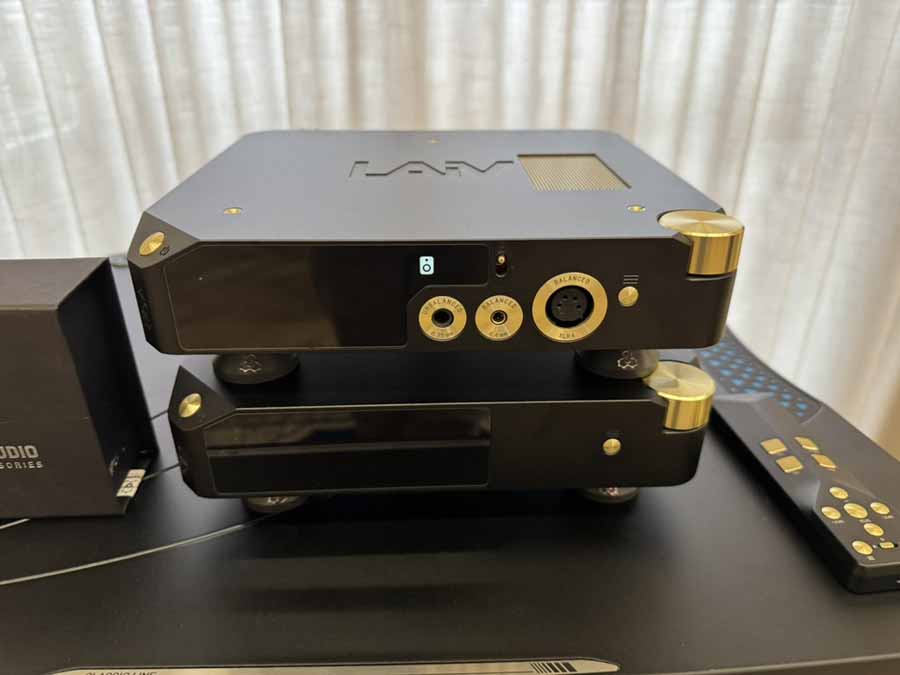
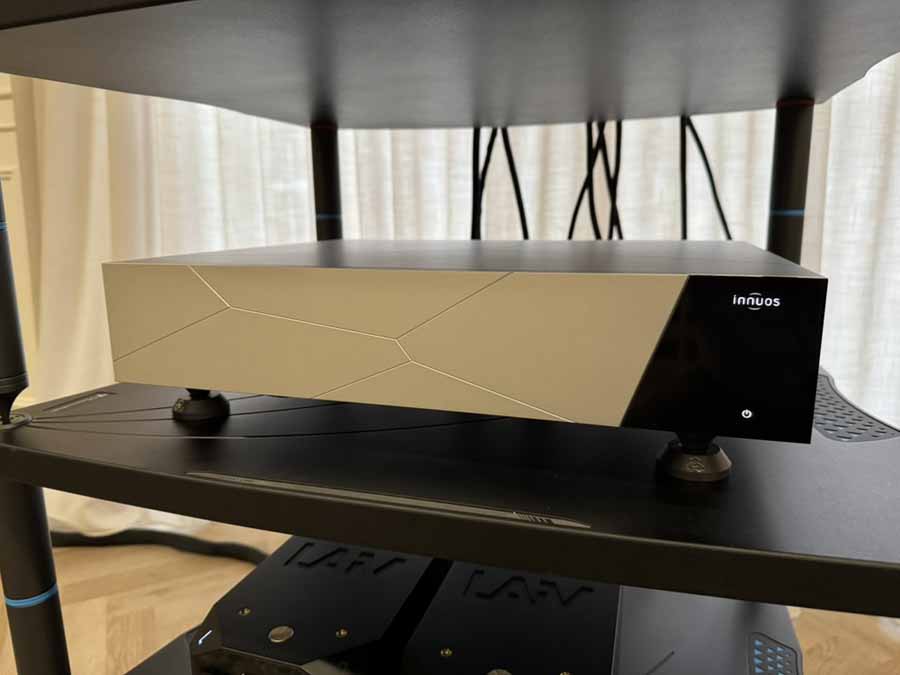
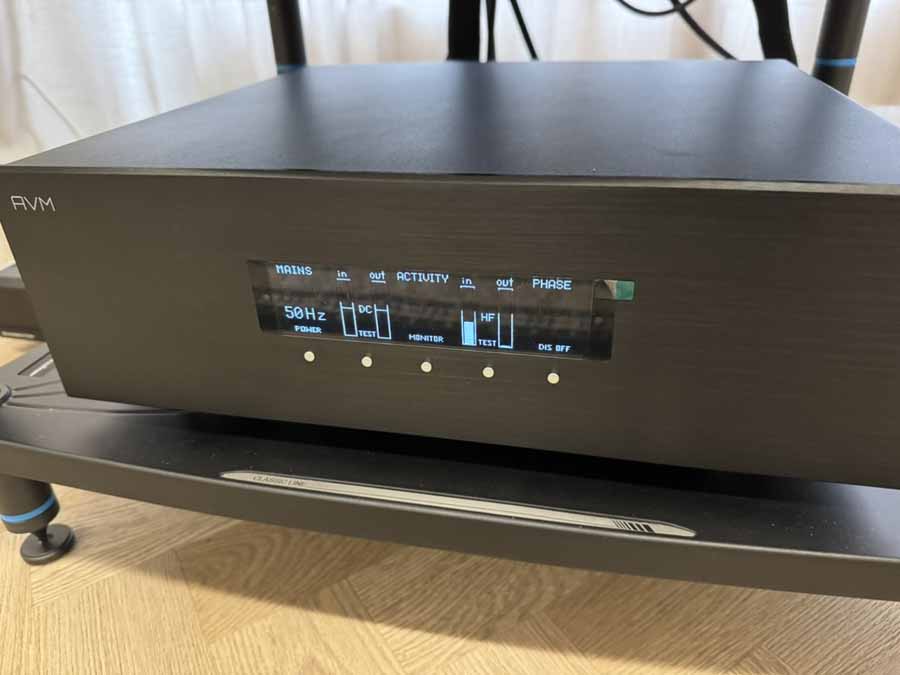
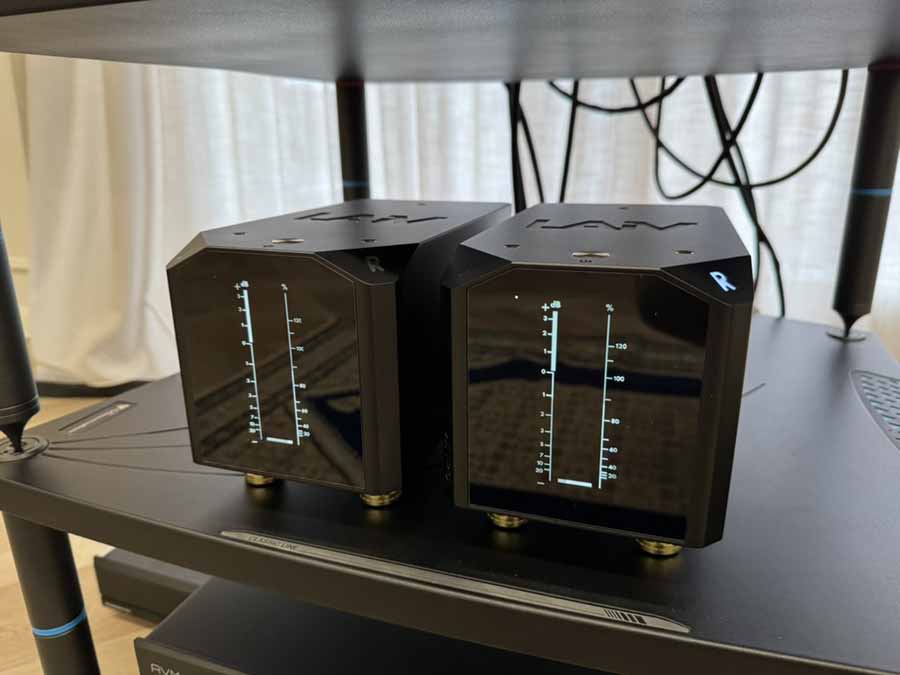
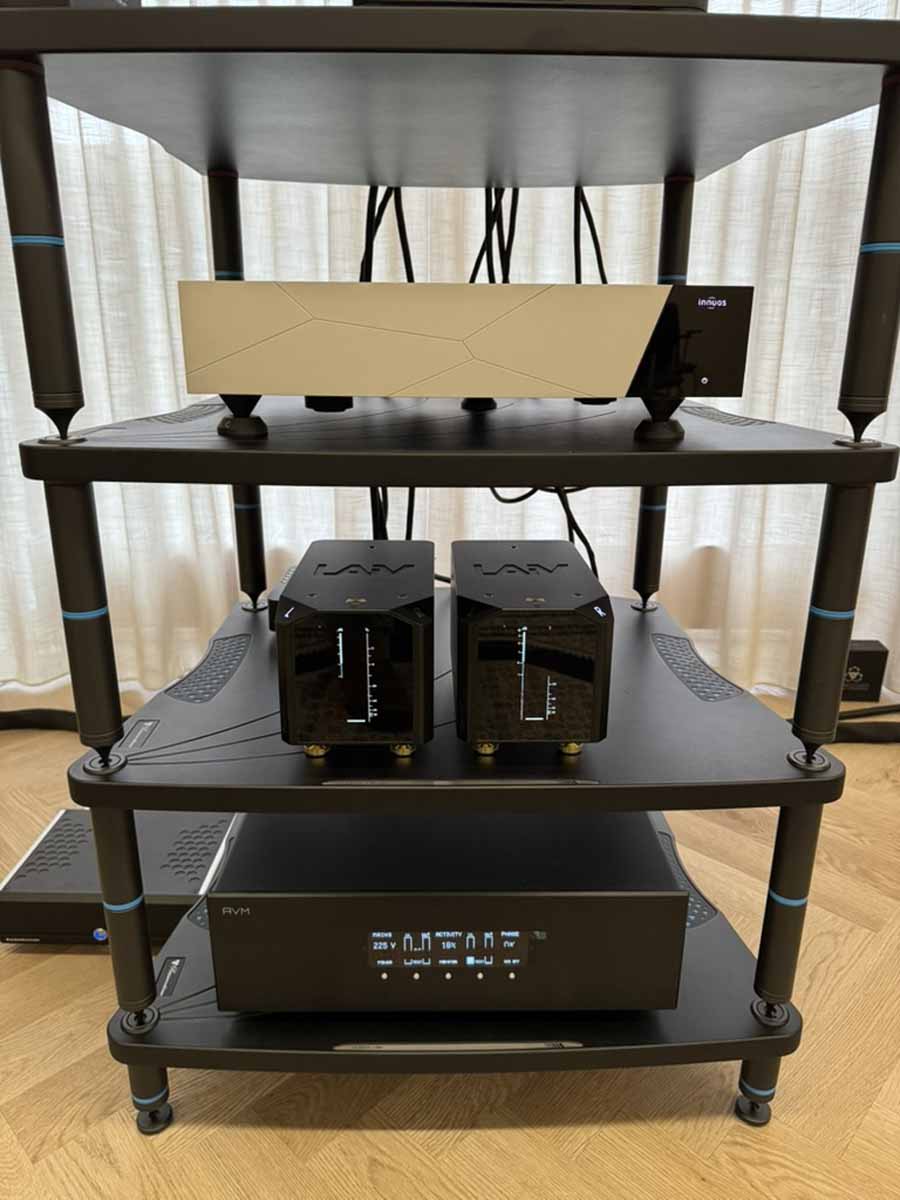
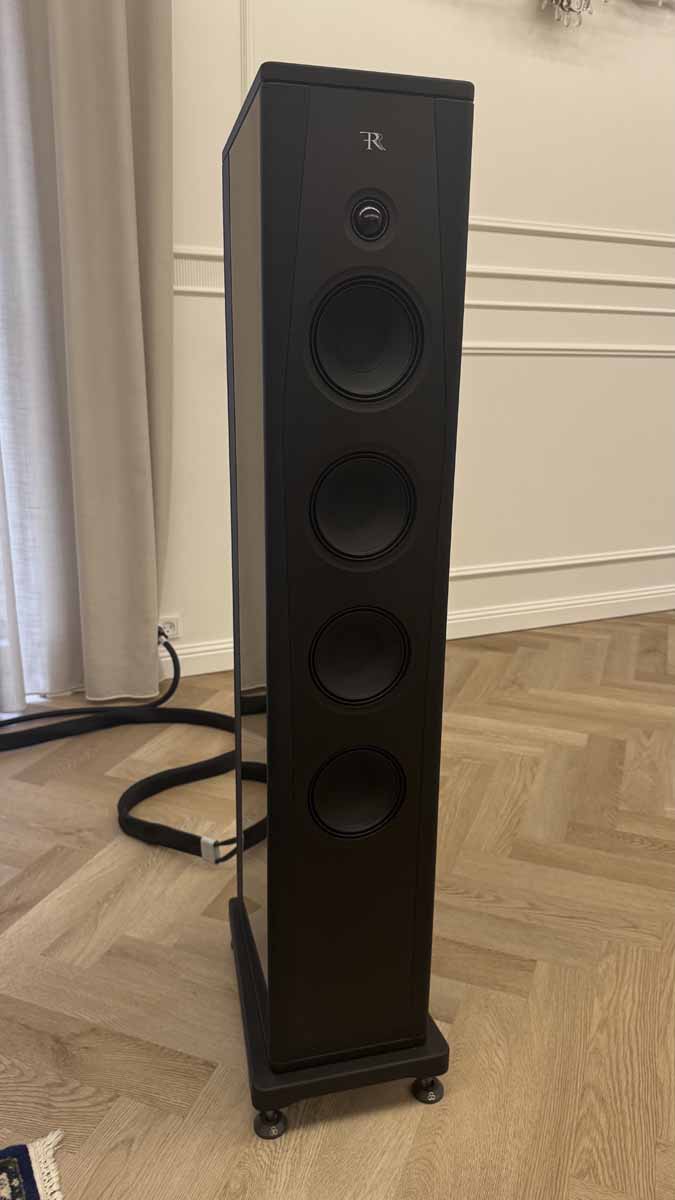
Laiv is a completely new brand for me, which, it turns out, is not entirely surprising as they’ve not been around very long. The kit is all remarkably compact boxes, which, combined with the aesthetics they’ve chosen, created a really quite cute package. In particular, the vertical meters on the power amps were a lot of fun, without being too garish to distract. They also packed a hell of a punch and had no problem driving the glorious-looking Rosso Fiorentino Arno40. When I first saw the size of the room they were trying to fill with a speaker at this sort of price point, I was a little concerned, but actually it did a very admirable job, with the low end having plenty of impact without feeling like it was being overdriven or compromising the tonal qualities of the sound.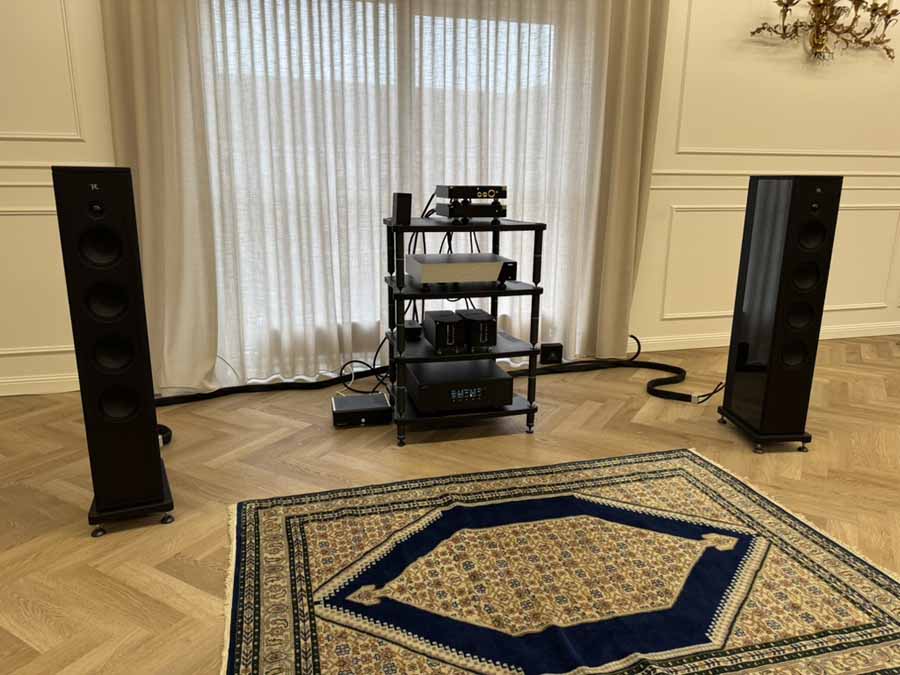
HALL 1B – VERTERE/SOULNOTE/YG ACOUSTICS
This side of the room was being handled by Daniel Hofmann, owner of Stylus Audio, based in Sweden. Stylus handles a great many interesting brands for the Scandinavian market, and it’s very clear that Daniel knows how to get the best out of partnering equipment from his portfolio.
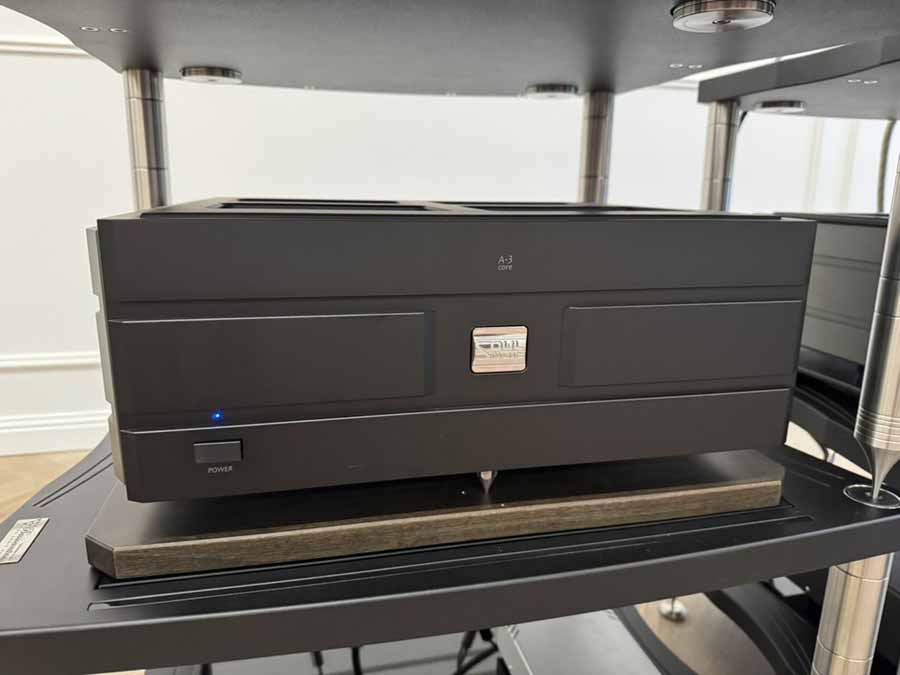
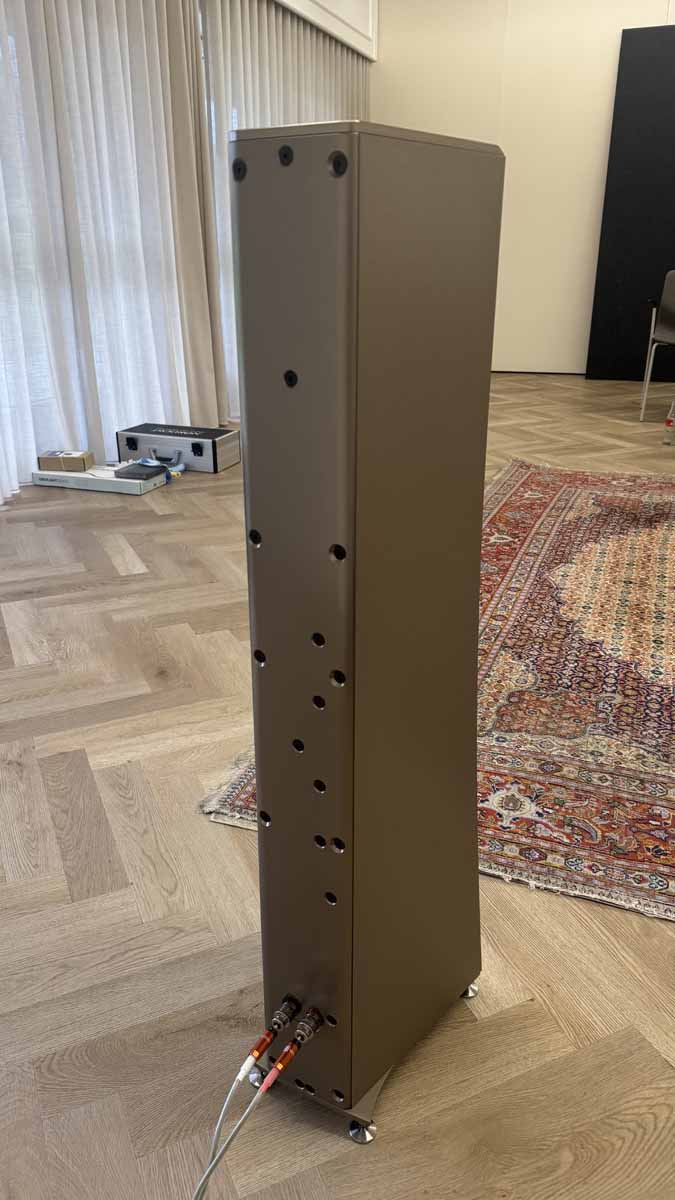
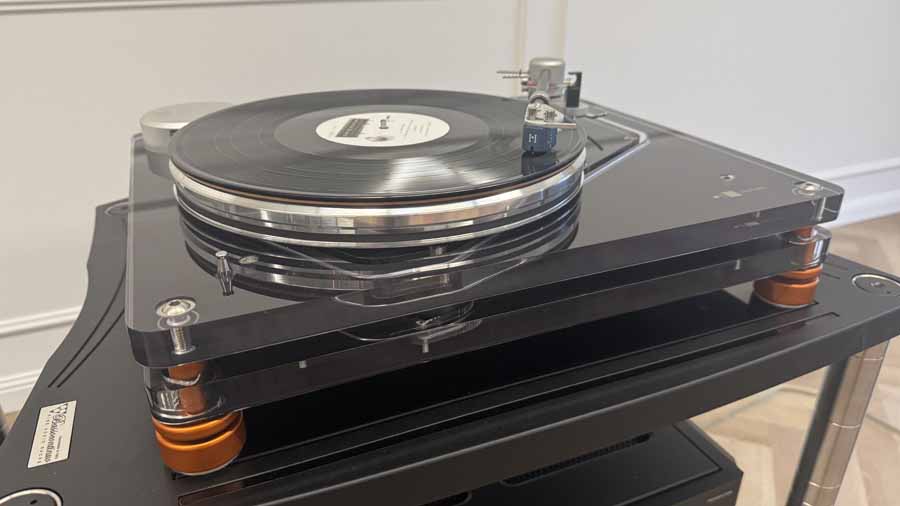
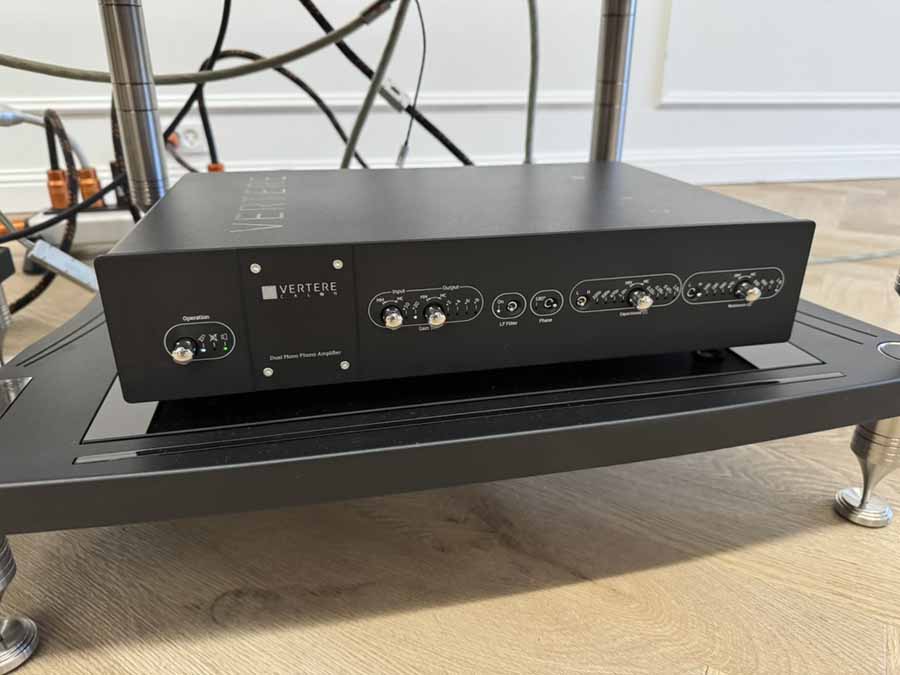
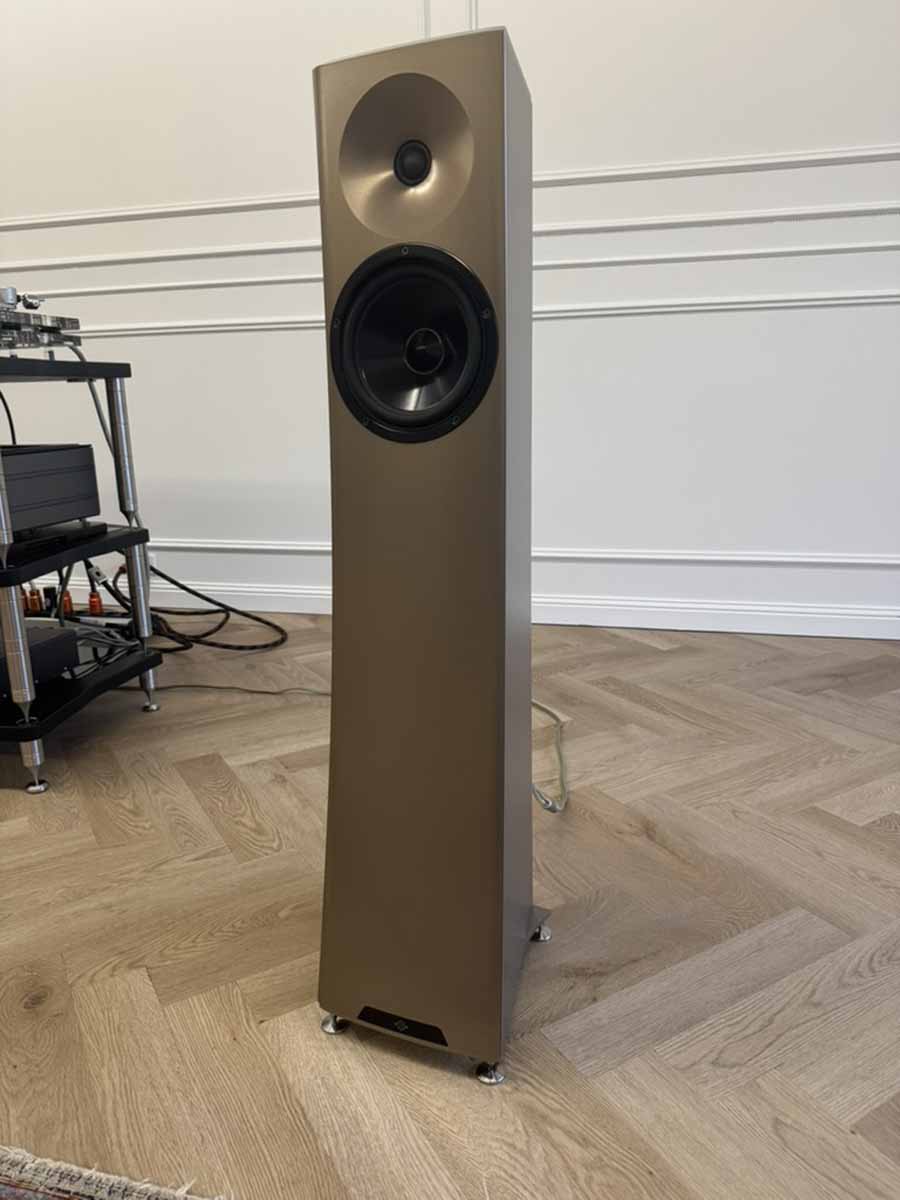
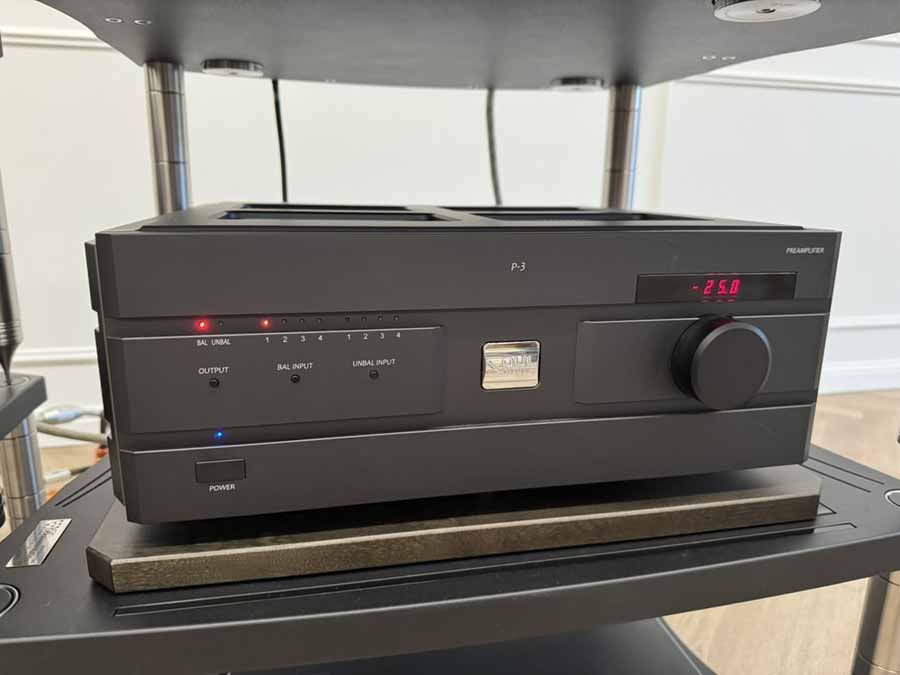
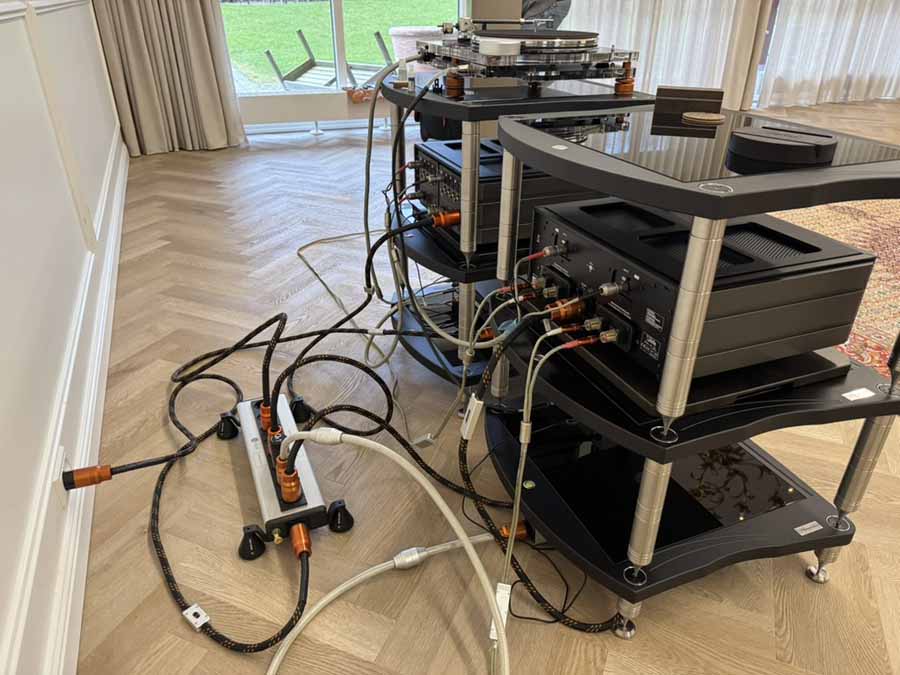
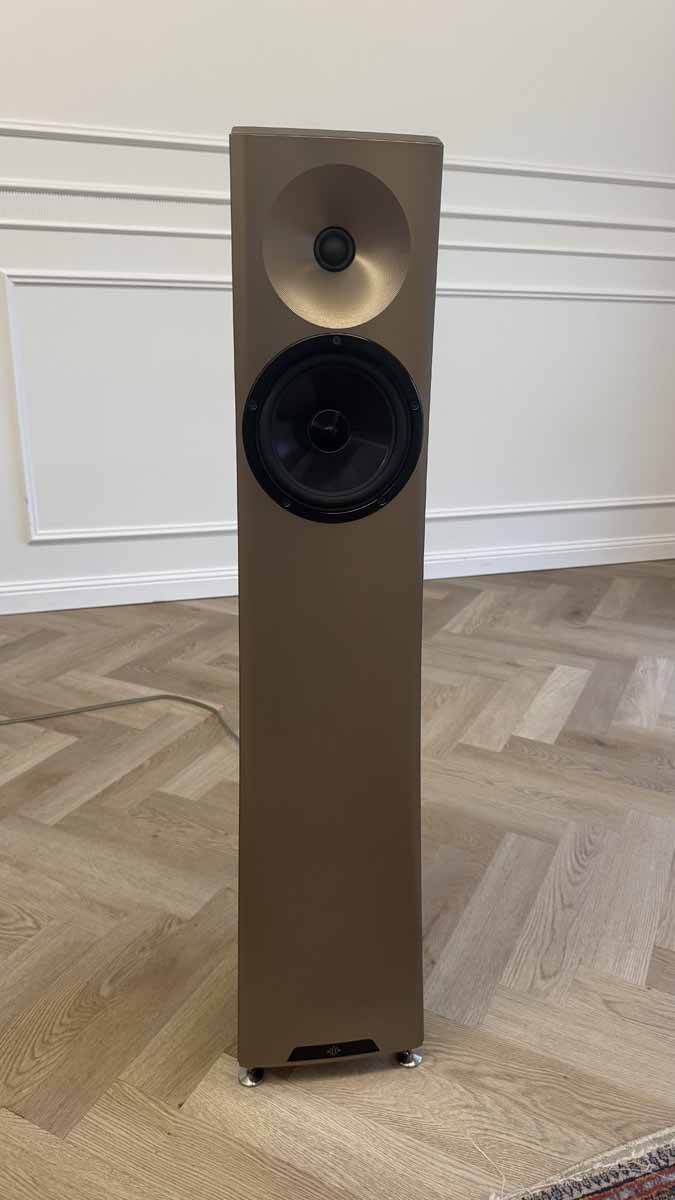
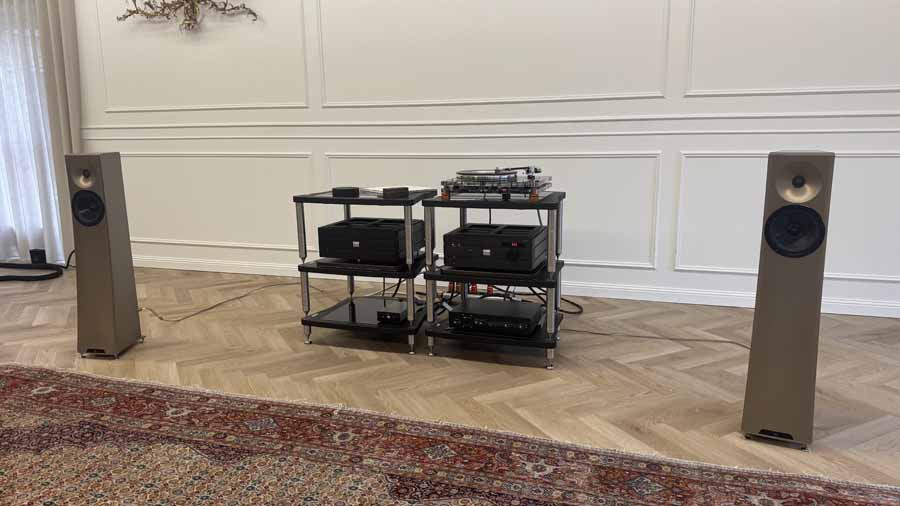
This room featured one of only 2 record players across the whole show, in the form of the lovely Vertere MG-1, and featuring the Mystic-ii cartridge. This was fed into Vertere’s own Calon phono stage, all through Vertere cabling. Amplification was from Soulnote, featuring the very chunky P3 pre-amp and A3 power amp. These were driving the YG Acoustics Carmel 3s, a two-way sealed-box design. I’d noted the rather interesting asymmetric pattern of the various bolts that show on the back, and Daniel explained that the crossover in the Carmel fills almost the entire back panel of the loudspeaker, and almost all the bolts were to affix the various parts of the crossover, hence the pattern.
This was a really enjoyable system, just so balanced, coherent, and even-handed right across the frequency spectrum. Without a streaming interface, music choices were (comparatively) limited to what Daniel had brought with him, but this ran to a great and interesting variety of options, from well-known show staples like Brubeck’s Take 5, to far more unexpected choices like the Beastie Boys’ The In Sound From Way Out!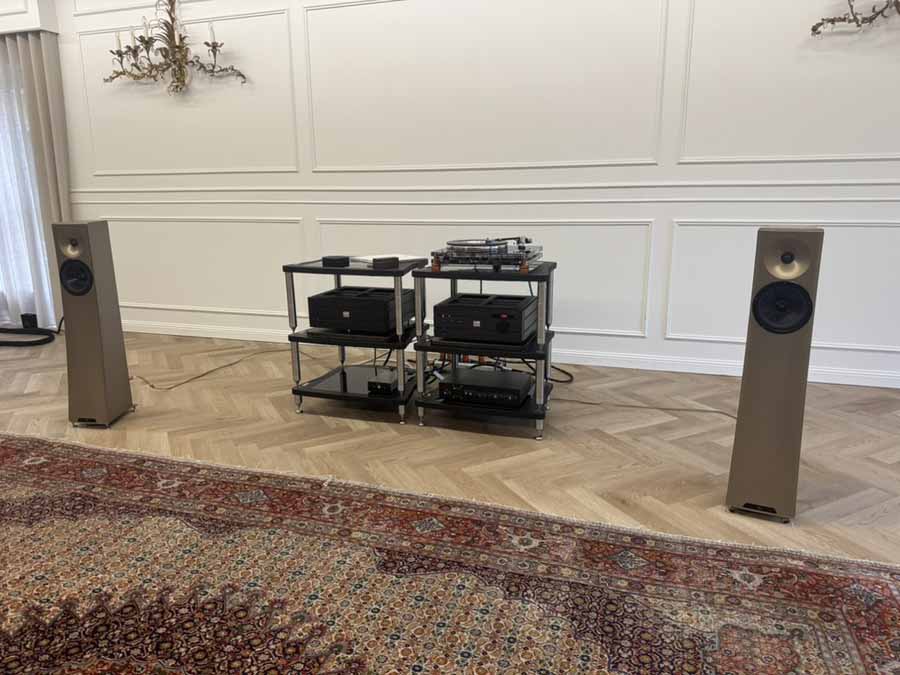


HALL 2A – DEVIALET/VIVID
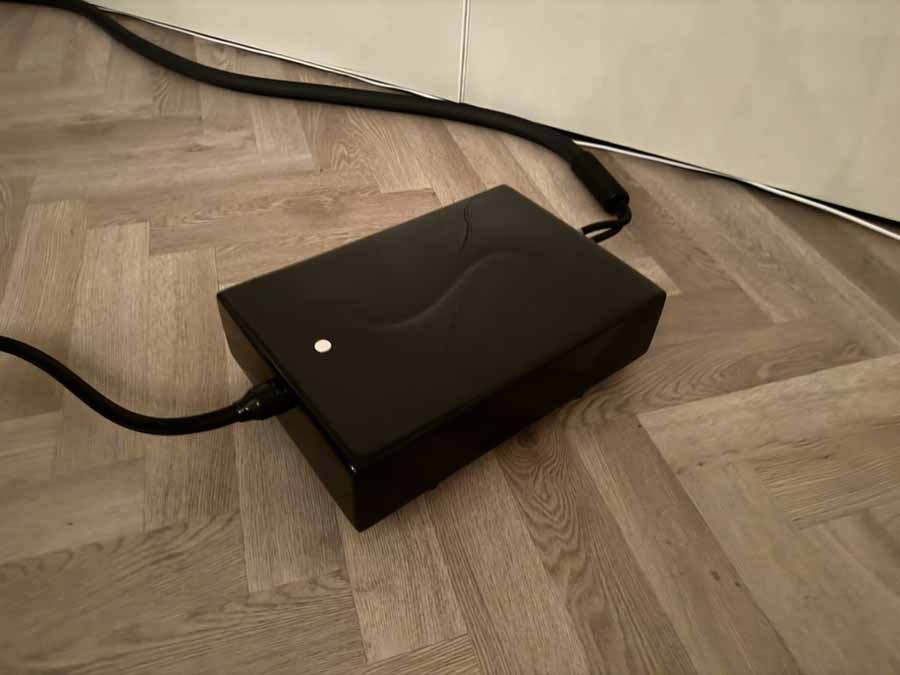
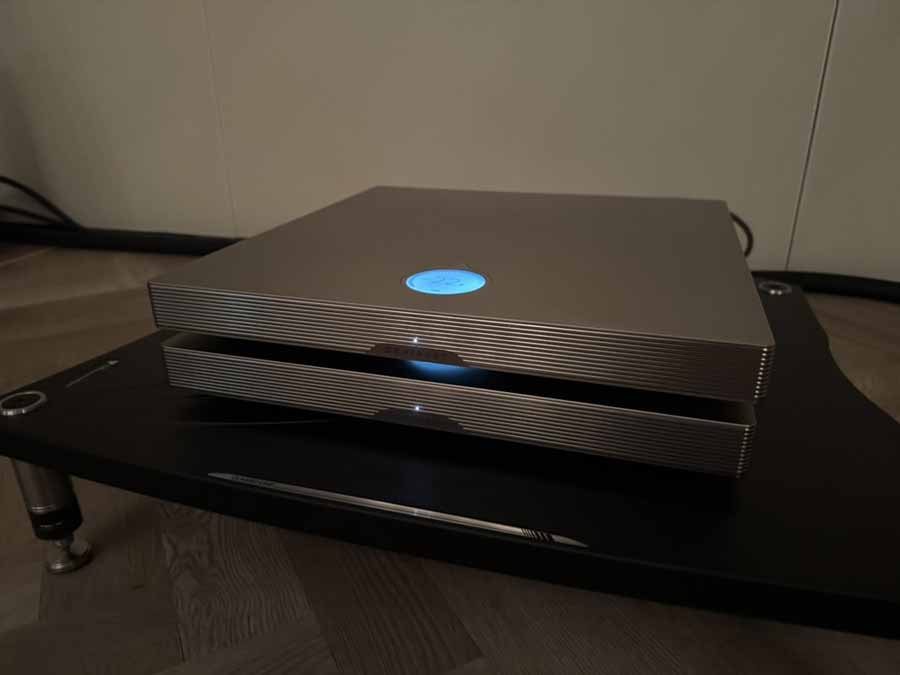
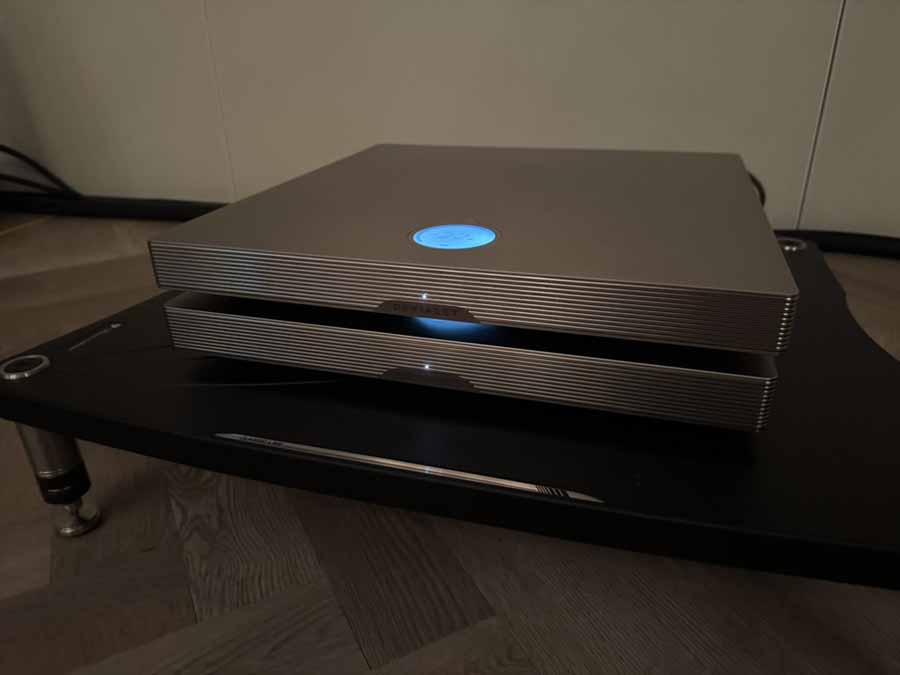
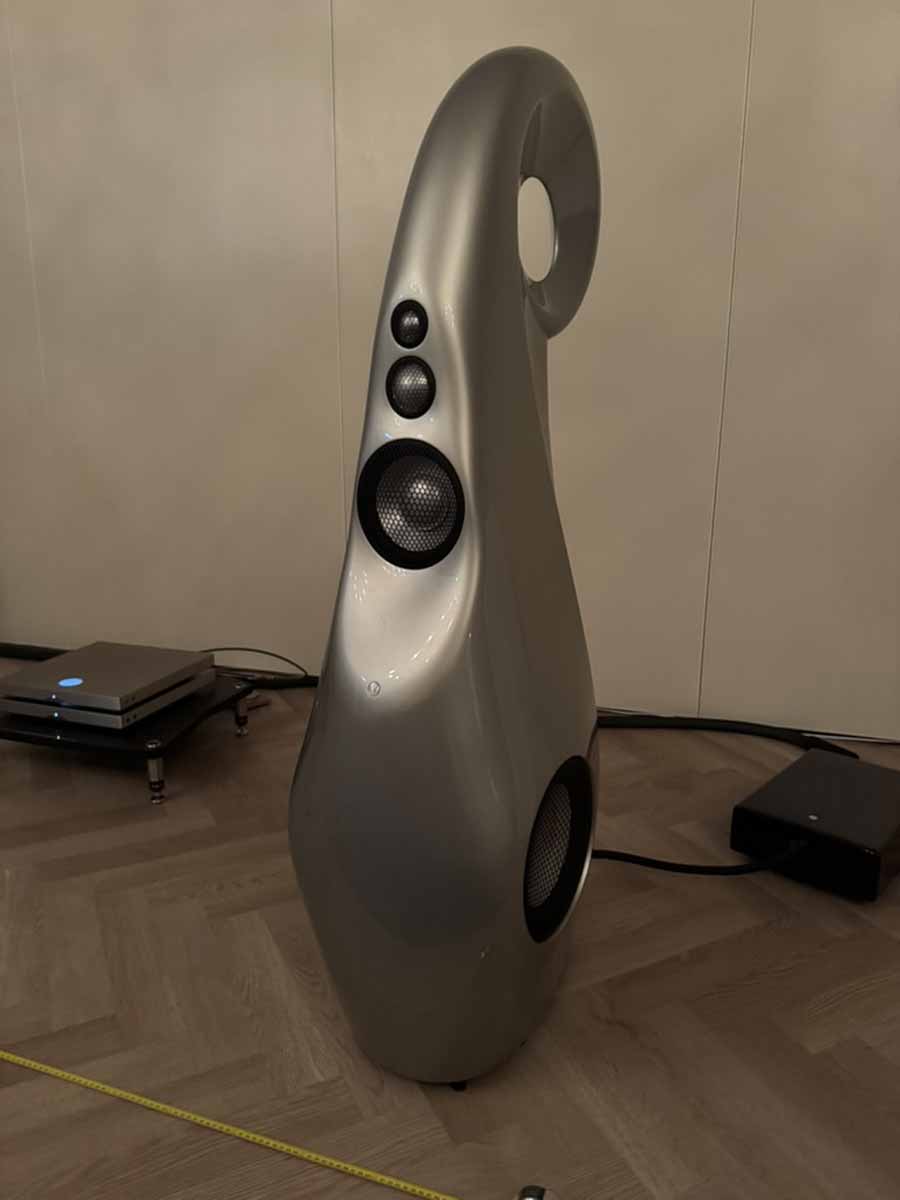
Another Daniel from Sweden enters the stage here, in the form of Daniel Månsson from Audionord. This system featured a remarkably compact electronics setup, using two of the new Devialet Astro system boxes in what is effectively a monoblock configuration. These were driving the revised Vivid Audio Giya G2 Cu, which had literally arrived fresh from the Vivid factory in South Africa on the Friday. The Giya features the very distinctive Vivid audio aesthetic, and had been finished in a really lovely metallic silver. This version also featured the outboard crossover option that Vivid offer, which is quite a rare offering these days (I can only think of Living Voice off the top of my head that does this in any kind of routine way). When I’d first walked into the room, I assumed it was just a particularly involved technical option on the cabling, but thankfully, Daniel put me right before I made a fool out of myself!
I’ve definitely had issues listening to loudspeakers with aluminium drivers in before, often finding them to sound almost brittle, and getting fatigued very quickly. Vivid seems to have this cracked, though, as whilst there was bags of detail, there were none of the associated issues that often come with it. Vivid makes their own drive units, so there are a few things that are different going on, such as the copper end caps behind the lower and upper mid-range drivers, as well as their deliberate use of a catenary curve for the shape of all the mid-range and high-frequency drivers.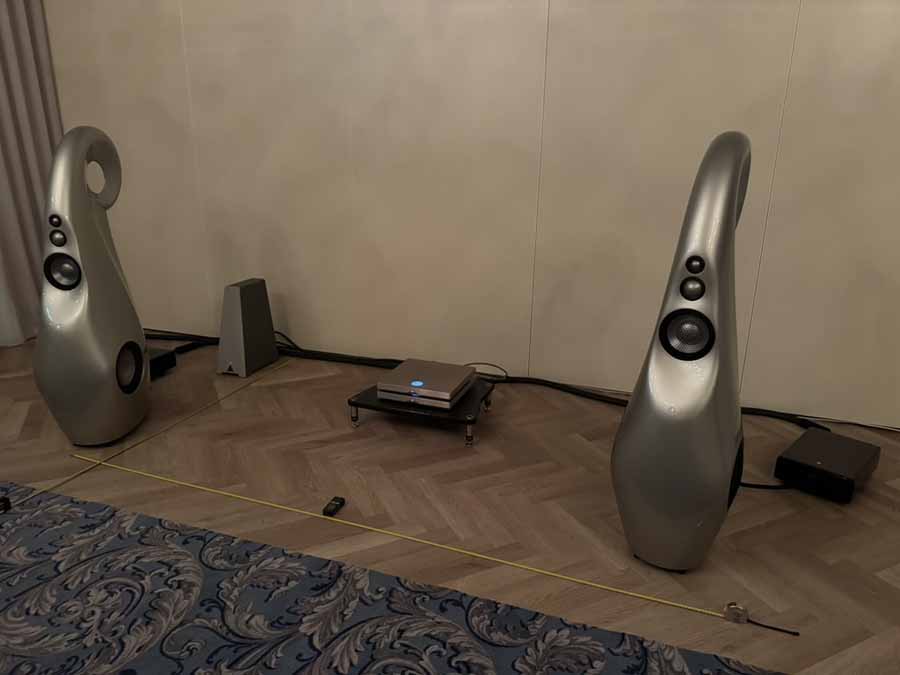

HALL 2B – NAIM/FOCAL + CYRUS/KUDOS
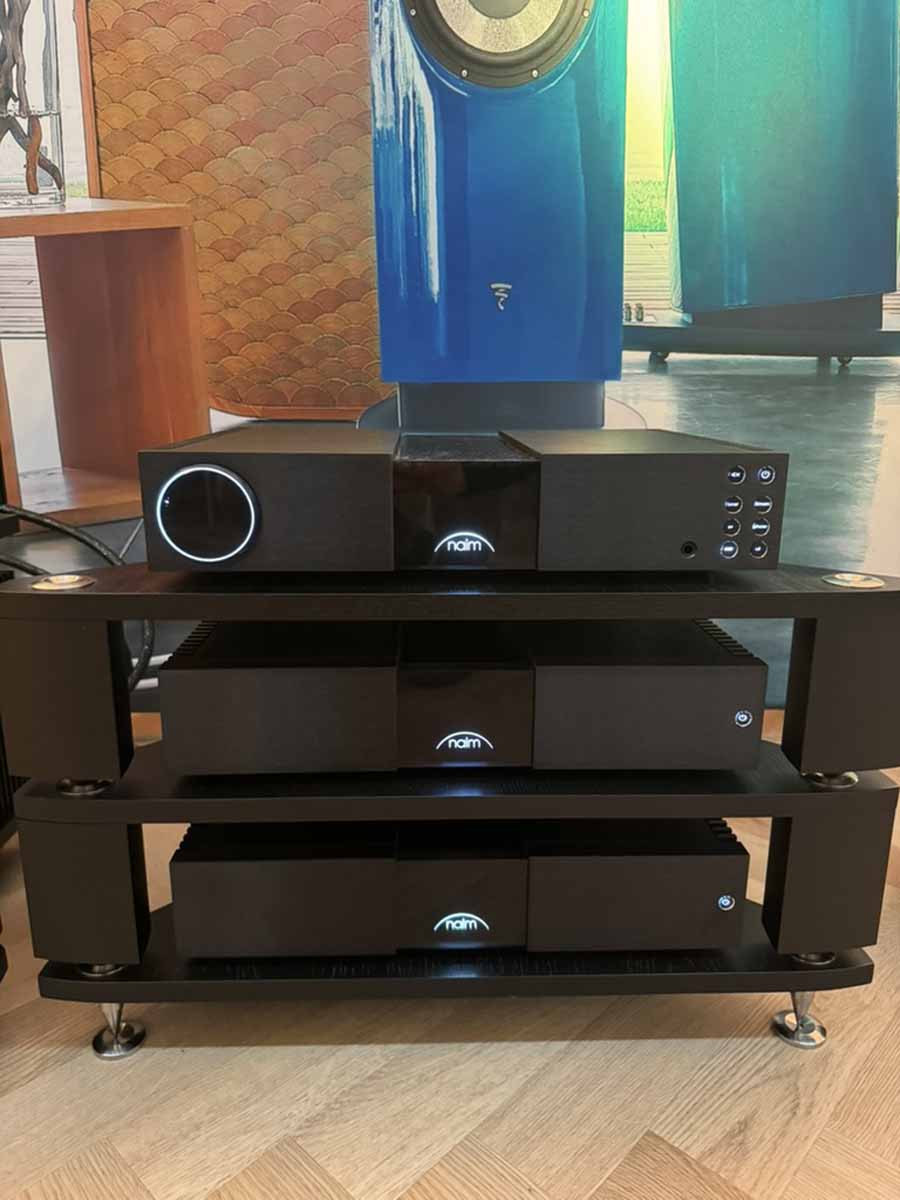
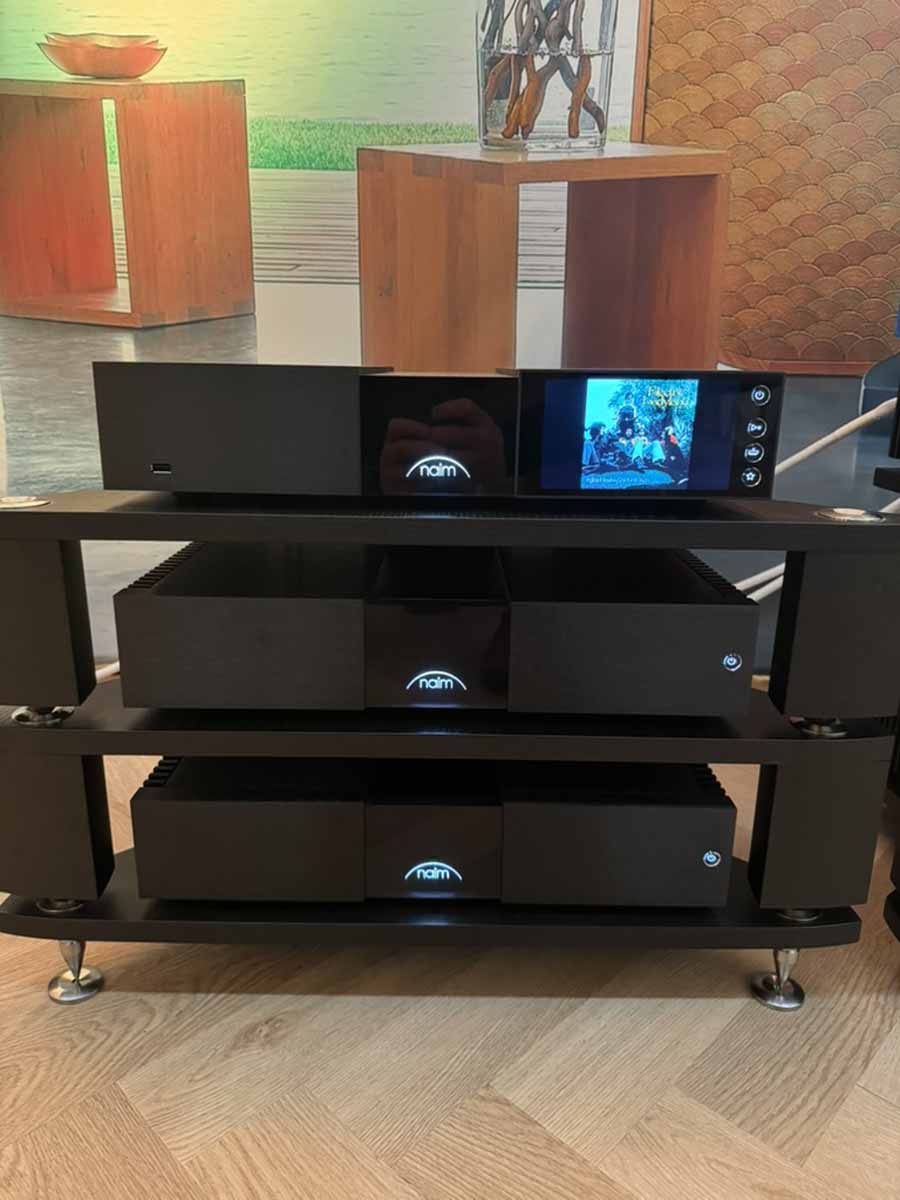
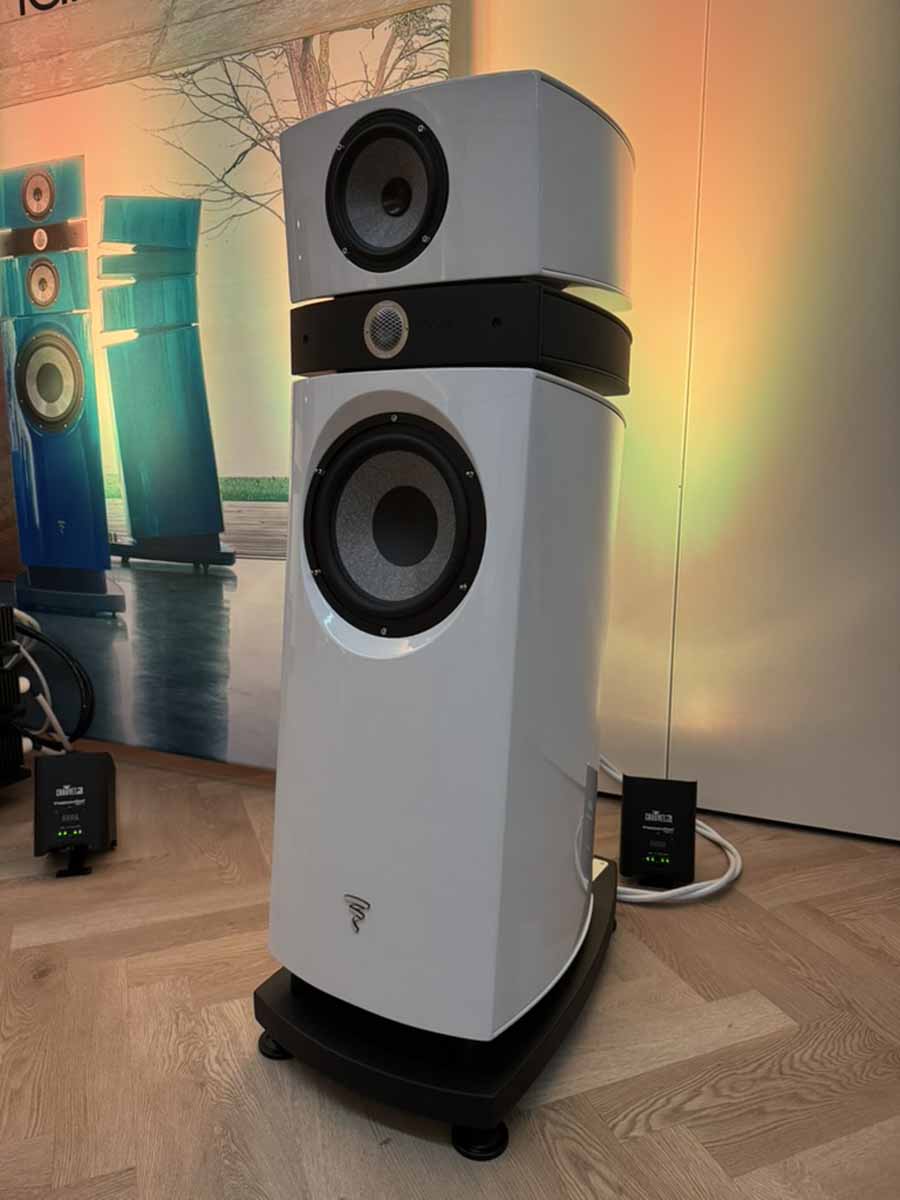
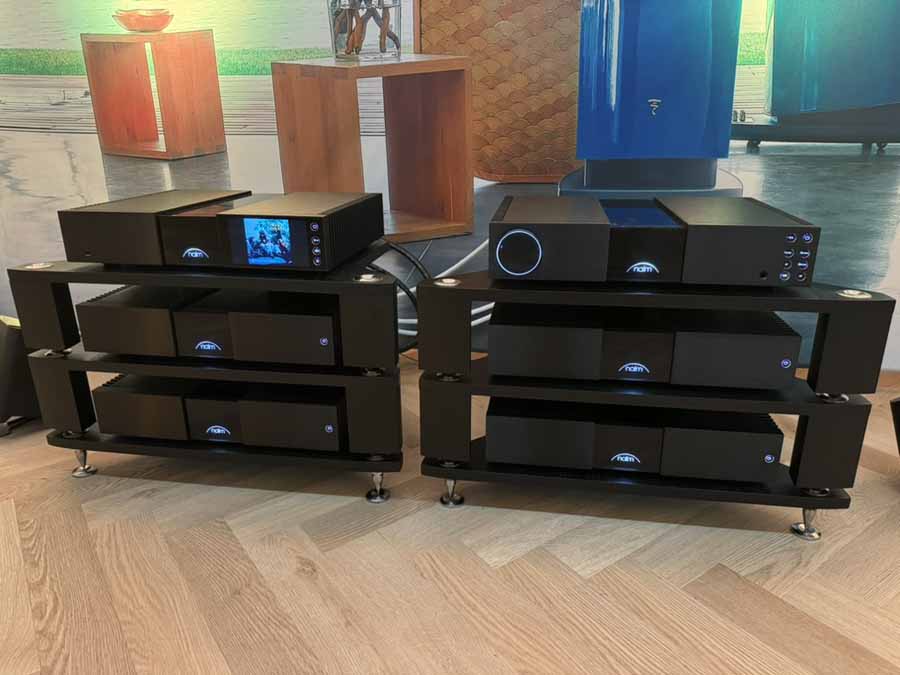
Lars, the owner of Sound Life distribution in Denmark, was running the other half of Hall 2. A full complement of Naim 300 series electronics was being used to drive a pair of Focal Scala EVO3. While Naim has reigned in some of the original, massively punchy signature of their sound over the years, the 300 series are still no shrinking violets. Lars was also very happy to stick on some more unusual choices, and I was delighted to hear both Tool’s Fear Inoculum and some of Kraftwerk’s Minimum Maximum album played on this.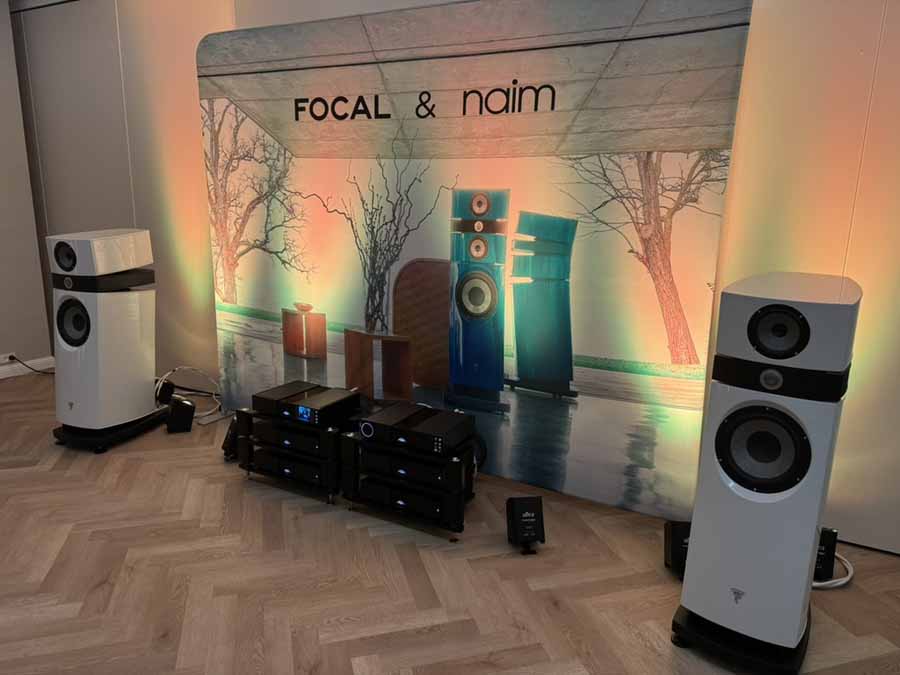
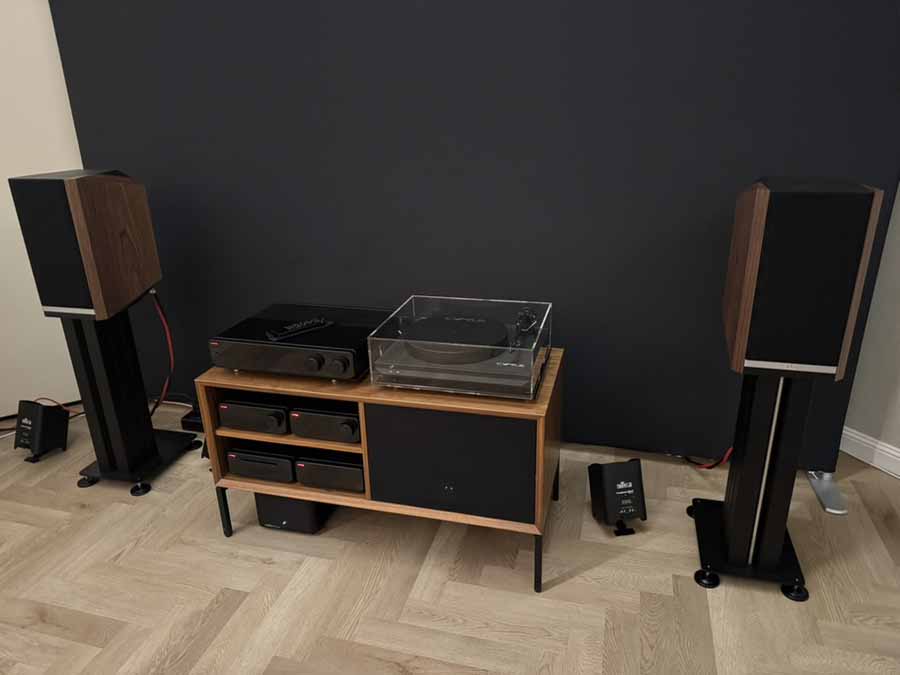
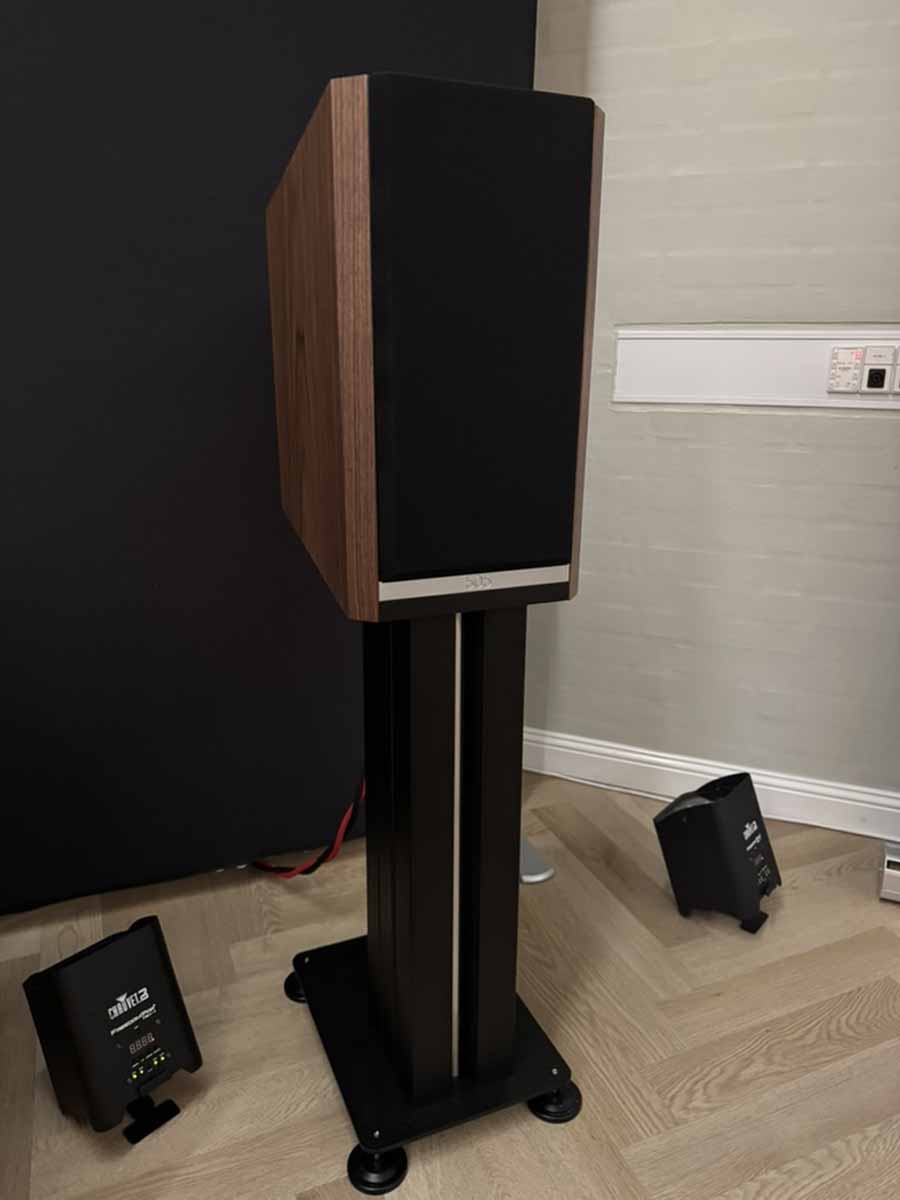
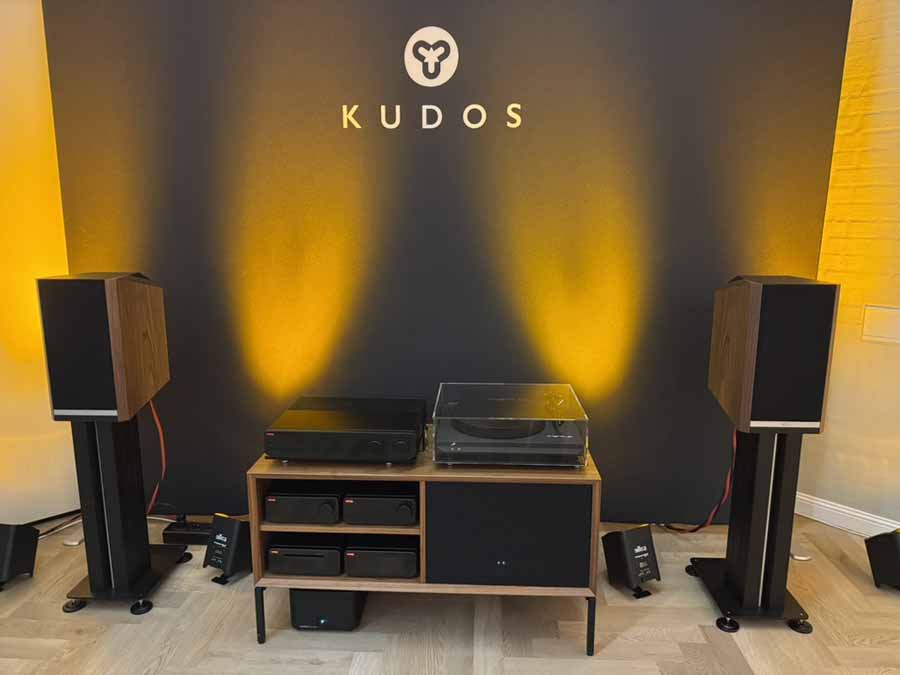
Lars had also brought a second, rather more accessible setup in the form of Cyrus electronics, driving the very familiar-sounding Kudos Titan 505s. I got to hear the latest Cyrus release at Bristol a few weeks earlier, driving a speaker vastly more costly. Here, the Kudos makes for a slightly more balanced system (budget-wise at least), and actually proved a really great pairing with the electronics.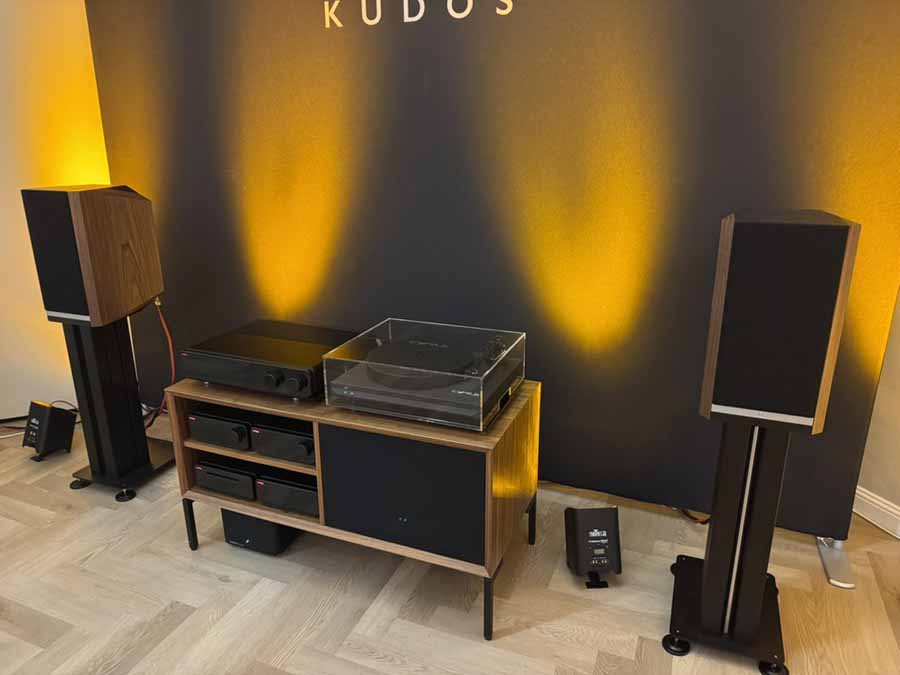

HALL 3A – KII
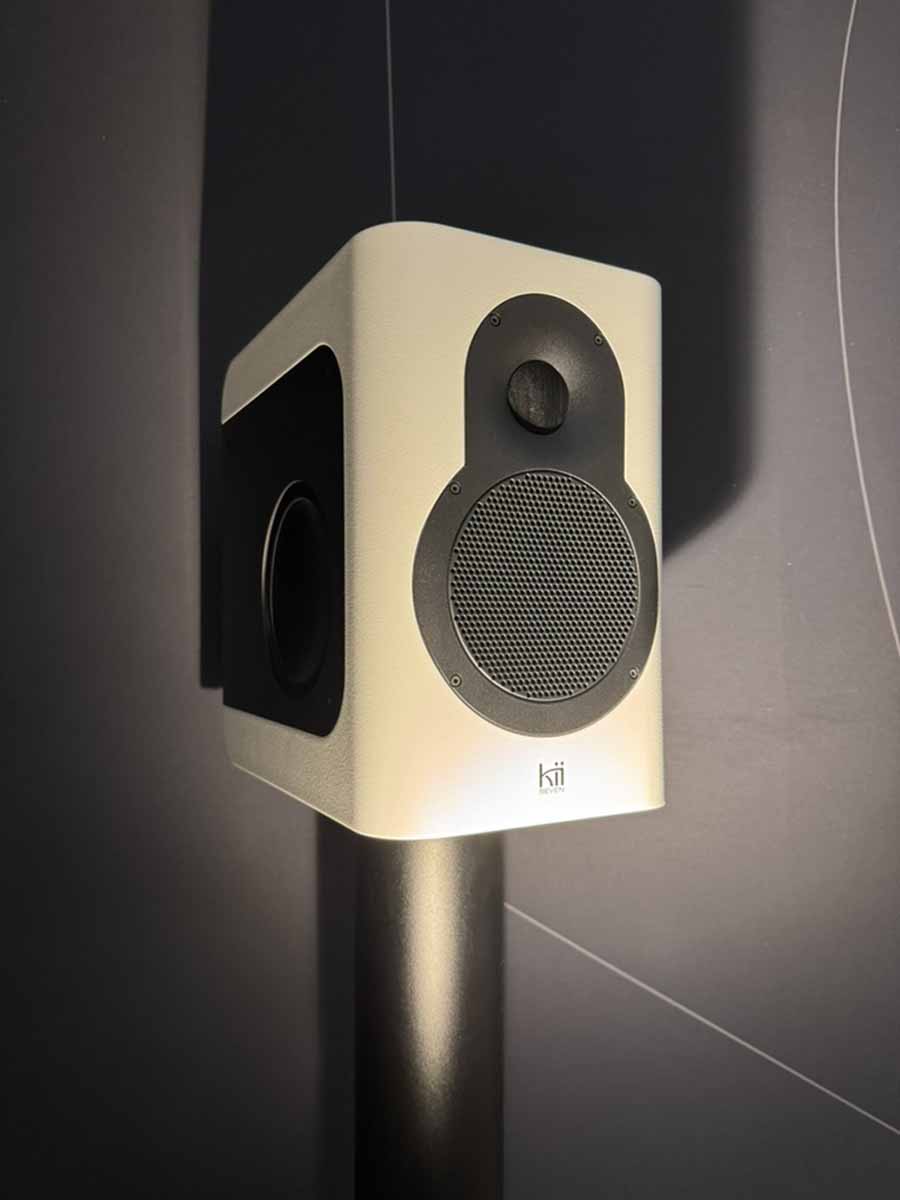
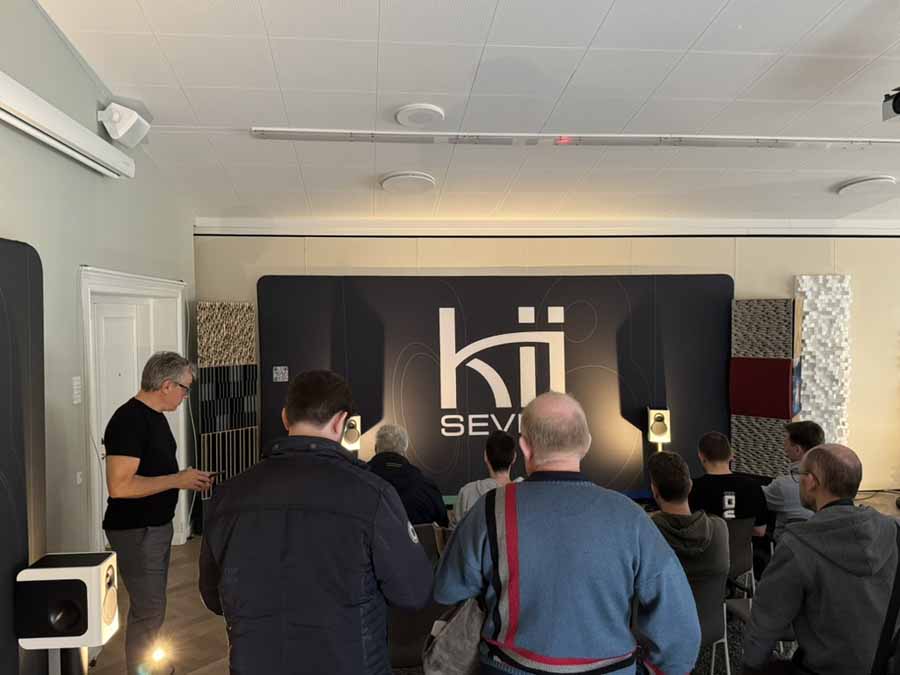
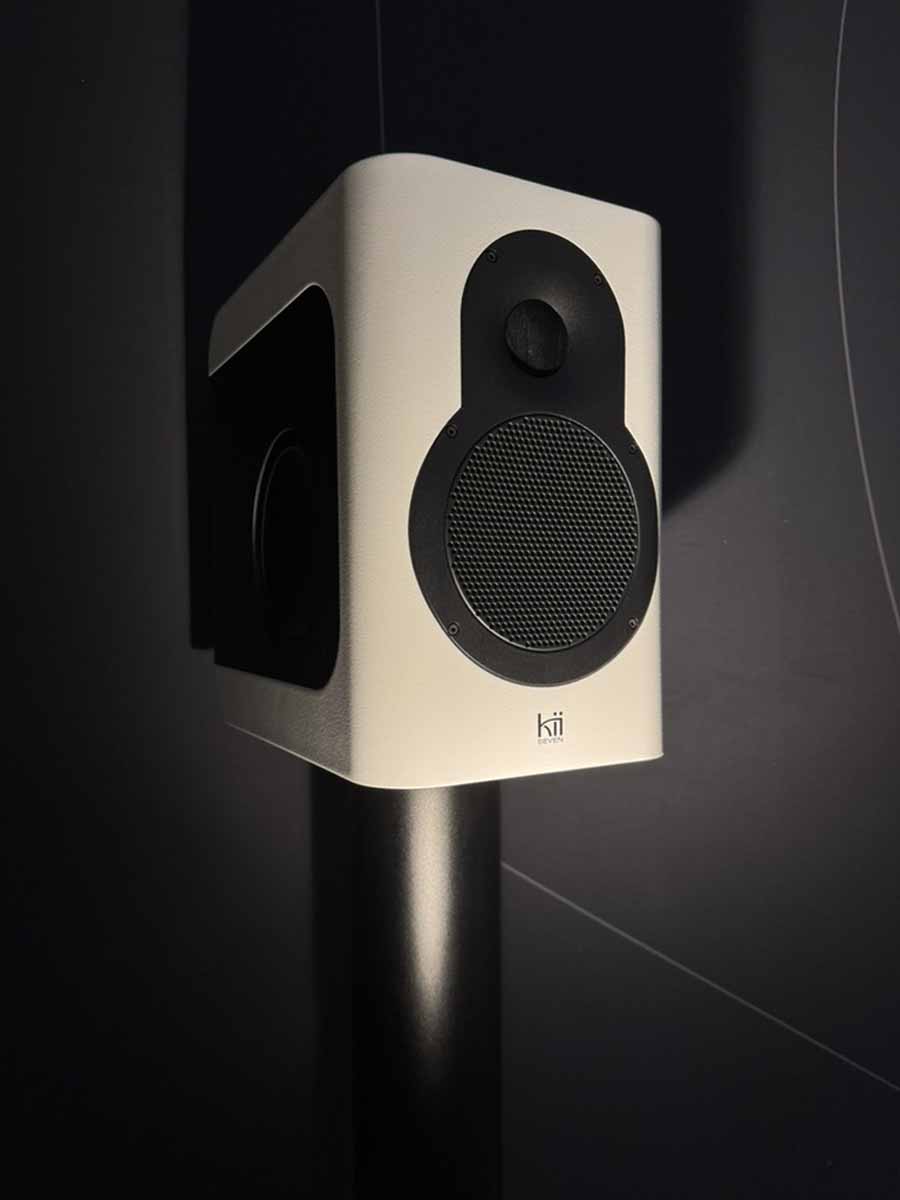
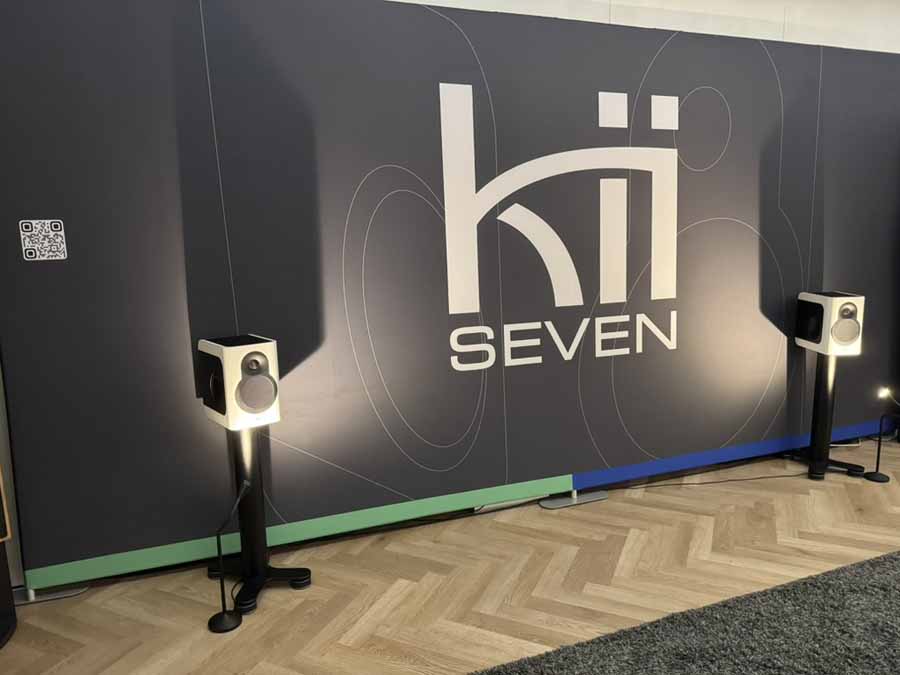
Wiim at Kii is well known to us at HiFi PiG, and here he was demonstrating the Kii Seven standmounts, in what was comfortably the cheapest system at the show by some margin. Their use of close-wall positioning and DSP, along with the cardioid bass-driver arrangement, means these tiny 10L boxes sound far bigger than you’d expect from anything this size. This was another ~100sqm room, but the Sevens weren’t bothered at all by filling such a huge space.
As one would expect, the system sounded excellent, and the DSP means you get a phenomenally flat frequency response right across the range, and you really don’t have to worry about pesky things like room nodes once the software has worked it’s magic.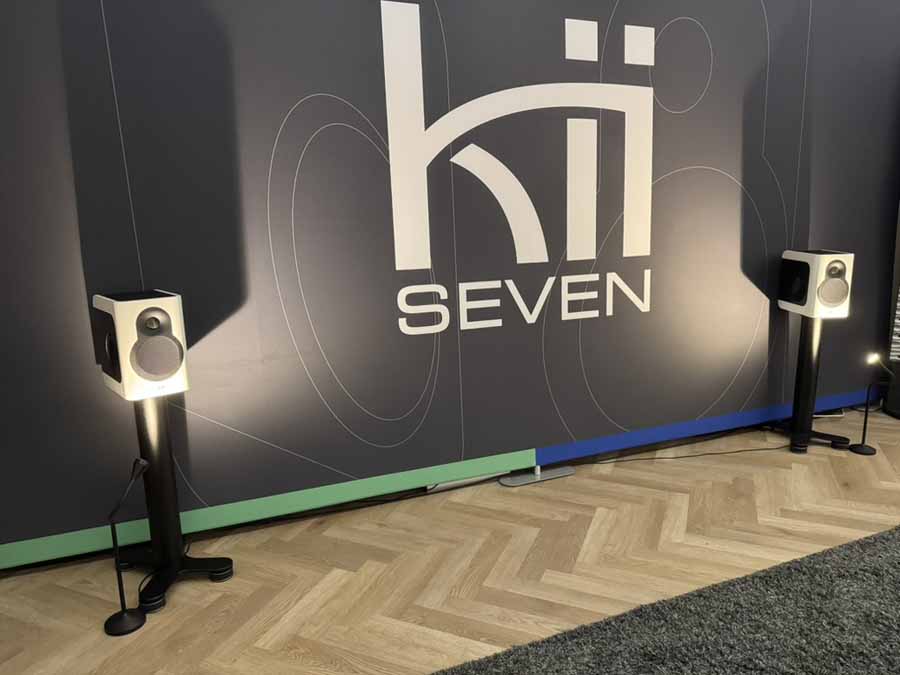
HALL 3B – METRONOME/RIVIERA/STENHEIM/STEALTH
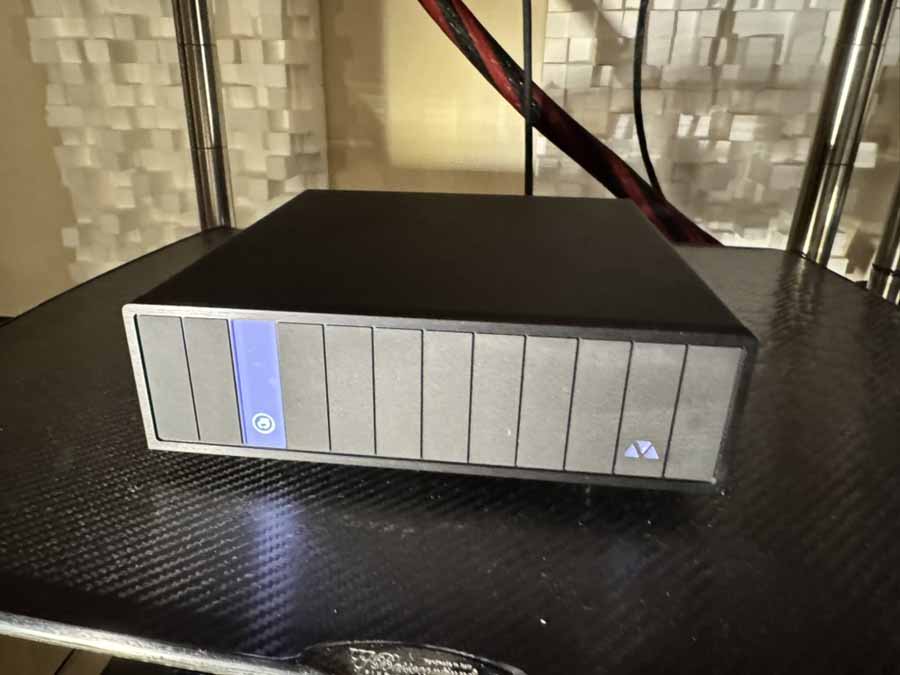
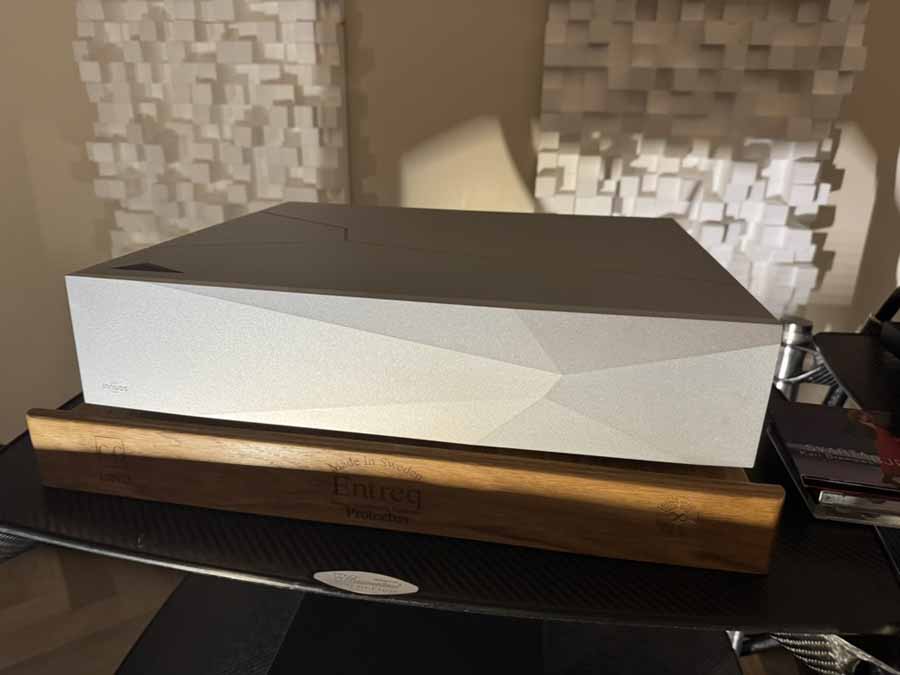
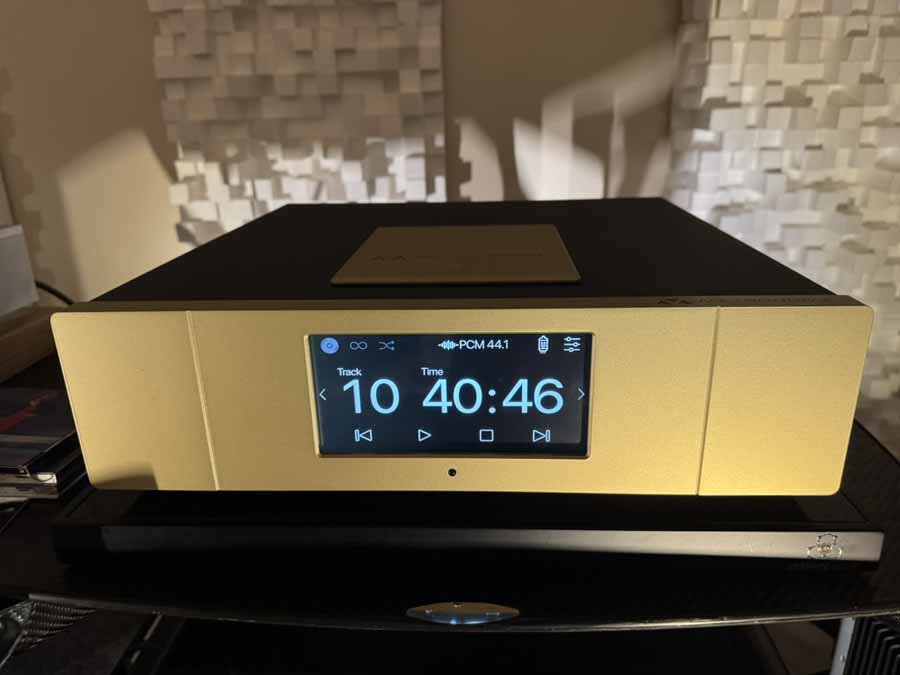
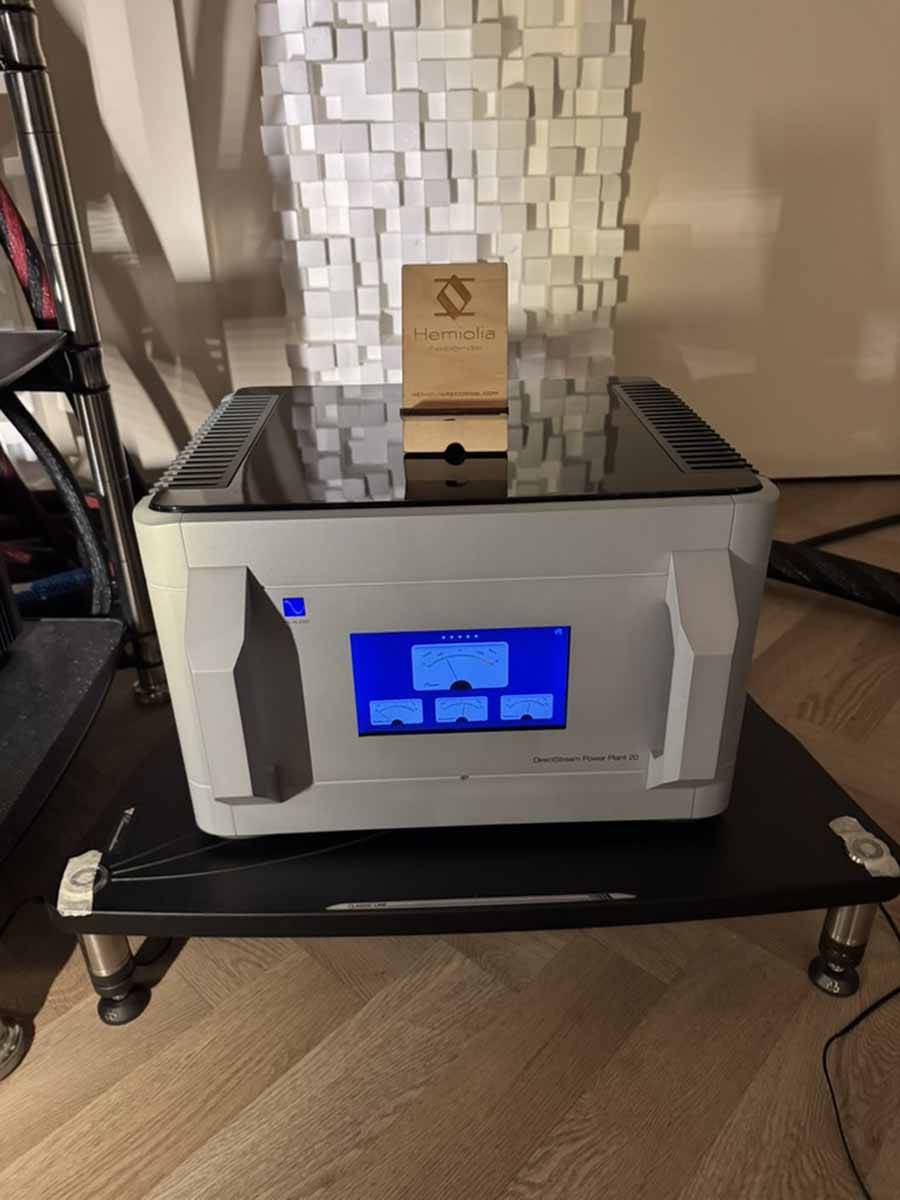
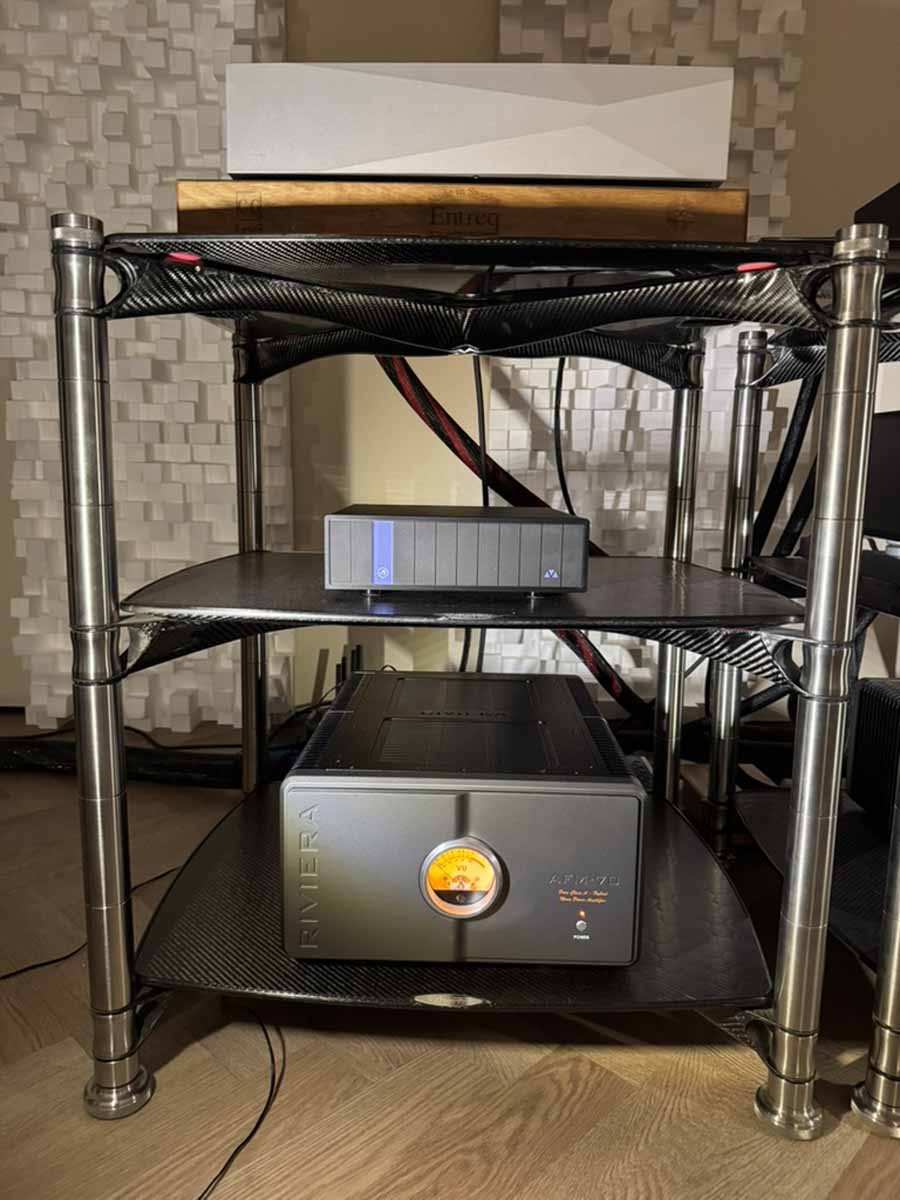
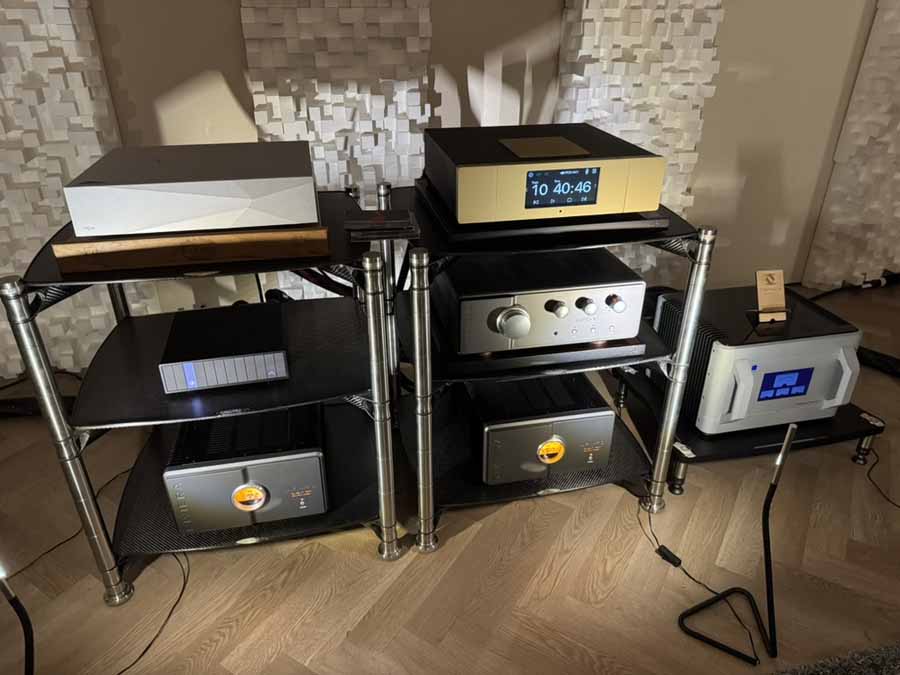
The other half of Hall 3 was quite the opposite of the Kii setup, with what was the most expensive system at the show. An Innuos NextGen server/streamer was being fed into a Metronome AQWO 2, which was used both as a DAC for the Innuos and as its built-in CD/SACD player.
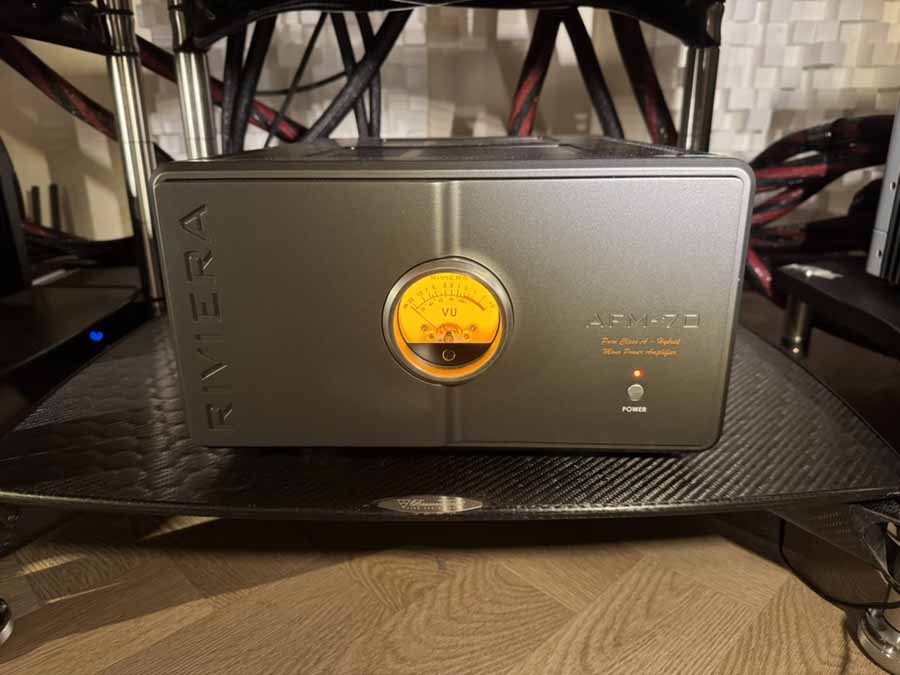
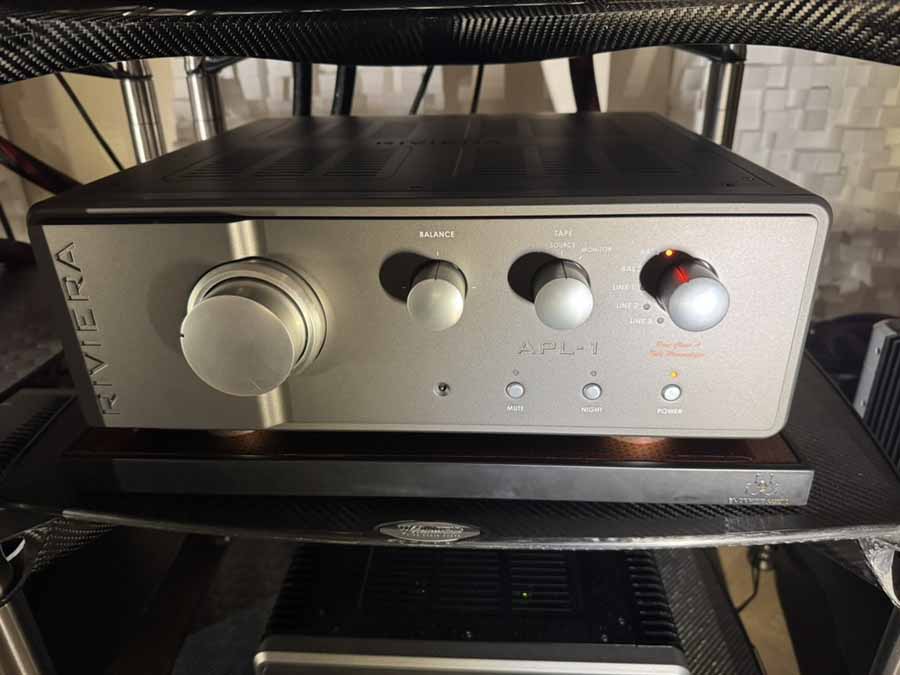
Amplification was by the Italian manufacturer Riviera, with the company’s co-owner and longtime figure in the Italian audio scene, Silvio Delfino. Both the Riviera pre and power amps are hybrid units, but unusually are all class-A throughout, using valves purely in the input stage, and MOSFETs in the output stage. I’m also a complete sucker for any kind of VU meter on the front of a hifi component, and the monoblocks feature a lovely orange back-lit affair that brings me so much joy. The loudspeakers were the Stenheim Alumine Five SX, sat on the LE platform. The LE is a solid aluminium optional platform; otherwise, you can have them with a more “standard” set of spikes and cups (obviously, in this sort of territory, nothing can be considered remotely “standard”, but it’s the default option).
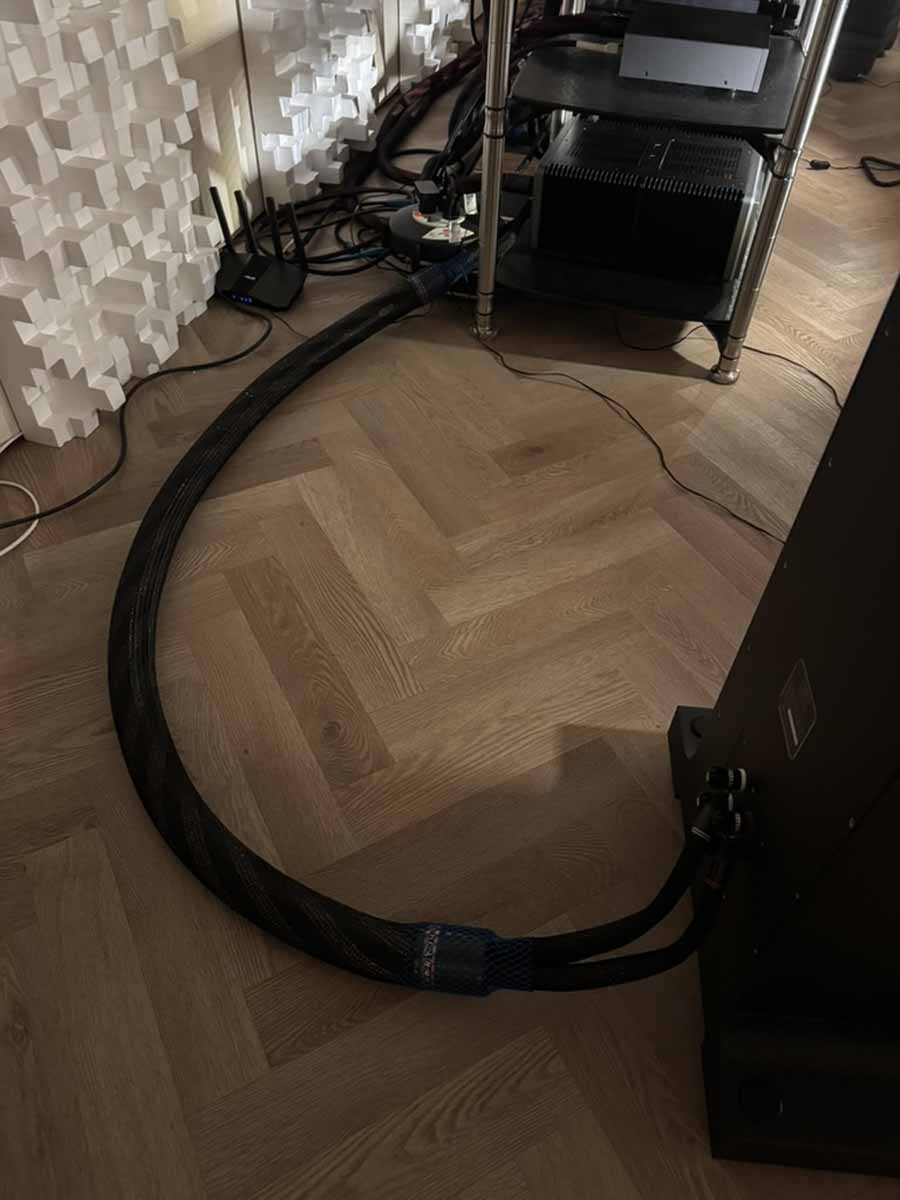
Everything was connected together with Stealth Audio cables. Despite the name, there’s no mistaking the Stealth Audio cabling; it was by some margin the thickest at the show, and the cables feature alternating black and coloured stripes that spiral down the length. This was also an interesting setup in terms of cost balance; the cabling accounted for approximately 50% of the value of the boxes in the signal chain, which is definitely higher than most people would go.
Despite the aforementioned challenges with the rooms sucking much of the low-end out of the sound, this system had no issues at all. Each speaker features a pair of 25cm bass-woofers, which provided some of the cleanest, but punchiest low-end of the show.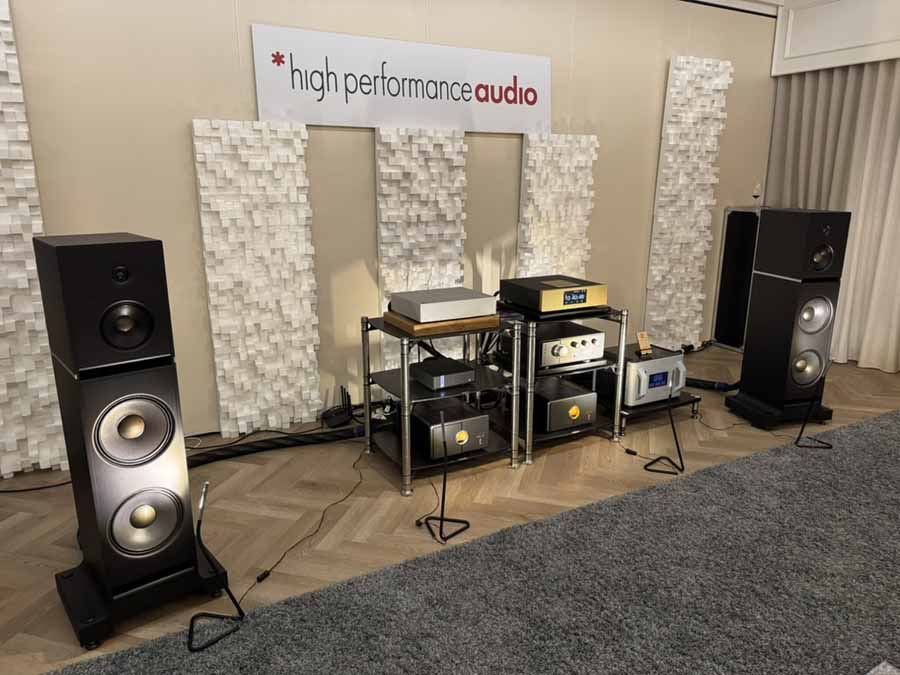



BIG HALL A – MSB/MAGICO/IKIGAI
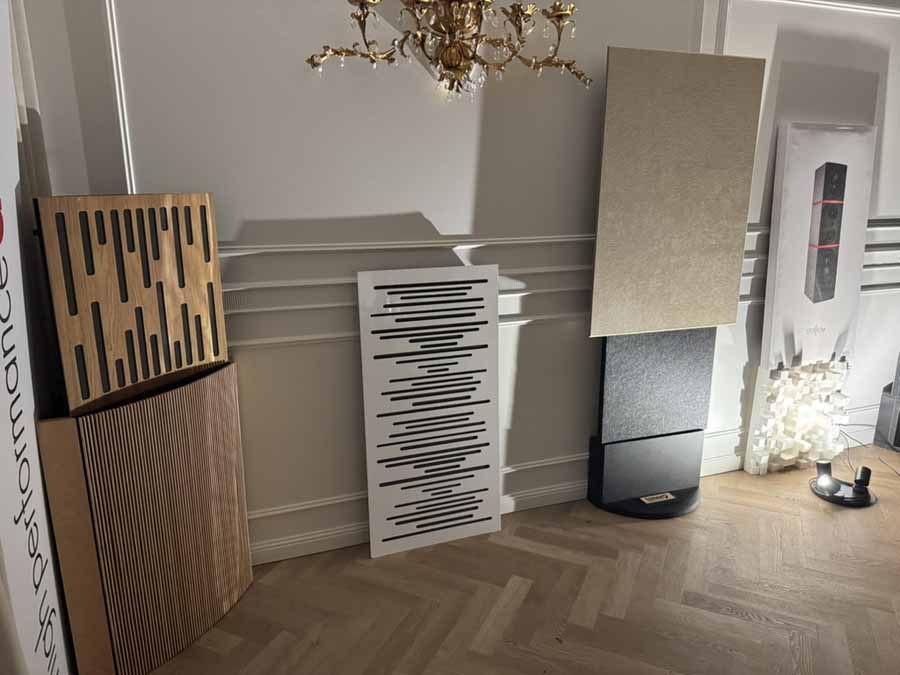
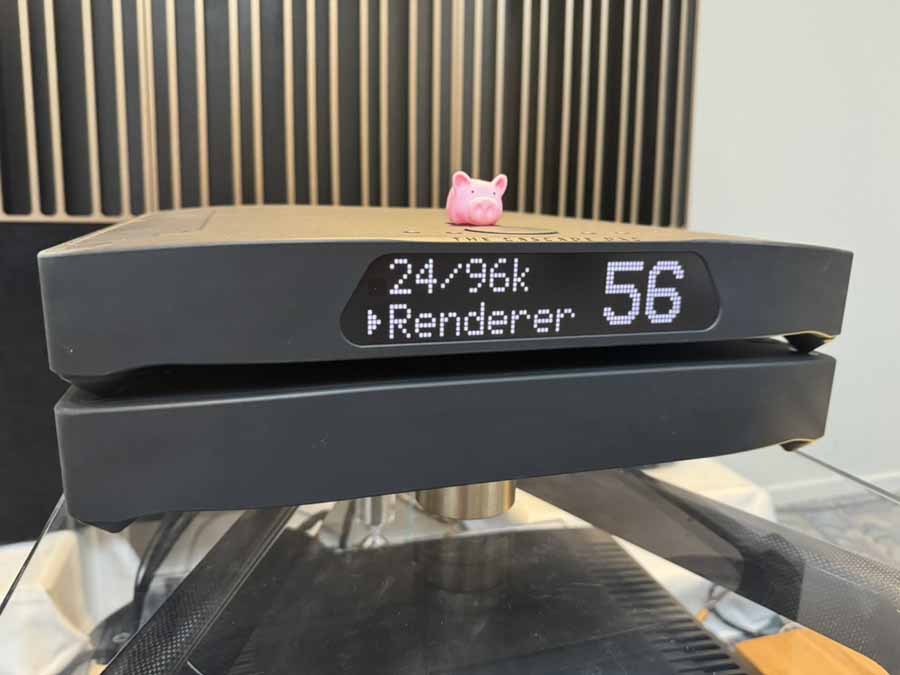
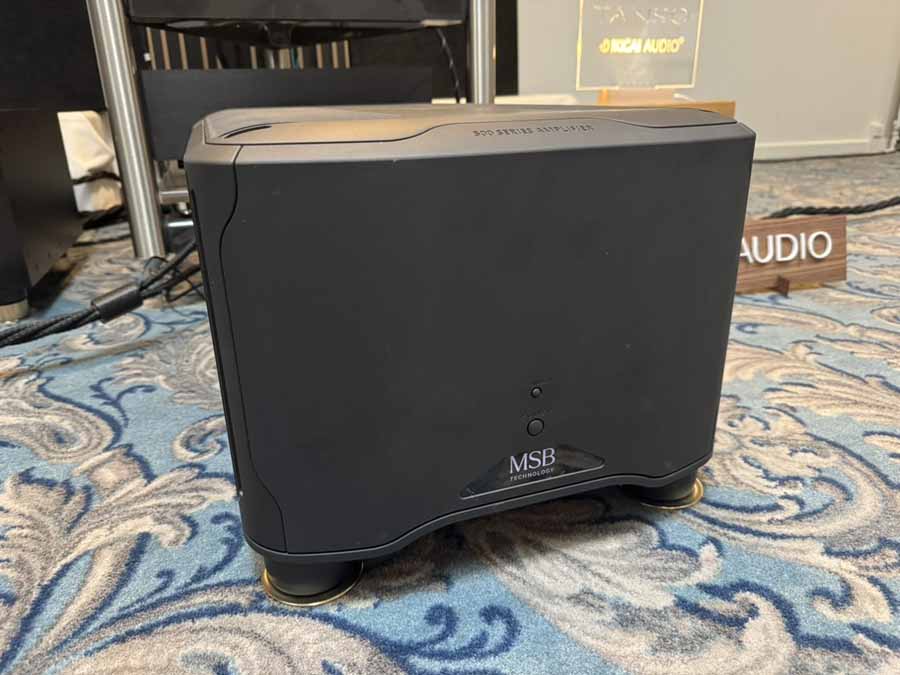
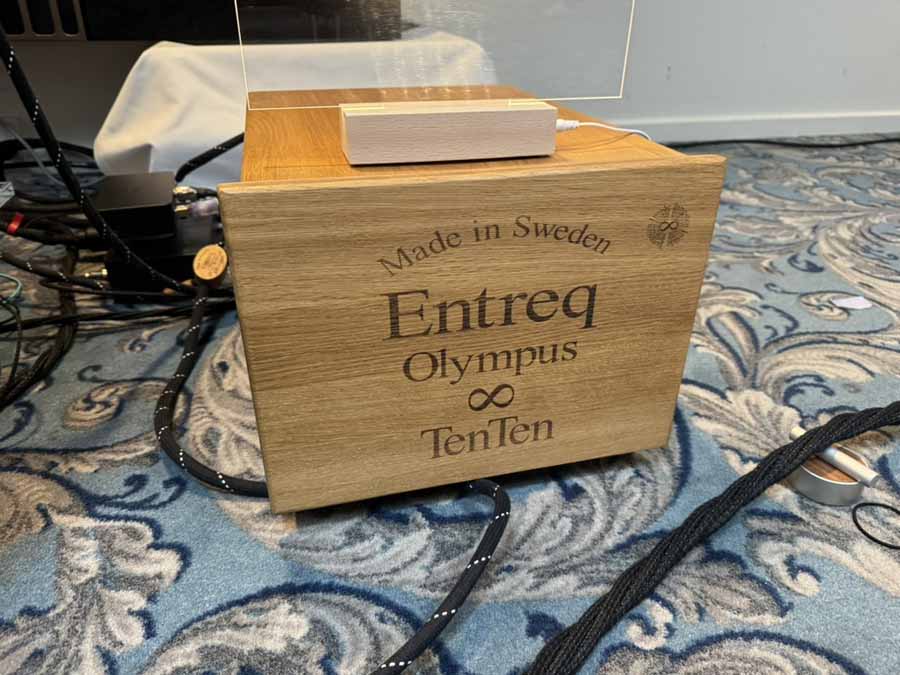
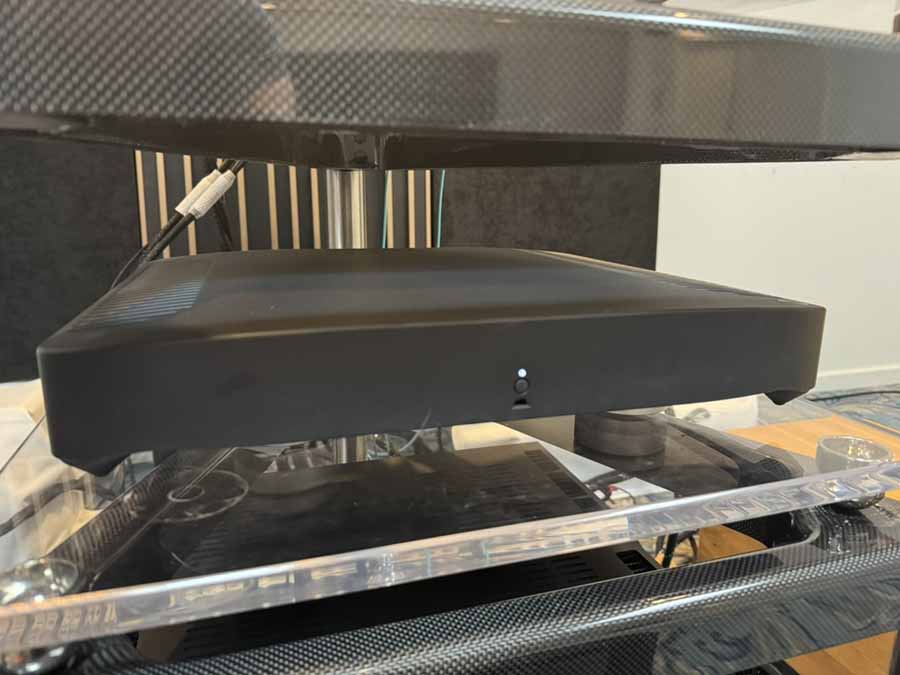
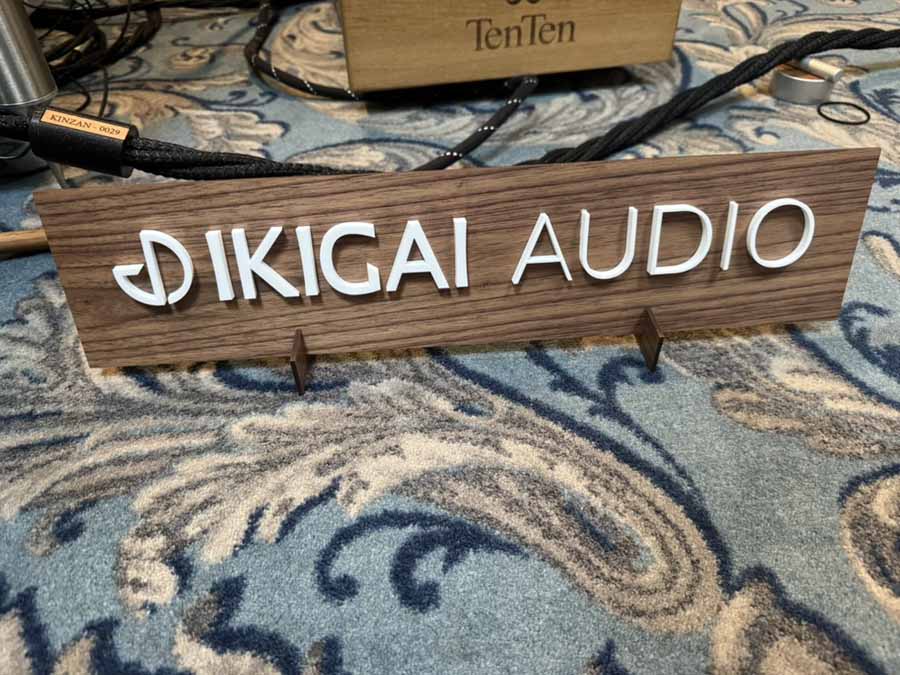
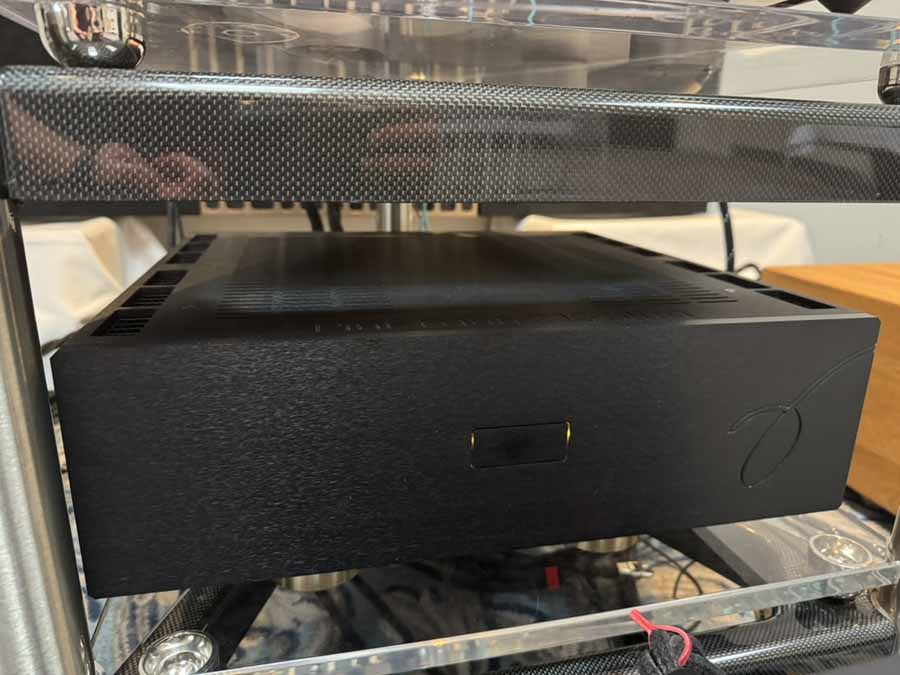
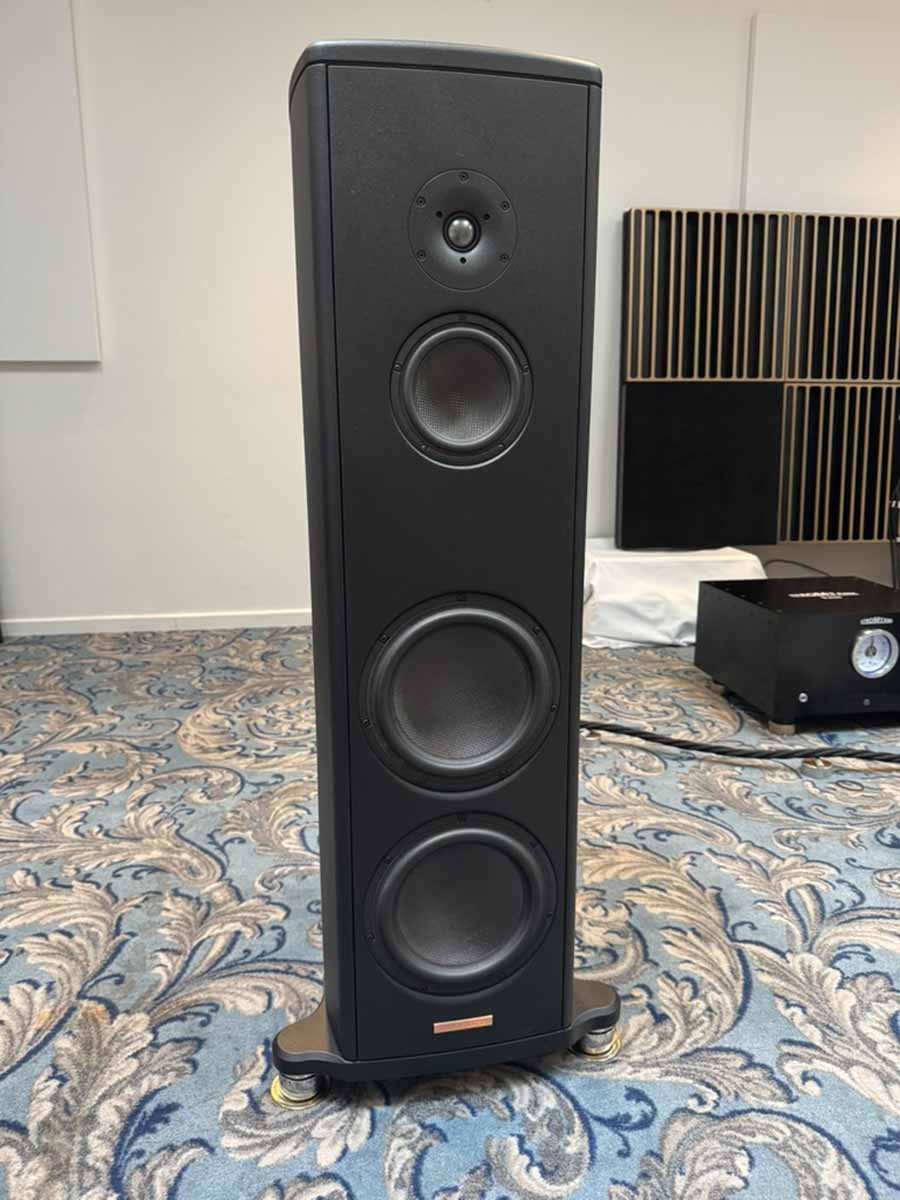
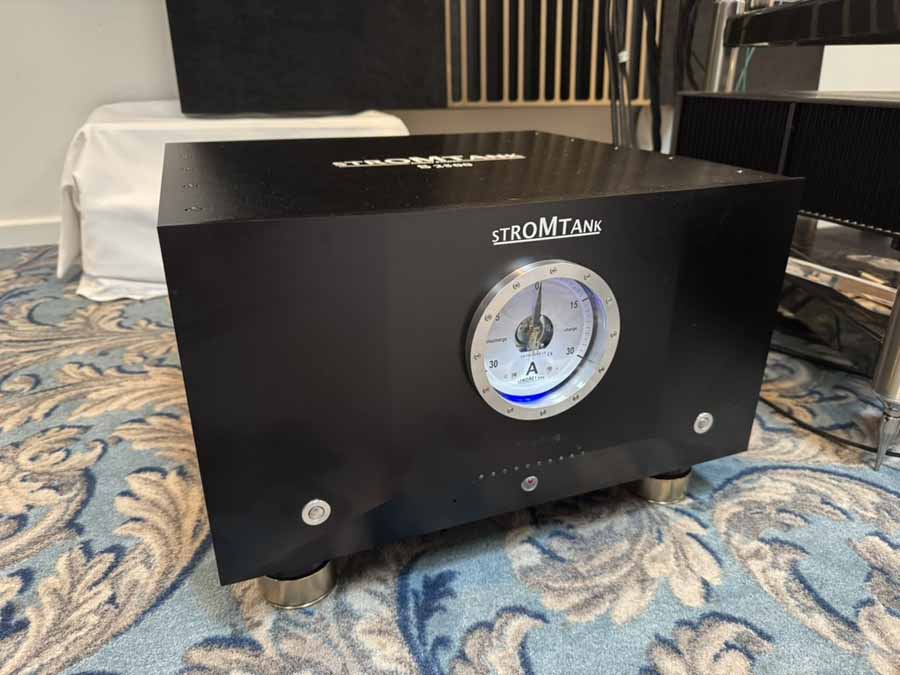
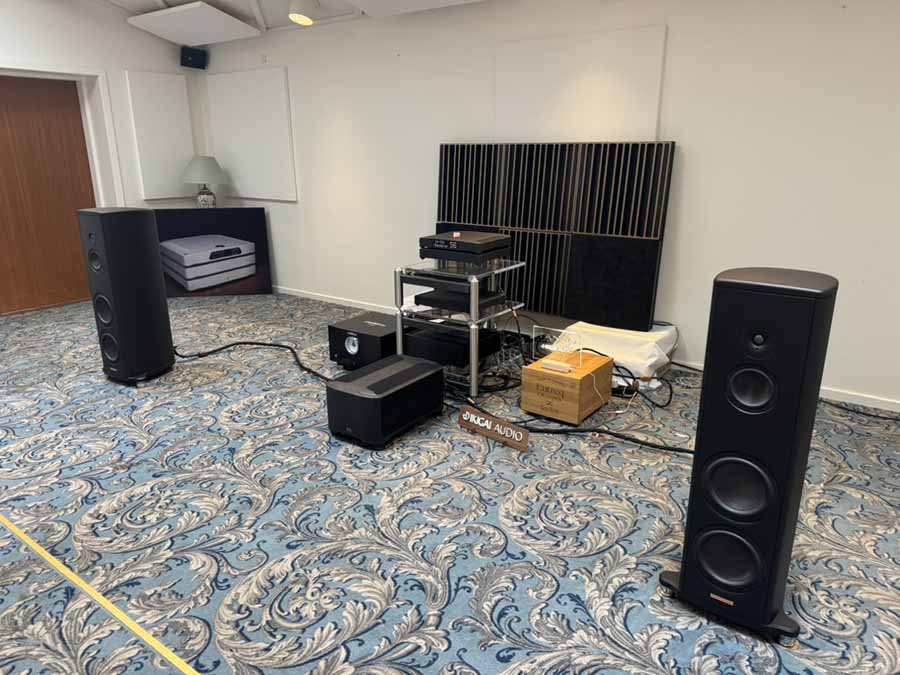
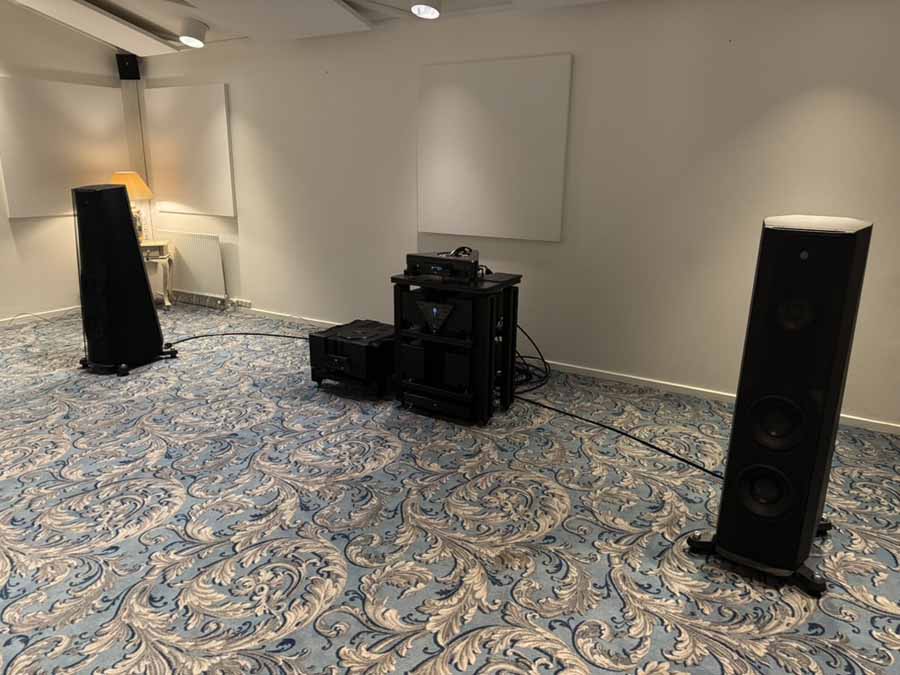
This was an absolutely massive system – from the Stromtank power plant to the MSB S500 power amp, and the Magico S3 loudspeakers, there are some really chunky pieces of kit involved. Both this and the Gryphon room had the additional challenge of suspended wooden floors, which can add all sorts of unwanted effects, especially with low frequencies getting seriously unhelpful reinforcement. It’s a testament in particular to the Ikigai Audio feet under the Magico S3 that so little of that energy was being transmitted into the floor. The speakers are, of course, capable of producing prodigious and punchy bass, and it stayed absolutely tight throughout, even with music like Kraftwerk or the Cowboy Junkies “This is What I Lost”. A contributor here as well was the acoustic room treatment from Artnovia, which featured in a number of rooms throughout the show.
Whilst I’ve been aware of MSB for a very long time, I’ve not had many opportunities in recent years to hear any of their products. For sure, this is a pretty expensive digital front end, but the way the Cascade system can extract a phenomenal amount of detail from a recording, without losing that natural flow of the sound, is a really tricky balancing act, but they demonstrate it really can be done so very well! Frank from Very Fine Solutions, who covers distribution for MSB in the Nordics and other parts of Europe, was also very keen to show me just how much of what MSB do in terms of manufacturing they put out on their YouTube channel. For sure, a 12-minute video of the assembling of a master clock unit might not be everyone’s cup of tea, but I love seeing the absolute attention to detail they go to, especially in areas that are buried deep in the system that you aren’t normally aware of.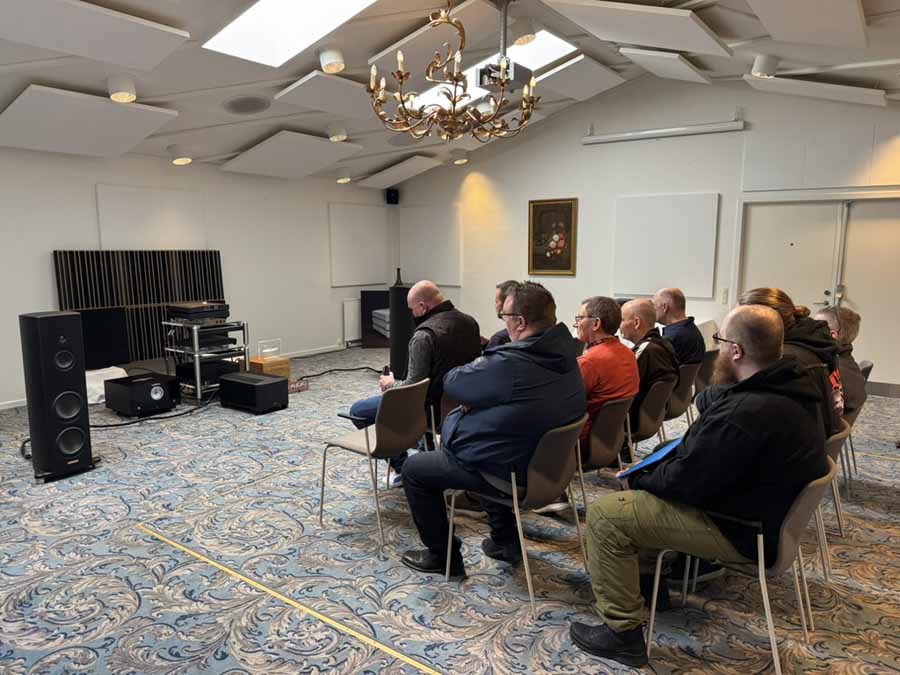
BIG HALL B – GRYPHON
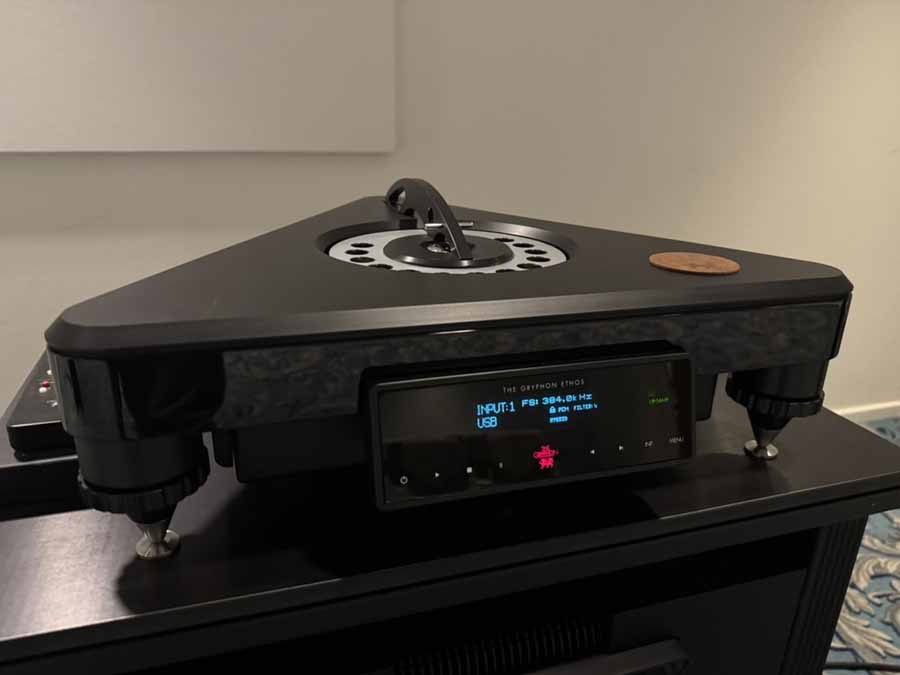
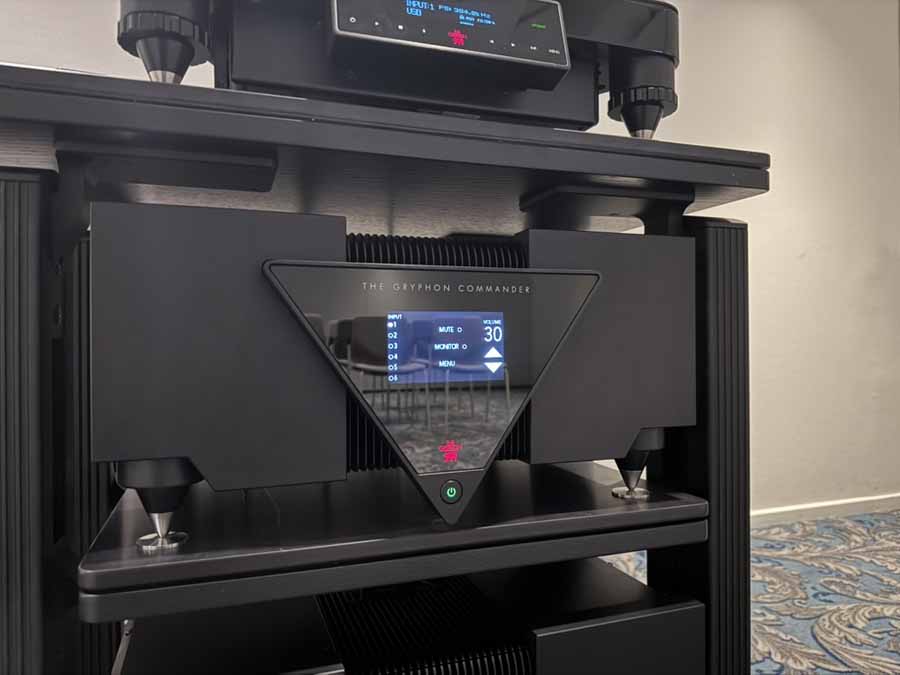
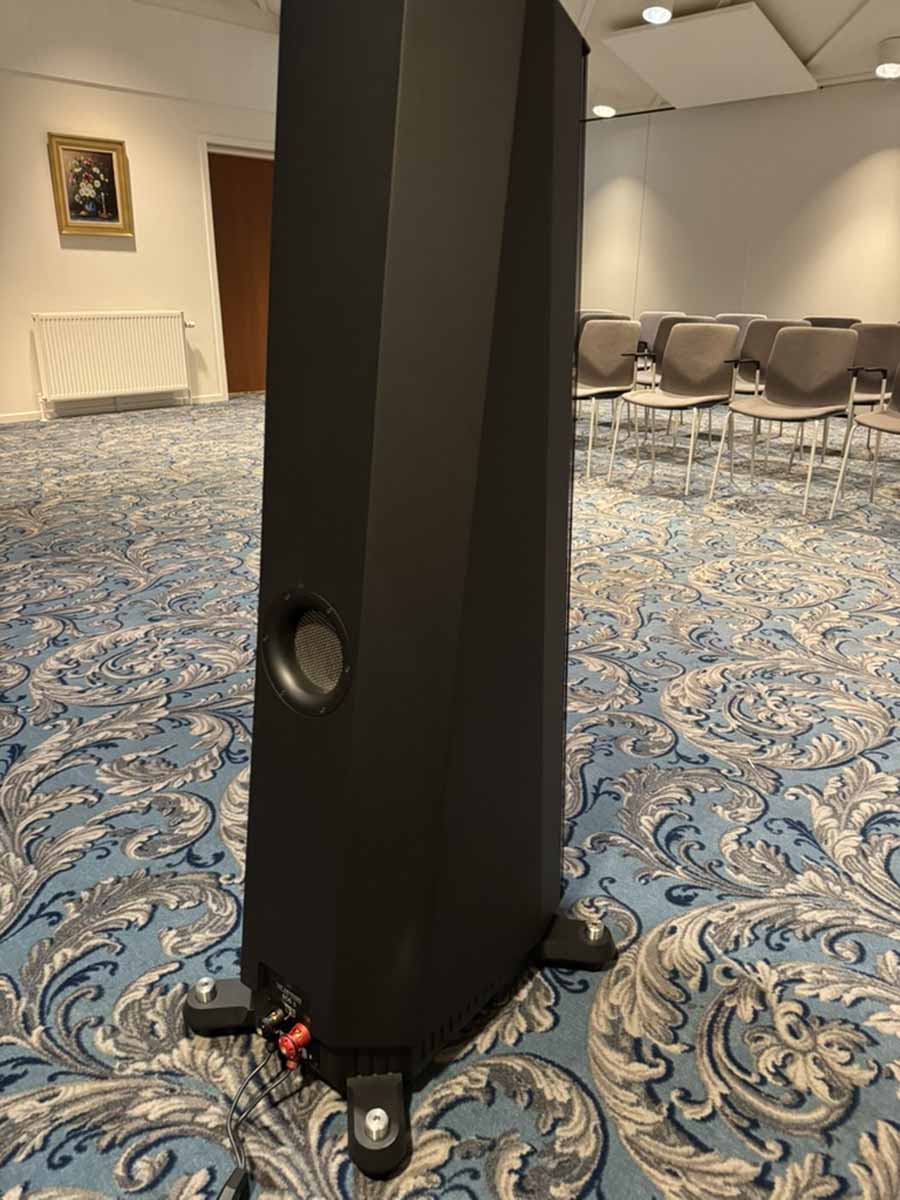
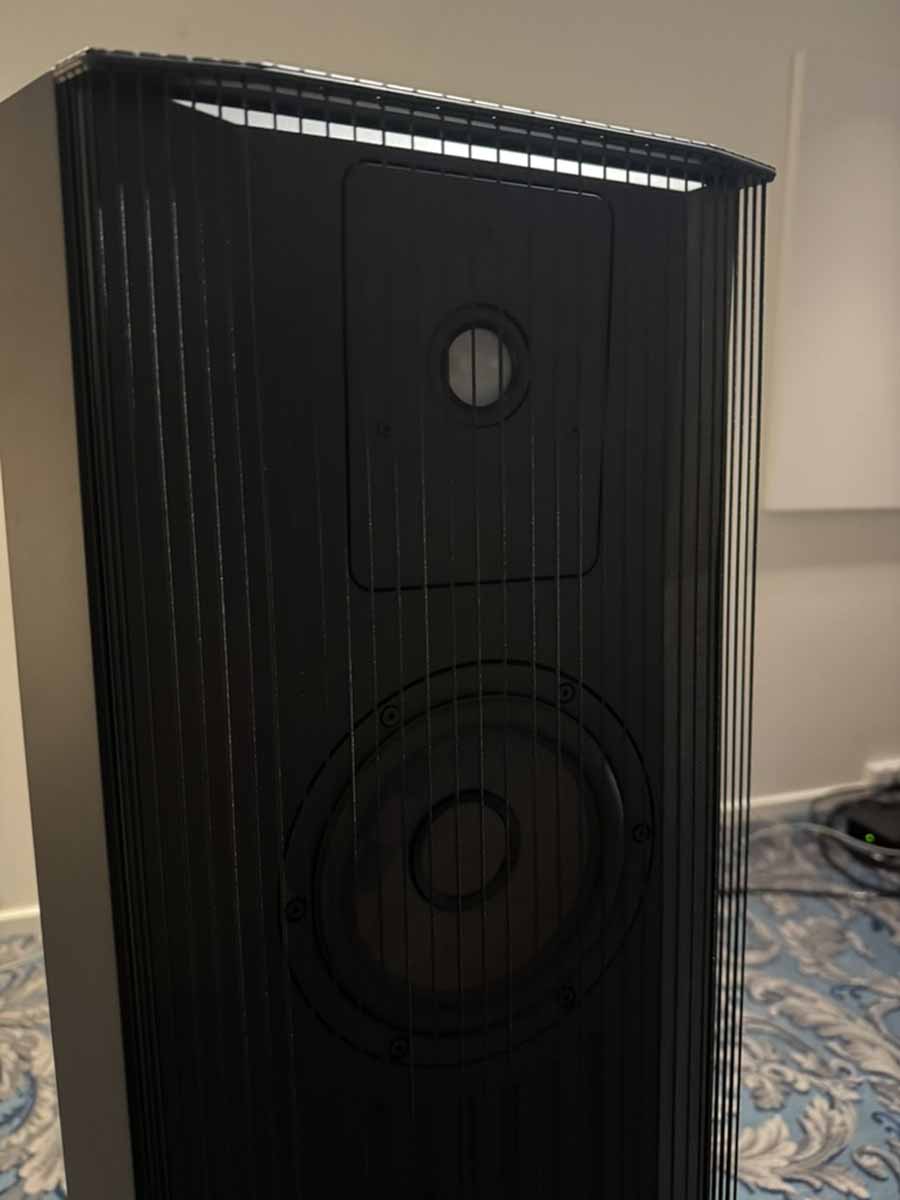
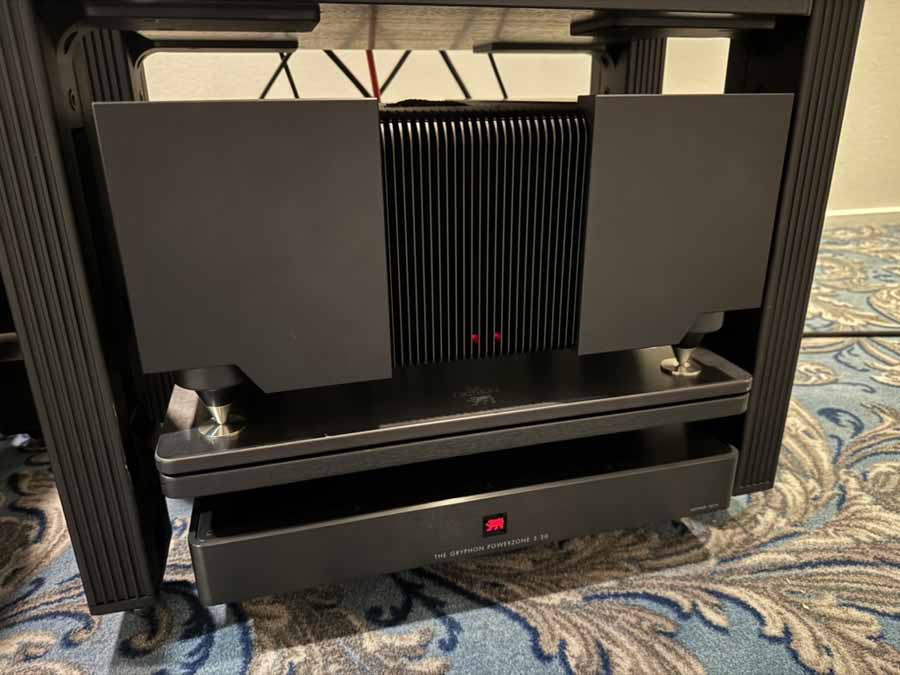
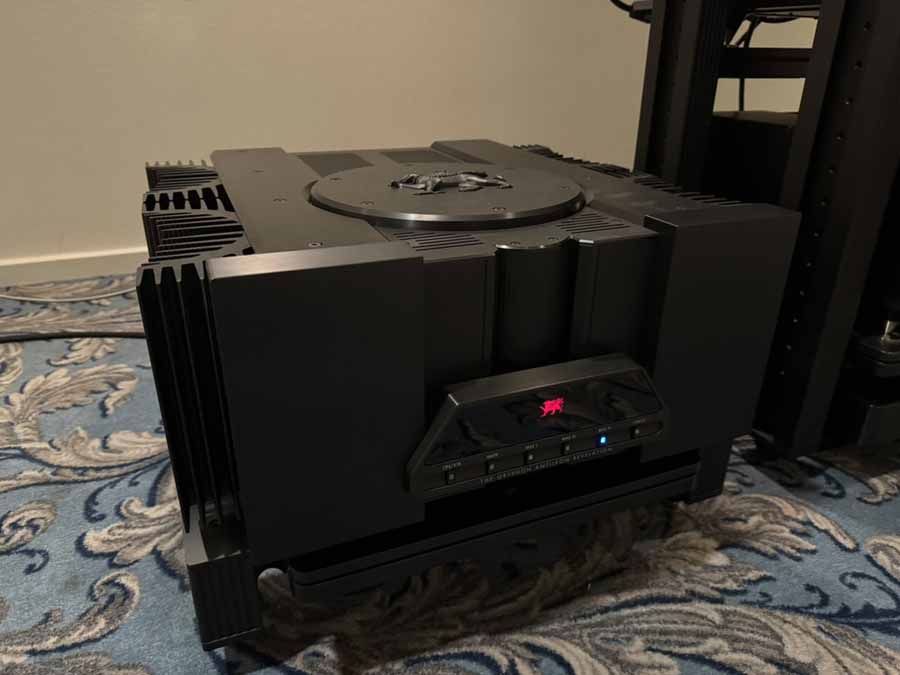
It’s surprisingly rare to have the chance to sit down in front of a system where literally everything present comes from the same manufacturer. From the power cable going into the wall socket to the equipment supports, to the loudspeakers themselves, Gryphon made absolutely everything in this system. On one level, it means the company has to cover a significantly wider range of technical knowledge and know how than those who choose to specialise, but it also gives the team the opportunity to design with the entirety of the system in mind, knowing they can control everything along the way. There’s also something very pleasing about the visual design language being so in keeping across the system – everything sits nicely alongside everything else. I’m sure very few of us would outrightly reject a sonically wonderful product just due to an aesthetic mismatch, but that doesn’t mean it’s not a lovely thing when it all works well together.
I know I’ve commented before about great systems managing to get a great balance of qualities in the sound, and Gryphon have done a really great job. I’m pretty sure that I could sit in front of this system for 8+ hours a day, playing anything from my varied tastes, and both enjoy everything immensely, whilst never feeling fatigued due to extended hours. Detail without being overly sterile or analytical. Bass that kicks, without being overbearing, and midrange that punches without being aggressive.
A huge round of applause should also go to Alex Skov, who ran the room almost single-handedly all weekend. Alex’s dad, Gryphon’s long-standing head of Sales Rune Skov, came in on the Saturday to help with presenting the system to the public, but everything else was Alex! It’s also lovely to see someone so young so deeply involved in the hifi industry.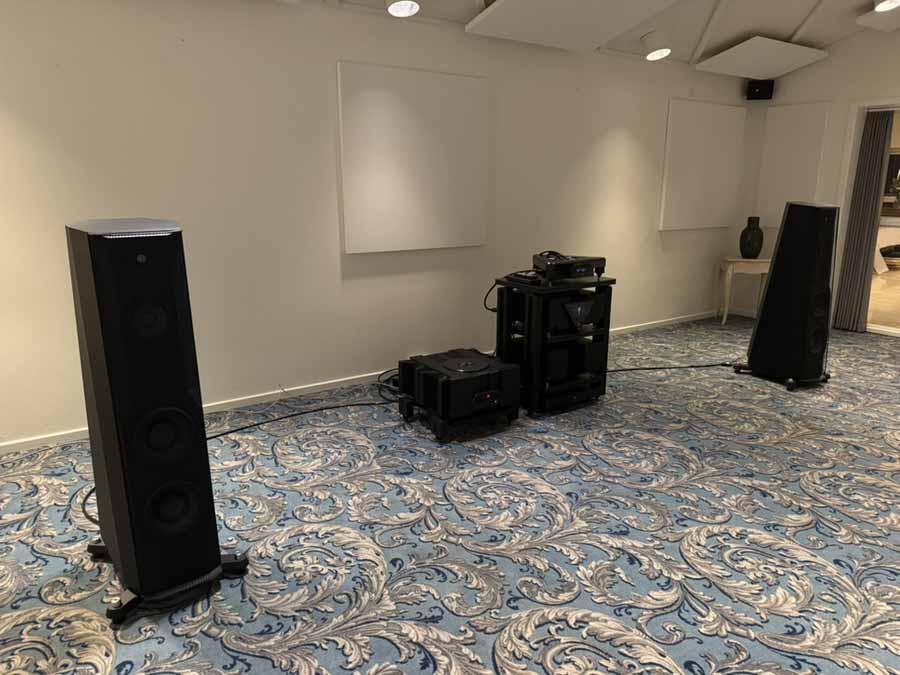

OPEN AREA – PS AUDIO/AVANTEGARDE ACOUSTIC
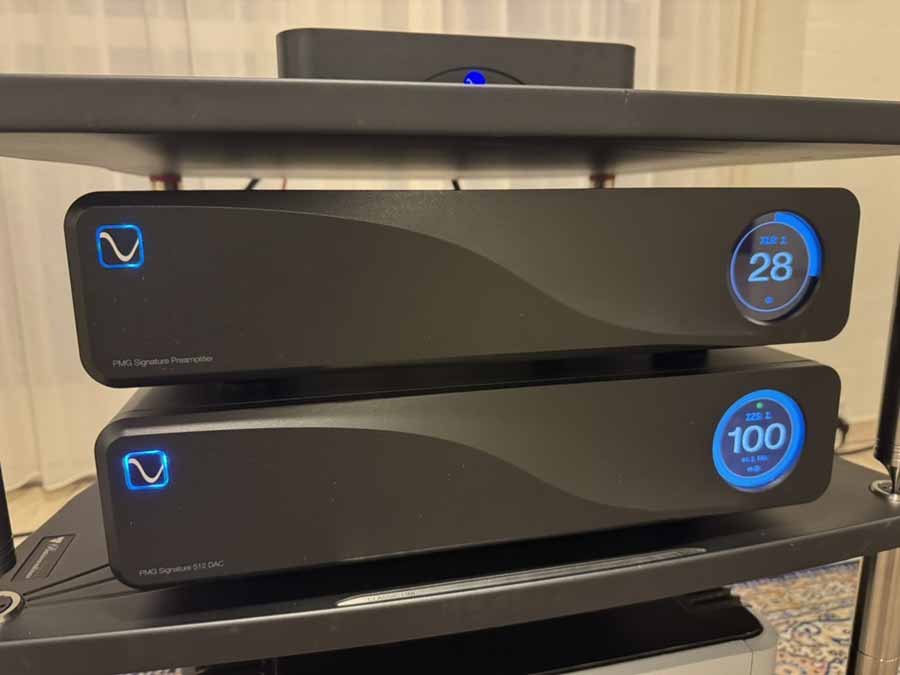
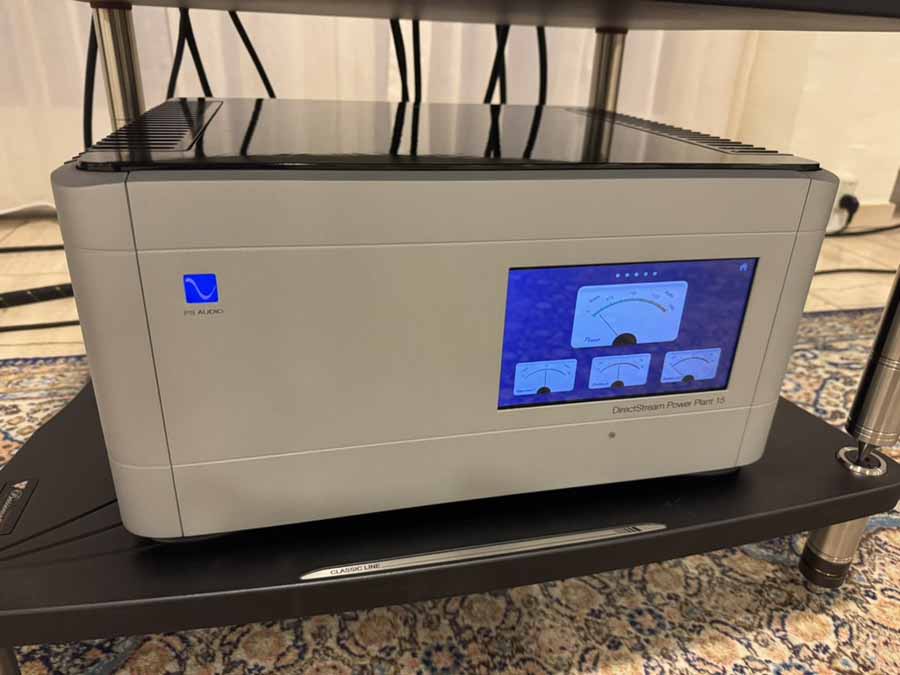
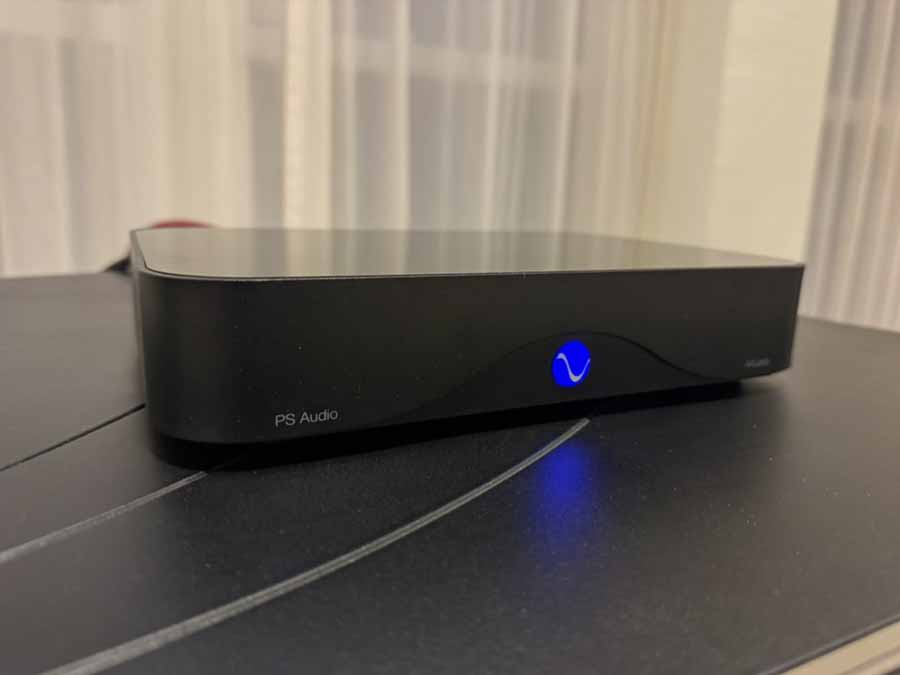
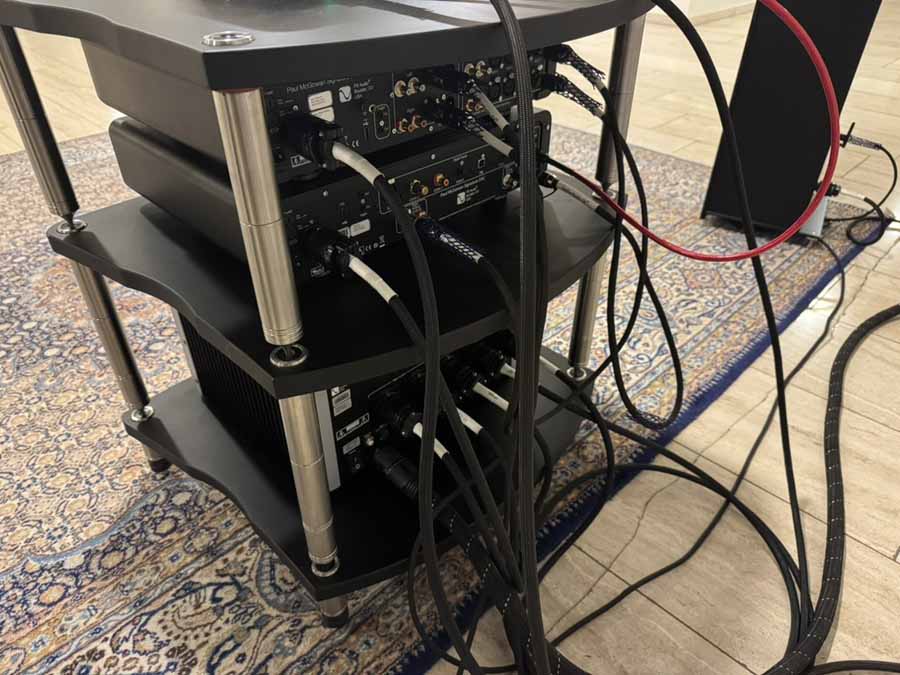
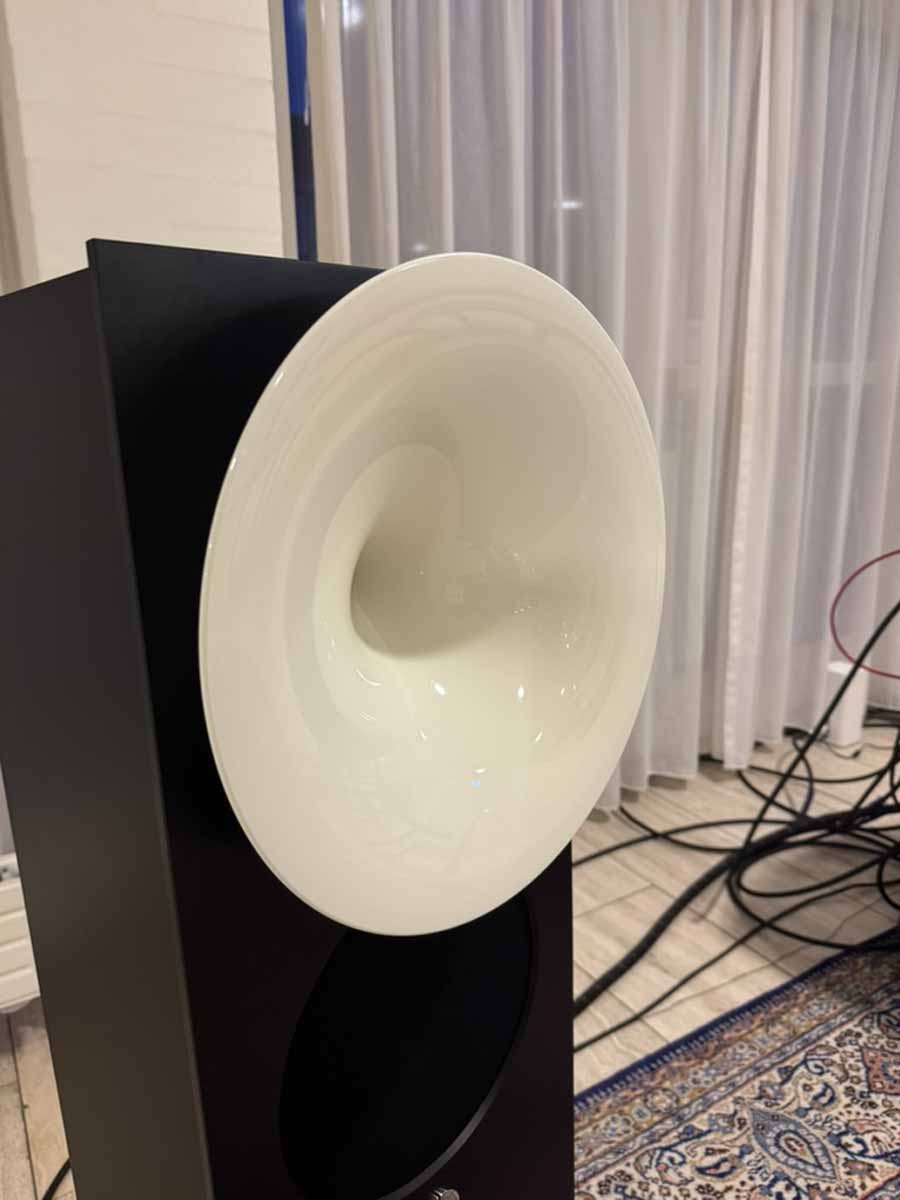
Here we had one of the few active setups on display with the new Avantegarde Acoustic Opus 1 loudspeakers, paired with partnering electronics from PS Audio. The visually matching DAC and pre-amp were being fed by the PS Audio Airlens, and everything was being powered by one of PS Audio’s own power conditioners.
It’s a real credit to the team how good they’d made this system sound given the environments – full height windows on 2 sides, a highly polished tile floor, and a relatively low ceiling are all difficult things to mitigate for, as aside from being able to put rugs down on the floor, it’s hard to put any sort of treatment in place to handle the reflections. I suspect a more acoustically friendly room would see this system achieve some really quite spectacular results at the price point.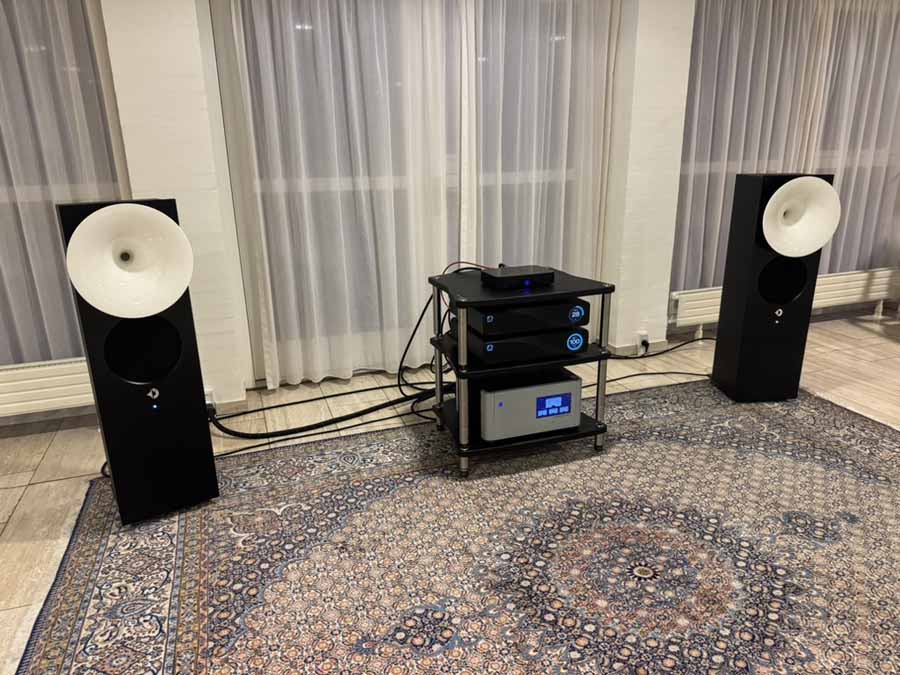


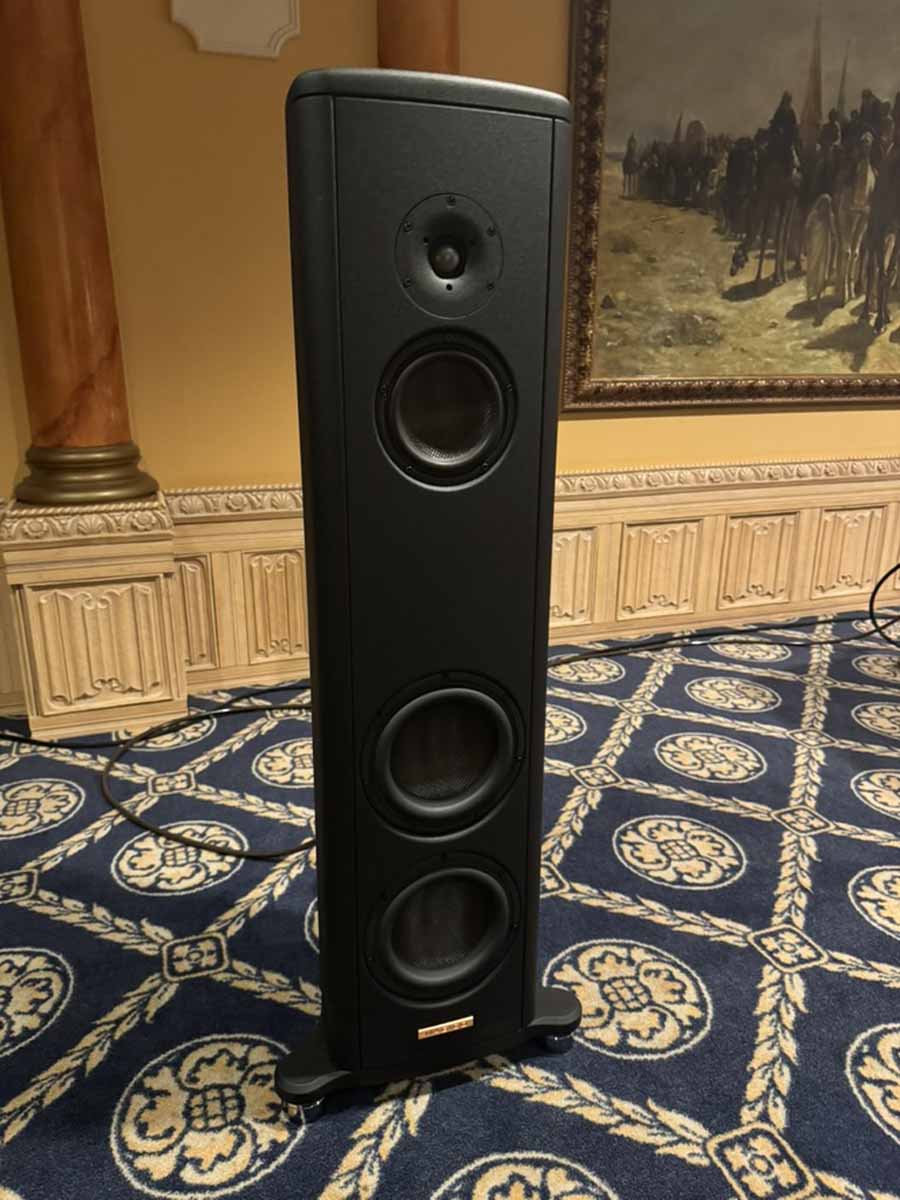
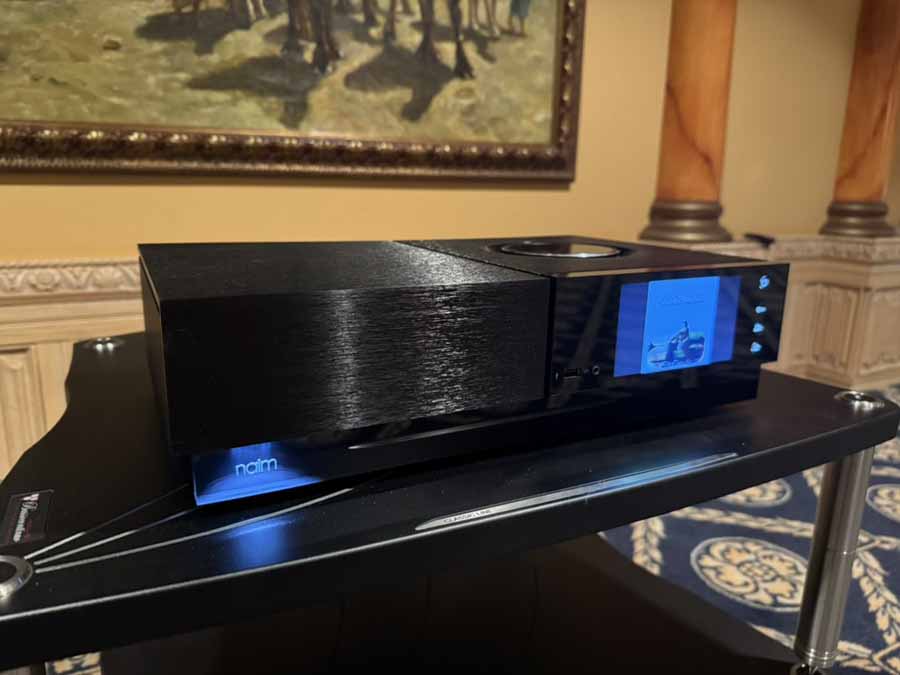
DOWNSTAIRS ROOM – NAIM/MAGICO
On Friday evening, while the various teams were working hard to optimise the upstairs systems for the challenging room acoustics, two of Morten’s long-time customers, who had kindly offered to lend a hand for the weekend, were tasked with unboxing and connecting the gear in this room. It’s quite reassuring for those of us who aren’t dealers setting up systems all the time, because the chaps got a really great sound going in the room just via playing around extensively with the speaker placement. There was no DSP running here, no acoustic panels anywhere, just the all-in-one and the S2s.
This is a fantastically fuss-free setup as well. Three boxes. Three cables. One rack. Done. Whilst it’s often a secondary consideration, in a show featuring a lot of Class A amplification that puts out huge amounts of heat, the Naim barely gets above room temperature, so it’s fantastic for year-round listening without needing to change into budgie smugglers for a listening session. It also offers a wide range of connectivity options, including support for AV systems via the HDMI port.
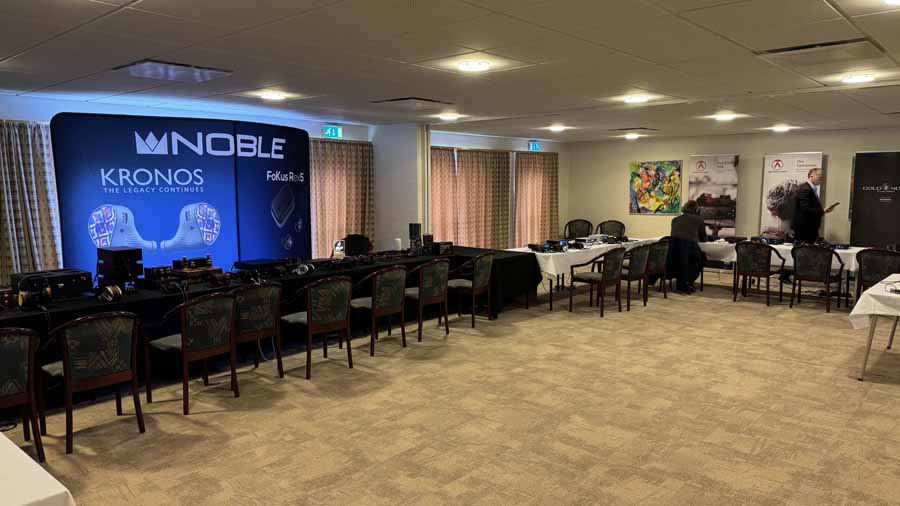
HEADPHONE ROOM – ALL THE HEADFI THINGS!
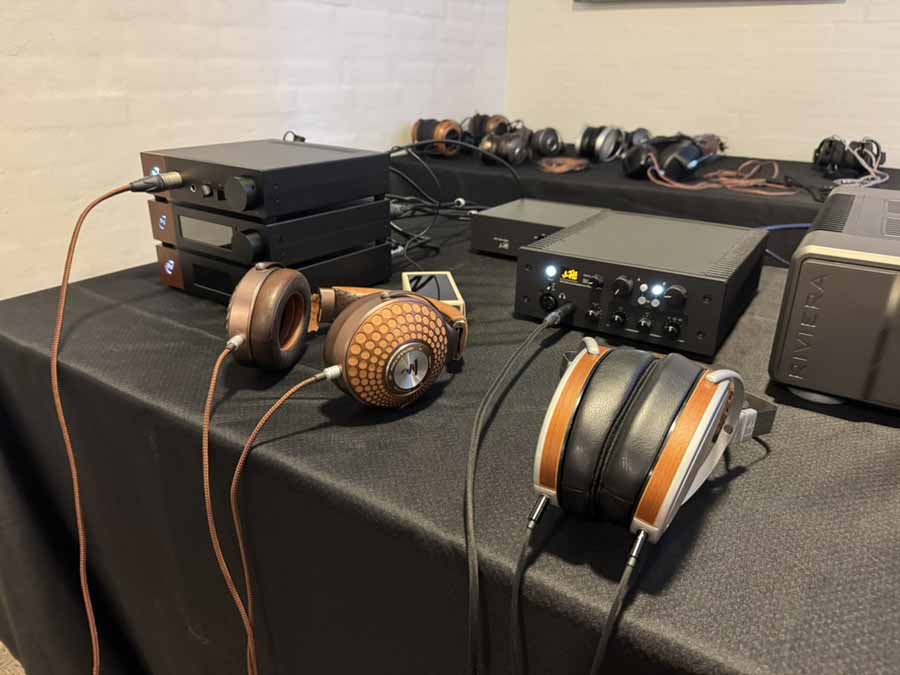
I’m not going to lie, I did not listen to everything in this room. One “fun” challenge for those demonstrating headphones is that headphone demos do not scale; it’s just one person per setup. This means that, to give enough folks a decent chance to sample some of the offerings, there were 23 different setups available simultaneously (with options to swap additional headphones in and out). This was thanks to the hard work of Kurt Møller of Inventum and Michael Wongso of Dune Blue from the Netherlands.
Dune Blue represents a sizeable portfolio of companies, including Meze, Dan Clark, Viva, Hifiman, Noble, and many more. They were using the Antipodes K22 throughout as their source component, and also had DACs and amplifiers from Riviera, Soulnote, and the full DCS Lina stack for people to listen to.
Whilst Dune Blue is a completely specialist headfi company, Inventum covers the whole spectrum of HiFi, just with a higher focus on headphone audio than a typical distributor might have. This weekend, they had products from (amongst others) Chord Electronics, Audeze, Astell & Kern, and Stax available. One particularly enjoyable setup they had was the Gold Note DS1000 EVO DAC, Stax SRM-T8000 Energiser, with electrostatic headphones from both Dan Clark Corina and the Audeze Crbn 2. What was particularly nice here (other than the sound, which was brilliant) about the Stax SRM-T8000 is that it’s got two matched outputs, so it was so easy to compare and contrast the two headphones. In the case of Corina and Crbn 2, there’s a difference in impedance, so you do need to make a small adjustment to the volume control to get them roughly equal, but it’s as trouble-free a system for comparing two sets of headphones as you can imagine.
The thing I’m struck with most of all after spending time here is that the detail and resolution you can achieve with a headphone setup really does outstrip what’s possible when spending the same kind of money on a regular HiFi setup.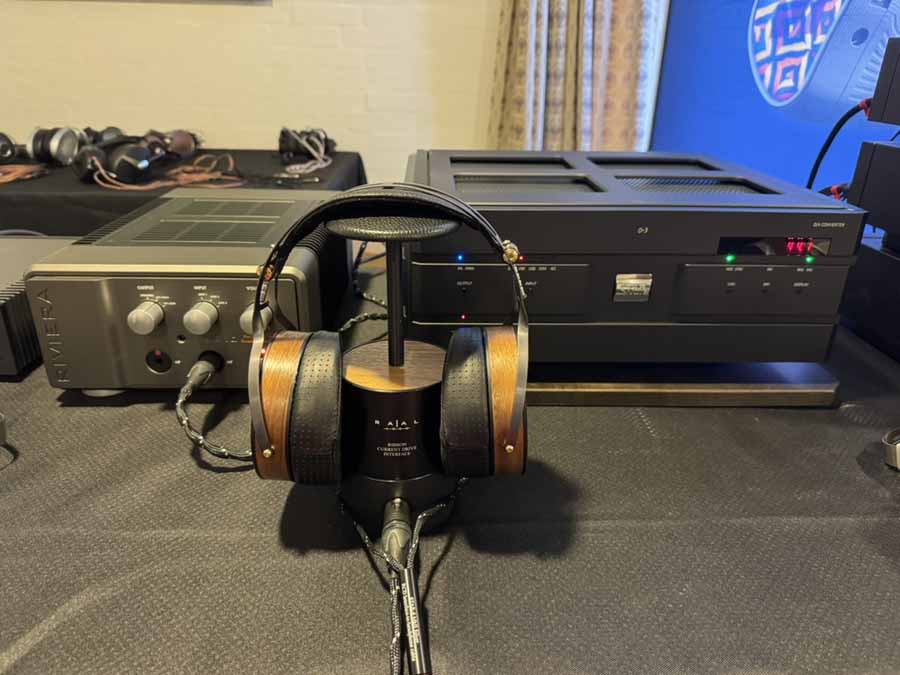
THE GOLDEN PIG AWARD
This was my first time awarding the coveted Golden PiG award at a show, and quite frankly, it was a hideous experience. All the rooms sounded great, all of the folks working the show were friendly, knowledgeable, and just all-around lovely people. Having to single out one choice to give the award to feels a lot like choosing which puppy to stab.
I’m going to wimp out slightly and give a runner-up award, which goes to Frank from Very Fine Solutions, Jeffrey Dam from Ikigai, and Jeffrey’s daughter Elena, for the MSB/Magico/Ikigai room. It was an excellent-sounding system; they were willing to take plenty of time to explain the finer points of the various products and had also brought some really tasty chocolate.
In the end, I decided to take a slightly data-driven approach to awarding the prize and gave it to the system I found myself returning to the most (one of the joys of a small show like this, having the time to revisit rooms). The prize, therefore, goes to Daniel Hofmann of Stylus Audio and the Vertere/Soulnote/YG Acoustic system.

THROUGHOUT
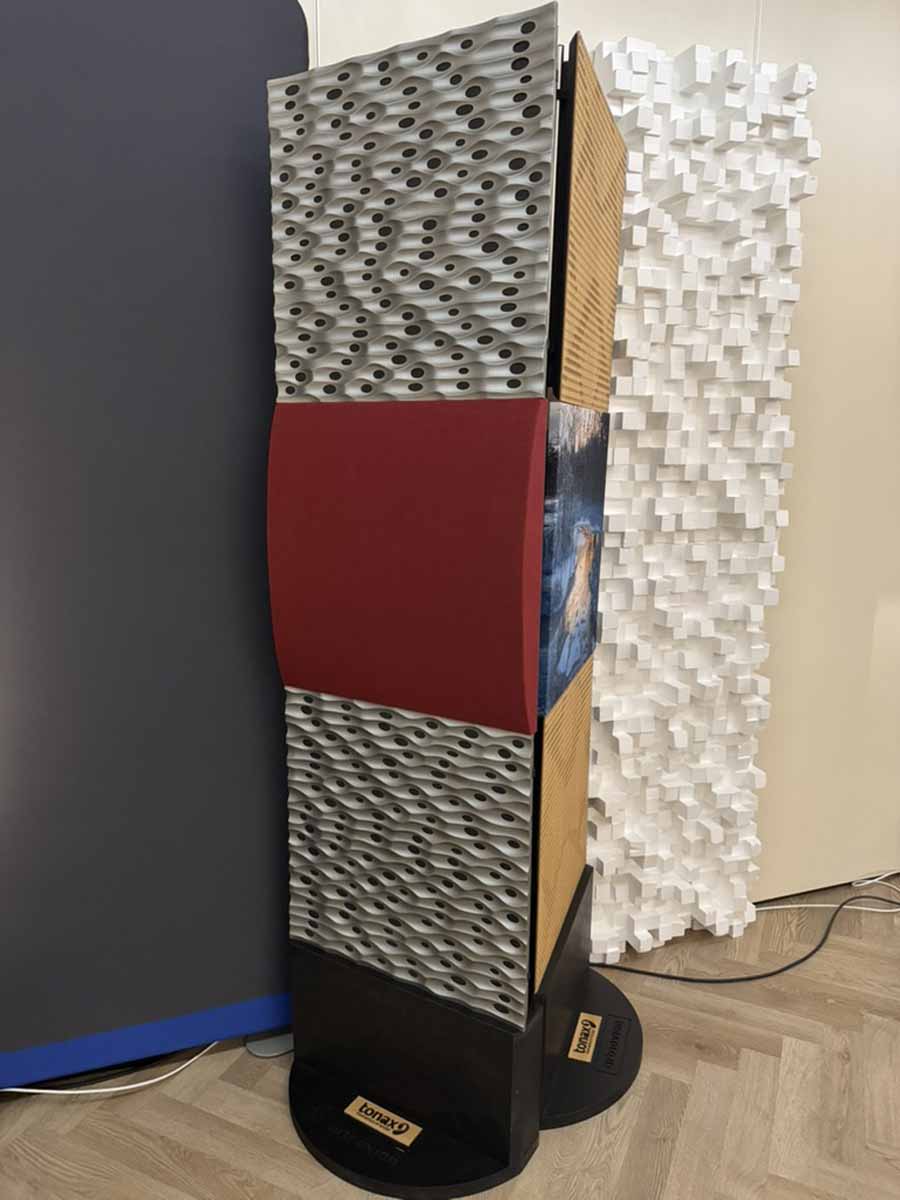
A few brands were featured across the vast majority of the rooms, and it’s only fair to make sure they all get a proper mention as well. Of particular note, Artnovion had brought a huge number of their acoustic panels, which proved invaluable in allowing these systems to really shine in what would otherwise have been very challenging circumstances. Whilst not something they could exhibit at the show, they have also recently released a brand new product that solves the problem of harsh reflections from large windows. It’s a full replacement of the glass in the window, so it’s not a trivial undertaking, but in testing, they were able to use an entirely glass room to still do recording work without needing any other treatment in the room – something that’s unheard of up to now.
Equipment racks were primarily from Bassocontinuo, and additional isolation devices were provided by the Polish firm Graphite Audio.
As we publish this report, Jon is on his way to Norway for the Oslo HiFi Show, next weekend, stay tunes for that report!
Jon Lumb