Fatman Apollo77 Hybrid Earphones










FATMAN APOLLO77 HYBRID EARPHONES REVIEW
Fatman Apollo77 hybrid earphones are a set of £700 in-ears that use a 4-driver hybrid design. Oscar Stewart takes a listen for HiFi PiG.
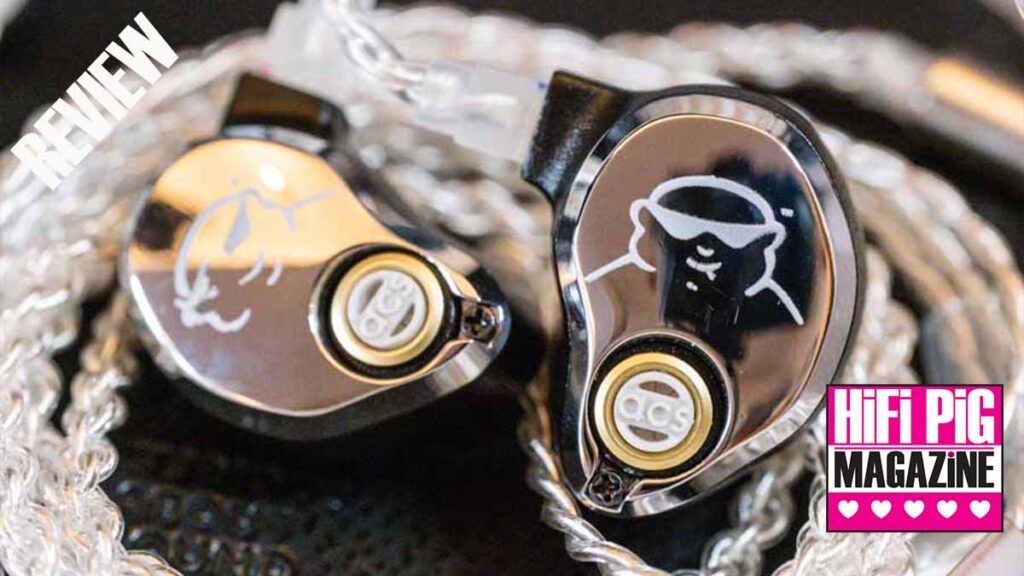
Fatman by TL Audio may be a familiar name to some; they made a range of little tube amps a while back. Well, they are back, and now make a range of earphones with help from ACS. ACS are quite a big name in custom in-ears for professional use, and it makes sense that Fatman have chosen to partner with them for their take on professional monitor earphones.
The Apollo77 being reviewed here are their first model, which use a 4-driver hybrid design, these are priced at £699. They have also just released a single dynamic driver model at £299, called the Apollo11.








BUILD AND FEATURES OF THE FATMAN APOLLO77
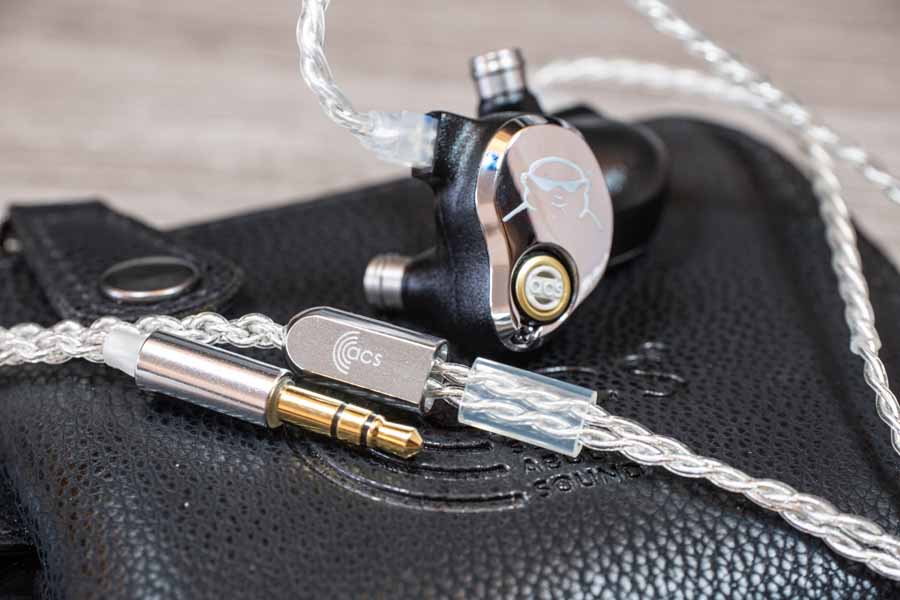
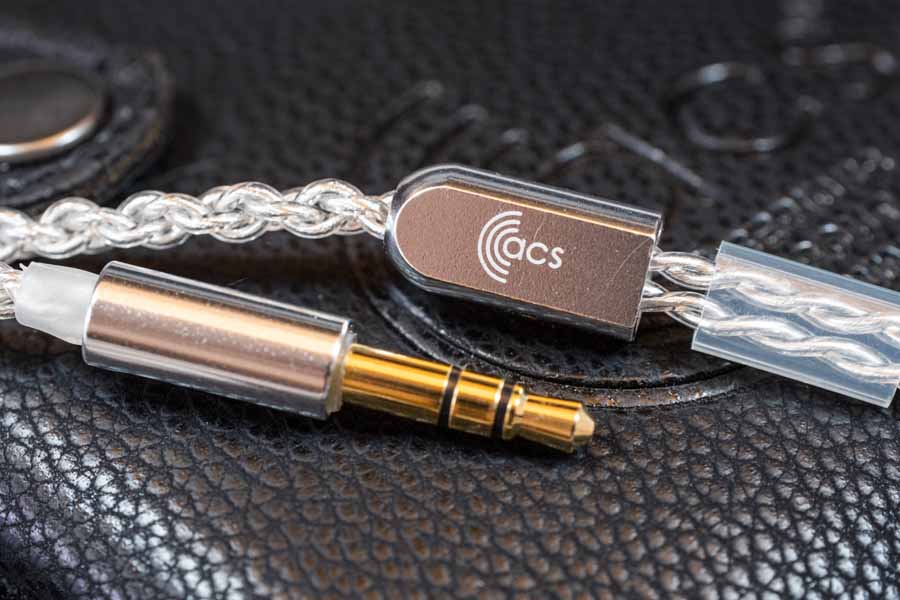
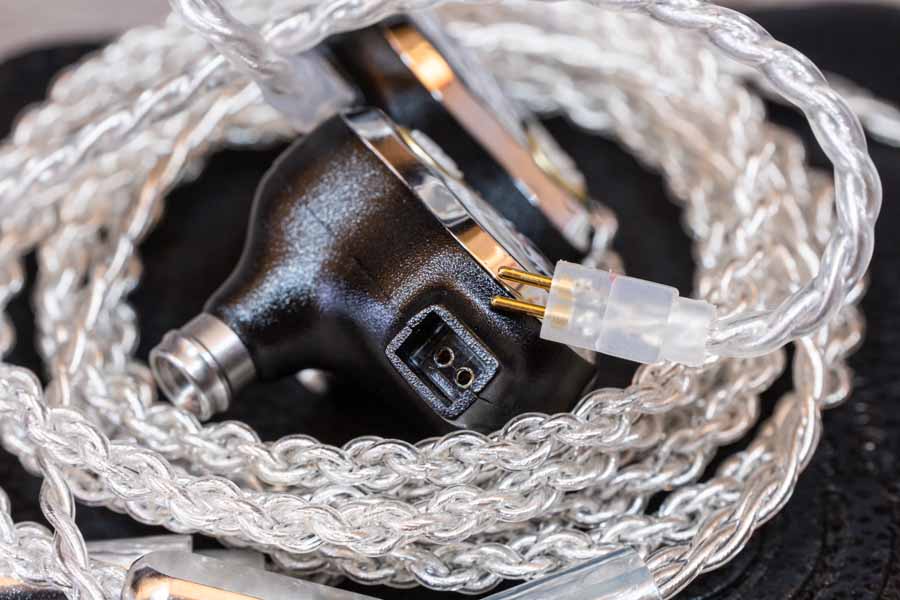
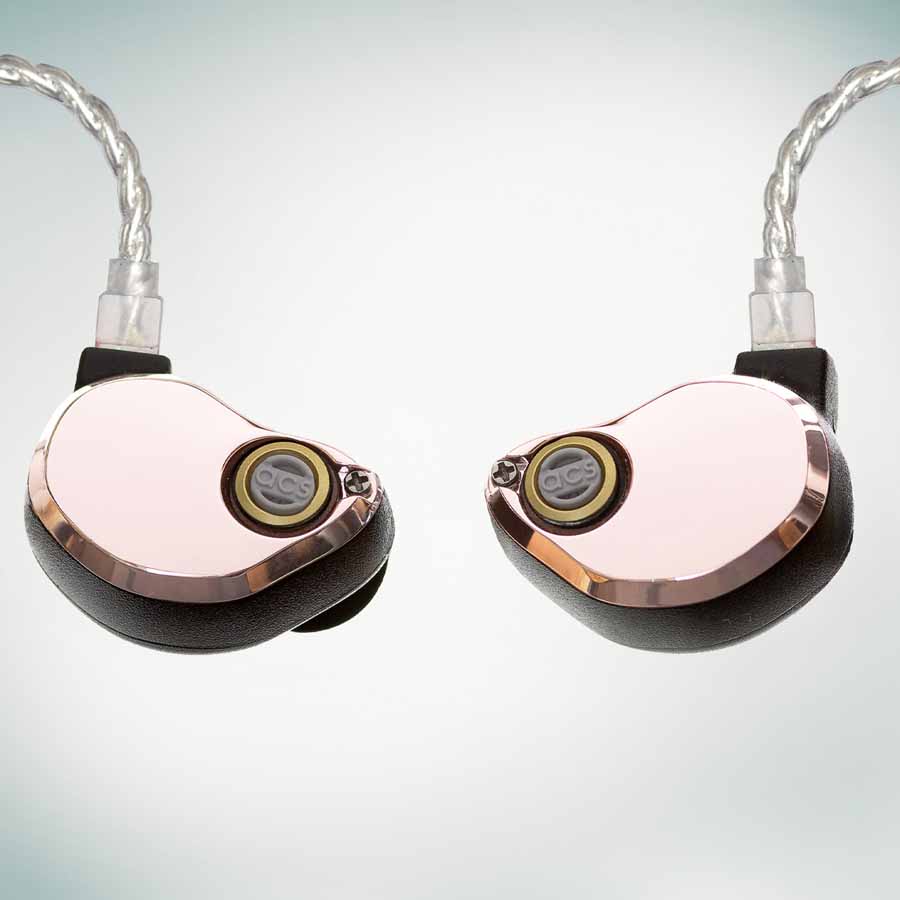
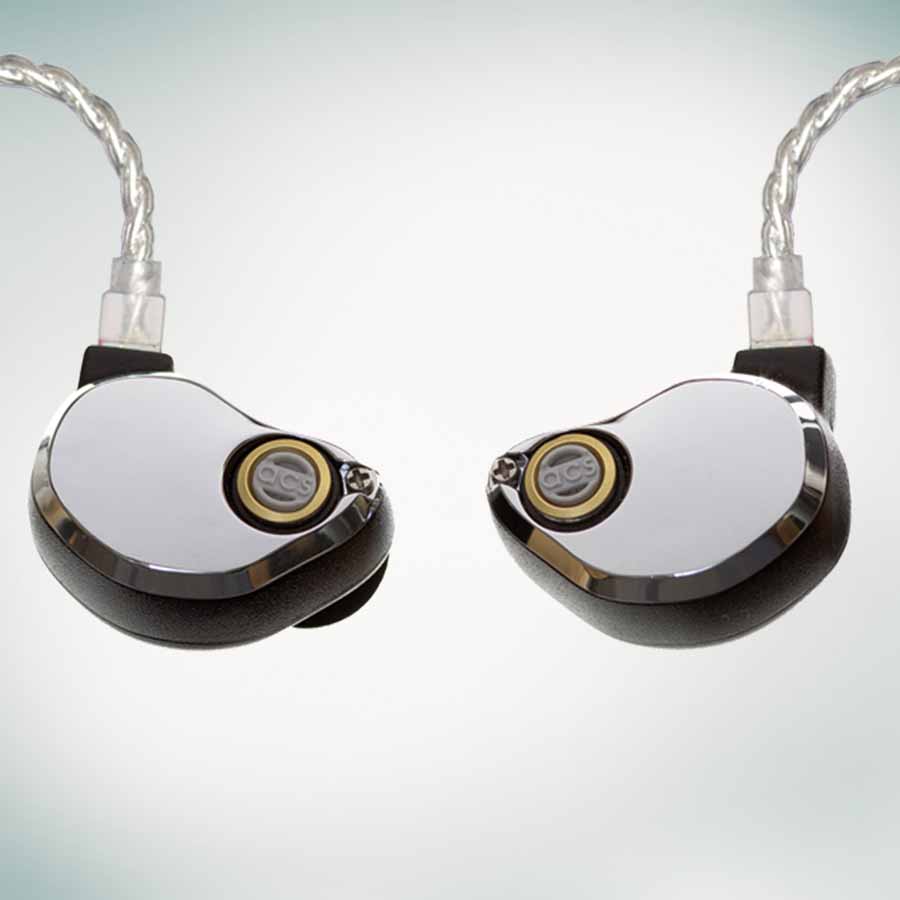
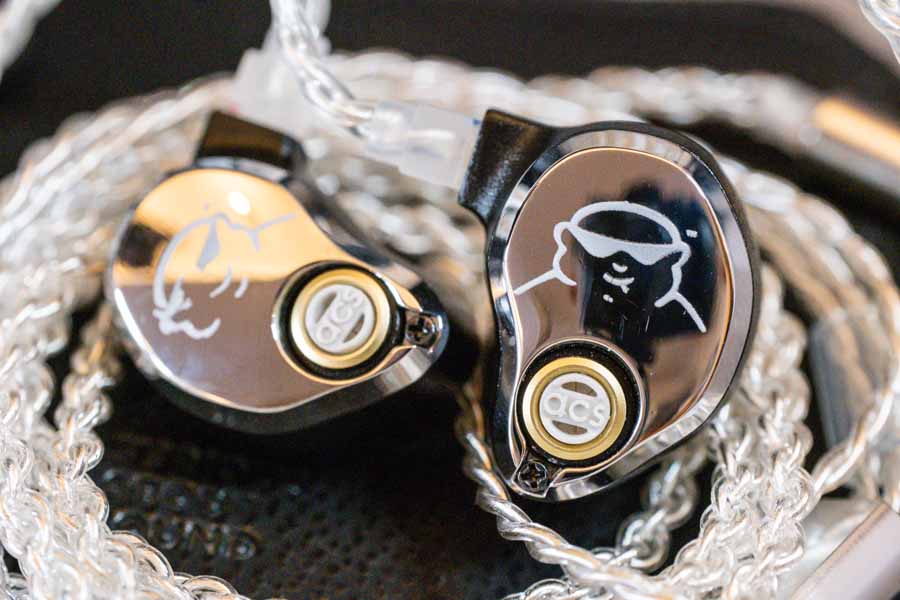
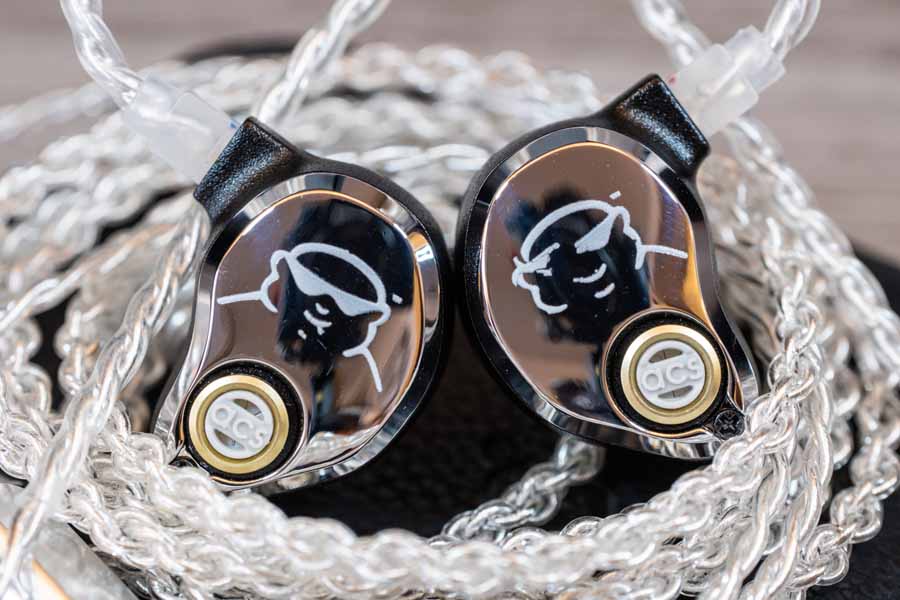
Starting with the build quality, these are extremely well made with an aluminium shell, and stainless-steel faceplates and nozzles. They come with standard 0.78mm 2-pin earphones connectors, and the included cable is silver plated with good strain relief – overall they feel robust and made to last.
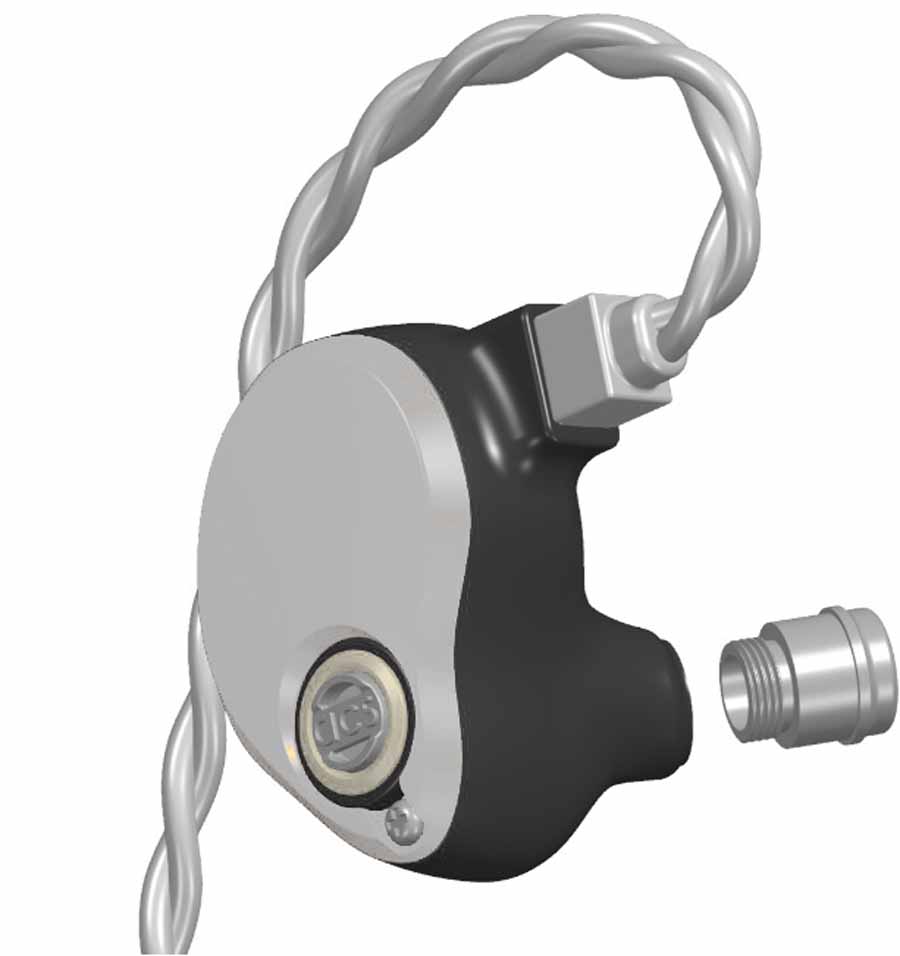
Feature-wise, they come out of the box with 3 different types of nozzles – instead of these being a tuning tool, they are actually just different lengths for comfort reasons. This is handy, as I have quite narrow canals, so shorter nozzles can increase comfort. They also come with 3 sizes of foam eartips, to ensure a good fit, a neat little carry pouch, and a 3.5mm to 6.35mm adapter. They include enough tips to get a good fit, and these are earphones that do work best with foam tips (rather than silicone, which is my go-to).
Another neat accessory included is an ACS-branded iFi Go-Link USB-C to 3.5mm dongle – something I previously reviewed. This is an optional accessory, and it is a worthy one as it’s a great little portable DAC/Amp and one that pairs very well with these earphones.
Internally they use a single dynamic driver for the bass, 2 x Knowles mid/high balanced armatures, and 1 x Knowles super-high balanced armature – with a passive 3-way crossover. Isolation is quoted at -17dB which is pretty good, I found them to isolate well when commuting by train. Impedance is 28 Ohms, with a sensitivity of 108dB/mW @1kHz, which makes them quite easy to drive.







I found the Apollo77 to be comfortable for long listening sessions once I had settled on the right tips and nozzles, the cable is great, and they fit securely making them double up as a brilliant tool for musicians. 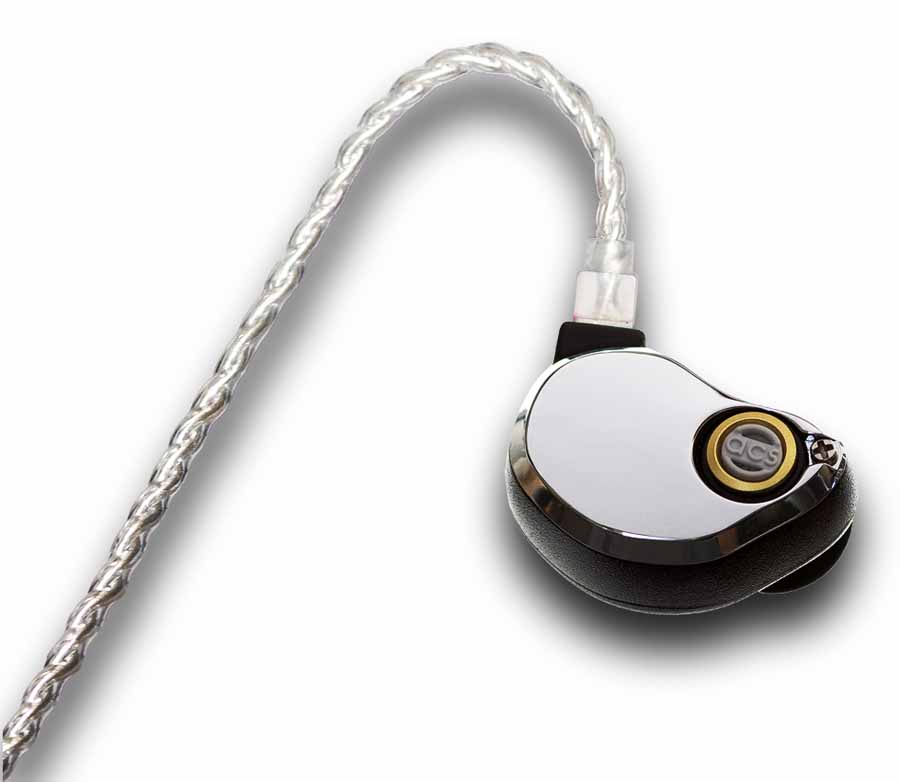
SETUP AND USE
I have been using the Apollo77 with the short nozzles, foam tips, paired with the Activo P1 portable player, as well as the Go-Link. As these are quite easy to drive no big differences were noted between sources, aside from the sound signature of the source itself.
SOUND QUALITY
The Apollo77 are tuned with a more neutral sound in mind, which fits with ACS’s prominence in pro-audio. These deliver a more reference sound, yet one that isn’t fatiguing or devoid of musical enjoyment.
Dark Signs by Sleep Token has a deep bass beat throughout, and this is well presented by the dynamic driver in the Apollo77, offering up plenty of body and depth with great control. These have no issues digging down into the sub-bass section, and they never lose control of the underlying beat. Meanwhile, the midrange is crystal clear, vocals cutting through with excellent tonality, never suffering bleed from the low end. The treble is crisp, it doesn’t hold back and shows up plenty of detail in the recording, transients are snappy, and the whole sound is well balanced with perhaps a slight hint of added weight in the low end, and sparkle up top. These are not earphones that are going to hit with tons of energy and dynamics, whilst they handle dynamic shifts with ease, they are still a more controlled and balanced-sounding earphone.
This is highlighted during Porcelain Heart by Opeth, where the Apollo77 easily picks apart the mix and accurately places each instrument within the soundstage. There is a huge amount of clarity across the board, fingers on the fret board, the drum hits panning from right to left, every breath audible, whilst impeccably clear, they may be too precise for some people. People like myself can enjoy this kind of sound signature due to their ability to separate a mix with ease, and never sound muddled during complex sections, but they don’t strike you as “fun” subjectively. I wouldn’t say they are boring, though, as they have just enough impact and sparkle to avoid that; they are, however, on the flatter side when it comes to a subjective analysis of their engagement factor.
One area where the Apollo77 do excel is air and space within the soundstage. Hearts In The Night by Bedouin Soundclash is a good example of this. There is quite a lot of reverb in this recording, and it comes across well through these, with great space between the various guitar lines and vocals. They sound incredibly natural here, effortlessly portraying a sense of space and air within the soundstage, with accurate instrument placement and, once again, plenty of detail and insight.
Hurricane by 30 Seconds To Mars came on, and this sense of space was once again very apparent. This track has quite a few different electronic effects going on in the background, and the Apollo77 never lose track of these. Jared’s vocals are clear and detailed, the thick bass beat is full and articulate, and there is a great sense of scale to this recording through these earphones. The bass is both punchy and deep, with good impact when needed, backed up by plenty of rumble if called for. These are earphones that can give you a coherent and balanced sound, whilst allowing you to focus in on any part of the mix should you wish. They are enjoyable in a musical sense, yet double up as a tool for pro-audio users who wish to analyse a mix. Anyone who has listened to a pair of monitoring speakers vs HiFi speakers will know the difference in presentation; it’s not that one is lacking, they just suit different use cases. The same nearly applies here, however, if you are someone who enjoys a more neutral sound, these will be both engaging whilst doubling up as a monitor.
It is sometimes difficult to write about a more neutral sounding earphone, and songs often do a better job at explaining what these do well. Together by The Raconteurs had me stunned, a big articulate bass line, gentle guitars with exquisite detail, snappy snares, and crisp, airy cymbal taps and crashes, all coming together to create a very real sounding portrayal of the music. With an earphone that gives as much insight as these do, you end up hearing imperfections in the mix should you wish to listen for them, I have noticed a bit of clipping and distortion in this song that I don’t recall hearing before.
Now, I have had my fair share of detailed, studio-based earphones, but these do offer up an impressive level of insight for quite a reasonable price. Usually, you need to break the £1000 bracket to get this level of micro-detail, so I must commend Fatman and ACS for delivering this level of detail for £699. Their dual-use purpose as both a pro-audio tool and audiophile earphone makes them an even more interesting proposition. 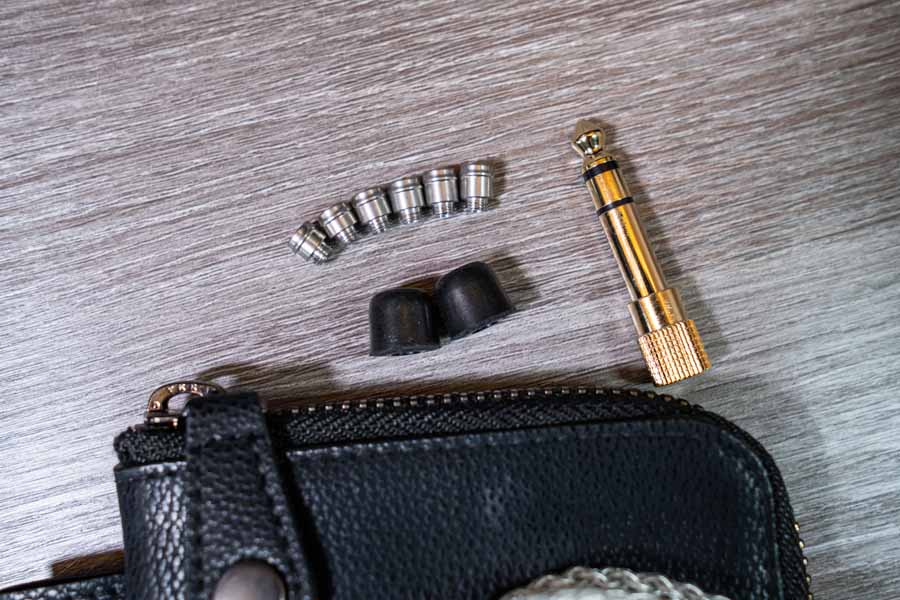
QUIBBLES
This level of transparency and detail will not suit everyone’s listening preferences. Foam tips are pretty much essential for the best sound, whereas I usually prefer silicone for longevity.
CONCLUSION
The Apollo77 came in for review without me knowing much about the company, and I have also never used any ACS models, even though I am quite familiar with the company. These have impressed me, more on a technical level than an engagement level, nonetheless they are a brilliant pair of earphones. What these give me is a level of insight into recordings that is often reserved to higher priced models, the realism and sheer detail is quite something.
So, whilst they may not be the most fun or engaging earphones out there, they do score highly when it comes to technicalities. Their ability to have such a great sense of space, air, and control lends them to handling anything you throw at them with ease. They have a big soundstage with accurate instrument placement, their ability to track a tricky bassline, and overall presentation make them a brilliant listen if you enjoy a more neutral sound.
AT A GLANCE

Build Quality And Features:
Extremely solid build quality with a good stock cable
Some neat features and a good accessory pack
Sound Quality:
Clean, neutral, insightful
Detailed, airy, and controlled
Value For Money:
These represent good value when looked at as a whole; the build is fantastic and the level of detail on show here is usually reserved for higher price brackets
We Loved:
The comfort, build quality, and clear, detailed sound
We Didn’t Love So Much:
This level of neutrality may not be to everyone’s taste
Elevator Pitch Review: If you are a fan of a more neutral sound signature and value detail retrieval without wanting to sacrifice deep, articulate bass, then these could be your thing. They have a knack for delivering punchy basslines, clean vocals, crisp treble, and a real sense of air and space in a recording. They give you a huge level of insight into the music you are listening to and never sound muddled, whatever music you throw at them.
Price: £699

Oscar Stewart
SUPPLIED SPECIFICATIONS
- Frequency Response: 10Hz – 24kHz
- Impedance: 28 Ohms @ 1kHz
- Sensitivity: 108dB @ 1kHz
Driver Configuration:
- 1 x Dynamic Bass Driver
- 2 x Knowles Midrange-Treble Balanced Armatures
- 1 x Knowles Super Tweeter Balanced Armature
- Passive 3-Way Crossover for ultimate sound separation