Dementia Disco – HiFi PiG’s Chosen Charity For 2026

























































DEMENTIA DISCO IS HiFi PiG’S CHOSEN CHARITY OF 2026
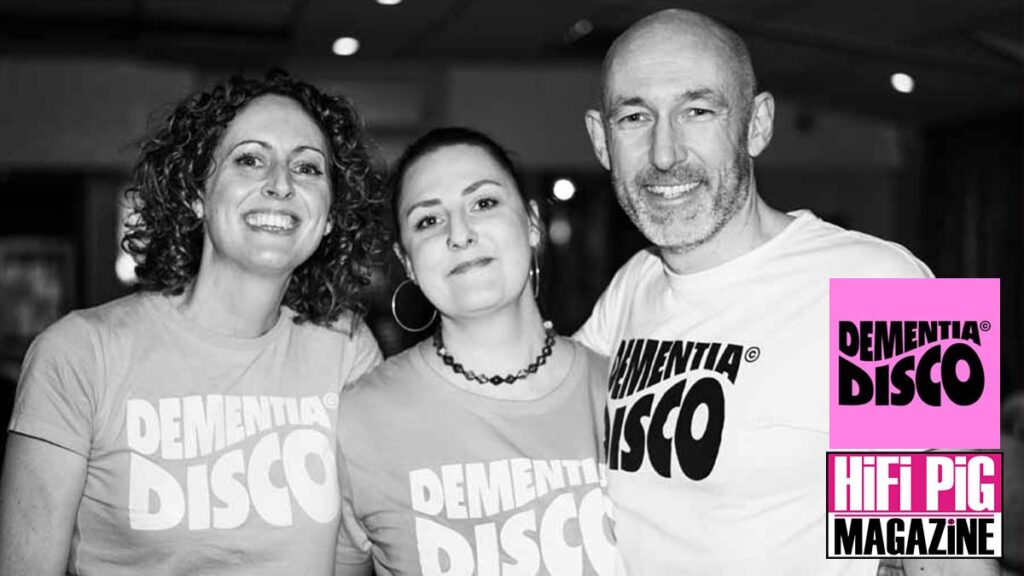
Dementia Disco chosen as HiFi PiG’s supported charity for 2026 Link to donate at the very bottom.
In a recent Sunday Thoughts piece, I wrote about the power of music and its ability to cut through time and space, bringing back memories long thought lost. The very next day, while watching the news on television, a feature on the organisation Dementia Disco appeared on screen.

What I had been thinking about over the weekend was already being put into action through music, movement and community. With that in mind, I reached out to learn more about what Dementia Disco is doing and why it matters. What follows is some background on the organisation, followed by an interview with Kate Darby, who represents Dementia Disco.
DEMENTIA DISCO AND DANCE AGAINST DEMENTIA
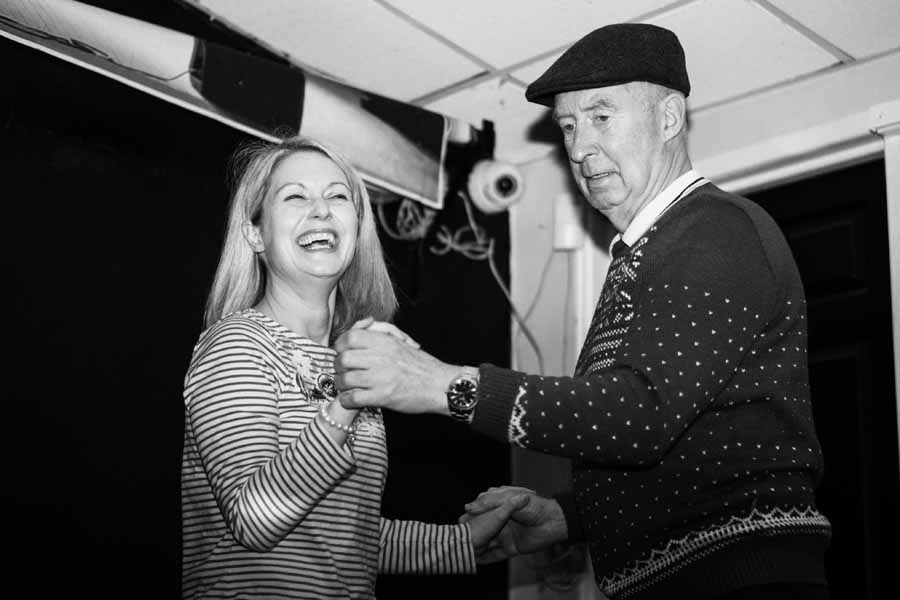
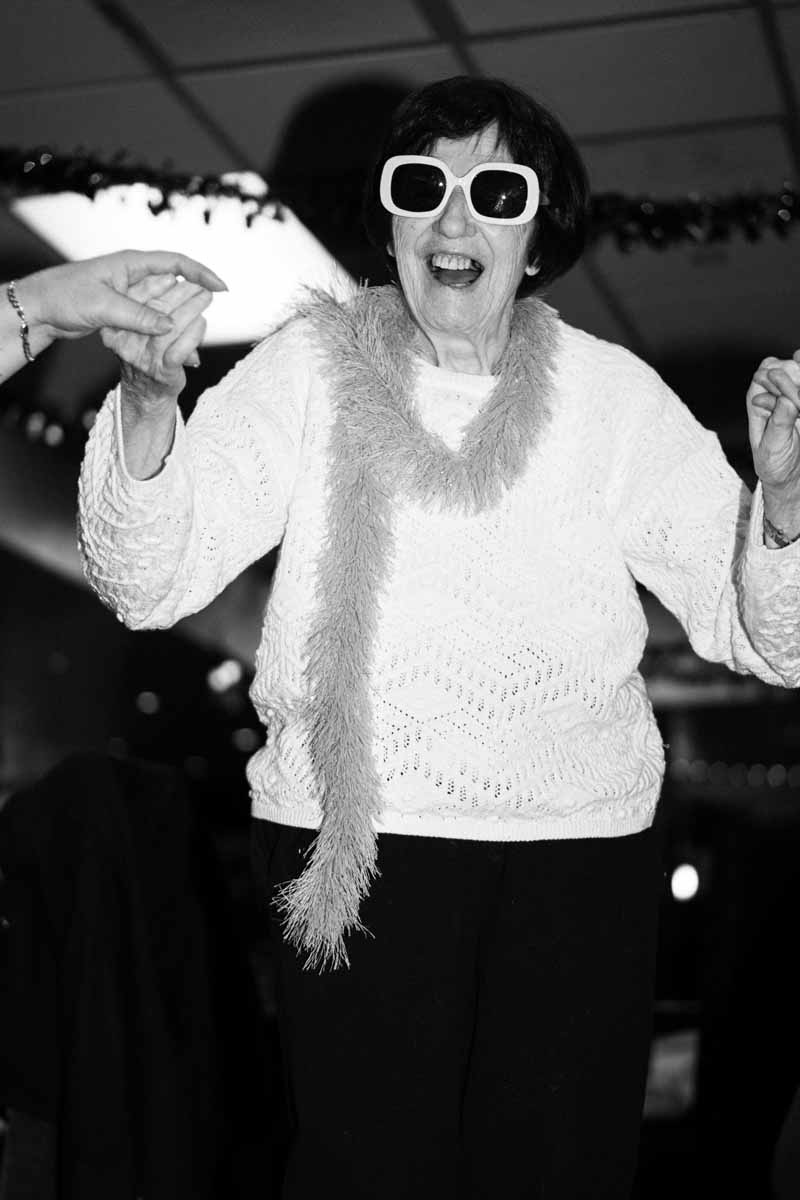
Dementia Disco is a registered charity (Charity Number: 1206477) that uses the power of dance and music to advocate for those living with dementia and to ensure the condition remains a national political priority. At the heart of the organisation is a strong belief in community engagement and visible, high energy advocacy, most recently shown through the Dance Against Dementia campaign.
Rather than quiet lobbying, Dementia Disco places movement, music and people front and centre. Dance becomes both a statement and a tool, making dementia impossible to ignore.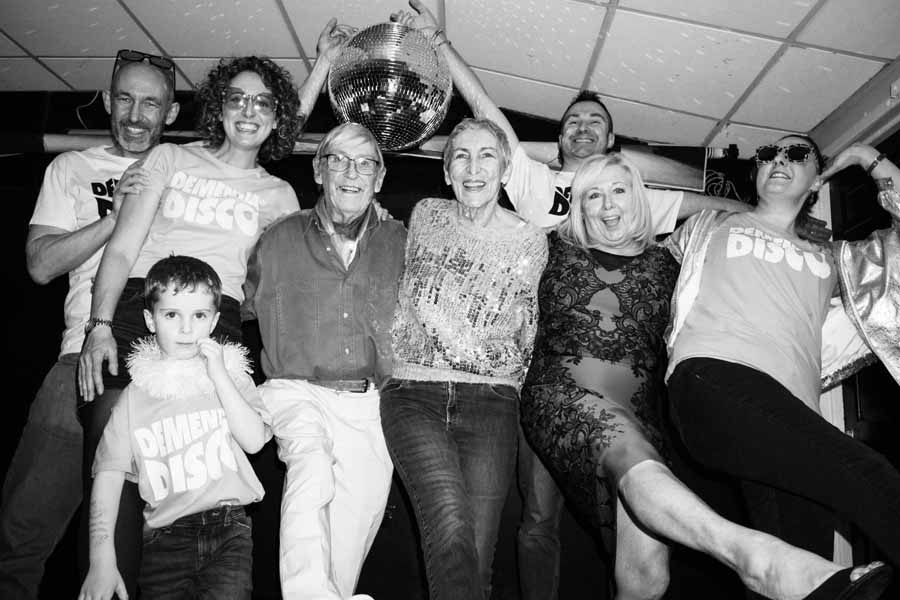
CORE ACTIVITIES AND MISSION
The primary goal of the organisation’s recent work has been to challenge the government’s removal of the 66.7% dementia diagnosis target from the NHS Operational Planning Guidance for 2025-26. To highlight this specific issue, Dementia Disco organised a campaign lasting 66.7 days, ending with a total of 5,668 registered dances.
Those dances are not just numbers. They are a visual and physical representation of community action, collected with the clear intention of being presented to MPs and delivered to Parliament, specifically to Wes Streeting, to demand a renewed focus on dementia diagnosis.
DANCE IN ACTION
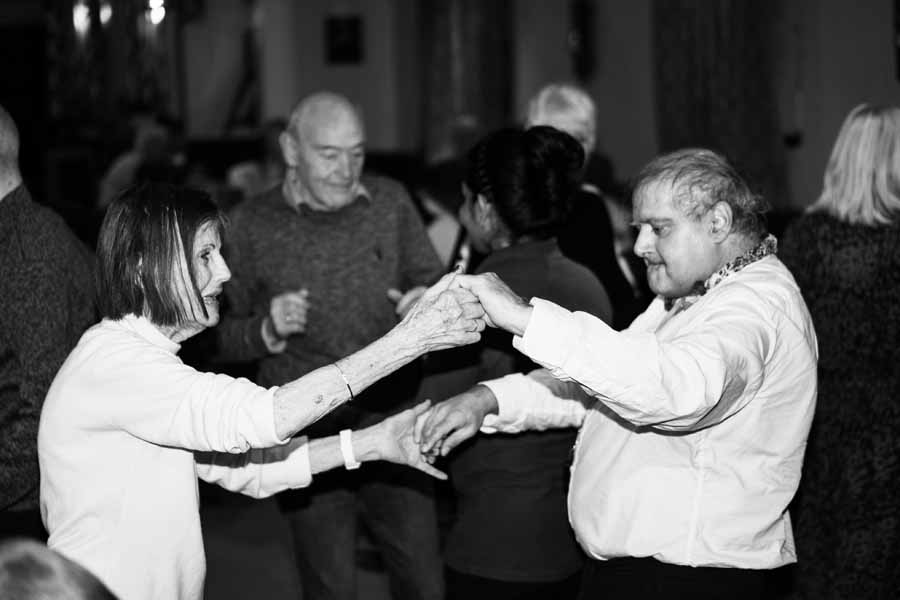
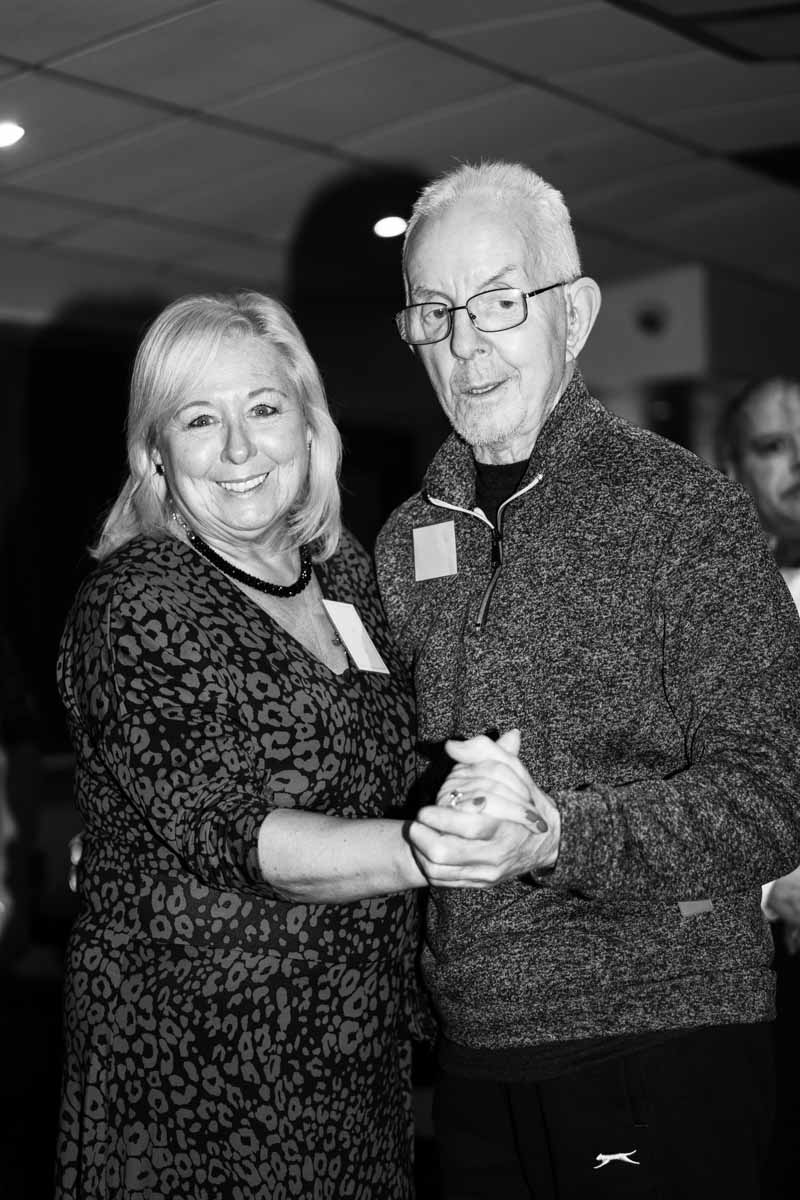
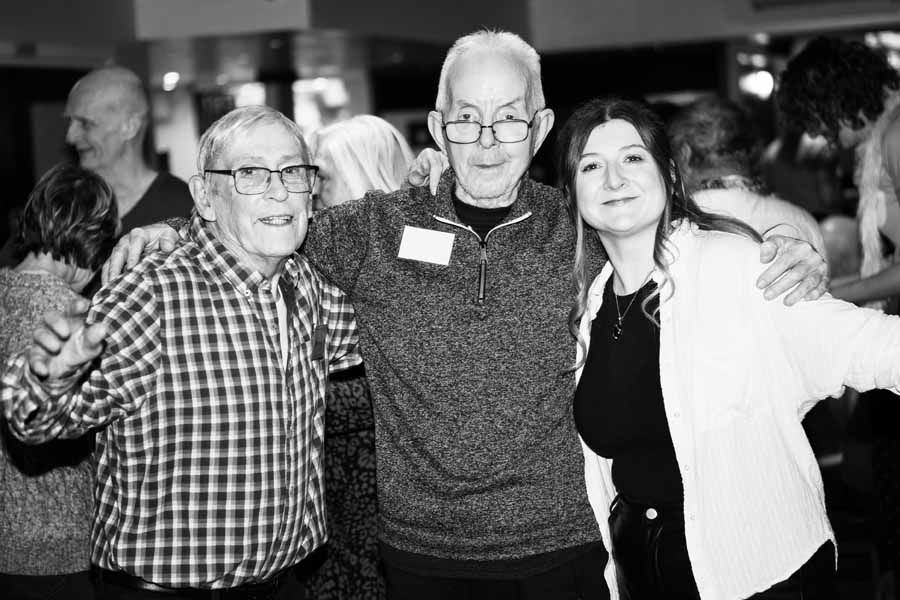
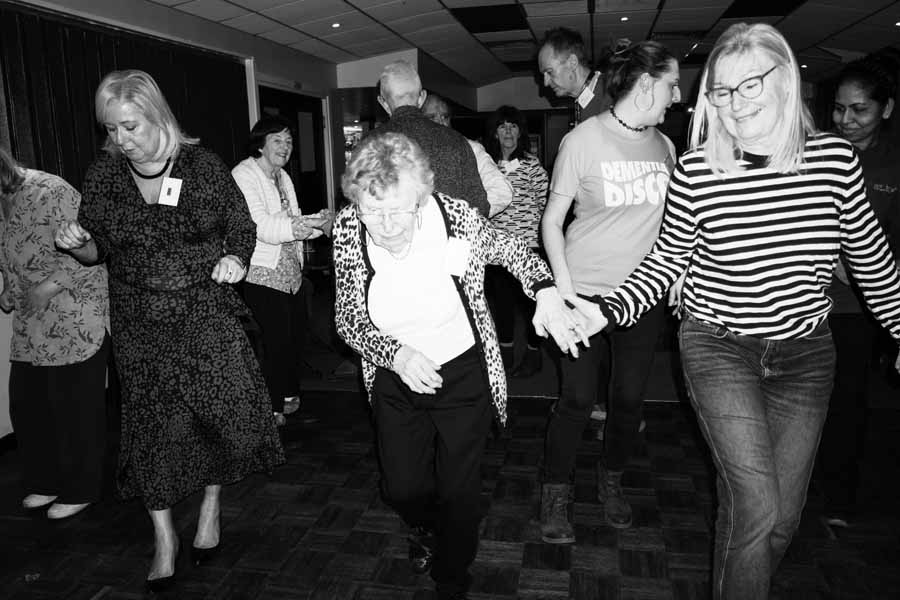
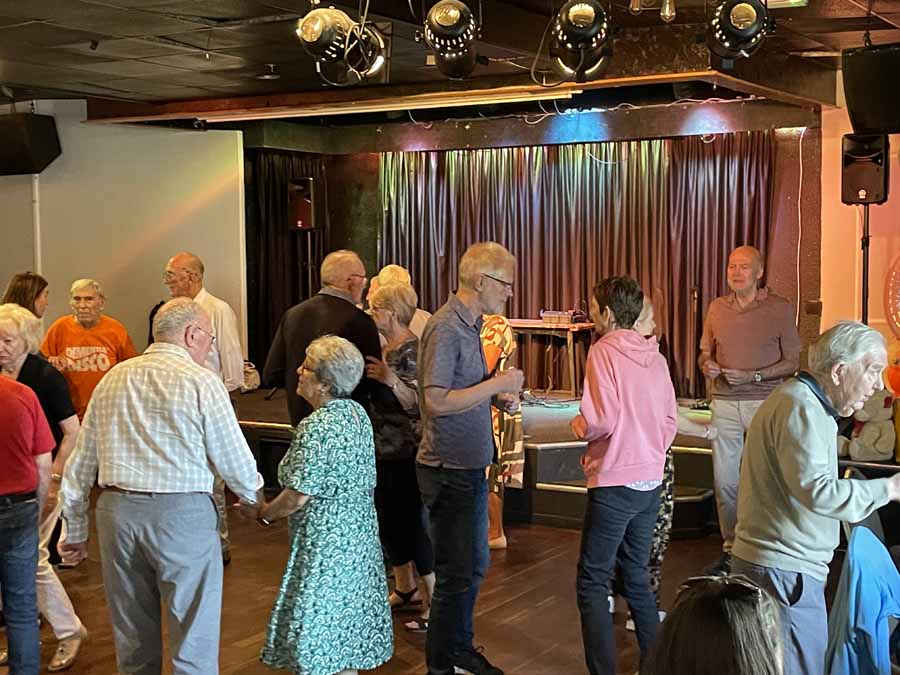
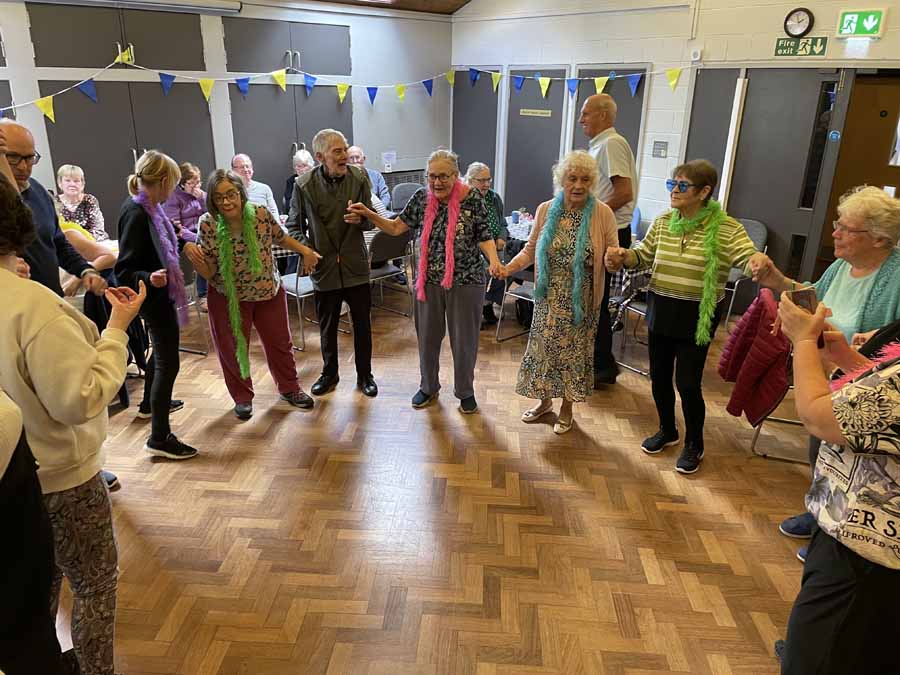
A major part of the campaign was the 12 mile Dance a Thon, where volunteers danced and sang from Mossley to Stockport Old Town to raise both funds and awareness. Alongside this, Community Discos such as the Heaton Mersey disco brought people together, featuring performances from local dance schools and reinforcing the charity’s focus on shared experience.
The group is also known for flashmobs and public takeovers. These include a flashmob at the Royal Nawaab Pyramid and a takeover of Stockport County Football Club, where supporters, security and first aiders were all encouraged to dance. These moments turn everyday public spaces into statements of solidarity and visibility.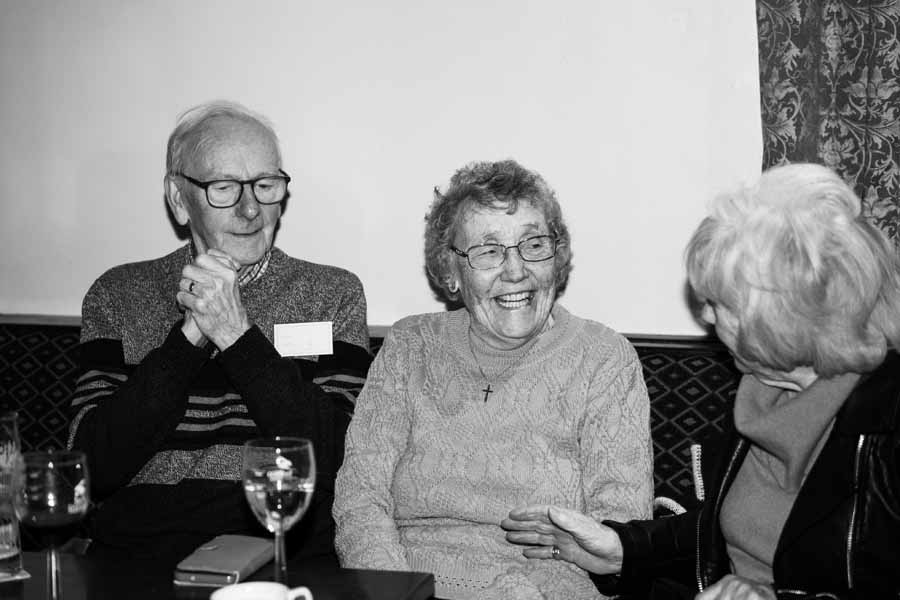
POLITICAL ADVOCACY THROUGH MOVEMENT
The total dances collected during campaigns are used as a powerful visual representation of community action. Rather than abstract statistics, Dementia Disco presents something tangible and human, using dance to push dementia back into the political spotlight and demand that it remains a priority.
JOY, VISIBILITY AND COMMUNITY
While there is no clinical explanation offered for how music affects the brain, the sources clearly describe the social and emotional impact of Dementia Disco’s approach. Music and dance are used to create an atmosphere of pure joy and determination, framed as empowerment rather than entertainment.
Dance also becomes a way to ensure dementia is no longer ignored. It is a visible, shared act that turns a health crisis into a political priority.
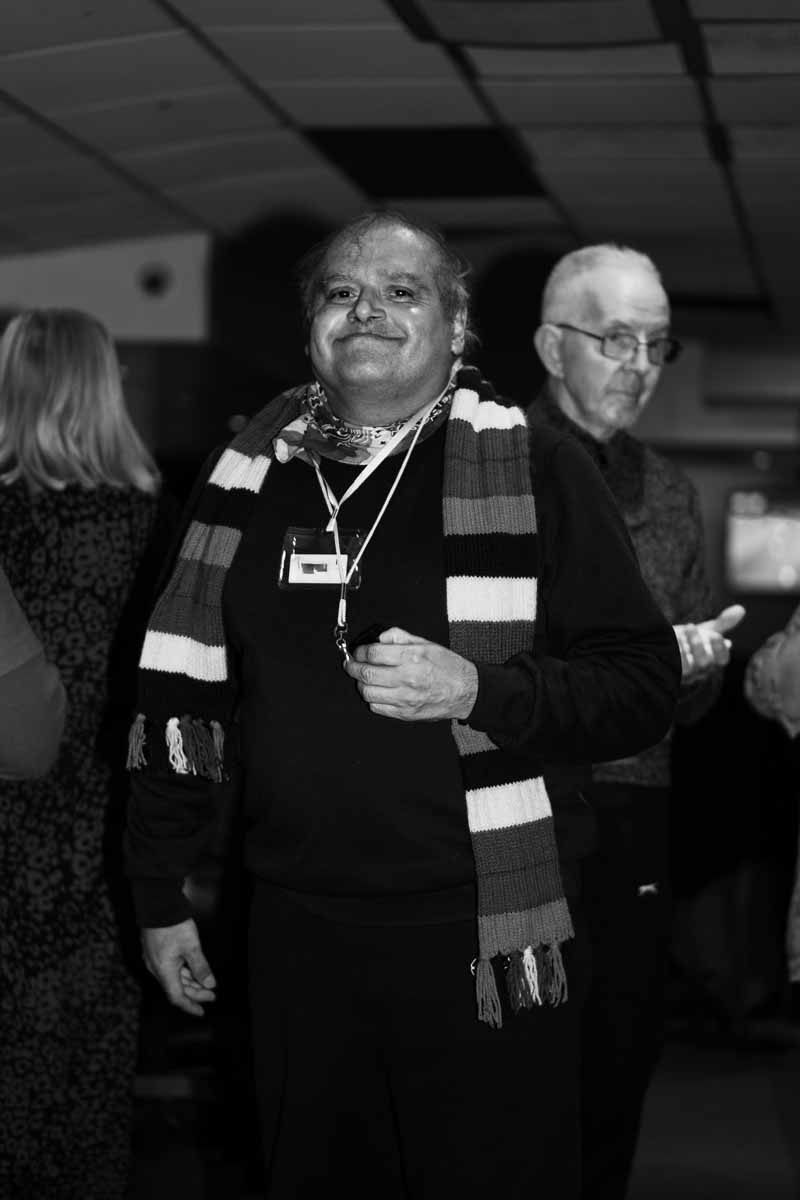
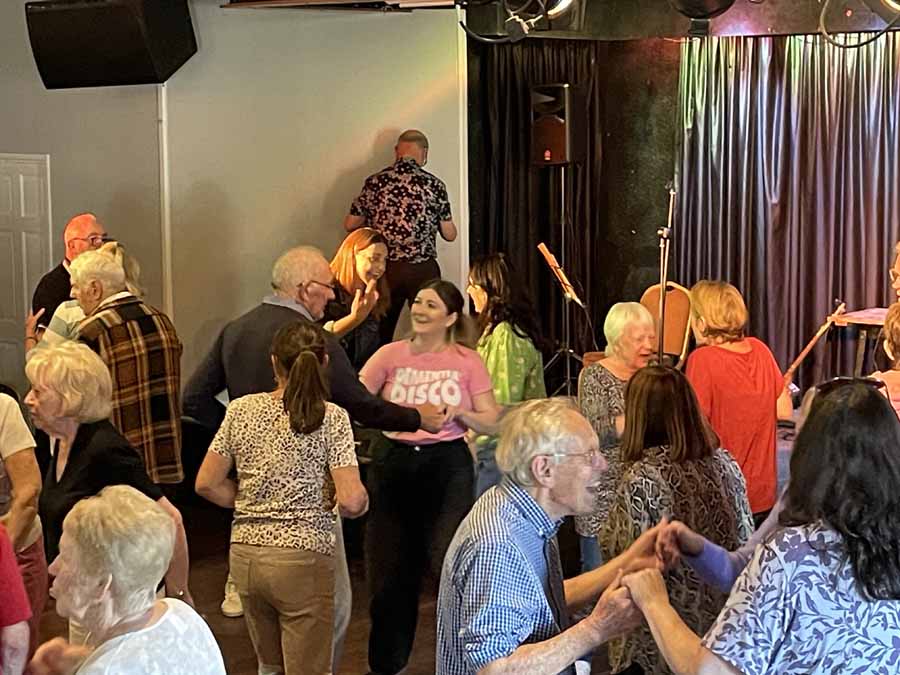
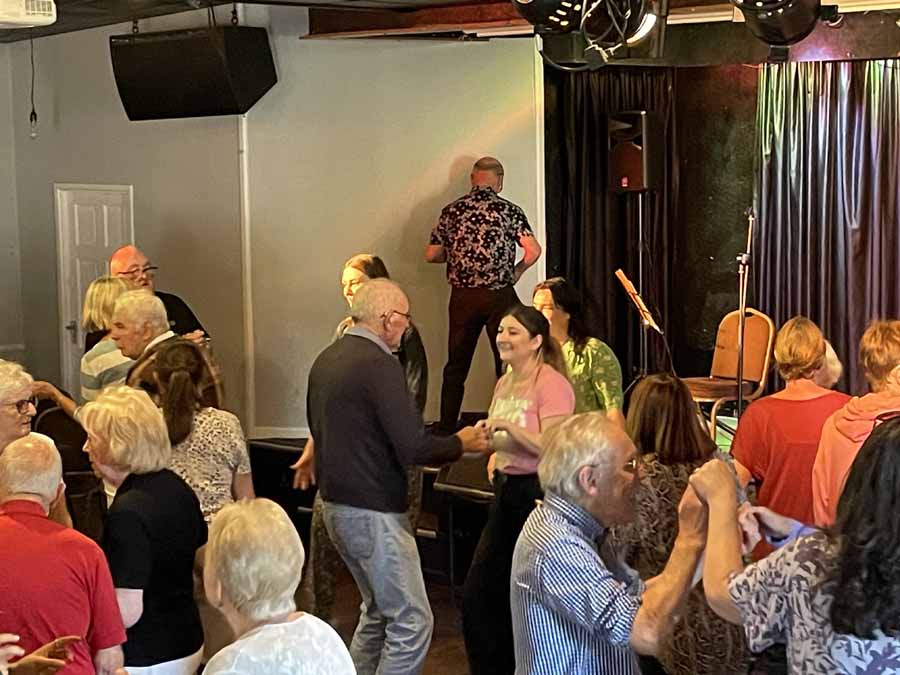
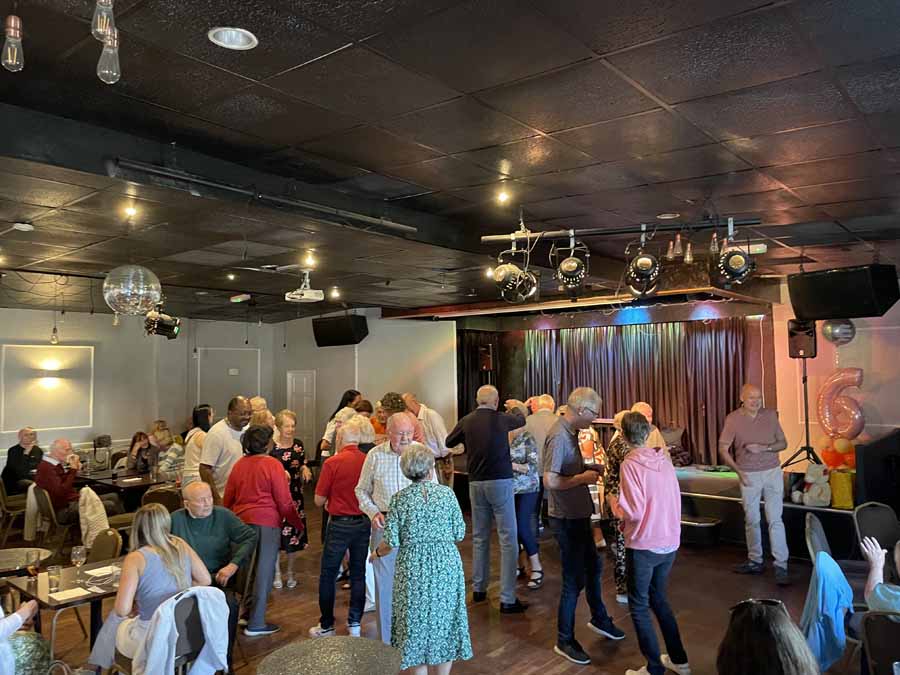
Perhaps most importantly, the organisation uses music and movement to bring together diverse groups. Morris Dancers, gym goers and the Centre for the Deaf and Blind all take part, with signing included during performances. This reflects a belief that music and dance are universal languages, capable of building inclusion, cohesion and community support around those living with dementia.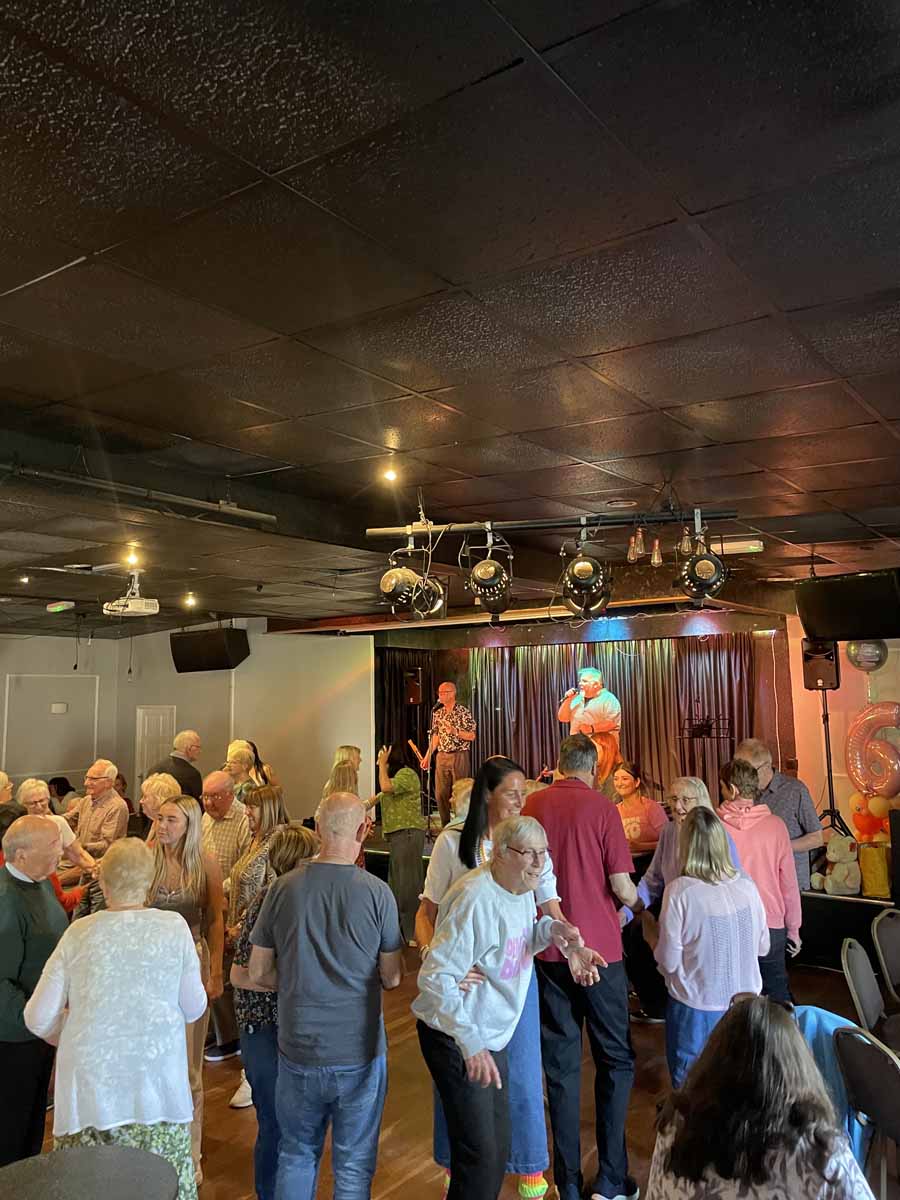
INTERVIEW WITH KATE DARBY OF DEMENTIA DISCO
Stuart: Dementia Disco uses dance and music as its core tools. From your perspective, why did music become such a central part of how the organisation works?
Kate: Dementia often affects the parts of the brain responsible for logic and language first. However, musical memory is stored in different, more resilient areas. Even when verbal communication is stuck, music acts like a back door. A favourite song can trigger a specific time or feeling, which provides a conversation starter. Remembering a song or dancing provides a sense of achievement. Music has a direct impact on the endocrine system, reducing stress and increasing dopamine.
Stuart: When you see people living with dementia engaging with music and dance at your events, what stands out to you most about their reactions and responses?
Kate: What stands out most is that it allows people with dementia to connect with who they were. In a world that often focuses on what people with dementia can’t do anymore, these events highlight everything they still can feel and express. A person might arrive at the disco feeling anxious and withdrawn, but when they hear a familiar song, they light up and make a connection with someone, even if that is just eye contact to begin with. It then becomes a smile, they might start singing, which might lead to a conversation. Music creates a window of clarity where a conversation, however brief, becomes possible. The music provides the momentum that speech alone can no longer find. It isn’t just about the music; it’s about the fact that for those three minutes, they are themselves again.
Stuart: You often describe your work as being about joy and determination. How does music help create that atmosphere within the Dementia Disco community?
Kate: The disco creates joy by providing a place where people can lose their inhibitions and get back to themselves. It allows people to connect on a different level, it doesn’t have to be a conversation, it can be a smile, a laugh or a sing-along. It lets the carer or family member see the person they knew before the diagnosis. The disco provides determination because it refuses to accept silence. It’s impossible to remain anxious and withdrawn in an environment where it is encouraging connection and interaction.
Stuart: In what ways do you think music allows people with dementia to connect, even when other forms of communication become more difficult?
Kate: When I think about my dad, he was largely non-verbal and trying to have a ‘normal‘ conversation was difficult and frustrating for him. But with music, when he started singing, it opened a little window of clarity where he could suddenly find the words to talk.
Stuart: Dementia Disco places a strong emphasis on visibility and public action. Why do you think music and dance are such powerful ways of making dementia impossible to ignore?
Kate: It’s because music and dance turn what is often a private or quiet illness into something vibrant, loud, and completely undeniable. When you see someone who has been largely non-verbal, suddenly light up, start singing, and find the words to connect, it changes the stereotype people have about dementia. You can’t ignore that kind of joy. It’s a visible, physical protest against the idea that life stops with a diagnosis.
Through our Dance Against Dementia campaign, we’re showing the world that the person is still very much there; they’ve just switched to a different frequency. Dancing every day isn’t just a nice activity; it’s a public statement. It moves the conversation away from hospital corridors and GP surgeries and onto the dance floor, proving that while language might fail, the human spirit still has a rhythm. When people see that spark, they don’t see a patient; they see a person, a history, and a soul that refuses to be quieted.
Stuart: Your events bring together a wide range of people and communities. How does music help create that sense of inclusion and shared experience?
Kate: In our community, music creates a shared, safe space where the barrier between the carer and the person with dementia is removed. A favourite song can turn a moment of quiet isolation into a shared moment for everyone in the room. Our Dance Against Dementia campaign leans into this because dancing is a universal language; it invites the whole community to connect on a human level, making sure no one feels like they’re on their own.
Stuart: From your own experiences, have you seen moments where music seems to unlock something for someone living with dementia, and what do those moments mean to you personally?
Kate: I see these breakthrough moments regularly on our dance floors and at our care home discos. It’s like a particular song acts as a key; one minute someone might be quiet or withdrawn, and the next, a track sparks a memory of the old dance halls or a legendary gig where they first met the love of their life. Suddenly, they’re not just in a care home, they’re back in that moment, or they’re reminded of the joy of singing and dancing with their children. I’ve even seen a song unlock a memory about a man’s life as a pilot. To me, these moments are everything. They prove that the person’s history and spirit are still there, just waiting for the right song to unlock it.
Stuart: How do you balance the emotional impact of working with dementia with the energy and positivity that music and dance bring to your campaigns?
Kate: While the reality of the condition can be heavy, it’s impossible to stay down when you’re standing on a dance floor witnessing someone coming back to themselves. Seeing a person suddenly start singing along to a favourite track turns the sadness of the diagnosis into a celebration of the person who is still very much there. For us, music and dance are not just a distraction; they are the tools we use to fight back. That’s why our Dance Against Dementia vision is so important, because when you choose to dance every day, you’re choosing to focus on the joy of the “now” rather than the grief of what’s been lost.
Stuart: Music is often tied to memory and identity. How important do you think that connection is for people living with dementia and for those who care for them?
Kate: That connection is everything because it keeps the person in the present. For carers, those moments are a lifeline. It’s the difference between caring for someone and truly being with them.
Stuart: Looking ahead, how do you hope Dementia Disco will continue to use music to support people living with dementia and to push the issue higher up the political agenda?
Kate: As we scale up into a national charity, we’re aiming to turn the “Run Your Own Disco” process into a movement that spans right across England and Wales. We want to prove that you can live well with dementia. By challenging the “can’t do” narrative, we’re showing that if a group in North Yorkshire can take people with young-onset dementia white water rafting, then we can certainly make sure everyone has the chance to dance. On a political level, we’re using these discos to make it impossible for policymakers to ignore the power of music. We want to shift the agenda from merely managing a condition to actively supporting a life that can remain full of joy.
Stuart: Do you think the quality of music playback and the choice of music itself makes a difference, and how do you decide what works best? As generations change, do you see the music changing too, for example whether people who grew up with 90s rave might one day respond most strongly to those tracks in the same way others do to earlier music?
Kate: Absolutely, the quality of what people hear is just as important as the music itself. We believe the sound needs to be crisp and clear rather than dull, because a high-quality signal actually helps the brain process the information more effectively without the frustration of muddled noise. We’re also very conscious of the volume; it has to be energetic enough to get people on the dancefloor but never so loud that it drowns out a conversation or becomes overwhelming. As generations shift, we’re moving with the times, while our care home discos are currently loving the 60s and 70s, and our venue-based events are loving the 70s and 80s, we’re already getting requests for 90s house music. It’s a powerful reminder that music memories are not fixed in one era; soon enough, we’ll be hosting full-blown dementia raves for the generation that grew up in the 90s, proving that the beat goes on, no matter the diagnosis.
DEMENTIA DISCO BECOME HiFi PiG’s CHARITY OF 2026
In light of everything you have just read, HiFi PiG will be making Dementia Disco our chosen charity for 2026. We will be supporting their work with a £3K advertising campaign provided entirely free of charge, helping to amplify their message and extend their reach within the wider HiFi and music community. If you believe, as we do, in the power of music to reconnect, restore and remind us who we are, then we would urge you to support Dementia Disco in whatever way you can. If you are able to give, please do so generously.
You can donate directly to Dementia Disco at this Just Giving link
HiFi PiG Says: We think this is a fantastic charity and hope you do to!