
Davis Acoustics Courbet 3 S2 Loudspeakers
DAVIS ACOUSTICS COURBET 3 S2 LOUDSPEAKERS REVIEW
Davis Acoustics Courbet 3 S2 Loudspeakers are a €2250/pair bookshelf/standmount loudspeaker from a French manufacturer that has been in the speaker-making business since 1986. Stuart Smith takes a listen for HiFi PiG.
I always think it’s a good idea to give a bit of information about a company when doing a review, as it gives you guys a bit of a reference point about where the company comes from and whether or not there is a heritage and history to the brand being discussed.










Davis Acoustics was founded in 1986 by Michel Visan, though the story of the company begins some years before that. Following a brief spell at Audax, Visan joined French manufacturer Siare Acoustique in 1968, initially working as a development engineer before spending seven years as the company’s technical director. When Siare was subsequently acquired by Harman, he decided to establish his own company, and Davis Acoustics was born.
Davis Acoustics was among the first loudspeaker manufacturers to use materials including Kevlar, carbon fibre and fibreglass in the design of its drivers. You may recall Davis speakers with yellow Kevlar drivers, and some of their speakers still use these highly distinctive drive units. Having initially focused on the manufacture of drive units and loudspeaker kits, the company introduced its first finished home loudspeaker, the DK200, in 1993.
More than 30 years of research and development later, Davis Acoustics continues to design and manufacture its loudspeakers in France, with production taking place at the company’s sole manufacturing facility in Troyes, in the Aube region. Its specialist team also produces high-specification drive units for a number of other loudspeaker manufacturers around the world.






Today, Davis Acoustics is led by CEO Olivier Visan, who has worked alongside company founder Michel Visan on products including the MV One loudspeaker. The company describes its signature as combining quality, value and emotional engagement, with particular emphasis placed on the natural and realistic reproduction of the midrange. It is against this background that we come to the subject of this review, the Davis Acoustics Courbet 3 S2 loudspeakers.
BUILD AND FEATURES OF THE DAVIS COURBET 3 S2 LOUDSPEAKERS
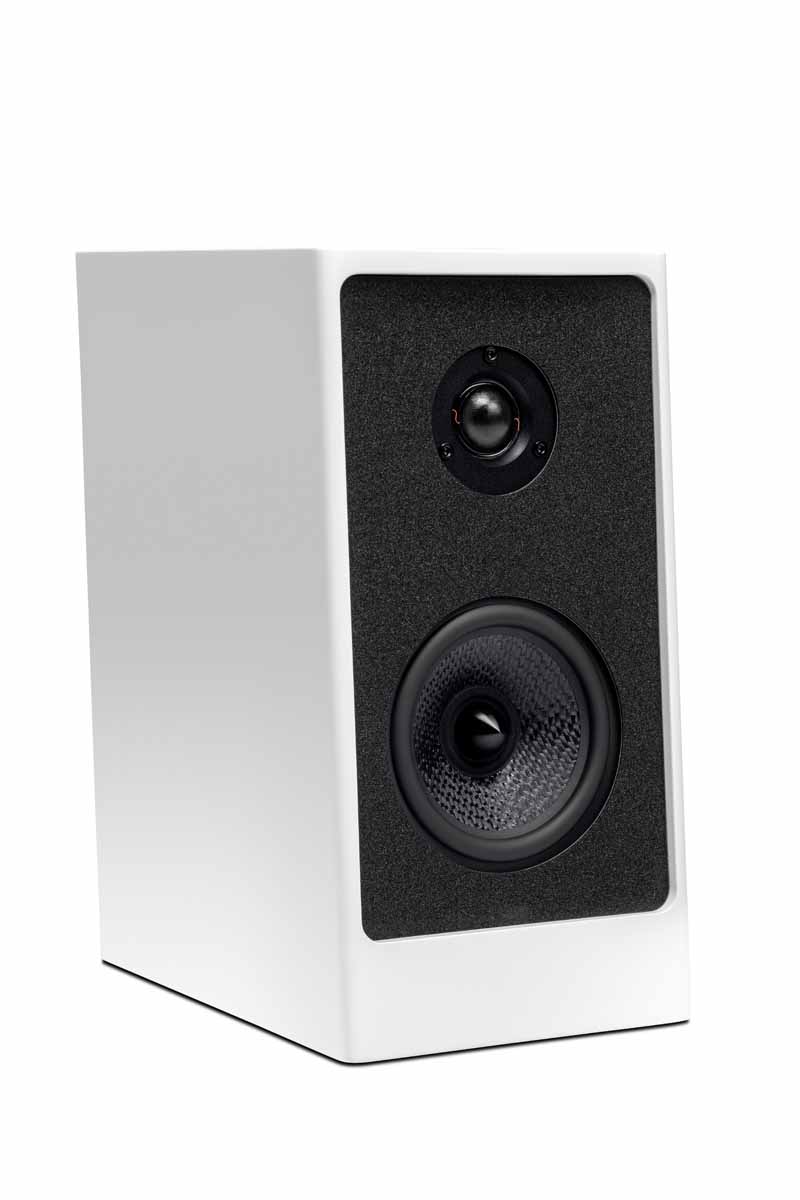
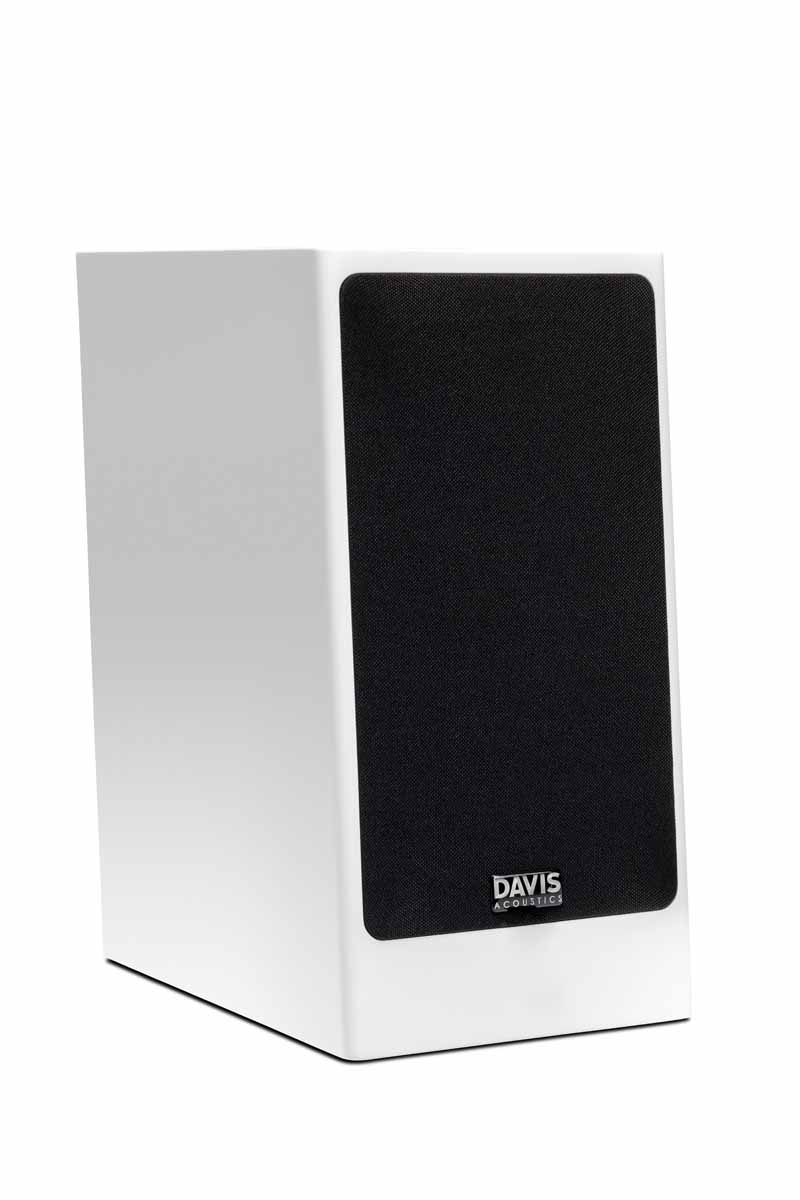
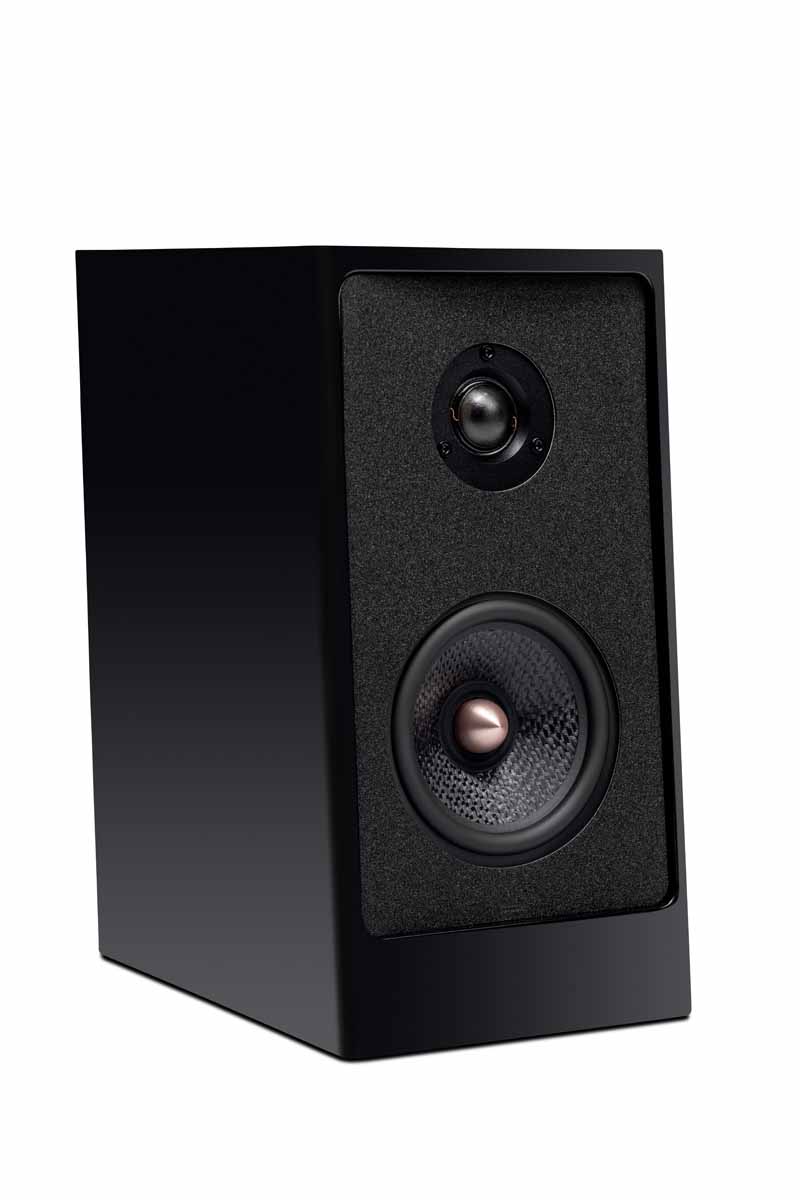
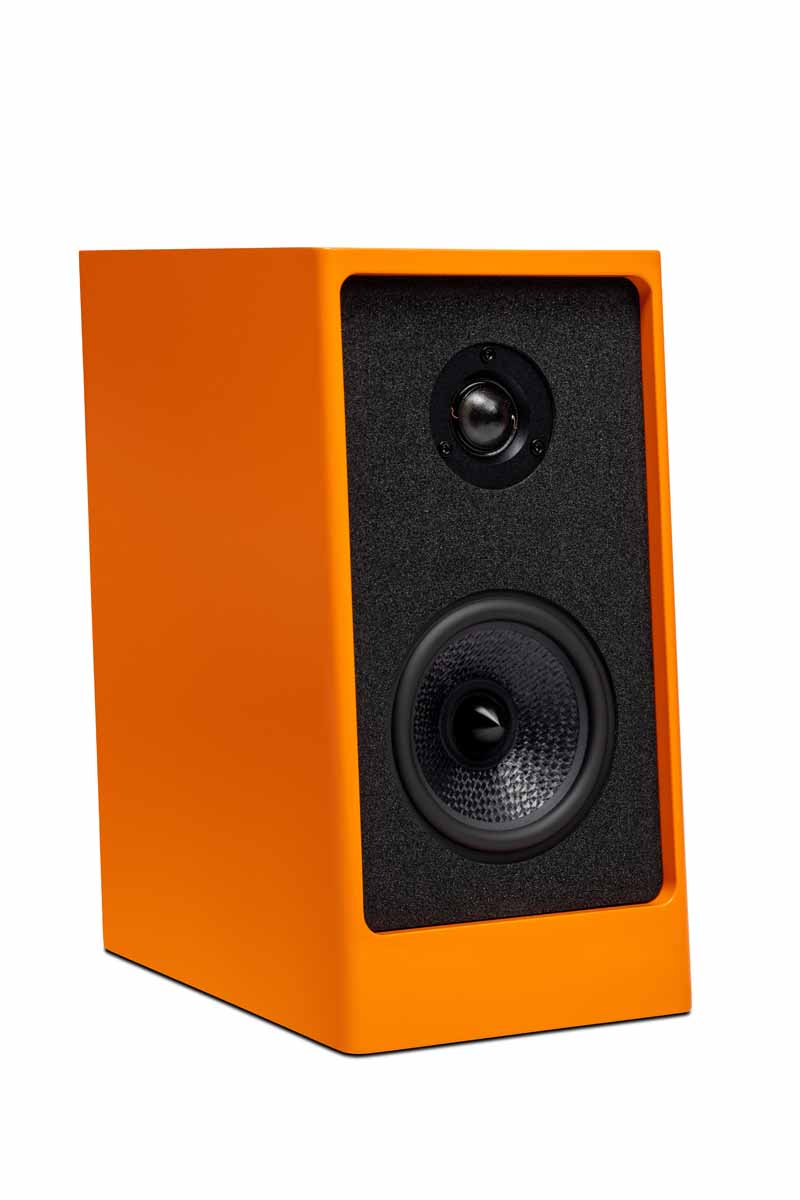
The Courbet 3 S2 is a compact, two-way standmount loudspeaker using a single 13cm Kevlar-coned mid/bass driver and a 28mm soft-dome tweeter. The tweeter is used throughout the Courbet S2 range and features revised rear damping intended to reduce distortion. The crossover frequency is set at 3.5kHz.
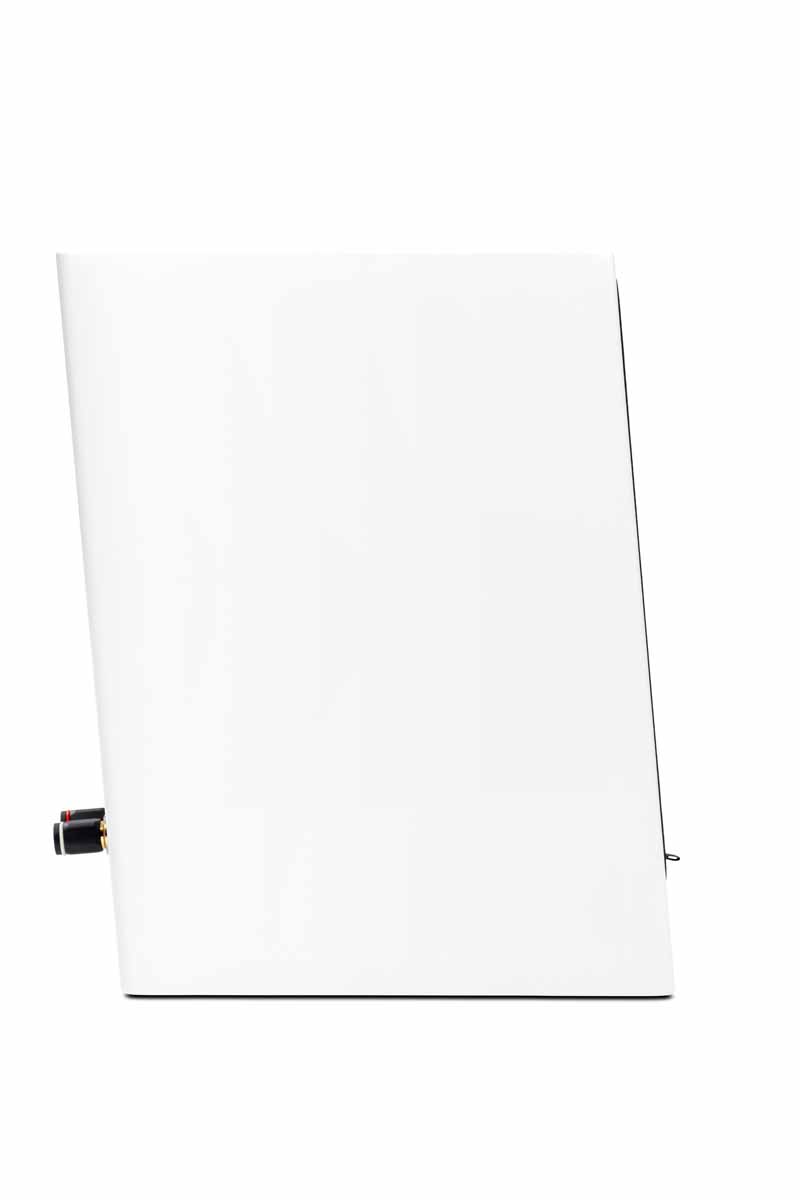
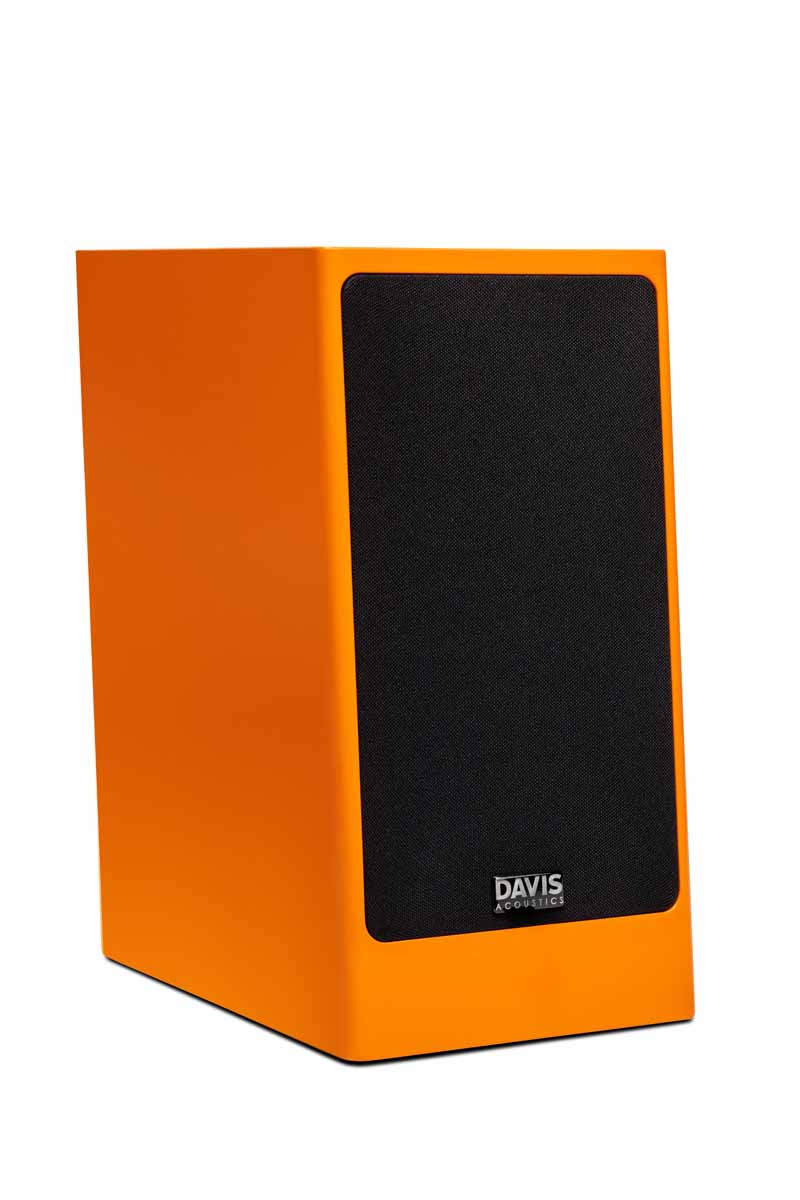
The cabinet leans backwards slightly, which Davis Acoustics says helps prevent the formation of internal standing waves. Its vertical edges are rounded, as are the corners of the removable front grille. The grille itself sits within a recess so that it is flush with the front of the cabinet when fitted. This all makes for a really nice-looking compact loudspeaker, and I really do like the tab that allows for easy removal of the grille. I left the grille on for all the listening sessions.
A protective foam pad is bonded to the underside of the cabinet to prevent scratches and provide a non-slip surface, and this is another small addition that makes the speakers stand out from the competition.
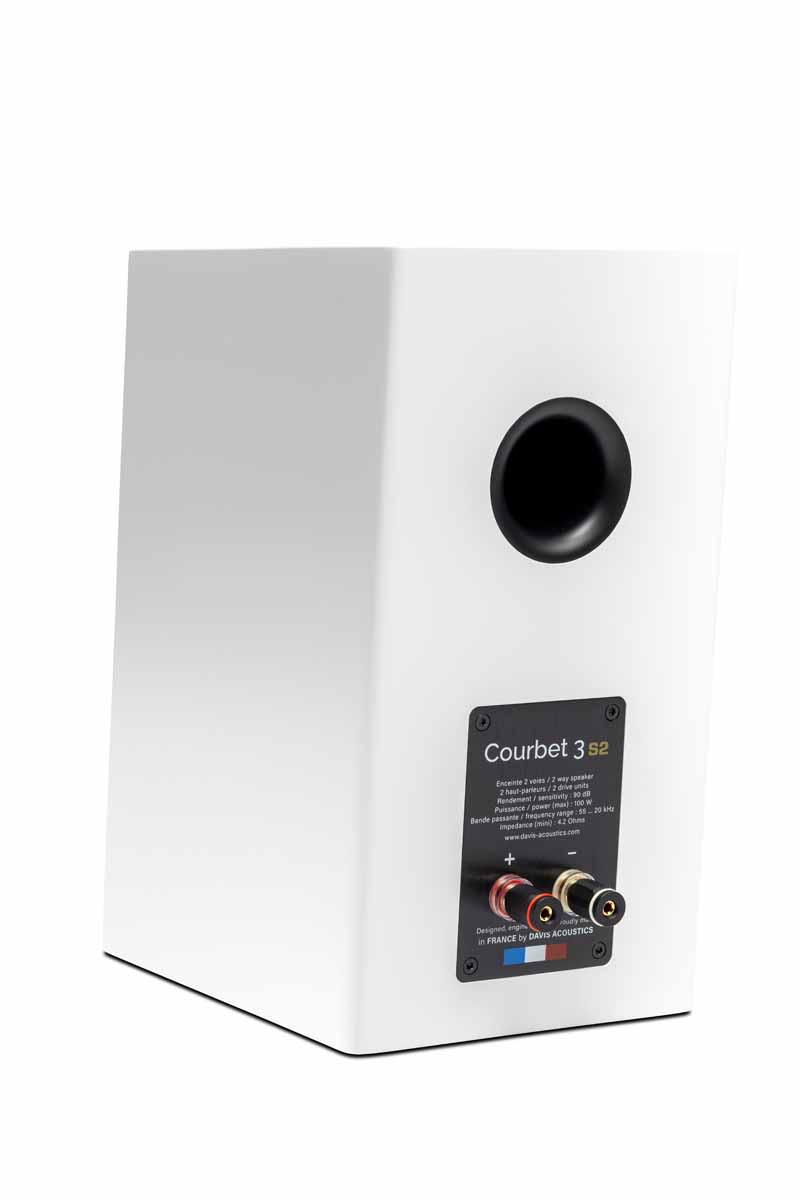
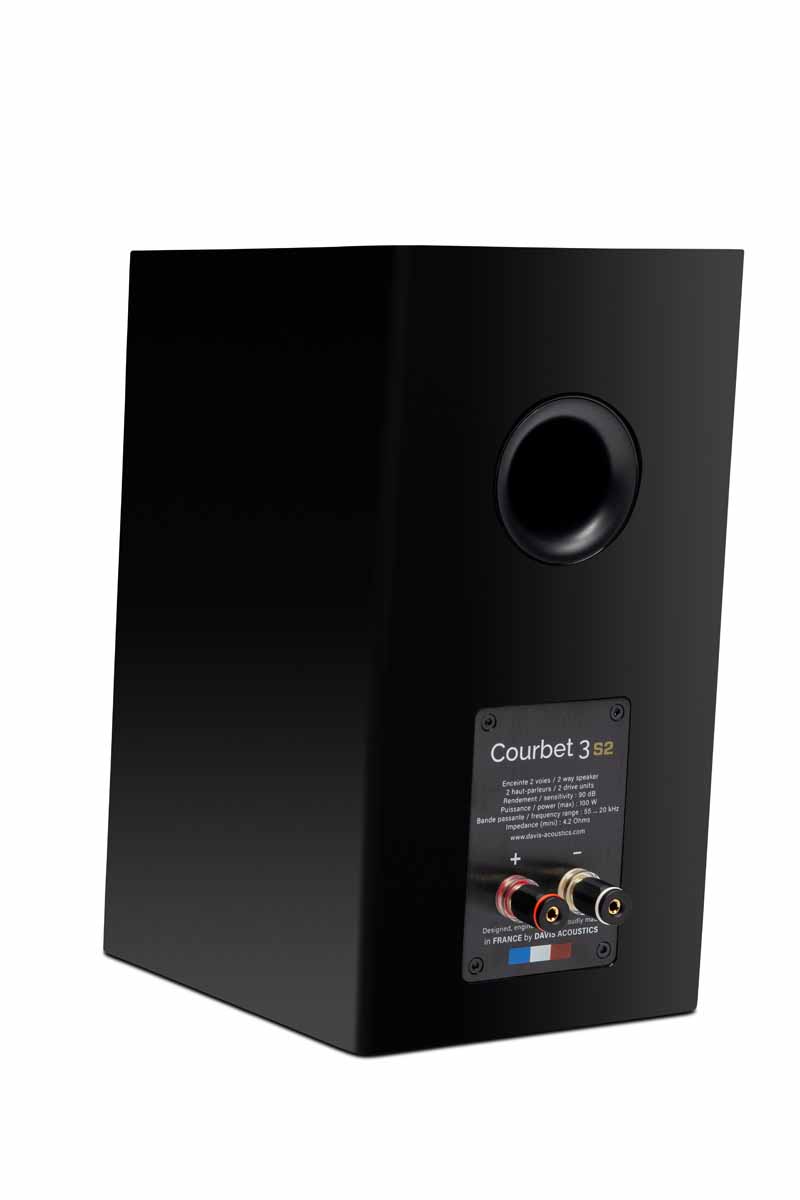
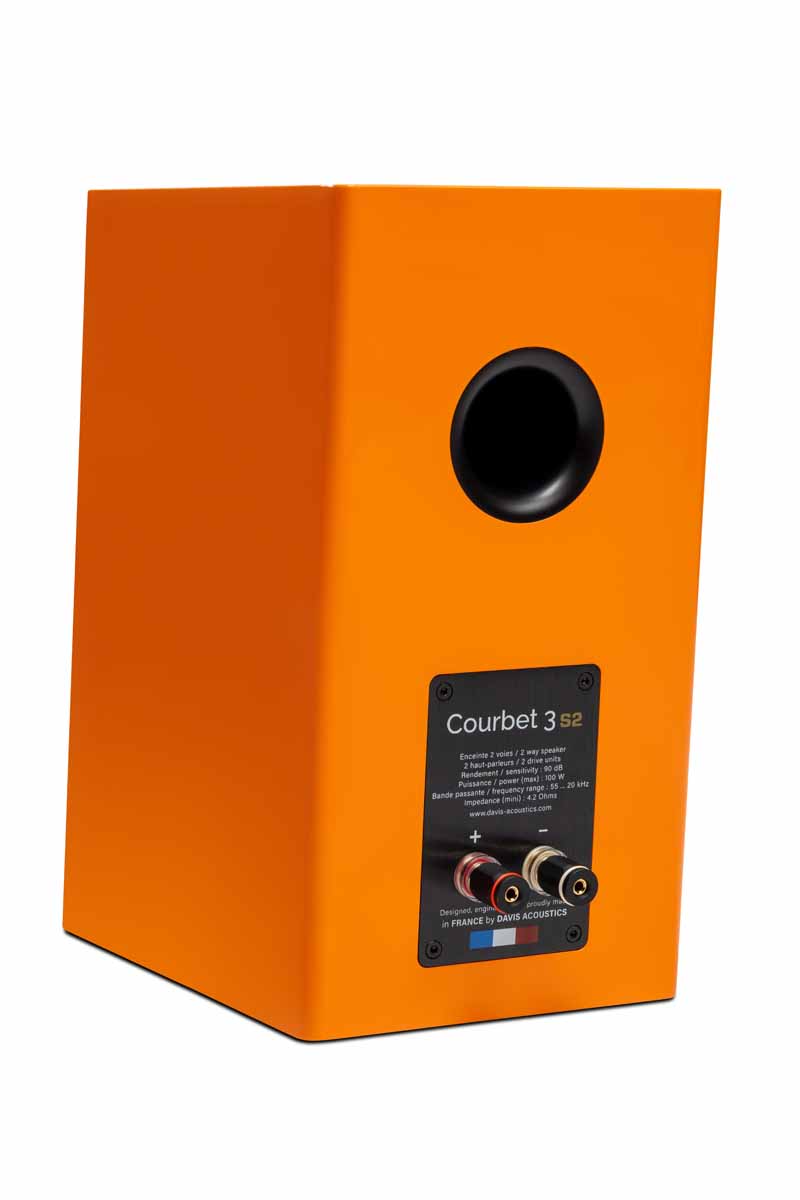
There is a single pair of very good quality binding posts around the back, and there’s plenty of room to accommodate the connectors of your choice. Like the front grille and foam pad, little things like these binding posts, though you might not touch them all that often under normal circumstances, make a great deal of difference in how a product is perceived.
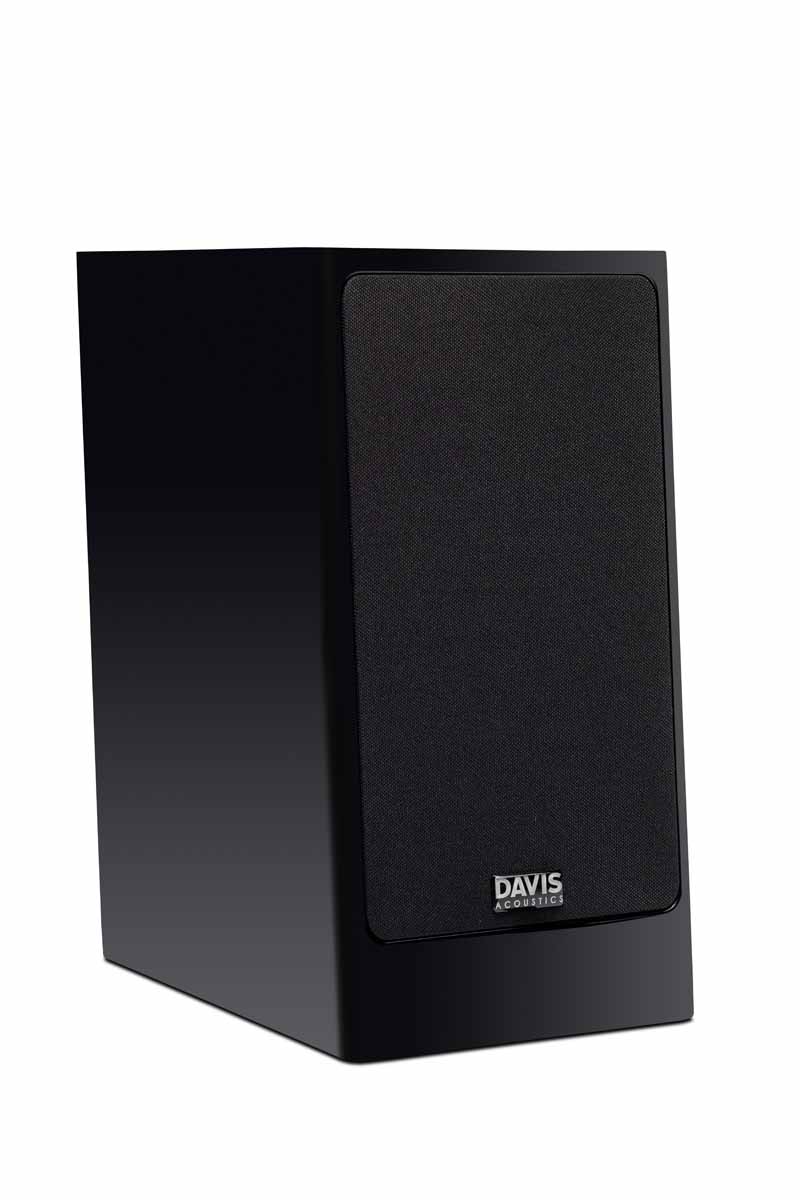
The Courbet 3 S2 is available in four lacquered finishes: black, white, orange and gunmetal grey. The review pair came in white, and it has to be said that the finish is very good.
The speakers measure 13.38 × 7.08 × 10.03 inches (H × W × D). Davis Acoustics specifies a frequency response of 55Hz to 20kHz, within ±3dB, and a sensitivity of 90dB. Low-frequency loading is provided by a circular rear-firing bass-reflex port. So, whilst the speakers are pretty sensitive and should be easy to drive, they don’t go particularly low in the grand scheme of things. However, anyone buying these speakers is going to be well aware that they are a small speaker and it’s unlikely that anyone would be daft enough to buy them with the intention of using them in a huge space – they are clearly designed with smaller living spaces in mind.
Nominal impedance is quoted as 8 ohms, with a minimum of 4.2 ohms, while maximum power handling is given as 100W.
Overall, these are lovely-looking, compact loudspeakers that should fit in with any modern home decor and could be placed on bookshelves, sideboards, or speaker stands. I particularly like the way they slope backwards, which adds a bit of interest to them and makes them less boxy.
Packaging is excellent, and the speakers come in their own monogrammed (DAVIS) cloth sacks, which I think is another nice touch.
SET UP AND USE
There’s not really a lot to say here. The speakers were placed on a set of Solid Steel stands and connected to our reference Electrocompaniet monos and pre via a set of Tellurium Q speaker cables.
SOUND QUALITY
A little bit of thought needs to go into the placement of these speakers. They are small and rear-ported, and as such they rely on bass reinforcement from the rear wall. Place them too far out into a room, and the accepted wisdom is that they will appear to be bass-light; move them towards the rear wall and that bass response will improve. Of course, most people reading this review will be well aware of this feature of rear-ported speakers, but I think it’s worthwhile mentioning it for those who are maybe new to the HiFi game. However, I had the speakers well out into the room (1.5m) at the start of the review and fully expected to have to juggle a bit of furniture to improve the bass, but when the opening bars of Stevie Wonder’s Talking Book (You are the Sunshine…) began to play, I was somewhat taken aback (positively) by these little speakers and their bass. I put on Dub Spencer and Trance Hill’s King Size Dub to give them a little workout, and whilst these speakers aren’t going to dig the depths or give you the experience of being at an Iration Steppas event, they are nicely balanced and very enjoyable with this kind of music. What did stand out on this “I wonder what this will sound like” experiment was that the Courbet 3s had a great sense of presenting the mix and the space within the mix – effects flew about the room, and it was easy to hear into the recording. However, the above was, as I suggested, a bit of an experiment based on me being a little taken aback by the Stevie Wonder track, and I sat down to listen properly.
On everything I played through these speakers, I really enjoyed how they presented the soundstage, and there was a constant thought that they sounded MUCH bigger than their quite diminutive stature might suggest. They are focused, with instruments maintaining their position in the mix, and they certainly allow the room to be filled with an enveloping sound – I’d have no issues using them as a nearfield monitor speaker, despite that not being their intended use. However, they are not overly forward-sounding, and the stereo image is naturally presented when listening to acoustic music, but turn on a tune with a degree of “mix histrionics”, and they present this properly, too.
In all honesty, I’d expected to be a bit underwhelmed by the Courbet 3s given that my preference is for big speakers that move a good bit of air, but throughout my time with them I was reminded of why I also really enjoy a very good standmount loudspeaker.
Detail in the music was especially good, and this was especially true when I reached for Songbird from the Rumours album – I know it’s a bit of a cliché track, but it is a very good test track, nonetheless. For people who don’t know this track, it’s a solo piano and vocal recorded in an empty auditorium with a steel-string guitar over the top of it. Often the guitar can be lost to a great extent, but the Courbet 3 speakers managed to keep everything quite distinct, but not so apart from each other as to sound like separately recorded tracks. Some speakers present this track as a homogeneous blob of sound; some speakers delineate it to the point of it sounding artificial; the Davis Acoustics speakers present it in a quite natural way that is (I hate to use this word) organic-sounding. The piano has a natural reverb to it that you can hear, and there is noise from the room at the beginning of the track that is clear to hear. The vocal is beautifully rendered on these speakers, and it’s difficult not to close your eyes and visualise Christine McVie sitting alone on the stage with (and I don’t know if this is how the track was recorded) Lindsey Buckingham sitting a little further back, lit more softly and with his head down looking at his playing. Not all speakers manage to convey this sense of realism in a recording, and not all speakers allow you to be transported to the space where the recording was made, but the Courbet 3s do just that, and for a set of speakers that cost a little over two thousand euros, this is quite an enjoyable experience.
Switching things up a bit and playing Motorhead’s Overkill from the album of the same name, I fully expected the track to be, er, overkill for the Courbet 3s. No, you don’t get that double bass drum kick that you get with our reference Icon 12 speakers and their 12-inch bass drivers, but you can hear it is there, and you can visualise Phil Taylor’s feet going nineteen to the dozen. Fast Eddie Clarke’s guitar soars, and there is a lot of detail to it, and Lemmy’s bass style is easy to hear, though without the visceral quality that a massive set of drivers brings to the party. It’s the relentless drums that are the obvious selling point of this track, but what I focused on with the Courbet 3s in the system was Eddie Clarke and the specific way he was bending strings on the record. Look, I’d fully expected this track to sound utter pants with the Courbet 3s, but it didn’t, and I fully enjoyed it to the point I listened to a few more tracks from this blast from the past album. I played Future Islands’ King Of Sweden specifically to listen to the bass and was not at all disappointed!
Davis makes the point of saying that their speakers major on a natural mid-range, and I wanted to explore this beyond what I’d enjoyed with Songbird. I went for Jeff Buckley’s excellent Grace album and his version of Hallelujah, and I wasn’t disappointed in any way at all. The way his vocals played off the guitar was wonderfully presented and without losing that touch of sibilance that is present on the recording. These really are very detailed loudspeakers, and if you listen to a lot of vocals-first music, I can heartily recommend them based on my experience of this track alone. I mentioned the sibilance thing on purpose, as it is on this recording and can be suppressed on some loudspeakers – on others it might be exaggerated – but the Courbet 3s manage to strike a balance that is really very nice to listen to. They manage to straddle the line between presenting a highly detailed representation of the music, without it becoming over-pushed in the upper-mids and tops – not an easy trick to master, and especially so at this level.
QUIBBLES
Look, they are a small speaker, and if dub reggae at sound-system volumes is your bag, then you might want to look elsewhere, as they just aren’t going to do that trouser-flapping bass thing. However, I’d temper that with the fact that most households aren’t in the position to play music at that kind of volume and with the dub and other bass-heavy music I played through them, I didn’t really miss that massive movement of air too much. As a compact stand-mounted or shelf-mounted loudspeaker, they perform excellently!
CONCLUSION
A good speaker should sound good playing quietly as well as at volume, and the Courbet 3s do manage to pull this off really well, though I’d say they prefer to be played “with purpose” as opposed to being played quietly. When they hit that point, they manage to pull off something quite extraordinary for such a small loudspeaker – that is, they are wonderfully balanced, detailed, and powerful.
Genuinely, even in a relatively large listneing space, I’m not sure I’d feel the need for a sub with these speakers. The bass that is there is wonderfully tight, articulate, and there’s certainly nothing monotonal or farty about them – something that cannot be said for all ported loudspeakers.
The Courbet 3s, as promised, do major in that presence band of upper-mids and lower tops and this results in a very communicative loudspeaker that you kind of fall into listneing to. Atmospherics, spatial effects, and “the room” are clear to hear on well-recorded material, and if this is one of the things you look for in your speakers, then you ought to give these Frenchies a listen.
I genuinely really loved my time with the Courbet 3s, and I heartily recommend them. They are good-sounding with a wide range of music, are well made, and look nice and unobtrusive. I am giving them a very high 5-hearts award.
AT A GLANCE

Build Quality and Features:
Excellent build with good attention to detail
Sound Quality:
Surprisingly articulate in the bass
Spectacular in the presence band of the upper-mids and lower-tops
Detail is excellent, and whilst some detailed speakers can become tiresome after long listening sessions, these did not
Pretty unforgiving of tunes that have been badly recorded/mastered
Value For Money:
Not cheap for a small speaker, but the performance is very good for the asking price
We Loved:
The feeling of surprise when I first played these
Detail, detail, detail, but without harshness
Great finish
We Didn’t Love So Much:
There’s not a lot not to like if your expectations are realistic
Elevator Pitch Review: The DAVIS ACOUSTICS Courbet 3 S2 loudspeakers are small, rear-ported loudspeakers that are proudly made in France. They excel in upper-mid and lower-top clarity and detail, but manage to balance this with a sonic signature that is very pleasing and works with a wide range of musical styles. I’d expected them to be bass-light given the supplied specs, but I was pleasantly surprised at their bass quality and definition, and I’m not sure I’d feel the need for a sub with them…YMMV!
Price: €2250 a pair, €2,400 per pair in orange

Stuart Smith
SUPPLIED SPECIFICATION