
Cayin HA-6A MKII Valve Headphone Amplifier










CAYIN HA-6A MKII VALVE HEADPHONE AMPLIFIER REVIEW
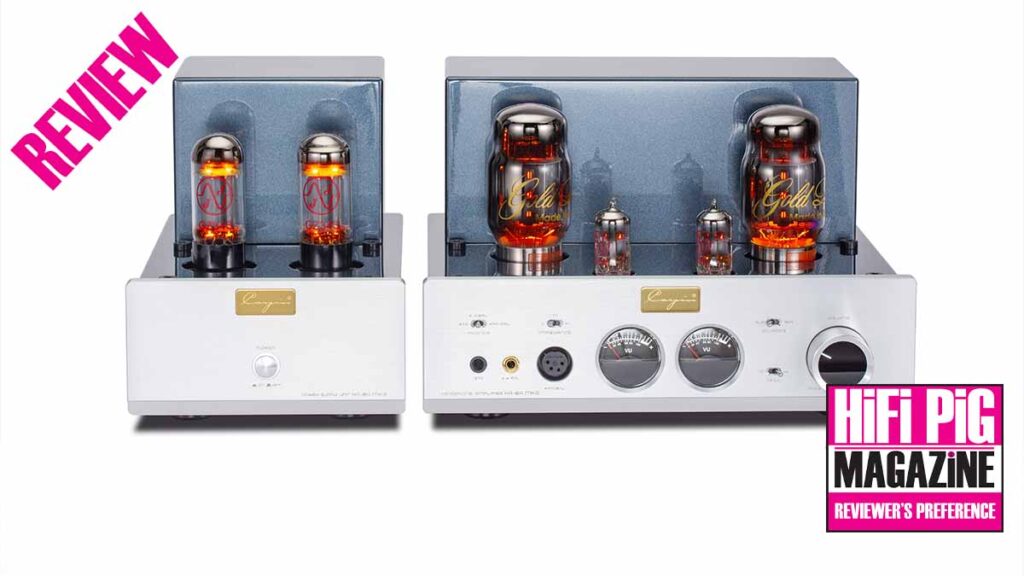
Cayin HA-6A MKII valve headphone amplifier is a £3000 valve-based affair with a good deal of flexibility to suit many headphone types. In this review, Oscar Stewart puts it through its paces.
INTRODUCTION
Cayin are a well-known valve amp manufacturer, they also make a range of solid-state devices and portable audio kit too. Back in 2019 they released the HA-6A, a versatile Class-A SET valve headphone amp that was very well received, fast-forward to 2025 and they released the HA-6A MKII towards the end of August. The new version builds on the old with a few distinctive features – it costs £2990 in the UK and a little more over in Europe.
Let’s take a closer look at what this headphone amplifier has to offer.







BUILD AND FEATURES OF PRODUCT CAYIN HA-6A MKII
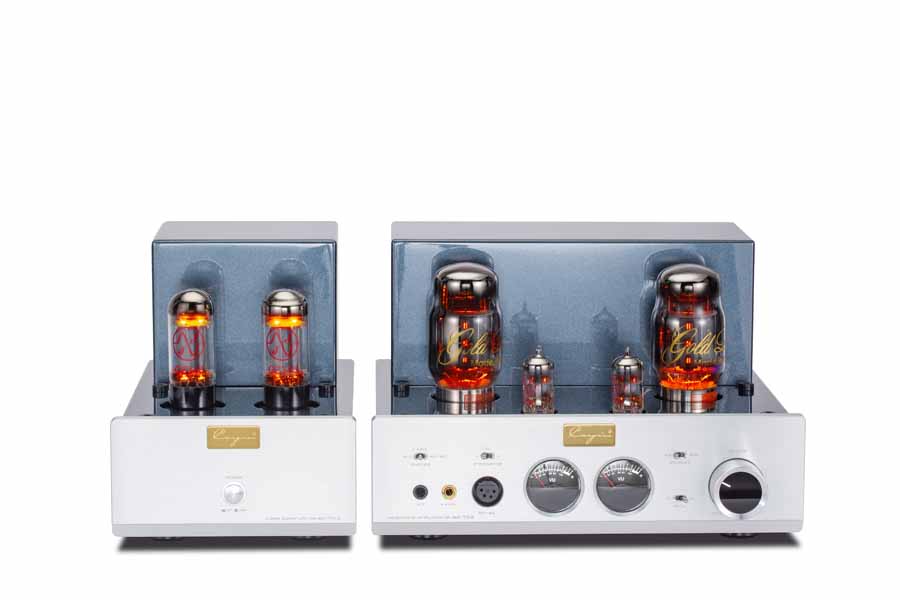
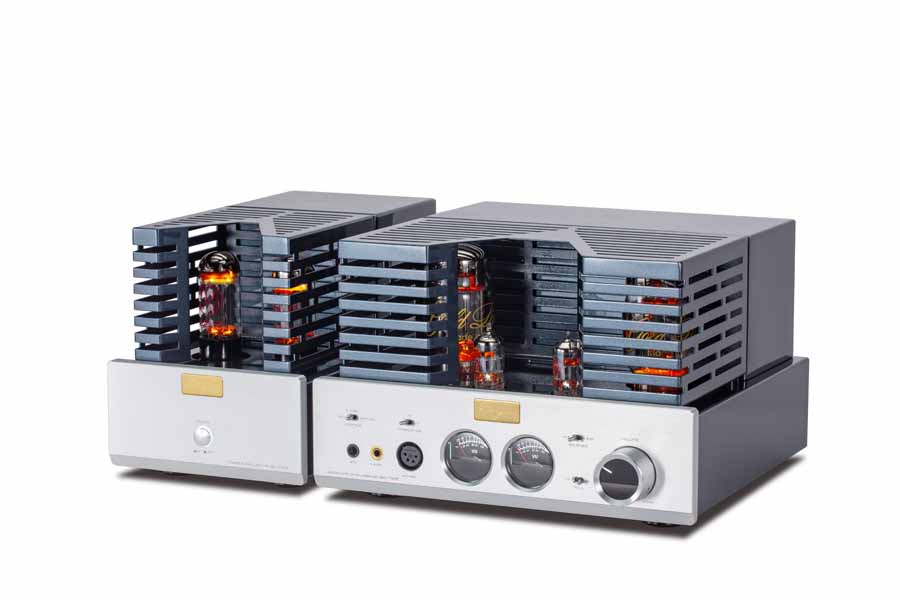
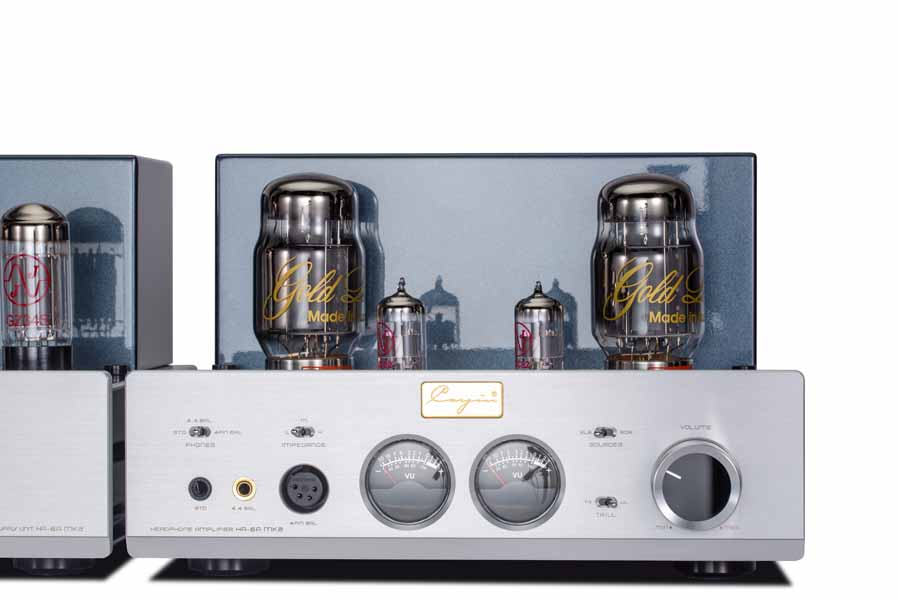
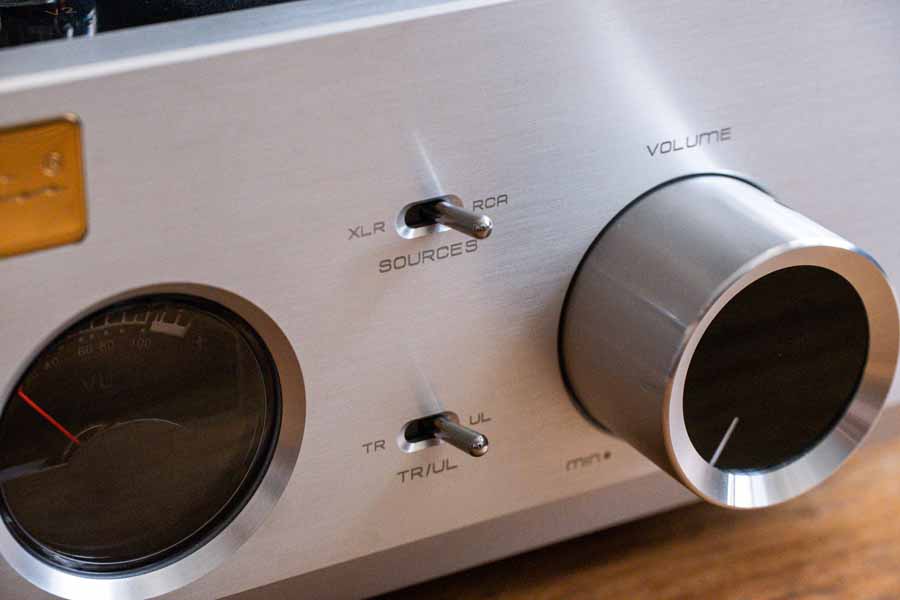
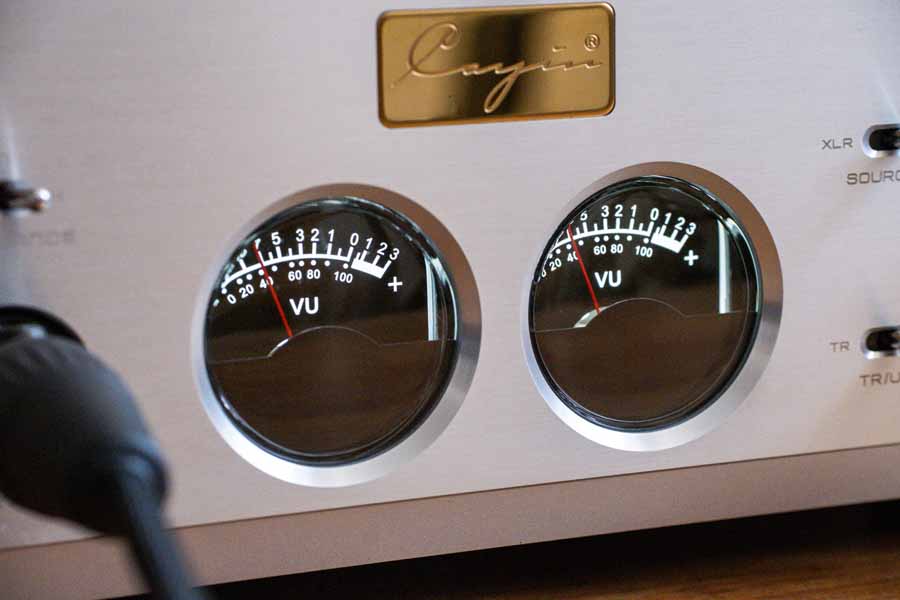
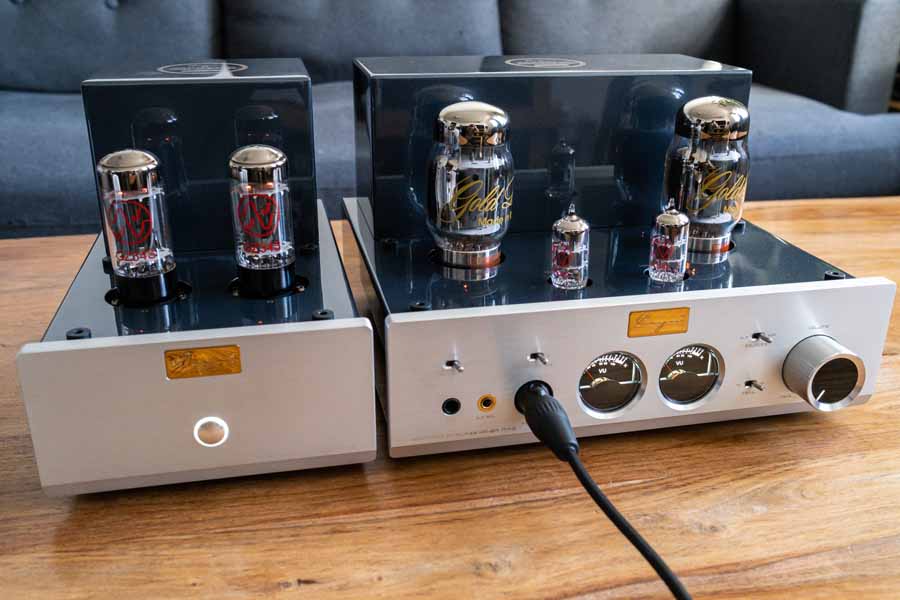
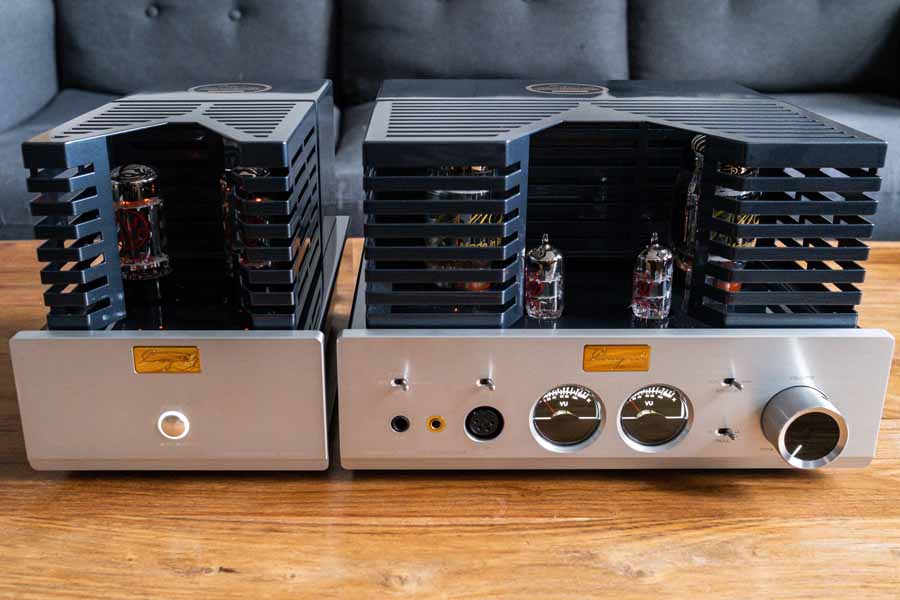
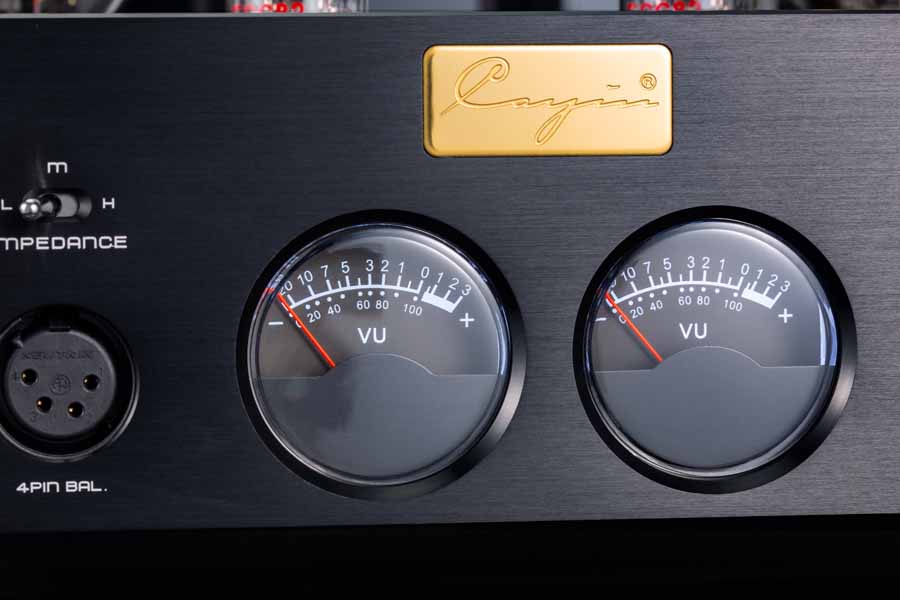
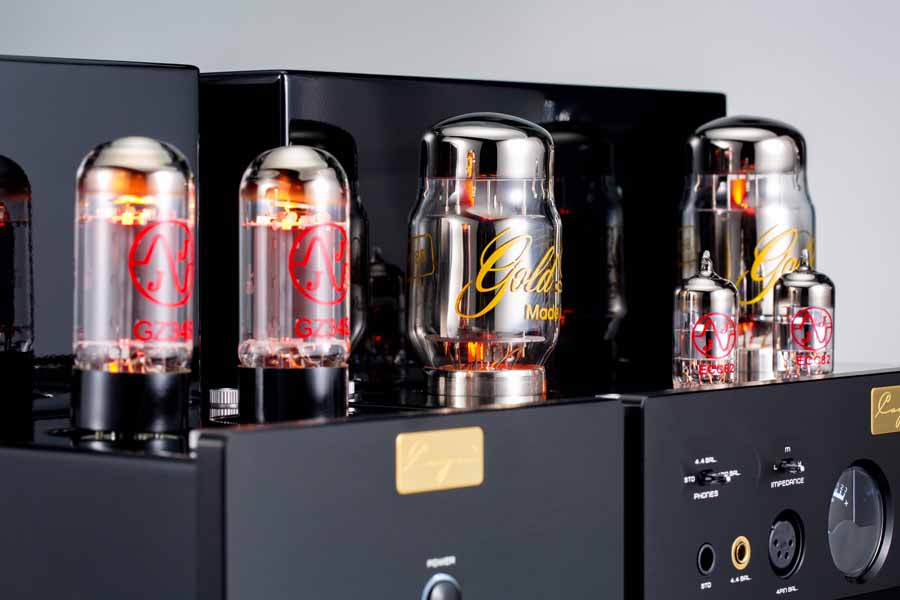
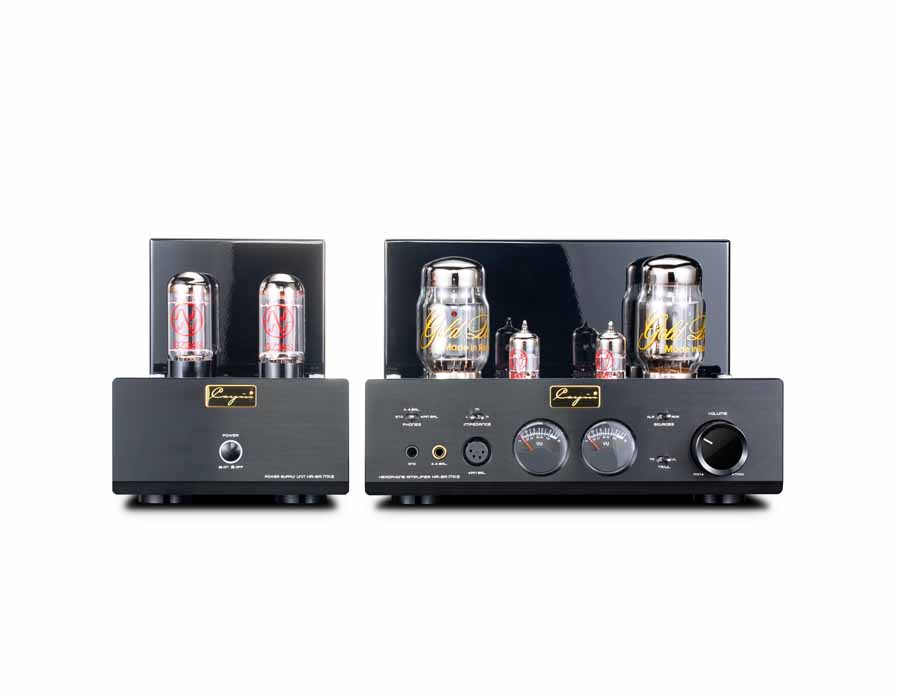
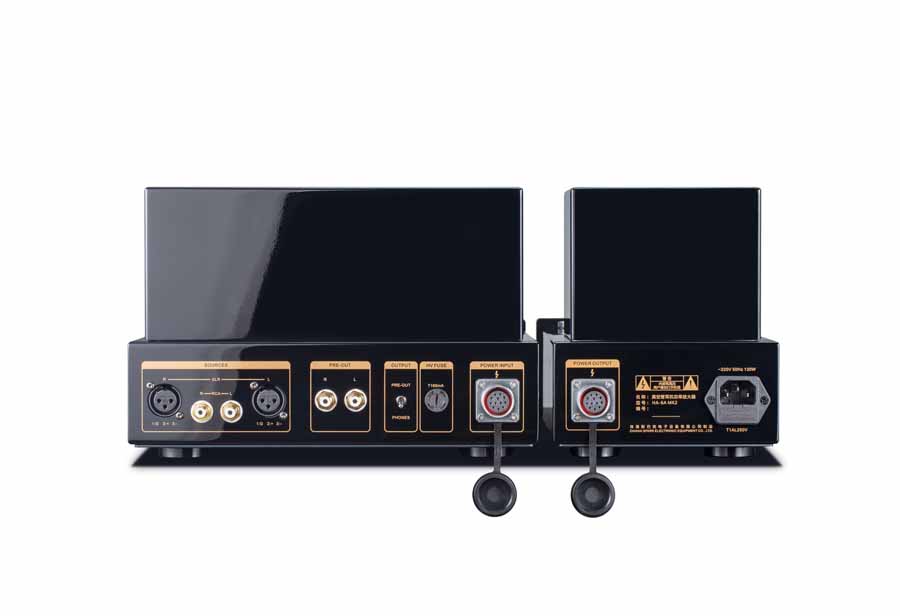
The HA-6A MKII is built like a tank, and yet finished to a wonderfully high standard. The front panel is thick aluminium, and the rest of the casing is steel with a metallic paint finish. The finish is gorgeous in the flesh; you have a volume knob on the front, alongside some switches, analogue VU meters, and the headphone outputs. On the back, you have the input/output sockets and the power input/output.
This is a 2-piece design with a separate power supply and amp chassis; there is a thick silver-plated cable connecting the two together. The valves fit neatly into their sockets and there is a removable protective cage around them. Internally, Cayin have used point-to-point wiring (including silver-plated signal wiring), and they have extensive transformer shielding in conjunction with their own designed toroidal power transformer. For the output, they use wide bandwidth EI output transformers to reduce signal loss and to preserve sonic purity. Overall, the build quality on display here is fantastic – Cayin even include some spare fuses in the box.
On to the features, and there are plenty of them. Starting with the valves, the HA-6A MKII really is just a bed for your favourite valves of choice. The power supply comes with a pair of JJ GZ34 rectifiers, the pre-amp uses a pair of JJ ECC82, and the power amp uses Gold Lion Genalex KT88. These are just the stock valves, though, and the Cayin allows you to roll a huge variety of valves in these positions, as you can see in the chart below: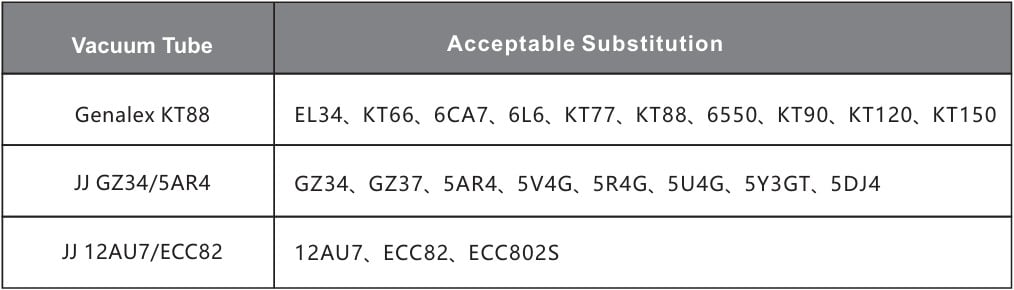
This makes the HA-6A MKII a dream for those who like to experiment with various models of valves, and it lets you tailor the sound to your own preference.








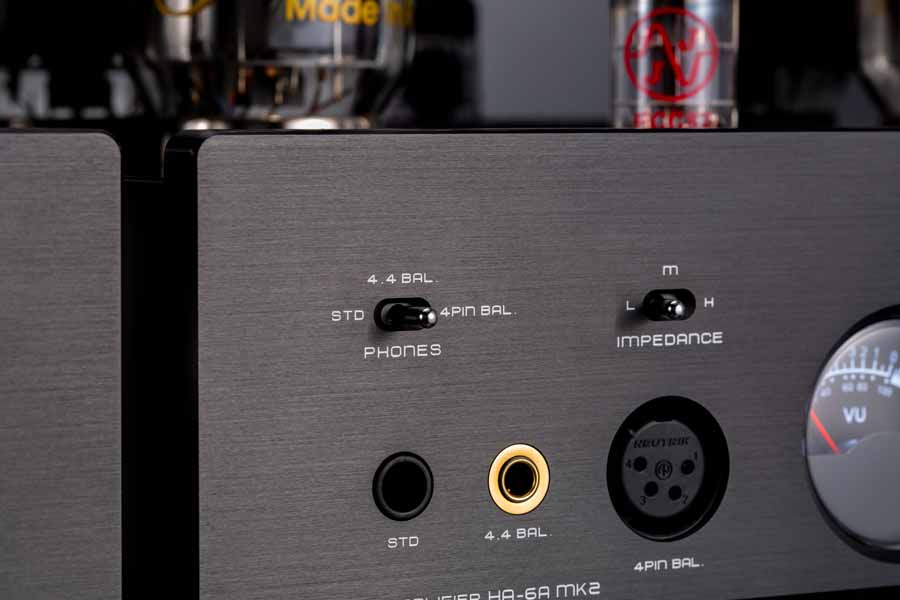
Next up, I’ll mention the headphone outputs. On the front panel, you have 6.3mm single-ended output, 4.4mm balanced and 4-pin balanced XLR. Now, Cayin have designed this so that the 4.4mm output is best used with less demanding headphones as it offers 1000mW output (UL), whereas the 6.3mm output gives you a decent 3500mW output (UL), and the 4-pin XLR is a fully balanced output boasting 4500mW output (UL). The amp does have both RCA and XLR inputs on the back (1 pair of each), along with 1 pair of RCA pre-amp outputs. 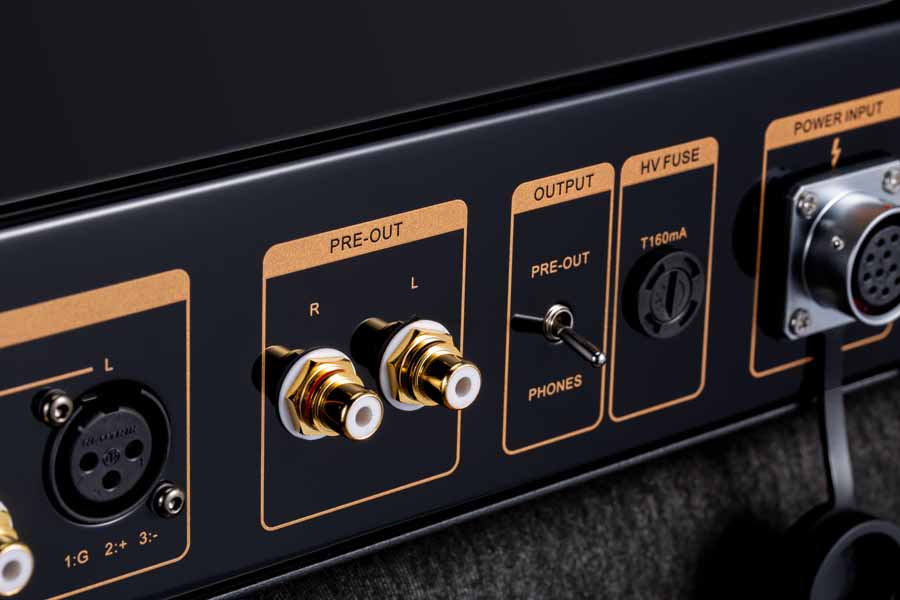
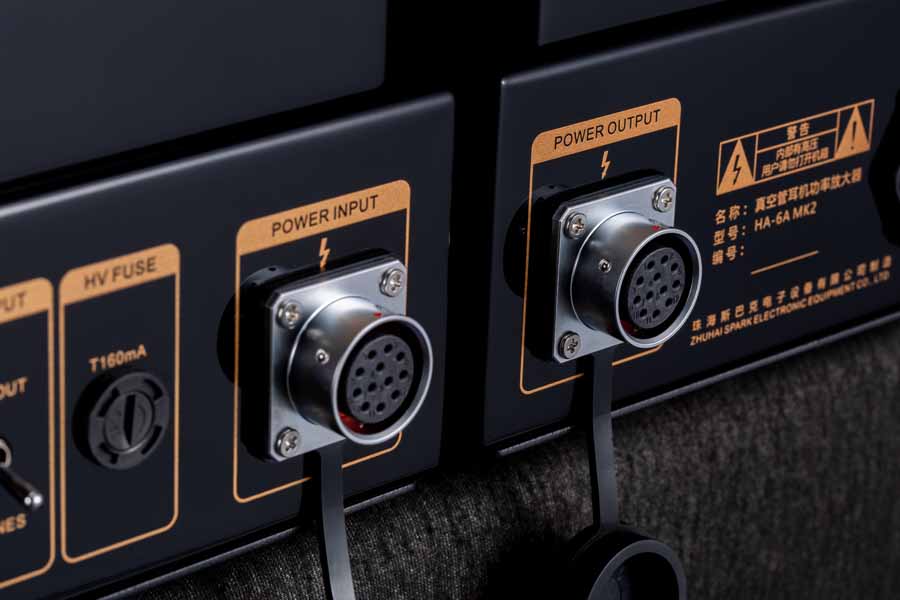
There is an impedance switch on the front of the amp, which affects both the output impedance as well as output power, so for hard-to-drive planars, you may find yourself using a high impedance setting to get the full power output from the amp. In terms of actual output impedance in each mode, Cayin state that:
Single ended: Low -16Ω, Mid – 50Ω, High – 150Ω
Balanced: Low – 32Ω, Mid – 100Ω, High – 300Ω
So, you get quite a lot of flexibility in terms of the output power and the output impedance, which allows the HA-6A MKII to work with a huge variety of headphones.
It also has another very cool trick up its sleeve! The TR / UL switch on the front allows on-the-fly switching between Triode mode and Ultra Linear mode. In Triode mode, you do get slightly lower output power, but a softer, mellower sound signature. Ultra Linear mode gives you a little more power, along with greater dynamics and energy. The switch gives you the ability to change the mode easily without needing to turn the amplifier off.
Other neat little features are the 60-second soft start, meaning that the output relay only opens after 60 seconds, which gives the valves a chance to stabilise, proper analogue VU meters, and a remote control which allows you to change volume and mute the HA-6A MKII. Cayin are using an Alps potentiometer in this amp, and the remote is very handy as the amp is quite big and may not fit on everyone’s desk. The remote simply increases the flexibility of placement and allows easier use if you choose to run it as a pre-amp.
I think that covers most things, as you can see, this isn’t just a simple valve headphone amp, it offers a ton of features which can be used to optimise the sound to your preference, with your headphones of choice. From low-impedance dynamic headphones to demanding planars, the HA-6A MKII has you covered, along with the ability to roll in a huge variety of valves to further tune the sound. 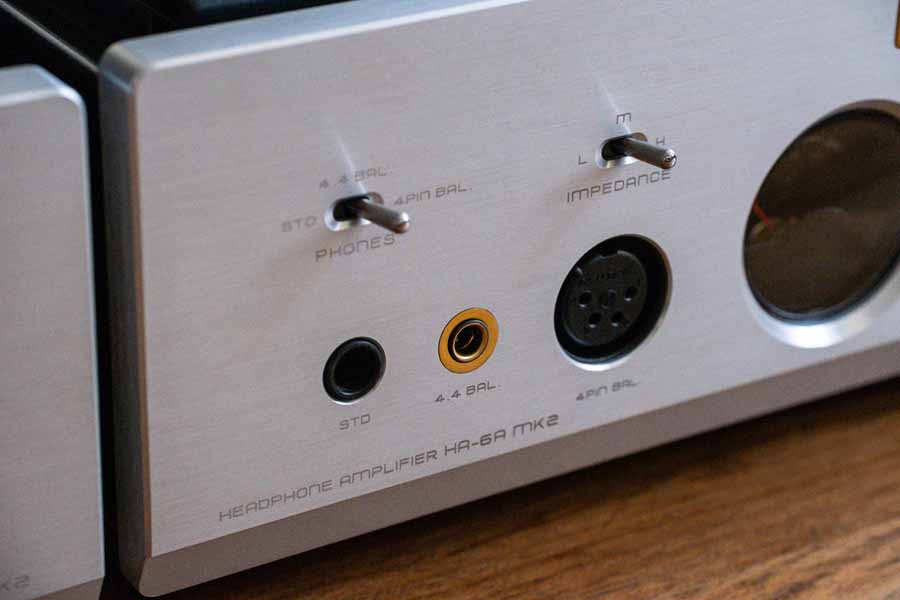
SETUP AND USE
Due to the size of this amp, it has been put into my main HiFi rack, and I have been running the RCA output of the Matrix Audio TS-1 streamer into the HA-6A MKII. It has been tested with a variety of headphones, such as the Meze 109 Pro, Beyerdynamic DT880 600Ohm, ZMF Caldera Closed, HiFiMAN Susvara, and HEDD HEDDphone TWO GT.
I stuck with the stock valves for this review – you could easily write a whole other article based on sound changes using other valves in this amp. I wanted to give you a feeling of the amp as it is, out of the box. I ran the amp in for more than 50 hours before writing this review.
SOUND QUALITY
Ultra-linear mode was used for the write-up below. I will go into Triode mode a little later.
Starting with the HiFiMAN Susvara, I used the 4-pin XLR output of the amp, as that’s made for this kind of headphone, along with using the High impedance mode for maximum output. The first impression you get from this amp is that it is quite clean-sounding for valves, and that has something to do with the stock choice of valves from Cayin.
Take Hangover by Gomez, the clarity on display here is quite something, whilst this is an amp that has no issues powering the Susvara. It delivers a rich, yet balanced sound from these headphones (exactly how they should sound when properly powered). Every part of this mix occupies its own space; the spatial panning of instruments is pinpoint accurate, the bass is articulate and textured, the vocals are pitch perfect, and cymbals crash with such refined tonality, devoid of any glare. It’s an upbeat and groovy listen, and has no issues getting me bopping along to my favourite tracks.
On to something with a little more punch, Wurst Vacation by Ice Nine Kills, and here the double kicks are easily separated, the crushing guitar lines delivered with crunch and power, whilst each part of the mix is well separated. Going off memory, this is a cleaner-sounding amp than the Feliks Audio Envy Performance Edition, yet still has that signature warmth and body that many solid-state amps fail to replicate. With the HA-6A MKII, Cayin have delivered a snappy, clean, yet dynamic-sounding amplifier that works wonders with headphones such as the Susvara. The bass has weight and heft, the midrange wonderfully open and clean, whilst the treble is energetic and extended without sounding pushed forward. Everything on this amp sits exactly where it should, with plenty of air and space between it, whilst still retaining that valve colouration that is wonderfully enjoyable.
Whilst not as power hungry, the HEDD HEDDphone TWO GT still like a good chunk of power behind them, as well as good synergy with the amp they are running off. I left the impedance set at high here, and listened to One Day by Bjork. I had listened to this amp and these headphones before writing the review, and it is a brilliant match sound-wise. With this track, you have that wonderfully full and driving bass line that is well-presented on these headphones, whilst the spatial effects, panning, and layering all come together in a clean, yet engaging way. The HEDDphone TWO GT has impressive technicalities, and the tuning prevents them from sounding boring, yet pair them with an amp such as this, and the fun level goes up a notch. You still have impeccable clarity, and airiness, and micro-detail here is stunning, whilst the amp gives these headphones some additional thump and warmth that is quite addictive. As with any amp that imparts a little of its character, the HA-6A MKII might not be for everyone, but in my humble opinion, it works wonders with more technical headphones, never taking away from the core signature, whilst injecting some energy, fullness, and punch. 
Last on the list of harder to drive headphones, we have the ZMF Caldera Closed, and once again, the synergy here is excellent. This is one of the cleaner-sounding models in ZMF’s lineup, yet I can’t see them ever being called boring in most setups. They still have that signature ZMF bass response that punches hard and digs deep.
What better way to enjoy that rich, ZMF sound with the Cayin HA-6A MKII than Marks Of The Evil One by Ghost, the grungy bass line cutting through with great authority, the sub-bass rumble here is quite something. The bass punch is full, impactful, and visceral, yet the vocals still cut through with poise and clarity. Snares are snappy, cymbals well placed with great definition and air, all coming together in such a dynamic and detailed way. This is a closed headphone that never sounds closed in, yet the HA-6A MKII adds to this and gives these headphones an even bigger soundstage, with plenty of width, height, and depth.
Moving on to the 6.3mm standard output, with the Beyerdynamic DT880 600Ohm, with impedance set to High still, this amp doesn’t have any issues with high impedance dynamic headphones at all. Personally, I still prefer these headphones out of an OTL valve amp, yet here they still have plenty of drive, power, and body. For this pairing, I listened to Join The Club by Bring Me The Horizon, and these headphones still have that signature clarity and crisp sound signature. Arguably, the HA-6A MKII imparts less “colouration” on the sound than an OTL amp, yet these still don’t sound like a clinical headphone through this combo, so it is adding a bit of its own sound. Once again, the driving bass line cuts through, vocals are a little forward here, and the sound is dynamic and hard-hitting without taking away the excellent clarity and control the DT880 are known for. 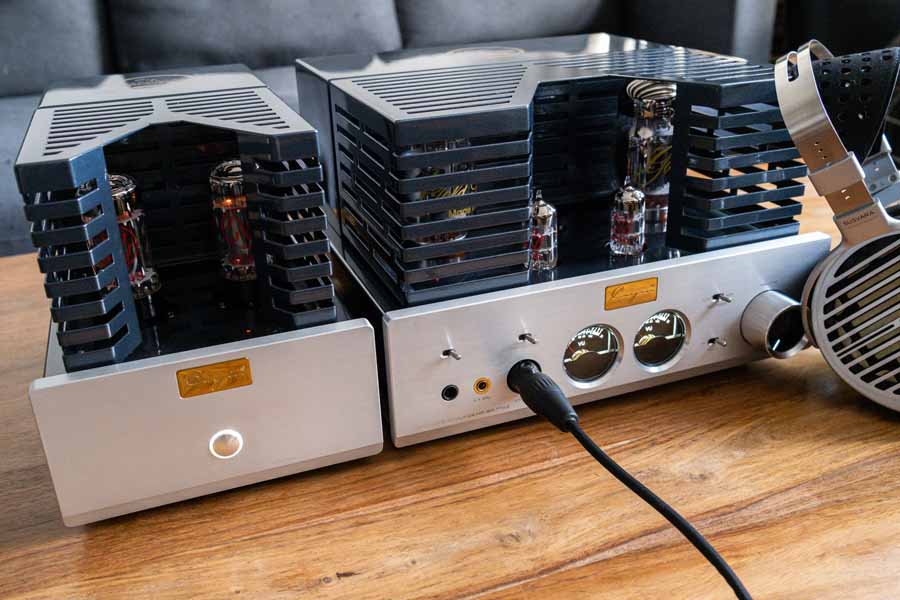
On to the Meze 109 Pro, which are rather easy to drive and have low impedance so I switched the switch to Low for these. The HA-6A MKII once again showed off its ability to impart a little body and punch through these headphones. To that effect, I put on Gimme That Boom by Skindred, a great bouncy track from this rasta-metal band from South Wales. Suffice to say, there is plenty of energy here, a thick, full sound, without taking away from the detail in the midrange and treble. I have mentioned before that those who know the 109 Pro know it can be borderline bright in the treble. The HA-6A MKII manages to add a little smoothness up top without taking away too much of the energy. This is a pairing that had me headbanging along.
In Ultra linear mode, the HA-6A MKII has a punchy, open, and engaging sound that works well with many headphones out there. The overwhelming sense of drive, dynamics, and space were highlighted with multiple pairings, and it comes across as a highly enjoyable amp with many genres.
Ultra linear vs Triode
To test the difference between Ultra linear and Triode mode, I moved back to the HEDDphone TWO GT, and I used the track No Surprises by Radiohead. In Ultra linear mode you have everything well separated as mentioned previously, The hard L/R panned instruments well placed, Thom’s vocals centred, and a full yet controlled bass line. There is detail aplenty here, every little effect easily picked out, and overall, it sounds well balanced with perhaps a little fullness down low in this mode.
Changing to Triode mode, things don’t change drastically; however, there is a bit of a difference here, and it all comes down to taste. There is slightly less air between everything, the vocals don’t pop quite as much, and there is a slightly more mellow tone to the sound. It’s a little more relaxed, if Ultra linear is a supercar, Triode is a Grand tourer, not as technical or raw, but slightly softer and comfier. It really does depend on the headphones and music you are playing; a lot of my music is quite dynamic and requires a bit more dynamic punch. However, listening to softer, more acoustic-based music, Triode mode really comes into its own. 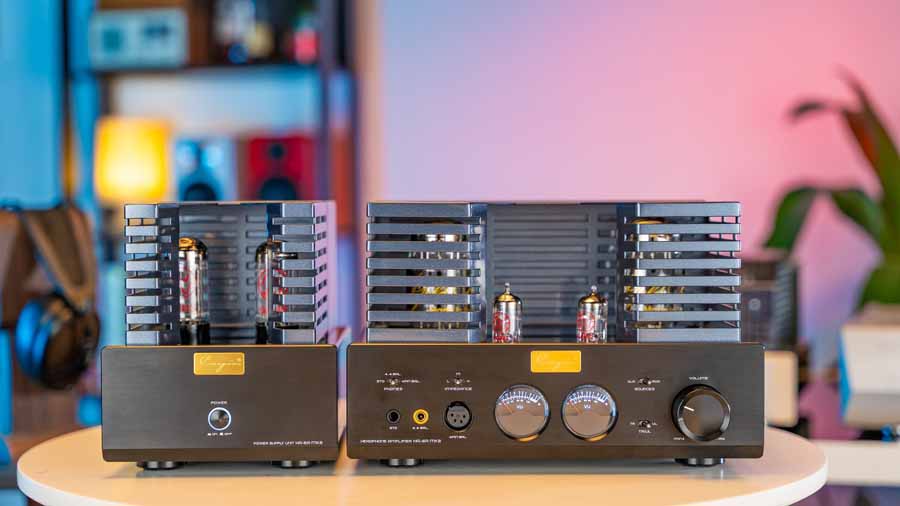
QUIBBLES
Firstly, this is a big amp which isn’t really a quibble, more of an observation that it needs careful consideration on where in your system this will fit in. Secondly, the JJ valves are merely ok in my opinion, and the sound of this amp can be improved with better NOS valves (and down the rabbit hole we go).
CONCLUSION
The Cayin HA-6A MKII is a fantastic headphone amplifier. In its stock form, you get a well-balanced and detailed sound with plenty of air and an engaging sound signature that can drive most headphones out there. The real trick here, though, is the fact that you can tune this amp to your heart’s content with a staggering number of compatible valves to try in different locations (Rectifiers, power, and pre-amp). This is a lot of fun, trying out different valves to figure out which suits your personal preference, although your wallet won’t thank you.
This is a hugely versatile bit of kit that excels where it matters; it’s built to last, and sounds excellent with only the stock JJ valves really letting it down (I, like many others, see these as simple placeholders until you can replace them with something better). I will, however, say that the Gold Lion KT88s are not a bad power valve, and these are likely to be the last ones to be replaced as they are of higher quality than the JJ GZ34s and ECC82s.
If you are an avid headphone enthusiast with a decent headphone collection, then I’m sure a SET amp like this has been on your radar. The HA-6A is an amp I am happy to recommend, based on its price, feature set, and sound.
AT A GLANCE

Build Quality And Features:
Built like a tank, with a ton of useful features
Multiple inputs and outputs make it very flexible
Sound Quality:
Engaging, spacious, and fun
Ultra linear and Triode mode at the flick of a switch
Value For Money:
As a package, the HA-6A MKII is exceptionally good value for money, it comes very well featured and compares favourably with higher priced models
We Loved:
Both the build quality, functionality, flexibility, and sound quality
We Didn’t Love So Much:
The size (can’t really be helped), and the JJ stock valves which are easy to replace
Elevator Pitch Review: If you are an avid headphone enthusiast with a variety of headphones and want to scratch that “valve amp” itch, this is a brilliant place to start. It works with most headphones available, without the drawbacks of an OTL amp, and it won’t drain your wallet further by encouraging you to buy different valves – a win all around. In all honesty, this is a cracking amp that’s both built to last and sounds phenomenal with the right headphones, for a rather reasonable price when you consider the overall value.
Price: £2999

Oscar Stewart
SUPPLIED SPECIFICATIONS
Physical Specifications
- Model
Cayin HA-6A MK2
- Dimensions (Power Supply)
160 × 297 × 185 mm³
- Dimensions (Amplifier)
285 × 297 × 185 mm³
- Net Weight (Power Supply)
8.2 kg
- Net Weight (Amplifier)
11.2 kg
Audio Specifications
- Headphone Output Power (6.35 mm)
UL: 3500 mW + 3500 mW; TR: 2300 mW + 2300 mW
- Headphone Output Power (4.4 BAL)
UL: 1000 mW + 1000 mW; TR: 650 mW + 650 mW
- Headphone Output Power (4-Pin BAL)
UL: 4500 mW + 4500 mW; TR: 3000 mW + 3000 mW
- Frequency Range
10 Hz–26 kHz +3 dB; 1 Hz–21 kHz ±1 dB
- THD+N (Headphone)
0.3% (1 kHz, 200 mW; Rated output power <5%)
- Sensitivity
240 mV–820 mV
- S/N Ratio (Headphone)
104 dB (A-Weighted)
- Headphone Impedance Range
L: 8–64 Ω; M: 65–250 Ω; H: 251–600 Ω
Preamplifier Specifications
- Maximum Output Voltage
6 V
- Gain
20 dB
- THD (Preamp)
0.2% (2 V RMS)
- S/N Ratio (Preamp)
98 dB (A-Weighted)
- Input Sensitivity (Preamp)
200 mV
Connectivity Specifications
- Input Impedance
RCA: 32 kΩ; XLR: 16 kΩ
- Input Connectors
XLR, RCA
- Headphone Connectors
6.35 mm ×1; 4.4 mm BAL ×1; 4-pin XLR ×1
- Preamp Output Connector
RCA