
REL T/7x Subwoofer
Oscar Stewart takes a listen to the REL T/7x Subwoofer costing £999.
REL should not really need any introduction around here. It is a company from Wales that specialises in making subwoofers. It makes models best suited to HiFi, along with a range that fits home theatre use, too.
I contacted them a little while back about testing one of their models in my home, and this review is based on my experience with the T/7x in my own system.










If you have ever been to a HiFi show and seen REL there, you will know that they are very good at demonstrating that a well-integrated sub does not simply add more bass; it does more to the sound than that. I will try to explain later in this review.
Build and Features of the REL T/7x
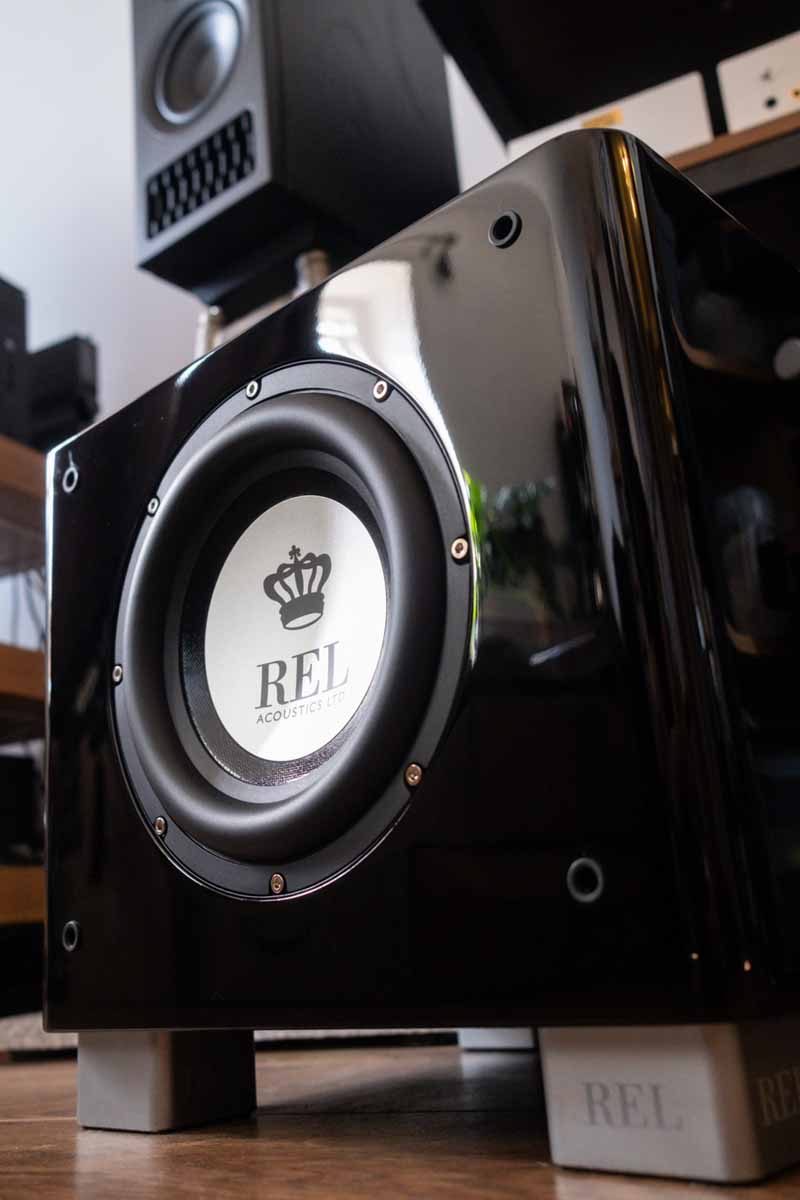
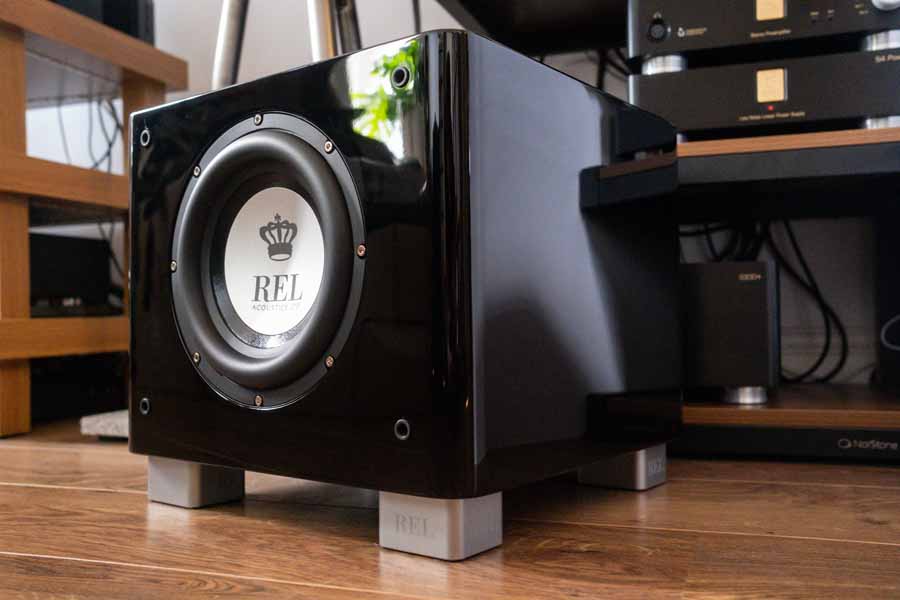
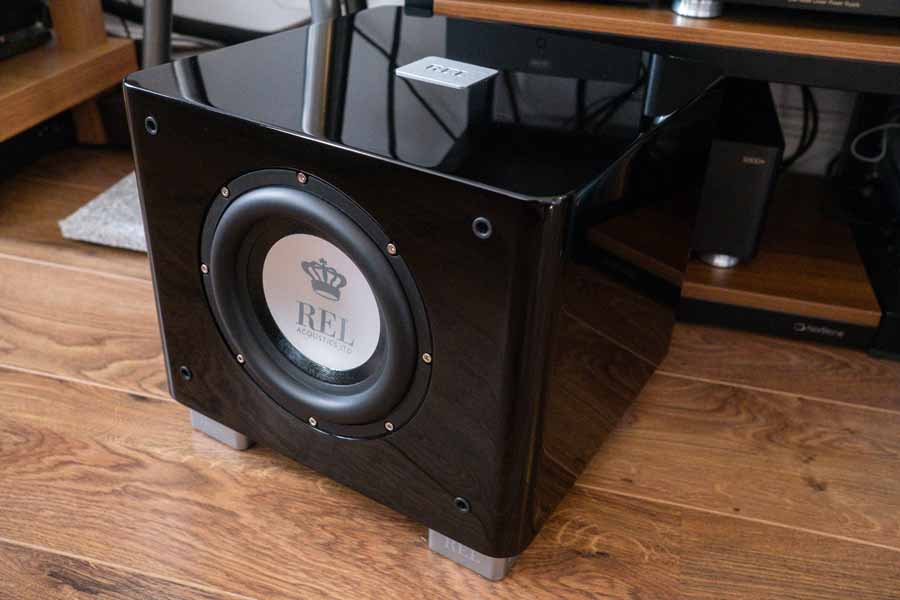
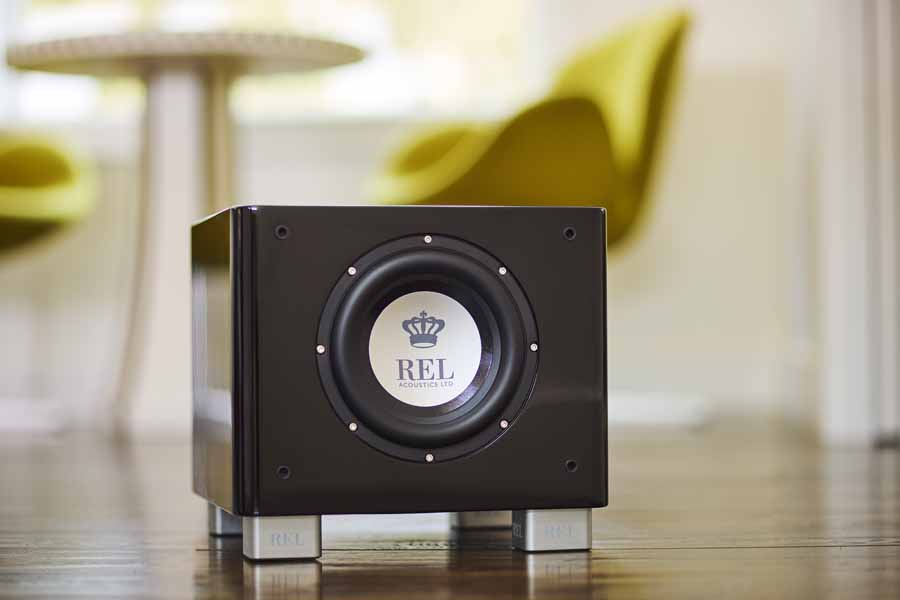
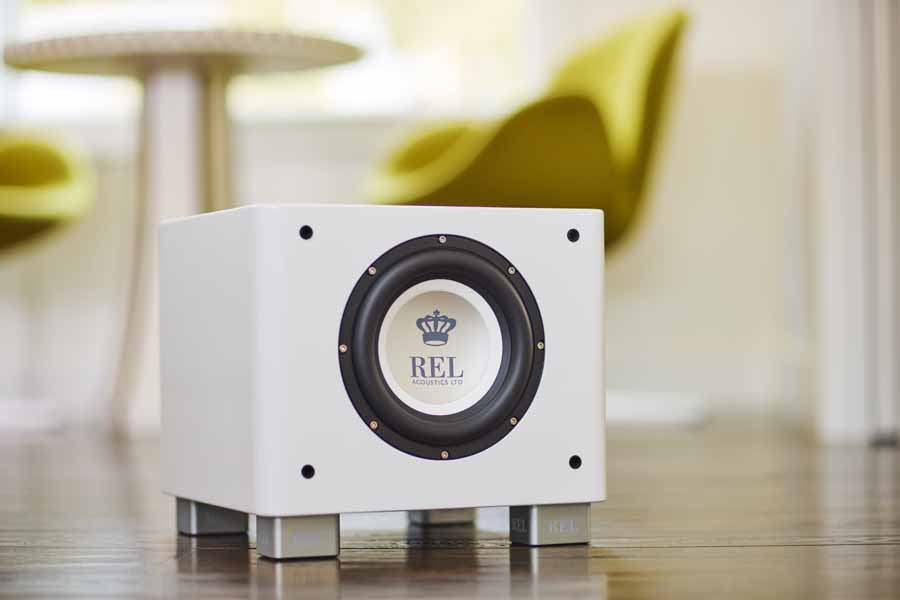
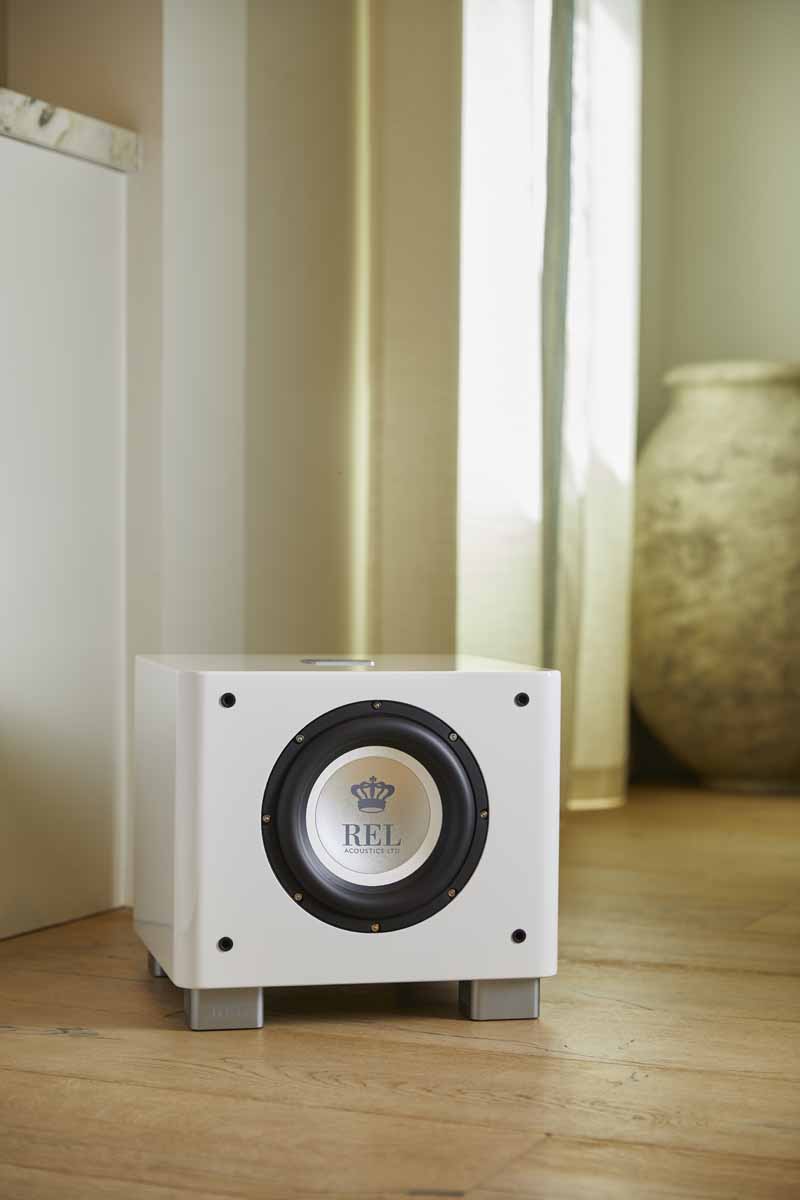
The REL T/7x comes well packaged, which is good, as it is a pretty hefty sub. Its size lends itself to medium-to-large rooms without taking up too much space. The demo unit I have is in the piano-black finish, which looks very smart. My only gripe is that piano black scratches more easily than a matt finish. Even though this is a demo unit, it is in good condition, and the paint finish seems pretty durable, with minor scratches only visible close up.
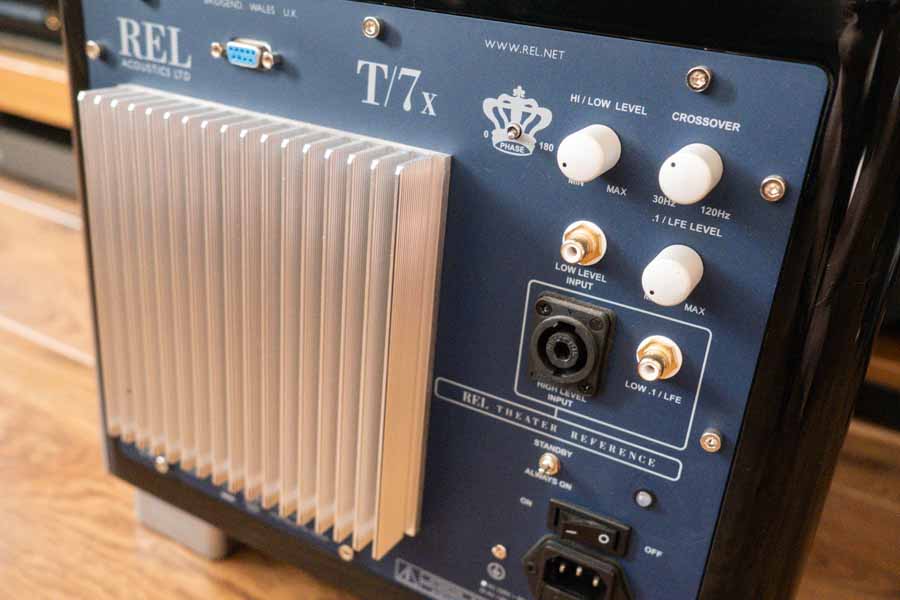
The sub itself feels well built, with sturdy feet, a well-braced cabinet and a Class A/B amplifier internally. It uses a front-firing 8-inch active driver, paired with a down-firing 10-inch passive radiator, in a sealed-cabinet design. Around the back of the sub you will find all the main bits, including the power switch, phase switch, crossover-frequency knob, volume knob, and LFE, high- and low-level inputs. The LFE and low-/high-level inputs have separate volume knobs, which allows you to dial it in for both uses without having to constantly change it.









In the box, you get a high-level cable, a detachable front grille and the power cable. Nothing else is needed with this sub. A key difference between the T series, which is tuned for HiFi use, and the HT series is that the T series has a high-level input for smoother integration, alongside Class A/B amplification versus Class D in the HT series, as well as the obvious tuning tweaks.
Setup and Use
REL recommends corner placement where possible, and even dual subs if you have the space and budget. However, I live in a smaller room, and corner placement simply is not an option in my setup. Luckily, due to the smaller room, I managed to get the T/7x dialled in fairly quickly using the high-level input, and had the phase inverted for the best results.
Rudimentary room measurements showed the T/7x levelling out the low-frequency response of my setup nicely, without exciting my existing 50Hz room mode. It really was not tricky to get it integrated by ear for the most part (measurements did highlight that the phase needed to be inverted, though). As mentioned, my room is quite small, and I only had this sub on volume notch 2 for music and 1 for movies. It definitely has the headroom to fill most medium-sized rooms with ease.
The REL has been set up in my main system, consisting of the Alchris TX-1 speakers, Matrix Audio TS-1 streaming DAC, Keces S4 preamp and S300+ power amp, Technics SL-1300G (AT-VM745xML cartridge), Hegel V10 phono stage, and Puritan PSM156 mains conditioner. I use a mix of local CD rips and Qobuz streaming, with some vinyl playback, too.
Sound Quality
REL claims the T/7x blends speed, punch and refinement, and I think this line actually sums up this model well. To test the speed, I thought “Cries in Vain” by Bullet for My Valentine would be a good track to start with. The T/7x adds a subtle amount of body to the sound, whilst filling out the double kicks with a nice little bit of impact.
The Alchris TX-1 are punchy speakers, handling rock and metal with ease. They already handle bass quite well down to around 40Hz in-room, with the T/7x helping to level out the bass to around 26Hz in-room. The great thing about this sub is the way it blends with these speakers. In tracks like this, where you do not have a huge sub-bass presence, it just helps add a bit of impact and body, whilst helping to deepen the soundstage. It never sounds as if it is trying too hard, and does not grab your attention on songs like this.
Another heavy song, “Pain” by Paleface Swiss, has some deeper bass effects where the REL really comes into its own. Here, you can feel and hear the T/7x doing what it should be: adding an extra layer of extension to the sound in a controlled way. What is most impressive is the way the bass changes tone so easily. Some cheaper subs have a habit of being a bit “one tone”, and of switching on and off in the way they deliver the response. The REL, on the other hand, delivers what the recording is asking for, ebbing and flowing, hitting hard, and filling out the sound to give it the dense, dark character this track should have. I actually found this track did a cracking job of highlighting what a good sub can add to a system.
A track I heard a while back in Munich (in the Vivid Audio room), “This Is America” by Childish Gambino, came on and changed things up. This is a great track and quite different from the two I have mentioned previously. It is a hip-hop track with a deep bassline throughout that changes pitch as it flows, and the T/7x delivers the presence, depth and punch that allow the low end both to fill out the sound and to keep up with the clicks and other sound effects.
This sub once again adds an extra layer to the sound, and switching it off makes a noticeable difference to the depth of the low end and the size of the soundstage. Switching it on immediately changes the soundstage, whilst adding extra depth and texture down low. The most important thing here is the way the REL does not change the overall voicing of the system. It still sounds like the system I have put together over time and love, yet with additional energy, depth and air.

Another good test track is “Your Power” by Billie Eilish, a slower song of hers, but one with some interesting bass effects. Suffice to say, the presentation with and without the REL is quite different. Throughout the track, you would think there is no sub, yet when the effects come in, they really surprise you with their ability to come out of nowhere, then fade back into nothing.
When integrated properly, you really do not notice the sub being there until a track like this comes on, and you think, “Oh, that’s what I was missing.” I am aware that, even in 2026, there is still some stigma surrounding subs in HiFi, and I say: screw that, try one. A good sub can add a lot to a system, and a standmount-and-sub setup gives you that fantastic imaging only standmounts do, with the added depth of a larger system.
Lastly, a cliché test track: “Hackers” by Metrik—just for fun. The drops just sound so much fuller with the REL in the system, and if you really wanted to, you could crank the sub up a notch or two and really pressurise the room. I decided to stick with the level I had it integrated at, and it still makes a big difference on electronic tracks like this, with lots of bass. It is articulate, though; there is no “one-tone” bass going on. It effortlessly tracks with the recording, whilst giving a healthy dose of depth and body to the sound. I feel for my neighbours when testing tracks like this. Good job I am writing this on a sunny Saturday afternoon.
I have also watched a fair few films with this in my setup, including American Sniper. The heartbeat sound effect when he goes to take a shot is incredibly vivid. This sub fills out the low end and gives films an added level of impact, yet remains controlled and articulate at all times.
Quibbles
Provided you get the right size of sub for your room, there really are no quibbles with this model. It was relatively easy to integrate into my system and adds a lot to the sound without any downsides.
Conclusion
Having had this sub in my system for around six weeks now, I am definitely going to ask to buy one. I had previously used a very cheap Wharfedale, which does the job in a more budget system, but this REL is a true revelation. It has added a whole new layer to the sound, both in terms of bass depth and impact, as well as soundstaging. In fact, soundstaging was one of the first things I noticed had changed when I first hooked up the T/7x.
If you are not convinced a sub can make a difference, go to your local HiFi retailer and try one. It might change your mind about what they can add to an already good system. The REL T series shows you that you can have refinement as well as depth, without sounding like a 17-year-old boy racer in a clapped-out Corsa.
I am genuinely impressed at how effortless the sub sounds. It has not changed the overall voicing of my system at all, and the high-level input is partly the reason why these integrate into a 2-channel setup so well.
At a Glance

Build Quality and Features:
A well-crafted product, with all the features a sub could need
Sound Quality:
Punchy, deep and articulate
Value for Money:
At £999, it is not cheap, but it is money well spent when you have a good system
We Loved:
The effect it has on the overall system: it adds plenty without taking anything away
We Didn’t Love So Much:
Nothing to note. Some may not like the piano-black finish
Elevator Pitch Review: I am aware there is still some stigma amongst “audiophiles” surrounding subs. Most manufacturers know that this is a load of rubbish, and that a well-integrated sub can add more than just bass to a system. This is where the T/7x shows what it can do. This is a refined and controlled sub that integrates easily with a 2-channel setup and adds body, impact and depth, whilst simultaneously improving the soundstaging by widening it. Go and listen for yourself; you may well be surprised.
Price: £999

Oscar Stewart
SUPPLIED SPECIFICATIONS
- Type: Front-firing active driver, down-firing passive radiator
- Active Driver Size & Material: 8 in. (200mm) long-throw, FibreAlloy™ cone, inverted alloy centre cap, steel chassis
- Passive Radiator Size & Material: 10 in. (250mm) long-throw, FibreAlloy cone, inverted alloy centre cap, steel chassis
- Low Frequency Extension: -6dB at 30Hz
- Input Connectors: High-level Neutrik Speakon, low-level (1) RCA, (1) LFE RCA
- Output Connectors: N/A
- Power Output: 200 Watts (RMS)
- Amplifier Type: Class A/B
- Wireless Capability: REL Arrow (sold separately)
- Dual Parametric Filter: N/A
- Finish: Piano Black Lacquer, Gloss White Lacquer (five coats)