
Wharfedale Diamond 12.1i Loudspeakers
WHARFEDALE DIAMOND 12.1i LOUDSPEAKERS REVIEW
Debbioe Griffin takes a listen to the latest offering from Wharfedale and their legendary Diamond range of loudspeakers.
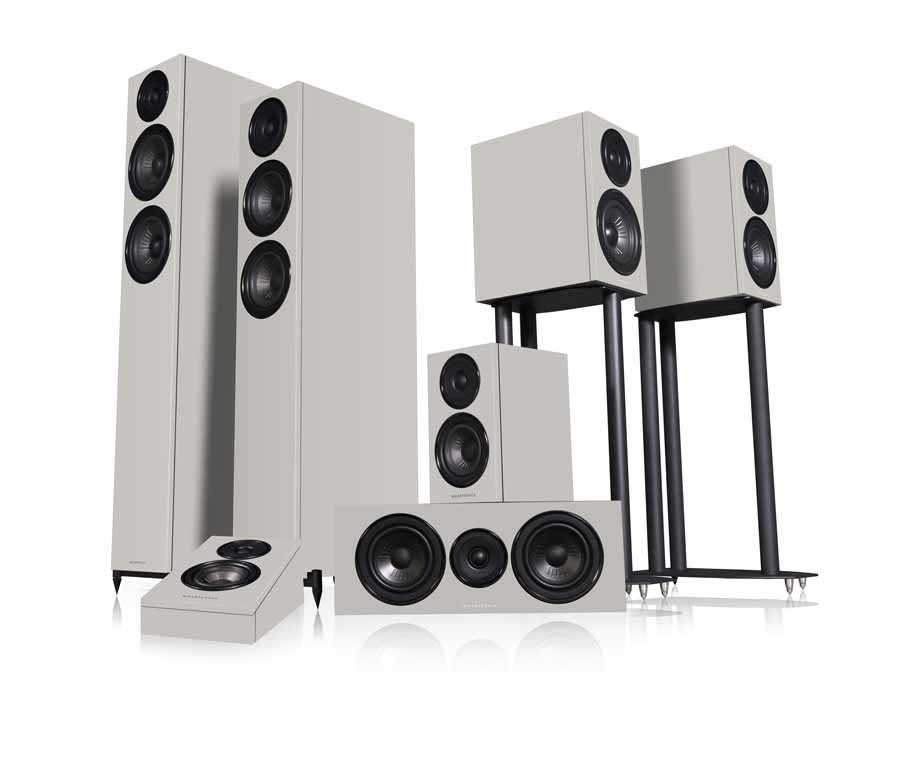
I was very excited to receive the new Wharfedale Diamond 12.1i for review after having spent many years as a fan of their Evo range and having owned several iterations of Evos over the years. The Diamond 12.1i sit as second in the Diamond 12i range, and are described as bookshelf speakers, although there are smaller units (the 12.0i) and larger (12.2i) in the bookshelf / stand-mounted range. Within the Diamond 12i family, there are two floor-standing models (12.3i and 12.4i) and home cinema centre speaker offerings (12.C1 and 12.3 Di) to meet the needs of a variety of listening spaces and listeners’ needs.

Wharfedale’s brand new and upgraded entry-level offering are described by the company as Kings of “sound per pound”, solidly focusing on delivering the best value for money in the very competitive entry-level market.
The Diamond 12s have established a solid reputation as a classic entry point to true high-fidelity sound and have earned numerous “product of the year” accolades, since their inception in 2020. The Diamond 12s are renowned for having a solid build quality and offer excellent all-round sonic value. I was fascinated to see how the new, revised 12.1i would improve upon an already well-established and universally acclaimed product.
Wharfedale have emphasised that, considering the current manufacturing pressures and costs in today’s economic climate, they have managed to maintain the same RRP of £249 in the UK, but has implemented improvements through upgraded design features, which we will explore in a moment.

Within the new Diamond 12i range of loudspeakers, there are floorstanders, stand/bookshelfs, centre, and surround speakers.
BUILD AND FEATURES
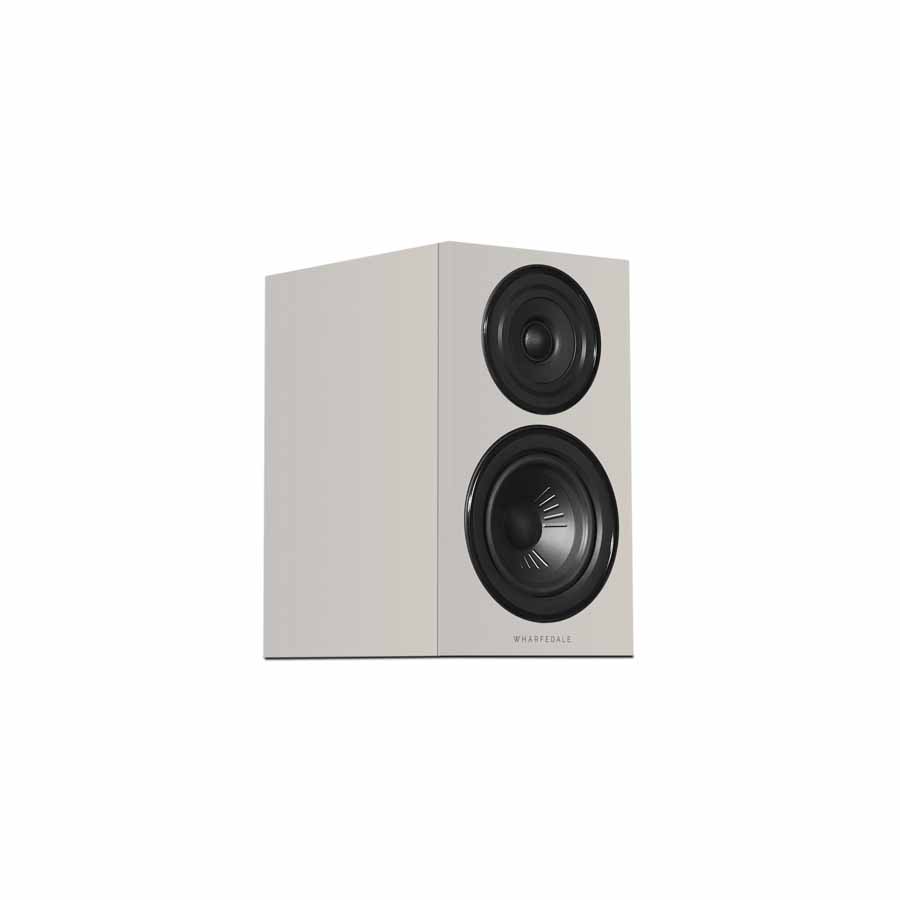
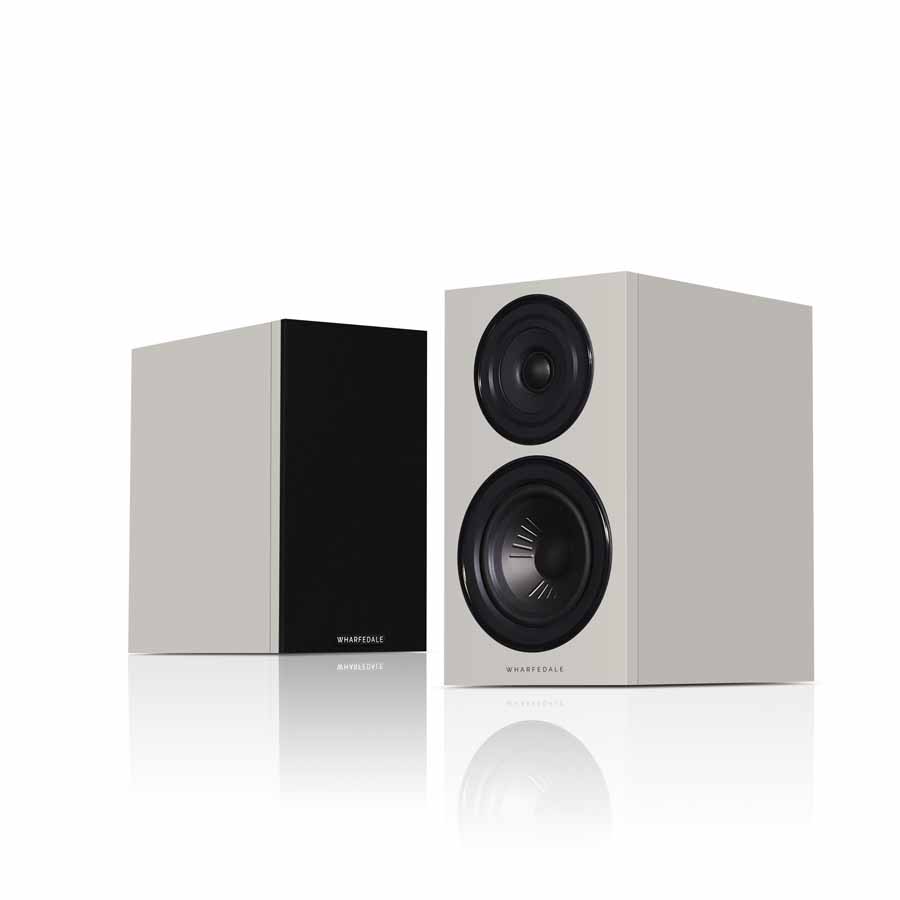
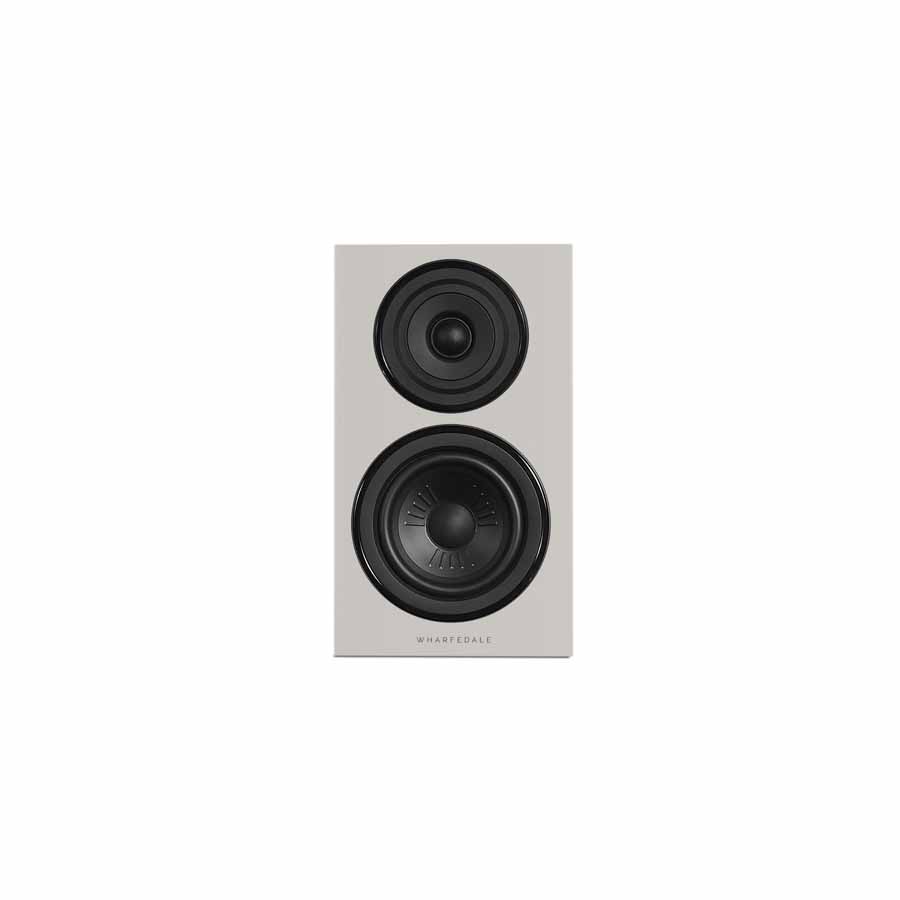
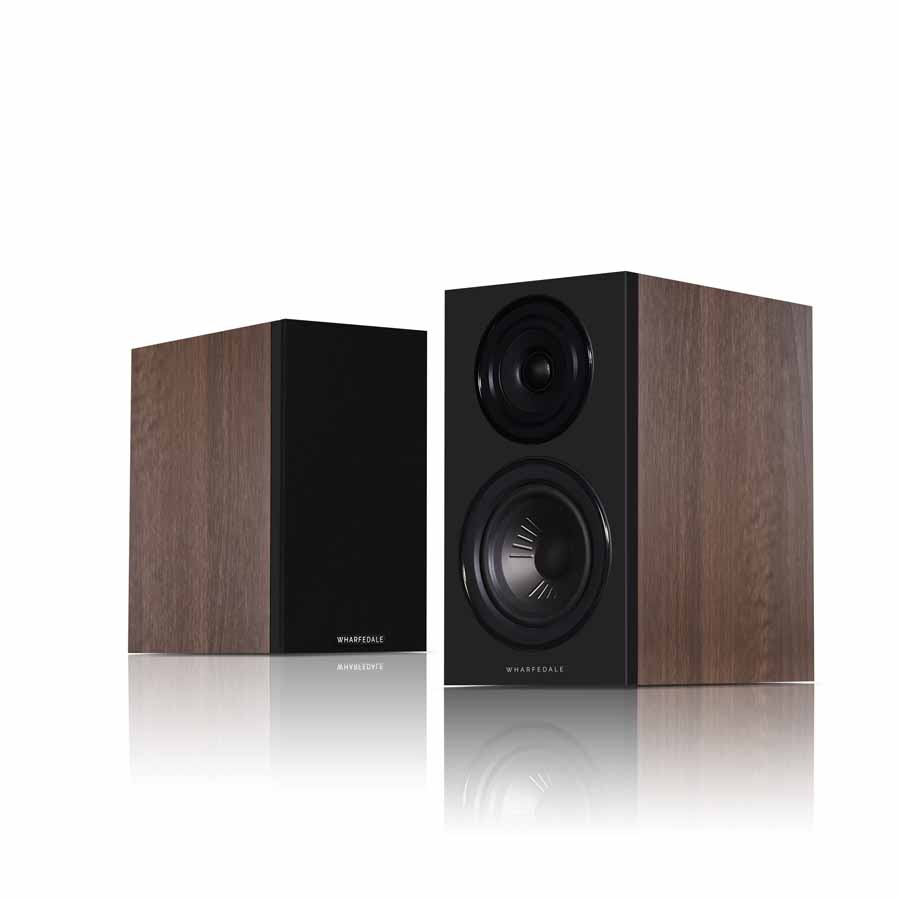
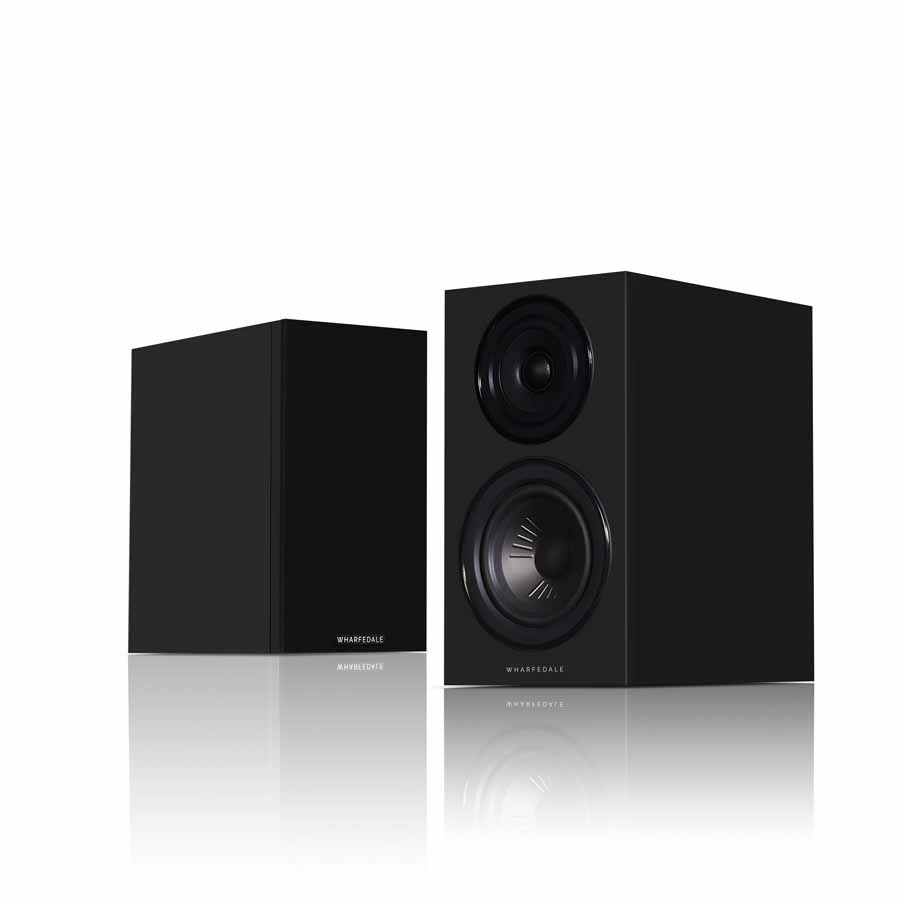
On first inspection, the speakers are stunningly well produced for a unit that costs less than £250. I was sent the semi-matt grey finish (Stone Grey), which looked stylish and contemporary; not at all like an entry-level cabinet. Along with the Stone Grey they also offer the Diamond 12.1i in a choice of Deep Black (rich semi-matt) and Classic Walnut with a semi-matt black front baffle. These finishes seem well executed and punch well above their entry-level price tag.
The dimensions of the 12.1i model are 312 mm x 180 mm x 250mm and the unit weight is 6.8kg, making it substantial for a bookshelf speaker.
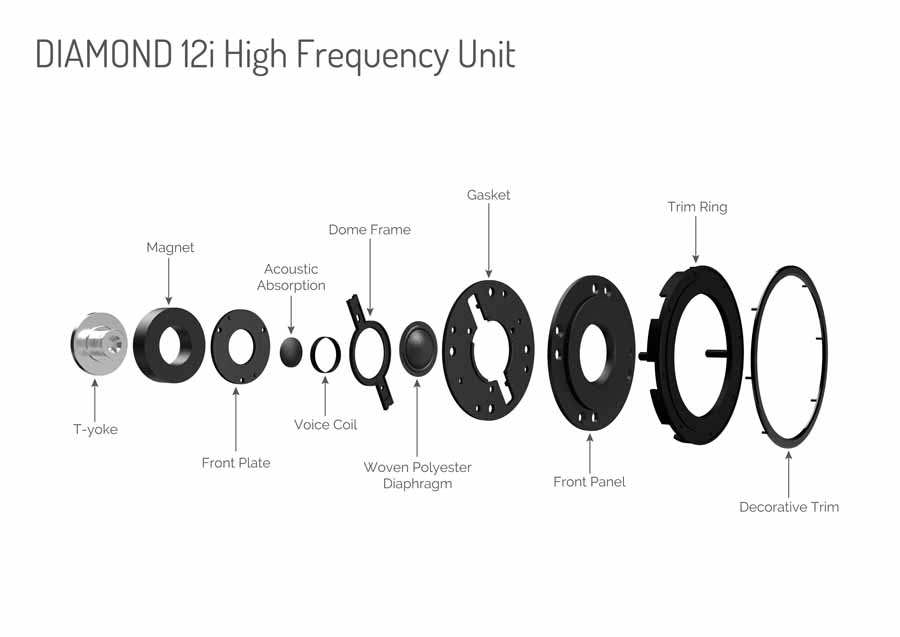
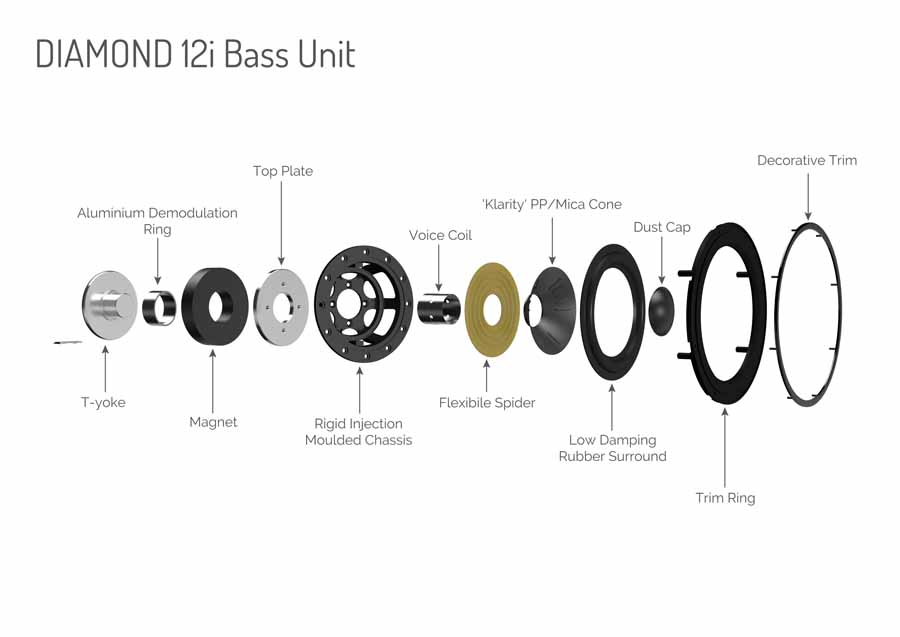
The 12.1i is a 2-way stand-mounted loudspeaker with a 25mm textile dome treble driver and a 130mm Klarity ™ cone mid/bass driver. Sensitivity is listed as 88dB, and the recommended amplification range is between 20–100W. Nominal impedance is 8 ohms compatible with minimal 4 ohms. Frequency response is listed as 65Hz–20kHz. The crossover frequency is 2.6kHz
The units are rear ported and made of wood fibre board. They incorporate intelligent spot bracing to reduce the characteristics of a typical “cabinet” sound, and much attention has been paid to the smallest detail, including the specific glue used, to ensure that the cabinets work in sync with the other design amendments to produce acoustic improvements on the previous Diamond models.
The speakers feel substantial and at first glance are on the large side of the bookshelf range. For the purposes of the review, I was supplied with some sturdy Castle stands, as my own stands were custom designed for Kii Sevens. These stands were perfect with the 12.1i and complemented both the aesthetics and stability for sound quality.
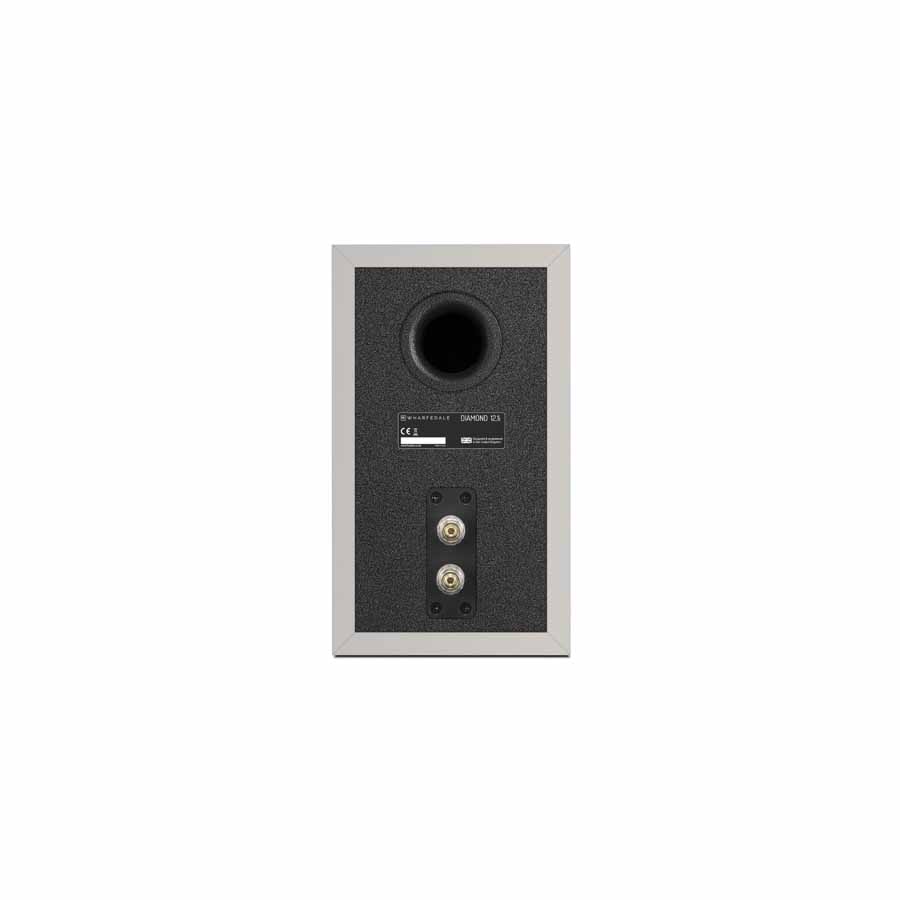
With Wharfedale’s Director of Acoustic Design, Peter Comeau leading the project, alongside engineers, Dan Bailey Ornellas and Oliver Davies, the team focused on bass port tuning and airflow control to refine low frequency performance, making use of laser interferometry, computational fluid dynamics (CFD) and anechoic and in room measurements. This research led to a new and improved bass-reflex port design and revised internal damping over previous Diamond 12 models. Wharfedale say that this has enabled improved bass clarity and control throughout the range, stating that low frequencies are more articulate with enhanced transitions between bass and midrange and more consistent spatial performance. Ultimately, the redesign was about improving performance in different user spaces, no matter where the speakers are placed.
The new Diamond 12.1i speakers and midrange drivers incorporate diaphragms made from a composite of polypropylene and mica that Wharfedale calls Klarity™. They claim that its formulation is highly significant. It increases the material’s stiffness compared to polypropylene alone, reducing flexing and enabling the production of a lightweight cone for low colouration and a lightning-fast response. The aim of these developments is to deliver a sound that is more accurate and engaging than in the previous models.
SETUP AND USE
The initial setup was extremely easy. The speakers came well packaged with plenty of sturdy foam protection and fabric covers to ensure the cabinets were kept safe from any marks or dings that may happen during transit and setup. There were the standard two connections on the back offering connectivity to banana, spade and bare-wire speaker cables. I did not have to persevere too much with positioning, and they seemed perfectly happy to be fairly near to the rear wall and corners of the room (around 8 inches from rear and side walls), which was surprisingly pleasing for rear-ported speakers. I used my trusty Rega Elicit Mk5 for amplification alongside the Hifi Rose RS150b as streaming source and a Rega P3 50th anniversary on phono duties. I also used Tellurium Q Black ii speaker cables for the purpose of this review, as they were less hefty than the usual staple, Townshend Isoldas, which may have been overkill on this setup. The Diamond 12.1i worked extremely well with the different elements of this system and were not fussy about pairing.
SOUND QUALITY
I intentionally kept the system simple for the review, omitting the sub, not using an outboard DAC and utilising mid-range cabling to experience what these speakers truly offered without any added bells and whistles. It had been a while since I had spent time engaging with a true entry-level speaker system and did not want this to cloud any potential listening judgements. I have spent several years owning and enjoying the Wharfedale Evo floor standers (4.3s then the new 5.4s) and have always felt that Wharfedale offer excellent quality and value consistently through their ranges. I had, however, never heard the Diamond range other than at audio shows, where the rooms can be less than optimal, and there are so many variable acoustic factors at play.
My first observations were that they needed a reasonable amount of amplification to truly get them going. I had the volume up at least a quarter of a dial higher than when driving the Evo 4.3 floor standers, to get a similar dB output level, although they never taxed my amp unduly. Once “juiced up”, they throw an impressive range for entry-level bookshelf speakers. Guitars sounded pleasantly detailed and, on most tracks, the bass was very satisfying. On test tracks such as “Spaceship Earth” by Mop Mop (Tidal 16/44.1kHz) there was impressive space, detail and clear, rounded bass. I noted less soundstage than their larger Evo counterparts, but that was to be expected given the sheer size and price variables. The Diamond 12.1i admirably executed the intricate xylophone strands and layers of guitar, drum and bass.
During Joshua Idehen’s “Your Mum Does the Washing” (Qobuz 16/44.1kHz), there were excellent, transparent and well-developed vocals with enough detail in the back layers of the recording. Percussion was well-paced, punchy and extremely enjoyable. There was noticeably better sound staging than in the previous track. I noticed a slight muddiness in the lower bass, but I had not used my usual sound isolation and had not included the bells and whistles, as previously mentioned. All in all, I felt this was a fantastic result from this track on £249 speakers. It was easy to forget at times that these speakers were not demanding a much higher price bracket.
The next track was “Planet Dada” by Yello (Tidal 16/44.1kHz), which, again, the Diamond 12.1is handled with enthusiasm and accuracy. Soundstage was superb, with very impressive separation, clarity, detail and energy. I noted that the speakers seemed to favour the extremes of very high and low frequencies during playback on this track, which I was not expecting. They performed outstandingly on what could be quite a tricky track on less accomplished speakers.

Switching down to a more subtle and ethereal track, on Patrick Watson’s “Lighthouse” (Tidal 16/44.1kHz) they captured pleasing highs and the light, airy nature of the vocals well. I noticed some loss of detail due to a softer piano layer, but they captured enough of the big orchestral sweep during the final crescendo to carry off another challenging track very well.
Using Bob Marley and the Wailers’ “No More Trouble” (Qobuz 16/44.1kHz), I noted that the track sounded slightly less dynamic, but very authentic. They picked up the detail capably but also managed to reproduce the very distinct recording studio setting. I could close my eyes and visualise being in the studio with the band. They had no problem picking up nuances in the percussion and detail within the backing vocals.
I managed to get through a comprehensive list of different genres and sources. The Diamond 12.1is proved to be an extremely good all-rounder, not favouring one genre or source particularly. If there were one slight observation on the streaming front, they did tend to expose a flat presentation in some more compressed recordings. I had noticed this with my Evos in the past too. They absolutely made the best out of well mastered tracks and particularly excelled with some more contemporary recordings. They managed to outperform many speakers I have heard at double their price point and more.
QUIBBLES
I needed to squeeze the volume up to around 68dB or above to hear the full potential of these speakers to really hear them sing, although they were perfectly capable at lower listening levels too, just less resolving.
CONCLUSION
The Wharfedale Diamond 12.1i offer very impressive value for money, both in terms of sound reproduction and construction. They present aesthetically and acoustically well above their price point and should be a serious contender for anyone who is in the market for an entry to audiophile sound fidelity (or for someone who just seriously enjoys a wide variety of music and wants great value for money!). I would have no hesitation in building a second system around these or recommending them to up-and-coming music lovers.
AT A GLANCE

Build Quality and Features:
The Wharfedale Diamond 12.1is are beautifully presented for a budget, entry-level speaker
They have a robust and high-quality finish, with a solid selection of finish options.
They are easy to install and position, and do not seem particularly fussy with their partnering components
They feel pricier than their RRP suggests
Sound Quality:
In terms of sound, they punch well above their weight (and many similar competitors in this price bracket)
They can present depth, layering and punch to most tracks, exceeding my expectations of an entry-level range
Value For Money:
Compared to similarly priced bookshelf speakers, they offer exceptional value for money, even in a competitive market
They should be a must-try for anyone looking to purchase speakers in this price range
We Loved:
The finish and how they open up when given a decent level of amplification. They come alive at mid-volume levels, and their true potential is revealed
We Didn’t Love So Much:
They are not very forgiving with highly compressed or poorly mastered recordings.
Elevator Pitch Review: If you are looking to invest in some solid, high-performing entry-level speakers, then the Wharfedale Diamond 12.1is are a must-demo! They will work extremely well with most systems and will offer a serious gateway into audiophile-level listening and system-building. Enjoy the journey….
Price: RRP £249 (UK)

Debbie Griffin
SUPPLIED SPECIFICATIONS
Wharfedale Diamond 12.1i Passive Bookshelf loudspeakers
Dimensions: 312mm x180mm x 250mm
Weight is 6.8kg per speaker
2-way stand-mounted loudspeaker with a 25mm textile dome treble driver and a 130mm Klarity ™ cone mid/bass driver.
Sensitivity: 88dB
Recommended amp: 20–100W.
Nominal impedance: 8 ohms compatible, with minimal 4 ohms.
Frequency response: 65Hz–20kHz.
Crossover frequency:2.6kHz