


Fluance RT87 Brings Dual Plinth Vinyl Playback To Europe
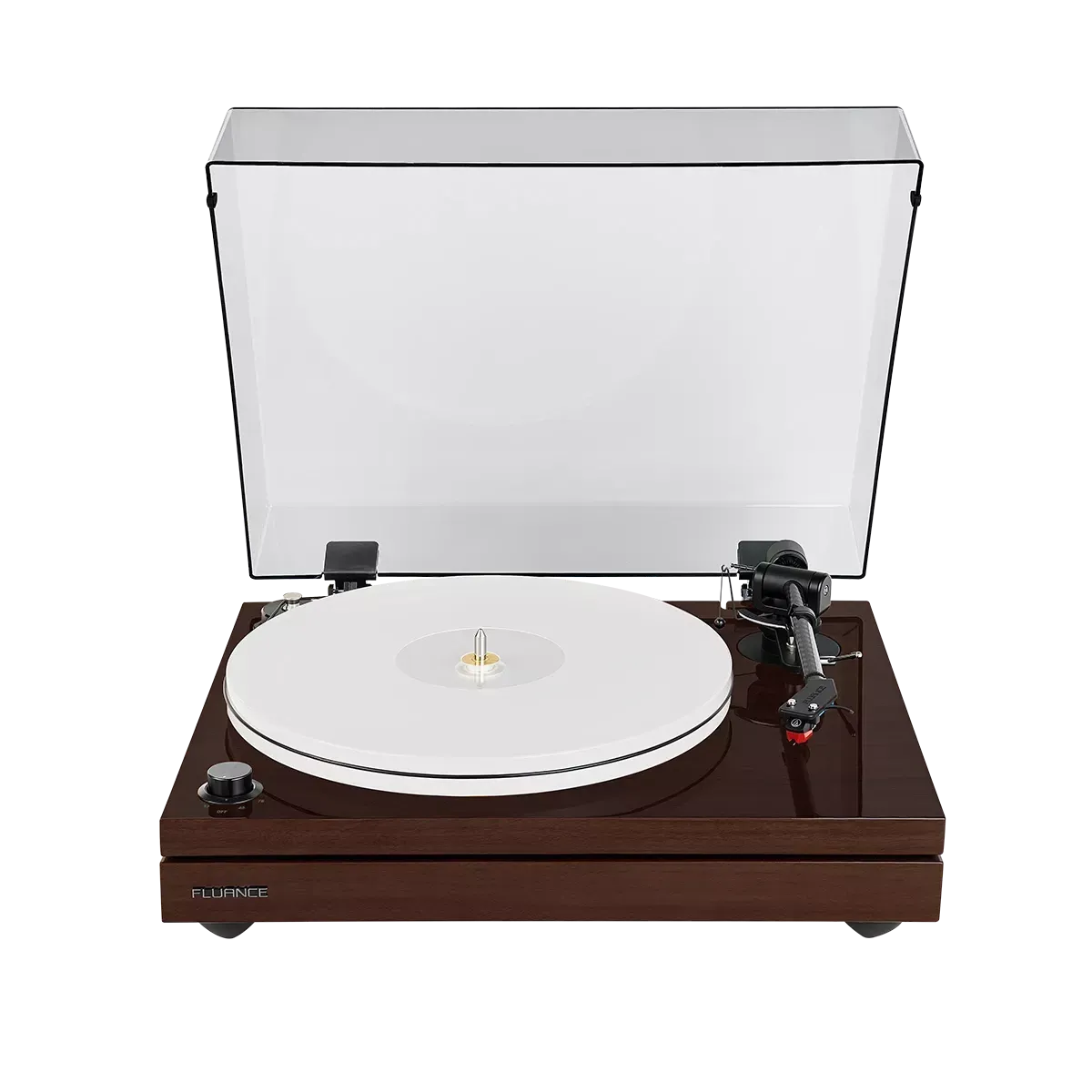
Fluance has launched its RT87 turntable in Europe, priced at £699.99. The belt-drive deck combines a two-layer plinth with a carbon fibre tonearm, an acrylic platter and a choice of Ortofon or Audio-Technica cartridge.
For listeners planning a more substantial vinyl setup, its adjustable arm and removable headshell leave room for cartridge changes later. You will need a suitable phono input or a separate phono stage to connect it to your system.

Quick Reference
Product: Fluance RT87 belt-drive turntable

Price: £699.99 / €818.99
Cartridge Options: Ortofon 2M Blue or Audio-Technica AT-VM95ML
Tonearm: Carbon fibre with adjustable height and removable headshell
Platter: 22mm acrylic, weighing 1.85kg
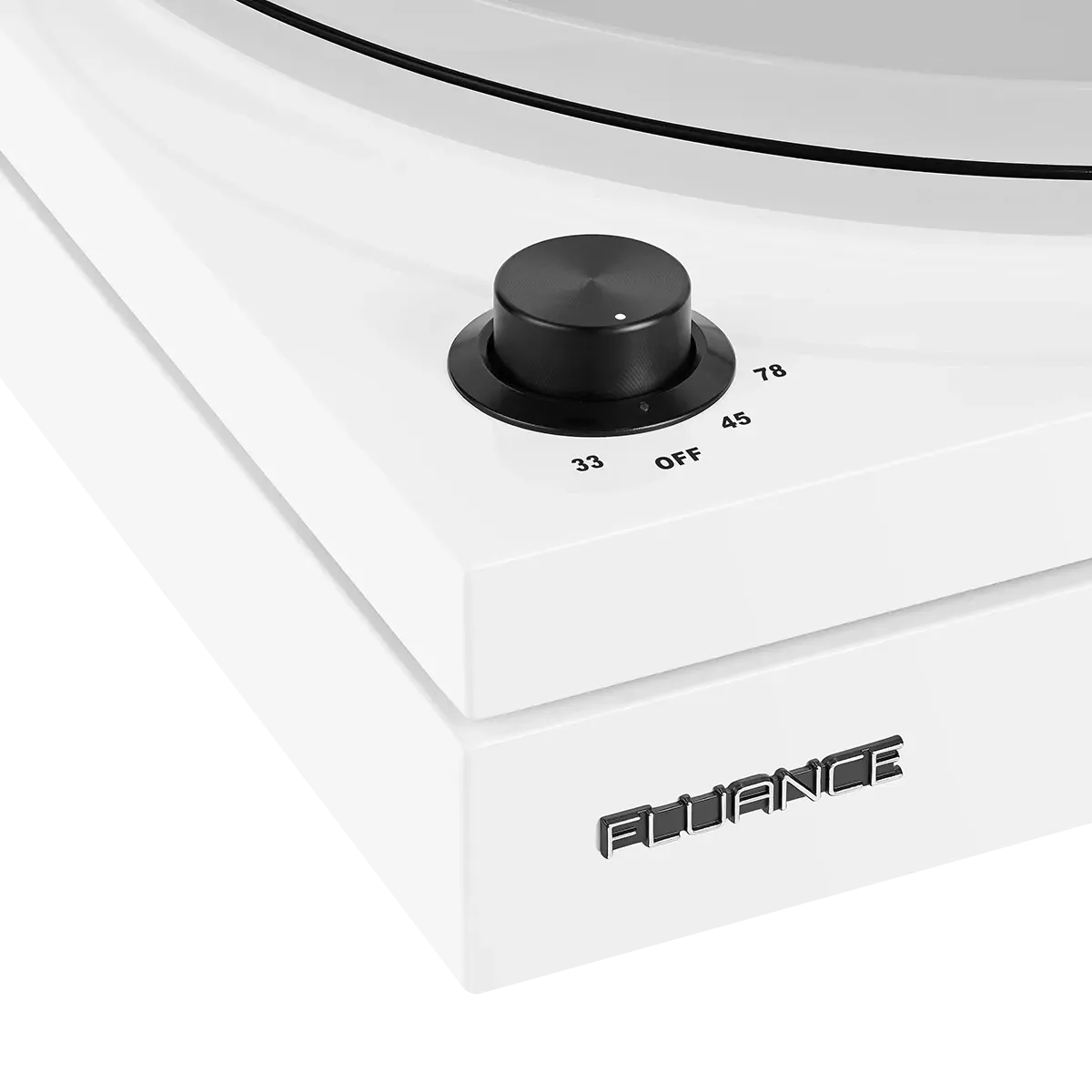
Finishes: Natural walnut, piano black or piano white
Phono Stage: Not built in; suitable external phono amplification required
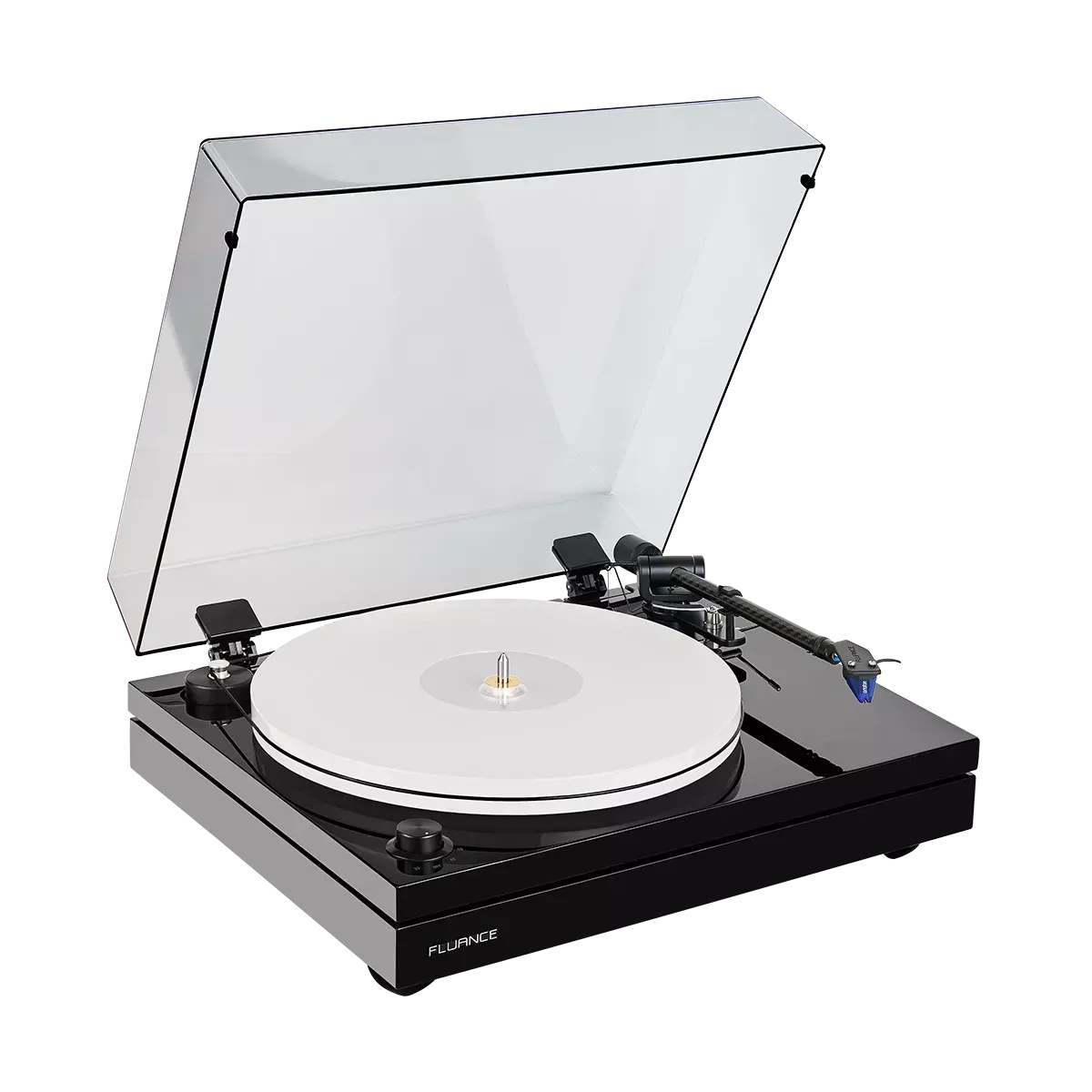
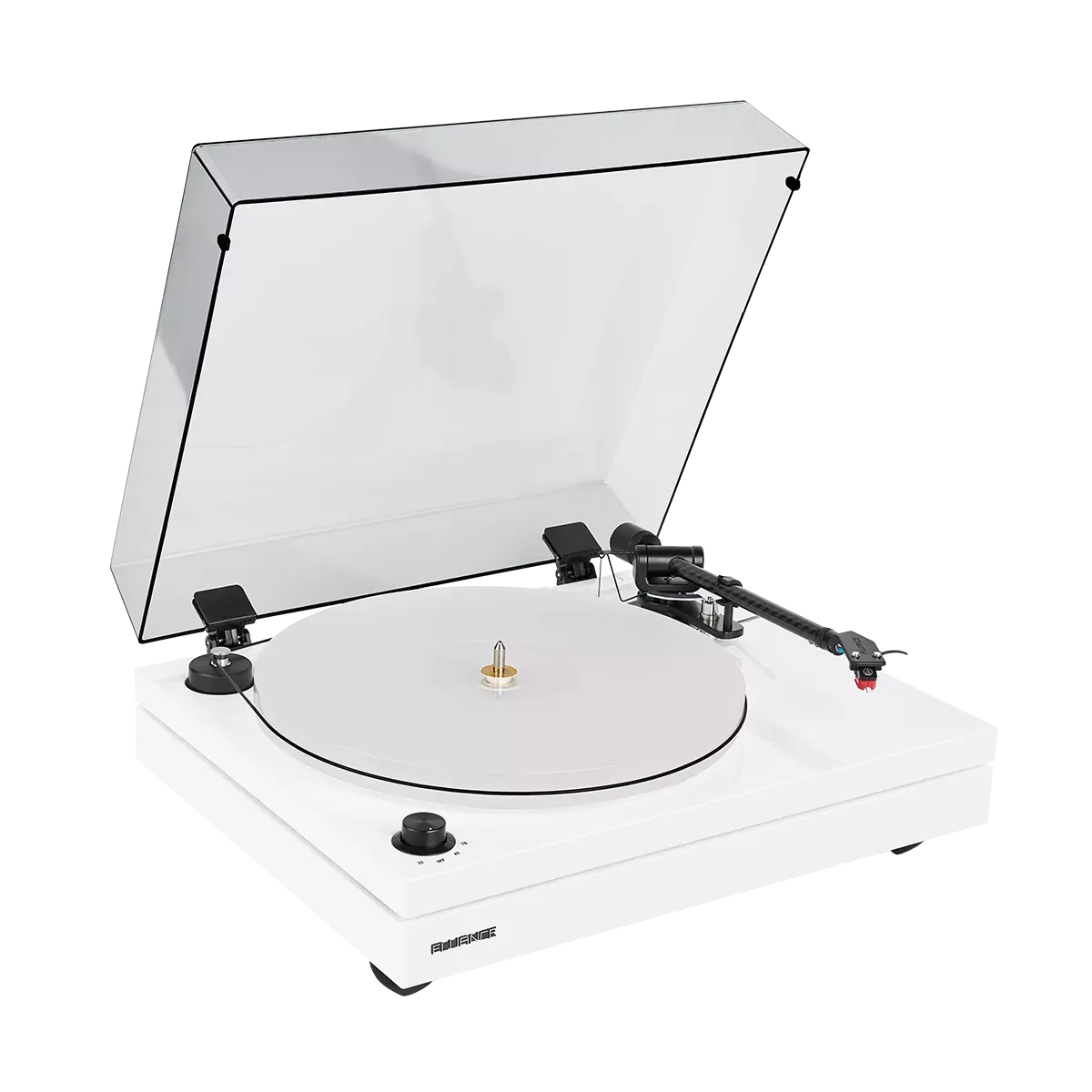
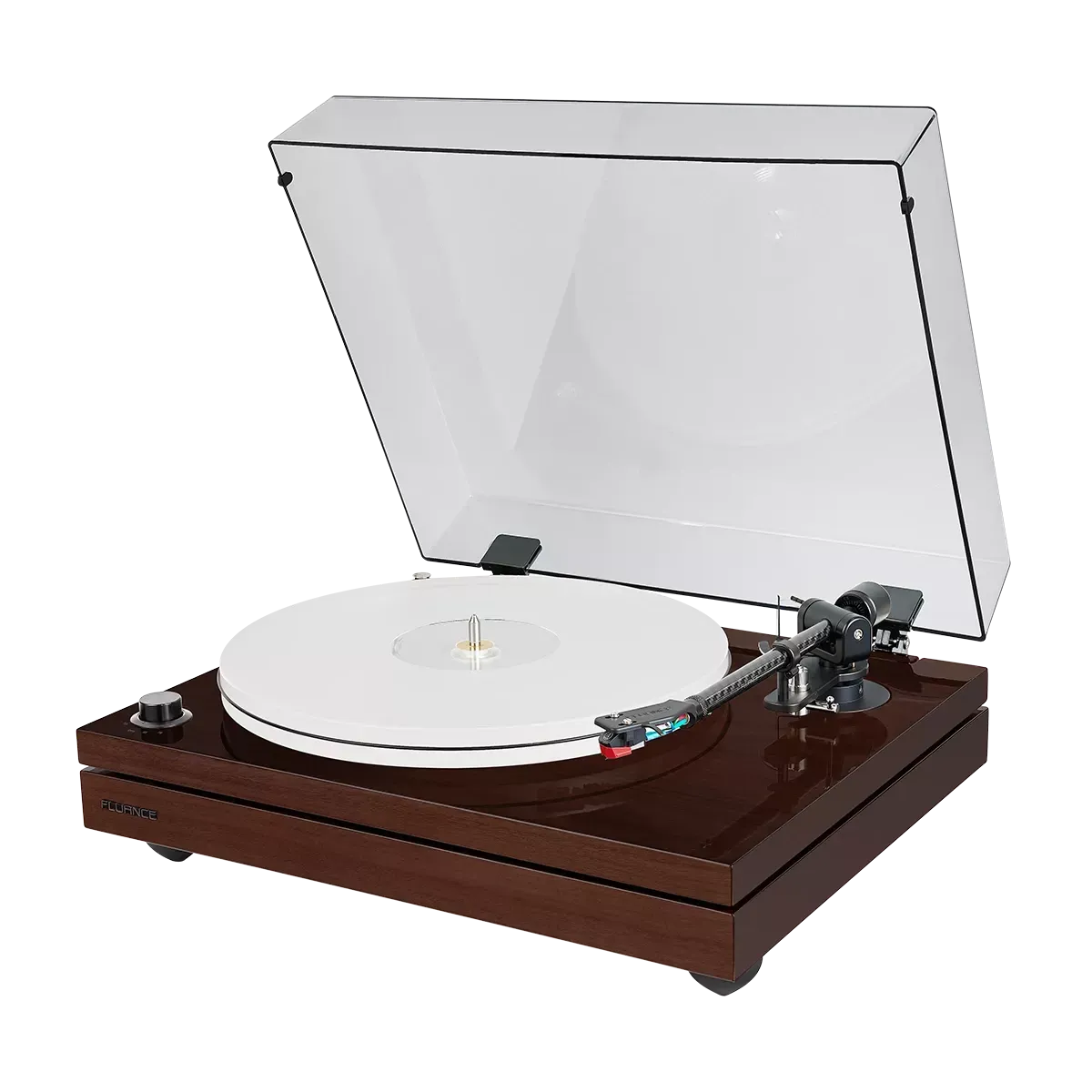
Two Layers To Tackle Vibration
The RT87 separates its motor from the parts that support and read the record. The motor sits on a 36mm lower plinth, with the spindle, platter and tonearm mounted on a 21mm upper layer. Cone-shaped isolators sit between the two.
Fluance also uses seven-point silicone isolation around the motor and a decoupling ring. These measures are intended to reduce the vibration that reaches the stylus, which needs to follow the record groove without picking up unwanted movement from the deck.
Two Cartridge Options
Buyers can choose between two moving-magnet cartridges. The Ortofon 2M Blue has a nude elliptical stylus, while the Audio-Technica AT-VM95ML uses a Microlinear stylus. These are different shapes of the tiny tip that traces the groove.
Both are supplied options for the RT87, so the cartridge choice forms part of the initial purchase. The removable headshell also makes it more convenient to fit a different cartridge later.
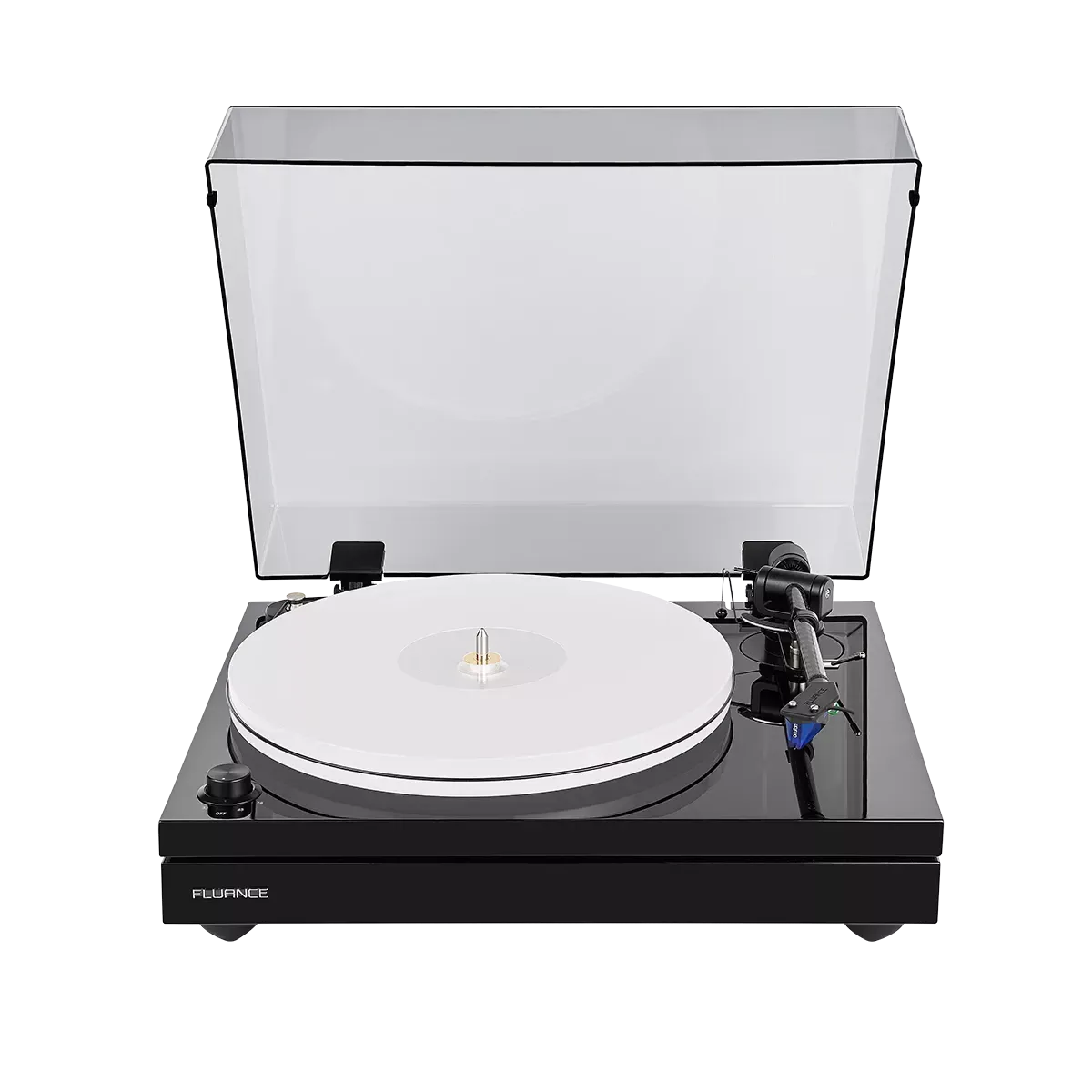
An Adjustable Carbon Fibre Tonearm
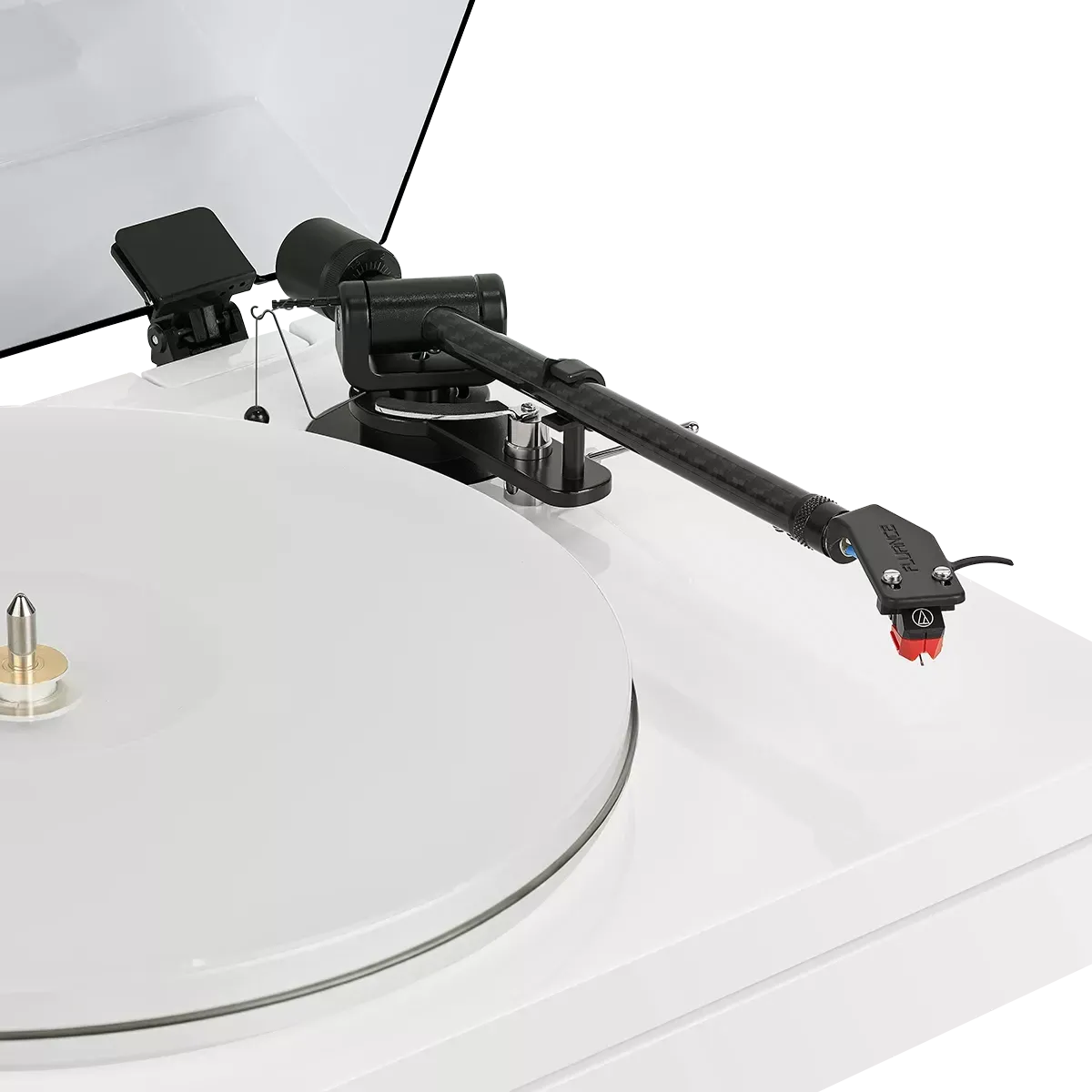
The straight, one-piece carbon fibre arm has an effective length of 230mm. Fluance says its combination of low mass and rigidity is intended to control resonance. Anti-skating is adjusted using a hanging weight and thread.
The arm offers 6mm of height adjustment, allowing its angle to be set for different cartridges. Fluance specifies support for cartridges weighing 5g to 9.5g and measuring 15mm to 21mm tall, giving owners clear limits to check when considering a change.
An Acrylic Platter Without A Mat
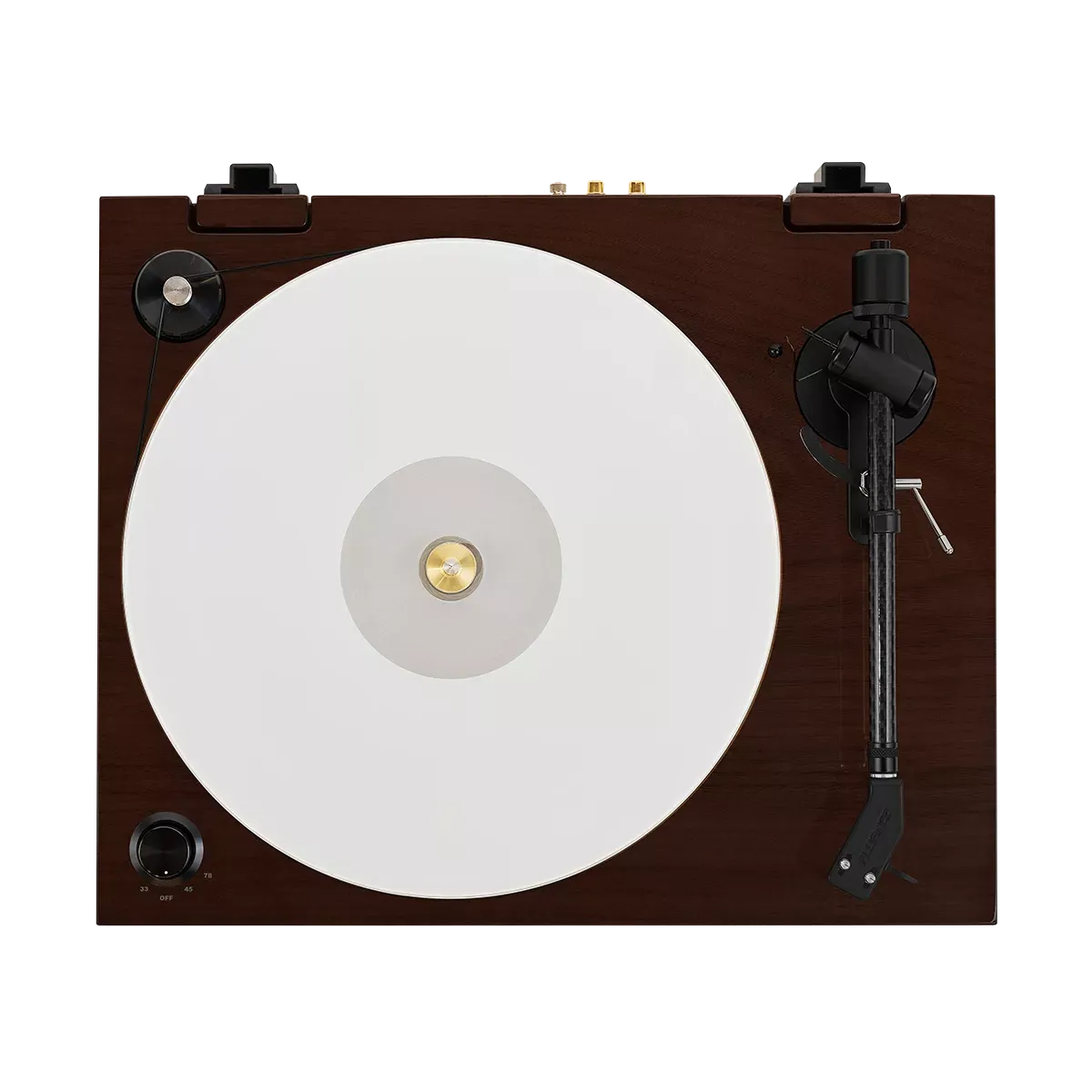
The RT87 uses a 22mm acrylic platter weighing 1.85kg, with records placed directly on it rather than on a separate mat. Its mass helps it resist changes in rotational speed, while Fluance says the material helps damp unwanted vibration.
A round-profile rubber belt transfers rotation from the motor to the platter. Fluance says the belt’s reduced contact area is intended to limit the transmission of motor vibration.
Connecting It To Your HiFi
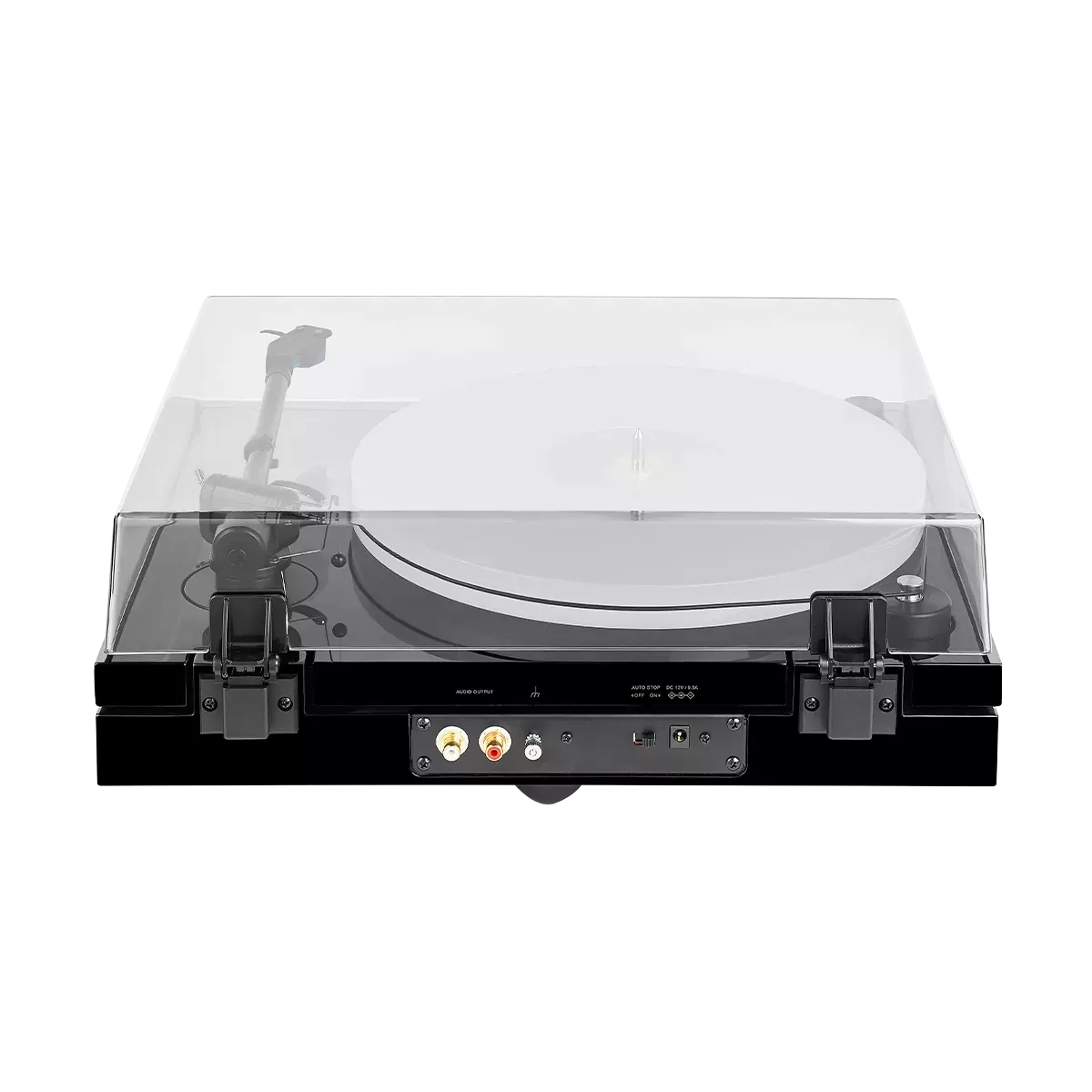
RCA sockets and a ground terminal provide the connection to your system. The RT87 requires a phono stage suitable for its moving-magnet cartridge, either as a separate unit or built into an amplifier, receiver or powered speaker system.
An ordinary line input on its own will not provide the required amplification and playback correction. If your existing system has no suitable phono input, allow for an external phono stage in the total budget.
Price And Availability
Fluance says the RT87 is available now at £699.99 or €818.99, in natural walnut, piano black and piano white.
The package includes a tinted dust cover, RCA cable, ground wire, power adaptor, bubble level and tonearm-height adjustment tool, alongside the platter, belt, headshell and cartridge.
What The Terms Mean
Plinth: The base supporting a turntable’s components. The RT87 uses two separated layers.
Cartridge And Stylus: The stylus follows the record groove; the cartridge converts that movement into an electrical signal.
VTA: Vertical tracking angle. Adjusting the tonearm height changes the angle at which the stylus assembly meets the record.
Anti-Skating: An outward force that counters the tonearm’s tendency to pull towards the record’s centre.
Phono Stage: A circuit that boosts a cartridge’s small signal and applies the equalisation needed for record playback.

For more from Starting Out click here