

Cabridge Spira Turntable
Cambridge Audio has introduced Spira, a £329 turntable that gives you several ways to start playing records. A built-in phono stage allows a wired connection to an amplifier or active speakers, while Bluetooth lets you send your music to compatible wireless speakers or headphones.
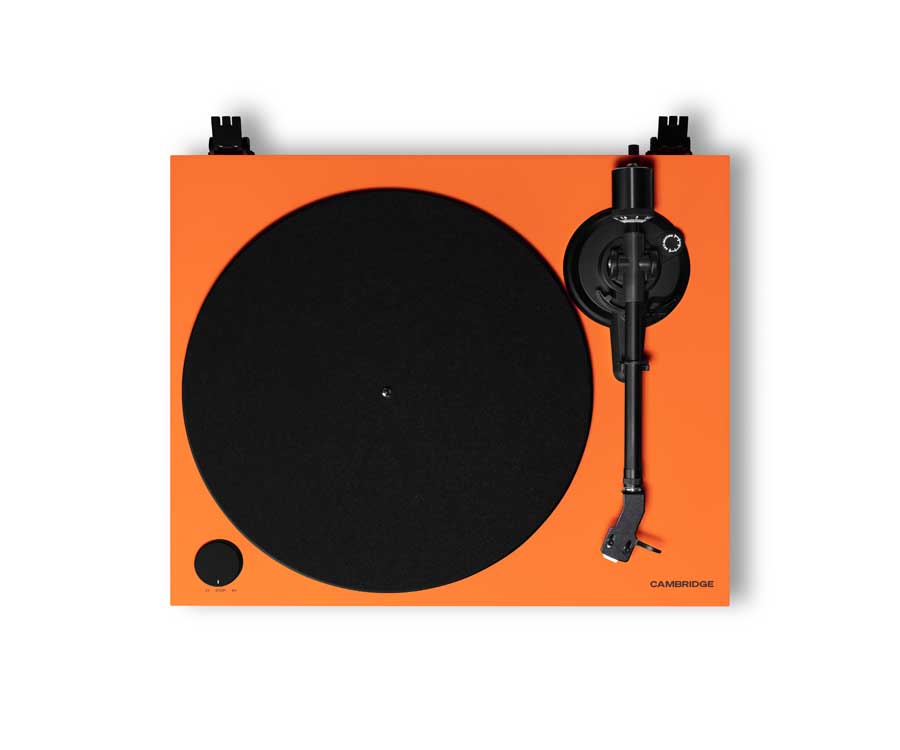
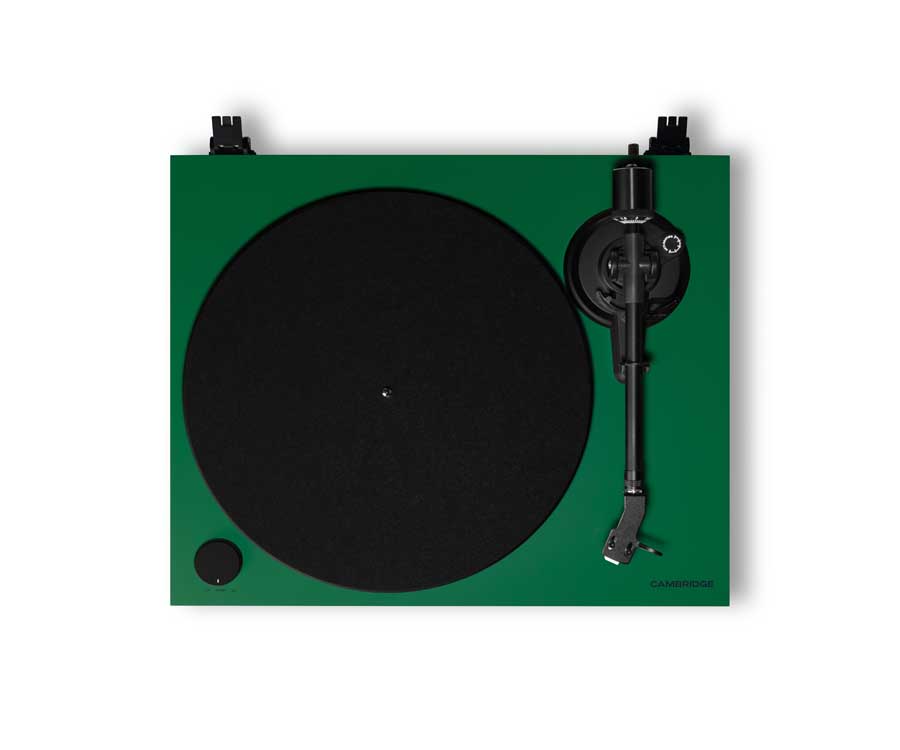
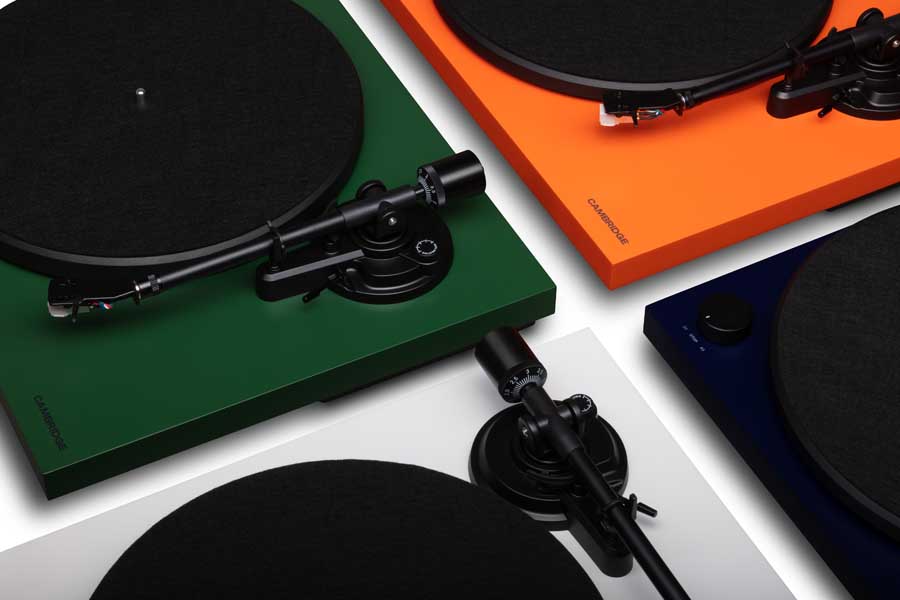
An Audio-Technica cartridge comes fitted and aligned, and there are options to upgrade as your system develops. Spira is available in black, white, blue, green and orange, with finishes designed to match Cambridge Audio’s L/R active stereo speakers.

Quick Reference
Product: Cambridge Audio Spira belt-drive turntable

Price: £329 / €349 / $499 / HK$3,480
Speeds: 33 and 45rpm, selected electronically with one dial
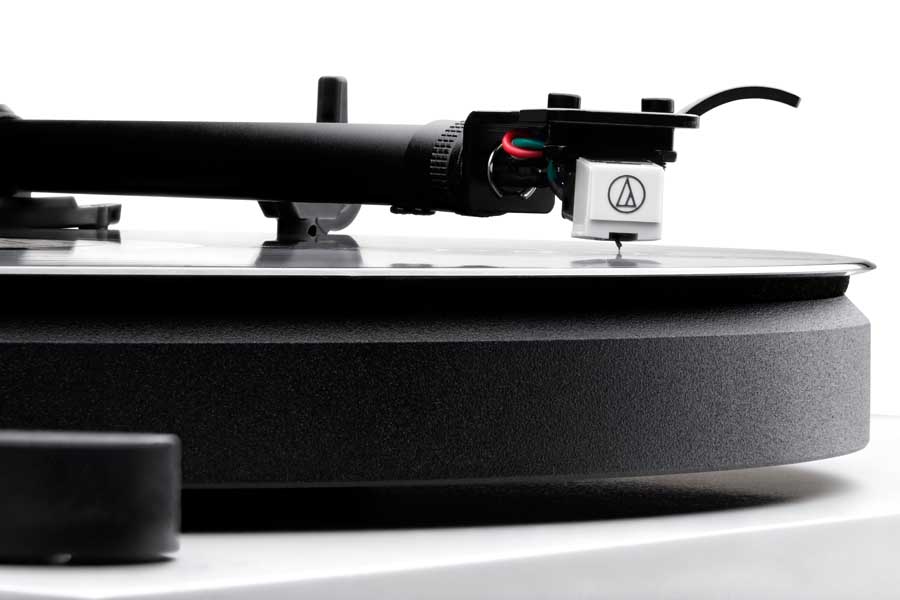
Cartridge: Audio-Technica, pre-fitted and aligned
Connections: Built-in bypassable phono stage and Bluetooth transmitter
Construction: Wooden plinth, 1.8kg steel platter and aluminium alloy tonearm
Colours: Black, white, blue, green and orange
Start With The System You Have
For a first vinyl setup, the built-in phono stage removes one extra box from the shopping list. It lets Spira connect to a suitable line-level input on an amplifier or active speakers without needing a separate phono preamp.
You still need something to play the sound through. Active speakers have amplification built in, while ordinary passive speakers require a separate amplifier. Spira supplies the music signal rather than powering passive speakers itself.
The Bluetooth transmitter provides another route, sending records wirelessly to compatible Bluetooth speakers or headphones. This could be useful if you already own wireless headphones or want to position a speaker away from the turntable.
Room To Upgrade
The supplied Audio-Technica cartridge is already fitted and aligned, taking one of the fiddlier tasks out of getting started. Cambridge Audio says the stylus can be upgraded to an Audio-Technica 3600LE elliptical version for improved tracking performance.
A removable headshell also makes future cartridge changes easier. The aluminium alloy tonearm includes an adjustable counterweight and adjustable anti-skate, allowing its settings to be matched to the cartridge being used.
The internal phono stage can be bypassed if you later want to use an external one, such as Cambridge Audio’s Alva Solo or Alva Duo. That gives you a way to change this part of the system while keeping the turntable.
A Steel Platter And Simple Speed Control
Spira uses a belt to drive a sub-platter beneath its 1.8kg steel platter. Cambridge Audio says the platter’s mass is intended to improve rotational stability and reduce vibration. A felt mat sits between the platter and the record.
The motor is housed in a lacquered wooden plinth, with vibration-absorbing feet underneath and a ground connector to help address hum in a suitable setup. A single dial switches electronically between 33 and 45rpm, so there is no need to move the belt by hand when changing speed.
A hinged, smoked dust cover protects the deck between listening sessions. The five finish choices give buyers the option of a neutral colour or something brighter.
Price And Availability
Cambridge Audio Spira is available from 14 October through Cambridge Audio and approved retailers, priced at £329 / €349 / $499 / HK$3,480.
The package includes the fitted Audio-Technica cartridge, built-in phono stage, Bluetooth transmitter, felt mat and dust cover. Speakers or headphones are needed separately, so remember to include those in the budget if you are building a system from scratch.
What The Terms Mean
Phono Stage: Also called a phono preamp, this boosts the cartridge’s small electrical signal and applies the equalisation needed for record playback.
Cartridge And Stylus: The stylus is the needle that follows the record groove. The cartridge turns its movement into an electrical signal. An elliptical stylus has a differently shaped tip from a conical one.
Headshell: The part at the end of the tonearm that holds the cartridge. A removable version makes it easier to access and change the cartridge.
Tracking Force And Anti-Skate: Tracking force is the downward force on the stylus. Anti-skate helps balance the sideways forces acting on the tonearm during playback.
Plinth And Platter: The plinth is the turntable’s base. The platter is the rotating platform that supports the record.

For more from Starting Out click here